


Sci-Fi Movies You Will Never Understand (No Matter How Many Times You Watch Them)

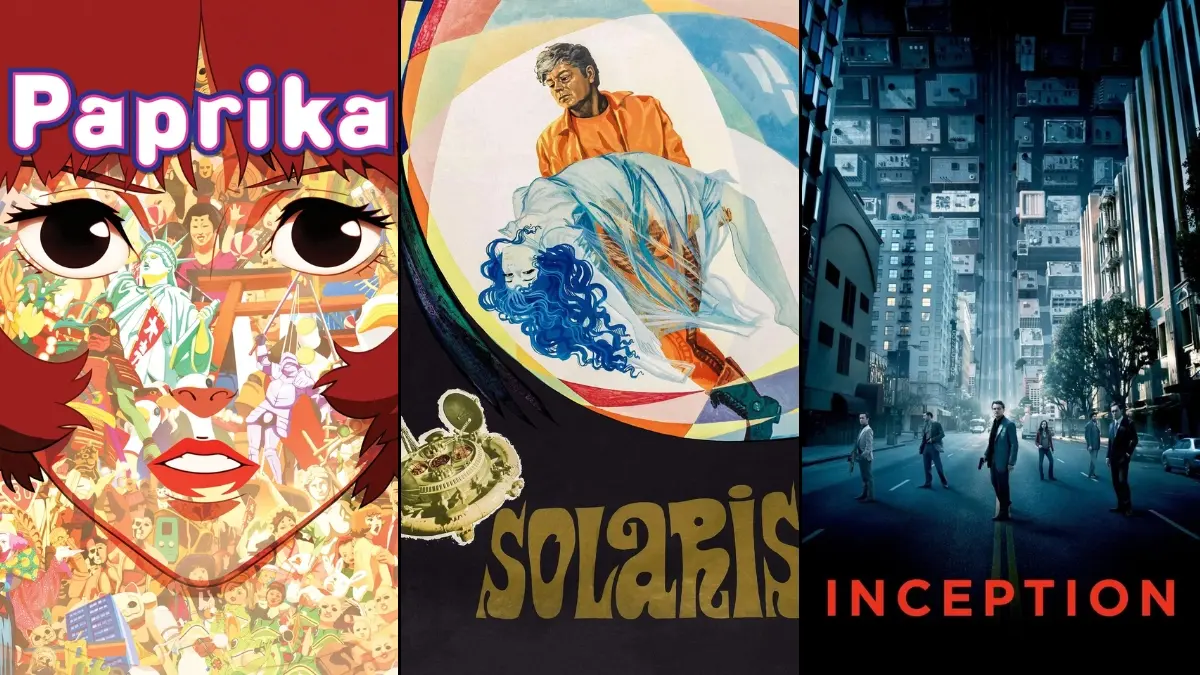


Some science fiction invites you in and explains every last detail. This list focuses on the other kind. These are the films that build intricate worlds, bury clues in the margins, and ask you to keep up while they sprint ahead. They use loops and layers, unreliable memories and slippery realities, and sometimes even brand new vocabulary to describe what is going on.
To keep things simple, each entry gives clear information about what the film does and how it does it. You will find directors, key creative choices, narrative structures, and production facts that help map the maze. No spoilers beyond what a careful viewer can observe, and no opinions either. Just the building blocks you can use when you watch again.
‘Primer’ (2004)
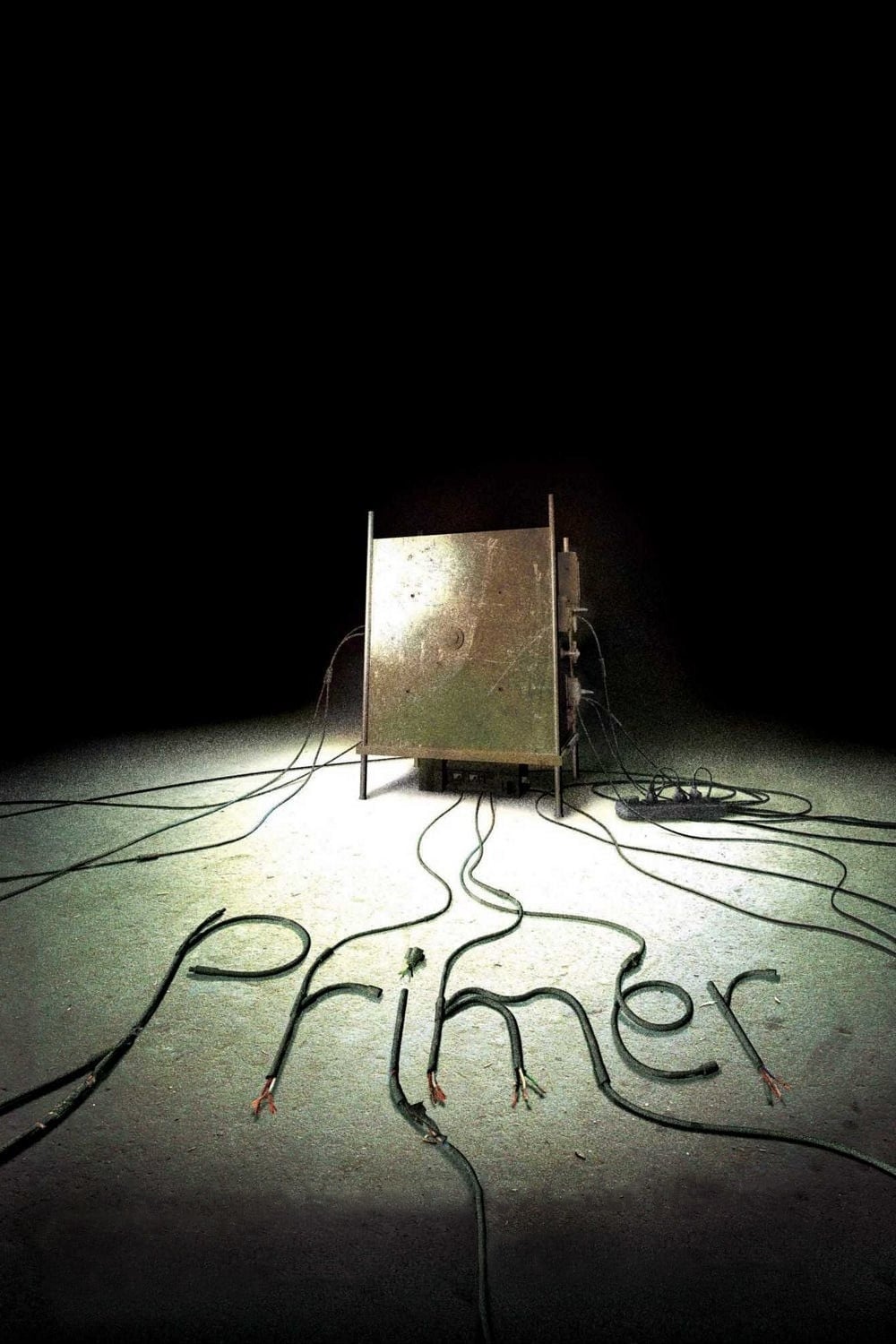
Shane Carruth wrote, directed, starred, scored, and edited this microbudget time travel story that was shot in suburban Texas. The film follows engineers who assemble a machine that creates overlapping time windows, which results in multiple versions of characters moving through the same day. Dialogue uses technical language from engineering and physics without on screen explanation.
The production is known for a very small budget and extensive use of practical locations like garages and storage units. Scenes often play in long takes with off axis framing so key actions occur at the edges of the image. Viewers track duplicate timelines by wardrobe and prop continuity, which the film uses as an intentional guide.
‘Tenet’ (2020)
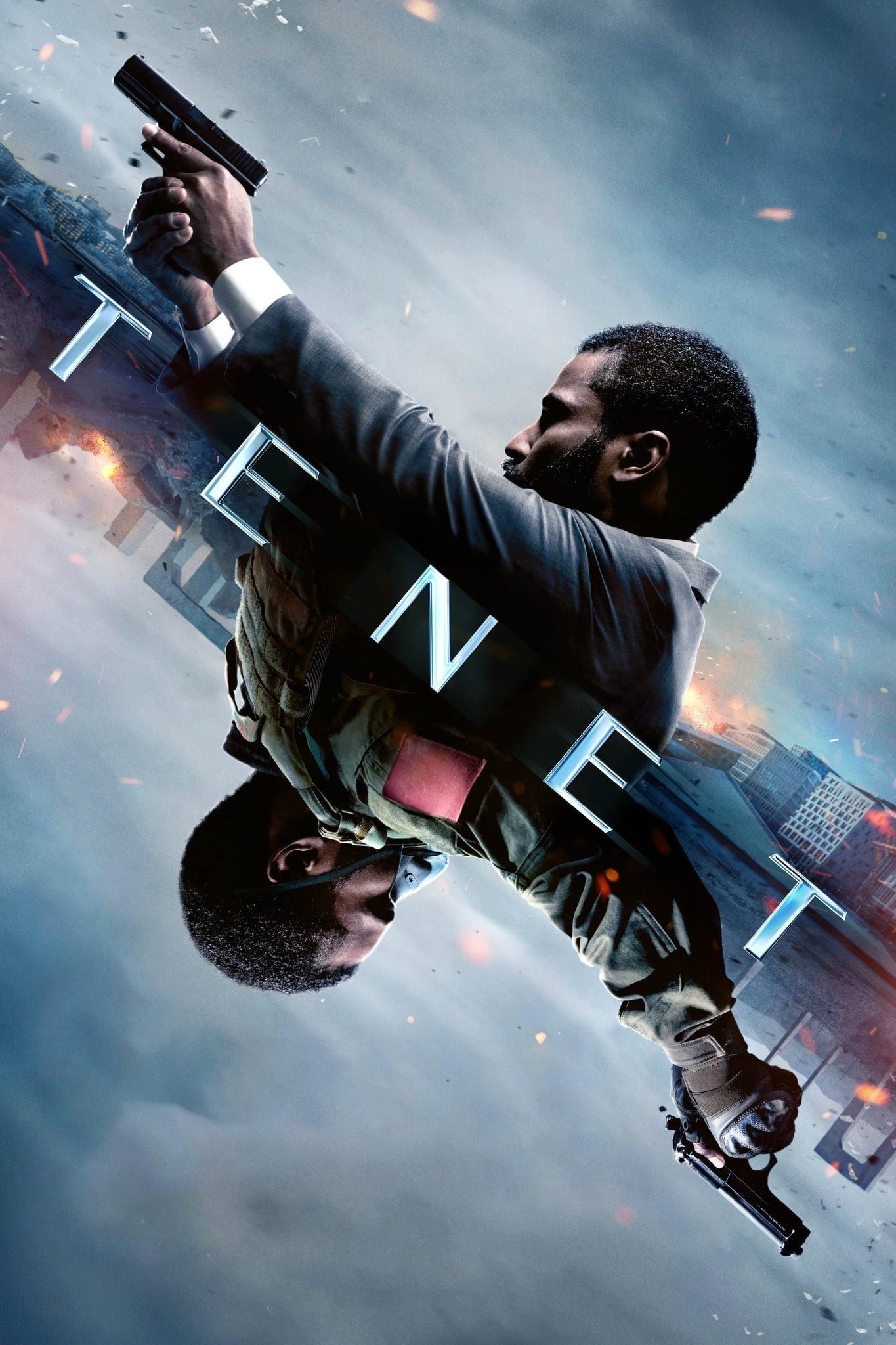
Christopher Nolan built a story around inverted entropy where certain objects and people move backward through time relative to the world around them. The film uses set pieces in which forward moving and inverted actions collide, so you see the same event from different temporal directions. Character names and terms reference the ancient Sator square, which links words that appear within the story.
Production spanned multiple countries with large scale practical effects such as reversing vehicles and staging explosions that play both directions on screen. Dialogue and sound design incorporate reversed speech and distinctive breathing gear for inverted sequences. The score by Ludwig Goransson integrates rhythmic patterns that mirror the narrative structure.
‘Donnie Darko’ (2001)
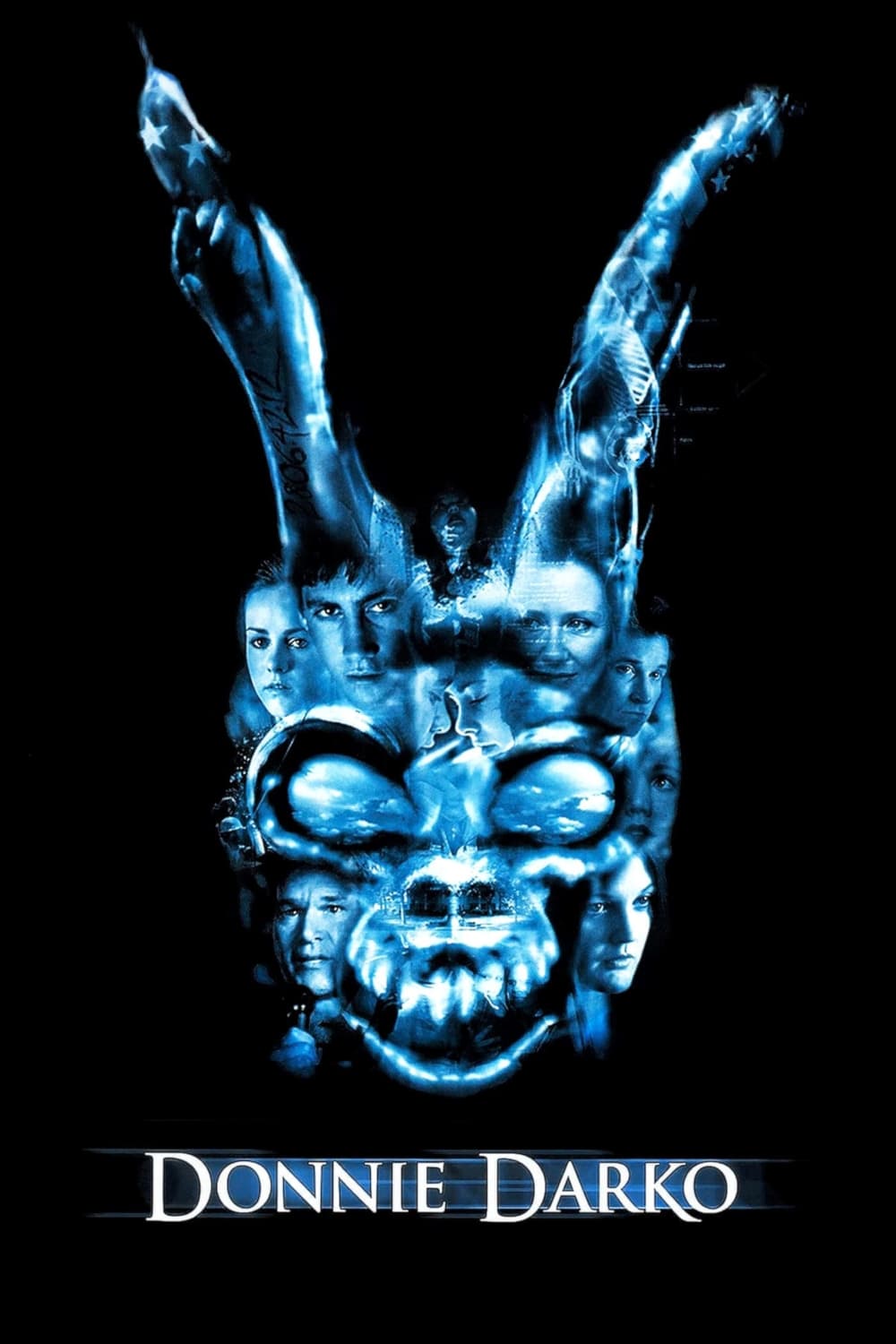
Richard Kelly’s film presents a disturbed teenager who receives warnings tied to a coming disaster. The narrative uses a fictional framework called The Philosophy of Time Travel that introduces terms for living receivers, manipulated living, and tangent universes. The core idea involves an artifact that should not exist in the primary timeline.
There are two widely viewed versions, each with small but important differences that add context to the rules you are seeing. Visual cues such as watery path projections and the appearance of a figure in a rabbit suit signal shifts in causality. The soundtrack and period setting anchor events to a specific suburban environment while the story itself bends time around that setting.
‘2001: A Space Odyssey’ (1968)
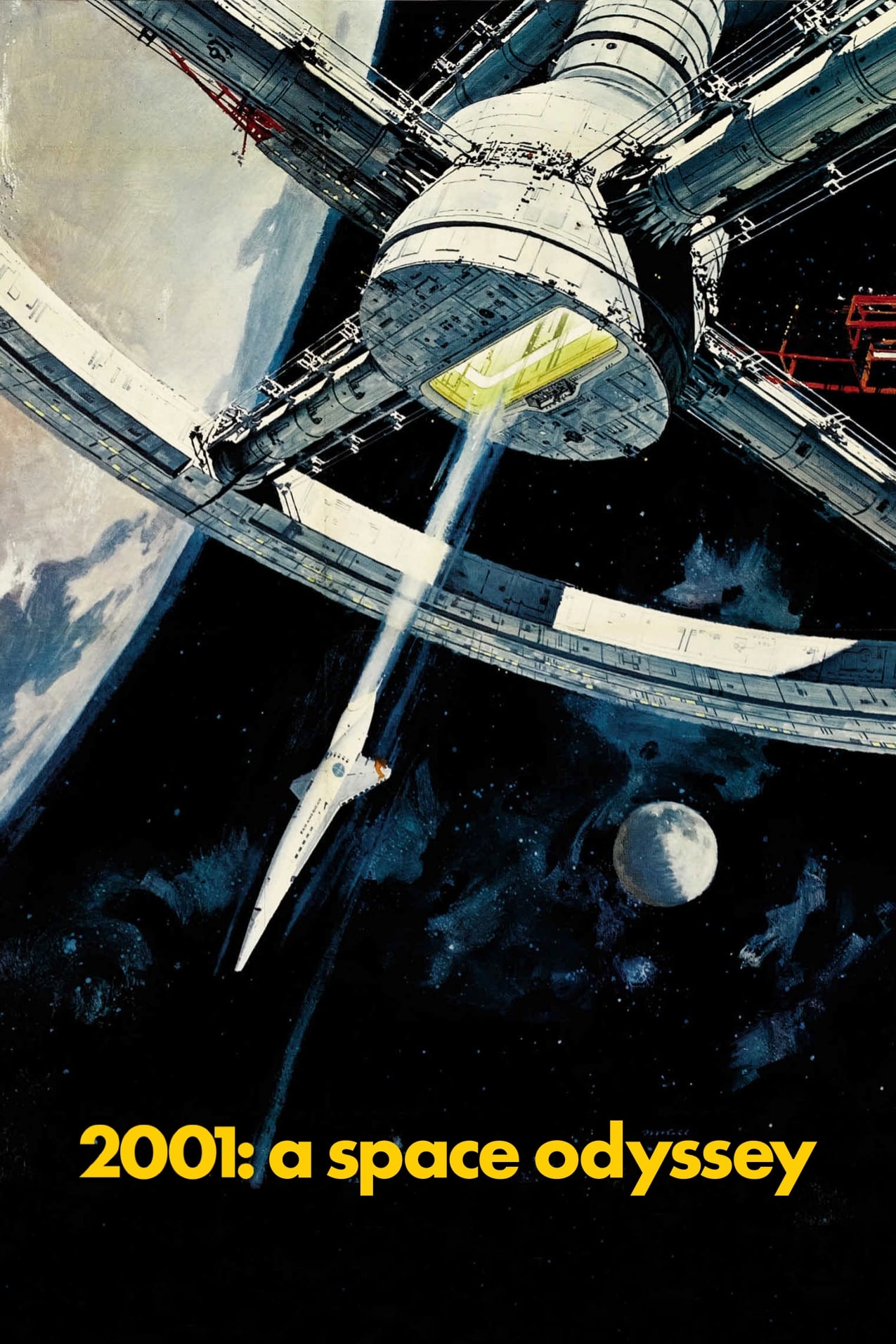
Stanley Kubrick collaborated with Arthur C Clarke to chart human evolution through encounters with a mysterious artifact. The structure moves from prehistoric earth to deep space, using match cuts and wordless sequences to connect eras. HAL 9000 provides a procedural account of ship operations while the Stargate sequence uses abstract imagery to suggest a transition beyond normal perception.
The production pioneered front projection for the Dawn of Man scenes and employed large scale rotating sets for the spacecraft interiors. Classical music selections set the rhythm of movement and editing. Dialogue is minimal by design, so visual composition and sound carry information about technology and behavior.
‘Annihilation’ (2018)
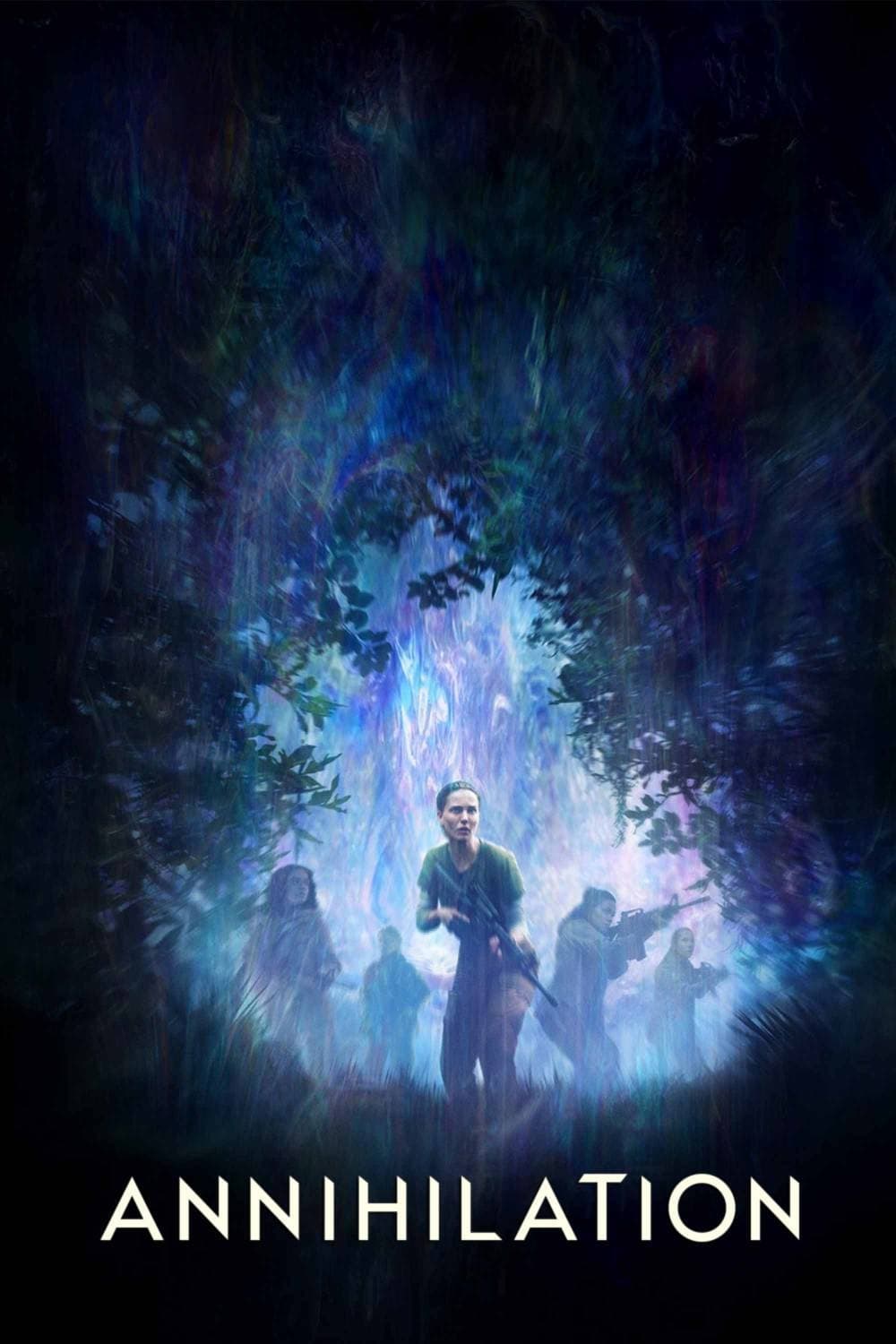
Alex Garland adapted the first book of the Southern Reach trilogy and focused on a group entering a quarantined zone known as the Shimmer. The film presents a process of refracted DNA that causes plants, animals, and humans to blend traits in unpredictable ways. Characters document their findings with cameras and field notes, which creates an investigative structure.
The production used real swamp and forest locations along with extensive color grading and visual effects to depict shifting biology. Key scenes rely on creature design that combines natural forms with unfamiliar movements and sounds. The score uses distorted tones and a later vocal motif to mark changes in what the team is encountering.
‘Under the Skin’ (2013)
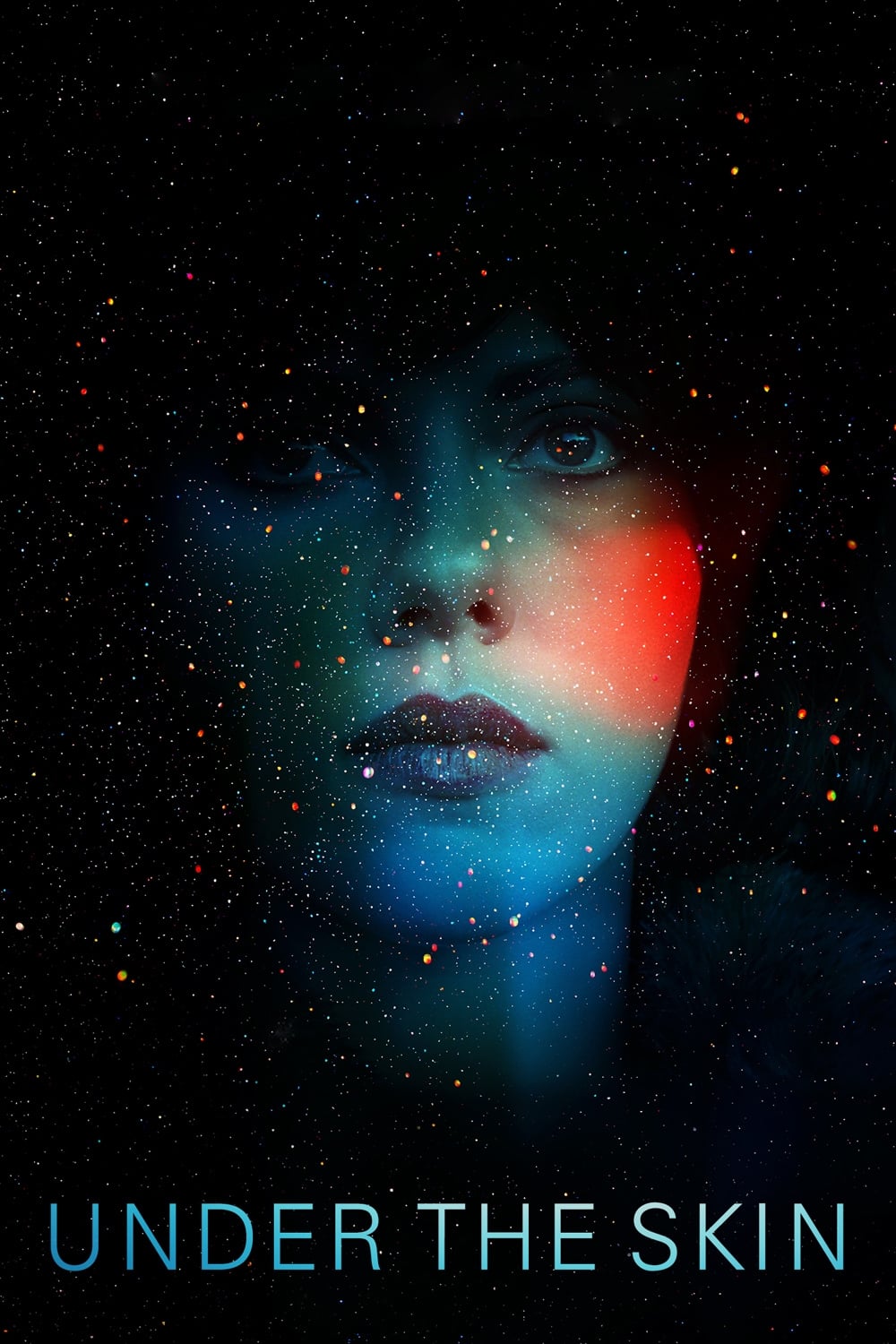
Jonathan Glazer’s film follows an alien figure moving through Scotland while adopting a human appearance. Many encounters were filmed with hidden cameras and non actors, then integrated into a scripted framework that tracks the character’s method of selecting targets. The black liquid space functions as a visual process rather than a literal location, shown through stylized stages.
The score by Mica Levi uses strings and percussion patterns that keep a steady tension. Visual storytelling relies on the contrast between everyday streets and isolated rooms where victims disappear. The production combined candid footage from a customized van with controlled sequences that show how the alien perceives human behavior.
‘Upstream Color’ (2013)
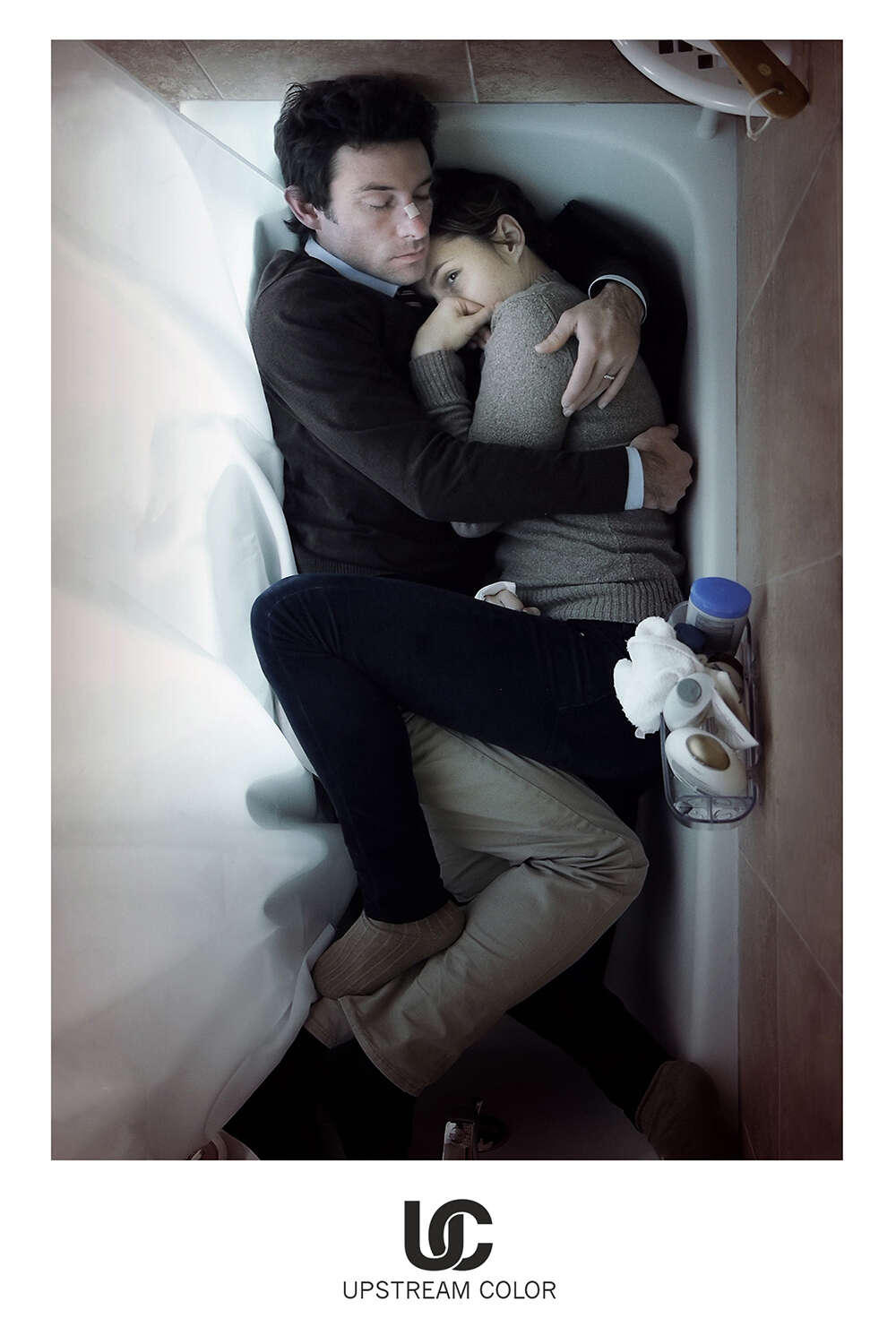
Shane Carruth’s second feature connects three life forms in a repeating cycle involving a parasite, pigs, and orchids. The narrative follows two people whose identities and memories have been disrupted, then moves to a sound recordist who manipulates field recordings as part of the same cycle. Dialogue is sparse, and meaning is conveyed through repeated actions and audio motifs.
The film was shot with a small crew and edited to create echoes across scenes using match cuts and recurring textures. Sound design is central, with sequences built around sampling and playback that link environments. Visual references to literature and water imagery serve as anchors that connect the human story to the larger biological pattern.
‘Coherence’ (2013)
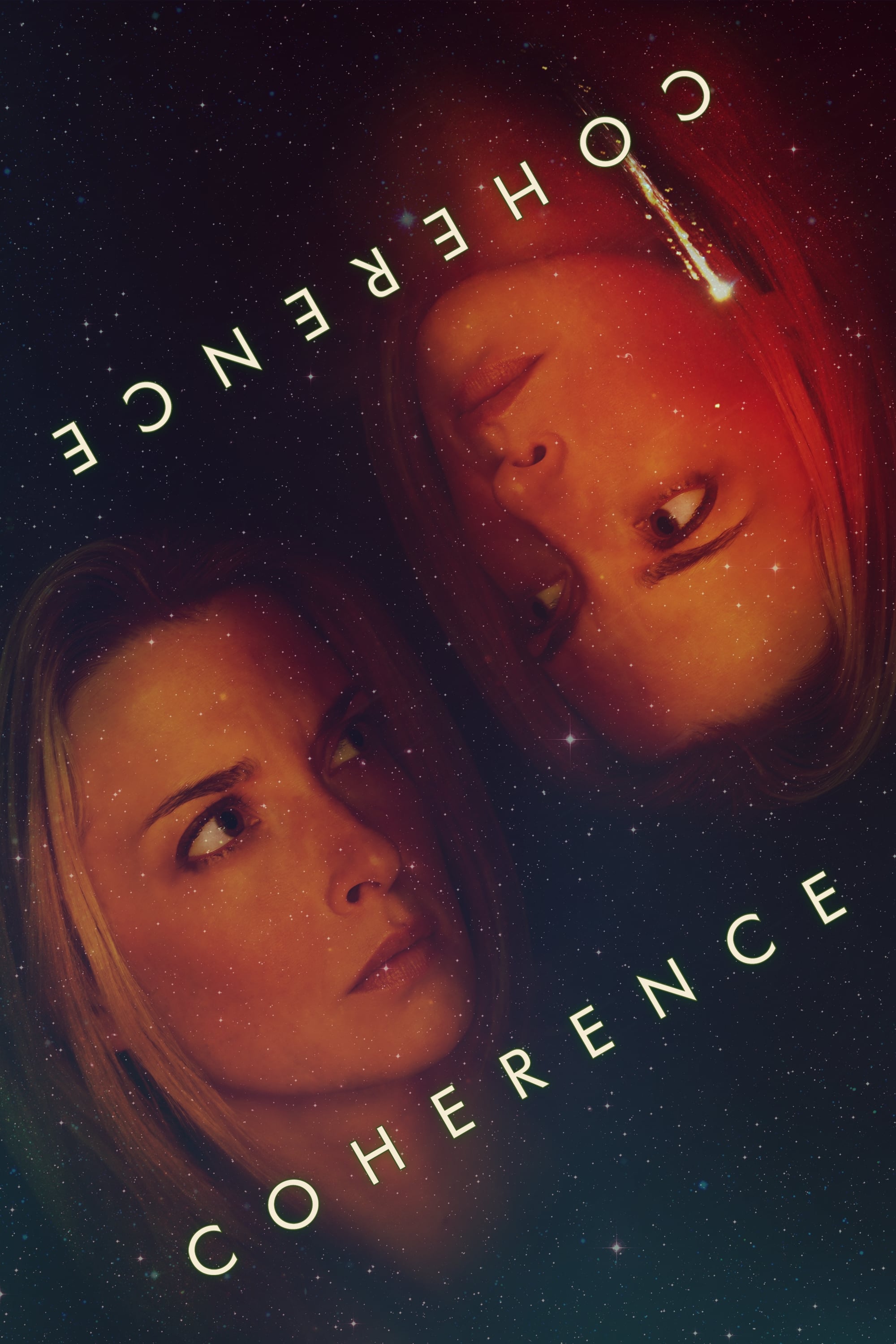
James Ward Byrkit staged a dinner party during a comet passing that triggers reality splits. Characters discover duplicates of their own group and realize that different versions of the evening exist at once. The film uses color coded glow sticks and numbered notes as in story tools to track which version of the house they are in.
The production shot with minimal lighting and a loose outline, giving actors scene goals rather than full scripts. The camera remains in the house, which creates a contained geography. The branching structure emerges through props and markings that keep continuity across versions while still allowing confusion to build inside the story.
‘Solaris’ (1972)

Andrei Tarkovsky adapted the novel by Stanisław Lem about a sentient ocean that manifests physical forms from human memory. The story centers on a psychologist sent to a space station who encounters a person from his past recreated by the planet. Long takes and quiet observation place attention on behavior and environment.
Production design contrasts the busy station corridors with the flowing surface of the ocean shown in abstract shots. The score and ambient sound create a meditative rhythm. The film uses recurring images such as water, foliage, and mirror reflections to emphasize the theme of perception transformed by memory.
‘Stalker’ (1979)

This Tarkovsky film follows a guide leading two clients through a forbidden area called the Zone toward a room said to change lives. The journey involves traps that are never seen directly and rules that must be followed without clear explanation. Dialogue explores belief and intention while the landscape shifts between industrial ruins and living nature.
The production famously underwent multiple shoots, with changes in location and film stock. Color shifts mark the passage into the Zone, using a distinct palette to separate spaces. Sound plays an important role, with distant rumbles and dripping water giving the Zone its own presence.
‘The Matrix’ (1999)
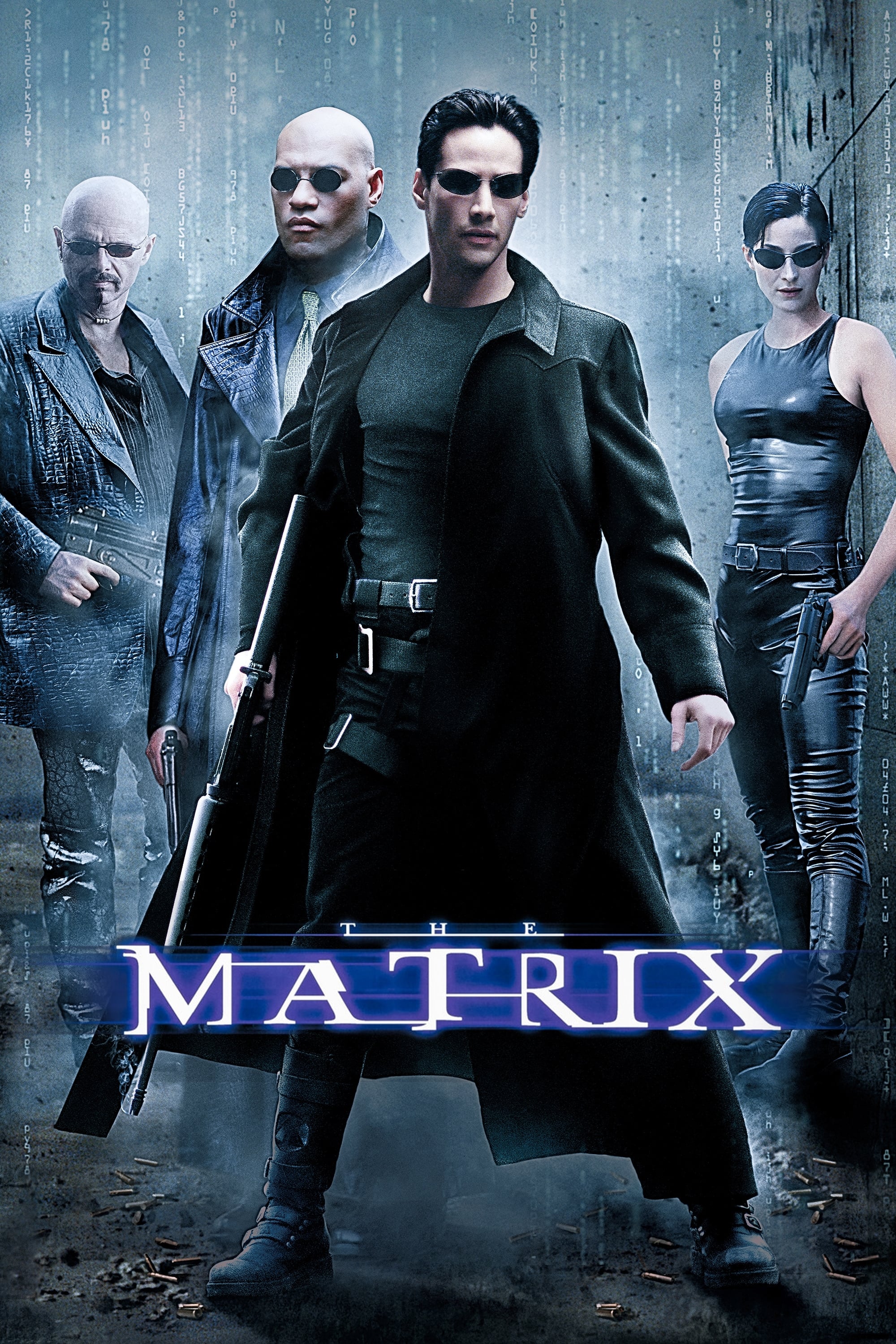
Lana and Lilly Wachowski built a world where humans live inside a simulated reality run by intelligent machines. The film introduces concepts like residual self image and training by direct neural input, then shows how agents can override normal rules. Action scenes demonstrate simulation physics through bullet time and gravity defying movement.
The production used an array of still cameras for bullet time shots and designed green tinted grading for scenes set inside the simulation. References to philosophy and computing appear in dialogue and props. Fight choreography blends martial arts with wire work, and the code rain motif became a visual signature for system activity.
‘Inception’ (2010)
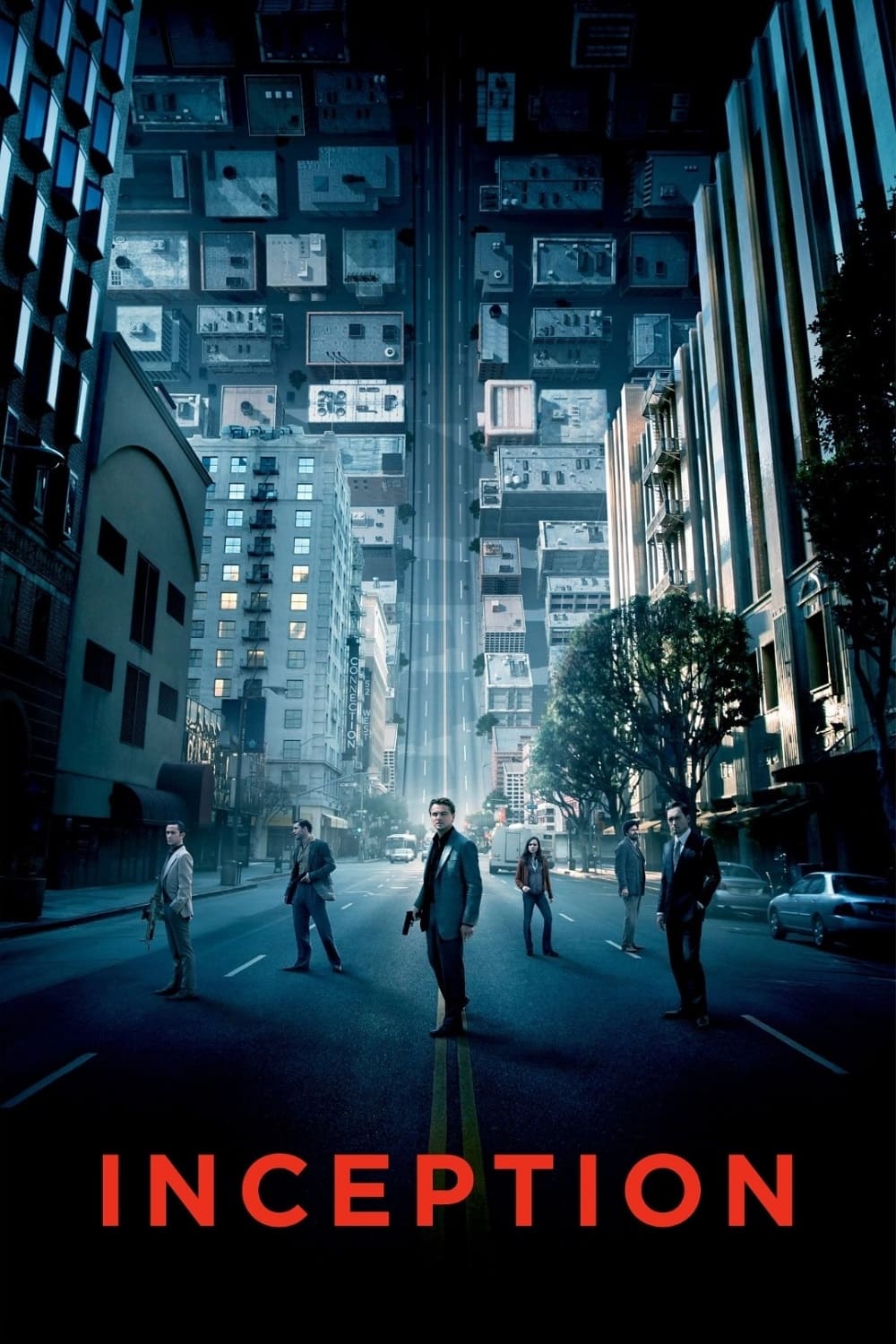
Christopher Nolan’s heist story operates inside dreams with rules for constructing environments, populating them with projections, and sharing them among participants. Missions progress through layers, each with its own time rate relative to the one above it. A musical cue provides synchronization across layers to time key actions.
Production involved rotating corridor sets and large scale practical effects for city bending and snowbound sequences. The cast was trained for wire work and zero gravity movement. The screenplay assigns specific roles to team members so that scene objectives are clear even as the environment changes around them.
‘Interstellar’ (2014)
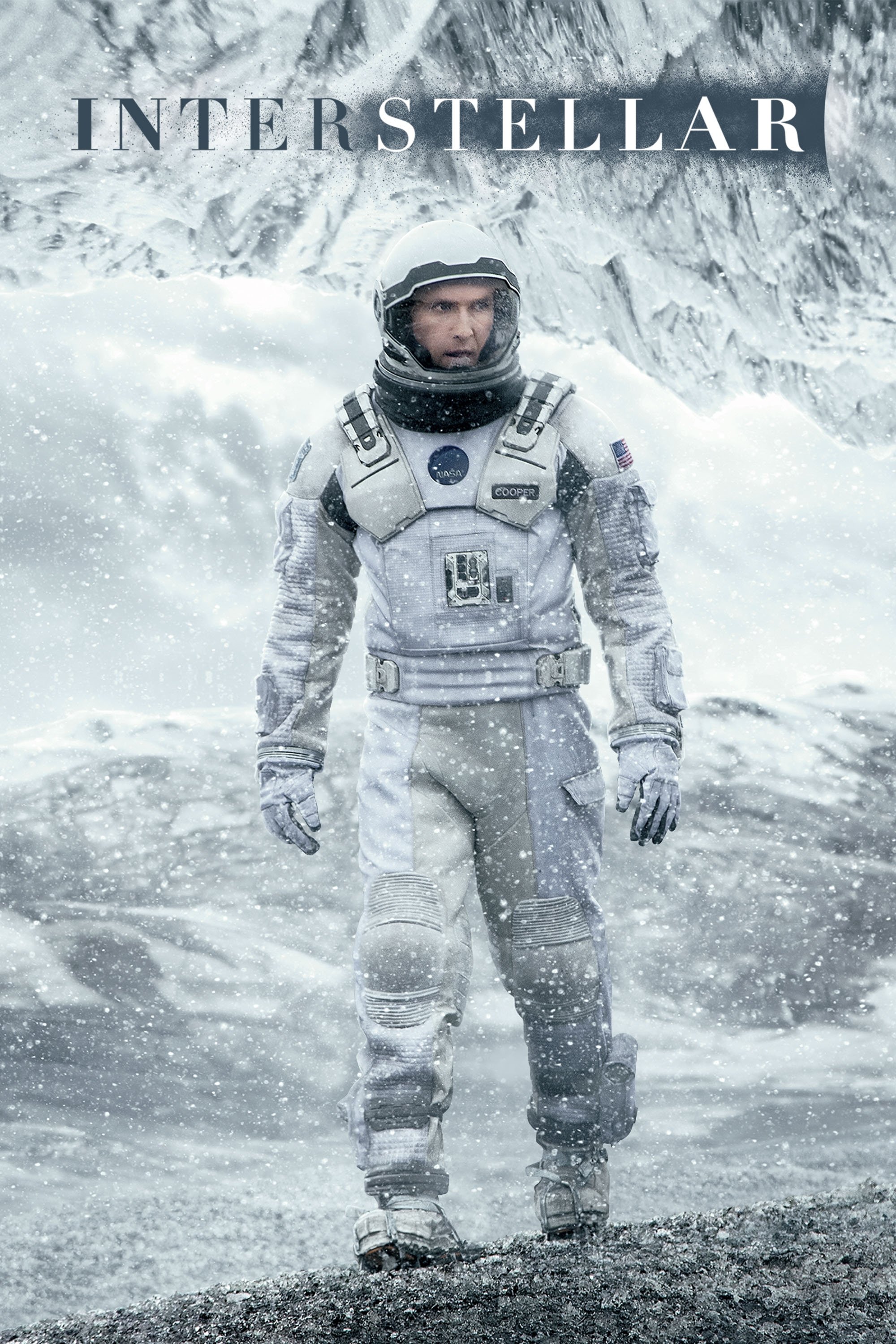
This space exploration story uses relativity as a plot driver, with time dilation measured against family life back on earth. A black hole named Gargantua was visualized using equations from physicist Kip Thorne, which produced lensing effects that match scientific models. The mission plan involves passing through a wormhole near Saturn to reach potential new worlds.
Production combined real farm locations and full scale spacecraft interiors with IMAX photography. Miniatures were used for certain shots to achieve realistic motion. The score by Hans Zimmer favors organ and long sustained notes that align with images of vast distances and slow orbital movement.
‘Predestination’ (2014)
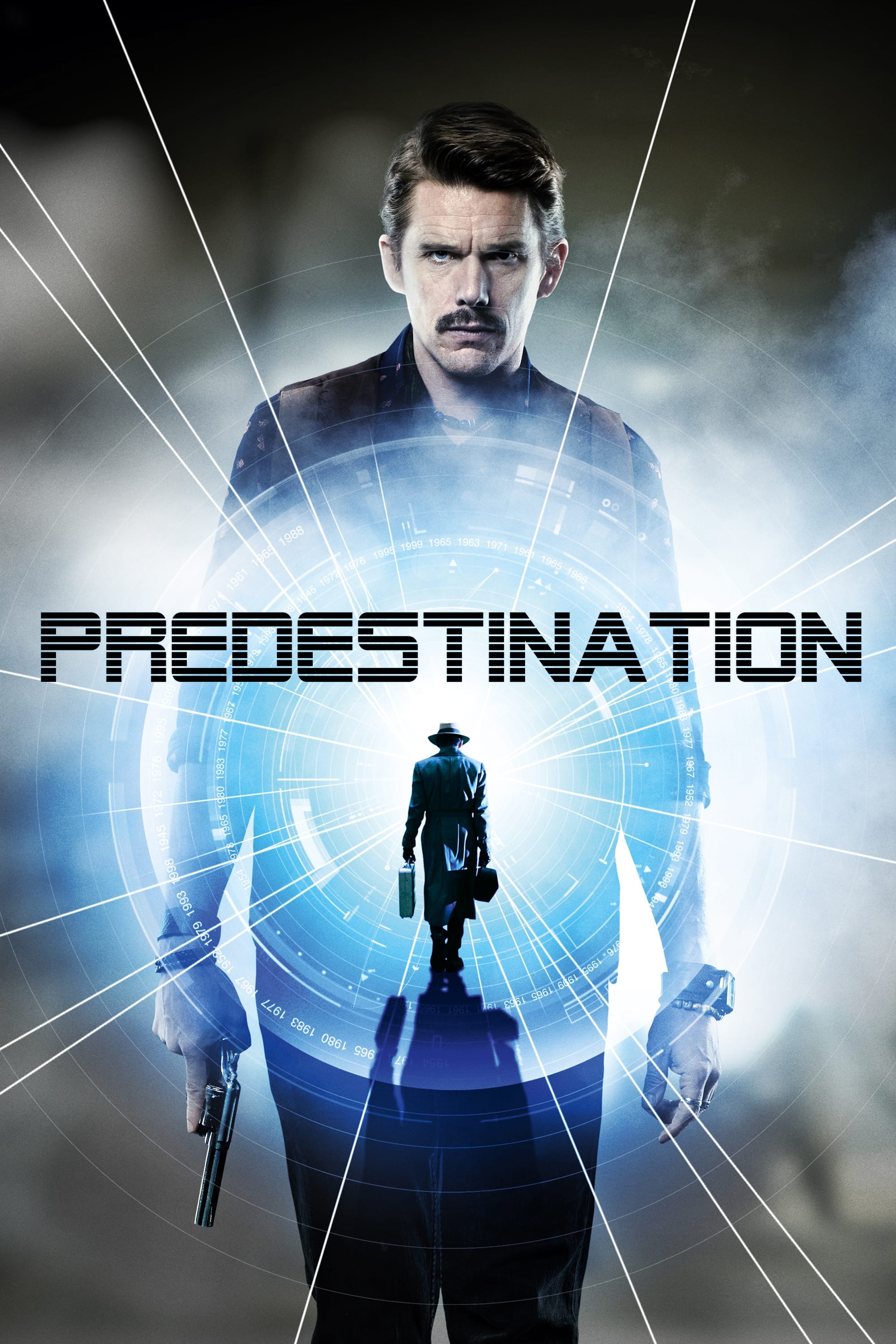
Based on a Robert A Heinlein story, this film follows a temporal agent who works to prevent a major attack. The narrative uses a closed loop structure in which identities connect across different points in time. Key scenes take place in a bar where a life story is recounted that later intersects with the agent’s mission.
The production keeps the setting intimate to emphasize character histories over spectacle. Makeup and costume design support changes in identity and era within a contained group of locations. The script provides visual and verbal markers so that repeated events can be recognized when they recur from new angles.
‘Timecrimes’ (2007)
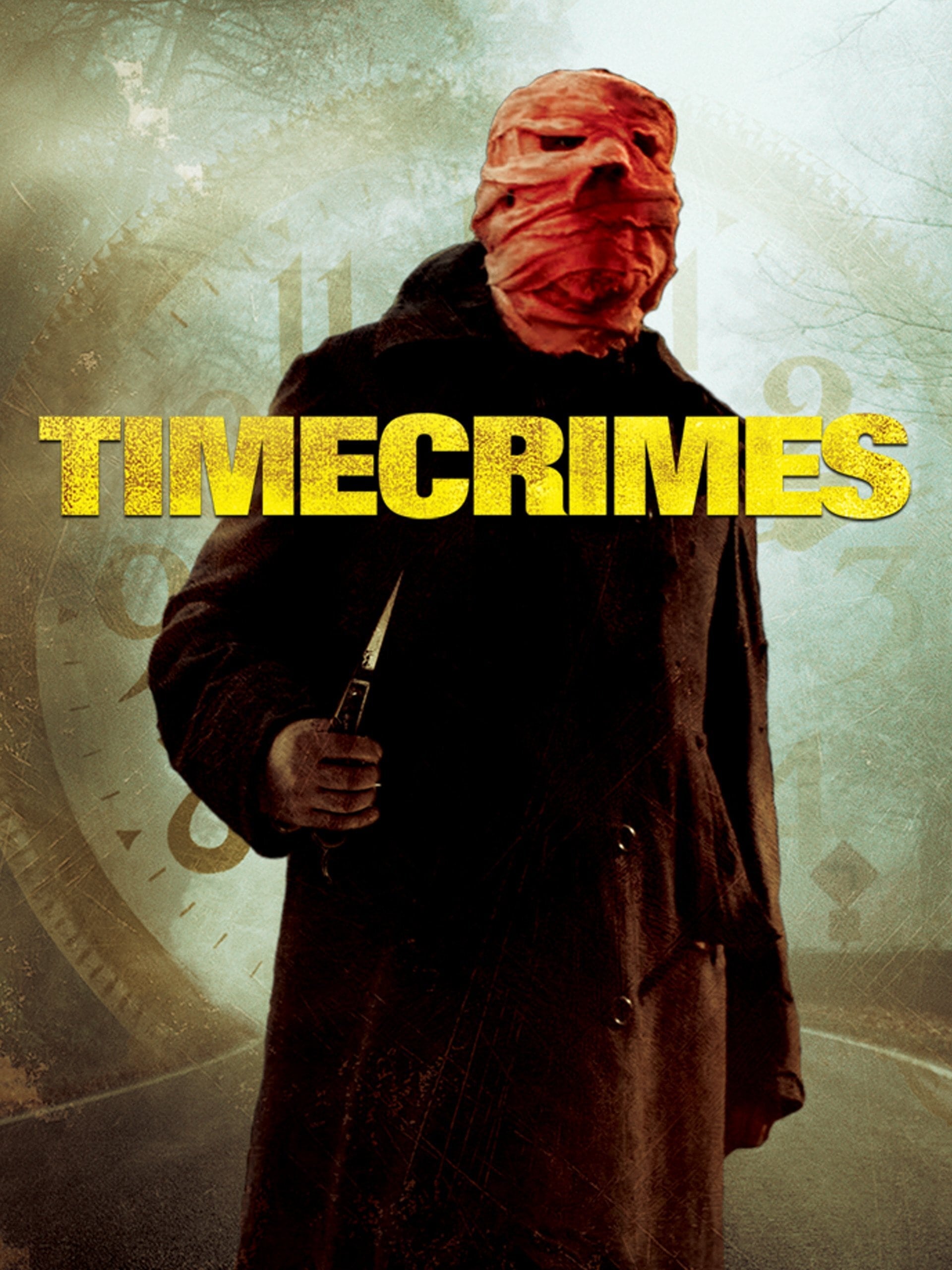
Nacho Vigalondo’s feature introduces a man who stumbles into a machine that sends him a short way back in time. The plot follows multiple passes through the same span of events, each time creating a new version of the protagonist who must avoid or manipulate his other selves. A figure with a bandaged face becomes a constant across these passes.
The film uses a rural property and a small lab as primary locations, which keeps geography clear while the timeline doubles and triples. Sound cues and simple props like walkie talkies and scissors help track which iteration you are watching. The editing favors straight cuts that maintain temporal order within each pass.
‘World of Tomorrow’ (2015)
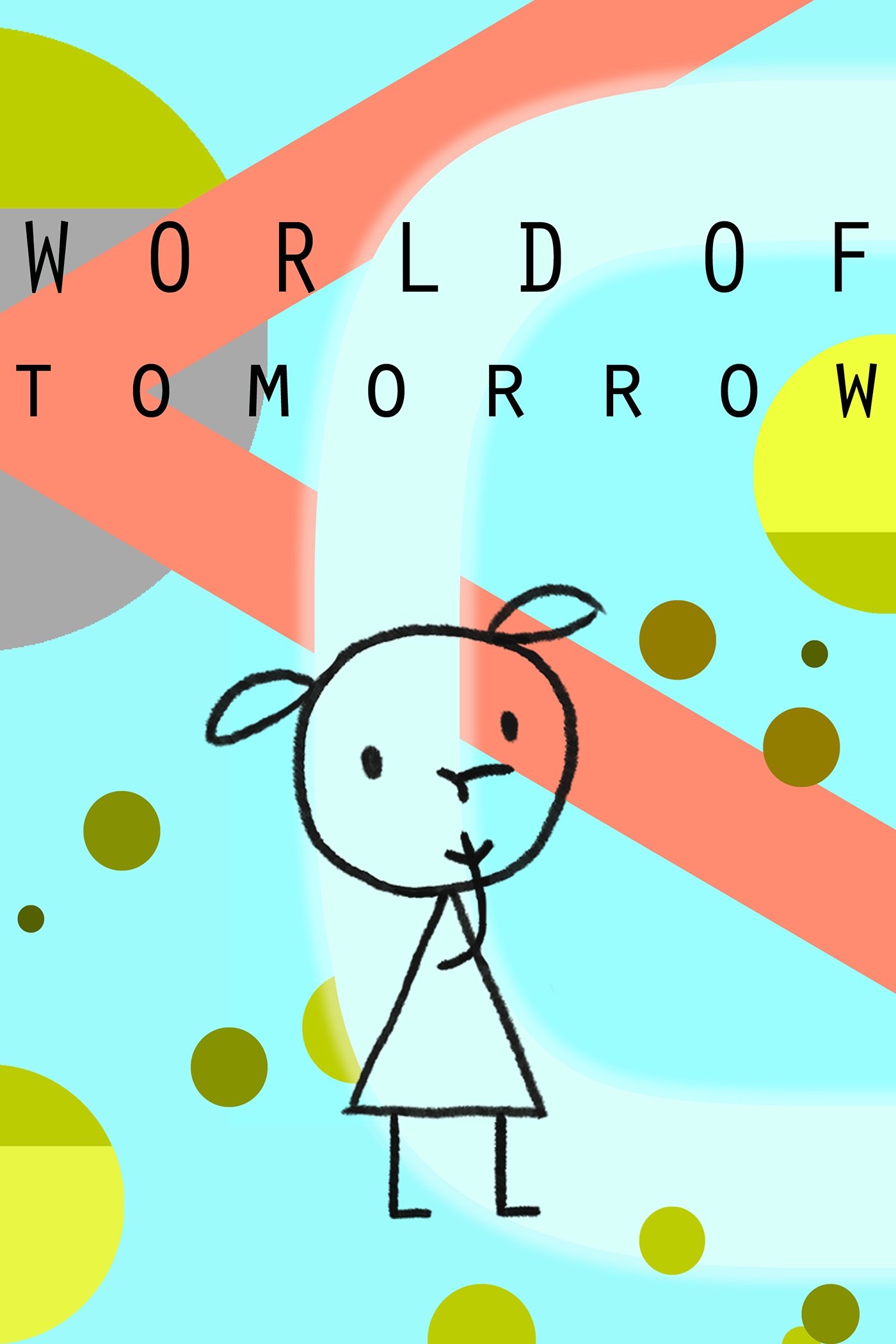
Don Hertzfeldt’s animated short presents a child contacted by a future clone who explains a society built on memory transfer and digital consciousness. The clone describes industries based on memory tourism and the storage of human experiences in networks. The simple stick figure design contrasts with the density of information being delivered.
Voice recording includes lines from a young child captured during play, which gives natural speech patterns to the central character. Visuals use layered backgrounds and color fields to represent networks, archives, and lunar facilities. The short length concentrates a large number of ideas into a compact running time.
‘The Fountain’ (2006)
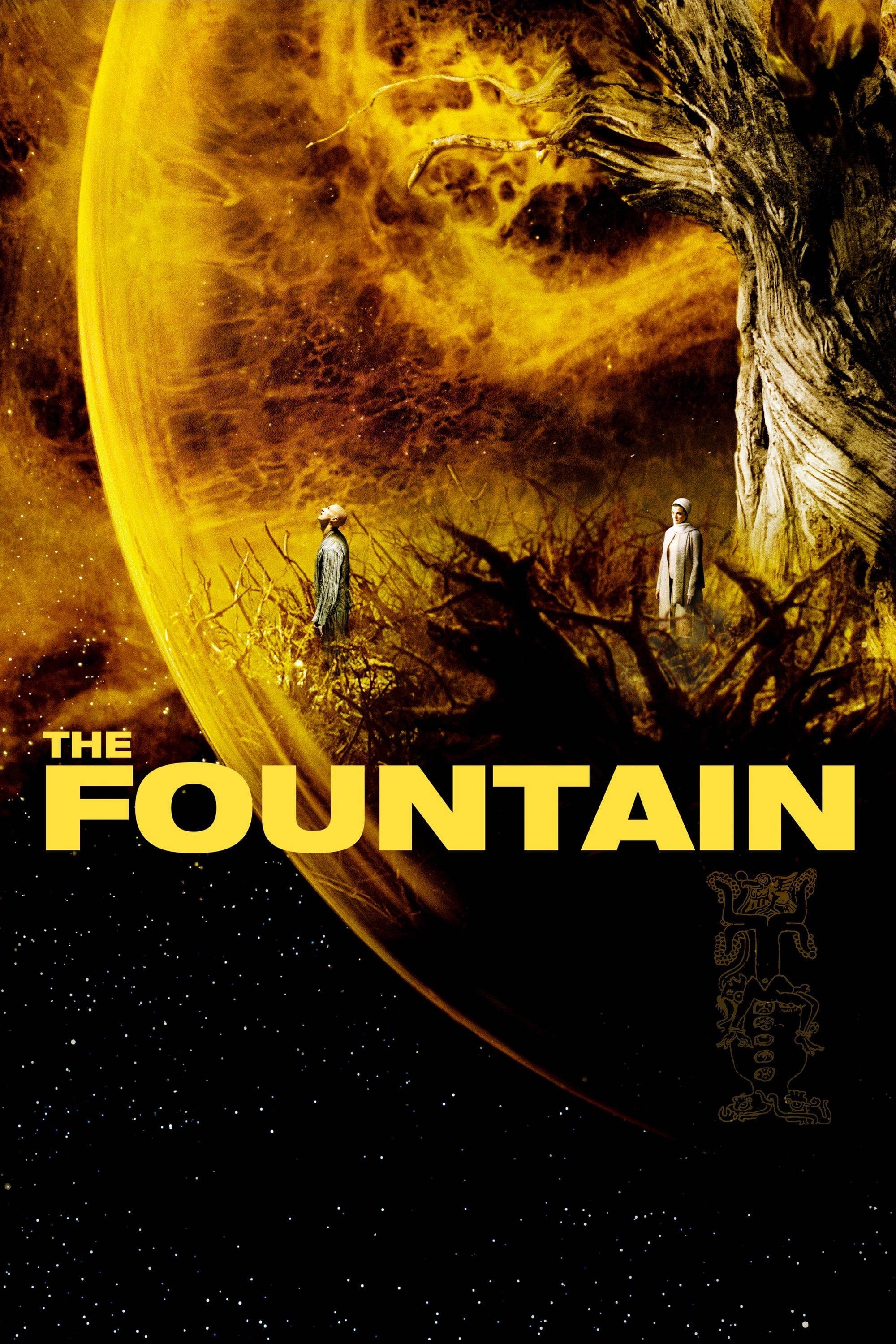
Darren Aronofsky intercuts three linked stories featuring the same two actors in different eras. The film uses recurring symbols like a tree, a ring, and a nebula to connect these threads. Transitions are built through match cuts that align gestures and props across timelines.
The production avoided computer generated space imagery and instead photographed chemical reactions under a microscope to create the nebula visuals. The score by Clint Mansell with the Kronos Quartet and Mogwai uses repeating themes that tie the stories together. Sets and costumes draw from Mesoamerican motifs and modern lab environments with shared design elements.
‘Cloud Atlas’ (2012)
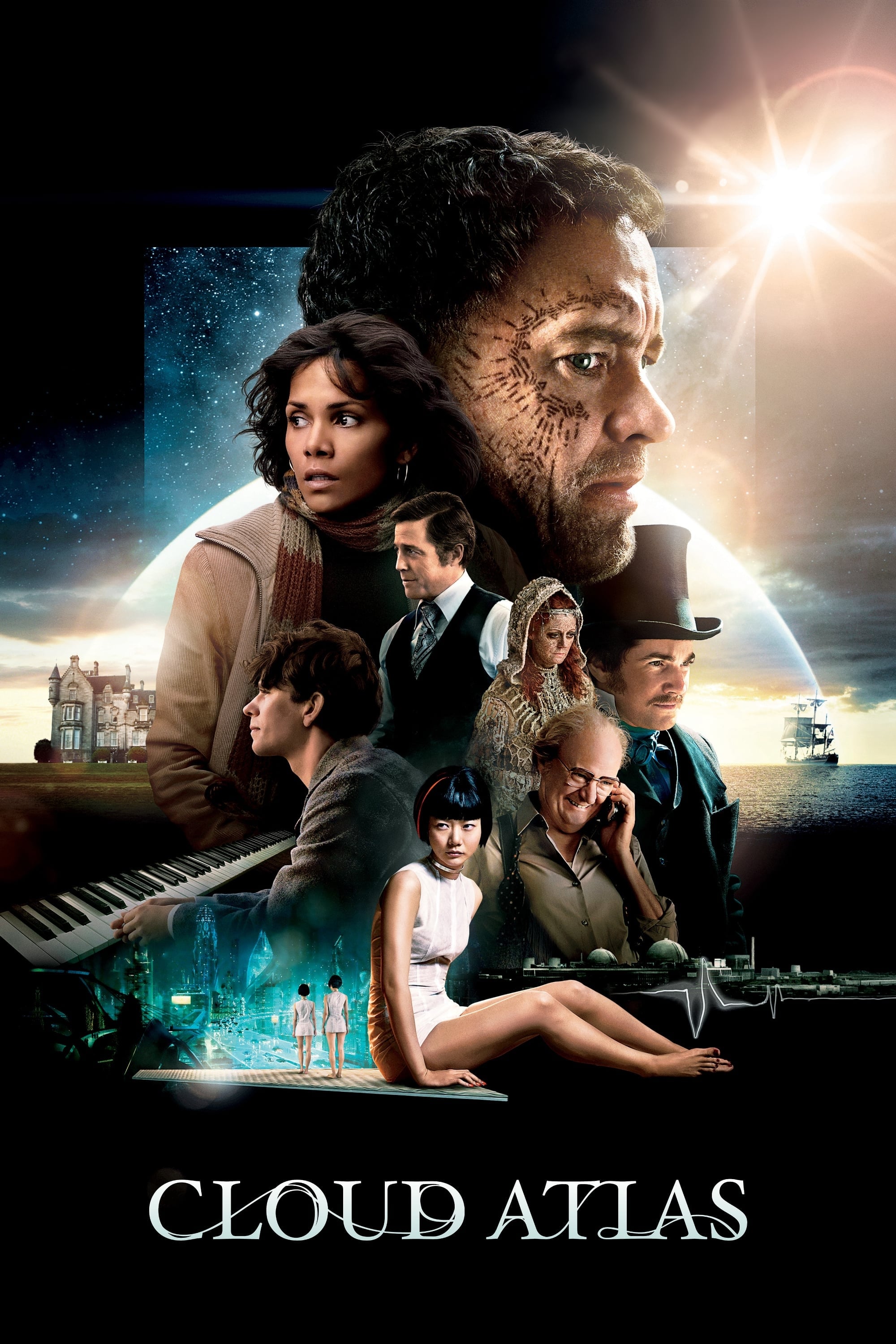
Directed by Lana Wachowski, Lilly Wachowski, and Tom Tykwer, this adaptation links six stories set in different periods and places. The same group of actors appears across all stories in different roles, which aligns with the book’s idea of recurring souls and themes. Editing jumps among the stories to create parallels in action and dialogue.
The production organized separate units so that different directors could handle different segments, then interwove the material in post production. Makeup and prosthetics transform actors to span age, gender, and culture, which supports the thematic link of repeated patterns in human behavior. Musical motifs recur, most notably a composition within the story that reappears across segments.
‘eXistenZ’ (1999)
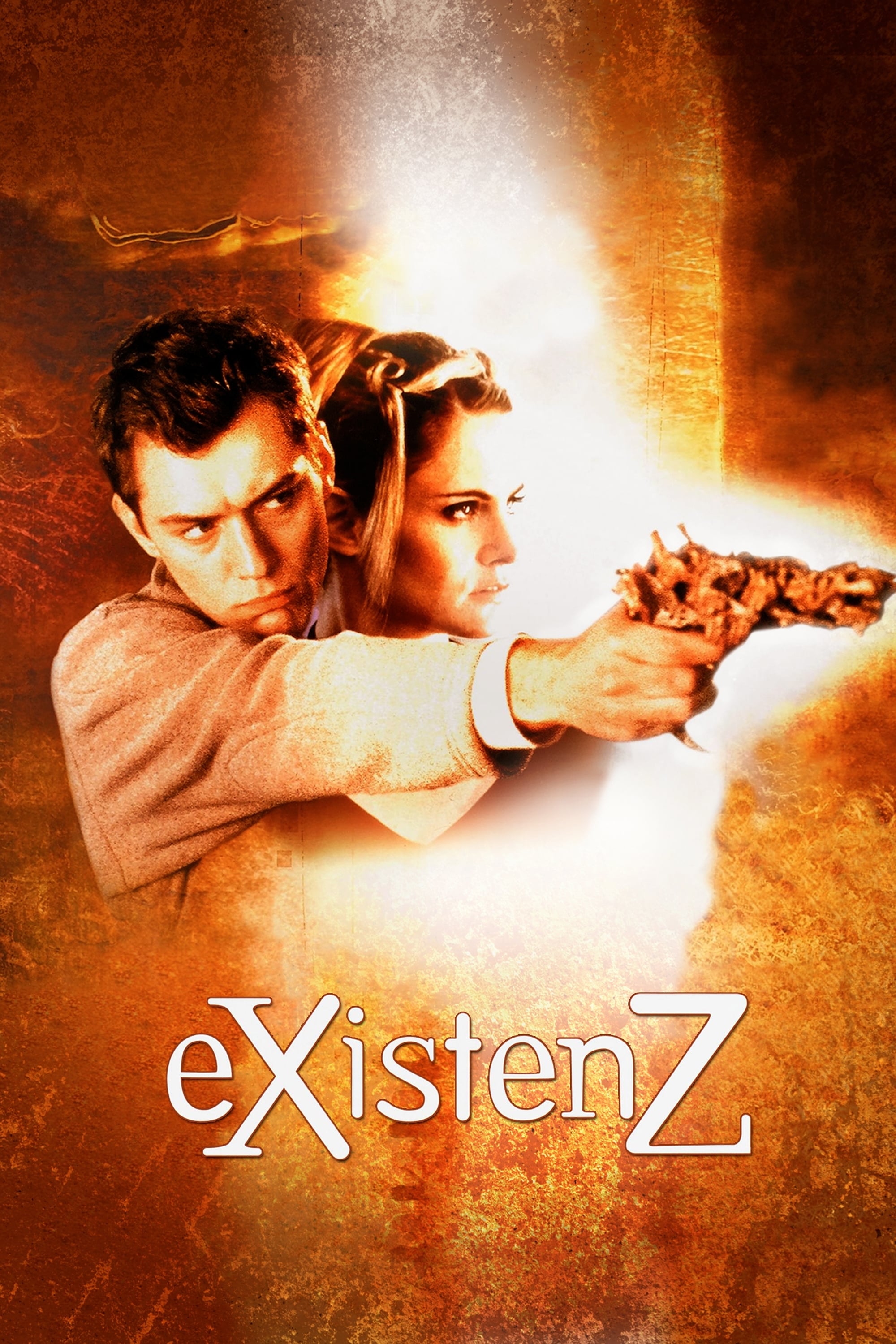
David Cronenberg explores an organic virtual reality game that connects to the spine through a bioport. Players enter levels that feel like everyday life yet follow game logic, with non player characters repeating lines when prodded. Weapons and devices appear as biological constructs rather than metal machines.
The film uses practical effects and tactile props to create the feel of living technology. Scenes blur the line between game and reality by resetting conversations and locations with small changes. Dialogue contains cues about whether a menu or script is being followed, which helps map who is guiding events at any moment.
‘Beyond the Black Rainbow’ (2010)
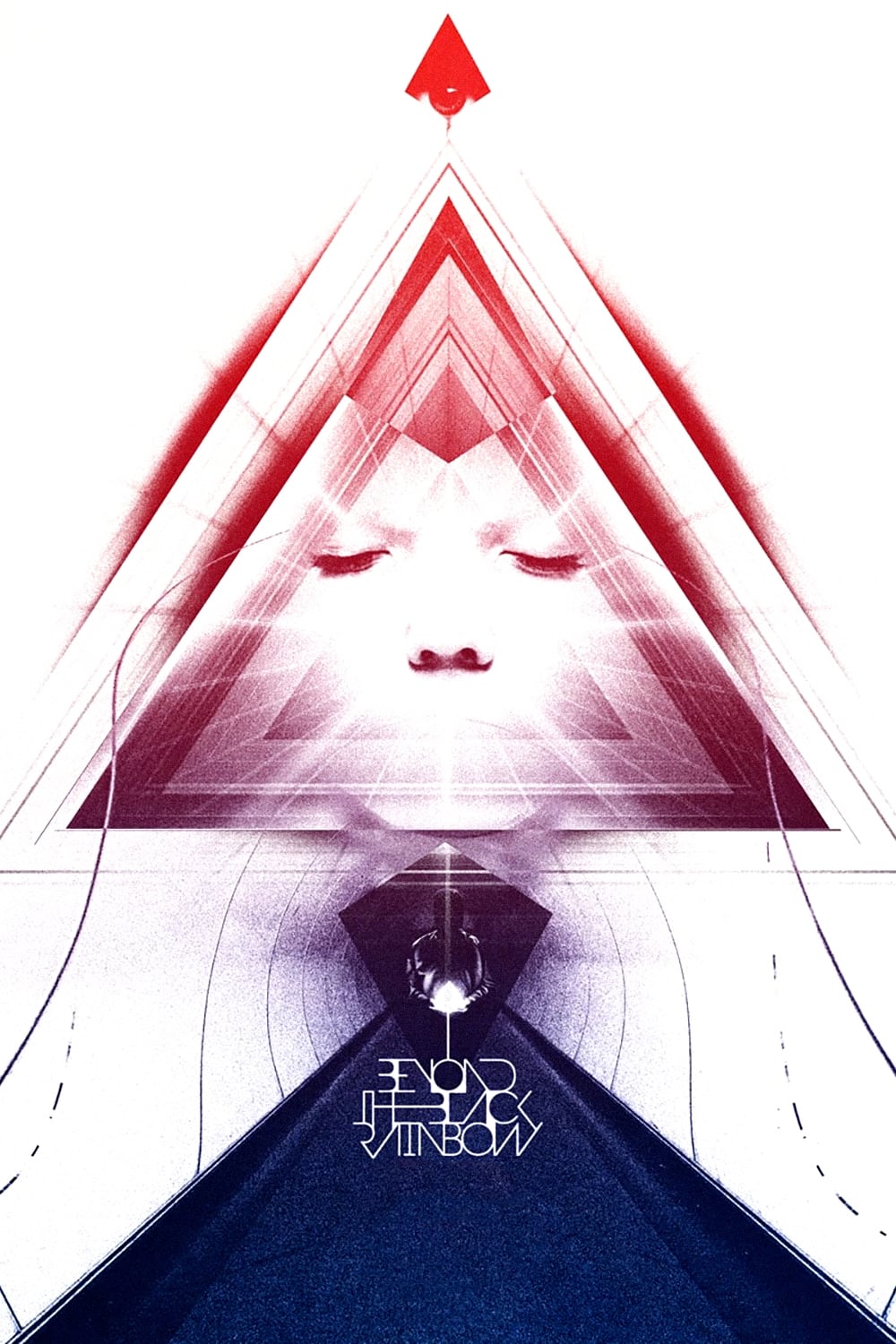
Panos Cosmatos sets the story within a mysterious research institute where a patient with psychic ability is confined. The timeline uses flashbacks to show a change in the head researcher after an experiment, while the present focuses on a containment breach. Imagery draws on retro futurist design and analog monitors.
The production uses slow camera moves, long holds, and a synthesizer score by Sinoia Caves to build a steady pulse. Color lighting separates rooms and signals different program states inside the facility. Dialogue is sparse, and the institute’s purpose is conveyed through logos, slogans, and taped sessions.
‘High Life’ (2018)
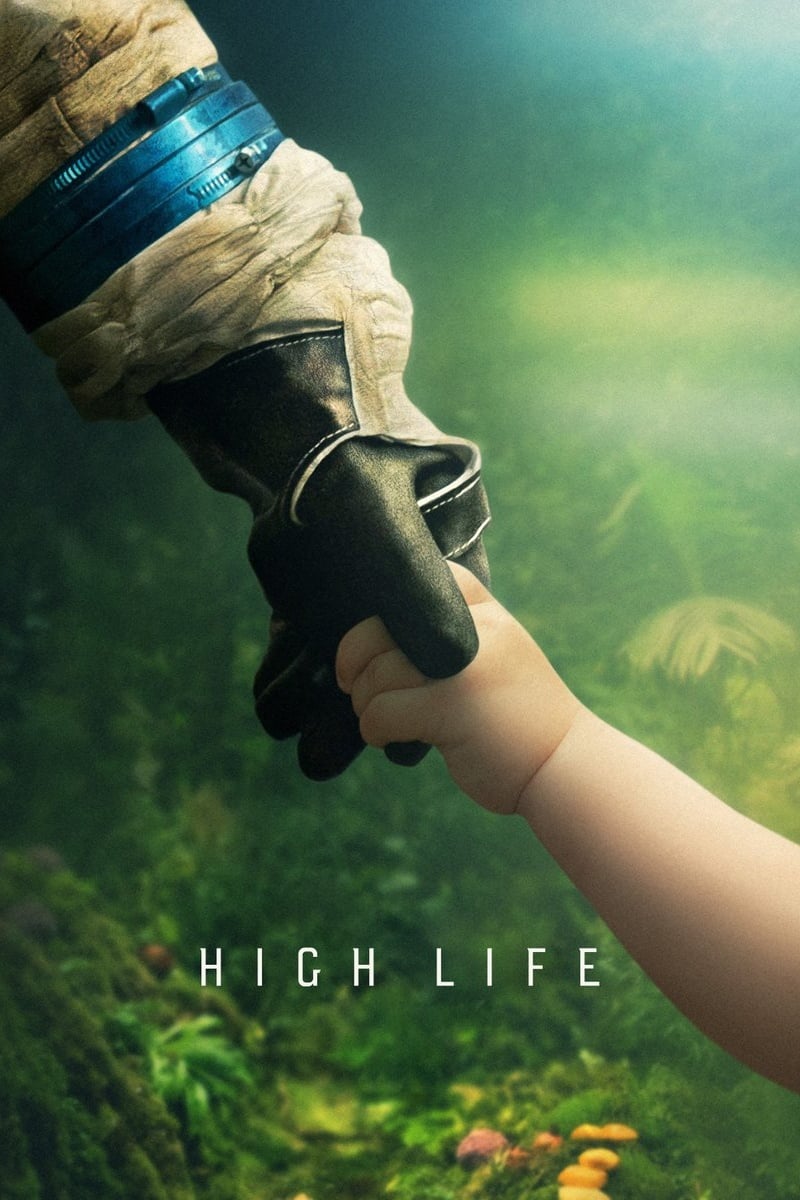
Claire Denis follows a crew of convicts on a deep space mission overseen by a scientist studying reproduction under extreme conditions. The story unfolds out of order, revealing the fate of the crew through fragments. Spaces are divided between an engine corridor, a garden, and a medical lab with specialized equipment.
The production worked with physicist Aurélien Barrau on scientific aspects and used real sets that emphasize touchable surfaces. Costumes and tools show wear that suggests long travel. Sound design includes persistent ship hum and environmental noise from the garden that contrasts with the vacuum outside.
‘The Endless’ (2017)
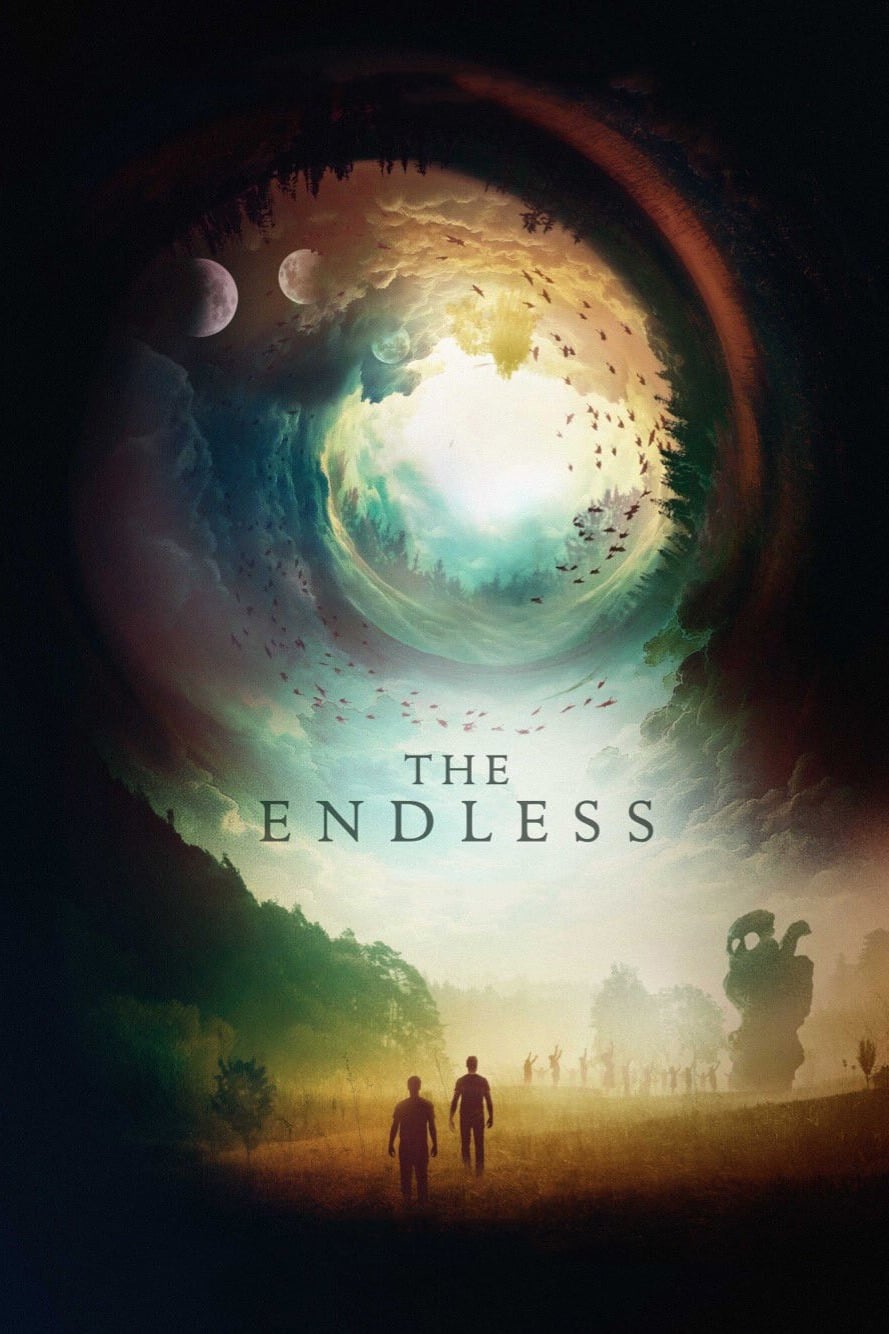
Justin Benson and Aaron Moorhead return to a rural camp run by a group the main characters left years earlier. The area contains zones where time loops differently, trapping people in repeating cycles of varying length. Clues appear in sky patterns, photographs, and video recordings left by previous visitors.
The film connects to their earlier feature ‘Resolution’ by revisiting characters and locations, which expands the rules of the shared setting. Visual effects are minimal, with most information delivered through props and carefully chosen vantage points. The score and ambient sound shift as characters move between loops, signaling a change in the local rules.
‘Paprika’ (2006)

Satoshi Kon adapts a novel about a device that allows therapists to enter a patient’s dreams. A stolen prototype leads to shared dream spaces where identities and locations blend without warning. The parade sequence demonstrates how objects from different contexts merge into a single moving mass.
Animation techniques use fluid transitions so that doorways, screens, and reflections become portals. Editing creates cuts that carry motion across scenes, which makes geography feel continuous even as settings change. The film tracks the difference between real world identities and dream avatars through costume and voice.
‘Akira’ (1988)
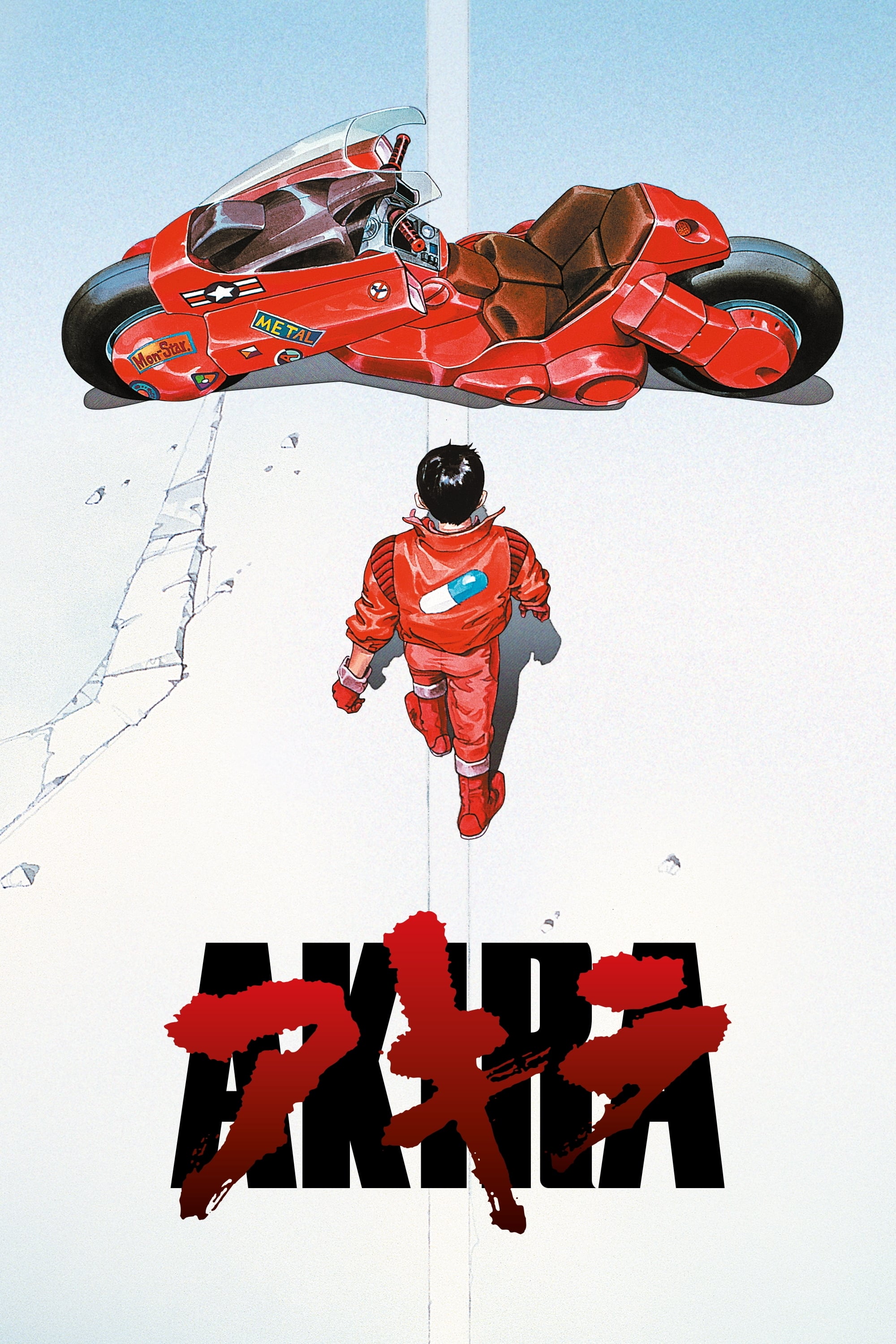
Katsuhiro Otomo’s cyberpunk landmark follows two friends in Neo Tokyo after a government experiment awakens psychic abilities. The story involves competing factions, secret labs, and a military response to uncontrolled power. Architecture and vehicles define the city as a living system with its own pressure points.
The production is known for detailed animation with extensive use of lighting effects and a soundtrack by Geinoh Yamashirogumi that blends traditional and electronic elements. Dialogue was recorded early in the process so mouth movements could match the performances. The film compresses a long manga into a single feature while retaining key plot lines.
‘The Congress’ (2013)
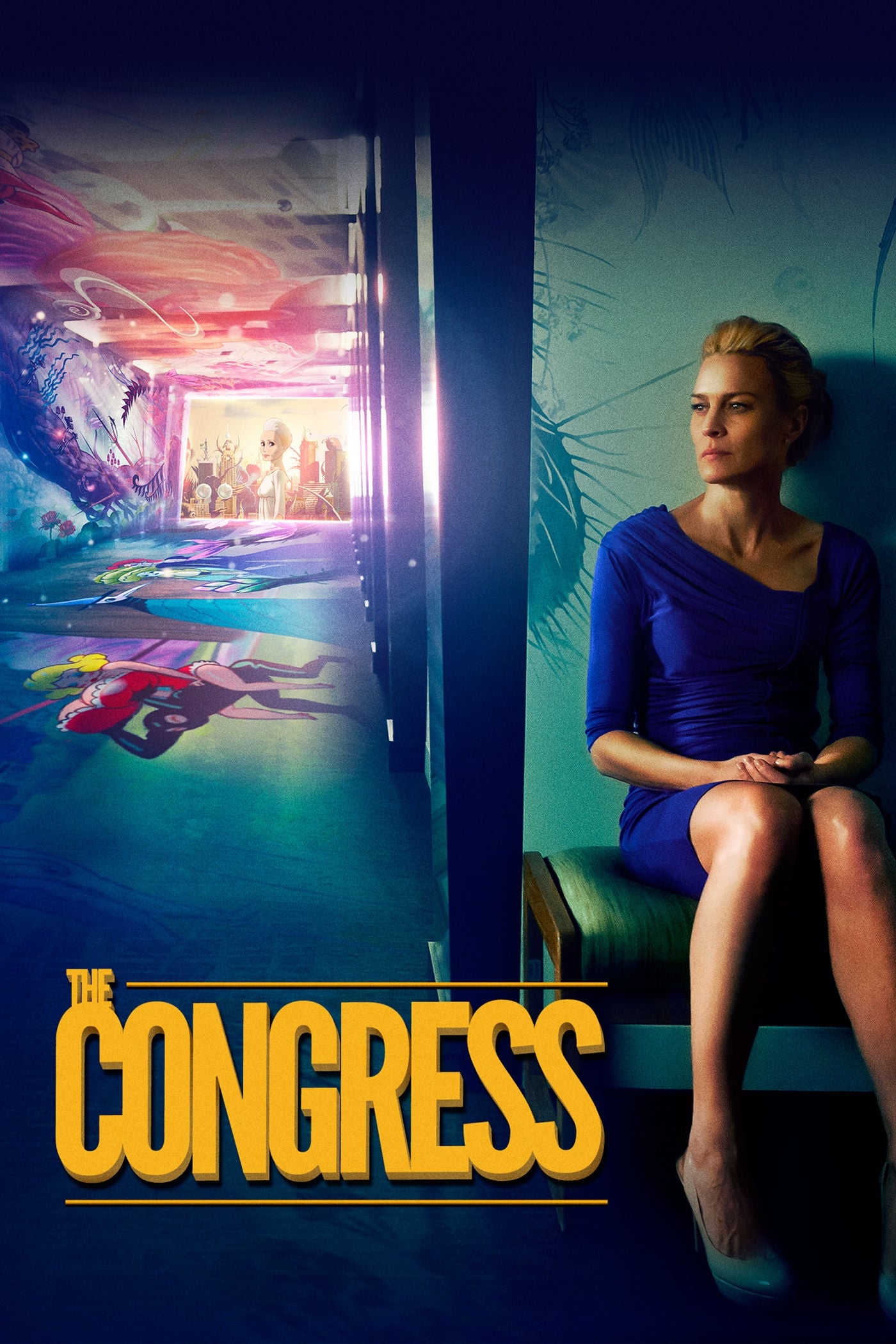
Ari Folman casts Robin Wright as a version of herself who licenses a digital copy of her image to a studio. The story then shifts into an animated world that represents a hallucinatory market for identities where people consume and exchange appearances. The film explores contracts that govern ownership of a performer’s on screen self.
Live action scenes use a muted palette that contrasts with a later explosion of color once the animated zone begins. The animated style draws on classic designs while integrating modern digital tools. The transition point is a formal convention within the story that signals a move from recorded performance to a fluid identity economy.
Share your picks and theories in the comments so everyone can compare notes on which titles kept you guessing the longest.

