


Shueisha Warns OpenAI: ‘One Piece’ and ‘Dragon Ball’ Publisher Ready to Sue Over AI Copyright Breach

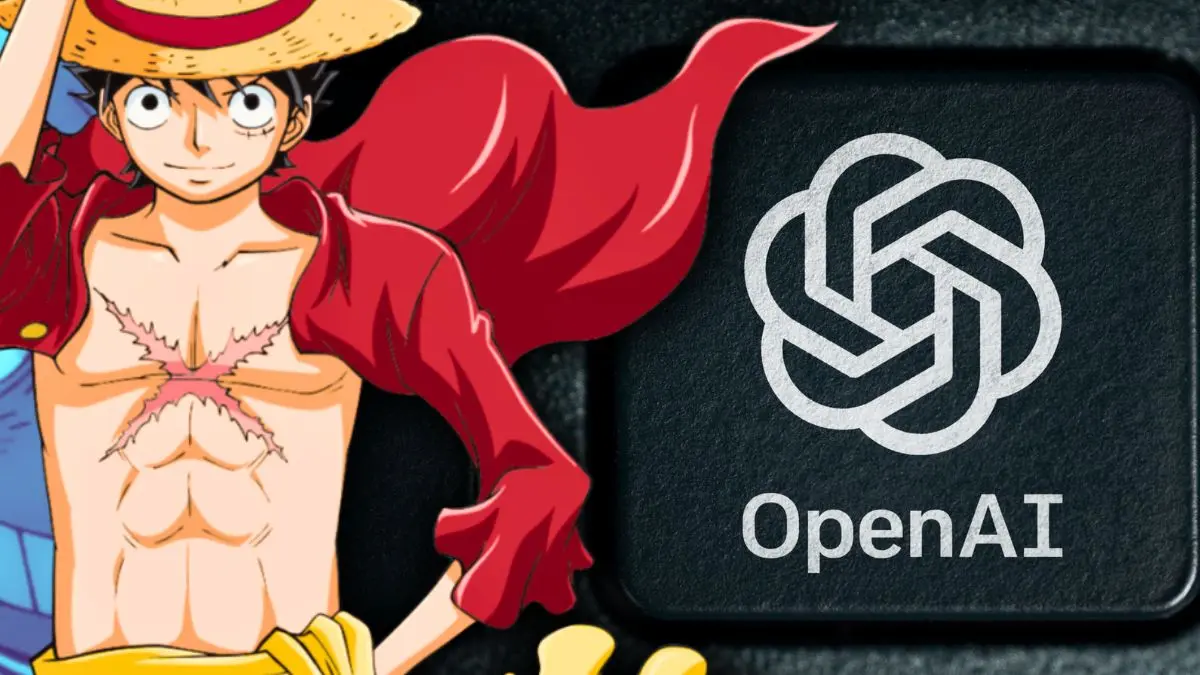


Japanese publishing giant Shueisha, best known for producing Weekly Shonen Jump series such as One Piece, Dragon Ball, and Mazinger Z, has warned that it will take strong legal action if OpenAI’s new video-generation tool, Sora2, uses its content without permission.
In an official press release issued on October 31, the company said it is ready to protect its works from being copied or used in AI-generated media. Shueisha said that after the release of Sora2, many videos began appearing online that closely resembled well-known anime and manga content.
The publisher said, “This fall, with the release of a new generative AI service (OpenAI’s Sora2), a massive number of videos resembling famous content appeared online. These videos, which infringe on the copyrights of anime and characters, are generated based on AI training.”
While the company acknowledged that new AI tools can help people create and share content, it stressed that innovation should not come at the expense of creators’ rights. “While the evolution of generative AI should be welcomed for enabling more people to share in the joy of creation and enjoy creative works, it must not be built upon trampling the dignity of creators who poured their heart and soul into their work or infringing on the rights of many.”
Shueisha called on companies behind AI tools to take responsibility for preventing copyright misuse. It criticized the current “opt-out” systems offered by many AI services and said stronger protection and remedies for creators are needed. The company also urged governments to create clearer laws to protect creative works, saying, “National-level responses, including legal frameworks, are also essential for content protection.”
Shueisha said it will take action whenever it finds its works being used without approval. “Regardless of whether generative AI is used, our company will take appropriate and strict measures against any use we determine infringes upon rights related to our works.”
However, Japan’s current stance on AI may make it difficult for the publisher to enforce its warnings. The country’s government has expressed a desire to make Japan “the world’s most AI-friendly nation,” and existing laws on AI use don’t yet include clear penalties for copyright violations.
This is not an isolated case. Shueisha’s statement follows several legal moves by major creative companies and artists against AI developers. In the United States, Disney and Universal have joined forces in a lawsuit against the image-generation platform Midjourney, claiming it used their copyrighted materials to train its models.
Meanwhile, authors such as Jonathan Franzen and Game of Thrones writer George R.R. Martin are suing OpenAI, accusing it of using their books to train ChatGPT without permission.
These ongoing disputes show a growing clash between creative industries and AI companies as technology advances faster than copyright laws can keep up.
Have something to add? Let us know in the comments!

