


Spencer Tracy’s Best Roles


Spencer Tracy was a true giant of Hollywood’s Golden Age, celebrated for an acting style that felt incredibly real and effortless. He famously advised other actors to simply “know your lines and don’t bump into the furniture” but his own talent went far beyond that simple advice. Over a career spanning four decades he became one of the most respected performers in cinema, known for his ability to convey deep emotion with just a look or a quiet line of dialogue. He wasn’t flashy but his performances were always grounded in a powerful and relatable humanity that made him a favorite with audiences and critics alike.
His versatility was remarkable as he could move seamlessly between lighthearted comedies and intense dramas. He earned a reputation for being a “rock” on screen an actor who brought gravity and sincerity to every role he played. Whether he was a wise priest, a flustered father, or a principled lawyer his characters always felt like real people facing genuine struggles. His legendary on-screen partnership with Katharine Hepburn created some of cinema’s most memorable moments and his legacy continues to influence actors today.
‘Pat and Mike’ (1952)
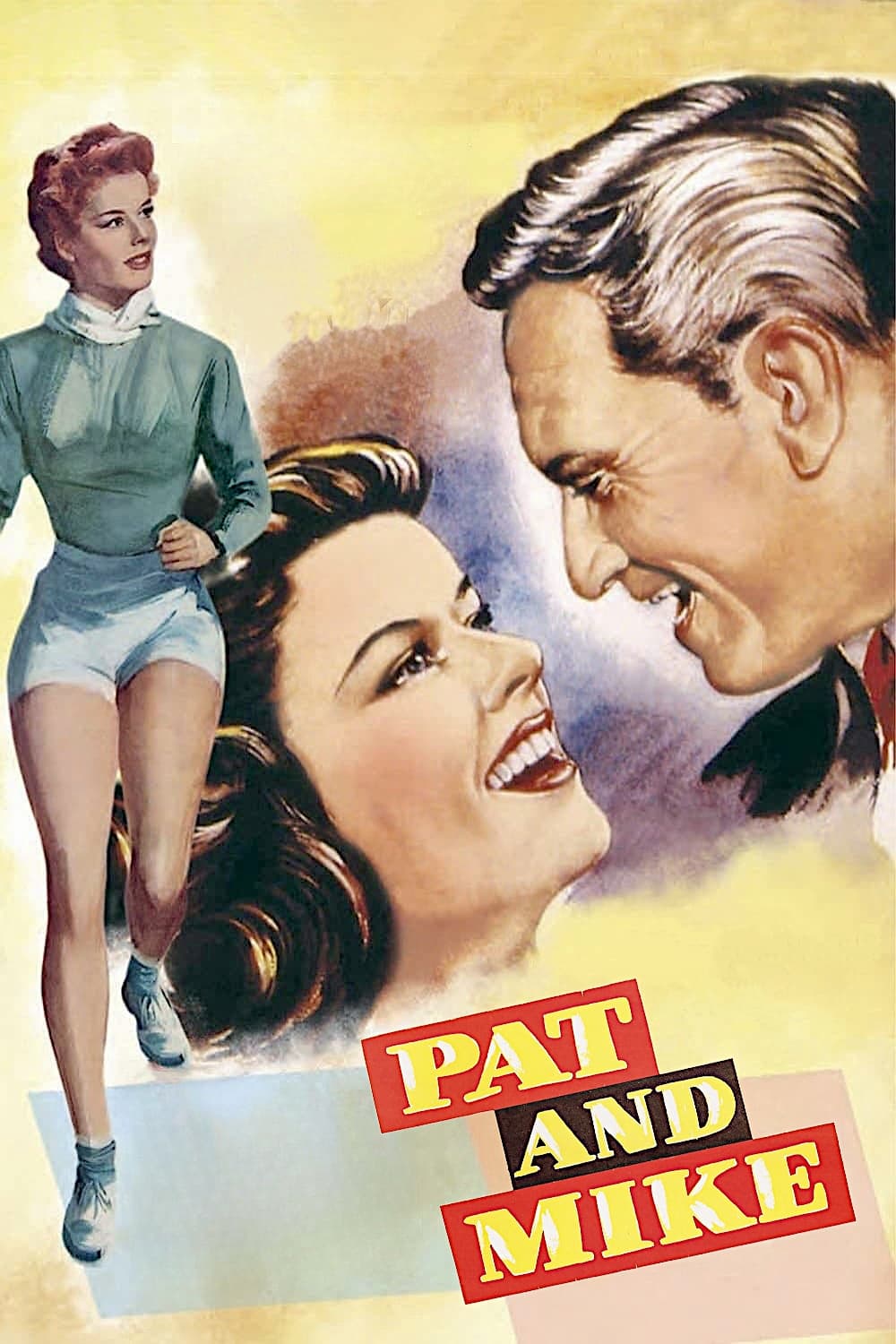
In this delightful romantic comedy Spencer Tracy plays Mike Conovan a slightly shady sports promoter who discovers a phenomenal natural athlete named Pat Pemberton played by Katharine Hepburn. He takes her on as a client hoping to turn her incredible skills in golf and tennis into a profitable enterprise. His character is a fast-talking city guy who at first sees Pat as just another meal ticket.
As the story unfolds Mike’s professional relationship with Pat blossoms into a genuine romance. He learns to respect her immense talent and independent spirit while she grows more confident under his guidance. The film showcases the amazing real-life athletic abilities of Katharine Hepburn and highlights the unique chemistry between the two lead actors as Mike learns that his greatest prize isn’t money but Pat’s affection.
‘Boys Town’ (1938)
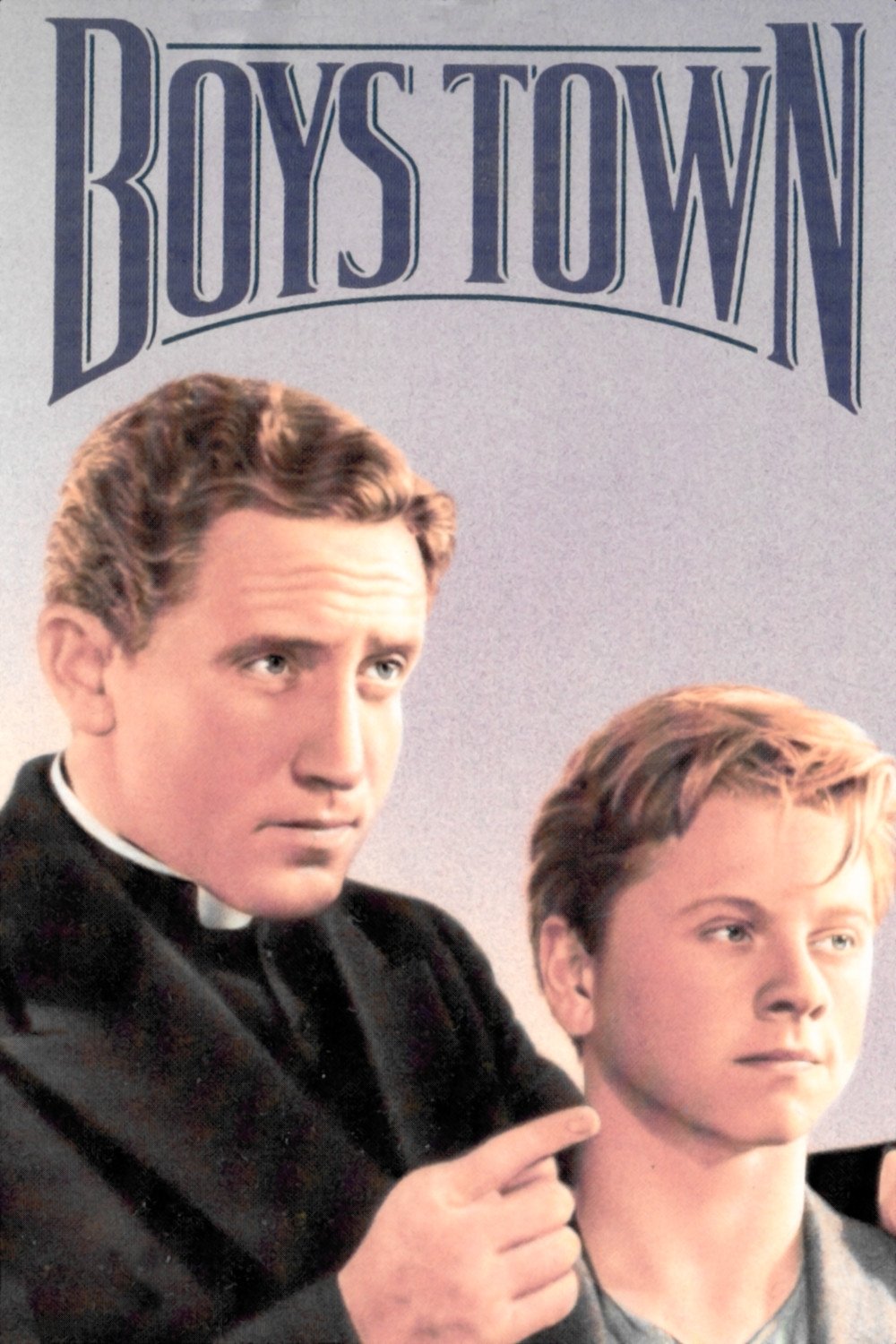
Spencer Tracy delivers a heartfelt performance as Father Edward J. Flanagan a compassionate priest who establishes a home for troubled and abandoned boys. His character is determined to prove that there is no such thing as a bad boy and he creates a self-governing community called Boys Town to give them a second chance at life. He faces numerous obstacles including skepticism from the public and financial difficulties.
The film is based on the true story of the real-life Father Flanagan and his work in Nebraska. The story follows his struggles to manage the community and his efforts to reform a particularly tough young delinquent played by Mickey Rooney. The role earned Tracy his second consecutive Academy Award and the film’s success helped bring national attention and support to the actual Boys Town.
‘San Francisco’ (1936)
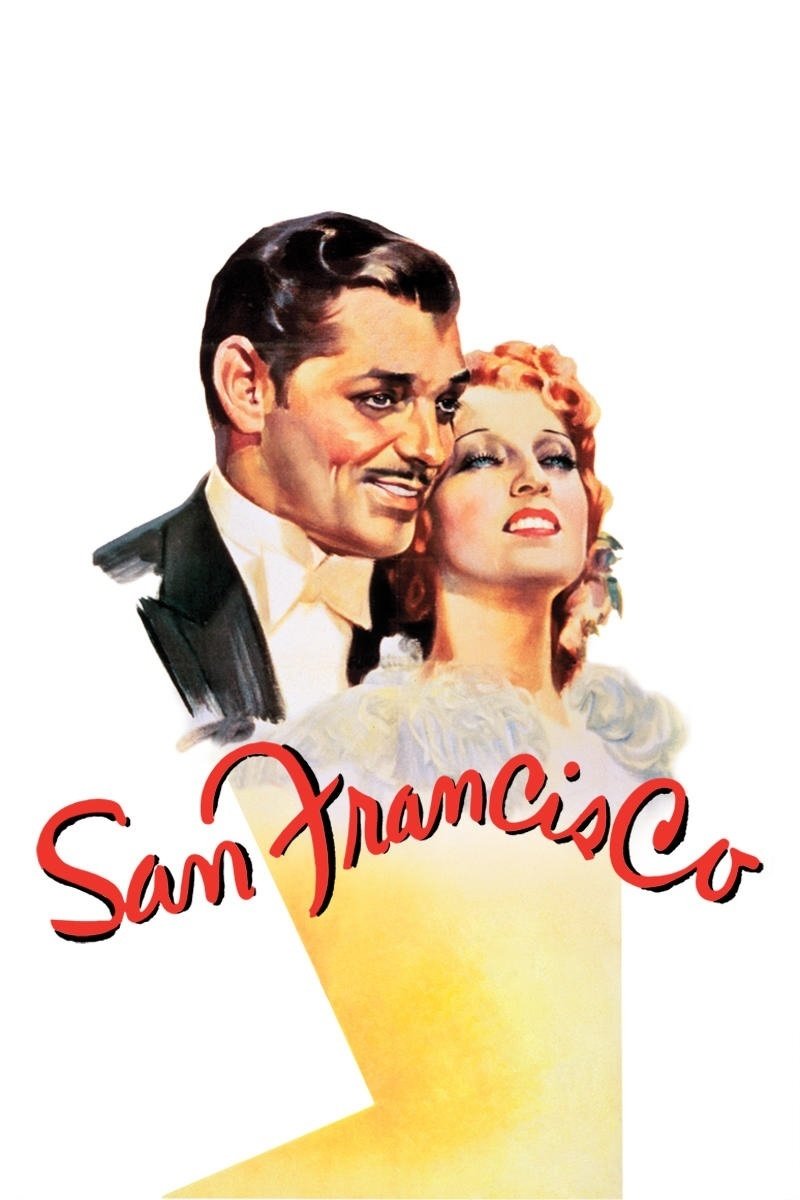
In this epic drama Spencer Tracy portrays Father Tim Mullin a kind and principled priest working in a rowdy Barbary Coast neighborhood. He is the childhood friend of Blackie Norton a charismatic but cynical saloon owner played by Clark Gable. Father Mullin worries about his friend’s soul especially as Blackie falls for a beautiful and ambitious singer.
The film is famous for its spectacular recreation of the historic 1906 San Francisco earthquake which serves as the story’s dramatic climax. Amid the chaos and destruction Father Mullin’s faith and courage shine as he helps the survivors and tries to guide his friend toward redemption. The movie was a massive box office success blending romance music and disaster movie thrills.
‘Captains Courageous’ (1937)
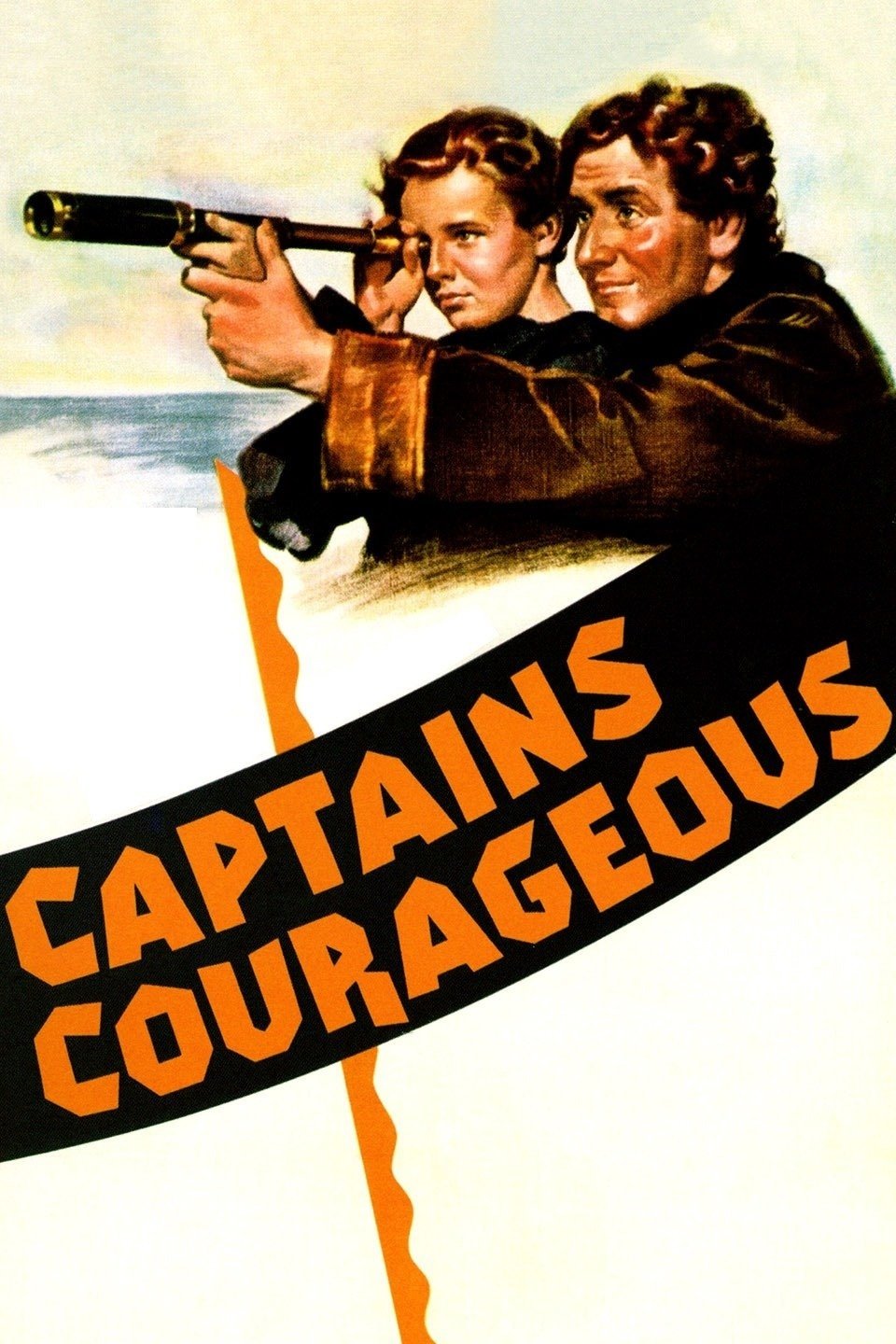
Spencer Tracy won his first Academy Award for his transformative role as Manuel Fidello a humble Portuguese fisherman. The story begins when a spoiled and wealthy young boy falls off an ocean liner and is rescued by Manuel’s fishing schooner. The boy is forced to work on the boat for the first time in his life under Manuel’s tough but fair guidance.
During their months at sea a deep bond forms between the simple fisherman and the arrogant boy. Manuel teaches him valuable lessons about hard work honesty and friendship turning him into a better person. Tracy completely changed his appearance for the role curling his hair and adopting a thick accent to become the kindhearted fisherman in this classic coming-of-age adventure.
‘The Last Hurrah’ (1958)
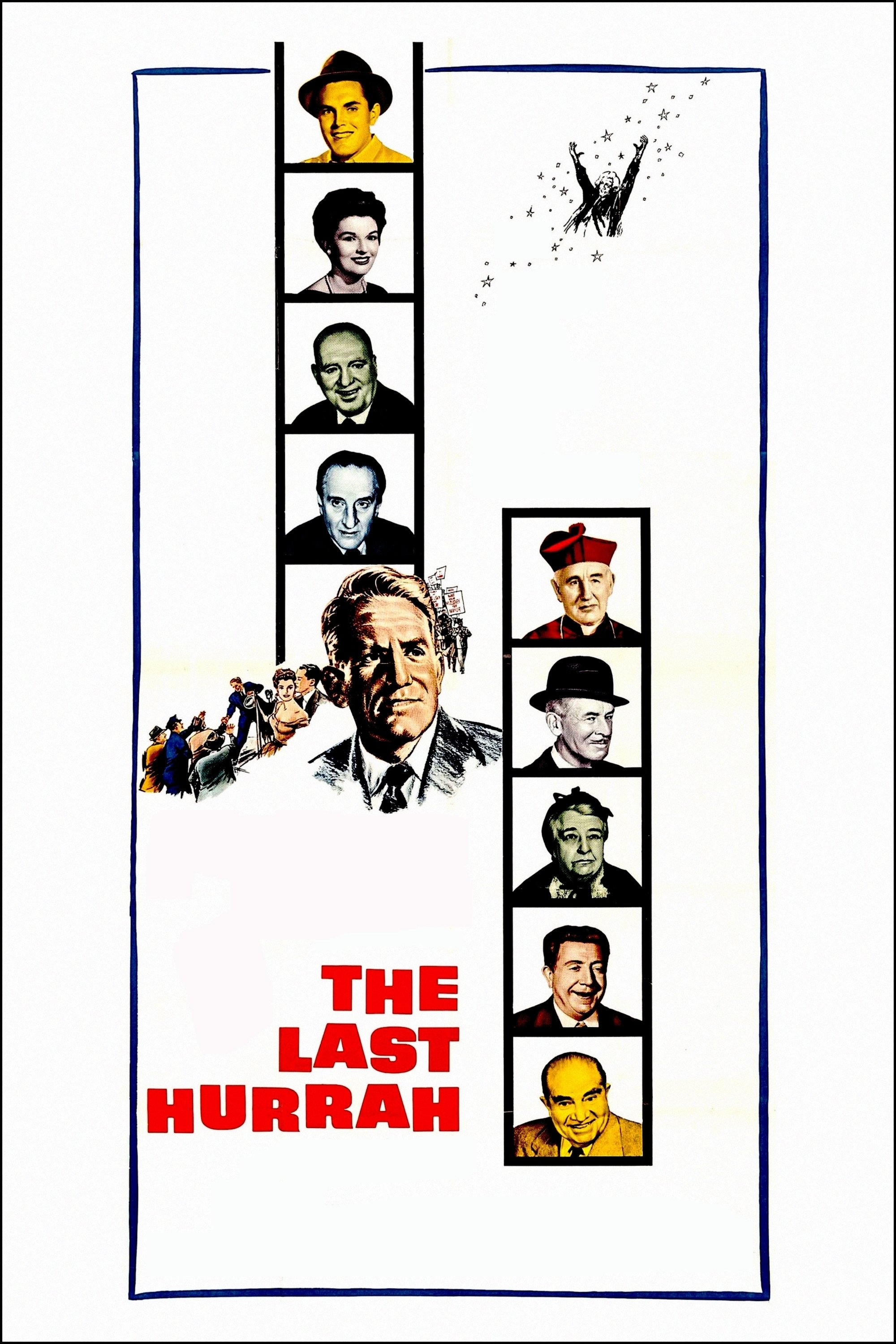
Here Spencer Tracy plays Frank Skeffington an aging and cunning big-city mayor who is running for one final term in office. Skeffington is a beloved figure to his constituents but a thorn in the side of the city’s powerful elite including bankers and newspaper publishers who are determined to see him defeated. He represents an old-fashioned style of politics built on personal relationships and backroom deals.
The film follows his final campaign as he uses all of his charm and political savvy to battle the modern forces of media and money that are aligned against him. Directed by the legendary John Ford it is a powerful character study and a nostalgic look at the end of an era in American politics. Tracy delivers a commanding performance as a complex man who is both a benevolent leader and a ruthless operator.
‘Father of the Bride’ (1950)
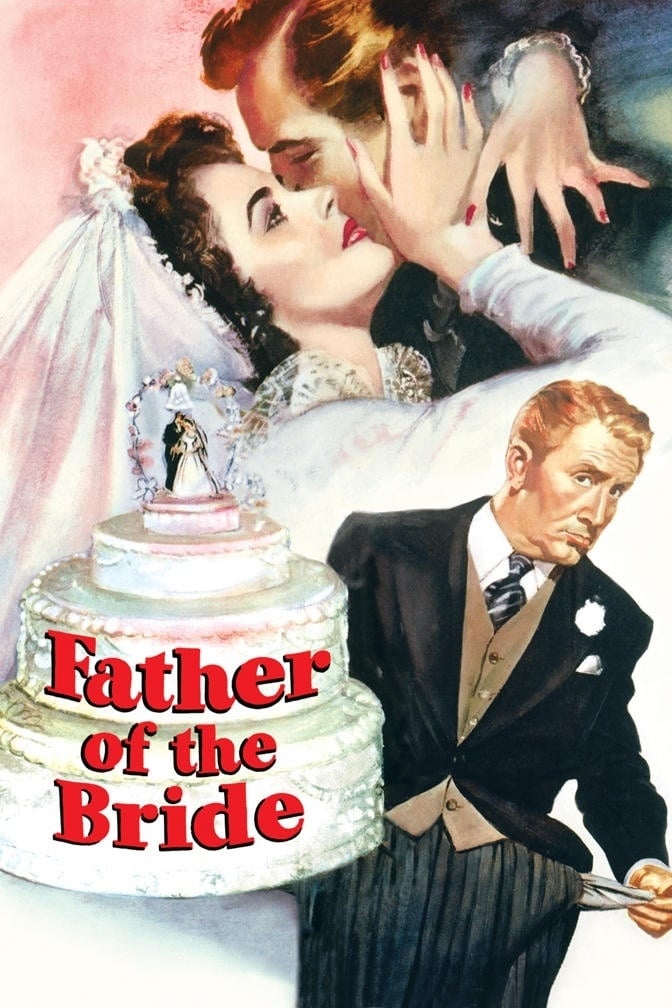
Spencer Tracy stars in one of his most iconic comedic roles as Stanley T. Banks a lawyer and suburban father who is thrown into a tailspin when his beloved daughter announces she is getting married. The film hilariously chronicles his journey from the initial shock of the news to the chaotic and expensive ordeal of planning the perfect wedding.
Stanley’s internal monologues reveal his anxieties about losing his little girl his worries about the mounting costs and his general bewilderment at the whole process. He navigates destroyed furniture guest list crises and tuxedo nightmares with a mix of frustration and deep affection. The film is a warm and funny portrayal of fatherhood that has resonated with audiences for generations.
‘The Devil at 4 O’Clock’ (1961)
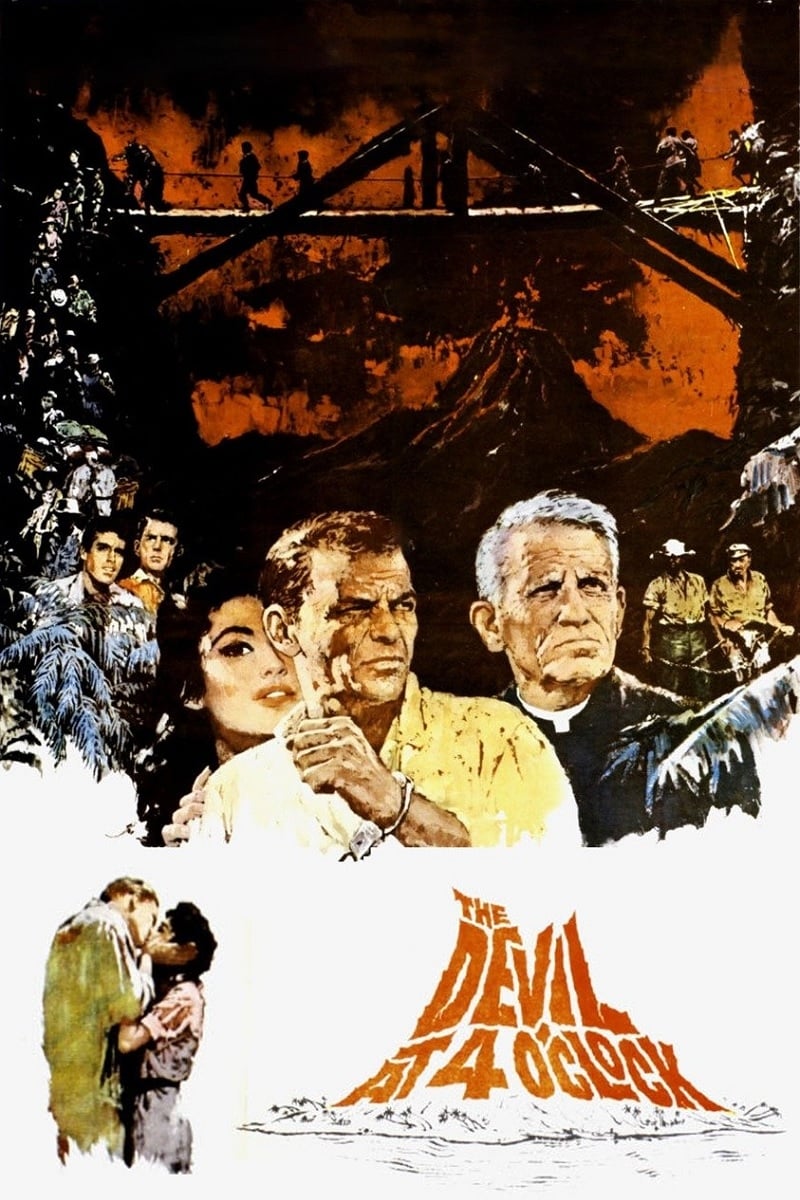
In this adventure film Spencer Tracy portrays Father Matthew Doonan an aging and weary priest serving at a children’s hospital on a remote Pacific island. His faith is tested and he feels he has lost his way. His world is turned upside down when a plane carrying three convicts led by a character played by Frank Sinatra crash-lands on the island just as a nearby volcano is about to erupt.
Father Doonan must put aside his own struggles and persuade the hardened criminals to help him evacuate the children from the hospital before the volcano destroys everything. The movie is a thrilling race against time that explores themes of redemption and sacrifice. Tracy’s character finds a renewed sense of purpose by leading the dangerous rescue mission.
‘Woman of the Year’ (1942)

This film marked the very first on-screen pairing of Spencer Tracy and Katharine Hepburn an event that would launch one of cinema’s most legendary partnerships. He plays Sam Craig a down-to-earth sportswriter who falls for Tess Harding a brilliant and worldly political journalist. Their whirlwind romance leads to marriage but their different lifestyles and priorities quickly cause friction.
The story explores the challenges of their relationship as Sam feels neglected by Tess’s demanding career and her commitment to important global affairs. It’s a sharp and witty “battle of the sexes” comedy that examines the compromises required in a modern marriage. The undeniable chemistry between the two stars is the heart of the film setting the template for their many future collaborations.
‘Libeled Lady’ (1936)
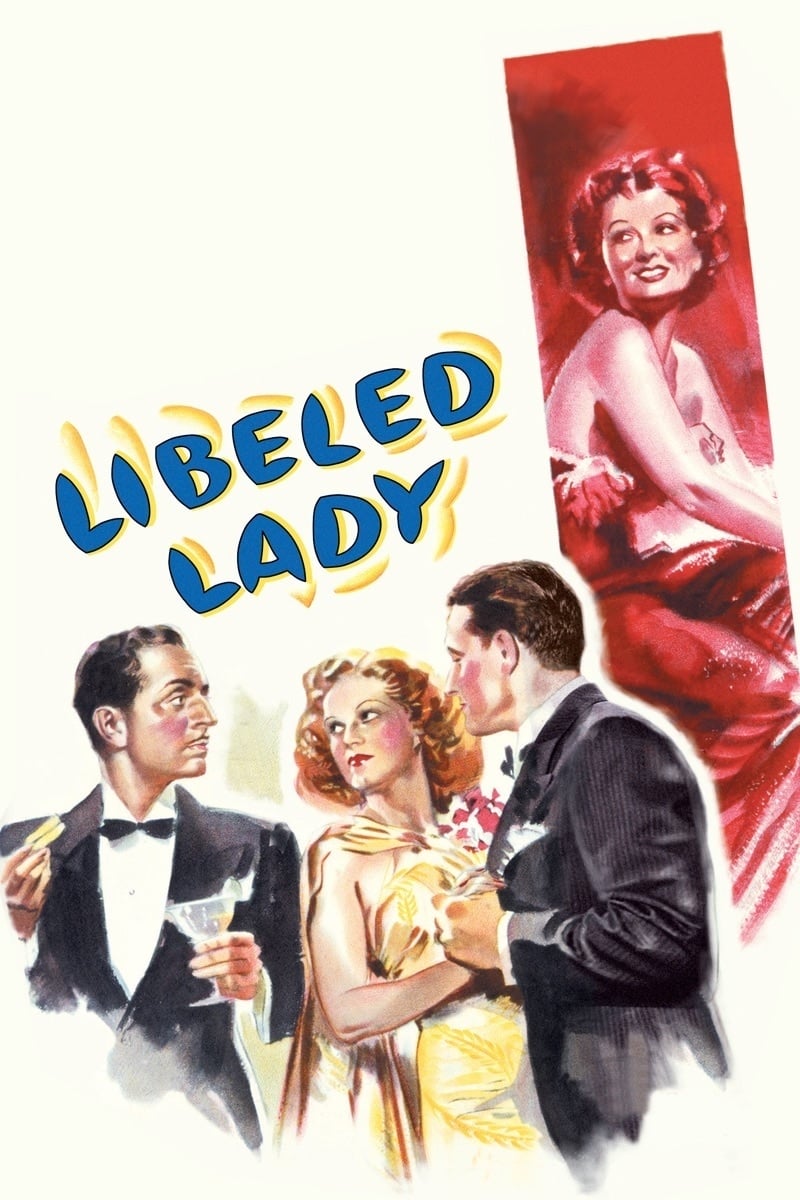
Spencer Tracy plays a crafty newspaper editor named Warren Haggerty in this classic screwball comedy. His paper accidentally prints a false story accusing a wealthy socialite played by Myrna Loy of being a homewrecker. She promptly sues the paper for millions of dollars in libel damages threatening to put them out of business.
To counter the lawsuit Haggerty hatches an elaborate and hilarious scheme involving a suave former reporter played by William Powell and his own perpetually waiting fiancée played by Jean Harlow. The plan is to trick the socialite into a compromising situation to make the original story true. The film is famous for its rapid-fire dialogue and the sparkling chemistry of its four iconic stars.
‘Adam’s Rib’ (1949)
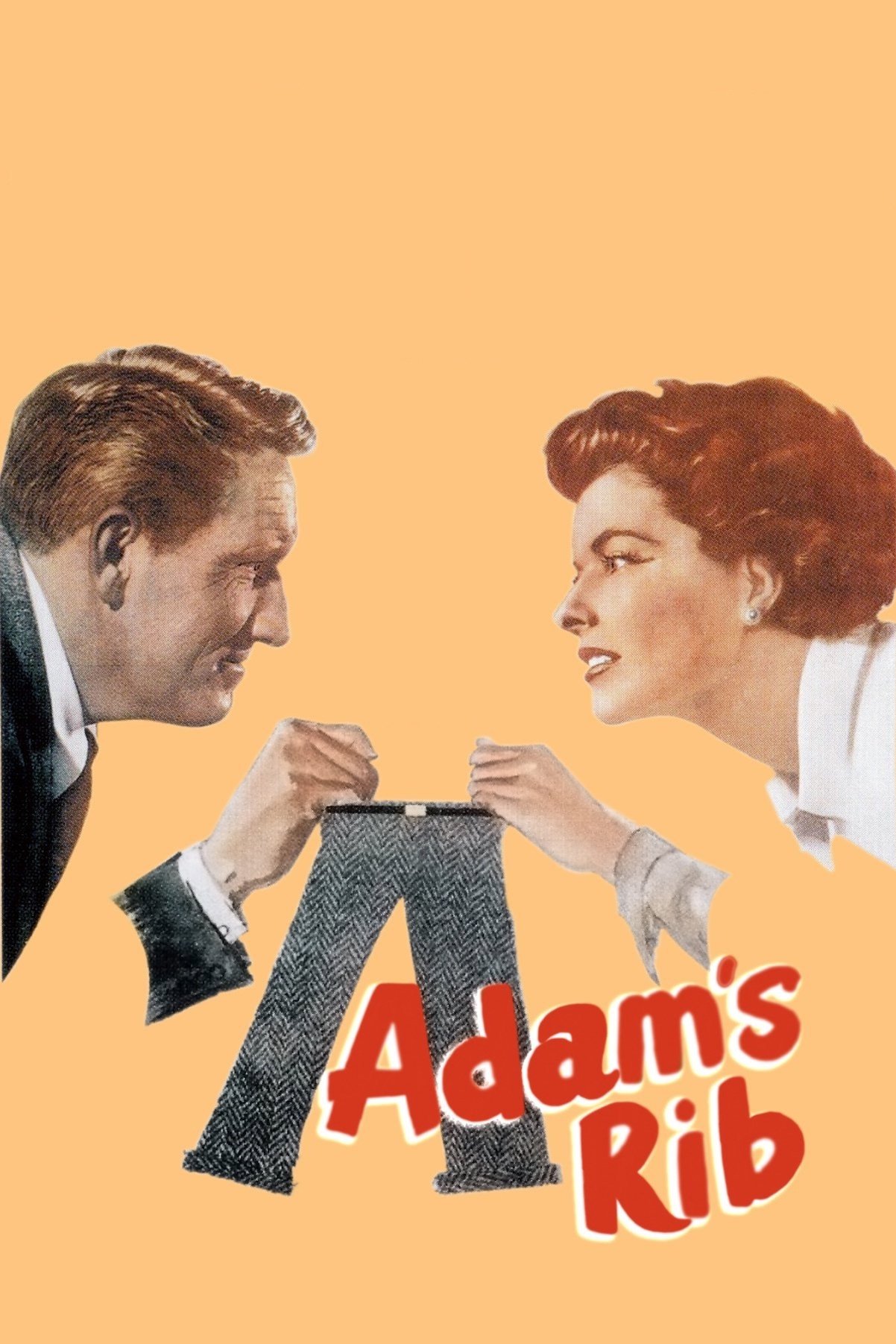
Spencer Tracy and Katharine Hepburn star as Adam and Amanda Bonner a married couple who both work as lawyers in New York City. Their domestic bliss is turned upside down when they find themselves on opposite sides of a sensational attempted murder case. Adam is the assistant district attorney prosecuting the case while Amanda is the defense lawyer representing the woman on trial.
The courtroom becomes a battleground for their conflicting views on the law and gender equality with Amanda passionately arguing that women are judged by a different standard than men. Their legal sparring spills over into their home life creating a series of witty and intelligent arguments. The film is celebrated for its sharp script and its smart exploration of marital dynamics.
‘Bad Day at Black Rock’ (1955)
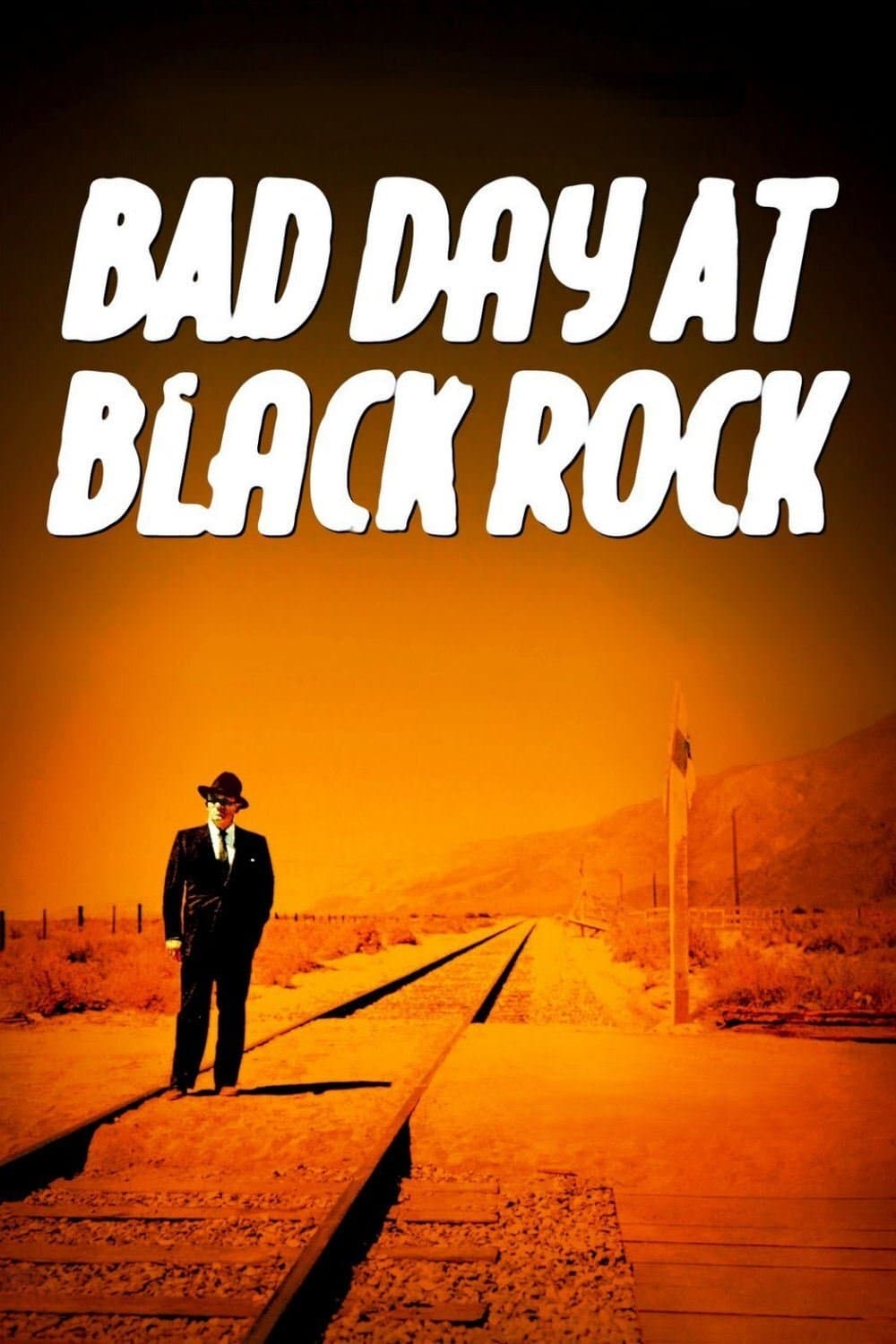
Spencer Tracy plays John J. Macreedy a mysterious one-armed stranger who steps off a train in the tiny isolated desert town of Black Rock. The year is 1945 and the few residents of the town are immediately hostile and suspicious of this outsider. They try to intimidate him into leaving but Macreedy quietly refuses to be scared away.
It soon becomes clear that the town is hiding a dark secret related to the disappearance of a local Japanese-American farmer during World War II. Macreedy’s calm determination to uncover the truth puts his life in grave danger. The film is a taut and suspenseful thriller that builds tension through its stark landscape and the menacing performances of the supporting cast.
‘Guess Who’s Coming to Dinner’ (1967)
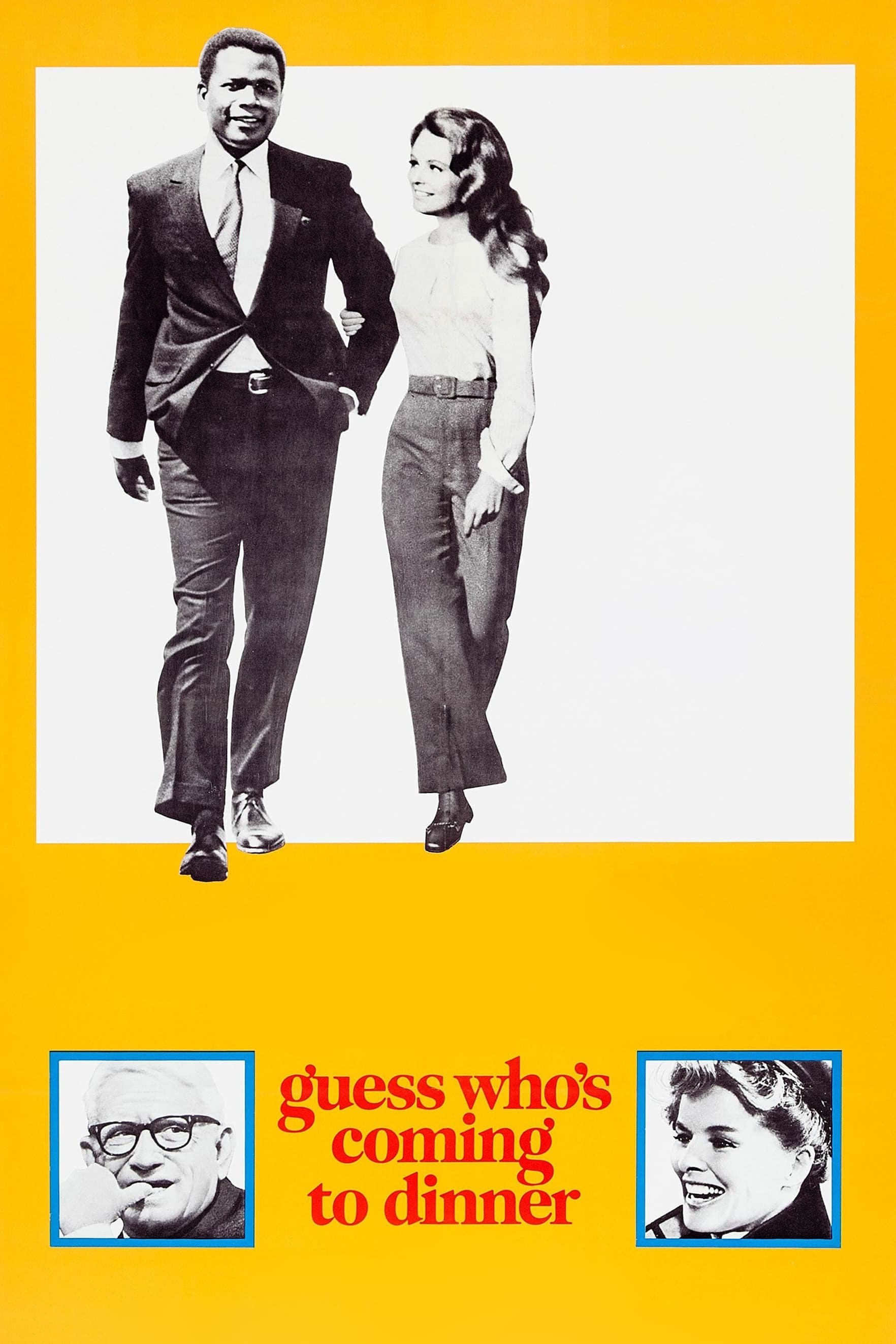
In his final film role Spencer Tracy plays Matt Drayton a respected liberal newspaper publisher whose progressive values are put to the ultimate test. His daughter Joey returns home and shocks him and his wife by announcing her engagement to Dr. John Prentice an accomplished and distinguished African-American doctor. The story takes place over the course of a single evening as the family grapples with the news.
Matt has always preached tolerance and equality but he finds himself struggling with deep-seated prejudices when faced with the reality of an interracial marriage in his own family. The film was groundbreaking for its time and Tracy’s powerful and moving monologue about love and acceptance near the end is a legendary moment in cinema. His performance is made even more poignant by the fact that he was in very poor health during filming.
‘Fury’ (1936)
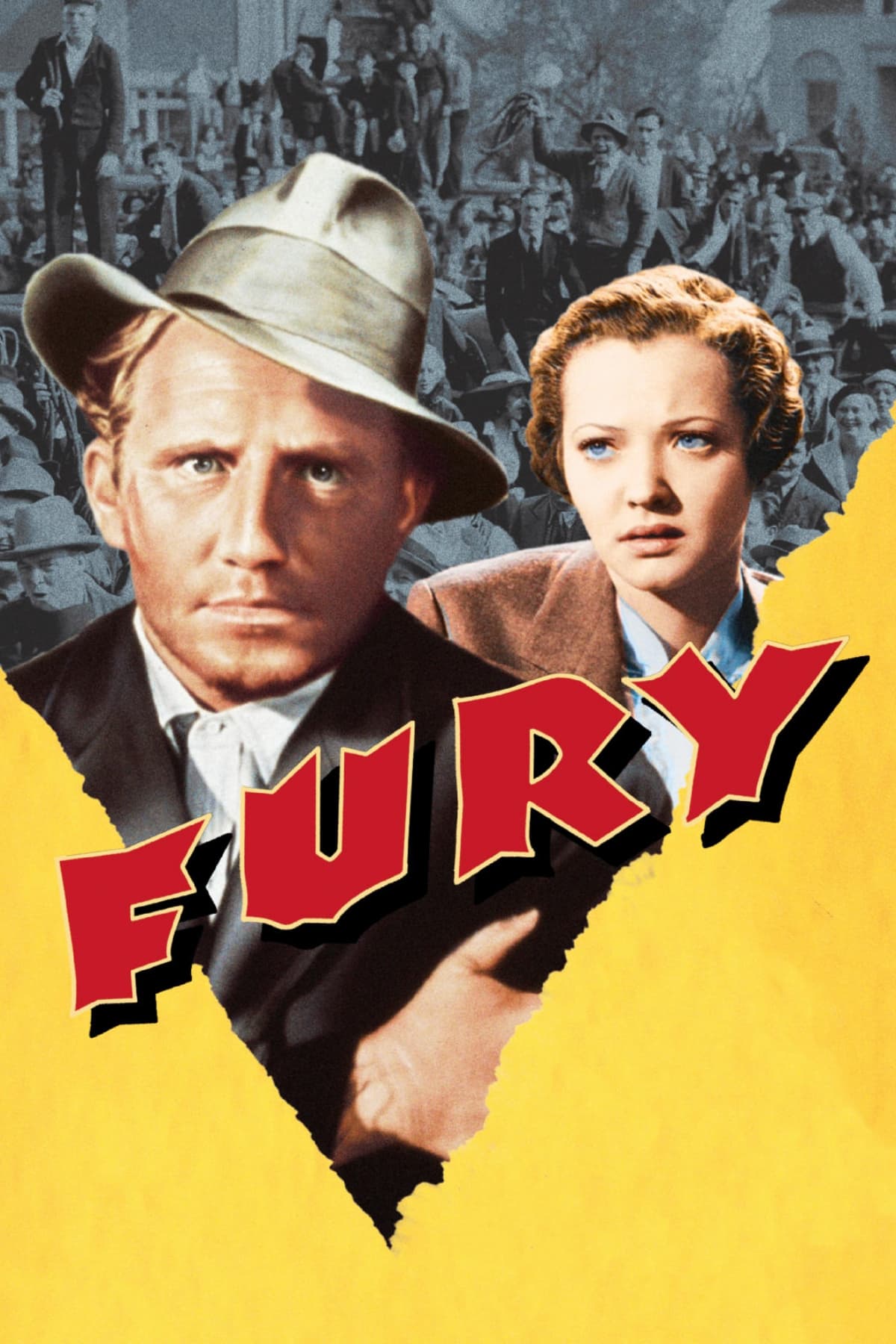
Spencer Tracy gives an intense performance as Joe Wilson an ordinary and decent man whose life is shattered by injustice. While traveling to meet his fiancée he is mistakenly arrested on suspicion of kidnapping. Rumors quickly spread through the small town and an angry mob forms outside the jail. The mob sets fire to the building and Joe is presumed to have died in the blaze.
Miraculously Joe escapes but he is profoundly changed by the experience and filled with a desire for revenge against the people who tried to kill him. He decides to let the world believe he is dead so he can help prosecute the members of the lynch mob. The film is a gripping social commentary on the dangers of mob mentality and the corrupting nature of vengeance.
‘Inherit the Wind’ (1960)
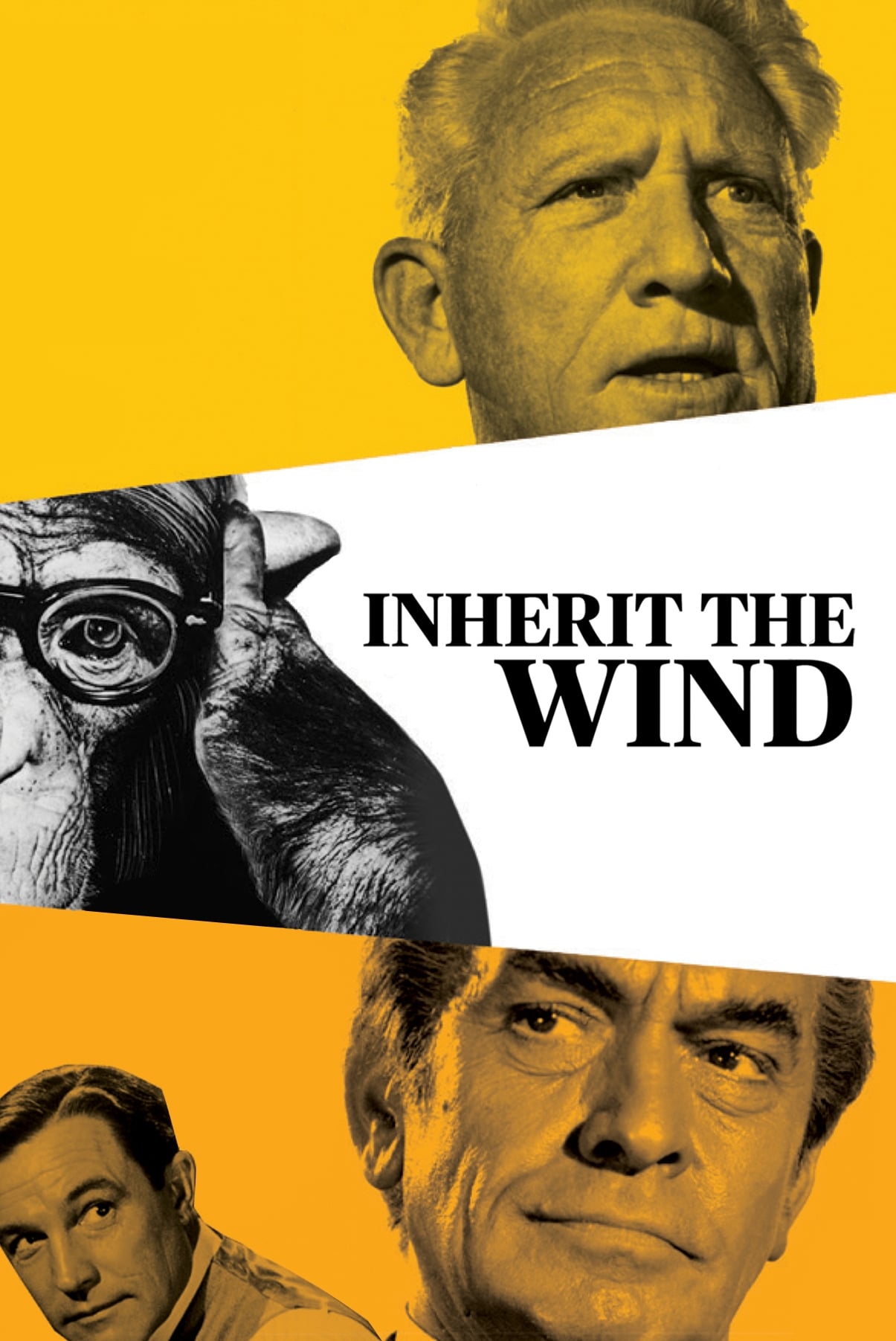
This powerful courtroom drama features Spencer Tracy as Henry Drummond a brilliant and famous lawyer modeled after the real-life attorney Clarence Darrow. Drummond travels to a small town in the South to defend a young schoolteacher who has been put on trial for teaching Charles Darwin’s theory of evolution which is against state law.
He faces off against a formidable opponent his old friend and rival Matthew Harrison Brady a famous politician and religious fundamentalist. The trial becomes a national spectacle a clash between science and faith and a fight for intellectual freedom. Tracy’s performance is a masterclass in acting as he delivers passionate arguments about the importance of free thought and the right to question authority.
‘Judgment at Nuremberg’ (1961)
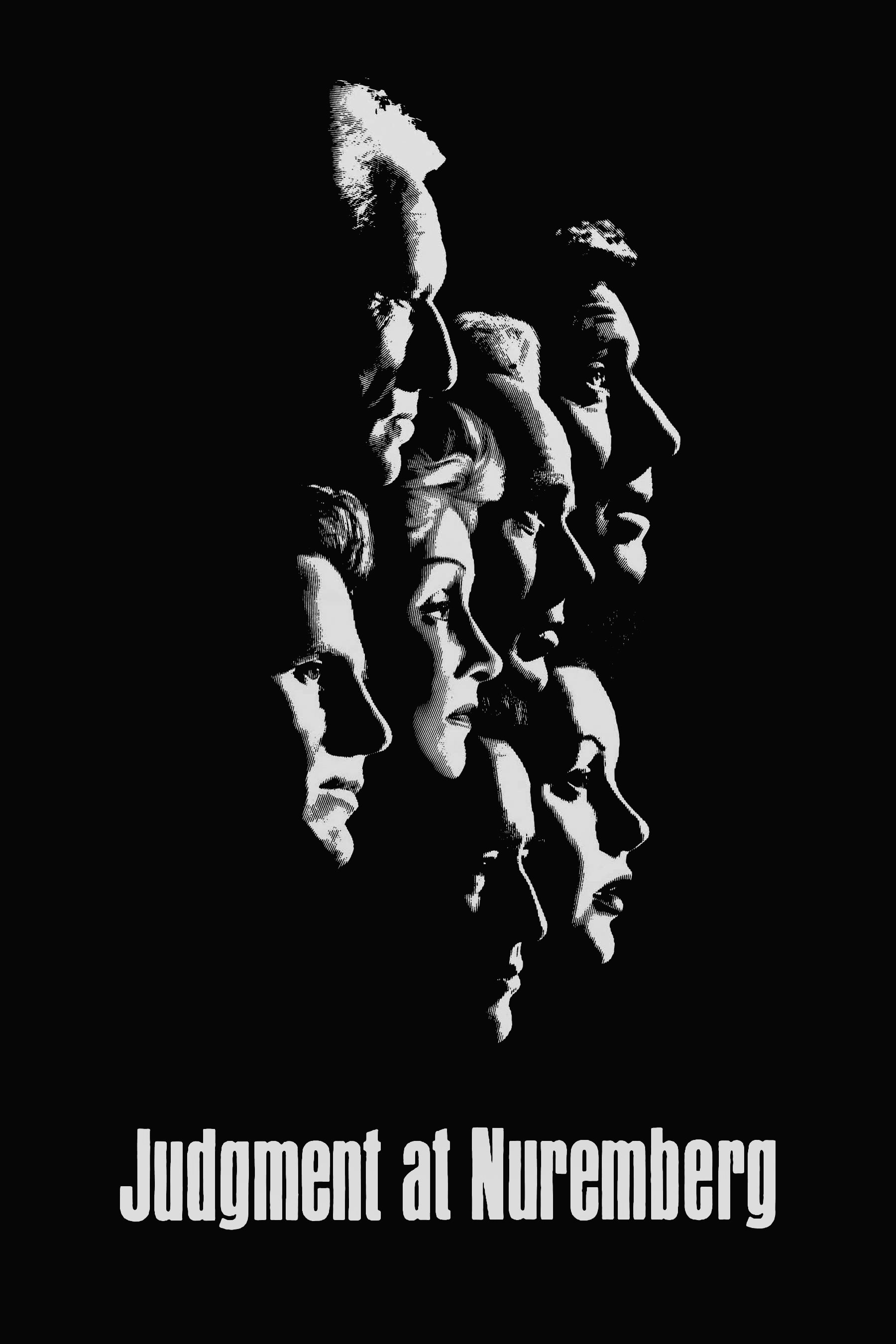
Spencer Tracy leads an all-star cast as Chief Judge Dan Haywood an American judge who travels to Germany in 1948. He is tasked with presiding over the military tribunal of four Nazi judges who are accused of using their positions to enforce and legitimize Nazi atrocities. Judge Haywood must weigh complex legal and moral questions while seeking justice in the aftermath of unimaginable horror.
The film explores the difficult issue of individual responsibility within a corrupt and evil system. Judge Haywood listens to harrowing testimony from victims and grapples with the defense’s argument that the judges were simply following the laws of their country. Tracy’s portrayal is one of quiet dignity and profound thoughtfulness as his character carries the immense weight of history on his shoulders.
What is your favorite Spencer Tracy role?

