Superhero and Franchise Video Games: Iconic Titles and Classic Adaptations

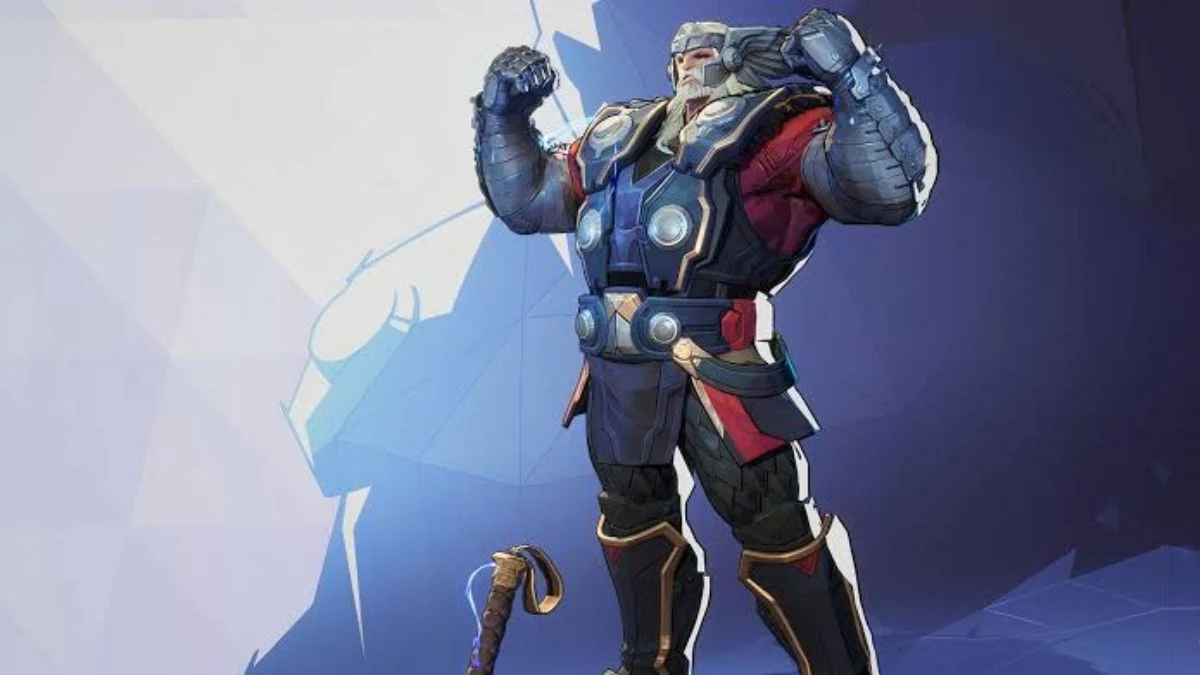
Superheroes have conquered comic books, cinemas and television, but some of their most memorable adventures have taken place in video games. From exploring Gotham City as Batman to battling enemies alongside DC’s most recognisable characters, interactive adaptations give fans opportunities to experience familiar fictional worlds from a different perspective.
The same variety extends beyond comic books. Jurassic Park has inspired film-based games, while Tomb Raider and Assassin’s Creed began as video game franchises and expanded through sequels and other adaptations.
Some have also expanded through mobile video games and licensed casino adaptations. This article focuses on their action, adventure and strategy games, with casino versions providing a secondary example of franchise licensing.
What Makes a Great Superhero or Franchise Video Game?
A successful franchise video game needs more than familiar characters and recognisable locations. The gameplay should reflect the abilities, themes and atmosphere that made the original property memorable.
For superhero games, this often means recreating signature powers, combat styles and movement abilities. Batman games might emphasise stealth and detective work, while Superman-inspired experiences could focus on extraordinary strength and flight.
Storytelling also matters. Players expect established characters to behave consistently with their fictional identities, even when developers introduce original narratives.
Official licensing allows developers to incorporate protected characters, logos and environments. However, the quality of an adaptation ultimately depends on how effectively those elements become part of the gameplay.
Notable Superhero Video Games
Superhero video games range from single-player adventures to cooperative action titles and family-friendly experiences.
Batman: Arkham Series
Batman has one of the most established histories in superhero gaming. Rocksteady Studios’ Batman: Arkham Asylum, released in 2009, helped redefine expectations for comic book adaptations.
The game placed players inside Gotham’s notorious psychiatric hospital, combining hand-to-hand combat, stealth encounters and detective investigations.
Its sequels expanded the experience considerably. Batman: Arkham City introduced a larger environment filled with criminals and familiar villains, while Batman: Arkham Knight brought the Batmobile into an expansive version of Gotham City.
What makes these games memorable is their emphasis on Batman’s abilities. Players can use gadgets, investigate crime scenes and approach enemies strategically rather than relying entirely on combat.
The character has also appeared in alternative entertainment formats. Playtech previously developed casino adaptations of Batman Begins and The Dark Knight, incorporating imagery from Christopher Nolan’s films.
These earlier releases illustrate how Batman’s visual identity has travelled beyond conventional action-adventure gaming, although their mechanics differ substantially from the interactive systems of the Arkham series.
Justice League and DC Team-Based Games
The Justice League brings together superheroes with dramatically different abilities, making the team a natural fit for games involving multiple playable characters.
LEGO Batman 3: Beyond Gotham, released in 2014, allows players to control numerous DC characters while exploring environments inspired by the wider comic book universe.
The game combines puzzles, combat and cooperative play, using individual character abilities to solve challenges.
A different approach appeared in Suicide Squad: Kill the Justice League, released in 2024. Developed by Rocksteady Studios, the game follows Task Force X as its members confront a Justice League affected by Brainiac’s invasion.
Players control characters including Harley Quinn, Deadshot, Captain Boomerang and King Shark, each offering different traversal and combat mechanics.
DC’s characters have also appeared in licensed casino games. Playtech’s 2017 Justice League adaptation used character-specific features inspired by heroes such as Batman, Superman and Wonder Woman.
Although these adaptations share recognisable characters, traditional superhero video games provide greater opportunities for direct player control, exploration and skill-based combat.
Superhero Games Beyond Batman and Justice League
Superhero gaming extends well beyond Gotham City and DC’s most famous teams.
The Marvel’s Spider-Man series, developed by Insomniac Games, demonstrates how character-specific movement can become central to gameplay. Swinging between buildings gives players a sense of Spider-Man’s agility while combat encounters incorporate acrobatic movement and web-based abilities.
Marvel’s Guardians of the Galaxy, released in 2021, takes another approach by combining story-driven action with team interactions and character relationships.
These games illustrate how superhero adaptations can succeed through different design choices.
The influence of comic-book characters also extends into smaller gaming categories. For example, Pariplay released Bloodshot: Rising Spirit in 2020, adapting Valiant Entertainment’s Bloodshot character into a casino game. Original superhero-themed titles such as Yggdrasil’s Super Heroes use their own costumed characters rather than established comic-book properties.
These examples demonstrate the wider commercial reach of superhero themes, even though their gameplay differs from traditional action-oriented video games.
Other Major Franchises in Video Games
Superheroes are not the only fictional characters to inspire interactive adaptations. Major film franchises and established video game series have expanded through new releases, remasters and alternative gameplay formats.
Jurassic Park: Dinosaur Adventures and Simulation Games
The Jurassic Park franchise has influenced video games since the 1990s, with early adaptations often emphasising action and dinosaur encounters.
More recent titles have explored the challenge of managing prehistoric attractions.
Frontier Developments’ Jurassic World Evolution, released in 2018, allows players to build and operate their own dinosaur parks. Managing animal populations, visitor facilities and security systems creates challenges inspired by the films.
The series continued with Jurassic World Evolution 2 and Jurassic World Evolution 3, the latter released in October 2025.
The third game introduced dinosaur breeding and juvenile animals alongside expanded management and construction systems.
These titles offer something the films cannot: direct responsibility for creating and maintaining a functioning dinosaur attraction.
The franchise has also appeared in casino entertainment, including Microgaming’s original Jurassic Park adaptation and Jurassic Park: Gold, developed by Stormcraft Studios. Those releases use familiar dinosaur imagery and themed features rather than park-management gameplay.
Tomb Raider: Lara Croft’s Evolution Through Gaming
Since her debut in 1996, Lara Croft has become one of the most recognisable characters in video game history.
The original Tomb Raider games established a formula built around exploration, environmental puzzles, platforming and combat.
Later instalments expanded these mechanics through more detailed environments and cinematic storytelling.
The 2013 Tomb Raider reboot reimagined Lara’s early adventures, placing greater emphasis on survival and character development. Rise of the Tomb Raider and Shadow of the Tomb Raider continued this approach while preserving the franchise’s archaeological themes.
The series has also revisited its history through remastered collections. Tomb Raider I–III Remastered arrived in 2024, followed by Tomb Raider IV–VI Remastered in February 2025.
Beyond traditional adventures, Lara Croft has appeared in puzzle-focused titles such as Lara Croft GO, demonstrating the character’s flexibility across gaming genres.
The franchise has also inspired casino adaptations, beginning with Microgaming’s Lara Croft: Tomb Raider in 2004. Later titles such as Lara Croft: Tomb of the Sun incorporated ancient environments, artefacts and treasure-hunting imagery.
These versions borrow the franchise’s visual identity, but do not reproduce the exploration and puzzle-solving that define its mainline games.
Assassin’s Creed: Historical Exploration and Stealth Gameplay
Ubisoft’s Assassin’s Creed franchise has built its identity around historical environments, exploration, parkour and stealth-based missions.
Since the original game’s release in 2007, the series has taken players through different historical periods, introducing fictional stories alongside recreated cities and landmarks.
Assassin’s Creed Mirage, released in October 2023, returned to several of the franchise’s earlier gameplay principles.
Set in ninth-century Baghdad, the game follows Basim as he develops from a street thief into a skilled Assassin.
Its mechanics emphasise stealth, parkour and carefully planned assassinations, allowing players to approach objectives through different routes.
The franchise has also expanded into other entertainment categories. Games Global announced a partnership with Ubisoft to produce licensed casino adaptations, including Assassin’s Creed Mirage x Gold Blitz Ultimate Double X, developed by Fortune Factory Studios.
This adaptation incorporates the franchise’s setting and visual identity into chance-based gameplay, representing a different interpretation of the series rather than a continuation of its action-adventure mechanics.
How Popular Franchises Expand Beyond Traditional Video Games
The success of a recognised franchise often leads to adaptations across multiple entertainment platforms.
Console and PC games typically offer more extensive environments, detailed narratives and complex gameplay systems. Mobile releases may prioritise shorter sessions, simplified controls and touchscreen interaction.
Other formats include virtual reality experiences, location-based attractions and specialised gaming machines.
Casino adaptations represent another example of franchise licensing. Some developers incorporate recognisable fictional characters, soundtracks and environments into games built around chance-based outcomes.
For example, catalogues of popular slots may include titles inspired by established entertainment franchises alongside games featuring original characters and themes. Availability varies by operator, jurisdiction and licensing arrangements.
These casino adaptations offer a different experience from the action-adventure games discussed above. In the slot adaptations, winning outcomes depend on chance-based game rules rather than the combat skills, timing or exploration decisions used in those video games.
A familiar character or franchise theme does not improve the odds of winning.
What Makes a Franchise Video Game Faithful to Its Source Material?
Successful adaptations usually preserve the most recognisable elements of their source material while creating mechanics suited to the gaming format.
Character abilities are particularly important in superhero games. Batman’s gadgets and stealth mechanics reflect his identity as a detective and crimefighter, while Spider-Man’s web-swinging captures his distinctive movement.
World design also influences authenticity. Gotham City’s dark streets, Jurassic Park’s dinosaur-filled environments and the historical settings of Assassin’s Creed help establish familiar atmospheres.
Gameplay mechanics determine whether those environments become meaningful experiences. Jurassic World Evolution transforms dinosaur park management into strategic decisions, while Tomb Raider makes exploration and environmental puzzles central to progression.
Storytelling and sound design can strengthen these connections through familiar character relationships, music and dialogue.
An adaptation does not necessarily need to recreate its source material exactly. Sometimes, exploring a familiar fictional universe through a different genre can reveal new creative possibilities.
Why Some Franchise Adaptations Fall Short
Familiar branding does not automatically guarantee an engaging video game.
An adaptation may reproduce recognisable characters and environments while offering repetitive or disconnected gameplay. Others struggle to translate the defining appeal of a franchise into meaningful player interactions.
For example, a superhero known for sophisticated combat abilities may feel less convincing if a game offers limited movement or simplistic encounters.
Similarly, an adventure franchise can lose part of its identity when exploration and puzzle-solving become secondary to unrelated mechanics.
Different platforms also create practical limitations. A mobile puzzle game cannot necessarily provide the same scale as a console adventure, while a casino adaptation cannot reproduce the player-controlled challenges of a traditional action game.
These differences are not inherently weaknesses, but they demonstrate why adaptations should be assessed according to their actual gameplay rather than the popularity of their branding.
Final Thoughts
Superhero comics, blockbuster films and established video game franchises have shaped interactive entertainment in numerous ways.
From Batman’s detective-driven adventures to the team-based action of DC games, superhero adaptations demonstrate how familiar characters can support different gameplay experiences.
Meanwhile, Jurassic World Evolution, Tomb Raider and Assassin’s Creed show how developers can translate established fictional worlds into management simulations, exploration adventures and stealth-focused experiences.
Alternative formats, including mobile titles and licensed casino adaptations, further illustrate how widely these properties can expand beyond their original medium.
Ultimately, the most memorable franchise games are those that combine recognisable characters and settings with gameplay that gives players a meaningful reason to explore those worlds.