


“Sure Thing” Movies that Bombed at the Box Office

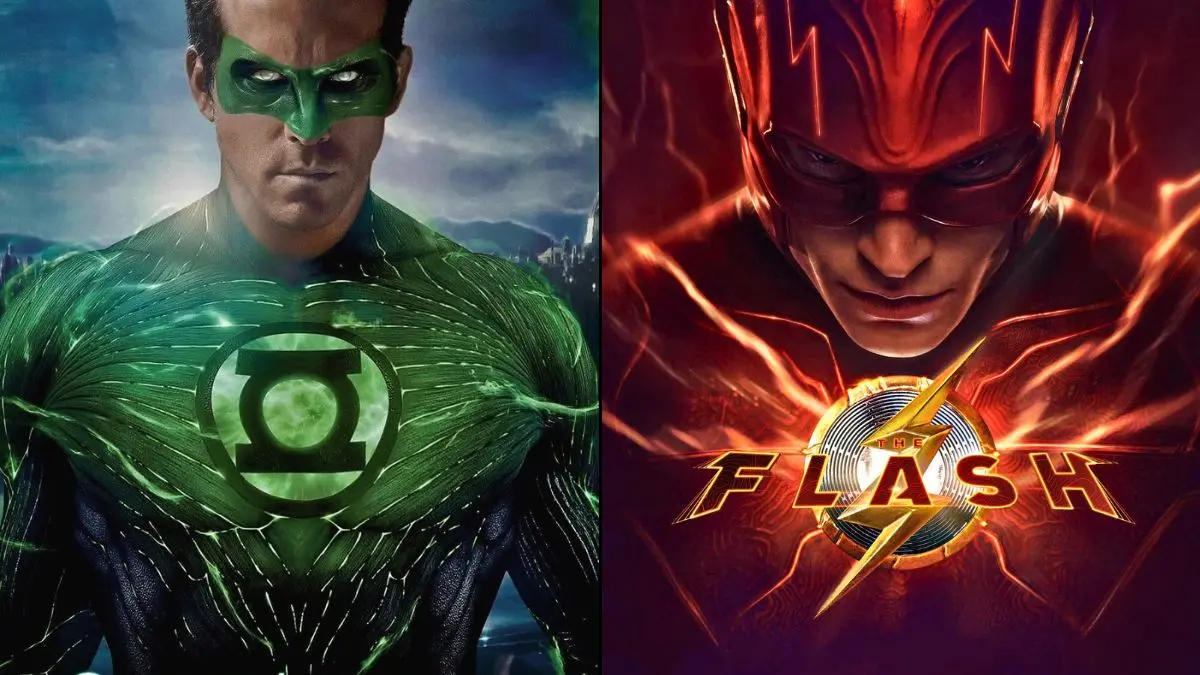


Some movies arrive with famous names, big marketing, and the kind of brand recognition that looks like a built in win. Then the numbers come in and the picture changes fast. Studios plan for global appeal and long franchise tails, but even a giant opening cannot always outrun high costs.
This list rounds up well known projects that looked safe on paper but struggled to recoup what they spent. Budgets and grosses below are widely reported industry figures and they help explain how a movie can earn hundreds of millions and still miss break even. Marketing and distribution costs push the finish line farther than most people expect.
‘John Carter’ (2012)
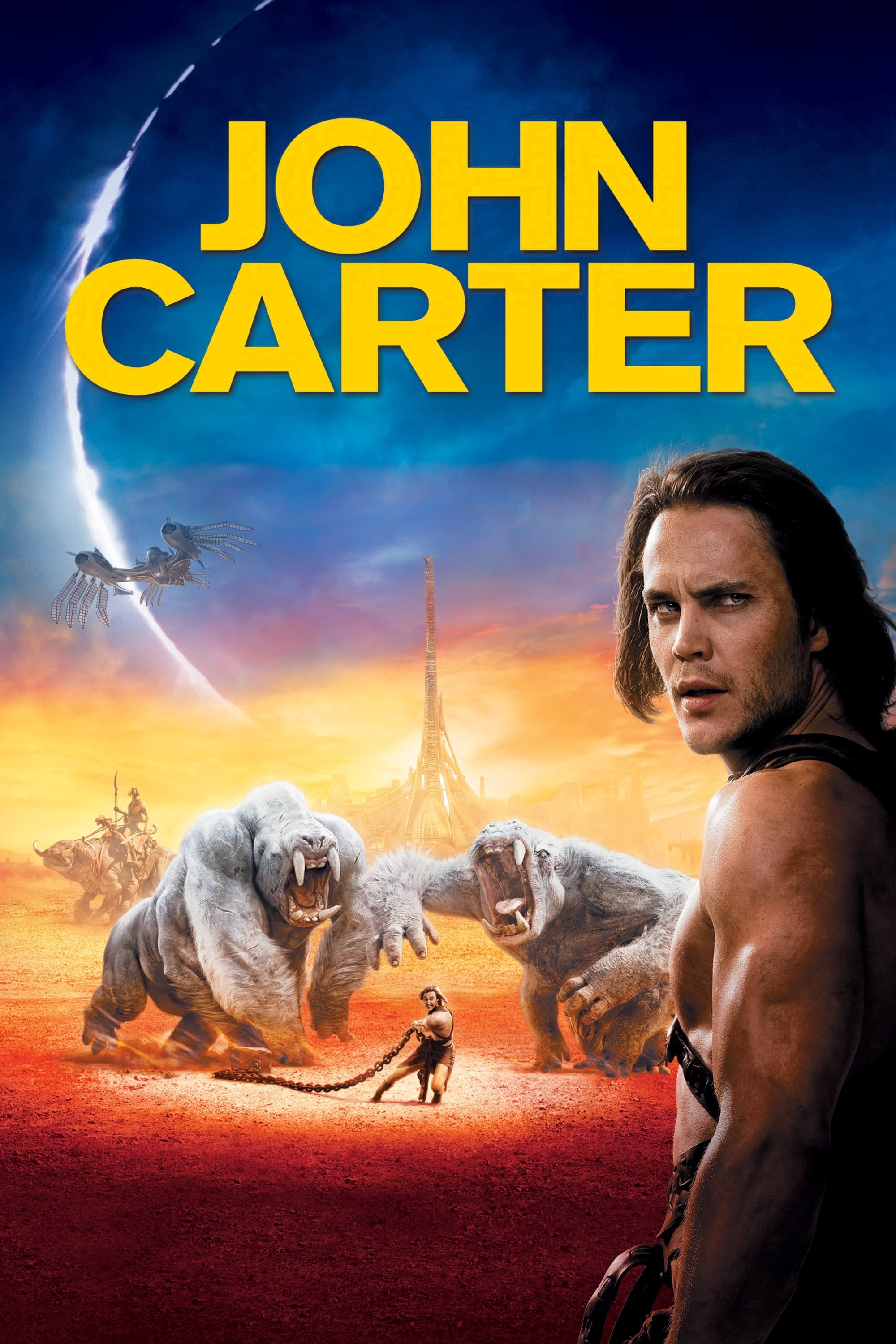
Disney aimed to launch a new adventure series with a production budget reported around 250 million and a global gross near 284 million. Domestic interest never caught up with the huge spend and strong competition cut into repeat business.
The film drew from classic source material and used heavy visual effects that increased costs. After prints and advertising the break even target rose far beyond the final worldwide total.
‘The Lone Ranger’ (2013)

This Western paired a major star with the team behind ‘Pirates of the Caribbean’ and cost an estimated 215 to 225 million to produce. The worldwide gross landed near 260 million and could not overcome the combined production and marketing outlay.
Disney scaled back plans for a larger revival after the soft domestic opening. The expensive set pieces and location work added to a budget that needed stronger legs overseas than it received.
‘The Mummy’ (2017)
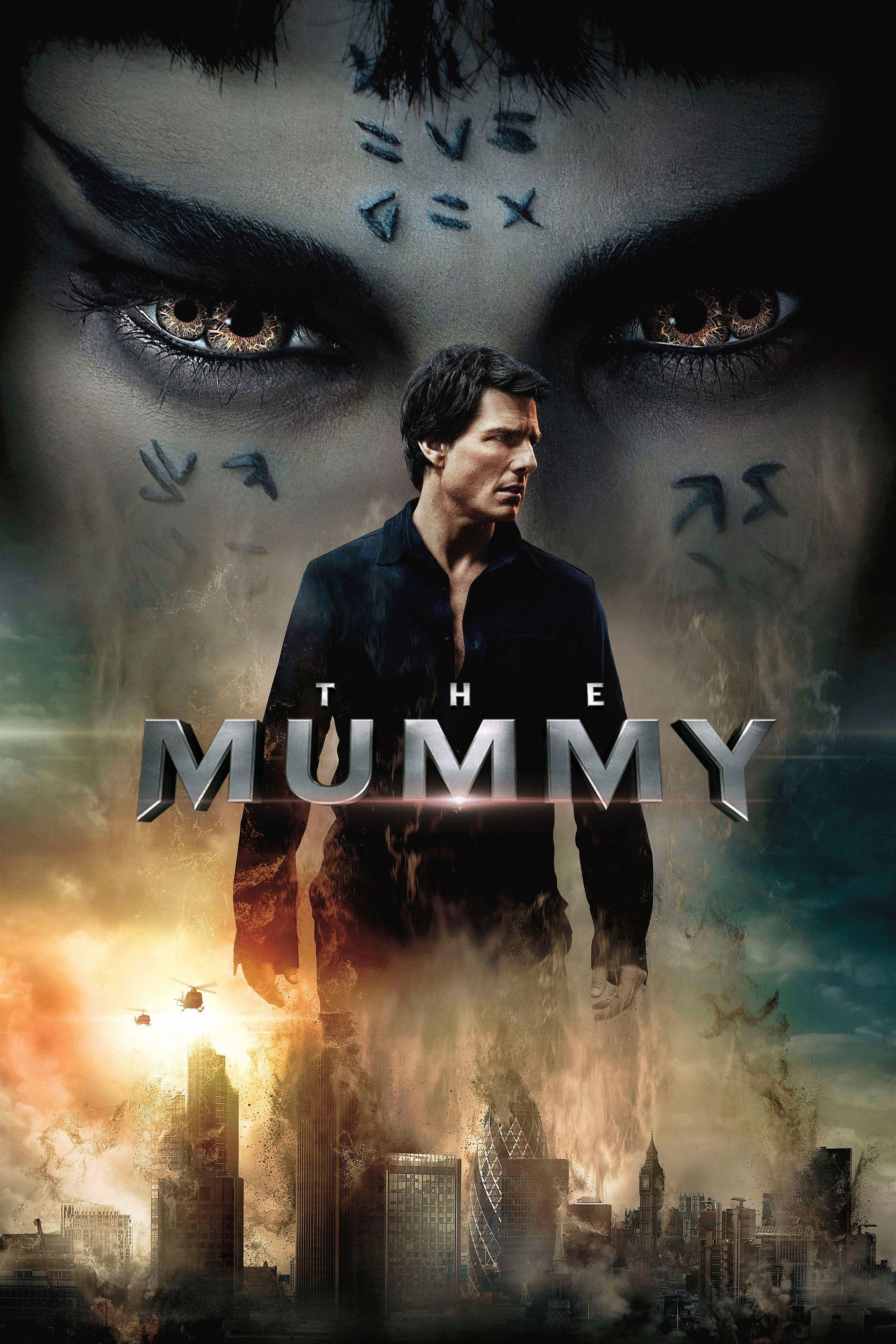
Universal positioned this as the kickoff for a shared monster universe with a reported production budget well over 100 million. The global gross crossed 400 million but high costs and revenue splits left little room to cover marketing and set up future entries.
The film underperformed in North America relative to expectations for a summer tentpole. The studio halted Dark Universe plans soon after and shifted to stand alone monster projects instead.
‘King Arthur: Legend of the Sword’ (2017)

With a budget around 175 million this origin story opened well below forecasts and finished near 148 million worldwide. The gap between cost and revenue was too wide to close with ancillary sales.
The studio had explored sequel ideas but backed off once international numbers stalled. The medieval action format required extensive effects and world building that did not convert into sustained attendance.
‘Pan’ (2015)

This family adventure carried a production budget near 150 million and earned roughly 128 million worldwide. It needed a much higher domestic opening and stronger word of mouth to offset the spend.
International play did not supply the lift that event family titles often see. The result led the studio to reassess plans for further stories in the same setting.
‘Tomorrowland’ (2015)
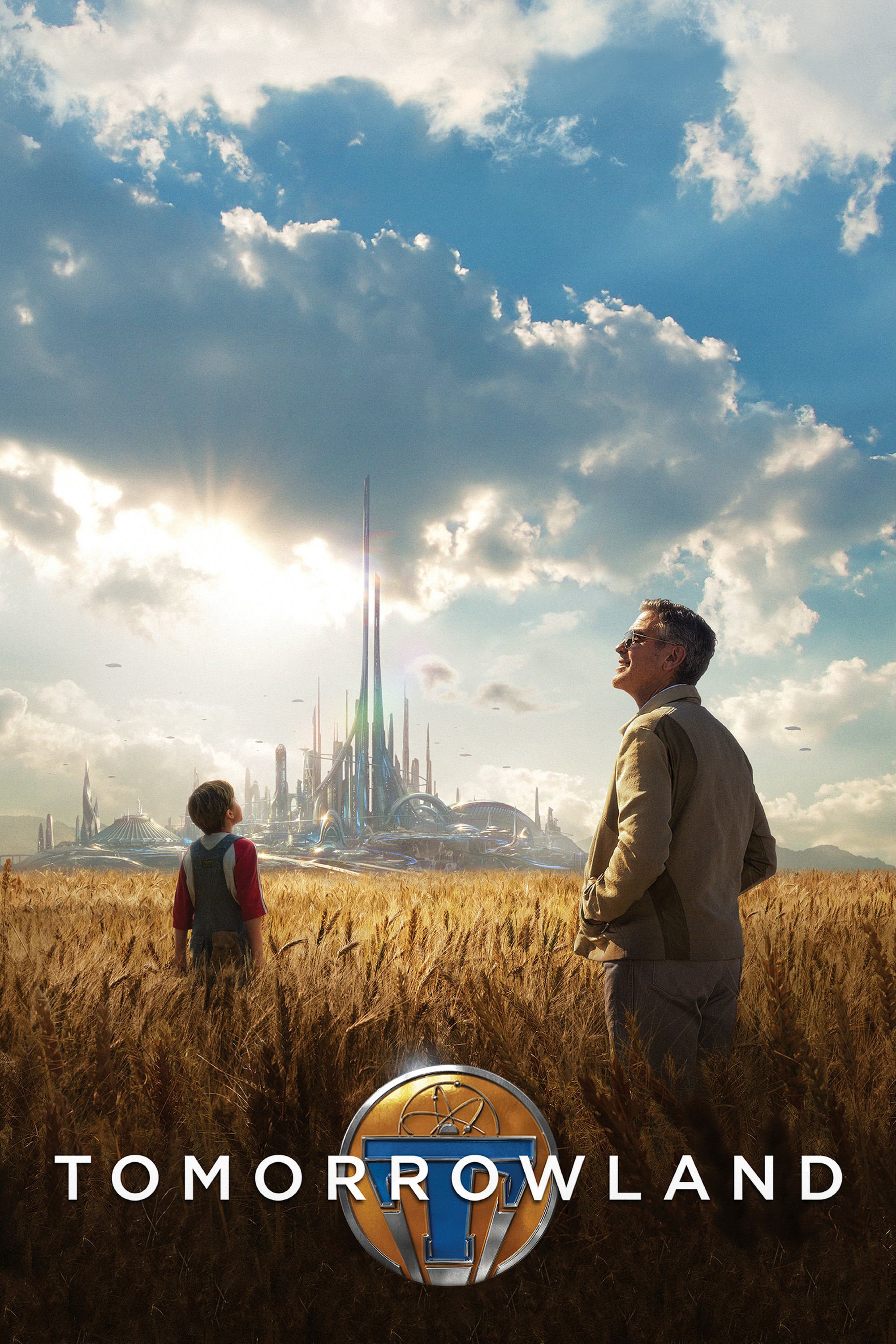
Disney invested about 180 to 190 million to bring an original sci fi concept to theaters. The global total reached a little over 200 million and left a sizable shortfall after marketing.
Premium effects work and large scale set pieces raised the cost per minute on screen. Without a built in fan base the film could not keep pace with other summer titles that year.
‘Jupiter Ascending’ (2015)

Reports placed the budget around 176 to 210 million while worldwide grosses finished near 184 million. The movie opened below projections in key markets and never recovered the difference.
The effects heavy production spent years in development and used complex world building. That investment required a far larger audience to reach profitability than it ultimately found.
‘Green Lantern’ (2011)
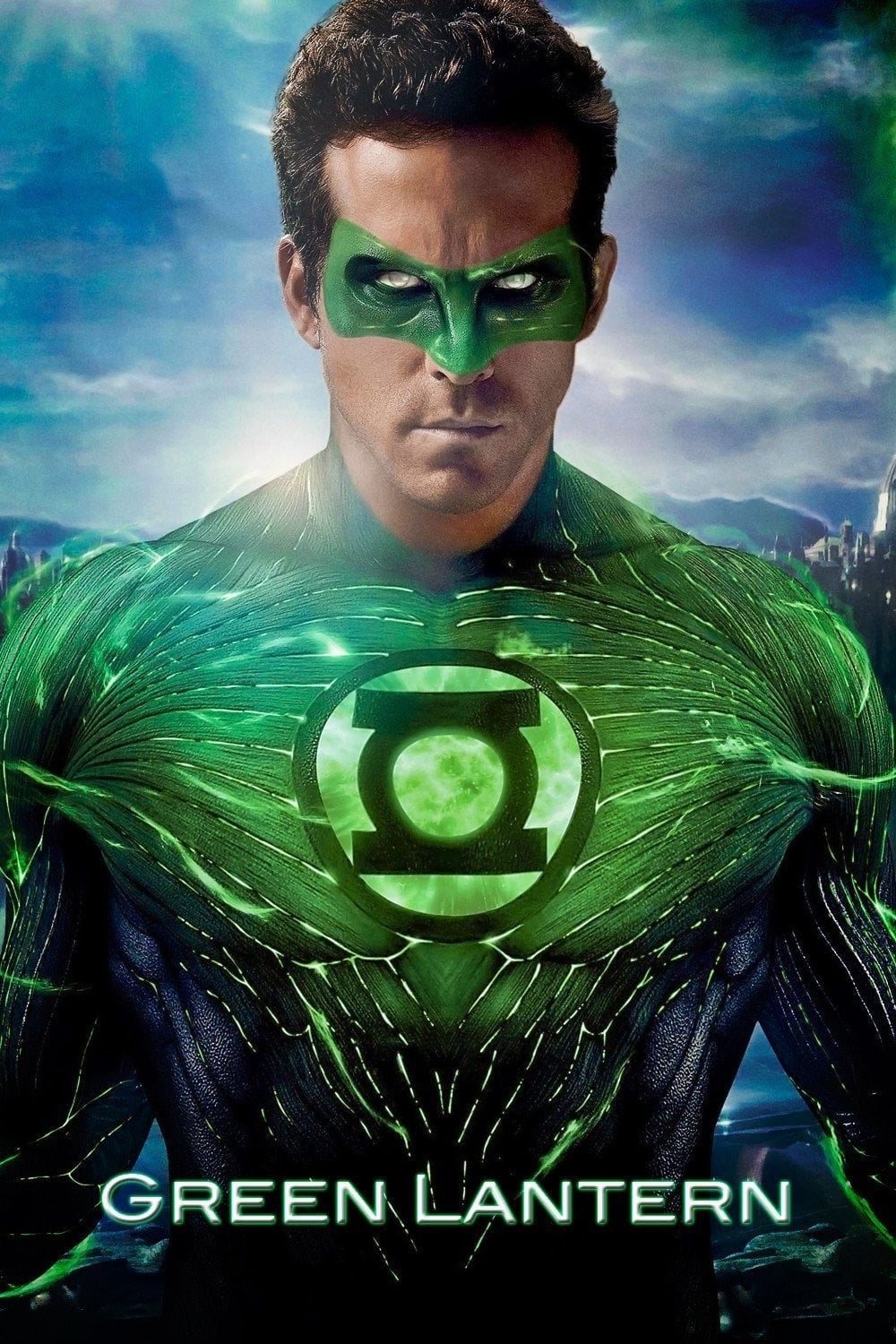
Aiming to start a long running superhero series the film cost around 200 million and grossed about 219 million worldwide. Ancillary sales helped but not enough to justify immediate sequels.
Extensive digital suits and cosmic settings pushed visual effects spending high. The character returned to development for many years before another big screen attempt moved forward.
‘The Adventures of Pluto Nash’ (2002)
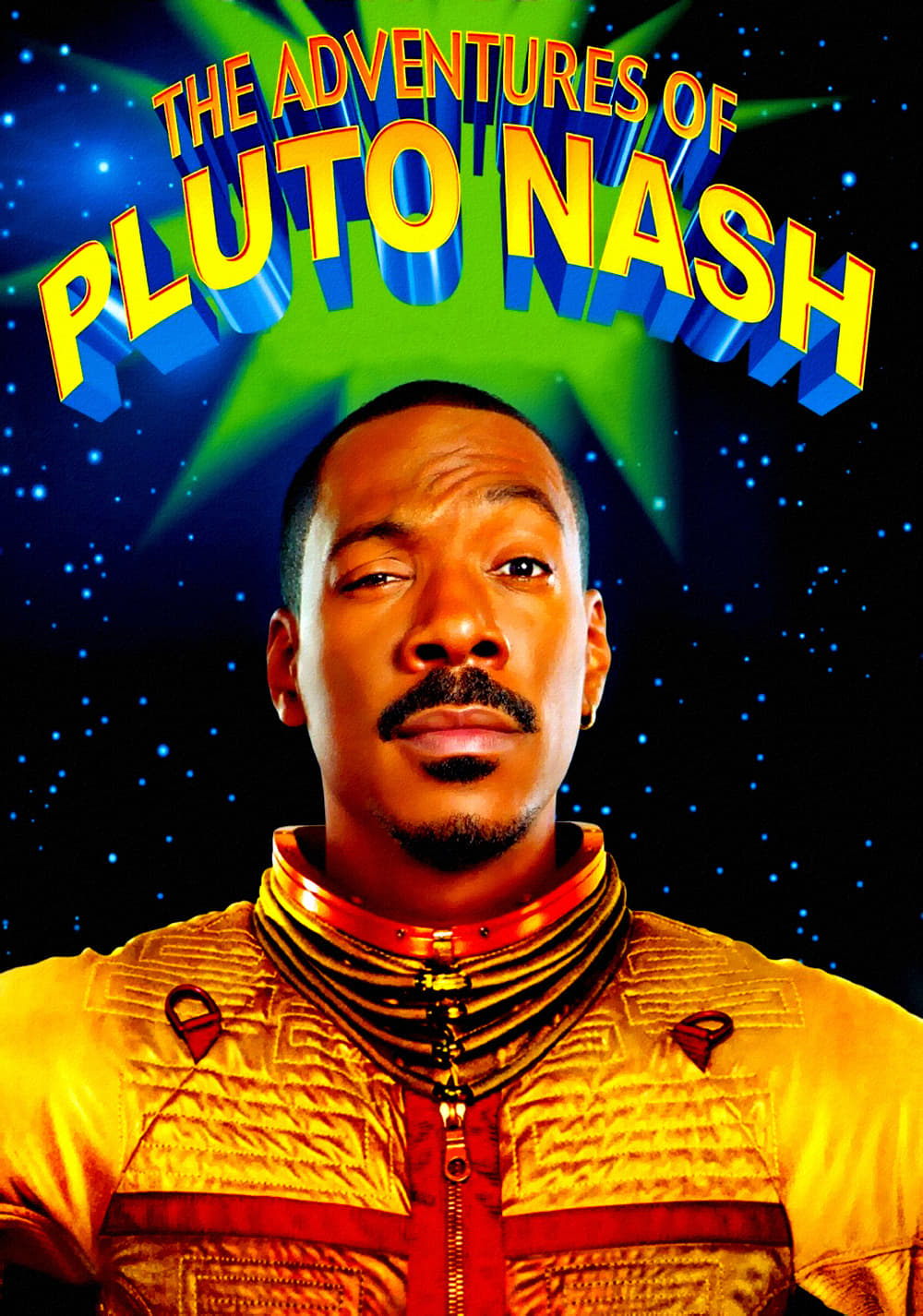
This sci fi comedy cost roughly 100 million to produce and earned about 7 million worldwide. It posted one of the steepest theater to budget gaps of its decade.
The film had a delayed release and a minimal opening weekend. Home entertainment could not close a gap of that size, making it a cautionary tale for star driven projects.
‘Battleship’ (2012)
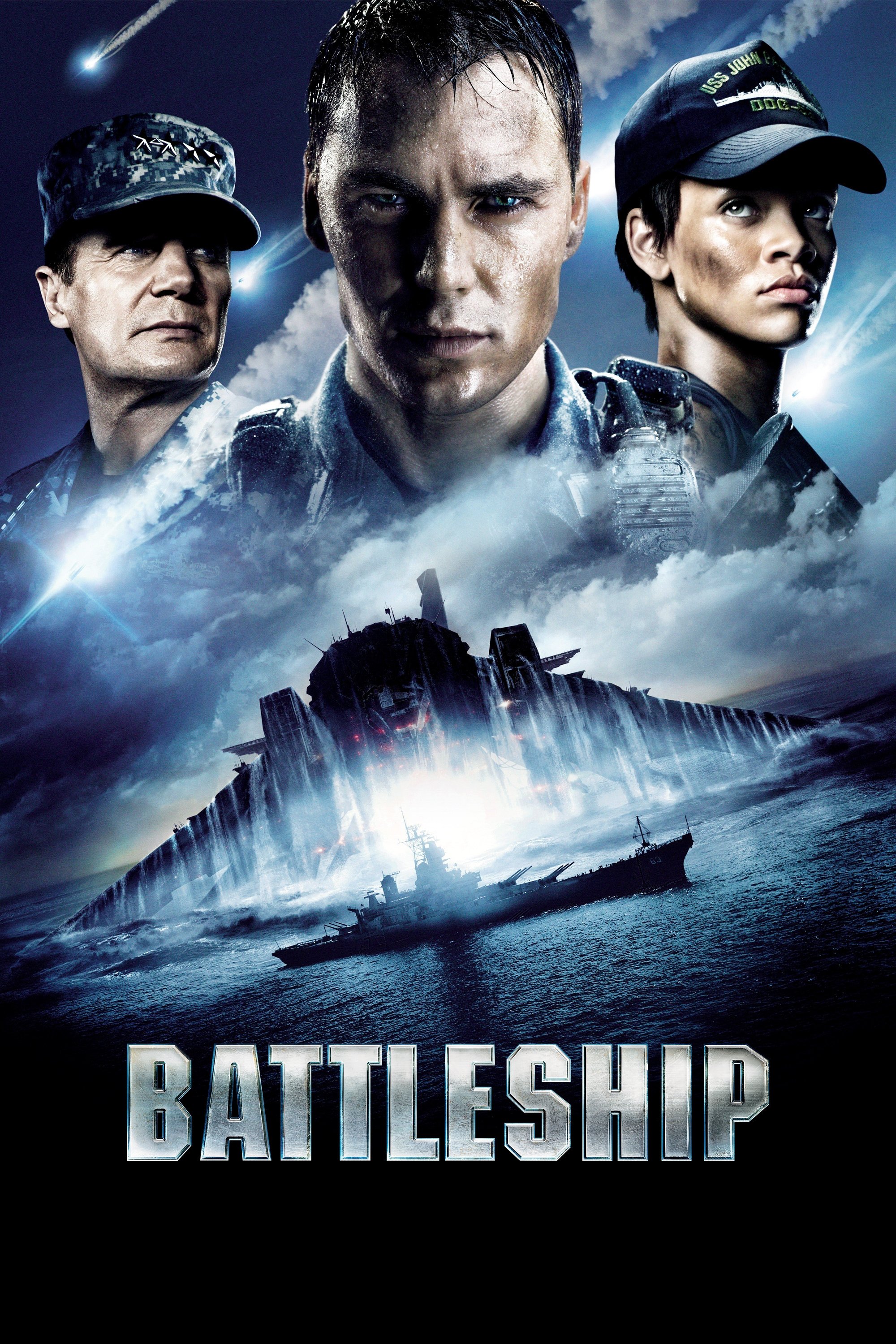
With a budget reported just over 200 million the global gross around 303 million was not enough after marketing and exhibitor splits. Domestic turnout was especially soft for a summer action entry.
The project leaned on naval spectacle and visual effects that increased costs. International markets helped but the net returns fell short of the threshold for follow ups.
’47 Ronin’ (2013)
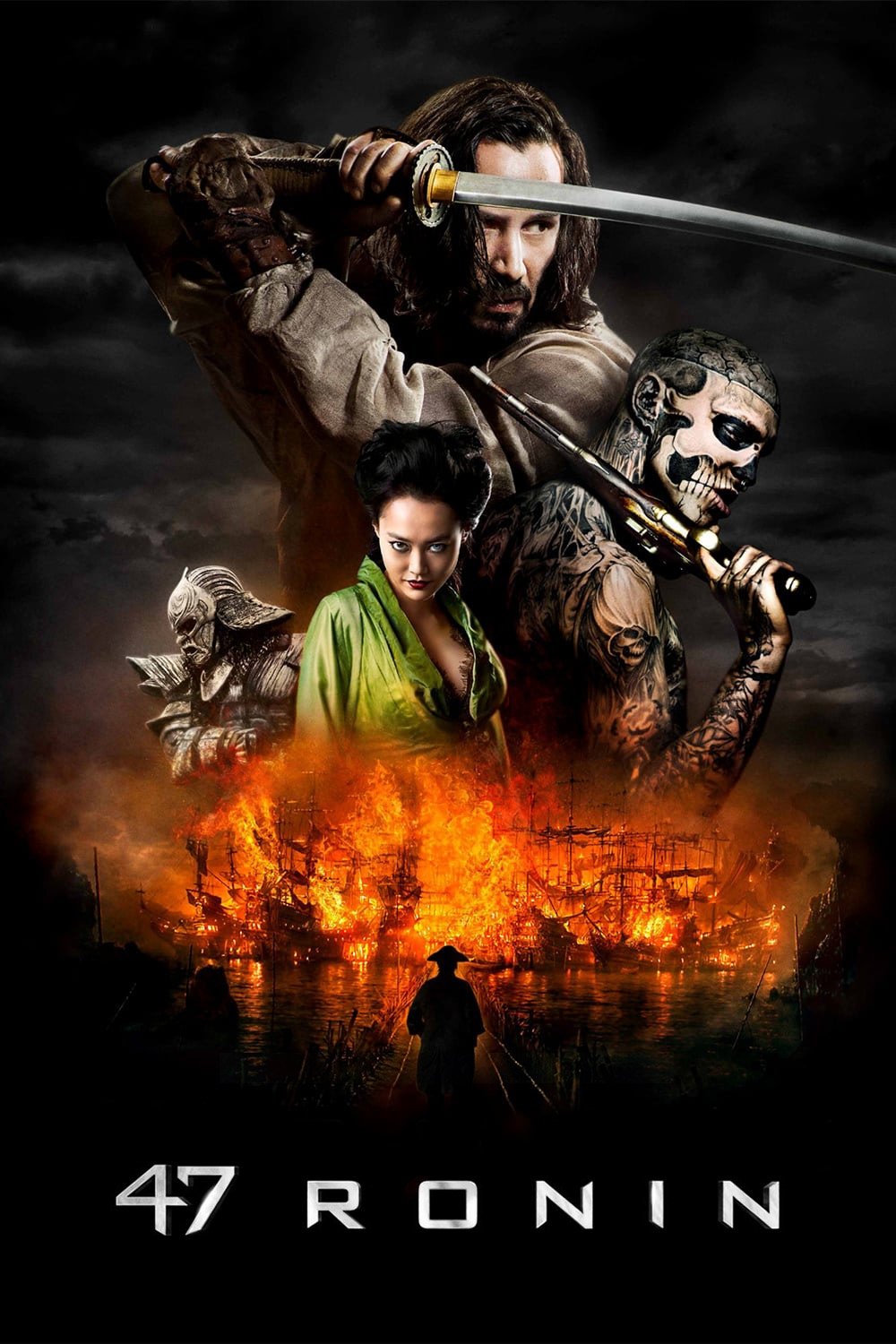
Universal spent near 175 million and saw worldwide grosses of about 151 million. The film opened late in the year amid crowded schedules and never built momentum.
Production delays and reshoots added to the final bill. Even with star power the historical fantasy angle did not connect with enough regions to balance the spend.
‘Mortal Engines’ (2018)

This adaptation carried a production budget a little over 100 million and finished with around 83 million worldwide. Strong holiday competition and weak domestic interest limited its run.
Large scale city on wheels effects demanded heavy post production. The studio wrote down losses and shelved broader franchise plans tied to the book series.
‘Cats’ (2019)

With a reported budget near 90 to 100 million the film earned about 75 million worldwide. It arrived during a busy season and could not hold screens for long.
The title drew wide attention but ticket sales fell quickly after opening weekend. The studio curtailed awards pushes and focused on limiting further expenses.
‘The Flash’ (2023)

Warner Bros spent around 200 million on production and more on marketing. The worldwide total near 270 million left it below the recovery point for a major superhero release.
Schedule changes and a crowded summer calendar made staying power difficult. The result factored into a larger reset for connected DC projects.
‘The Marvels’ (2023)
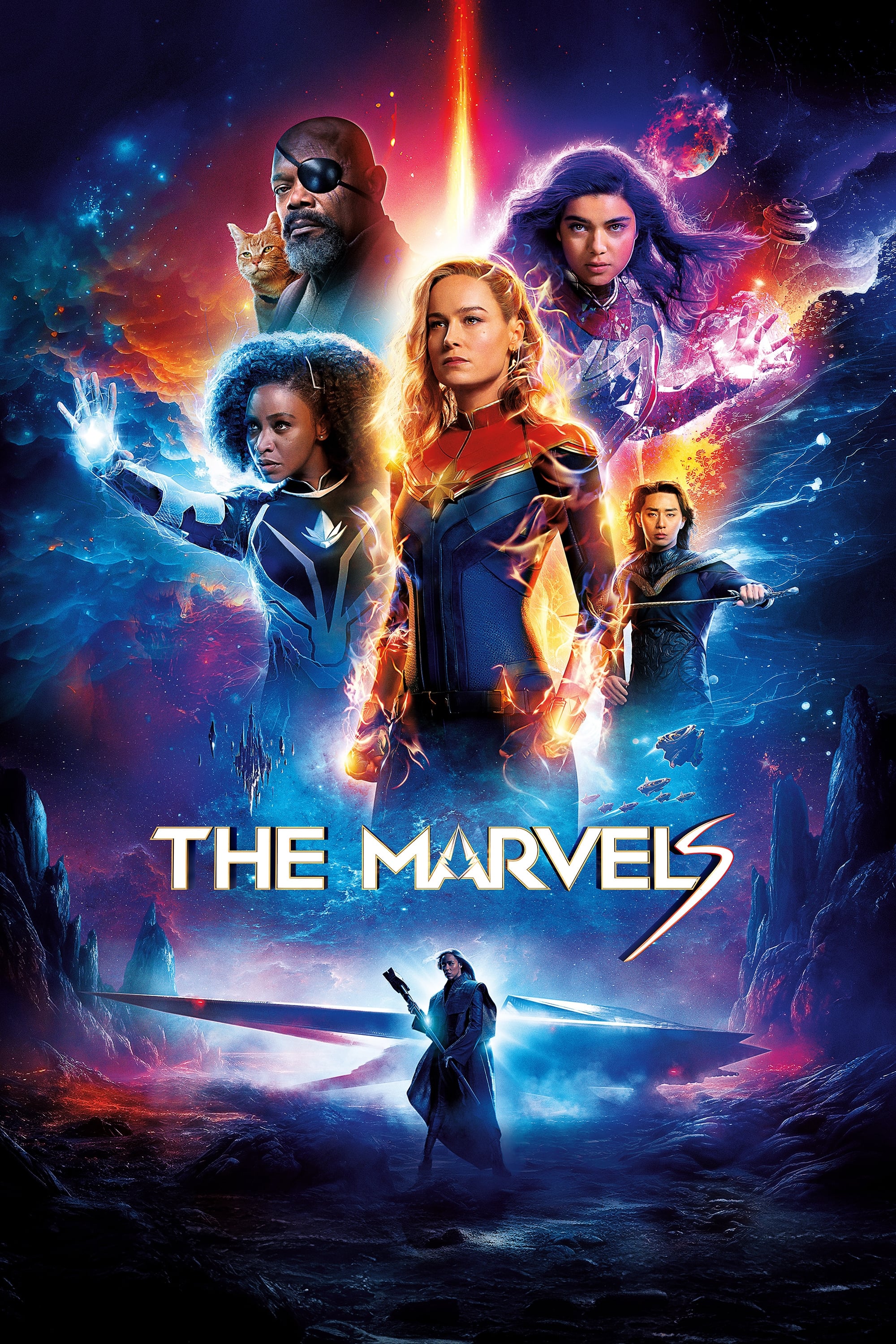
This sequel’s production budget was widely reported around 200 million and its global gross landed near 206 million. The number could not cover marketing and overhead common to a film of this scale.
The performance led the studio to rethink release spacing and costs for upcoming titles. The brand still drew attention but not at the level needed to offset expenses.
‘Solo: A Star Wars Story’ (2018)
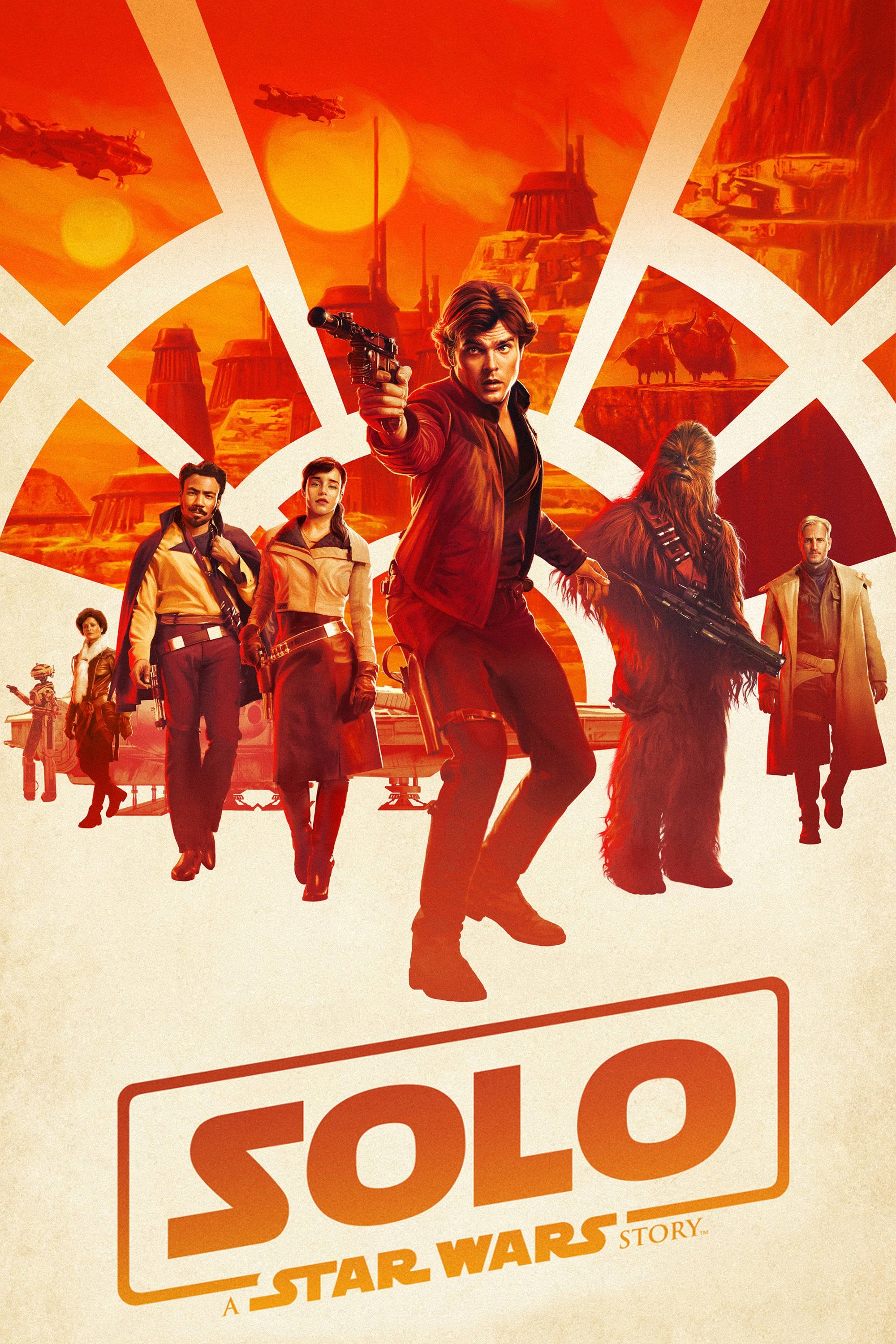
After a change in directors the budget rose to an estimated 275 to 300 million. The global gross of about 393 million fell short of typical franchise returns and left little margin.
The studio paused plans for further standalone entries in this format. Merchandising and home release helped but could not reverse the gap created by the high negative cost.
‘Indiana Jones and the Dial of Destiny’ (2023)

The production budget was reported near 295 to 300 million with a worldwide gross close to 383 million. The math did not work out once marketing and participation were included.
The film arrived in a competitive summer and played to an older audience segment. Premium format screenings boosted per ticket revenue but not enough to change the outcome.
‘R.I.P.D.’ (2013)
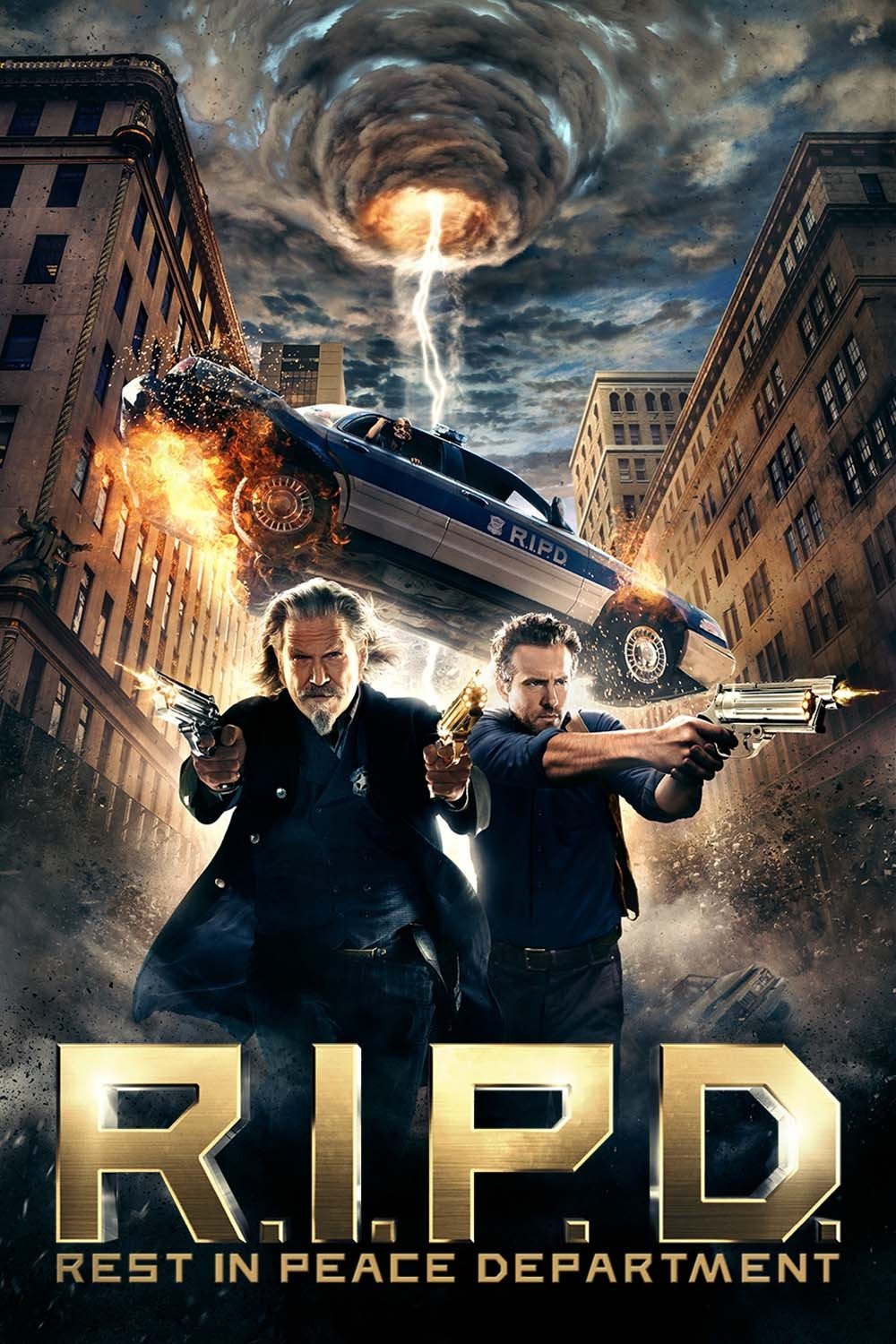
With a cost near 130 million the movie took in roughly 78 million worldwide. It opened softly in North America and did not find a second wind abroad.
The effects heavy action required significant post production that increased the break even point. The studio wrote down the title soon after its theatrical run.
‘Cutthroat Island’ (1995)
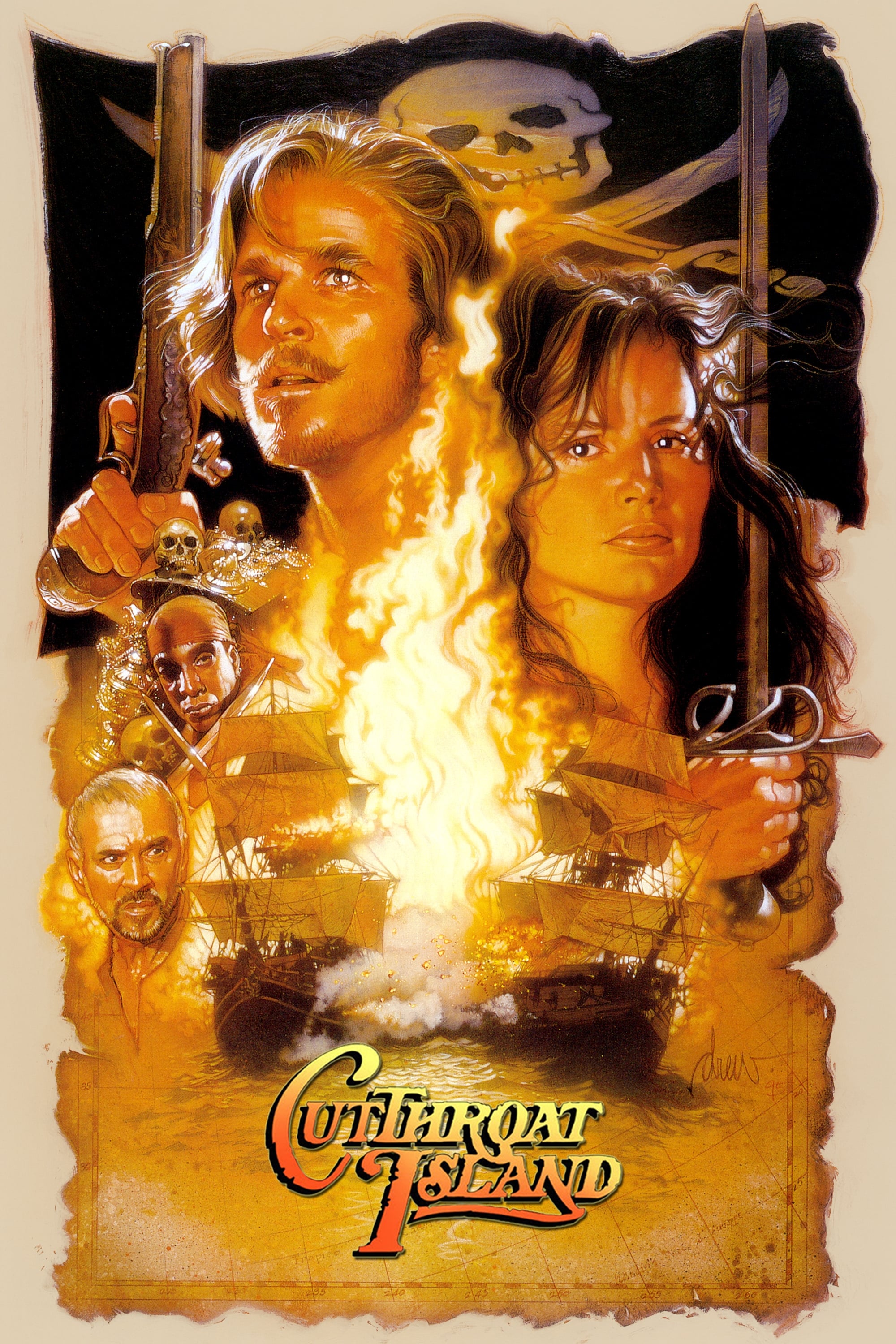
This pirate adventure spent about 98 to 115 million and earned near 10 million worldwide. The financial hit contributed to the collapse of its production company.
Multiple location shoots and elaborate set pieces pushed costs up. The title’s failure discouraged pirate themed projects until later successes revived the subgenre.
‘Heaven’s Gate’ (1980)

United Artists backed the film with a budget that rose to roughly 44 million. The worldwide gross reached only a few million and the fallout reshaped the studio.
Lengthy production and editing extended timelines and expenses. The outcome became a case study in how overruns can erase the chance for theatrical recovery.
‘The Last Duel’ (2021)
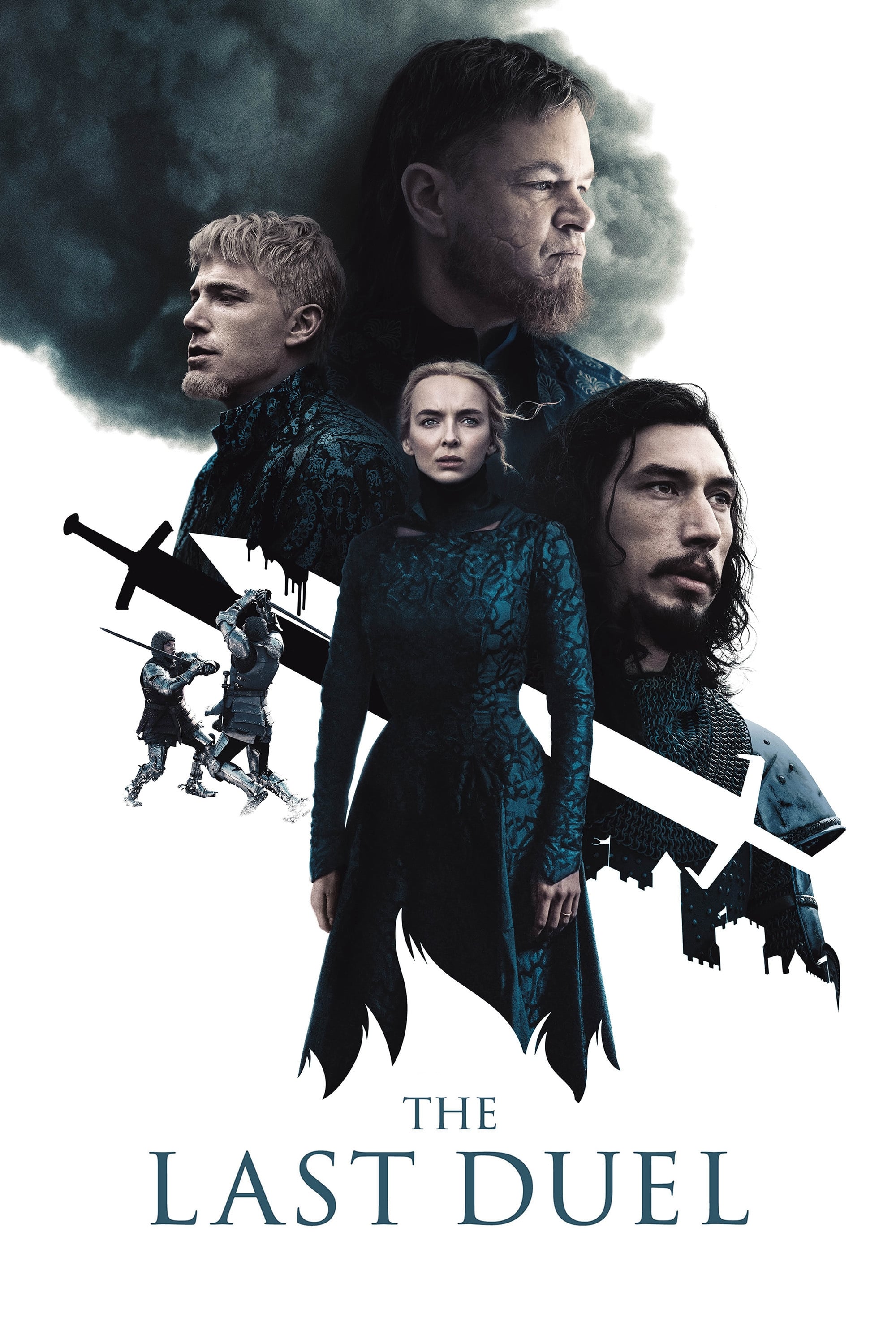
Reports put the production budget around 100 million while worldwide grosses ended near 30 million. The historical drama struggled to attract a broad audience during a challenging theatrical period.
The film gained strong notices after release but that did not translate into box office. The studio pointed to shifting viewing habits and limited awareness among younger demographics.
‘Lightyear’ (2022)

The animated spinoff cost roughly 200 million to make and earned around 226 million worldwide. That total could not meet the typical break even threshold for a major animated release.
The film had a prominent brand and wide rollout but shorter theatrical legs than expected. It later reached streaming quickly which limited further box office growth.
‘Fantastic Four’ (2015)
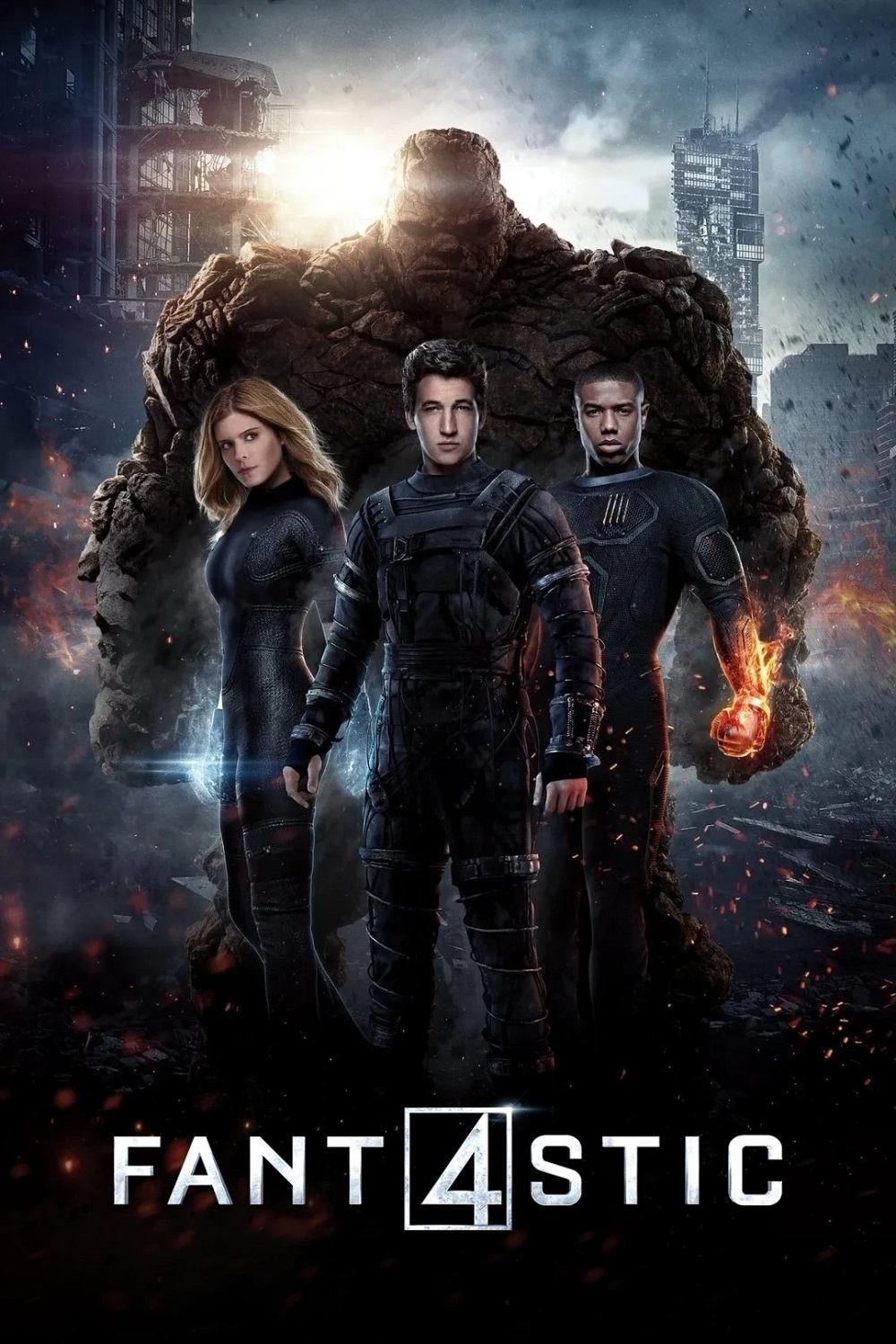
With a budget near 120 million the film grossed about 167 million worldwide. Legal and creative resets followed and plans for immediate sequels were dropped.
The brand had name recognition yet domestic turnout fell after opening week. The rights later moved into a broader studio slate that set up a new approach.
‘Dark Phoenix’ (2019)

This installment carried a production budget around 200 million and earned near 252 million worldwide. The result ended the long running series under its previous banner.
Release date shifts and reshoots increased costs and complicated marketing. The franchise moved toward a fresh launch under a different studio strategy.
‘Treasure Planet’ (2002)
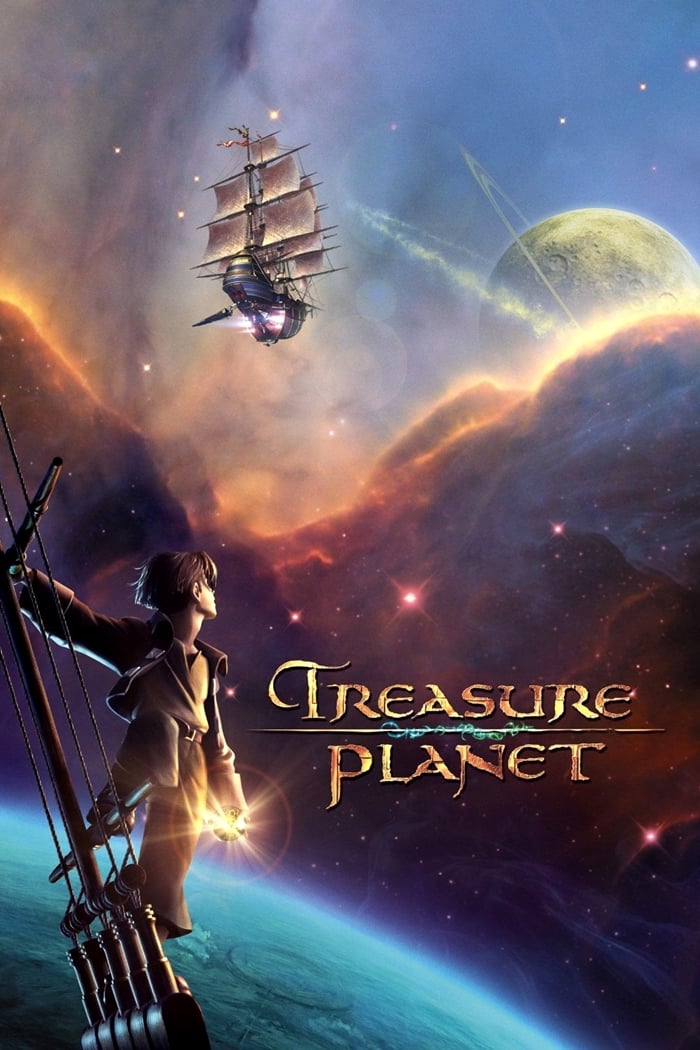
Disney invested about 140 million in this animated adventure and the worldwide gross finished near 110 million. It opened against strong family competition and could not sustain attendance.
Despite later home video interest the theatrical shortfall remained significant. The performance influenced how the studio scheduled and positioned future animated releases.
Share the one that surprised you most in the comments and tell us which other titles you think belonged on this list.

