


Ten Movie Endings Reworked After Fan Outrage

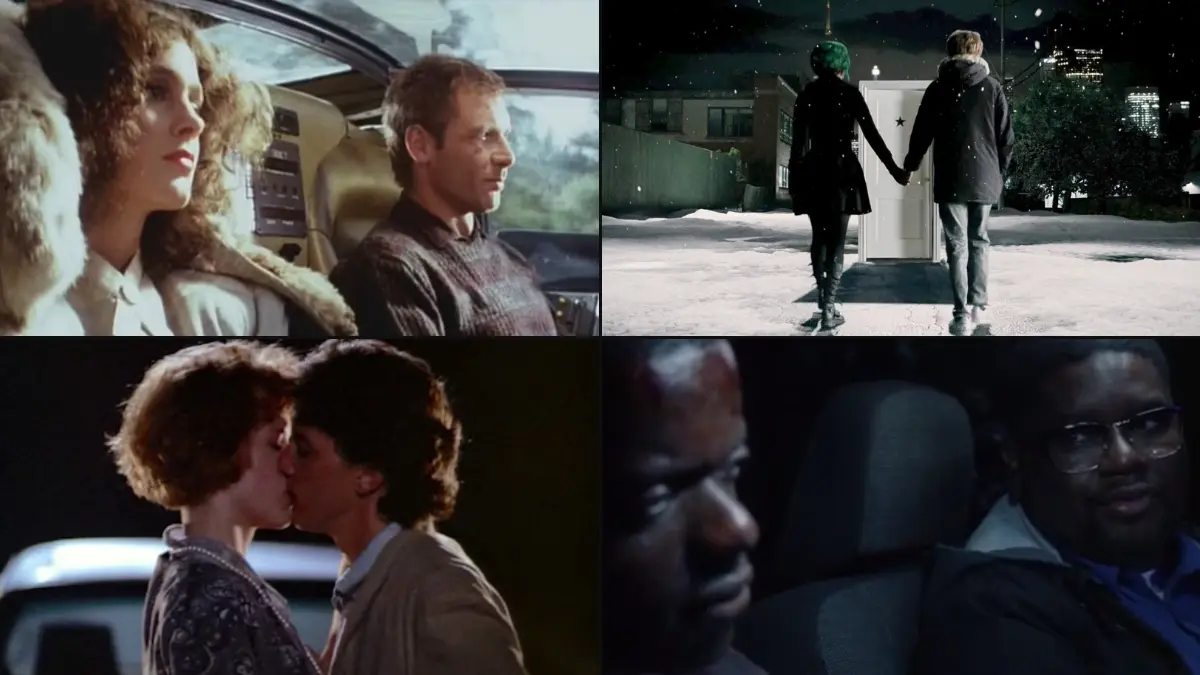


Movies often stir strong emotions, and sometimes, those feelings push filmmakers to rethink their work. When early audiences see a film and react with frustration, studios listen, knowing a movie’s ending can make or break its legacy. Fan backlash has led to some iconic films getting entirely new finales, often changing the story’s heart or tone to better match what we wanted.
This article dives into ten films where fan reactions forced a rewrite of the original ending. From dark conclusions to romantic twists, these changes show how much our voices can shape the stories we love. Each entry explores the original vision, what changed, and why it mattered.
10. Little Shop of Horrors (1986)
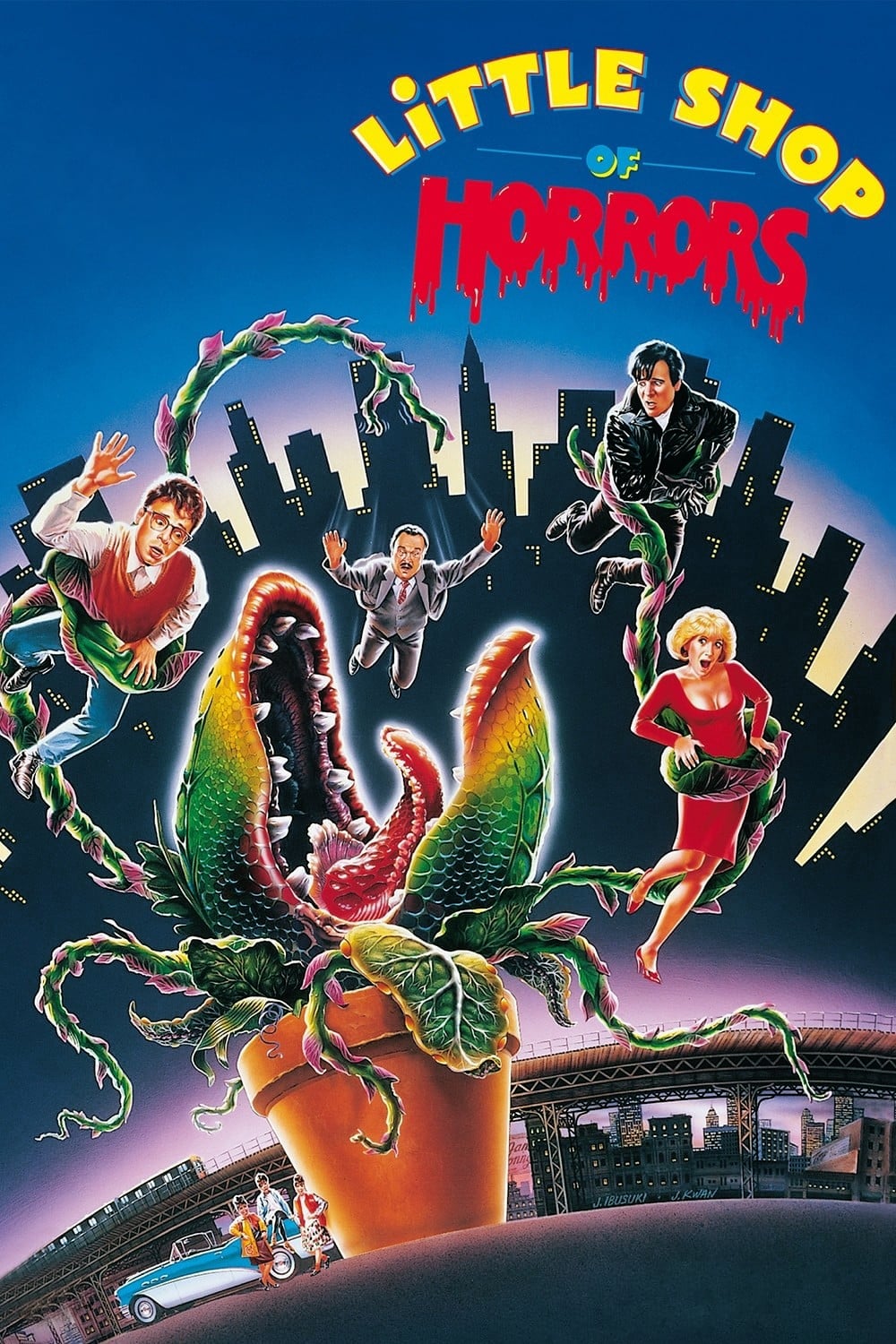
The musical comedy ‘Little Shop of Horrors’ almost ended on a grim note. Originally, Seymour and Audrey were devoured by the alien plant Audrey II, which then took over the world in a chaotic rampage. Test audiences hated losing the likable leads, finding the dark tone jarring against the film’s quirky charm.
Director Frank Oz reworked the ending to let Seymour destroy the plant and marry Audrey, giving us a happy suburban life for the couple. This shift kept the film’s lighthearted vibe intact, turning it into a beloved cult classic. The original ending, while bold, felt too bleak for fans seeking a feel-good escape.
9. Fatal Attraction (1987)
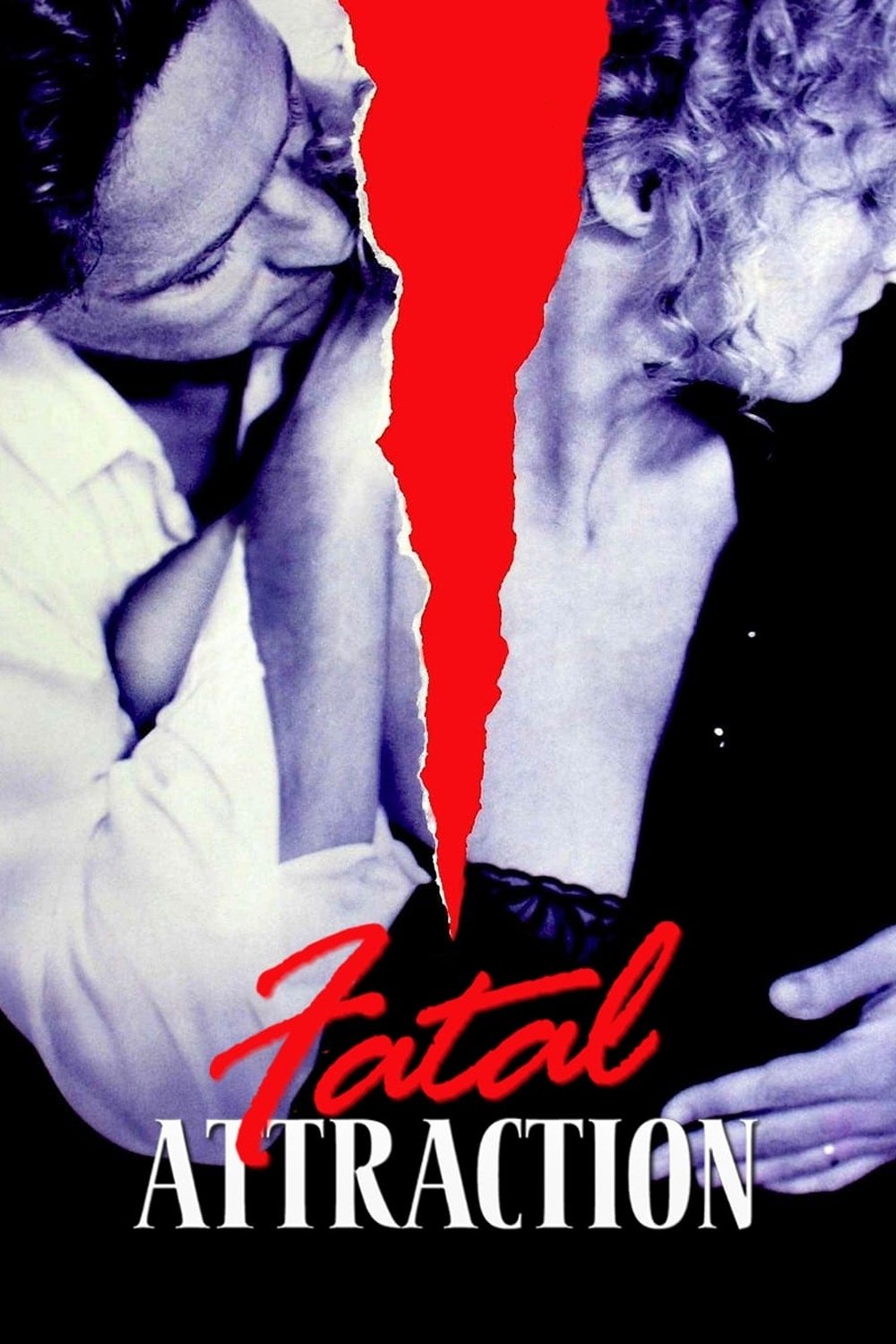
The thriller ‘Fatal Attraction’ had a chilling original ending where Alex, played by Glenn Close, killed herself and framed Dan, played by Michael Douglas, for murder. Test audiences found this unjust, wanting Alex to face consequences for her obsessive actions.
The filmmakers reshot a dramatic showdown where Dan’s wife confronts and stops Alex. This new ending delivered the closure audiences craved, boosting the film’s popularity as a tense thriller. The revised finale added a sense of justice, aligning with what we wanted from the story’s intense buildup.
8. Pretty in Pink (1986)
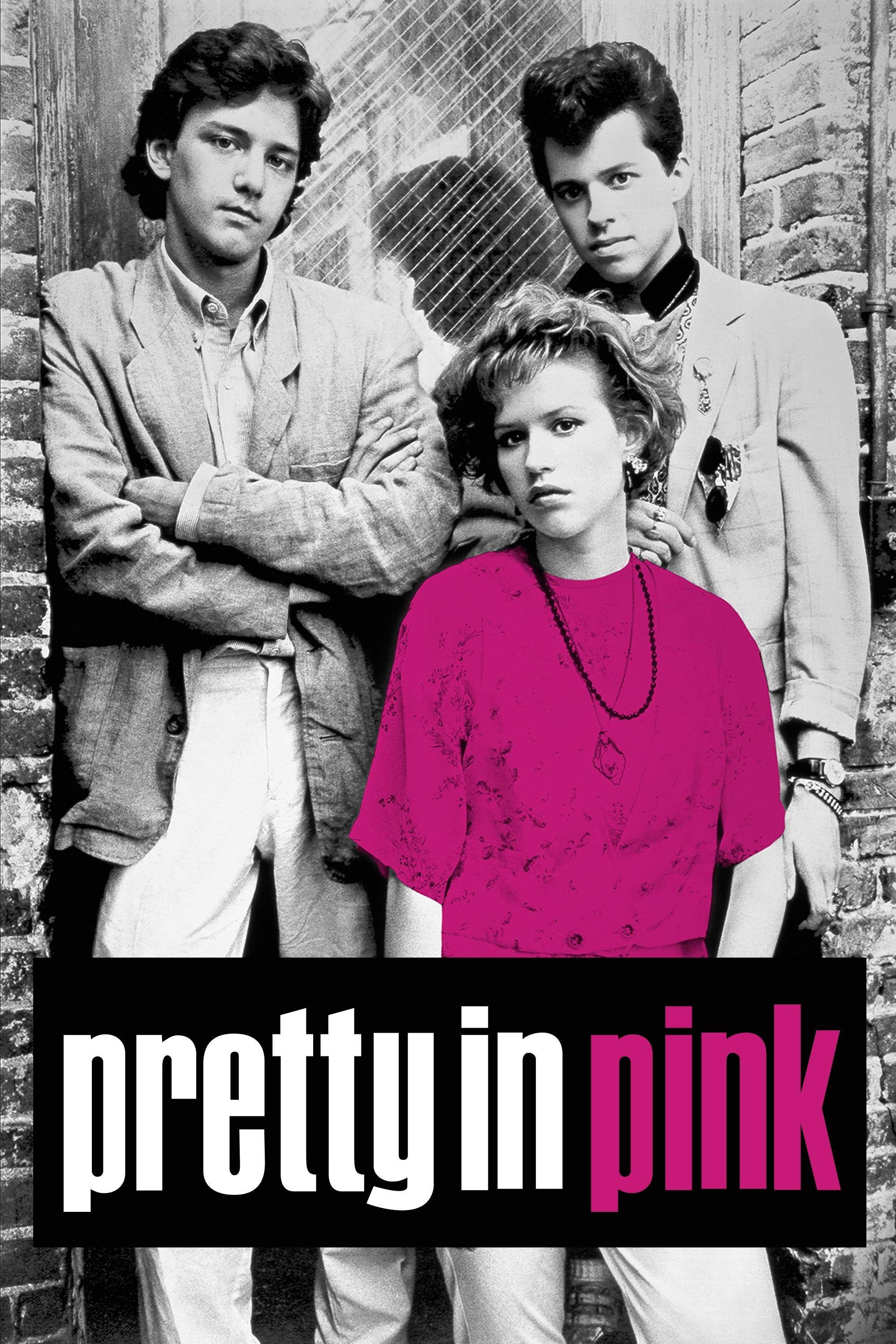
In ‘Pretty in Pink’, the original plan had Andie, played by Molly Ringwald, ending up with her quirky friend Duckie at the prom. This fit the film’s theme of class divides, showing Andie staying true to her roots. Test audiences, however, rooted for her to end up with the wealthy Blaine.
The team reshot the ending, giving us Andie and Blaine reuniting in a romantic prom moment. This change leaned into the fairy-tale romance we wanted, making the film a defining ‘80s classic. The original ending’s social commentary was lost, but the new one won our hearts.
7. Scott Pilgrim vs. the World (2010)
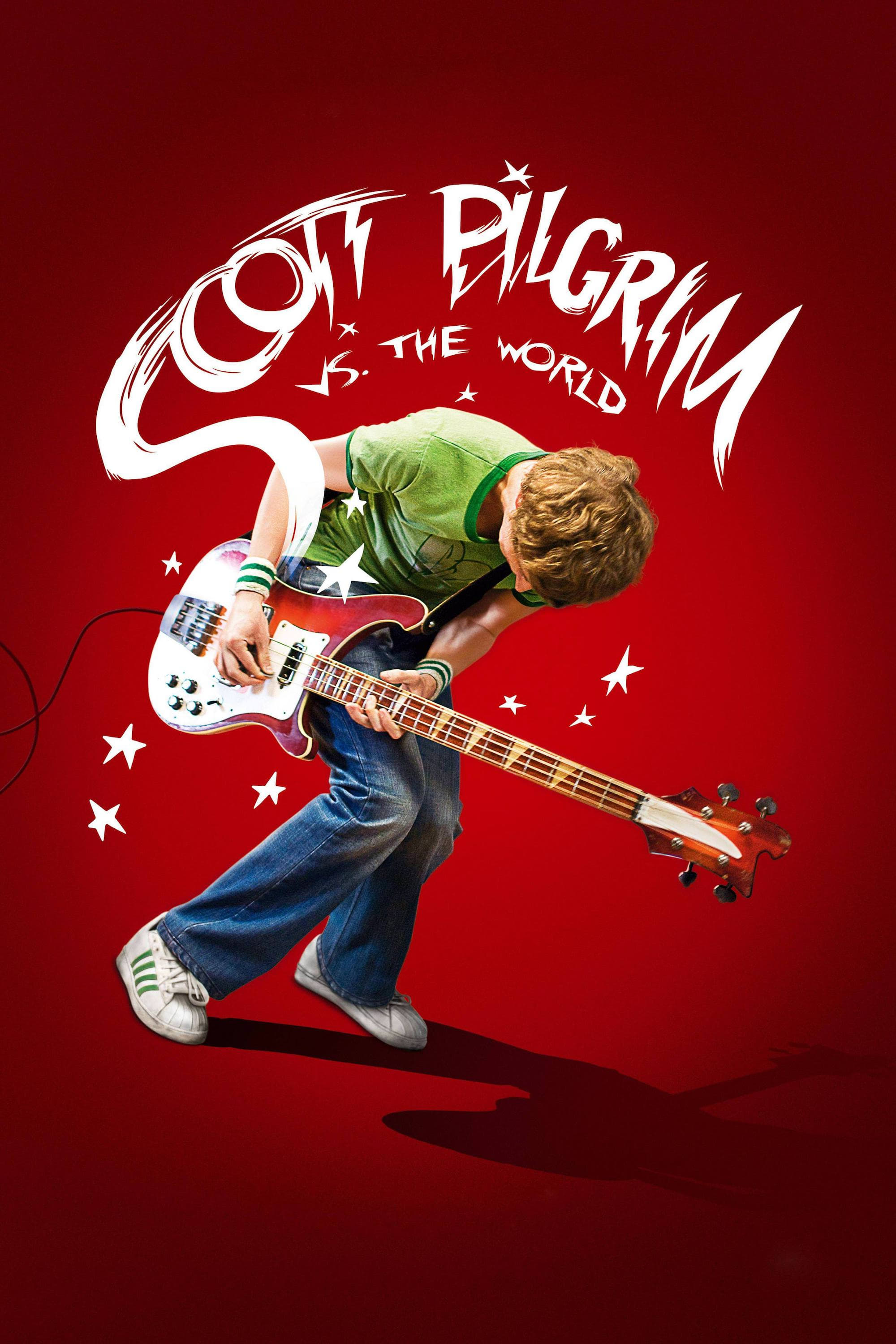
The cult favorite ‘Scott Pilgrim vs. the World’ nearly saw Scott end up with Knives Chau instead of Ramona Flowers. This ending aimed for an bittersweet twist, but test audiences, especially fans of the graphic novels, strongly preferred Scott with Ramona.
Director Edgar Wright reshot the finale to have Scott and Ramona walk off together, matching the source material’s spirit. This choice kept the film’s vibrant energy and romantic payoff intact, cementing its status as a fan favorite. The original ending risked alienating fans who wanted the comic’s heart preserved.
6. I Am Legend (2007)
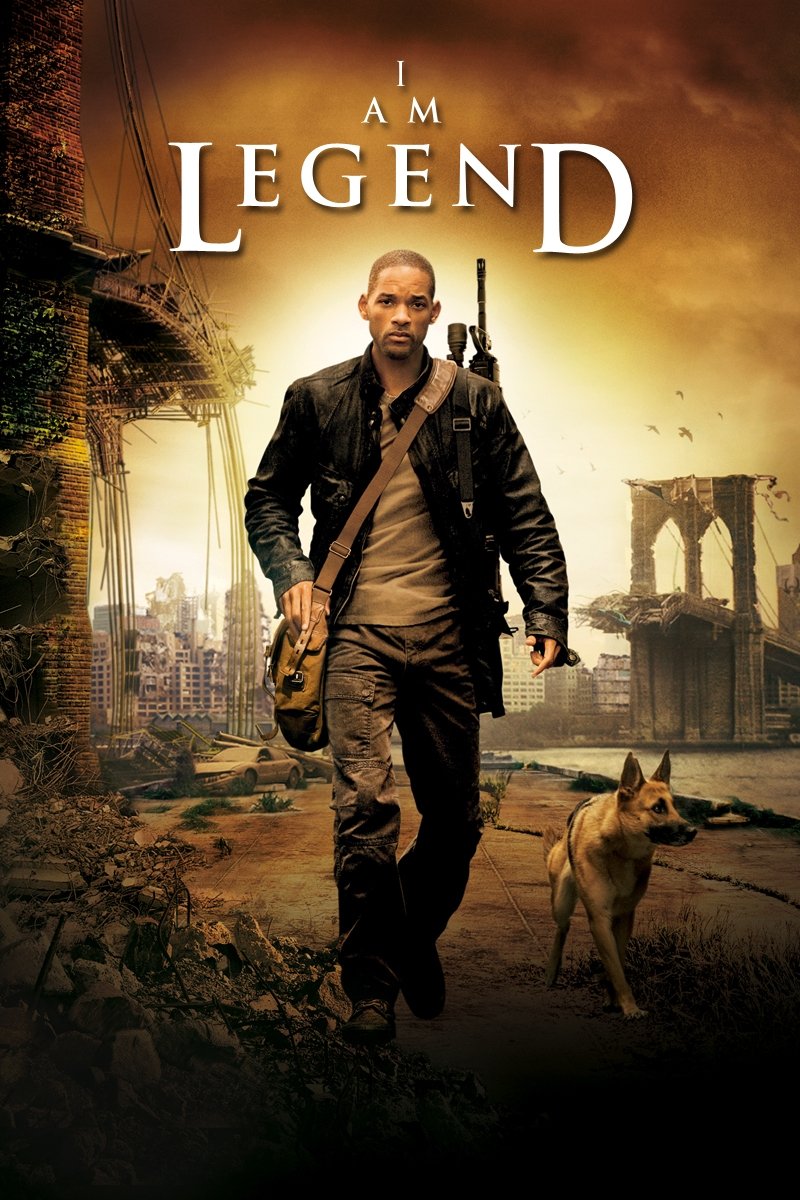
‘I Am Legend’ originally ended with Robert Neville, played by Will Smith, realizing the infected creatures had their own society and letting them go, surviving himself. This thoughtful ending aligned with the novel’s themes but felt too quiet for test audiences wanting action.
The studio opted for a heroic sacrifice where Neville dies to save humanity with a cure. This explosive finale packed the thrill we demanded, though it strayed from the book’s depth. The alternate ending, later released on DVD, remains a fan favorite for its introspective take.
5. Blade Runner (1982)
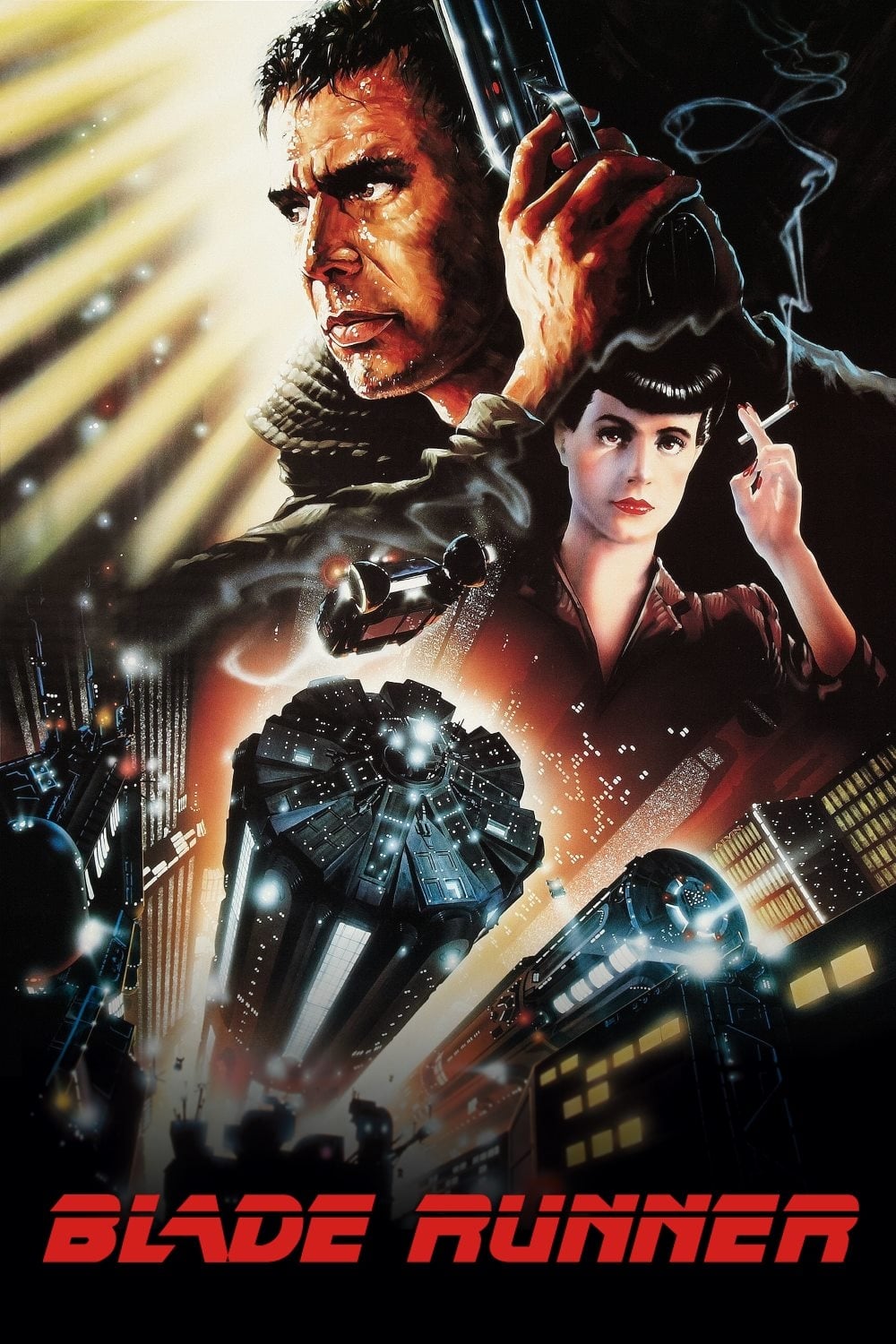
The sci-fi classic ‘Blade Runner’ almost had a sunny ending with Deckard and Rachael driving into the countryside, complete with a voiceover. Test audiences found this hopeful tone clashed with the film’s dark, ambiguous noir style.
Director Ridley Scott later released cuts stripping the voiceover and ending with an open-ended shot of an origami unicorn, hinting at Deckard’s possible replicant nature. This restored the film’s mysterious edge, making it a cult masterpiece. The original ending felt too tidy for a story meant to provoke questions.
4. Army of Darkness (1992)
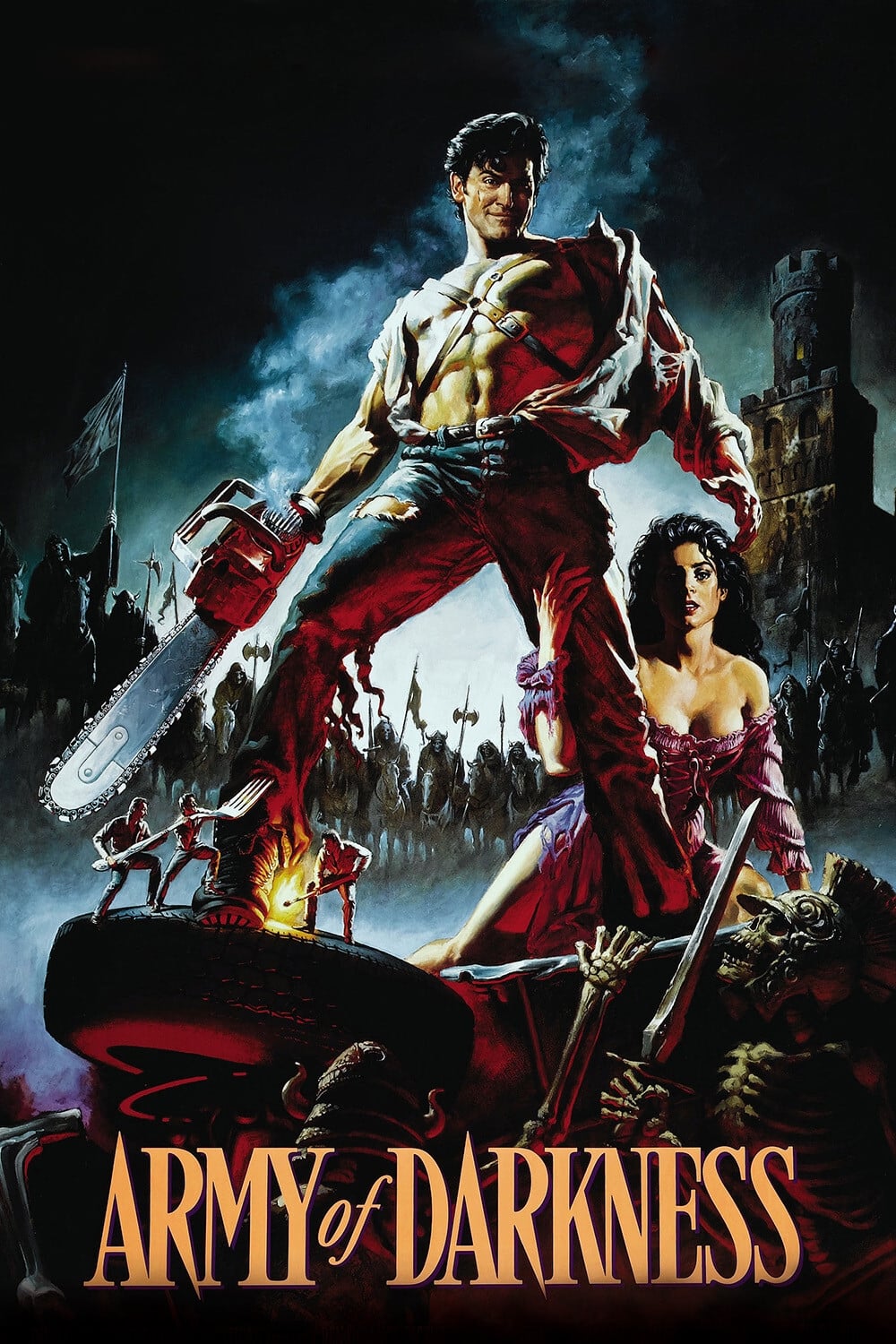
‘Army of Darkness’, the wild finale of the Evil Dead trilogy, originally saw Ash wake up in a post-apocalyptic future after botching a magic potion. Test audiences found this too grim for the film’s campy, action-packed vibe.
Sam Raimi reshot the ending to have Ash return to his time, fighting demons at S-Mart with his signature bravado. This upbeat finale matched the film’s humor, ensuring Ash remained a heroic icon. The original’s dystopian twist, while striking, didn’t fit the crowd-pleasing tone we loved.
3. The Butterfly Effect (2004)
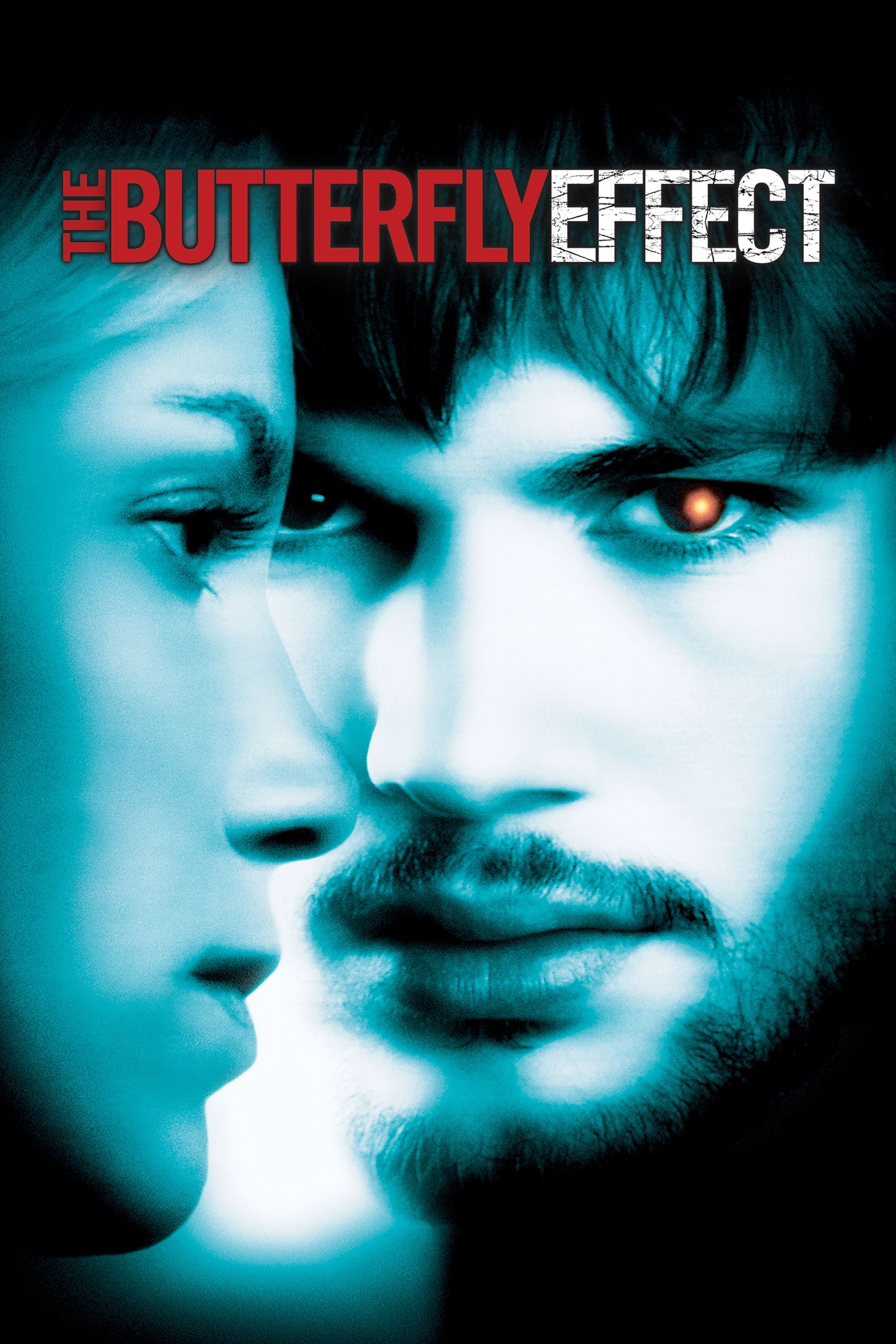
The time-travel thriller ‘The Butterfly Effect’ had a shocking original ending where Evan, played by Ashton Kutcher, strangles himself in the womb to prevent his existence. Test audiences found this deeply unsettling, despite its thematic fit with the story’s dark tone.
The filmmakers crafted a new ending where Evan alters the past to live a simpler life without his friends. This less extreme conclusion softened the blow, though the original’s bold closure resonated more with the film’s exploration of sacrifice. It’s a rare case where the darker ending felt truer.
2. Clerks (1994)
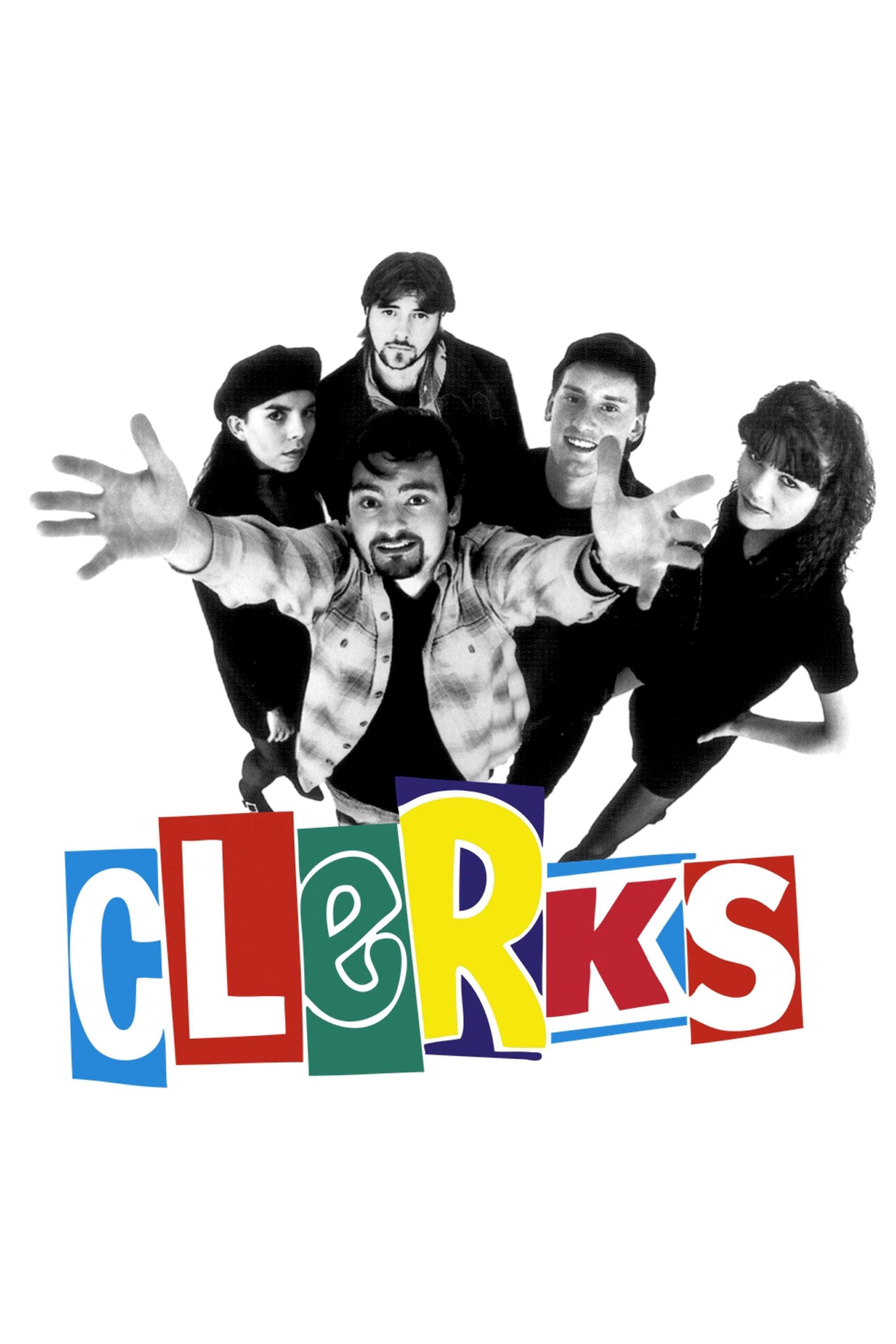
Kevin Smith’s indie hit ‘Clerks’ nearly ended with Dante shot dead in a store robbery, a stark twist for its slacker comedy vibe. Early audiences felt this grim ending betrayed the film’s witty, laid-back charm.
Smith cut the scene, letting Dante simply close the shop and walk away. This preserved the movie’s relatable, humorous spirit, helping it become a cult classic. The original ending was an ambitious risk, but it clashed with the everyday struggles we connected with in the characters.
1. Get Out (2017)
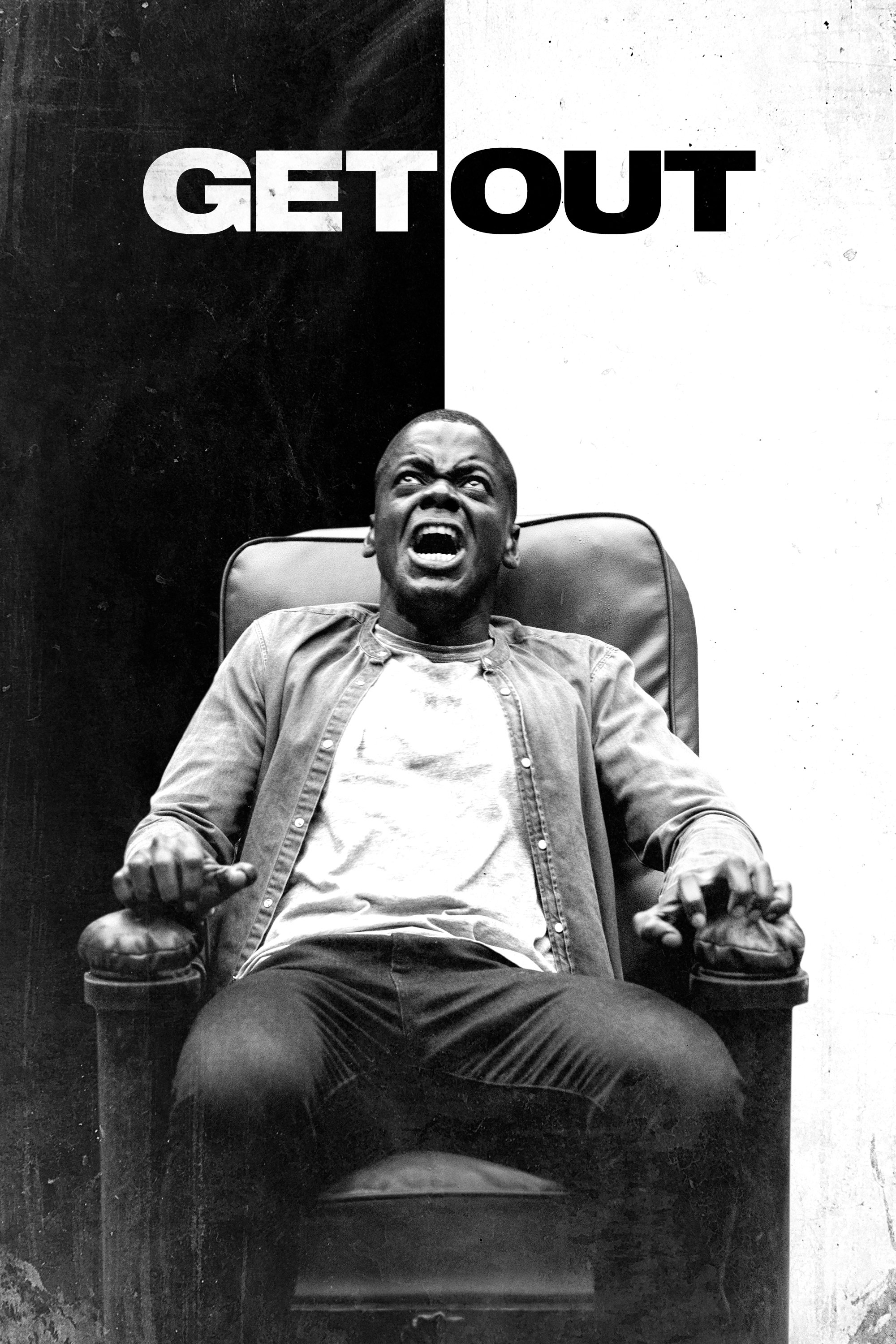
Jordan Peele’s ‘Get Out’ originally ended with Chris arrested after escaping the Armitage family, a bleak nod to real-world injustices. Test audiences, shaken by the film’s tension, wanted a hopeful resolution instead of a gut-punch.
Peele reshot the finale, giving us Chris rescued by his friend Rod, a crowd-pleasing moment that kept the film’s sharp edge but added relief. This change made ‘Get Out’ a horror hit with a satisfying payoff. The original ending’s raw truth still lingers for those who seek it.
Which movie’s original ending do you wish had stayed, or is there another reshoot we missed? Drop your thoughts in the comments!

