


The 10 Most Underrated Al Pacino Movies, Ranked (from Least to Most Underrated)

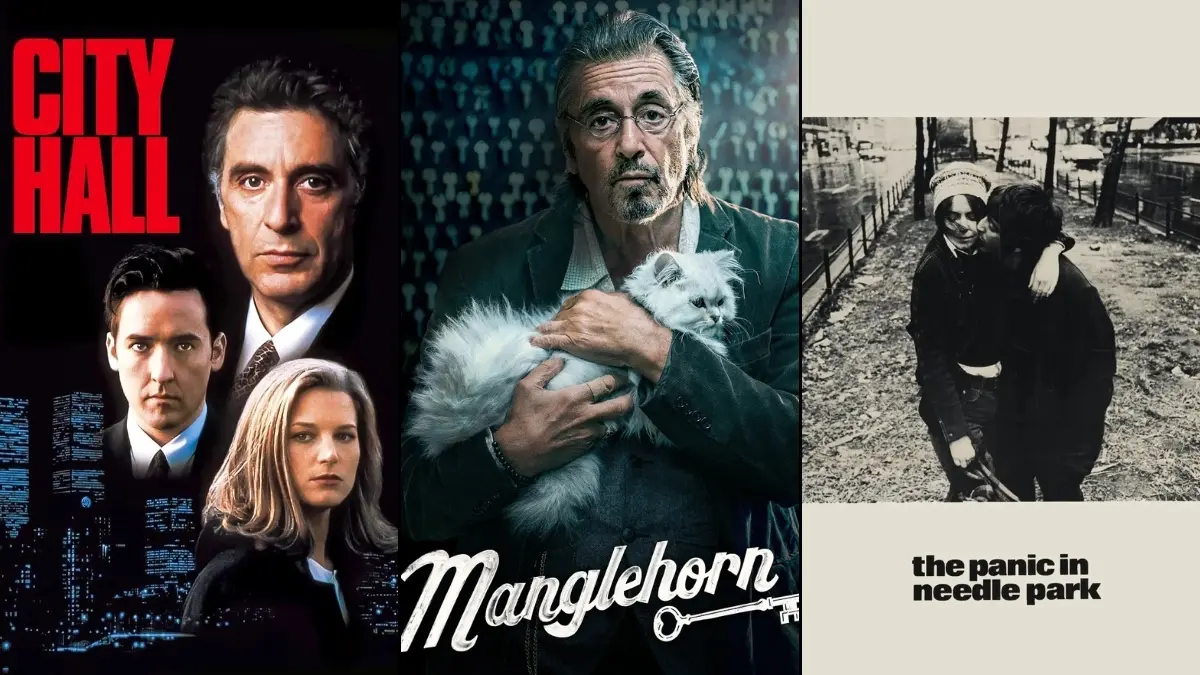


Al Pacino’s filmography stretches across decades and genres, and not every strong performance sits in the handful of titles people cite first. Beyond the big, endlessly quoted staples, there’s a deep bench of features where he collaborated with major directors, adapted notable source material, and took on roles that show how varied his career has been.
This list gathers ten such features and presents them in a simple countdown, from entries that fly under the radar to ones that are widely respected but too often left out of quick conversations. For each, you’ll find concrete details on who made the film, who starred alongside him, and what the project set out to cover, so you can quickly decide what to queue up next.
‘The Humbling’ (2014)
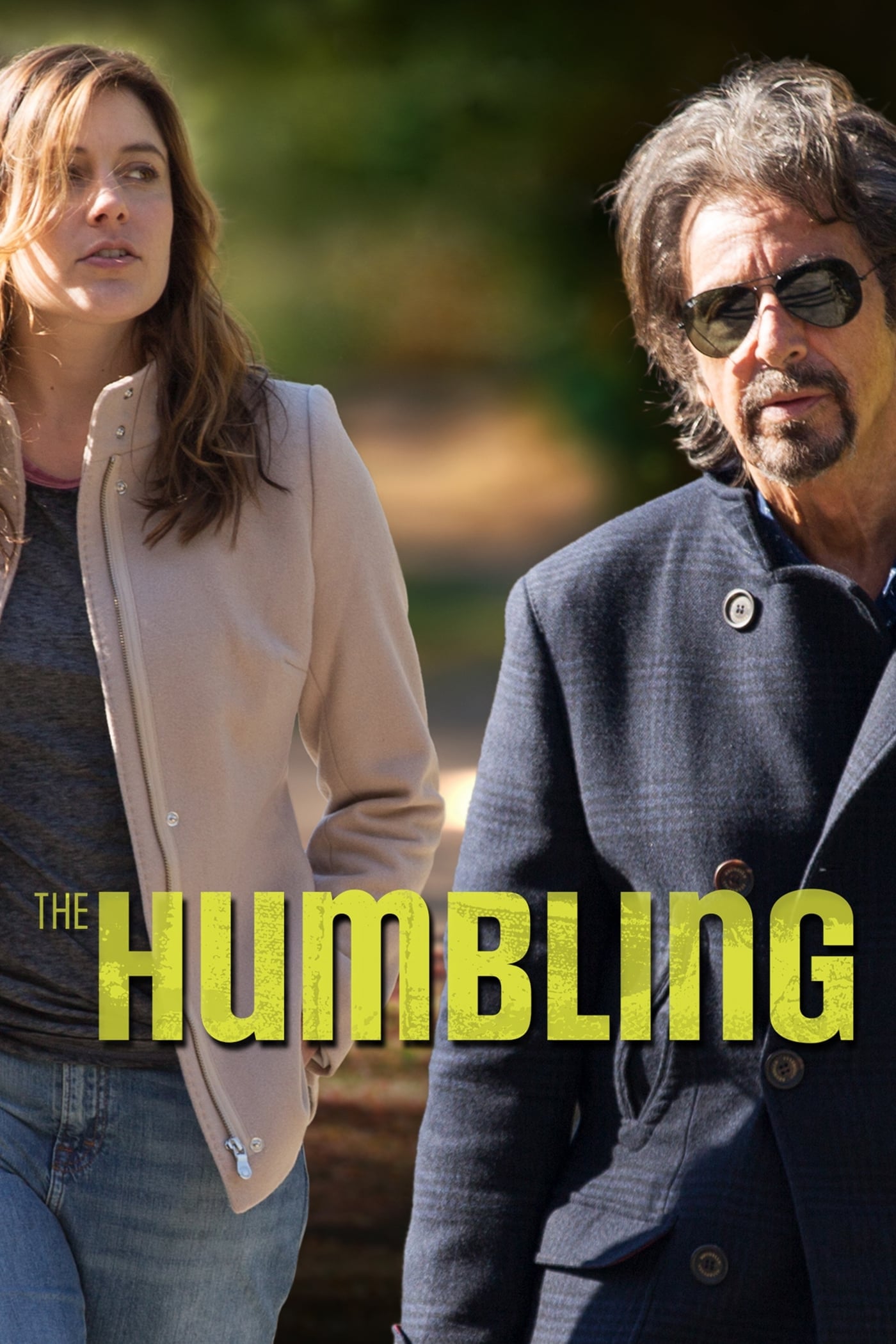
Directed by Barry Levinson and based on Philip Roth’s novel, ‘The Humbling’ casts Al Pacino as stage actor Simon Axler. The film features Greta Gerwig, Dianne Wiest, Charles Grodin, and Kyra Sedgwick, with a screenplay by Buck Henry and Michal Zebede. It premiered on the festival circuit before a limited theatrical rollout.
The story follows Axler’s crisis after a breakdown, tracking his professional and personal attempts to regain footing. The production leans on rehearsal-room settings and upstate New York locations, using theater-world details and casting to ground Axler’s day-to-day work and relationships.
‘Manglehorn’ (2014)
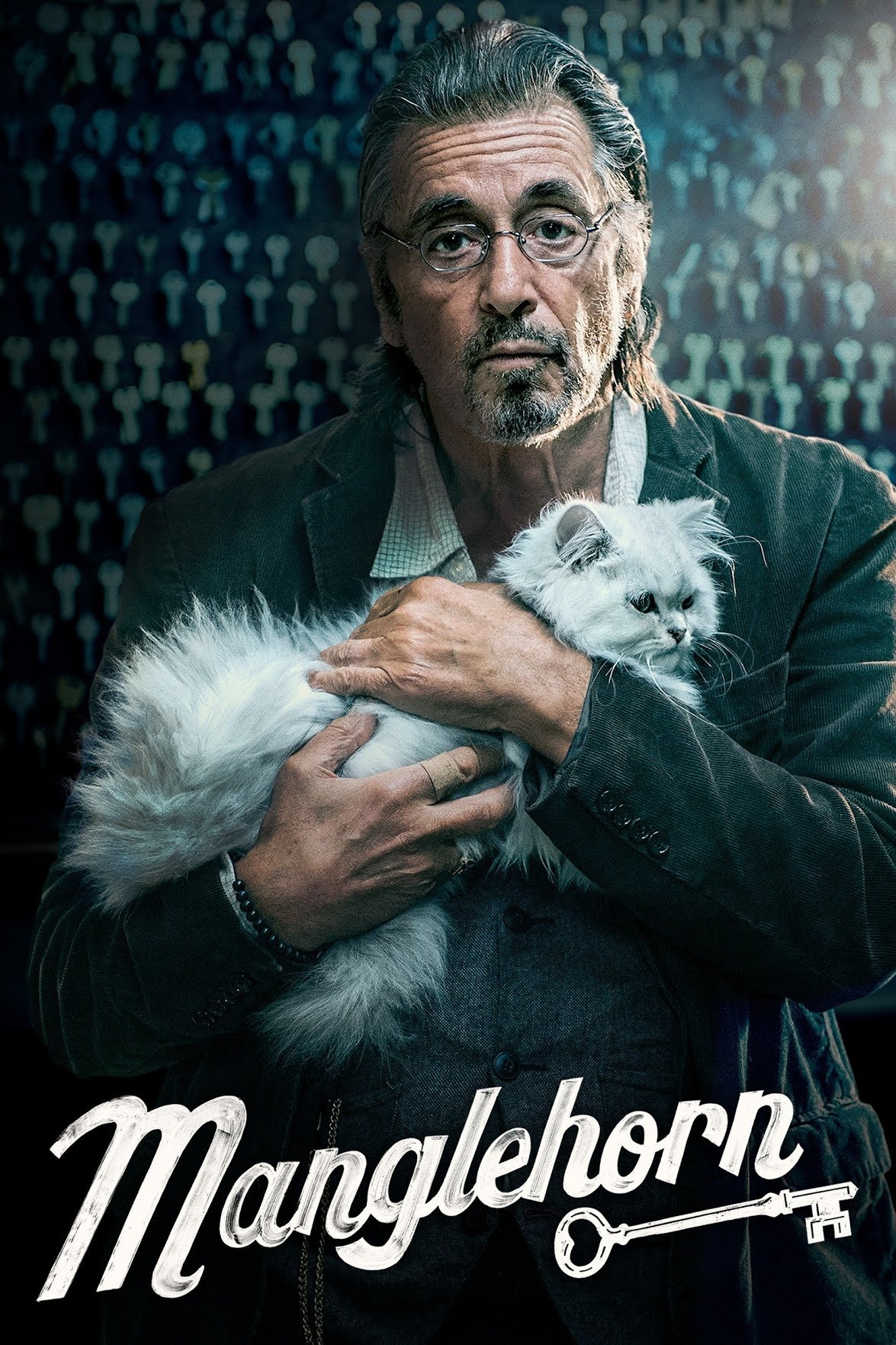
‘Manglehorn’ is directed by David Gordon Green and stars Al Pacino opposite Holly Hunter, with Chris Messina and Harmony Korine in supporting roles. The film was produced by Worldview Entertainment and debuted at major festivals prior to its U.S. release.
Pacino plays A.J. Manglehorn, a small-town Texas locksmith whose routine intersects with local business owners, family, and customers. Shot in and around Austin, the film incorporates everyday storefronts, neighborhood spaces, and a modest scale to track the character’s habits, correspondence, and workbench craft.
‘City Hall’ (1996)
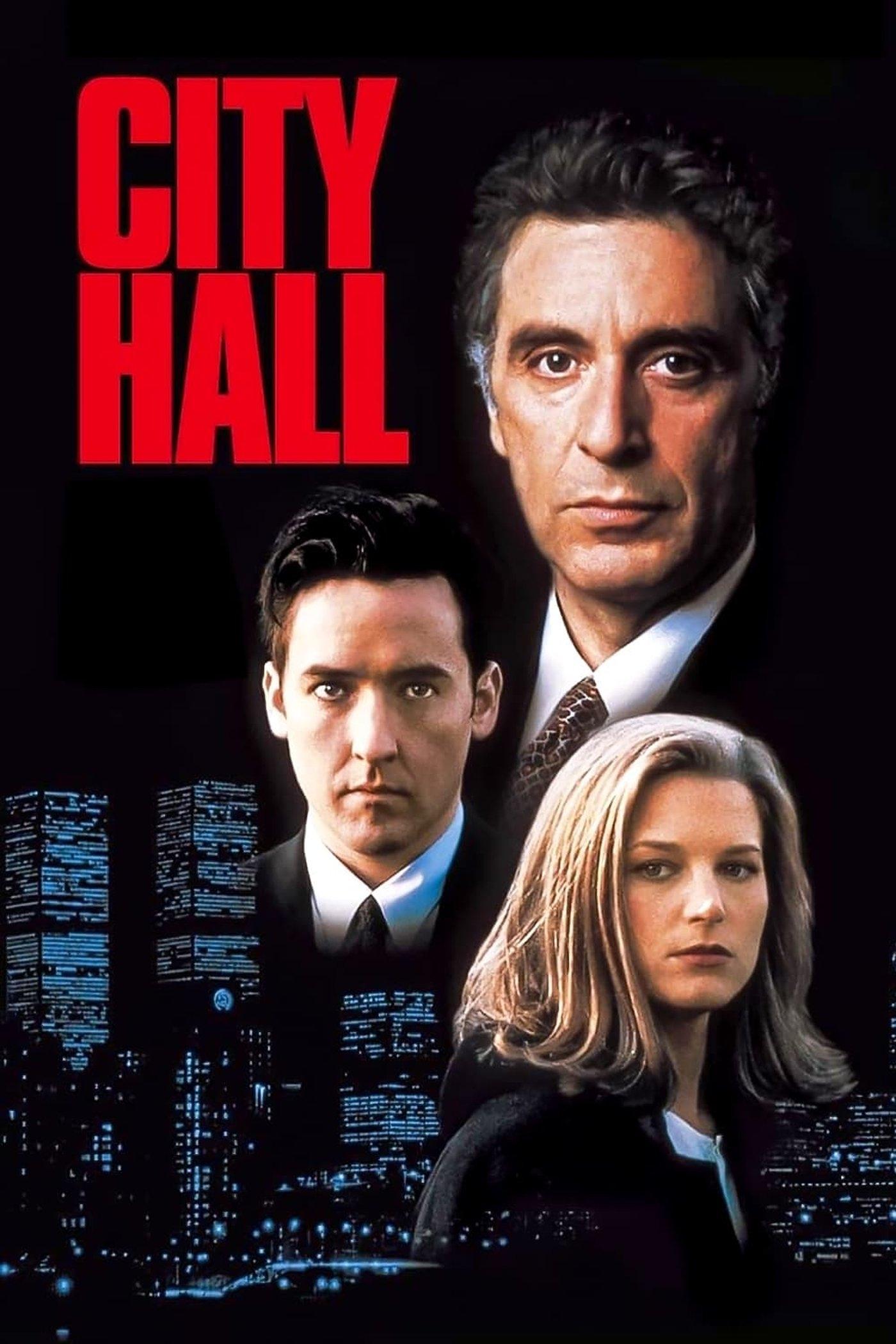
Directed by Harold Becker, ‘City Hall’ places Al Pacino as New York City mayor John Pappas, with John Cusack as deputy mayor Kevin Calhoun. The ensemble includes Bridget Fonda, Danny Aiello, and David Paymer, and the screenplay credits include Paul Schrader, Nicholas Pileggi, Bo Goldman, and Ken Lipper.
The plot revolves around the aftermath of a fatal police shooting and the internal processes of municipal government. Using locations across New York City—courthouses, borough offices, and campaign spaces—the film lays out hearings, back-channel meetings, and the mechanics of city politics and public messaging.
‘Cruising’ (1980)
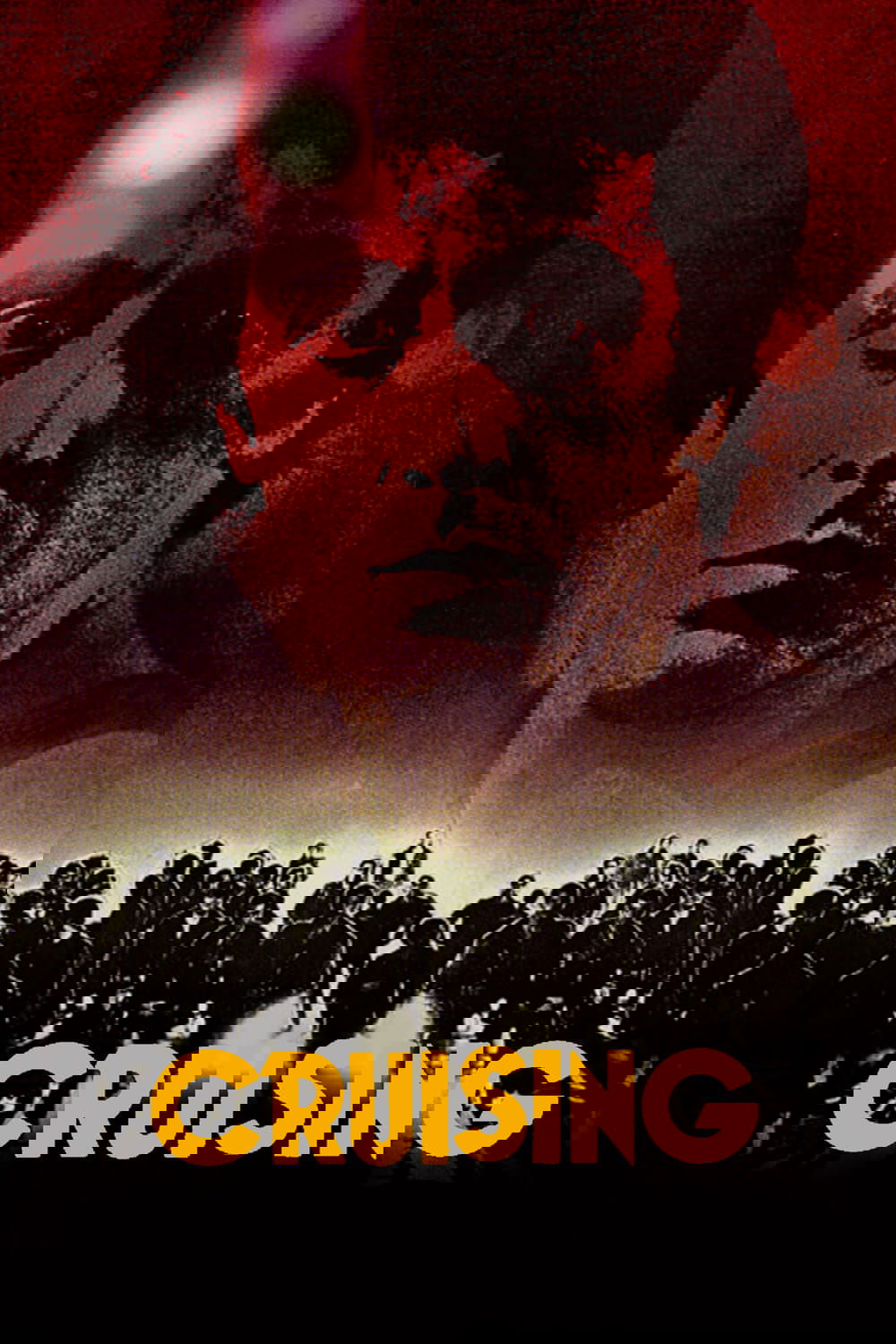
‘Cruising’ is directed by William Friedkin and adapted from Gerald Walker’s novel. Al Pacino plays NYPD officer Steve Burns; the cast features Paul Sorvino, Karen Allen, and Don Scardino. The production shot extensively on New York locations, incorporating clubs and street blocks tied to the investigation depicted on screen.
The narrative follows an undercover operation into a series of murders, with case details and procedural constraints driving Burns’s assignments. The film is noted for its use of practical locations, police protocols, and period-specific night-life settings, and it underwent edits to secure its final rating for theatrical release.
‘Sea of Love’ (1989)
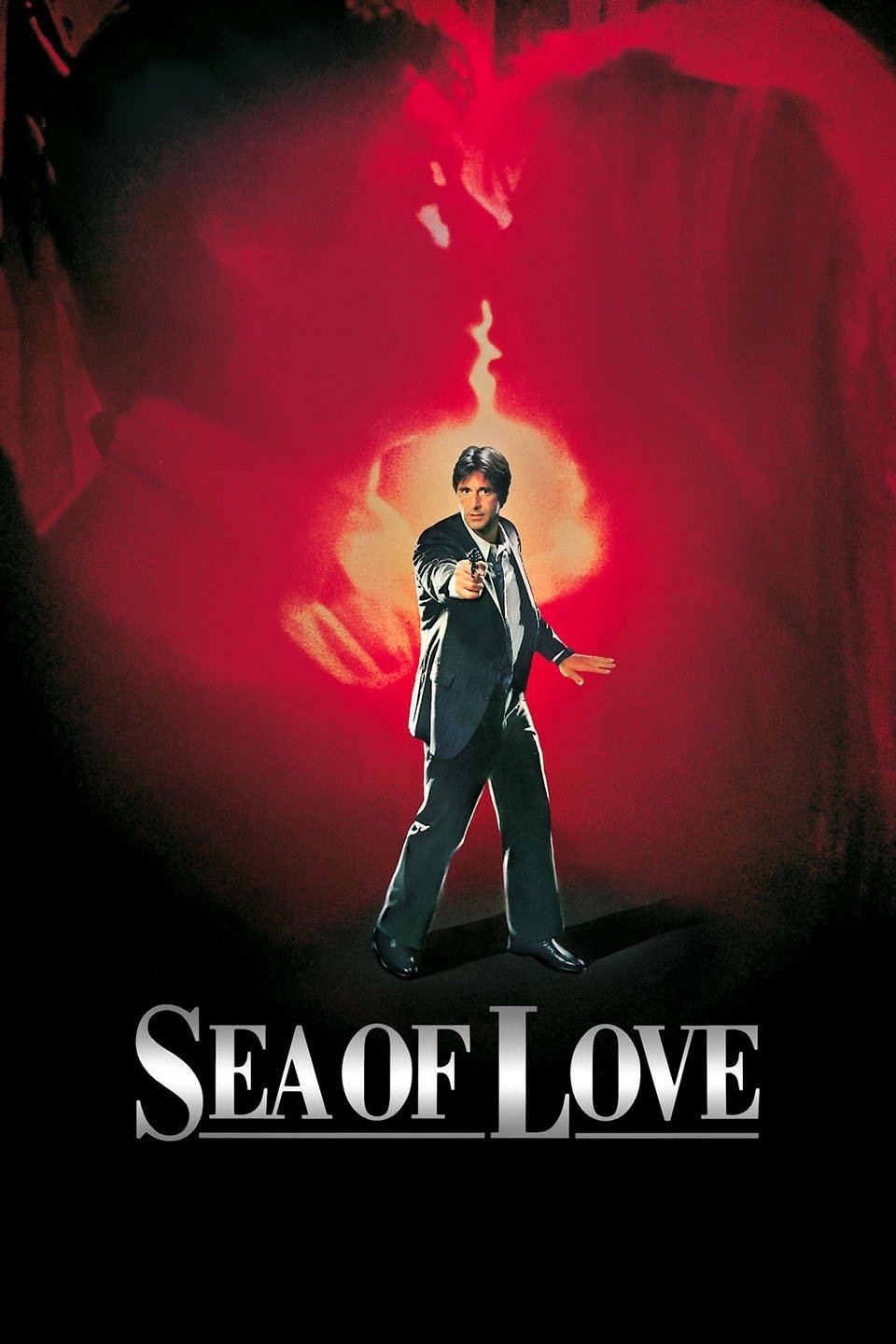
Directed by Harold Becker and written by Richard Price, ‘Sea of Love’ pairs Al Pacino with Ellen Barkin and John Goodman, with supporting turns from Michael Rooker and William Hickey. Universal Pictures distributed the film following a wide marketing campaign.
Pacino plays detective Frank Keller, whose investigation uses personal ads and sting operations to identify a suspect. The film sets up police briefings, decoy tactics, and coordinated surveillance sequences, with New York City apartments, diners, and precinct interiors forming the backdrop for the case work.
‘The Panic in Needle Park’ (1971)
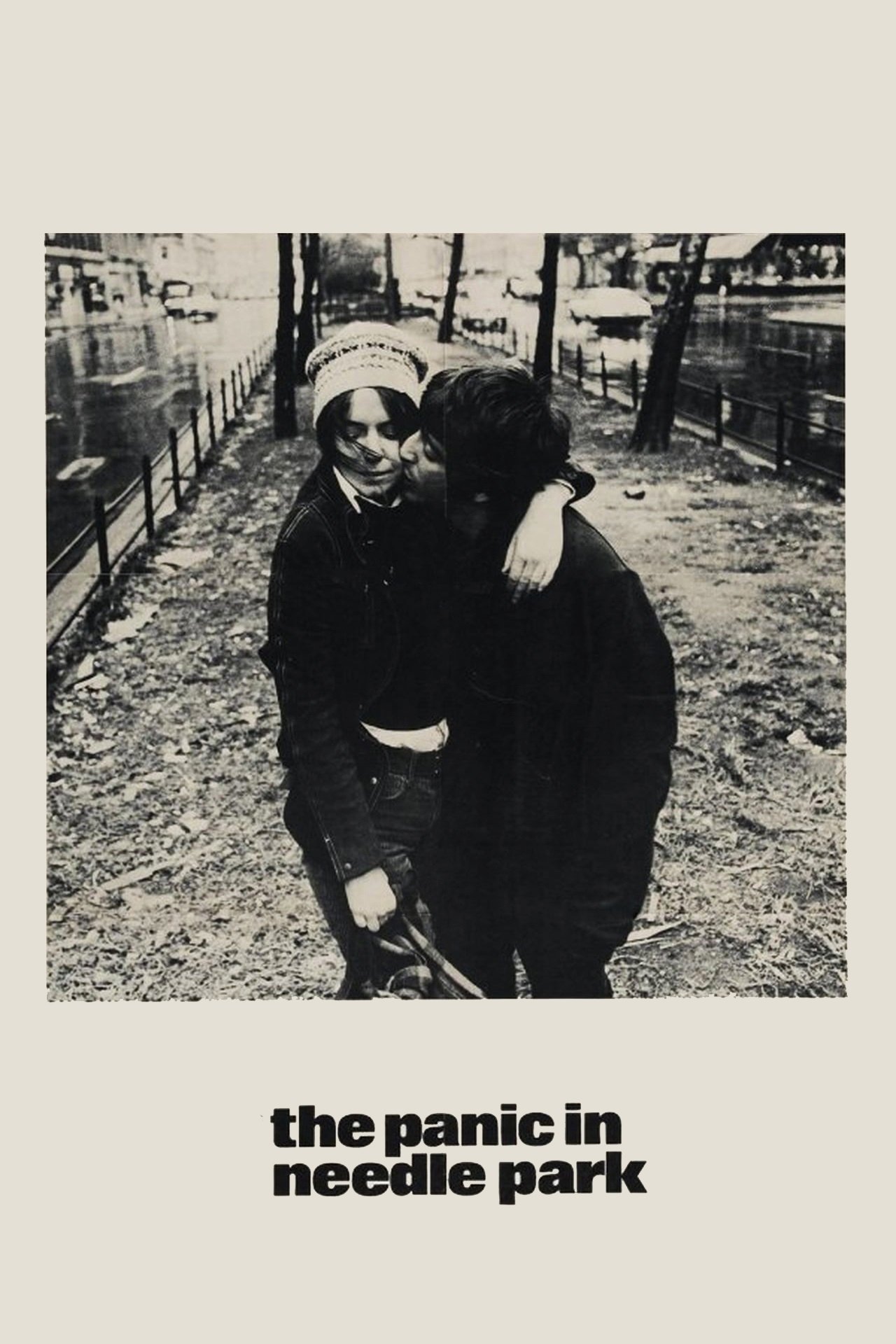
Directed by Jerry Schatzberg and adapted by Joan Didion and John Gregory Dunne from James Mills’s reporting, ‘The Panic in Needle Park’ stars Al Pacino and Kitty Winn. The production was shot on location in Manhattan, emphasizing blocks and plazas known for open-air drug markets at the time.
Pacino’s character, Bobby, navigates addiction and street-level economies with Winn’s character, Helen, as the film tracks hospital visits, jail bookings, and the daily logistics of sourcing and withdrawal. Kitty Winn received the Best Actress award at the Cannes Film Festival for her performance, a recognition tied directly to the film’s lead portrayal.
‘Insomnia’ (2002)
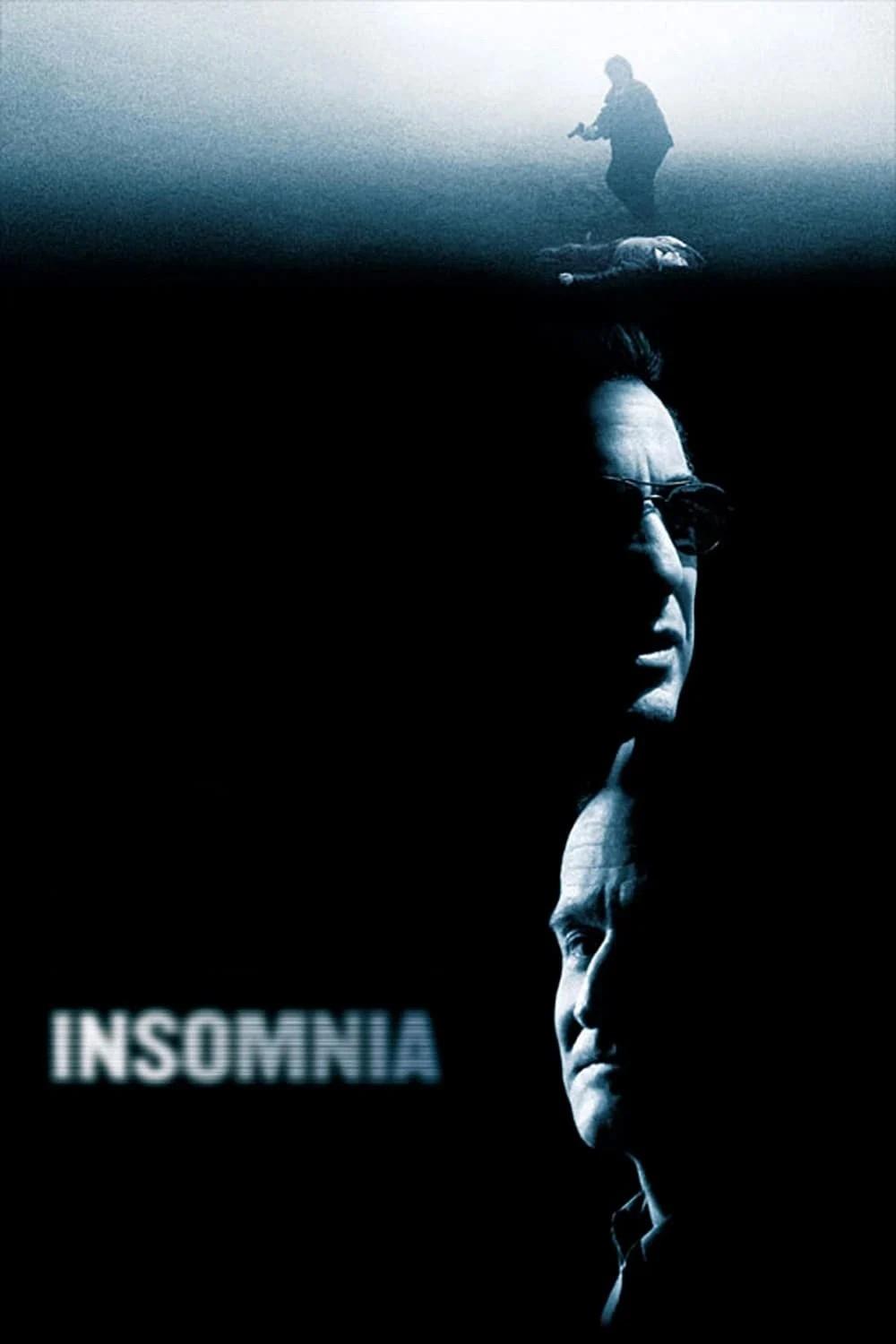
‘Insomnia’ is directed by Christopher Nolan and stars Al Pacino with Robin Williams and Hilary Swank. It is a remake of the Norwegian film of the same name, with locations in Alaska represented through shooting in British Columbia and coastal towns to achieve the midnight-sun effect.
Pacino plays detective Will Dormer, who arrives to assist a local investigation that becomes complicated by an officer-involved shooting and a suspect who initiates direct contact. The film builds out procedures around evidence handling, coordination between jurisdictions, and terrain-specific search efforts in bright, low-contrast daylight conditions.
‘Donnie Brasco’ (1997)
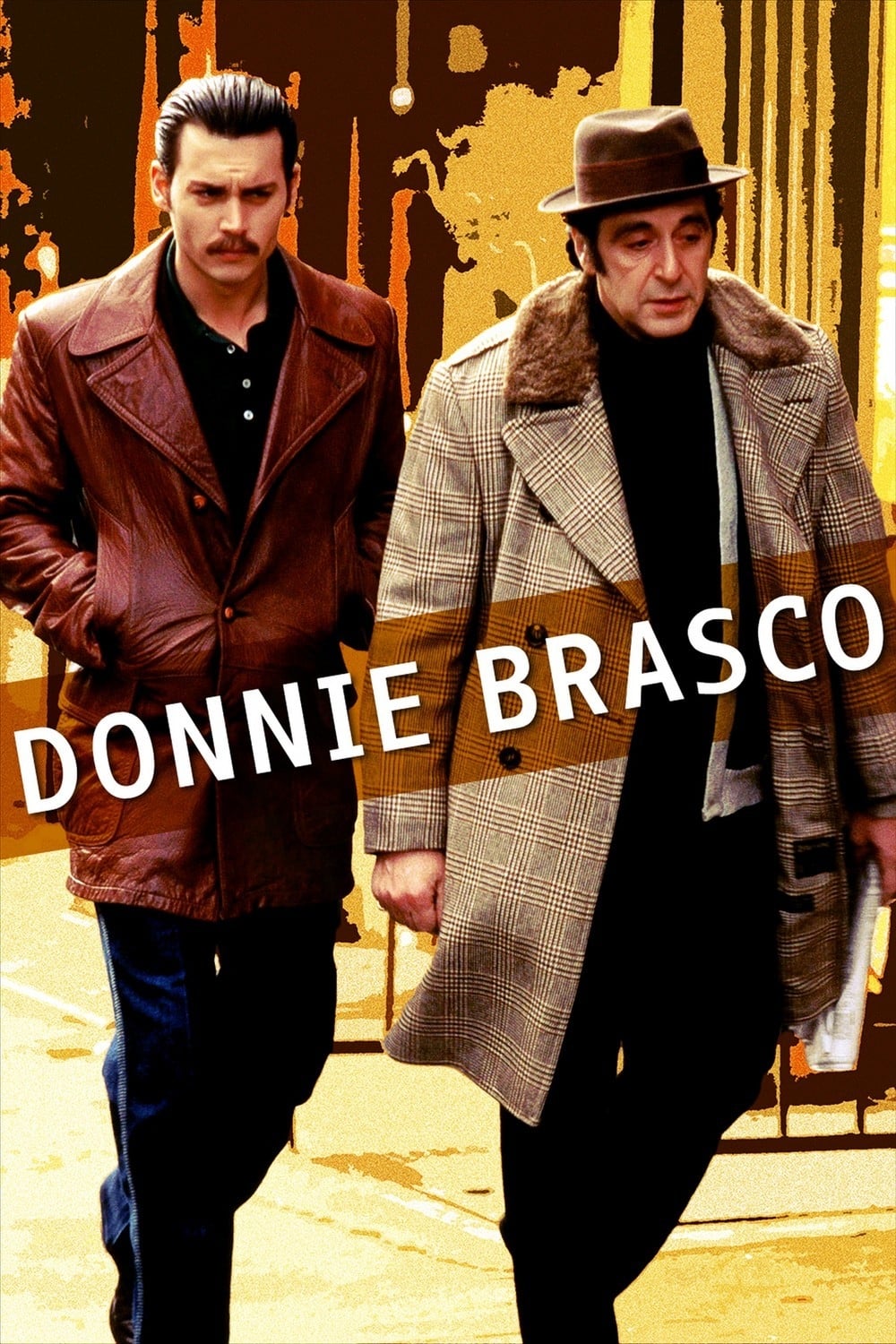
Directed by Mike Newell, ‘Donnie Brasco’ adapts the memoir by Joseph D. Pistone and Richard Woodley. Al Pacino plays Benjamin “Lefty” Ruggiero opposite Johnny Depp, with supporting roles from Michael Madsen, Anne Heche, and Bruno Kirby. The screenplay is by Paul Attanasio, and the film was released by a major studio across North America and international markets.
The story follows an undercover FBI operation that embeds Depp’s character with a Brooklyn crew, depicting introductions, coded language, and rules around initiation and tribute. It details interactions in social clubs, restaurants, and homes, while also showing the bureau’s supervision, evidence collection, and court preparation that emerge from the long-term assignment.
‘The Insider’ (1999)
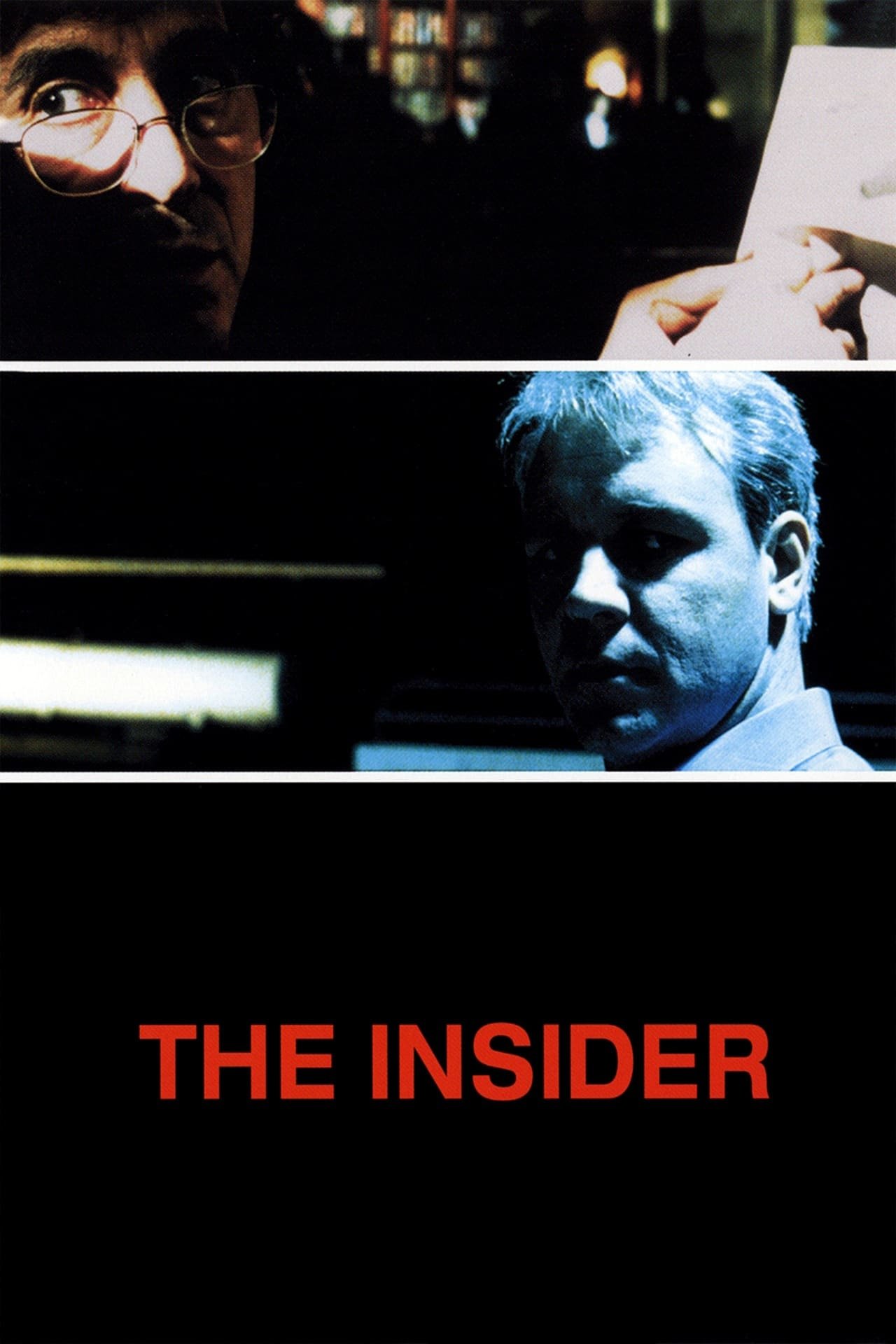
Directed by Michael Mann, ‘The Insider’ features Al Pacino as journalist and producer Lowell Bergman and Russell Crowe as whistleblower Jeffrey Wigand. The film takes its basis from investigative reporting and a widely viewed television segment, with a screenplay by Michael Mann and Eric Roth.
The production stages newsroom meetings, legal reviews, and negotiations that define the path from source contact to broadcast. It maps out nondisclosure agreements, corporate counsel responses, and editorial standards for on-air interviews, tracking how documentation and corroboration are assembled ahead of public release.
‘Carlito’s Way’ (1993)
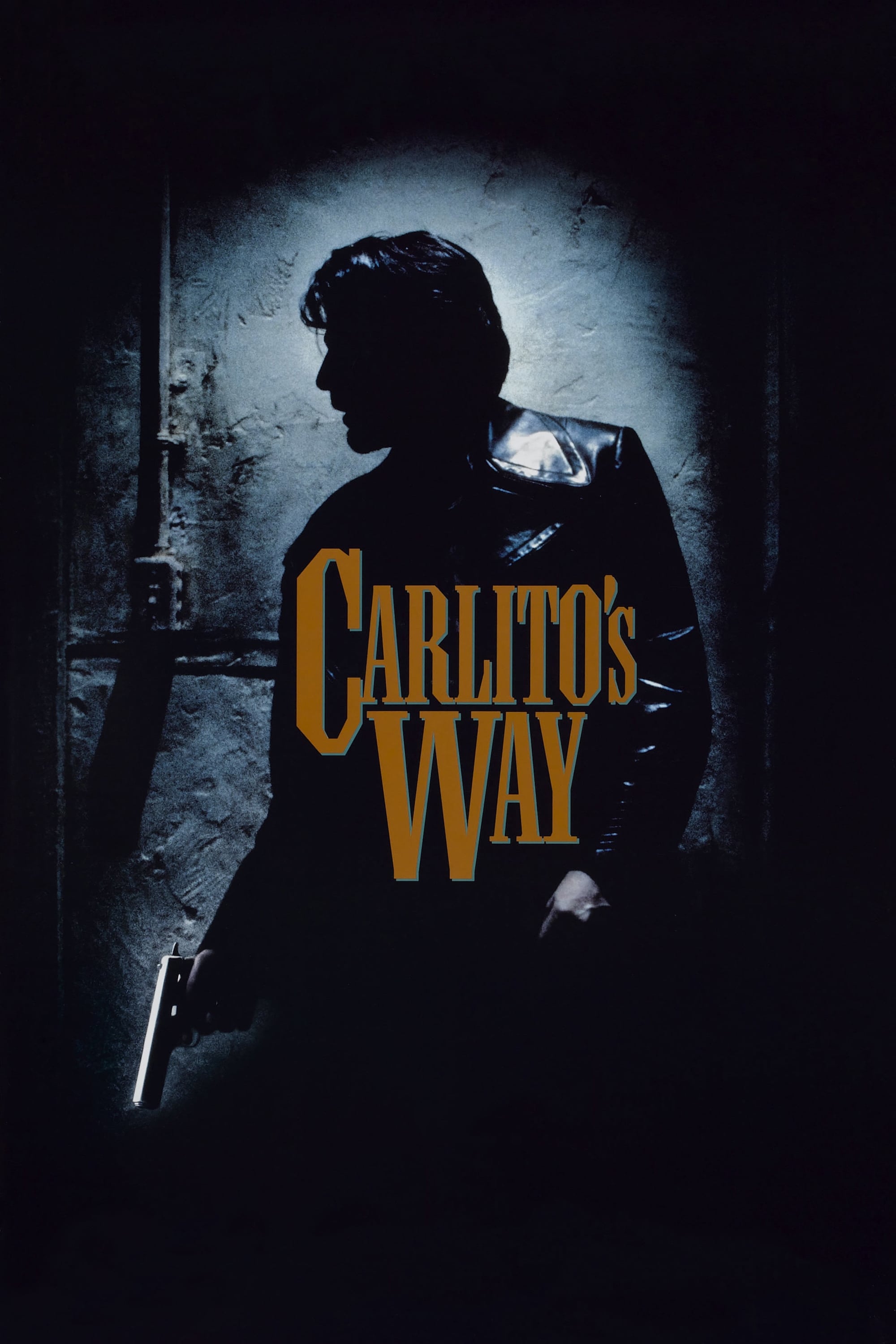
Directed by Brian De Palma and adapted from Judge Edwin Torres’s novels ‘Carlito’s Way’ and ‘After Hours’, ‘Carlito’s Way’ stars Al Pacino as Carlito Brigante and Sean Penn as attorney Dave Kleinfeld, with Penelope Ann Miller, John Leguizamo, and Luis Guzmán in key roles. The film was produced and distributed by a major studio with a wide theatrical run.
The plot traces Carlito’s attempt to leave crime behind following a legal reversal that shortens his sentence, laying out revenue streams, territorial disputes, and the logistics of nightclub management that intersect with his past. New York locations, extended set-pieces, and recurring secondary characters support a clear timeline of choices, obligations, and escape plans that drive the story to its final act.
Share your picks for overlooked Pacino performances—drop your thoughts in the comments!

