


The 10 Most Underrated Denzel Washintgon Movies, Ranked (from Least to Most Underrated)



Denzel Washington’s filmography stretches across crime sagas, intimate character studies, historical dramas, and muscular action pictures. Tucked between the obvious milestones are projects that showcase range, craft, and collaboration with notable filmmakers—from Tony Scott and Edward Zwick to Mira Nair and Dan Gilroy. This list spotlights titles that often sit just outside the usual highlight reels yet contain distinctive stories, sharp performances, and memorable filmmaking choices.
Below you’ll find ten such entries presented as a countdown. Each section includes concise, concrete details—who directed, who co-starred, what the film covers, and what’s notable about its production or legacy—so you can quickly place each title, understand its focus, and decide what to queue up next.
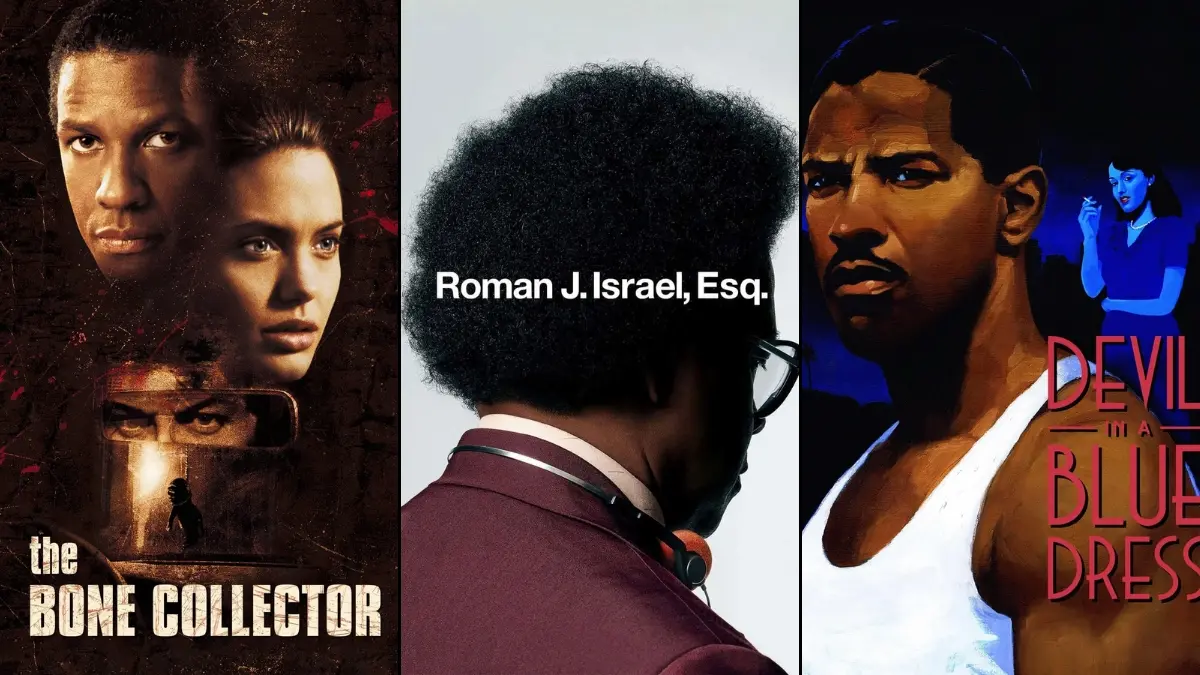
‘Roman J. Israel, Esq.’ (2017)

Written and directed by Dan Gilroy, ‘Roman J. Israel, Esq.’ centers on a brilliant, idealistic Los Angeles defense attorney whose life is upended when his small firm’s partner dies. The film pairs Denzel Washington with Colin Farrell and Carmen Ejogo, following a case-driven plot that examines plea bargains, civil-rights-era activism carried into modern practice, and the tensions between principle and pragmatism inside an urban public-defense ecosystem.
Washington’s work in ‘Roman J. Israel, Esq.’ earned an Academy Award nomination for Best Actor. The production shoots across recognizable Los Angeles locations—courthouses, transit corridors, and street-level legal-aid offices—to ground the narrative in real workflows and institutions while Gilroy frames the character’s habits, note cards, and research routines as central storytelling devices.
‘Out of Time’ (2003)
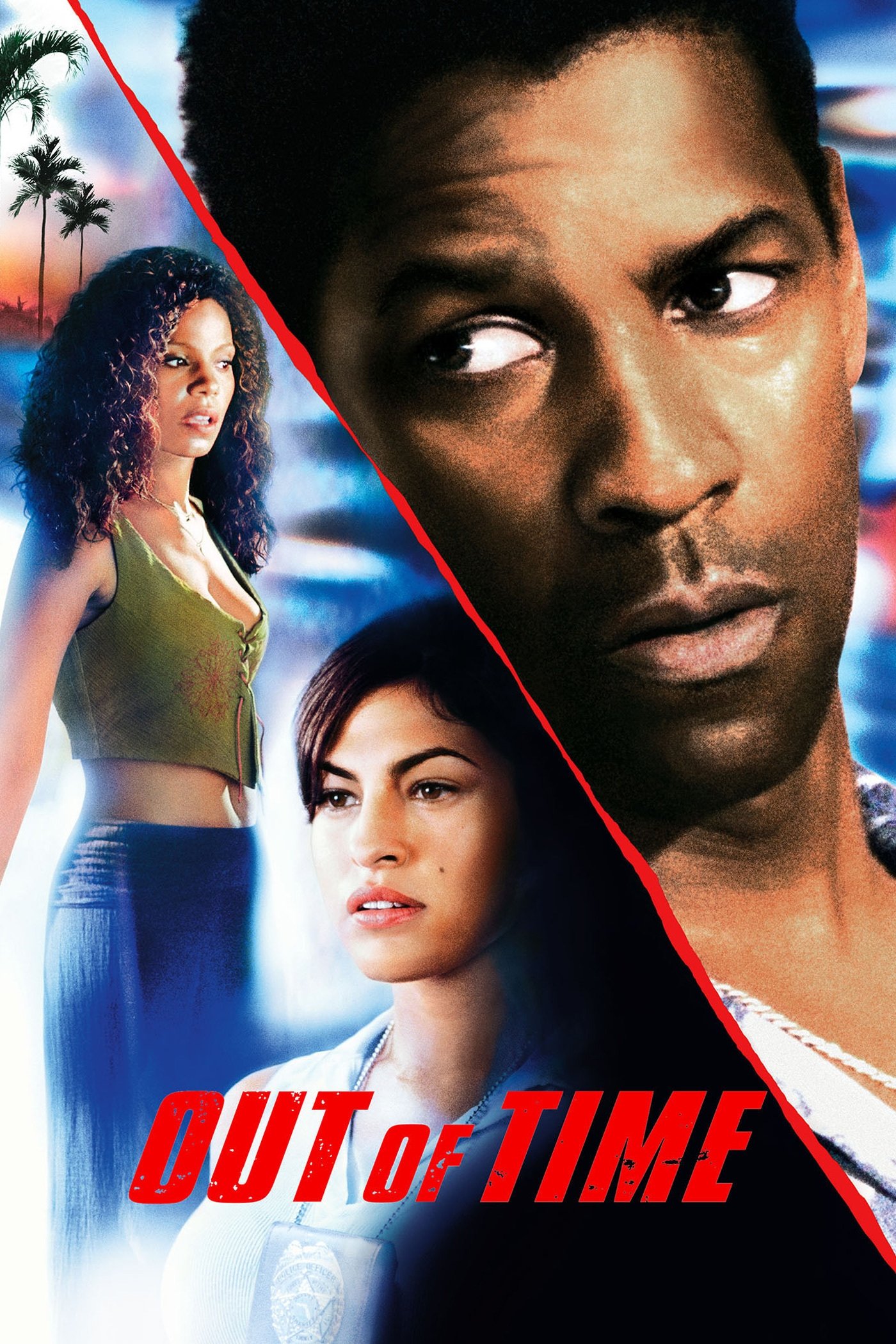
Directed by Carl Franklin, ‘Out of Time’ is a Florida-set thriller about a small-town police chief who must solve a double homicide that suddenly points back to his own paperwork and choices. The cast includes Sanaa Lathan, Eva Mendes, and Dean Cain, and the story threads police procedure with insurance-fraud mechanics, evidence custody, and the tight timelines of warrant requests and lab reports.
Franklin reunites with Washington after ‘Devil in a Blue Dress’, leaning on clean geography—marinas, motels, and municipal offices—to keep the investigation readable. ‘Out of Time’ uses phone records, financial ledgers, and chain-of-custody slips as plot engines, turning administrative details into critical beats that move each reveal forward.
‘The Bone Collector’ (1999)
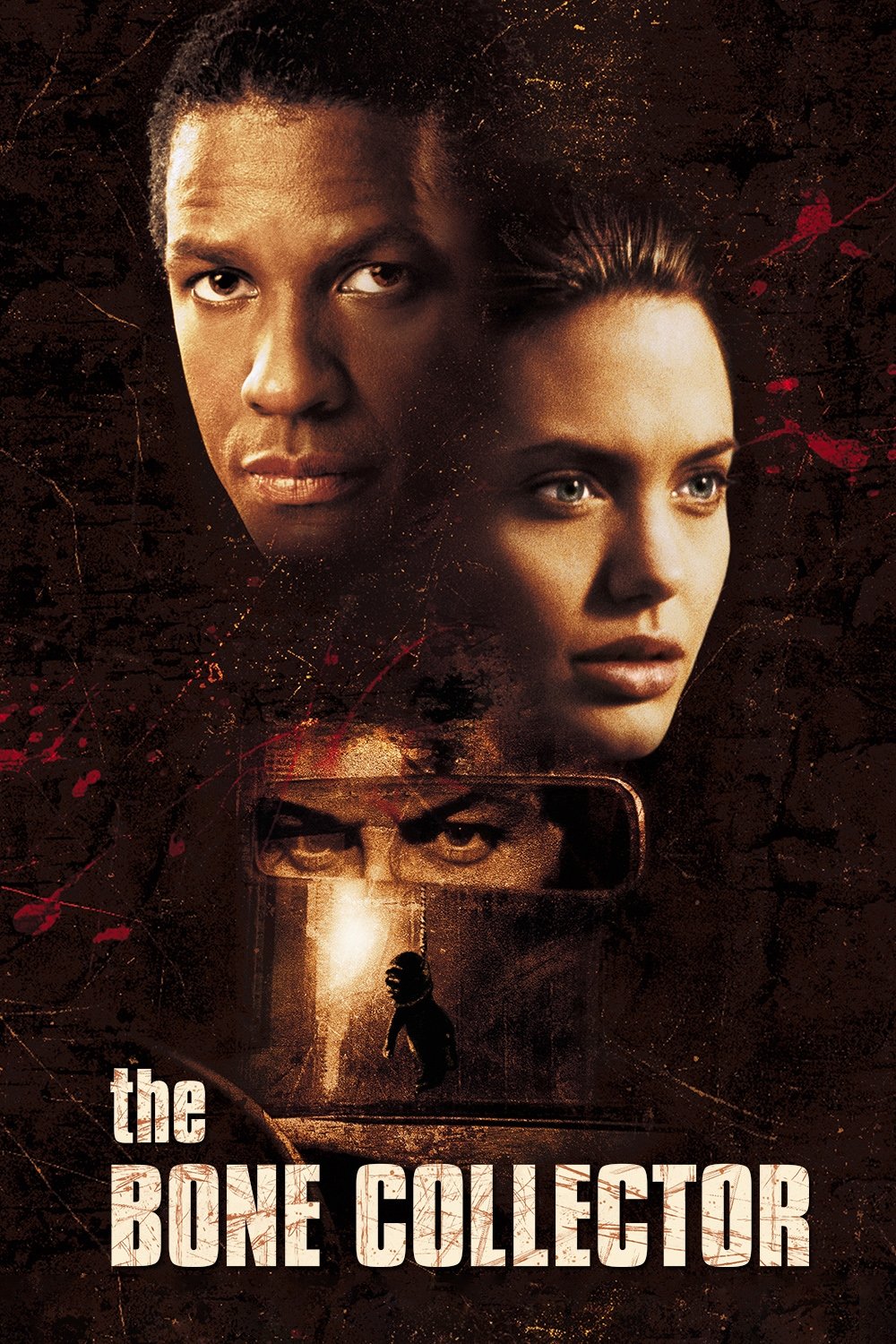
Phillip Noyce directs ‘The Bone Collector’, adapted from Jeffery Deaver’s novel, with Washington portraying forensic expert Lincoln Rhyme and Angelina Jolie as patrol officer Amelia Donaghy. Confined to his bed after a line-of-duty injury, Rhyme guides Donaghy through crime scenes, emphasizing photographic documentation, trace evidence, and pattern recognition to pursue a serial offender.
The film foregrounds practical investigative tools—fiber analysis, tool-mark impressions, subway-map overlays, and the use of scene-preservation protocols—alongside hospital-based tech like voice-activated computers. ‘The Bone Collector’ balances its cat-and-mouse structure with detailed process shots that show how disparate physical clues can be organized into a working profile.
‘Mississippi Masala’ (1991)
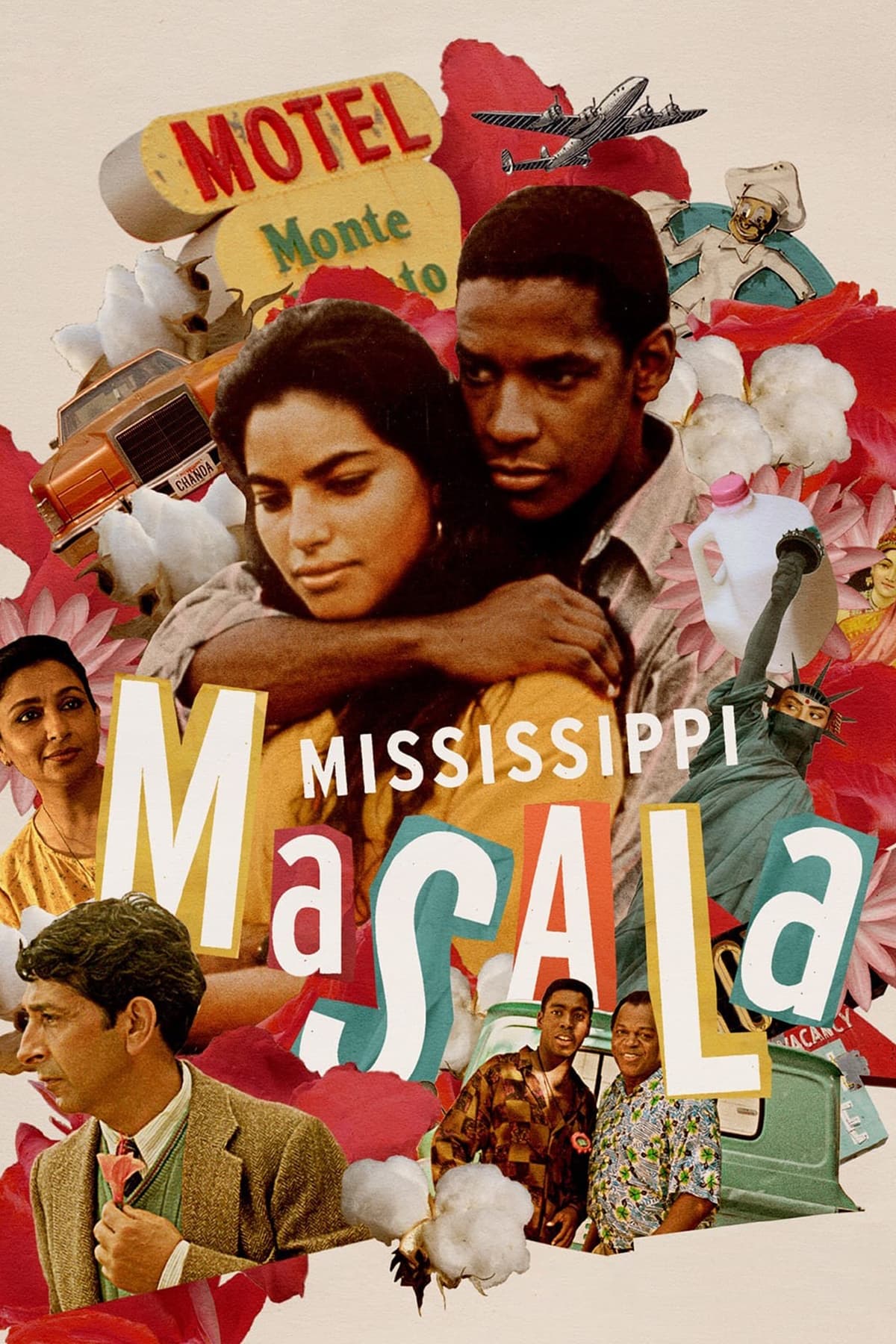
Mira Nair’s ‘Mississippi Masala’ follows a romance between a Black American carpet cleaner, played by Washington, and a young woman from a Ugandan Asian family, played by Sarita Choudhury. The narrative links a family’s displacement under Idi Amin to everyday life in the American South, connecting immigration status, small-business labor, and community expectations.
‘Mississippi Masala’ weaves courtroom filings, property claims, and diasporic networks into the personal story, showing how decisions about travel, work, and marriage intersect with legal and cultural pressures. The film’s locations—motels, family homes, roadside businesses—build a textured picture of how two communities share space, negotiate boundaries, and adapt traditions.
‘Devil in a Blue Dress’ (1995)
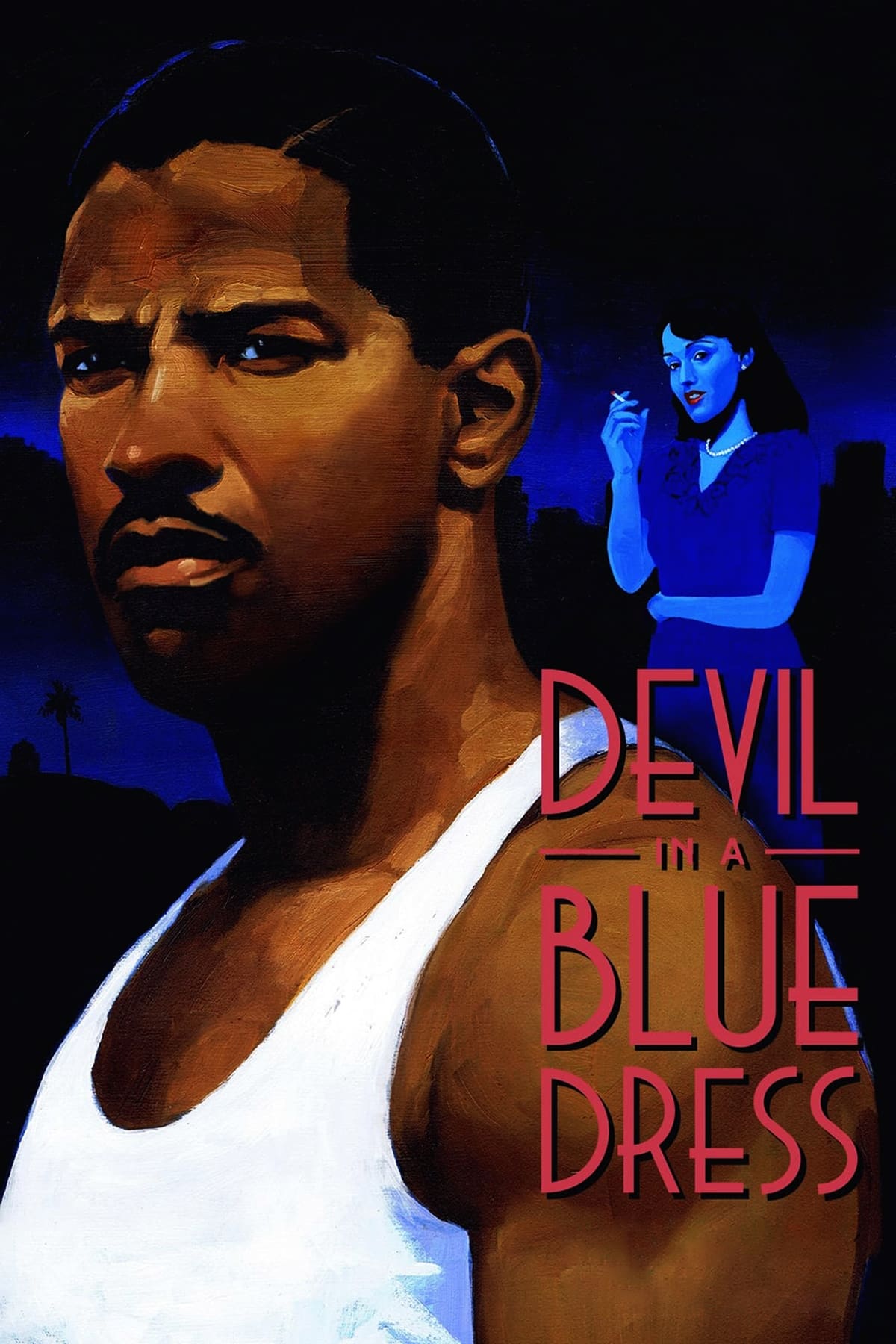
‘Devil in a Blue Dress’, directed by Carl Franklin and adapted from Walter Mosley’s novel, introduces Ezekiel “Easy” Rawlins, a World War II veteran drawn into a private investigation in postwar Los Angeles. Washington anchors a cast that includes Don Cheadle as Mouse and Jennifer Beals as Daphne Monet, with neighborhoods, nightclubs, and back-room offices mapped across a segregated city.
The production leans into period detail—wardrobe, signage, and housing covenants—to contextualize the mystery’s real-estate and political angles. ‘Devil in a Blue Dress’ uses bank ledgers, photographs, and address books as plot artifacts, illustrating how a missing-person case intersects with civic leadership, policing, and land deals.
‘Courage Under Fire’ (1996)
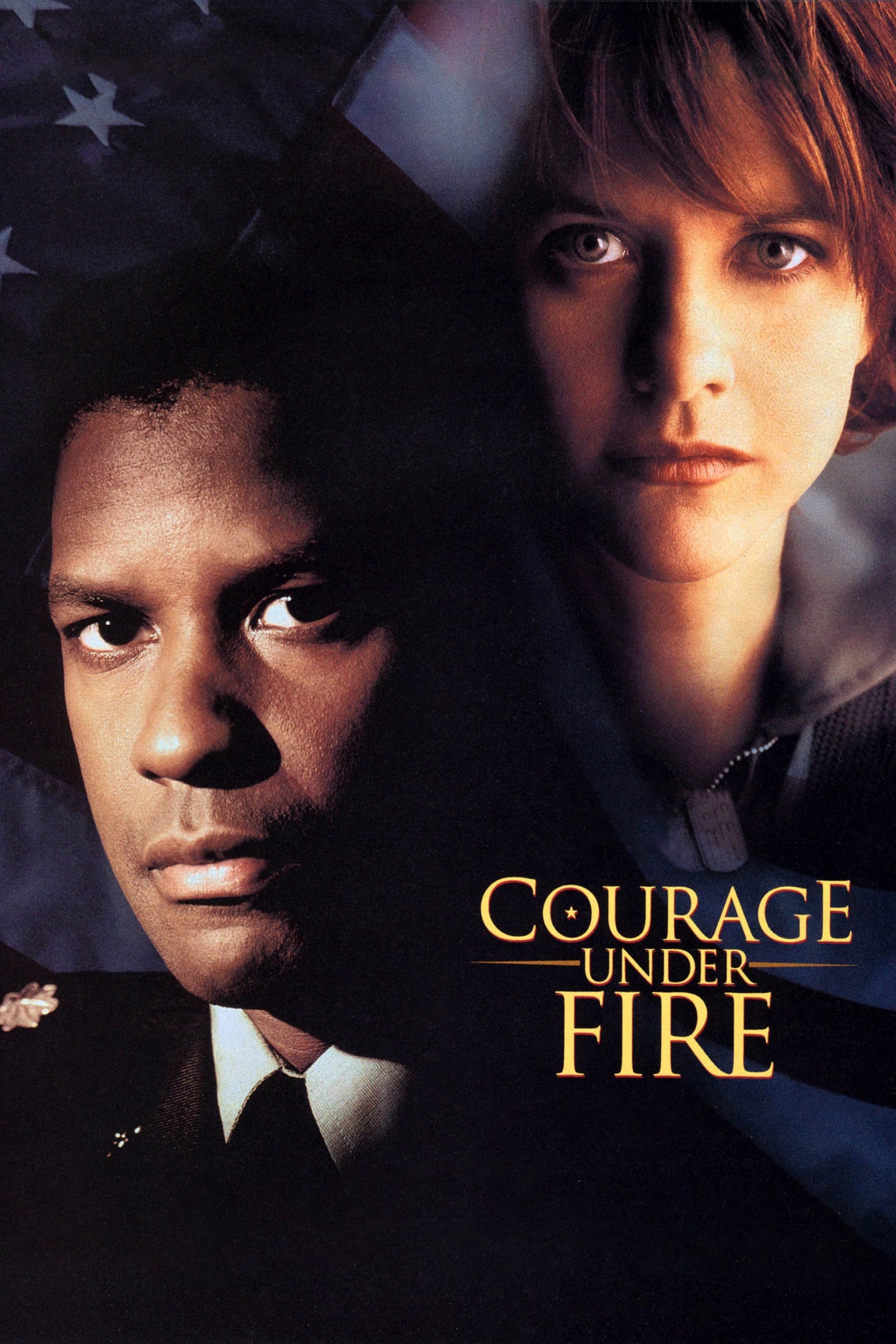
Edward Zwick’s ‘Courage Under Fire’ casts Washington as an Army officer tasked with reviewing the circumstances surrounding a posthumous Medal of Honor recommendation. The ensemble features Meg Ryan, Lou Diamond Phillips, and Matt Damon, and the investigation unfolds through conflicting testimonies that require cross-checking timelines, ballistics, and battlefield reports.
The film structures its inquiry with after-action reviews, helicopter crew manifests, and radio logs to reconstruct a chaotic engagement. ‘Courage Under Fire’ uses repeated retellings to show how memory, stress, and perspective shape official records, emphasizing how investigative rigor can clarify events that initially appear irreconcilable.
‘Unstoppable’ (2010)
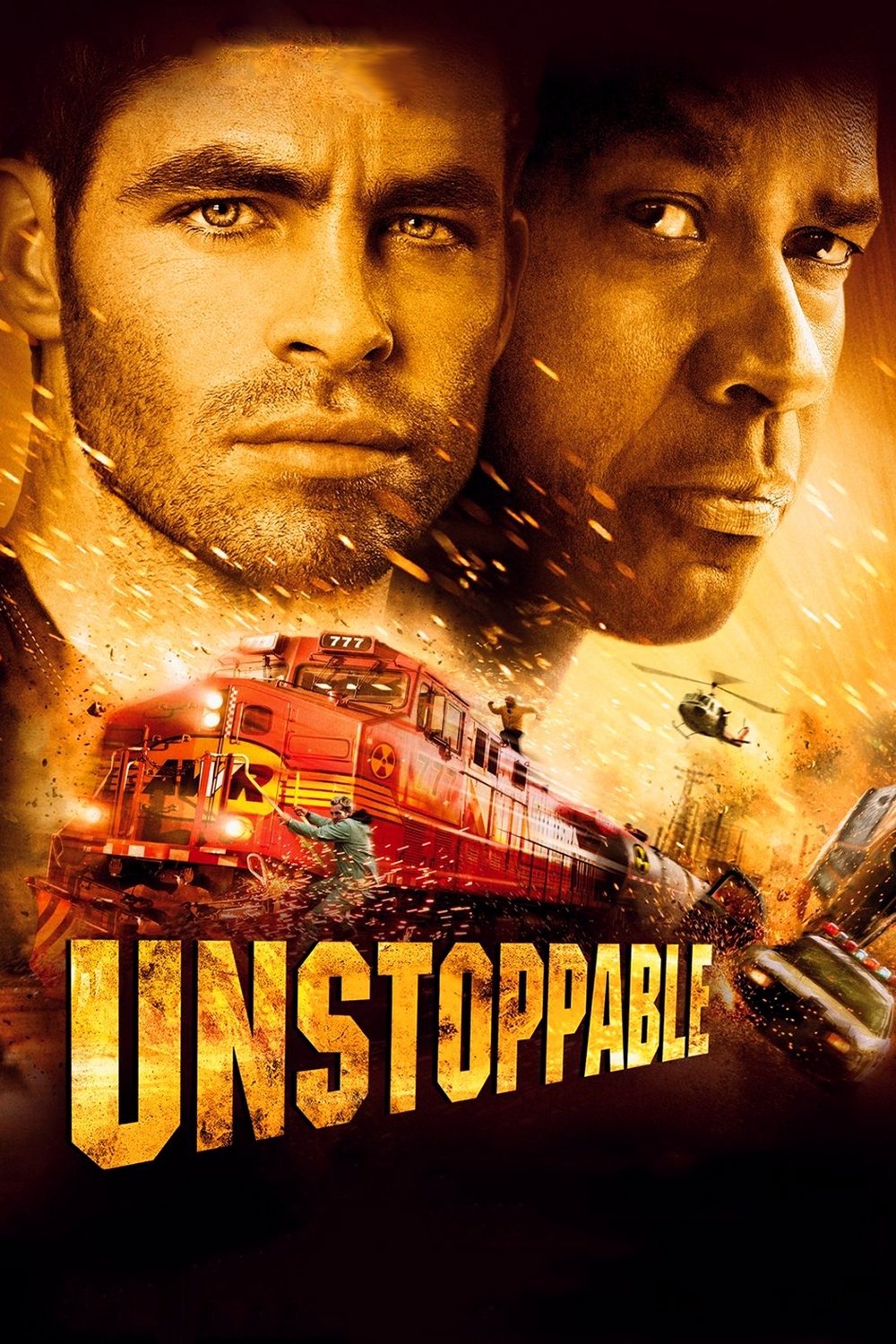
Directed by Tony Scott, ‘Unstoppable’ dramatizes a runaway freight train carrying hazardous materials and the coordinated response to stop it. Washington and Chris Pine play railroad veterans working with dispatchers, yardmasters, and first responders, while Rosario Dawson’s character orchestrates logistics from the control center.
The film incorporates rail operations detail—air-brake systems, dynamic braking, throttle notches, and consist weights—alongside on-the-ground procedures like coupling attempts, speed calculations, and route planning to avoid population centers. ‘Unstoppable’ was inspired by a real incident, and it mirrors the practical teamwork and communications cadence required across crews and agencies.
‘Fallen’ (1998)
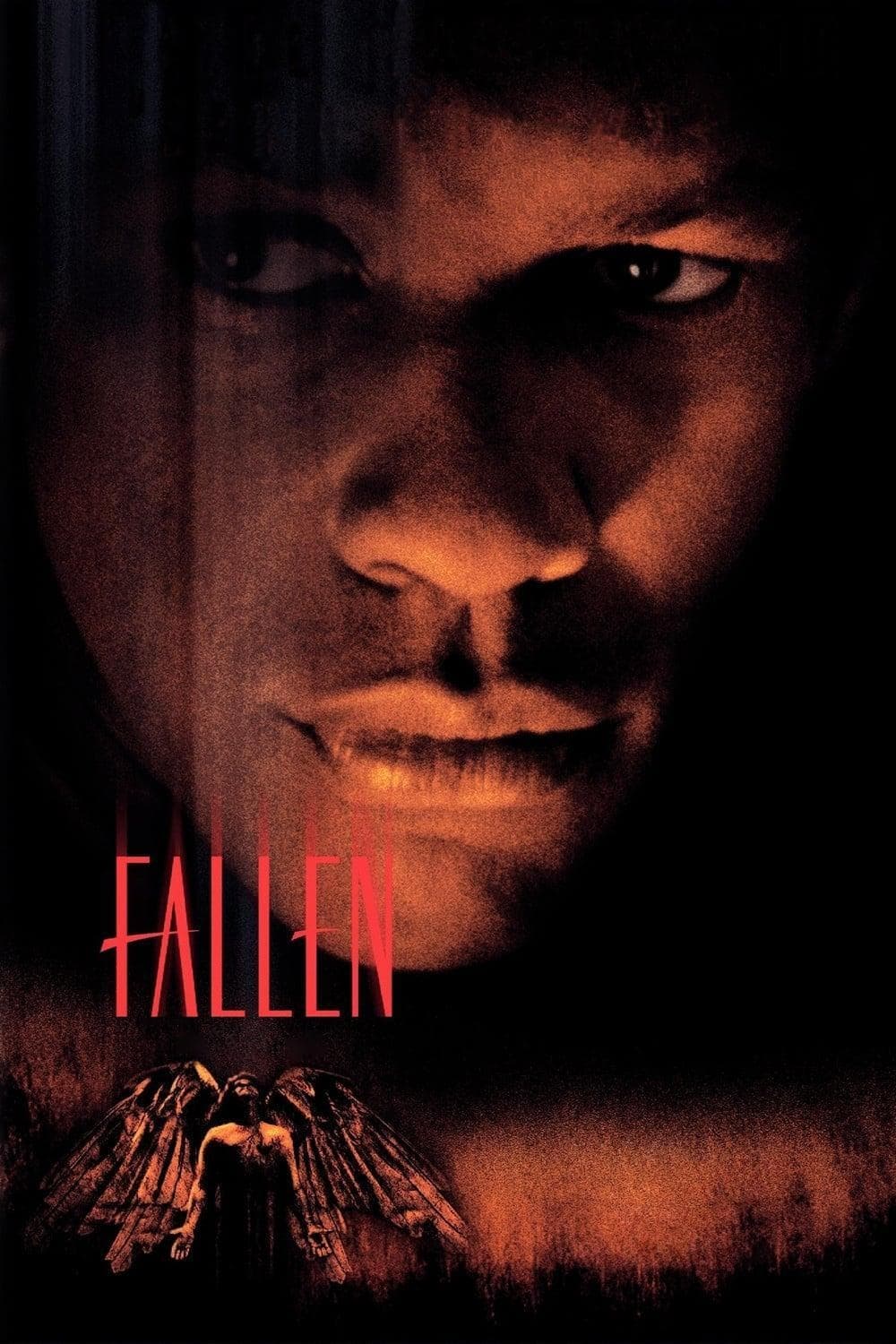
‘Fallen’, directed by Gregory Hoblit, is a supernatural thriller in which a homicide detective investigates murders that mimic the signature of an executed killer. Washington leads a cast that includes John Goodman, Donald Sutherland, and Embeth Davidtz, with the story fusing police work and occult elements as a demonic presence moves between people through touch.
Key visual and audio motifs—hand-to-hand contact patterns, coded phrases, and the recurring use of a classic rock song—provide the investigative breadcrumbs. ‘Fallen’ layers standard procedure with folklore research, archival case files, and linguistic clues, showing how an apparently copycat crime pattern challenges conventional evidence hierarchies.
‘Déjà Vu’ (2006)
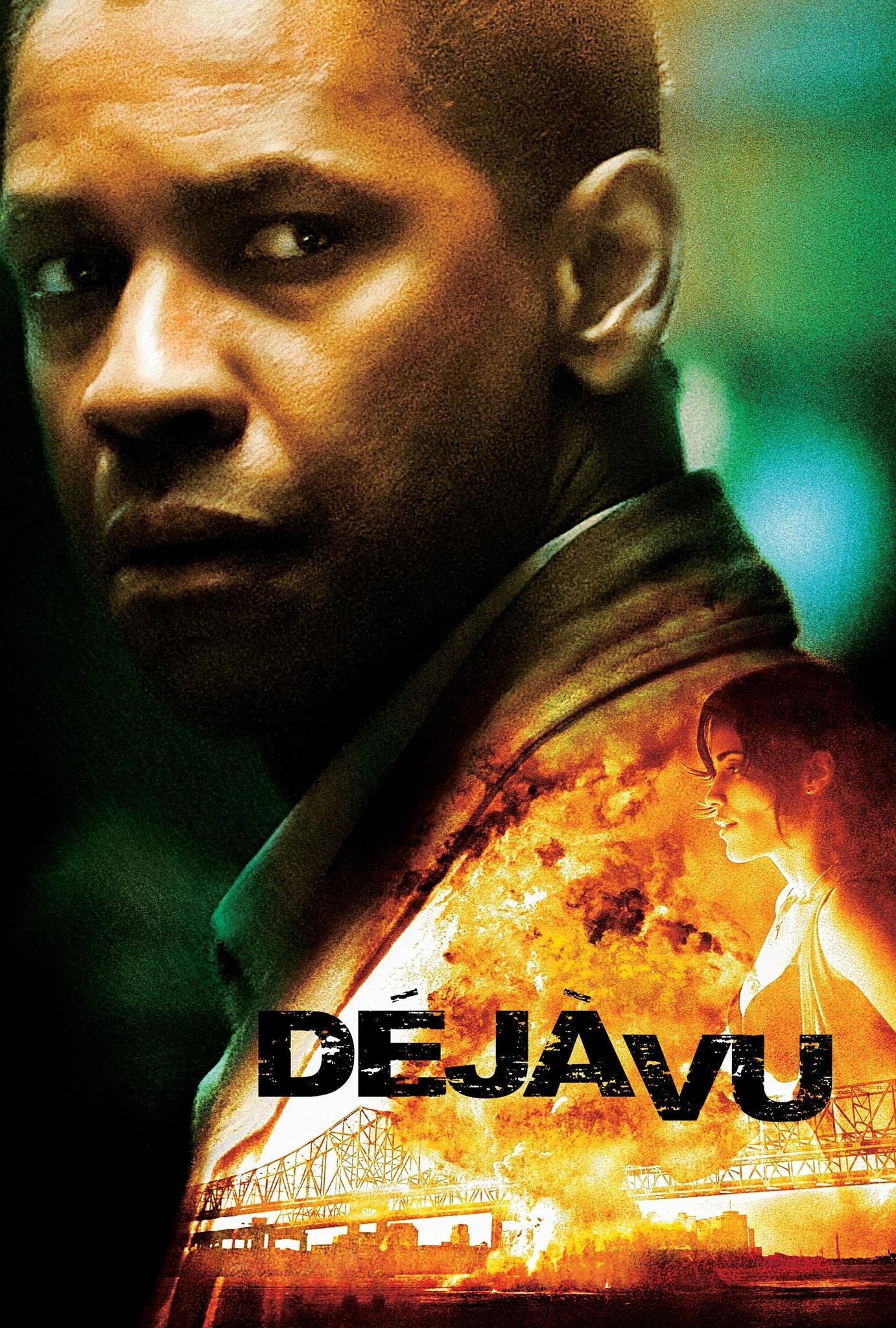
Tony Scott’s ‘Deja Vu’ pairs Washington with Paula Patton, Jim Caviezel, and Val Kilmer in a hybrid of investigation and speculative tech. An ATF agent joins a multi-agency team that uses a surveillance system capable of viewing a rolling window into the recent past, turning neighborhood grids and camera coverage into a time-sensitive search tool.
The film’s mechanics revolve around constraints—signal range, data latency, and the fixed breadth of the temporal window—forcing tactical choices about observation versus intervention. ‘Deja Vu’ stages its set pieces around ferries, levees, and warehouse spaces, integrating the system’s rules with vehicle tracking, evidence handoffs, and coordinated field operations.
‘Antwone Fisher’ (2002)
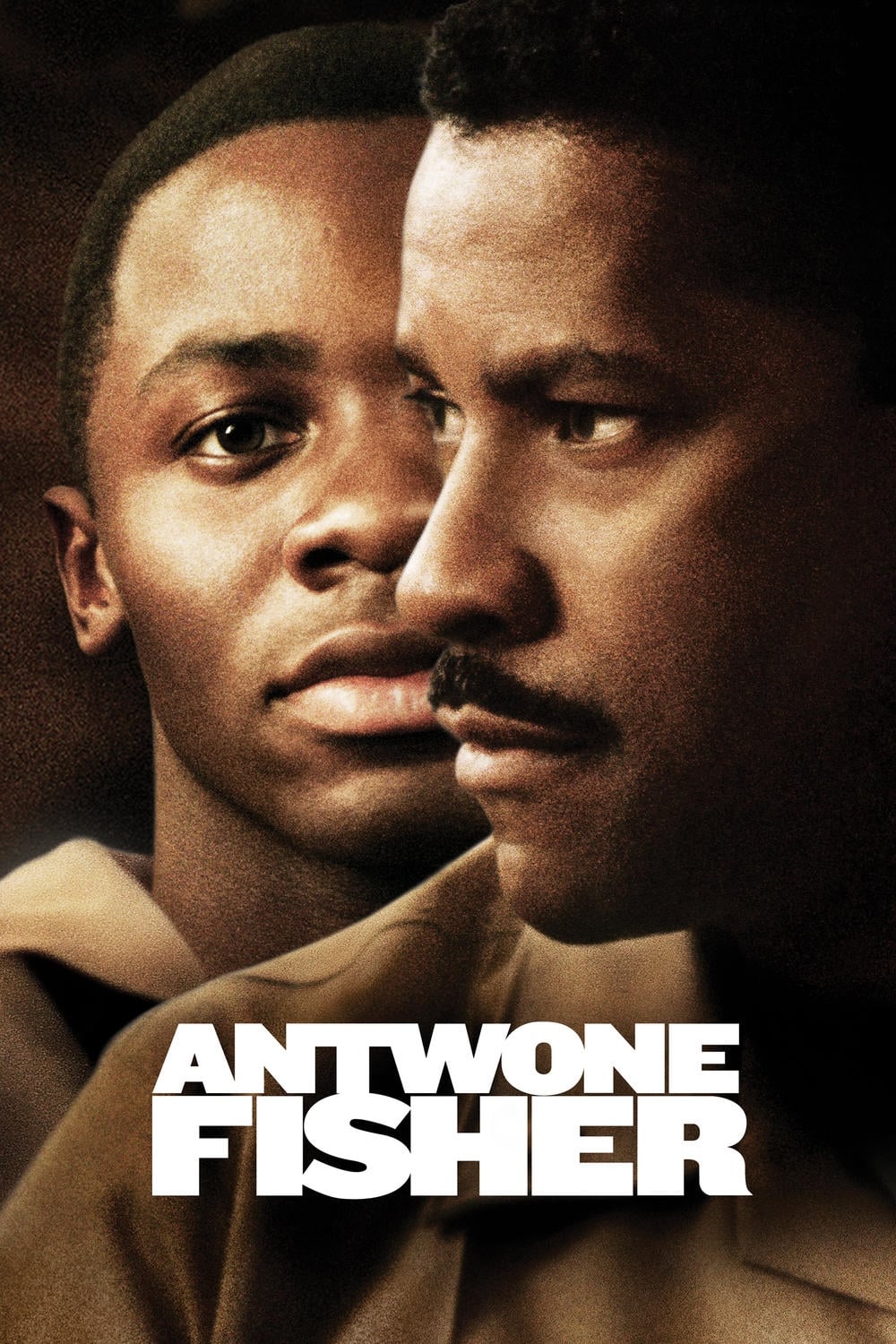
‘Antwone Fisher’ marks Washington’s feature directorial debut, with Derek Luke in the title role and Joy Bryant in a pivotal supporting part. The screenplay, written by Antwone Fisher, follows a young sailor who begins therapy after a disciplinary incident, using counseling sessions to navigate childhood trauma, foster care, and the search for biological relatives.
The film intersperses base life, personnel files, and interviews with extended family to map a careful process of verification and reconnection. ‘Antwone Fisher’ draws on the author’s memoir ‘Finding Fish’ and frames documentation—birth records, case notes, and travel itineraries—as instruments that turn personal history into a recoverable, living archive.
Share your own overlooked favorites from Denzel Washington’s lineup in the comments and tell us which titles you think more people should watch next.

