


The 10 Most Underrated Russell Crowe Movies, Ranked (from Least to Most Underrated)

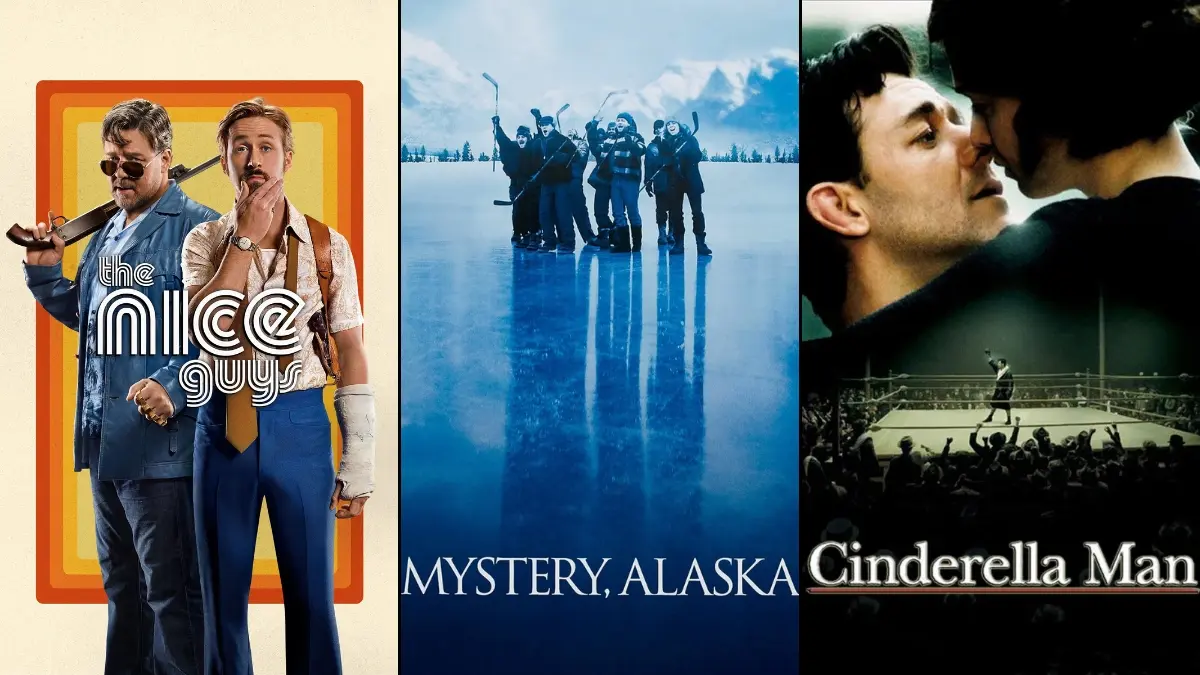


Russell Crowe’s filmography runs far beyond the handful of titles most people can name off the top of their heads. He earned Academy Award nominations for ‘The Insider’ and ‘A Beautiful Mind’ and won Best Actor for ‘Gladiator’, but his body of work also stretches across Australian indies, large-scale historical dramas, thrillers, and offbeat comedies that show different corners of his range.
This list gathers ten projects that don’t always come up first when people talk about him, yet each one adds a distinct piece to the bigger picture. You’ll find remakes, debuts behind the camera, page-to-screen adaptations, and genre pivots—pulled from different years and production contexts—to give a fuller sense of what he has done.
‘A Good Year’ (2006)
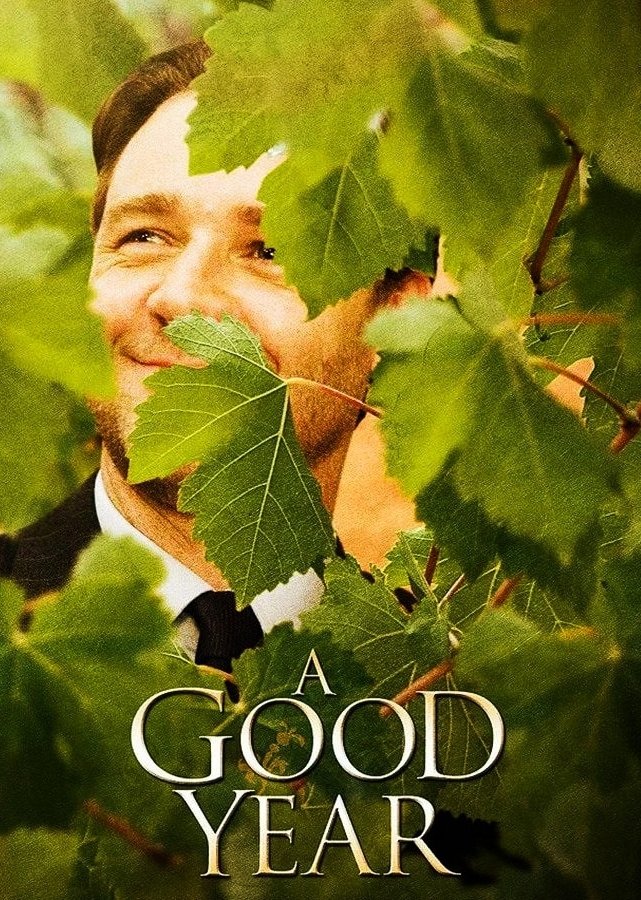
Ridley Scott directs this adaptation of Peter Mayle’s novel, with Crowe playing London banker Max Skinner, who inherits his uncle’s Provençal vineyard and estate. The film features Marion Cotillard, Albert Finney, Tom Hollander, and Abbie Cornish, and uses a mix of English and French dialogue to reflect the setting and characters’ backgrounds. Key locations include vineyards and hill towns across the Luberon, with Château la Canorgue widely recognized as the stand-in for the fictional property.
Production reunited Crowe and Scott after ‘Gladiator’, this time in a contemporary romantic dramedy mode. The screenplay traces Max’s work-to-wine transition through inheritance law details, property complications, and old family connections, while the soundtrack and culinary elements lean into regional specificity. The film’s release positioned it among mid-2000s literary adaptations, with the marketing emphasizing travel, lifestyle, and the change of pace that drives the plot.
‘Mystery, Alaska’ (1999)
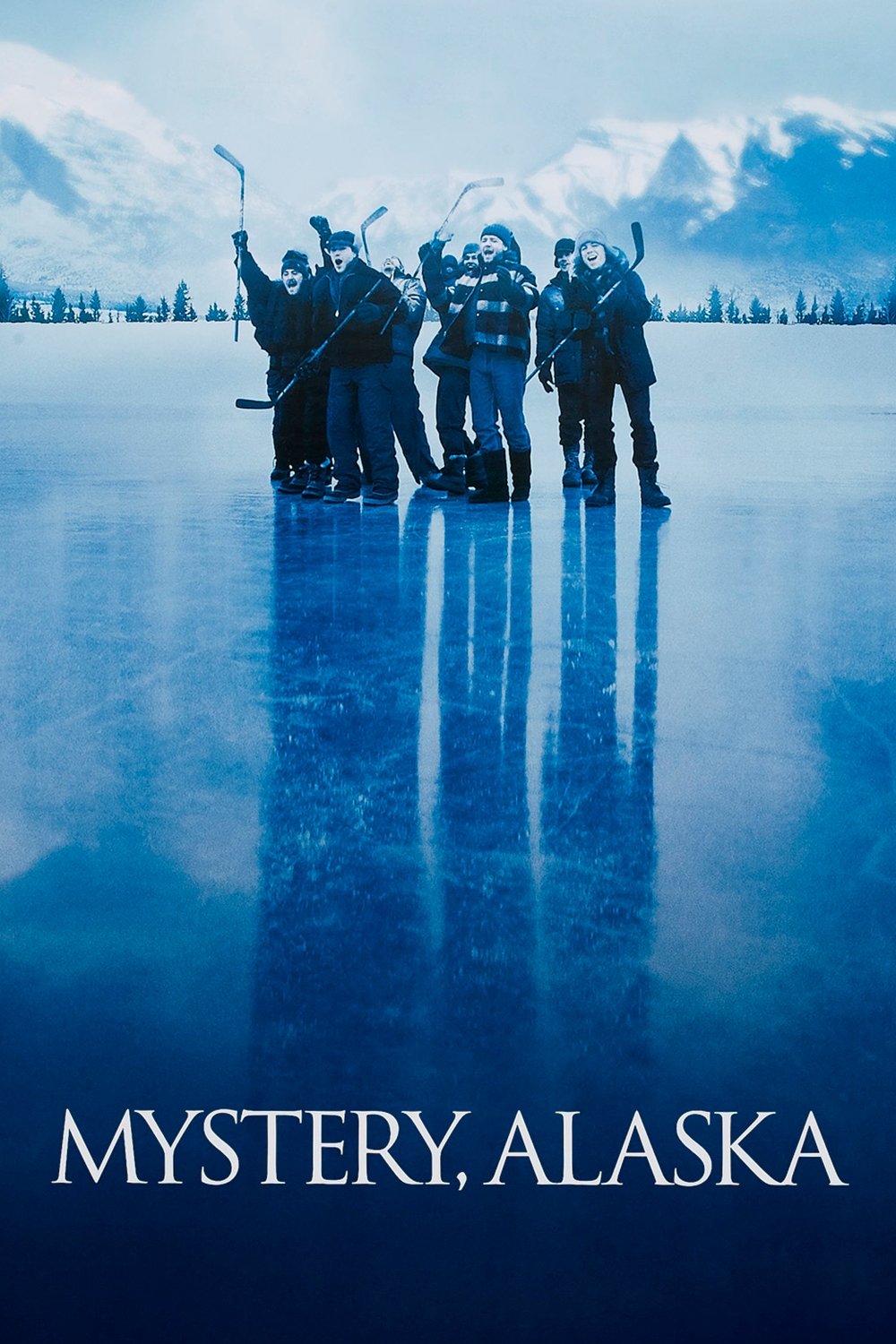
Set in a small Alaskan town that treats Saturday pond hockey as a civic ritual, this sports dramedy casts Crowe as sheriff and player John Biebe. The story revolves around an exhibition game arranged against the New York Rangers, pulling in Burt Reynolds, Hank Azaria, Mary McCormack, and a roster of character actors as townspeople and teammates. Screenwriters David E. Kelley and Sean O’Byrne structure the film around local politics, media attention, and logistics required to host a professional opponent.
Filming took place in Alberta, including Canmore, to capture open-air rinks and winter terrain that match the script’s outdoor hockey culture. The production staged full-ice sequences with choreographed plays and practical crowd work, blending actors and skaters to depict the home team’s style. Release materials highlighted hockey authenticity, with costuming and equipment choices reflecting community sponsorships and the era’s gear.
‘Romper Stomper’ (1992)

This Australian drama, directed by Geoffrey Wright, follows a Melbourne neo-Nazi gang led by Crowe’s character Hando. The cast includes Daniel Pollock and Jacqueline McKenzie, and the narrative tracks territorial violence, group dynamics, and law-enforcement pressure as immigrant businesses come under attack. The film’s handheld camerawork, urban locations, and lean runtime contribute to a raw presentation of the subculture on screen.
‘Romper Stomper’ earned Australian Film Institute recognition, with Crowe winning Best Actor for his performance. The soundtrack leans on punk and Oi! influences to situate the group’s identity, and the production made extensive use of real streets and industrial backdrops around Melbourne. Subsequent home-video and festival play extended the movie’s reach beyond its domestic theatrical run, and the property later expanded into a television continuation under the same title.
‘The Water Diviner’ (2014)
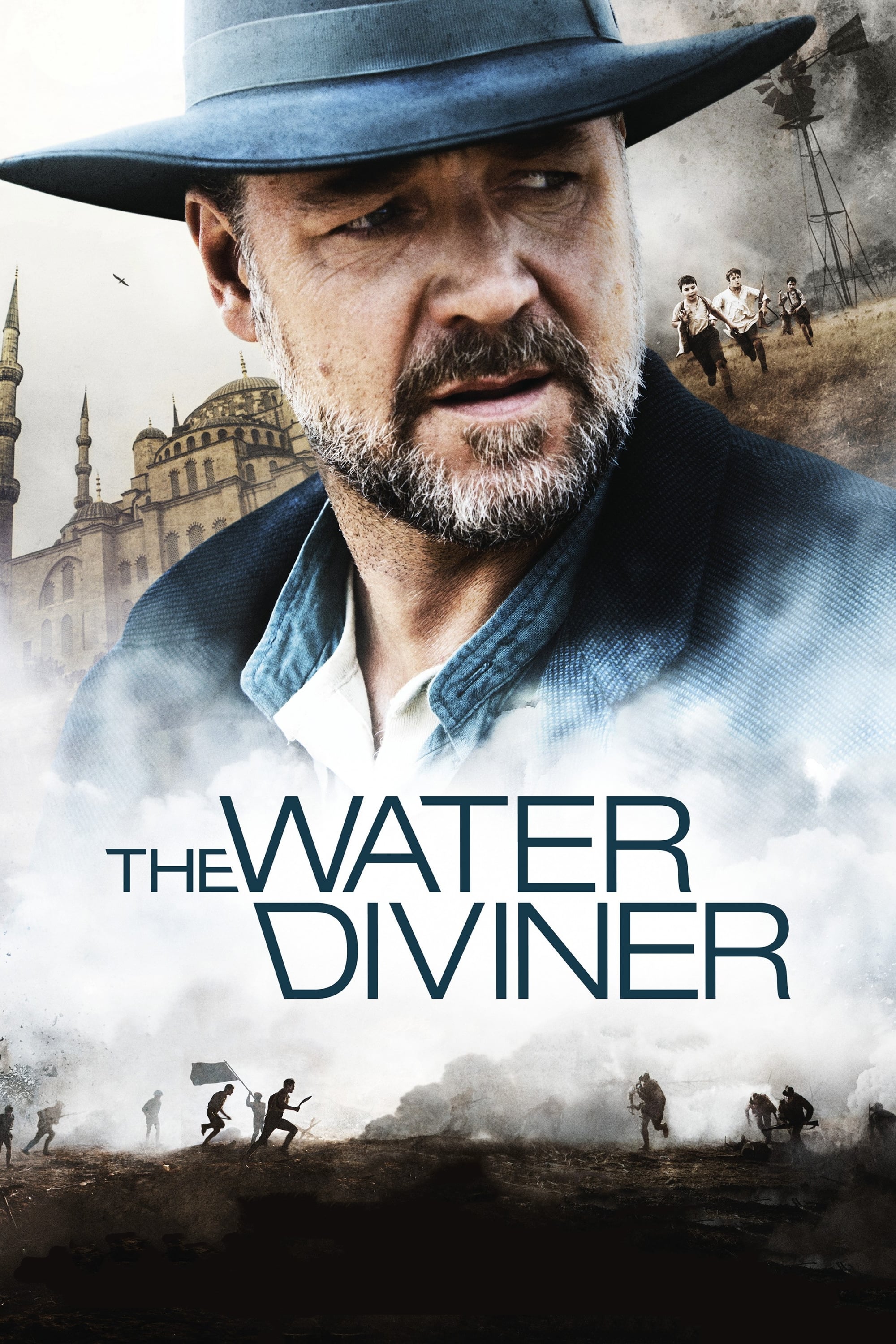
Crowe’s feature directorial debut casts him as Joshua Connor, an Australian farmer who travels to Turkey after the Gallipoli campaign to search for his missing sons. The film features Olga Kurylenko, Yılmaz Erdoğan, and Cem Yılmaz, and it uses Turkish and English dialogue to track interactions across postwar Istanbul and the battlefields. The plot incorporates archival record-searching, military burial protocols, and on-site reconnaissance to frame the father’s investigation.
Production spanned Australia and Turkey, with sequences staged at historical locations and reconstructed trench lines. ‘The Water Diviner’ received recognition at the AACTA Awards, including Best Film, and its release schedule included national holidays tied to Gallipoli commemorations. Costuming, weaponry, and period transport were coordinated to match the immediate post-conflict timeframe, and the cinematography emphasizes contrasts between arid landscapes and coastal sites.
‘Body of Lies’ (2008)
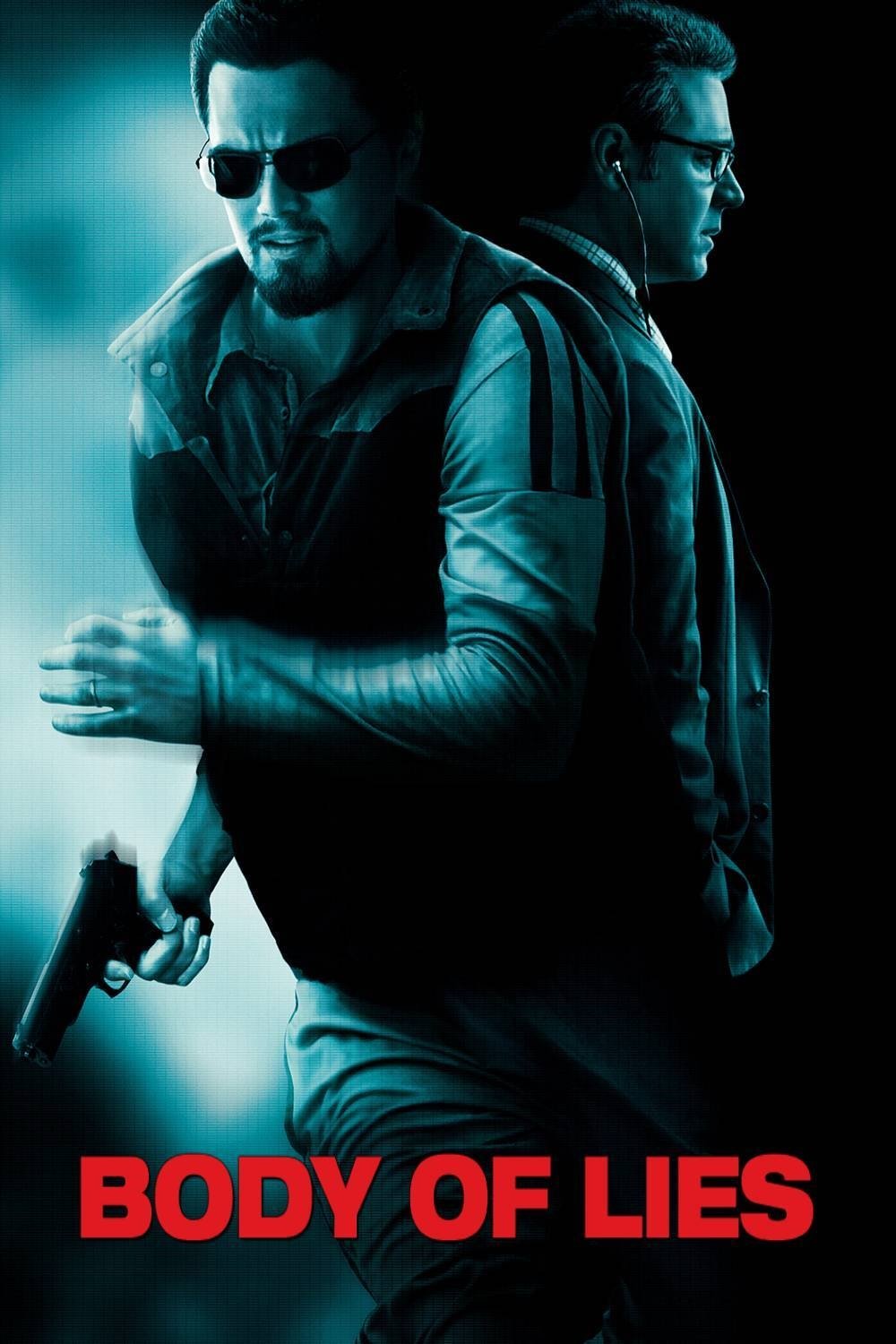
Ridley Scott directs this adaptation of David Ignatius’s novel, casting Crowe as CIA handler Ed Hoffman opposite Leonardo DiCaprio’s field operative Roger Ferris. The narrative follows intelligence gathering across Jordan and neighboring theaters, using safe houses, informant networks, and communications intercepts as story engines. Mark Strong appears as Hani Salaam, the Jordanian intelligence chief whose cooperation becomes pivotal to the operation’s design.
The production combined location work in North Africa with interior builds to recreate urban neighborhoods and security facilities. Practical effects and second-unit photography handled convoy movements, marketplace sequences, and staged detentions, while the score underscores the tempo shifts between surveillance and action. Marketing framed the film as a modern espionage thriller adapted from a contemporary novel, with emphasis on interagency coordination and disinformation tactics.
‘State of Play’ (2009)
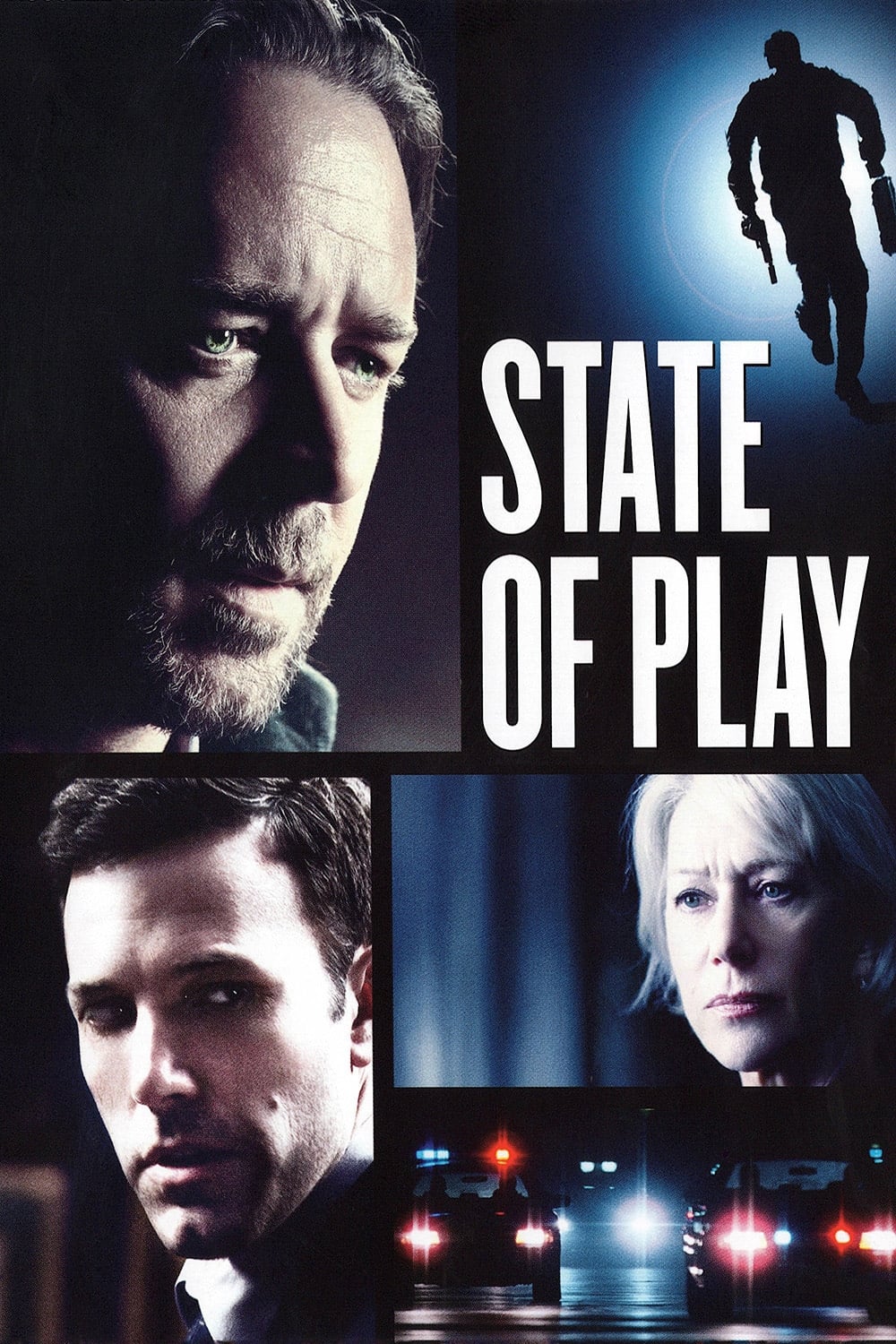
Based on Paul Abbott’s BBC miniseries, this newsroom thriller casts Crowe as investigative reporter Cal McAffrey and Ben Affleck as congressman Stephen Collins. The ensemble includes Rachel McAdams, Helen Mirren, Jason Bateman, and Jeff Daniels, and the script condenses the long-form television plot into a feature-length investigation. The story interweaves corporate contracting, congressional oversight, and metropolitan police work as reporters chase sources and documents.
Director Kevin Macdonald shot across Washington, D.C., and Los Angeles, using real press rooms, corridors, and city blocks for authenticity. The screenplay credits reflect contributions from Matthew Michael Carnahan, Tony Gilroy, and Billy Ray, with structural changes to fit a two-hour runtime. Production design highlights the analog-to-digital transition in newsrooms—desks, whiteboards, and evidence walls sit beside databases and email trails central to the case.
‘The Next Three Days’ (2010)
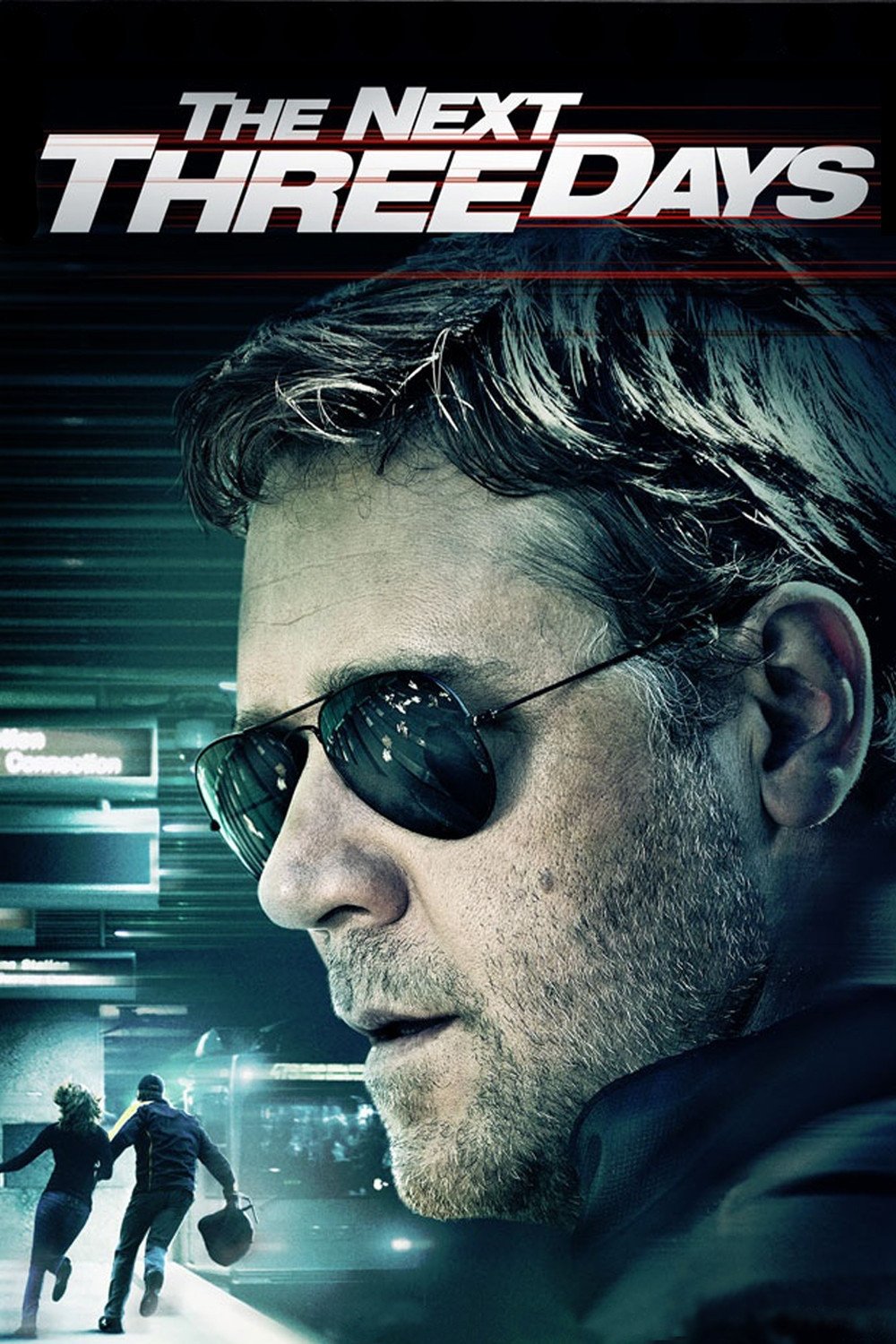
Paul Haggis directs this remake of the French thriller ‘Pour elle’ (also known as ‘Anything for Her’), with Crowe as community-college teacher John Brennan. The plot follows his methodical plan to free his wife, played by Elizabeth Banks, after a contested murder conviction, mapping out legal research, cash-stash prep, and phony identities. Liam Neeson appears in a key supporting role as a former inmate who outlines practical steps for a prison break.
Filmed in Pittsburgh and surrounding areas, the production uses local streets, transit, and industrial sites for its planning and escape sequences. The adaptation shifts cultural specifics from the French original to an American setting while preserving the central structure of preparation, execution, and aftermath. Editing patterns and timeline markers track checklists, rehearsals, and contingency pivots that anchor the procedural approach.
‘The Nice Guys’ (2016)
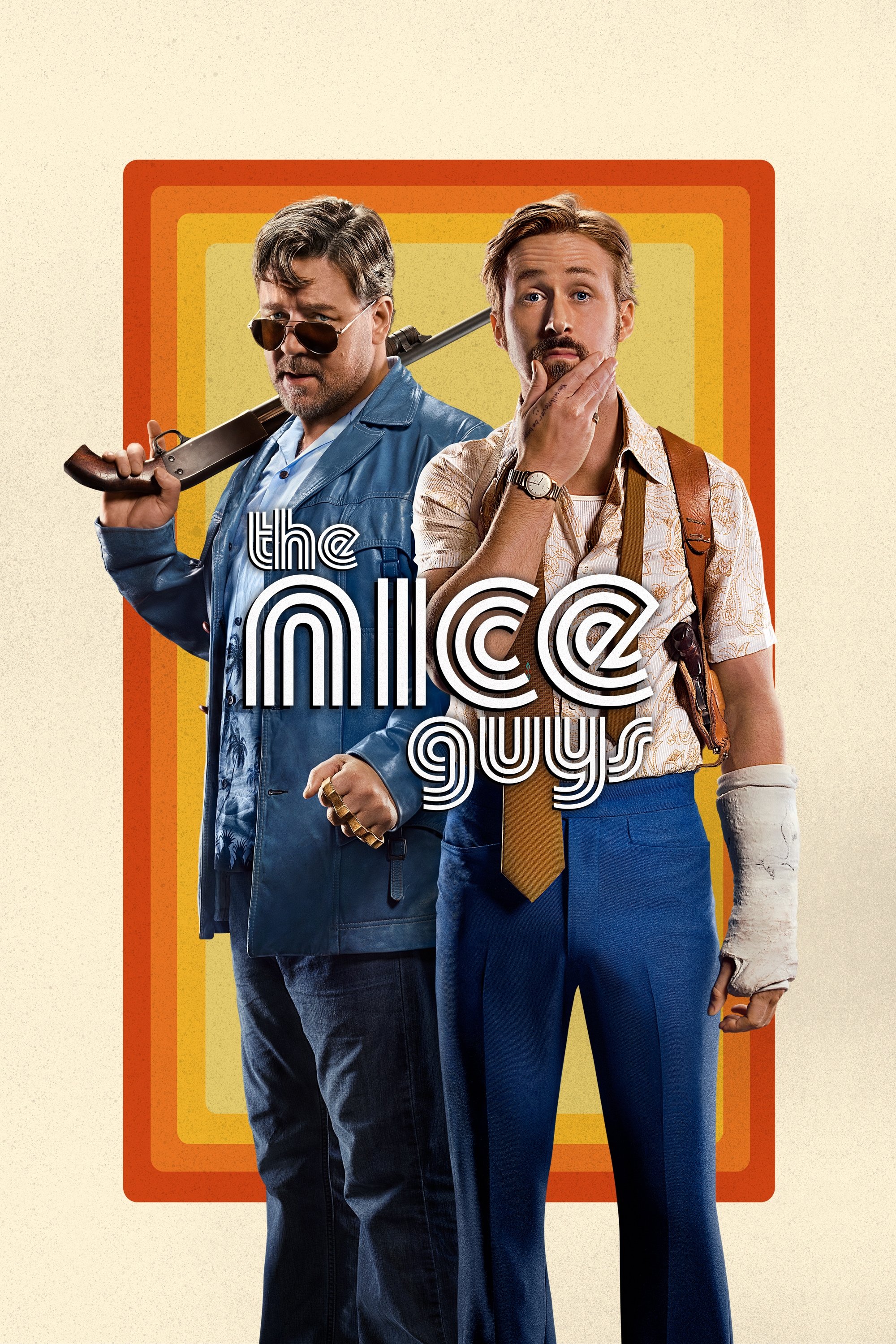
Shane Black’s buddy-detective comedy pairs Crowe’s enforcer Jackson Healy with Ryan Gosling’s private investigator Holland March. Set in Los Angeles during a smog-choked late-1970s stretch, the case begins with the death of adult-film performer Misty Mountains and expands into missing-person work involving a character named Amelia. Angourie Rice co-stars, and the script by Black and Anthony Bagarozzi threads together auto-industry lobbying, protest movements, and West Coast subcultures.
Production design leans into period signage, wardrobe, and cars, and the stunt team stages foot chases and brawls that move through mid-century homes and neon-lit venues. The shoot recreated specific neighborhoods and interiors associated with the era’s entertainment scene, while the score and source tracks place the story squarely in the time period. The film’s marketing focused on the duo’s complementary skill sets within a conspiracy-driven plot.
‘3:10 to Yuma’ (2007)
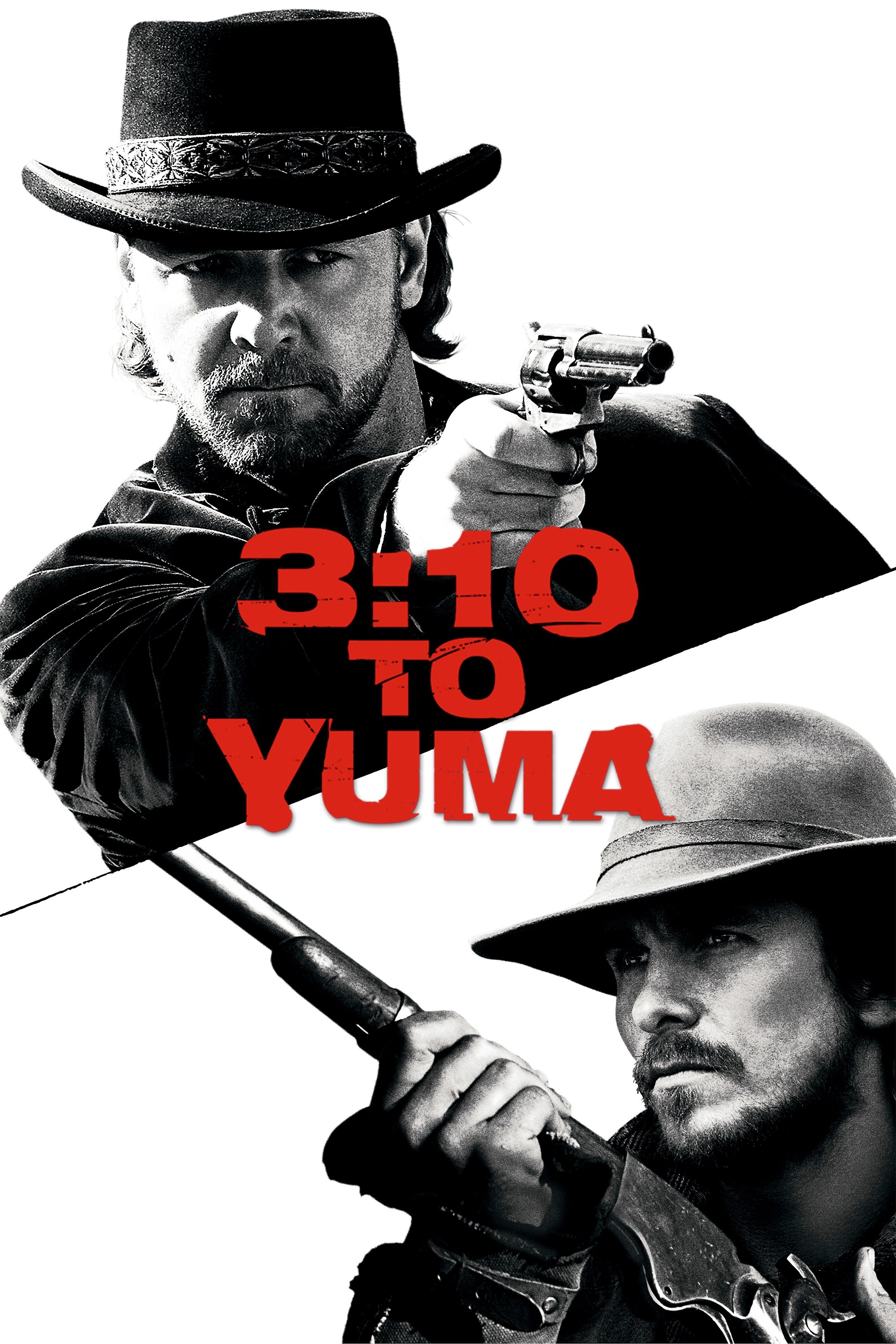
Directed by James Mangold, this western is a new take on the 1957 film based on Elmore Leonard’s short story. Crowe plays outlaw Ben Wade opposite Christian Bale’s rancher Dan Evans, whose goal is to escort the prisoner onto the titular train. The cast includes Ben Foster, Peter Fonda, and Dallas Roberts, and the script builds out the original premise with additional characters and waypoints.
Production shot across desert and mountain locations to capture stagecoach routes, railheads, and frontier towns. The film received two Academy Award nominations, and its score and sound work underscore gunfights and tense standoffs around canyon passes and rail spurs. Horse work, weapon handling, and practical set construction anchor the period detail, with costuming and props matching the story’s post-Civil War setting.
‘Cinderella Man’ (2005)
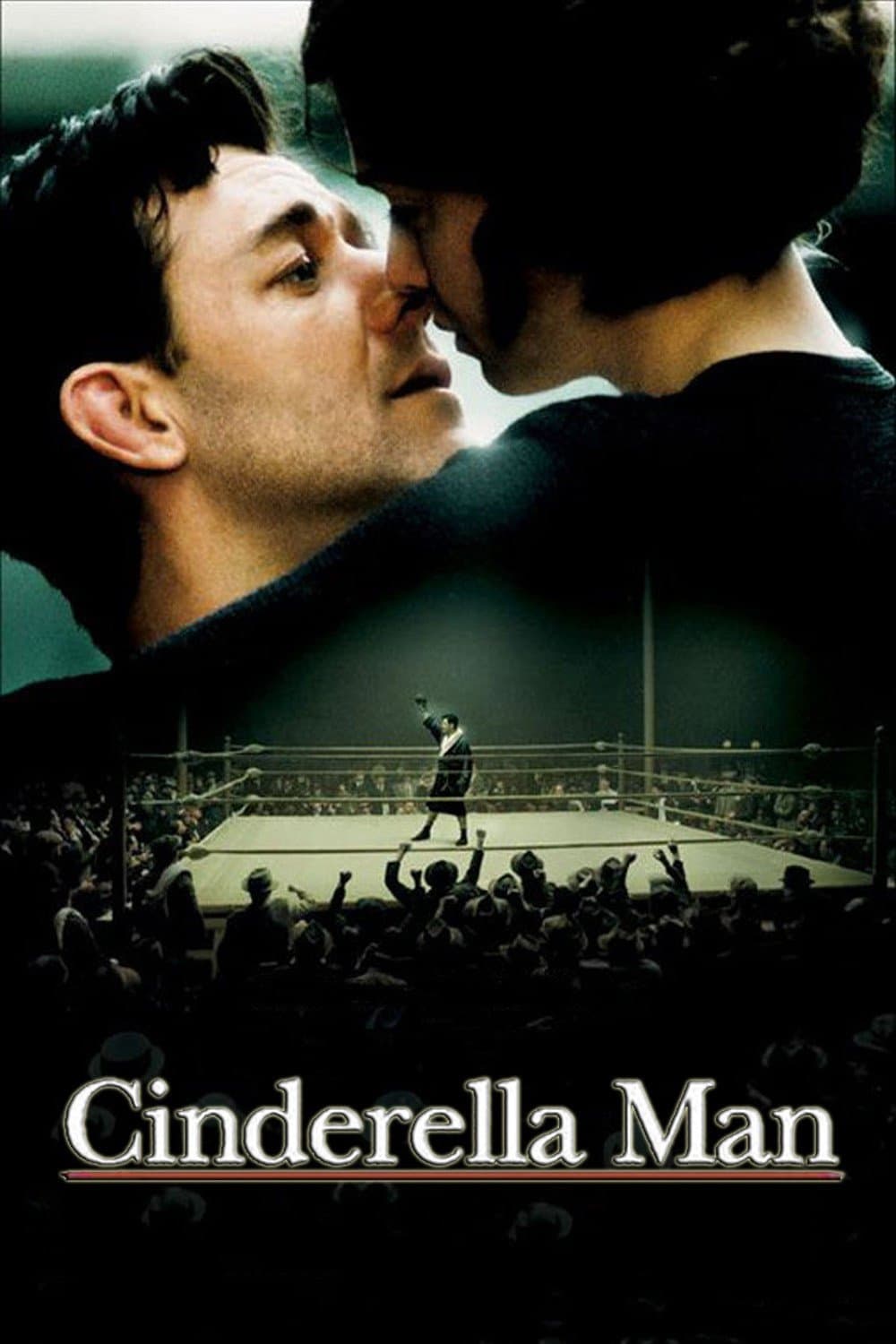
Ron Howard directs this biographical drama with Crowe portraying heavyweight boxer James J. Braddock and Renée Zellweger as Mae Braddock. Paul Giamatti appears as manager Joe Gould, and the film chronicles the fighter’s career through bouts, licensing issues, purse negotiations, and training regimens. The script follows family finances, union work at the docks, and the boxing commission’s rules as Braddock returns to high-profile matches.
The production staged fights with era-correct rings, gloves, and officiating, and the camera team coordinated choreography to match archival accounts of the athlete’s style. ‘Cinderella Man’ earned multiple Academy Award nominations, including Best Supporting Actor for Paul Giamatti, along with nominations in editing and makeup. Locations and set builds recreated Depression-era New York streets, apartments, and arenas, with costumes and props sourced to fit the period.
Share your own picks and reasoning in the comments so everyone can compare notes on which ‘underrated’ Russell Crowe films they’d add or swap.

