


The 15 Best Foreign-Language Film Directors You Should Know

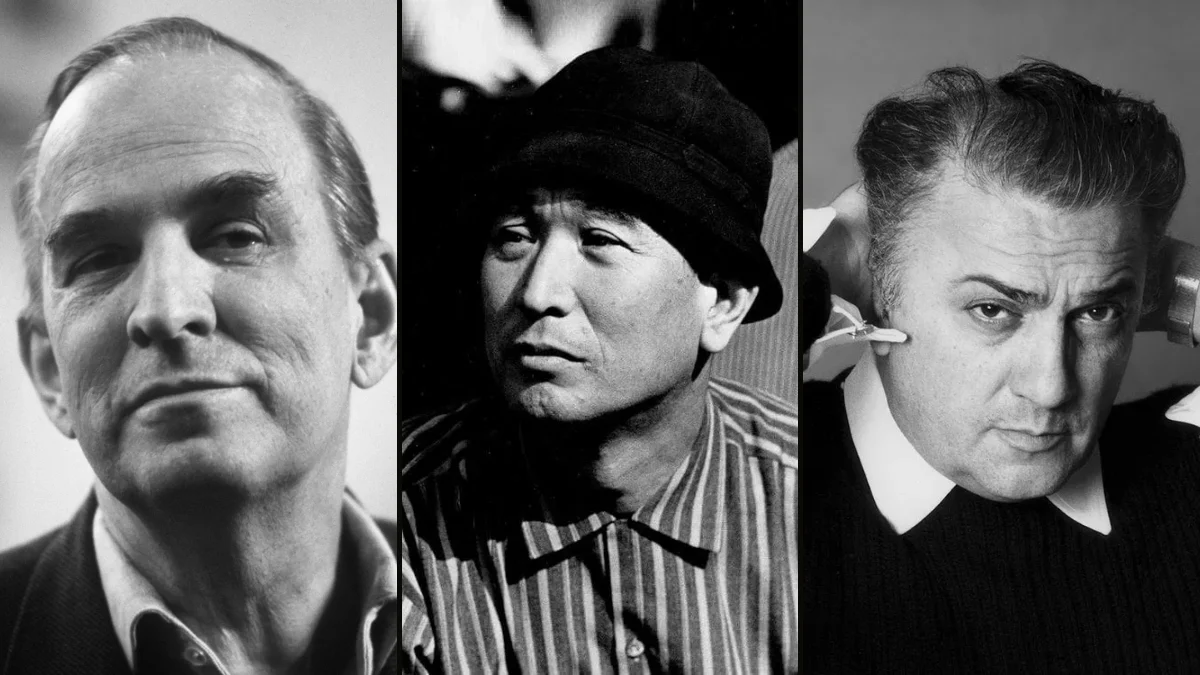


Cinema speaks a universal language, but some of the most powerful stories come from directors who craft their work in languages other than English. These filmmakers bring unique cultural lenses, bold storytelling, and innovative techniques that have shaped global cinema.
From gripping dramas to surreal masterpieces, foreign-language directors often push boundaries, offering fresh ways to see the world. This article highlights ten of the best, whose work has left a lasting mark on film history.
Ingmar Bergman
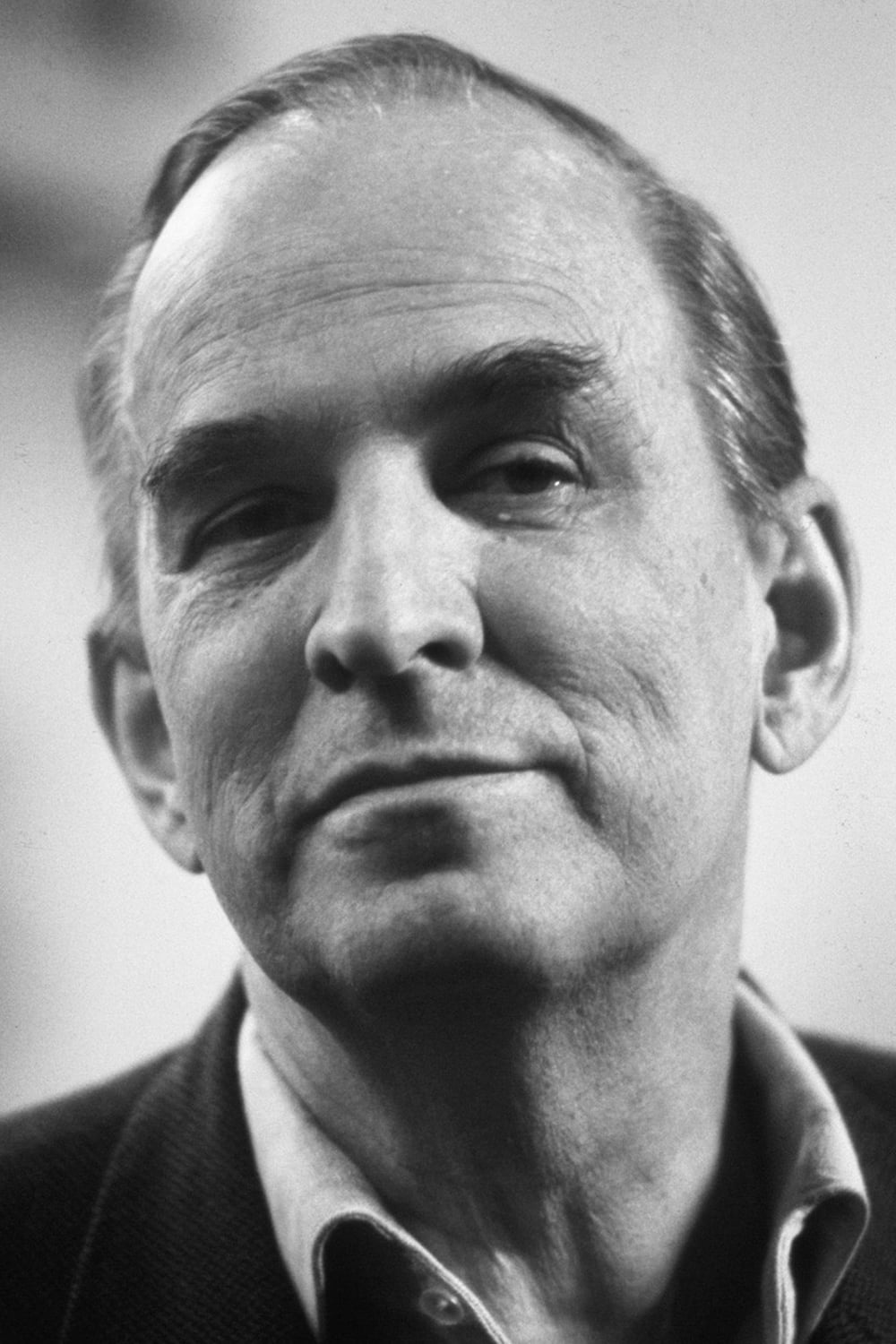
Swedish director Ingmar Bergman tackled life’s biggest questions—death, faith, and human connection—through haunting visuals and deep emotion. His films are known for their raw intensity and philosophical depth, making him a giant in world cinema.
Bergman’s ‘The Seventh Seal’ (1957) is a landmark, where a knight plays chess with Death in a plague-ravaged world, exploring mortality with stark beauty. Films like ‘Persona’ (1966) and ‘Fanny and Alexander’ (1982) blend psychological drama with poetic imagery, cementing his influence on filmmakers like Woody Allen.
Akira Kurosawa
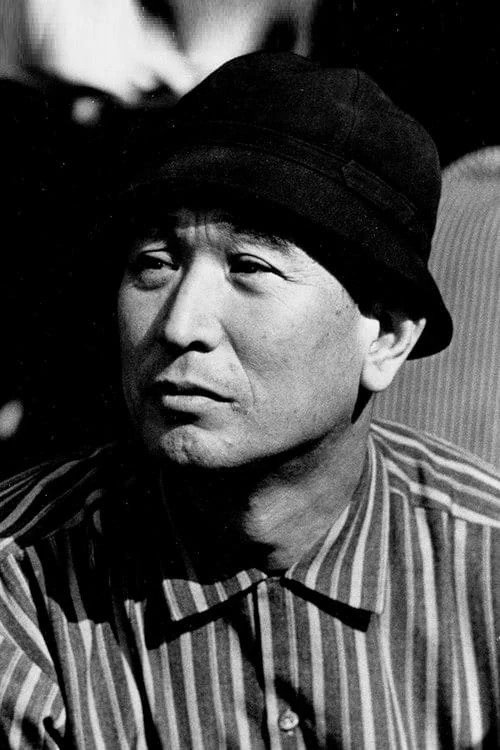
Japanese master Akira Kurosawa blended samurai tales with universal themes, creating films that resonate across cultures. His dynamic storytelling and visual flair made him a legend, inspiring directors like George Lucas and Quentin Tarantino.
‘Seven Samurai’ (1954), a gripping tale of warriors defending a village, set the standard for action epics and won hearts worldwide. Kurosawa’s ‘Rashomon’ (1950) introduced innovative narrative techniques, showing truth through conflicting perspectives, earning an honorary Oscar.
Federico Fellini
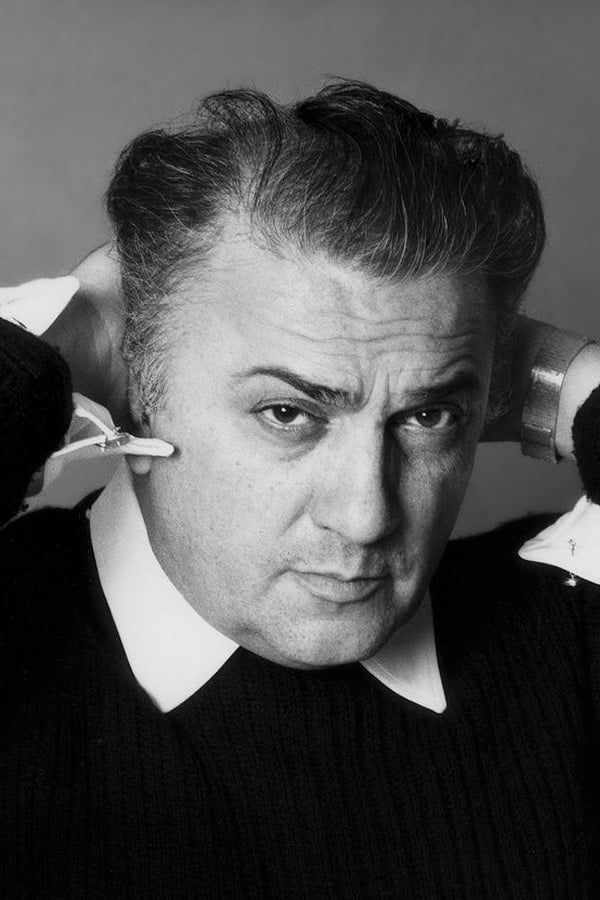
Italian director Federico Fellini mixed fantasy with reality, creating vibrant, dreamlike films that capture the human spirit. His work is celebrated for its bold visuals and playful storytelling, earning him global acclaim.
‘La Dolce Vita’ (1960) follows a journalist navigating Rome’s decadent nightlife, blending satire with existential musings, and won the Palme d’Or. Fellini’s ‘8½’ (1963), a semi-autobiographical tale of a director’s creative crisis, is a cinematic milestone, praised for its surreal brilliance.
Jean-Luc Godard
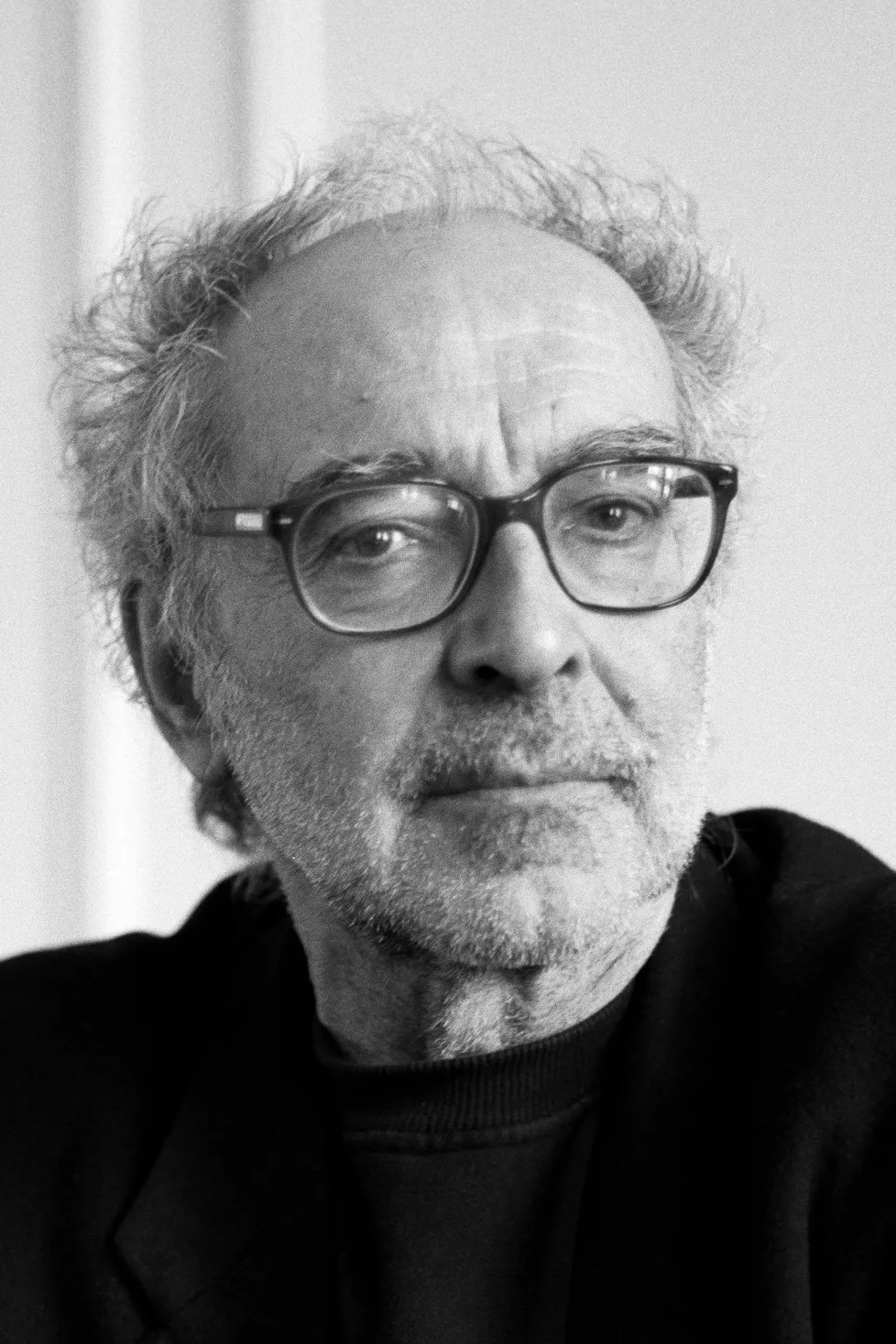
Jean-Luc Godard, a French New Wave pioneer, revolutionized cinema with his bold, experimental style. His films broke traditional rules, using jump cuts and vibrant visuals to challenge how stories are told.
‘Breathless’ (1960), a crime drama with a free-spirited vibe, redefined modern filmmaking with its fresh energy. Godard’s ‘Contempt’ (1963) explores love and art through stunning visuals, influencing countless directors with its innovative approach.
Luis Buñuel
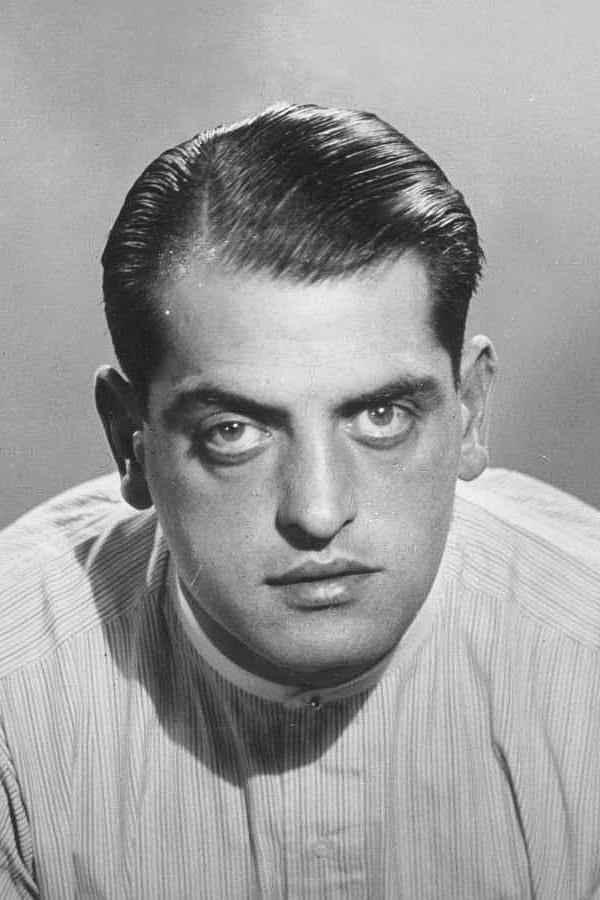
Spanish filmmaker Luis Buñuel brought surrealism to life, blending sharp social commentary with dreamlike narratives. His provocative films critiqued society while embracing the absurd, making him a unique voice.
‘Un Chien Andalou’ (1929), co-directed with Salvador Dalí, shocked audiences with its bizarre imagery, setting the tone for surreal cinema. Buñuel’s ‘The Discreet Charm of the Bourgeoisie’ (1972) won an Oscar for its witty take on social hypocrisy, blending humor with biting satire.
Hayao Miyazaki
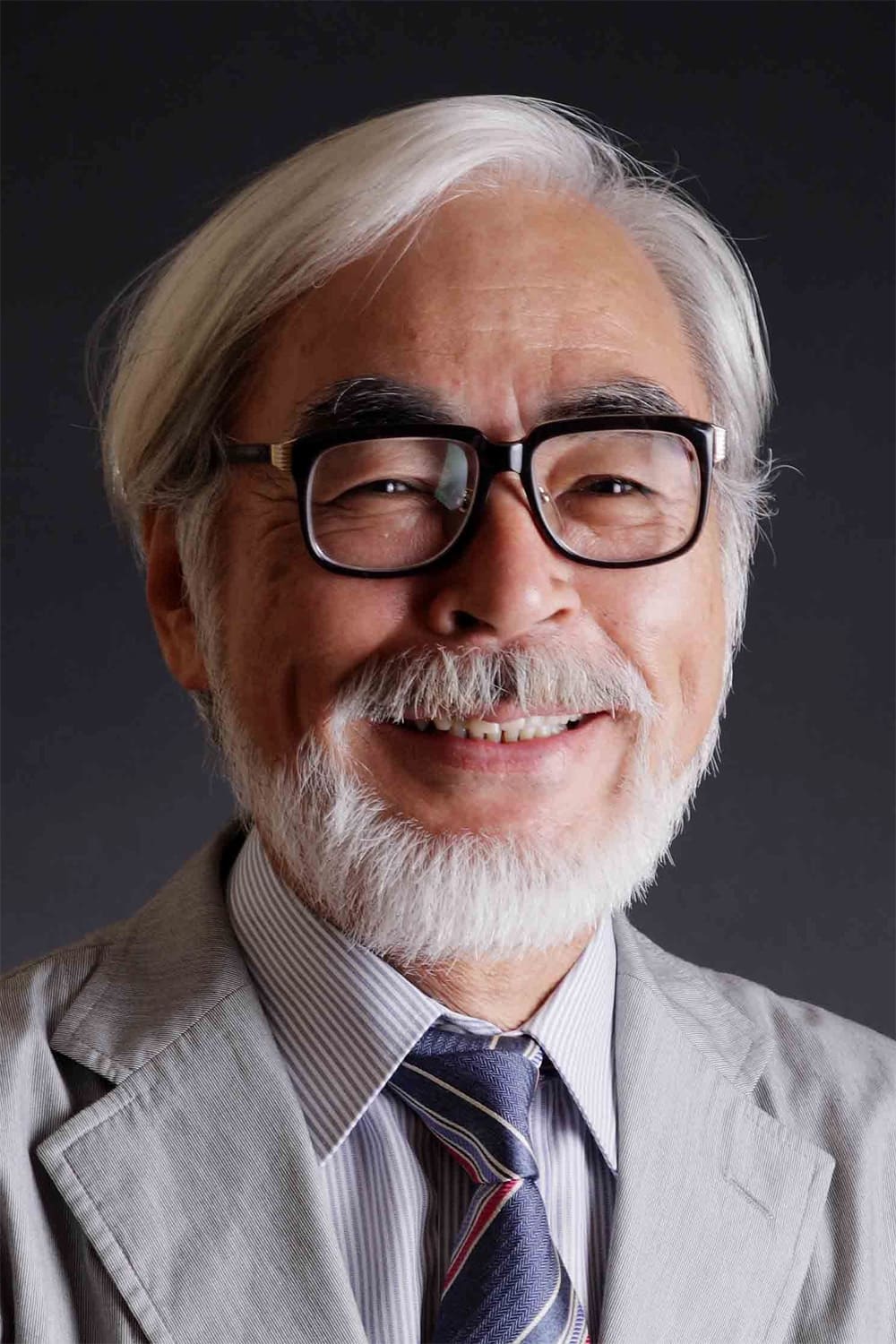
Japanese animator Hayao Miyazaki creates magical worlds with heart and depth, proving animation isn’t just for kids. His films, rich with themes of nature and humanity, have earned global adoration.
‘Spirited Away’ (2001) follows a girl in a mystical realm, winning an Oscar for its breathtaking visuals and emotional story. Miyazaki’s ‘Princess Mononoke’ (1997) weaves environmental themes into an epic tale, showcasing his ability to blend beauty with big ideas.
Pedro Almodóvar
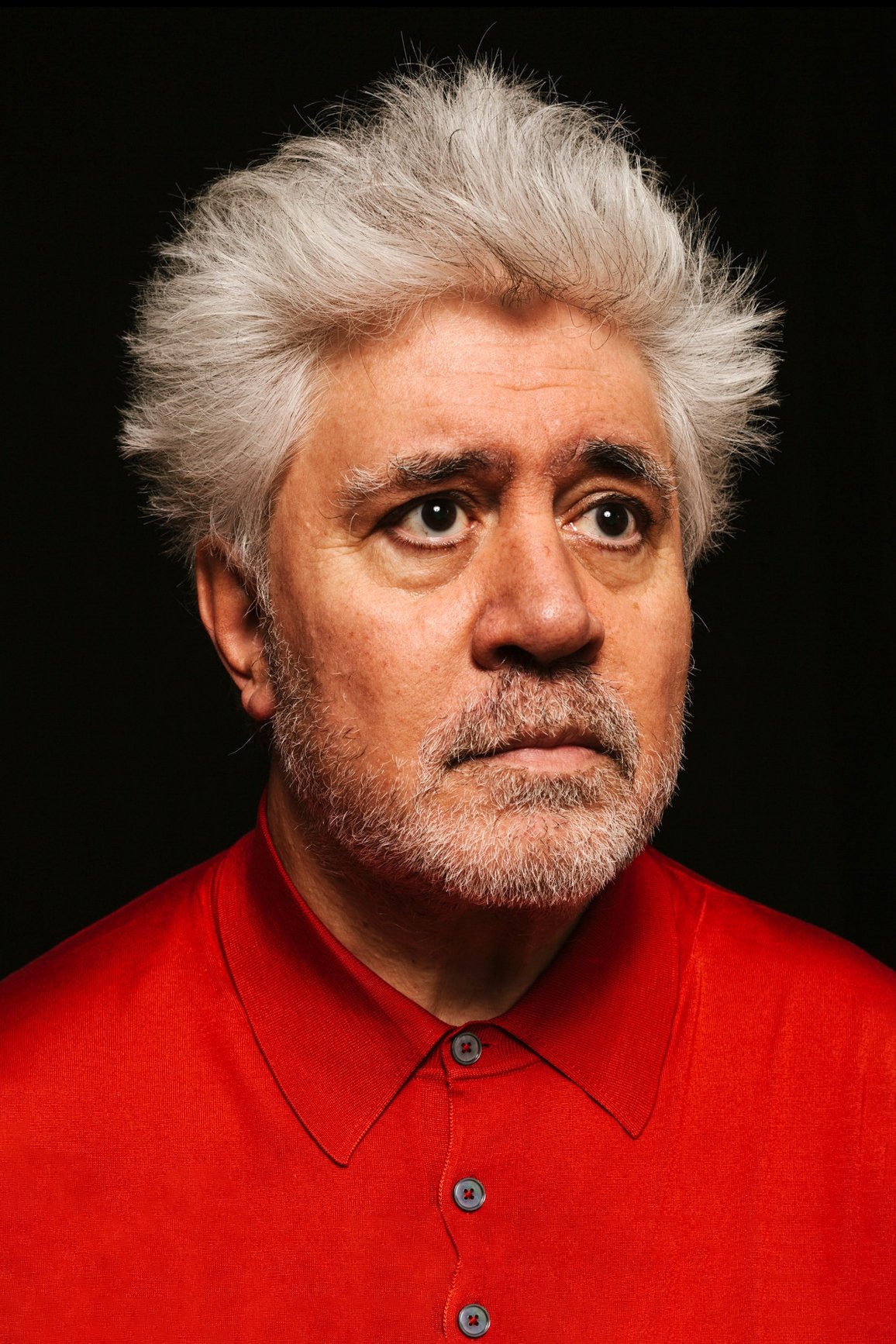
Spanish director Pedro Almodóvar crafts colorful, emotional stories often centered on love, identity, and family. His vibrant style and focus on marginalized voices have made him a modern icon.
‘All About My Mother’ (1999) is a heartfelt drama about loss and chosen family, earning an Oscar for Best Foreign Language Film. Almodóvar’s ‘Talk to Her’ (2002) explores complex relationships with tenderness, solidifying his reputation for bold, human stories.
Bong Joon-ho
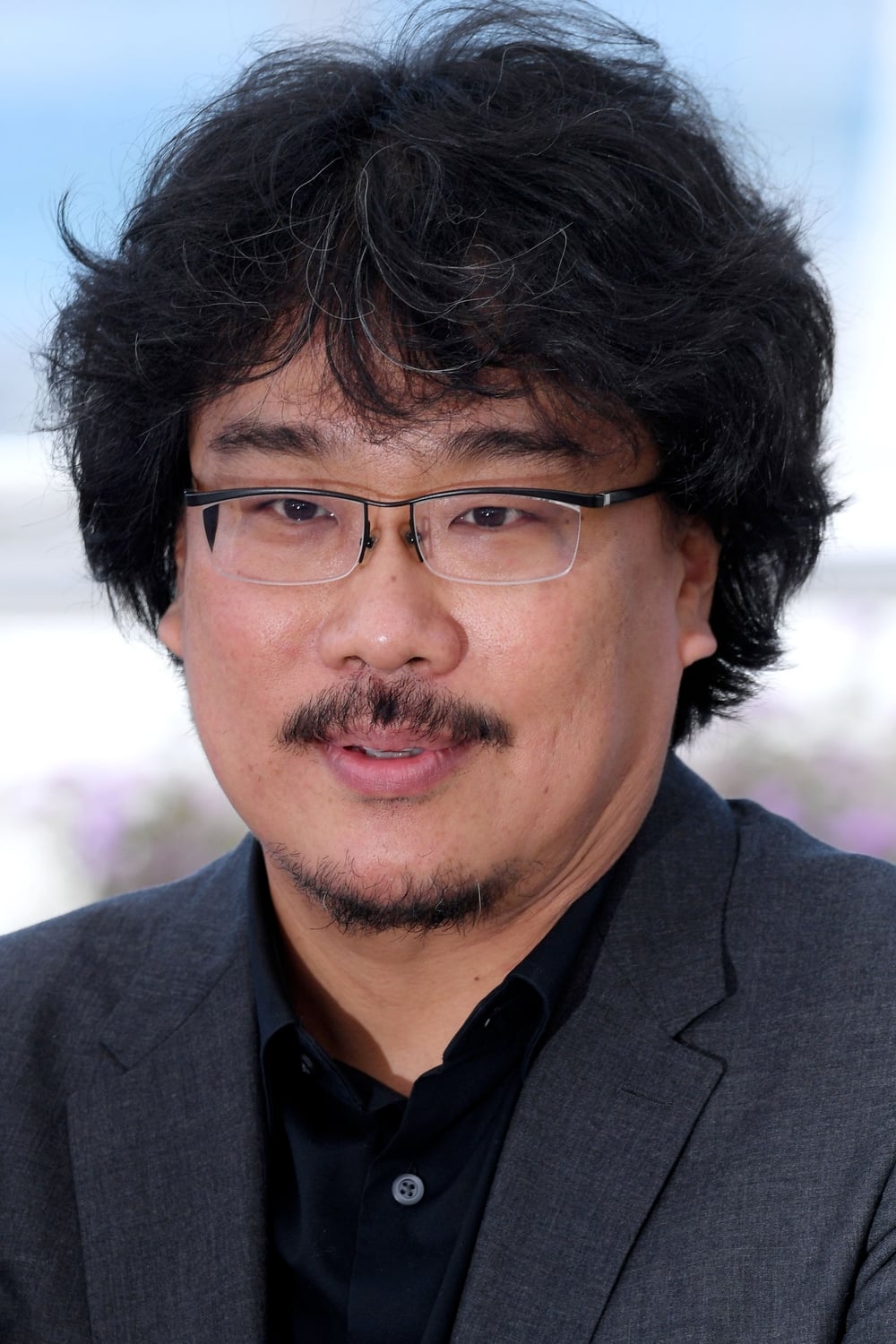
South Korean director Bong Joon-ho mixes genres with sharp social commentary, creating films that are both thrilling and thought-provoking. His global impact grew with a historic Oscar win.
‘Parasite’ (2019) made history as the first non-English film to win Best Picture, blending dark humor and class critique in a gripping tale. Joon-ho’s ‘Memories of Murder’ (2003) is a chilling crime drama that showcases his knack for suspense and depth.
Michael Haneke
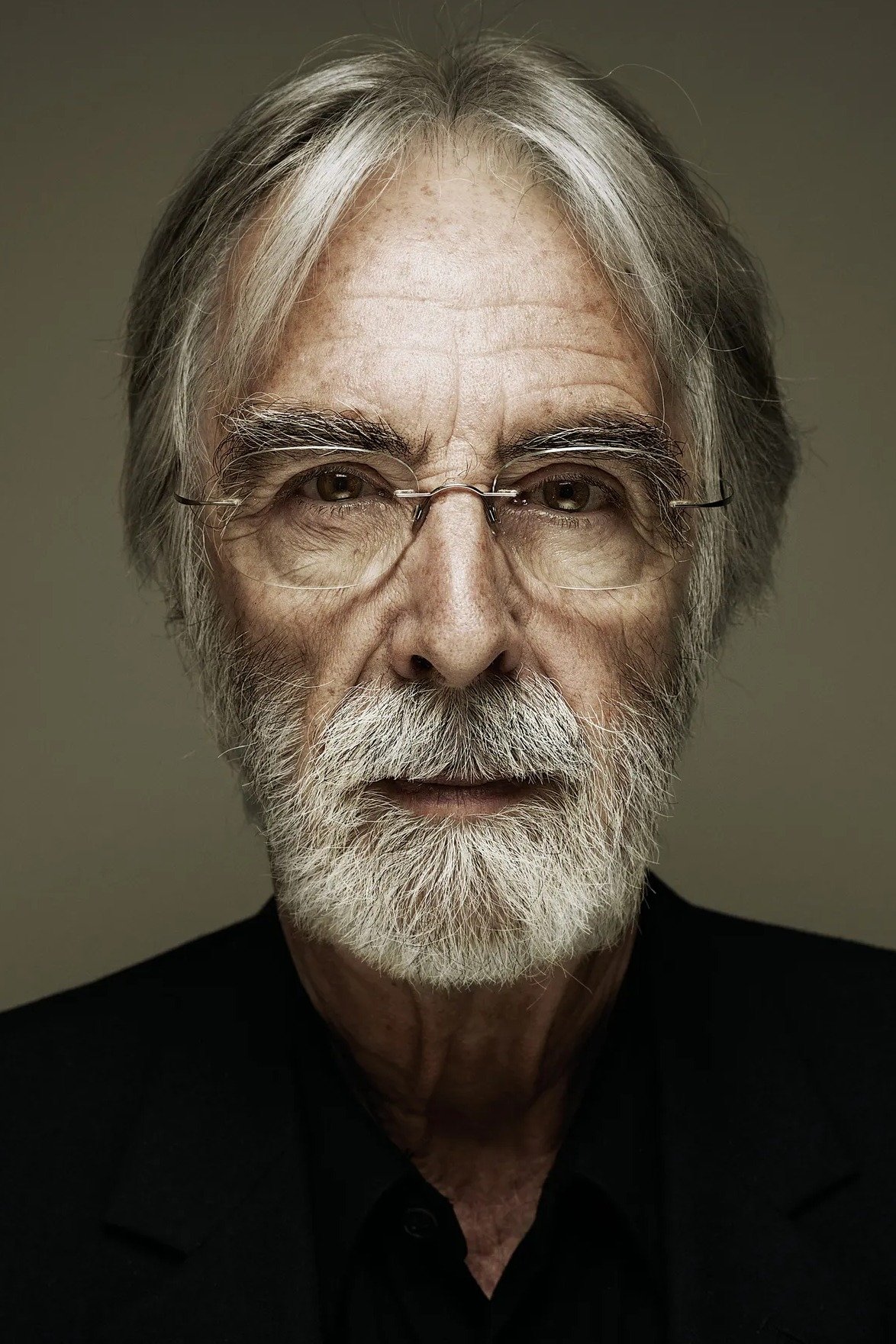
Austrian filmmaker Michael Haneke creates intense, unflinching films that explore human nature and societal flaws. His minimalist style and bold themes demand attention and spark reflection.
‘Amour’ (2012), a heartbreaking look at love and aging, won an Oscar for its raw emotional power. Haneke’s ‘The White Ribbon’ (2009) examines the roots of violence in a stark, unsettling village tale, earning critical acclaim.
Asghar Farhadi
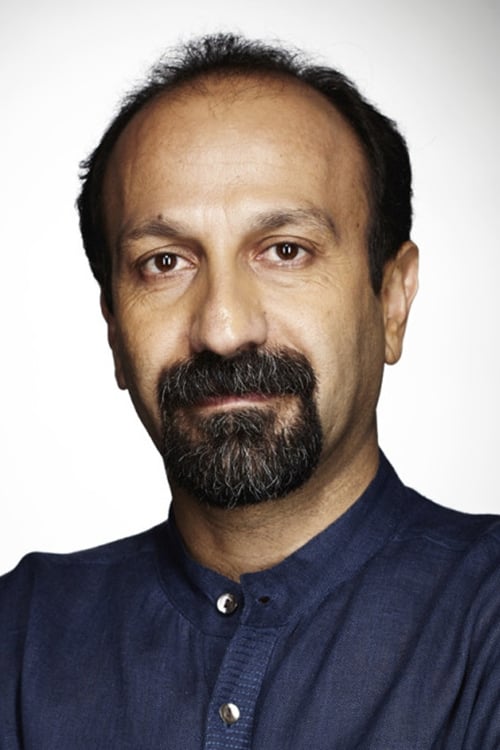
Iranian director Asghar Farhadi is a master of moral complexity, crafting tense dramas about family and ethics. His films resonate universally, earning him a strong international following.
‘A Separation’ (2011) won an Oscar for its gripping story of a couple’s divorce and the moral dilemmas that unfold. Farhadi’s ‘The Salesman’ (2016) blends personal and cultural tensions, securing another Oscar and showcasing his skill with layered narratives.
Yasujirō Ozu
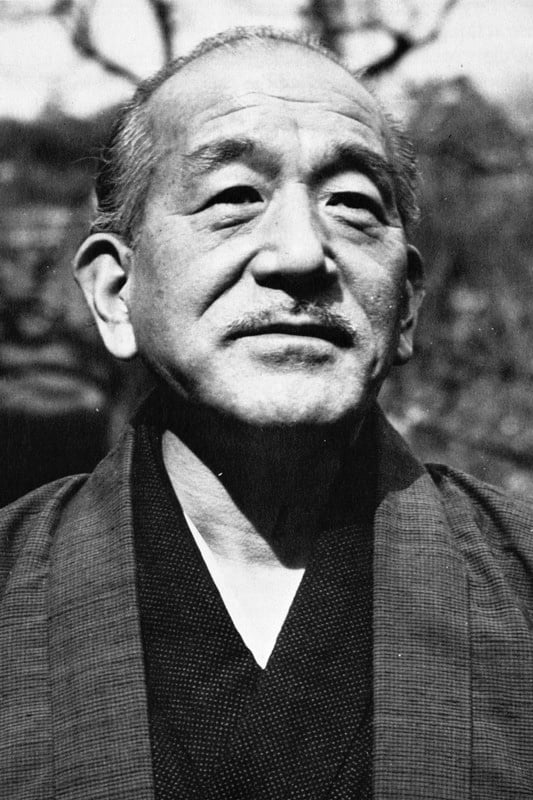
Japanese director Yasujirō Ozu crafted quiet, profound films about family and change, using a minimalist style that feels timeless. His focus on everyday life captures the beauty in small moments, earning him praise as a master of subtlety.
‘Tokyo Story’ (1953) is a heart-wrenching tale of aging parents and distant children, often called one of the greatest films ever made. Ozu’s ‘Late Spring’ (1949) explores duty and love with delicate precision, influencing filmmakers like Wim Wenders with its serene power.
Satyajit Ray
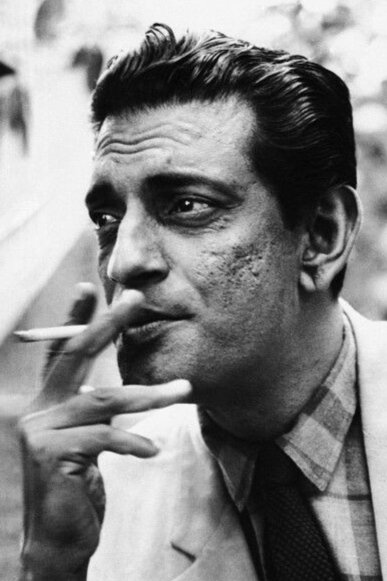
Indian filmmaker Satyajit Ray brought humanity and realism to cinema, blending Indian culture with universal themes. His meticulous storytelling and use of non-professional actors made his work feel authentic and deeply moving.
‘The Apu Trilogy’ (1955–1959), starting with ‘Pather Panchali’ (1955), follows a boy’s journey through rural India, earning global acclaim for its emotional depth. Ray’s ‘Charulata’ (1964) is a tender story of love and independence, showcasing his ability to craft intimate narratives.
Andrei Tarkovsky
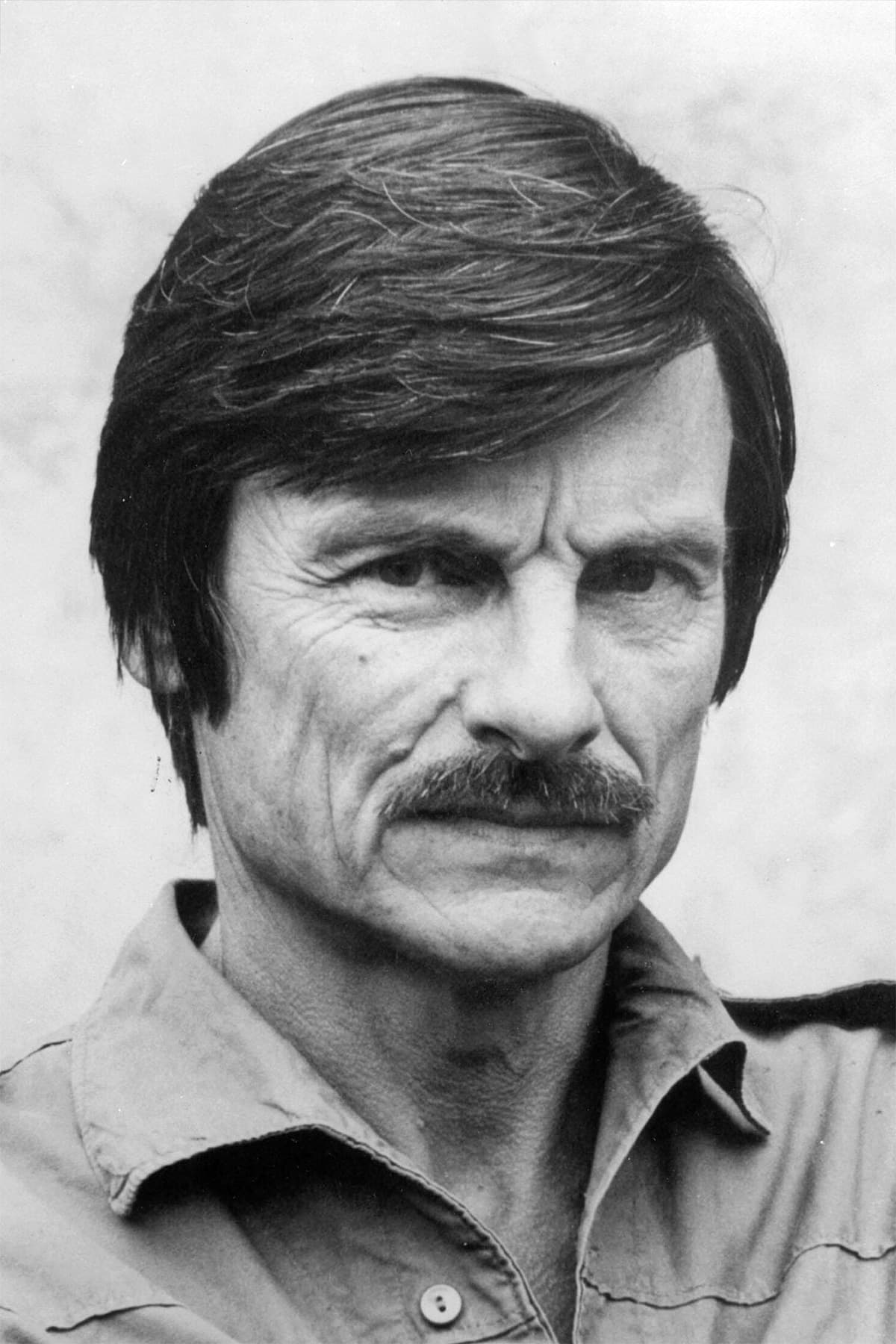
Russian director Andrei Tarkovsky created meditative, visually stunning films that explore spirituality and existence. His slow, poetic style invites viewers to reflect deeply, making him a revered figure in art cinema.
‘Andrei Rublev’ (1966) is a sprawling epic about a medieval artist, blending history with philosophical questions. Tarkovsky’s ‘Solaris’ (1972), a sci-fi masterpiece, delves into love and memory, inspiring directors like Steven Soderbergh with its haunting beauty.
Wong Kar-wai

Hong Kong’s Wong Kar-wai is known for his lush, emotional films that capture longing and fleeting moments. His vibrant colors and fragmented narratives create a dreamlike quality that’s influenced modern cinema.
‘In the Mood for Love’ (2000) is a visually stunning tale of unspoken love, celebrated for its evocative style. Wong’s ‘Chungking Express’ (1994) weaves two stories of heartbreak with playful energy, earning praise from filmmakers like Quentin Tarantino.
Agnès Varda
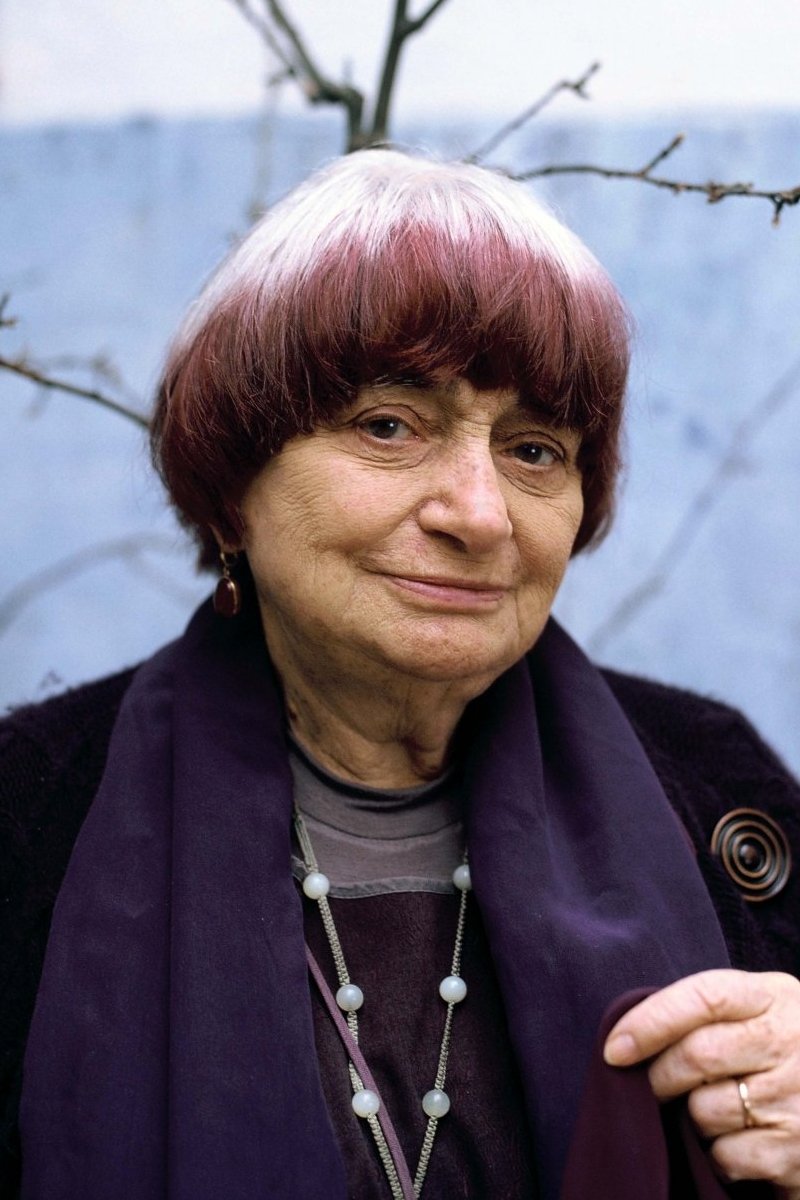
French filmmaker Agnès Varda, a pioneer of the French New Wave, blended documentary and fiction with a warm, curious touch. Her playful yet profound films often explored women’s lives and social issues.
‘Cléo from 5 to 7’ (1962) follows a singer awaiting a medical diagnosis in real-time, blending humor with existential dread. Varda’s ‘Vagabond’ (1985) is a stark portrait of a drifter, showcasing her ability to tell raw, human stories with empathy.
Which foreign-language director’s work inspires you most, or is there a hidden gem we missed? Share your thoughts in the comments!

