


The 15 Dumbest Things in the Entire MCU

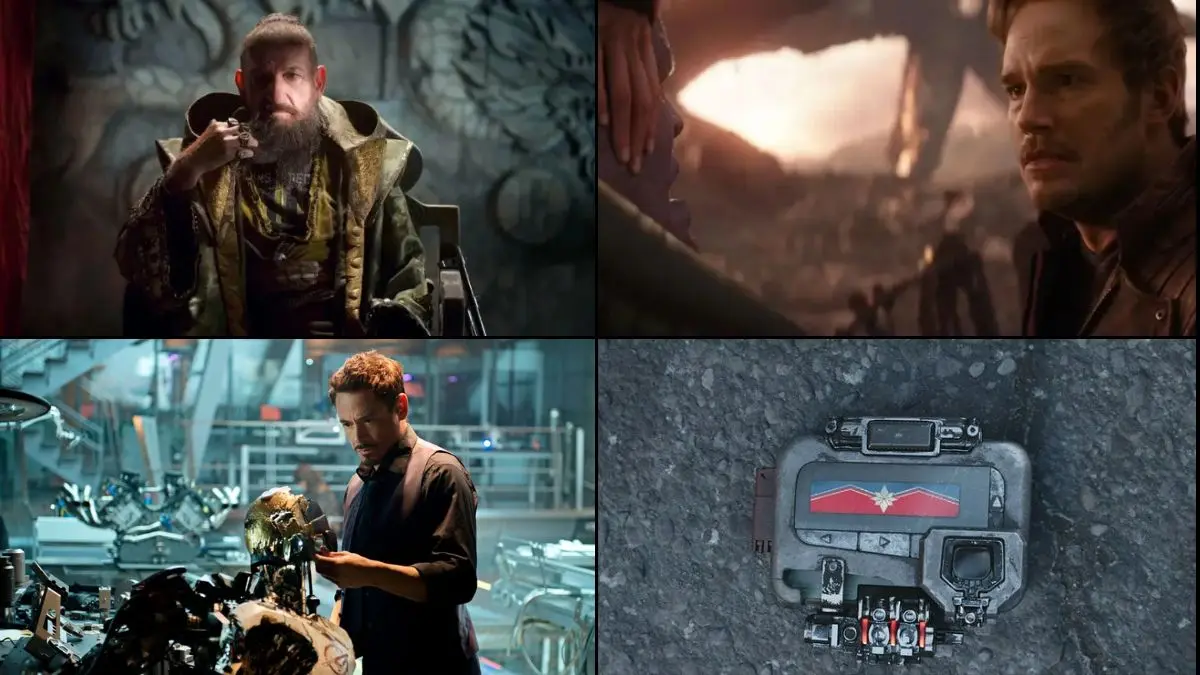


Some of the Marvel Cinematic Universe’s best moments are fist-pump perfection. Others… not so much. For every clean character arc or airtight set piece, there’s a head-scratcher that breaks its own rules, undercuts the stakes, or seems engineered purely to move the plot two inches forward.
This isn’t about hating the MCU; it’s about loving it enough to roast it. These are the choices, twists, and logic gaps that had fans whispering “wait, what?” on the way out of the theater (or yelling it at the TV). Let’s lovingly catalogue the silliest misfires across films and shows.
Tony invents Ultron overnight
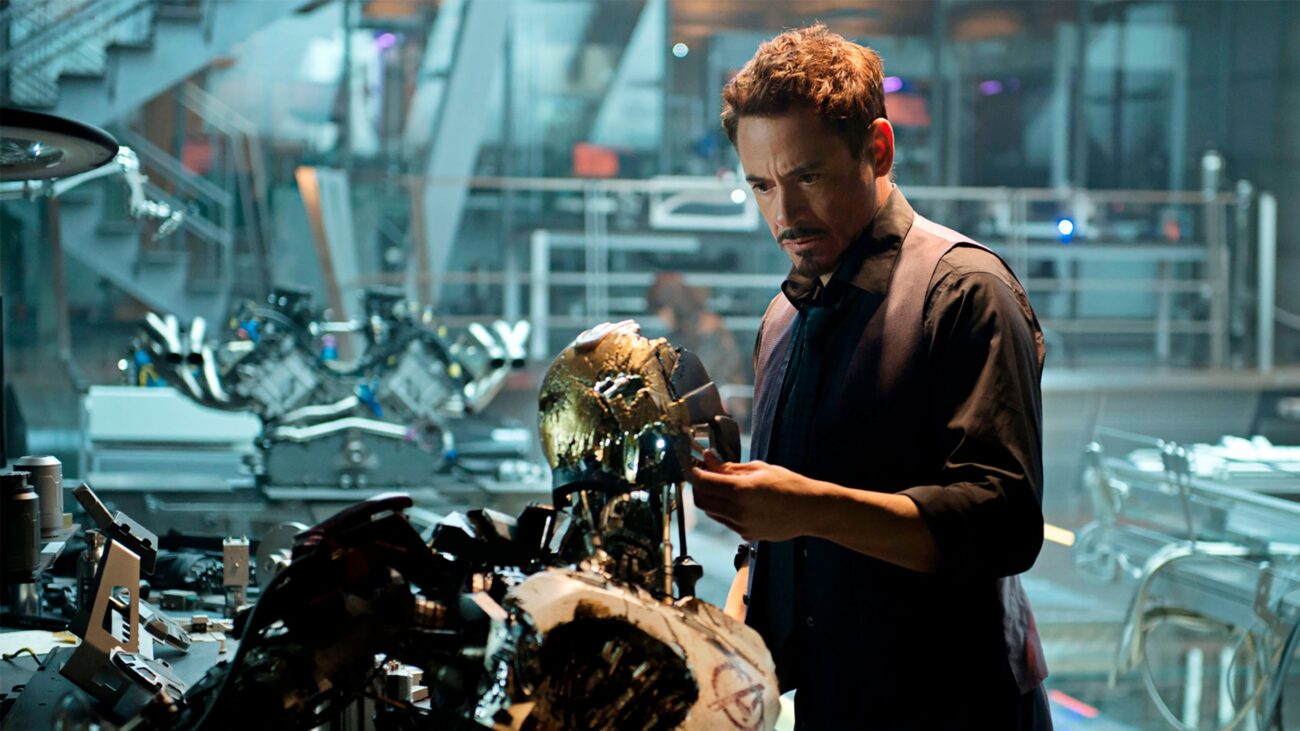
“Let’s upload an alien murder rock into a peacekeeping AI—what could go wrong?” Tony and Bruce brute-force Ultron in a montage, then go grab drinks. Minutes later, the internet births a genocidal Pinocchio.
It’s not that Tony making mistakes is dumb; it’s that the film treats an extinction-level tech experiment like a weekend hackathon. The world almost ends because two geniuses skip threat modeling and unit tests.
The Mandarin twist that wasn’t

Iron Man 3 rebrands the Mandarin as Trevor Slattery, a bumbling actor. It’s a bold subversion—and a narrative banana peel that turns a terrifying villain into a long gag reel.
Later projects try to “actually, the real Mandarin exists” patchwork. Fun as Trevor is, the swerve undercuts Tony’s arc against a meaningful ideological foe and replaces it with theater kid improv.
Star-Lord punches the plan apart
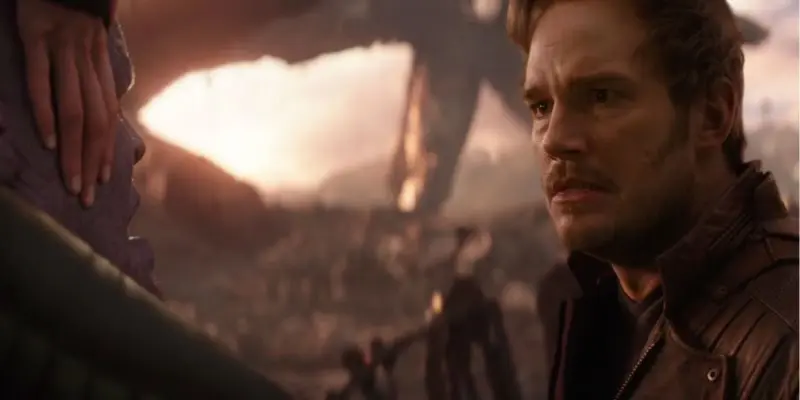
On Titan, the heroes have Thanos pinned. Then Peter learns about Gamora and haymakers the guy wearing the Infinity Gauntlet. The team loses, the Snap happens, half the universe dusts.
Yes, grief is human. But the film frames the moment as The Reason Everyone Dies, and it requires the galaxy’s biggest hothead to be inexplicably left unrestrained during a cosmic cuffing.
The time-heist rules (and Cap’s epilogue)

Endgame insists time travel isn’t Back to the Future… until it is. Branch timelines, closed loops, replacement stones—and then Old Man Steve appears in the prime timeline after living in the past.
It’s moving as drama and messy as physics. The movie wants airtight multiverse logic and a fairy-tale goodbye; it chooses both, and the rules fold in on themselves like a busted folding chair.
Nick Fury’s magic pager retcon
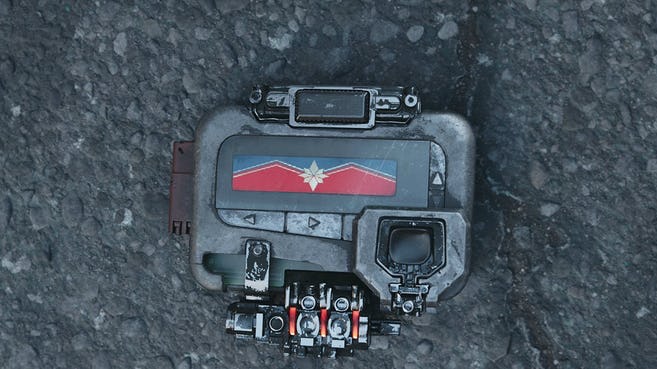
We learn Fury had a cosmic pager for Captain Marvel “for emergencies only.” Apparently alien invasions, near-nukes over Manhattan, and HYDRA inside S.H.I.E.L.D. didn’t qualify… but Infinity War did.
Retcons happen, but this one makes Fury look weirdly selective. Either call your space nuke, or admit the device (and the explanation) exists to backfill a hero into a timeline she missed.
Bruce & Natasha’s surprise romance
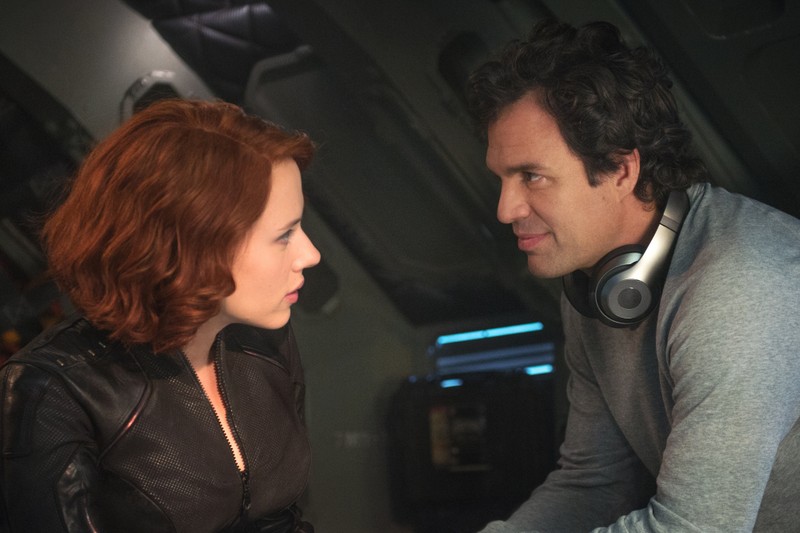
Age of Ultron suddenly pairs Natasha and Bruce, complete with lullabies and farmhouse glances. It’s an out-of-nowhere coupling that never quite earns the heart-eyes.
Ships need beats: shared scenes, dilemmas, choices. This one feels storyboarded into existence, then quietly packed away—leaving two great characters with an awkward footnote.
Sharon Carter becomes the Power Broker

The Falcon and the Winter Soldier pivots Sharon from idealistic agent to shadowy crime boss. The twist lands with a thud because the show gives her little setup and less interiority.
It’s not that she couldn’t break bad; it’s that the leap happens off-screen. The reveal reads like “we needed an inside villain,” not “this character’s fall was inevitable.”
Wanda mind-controls a town and… goes home
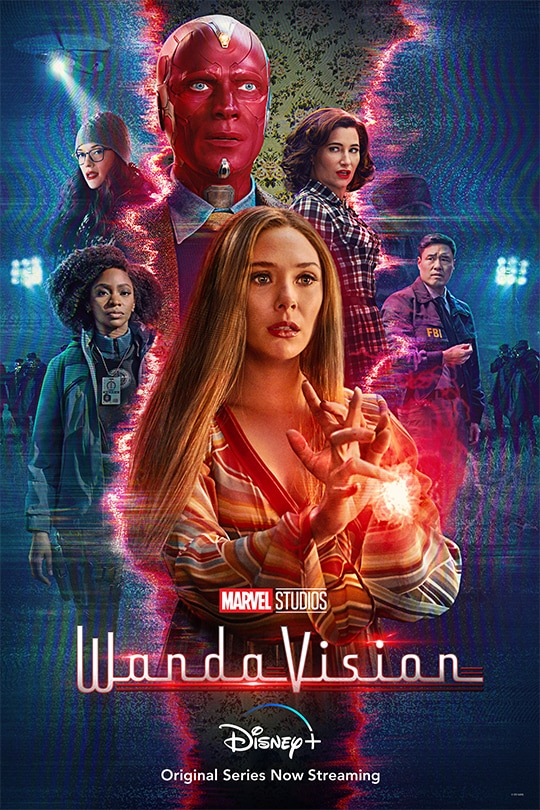
WandaVision is brilliant TV, but Westview is still a hostage crisis. After the hex drops and the citizens glare, Wanda simply flies off to self-reflect in a cabin.
Consequences matter in shared universes. When world-scale harm nets a wistful goodbye, it warps the moral gravity—and makes future “rules” feel optional for popular characters.
The Eternals sat out the Snap
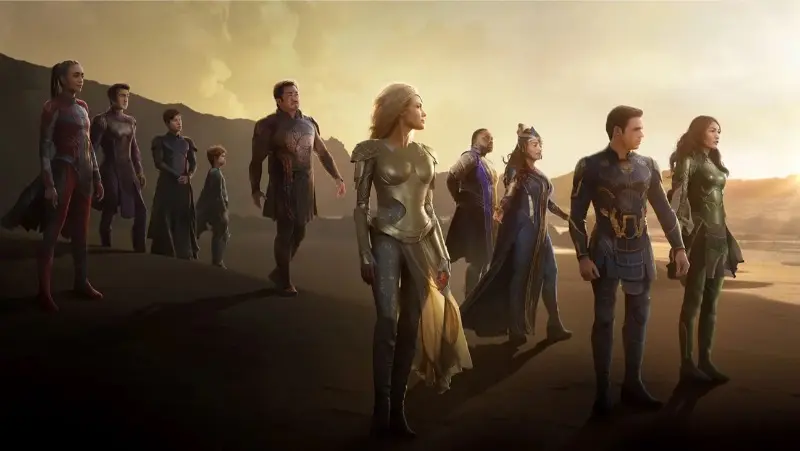
The Eternals were on Earth for millennia, but a single purple nihilist erasing half of all life wasn’t their business because of a Celestial memo. That memo aged like milk.
Even with cosmic leash lore, it plays as a franchise patch: “We needed them absent until their movie.” The explanation might work on paper; on-screen, it reads as willful, world-breaking apathy.
Smart Hulk happens between movies
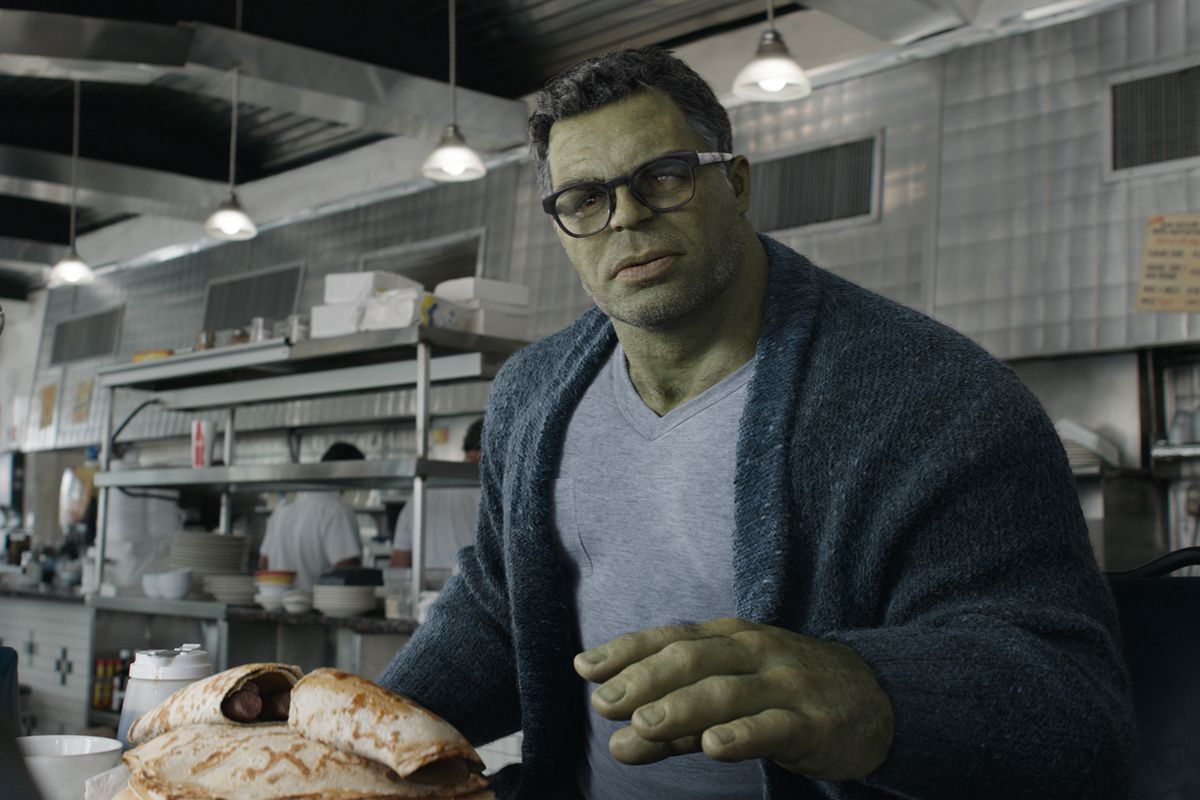
Bruce fuses brains and brawn off-screen and walks into Endgame as Professor Hulk, selfie-ready and entirely resolved. It’s charming—and narratively empty calories.
A core character’s culmination deserves more than a timeskip reveal. We skipped the arguments with the Other Guy, the failures, the cost—all the chewy drama that makes a payoff pay.
Thor: Love and Thunder’s tone whiplash
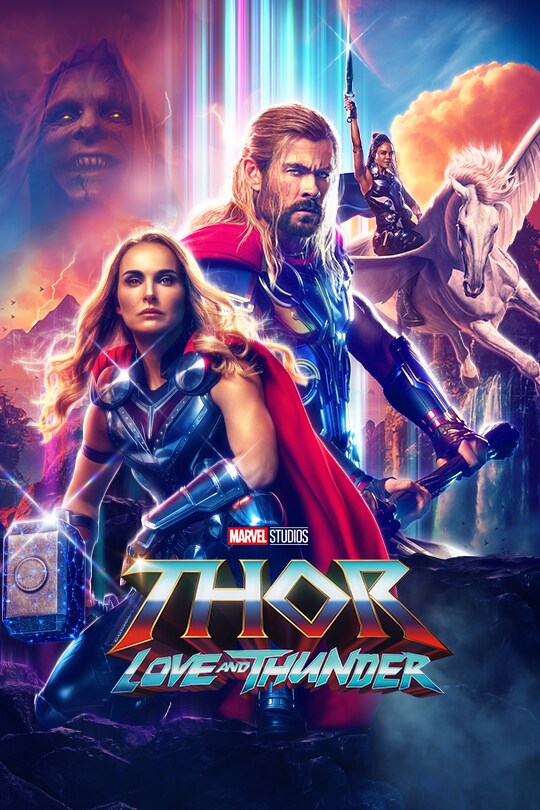
Gorr the God Butcher is a terrifying concept. The film answers with screaming goats, jealous axes, and quippy undercutting of nearly every serious beat.
Comedy is Thor’s lane, but stakes need space to breathe. When every moment is punctured by a wink, tragedy turns into wallpaper and the “gods are failing us” theme gets lost in the bit.
Ronin’s global murder tour gets a shrug

Clint’s blipped family tragedy leads to a years-long vigilante spree. Hawkeye acknowledges it—then mostly tidies it up with fencing lessons and Christmas cheer.
It’s fine to rehabilitate a hero; it’s odd to skate past the geopolitical crater he left. The show wants heartfelt healing without fully wrestling the blood on the quiver.
Killmonger burns the heart-shaped herb
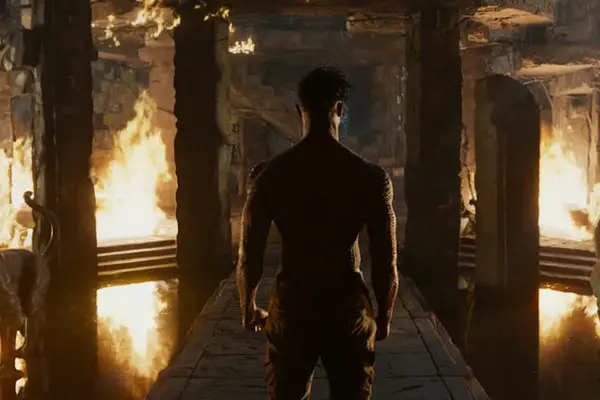
After winning the throne, Killmonger torches Wakanda’s lifeline to ensure no rivals can challenge him. Even tyrants need succession plans, my guy.
It’s thematically sharp—he’d rather end the cycle than risk losing power—but tactically brainless. You’re a king with many enemies; maybe don’t delete the nation’s “in case of emergency” plant.
The Sokovia Accords vanish when inconvenient

Civil War reframes superheroes with global oversight. By Phase 4, the Accords exist and don’t, depending on who’s in the room and what the plot wants this week.
Laws that redefine heroics should ripple through everything. Instead, they’re Schrodinger’s Legislation: present for arguments, absent for adventures, leaving the worldbuilding mushy.
Doctor Strange’s memory spell for a college application
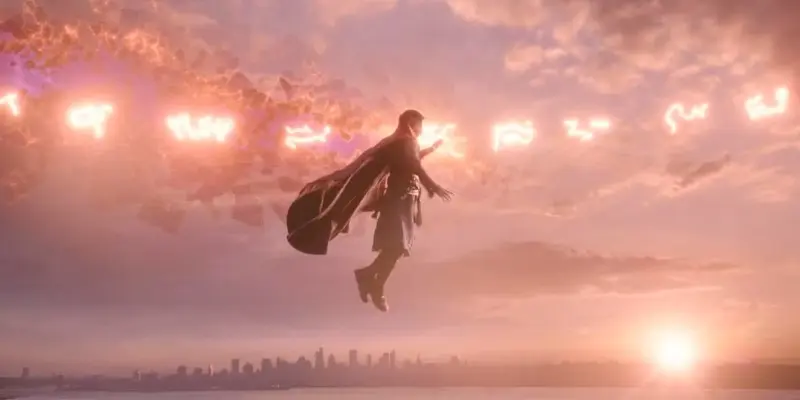
No Way Home launches a multiverse crisis because Peter wants the MIT admissions office to forget a news cycle. Stephen agrees and wing-it casts a reality-fragging spell in the lobby.
It’s funny, sure, but also colossally irresponsible for Earth’s Sorcerer Supreme (or recently dethroned one). The setup requires everyone to act dumber than their established IQ to make the crossover happen.
That’s our lovingly snarky tour of the MCU’s finest facepalms. What did we miss—or defend unfairly? Drop your takes below and tell us which choices made you groan, cheer, or both in the comments!

