


The 15 Greatest Afro-American Movie Directors of All Time

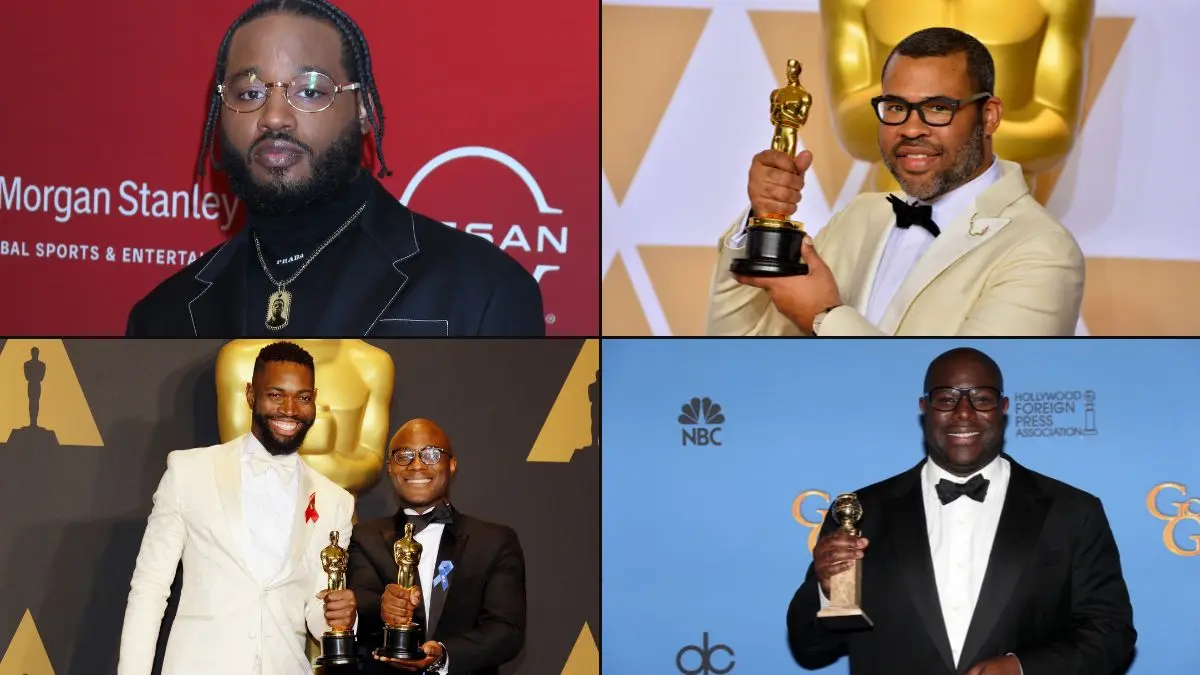


African American directors have shaped cinema since its earliest days. They have told stories that were ignored by mainstream Hollywood and brought new perspectives to the screen. For decades, these filmmakers have overcome great obstacles to create powerful and important work. Their films explore the complexities of Black life and culture, challenge stereotypes, and enrich the art of filmmaking for everyone.
From the silent era to the current day, Black directors have created a powerful legacy. Pioneers in the early 20th century created films for Black audiences, building an industry outside of the studio system. In the late 20th century, a new wave of filmmakers broke into the mainstream, creating iconic movies that spoke to a generation. Today, Black directors continue to push boundaries, telling diverse stories and achieving new levels of success in Hollywood.
Oscar Micheaux
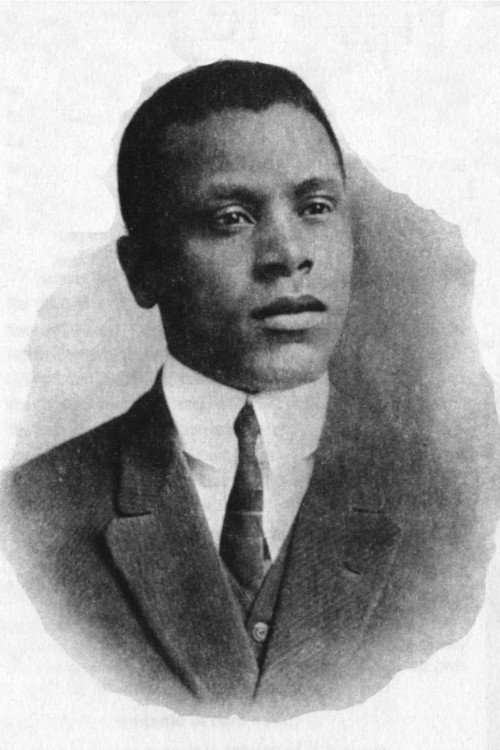
Oscar Micheaux was a true pioneer of American cinema. He is considered the first major African American feature filmmaker, working during a time when the film industry was closed off to Black creators. Starting in 1919, he wrote, produced, and directed his own films, creating an independent industry for Black audiences. He made over 40 films during his career, which spanned from the silent era into the age of sound.
His work directly confronted the racist stereotypes common in films at the time. Micheaux’s movies, such as Within Our Gates (1920), tackled difficult subjects like racial violence and discrimination. He provided a platform for Black actors to play a wide variety of roles, moving beyond the servants and bit parts offered by major studios. Micheaux’s determination and vision established a foundation for all Black filmmakers to follow.
Gordon Parks
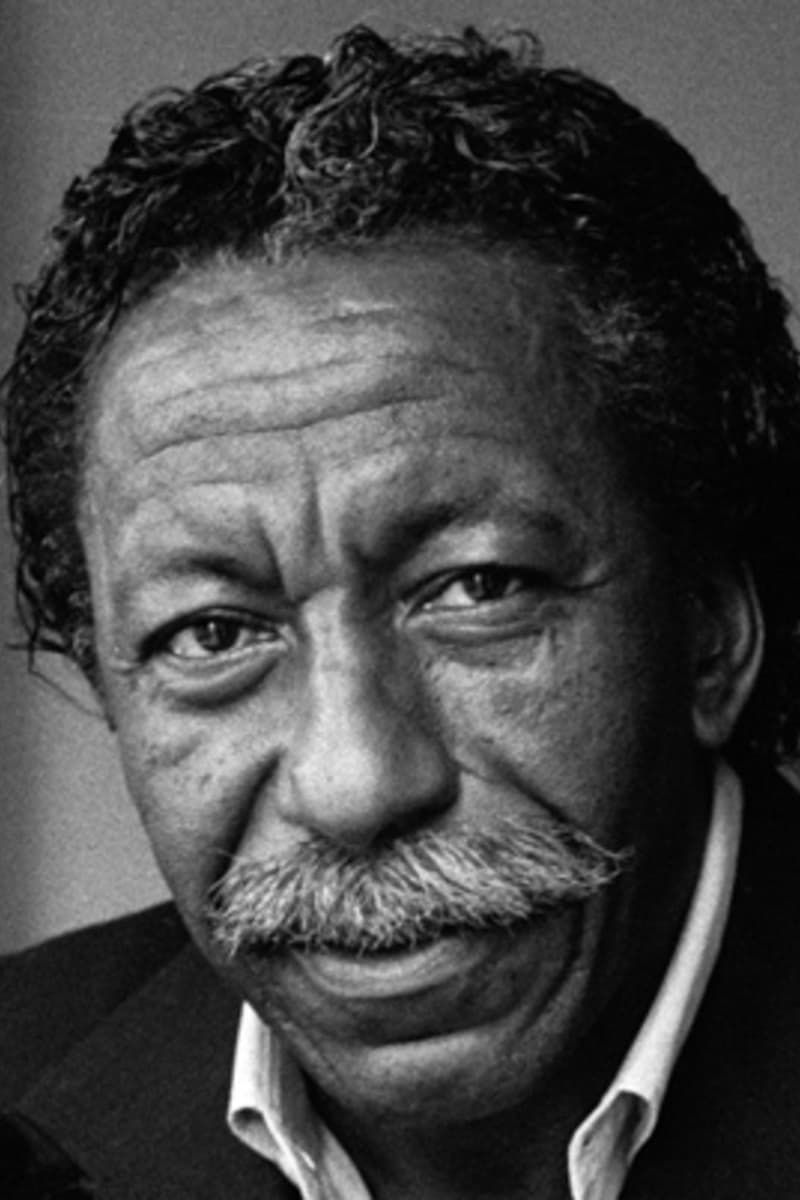
Gordon Parks was a multi-talented artist, known for his work as a photographer, musician, writer, and film director. He broke barriers in Hollywood by becoming the first African American to direct a major studio film. His first feature, The Learning Tree (1969), was an adaptation of his own semi-autobiographical novel. The film was praised for its personal story and beautiful visuals.
Parks is also famous for directing the action film Shaft (1971). The movie was a huge commercial success and helped to create the “Blaxploitation” genre. It introduced a new kind of Black hero to the screen, one who was confident and powerful. Parks’ success opened doors for other Black directors and proved that films centered on Black characters could have wide appeal.
Melvin Van Peebles
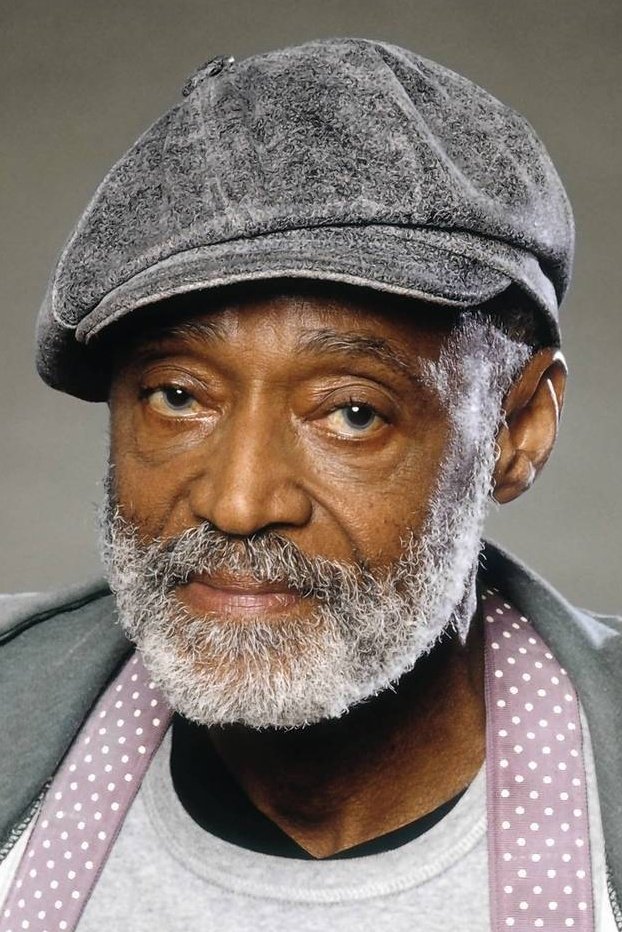
Melvin Van Peebles is often called the “godfather of modern Black cinema.” He was a fiercely independent filmmaker who shook up the industry with his bold and controversial work. His most famous film is Sweet Sweetback’s Baadasssss Song (1971), which he wrote, directed, produced, scored, and starred in. The film’s rebellious spirit and powerful story of a man on the run from a corrupt system was revolutionary.
Sweet Sweetback’s Baadasssss Song was a massive independent success and showed that there was a large audience for films that spoke directly to the Black experience. Van Peebles proved that a filmmaker could succeed on their own terms, without the support of the Hollywood system. His work inspired a generation of directors to tell their own stories without compromise.
Charles Burnett
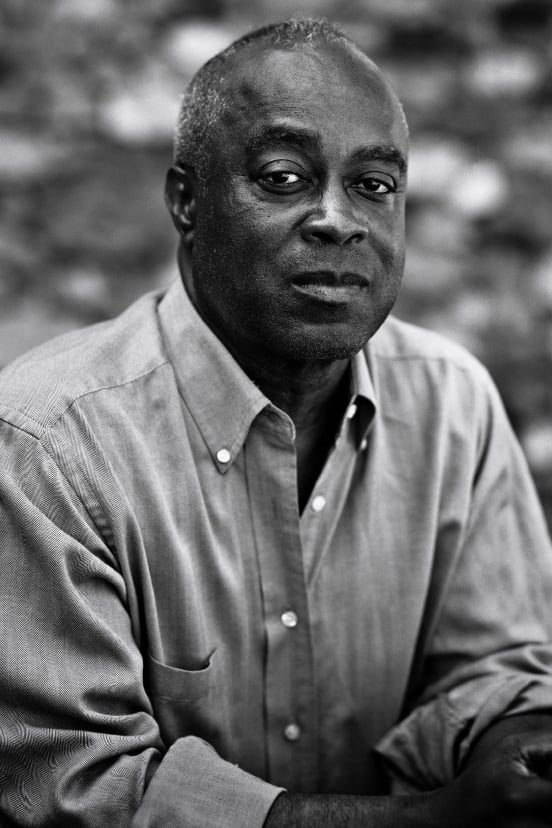
Charles Burnett is a key figure of the L.A. Rebellion film movement, a group of young African and African American filmmakers who studied at UCLA. His work is known for its realistic and compassionate portrayal of working-class Black families. His most celebrated film, Killer of Sheep (1978), is a landmark of independent cinema. Filmed with a small budget, it offers an intimate look into the life of a slaughterhouse worker in Los Angeles.
Burnett’s films often avoid easy answers and simple narratives. Instead, they find poetry and meaning in the everyday struggles and joys of his characters. Although his work was not widely seen upon its initial release, it has since been recognized for its artistic importance. Burnett is respected for his commitment to telling authentic stories about the Black community with honesty and grace.
Spike Lee
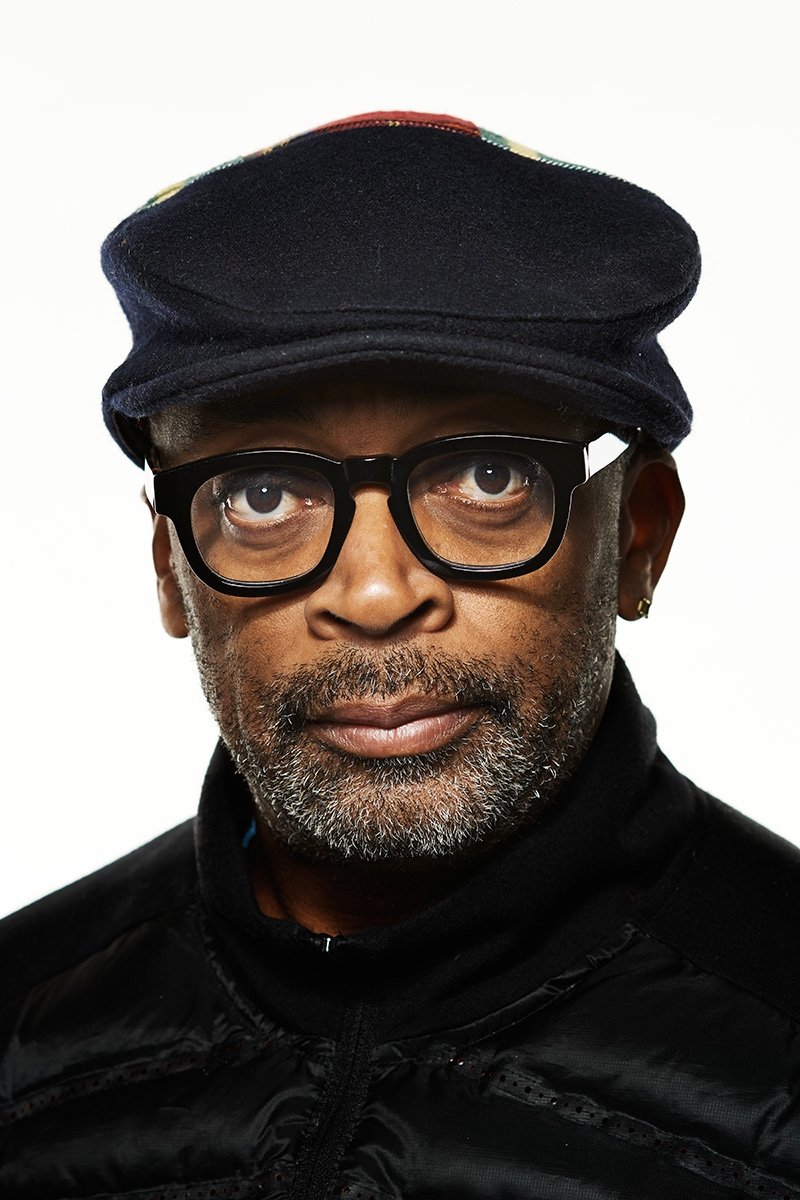
Spike Lee is one of the most influential and well-known directors of his generation. Since the 1980s, his films have explored race relations, urban life, and social justice with a bold and unique style. His first feature film, She’s Gotta Have It (1986), was a breakout success. Three years later, Do the Right Thing (1989) became a cultural phenomenon and is now considered a cinematic masterpiece.
Throughout his long career, Lee has directed a wide range of films, from the epic biopic Malcolm X (1992) to the heist movie Inside Man (2006) and the Oscar-winning BlacKkKlansman (2018). He is known for his direct and often provocative approach to difficult subjects. Lee’s films have started important conversations and have left a permanent mark on American culture.
Julie Dash

Julie Dash made history with her stunning and poetic film Daughters of the Dust (1991). With this film, she became the first African American woman to direct a feature film that received a wide theatrical release in the United States. The movie tells the story of three generations of Gullah women on the Sea Islands of South Carolina at the turn of the 20th century. Its beautiful visuals and unique storytelling style have influenced many artists, including Beyoncé in her visual album Lemonade.
Dash was part of the L.A. Rebellion film movement, which sought to create a new kind of Black cinema, independent of Hollywood conventions. Daughters of the Dust is celebrated for its focus on the lives and traditions of Black women, a perspective rarely seen on screen. Her work broke new ground and remains a powerful and influential piece of American filmmaking.
John Singleton
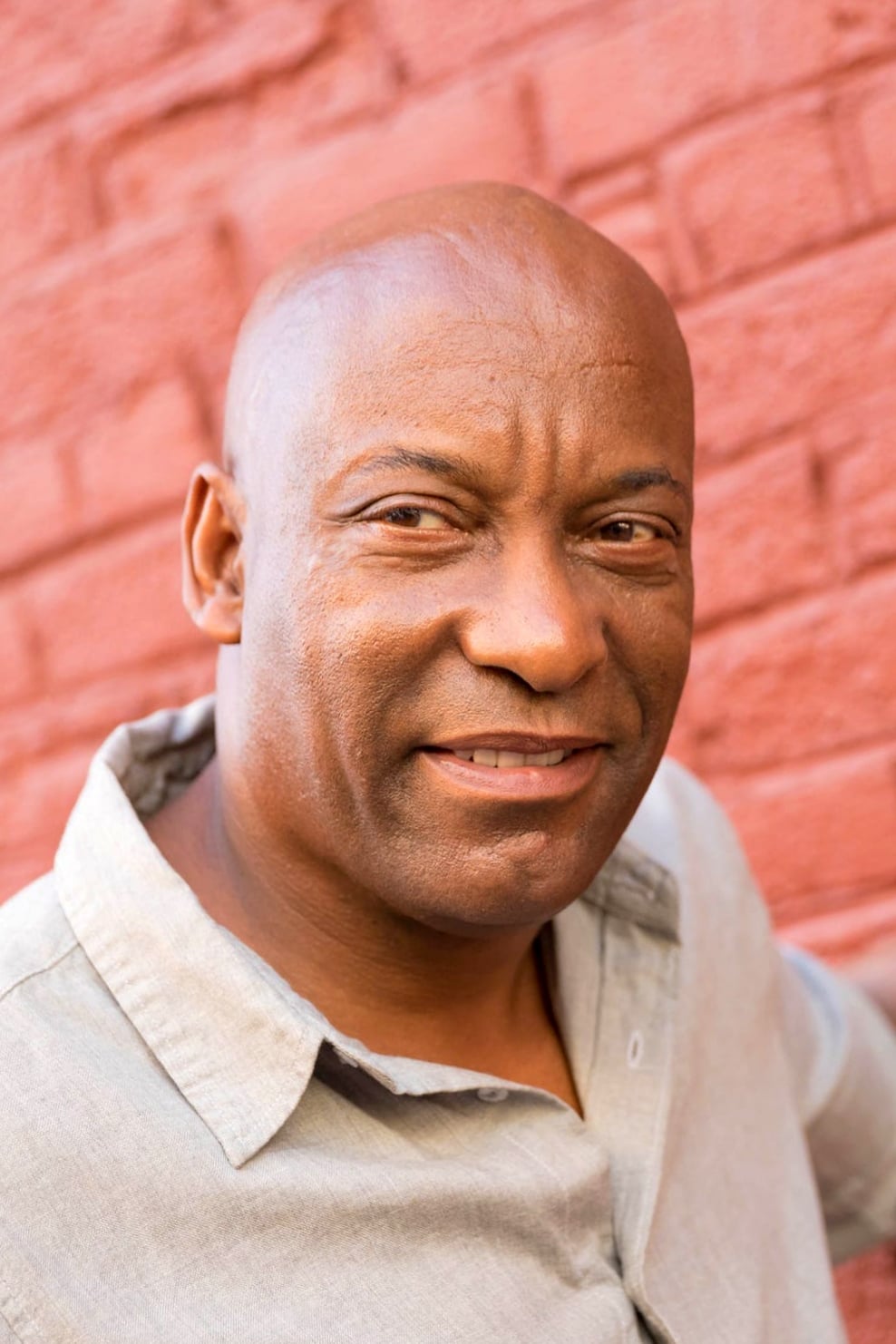
John Singleton made an unforgettable debut with his film Boyz n the Hood (1991). The powerful drama about life in South Central Los Angeles was a critical and commercial success. For the film, Singleton became the first African American and the youngest person ever to be nominated for an Academy Award for Best Director. The film resonated with audiences for its honest portrayal of friendship, family, and the dangers facing young Black men.
Singleton went on to direct a number of other films that explored the African American experience, including Poetic Justice (1993) and Baby Boy (2001). His work gave a voice to a community that was often misunderstood and misrepresented in popular culture. Singleton’s success in the early 1990s helped pave the way for a new generation of Black filmmakers in Hollywood.
Kasi Lemmons
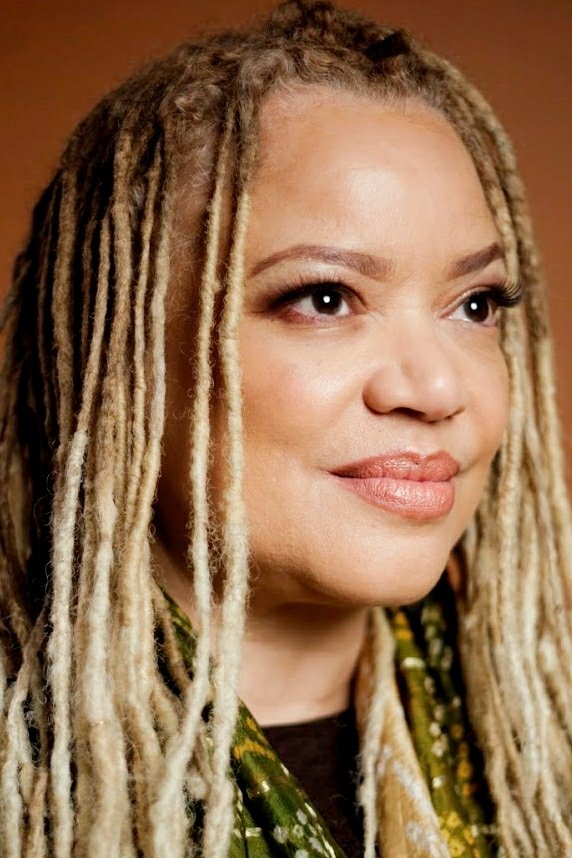
Kasi Lemmons began her career as an actress before moving into directing. Her first feature film, Eve’s Bayou (1997), is a beautifully crafted Southern Gothic tale about a young girl who uncovers dark family secrets in Louisiana. The film was praised by critics for its stunning visuals, rich atmosphere, and powerful performances. It has since become a beloved classic of 1990s independent cinema.
Lemmons’ work often explores complex family dynamics and the inner lives of her characters with great sensitivity. She followed up her debut with other acclaimed films, including Talk to Me (2007) and Harriet (2019), a biopic about the abolitionist Harriet Tubman. Lemmons is known for her ability to create worlds that are both emotionally true and visually captivating.
F. Gary Gray
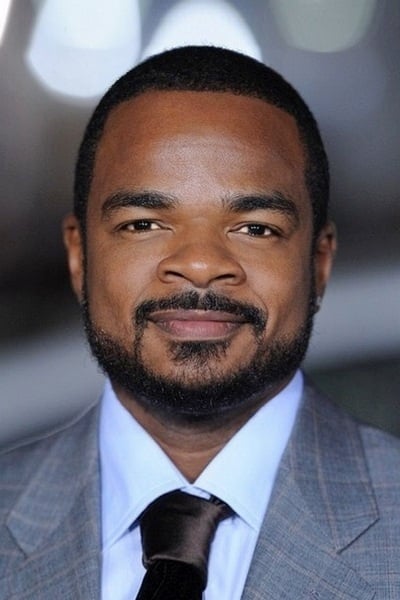
F. Gary Gray is a director known for his versatile and commercially successful films. He began his career directing popular music videos for artists like Ice Cube and Dr. Dre. This experience helped shape his dynamic visual style. His first feature film was the hit comedy Friday (1995), which became a cultural touchstone. He followed it with the successful action film Set It Off (1996), featuring a strong female-led cast.
Over his career, Gray has directed a wide range of genres, from the action-packed blockbuster The Fate of the Furious (2017) to the critically acclaimed musical biopic Straight Outta Compton (2015). The film about the rap group N.W.A. was a huge box office hit and received an Oscar nomination. Gray has consistently proven his ability to create entertaining films that connect with a broad audience.
Antoine Fuqua

Antoine Fuqua is a director known for his intense and stylish action thrillers. He often explores themes of power, corruption, and justice in his films. His most famous movie is Training Day (2001), a gritty crime drama that earned Denzel Washington an Academy Award for Best Actor. The film was praised for its realism and powerful performances, and it established Fuqua as a major talent in Hollywood.
Fuqua’s filmography includes other successful action films like The Equalizer series and the historical drama King Arthur (2004). He is known for his ability to create suspense and to get strong, memorable performances from his actors. Fuqua’s work has had a significant impact on the modern action genre, expanding how African American directors are seen in Hollywood.
Steve McQueen
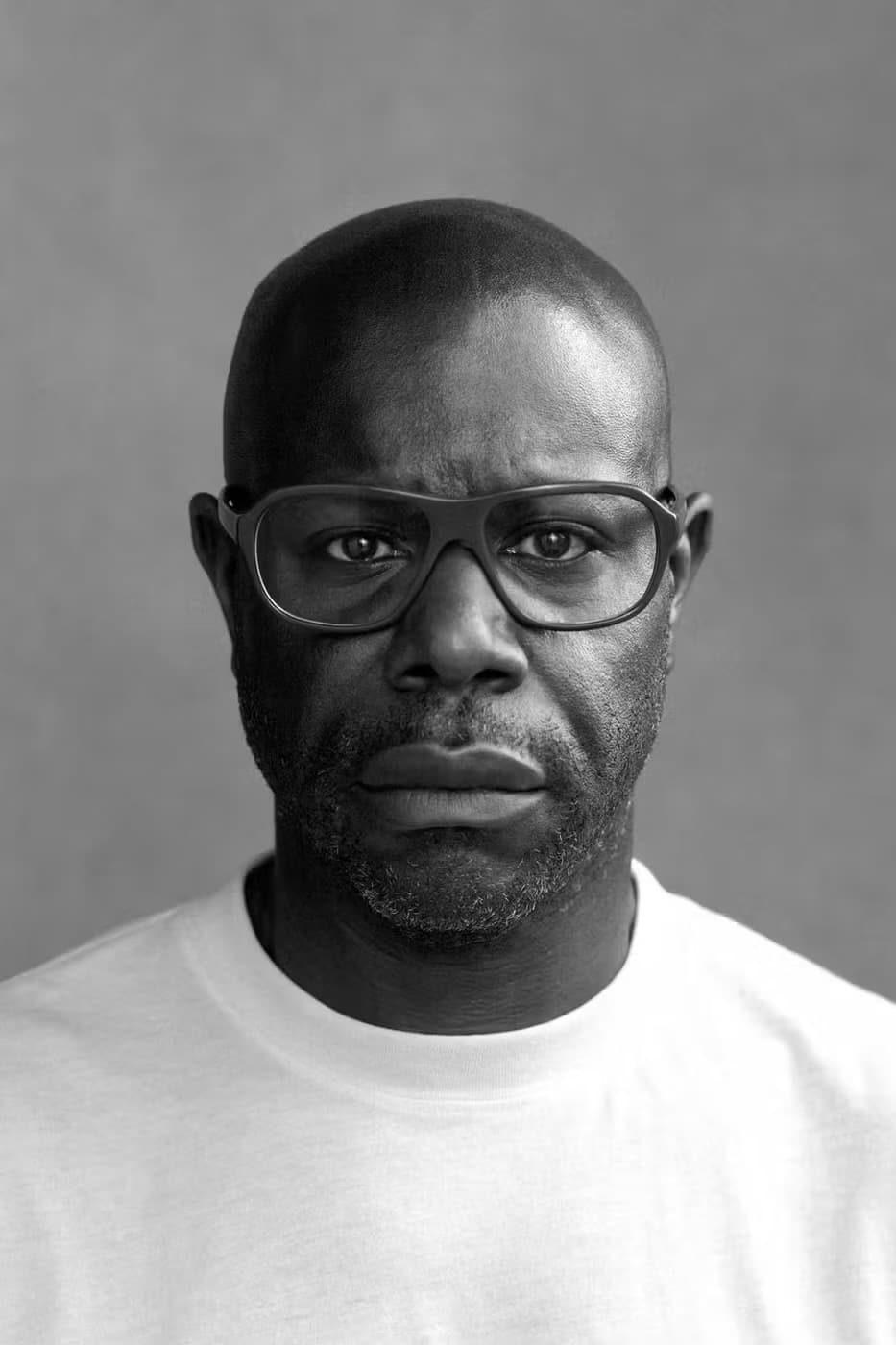
Steve McQueen is a British director and artist who has created some of the most powerful and acclaimed films of the 21st century. His work is known for its unflinching look at difficult subjects and its stunning visual artistry. His 2013 film, 12 Years a Slave, is a harrowing and essential depiction of slavery in America. The film won the Academy Award for Best Picture, making McQueen the first Black director to receive that honor.
McQueen’s other films, such as Hunger (2008) and Shame (2011), are also known for their intense and immersive style. He is not afraid to confront audiences with uncomfortable truths about history and humanity. His films are both artistically bold and socially important, marking him as one of the most vital filmmakers working today.
Ava DuVernay

Ava DuVernay is a groundbreaking director, writer, and producer who has used her platform to tell important stories about justice and civil rights. In 2014, her film Selma chronicled the 1965 voting rights marches led by Dr. Martin Luther King Jr. The film was nominated for a Best Picture Oscar, making DuVernay the first Black woman to direct a film that received that nomination.
DuVernay has continued to create impactful work, including the documentary 13th (2016), which explores the connection between race and mass incarceration in the United States. She also directed the fantasy epic A Wrinkle in Time (2018) and the acclaimed miniseries When They See Us (2019). DuVernay is a powerful voice in modern cinema, committed to creating work that inspires change.
Barry Jenkins
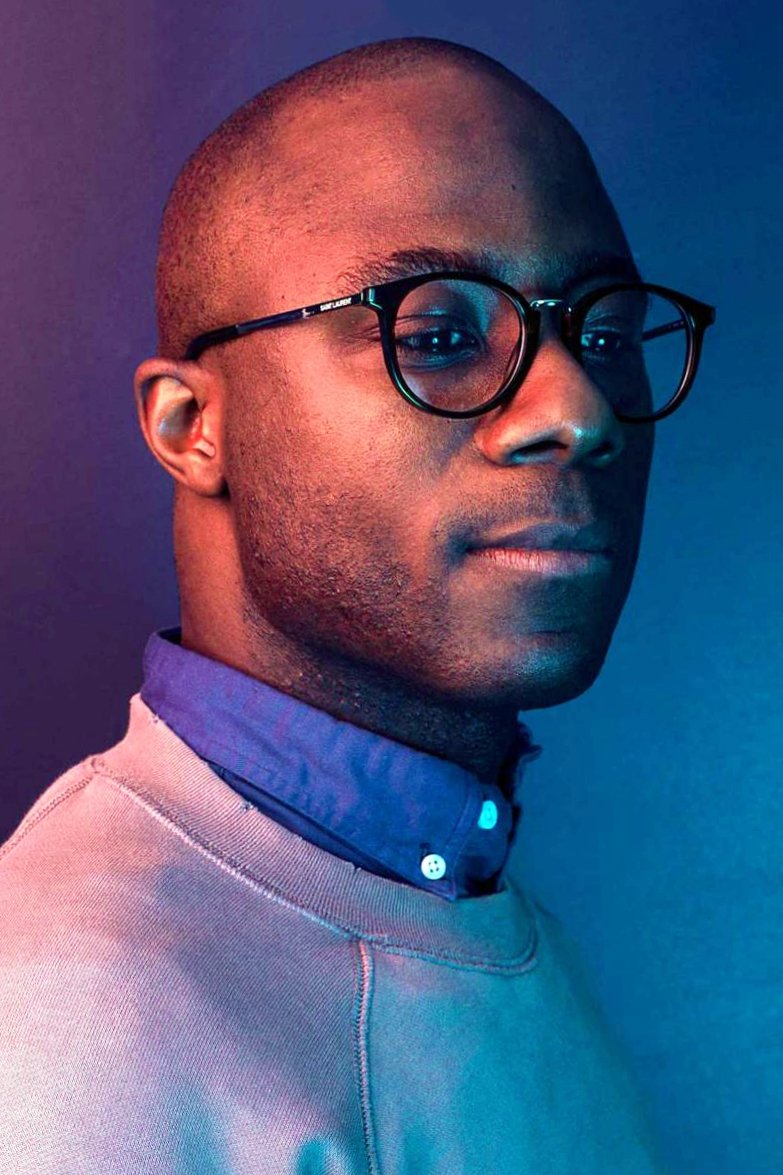
Barry Jenkins is a director known for his poetic and deeply emotional storytelling. His 2016 film Moonlight was a major cultural and critical success. The film tells the story of a young Black man’s life in three chapters, exploring themes of identity, sexuality, and connection. Moonlight won the Academy Award for Best Picture, a landmark moment for a film with an all-Black cast and a queer protagonist.
Jenkins’ visual style is lyrical and intimate, creating a powerful sense of empathy for his characters. His follow-up film, If Beale Street Could Talk (2018), was also highly praised for its beauty and emotional depth. Jenkins has established himself as a master of crafting personal and moving stories that resonate with audiences everywhere.
Jordan Peele
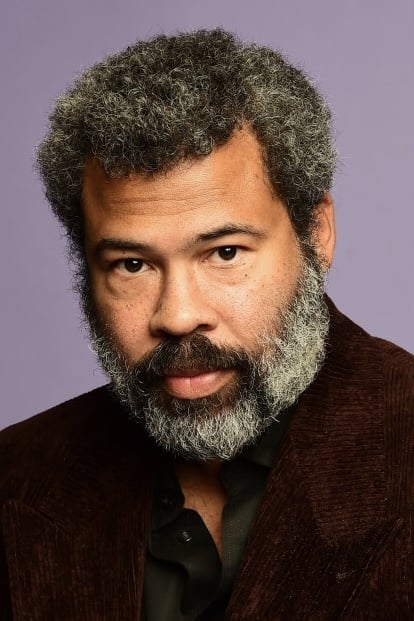
Jordan Peele has revolutionized the horror genre by blending suspense with sharp social commentary. He first became known as a comedian, but his directorial debut Get Out (2017) established him as a major new voice in filmmaking. The film was a cultural phenomenon, using the tropes of horror to explore racism in America. It was a massive box office hit and won Peele an Academy Award for Best Original Screenplay.
Peele followed the success of Get Out with Us (2019) and Nope (2022), two more ambitious films that continued to mix horror with thought-provoking ideas. His work has proven that genre films can be both entertaining and deeply meaningful. Peele has redefined what a horror movie can be and has become one of the most exciting and influential directors of his generation.
Ryan Coogler
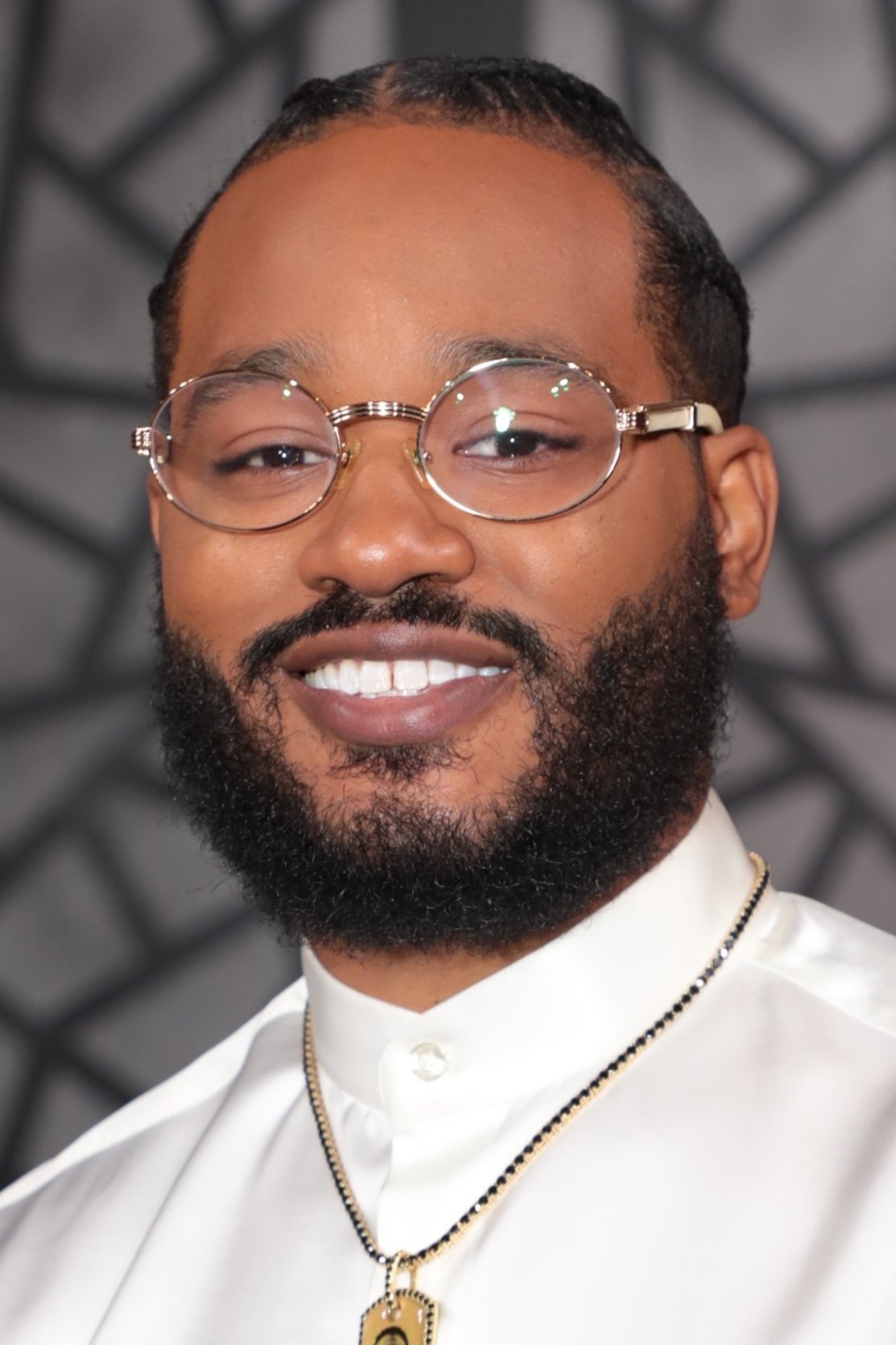
Ryan Coogler is a director who has created both intimate independent dramas and massive blockbuster films. His first feature, Fruitvale Station (2013), was a powerful and moving account of the final day in the life of Oscar Grant. The film won top awards at the Sundance Film Festival and announced Coogler as a major talent. He then directed Creed (2015), which successfully revitalized the Rocky franchise for a new generation.
Coogler’s biggest success came when he directed the Marvel superhero film Black Panther (2018). The movie was a global phenomenon, shattering box office records and becoming a cultural milestone. It was celebrated for its positive representation of African heritage and its powerful, majority-Black cast. Coogler has proven himself to be a versatile and visionary filmmaker capable of telling impactful stories on any scale.

