


The Most Disappointing “A-List” Movies of the Last Decade




A-list movies—those with big stars, huge budgets, or major studio hype—carry sky-high expectations. But even with top talent and massive marketing, some fall flat, plagued by weak scripts, misjudged direction, or unmet promises. These films from the last decade (2015–2025) left fans and critics disappointed despite their potential.
We’re drawn to these films for their ambition, even if they stumbled. From star-studded flops to overhyped sequels, this list of disappointing A-list movies highlights those that missed the mark.
Batman v Superman: Dawn of Justice (2016)
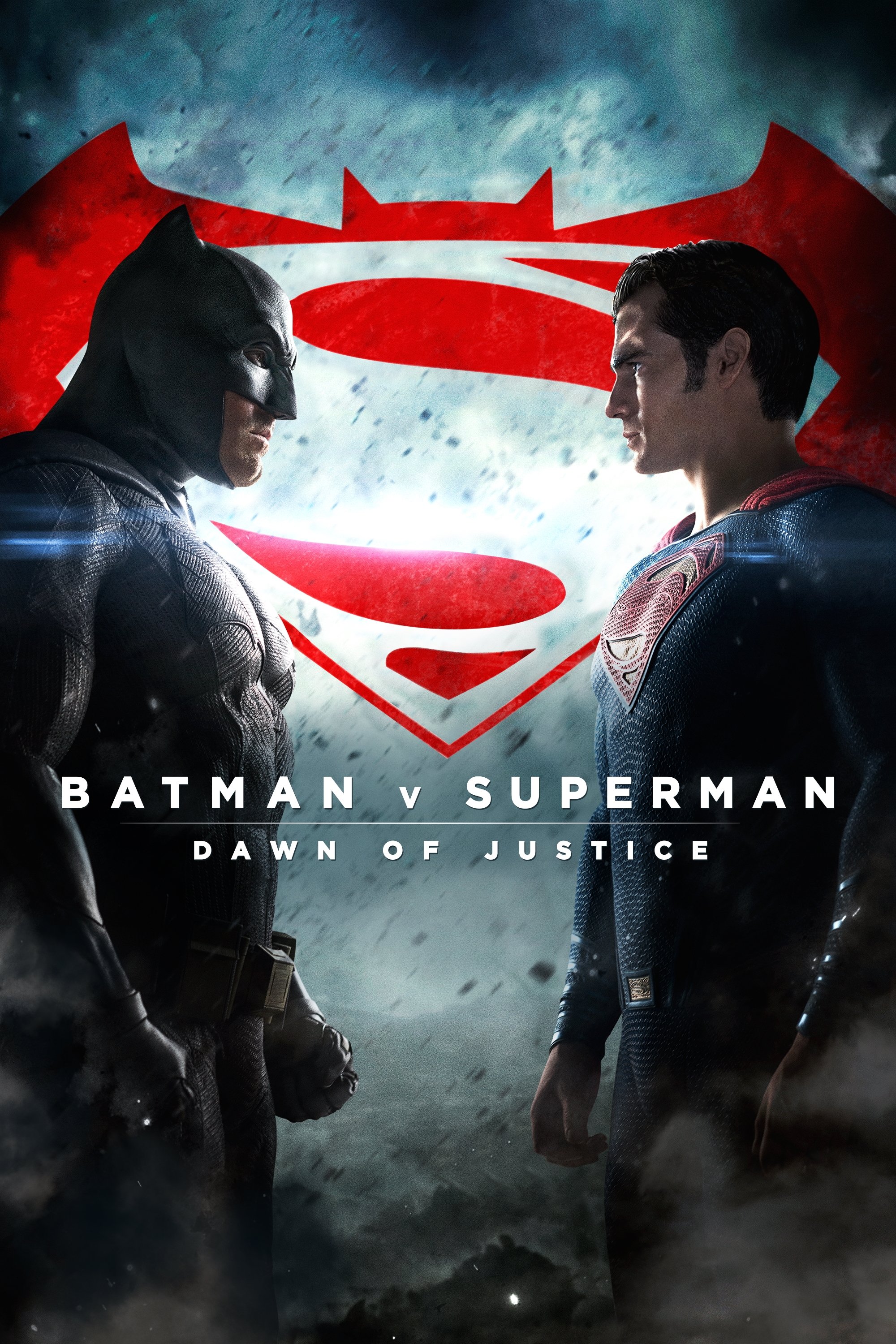
Warner Bros. put its two biggest DC icons on screen together for the first time, with a massive budget and wall-to-wall marketing. Expectations for a four-quadrant, culture-dominating hit were sky-high, but tepid word-of-mouth and polarized reviews blunted enthusiasm after opening weekend.
Despite an $874M global haul, it underperformed relative to expectations for a Batman/Superman crossover and suffered steep second-week drops; critics’ scores stayed firmly rotten.
Suicide Squad (2016)
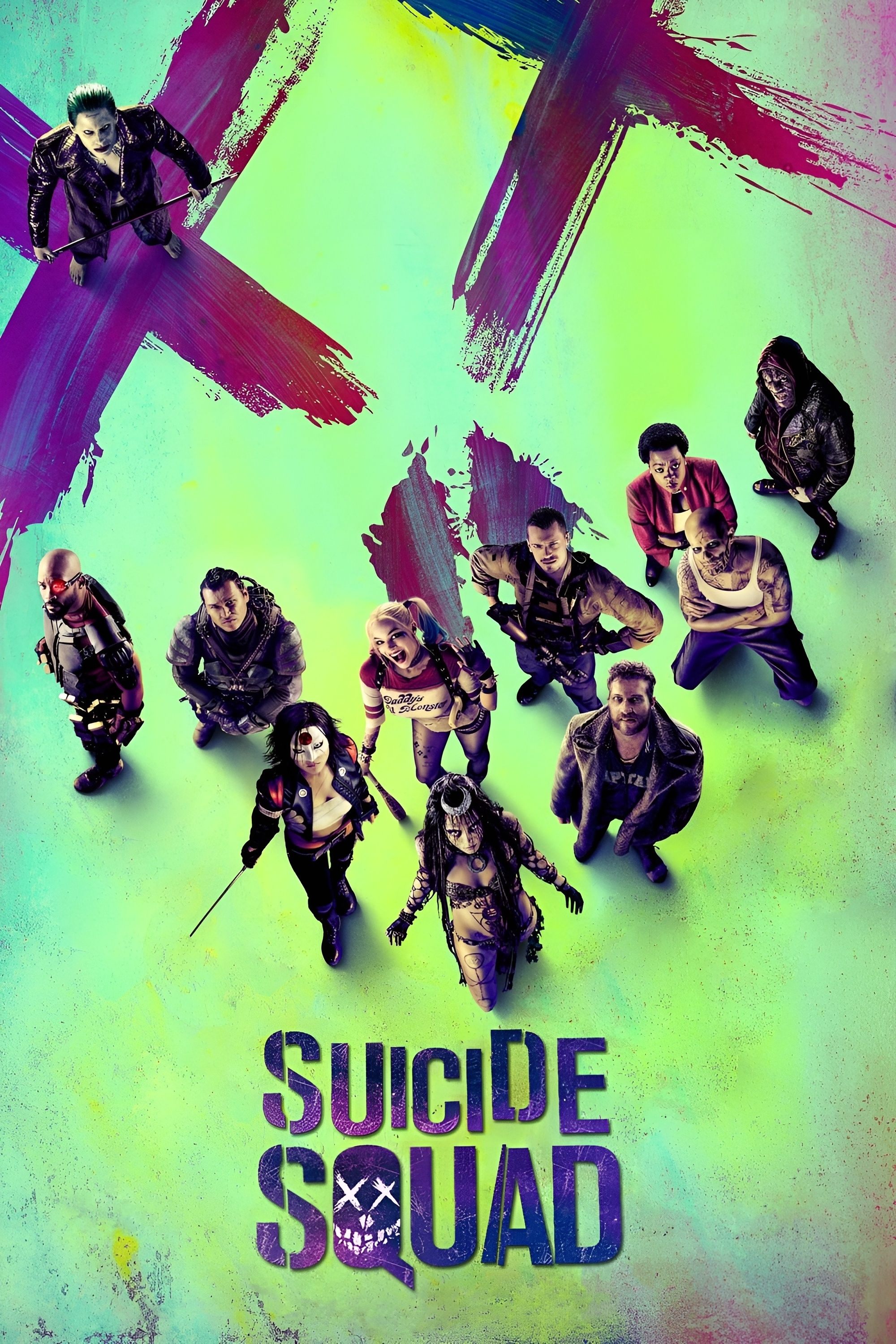
DC’s all-star villain team-up arrived amid heavy hype (Will Smith, Margot Robbie, Jared Leto) but conflicting tones and a choppy edit left audiences divided. Reports later revealed competing studio and director cuts and trailer-house involvement in the final assembly.
Box office hit or not, reviews were poor (mid-20s on RT), and the production’s rushed scripting and post-production tinkering became the story as much as the film.
Ghostbusters (2016)
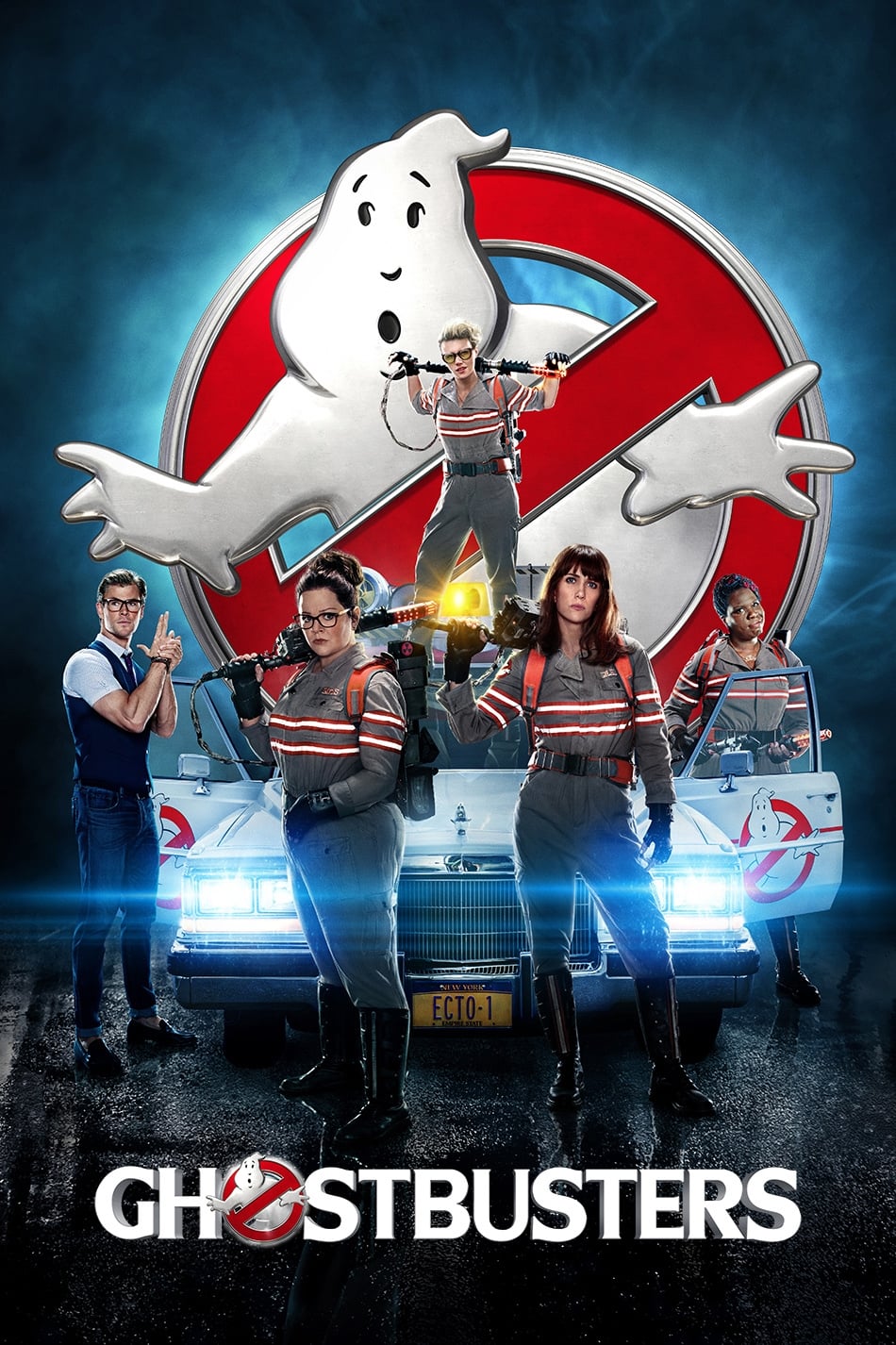
A-list cast, a beloved IP, and a prime summer slot suggested a sure thing. Instead, the reboot faced online backlash and could not secure a China release, which hurt its ceiling abroad.
With a ~$144M production budget against ~$229M worldwide, trade coverage pegged the film’s theatrical run as money-losing despite decent domestic play and mixed-positive reviews.
Alien: Covenant (2017)
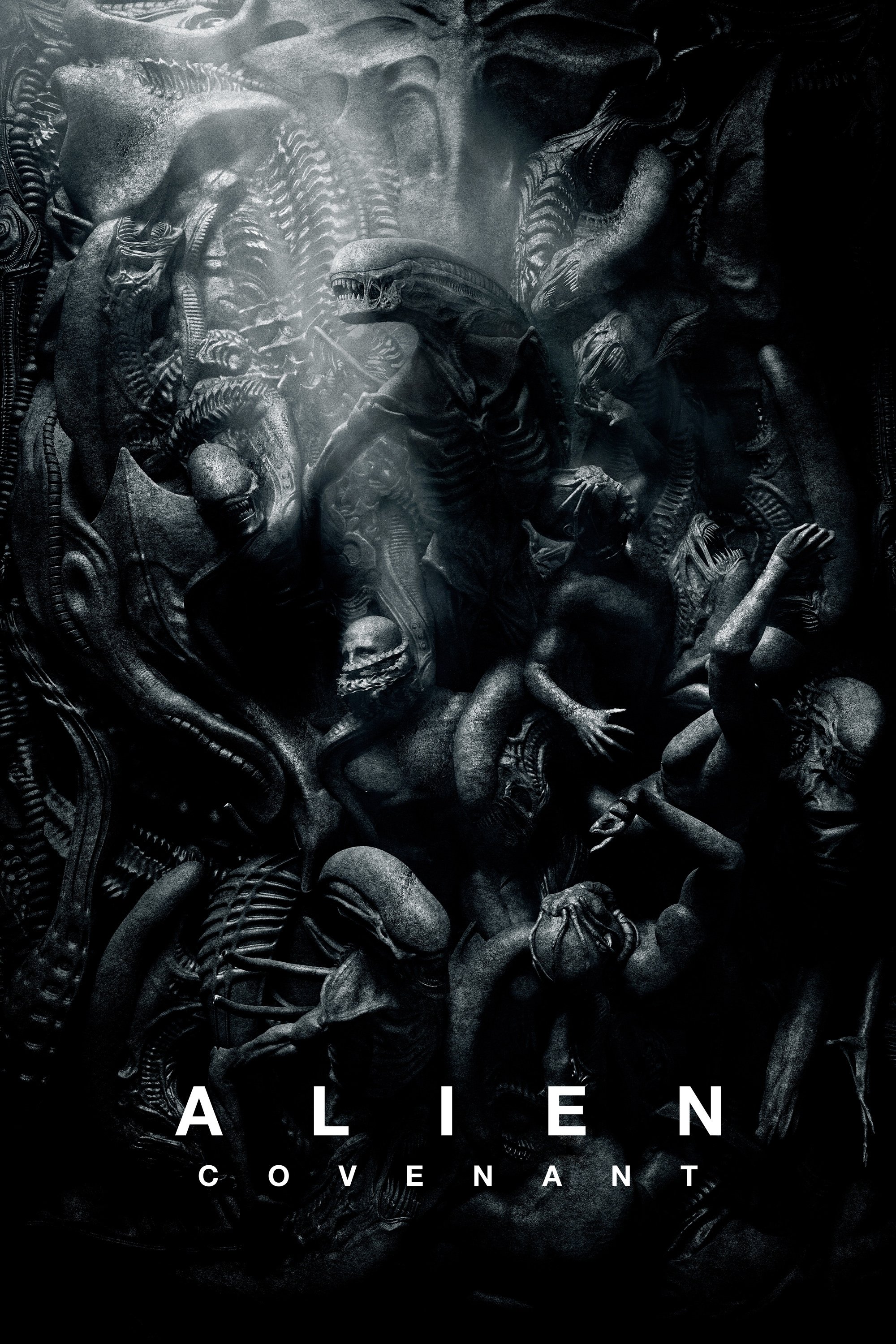
Ridley Scott’s follow-up to Prometheus dialed back grand mythology for a smaller-scale slasher-horror vibe. The pivot split fans and didn’t re-ignite the franchise creatively.
Covenant finished near $240M worldwide—well below Prometheus—and landed in the mid-60s with critics, a disappointing result for a marquee sci-fi brand.
Pirates of the Caribbean: Dead Men Tell No Tales (2017)
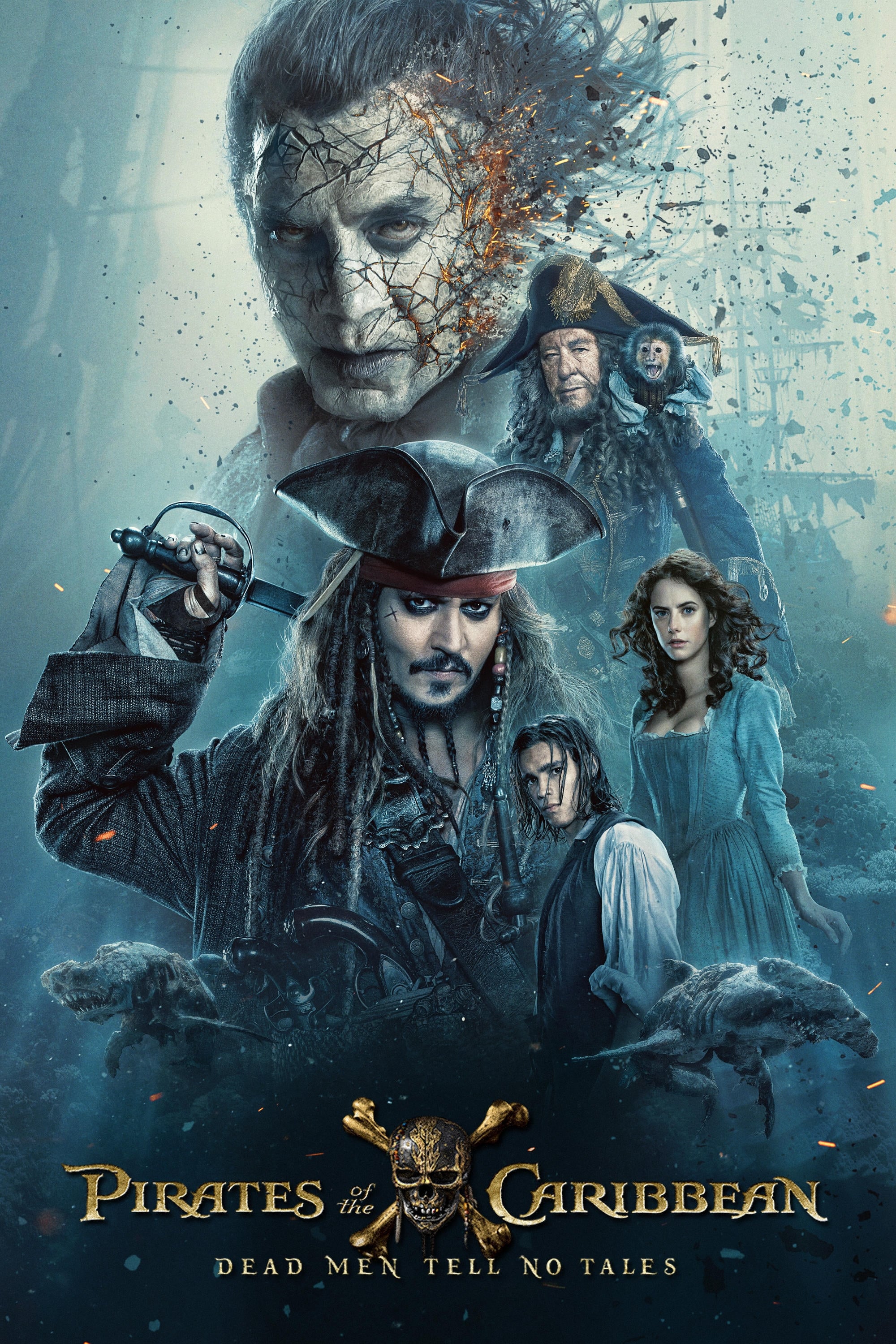
Johnny Depp’s swashbuckler series returned with franchise fatigue clearly setting in. U.S. interest sagged, with the film leaning heavily on overseas markets.
Reviews were poor (≈30% on RT), and although the global total approached $800M, the trendline pointed down for Disney’s once-dominant live-action tentpole.
Dark Phoenix (2019)
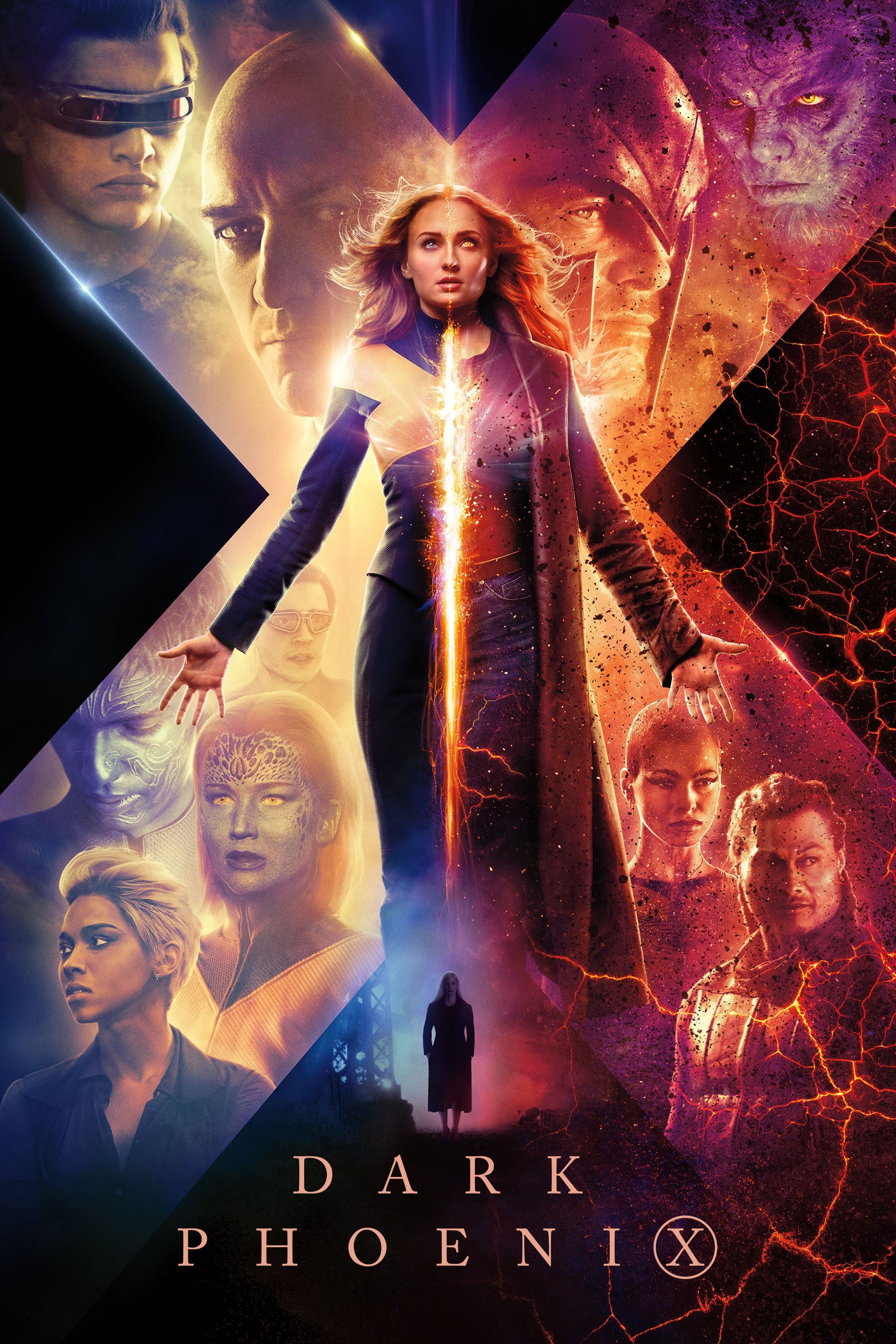
Fox’s final mainline X-Men entry was beset by delays and reshoots and arrived as Disney’s acquisition closed, signaling a reset ahead. Reception was the franchise’s worst.
On a reported ~$200M budget, Dark Phoenix grossed ~$252M worldwide and was widely cited as 2019’s biggest box-office bomb (≈$133M loss after all costs).
The Lion King (2019)
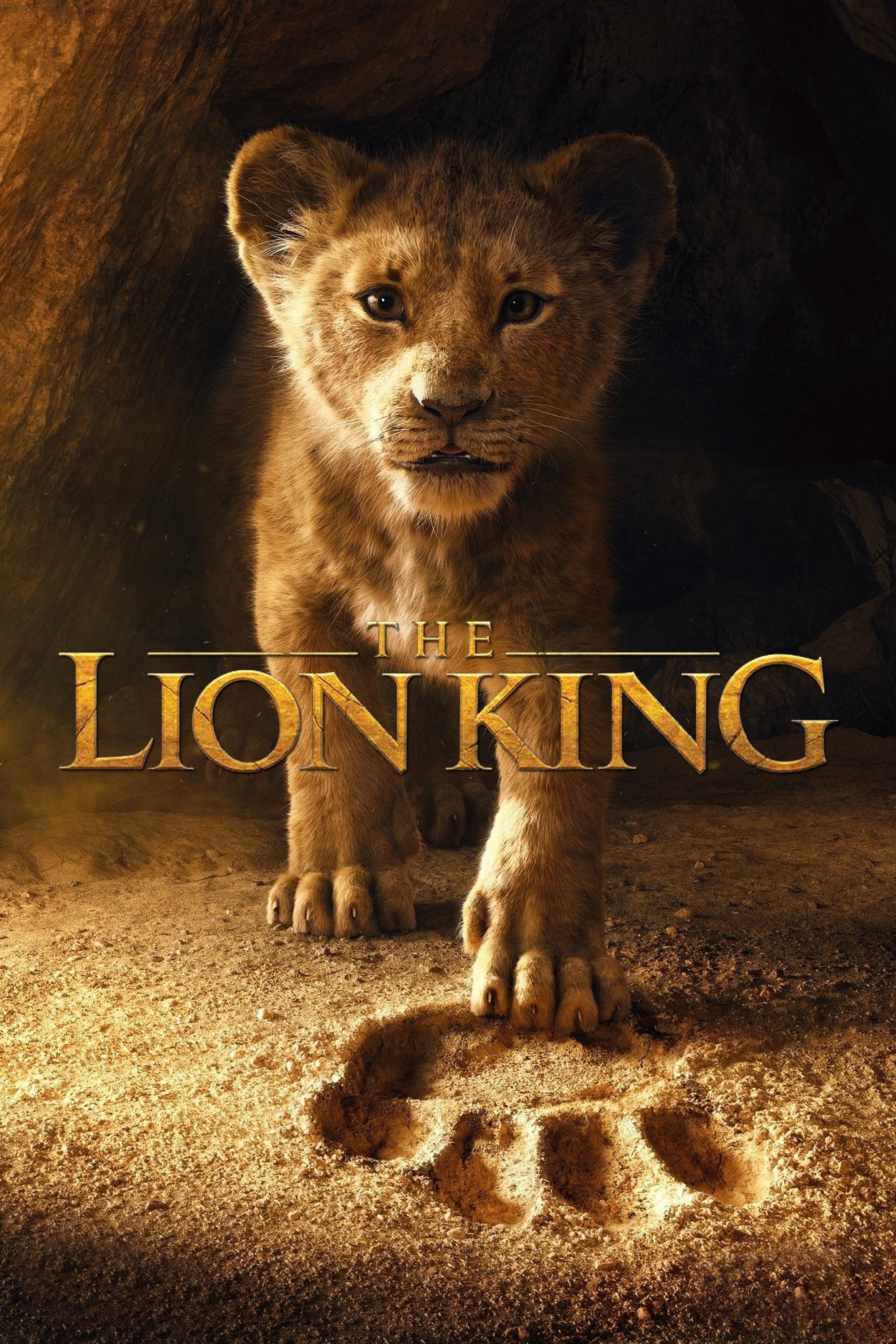
Disney’s photoreal remake boasted star power (Beyoncé, Donald Glover) and cutting-edge VFX. Many critics praised the visuals but argued the approach drained the film’s emotional expressiveness.
Despite a massive $1.66B worldwide and a ~$260M budget, the critic score settled near the low-50s, and consensus framed it as technically dazzling but artistically redundant.
The Matrix Resurrections (2021)
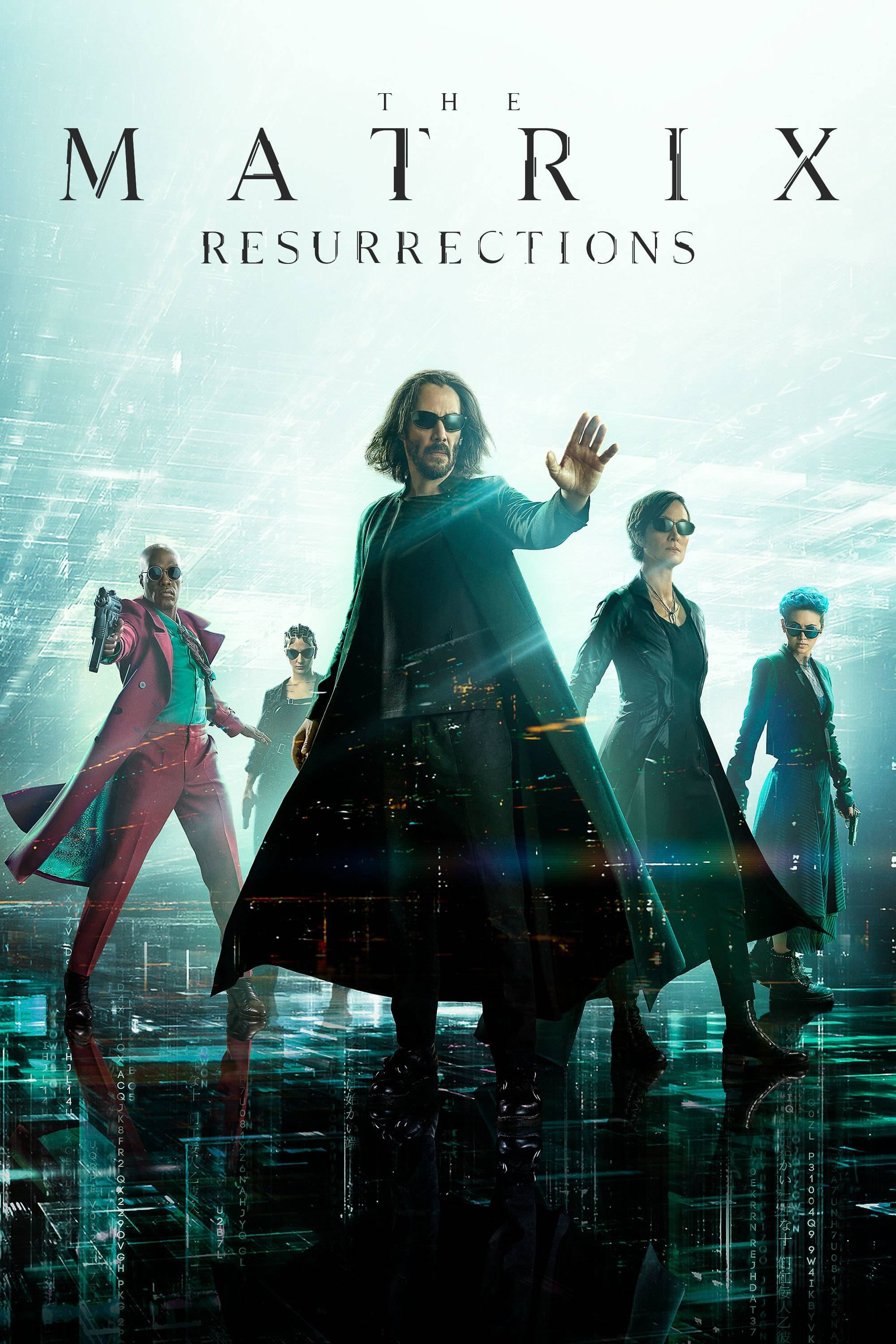
A legacy sequel to a genre-defining trilogy should have been a lay-up, but a meta-heavy approach, pandemic headwinds, and a day-and-date HBO Max release dulled impact.
The film earned about $157M worldwide against an estimated ~$190M budget and posted mixed reviews—respectable for ambition, disappointing versus the brand’s stature.
Black Adam (2022)
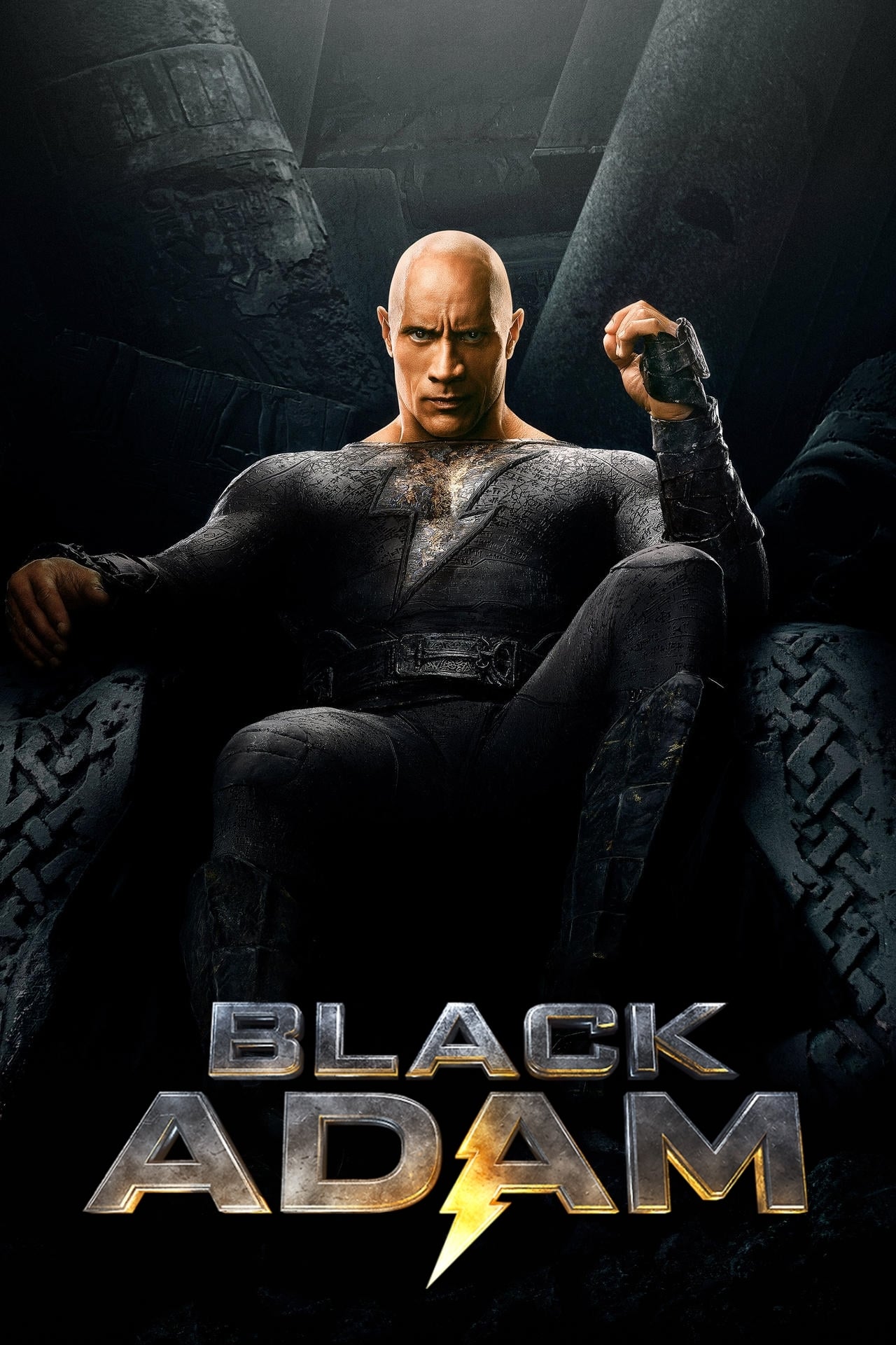
Marketed on Dwayne Johnson’s star power and a “power hierarchy” shake-up, the film launched the Justice Society but drew criticism for thin plotting and franchise table-setting.
Global gross landed around $393M; reputable trade reporting noted the film likely failed to break even theatrically despite strong audience scores.
The Flash (2023)
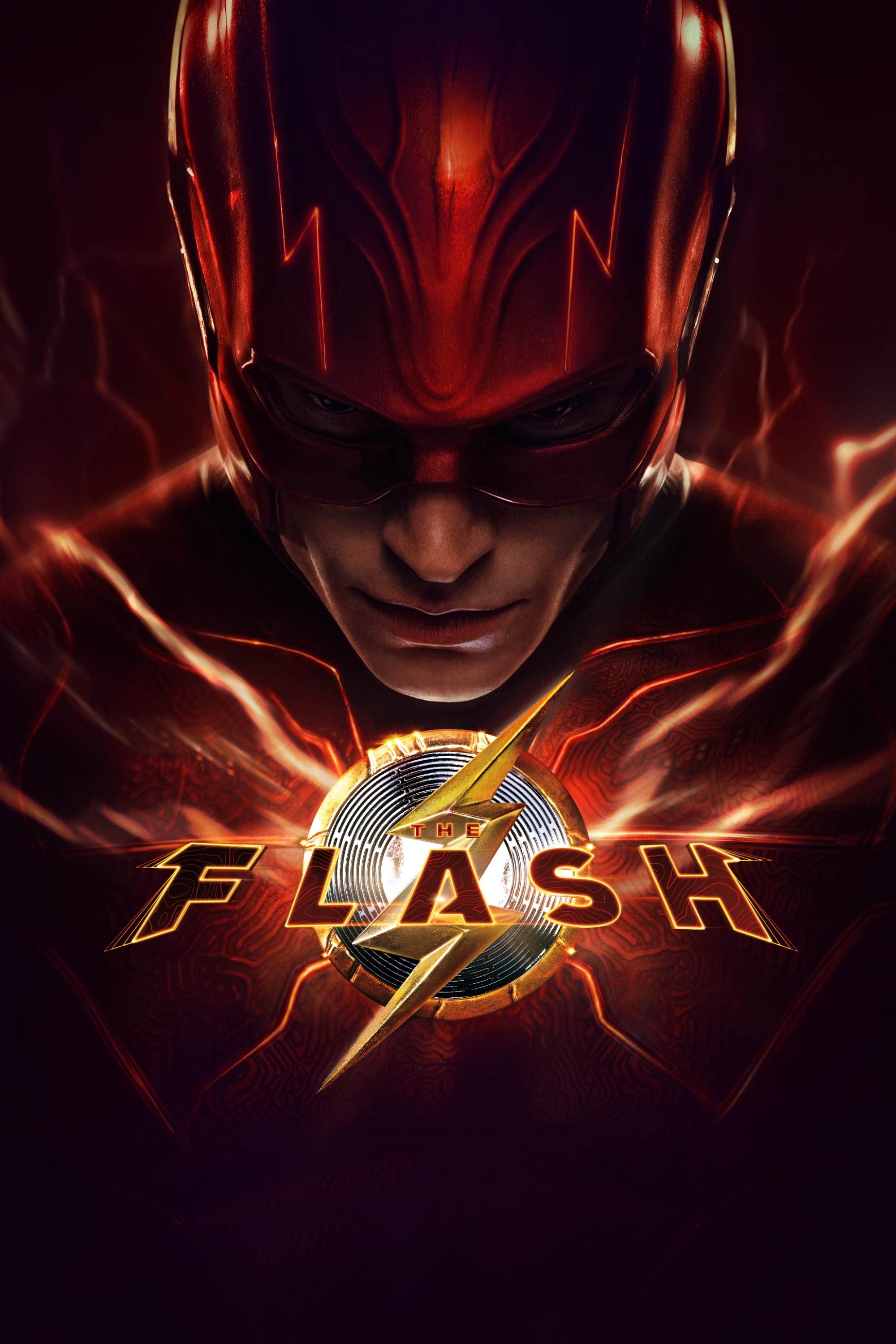
Long in development, the multiverse-heavy event brought back Michael Keaton’s Batman but arrived amid off-screen controversies and DCEU transition fatigue.
With ~$271M worldwide on a ~$200–220M budget and mixed reviews, it became one of DC’s most high-profile underperformers of the modern era.
Spectre (2015)
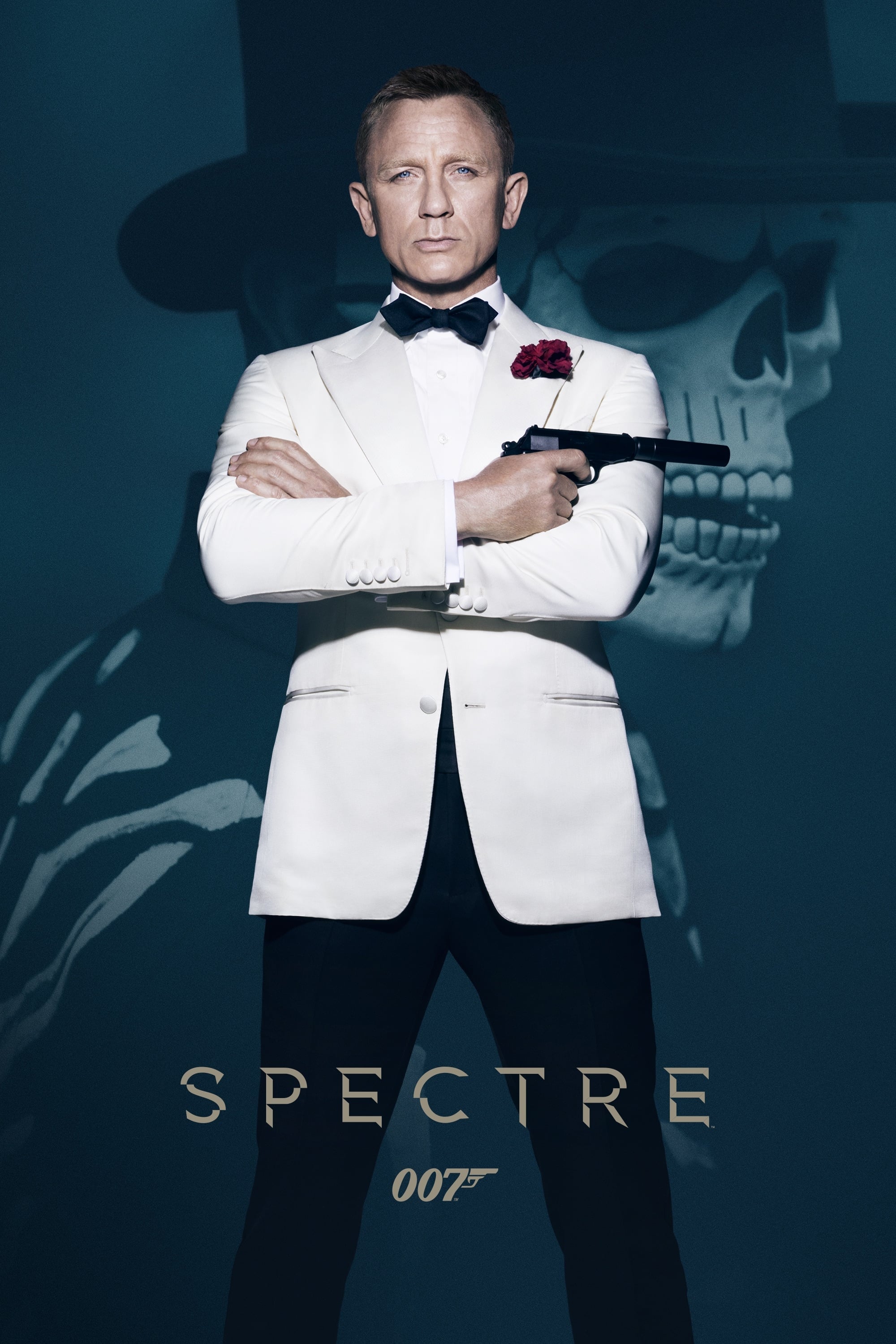
Daniel Craig’s James Bond faces Blofeld (Christoph Waltz) in this sleek 007 adventure. With a $245 million budget and Sam Mendes directing, it promised a deep dive into Bond’s past, but the rushed plot and weak sibling twist fell flat.
Craig’s grit and stunning action shine, but the muddled story disappointed after Skyfall’s high. It’s a stylish miss for the franchise.
The Mummy (2017)
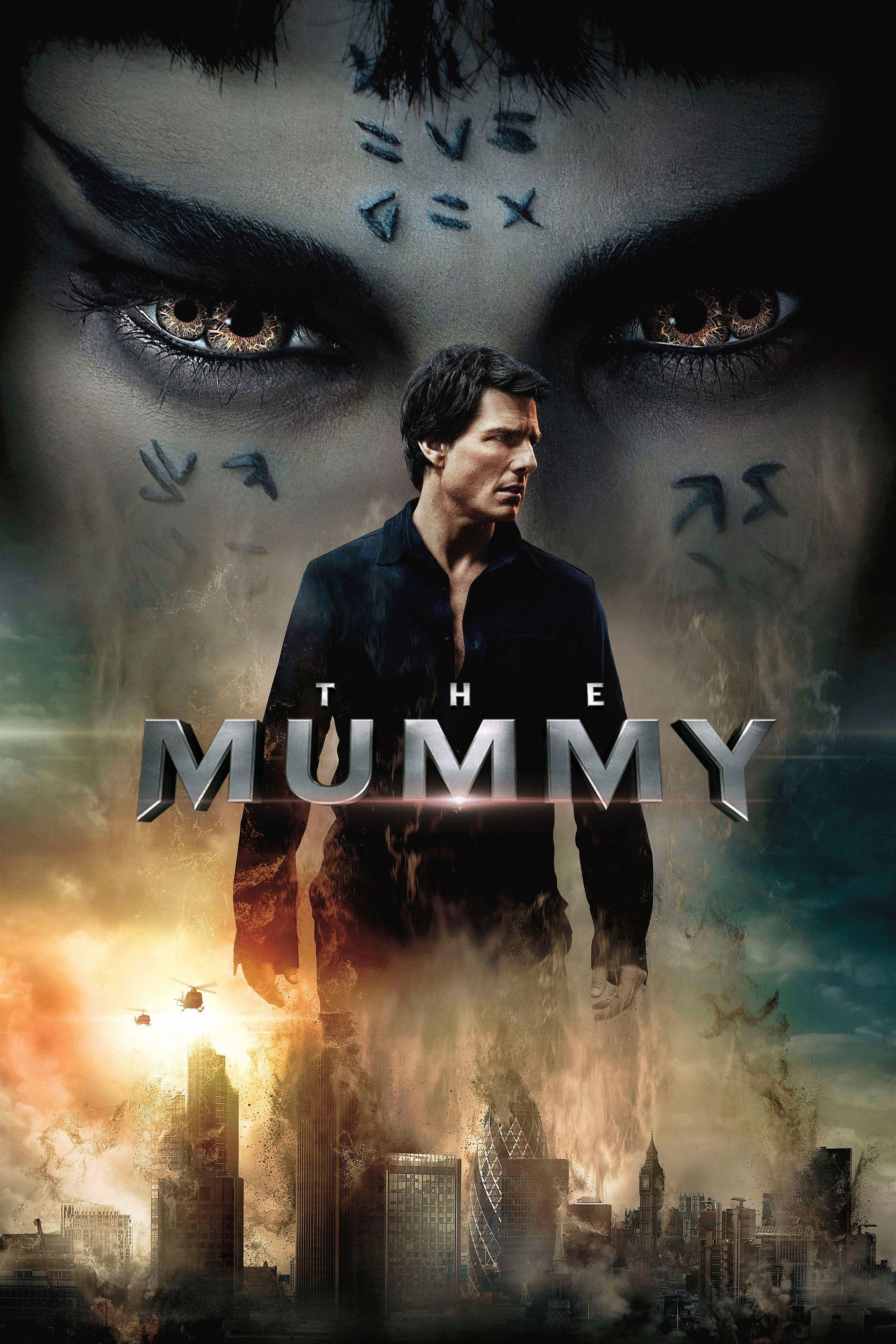
Tom Cruise leads Universal’s Dark Universe reboot with a $125 million monster flick. It aimed to launch a shared universe, but the generic action, weak horror, and cluttered setup overshadowed Sofia Boutella’s Mummy.
Cruise’s charisma carries some scenes, but the soulless execution flopped. It killed the Dark Universe before it started.
Justice League (2017)
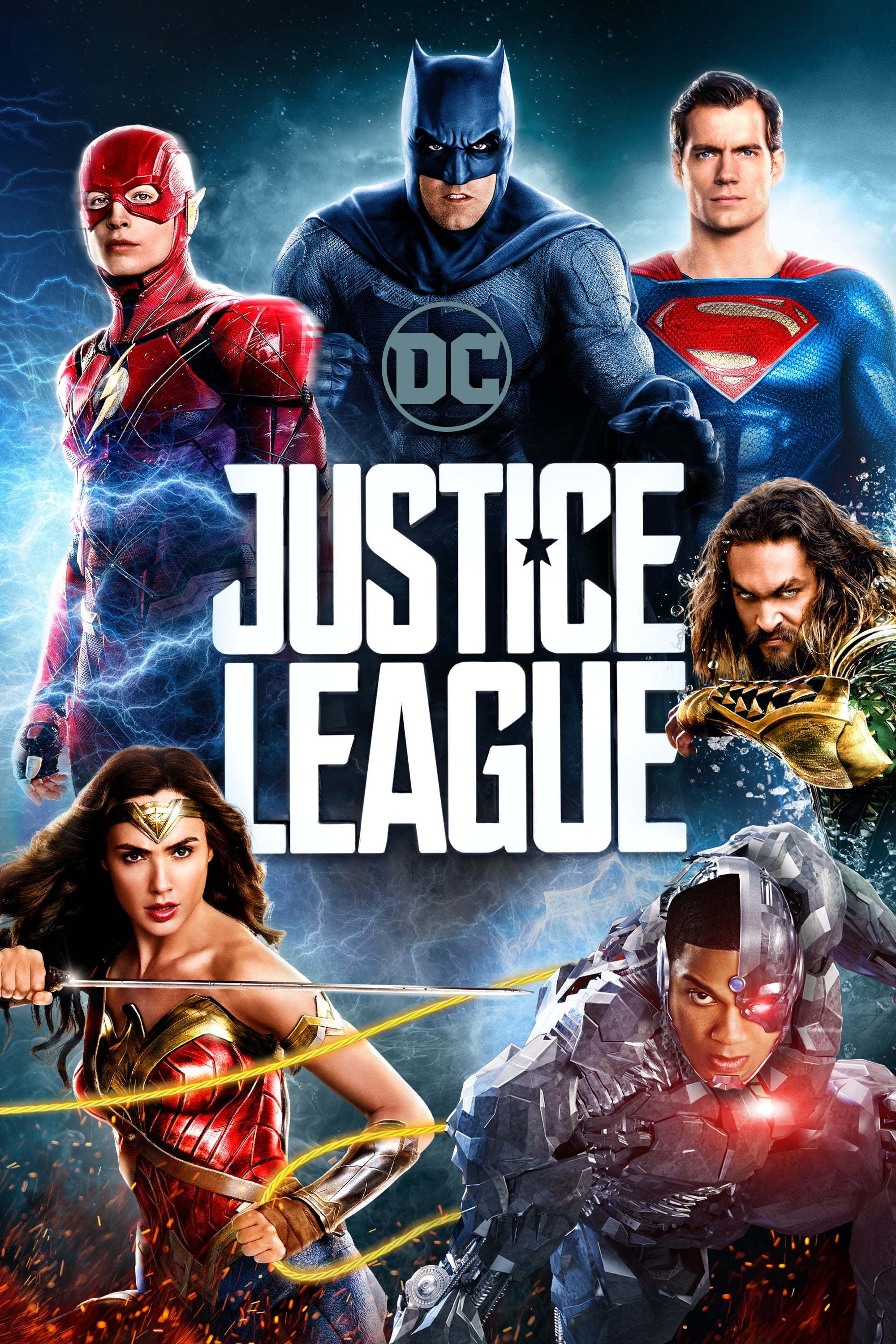
DC’s $300 million team-up unites Batman (Ben Affleck) and Wonder Woman (Gal Gadot) against Steppenwolf. Joss Whedon’s reshoots clashed with Zack Snyder’s vision, delivering a disjointed mess despite the star power.
The cast’s potential peeks through, but the rushed plot disappointed. The Snyder Cut later showed what could’ve been.
Fantastic Beasts: The Crimes of Grindelwald (2018)
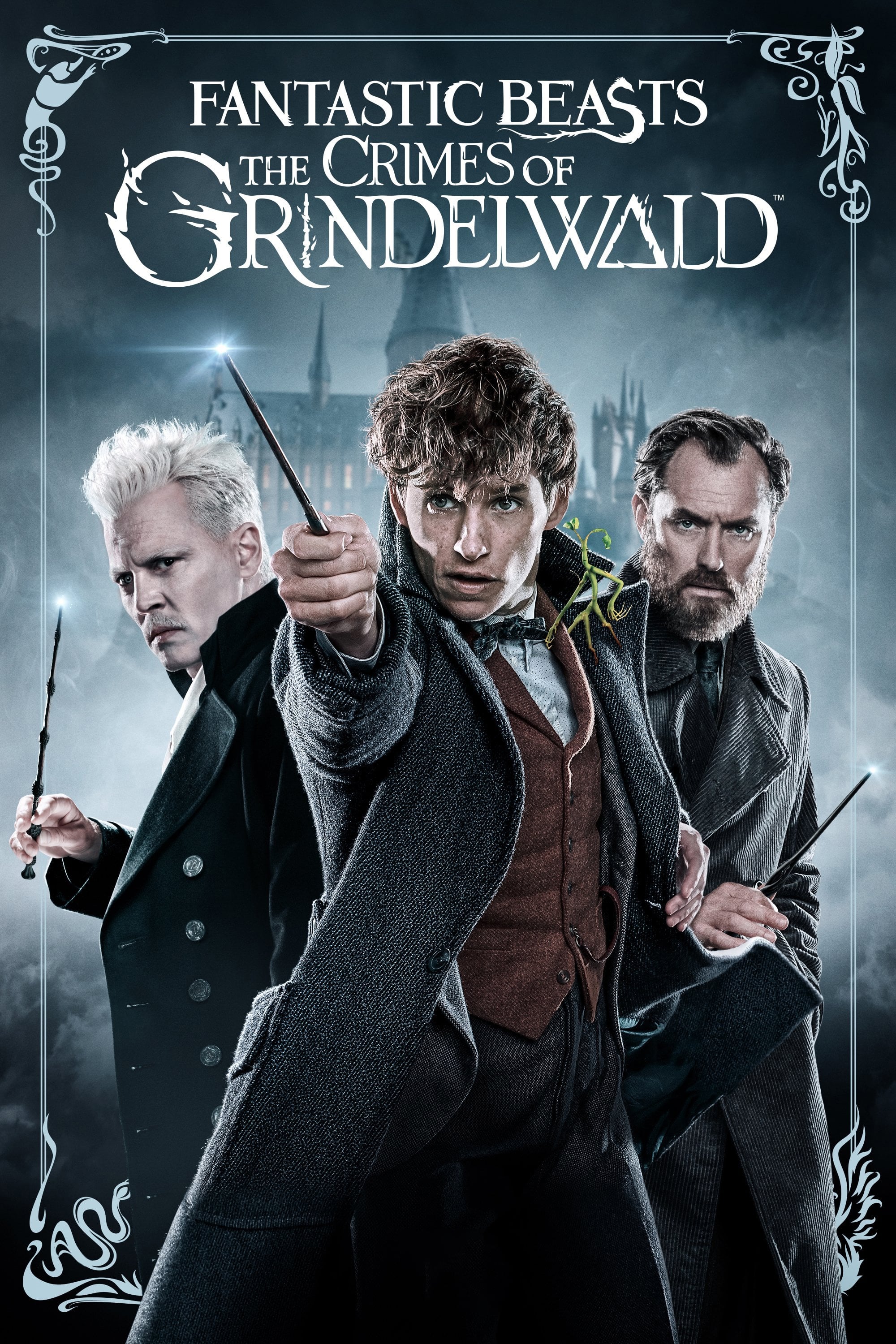
J.K. Rowling’s $200 million Harry Potter spin-off follows Newt (Eddie Redmayne) against Grindelwald (Johnny Depp). The bloated lore and convoluted twists confused fans, lacking the first film’s charm.
The visuals and cast intrigue, but the messy narrative frustrated. It dimmed the Wizarding World’s magic.
Star Wars: The Rise of Skywalker (2019)
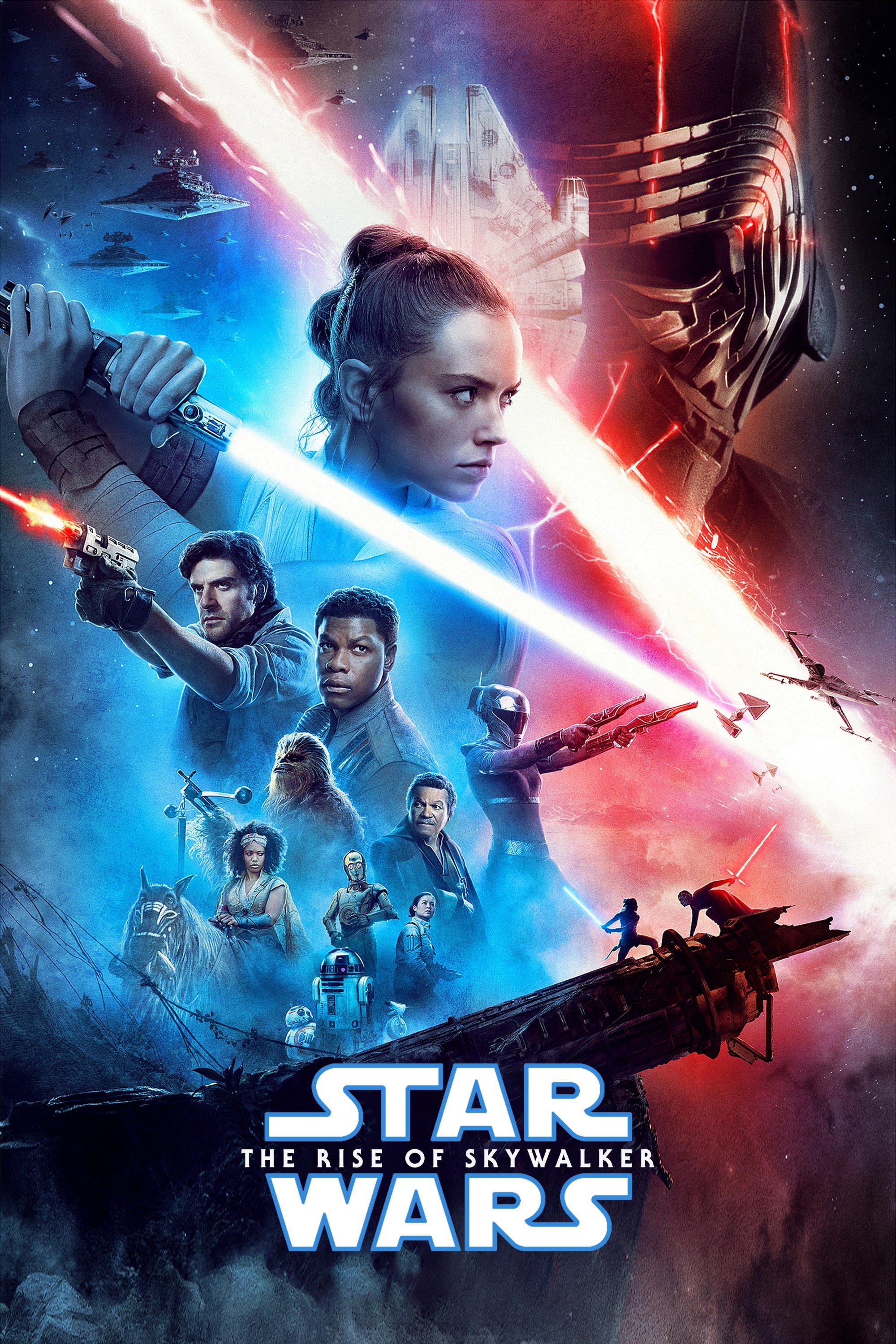
The $275 million Star Wars sequel wraps the Skywalker saga with Rey (Daisy Ridley) facing Palpatine. Rushed pacing, retconned lore, and fan-service overload failed to match The Force Awakens’ promise.
The cast’s heart shines, but the cluttered finale divided fans. It’s a flashy end that lacked emotional weight.
Men in Black: International (2019)
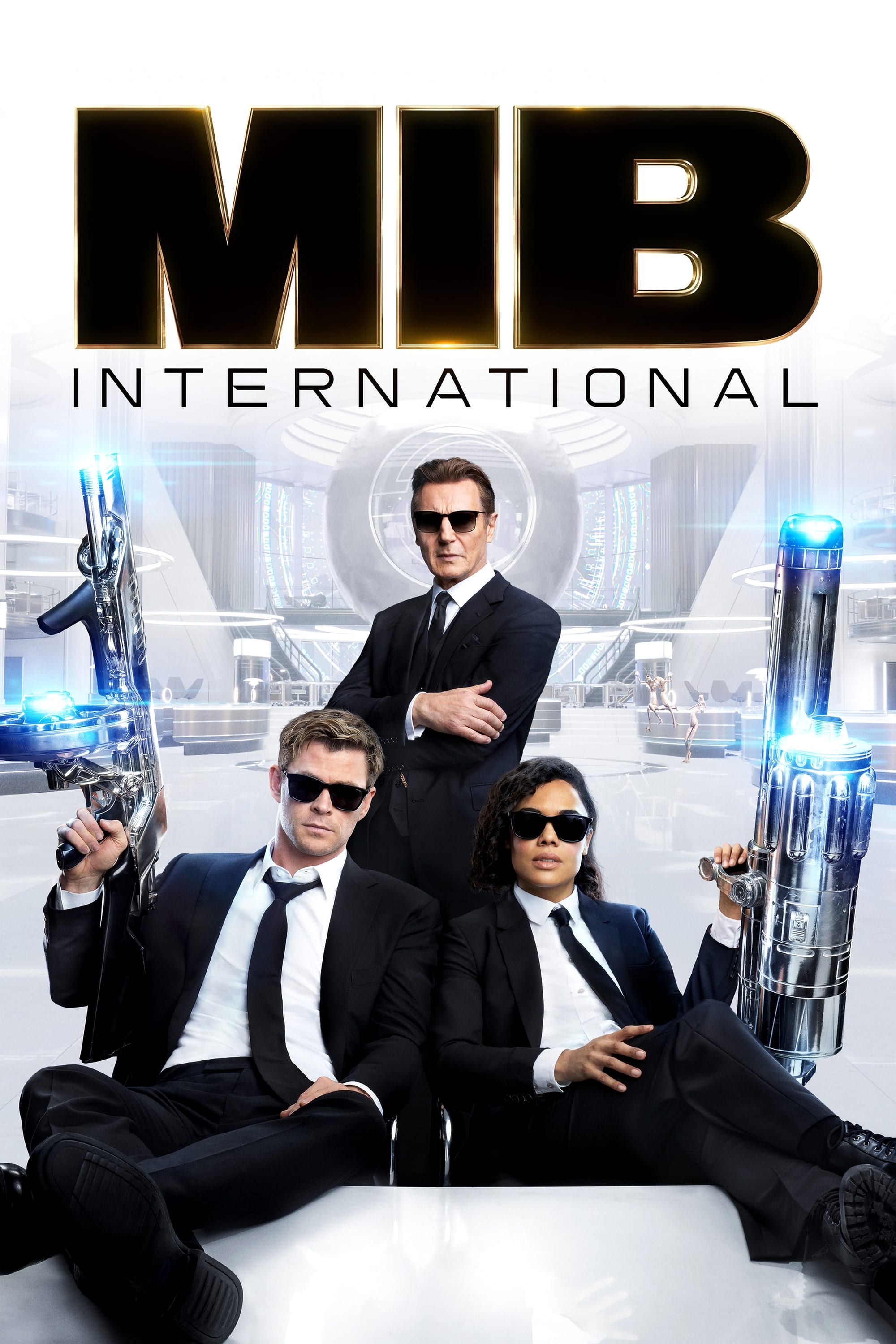
Chris Hemsworth and Tessa Thompson lead this $110 million reboot with charm, but the flat script and weak villains miss the original’s wit. It aimed to refresh the franchise but felt generic.
The duo’s chemistry sparks, but the forgettable plot disappointed. It’s a slick misfire that failed to relaunch.
Terminator: Dark Fate (2019)
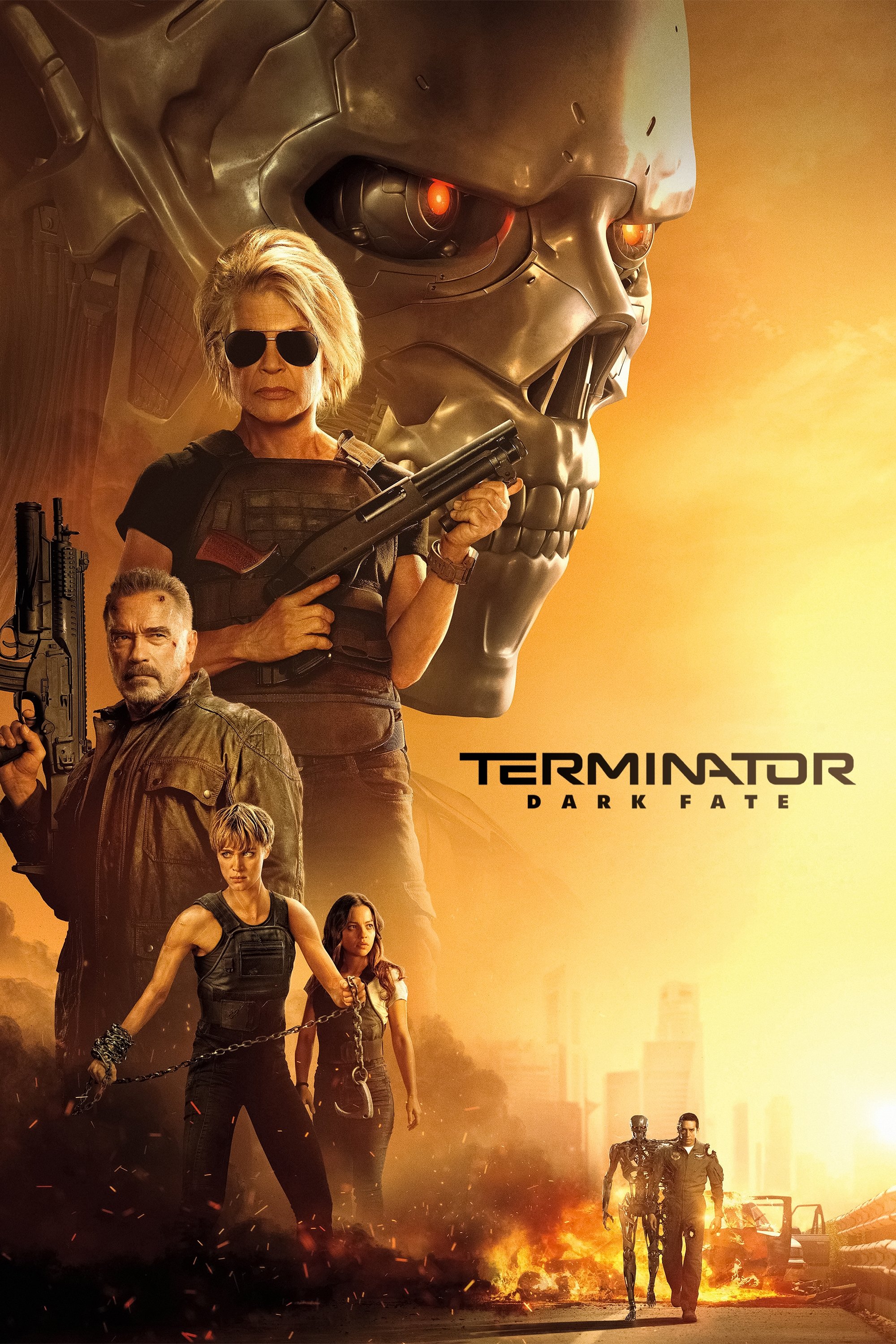
Linda Hamilton’s Sarah Connor joins a $185 million reboot ignoring past sequels. Tim Miller’s action thrills, but the recycled plot and shock character death alienated fans expecting a fresh take.
Hamilton’s grit and Mackenzie Davis shine, but the retread flopped. It buried the franchise again.
Cats (2019)
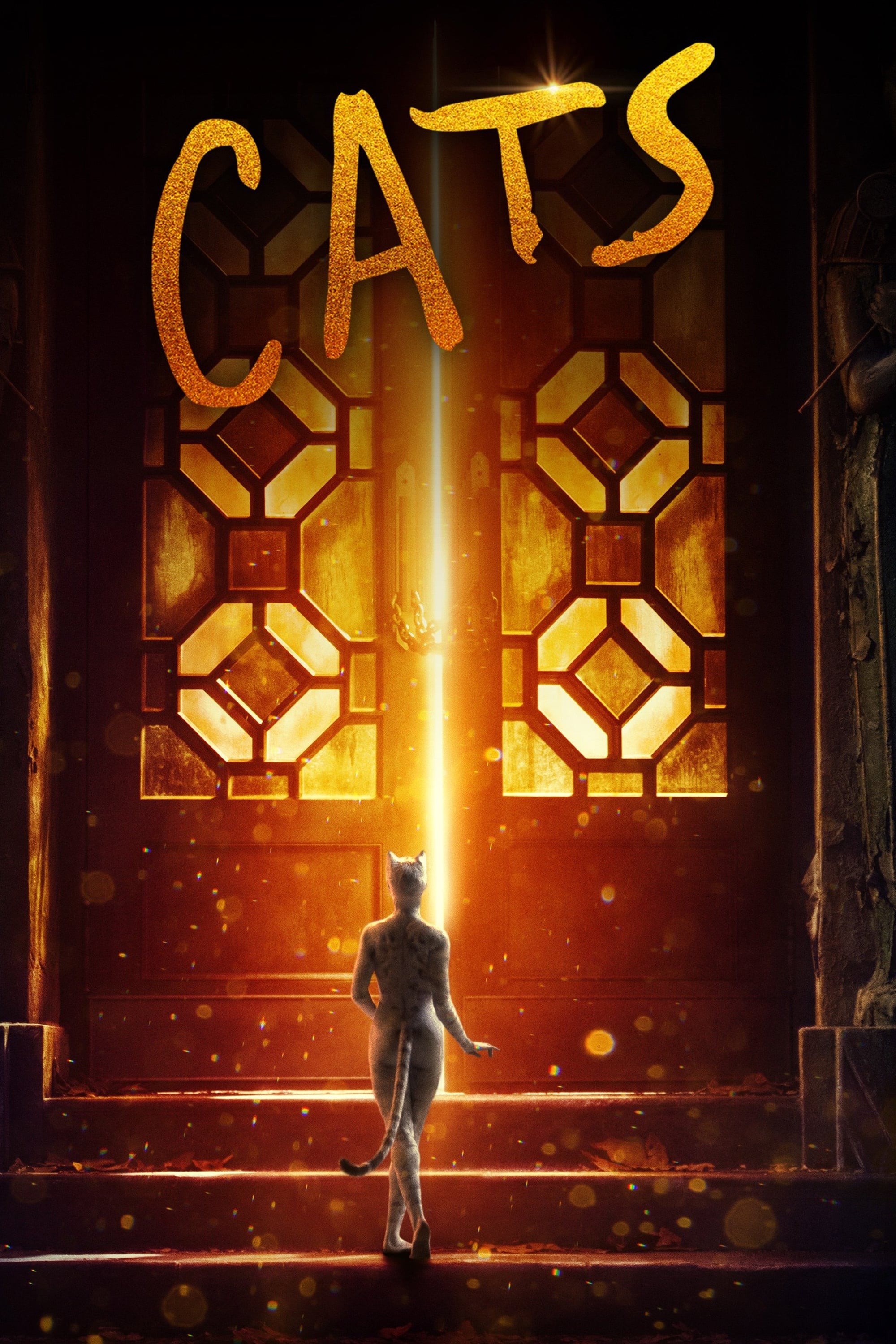
Tom Hooper’s $95 million musical boasts Judi Dench, Taylor Swift, and CGI fur. The bizarre visuals and disjointed story turned Andrew Lloyd Webber’s hit into a surreal nightmare.
The cast’s talent peeks through, but the uncanny execution horrified. It’s a notorious flop that became a meme.
Wonder Woman 1984 (2020)
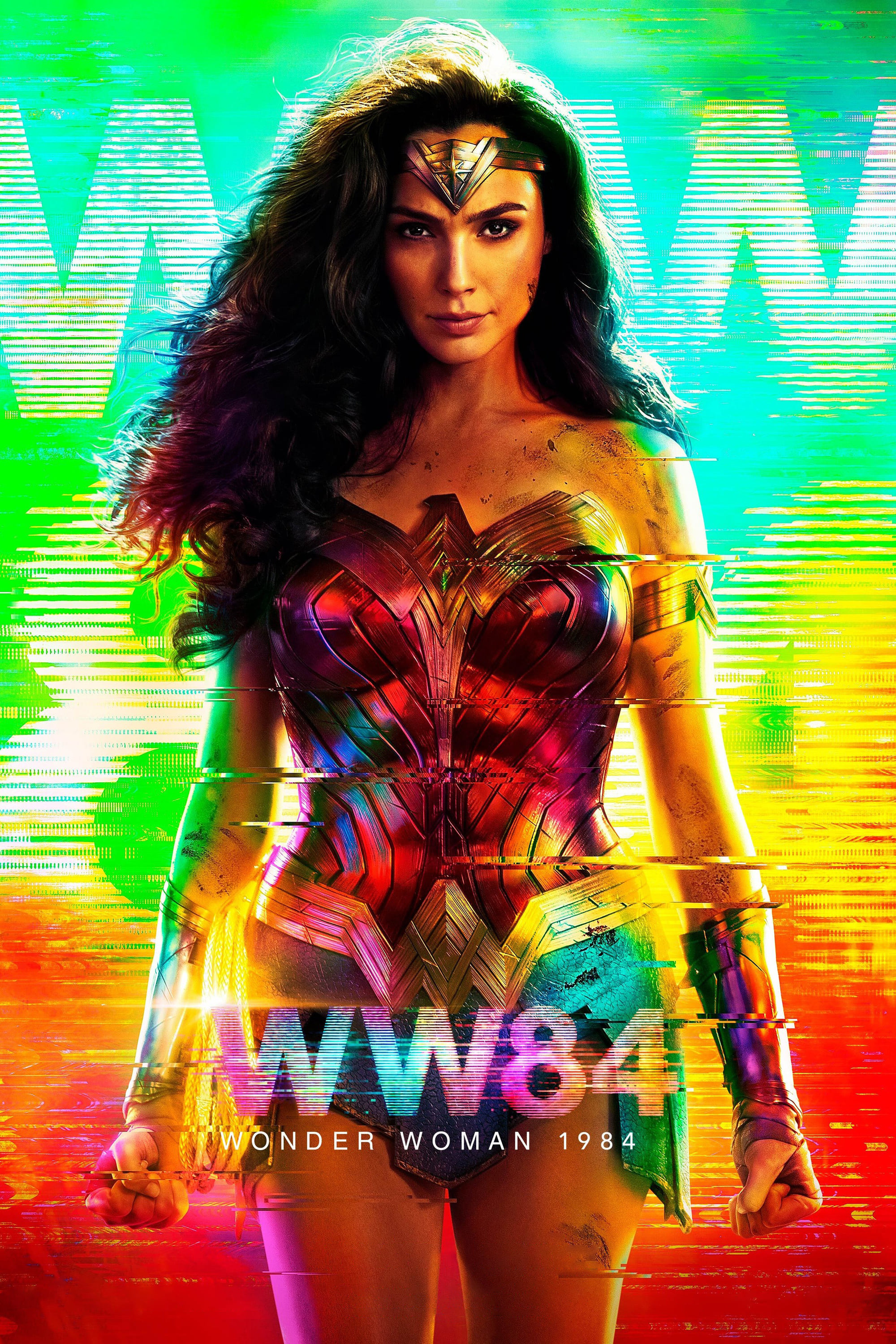
Gal Gadot’s Diana faces Maxwell Lord in this $200 million DC sequel. Patty Jenkins’ vibrant 80s vibe fizzles with a convoluted plot and tonal shifts, unlike the first’s tight heroism.
Gadot’s charm holds it, but the messy story disappointed. It fell short of the original’s emotional punch.
Eternals (2021)
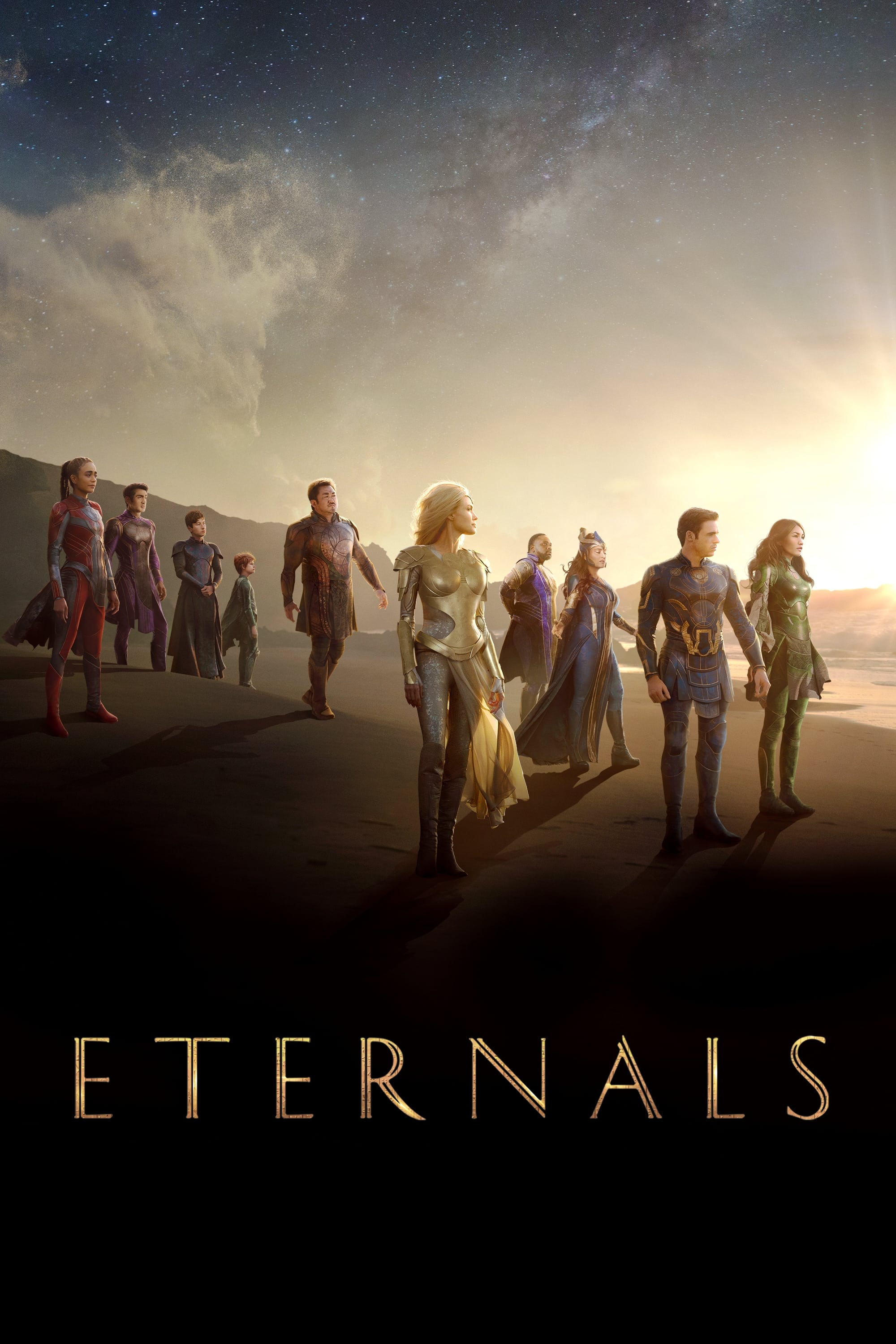
Chloé Zhao’s $200 million MCU epic introduces immortal heroes like Sersi (Gemma Chan). The starry cast and visuals dazzle, but the dense lore and slow pace alienated fans expecting Avengers-level thrills.
The ambition impresses, but the disconnect frustrated. It’s a bold misstep in Marvel’s lineup.
Jurassic World: Dominion (2022)

Chris Pratt and legacy stars like Sam Neill lead this $165 million dino finale. It promised a grand close but delivered a bloated plot and forgettable locust subplot, missing the original’s awe.
The nostalgia pops, but the chaotic story flopped. It’s a loud end that lacked Jurassic spark.
Ant-Man and the Wasp: Quantumania (2023)
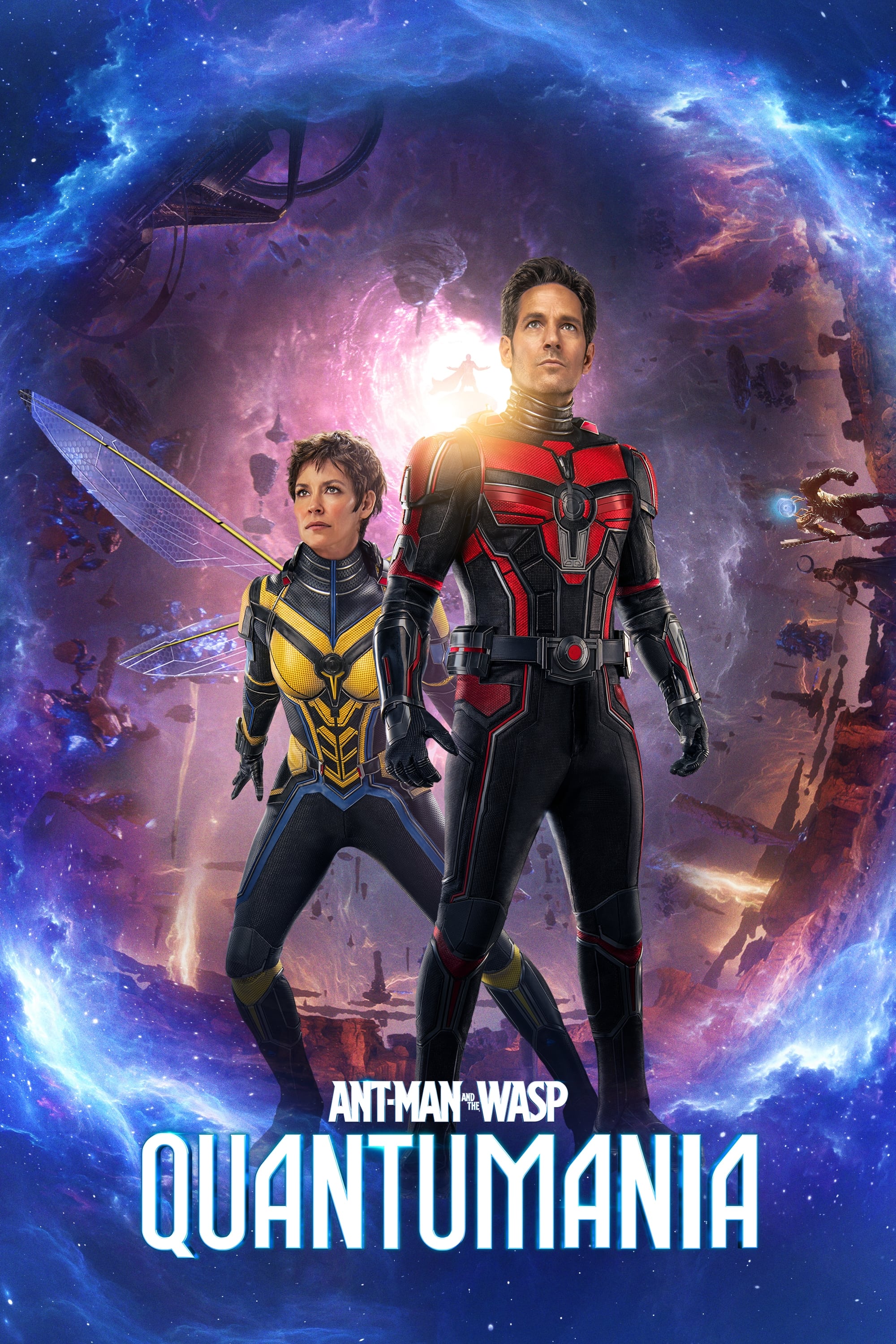
Paul Rudd’s Scott Lang faces Kang (Jonathan Majors) in this $200 million MCU adventure. The cluttered plot and weak visuals fumbled the Multiverse saga’s kickoff, despite Majors’ chilling villain.
Rudd’s charm holds some scenes, but the messy execution disappointed. It dimmed Ant-Man’s quirky legacy.
The Marvels (2023)
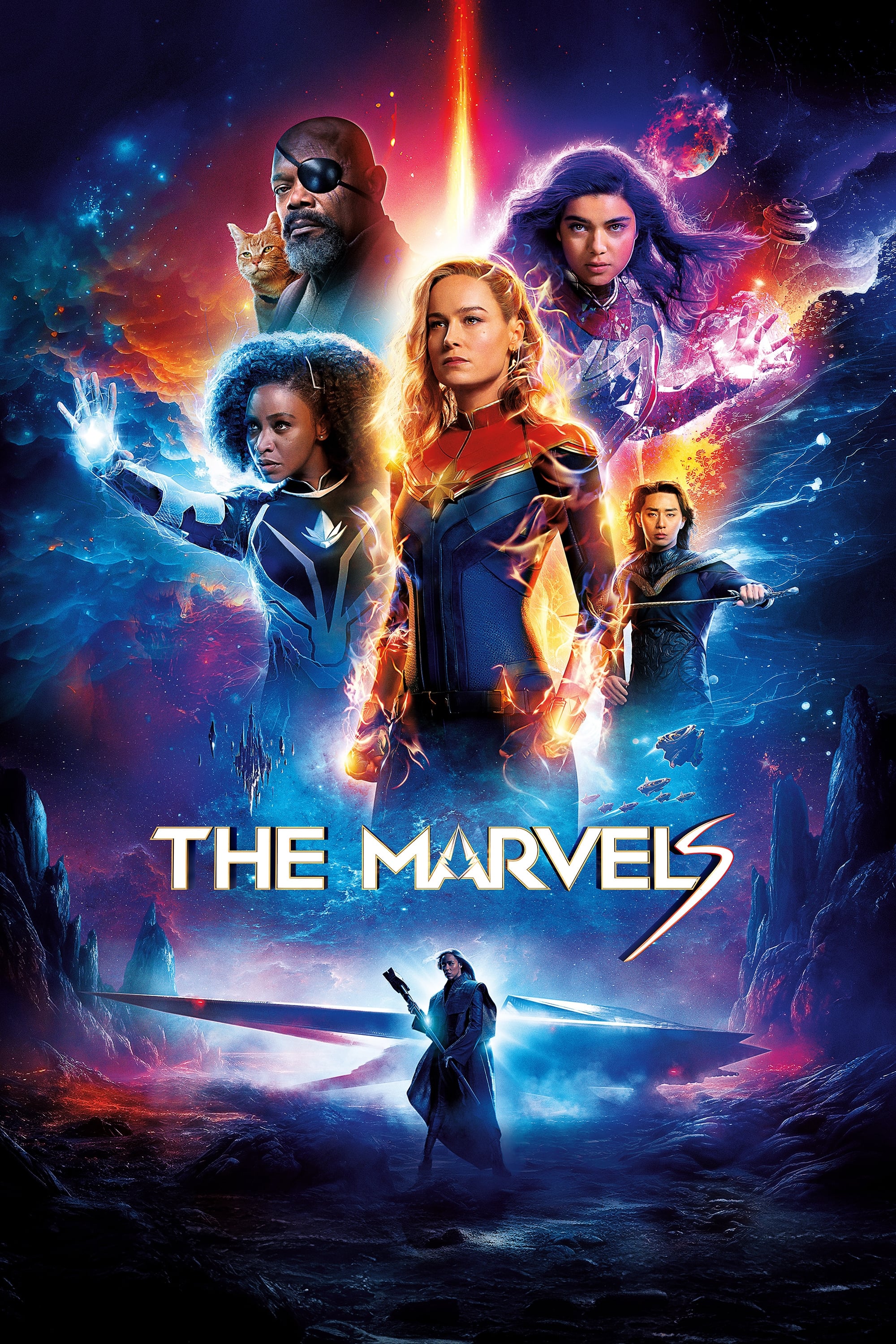
Brie Larson’s Carol Danvers teams with Monica and Kamala in this $220 million MCU flick. A SAG-AFTRA strike killed promotion, and the rushed story failed to match Captain Marvel’s energy, despite fun moments.
The trio’s chemistry sparks, but the flat plot tanked. It’s Marvel’s biggest box-office flop.
Indiana Jones and the Dial of Destiny (2023)
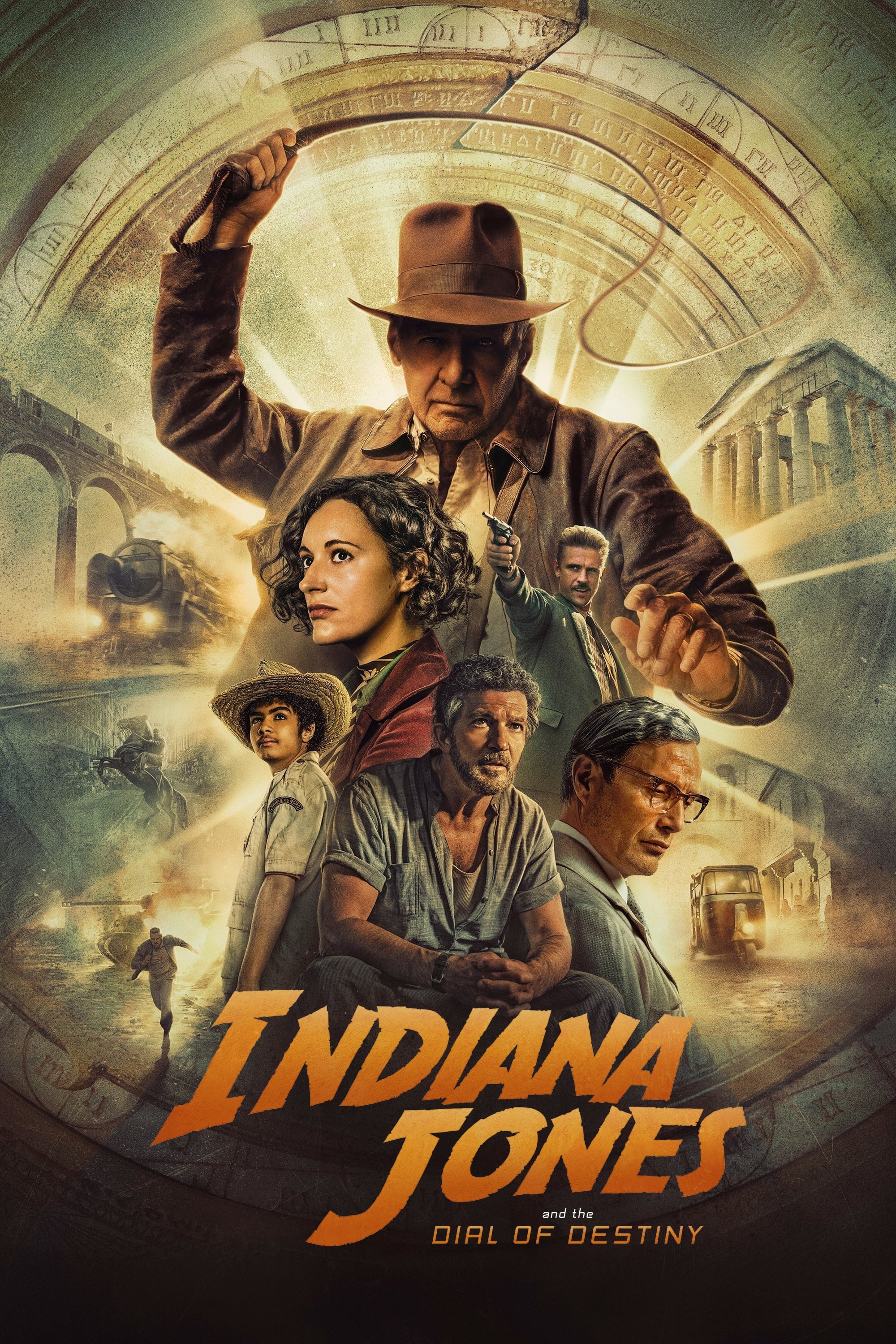
Harrison Ford’s Indy returns in this $300 million adventure. James Mangold’s nostalgic romp stumbles with a convoluted time-travel plot and de-aged CGI, missing the charm of Raiders.
Ford’s grit shines, but the bloated finale frustrated. It’s a costly send-off that didn’t stick the landing.
Glass (2019)
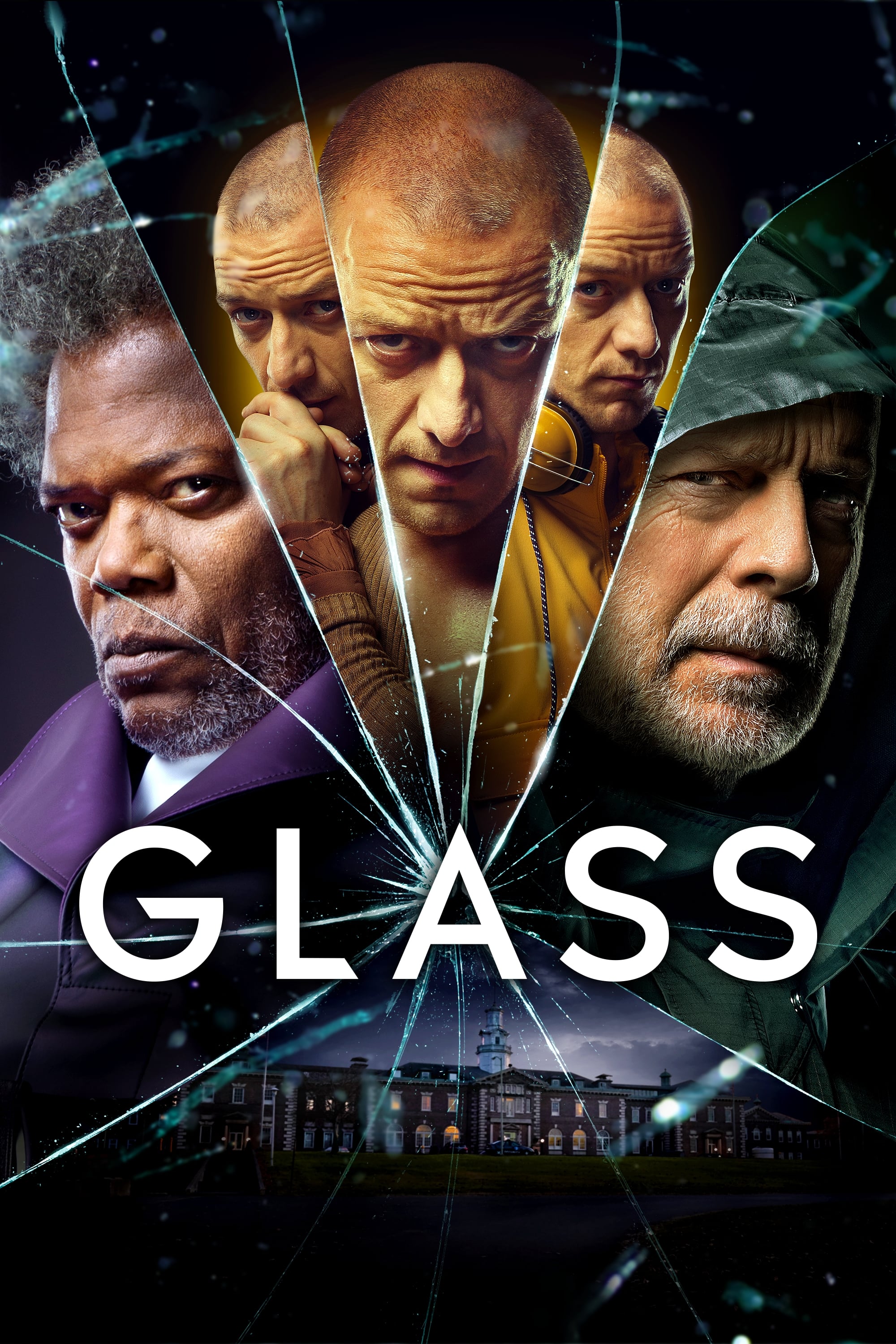
M. Night Shyamalan’s $20 million Unbreakable and Split finale unites Bruce Willis and James McAvoy. The starry cast and hype crashed with a rushed, bleak twist killing off heroes, betraying the trilogy’s buildup.
McAvoy’s intensity dazzles, but the cruel ending crushed hopes. It’s a devastating misfire that soured a beloved saga.
Which A-list movie disappointed you most, or did we miss a hyped-up flop? Share your picks in the comments!

