


The 30 Best Action Movies of the 20th Century

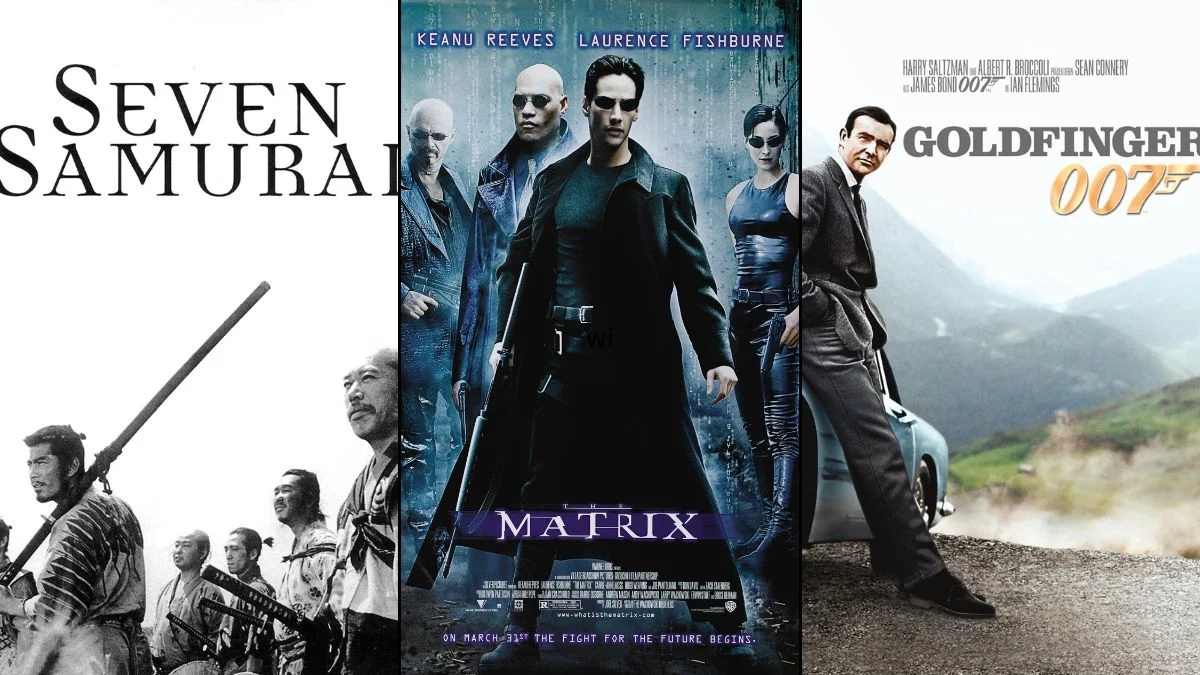


The action movie is a spectacle of movement, a cinematic dance of conflict and resolution that has captivated audiences since the early days of film. It is a genre built on the foundation of the chase, the fight, and the explosion, delivering a visceral thrill that is both timeless and constantly evolving. From the silent era’s daring stuntmen to the digital creations of the late 90s, the 20th century laid the groundwork for the action genre as we know it today, establishing its tropes, its heroes, and its enduring appeal. The films of this era pushed the boundaries of what was possible on screen, turning practical effects and human courage into iconic moments of cinematic history.
This list celebrates the 30 best action movies of the 20th century, a collection of films that not only defined their respective eras but also left a lasting impact on the genre. These are the films that introduced us to legendary heroes, from swashbuckling adventurers and stoic samurai to tough-as-nails cops and relentless cyborgs. They are movies that pioneered new techniques in filmmaking, from breathtaking stunt work and groundbreaking special effects to the very language of action sequences. Each film on this list stands as a testament to the power of action cinema to entertain, to thrill, and to create unforgettable movie magic.
The Great Train Robbery (1903)
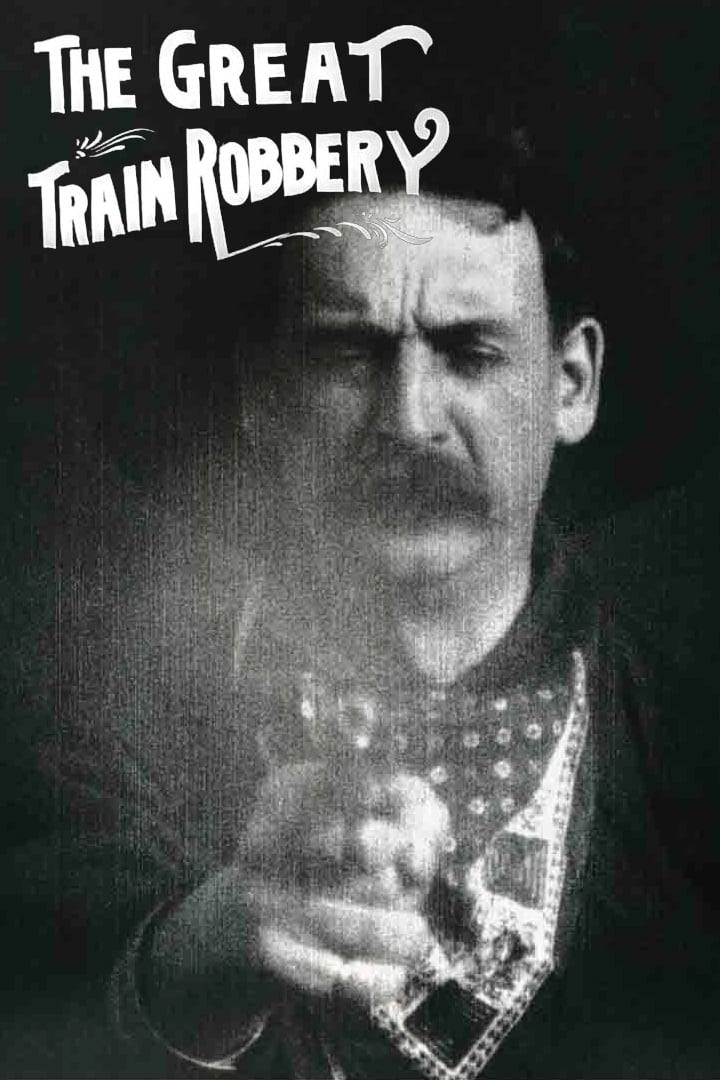
“The Great Train Robbery” is one of the earliest narrative films and a foundational text in the action genre. This silent short film tells a simple but compelling story of a group of outlaws who rob a steam train. The movie depicts the bandits forcing a telegraph operator to stop the train, boarding it, and robbing the passengers before making their escape. The film’s action is direct and effective, featuring shootouts and a chase.
Its significance lies in its innovative filmmaking techniques for the time. Director Edwin S. Porter used cross-cutting to show simultaneous events, building suspense in a way that was new to audiences. The film also featured location shooting, which added a sense of realism. One of the most iconic moments is a final close-up shot of a bandit firing his gun directly at the camera, a startling and memorable image that has been referenced countless times in cinema history.
The Mark of Zorro (1920)
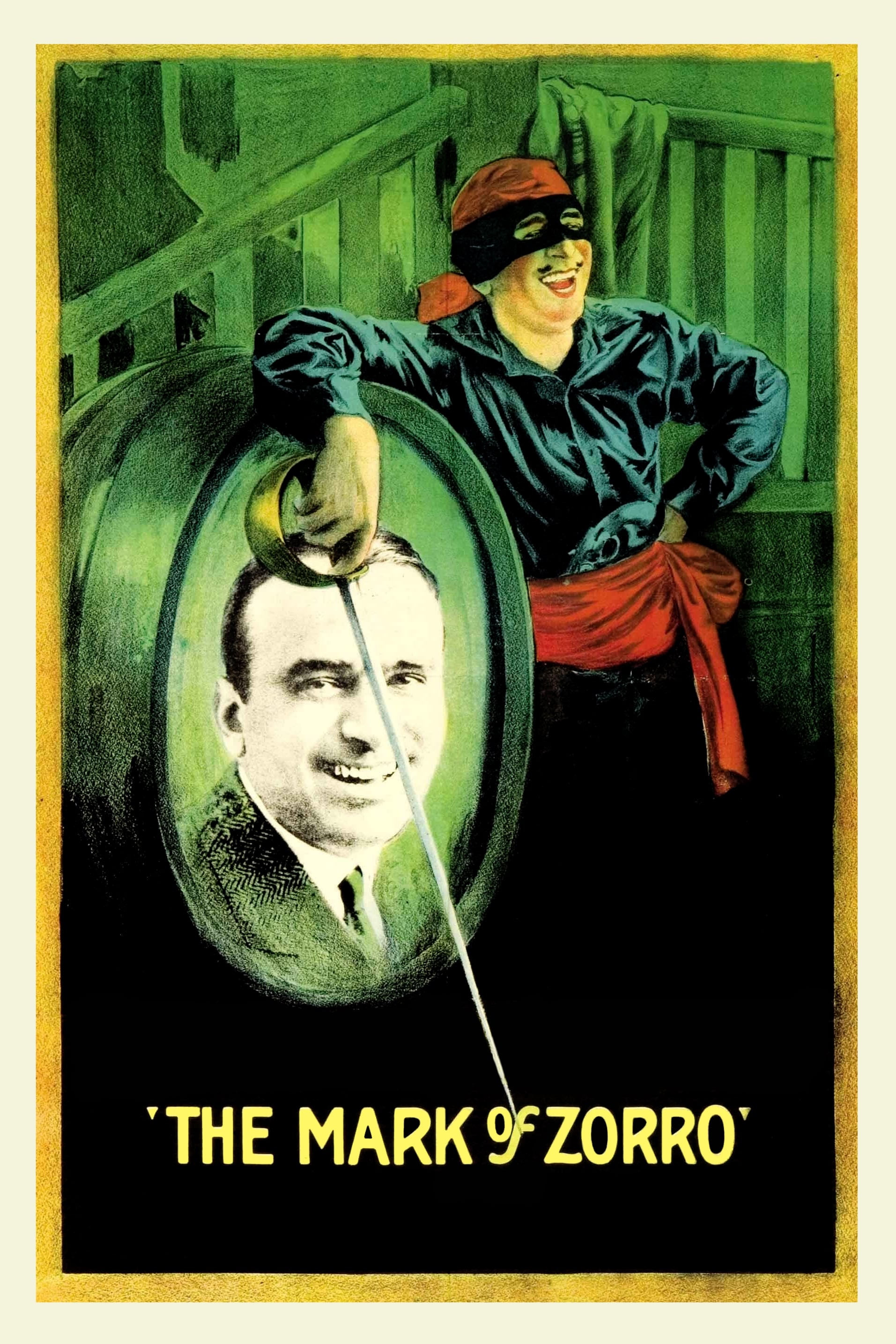
“The Mark of Zorro” is a swashbuckling adventure that established Douglas Fairbanks as one of Hollywood’s first action heroes. Fairbanks plays Don Diego Vega, a seemingly foppish nobleman who secretly dons a mask and cape to become the heroic Zorro, a champion of the people against the corrupt government of Spanish California. The film is filled with impressive stunts, sword fights, and daring escapes, all performed with athletic grace by Fairbanks himself.
The movie was a massive success and helped to popularize the swashbuckler genre. Fairbanks’ portrayal of Zorro, with his acrobatic skill and charismatic charm, created the template for future adventure heroes. The film’s action sequences were meticulously choreographed and showcased Fairbanks’ incredible physical abilities, setting a new standard for action in cinema and influencing countless adventure films for decades to come.
Safety Last! (1923)
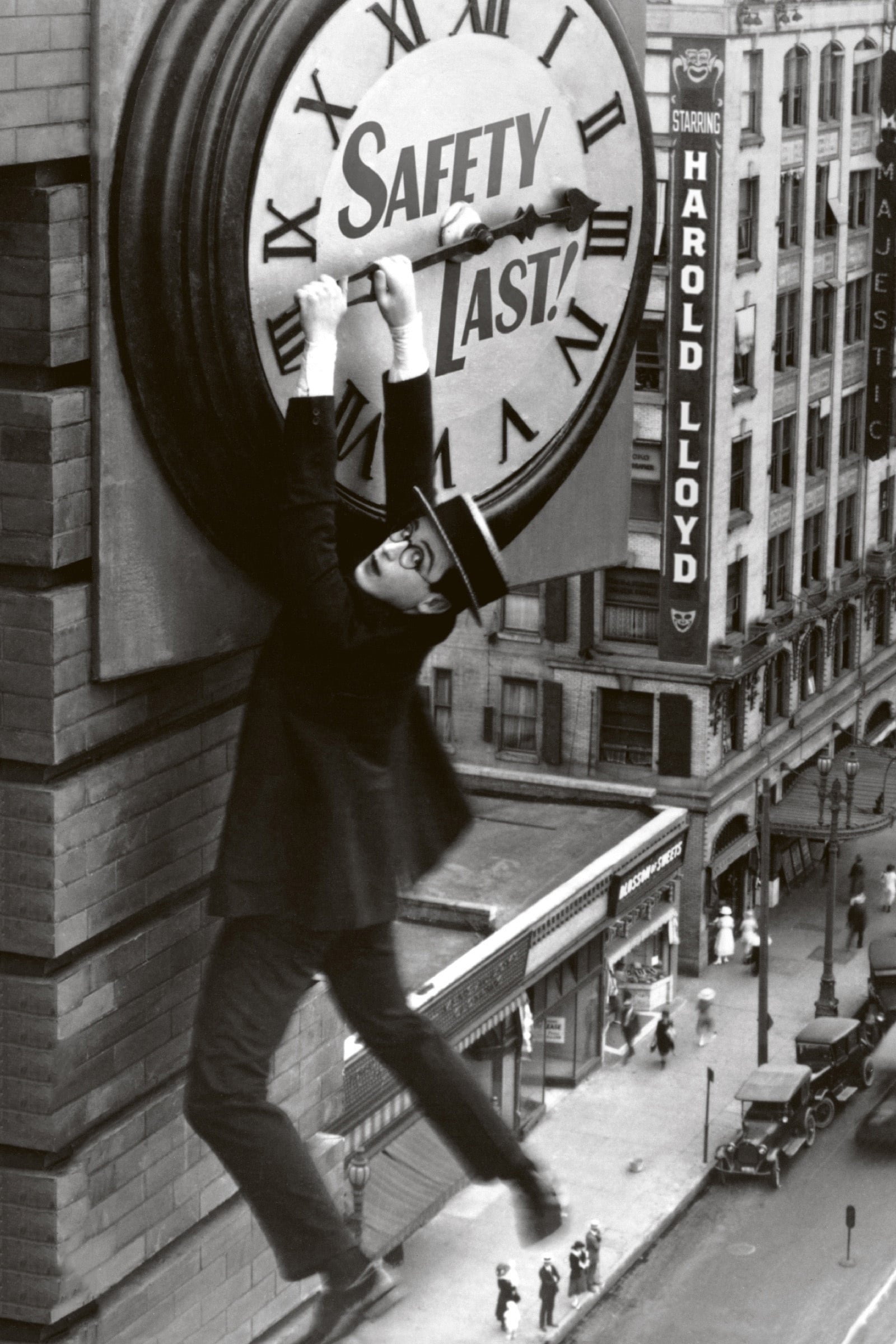
“Safety Last!” is a silent comedy that is most famous for one of the most iconic and daring stunts in film history. The movie stars Harold Lloyd as a young man from the country trying to make it in the big city. To impress his girlfriend, he arranges a publicity stunt where a man will climb the side of a tall department store building. When the original climber can’t make it, Lloyd’s character is forced to make the perilous ascent himself.
The film’s climax features Lloyd dangling from the hands of a large clock on the side of the skyscraper, a breathtaking and suspenseful sequence that has become a lasting image of the silent film era. Lloyd performed many of the dangerous stunts himself, and the clever use of camera angles and sets created a genuine sense of vertigo and danger. The film was a huge box-office success and cemented Lloyd’s reputation as a master of thrill comedy.
The General (1926)
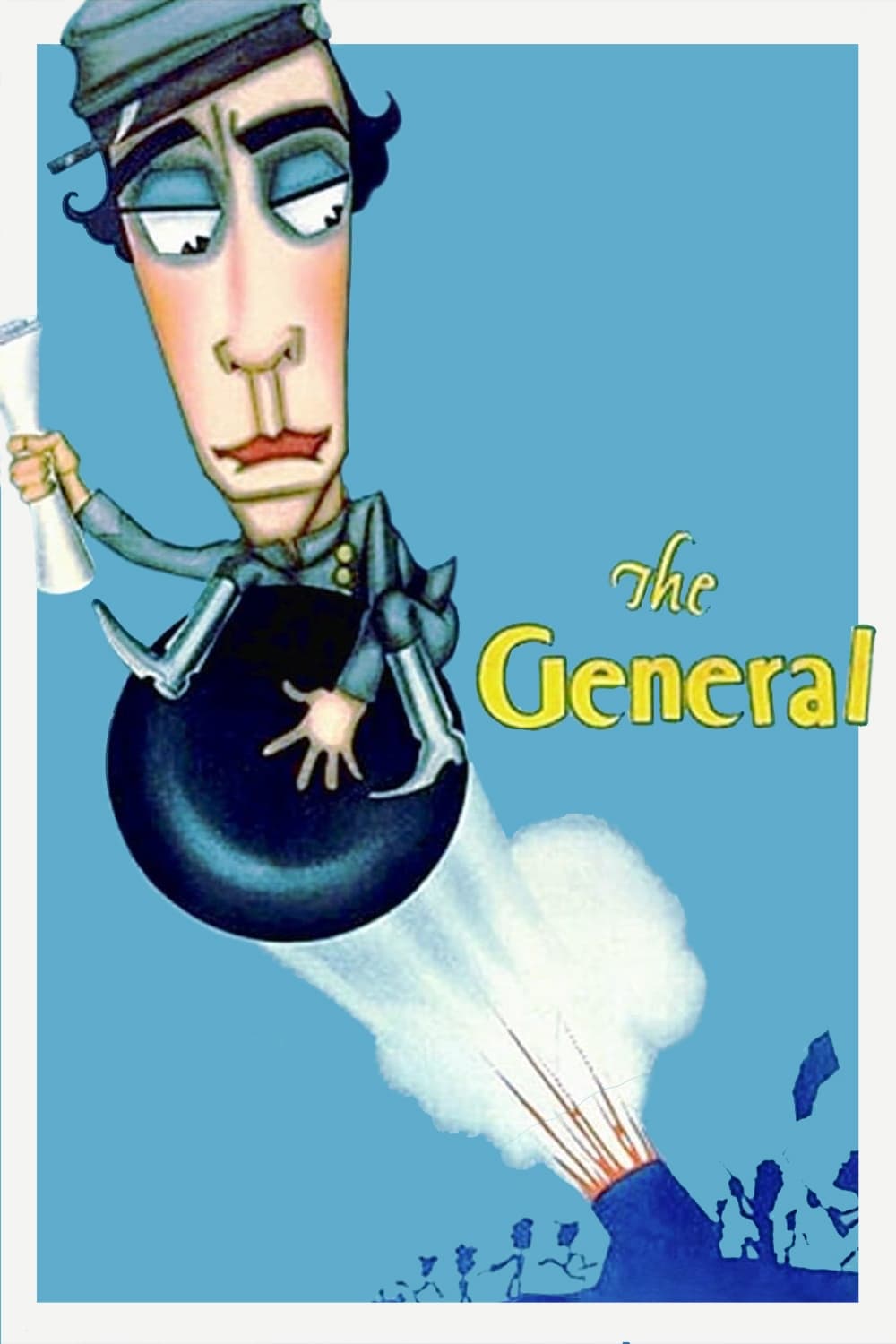
Buster Keaton’s “The General” is a silent comedy set during the American Civil War, renowned for its incredible and authentic stunt work. Keaton plays Johnnie Gray, a locomotive engineer whose beloved train, “The General,” is stolen by Union spies with his sweetheart on board. Johnnie single-handedly pursues his stolen train, leading to a series of elaborate and dangerous gags and action sequences all performed by Keaton himself.
The film is famous for its large-scale action, including a real train crash in a forest, one of the most expensive single shots in silent film history. Keaton’s physical comedy and death-defying stunts, such as running along the top of the moving train and hopping between carriages, are still breathtaking to watch today. “The General” is considered a masterpiece of silent cinema and a landmark in action-comedy for its seamless blend of humor and spectacular, real-life stunts.
King Kong (1933)

“King Kong” is a groundbreaking monster movie that brought a new level of spectacle to action and adventure films. The story follows a film crew that travels to a mysterious island and discovers a giant ape known as Kong. They capture the creature and bring him back to New York City for public exhibition, where he escapes and rampages through the city in search of the actress Ann Darrow.
The film was a marvel of its time, utilizing pioneering stop-motion animation to bring Kong and the other prehistoric creatures of Skull Island to life. The action sequences, from Kong’s battles with dinosaurs to his iconic final stand atop the Empire State Building, were unlike anything audiences had seen before. “King Kong” was a massive success and has had a profound and lasting influence on the fantasy and action genres.
The Adventures of Robin Hood (1938)
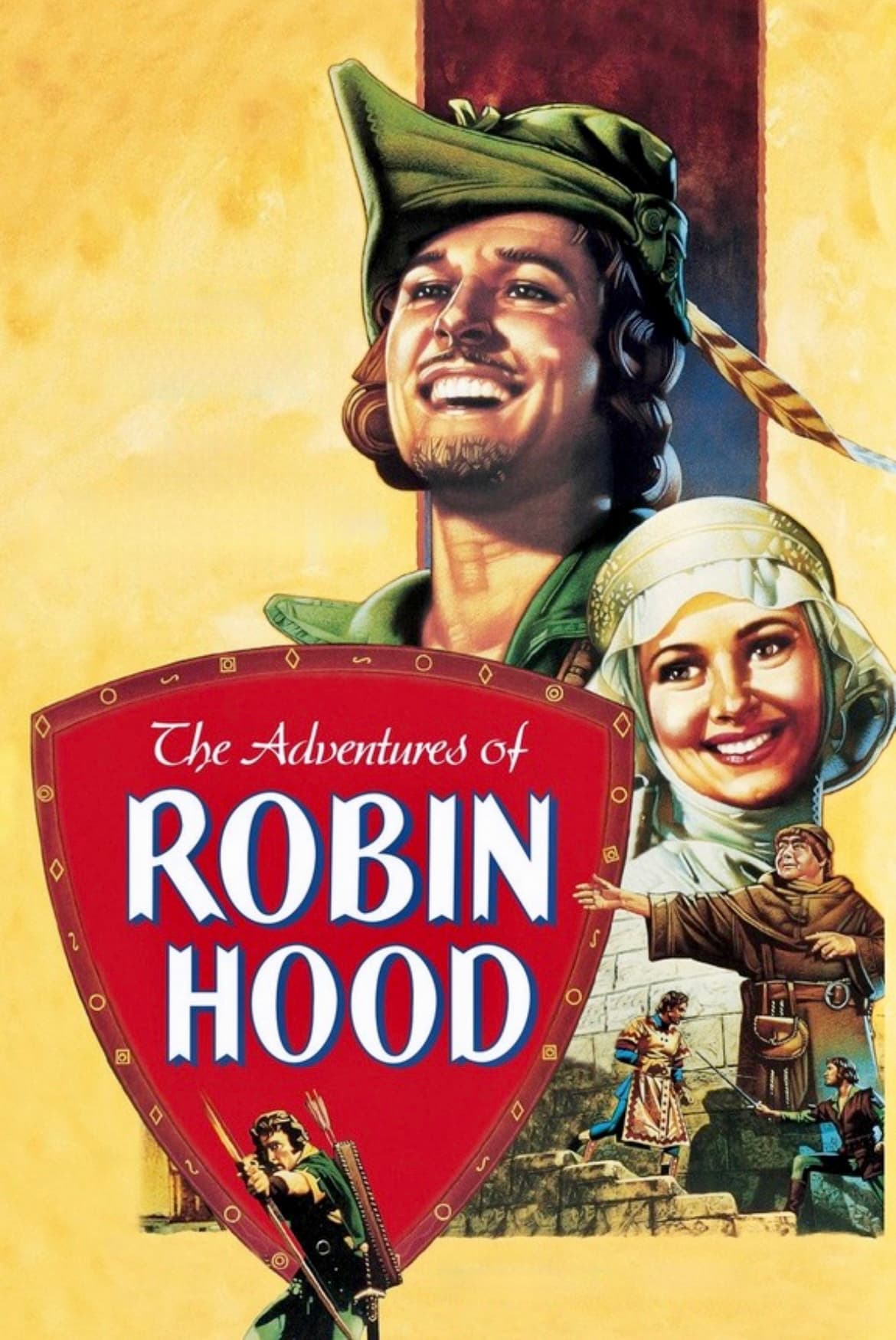
“The Adventures of Robin Hood” is a vibrant and exciting swashbuckler, considered one of the greatest adventure films of all time. Starring Errol Flynn in his most iconic role, the film tells the classic story of the heroic outlaw who steals from the rich to give to the poor. The film is a lavish production, shot in glorious Technicolor, which brings the world of medieval England to life.
The movie is packed with thrilling action sequences, most notably its expertly choreographed sword fights. The duel between Robin Hood and Sir Guy of Gisbourne is a masterclass in cinematic swordplay, full of energy and dramatic flair. Flynn’s charismatic performance and athletic prowess made him the definitive Robin Hood and a legendary action hero. The film’s blend of action, romance, and adventure set a high bar for the genre.
The Treasure of the Sierra Madre (1948)
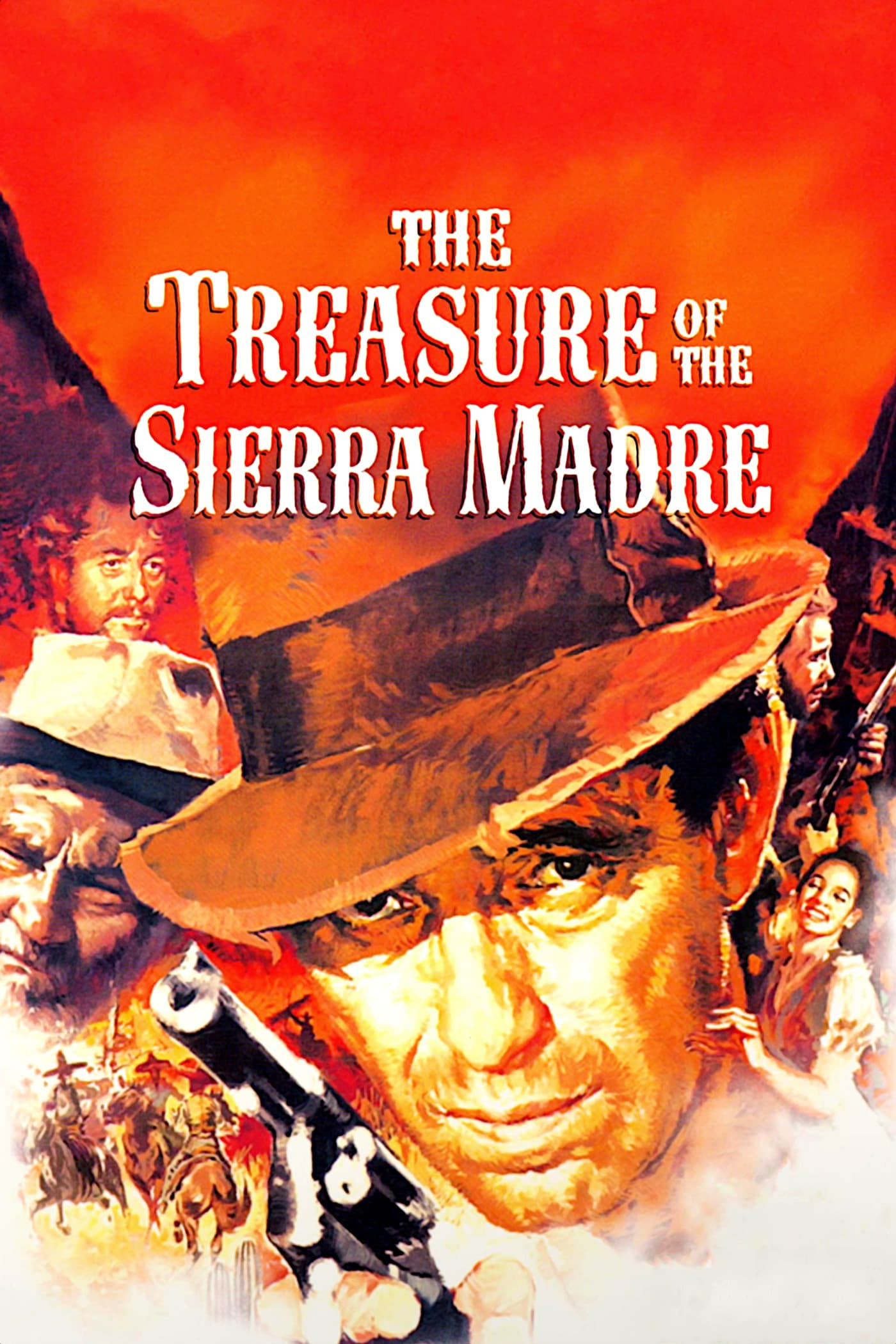
“The Treasure of the Sierra Madre” is a gripping action-adventure film about three down-on-their-luck Americans who search for gold in Mexico. The film explores themes of greed and paranoia as the men’s initial partnership begins to crumble under the weight of their potential fortune. While it’s a character-driven drama, the film is punctuated by tense and realistic action sequences.
The men face threats from bandits and the harsh wilderness, leading to shootouts and desperate struggles for survival. The film’s portrayal of violence is gritty and unflinching for its time. Humphrey Bogart gives a powerful performance as the increasingly unstable Fred C. Dobbs. The movie won three Academy Awards and is praised for its compelling story and rugged action.
Seven Samurai (1954)
Akira Kurosawa’s “Seven Samurai” is an epic masterpiece that has had a profound and lasting influence on action cinema worldwide. The film is set in 16th-century Japan and tells the story of a village of farmers who hire a group of masterless samurai, or ronin, to protect them from a gang of ruthless bandits. The film is a long and detailed account of the samurai gathering their forces, training the villagers, and the final, epic battle.
The film is renowned for its character development, its grand scale, and its expertly staged action sequences. Kurosawa’s use of multiple cameras and slow-motion during the battle scenes was revolutionary and has been emulated by countless filmmakers since. “Seven Samurai” essentially created the “assembling the team” trope that is now a staple of the action genre and was famously remade as the Western “The Magnificent Seven.”
North by Northwest (1959)
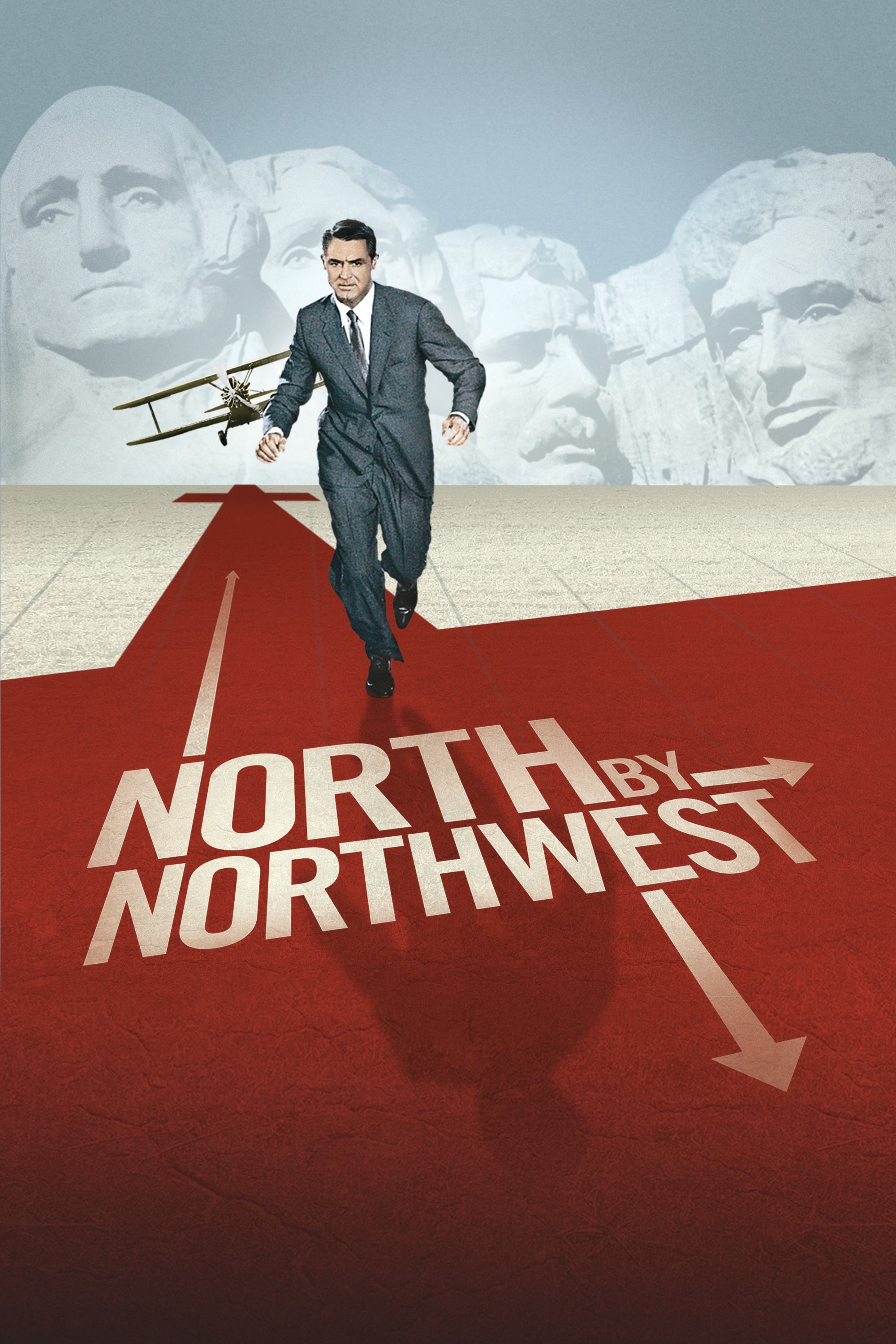
Alfred Hitchcock’s “North by Northwest” is a stylish and suspenseful spy thriller that is a direct precursor to the modern action film. Cary Grant stars as Roger Thornhill, an advertising executive who is mistaken for a government agent and is pursued across the country by a group of foreign spies. The film is a series of thrilling set pieces that have become iconic in cinema history.
From the famous crop-duster attack in a desolate cornfield to the climactic chase across the faces of Mount Rushmore, the film is a masterclass in suspense and action. Hitchcock’s meticulous direction creates a constant sense of danger and excitement. “North by Northwest” provided a blueprint for many future action films, particularly the James Bond series, with its blend of wit, adventure, and spectacular action sequences.
Goldfinger (1964)
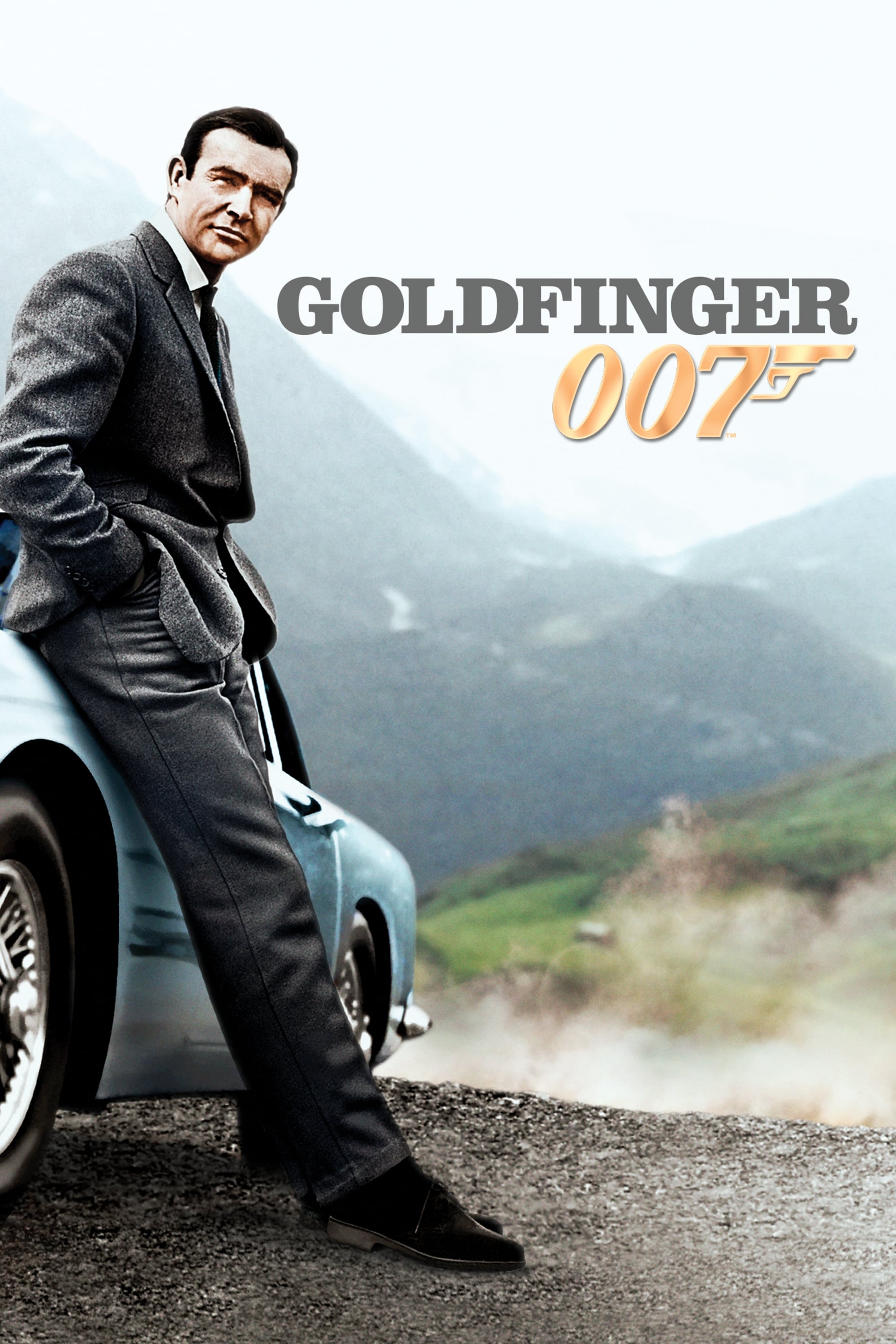
“Goldfinger” is the film that solidified the James Bond formula and turned the 007 series into a global phenomenon. Sean Connery stars as the suave secret agent who must stop the villainous Auric Goldfinger from robbing Fort Knox. The film is packed with iconic elements that would become staples of the franchise: the high-tech gadgets, the stylish cars, the memorable villain and henchman, and the larger-than-life plot.
The action in “Goldfinger” is exciting and inventive, from a thrilling car chase involving Bond’s gadget-laden Aston Martin DB5 to a dramatic fight in a private jet. The film’s blend of action, glamour, and humor was a massive hit with audiences and set the standard for the spy genre. Its influence can still be seen in action and espionage films today.
The Dirty Dozen (1967)

“The Dirty Dozen” is a classic World War II action film with a rebellious spirit. The movie follows a U.S. Army Major who is assigned a dangerous mission: to train a team of twelve convicted soldiers for a suicide mission behind enemy lines. The mission is to assassinate a group of high-ranking German officers just before D-Day.
The film is a tough and gritty “men-on-a-mission” movie with a star-studded cast. The action is brutal and realistic, and the film doesn’t shy away from the dark side of war. The story is as much about the difficult and often contentious relationships between the soldiers as it is about the mission itself. “The Dirty Dozen” was a huge commercial success and became a benchmark for the war and action genres.
Bullitt (1968)
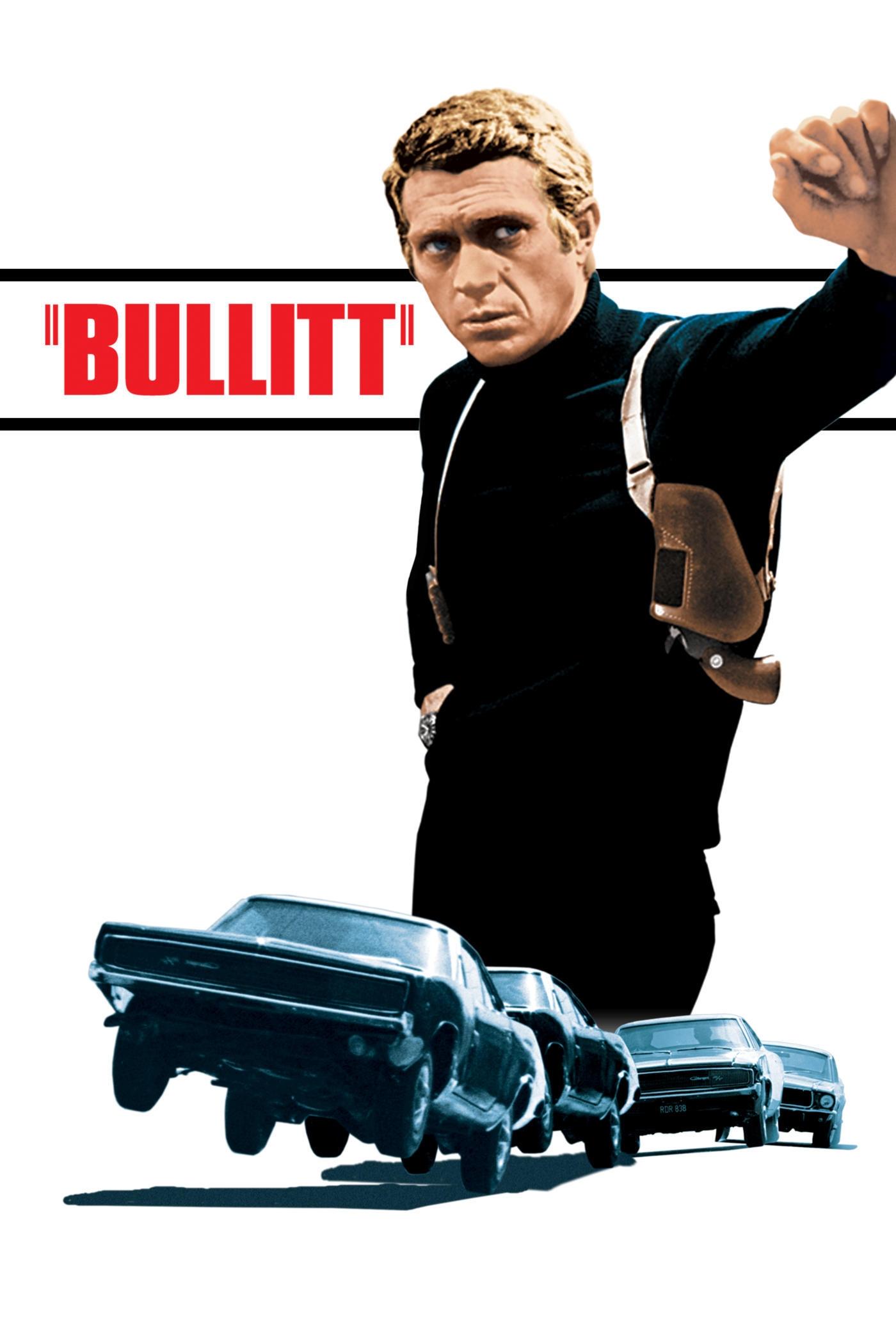
“Bullitt” is a cool and stylish crime thriller famous for featuring one of the greatest and most influential car chases in movie history. Steve McQueen stars as Frank Bullitt, a tough San Francisco police detective who is determined to find the mobsters who killed the witness he was assigned to protect.
The centerpiece of the film is a nearly 11-minute-long car chase through the streets of San Francisco. Shot with real cars at high speeds, the sequence is a masterclass of practical filmmaking and editing. McQueen, an accomplished driver, performed some of the stunt driving himself, adding to the scene’s authenticity. “Bullitt” set a new standard for car chases in film, and its impact can be seen in countless action movies that followed.
The Wild Bunch (1969)
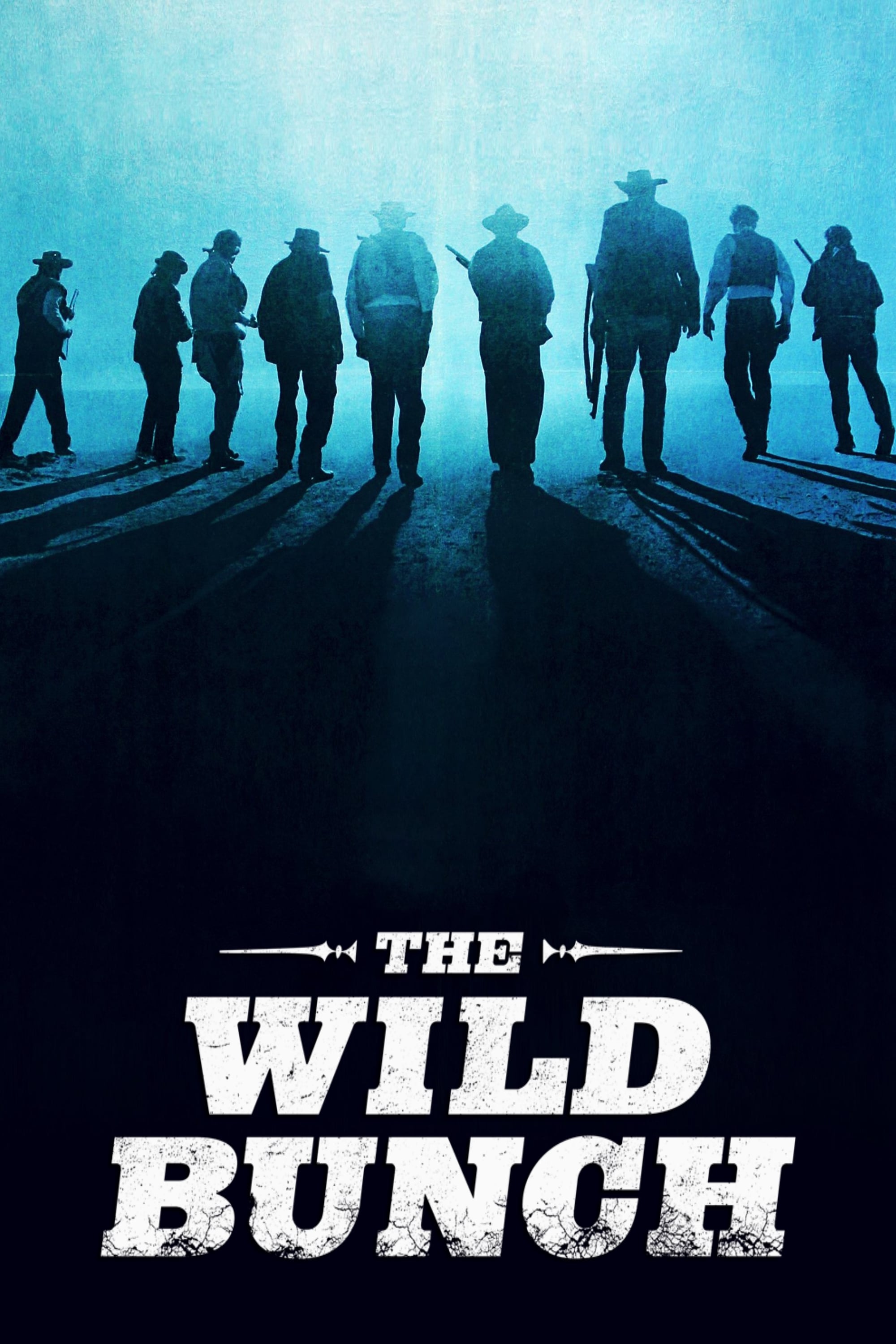
Sam Peckinpah’s “The Wild Bunch” is a violent and revisionist Western that changed the way action was depicted on screen. The film follows an aging gang of outlaws on the Texas-Mexico border in 1913 as they plan one last score. The movie is known for its graphic and stylized violence, which was controversial at the time of its release.
Peckinpah used slow-motion and complex editing to create visceral and balletic shootouts that were unlike anything audiences had seen before. The film’s climactic battle is a stunning and bloody sequence that has become legendary in the history of action cinema. “The Wild Bunch” is a powerful and elegiac film that deconstructed the myths of the Old West and had a profound influence on the action genre.
Dirty Harry (1971)

“Dirty Harry” is a gritty and controversial crime thriller that introduced one of cinema’s most iconic anti-heroes. Clint Eastwood stars as Harry Callahan, a San Francisco police inspector who is known for his tough, unorthodox methods. When a ruthless sniper calling himself Scorpio terrorizes the city, Harry is assigned to stop him by any means necessary.
The film is known for its hard-hitting action and its tough, no-nonsense dialogue. Eastwood’s portrayal of the cynical and determined cop resonated with audiences and made him a superstar. “Dirty Harry” sparked a debate about police brutality and vigilantism, but its impact on the cop thriller genre is undeniable. The film’s success led to four sequels and solidified the archetype of the tough, rule-breaking cop in action cinema.
The French Connection (1971)
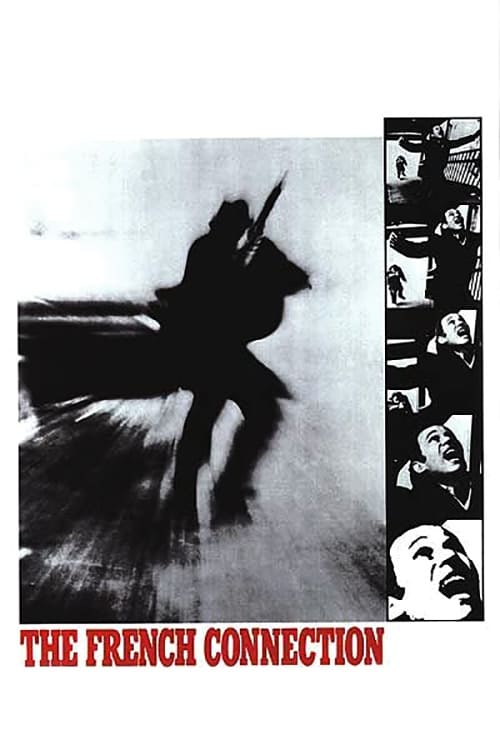
“The French Connection” is a gritty and realistic crime thriller that brought a new level of authenticity to the action genre. Gene Hackman stars as “Popeye” Doyle, a New York City narcotics detective who is obsessed with busting a large heroin-smuggling ring. The film is based on a true story and was shot on location in New York City, giving it a raw, documentary-like feel.
The film is famous for its thrilling and dangerous car chase, in which Popeye races his car under an elevated train track in pursuit of a suspect. The scene was filmed in real traffic without proper permits, and the result is a chaotic and incredibly tense sequence that is still breathtaking to watch. “The French Connection” won five Academy Awards, including Best Picture, and its realistic approach to action had a major influence on the crime films of the 1970s.
Enter the Dragon (1973)
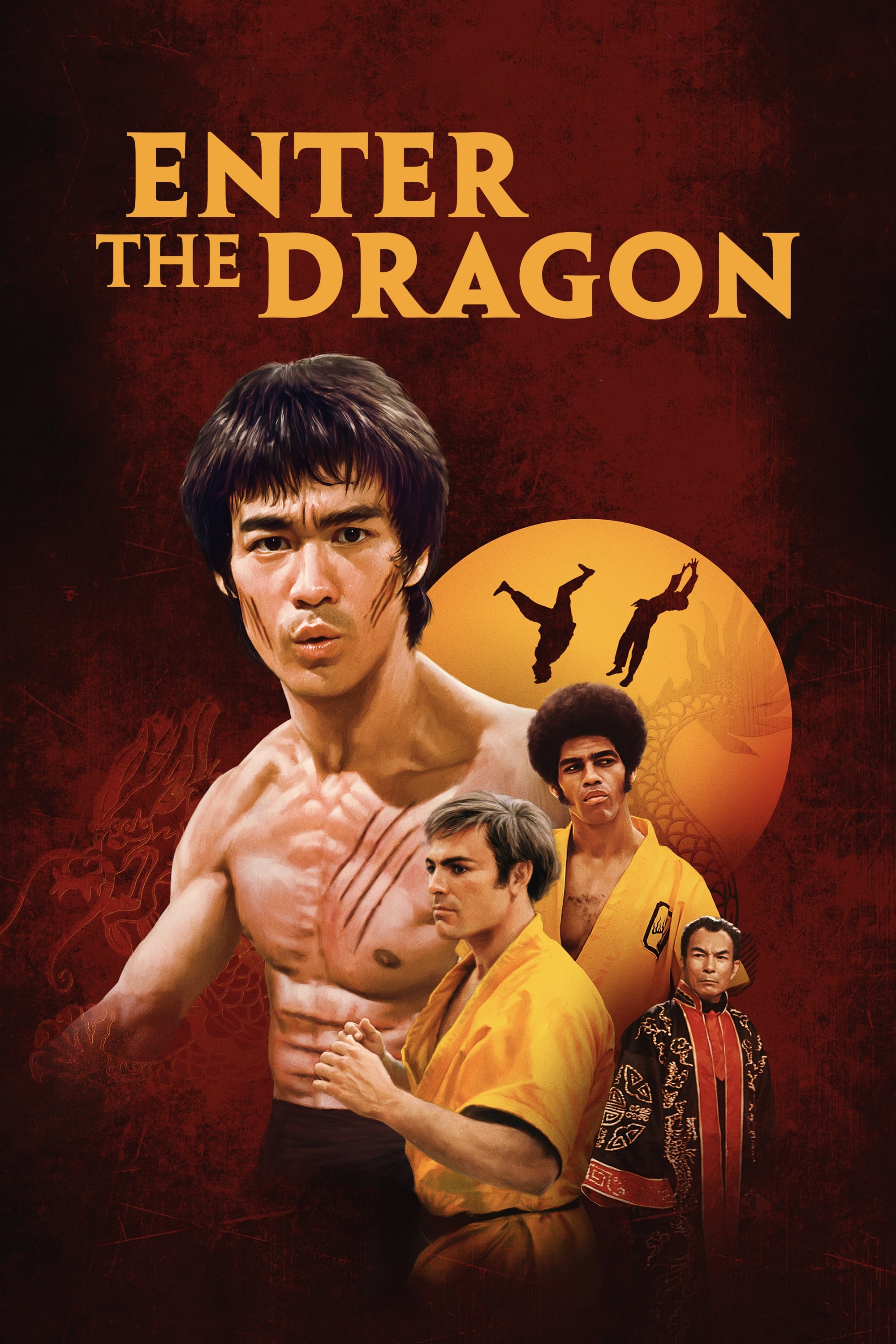
“Enter the Dragon” is the film that made Bruce Lee an international superstar and brought martial arts cinema to a global audience. Lee plays a martial artist who is recruited by a British intelligence agent to go undercover at a martial arts tournament on a private island owned by a suspected crime lord. The film is a co-production between a Hong Kong studio and Hollywood’s Warner Bros.
The film showcases Bruce Lee’s incredible martial arts skills and his charismatic screen presence. The fight sequences are masterfully choreographed and display Lee’s unique philosophy of Jeet Kune Do. The climactic duel in a hall of mirrors is one of the most iconic fight scenes in film history. Tragically, Lee died just before the film’s release, but “Enter the Dragon” cemented his legacy as a cultural icon and the most influential martial artist in cinema history.
Mad Max 2: The Road Warrior (1981)
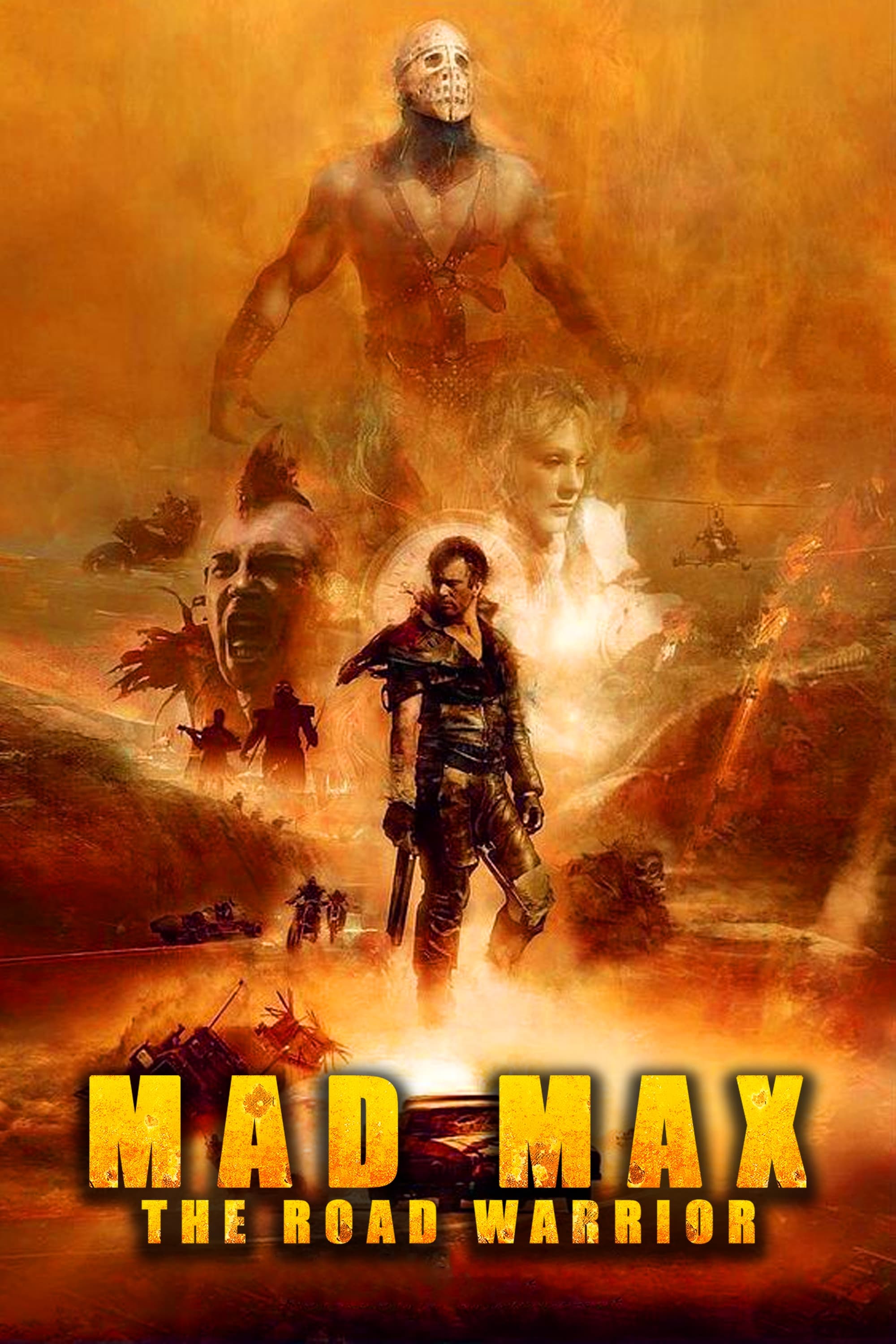
“Mad Max 2: The Road Warrior” is a post-apocalyptic action masterpiece that set a new standard for a desolate, high-octane future. Mel Gibson returns as Max, a former policeman who now roams the barren wasteland of Australia in his supercharged V8 Interceptor. He comes across a community of settlers who are besieged by a ruthless gang of marauders and agrees to help them in exchange for fuel.
The film is essentially one long, spectacular chase sequence, filled with incredible stunt work and vehicle-based combat. Director George Miller created a visceral and kinetic style of action that was hugely influential. The film’s punk-rock aesthetic and its vision of a world fighting over the last drops of gasoline have been copied by countless films, video games, and comic books. “The Road Warrior” is a pure, unrelenting action film and a landmark of the genre.
Raiders of the Lost Ark (1981)
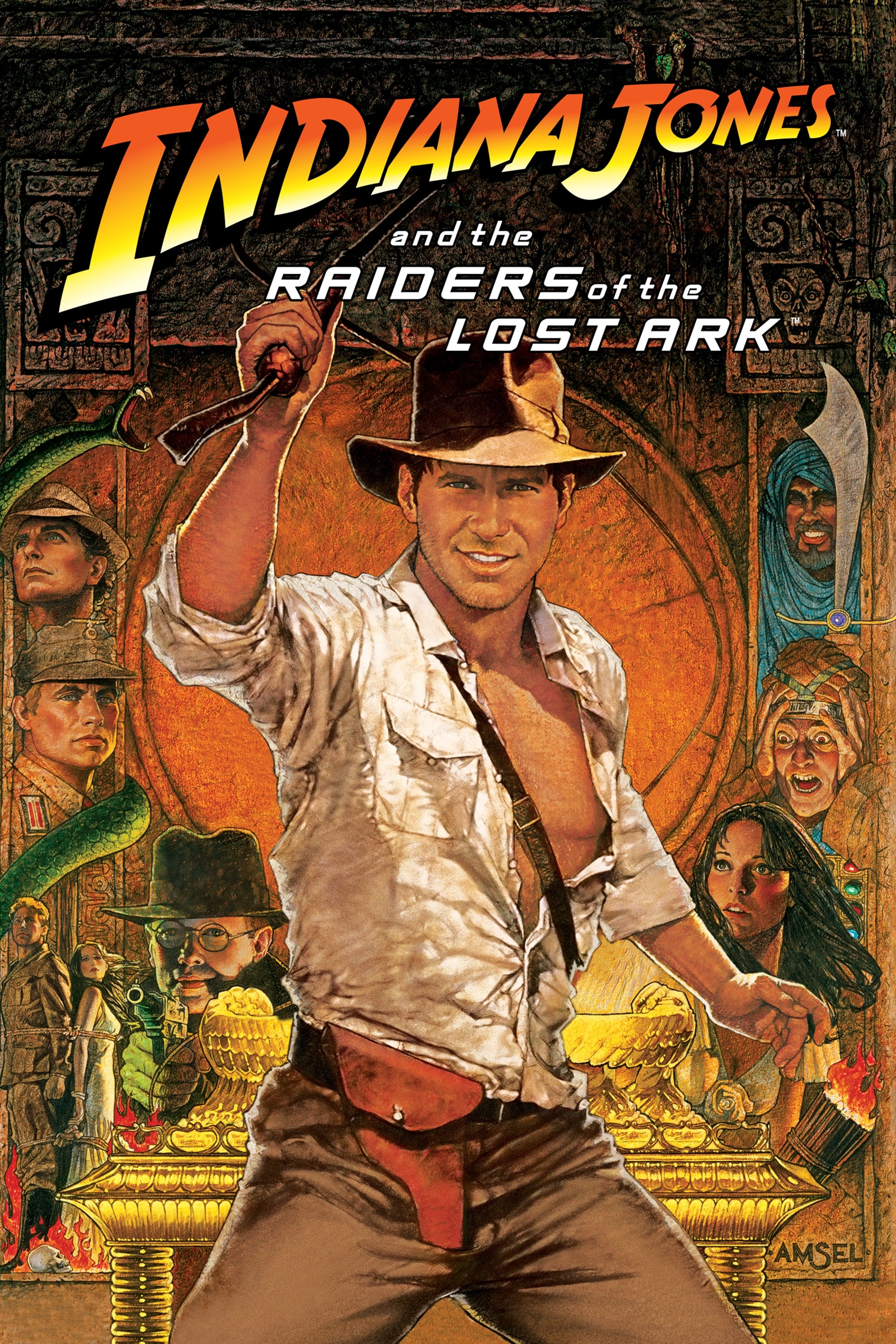
“Raiders of the Lost Ark” is a masterful adventure film that pays homage to the classic serials of the 1930s and 40s while creating something entirely new and exciting. Directed by Steven Spielberg and created by George Lucas, the film introduces Harrison Ford as Indiana Jones, an archaeologist and adventurer who is hired by the U.S. government to find the fabled Ark of the Covenant before the Nazis can.
The film is a relentless series of thrilling action set pieces, from the iconic opening scene with the giant rolling boulder to a spectacular truck chase and a tense fight around a flying wing aircraft. The action is inventive, suspenseful, and infused with a great sense of fun and humor. “Raiders of the Lost Ark” was a massive critical and commercial success and remains a beloved classic, representing the pinnacle of action-adventure filmmaking.
First Blood (1982)
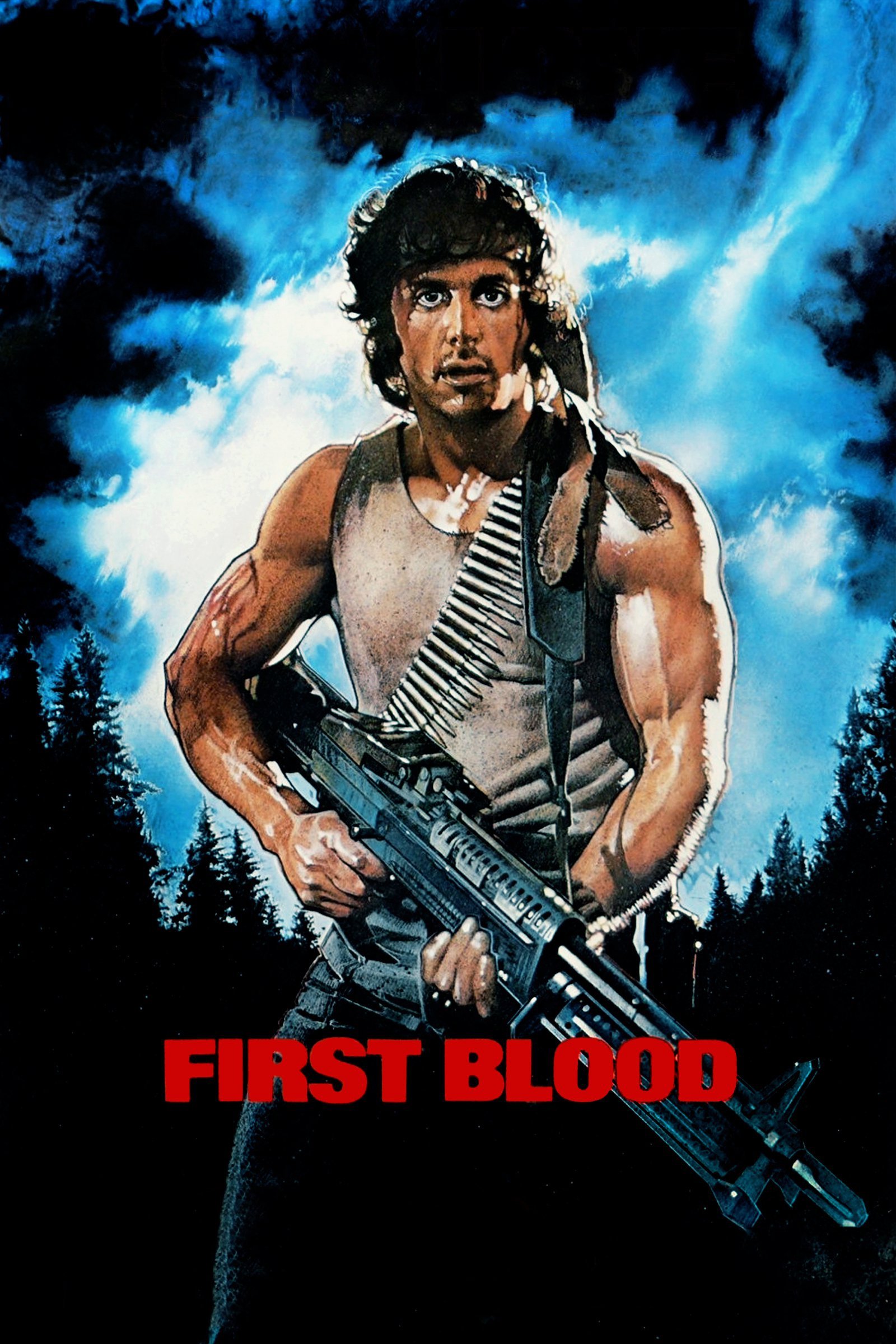
“First Blood” introduced the world to John Rambo, one of the most iconic action heroes of the 1980s. Sylvester Stallone plays a troubled Vietnam War veteran who is wrongfully arrested and abused by the sheriff of a small town. Rambo’s survival training kicks in, and he escapes into the wilderness, leading to a one-man war against the local law enforcement.
Unlike its more bombastic sequels, “First Blood” is a tense and gritty survival thriller with a serious message about the treatment of veterans. The action is grounded and realistic, focusing on Rambo’s resourcefulness and his use of guerrilla tactics. Stallone gives a powerful performance, conveying the deep emotional scars of his character. The film was a box office hit and spawned a successful franchise.
Police Story (1985)
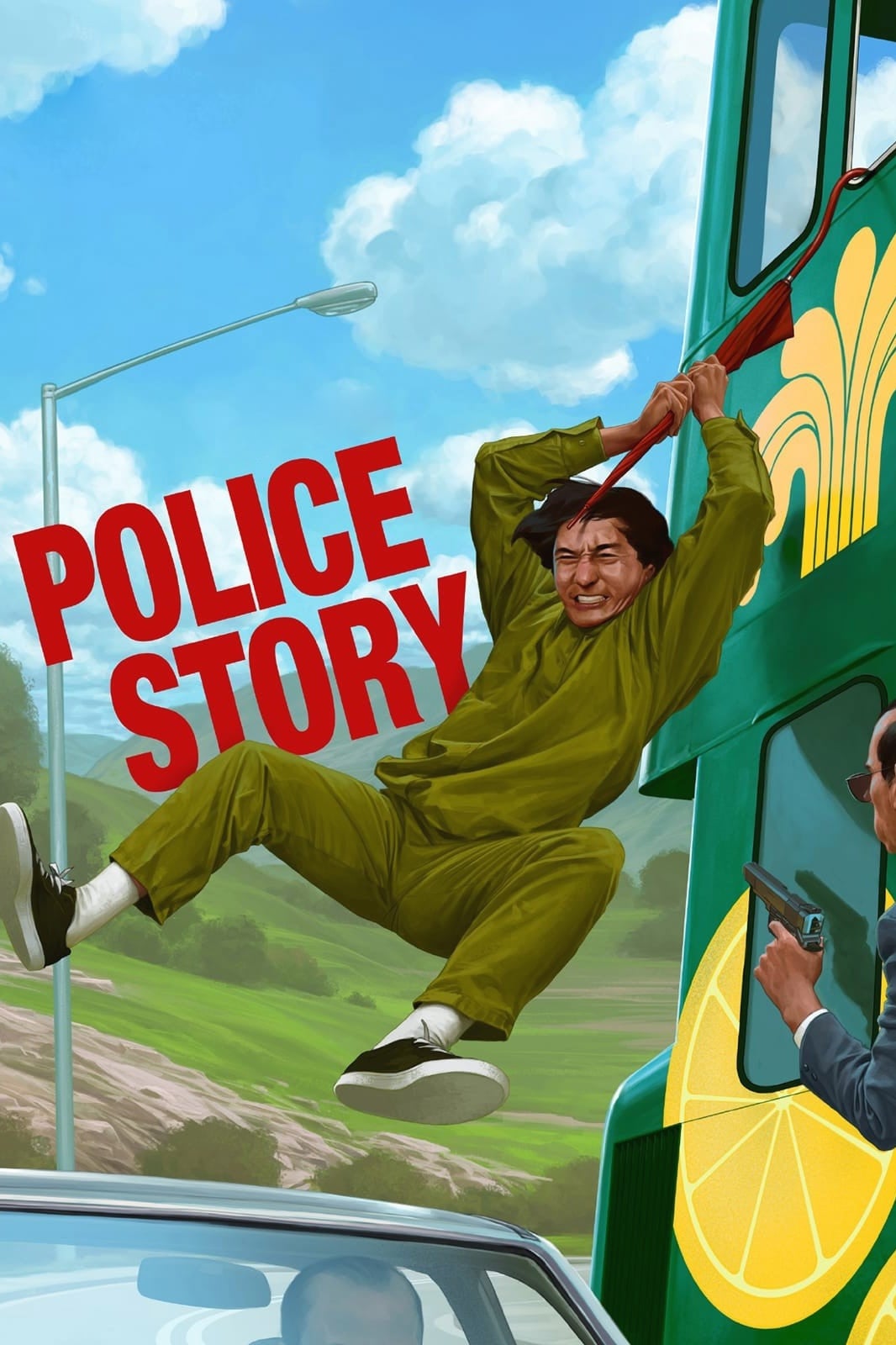
“Police Story” is a Hong Kong action film that showcases the incredible stunt work and comedic timing of its star and director, Jackie Chan. Chan plays a dedicated Hong Kong police detective who must protect a witness in a major drug case. The film is a showcase for Chan’s unique blend of martial arts, slapstick comedy, and death-defying stunts.
The film features some of Jackie Chan’s most famous and dangerous stunt sequences, which he performed himself. This includes a destructive car chase through a shantytown and a climactic fight in a shopping mall that ends with Chan sliding down a pole covered in exploding lights. “Police Story” was a huge success in Asia and further established Chan as a major action star, renowned for his willingness to put his body on the line for the sake of entertainment.
Aliens (1986)
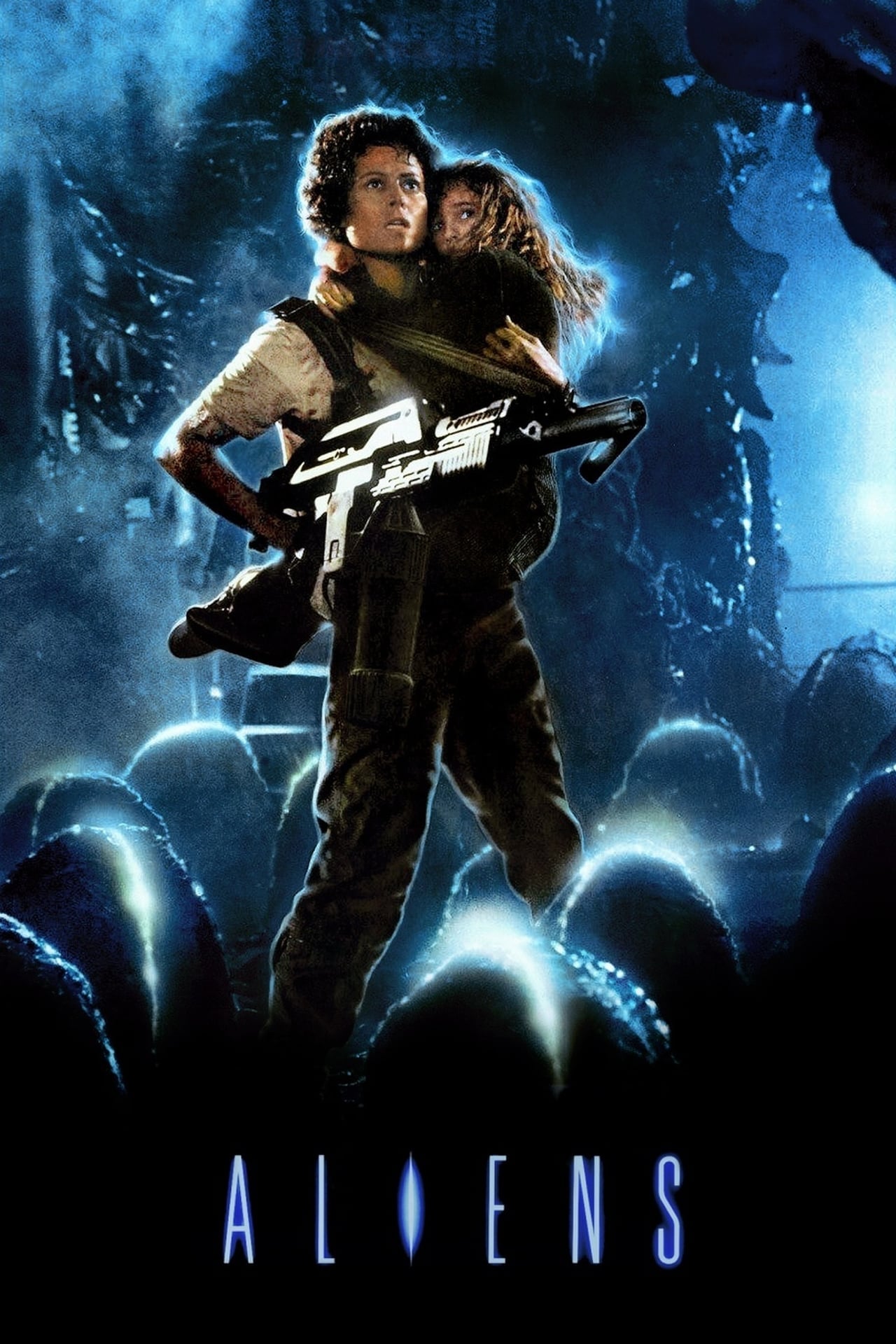
James Cameron’s “Aliens” is the action-packed sequel to Ridley Scott’s suspenseful sci-fi horror film “Alien.” Sigourney Weaver returns as Ellen Ripley, who is rescued after 57 years in hypersleep and is persuaded to return to the planet where her crew first encountered the deadly alien creature. This time, she is accompanied by a squad of tough colonial marines.
“Aliens” transforms the slow-burn horror of the original into a full-blown war movie, with Ripley and the marines battling a whole hive of aliens. The film is a masterclass in action and suspense, with relentless pacing and incredible practical effects. The final showdown between Ripley in a cargo-loader and the alien queen is one of the most iconic and thrilling climaxes in action movie history. The film was a huge critical and commercial success and is considered one of the greatest sequels ever made.
Lethal Weapon (1987)
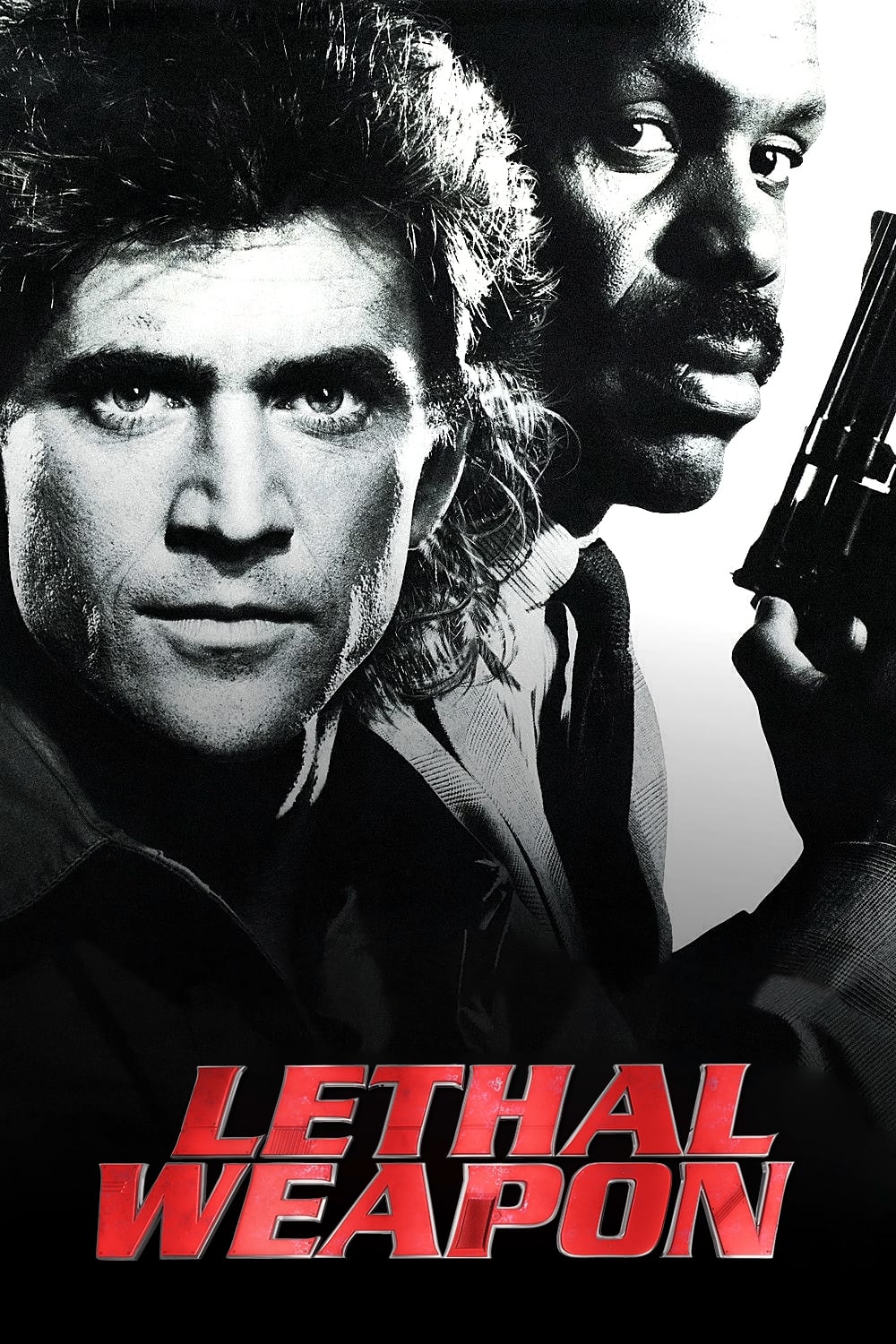
“Lethal Weapon” is the film that defined the buddy cop genre for a generation. Mel Gibson and Danny Glover star as Martin Riggs and Roger Murtaugh, two mismatched LAPD detectives who are partnered to investigate a drug-trafficking ring. Riggs is a reckless and suicidal cop still reeling from the death of his wife, while Murtaugh is a veteran family man who is “too old for this.”
The film is a perfect blend of explosive action, sharp humor, and character-driven drama. The chemistry between Gibson and Glover is the heart of the movie, and their banter is as entertaining as the shootouts and car chases. Written by Shane Black, “Lethal Weapon” was a massive hit that spawned a successful franchise and countless imitators. Its influence on the action-comedy subgenre is immense.
Predator (1987)
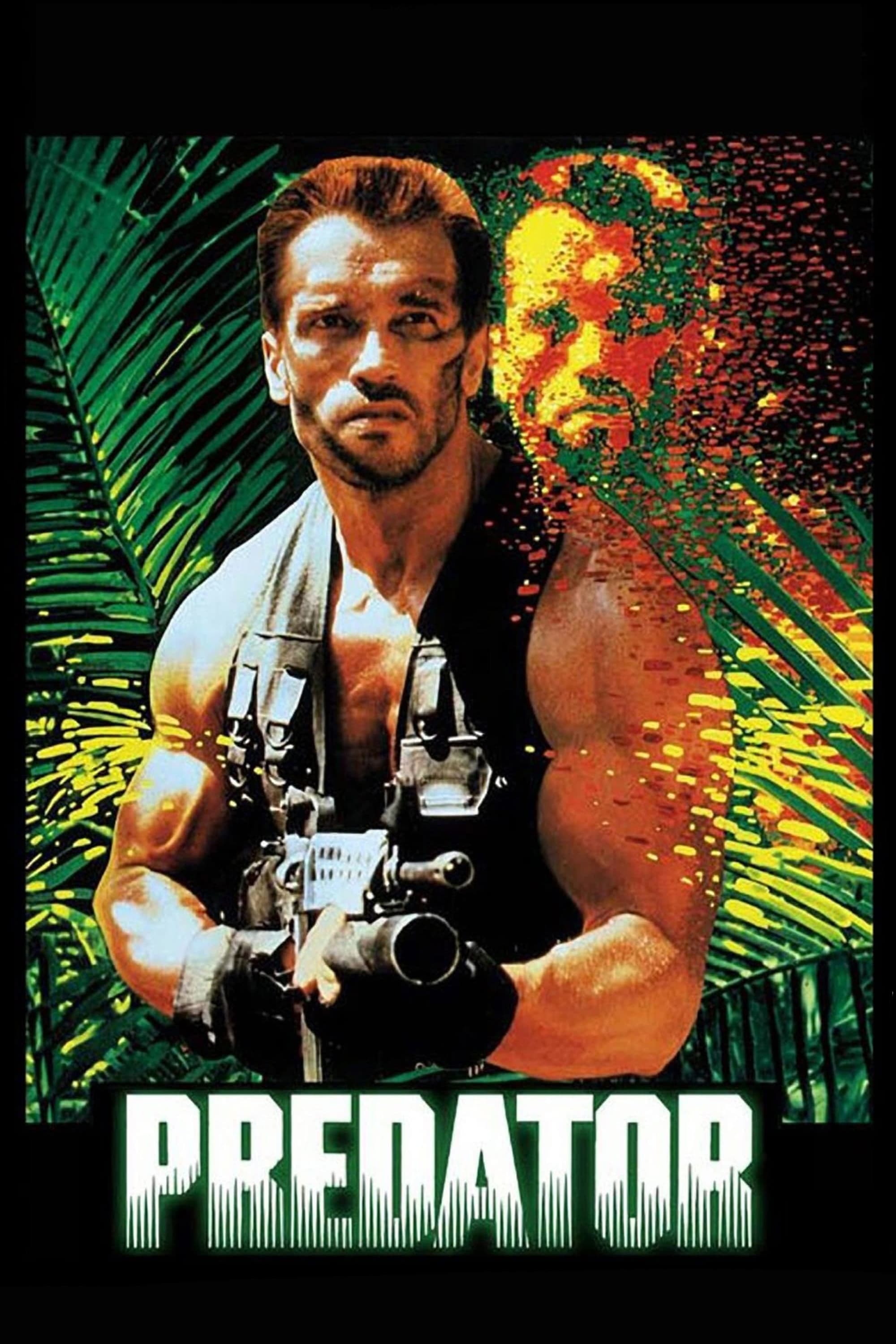
“Predator” is a sci-fi action classic that pits a team of elite commandos against an invisible, technologically advanced alien hunter in the jungles of Central America. Arnold Schwarzenegger stars as Major “Dutch” Schaefer, the leader of the rescue team. What starts as a standard military mission quickly turns into a desperate struggle for survival against an unstoppable foe.
The film is a tense and thrilling ride, expertly blending action, horror, and science fiction. The design of the Predator, with its cloaking device, thermal vision, and shoulder-mounted plasma caster, is iconic. The final act of the film, where Dutch must use his wits and the jungle itself to fight the creature, is a primal and exciting showdown. “Predator” is a quintessential 1980s action film, known for its memorable one-liners and intense, muscular action.
Die Hard (1988)
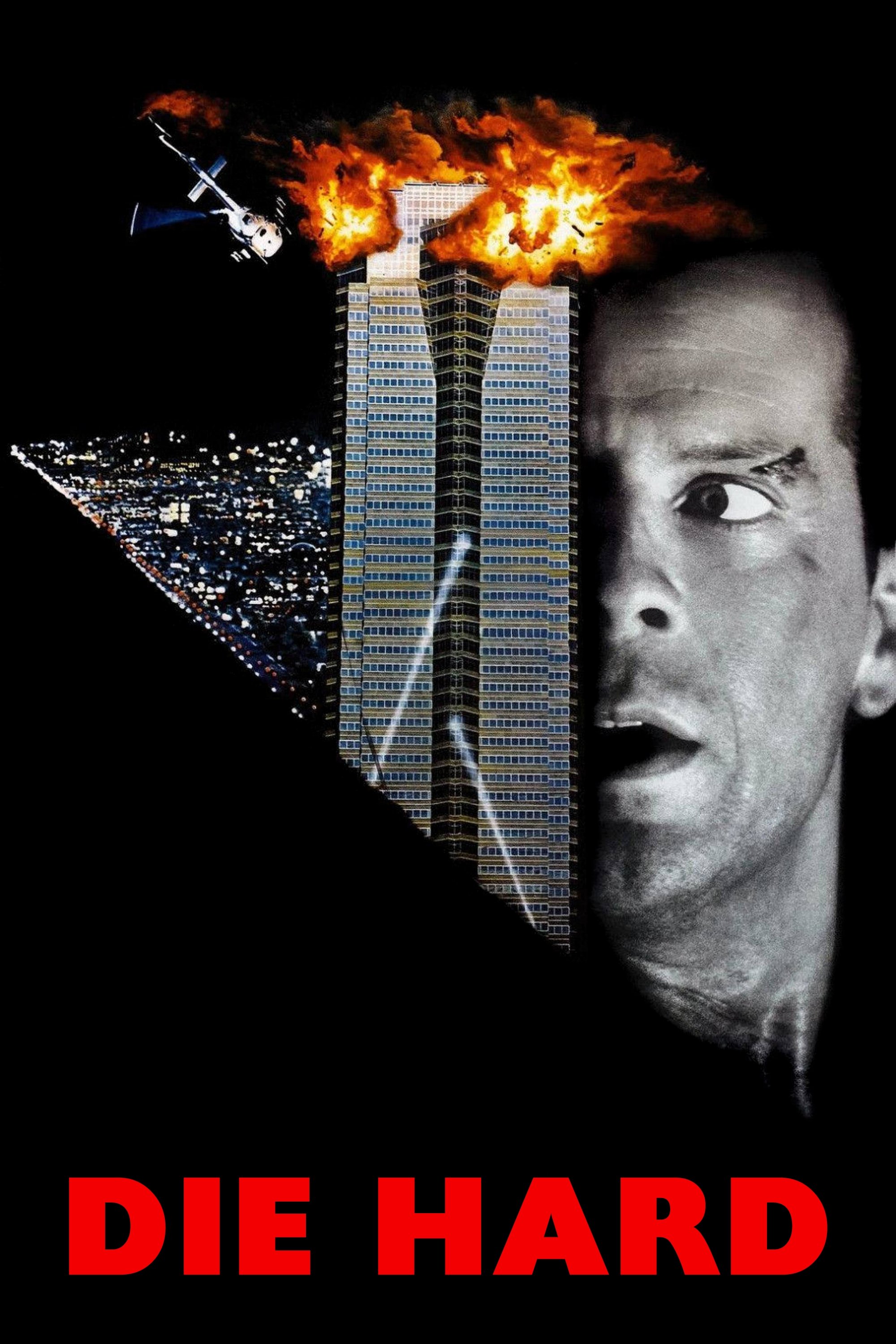
“Die Hard” is widely regarded as one of the greatest action films ever made and a film that redefined the genre. Bruce Willis stars as John McClane, an off-duty New York City cop who is trapped in a Los Angeles skyscraper during a Christmas party when it is taken over by a group of terrorists. McClane must use his wits and resourcefulness to fight the terrorists and save the hostages, including his estranged wife.
The film was a game-changer for its portrayal of an everyman hero. McClane is not an invincible Superman; he is a vulnerable and relatable character who gets tired, hurt, and scared. The action is tense, inventive, and grounded in a believable setting. The film’s success made Bruce Willis a major action star and created a new subgenre of “Die Hard in a…” action movies.
Terminator 2: Judgment Day (1991)
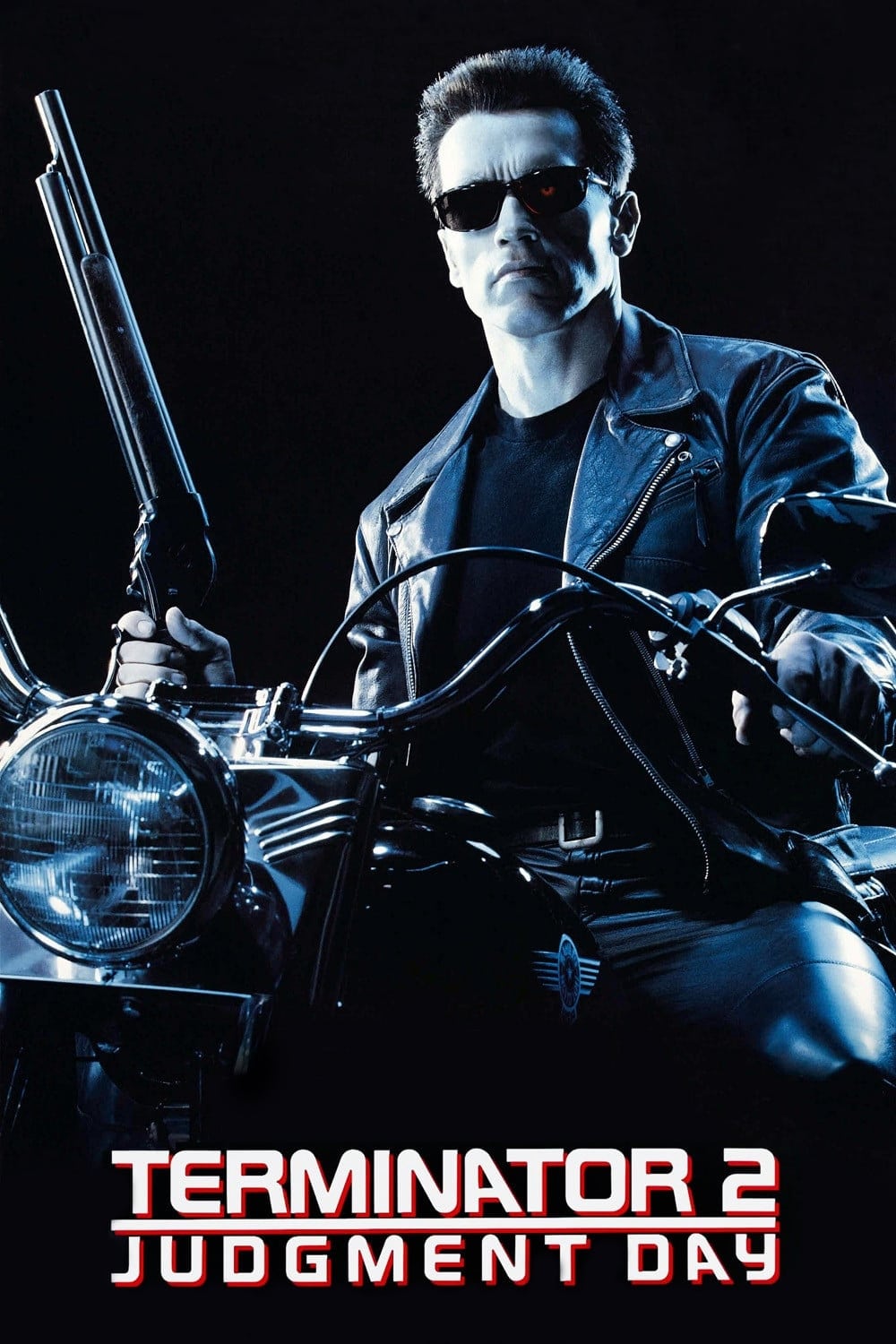
“Terminator 2: Judgment Day” is a landmark film in the history of special effects and a spectacular action sequel that in many ways surpasses the original. Arnold Schwarzenegger returns as the Terminator, but this time he is sent back in time to protect the young John Connor, the future leader of the human resistance. He must defend John from a new, more advanced Terminator, the liquid-metal T-1000.
The film’s groundbreaking use of computer-generated imagery (CGI) to create the T-1000’s shape-shifting abilities was revolutionary and set a new standard for visual effects in Hollywood. Director James Cameron masterfully stages incredible action sequences, including a thrilling chase in the Los Angeles river canals and a fiery climax in a steel mill. “T2” is a powerful and exciting film that combines cutting-edge technology with a compelling story about fate and humanity.
Hard Boiled (1992)
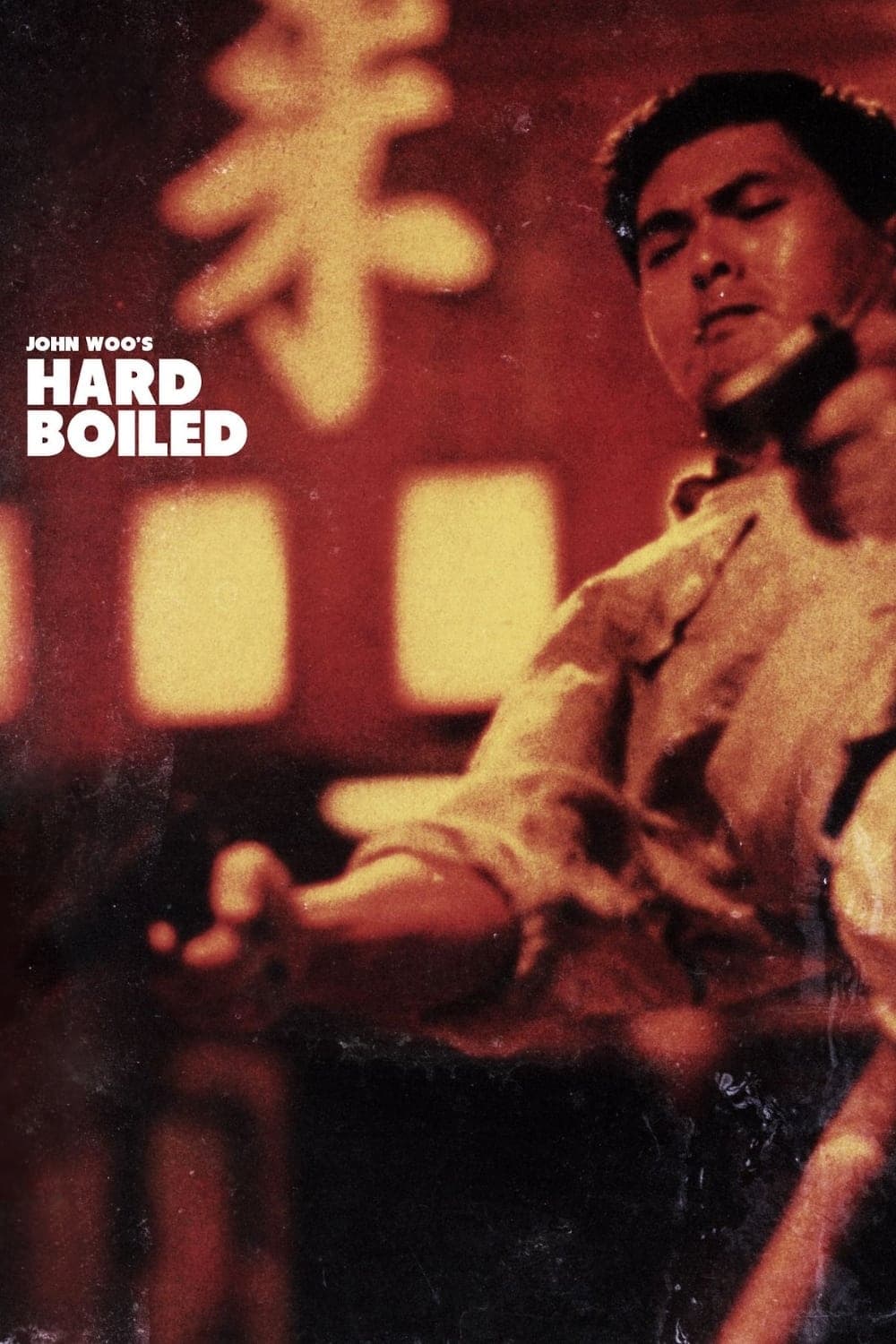
“Hard Boiled” is a masterpiece of Hong Kong action cinema from director John Woo. The film is a prime example of the “heroic bloodshed” genre, known for its stylized and balletic gun-fu action sequences. Chow Yun-fat stars as Inspector “Tequila” Yuen, a tough and determined cop who teams up with an undercover agent to take down a ruthless gun-running gang.
The film is famous for its incredibly well-choreographed and over-the-top action scenes, including a teahouse shootout and a long, continuous take in a hospital during the film’s climax. John Woo’s signature style, with its use of slow-motion, two-handed gunplay, and themes of honor and brotherhood, is on full display. “Hard Boiled” had a significant influence on Western action films in the 1990s and remains a high-water mark for the genre.
Speed (1994)
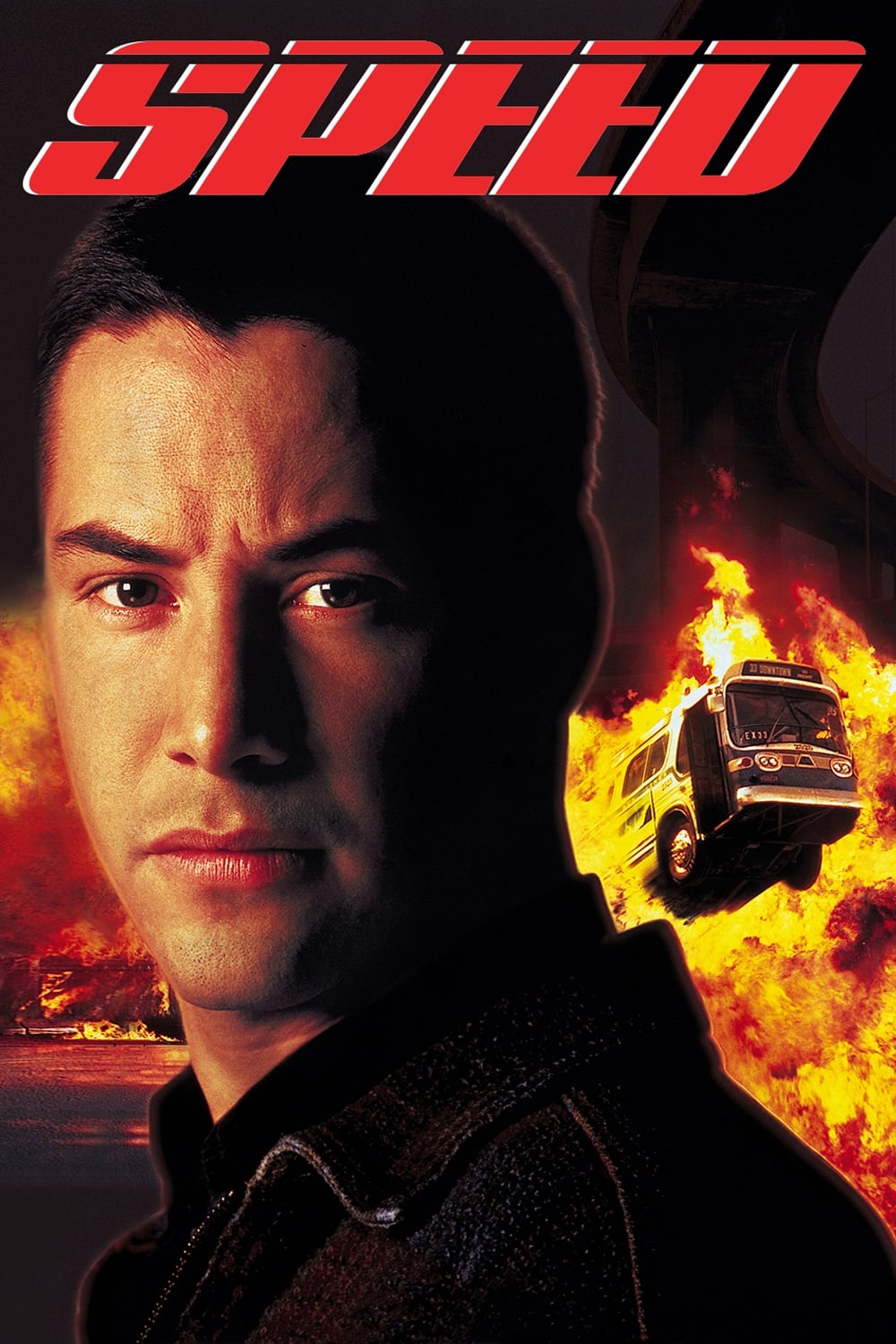
“Speed” is a high-concept action thriller that is a pure adrenaline rush from start to finish. Keanu Reeves stars as Jack Traven, an LAPD bomb squad expert who must prevent a bomb from exploding aboard a city bus. The catch is that the bomb is armed to detonate if the bus drops below 50 miles per hour. Sandra Bullock plays a passenger who is forced to take the wheel and keep the bus moving.
The film’s simple and ingenious premise creates constant tension and a series of inventive and exciting action set pieces. The practical stunt work, including the famous bus jump over an unfinished freeway ramp, is spectacular. The chemistry between Reeves and Bullock adds a fun and engaging human element to the non-stop action. “Speed” was a massive box office success and is considered a classic of 1990s action cinema.
Heat (1995)
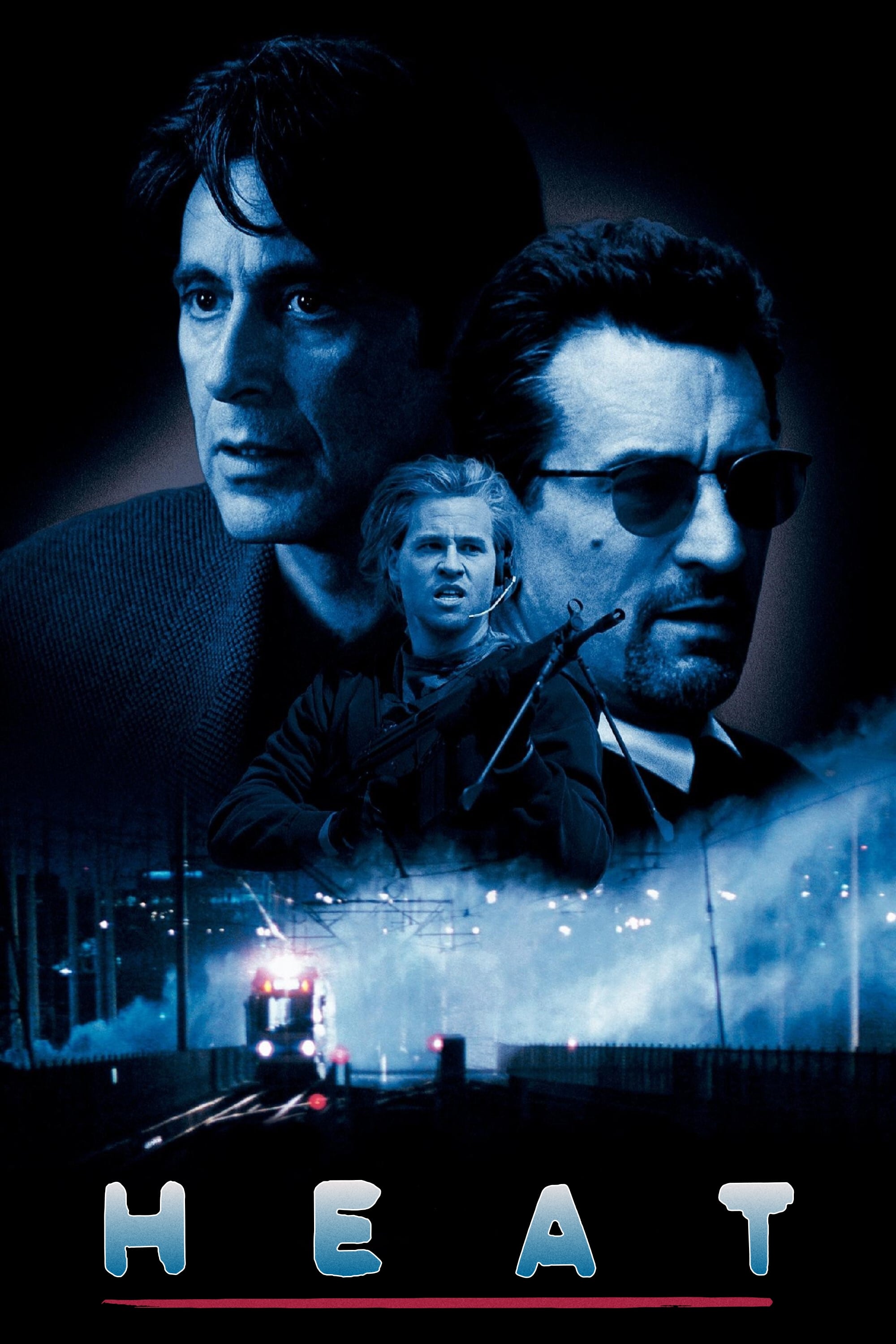
Michael Mann’s “Heat” is an epic crime saga and a masterfully crafted action film. The movie features the first on-screen pairing of acting legends Al Pacino and Robert De Niro. De Niro plays a professional master thief, and Pacino is the obsessive LAPD detective determined to take him down. The film is a detailed and realistic look at the lives of criminals and the cops who hunt them.
“Heat” is famous for its spectacular and meticulously staged shootout in the streets of downtown Los Angeles following a bank robbery. The scene is a masterclass in sound design and tactical realism, and it has been hugely influential on countless action films and video games. The film is a long and character-driven epic, but its action sequences are some of the most powerful and memorable ever put on film.
The Rock (1996)
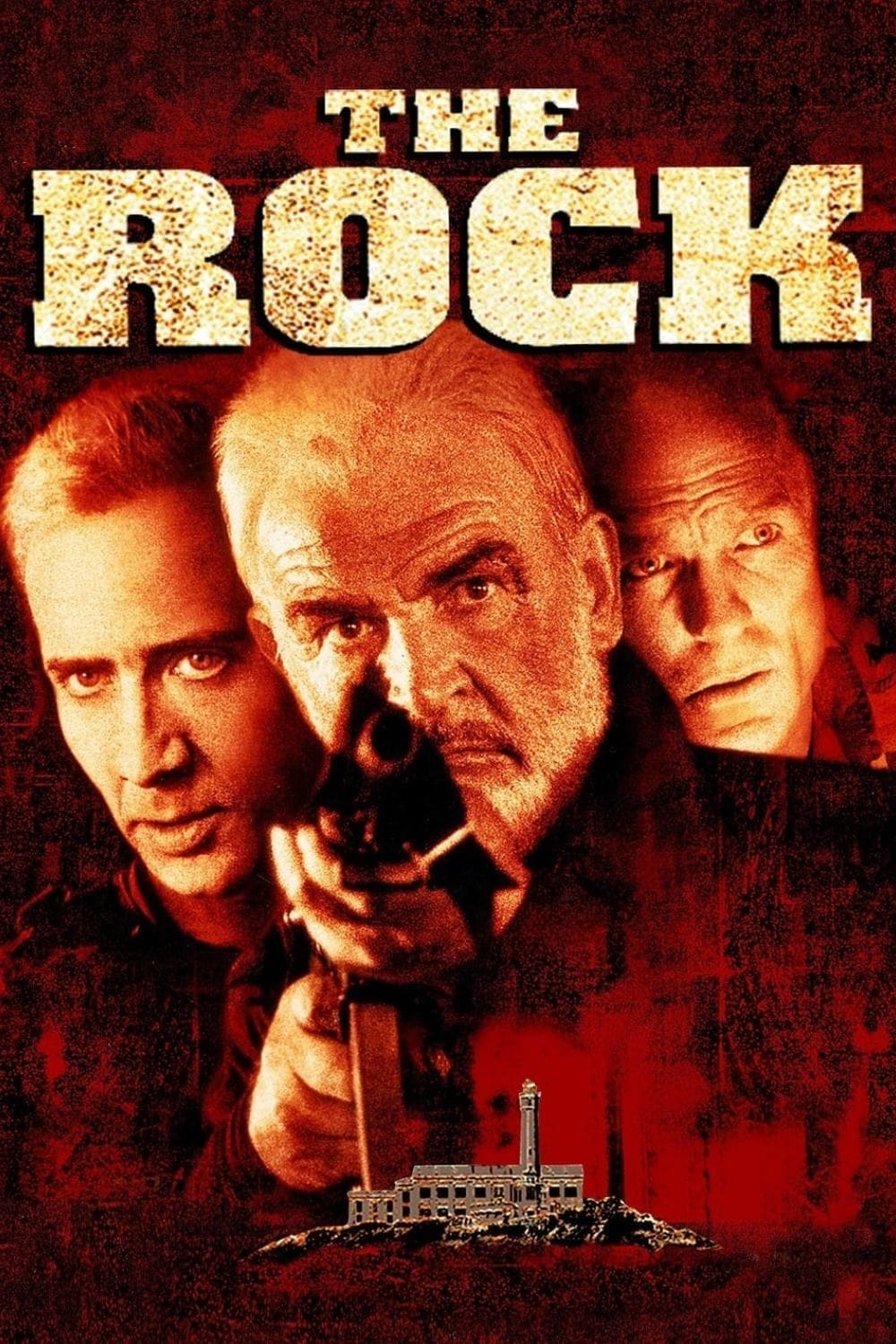
“The Rock” is the quintessential 1990s blockbuster action film, directed by Michael Bay. The movie has a high-stakes plot: a disgruntled group of U.S. Marines takes over Alcatraz Island and threatens to launch chemical weapons on San Francisco unless their demands are met. To stop them, the government sends in a chemical weapons expert (Nicolas Cage) and the only man to have ever escaped from Alcatraz, a former British spy (Sean Connery).
The film is a loud, stylish, and incredibly entertaining action ride. Michael Bay’s signature style of fast-paced editing, sweeping camera movements, and large-scale explosions is on full display. The on-screen chemistry between the quirky Cage and the seasoned Connery provides a great deal of humor. “The Rock” is a bombastic and thrilling film that represents the peak of 90s Hollywood action.
The Matrix (1999)
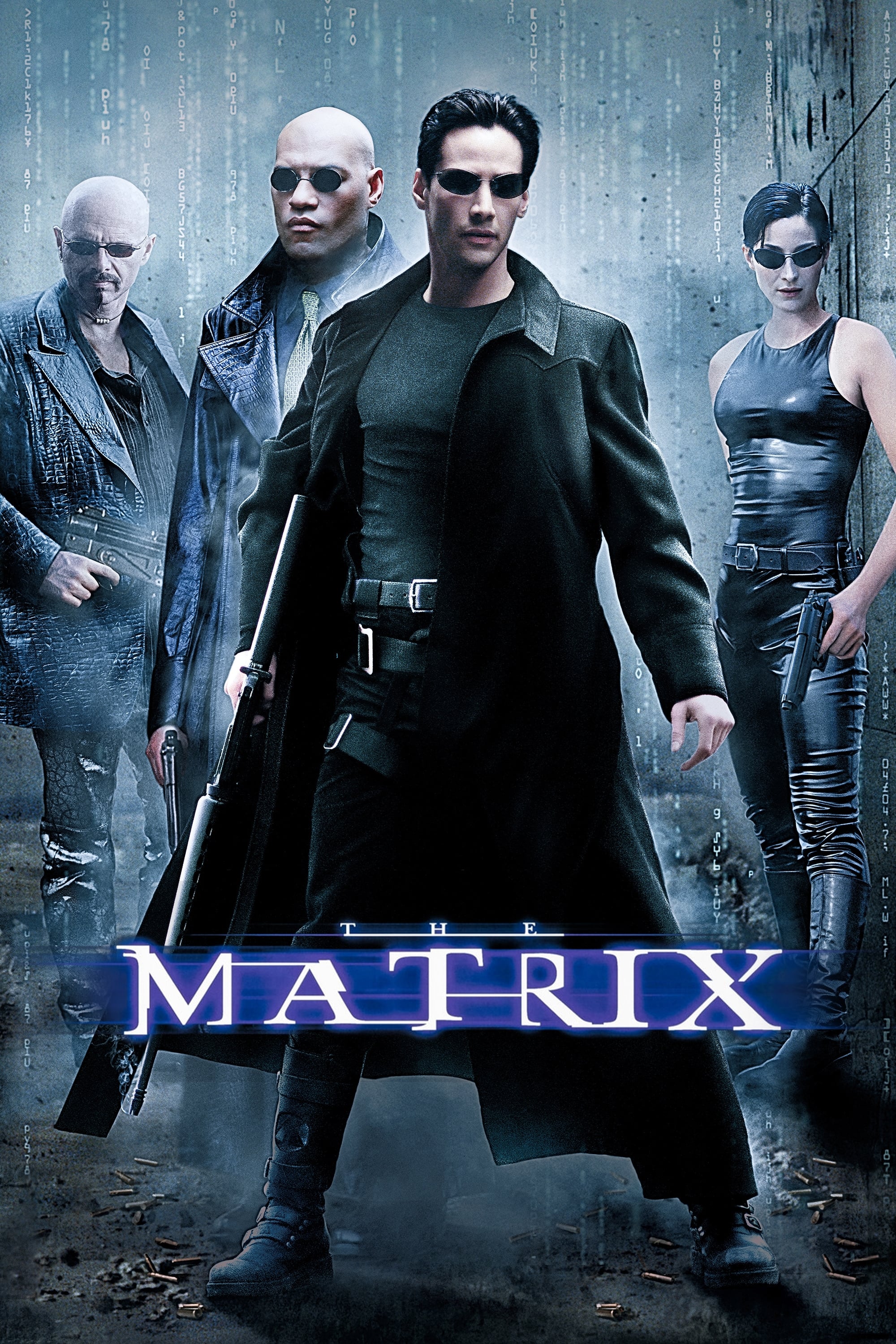
“The Matrix” was a revolutionary film that changed the look and feel of action cinema for the 21st century. Keanu Reeves stars as Neo, a computer hacker who discovers that the world he knows is actually a simulated reality created by intelligent machines. He joins a rebellion to fight back against the machines in a war for the future of humanity.
The film’s action sequences were groundbreaking, combining Hong Kong-style martial arts choreography with innovative visual effects. The most famous of these is “bullet time,” a technique that allows the audience to see bullets flying in slow motion as the camera appears to move at normal speed. “The Matrix” was a cultural phenomenon that blended action, sci-fi, and philosophy in a new and exciting way, and its influence on action filmmaking is still felt today.

