


The 50 Greatest Horror Actors Who Have Passed Away

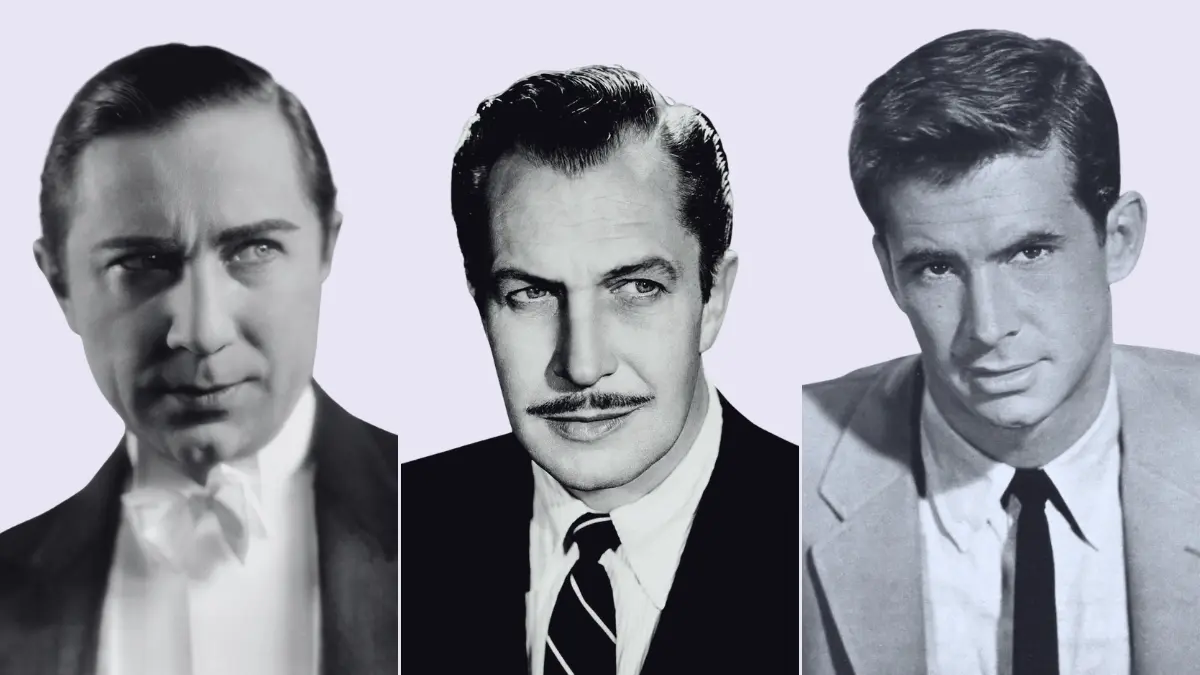


The horror genre has been defined by performers whose ability to evoke fear, pity, and suspense transformed cinema into a vessel for the macabre. These actors often dedicated their careers to portraying monsters, mad scientists, and haunted survivors, creating archetypes that continue to influence modern storytelling. From the silent era’s pioneers of practical effects to the slasher icons of the 1980s, their contributions have left an indelible mark on cultural history. As we look back at the history of the genre, we honor those legendary figures who have passed away, leaving behind a legacy of chills and cinematic excellence.
Vincent Price
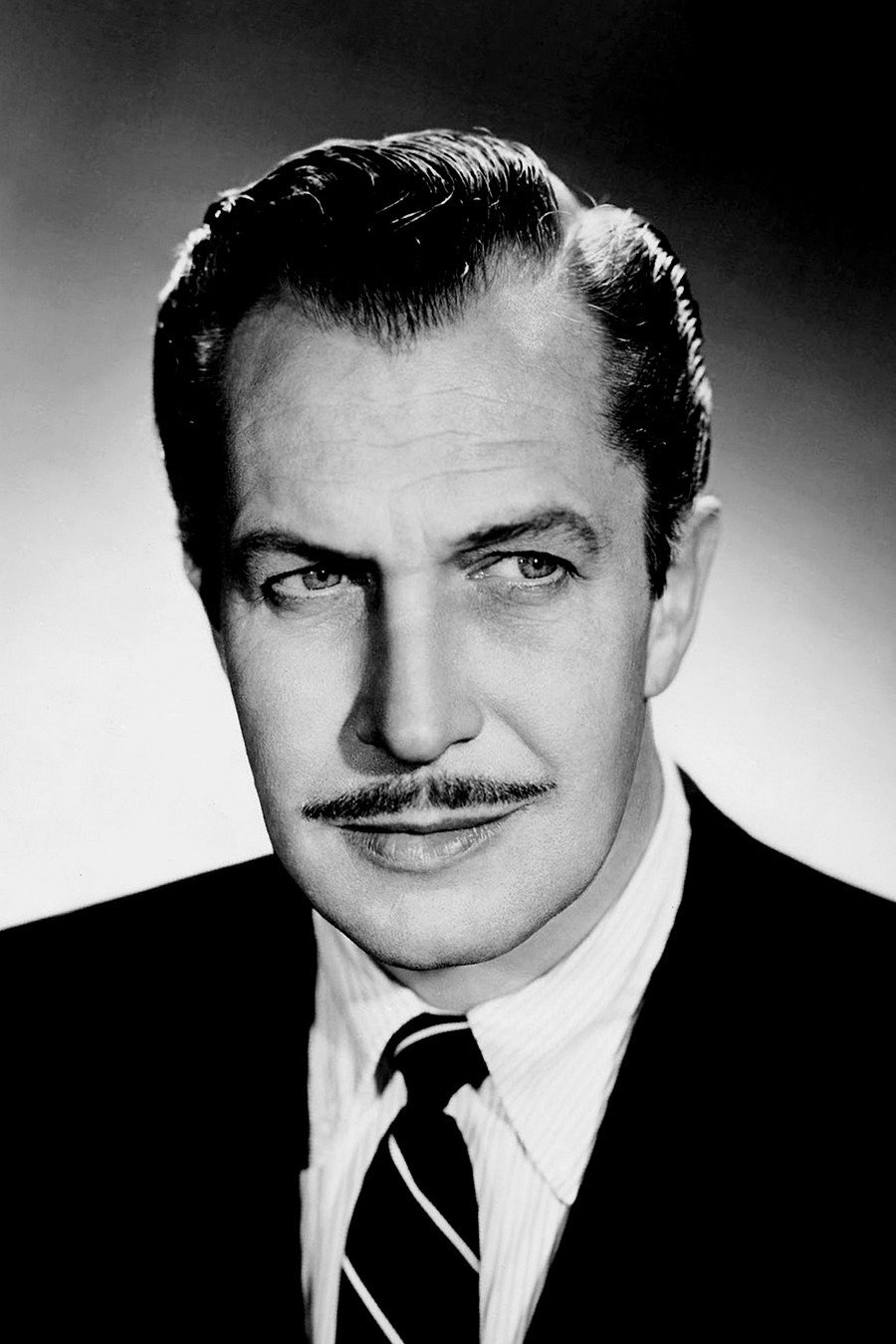
Vincent Price became synonymous with the horror genre through his distinctive voice and charismatic presence in numerous mid-century films. He achieved significant fame for his leading roles in ‘House of Wax’ and a celebrated series of Edgar Allan Poe adaptations directed by Roger Corman. Later in his career, he appeared in cult classics such as ‘The Abominable Dr. Phibes’ and ‘Theater of Blood’. Price also provided the iconic closing monologue for Michael Jackson’s ‘Thriller’ music video. His legacy remains central to the history of gothic cinema.
Boris Karloff
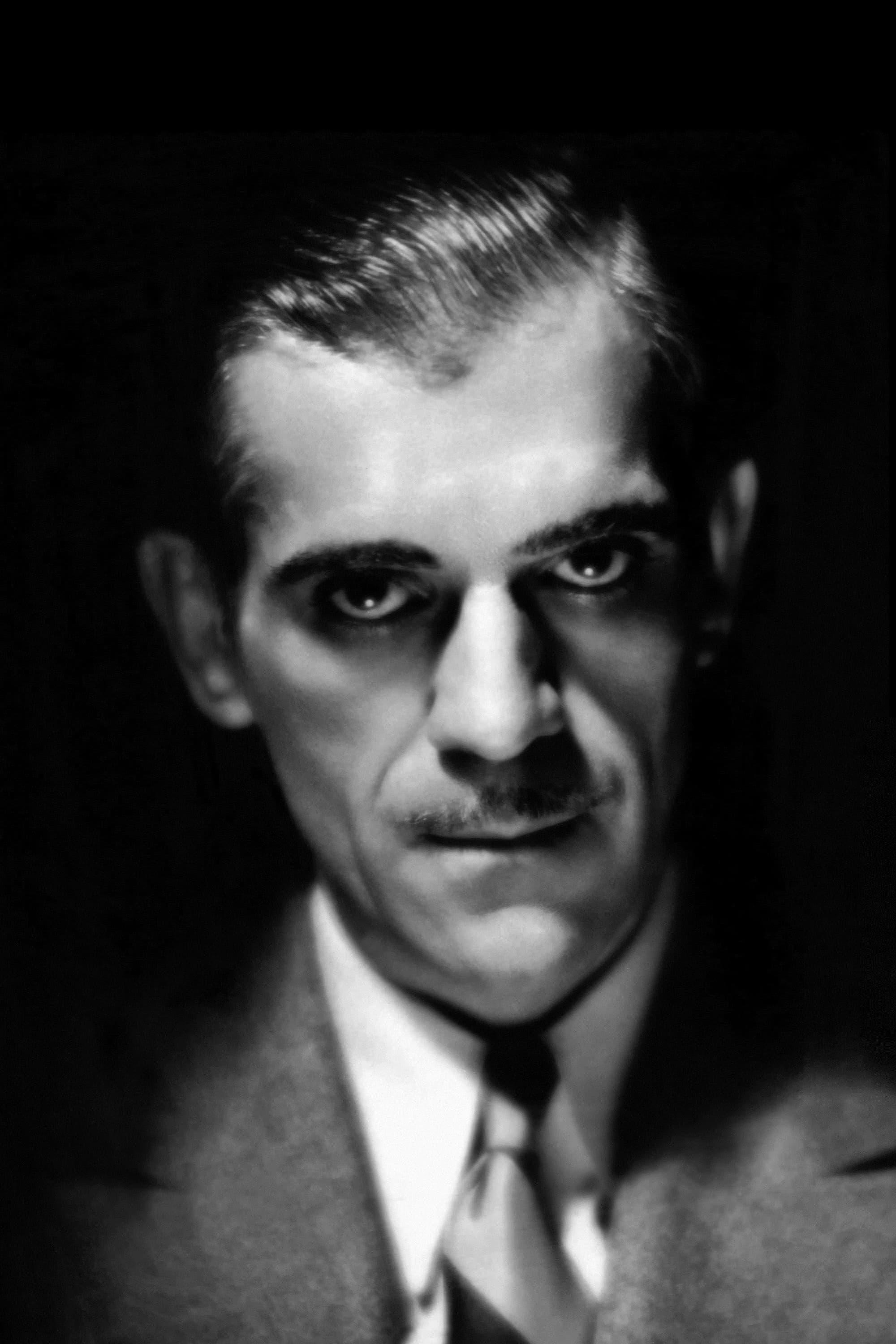
Boris Karloff gained international fame for his haunting portrayal of the monster in ‘Frankenstein’. He continued his success at Universal Pictures with leading roles in ‘The Mummy’ and ‘The Old Dark House’. Karloff was renowned for his ability to convey deep emotion and pathos through heavy prosthetic makeup. His long career also included a memorable performance in ‘The Body Snatcher’ alongside Bela Lugosi. He remains one of the most respected and influential figures in the history of the horror genre.
Bela Lugosi
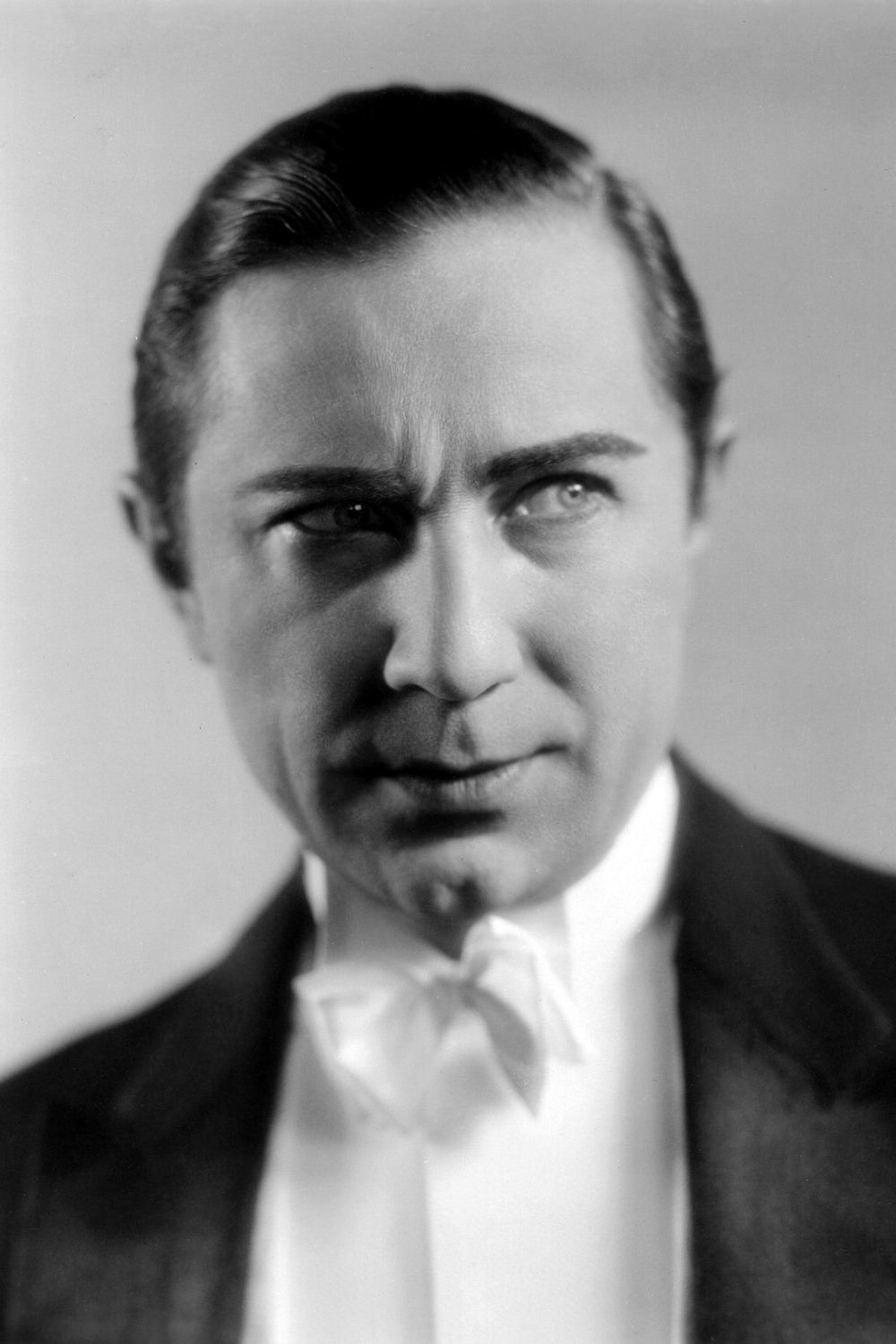
Bela Lugosi became an eternal icon of the screen for his definitive portrayal of the title character in ‘Dracula’. Originally from Hungary, his unique accent and intense gaze helped define the cinematic vampire for generations. Beyond his most famous role, he starred in other early horror gems like ‘White Zombie’ and ‘Island of Lost Souls’. Despite later career struggles, his early work for Universal and his collaborations with Boris Karloff solidified his status as a legend. He was famously buried in his Dracula cape at his own request.
Christopher Lee
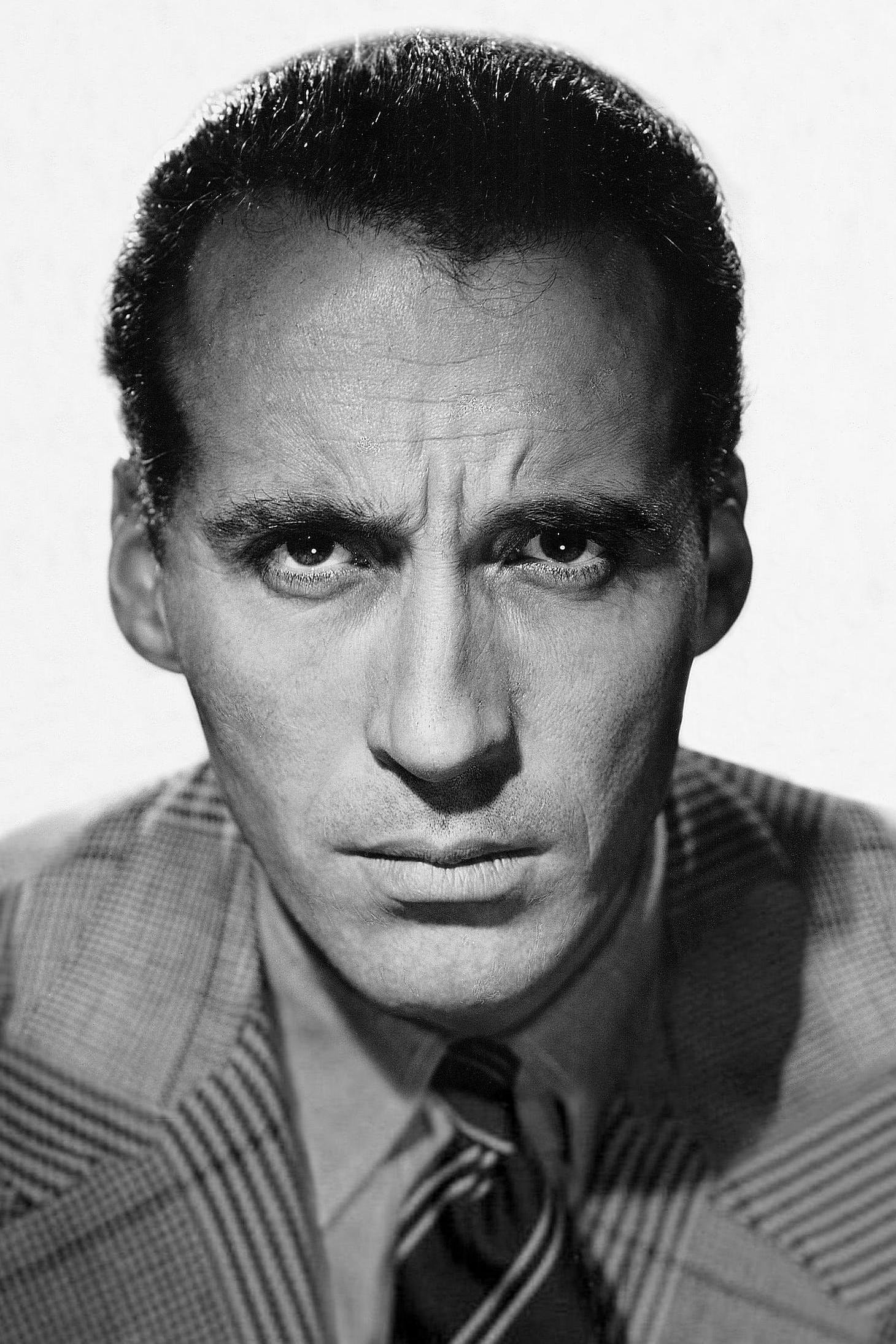
Christopher Lee brought a commanding presence and sophisticated menace to the screen, most notably as Count Dracula in the Hammer Horror films. His portrayal began with ‘Horror of Dracula’, leading to numerous sequels that revitalized the character for a new era. Lee also played Frankenstein’s monster and the Mummy, showcasing his versatility within the genre. In his later years, he reached new audiences in major franchises like ‘The Lord of the Rings’ and ‘Star Wars’. He is widely considered one of the most prolific actors in cinematic history.
Peter Cushing
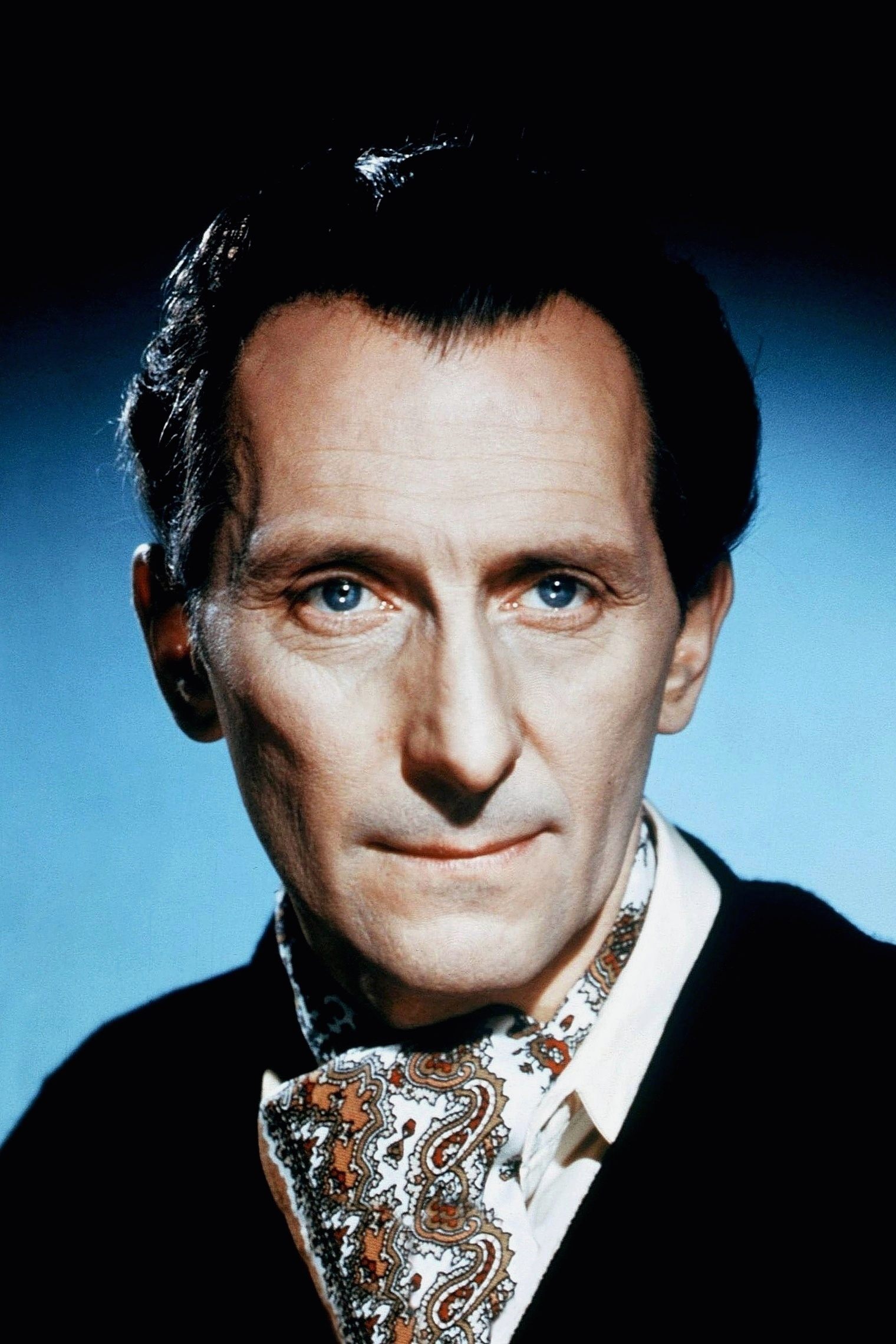
Peter Cushing was a cornerstone of Hammer Film Productions, frequently playing the heroic Dr. Van Helsing or the obsessive Baron Frankenstein. His precise acting style and dignified demeanor made him a perfect foil to the monsters he hunted or created. Cushing appeared in legendary titles such as ‘The Curse of Frankenstein’ and ‘The Mummy’. He was also well known for his role as Grand Moff Tarkin in ‘Star Wars’, though horror remained his primary professional home. His close real-life friendship with Christopher Lee added a special chemistry to their many on-screen collaborations.
Lon Chaney
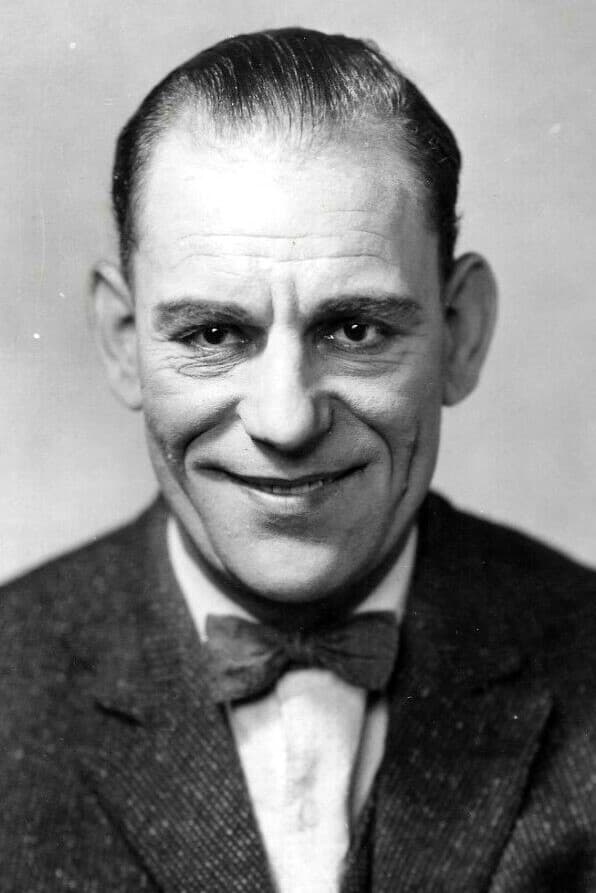
Lon Chaney was famously known as “The Man of a Thousand Faces” due to his unprecedented skill with makeup and physical transformation. During the silent era, he starred in foundational horror films like ‘The Phantom of the Opera’ and ‘The Hunchback of Notre Dame’. He pioneered many of the makeup techniques that would become industry standards for decades to follow. Chaney’s ability to portray grotesque characters with immense humanity set a high bar for all future horror actors. His untimely death in 1930 occurred just as the sound era was beginning to take shape.
Lon Chaney Jr.
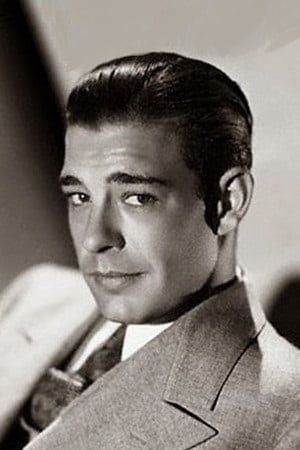
Lon Chaney Jr. followed in his father’s footsteps and became a mainstay of Universal’s horror roster during the 1940s. He is best remembered for his role as Larry Talbot in ‘The Wolf Man’, a character he portrayed in five different films. Chaney Jr. holds the unique distinction of having played all four of Universal’s major monsters: the Wolf Man, Frankenstein’s monster, the Mummy, and Dracula. His physical presence and vulnerability made his portrayal of the cursed werewolf particularly enduring. He remained active in the genre throughout his life, appearing in numerous low-budget horror features.
Donald Pleasence
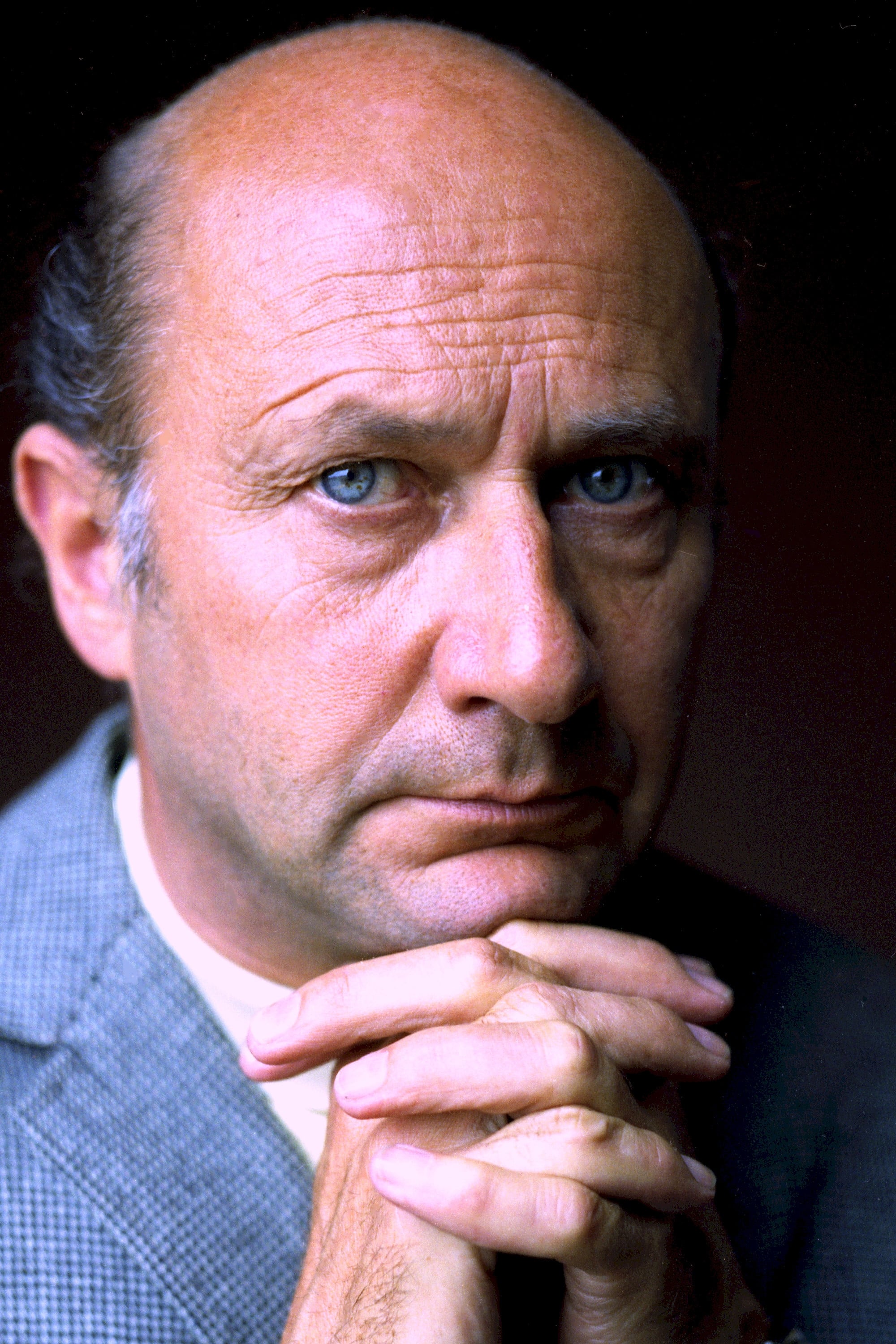
Donald Pleasence is most recognized by horror fans as Dr. Sam Loomis in the ‘Halloween’ franchise. His intense performance as Michael Myers’ psychiatrist provided the emotional gravity and exposition necessary to sell the supernatural threat. Pleasence had a long career in film and television, including a role as the villain Ernst Stavro Blofeld in the James Bond film ‘You Only Live Twice’. He brought a sense of conviction to every role, whether playing a hero or a sinister antagonist. His contribution to ‘Halloween’ helped define the modern slasher genre.
Tony Todd
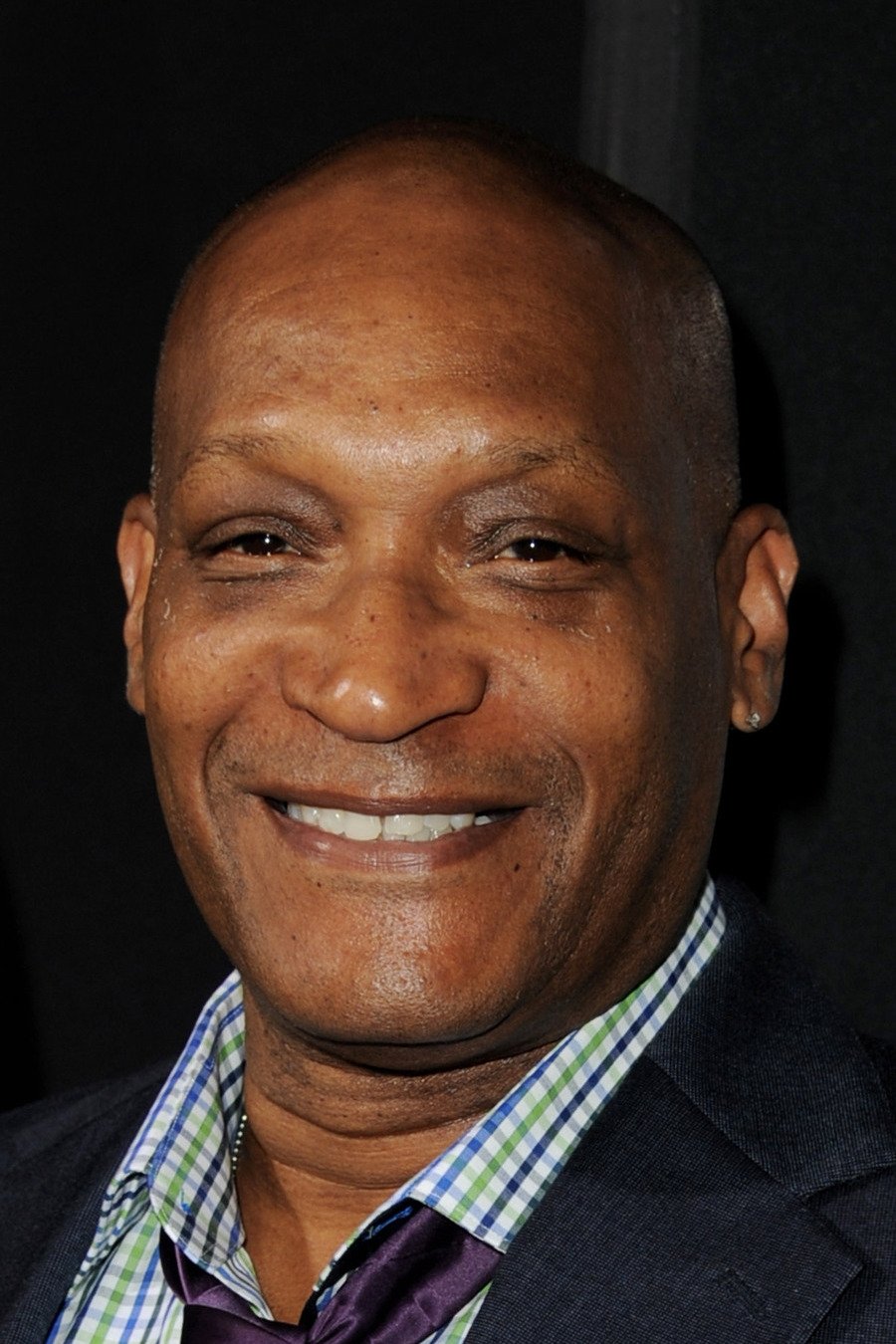
Tony Todd became a modern horror icon through his portrayal of the titular spirit in ‘Candyman’. His imposing stature and deep, resonant voice made him a formidable presence in films like ‘Night of the Living Dead’ and ‘The Crow’. Todd also appeared as the recurring character William Bludworth in the ‘Final Destination’ franchise, serving as a harbinger of doom. Beyond film, he contributed his voice to numerous animated projects and video games, often playing menacing figures. His passing in 2024 marked the loss of one of the genre’s most recognizable and talented contemporary stars.
Sid Haig
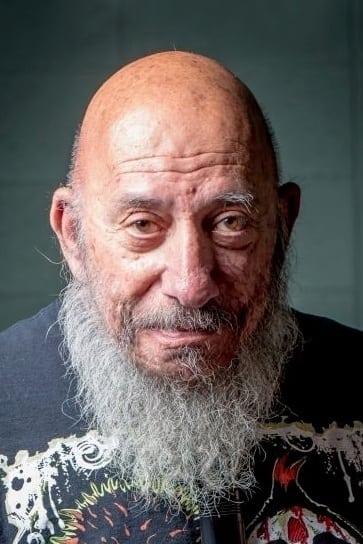
Sid Haig experienced a massive career resurgence later in life when he was cast as Captain Spaulding in ‘House of 1000 Corpses’. His portrayal of the vulgar, clown-painted patriarch became an instant cult classic character. Haig continued the role in the sequels ‘The Devil’s Rejects’ and ‘3 from Hell’, cementing his place in modern horror history. Before his collaboration with Rob Zombie, he was a prolific character actor in 1970s exploitation and action cinema. His unique look and comedic timing made him a standout performer in every project he joined.
Angus Scrimm
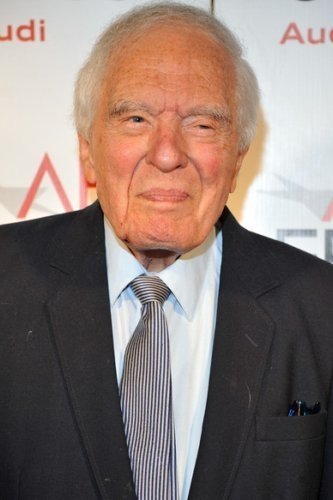
Angus Scrimm terrified audiences as The Tall Man in the ‘Phantasm’ film series. Standing at an imposing height and utilizing a cold, menacing stare, he became one of horror’s most unique villains. Scrimm played the character across five films spanning nearly four decades, showing great loyalty to the franchise and its fans. Outside of the ‘Phantasm’ universe, he appeared in various other horror projects like ‘Chopping Mall’ and ‘John Dies at the End’. His performance as the interdimensional mortician remains a highlight of independent horror cinema.
Gunnar Hansen
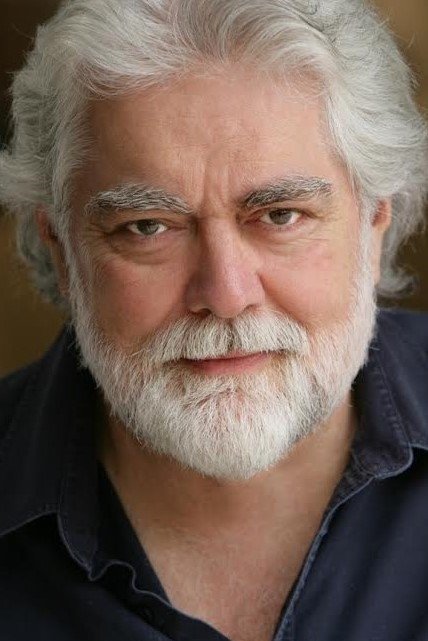
Gunnar Hansen is etched into horror history for his role as the original Leatherface in ‘The Texas Chain Saw Massacre’. His physical performance, which relied on body language and guttural sounds rather than dialogue, created a sense of unpredictable danger. Although he did not return for the sequels, his interpretation of the character remains the gold standard for the franchise. Hansen was also a writer and poet, often reflecting on the strange experience of becoming a horror icon. He later appeared in several independent horror films, always embracing his status as a genre legend.
Max von Sydow
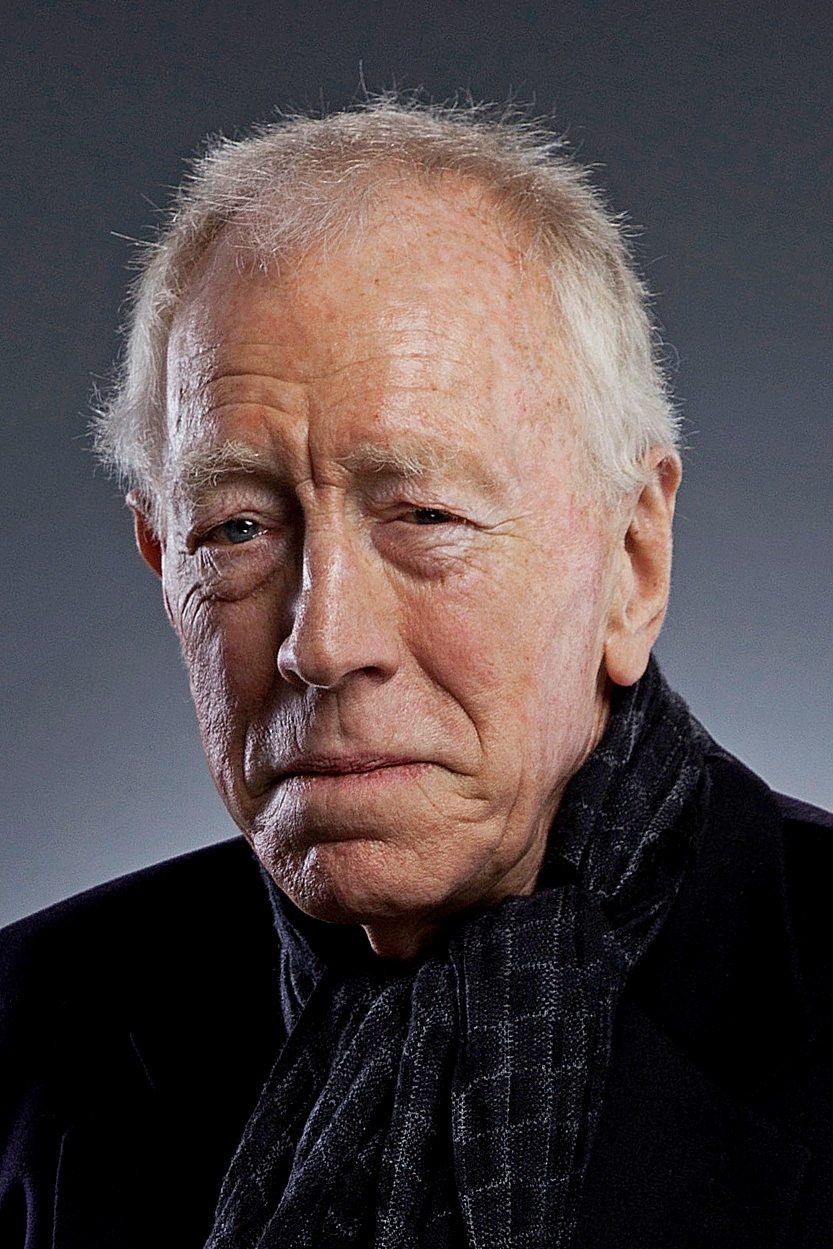
Max von Sydow provided one of the most iconic performances in horror history as Father Lankester Merrin in ‘The Exorcist’. His portrayal of the elderly priest facing off against ancient evil gave the film its spiritual and moral center. Though he was a versatile actor who worked frequently with Ingmar Bergman, his genre work also included ‘Shutter Island’ and ‘Needful Things’. He brought a profound gravitas and intellectual weight to every role he inhabited. His career spanned over seven decades, making him one of the most respected actors of his generation.
Anthony Perkins
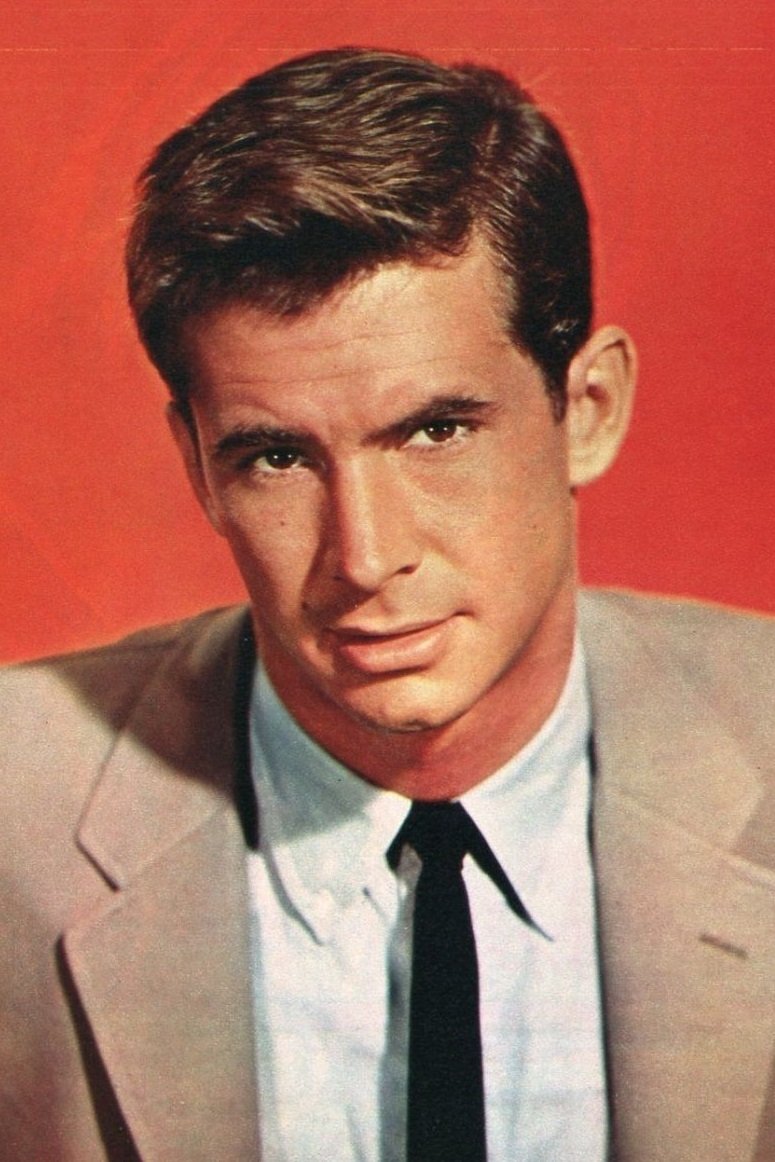
Anthony Perkins delivered a performance for the ages as Norman Bates in Alfred Hitchcock’s ‘Psycho’. His portrayal of the shy, troubled motel owner forever changed the way audiences viewed cinematic villains. Perkins returned to the role for three sequels, exploring the psychological depths of the character in greater detail. While he was a talented stage and film actor in many genres, he remained inextricably linked to the legacy of Bates. His work in ‘Psycho’ is often cited as a turning point for the psychological thriller and horror genres.
Janet Leigh
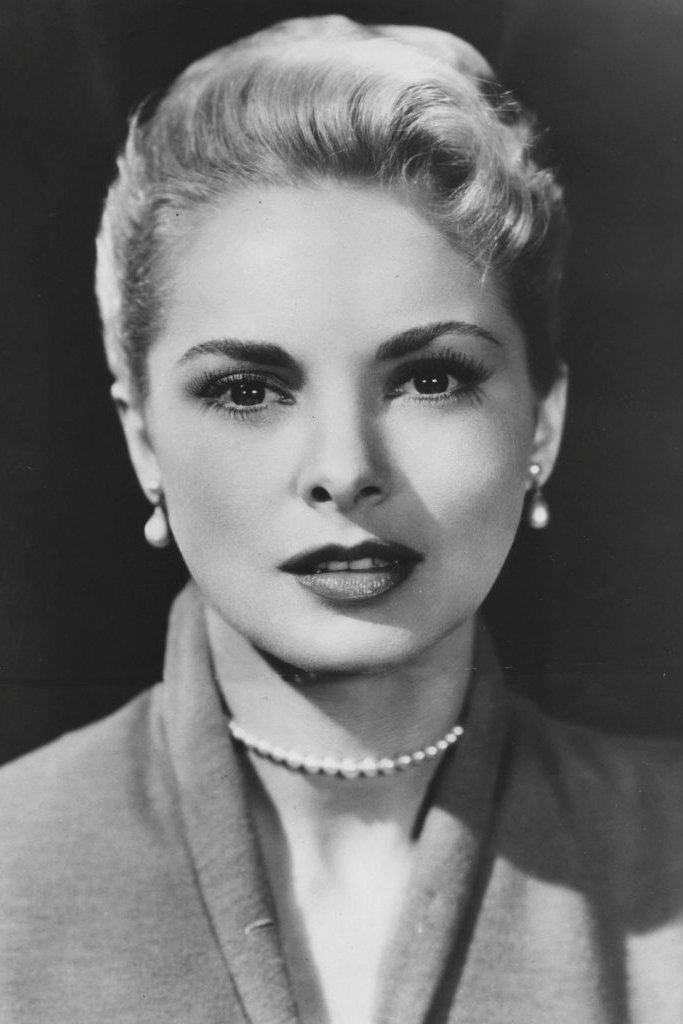
Janet Leigh earned her place in horror history with her role as Marion Crane in ‘Psycho’. Her performance in the famous shower scene is one of the most analyzed and celebrated sequences in cinematic history. Although she appeared in many different genres, she returned to horror later in her career with ‘The Fog’, starring alongside her daughter Jamie Lee Curtis. She also made a meta-textual appearance in ‘Halloween H20: 20 Years Later’. Leigh’s contribution to the genre helped pave the way for the “final girl” archetype, even though her character met an early end.
Claude Rains
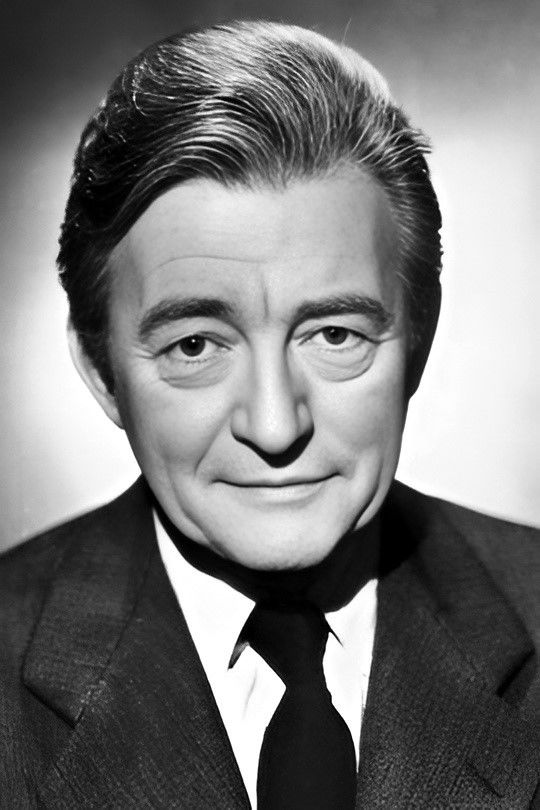
Claude Rains launched his American film career with a brilliant vocal and physical performance in ‘The Invisible Man’. Despite his face being hidden for most of the film, his expressive voice and manic energy made the character unforgettable. Rains also starred as the titular tragic figure in the 1943 version of ‘The Phantom of the Opera’. He was a highly acclaimed actor who received four Academy Award nominations during his career. His ability to blend sympathetic qualities with villainous intent made him a standout in early horror cinema.
Elsa Lanchester
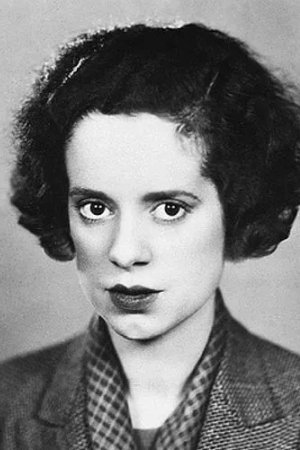
Elsa Lanchester created an indelible image in the history of cinema with her dual role in ‘Bride of Frankenstein’. Although she is on screen for only a few minutes as the Bride, her iconic hair and bird-like movements became legendary. In the same film, she also portrayed ‘Frankenstein’ author Mary Shelley in the opening prologue. Lanchester was a versatile performer who appeared in many classic films, including ‘Mary Poppins’ and ‘Witness for the Prosecution’. Her brief but powerful performance as the Bride remains one of the most recognizable images in the horror genre.
John Carradine
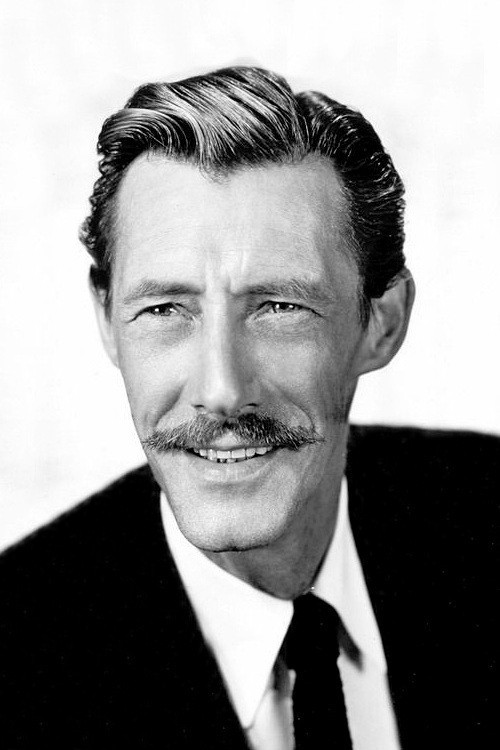
John Carradine was a prolific character actor who appeared in hundreds of films, with a significant number being in the horror genre. He famously took over the role of Count Dracula from Bela Lugosi in ‘House of Frankenstein’ and ‘House of Dracula’. Carradine was known for his Shakespearean voice and gaunt, aristocratic appearance. He continued to work in horror throughout the 1970s and 80s, appearing in films like ‘The Howling’ and ‘The Sentinel’. He is also the patriarch of a famous acting family, including sons David, Keith, and Robert Carradine.
Peter Lorre
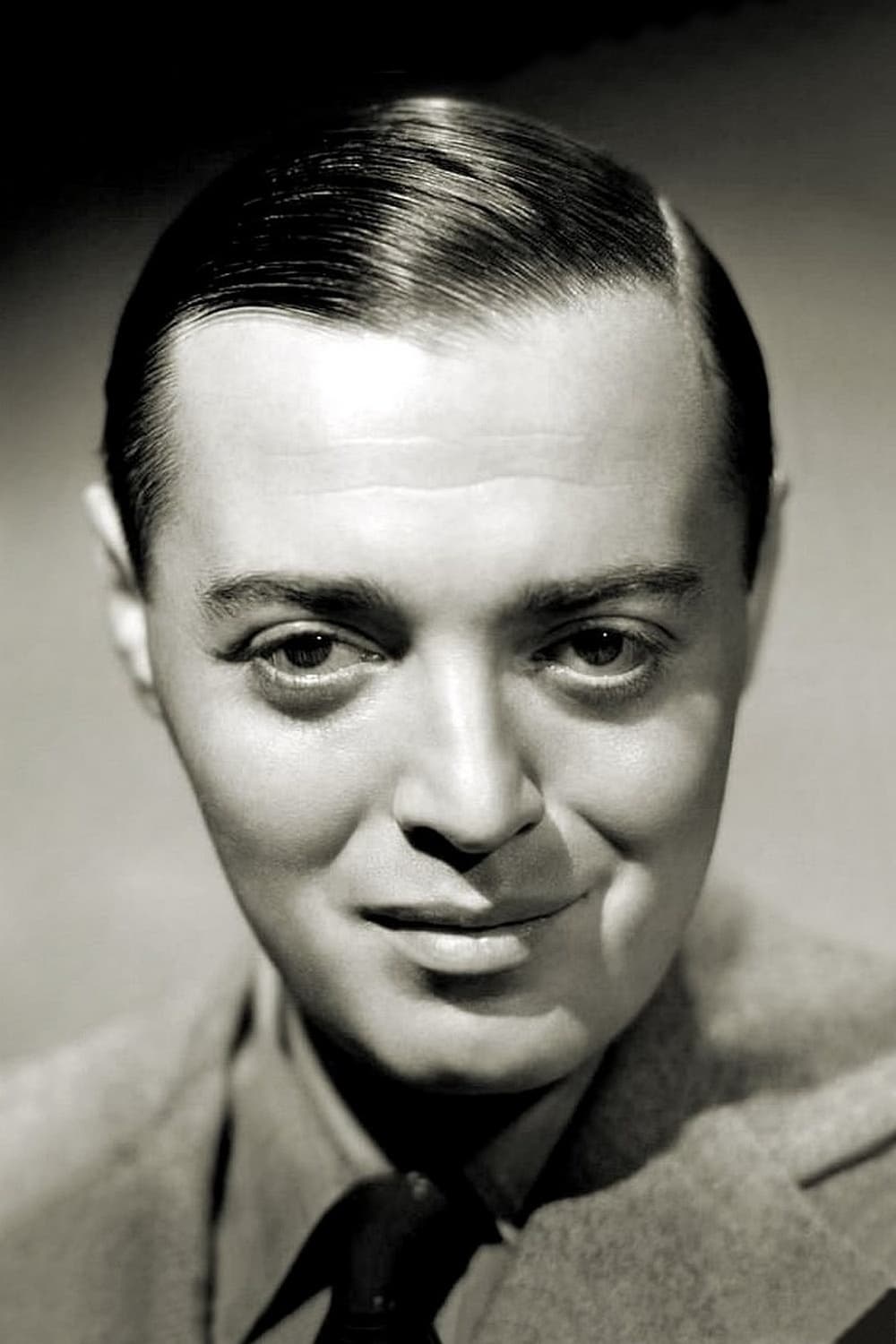
Peter Lorre gained international acclaim for his role as a child serial killer in the German thriller ‘M’. After moving to Hollywood, he became a fixture in horror and suspense films, including ‘Mad Love’ and ‘The Beast with Five Fingers’. His unique facial features and soft, trembling voice made him a master of playing creepy or misunderstood characters. Lorre often collaborated with Vincent Price and Boris Karloff in his later years, such as in ‘The Raven’. His influence on the genre is seen in the many parodies and homages to his distinct acting style.
Basil Rathbone

Basil Rathbone is perhaps best known as Sherlock Holmes, but he was also a frequent star of classic horror films. He played the leading role of Baron Wolf von Frankenstein in ‘Son of Frankenstein’, acting alongside Boris Karloff and Bela Lugosi. Rathbone brought a sharp intelligence and intense energy to his genre roles, which also included ‘The Tower of London’. In his later years, he appeared in the horror-comedy ‘The Comedy of Terrors’ with fellow icons Price and Karloff. His theatrical background helped him bring a sense of high drama to the macabre.
Lionel Atwill
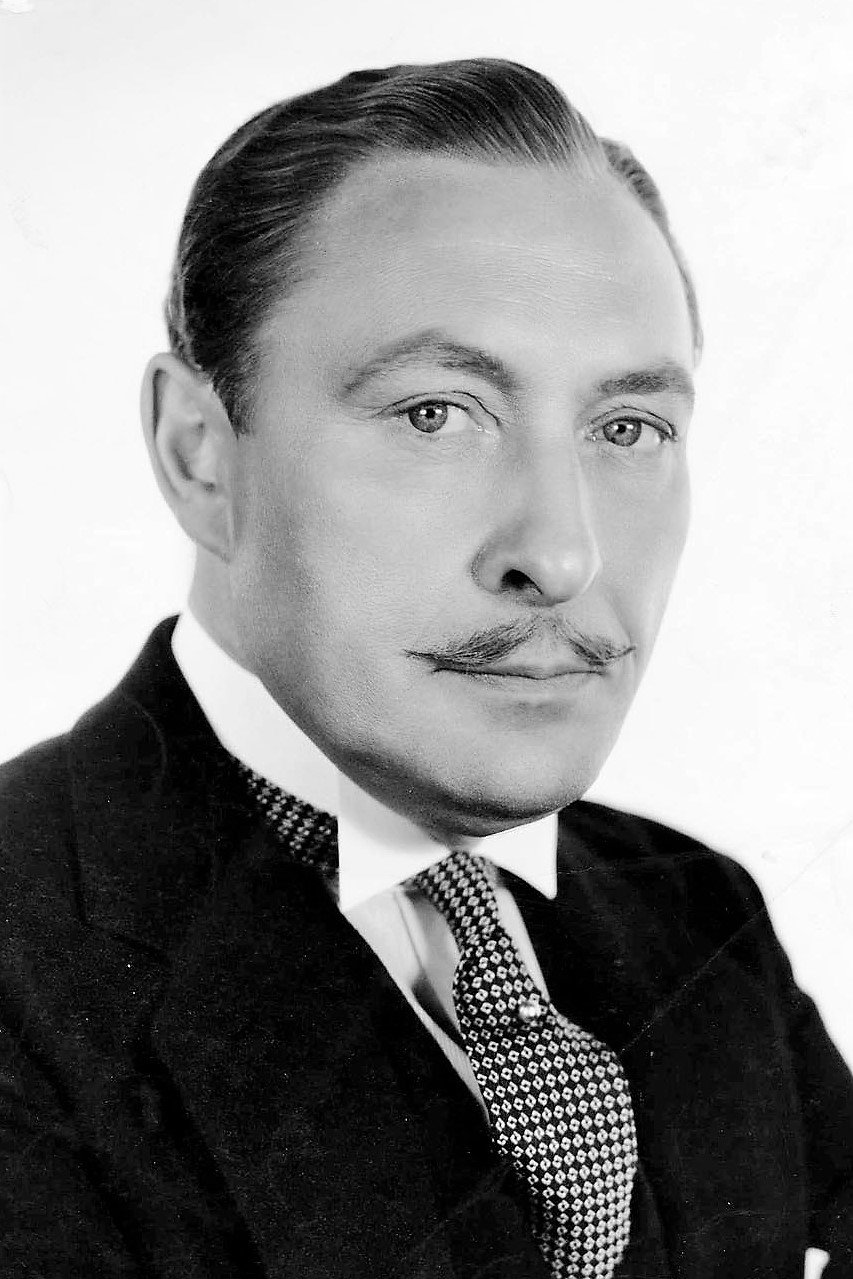
Lionel Atwill was a staple of the Universal Horror era, often playing authority figures, doctors, or mad scientists. He is particularly remembered for his role as the wooden-armed Inspector Krogh in ‘Son of Frankenstein’. Atwill also starred in ‘Mystery of the Wax Museum’ and ‘The Vampire Bat’, establishing himself as a reliable genre lead. His career was marked by his ability to play both stern heroes and flamboyant villains. Despite personal controversies that affected his career, his work remains essential to the 1930s and 40s horror canon.
Dwight Frye
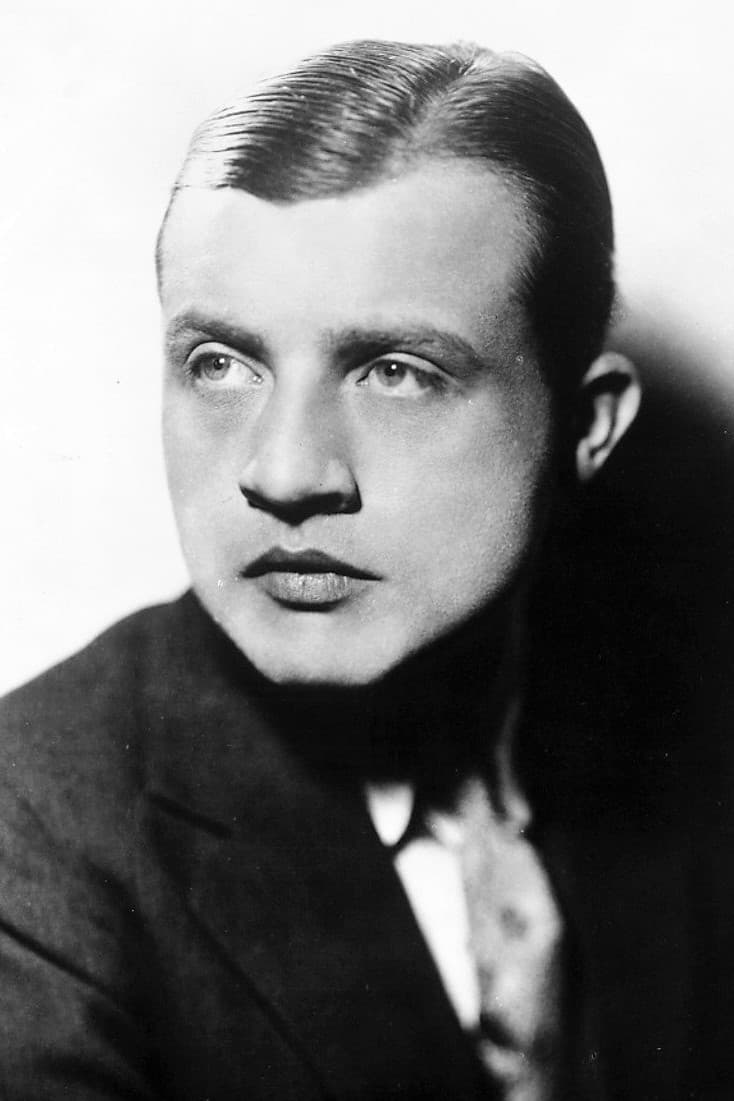
Dwight Frye was the ultimate supporting actor of the Golden Age of horror, specializing in eccentric and deranged characters. He gave a legendary performance as the insect-eating Renfield in the 1931 version of ‘Dracula’. Frye also played the hunchbacked assistant Fritz in ‘Frankenstein’, creating the blueprint for the “Igor” archetype. His high-pitched laugh and wide-eyed intensity made his characters stand out even in small roles. He appeared in many other genre films, including ‘The Bride of Frankenstein’ and ‘The Invisible Man’.
Edward Van Sloan
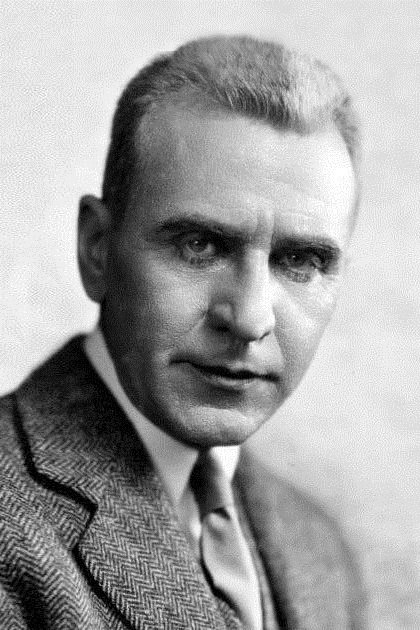
Edward Van Sloan was the quintessential man of science and faith in the early Universal Horror films. He played Professor Van Helsing in ‘Dracula’, a role he had previously performed on the Broadway stage. Van Sloan also appeared as Dr. Waldman in ‘Frankenstein’ and the occult expert in ‘The Mummy’. He often served as the voice of reason who explained the supernatural threats to the other characters. His dignified presence provided a necessary balance to the fantastical elements of these classic monster movies.
Maria Ouspenskaya
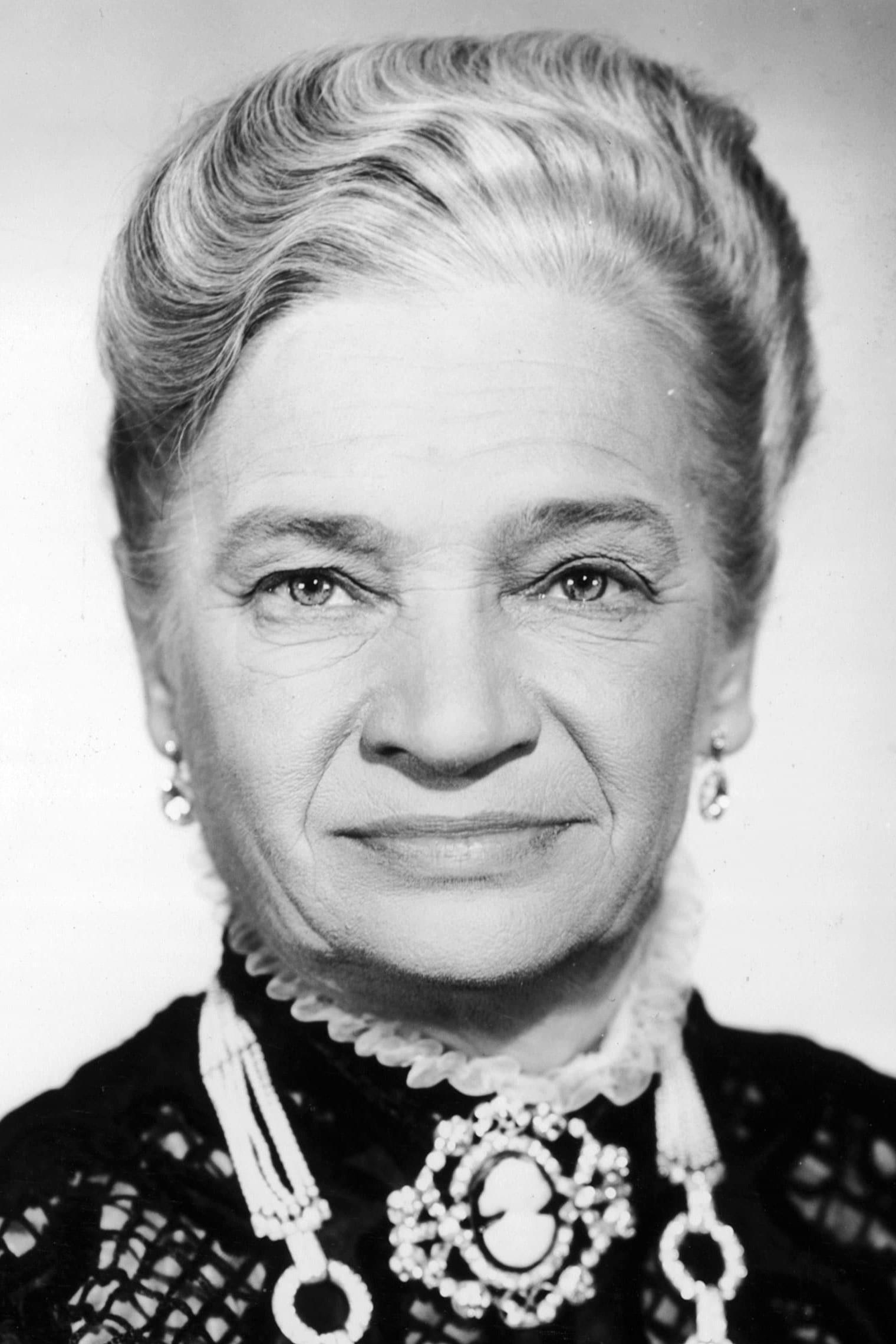
Maria Ouspenskaya left a lasting impact on the horror genre with her role as Maleva, the old fortune teller, in ‘The Wolf Man’. She provided the film’s moral core and delivered the famous poem about the werewolf’s curse. Ouspenskaya reprised the role in ‘Frankenstein Meets the Wolf Man’, further cementing her association with the character Larry Talbot. A former member of the Moscow Art Theatre, she brought a disciplined and intense acting style to Hollywood. Her performance helped ground the supernatural elements of the werewolf legend in a sense of ancient folk tradition.
Fay Wray
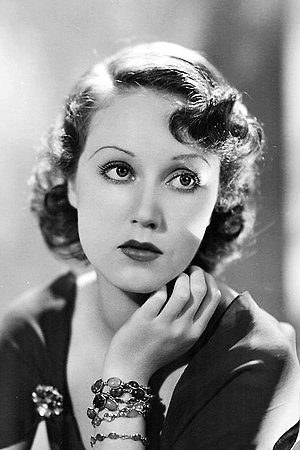
Fay Wray is eternally remembered as the original “scream queen” for her role as Ann Darrow in ‘King Kong’. Her powerful lung capacity and expressive terror set the standard for female leads in monster movies. Beyond the giant ape, she starred in several other notable horror films including ‘Mystery of the Wax Museum’ and ‘The Vampire Bat’. Wray enjoyed a long and varied career, but she always embraced her connection to the legendary Kong. She remains a symbol of the beauty-and-the-beast dynamic that has permeated the horror genre for decades.
Evelyn Ankers
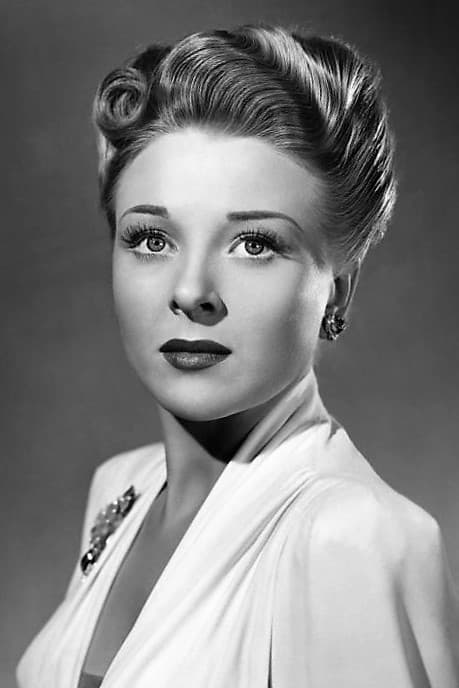
Evelyn Ankers was the most prominent female star of the Universal Horror films during the 1940s. She appeared in numerous classics, most notably as Gwen Conliffe in ‘The Wolf Man’ alongside Lon Chaney Jr. Ankers also starred in ‘The Ghost of Frankenstein’, ‘Son of Dracula’, and ‘The Invisible Man’s Revenge’. Known for her poise and her convincing screams, she earned the nickname “The Queen of the B’s.” Her work during this decade made her one of the most recognizable faces of the studio’s second wave of monster movies.
Marilyn Burns
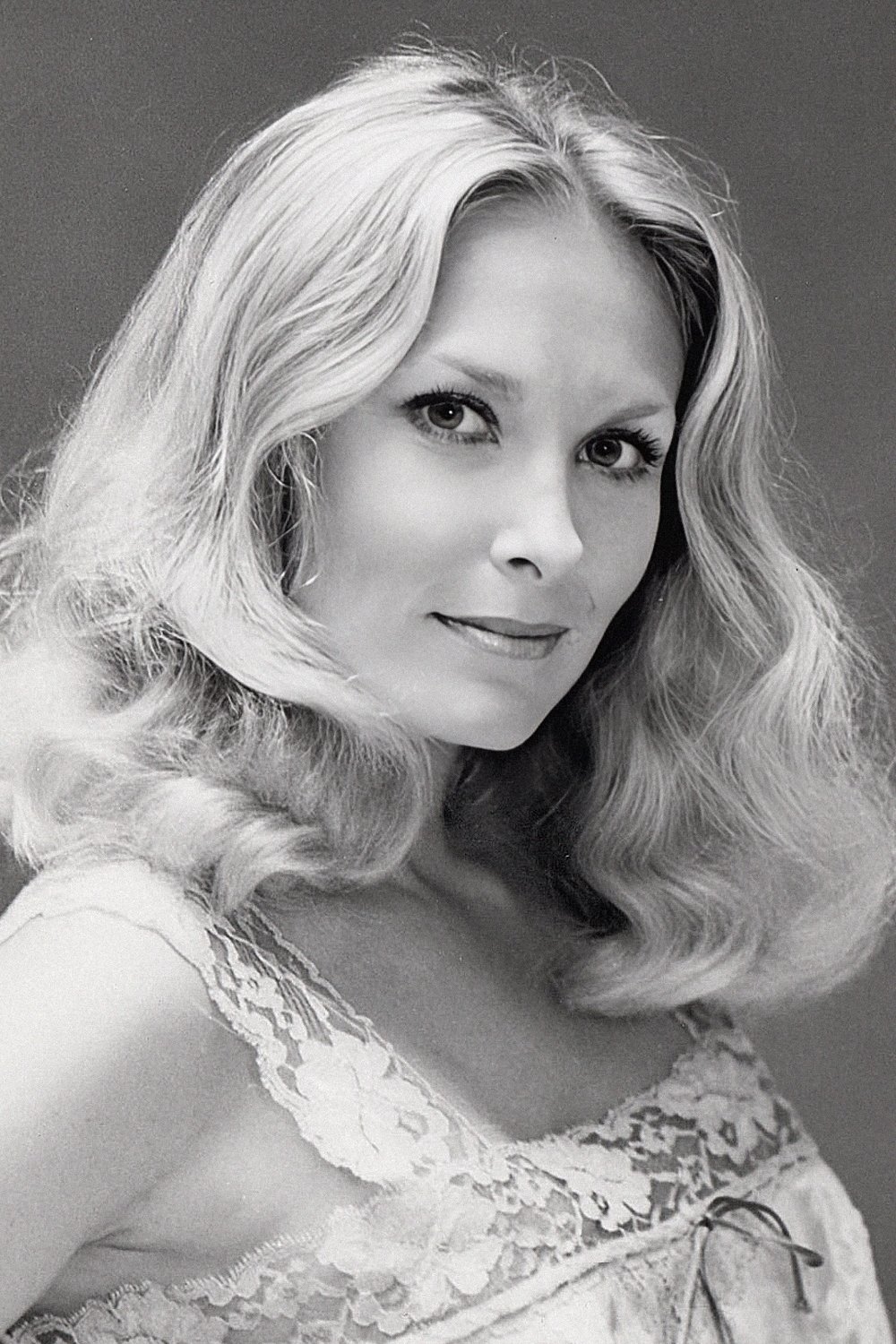
Marilyn Burns gained legendary status as the ultimate survivor, Sally Hardesty, in ‘The Texas Chain Saw Massacre’. Her raw, visceral performance in the film’s final act is considered one of the greatest displays of terror in cinema history. Burns also worked with director Tobe Hooper again in ‘Eaten Alive’ and appeared in the television miniseries ‘Helter Skelter’. She remained a beloved figure in the horror community, making cameo appearances in later ‘Texas Chainsaw’ sequels. Her portrayal of Sally helped define the “final girl” trope for the burgeoning slasher genre.
Duane Jones
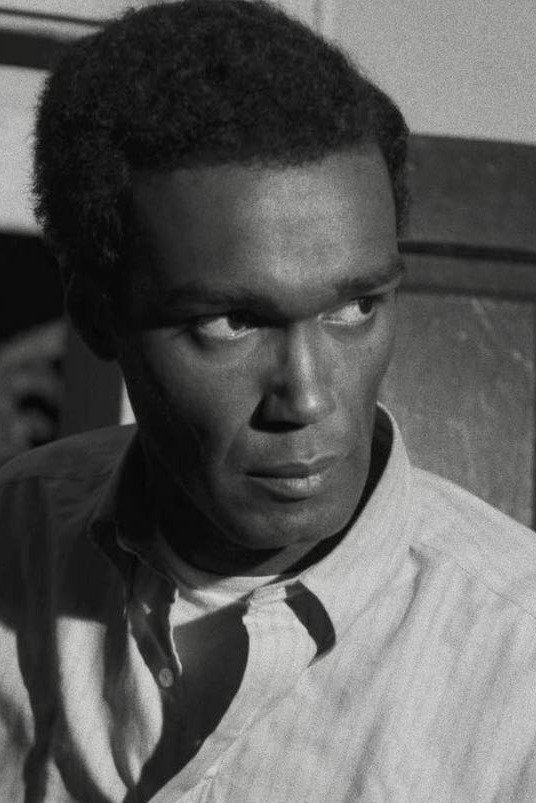
Duane Jones made a groundbreaking contribution to cinema as the lead character, Ben, in ‘Night of the Living Dead’. His casting as a black man in a heroic, authoritative role was a significant milestone for the horror genre and independent film. Jones brought a quiet intensity and intelligence to the role, making the film’s tragic ending even more impactful. Although he was primarily a stage actor and educator, he appeared in a few other genre films like ‘Ganja & Hess’. His performance remains a focal point for academic and social discussions surrounding horror cinema.
Zelda Rubinstein
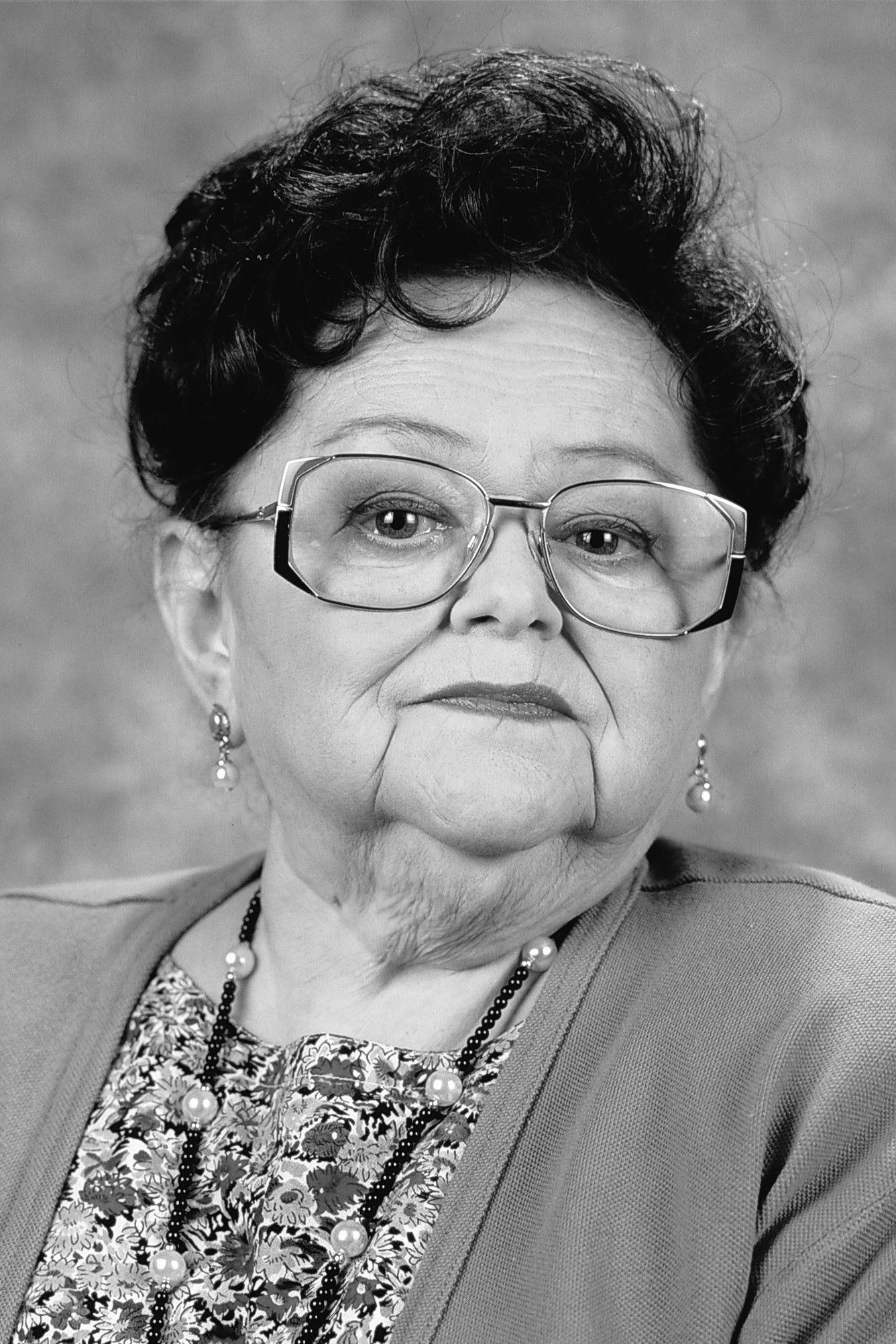
Zelda Rubinstein became a household name for her role as the psychic Tangina Barrons in the ‘Poltergeist’ trilogy. Her unique voice and diminutive stature made her an unforgettable presence as she guided a family through a supernatural haunting. Rubinstein was a dedicated activist outside of her acting career, particularly in the fight against HIV/AIDS. She also appeared in the cult horror film ‘Anguish’ and the television series ‘Picket Fences’. Her character’s famous line, “This house is clean,” remains one of the most iconic quotes in the genre.
Heather O’Rourke
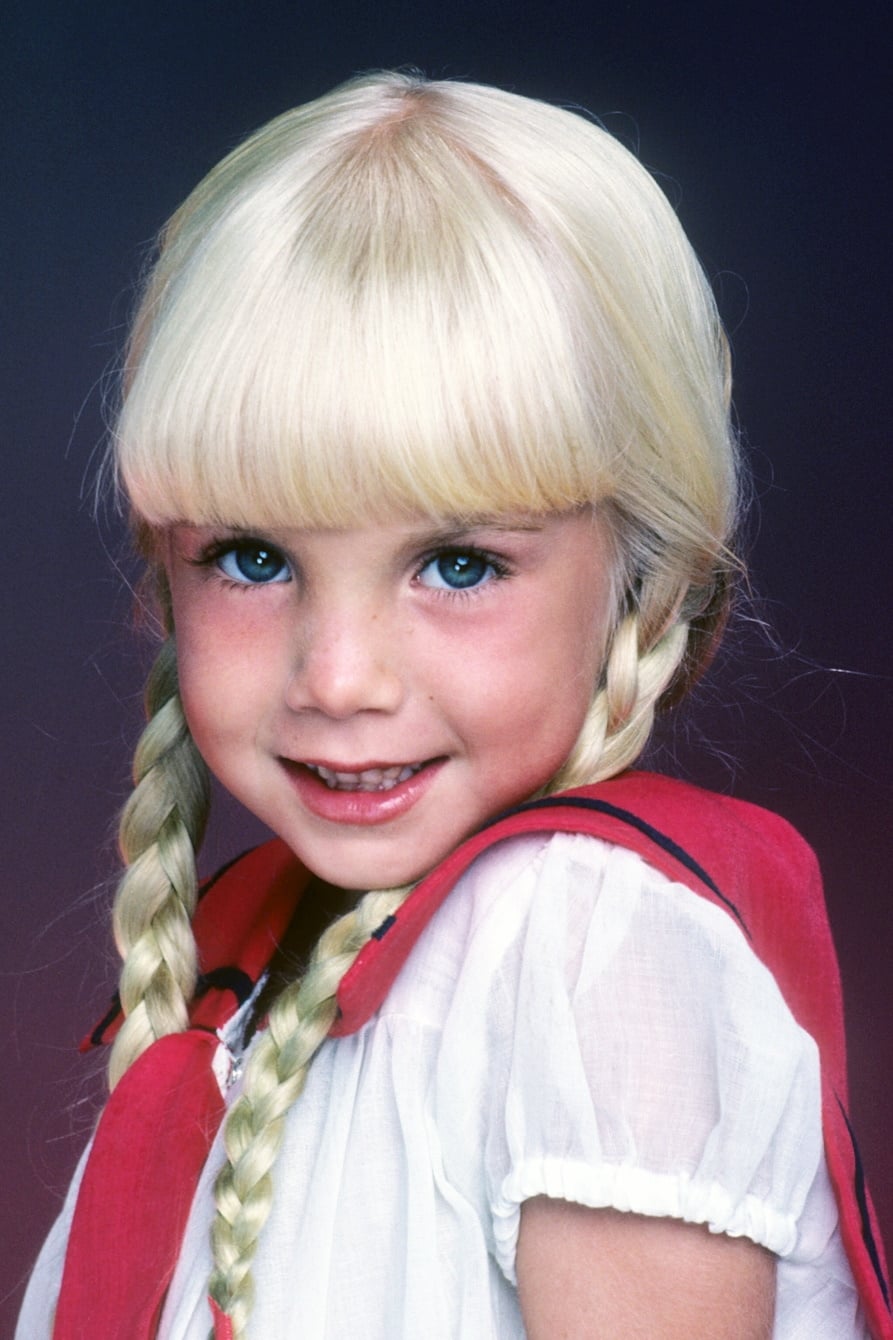
Heather O’Rourke was the young star of the ‘Poltergeist’ trilogy, playing the role of Carol Anne Freeling. Her innocent delivery of the line “They’re he-ere” became an instant part of pop culture history. O’Rourke demonstrated remarkable acting talent for a child, holding her own alongside veteran performers. Tragically, she passed away at the age of 12 shortly before the release of the third film in the series. Her work continues to be celebrated by fans of supernatural horror around the world.
Dominique Dunne
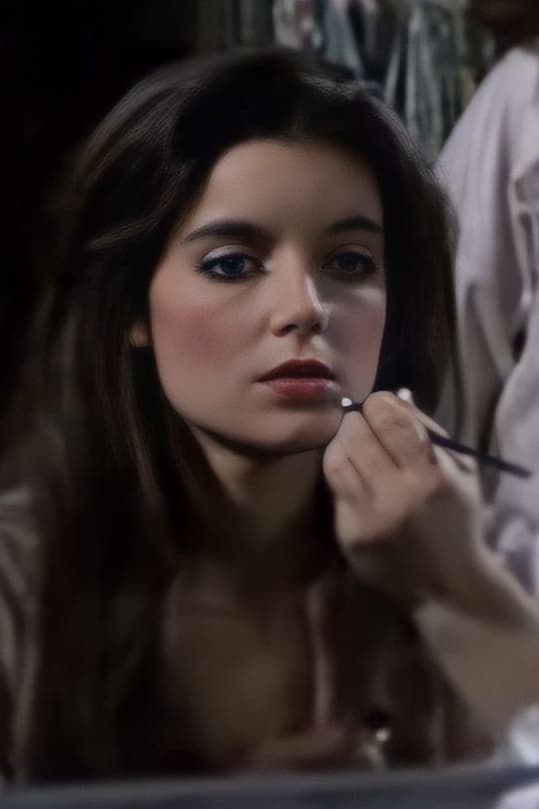
Dominique Dunne had a promising career ahead of her after her breakout role as Dana Freeling in the original ‘Poltergeist’. As the eldest daughter of the haunted family, she brought a relatable, youthful energy to the film’s high-stakes drama. Her life was tragically cut short just months after the film’s release, a loss that deeply affected her colleagues and the industry. Despite her brief filmography, her performance in one of the most successful horror films of all time ensures her place in the genre’s history. She is remembered as a talented actress whose potential was never fully realized.
Fred Gwynne
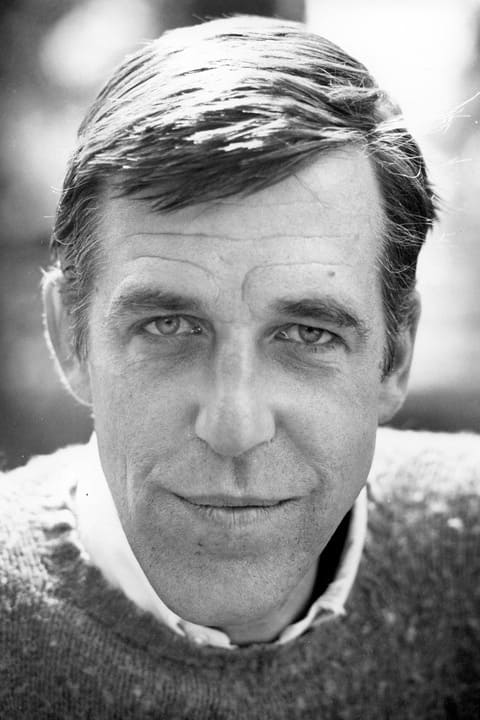
Fred Gwynne is widely remembered for his comedic horror role as Herman Munster in the classic sitcom ‘The Munsters’. However, he earned significant acclaim in the horror film world for his role as Jud Crandall in the 1989 adaptation of ‘Pet Sematary’. His portrayal of the neighbor who introduces the protagonist to the cursed burial ground provided the film with its haunting moral center. Gwynne used his deep voice and tall stature to create a character that was both fatherly and ominous. His performance remains one of the most cited highlights of Stephen King adaptations.
Yvonne De Carlo
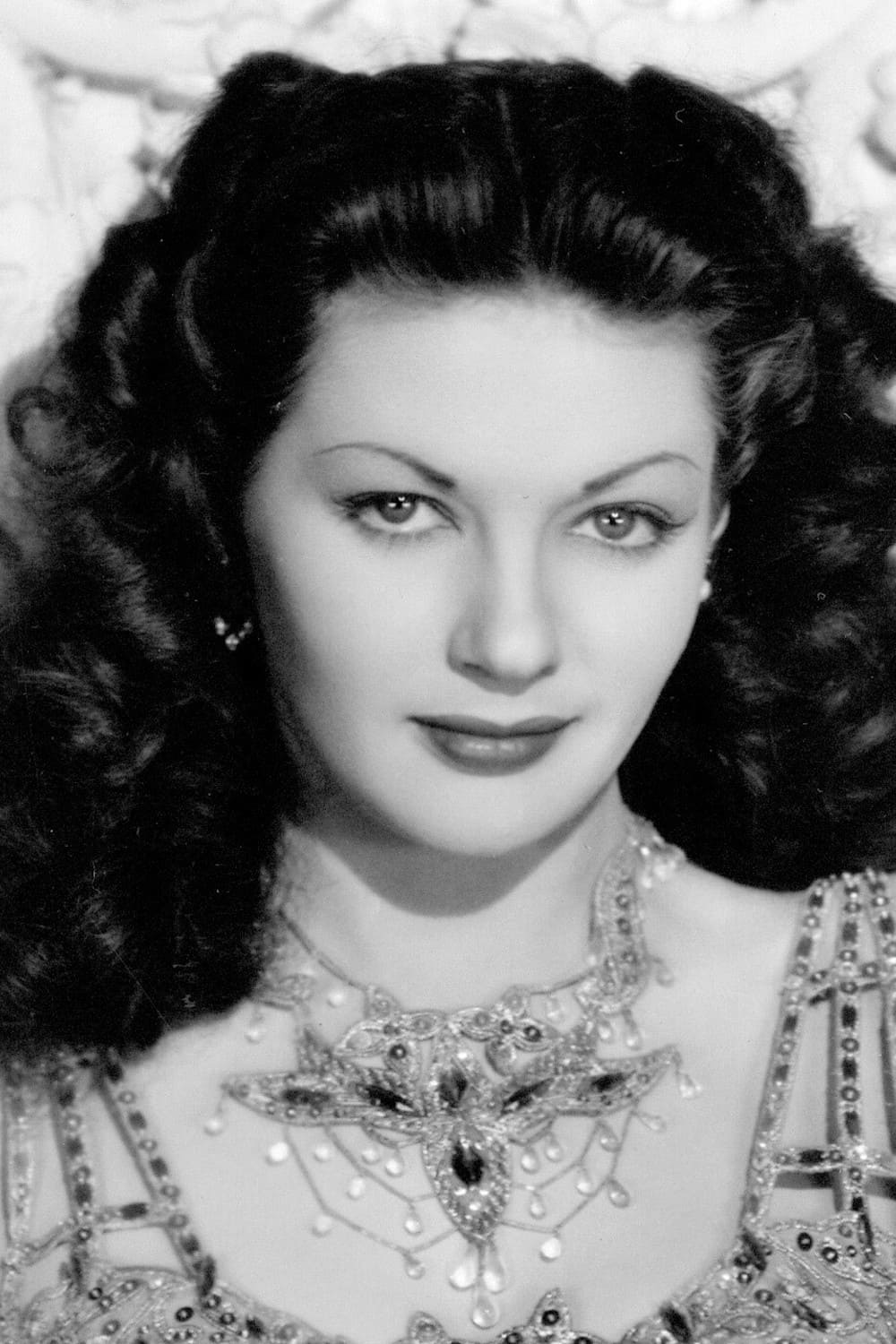
Yvonne De Carlo was a major Hollywood star who found a second wave of fame as Lily Munster in ‘The Munsters’. While the show was a comedy, it utilized classic horror aesthetics and helped keep the Universal Monster archetypes alive for a new generation. De Carlo also appeared in genuine horror films such as ‘The Silent Scream’ and ‘American Gothic’ later in her career. Before her television success, she was a celebrated leading lady in epics like ‘The Ten Commandments’. Her glamour and comedic timing made her a perfect fit for the role of a vampire matriarch.
Kevin McCarthy
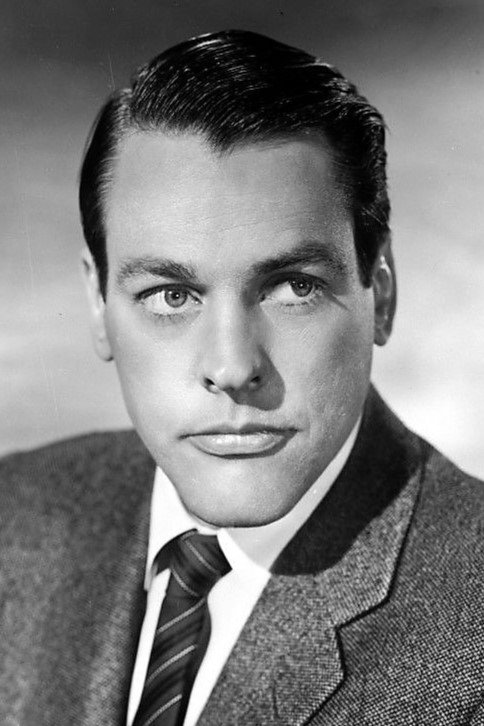
Kevin McCarthy starred in the 1956 science fiction horror classic ‘Invasion of the Body Snatchers’ as Dr. Miles Bennell. His frantic performance as a man trying to warn the world about an alien takeover is a landmark of the genre. McCarthy’s career spanned several decades and included a memorable cameo in the 1978 remake of the same film. He also appeared in other horror projects such as ‘The Howling’ and ‘Twilight Zone: The Movie’. His career was defined by a versatile talent that allowed him to move seamlessly between theater, television, and film.
Dick Miller
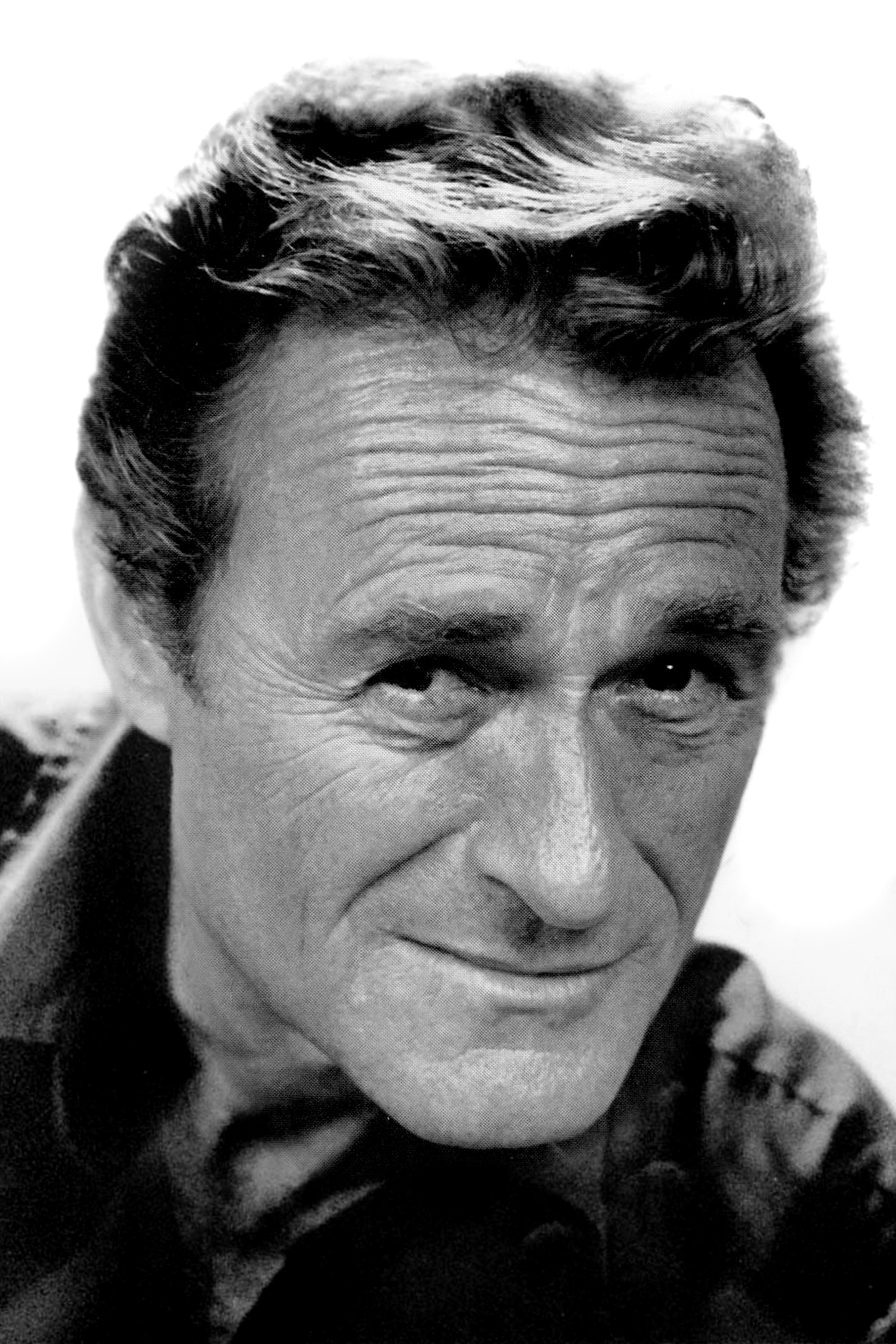
Dick Miller was a legendary character actor and a favorite of directors like Joe Dante and Roger Corman. He starred as Walter Paisley in the dark horror-comedy ‘A Bucket of Blood’, a role he would reference in various ways throughout his career. Miller is well known to horror fans for his appearances in ‘Gremlins’, ‘The Howling’, and ‘Night of the Creeps’. His presence in a film often served as a “seal of approval” for genre enthusiasts. He appeared in over 100 films, bringing a reliable wit and charm to every supporting role.
David Warner
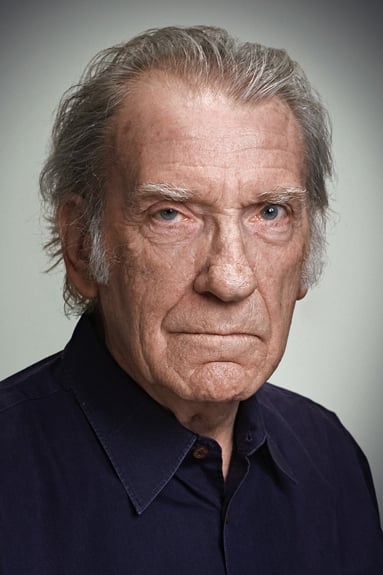
David Warner was a highly respected character actor with a significant presence in the horror and sci-fi genres. He played the ill-fated photographer Keith Jennings in ‘The Omen’, featuring one of the most famous death scenes in cinema. Warner also appeared in ‘The Company of Wolves’, ‘Waxwork’, and ‘In the Mouth of Madness’. His distinctive voice and ability to play both refined intellectuals and sinister villains made him a constant in the industry. He was equally at home in prestige dramas and cult horror films, always elevating the material.
Michael Gough
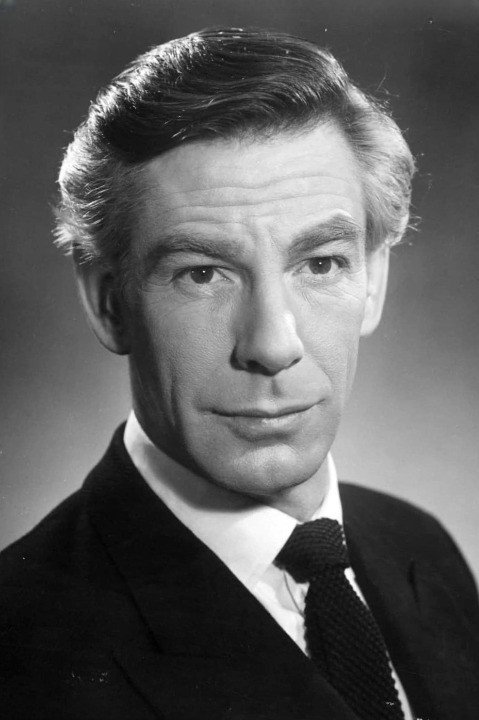
Michael Gough had a long and varied career, becoming a prominent figure in British horror during the 1950s and 60s. He starred in Hammer’s ‘Horror of Dracula’ as Arthur Holmwood and took on leading roles in ‘Konga’ and ‘Horror Hospital’. Gough was known for playing intense, often obsessive characters who bordered on the villainous. Modern audiences recognize him as Alfred Pennyworth in the Tim Burton and Joel Schumacher ‘Batman’ films. His theatrical style and commanding voice made him a perfect fit for the heightened reality of gothic horror.
Herbert Lom
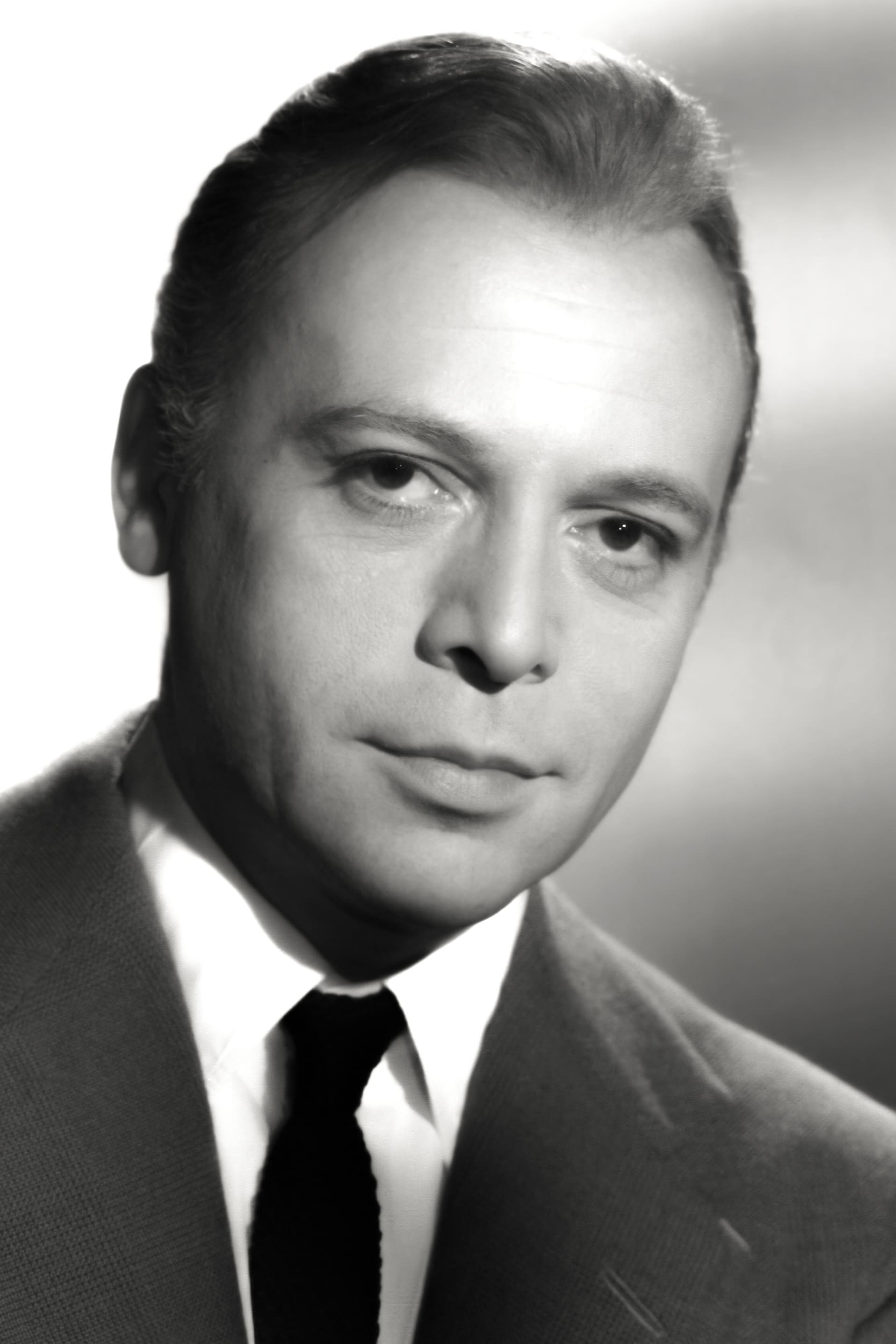
Herbert Lom was a versatile actor who made significant contributions to the horror genre, often playing tragic or authoritative figures. He starred as the titular character in the 1962 version of ‘The Phantom of the Opera’ produced by Hammer Films. Lom also appeared in ‘Mark of the Devil’, ‘Count Dracula’, and ‘The Murders in the Rue Morgue’. While he is globally famous for his role as Chief Inspector Dreyfus in the ‘Pink Panther’ series, horror fans value his dramatic gravitas. His ability to convey pain and menace through his eyes was a hallmark of his genre work.
Klaus Kinski
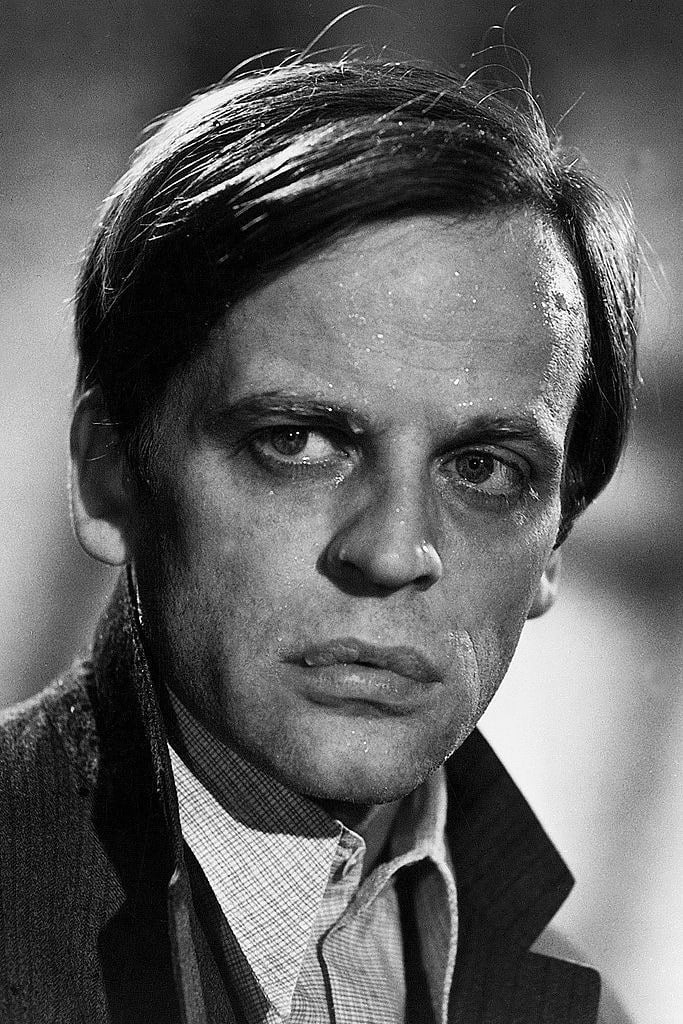
Klaus Kinski was a legendary and controversial figure known for his intense, volatile acting style and his collaborations with Werner Herzog. He gave a haunting, ethereal performance as Count Dracula in the 1979 remake ‘Nosferatu the Vampyre’. Kinski also appeared in several Italian horror films and thrillers, such as ‘Creature’ and ‘Schizoid’. His physical presence was often described as magnetic and deeply unsettling, which he used to great effect in the macabre. Despite his difficult reputation on set, his contributions to international horror remain visually and emotionally striking.
Paul Naschy
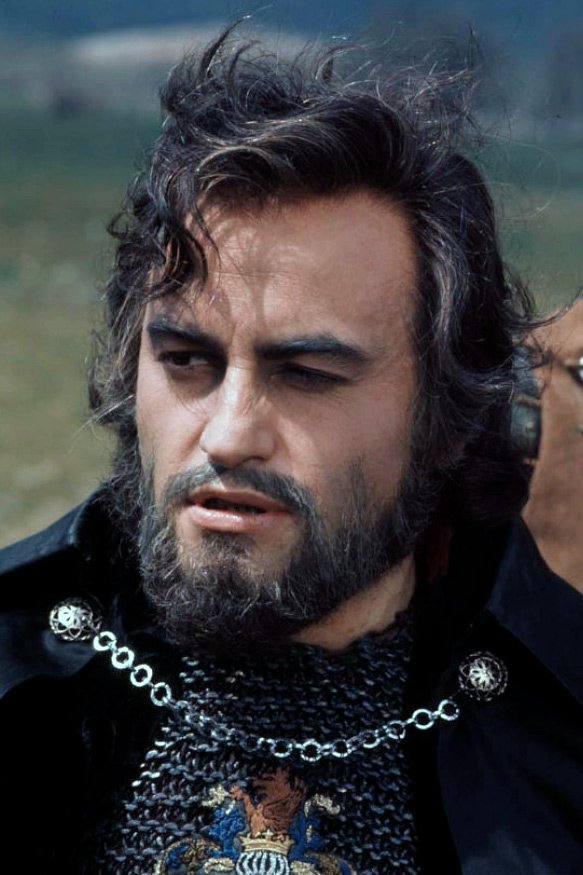
Paul Naschy, born Jacinto Molina, was the undisputed king of Spanish horror cinema. He is best known for creating and playing the werewolf Waldemar Daninsky in a long-running series of films starting with ‘La Marca del Hombre Lobo’. Naschy was a prolific writer and director as well as an actor, often taking on multiple roles within a single project. Throughout his career, he played nearly every classic monster, including Dracula, the Mummy, and Frankenstein’s monster. His dedication to the genre helped create a unique and thriving horror industry in Spain during the 1970s.
Ingrid Pitt
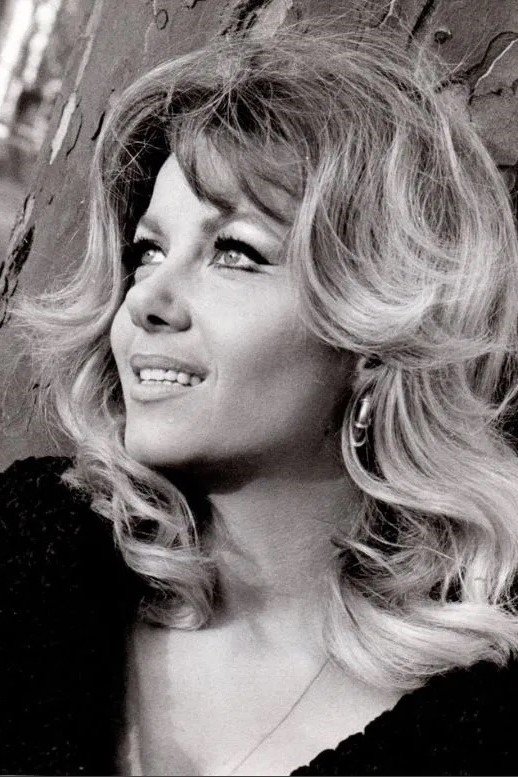
Ingrid Pitt became a major star of the Hammer Horror era, known for her roles in ‘The Vampire Lovers’ and ‘Countess Dracula’. As a survivor of a concentration camp in her youth, she brought a resilient and fierce energy to her performances. She was often cast as powerful, seductive vampires, becoming a significant figure in the subgenre of gothic erotica. Pitt also appeared in the cult classic ‘The Wicker Man’ and remained a popular figure at horror conventions for decades. Her autobiography and various writings further cemented her legacy as a thoughtful and engaging genre icon.
Soledad Miranda
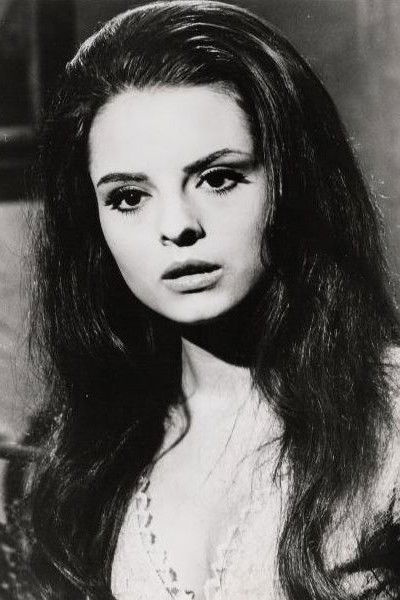
Soledad Miranda was a Spanish actress who became a muse for director Jess Franco during the late 1960s. She is most famous for her starring role in the stylish horror film ‘Vampyros Lesbos’, where her ethereal beauty and stoic presence became iconic. Miranda also appeared in ‘Count Dracula’ alongside Christopher Lee and ‘She Killed in Ecstasy’. Her career was tragically cut short by a car accident at the age of 27, just as she was gaining international fame. Despite her short life, she remains a cult figure in European cult and horror cinema.
Édith Scob
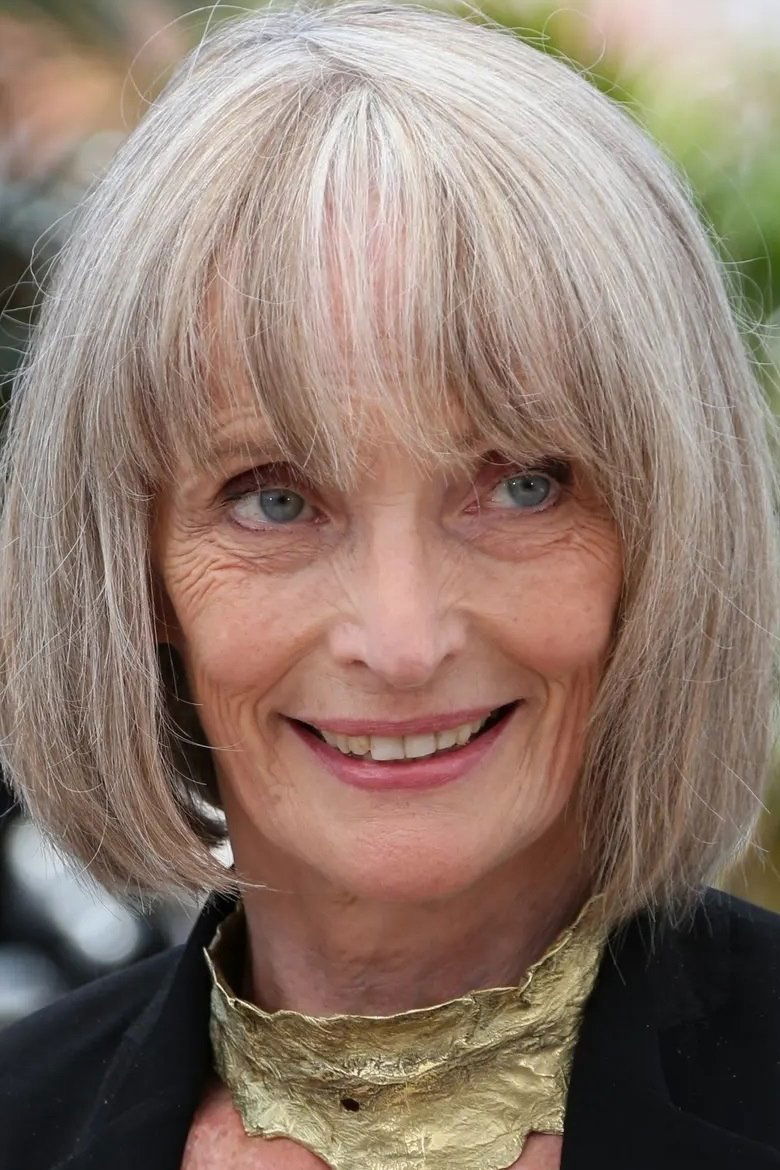
Edith Scob gave one of the most haunting performances in horror history in the French masterpiece ‘Eyes Without a Face’. Playing a woman forced to wear a stiff white mask to hide her disfigured face, she conveyed profound emotion through her eyes and movement alone. This role became a landmark in the genre, influencing everything from John Carpenter’s ‘Halloween’ to modern fashion. Scob had a long and distinguished career in French cinema, working with directors like Georges Franju and Raoul Ruiz. Her ability to blend the avant-garde with the macabre made her a unique presence in film history.
Maila Nurmi
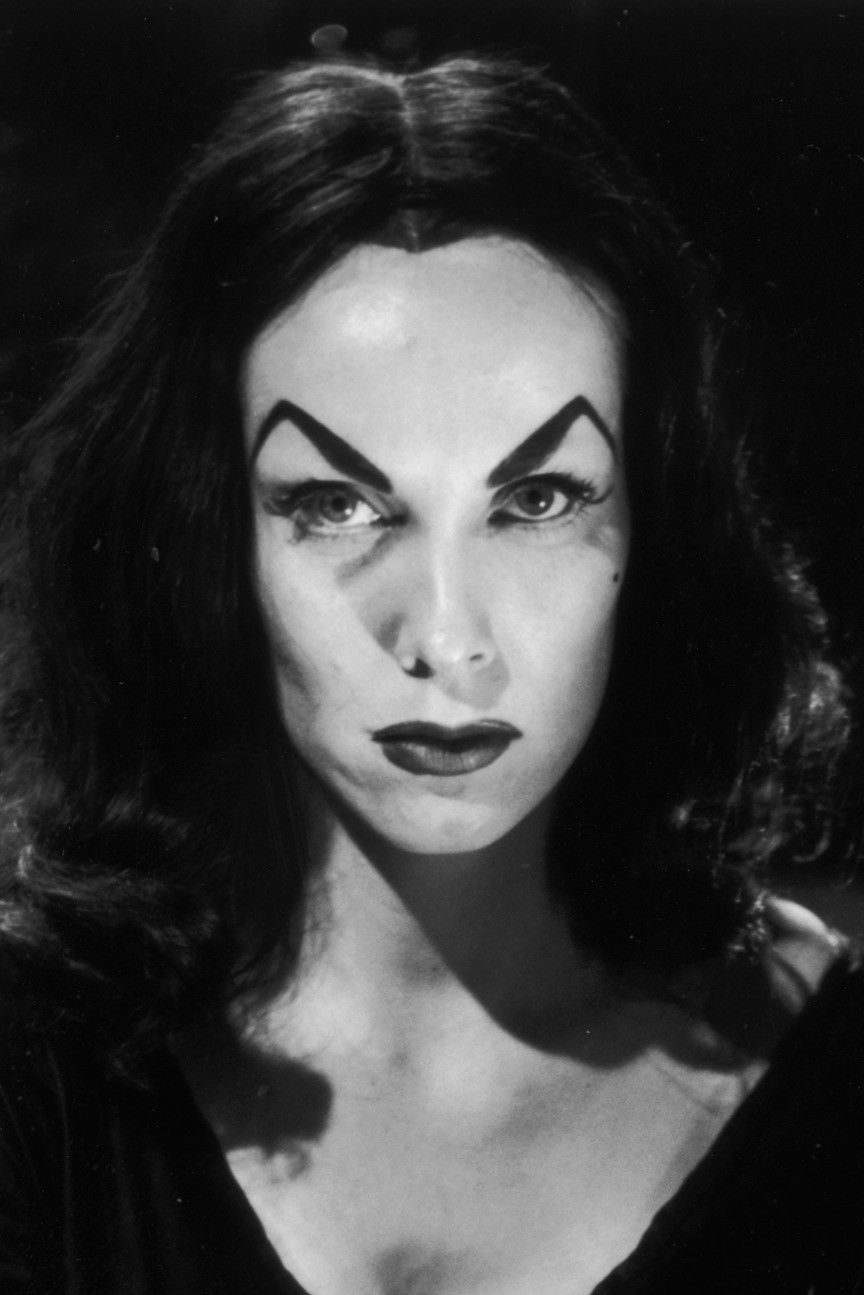
Maila Nurmi created the persona of Vampira, the first ever horror movie host, which debuted on television in 1954. With her tight corsets and pale, ghostly makeup, she defined the “goth” aesthetic decades before it became a subculture. Her most famous film appearance was in Edward D. Wood Jr.’s cult classic ‘Plan 9 from Outer Space’. Although her television show was short-lived, the character of Vampira became a permanent fixture of Americana and horror lore. Nurmi’s creation paved the way for future hosts like Elvira and helped establish the campy side of the genre.
Julian Beck
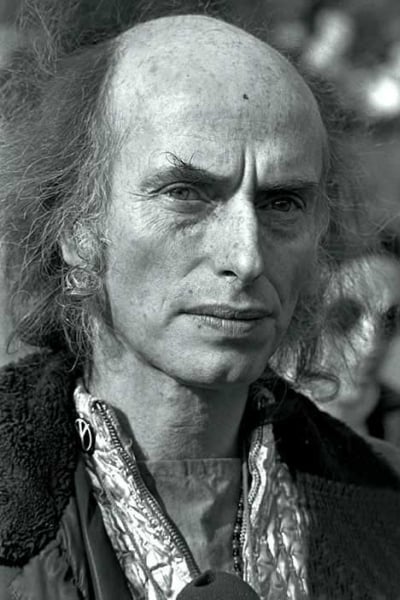
Julian Beck was a renowned theater director and actor who left a terrifying mark on horror with his role in ‘Poltergeist II: The Other Side’. As the malevolent Reverend Henry Kane, his gaunt appearance and eerie singing of “Leaning on the Everlasting Arms” created one of the genre’s most unsettling villains. Beck was a founder of The Living Theatre and was primarily known for his experimental stage work. He filmed his role while suffering from terminal cancer, and his real-life frailty added a disturbing realism to the supernatural character. His performance remains a highlight of 1980s horror cinema.
Robert Z’Dar
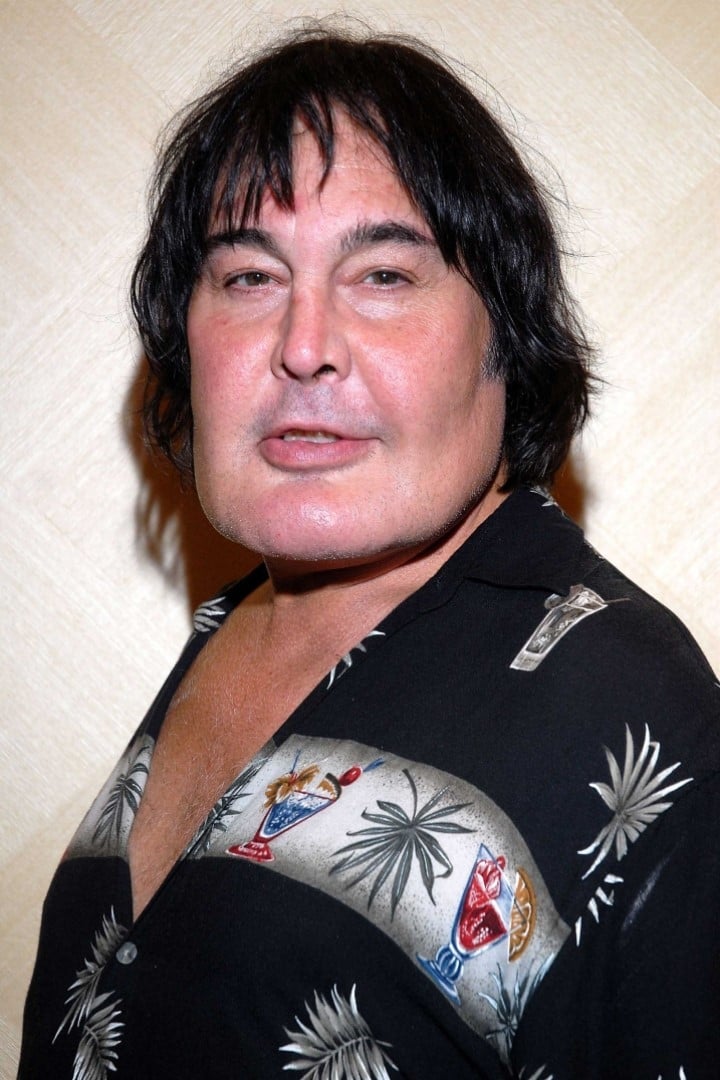
Robert Z’Dar was a prolific character actor easily recognized for his massive physique and unique facial structure caused by cherubism. He is best known for his role as Matt Cordell in the ‘Maniac Cop’ trilogy, where he played a vengeful, undead police officer. Z’Dar appeared in dozens of low-budget action and horror films, often playing silent, unstoppable killers or henchmen. His distinct look and dedication to the B-movie circuit earned him a dedicated cult following. He remained active in the independent film community until his death in 2015.
S. William Hinzman
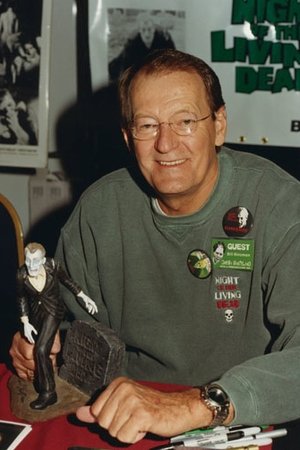
Bill Hinzman earned an eternal place in horror history as the very first zombie seen in ‘Night of the Living Dead’. Appearing in the cemetery during the film’s opening scene, his relentless pursuit of the protagonists set the tone for the modern zombie genre. Hinzman was also a cinematographer and later directed his own horror films, such as ‘The Flesh Eater’. He frequently appeared at horror conventions, often dressing as his famous “Cemetery Zombie” to delight fans. His brief but terrifying performance helped launch a global obsession with the undead.
Conrad Veidt
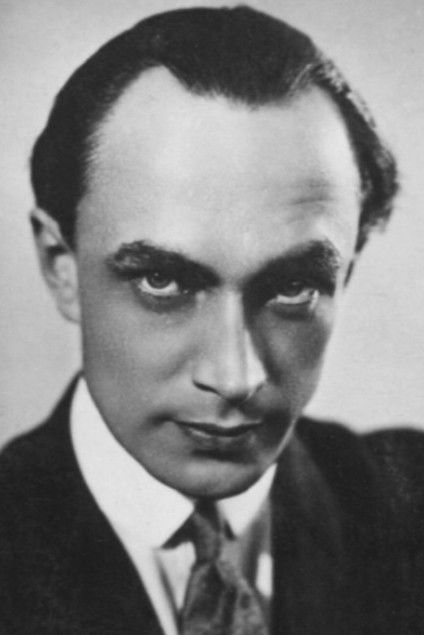
Conrad Veidt was a star of the German Expressionist movement and appeared in some of the most influential early horror films. He played Cesare the somnambulist in ‘The Cabinet of Dr. Caligari’, a role that defined the visual language of the genre. Veidt also starred in ‘The Man Who Laughs’, playing a character whose permanent grin inspired the creation of the Joker. After fleeing Nazi Germany, he moved to Hollywood and appeared in classics like ‘Casablanca’. His ability to portray tortured, otherworldly characters made him a pioneer of cinematic horror.
Max Schreck
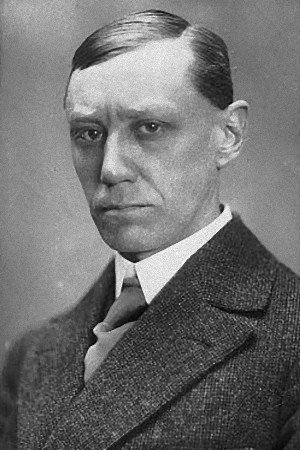
Max Schreck gave what is arguably the most frightening performance of the silent era as Count Orlok in ‘Nosferatu’. His rodent-like features and stiff, unnatural movements created a version of the vampire that remains terrifying over a century later. Because so little was known about the actor at the time, rumors persisted for years that he was a real vampire, a concept explored in the film ‘Shadow of the Vampire’. Schreck was actually a versatile stage actor who appeared in many different types of productions in Germany. His portrayal of Orlok remains the definitive image of the monstrous, non-romanticized vampire.
Charles Laughton
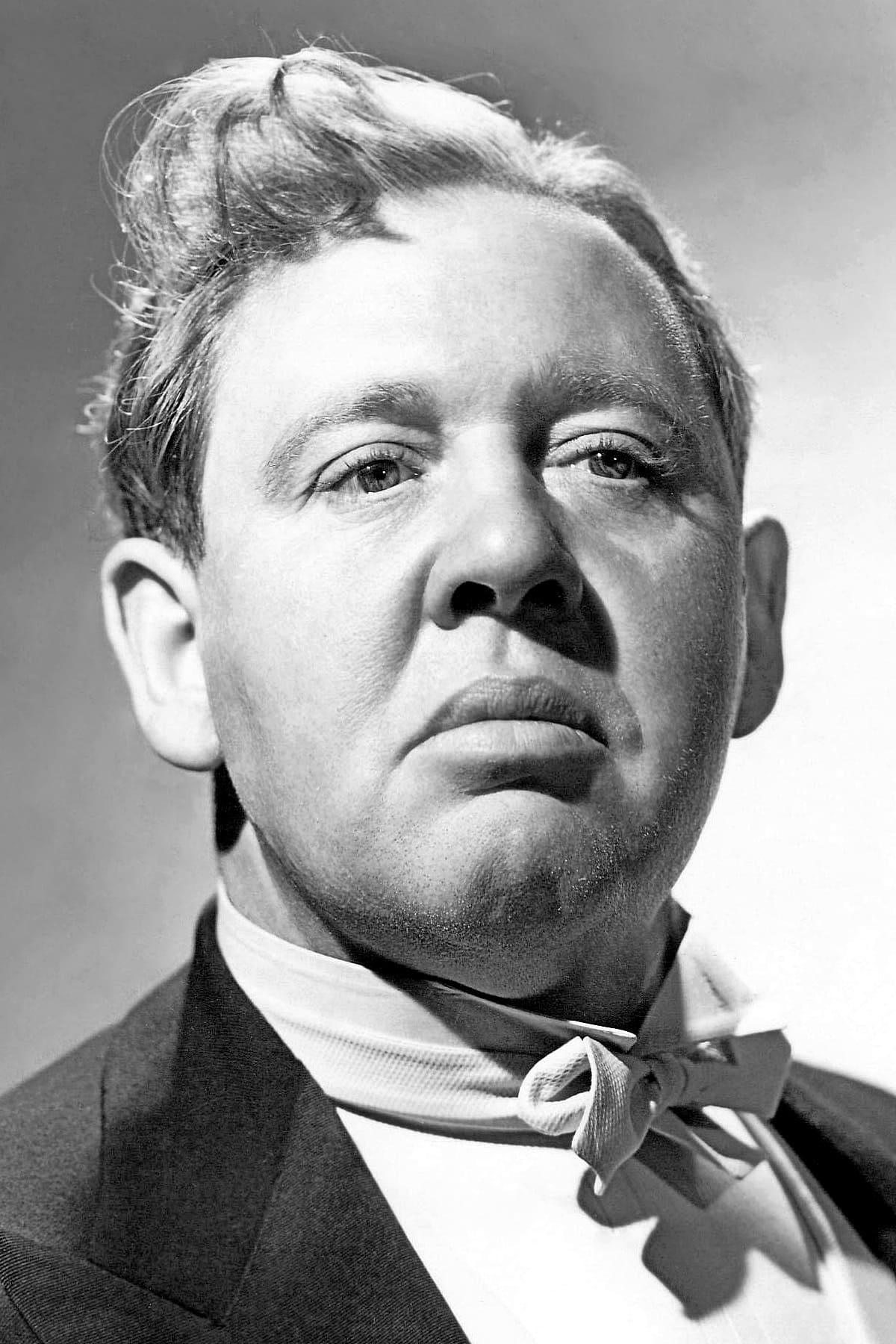
Charles Laughton was a powerhouse of the stage and screen who took on several iconic roles within the horror and suspense genres. He played the villainous Dr. Moreau in ‘Island of Lost Souls’, delivering a performance of cold, intellectual cruelty. Laughton also portrayed the titular character in the 1939 version of ‘The Hunchback of Notre Dame’, showcasing his ability to find humanity beneath heavy prosthetics. He later directed the suspense masterpiece ‘The Night of the Hunter’, which features one of cinema’s most terrifying villains. His immense talent ensured that even his genre work was treated with the highest level of artistic integrity.
Please share which of these legendary horror performers made the biggest impact on your love of the genre in the comments.

