


The 50 Most Expensive Movies Ever Made



Making a Hollywood blockbuster is an expensive business. Production costs have skyrocketed in recent decades. Studios spend huge amounts of money on everything from actor salaries and set construction to special effects and marketing. The biggest films now regularly cost hundreds of millions of dollars to produce. This trend is driven by the desire to create spectacular movies that will draw huge audiences around the world and sell lots of merchandise.
These massive budgets are a big gamble for the studios. A hit movie can bring in billions of dollars in ticket sales, streaming revenues, and merchandise. However, a flop can lead to huge financial losses. This list looks at some of the most expensive movies ever made, exploring just how much it costs to bring these epic stories to the big screen.
Star Wars: The Force Awakens (2015)
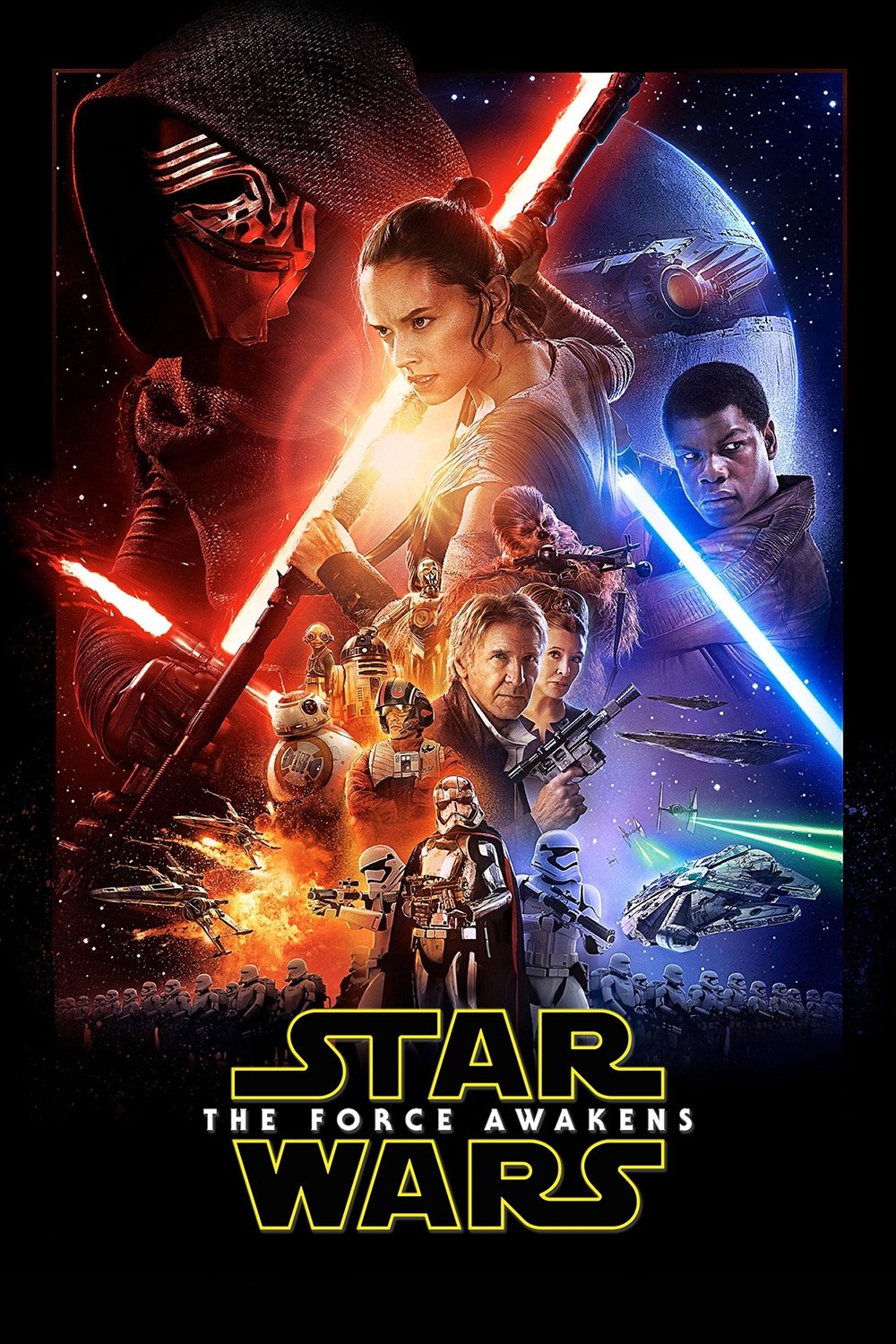
The return of the Star Wars saga to the big screen came with a massive price tag. With a reported net budget of $447 million, The Force Awakens holds the record for one of the most expensive films ever produced. A large portion of this cost went to securing original cast members, extensive location shooting, and a focus on practical effects to recreate the feel of the original trilogy.
Set thirty years after Return of the Jedi, the film introduces a new generation of heroes and villains. The story follows a scavenger named Rey, a former stormtrooper named Finn, and a Resistance pilot named Poe Dameron. They join forces with heroes of the original trilogy to fight against the sinister First Order.
Jurassic World: Fallen Kingdom (2018)
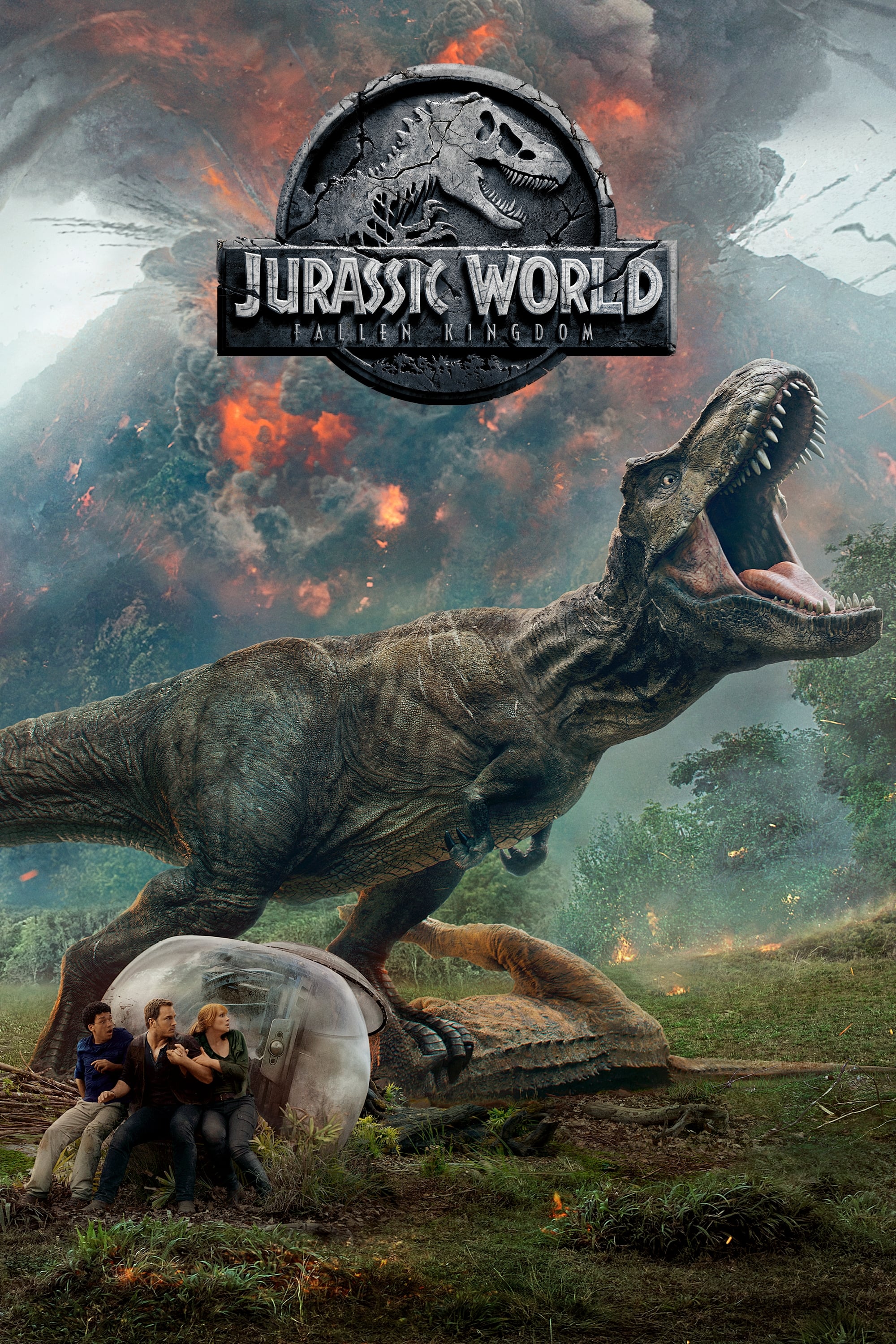
The sequel to the massively successful Jurassic World had a colossal budget of around $432 million. These costs were driven by the extensive use of computer-generated imagery (CGI) and complex animatronics needed to bring the dinosaurs to life. The film also featured large-scale sets and international shooting locations, which added to the overall expense.
Three years after the destruction of the Jurassic World theme park, Owen Grady and Claire Dearing return to the island of Isla Nublar to save the remaining dinosaurs from a volcano that’s about to erupt. They soon uncover a conspiracy that could disrupt the natural order of the entire planet.
Star Wars: The Rise of Skywalker (2019)
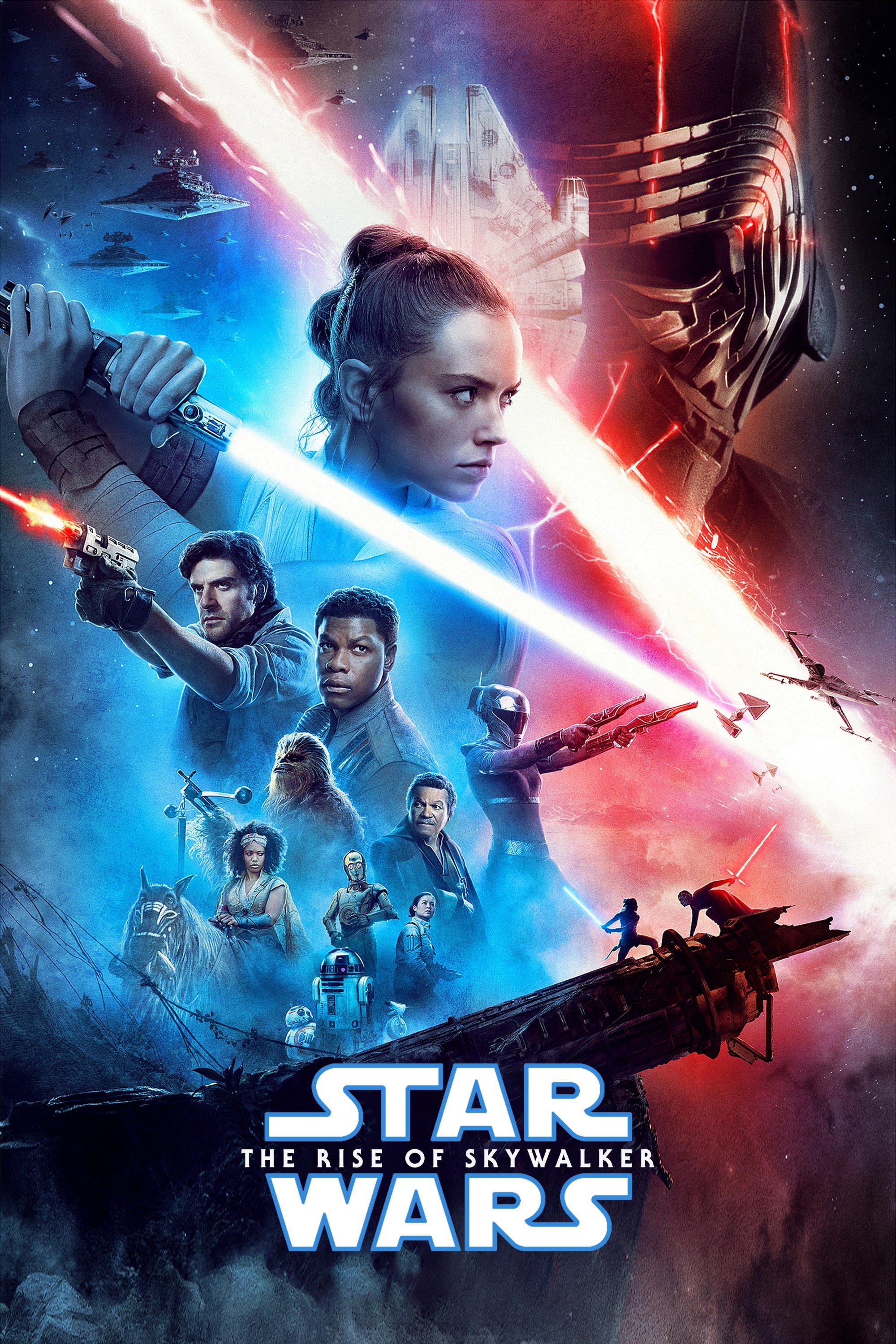
The final chapter of the Skywalker saga was a monumental undertaking with a budget of approximately $416 million. The high cost was due to its large ensemble cast, extensive visual effects required for the epic space battles and diverse planetary environments, and the pressure to deliver a satisfying conclusion to a nine-film series.
The film follows the surviving Resistance as they face the First Order once more. Rey, Finn, and Poe Dameron embark on a journey to find and stop the resurrected Emperor Palpatine, who has been secretly manipulating events from the shadows.
Pirates of the Caribbean: On Stranger Tides (2011)

The fourth installment in the popular pirate series sailed into theaters with a reported budget of $379 million. High costs were associated with star Johnny Depp’s salary, filming in 3D, and extensive on-location shoots in places like Hawaii and the United Kingdom. The detailed ship constructions and action sequences also contributed to the massive budget.
In this adventure, Captain Jack Sparrow crosses paths with a woman from his past, Angelica, who forces him to help her find the legendary Fountain of Youth. Their quest puts them in the path of the fearsome pirate Blackbeard, leading to a race against time and treacherous enemies.
Avengers: Age of Ultron (2015)
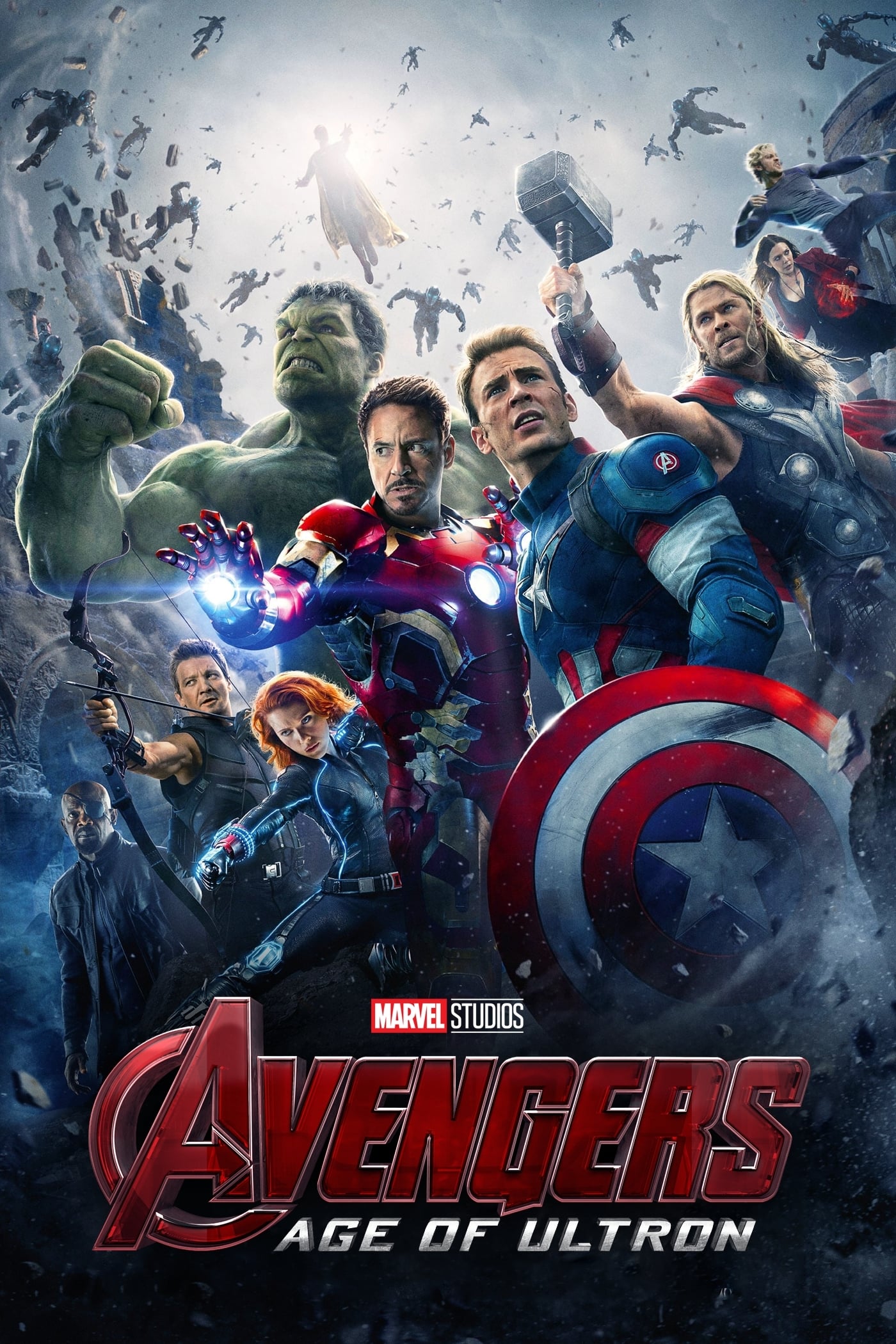
This Marvel sequel assembled a huge net budget of $365 million. The cost was driven by its star-studded ensemble cast, who commanded high salaries, and the extensive visual effects needed to create the titular villain Ultron and his robot army. Filming also took place in multiple countries, adding to the logistical and financial scale of the production.
Tony Stark’s attempt to create a global peacekeeping program goes horribly wrong, resulting in the creation of a malevolent artificial intelligence known as Ultron. The Avengers must reunite to stop Ultron from enacting his terrible plans and save humanity from extinction.
Avengers: Endgame (2019)
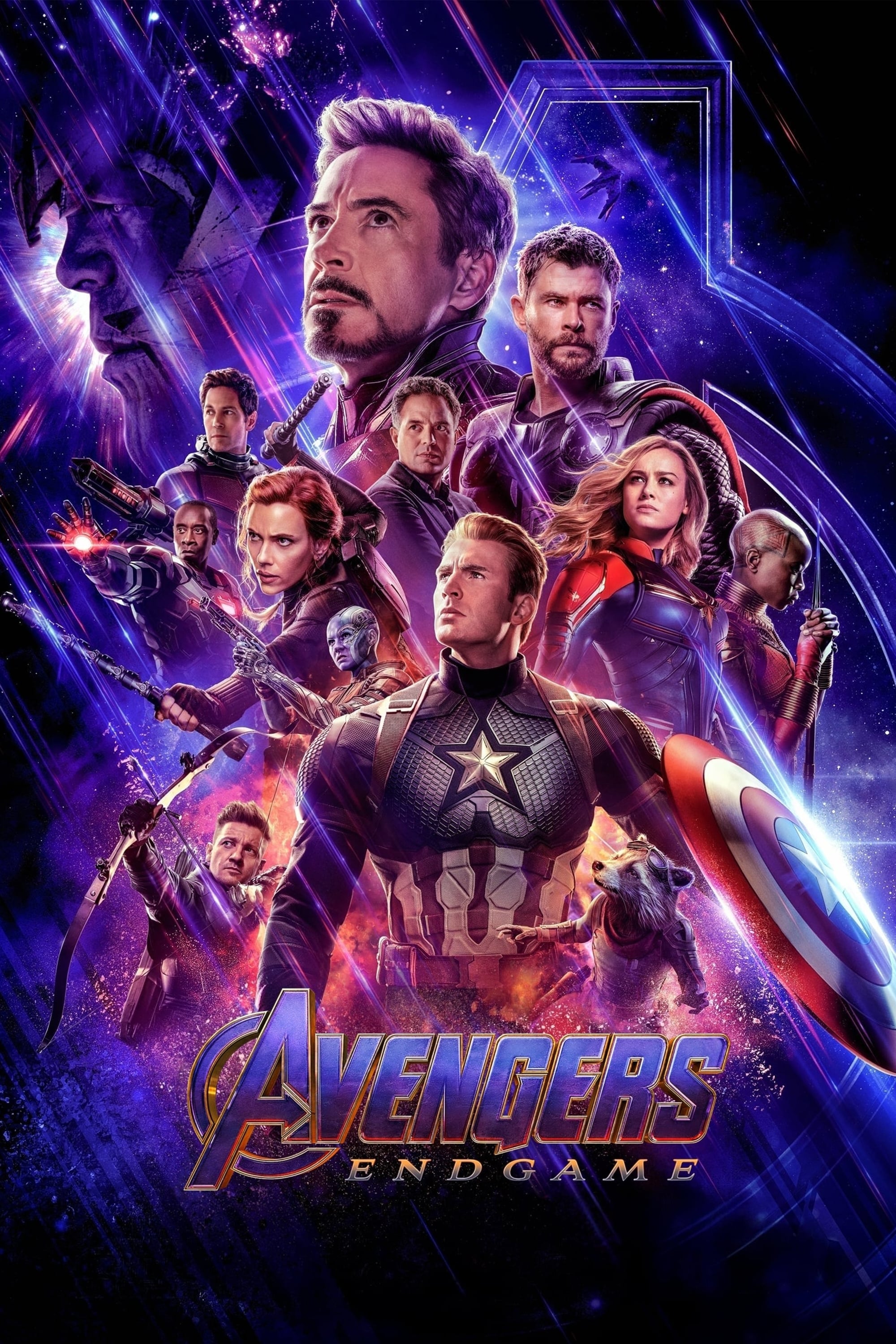
The epic conclusion to Marvel’s Infinity Saga cost an estimated $356 million to produce. The budget was heavily influenced by the salaries for its massive ensemble of A-list actors, including Robert Downey Jr., Chris Evans, and Scarlett Johansson. Additionally, the film’s groundbreaking visual effects, particularly for the final battle, represented a significant portion of the expenses.
After the devastating events of Avengers: Infinity War, the remaining heroes are scattered and defeated. The film follows them as they gather for one final stand to reverse the actions of the villain Thanos and restore balance to the universe.
Avatar: The Way of Water (2022)

Director James Cameron is known for his ambitious, big-budget films, and the sequel to Avatar was no different, with an estimated cost of around $350 million. A huge part of this expense came from developing new underwater motion-capture technology, which required years of research and development. The cast and crew also underwent extensive training to film scenes underwater.
The story picks up more than a decade after the first film, following Jake Sully and Neytiri as they raise their new family. When an old threat returns, they are forced to flee their home and seek refuge with the Metkayina clan, a group of Na’vi who live by the ocean.
Fast X (2023)
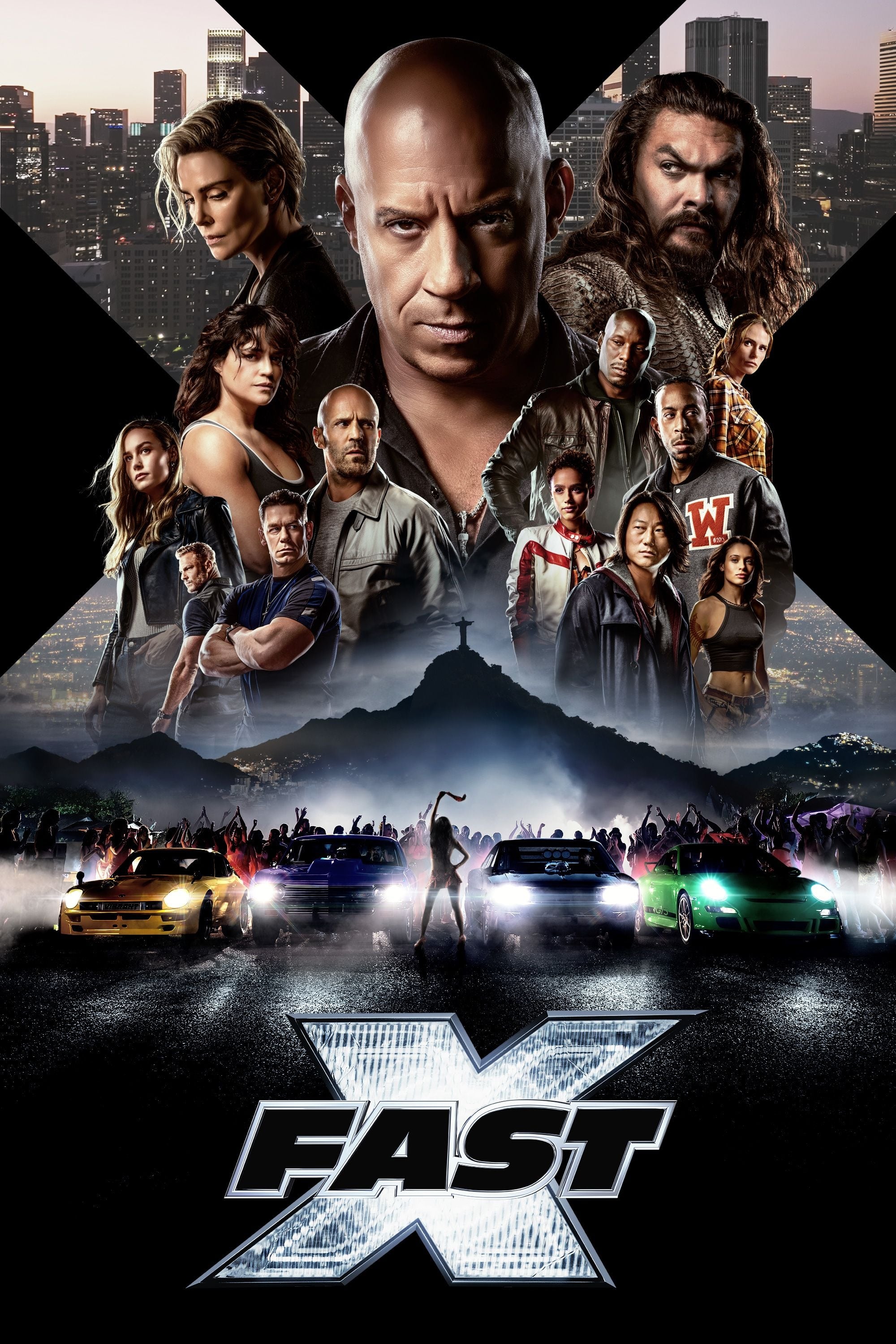
The tenth installment in The Fast and the Furious franchise raced to the screen with a budget of around $340 million. The high costs were a result of its large ensemble cast of returning stars, extensive practical stunts involving numerous high-end cars, and filming in multiple international locations including London, Rome, and Los Angeles.
Dominic Toretto and his family are targeted by the vengeful son of drug kingpin Hernan Reyes, who they defeated in Fast Five. This new enemy, Dante Reyes, has spent years masterminding a plot to make Dom and his loved ones suffer.
Avengers: Infinity War (2018)
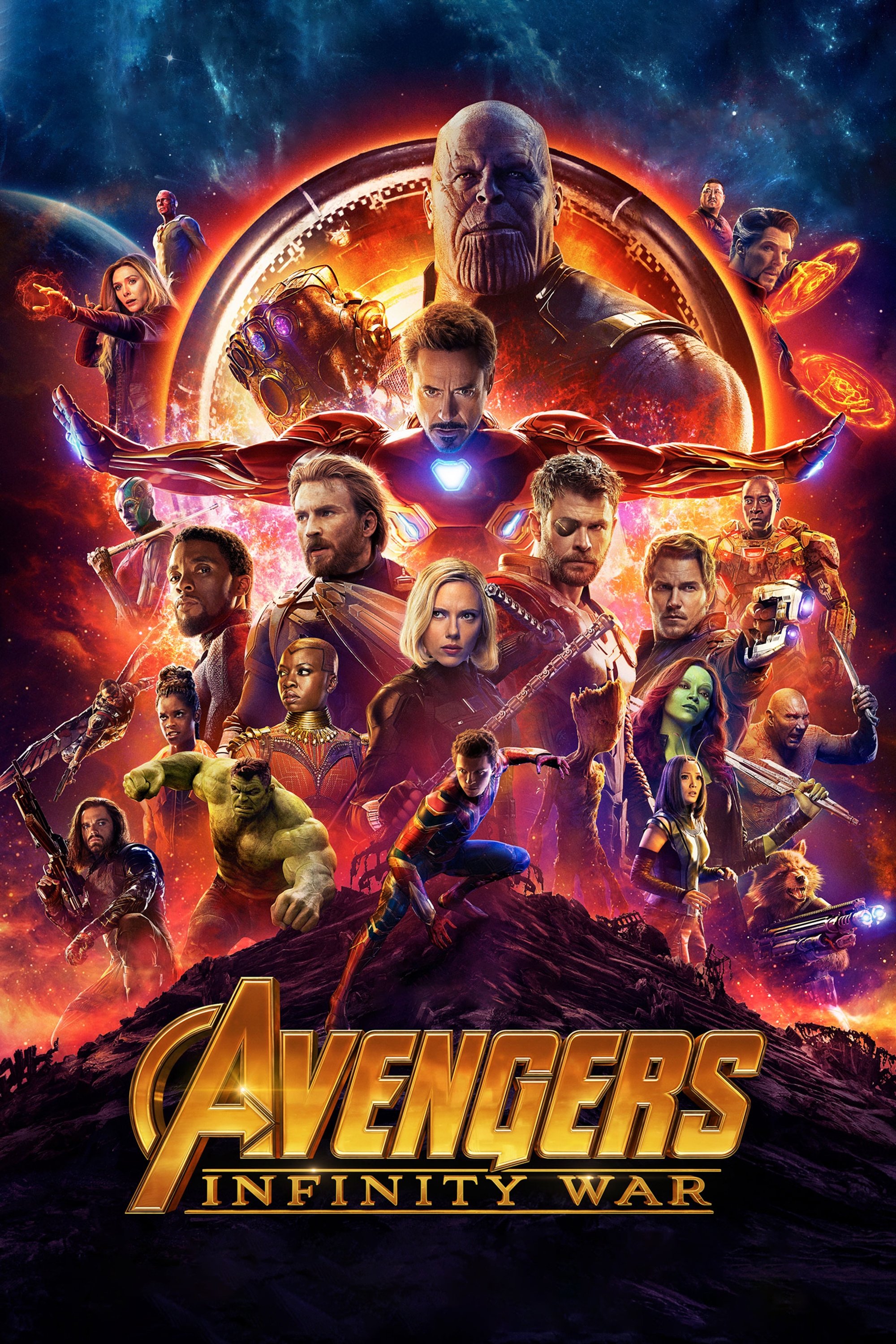
The first part of the epic conclusion to the Infinity Saga had a production budget of approximately $325 million. This massive cost was necessary to bring together the largest ensemble cast in a superhero film to date, featuring dozens of major characters from across the Marvel Cinematic Universe. The film’s extensive visual effects and complex action sequences also added to the expense.
The Avengers and their allies must be willing to sacrifice everything in an attempt to defeat the powerful Thanos before his blitz of devastation and ruin puts an end to the universe. Thanos seeks to collect all six Infinity Stones to impose his twisted will on all of reality.
Pirates of the Caribbean: At World’s End (2007)
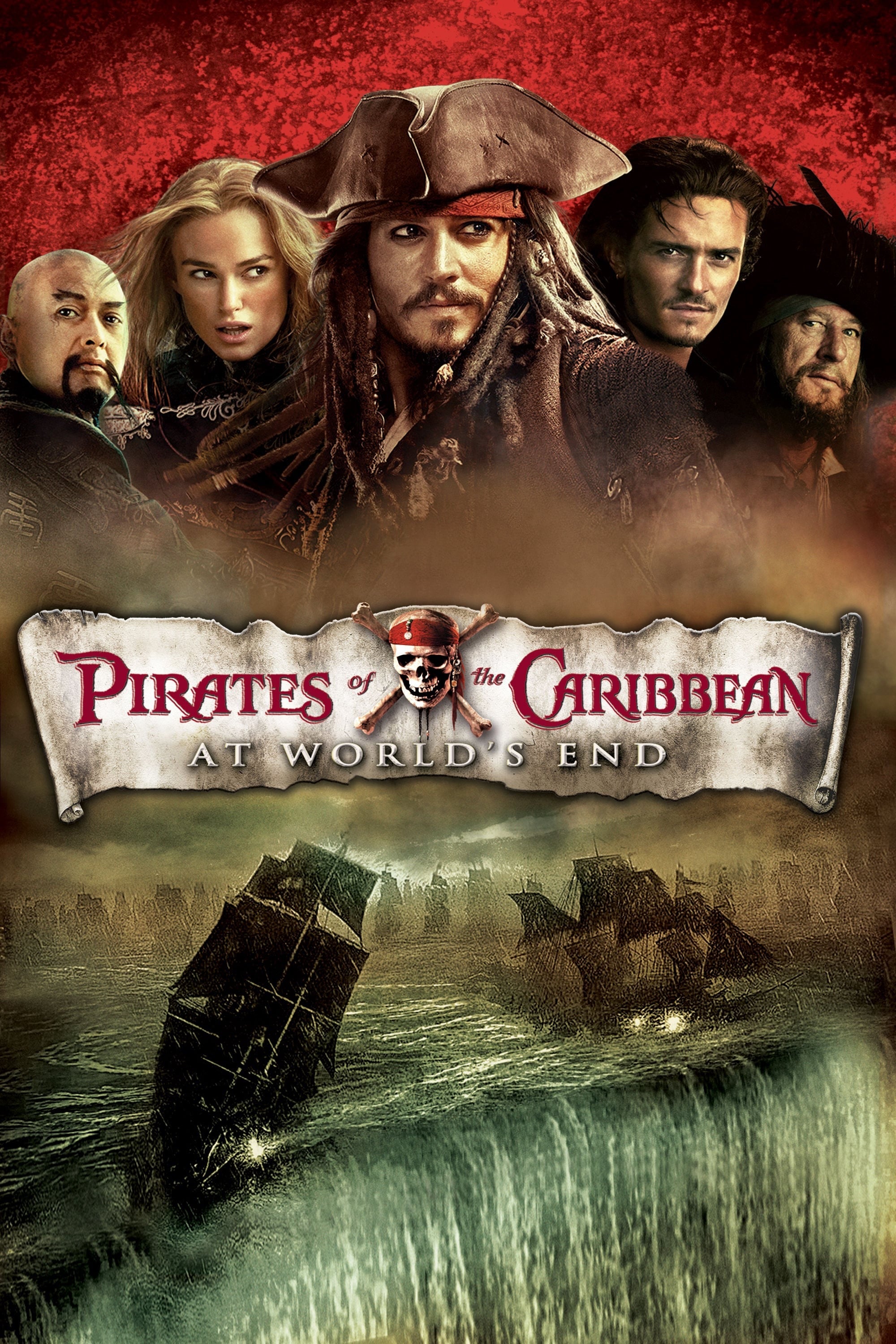
The third film in the Pirates of the Caribbean series had an estimated budget of $300 million. This was due to its massive scale, which included building full-size ships, creating complex special effects for sequences like the maelstrom battle, and filming in various exotic locations. The salaries for its returning stars also made up a significant portion of the cost.
Heroes Will Turner and Elizabeth Swann team up with Captain Barbossa to free Captain Jack Sparrow from Davy Jones’ Locker. They must then rally the Pirate Lords from around the world to stand against the East India Trading Company and its powerful armada.
Justice League (2017)
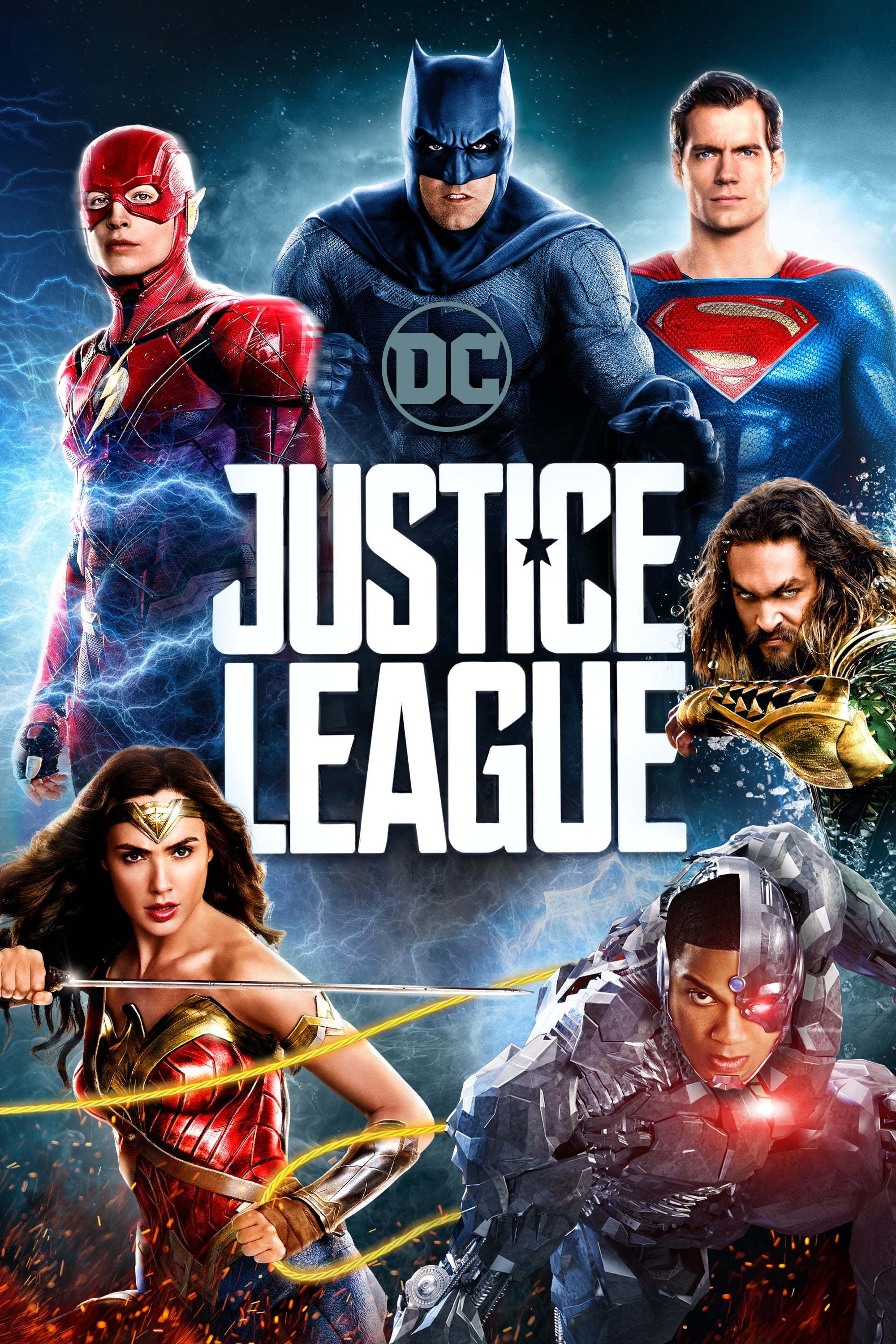
The DC superhero team-up film had a troubled production that saw its budget swell to around $300 million. The high cost was largely due to extensive and lengthy reshoots after a change in directors. These reshoots required bringing back the main cast and significantly altering the tone and story of the film.
Fueled by his restored faith in humanity and inspired by Superman’s selfless act, Bruce Wayne enlists the help of his newfound ally, Diana Prince, to face an even greater enemy. Batman and Wonder Woman work to recruit a team of metahumans to stand against a new global threat.
Solo: A Star Wars Story (2018)
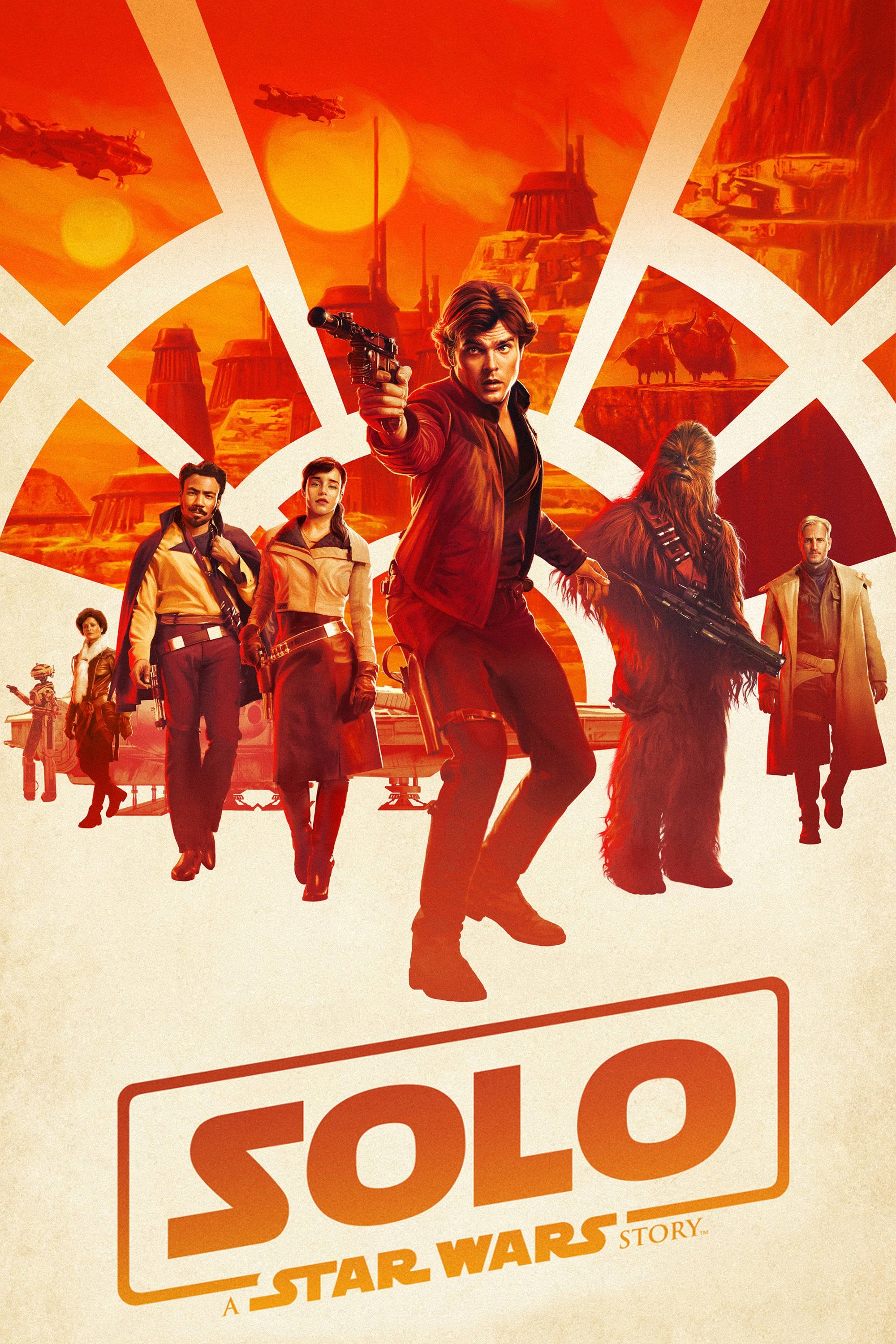
This standalone Star Wars film had a budget that climbed to at least $275 million due to significant production issues. The original directors were replaced late in filming, which led to extensive reshoots of nearly the entire movie. These changes required a significant additional investment to complete the project.
The film explores the early adventures of Han Solo. Through a series of daring escapades deep within a dark and dangerous criminal underworld, Han Solo meets his mighty future copilot Chewbacca and encounters the notorious gambler Lando Calrissian.
Star Wars: The Last Jedi (2017)
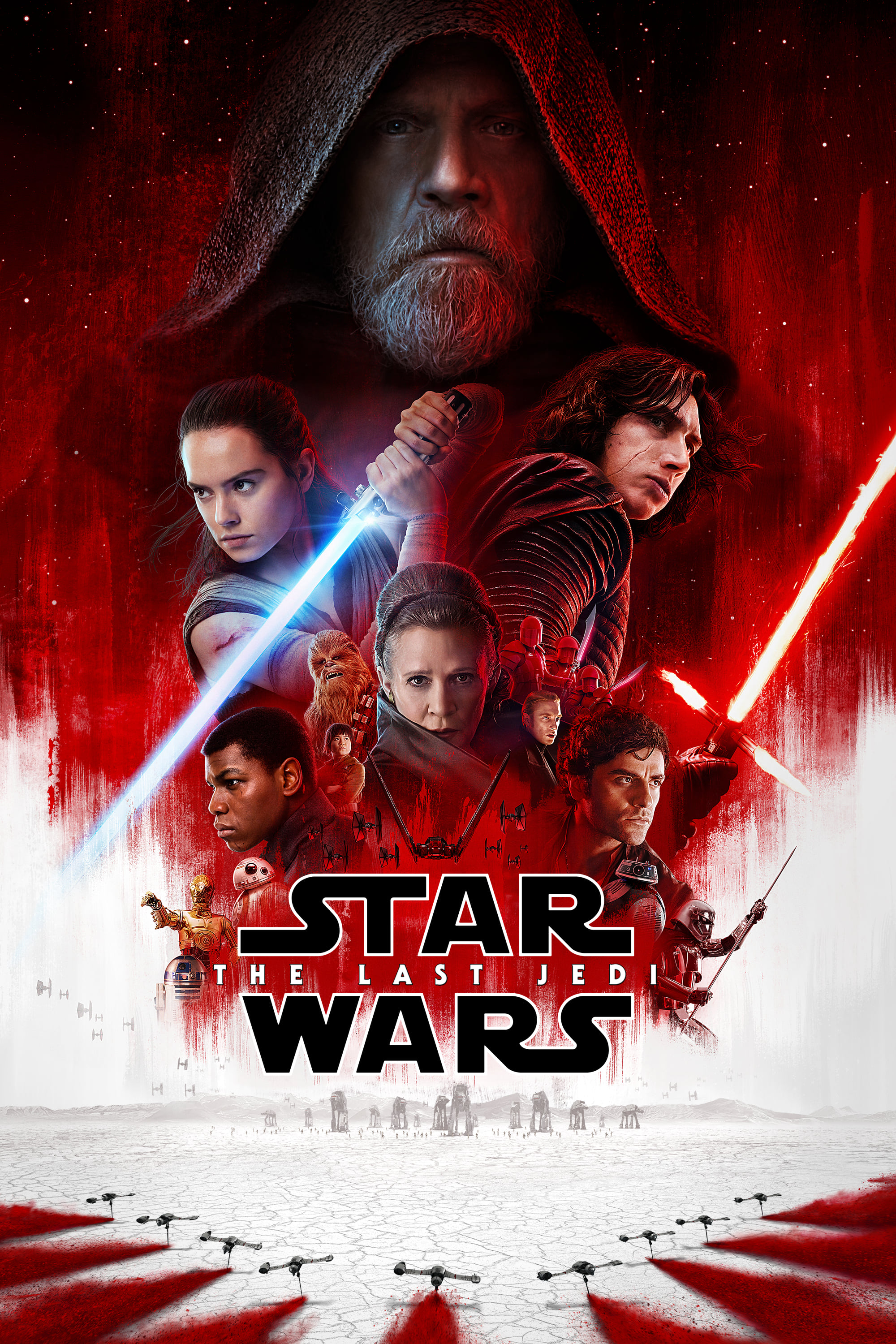
The eighth episode in the Star Wars saga was made with a budget of around $275 million. The production involved intricate set designs, numerous practical effects, and cutting-edge CGI to create the film’s stunning visuals. High-profile actor salaries and filming in locations like Ireland and Croatia also contributed to the overall cost.
Rey develops her newly discovered abilities with the guidance of Luke Skywalker, who is unsettled by the strength of her powers. Meanwhile, the Resistance prepares to do battle with the First Order, which is led by Kylo Ren and the mysterious Supreme Leader Snoke.
The Lion King (2019)
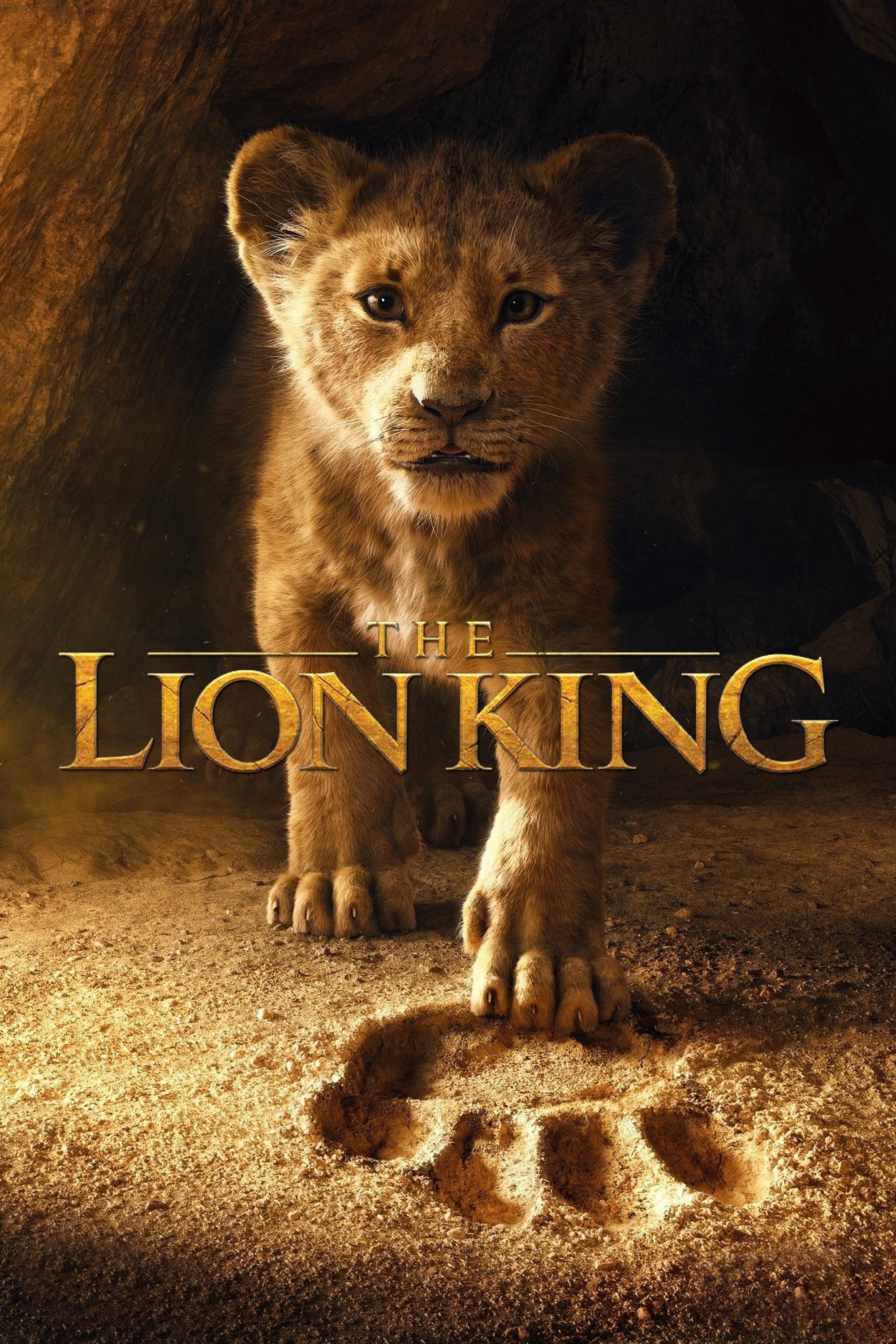
Disney’s photorealistic animated remake of its 1994 classic came with a budget of around $260 million. The high cost was due to the groundbreaking visual effects and animation techniques used to create lifelike animals and environments. The film also featured a star-studded voice cast, including Donald Glover and Beyoncé.
The film tells the story of Simba, a young lion prince destined to rule the African savanna. When his evil uncle Scar murders his father and takes over the Pride Lands, Simba is forced into exile, only to return as an adult to reclaim his rightful place.
Batman v Superman: Dawn of Justice (2016)
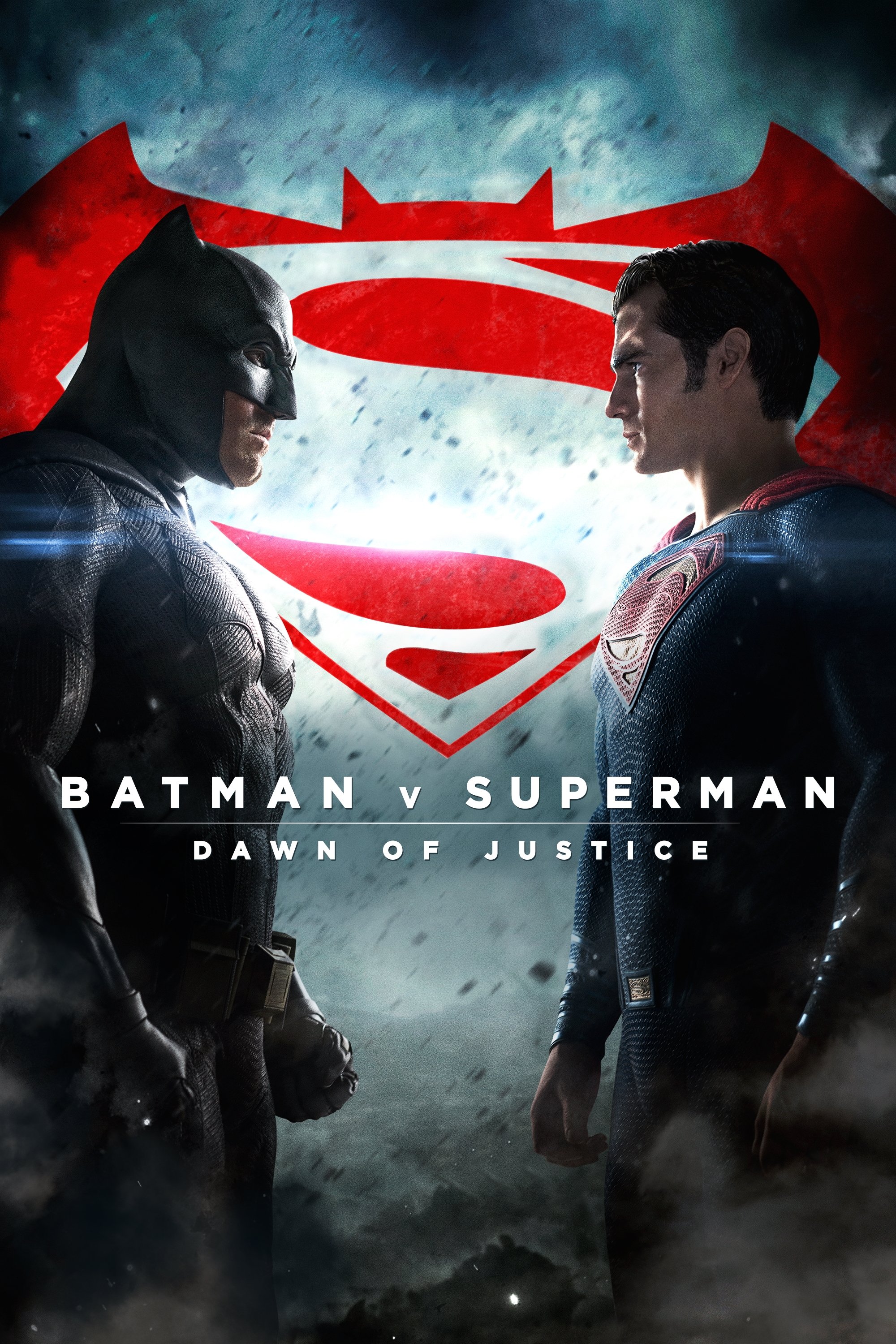
This superhero showdown had a production budget of $250 million. The film’s massive scale, which included extensive visual effects to portray the destructive battles between the two iconic heroes, was a major cost driver. The high salaries for its lead actors, Ben Affleck and Henry Cavill, also added to the budget.
Fearing the actions of a god-like superhero left unchecked, Gotham City’s own formidable, forceful vigilante takes on Metropolis’s most revered, modern-day savior. While the world wrestles with what sort of hero it really needs, a new threat quickly arises, putting mankind in greater danger than it’s ever known before.
The Fate of the Furious (2017)
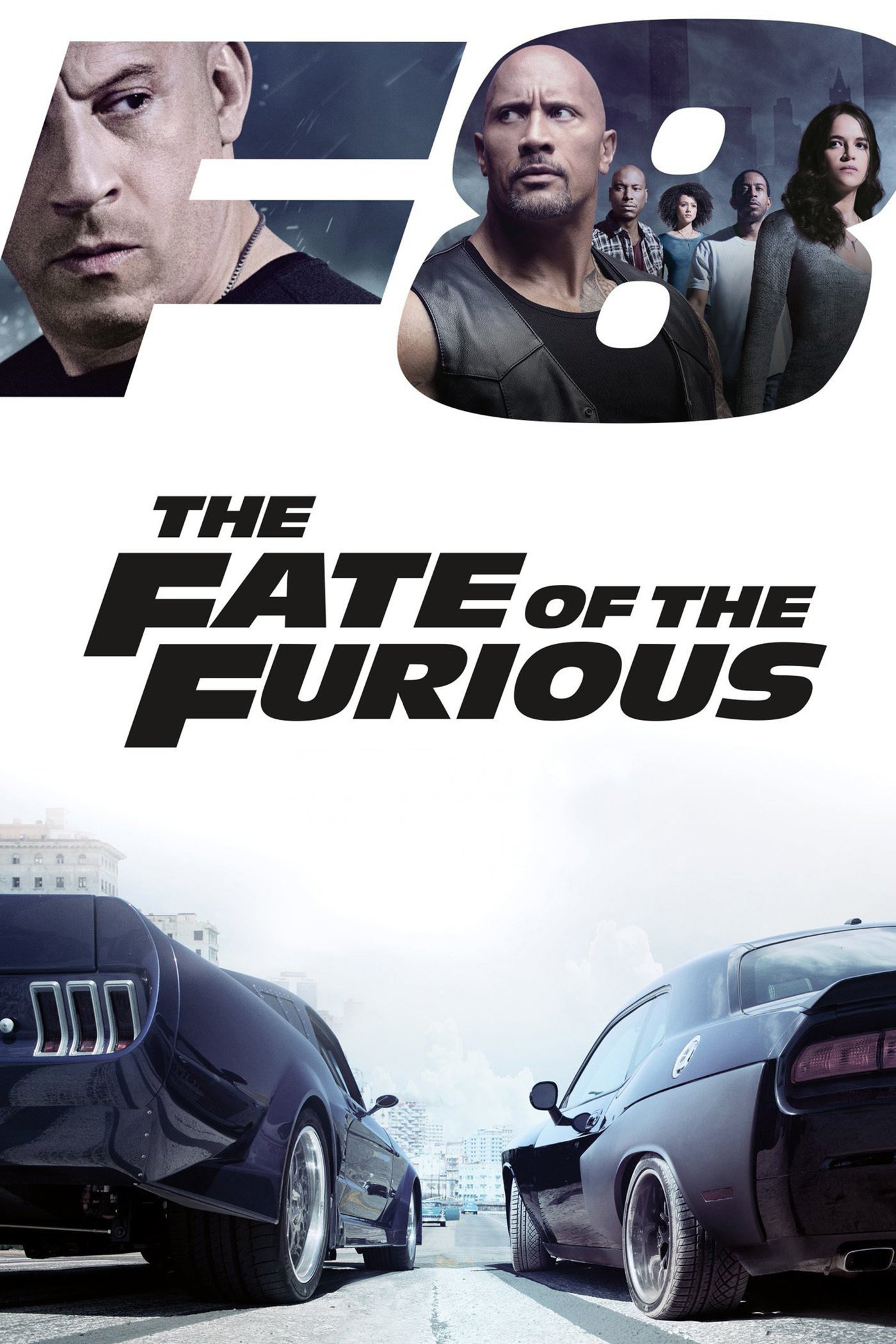
The eighth installment of the high-octane franchise carried a production budget of $250 million. The costs were driven by its globe-trotting storyline with filming in locations like Cuba and Iceland, elaborate action sequences featuring submarines and a wrecking ball, and the salaries of its large ensemble cast.
A mysterious woman named Cipher seduces Dominic Toretto into a world of terrorism and a betrayal of his closest friends. The crew must now unite to stop the anarchist from unleashing chaos on a global scale and bring home the man who made them a family.
Black Panther (2018)
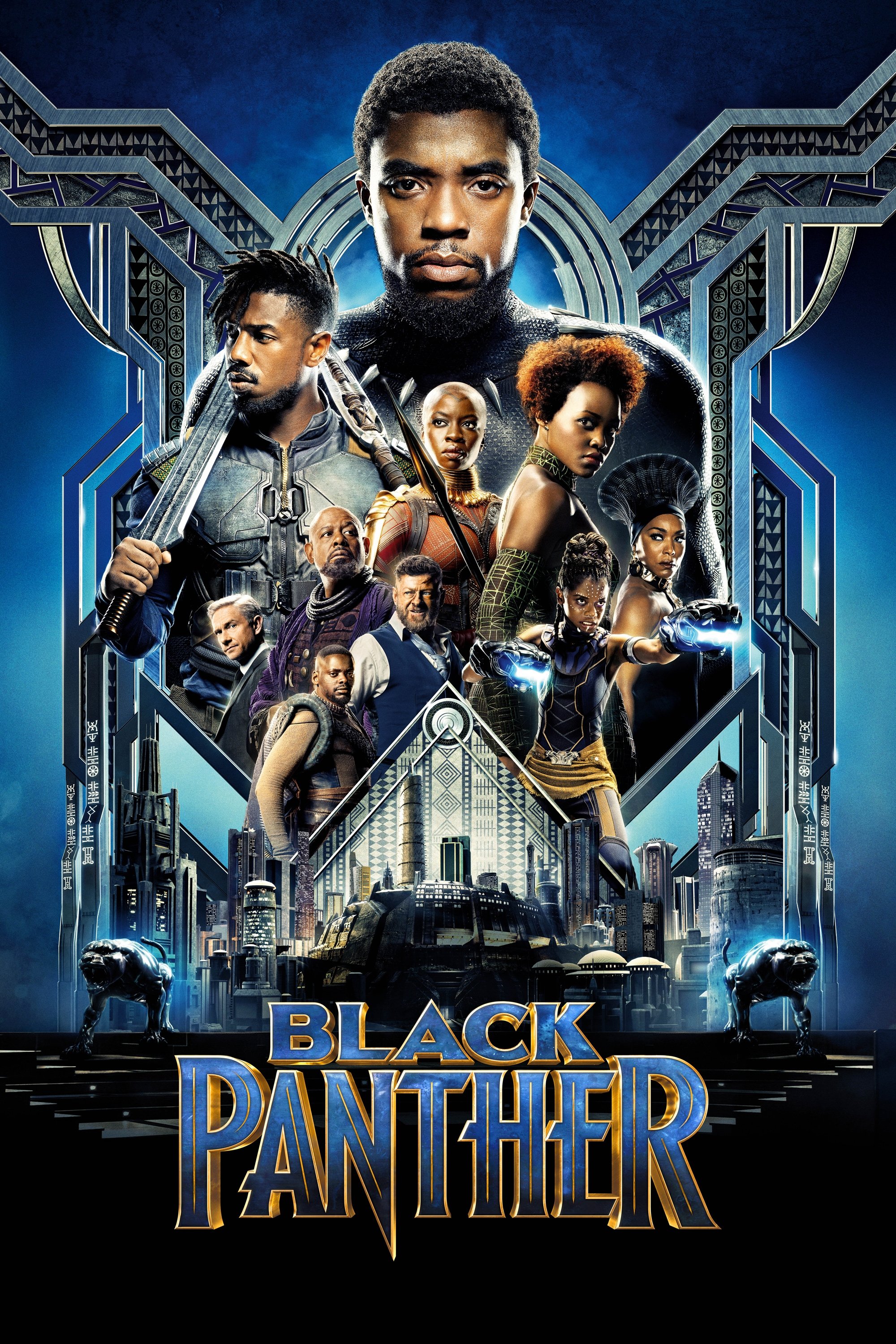
Marvel’s groundbreaking superhero film was produced with a budget of around $200 million. A significant portion of the cost went into creating the vibrant and technologically advanced world of Wakanda, which required extensive visual effects and detailed set design. The intricate costumes and large-scale action sequences also contributed to the budget.
T’Challa, heir to the hidden but advanced kingdom of Wakanda, must step forward to lead his people into a new future. He must also confront a challenger from his country’s past who seeks to claim the throne for himself.
Avatar (2009)

James Cameron’s original science-fiction epic had an official production budget of $237 million, though some estimates place it higher. The cost was largely due to the revolutionary 3D and motion-capture technologies developed for the film, which took years of research. Creating the entirely new world of Pandora and its inhabitants required extensive and costly visual effects.
A paraplegic Marine is dispatched to the moon Pandora on a unique mission. He becomes torn between following his orders and protecting the world he feels is his home after bonding with the native Na’vi population.
The Dark Knight Rises (2012)
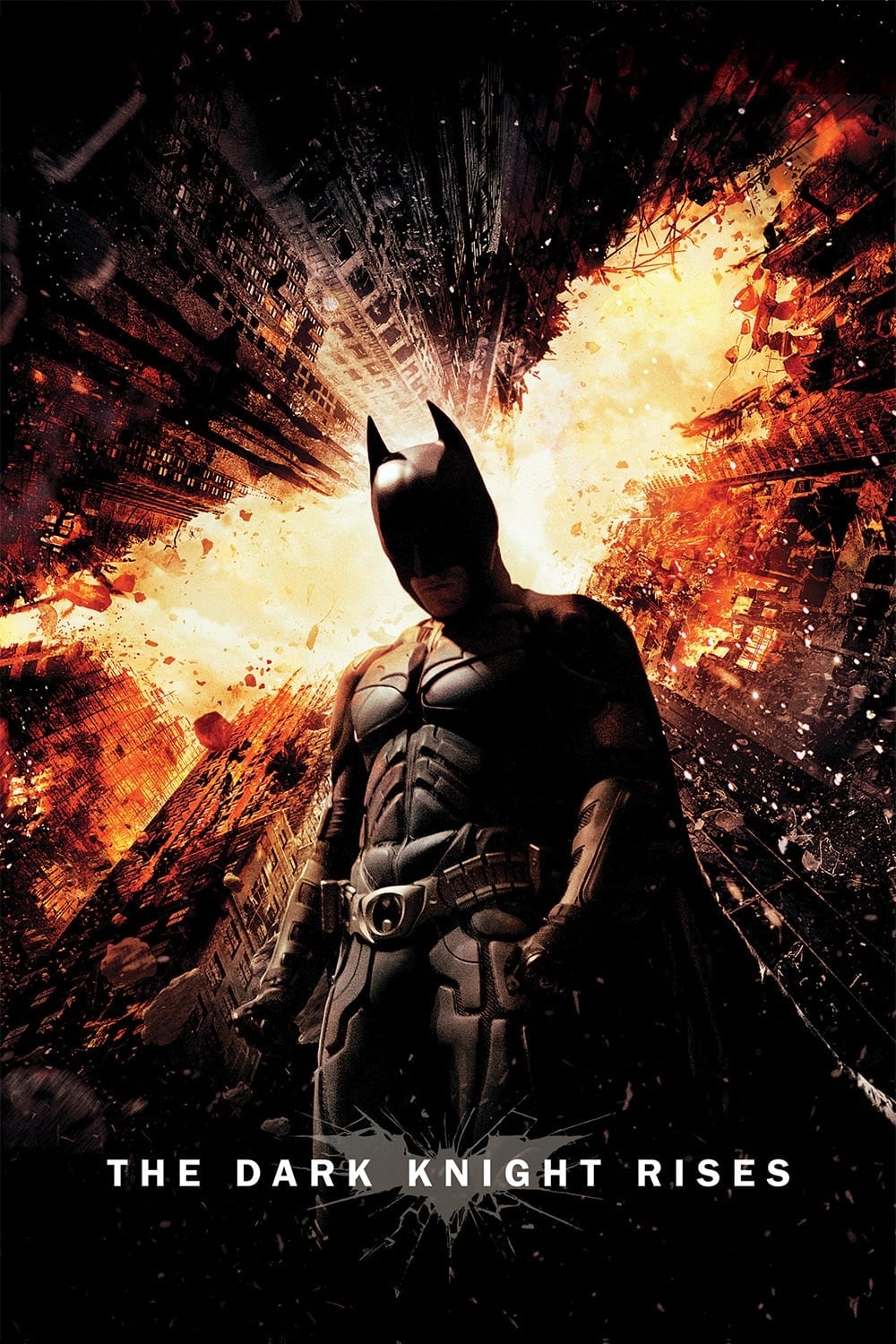
The final film in Christopher Nolan’s Batman trilogy had a budget of approximately $250 million. The production involved large-scale practical effects, such as a real plane hijacking and a massive stadium explosion scene with thousands of extras. Filming in multiple international locations and the salaries of its star-studded cast also added to the cost.
Eight years after the events of The Dark Knight, a new terrorist leader, Bane, overwhelms Gotham’s finest. The Dark Knight must resurface to protect a city that has branded him an enemy.
No Time to Die (2021)

The 25th James Bond film and Daniel Craig’s final outing as the character had a budget of around $250 million. The high costs were associated with its global filming locations, including Italy, Jamaica, and Norway, as well as its complex action set pieces. The long production schedule and delays also contributed to the overall expense.
James Bond has left active service. His peace is short-lived when his old friend Felix Leiter from the CIA turns up asking for help, leading Bond onto the trail of a mysterious villain armed with dangerous new technology.
John Carter (2012)
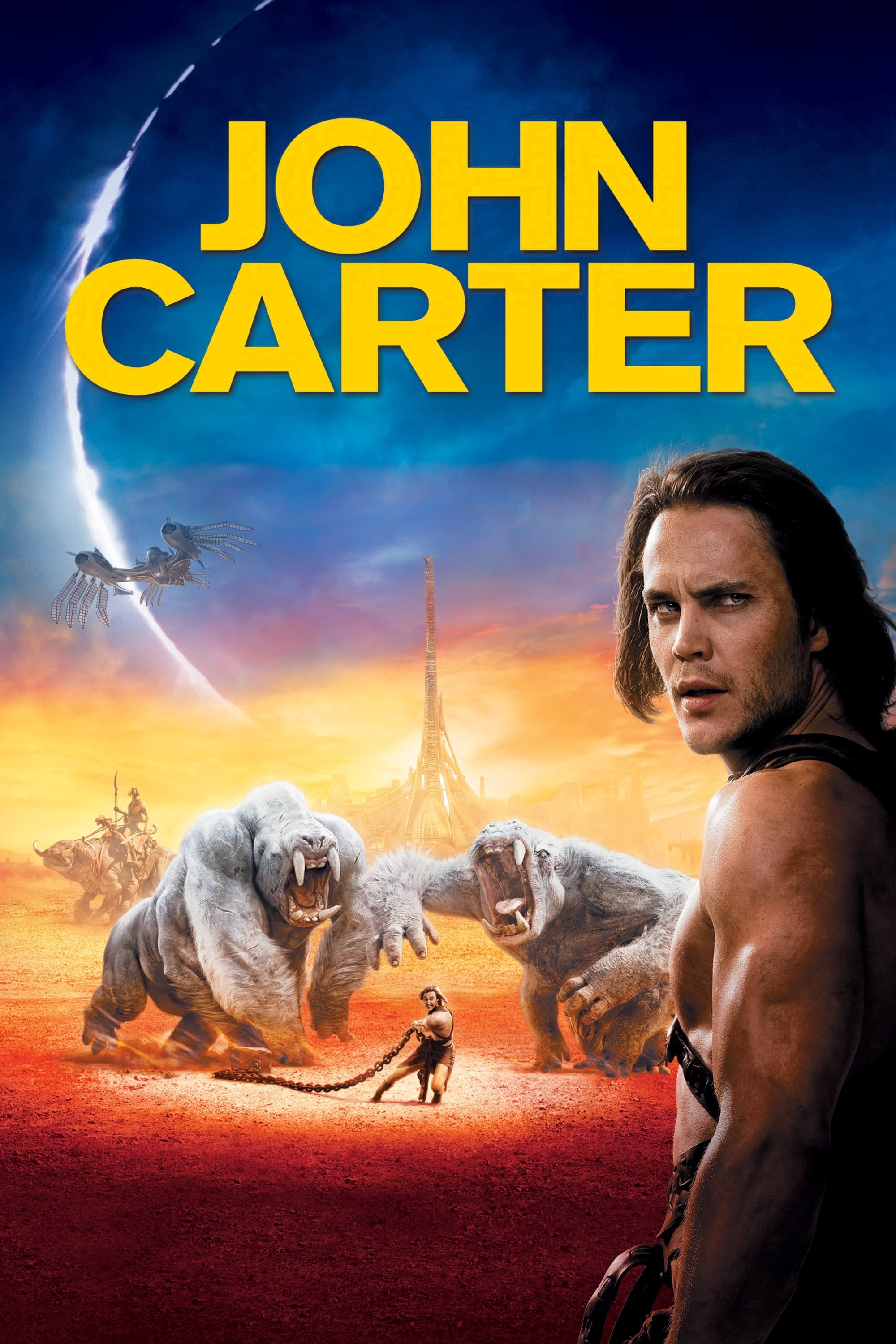
This sci-fi adventure based on the novels of Edgar Rice Burroughs had a massive production budget that swelled to an estimated $263.7 million. The film’s extensive visual effects, needed to create the world of Mars and its alien inhabitants, were a major factor in its high cost. Significant reshoots also added to the final budget.
The film tells the story of a weary, former military captain, John Carter, who is inexplicably transported to Mars. He becomes reluctantly embroiled in a conflict of epic proportions amongst the planet’s inhabitants.
Spectre (2015)
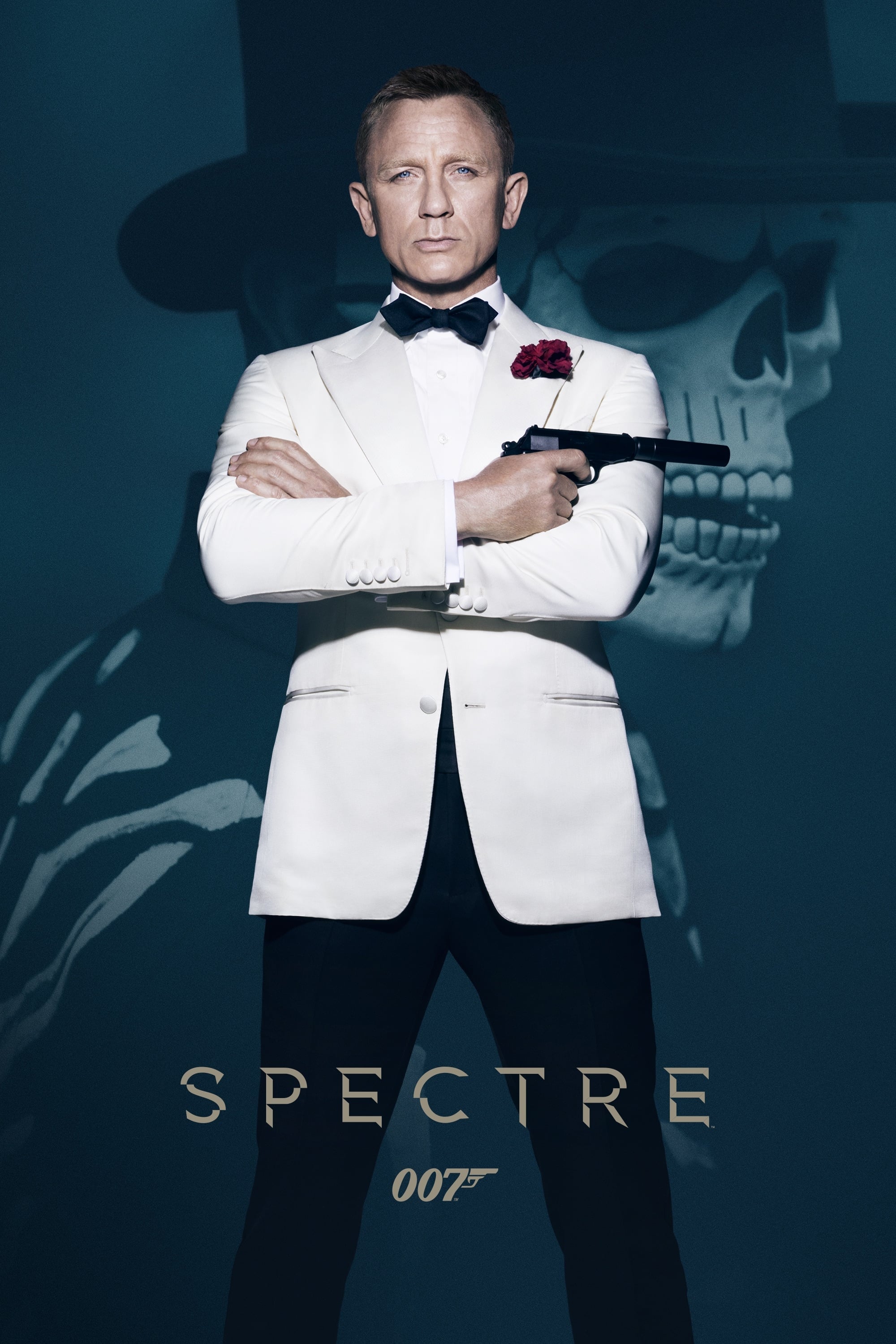
This James Bond adventure was produced with a budget of approximately $245 million. A significant portion of this cost went into staging spectacular practical stunts, including a massive explosion in the Moroccan desert that set a world record. The film was also shot in several international locations, such as Mexico City, Rome, and Austria.
A cryptic message from the past sends James Bond on a rogue mission to uncover a sinister organization. While M battles political forces to keep the secret service alive, Bond peels back the layers of deceit to reveal the terrible truth behind Spectre.
The Hobbit: The Desolation of Smaug (2013)
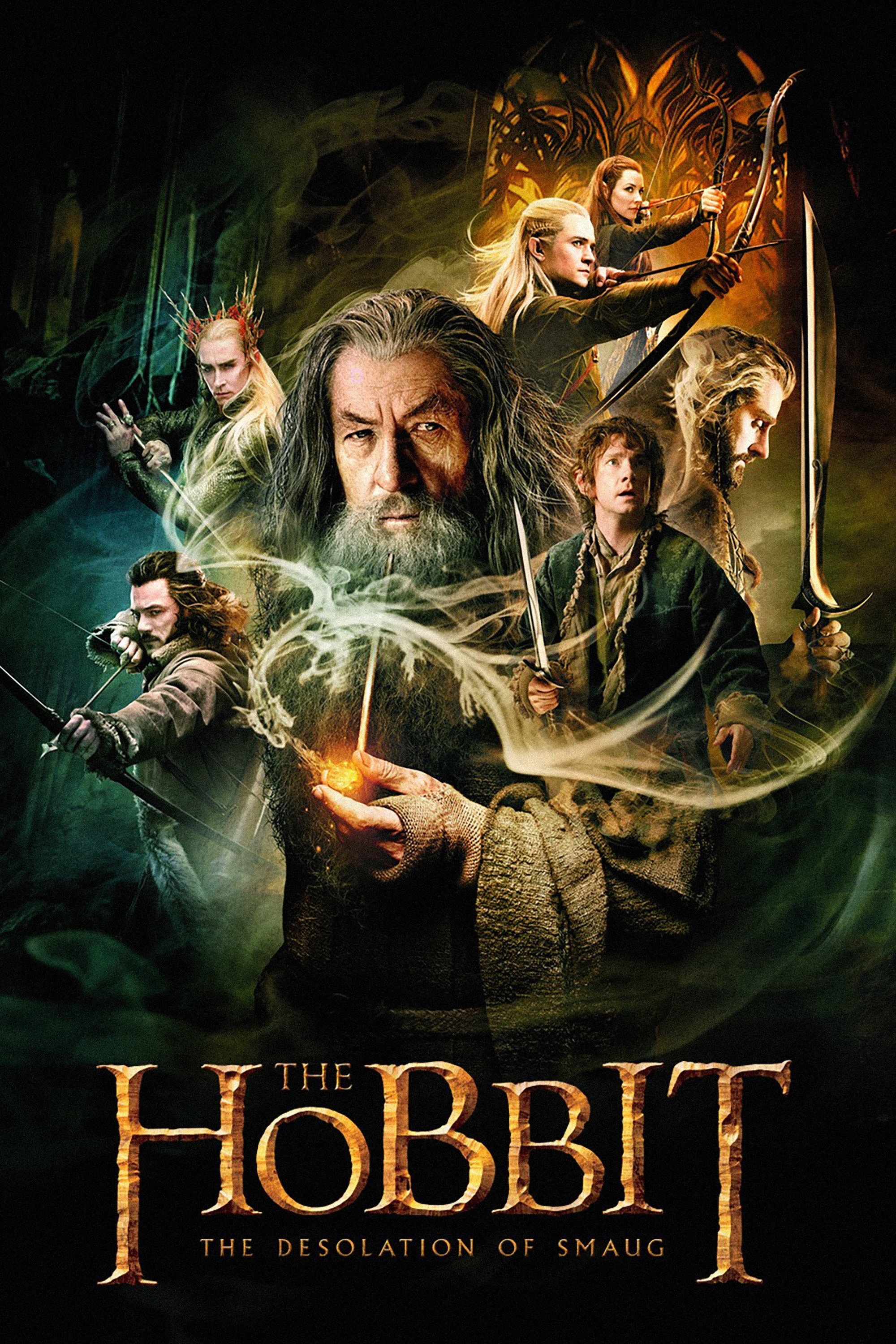
The second film in Peter Jackson’s Hobbit trilogy had a substantial budget, with the entire trilogy costing over $600 million to produce. The high costs were due to the groundbreaking 3D and high-frame-rate technology used, as well as the extensive visual effects needed to create characters like the dragon Smaug and the complex landscapes of Middle-earth.
The dwarves, along with Bilbo Baggins and Gandalf the Grey, continue their quest to reclaim Erebor, their homeland, from Smaug. Bilbo Baggins is in possession of a mysterious and magical ring.
King Kong (2005)
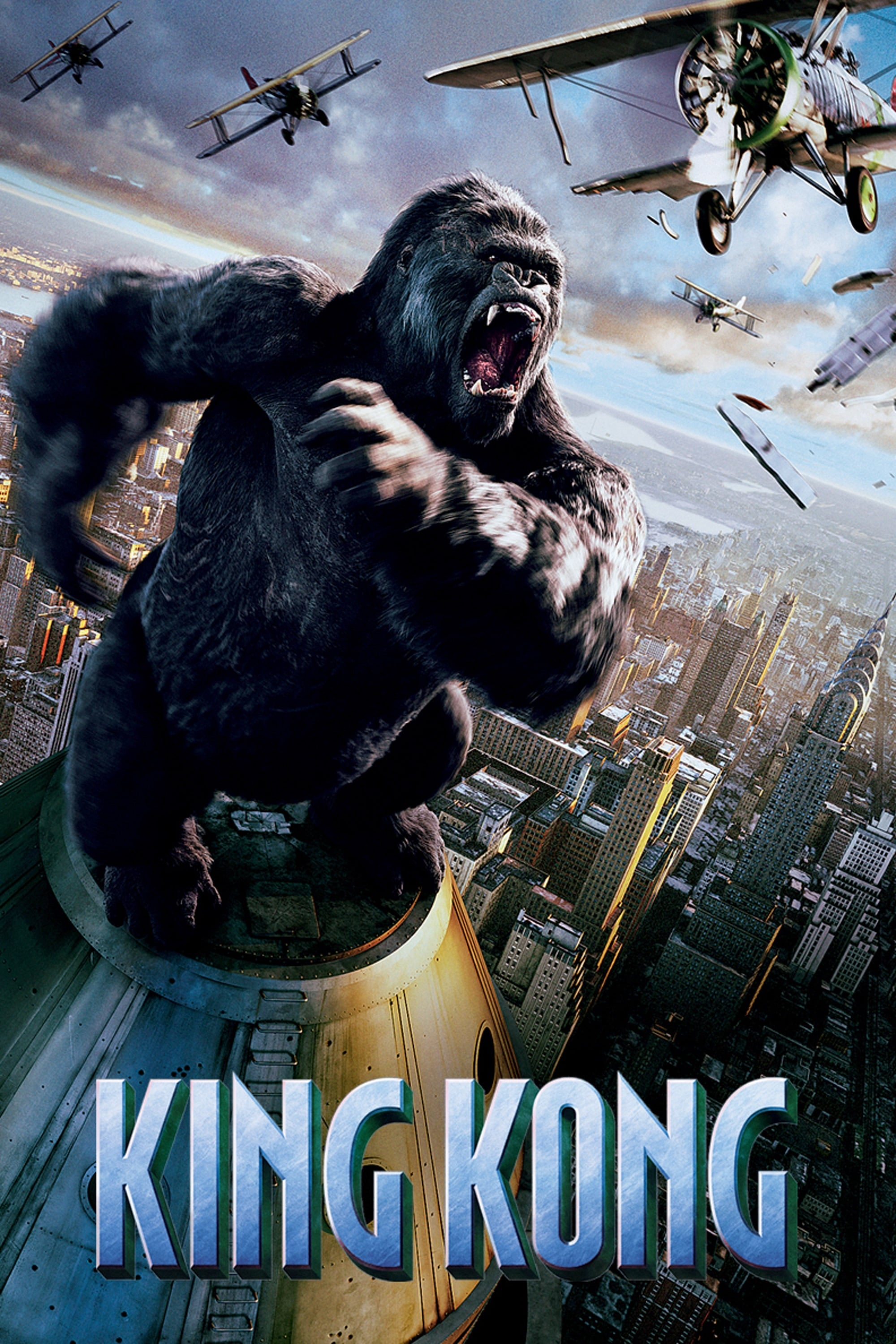
Peter Jackson’s remake of the 1933 classic came with a budget of around $207 million, which was a huge sum at the time. The expense was driven by the cutting-edge visual effects used to create the giant ape and the prehistoric creatures of Skull Island. Building the large-scale sets of 1930s New York City also added to the cost.
A greedy film producer convinces his cast and ship crew to travel to the mysterious Skull Island. There, they encounter King Kong, a giant ape who is immediately smitten with the lead actress, Ann Darrow.
Transformers: The Last Knight (2017)
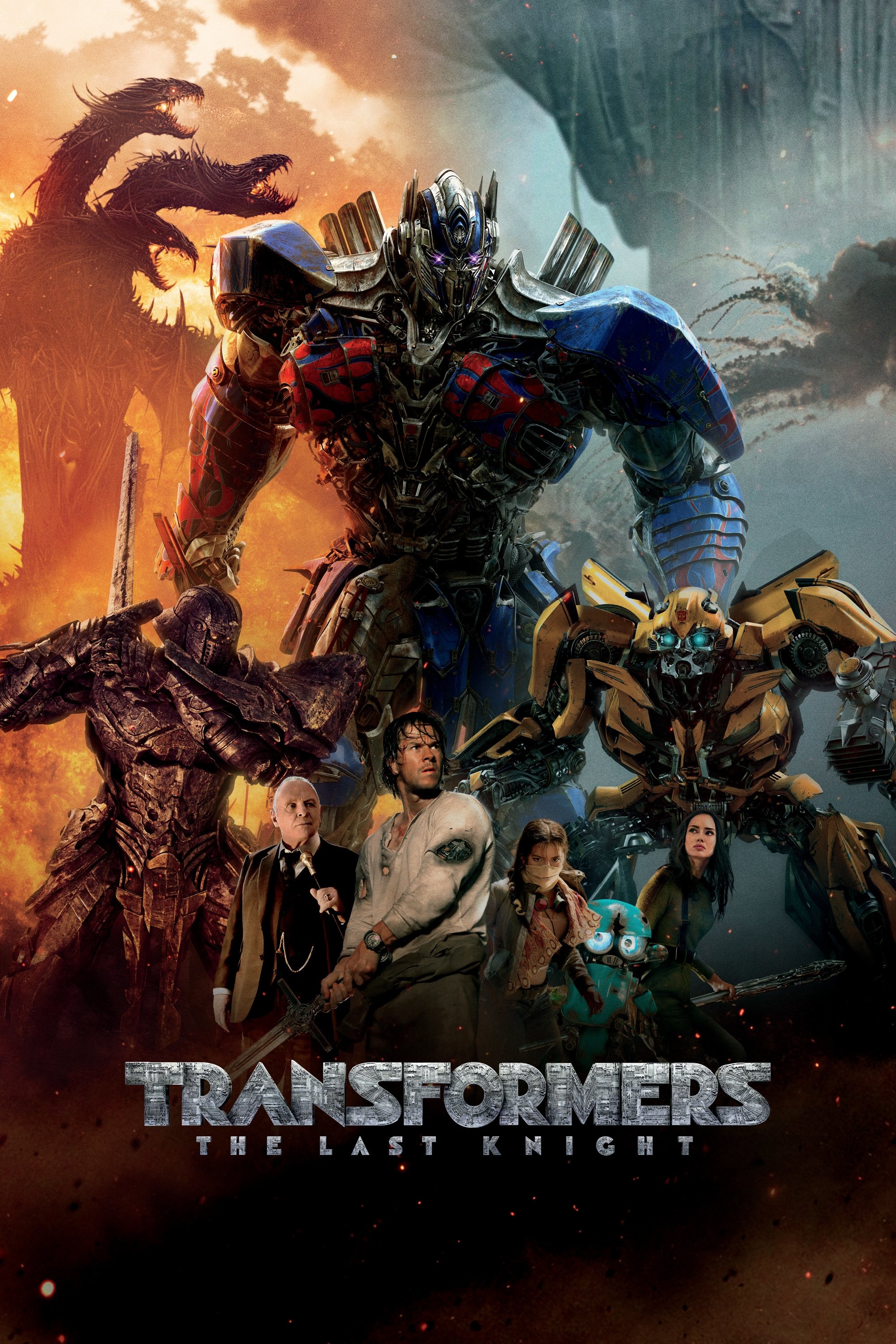
The fifth installment in the Transformers series had a production budget of $217 million. The film’s high cost was a result of its heavy reliance on CGI for the robot transformations and large-scale battle sequences. It also featured complex stunts and was filmed on location in various parts of the world.
A deadly threat from Earth’s history reappears, and a hunt for a lost artifact takes place between the Autobots and the Decepticons. Optimus Prime is gone, and the key to saving the future lies buried in the secrets of the past.
Tangled (2010)
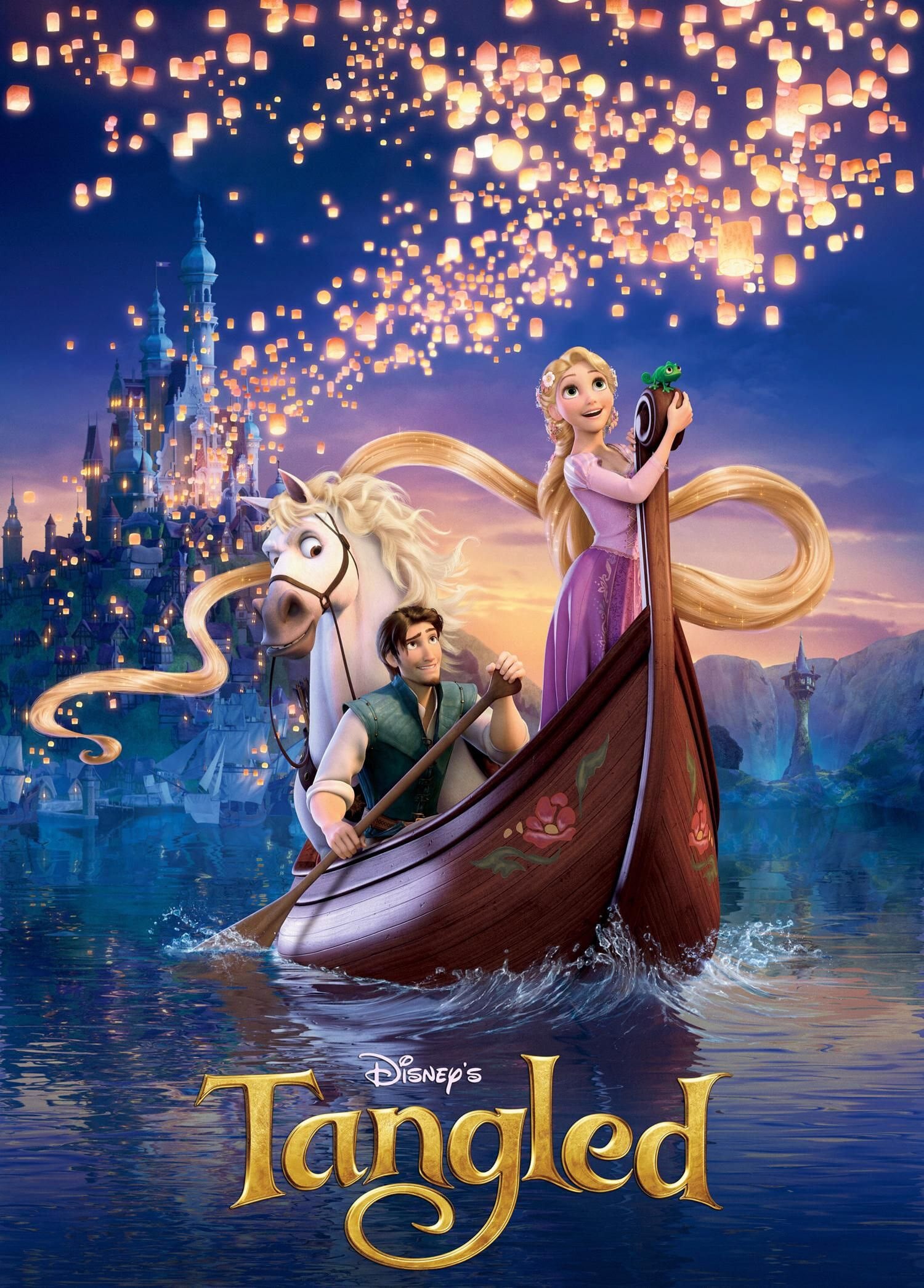
This Disney animated feature was one of the most expensive animated films ever made, with a budget of around $260 million. The high cost was due to its lengthy six-year production cycle and the development of new animation technology to blend computer-generated and traditional animation styles.
The magically long-haired Rapunzel has spent her entire life in a tower, but now that a runaway thief has stumbled upon her, she is about to discover the world for the first time, and who she really is.
Spider-Man 3 (2007)
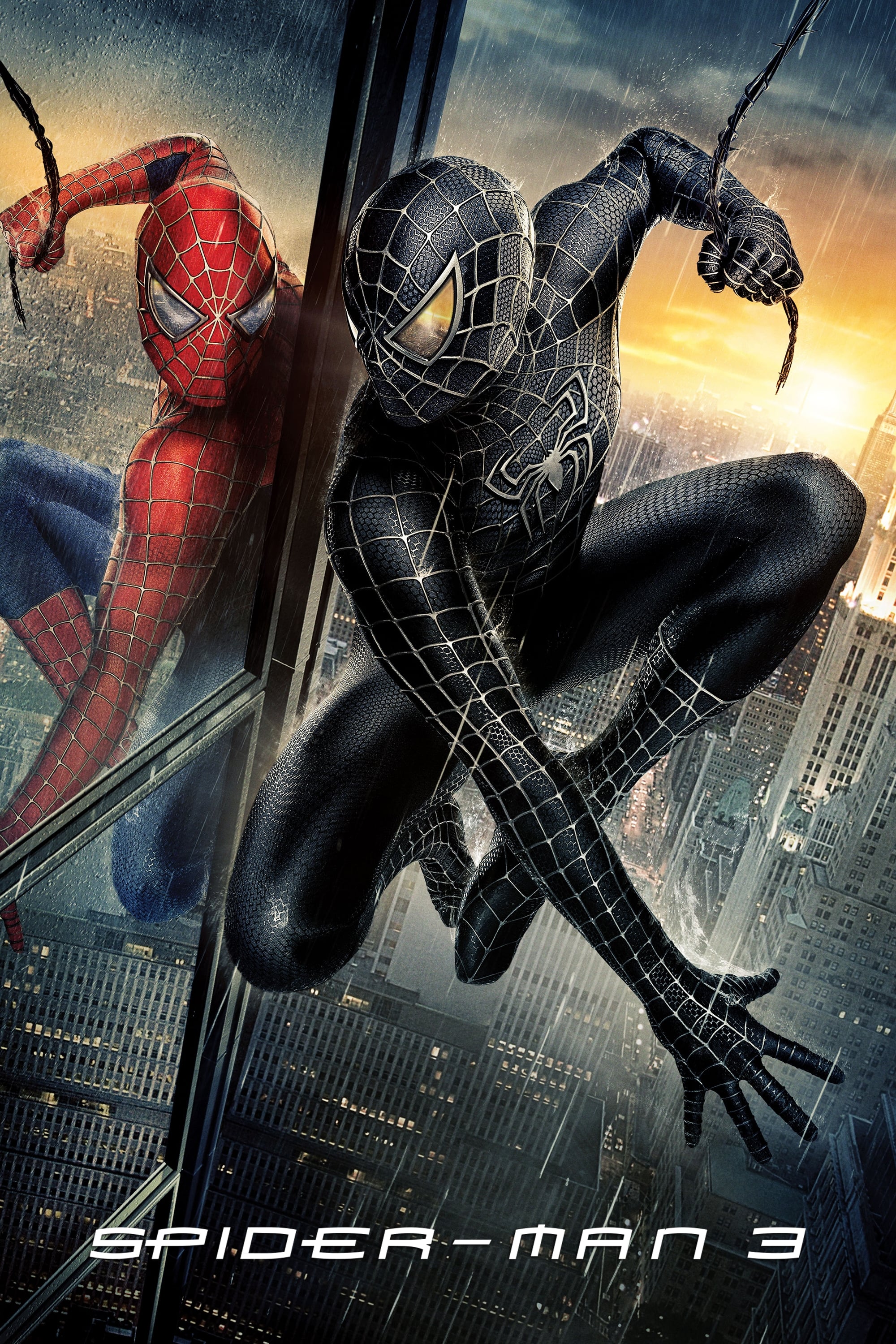
At the time of its release, the third installment of Sam Raimi’s Spider-Man trilogy was one of the most expensive films ever made, with a budget of approximately $258 million. The high cost was driven by the extensive visual effects needed to bring three major villains—Sandman, Venom, and the New Goblin—to the screen, as well as its large-scale action sequences.
A strange alien symbiote from another world bonds with Peter Parker, causing his dark side to emerge. This transformation forces him to battle not only new villains but also his own personal demons.
Captain America: Civil War (2016)
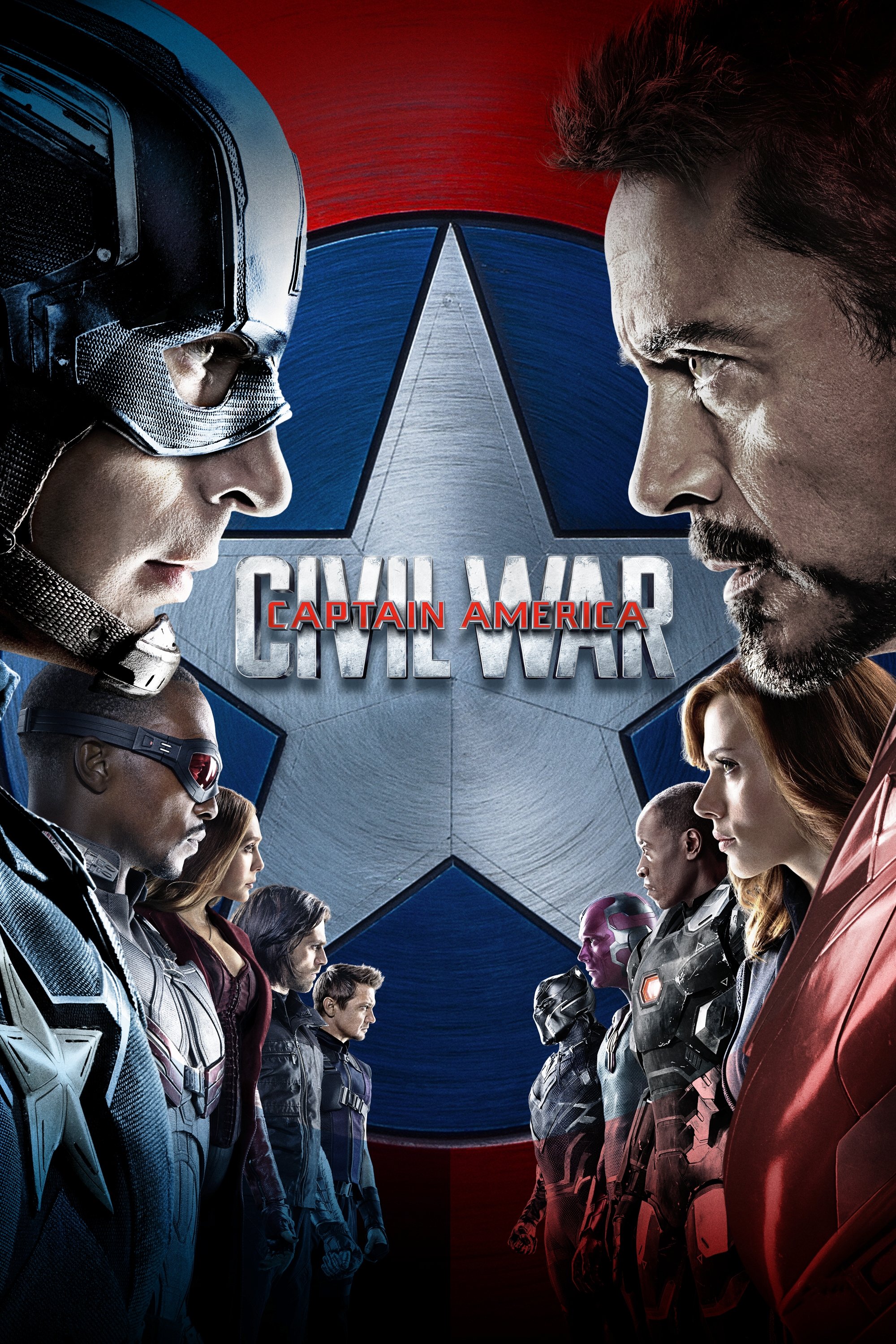
This superhero ensemble film had a production budget of $250 million. The high cost was necessary to accommodate its large cast of Marvel heroes and the extensive visual effects required for their powers and the film’s major action sequences, such as the airport battle.
Political interference in the Avengers’ activities causes a deep rift between former allies Captain America and Iron Man. This disagreement escalates into an all-out battle between the two factions of heroes.
The Lone Ranger (2013)

This Western adventure from Disney had a budget that grew to an estimated $225 million. The production was expensive due to its elaborate action sequences, including complex train stunts, and the construction of large-scale period sets. The salaries of the main actors also contributed to the high cost.
Native American warrior Tonto recounts the untold tales that transformed John Reid, a man of the law, into a legend of justice. The two unlikely heroes must learn to work together and fight against greed and corruption.
Man of Steel (2013)
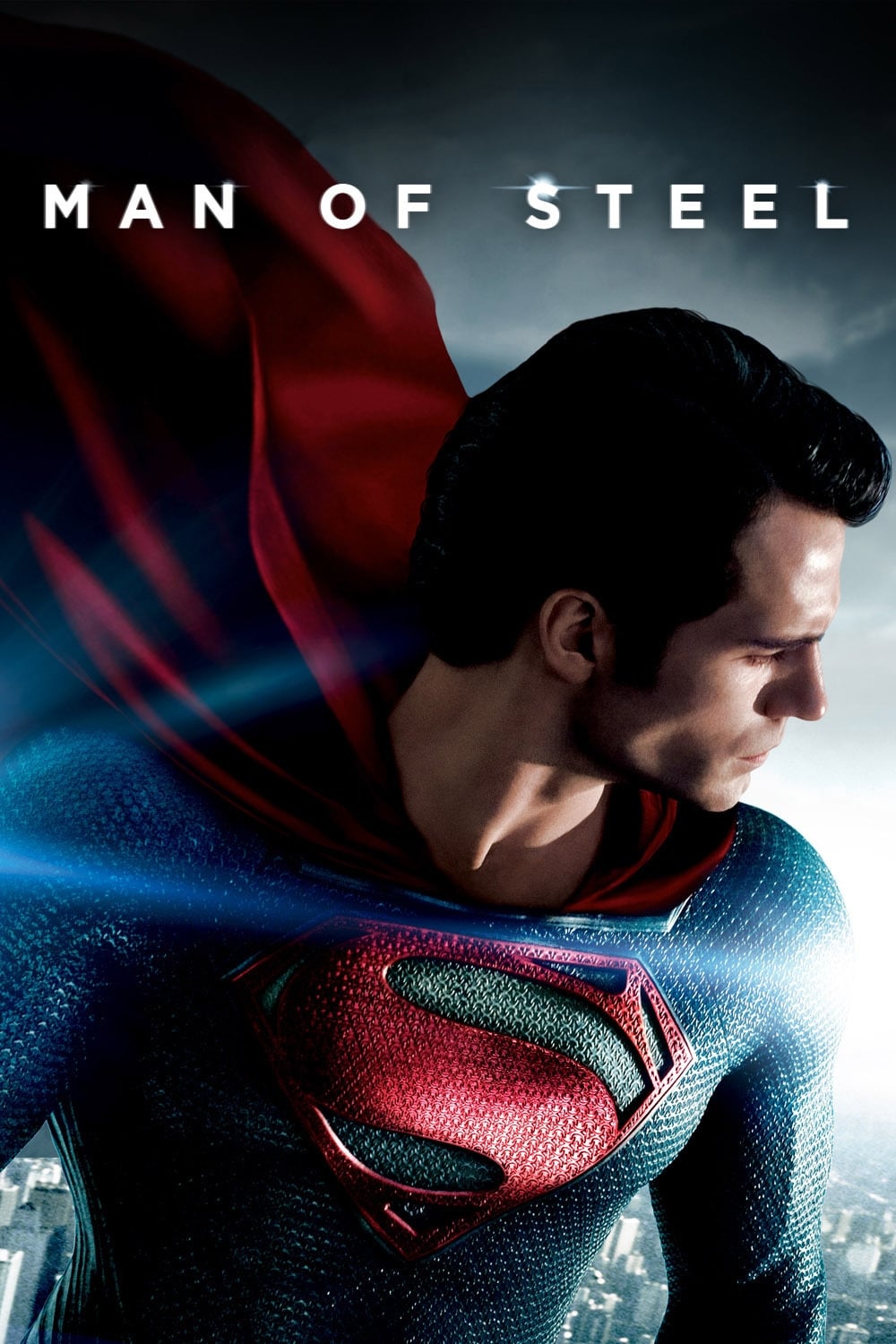
The film that launched the DC Extended Universe had a production budget of $225 million. The high costs were driven by the extensive visual effects needed to depict Superman’s powers and the large-scale destruction during the battle for Metropolis. The film also featured a high-profile cast.
An alien child is evacuated from his dying world and sent to Earth to live among humans. He must become a hero for mankind and a beacon of hope after a surviving general from his home planet threatens to destroy Earth.
The Chronicles of Narnia: Prince Caspian (2008)
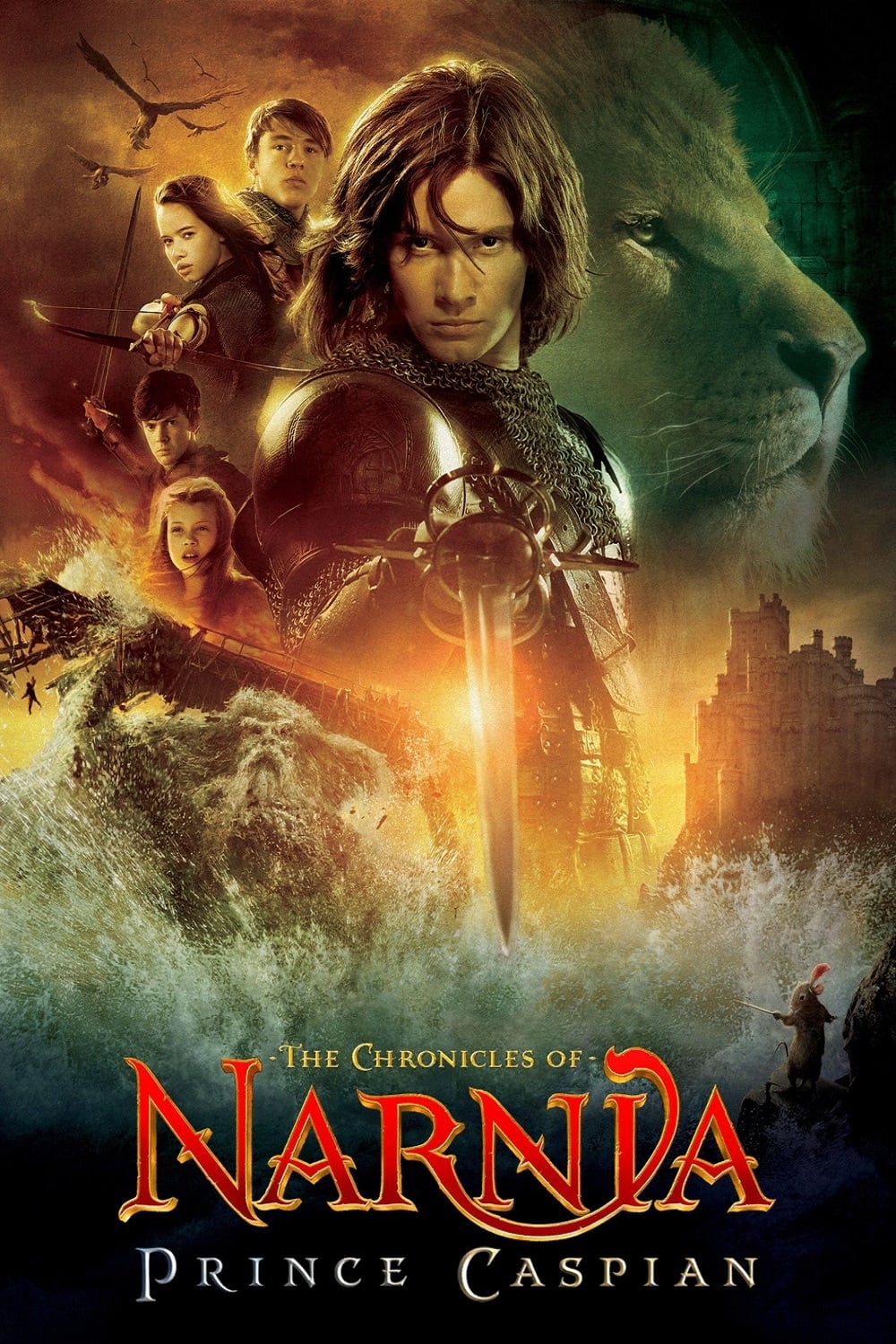
The second film in the Narnia series had a budget of around $225 million. The production costs were high due to the extensive special effects needed to create the magical creatures and talking animals of Narnia. Large-scale battle sequences and detailed set designs also added to the expense.
The Pevensie siblings are magically transported back to the land of Narnia. They find that more than a thousand years have passed and the land is now under the rule of a cruel king. The children must join forces with Prince Caspian to restore Narnia to its former glory.
Men in Black 3 (2012)
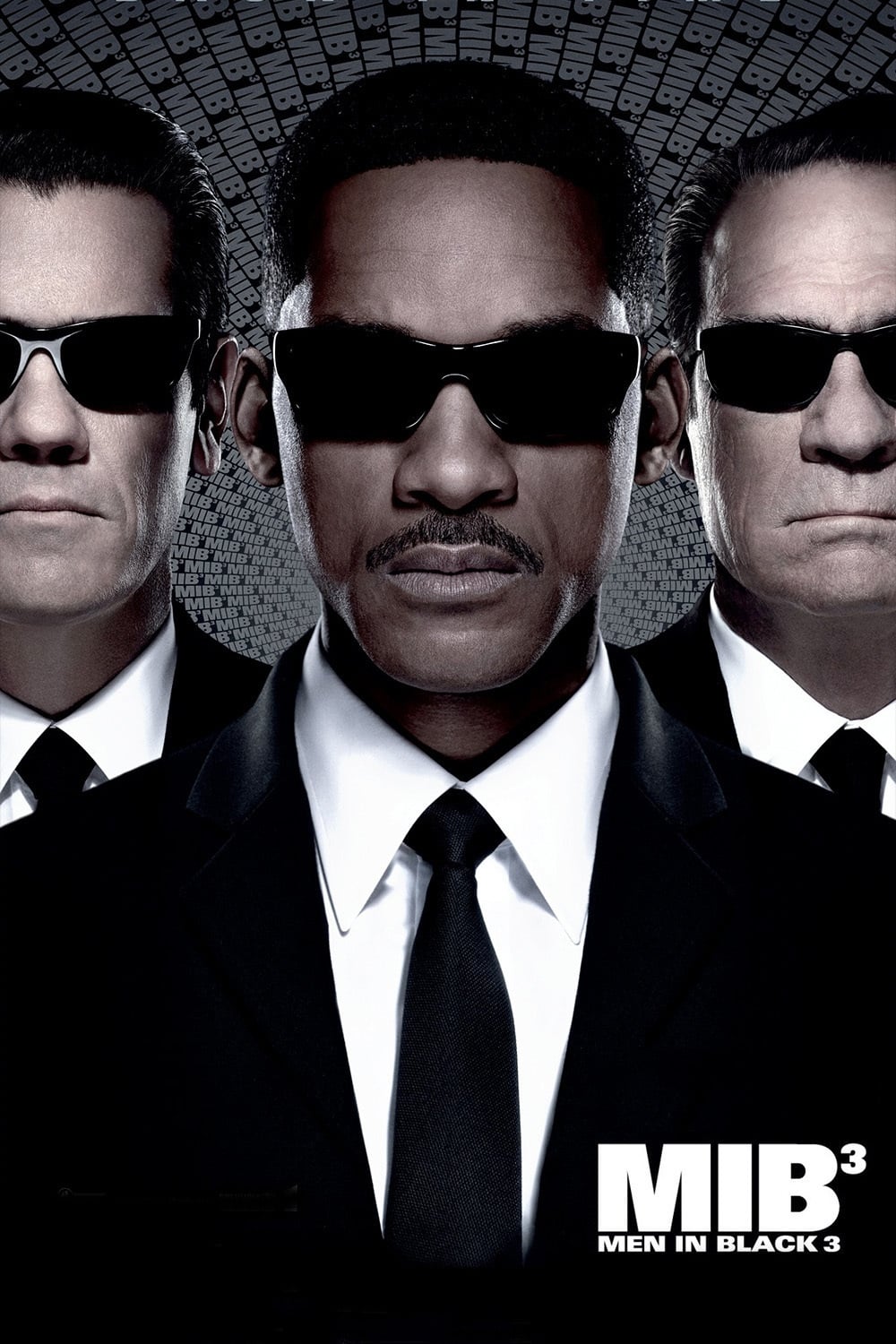
The third film in the sci-fi comedy series had a complicated production that pushed its budget to an estimated $215 million. The film was shot in two parts with a long hiatus in between due to an unfinished script, which increased costs. The extensive visual effects and 3D filming also contributed to the budget.
Agent J travels back in time to the 1960s to stop an alien from assassinating his friend and partner, Agent K. He teams up with a younger version of Agent K to save him and the future of the planet.
Oz the Great and Powerful (2013)
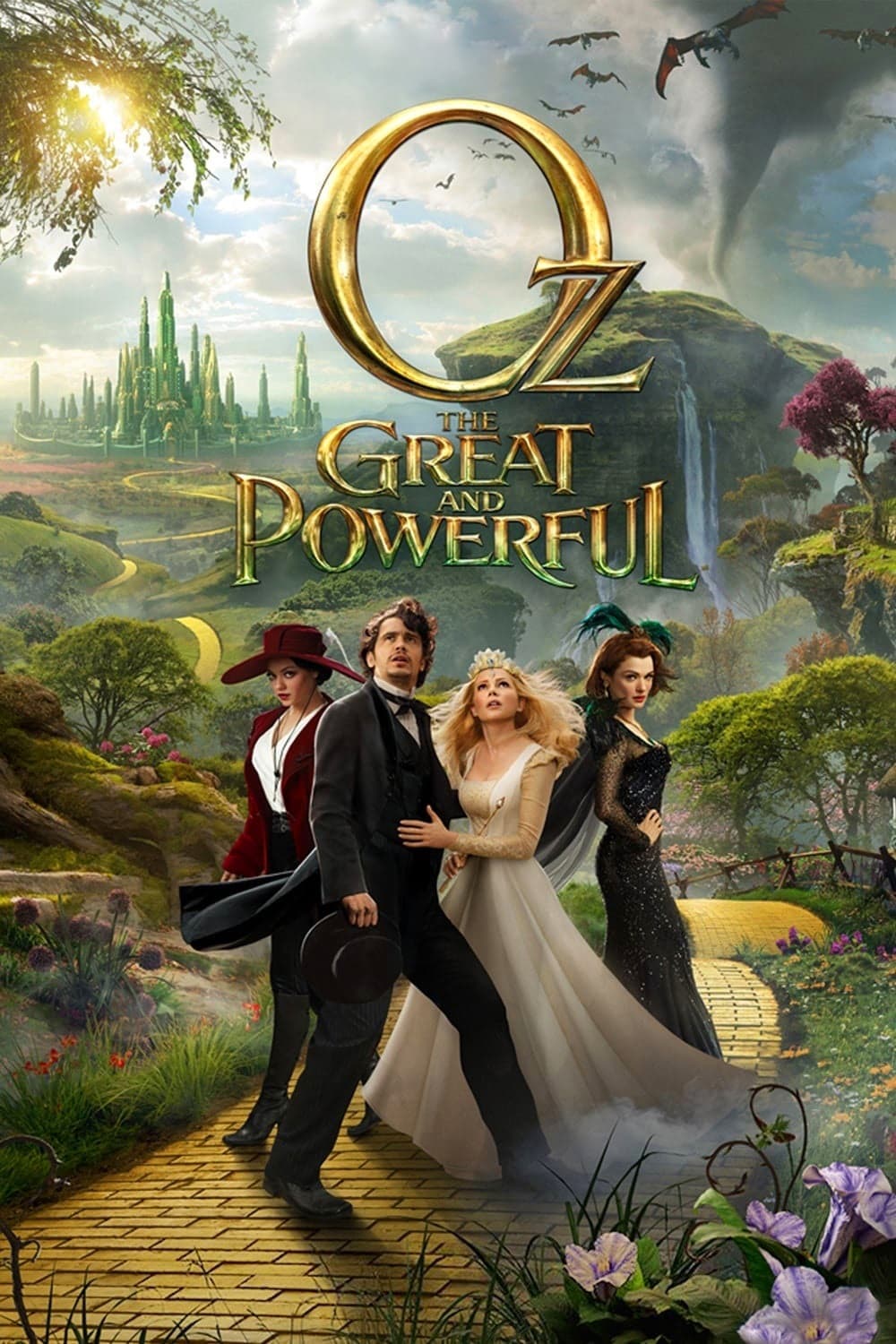
This fantasy prequel to The Wizard of Oz was made with a budget of around $215 million. The high cost was due to the extensive visual effects used to create the magical and vibrant land of Oz. The film’s elaborate sets, costumes, and 3D production also added to the final expense.
A small-time circus magician with dubious ethics is hurled away from dusty Kansas to the vibrant Land of Oz. He thinks he’s hit the jackpot until he meets three witches who are not convinced he is the great wizard everyone’s been expecting.
X-Men: The Last Stand (2006)
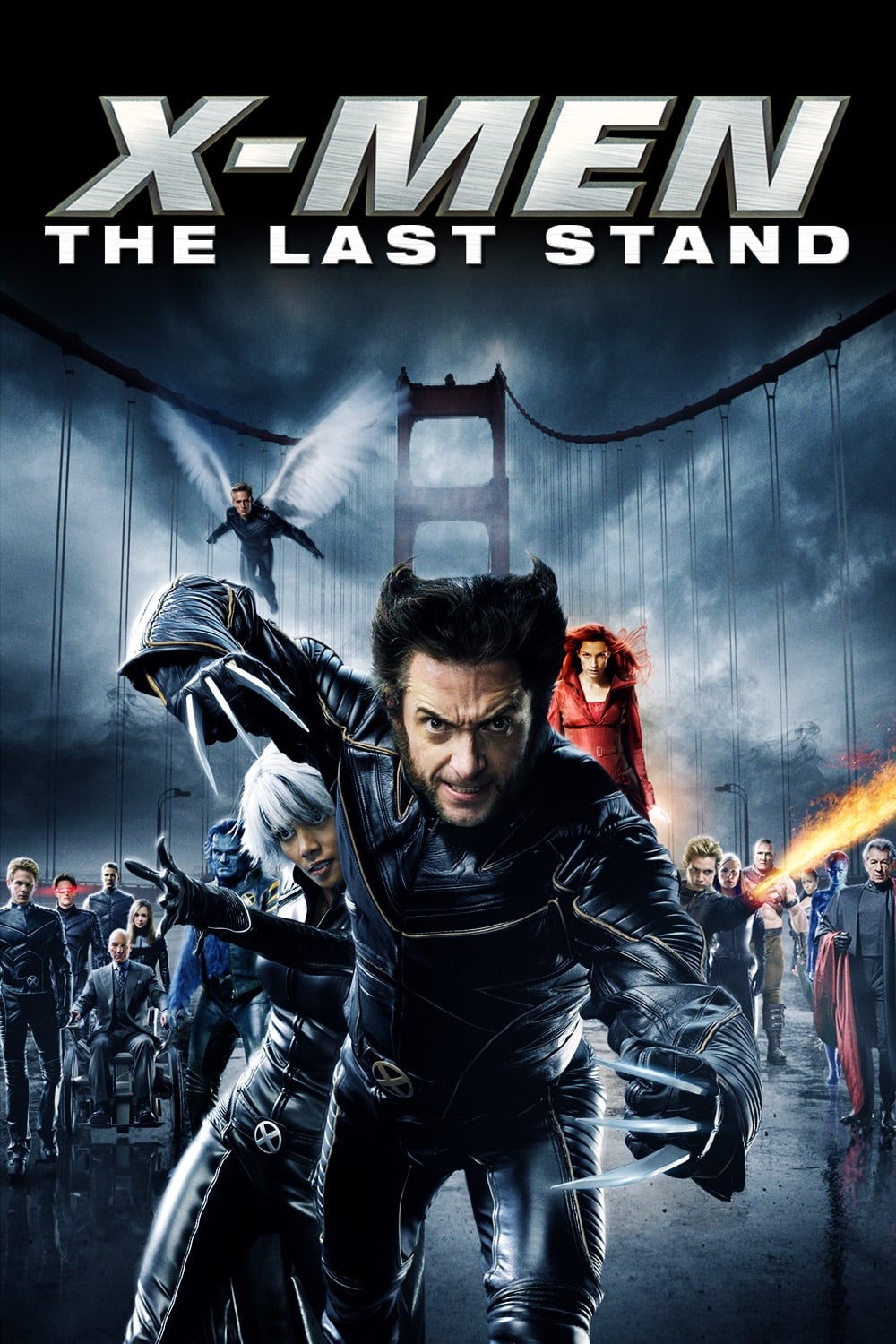
The third installment in the original X-Men film series had a production budget of $210 million, making it one of the most expensive films of its time. The budget was driven by its large ensemble cast and the extensive visual effects required to showcase the powers of a wide array of mutants, especially in the final battle scene.
When a “cure” for mutations is developed, it creates a divide in the mutant community. Lines are drawn between the followers of Charles Xavier and Magneto, leading to an all-out war to end all wars.
Transformers: Revenge of the Fallen (2009)
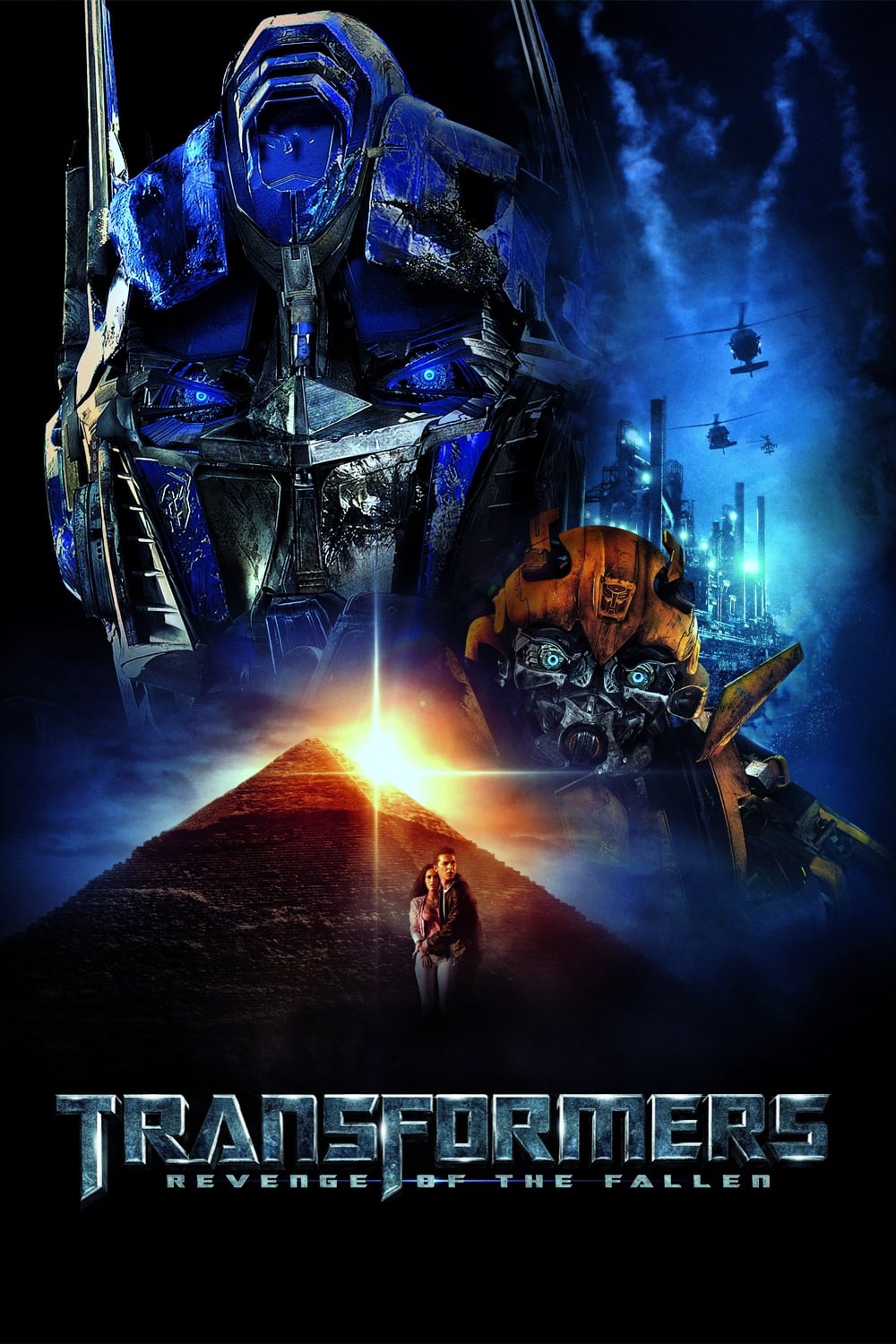
The sequel to the first Transformers film had a production budget of approximately $200 million. The high cost was due to the increased scale of the action and the complexity of the visual effects needed to create even more robots and destructive battles. The movie was also filmed in international locations like Egypt and Jordan.
Sam Witwicky leaves the Autobots behind for a normal life. But when his mind is filled with cryptic symbols, the Decepticons target him and he is dragged back into the Transformers’ war.
Superman Returns (2006)
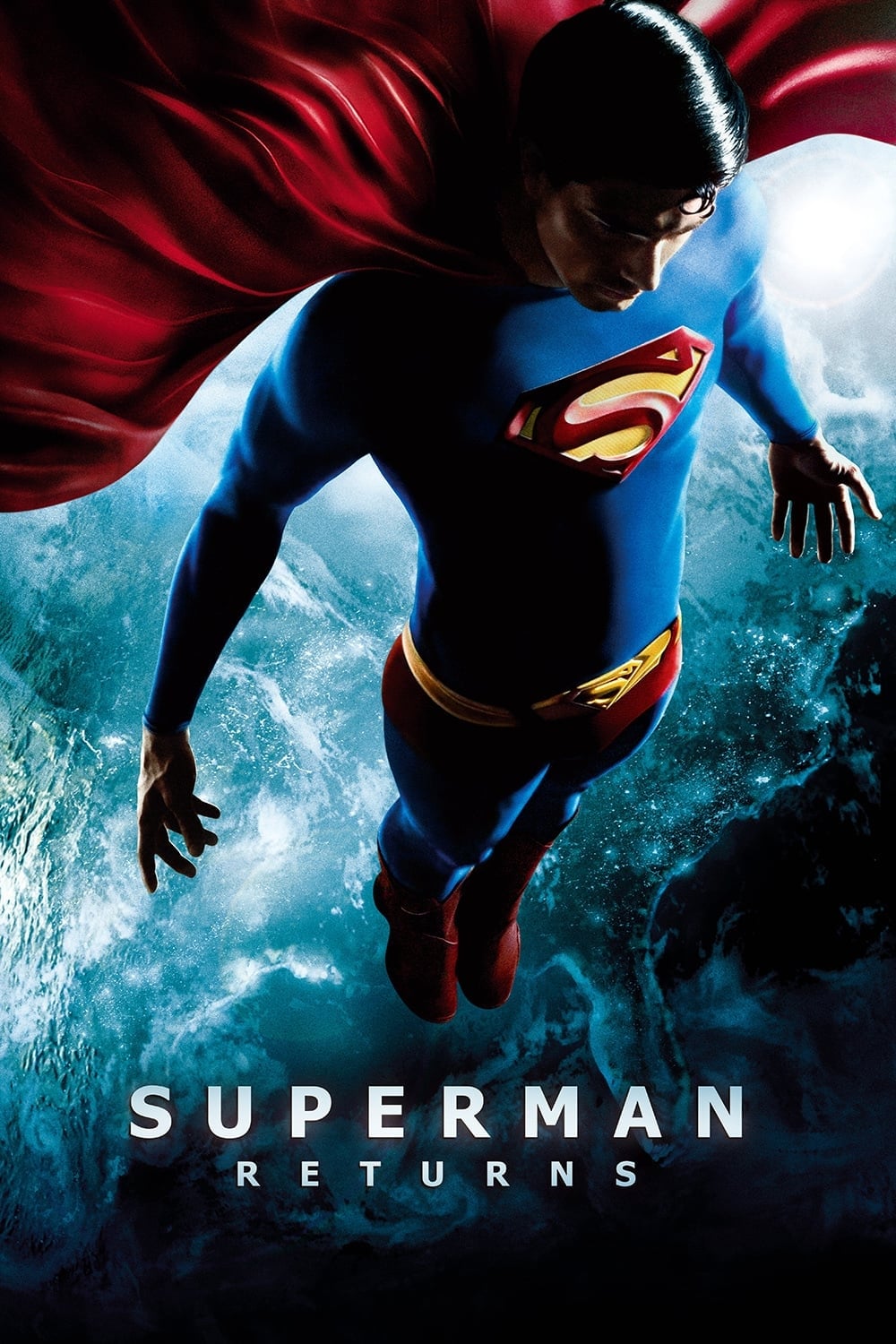
This revival of the Superman character had a budget of around $204 million. A significant portion of the budget was spent on visual effects, particularly the CGI used to depict Superman’s flight and powers. The project also had a long and costly development history before filming even began.
After a long absence, Superman returns to Earth to find that his arch-nemesis Lex Luthor is at it again and that the world has learned to live without him. He must find a way to reconnect with humanity and stop Luthor’s evil plan.
Quantum of Solace (2008)
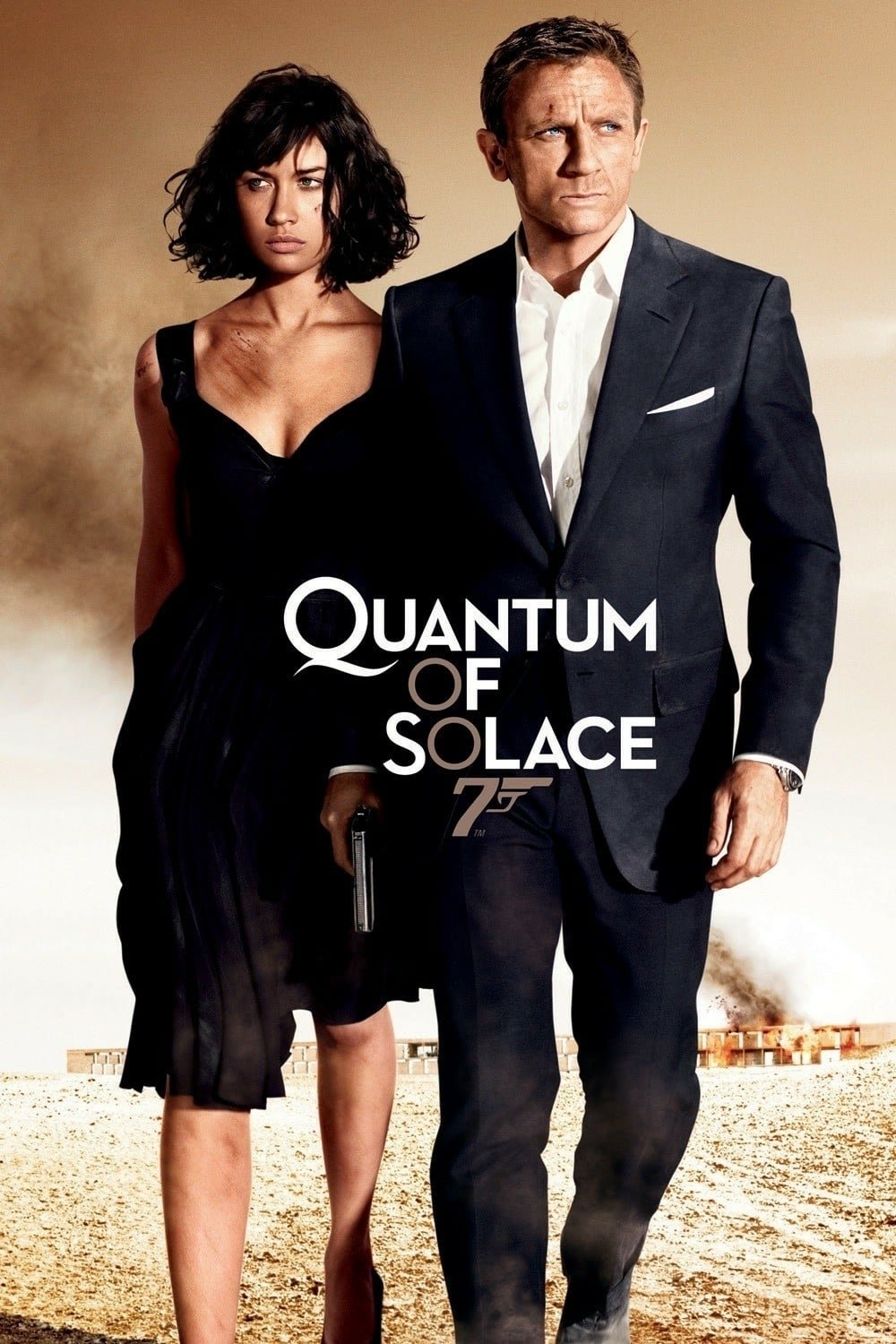
Daniel Craig’s second outing as James Bond had a production budget of around $200 million. The film’s expenses were driven by its globe-trotting production, with filming taking place in six different countries. The movie’s focus on intense, practical stunt work and action sequences also contributed to the high cost.
Seeking vengeance for the death of his love, Vesper Lynd, James Bond’s quest leads him to a ruthless businessman named Dominic Greene. Greene is a key figure in the mysterious Quantum organization, which is plotting to seize control of a country’s valuable natural resource.
Waterworld (1995)
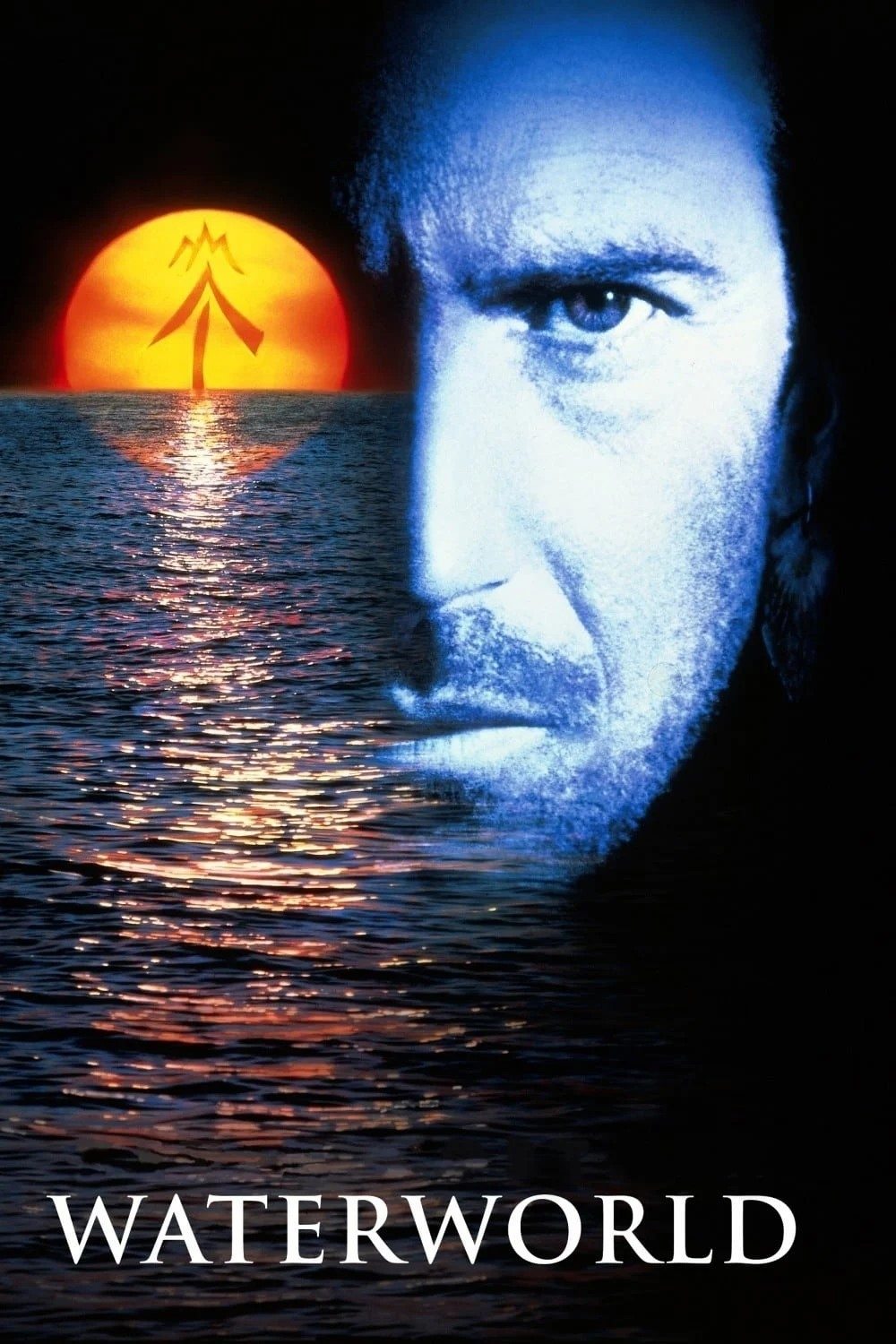
At the time of its release, Waterworld was the most expensive film ever made, with a budget that ballooned to a reported $175 million. The production was plagued by problems, including the destruction of a multi-million dollar set by a hurricane. Filming on open water proved to be incredibly difficult and costly.
In a future where the polar ice caps have melted and Earth is almost entirely covered in water, a mutated mariner with gills and webbed feet fights for survival. He helps a woman and a young girl try to find mythical dry land.
Wild Wild West (1999)

This sci-fi Western comedy had a budget of approximately $170 million, a massive sum for its time. The film’s extensive and elaborate visual effects, including a giant mechanical spider, were a primary reason for the high cost. The salaries of its A-list stars also added to the large budget.
Two top-notch government secret agents in the 1870s are brought together to protect the U.S. President from a diabolical, steampunk-loving villain. The two must use their unique skills and an array of advanced gadgets to stop him.
Terminator Salvation (2009)
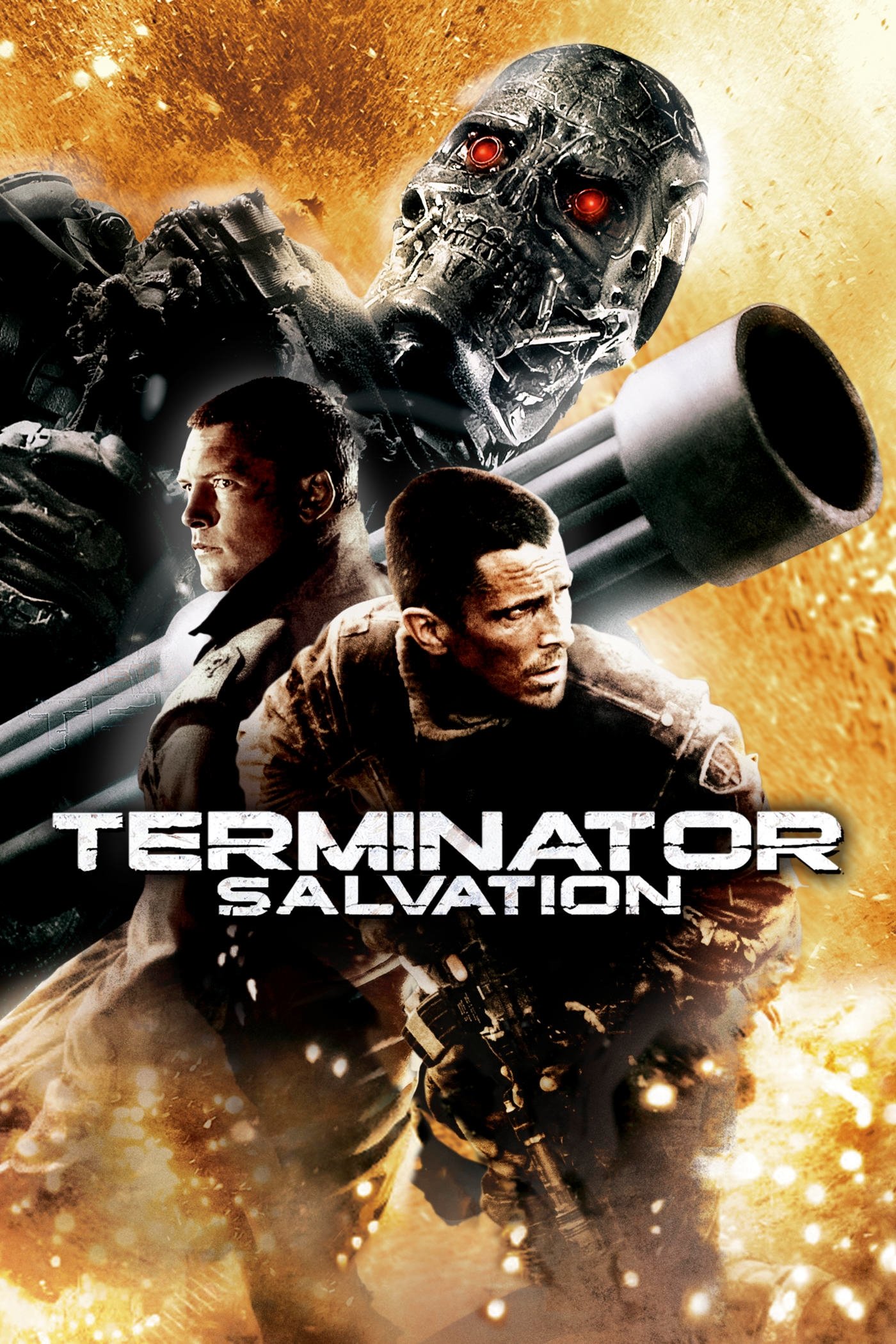
The fourth film in the Terminator franchise was produced with a budget of around $200 million. The high cost was due to its post-apocalyptic setting, which required extensive set design and visual effects. The film also featured complex action sequences with a variety of robotic terminators.
In the year 2018, John Connor is the man fated to lead the human resistance against Skynet and its army of Terminators. A mysterious new figure, Marcus Wright, appears, and Connor must decide whether he has been sent from the future or rescued from the past.
Harry Potter and the Half-Blood Prince (2009)
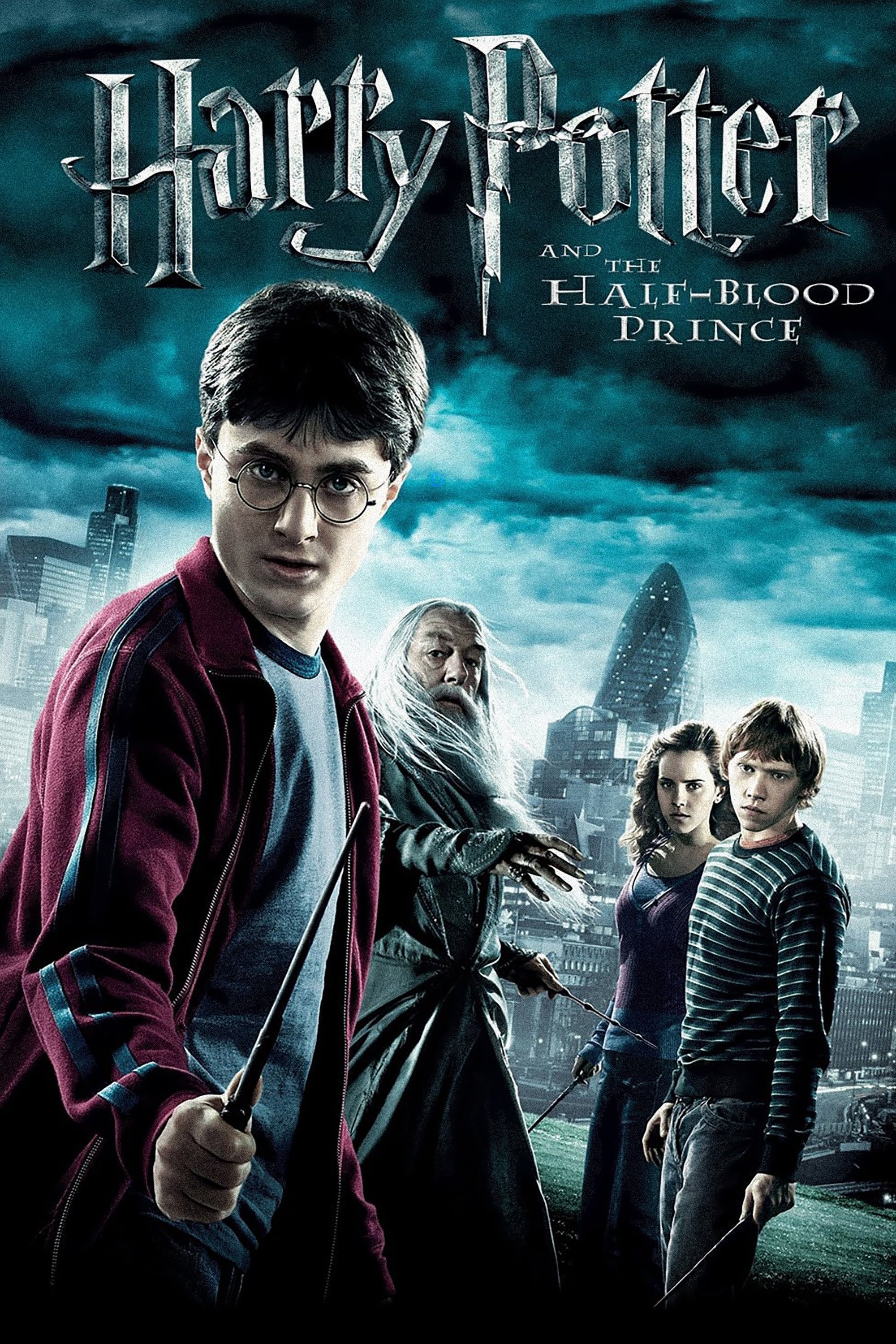
The sixth film in the Harry Potter series had a budget of around $250 million. The extensive visual effects used to create the magical world, including the complex Quidditch matches and dramatic spell battles, contributed to the high cost. The film also featured large, detailed sets and a large ensemble cast.
As Harry Potter begins his sixth year at Hogwarts, he discovers an old book marked as “the property of the Half-Blood Prince” and begins to learn more about Lord Voldemort’s dark past. Dumbledore prepares Harry for the final battle that he knows is fast approaching.
The Avengers (2012)
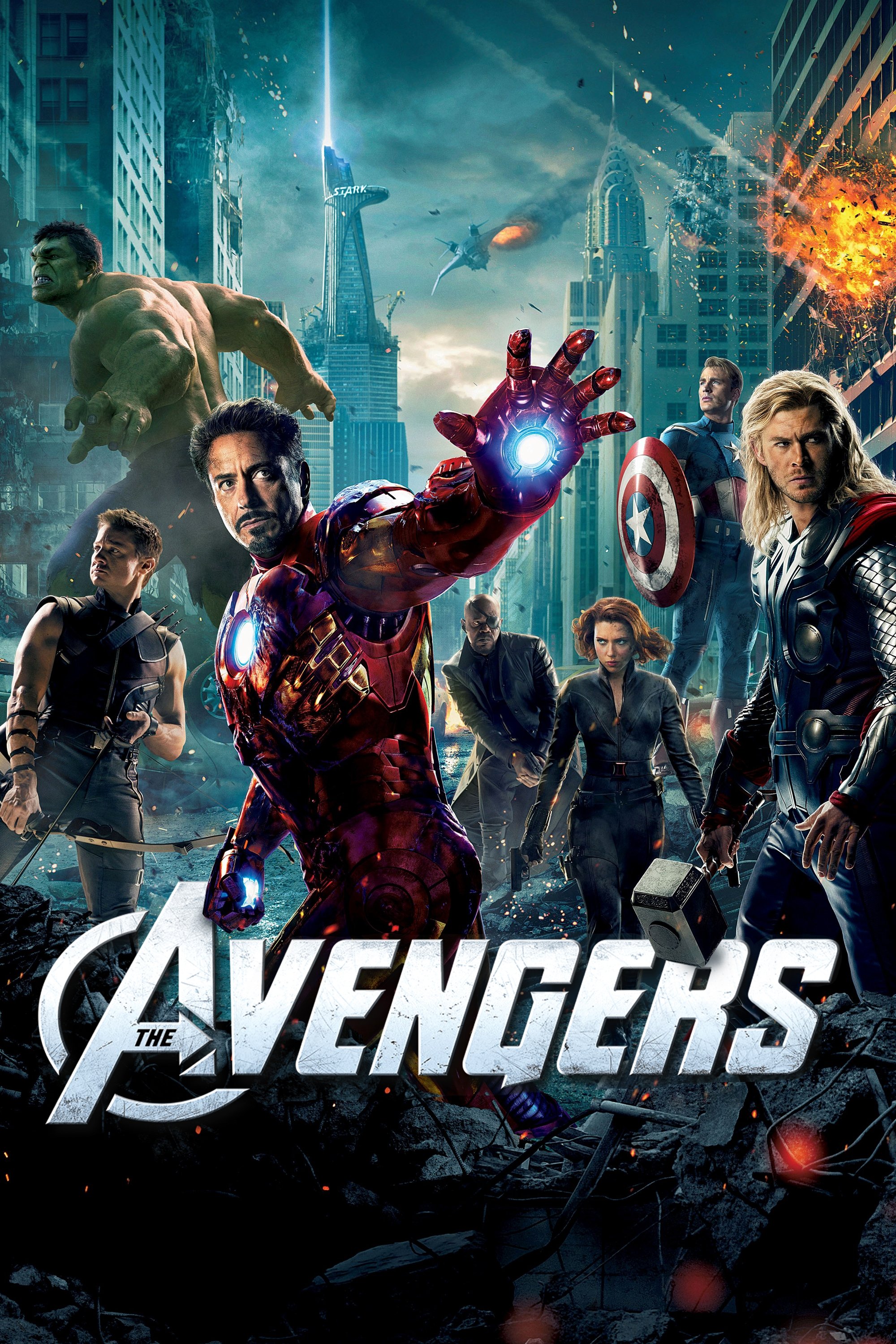
The first major team-up of Marvel’s superheroes had a production budget of $220 million. The cost was necessary to bring together a large cast of rising stars and to create the extensive visual effects for the film’s climax, the Battle of New York. The detailed sets, including the S.H.I.E.L.D. Helicarrier, also added to the expense.
Earth’s mightiest heroes must come together and learn to fight as a team to stop the mischievous Loki and his alien army from enslaving humanity. The team includes Iron Man, Captain America, the Hulk, Thor, Black Widow, and Hawkeye.
Indiana Jones and the Kingdom of the Crystal Skull (2008)
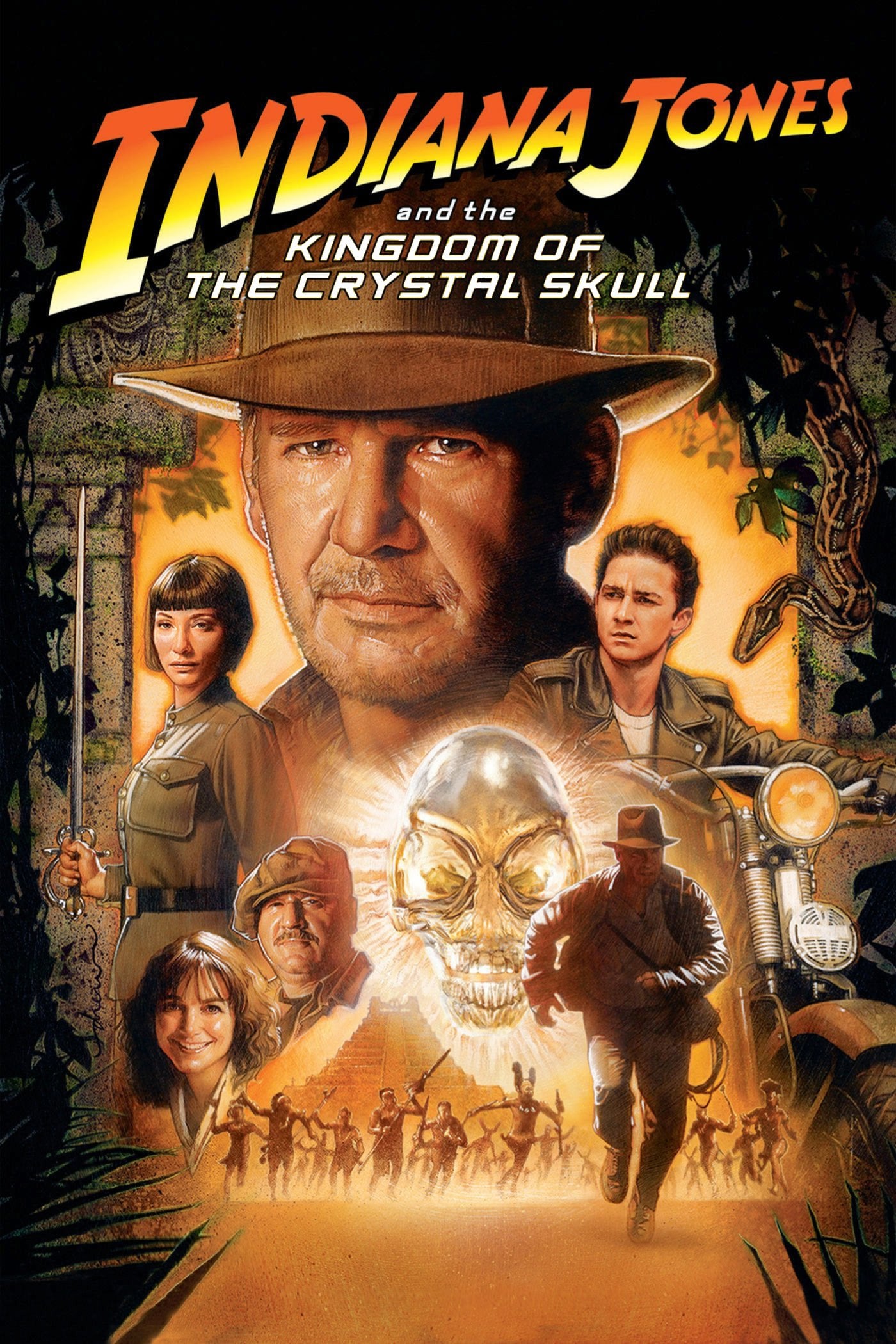
The fourth installment in the Indiana Jones series was made with a budget of $185 million. The production involved practical stunts, detailed period sets, and visual effects to create some of the more fantastical elements of the story. The salaries for the returning star Harrison Ford and director Steven Spielberg were also significant.
In 1957, archaeologist and adventurer Dr. Henry “Indiana” Jones Jr. is called back into action. He becomes embroiled in a Soviet plot to uncover the secret behind mysterious artifacts known as the Crystal Skulls.
Robin Hood (2010)
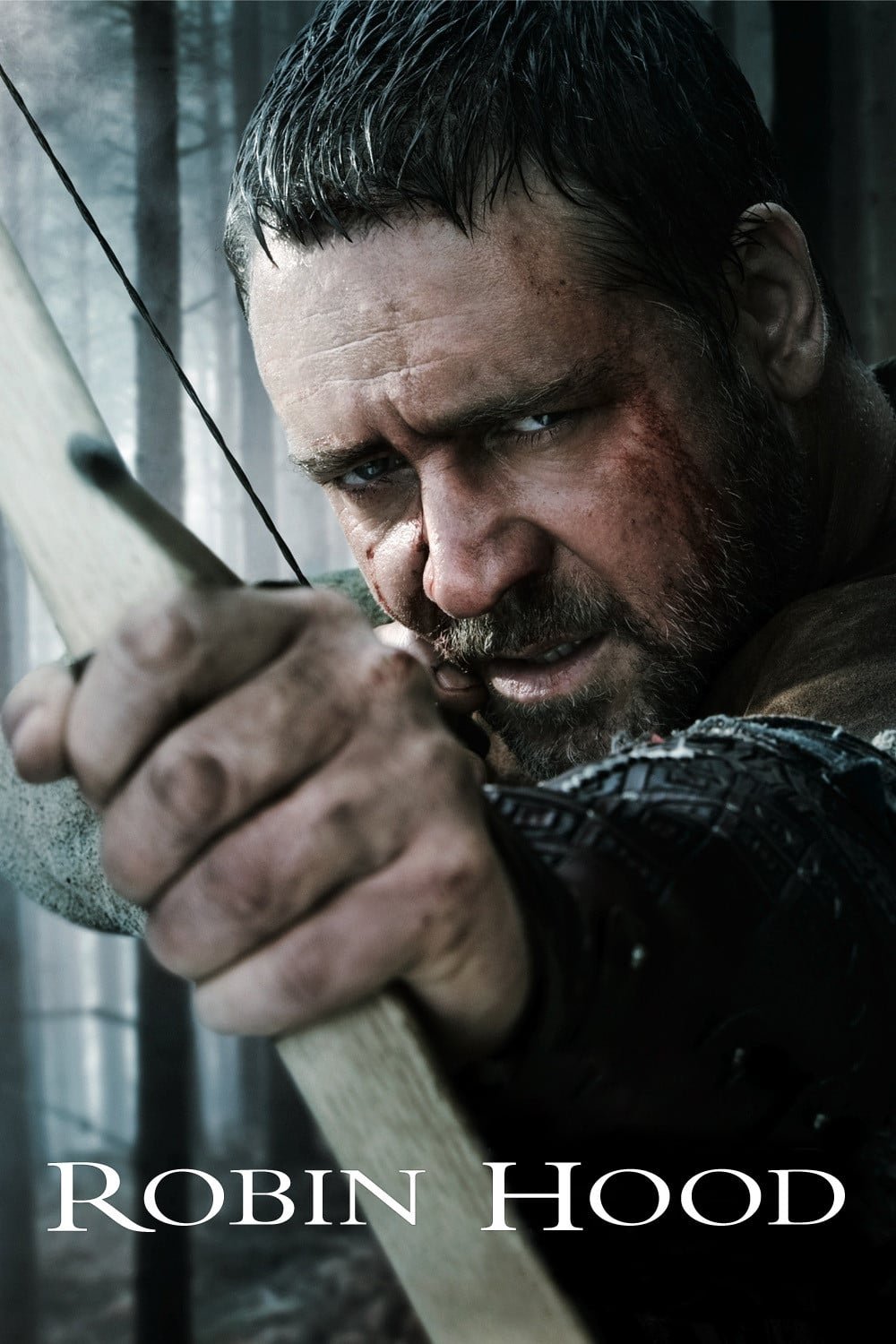
Ridley Scott’s epic retelling of the Robin Hood legend had a budget of around $200 million. The high cost was due to its large-scale battle sequences, detailed period costumes, and the construction of authentic-looking castles and villages. The film was also shot on location in England and Wales.
In 13th century England, Robin and his band of marauders confront corruption in a local village. This leads them to challenge the crown and lead an uprising against the king that will forever alter the balance of world power.
Titanic (1997)
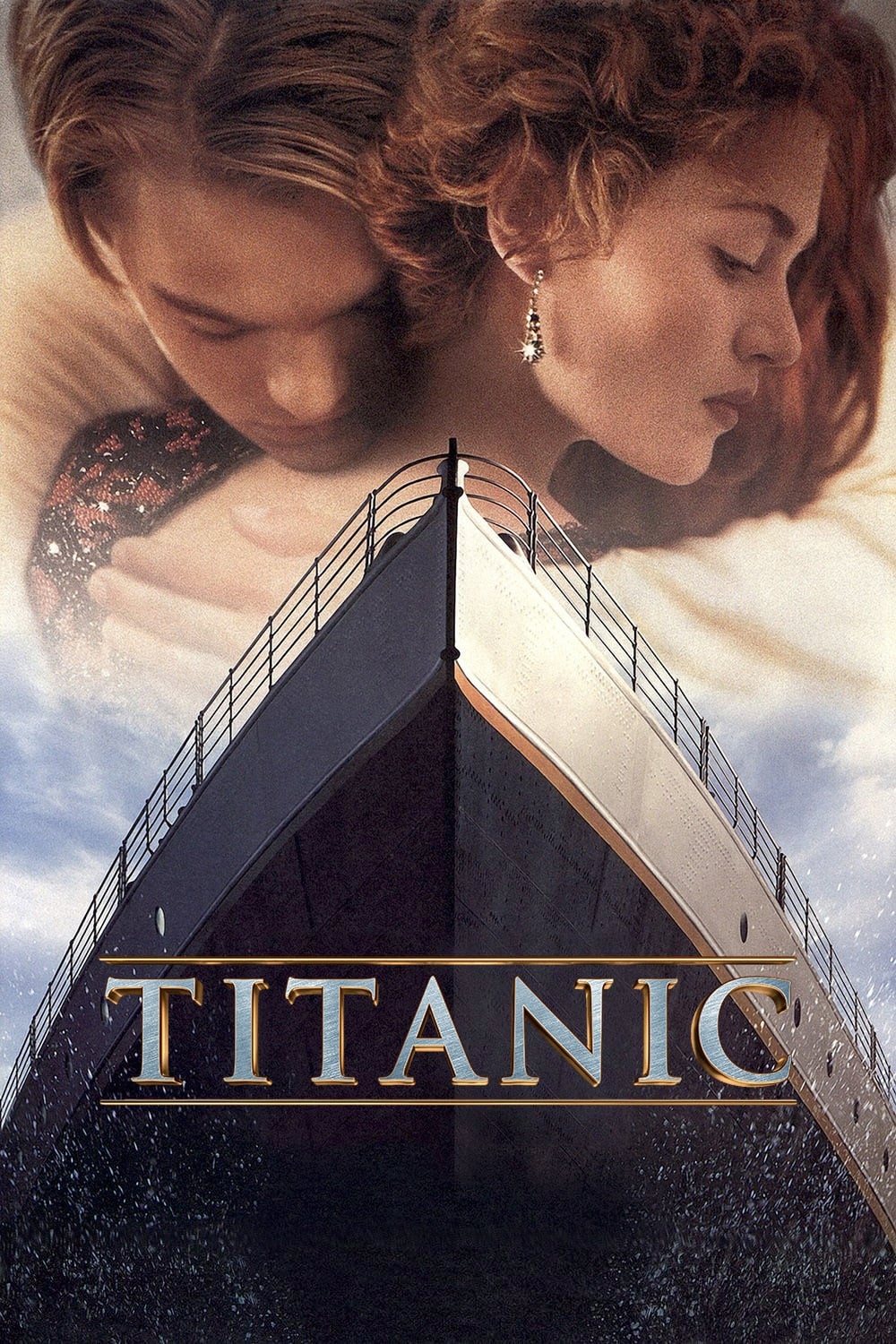
At the time, James Cameron’s epic romance was the most expensive film ever made with a budget of $200 million. A significant portion of the cost went into building a massive, near-full-scale replica of the RMS Titanic. The complex visual effects used to depict the sinking were groundbreaking and very expensive.
A seventeen-year-old aristocrat falls in love with a kind but poor artist aboard the luxurious, ill-fated R.M.S. Titanic. The film frames their story with a modern-day expedition to the ship’s wreckage.
Spider-Man 2 (2004)
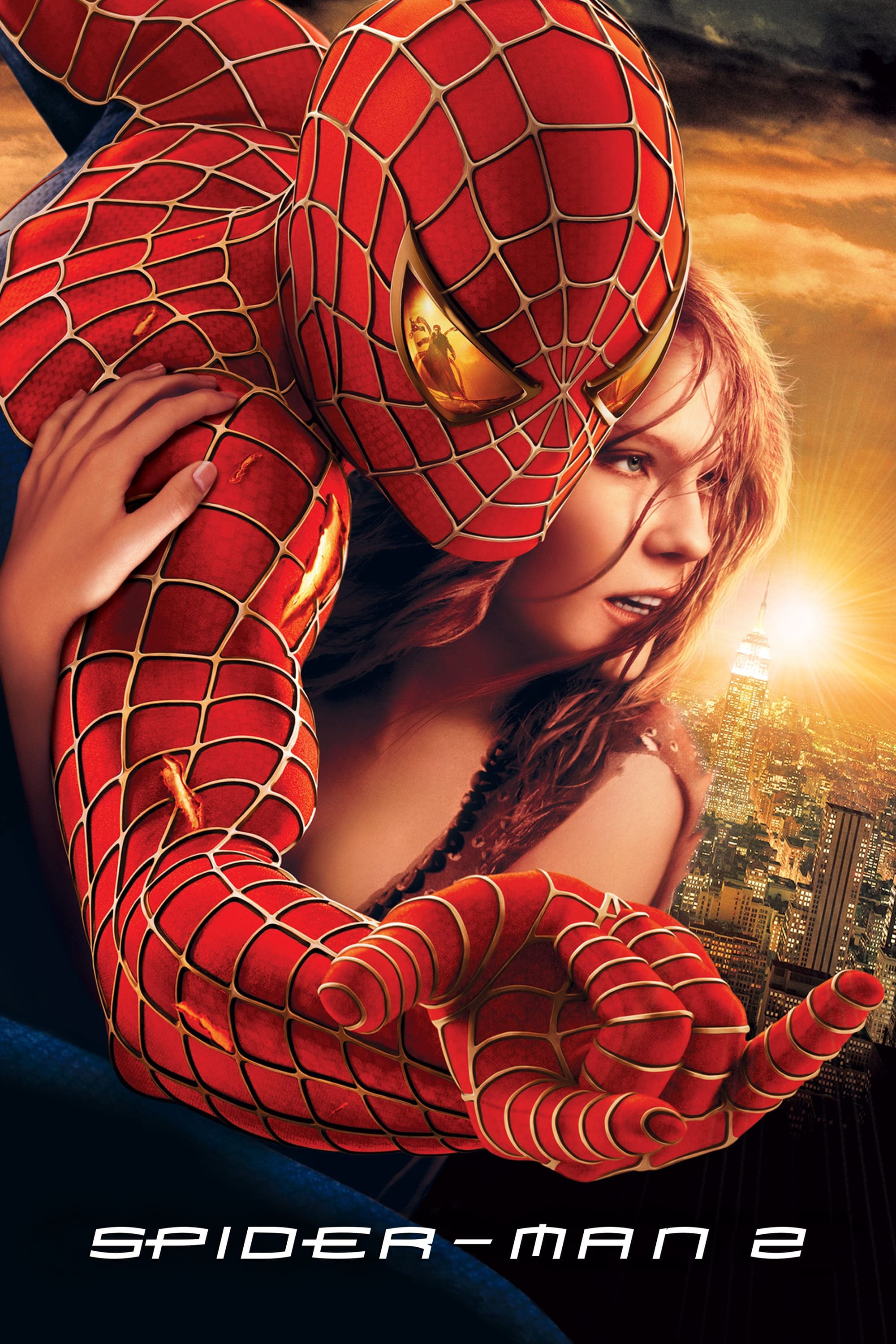
The sequel to the first Spider-Man film had a budget of approximately $200 million. The cost was driven by the complex visual effects needed to bring the villain Doctor Octopus and his mechanical arms to life. The film’s action sequences, including the elevated train fight, also required significant investment in both practical and digital effects.
Peter Parker is beset with troubles in his failing personal life as he continues to operate as a superhero. He decides to give up his secret identity, but must resume his duties when the brilliant scientist Dr. Otto Octavius becomes a cyborg villain.
The Amazing Spider-Man (2012)
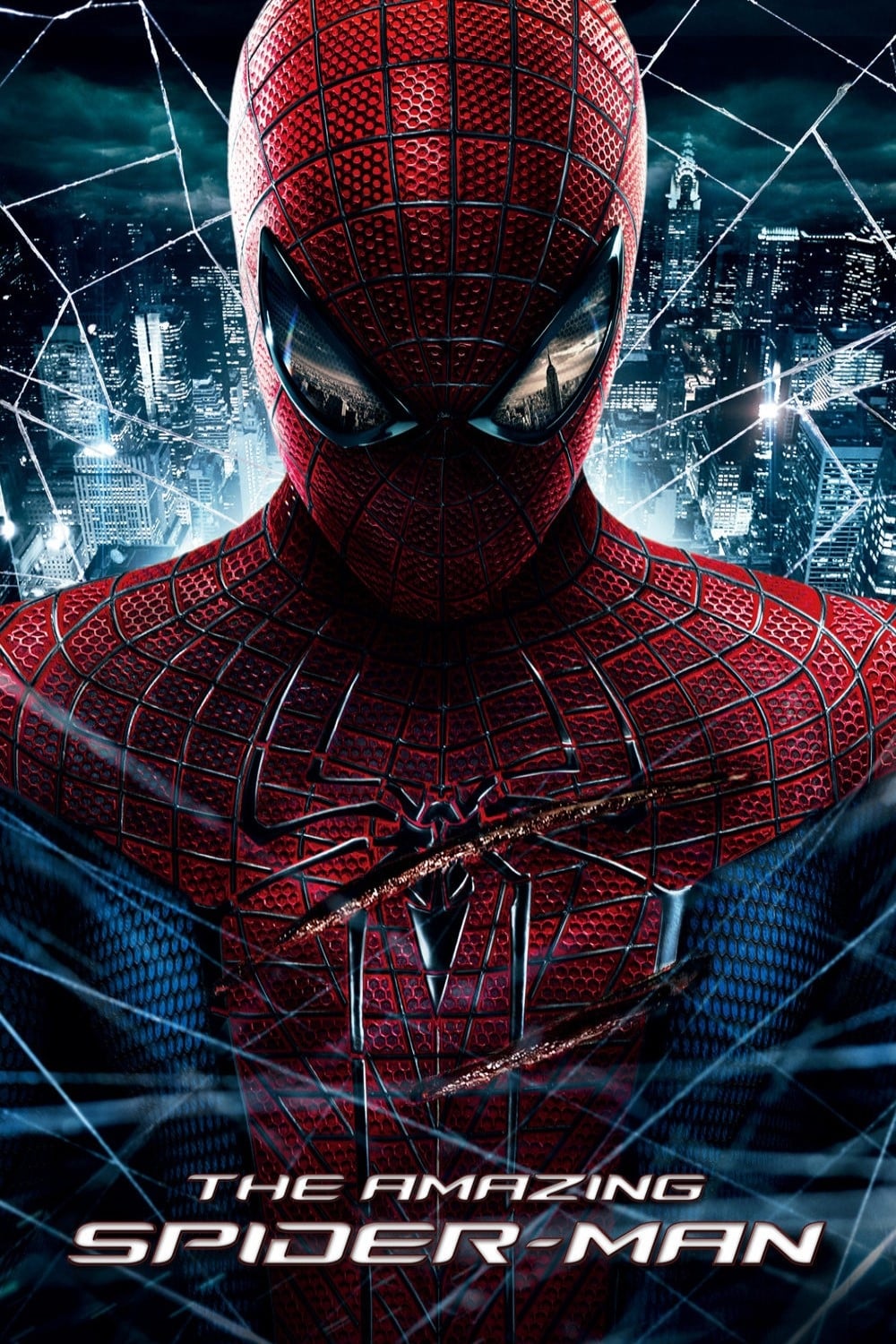
This reboot of the Spider-Man story had a production budget of around $230 million. The expense came from shooting the film in 3D and the heavy use of CGI for Spider-Man’s web-swinging and fight scenes. The marketing campaign for a major franchise reboot also contributes to the overall costs.
Peter Parker is an outcast high schooler who was abandoned by his parents as a boy, leaving him to be raised by his Uncle Ben and Aunt May. Like most teenagers, Peter is trying to figure out who he is and how he got to be the person he is today.
Maleficent: Mistress of Evil (2019)
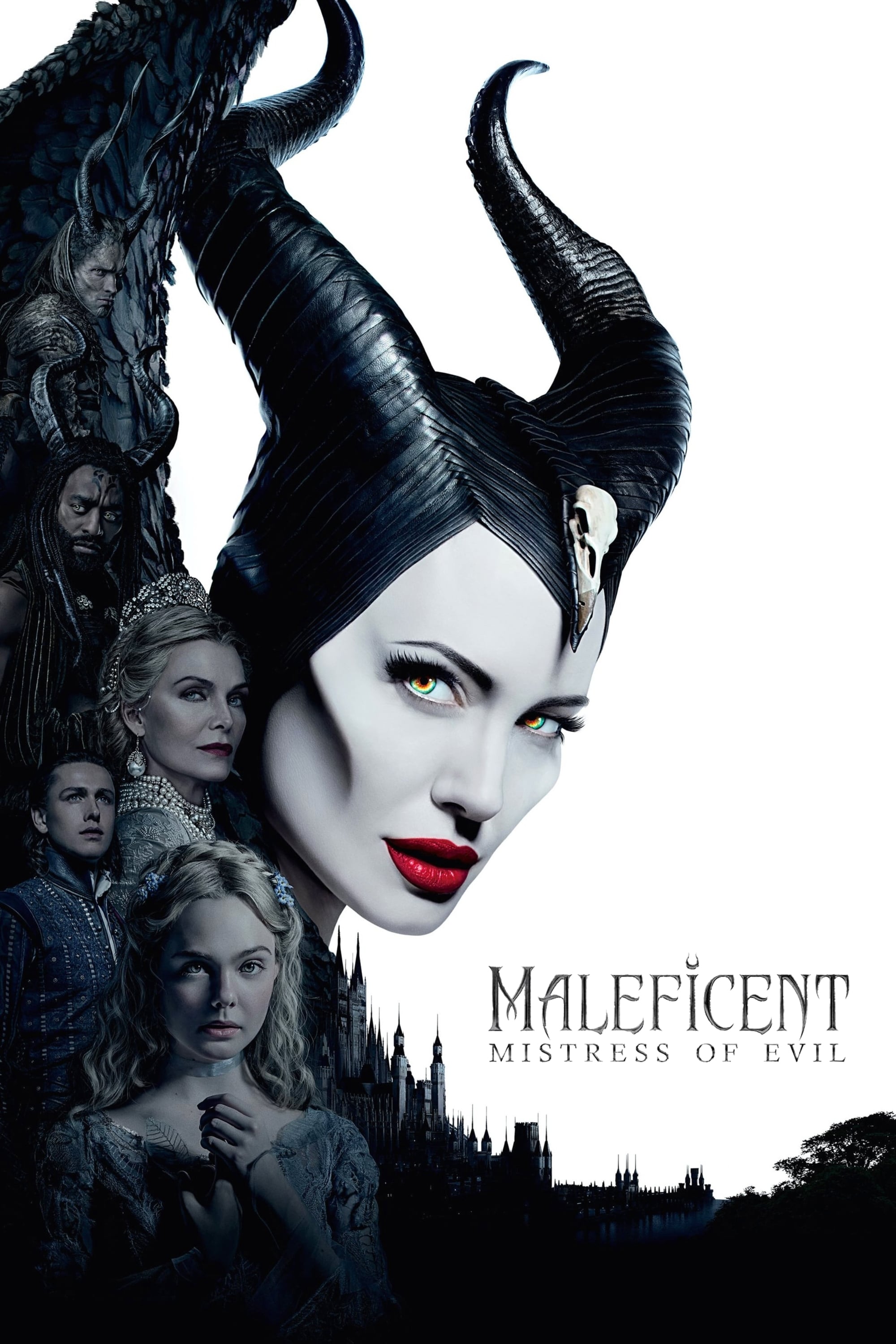
The sequel to Disney’s live-action fairy tale had a budget of approximately $185 million. The high costs were associated with the extensive visual effects needed to create the magical world of the Moors and its various fantasy creatures. The film’s elaborate costumes and large-scale battle sequences also added to the expense.
Maleficent and her goddaughter Aurora begin to question the complex family ties that bind them as they are pulled in different directions by impending nuptials, unexpected allies, and dark new forces at play.
TRON: Legacy (2010)
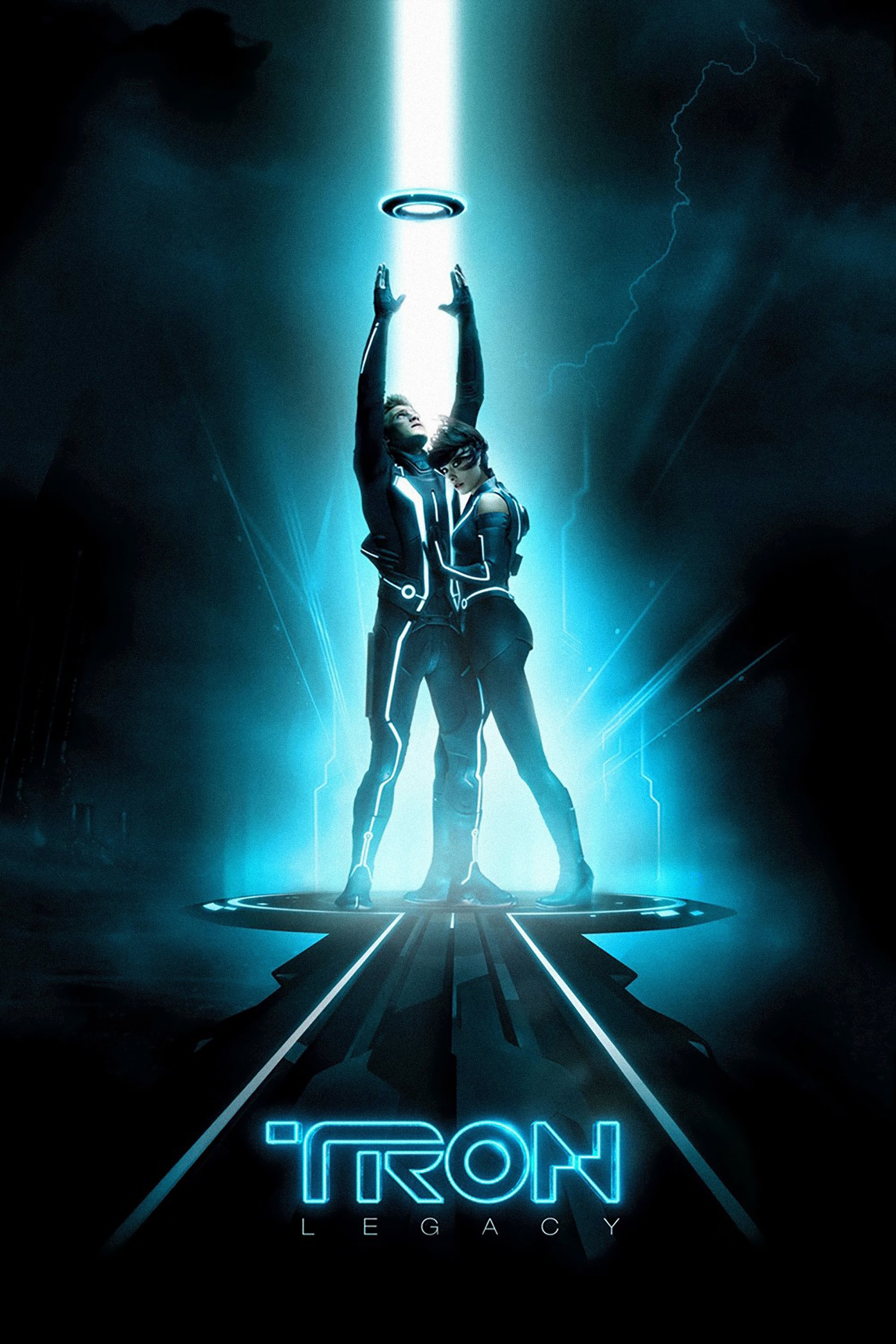
This long-awaited sequel had a production budget of around $170 million. The high cost was due to its groundbreaking visual effects, which included creating a de-aged version of actor Jeff Bridges and designing the detailed digital world of the Grid. The film was also shot in 3D, adding to the expense.
Sam Flynn, the tech-savvy son of renowned video game developer Kevin Flynn, looks into his father’s disappearance. He finds himself pulled into the same world of fierce programs and gladiatorial games where his father has been living for 20 years.
2012 (2009)
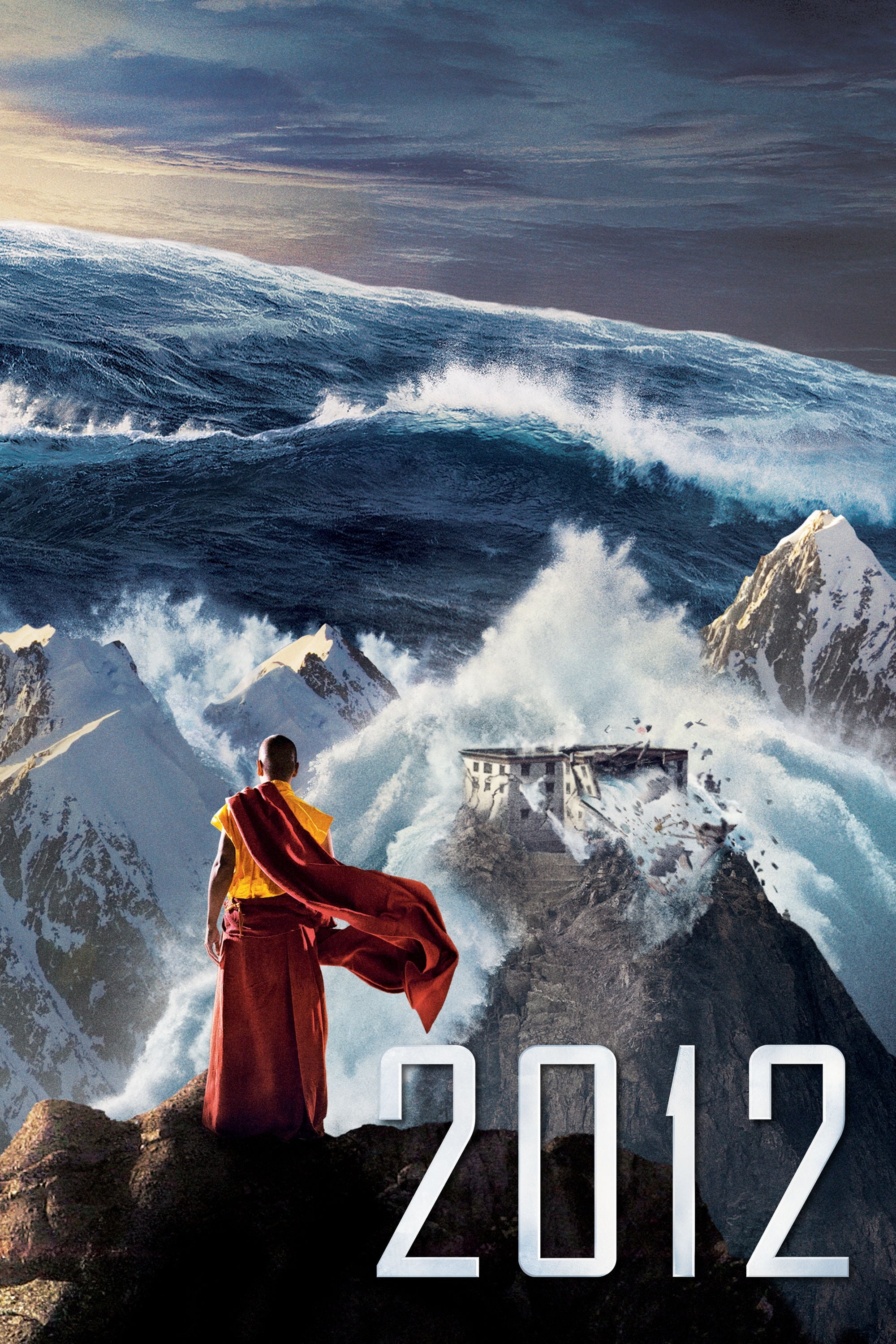
This disaster film from director Roland Emmerich had a budget of around $200 million. The vast majority of this cost was dedicated to the extensive visual effects required to depict global cataclysmic events. These scenes included the destruction of major cities and landmarks around the world.
A frustrated writer struggles to keep his family alive when a series of global catastrophes threatens to annihilate mankind. A team of scientists works with world leaders to try and save a small portion of humanity.

