


The 50 Most Important Movies of 20th Century

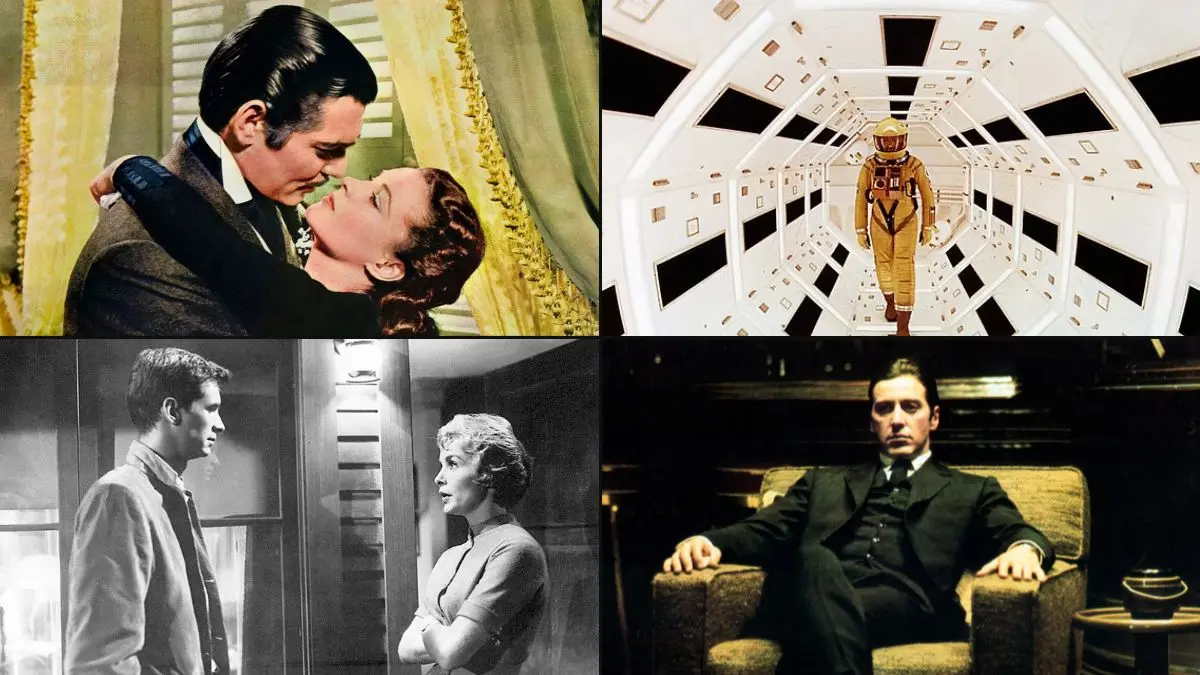


The 20th century was a period of immense change, and cinema was no exception. From silent black-and-white shorts to sprawling color epics, the art of filmmaking evolved at a breakneck pace. This era saw the birth of new genres, the rise of iconic stars, and the development of cinematic language that continues to shape how stories are told on screen. The movies on this list represent the most important and influential works of that time, films that not only captivated audiences but also pushed the boundaries of what was possible.
These 50 films are more than just entertainment; they are cultural artifacts that reflect the societies in which they were created. They introduced new technologies, challenged social norms, and inspired countless other filmmakers. From the earliest narrative films to the complex, multi-layered stories of the late 20th century, each of these movies played a crucial role in the development of cinema as an art form. This list celebrates the pioneers, the innovators, and the storytellers who laid the foundation for modern movies.
A Trip to the Moon (1902)
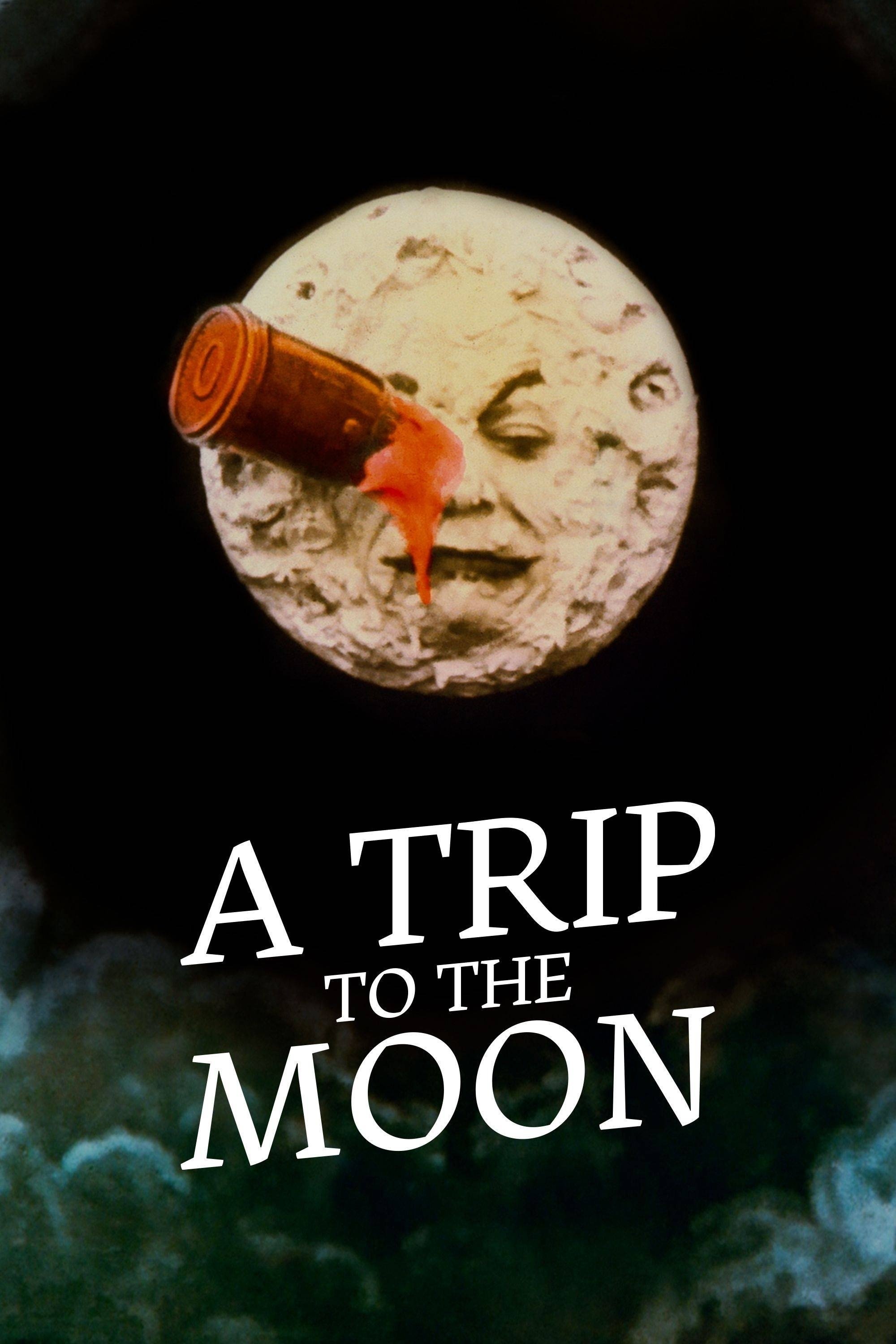
This early silent film is one of the first to tell a complete story with a clear beginning, middle, and end. Directed by Georges Méliès, it follows a group of astronomers who travel to the moon in a capsule fired from a cannon. The film’s imaginative visuals and special effects were groundbreaking for their time and showed the potential of cinema to transport audiences to new worlds.
Its playful tone and fantastical elements helped establish science fiction as a viable film genre. “A Trip to the Moon” demonstrated that movies could be more than just recordings of everyday life; they could be a medium for fantasy and adventure. Its influence can be seen in countless science fiction films that followed, making it a foundational work in the history of cinema.
The Great Train Robbery (1903)
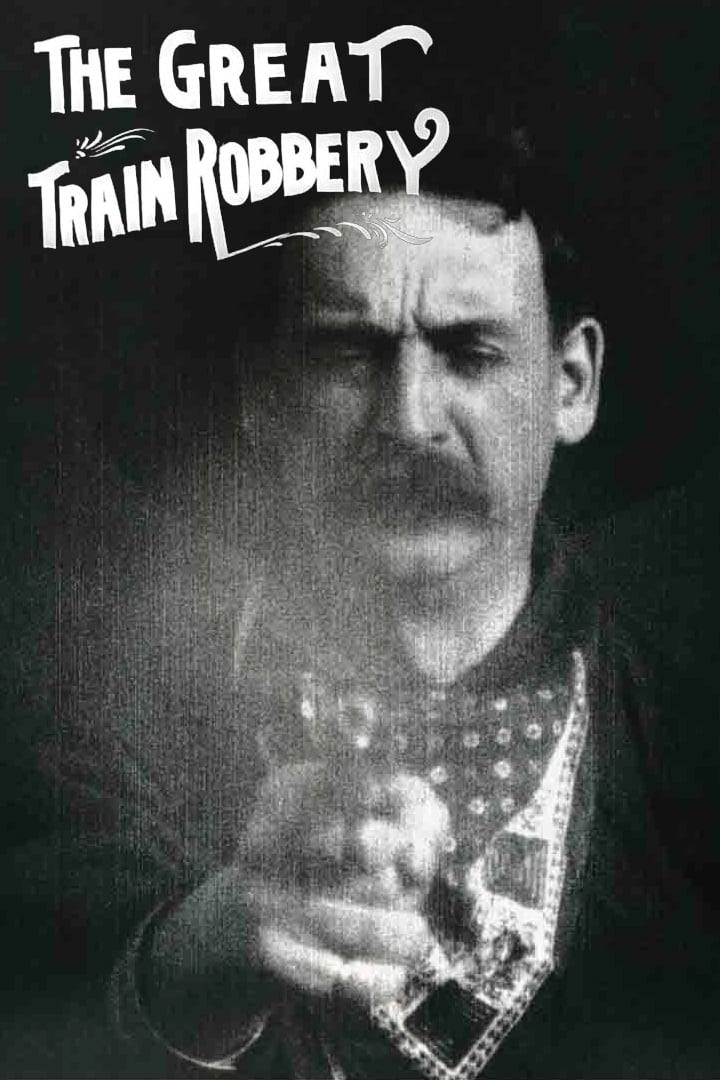
“The Great Train Robbery” is a landmark in narrative filmmaking. Directed by Edwin S. Porter, this silent short is credited with popularizing many techniques that are still used today, including cross-cutting to show simultaneous action in different locations. The film tells the story of a group of outlaws who rob a train, only to be pursued by a posse.
Its dynamic editing and on-location shooting were revolutionary for the time and helped establish the western as a popular film genre. The final shot, in which a bandit fires his gun directly at the camera, was a startling and memorable moment for audiences. The film’s success proved that movies could tell complex stories and led to the growth of narrative cinema.
The Cabinet of Dr. Caligari (1920)
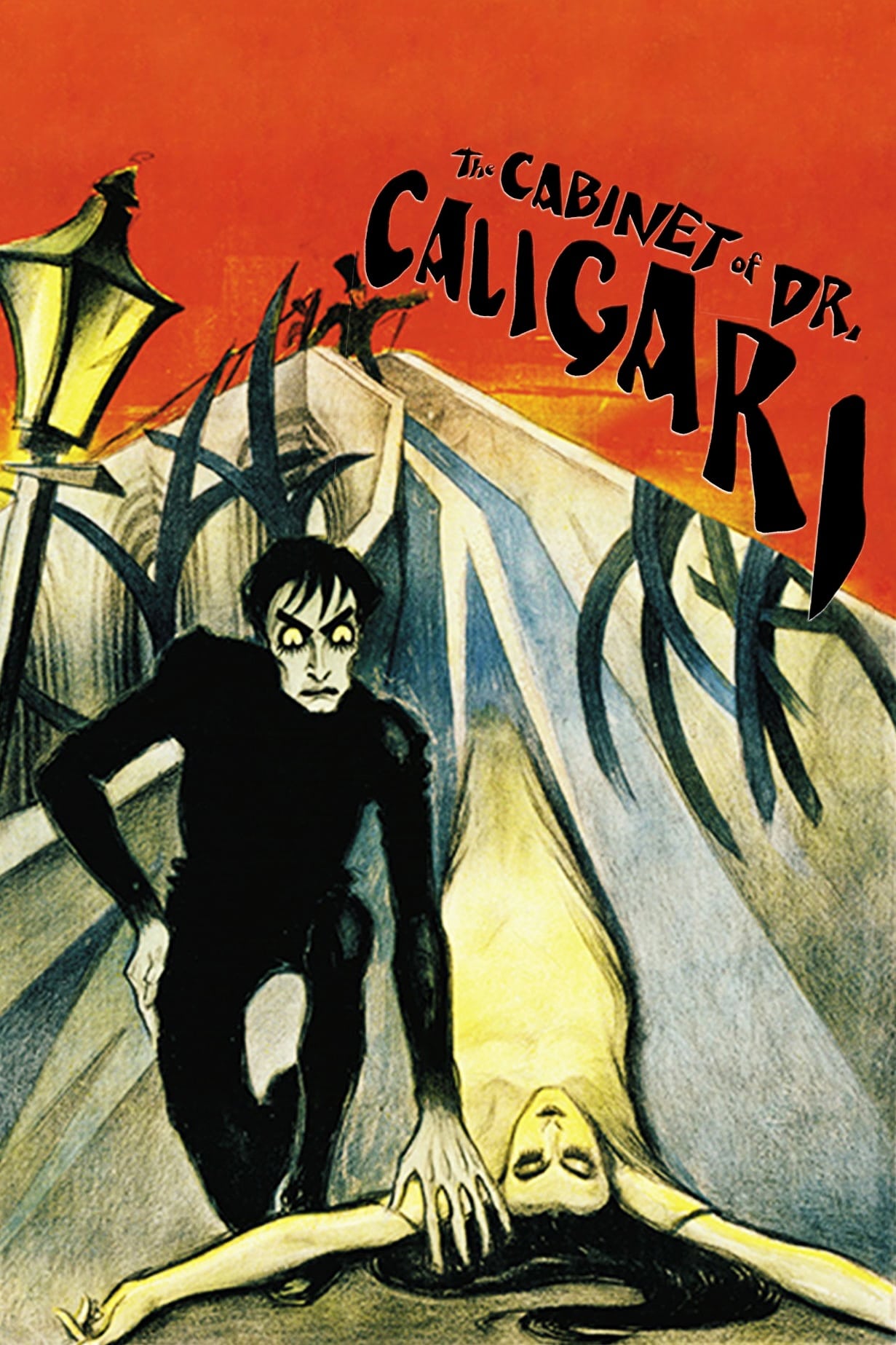
This silent horror film is a prime example of German Expressionism, a movement that used distorted visuals to represent inner emotional states. Directed by Robert Wiene, the story follows a mysterious showman who uses a sleepwalker to commit murders. The film’s sets are made up of sharp angles, twisted landscapes, and painted-on shadows, creating a nightmarish and unsettling atmosphere.
“The Cabinet of Dr. Caligari” had a profound influence on the horror genre and the art of filmmaking as a whole. Its stylized design and focus on psychological terror showed that a film’s look could be as important as its story. The film’s dark and subjective style has been emulated by countless directors in the decades since its release.
Battleship Potemkin (1925)
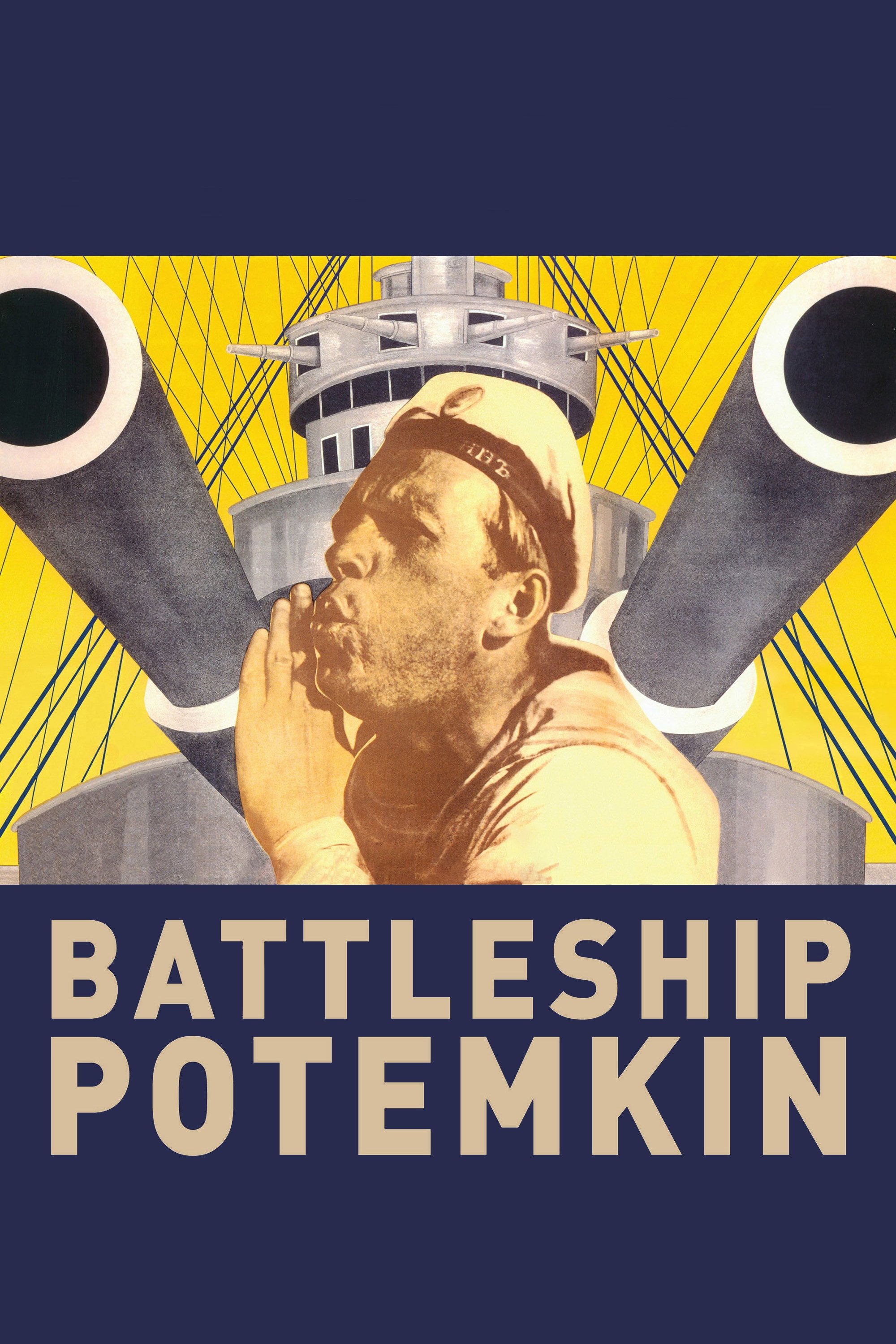
Directed by Sergei Eisenstein, “Battleship Potemkin” is a landmark of Soviet montage cinema. The film dramatizes a 1905 naval mutiny and the subsequent street demonstrations in the city of Odessa. Eisenstein’s pioneering use of montage, a technique of rapid editing to create symbolic meaning, makes the film a powerful piece of political propaganda.
The “Odessa Steps” sequence, in which soldiers massacre civilians on a wide staircase, is one of the most famous and influential scenes in film history. Eisenstein’s editing creates a sense of chaos and terror, and the sequence has been studied and referenced by filmmakers for generations. “Battleship Potemkin” demonstrated the power of editing to manipulate emotions and ideas.
The Gold Rush (1925)
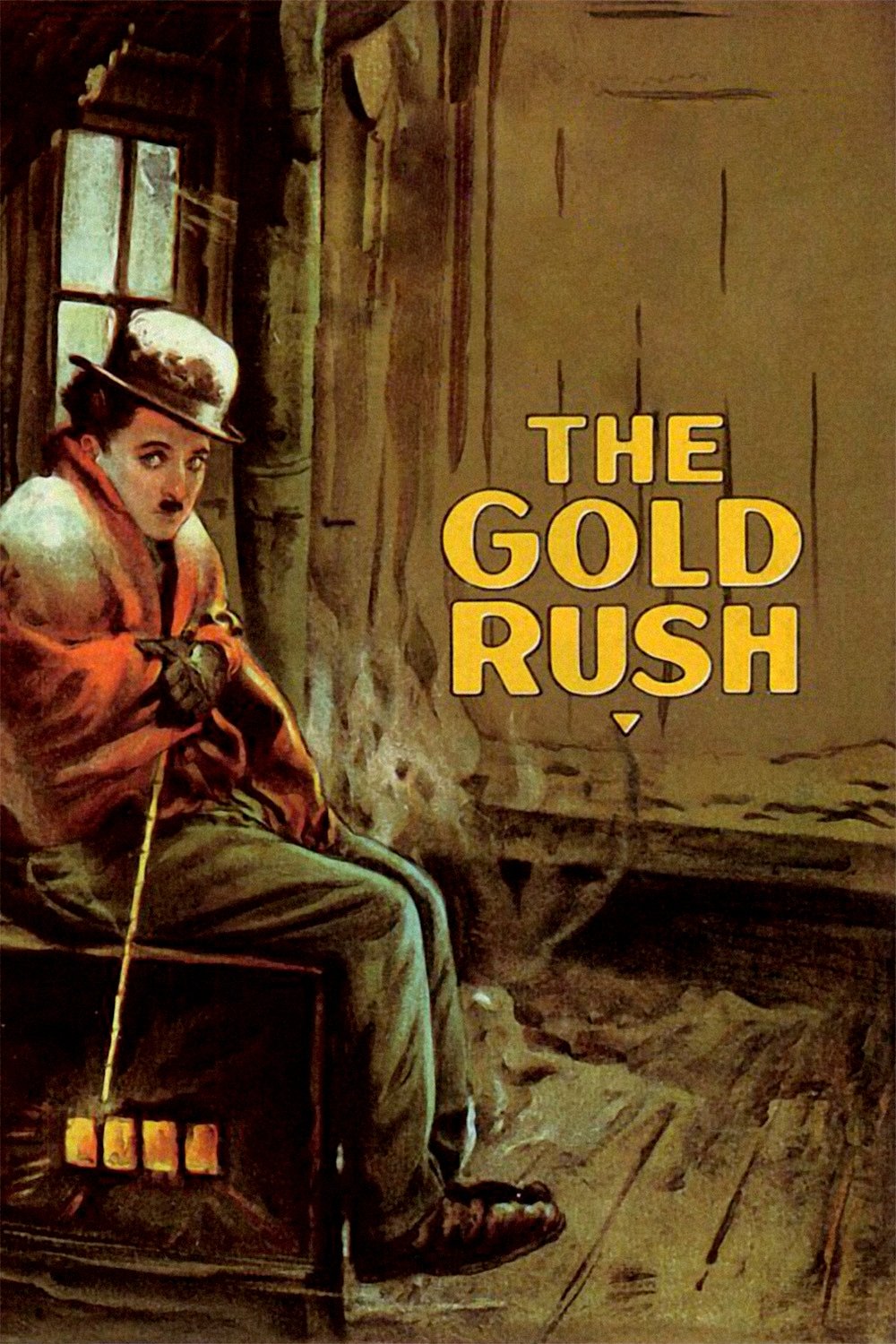
Charlie Chaplin wrote, directed, and starred in this silent comedy, which is often cited as one of his greatest works. He plays his famous character, the Tramp, as a lone prospector who travels to the Klondike in search of gold. The film is a blend of slapstick humor and genuine pathos, with iconic scenes like the “Oceana Roll” dance and the moment when the starving Tramp eats his own shoe.
“The Gold Rush” was a massive success and solidified Chaplin’s status as a global superstar. It demonstrated his ability to balance comedy with serious themes of poverty and desperation. The film’s blend of humor and heart has influenced countless comedies and remains a testament to Chaplin’s genius as a filmmaker and performer.
Metropolis (1927)
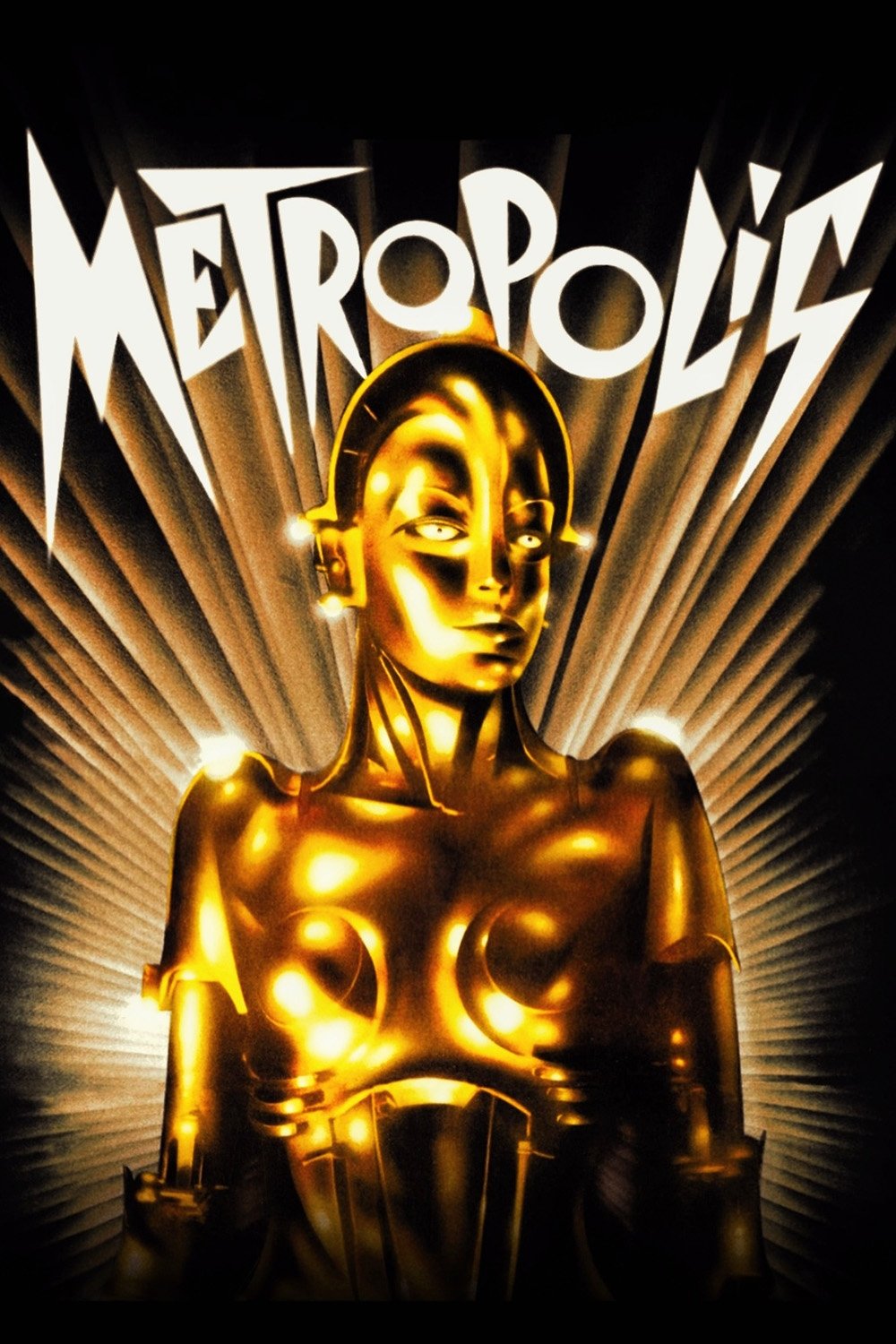
Fritz Lang’s “Metropolis” is a visually stunning science fiction epic that has had a lasting impact on the genre. Set in a futuristic city with a stark divide between wealthy thinkers and underground workers, the film tells a story of social upheaval and the dangers of technology. The film’s elaborate sets, innovative special effects, and iconic robot character were groundbreaking.
Though not a commercial success at the time of its release, “Metropolis” is now considered a masterpiece of silent cinema. Its themes of class struggle and the dehumanizing effects of industrialization are still relevant today. The film’s ambitious scale and imaginative vision have inspired numerous science fiction films, from “Blade Runner” to “Star Wars.”
The Jazz Singer (1927)
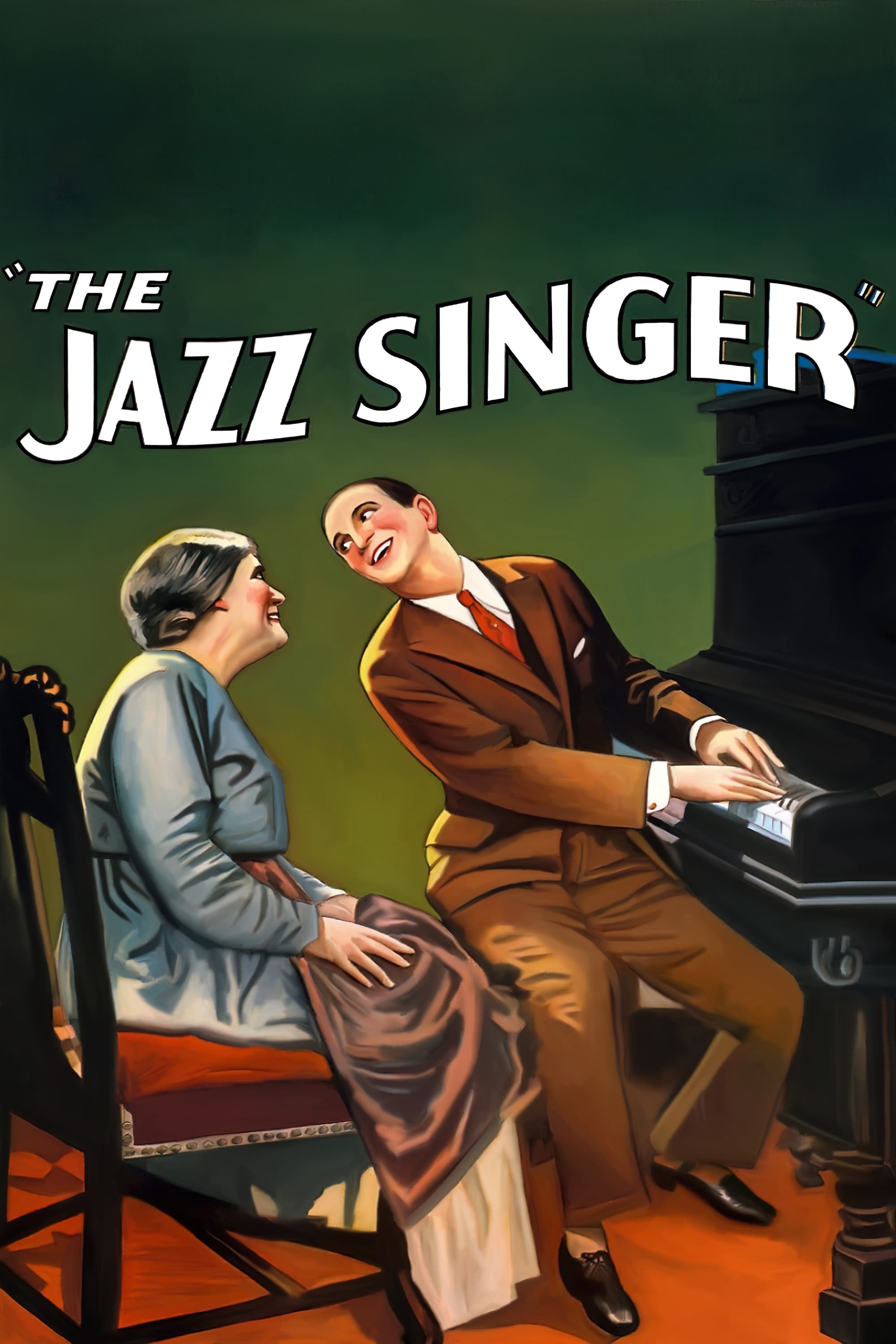
“The Jazz Singer” is a landmark film that ushered in the era of “talkies.” While not the first film to feature sound, it was the first feature-length motion picture to have synchronized dialogue and musical numbers. The story follows a young Jewish man who defies his family’s traditions to pursue a career as a jazz singer.
The film’s use of sound was a sensation, and its success signaled the end of the silent era. The line “You ain’t heard nothin’ yet!” became a famous catchphrase that symbolized the dawn of a new age in cinema. “The Jazz Singer” forever changed the way movies were made and experienced.
The Passion of Joan of Arc (1928)
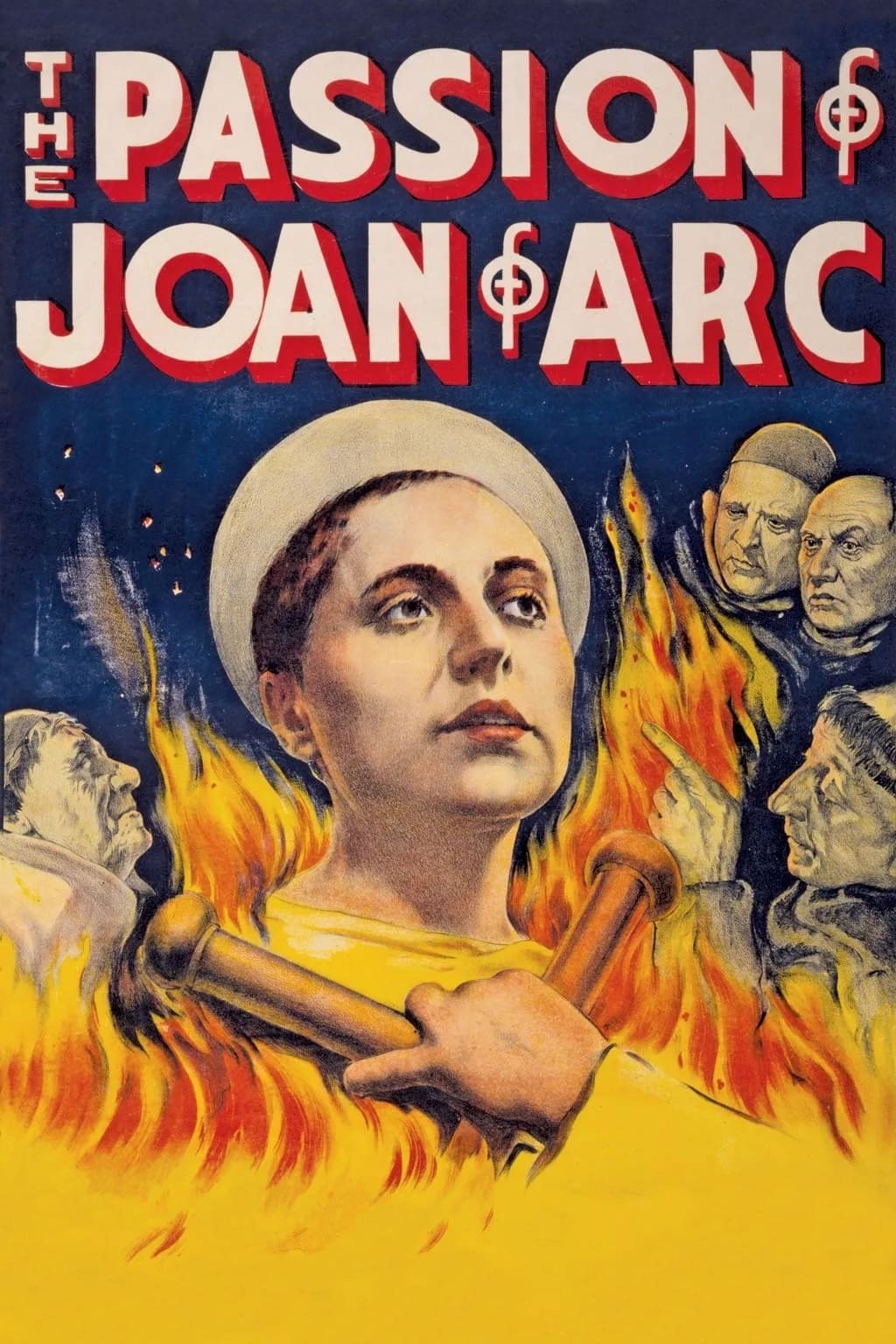
Directed by Carl Theodor Dreyer, this silent film is renowned for its powerful and intimate portrayal of the trial and execution of Joan of Arc. The film is famous for its use of close-ups, which capture the intense emotions of its characters, particularly Renée Jeanne Falconetti’s legendary performance as Joan.
The film’s stark and minimalist style, combined with its focus on the human face, creates a deeply moving and spiritual experience. “The Passion of Joan of Arc” is considered a masterpiece of cinematography and acting, and it demonstrated the power of the close-up to convey deep emotional and psychological states.
M (1931)
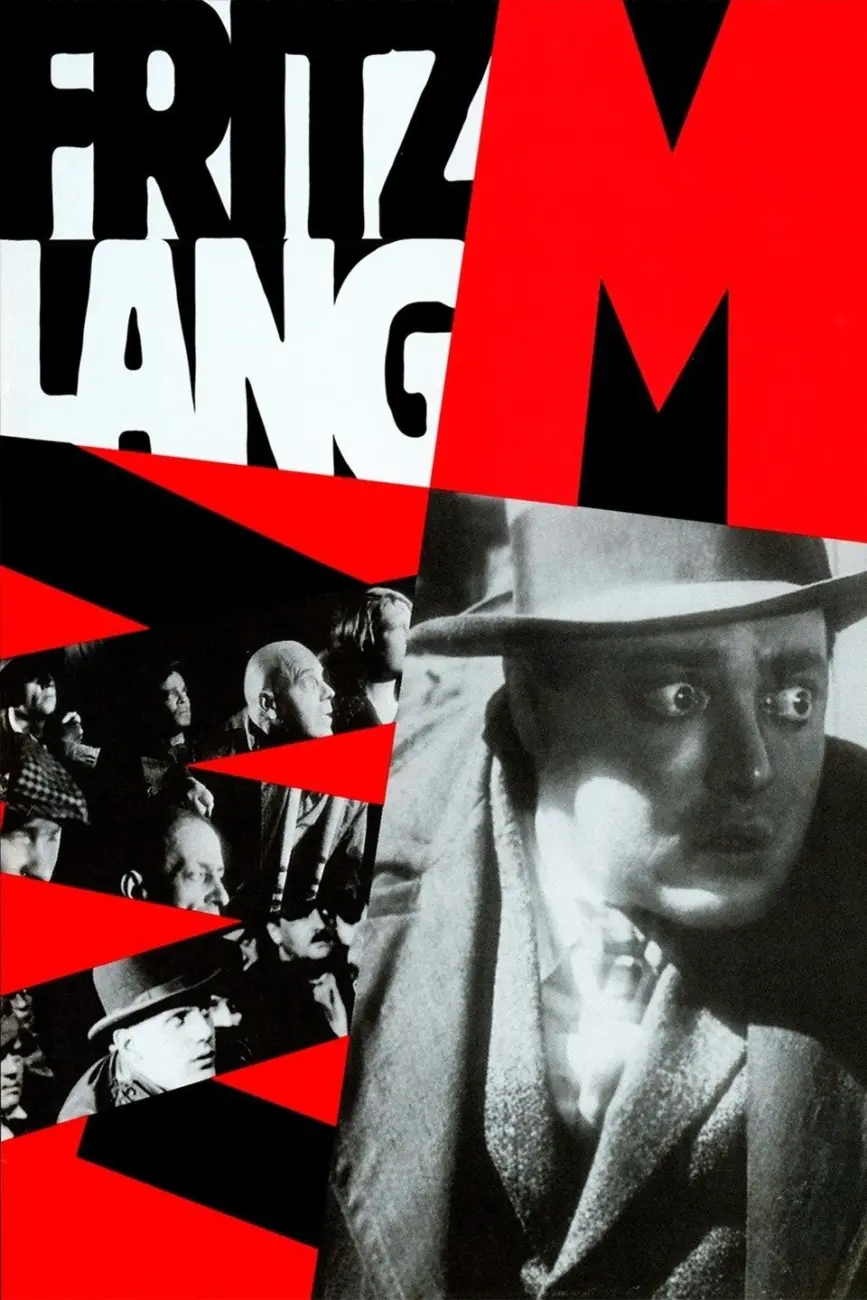
Fritz Lang’s first sound film is a gripping thriller about the hunt for a serial child murderer in Berlin. The film is notable for its innovative use of sound, which is woven into the narrative to create suspense and atmosphere. The killer’s whistled tune becomes a chilling leitmotif that signals his presence.
“M” is also significant for its complex portrayal of its characters, including the killer himself, who is depicted as a man tormented by his compulsions. The film explores themes of justice, mob mentality, and the nature of evil. Its sophisticated use of sound and its morally ambiguous story made it a highly influential work in the crime genre.
Snow White and the Seven Dwarfs (1937)
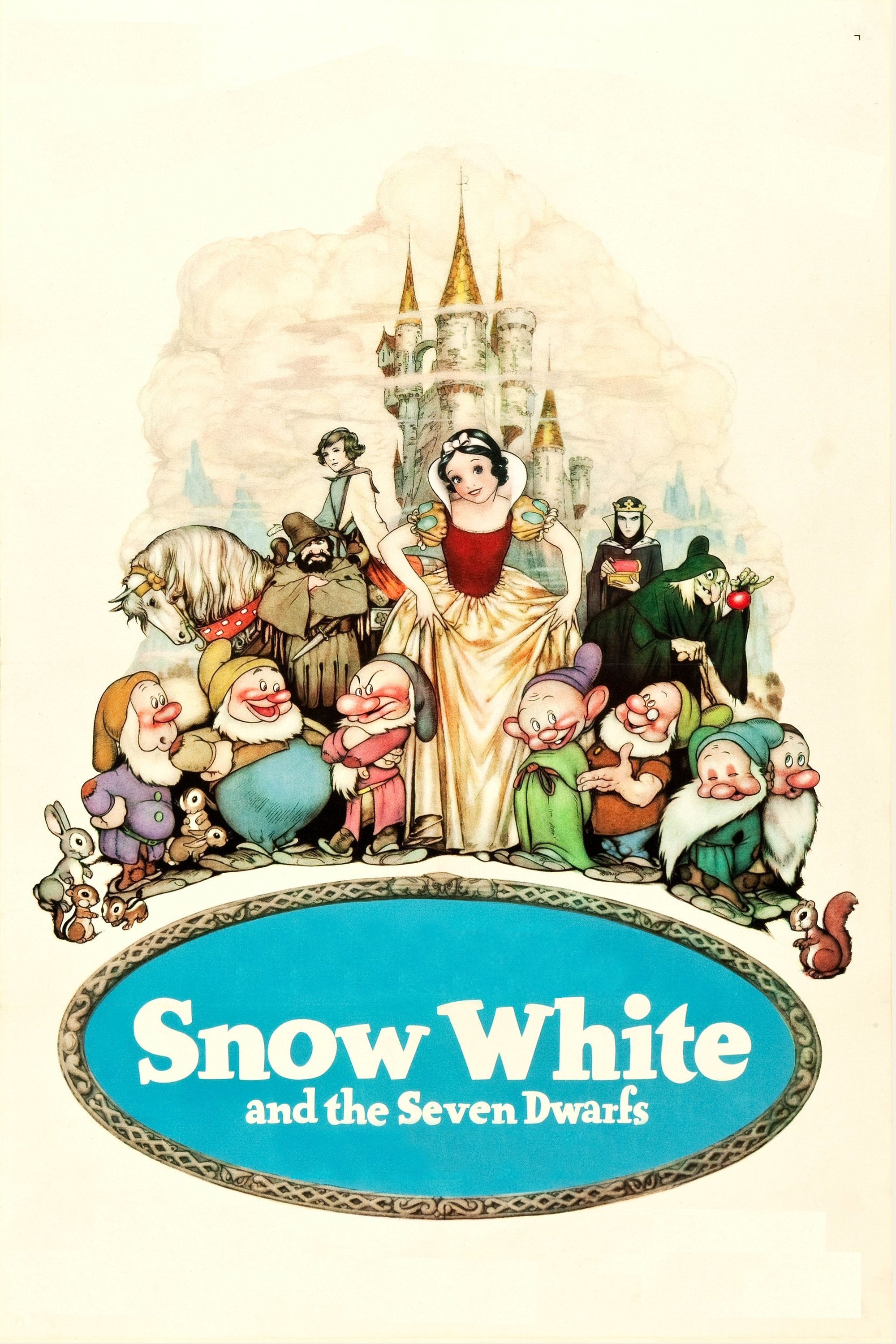
This was the first full-length animated feature film from Walt Disney Productions, and it revolutionized the animation industry. The film tells the classic fairy tale of a beautiful princess who is forced to flee from her evil stepmother and finds refuge with seven dwarfs. The film’s lush animation, memorable songs, and engaging story captivated audiences of all ages.
The success of “Snow White and the Seven Dwarfs” proved that animation could be a medium for serious storytelling and not just short comedic cartoons. It paved the way for all subsequent animated features and established Disney as a leader in the field. The film’s artistry and emotional depth continue to influence animators today.
The Grand Illusion (1937)
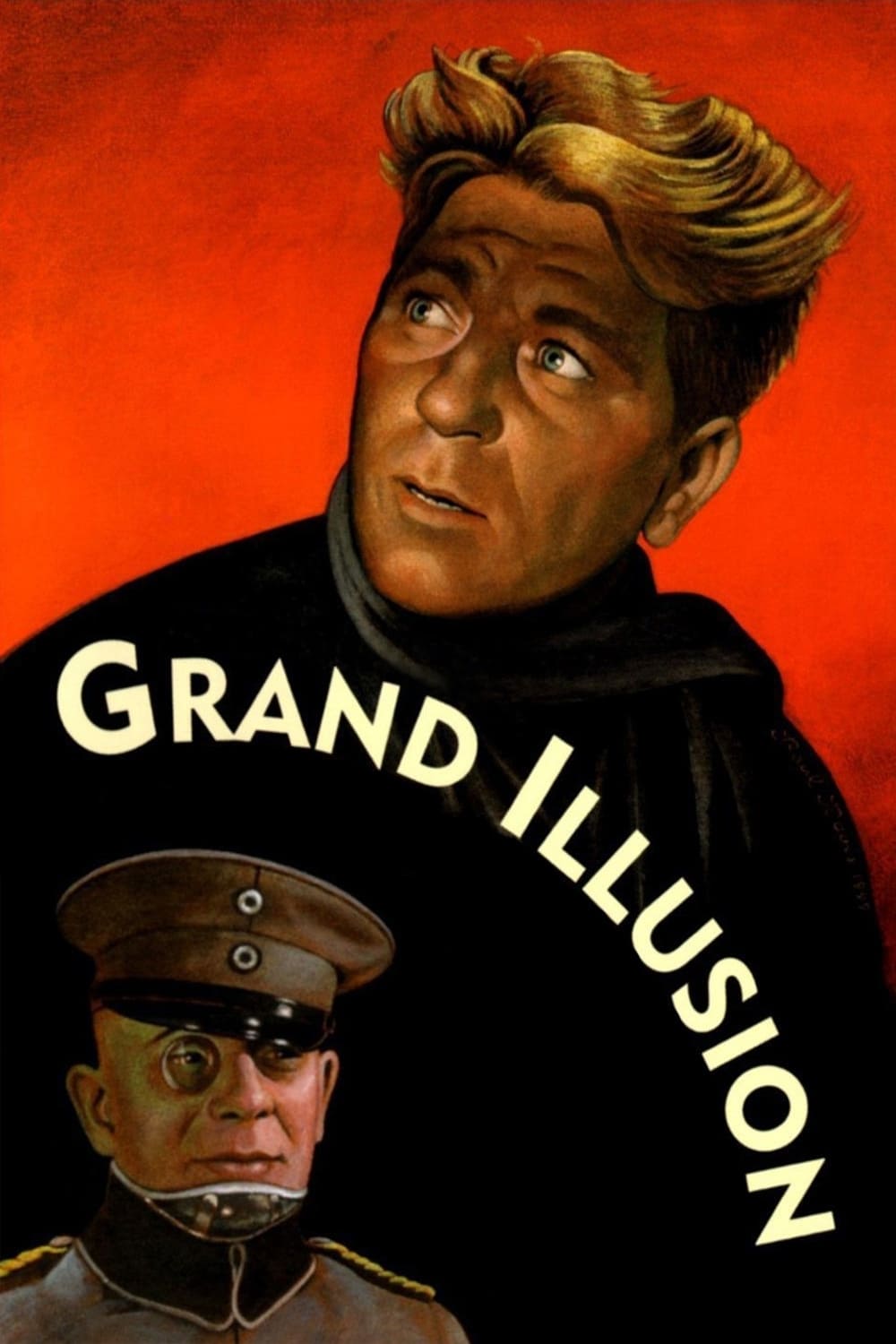
Jean Renoir’s “La Grande Illusion” is a powerful anti-war film set during World War I. The story follows a group of French prisoners of war in a German camp. The film focuses on the relationships between the men, who come from different social classes, and their German captors.
The film is a moving plea for understanding and humanity, suggesting that class loyalties are more significant than national ones. It was the first foreign language film to be nominated for the Academy Award for Best Picture. Its humanistic message and its critique of war have made it a timeless classic.
The Rules of the Game (1939)
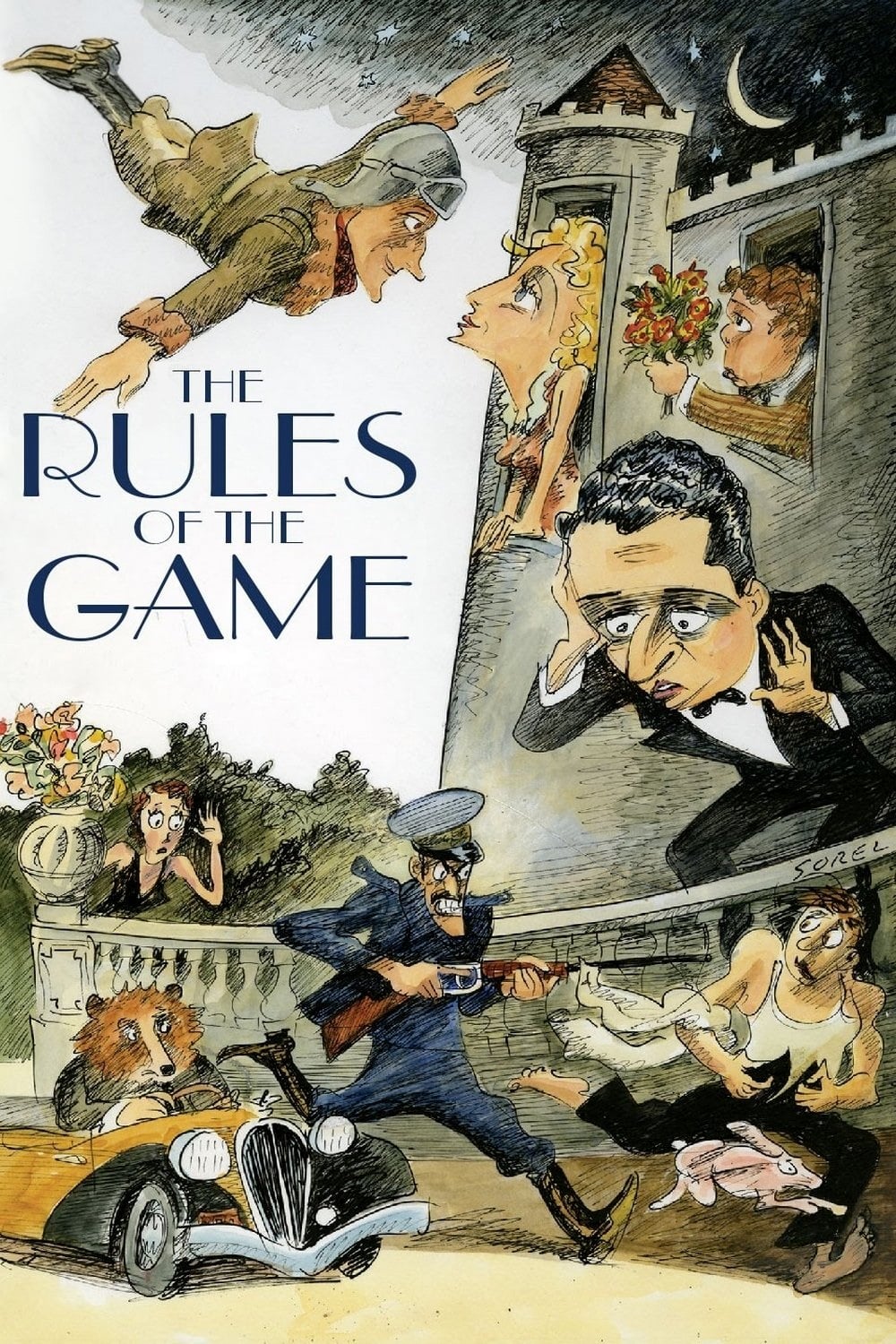
Directed by Jean Renoir, “The Rules of the Game” is a satirical comedy of manners that critiques the French upper class on the eve of World War II. The film is set at a country estate where a group of wealthy individuals and their servants engage in a series of romantic entanglements. The film is known for its complex and fluid camera work, including long takes and deep focus cinematography.
Initially a critical and commercial failure, “The Rules of the Game” is now considered one of the greatest films ever made. Its sophisticated visual style and its sharp social commentary were ahead of their time. The film’s influence can be seen in the work of many later directors who were inspired by its technical innovations and its cynical take on human relationships.
The Wizard of Oz (1939)
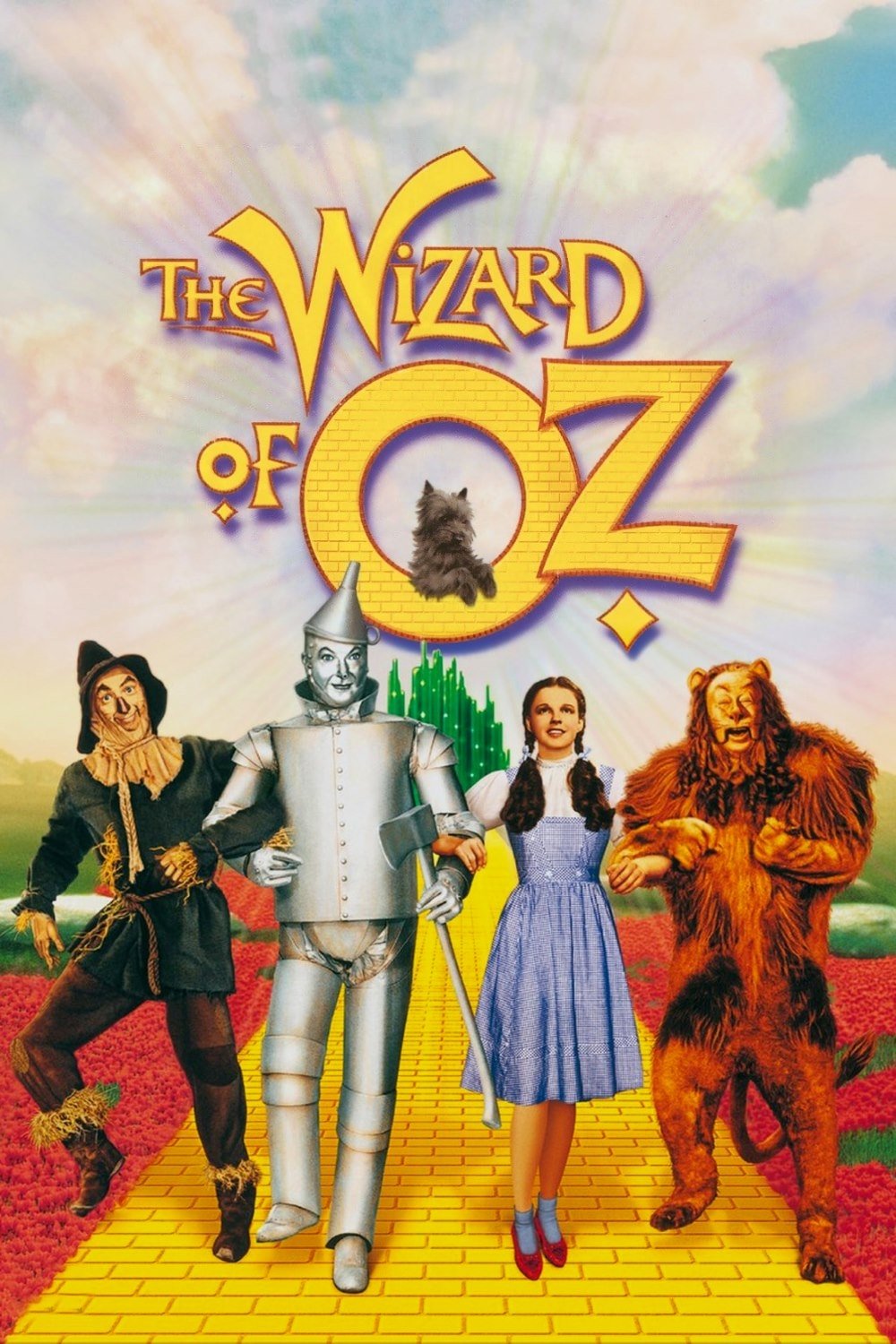
This beloved musical fantasy is a classic of Hollywood’s Golden Age. The film tells the story of a young Kansas girl named Dorothy who is transported to the magical land of Oz. The film is celebrated for its use of Technicolor, its memorable songs, and its iconic characters.
“The Wizard of Oz” was a major technical achievement, with its seamless blend of live-action, special effects, and musical numbers. The transition from black-and-white to color when Dorothy arrives in Oz is one of the most famous moments in film history. The film has become a cultural touchstone, beloved by generations of viewers for its timeless story and enchanting world.
Gone with the Wind (1939)
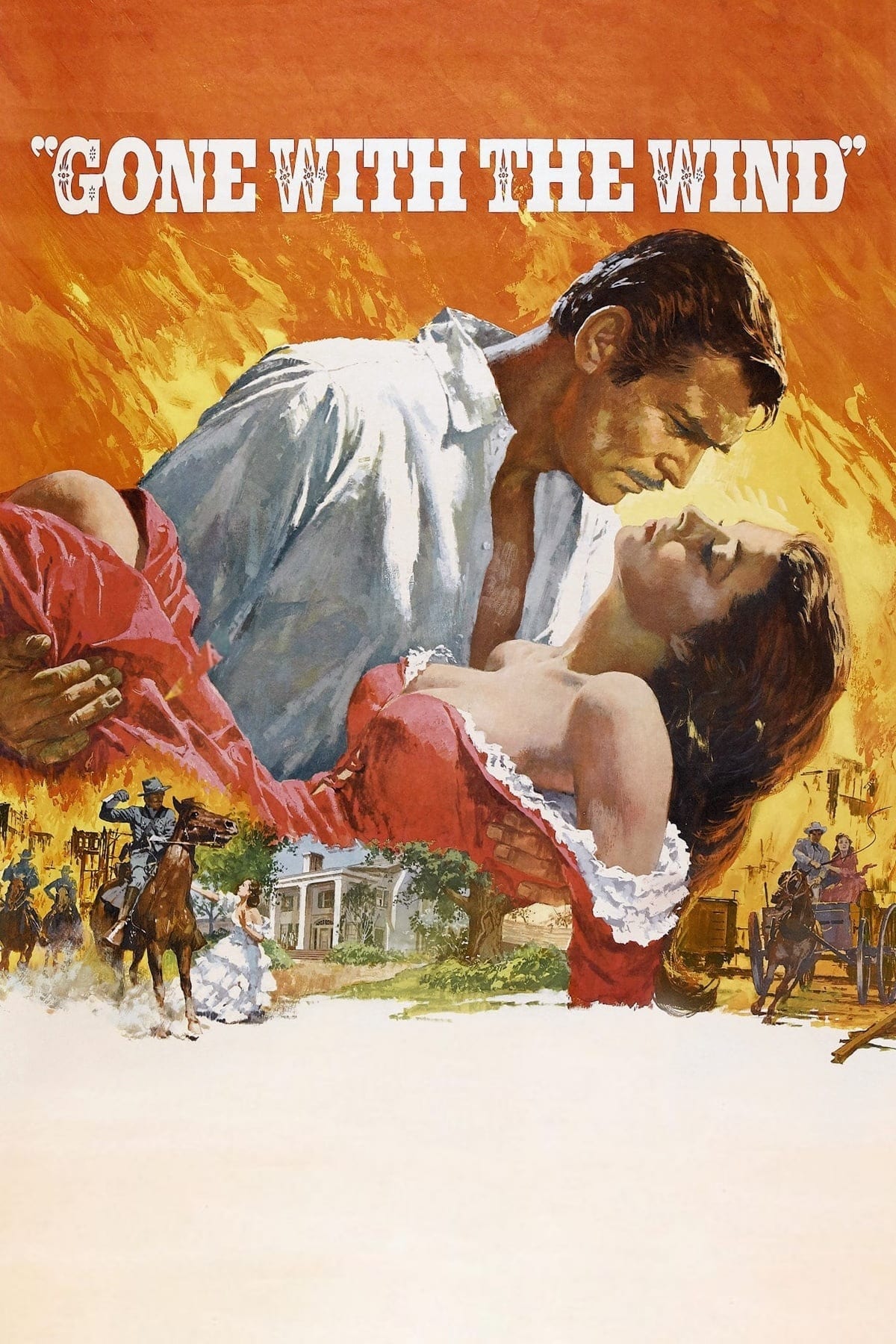
This epic historical romance, set during the American Civil War, was a massive box office success and remains one of the most popular films ever made. The film tells the story of Scarlett O’Hara, a determined Southern belle who navigates the turmoil of the war and its aftermath. The film is known for its lavish production values, its sweeping story, and its iconic performances.
“Gone with the Wind” was a monumental achievement in filmmaking, pushing the boundaries of what was possible in terms of scale and spectacle. It won ten Academy Awards, including Best Picture, and set a new standard for Hollywood epics. Despite modern criticism of its romanticized portrayal of the Old South, the film remains a landmark of popular cinema.
Citizen Kane (1941)
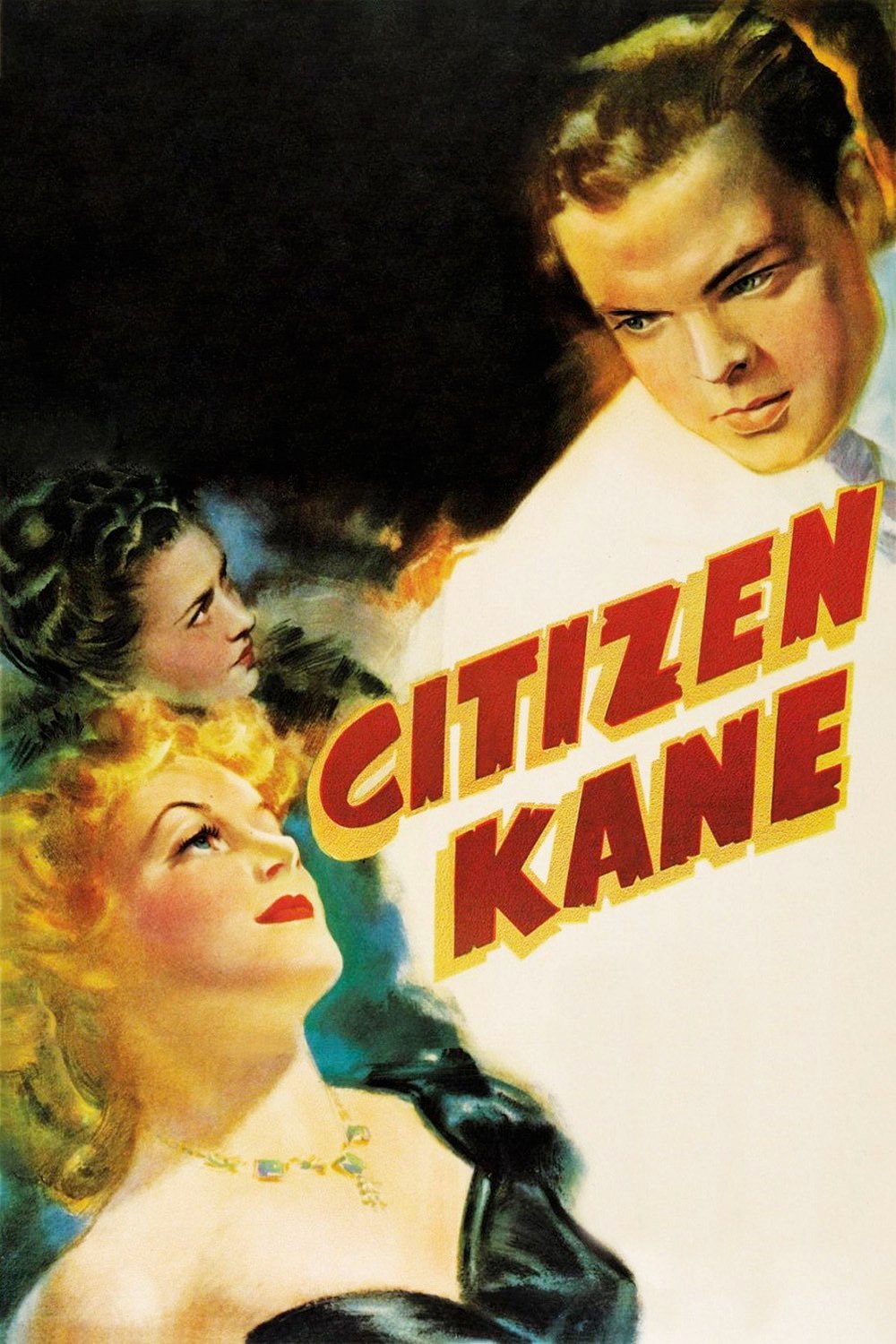
Often cited as the greatest film ever made, Orson Welles’ “Citizen Kane” is a revolutionary work that transformed the language of cinema. The film tells the story of a wealthy newspaper magnate, Charles Foster Kane, through a series of flashbacks. The film is renowned for its innovative cinematography, including deep focus and low-angle shots, and its complex, non-linear narrative structure.
Welles, who directed, co-wrote, and starred in the film, was only 25 years old when he made it. His bold and experimental approach to filmmaking was unlike anything that had come before. “Citizen Kane” pushed the boundaries of storytelling and visual style, and its influence can still be felt in movies today.
Casablanca (1942)
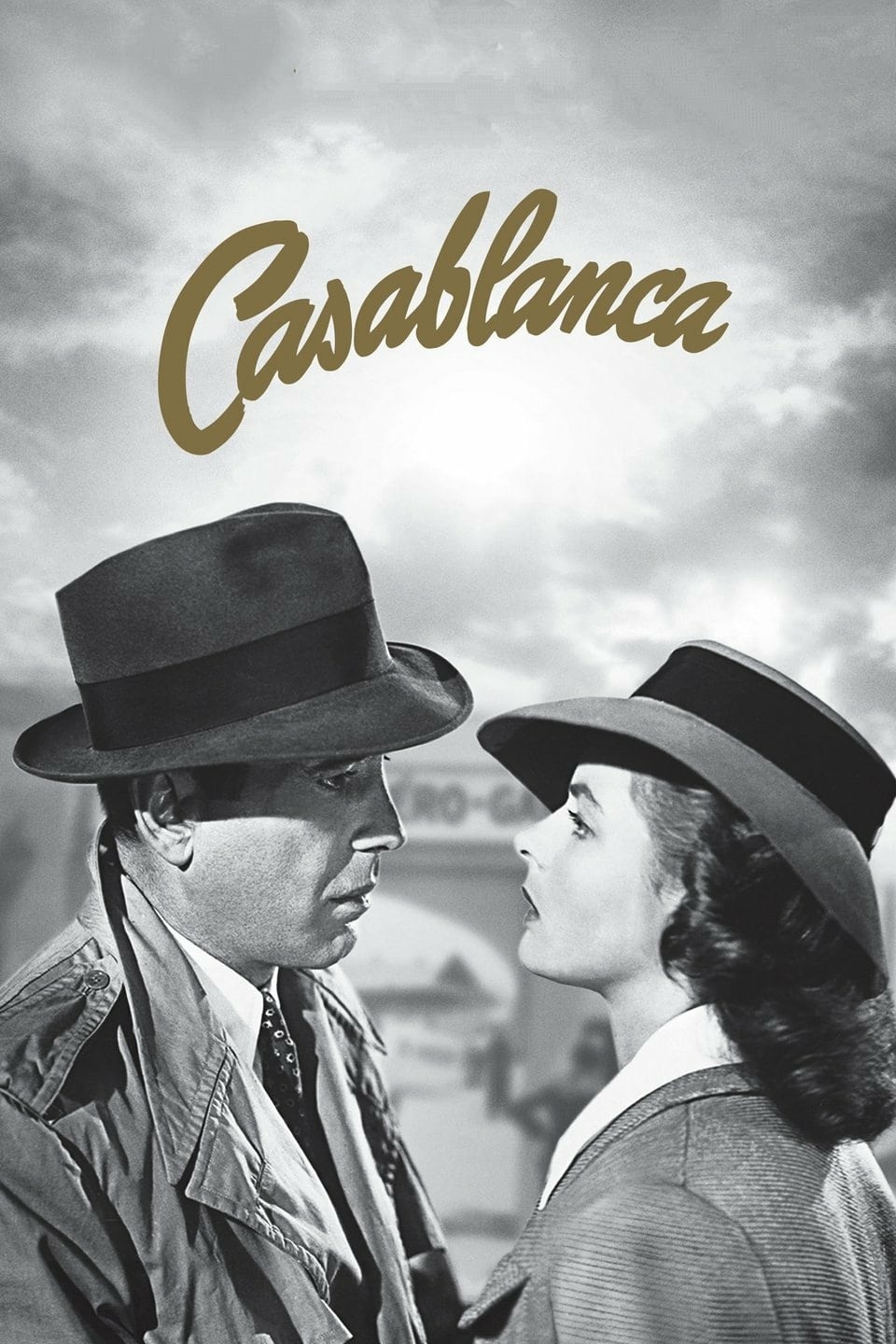
This romantic drama is one of the most iconic and beloved films of all time. Set during World War II, it tells the story of an American expatriate who must choose between his love for a woman and helping her and her husband escape from the Nazis. The film is famous for its witty dialogue, memorable characters, and classic songs.
“Casablanca” was not expected to be a major hit, but it became a huge success and won the Academy Award for Best Picture. Its themes of love, sacrifice, and patriotism resonated with wartime audiences. The film has since become a cultural phenomenon, with its famous lines and scenes ingrained in the popular consciousness.
Meshes of the Afternoon (1943)
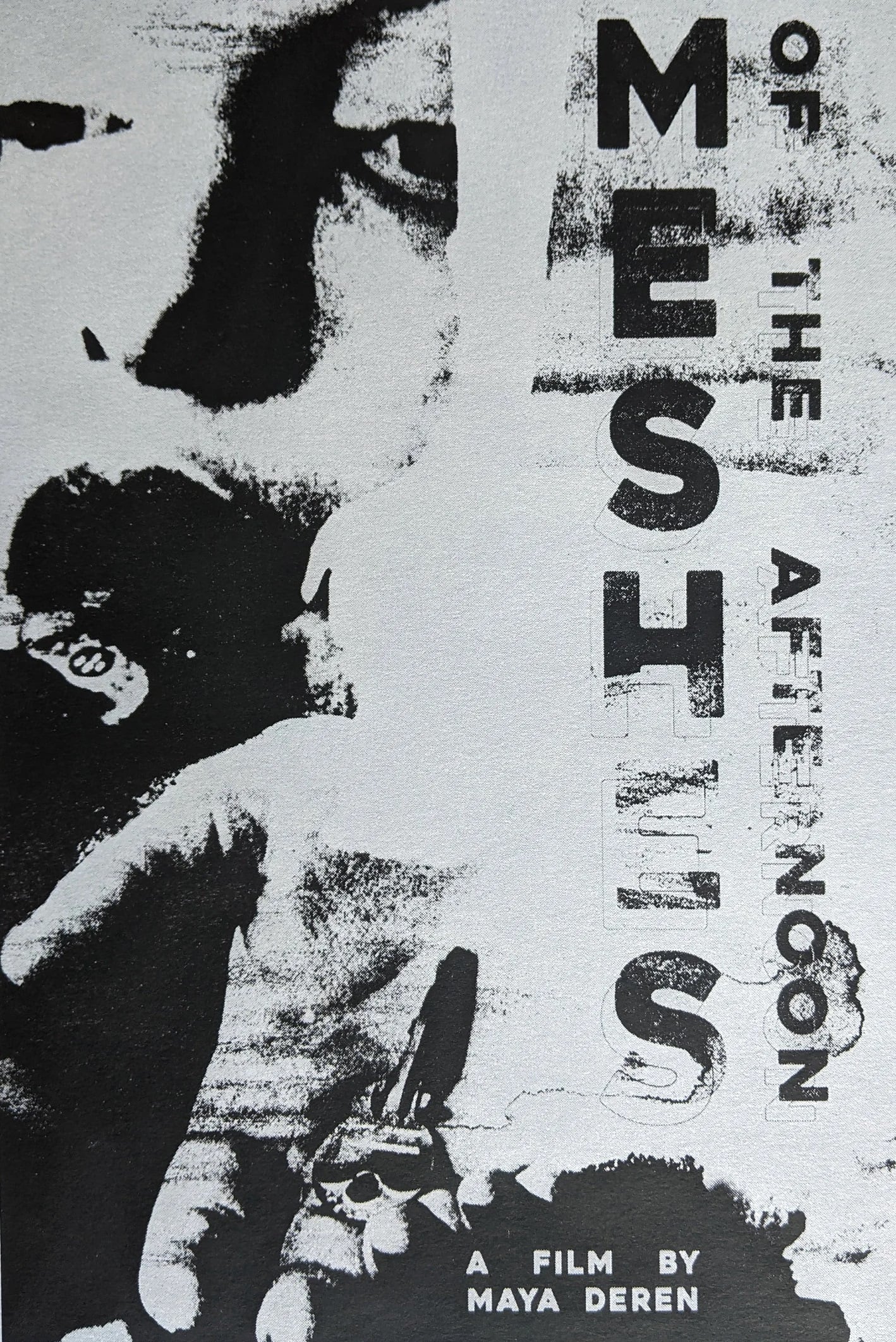
This short, experimental film by Maya Deren and her husband Alexander Hammid is a landmark of American avant-garde cinema. The film has a circular narrative in which a woman experiences a dream-like series of encounters with mysterious objects and a cloaked, mirror-faced figure. The film’s surreal and symbolic imagery explores themes of identity, desire, and death.
“Meshes of the Afternoon” was a highly personal and influential work that helped to establish a new kind of independent, experimental filmmaking in the United States. Deren’s focus on subjective experience and her use of dream logic inspired many later filmmakers to explore the inner worlds of their characters in unconventional ways.
Rome, Open City (1945)
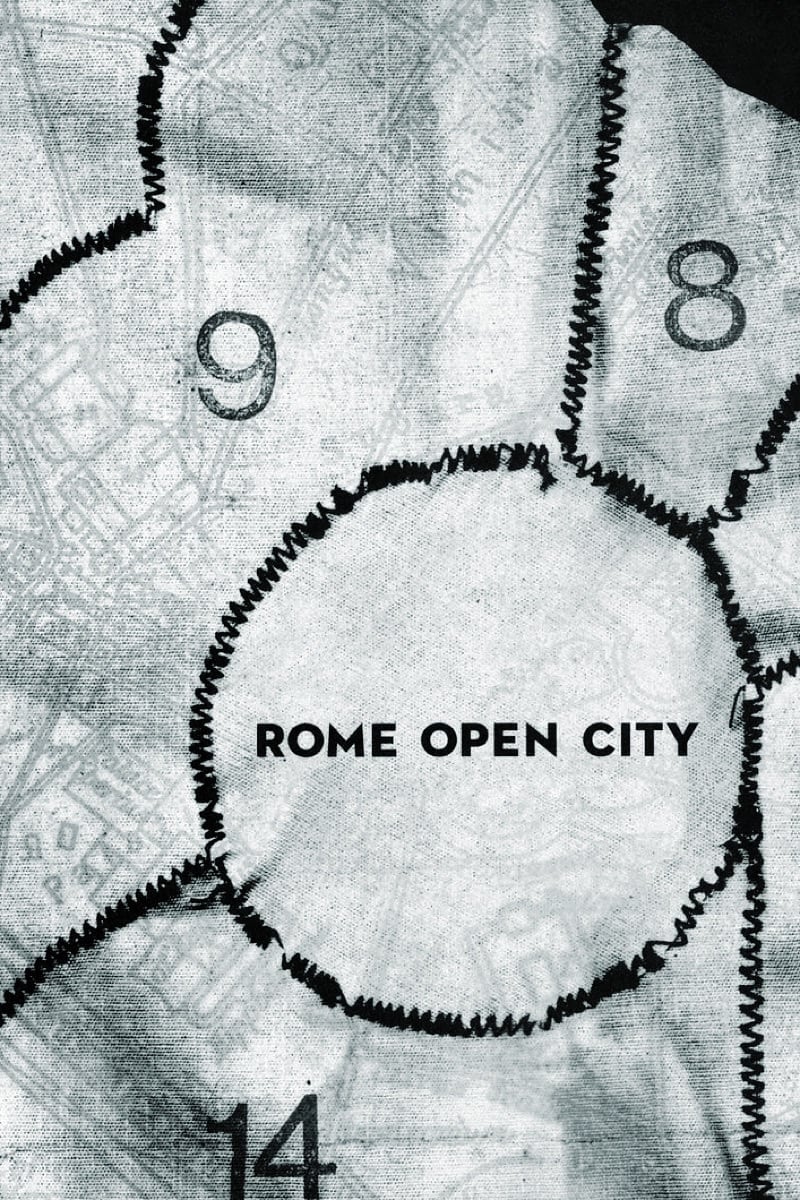
Directed by Roberto Rossellini, this film is a seminal work of Italian Neorealism, a movement that sought to portray the realities of post-war Italy. Shot on location in Rome just months after the Nazi occupation ended, the film depicts the struggles of ordinary people living under oppression. The film’s raw, documentary-like style and use of non-professional actors gave it a sense of immediacy and authenticity.
“Rome, Open City” had a profound impact on international cinema, introducing a new kind of realism that stood in stark contrast to the glamour of Hollywood. It showed that powerful and moving stories could be told with limited resources. The film’s influence can be seen in the work of countless filmmakers who were inspired by its gritty honesty and its focus on the lives of the working class.
Bicycle Thieves (1948)
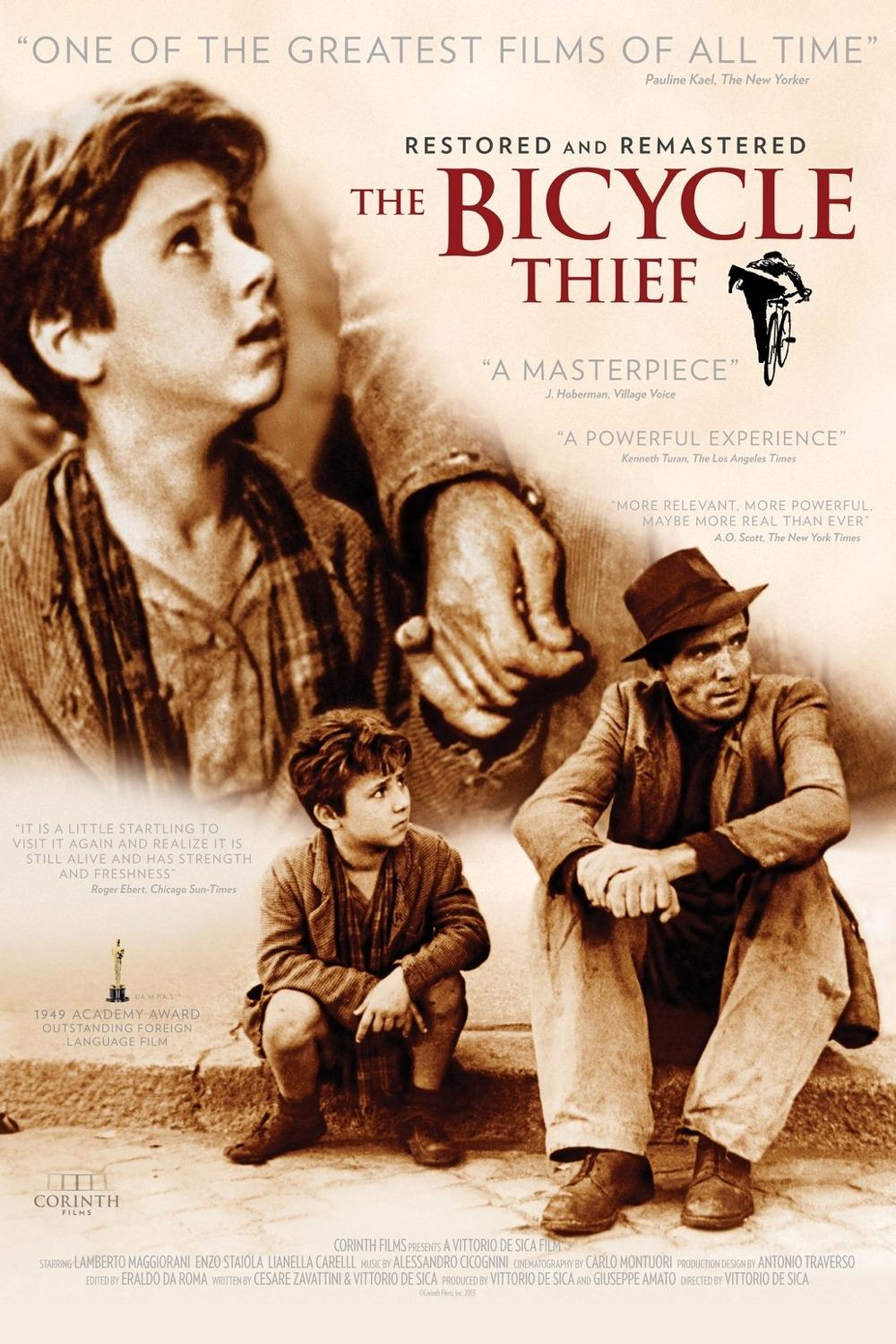
Another masterpiece of Italian Neorealism, Vittorio De Sica’s “Bicycle Thieves” is a heartbreaking story of a poor man’s desperate search for his stolen bicycle, which he needs for his job. Like other neorealist films, it was shot on location with a non-professional cast, giving it a powerful sense of realism. The film is a poignant commentary on the dehumanizing effects of poverty.
“Bicycle Thieves” is celebrated for its simple yet powerful storytelling and its compassionate portrayal of its characters. It won an honorary Academy Award and was a major influence on filmmakers around the world. The film’s focus on the small, everyday struggles of ordinary people helped to redefine what a cinematic story could be.
Rashomon (1950)
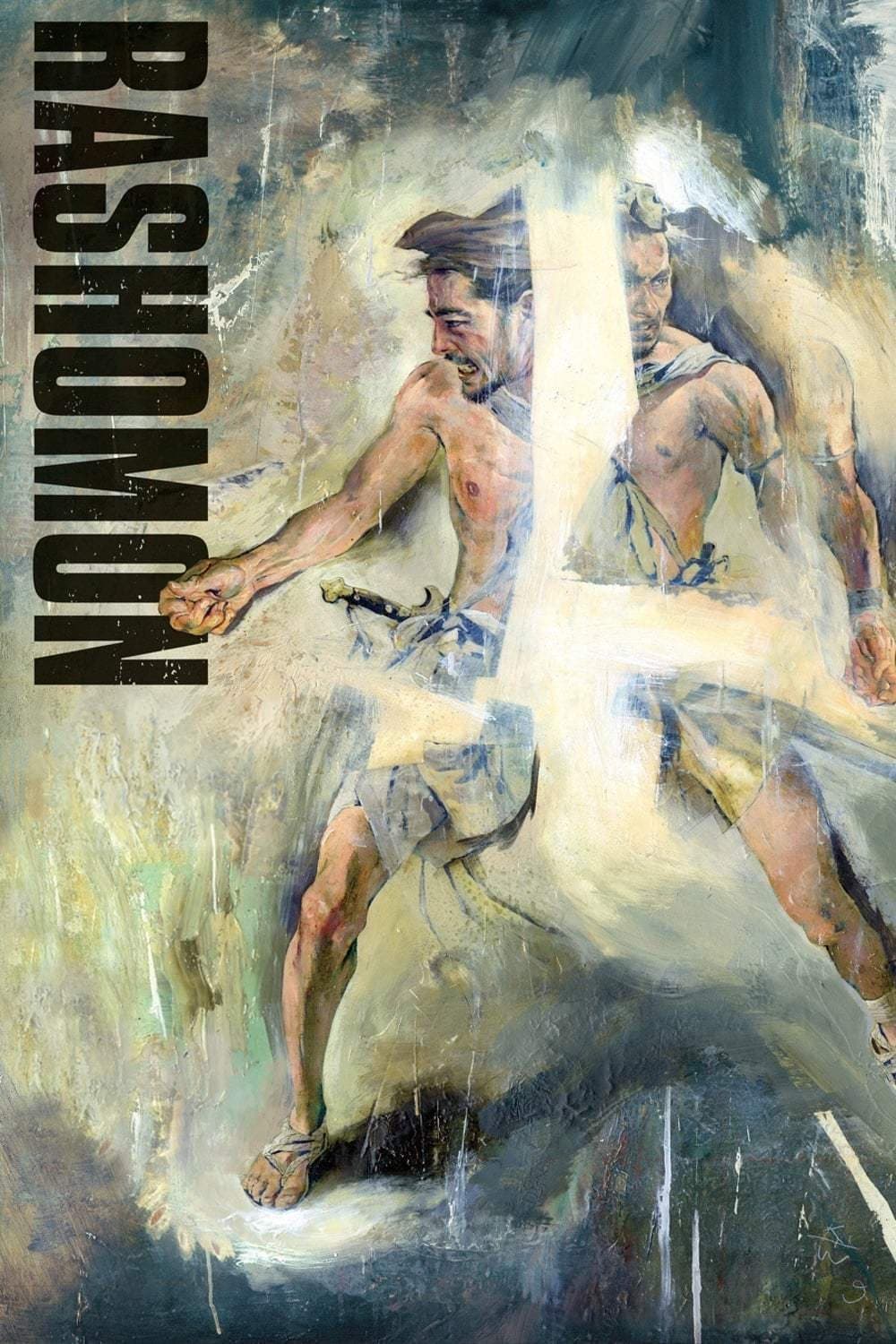
Akira Kurosawa’s “Rashomon” is a groundbreaking film that had a profound impact on narrative filmmaking. The film presents the story of a murder from four different and contradictory perspectives. This innovative narrative structure, which questions the nature of truth and memory, became known as the “Rashomon effect.”
The film’s international success introduced Western audiences to Japanese cinema and established Kurosawa as a major director. Its complex and ambiguous storytelling was a departure from the linear narratives that were common at the time. “Rashomon” challenged audiences to think about the nature of storytelling itself and its influence can be seen in countless films that have played with perspective and unreliable narrators.
Singin’ in the Rain (1952)
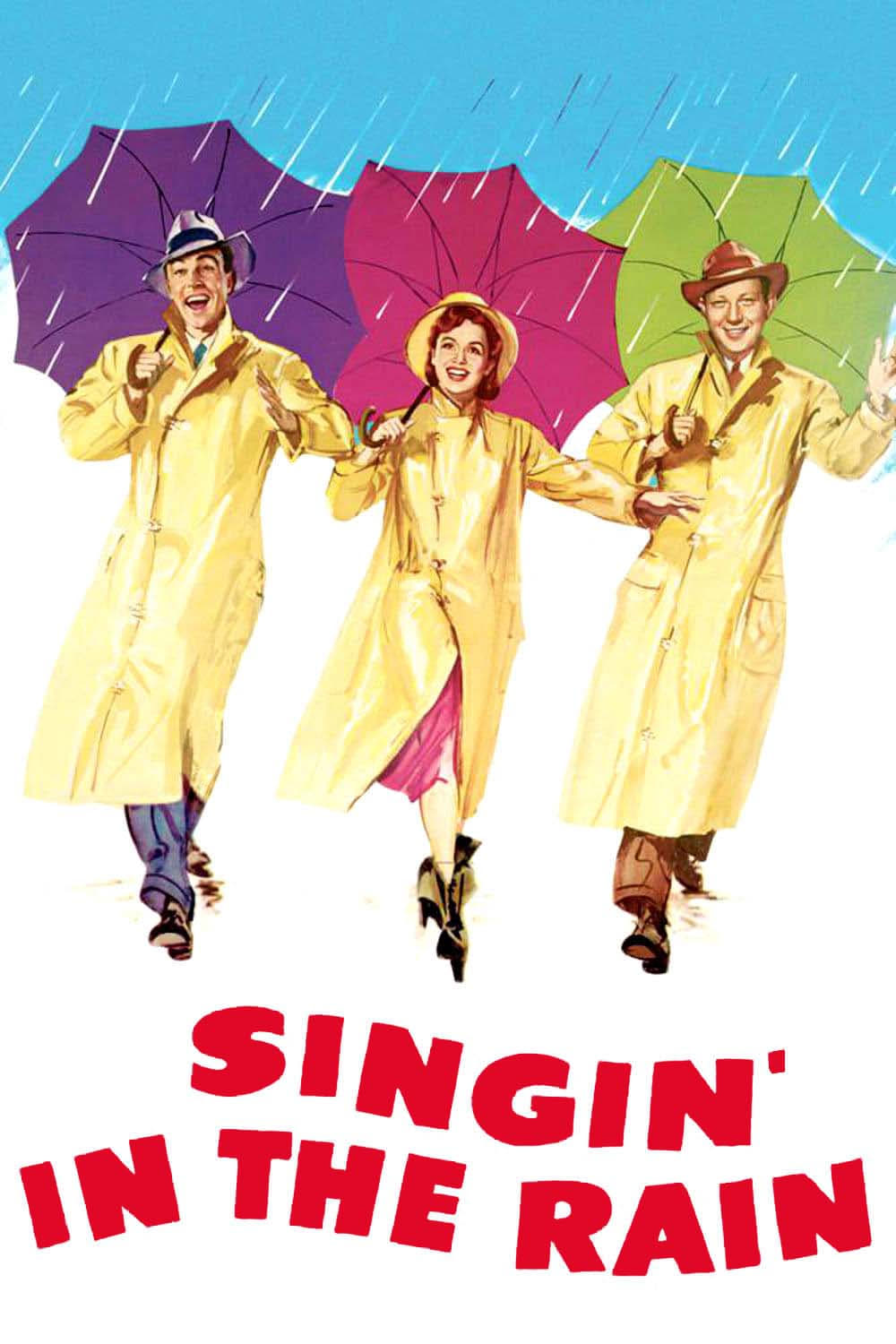
This joyous and exuberant musical is often considered the greatest movie musical ever made. Set during the transition from silent films to “talkies,” the film satirizes the chaos and excitement of that era in Hollywood. The film is famous for its spectacular dance numbers, witty script, and memorable songs.
“Singin’ in the Rain” is a celebration of the magic of movies and a testament to the incredible talent of its stars, including Gene Kelly, who co-directed and choreographed the film. The title number, in which Kelly dances through a downpour, is one of the most iconic moments in film history. The film’s energy and charm have made it a timeless classic.
Umberto D. (1952)
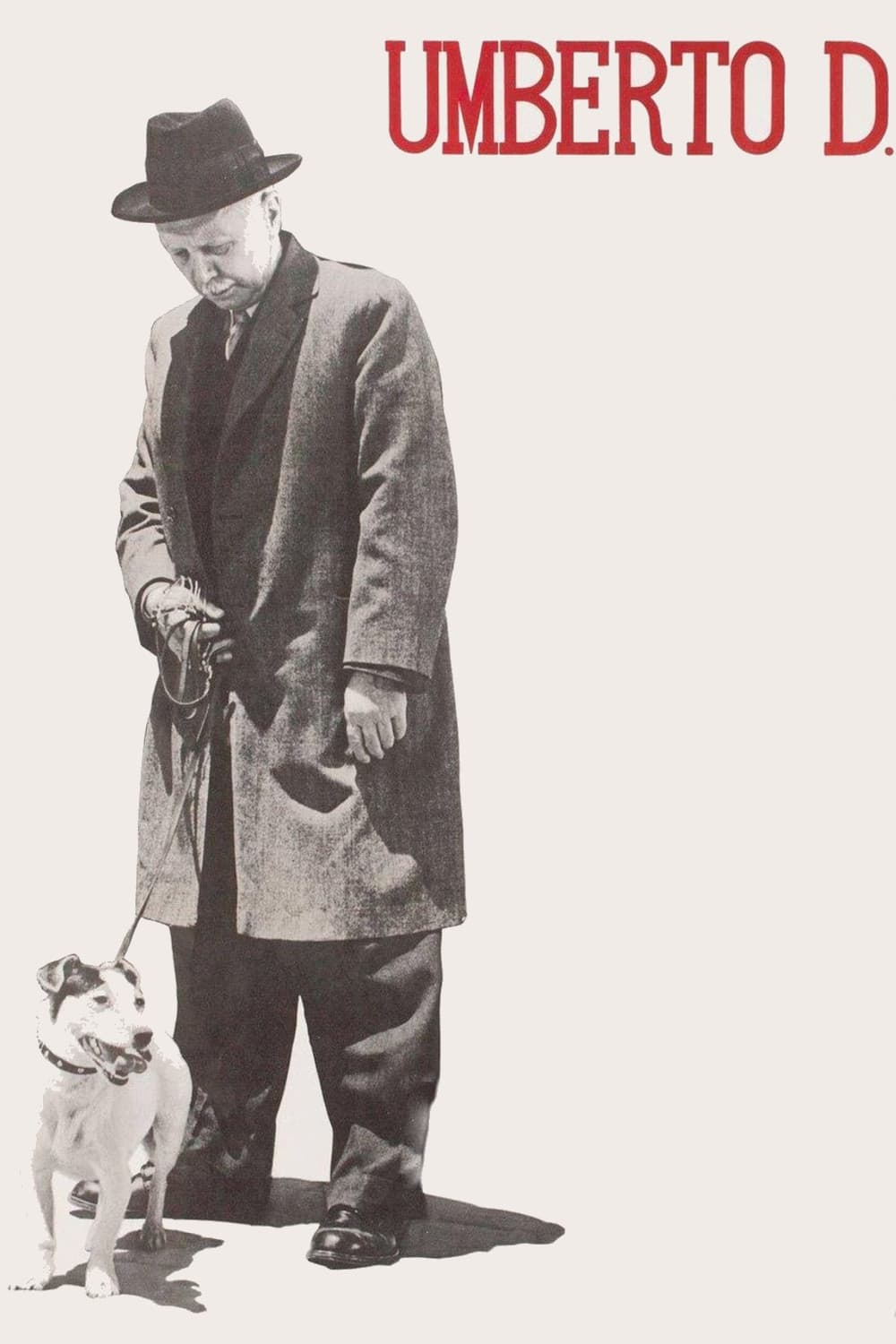
Directed by Vittorio De Sica, this Italian Neorealist film is a poignant and devastating portrait of old age and loneliness. The film follows an elderly retired civil servant who is struggling to survive on his meager pension and is facing eviction from his rented room. The film’s simple, observational style and its focus on the small details of everyday life create a powerful and moving experience.
“Umberto D.” is a stark and unsentimental look at the struggles of the elderly and the poor. It is a powerful indictment of a society that has forgotten its most vulnerable members. The film’s humanism and its quiet dignity have made it a touchstone for filmmakers who seek to portray the lives of ordinary people with honesty and compassion.
Tokyo Story (1953)
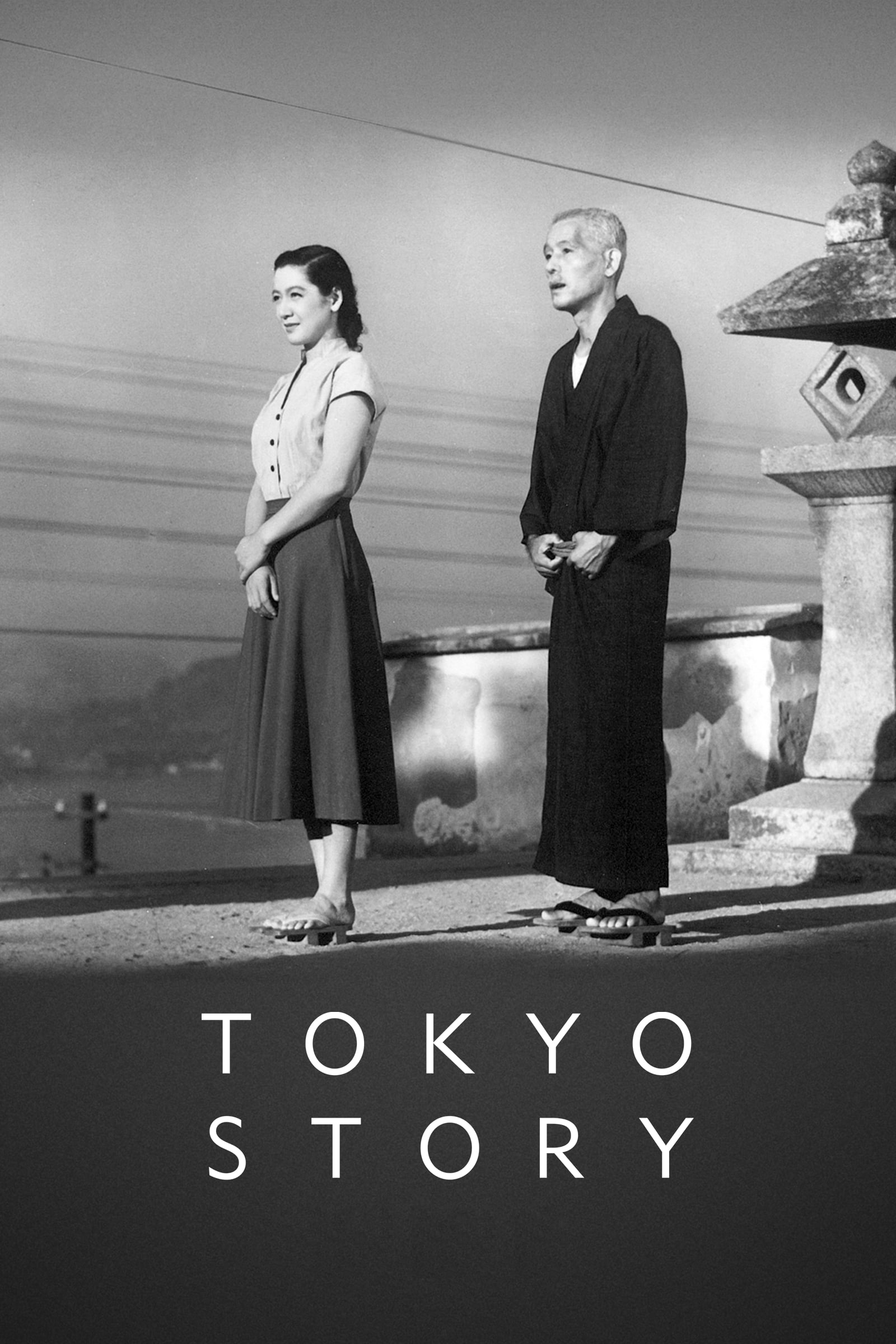
Yasujirō Ozu’s “Tokyo Story” is a quiet and profound masterpiece of Japanese cinema. The film tells the simple story of an elderly couple who travel to Tokyo to visit their adult children, only to find that their children are too busy with their own lives to pay them much attention. The film is a poignant meditation on family, aging, and the changing nature of Japanese society.
Ozu’s distinctive visual style, characterized by a low, static camera and a focus on composition, creates a sense of calm and contemplation. The film’s gentle pace and its focus on the small moments of everyday life allow the viewer to reflect on the deeper themes of the story. “Tokyo Story” is a timeless and universal film that speaks to the heart of the human experience.
Seven Samurai (1954)
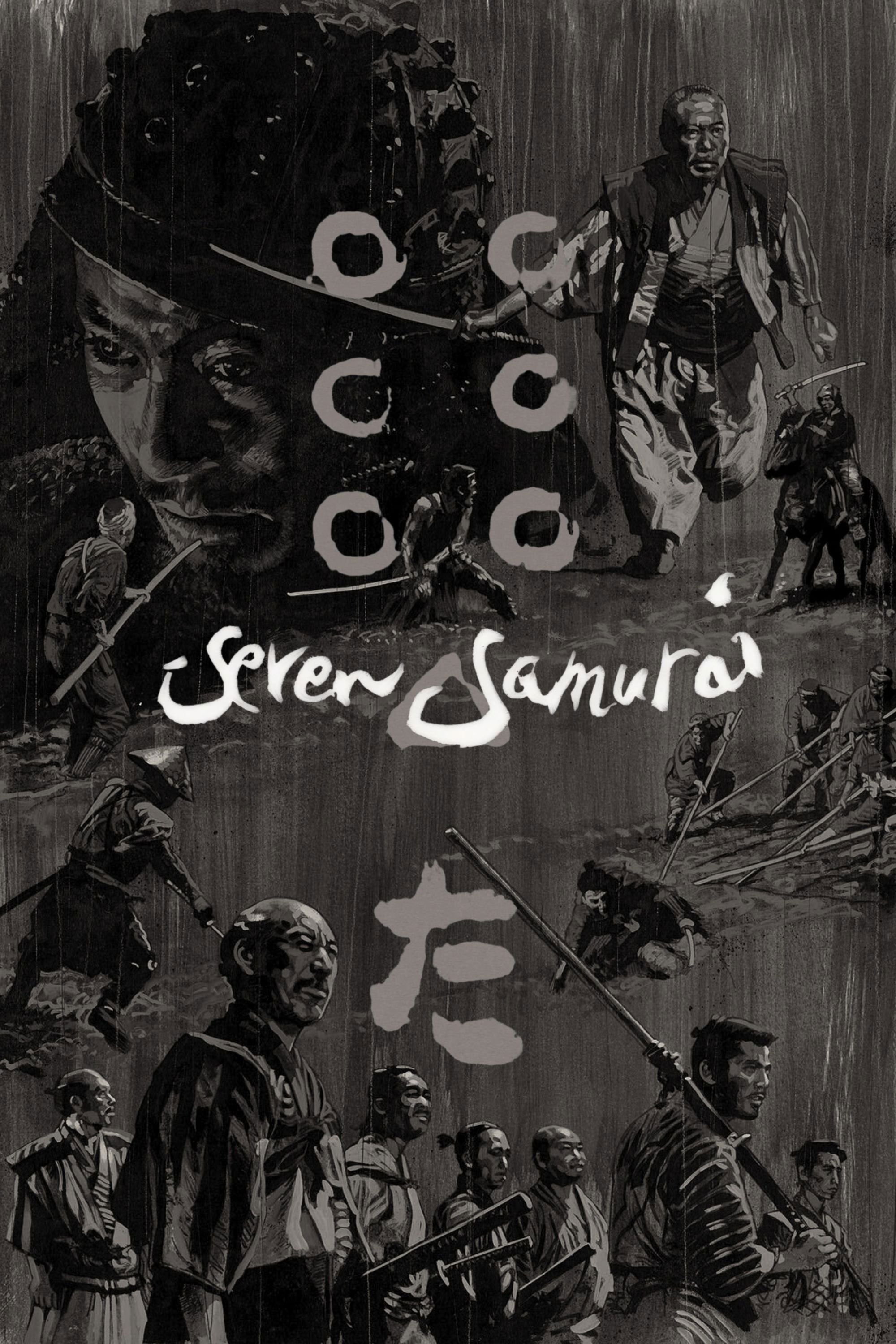
Akira Kurosawa’s epic masterpiece is one of the most influential action films ever made. The film tells the story of a group of masterless samurai who are hired by a poor village to protect them from a gang of bandits. The film is a thrilling and moving adventure that has been remade and reinterpreted many times, most famously as the Western “The Magnificent Seven.”
“Seven Samurai” is a masterclass in storytelling and filmmaking. Kurosawa’s direction is both grand and intimate, and he creates a cast of memorable and complex characters. The film’s action sequences are expertly staged and have been a major influence on countless action films.
Pather Panchali (1955)
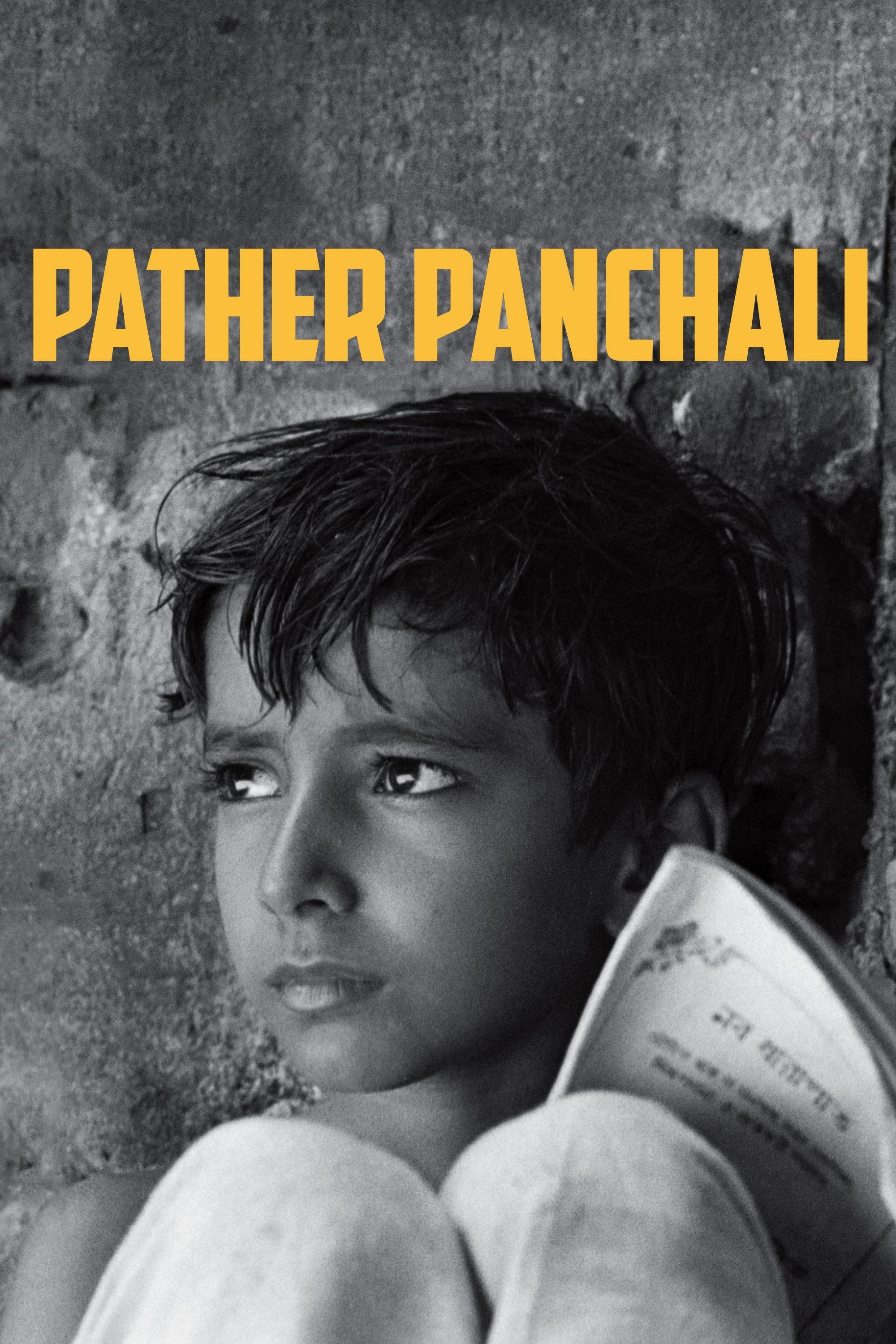
The debut film of Indian director Satyajit Ray, “Pather Panchali” is a landmark of world cinema. The film is the first in a trilogy that follows the life of a young boy named Apu in a rural village in Bengal. The film is a lyrical and poetic portrait of childhood, family, and the beauty and hardship of village life.
Shot on a shoestring budget with a cast of non-professional actors, “Pather Panchali” has a raw and authentic quality that is deeply moving. Ray’s humanistic approach to filmmaking and his focus on the lives of ordinary people brought a new voice to Indian cinema. The film’s international success helped to put Indian cinema on the world map.
The 400 Blows (1959)
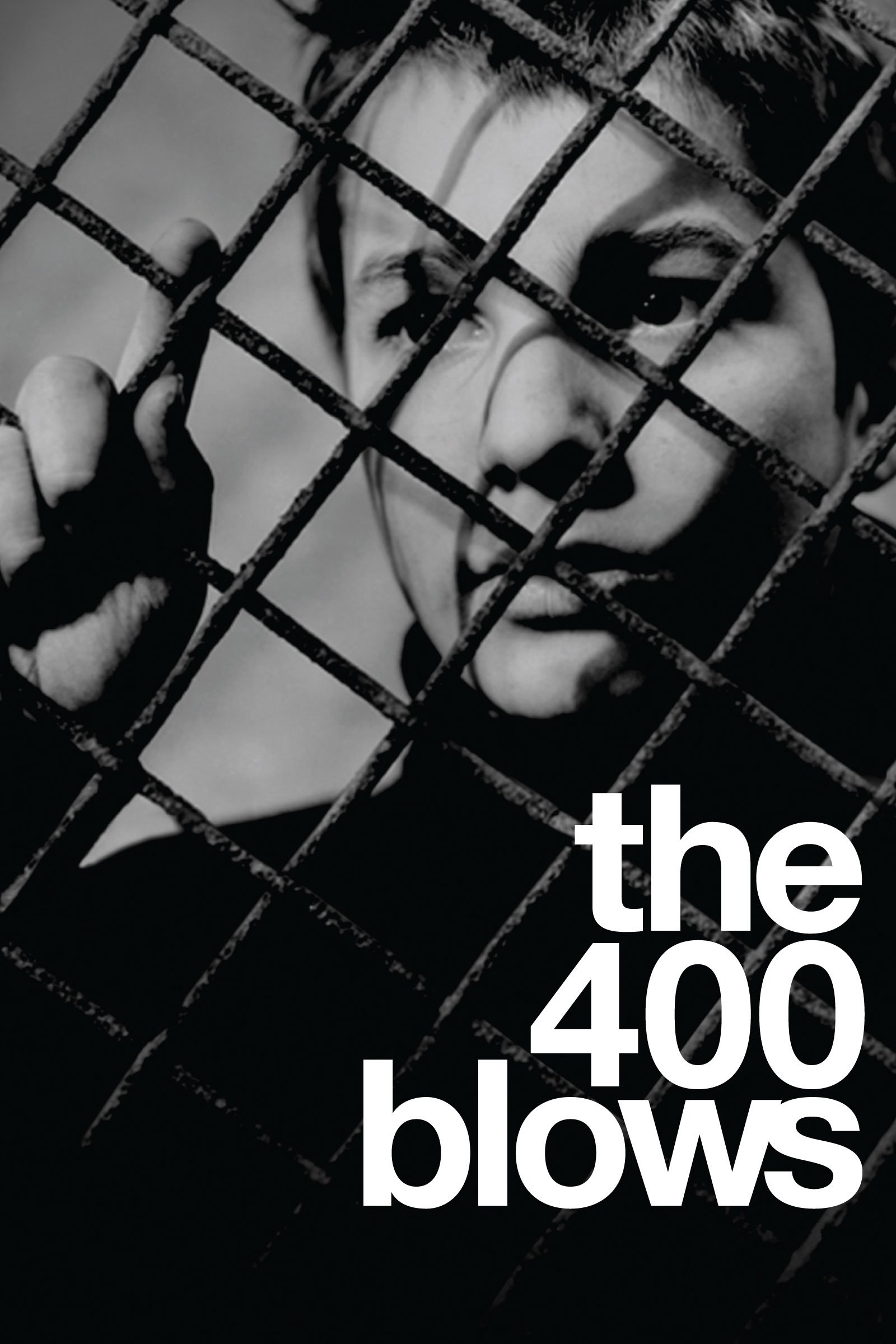
François Truffaut’s debut feature is a seminal work of the French New Wave, a movement that revolutionized filmmaking with its personal and experimental approach. The film is a semi-autobiographical story of a troubled young boy who is neglected by his parents and rebels against authority. The film’s realistic portrayal of adolescence and its innovative use of location shooting and a mobile camera gave it a fresh and modern feel.
“The 400 Blows” was a deeply personal film for Truffaut, who had a difficult childhood himself. The film’s honesty and emotional depth resonated with audiences and critics, and it launched Truffaut’s career as a major director. The final freeze-frame shot of the main character’s face is one of the most iconic endings in film history.
Breathless (1960)

Jean-Luc Godard’s “Breathless” is one of the most influential and revolutionary films of the French New Wave. The film tells the story of a small-time criminal who is on the run from the police and has a tumultuous affair with an American student. The film is famous for its use of jump cuts, a jarring editing technique that breaks the conventional rules of continuity.
“Breathless” was a bold and stylish film that captured the rebellious spirit of the 1960s. Its cool, improvisational feel and its self-conscious references to American gangster movies were a radical departure from traditional filmmaking. The film’s influence on style, editing, and narrative has been immense.
Psycho (1960)
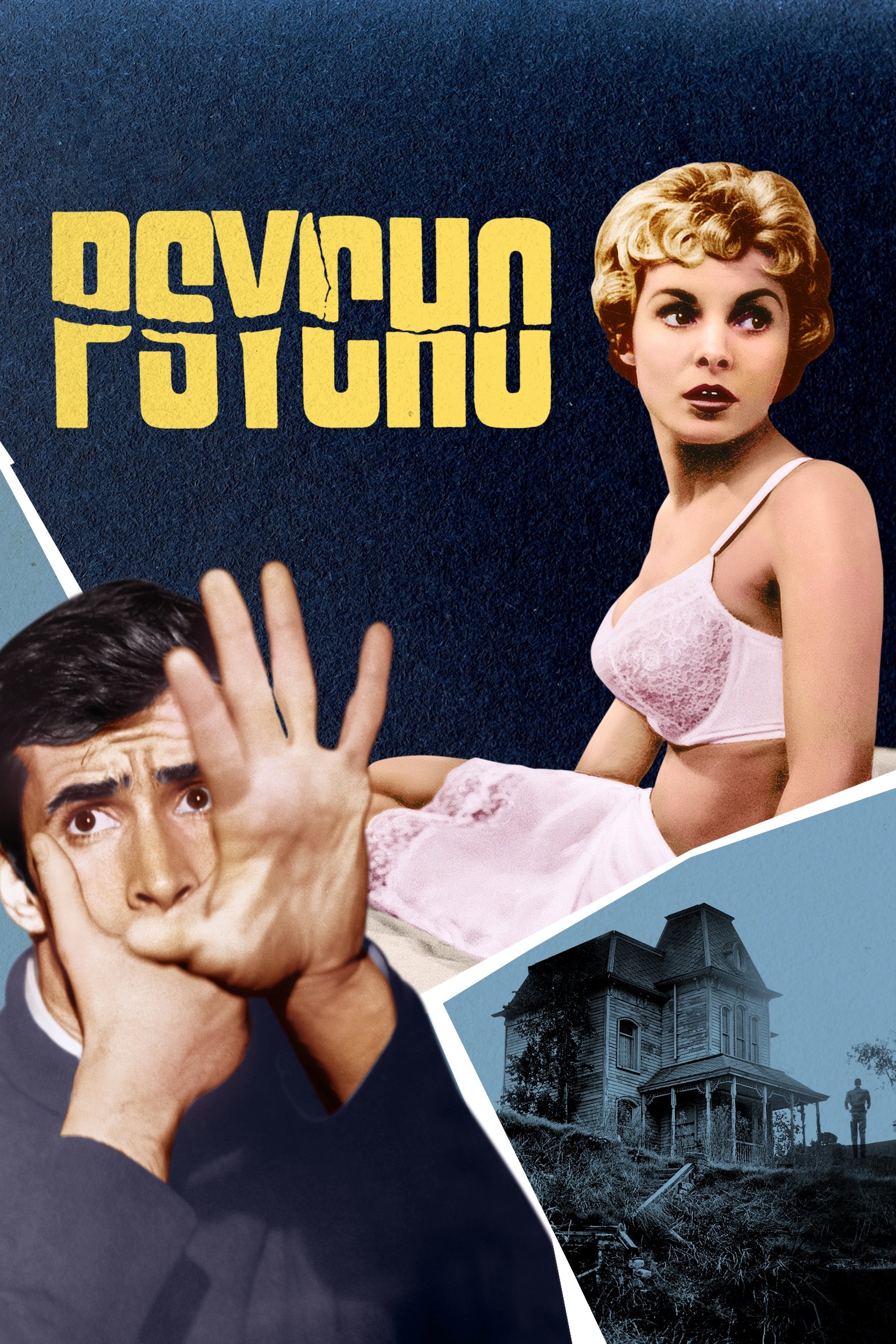
Alfred Hitchcock’s “Psycho” is a masterpiece of suspense and horror that changed the genre forever. The film tells the story of a secretary who steals money from her employer and goes on the run, only to end up at the mysterious Bates Motel. The film is famous for its shocking plot twists, its terrifying shower scene, and its unsettling exploration of a disturbed mind.
Hitchcock’s masterful direction creates an atmosphere of unbearable tension and dread. The film’s violence and its psychological themes were shocking to audiences in 1960 and pushed the boundaries of what was acceptable in mainstream cinema. “Psycho” remains one of the most frightening and influential horror films ever made.
Lawrence of Arabia (1962)
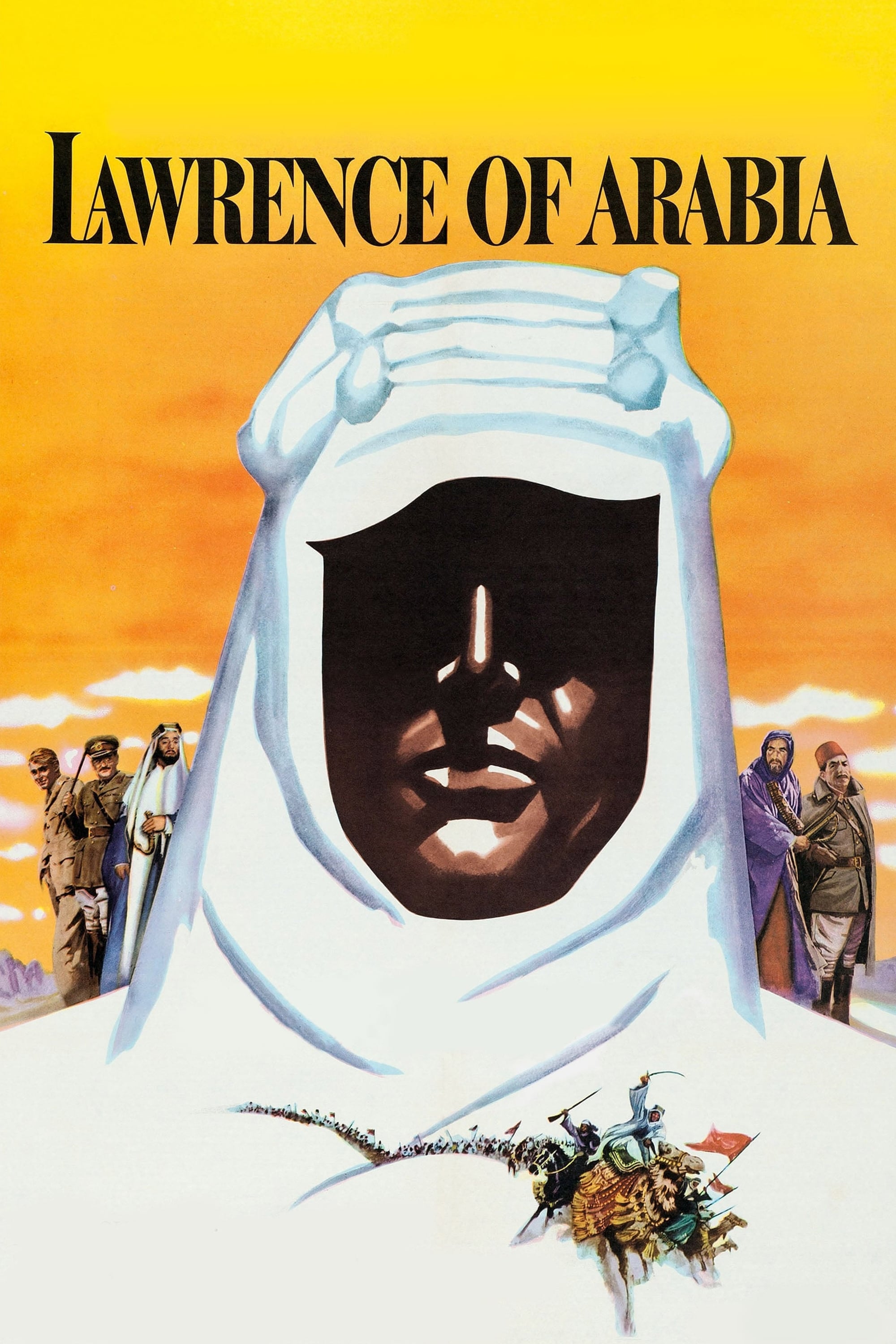
David Lean’s “Lawrence of Arabia” is an epic in the truest sense of the word. The film tells the true story of T.E. Lawrence, a British officer who united Arab tribes to fight against the Turks in World War I. The film is renowned for its breathtaking cinematography, its sweeping desert landscapes, and its complex portrayal of its enigmatic hero.
Shot in stunning 70mm, “Lawrence of Arabia” is a visual feast that demands to be seen on the big screen. The film’s grand scale and its ambitious storytelling set a new standard for epic filmmaking. Peter O’Toole’s charismatic performance as Lawrence is one of the greatest in film history.
8 1/2 (1963)
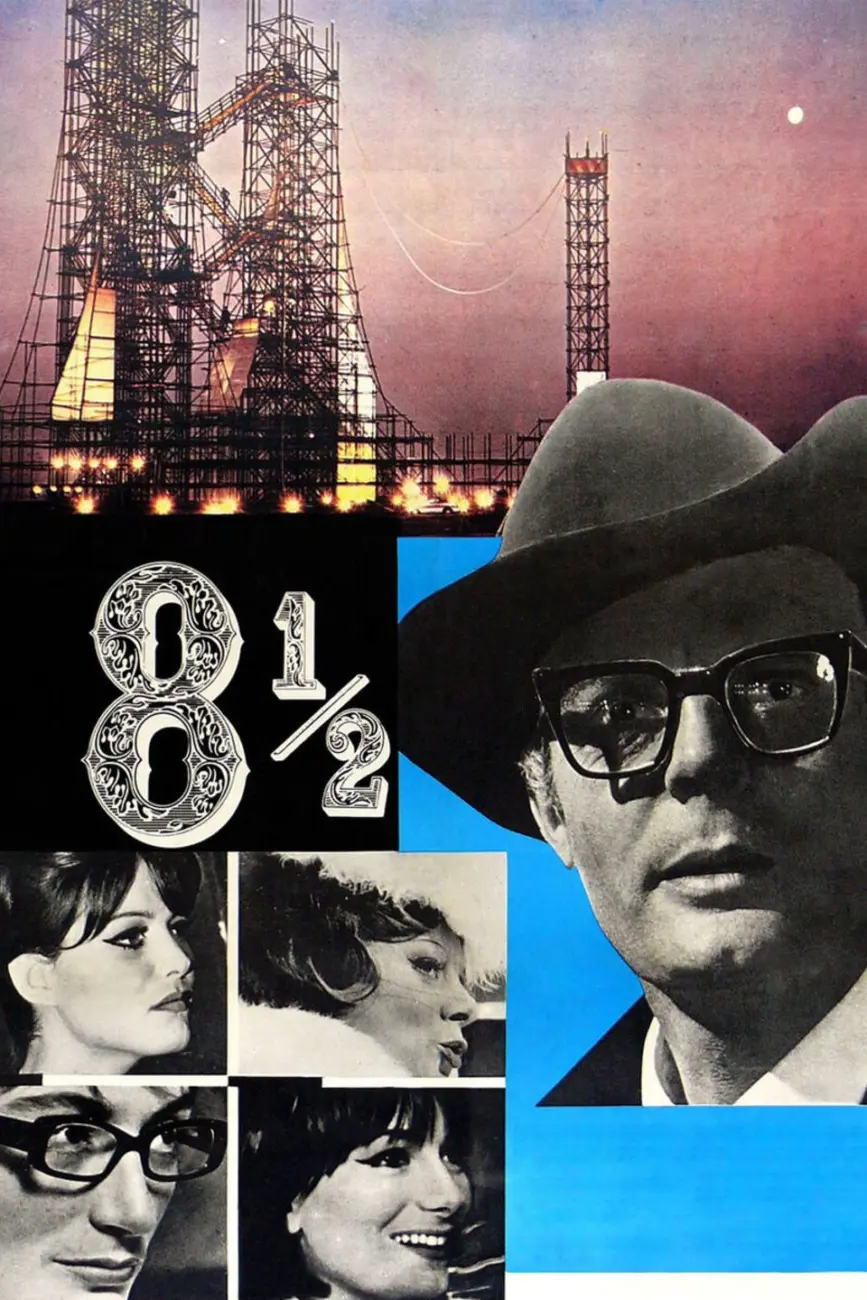
Federico Fellini’s “8 1/2” is a surreal and self-reflexive masterpiece about the creative process. The film stars Marcello Mastroianni as a famous film director who is struggling with a creative block while trying to make his next film. The film is a dazzling and dreamlike exploration of memory, fantasy, and the anxieties of artistic creation.
“8 1/2” is a deeply personal film for Fellini, and it blurs the line between reality and fantasy in a way that was groundbreaking for its time. The film’s complex narrative structure and its stunning black-and-white cinematography have been a major influence on countless filmmakers. It is a film about filmmaking that is also a profound statement about life itself.
Dr. Strangelove or: How I Learned to Stop Worrying and Love the Bomb (1964)
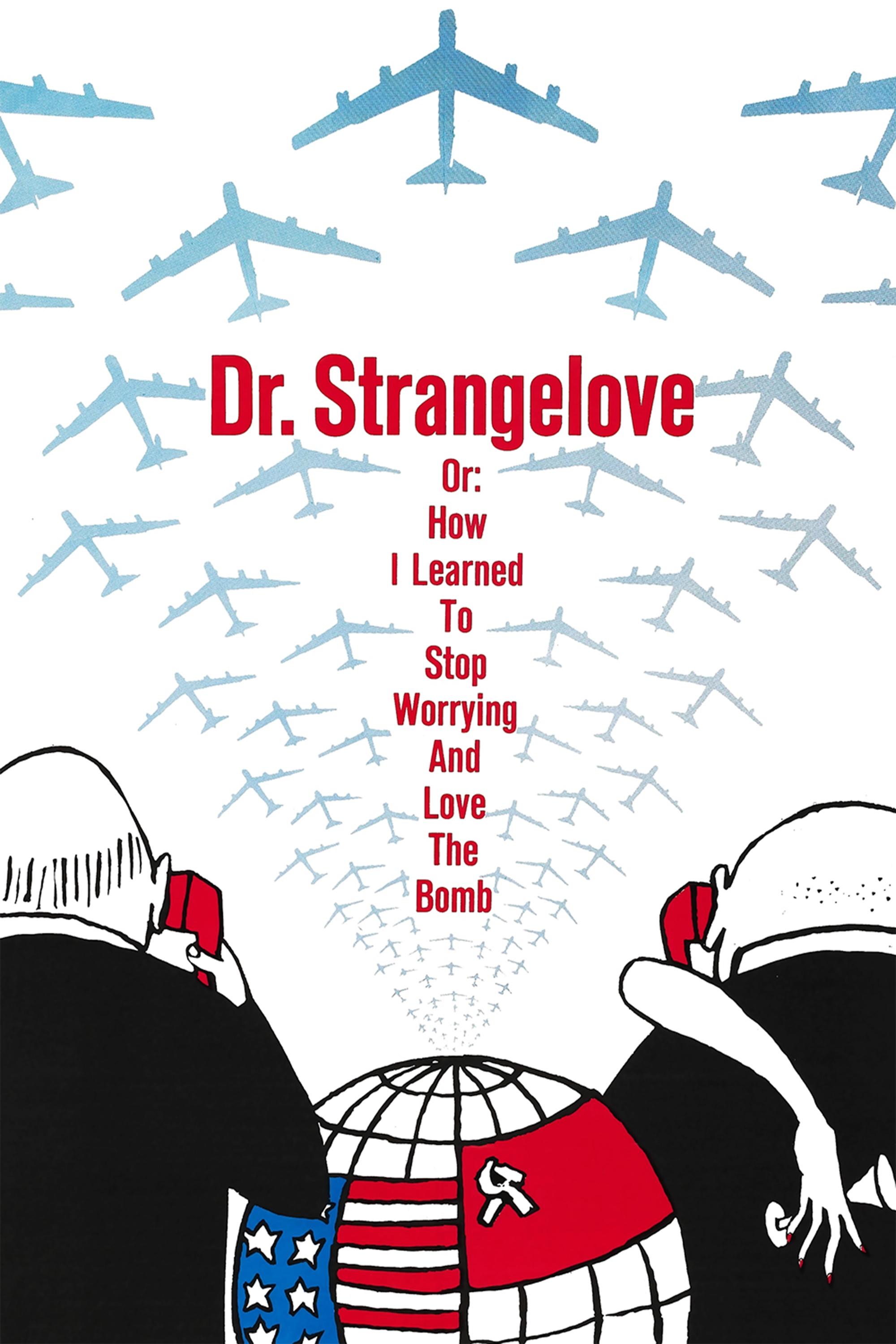
Stanley Kubrick’s “Dr. Strangelove” is a brilliant and biting satire of the Cold War and the nuclear arms race. The film tells the story of a rogue American general who orders a nuclear attack on the Soviet Union, and the desperate attempts of the President and his advisors to stop it. The film is a dark and hilarious look at the absurdity of nuclear politics.
Kubrick’s sharp and witty script and the brilliant performances of its cast, including Peter Sellers in three different roles, make “Dr. Strangelove” one of the greatest political satires ever made. The film’s cynical and uncompromising vision was a powerful critique of the madness of the Cold War.
The Battle of Algiers (1966)
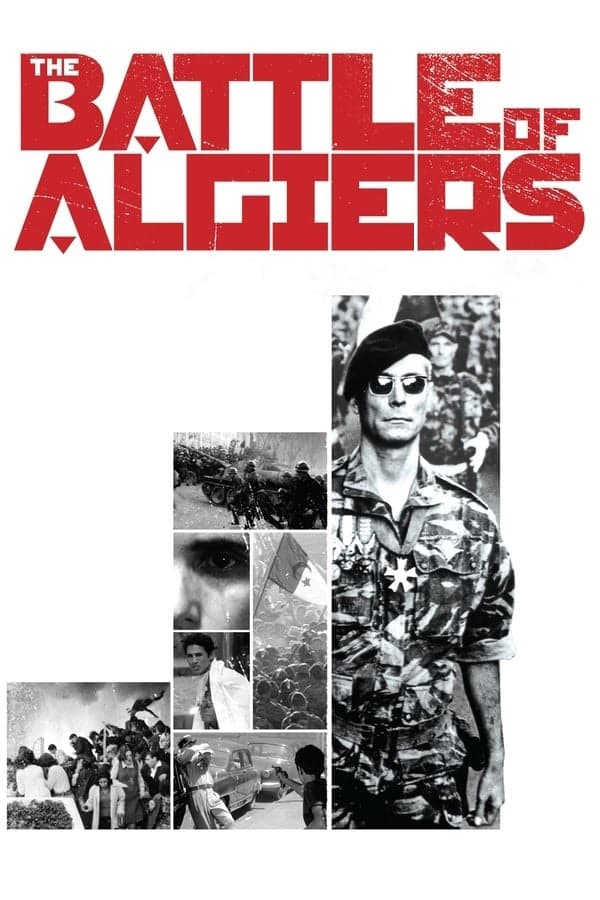
Gillo Pontecorvo’s “The Battle of Algiers” is a gripping and intense docudrama about the Algerian struggle for independence from France. The film was shot in a newsreel style, with non-professional actors, giving it a powerful sense of realism. The film portrays the tactics of both the Algerian resistance and the French military with a stark and unflinching honesty.
The film’s realistic depiction of urban guerrilla warfare was so convincing that it has been studied by military and paramilitary groups. “The Battle of Algiers” is a powerful and politically charged film that explores the brutal realities of colonialism and revolution. Its influence can be seen in many later films that have sought to portray political conflict with a similar sense of urgency and authenticity.
Persona (1966)
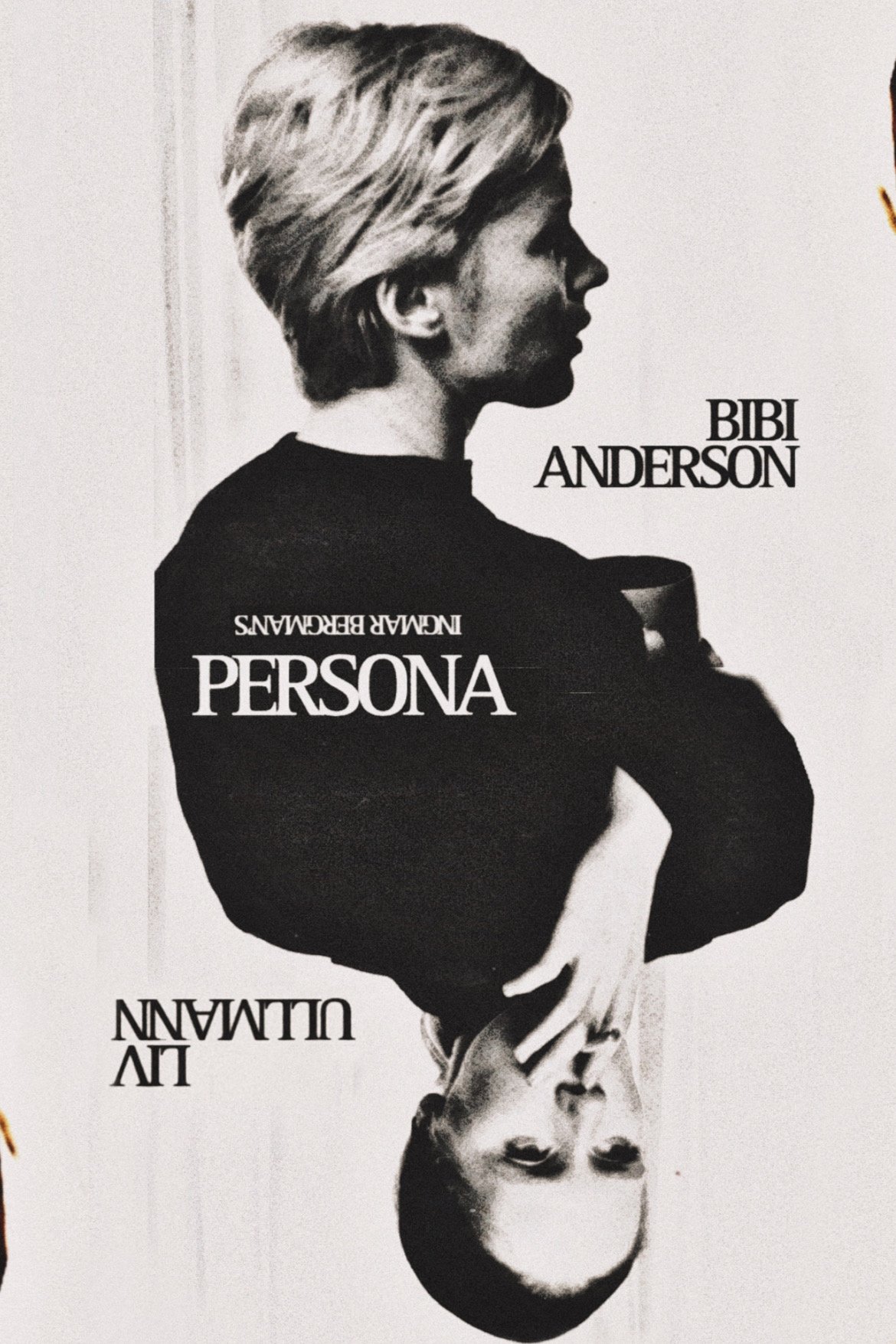
Ingmar Bergman’s “Persona” is a dense and mysterious psychological drama that explores the nature of identity. The film tells the story of a famous actress who has suddenly stopped speaking and the young nurse who is assigned to care for her. As the two women spend time together on a remote island, their personalities begin to merge.
“Persona” is a visually stunning and thematically complex film that has been the subject of much analysis and debate. Bergman’s experimental style and his exploration of the subconscious have been a major influence on many filmmakers. The film is a haunting and unforgettable journey into the depths of the human psyche.
2001: A Space Odyssey (1968)
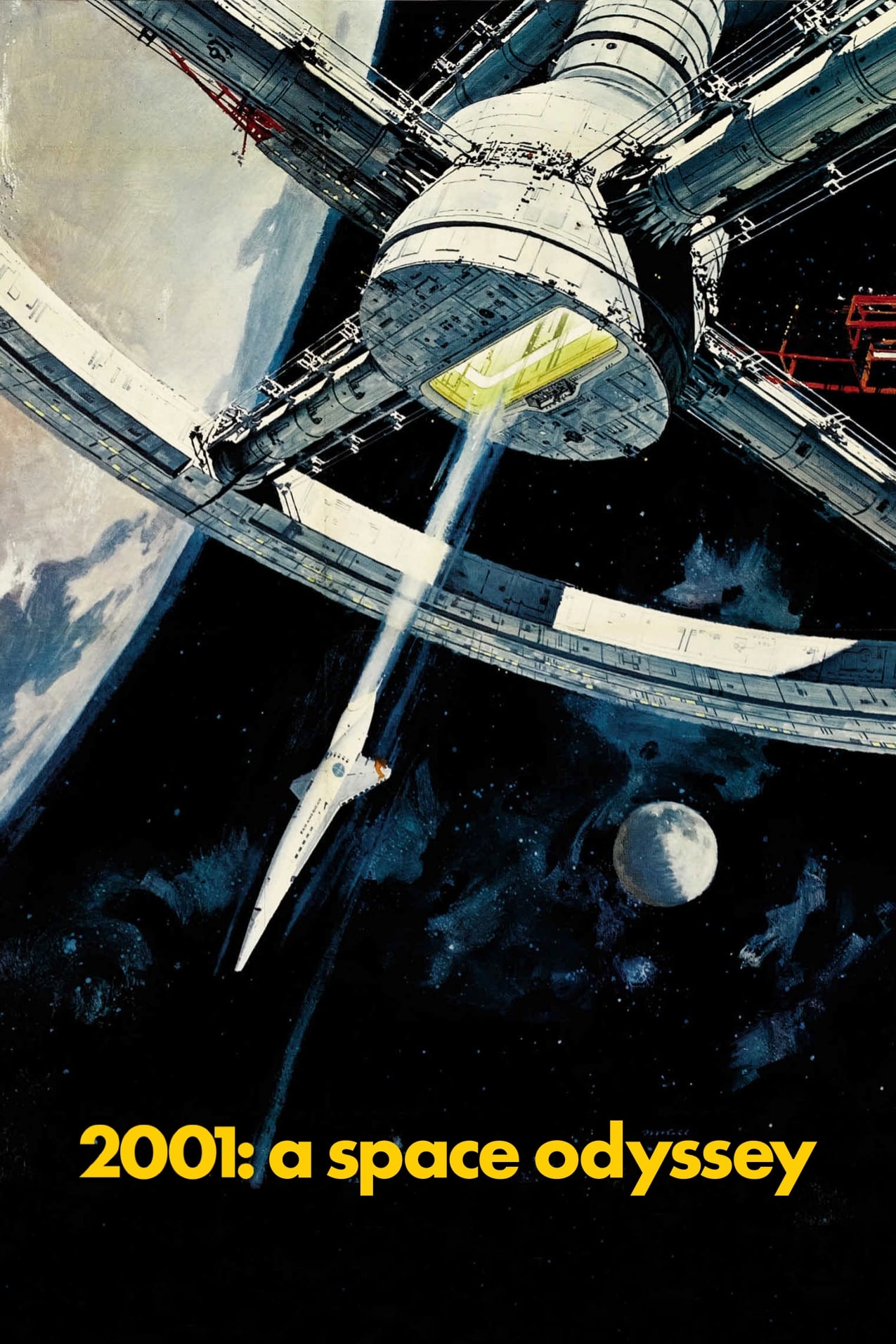
Stanley Kubrick’s “2001: A Space Odyssey” is a mind-bending and awe-inspiring science fiction epic that redefined the genre. The film is a journey through the history of humanity, from the dawn of man to a voyage to Jupiter, guided by the sentient computer HAL 9000. The film is renowned for its groundbreaking special effects, its classical music score, and its ambiguous and philosophical themes.
“2001” is a film that is more about asking questions than providing answers. Its non-linear narrative and its minimal dialogue challenge the viewer to interpret its meaning. The film’s stunning visuals and its sense of wonder have made it a timeless classic that continues to inspire and mystify audiences.
The Godfather (1972)
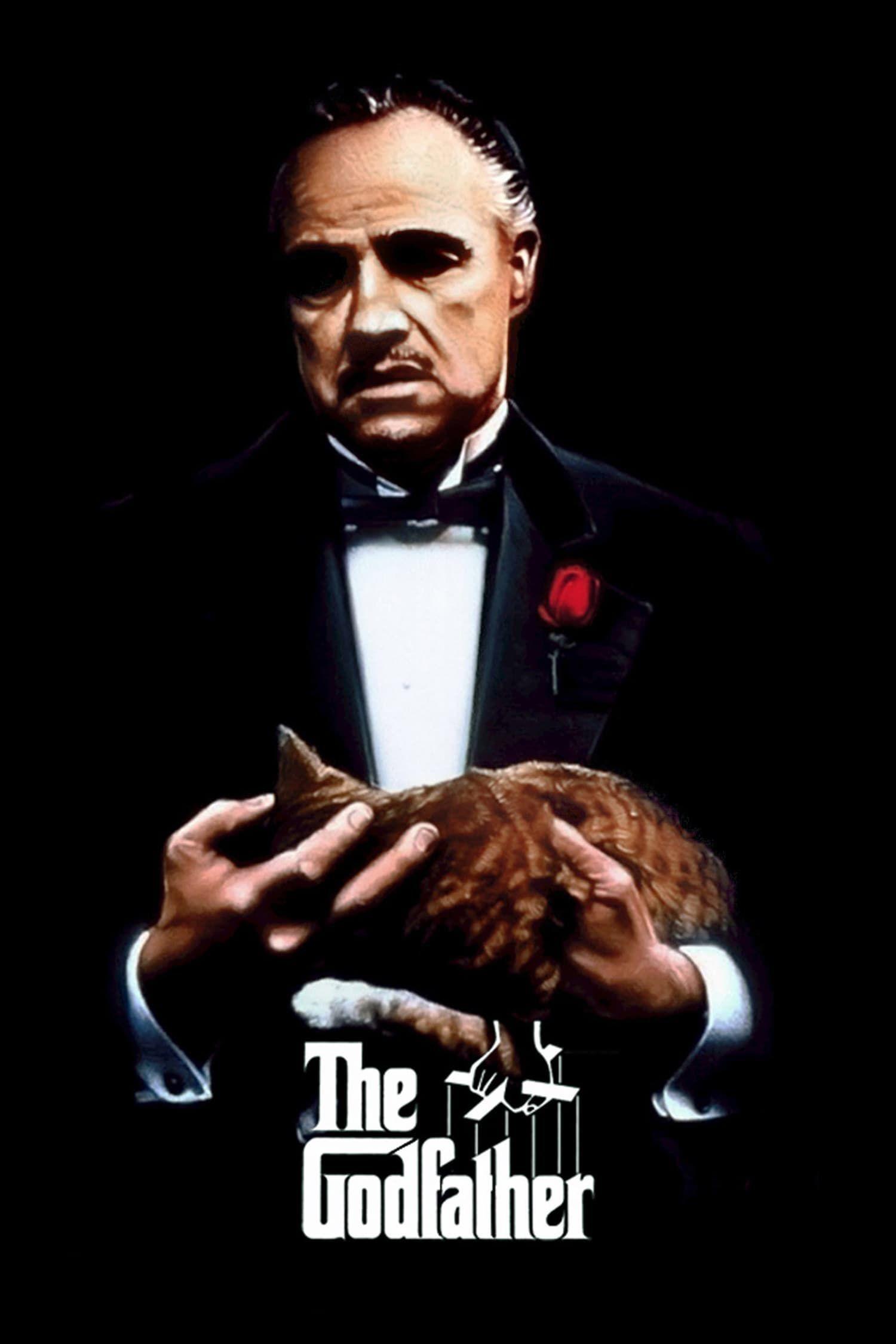
Francis Ford Coppola’s “The Godfather” is a masterpiece of the gangster genre and a towering achievement in American filmmaking. The film tells the story of the Corleone family, a powerful and ruthless Mafia dynasty. The film is a gripping and violent saga that is also a profound meditation on family, power, and the American dream.
“The Godfather” is a perfectly crafted film, with a brilliant script, masterful direction, and unforgettable performances. Marlon Brando’s portrayal of the aging patriarch Vito Corleone is one of the most iconic in film history. The film was a massive commercial and critical success, and it set a new standard for a more personal and artistic kind of Hollywood filmmaking.
Jaws (1975)
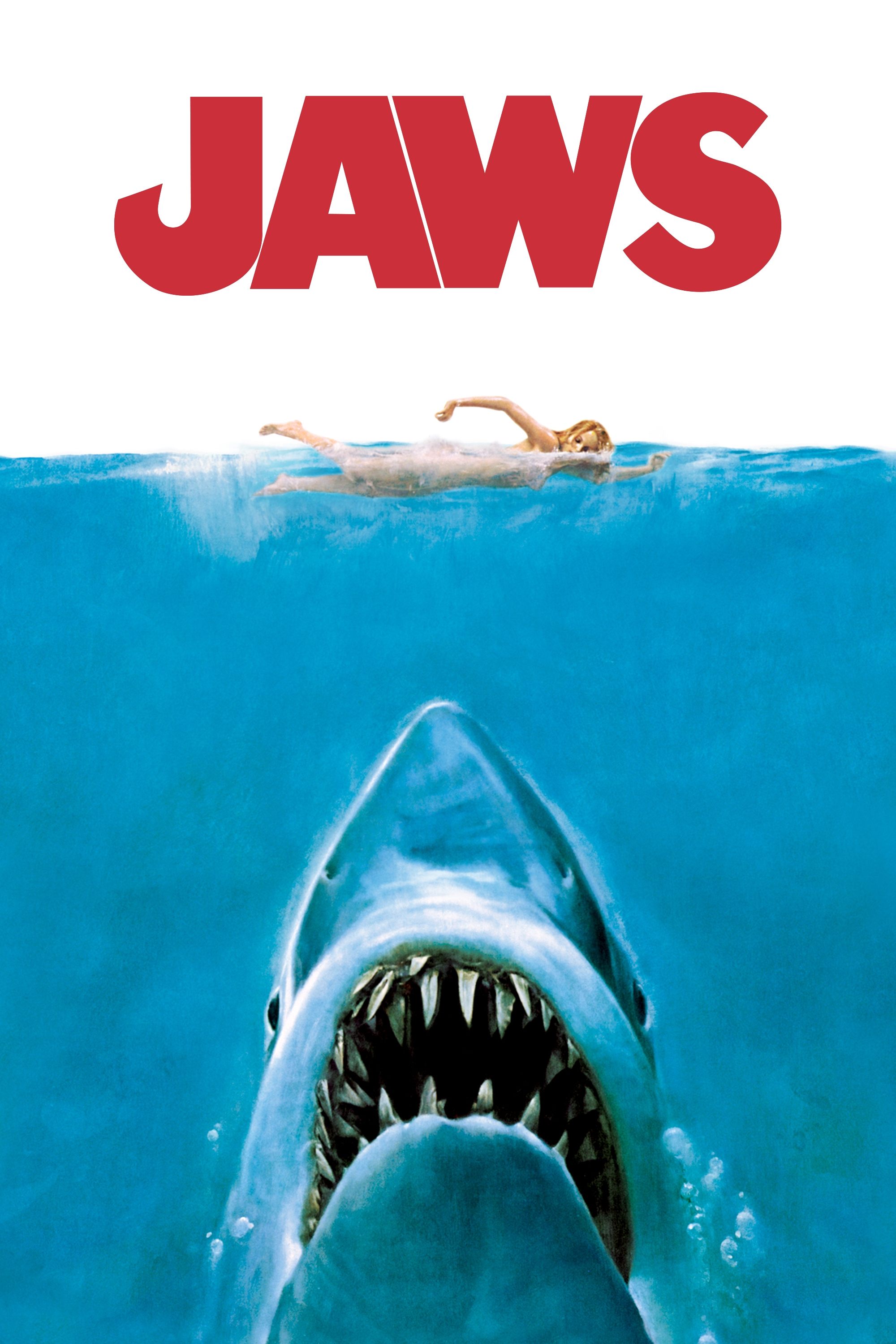
Steven Spielberg’s “Jaws” is a masterclass in suspense that created the modern summer blockbuster. The film tells the story of a police chief, a marine biologist, and a grizzled fisherman who hunt a giant man-eating shark that is terrorizing a New England beach town. The film is a thrilling and terrifying adventure that has been making people afraid to go in the water for decades.
Spielberg’s masterful direction builds suspense through what is not seen, as the shark remains largely hidden for the first half of the film. John Williams’ iconic musical score is a key element in the film’s effectiveness, with its two-note theme becoming a universal signal of impending doom. “Jaws” was a cultural phenomenon that changed the way movies are marketed and released.
Taxi Driver (1976)
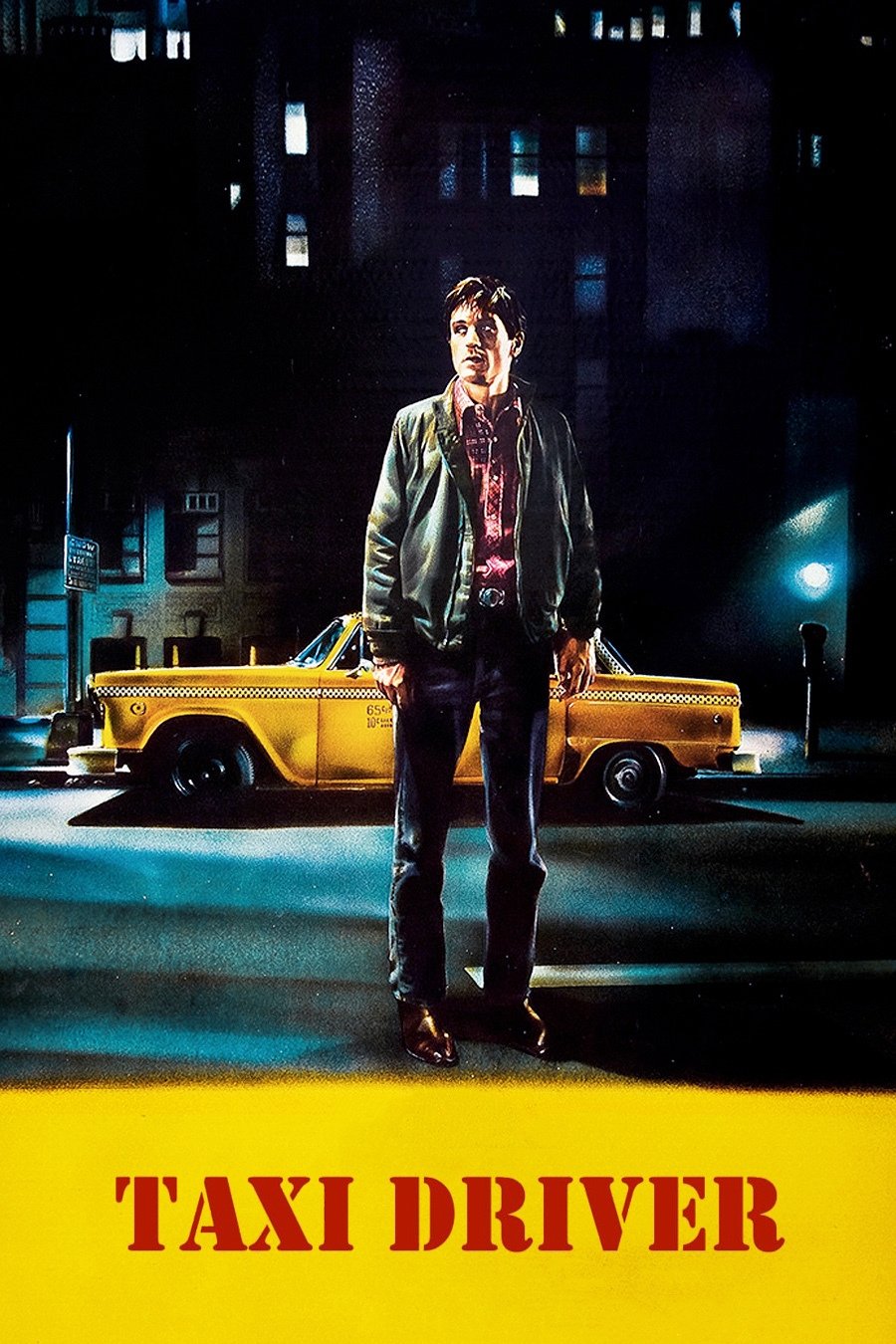
Martin Scorsese’s “Taxi Driver” is a dark and disturbing portrait of loneliness and alienation in modern urban life. The film stars Robert De Niro as Travis Bickle, a mentally unstable Vietnam veteran who works as a New York City taxi driver and becomes increasingly detached from reality. The film is a gritty and unflinching look at the dark side of the American psyche.
Scorsese’s stylish direction and De Niro’s intense performance create a powerful and unsettling experience. The film’s violence and its bleak worldview were controversial at the time of its release, but it has since been recognized as a masterpiece of 1970s American cinema.
Star Wars (1977)
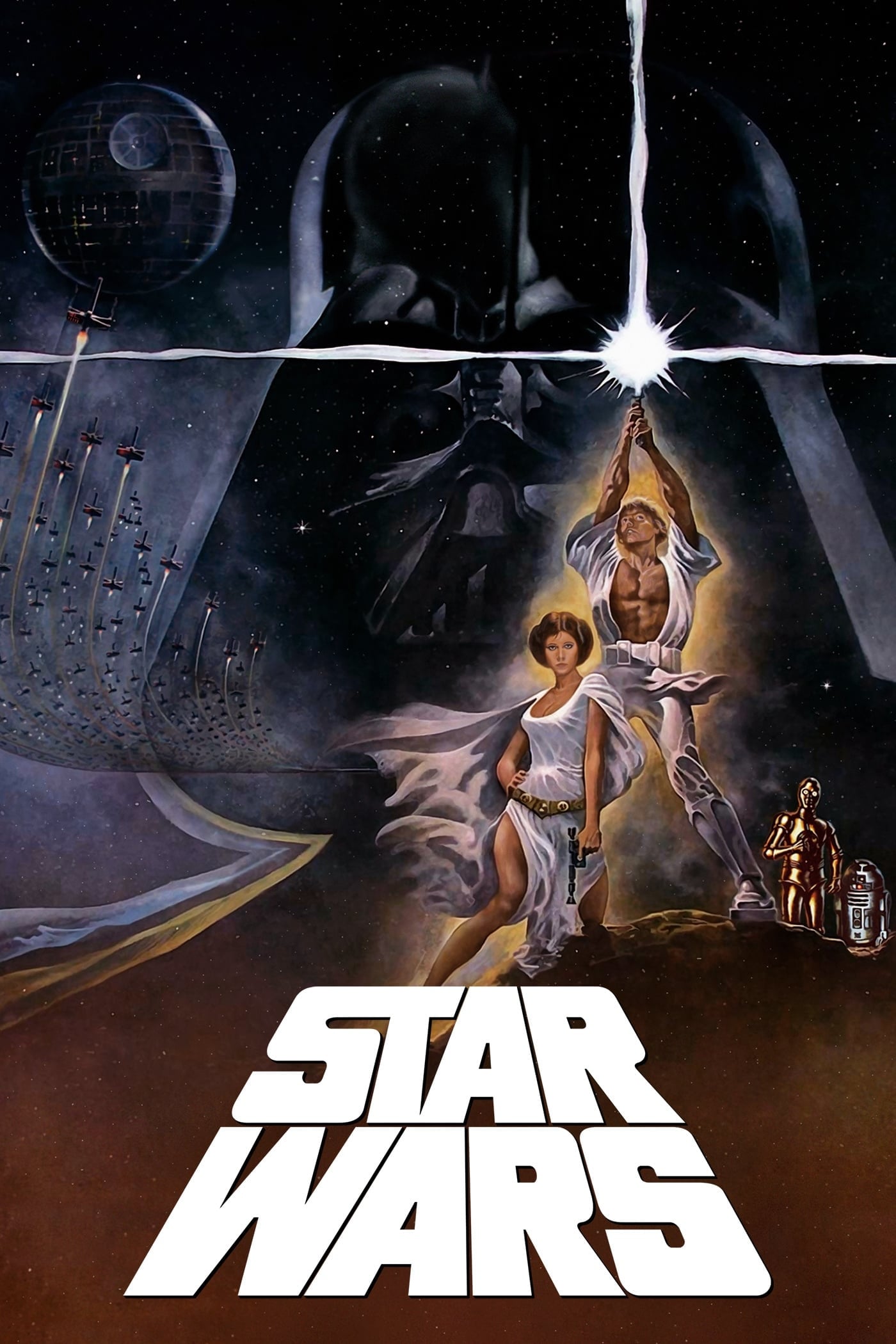
George Lucas’s “Star Wars” is a space opera that changed the face of popular culture forever. The film tells the story of a young farm boy who joins a rebellion against a tyrannical galactic empire. The film is a thrilling and imaginative adventure that draws on a wide range of influences, from classic myths to old movie serials.
“Star Wars” was a technological marvel, with its groundbreaking special effects creating a galaxy far, far away that felt real and lived-in. The film was a massive box office hit and became a cultural phenomenon, spawning a vast franchise of sequels, prequels, and merchandise. “Star Wars” revived the science fiction genre and created a new model for blockbuster filmmaking.
Apocalypse Now (1979)
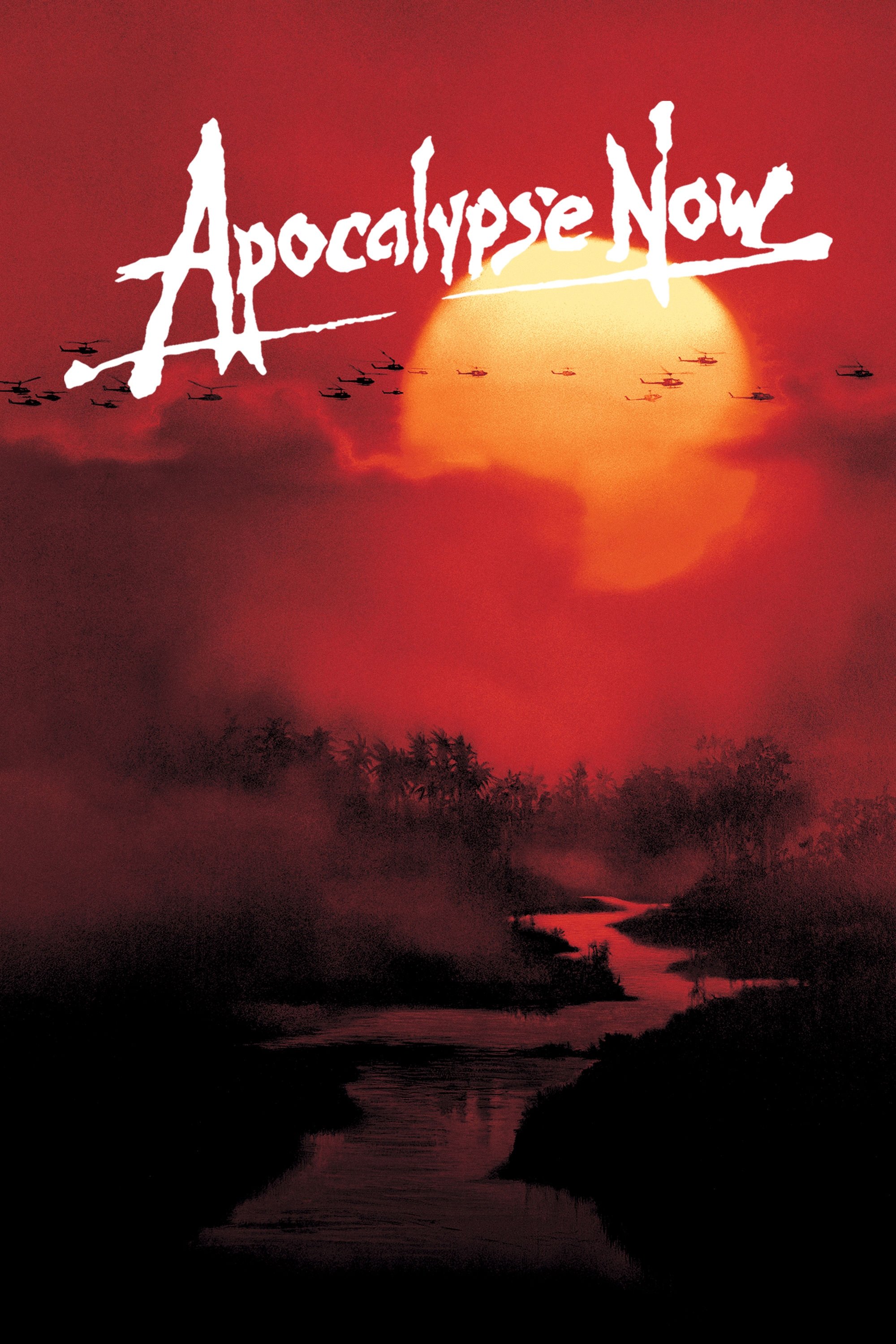
Francis Ford Coppola’s “Apocalypse Now” is a surreal and hallucinatory Vietnam War epic that is as much a journey into the heart of darkness as it is a war film. The film follows a U.S. Army captain who is sent on a secret mission to assassinate a renegade colonel who has set himself up as a god in the Cambodian jungle. The film is a harrowing and unforgettable descent into madness.
The production of “Apocalypse Now” was notoriously difficult, plagued by typhoons, budget overruns, and the star’s heart attack. The chaos of the production is mirrored in the film itself, which is a powerful and unsettling exploration of the horrors of war. The film’s stunning cinematography and its haunting sound design create a truly immersive and unforgettable experience.
Blade Runner (1982)
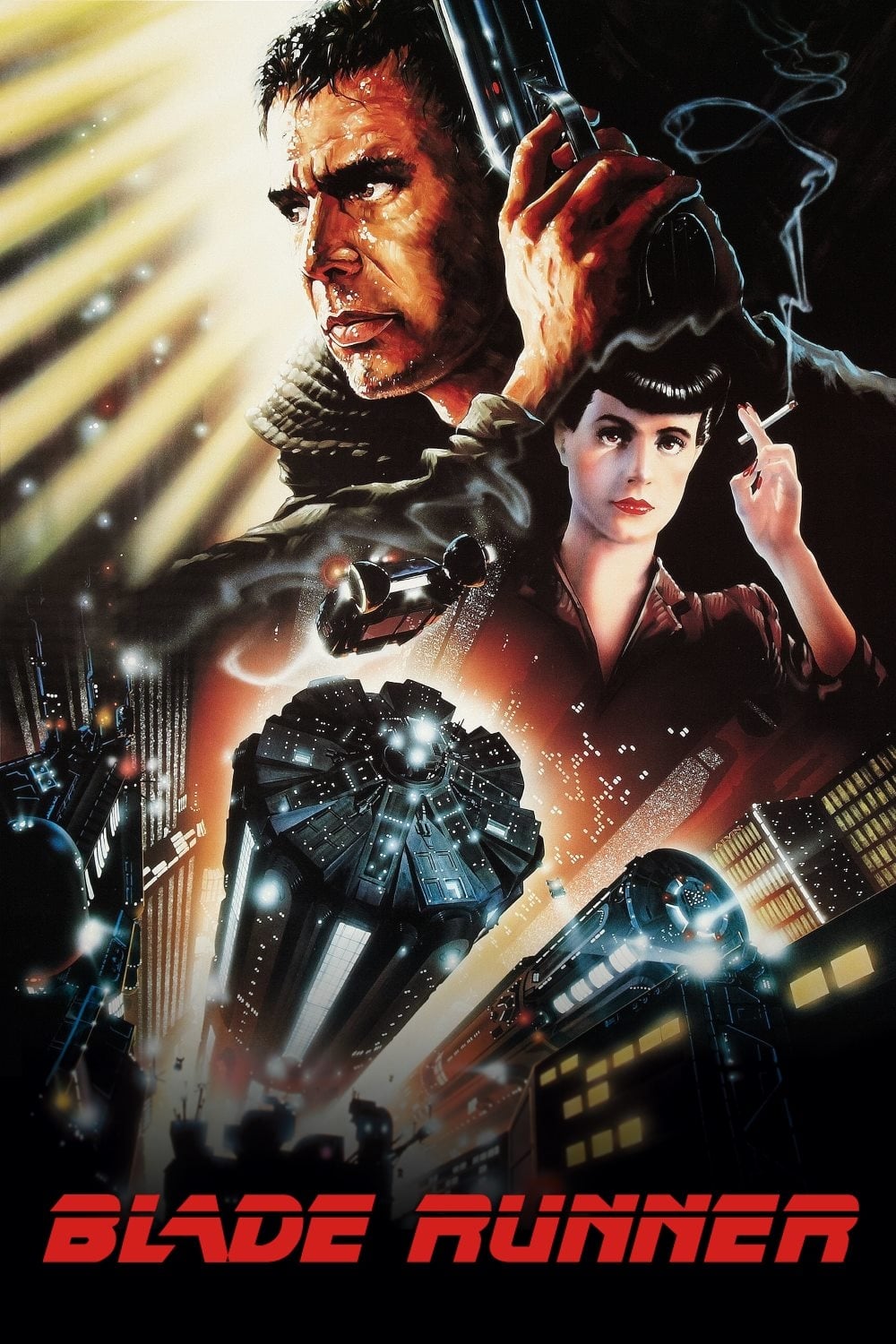
Ridley Scott’s “Blade Runner” is a visually stunning science fiction film noir that has had a profound influence on the genre. Set in a dystopian future Los Angeles, the film follows a burnt-out detective who is tasked with hunting down a group of bioengineered androids known as replicants. The film’s dark and rainy atmosphere, its detailed and immersive world-building, and its philosophical questions about what it means to be human have made it a cult classic.
Though it was not a commercial success upon its initial release, “Blade Runner” has since been recognized as a visionary masterpiece. Its stylish and influential aesthetic has been copied by countless other science fiction films, and its complex and ambiguous story has been the subject of much analysis and debate.
Do the Right Thing (1989)
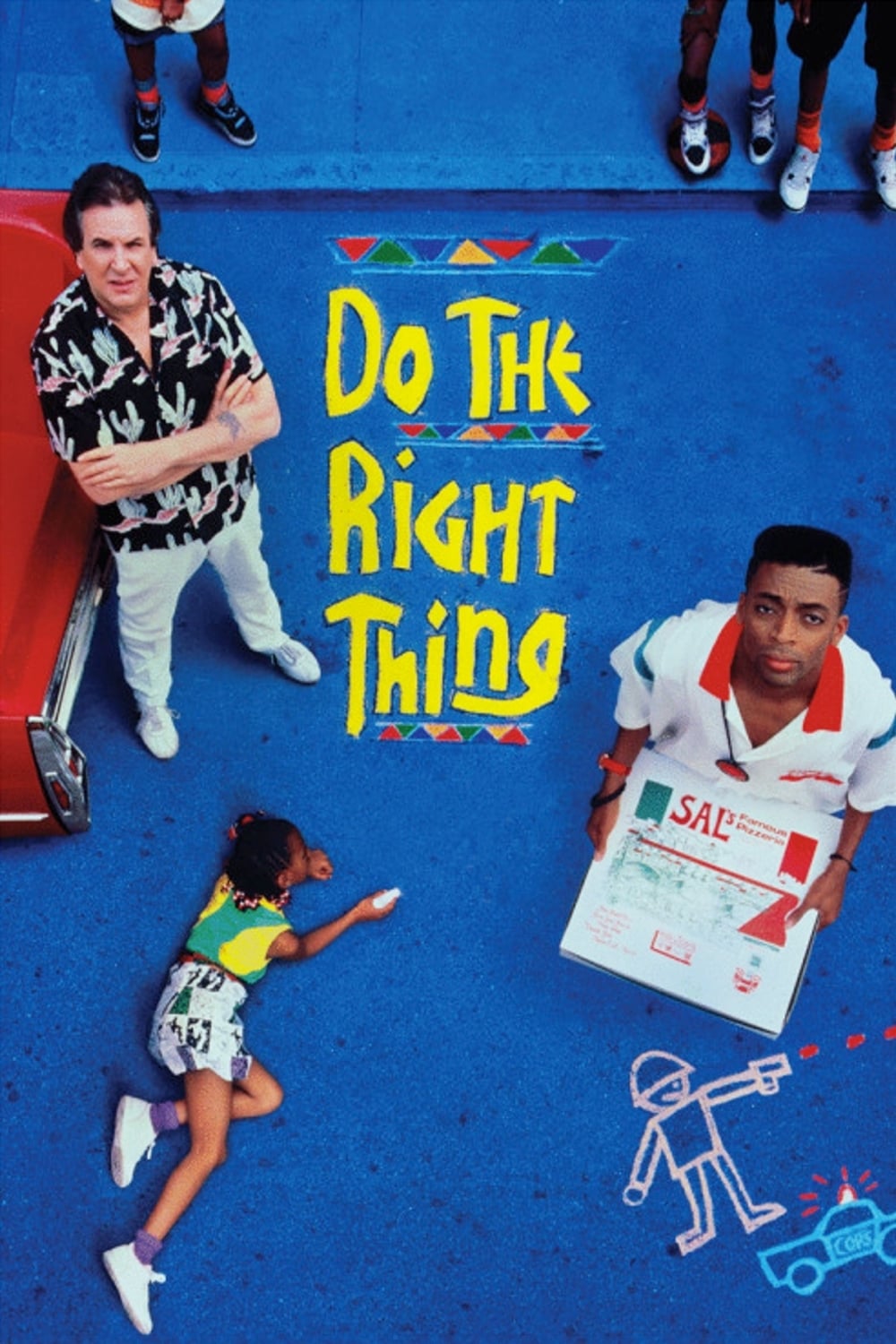
Spike Lee’s “Do the Right Thing” is a powerful and provocative film about race relations in America. The film is set in a Brooklyn neighborhood on the hottest day of the summer, and it follows the simmering tensions between the African American residents and the Italian American owners of a local pizzeria. The film’s vibrant and energetic style and its unflinching look at racial conflict make it a landmark of independent filmmaking.
The film’s climax, in which a confrontation leads to violence and a riot, is a powerful and unsettling moment that sparked a national conversation about race. Lee’s bold and uncompromising direction and his complex and nuanced characters make “Do the Right Thing” a film that is as relevant today as it was when it was first released.
Pulp Fiction (1994)
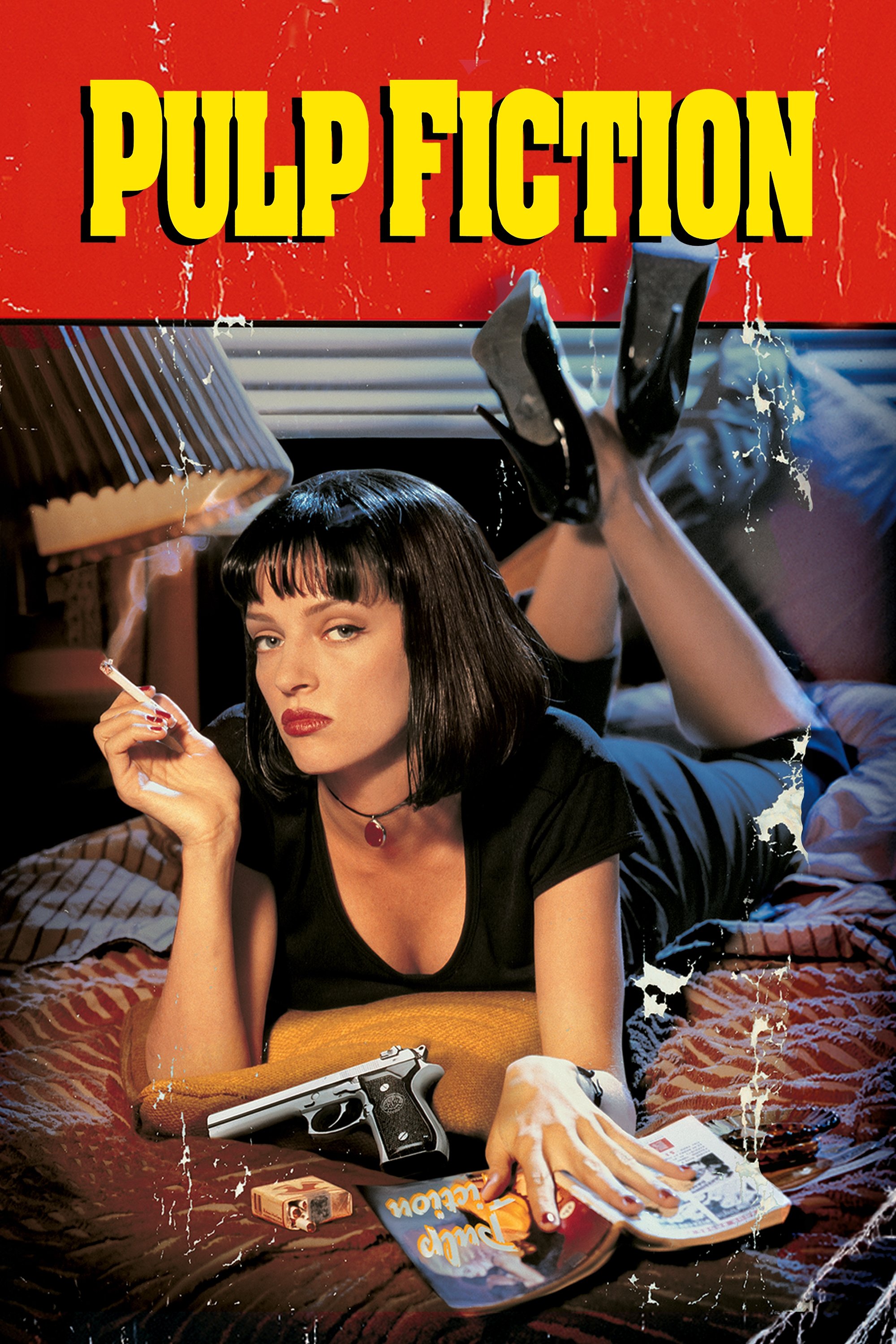
Quentin Tarantino’s “Pulp Fiction” is a stylish and self-referential crime film that revitalized independent cinema in the 1990s. The film tells a series of interconnected stories about a group of criminals in Los Angeles, but it does so in a non-linear order. The film is famous for its witty and pop-culture-filled dialogue, its graphic violence, and its cool and ironic tone.
“Pulp Fiction” was a cultural phenomenon that had a massive influence on a generation of filmmakers. Its playful and postmodern approach to storytelling was a breath of fresh air, and its success opened the door for a new wave of independent films.
Chungking Express (1994)
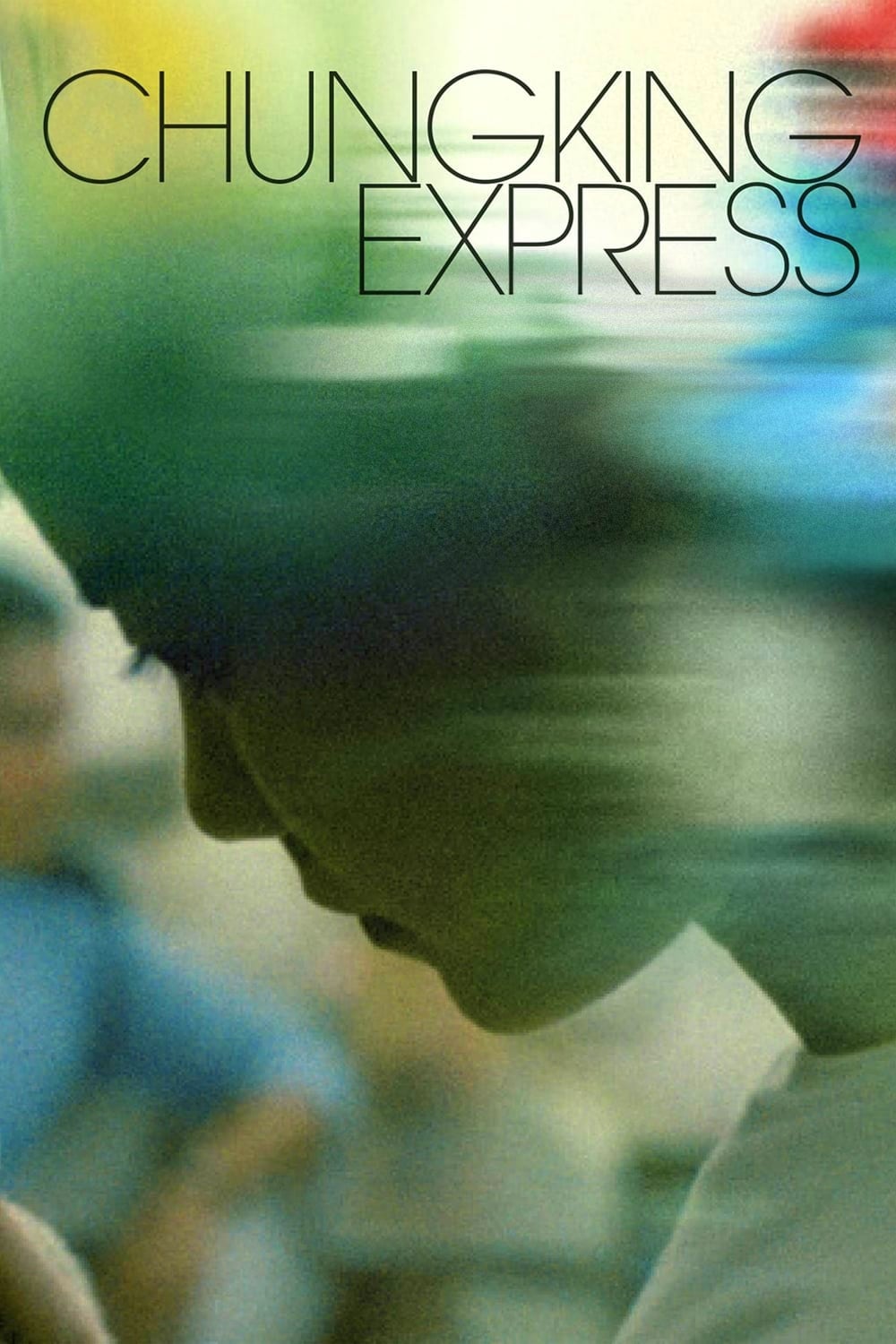
Wong Kar-wai’s “Chungking Express” is a visually dazzling and emotionally resonant film about love and loneliness in modern-day Hong Kong. The film tells two separate but loosely connected stories about two lovesick police officers who are dealing with breakups. The film is known for its vibrant and kinetic visual style, including its use of step-printing and a handheld camera.
“Chungking Express” is a film that is more about mood and atmosphere than it is about plot. Wong Kar-wai creates a world that is both romantic and melancholic, and he captures the fleeting moments of connection that can happen in a bustling city. The film’s stylish and impressionistic approach to storytelling has been a major influence on many later filmmakers.
Toy Story (1995)
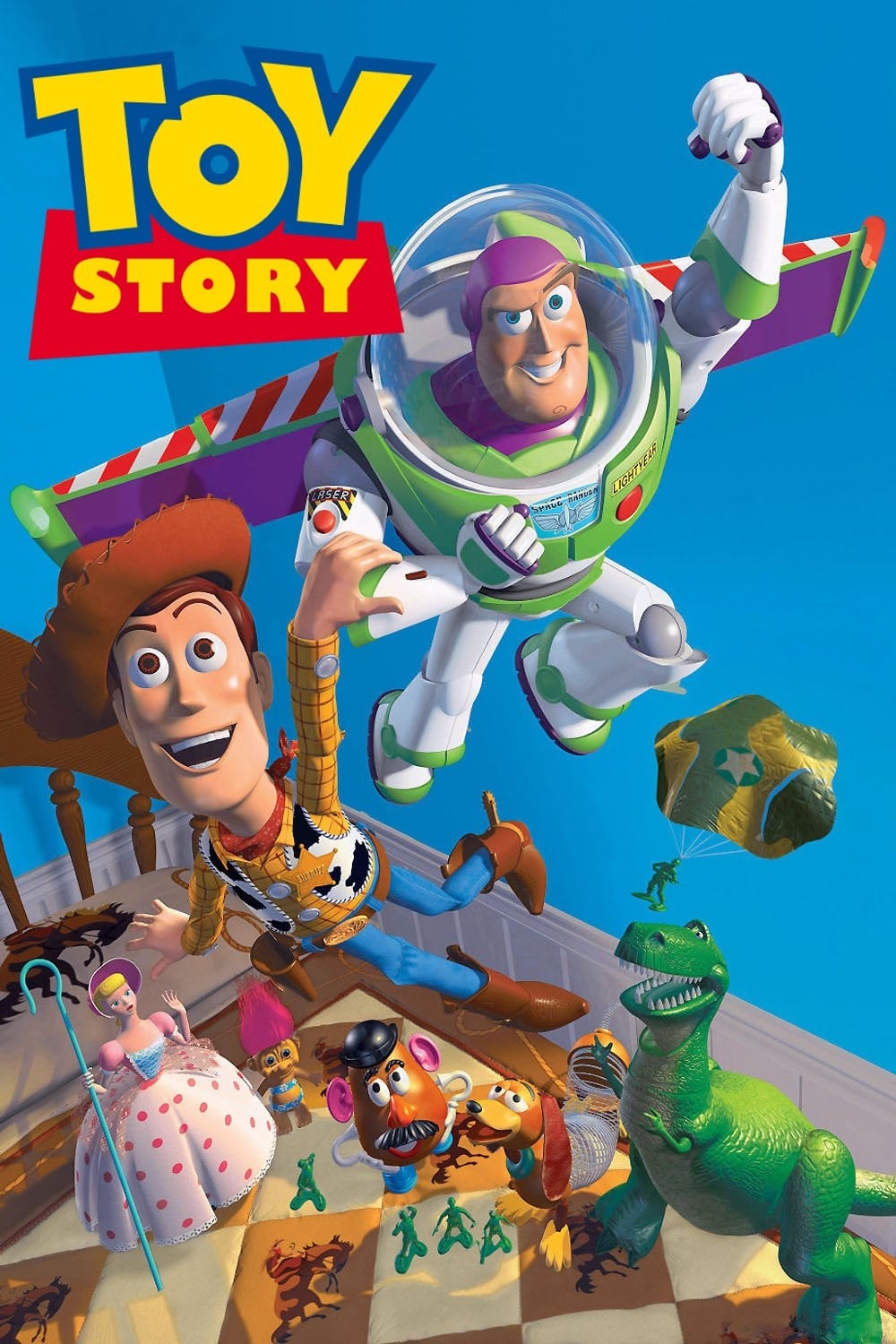
“Toy Story” was the first feature-length computer-animated film, and it revolutionized the animation industry. The film tells the story of a group of toys who come to life when their owner is not around. The film’s witty and heartfelt story, its memorable characters, and its groundbreaking animation made it a massive success.
The film’s realistic and detailed animation was unlike anything that had been seen before, and it showed the potential of computer animation to create a new kind of cinematic world. “Toy Story” was a critical and commercial smash, and it established Pixar as a major force in animation.
The Matrix (1999)
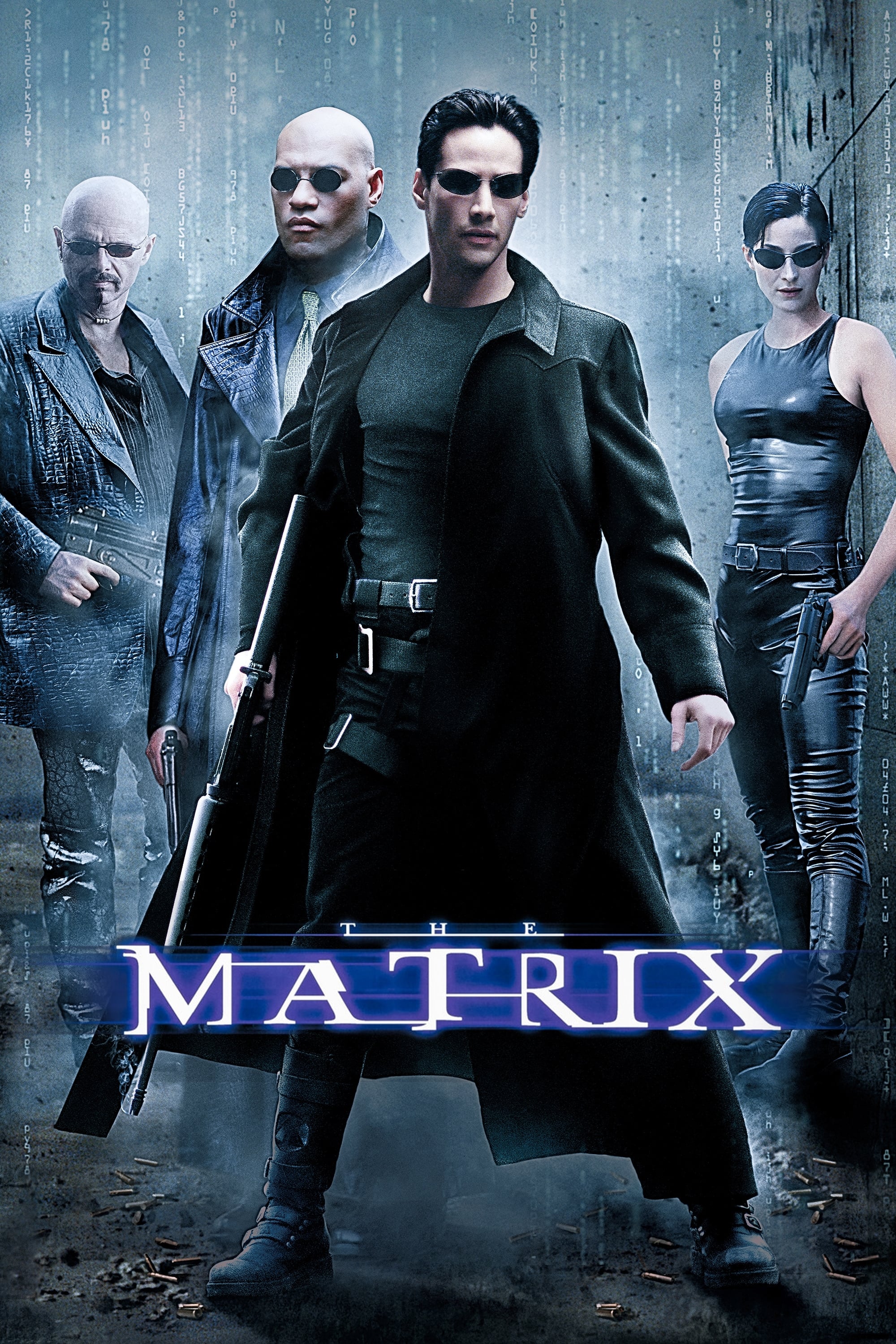
“The Matrix” is a mind-bending science fiction action film that redefined the genre for a new generation. The film tells the story of a computer hacker who discovers that the world he lives in is actually a simulated reality created by intelligent machines. The film is famous for its groundbreaking visual effects, including the “bullet time” technique, and its complex and philosophical story.
The film’s blend of high-octane action, Eastern philosophy, and cyberpunk aesthetics created a unique and influential work. “The Matrix” was a cultural phenomenon that had a major impact on fashion, music, and a generation of action films that followed.
Beau Travail (1999)

Claire Denis’ “Beau Travail” is a visually stunning and enigmatic film about a group of French Foreign Legionnaires stationed in Djibouti. The film is a loose adaptation of Herman Melville’s novella “Billy Budd,” but it is told in a fragmented and non-linear style. The film is a mesmerizing and poetic exploration of masculinity, jealousy, and repressed desire.
Denis’ direction is both elliptical and visceral, and she creates a powerful and hypnotic rhythm through her use of music and movement. The film’s final scene, in which the main character dances with wild abandon, is a transcendent and unforgettable moment. “Beau Travail” is a challenging and rewarding film that has been hailed as a masterpiece of modern cinema.

