


The Absolute Best Movies of 2010

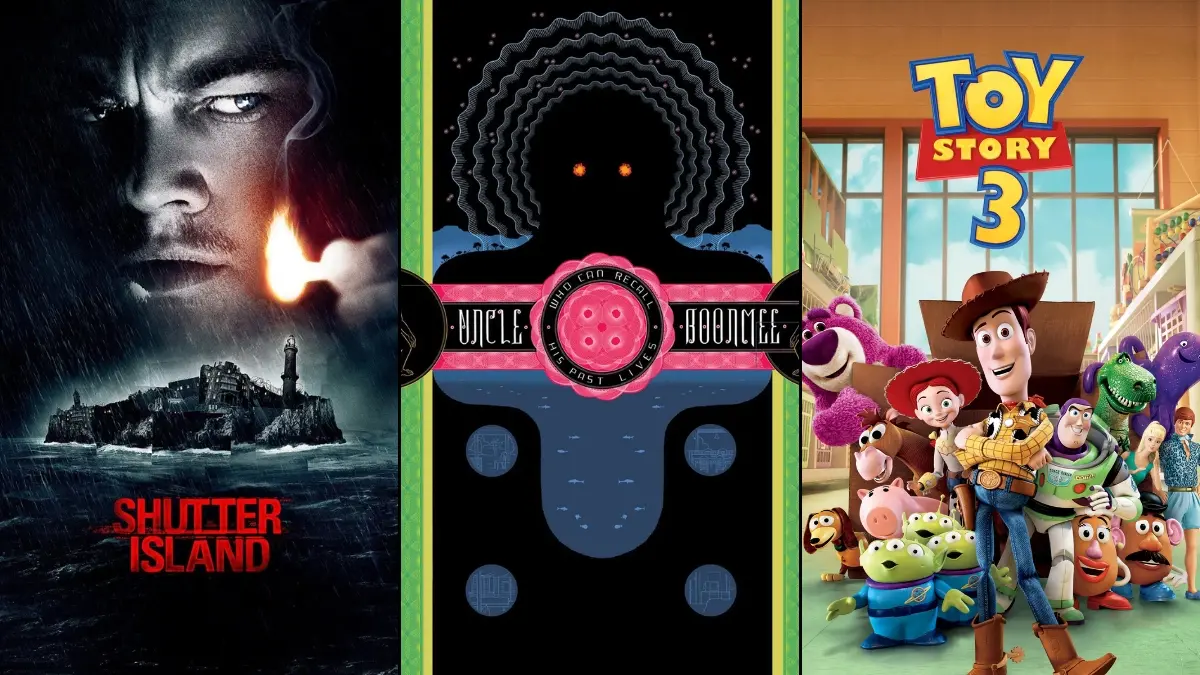


A remarkable wave of filmmaking arrived at once, spanning studio tentpoles, independent breakthroughs, and international standouts. What follows is an information-first guide to key titles, with details on who made them, where they were produced, and how they were released.
Each entry lists principal creatives, production companies, and technical contributors, plus concise notes on distribution, festival play, box office, and awards recognition. Titles are formatted consistently, and the details aim to help you track down and explore each project.
‘Inception’ (2010)
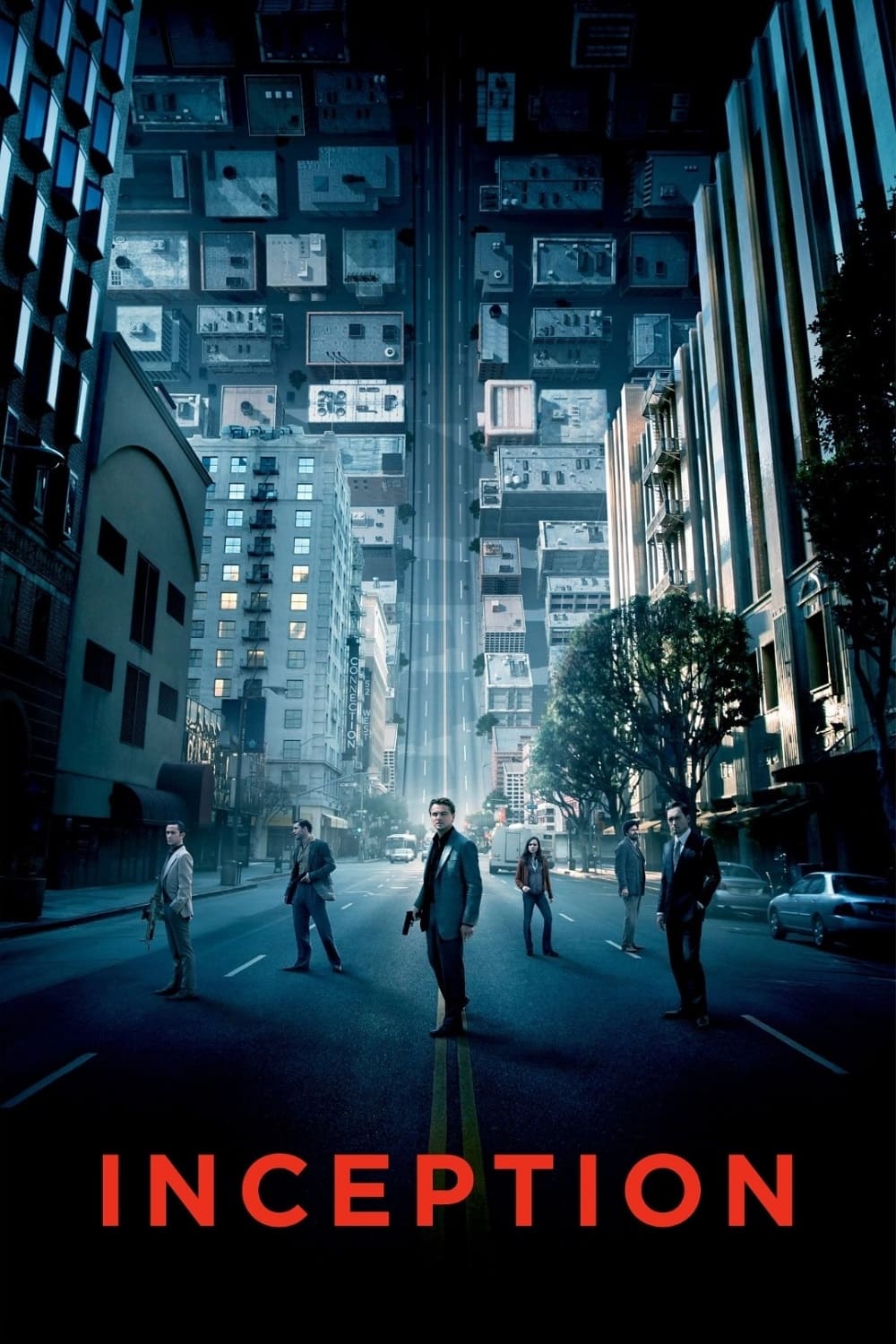
Written and directed by Christopher Nolan, ‘Inception’ was produced by Syncopy for Warner Bros., starring Leonardo DiCaprio, Joseph Gordon-Levitt, Elliot Page, Ken Watanabe, Marion Cotillard, Tom Hardy, Cillian Murphy, and Michael Caine. Wally Pfister handled cinematography on 35mm and 65mm; Hans Zimmer composed; Lee Smith edited; large rotating-set and wire-work rigs were built for zero-gravity and corridor sequences.
Principal photography covered stages and locations in the UK, France, Morocco, Canada, and Japan, with extensive second-unit aerial and snow work. The film opened in conventional, IMAX, and premium large-format engagements and received Academy Awards for cinematography, sound mixing, sound editing, and visual effects, with additional nominations including best picture and original screenplay.
‘The Social Network’ (2010)
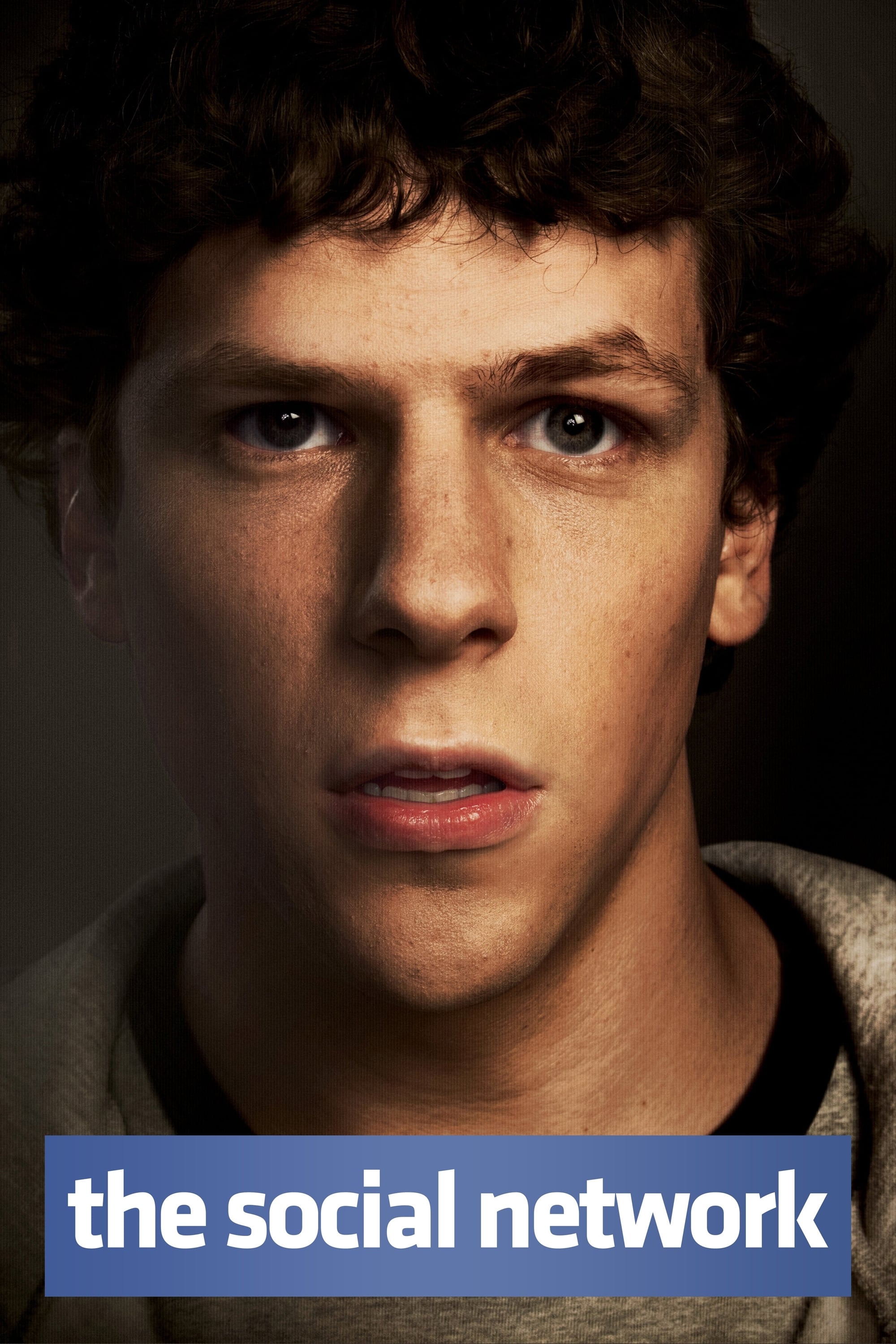
David Fincher directed from Aaron Sorkin’s screenplay adapted from Ben Mezrich’s book, with Jesse Eisenberg, Andrew Garfield, Justin Timberlake, Armie Hammer, and Rooney Mara starring. Jeff Cronenweth served as cinematographer; Angus Wall and Kirk Baxter edited; Trent Reznor and Atticus Ross provided the score; producers included Scott Rudin, Dana Brunetti, Michael De Luca, and Ceán Chaffin.
Shot with Red digital cameras and precision low-light control, the production used visual effects for twin performances. Sony distributed following high-profile festival play, and the film earned Academy Awards for adapted screenplay, original score, and editing, plus nominations for picture and director.
‘Black Swan’ (2010)
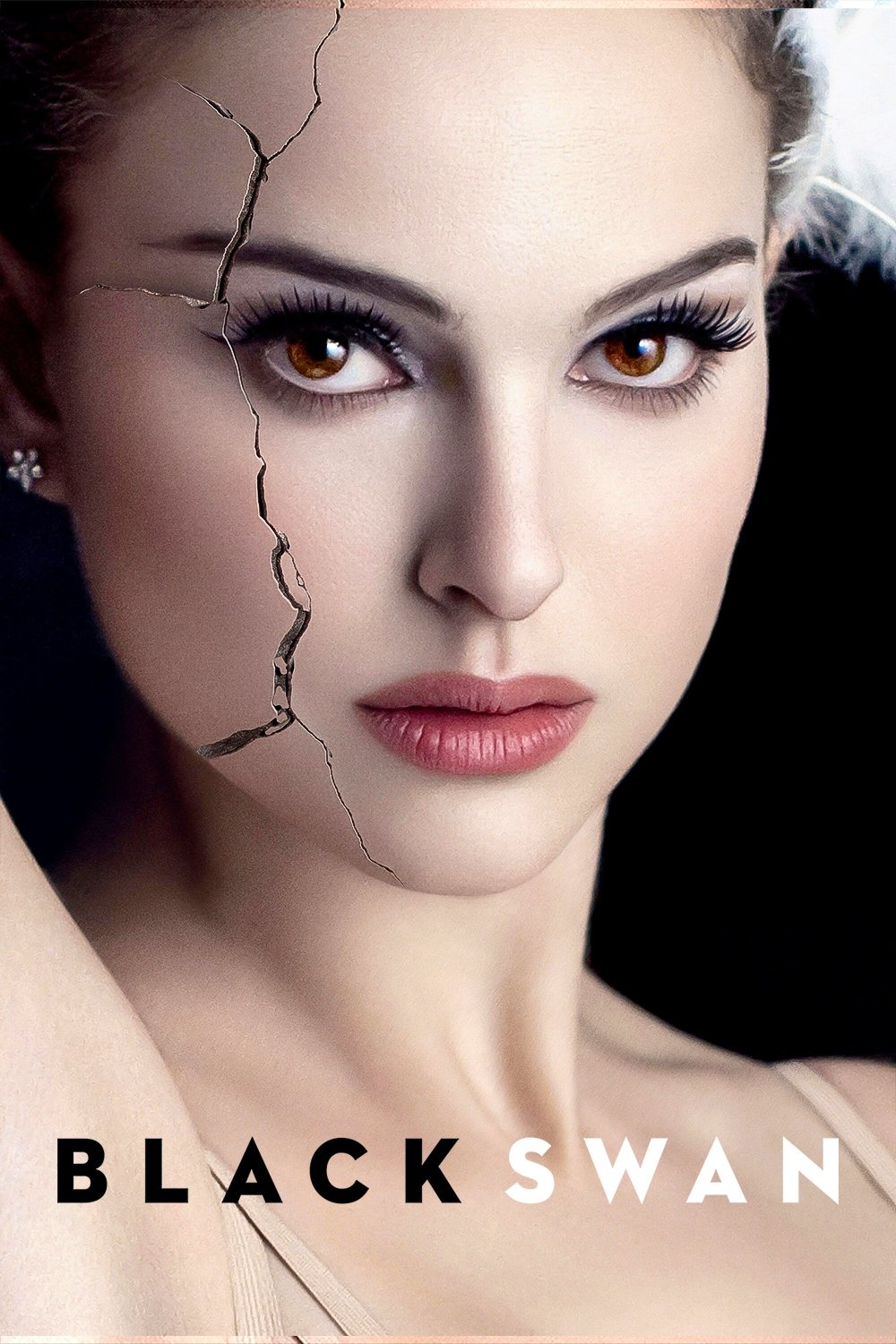
Darren Aronofsky directed ‘Black Swan’ from a screenplay by Mark Heyman, Andrés Heinz, and John McLaughlin, starring Natalie Portman, Mila Kunis, Vincent Cassel, Barbara Hershey, and Winona Ryder. Matthew Libatique was cinematographer; Clint Mansell composed; production came through Fox Searchlight and Cross Creek Pictures with New York City locations and stage builds.
Handheld camerawork and practical make-up effects were combined with digital augmentation for transformation shots. The film expanded from platform release to wide distribution, posted strong specialty and mainstream returns, and received multiple Academy Award nominations, including a Best Actress win for Natalie Portman.
‘Toy Story 3’ (2010)
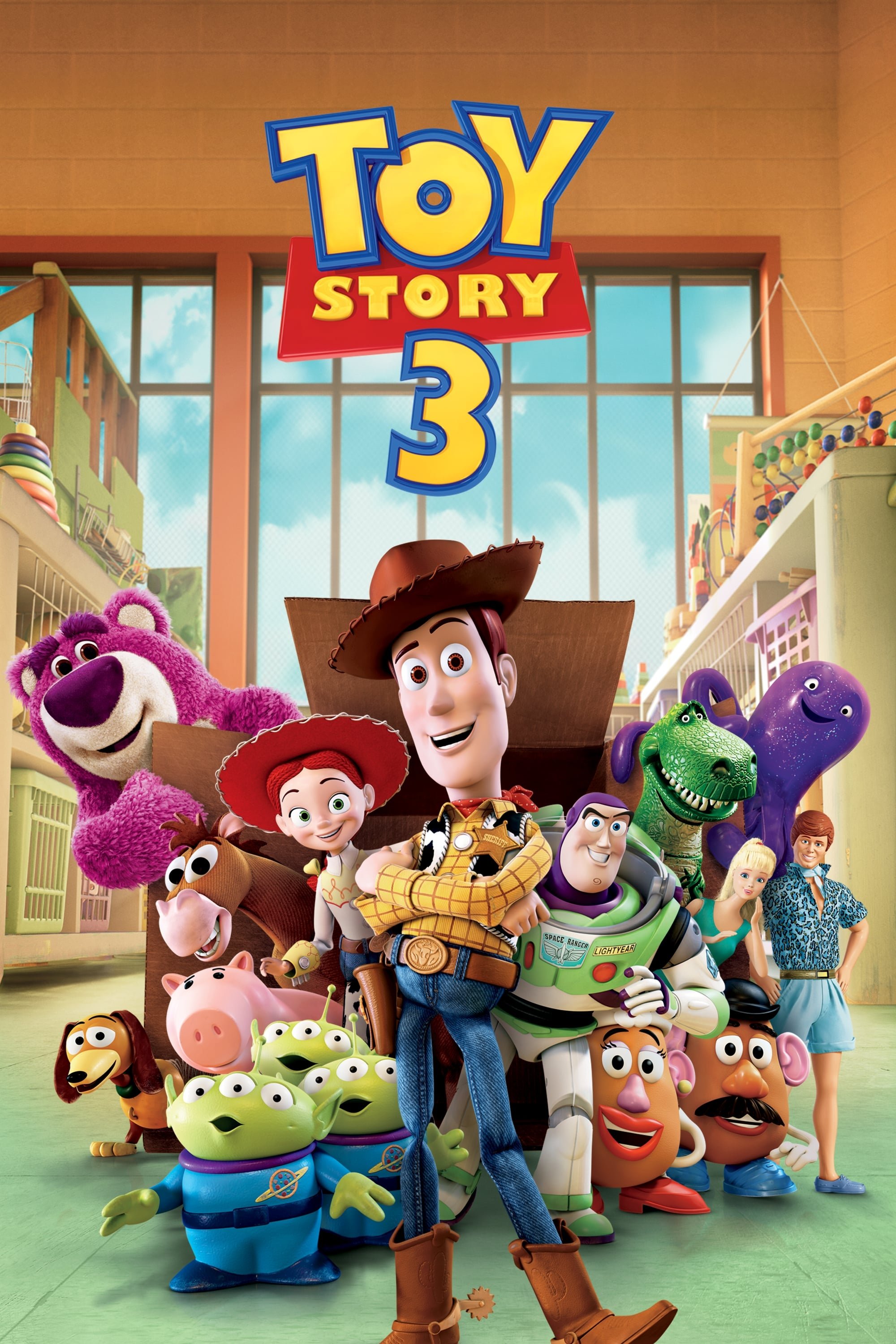
Directed by Lee Unkrich and produced by Pixar for Walt Disney Pictures, ‘Toy Story 3’ features voices by Tom Hanks, Tim Allen, Joan Cusack, Ned Beatty, Don Rickles, Wallace Shawn, John Ratzenberger, and Michael Keaton. Michael Arndt wrote the screenplay from a story by John Lasseter, Andrew Stanton, and Lee Unkrich; Randy Newman returned for score and song; Pixar advanced global-illumination and cloth/hair systems.
The film opened in 2D and 3D across major markets and became a top-grossing animated release for its window. It won Academy Awards for animated feature and original song and received nominations for best picture and adapted screenplay.
‘The King’s Speech’ (2010)
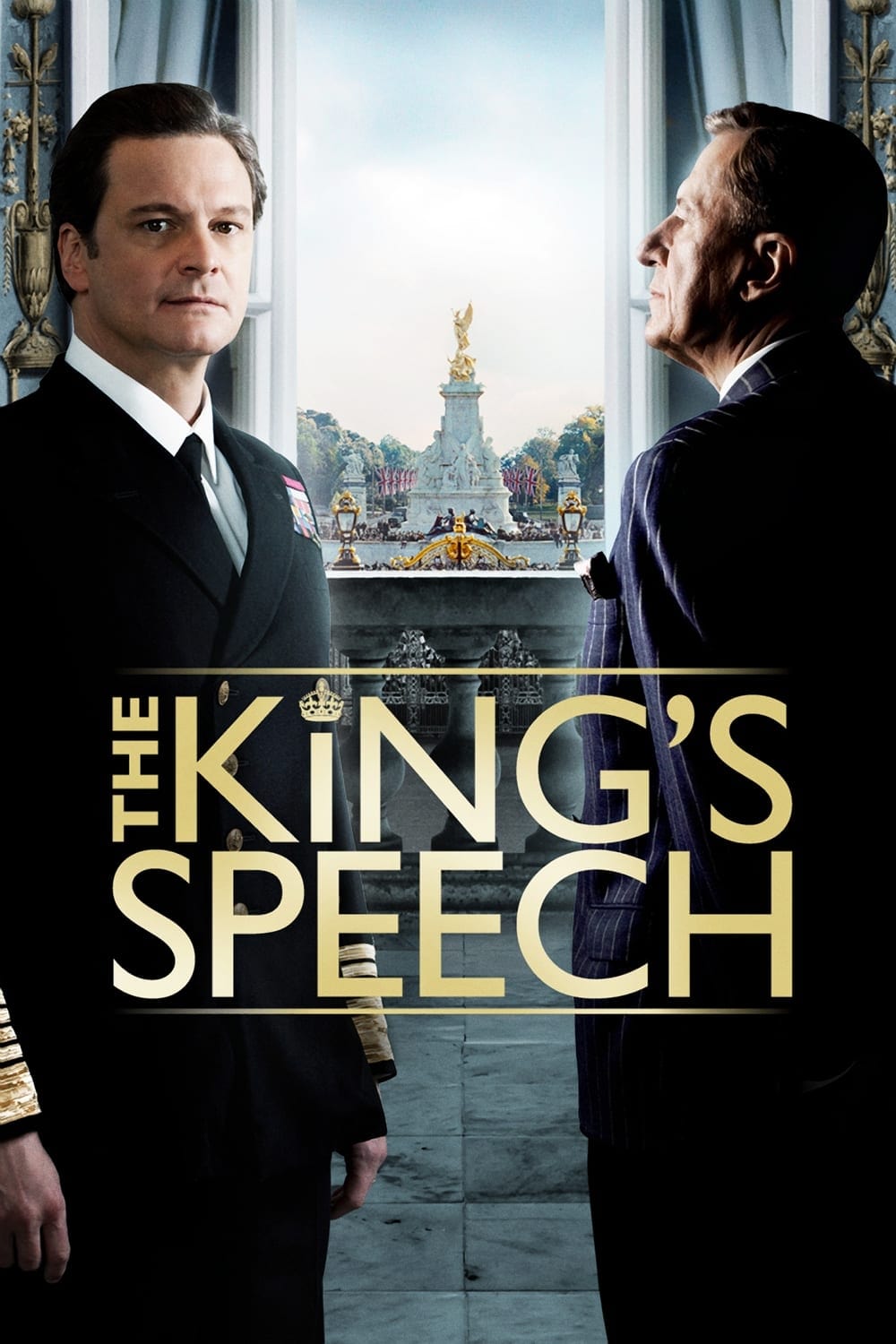
Tom Hooper directed from David Seidler’s original screenplay, with Colin Firth, Geoffrey Rush, and Helena Bonham Carter starring. See-Saw Films led production under a UK–Australia co-production structure; Danny Cohen handled cinematography; Alexandre Desplat composed; production and costume design emphasized interwar interiors and tailoring.
Following a strong festival launch, the film expanded from platform to wide release. It received Academy Awards for picture, director, actor, and original screenplay, alongside multiple craft nominations and robust international box office.
‘True Grit’ (2010)
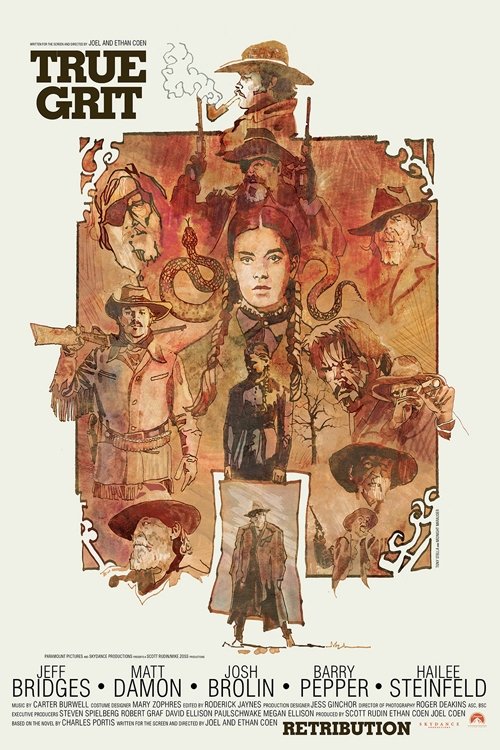
Joel and Ethan Coen adapted Charles Portis’s novel, starring Hailee Steinfeld, Jeff Bridges, Matt Damon, and Josh Brolin. Roger Deakins served as cinematographer; Carter Burwell composed; period costuming, practical stunts, and location photography emphasized frontier environments.
Paramount released the film broadly in North America and internationally. It received numerous Academy Award nominations across picture, acting, cinematography, costume design, sound, and related craft categories.
‘The Fighter’ (2010)
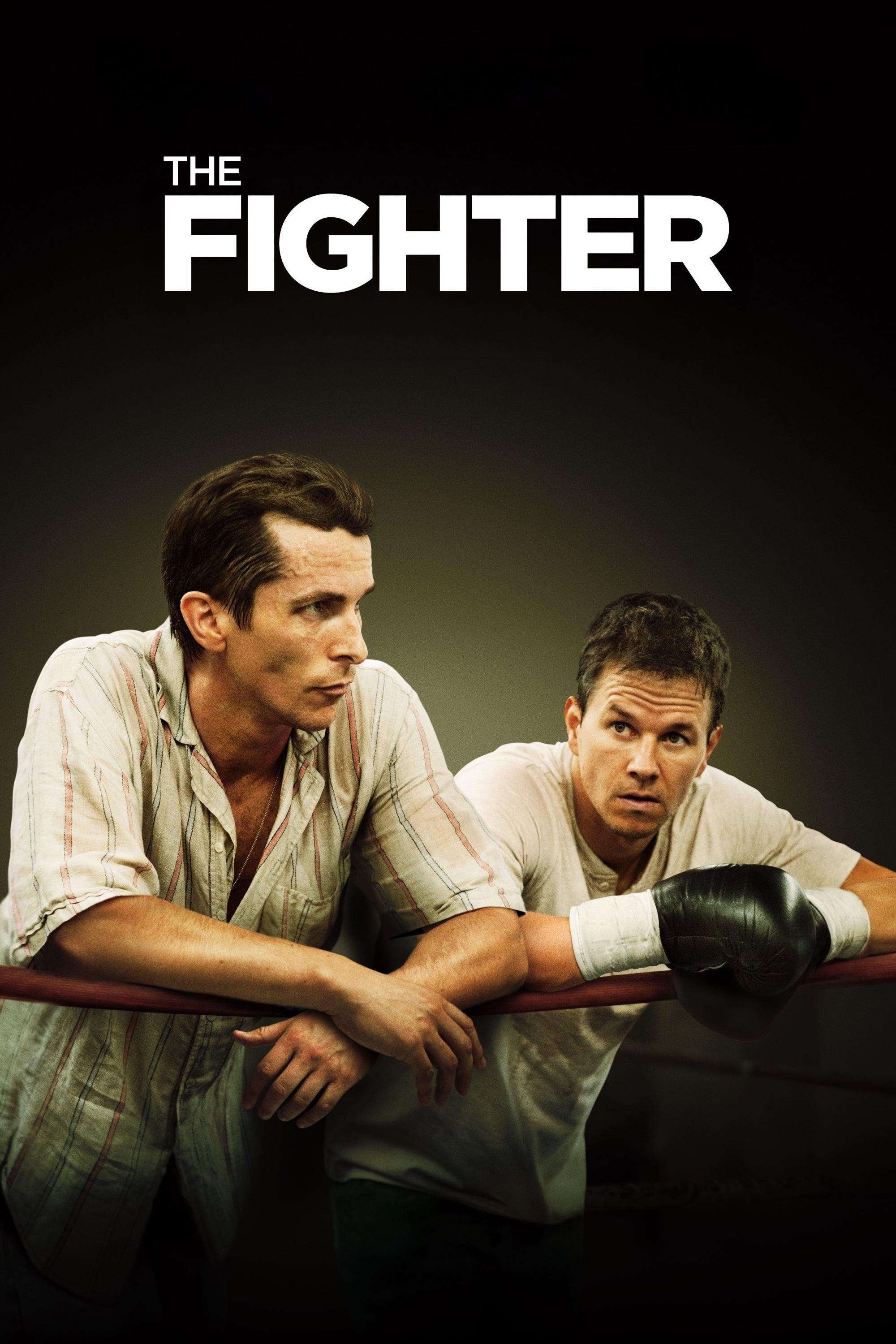
Directed by David O. Russell and produced by Relativity Media and Mandeville Films, ‘The Fighter’ stars Mark Wahlberg, Christian Bale, Amy Adams, and Melissa Leo. The screenplay is credited to Scott Silver, Paul Tamasy, and Eric Johnson; Hoyte van Hoytema was cinematographer; the production emphasized Lowell, Massachusetts locations and broadcast-style boxing coverage.
The film used a platform rollout before wide expansion. It earned Academy Awards for Christian Bale and Melissa Leo in supporting categories and received additional nominations for picture, director, screenplay, and editing.
‘Shutter Island’ (2010)
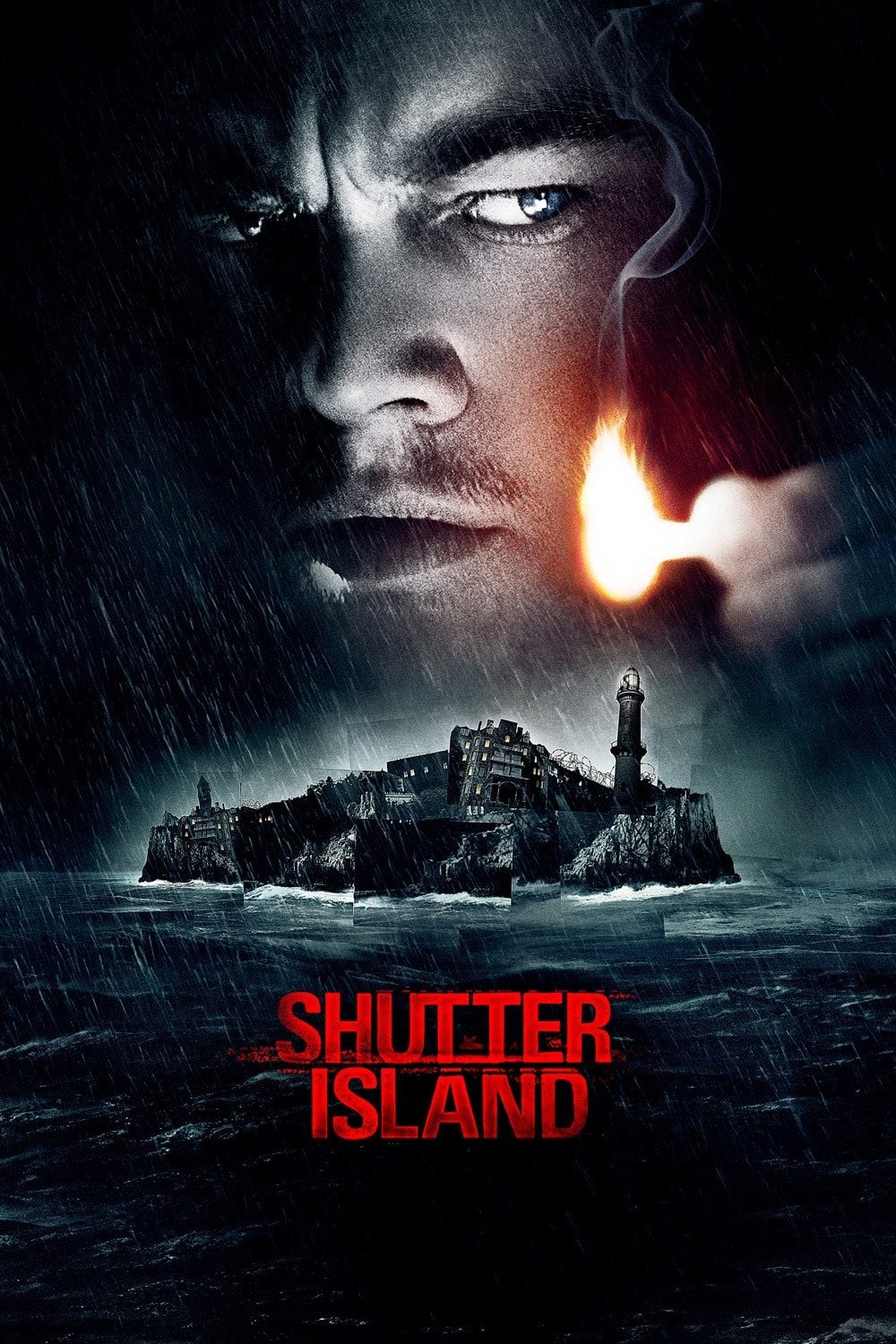
Martin Scorsese directed, with a screenplay by Laeta Kalogridis from Dennis Lehane’s novel, starring Leonardo DiCaprio, Mark Ruffalo, Ben Kingsley, Michelle Williams, and Max von Sydow. Robert Richardson handled cinematography; Thelma Schoonmaker edited; music supervision curated modern classical pieces to shape the score palette.
Phoenix Pictures and Sikelia produced, with principal photography in Massachusetts locations and studio builds, and Paramount distributed. The film delivered strong global grosses and received craft recognition from critics’ groups and guilds for cinematography, production design, and sound.
‘How to Train Your Dragon’ (2010)
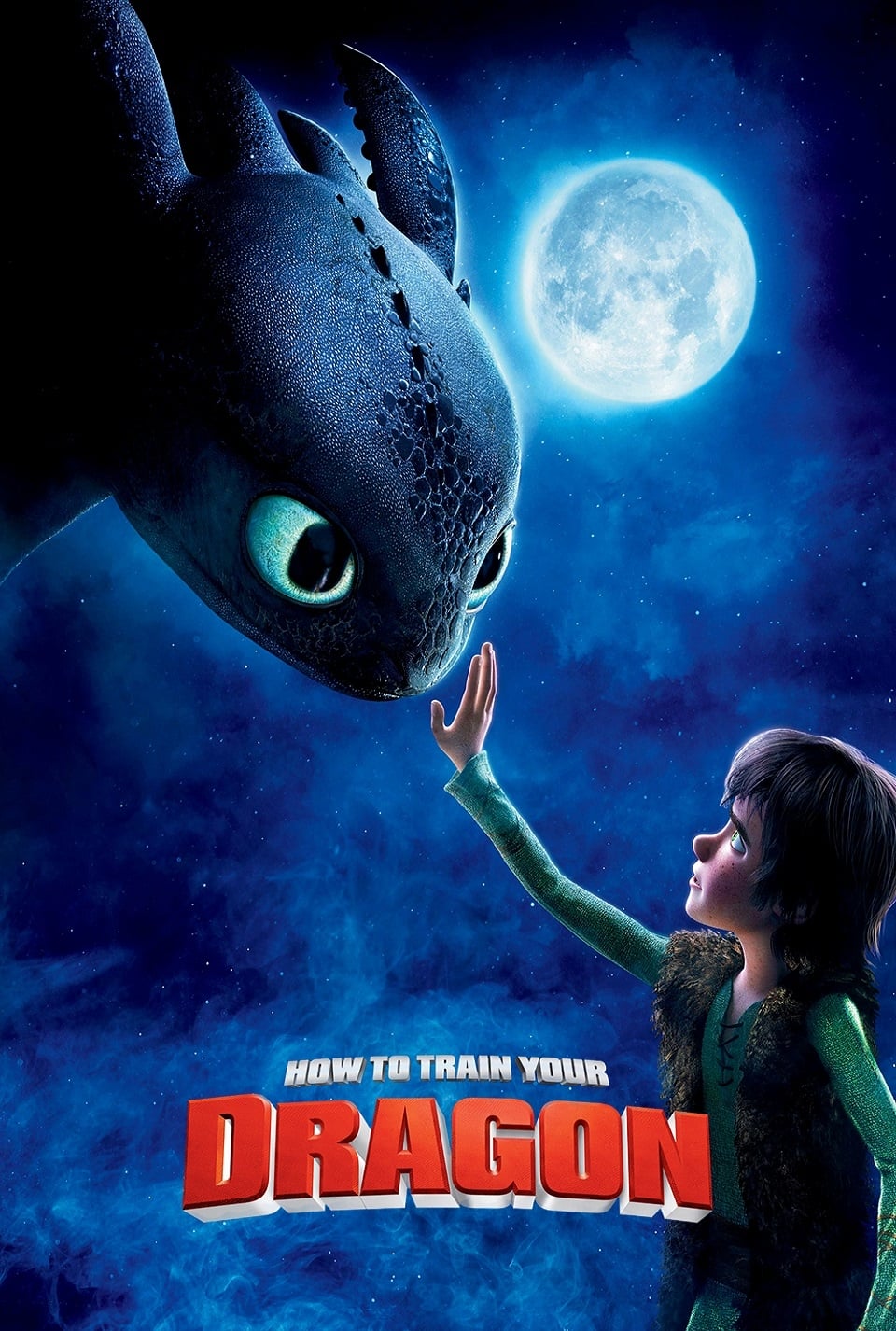
DreamWorks Animation produced ‘How to Train Your Dragon’, directed by Chris Sanders and Dean DeBlois, with voices by Jay Baruchel, America Ferrera, Gerard Butler, Craig Ferguson, and Jonah Hill. Roger Deakins consulted on lighting; aerial animation workflows were refined for flight; John Powell composed the score.
Paramount released the film in 2D and 3D formats. It performed well domestically and internationally, initiated sequels and television series, and received Academy Award nominations for animated feature and original score.
‘Scott Pilgrim vs. the World’ (2010)
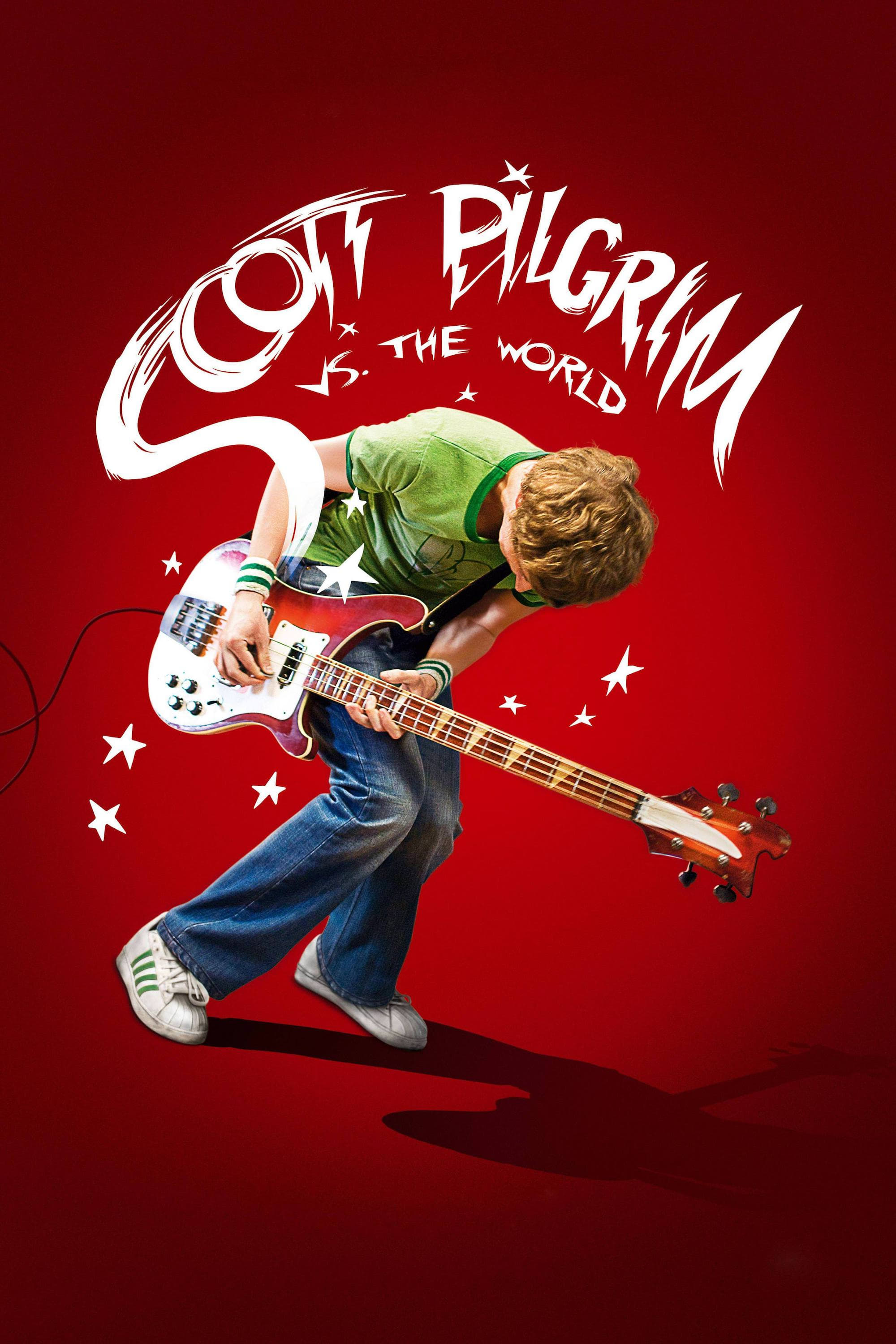
Edgar Wright directed from a screenplay by Wright and Michael Bacall adapting Bryan Lee O’Malley’s graphic novels, starring Michael Cera, Mary Elizabeth Winstead, Kieran Culkin, Chris Evans, Brie Larson, and Jason Schwartzman. Bill Pope served as cinematographer; on-screen text, panel-style transitions, and whip-pan edits were integrated with game-influenced sound design.
Filmed in Toronto using local landmarks, the production combined practical choreography with effects-assisted set pieces. Universal distributed; the film’s release included theatrical runs followed by strong physical-media and digital availability, with a soundtrack featuring contributions by Beck performed by the cast.
‘Winter’s Bone’ (2010)
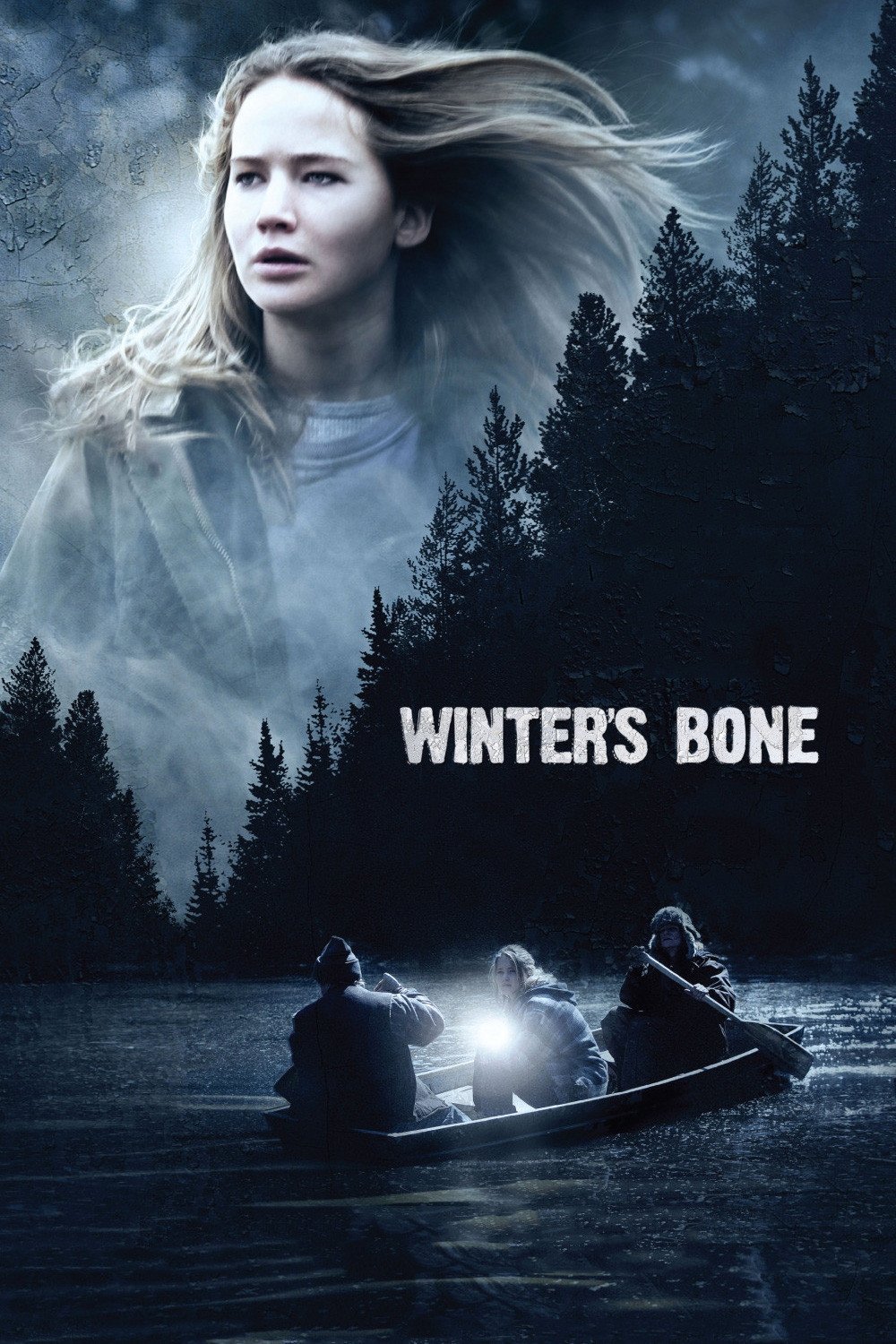
Debra Granik directed from a screenplay by Granik and Anne Rosellini, starring Jennifer Lawrence and John Hawkes. Michael McDonough was cinematographer; Dickon Hinchliffe composed; the production shot on location in the Ozarks with a mix of professional and nonprofessional performers and natural-light coverage.
After a festival debut, Roadside Attractions and Lionsgate distributed with a platform expansion. The film received Academy Award nominations for picture, actress, supporting actor, and adapted screenplay and collected prizes across the US independent circuit.
‘Blue Valentine’ (2010)
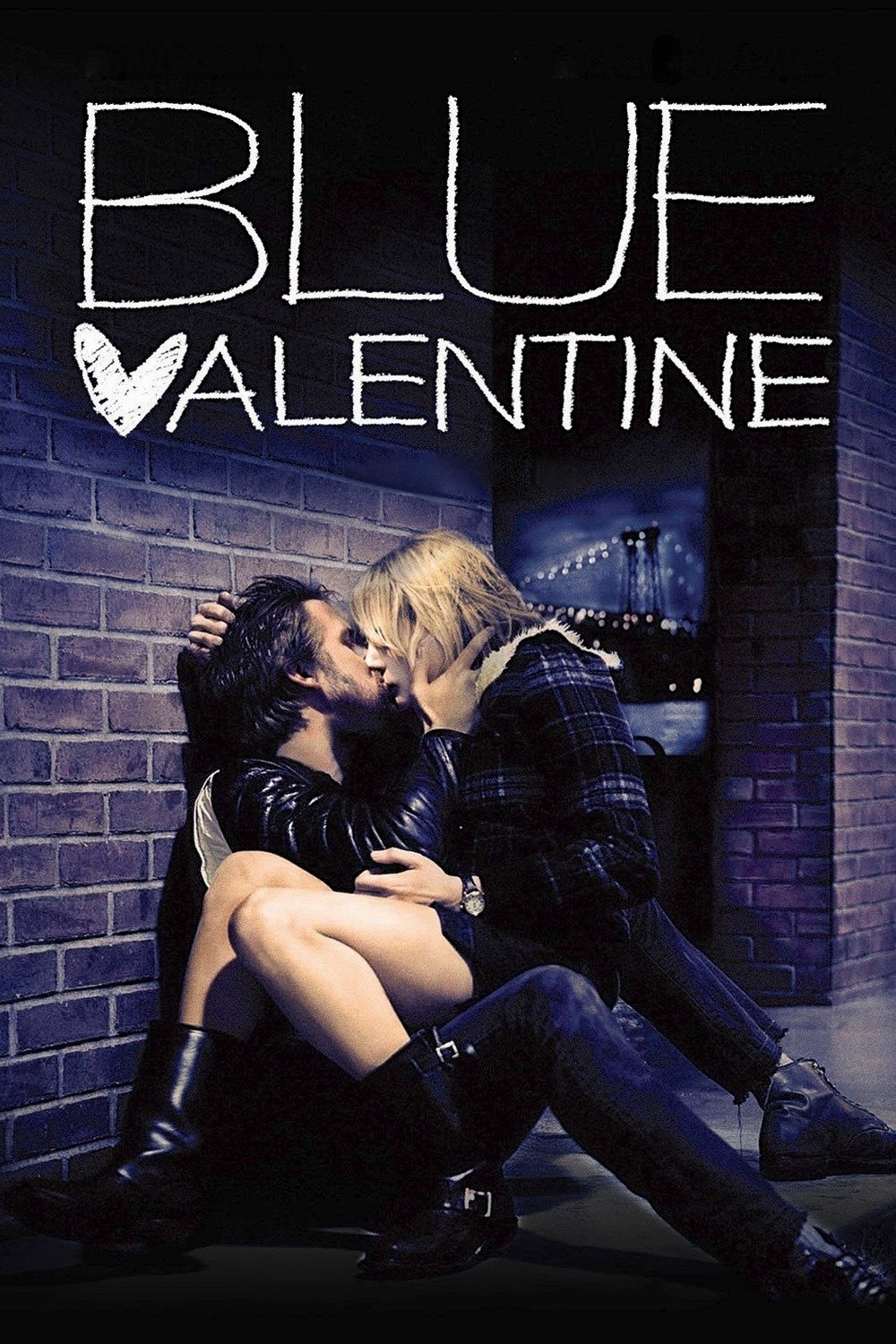
Derek Cianfrance directed ‘Blue Valentine’, starring Ryan Gosling and Michelle Williams. The screenplay by Cianfrance, Joey Curtis, and Cami Delavigne intercuts time periods; Andrij Parekh handled cinematography; portions used Super 16mm to differentiate timelines; music features work by Grizzly Bear.
The film premiered at major festivals and was released by The Weinstein Company with a staged rollout. It received significant awards attention for its lead performances, including an Academy Award nomination for Michelle Williams.
‘The Kids Are All Right’ (2010)
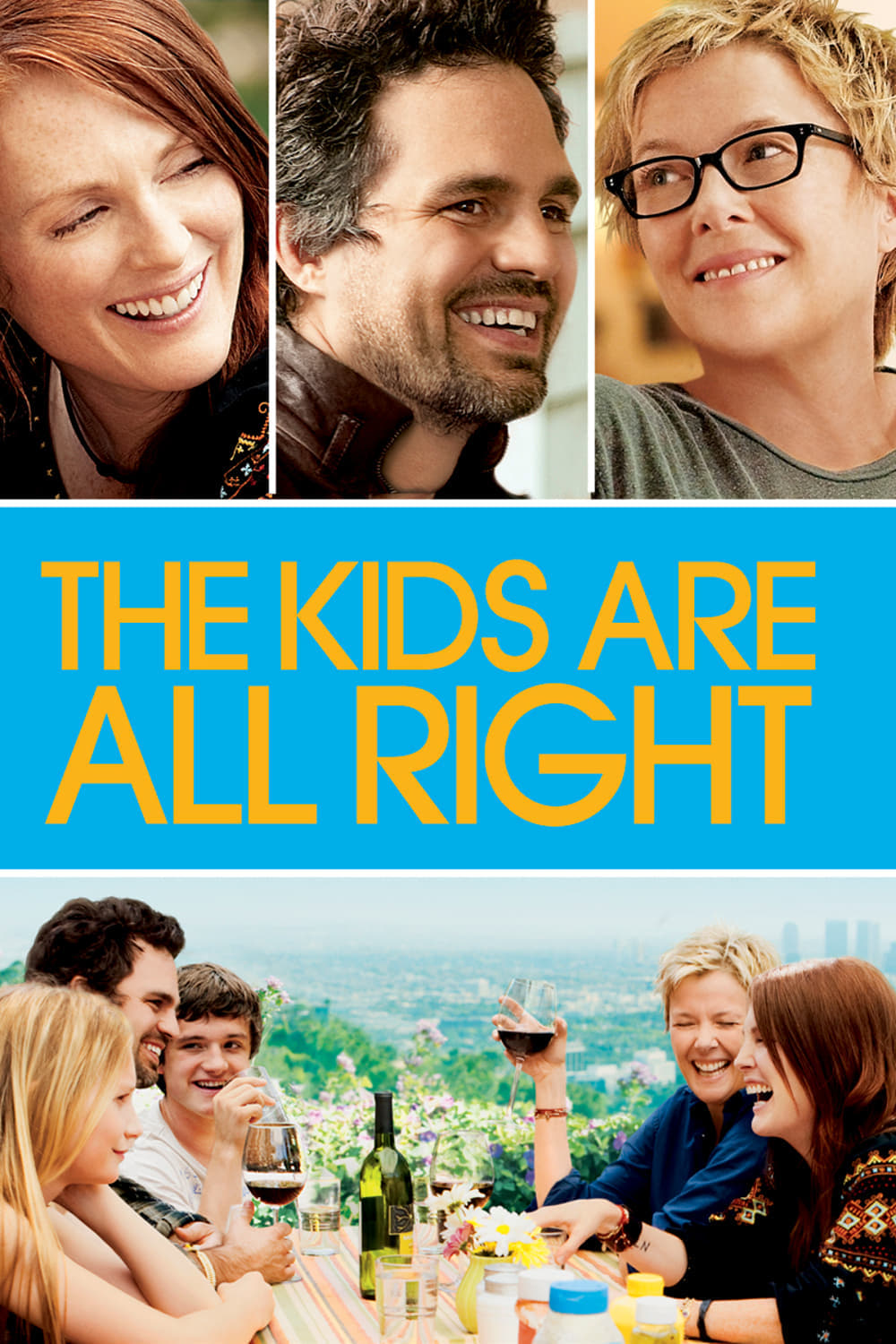
Lisa Cholodenko directed and co-wrote with Stuart Blumberg, with Annette Bening, Julianne Moore, Mark Ruffalo, and Mia Wasikowska starring. Javier Aguirresarobe was cinematographer; Carter Burwell composed; production centered on Los Angeles-area homes and small-business locations.
Focus Features managed a specialty release that expanded nationally. The film received Academy Award nominations for picture, actress, supporting actor, and original screenplay, along with Golden Globe recognition and guild nominations.
‘Never Let Me Go’ (2010)
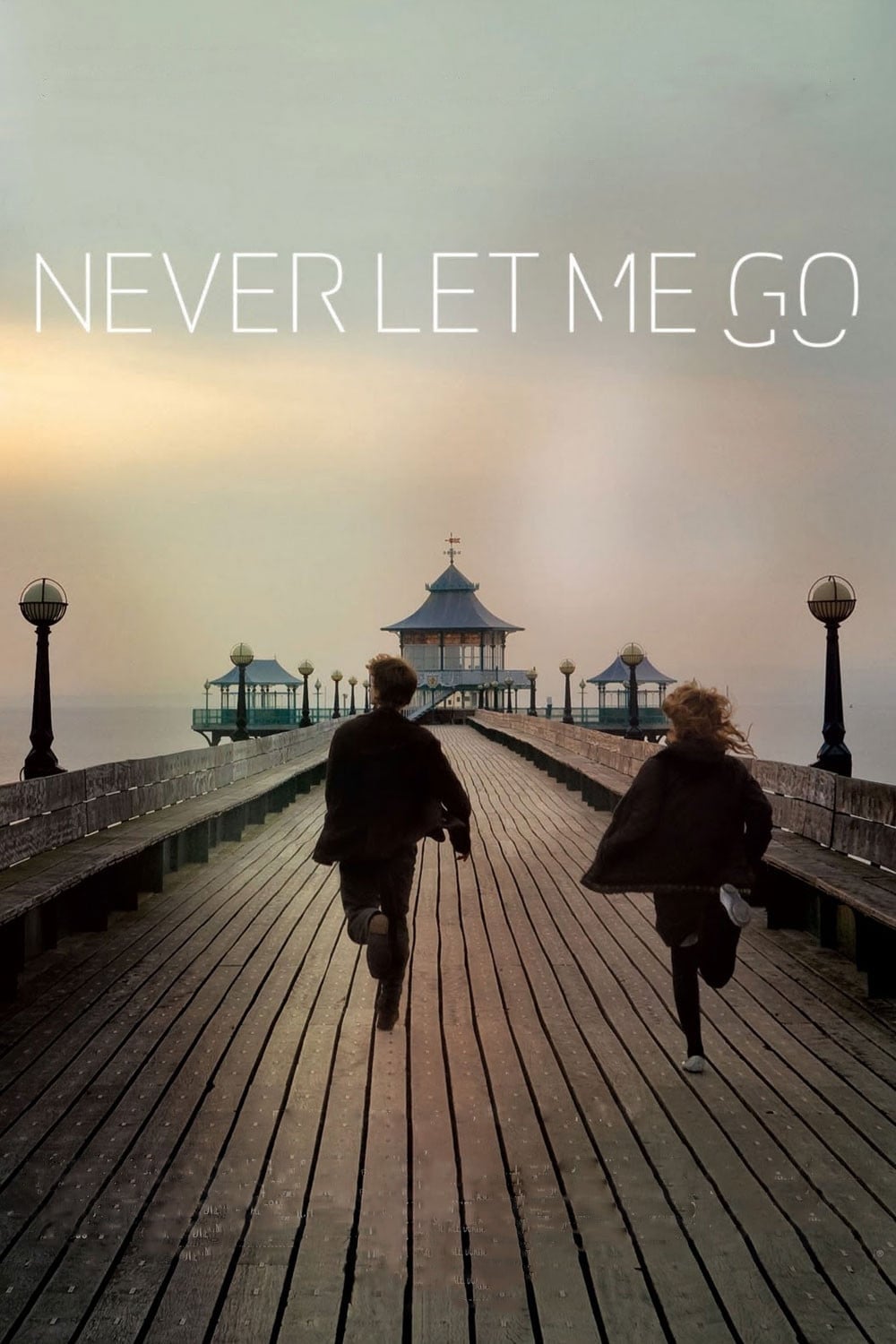
Mark Romanek directed from Alex Garland’s adaptation of Kazuo Ishiguro’s novel, starring Carey Mulligan, Andrew Garfield, and Keira Knightley. Adam Kimmel handled cinematography with a muted palette across UK coastal and institutional locations; Rachel Portman composed; production design emphasized boarding-school architecture and clinical interiors.
Fox Searchlight released the film following festival play. It drew nominations from BAFTA and other bodies for acting, adapted screenplay, and crafts and is frequently used in discussions of contemporary literary adaptation within UK production studies.
‘Biutiful’ (2010)
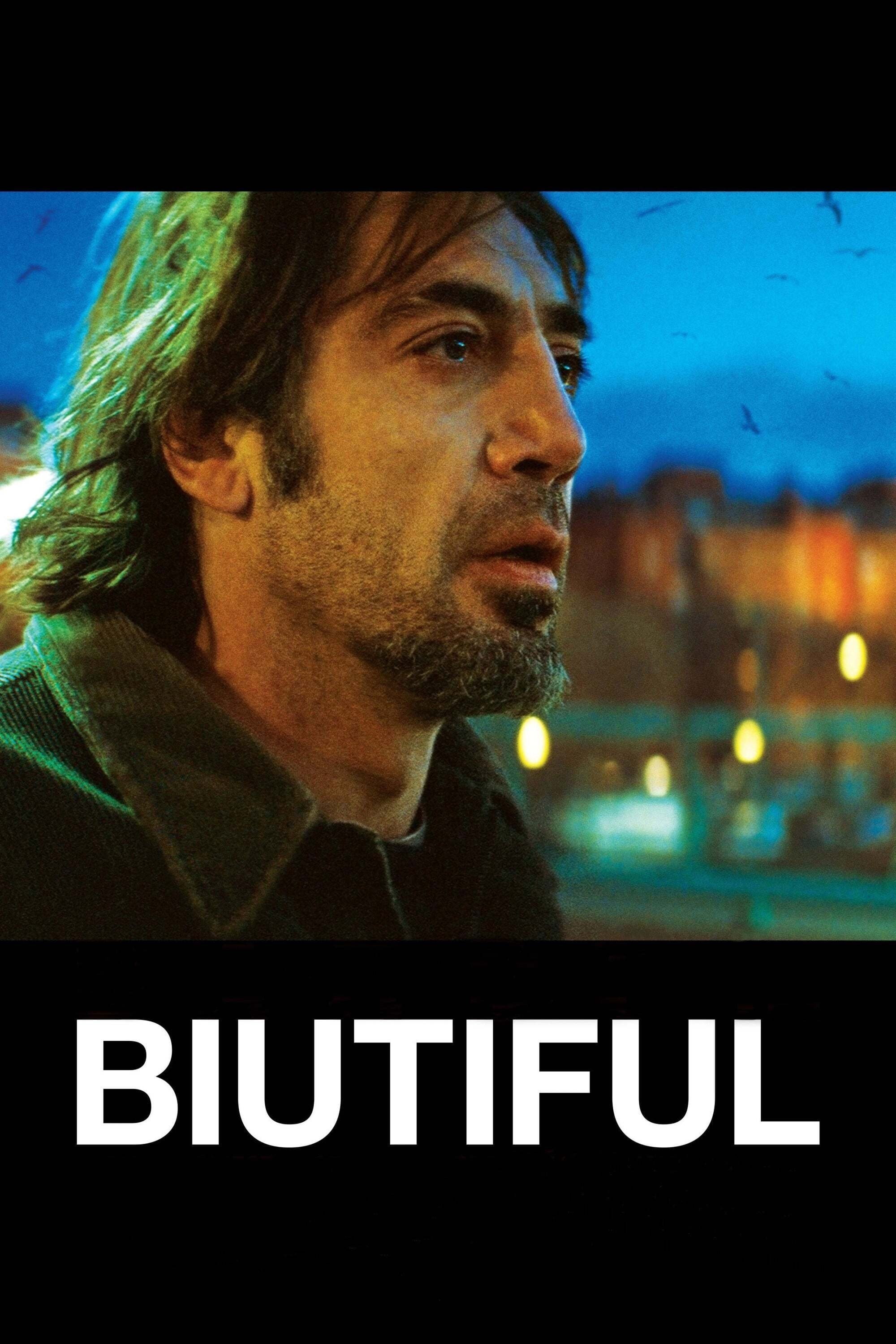
Alejandro G. Iñárritu directed ‘Biutiful’, starring Javier Bardem, from a screenplay by Iñárritu, Armando Bó, and Nicolás Giacobone. Rodrigo Prieto served as cinematographer; Barcelona locations anchored the production; Gustavo Santaolalla contributed to the music; Menage Atroz, Mod Producciones, and Ikiru Films produced.
Roadside Attractions handled North American distribution after prominent festival screenings. The film received an Academy Award nomination for international feature, and Javier Bardem was nominated for lead performance, with additional European awards recognition.
‘Incendies’ (2010)
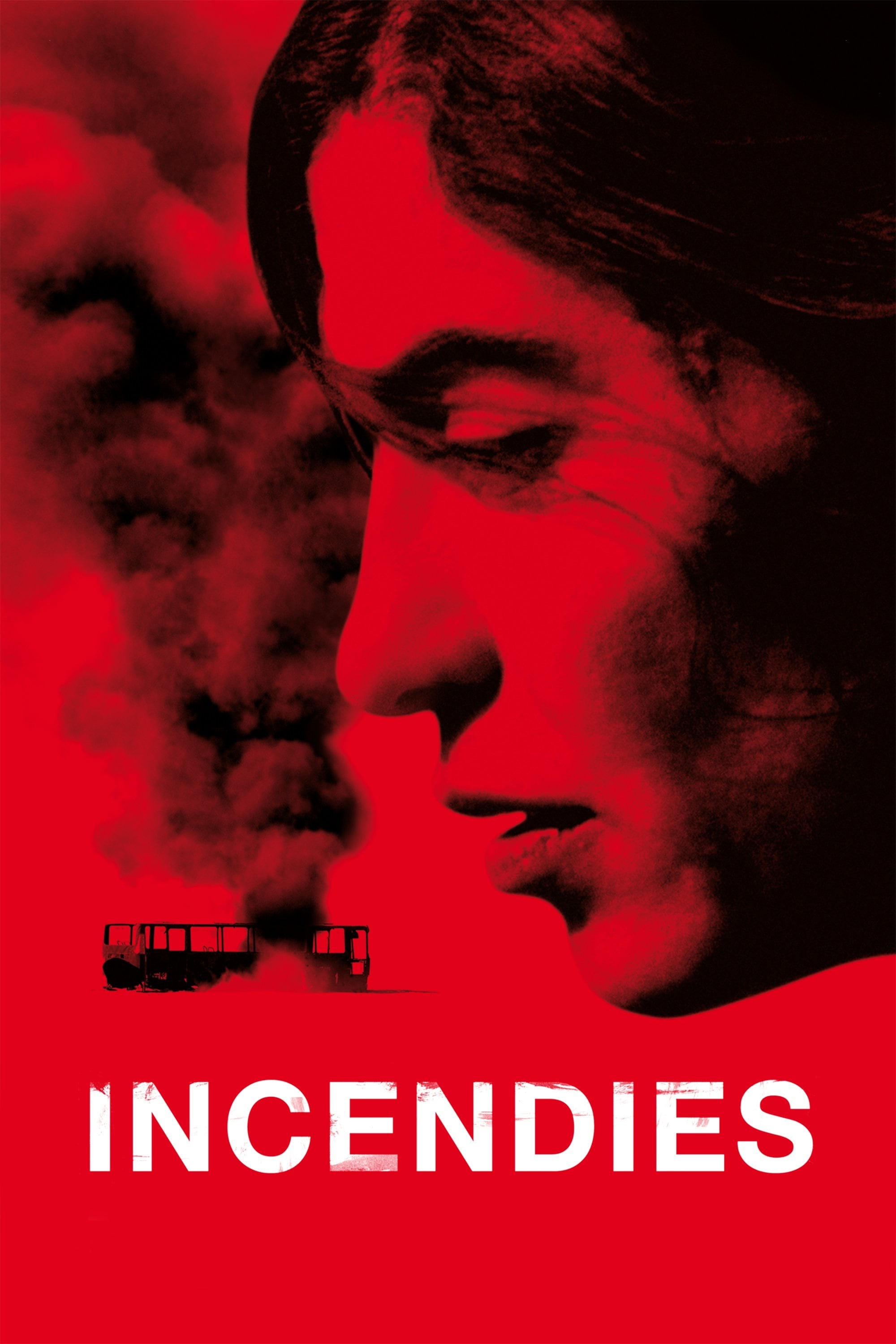
Denis Villeneuve directed, adapted from Wajdi Mouawad’s play, starring Lubna Azabal and Mélissa Désormeaux-Poulin. André Turpin handled cinematography; Monique Dartonne edited; music supervision incorporated regional sounds; Micro_Scope led the Canadian production with Middle Eastern location work.
Sony Pictures Classics distributed the film in North America after a high-visibility festival run. It received an Academy Award nomination for international feature and numerous festival and critics’ prizes, establishing wide international exposure for its director.
‘Four Lions’ (2010)
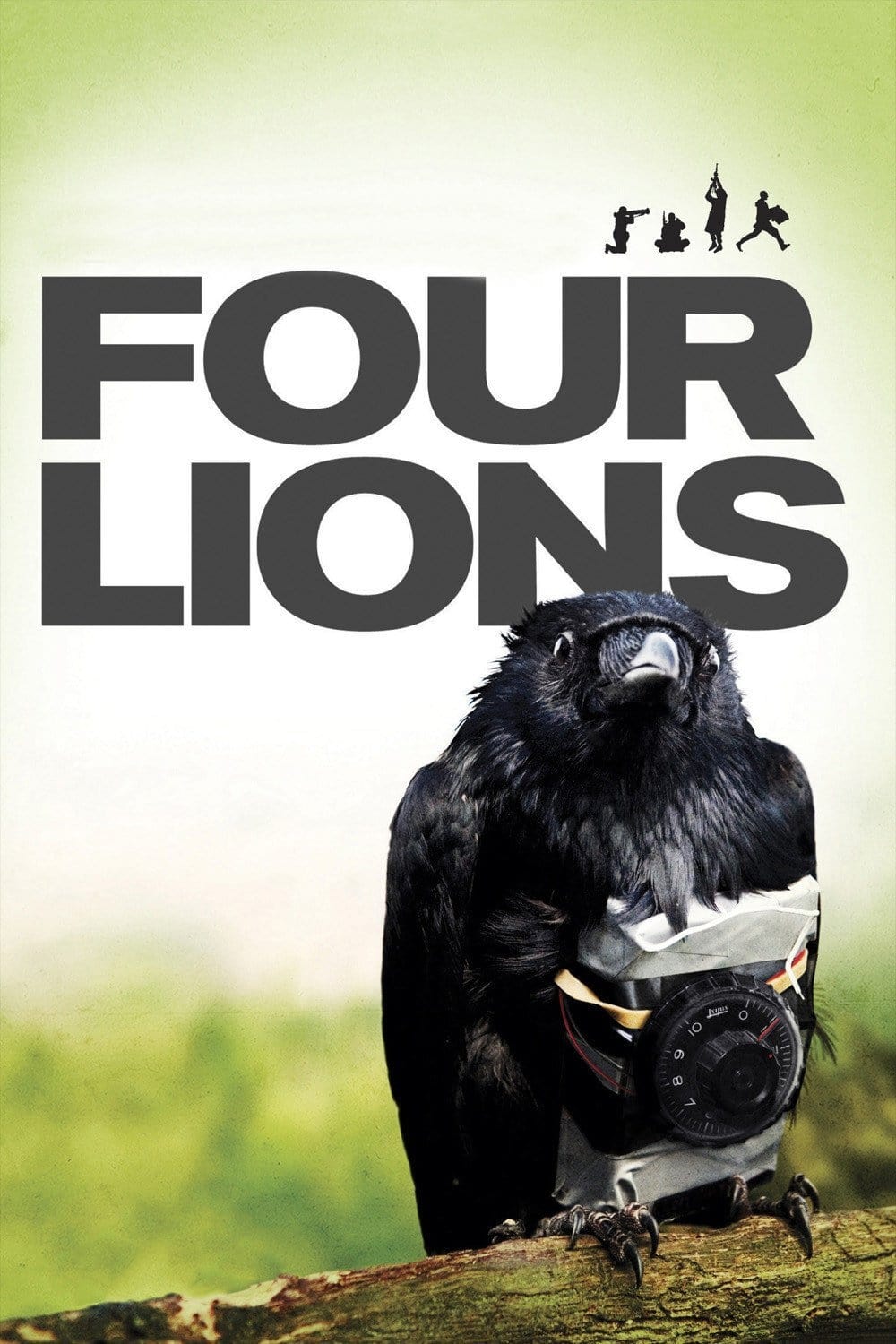
Chris Morris directed and co-wrote with Sam Bain and Jesse Armstrong, starring Riz Ahmed, Nigel Lindsay, Kayvan Novak, Adeel Akhtar, and Arsher Ali. Warp Films produced; Lol Crawley’s handheld cinematography and location work in Sheffield and London shaped the visual approach.
Optimum Releasing distributed in the UK and Magnolia Pictures handled North America, beginning with limited theatrical runs. The film received British Independent Film Awards attention and sustained visibility through television and digital rental platforms.
‘Exit Through the Gift Shop’ (2010)
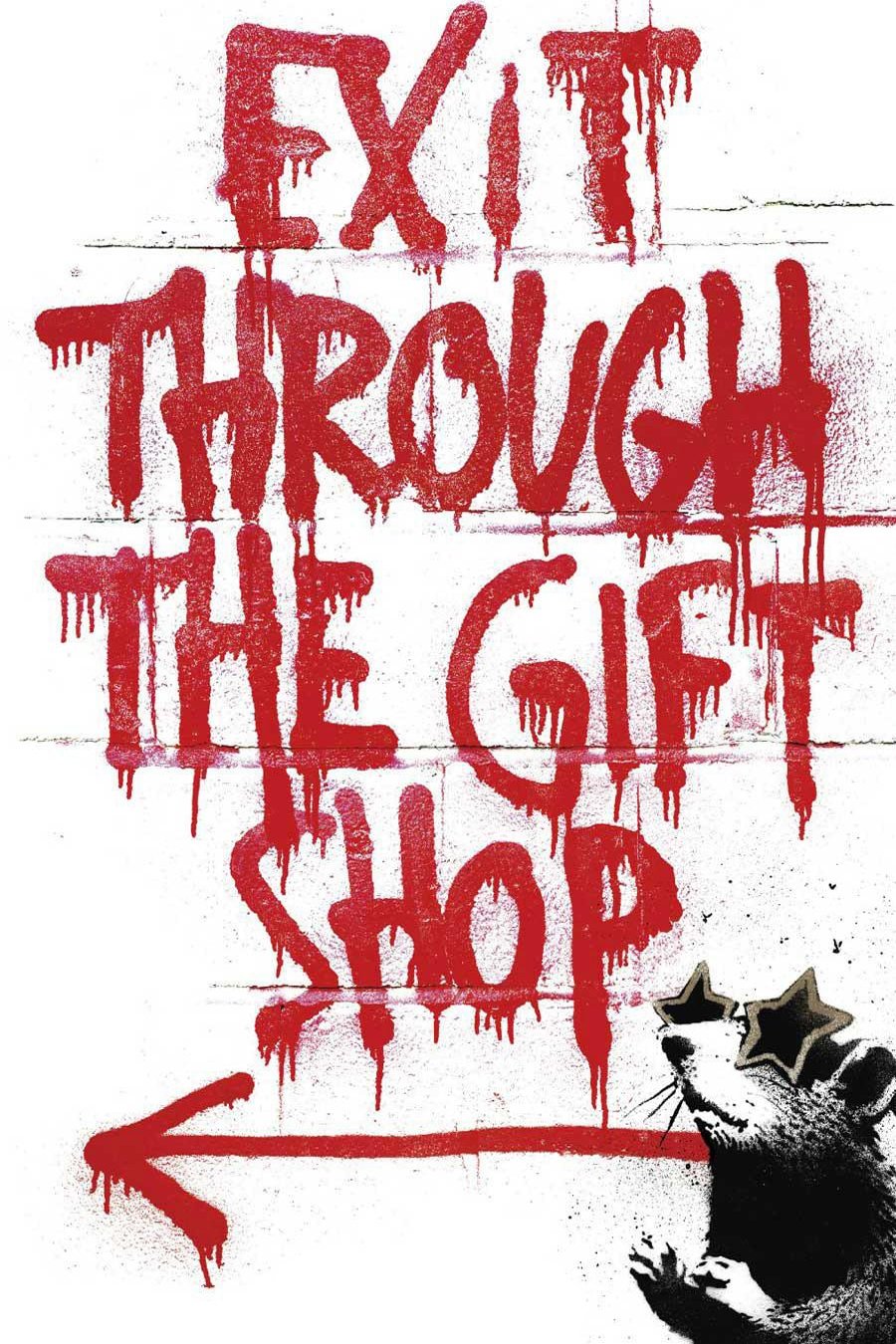
Associated with Banksy and featuring Thierry Guetta with artists such as Shepard Fairey and Invader, ‘Exit Through the Gift Shop’ blends archival and newly shot material. Chris King edited; producers included Paranoid Pictures and Revolver Entertainment; Oscilloscope Laboratories led US release; music features contributions from Geoff Barrow and Roni Size.
The film premiered at major festivals before opening in arthouses and specialty venues. It received an Academy Award nomination for documentary feature and was recognized by critics’ groups and documentary organizations for editing and production.
‘Uncle Boonmee Who Can Recall His Past Lives’ (2010)
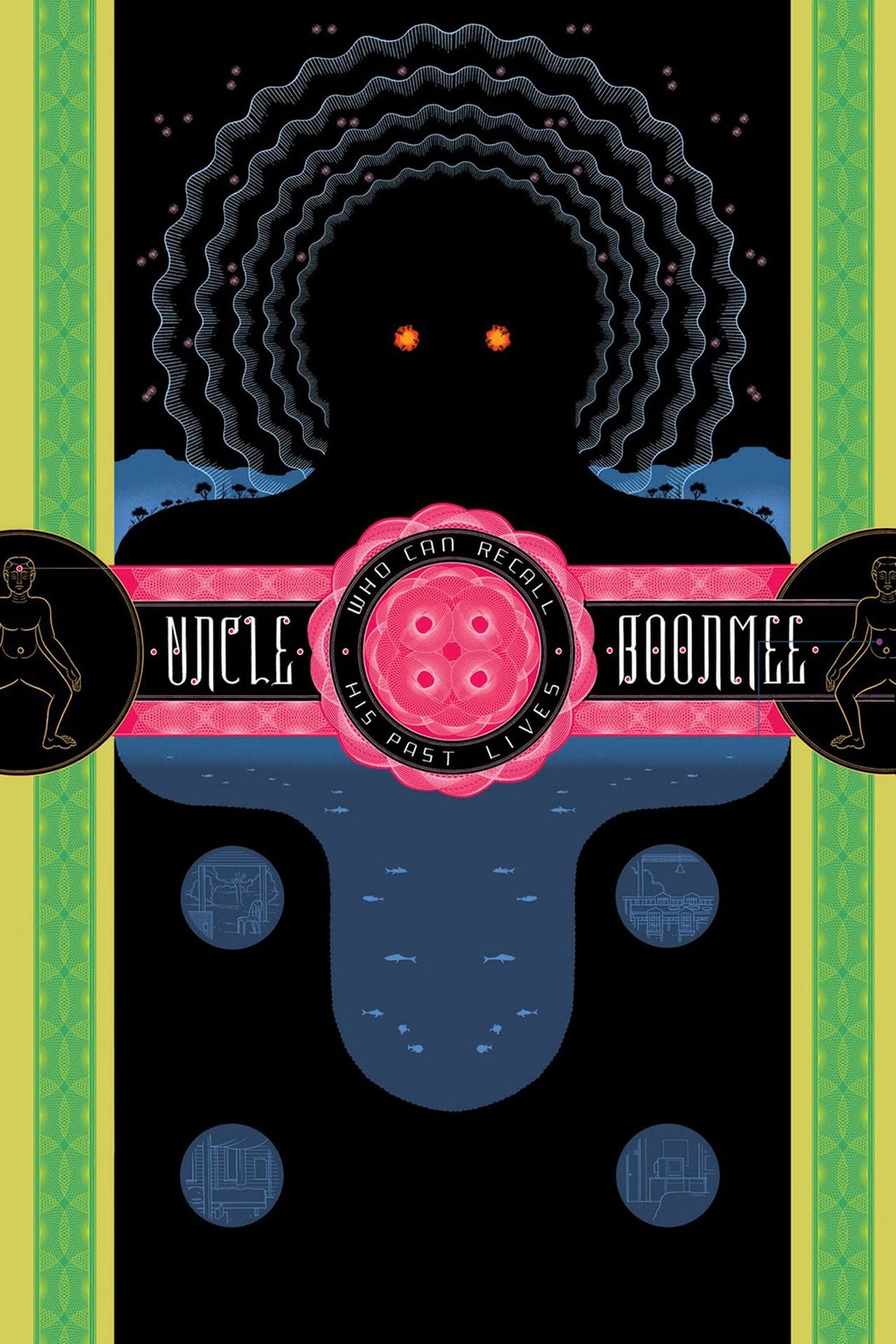
Apichatpong Weerasethakul directed, featuring Thanapat Saisaymar and Jenjira Pongpas. Production companies included Kick the Machine and international partners; Sayombhu Mukdeeprom served as cinematographer; rural Thai locations and long-take compositions emphasized ambient soundscapes.
The film won the Palme d’Or at Cannes and received international specialty distribution. It appeared widely in cinematheque programs and festival retrospectives and was cited by juries and critics for direction and cinematography.
‘The Ghost Writer’ (2010)
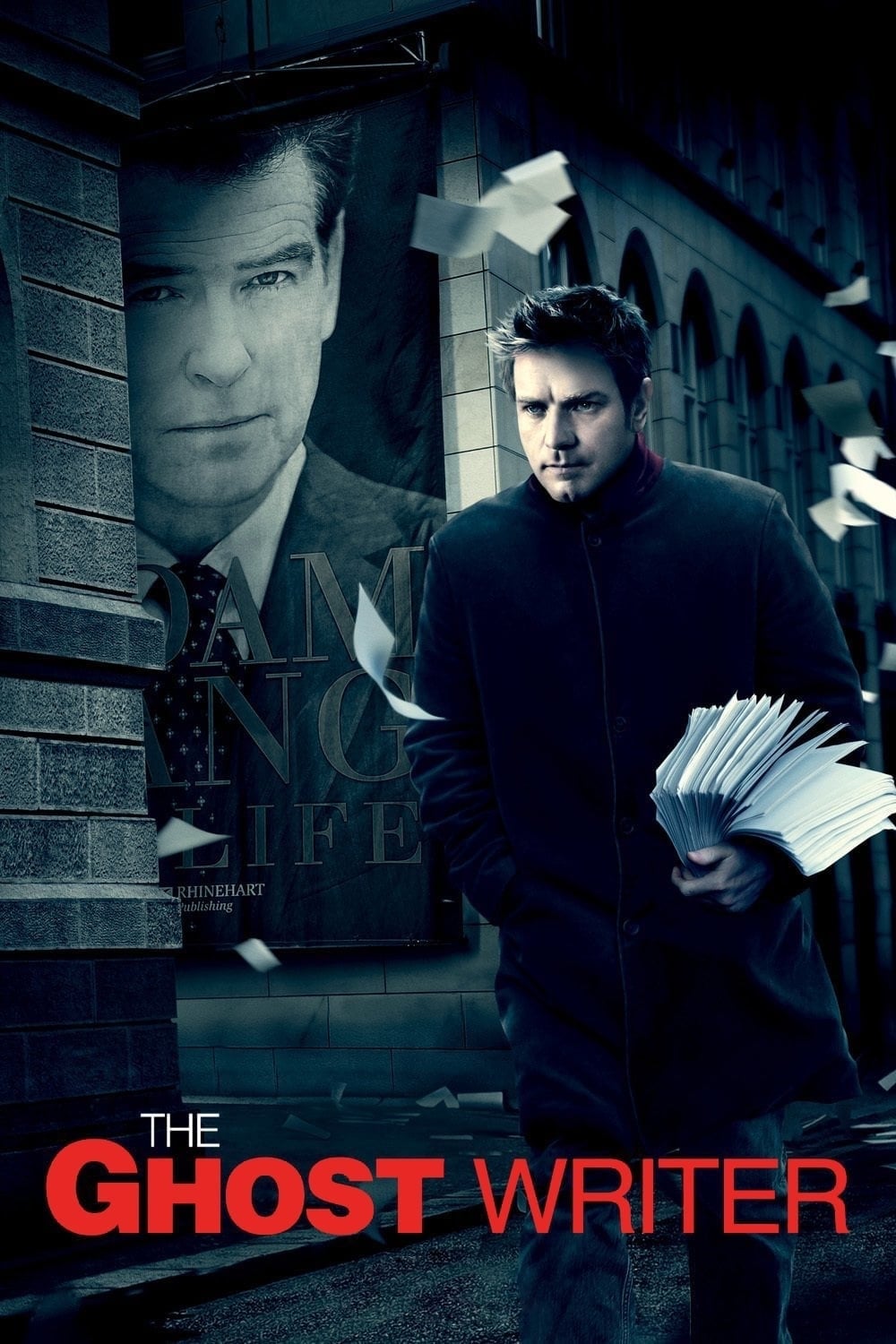
Roman Polanski directed ‘The Ghost Writer’, adapted with Robert Harris from Harris’s novel, starring Ewan McGregor, Pierce Brosnan, Olivia Williams, and Kim Cattrall. Pawel Edelman handled cinematography; Alexandre Desplat composed; production used German stages and Baltic coastal locations standing in for island settings, with modernist architecture featured in design.
Summit Entertainment and European partners distributed the film, which performed strongly in several European territories. It received multiple César Awards including best director and drew craft nominations for editing and score.
‘Harry Potter and the Deathly Hallows – Part 1’ (2010)
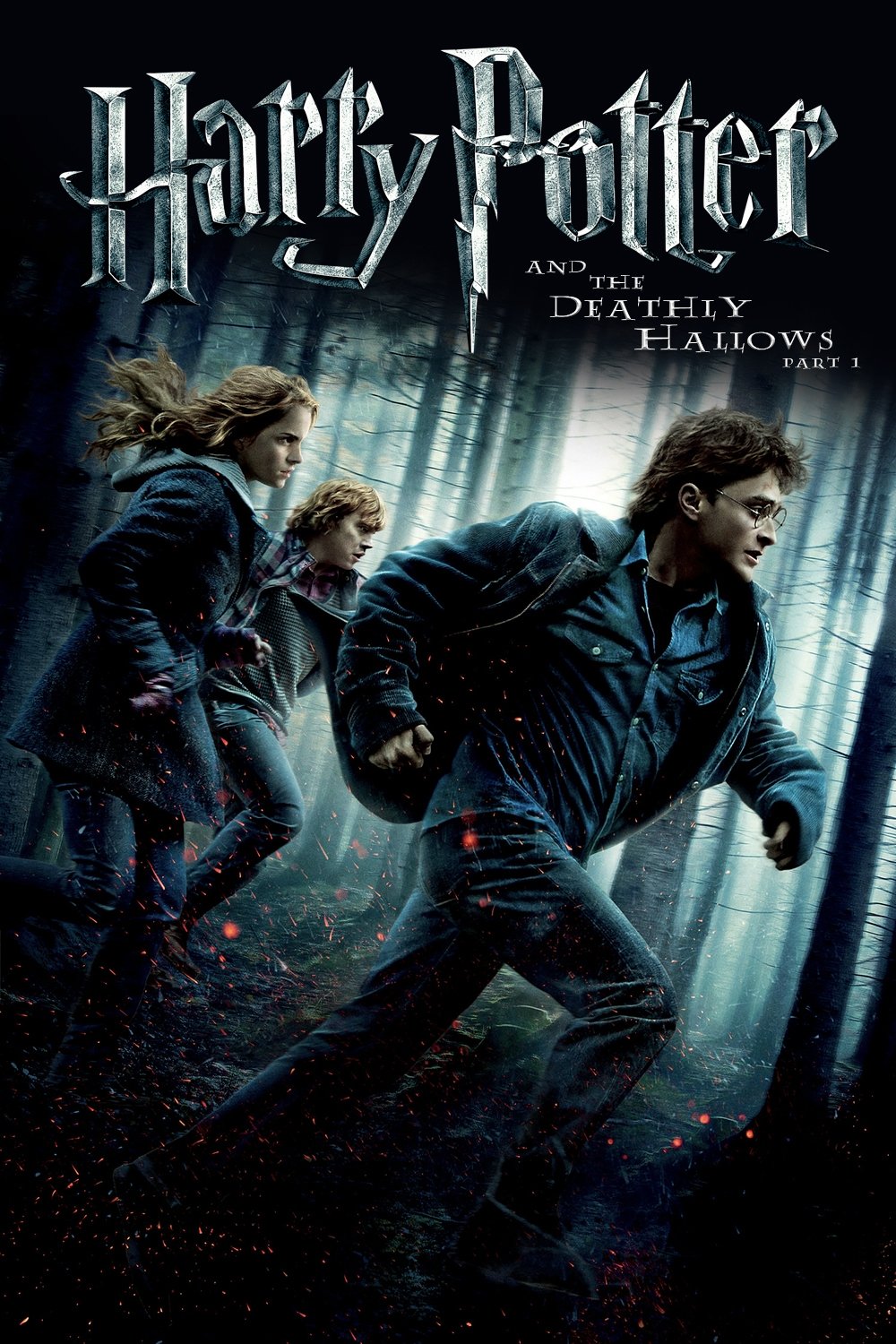
David Yates directed, with Daniel Radcliffe, Emma Watson, and Rupert Grint leading an ensemble of returning cast members. Eduardo Serra handled cinematography; Alexandre Desplat composed; Leavesden Studios served as base with extensive UK location work; production featured large-scale set builds for action and practical-effects sequences.
Warner Bros. released the film in conventional, IMAX, and premium formats, resulting in major worldwide grosses. It received Academy Award nominations in visual effects and other craft categories and positioned the series for its concluding installment.
‘Tangled’ (2010)
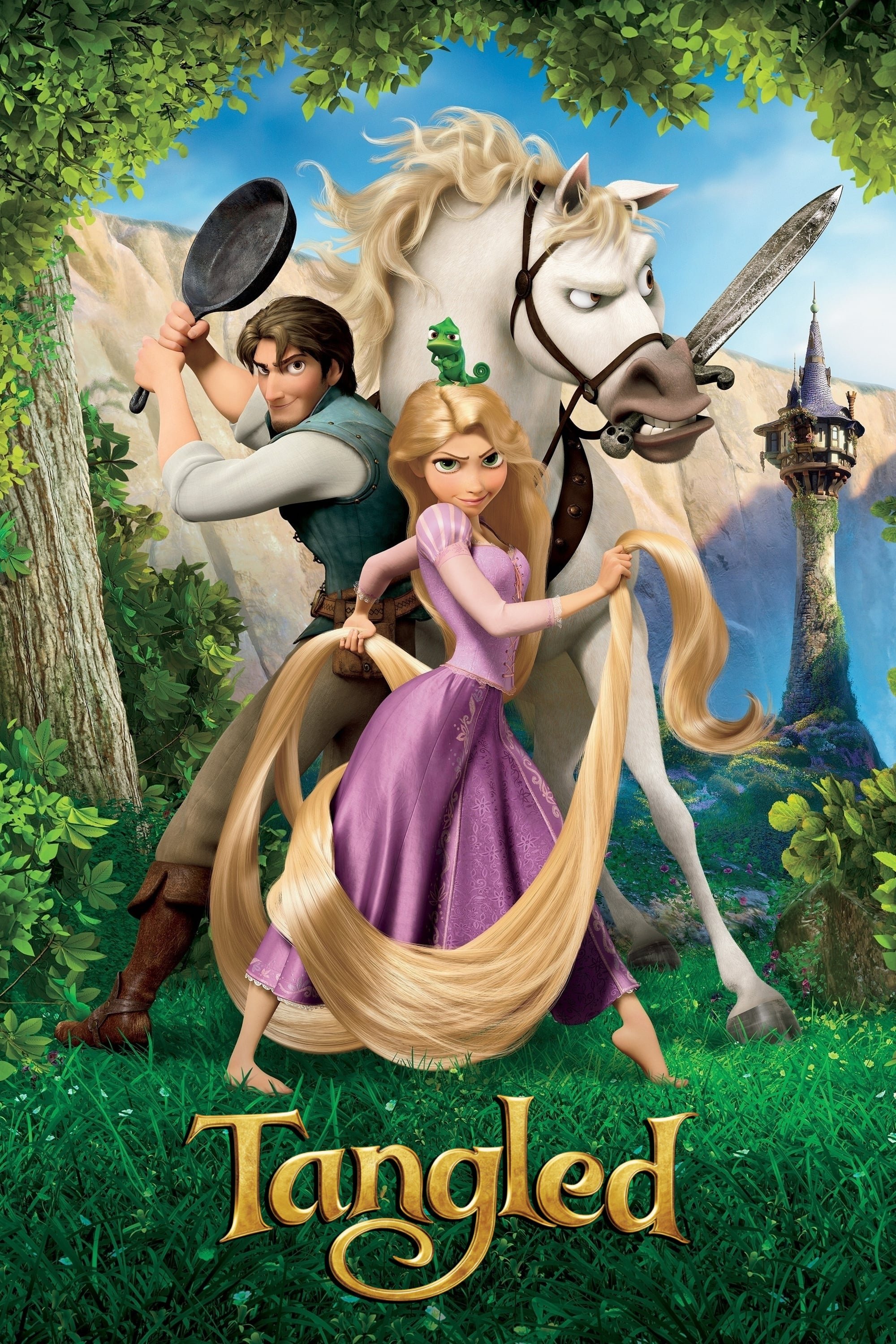
Nathan Greno and Byron Howard directed, with a screenplay by Dan Fogelman and songs by Alan Menken and Glenn Slater. Voice performances include Mandy Moore, Zachary Levi, and Donna Murphy; Disney’s pipeline blended hand-drawn aesthetics with CGI, including hair-simulation breakthroughs and painterly rendering.
Walt Disney Pictures released the film in 2D and 3D with strong family attendance and ancillary performance. It received an Academy Award nomination for original song and expanded into shorts, series content, and theme-park programming.
‘Despicable Me’ (2010)

Illumination Entertainment produced ‘Despicable Me’, directed by Pierre Coffin and Chris Renaud, with Steve Carell, Jason Segel, Russell Brand, Miranda Cosgrove, and Julie Andrews among the voice cast. Mac Guff served as the primary animation house; Heitor Pereira and Pharrell Williams contributed to the soundtrack and original music.
Universal Pictures released the film widely, establishing a franchise with sequels and spin-offs centered on the Minions characters. The project delivered strong worldwide grosses and helped define Illumination’s cost-efficient feature pipeline.
‘Kick-Ass’ (2010)
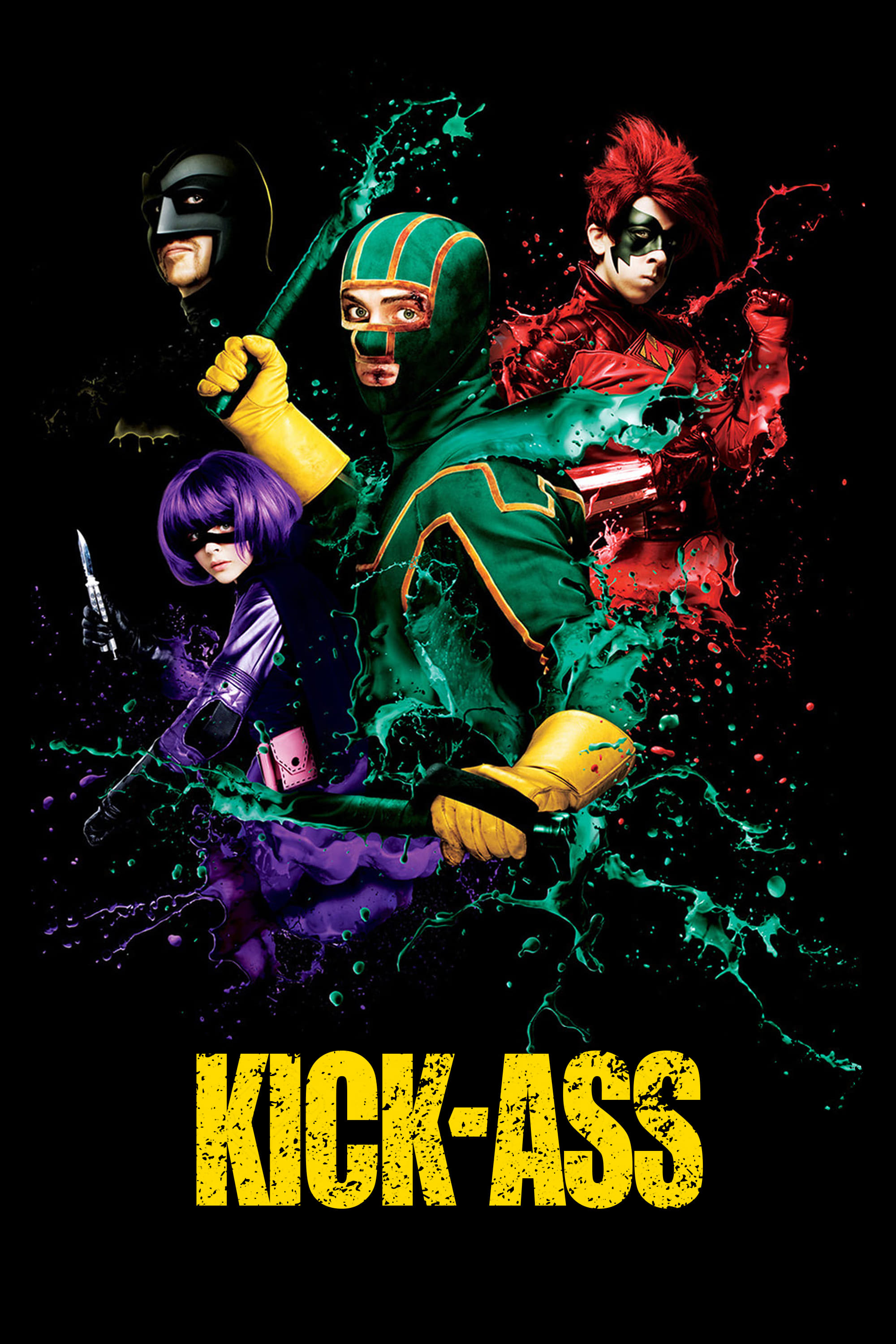
Matthew Vaughn directed and co-wrote with Jane Goldman from Mark Millar and John Romita Jr.’s comic, starring Aaron Johnson, Chloë Grace Moretz, Nicolas Cage, and Christopher Mintz-Plasse. Ben Davis handled cinematography; practical stunt work and color-timed stylization guided the action approach; music contributions included John Murphy and Ilan Eshkeri.
Lionsgate released the film across wide screens with international partners covering additional territories. Subsequent home-video and digital availability supported continued audience reach, and the property was followed by additional installments under the same banner.
‘Monsters’ (2010)
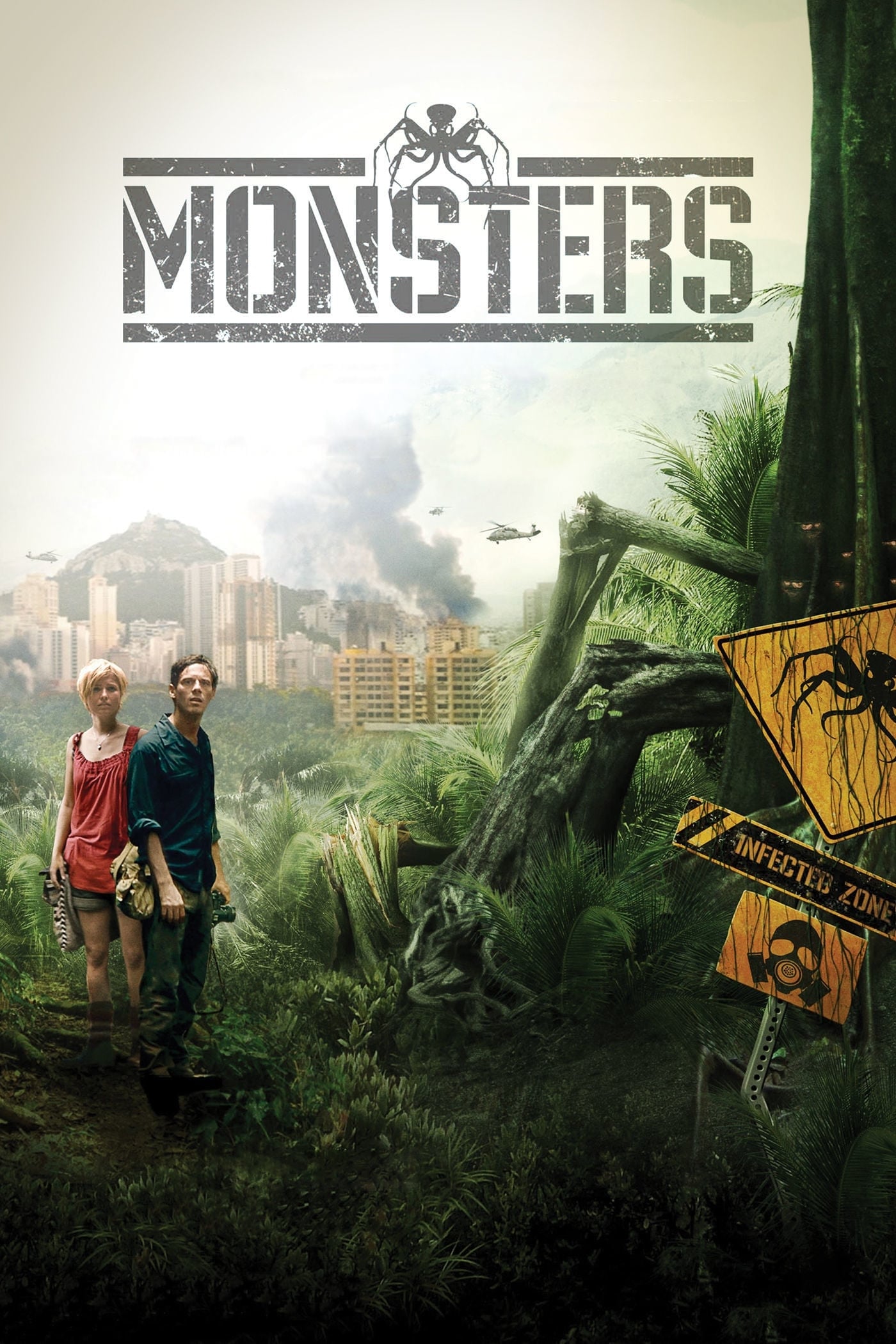
Gareth Edwards wrote, directed, shot, and supervised visual effects, starring Scoot McNairy and Whitney Able. The micro-budget production relied on available-light photography across Central American locations, with desktop-based post-production visual effects and location-recorded sound design.
Vertigo Films and Magnolia Pictures handled distribution in key territories, beginning with festivals and limited theatrical runs. The film’s production model became a reference in discussions of low-budget science-fiction workflows, and it led to larger-scale directing opportunities for Gareth Edwards.
Share your own essential picks from the year in the comments!

