


The Absolute Best Movies of 2014

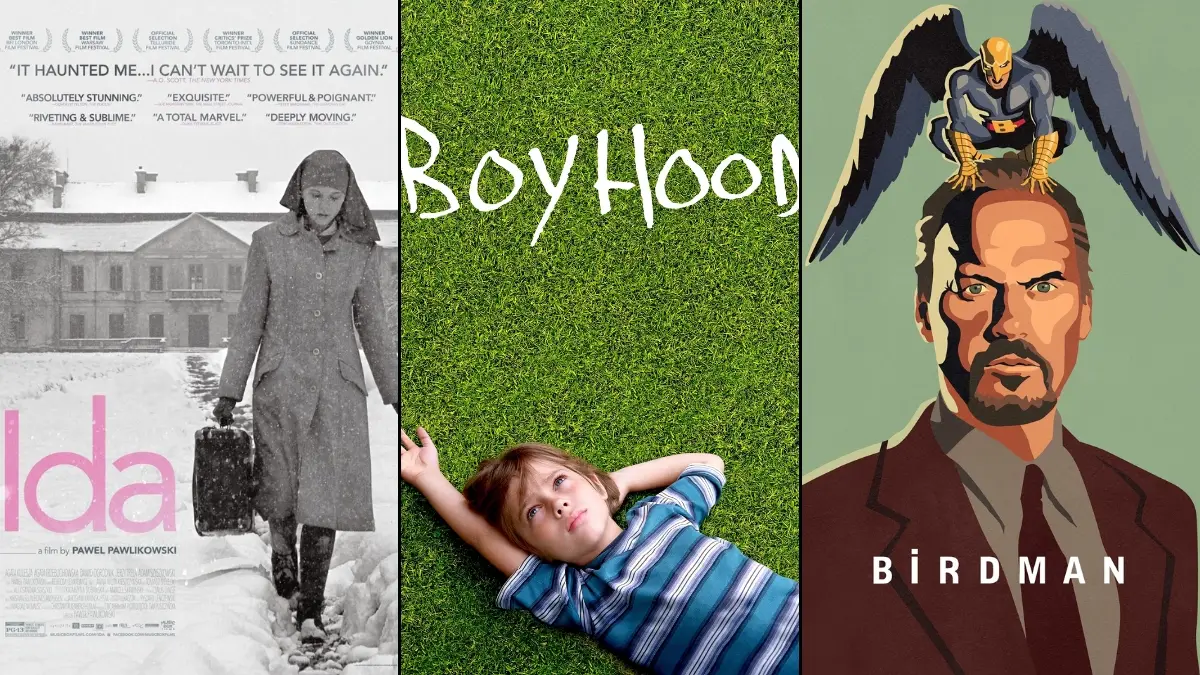


Some movie years feel stacked from top to bottom, and this one delivered across every genre—intimate indies, audacious studio swings, and international standouts that traveled the festival circuit before connecting with wider audiences. The titles below highlight filmmakers operating at full tilt, breakthrough performances that reshaped careers, and below-the-line craftspeople—editors, cinematographers, composers, designers—whose work defined the look and sound of the year.
Each entry includes concrete details about who made the film, who released it, where it premiered, how it performed, and what recognitions it earned. If you’re building a watchlist or brushing up on cinema history, consider this a handy, factual guide to the era’s defining releases.
‘Boyhood’ (2014)

Richard Linklater wrote and directed ‘Boyhood’, filmed intermittently with the same principal cast—Ellar Coltrane, Patricia Arquette, and Ethan Hawke—over a twelve-year production schedule. Editor Sandra Adair shaped footage captured on periodic short shoots into a cohesive narrative, and IFC Films handled US distribution after premieres at Sundance and Berlin.
The project’s financing arrived in stages to accommodate annual shoots, with continuity managed through evolving costumes, hair, props, and period-appropriate music clearances. ‘Boyhood’ received multiple Academy Award nominations, with a win for Best Supporting Actress (Patricia Arquette), and collected numerous critics’ prizes alongside strong specialty box-office results.
‘Birdman or (The Unexpected Virtue of Ignorance)’ (2014)

Alejandro G. Iñárritu directed and co-wrote ‘Birdman’ with Nicolás Giacobone, Alexander Dinelaris Jr., and Armando Bo, starring Michael Keaton, Emma Stone, Edward Norton, Naomi Watts, Andrea Riseborough, and Zach Galifianakis. Emmanuel Lubezki’s cinematography was staged and stitched to present the action as if captured in a single continuous shot, while Antonio Sánchez’s drum-driven score underpinned the rhythm. Fox Searchlight released the film following a Venice premiere and stops at Telluride and Toronto.
The production relied on extensive rehearsal on constructed theatre sets, precise blocking for Steadicam and handheld moves, and digital compositing to create seamless transitions. ‘Birdman’ won Academy Awards for Best Picture, Director, Original Screenplay, and Cinematography, and delivered an outsized worldwide gross for a mid-budget release.
‘The Grand Budapest Hotel’ (2014)
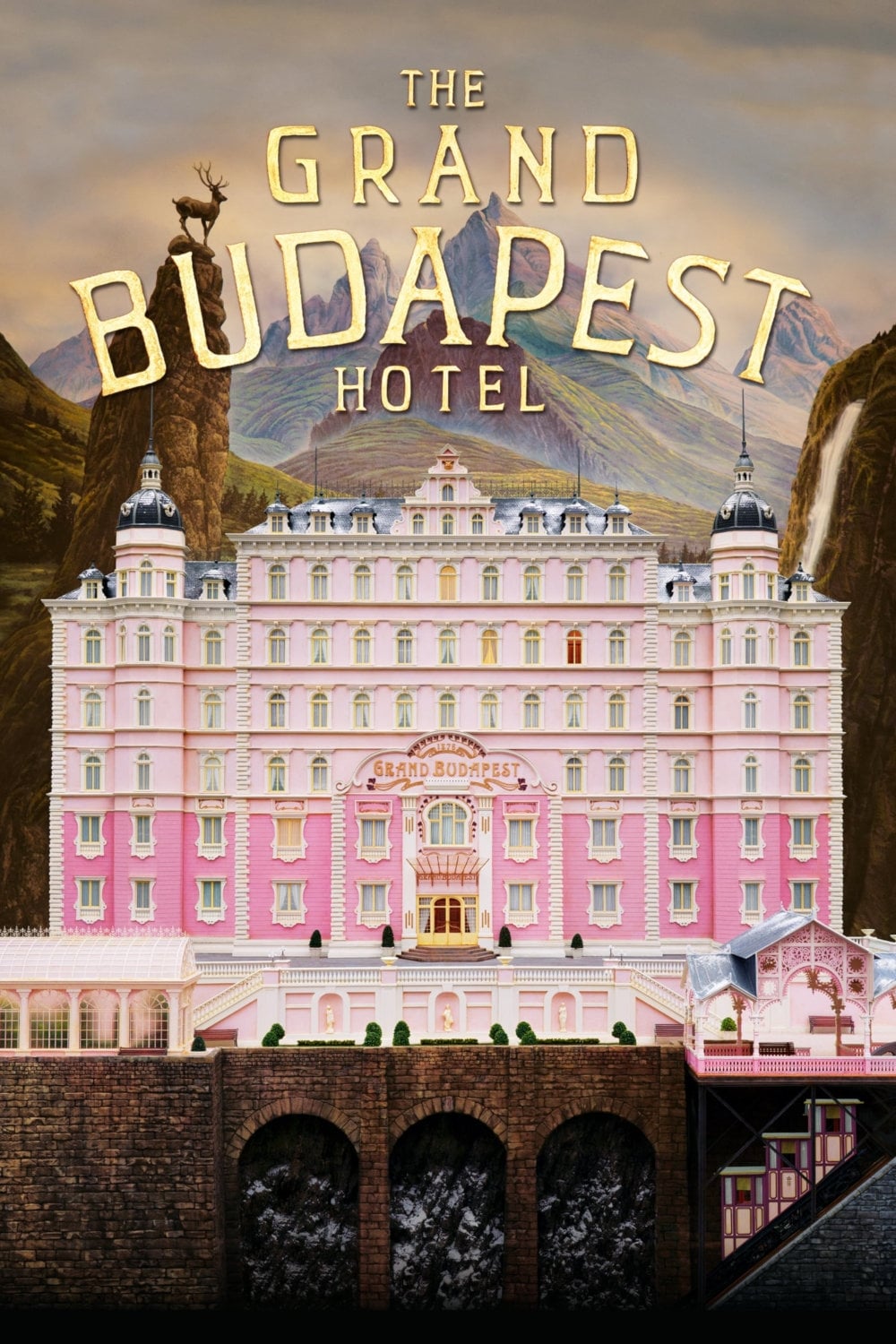
Written and directed by Wes Anderson, ‘The Grand Budapest Hotel’ features an ensemble led by Ralph Fiennes and Tony Revolori with Saoirse Ronan, Tilda Swinton, Adrien Brody, Willem Dafoe, Jeff Goldblum, Harvey Keitel, Jude Law, Bill Murray, and Léa Seydoux. Robert Yeoman shot the film using shifting aspect ratios tied to its nested timelines, and Alexandre Desplat composed an Oscar-winning score. Fox Searchlight distributed following a Berlin premiere.
Adam Stockhausen’s production design and Milena Canonero’s costumes both won Academy Awards, while the makeup and hairstyling team crafted distinctive character silhouettes. The film became a rare global art-house hit, earning nominations including Best Picture and Editing and posting long theatrical legs aided by strong word-of-mouth.
‘Whiplash’ (2014)

Damien Chazelle wrote and directed ‘Whiplash’, expanding from his short of the same name. Miles Teller and J.K. Simmons star, with Sharone Meir as cinematographer and Tom Cross as editor. Sony Pictures Classics acquired the feature after its Sundance debut, where it won top US dramatic honors, and expanded it in a platform release.
The production synchronized on-set performance with post-mixing through tight playback control, while additional drum audio was captured for editorial precision. ‘Whiplash’ won Academy Awards for Supporting Actor, Film Editing, and Sound Mixing, drew further nominations for Best Picture and Adapted Screenplay, and significantly out-grossed its modest budget.
‘Interstellar’ (2014)
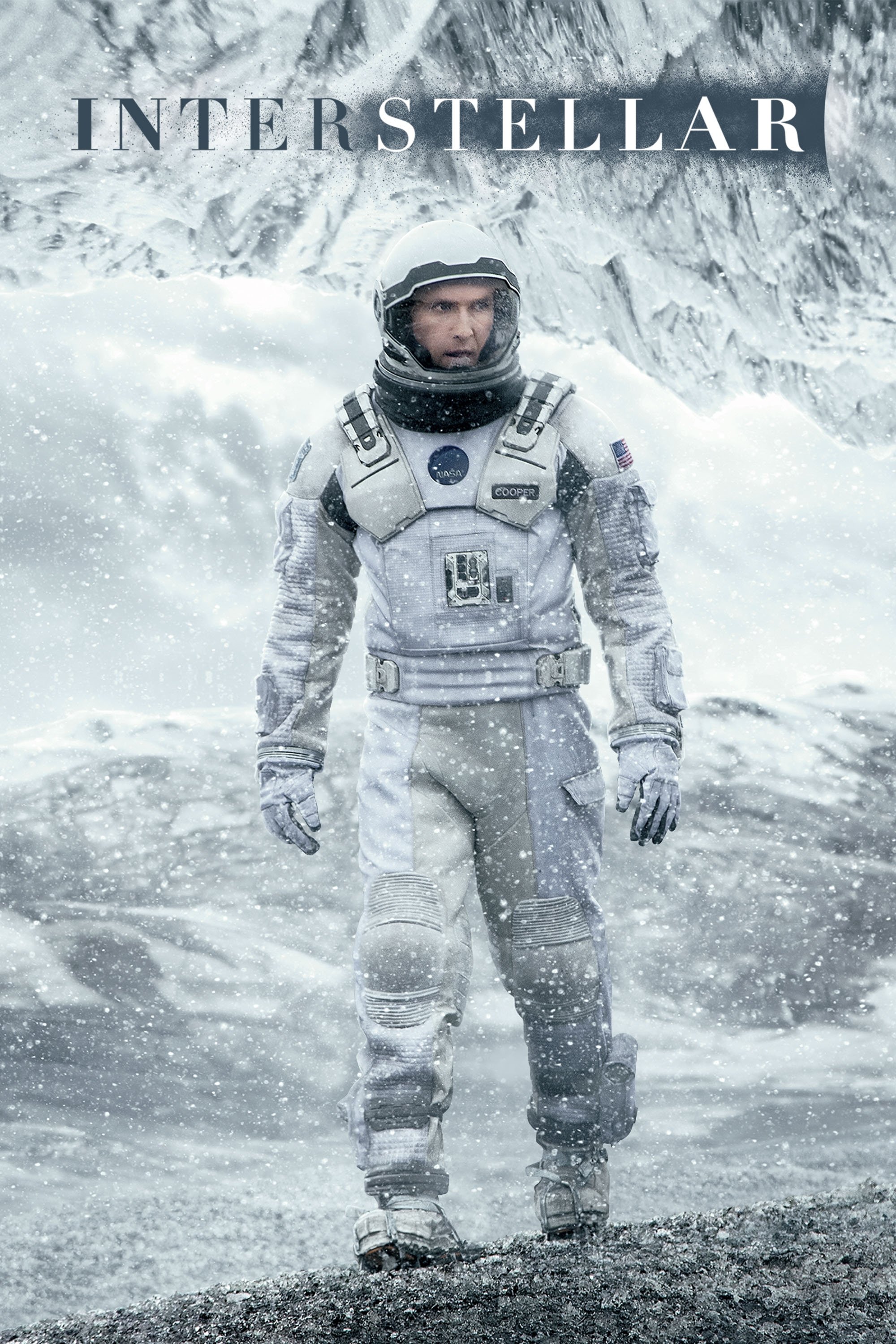
Christopher Nolan directed ‘Interstellar’ from a script co-written with Jonathan Nolan, starring Matthew McConaughey, Anne Hathaway, Jessica Chastain, and Mackenzie Foy. Hoyte van Hoytema photographed large-format sequences including IMAX, and Hans Zimmer composed an organ-centered score recorded in cathedral spaces. Paramount released domestically with Warner Bros. handling international rollout, including premium 70mm engagements.
The effects team collaborated with executive producer and scientific consultant Kip Thorne to generate physically accurate simulations of gravitational lensing, which influenced subsequent visual-science work. The film won the Academy Award for Visual Effects, received additional nominations for score, sound, and design, and ranked among the year’s highest-grossing global releases.
‘The Lego Movie’ (2014)
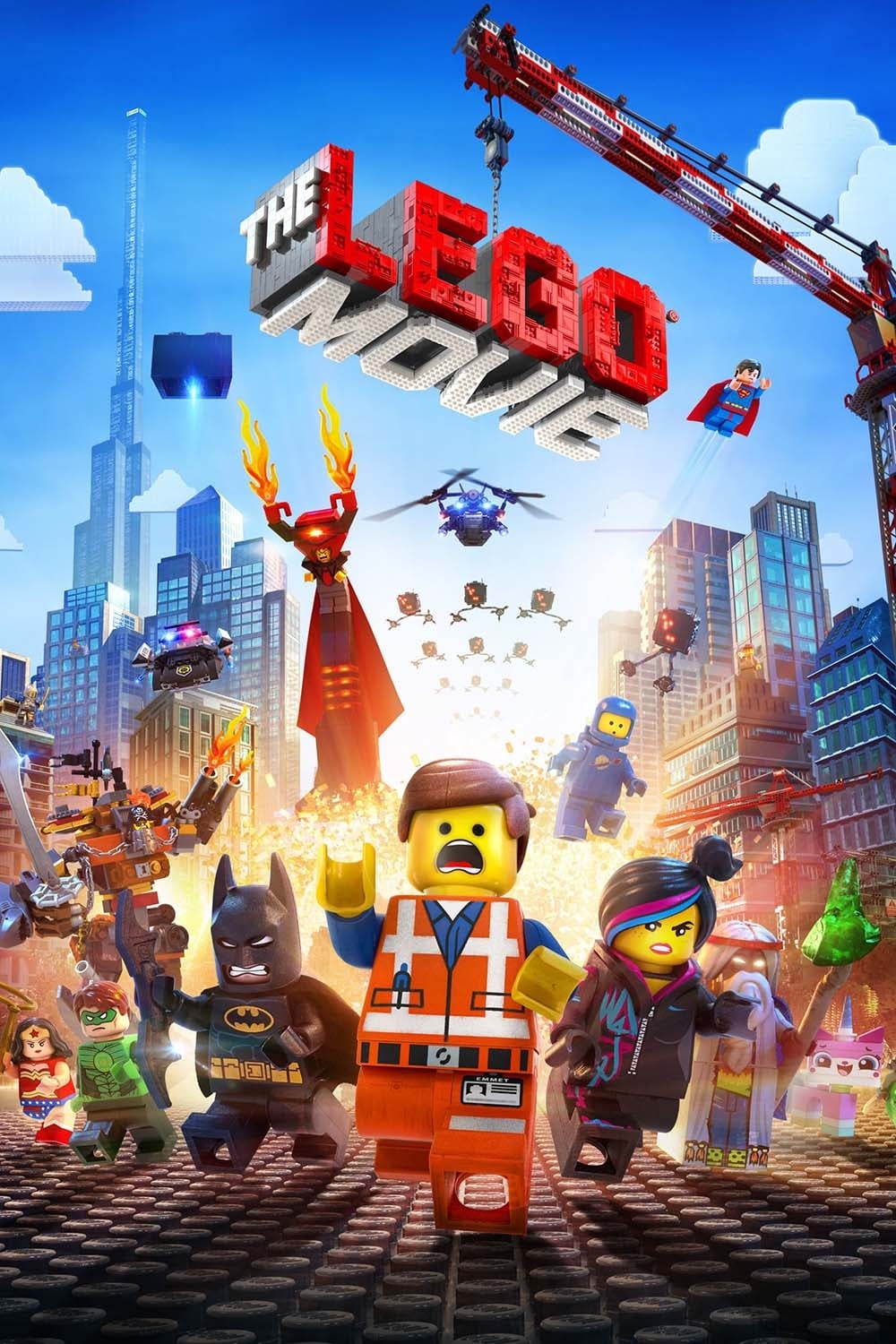
Phil Lord and Christopher Miller wrote and directed ‘The Lego Movie’, produced by Dan Lin, Roy Lee, and the directors, with animation by Animal Logic. Voice performances include Chris Pratt, Elizabeth Banks, Will Ferrell, Will Arnett, Alison Brie, Charlie Day, Nick Offerman, and Morgan Freeman. Warner Bros. Pictures handled worldwide distribution supported by branded partnerships and teaser shorts.
The film’s CG approach intentionally mimics stop-motion, down to brick scuffs, limited articulation, and effects built from digital elements. The original song ‘Everything Is Awesome’ received an Academy Award nomination, the feature won BAFTA’s Animated Film prize, and it drove robust merchandising alongside strong worldwide box-office returns.
‘Nightcrawler’ (2014)
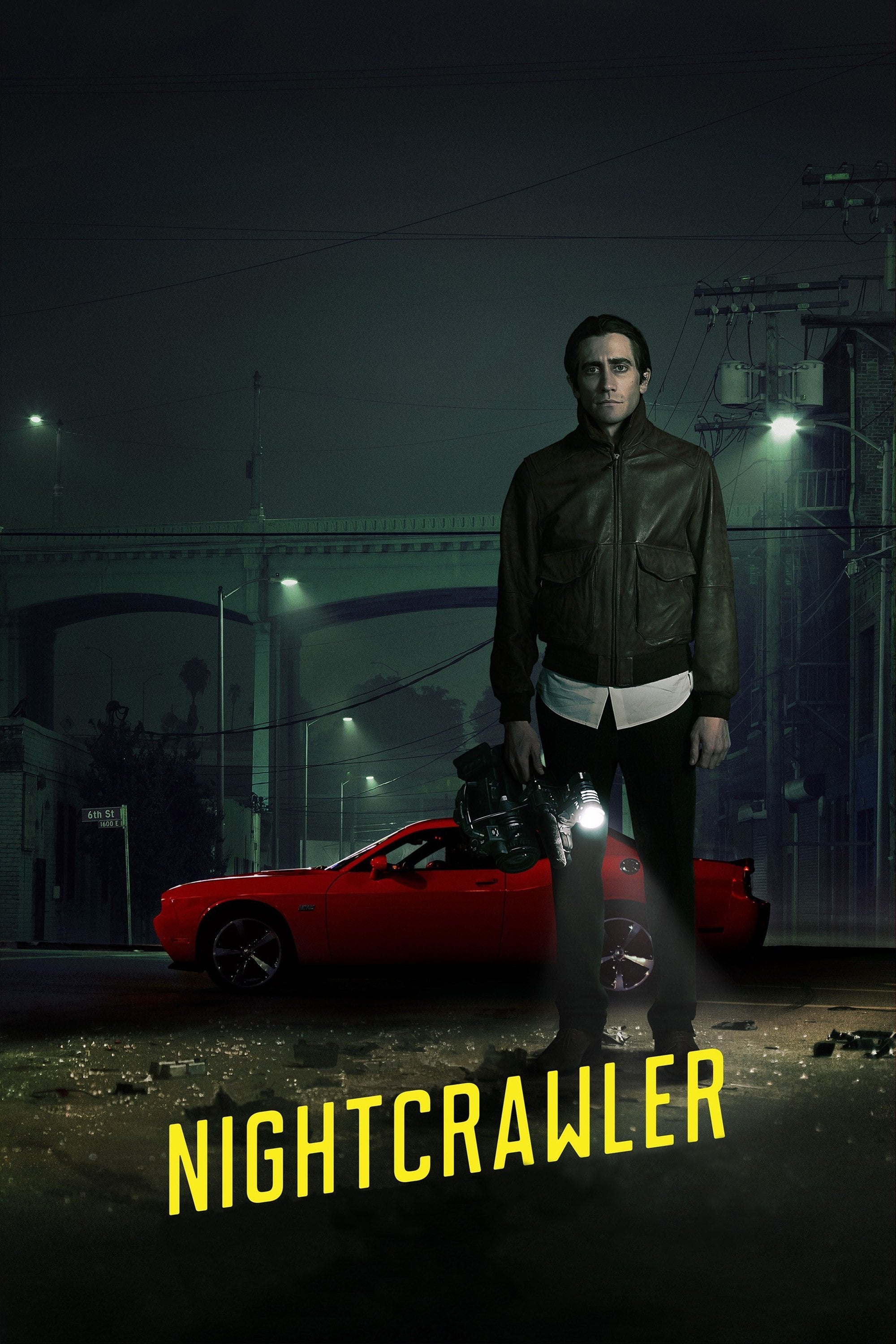
Written and directed by Dan Gilroy, ‘Nightcrawler’ stars Jake Gyllenhaal, Rene Russo, and Riz Ahmed. Robert Elswit’s cinematography emphasizes nocturnal Los Angeles locations, and John Gilroy handled editing. Open Road Films distributed after a Toronto premiere, positioning the film for awards-season play.
The lean production budget enabled agile night shoots and compact unit moves, with handheld coverage and car-mounted rigs used extensively. ‘Nightcrawler’ earned an Academy Award nomination for Original Screenplay, multiplied its budget at the box office, and developed a long tail via streaming and home media.
‘Gone Girl’ (2014)
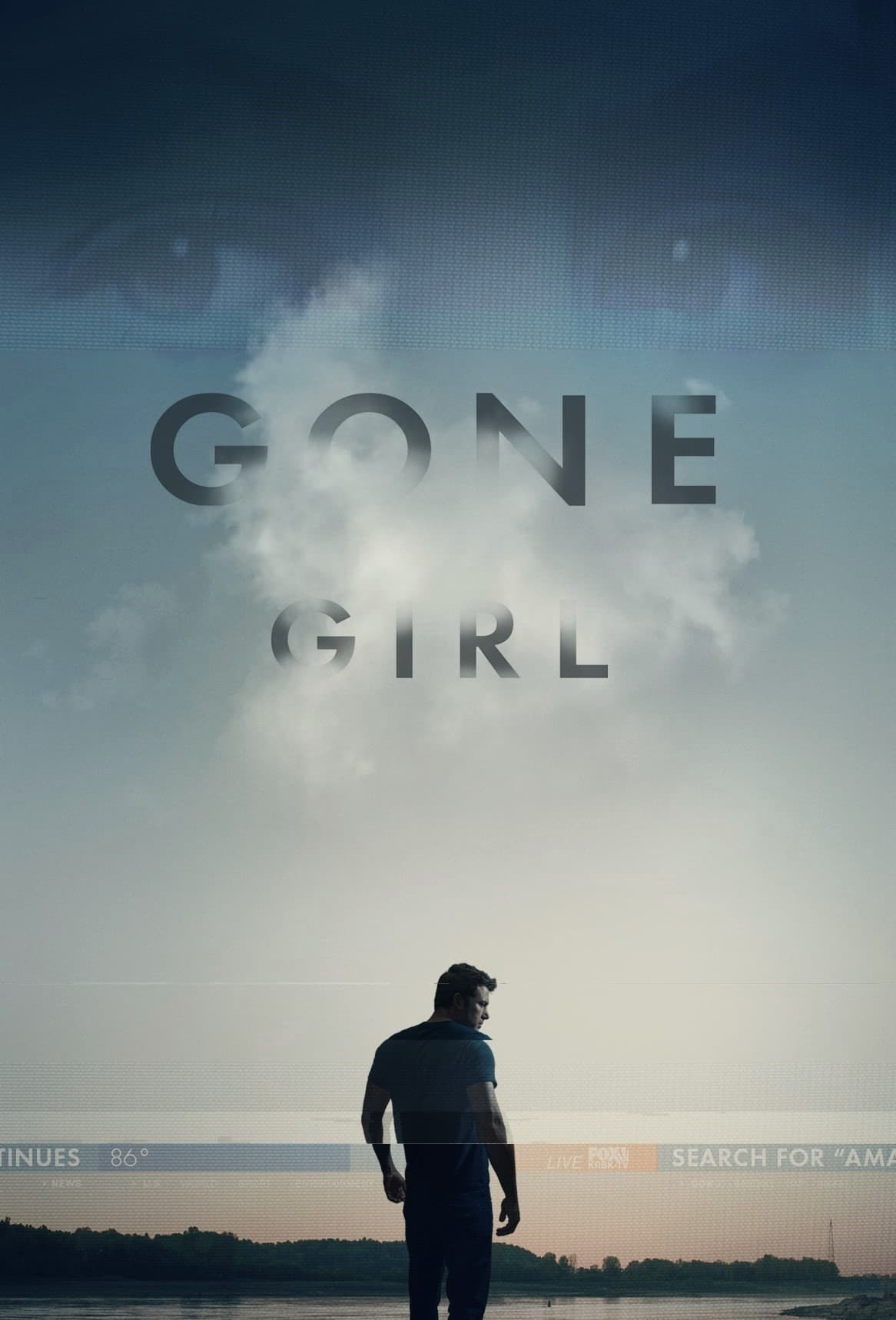
David Fincher directed ‘Gone Girl’ from Gillian Flynn’s adaptation of her novel, starring Ben Affleck and Rosamund Pike with Carrie Coon, Neil Patrick Harris, and Tyler Perry. Jeff Cronenweth served as cinematographer, Kirk Baxter as editor, and Trent Reznor and Atticus Ross composed the score. 20th Century Fox handled global distribution with a high-profile fall launch.
Rosamund Pike received an Academy Award nomination for Best Actress, and the release became a major commercial success for adult-skewing drama. The marketing leaned into mystery elements and social media teases, while the distribution strategy combined premium large-format bookings with a wide release.
‘Under the Skin’ (2014)
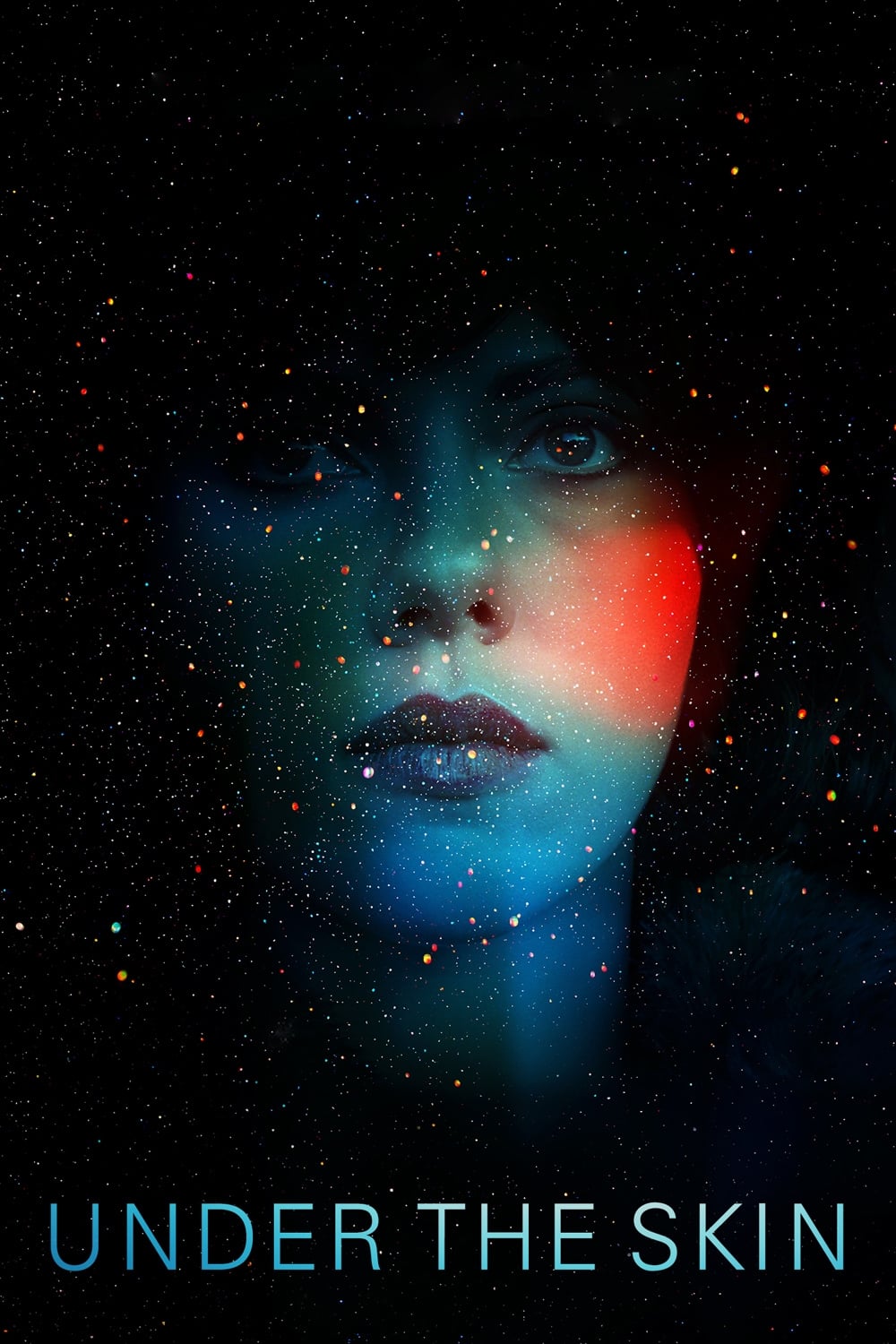
Jonathan Glazer directed ‘Under the Skin’, adapted from Michel Faber’s novel and starring Scarlett Johansson. Daniel Landin photographed the film, and Mica Levi composed the score. A24 released domestically after a festival run that included Venice and Telluride.
The production blended hidden-camera street interactions in and around Glasgow with controlled stage work and abstract visual-effects sequences. Recognized widely by critics’ groups for score and direction, the picture expanded gradually in specialty markets before building durable viewership on home platforms.
‘The Babadook’ (2014)
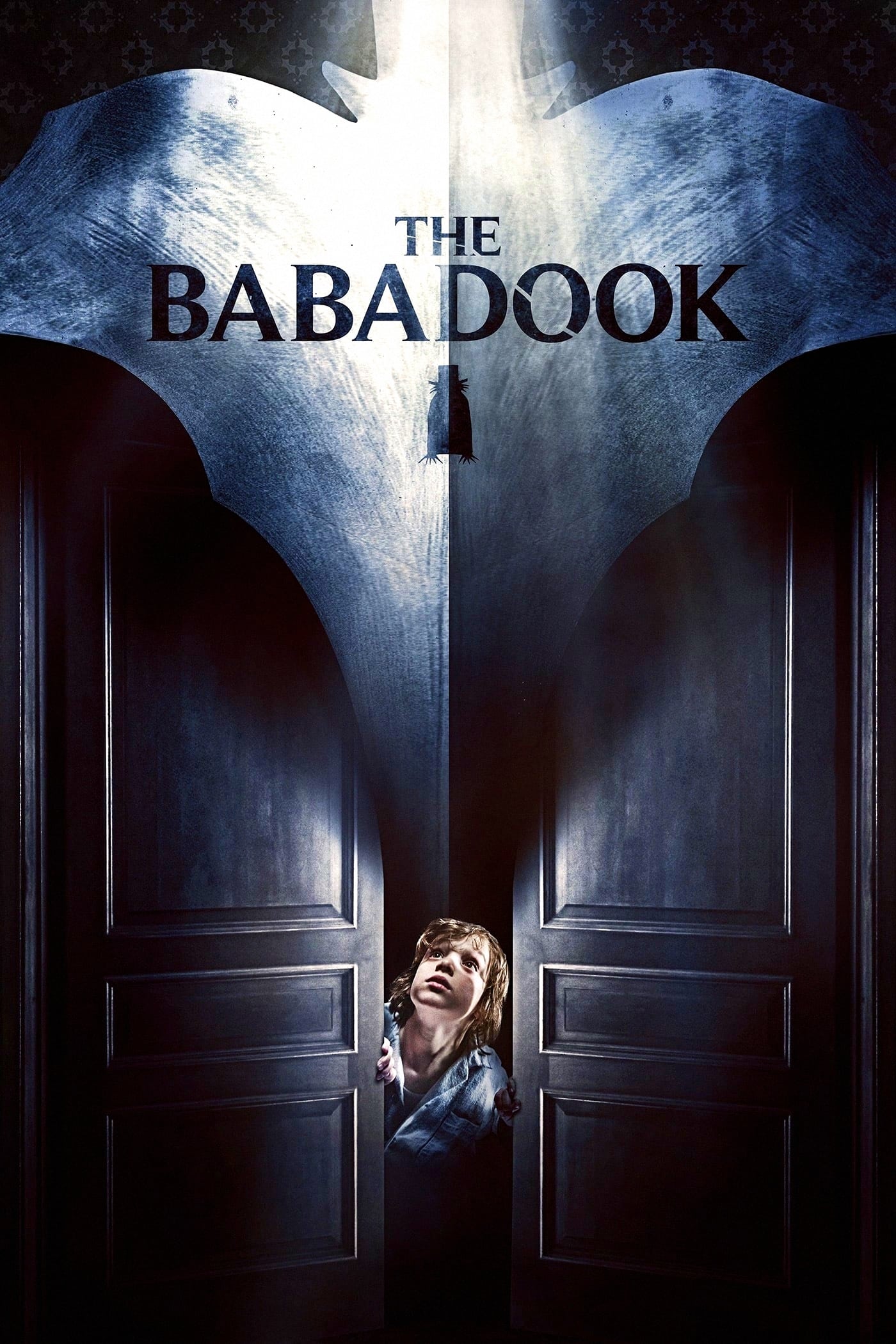
Jennifer Kent wrote and directed ‘The Babadook’, developed from her short ‘Monster’. Essie Davis and Noah Wiseman star, with Radek Ladczuk as cinematographer and Simon Njoo as editor. IFC Midnight managed US distribution after Sundance exposure, while Umbrella Entertainment released in Australia.
The production emphasized practical creature effects and a storybook-influenced design language, with sets constructed to control lighting and scale. The film earned numerous festival awards, posted strong per-theater averages during platform rollout, and later found a wide audience through streaming and home media.
‘Selma’ (2014)
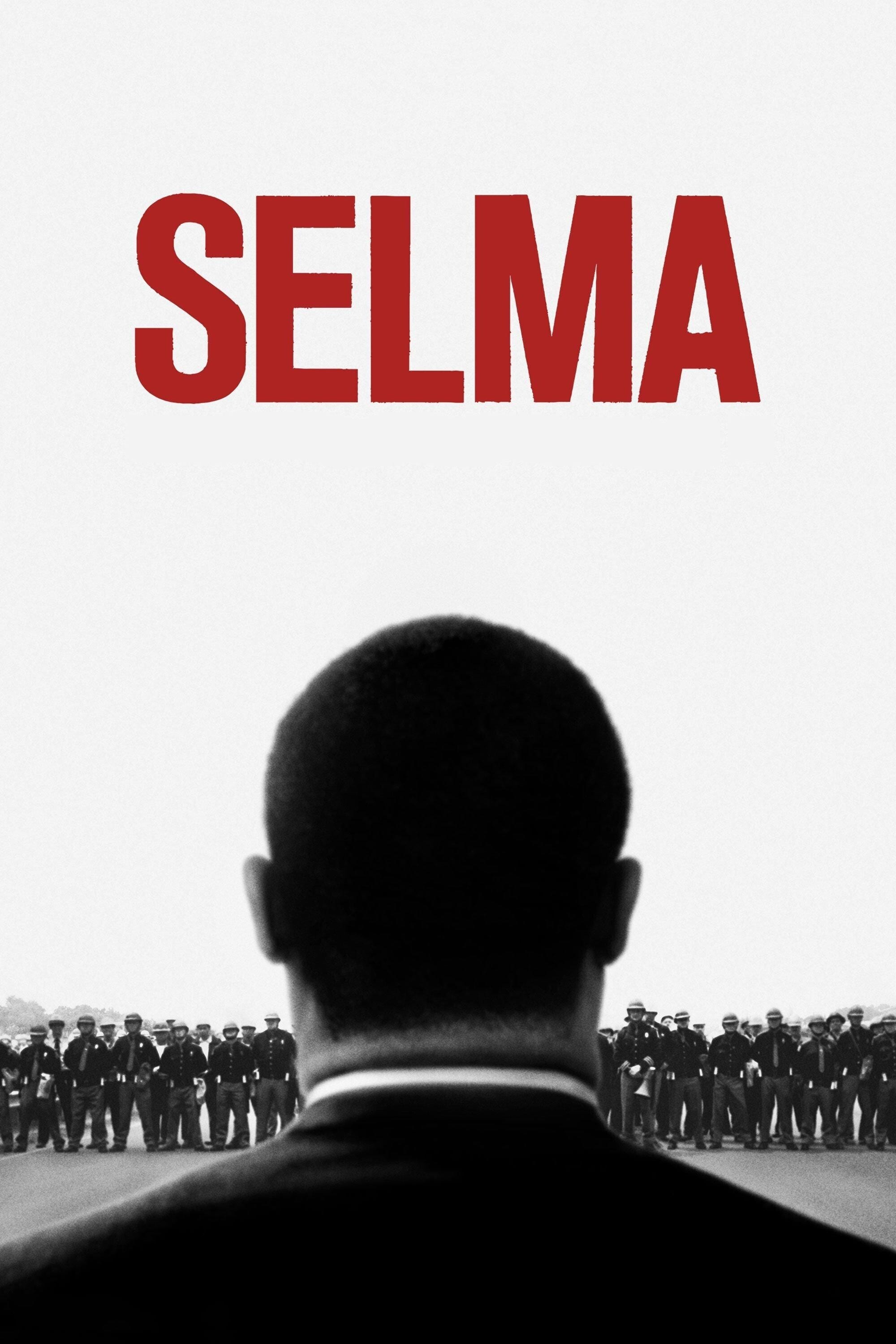
Ava DuVernay directed ‘Selma’, produced by Plan B and others, with David Oyelowo portraying Dr. Martin Luther King Jr. Bradford Young photographed the film, and Paramount Pictures distributed after an AFI Fest centerpiece slot and a limited release that expanded nationwide.
‘Glory’, written and performed by Common and John Legend, won the Academy Award for Original Song, and the feature received a Best Picture nomination. Large-scale march sequences were coordinated with local municipalities and community extras, and period-accurate design work anchored location shoots in Alabama and Georgia.
‘Edge of Tomorrow’ (2014)
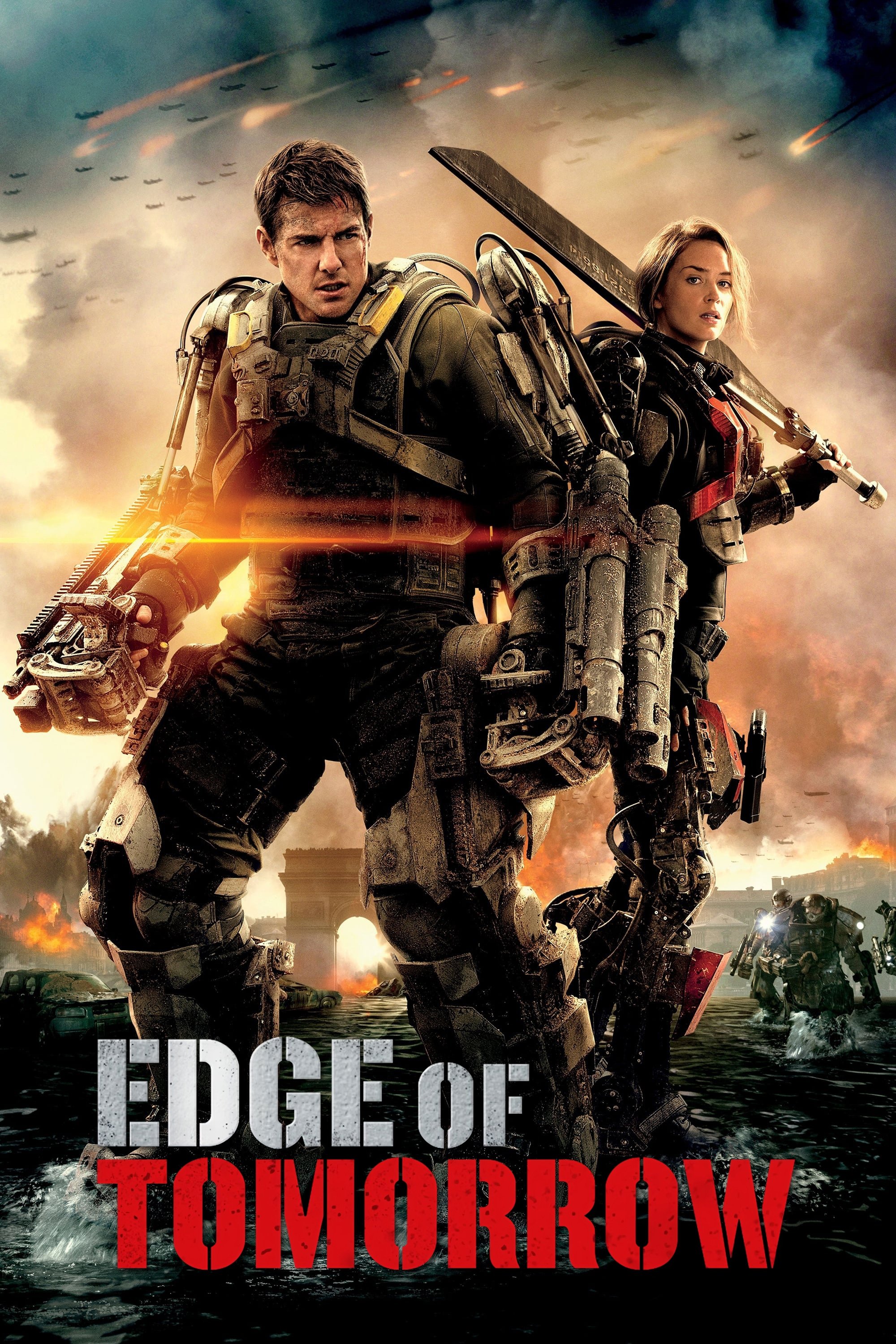
Doug Liman directed ‘Edge of Tomorrow’, starring Tom Cruise and Emily Blunt, with a screenplay by Christopher McQuarrie, Jez Butterworth, and John-Henry Butterworth adapted from Hiroshi Sakurazaka’s ‘All You Need Is Kill’. Warner Bros. Pictures released the film with a marketing refresh under the ‘Live Die Repeat’ tagline.
Production combined practical exo-suit builds—requiring extensive stunt rehearsal—with digital augmentation for mobility and impacts. Christophe Beck composed the score, and the film delivered strong overseas returns and robust home-entertainment sales, fueling ongoing franchise development.
‘Snowpiercer’ (2014)
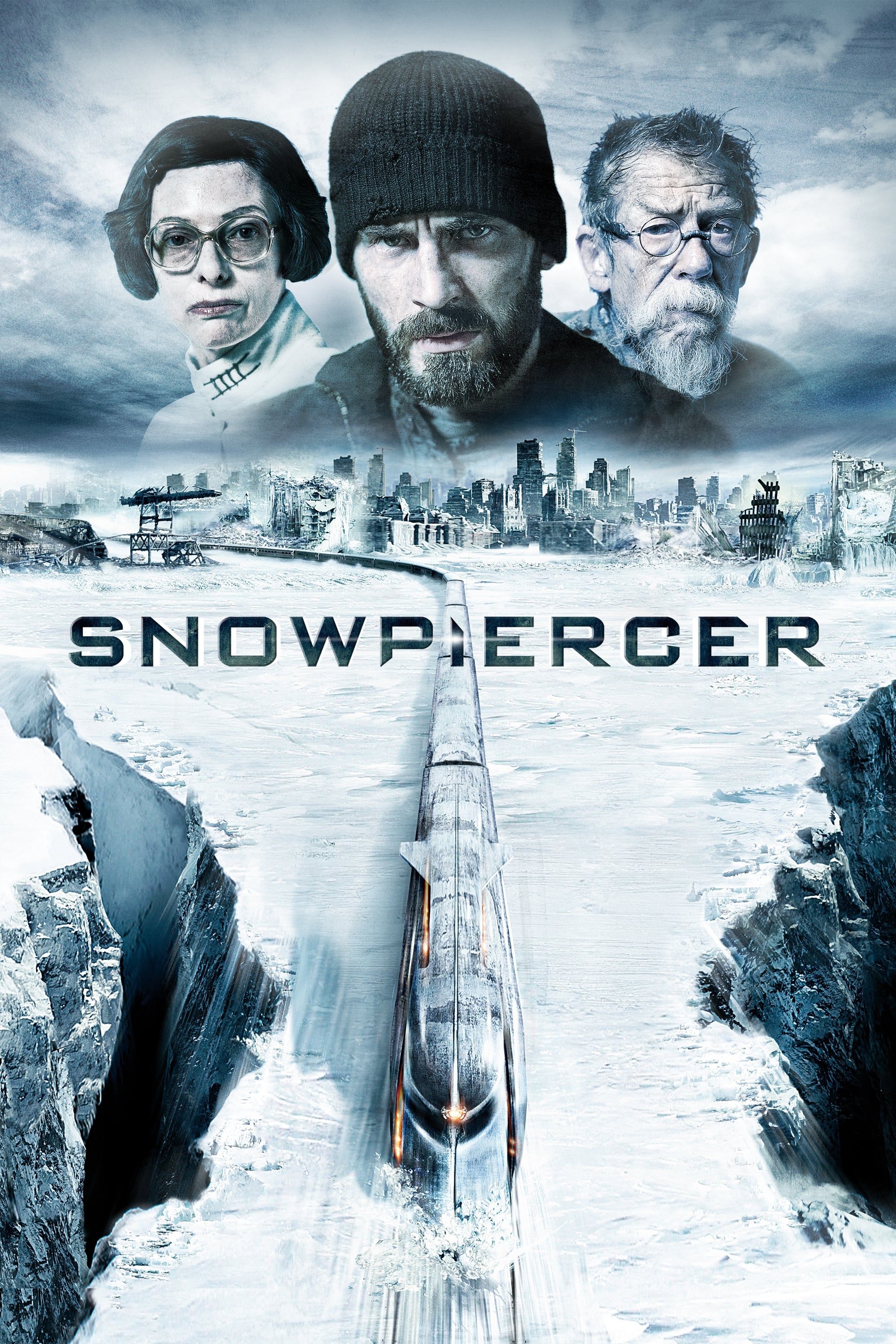
Bong Joon Ho directed ‘Snowpiercer’, adapted from the graphic novel ‘Le Transperceneige’. The ensemble includes Chris Evans, Song Kang-ho, Tilda Swinton, Jamie Bell, Octavia Spencer, John Hurt, and Ed Harris. Radius-TWC handled US distribution after a release-strategy dispute that led to a platform rollout with high per-screen averages.
Train-car sets were built on gimbals to simulate motion, with Hong Kyung-pyo’s cinematography and Marco Beltrami’s score shaping the film’s contained action. The feature secured significant international revenue, garnered critics’ awards, and later inspired a television adaptation.
‘John Wick’ (2014)
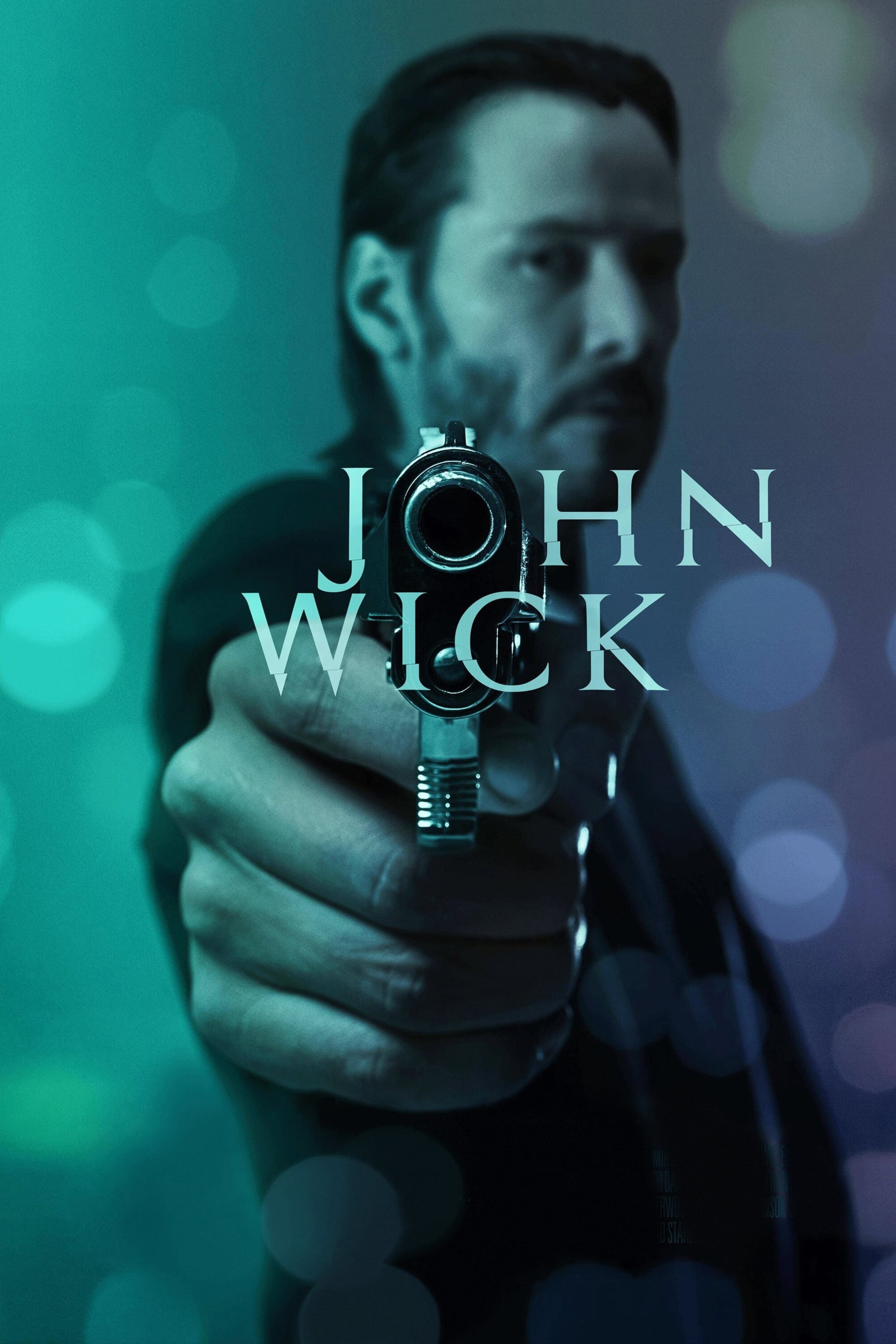
Directed by Chad Stahelski from Derek Kolstad’s screenplay, ‘John Wick’ stars Keanu Reeves with Michael Nyqvist, Alfie Allen, Willem Dafoe, Adrianne Palicki, and Ian McShane. The release marked a launchpad for 87Eleven’s stunt-driven filmmaking approach, with Summit Entertainment and Lionsgate distributing.
Jonathan Sela photographed the feature, and Tyler Bates and Joel J. Richard composed the score. The team emphasized long-take action coverage with integrated judo, jiu-jitsu, and firearms choreography, and the project seeded a franchise that expanded into sequels, a streaming miniseries, and licensed games.
‘Foxcatcher’ (2014)
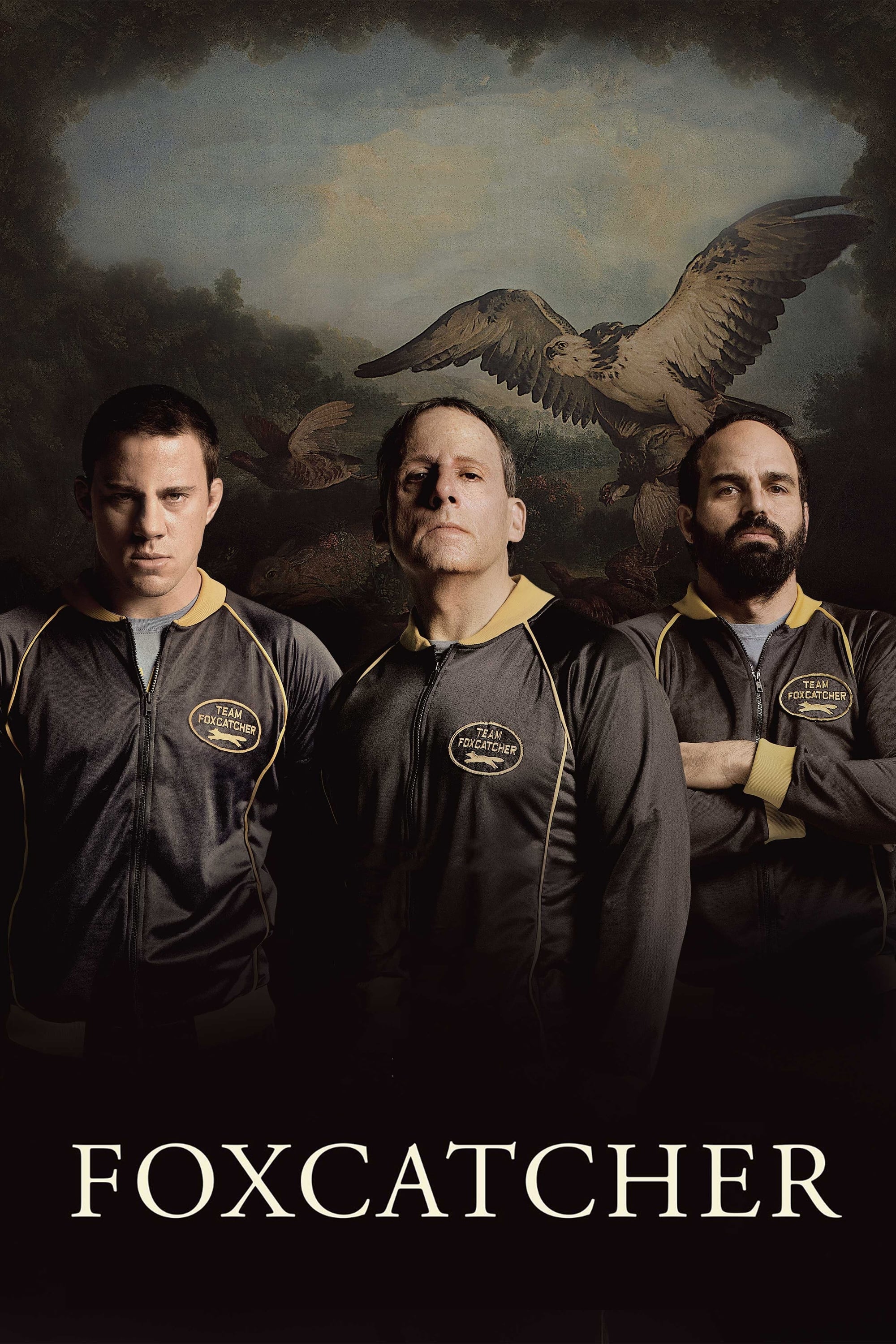
Bennett Miller directed ‘Foxcatcher’, written by E. Max Frye and Dan Futterman, starring Steve Carell, Channing Tatum, and Mark Ruffalo. Greig Fraser handled cinematography, and Annapurna Pictures produced with Sony Pictures Classics distributing after major festival play including Cannes.
The film received Academy Award nominations for Director, Actor, Supporting Actor, Original Screenplay, and Makeup and Hairstyling. Choreographed wrestling sequences replicated period training protocols, with location work in Pennsylvania stand-ins and detailed recreations of practice facilities.
‘Inherent Vice’ (2014)
Paul Thomas Anderson adapted and directed ‘Inherent Vice’ from Thomas Pynchon’s novel, starring Joaquin Phoenix, Katherine Waterston, Josh Brolin, Owen Wilson, Reese Witherspoon, and Benicio Del Toro. Robert Elswit shot on film stock, and Jonny Greenwood composed the score. Warner Bros. released the feature after New York Film Festival and limited engagements.
The picture earned Academy Award nominations for Adapted Screenplay and Costume Design. Production designer David Crank and costume designer Mark Bridges recreated period Los Angeles locations and wardrobes, while editor Leslie Jones shaped the sprawling narrative into a music-driven cut.
‘The Imitation Game’ (2014)

Directed by Morten Tyldum and written by Graham Moore, ‘The Imitation Game’ stars Benedict Cumberbatch and Keira Knightley with Matthew Goode, Rory Kinnear, Charles Dance, and Mark Strong. The Weinstein Company distributed after high-visibility festival premieres including Telluride and Toronto.
The film won the Academy Award for Adapted Screenplay and received multiple additional nominations including Best Picture and Best Actor. Alexandre Desplat composed the score, Maria Djurkovic’s production design recreated Bletchley Park environments, and the release delivered strong global box-office performance.
‘The Theory of Everything’ (2014)
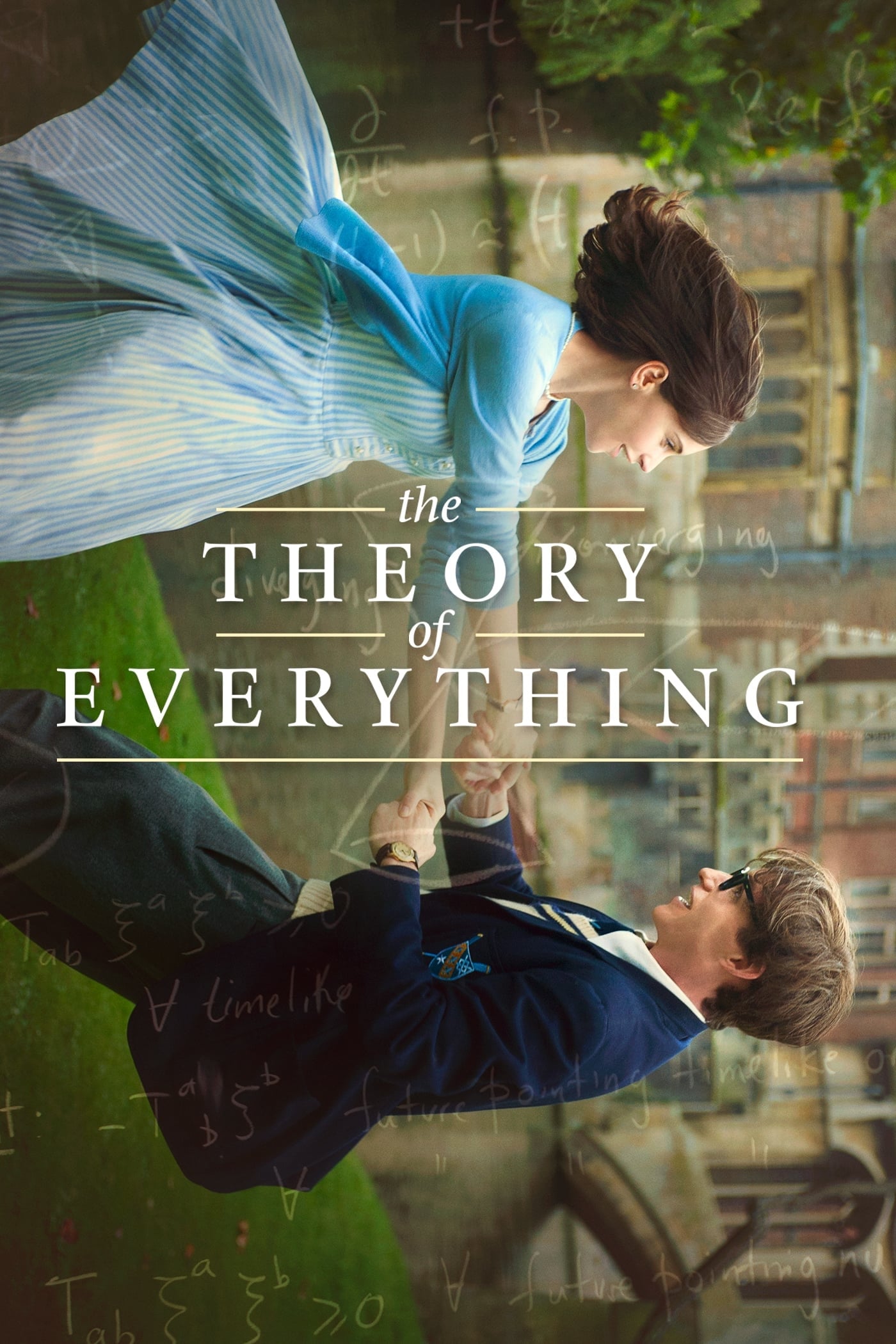
James Marsh directed ‘The Theory of Everything’, written by Anthony McCarten from Jane Hawking’s memoir. Eddie Redmayne and Felicity Jones star, with Benoît Delhomme as cinematographer and Jóhann Jóhannsson composing a widely awarded score. Focus Features managed the awards-season rollout following festival play.
Redmayne won the Academy Award for Best Actor, and the film received additional nominations including Best Picture and Best Actress. Location work across Cambridge combined with medical consultation for performance accuracy, and the feature posted a strong worldwide gross relative to its mid-budget scale.
‘Wild’ (2014)
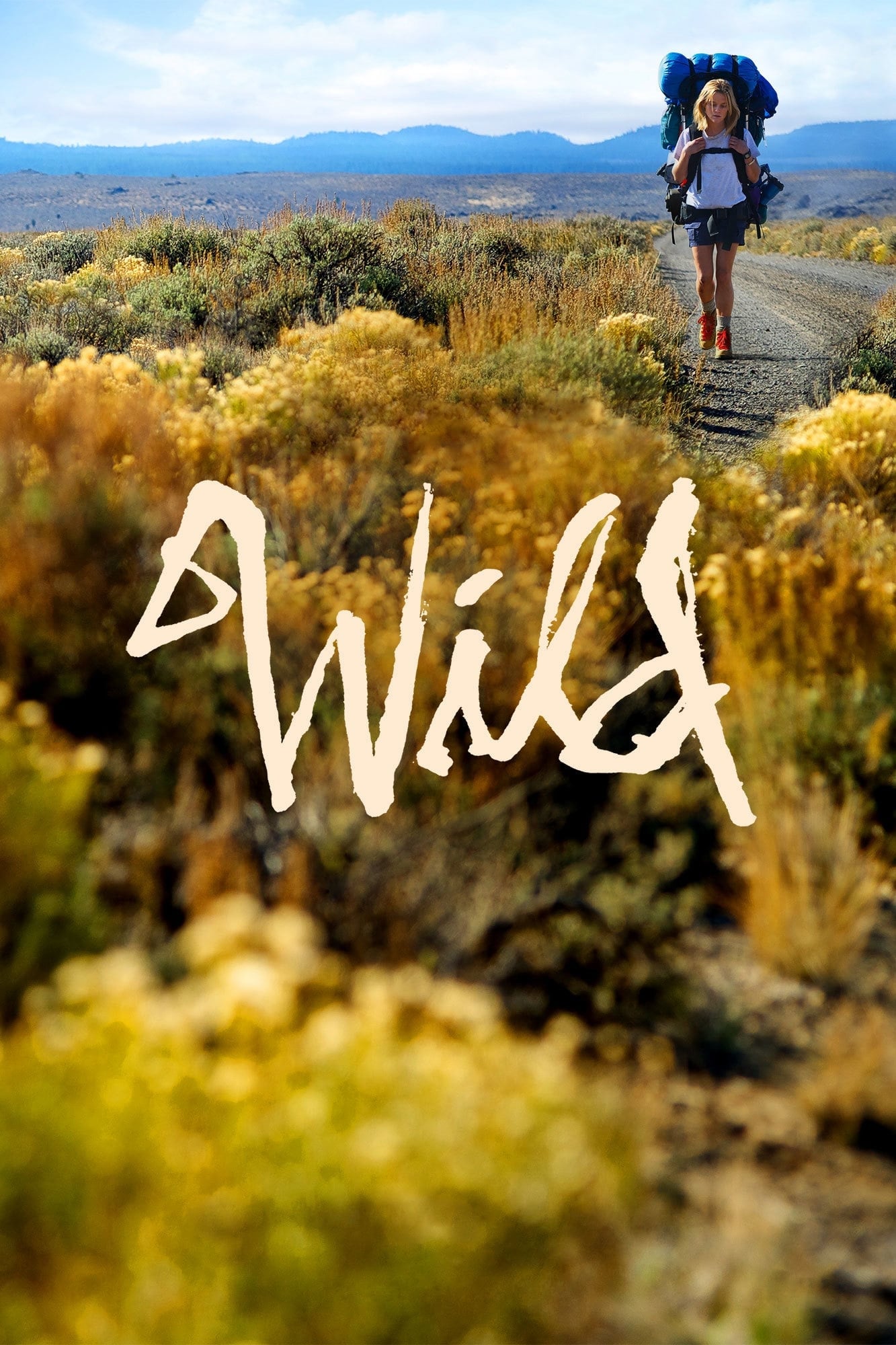
Jean-Marc Vallée directed ‘Wild’, adapted by Nick Hornby from Cheryl Strayed’s memoir. Reese Witherspoon and Laura Dern lead, with Yves Bélanger as cinematographer and a soundtrack that integrates period source music along the trail narrative. Fox Searchlight distributed after a Telluride debut and a staggered platform release.
Witherspoon and Dern earned Academy Award nominations, and the production leveraged on-location shooting on stretches of the Pacific Crest Trail with minimal-crew logistics. Vallée performed editing under his usual pseudonym, maintaining continuity with his established workflow.
‘Two Days, One Night’ (2014)
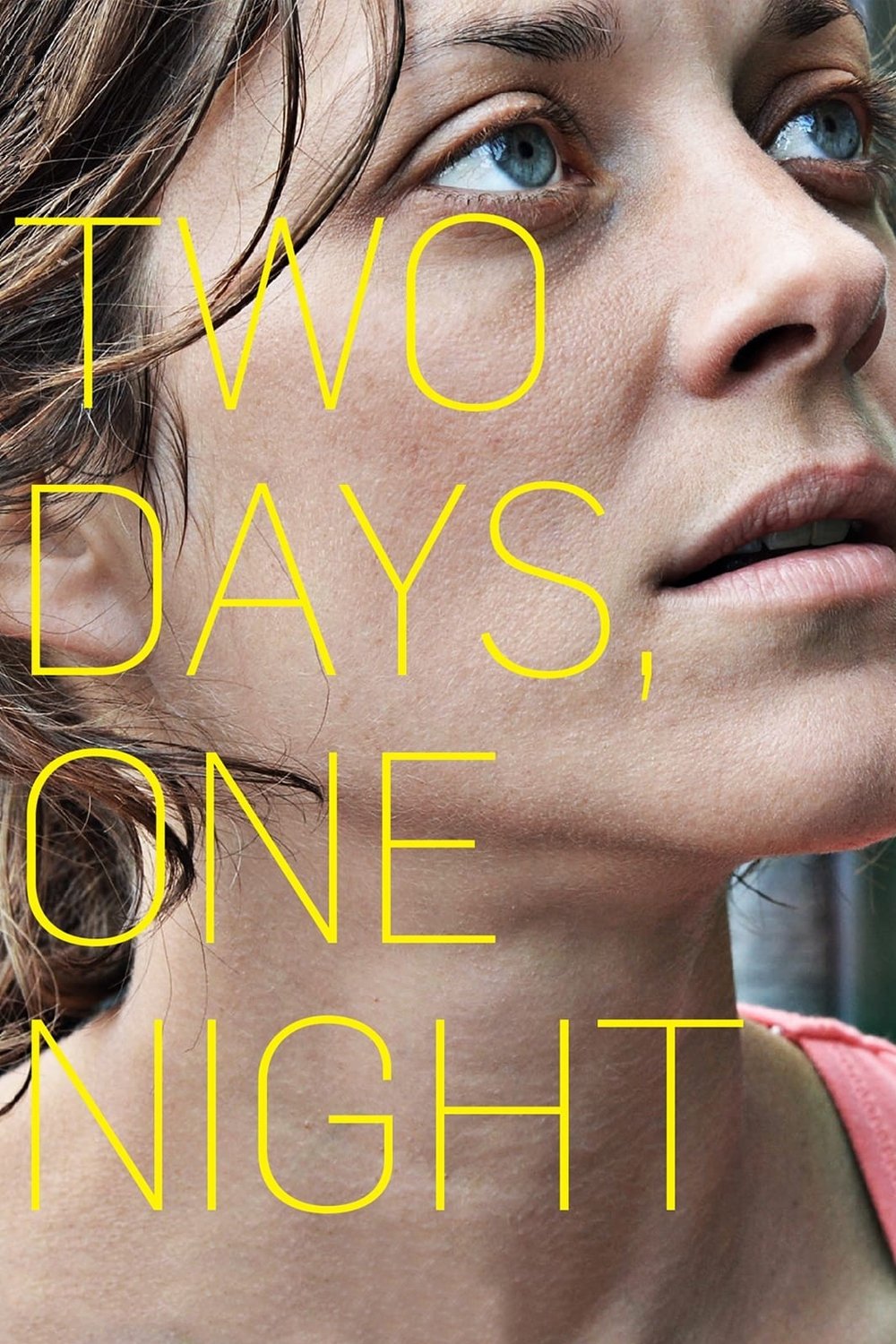
Jean-Pierre and Luc Dardenne wrote and directed ‘Two Days, One Night’, starring Marion Cotillard and Fabrizio Rongione. Sundance Selects handled US distribution after Cannes competition and a sustained festival tour, while the film opened widely in Belgium and France through local partners.
Cotillard received an Academy Award nomination for Best Actress. The production followed the Dardennes’ handheld, natural-light approach, shot on real locations with repeated takes to capture performance variations before the character-focused edit.
‘Ida’ (2014)
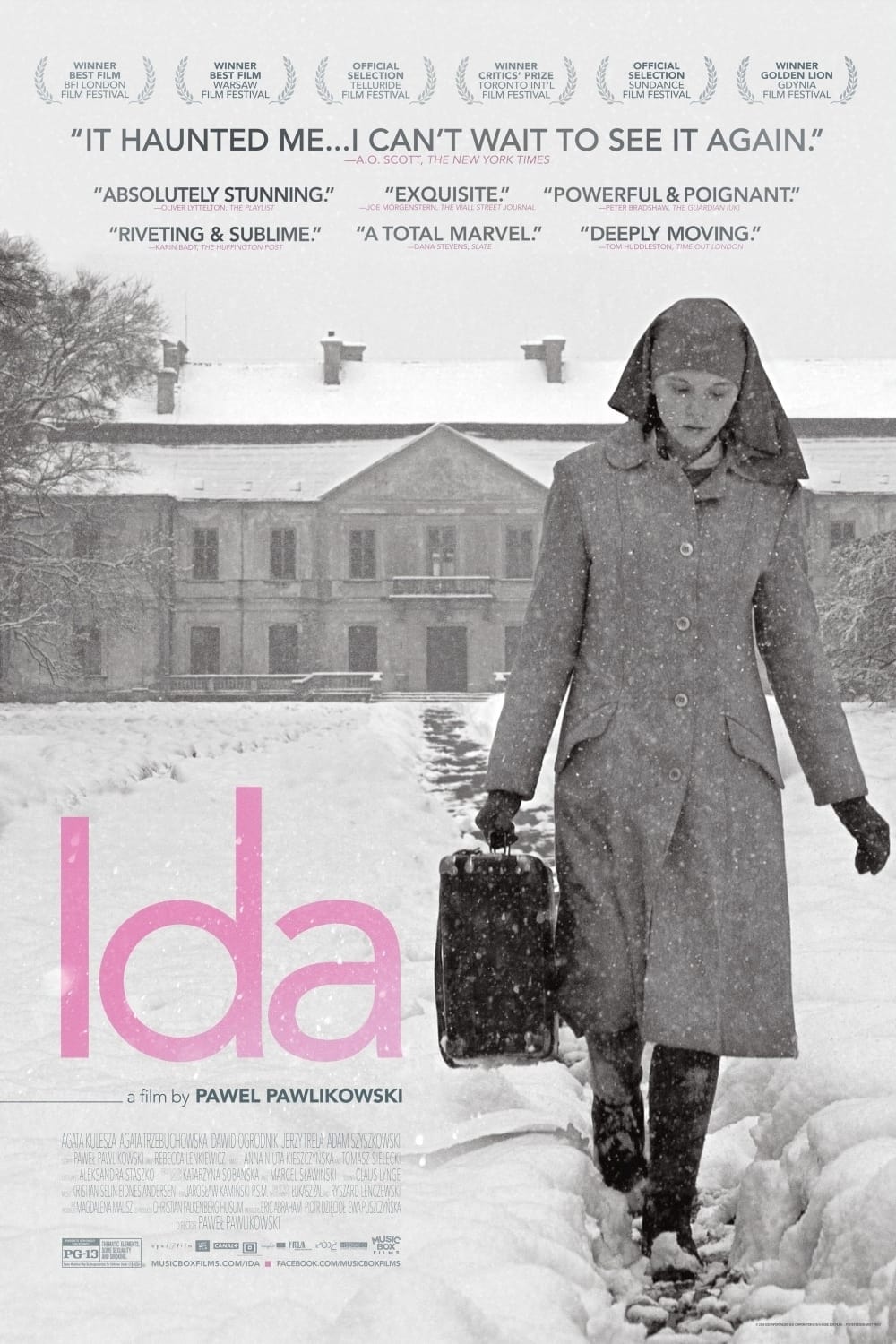
Paweł Pawlikowski directed ‘Ida’, starring Agata Trzebuchowska and Agata Kulesza. Cinematographers Ryszard Lenczewski and Łukasz Żal shot in monochrome with a boxy frame and prominent negative space. Music Box Films released domestically after strong European theatrical play and festival acclaim.
‘Ida’ won the Academy Award for Best Foreign Language Film and received a nomination for Cinematography. Extensive location scouting across Poland supported the film’s static compositions, and specialty box-office performance remained durable through word-of-mouth.
‘Leviathan’ (2014)

Andrey Zvyagintsev directed ‘Leviathan’, co-written with Oleg Negin and starring Aleksey Serebryakov, Elena Lyadova, and Vladimir Vdovichenkov. Sony Pictures Classics handled the US release after Cannes, where the film won Best Screenplay, and the feature later won the Golden Globe for Foreign Language Film.
Principal photography took place on the Barents Sea coast with large-scale environmental staging. The score is credited to Andrey Dergachev, with additional classical selections woven into the soundtrack, and the film secured wide international sales on the strength of awards-season visibility.
‘Force Majeure’ (2014)
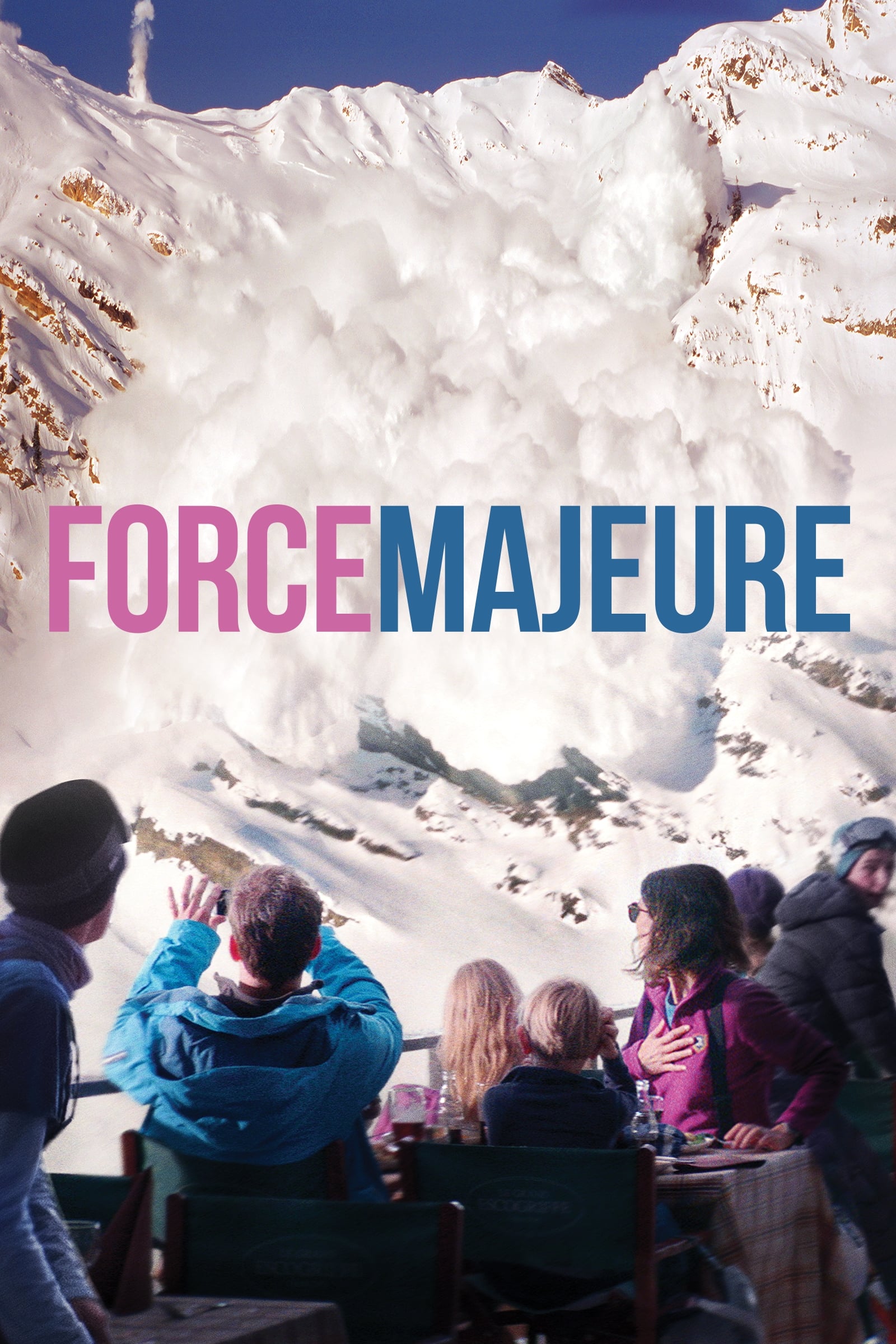
Directed by Ruben Östlund, ‘Force Majeure’ stars Johannes Kuhnke and Lisa Loven Kongsli, with cinematography by Fredrik Wenzel. The film premiered in Cannes’ Un Certain Regard section, where it won the Jury Prize, and Magnolia Pictures released it in the US after a strong festival run.
Production shot on Alpine locations and resort interiors, with controlled avalanche effects coordinated alongside second-unit work. The release was Sweden’s submission for the Academy’s Foreign Language category, earned numerous critics’ citations, and sustained a steady specialty-market performance.
‘Mommy’ (2014)
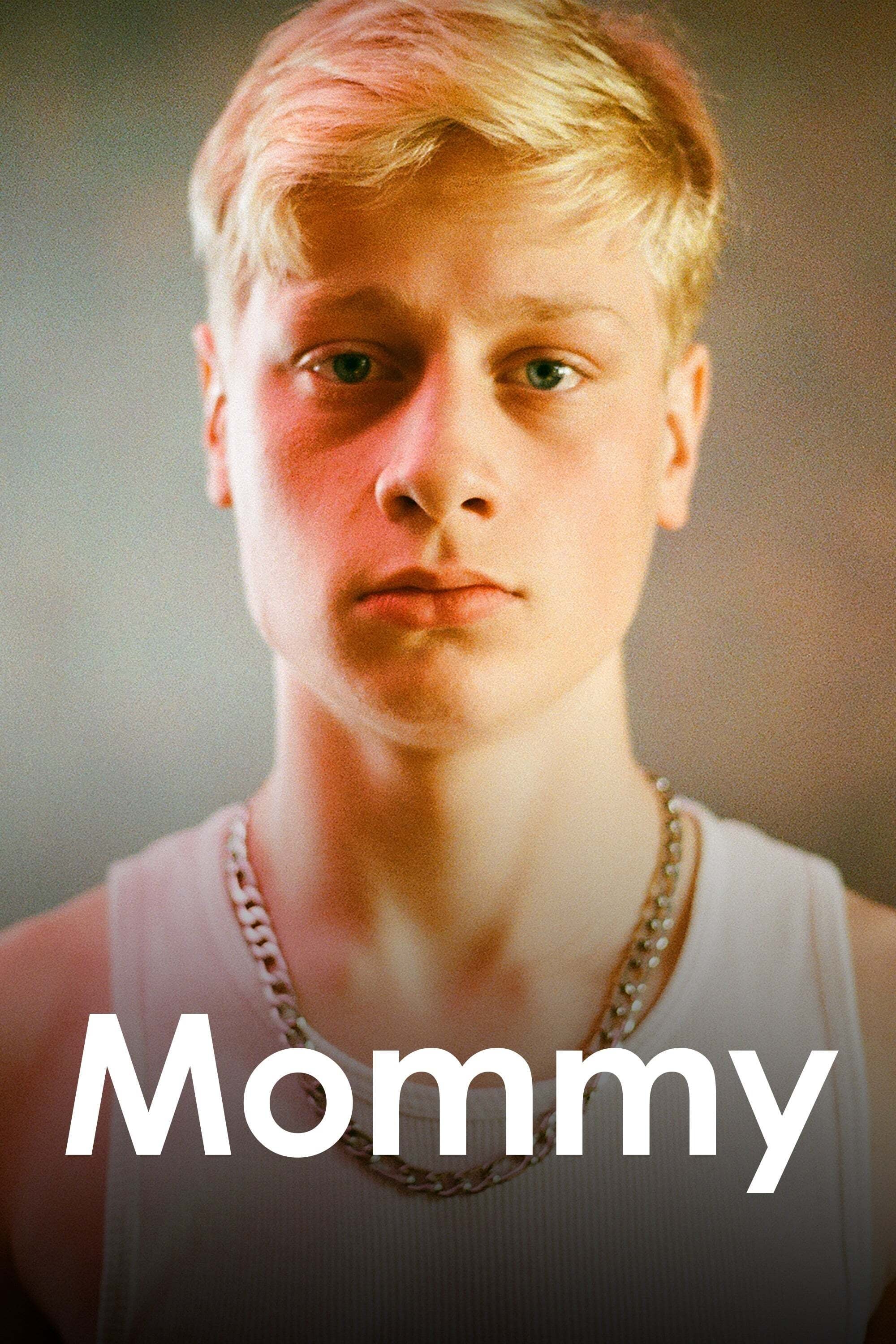
Xavier Dolan wrote and directed ‘Mommy’, starring Anne Dorval, Antoine-Olivier Pilon, and Suzanne Clément. The film premiered in Cannes, where it shared the Jury Prize, and Roadside Attractions and Amplify partnered on US distribution following Canadian release through Les Films Séville.
‘Mommy’ was photographed in a square frame with occasional aspect-ratio shifts, and music supervision leaned on recognizable pop tracks cleared for narrative use. The picture collected multiple awards in Canada and abroad and maintained strong per-screen averages in limited release before expanding.
‘A Most Violent Year’ (2014)
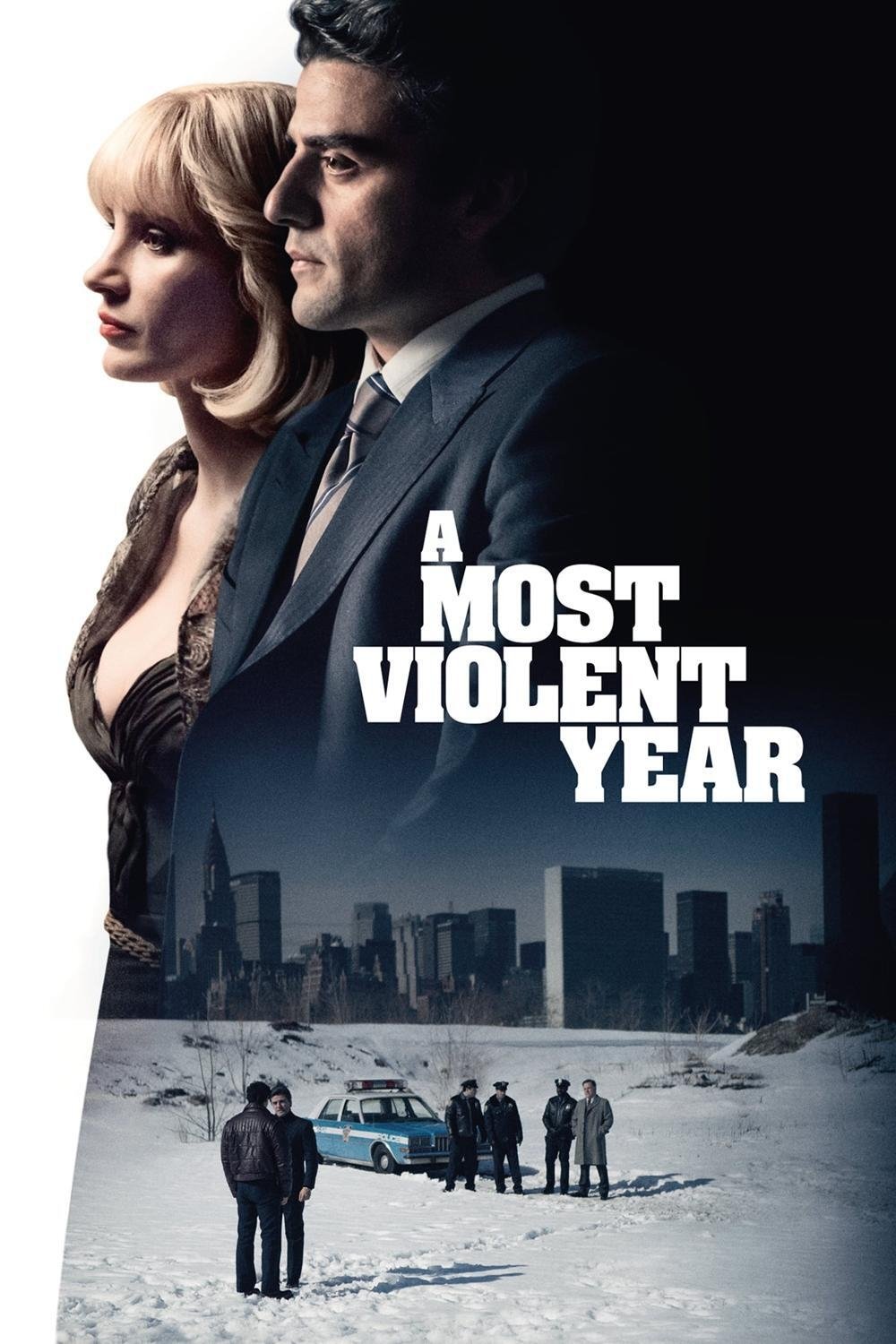
J.C. Chandor wrote and directed ‘A Most Violent Year’, starring Oscar Isaac and Jessica Chastain, with cinematography by Bradford Young. A24 distributed the film after an AFI Fest launch and targeted late-year awards positioning.
Production design recreated period New York through a mix of location work and controlled interiors, and the cast undertook research into the era’s industry practices. The film received multiple critics’ awards, Independent Spirit nominations, and a measured specialty rollout that emphasized platform play.
Share your picks—and the essential titles you think belong here—in the comments!

