


The Absolute Best TV Shows of 2017

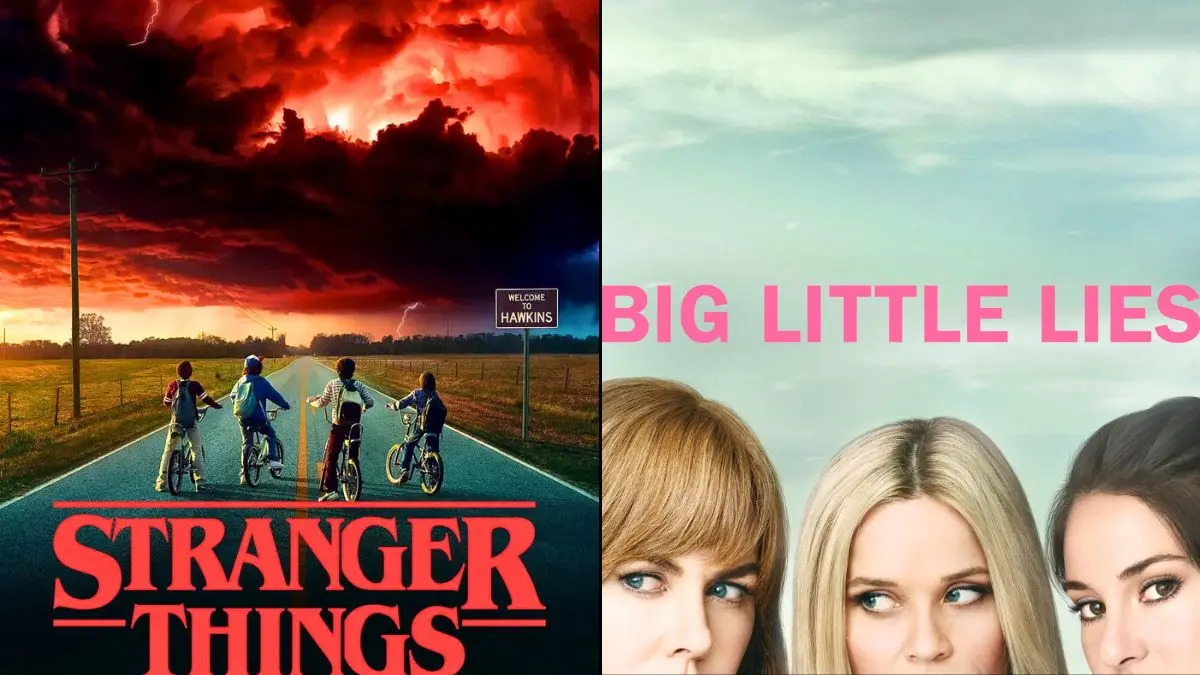


Some years blur together when it comes to television, but 2017 delivered an unusually deep lineup across broadcast, cable, and streaming. New series launched with fully formed identities while returning favorites hit confident strides, and audiences had more genres to choose from than ever before. Viewers could jump from prestige dramas to ingenious comedies, then switch to documentaries or offbeat thrillers without leaving their living rooms.
This list gathers the shows that defined that moment through strong concepts, sharp casting, and memorable execution. You will find limited series that told complete stories, continuing dramas that expanded their worlds, and comedies that refined their voice across episodes. Whether you prefer crime stories, sci fi puzzles, or character studies, these are the titles that earned their place on watchlists in 2017.
‘The Handmaid’s Tale’ (2017)
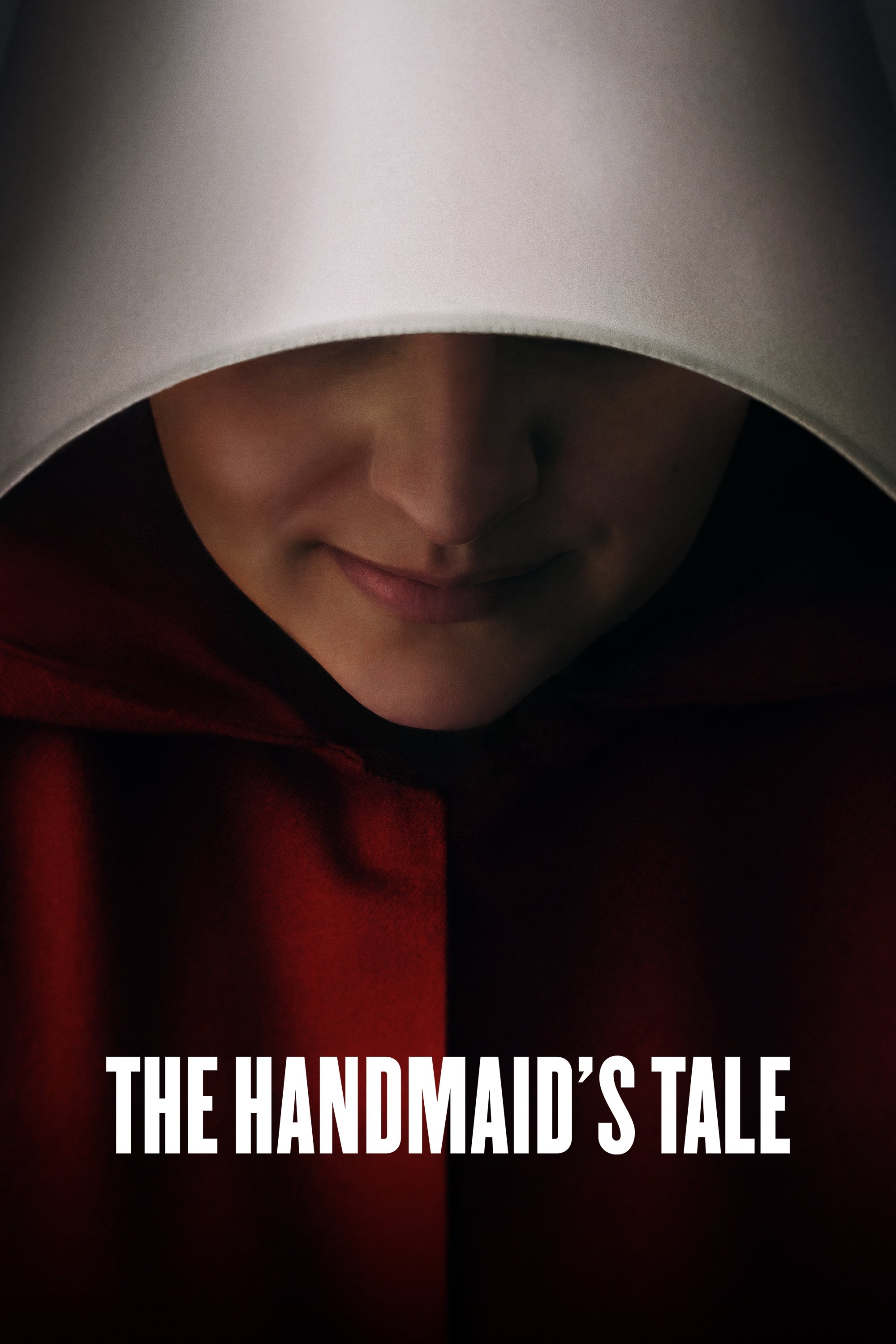
This series adapts Margaret Atwood’s novel about a theocratic regime that strips women of rights and organizes society around rigid classes. Elisabeth Moss leads the cast as Offred, with supporting roles for Yvonne Strahovski, Ann Dowd, Joseph Fiennes, and Samira Wiley.
Produced by MGM Television for Hulu, the show blends intimate storytelling with a carefully designed visual language that emphasizes uniforms, ceremony, and surveillance. Episodes typically run close to an hour, and the production makes extensive use of Toronto locations to stand in for Gilead.
‘Twin Peaks: The Return’ (2017)

Co created by David Lynch and Mark Frost, this event series continues the story of FBI Special Agent Dale Cooper and the residents of Twin Peaks. Kyle MacLachlan returns in multiple capacities, joined by original cast members and a large roster of new faces.
The production spans small town settings and surreal spaces, using long takes, practical effects, and a distinctive soundscape. Episodes vary in structure and pacing, with one installment built around a historical detour, and the season was released on Showtime with weekly broadcasts and streaming access.
‘The Leftovers’ (2014–2017)
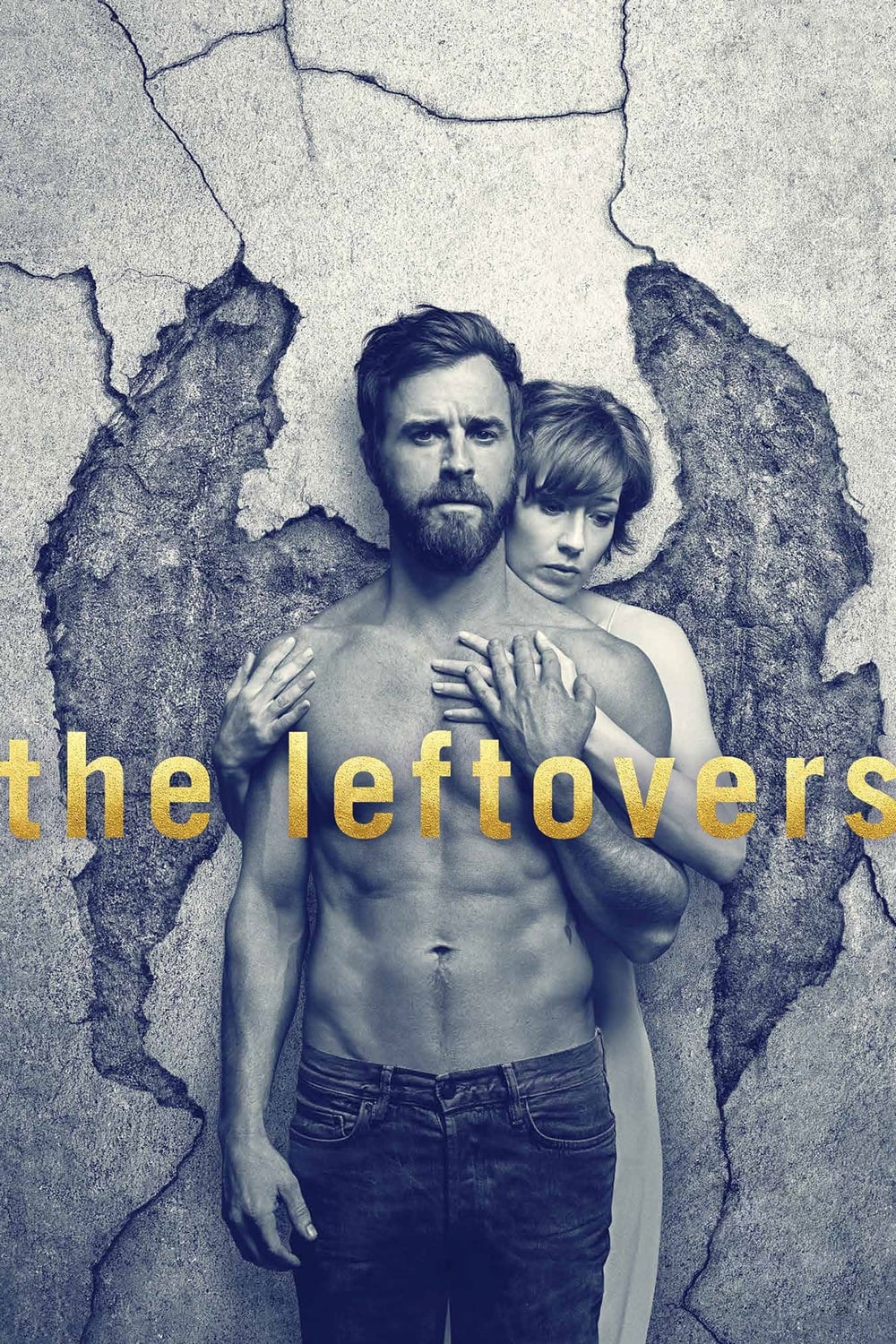
Based on Tom Perrotta’s novel and co created with Damon Lindelof, this drama follows families and institutions after a sudden global event removes a portion of the population. Justin Theroux, Carrie Coon, Regina King, and Christopher Eccleston anchor an ensemble that shifts locations across seasons.
The third season concentrates on belief, loss, and ritual while moving between intimate character episodes and broader narrative threads. Filmed on location with a blend of handheld and composed photography, it closes key arcs while leaving room for personal interpretation.
‘Big Little Lies’ (2017)

This limited series adapts Liane Moriarty’s book about several mothers whose lives intersect through school politics and a police investigation. The cast includes Nicole Kidman, Reese Witherspoon, Shailene Woodley, Laura Dern, and Zoë Kravitz.
Shot along the California coast with a strong emphasis on music and scenic design, the show uses alternating perspectives and interrogation cutaways to reveal conflicting accounts. The season functions as a complete story with seven episodes and a precise blend of family drama and mystery structure.
‘Mindhunter’ (2017)
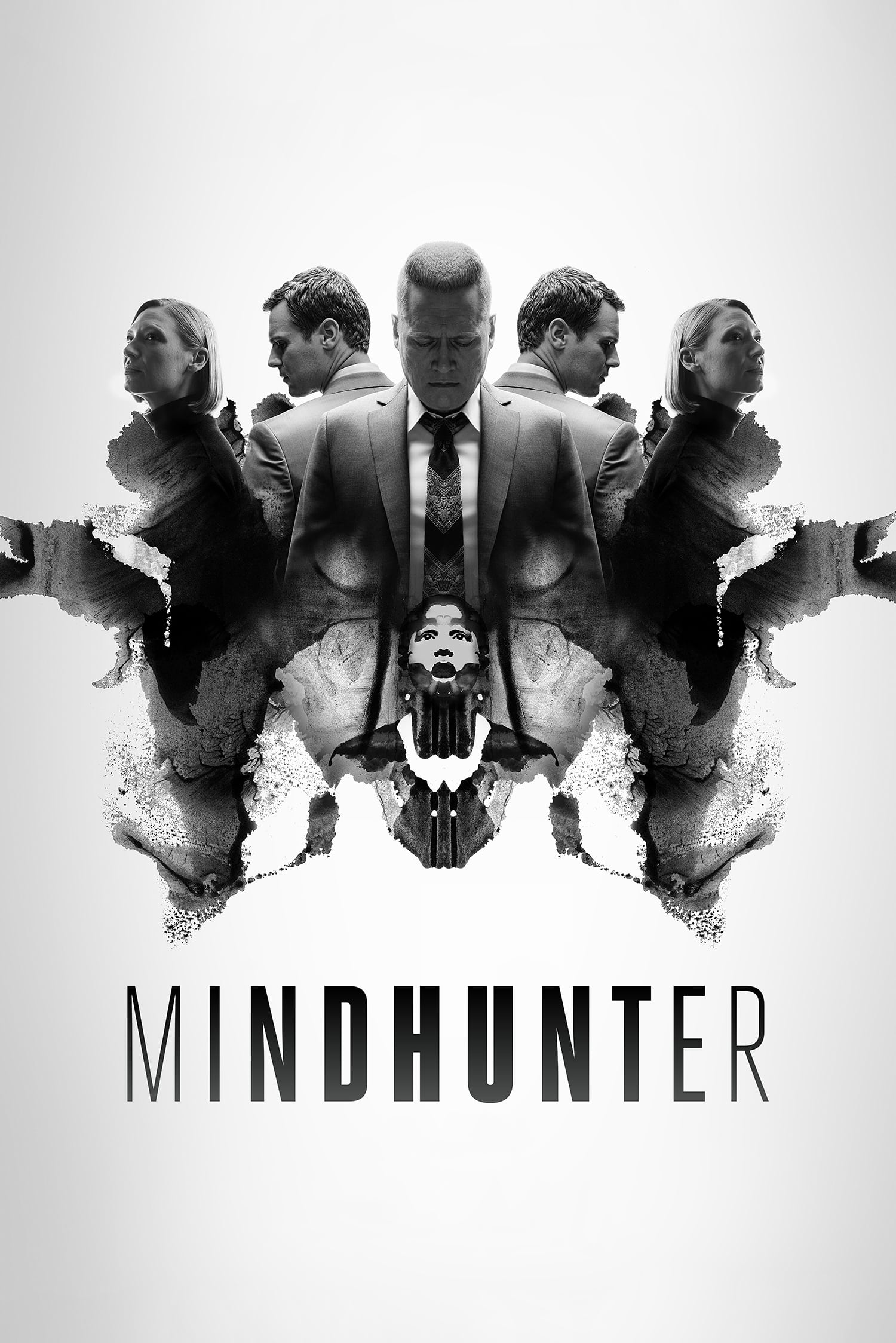
Set within the FBI at the dawn of criminal profiling, this series follows agents who interview incarcerated offenders to map behavioral patterns. Jonathan Groff, Holt McCallany, and Anna Torv lead the main cast, with recurring figures drawn from documented cases.
Executive produced with involvement from David Fincher and Charlize Theron, the show emphasizes procedure, interview craft, and institutional dynamics. Production favors period accurate wardrobe and interiors, and episodes build case studies that connect to a growing research unit.
‘The Marvelous Mrs. Maisel’ (2017)
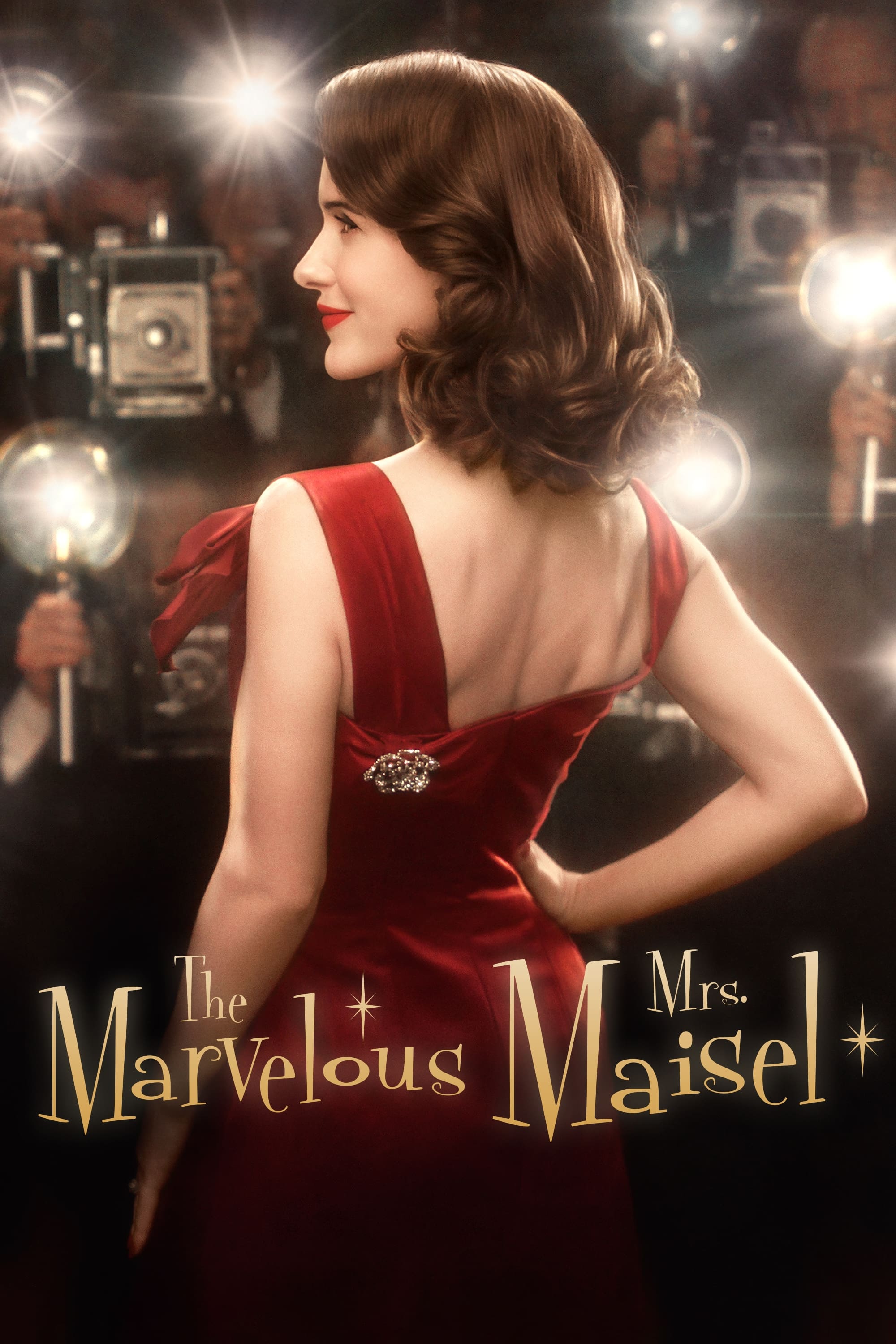
This period comedy drama follows Miriam Maisel, a New York homemaker who discovers a talent for stand up. Rachel Brosnahan stars alongside Alex Borstein, Tony Shalhoub, and Marin Hinkle, with Michael Zegen as club booker and manager figures intersect with the story.
Created by Amy Sherman Palladino, the series is known for brisk dialogue, long tracking shots, and elaborate set pieces across clubs and apartments. Amazon Studios supports large scale production design, and episodes combine comedy circuits with family and business plotlines.
‘Stranger Things’ (2016–)
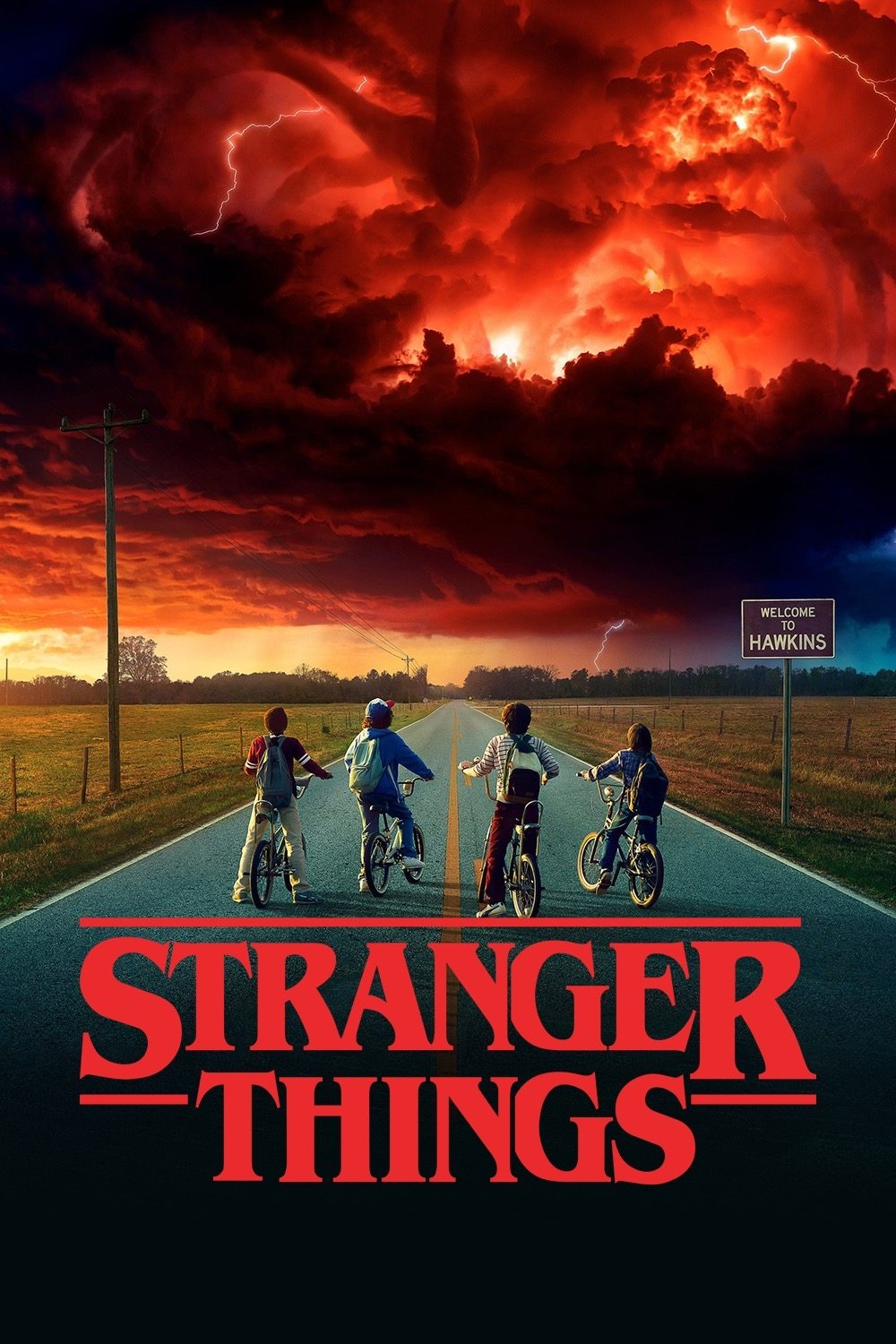
Set in the town of Hawkins, this series blends supernatural mystery with a group of friends who confront otherworldly threats. Millie Bobby Brown, Finn Wolfhard, Gaten Matarazzo, Caleb McLaughlin, and Noah Schnapp form the core group, with David Harbour and Winona Ryder as key adults.
The show uses period detail, analog props, and creature effects to build its mythology. Netflix releases seasons in batches, and episodes integrate government facilities, parallel dimensions, and small town locations into a single continuing narrative.
‘Better Call Saul’ (2015–2022)
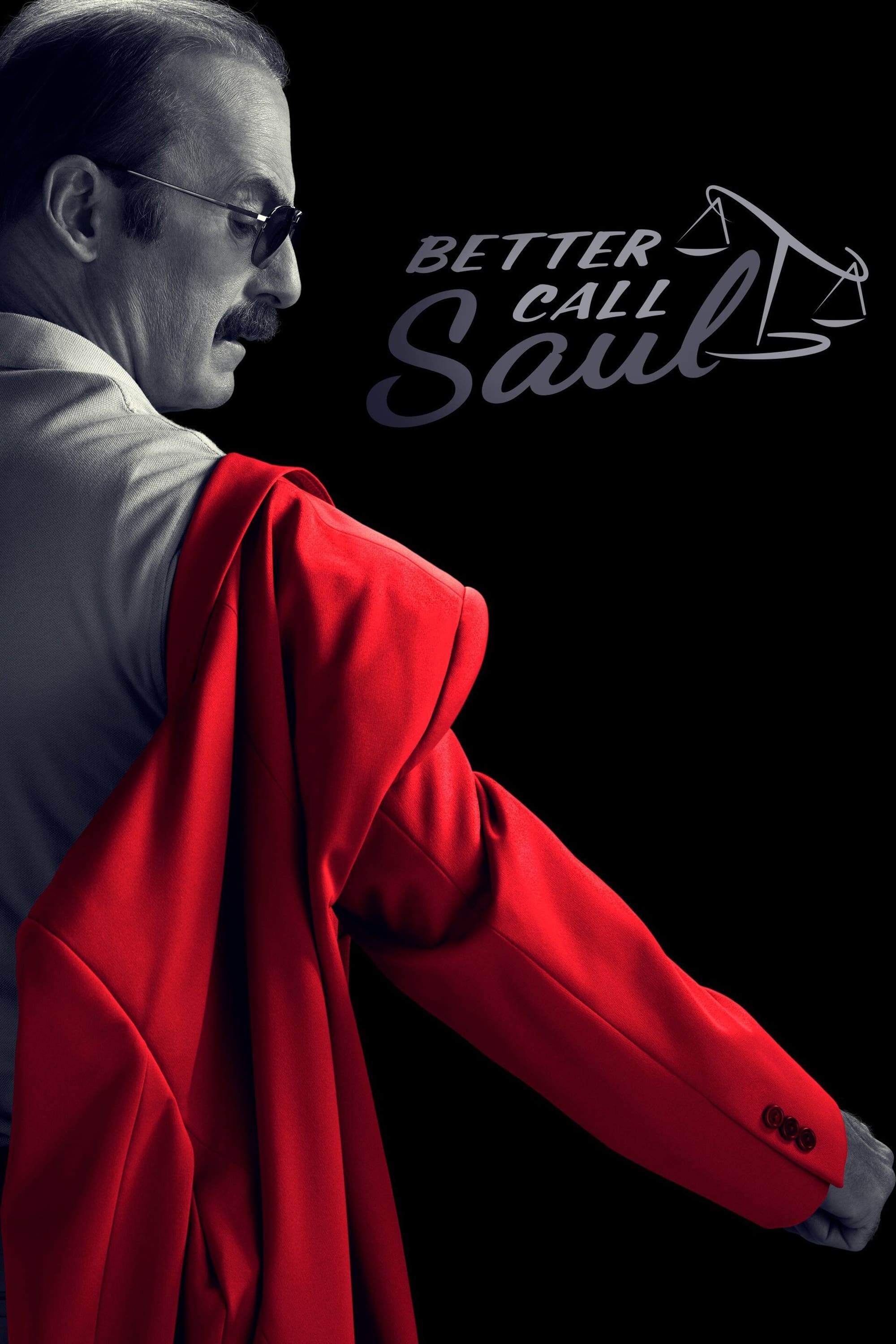
This prequel tracks Jimmy McGill’s path toward the persona of Saul Goodman, detailing his relationships with his brother, colleagues, and clients. Bob Odenkirk stars with Rhea Seehorn, Jonathan Banks, Michael McKean, and Giancarlo Esposito in central roles.
Filmed primarily in New Mexico, the series balances legal cases with a parallel story about the cartel. The production uses careful framing, time jumps, and unique montages to explain process and motive, building connections that lead toward known events.
‘The Deuce’ (2017)
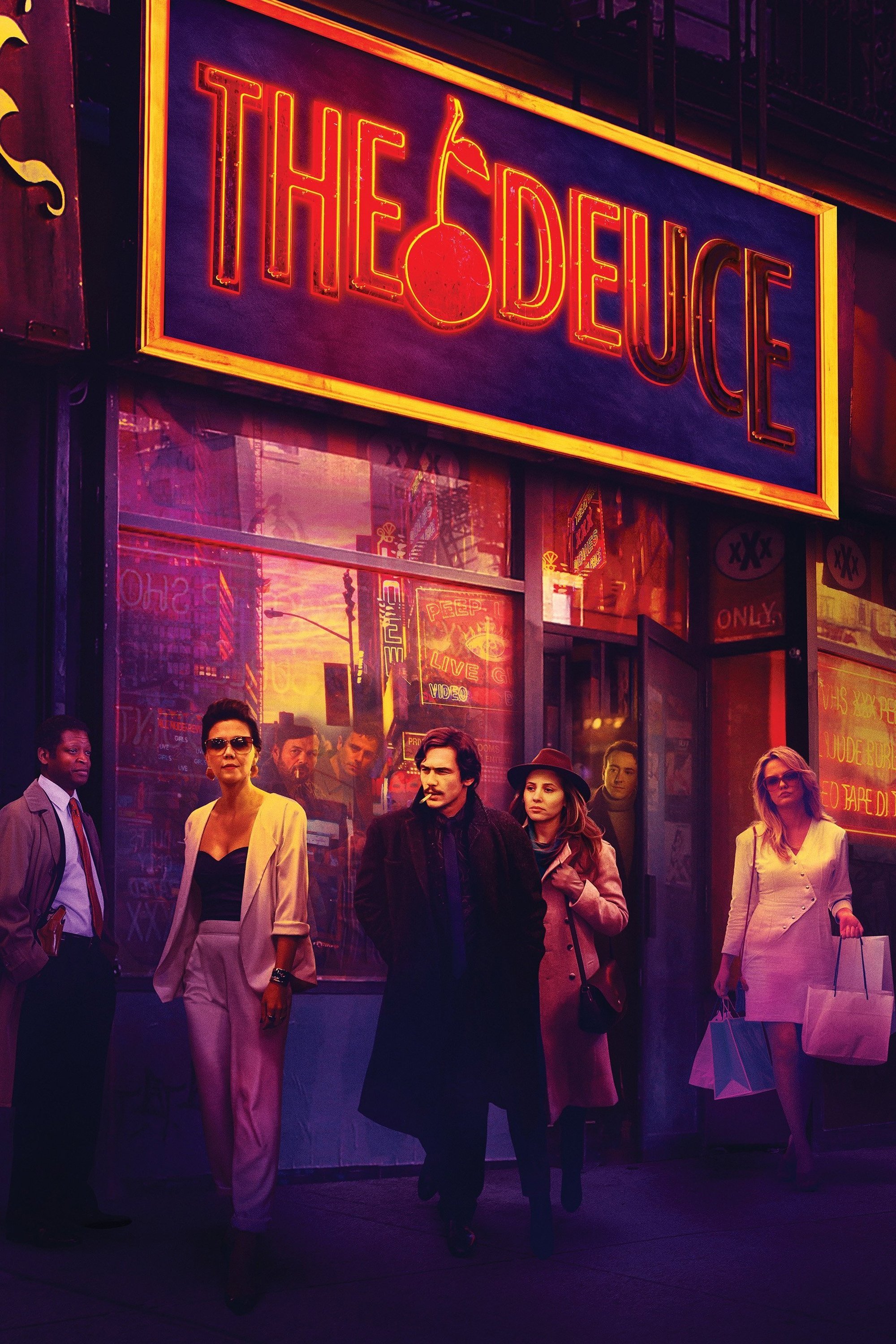
Created by David Simon and George Pelecanos, this drama examines the rise of the adult entertainment industry and related vice economies in New York City. James Franco and Maggie Gyllenhaal lead a large ensemble that includes bar owners, workers, and law enforcement.
The show reconstructs blocks of Times Square with detailed sets and extras, and it tracks policy shifts, entrepreneurial moves, and labor conditions. Episodes move between street level vignettes and business negotiations, showing how money and regulation shape the landscape.
‘American Vandal’ (2017)
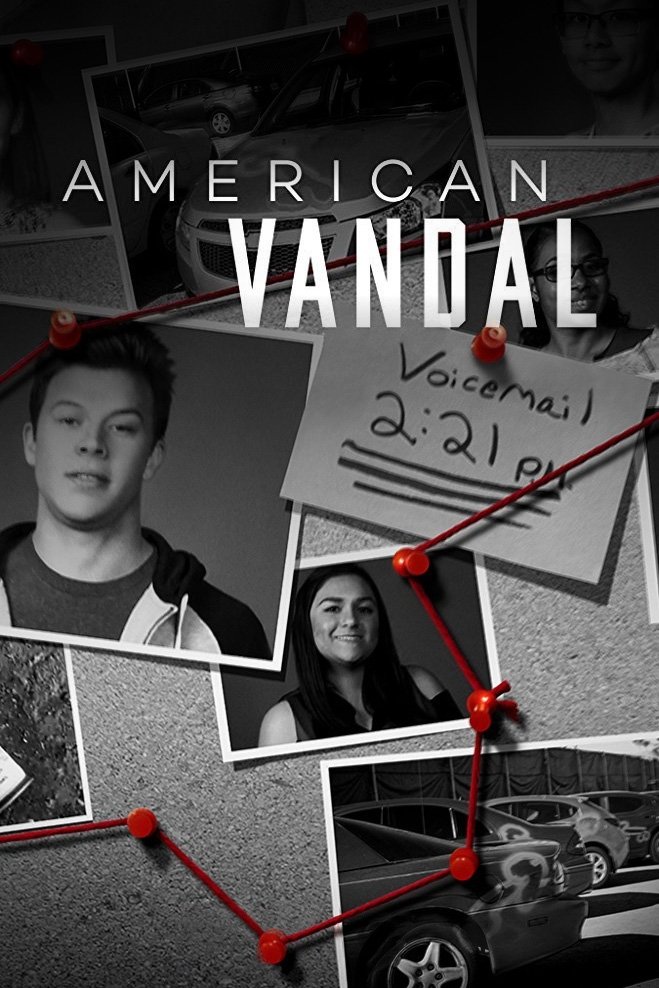
Structured as a true crime parody, this mockumentary investigates a vandalism incident at a suburban high school. Tyler Alvarez and Griffin Gluck play student filmmakers who apply investigative techniques to school politics and social media trails.
The series uses interviews, re enactments, phone captures, and visual timelines to test theories. Netflix presents the season as an eight episode case file, and the format highlights digital footprints, reputation systems, and administrative procedures.
‘GLOW’ (2017)
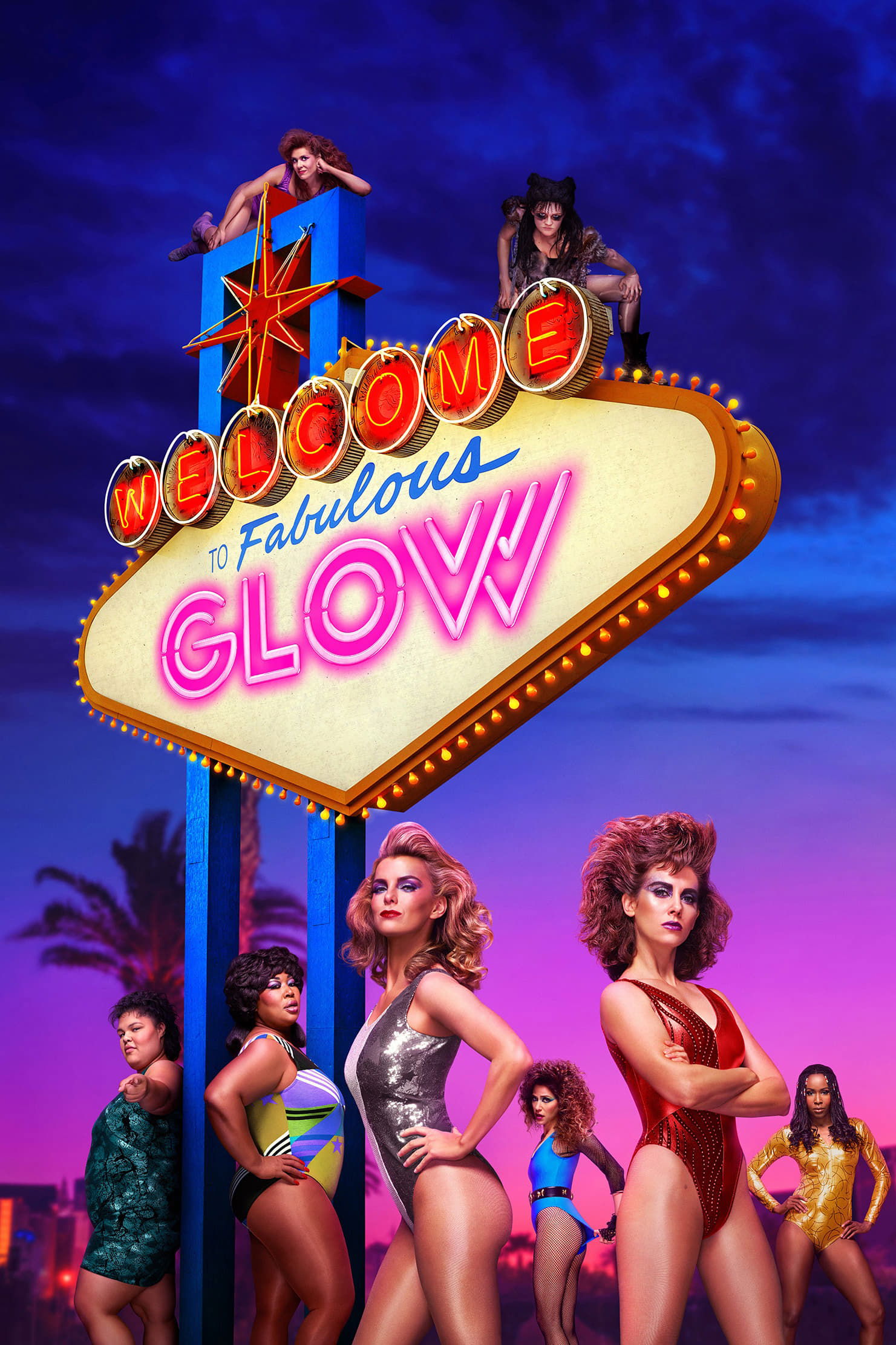
Inspired by a real wrestling promotion, this dramedy follows a group of women who assemble a televised show with limited resources. Alison Brie, Betty Gilpin, and Marc Maron headline a cast that develops personas, moves, and storylines inside and outside the ring.
Training sequences, backstage logistics, and production hurdles drive the plot, with attention to costumes, choreography, and broadcast schedules. The series balances ensemble arcs with episode specific matches, and episodes run under an hour for brisk pacing.
‘Godless’ (2017)
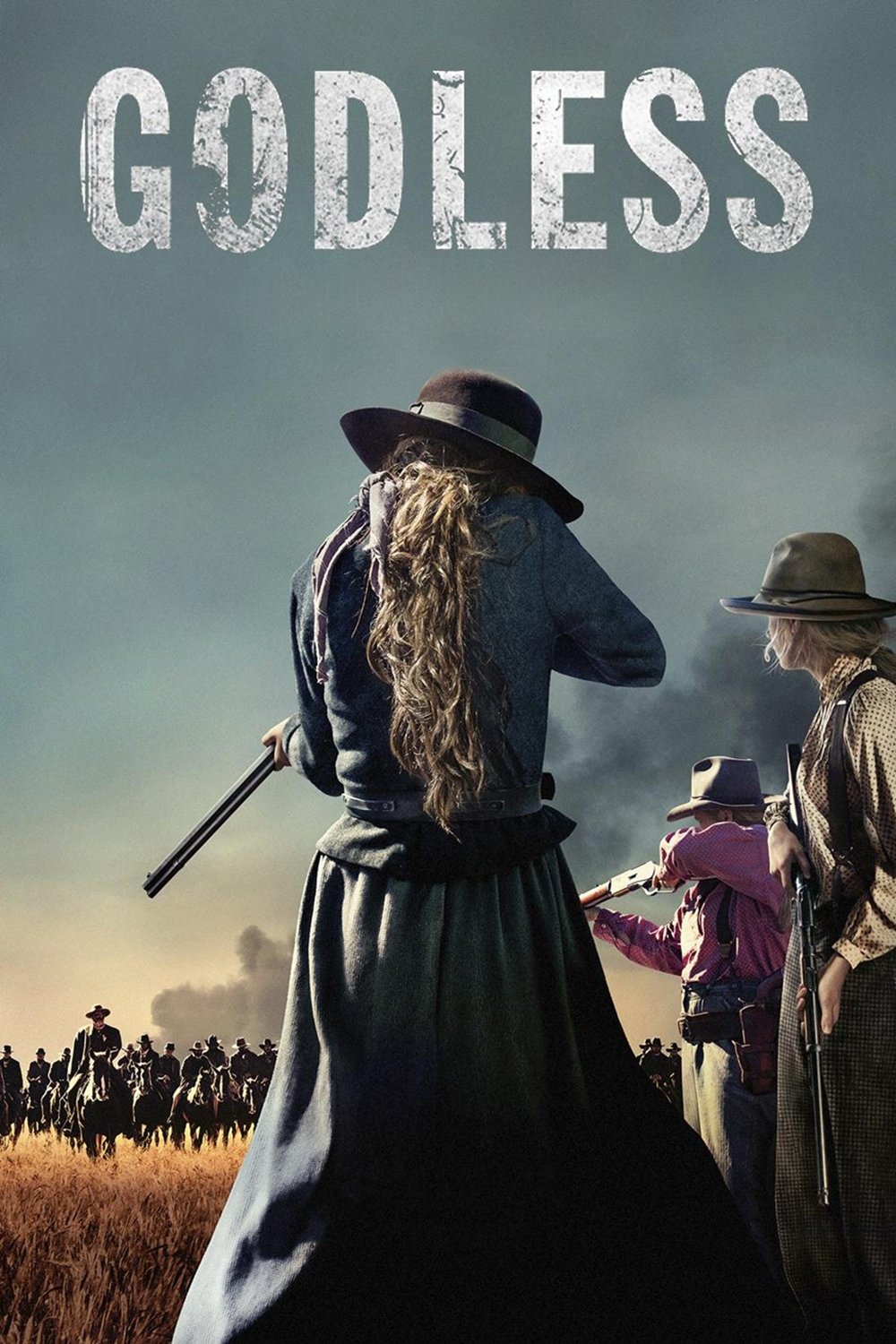
This limited western centers on a mining town largely populated by women after a disaster, and on an outlaw leader hunting a former member. Jack O’Connell, Michelle Dockery, and Jeff Daniels take principal roles, supported by a broad cast of townspeople and posse figures.
Produced as a seven episode story for Netflix, the show features location shooting that emphasizes mesas, rail lines, and frontier streets. The narrative tracks ranch work, firearms training, and tactical planning that lead into a large scale confrontation.
‘Ozark’ (2017)
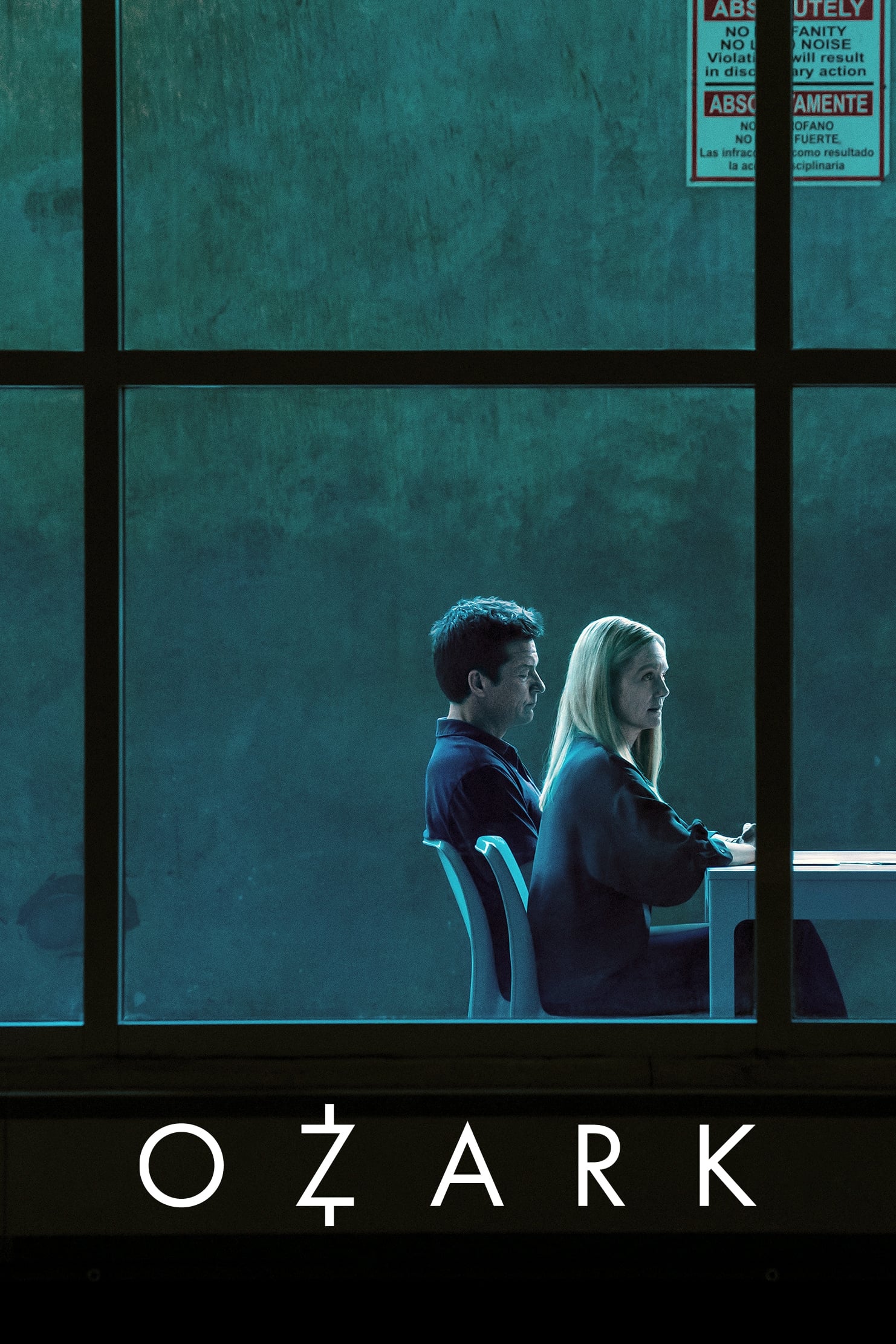
A financial advisor relocates his family to the Lake of the Ozarks to manage a money laundering operation under pressure. Jason Bateman and Laura Linney star, with Julia Garner and a rotating roster of local partners and rivals.
The series concentrates on shell companies, real estate projects, and supply routes, showing how legitimate businesses mask illegal flows. Cinematography favors low light interiors and water locations, and episodes often end on operational turns that reset risk.
‘The Americans’ (2013–2018)
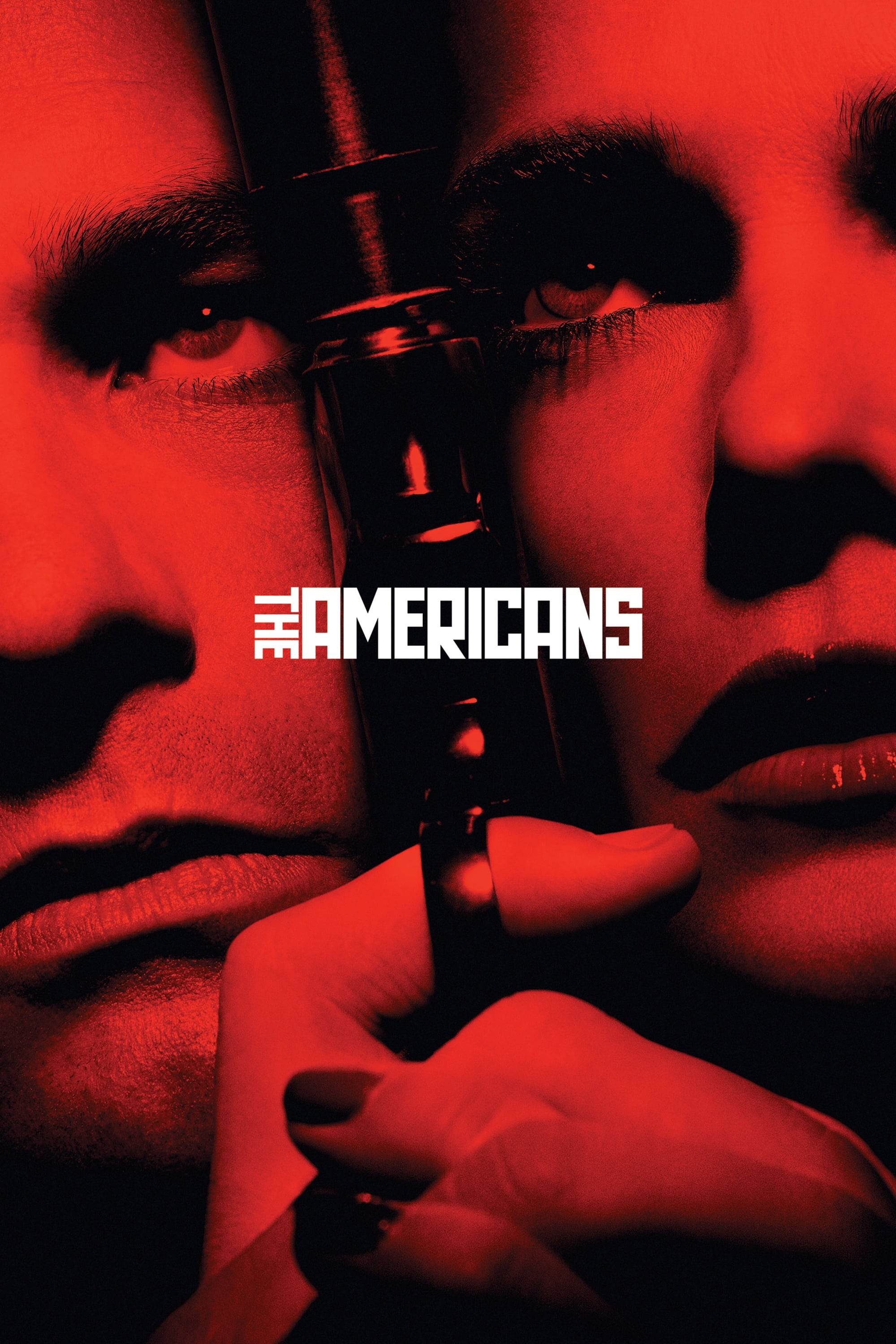
Two deep cover operatives live as a suburban couple while conducting assignments for their handlers, often involving recruitment and technology theft. Keri Russell and Matthew Rhys lead the cast, with Noah Emmerich as an FBI neighbor whose cases intersect with theirs.
The show details tradecraft such as dead drops, disguises, and coded communications, and it integrates family dynamics with mission demands. Production uses practical stunts and period hardware, and episodes often track parallel operations that converge.
‘Master of None’ (2015–)

Created by Aziz Ansari and Alan Yang, this series follows personal and professional decisions in New York and other locations, focusing on food, friendships, and creative work. Episodes range from quiet conversations to concept driven detours.
The show uses a flexible format that allows stand alone stories and character spotlights. Cinematography draws from international influences, and the soundtrack supports mood across restaurants, apartments, and travel sequences.
‘Black Mirror’ (2011–)
This anthology presents stand alone tales about technology and society, each with a new cast and setting. Episodes explore interfaces, social ratings, surveillance tools, and entertainment platforms, often through near future scenarios.
Production moves between countries and uses a mix of practical builds and digital effects to realize gadgets and systems. The format allows variable runtimes, and installments can function as thrillers, romances, or procedural puzzles depending on the concept.
‘Alias Grace’ (2017)
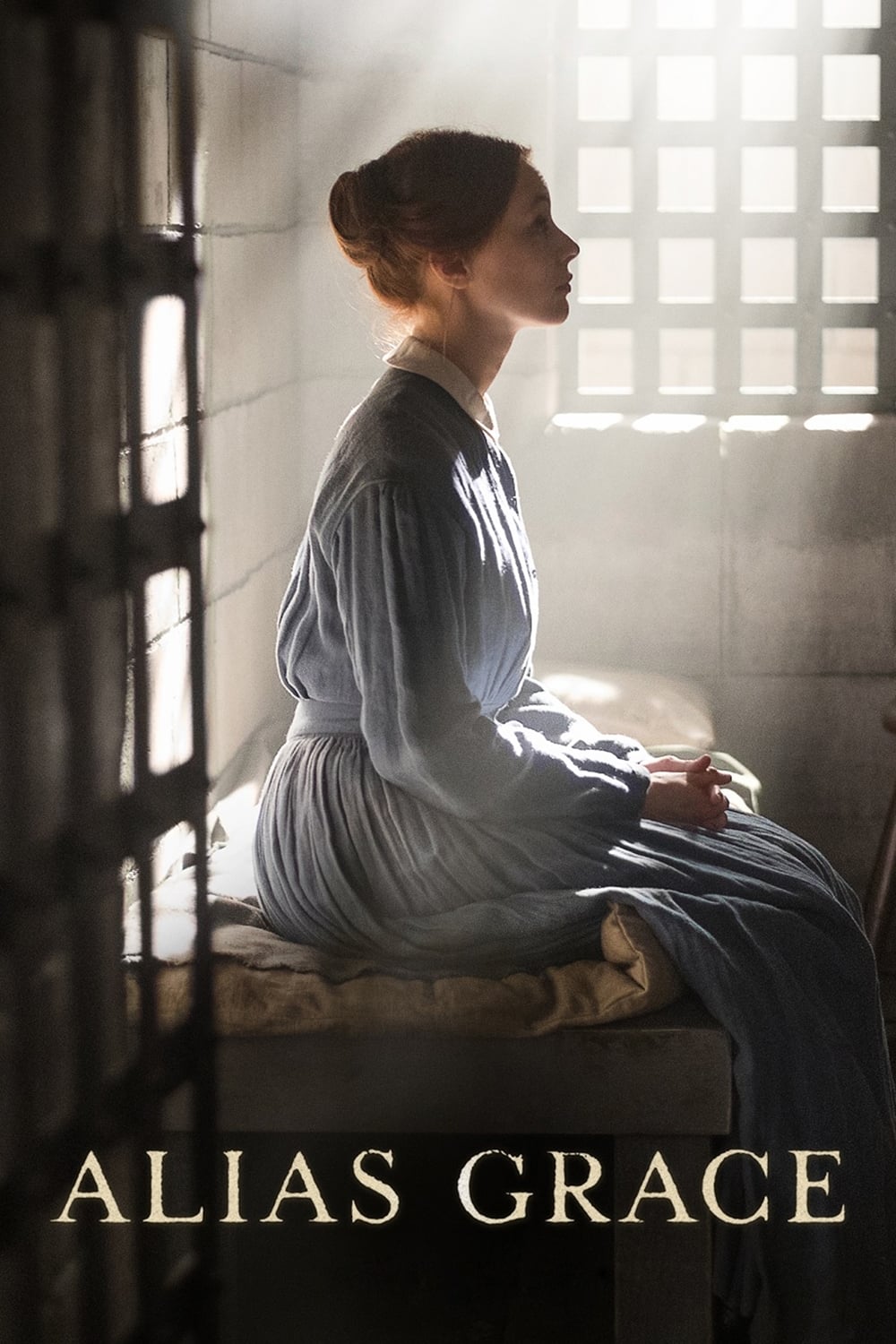
Adapted from Margaret Atwood’s novel, this limited series revisits a historical murder case through interviews between a doctor and a convicted domestic servant. Sarah Gadon plays Grace, with Edward Holcroft and Paul Gross among the principal cast.
The narrative structure alternates testimony with flashbacks, examining working conditions, immigration experiences, and institutional power. Costumes and interiors are built with period accuracy, and the production favors close framings that highlight memory and bias.
‘Dark’ (2017)
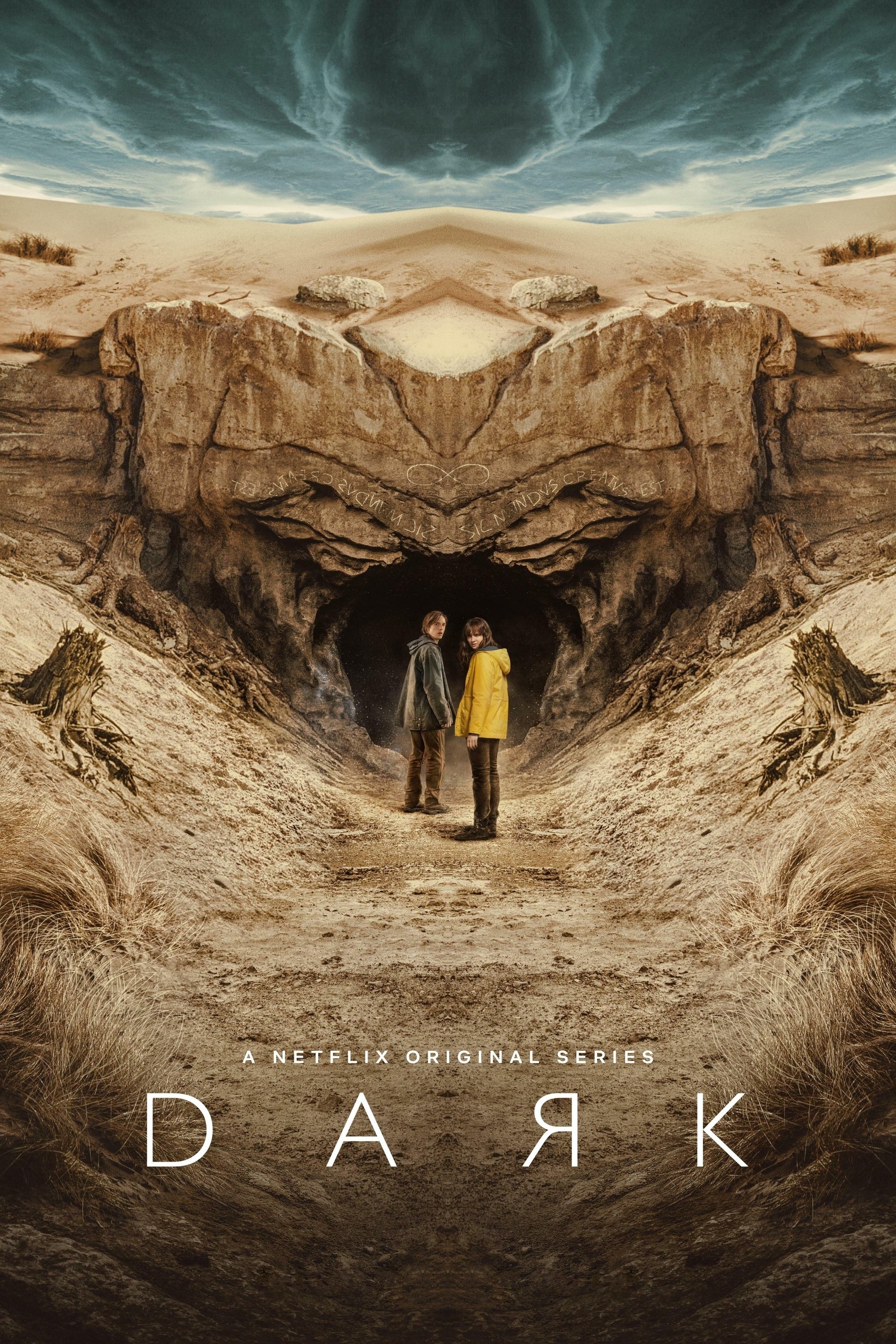
Set in a small German town, this sci fi thriller begins with a missing child case that uncovers interconnected families and unusual phenomena. The ensemble includes characters at multiple ages, with storylines that cross between timelines.
The series relies on meticulous plotting, family trees, and visual markers such as scars and props to help track identities. Netflix provides multi language options, and many viewers use recaps and charts to follow the expanding patterns across episodes.
‘American Gods’ (2017)
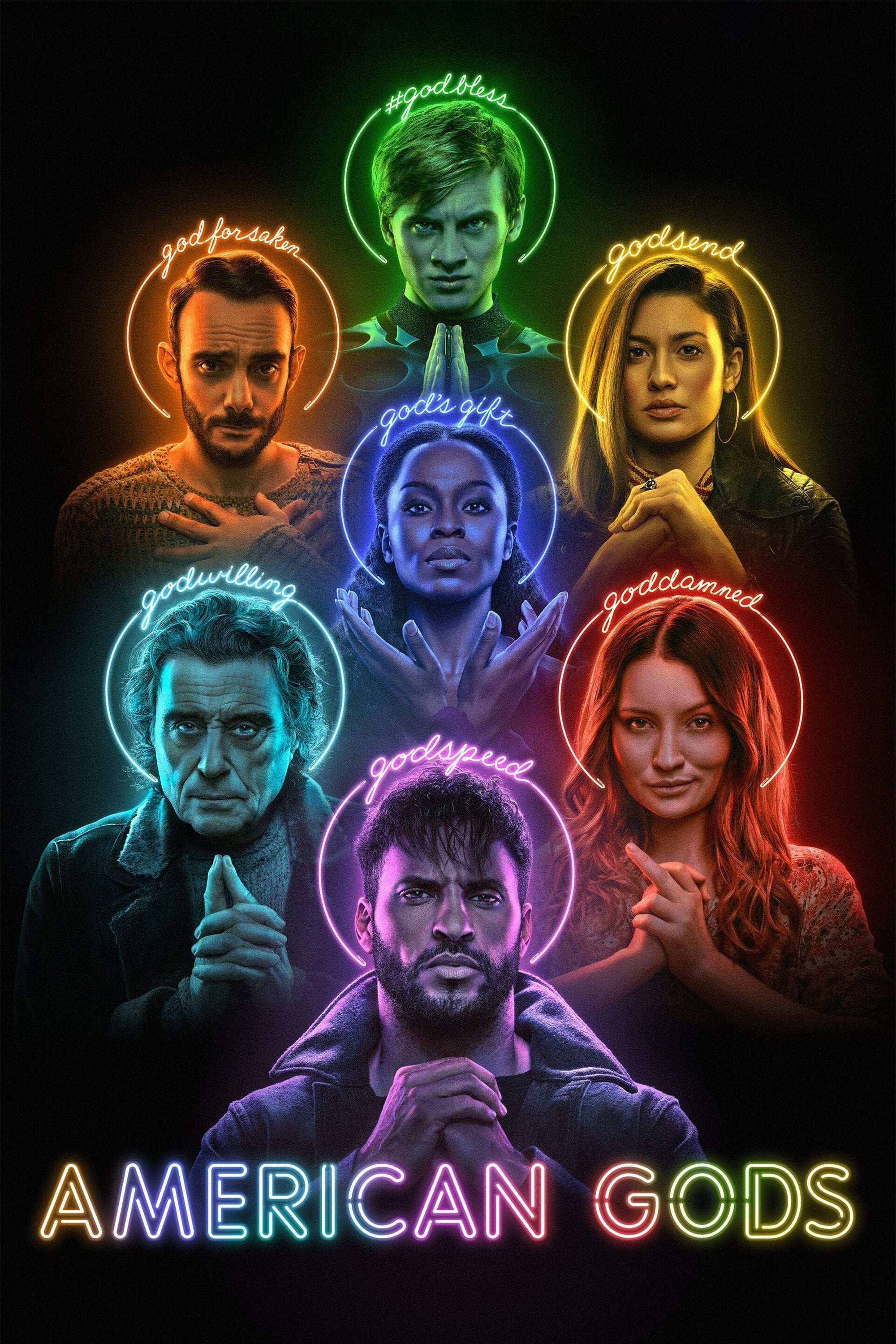
Based on Neil Gaiman’s novel, this fantasy drama follows a recently released ex convict who becomes bodyman to a mysterious employer. Ricky Whittle and Ian McShane lead the cast, with recurring appearances by deities who represent old and new domains.
The production uses stylized set pieces, roadside Americana, and mythological imagery to stage confrontations and negotiations. Episodes mix con stories, vignettes about immigrant tales, and road travel, building toward faction gatherings.
‘Fargo’ (2014–2023)
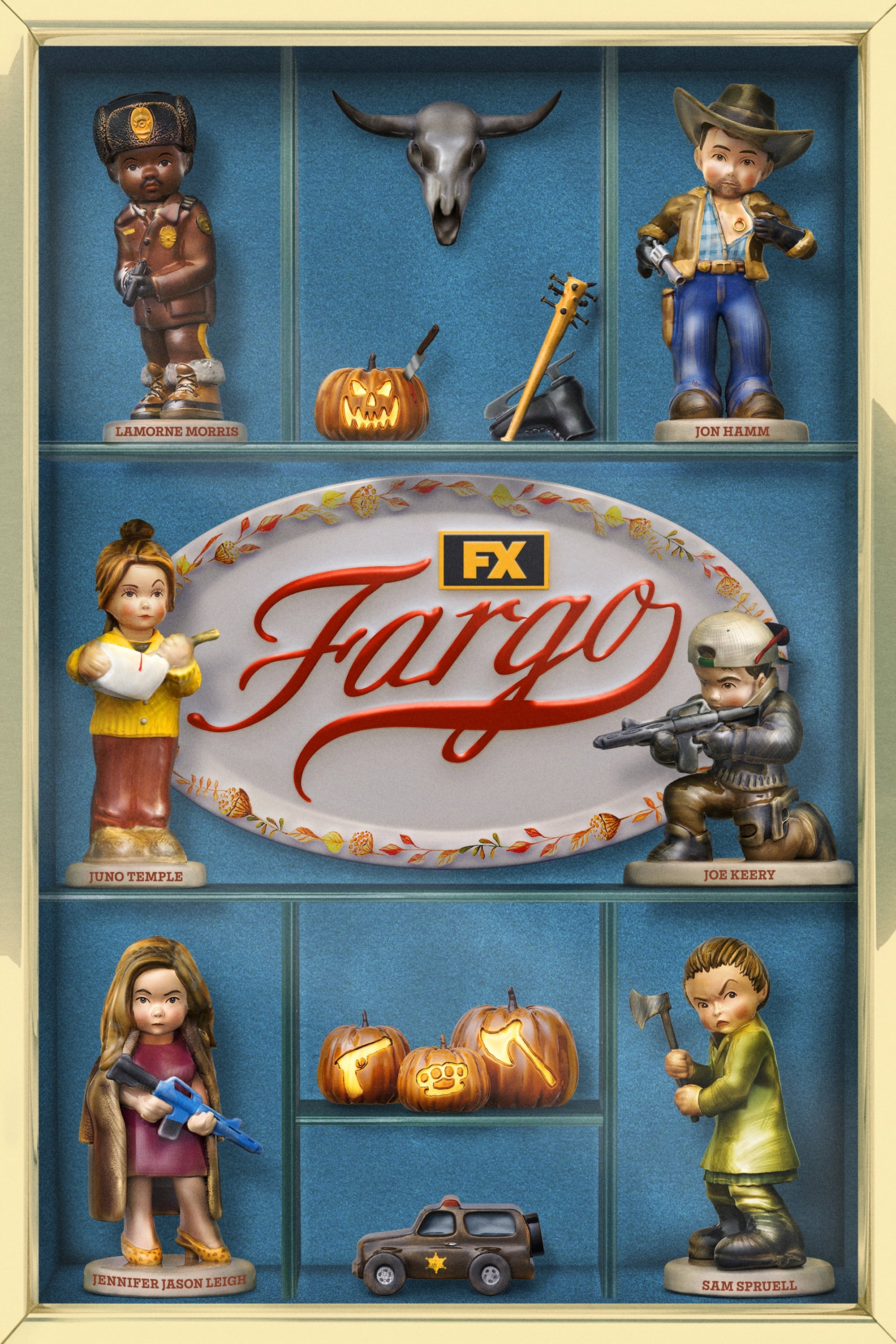
Inspired by the film, this anthology tells crime stories set in the Midwest with new characters each season. The format uses intersecting plots involving families, law enforcement, and traveling criminals.
Seasons employ careful period detail, precise framing, and dry humor within violent situations. Casting draws from film and television veterans, and music selections help define tone for each locale and era.
‘The Good Place’ (2016–2020)
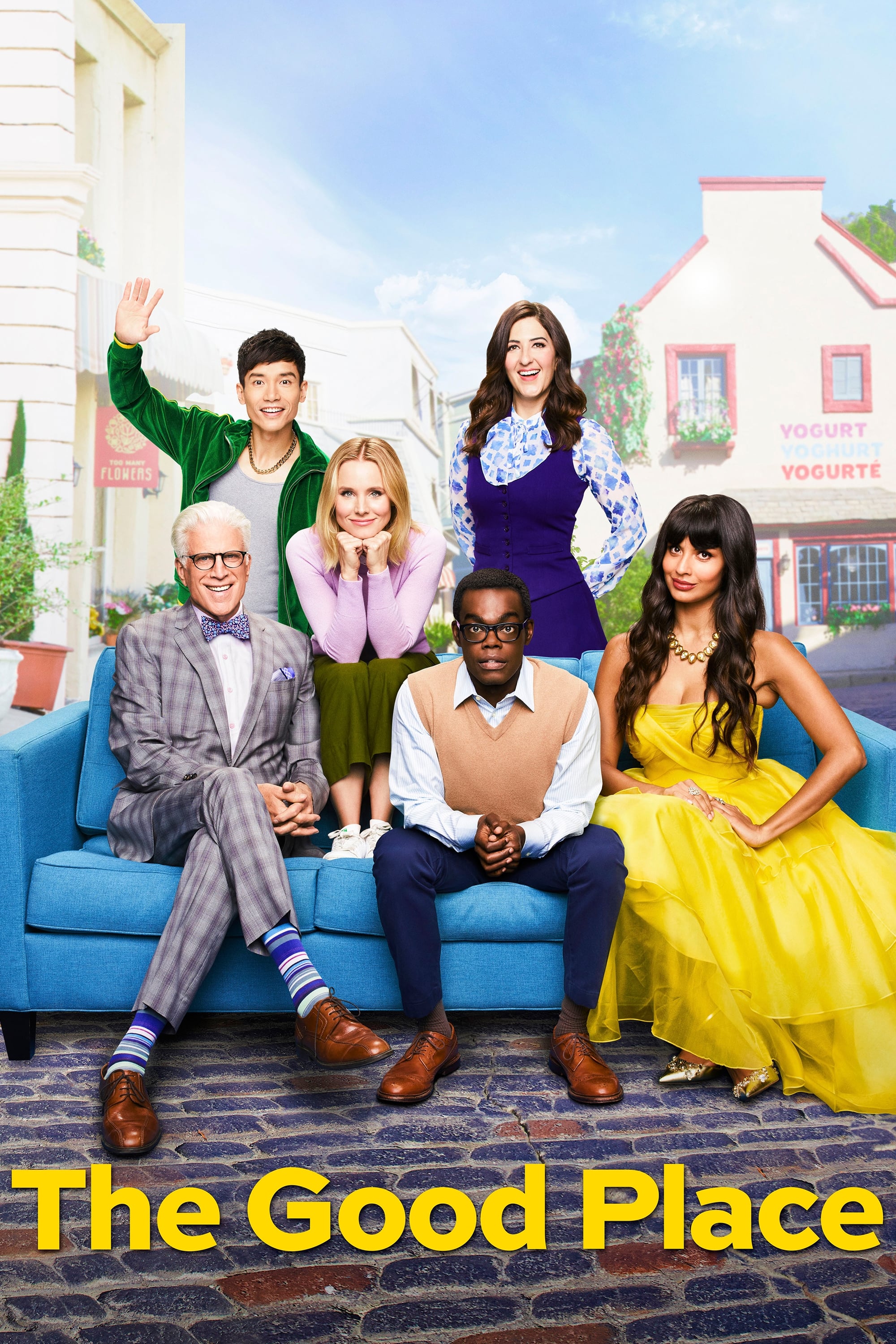
This high concept comedy starts with a woman who arrives in an afterlife neighborhood that does not match her life choices. Kristen Bell, William Jackson Harper, Jameela Jamil, Manny Jacinto, and Ted Danson form the core ensemble.
The show combines philosophy lessons, ethics studies, and serialized twists within a bright production design. Episodes are tightly structured at network length, with cold opens and tags that support ongoing mystery elements.
‘Rick and Morty’ (2013–)
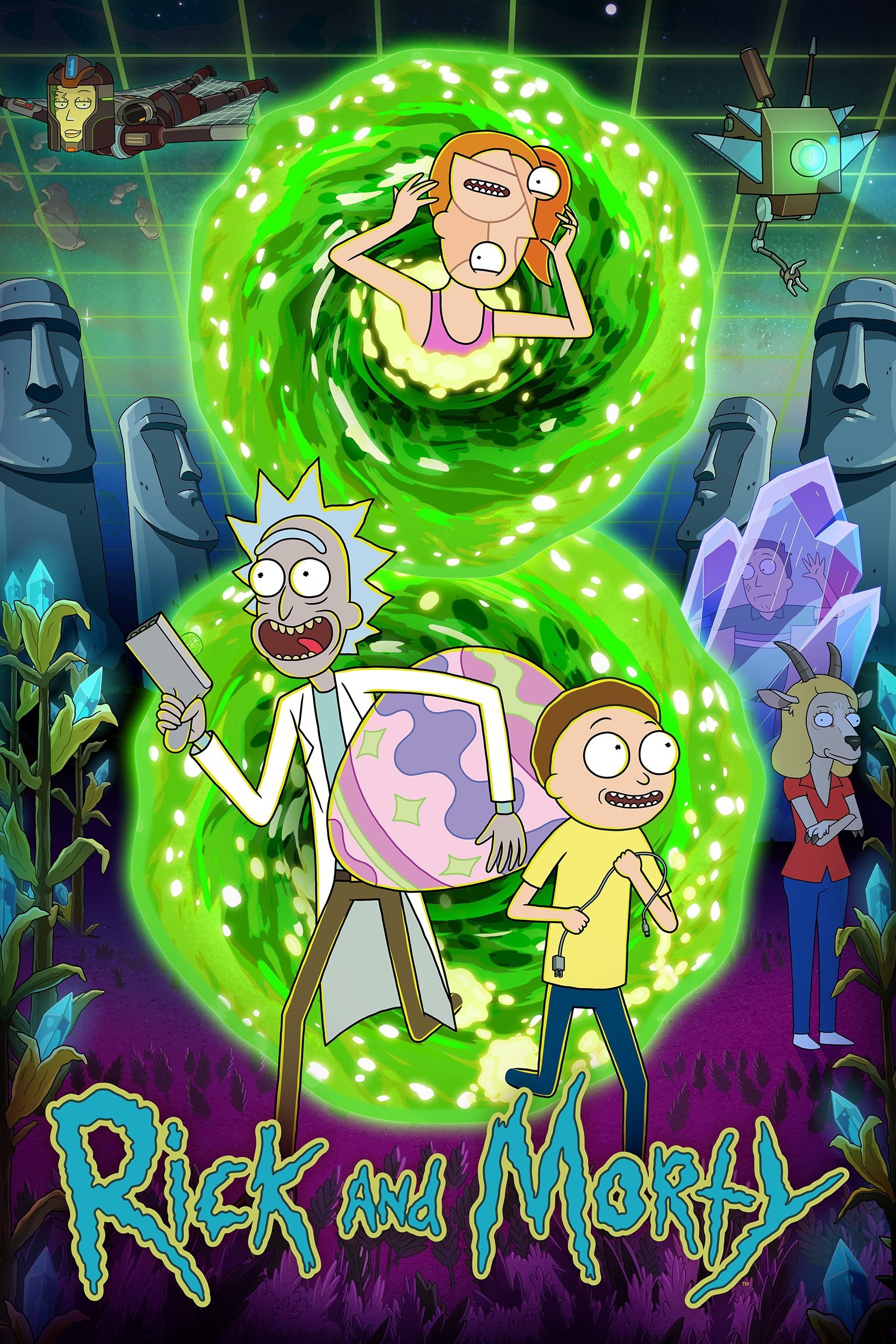
This animated series follows the chaotic trips of a scientist and his grandson through planets, timelines, and parallel realities. Episodes introduce inventions, councils, and alternate versions that complicate family life and adventure arcs.
The production blends fast dialogue with dense visual gags and sci fi concepts, and it supports rewatch value through recurring devices. Season structures allow one off stories alongside mythology entries, and many plots hinge on gadget rules and consequences.
‘BoJack Horseman’ (2014–2020)
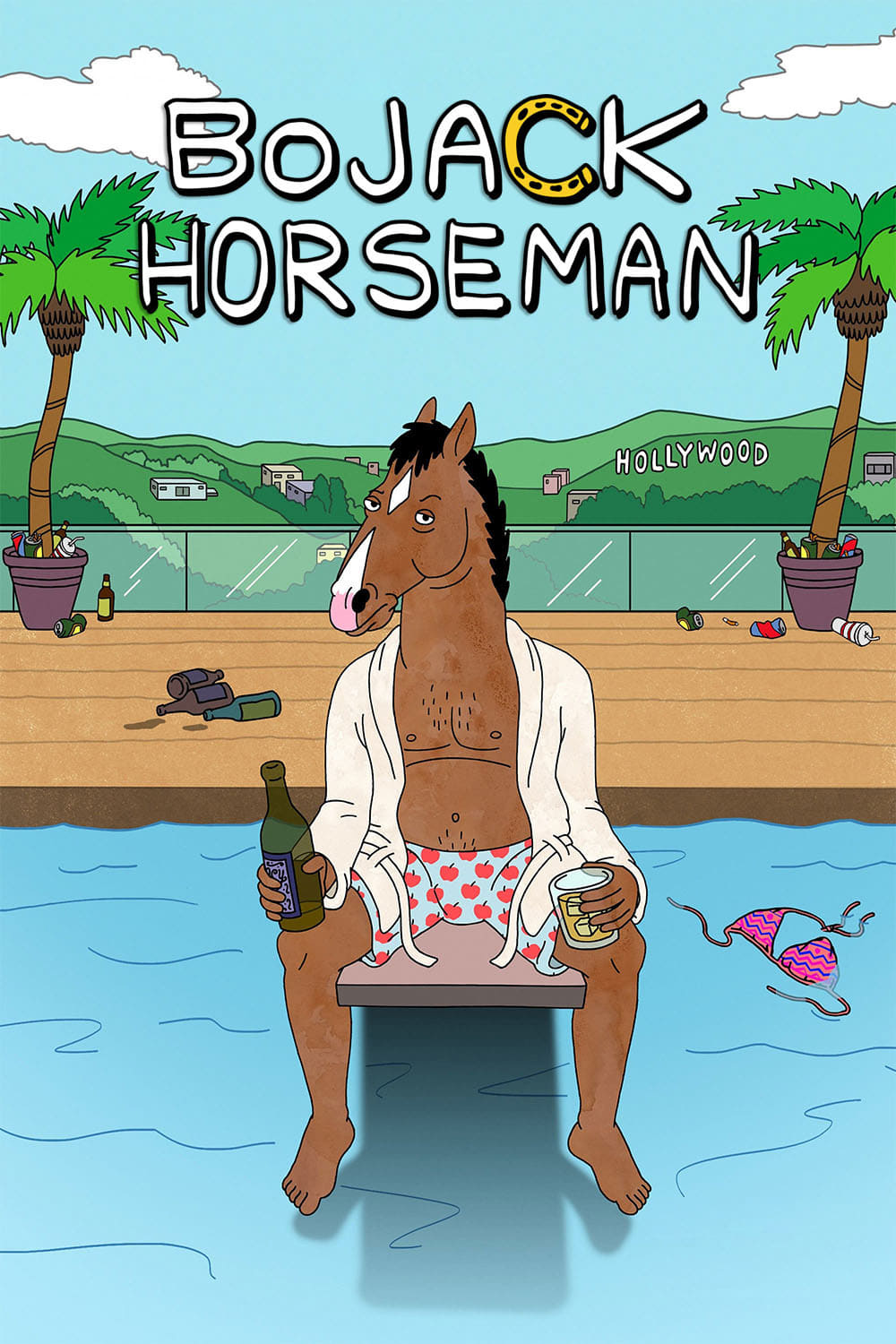
Set in a world where humans and anthropomorphic animals coexist, this animated dramedy follows a former sitcom star navigating work and relationships. Will Arnett voices BoJack, with Alison Brie, Aaron Paul, Amy Sedaris, and Paul F Tompkins rounding out the main cast.
The series uses bottle episodes, visual wordplay, and experimental formats to examine media cycles and personal choices. Episodes frequently build around industry events, book tours, and film shoots, and the show develops supporting characters with their own arcs.
‘The Good Fight’ (2017)
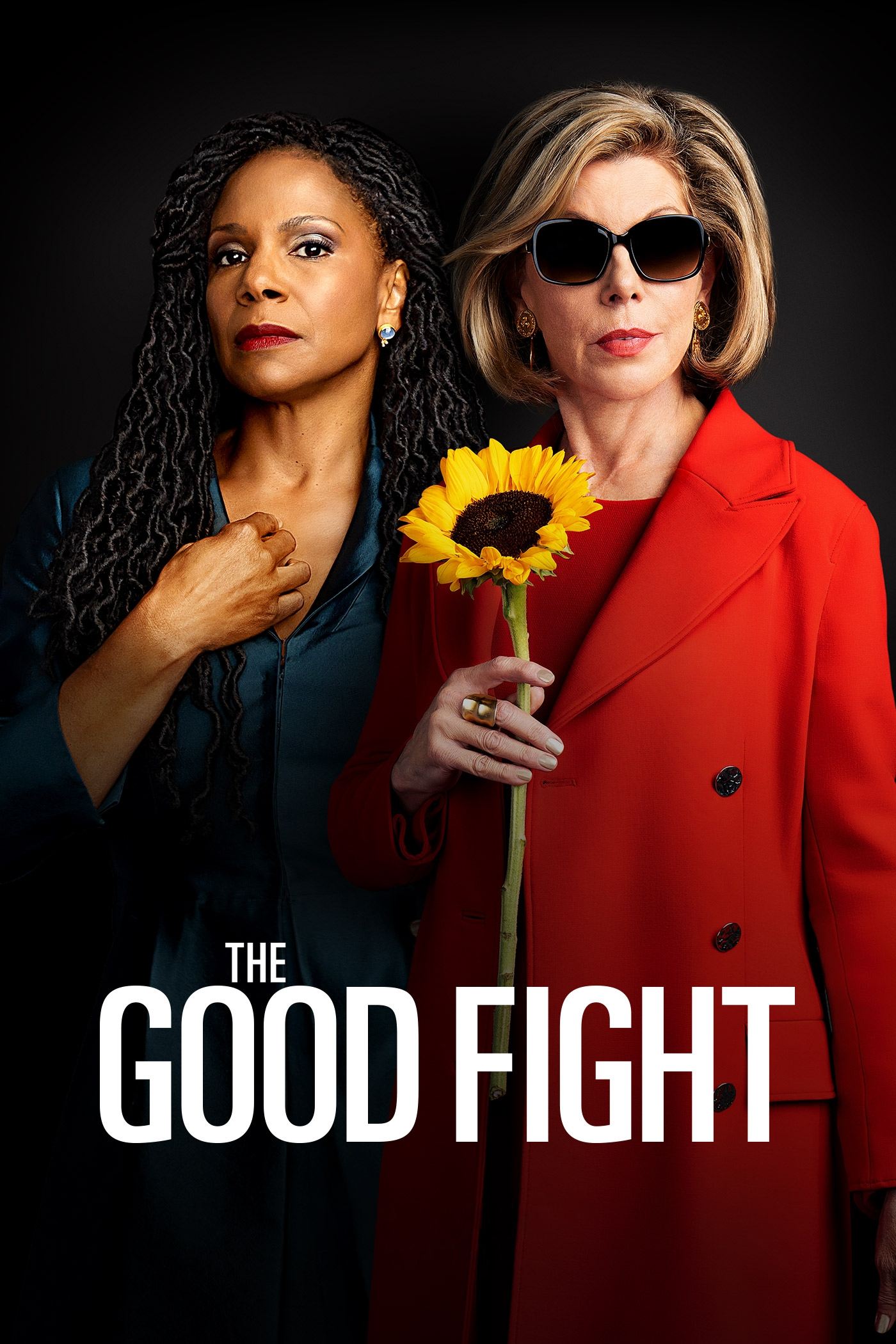
A legal drama and spin off of an established franchise, this series centers on a law firm that handles high profile cases, investigations, and internal politics. Christine Baranski leads the cast with Cush Jumbo, Rose Leslie, and Delroy Lindo among the partners and associates.
Produced for a streaming platform tied to a major network, the show integrates topical disputes, arbitration strategies, and courtroom tactics. The format supports serialized firm developments alongside case of the week stories, with attention to technology and media.
‘Star Trek: Discovery’ (2017)
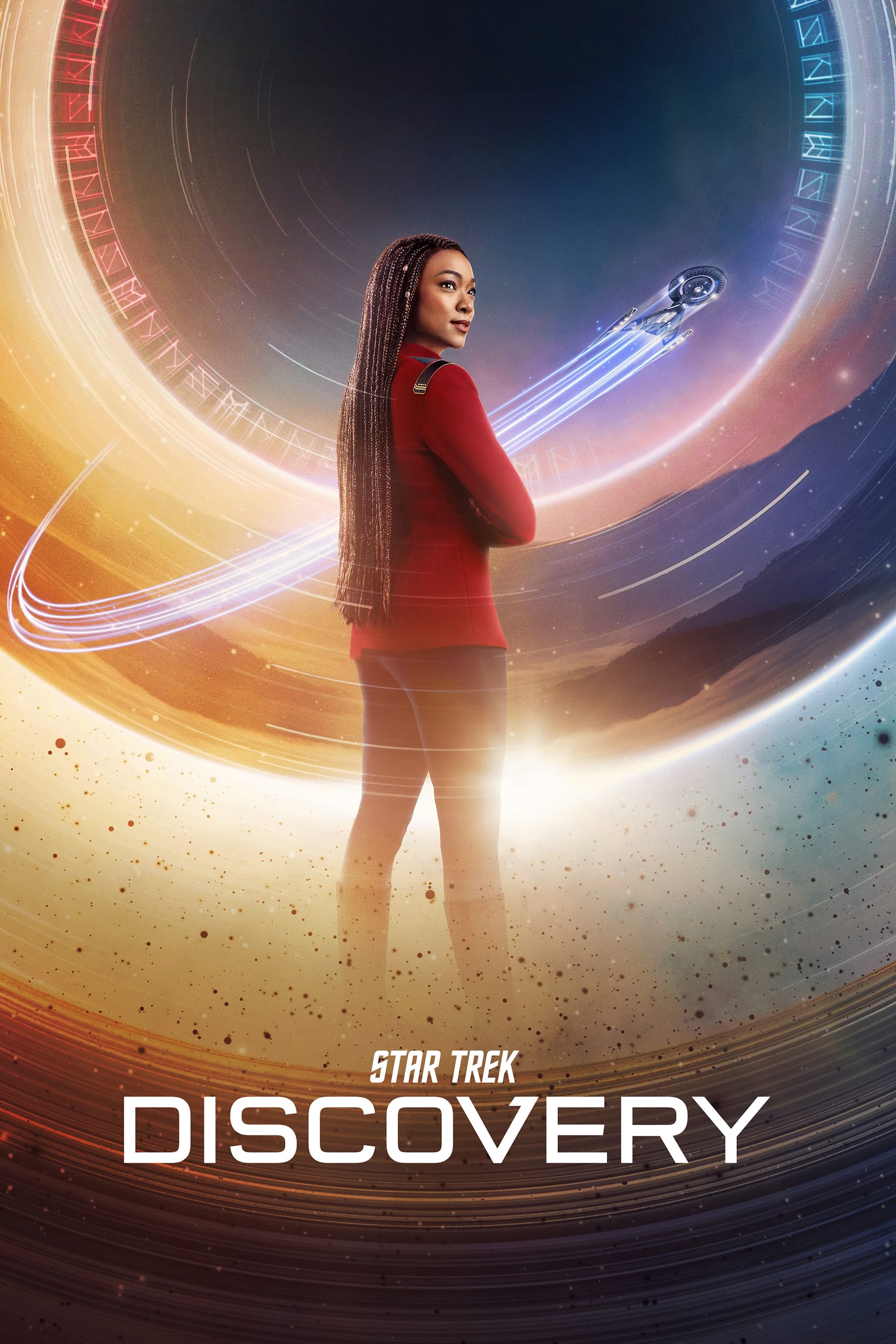
Set within the long running franchise, this series follows Michael Burnham and the crew of the Discovery as they encounter conflicts that test Federation values. Sonequa Martin Green stars with Doug Jones, Anthony Rapp, and a rotating roster of captains and adversaries.
The production features updated starship interiors, space battles, and alien makeup that expands species lore. Story arcs use mission briefs, spore drive mechanics, and diplomatic efforts, and the season model mixes standalone exploration with multi episode conflicts.
Share your own picks for 2017 in the comments and tell readers which shows they should queue up next.

