


The Academy Has Revealed the Shortlist for the 2026 Best Original Score Oscars


The Academy of Motion Picture Arts and Sciences has unveiled the shortlist for the Best Original Score category for the 98th Academy Awards. This year features a diverse collection of sonic landscapes ranging from high-octane racing anthems to haunting gothic orchestrations. The Music Branch has selected these twenty titles from a competitive field of one hundred thirty-two eligible scores. The following films remain in contention for the final five nomination slots to be announced early next year.
‘Avatar: Fire and Ash’ (2025)
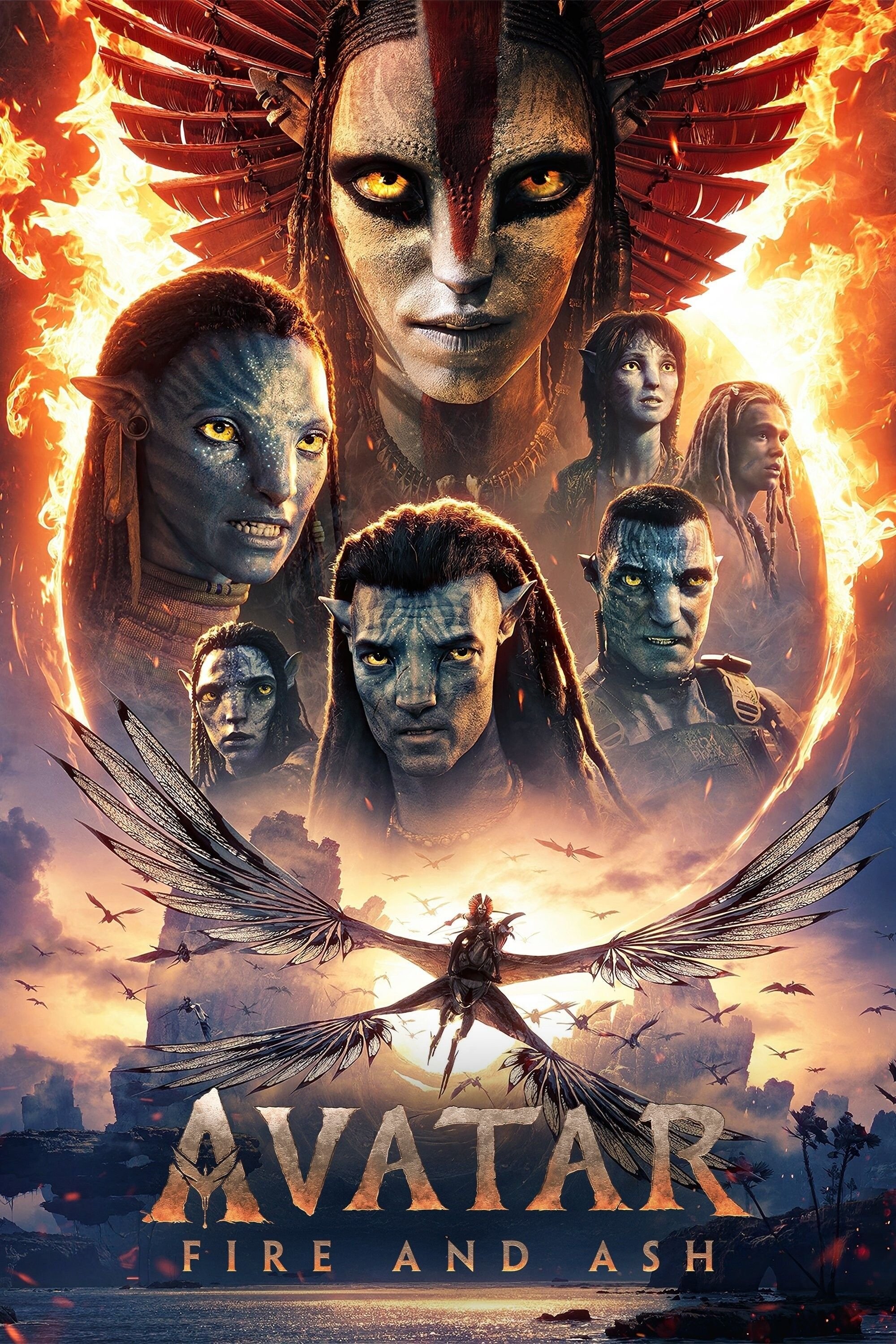
Composer Simon Franglen returns to Pandora to expand the musical universe originally established by James Horner. This third installment introduces the Ash People and requires a darker and more aggressive sonic palette than its predecessors. The score incorporates new indigenous instruments and choral arrangements to reflect the volcanic environment of the new tribe. Franglen successfully balances these intense new themes with the soaring emotional leitmotifs that define the franchise.
‘Bugonia’ (2025)
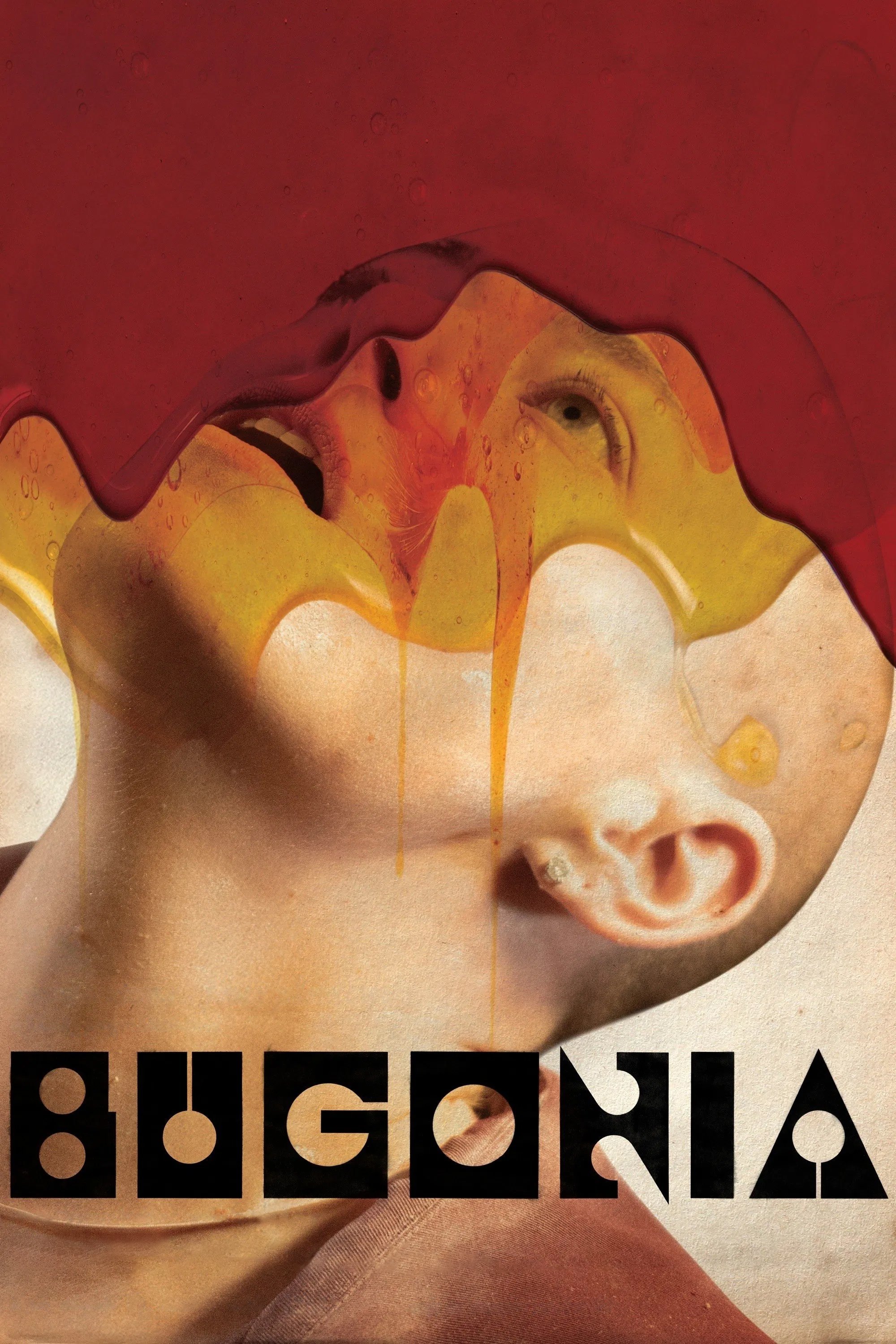
Yorgos Lanthimos continues his collaboration with composer Jerskin Fendrix for this science fiction black comedy. The music mirrors the film’s erratic and unsettling tone through the use of disjointed instrumentation and synthesized distortion. Fendrix creates a soundscape that feels deliberately uncomfortable yet oddly whimsical to match the conspiracy-laden plot. Critics have noted how the score acts as a destabilizing force that keeps the audience constantly off-balance.
‘Captain America: Brave New World’ (2025)
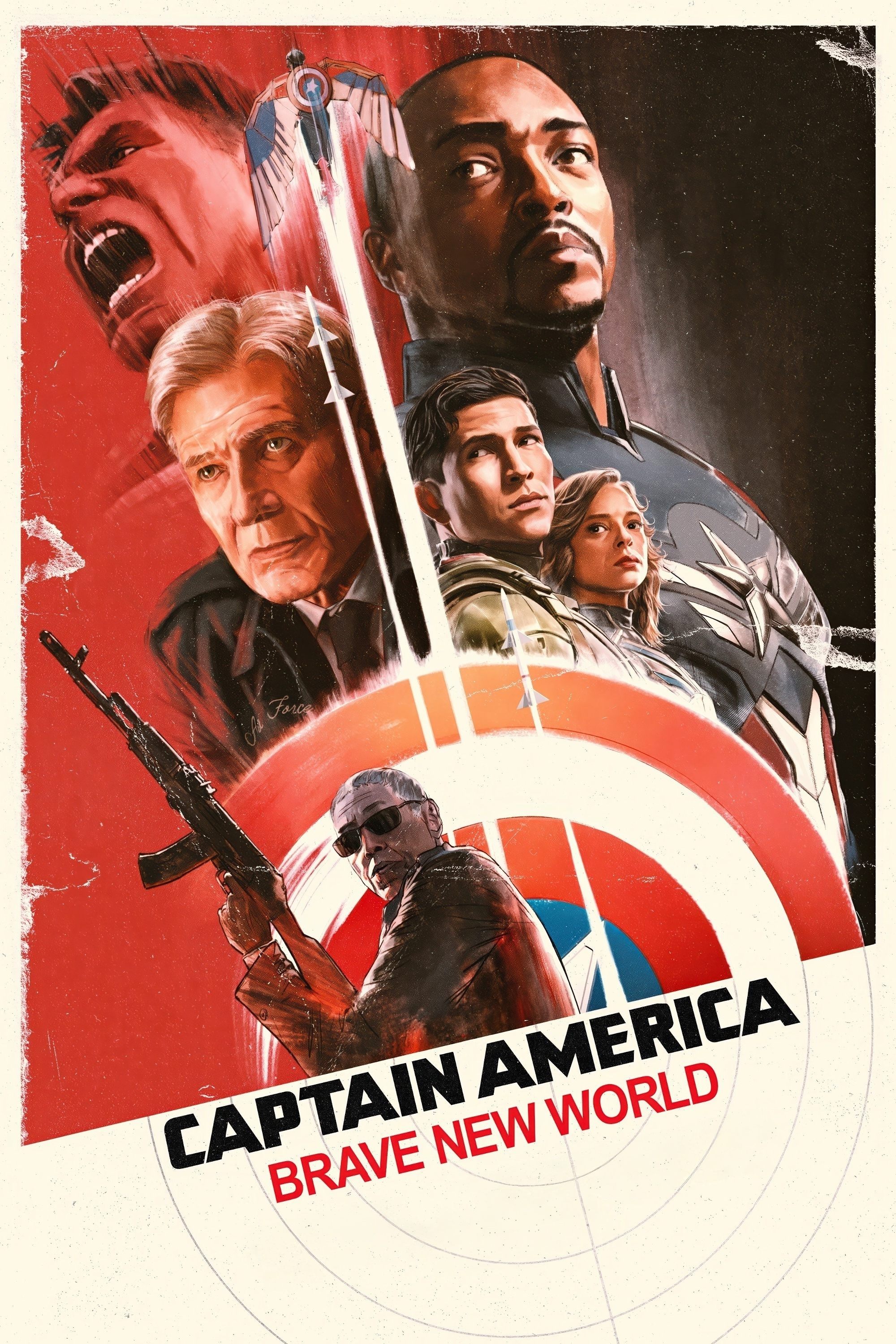
Laura Karpman delivers a grounded and political spy-thriller score for Sam Wilson’s cinematic debut as Captain America. The music leans heavily into brass and percussion to emphasize the weight of the shield and the global stakes involved. Karpman weaves in subtle nods to previous themes while establishing a distinct, modern identity for the new Star-Spangled Man. The composition deftly balances high-flying action sequences with quieter moments of character introspection.
‘Diane Warren: Relentless’ (2025)
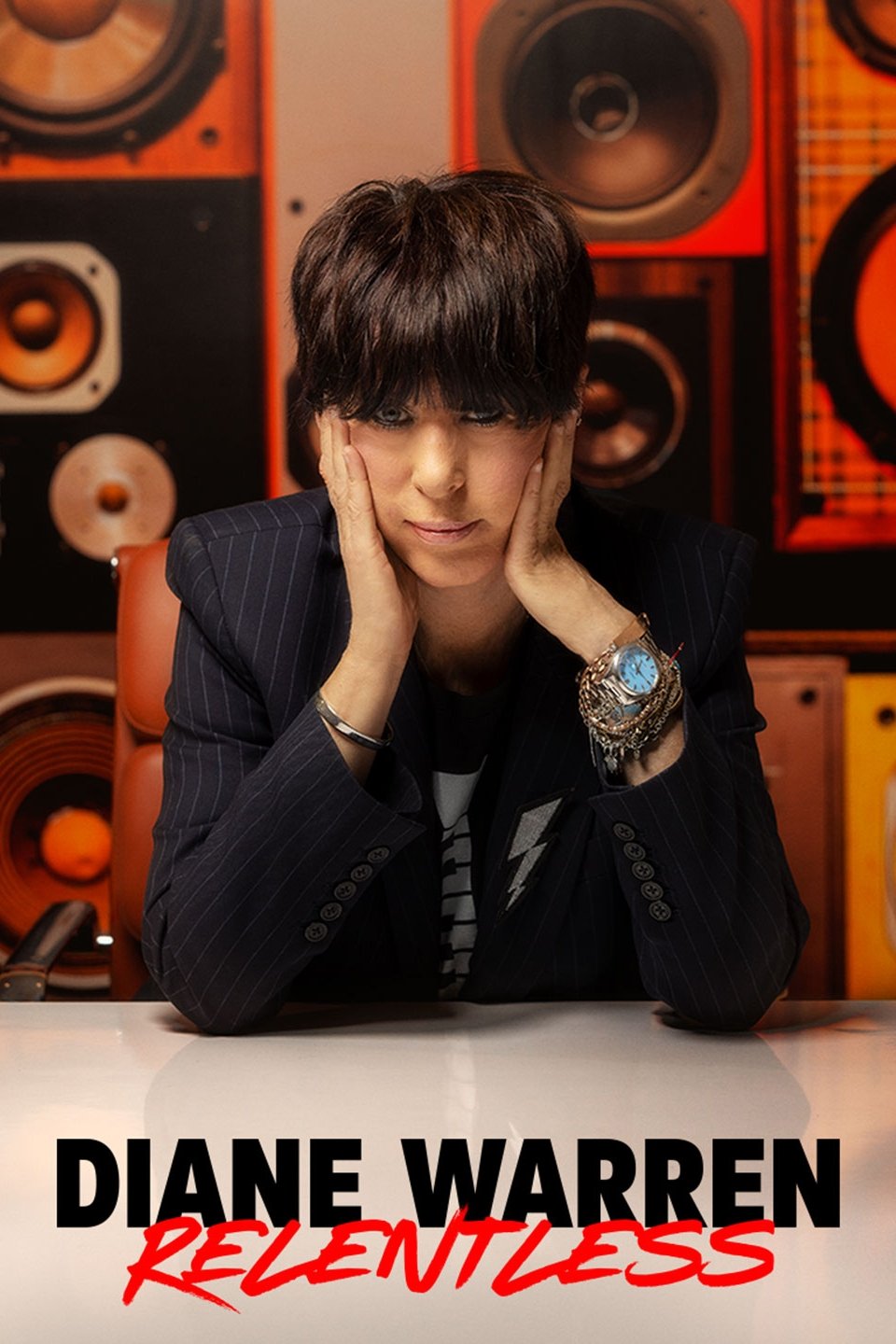
This documentary offers an intimate look at the life of one of the industry’s most prolific songwriters. The original score provides a melodic undercurrent that supports the narrative of Warren’s decades-spanning career without overpowering her famous catalogue. It utilizes piano-driven motifs to explore the personal struggles and relentless drive behind the hitmaker. The background composition successfully bridges the gap between the various musical eras depicted on screen.
‘F1’ (2025)
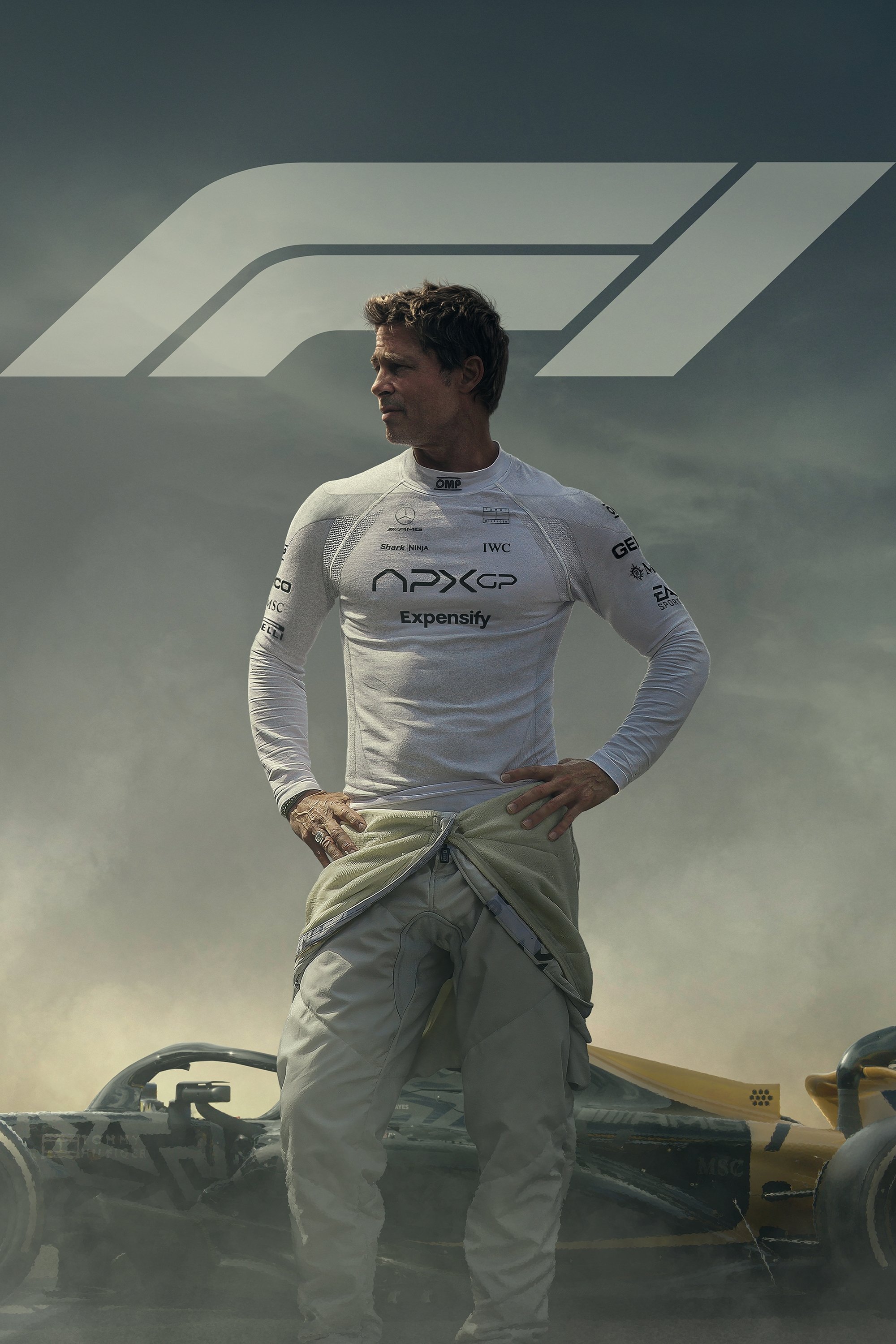
Hans Zimmer brings his signature bombast to Joseph Kosinski’s high-speed racing drama. The score utilizes a mix of orchestral power and electronic synthesizers to mimic the adrenaline and mechanical intensity of Formula One racing. Zimmer experimented with recording distinct engine sounds to integrate them rhythmically into the musical track. The result is an immersive auditory experience that propels the audience through every turn on the track.
‘Frankenstein’ (2025)
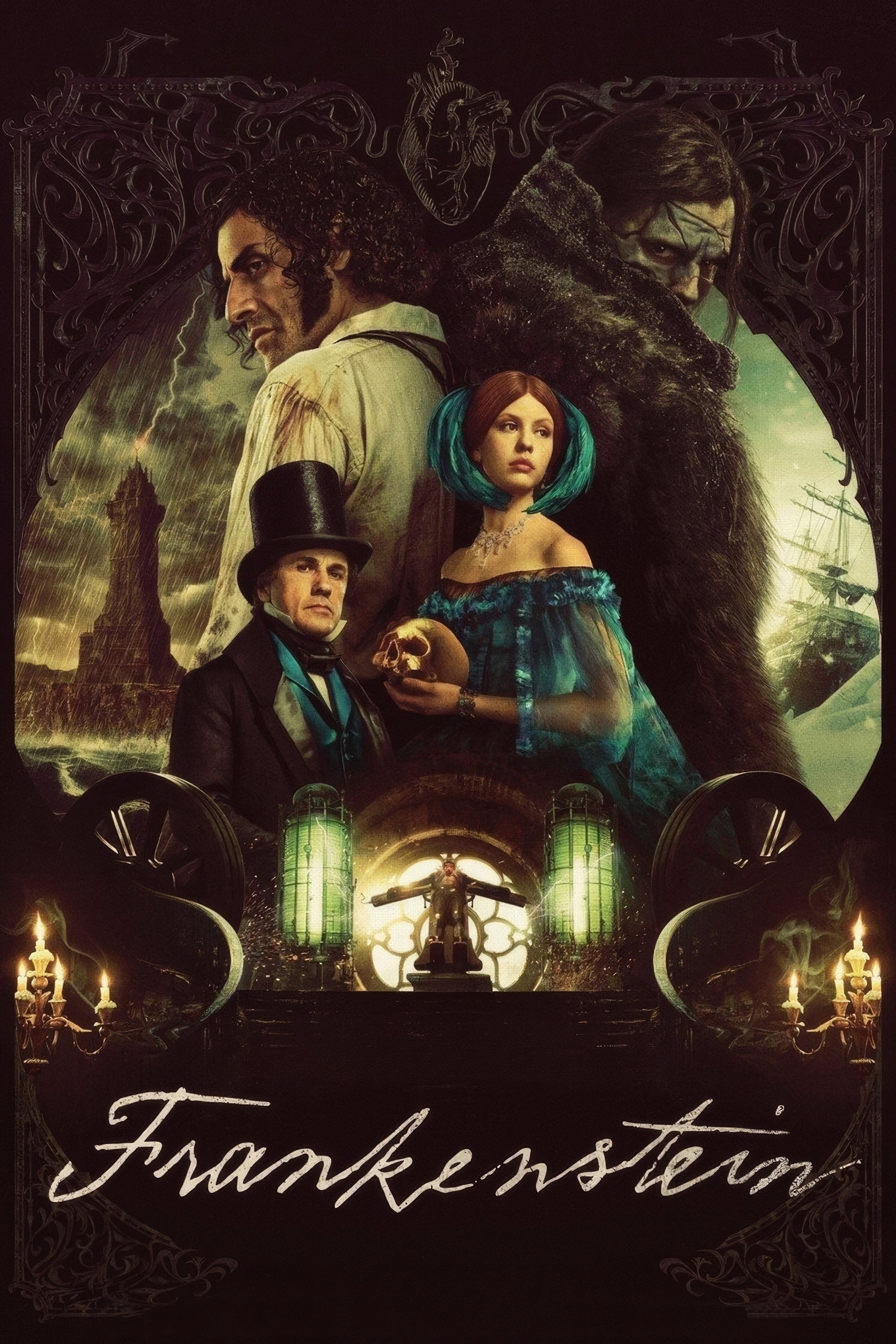
Alexandre Desplat reunites with Guillermo del Toro to craft a tragic and romantic musical tapestry for this adaptation of the classic novel. The score features sweeping string arrangements that evoke the gothic horror and profound loneliness of the creature. Desplat employs a melancholic waltz tempo in key scenes to highlight the monster’s desire for connection. The music serves as the emotional heartbeat of a film that is visually dark and thematically complex.
‘Hamnet’ (2025)
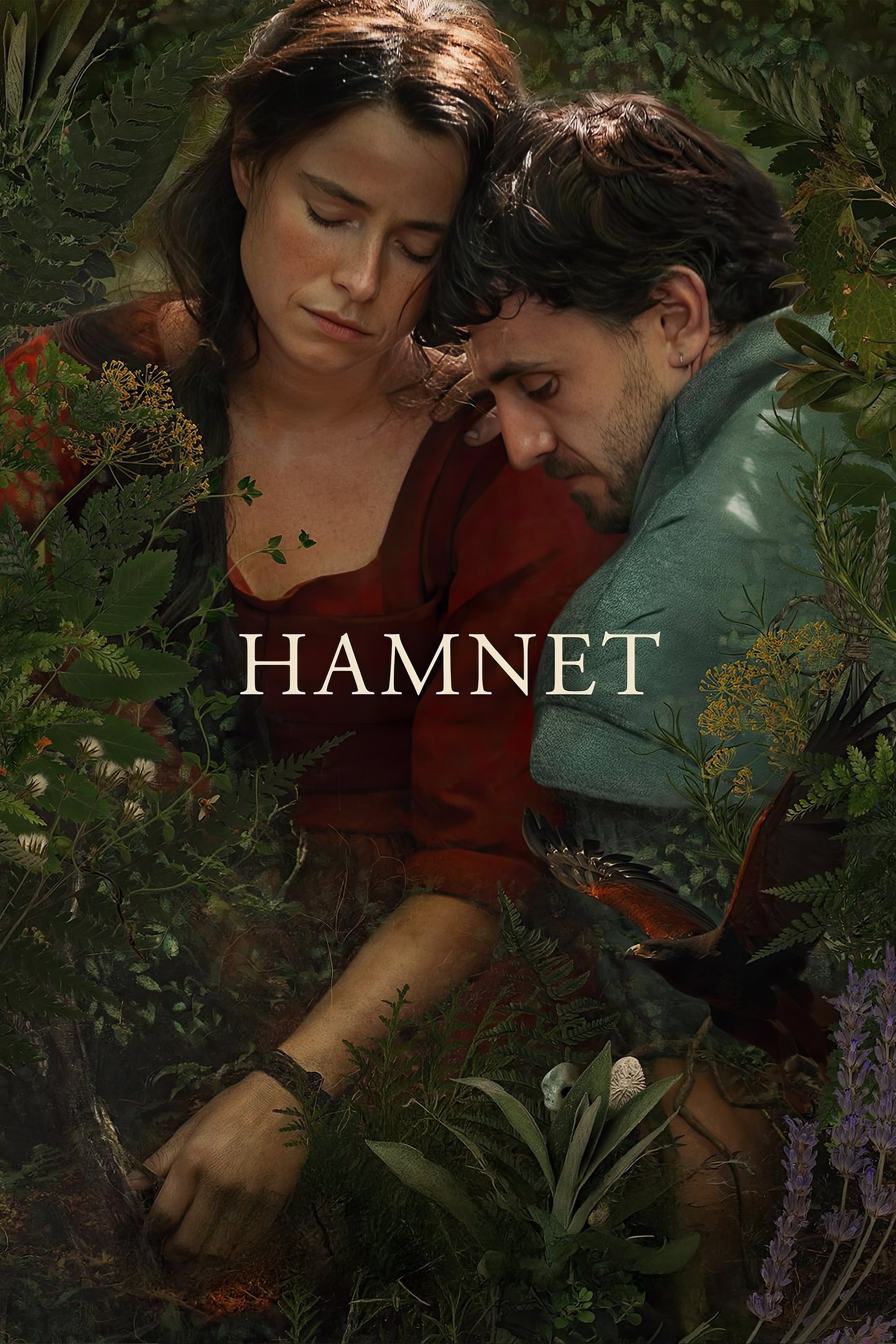
Chloé Zhao’s adaptation of the best-selling novel features a score that is both ethereal and deeply grounded in nature. The music relies on period-appropriate acoustic instruments to transport viewers to Elizabethan England. It focuses on intimate, small-scale melodies to reflect the personal grief of Agnes and the loss of her son. The composition creates a haunting atmosphere that lingers long after the credits roll.
‘Hedda’ (2025)
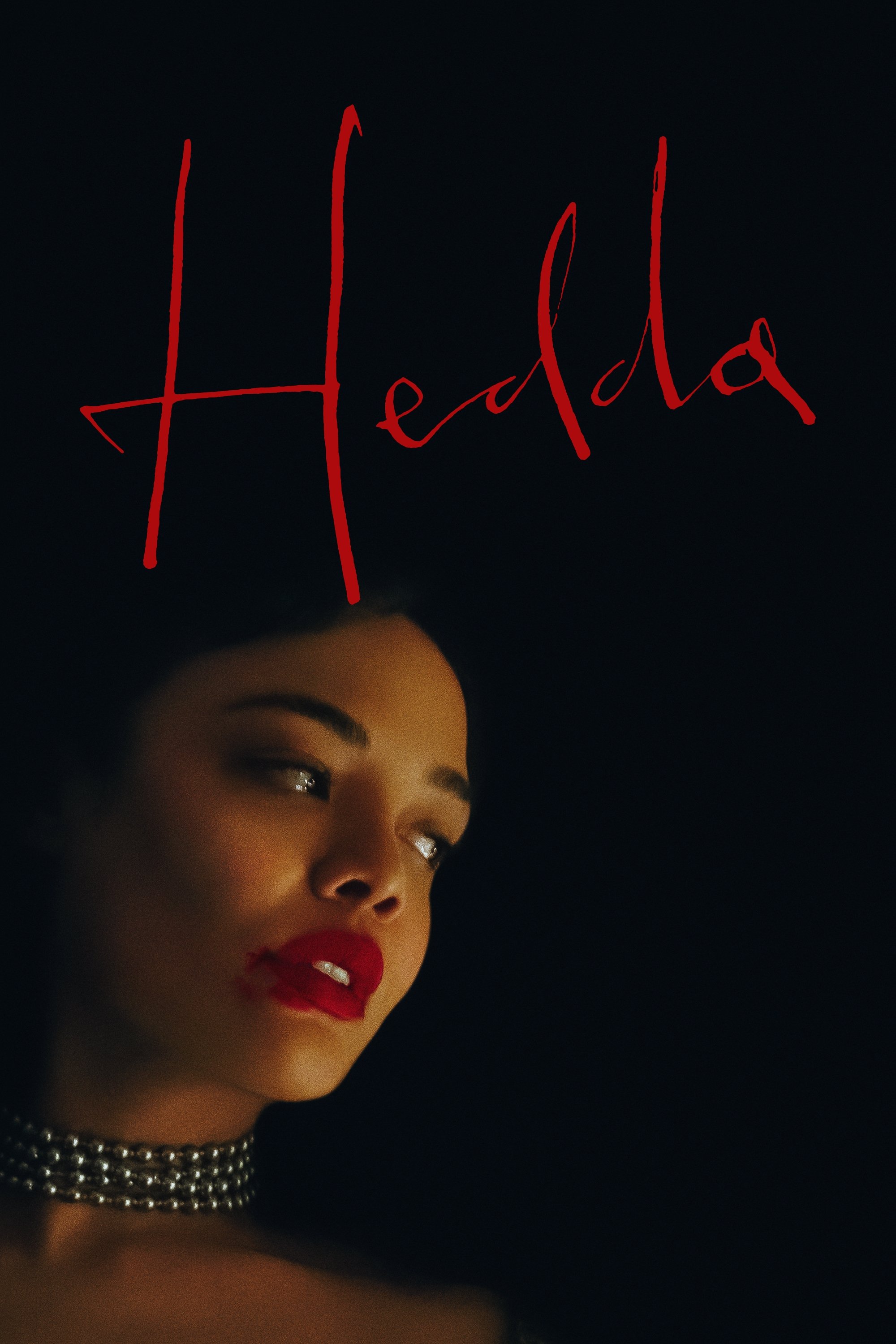
For Nia DaCosta’s reimagining of the Ibsen classic, the score acts as a psychological pressure cooker. The music utilizes sharp staccato strings and sudden silences to mirror the protagonist’s unraveling mental state. It avoids traditional melodramatic swells in favor of a colder and more precise sonic architecture. This approach heightens the tension of the domestic setting and underscores the tragic inevitability of the narrative.
‘A House of Dynamite’ (2025)
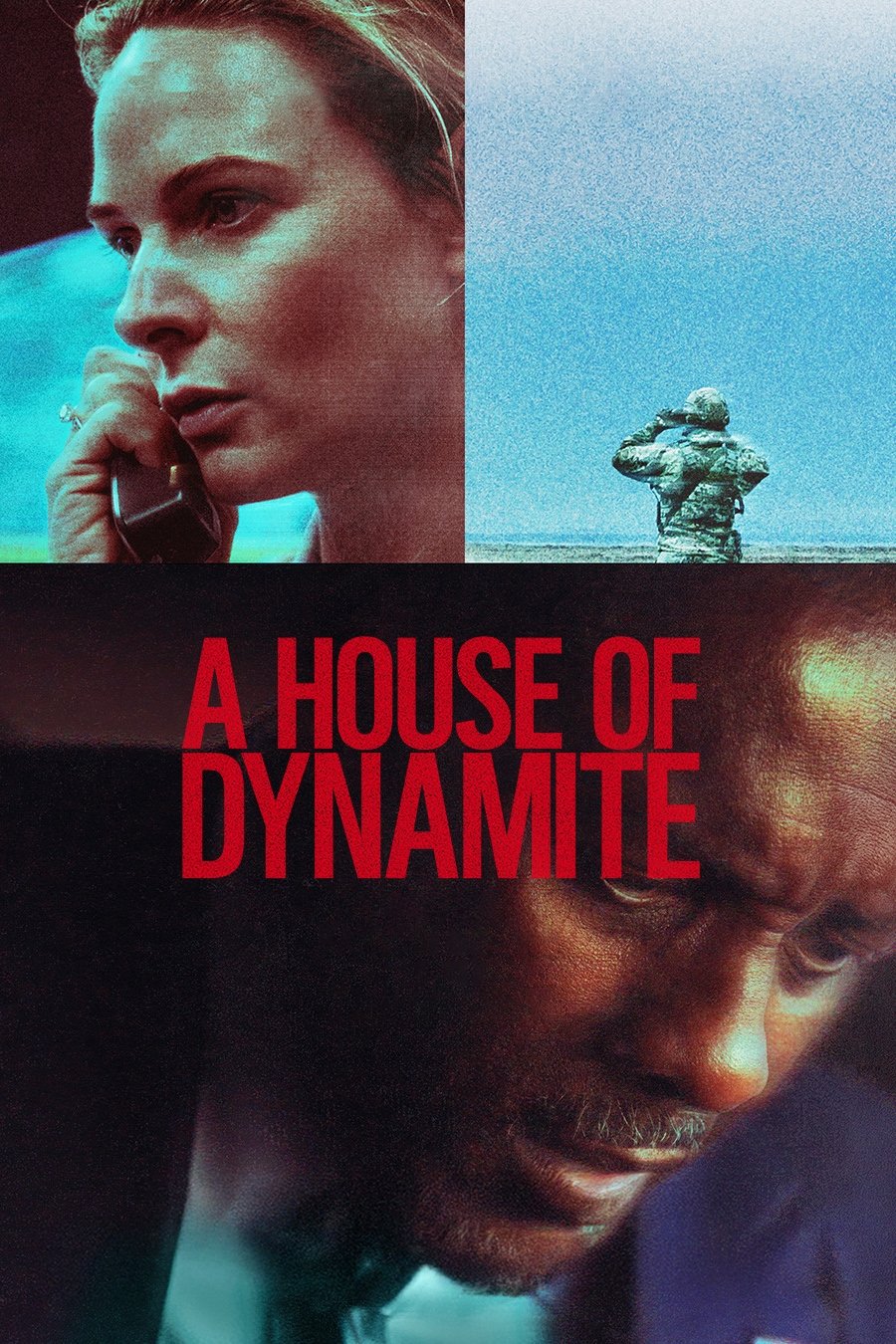
This breakout action film surprised audiences with a score that functions as a character in itself. The composer utilizes a fusion of big band jazz and modern electronic beats to match the frenetic pacing of the heist sequences. Each character is assigned a specific instrument that clashes and harmonizes during the ensemble scenes. The music provides a rhythmic backbone that transforms chaotic action into a choreographed dance.
‘Jay Kelly’ (2025)
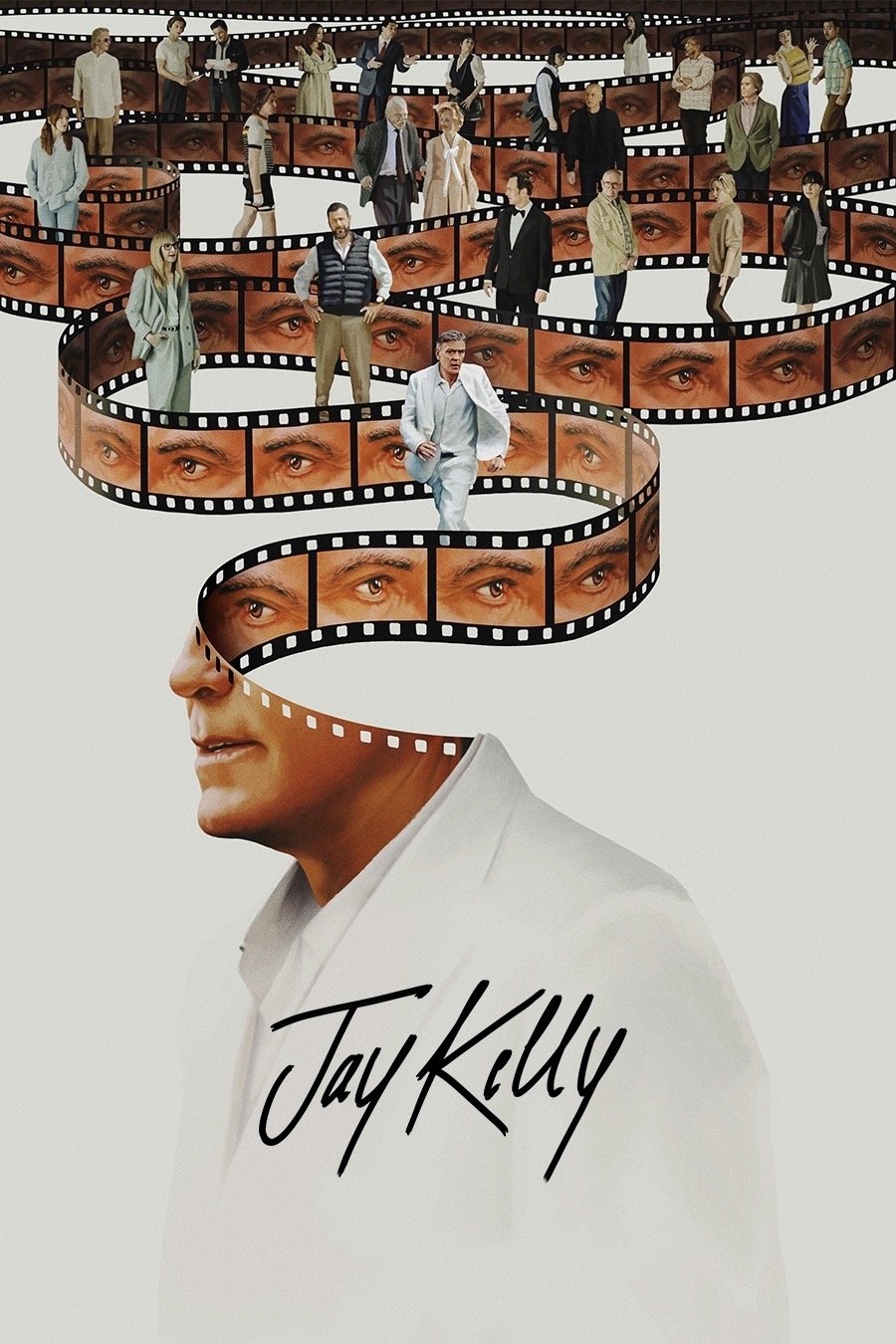
Noah Baumbach’s latest collaboration with George Clooney features a score that pays homage to the golden age of cinema. The music is lush and orchestral to complement the film’s sophisticated and witty dialogue. It strikes a delicate balance between whimsy and melancholy as it follows the protagonist’s coming-of-age journey. The arrangements feel timeless and add a layer of classic Hollywood sheen to the contemporary setting.
‘Marty Supreme’ (2025)
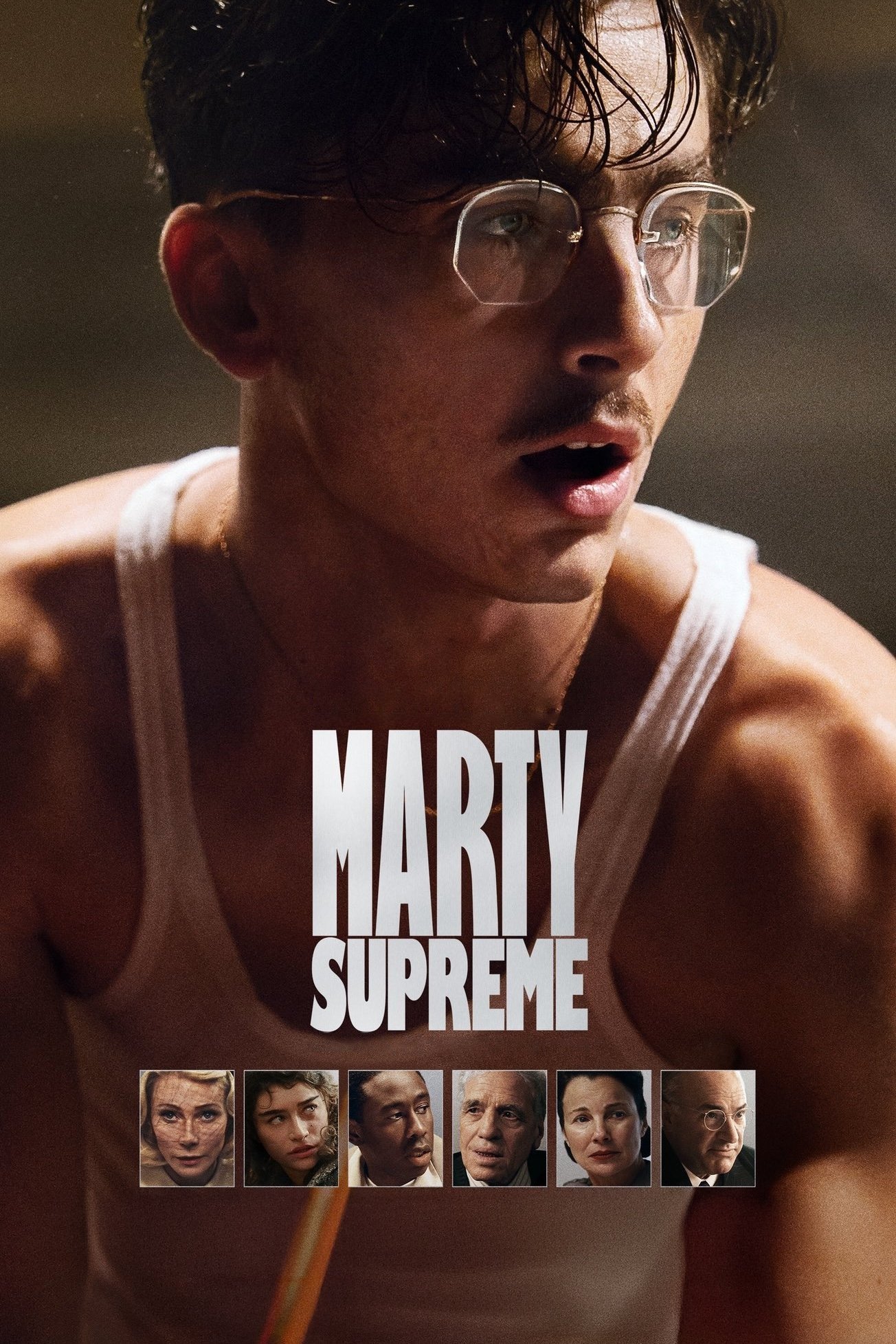
The score for Josh Safdie’s film about a ping pong prodigy is as fast-paced and rhythmic as the sport itself. It employs synthesized arpeggios and percussive beats that mimic the sound of a ball hitting the table. The music ramps up the anxiety and intensity during tournament sequences to create a visceral viewing experience. This electronic soundscape perfectly matches the gritty and high-energy visual style of the director.
‘Nuremberg’ (2025)
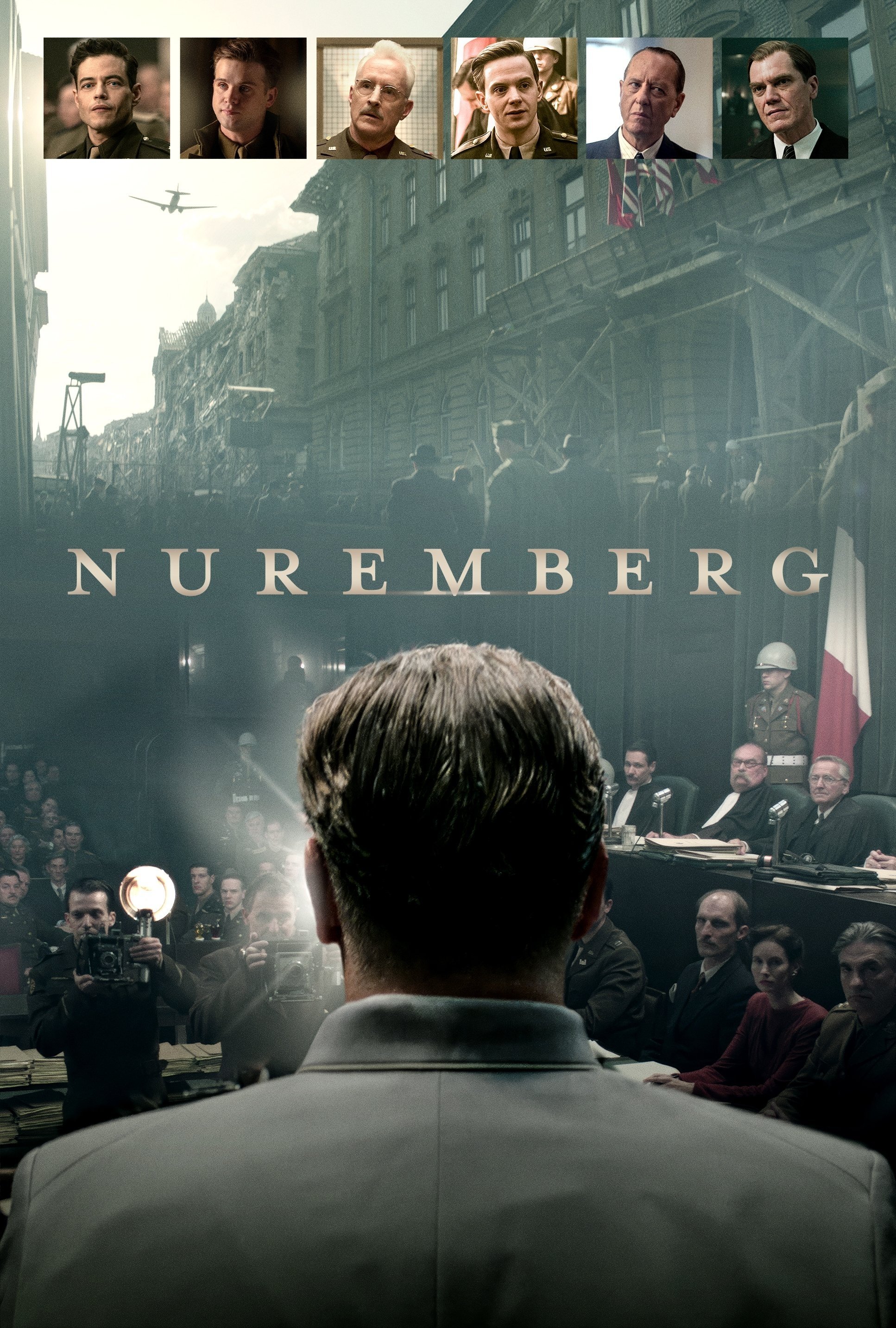
James Vanderbilt’s historical drama is supported by a somber and respectful orchestral score. The music utilizes low brass and cellos to convey the gravity of the post-war military tribunals. It avoids sensationalism and instead focuses on the moral weight carried by the prosecutors and witnesses. The composition provides a dignified backdrop to a film dealing with some of the darkest chapters of human history.
‘One Battle after Another’ (2025)

This war drama features a score that eschews traditional heroism for a more dissonant and harrowing approach. The composer uses distorted choral effects and industrial sounds to represent the psychological toll of endless conflict. The music often drops out completely during battle scenes to let the sound design take over before returning in moments of aftermath. It is a sonic representation of exhaustion and the cyclical nature of violence.
‘Sinners’ (2025)
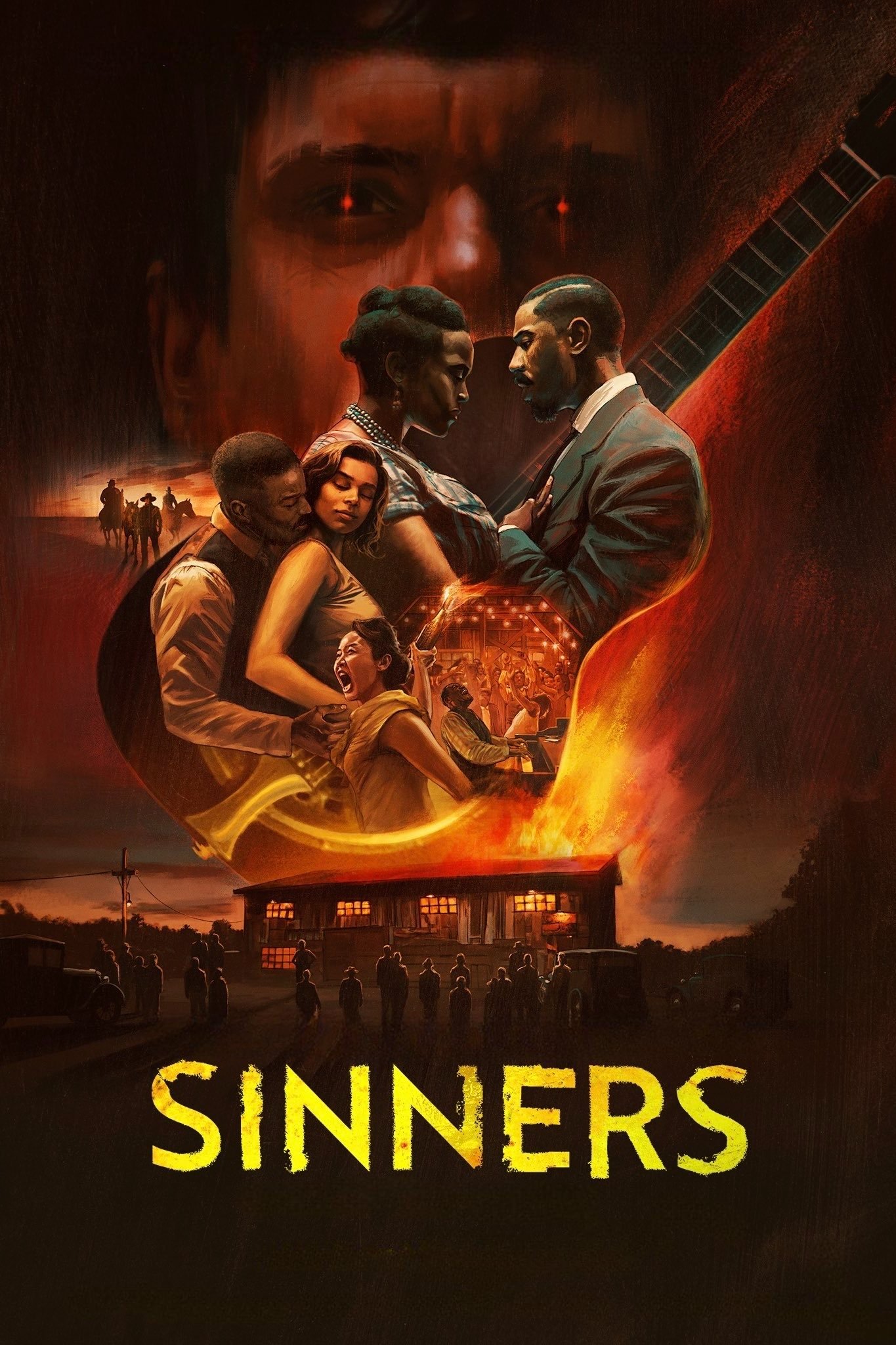
Ludwig Göransson collaborates with Ryan Coogler on this supernatural thriller set in the Jim Crow South. The score blends period-accurate blues and gospel elements with terrifying modern horror textures. Göransson creates a unique sonic identity that feels deeply rooted in the setting while signaling the encroaching dread. The music plays a crucial role in building the atmosphere of paranoia and supernatural fear.
‘Sirāt’ (2025)
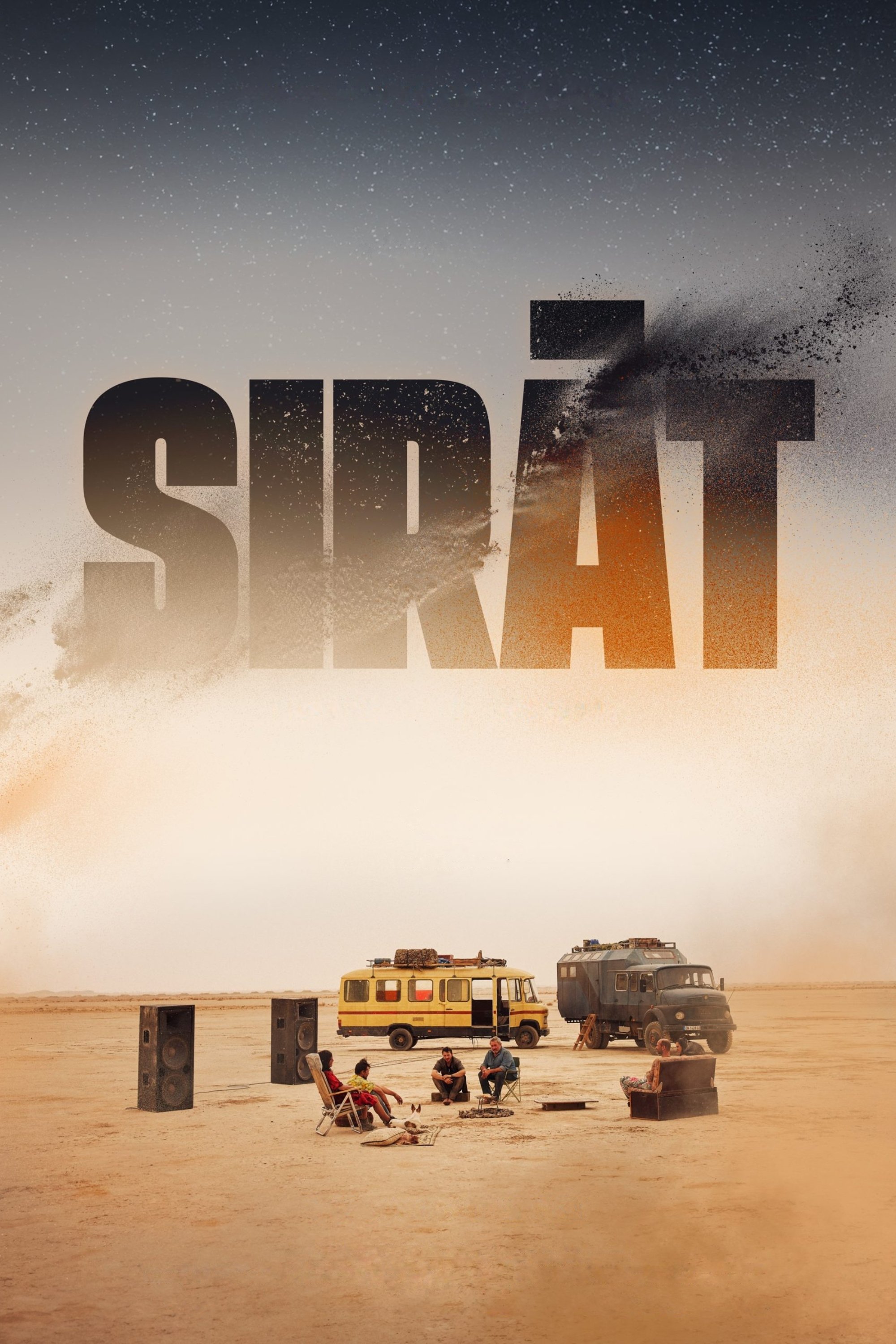
The score for this spiritual drama blends Middle Eastern instrumentation with contemporary ambient electronics. It features the duduk and the oud weaving through sustained synthesizer pads to create a bridge between the ancient and the modern. The music reflects the protagonist’s journey across a metaphysical bridge of judgment and redemption. Critics have praised the score for its meditative quality and emotional resonance.
‘Train Dreams’ (2025)
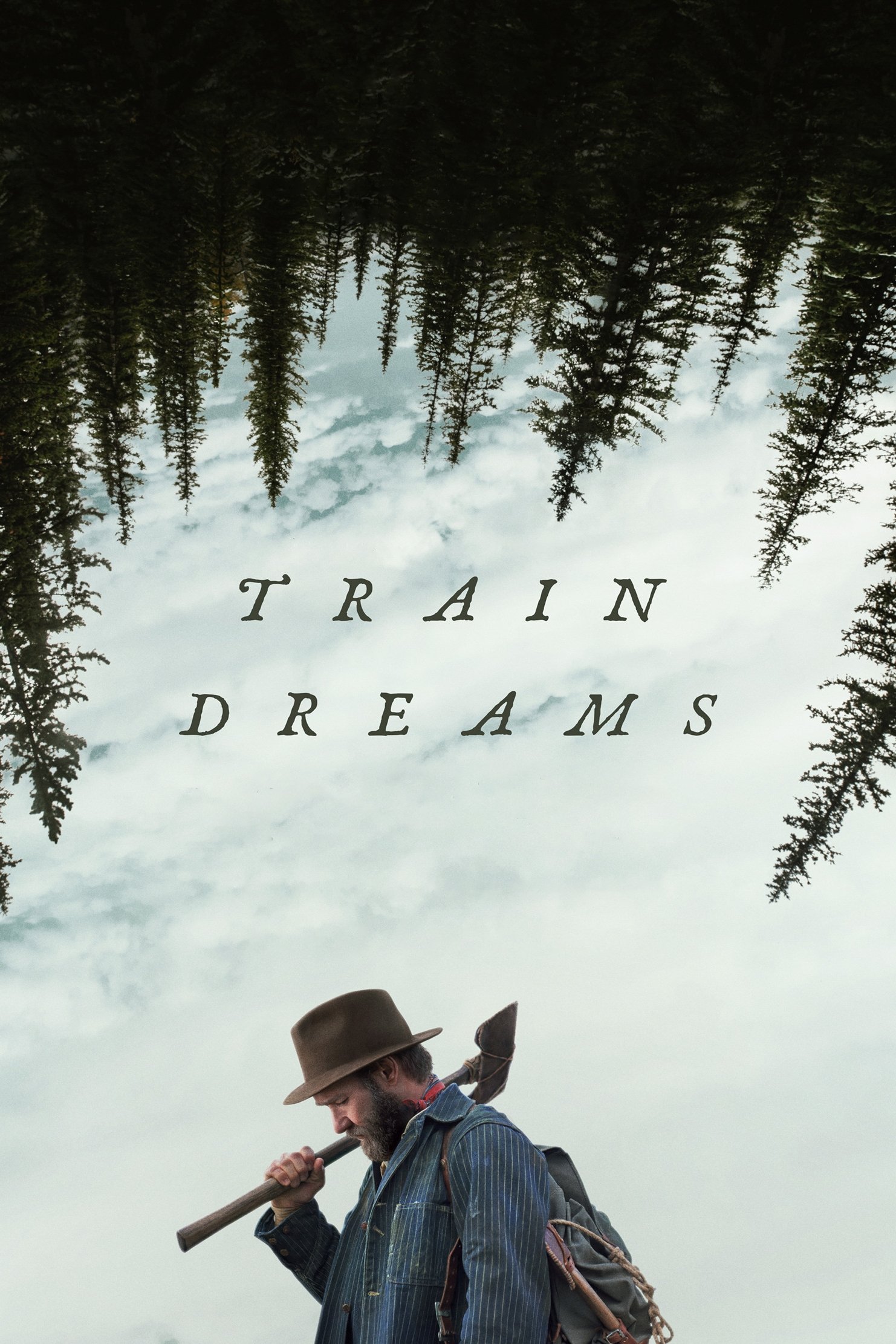
Based on the Denis Johnson novella, this film features a score that captures the vastness and isolation of the American West. The music utilizes acoustic guitar and fiddle but processes them through reverb to create a dreamlike quality. It evokes the passage of time and the fading of an era as industrialization encroaches on the wilderness. The composition is sparse and evocative to mirror the life of the hermit protagonist.
‘Tron: Ares’ (2025)
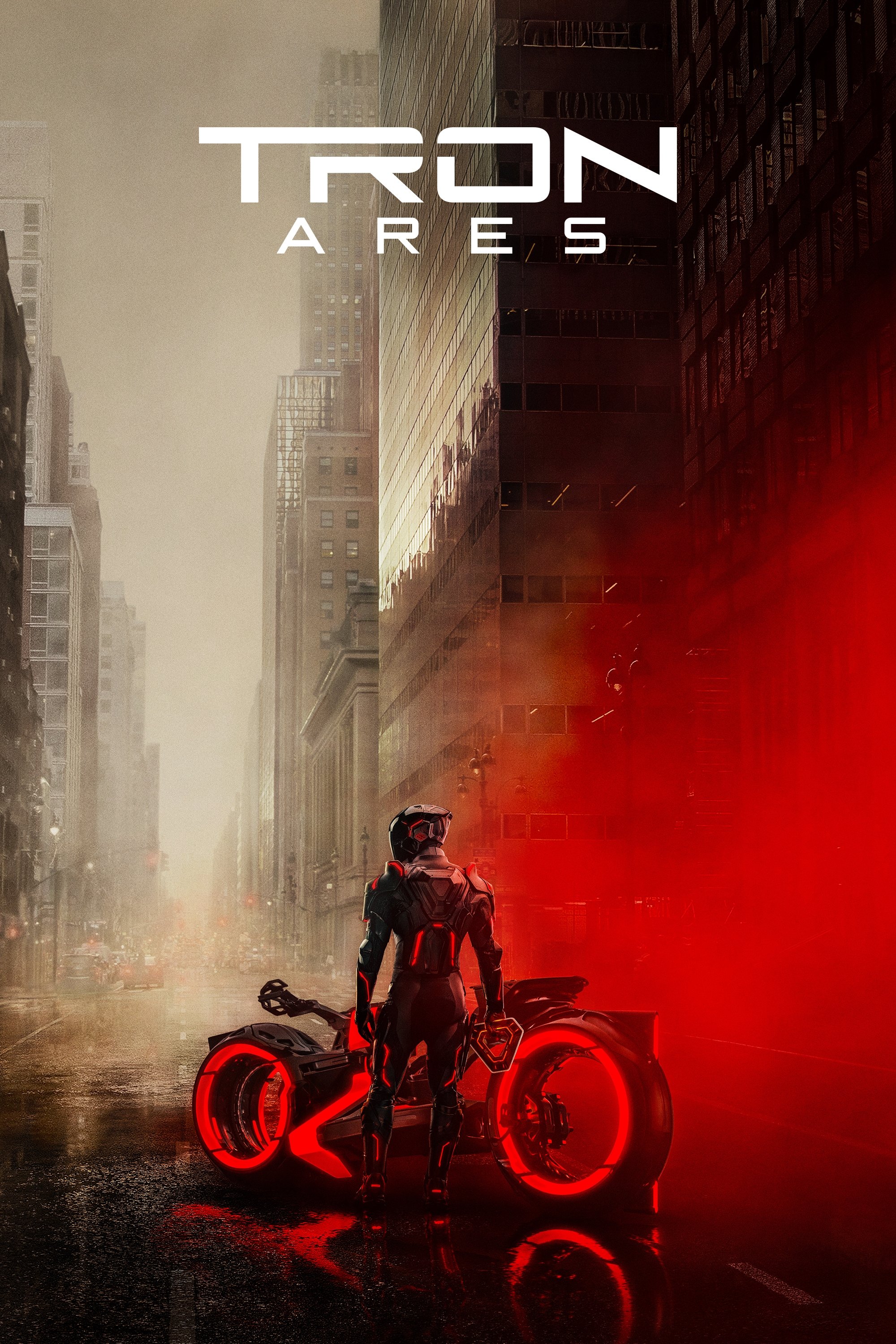
Nine Inch Nails provides the highly anticipated soundtrack for the third entry in the Tron franchise. Trent Reznor and Atticus Ross deliver a harsh and industrial electronic score that differs significantly from Daft Punk’s work on the previous film. The music reflects the invasion of the digital world into the real one with aggressive beats and distorted synths. It drives the film’s narrative forward with a relentless and mechanical energy.
‘Truth & Treason’ (2025)
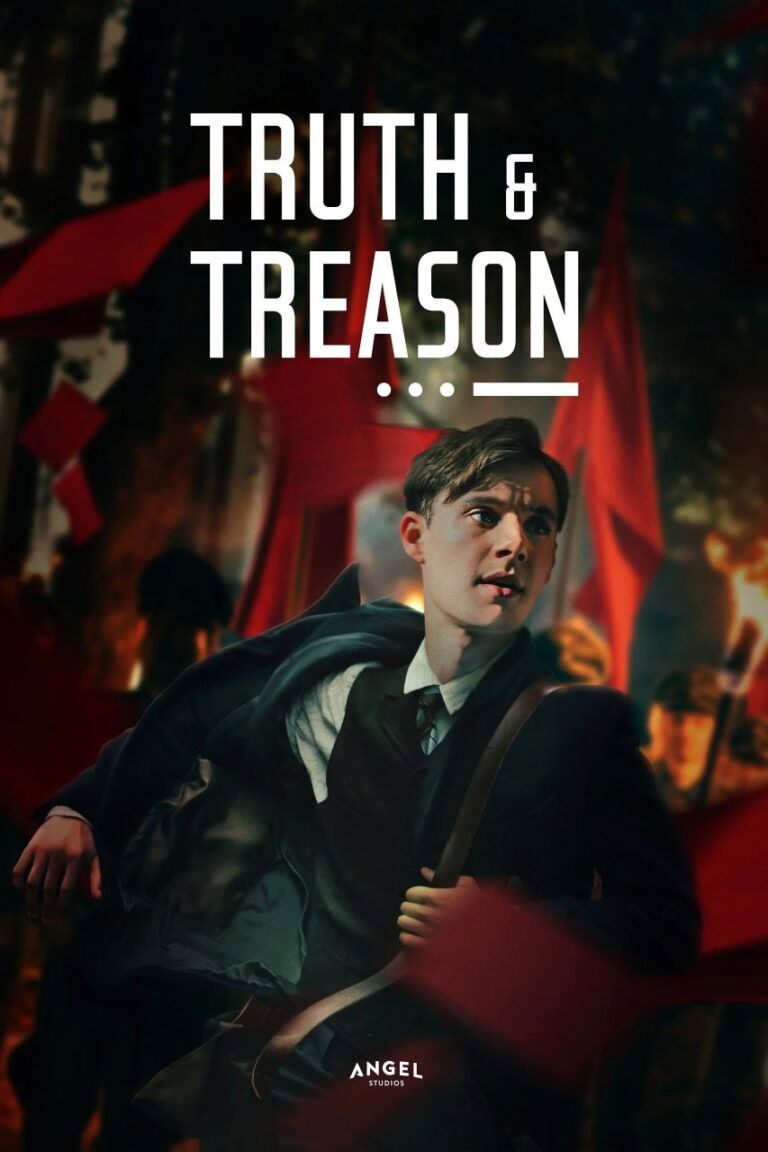
This political thriller features a score that relies on ticking clock motifs and underlying bass pulses. The composer builds tension through repetitive minimalism that grows in volume as the conspiracy unravels. It is a cerebral score that mirrors the intellectual chess match between the lead characters. The music refuses to resolve its tension until the final moments of the film.
‘Wake Up Dead Man: A Knives Out Mystery’ (2025)
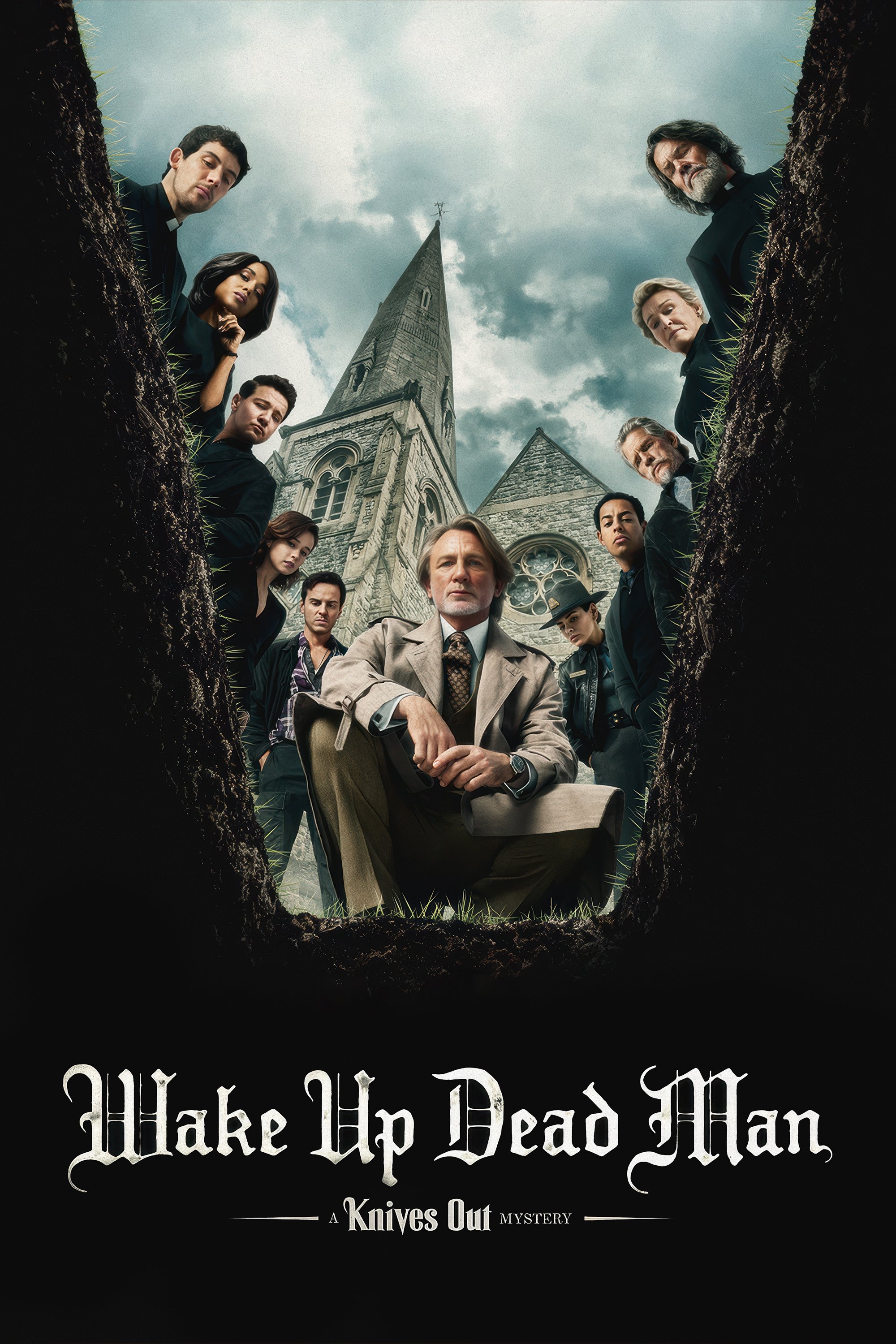
Nathan Johnson returns to score Benoit Blanc’s latest murder mystery with his trademark orchestral flair. The music is playful and intricate to mirror the puzzle-box nature of the plot. Johnson introduces new themes for the fresh cast of suspects while retaining the signature harpsichord and string motifs associated with the detective. The score deftly shifts between comedic lightness and genuine suspense.
‘Wicked: For Good’ (2025)
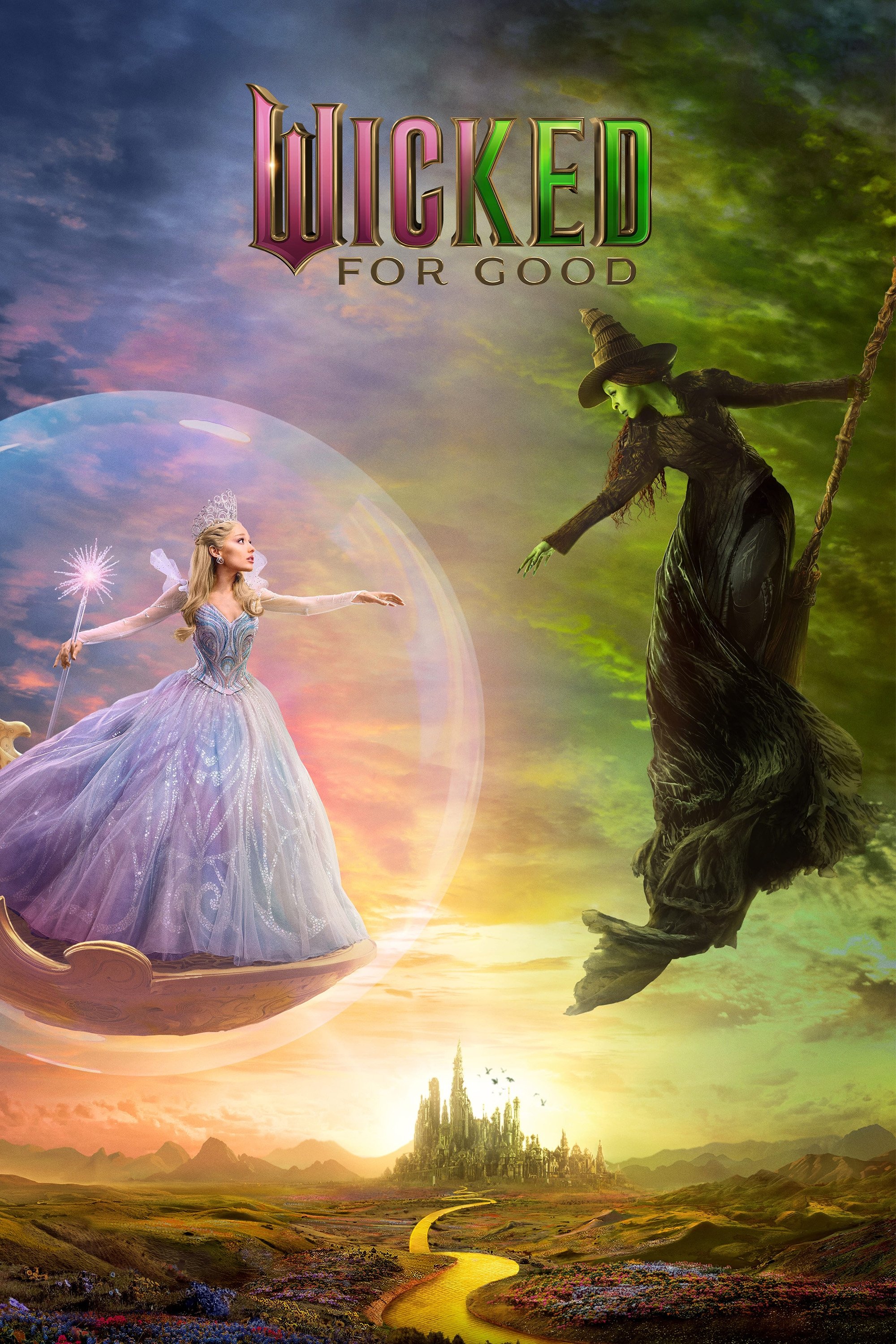
John Powell expands upon the thematic material of Stephen Schwartz to bring the two-part saga to its dramatic conclusion. The score transforms the familiar Broadway melodies into a massive cinematic opera suitable for the film’s darker second half. Powell utilizes a full choir and expanded orchestra to underscore the political turmoil of Oz and Elphaba’s final decisions. The music provides the necessary epic scale for the emotional climax of the story.
Share your predictions for which of these scores will make the final five nominations in the comments.

