The Actor Robert De Niro Couldn’t Work With

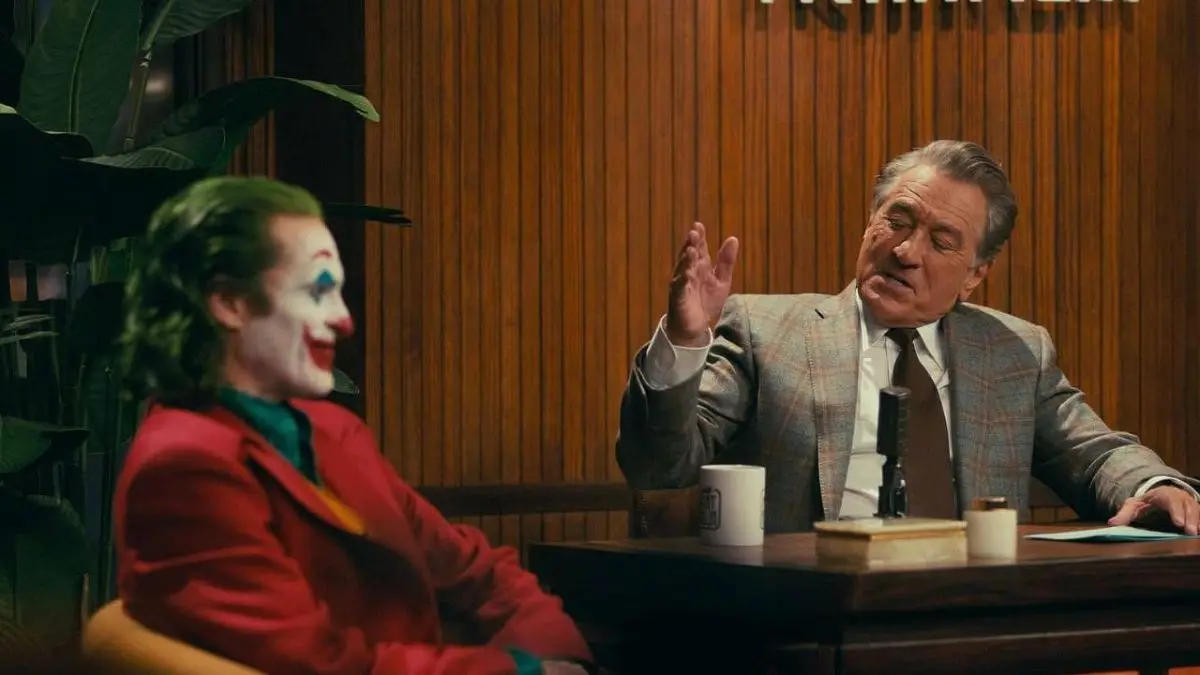

The production of the 2019 film Joker was a masterclass in tension, both on and off the screen. While audiences were captivated by the descent of Arthur Fleck into madness, a different kind of friction was brewing between the film’s two biggest stars. Robert De Niro and Joaquin Phoenix, both known for their intense commitment to their craft, found themselves at odds over their preferred working methods.
Director Todd Phillips was the man tasked with navigating the different personalities of these cinematic giants. The primary point of contention arose before the first day of principal photography had even begun. De Niro, a veteran of the industry who values traditional preparation, insisted on a full table read of the script.
For De Niro, hearing the dialogue spoken aloud by the entire cast is a vital part of the creative process. It allows the actors to find the rhythm of the story and understand how their voices interact. However, Phoenix operates on a completely different frequency when it comes to preparing for a role.
The younger actor generally avoids rehearsals and script readings, preferring to let the character emerge spontaneously during filming. He believes that over-analyzing the text beforehand can drain the life out of a performance. This fundamental disagreement put the director in an incredibly uncomfortable position.
Phillips later described the struggle of trying to balance the needs of a Hollywood icon with those of his lead actor. He was forced to mediate between two men who were both convinced that their way was the only way to achieve excellence. The director vividly remembered the ultimatum that De Niro delivered during the pre-production phase.
“Bob called me, and he goes, ‘Tell him he’s an actor and he’s got to be there, I like to hear the whole movie, and we’re going to all get in a room and just read it.’ And I’m in between a rock and a hard place because Joaquin’s like, ‘There’s no f way I’m doing a read-through,’ and Bob’s like, ‘I do read-throughs before we shoot, that’s what we do.’”
Eventually, Phoenix was convinced to attend the session at De Niro’s offices in New York. However, witnesses described his participation as reluctant at best. He reportedly mumbled through his lines and displayed a general lack of enthusiasm for the exercise.
This early clash set a cold tone for their relationship throughout the rest of the shoot. On set, the two actors maintained a significant distance from one another. They rarely interacted when the cameras were not rolling, creating an atmosphere of professional isolation.
Phoenix felt that keeping a distance was beneficial for the story they were telling. Since his character, Arthur, is obsessed with and eventually betrayed by De Niro’s character, Murray Franklin, real-life distance helped maintain that on-screen awkwardness. The lack of social rapport ensured that their interactions remained charged with genuine unease.
The actor later reflected on how little they actually spoke during the long hours spent together on the soundstage. He noted that their communication was almost entirely restricted to the requirements of the scenes. This distance was a deliberate choice that served the dark tone of the project.
“I didn’t like to talk to him on set. The first day we said good morning, and beyond that I don’t know that we talked much.”
Despite the friction regarding their methods, Phoenix never lost his deep admiration for De Niro’s body of work. He spent a great deal of time observing how the veteran actor handled himself during takes. Even when the focus was not on De Niro, Phoenix was fascinated by his subtle choices and physical presence.
For Phoenix, De Niro represents the gold standard of American cinema. He viewed the opportunity to share the screen with him as a profound learning experience, regardless of their personal differences. He spoke highly of the specific nuances that De Niro brought to the role of the talk show host.
“He is my favourite American actor. I got the impression from him that he did things in a scene, certain behaviours, certain gestures or movements, whether the camera was on him and registering it or not.”
Joker went on to become a cultural phenomenon, grossing over a billion dollars and earning Phoenix an Academy Award. The film was praised for its gritty realism and its departure from the standard superhero formula. It offered a bleak look at urban decay and the failures of the healthcare system in Gotham City.
The legacy of Joker continues to spark debates about the necessity of method acting and the pressures of high-stakes filmmaking. The collaboration between De Niro and Phoenix serves as a reminder that great art often comes from internal conflict. Their different paths ultimately converged to create one of the most memorable pairings in modern cinema.
Please let us know what you think about this clash of acting styles in the comments.