


The Best Casting Decisions in TV History, Ranked

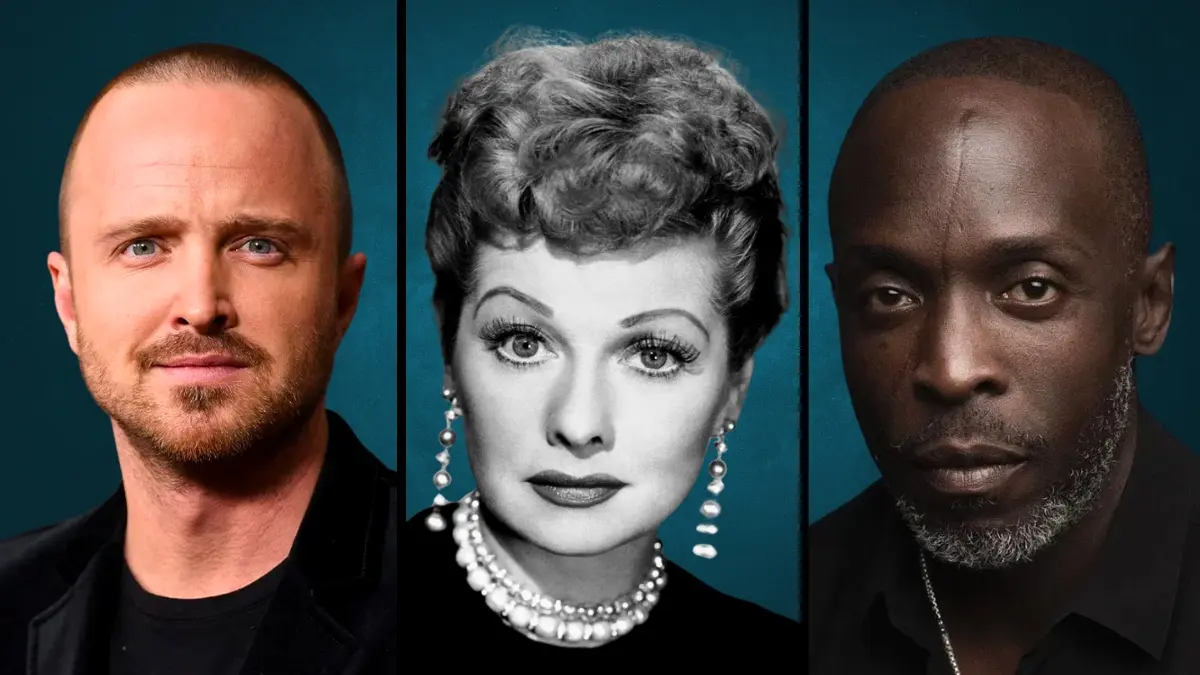


Casting directors act as the unsung heroes of the television industry by finding the perfect talent to bring complex characters to life on the small screen. A single casting choice can elevate a good script into a legendary production that resonates with audiences for decades. This list celebrates the actors who embodied their roles so completely that it became impossible to imagine anyone else inhabiting the character. These performances define the golden age of television and continue to influence new generations of storytellers.
Timothy Olyphant

This actor found his signature role as Raylan Givens in ‘Justified’ by balancing charm with a simmering intensity that captivated viewers. He portrayed the U.S. Marshal with a modern cowboy swagger that felt both authentic and timeless. His chemistry with the antagonists on the show created a dynamic tension that drove the narrative forward through six successful seasons. The performance cemented his status as a leading man capable of handling complex moral ambiguity.
Jensen Ackles

The character of Dean Winchester in ‘Supernatural’ required an actor who could handle horror elements alongside emotional drama and comedy. Ackles brought a gritty toughness to the role while allowing the audience to see the vulnerability hidden beneath the surface. His dedication to the character over fifteen seasons helped build one of the most loyal fanbases in television history. The bond he formed with his co-stars translated into a brotherhood that anchored the show’s fantastical premise.
Charlie Cox
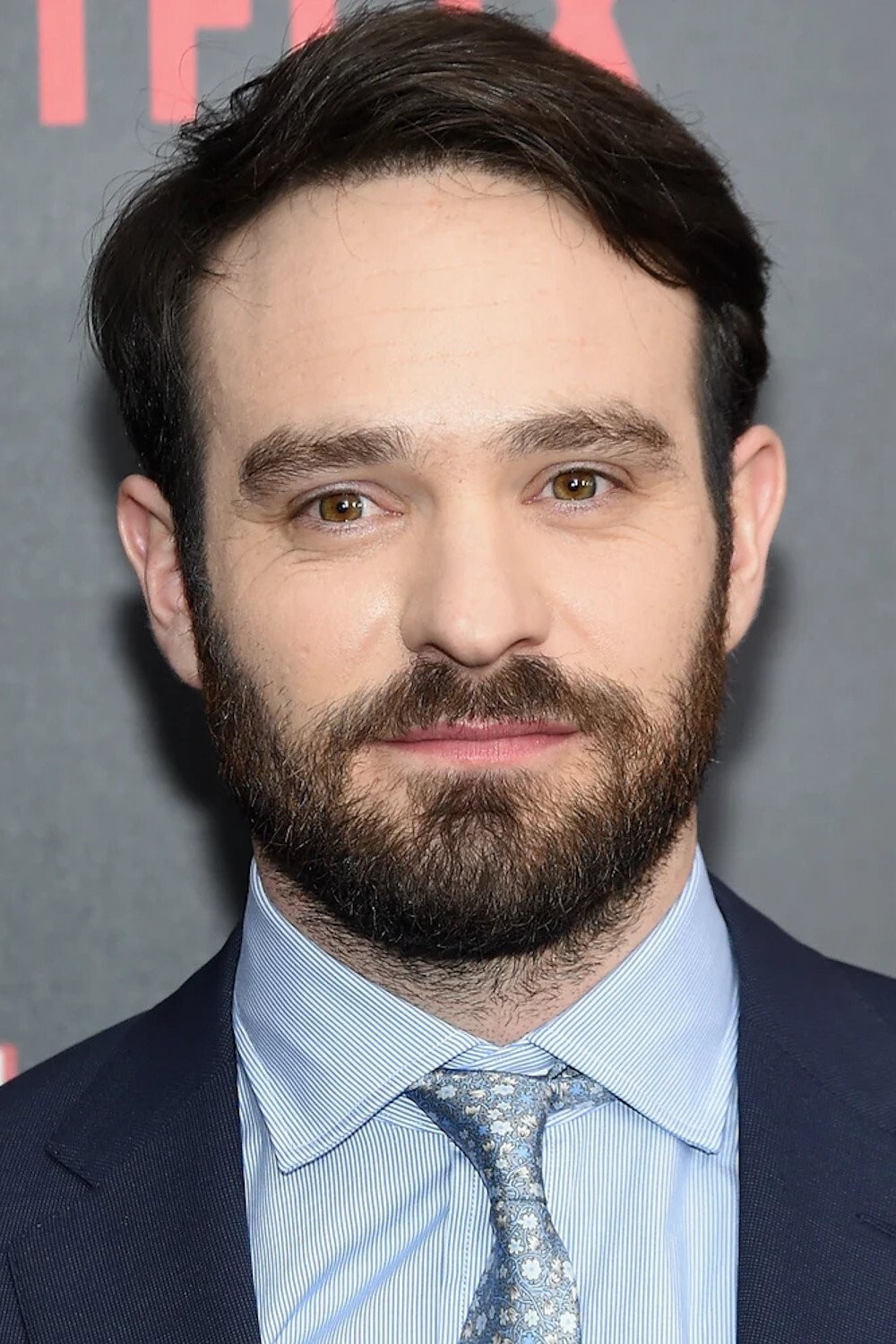
Portraying a blind superhero requires a unique set of physical and emotional acting skills that this actor mastered in ‘Daredevil’. He conveyed the inner turmoil of Matt Murdock through subtle facial expressions and a commanding vocal performance. The physical dedication to the stunt choreography made the fight sequences feel visceral and grounded in reality. His interpretation of the character set a high standard for gritty superhero storytelling on television.
Krysten Ritter

The role of Jessica Jones demanded a performer who could project a hard exterior while hinting at deep psychological trauma. Ritter embodied the reluctant hero with a sardonic wit that masked her character’s pain and vulnerability. Her performance in ‘Jessica Jones’ navigated sensitive themes of abuse and recovery with remarkable nuance and strength. She turned a lesser-known comic book character into a feminist icon for the modern streaming era.
Rami Malek

Elliot Alderson in ‘Mr. Robot’ was a challenging role that required the actor to carry the show through a deeply unreliable and fragmented perspective. Malek used his expressive eyes and unique cadence to draw viewers into the character’s paranoid and anxious world. His portrayal captured the isolation of the digital age while exploring complex mental health issues with empathy. This breakout performance earned him critical acclaim and launched him into global stardom.
Travis Fimmel

The legendary figure of Ragnar Lothbrok needed an actor who could be both a fierce warrior and a curious explorer. Fimmel brought an eccentric charisma to ‘Vikings’ that made the character unpredictable and fascinating to watch. His use of subtle gestures and intense stares communicated more than pages of dialogue ever could. He successfully transformed a historical semi-myth into a fully realized human being with relatable ambitions and flaws.
Cillian Murphy
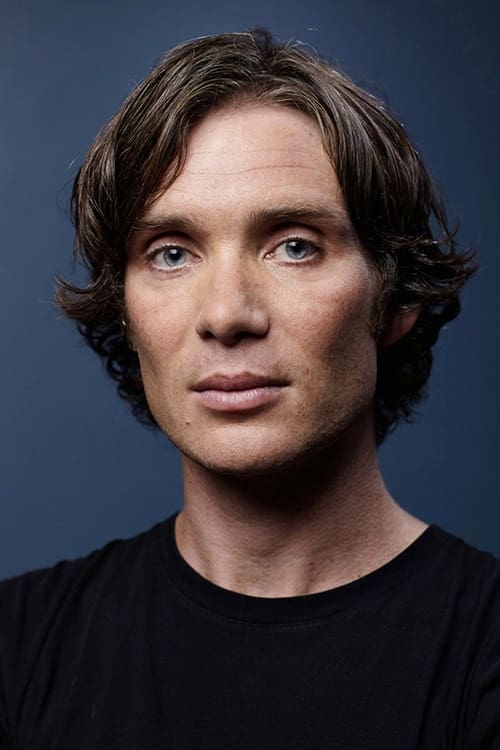
Tommy Shelby in ‘Peaky Blinders’ is a character defined by his icy calm and ruthless ambition in post-war Birmingham. Murphy utilized his distinct features and quiet intensity to command every room his character entered. The performance relied heavily on restraint and calculated movements to convey the dangerous nature of the gang leader. He created an anti-hero who remained sympathetic despite his violent actions and criminal empire.
Viola Davis
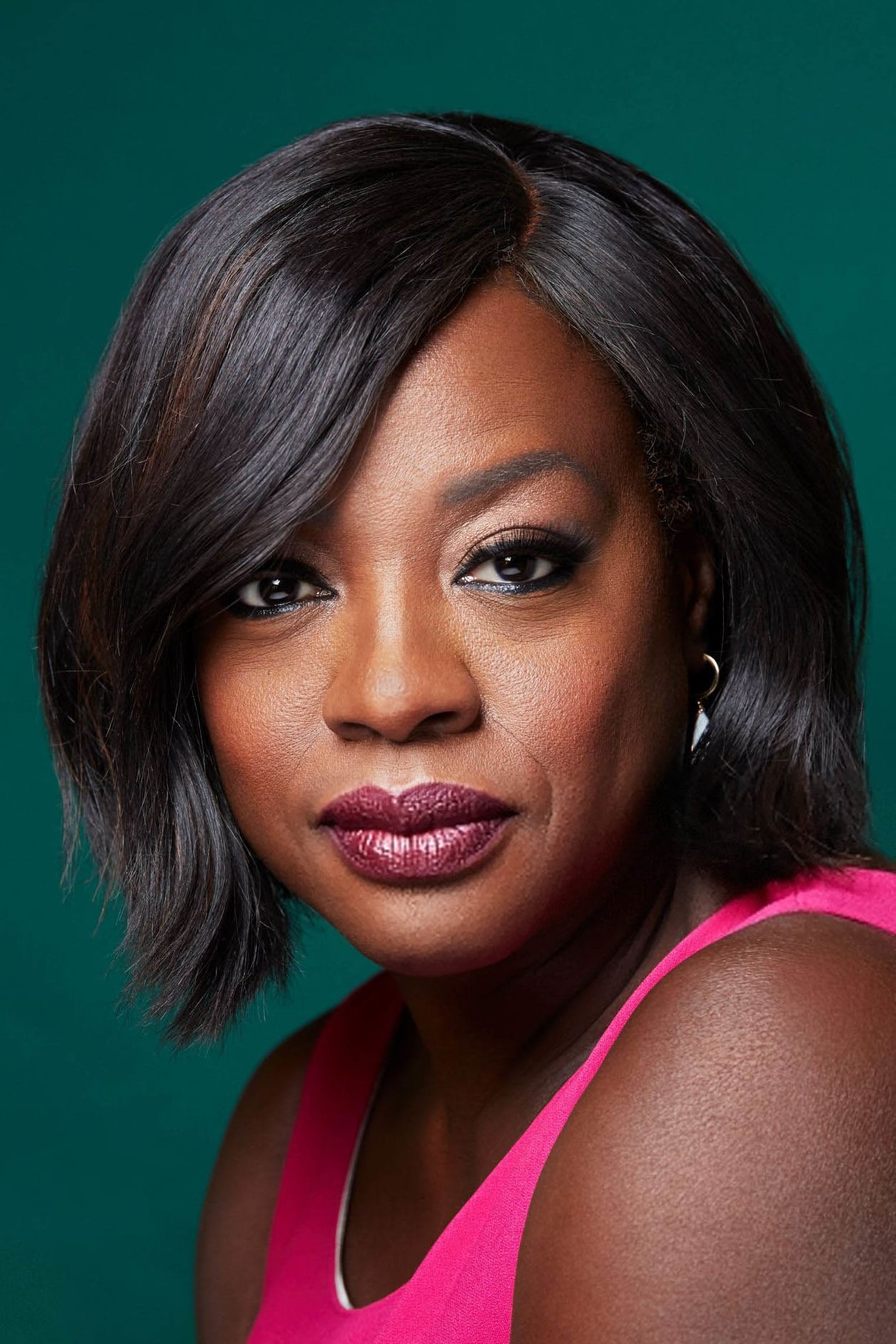
Annalise Keating in ‘How to Get Away with Murder’ required an actress of immense power and emotional range to anchor the melodramatic twists. Davis delivered a tour de force performance that exposed the raw and messy reality of her character’s life. She fearlessly peeled back the layers of the defense attorney to reveal a woman struggling with addiction and trauma. Her historic win at the Emmy Awards validated the impact of her commanding screen presence.
Andrew Lincoln
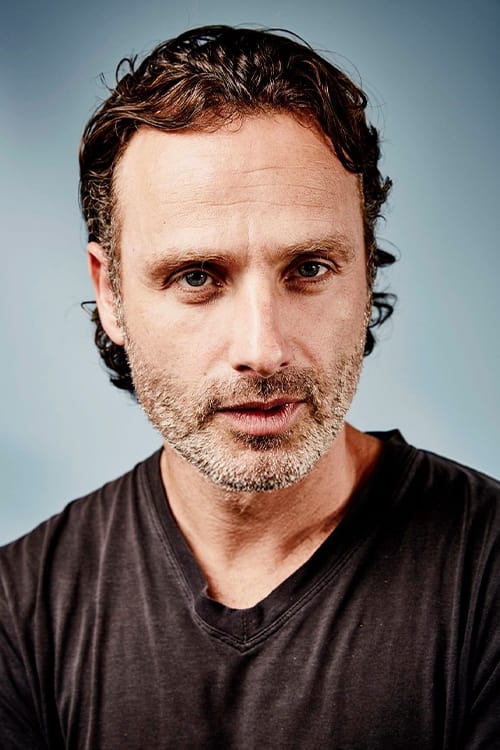
Rick Grimes served as the moral compass of ‘The Walking Dead’ during its most critical seasons as the group fought for survival. Lincoln transformed from a clean-cut sheriff into a hardened survivor willing to do anything to protect his family. His ability to convey desperation and grief grounded the show even when the zombie apocalypse scenarios became extreme. The actor anchored the series with a raw intensity that kept audiences invested in the plight of the survivors.
Kiefer Sutherland
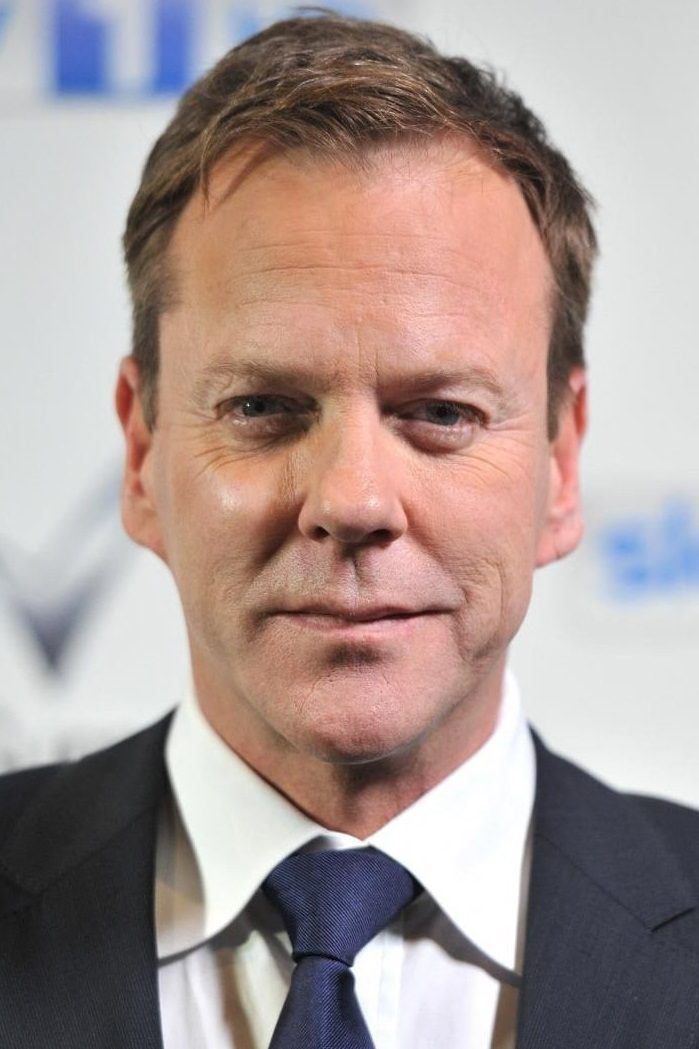
Jack Bauer in ’24’ redefined the action hero for the post-9/11 television landscape with his relentless drive and willingness to break the rules. Sutherland maintained a frantic energy throughout the real-time format of the show that kept tension at a boiling point. His performance made the audience root for a character who often resorted to torture and questionable ethics to save the day. The role revitalized his career and created an iconic character synonymous with ticking clocks.
Norman Reedus

Daryl Dixon started as a recurring character in ‘The Walking Dead’ but quickly became a fan favorite due to the actor’s soulful performance. Reedus played the tracker with a guarded exterior that slowly melted away to reveal a fiercely loyal heart. He infused the role with a physical ruggedness that made his skills with a crossbow believable and iconic. The writers expanded his role significantly because of the undeniable connection the actor forged with the audience.
Winona Ryder

The casting of Joyce Byers in ‘Stranger Things’ brought a level of cinematic prestige and emotional weight to the sci-fi horror series. Ryder channeled the frantic energy of a desperate mother refusing to give up on her missing son despite overwhelming skepticism. Her performance grounded the supernatural elements of the show in genuine human emotion and maternal instinct. She proved that her acting abilities remained as sharp and compelling as they were in her earlier film career.
Millie Bobby Brown
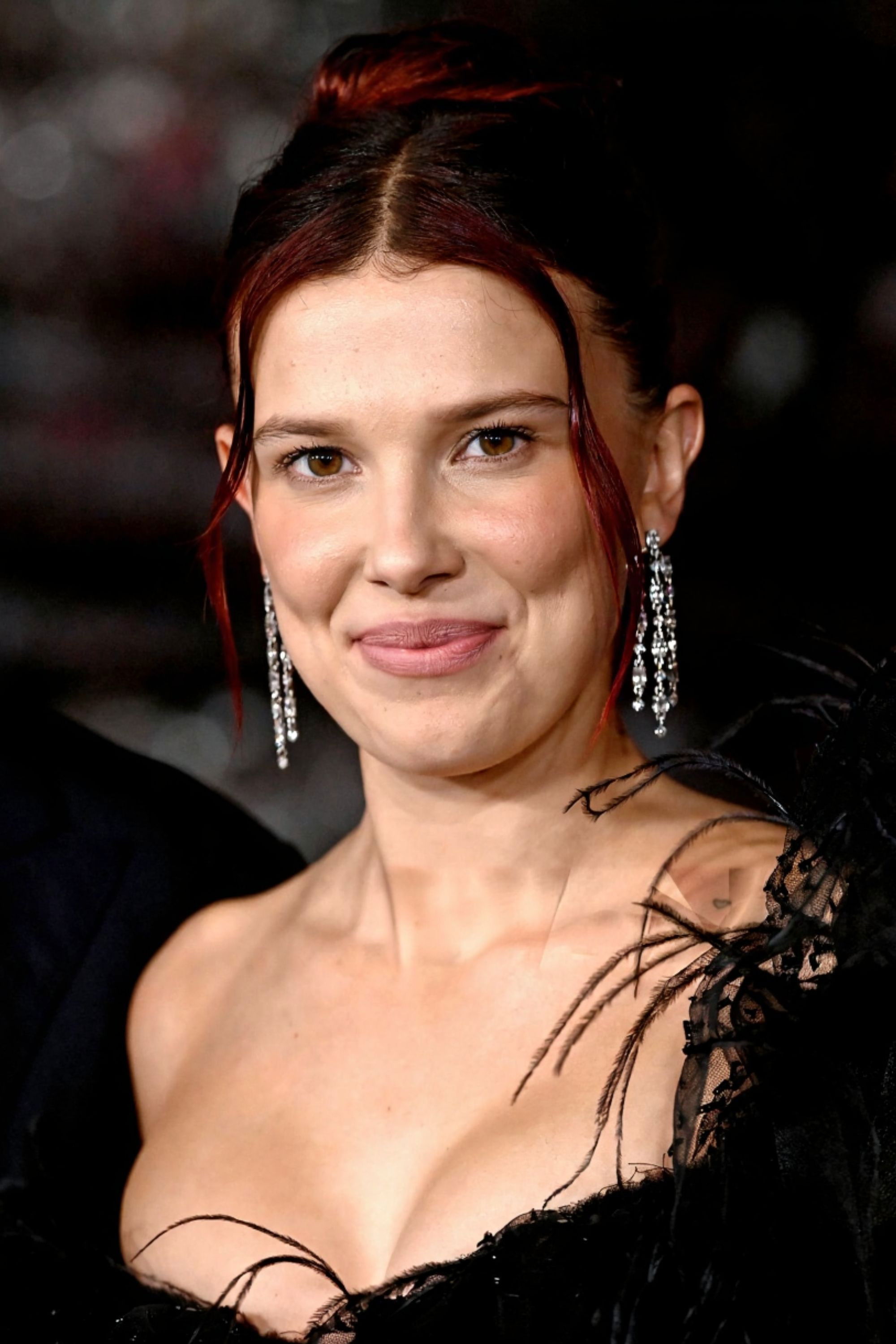
Finding a child actor to play the enigmatic Eleven in ‘Stranger Things’ was crucial to the success of the nostalgic series. Brown delivered a performance well beyond her years by conveying deep emotion with very little dialogue. Her intense glare and physical acting sold the reality of her psychokinetic powers to a global audience. She balanced the character’s immense power with a childlike innocence that made her instantly endearing.
David Harbour
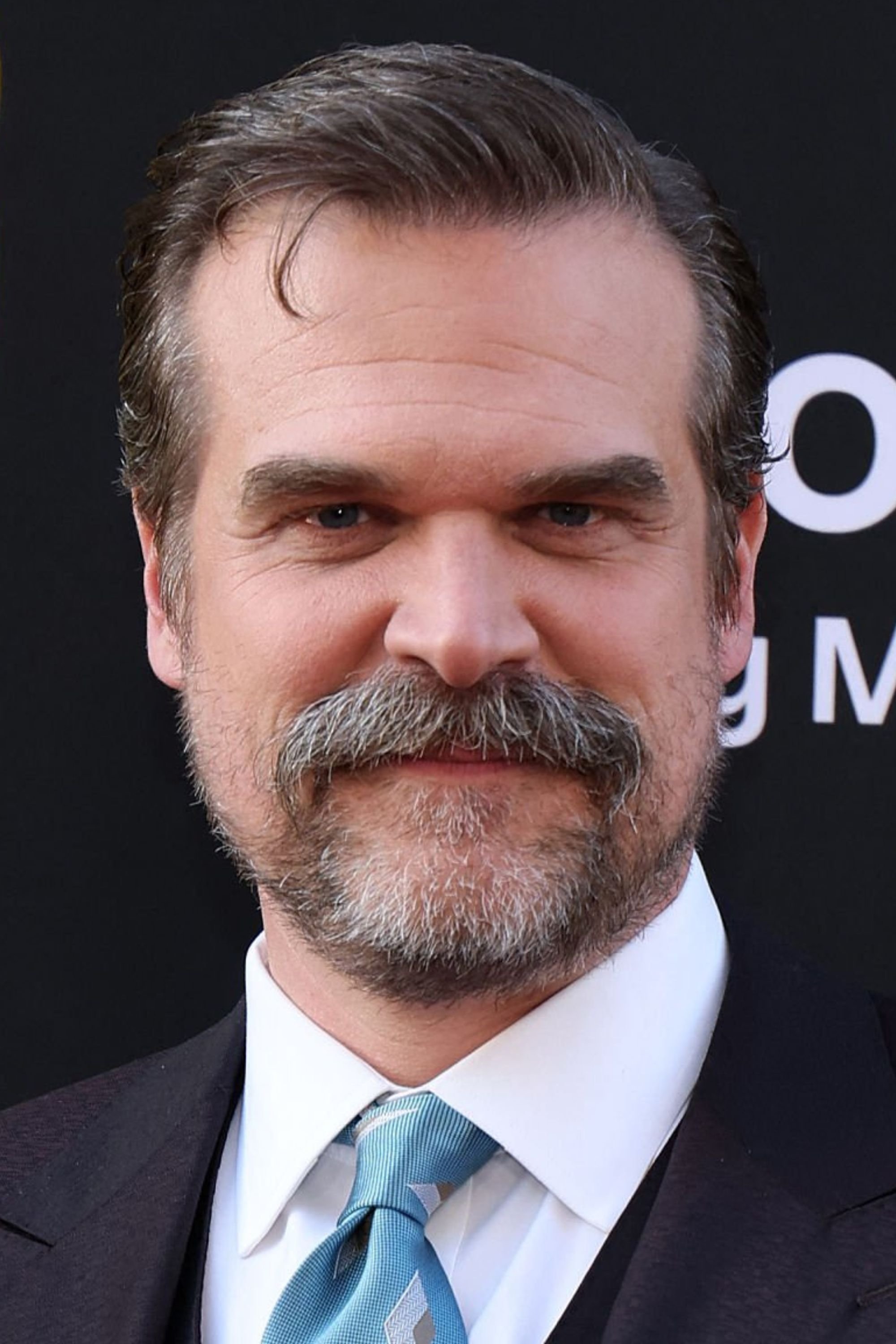
Jim Hopper in ‘Stranger Things’ evolved from a cynical police chief into a heroic father figure thanks to the actor’s layered performance. Harbour brought a weary gravitas to the role while also displaying impeccable comedic timing during lighter moments. His transformation into a protective guardian for Eleven provided the show with its emotional core. The physical transformation and emotional depth he brought to the character made him a standout in a large ensemble.
Jason Sudeikis

Ted Lasso required an actor who could play unrelenting optimism without becoming annoying or insincere. Sudeikis created a character in ‘Ted Lasso’ who won over cynical hearts with genuine kindness and emotional intelligence. His performance balanced slapstick humor with poignant moments of vulnerability regarding panic attacks and divorce. He turned a promotional sketch character into a three-dimensional human being who inspired viewers to be curious and not judgmental.
Jeremy Piven

Ari Gold in ‘Entourage’ could have easily been a one-note villain in the hands of a lesser performer. Piven injected the Hollywood agent with a manic energy and sharp wit that stole every scene he was in. His rapid-fire delivery of insults became the trademark of the show and earned him multiple awards. He managed to find moments of humanity within the abrasive character that kept the audience on his side.
Hugh Laurie
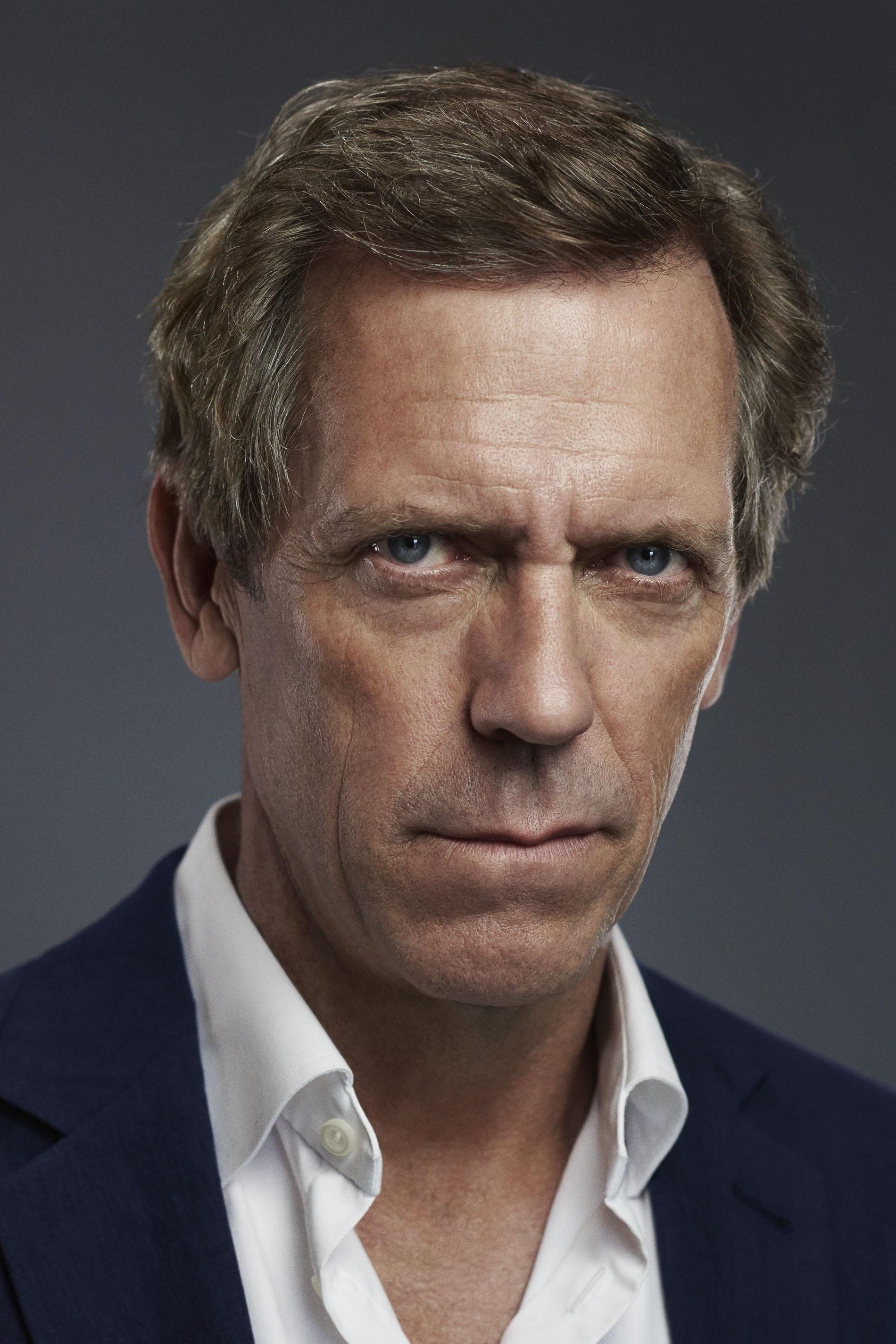
A British comedian playing a misanthropic American doctor seemed like an unlikely choice until the first episode aired. Laurie adopted a flawless American accent and a limp to become the brilliant but tortured Gregory House in ‘House’. His performance captured the physical pain and emotional isolation of the character with remarkable consistency. He made an unlikable character compelling by showing the brilliance and suffering behind the sarcasm.
Gillian Anderson

Dana Scully in ‘The X-Files’ became a role model for skepticism and scientific inquiry thanks to this actor’s intelligent portrayal. Anderson held her own against the supernatural theories of her partner with a grounded and rational presence. Her subtle facial expressions often communicated volumes about her frustration and hidden affection for Mulder. The chemistry she shared with her co-star remains the gold standard for television partnerships.
David Duchovny
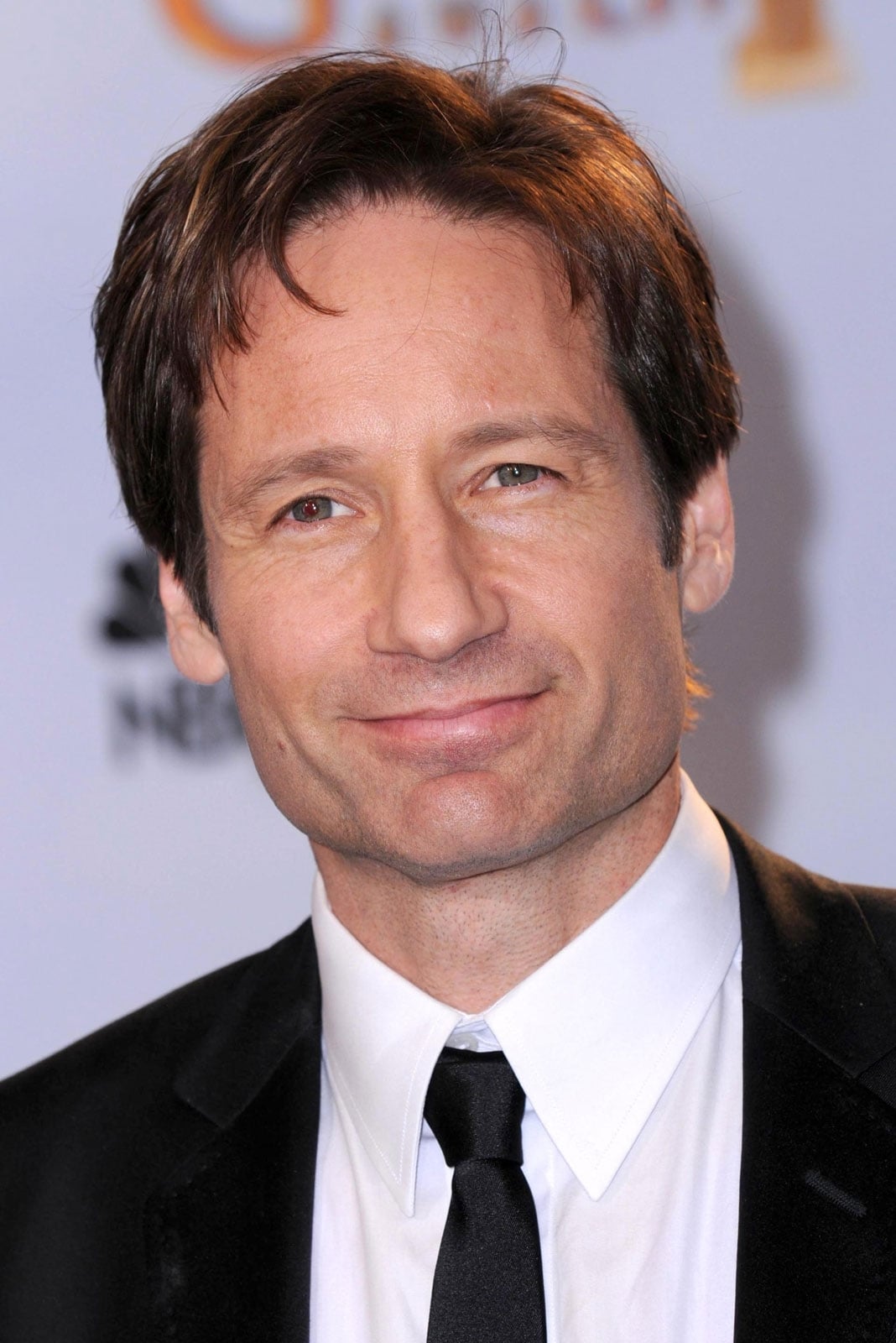
Fox Mulder required an actor who could spout conspiracy theories with absolute conviction and charm. Duchovny brought a dry wit and soulful longing to ‘The X-Files’ that made his quest for the truth believable. He balanced the obsession of his character with a playfulness that prevented the show from becoming too dour. His performance created a sympathetic believer who the audience wanted to see vindicated.
Sarah Paulson

The anthology format of ‘American Horror Story’ allowed this actress to showcase her incredible range across multiple distinct characters. Paulson threw herself into every role with a fearless intensity that often involved screaming in terror or inflicting it on others. She became the backbone of the series by consistently delivering high-quality performances regardless of the bizarre plotlines. Her ability to play both victims and villains with equal conviction is a testament to her versatility.
Matthew Perry
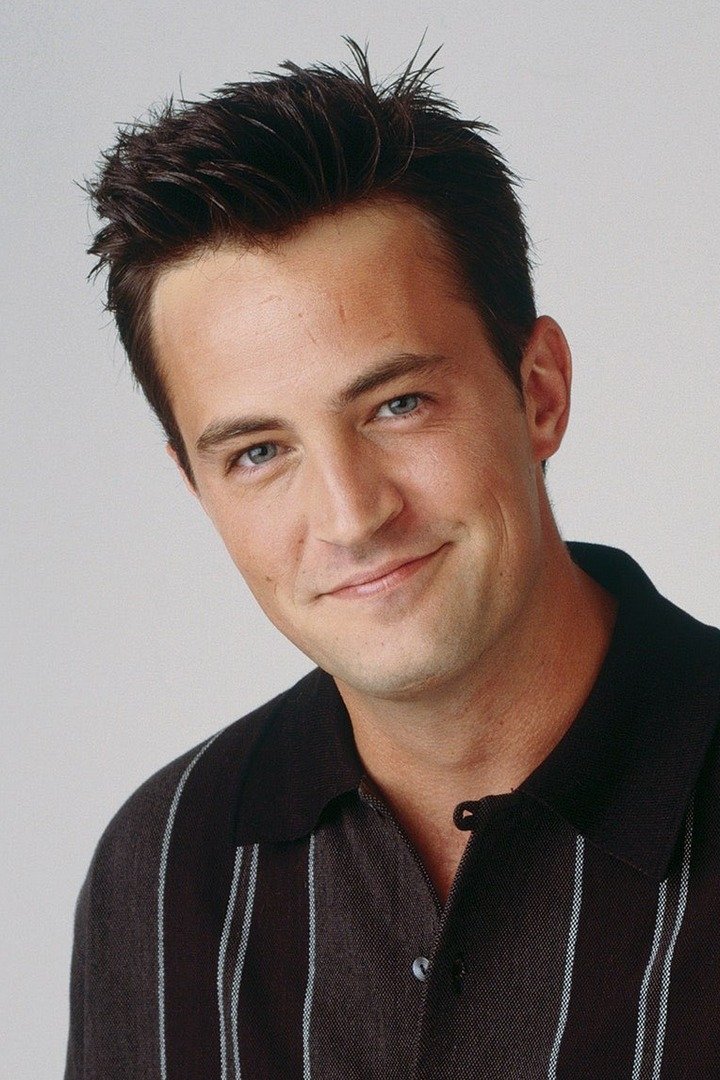
Chandler Bing required a specific rhythm and cadence that defined the comedic style of an entire generation. Perry brought a unique delivery to ‘Friends’ that turned sarcasm into a defense mechanism for insecurity. His physical comedy and ability to find the emotional truth in a sitcom setup made him a standout. The vulnerability he showed in the later seasons gave the character a satisfying arc of growth and maturity.
Jennifer Aniston
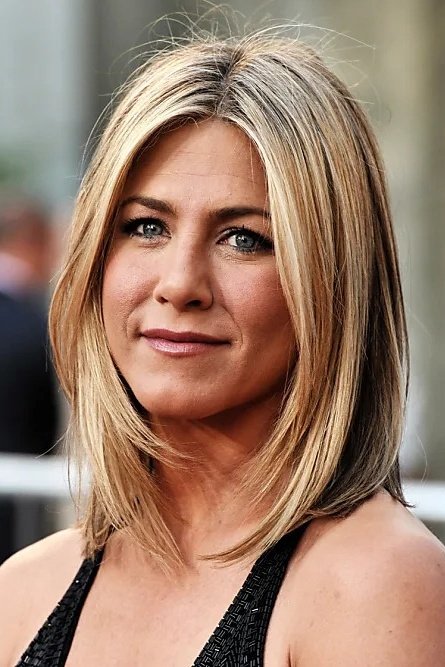
Rachel Green evolved from a spoiled runaway bride into a successful fashion executive due to the actor’s charming performance. Aniston possessed a rare combination of comedic timing and dramatic ability that made her the breakout star of ‘Friends’. Her on-screen relationship with Ross became the defining romance of 90s television because of her emotional accessibility. She infused the character with a warmth that made audiences root for her success and happiness.
Andre Braugher
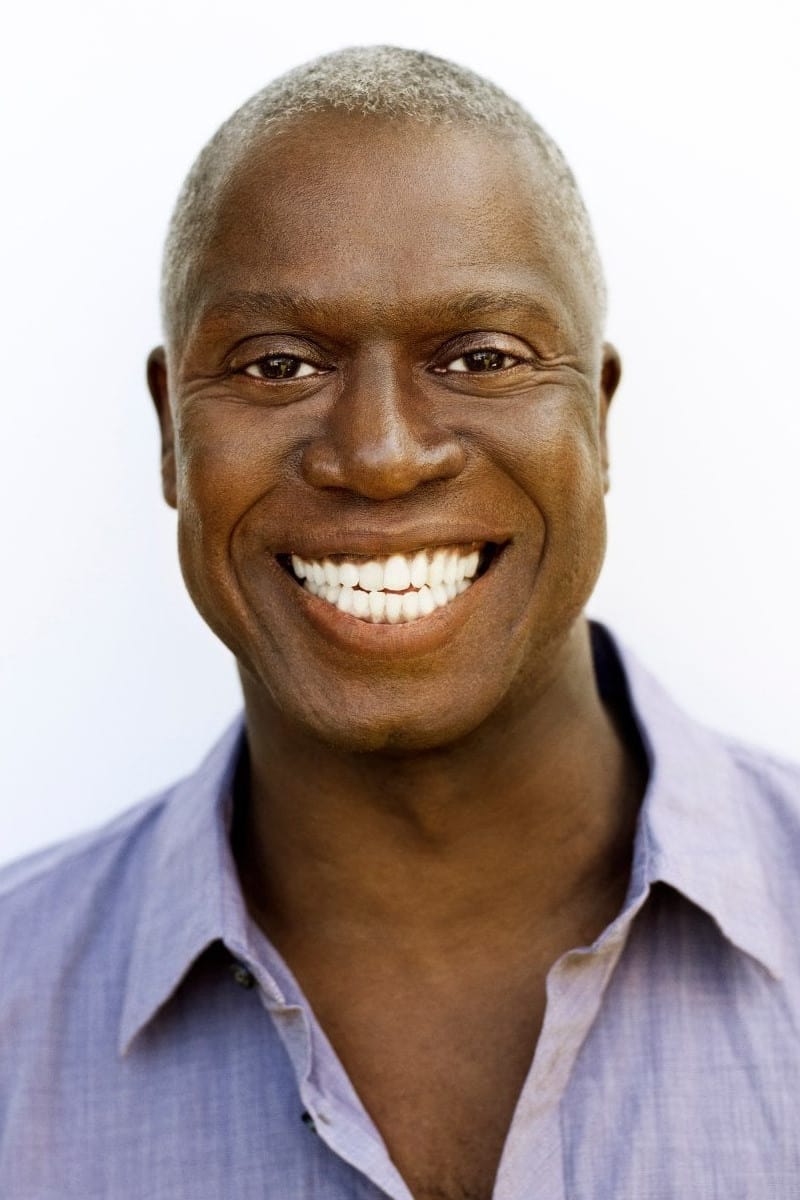
Captain Raymond Holt in ‘Brooklyn Nine-Nine’ is a stoic figure who became hilarious through his absolute lack of visible emotion. Braugher used his background in dramatic acting to deliver ridiculous lines with complete seriousness. The contrast between his grave delivery and the absurdity of the situations created a unique comedic character. His performance added a layer of authority and heart to the workplace comedy.
Nick Offerman

Ron Swanson in ‘Parks and Recreation’ became an instant icon of libertarian masculinity and deadpan humor. Offerman poured his own woodworking skills and love for meat into the character to create a distinct persona. His ability to giggle infectiously or stare silently made for some of the funniest moments on the show. He created a character that felt specific and lived-in rather than a generic caricature.
Amy Poehler

Leslie Knope needed an endless supply of energy and optimism to drive the plot of ‘Parks and Recreation’. Poehler played the ambitious civil servant with a manic intensity that was always grounded in genuine care for her friends. Her performance allowed the character to be intense and overbearing while remaining lovable and inspiring. She anchored the ensemble cast with her generosity as a performer and her comedic brilliance.
Tina Fey

Liz Lemon in ’30 Rock’ served as the relatable voice of reason in a chaotic world of television production. Fey brought a self-deprecating humor to the role that highlighted the struggles of balancing a career with a messy personal life. Her rapid delivery of jokes and willingness to look foolish made the character an enduring comedy icon. She successfully satirized the entertainment industry while creating a character that felt deeply personal.
Alec Baldwin

Jack Donaghy required an actor who could embody corporate arrogance while possessing a strange sort of mentorship warmth. Baldwin used his commanding voice and timing to turn the executive into a hilarious symbol of capitalism in ’30 Rock’. His chemistry with Tina Fey created a mentor-mentee dynamic that was equal parts sweet and bizarre. The performance revitalized his career and displayed his immense talent for television comedy.
Larry David
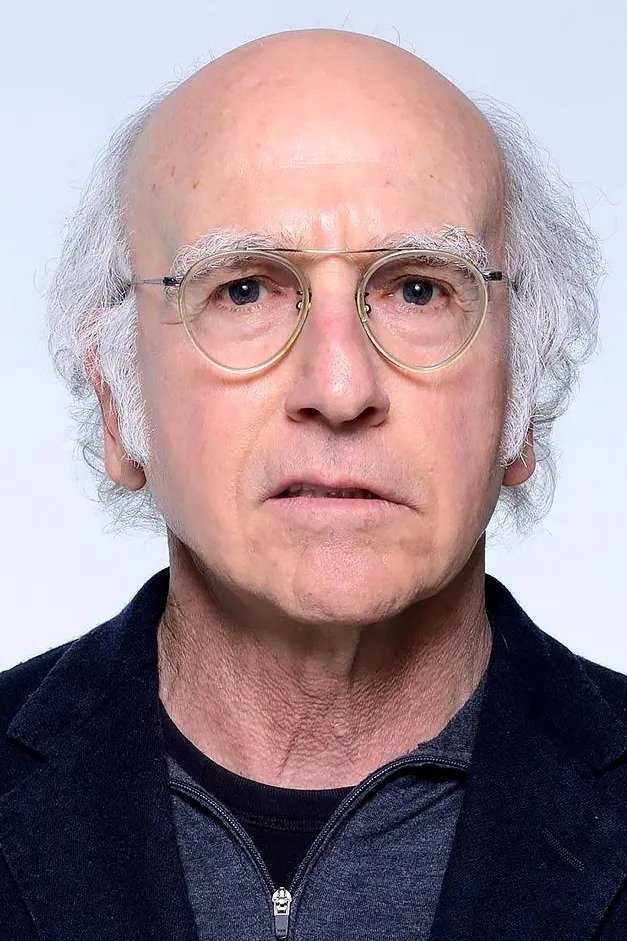
Playing a fictionalized version of oneself requires a willingness to be completely unlikable and petty for the sake of comedy. David turned his social awkwardness and grievances into an art form in ‘Curb Your Enthusiasm’. His improvisational skills allowed him to react naturally to the chaos he created in every episode. He established a new style of cringe comedy that influenced countless shows that followed.
Lucille Ball
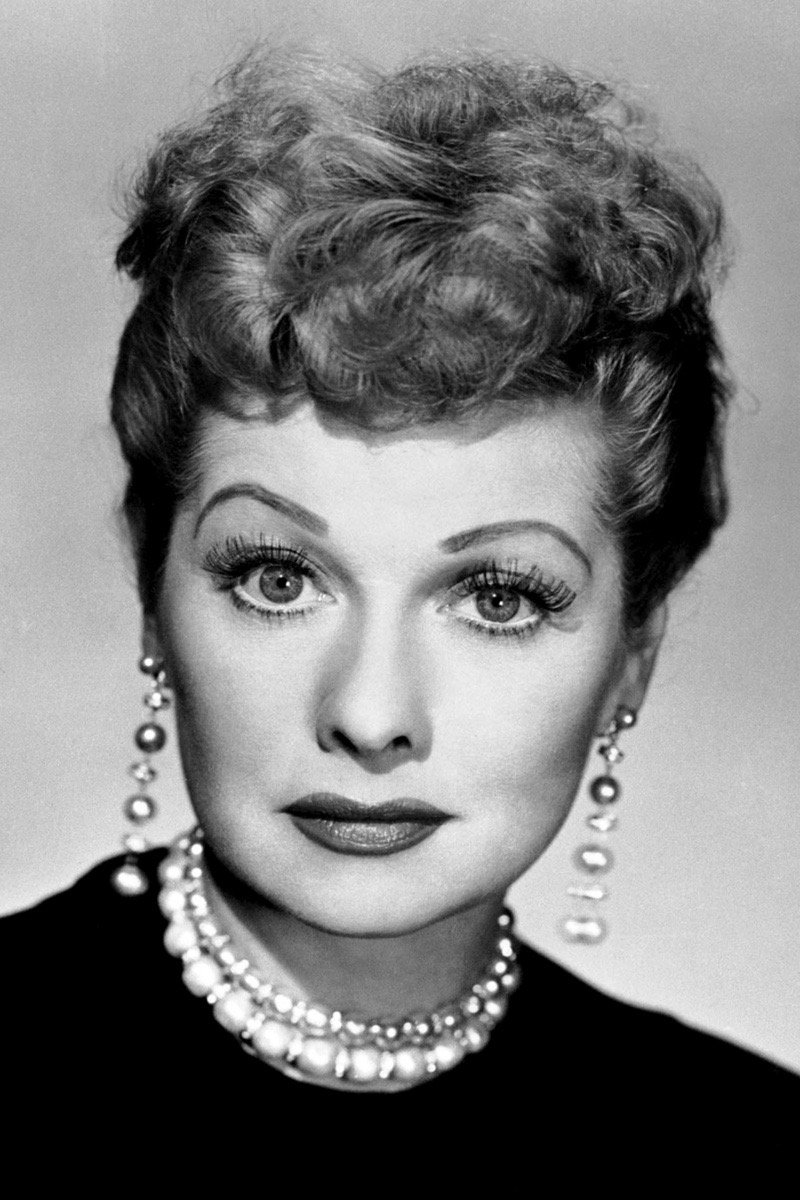
The character of Lucy Ricardo defined the sitcom genre through her unparalleled physical comedy and expressive face. Ball fearlessly put herself in ridiculous situations in ‘I Love Lucy’ to generate laughter from the audience. Her timing and ability to perform complex routines made her the most famous woman in television history. She set the template for the female lead in a comedy series that stands the test of time.
Mary Tyler Moore
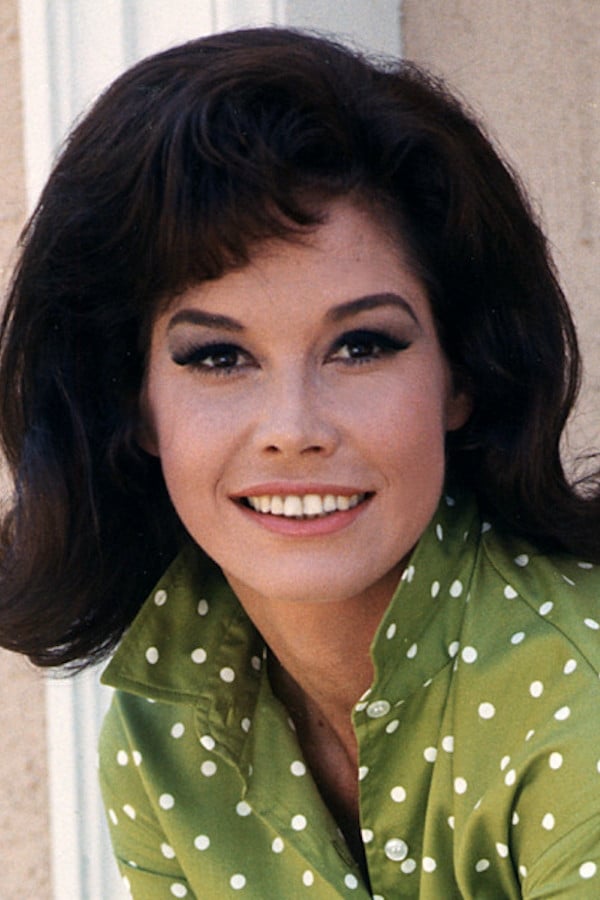
Mary Richards in ‘The Mary Tyler Moore Show’ represented the independent modern woman of the 1970s. Moore played the role with a vulnerability and resilience that resonated with women entering the workforce. Her ability to cry comically and stand up for herself created a multidimensional character. She turned a workplace sitcom into a sophisticated show about friendship and self-discovery.
Ian McShane

Al Swearengen in ‘Deadwood’ is a villain who speaks in Shakespearean profanity while running a lawless town. McShane brought a menacing charisma to the role that made him terrifying yet strangely alluring. He commanded the screen with a brutal physicality and a sharp intellect that kept his enemies off balance. The performance turned a ruthless pimp into one of the most complex anti-heroes in the western genre.
Patrick Stewart
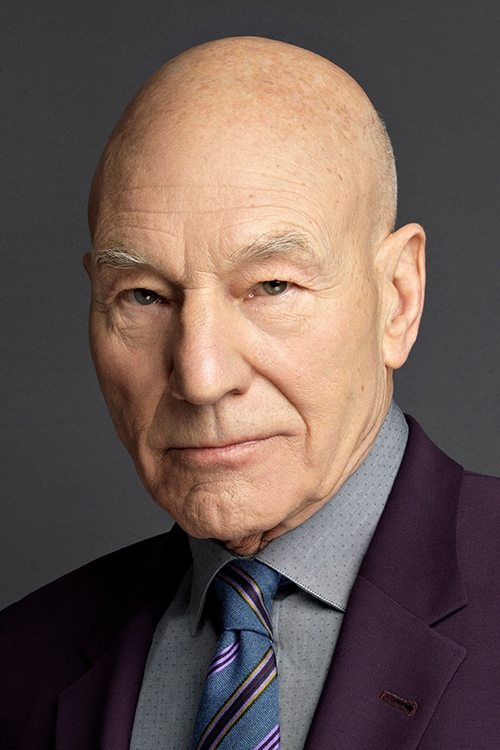
Captain Jean-Luc Picard needed to be a diplomat and a philosopher rather than just an action hero in space. Stewart brought his Royal Shakespeare Company training to ‘Star Trek: The Next Generation’ and gave the show immense gravitas. His commanding voice and authoritative presence made the audience believe he could lead a starship crew. He elevated the science fiction material by treating it with the seriousness of a stage play.
Jeremy Strong
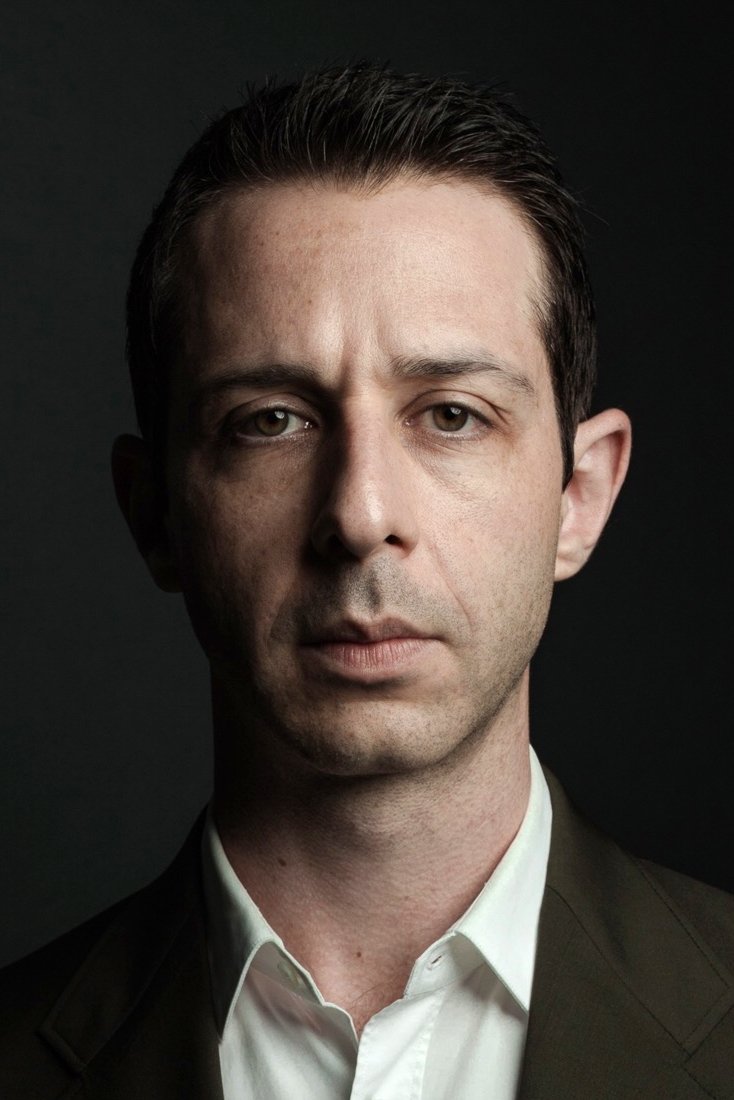
Kendall Roy in ‘Succession’ is a tragic figure crushed by the weight of his father’s expectations and his own failures. Strong immersed himself in the role with a method acting intensity that made his character’s pain palpable. His portrayal of addiction and corporate ambition created a character who was both pitiable and loathsome. The raw vulnerability he displayed in key moments anchored the satirical drama in human tragedy.
Brian Cox
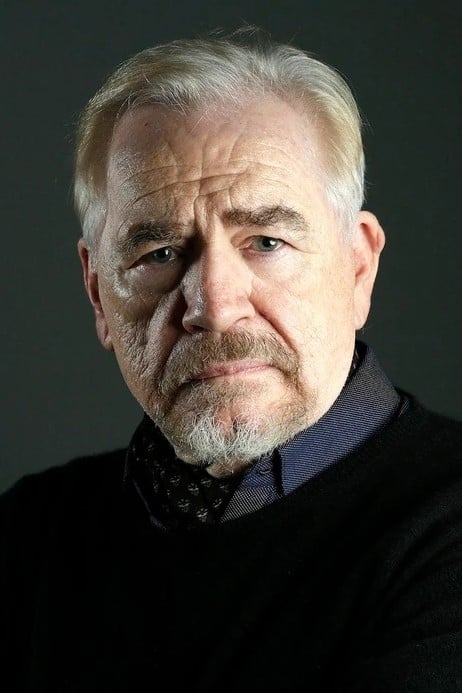
Logan Roy required an actor who could terrify his children and business rivals with a single glance. Cox brought a leonine power to ‘Succession’ that made his character the undisputed center of the narrative universe. His booming voice and dismissal of others created a portrait of a media tycoon who has lost touch with humanity. The performance was a masterclass in dominating the screen through sheer force of personality.
Michael Kenneth Williams
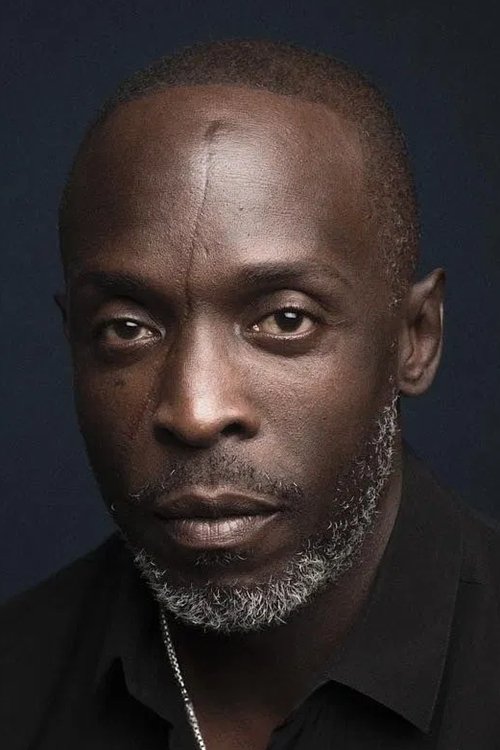
Omar Little in ‘The Wire’ shattered stereotypes by being a stick-up man who followed a strict moral code. Williams played the character with a swagger and sensitivity that made him the most memorable figure in a sprawling ensemble. His scar and whistle became iconic symbols of impending danger for the drug dealers of Baltimore. He brought a tragic humanity to a character that could have easily been a one-dimensional thug.
Idris Elba
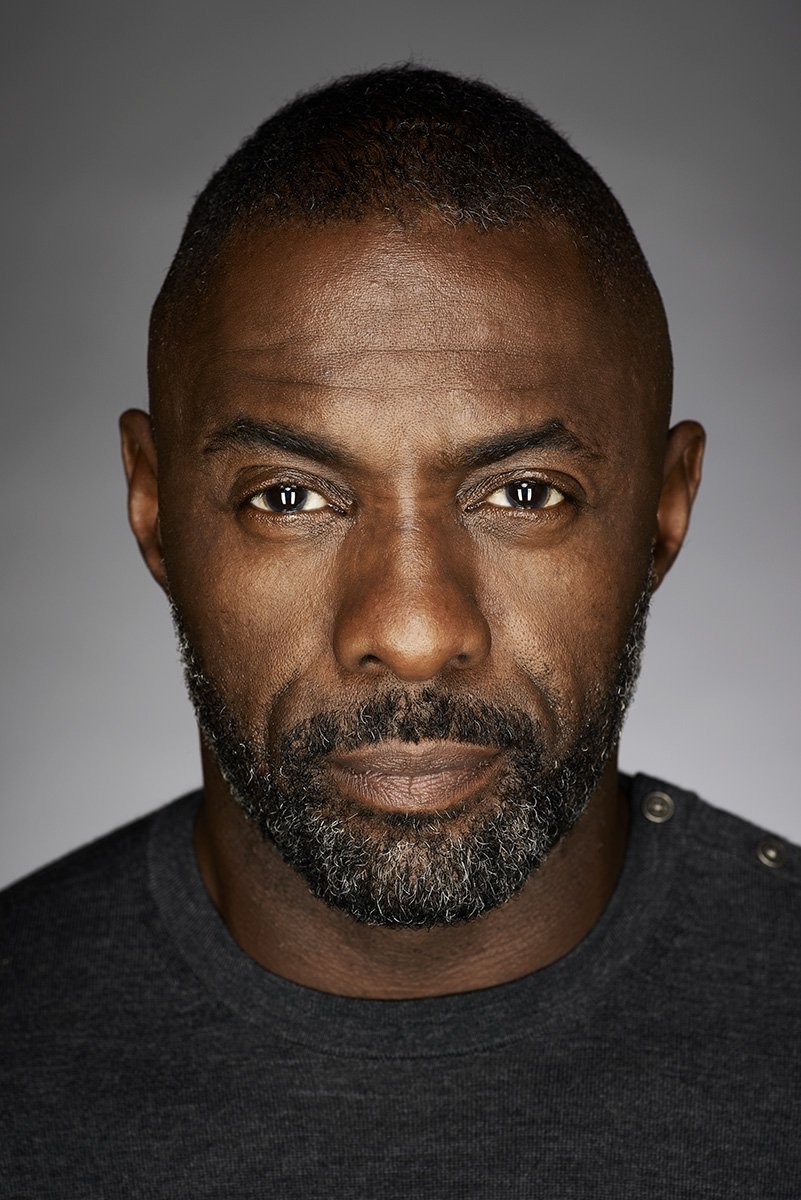
Stringer Bell represented a new kind of criminal who wanted to treat the drug trade like a legitimate business. Elba brought a cool intelligence and business acumen to ‘The Wire’ that contrasted sharply with the violence of his world. His commanding presence and calculated ambition made his eventual downfall a pivotal moment in the series. The role introduced his immense talent to a global audience and launched his film career.
Martin Freeman

John Watson is often played as a bumbling sidekick but this actor gave him competence and spine. Freeman provided the emotional grounding for ‘Sherlock’ as he dealt with the eccentricities of his brilliant friend. His comic timing and subtle reactions to the absurdity around him were essential to the show’s success. He created a version of the doctor who was a war veteran first and a companion second.
Benedict Cumberbatch
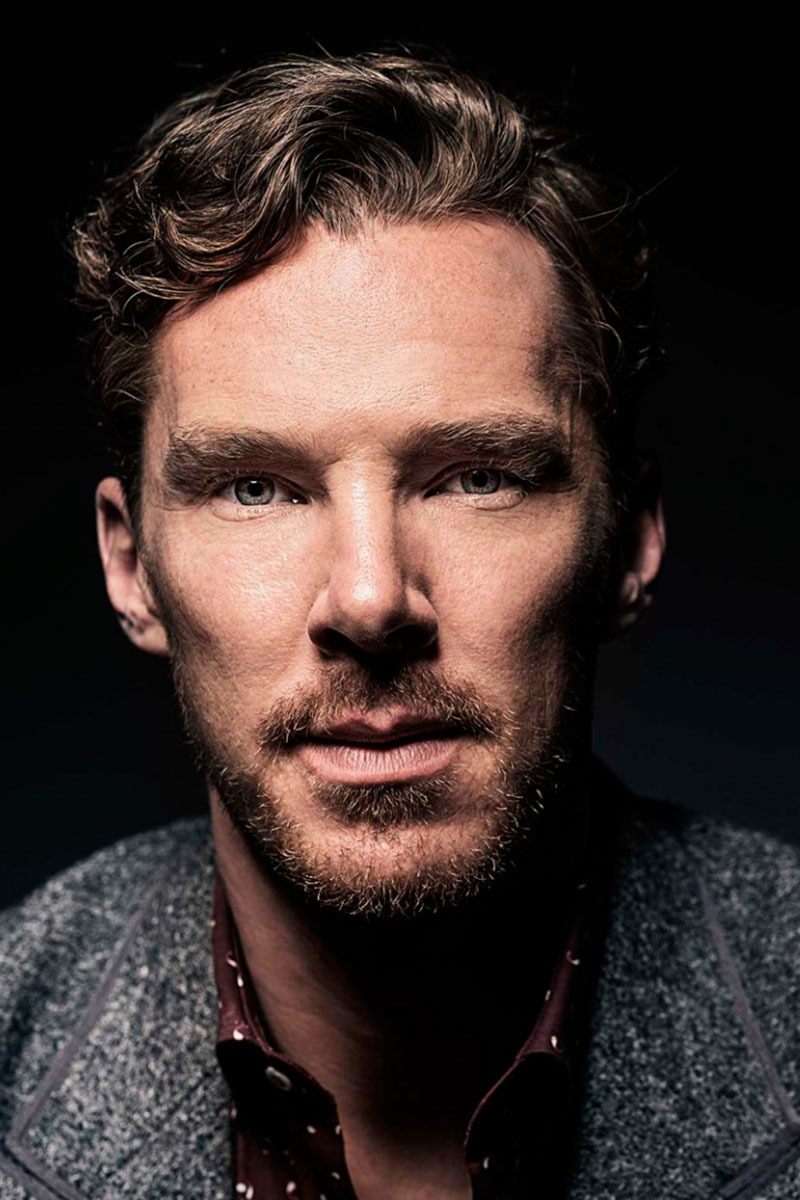
Sherlock Holmes has been played by many actors but this performance brought the detective into the modern era with frenetic energy. Cumberbatch delivered rapid-fire dialogue with a precision that highlighted the character’s superior intellect and lack of social skills in ‘Sherlock’. His alien-like behavior and deep voice created a mesmerizing version of the classic character. The role made him an international superstar and defined the BBC adaptation.
Mads Mikkelsen
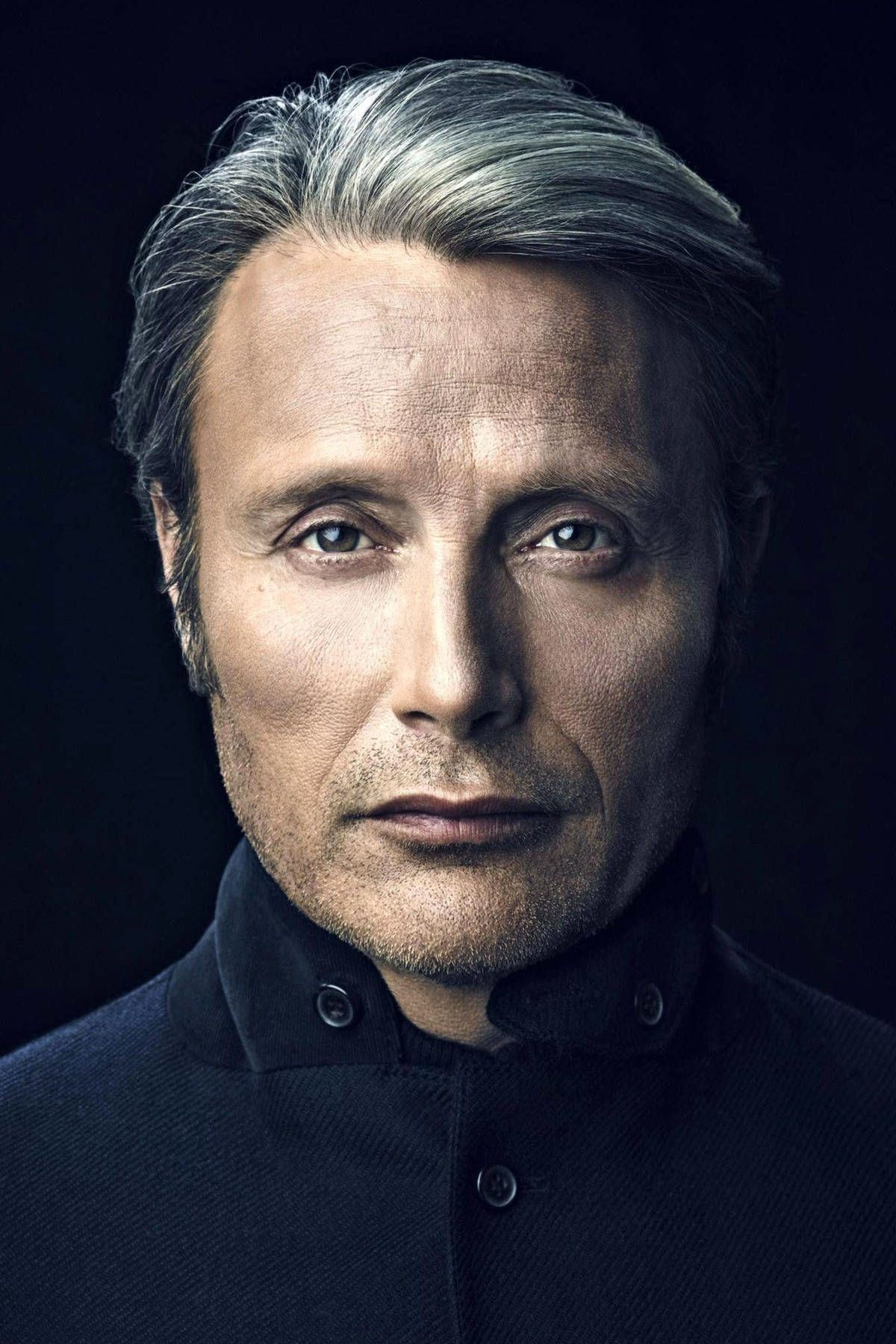
Taking on the role of Hannibal Lecter after Anthony Hopkins seemed like an impossible task. Mikkelsen created a sophisticated and seductive monster in ‘Hannibal’ who viewed murder as a high art form. His micro-expressions and elegant movement hinted at the predator lurking beneath the refined suits. He succeeded in making the cannibalistic psychiatrist his own distinct and terrifying creation.
Jason Alexander
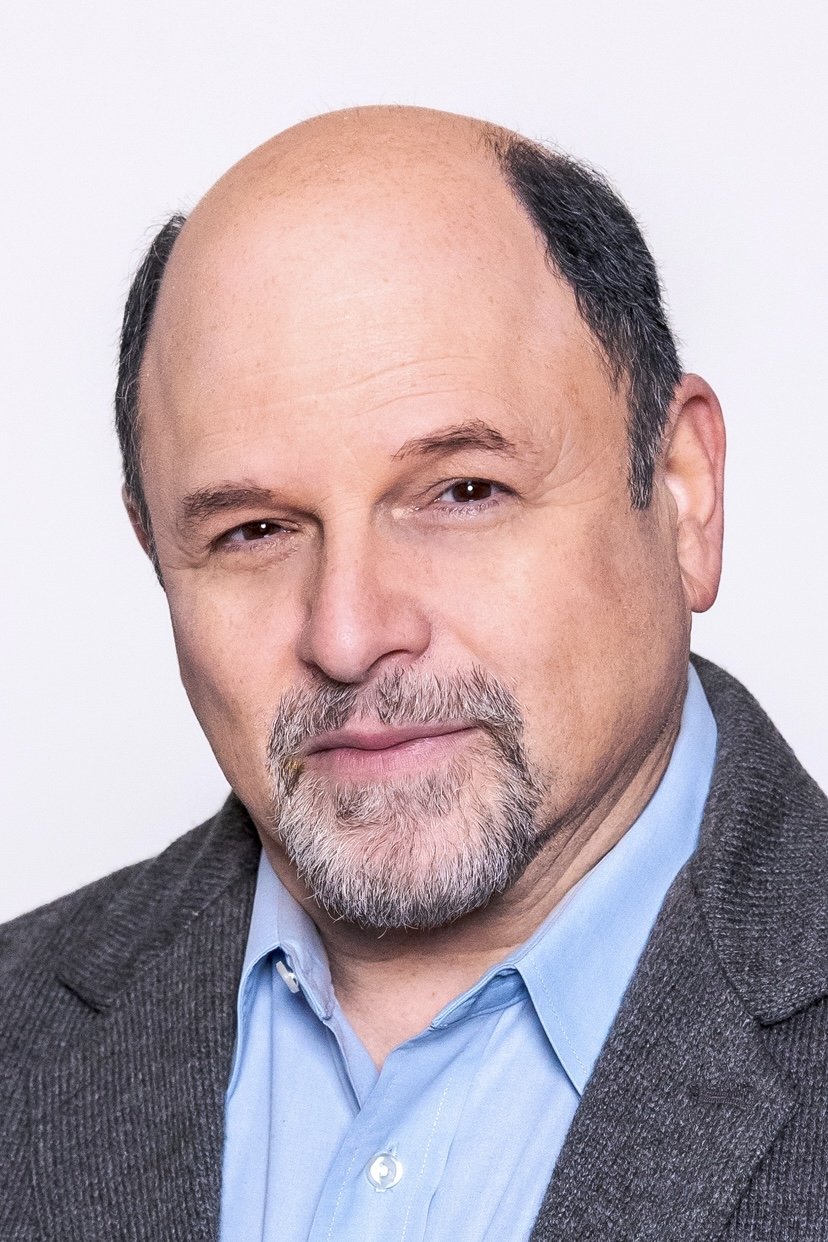
George Costanza is a character defined by his neuroses and pettiness yet the audience cannot look away. Alexander played the role in ‘Seinfeld’ with an explosive energy that turned selfishness into high comedy. His delivery of rapid monologues and physical outbursts created some of the funniest moments in sitcom history. He perfectly embodied the darker impulses of the human condition in a way that was consistently hilarious.
Ted Danson
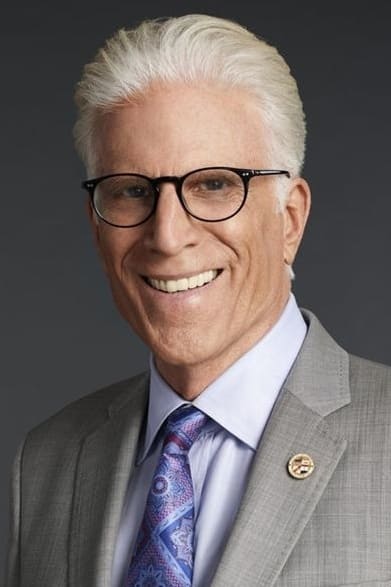
Sam Malone served as the anchor of ‘Cheers’ with his easygoing charm and history as a relief pitcher. Danson had unparalleled chemistry with his co-stars and mastered the rhythm of the multi-camera sitcom format. His ability to play the straight man to the eccentric bar patrons while having his own comedic moments was vital. He sustained the quality of the show for eleven seasons through his likability and timing.
Kelsey Grammer
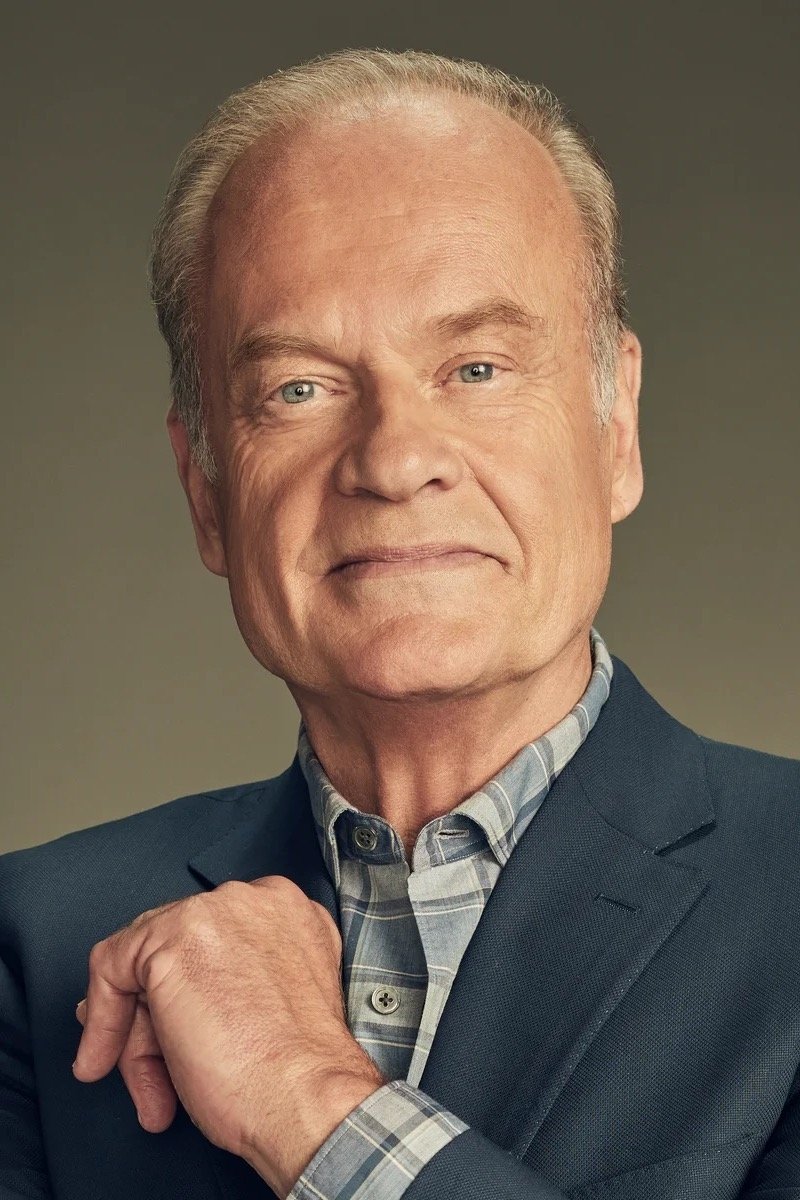
Frasier Crane started as a side character on ‘Cheers’ but became the lead of his own massive hit due to the actor’s brilliance. Grammer played the pompous psychiatrist with a mix of intellectual arrogance and physical vulnerability. His trans-Atlantic accent and operatic reactions to minor inconveniences defined the tone of ‘Frasier’. He holds the record for playing the same character for twenty years at a high level of excellence.
Julia Louis-Dreyfus
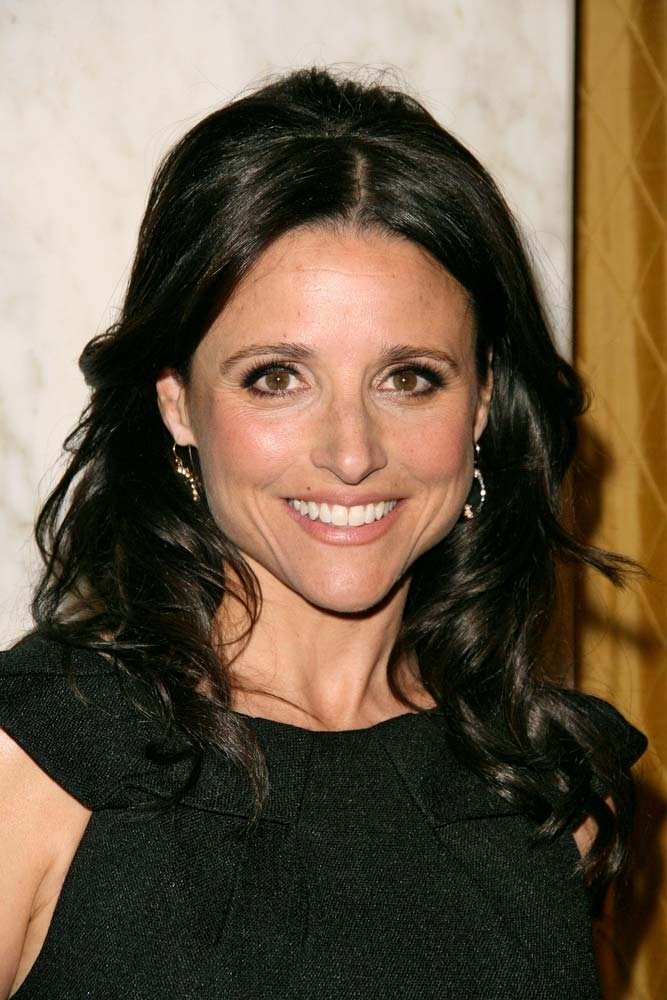
Selina Meyer in ‘Veep’ allowed this actress to unleash a torrent of creative profanity and narcissistic rage. Louis-Dreyfus won six consecutive Emmy Awards for her portrayal of the incompetent and ambitious politician. Her improvisational skills and willingness to be absolutely horrible made the political satire bite. She cemented her legacy as one of the greatest comedic actors of all time with this performance.
Sarah Michelle Gellar

Buffy Summers required an actress who could be a bubbly cheerleader and a weary warrior simultaneously. Gellar carried the emotional weight of ‘Buffy the Vampire Slayer’ while handling the physical demands of the action sequences. Her performance grounded the supernatural metaphors in real adolescent and young adult angst. She created a feminist icon who remains relevant and beloved decades later.
Peter Dinklage
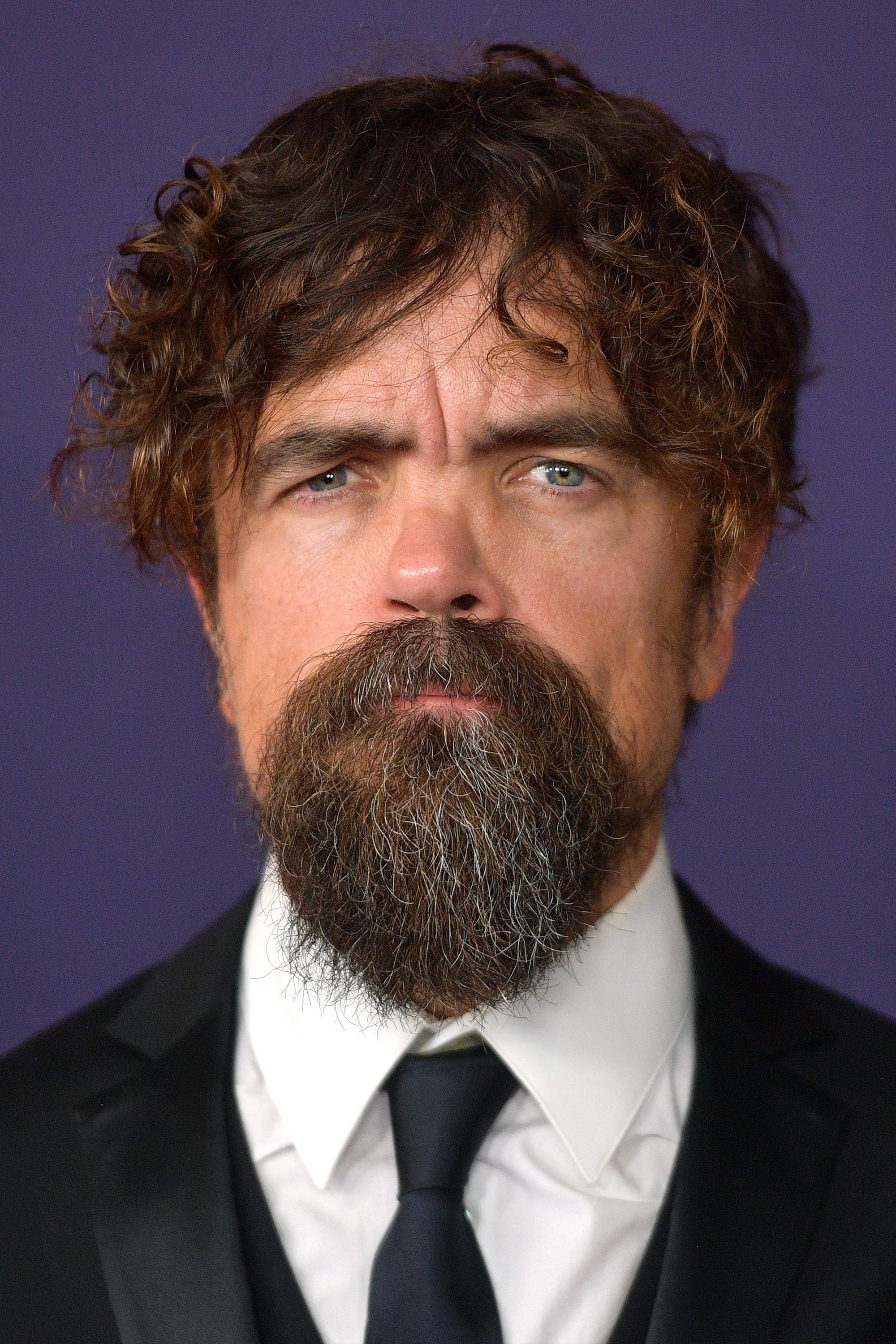
Tyrion Lannister required an actor who could command respect and project intellect despite being marginalized by his family. Dinklage brought a wit and tragic depth to ‘Game of Thrones’ that made him the show’s breakout character. His delivery of monologues and ability to navigate political intrigue made him the audience’s favorite player in the game. He won multiple awards for adding a human heart to the fantasy epic.
Aaron Paul
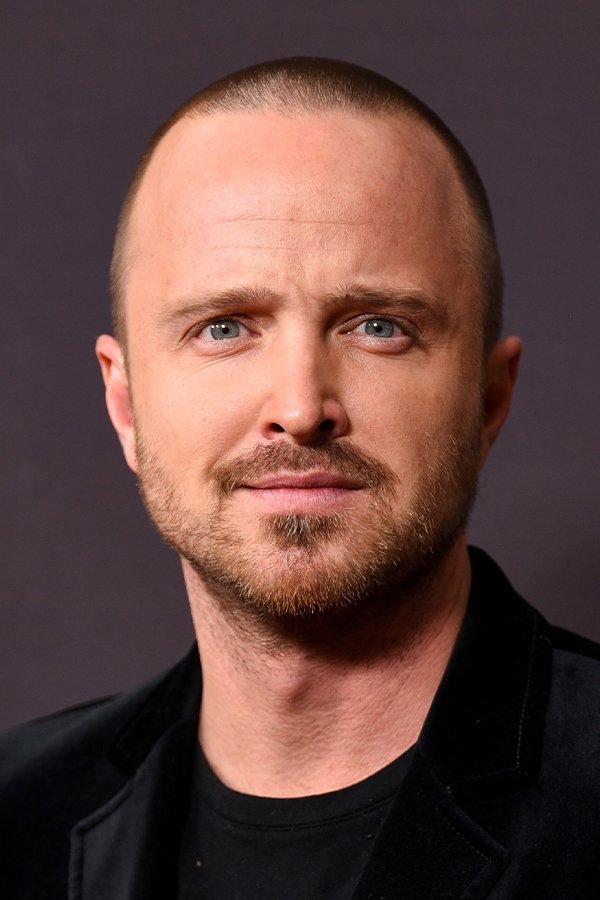
Jesse Pinkman was originally supposed to die in the first season of ‘Breaking Bad’ but the actor’s performance saved him. Paul brought a heartbreaking vulnerability to the drug dealer that provided the show with its moral center. His chemistry with the lead actor created a father-son dynamic that was toxic yet captivating. He effectively portrayed the devastating physical and emotional toll of the criminal lifestyle.
Bob Odenkirk
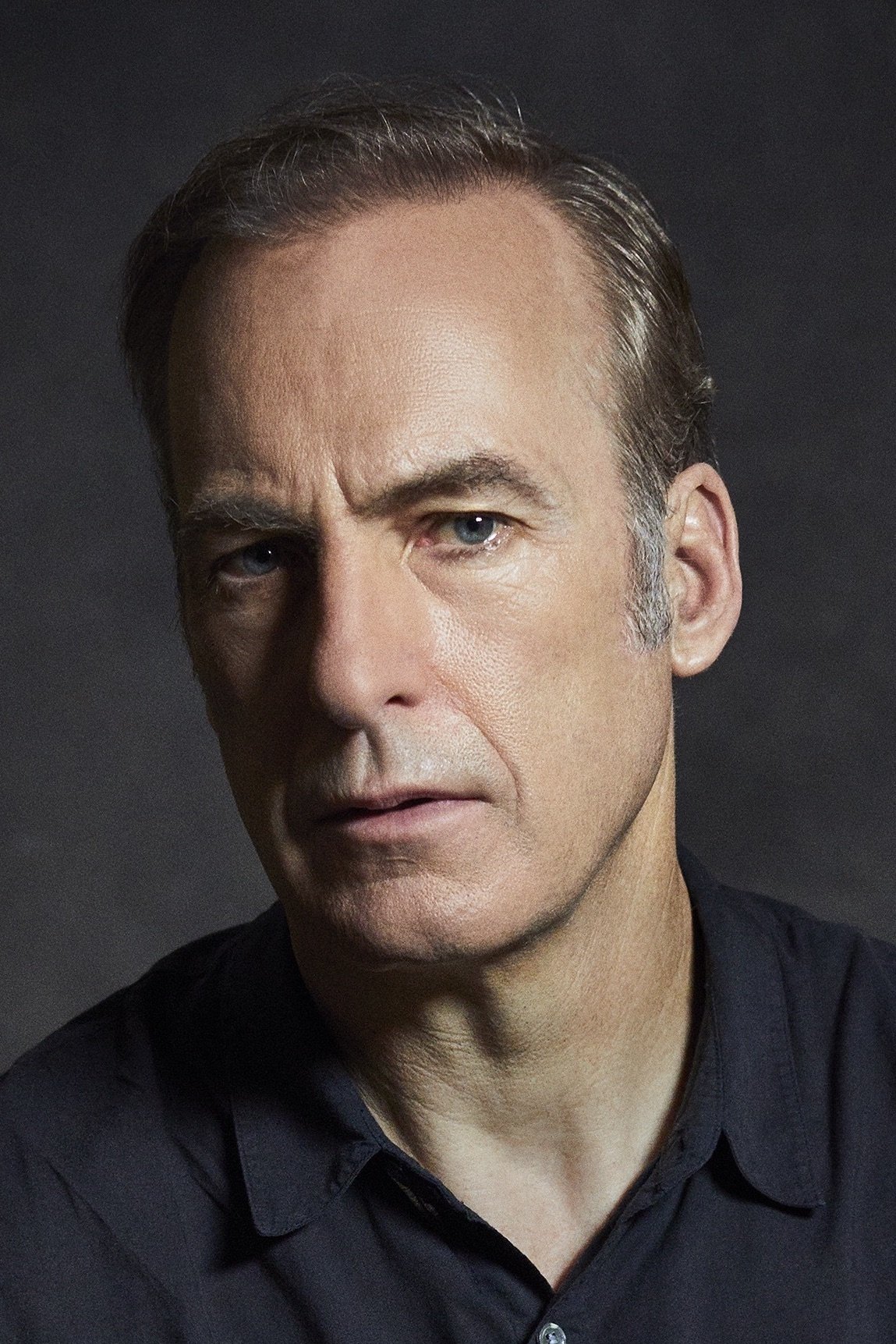
Saul Goodman began as a comic relief character but evolved into a tragic figure thanks to the actor’s layered performance. Odenkirk used his comedy background to sell the sleazy lawyer persona in ‘Better Call Saul’ while revealing a desperate need for approval. He transformed the character into Jimmy McGill to show the heartbreaking slide into corruption. The performance proved he was a dramatic heavyweight capable of carrying a prestige drama.
Jon Hamm
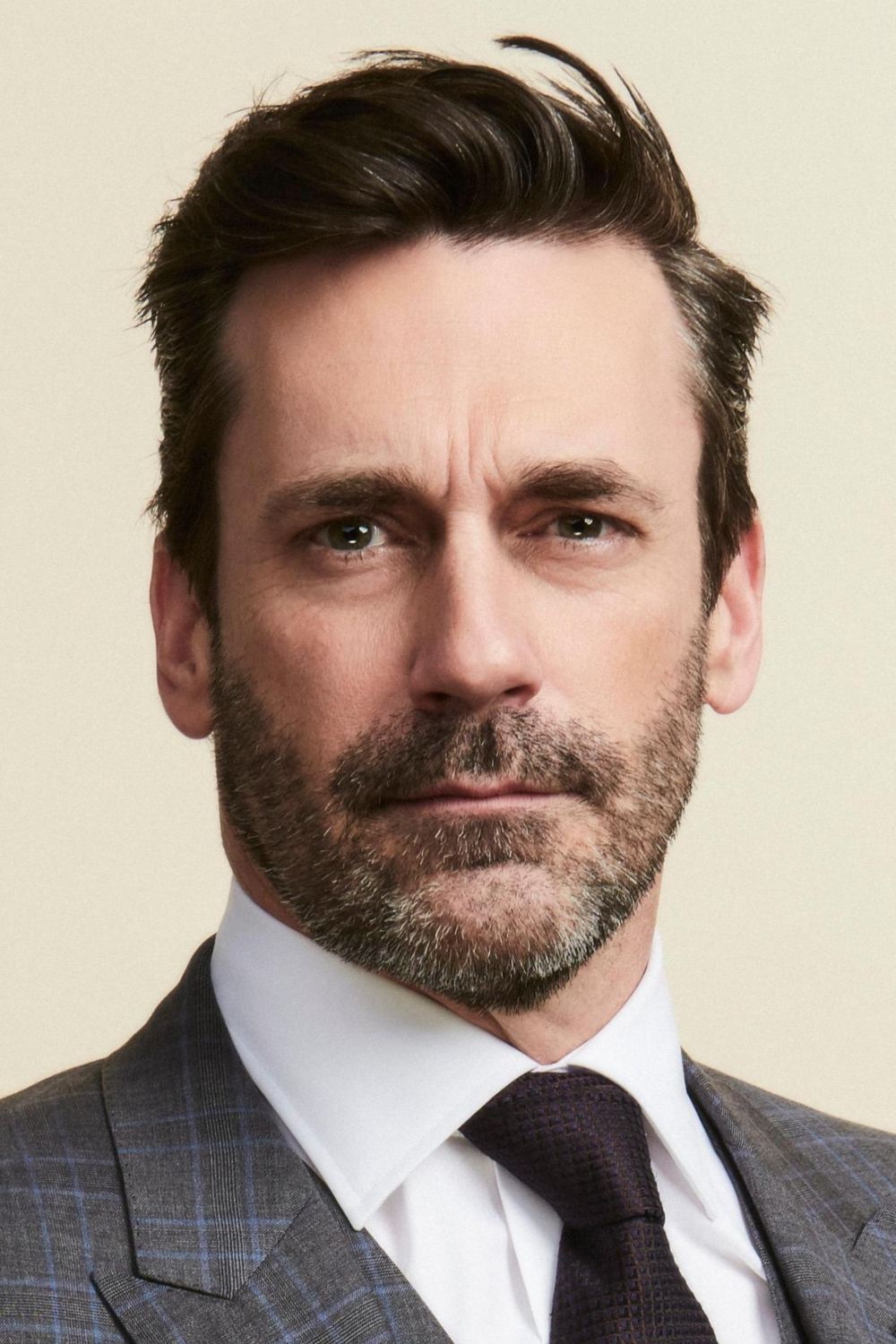
Don Draper is a character built on secrets and a carefully constructed facade of masculine perfection. Hamm inhabited the role in ‘Mad Men’ with a stoic mystery that slowly cracked to reveal a damaged past. His ability to say nothing while conveying deep existential dread was a hallmark of the series. He created the definitive anti-hero of the 2000s by exploring the emptiness of the American Dream.
Bryan Cranston
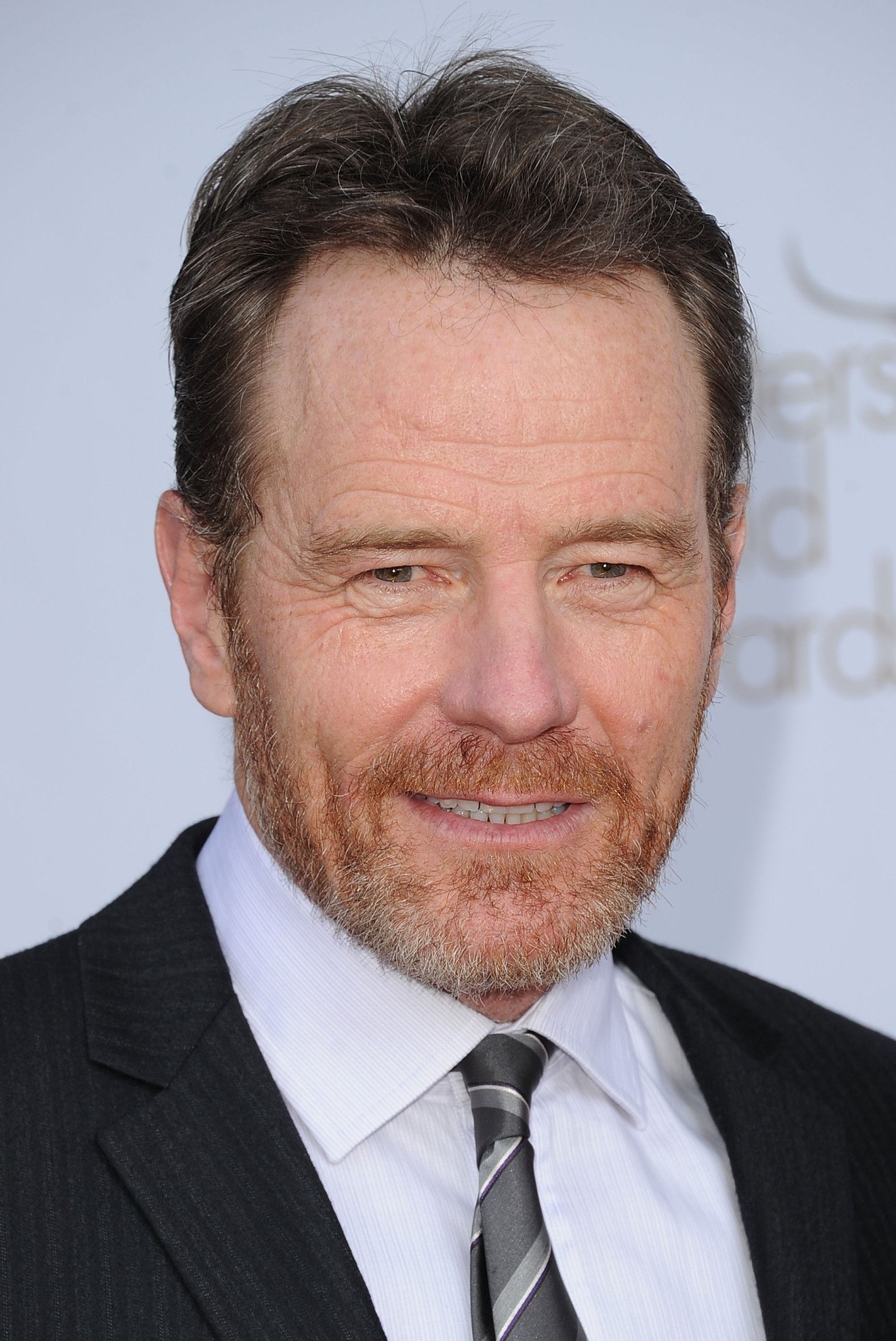
Walter White required a transformation from a mild-mannered teacher to a terrifying drug kingpin. Cranston utilized his body language and voice to show the gradual hardening of the character’s soul in ‘Breaking Bad’. He made the audience sympathize with a monster for far longer than they should have through sheer charisma. It stands as a masterclass in character development and intensity that redefined television acting.
James Gandolfini

Tony Soprano changed the television landscape by proving a protagonist could be a violent criminal and a vulnerable therapy patient. Gandolfini used his imposing physical presence and expressive eyes to create a complex portrait of a mob boss in ‘The Sopranos’. He breathed heavily and ate aggressively yet managed to convey deep existential sorrow and panic. This performance remains the benchmark against which all other dramatic television acting is measured.
Share your own favorite casting choices and tell us who we missed in the comments.

