


The Best Disaster Movies of the 20th Century

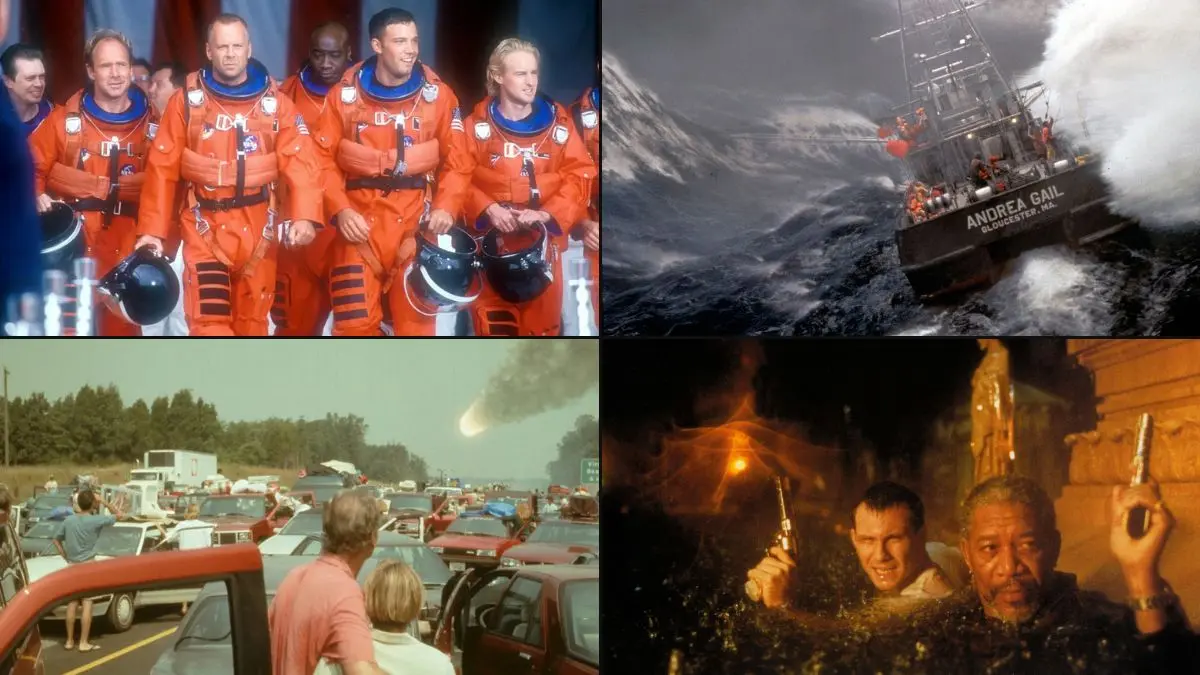


Disaster movies have long been a source of thrilling entertainment, showing ordinary people facing extraordinary and terrifying events. These films capture our attention by showing large-scale destruction, from natural events like earthquakes and floods to man-made accidents like fires and crashes. Audiences are drawn to the spectacle of survival, where characters must find the courage and ingenuity to stay alive against all odds. The 20th century, particularly from the 1970s onward, is known as a golden age for this genre, producing many memorable and influential films.
The appeal of these movies often comes from their combination of breathtaking special effects and human drama. Watching cities crumble or ships sink provides a visual thrill, but the stories are grounded in the struggles of the characters. These films explore how people behave under extreme pressure, showing both the best and worst of human nature. Whether it’s a star-studded cast facing a burning skyscraper or a small group trying to escape a capsized ocean liner, these stories of survival and heroism have become a popular and enduring part of cinema history.
San Francisco (1936)

This film tells the story of a saloon owner, a singer, and a priest whose lives are changed by the massive 1906 San Francisco earthquake. The story focuses on the love triangle between the main characters, set against the backdrop of the vibrant and corrupt city. Their personal dramas come to a halt when the city is struck by one of the most powerful earthquakes in American history.
The movie was a major production for its time, praised for its stunning special effects that recreated the earthquake and the subsequent fires that devastated the city. The final 20 minutes of the film are dedicated to the disaster sequence, which was a remarkable technical achievement in the 1930s. It blended historical events with a fictional story of love and redemption.
In Old Chicago (1938)

The story follows the O’Leary family after they move to Chicago in the mid-19th century. After the father’s death, the mother, Molly O’Leary, starts a laundry business to support her three sons. The two older sons, Dion and Jack, grow up to be rivals; Dion becomes a powerful and corrupt saloon owner, while Jack becomes a reform-minded lawyer who runs for mayor. Their conflict comes to a head just as the Great Chicago Fire of 1871 breaks out.
The film is a fictionalized account of the famous fire, which legend says was started when Mrs. O’Leary’s cow kicked over a lantern. The movie was one of the most expensive films made at the time, and its climax features an elaborate and destructive fire sequence that was impressive for its era. The story combines family drama and political rivalry with a historical disaster.
The Rains Came (1939)

Set in the fictional princely state of Ranchipur, India, the film follows a diverse group of characters whose lives are disrupted by a series of natural disasters. An English socialite, Lady Edwina Esketh, reconnects with a former lover and also becomes interested in a dedicated Indian doctor. Their romantic entanglements are set against the backdrop of the region’s intense monsoon season.
The personal stories are soon overshadowed by a massive earthquake, followed by a flood from a broken dam and an outbreak of cholera. The film was notable for its special effects, which won an Academy Award, depicting the earthquake and flood with a realism that was groundbreaking for its time. It’s a story of personal change and redemption in the face of widespread catastrophe.
When Worlds Collide (1951)
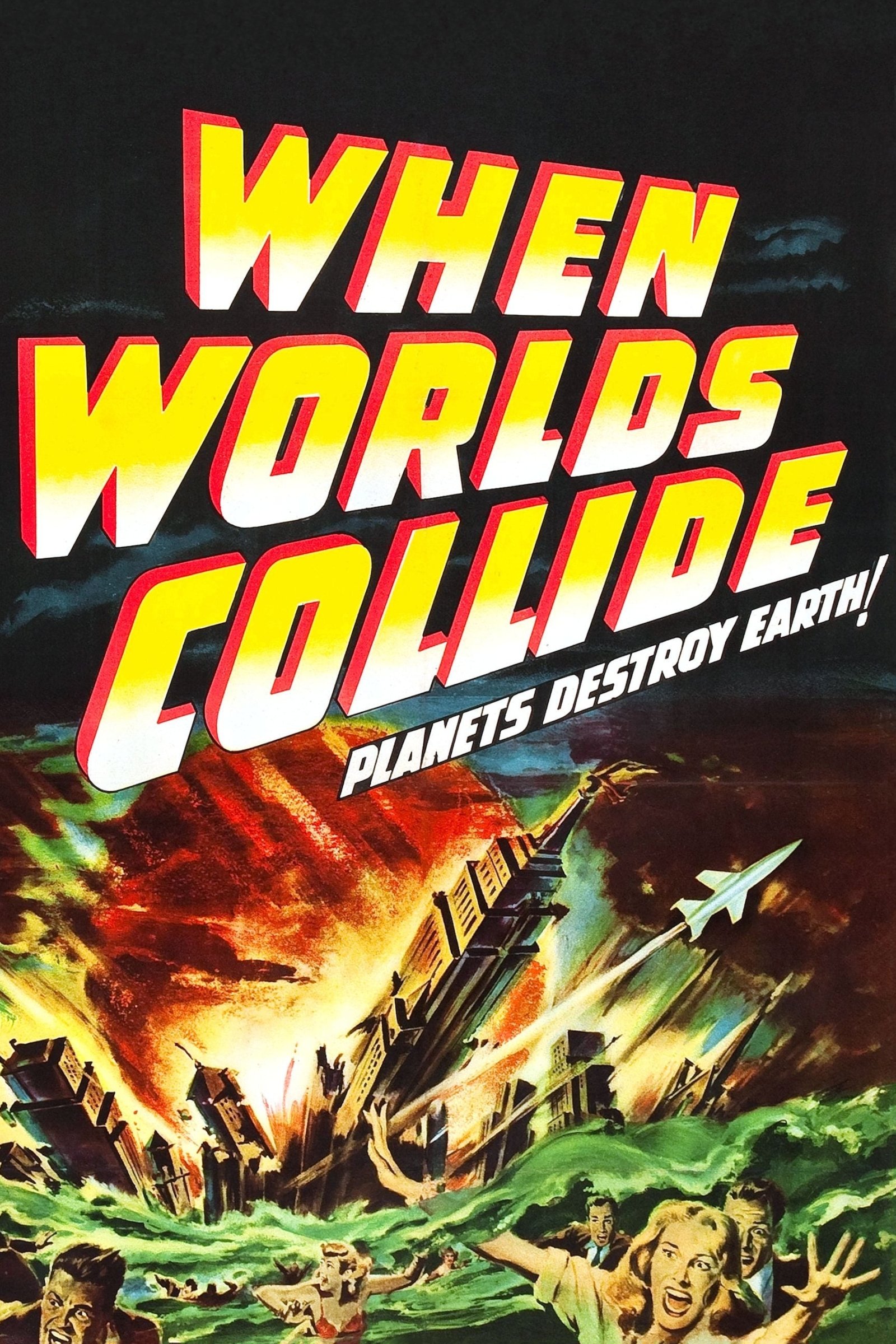
In this science fiction disaster film, astronomers discover that a rogue star named Bellus is on a collision course with Earth. A second planet, Zyra, is orbiting Bellus, and scientists determine it could support human life. With the world facing total destruction, a plan is made to build a “space ark” to transport a select group of people to Zyra to ensure the survival of humanity.
The film focuses on the frantic race against time to build the rocket ship while society begins to break down in the face of doom. The story explores themes of survival, sacrifice, and the difficult choices people must make when faced with an extinction-level event. The movie’s special effects, including the dramatic depiction of Earth’s destruction, were impressive for the 1950s and earned it an Academy Award.
The War of the Worlds (1953)
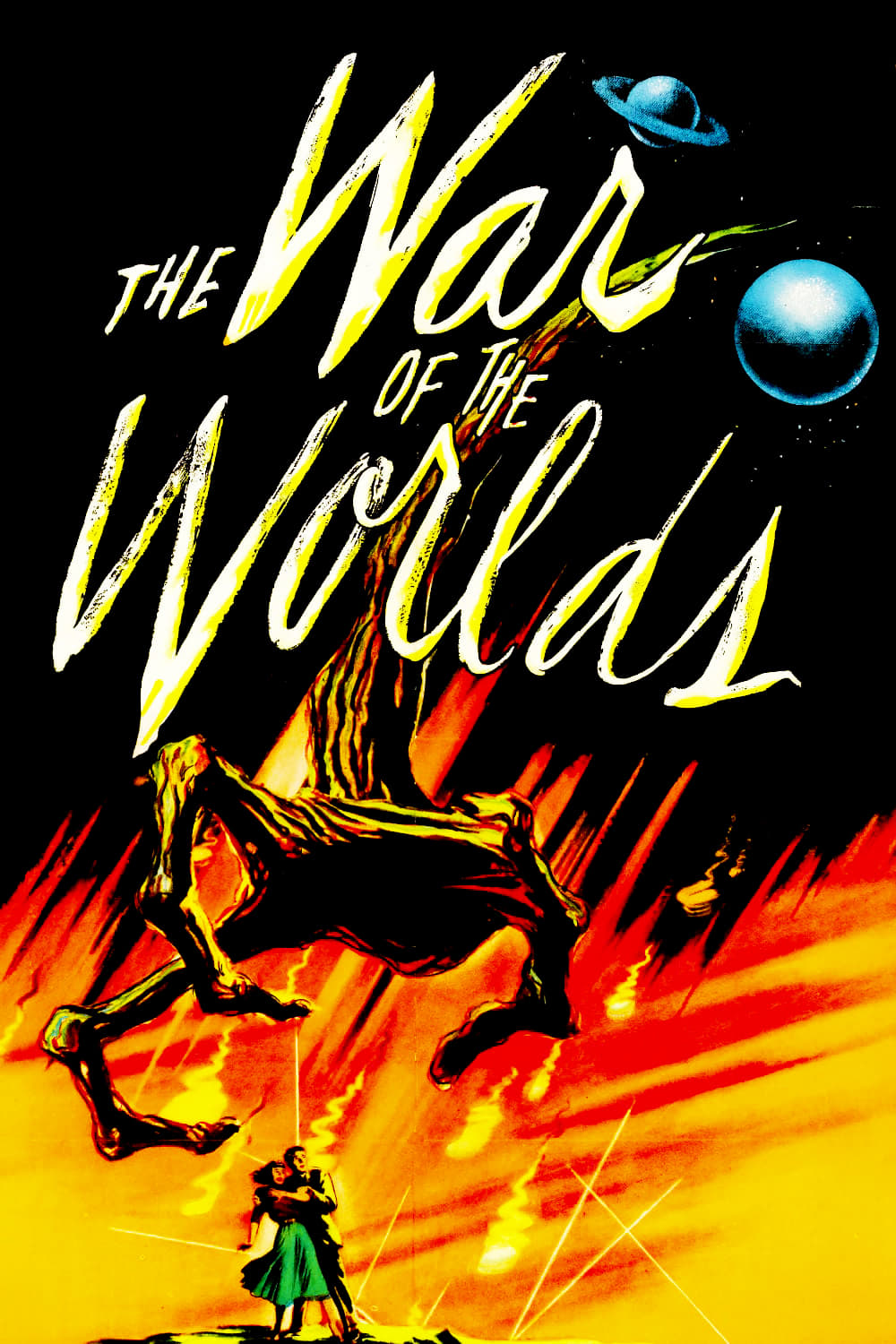
This film adapts H.G. Wells’ famous novel, moving the setting from Victorian England to 1950s Southern California. The story begins when a large, strange object crashes near a small town, and it soon becomes clear that it is a ship from Mars. The Martians emerge in powerful war machines and begin a destructive attack on humanity, proving immune to all conventional weapons.
The movie follows a scientist as he tries to find a weakness in the alien technology while witnessing the collapse of civilization around him. The film is remembered for its iconic design of the Martian war machines and their terrifying heat-ray weapons. It captured the Cold War anxieties of its time, presenting a seemingly unstoppable enemy that brings humanity to the brink of annihilation.
A Night to Remember (1958)
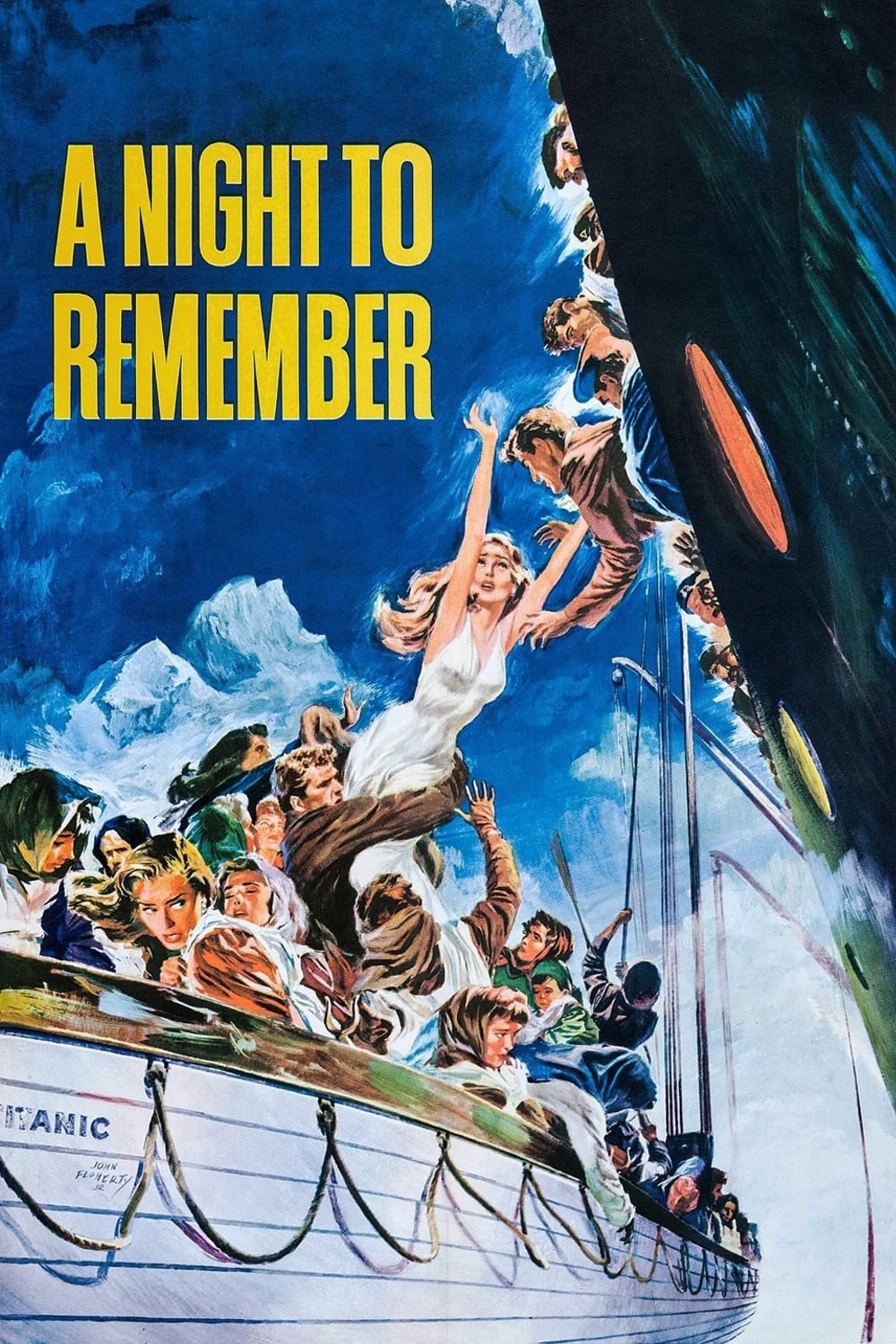
This British film offers a detailed and historically accurate account of the sinking of the RMS Titanic in 1912. The movie follows the events of that fateful night from multiple perspectives, including those of the crew, and passengers in first, second, and third class. It calmly and chronologically shows the ship hitting the iceberg, the slow realization of the scale of the disaster, and the chaotic evacuation.
Unlike other Titanic films that focus on fictional romances, this movie is a docudrama that sticks closely to the facts of the historical event. It is praised for its authenticity and its portrayal of the human drama without unnecessary melodrama. The film is considered one of the most accurate depictions of the Titanic disaster, focusing on the procedural details and the varied human reactions to the crisis.
The Last Voyage (1960)
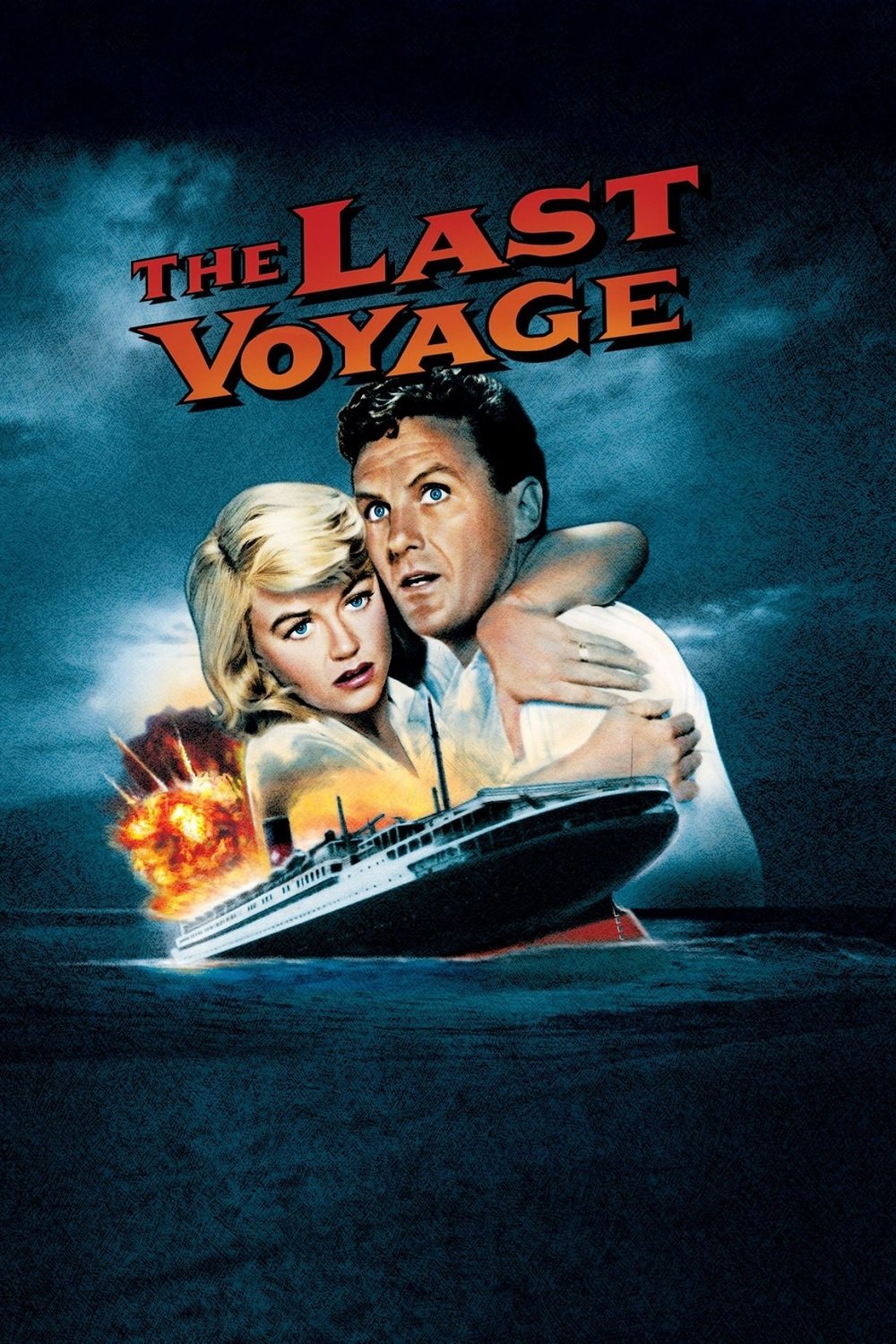
The film is about an aging ocean liner, the SS Claridon, that suffers a massive explosion in its boiler room during a Pacific crossing. The blast rips a hole in the ship’s side, and it begins to sink. The story centers on the desperate efforts of a passenger, Cliff Henderson, to save his wife, Laurie, who is trapped under a steel beam in their cabin.
A notable aspect of this film is that the filmmakers used a real ocean liner, the Île de France, which was scheduled to be scrapped. They partially sank and damaged the actual ship for the movie, which gave the disaster sequences a high level of realism. This practical approach made it stand out from other films that relied on miniatures and studio sets.
Gorgo (1961)
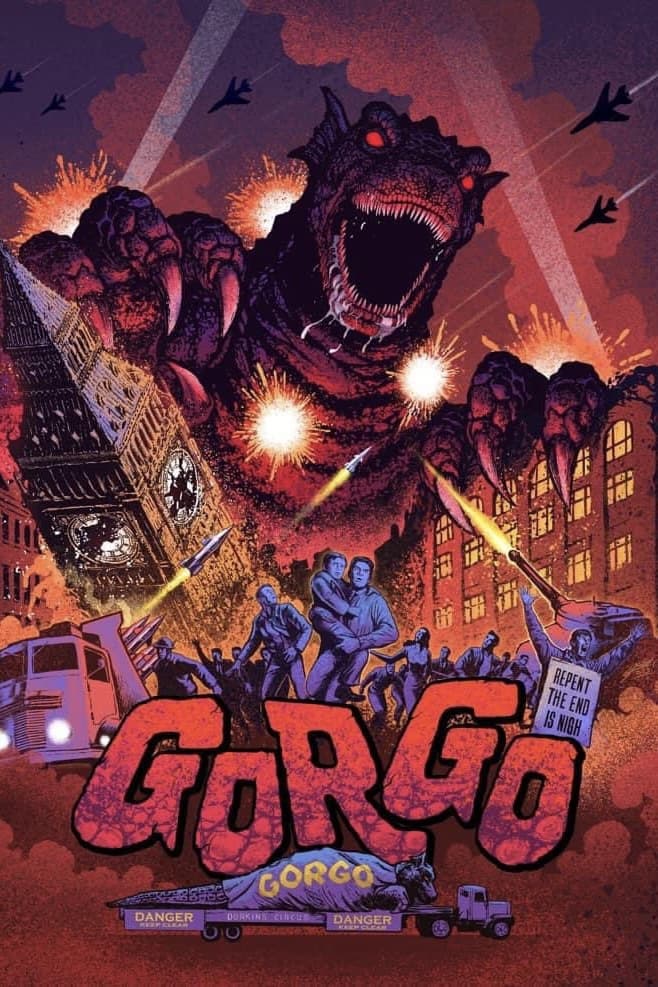
After an undersea volcano erupts off the coast of Ireland, a salvage crew captures a giant, 65-foot-tall prehistoric creature. They ignore the warnings of locals and take the monster, which they name Gorgo, to London to be exhibited as a circus attraction. The creature is put on display, drawing huge crowds.
The story takes a turn when scientists discover that Gorgo is just an infant. Soon after, its much larger mother, Ogra, who stands 200 feet tall, appears and follows her child’s trail to London. Ogra then rampages through the city, destroying everything in her path on a mission to rescue her offspring. The film is unique because the monsters are portrayed not as villains, but as a mother and child, and they are allowed to survive and return to the sea at the end.
Airport (1970)
This film follows the interconnected stories of various characters at a fictional Chicago-area airport during a severe snowstorm. The airport manager is trying to keep the airport open, while a flight crew deals with a man who has a bomb in his briefcase, planning a suicide attack to trigger an insurance payout for his family. The stories of pilots, flight attendants, and ground crew intersect as the crisis unfolds.
Airport is considered the film that launched the disaster movie craze of the 1970s. Its success led to three sequels and set the formula for the genre: a large, star-studded cast facing a life-threatening situation. The film combined personal dramas with the tension of the main disaster plot, a structure that would be copied by many subsequent disaster films.
The Poseidon Adventure (1972)
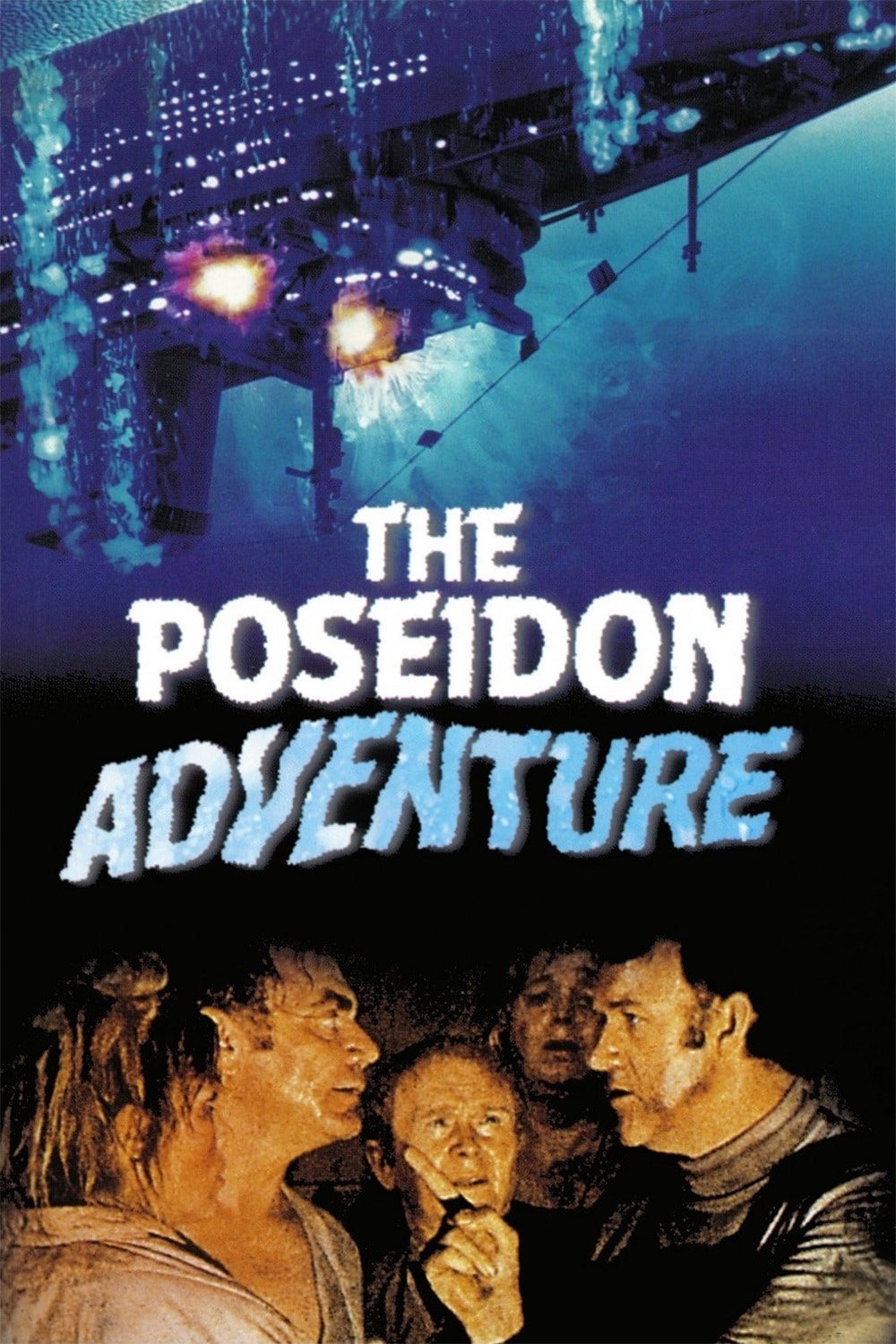
On New Year’s Eve, the luxury liner SS Poseidon is struck by a massive rogue wave and capsizes, trapping the passengers and crew inside the upside-down ship. A small group of survivors, led by a determined reverend, decides to climb upward through the ship’s wreckage to reach the hull, which is now the only way out. They must navigate a dangerous and chaotic environment of fire, flooding, and collapsing structures.
The film was a massive commercial success and became one of the most famous disaster movies of the decade. It featured an all-star cast and was praised for its intense action sequences and suspense. The story of survival against overwhelming odds, with characters from different walks of life having to work together, defined it as a classic of the genre.
The Towering Inferno (1974)
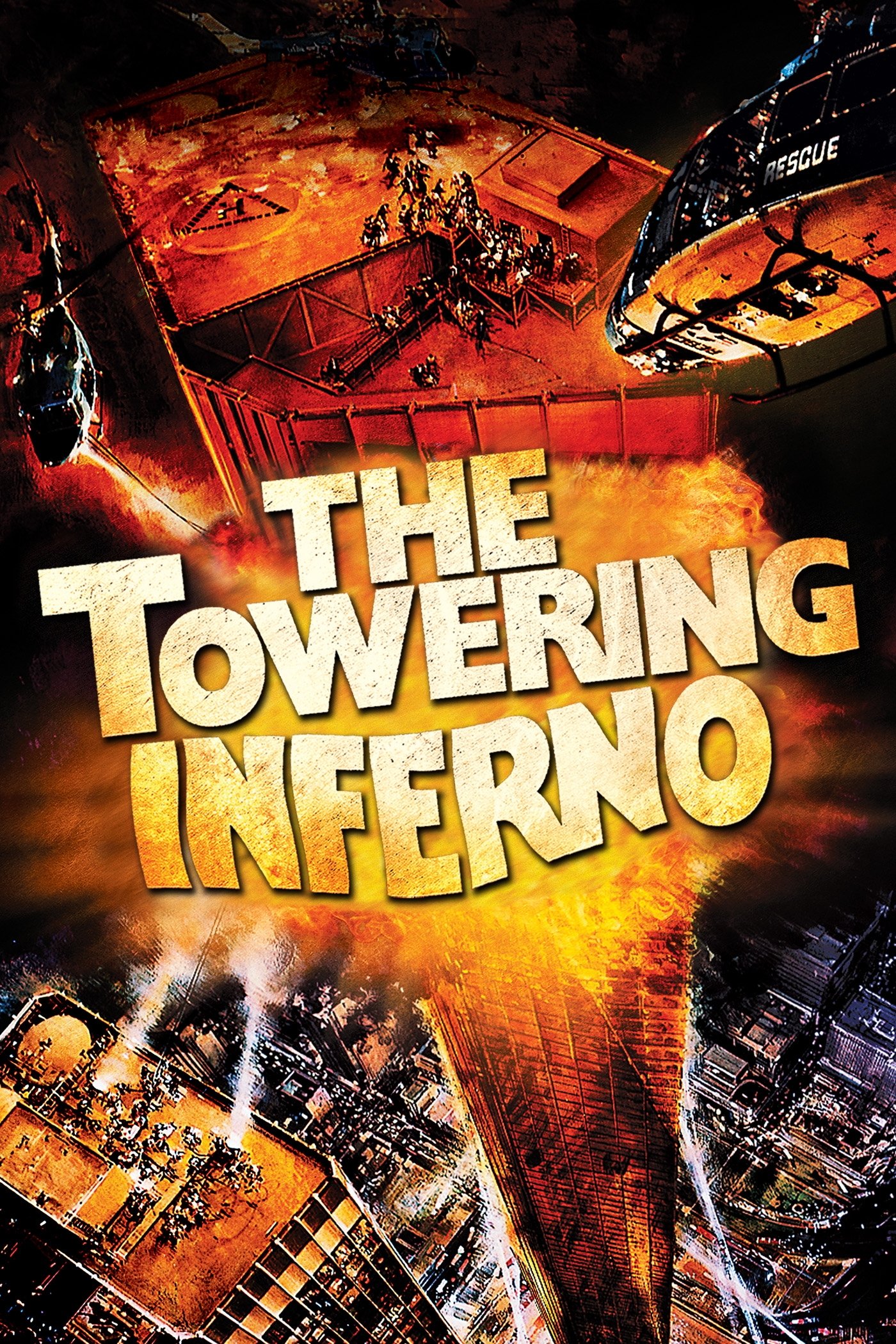
During the dedication ceremony of the world’s tallest skyscraper in San Francisco, a fire breaks out on the 81st floor due to faulty wiring. The fire quickly spreads, trapping the dedication party guests on the top floor. The building’s architect and the city’s fire chief must work together to find a way to rescue the trapped people before the entire building is consumed by flames.
The film was a huge production, notable for being the first co-production between two major Hollywood studios, 20th Century Fox and Warner Bros. It featured a large ensemble cast of famous actors, including Steve McQueen and Paul Newman. The Towering Inferno was a massive box office hit and received several Academy Award nominations, solidifying its place as a landmark disaster film.
Earthquake (1974)
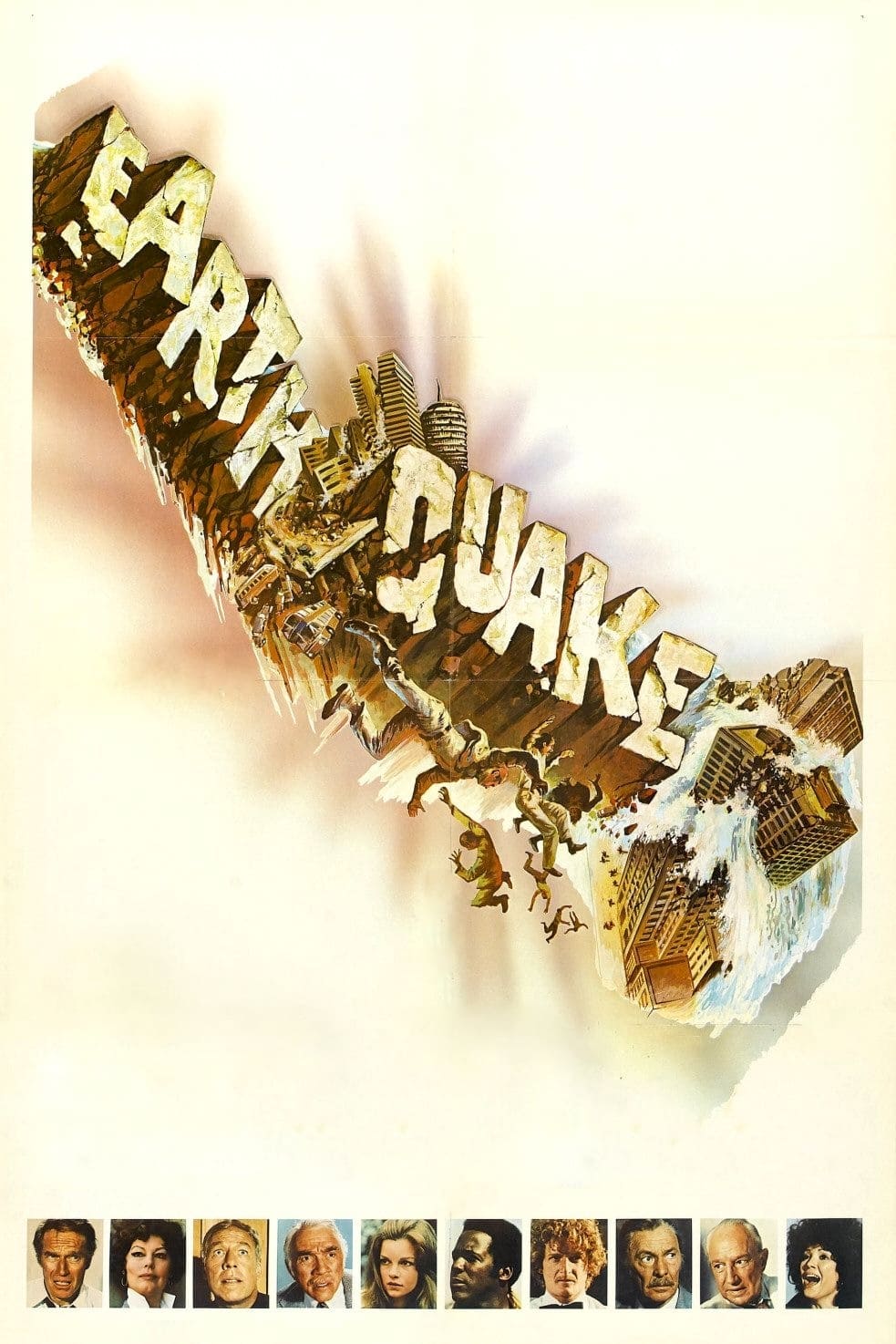
This film depicts a catastrophic earthquake that destroys much of Los Angeles. The story follows a diverse group of characters, including a construction engineer, his wife, and a police sergeant, as they try to survive the initial quake and the devastating aftershocks that follow. Their personal stories and struggles are woven into the larger narrative of the city’s destruction.
Earthquake is famous for its use of “Sensurround,” an innovative sound process that used large subwoofers to create low-frequency vibrations, simulating the feeling of an actual earthquake in the theater. This technical gimmick made the movie a unique and immersive experience for audiences at the time. The film’s special effects, showing the widespread destruction of a major city, were also considered groundbreaking.
The Hindenburg (1975)
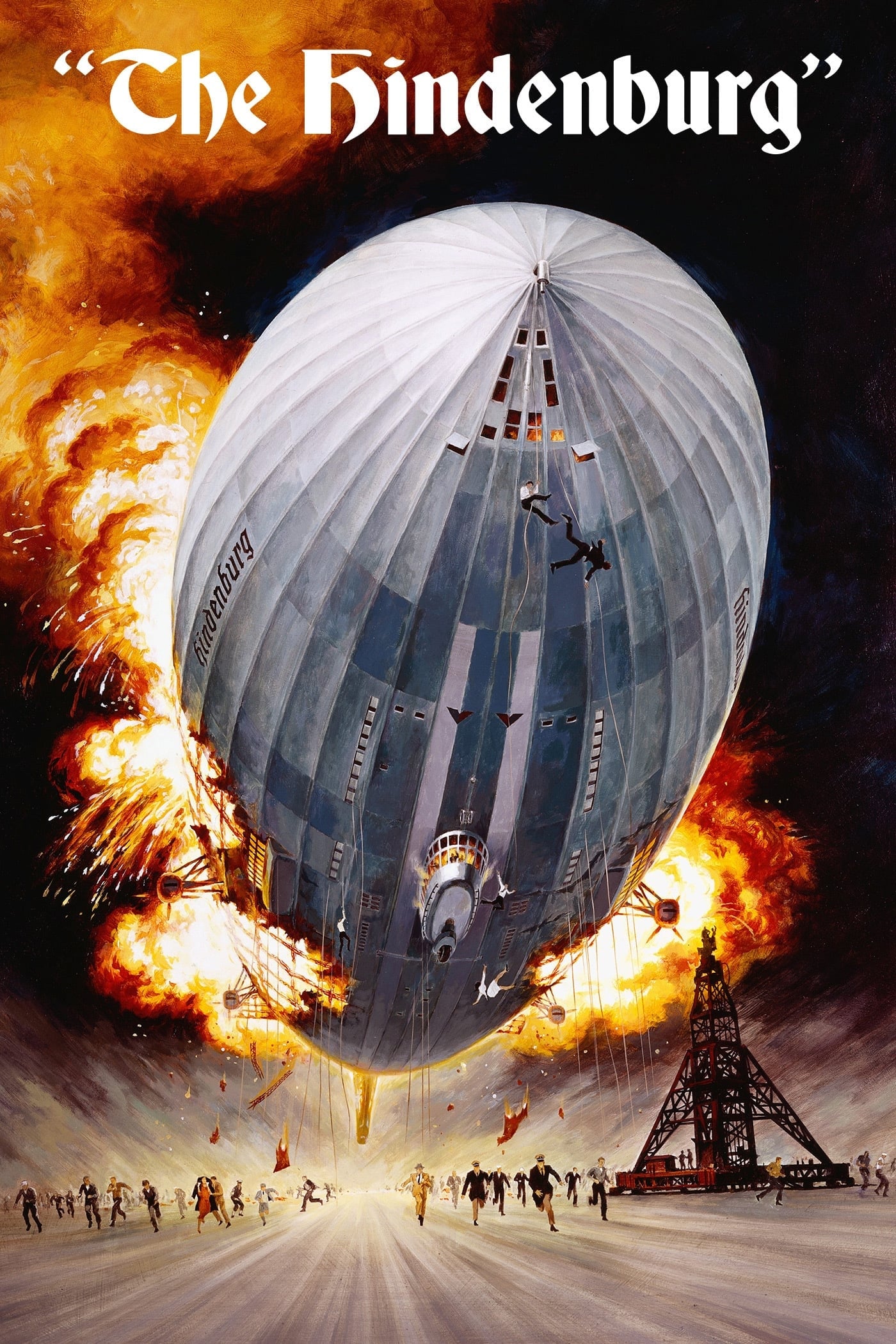
This film presents a fictionalized story about the 1937 disaster of the German airship Hindenburg. The plot centers on a German Luftwaffe colonel who is assigned to the airship as a security officer to investigate a bomb threat. He must race against time to find a potential saboteur among the passengers and crew as the Hindenburg makes its final transatlantic voyage to New Jersey.
The movie combines historical footage of the actual airship with newly filmed scenes to tell its suspenseful story. The climax of the film recreates the infamous explosion and crash, blending historical accuracy with a speculative thriller plot. It explores one of the many theories about what might have caused the real-life disaster.
The Swarm (1978)
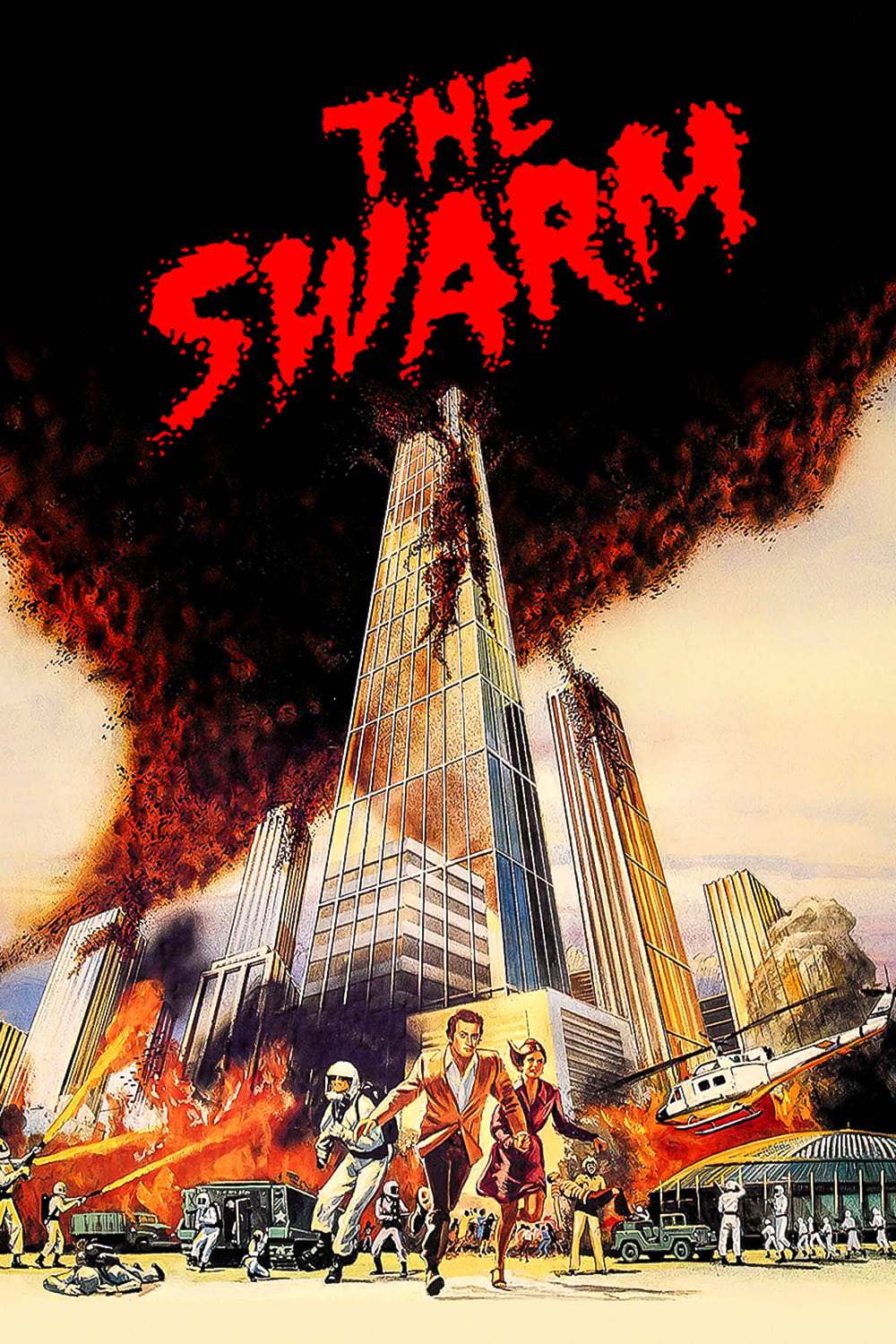
A deadly swarm of African killer bees attacks a U.S. Air Force base in Texas and then begins to move across the countryside, threatening several small towns. A scientist who specializes in bees works with the military to find a way to stop the massive, aggressive swarm before it reaches and devastates a major city like Houston.
The film featured an all-star cast, a common element of disaster films from this era. It is known for its large-scale action sequences involving helicopters, trains, and even a nuclear power plant being threatened by the bees. The Swarm is often remembered as one of the more over-the-top examples of the 1970s disaster movie cycle.
Meteor (1979)
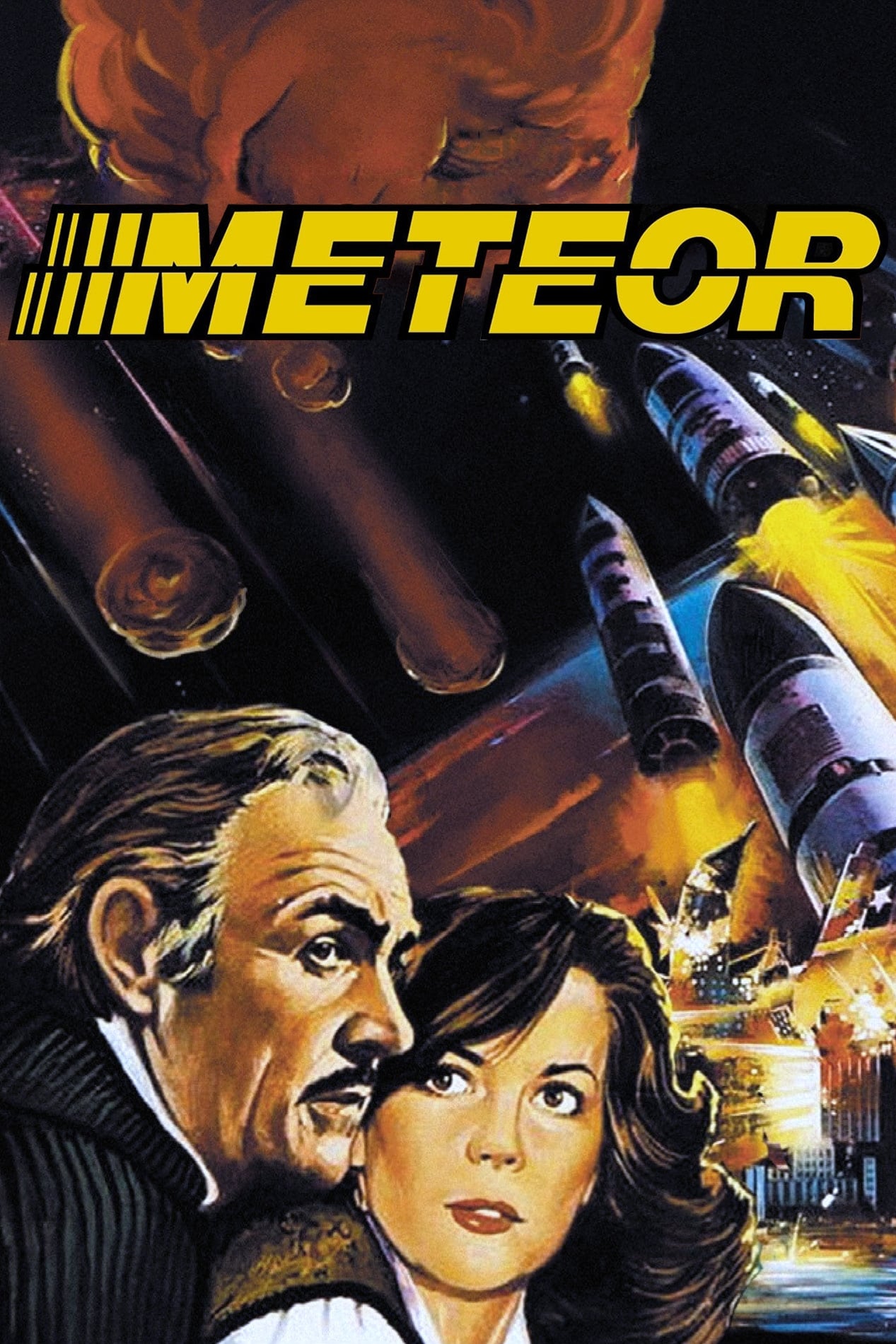
When a comet hits an asteroid, a five-mile-wide fragment is sent on a collision course with Earth. To stop the impending global catastrophe, the United States must team up with the Soviet Union. The two Cold War rivals have to put aside their differences and combine their secret orbiting nuclear missile platforms to destroy the meteor before it impacts the planet.
The film’s plot was inspired by a real-life MIT report on how to deal with an asteroid threat. It mixed science fiction with the political tensions of the Cold War, featuring a cast of American and international stars. Smaller meteor fragments hit Earth throughout the movie, causing widespread destruction in places like Siberia and New York City, building suspense for the main event.
Airplane! (1980)

This film is a direct parody of the disaster movie genre, particularly the Airport films. The story follows a former fighter pilot with a fear of flying who must safely land a commercial airplane after the flight crew becomes sick from food poisoning. The plot serves as a framework for a continuous stream of slapstick comedy, puns, and absurd jokes.
Airplane! is famous for its fast-paced, surreal humor and for casting serious dramatic actors in comedic roles. It successfully satirized all the clichés of the disaster films that were popular in the 1970s. The film was a major critical and commercial success and is now widely regarded as one of the greatest comedy films of all time.
The Chain Reaction (1980)
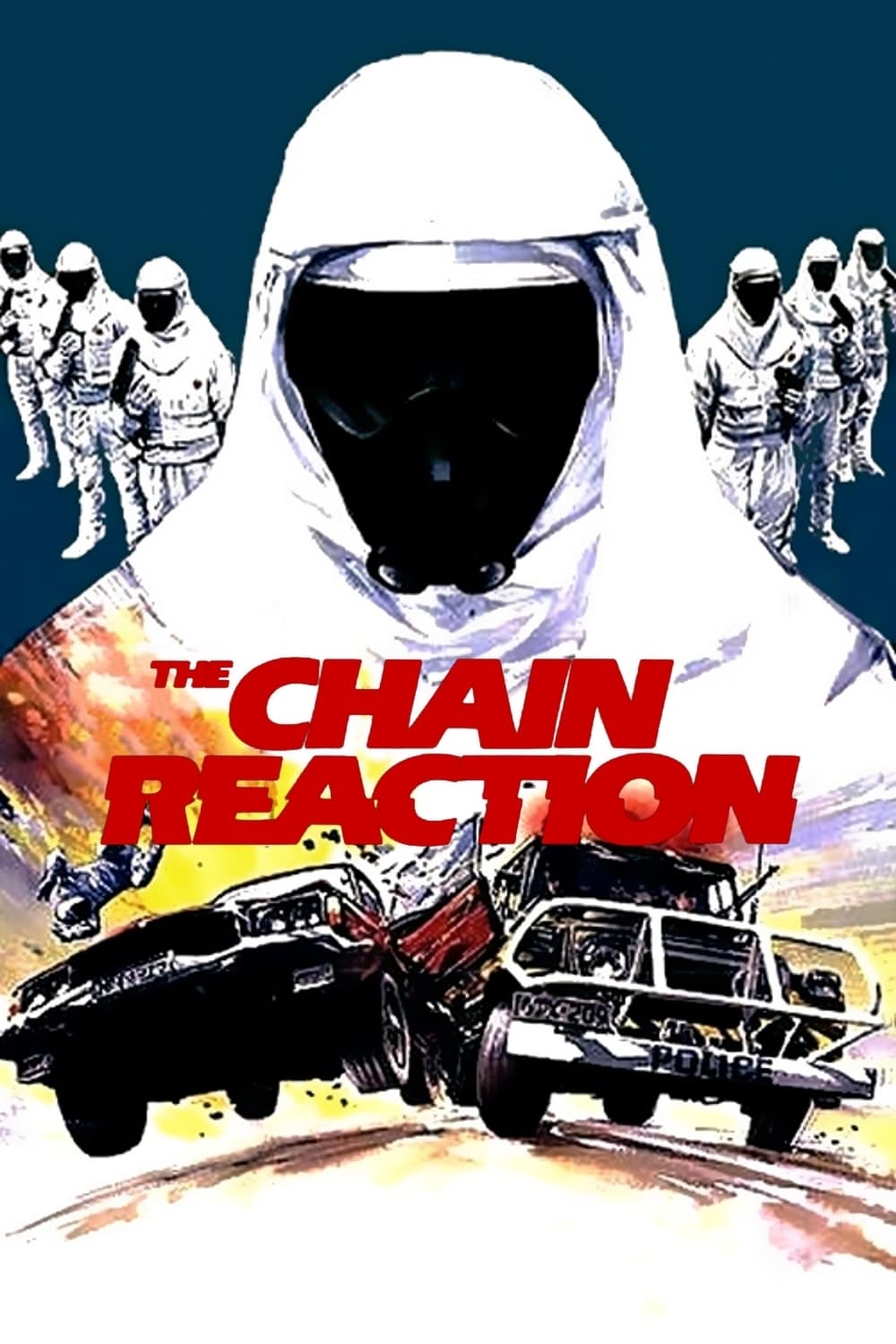
An earthquake in rural Australia causes a leak at a nuclear waste storage facility, contaminating the local water supply. An injured engineer escapes the facility to warn the public, but he is suffering from amnesia. He is found by a couple on vacation, who are then pursued by the corrupt officials from the facility who want to cover up the accident.
This Australian thriller combines the elements of a disaster movie with a fast-paced chase film. It tapped into contemporary fears about nuclear power and corporate corruption. The film is also notable for featuring a small, uncredited cameo by a young Mel Gibson.
The Final Countdown (1980)
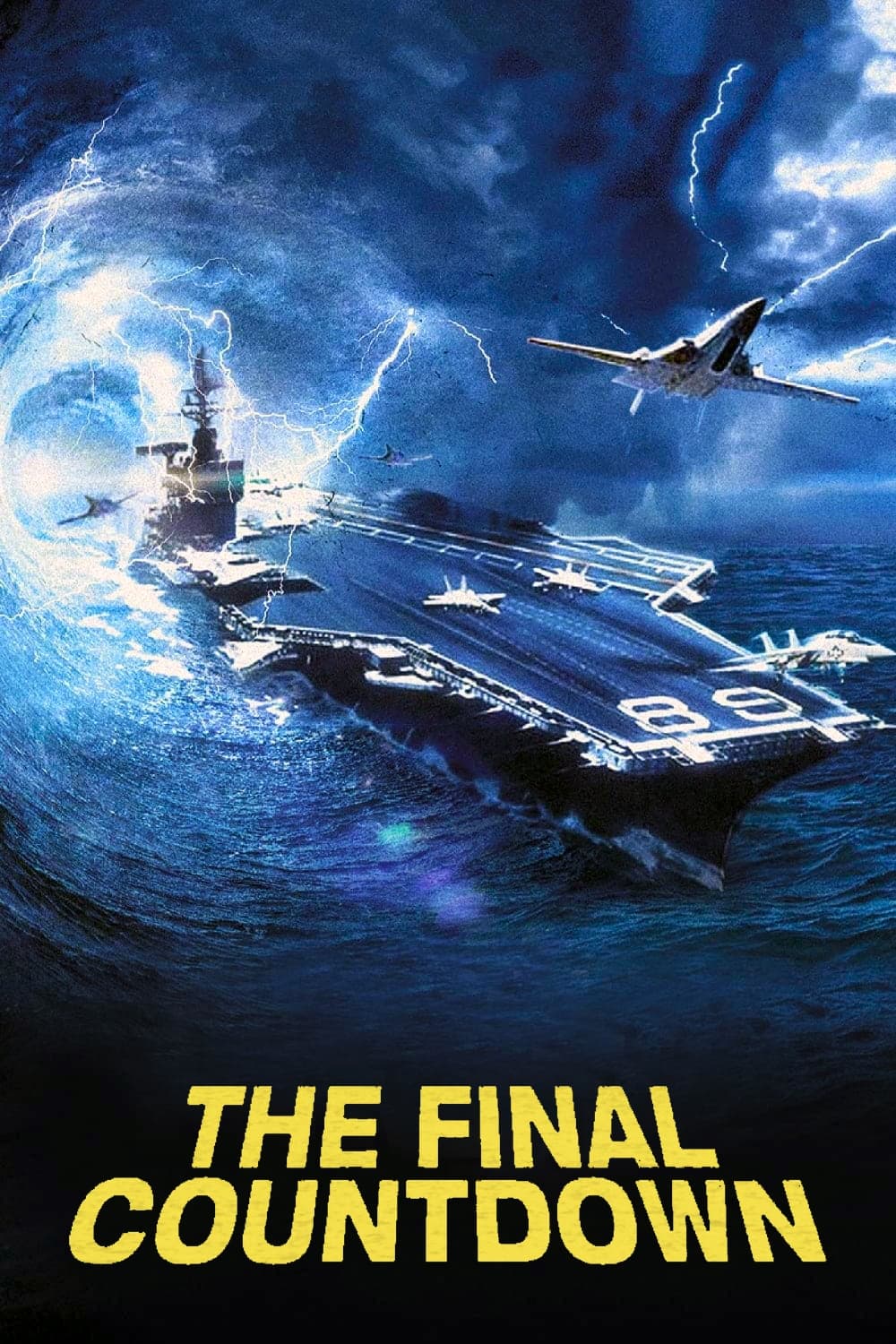
The modern nuclear-powered aircraft carrier USS Nimitz is caught in a mysterious storm and travels back in time to December 6, 1941, the day before the attack on Pearl Harbor. The ship’s captain and crew must decide whether to intervene and change the course of history with their superior military technology or to allow the devastating attack to happen as it originally did.
The film combines science fiction and military action with a classic “what if” historical scenario. A significant portion of the movie was filmed on board the actual USS Nimitz during its regular operations, lending a great deal of authenticity to the portrayal of life on an aircraft carrier. The story explores the moral dilemma of interfering with the past.
The Day After (1983)

This made-for-television film depicts the devastating effects of a full-scale nuclear war between the United States and the Soviet Union. The story is set in and around Lawrence, Kansas, a city in the American heartland, and follows several ordinary citizens as they struggle to survive in the aftermath of the nuclear exchange.
The Day After was a major television event, watched by over 100 million people during its initial broadcast, making it the highest-rated TV film in history at the time. Its graphic and unflinching portrayal of nuclear apocalypse had a profound cultural and political impact, sparking widespread discussion about nuclear disarmament. The film was praised for its realistic and frightening depiction of the consequences of nuclear war.
Threads (1984)

This British television film shows the catastrophic consequences of a nuclear war on the city of Sheffield, England. The film follows two families as their lives are torn apart by the attack and its aftermath, including the effects of nuclear winter and the complete breakdown of society. It presents a grim and scientifically detailed vision of what life would be like after a nuclear exchange.
Threads is known for its documentary-style realism and its refusal to soften the brutal reality of nuclear war. It is often considered one of the most terrifying and disturbing films ever made because of its bleak, realistic portrayal of a post-apocalyptic world. The film had a powerful impact on audiences and is remembered for its stark and harrowing vision.
Miracle Mile (1988)

A young man answers a ringing payphone and hears a panicked message from a soldier who mistakenly dialed the wrong number. The soldier reveals that a nuclear war is about to begin in just over an hour. This sets off a frantic race as the man tries to find his new girlfriend and get them to safety before the missiles hit Los Angeles.
The film is unique for taking place in real time, with the tension escalating as the clock ticks down. It builds a sense of chaos and mass hysteria as the news of the impending attack spreads through the city streets. Miracle Mile is a tense thriller that captures the panic of an unfolding apocalypse.
The Abyss (1989)
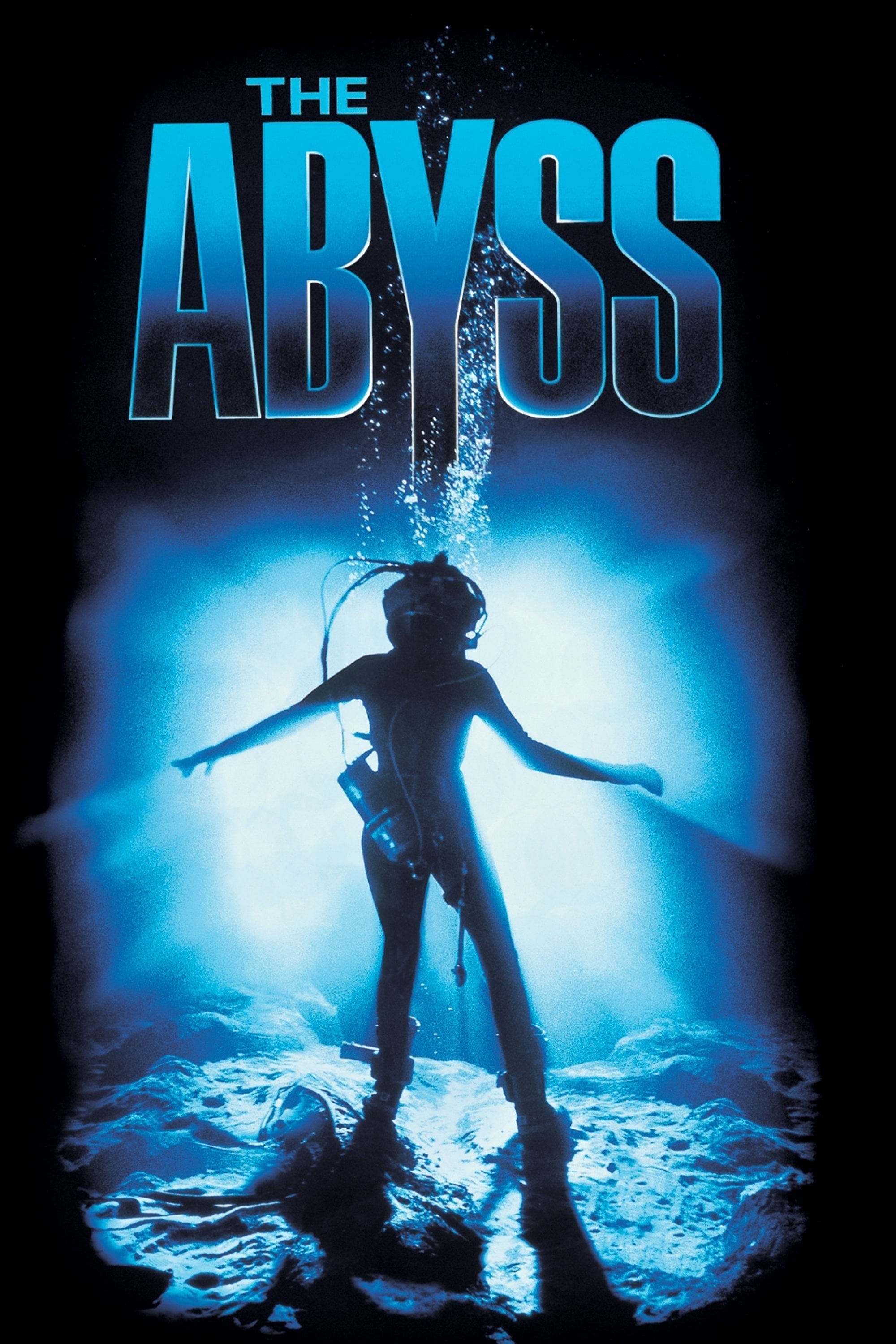
An American nuclear submarine sinks under mysterious circumstances, and a team of civilian divers working on a deep-sea oil rig is recruited to help the Navy in a rescue mission. As they descend deeper into the ocean, they encounter a strange and intelligent non-terrestrial species living in the depths. Their mission becomes more complicated when a paranoid Navy SEAL believes the beings are a threat.
The film was a major technological achievement, known for its groundbreaking underwater cinematography and the then-revolutionary use of computer-generated imagery to create the water-based alien lifeform. Director James Cameron pushed the boundaries of filmmaking with this underwater adventure, which blends science fiction with a disaster-at-sea scenario.
Twister (1996)
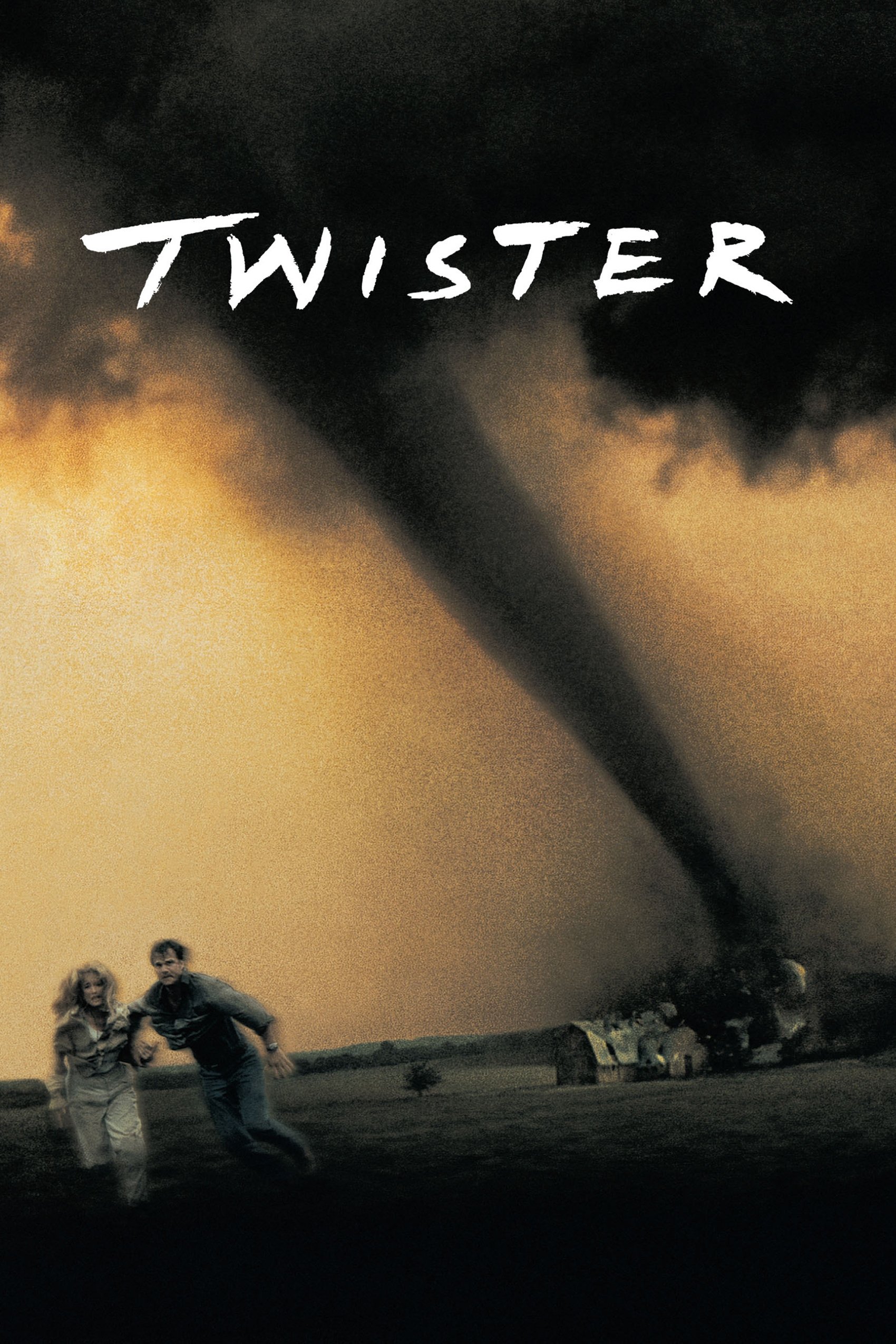
Two groups of storm chasers in Oklahoma are in a race to deploy a new scientific device that can gather data from inside a tornado. The teams, one led by a corporate-funded rival and the other by a more reckless, research-focused group, pursue a series of increasingly powerful tornadoes. They must put themselves in the direct path of the storms to make their device work.
The movie was a massive commercial success, largely due to its groundbreaking special effects that brought the destructive power of tornadoes to the screen in a way never seen before. It revitalized the disaster genre in the 1990s by using cutting-edge CGI to create spectacular and realistic weather-based destruction.
Dante’s Peak (1997)

A volcanologist from the U.S. Geological Survey arrives in the small town of Dante’s Peak, which sits at the foot of a long-dormant volcano. He believes the volcano is showing signs of an imminent eruption, but he struggles to convince the town council and his own colleagues of the danger. Soon, his worst fears are realized as the volcano erupts violently.
Released in a year that featured two major volcano-themed disaster movies, Dante’s Peak was noted for its attempt at scientific accuracy. It consulted with volcanologists to create a more realistic depiction of a volcanic eruption, from the initial warning signs to the various forms of destruction, including pyroclastic flows, lava, and acid lakes.
Volcano (1997)
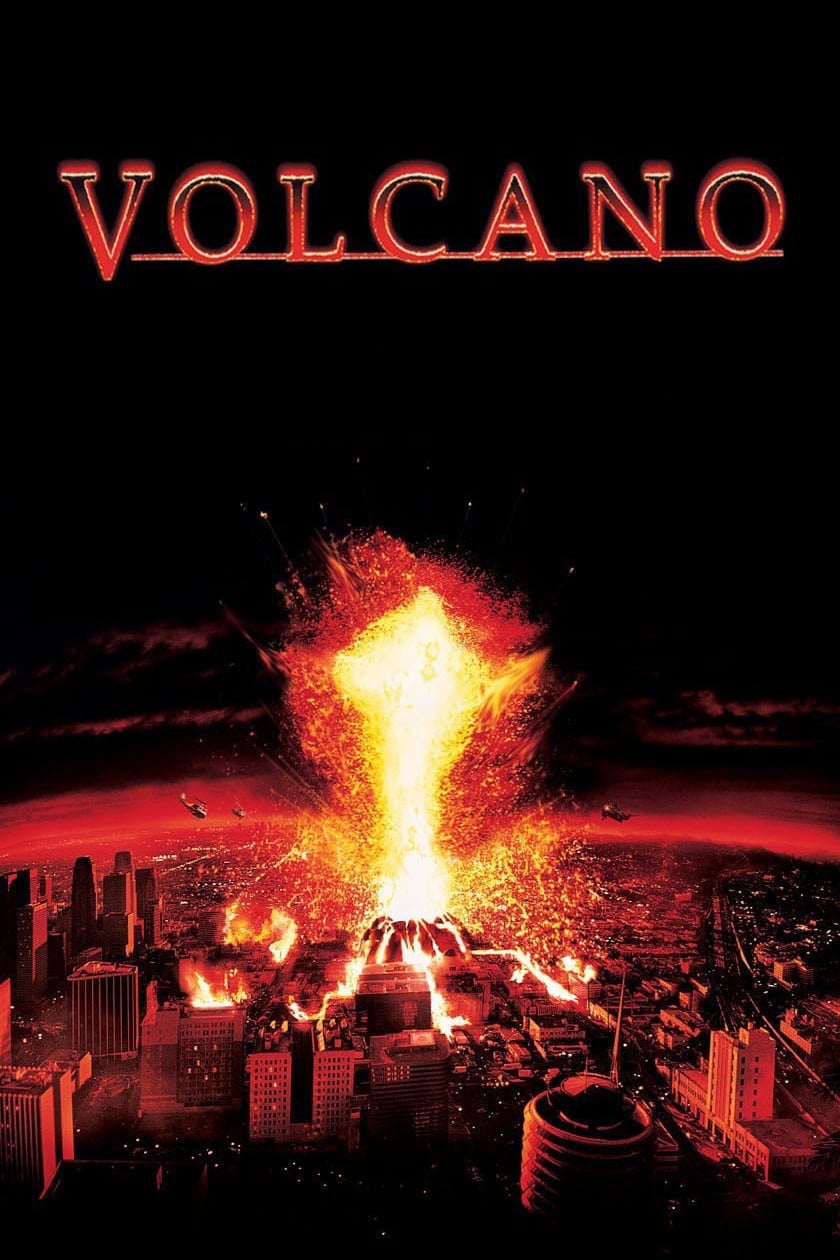
A previously unknown volcano erupts in the middle of Los Angeles, causing a river of molten lava to flow through the city streets. The head of the city’s Office of Emergency Management must work with a geologist to find a way to divert the lava flow and save the city from being completely destroyed. They come up with a risky plan to channel the lava into the ocean.
Unlike its competitor Dante’s Peak, this film took a less realistic and more action-oriented approach to its volcanic disaster. It is a fast-paced urban disaster movie that focuses on large-scale destruction and heroic efforts to control an unstoppable force of nature in a major metropolitan area.
Titanic (1997)
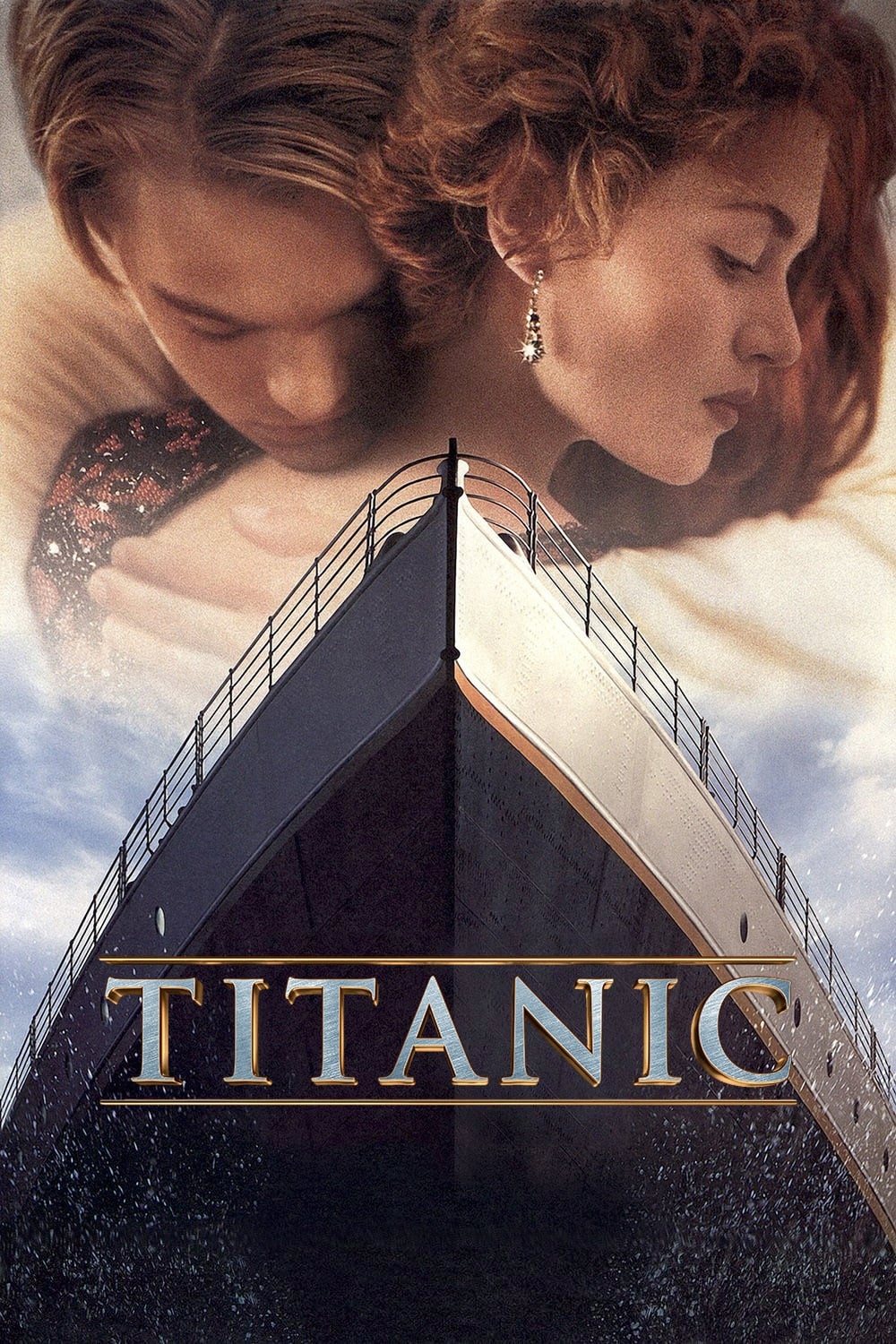
This film tells the story of the ill-fated maiden voyage of the RMS Titanic through the eyes of two young lovers from different social classes. A poor artist named Jack wins a third-class ticket onto the ship and falls in love with Rose, a wealthy young woman engaged to a rich but cruel fiancé. Their romance unfolds against the backdrop of the ship’s journey, which ends in the historic 1912 disaster.
Titanic became a cultural phenomenon and, at the time, the highest-grossing film ever made. It won 11 Academy Awards, including Best Picture. The film combined a classic love story with a meticulously detailed recreation of the ship’s sinking, using a combination of large-scale sets and pioneering digital effects.
Hard Rain (1998)
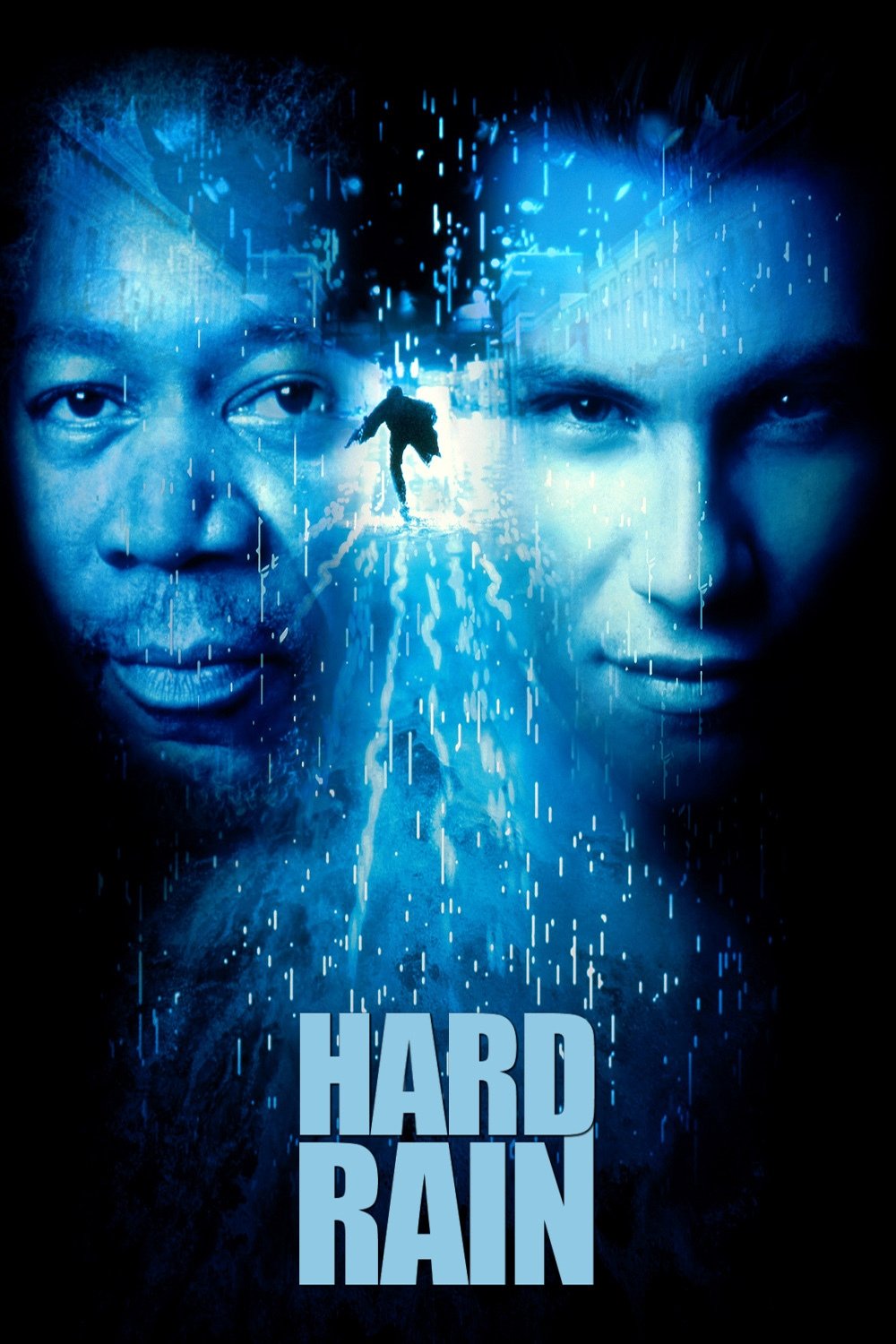
During a record-breaking rainstorm in a small Indiana town, an armored truck driver is ambushed by a group of thieves. He manages to hide the truck’s money before escaping into the flooded town. Now, he must try to protect the money from the thieves while also navigating the dangers of the rising floodwaters and a breaking dam that threatens to wipe the town out completely.
This film combines the elements of a disaster movie with a heist thriller. The setting of a town completely submerged in water provides a unique and challenging environment for the action sequences. It is a fast-paced and suspenseful movie where the natural disaster constantly complicates the human conflict.
Armageddon (1998)

NASA discovers that an asteroid the size of Texas is on a direct collision course with Earth and will cause an extinction-level event in 18 days. Their only plan is to send a team of deep-sea oil drillers into space to land on the asteroid, drill a deep hole, and drop a nuclear bomb inside to split it in two. The team must undergo a crash course in astronaut training before embarking on their dangerous mission.
Known for its high-octane action, fast-paced editing, and spectacular special effects, Armageddon was a massive summer blockbuster. While it was heavily criticized for its scientific inaccuracies, the film was a huge commercial success. It became a prime example of the big-budget, effects-driven disaster movies of the late 1990s.
Deep Impact (1998)
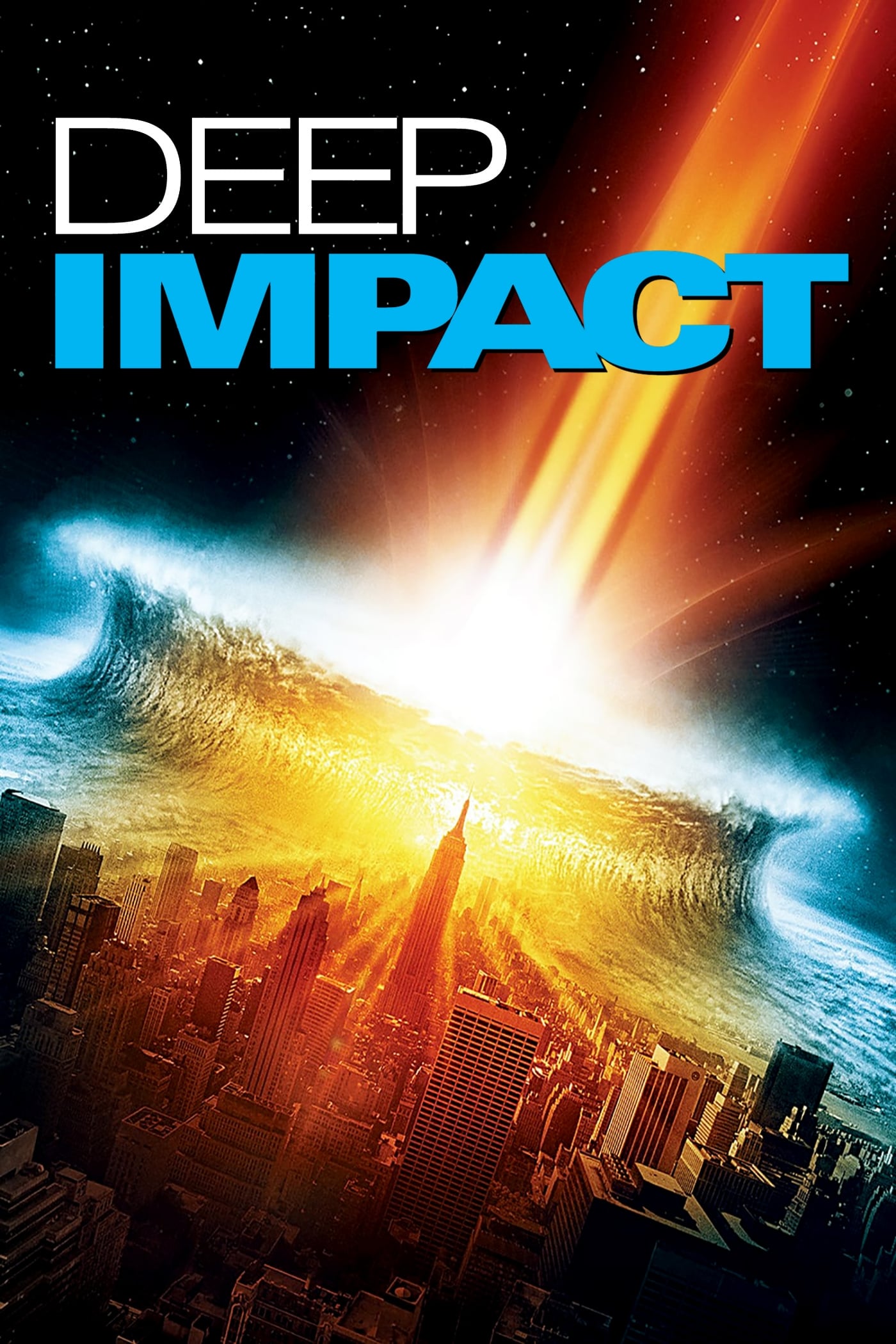
A high school student and his astronomy teacher discover a comet that is on a collision course with Earth. A team of astronauts is sent on a mission to land on the comet and destroy it with nuclear weapons. When the mission is only partially successful, the world must prepare for the impact, which will cause a cataclysmic “Extinction Level Event.” The government organizes a lottery to select people who will be saved in underground shelters.
Released in the same summer as Armageddon, Deep Impact took a more scientifically grounded and emotionally serious approach to the world-ending threat. It focused more on the human drama and the societal response to impending doom, following the stories of the astronauts, a journalist, and the young discoverer of the comet.
The Perfect Storm (2000)
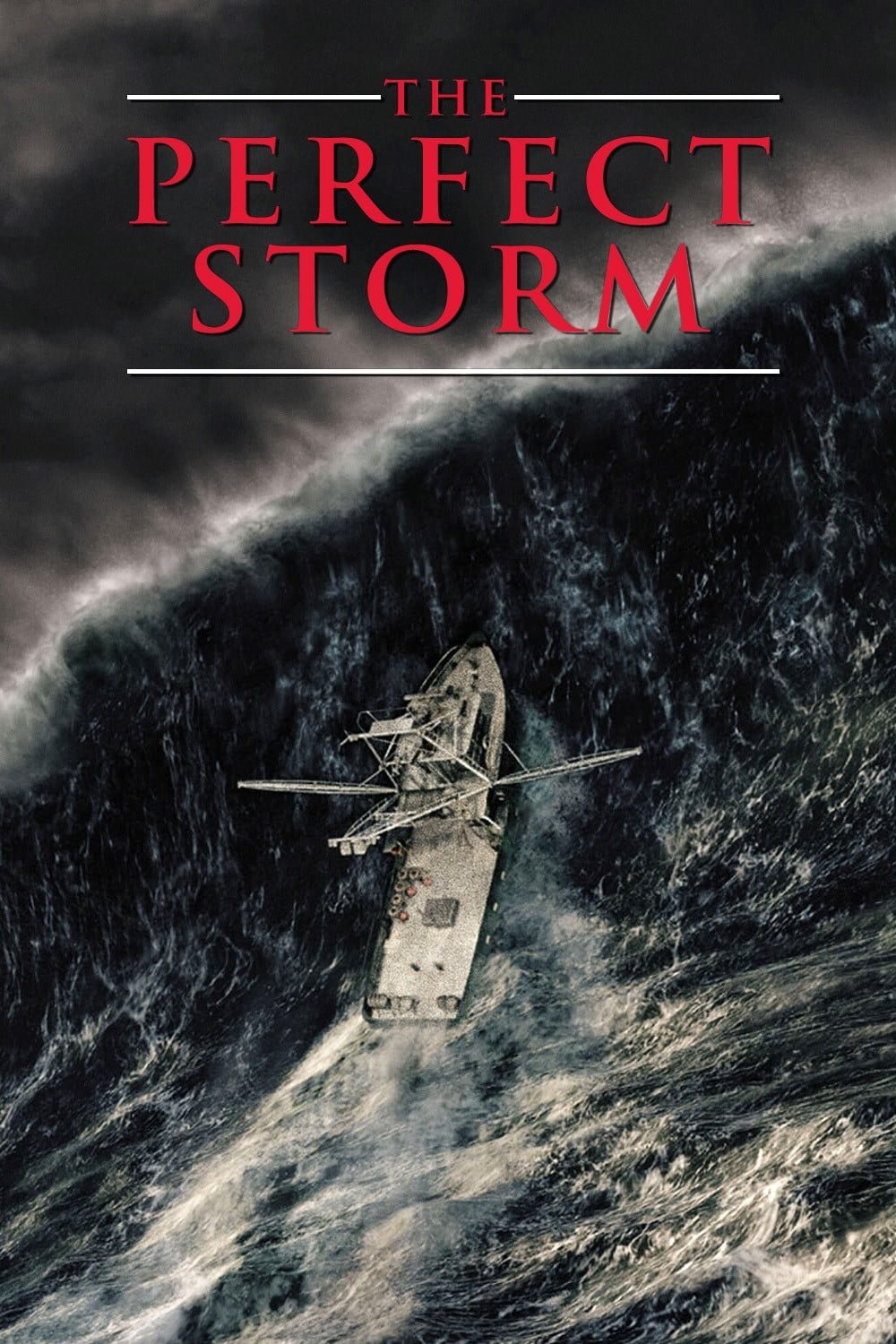
Based on a true story, this film recounts the final voyage of the Andrea Gail, a commercial fishing boat from Gloucester, Massachusetts. The captain and his crew head out for a late-season fishing trip and find themselves caught at sea in the middle of a rare and incredibly powerful weather event: a confluence of two major storm fronts and a hurricane.
The movie is a realistic and intense portrayal of the power of the ocean and the dangers faced by fishermen. It uses impressive special effects to create the monstrous waves and terrifying conditions of the “perfect storm.” The film is a tribute to the bravery of the crew and a harrowing depiction of a struggle against the overwhelming forces of nature.

