


The Best Documentaries You’ve Never Seen

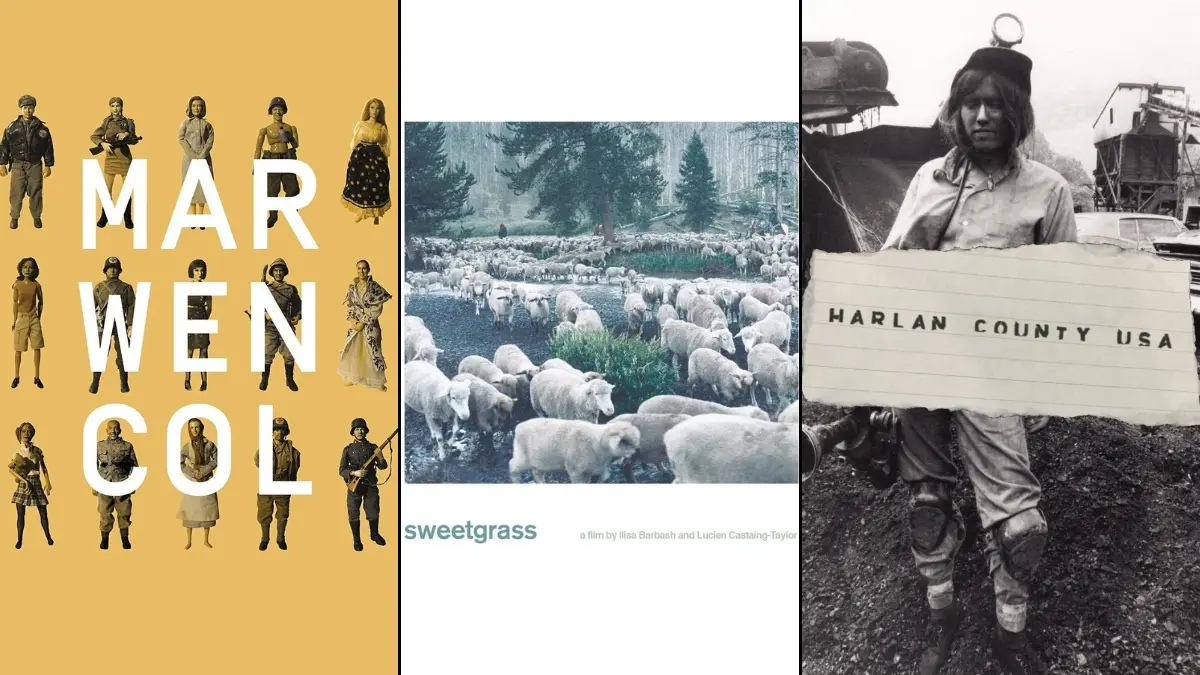


Exploring the world of non-fiction cinema reveals incredible stories that often slip under the radar of mainstream audiences. These films offer intimate portraits of eccentric characters and expose hidden societal issues that demand attention. From heartbreaking true crime tales to uplifting stories about the human spirit, this collection spans various genres and styles. Each entry on this list provides a unique perspective that challenges the viewer to see the world differently.
‘Tickled’ (2016)
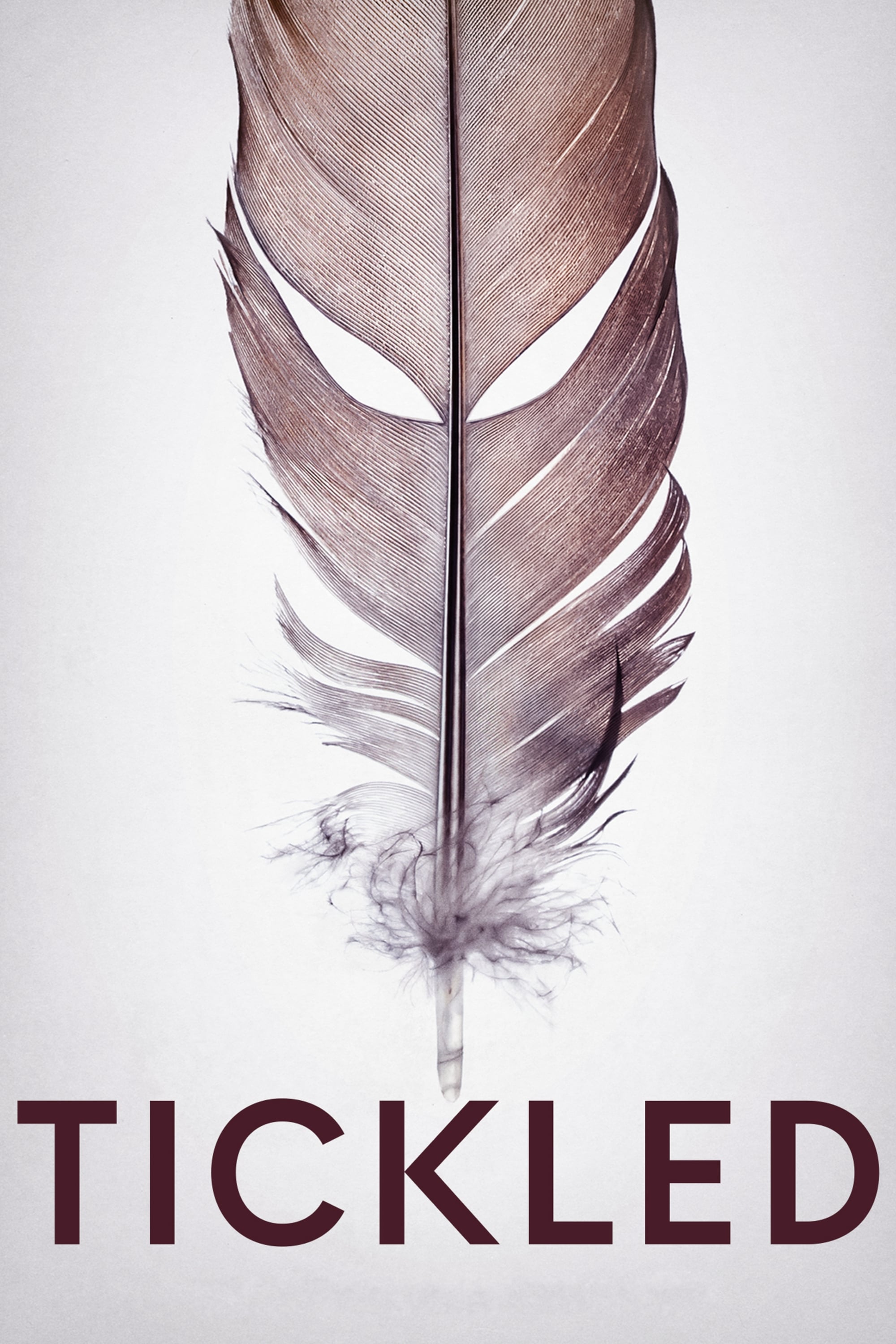
Journalist David Farrier stumbles upon a bizarre competitive endurance tickling video online and decides to investigate the story for a lighthearted segment. His inquiries are met with hostile legal threats that propel him into a dark underworld of identity theft and extortion. The film uncovers a vast conspiracy that is stranger than fiction and exposes the lengths people will go to protect their secrets. ‘Tickled’ transforms from a quirky curiosity into a tense thriller that keeps audiences on the edge of their seats.
‘The Imposter’ (2012)
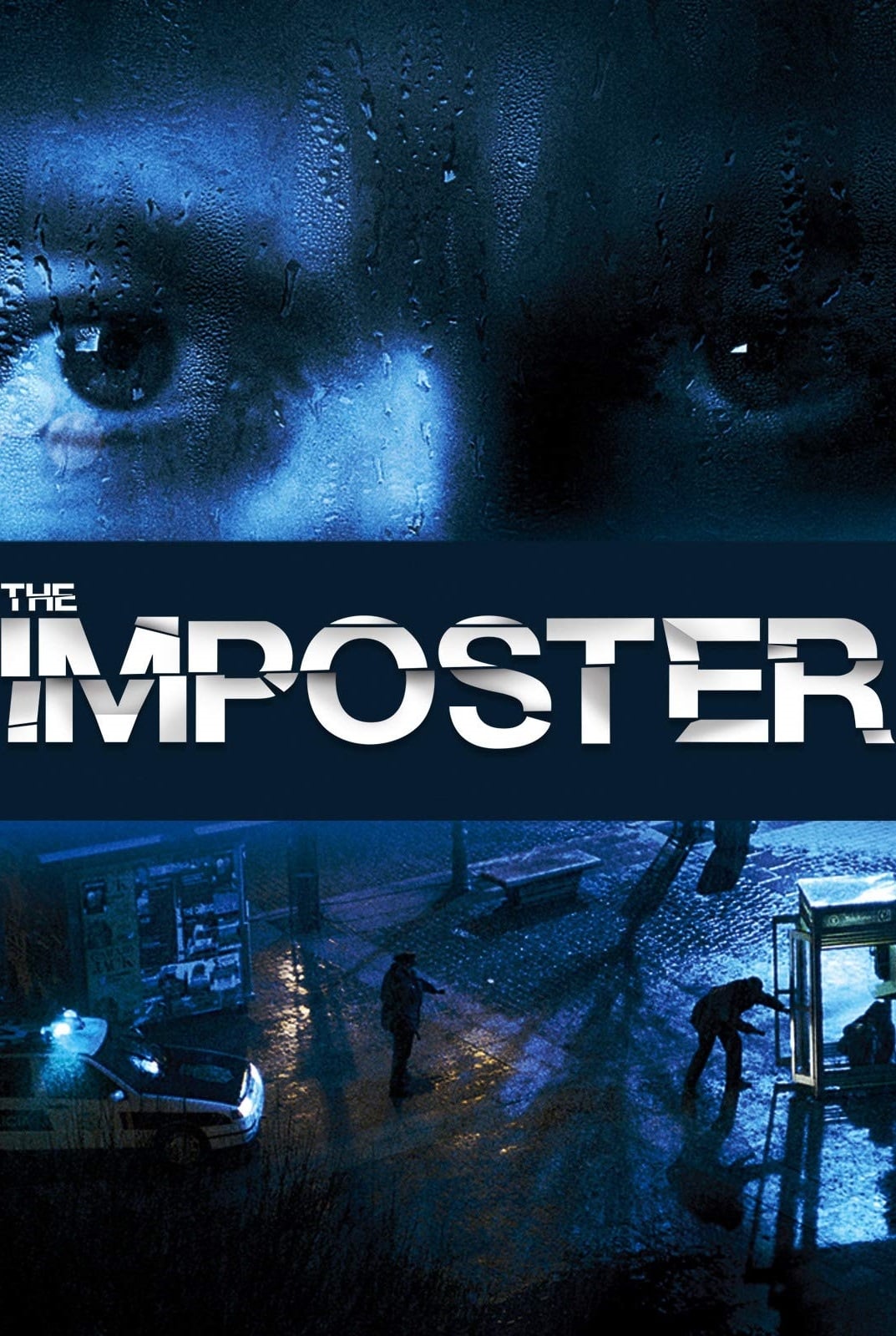
A young Frenchman convinces a grieving Texas family that he is their son who went missing three years earlier. The documentary blends stylized reenactments with interviews to examine how desperate hope can blind people to obvious deception. Investigators and the imposter himself unravel the twisted narrative of grief and manipulation. The film questions the nature of identity and the vulnerability of those seeking closure after a tragedy.
‘Dear Zachary: A Letter to a Son About His Father’ (2008)
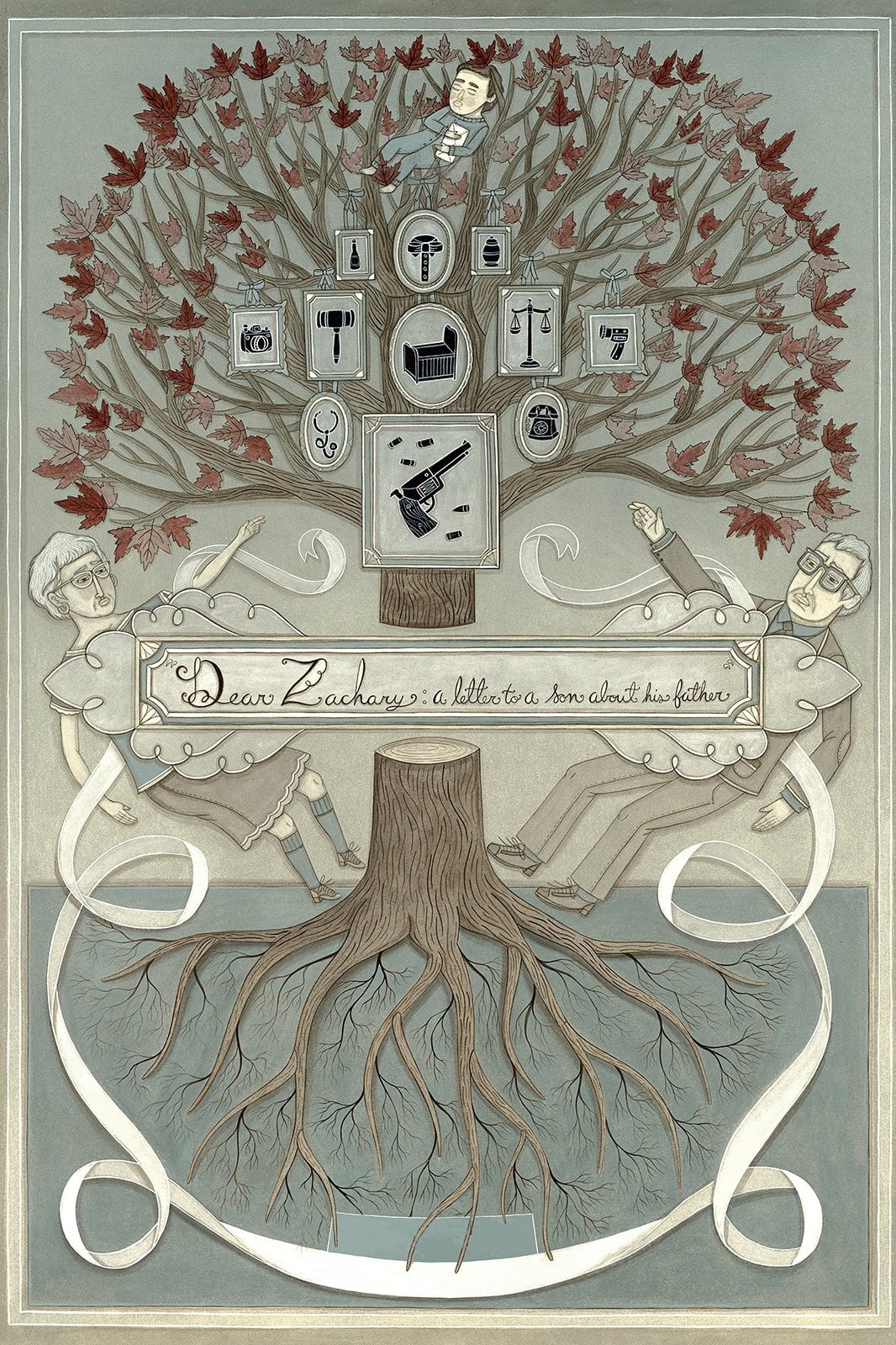
Filmmaker Kurt Kuenne creates a visual scrapbook for the son of his murdered best friend Andrew Bagby. The project evolves into a harrowing real-time documentation of a custody battle involving the prime suspect in the murder. Friends and family share memories of Andrew while the legal system fails to protect the child at the center of the case. This emotionally devastating film serves as both a tribute to a lost friend and a scathing critique of legal loopholes.
‘The Wolfpack’ (2015)
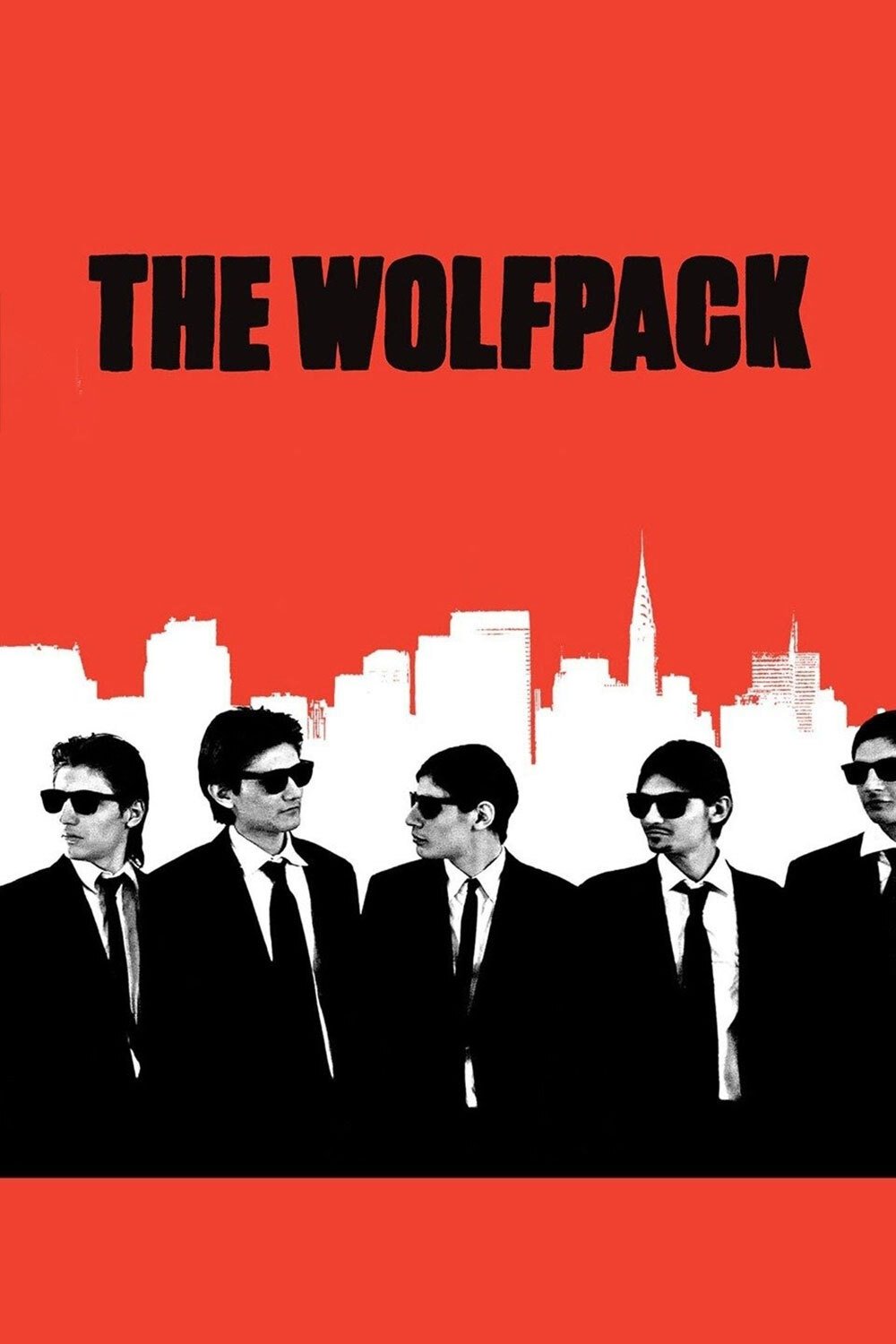
Six brothers live locked away in a Manhattan housing project and learn about the outside world solely through watching movies. They reenact their favorite films with elaborate homemade props and costumes to cope with their isolation. The documentary captures their first tentative steps into society as one brother decides to break the rules and explore the city. It is a fascinating study of creativity and resilience within an incredibly restrictive environment.
‘Finders Keepers’ (2015)

A severed human leg is discovered in a used smoker bought at an auction and sparks a bizarre custody battle between the buyer and the amputee. The story quickly escalates into a media circus that brings notoriety to everyone involved in the feud. The film peels back the layers of this tabloid headline to reveal a poignant story about addiction and family redemption. It balances absurd humor with genuine emotional depth in a way few documentaries manage to achieve.
‘Sour Grapes’ (2016)
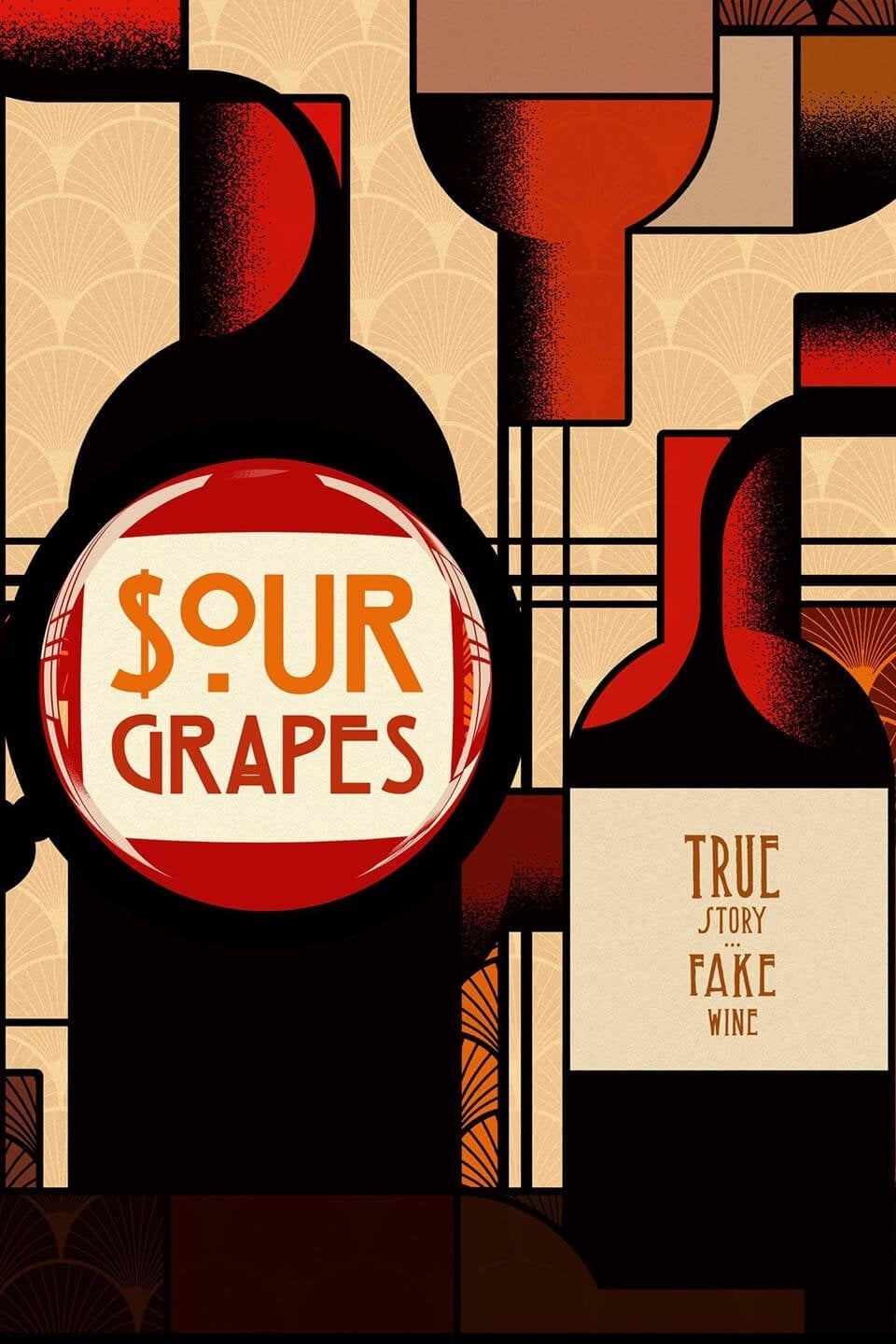
A young wine savant charms his way into the pockets of wealthy collectors by selling rare vintage bottles. The film details the investigation into a massive counterfeiting fraud that fooled auction houses and connoisseurs alike. It highlights the extravagance of the wine investment world and the embarrassment of those who were duped. ‘Sour Grapes’ is a captivating look at how easily people can be deceived when prestige and money are on the line.
‘The Queen of Versailles’ (2012)
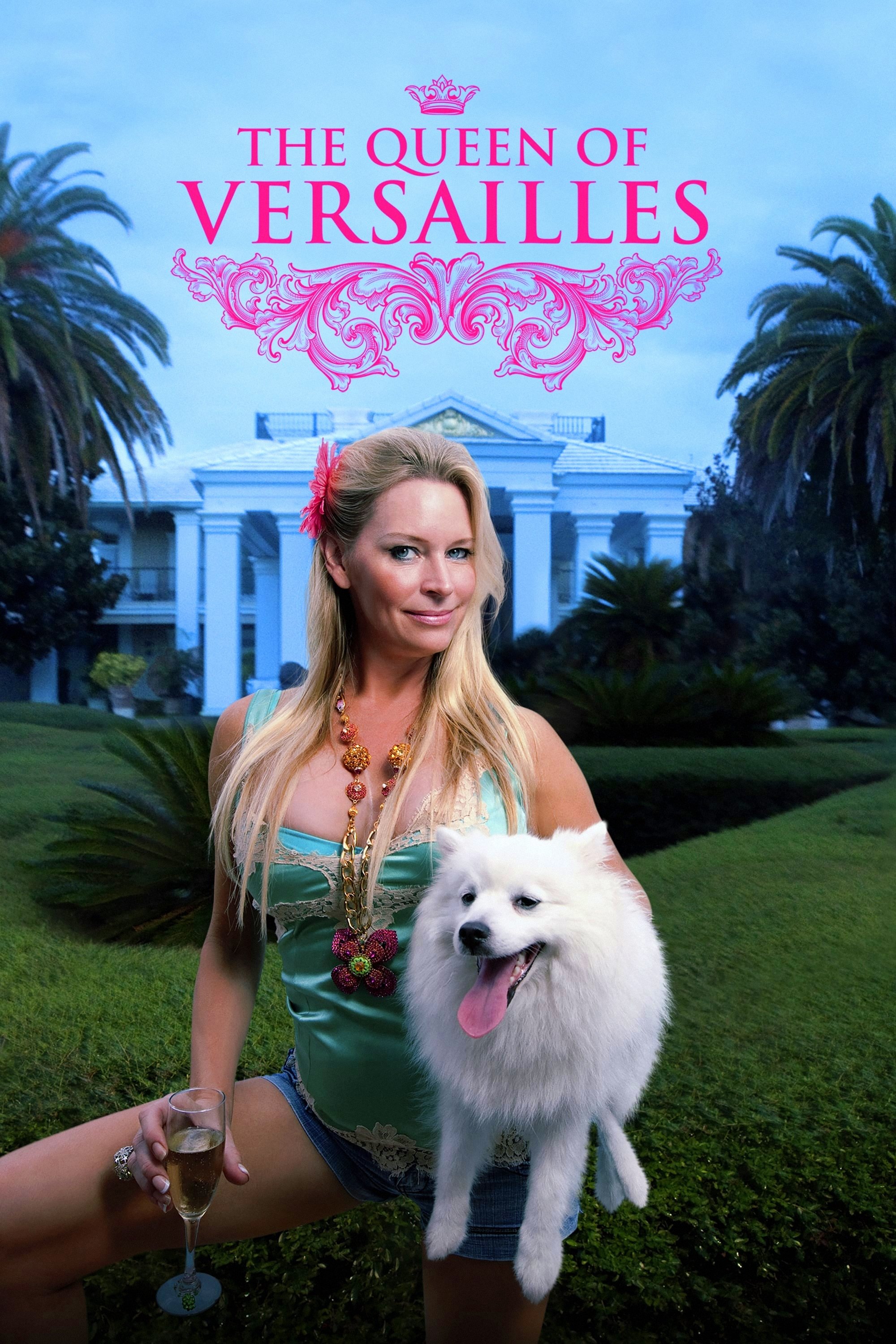
Billionaire David Siegel and his wife Jackie attempt to build the largest private home in America modeled after the Palace of Versailles. The 2008 financial crisis halts their plans and throws their lavish lifestyle into chaos as they struggle to maintain their empire. The camera captures the decline of their fortune and the strain it places on their marriage and family dynamics. This film offers a candid and often surreal look at the fragility of the American Dream.
‘Cutie and the Boxer’ (2013)
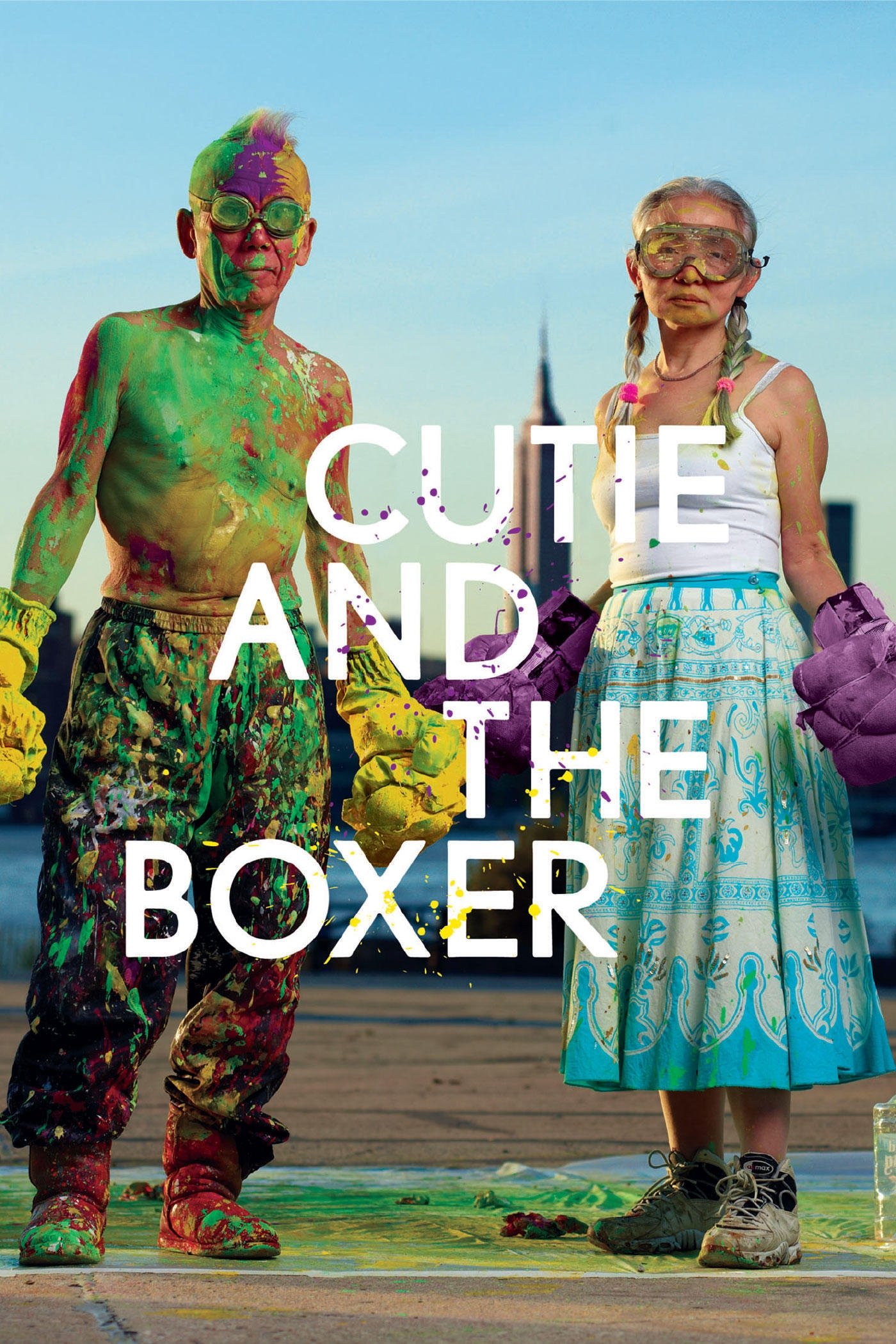
Boxing painter Ushio Shinohara and his wife Noriko navigate their tumultuous forty-year marriage in a small New York apartment. Noriko creates her own artwork to step out of her husband’s shadow and process their complex history together. The documentary examines the sacrifices required for artistic expression and the dynamics of a partnership fueled by rivalry and love. It is a touching portrait of two artists struggling to find their individual identities within a shared life.
‘Dark Days’ (2000)
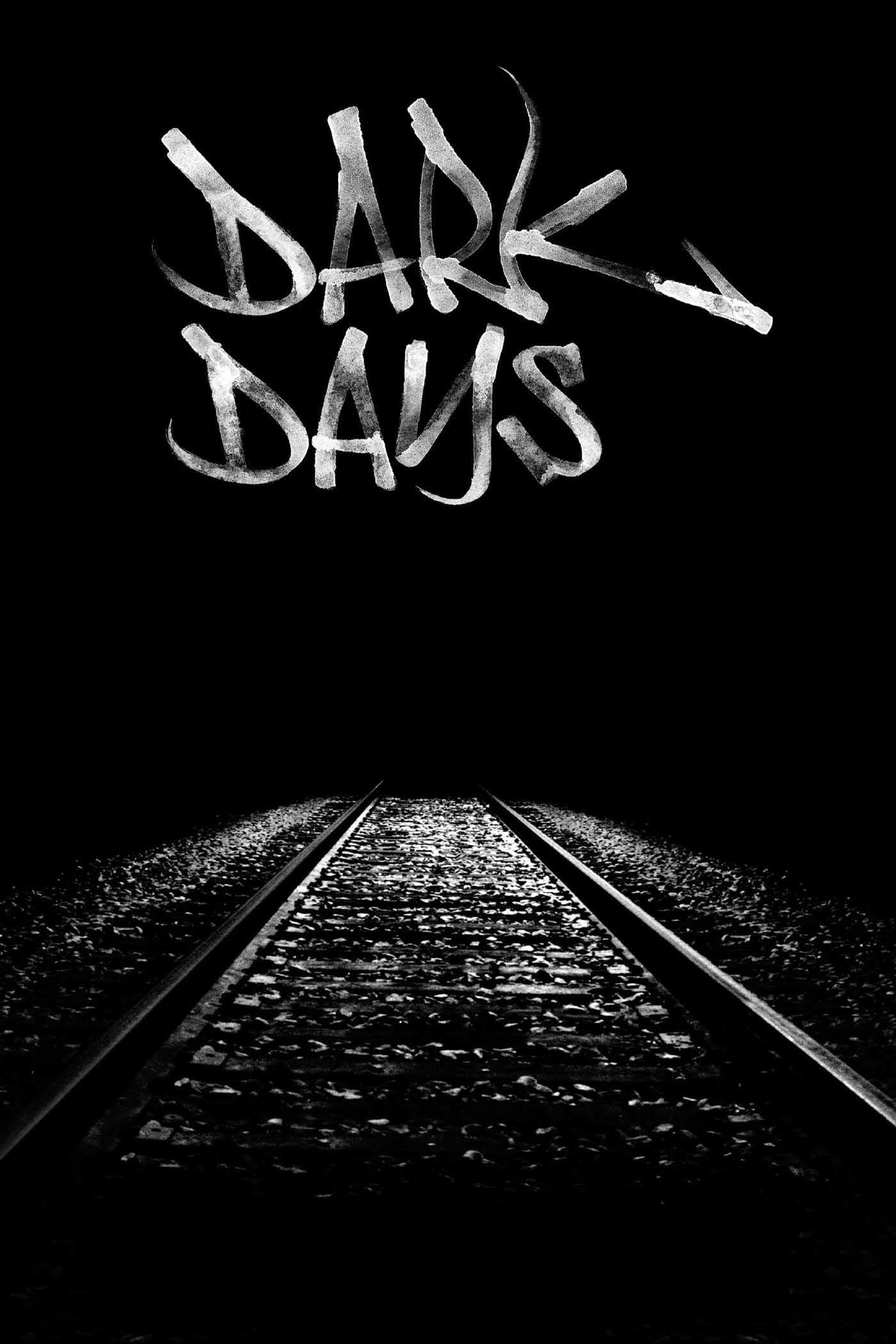
Filmmaker Marc Singer lives with a community of homeless individuals in the underground tunnels of New York City to document their lives. The film reveals their resourcefulness as they build homes and form a supportive society in the pitch-black darkness. A distinct soundtrack by DJ Shadow underscores the gritty and atmospheric visuals captured on black-and-white film. ‘Dark Days’ provides a respectful and illuminating glimpse into a hidden world existing just beneath the streets.
‘Marwencol’ (2010)
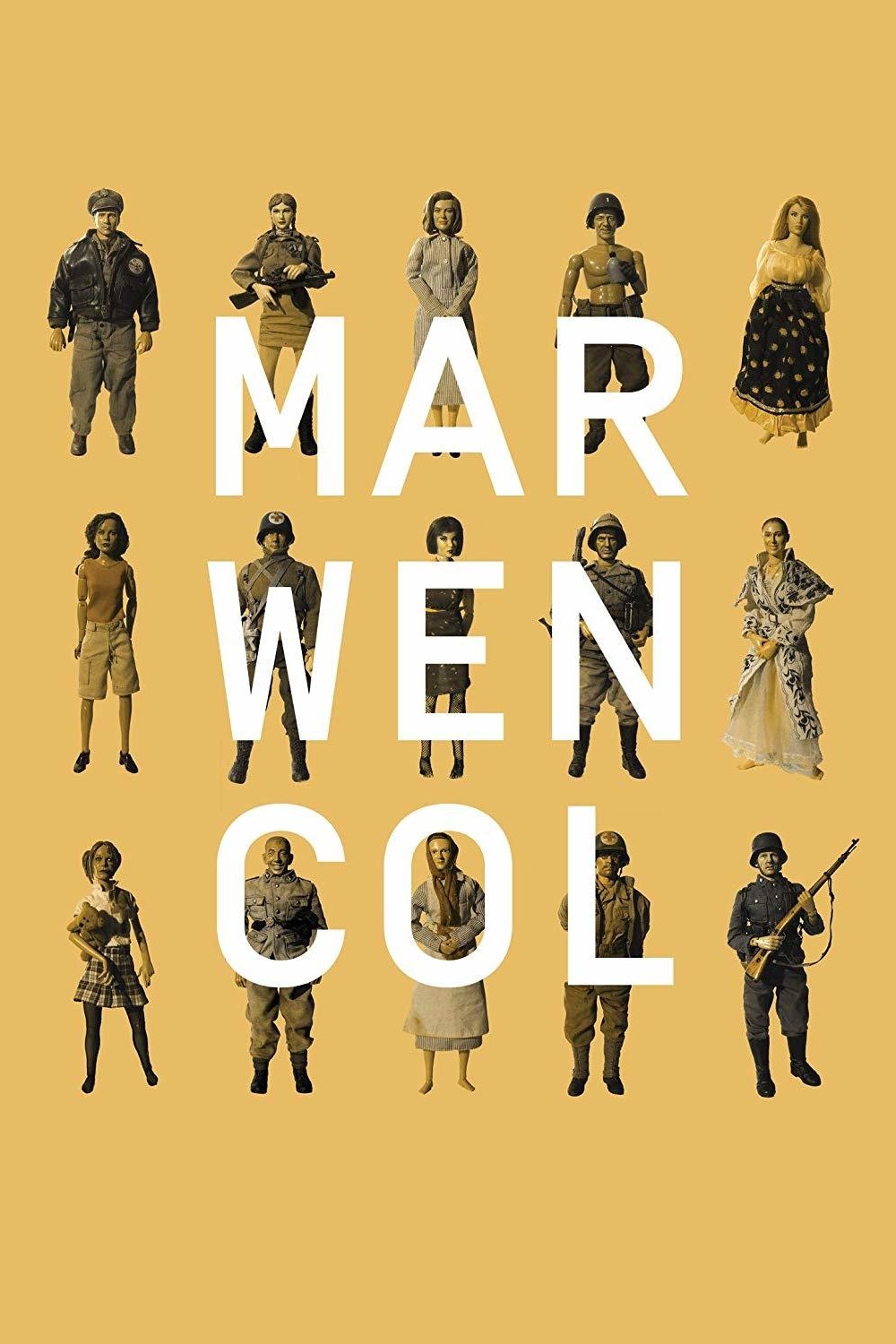
Mark Hogancamp suffers a brutal attack that leaves him with brain damage and erases his memory of his previous life. He copes by building a 1:6 scale World War II town in his backyard where he enacts stories with dolls representing his friends and attackers. The film explores the therapeutic power of art and the blurry line between fantasy and reality for a man reconstructing his identity. It is a testament to the resilience of the human spirit in the aftermath of trauma.
‘Anvil! The Story of Anvil’ (2008)
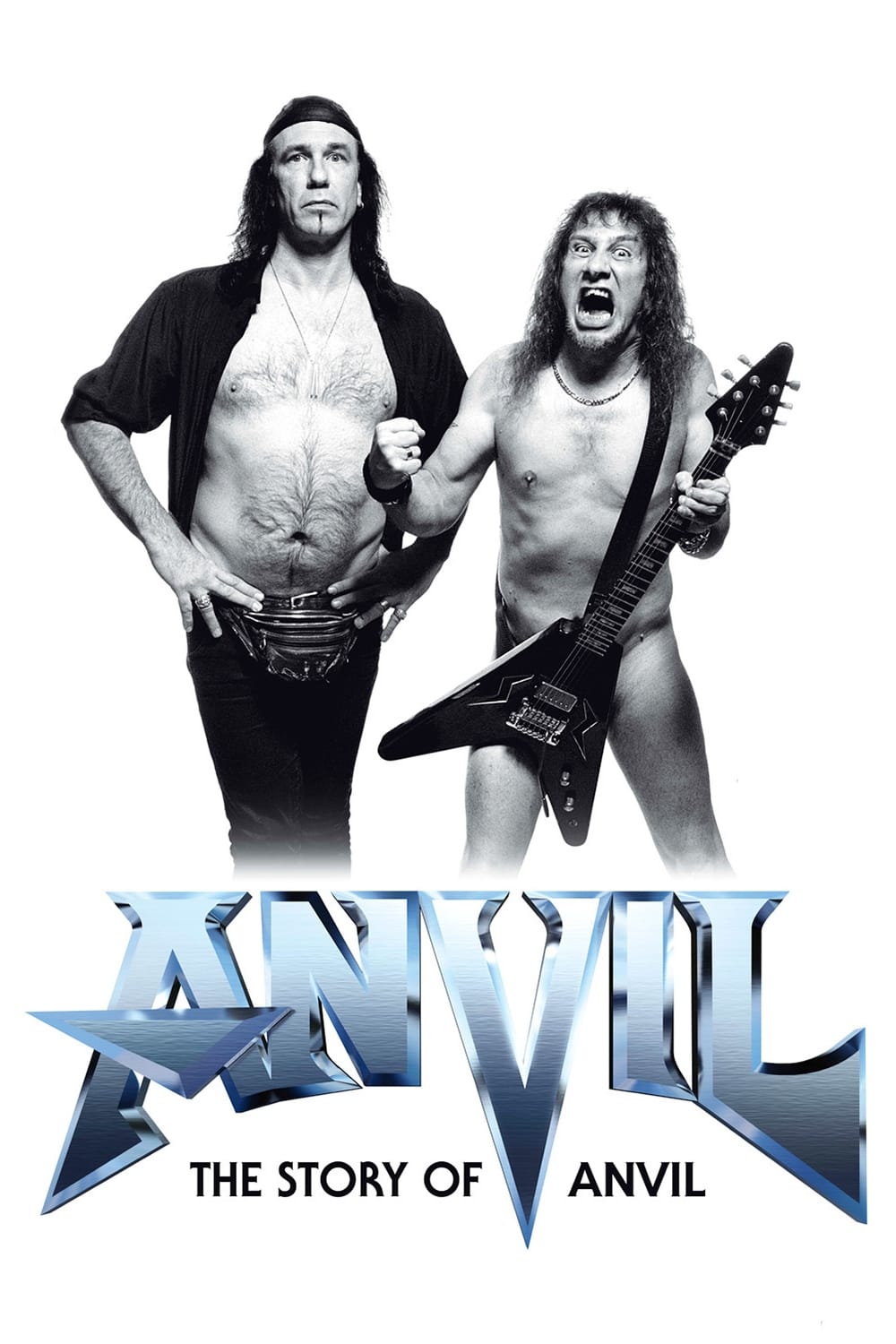
Two aging Canadian metalheads refuse to give up on their dream of rock stardom despite decades of obscurity. They embark on a disastrous European tour and struggle to record a new album while working menial day jobs. The documentary is a heartwarming and hilarious tribute to friendship and the unyielding passion for music. ‘Anvil! The Story of Anvil’ proves that success is defined by perseverance rather than fame.
‘Sweetgrass’ (2009)
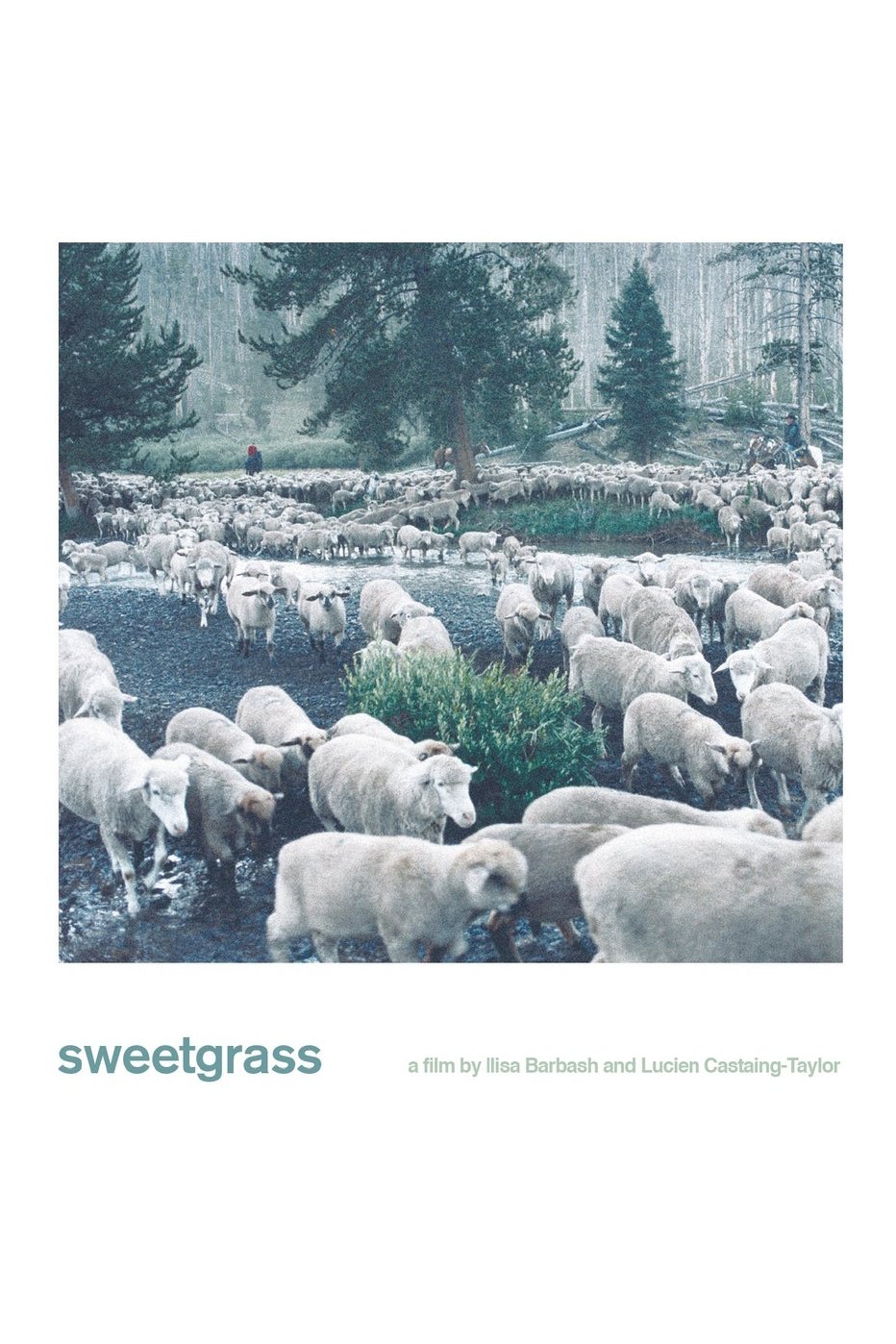
Modern cowboys drive a massive flock of sheep through the rugged Absaroka-Beartooth Wilderness in Montana for one final summer pasture. The film eschews narration to focus on the sensory experience of the journey and the stunning natural landscape. Viewers witness the grueling physical labor and the intimate bond between the herders and their animals. It serves as an elegy for a disappearing way of life in the American West.
‘Leviathan’ (2012)
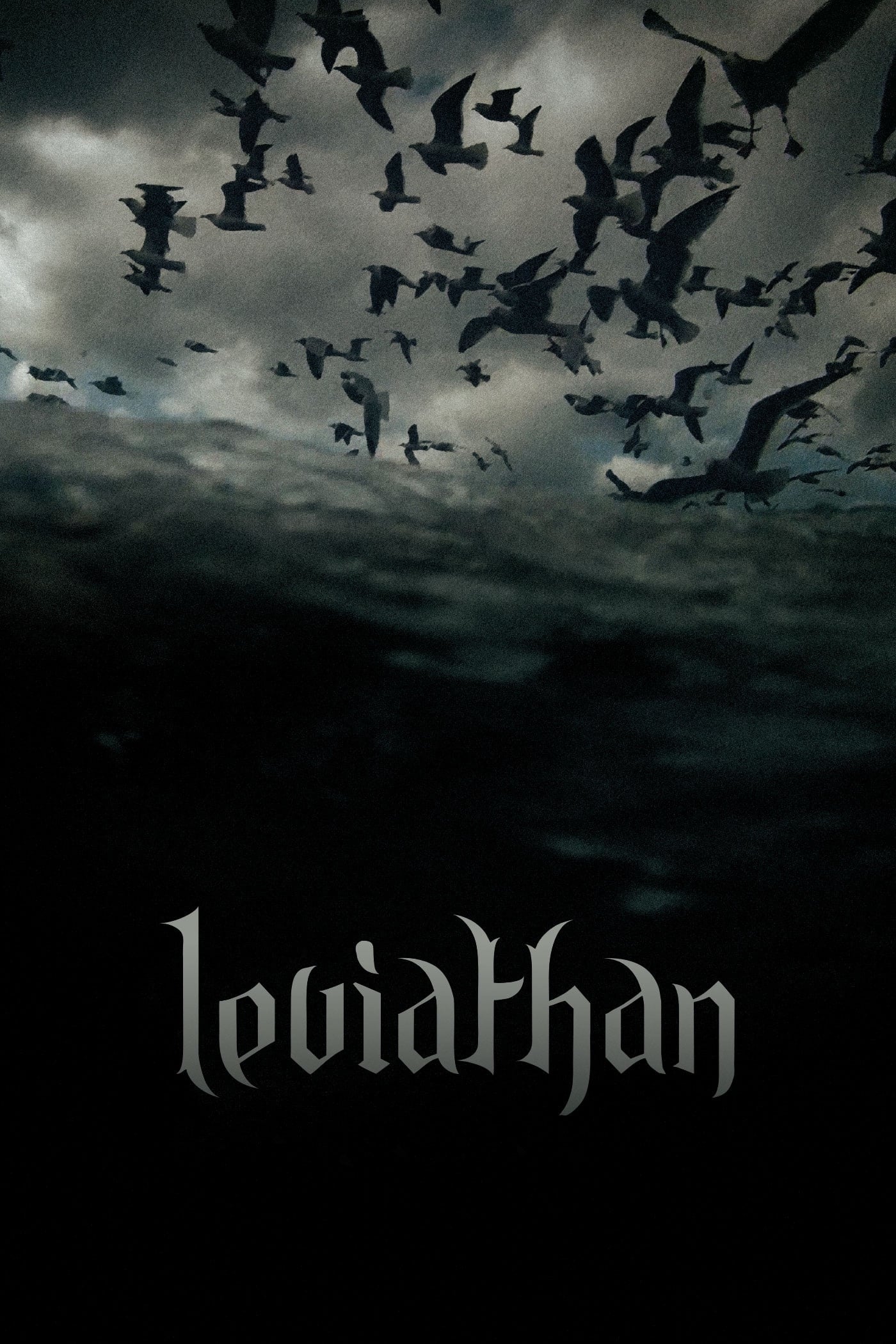
Cameras attached to the bodies of fishermen and the machinery of a trawler capture the visceral intensity of commercial fishing in the North Atlantic. The film immerses the viewer in a chaotic wash of dark water and industrial noise without a traditional narrative structure. It presents a sensory experience that feels more like a horror film than a standard documentary. ‘Leviathan’ pushes the boundaries of the medium to convey the raw power of nature and industry.
‘The Overnighters’ (2014)
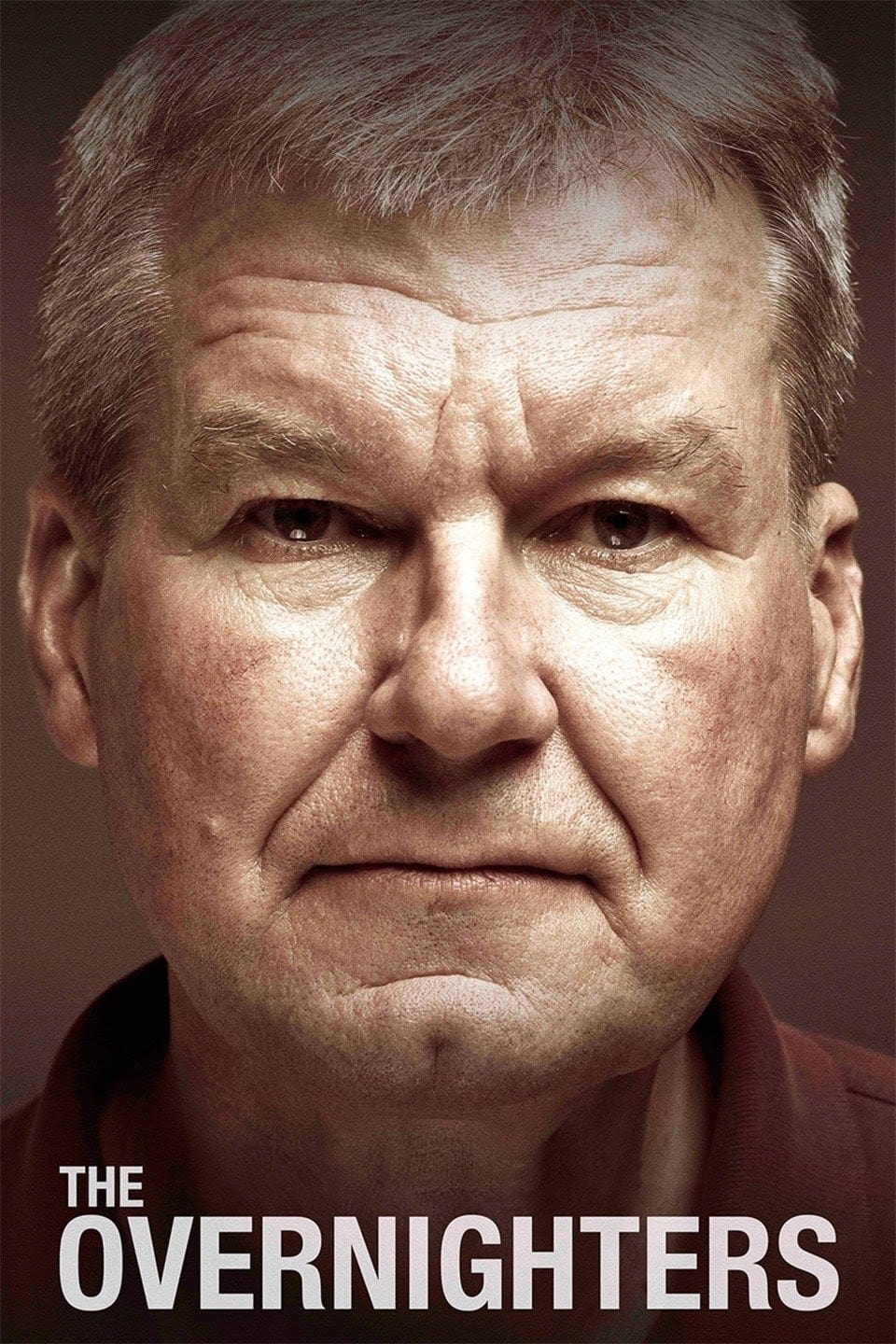
A North Dakota pastor opens his church to desperate men seeking work during the local oil boom. The influx of outsiders causes tension within the congregation and the surrounding community as resources are stretched thin. The film follows the pastor as he struggles to uphold his compassionate ideals while hiding his own personal demons. It is a complex tragedy about the limits of charity and the harsh realities of economic migration.
‘Cameraperson’ (2016)
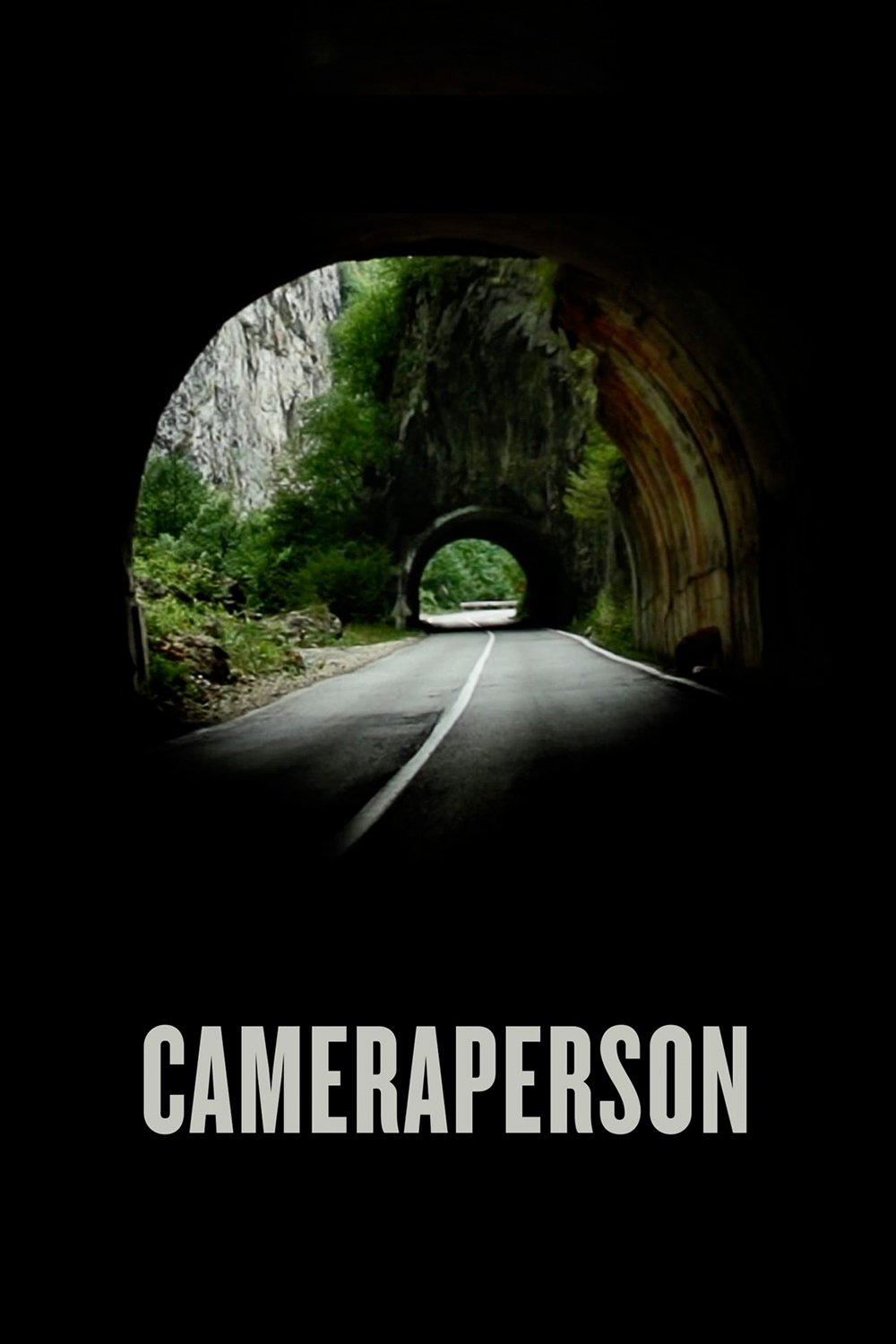
Cinematographer Kirsten Johnson compiles leftover footage from her decades of work on various documentaries to create a memoir of her career. The scenes range from war zones to family moments and reveal the ethical dilemmas faced by those behind the camera. The film reflects on how documenting the lives of others impacts the person capturing the images. ‘Cameraperson’ is a profound meditation on the relationship between the observer and the observed.
‘Hale County This Morning, This Evening’ (2018)
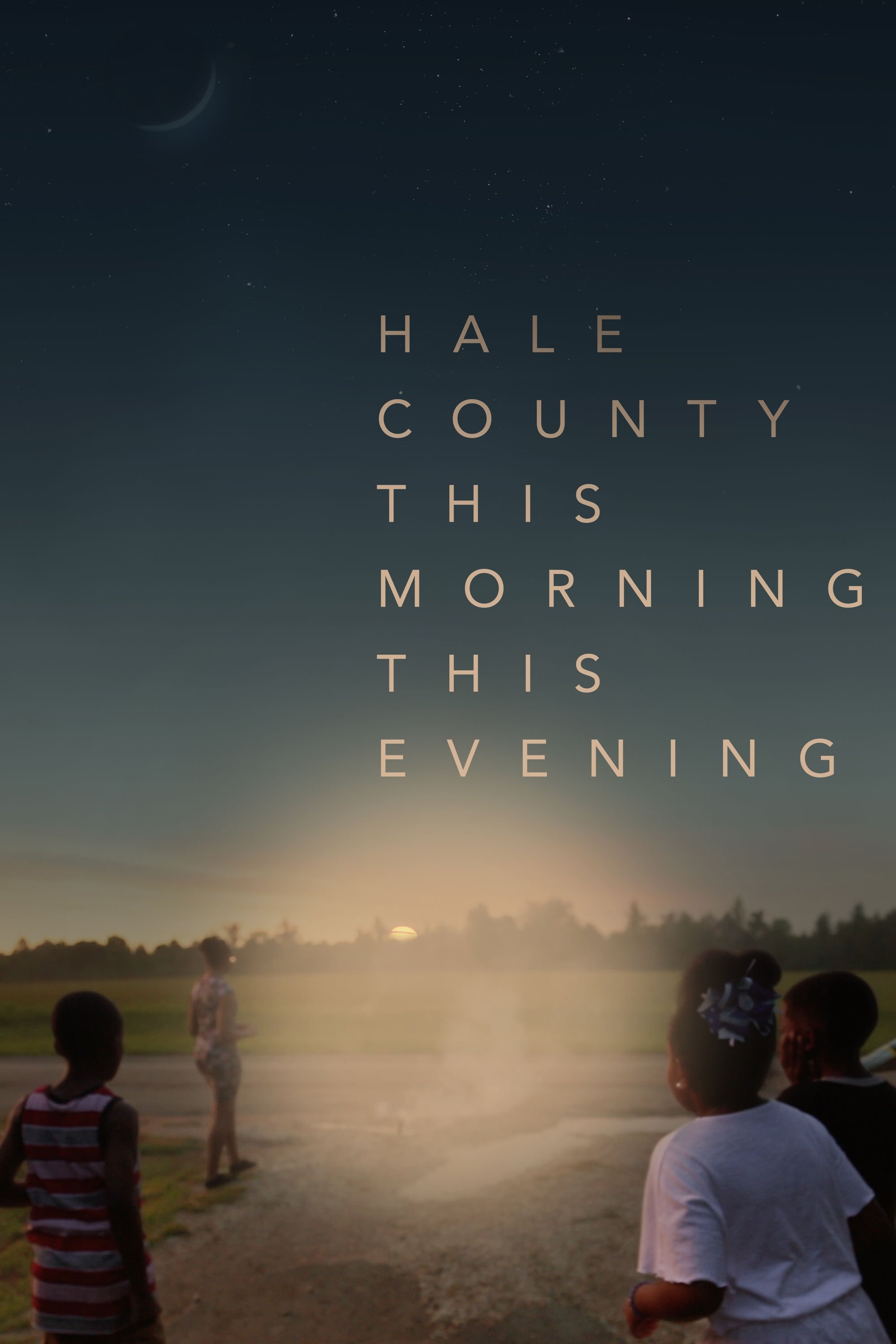
Director RaMell Ross captures five years in the lives of two young African American men in rural Alabama. The film uses a fragmented and poetic editing style to challenge traditional narratives about the Black experience in the South. Everyday moments take on a momentous quality through the lens of his expressive cinematography. It is a lyrical and visionary work that emphasizes the beauty found in the ordinary.
‘Bisbee ’17’ (2018)
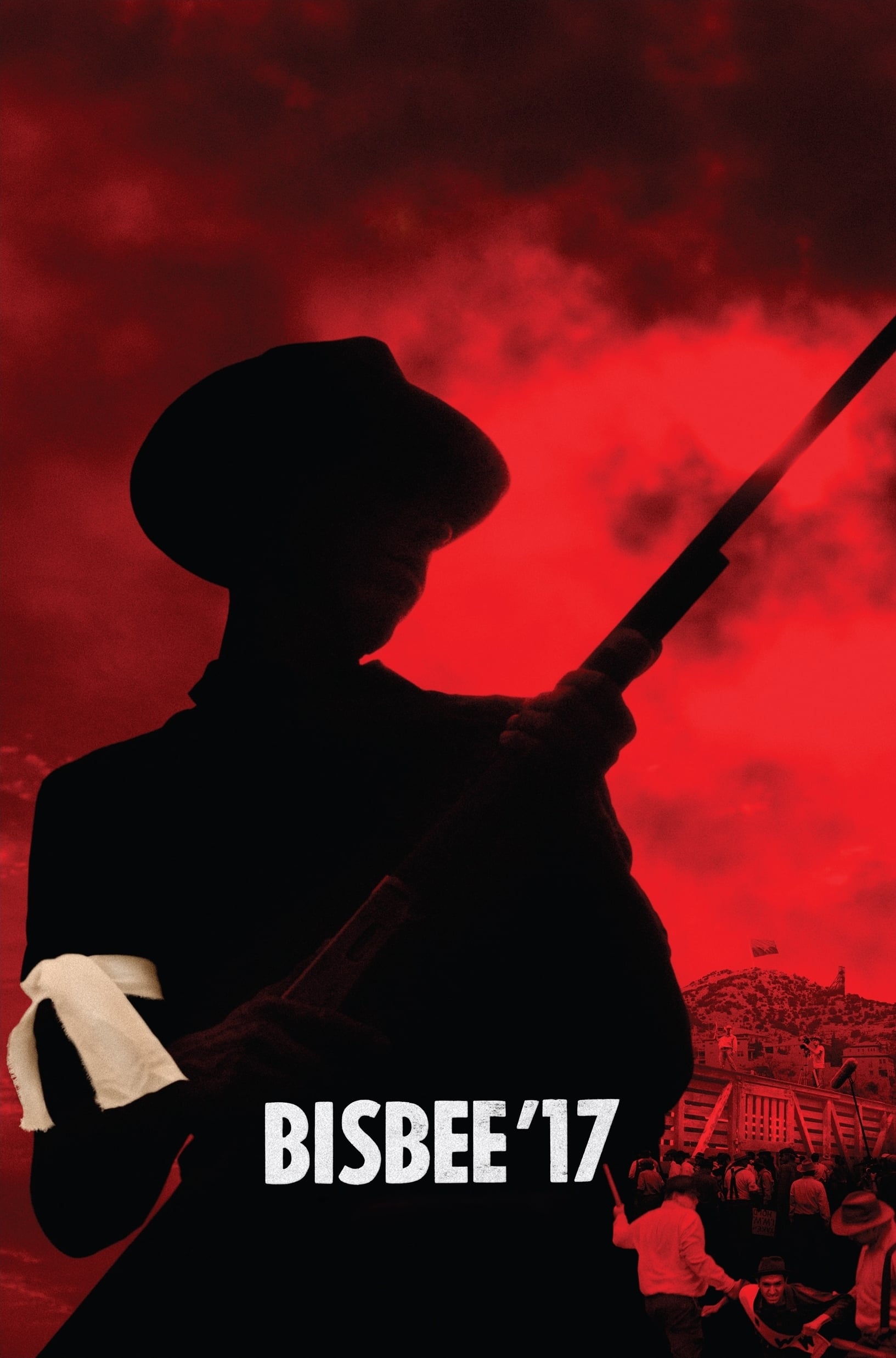
The residents of a former mining town in Arizona stage a reenactment of a violent labor deportation that occurred there one hundred years prior. Locals take on the roles of both the striking miners and the vigilantes who expelled them into the desert. The film blends western genre tropes with observational documentary to explore how communities reckon with buried history. It demonstrates the lingering ghosts of the past and the power of collective performance.
‘Midnight Family’ (2019)
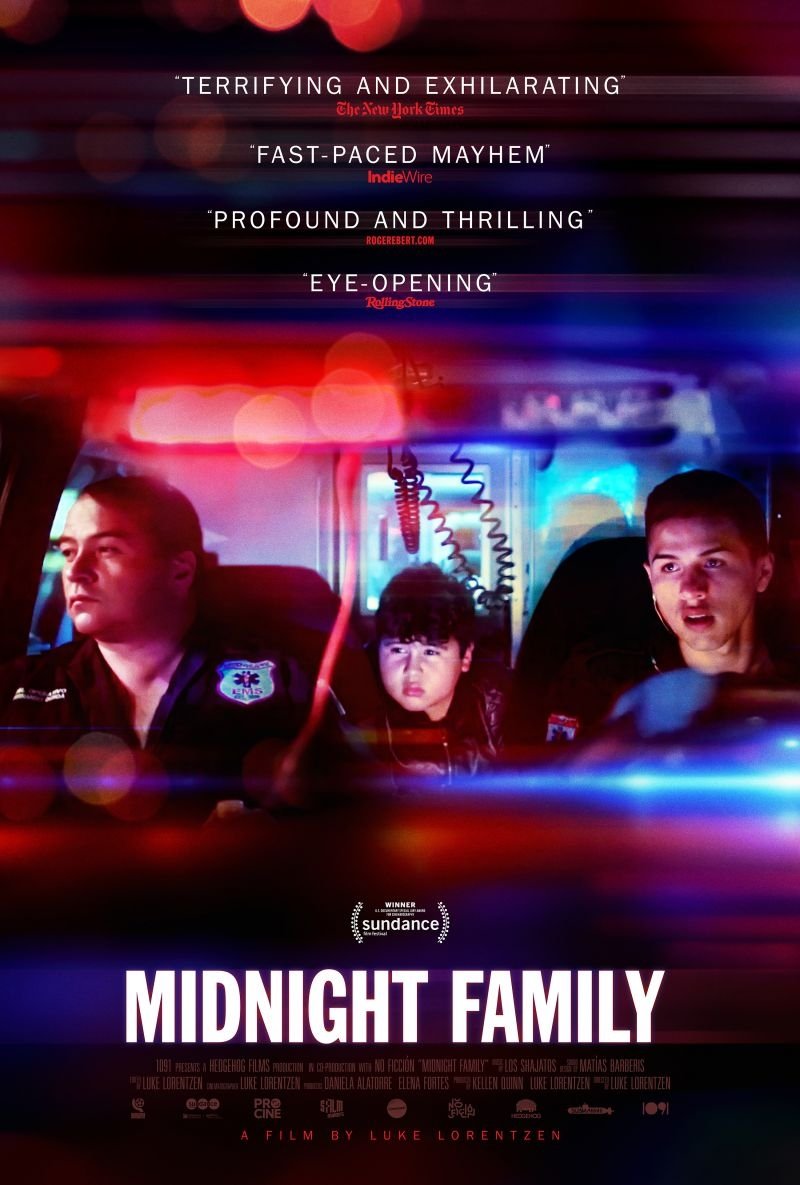
The Ochoa family operates a private ambulance in Mexico City and races to accident scenes to beat competitors for patients. They navigate corrupt police and a broken healthcare system while trying to make a living saving lives. The film is a high-speed action documentary that exposes the ethical gray zones of a deregulated emergency infrastructure. ‘Midnight Family’ is a pulse-pounding look at survival in a metropolis where the government fails to provide basic services.
‘Cold Case Hammarskjöld’ (2019)
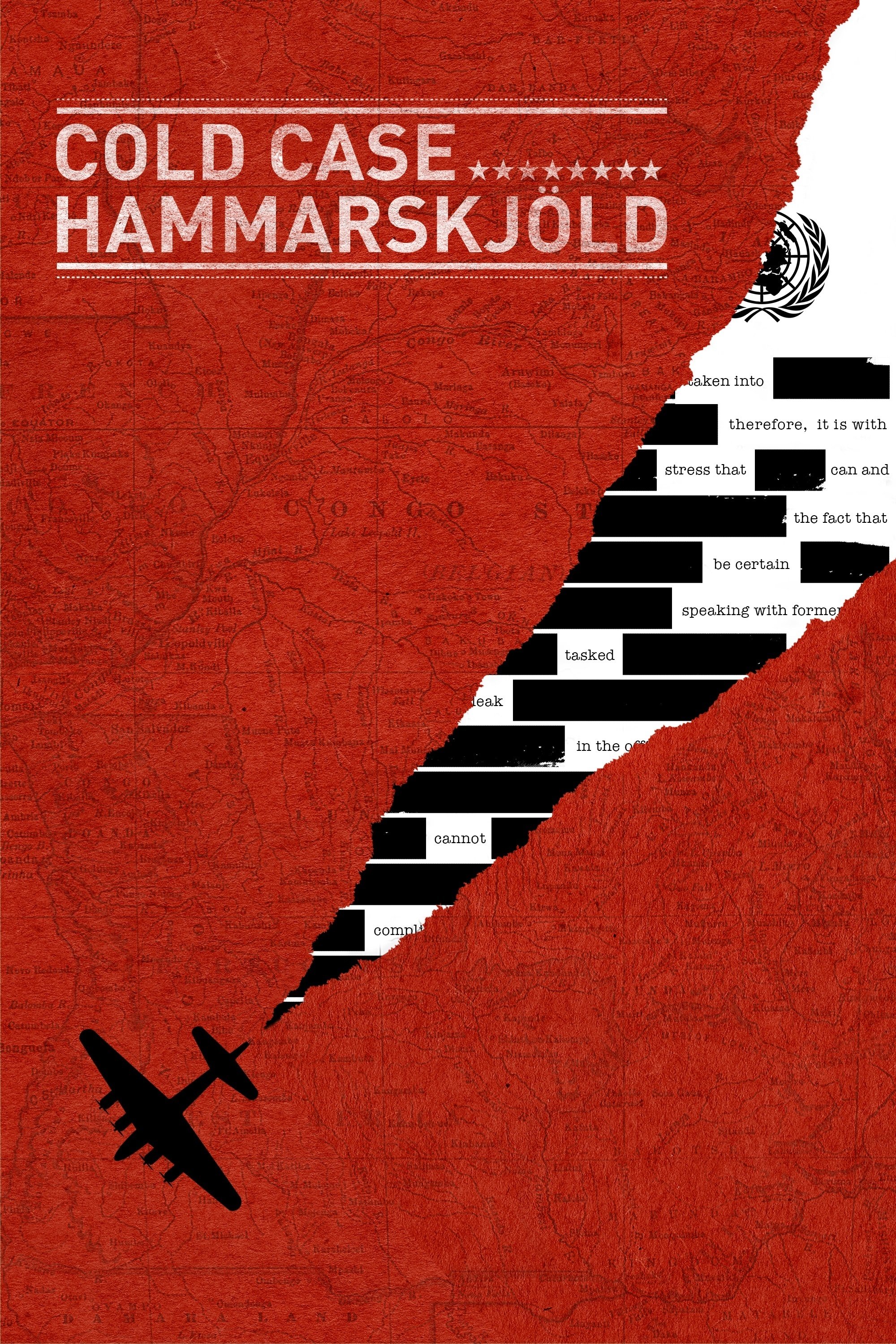
A director and a private investigator attempt to solve the 1961 plane crash that killed UN Secretary-General Dag Hammarskjöld. Their investigation leads them down a rabbit hole of mercenaries and secret paramilitary organizations in Africa. The film constantly subverts expectations as the filmmakers question their own findings and the nature of truth. It is a darkly comedic and disturbing journey into the heart of a geopolitical conspiracy.
‘Bloody Nose, Empty Pockets’ (2020)

Patrons gather at a dive bar in Las Vegas for its supposed final night of operation before closing down forever. The characters share drunken wisdom and regrets as the alcohol flows and the night wears on. The film blurs the line between fiction and reality by staging the event with real people in a controlled environment. ‘Bloody Nose, Empty Pockets’ captures the melancholy community found in the bottom of a glass.
‘Time’ (2020)
Fox Rich fights for the release of her husband Rob from a sixty-year prison sentence for a bank robbery they committed together. She films video diaries for two decades to document their children growing up without a father. The film weaves these home movies with present-day footage to illustrate the enduring toll of mass incarceration on a family. ‘Time’ is a powerful love story that defies the constraints of the prison industrial complex.
‘Gunda’ (2020)
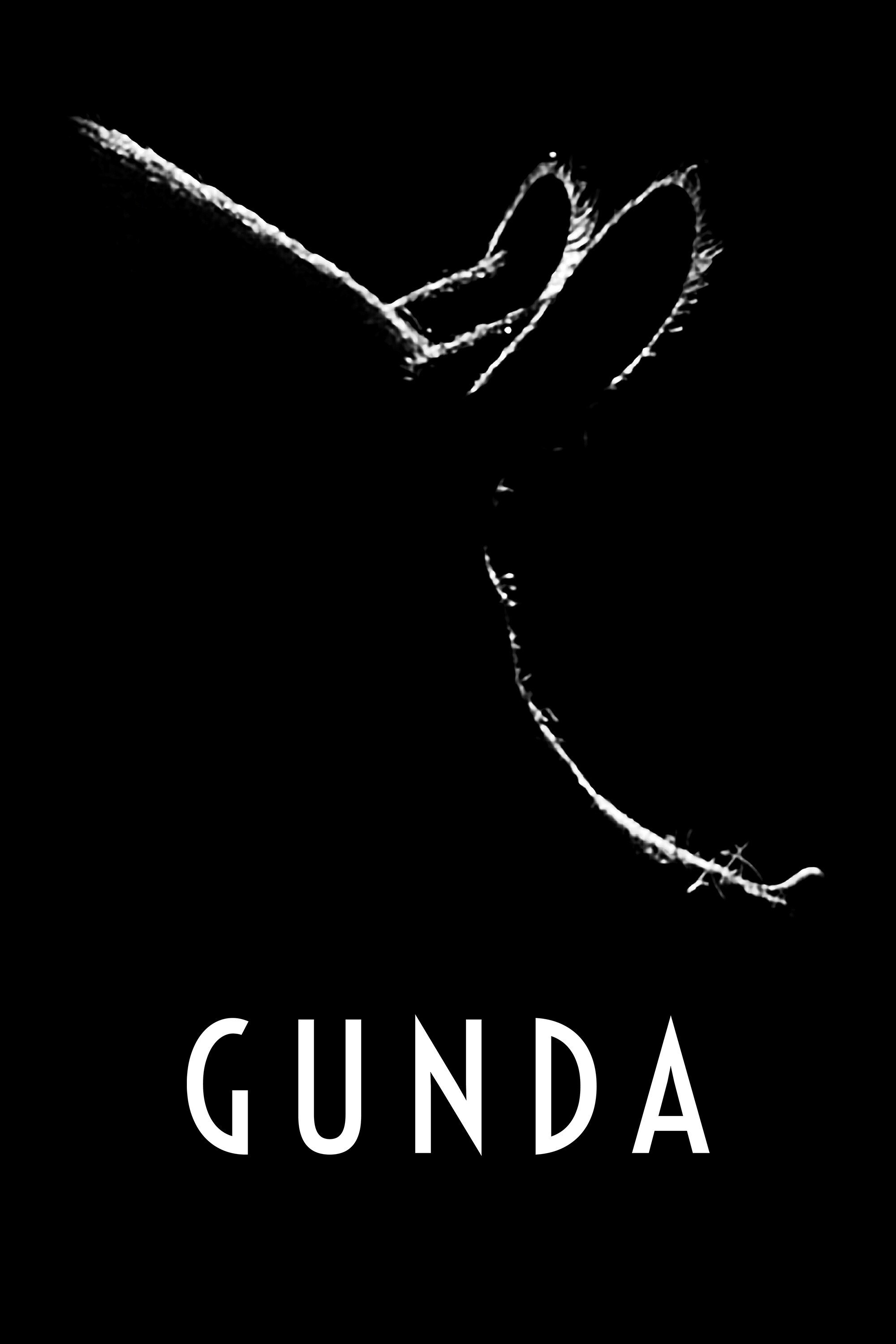
A mother sow cares for her litter of piglets on a farm while chickens and cows roam the nearby fields. The film uses black-and-white cinematography and ambient sound without any human dialogue or narration. Viewers are invited to observe the intelligence and emotional lives of farm animals on an intimate level. ‘Gunda’ makes a silent but compelling argument for empathy toward the creatures we often take for granted.
‘The Truffle Hunters’ (2020)
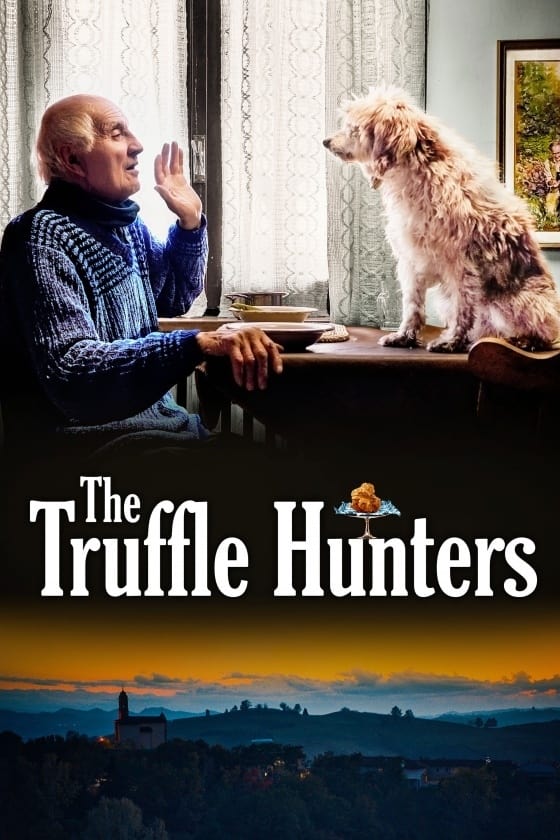
Elderly men and their beloved dogs scour the forests of Piedmont in Italy for rare white truffles. The film captures the humor and stubbornness of these traditional foragers who refuse to share their secret spots. It juxtaposes their simple lives with the high-stakes global market where their discoveries are sold for exorbitant prices. ‘The Truffle Hunters’ is a visually sumptuous celebration of passion and a fading cultural tradition.
‘Some Kind of Heaven’ (2020)
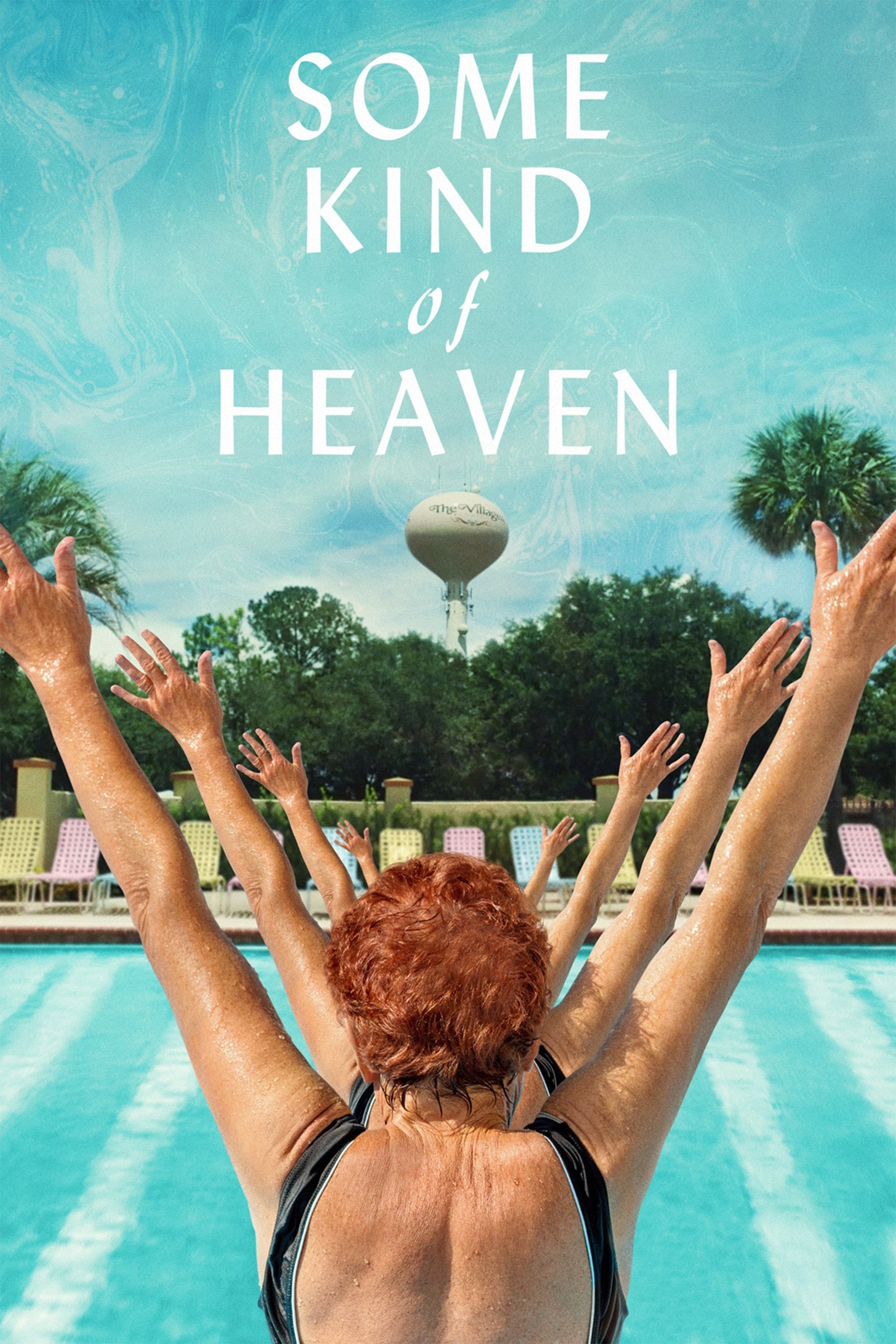
Residents of the massive retirement community The Villages in Florida search for happiness and purpose in their golden years. The documentary looks past the manicured lawns to find seniors dealing with loneliness and legal troubles. It presents a surreal version of paradise where the pursuit of leisure often masks deeper existential anxieties. The film challenges the fantasy of a carefree retirement with stories of real human struggle.
‘Ascension’ (2021)
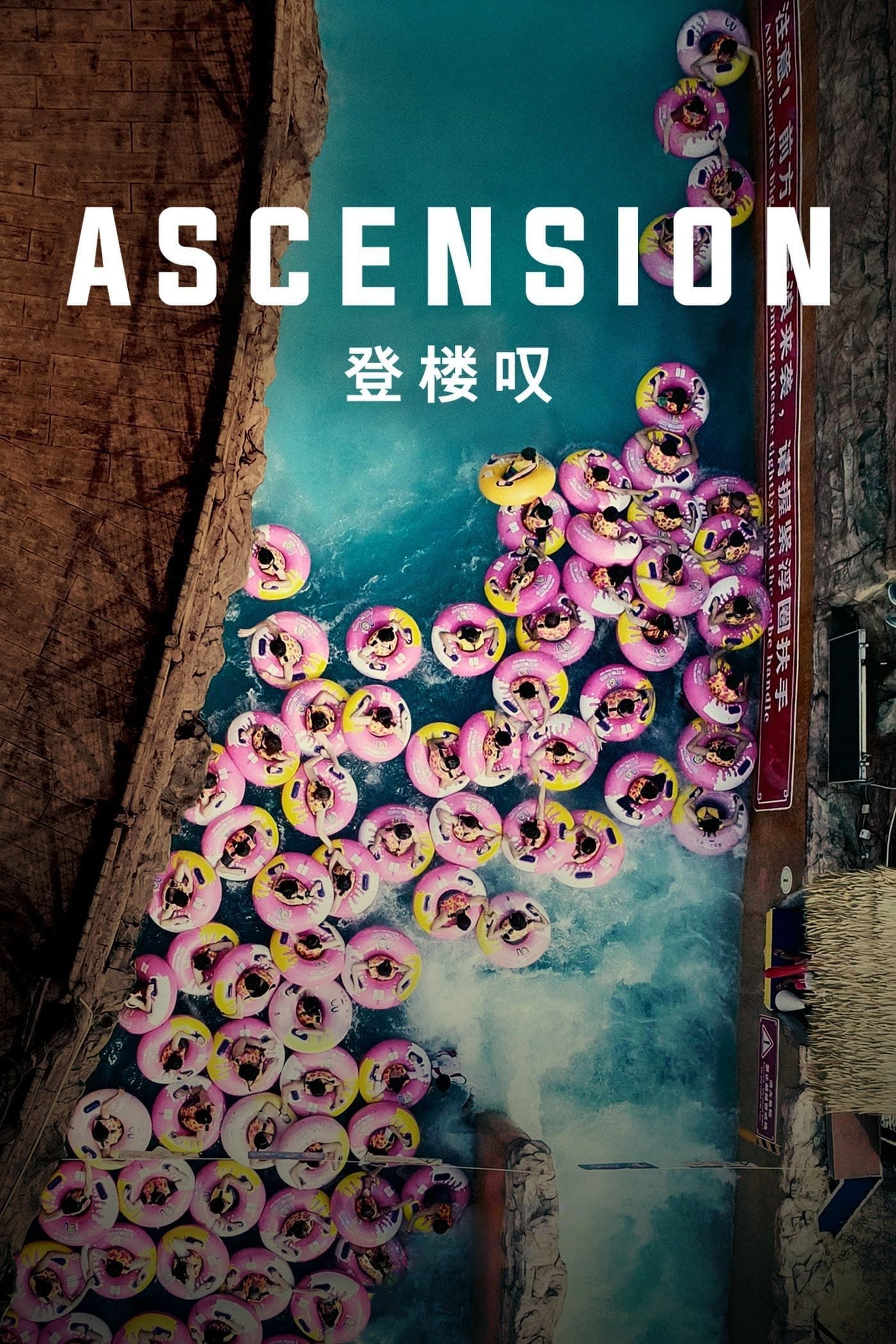
The film observes the social hierarchy of modern China through the lens of industrial production and consumerism. It moves from factory floors where workers churn out goods to elite etiquette classes for the wealthy. The cinematography emphasizes the scale of the economy and the stark contrast between the different social classes. ‘Ascension’ offers a detached yet mesmerizing critique of the relentless pursuit of the jagged American Dream in China.
‘The Mole Agent’ (2020)
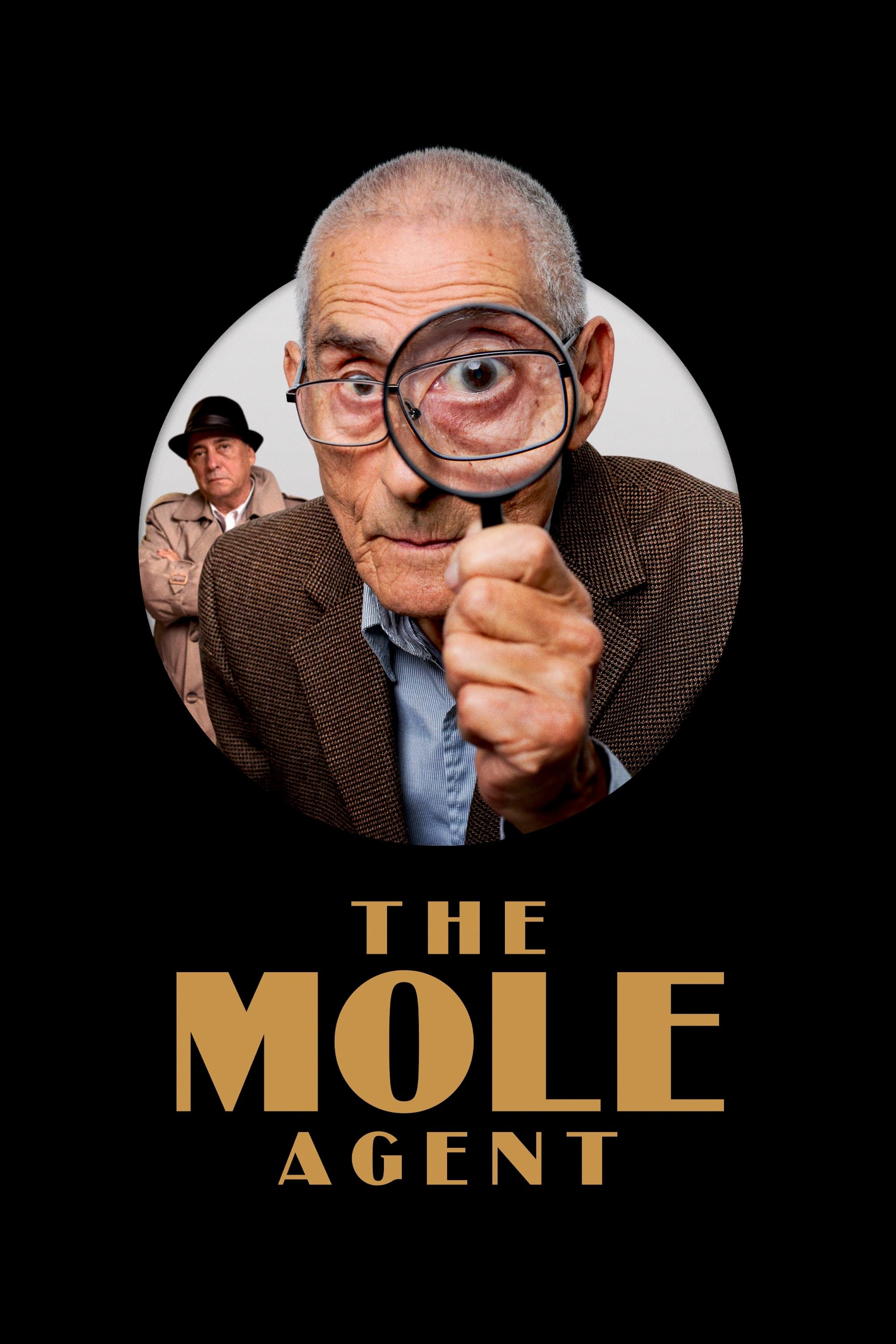
A private investigator hires an eighty-three-year-old man to go undercover in a nursing home to check for signs of abuse. The amateur spy struggles with the technology but eventually bonds with the lonely residents inside the facility. The investigation takes a backseat as the film becomes a poignant observation of old age and abandonment. ‘The Mole Agent’ mixes the structure of a spy thriller with the emotional resonance of a character drama.
‘The Painter and the Thief’ (2020)
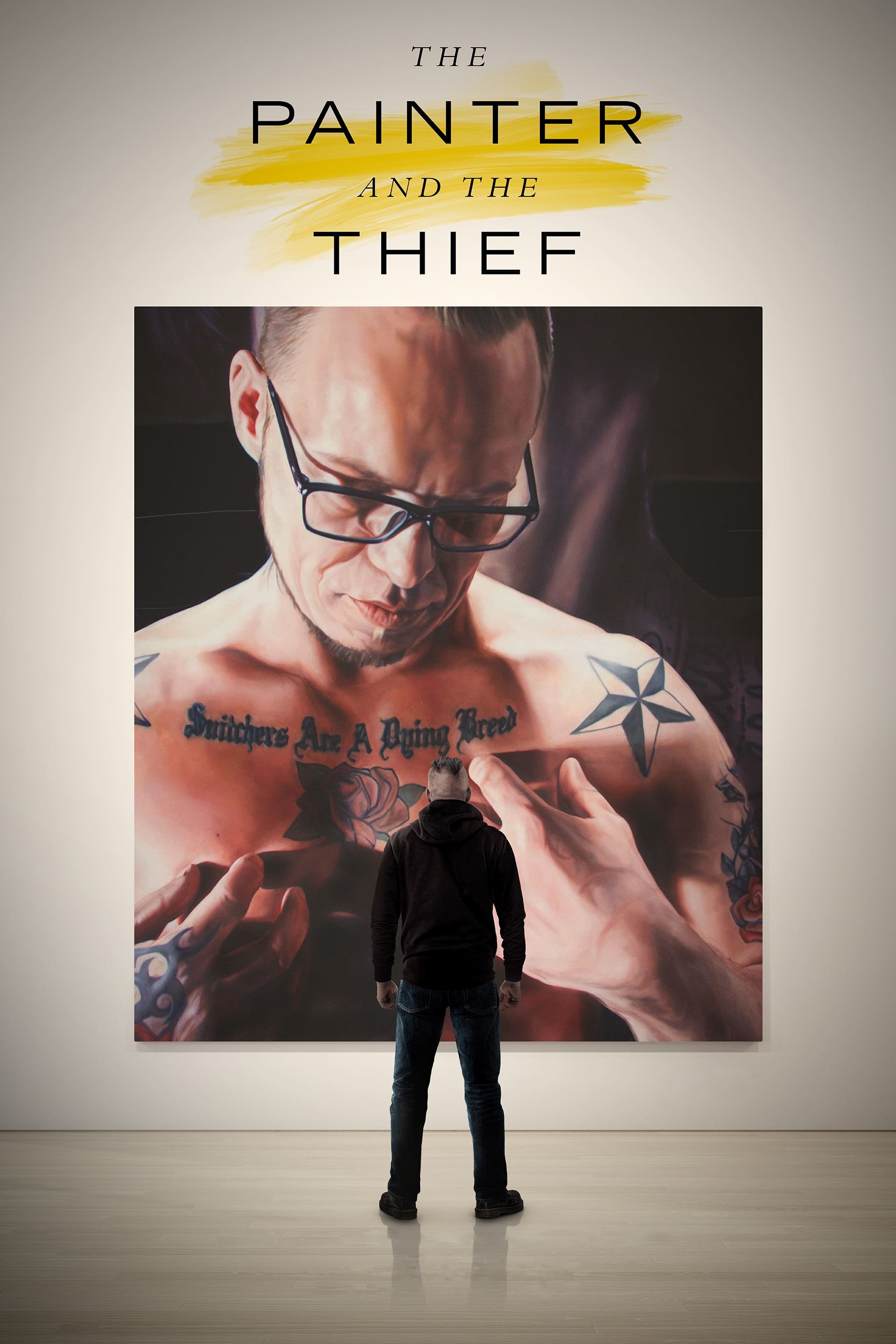
Artist Barbora Kysilkova befriends the drug addict who stole her two most valuable paintings from a gallery in Oslo. She paints his portrait and they form an unlikely bond that helps them both heal from their respective traumas. The film documents their evolving relationship over several years with surprising twists and emotional vulnerability. It challenges assumptions about victimhood and forgiveness through a story of radical compassion.
‘Feels Good Man’ (2020)
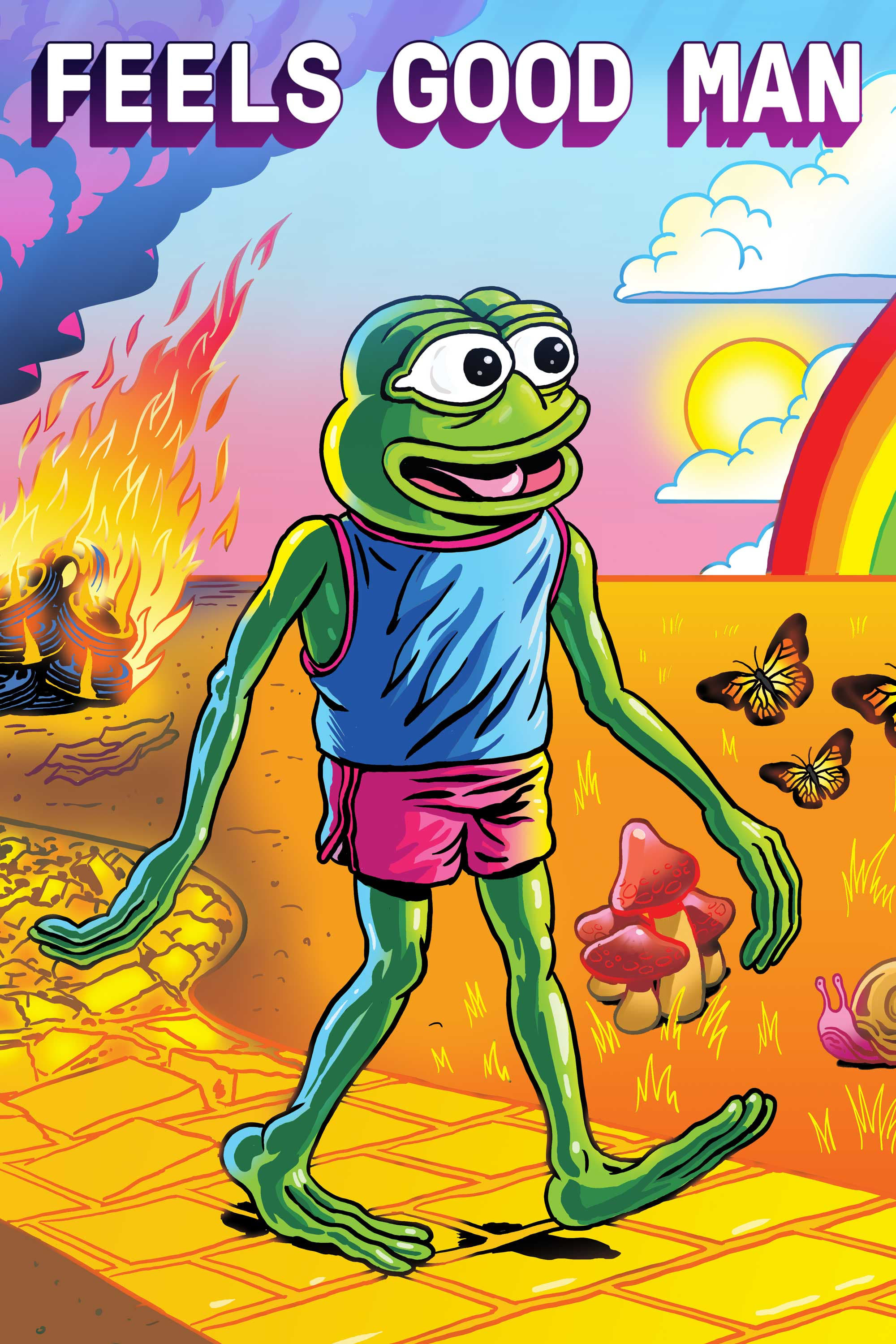
Artist Matt Furie watches helplessly as his comic creation Pepe the Frog is co-opted by the alt-right as a hate symbol. The documentary follows his struggle to reclaim the character and understand how internet culture can twist innocent art. It serves as a cautionary tale about the loss of control in the digital age and the power of memes. ‘Feels Good Man’ is a fascinating dissection of how online communities shape real-world ideologies.
‘Jasper Mall’ (2020)
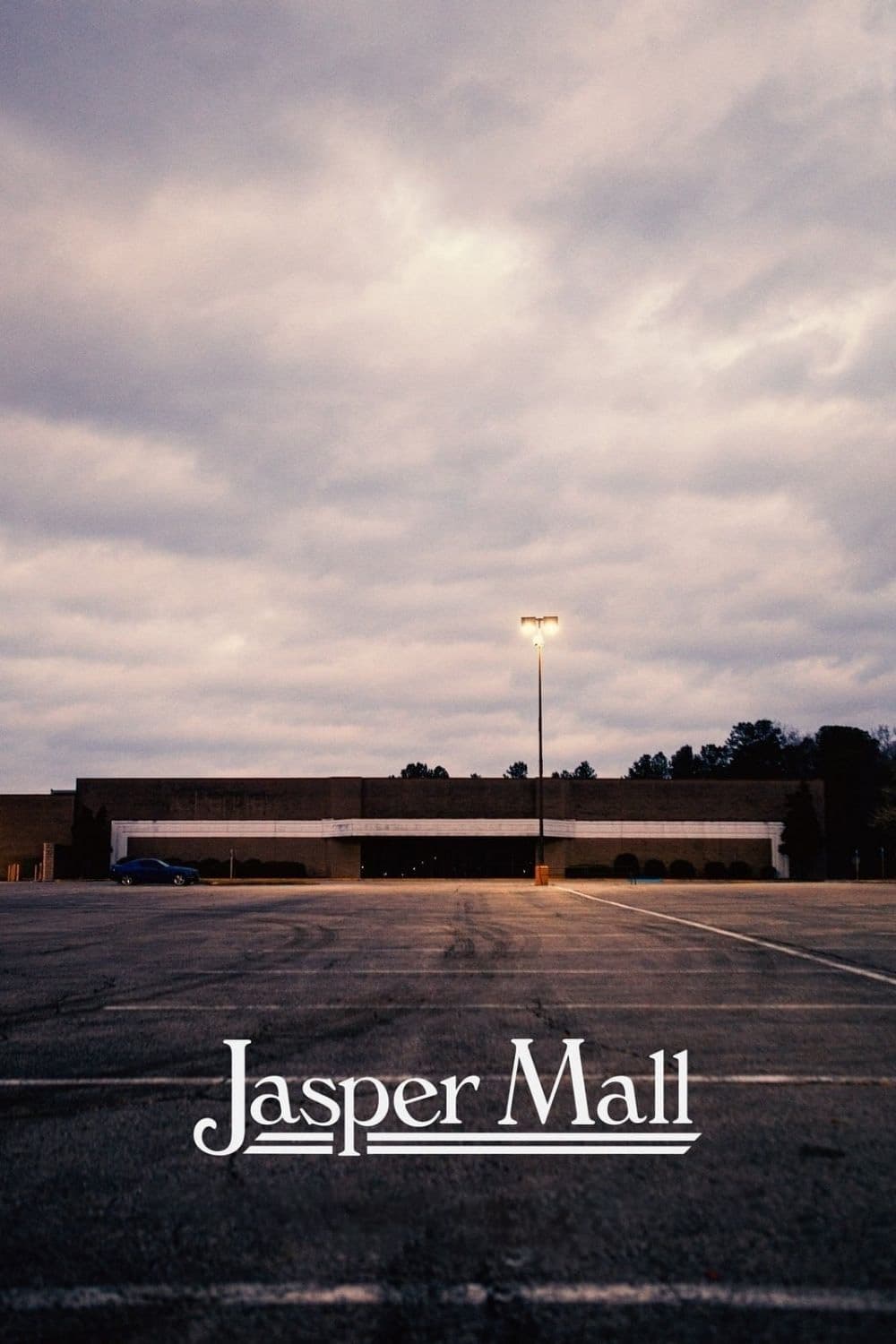
A dying shopping mall in Alabama continues to operate with a handful of stores and a dwindling number of customers. The film follows the caretaker and the remaining tenants as they go about their days in the echoing corridors. It captures the eerie atmosphere of a retail space that has lost its purpose in the age of online shopping. ‘Jasper Mall’ is a quiet and nostalgic look at the decline of American consumer culture.
‘Spaceship Earth’ (2020)
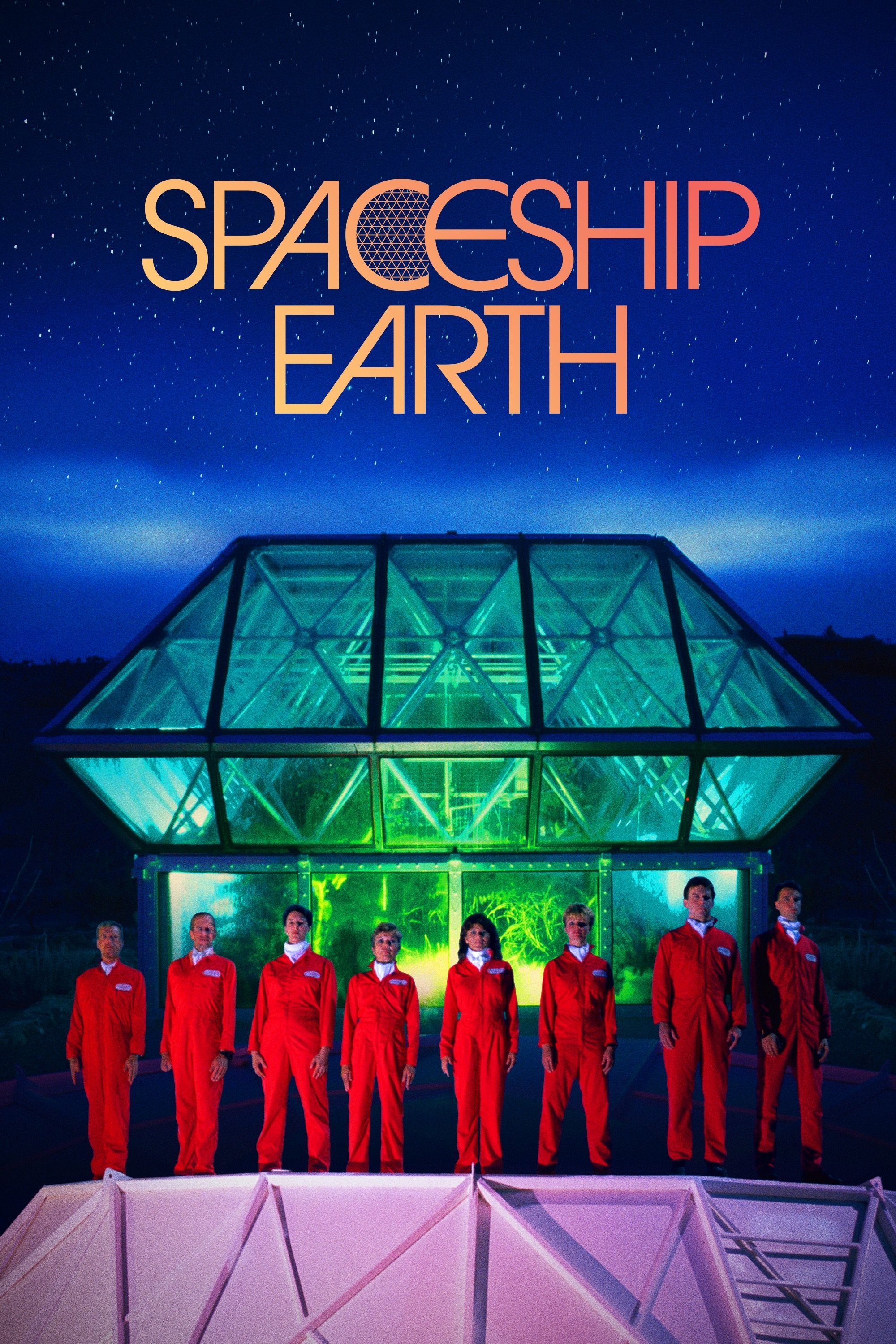
A group of countercultural visionaries builds a sealed ecosystem called Biosphere 2 to test the viability of living on other planets. The experiment garners massive media attention but quickly descends into factionalism and scientific controversy. The documentary traces the history of the group from their artistic origins to the disastrous conclusion of their mission. It explores the ambition of human ingenuity and the inevitable complications of closed systems.
‘Rewind’ (2019)
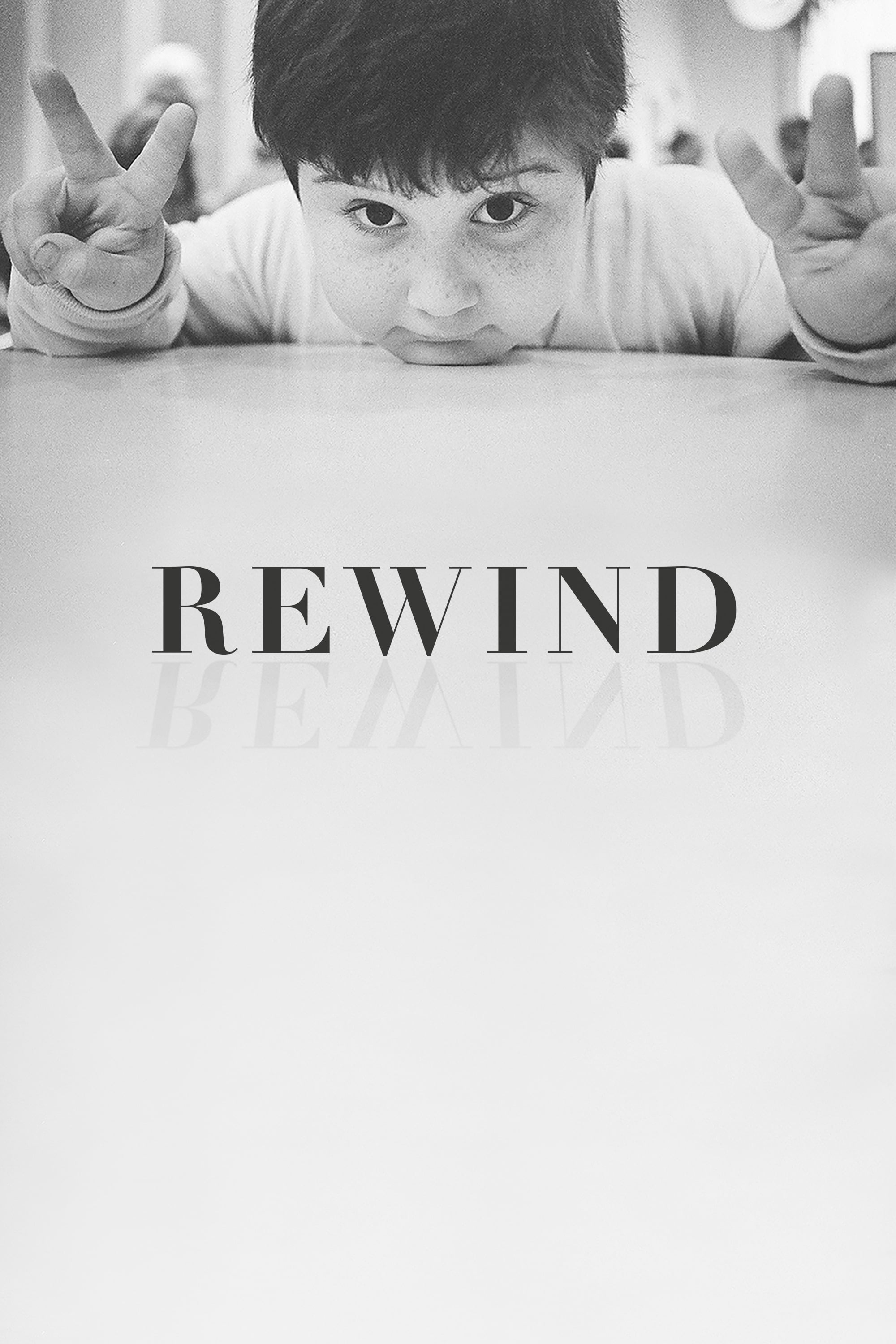
Sasha Joseph Neulinger revisits his childhood home videos to uncover the abuse he suffered at the hands of family members. The footage reveals the subtle signs of trauma that went unnoticed by those around him at the time. He uses the archival material to piece together the truth and confront the failures of the legal system. ‘Rewind’ is a brave and harrowing act of reclaiming one’s own narrative from a painful past.
‘Hail Satan?’ (2019)
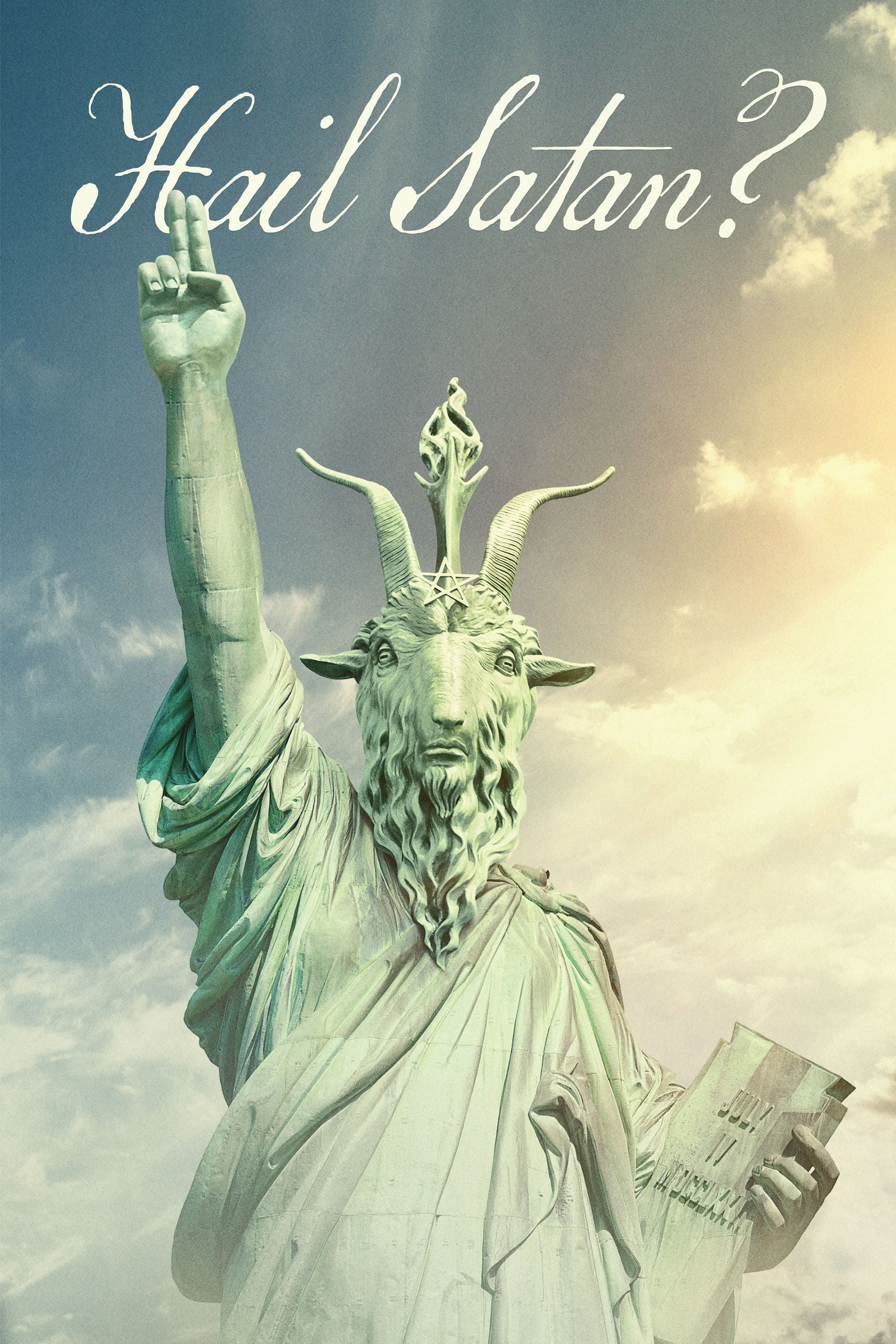
The Satanic Temple organizes public rallies and legal challenges to advocate for the separation of church and state. The film follows the charismatic leaders as they use satire and religious imagery to expose hypocrisy in American politics. It debunks popular myths about Satanism and presents the group as defenders of civil liberties. ‘Hail Satan?’ is a witty and provocative look at religious freedom and political activism.
‘Kedi’ (2016)

Hundreds of stray cats roam the streets of Istanbul and form unique relationships with the humans who care for them. The camera follows seven distinct cats to show their personalities and how they navigate the complex urban environment. Residents explain how the animals bring spiritual and emotional value to their lives. ‘Kedi’ is a philosophical and heartwarming meditation on the bond between humans and animals in a modern city.
‘Tower’ (2016)
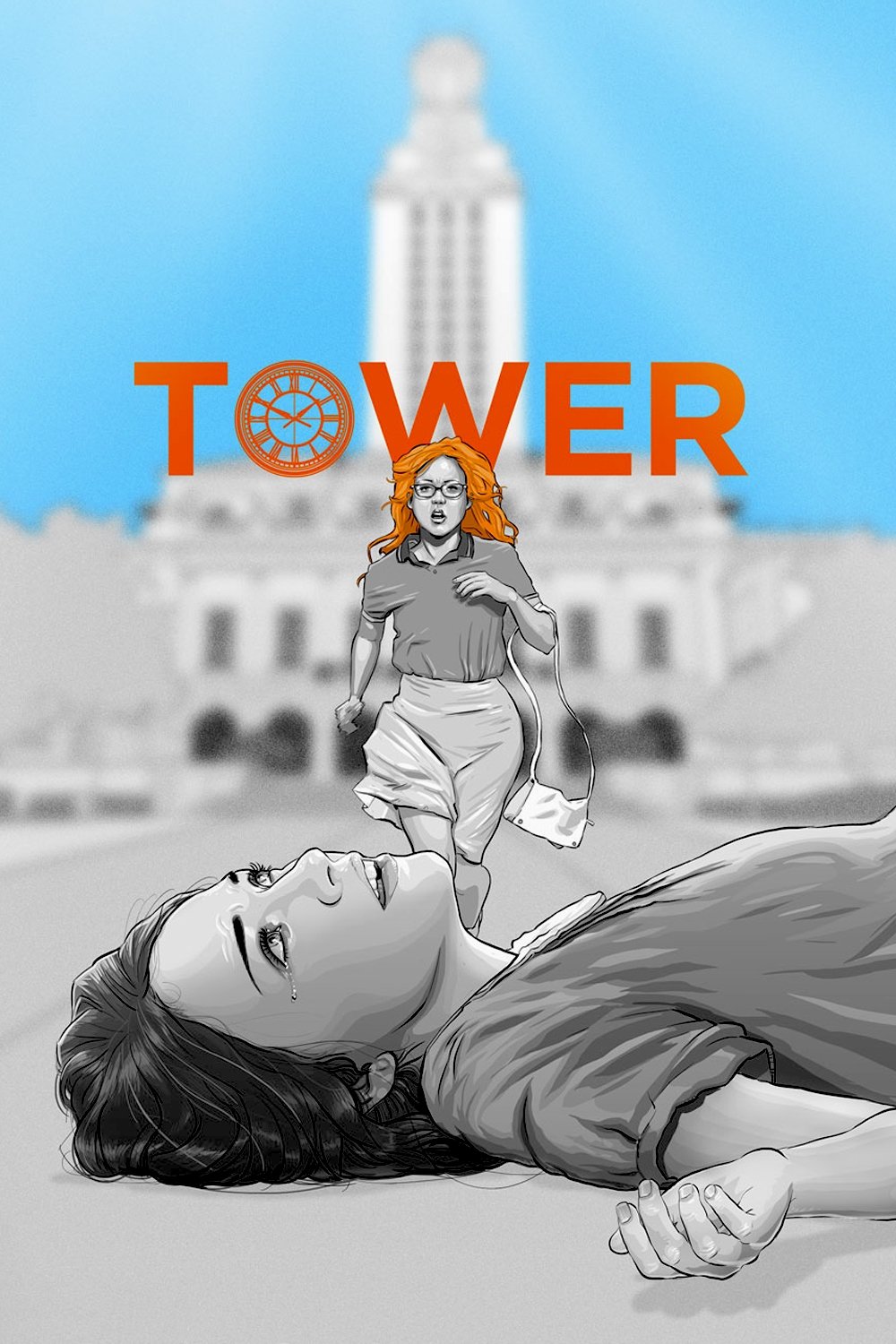
Rotoscopic animation brings to life the events of the 1966 sniper shooting at the University of Texas at Austin. The film combines archival footage with animated reenactments to tell the story from the perspective of the survivors and heroes. It focuses on the specific moments of bravery and fear rather than the identity of the shooter. ‘Tower’ creates a visceral and dreamlike experience that honors the victims of the tragedy.
‘Kate Plays Christine’ (2016)
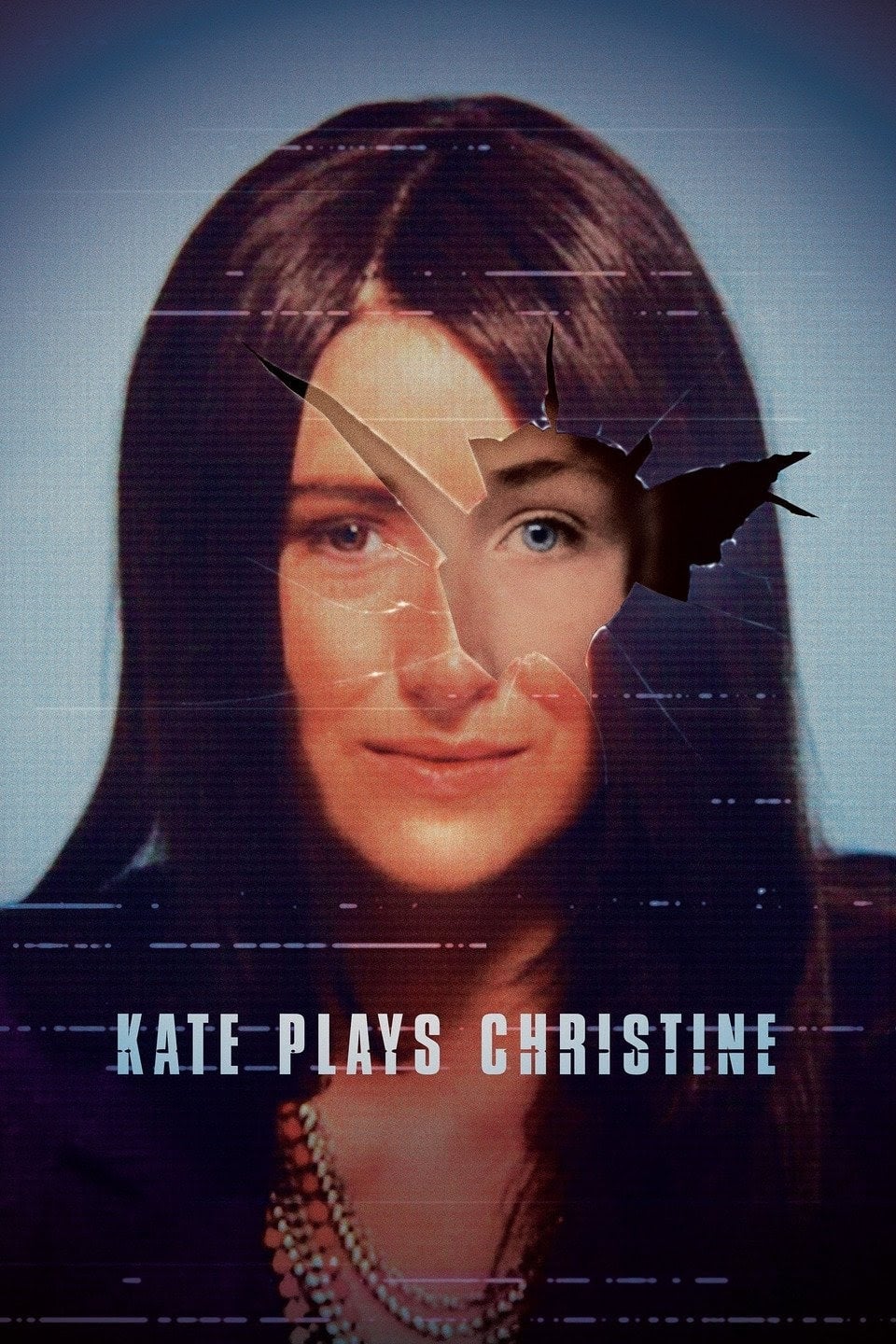
Actress Kate Lyn Sheil prepares to play the role of Christine Chubbuck who died by suicide on live television in 1974. The documentary follows her research process as she visits the location of the event and speaks with former colleagues. The film becomes a psychological investigation into the ethics of reenacting tragedy and the morbid curiosity of the public. It blurs the line between performance and reality to question why we are drawn to dark stories.
‘The Endless Summer’ (1966)
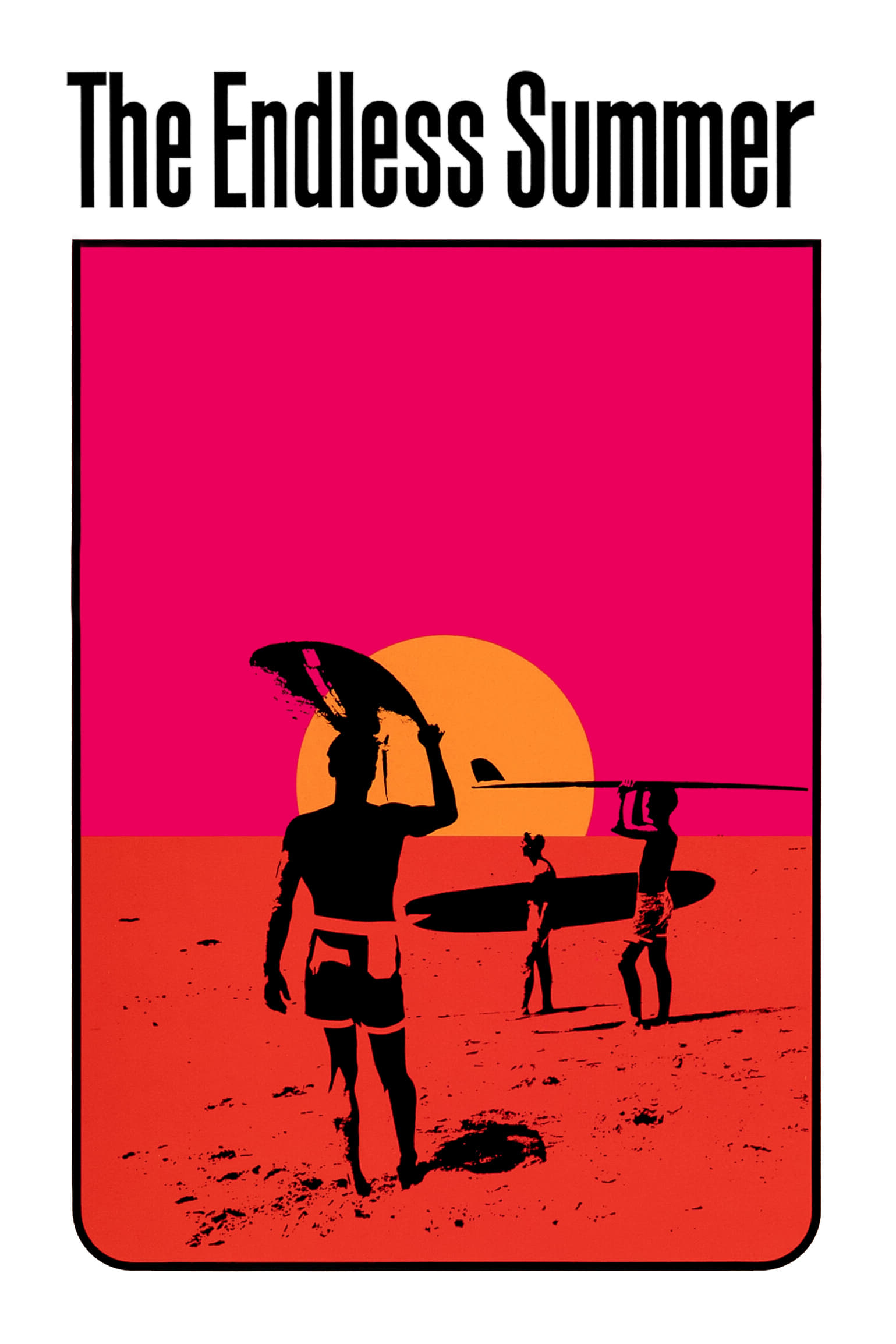
Two surfers travel around the world in search of the perfect wave and an everlasting summer season. They visit coasts in Africa, Australia, and Tahiti to introduce the sport to locals and ride untouched breaks. The film features a witty narration and a laid-back vibe that defined the surf culture for generations. ‘The Endless Summer’ remains the definitive travelogue for anyone who dreams of leaving it all behind for adventure.
‘News from Home’ (1977)
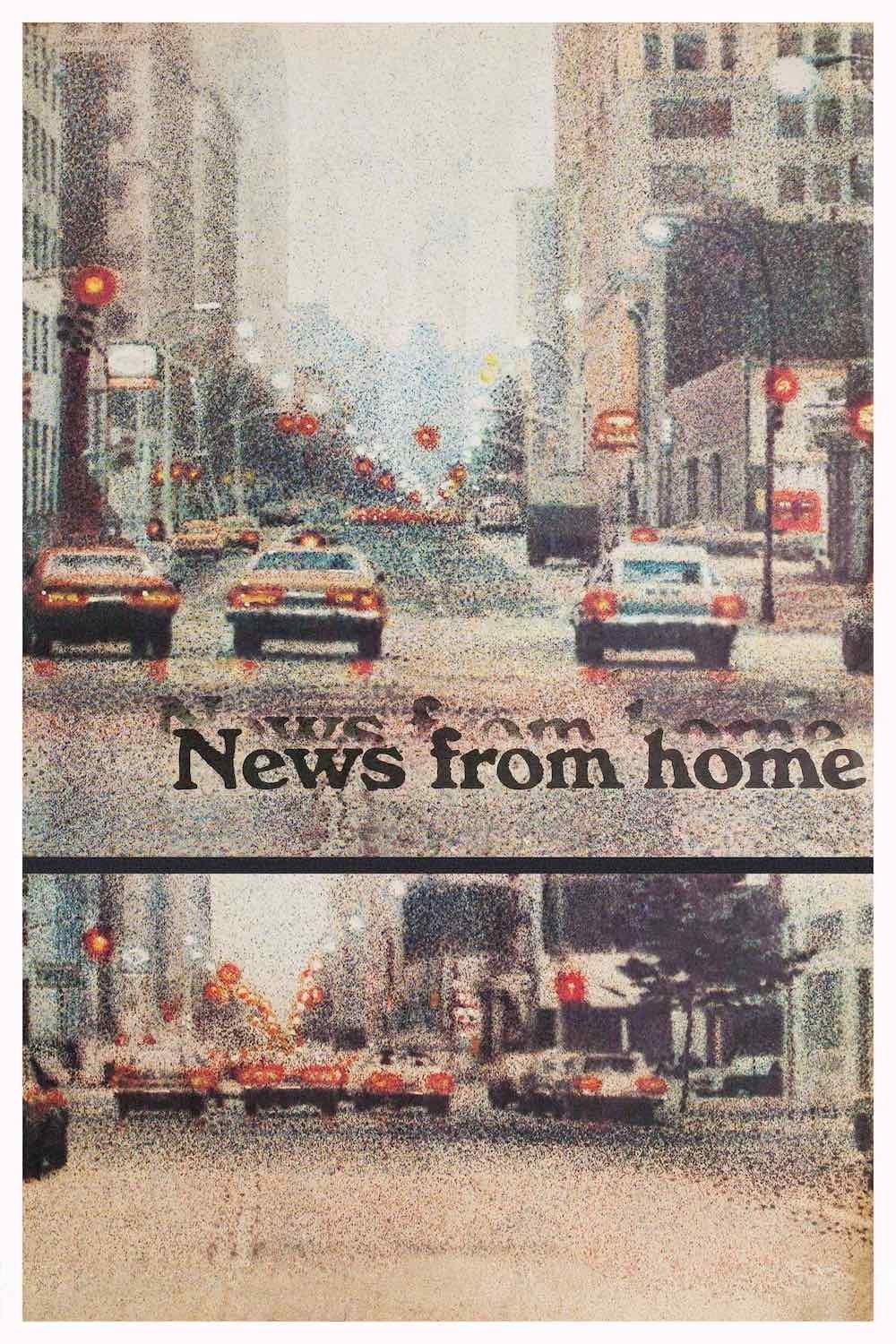
Director Chantal Akerman reads letters from her mother in Belgium over long static shots of New York City streets. The juxtaposition of the intimate domestic text with the alienating urban visuals creates a sense of profound isolation. The sound of the city traffic often drowns out her voice to symbolize the distance between the two women. This film is a masterpiece of structuralist cinema that captures the melancholy of being an immigrant.
‘Close-Up’ (1990)
A man is arrested for impersonating the famous Iranian director Mohsen Makhmalbaf to impress a wealthy family. The real director joins the production to film the trial and the eventual meeting between the imposter and the victims. The movie mixes documentary footage with reenactments involving the actual people from the case. ‘Close-Up’ is a complex examination of the power of cinema and the fluid nature of identity.
‘F for Fake’ (1973)
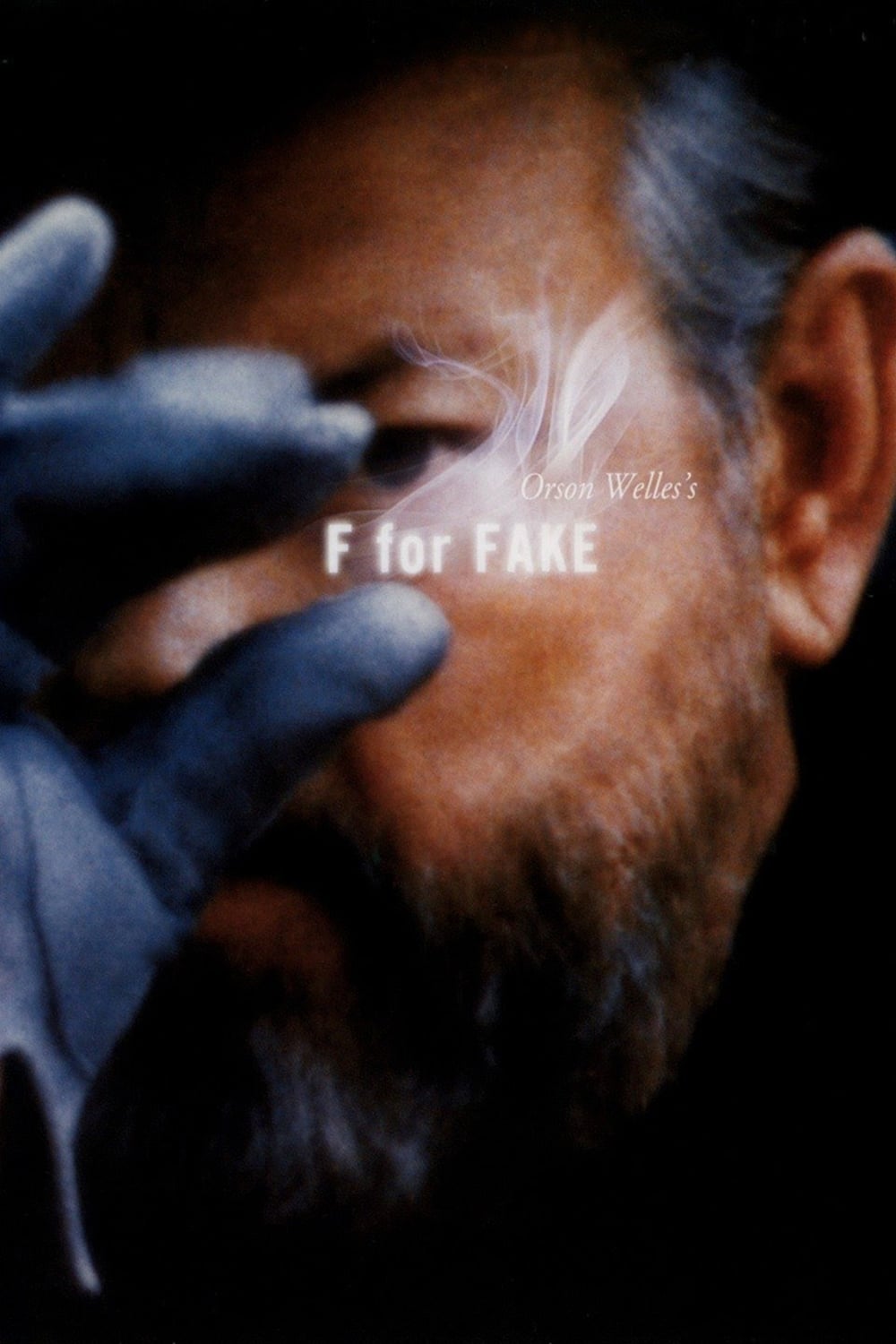
Orson Welles narrates a dizzying essay film about art forgers and biography hoaxes. He uses quick editing and magic tricks to question the value of authenticity in art and storytelling. The film constantly lies to the audience to prove its point about how easily we can be manipulated by experts. ‘F for Fake’ is a playful and intellectual puzzle that remains one of the most innovative documentaries ever made.
‘Sans Soleil’ (1983)
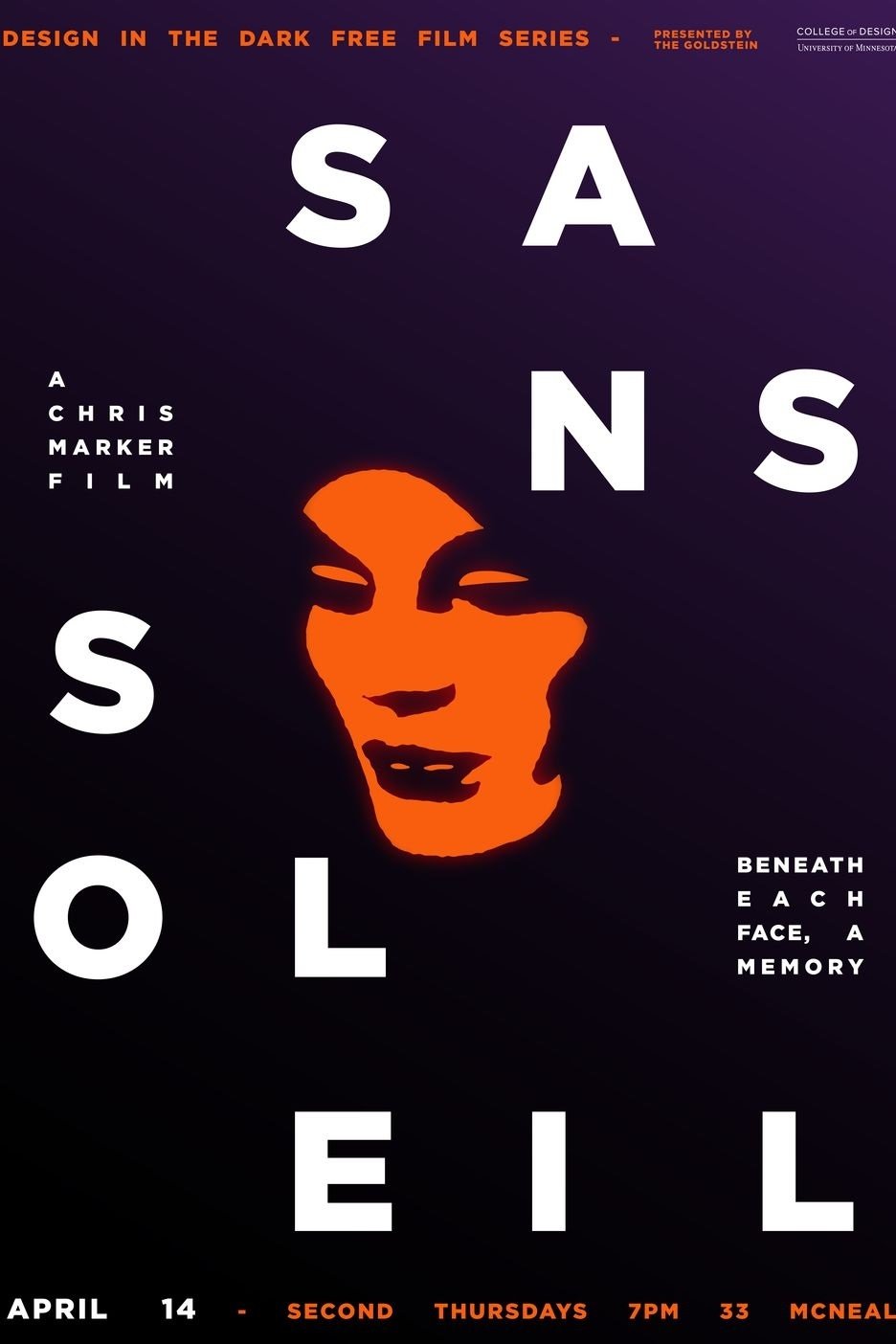
A woman reads letters from a cameraman traveling through Japan and Africa in this experimental essay film. The imagery shifts between bustling Tokyo streets and rural African villages to explore the nature of memory. The narrator reflects on how time alters our perception of history and personal experience. ‘Sans Soleil’ is a dense and poetic work that rewards patience and multiple viewings.
‘Stop Making Sense’ (1984)
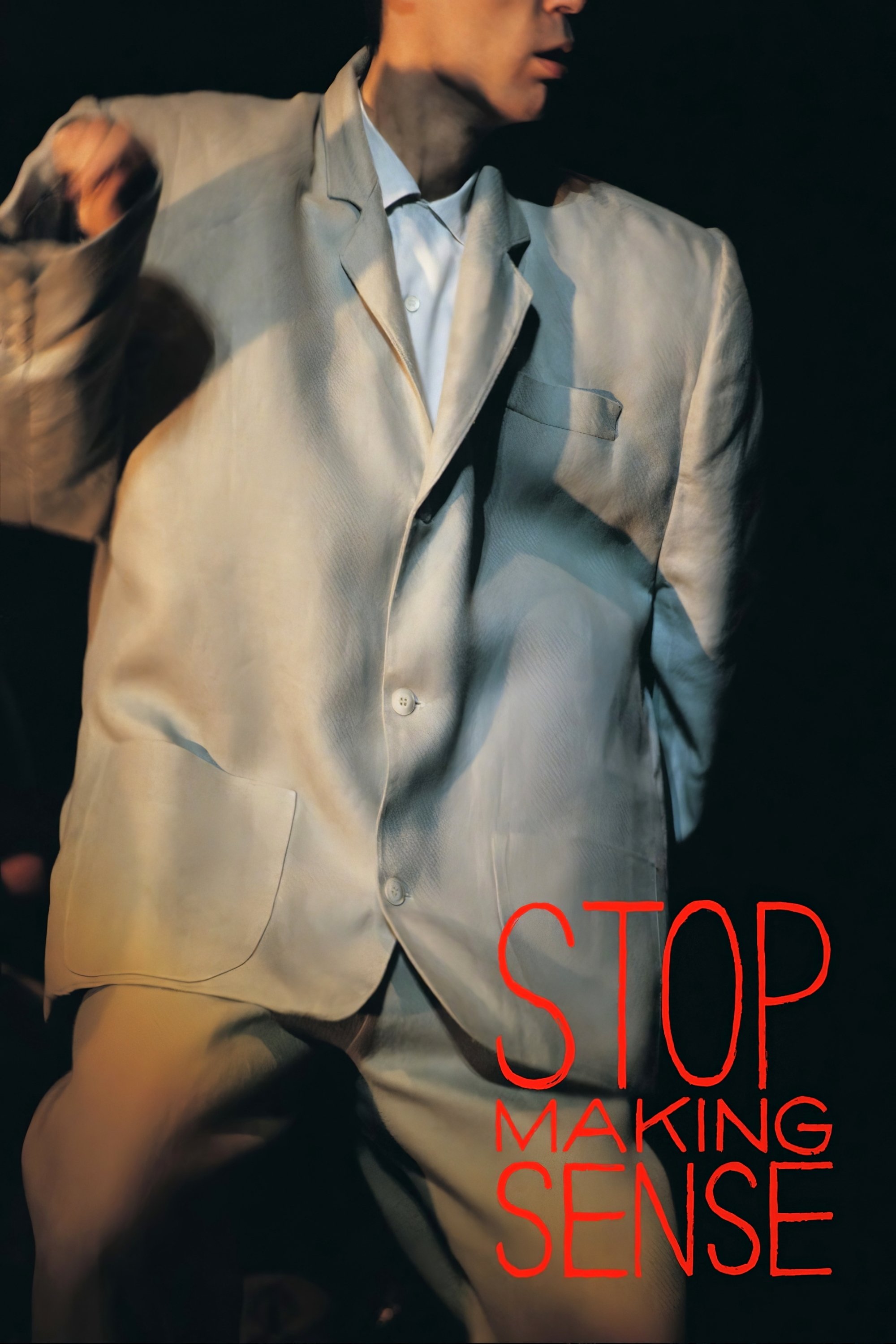
The Talking Heads perform a concert that builds from a solo acoustic number to a full band explosion of funk and art rock. Director Jonathan Demme focuses entirely on the stage performance without any audience interviews or backstage footage. The energy of the band and the unique choreography of David Byrne create a euphoric musical experience. It is widely considered one of the greatest concert films ever produced because of its pure focus on the music.
‘Harlan County U.S.A.’ (1977)
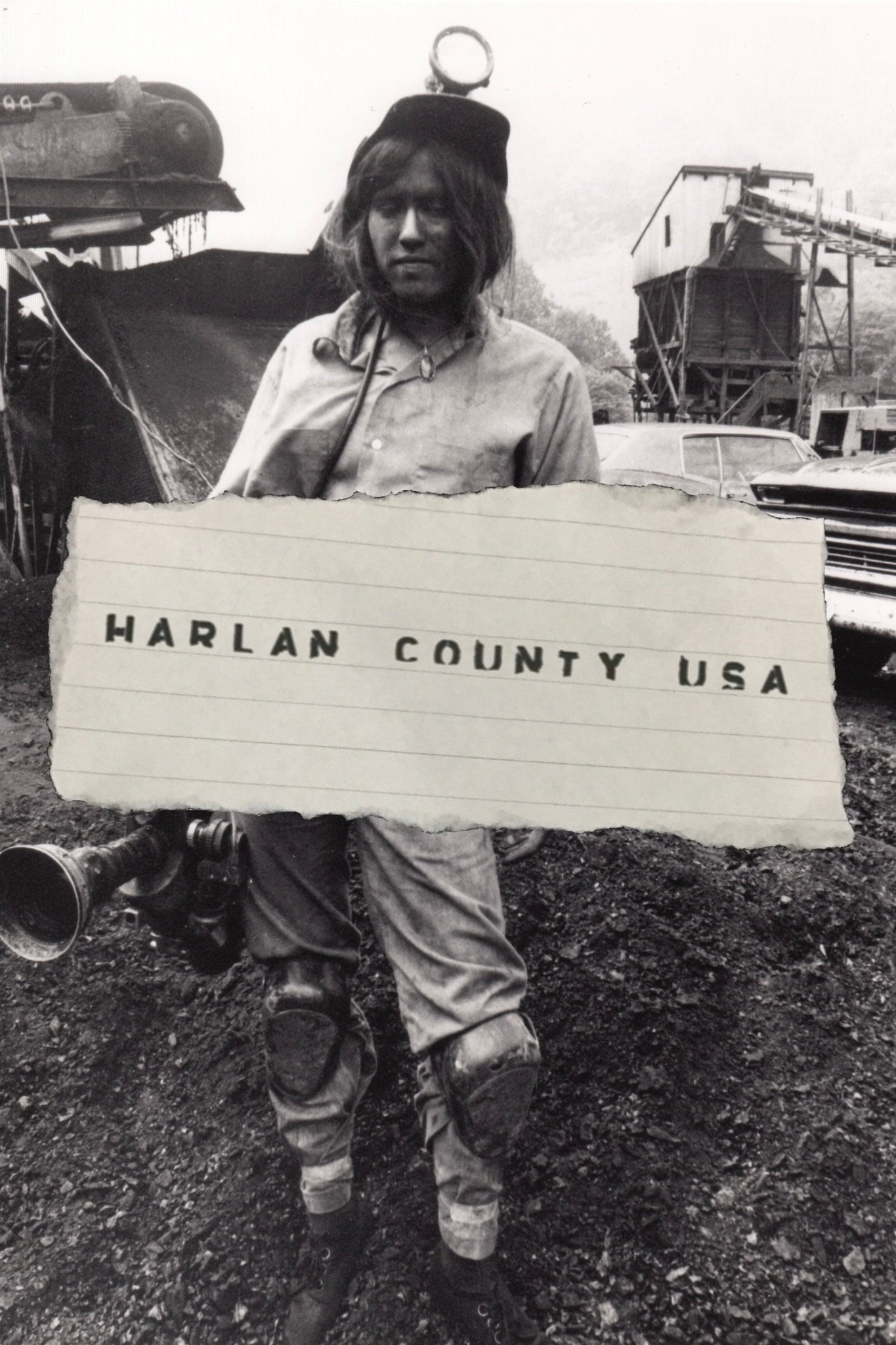
Coal miners in Kentucky go on strike against the Duke Power Company to demand safer working conditions and fair pay. The filmmakers live with the families for years and capture the violent clashes with strikebreakers and police. The women of the community take a leading role in the picket lines and sustain the movement through the long struggle. This film is a visceral document of labor rights and the enduring strength of the working class.
‘Salesman’ (1969)
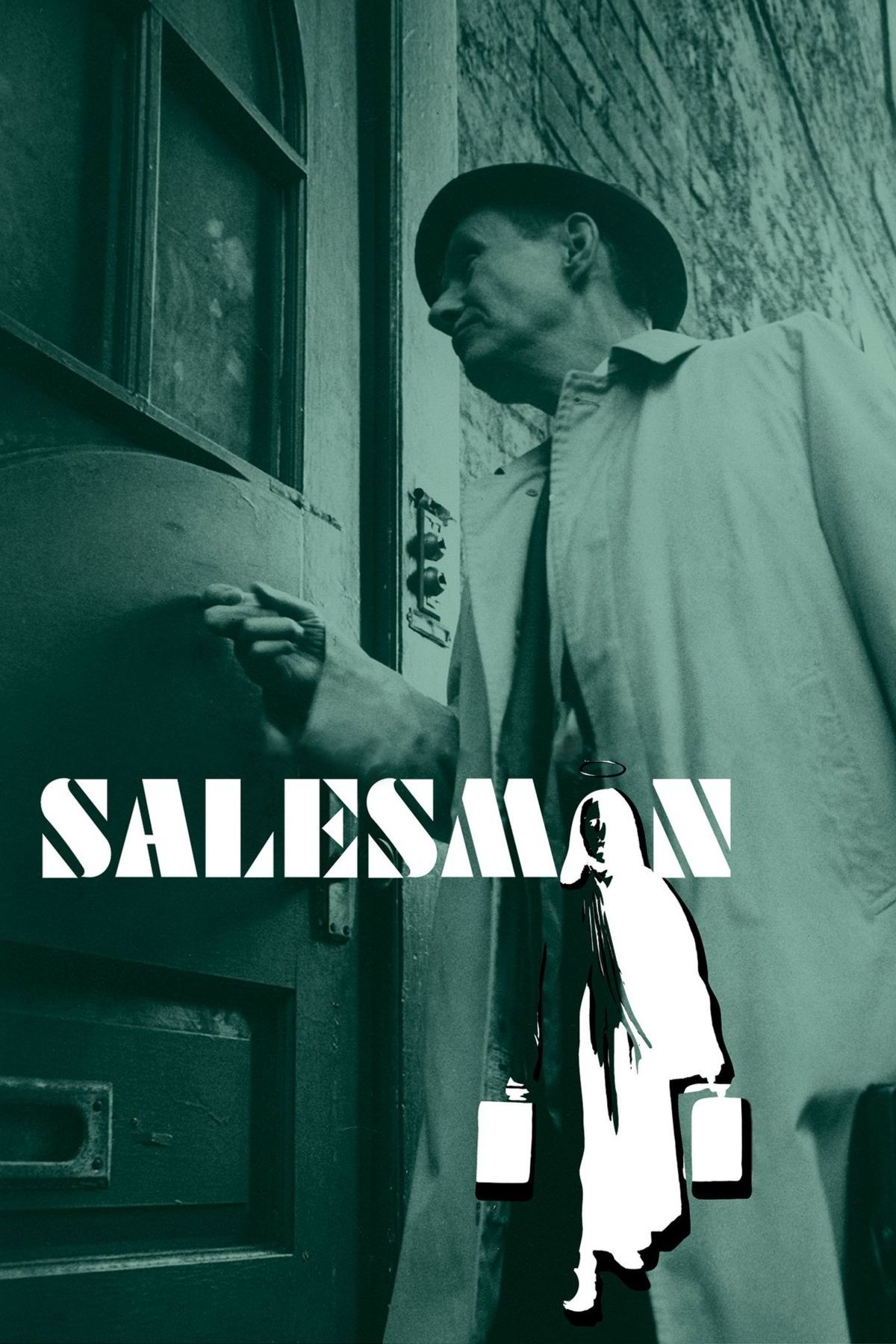
Four door-to-door Bible salesmen travel across New England and Florida trying to sell expensive books to people who can barely afford them. The film observes the high-pressure tactics they use and the crushing rejection they face at nearly every house. It exposes the desperation underlying the sales profession and the hollowness of commercializing faith. ‘Salesman’ is a landmark of direct cinema that offers a critical look at American capitalism.
‘Titicut Follies’ (1967)
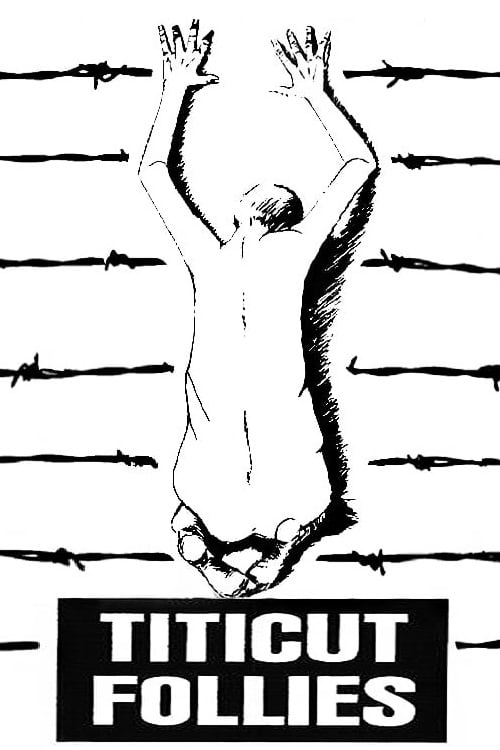
Frederick Wiseman exposes the grim conditions inside the Bridgewater State Hospital for the criminally insane in Massachusetts. The film shows the dehumanizing treatment of inmates by guards and medical staff in stark black-and-white. Its release was banned for decades because the state government claimed it violated the privacy of the patients. ‘Titicut Follies’ remains a disturbing and essential document of institutional failure.
‘Shoah’ (1985)
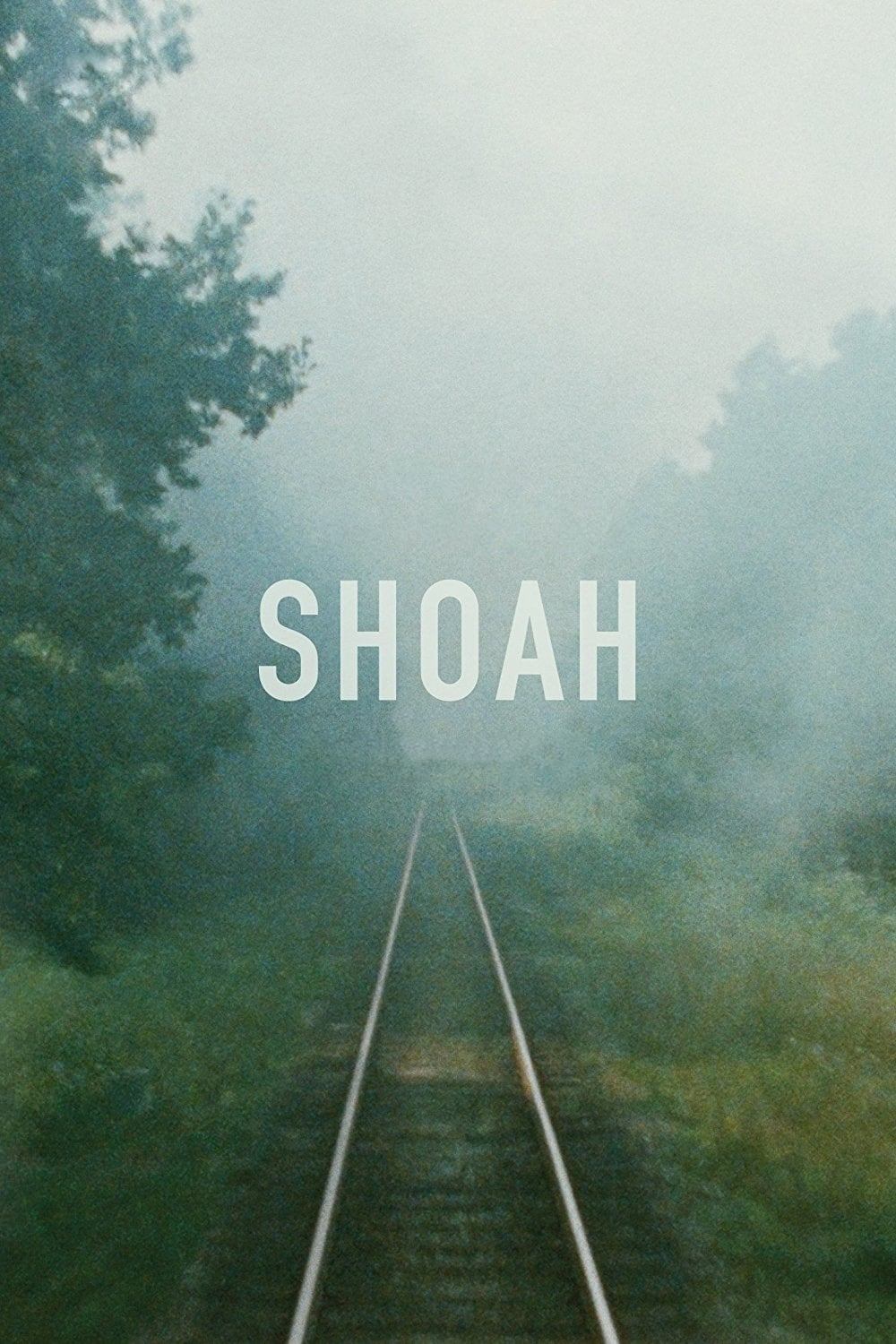
Claude Lanzmann presents a nine-hour oral history of the Holocaust without using any archival footage. He interviews survivors, witnesses, and perpetrators at the actual sites of the genocide to reconstruct the mechanics of death. The film relies on the power of testimony and the haunting present-day landscapes to convey the magnitude of the horror. ‘Shoah’ is a monumental cinematic achievement that serves as a permanent witness to history.
Discovering these hidden gems can completely change your perspective on what a documentary can achieve, so please share your own favorite obscure documentaries in the comments.

