


The Best Frankenstein’s Monster Interpretations in Movies & TV (Ranked)

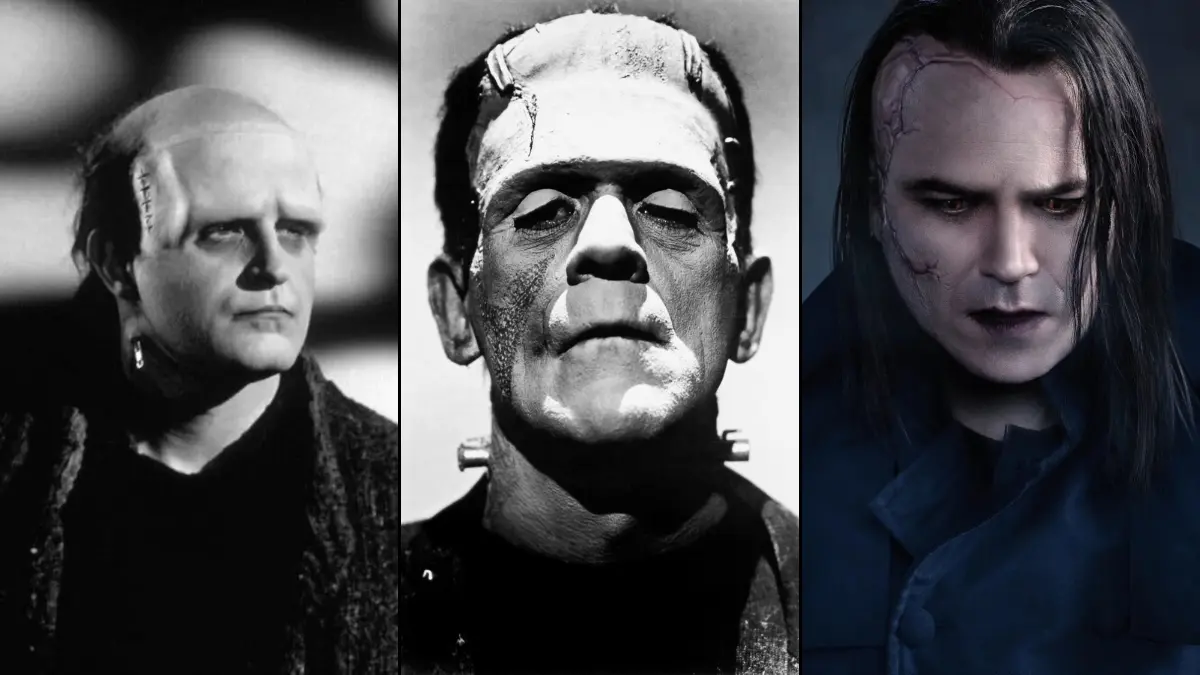


Mary Shelley’s 1818 novel has inspired countless adaptations across cinema and television, each offering a unique lens on the tragic creature. From the early days of silent film to modern psychological dramas, the portrayal of the monster has evolved from a mindless brute to a deeply sympathetic and articulate figure. These interpretations often reflect the cultural anxieties of their time, exploring themes of scientific ethics, loneliness, and what it truly means to be human. The following list highlights the most notable versions of the creature, ranging from campy comedy to Gothic horror.
‘Victor Frankenstein’ (2015)
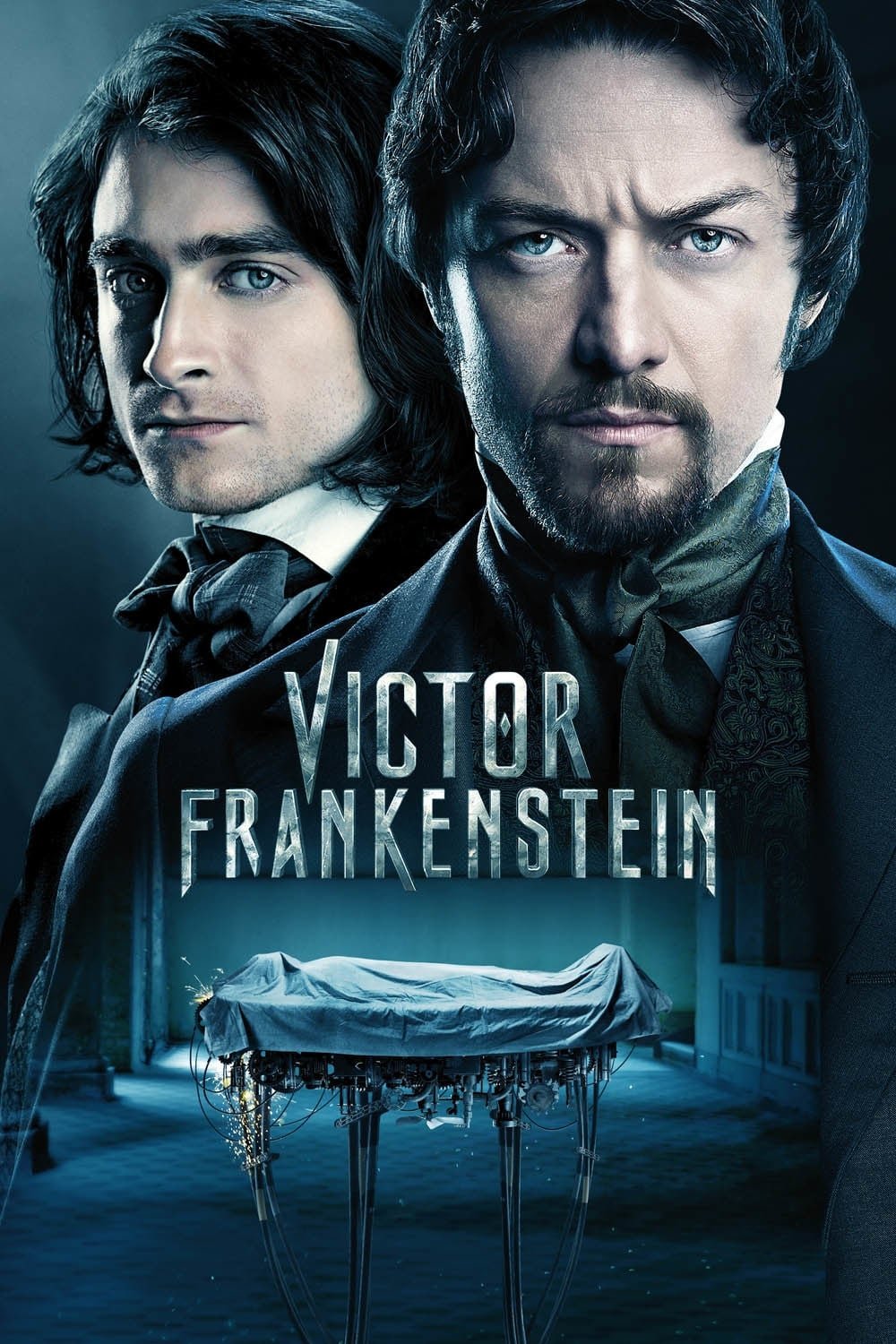
Spencer Wilding portrays the creature, known as Prometheus, in this reimagining told from the perspective of Igor Straussman. The film focuses on the obsessive relationship between Victor Frankenstein and his assistant as they work toward the goal of immortality. Wilding’s monster is a massive, biologically reconstructed being that lacks the sentient complexity found in the original source material. This version emphasizes the chaotic and dangerous nature of the experiment once life is finally granted. The physical design highlights a raw, unfinished aesthetic that deviates from traditional cinematic depictions.
‘Van Helsing’ (2004)
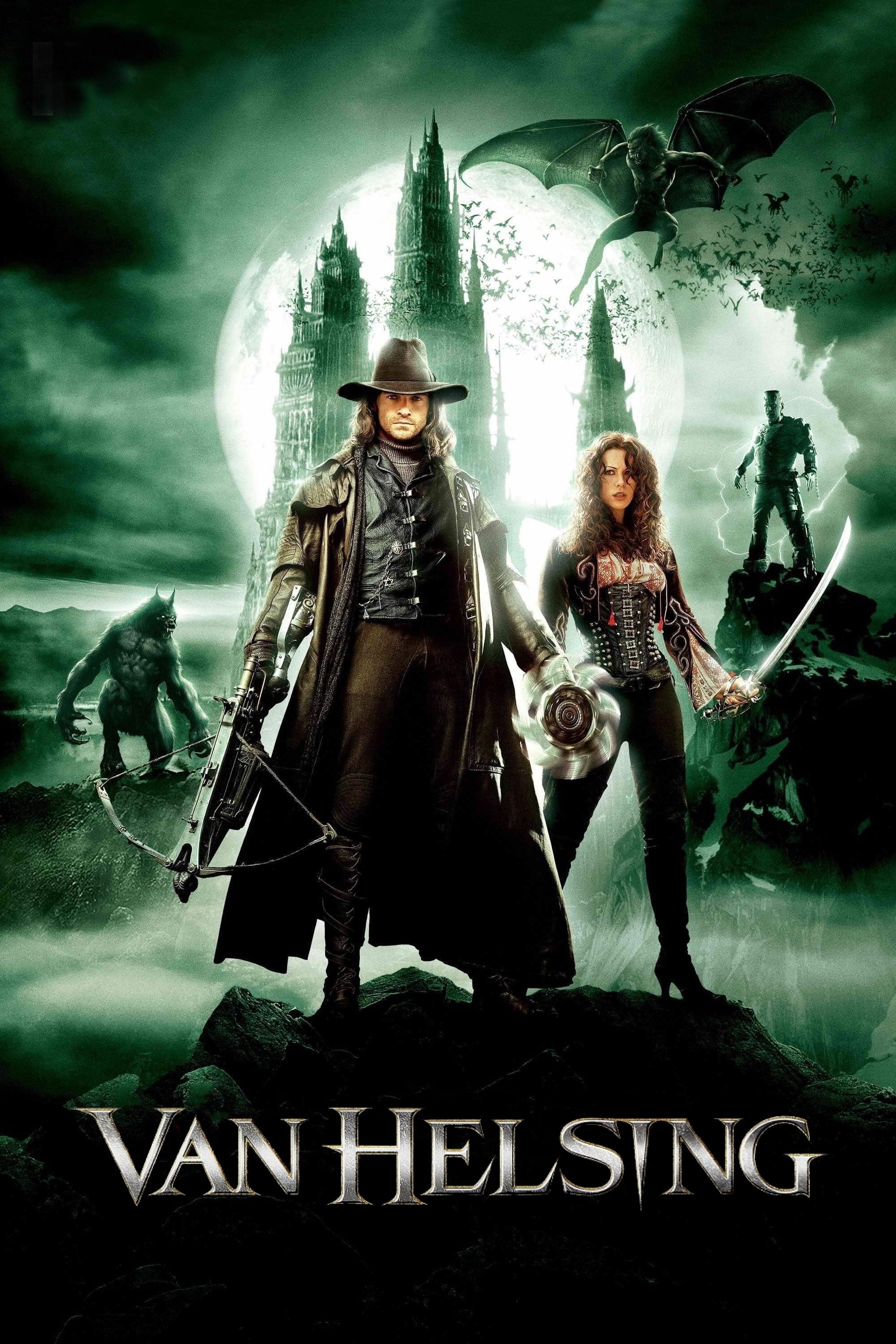
In this action spectacle, Shuler Hensley plays a version of the monster that serves as a pivotal plot point for Count Dracula. The creature is depicted as a steampunk-inspired construction featuring visible machinery and glowing green energy. Unlike many other versions, this interpretation portrays the monster as a misunderstood hero who fears his own power. He ultimately seeks to preserve his life to prevent the vampire count from using him to bring a new brood to life. The character’s design and personality emphasize the tragedy of a soul trapped in a mechanical nightmare.
‘Mary Shelley’s Frankenstein’ (1994)
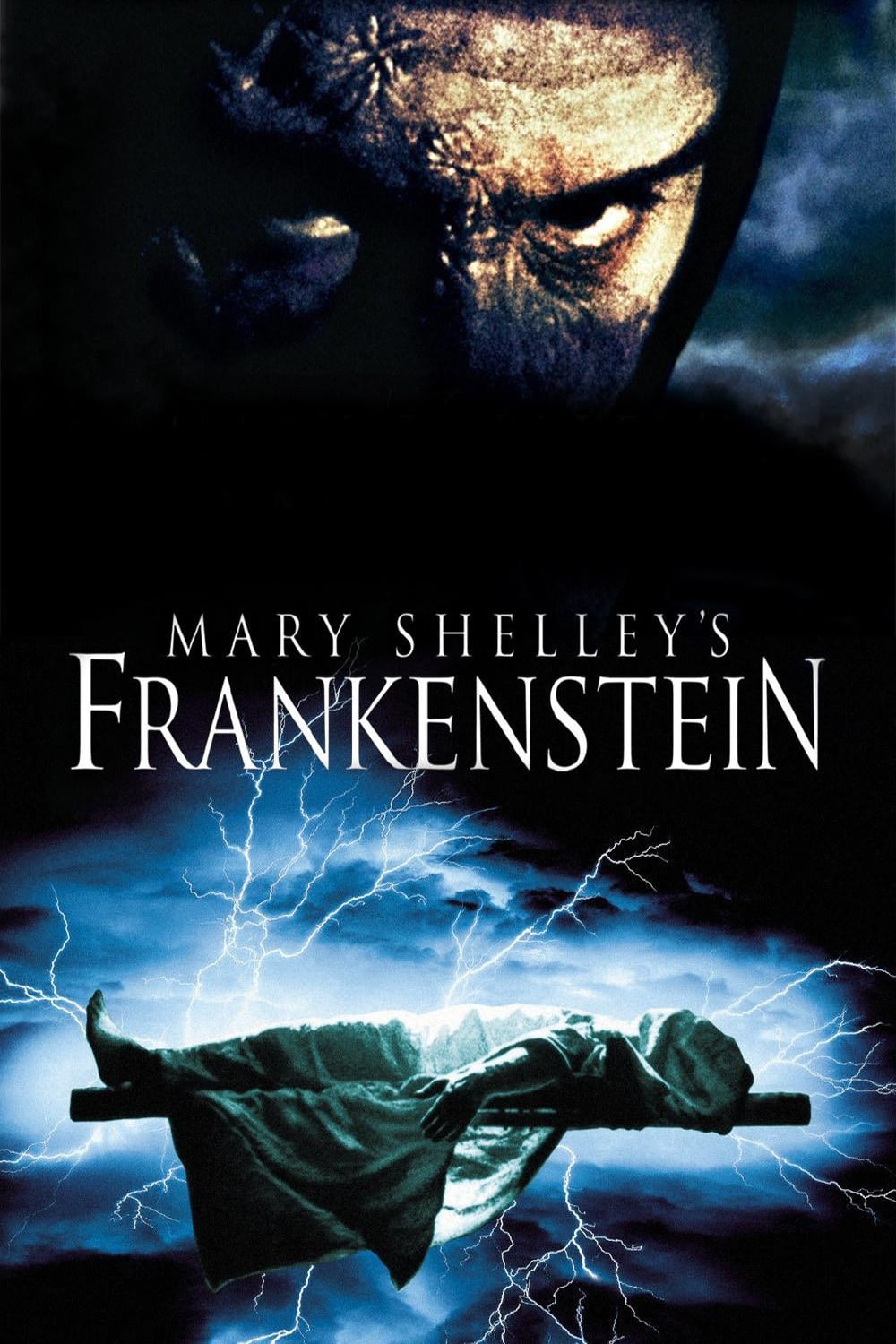
Robert De Niro takes on the role of the creature in this adaptation directed by Kenneth Branagh. This version aims to stay closer to the novel by presenting a monster that is both highly intelligent and deeply resentful of its creator. The makeup design focuses on a “stitched-together” look that avoids the iconic flat-headed imagery of earlier films. De Niro’s performance highlights the character’s descent from a curious, newborn-like state into a vengeful force of nature. The film explores the profound emotional isolation the monster experiences after being abandoned by Victor.
‘Frankenstein’ (2004)
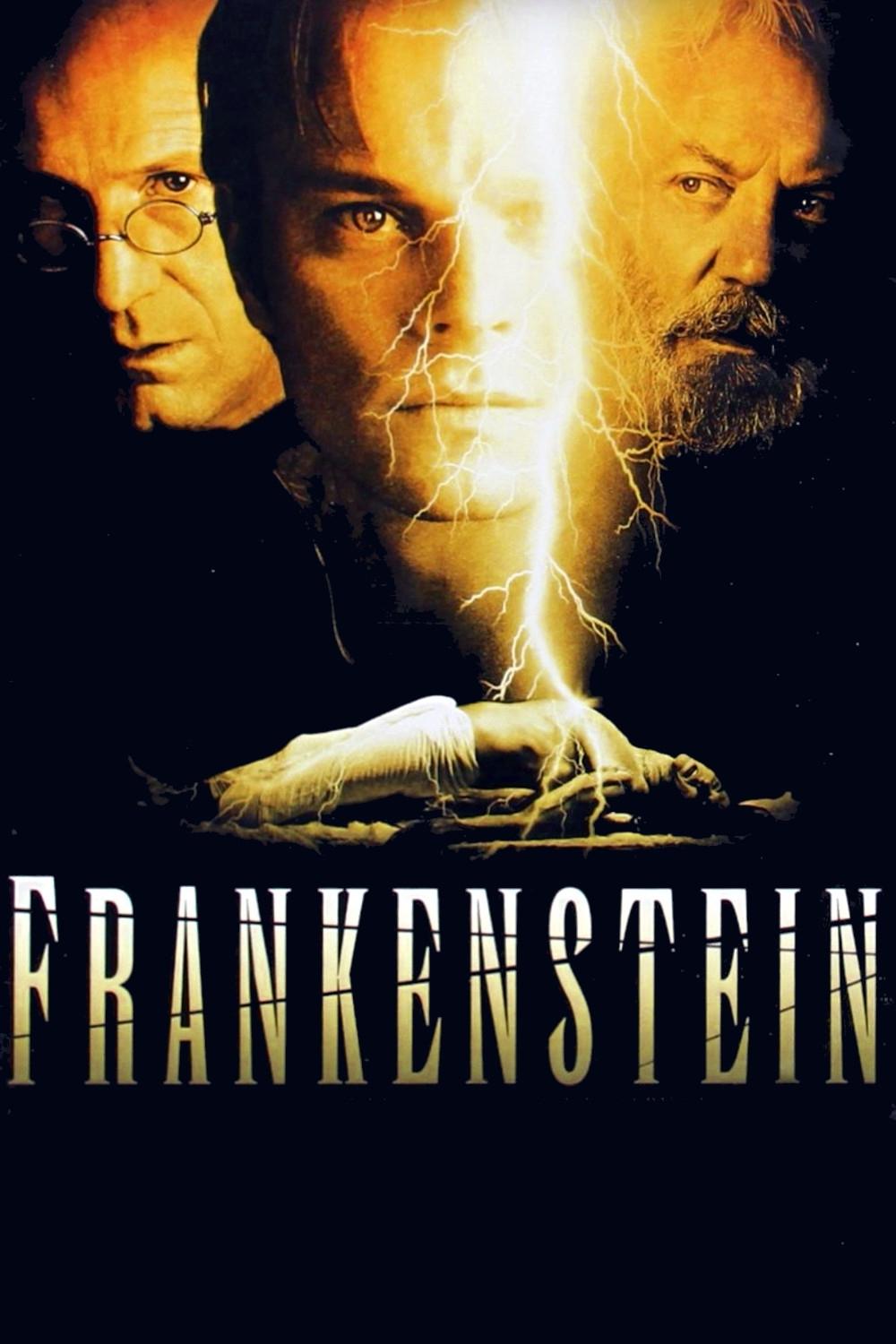
This miniseries features Luke Goss as the creature in an adaptation that prioritizes the philosophical dialogues found in the book. The narrative follows the monster as he learns about human society through observation and the study of literature. Goss portrays the creature with a sense of melancholic dignity, emphasizing his articulate nature and his desire for a companion. The visual design stays relatively grounded, showing the creature as a scarred but recognizable human figure. This interpretation highlights the moral consequences of Victor’s god-like ambitions and the creature’s subsequent suffering.
‘Frankenstein: The True Story’ (1973)
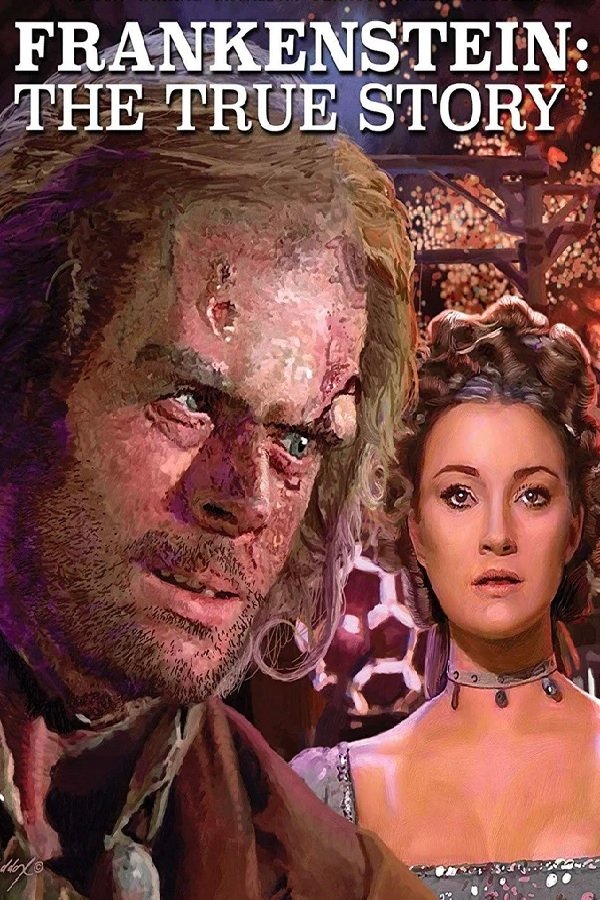
Michael Sarrazin portrays a unique version of the monster that initially appears as a handsome, physically perfect human specimen. As the story progresses, the creature begins to physically decay, reflecting the fundamental flaws in the resurrection process. This transition from beauty to a traditional “monster” adds a layer of psychological horror to the character’s development. Sarrazin’s performance captures the creature’s initial joy and subsequent despair as he is rejected by his creator and society. The film serves as a television adaptation that reinterprets the classic themes of vanity and scientific hubris.
‘The Monster Squad’ (1987)
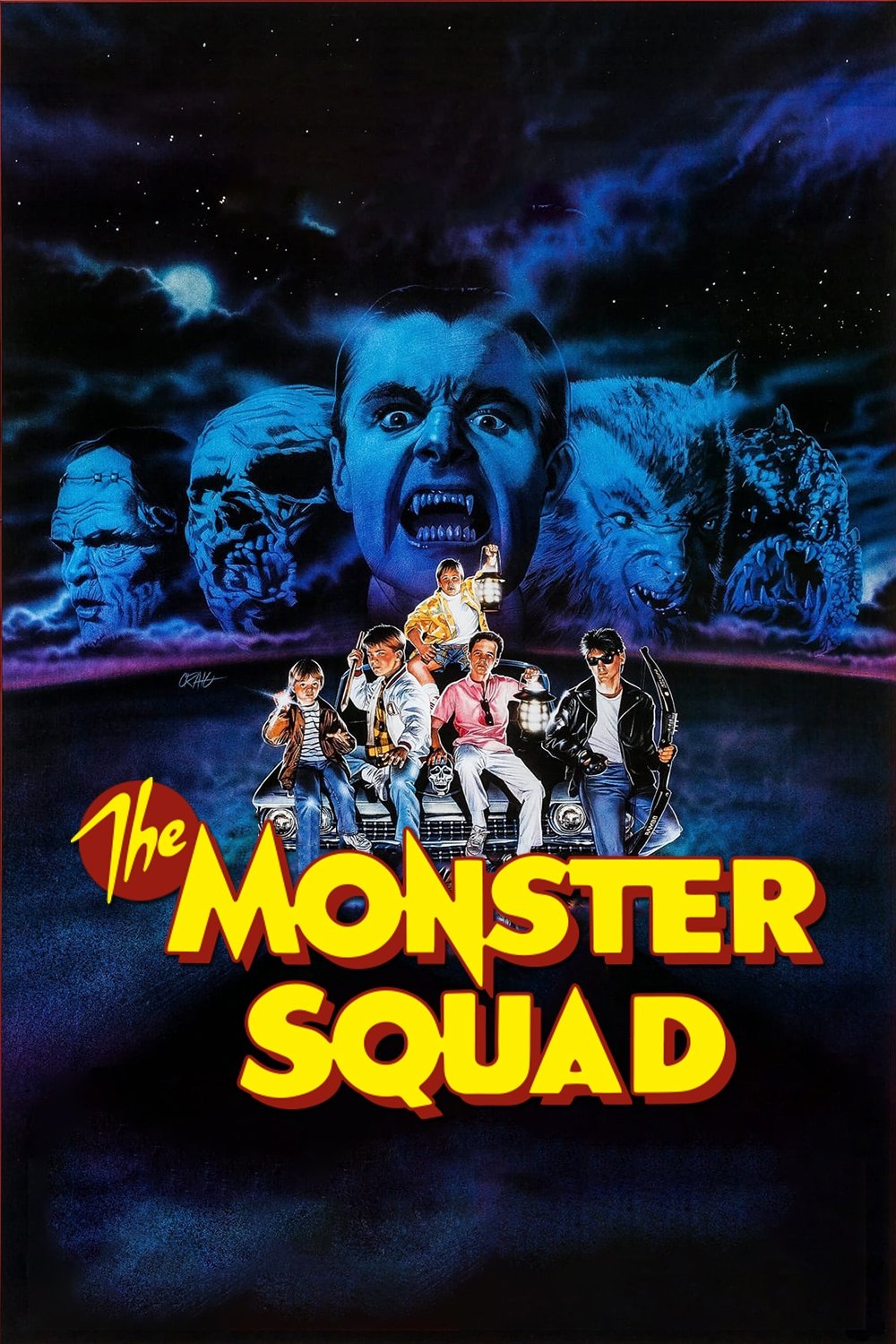
Tom Noonan plays a gentle and misunderstood version of the monster in this cult classic horror-comedy. Although he is initially recruited by Count Dracula to help terrorize a small town, the creature eventually sides with a group of children. The monster forms a particularly close bond with a young girl, showcasing his inherent kindness despite his intimidating appearance. Noonan’s performance utilizes minimal dialogue and expressive body language to convey the character’s internal conflict. This depiction pays homage to the classic Universal aesthetic while adding a softer, protective layer to the role.
‘Hotel Transylvania’ (2012)
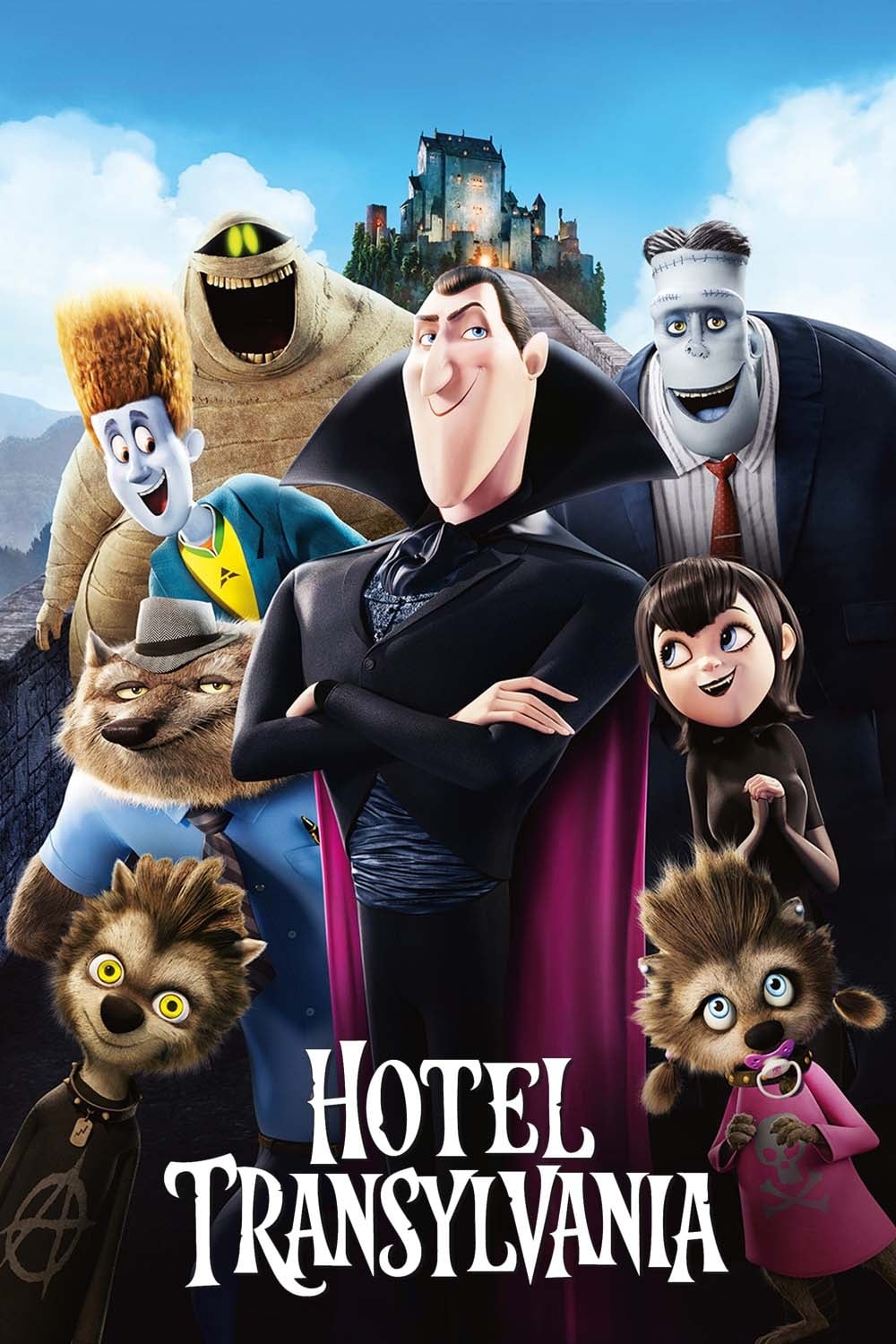
Kevin James provides the voice for Frank, a comedic and friendly version of the legendary monster in this animated franchise. This interpretation strips away the horror elements, presenting the character as a lovable, somewhat clumsy uncle figure within a community of monsters. Frank is shown as being easily frightened by fire and having a strong devotion to his wife, Eunice. The design is a stylized nod to the classic Karloff look, complete with blue skin and visible neck bolts. This version rebrands the character for a younger audience, focusing on themes of family and acceptance.
‘The Curse of Frankenstein’ (1957)
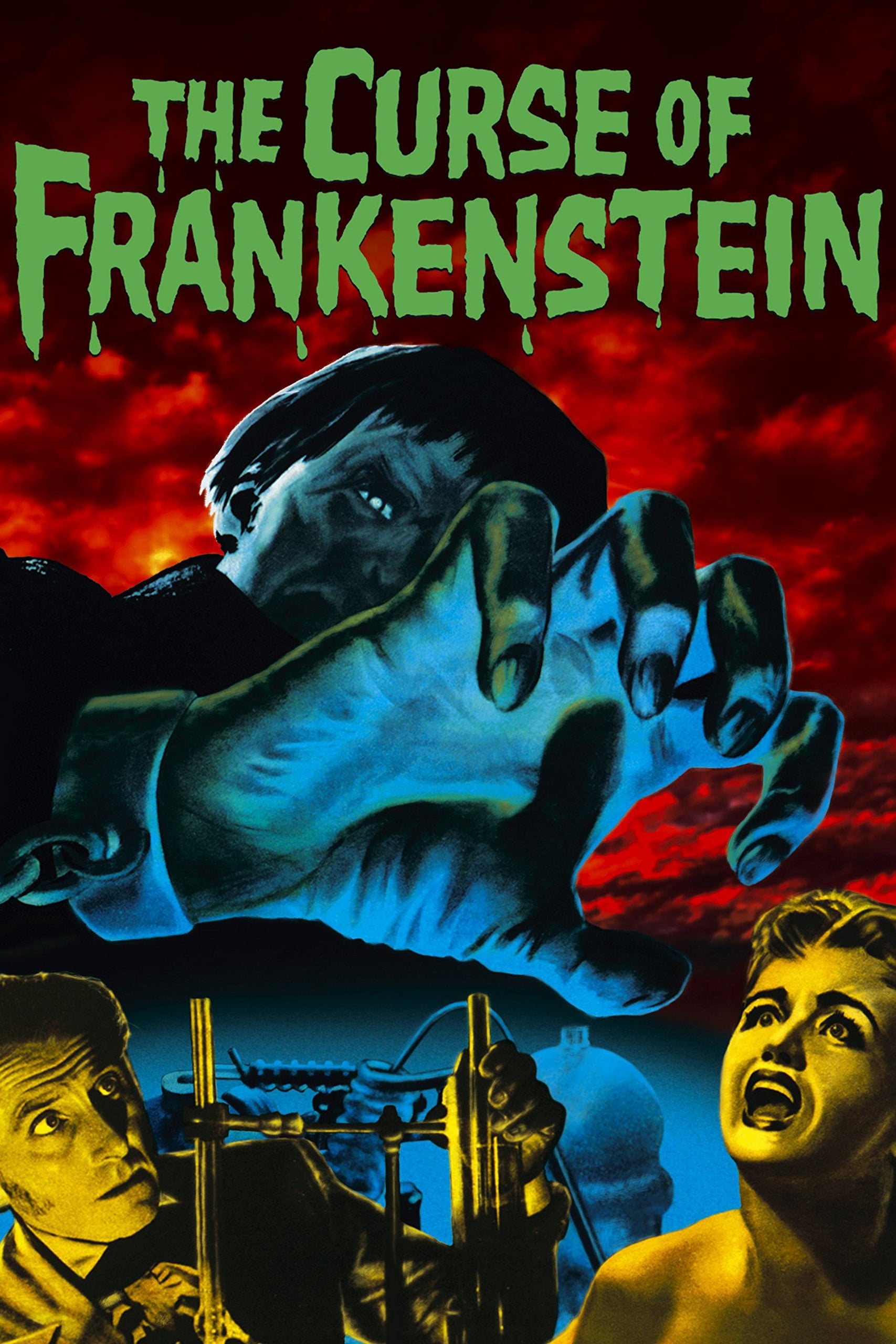
Christopher Lee made his debut as the monster in this Hammer Horror production, which marked a shift toward more graphic and colorful depictions. His version of the creature is less empathetic than others, acting primarily as a violent and brain-damaged byproduct of Victor’s experiments. The makeup by Phil Leakey avoids the copyrighted Universal design, opting instead for a more gruesome, cadaverous appearance. Lee’s physical performance emphasizes the monster’s unpredictability and raw power within the laboratory setting. This film established a new era of horror by focusing more on the moral depravity of the scientist himself.
‘Son of Frankenstein’ (1939)
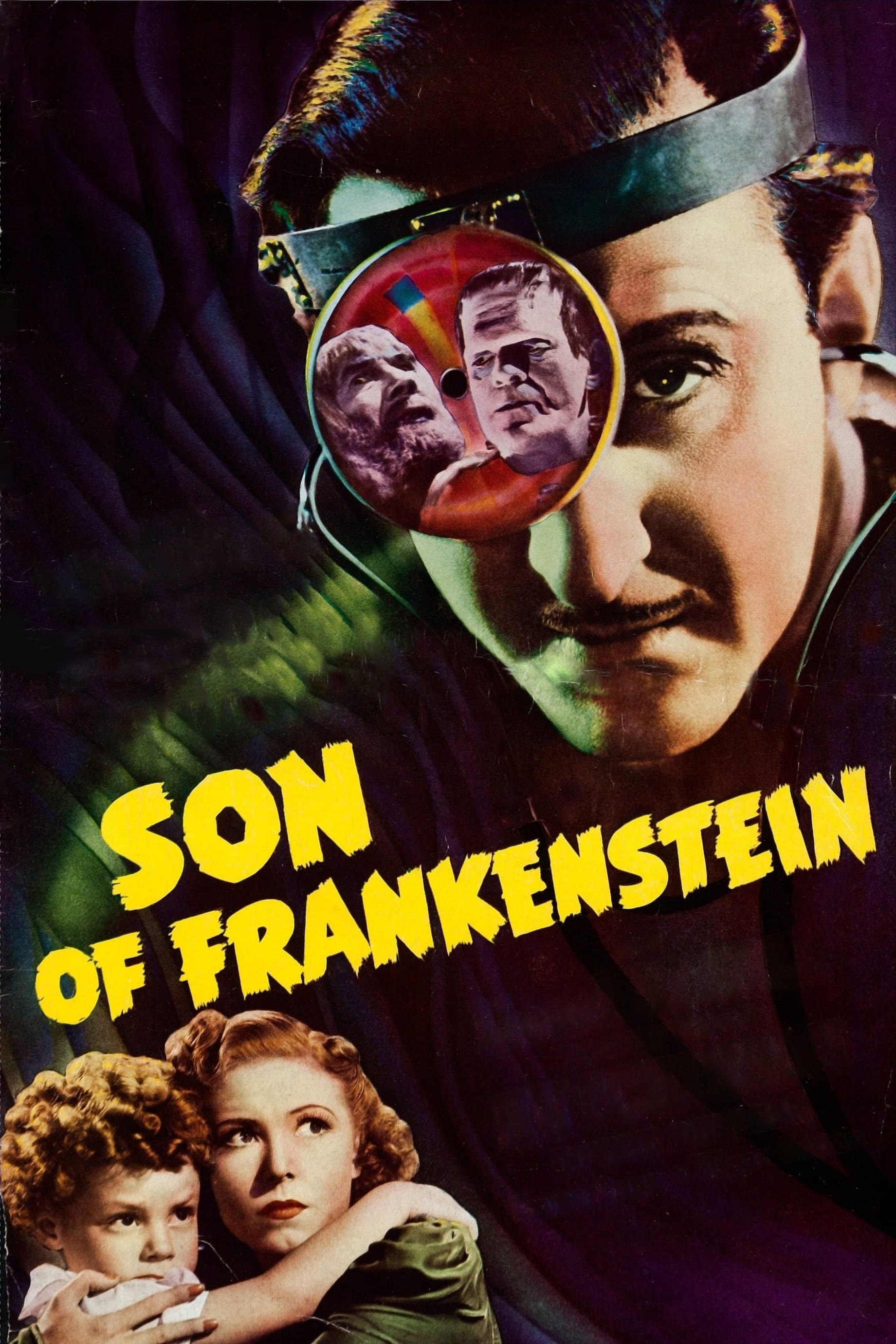
Boris Karloff returns for his final film appearance as the monster, where the character is found in a weakened state by Victor’s son. In this sequel, the monster is manipulated by the cunning Ygor, who uses the creature to exact revenge on those who wronged him. The monster displays a more aggressive and less sympathetic personality compared to the previous two installments. His wardrobe also changes, featuring a distinct fur-lined vest that became a recognizable part of his silhouette. This film is noted for its expressionistic sets and for further cementing the monster’s place in pop culture history.
‘The Rocky Horror Picture Show’ (1975)
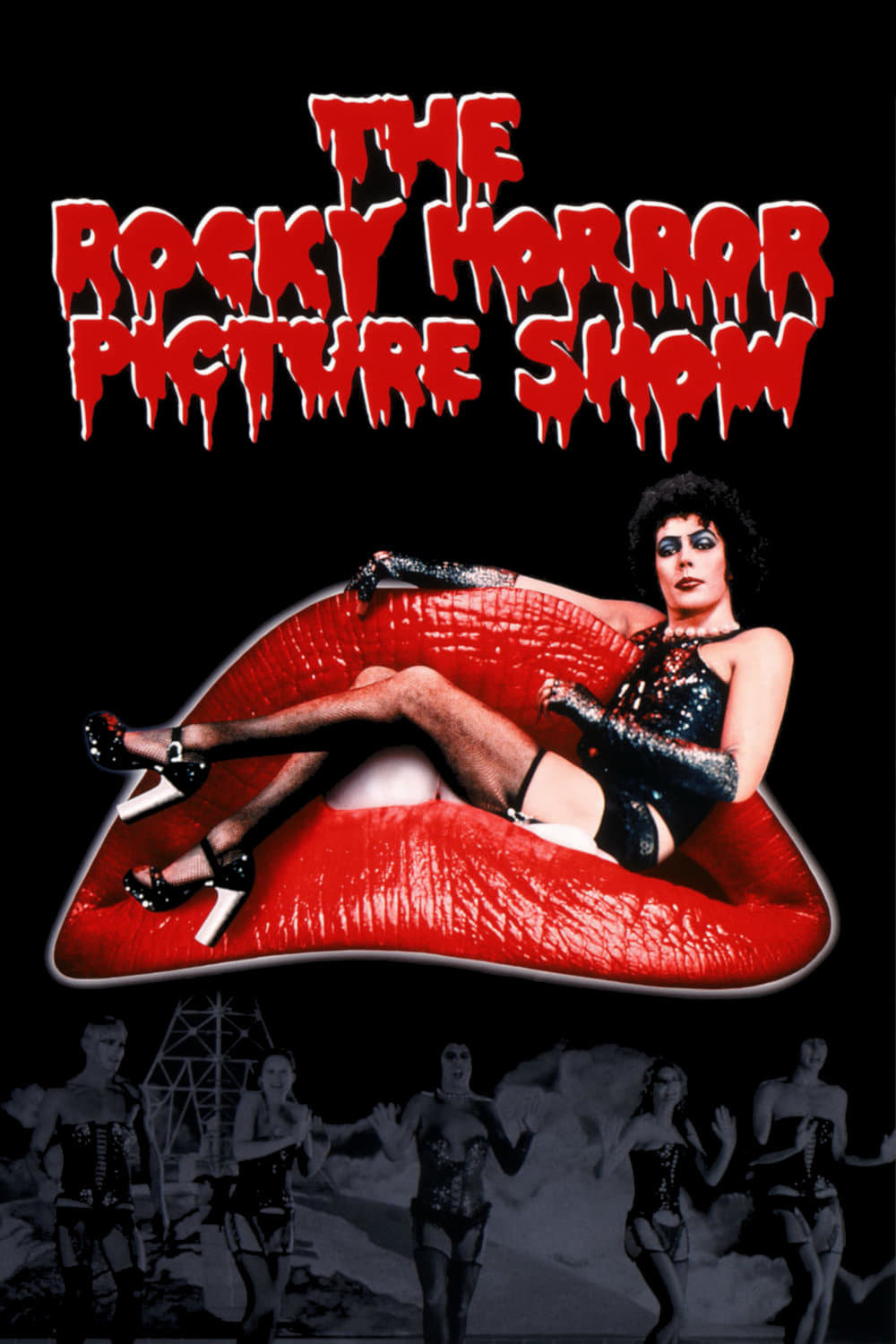
Peter Hinwood plays Rocky Horror, the creation of the mad scientist Dr. Frank-N-Furter in this musical cult classic. Rocky is designed to be the “perfect” man, emphasizing physical beauty and strength rather than the typical stitched-together aesthetic. Unlike traditional monsters, he is a golden-haired, athletic figure who possesses the mind of a child. His character explores the themes of sexual liberation and the objectification of the created being. The film uses this interpretation to parody the tropes of 1930s horror cinema while creating a unique pop-culture icon.
‘The Munsters’ (1964–1966)
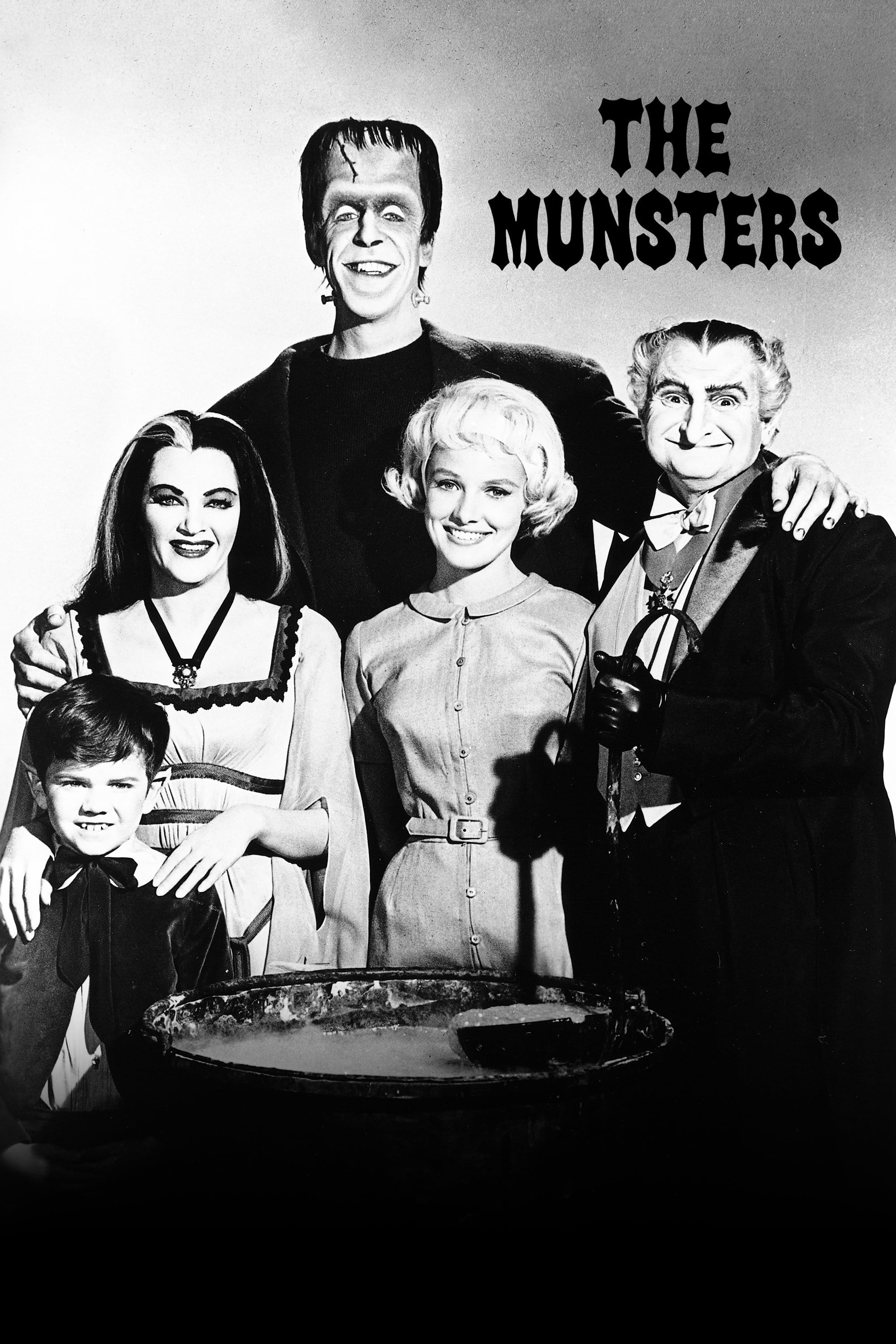
Fred Gwynne portrays Herman Munster, a character who is physically modeled after the Universal monster but possesses a childlike and jovial personality. As the patriarch of a suburban family of monsters, Herman is depicted as a hardworking and well-meaning individual who is often oblivious to the fear he causes others. The show uses his towering height and immense strength for physical comedy and situational irony. Gwynne’s performance remains one of the most recognizable television versions of the creature, emphasizing humor over horror. This interpretation suggests that the monster can lead a normal, albeit eccentric, life within society.
‘Bride of Frankenstein’ (1935)

In this highly acclaimed sequel, Boris Karloff reprised his role and gains the ability to speak limited English. The monster seeks a companion to alleviate his crushing loneliness, leading to the creation of a female counterpart. This version of the creature is more articulate and emotionally complex, expressing a clear desire for friendship and love. The narrative explores the monster’s realization that he will never be accepted by the world, culminating in a dramatic finale. Many film historians consider this the definitive performance of the character due to the depth of emotion Karloff conveys.
‘Young Frankenstein’ (1974)

Peter Boyle stars as the monster in this Mel Brooks parody that serves as a loving homage to the 1930s Universal films. The creature is initially portrayed as the standard misunderstood brute before undergoing a humorous transformation into a sophisticated gentleman. This evolution is famously showcased during a “Puttin’ on the Ritz” musical number performed alongside Gene Wilder. Boyle uses physical comedy and varied vocalizations to parody the tropes of the genre while maintaining the character’s core vulnerability. The film successfully balances satire with a genuine appreciation for the original source material’s heart.
‘Penny Dreadful’ (2014–2016)
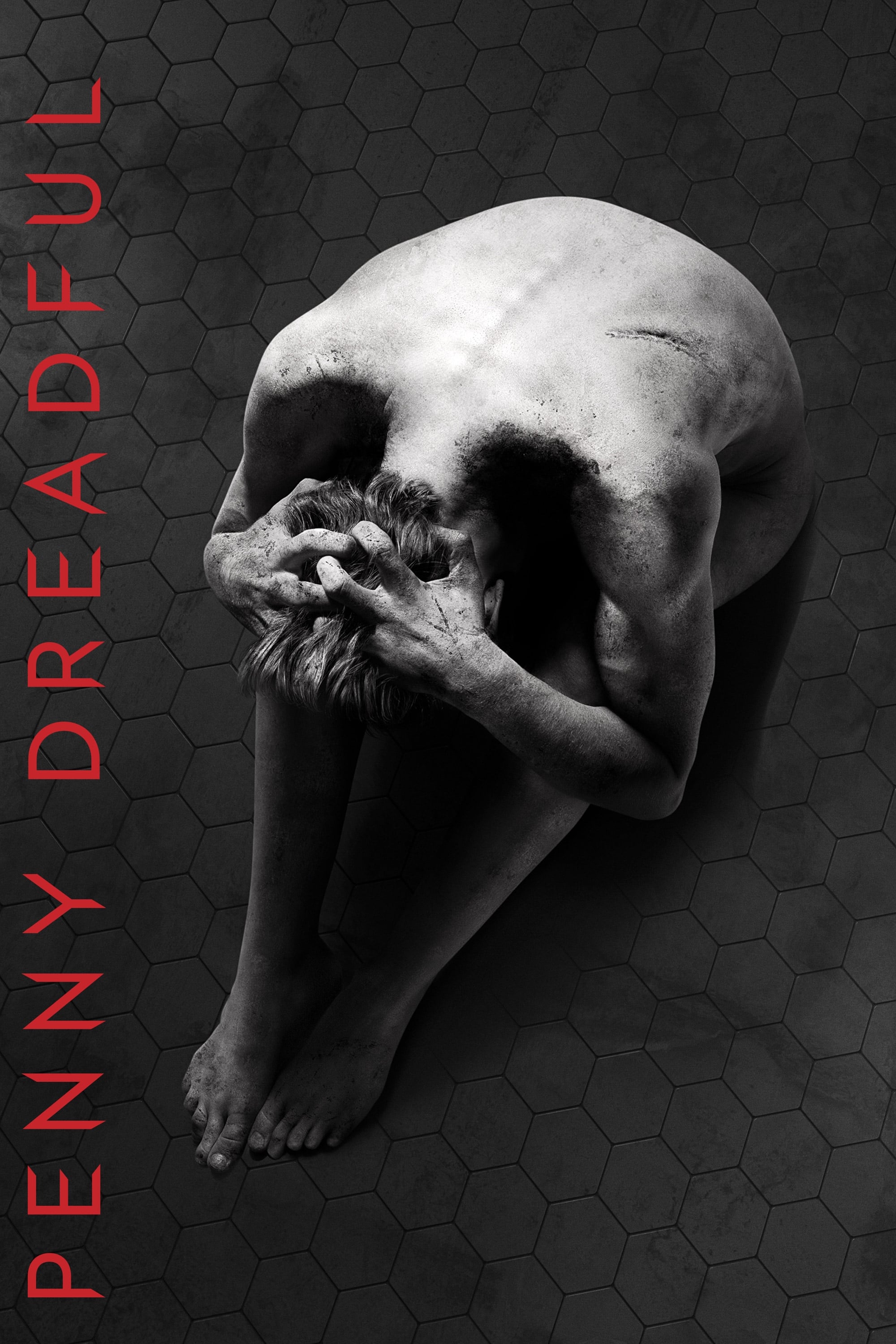
Rory Kinnear portrays the creature, who adopts the name John Clare, in this Gothic horror series. This interpretation is perhaps the most faithful to the literary version, as the creature is a highly literate, philosophical, and tortured soul. He spends much of the series seeking his place in a world that reviles him, while grappling with his own capacity for violence. The show explores his complex relationship with his creator, Victor Frankenstein, and his eventual found family in the theater. Kinnear’s performance is widely praised for its emotional intensity and poetic delivery of the character’s internal monologues.
‘Frankenstein’ (1931)
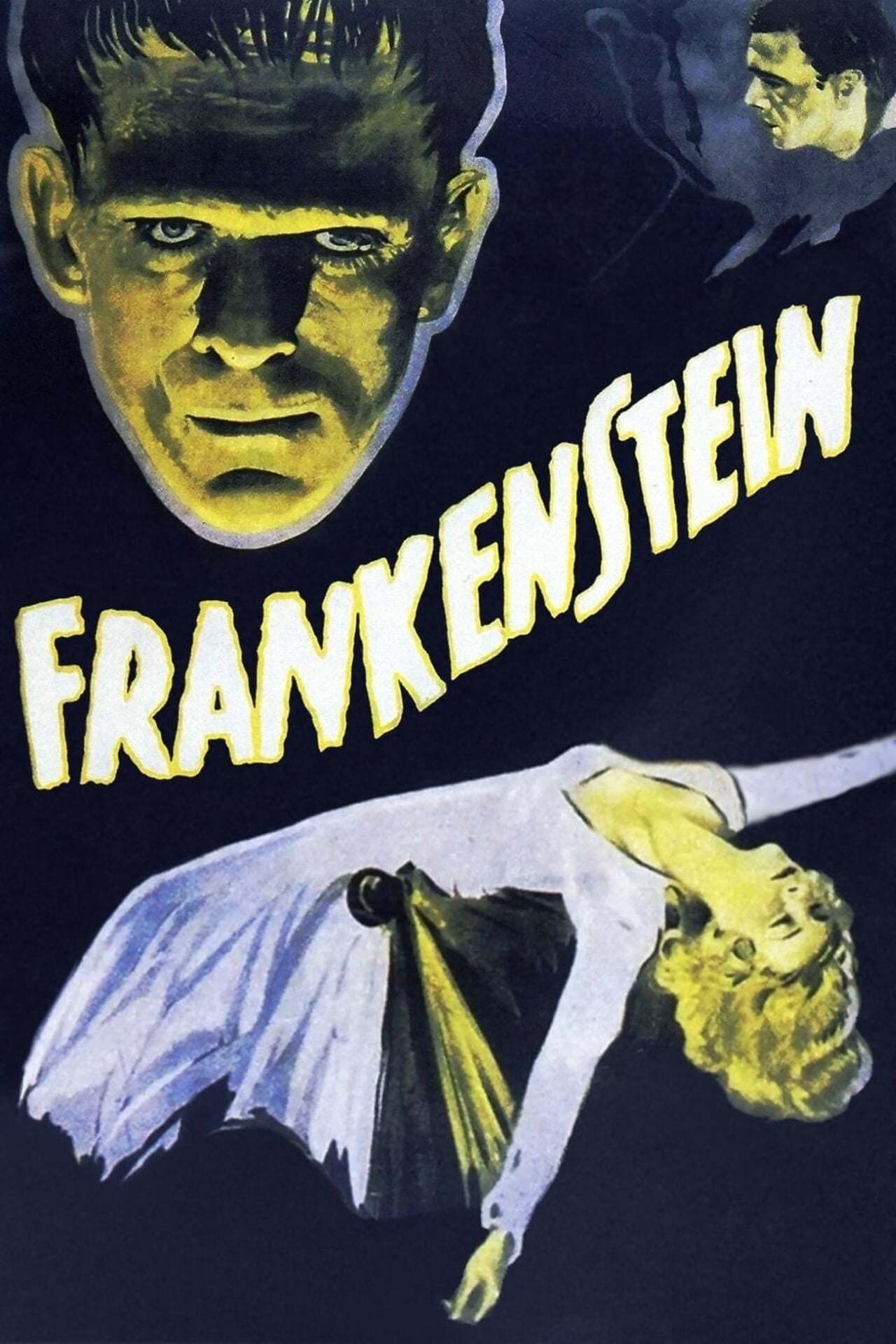
Boris Karloff’s first outing as the creature remains the most influential portrayal in cinematic history. Directed by James Whale, the film introduced the iconic flat-topped head and neck bolts designed by makeup artist Jack P. Pierce. Karloff portrays the creature as a mute, lumbering figure that is capable of both immense violence and profound innocence. The scene involving the monster and a young girl by a lake is often cited as a definitive moment of cinematic tragedy. This film established the blueprint for how the monster would be perceived by the public for decades to come.
Please share your favorite version of the legendary monster in the comments.

