


The Best Hollywood Directors of the 1990s (Ranked)

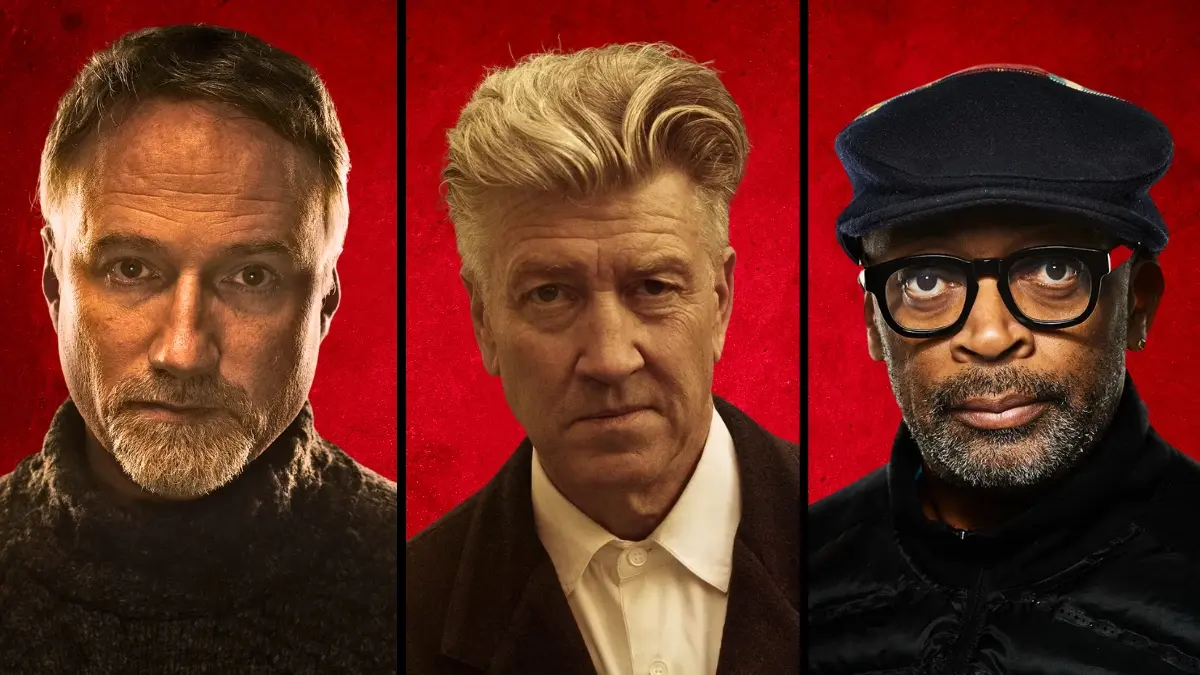


The 1990s were a huge decade for Hollywood, with studio blockbusters, scrappy indies, and bold stylistic swings all landing in the same multiplex. This list looks at who defined that era behind the camera through consistent output, cultural impact, awards recognition, technical innovation, and box-office influence. From groundbreaking visual effects to revivalist noir and the indie boom, these filmmakers shaped how the decade looked and felt on screens big and small. Count down through the names and the films that made the ’90s such a pivotal time for modern moviemaking.
40. Andrew Davis
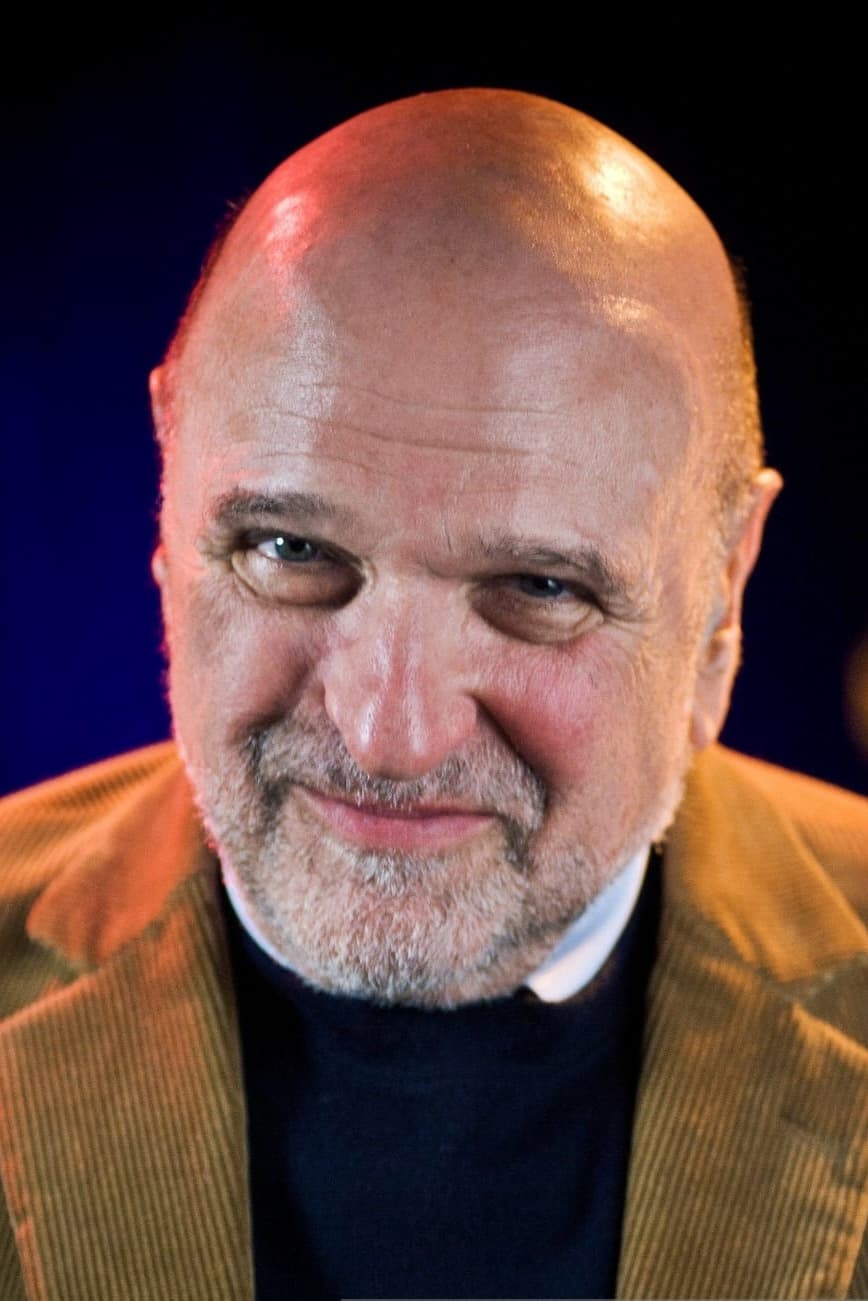
Andrew Davis specialized in muscular, location-heavy thrillers anchored by resourceful protagonists. ‘The Fugitive’ became a benchmark for chase-driven storytelling with practical stunts and clear geography. He balanced procedural elements with character beats to keep momentum and clarity across large set-pieces. Davis’s craftsmanship turned mid-budget thrillers into reliable box-office performers for major studios.
39. Jan de Bont
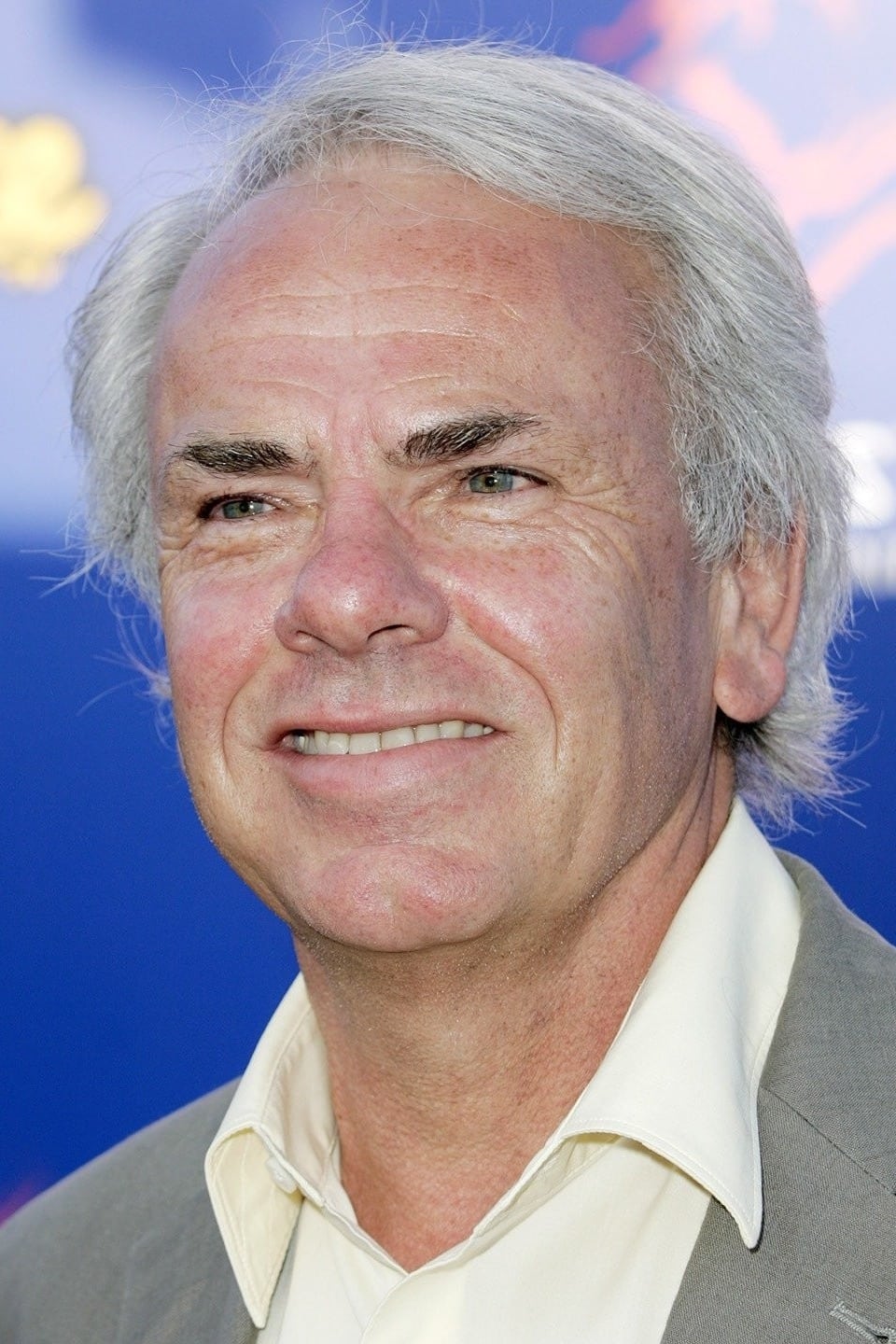
Jan de Bont transitioned from cinematographer to director with high-concept action hits. ‘Speed’ delivered relentless escalation through tightly controlled practical stunts, while ‘Twister’ leveraged cutting-edge effects for large-scale storm sequences. His background in lensing informed kinetic coverage and second-unit coordination on demanding shoots. These films helped define the decade’s appetite for clean, high-stakes premises with immediate audience hooks.
38. Barry Sonnenfeld

Barry Sonnenfeld brought comic snap and graphic composition to mainstream hits like ‘Men in Black’ and ‘Get Shorty’. A former cinematographer, he leaned on wide-angle visuals and brisk pacing to land jokes and action beats. His collaborations with star ensembles and distinctive production design created instantly recognizable worlds. The films converted into durable franchises with merchandising power and long home-video tails.
37. Cameron Crowe
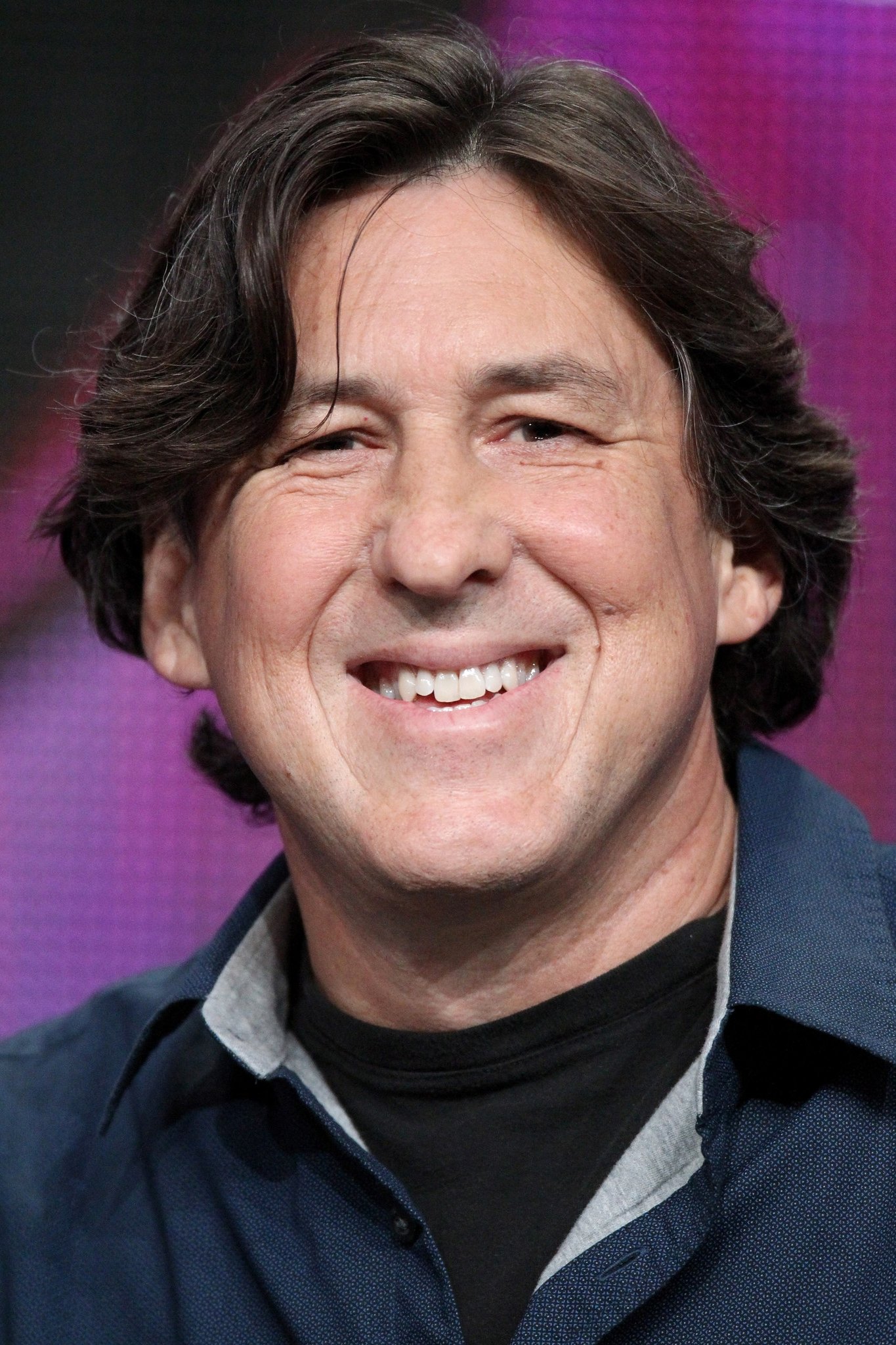
Cameron Crowe delivered character-centered dramedies with memorable soundtracks and strong ensemble chemistry. ‘Jerry Maguire’ blended a sports-business backdrop with a personal growth arc that translated broadly. ‘Singles’ captured a music scene with on-location authenticity and cameo appearances. Crowe’s approach combined journalistic detail with accessible, heartfelt storytelling that played well in multiplexes.
36. Kevin Smith

Kevin Smith emerged from microbudget filmmaking with ‘Clerks’, jump-starting a wave of do-it-yourself independent features that found national distribution. He followed with interconnected stories across the View Askewniverse, including ‘Mallrats’, ‘Chasing Amy’, and ‘Dogma’. His dialogue-driven approach spotlighted comic-book culture, fandom, and suburban slackerdom. Smith’s festival success and specialty theatrical runs expanded opportunities for low-cost indies.
35. Roland Emmerich
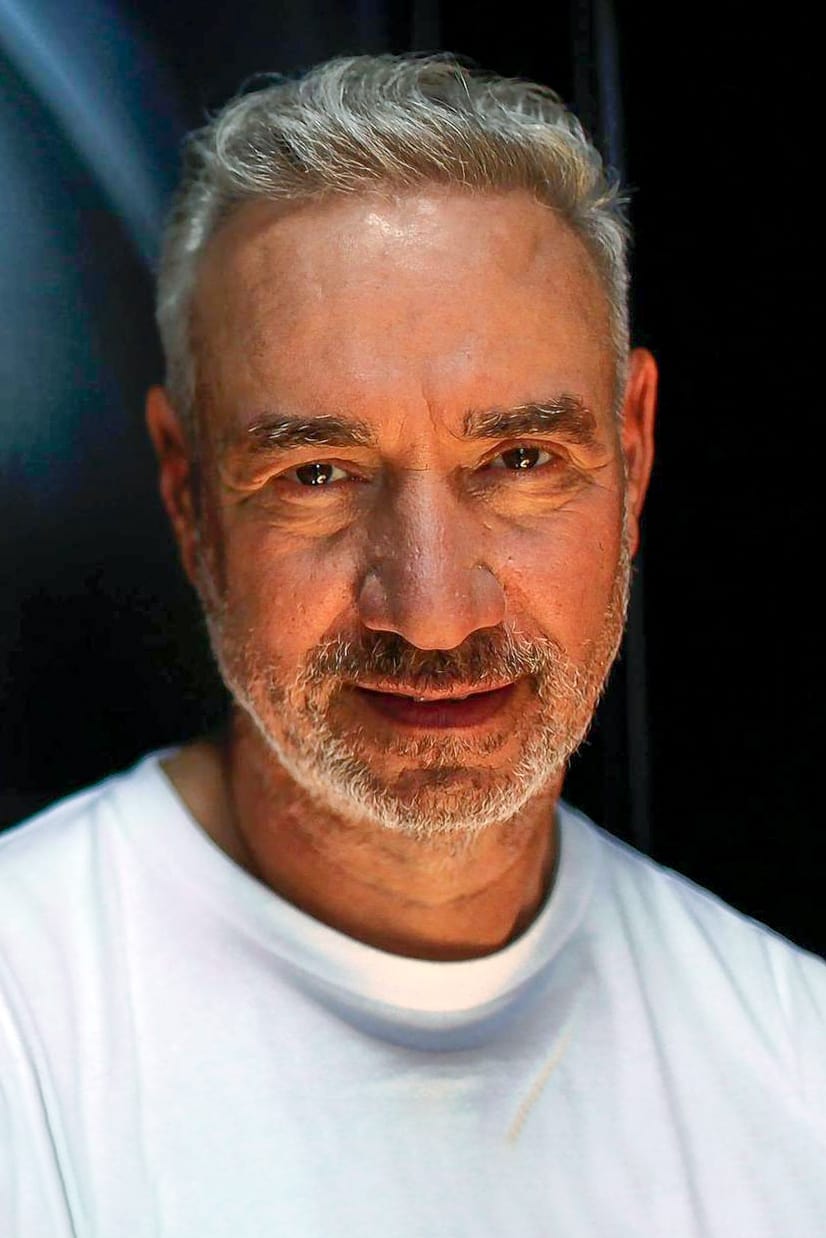
Roland Emmerich scaled up disaster and sci-fi spectacle with ‘Stargate’ and ‘Independence Day’. He coordinated practical pyrotechnics with then-advanced digital effects to stage city-level destruction. Emphasis on ensemble casts, military logistics, and global stakes played well internationally. The success of these productions reinforced the commercial viability of event cinema for studios.
34. Wes Craven
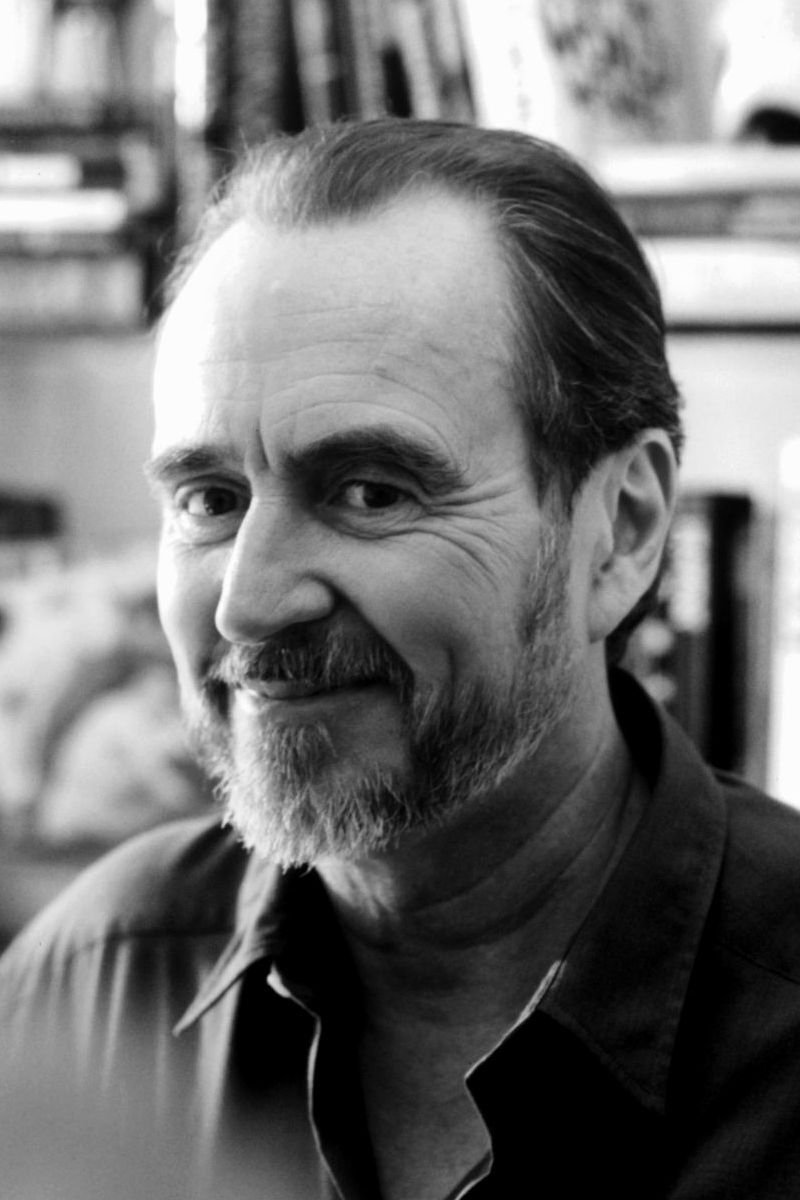
Wes Craven revitalized slasher horror with ‘Scream’, combining self-aware humor with tightly constructed suspense. He balanced franchise building with original storytelling, keeping focus on editing rhythm and audience misdirection. Collaborations with young ensembles helped launch new stars and drew strong box-office returns. His approach reenergized horror for multiplex audiences and influenced studio slate planning.
33. John McTiernan
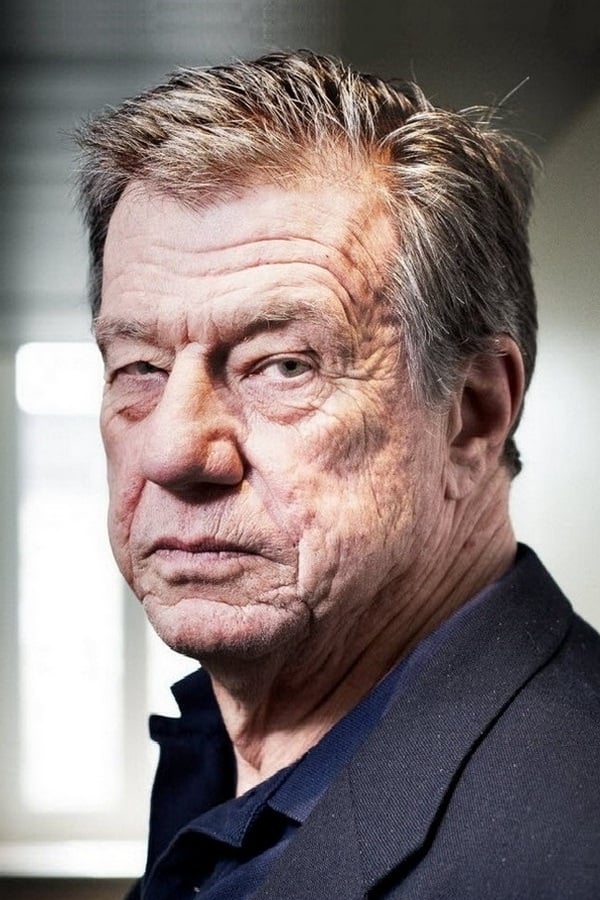
John McTiernan sustained a reputation for clean, spatially coherent action filmmaking. ‘The Hunt for Red October’ and ‘Die Hard with a Vengeance’ showcased large-scale logistics and intricate stunt coordination. He emphasized clear geography and practical effects to maintain audience orientation during complex sequences. McTiernan’s films became fixtures on home video and cable, extending their reach beyond theatrical runs.
32. Robert Rodriguez
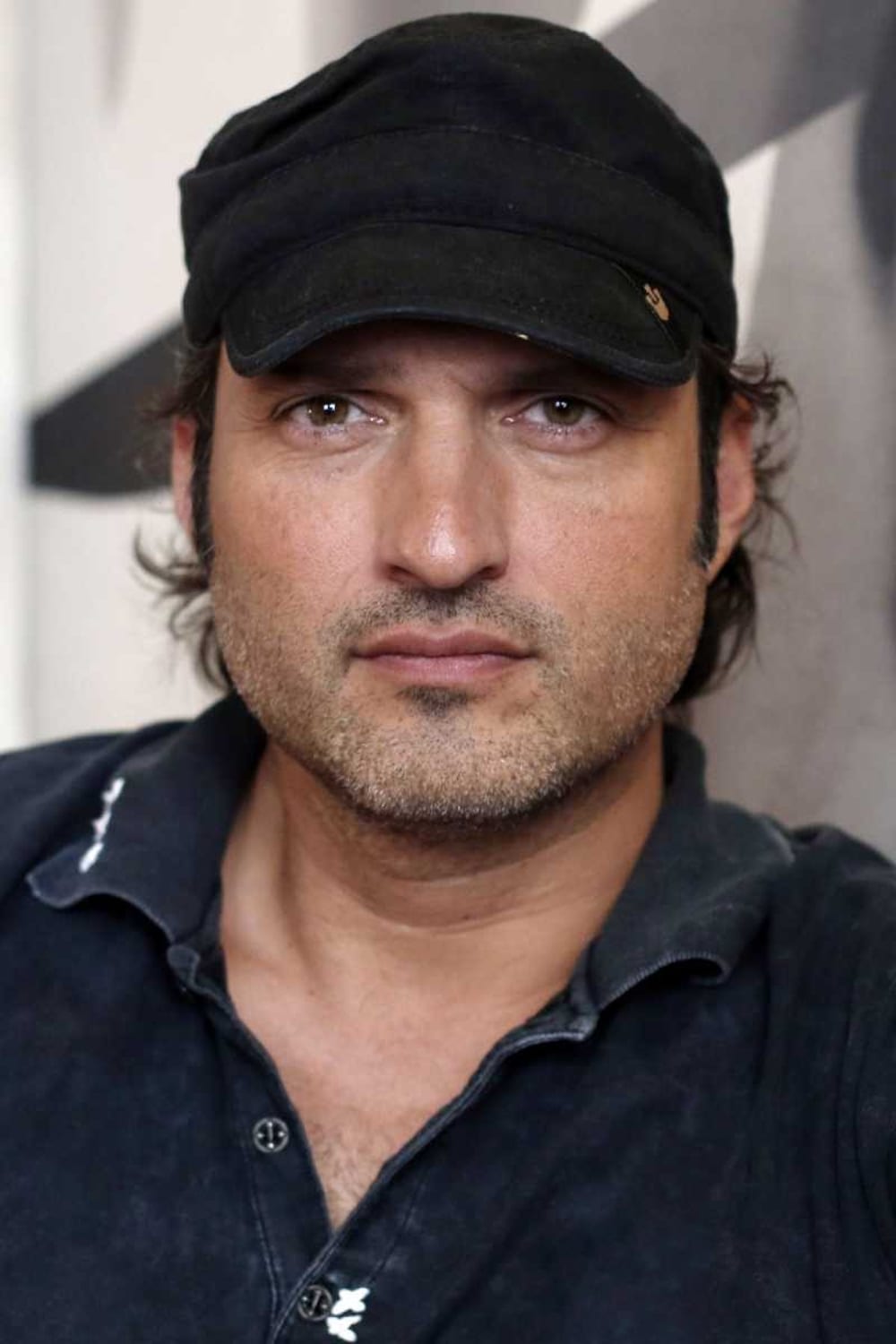
Robert Rodriguez parlayed a microbudget debut into studio-backed action with ‘Desperado’ and genre-mixing fun in ‘From Dusk Till Dawn’. He popularized nimble, do-it-yourself production methods, often handling editing and sound himself. Rodriguez nurtured a filmmaking base outside traditional hubs while leveraging Hollywood distribution. His rapid, inventive approach influenced a generation of digital-era independents.
31. Richard Linklater
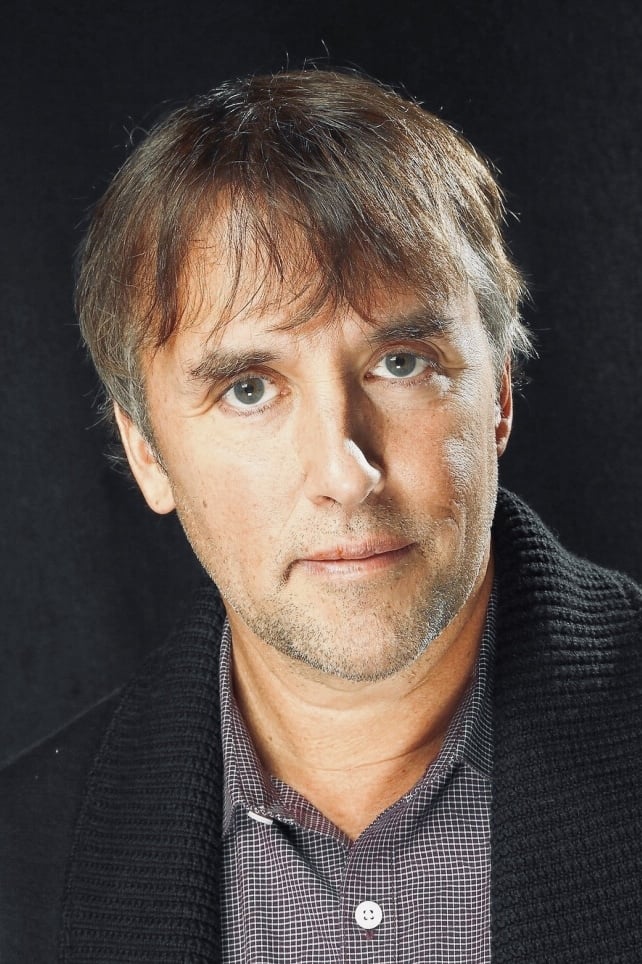
Richard Linklater helped define American indie cinema with ‘Slacker’ and the ensemble coming-of-age piece ‘Dazed and Confused’. He explored real-time conversation and romantic drift with ‘Before Sunrise’, favoring naturalistic dialogue and location-driven storytelling. Linklater’s process emphasized improvisation and community casting across regional productions. His films developed durable cult followings via repertory screenings and home media.
30. Terry Gilliam
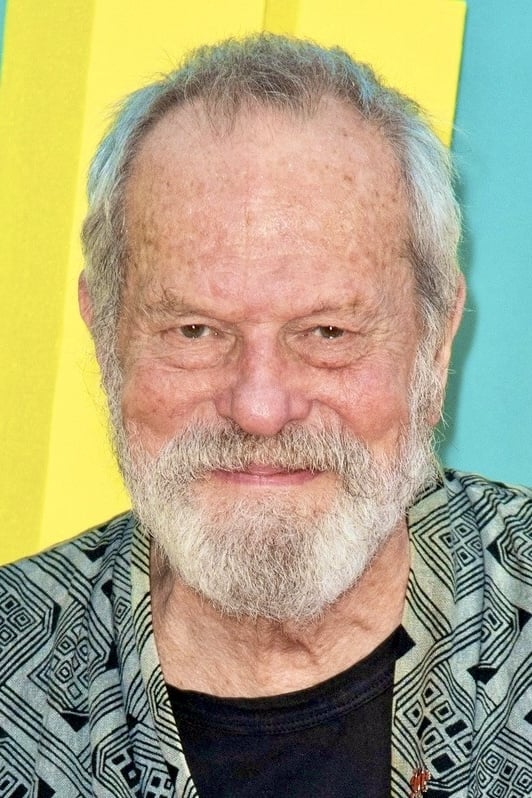
Terry Gilliam blended fantastical design with humanist storytelling in ‘The Fisher King’ and dystopian paranoia with ’12 Monkeys’. Distinctive production design, practical effects, and intricate world-building set his films apart from standard studio fare. Collaborations with top actors yielded awards-caliber performances under challenging visual concepts. The decade cemented his place as a studio-adjacent visionary operating at scale.
29. Brian De Palma
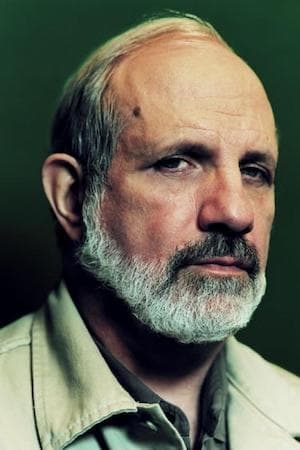
Brian De Palma fused meticulous set-pieces with operatic suspense, delivering sleek studio hits like ‘Mission: Impossible’ and the crime saga ‘Carlito’s Way’. He employed split-diopter shots, elaborate tracking, and voyeuristic framing to build tension. Partnerships with top cinematographers and composers produced memorable sequences and motifs. His output reaffirmed his standing as a stylist who could deliver mainstream successes.
28. Curtis Hanson
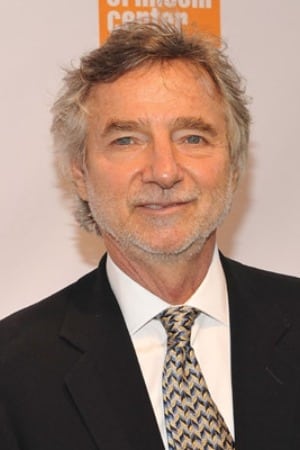
Curtis Hanson revitalized noir for modern audiences with ‘L.A. Confidential’. He balanced intricate plotting with character arcs, supported by meticulous production design and period detail. The film’s acclaim boosted interest in sophisticated crime dramas at studio scale. Hanson’s craftsmanship translated across genres while maintaining a focus on performance and structure.
27. Frank Darabont

Frank Darabont adapted Stephen King material into acclaimed prison and supernatural dramas with ‘The Shawshank Redemption’ and ‘The Green Mile’. He emphasized classical framing, ensemble casts, and emotionally direct storytelling. Both films earned major awards attention and long-tail popularity through television and home media. Darabont’s approach demonstrated sustained audience appetite for literary, character-driven features.
26. Ron Howard
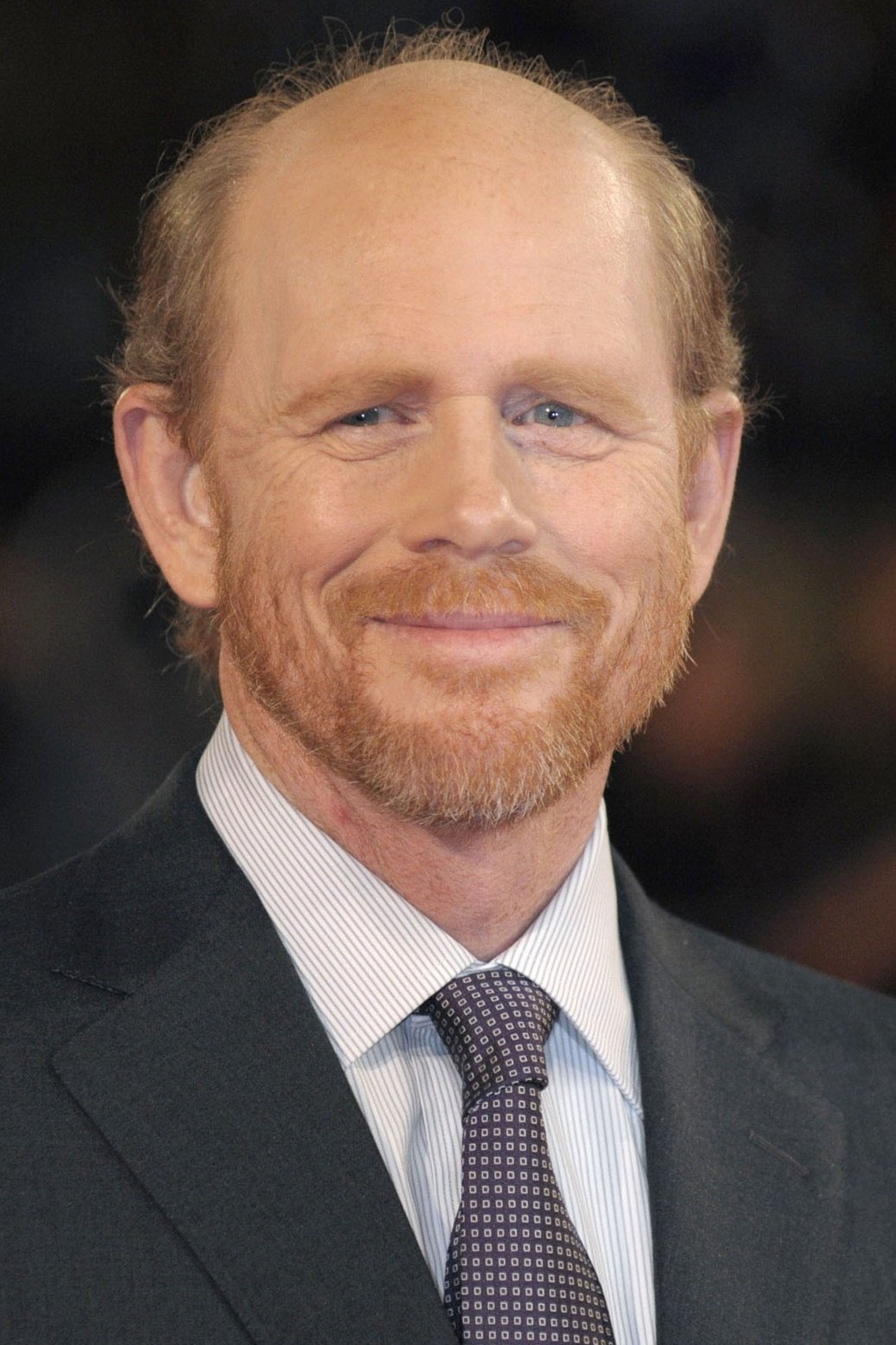
Ron Howard steered large-scale, actor-driven studio productions like ‘Apollo 13’ and ‘Ransom’. He emphasized technical authenticity, extensive research, and collaborative rehearsal processes. ‘Apollo 13’ became a model for procedural space drama with immersive detail and careful sound design. Howard’s partnership with Imagine Entertainment supported a steady slate of mainstream releases.
25. John Woo

John Woo’s move from Hong Kong to Hollywood brought balletic action and signature slow-motion gunplay. ‘Hard Target’, ‘Broken Arrow’, and ‘Face/Off’ showcased elaborate set-pieces and precision choreography. His techniques influenced stunt coordination and second-unit design across the industry. Woo also expanded the U.S. market for Asian action aesthetics in studio filmmaking.
24. Gus Van Sant
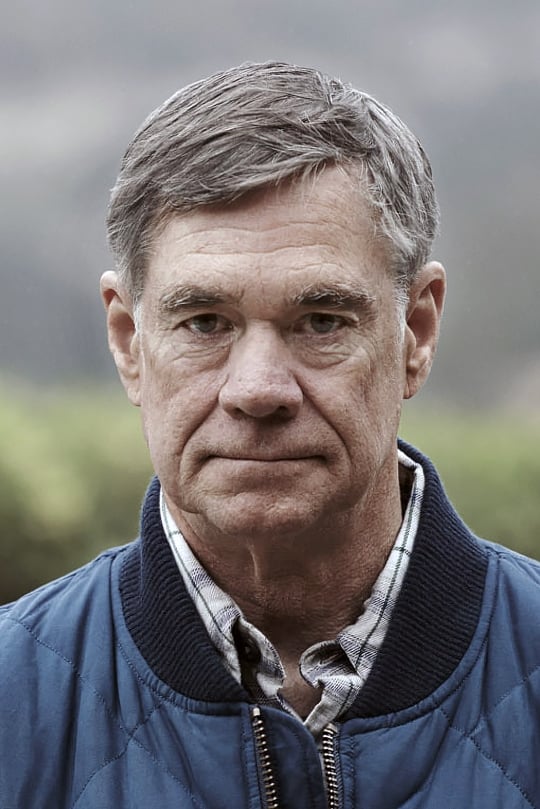
Gus Van Sant navigated between formally adventurous indies and star-driven studio dramas with ‘To Die For’ and ‘Good Will Hunting’. He maintained focus on outsider characters while working within accessible, prestige formats. Collaborations with rising and established actors drew strong awards attention and repeat viewership. His versatility helped indie sensibilities move into mainstream theatrical platforms.
23. David Lynch
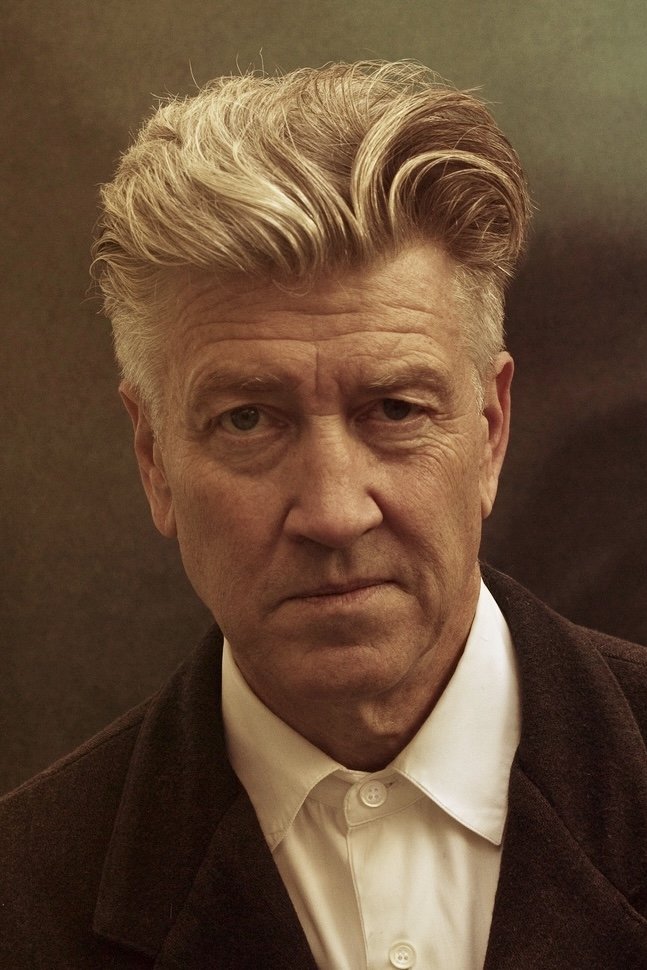
David Lynch extended his surrealist voice across cinema and television with ‘Twin Peaks’, ‘Wild at Heart’, and ‘Lost Highway’. He deployed sound design, industrial textures, and dream logic that shaped art-house distribution and midnight culture. Television work reoriented expectations for broadcast storytelling and genre blending. His output sustained dedicated audience engagement and critical discourse throughout the decade.
22. Kathryn Bigelow
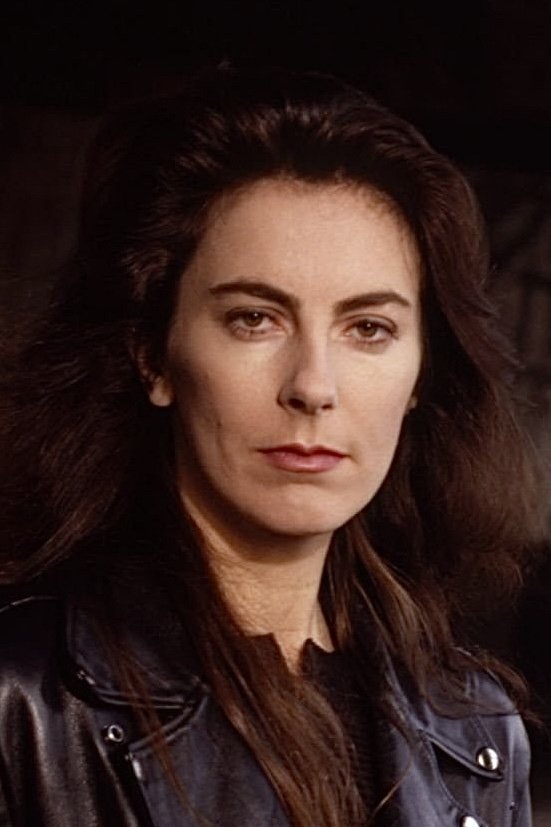
Kathryn Bigelow brought muscular, immersive action to mainstream filmmaking with ‘Point Break’ and the near-future thriller ‘Strange Days’. She blended genre thrills with sociopolitical undercurrents and risk-forward stunt work. Emphasis on location shooting and visceral camera placement influenced action coverage across productions. Her success highlighted women’s leadership in action cinema at studio scale.
21. Robert Zemeckis
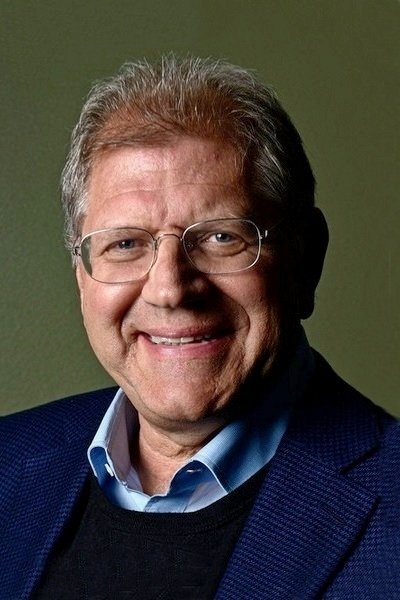
Robert Zemeckis blended pioneering visual effects with accessible storytelling in ‘Forrest Gump’ and delivered grounded science fiction with ‘Contact’. He partnered with effects houses to integrate digital compositing and photoreal elements into live action. Strong collaborations with composers and editors supported emotionally direct pacing. These films became commercial landmarks and awards-season fixtures across the decade.
20. Steven Soderbergh
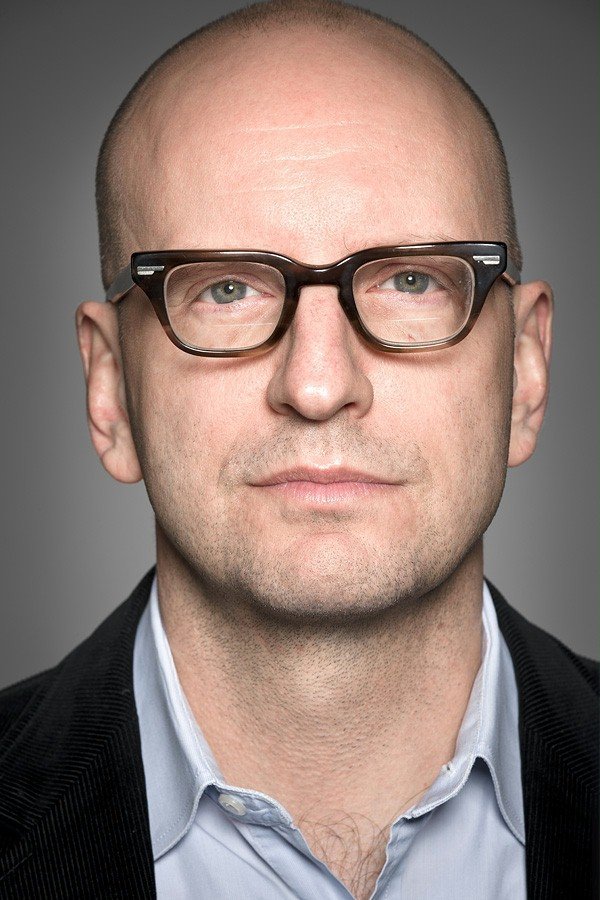
Steven Soderbergh moved fluidly between microbudget experiments and studio-backed dramas. He staged multi-threaded narratives like ‘Out of Sight’ and ‘The Limey’, demonstrating range across crime and character study. Often taking on cinematography and editing, he refined agile production methods for fast turnarounds. His output revitalized mid-budget adult storytelling within the studio system.
19. Ang Lee

Ang Lee balanced international acclaim with English-language dramas for U.S. studios. ‘Sense and Sensibility’ delivered classical adaptation with ensemble precision, while ‘The Ice Storm’ explored suburban malaise through restrained staging. Collaborations with composers and cinematographers emphasized mood and texture over pyrotechnics. His versatility across cultures and genres made him a go-to for prestige projects.
18. Spike Lee
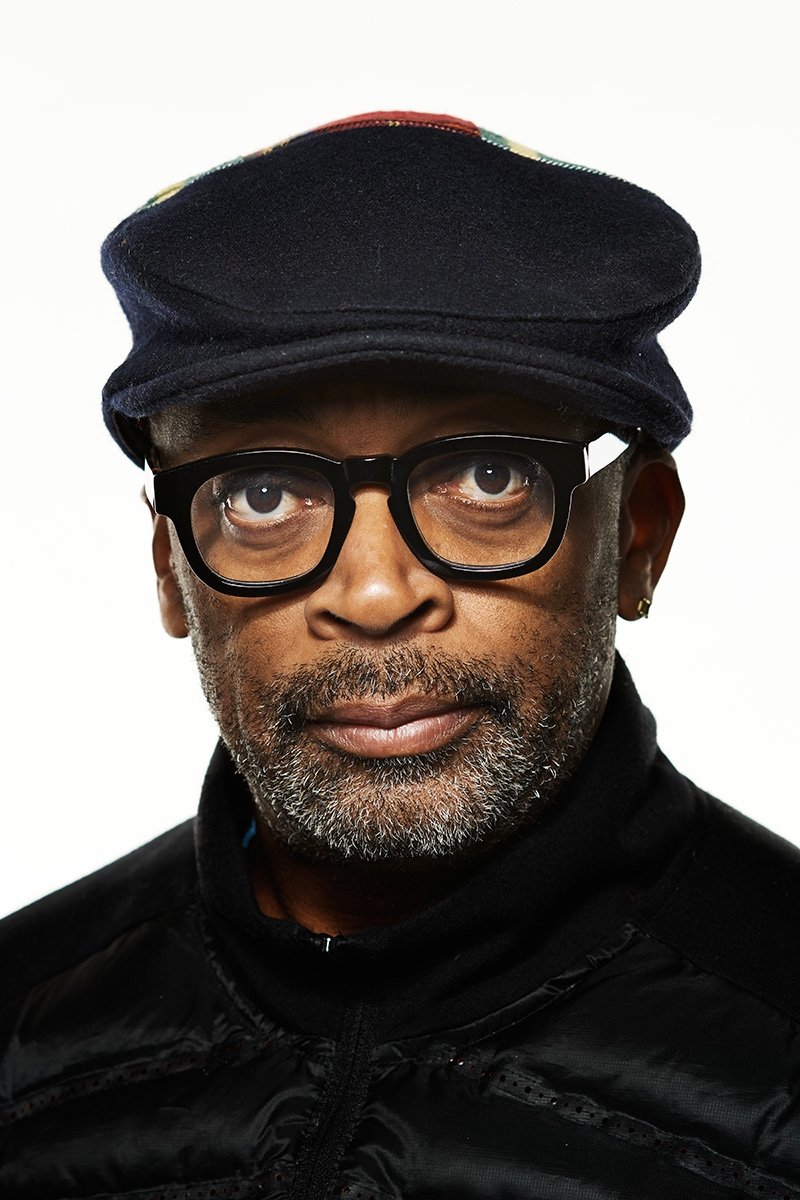
Spike Lee delivered topical dramas and genre exercises with ‘Jungle Fever’, ‘Malcolm X’, ‘Clockers’, and ‘He Got Game’. He integrated archival material, montage, and dynamic camera moves to examine American culture and history. The films sparked conversation in the press, classrooms, and communities nationwide. His company supported a pipeline of talent in front of and behind the camera.
17. Michael Bay
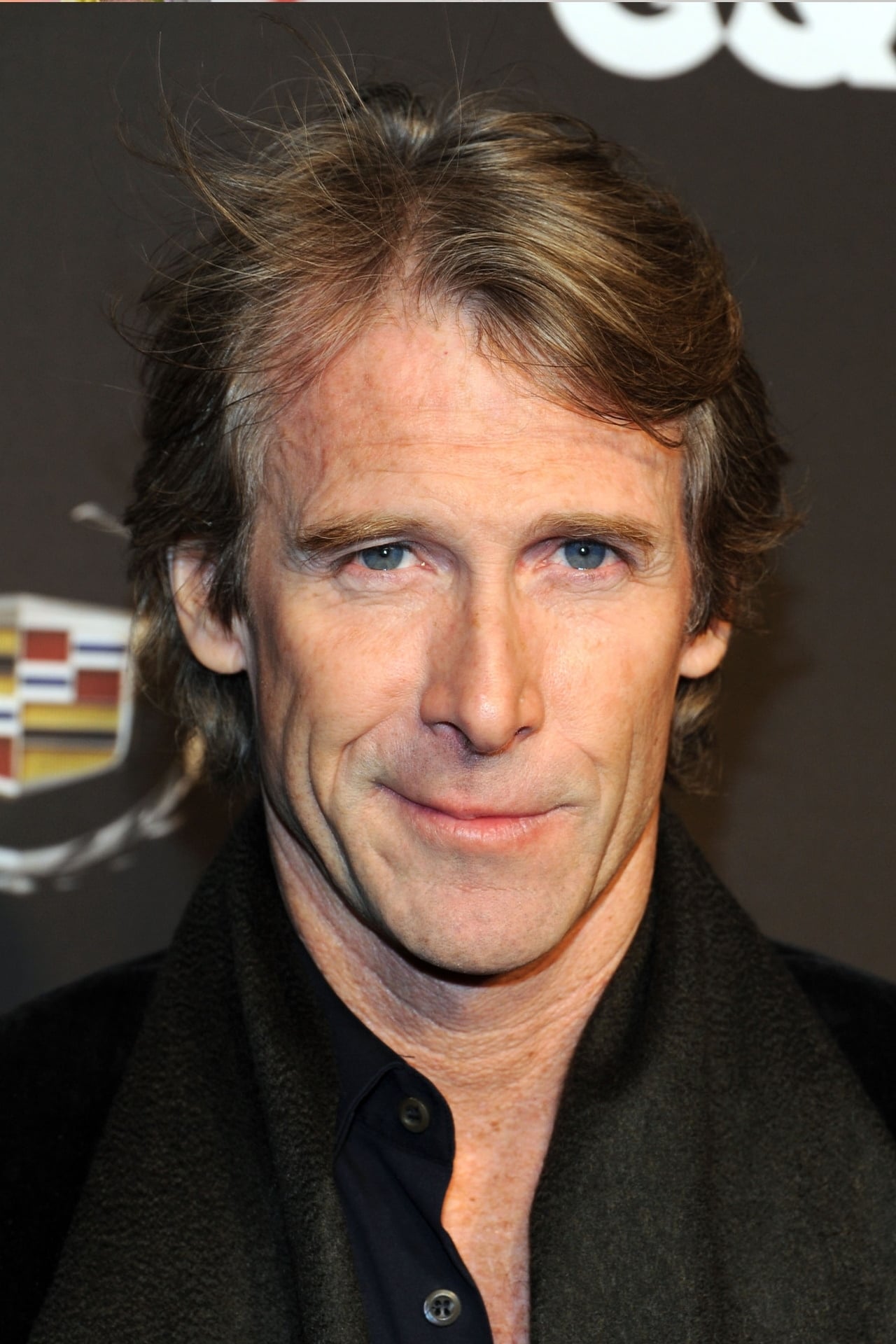
Michael Bay introduced a high-velocity visual grammar to studio action with ‘Bad Boys’, ‘The Rock’, and ‘Armageddon’. Rapid cutting, low-angle hero shots, and large-scale practical explosions became hallmarks others emulated. His films delivered significant global grosses and shaped summer tentpole playbooks. Collaboration with producers and military advisers streamlined logistics for large-format spectacle.
16. Ridley Scott
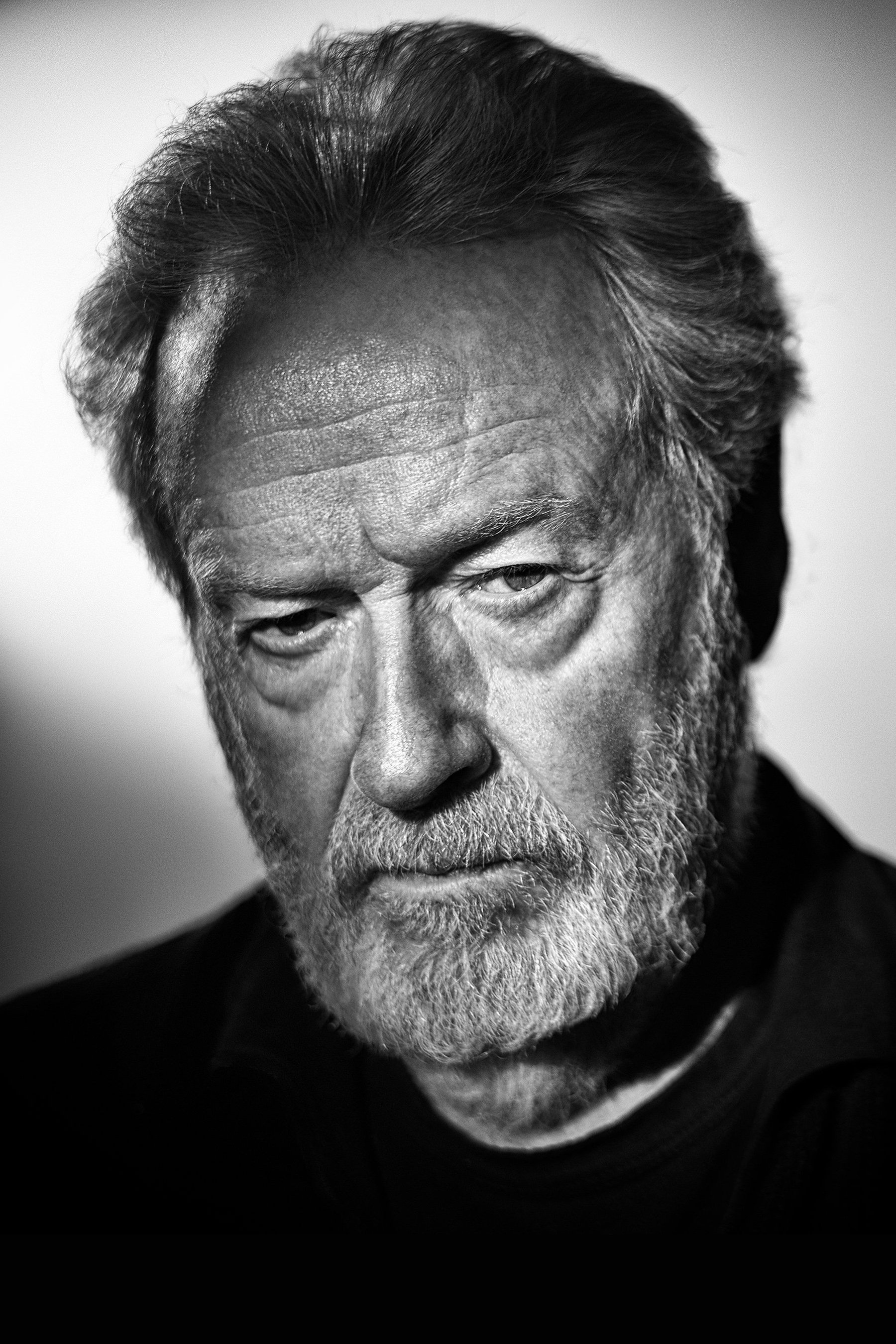
Ridley Scott navigated large-scale productions with a designer’s eye across crime, road movie, and military drama. ‘Thelma & Louise’ became a cultural touchstone, while ‘G.I. Jane’ highlighted physically rigorous training sequences and location work. Storyboarding and atmospheric lighting anchored his set-pieces under demanding schedules. His company infrastructure supported prolific development moving into the next decade.
15. Peter Jackson
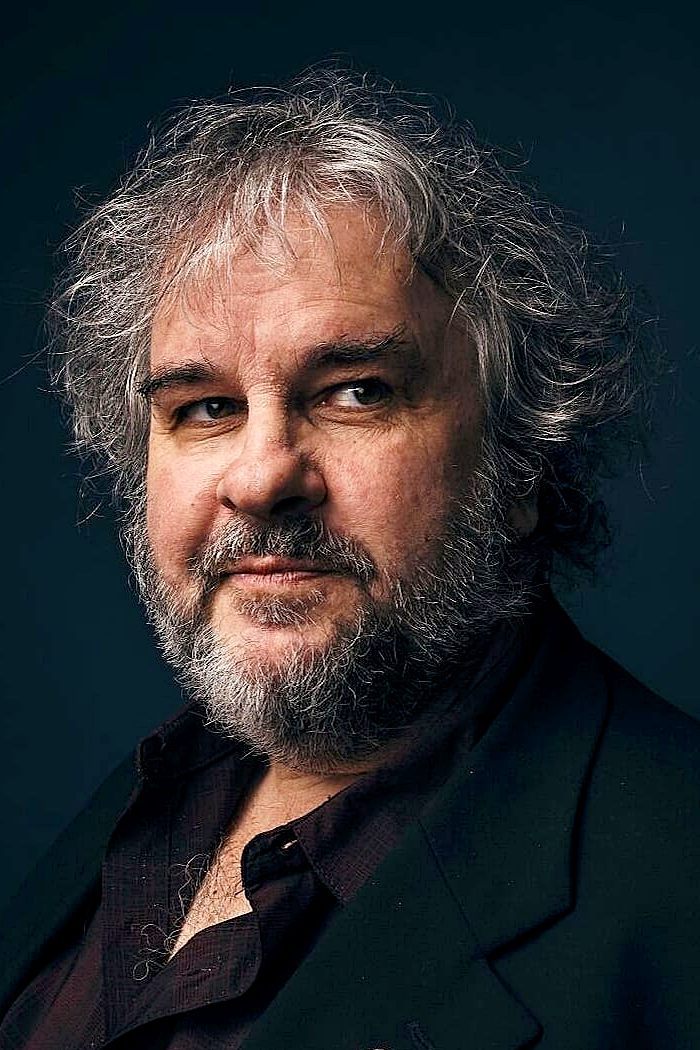
Peter Jackson bridged cult and mainstream with visionary craftsmanship in ‘Heavenly Creatures’ and the effects-driven ‘The Frighteners’. He co-founded Wētā ventures that expanded high-end VFX capacity for complex character and environment work. Jackson combined intimate performances with technical ambition to draw strong critical notice. These projects laid groundwork for later epic productions that scaled his methods.
14. Oliver Stone
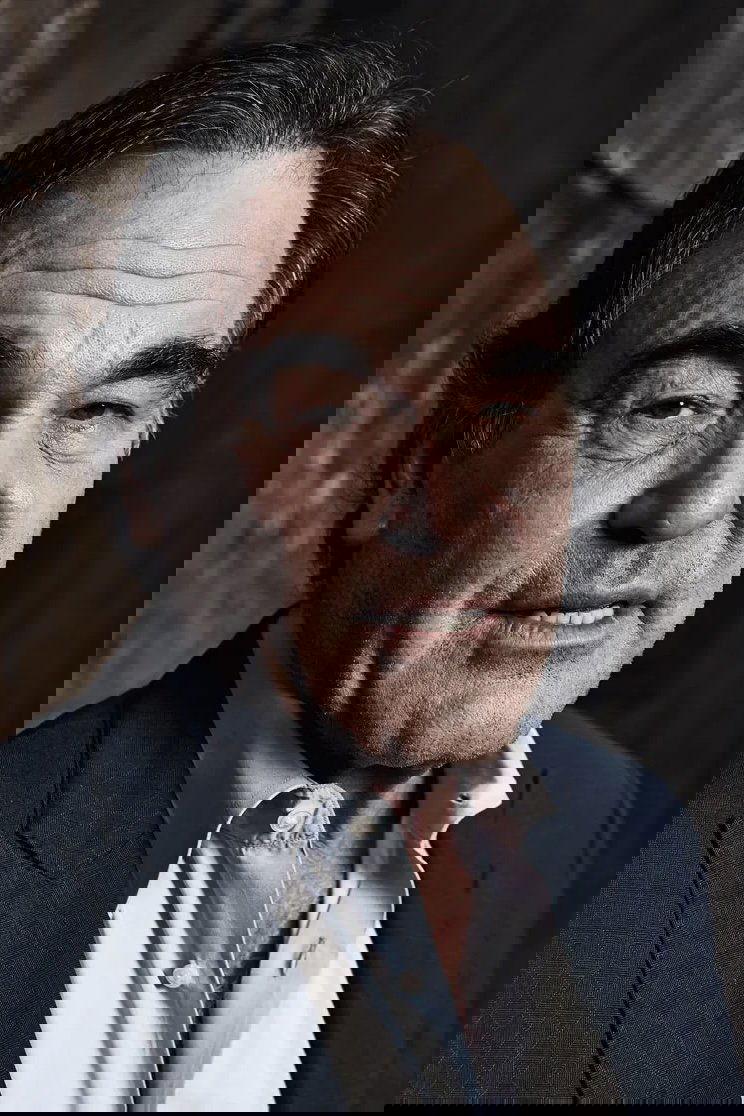
Oliver Stone tackled political investigation and media critique with ‘JFK’, ‘Natural Born Killers’, ‘Nixon’, and ‘The Doors’. Mixed formats, rapid montage, and archival footage interrogated historical narratives under studio backing. The films generated substantial public debate and awards recognition across multiple categories. Stone’s editorial style influenced both documentary and narrative approaches in political cinema.
13. Tim Burton
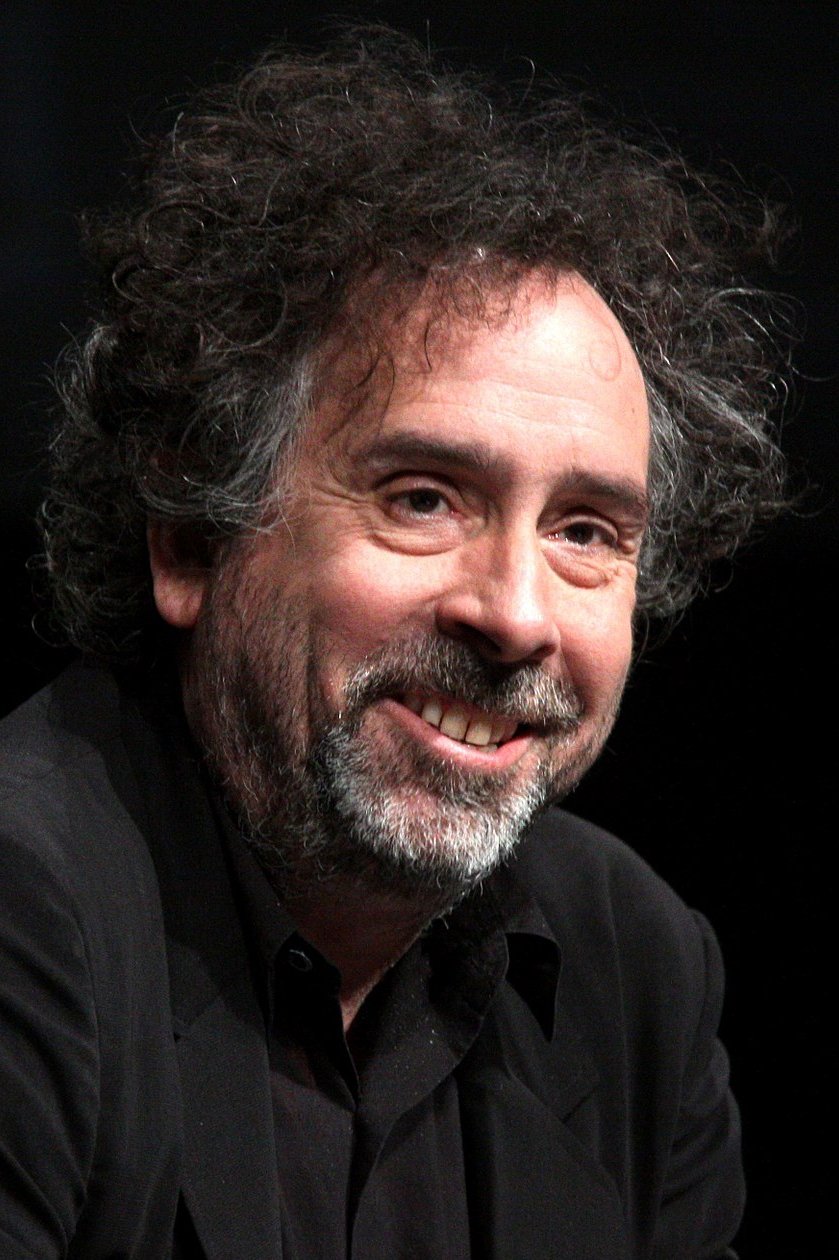
Tim Burton fused gothic fairy-tale imagery with studio tentpoles in ‘Edward Scissorhands’, ‘Batman Returns’, ‘Ed Wood’, and ‘Sleepy Hollow’. Close collaboration with designers, composers, and effects teams created cohesive visual worlds. ‘Ed Wood’ earned significant craft recognition and sustained critical praise. His films proved highly stylized authorship could flourish within major studio systems.
12. John Lasseter

John Lasseter led Pixar’s leap into feature-length computer animation with ‘Toy Story’ and ‘A Bug’s Life’. He helped establish a pipeline that merged technical innovation with story-first development and iterative testing. The films achieved major commercial success and industry recognition across multiple guilds. This work reshaped family entertainment and accelerated investment in CGI animation.
11. The Wachowskis
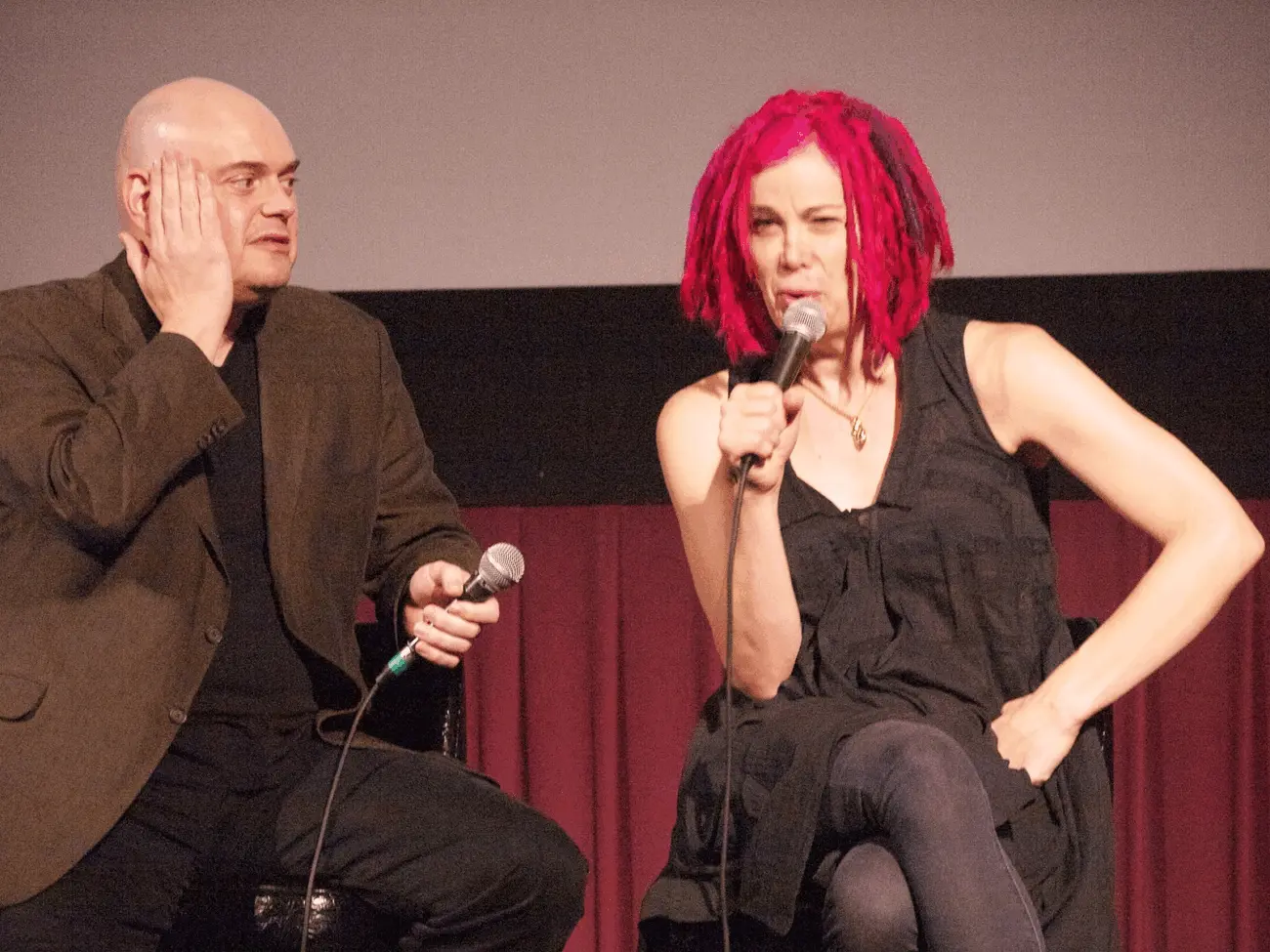
The Wachowskis redefined action-sci-fi with ‘The Matrix’, introducing bullet-time camerawork and extensive wire-assisted choreography to Western audiences. The film’s world-building drew from cyberpunk literature, anime, and martial-arts cinema to create a cohesive mythology. It earned broad technical recognition and set a new standard for effects integration. The success expanded audience expectations for philosophical themes inside large-scale spectacle.
10. Michael Mann
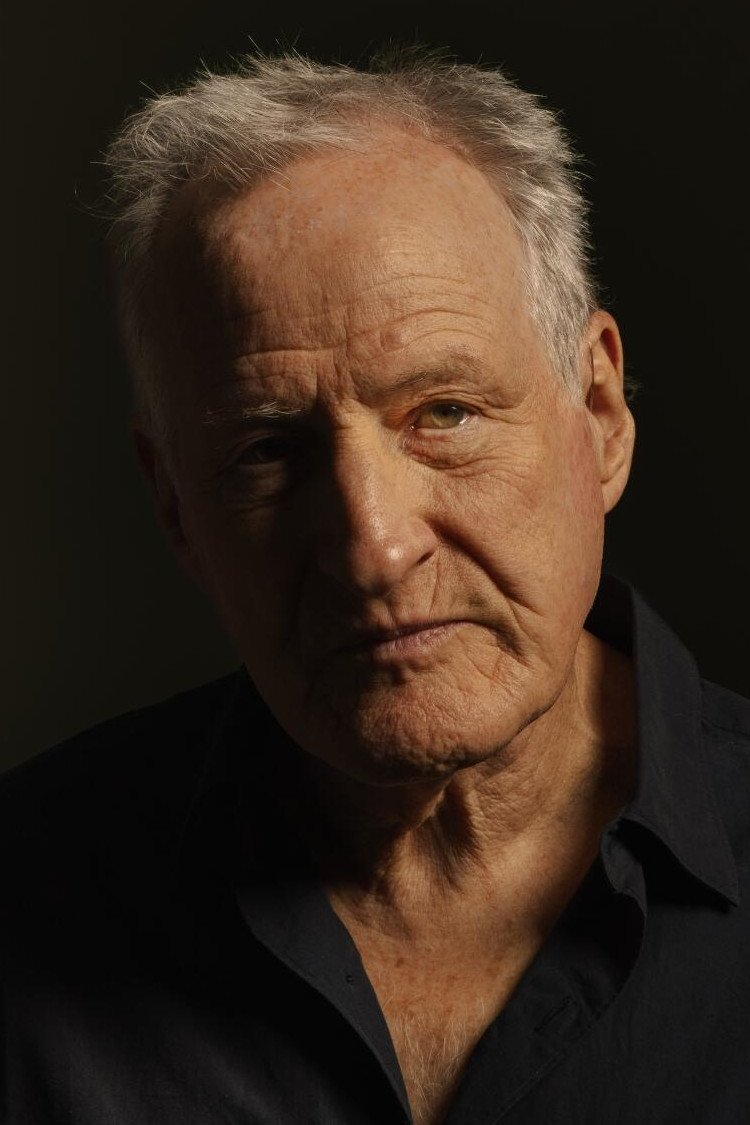
Michael Mann delivered precision-tooled crime and journalism dramas with ‘Heat’ and ‘The Insider’. He emphasized location sound, night photography, and procedural detail to build credibility and tension. Mann’s collaborations with specialized crews produced distinctive textures across action and dialogue scenes. His films influenced portrayals of professional subcultures and urban environments in studio cinema.
9. Paul Thomas Anderson
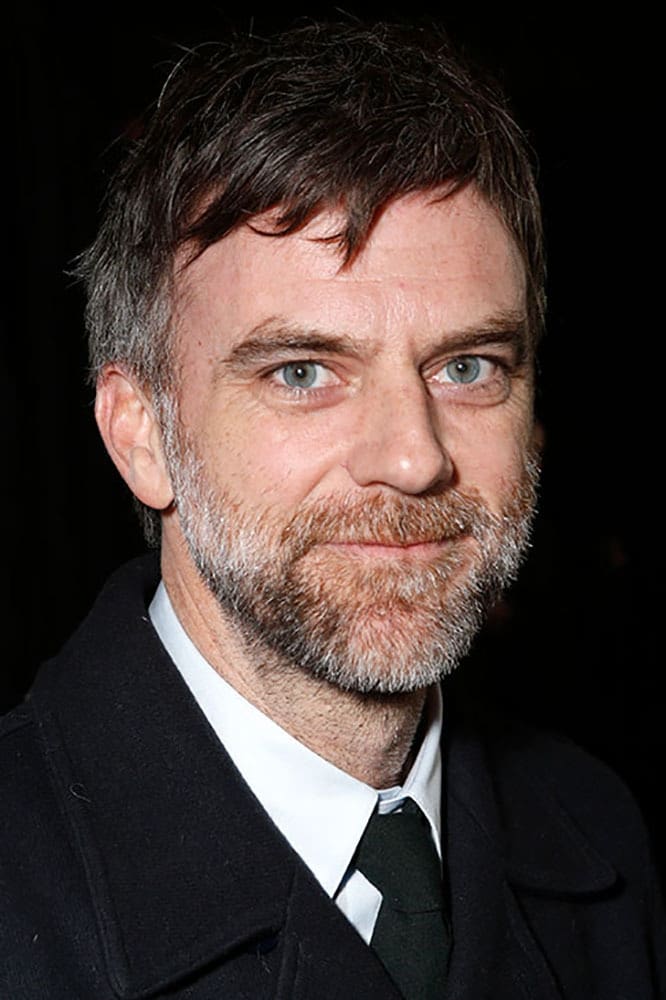
Paul Thomas Anderson announced a singular ensemble-drama voice with ‘Hard Eight’, ‘Boogie Nights’, and ‘Magnolia’. He combined long takes, interwoven narratives, and music-driven pacing to explore complex communities. These films earned significant festival and industry recognition, elevating adult-drama profiles. Ongoing collaborations with recurring actors and craftspeople shaped a durable creative repertory.
8. Joel & Ethan Coen
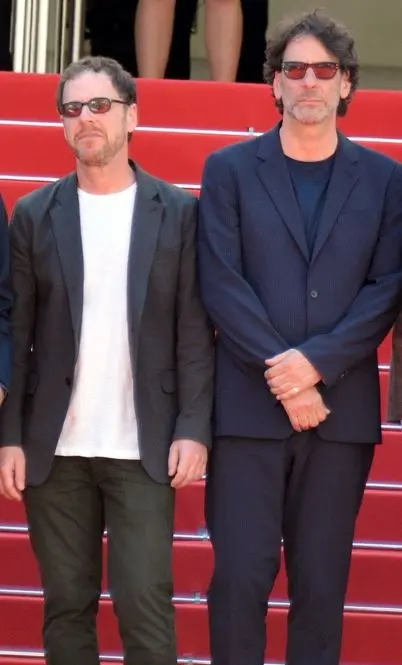
Joel and Ethan Coen delivered a run that included ‘Miller’s Crossing’, ‘Barton Fink’, ‘Fargo’, and ‘The Big Lebowski’. Their work combined genre pastiche with sharp dialogue and meticulous visual composition. ‘Fargo’ drew major accolades and highlighted their balance of crime narrative and character study. Recurring crews and ensembles helped build a distinctive, self-contained cinematic universe.
7. David Fincher
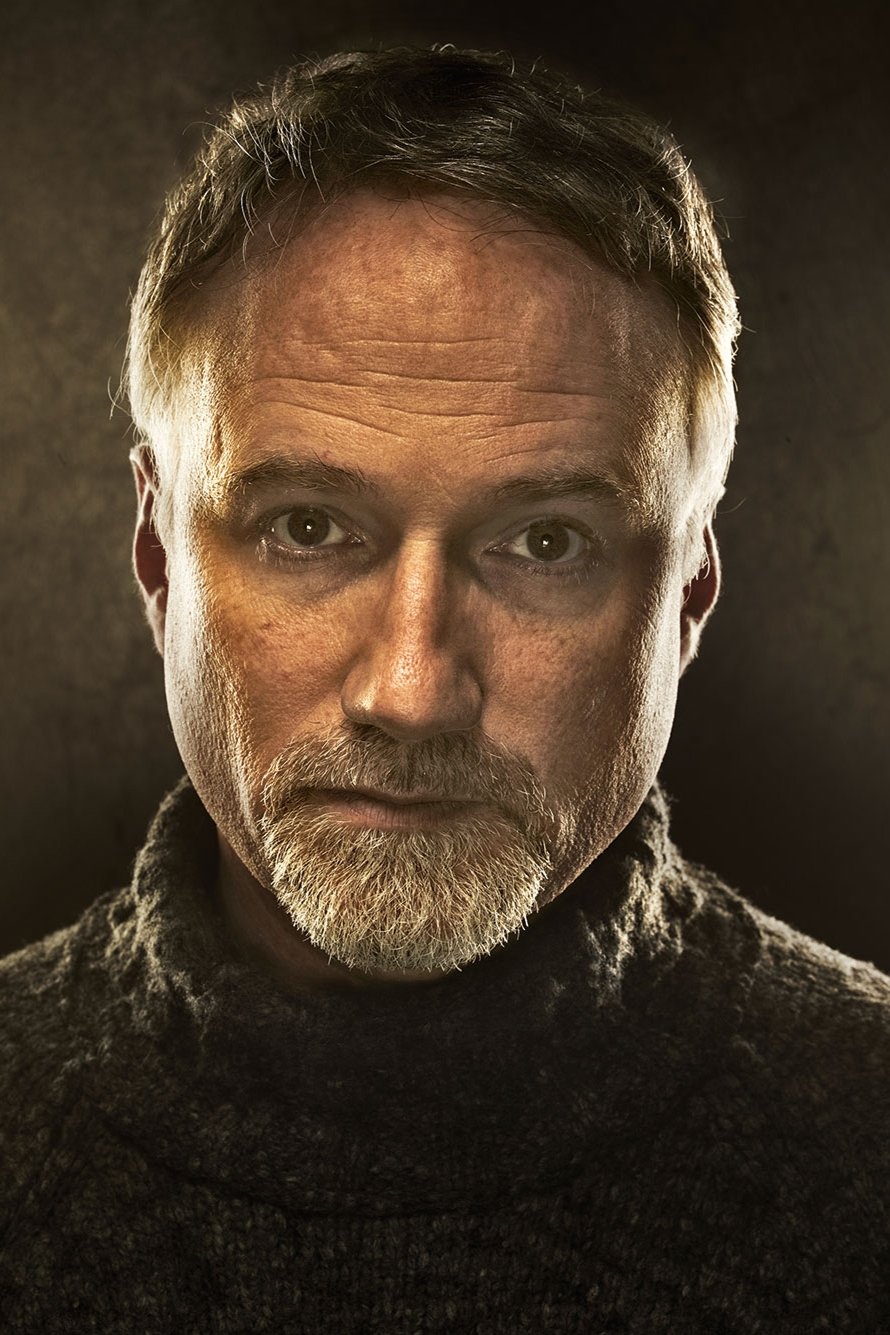
David Fincher brought precision engineering to thriller and anti-hero narratives with ‘Se7en’, ‘The Game’, and ‘Fight Club’. Early adoption of digital intermediates, controlled lighting, and elaborate title design influenced studio aesthetics. These films gained strong afterlives on home video, shaping audience discourse and cult followings. His commercial and music-video background translated into exacting on-set workflows and postproduction pipelines.
6. Tony Scott
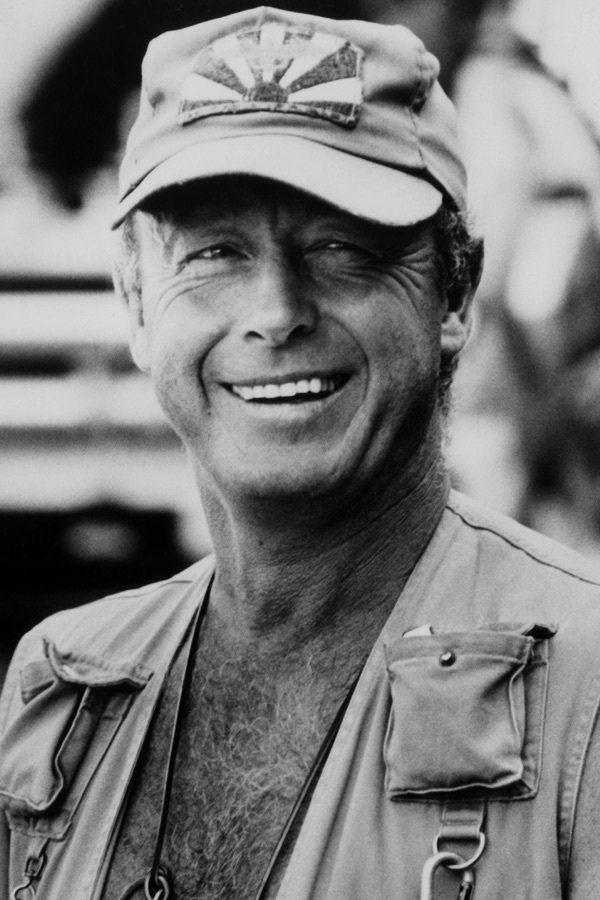
Tony Scott refined glossy, high-contrast action-thrillers with ‘Crimson Tide’, ‘True Romance’, and ‘Enemy of the State’. He favored kinetic camerawork, telephoto compression, and layered color treatments that influenced commercial and music-video aesthetics. Scott built fruitful partnerships with star casts and producers to deliver consistently marketable studio titles. His films expanded techno-thriller and crime-romance hybrids popular throughout the decade.
5. Clint Eastwood
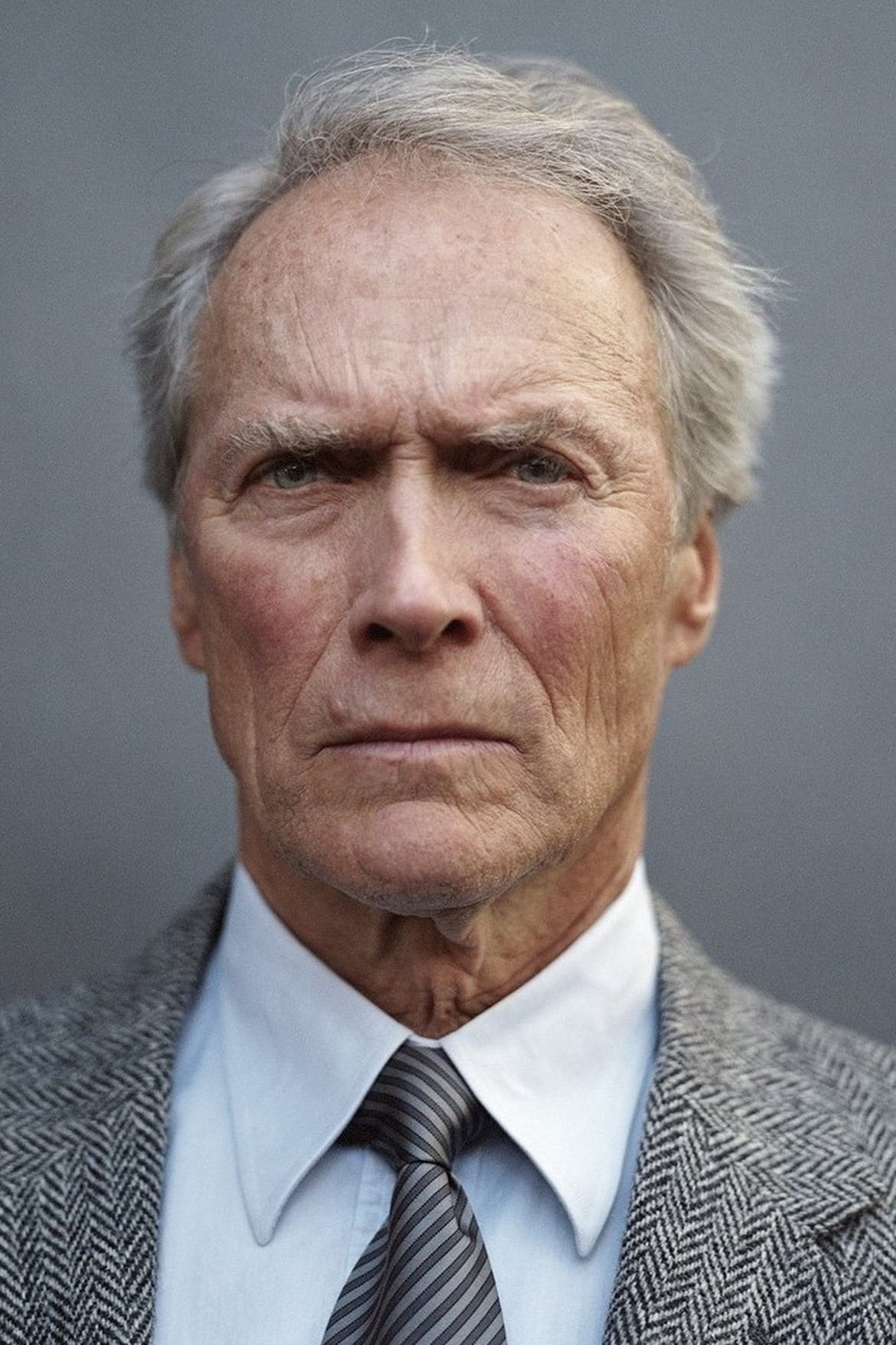
Clint Eastwood delivered prestige dramas and lean thrillers with classical storytelling and economical direction. ‘Unforgiven’ re-centered attention on revisionist westerns, while ‘A Perfect World’ and ‘Absolute Power’ underscored moral complexity. Malpaso Productions maintained a reliable studio pipeline with consistent recognition. His films paired restrained craft with disciplined production schedules that studios trusted.
4. Quentin Tarantino
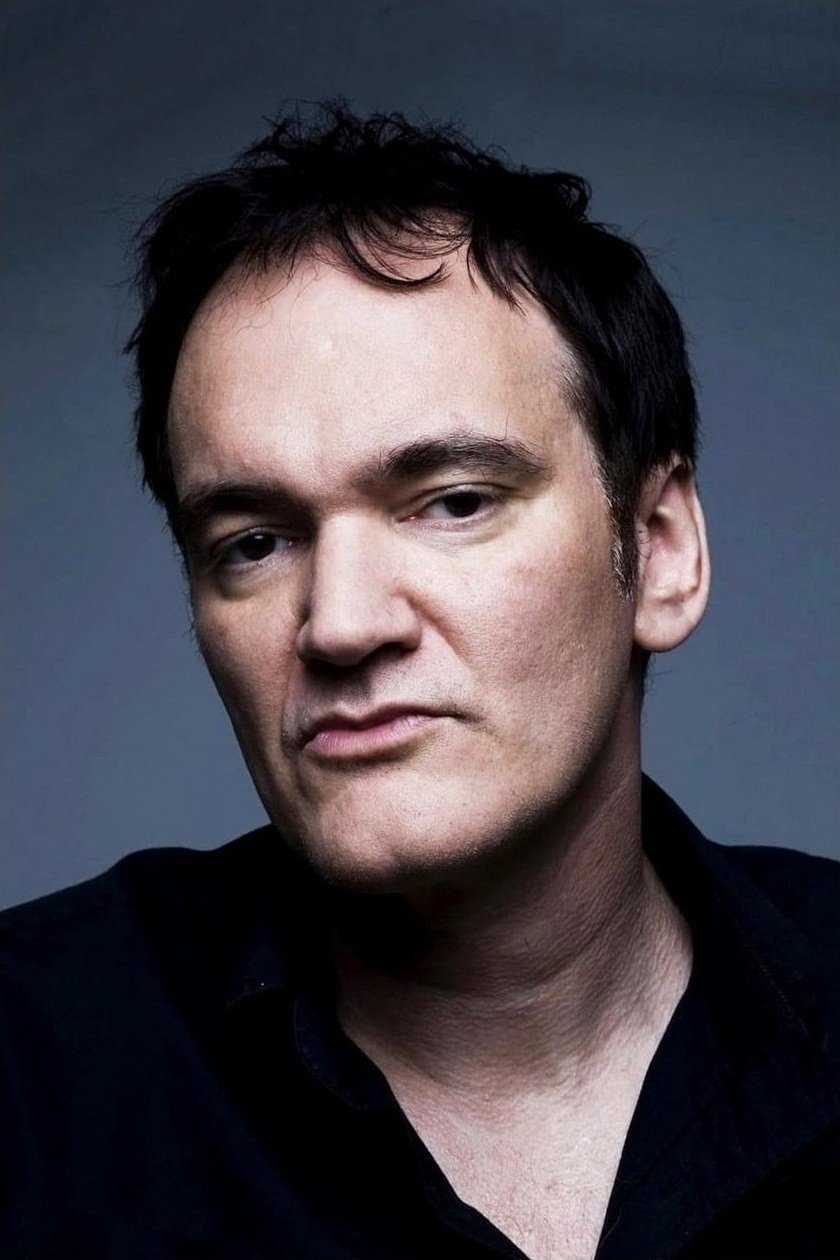
Quentin Tarantino reshaped American independent cinema’s profile with ‘Reservoir Dogs’, ‘Pulp Fiction’, and ‘Jackie Brown’. He popularized nonlinear structures, needle-drop soundtracks, and pop-culture-literate dialogue within studio distribution. ‘Pulp Fiction’ achieved top festival recognition and screenwriting honors that boosted specialty divisions. The success catalyzed a surge of acquisitions for edgy indies across the decade.
3. Martin Scorsese
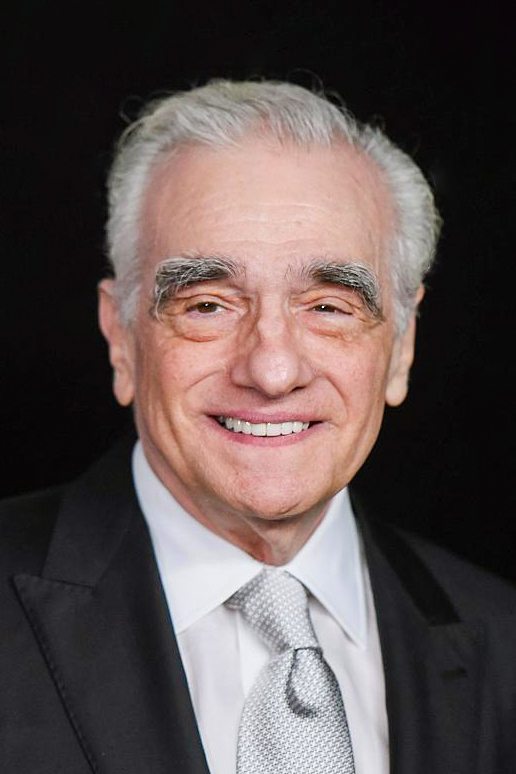
Martin Scorsese explored crime, faith, and obsession in ‘Goodfellas’, ‘Cape Fear’, ‘Casino’, and ‘Kundun’. Dynamic camera moves and curated needle-drops energized crime epics and character studies. The films secured numerous nominations and sustained strong critical reputations across the decade. Scorsese’s mentorship and preservation advocacy supported film culture beyond his own releases.
2. James Cameron
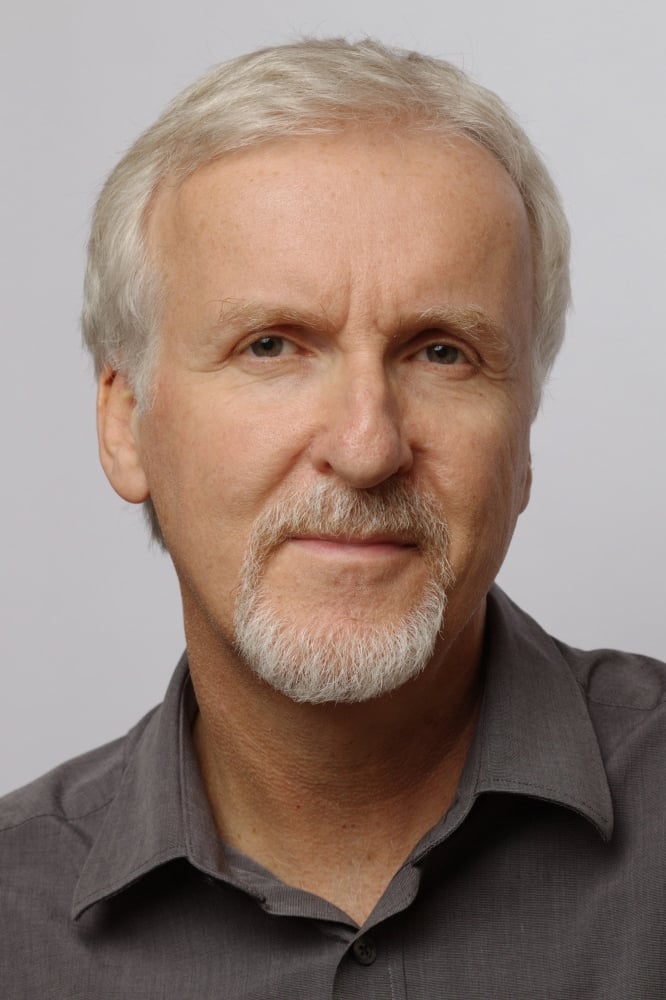
James Cameron pushed the limits of visual effects and event filmmaking with ‘Terminator 2: Judgment Day’, ‘True Lies’, and ‘Titanic’. He pioneered digital character work and large-format practical engineering that redefined on-screen scale. ‘Titanic’ established historic box-office benchmarks and extensive awards recognition across disciplines. Cameron’s projects integrated new tools into production pipelines adopted widely by studios.
1. Steven Spielberg
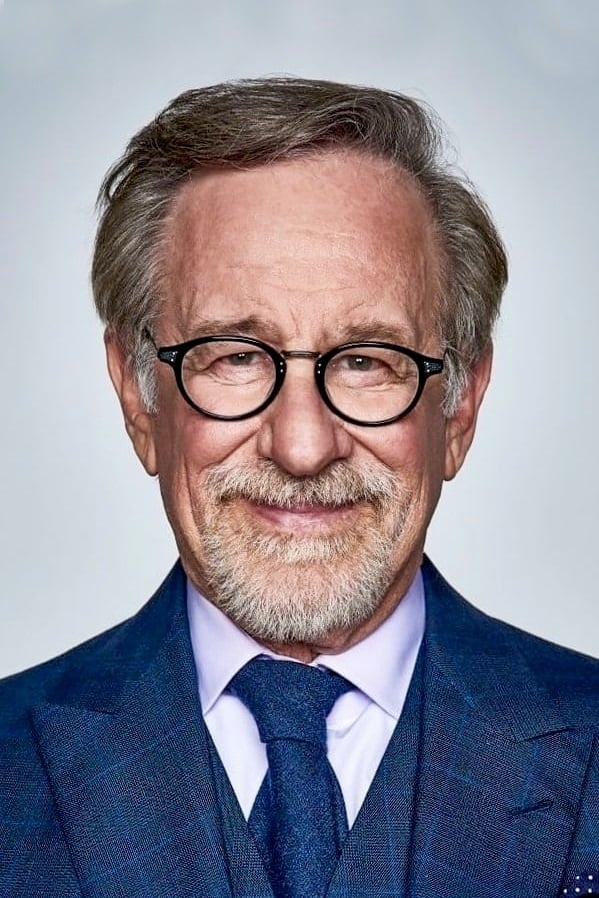
Steven Spielberg delivered massive entertainments and awards-season landmarks with ‘Jurassic Park’, ‘Schindler’s List’, and ‘Saving Private Ryan’. He combined animatronics, digital effects, and meticulous soundscapes to set new technical baselines. The films achieved extraordinary commercial results while earning extensive industry honors. Spielberg also co-founded DreamWorks, reshaping the decade’s production and distribution landscape.
Got other ’90s icons you’d slide into this countdown—drop your picks in the comments!

