


The Best Movies About Abduction & Kidnapping




Abduction and kidnapping stories cut across thriller, drama, crime, horror and even historical adventure, pulling from real cases, urban myths and headline-making standoffs. These films trace the mechanics of disappearances, the investigative grind, ransom protocols, law-enforcement coordination and the long tail of trauma for victims, families and communities.
This list gathers fifty notable movies centered on kidnappings, abductions, hostage crises or captivity. Each entry highlights clear, useful details—story setup, key creatives, principal cast, tone and distinguishing elements like procedure, setting or legal context—so you can quickly decide what belongs on your watchlist.
‘Prisoners’ (2013)
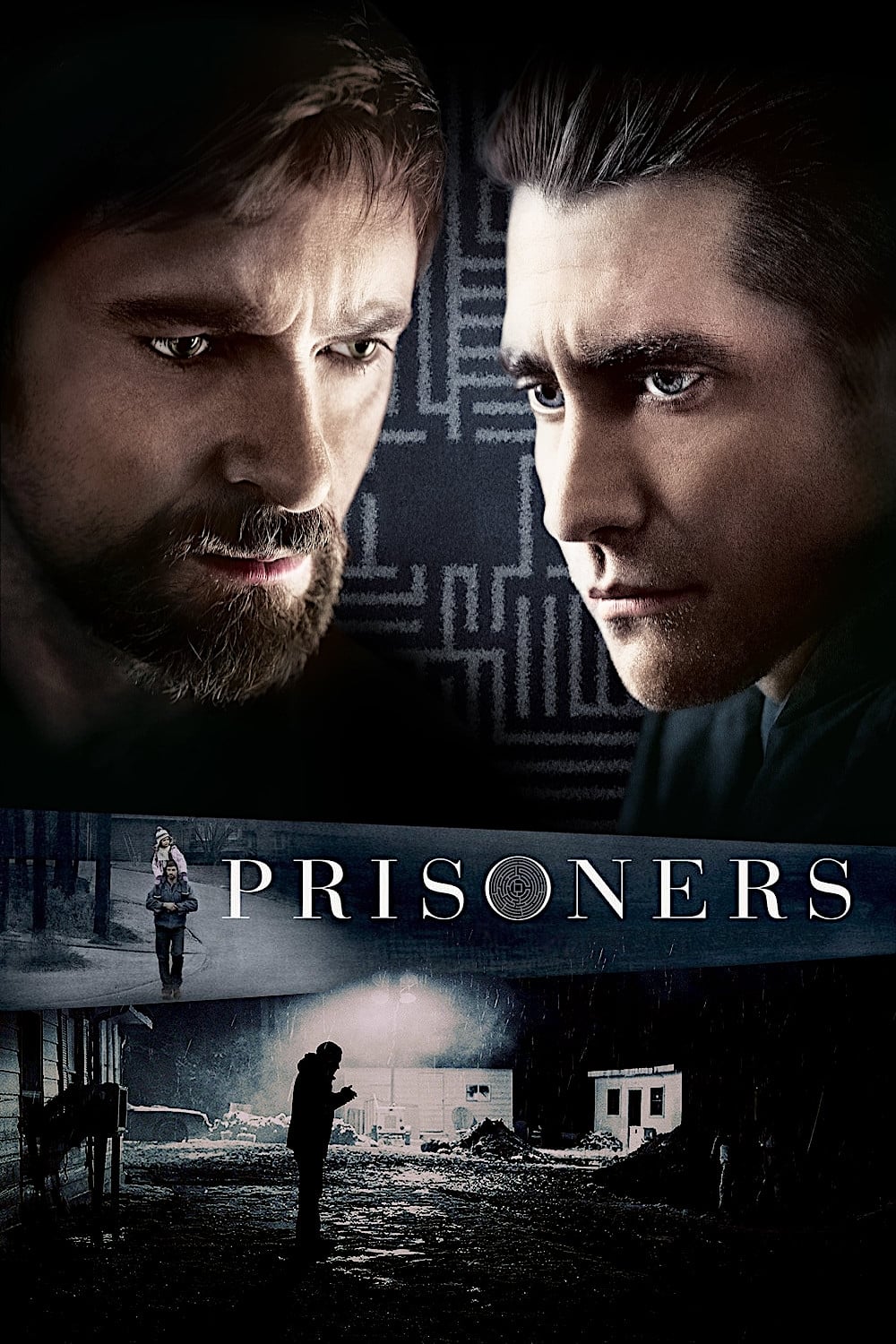
Denis Villeneuve directs this suburban disappearance drama about two missing girls and the escalating choices their families and the lead detective confront. Hugh Jackman, Jake Gyllenhaal, Viola Davis and Melissa Leo anchor a case that moves through suspects, evidence and community tensions in Pennsylvania.
Operational beats include canvassing neighborhoods, tracking RV sightings, processing forensics and managing leaks. Roger Deakins’ overcast visuals mirror the timeline’s bleak turns while the plot keeps pressure on legal boundaries and parental responses.
‘Room’ (2015)

Adapted from Emma Donoghue’s novel, this story follows a mother and child held in captivity, focusing on survival routines, coded language and the strategies that keep them bonded in a single locked space. Brie Larson and Jacob Tremblay depict a self-contained family structure that shields a child from the reality of confinement.
The second half examines reintegration—media exposure, therapy and extended-family dynamics—after escape. The film is used in discussions of trauma-informed storytelling, child development under coercive control and the logistics of recovery.
‘Taken’ (2008)
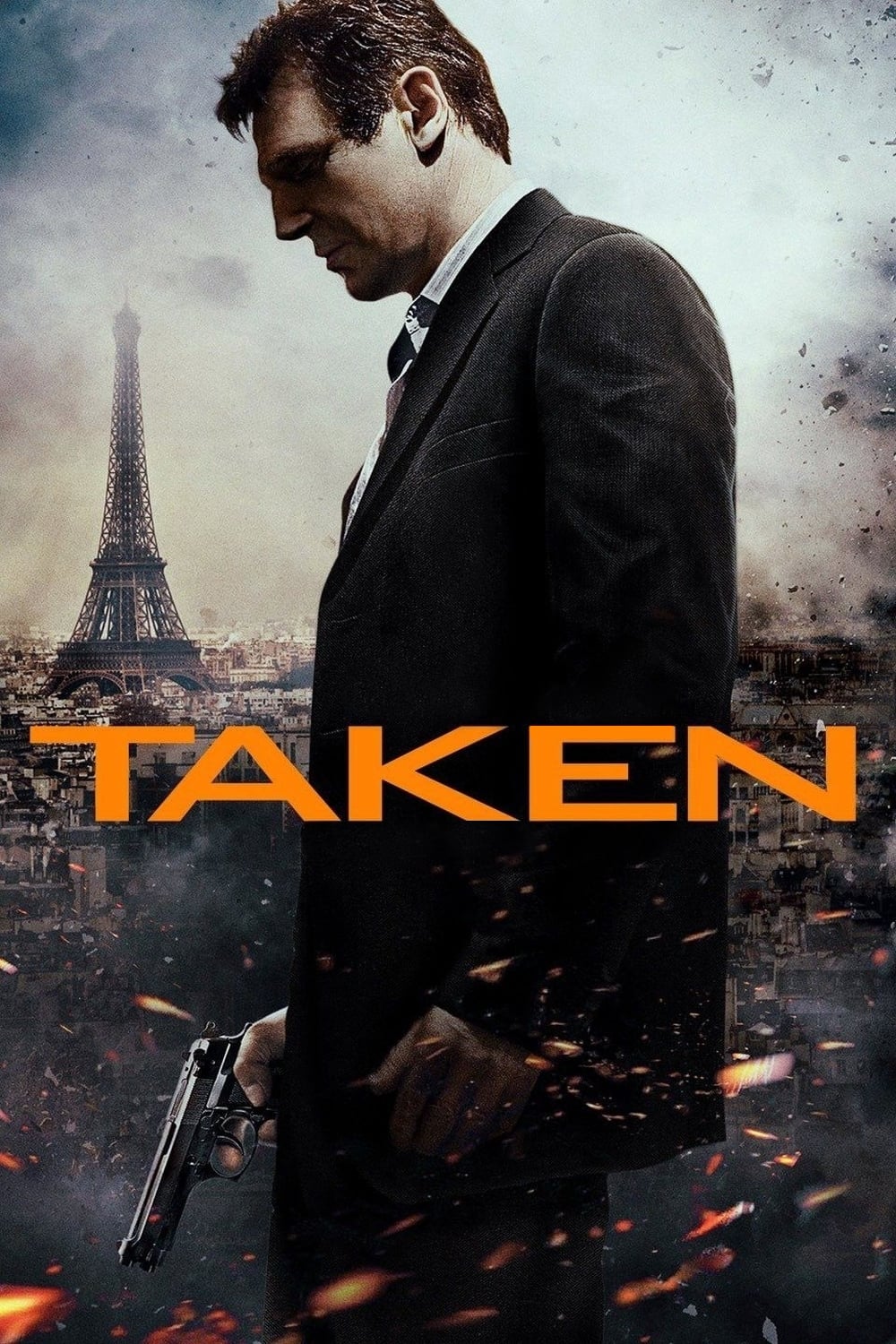
Pierre Morel’s action-thriller follows a retired operative who mobilizes contacts, surveillance and tradecraft to find his abducted daughter while she’s on a trip abroad. Liam Neeson, Maggie Grace and Famke Janssen map a step-by-step pursuit using phone forensics, informants and targeted raids.
The plot popularized a modern “parent rescuer” template and sparked conversations about depictions of trafficking networks. Its structure tracks ransom calls, safe houses and cross-border coordination.
‘Man on Fire’ (2004)
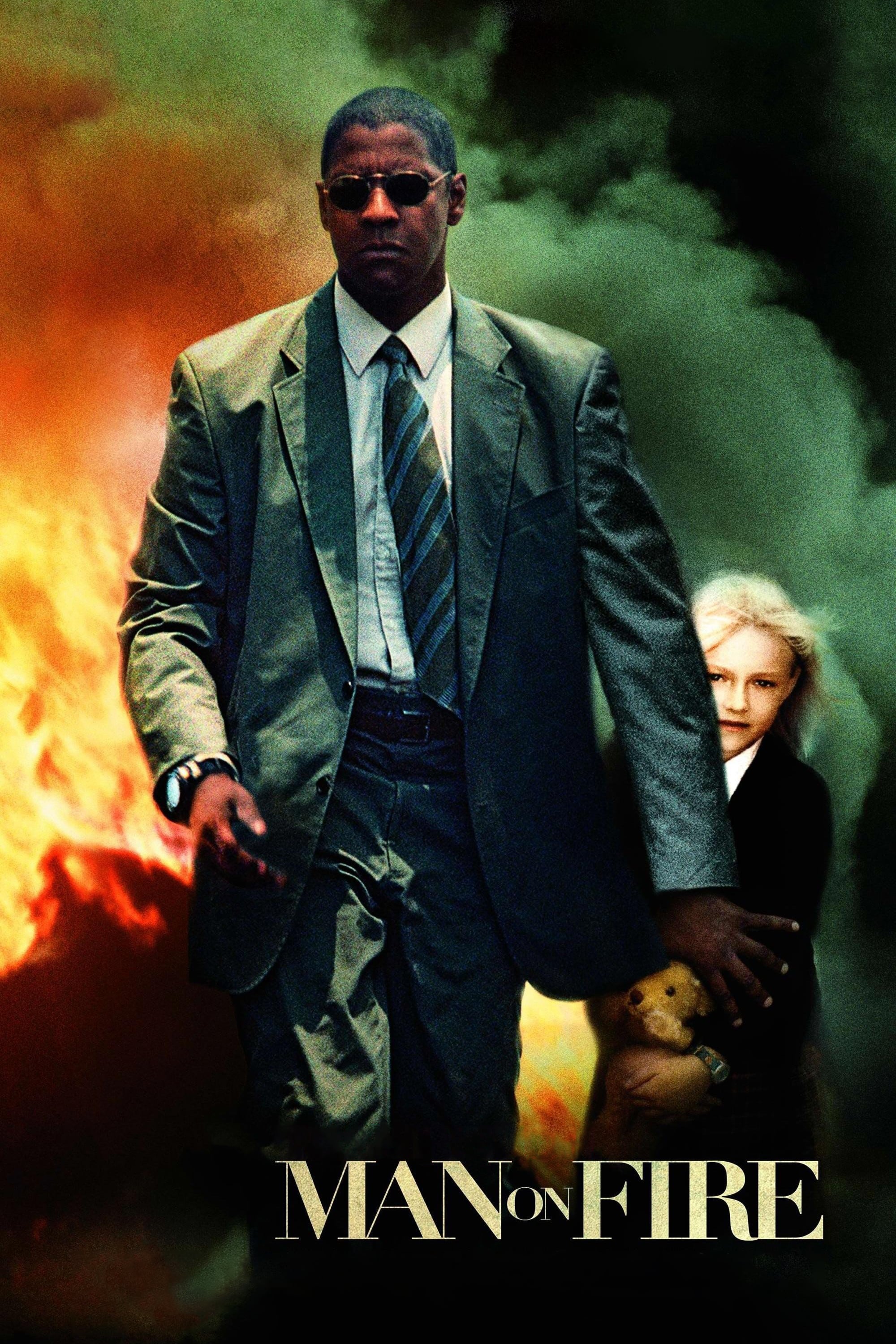
Tony Scott sets a rash of kidnappings in Mexico City, where an ex-operative is hired to protect a young girl. Denzel Washington and Dakota Fanning establish protection protocols—routes, counter-surveillance and threat assessment—before an abduction triggers a methodical counteroffensive.
The narrative details ransom structures, intermediaries and concerns about corruption. Distinctive editing and on-screen text emphasize timestamps, interrogations and lead development.
‘Gone Baby Gone’ (2007)

Ben Affleck adapts Dennis Lehane’s novel about a private investigator couple searching for a missing child in Boston. Casey Affleck and Michelle Monaghan navigate neighborhood codes, informant networks and jurisdictional boundaries with local law enforcement.
The case touches on custody, neglect and institutional limits. It’s commonly discussed for how “best interest of the child” standards intersect with criminal procedure and community pressure.
‘The Vanishing’ (1988)

George Sluizer’s Dutch thriller (“Spoorloos”) examines a disappearance from both the victim’s partner and the perpetrator perspectives. Gene Bervoets and Bernard-Pierre Donnadieu ground a methodical look at planning, opportunity and psychological motivation.
Its procedural logic shows small choices building toward a devastating outcome. The film’s structure and ending appear frequently in film-study curricula on suspense and perspective.
‘Oldboy’ (2003)
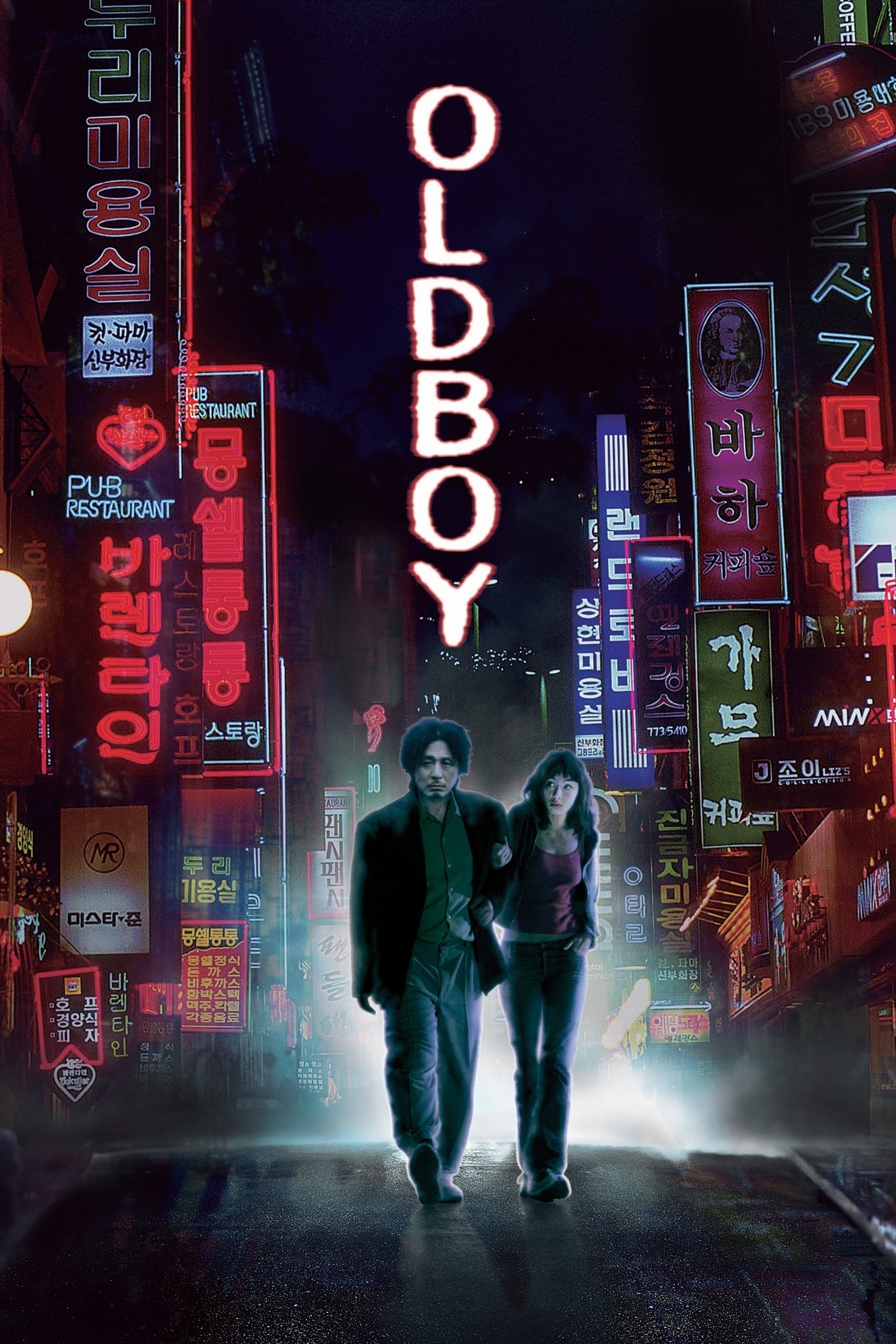
Park Chan-wook’s neo-noir follows a man imprisoned in a private cell with no explanation and then released to discover why he was abducted. Choi Min-sik leads a narrative of surveillance, memory gaps and orchestrated encounters.
The abductor’s long-term planning drives the investigation’s clues and reversals. Stylized set pieces complement a timeline built around captivity, release and controlled information.
‘The Chaser’ (2008)

Na Hong-jin’s crime thriller centers on an ex-detective turned pimp who realizes missing workers link to one client. Kim Yoon-seok and Ha Jung-woo propel a pursuit through phone logs, addresses and back-alley chases.
The film studies procedural failures, resource constraints and time pressure in serial abduction cases. Tight geography, near-real-time movement and escalating stakes shape the search.
‘The Black Phone’ (2021)

Scott Derrickson adapts Joe Hill’s short story about a boy kidnapped by a masked killer and confined to a basement with a disconnected phone. Mason Thames and Ethan Hawke play a struggle defined by isolation, routine and messages from previous captives.
Neighborhood searches, police canvassing and witness tips form the outside effort. Production design underscores how a suburban home can conceal a long-term crime scene.
‘Split’ (2017)

M. Night Shyamalan’s thriller follows three teens abducted by a man with dissociative identity disorder. Anya Taylor-Joy’s character applies observation, rapport and small leverage to create escape opportunities.
The story alternates between captivity and therapy sessions that outline the kidnapper’s psychology. Its connections to the director’s broader universe emerge late while remaining focused on confinement and survival tactics.
’10 Cloverfield Lane’ (2016)

A woman awakens in a bunker where her captor claims the outside world is unsafe. Mary Elizabeth Winstead, John Goodman and John Gallagher Jr. play a tense negotiation over rules, rations and restricted movement.
The film functions as a confinement puzzle—air filtration, locks and contingency plans—framed by trust and verification. Its relationship to the “Cloverfield” umbrella is thematic rather than directly narrative.
‘The Disappearance of Alice Creed’ (2009)
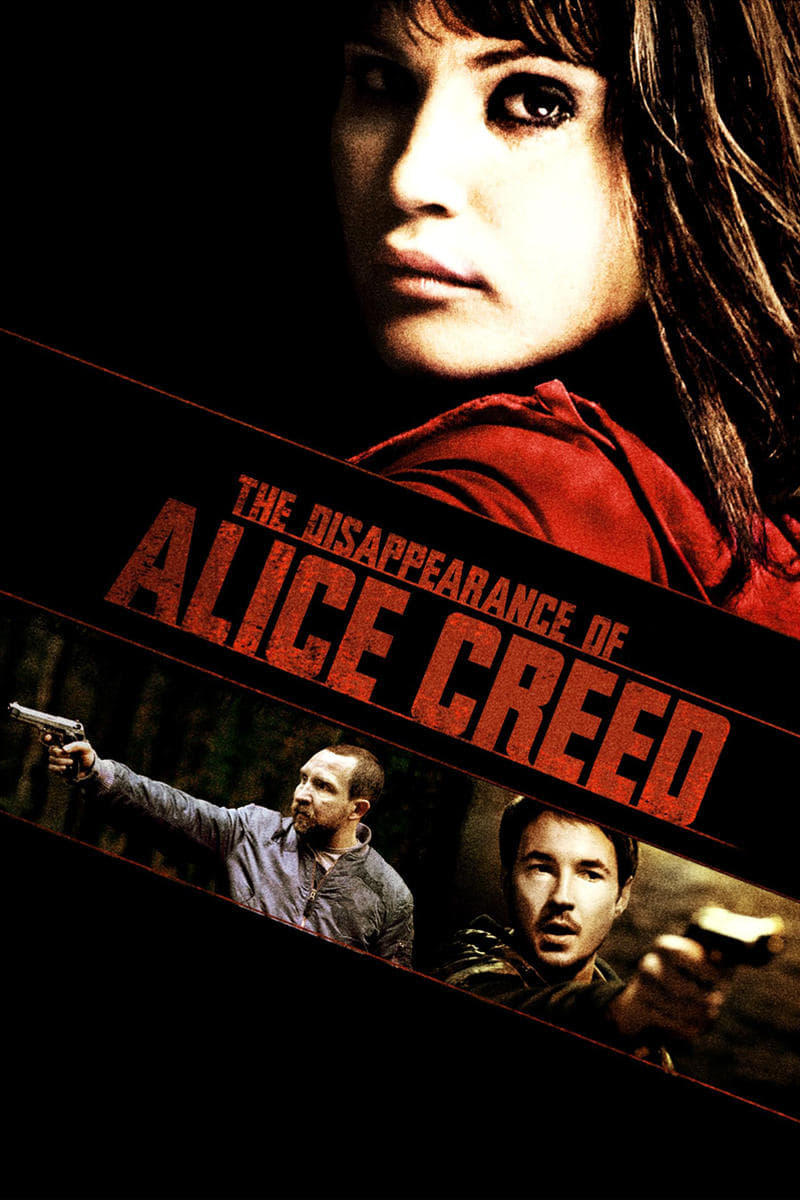
This British chamber thriller follows two men who kidnap a young woman and stage a ransom with meticulous preparation: soundproofing, restraints and untraceable communications. Gemma Arterton, Eddie Marsan and Martin Compston carry a tight, three-hander dynamic.
Bank-drop logistics, disguises and contingency plans drive leverage shifts. A single-location framework keeps focus on procedure and control of information.
‘Ransom’ (1996)
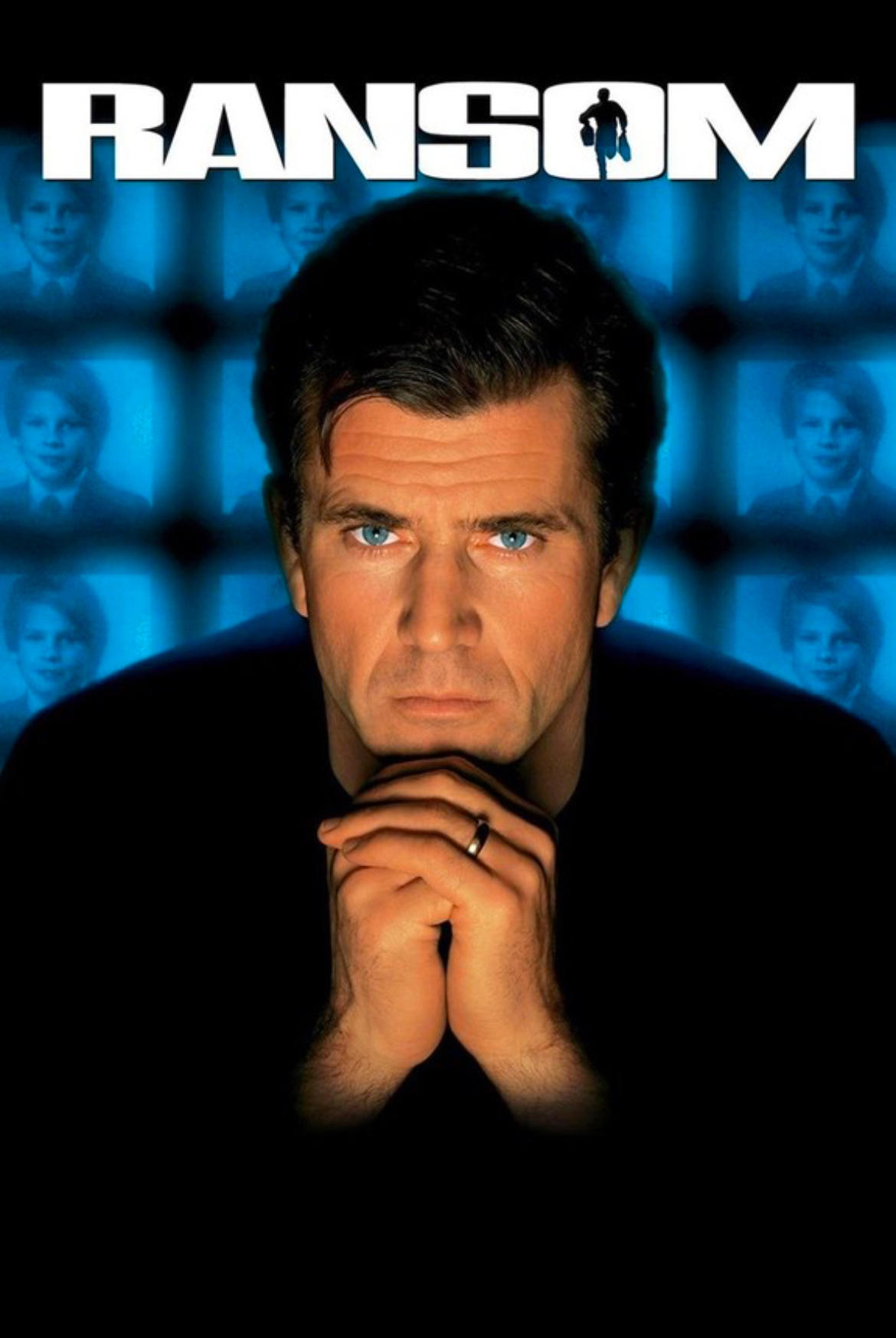
Ron Howard’s thriller centers on a wealthy airline owner whose son is abducted. Mel Gibson, Rene Russo and Gary Sinise navigate a negotiation increasingly shaped by media and law-enforcement strategy.
The plot outlines ransom protocols, FBI involvement and press management. A televised offer flips standard kidnapper-victim dynamics and changes investigative priorities.
‘Trade’ (2007)
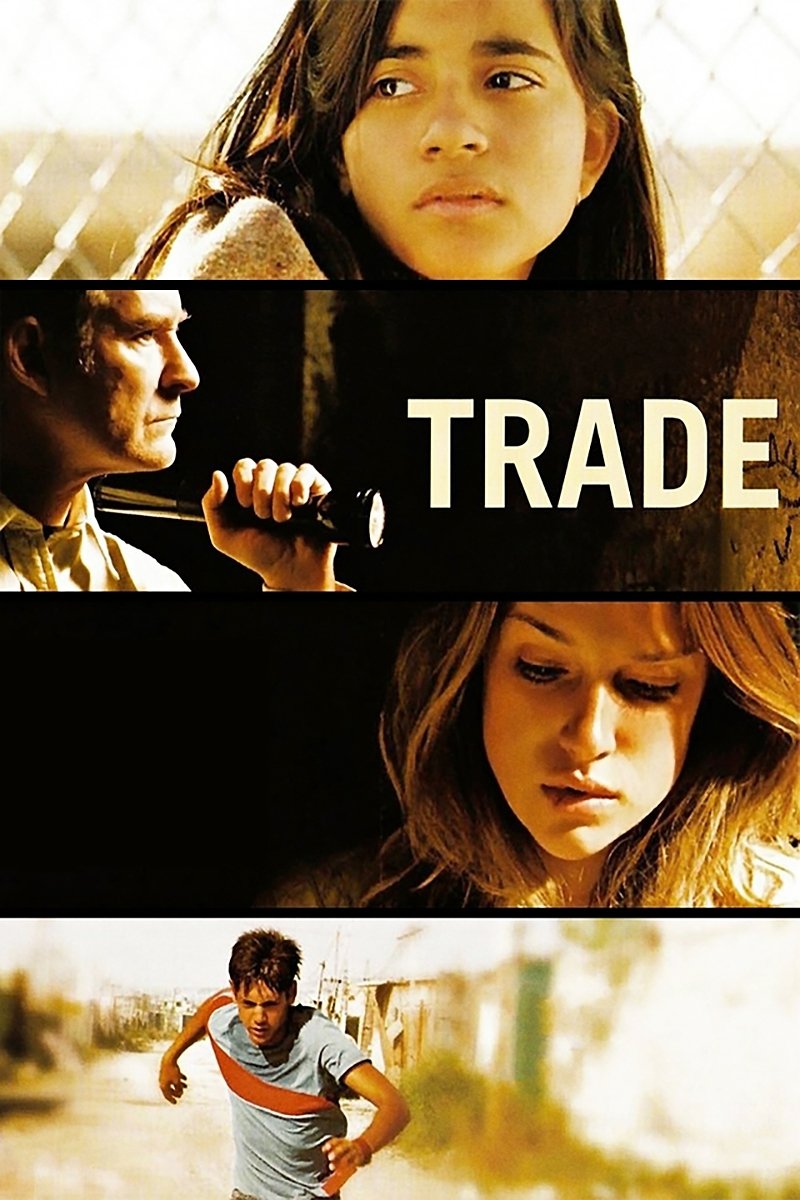
Focusing on cross-border human trafficking, the film follows a teenage girl taken in Mexico City and moved through clandestine routes. Kevin Kline and Paulina Gaitán chart a partnership between a Texas cop and the victim’s brother.
The narrative maps stash houses, auctions, online forums and jurisdictional complexity across North America. It highlights the difficulty of interdiction when victims are moved rapidly between locations.
‘Changeling’ (2008)

Clint Eastwood recounts a Los Angeles mother whose missing son is “returned” by authorities as a different child. Angelina Jolie portrays a fight against institutional stonewalling and an imposed narrative.
Case files, court proceedings and media records reconstruct overlapping child-abduction and corruption threads. The film traces advocacy, psychiatric-commitment abuses and eventual legal outcomes.
‘The Missing’ (2003)
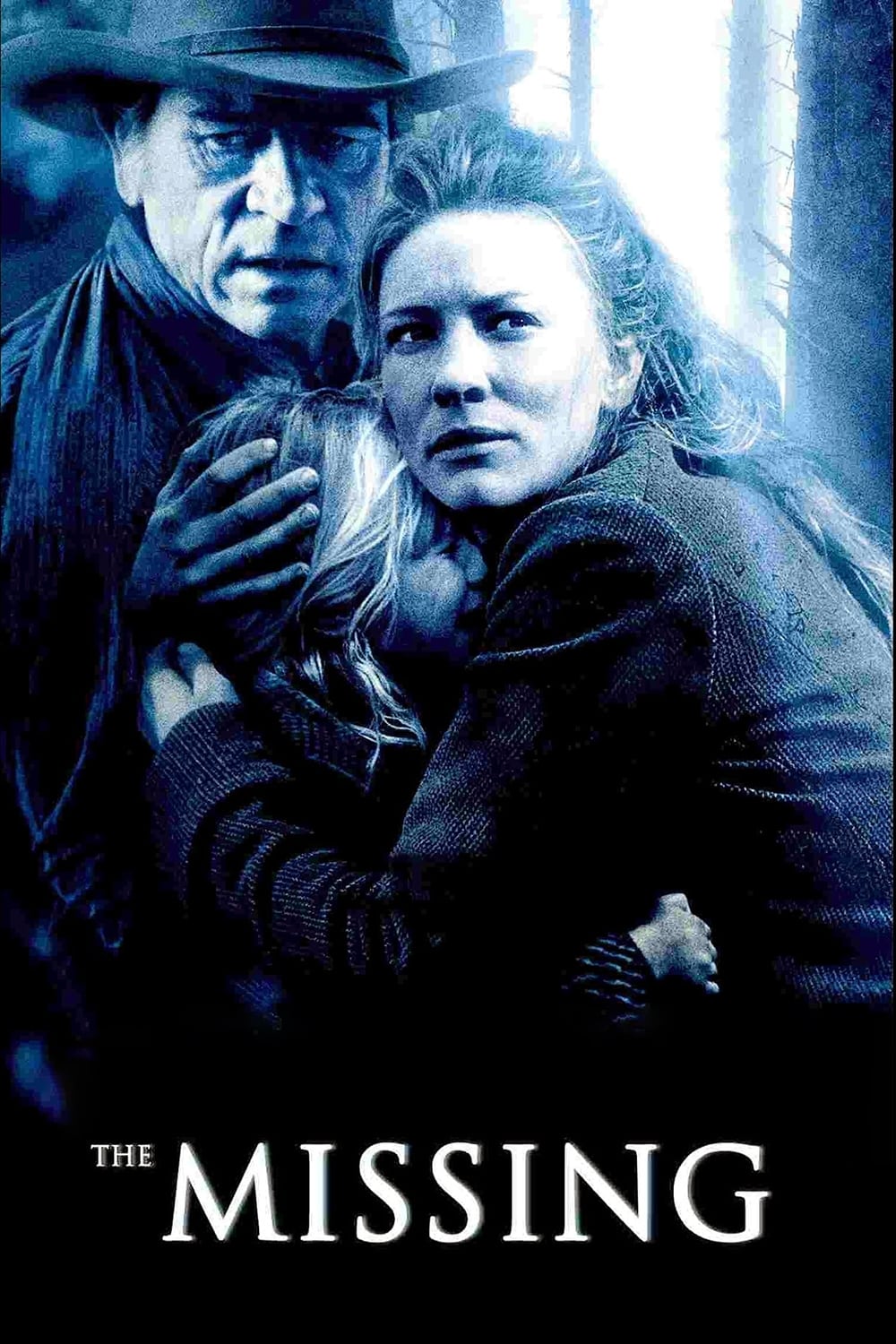
Set in frontier New Mexico, a rancher and her estranged father search for a kidnapped daughter taken by a raiding group targeting settlers. Cate Blanchett and Tommy Lee Jones lead a rescue that blends tracking skills with cultural and territorial realities.
Period-accurate search methods, terrain challenges and community responses to cross-country pursuit structure the route. Negotiation attempts and ambush risks inform each move.
‘Kidnap’ (2017)

Halle Berry plays a mother who witnesses her child taken from a public park and pursues the abductors in real time. The route unfolds over highways, toll booths and service stops.
The film emphasizes situational awareness, bystander limitations and how minutes matter in snatch-and-grab incidents. Jurisdiction handoffs and response times frame each decision point.
‘Alpha Dog’ (2006)
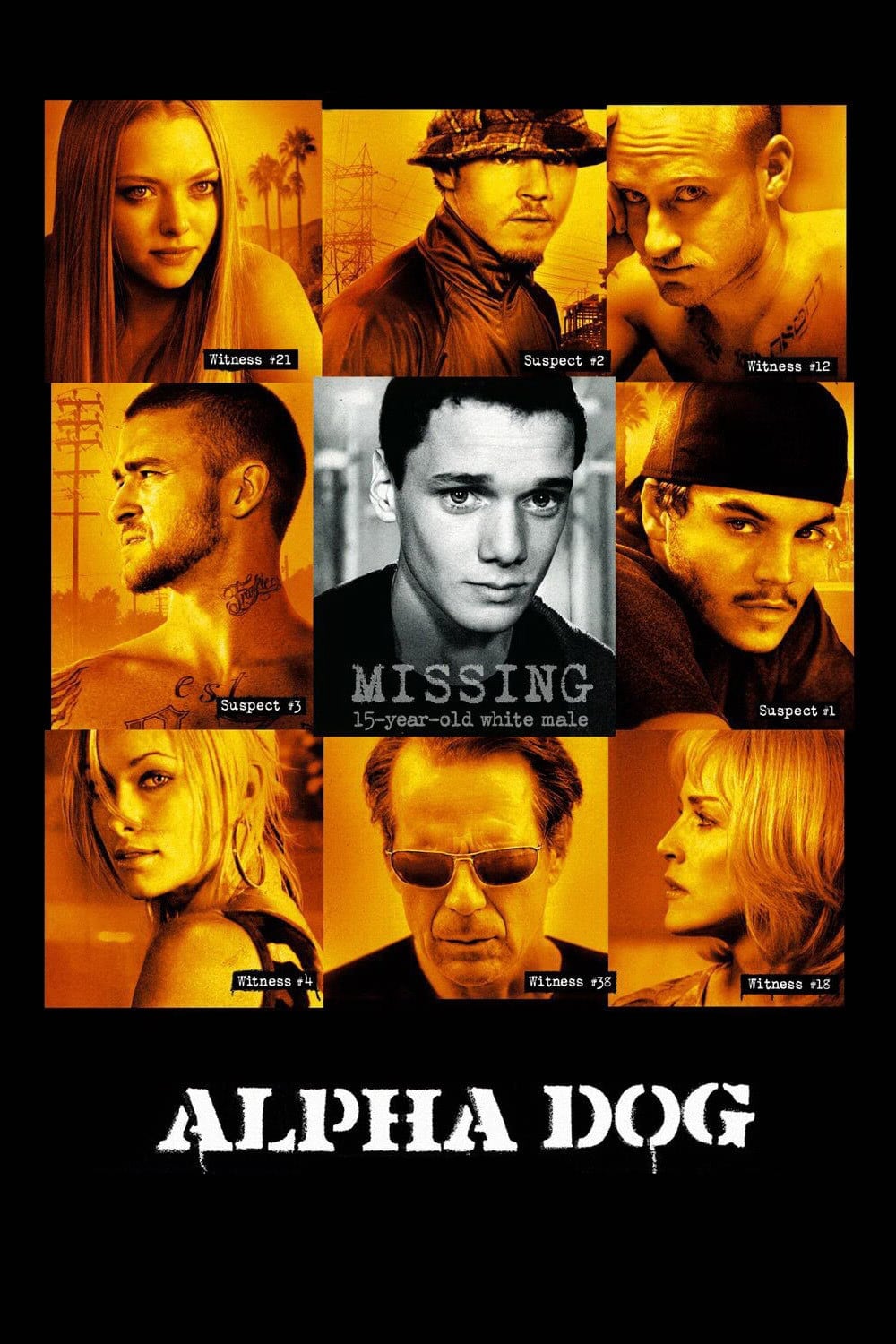
Based on a high-profile Southern California case, this ensemble drama shows a kidnapping that begins as intimidation and spirals out of control. Emile Hirsch, Justin Timberlake and Ben Foster depict intersecting social circles and impulsive choices.
The investigation later relies on phone records, party locations and witness statements. Courtroom proceedings and charging decisions track accountability across a large group.
‘Proof of Life’ (2000)
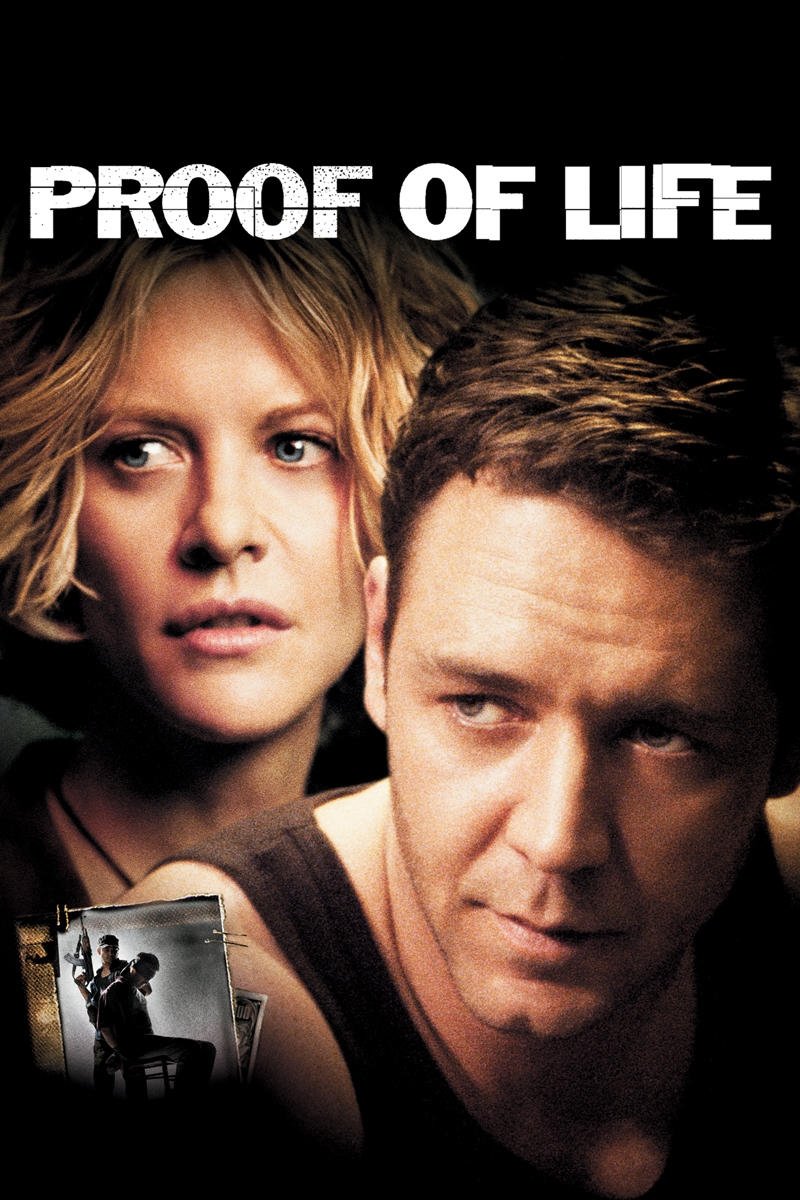
A crisis-response specialist is hired to secure the release of an engineer kidnapped in a politically unstable region. Russell Crowe, Meg Ryan and David Caruso outline kidnap-for-ransom industries and negotiator roles.
The film explains K&R insurance, proof-of-life communications and extraction planning in hostile terrain. Field intelligence, intermediaries and payment risks shape timing.
‘Captain Phillips’ (2013)
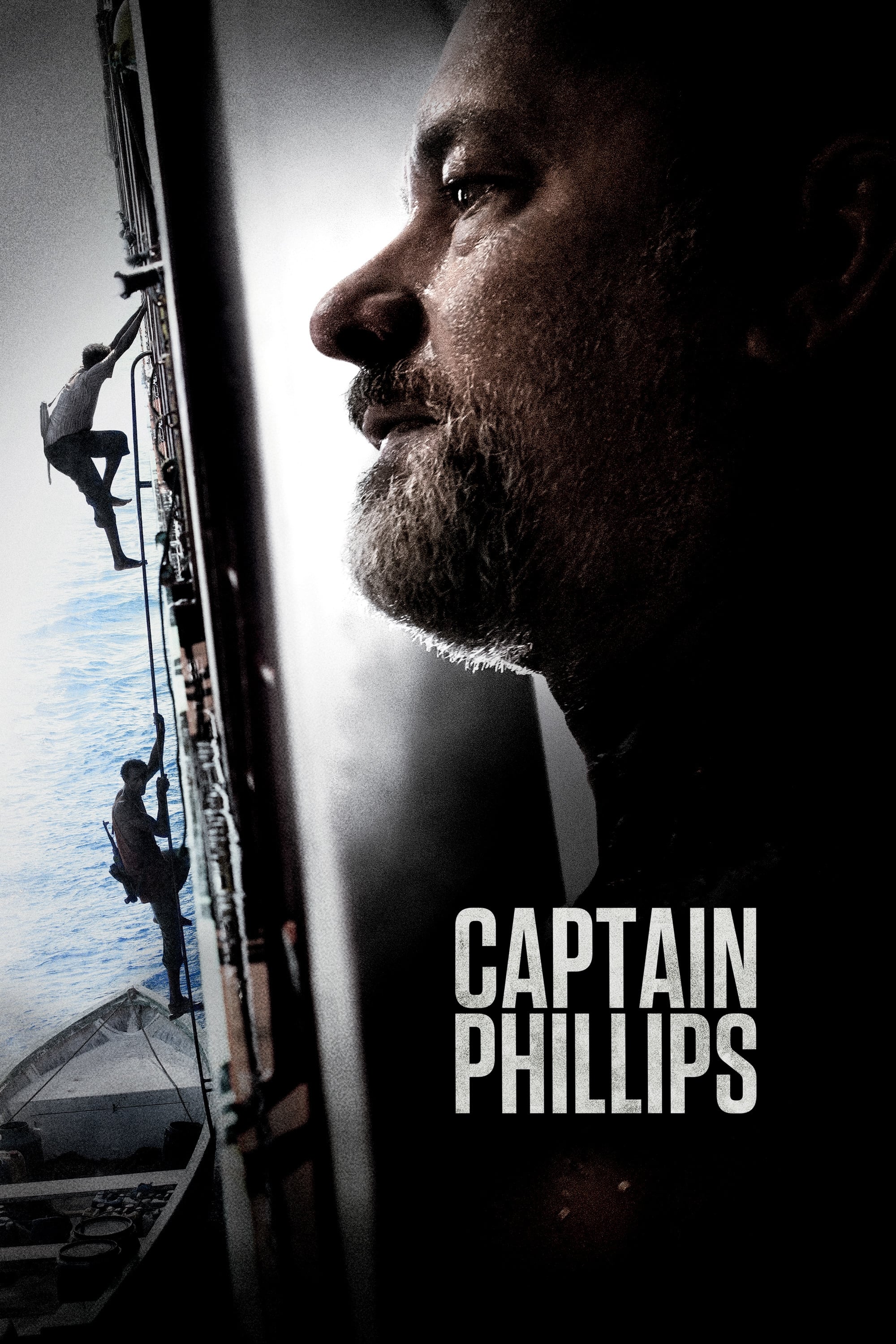
Paul Greengrass dramatizes the hijacking of a U.S. container ship by Somali pirates and the hostage standoff that follows. Tom Hanks, Barkhad Abdi and the cast portray negotiations that move from bridge to lifeboat.
Maritime security protocols, naval response and chain-of-command procedures structure the rescue. Radio etiquette, ROE constraints and intelligence feeds appear throughout.
‘A Hijacking’ (2012)

This Danish drama parallels a cargo-ship crew held by pirates and high-stakes negotiations back at corporate headquarters. Pilou Asbæk and Søren Malling anchor both ends of the crisis.
Economics of ransom, translator mediation and prolonged-captivity stress are central. Stalled talks, incremental concessions and crew welfare drive decisions.
‘The Girl with the Dragon Tattoo’ (2011)

A journalist and hacker investigate a decades-old disappearance within a wealthy family. Rooney Mara and Daniel Craig assemble clues from archives, photos and financial records.
The casework includes timeline reconstruction, victimology and patterns of violence. Isolated locations, corporate secrecy and family governance complicate access to evidence.
‘The Silence of the Lambs’ (1991)

An FBI trainee consults an imprisoned serial killer to profile a kidnapper targeting young women. Jodie Foster and Anthony Hopkins ground a story built on behavioral analysis and inter-agency coordination.
Operational details include database queries, crime-scene processing and victim-profile modeling. The film’s awards recognition made forensic-profiling procedures broadly familiar to audiences.
‘Fargo’ (1996)
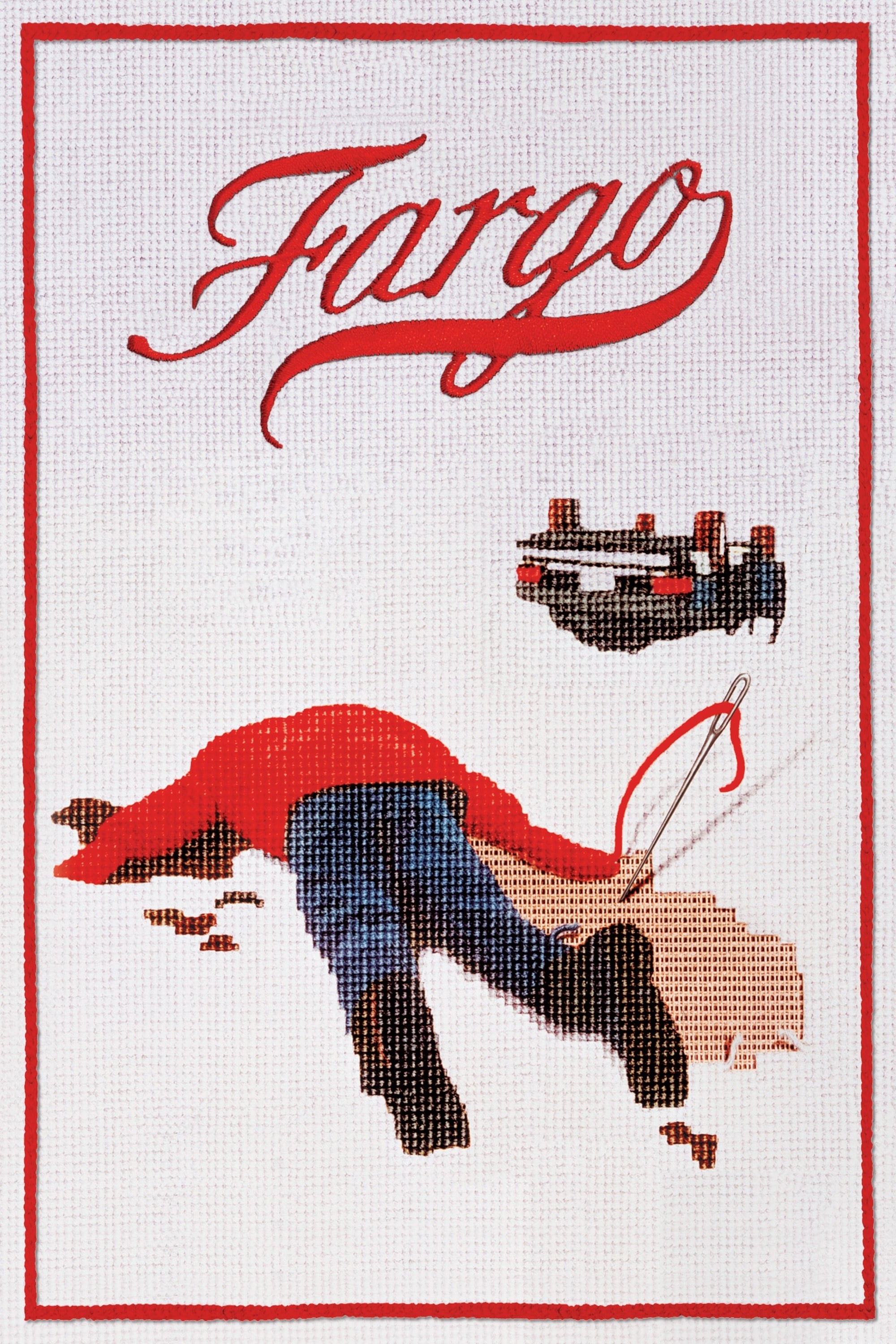
A staged kidnapping for ransom in Minnesota spirals into multiple crimes. Frances McDormand, William H. Macy and Steve Buscemi track a case where poor planning meets routine police work.
Regional coordination, warrant steps and small-clue accumulation drive the solution. The production’s snowy geography underscores visibility limits and search hazards.
‘Misery’ (1990)

A novelist is taken and confined by a fan who demands script changes under threat. Kathy Bates and James Caan play captor and captive in a remote setting with restricted mobility.
Control tactics include medication, restraints and isolation from communications. The scenario is often used in discussions of coercive control and dependency.
‘The Call’ (2013)
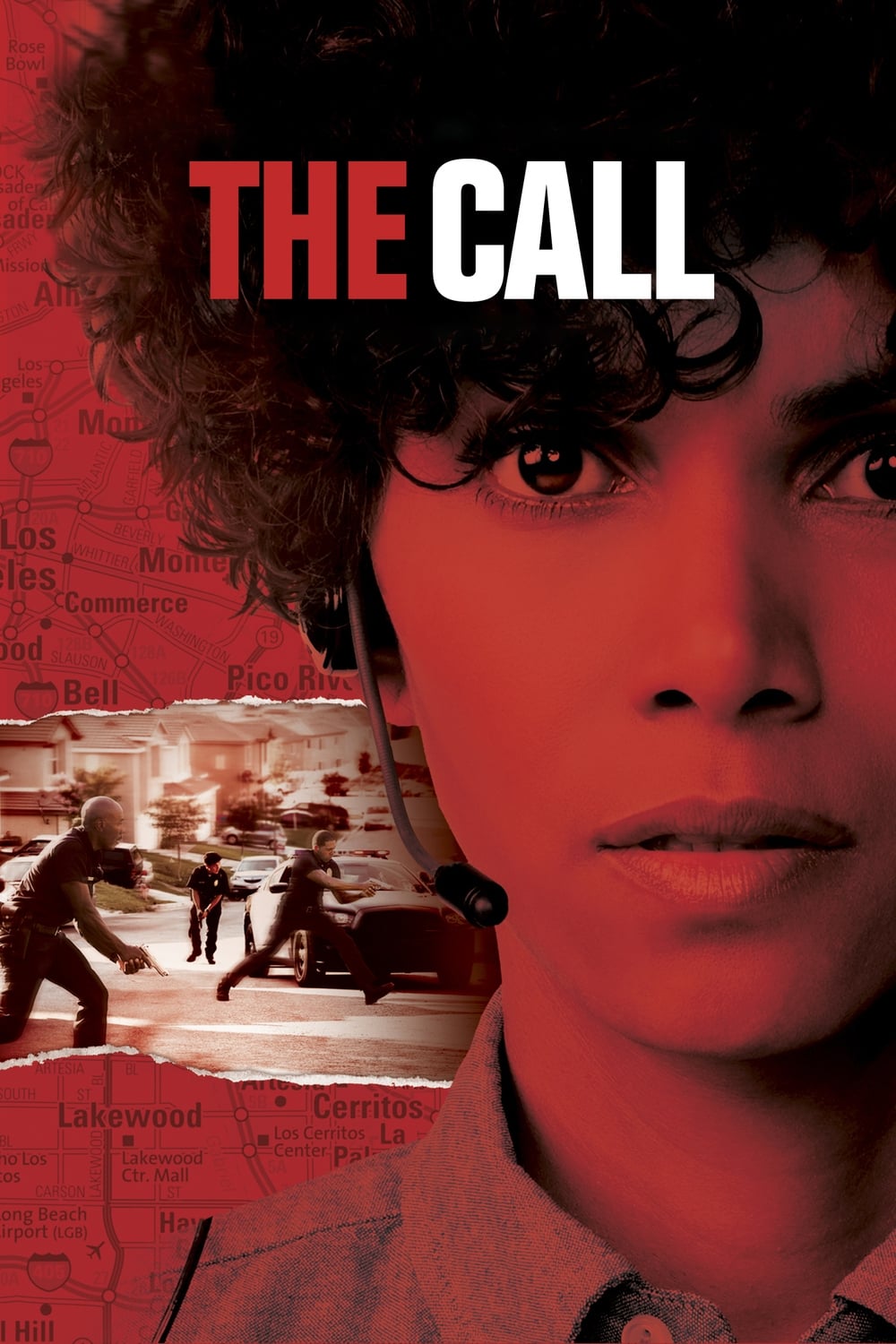
A 911 operator receives a call from a teenager abducted and locked in a car trunk, guiding her through survival steps. Halle Berry and Abigail Breslin maintain contact using ambient sounds and location cues.
The film illustrates dispatch workflows, cell-tower pings and public alerts. Stress management for call-center staff and field coordination become part of the rescue.
‘Flightplan’ (2005)

A mother’s child vanishes mid-flight, prompting a search that tests manifests, security camera coverage and crew procedures. Jodie Foster leads interactions with air marshals and airline staff.
Aircraft schematics, cargo holds and access panels become search zones. Chain-of-custody questions and ID verification drive credibility tests.
‘Hounds of Love’ (2016)

Set in suburban Western Australia, a teenager is abducted by a couple operating from their home. Ashleigh Cummings, Emma Booth and Stephen Curry depict a dynamic defined by control and complicity.
The film studies grooming, isolation strategies and how neighbors, noise and routine can aid detection. It is often cited in training about bystander awareness and domestic-space crimes.
‘Berlin Syndrome’ (2017)

A tourist in Berlin is held by a man she meets, shifting from romance to captivity. Teresa Palmer and Max Riemelt navigate surveillance inside an apartment and controlled outings that mask the crime.
Passports, duplicate keys and psychological conditioning define the control system. Small acts of resistance and pattern observation become practical tactics.
‘All the Money in the World’ (2017)

Ridley Scott recounts the abduction of John Paul Getty III and the extended ransom negotiations involving his billionaire grandfather. Michelle Williams, Christopher Plummer and Mark Wahlberg portray the family and intermediaries.
Proof-of-life tactics, staged calls and third-party go-betweens structure the talks. Multi-country law enforcement complicates jurisdiction, timing and payment risk.
‘Trapped’ (2002)

A family faces a coordinated kidnapping scheme that separates parents and child to break resistance. Charlize Theron, Kevin Bacon, Courtney Love and Stuart Townsend operate across synchronized timelines.
The plot demonstrates counter-surveillance, bank-transfer pressure and the use of medical vulnerabilities as leverage. Communications remain tightly controlled to limit outside help.
‘The Captive’ (2014)
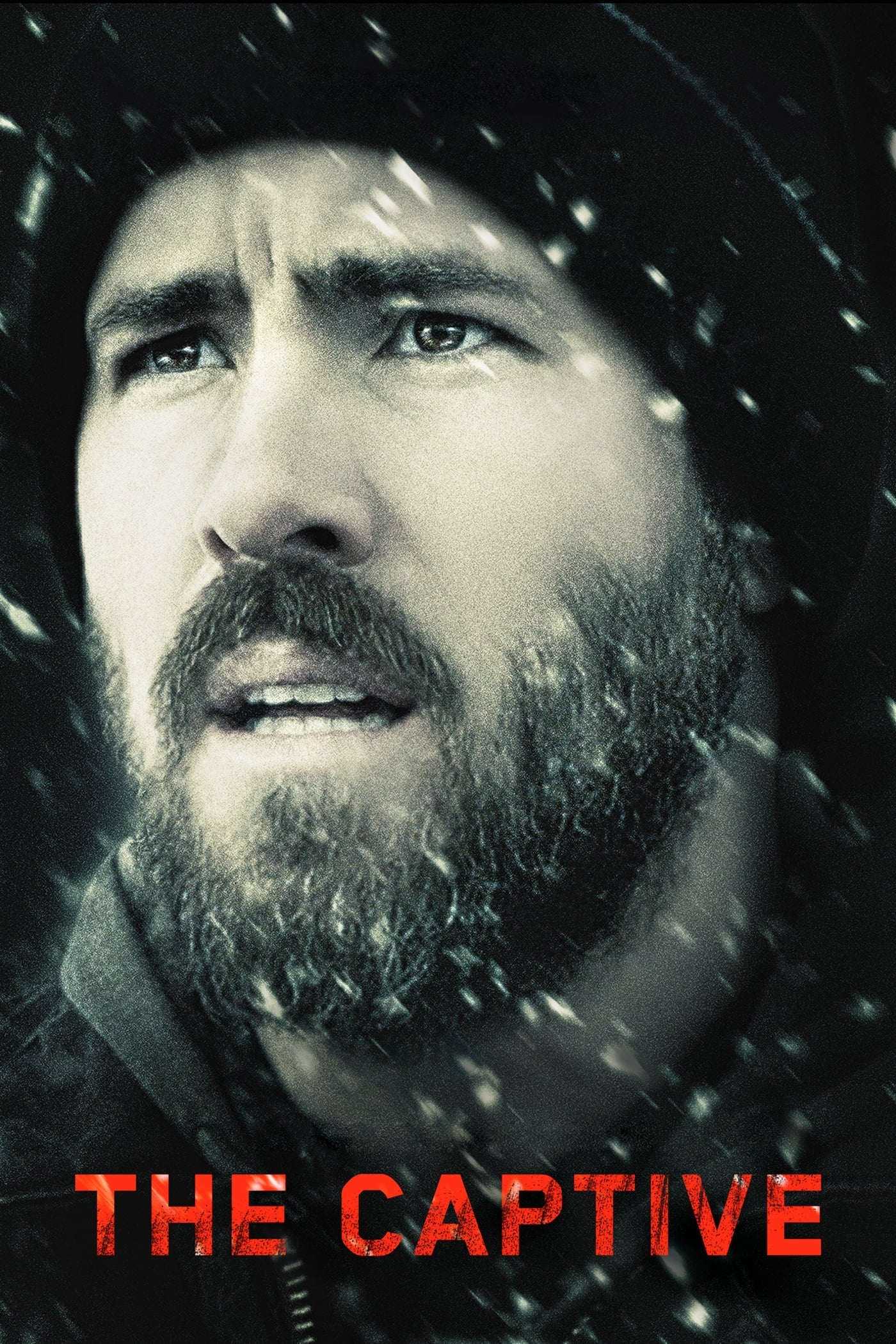
Atom Egoyan’s thriller follows parents and investigators years after a child’s disappearance, tracing online exploitation networks. Ryan Reynolds, Mireille Enos and Rosario Dawson depict long-term search fatigue.
Digital breadcrumbs, sting operations and infiltration of closed communities shape the investigation. A nonlinear structure mirrors the difficulty of assembling a full picture.
‘The Deep End of the Ocean’ (1999)

A family’s young son disappears from a hotel lobby, and years later a boy resembling him appears in the neighborhood. Michelle Pfeiffer and Treat Williams portray parents navigating identification and legal processes.
The story covers missing-person registries, custody hearings and community impact. It raises questions of attachment, memory and reintroduction after long separations.
‘The Lovely Bones’ (2009)

Adapted from Alice Sebold’s novel, the film follows a teen narrator after her abduction and murder, focusing on how her family persists with incomplete information. Saoirse Ronan, Mark Wahlberg and Rachel Weisz lead the ensemble.
Neighborhood canvassing, overlooked evidence and predatory patterns mark the case. Visual passages externalize grief and the limbo of unresolved investigations.
‘Hard Candy’ (2005)

A teen meets an older man from the internet and turns the encounter into a trap in response to suspected crimes. Elliot Page and Patrick Wilson drive a tense dialogue about evidence and accountability.
The movie intersects vigilantism with grooming dynamics and digital footprints. Most action occurs in a single house, emphasizing control of space and information.
‘High and Low’ (1963)
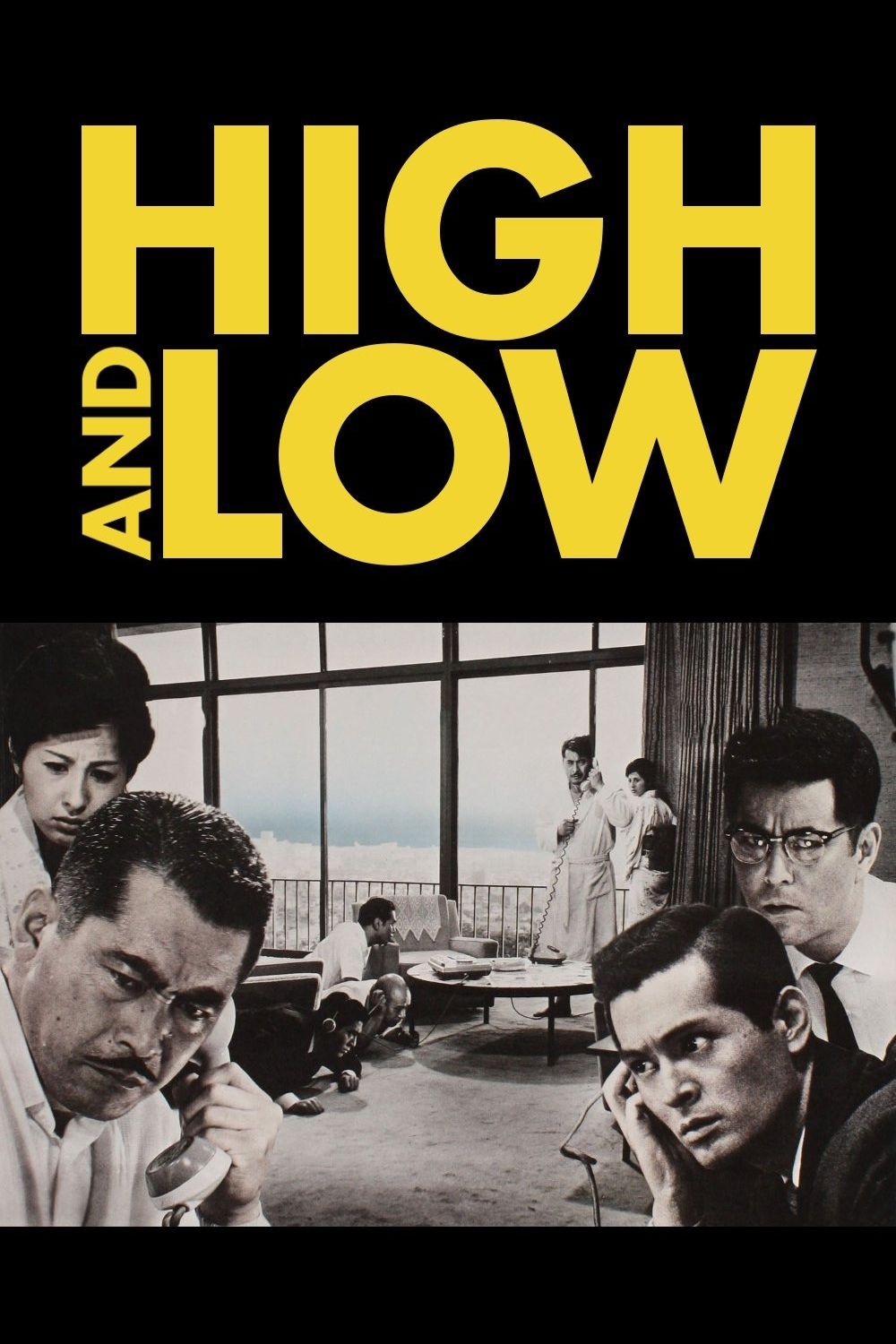
Akira Kurosawa adapts a novel about a wealthy executive whose chauffeur’s son is kidnapped by mistake. Toshiro Mifune leads a police-procedural effort balancing corporate optics and ransom delivery.
Urban geography—hills, trains and slums—frames the manhunt. Forensic lab work, stakeouts and bait strategies push the investigation forward.
‘A Perfect World’ (1993)
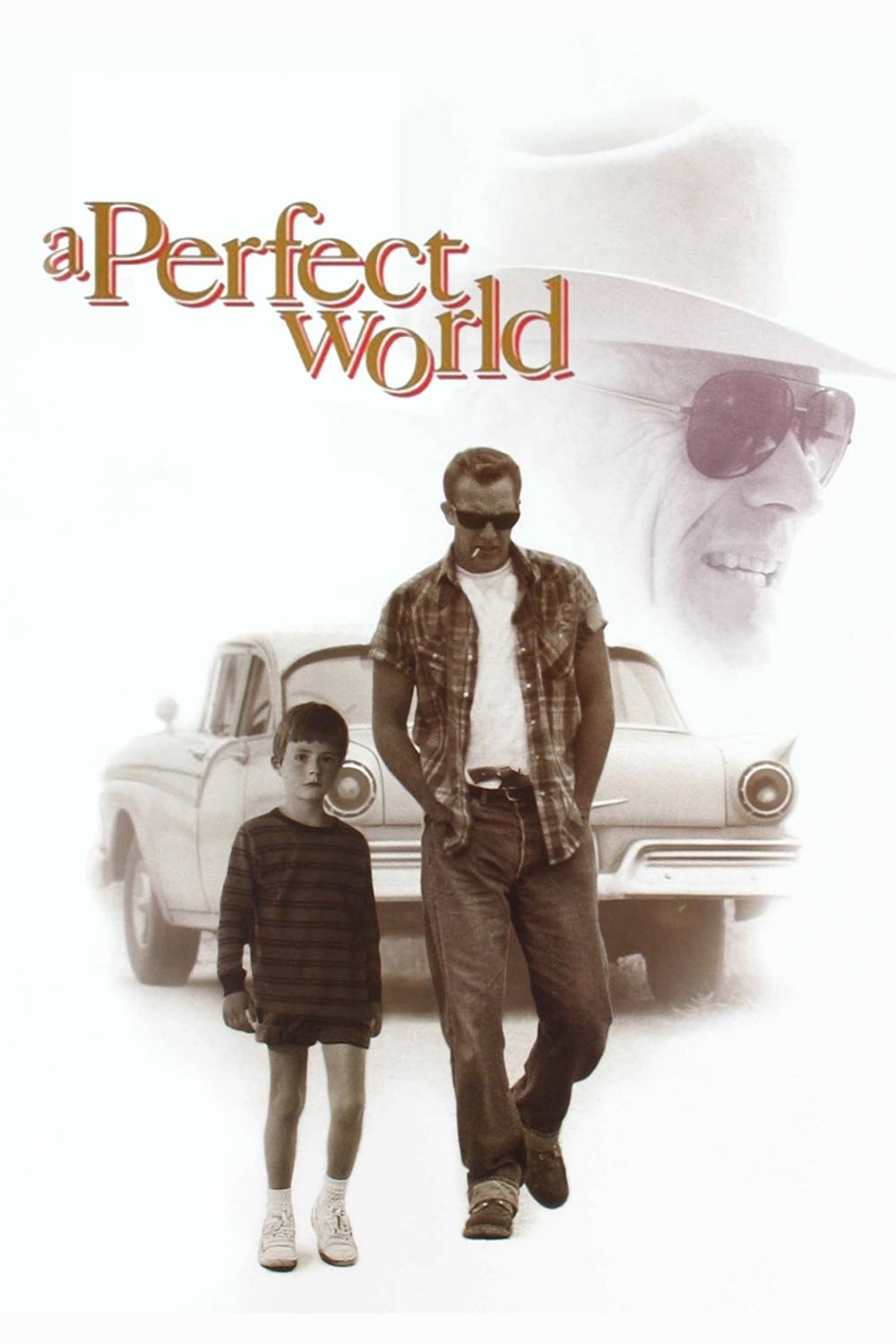
An escaped convict kidnaps a boy and forms a complicated bond during a cross-state pursuit. Kevin Costner and T. J. Lowther are pursued by law enforcement led by Clint Eastwood.
Police blockades, helicopter searches and roadside encounters structure the route. Negotiation attempts reflect shifting leverage as the pair moves between towns.
‘Tsotsi’ (2005)
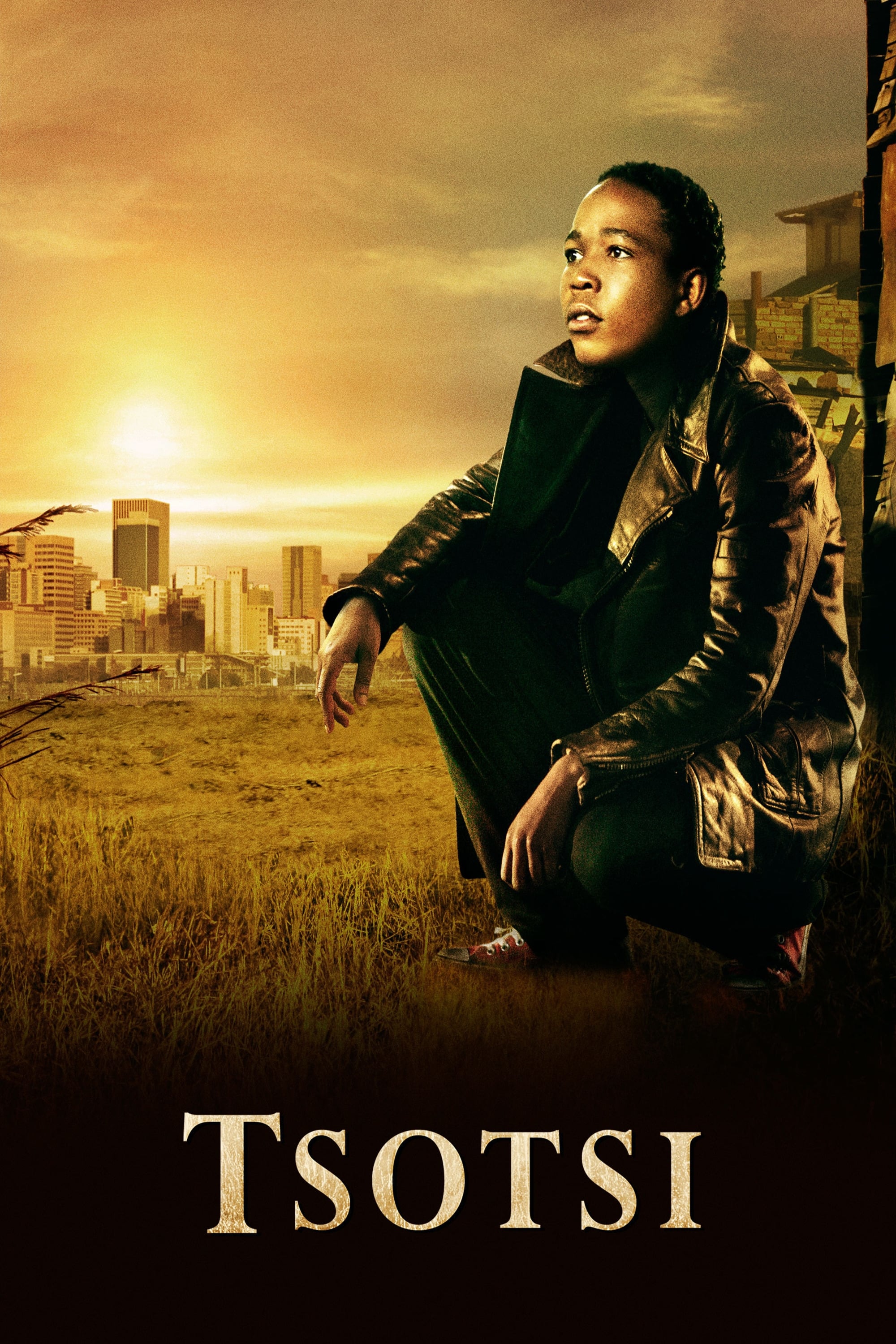
In Johannesburg, a carjacker discovers a baby in a stolen vehicle and keeps the child, triggering a search by the mother and police. Presley Chweneyagae’s character confronts choices that reframe the crime.
Socioeconomic conditions, community networks and church notices shape recovery efforts. The film tracks how local officers, neighbors and family respond under pressure.
‘The Man from Nowhere’ (2010)

A quiet pawnshop owner with a covert past hunts for a neighbor child abducted by a trafficking ring. Won Bin leads an action-driven investigation through Seoul’s underworld.
Organ-trafficking rumors, drug distribution links and corrupt officials complicate the rescue. Close-quarters fights sit alongside evidence retrieval and suspect tracking.
‘The Collector’ (1965)
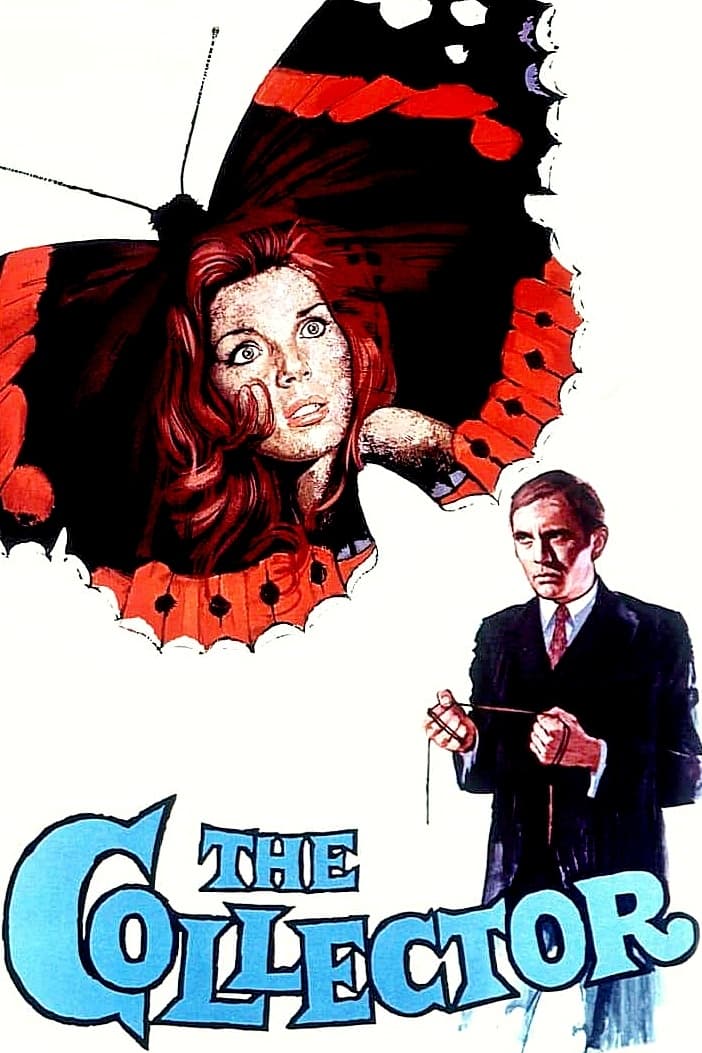
Based on John Fowles’ novel, a socially isolated man kidnaps an art student and confines her in a countryside home. Terence Stamp and Samantha Eggar portray extended psychological exchanges.
Planning, concealment of a cellar room and attempts to manufacture consent illustrate predatory behavior. The narrative’s focus on space and time highlights incremental resistance.
‘Cellular’ (2004)
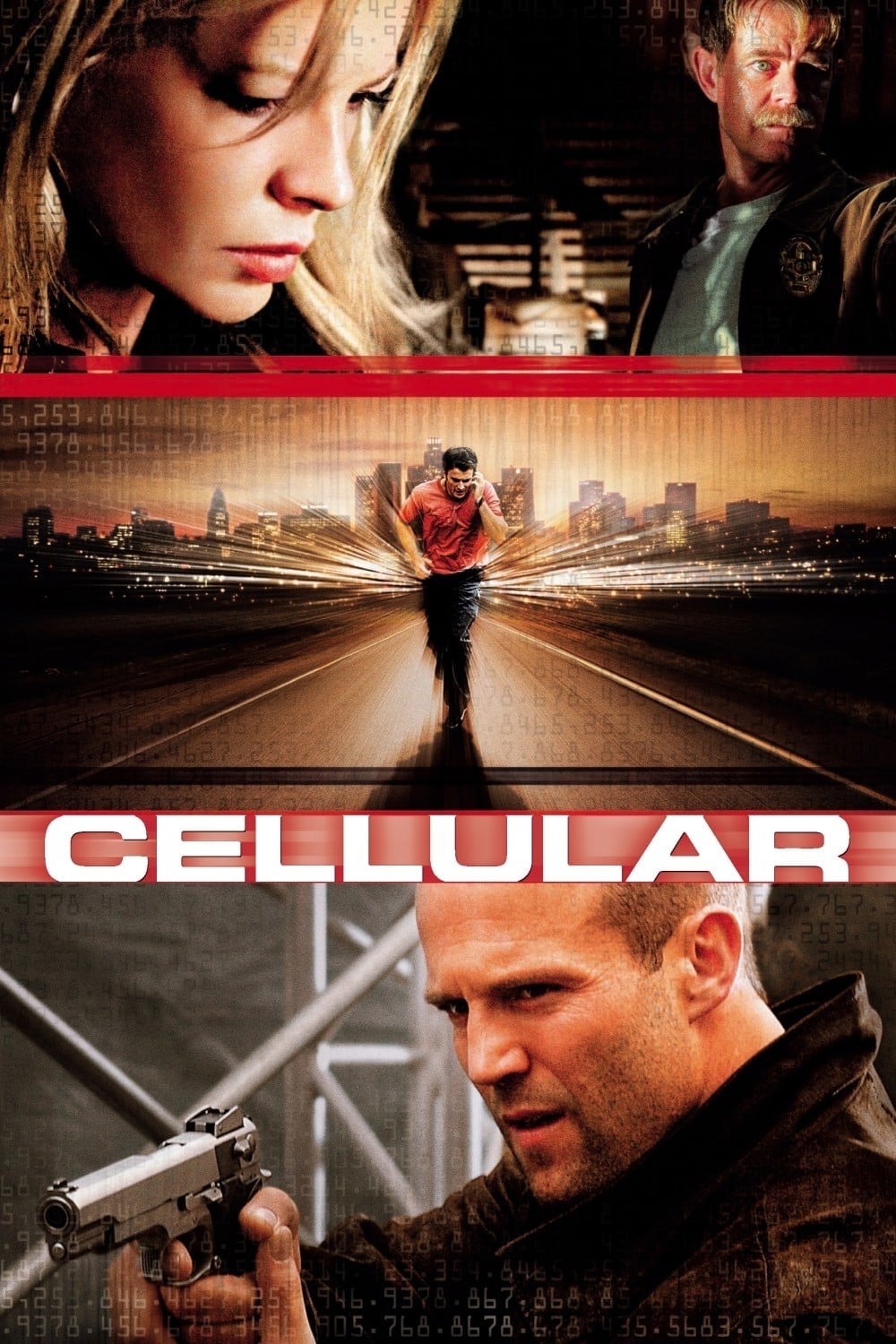
A kidnapped woman manages to connect to a random stranger via a damaged phone, relying on him to relay information to police. Kim Basinger, Chris Evans and Jason Statham propel a race against battery life and signal loss.
GPS limitations, call routing and improvisation with public resources drive the plot. Everyday locations—stores, stations and streets—become message-passing nodes.
‘Rabbit-Proof Fence’ (2002)

Three Aboriginal girls are forcibly taken from their families under government policy and sent to a settlement, then escape and trek home along the rabbit-proof fence. Everlyn Sampi, Tianna Sansbury and Laura Monaghan lead the cast.
The film documents state-sanctioned child removals, trackers and community assistance. Geography, survival skills and cultural resilience guide their journey.
‘Eden’ (2012)

Inspired by survivor accounts, this drama follows a Korean-American teenager abducted into a trafficking ring in the American Southwest. Jamie Chung and Beau Bridges depict a closed system with strict hierarchies.
Transport hubs, forged documents and coded inmate communication structure control. Small acts of cooperation and calculated compliance emerge as practical tactics.
‘I Am Slave’ (2010)
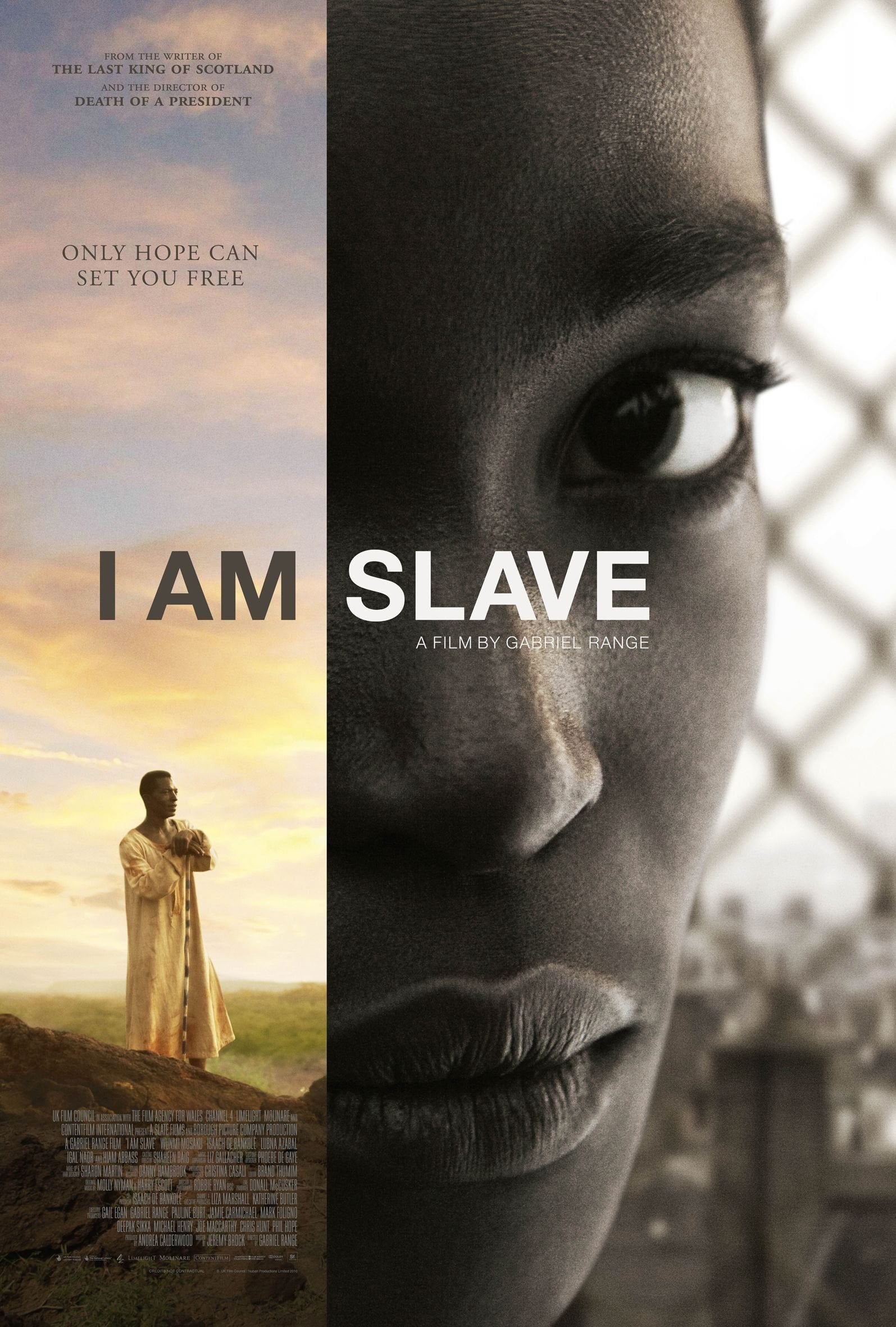
A young woman from Sudan is abducted and trafficked into domestic servitude—first in Khartoum, then in London. Wunmi Mosaku portrays the process of identifying safe contacts and seeking help.
The film addresses passport confiscation, hidden labor and the challenge of enforcement in private homes. Advocacy groups, church networks and careful timing enable escape.
‘The Pledge’ (2001)
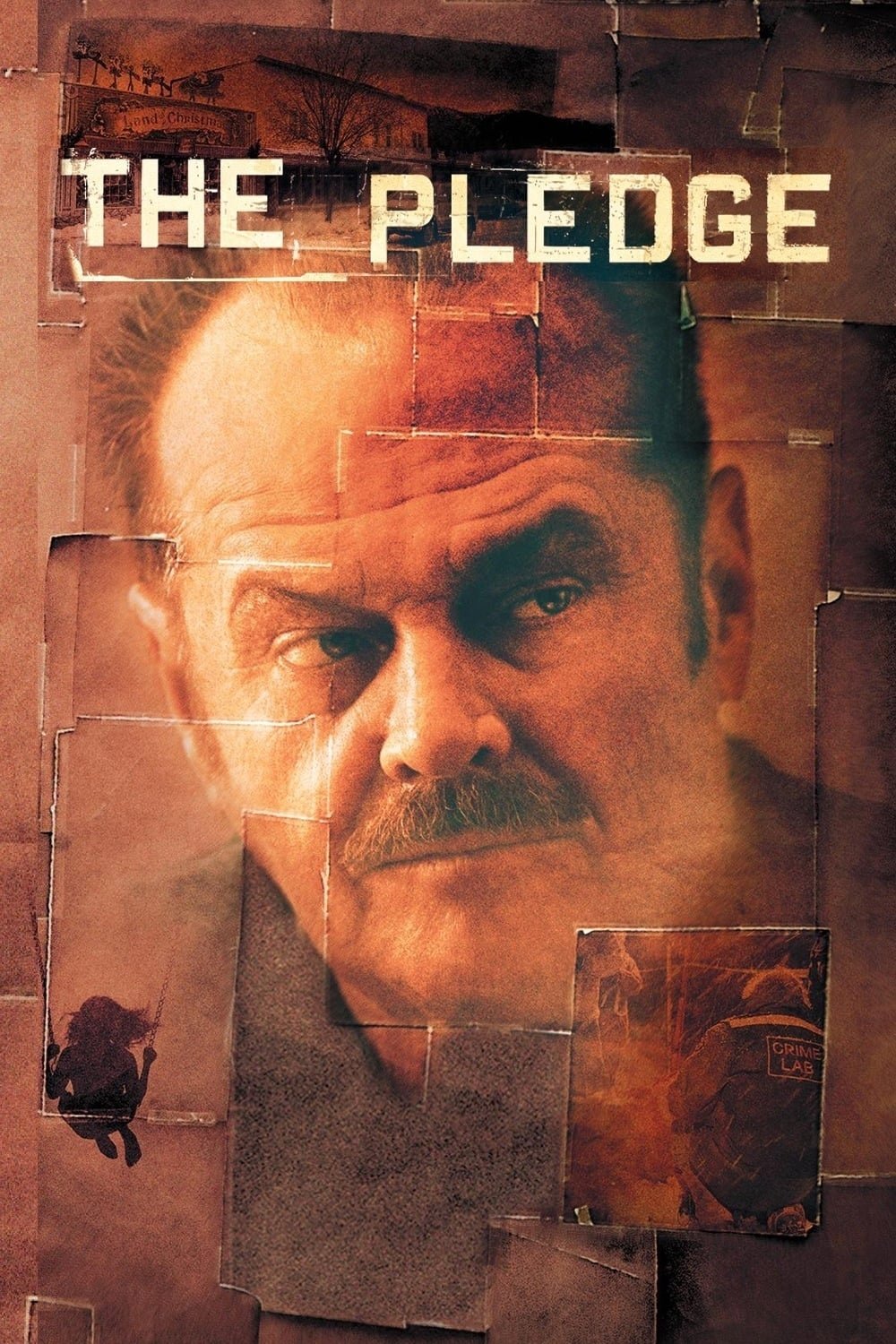
A retiring detective promises a family he will solve the abduction of a child and sets a long-term sting. Jack Nicholson and Benicio del Toro anchor a methodical setup undermined by chance and misreads.
Offender profiling, community fear and inconclusive evidence shape outcomes. The story highlights how assurances to survivors can outlast official resources.
‘Get Out’ (2017)
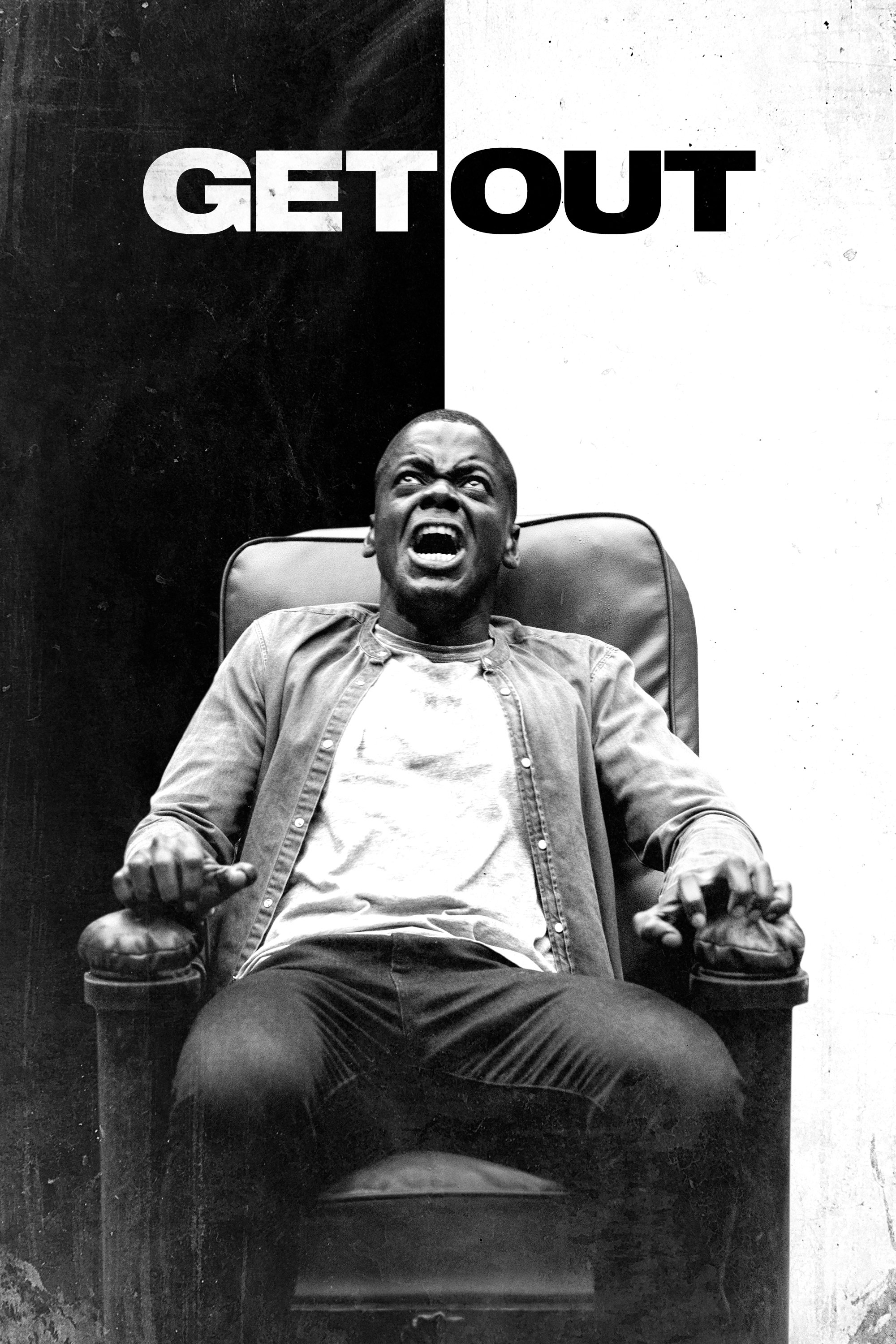
Jordan Peele’s horror-thriller follows a man visiting his girlfriend’s family where disappearances and coercive medical procedures come to light. Daniel Kaluuya, Allison Williams and Bradley Whitford play a network operating behind polite facades.
Missing-person tips, altered identities and controlled environments construct a system of captivity. The film’s precise setups and payoffs support discussions of social engineering and consent.
‘Fire in the Sky’ (1993)

This drama portrays an alleged alien abduction in rural Arizona and the aftermath among friends, family and investigators. D. B. Sweeney and Robert Patrick lead interviews and polygraph sessions.
Media attention, skepticism from authorities and conflicting testimony drive the inquiry. Flashback sequences depict confinement and procedures as claimed by the subject.
‘The Fourth Kind’ (2009)

Structured as a pseudo-documentary set in Nome, Alaska, the film presents therapy sessions and hypnosis tied to alleged abductions. Milla Jovovich introduces dramatized “archival” materials alongside narrative scenes.
Common motifs in abduction lore—missing time, recurring symbols and nocturnal visitations—frame the case. The presentation sparked debate about mixing staged content with documentary style.
‘The Taking of Pelham One Two Three’ (1974)
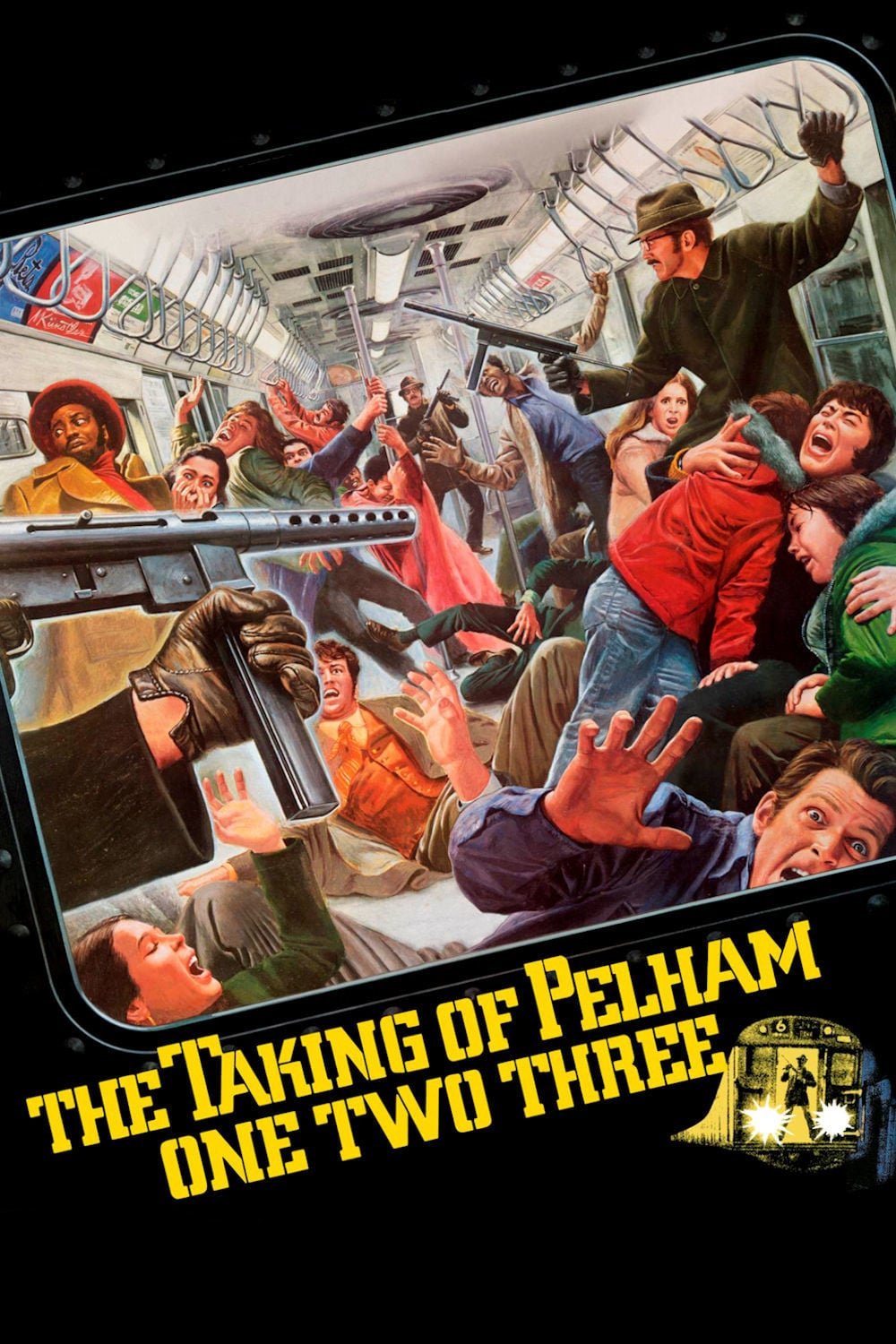
Armed men hijack a New York City subway car and hold passengers for ransom, negotiating with transit police under a strict timeline. Walter Matthau and Robert Shaw shape the standoff via radio communication and deadlines.
Transit schedules, track diagrams and signal systems become tactical elements. Payment delivery risks, decoy strategies and jurisdictional authority define response options.
‘Hanna’ (2011)

A teenager trained by her father is targeted by an intelligence agency, leading to capture, transport and escape sequences across Europe. Saoirse Ronan, Eric Bana and Cate Blanchett drive a pursuit that moves through transit hubs and safe houses.
The plot covers rendition tactics, false identities and surveillance countermeasures. Music, editing and location shifts emphasize the rhythms of pursuit and temporary confinement.
Share your favorite abduction and kidnapping movies in the comments—and tell us which crucial titles we should add next!

