The Best Spy Movies of All Time


Great spy stories thrive on secrecy, coded messages, and people risking everything to move information across borders. This collection spans shadowy Cold War maneuvers, modern cyber intrusions, and operations that unfold in courtrooms, embassies, and safehouses far from the front lines.
Each entry highlights who made it, who’s in it, and what the operation at its core looks like—dead drops, deception campaigns, surveillance grids, and exfiltration plans. Use it to trace how screen espionage evolved from analog tails and radio sets to satellite tracking and data fusion.
‘The 39 Steps’ (1935)
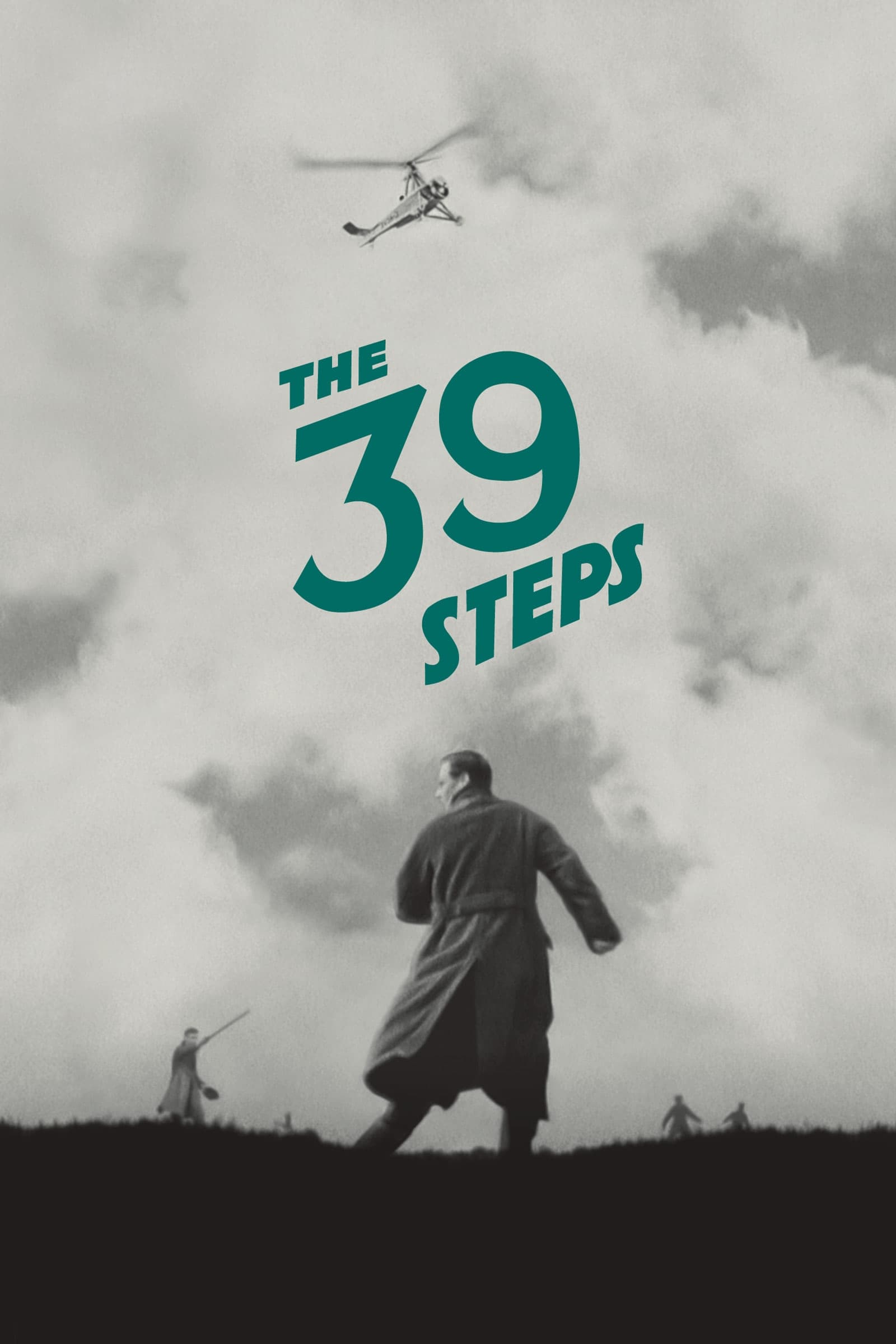
Directed by Alfred Hitchcock from John Buchan’s novel, ‘The 39 Steps’ follows Richard Hannay, an ordinary traveler thrust into a spy ring after a chance encounter in London. It stars Robert Donat and Madeleine Carroll and turns an innocent-on-the-run chase into a case about a stolen defense secret.
The production uses music-hall sequences, Scottish moors, and cross-country trains to stage pursuit and counter-surveillance. Its MacGuffin and disguised antagonists shaped a template many later espionage films adopted.
‘Notorious’ (1946)
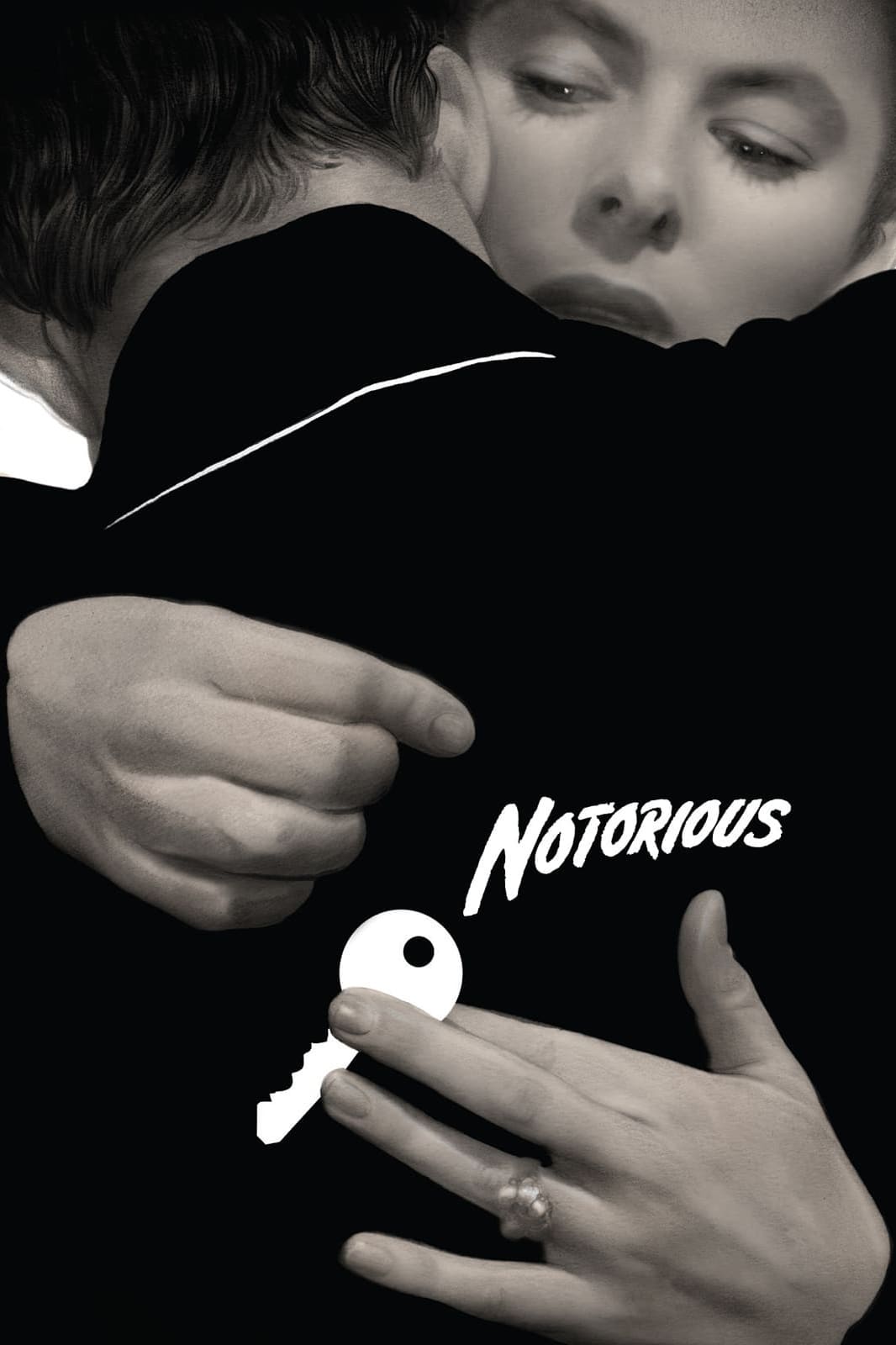
‘Notorious’ pairs Ingrid Bergman and Cary Grant in a story about recruiting the daughter of a convicted spy to infiltrate a circle of ex-Nazis in Brazil. Alfred Hitchcock directs, with Ben Hecht’s script weaving a cover relationship used to reach a uranium-related secret.
The film’s elaborate crane shot to a key prop and its embassy-party staging showcase precision blocking and camera design. It captures postwar anxieties around atomic research and the diplomacy-intelligence overlap.
‘The Third Man’ (1949)
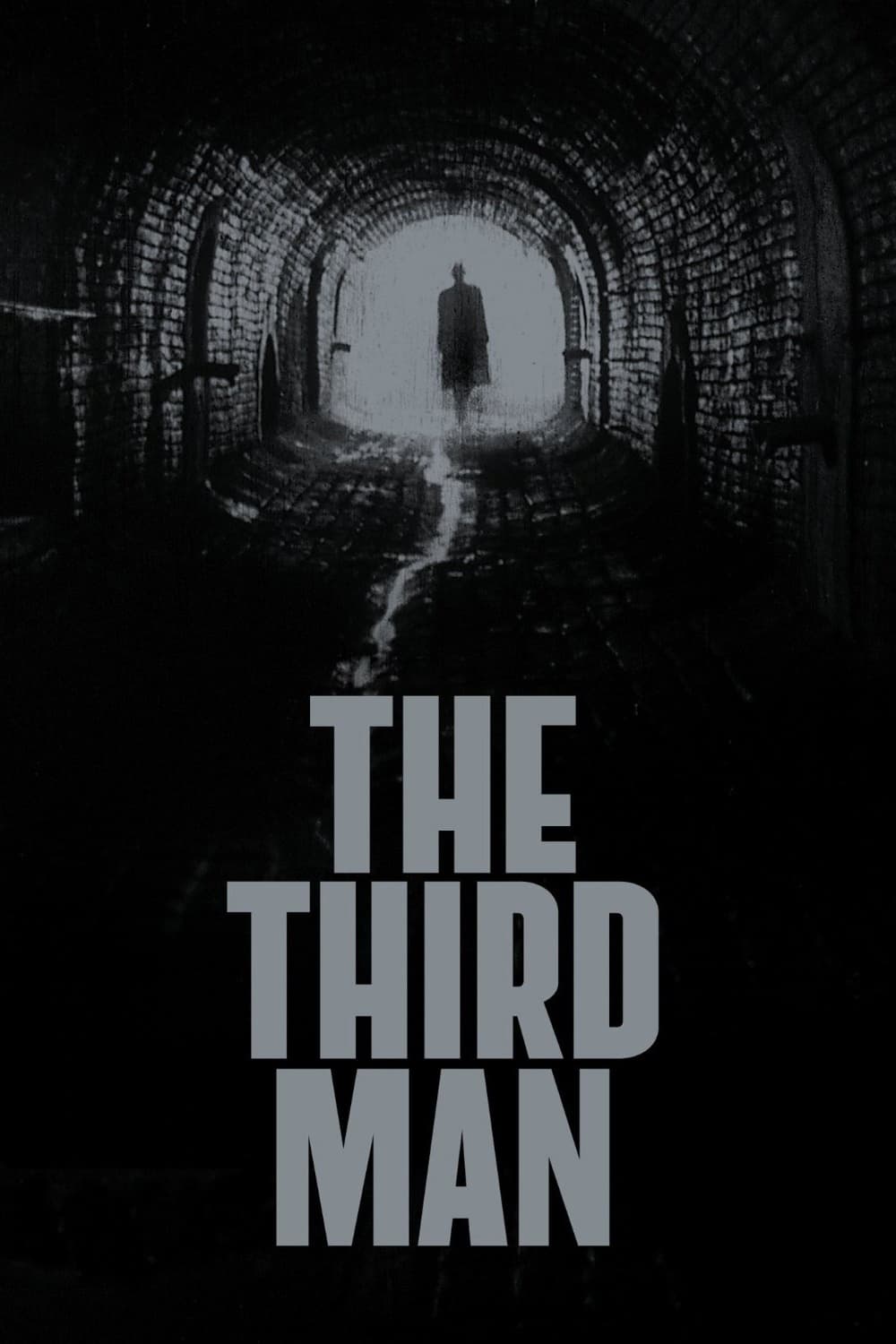
Set in divided Vienna, ‘The Third Man’ follows a pulp writer investigating a suspicious death tied to black-market networks and intelligence contacts. Joseph Cotten, Alida Valli, and Orson Welles headline, with Carol Reed directing from a Graham Greene screenplay.
Shot on location amid bomb-scarred streets and sewers, it uses canted angles and a zither score to map a city of watchers and intermediaries. The plot shows how occupation zones, informants, and profiteers blur lines between espionage and crime.
‘The Man Who Knew Too Much’ (1956)
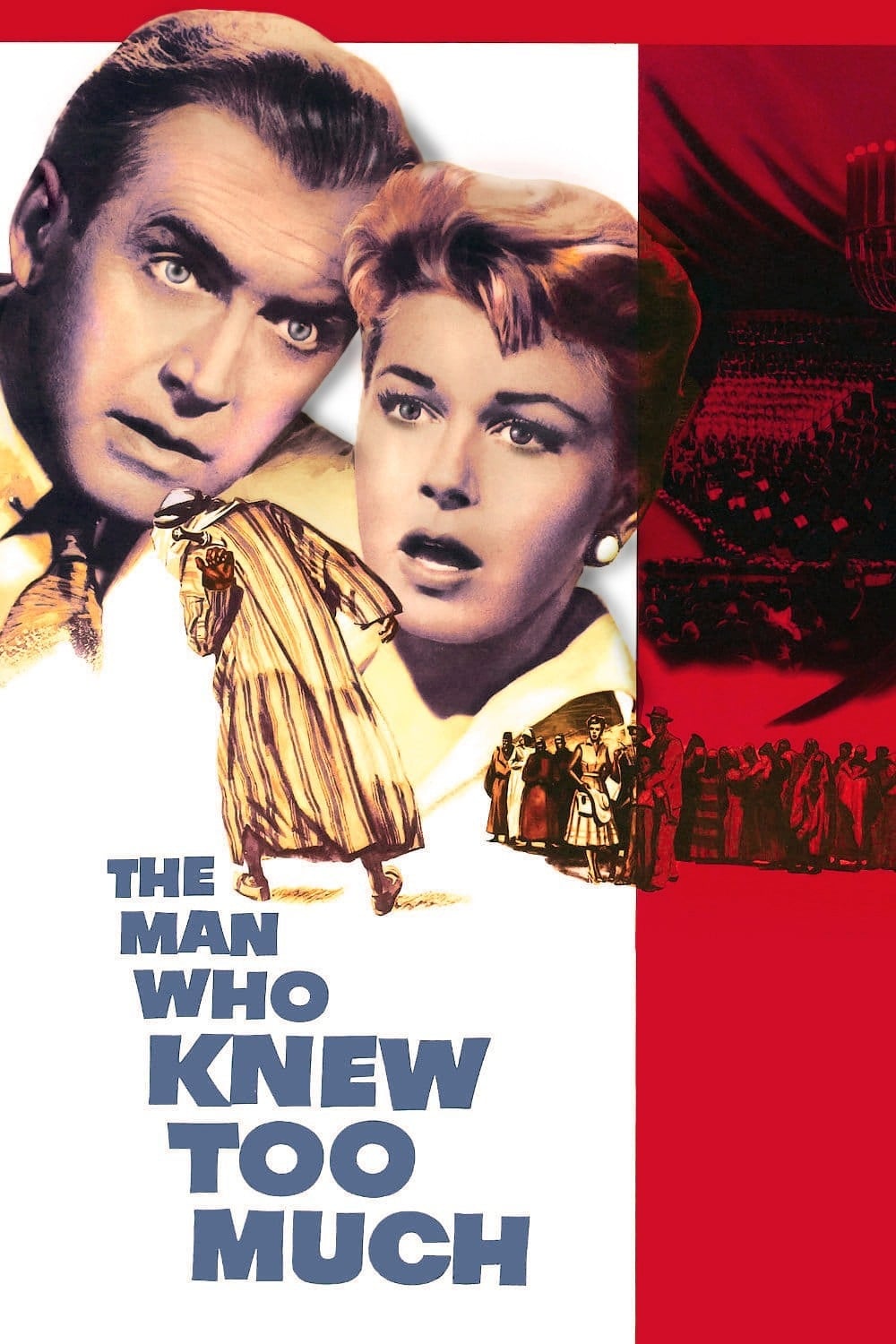
Alfred Hitchcock’s self-remake casts James Stewart and Doris Day as travelers who hear of an assassination plot and are pulled into an international incident. The discovery triggers a chain of surveillance, kidnapping, and diplomatic pressure.
The Royal Albert Hall set-piece uses orchestral timing as a narrative clock for a silent, extended suspense sequence. Location work in Morocco and London underscores how tourism and state security can collide without warning.
‘North by Northwest’ (1959)
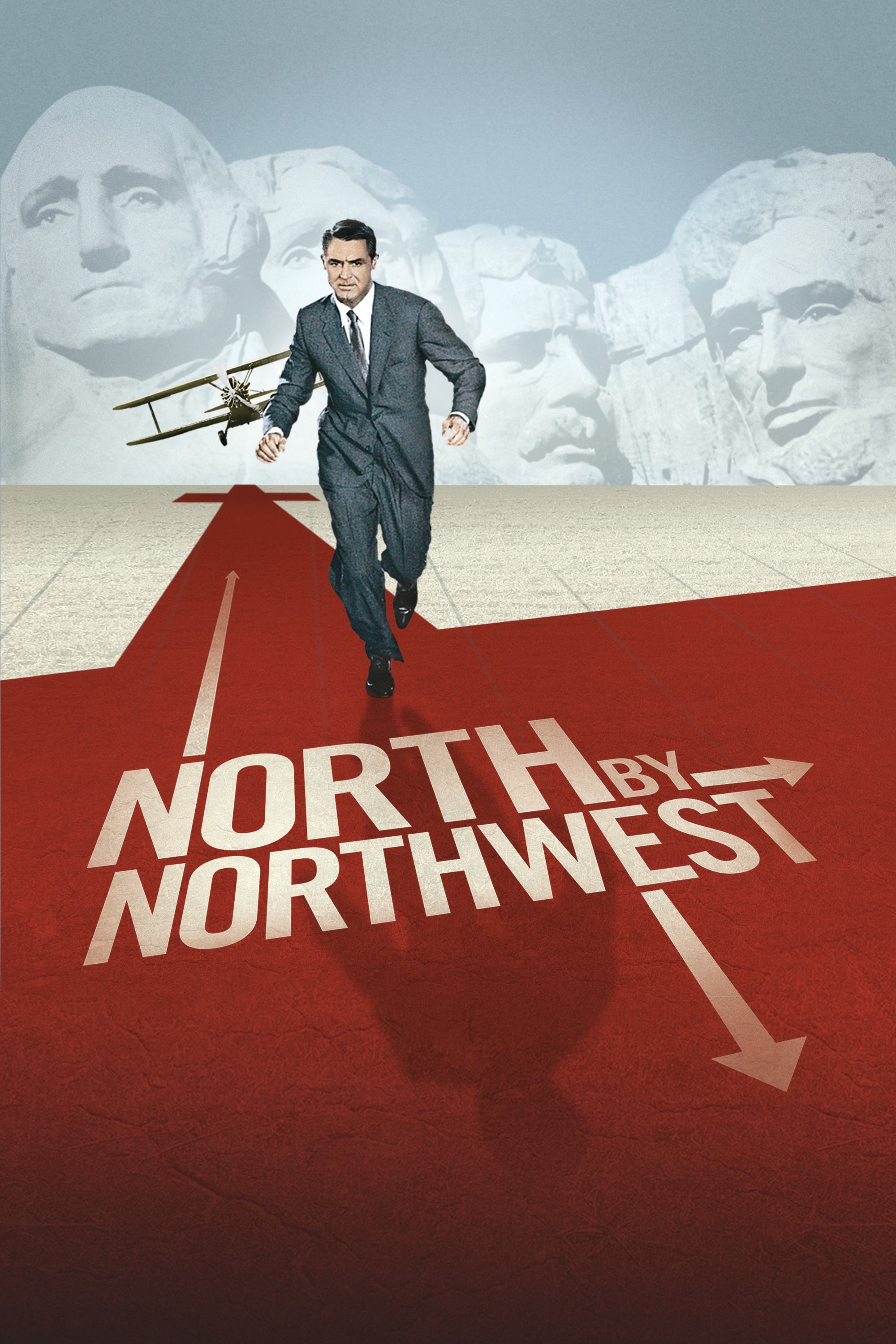
‘North by Northwest’ tracks an advertising executive mistaken for a government agent and chased by a hostile network. Cary Grant, Eva Marie Saint, and James Mason lead, with Ernest Lehman’s script routing the action through trains, hotels, and auction houses.
The crop-duster ambush and Mount Rushmore finale visualize daylight surveillance and high-altitude exfiltration hazards. A fabricated agent becomes a counter-intelligence tool, showing misinformation as active defense.
‘Our Man in Havana’ (1959)
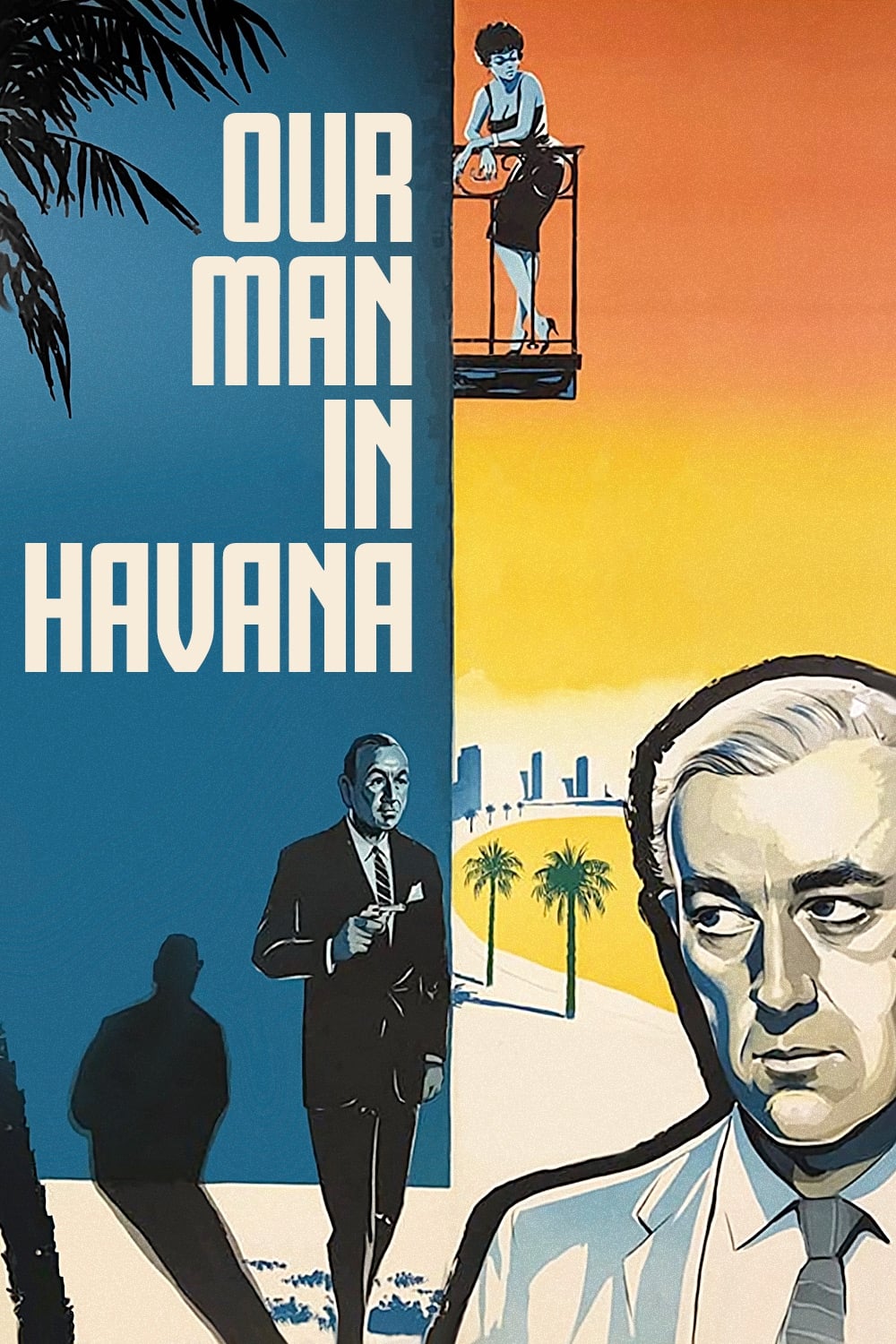
Based on Graham Greene, ‘Our Man in Havana’ follows a vacuum-cleaner salesman recruited in Cuba who submits invented reports to earn pay. Alec Guinness, Maureen O’Hara, and Ralph Richardson star under Carol Reed’s direction.
Filmed on location, it satirizes bureaucratic pressures and the perverse incentives inside intelligence reporting. False diagrams and fictitious sources escalate into real consequences when budgets and careers depend on output.
‘Dr. No’ (1962)
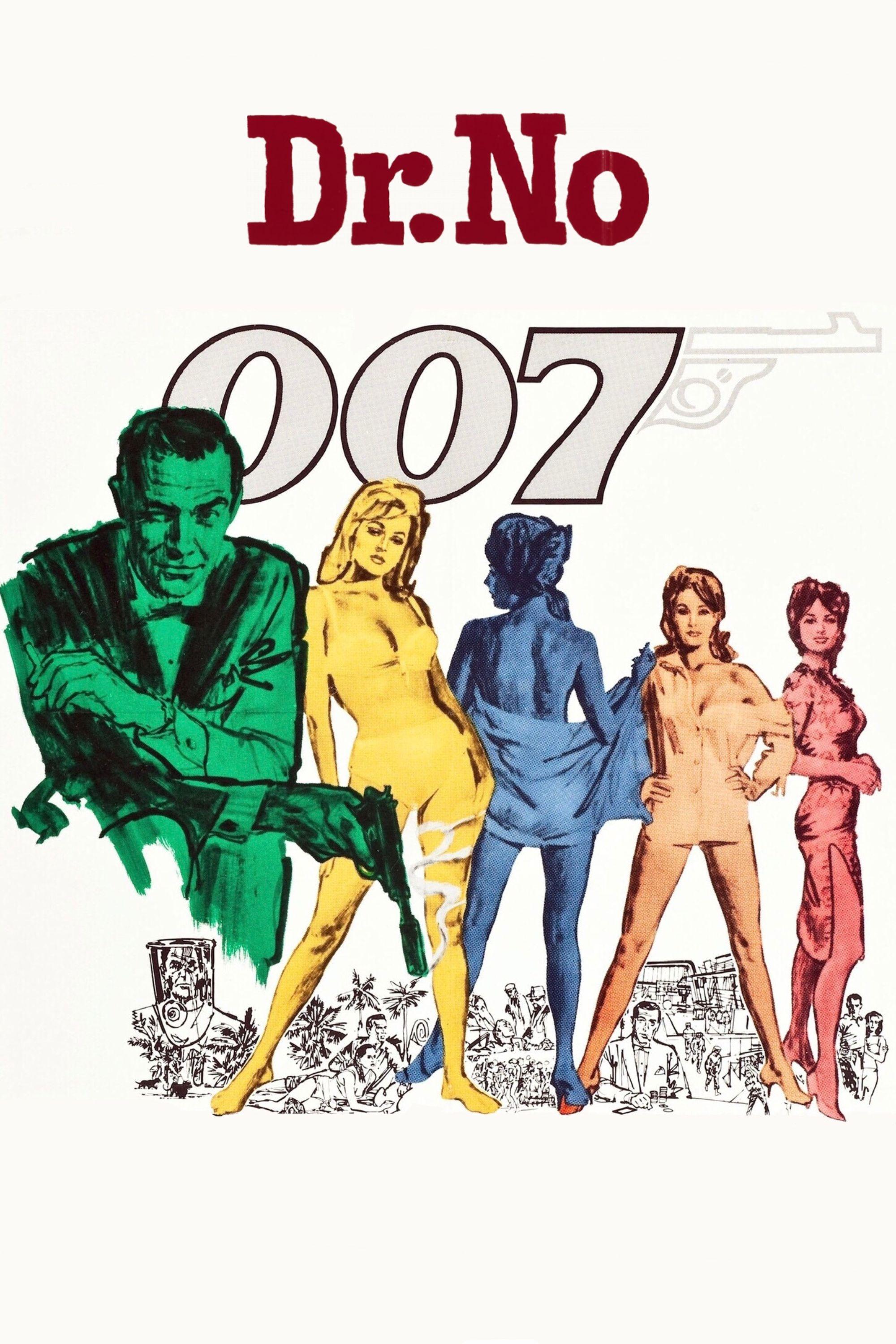
‘Dr. No’ introduces James Bond on an assignment in the Caribbean tied to a missing officer and signal interference. Sean Connery and Ursula Andress headline under Terence Young’s direction.
The film establishes franchise procedures—briefings, gadgets, and deniable missions—while framing sabotage as technology-enabled warfare. Island sets and laboratory interiors visualize independent actors operating outside state structures.
‘From Russia with Love’ (1963)
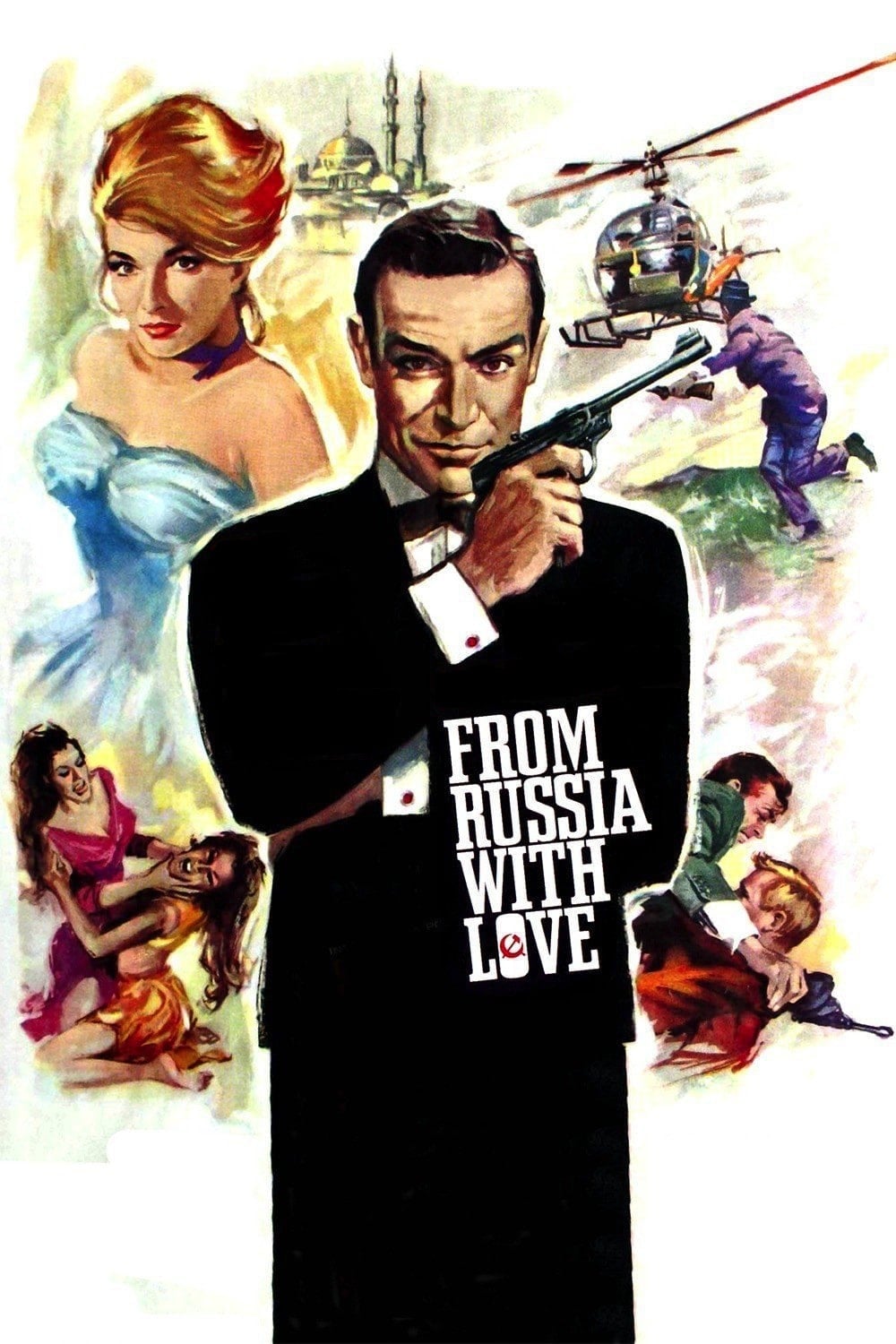
‘From Russia with Love’ sends Bond to secure a cipher machine through a defection gambit orchestrated by a rival organization. Sean Connery, Daniela Bianchi, and Robert Shaw anchor a plot that runs through Istanbul and the Orient Express.
Tradecraft includes brush passes, dead drops, and compartmented planning designed to keep handlers at arm’s length. The locomotive setting becomes a controlled corridor for interrogation, surveillance, and extraction.
‘Goldfinger’ (1964)

In ‘Goldfinger’, a planned radiological attack on gold reserves aims to tilt global markets. Sean Connery faces Gert Fröbe’s financier antagonist with Honor Blackman as a key pilot inside the scheme.
Gadgets and tailored vehicles fold heist structure into a secret-service operation, linking economic sabotage to national security. The narrative treats bullion devaluation as a strategic weapon rather than a simple theft.
‘The Spy Who Came in from the Cold’ (1965)
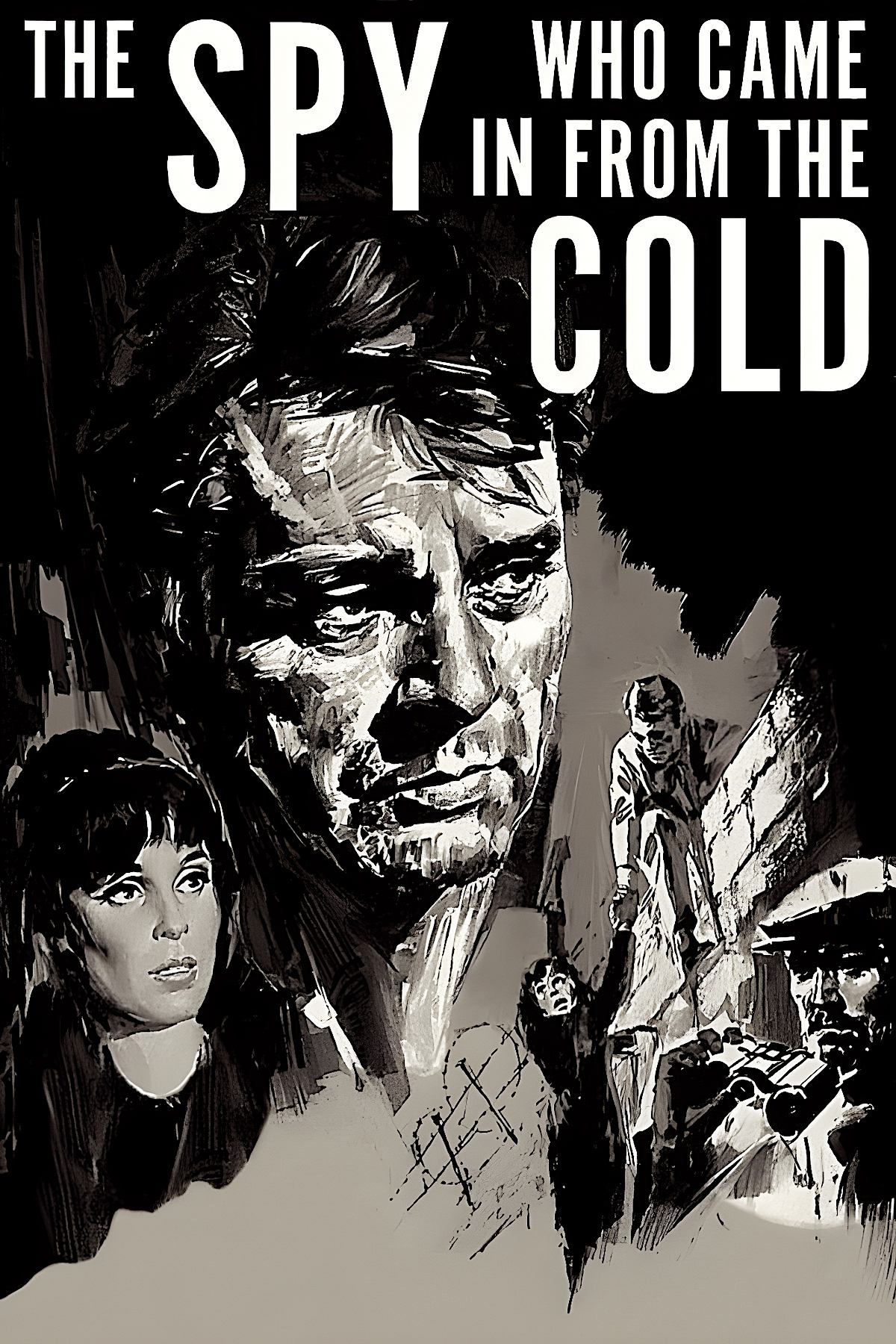
Adapted from John le Carré, ‘The Spy Who Came in from the Cold’ follows a British officer used in a deception aimed at an East German intelligence chief. Richard Burton and Claire Bloom star in Martin Ritt’s stark portrayal of controlled disinformation.
The story deploys fabricated dossiers, staged defections, and legal maneuvers to engineer outcomes. It dissects inter-service rivalries where success depends on plausible paperwork and expendable assets.
‘The Ipcress File’ (1965)
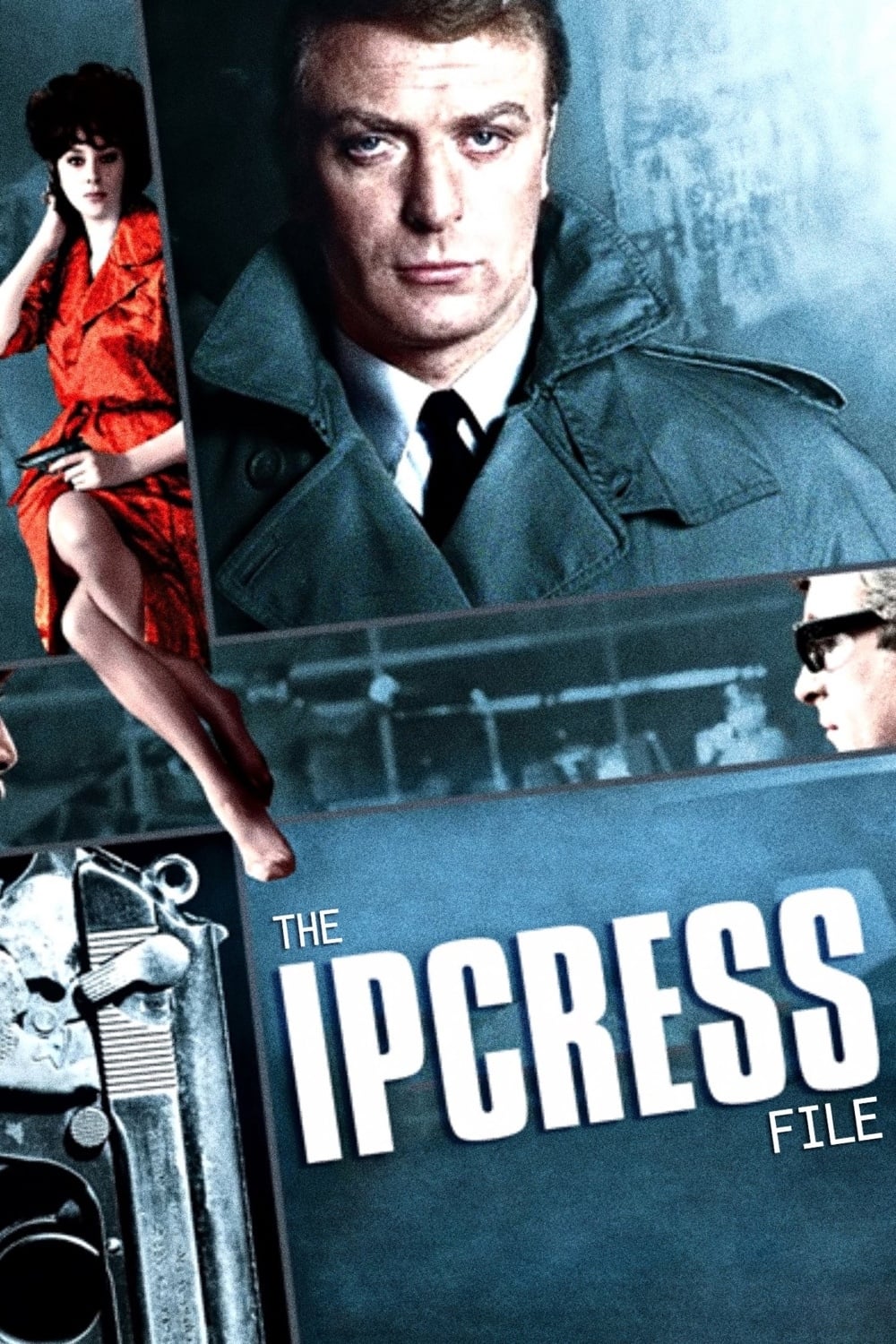
‘The Ipcress File’ centers on Harry Palmer, a working-class intelligence officer investigating kidnapped scientists and a mind-conditioning program. Michael Caine leads a grounded look at administrative machinery behind operations.
Low-angle framing, office corridors, and grocery-store meets emphasize everyday logistics over spectacle. Budget lines, requisitions, and turf battles shape how fieldwork actually gets done.
‘Funeral in Berlin’ (1966)
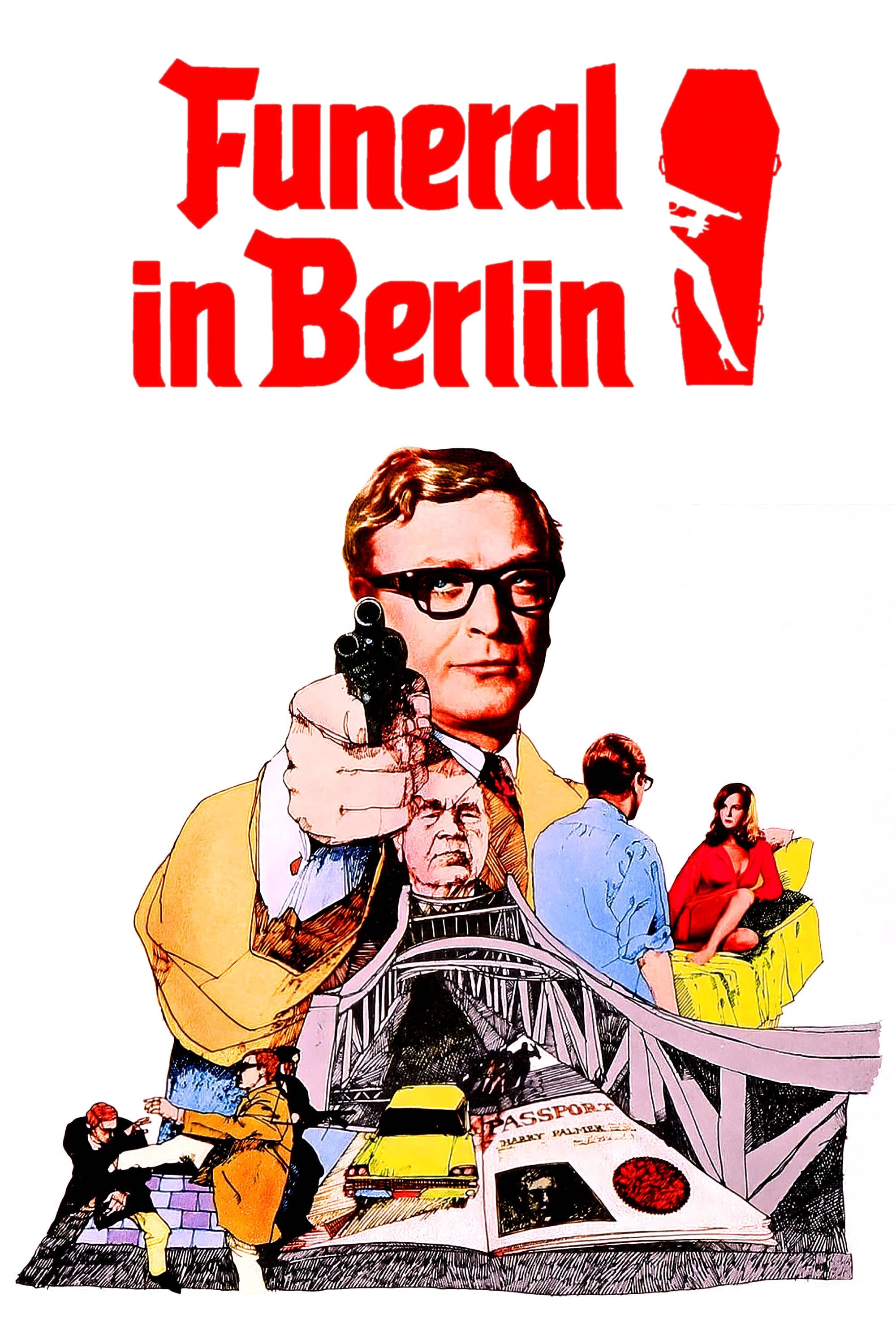
Continuing Harry Palmer’s assignments, ‘Funeral in Berlin’ manages a defection attempt across a divided city. Michael Caine, Paul Hubschmid, and Eva Renzi navigate checkpoints, forgeries, and shifting loyalties.
The wall becomes a performance space where paperwork and choreography decide outcomes. Multiple services push competing agendas, and intermediaries monetize access to corridors and stamps.
‘The Quiller Memorandum’ (1966)
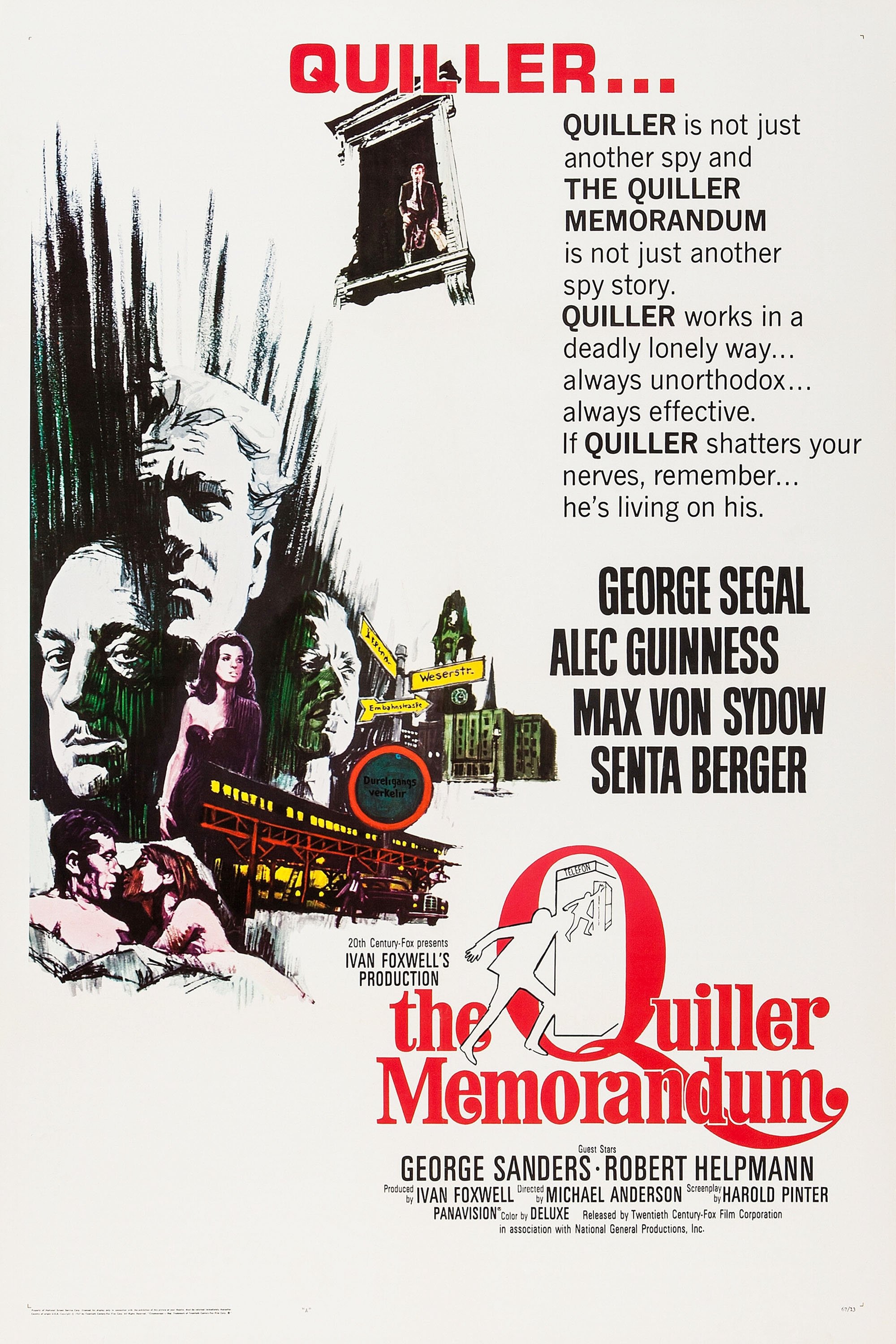
Set in West Berlin, ‘The Quiller Memorandum’ follows a lone British agent probing a neo-Nazi cell under strict need-to-know constraints. George Segal, Alec Guinness, and Max von Sydow headline with Harold Pinter’s clipped dialogue.
Minimal backup and psychological pressure replace gadgetry, focusing on interrogation and counter-interrogation technique. Real locations provide dead zones, escape routes, and predictable choke points for surveillance.
‘The Day of the Jackal’ (1973)
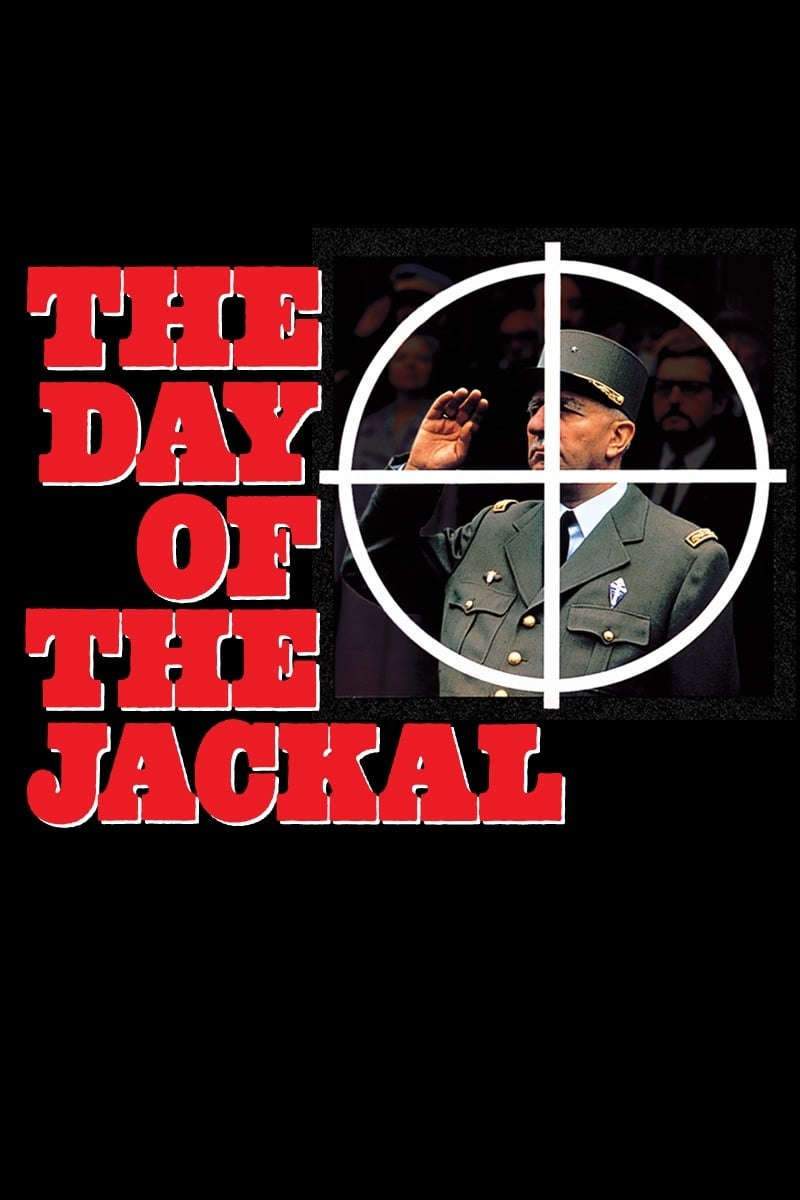
‘The Day of the Jackal’ tracks a contract assassin hired to kill a head of state while authorities mount a parallel manhunt. Edward Fox and Michel Lonsdale anchor the dual-perspective structure.
Document forgery, weapon customization, and route testing unfold as procedural steps. The investigation builds a profile from customs records, hotel logs, and small administrative traces the target leaves behind.
‘The Conversation’ (1974)
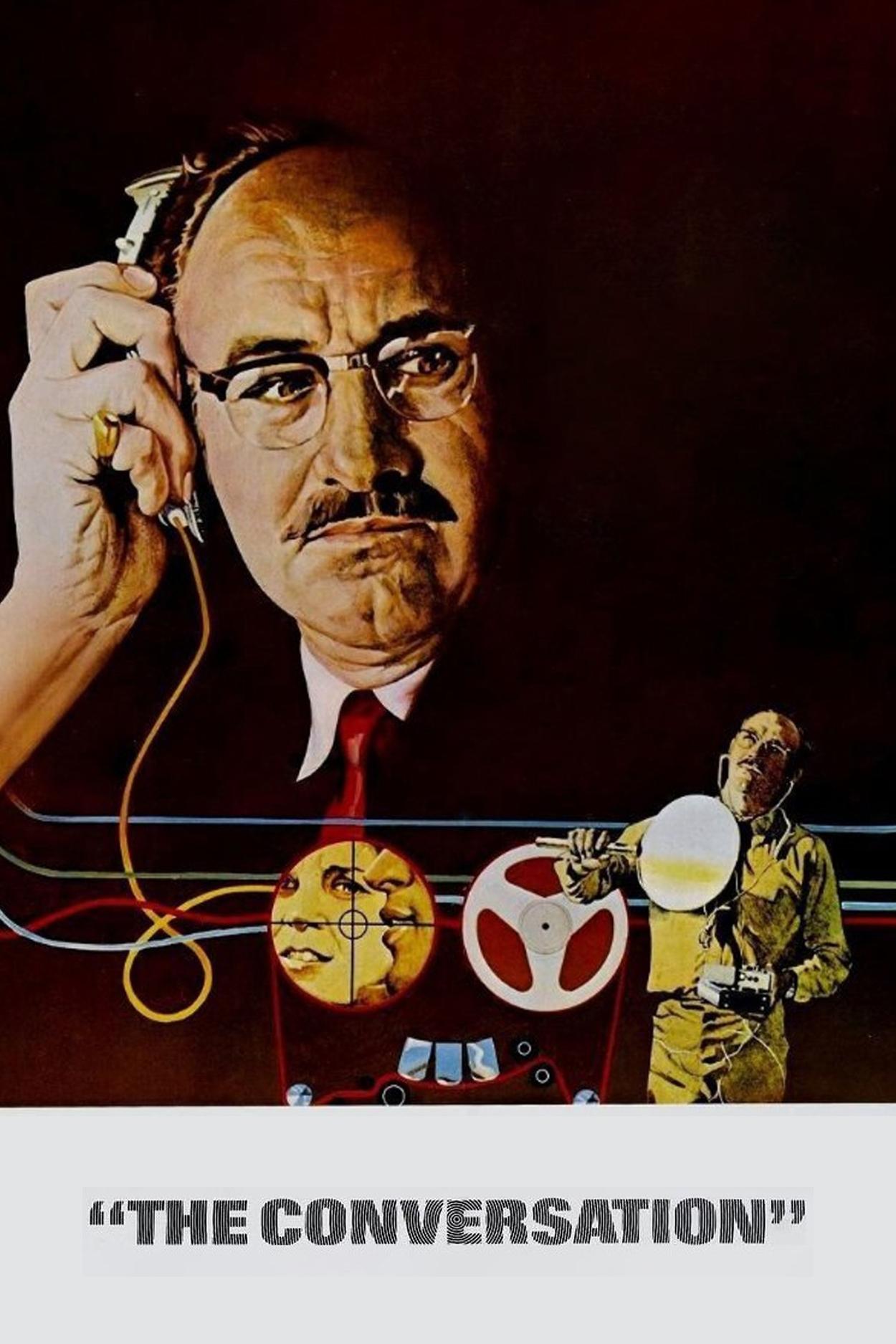
‘The Conversation’ follows a surveillance specialist who records a cryptic exchange and replays it during a private audit. Gene Hackman stars in a study of how ambiguous audio guides security decisions.
Analog wiretaps, parabolic mics, and tape splicing show signal capture and editing as craft. The film maps chain-of-custody risks when contractors operate outside clean-room environments.
‘The Odessa File’ (1974)
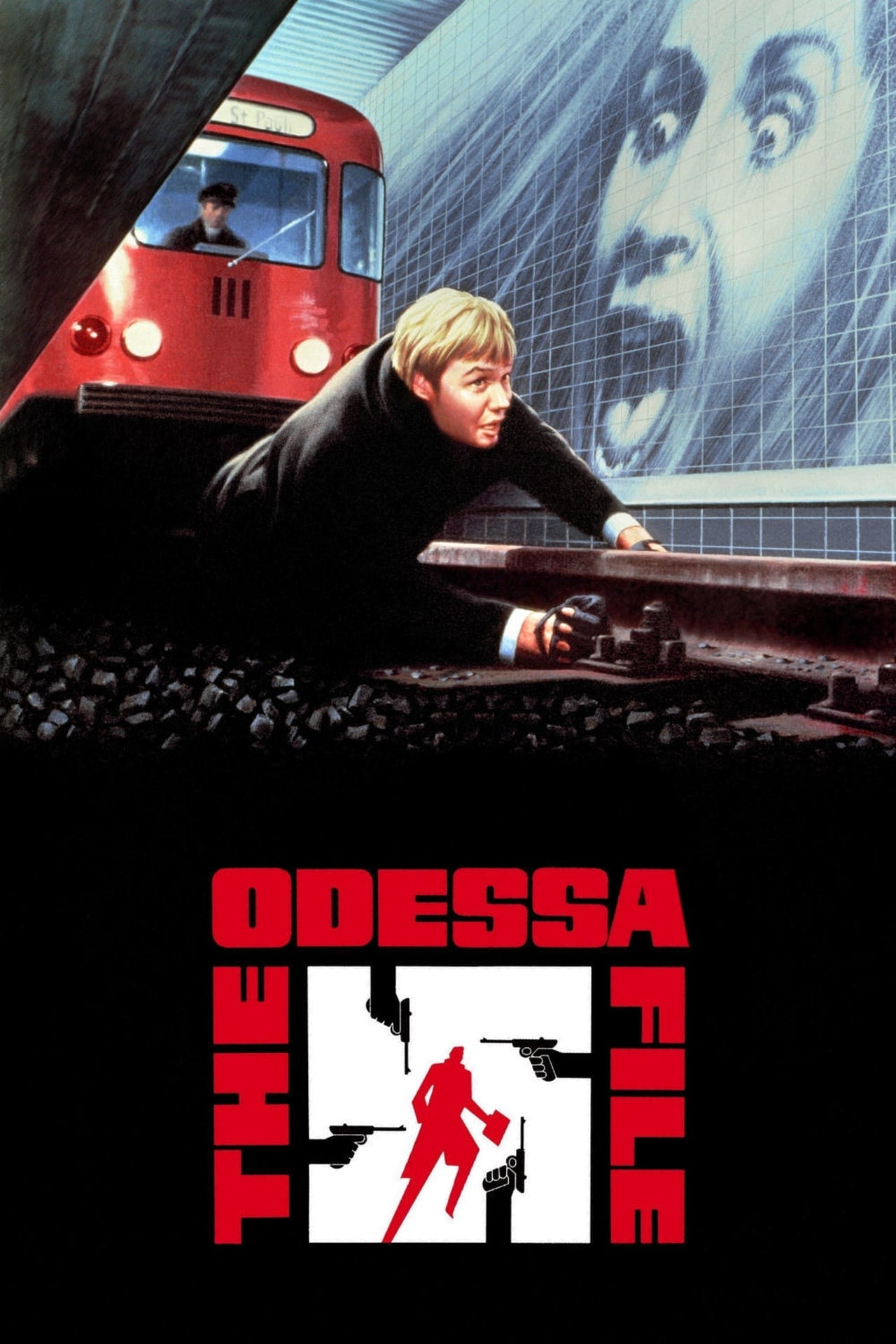
‘The Odessa File’ follows a journalist probing a clandestine network that protects fugitives while services monitor his movements. Jon Voight and Maximilian Schell lead Ronald Neame’s adaptation.
Coded directories, archival research, and infiltration of fronts depict how open-source sleuthing and covert contact intersect. The story shows how protective organizations exploit bureaucracy to keep members mobile.
‘Three Days of the Condor’ (1975)
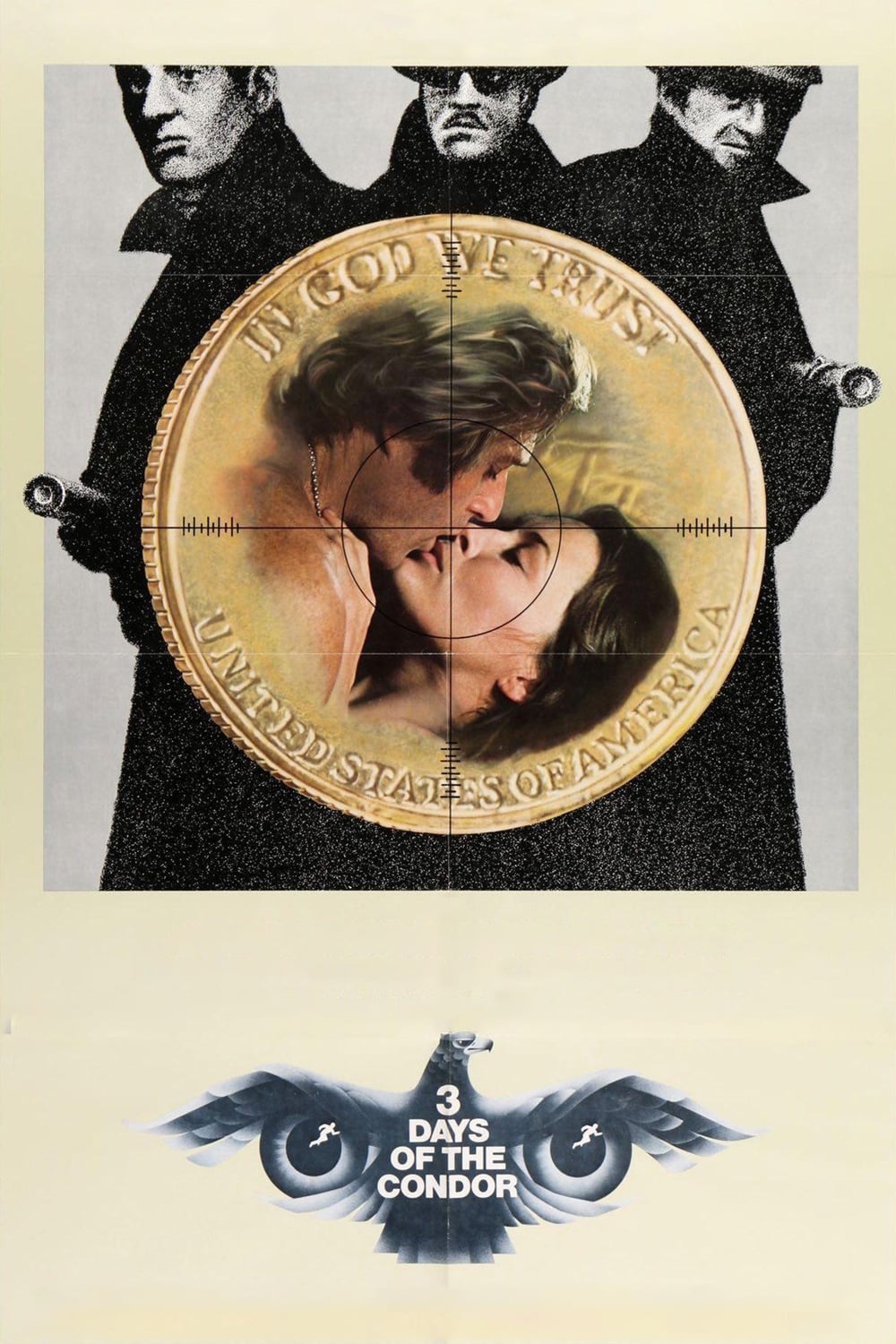
‘Three Days of the Condor’ concerns a bookish analyst who returns to find his office eliminated and stumbles into a clandestine plan. Robert Redford and Faye Dunaway headline under Sydney Pollack’s direction.
Secure lines, call traces, and cut-outs illustrate how an analyst tests whether a system is compromised. Reading rooms and index cards become raw-material sources for strategic planning.
‘Eye of the Needle’ (1981)
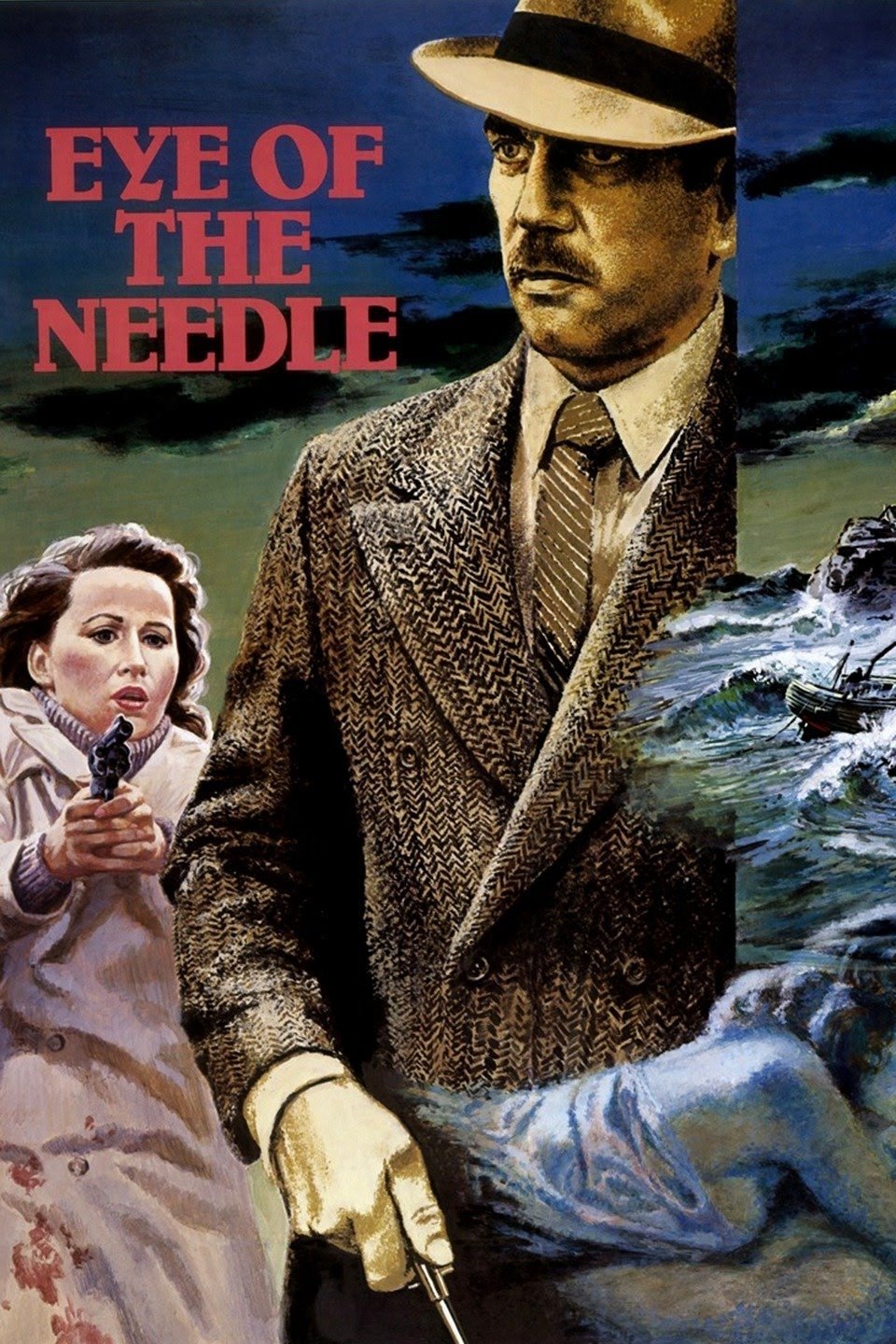
‘Eye of the Needle’ follows a clandestine agent who uncovers a deception tied to an invasion plan and seeks escape with proof. Donald Sutherland and Kate Nelligan star in Richard Marquand’s coastal thriller.
Radio protocols, maritime exfiltration, and isolated safehouses frame counterintelligence measures designed to protect deception. Weather and terrain become operational factors as much as patrols and checkpoints.
‘The Falcon and the Snowman’ (1985)
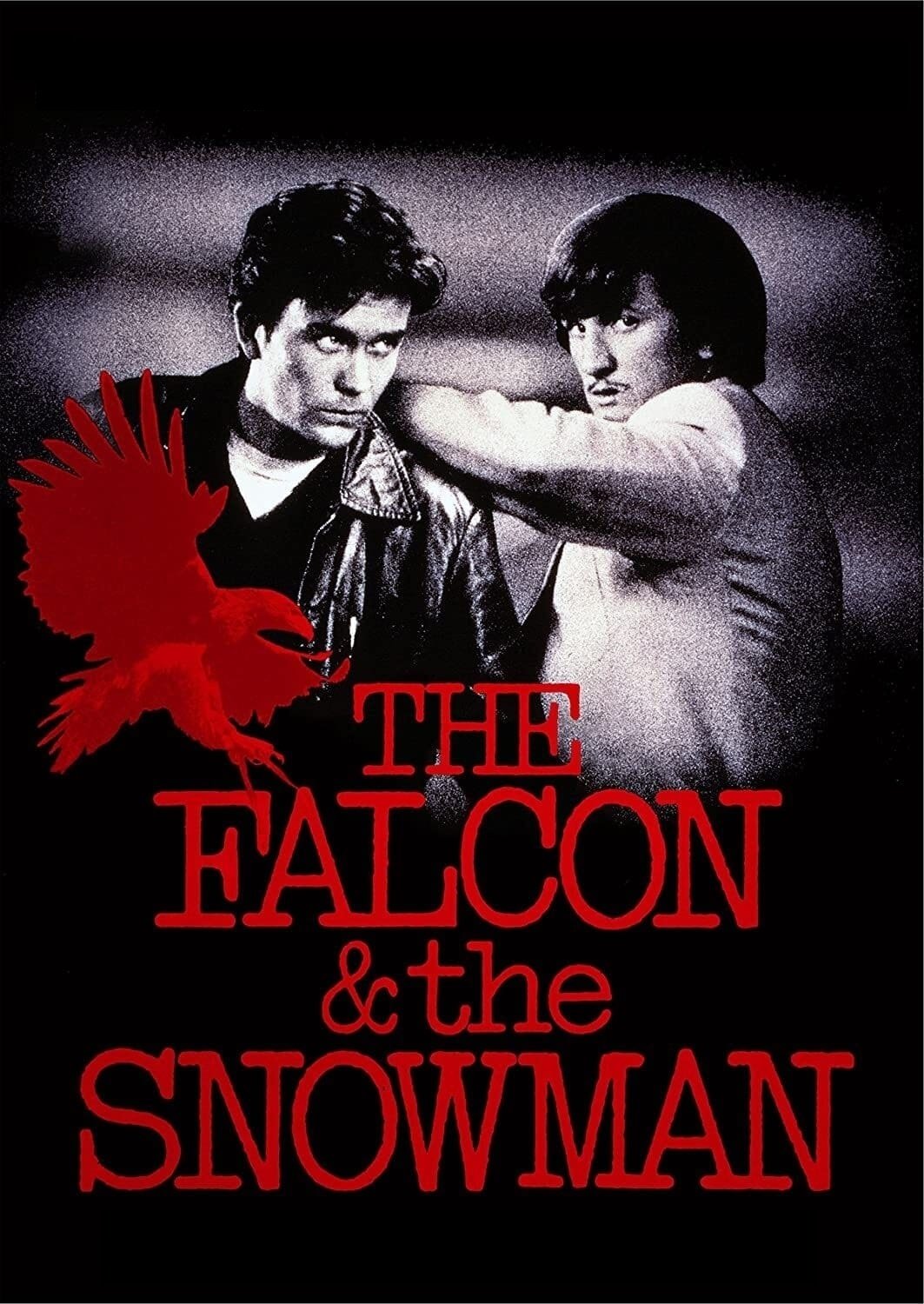
‘The Falcon and the Snowman’ dramatizes two Americans who sell classified material to a foreign power. Timothy Hutton and Sean Penn portray access, couriering, and payment mechanisms.
Embassy meetings, cash drops, and document handling highlight motivations and vulnerabilities in insider threats. The case traces how ideology, personal stress, and opportunity combine inside secure workplaces.
‘No Way Out’ (1987)
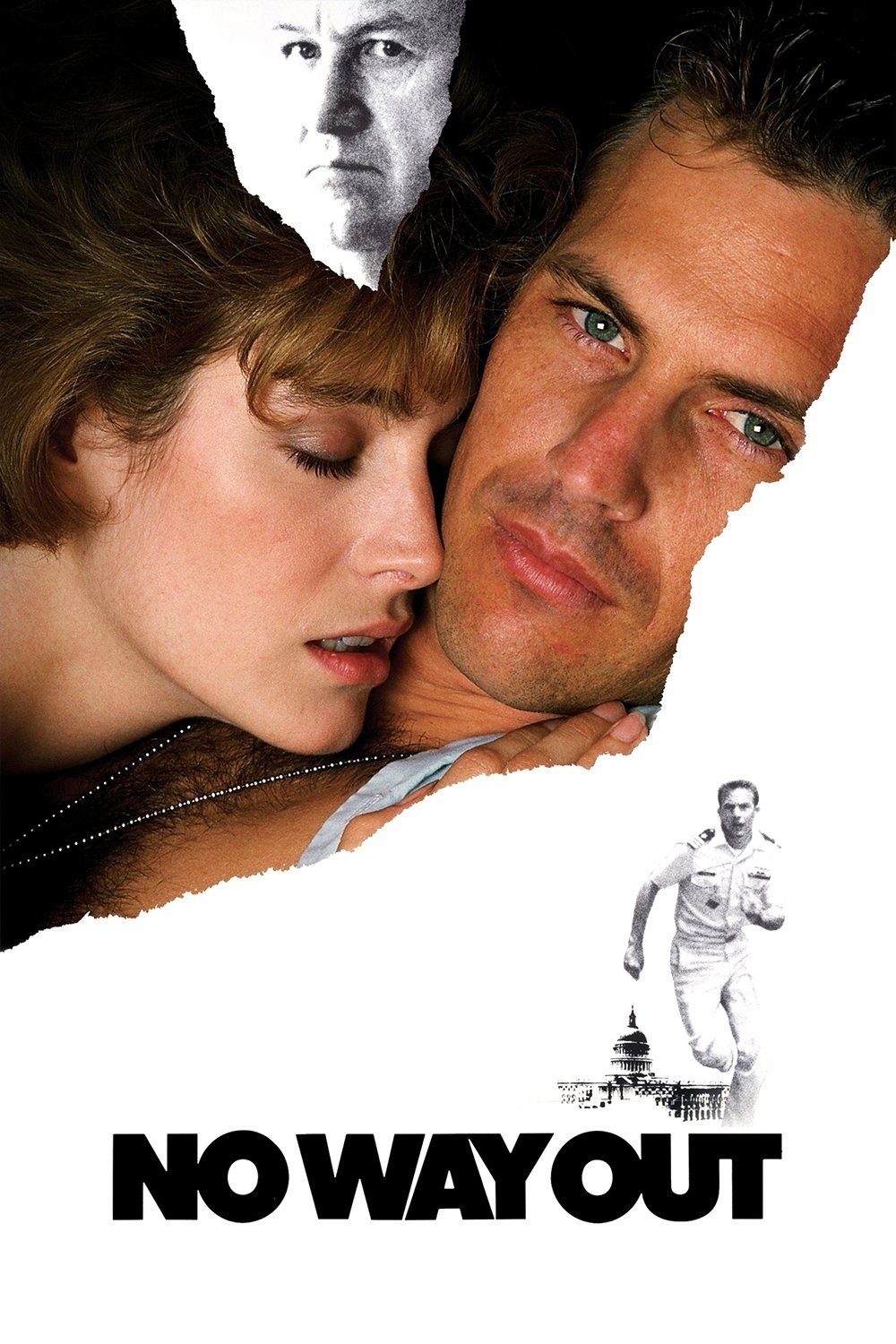
‘No Way Out’ follows a naval officer pulled into a Pentagon investigation that doubles as a mole hunt. Kevin Costner and Gene Hackman lead a story about pressure applied through command structures.
Computer-assisted identification, timed queries, and controlled press leaks show how internal investigations can be steered. The ticking-clock framework turns routine clearance checks into operational traps.
‘The Hunt for Red October’ (1990)
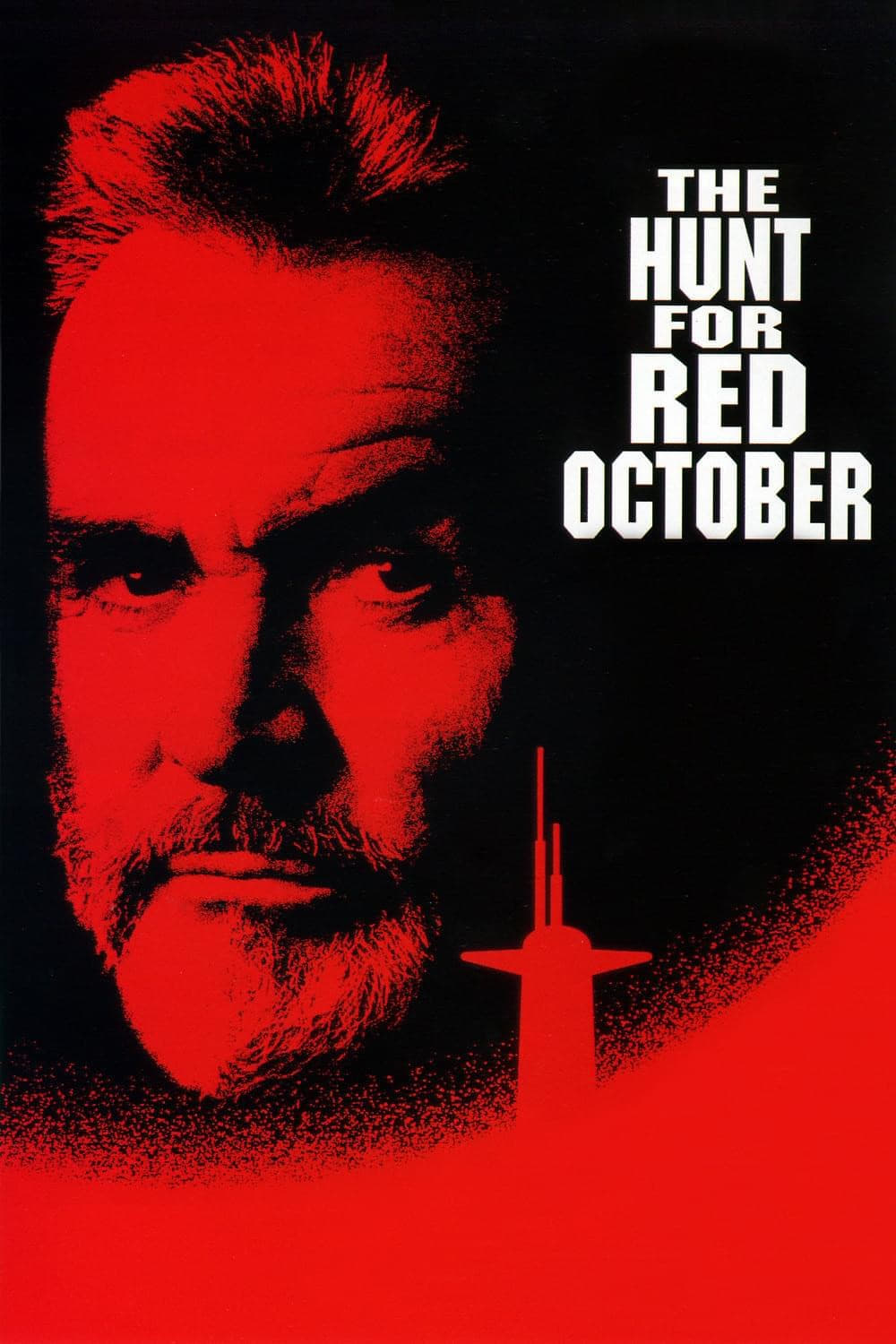
‘The Hunt for Red October’ depicts a submarine captain attempting to defect with a stealth vessel while multiple services respond. Sean Connery and Alec Baldwin anchor the naval chess match.
Sonar tactics, recognition signals, and rules-of-engagement briefings demonstrate how intelligence assessments drive fleet movements. Liaison channels matter as much as torpedoes when misinterpretation could trigger escalation.
‘The Russia House’ (1990)

‘The Russia House’ adapts John le Carré’s story of a British publisher recruited to handle a manuscript filled with strategic secrets. Sean Connery and Michelle Pfeiffer lead under Fred Schepisi’s direction.
Taped meetings, code phrases, and cultural intermediaries support access to a high-value source. Filming in major cities captures a society in transition and the diplomatic sensitivities around scientific disclosures.
‘Patriot Games’ (1992)
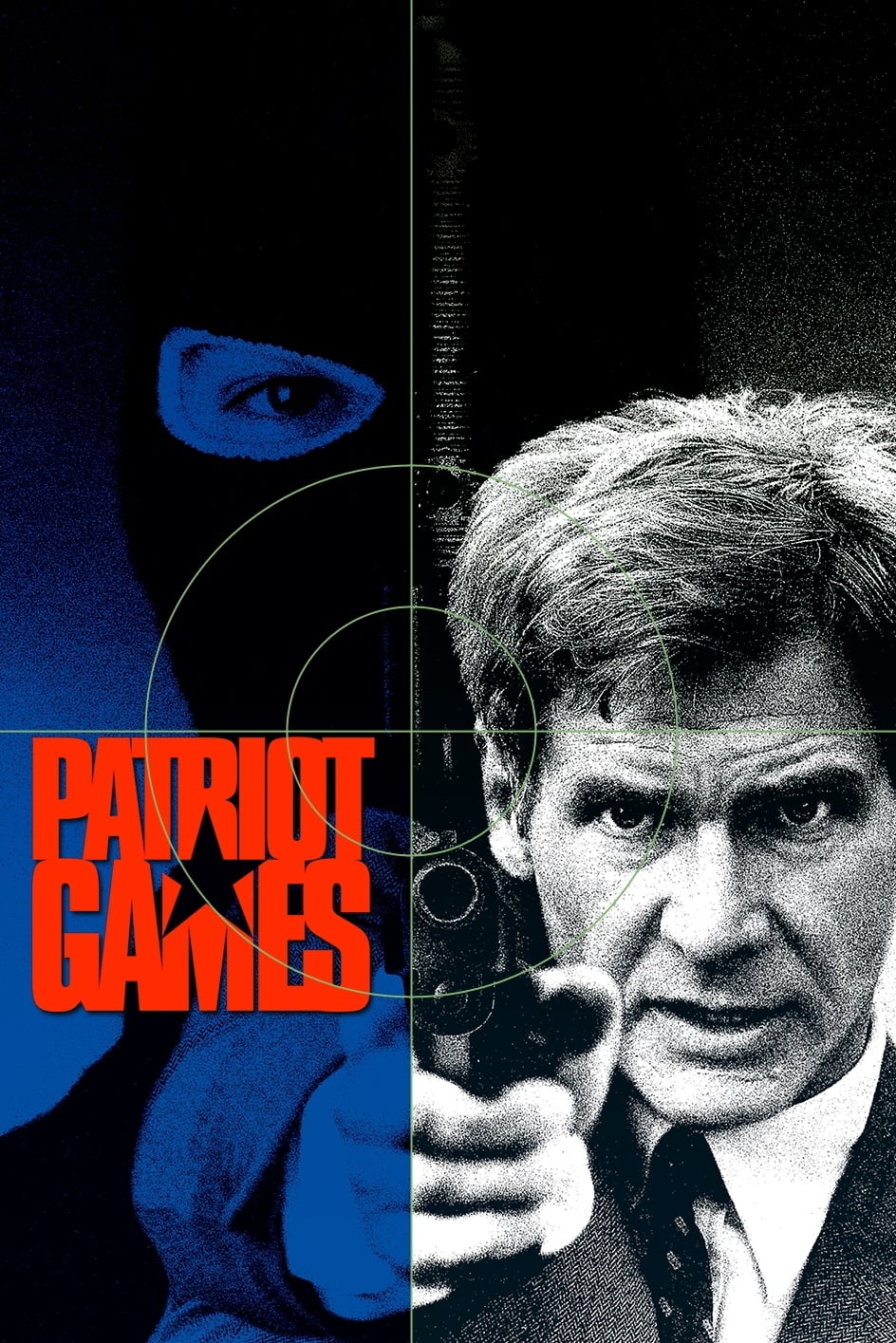
‘Patriot Games’ follows an analyst who disrupts an attack and becomes the target of retaliation from a splinter group. Harrison Ford and Sean Bean headline Phillip Noyce’s adaptation.
Protection details, surveillance detection routes, and joint-service coordination shape the response. Intelligence links street-level cells to international financing and training support.
‘Clear and Present Danger’ (1994)
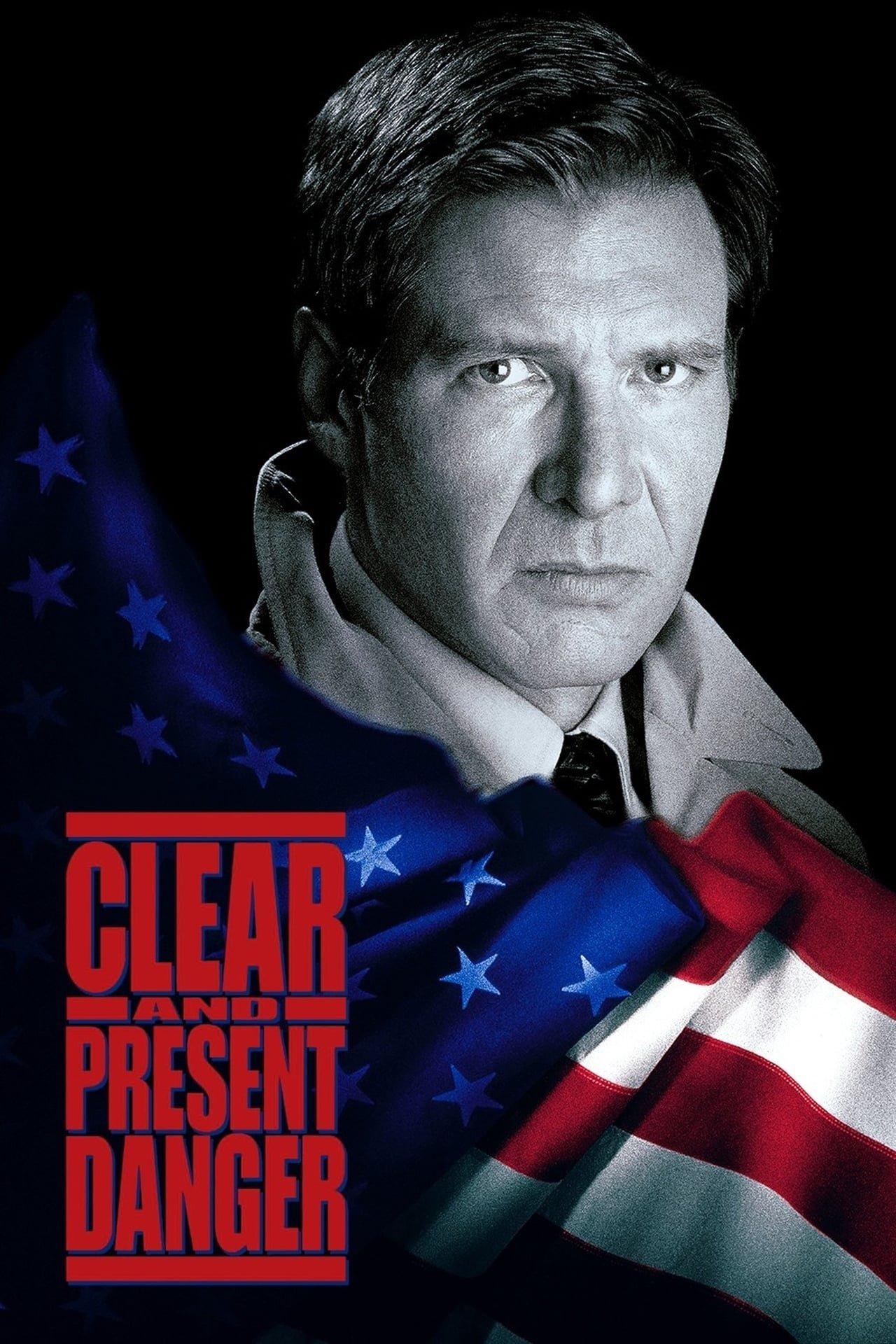
In ‘Clear and Present Danger’, Jack Ryan uncovers unauthorized operations against a cartel while navigating oversight and interagency politics. Harrison Ford stars with Willem Dafoe and Joaquim de Almeida.
Compartmented briefings, signal intercepts, and covert insertions demonstrate how deniable activity diverges from stated policy. The narrative emphasizes legal authorities and what happens when they’re stretched.
‘Mission: Impossible’ (1996)
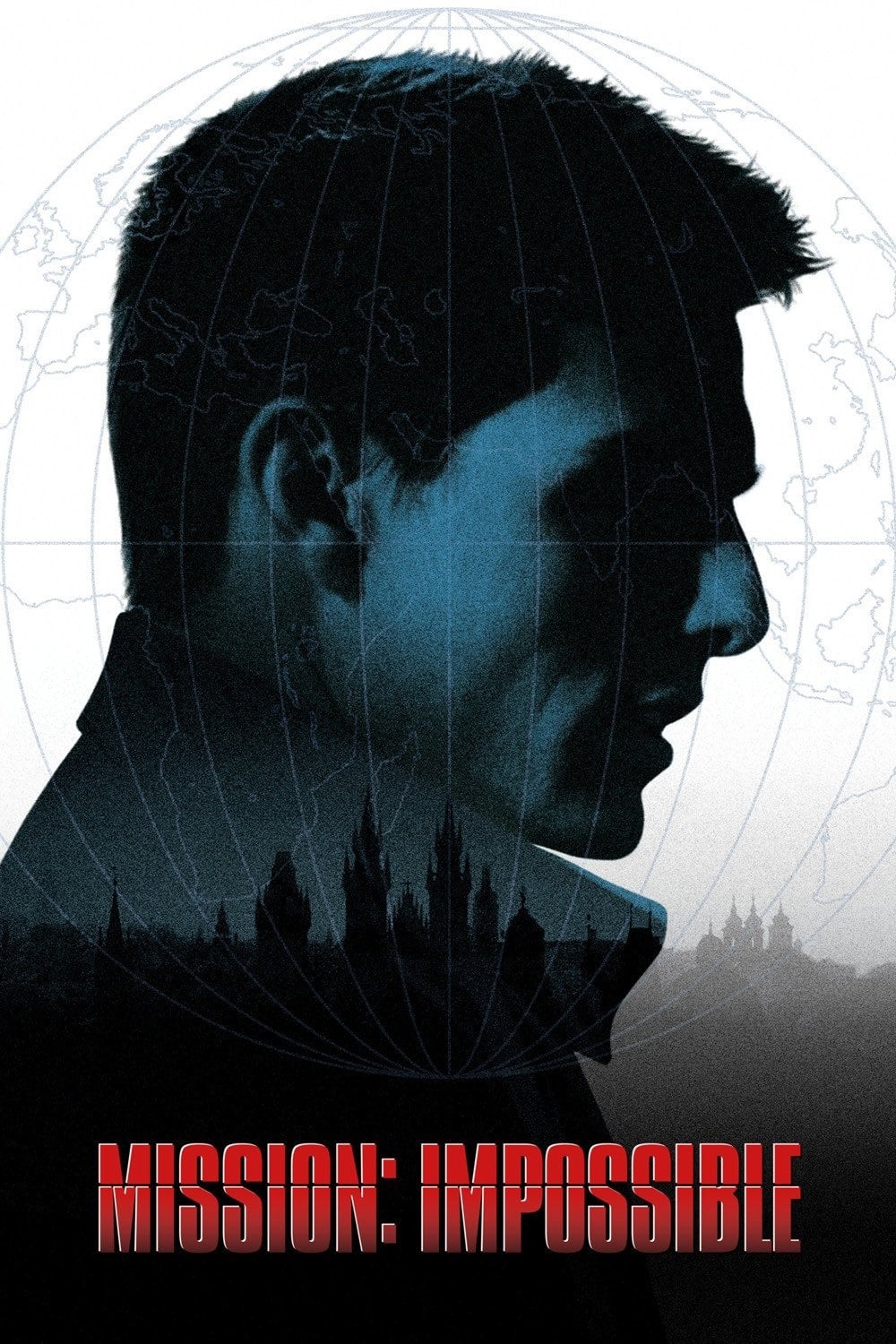
‘Mission: Impossible’ follows Ethan Hunt after a failed operation leads to a mole hunt inside a secret unit. Tom Cruise, Jon Voight, and Ving Rhames lead Brian De Palma’s caper-espionage blend.
A wire-suspended vault breach visualizes data exfiltration under strict environmental controls. The plot uses cut-outs, burner protocols, and dead drops once a team is burned.
‘Ronin’ (1998)
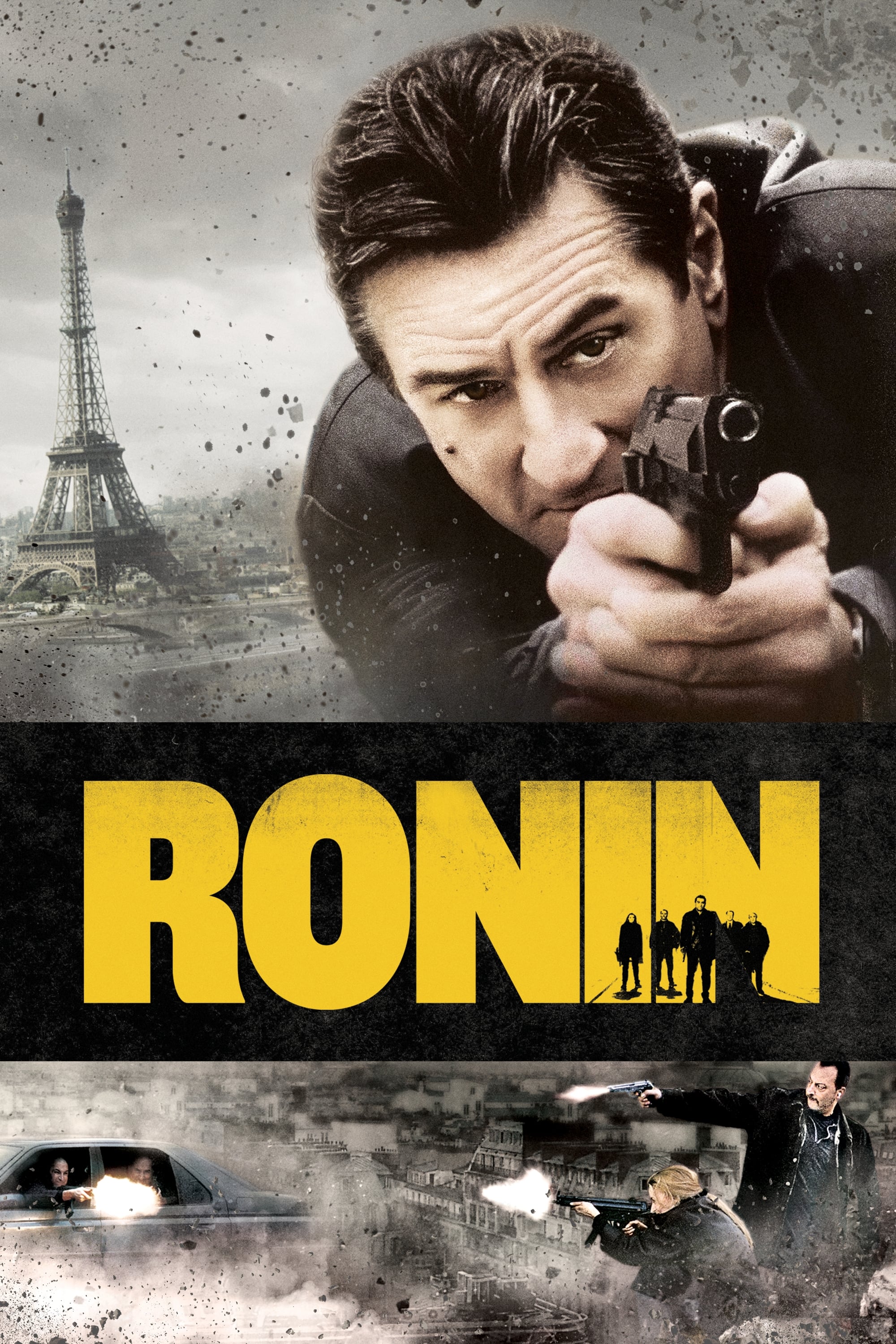
‘Ronin’ tracks a mixed team of former operatives hired to intercept a mysterious case amid shifting European alliances. Robert De Niro, Jean Reno, and Natascha McElhone headline.
Pre-meet countersurveillance, route planning, and contingency exfiltration anchor the operation. Practical car chases through dense urban grids show how geography and timing control outcomes.
‘Enemy of the State’ (1998)
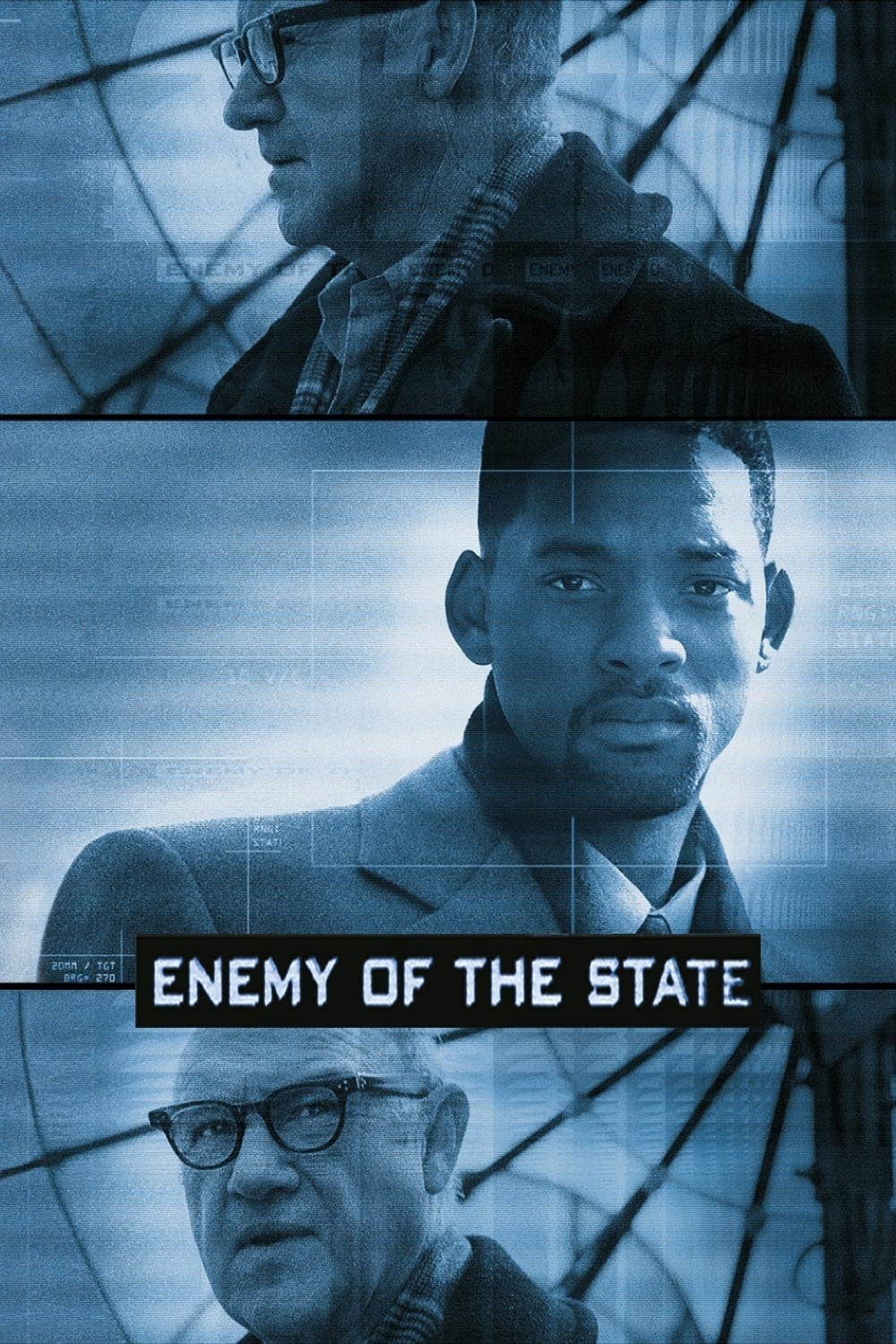
In ‘Enemy of the State’, a lawyer inadvertently receives evidence tied to a political killing and becomes a surveillance target. Will Smith and Gene Hackman face a rapidly assembled technical dragnet.
Phone cloning, satellite tracking, and database fusion illustrate how metadata enables real-time coverage. Vendor cooperation and watch lists become force multipliers for field teams.
‘The Tailor of Panama’ (2001)
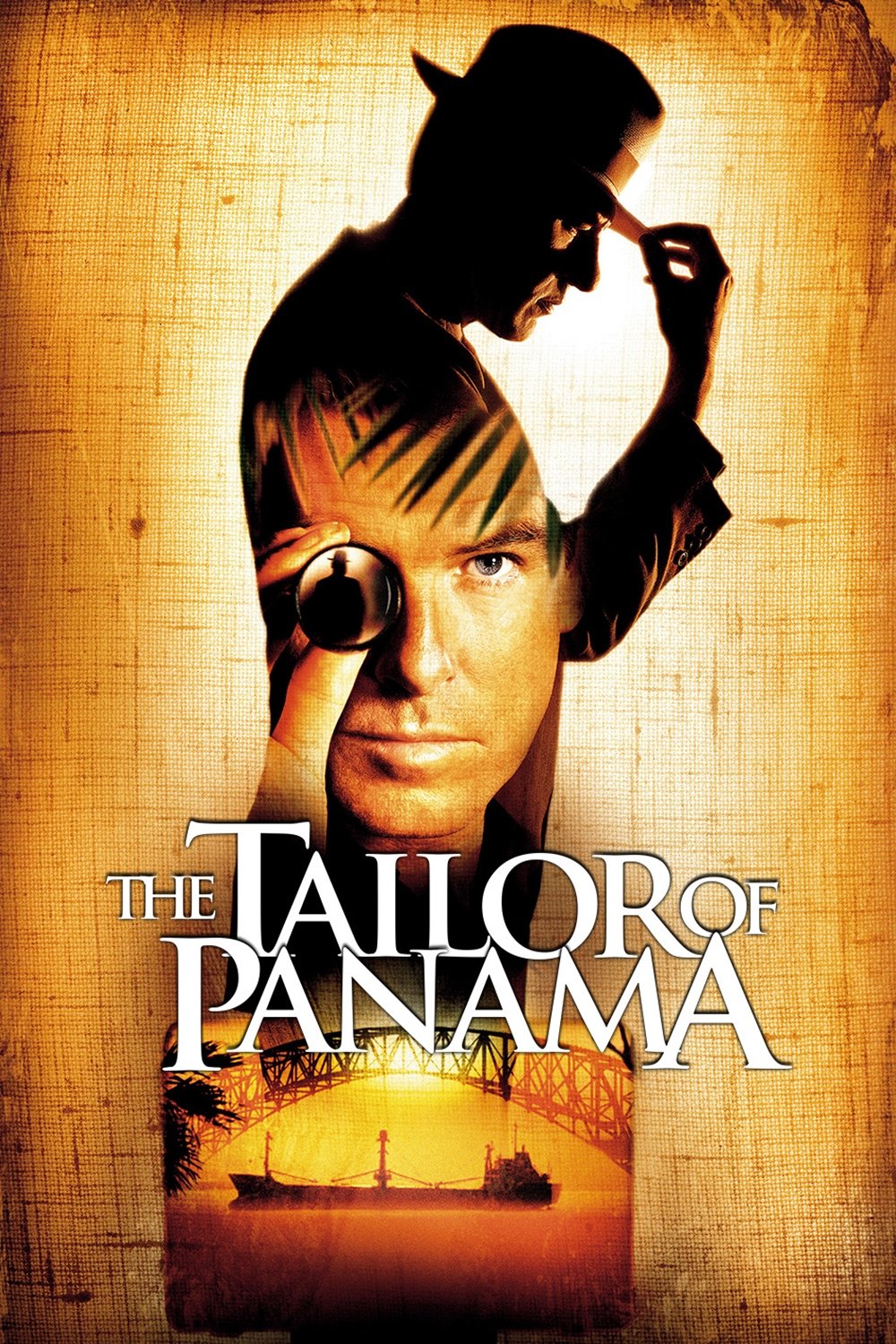
‘The Tailor of Panama’ adapts John le Carré’s novel about an ex-pat tailor coerced into fabricating intelligence for a manipulative handler. Geoffrey Rush and Pierce Brosnan lead John Boorman’s film.
Handler-asset meetings, leverage through debt, and invented sources show how embellished reporting can steer policy. Strategic infrastructure becomes a narrative pressure point for competing services.
‘The Bourne Identity’ (2002)
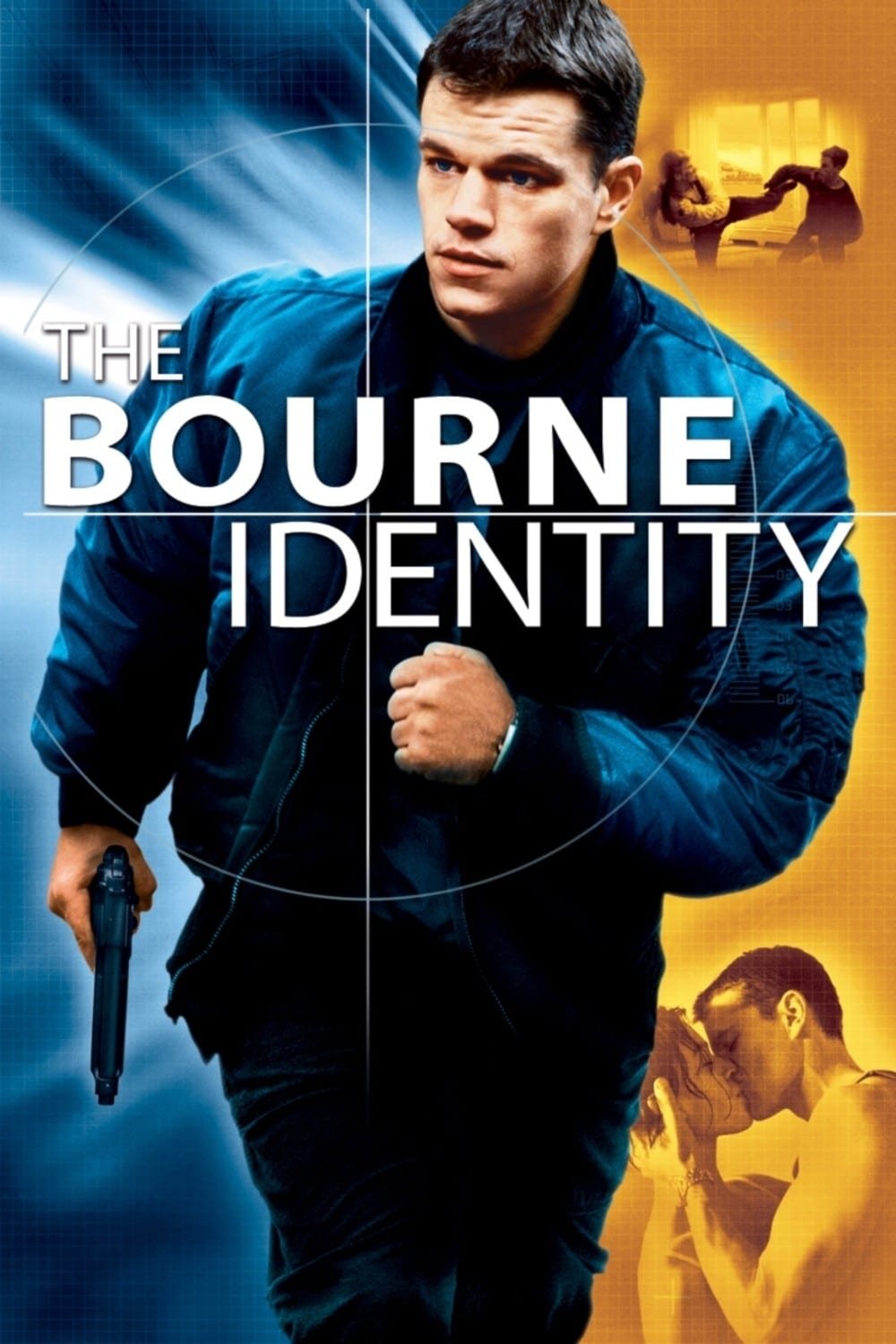
‘The Bourne Identity’ follows an amnesiac operative recovering skills while hunted by his former program. Matt Damon and Franka Potente headline Doug Liman’s European pursuit.
Safe-deposit caches, alias legends, and mission files document a clandestine training pipeline. Close-quarters fighting and compact vehicles turn city grids into obstacle courses.
‘The Bourne Supremacy’ (2004)
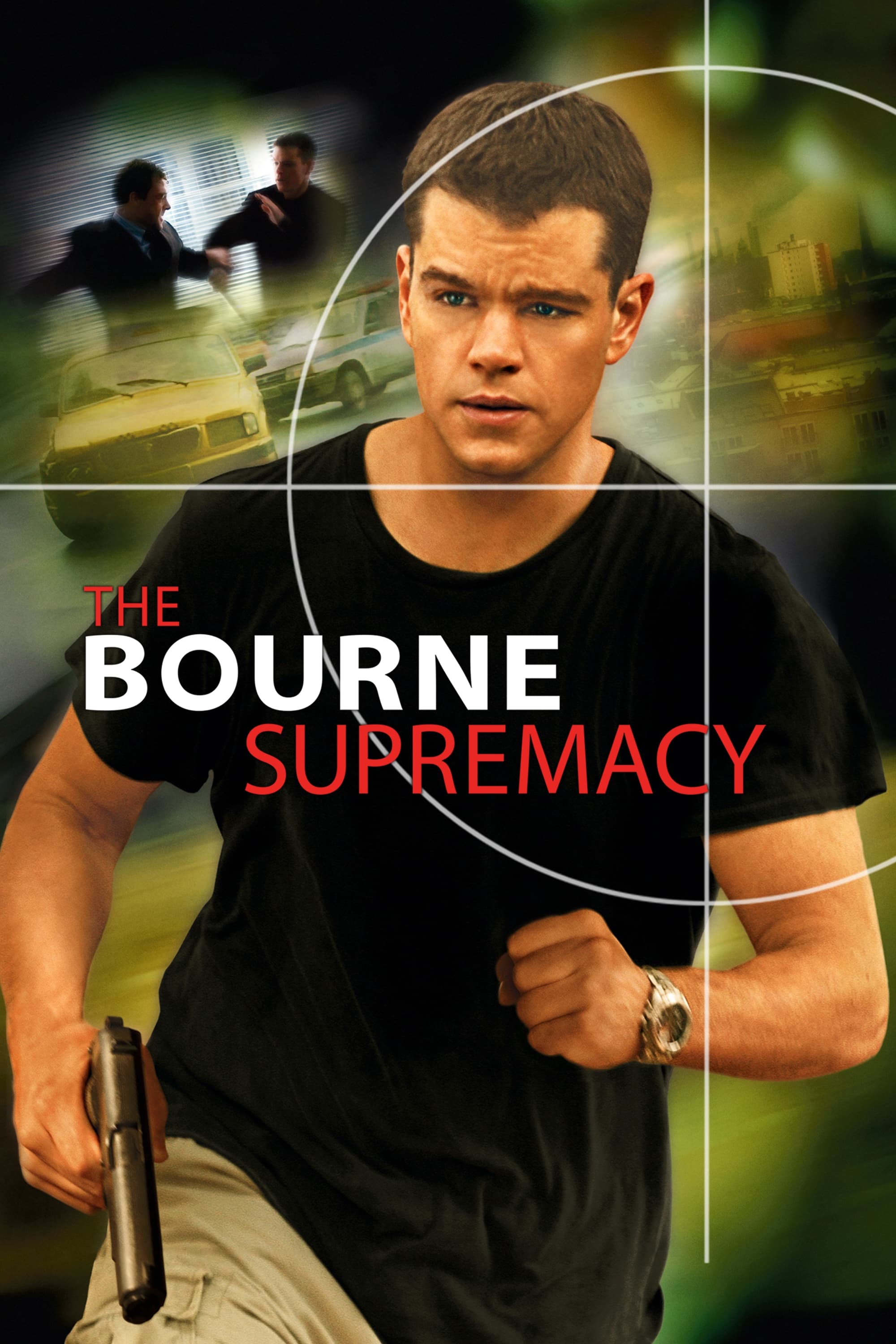
‘The Bourne Supremacy’ continues Jason Bourne’s effort to uncover his origin while a frame job triggers renewed pursuit. Matt Damon stars with Joan Allen and Karl Urban.
Handheld camerawork and location shifts convey surveillance friction and rapid decision cycles. Black-bag teams, safehouses, and mobile intercepts form a multinational dragnet.
‘Munich’ (2005)
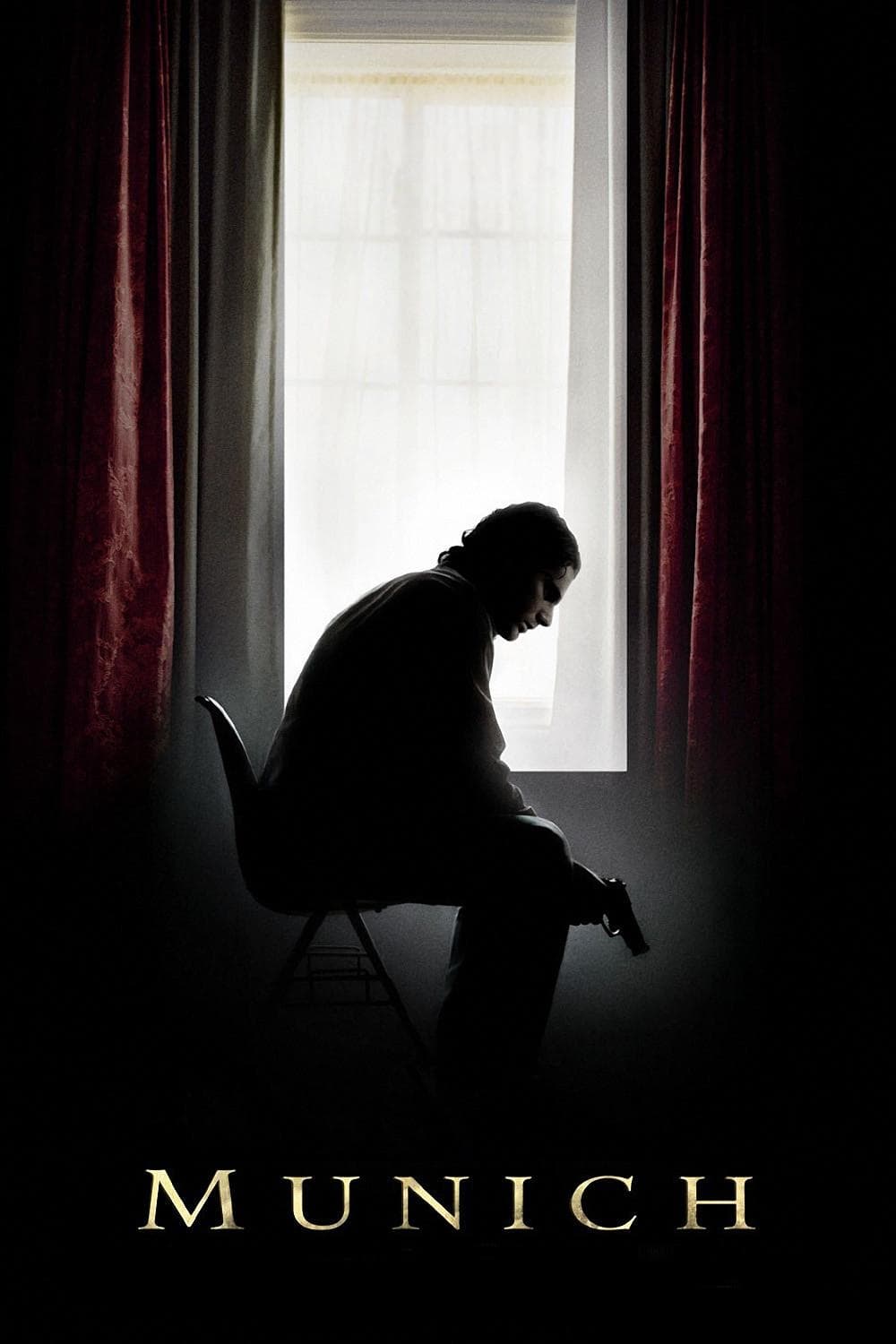
‘Munich’ dramatizes a covert response team formed after a terrorist attack and tasked with targeted operations across Europe. Eric Bana leads an ensemble that includes Daniel Craig and Ciarán Hinds.
Safehouse protocols, bomb-making logistics, and liaison agreements structure missions under diplomatic constraints. The film follows operational fatigue and security trade-offs during long deployments.
‘Syriana’ (2005)
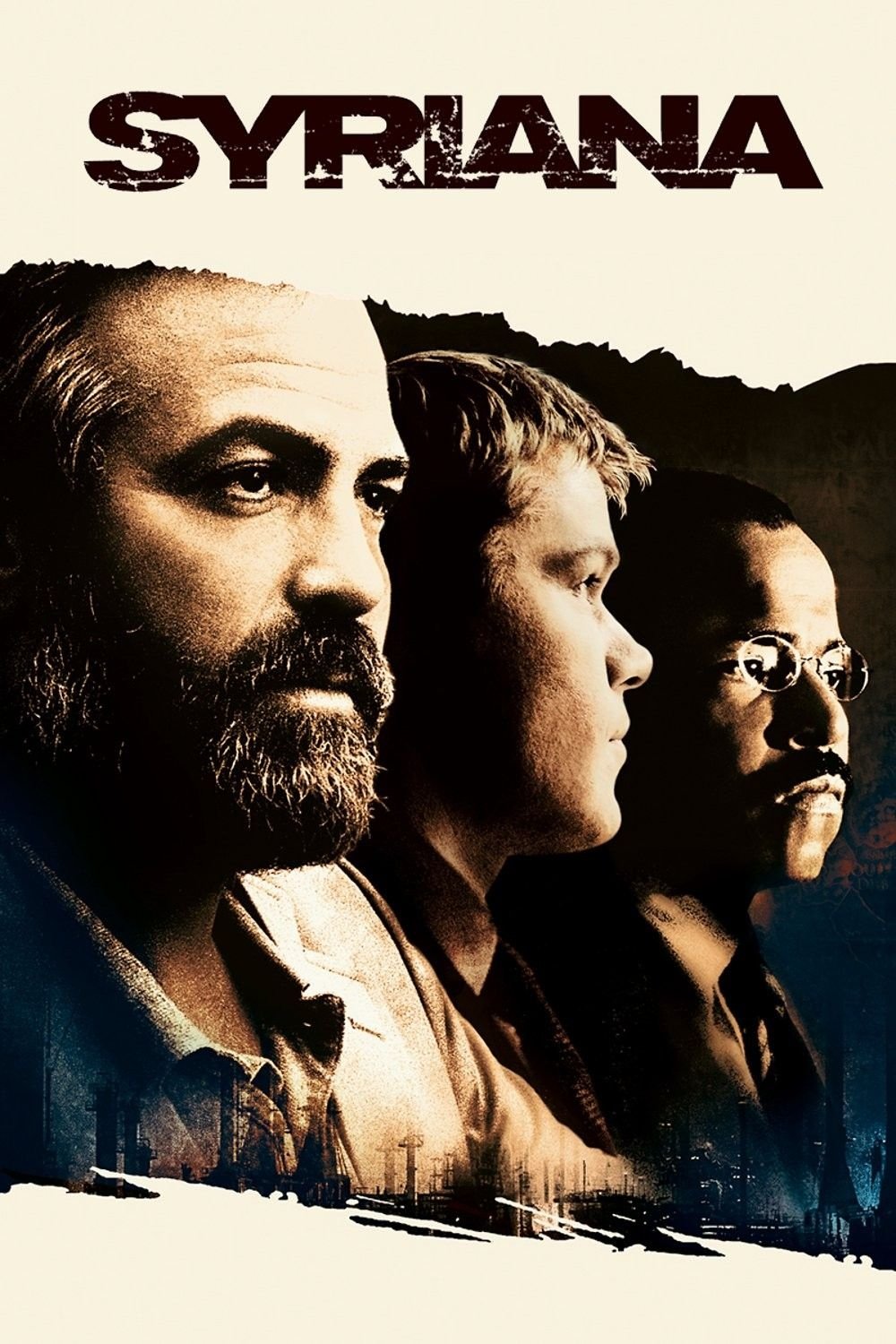
‘Syriana’ weaves intersecting stories involving analysts, field officers, corporate actors, and regional power shifts. George Clooney, Matt Damon, and Jeffrey Wright anchor Stephen Gaghan’s multi-thread design.
Legal hearings, energy deals, and covert facilitation channels show policy and intelligence interacting in real time. Multiple locations chart how private incentives and statecraft cross-pollinate.
‘Casino Royale’ (2006)
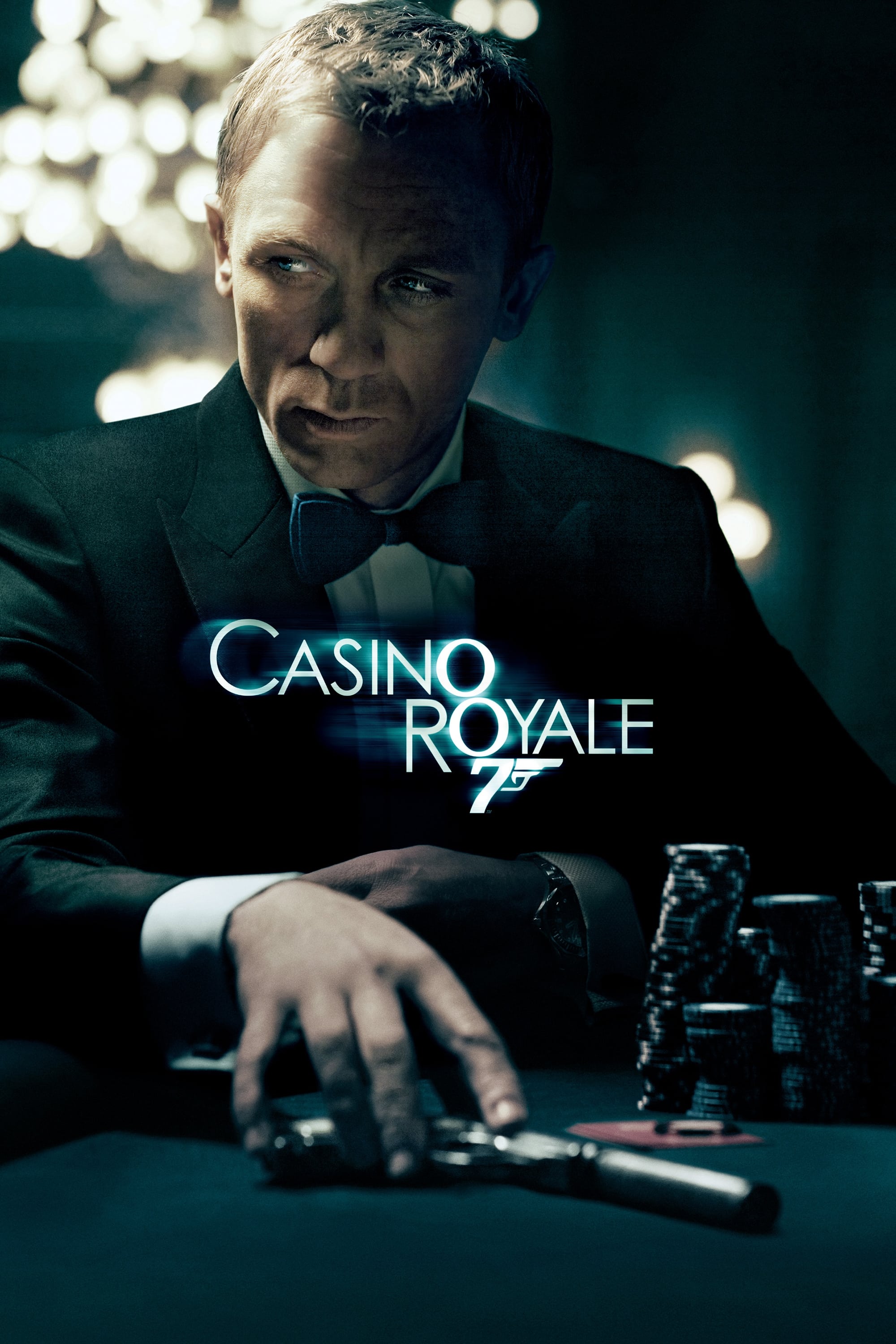
‘Casino Royale’ reboots Bond with a financial-intelligence investigation tied to a high-stakes poker game. Daniel Craig, Eva Green, and Mads Mikkelsen lead Martin Campbell’s update.
Surveillance grids, money-laundering probes, and asset freezes frame the action. The operation shows how tracing funds can disrupt networks without overt military force.
‘The Good Shepherd’ (2006)

‘The Good Shepherd’ chronicles an intelligence service’s early development through the career of a Yale-recruited officer. Matt Damon, Angelina Jolie, and Robert De Niro headline.
Counterintelligence cases, codebreaking, and compartmentation procedures shape institutional culture. Damage assessments, mole hunts, and committee oversight mark the agency’s maturation.
‘The Lives of Others’ (2006)
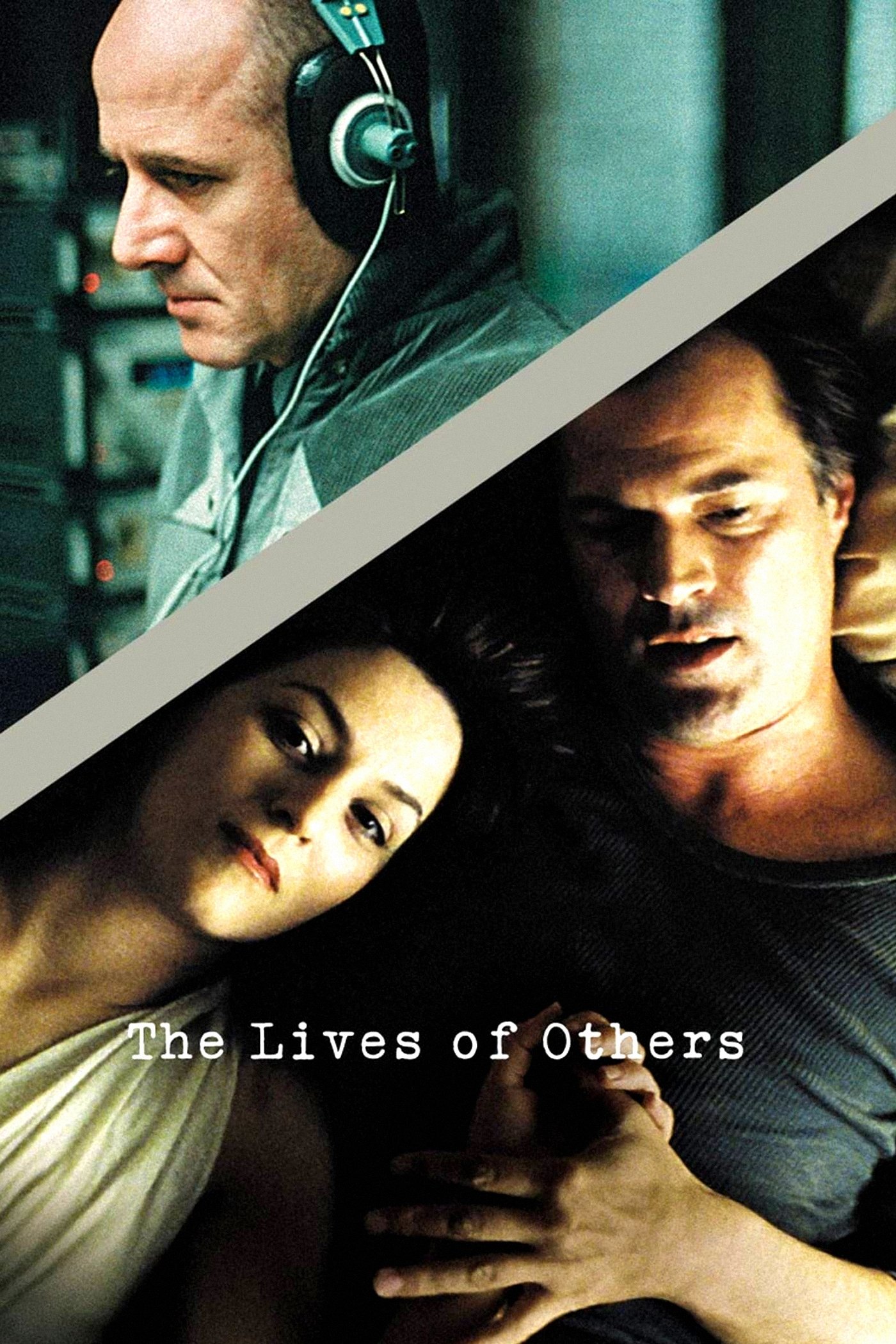
Set in East Germany, ‘The Lives of Others’ follows a Stasi captain conducting surveillance on a playwright whose case becomes politically sensitive. Ulrich Mühe, Sebastian Koch, and Martina Gedeck star.
Listening posts, typewritten reports, and informant handling reconstruct internal-security bureaucracy. File systems and incentives show how careers advanced through vigilance and compliance.
‘The Bourne Ultimatum’ (2007)
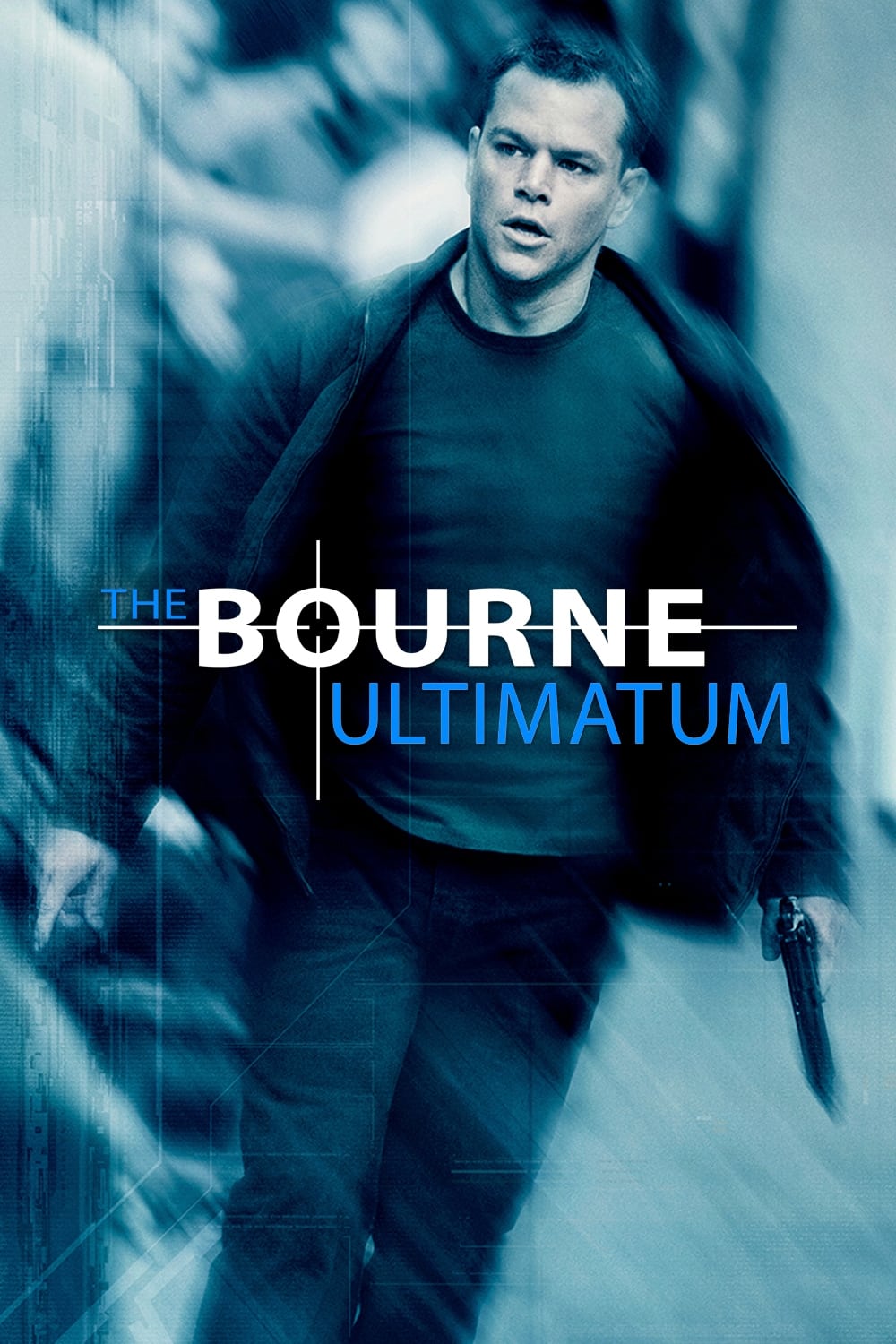
‘The Bourne Ultimatum’ depicts a program trying to contain exposure while a former operative closes in on his origins. Matt Damon returns with Joan Allen, David Strathairn, and Julia Stiles.
Live tracking across major cities uses camera networks and mobile intercepts coordinated from watch floors. Field teams and headquarters operate on tight loops where minutes decide contact or escape.
‘Breach’ (2007)
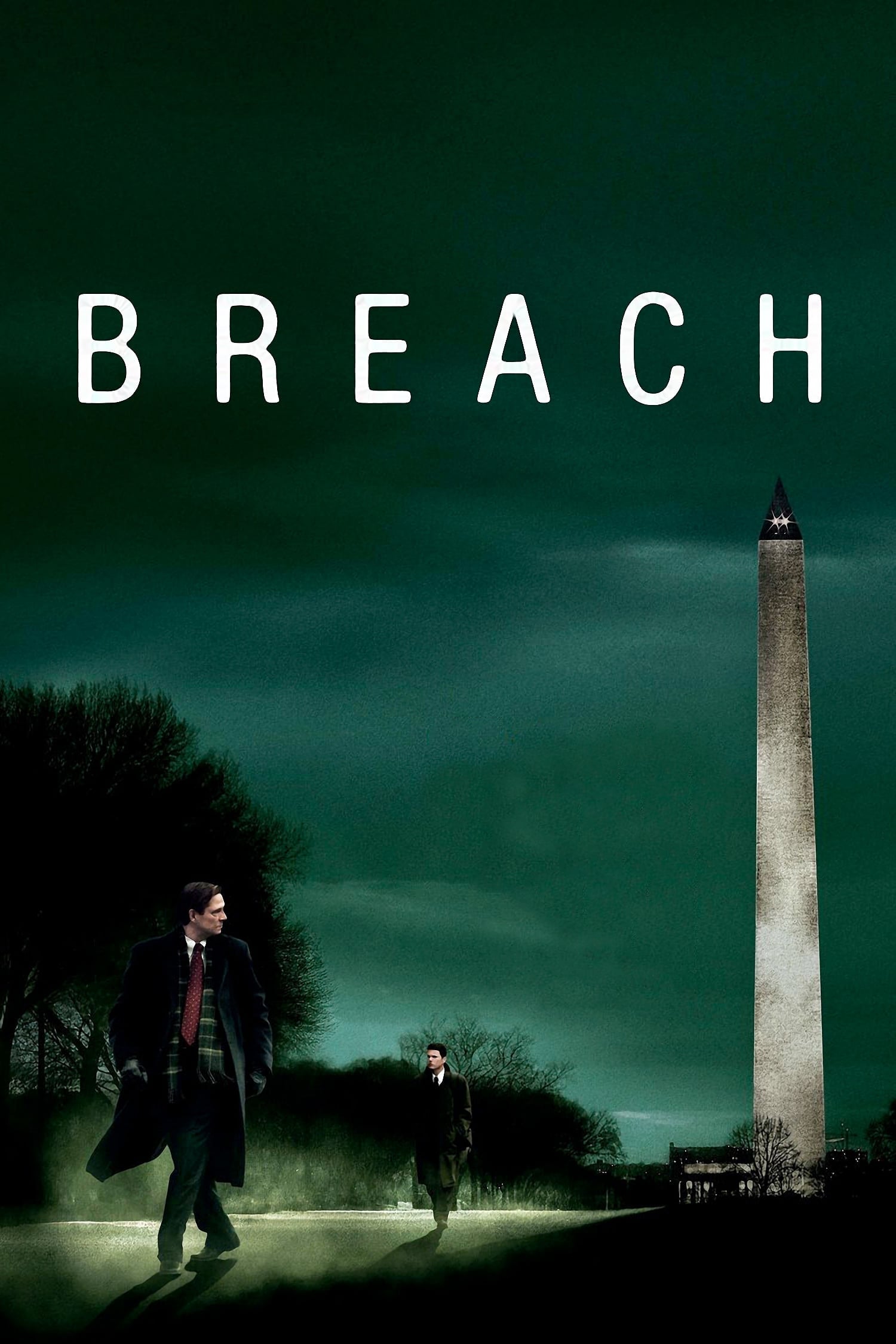
‘Breach’ dramatizes the investigation that exposed a long-term mole inside an intelligence agency. Chris Cooper, Ryan Phillippe, and Laura Linney lead Billy Ray’s procedural.
Controlled office monitoring, bait files, and junior-staff placement build proximity for evidence collection. The case illustrates how arrests are timed around chain-of-custody and courtroom requirements.
‘Body of Lies’ (2008)
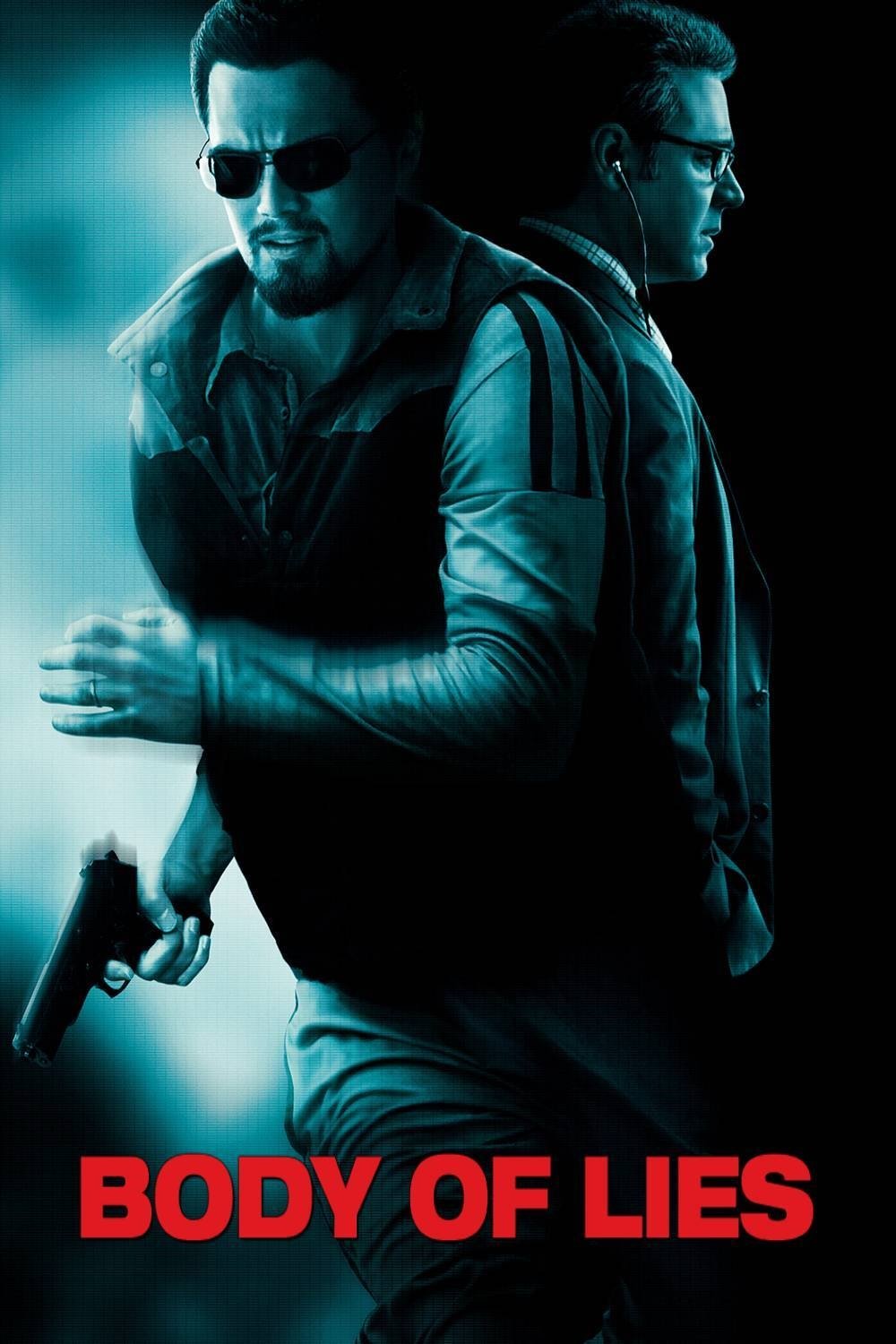
‘Body of Lies’ follows a field officer managing sources in the Middle East while balancing priorities with headquarters and a regional partner service. Leonardo DiCaprio, Russell Crowe, and Mark Strong star.
Mobile-phone exploitation, safehouse networks, and double-agent plays structure the operation. Liaison agreements and local capabilities determine what plans are feasible on the ground.
‘Tinker Tailor Soldier Spy’ (2011)
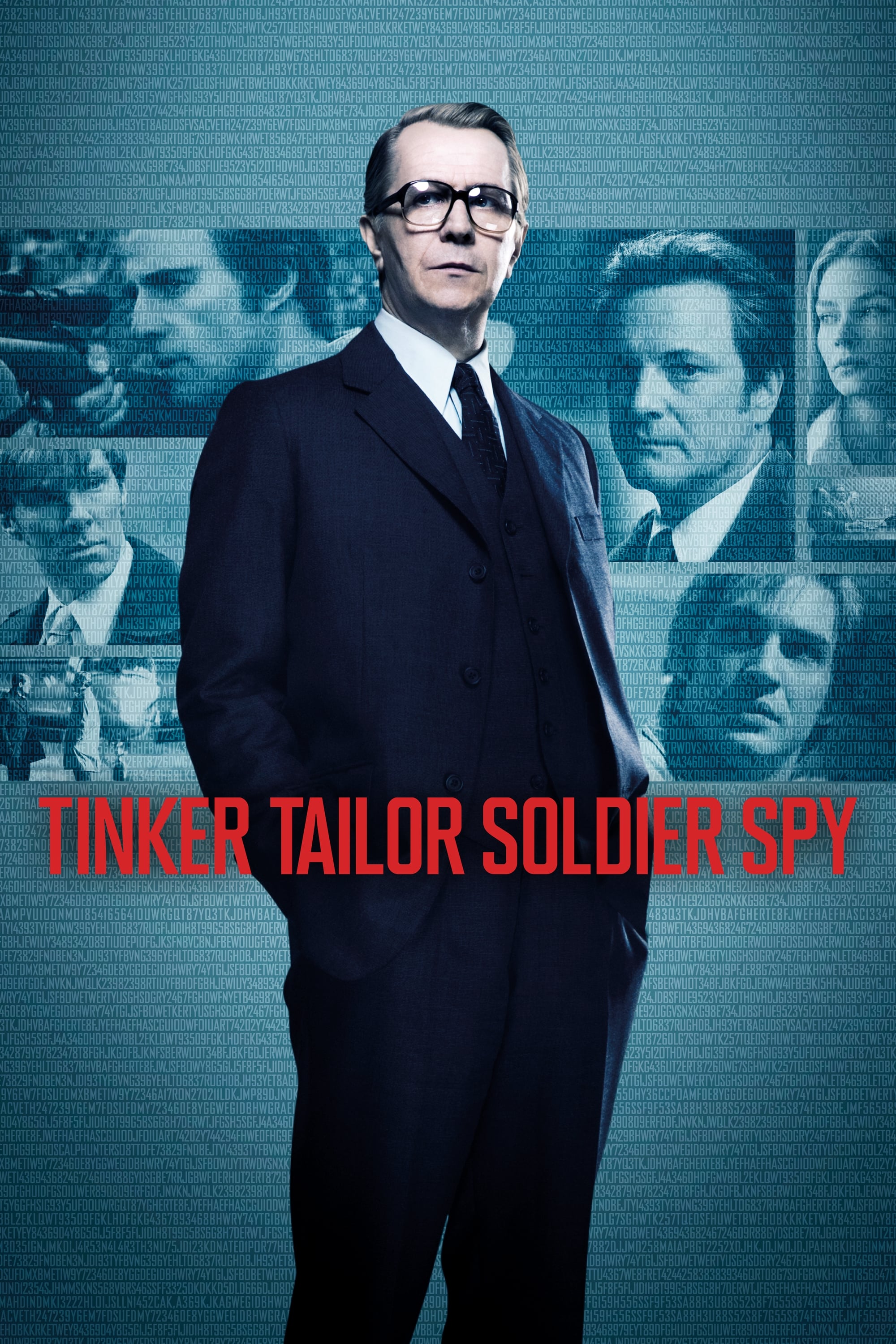
Adapted from John le Carré, ‘Tinker Tailor Soldier Spy’ brings a retired officer back to uncover a mole within the upper ranks. Gary Oldman, Colin Firth, Tom Hardy, and Benedict Cumberbatch headline.
Period offices, brush passes, and secure meetings recreate compartmentalization practices. Organizational charts, codenames, and signal systems show how a service shields sources and methods.
‘Hanna’ (2011)

‘Hanna’ centers on a teenager trained for covert survival who becomes the focus of an agency manhunt. Saoirse Ronan, Eric Bana, and Cate Blanchett lead Joe Wright’s hybrid of chase and espionage.
Training regimens, biometric access, and European transit hubs anchor a story about moving a high-value target. Disguises and quick switches keep surveillance off-balance across borders.
‘Mission: Impossible – Ghost Protocol’ (2011)
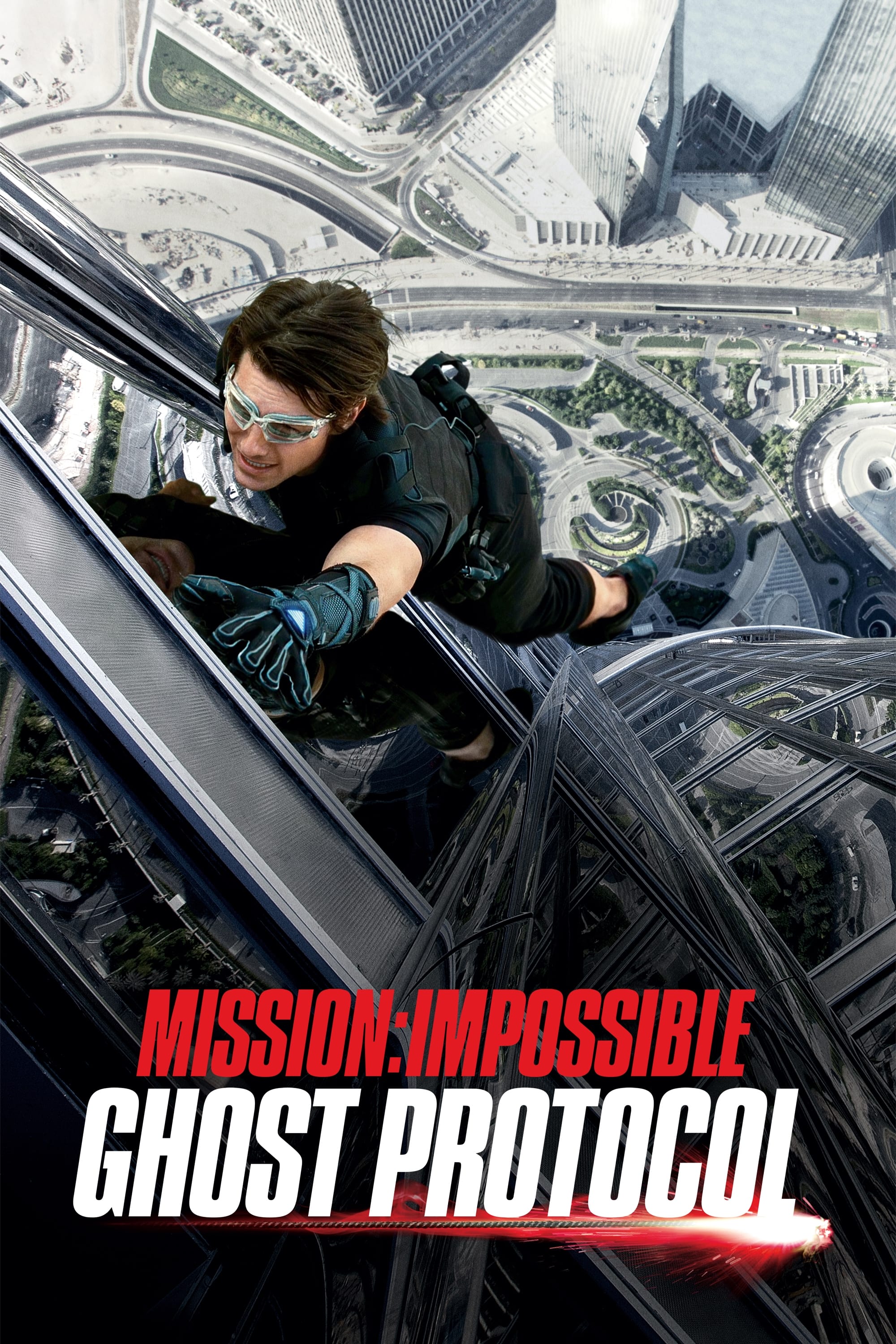
‘Mission: Impossible – Ghost Protocol’ places a small team off the grid after an attack severs official support. Tom Cruise, Paula Patton, Simon Pegg, and Jeremy Renner lead the ensemble.
Set-pieces in Moscow, Dubai, and Mumbai combine improvised gadgets with vertical access problems. Non-official cover and asset denial govern tactics when a unit is disavowed.
‘Skyfall’ (2012)
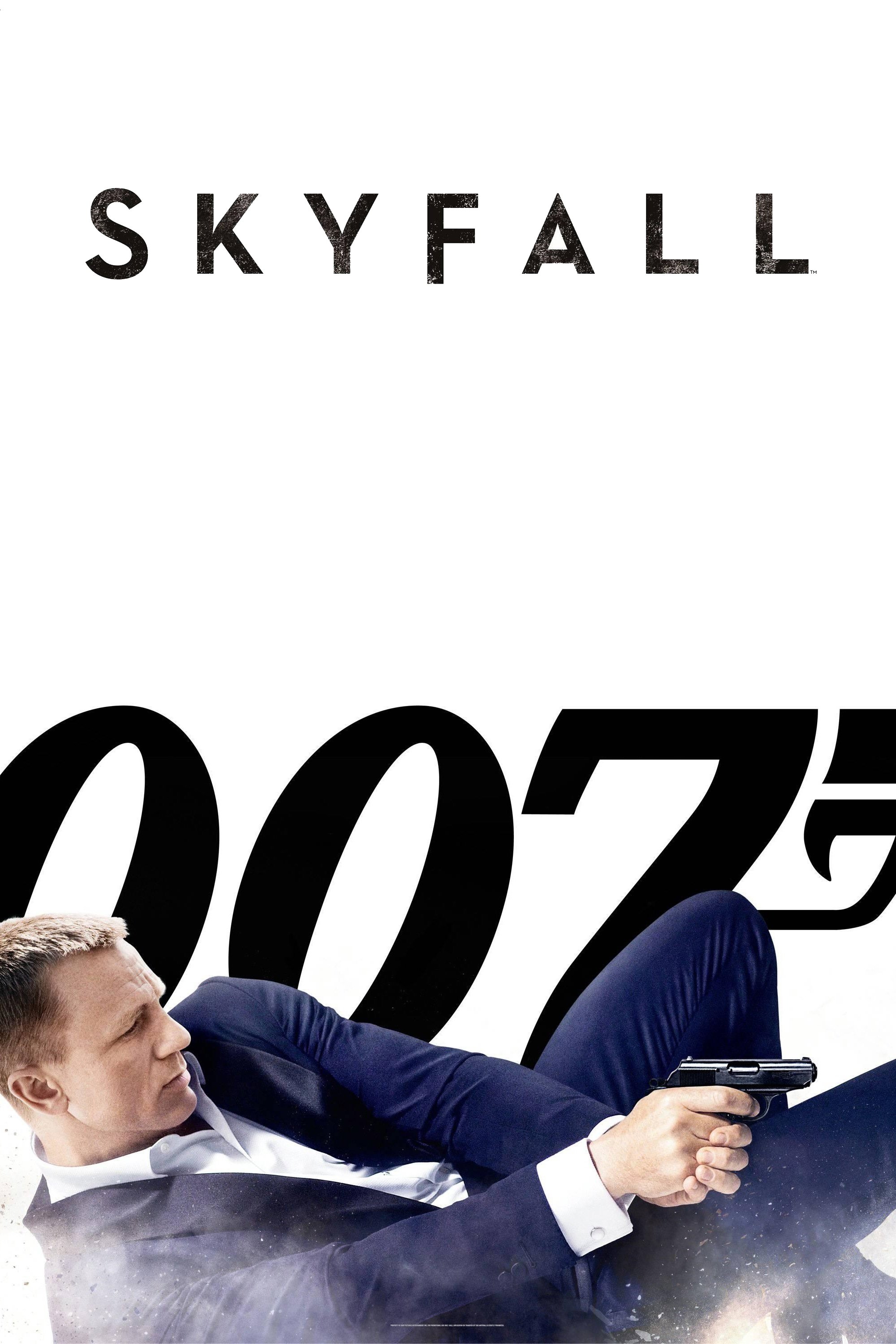
‘Skyfall’ centers on a breach of agency data and an attack directed at leadership by a former operative. Daniel Craig, Javier Bardem, and Judi Dench star under Sam Mendes.
Cyber intrusions, compromised identities, and emergency relocation protocols drive the response. Succession planning and public oversight scrutinize legacy operations resurfacing under pressure.
‘Argo’ (2012)
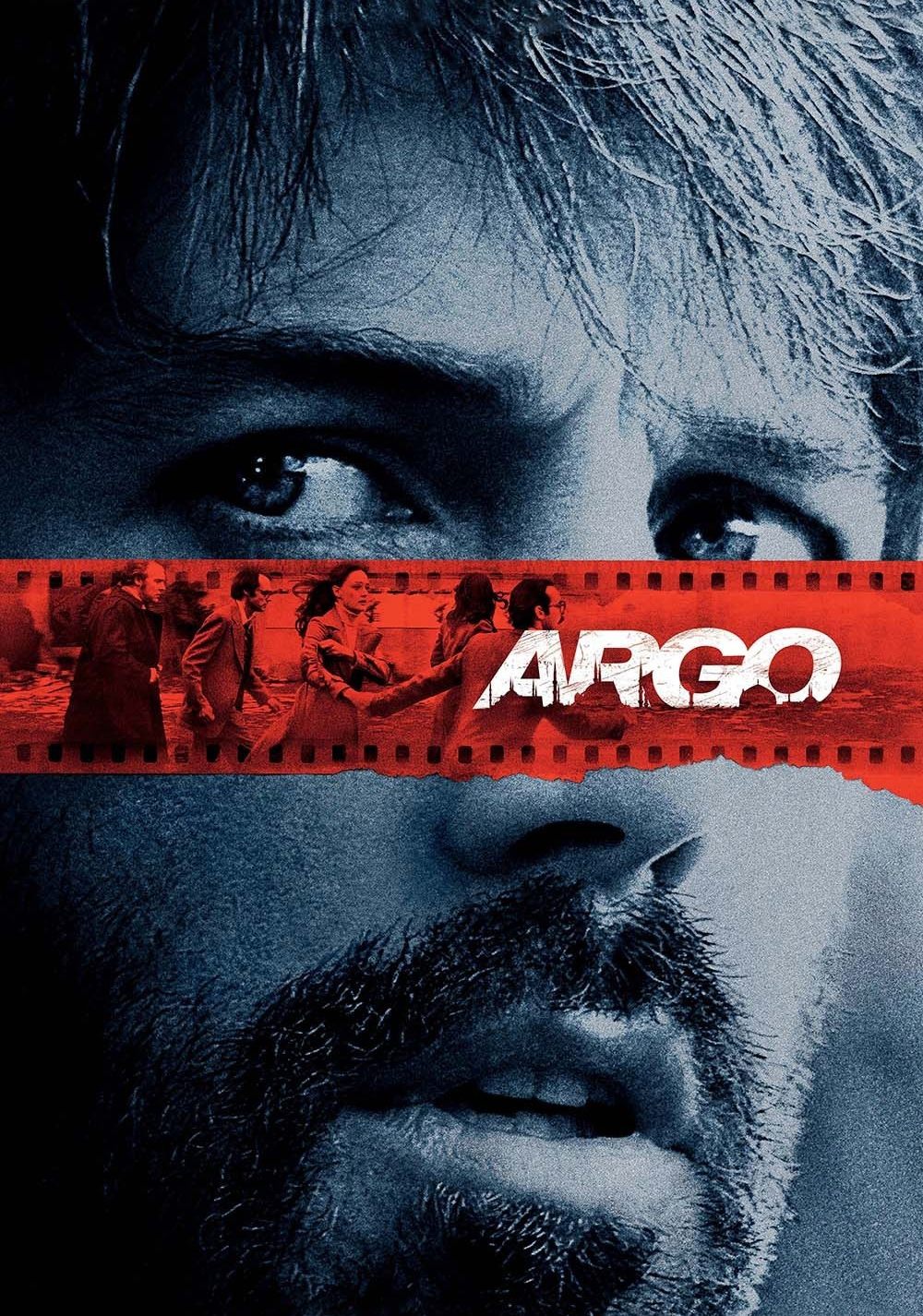
‘Argo’ recounts a rescue mission that extracted diplomats by staging a film production as cover. Ben Affleck, Bryan Cranston, and Alan Arkin lead a narrative built around documents and timing.
Travel papers, casting calls, and location scouting become operational tools to move people through checkpoints. Cooperation between agencies and foreign partners enables a limited-scope exfiltration.
‘Zero Dark Thirty’ (2012)

‘Zero Dark Thirty’ chronicles a long search for a high-value target through detainee questioning, signal intelligence, and courier identification. Jessica Chastain leads with Jason Clarke and Kyle Chandler.
Target development, interagency planning, and mission rehearsals culminate in a compound raid. Legal authorizations and risk assessments structure each step from analysis to action.
‘A Most Wanted Man’ (2014)
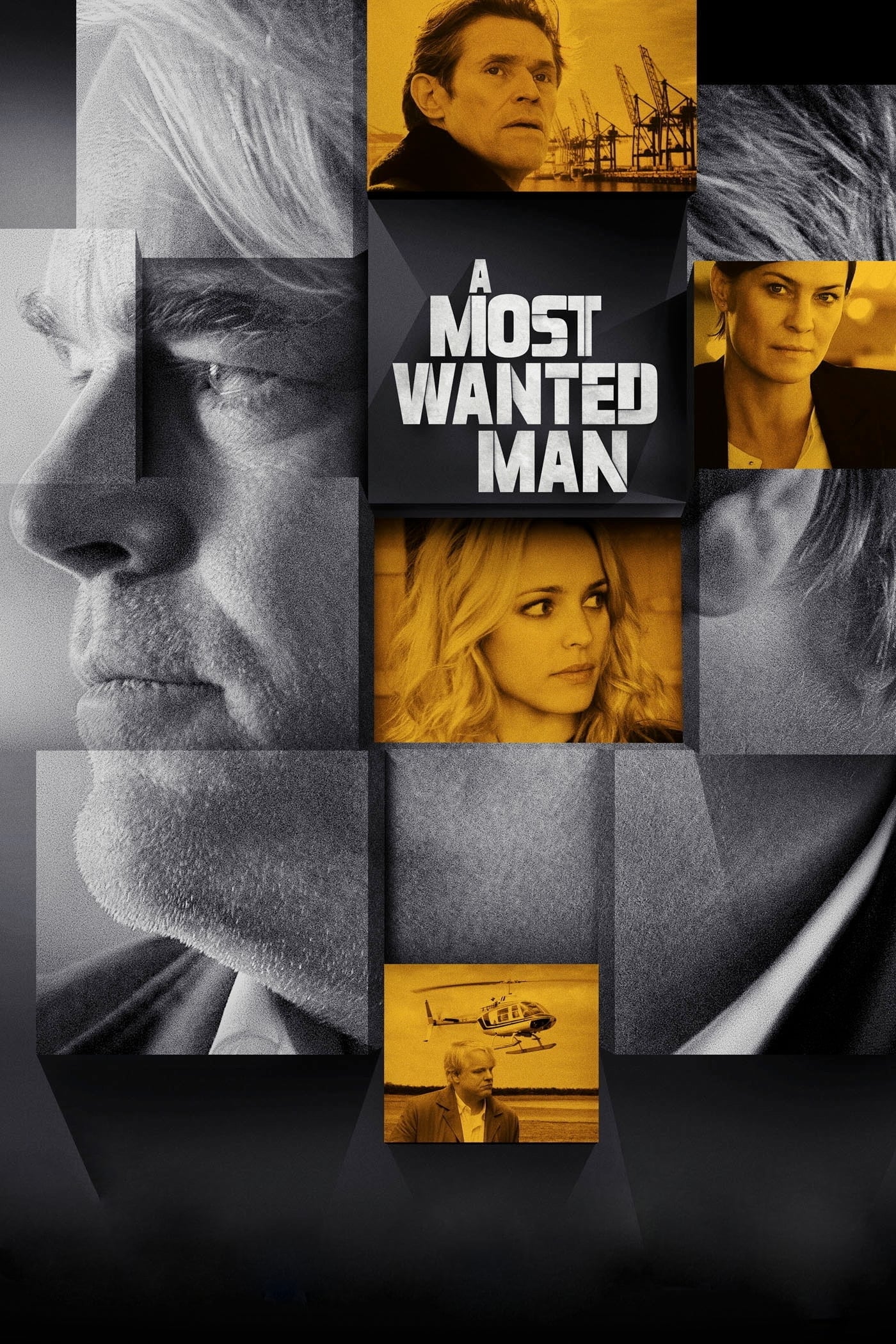
‘A Most Wanted Man’ follows a counter-terror unit handling a Chechen immigrant with a disputed background in Hamburg. Philip Seymour Hoffman, Rachel McAdams, and Willem Dafoe star.
Financial monitoring, NGO interfaces, and case-building precede any move on the subject. Custody disputes among services show how timing can erase months of groundwork.
‘Kingsman: The Secret Service’ (2014)
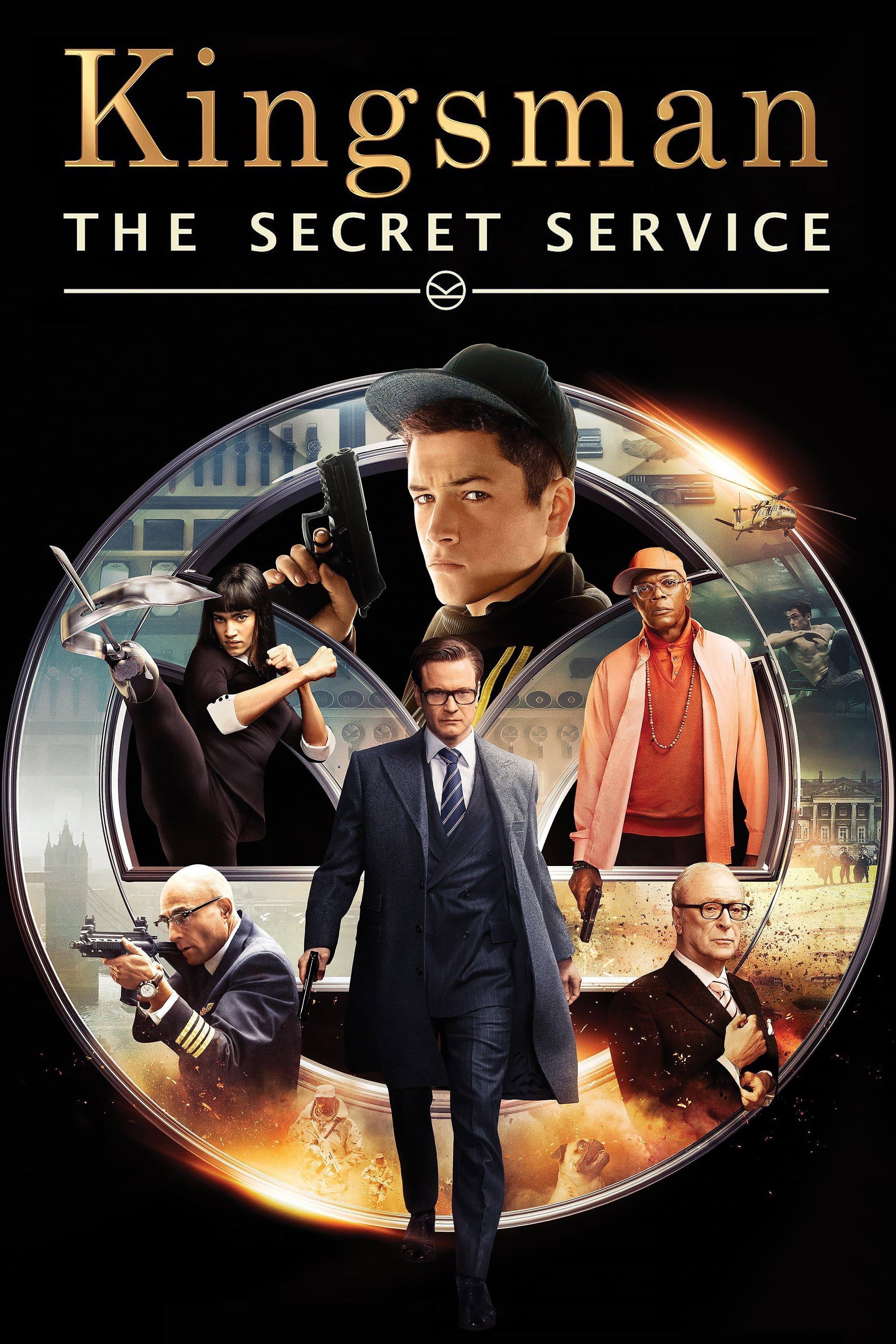
‘Kingsman: The Secret Service’ depicts a private intelligence outfit recruiting new talent through an intense selection course. Taron Egerton, Colin Firth, and Samuel L. Jackson headline.
Bespoke equipment, training modules, and cover identities tied to tailoring provide a distinct tradecraft palette. Independent operations contrast with state agencies while crisis stakes remain global.
‘Bridge of Spies’ (2015)
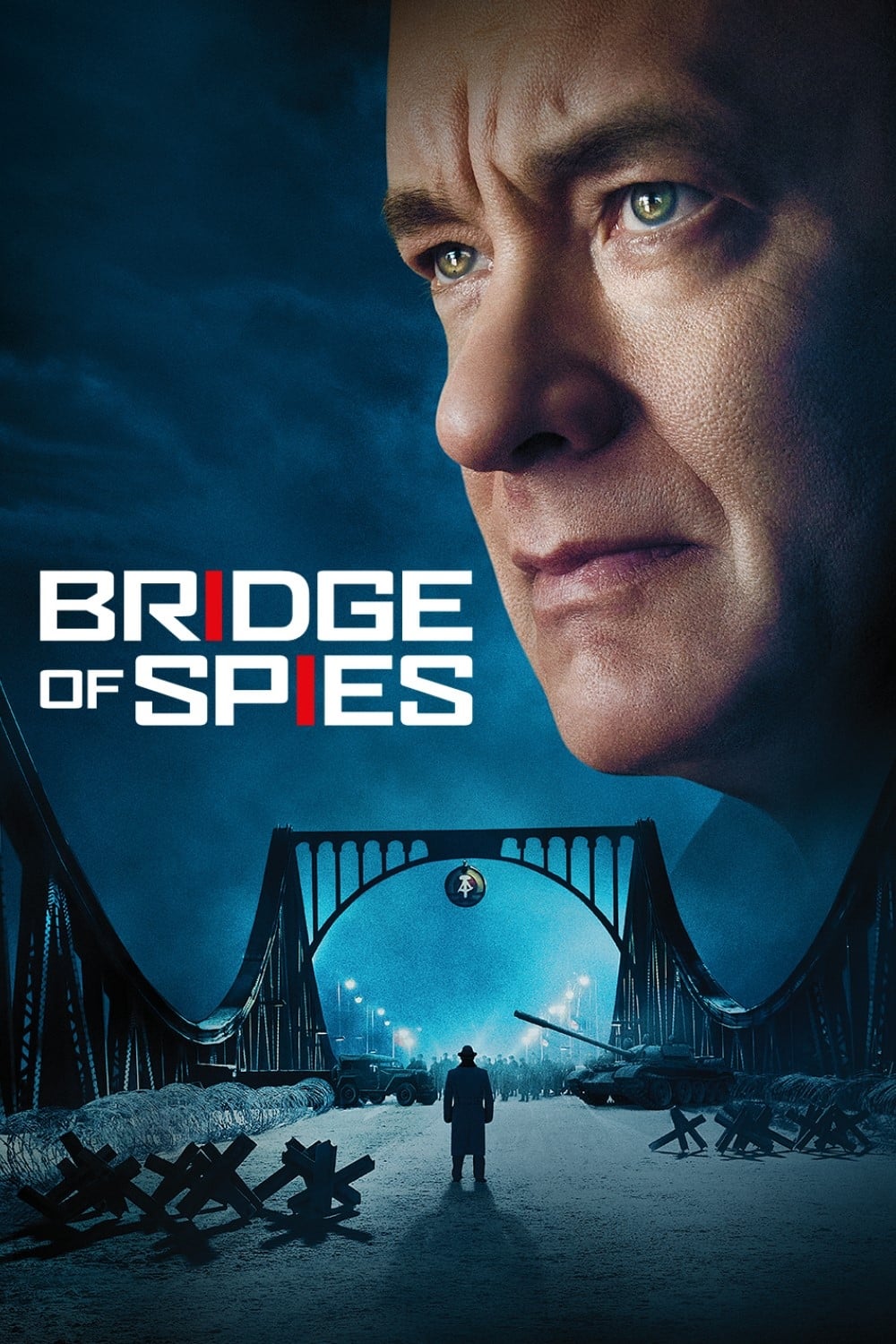
‘Bridge of Spies’ dramatizes Cold War prisoner exchanges negotiated by a lawyer between rival powers. Tom Hanks and Mark Rylance lead Steven Spielberg’s historical drama.
Legal protections for captured agents, back-channel communications, and border-bridge logistics structure the talks. The film shows diplomacy and intelligence aligning to close a tense standoff.
‘Atomic Blonde’ (2017)
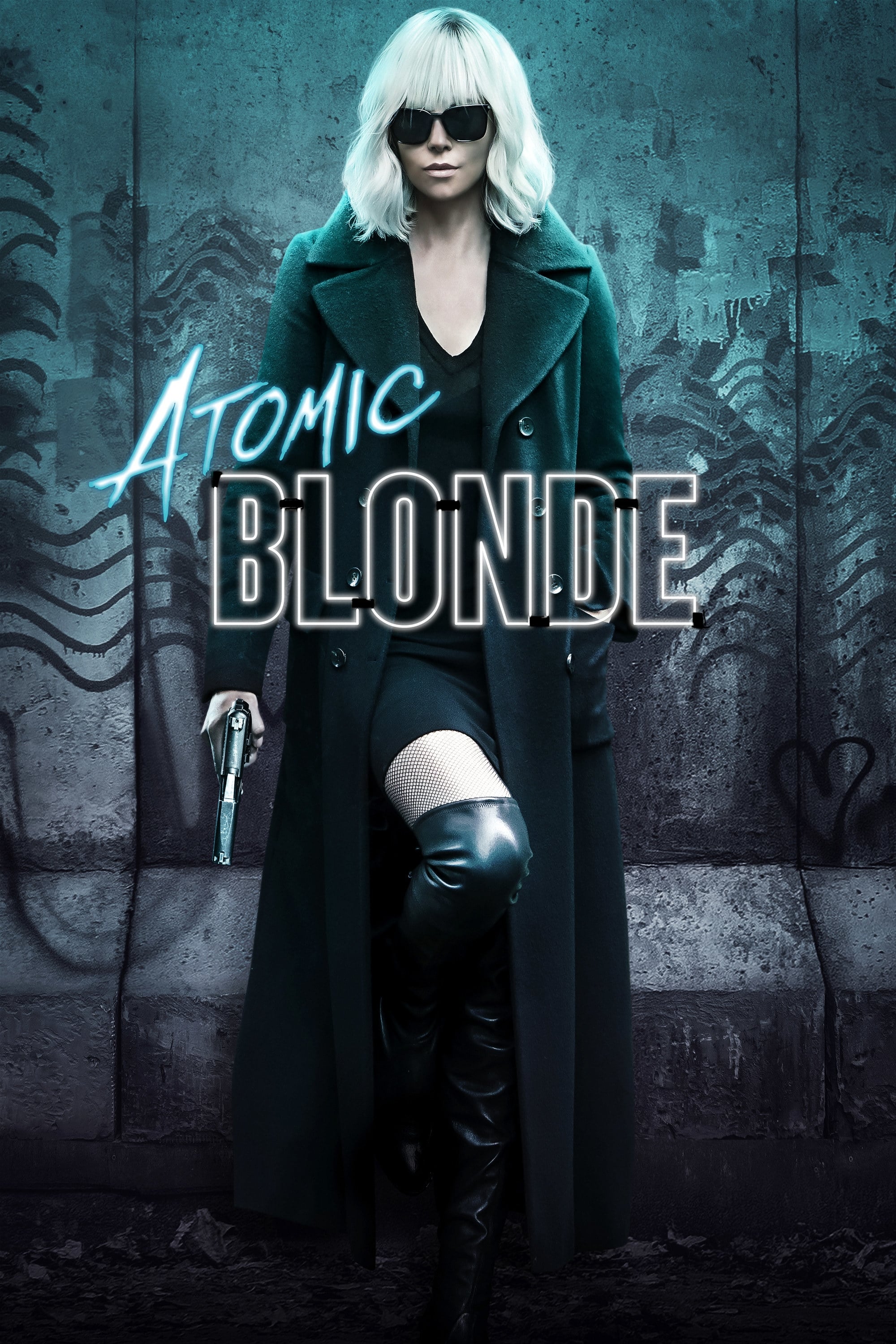
Set around the fall of the wall, ‘Atomic Blonde’ follows an operative retrieving a list that could expose agents on both sides. Charlize Theron, James McAvoy, and Sofia Boutella star.
Extended single-take fights and dense urban geography create close-quarters surveillance and pursuit. Double identities, contested sources, and changing politics drive every meeting and exchange.
‘Mission: Impossible – Fallout’ (2018)
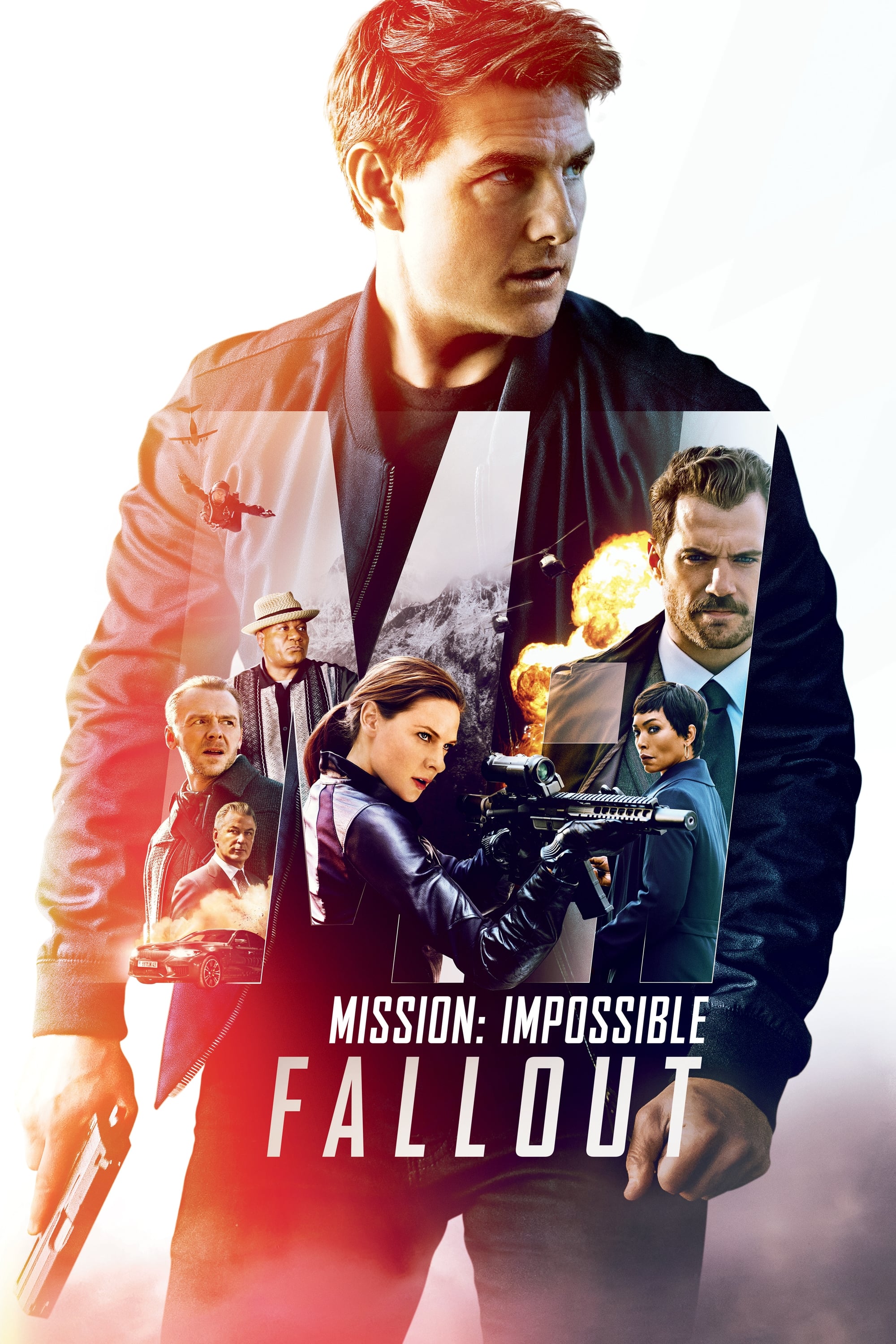
‘Mission: Impossible – Fallout’ has a team racing to recover stolen plutonium while an adversary manipulates alliances. Tom Cruise, Henry Cavill, Rebecca Ferguson, and Ving Rhames lead.
HALO jumps, urban chases, and helicopter pursuits sit alongside asset swaps and cover compromises. Overlapping jurisdictions test how a small unit maintains deniability under pressure.
‘The Courier’ (2020)
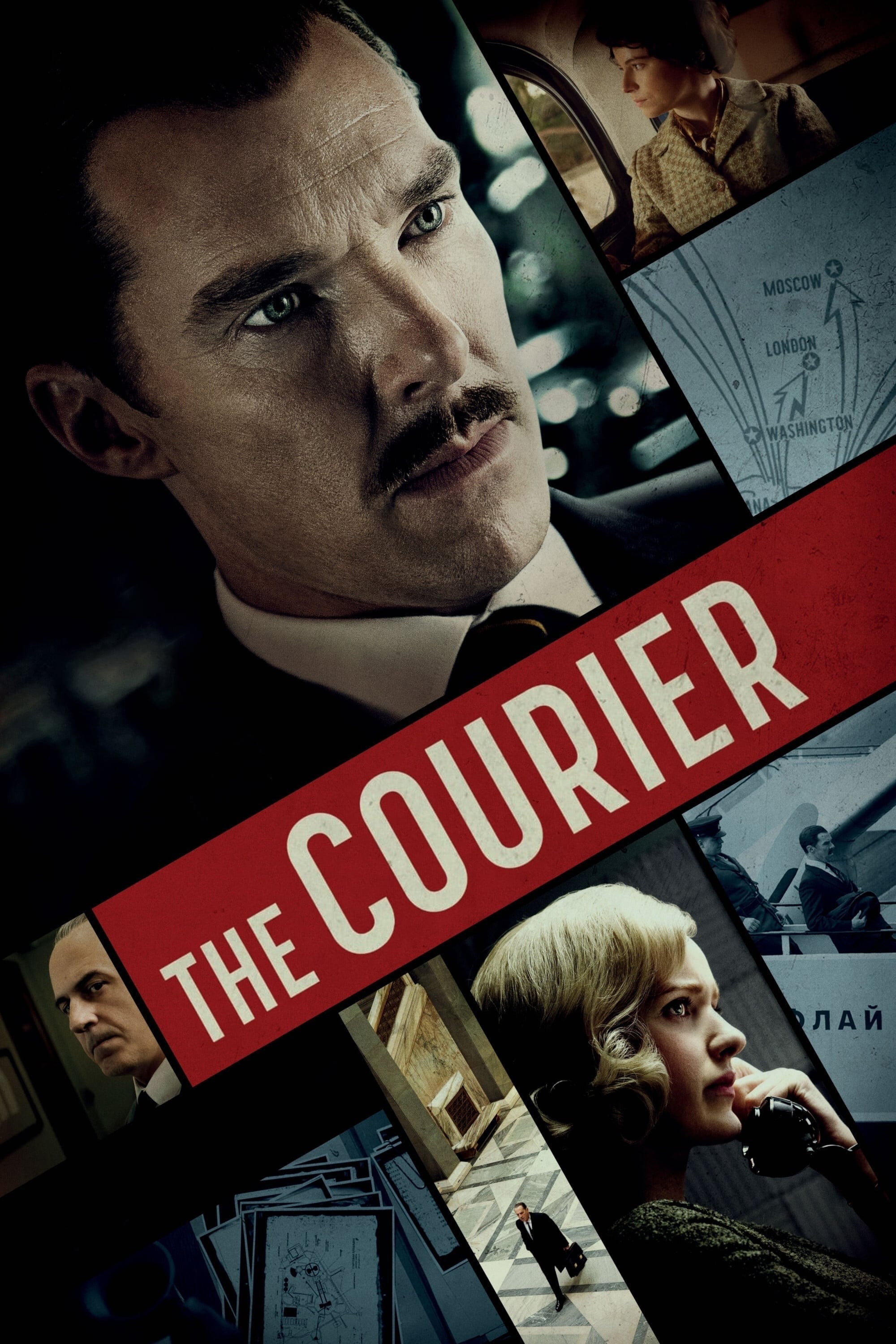
‘The Courier’ tells of a British businessman recruited to carry messages from a high-level source inside a closed society during a nuclear standoff. Benedict Cumberbatch, Merab Ninidze, and Rachel Brosnahan star.
Non-official cover, cultural access, and courier discipline frame high-risk meetings. Border controls, surveillance, and diplomatic fallout define the cost of maintaining a channel between adversaries.
Share your favorite entries and any must-add titles in the comments so everyone can compare notes and build a better watchlist.