


The Craziest TV Series & Movie Theories That Change Everything



Fan theories are a fun way for viewers to engage with their favorite shows. They are ideas created by fans that try to explain secrets or offer a different view of the story. These theories look at small details, character actions, and hidden clues to build a new understanding of the plot. They can change how you see everything in a series, from the heroes to the world itself.
This article lists 50 of the craziest TV series theories that have captured fans’ imaginations. The ideas come from all kinds of shows, including cartoons, comedies, and dramas. Some theories suggest a much darker story hiding beneath the surface, while others connect different shows in surprising ways. Each theory will make you think about familiar characters and events in a completely new light.
Breaking Bad (2008-2013) – Walter White Creates the Zombie Apocalypse
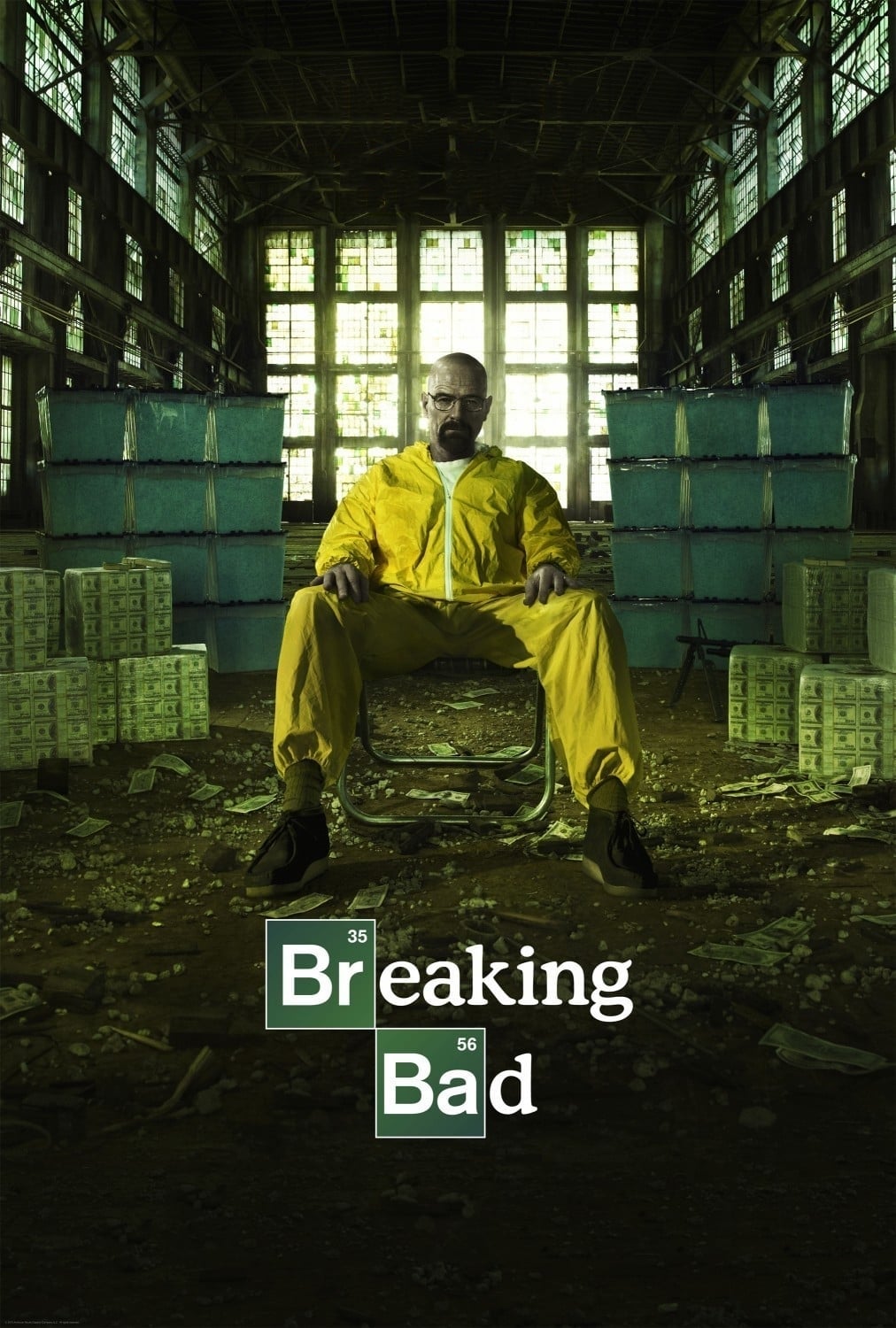
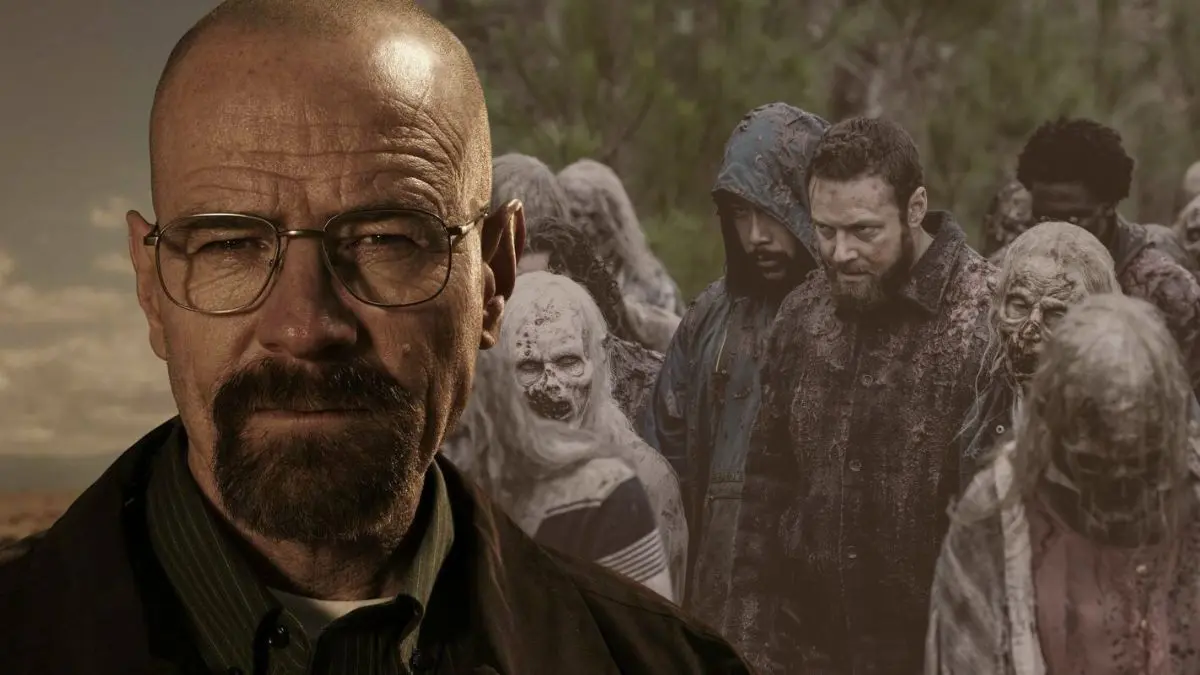
A popular theory connects two major AMC shows by suggesting Walter White’s blue meth started the zombie outbreak in The Walking Dead. The idea is that the highly addictive and toxic drug had an unforeseen side effect, causing users to die and then reanimate as flesh-eating walkers. This theory places both acclaimed series within the same fictional universe.
Evidence for this connection includes several easter eggs. In an early episode of The Walking Dead, Daryl Dixon has a bag of drugs that contains blue crystals, looking just like Walter’s famous product. Later in the series, a character describes a former drug dealer using a phrase famously associated with Jesse Pinkman from Breaking Bad.
The Office (US) (2005-2013) – Toby Flenderson Was the Scranton Strangler
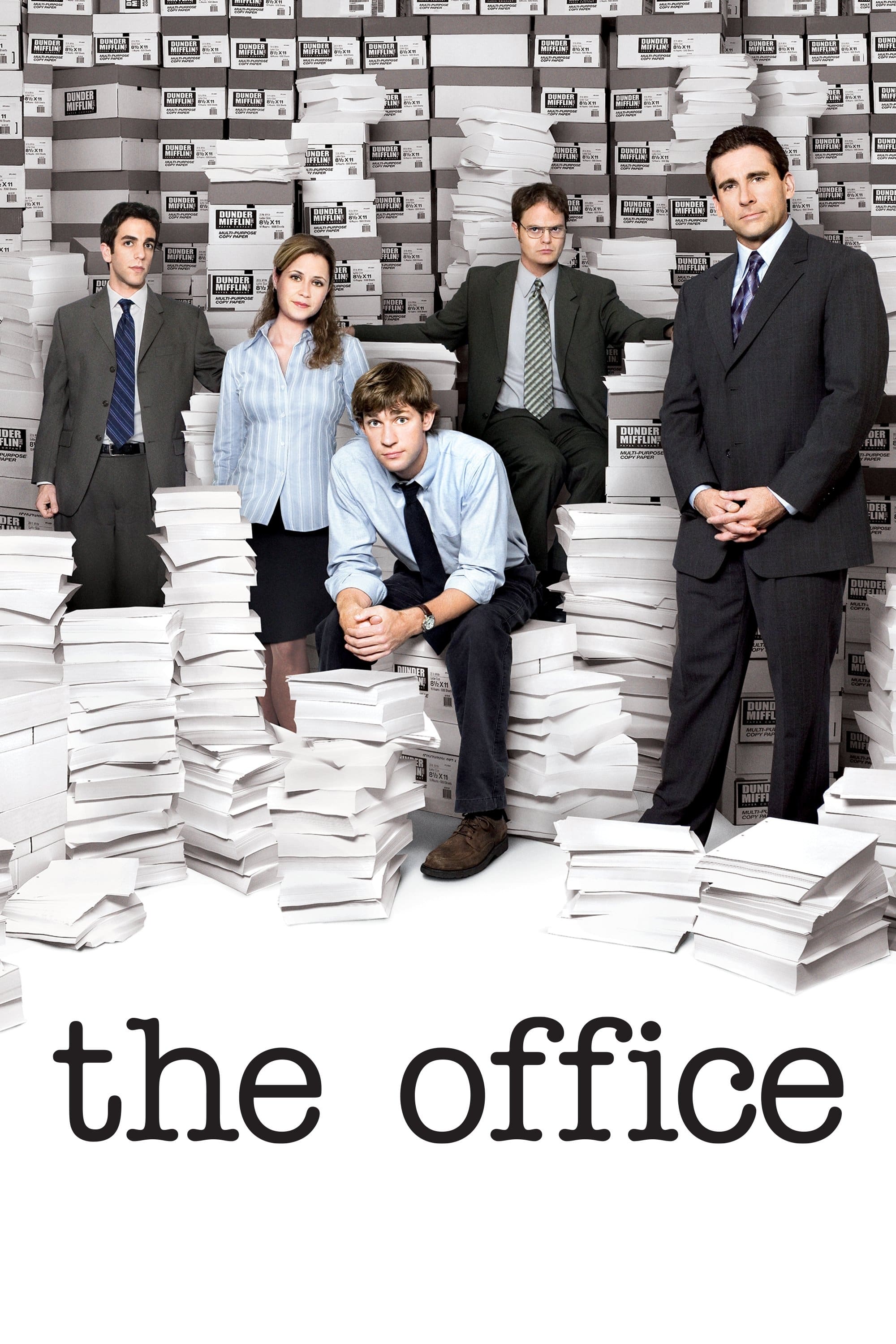
Many fans of The Office believe that the mild-mannered HR representative, Toby Flenderson, was secretly the notorious Scranton Strangler. Throughout the series, the strangler is an unseen figure who terrifies the local community. Toby, who often expresses his frustrations with his job and coworkers, is theorized to have a hidden dark side.
The clues are subtle but compelling. Toby is notably absent from the office on the day of the police chase involving the strangler. When he later serves on the jury for the man accused of the crimes, he expresses guilt and believes they convicted an innocent person. Fans argue this guilt comes from knowing he is the real killer who let someone else take the fall.
Friends (1994-2004) – Phoebe Buffay Was Imagining Everything
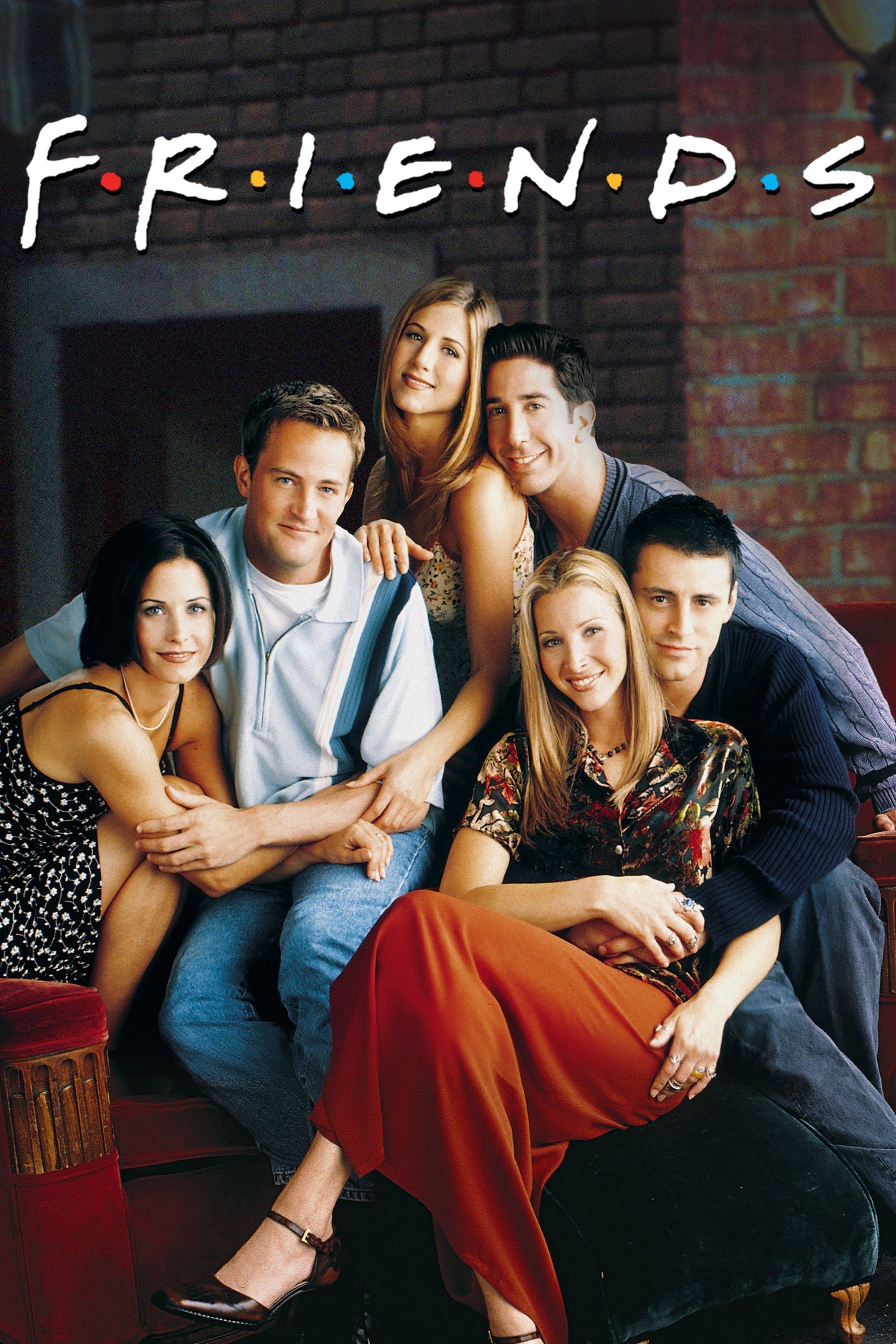
This theory casts the quirky and beloved sitcom in a much darker light. It suggests that Phoebe Buffay, who had a difficult and often lonely life, was actually homeless and imagined the entire series. The other five main characters were strangers she watched from a distance, creating a fantasy world where they were her close friends.
According to this idea, Phoebe created an idealized version of her life to cope with her harsh reality. The show’s famous coffee shop, Central Perk, was just a place she looked into from the street. The final scene would have shown Phoebe walking away from the coffee shop, with the other characters not recognizing her, revealing her fantasy.
The Simpsons (1989-Present) – Homer Is in a Coma
A long-running theory suggests that Homer Simpson has been in a coma for decades, and the majority of the show’s episodes take place in his mind. This idea stems from a 1992 episode where Homer falls into a coma after a vending machine accident. Though he wakes up in the same episode, the theory argues that he never truly did.
This would explain why the characters in The Simpsons never age and why the show’s storylines have become increasingly wacky and surreal over the years. If everything is happening inside Homer’s head, the logic of the real world doesn’t need to apply. It also provides a sad explanation for the show’s floating timeline.
Stranger Things (2016-Present) – The Upside Down Is a Vision of the Future
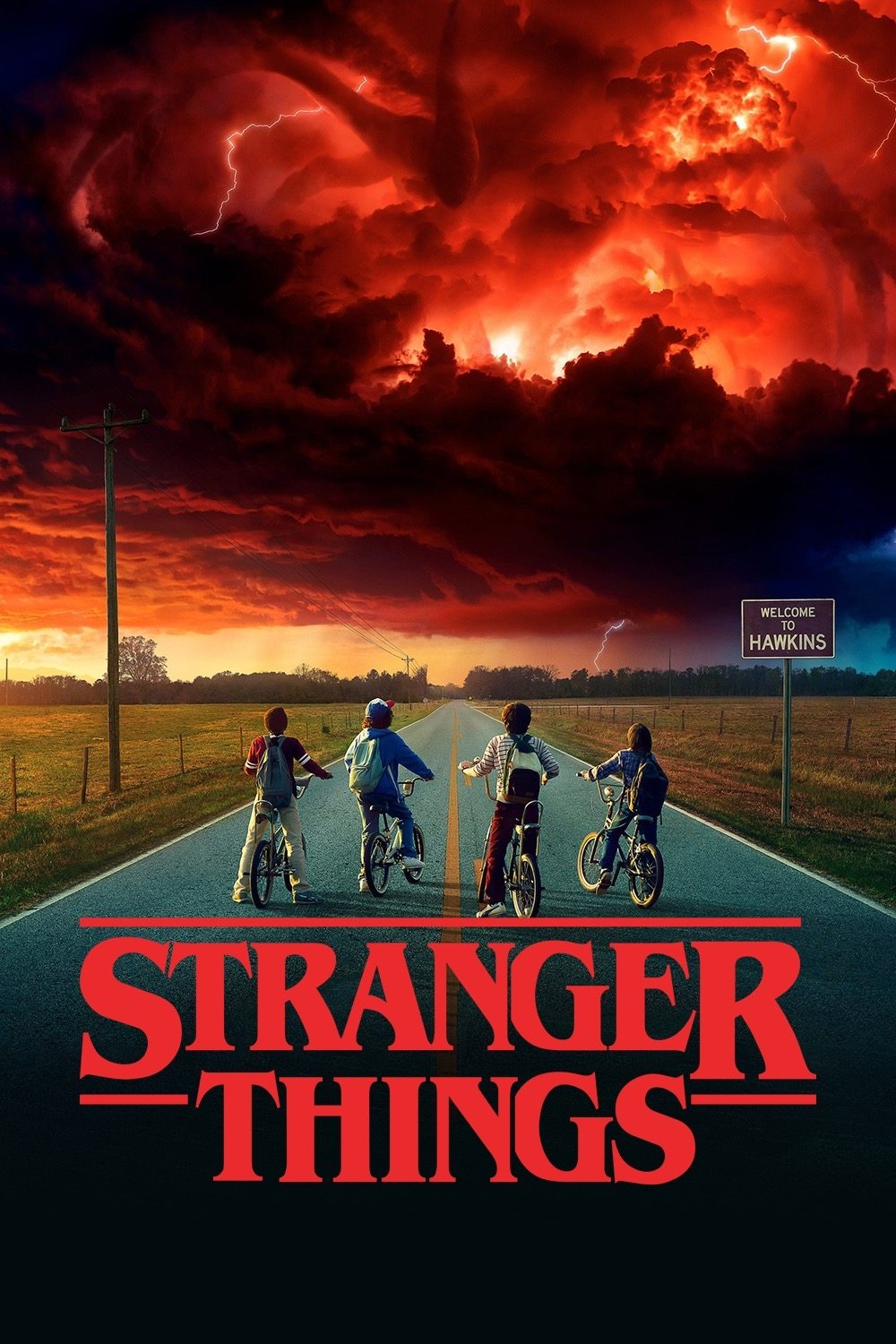
In Stranger Things, the Upside Down is a dark, decaying echo of the human world. A compelling theory proposes that it’s not another dimension, but a glimpse into the future. It shows Hawkins after the Mind Flayer and its creatures have succeeded in taking over, destroying civilization and leaving nothing but ruins.
This would mean that when the characters open gates, they are not crossing dimensions but creating a tear in spacetime. The creatures from the Upside Down are not just invaders but the future inhabitants of our world coming back to ensure their timeline happens. This makes the kids’ fight not just for their town, but to prevent a guaranteed apocalyptic future.
The Fresh Prince of Bel-Air (1990-1996) – Will Smith Is Dead
A dark theory about the classic sitcom suggests that Will Smith’s character never actually made it to Bel-Air. Instead, the “one little fight” he got into on the basketball court in West Philadelphia was fatal. The “rare” cab he gets into is actually taking him to the afterlife, which is the perfect, luxurious life with his wealthy relatives.
This idea reframes the entire show as a story about Will’s journey in heaven. The Banks family represents the idealized family he never had, and his parents’ occasional visits are like spirits visiting his grave. The theory turns a lighthearted comedy into a tragic story about a young man’s life cut short.
Rugrats (1991-2004) – The Babies Are Figments of Angelica’s Imagination
This famous and bleak theory suggests that all of the babies in Rugrats, except for Angelica, are not real. They are products of Angelica’s imagination, created to cope with her loneliness and the tragic realities of the adults around her. Each baby corresponds to a specific loss experienced by the grown-ups.
According to the theory, Chuckie died with his mother, which is why his father is always so nervous. Tommy was a stillborn, explaining why his dad, Stu, is constantly in the basement making toys for the son he never had. The DeVille twins were aborted, so Angelica imagined them as identical, not knowing their sex.
The Flintstones (1960-1966) – The Show Is Set in a Post-Apocalyptic Future
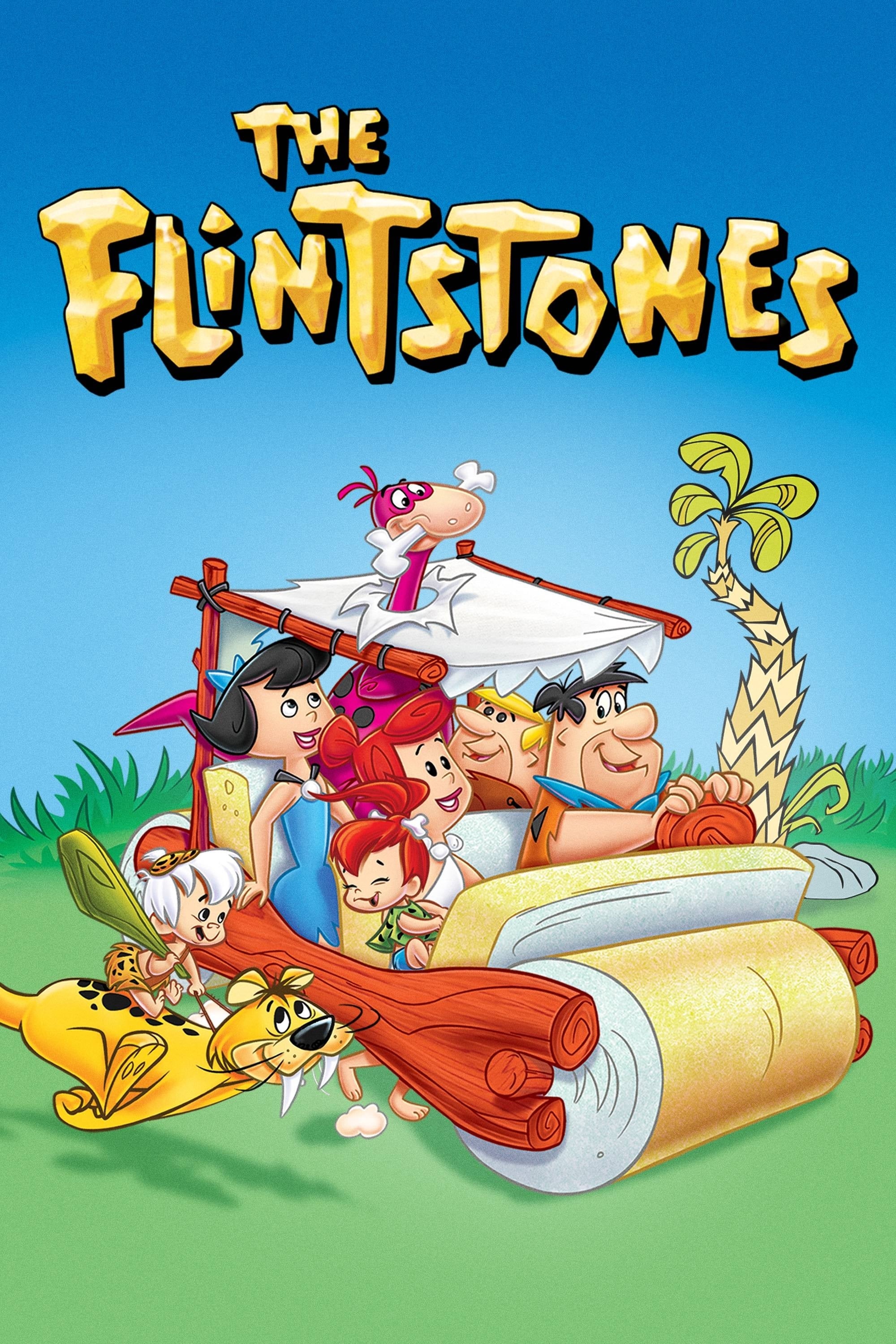
Contrary to its Stone Age setting, a popular theory argues that The Flintstones actually takes place in a distant, post-apocalyptic future. After a nuclear war destroyed modern civilization, humanity was forced to rebuild society using whatever they could find. This explains why they have technology that mimics modern conveniences.
Fred and Barney live in a world where they have cars powered by feet, newspapers carved into stone tablets, and dinosaurs that act as appliances. These are not inventions of a prehistoric society, but rather attempts by survivors to recreate the world they lost, using the materials and mutated animals available to them.
The Jetsons (1962-1963) – They Live in the Same Time as the Flintstones
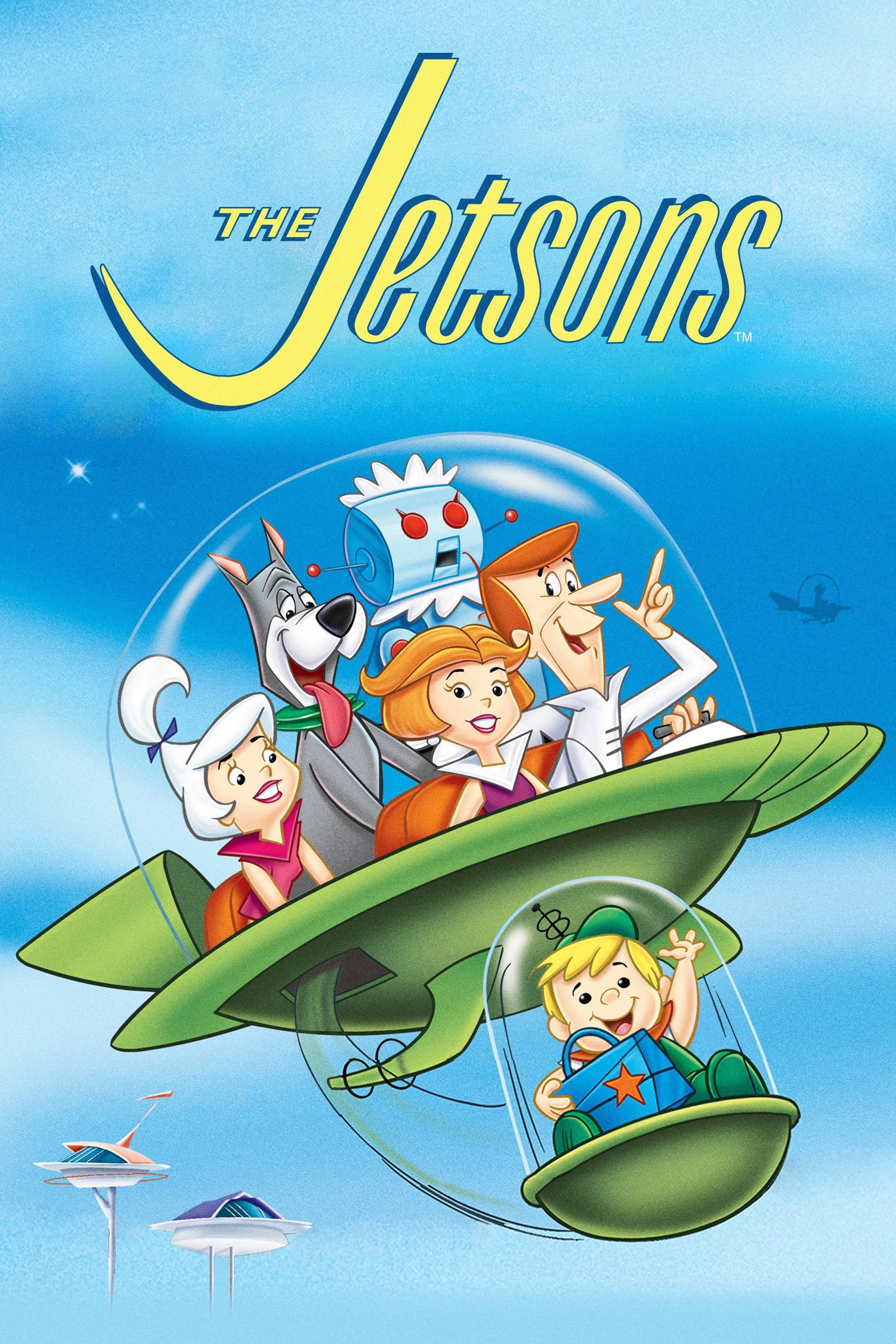
This theory connects two of Hanna-Barbera’s most famous cartoons, suggesting they take place at the same time. The Jetsons showcases a wealthy society living in cities high in the sky, filled with flying cars and robot maids. This is where the rich and technologically advanced part of humanity went to live.
Meanwhile, The Flintstones is what is happening on the surface of the Earth below. The “Stone Age” people are the ones left behind, living in the ruins of the old world. This explains why the two shows have a similar feel and art style, as they are two sides of the same futuristic, class-divided society.
SpongeBob SquarePants (1999-Present) – The Characters Represent the Seven Deadly Sins
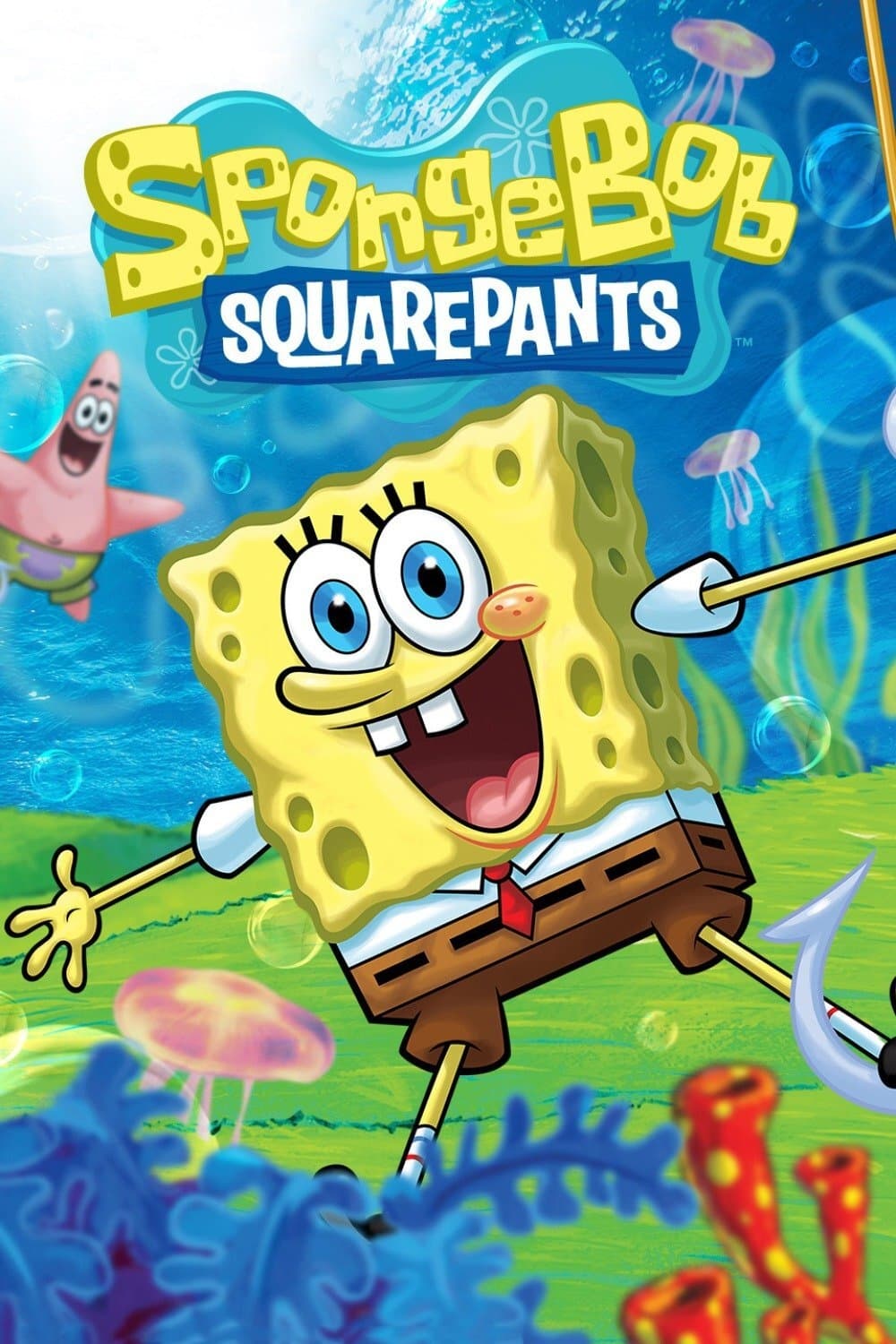
A surprisingly well-fitting theory suggests that the main characters of SpongeBob SquarePants are each based on one of the seven deadly sins. The evidence is quite direct. Patrick represents sloth, as he is lazy and lives under a rock. Squidward is wrath, due to his constant anger and frustration.
Mr. Krabs embodies greed because of his obsessive love of money. Plankton is envy, as he is always jealous of the Krusty Krab’s success. Sandy represents pride in her Texas heritage and scientific abilities. Gary, with his constant hunger for snail food, is gluttony. Finally, SpongeBob himself represents lust, not in a romantic sense, but in his excessive and overwhelming love for life and everyone he meets.
Ed, Edd n Eddy (1999-2009) – The Kids Are in Purgatory
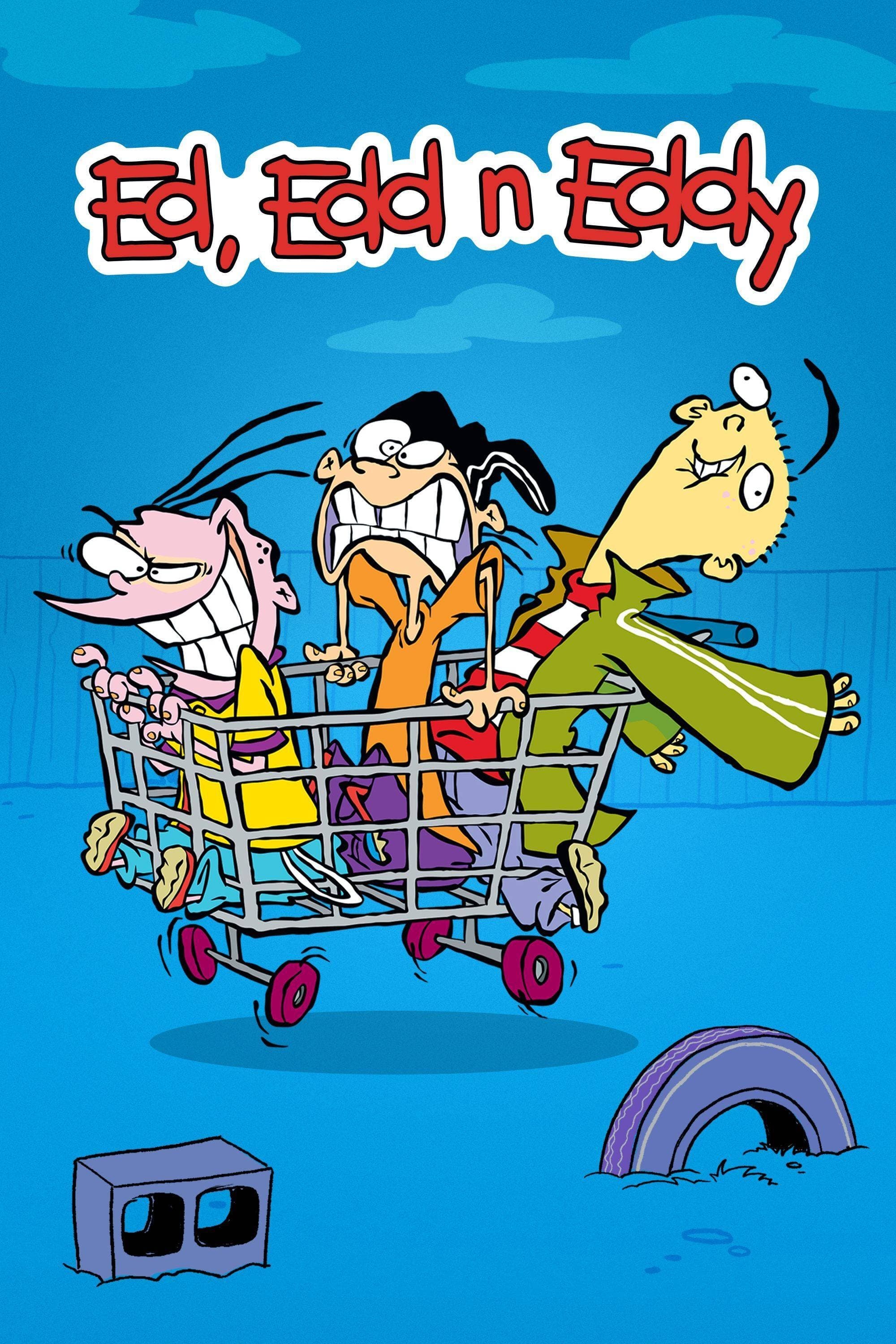
A dark theory about the Cartoon Network show suggests that all the children in the cul-de-sac are actually dead and living in a form of purgatory. This explains why there are no adults ever present in the show and why the kids seem to be stuck in a timeless summer, never aging or leaving their neighborhood.
Each character supposedly died in a different time period, which is reflected in their style and personality. Rolf, with his old-world customs, died in the early 20th century. Jonny, with his wooden plank friend, represents a simpler time. Eddy, with his obsession with money and scams, could be from the Great Depression or the greedy 1980s.
Courage the Cowardly Dog (1999-2002) – The Show Is a Dog’s-Eye View of the World
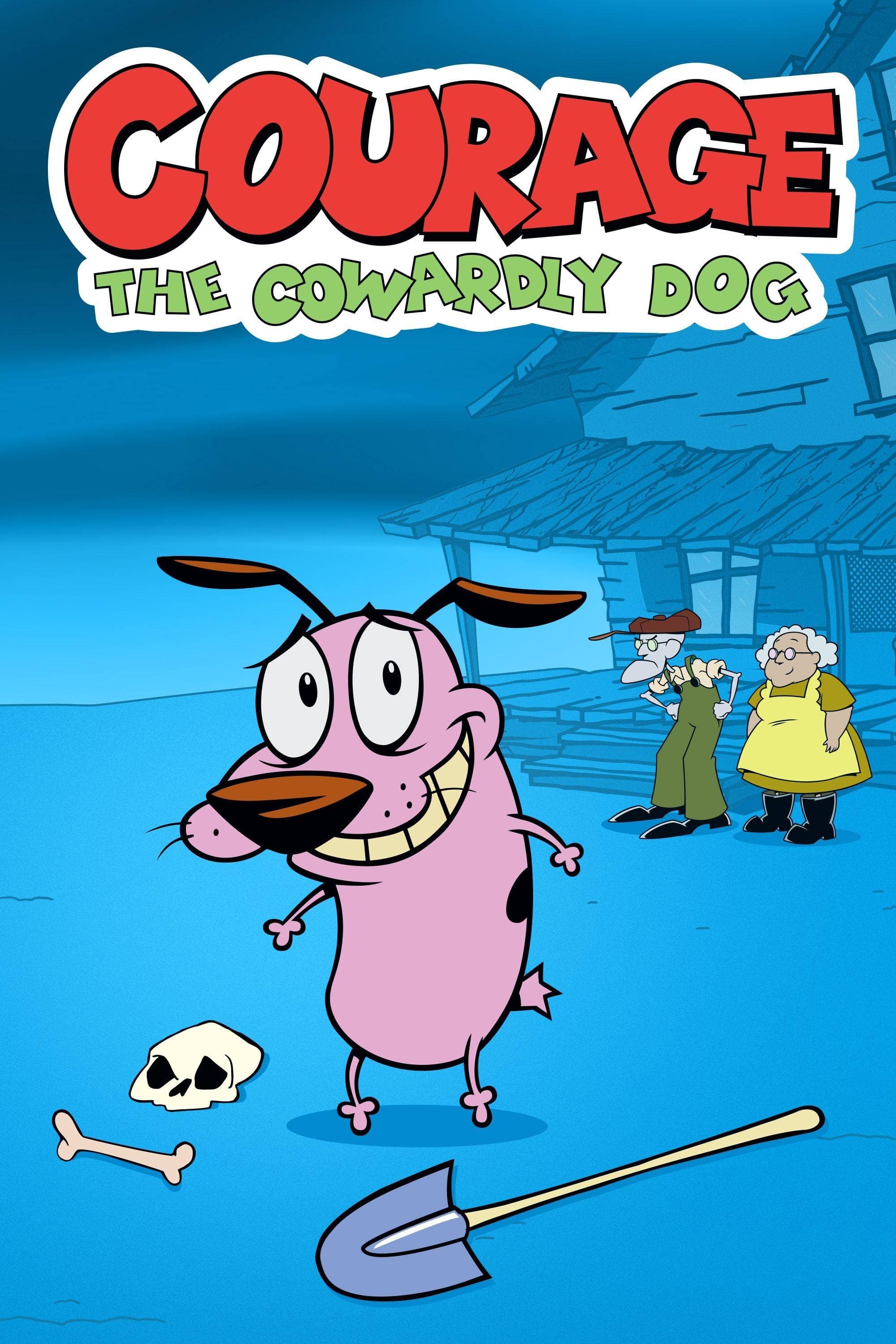
This theory offers a simple explanation for the terrifying and surreal world of Courage the Cowardly Dog. It proposes that there are no actual monsters or supernatural events. Instead, the show is presented from Courage’s perspective, and he is just an ordinary, easily frightened dog living in the middle of nowhere.
The “monsters” that visit the farm are just regular people or animals that seem scary to a small dog. For example, a menacing cat could just be a stray, and a creepy visitor might just be a mailman. Muriel and Eustace are too old to see things clearly, so the viewer is left with only Courage’s paranoid and exaggerated point of view.
Garfield (1988-1994) – Garfield Is Starving and Hallucinating
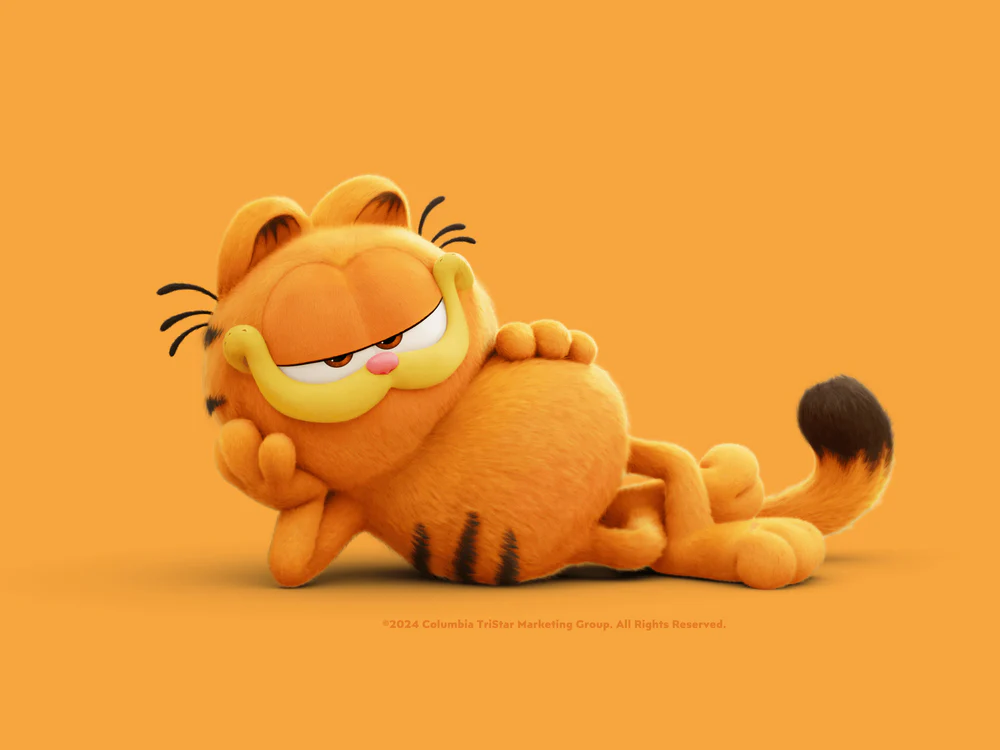
This sad theory originates from a series of Halloween-themed comic strips from 1989. In these strips, Garfield wakes up alone in an abandoned and boarded-up house. He calls for Jon and Odie, but they are gone. The strip ends with the narrator stating that Garfield is a lonely cat who is slowly starving to death and imagining his life with Jon.
Fans have taken this to mean that the entire Garfield series is a delusion. Garfield is a feral cat dying of hunger, and his funny, lasagna-filled life is a fantasy he created to cope with his grim reality. The comics and shows are the last, desperate daydreams of a dying animal.
Powerpuff Girls (1998-2005) – The Girls Are One Person
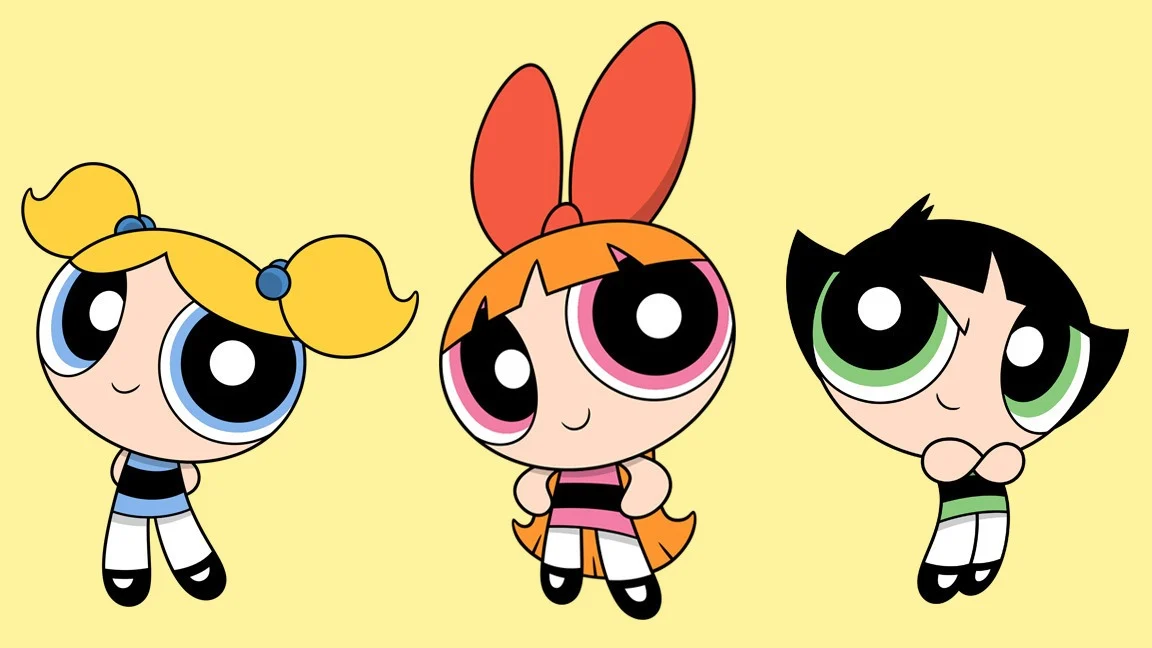
A fascinating psychological theory suggests that the three Powerpuff Girls are not sisters but rather the fragmented personalities of a single girl named Blossom. Bubbles represents her sweet and innocent side, while Buttercup embodies her tough and aggressive side. Blossom is the central personality trying to balance the two extremes.
This theory states that Professor Utonium is not their father but a therapist. The “fights” against villains are actually Blossom’s internal struggles with her personal demons and traumas. Each villain represents a different challenge she must overcome in her mind to become a whole and healthy individual.
Scooby-Doo, Where Are You! (1969-1970) – The Gang Are Draft Dodgers
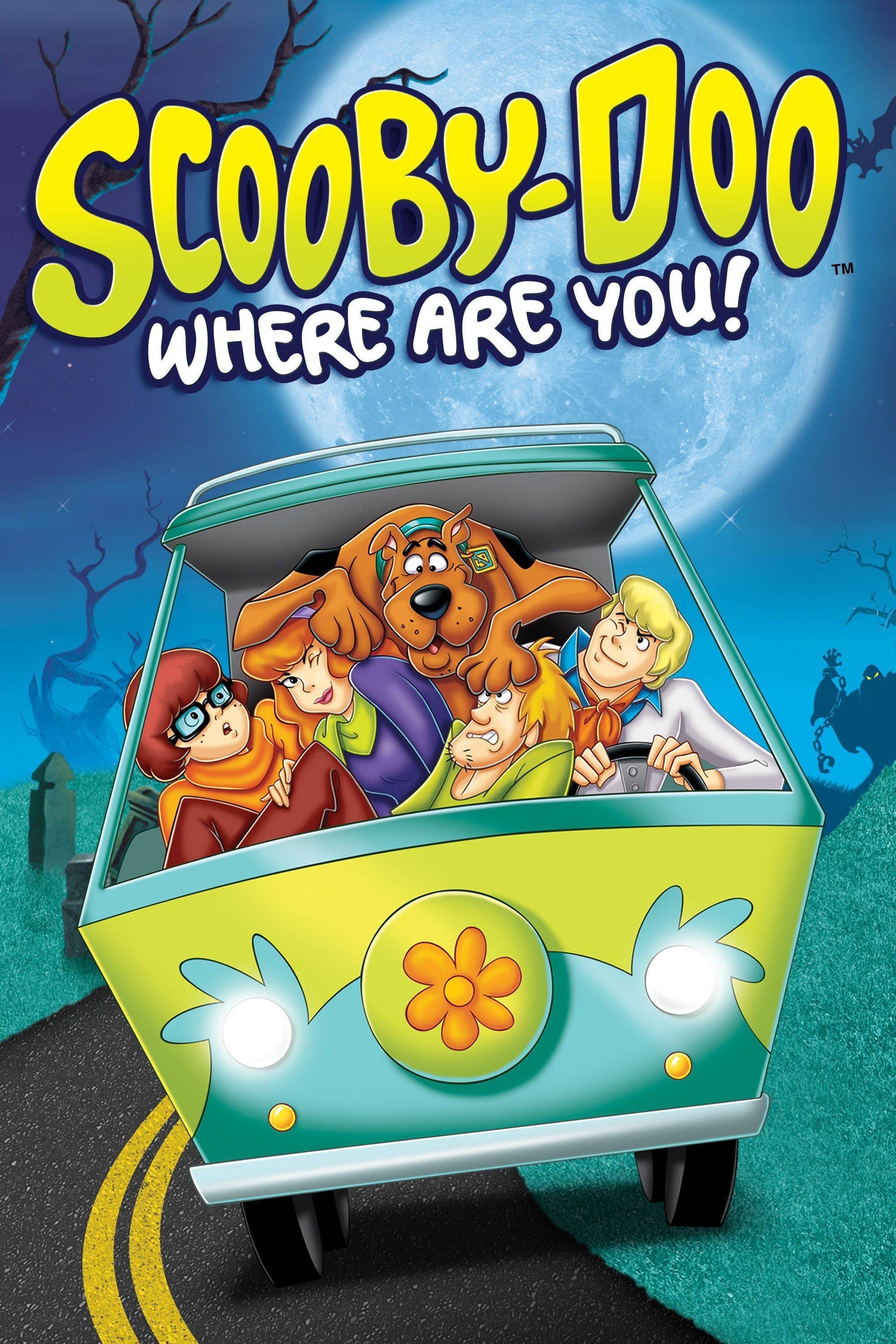
This theory places the original Scooby-Doo series in the context of the Vietnam War, which was happening when the show first aired. It suggests that the four teenagers are on the run from the military draft. This explains why they are constantly driving around the country in a van with no apparent destination or source of income.
The mysteries they solve are a way to pass the time and help people, but their main goal is to avoid being sent to war. Fred, the clean-cut leader, might be trying to maintain a sense of order, while Shaggy, the hippie, is clearly against the establishment. This adds a layer of political subtext to a seemingly innocent cartoon.
Toy Story (1995-2019) – Andy’s Mom Was Jessie’s Original Owner
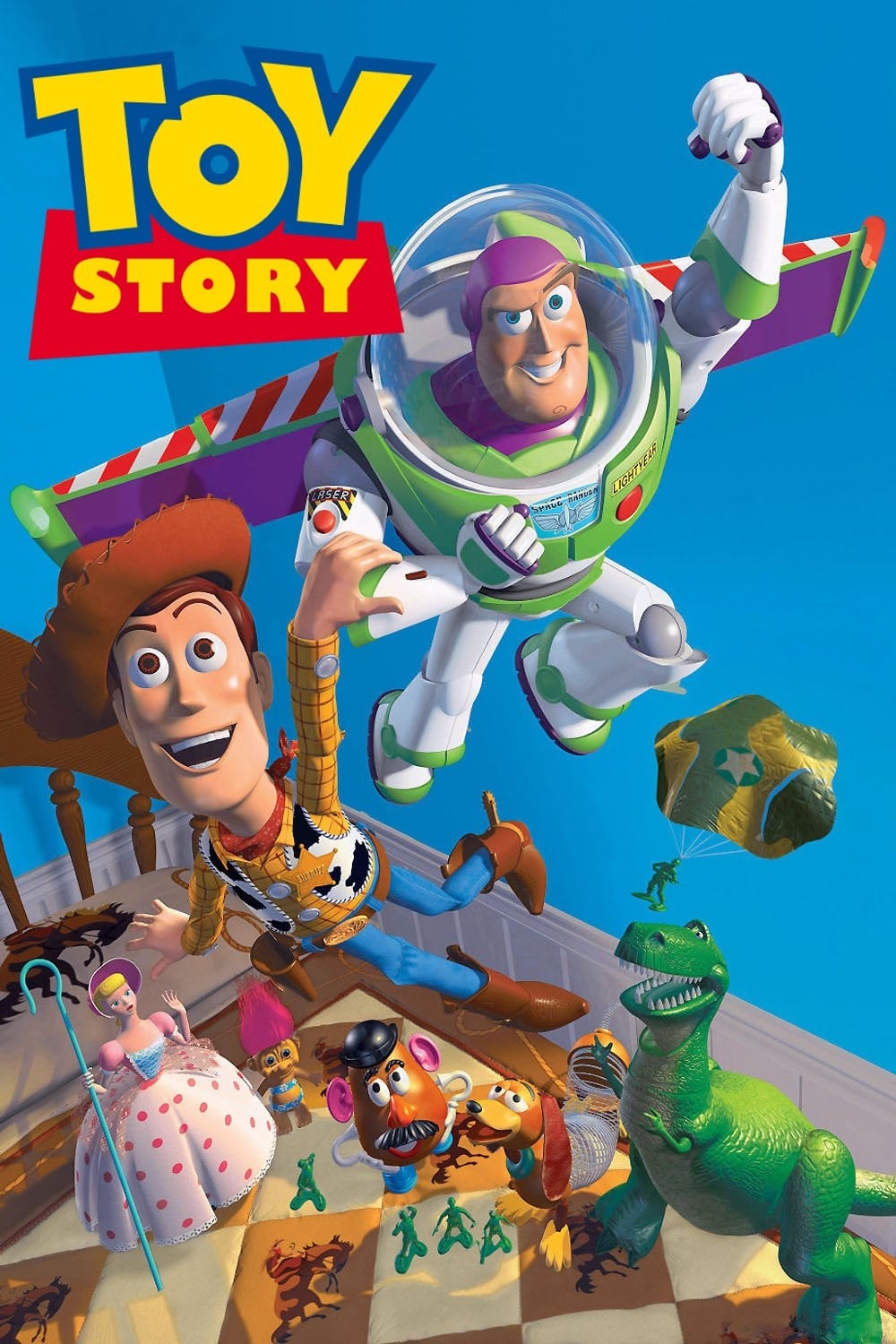
This theory connects the dots between different characters in the Toy Story universe. It suggests that Andy’s mom is the grown-up version of Emily, the little girl who owned and eventually gave away Jessie the cowgirl doll. This would mean she unknowingly bought her son a toy that looked just like one from her own past.
The main piece of evidence is the cowboy hat that Andy wears. It’s not a perfect match for Woody’s hat but is nearly identical to Jessie’s. The theory posits that this was Emily’s hat, which she kept and later passed on to her son, Andy. It creates a beautiful, unspoken connection across generations of toy owners.
Up (2009) – Carl Died in His Sleep
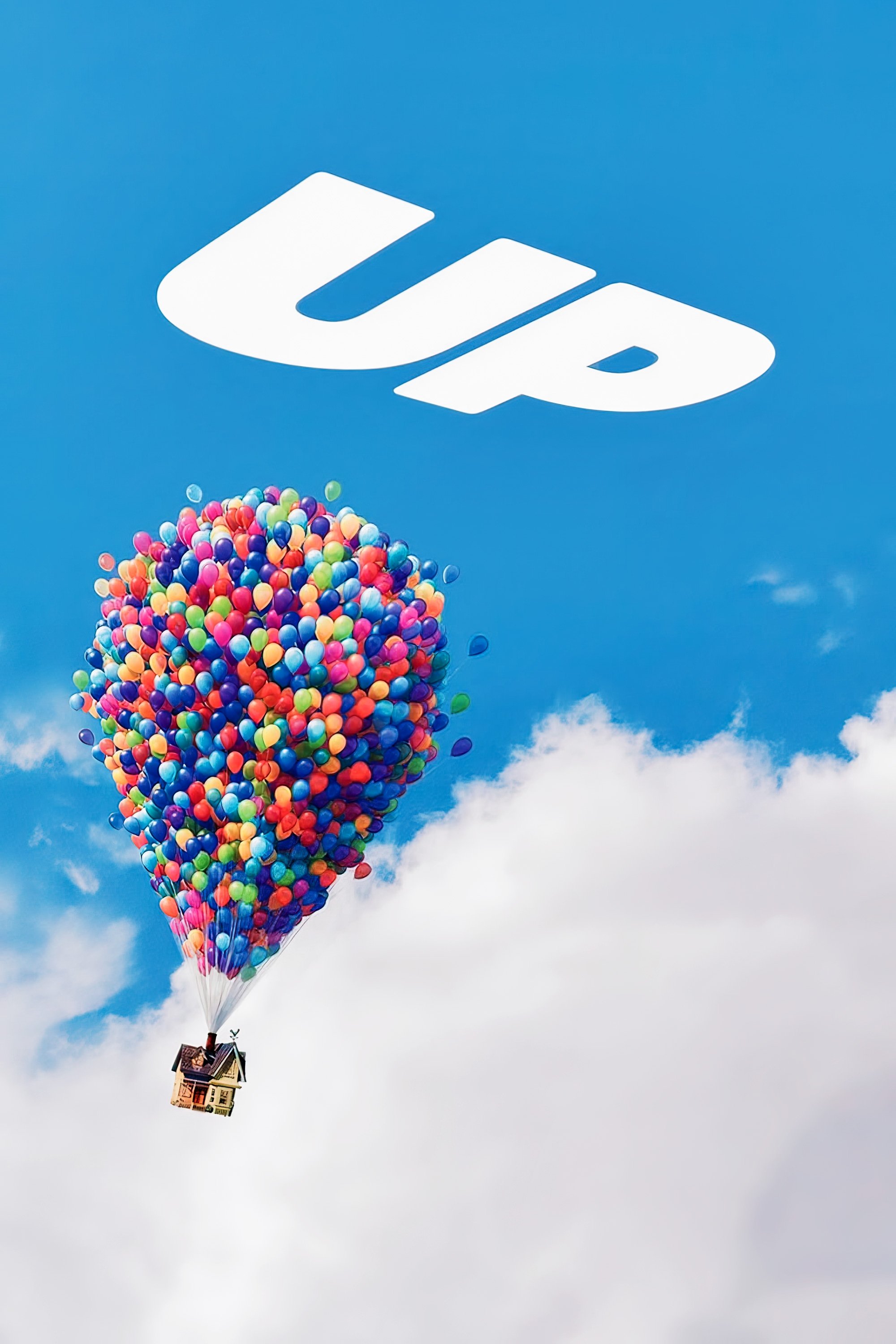
The opening montage of Up is famously heartbreaking, showing Carl’s life with his wife Ellie. This theory suggests that the story takes an even sadder turn right after her death. It proposes that Carl died in his sleep the night before he was supposed to be taken to the retirement home. The rest of the movie is his journey to the afterlife.
Russell, the young Wilderness Explorer, is a guardian angel trying to earn his wings by helping Carl. The flying house represents Carl’s transition from the earthly world to the great beyond. Paradise Falls is his version of heaven, the place he always wanted to go with his beloved wife.
Frozen (2013) – Tarzan Is Anna and Elsa’s Younger Brother
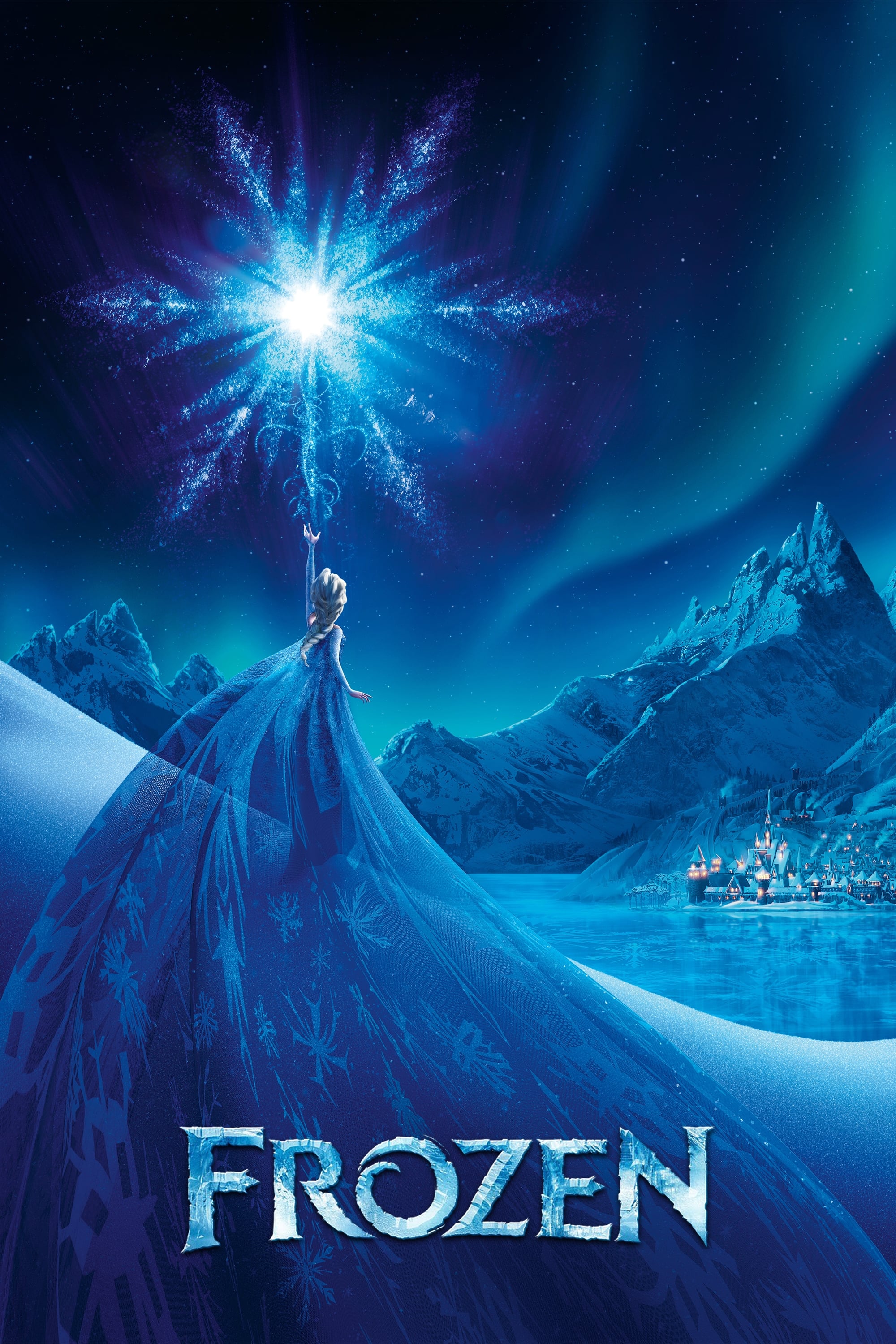
This theory connects Disney’s Frozen and Tarzan into one family saga. It starts with the King and Queen of Arendelle, who were thought to have died in a shipwreck. The theory suggests they survived and washed ashore on a deserted African island. They had a baby boy before they were tragically killed by a leopard.
That baby boy was found and raised by gorillas, growing up to be Tarzan. This would make him the long-lost brother of Anna and Elsa. The co-director of Frozen even commented on this theory, saying that in his mind, this is what happened to the royal parents, giving the idea some credibility.
Finding Nemo (2003) – Nemo Isn’t Real
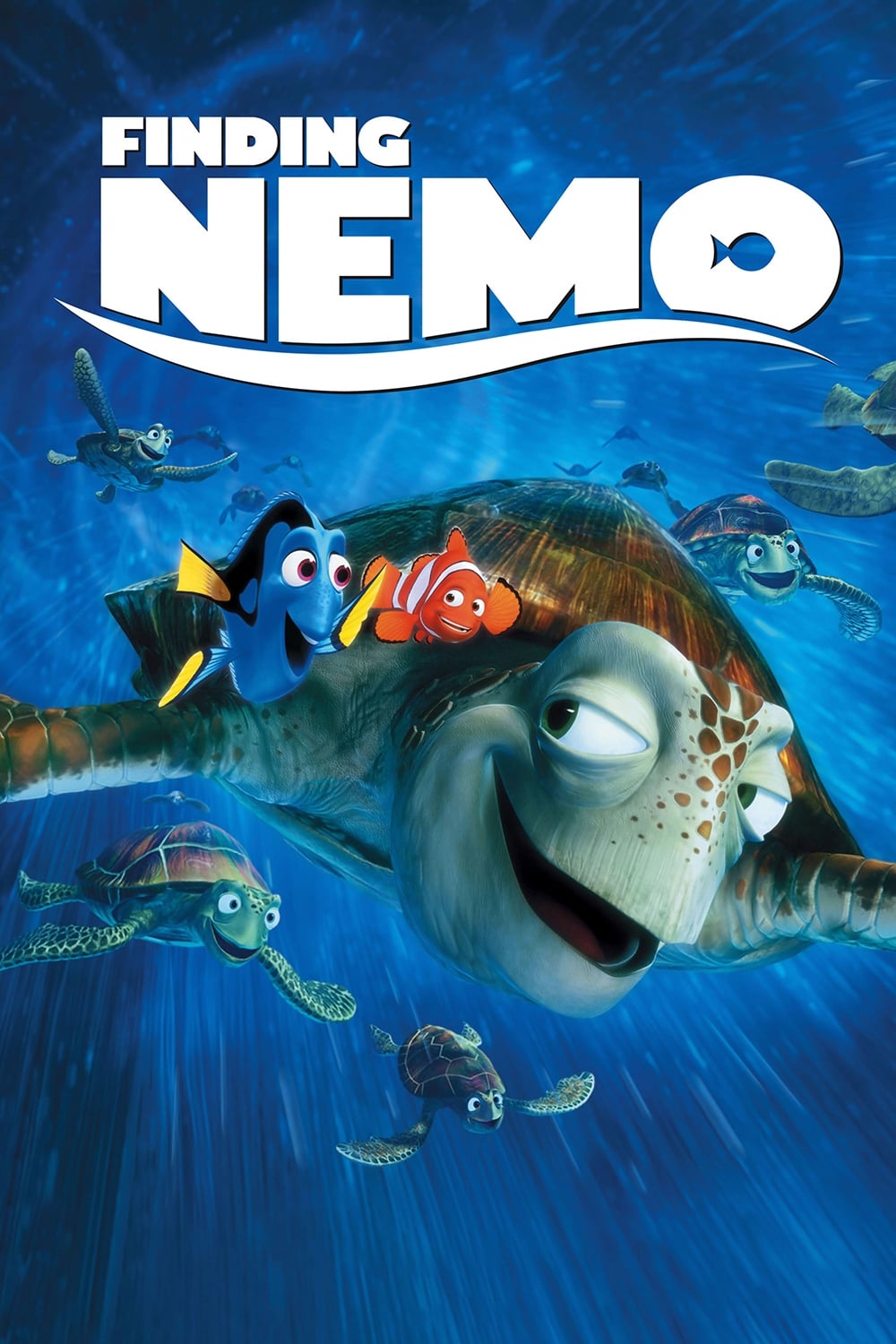
This theory reinterprets the heartwarming story of Finding Nemo as a tale about a father’s grief. It suggests that in the opening scene, the barracuda attack killed not only Marlin’s wife but also all of their eggs. Nemo, whose name means “no one” in Latin, never actually hatched.
The entire movie is an allegory for Marlin’s journey through the five stages of grief. He is in denial about the loss of his family and creates a fantasy son, Nemo, to cope with the trauma. His journey across the ocean is a psychological one, as he learns to accept his loss and finally let go.
Monsters, Inc. (2001) – Boo Is the Witch from Brave
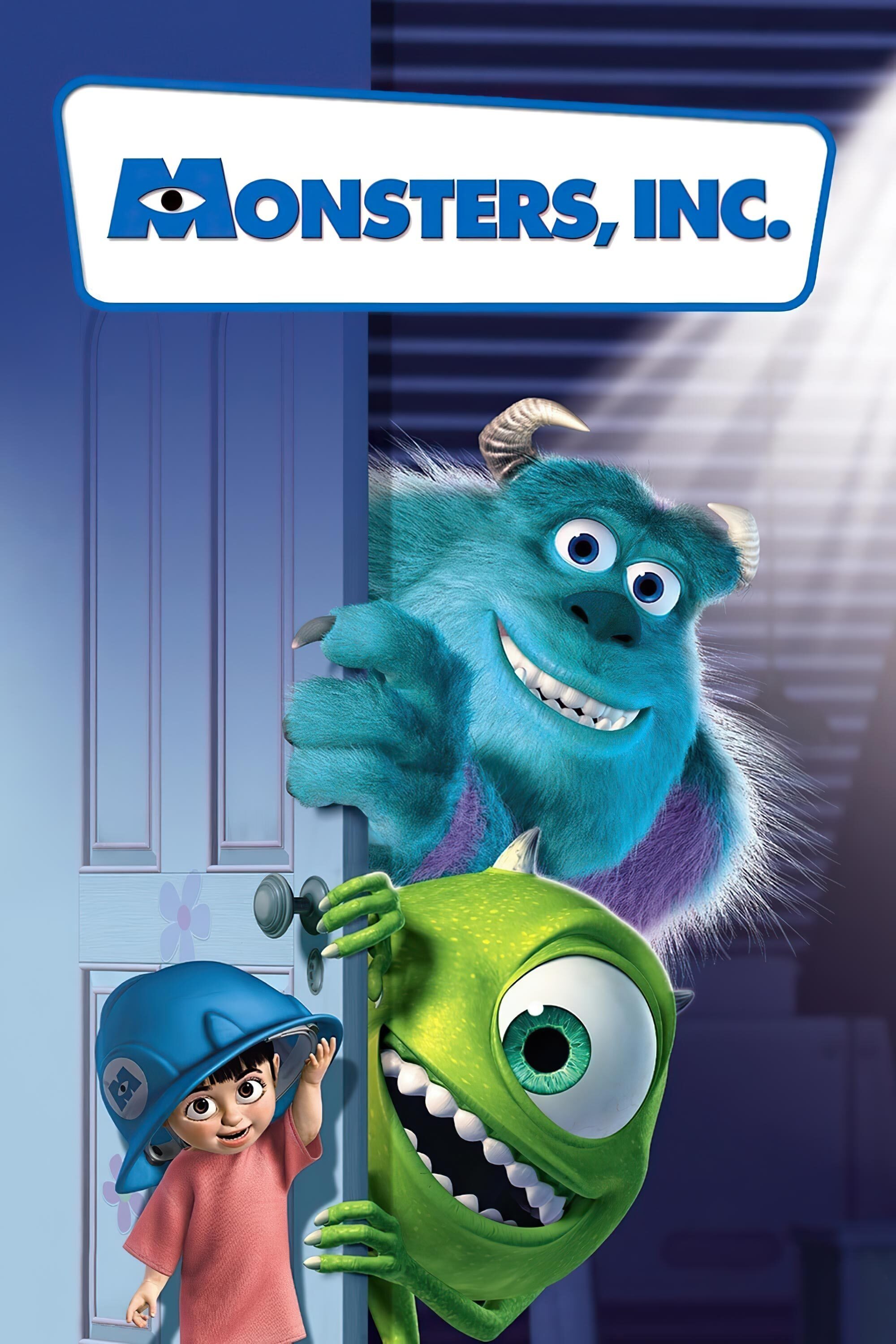
A famous fan theory known as the “Pixar Theory” connects all the Pixar movies, and a key part of it is that Boo from Monsters, Inc. grew up to become the witch from Brave. After Sulley left her, Boo spent her life trying to rediscover the magic of the monster world and how to travel through doors.
She eventually figures out how to use magic to travel through time and space, which is how she ends up in medieval Scotland. The evidence is in her workshop. There is a carving of Sulley on a piece of wood, and for a brief moment, you can see a wooden model of the Pizza Planet truck, connecting her to the wider Pixar universe.
Game of Thrones (2011-2019) – Varys Is a Merman
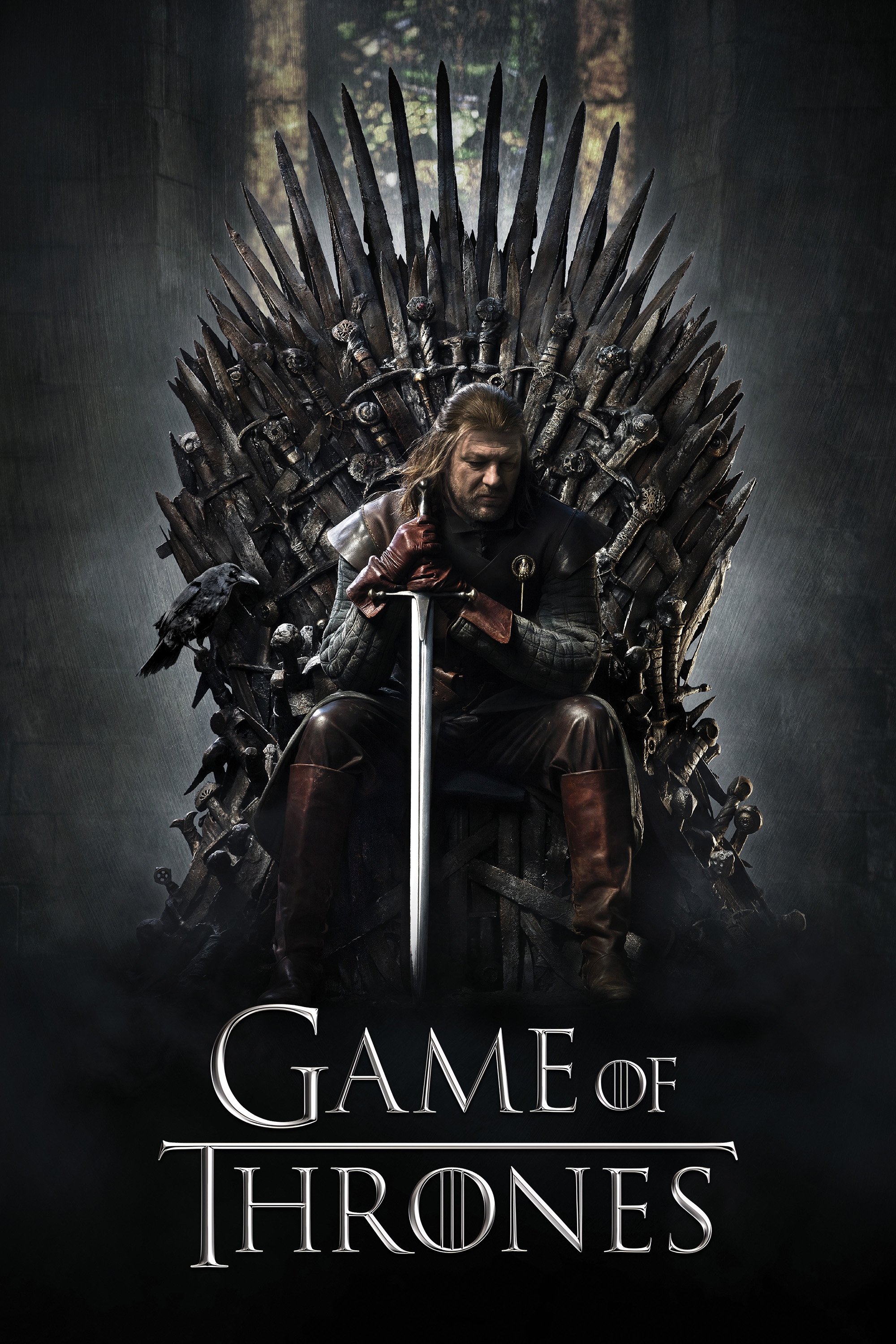
A truly wild theory from the world of Game of Thrones suggests that the master of whispers, Varys, is not human but a merman. This type of creature, known as a “merling” in the books, is rumored to exist in the world of Westeros. The theory attempts to explain Varys’s mysterious background and motivations.
Proponents of this theory point to his lack of a family history and his ability to move around unseen. They also question why he always wears long robes that cover his lower body. The idea is that he is working to disrupt the politics of the land-dwellers to benefit the creatures of the sea, which would be an incredible twist.
Lost (2004-2010) – The Island Was Not Purgatory
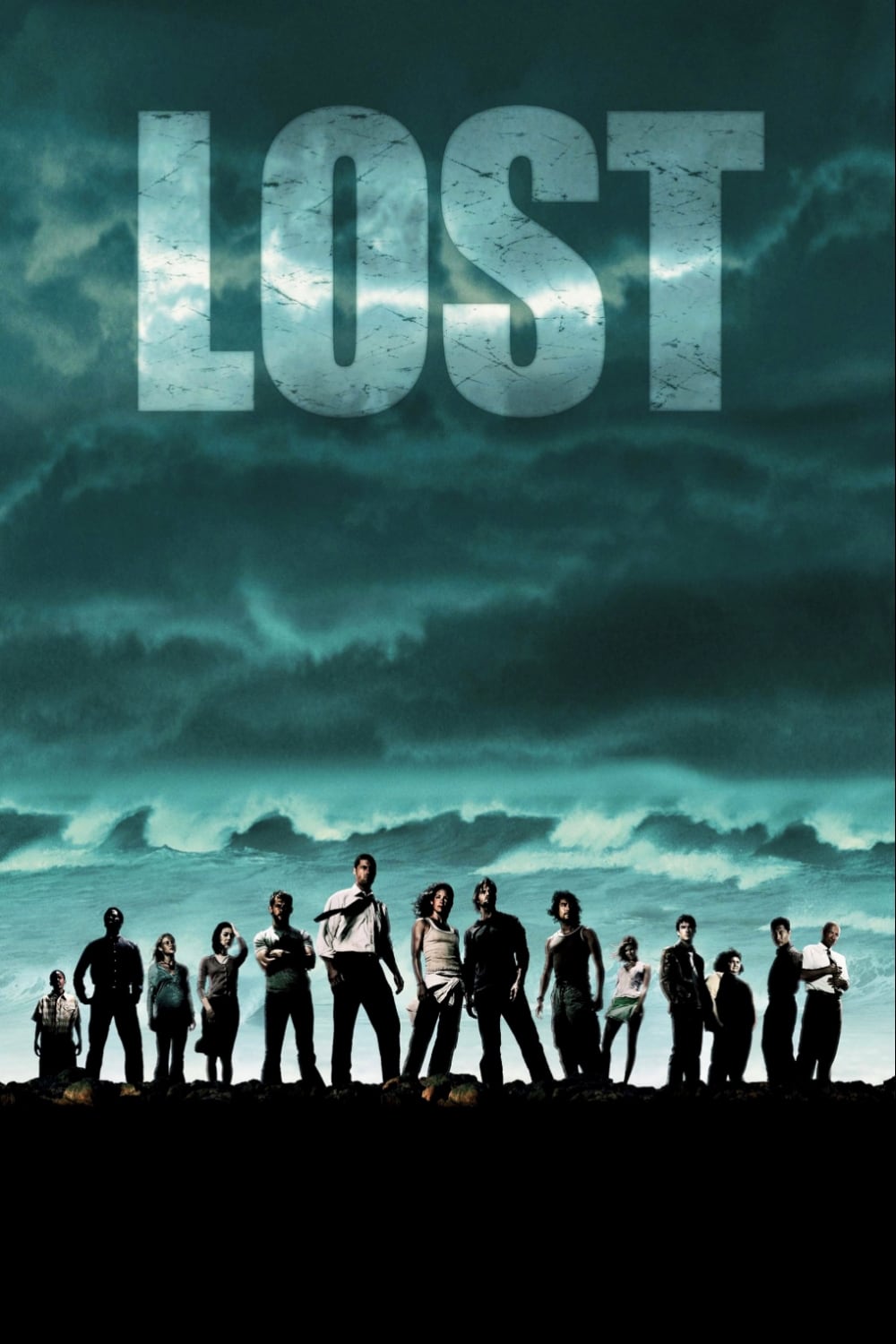
One of the most common misinterpretations of the Lost finale is that the characters were dead the whole time and the island was purgatory. The show’s creators have repeatedly denied this, but the final scenes showing the characters reuniting in a church-like setting confused many viewers.
The truth, as confirmed by the showrunners, is that the events on the island really happened. The characters were alive and their struggles were real. The “flash-sideways” timeline seen in the final season was a form of purgatory, a place the characters created after they had all died at different times to find each other and move on together.
Doctor Who (1963-Present) – The Doctor’s Name Is a Secret He Can Never Reveal
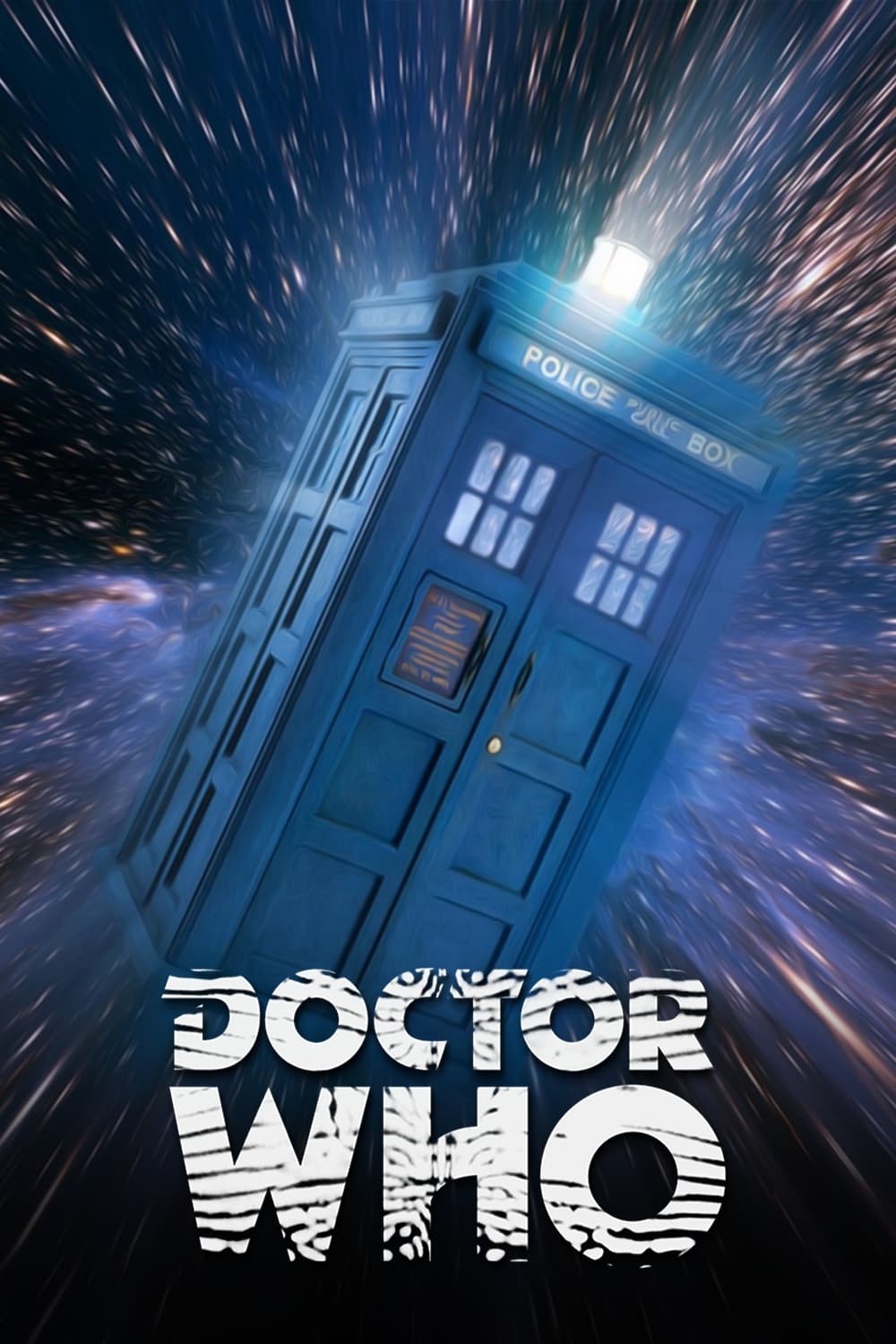
Throughout the long history of Doctor Who, the main character’s true name has been a closely guarded secret. A major theory suggests that his name is not just unknown but is a dangerous piece of information that could unravel time itself. This is why he goes by “The Doctor” as a promise he made to the universe.
The theory is that his name is a key to the Time Lock on the Time War, and speaking it could release the horrors of that conflict back into the universe. It turns his name from a simple piece of trivia into the most important and dangerous secret he carries, adding weight to his lonely journey.
Star Trek (1966-Present) – The Federation Is a Dystopian Society
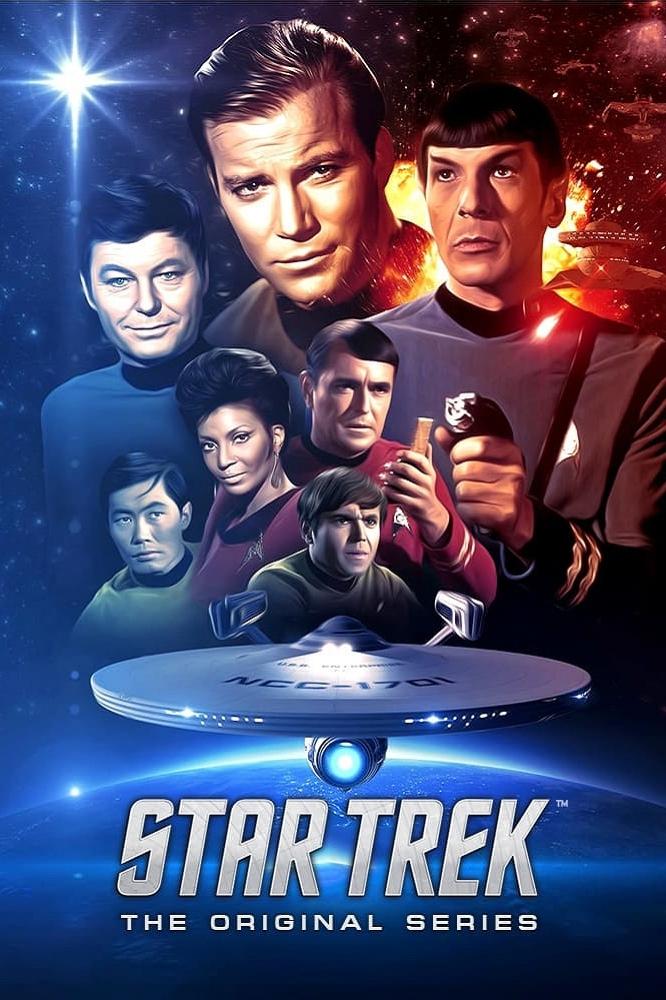
While the United Federation of Planets is portrayed as a utopian, post-scarcity society, some fans believe it is actually a benevolent dictatorship with a dark side. In this view, the Federation enforces a specific, human-centric culture on all its member worlds, subtly erasing their unique identities in the name of peace and progress.
This theory argues that the lack of currency and the focus on collective good have created a conformist society where individual ambition is stifled. Starfleet, which appears to be an organization of exploration, is actually a military force designed to expand and protect the Federation’s ideological borders, even if it means clashing with anyone who disagrees with their way of life.
Buffy the Vampire Slayer (1997-2003) – Buffy’s Entire Adventure Was a Hallucination
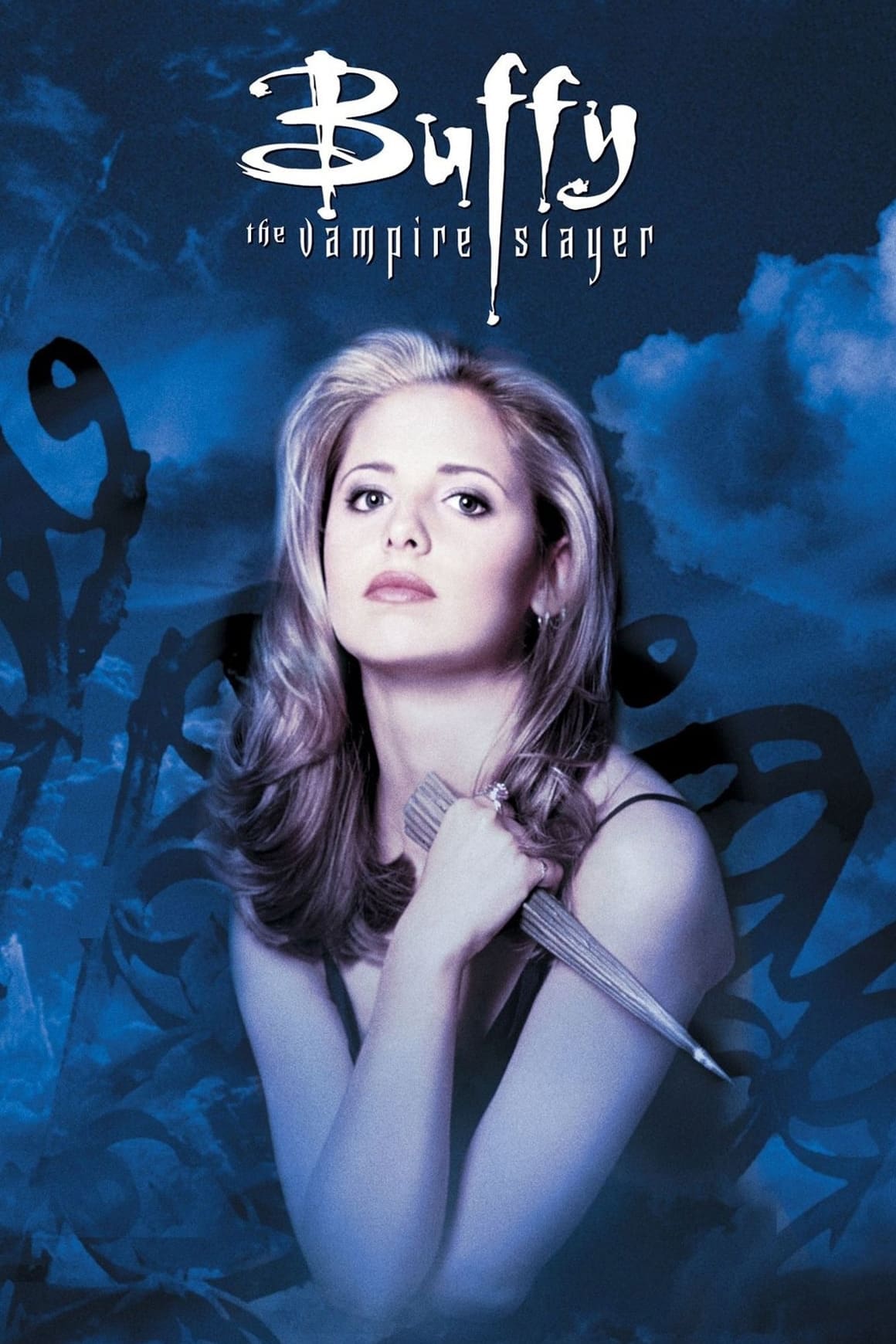
This theory comes directly from a Season 6 episode where Buffy is led to believe that her life as a slayer is a delusion. In the episode, she is told she has been in a mental institution since she was a teenager, and her friends and family are just fellow patients and doctors. She is offered a “cure” to escape her fantasy world.
Although she ultimately rejects this reality and returns to her life in Sunnydale, the theory suggests that the institutionalized version was the truth. Everything the audience saw—vampires, demons, and her heroic struggles—was a complex hallucination created by a very sick young woman to cope with her mental illness.
Mad Men (2007-2015) – Don Draper Becomes D.B. Cooper
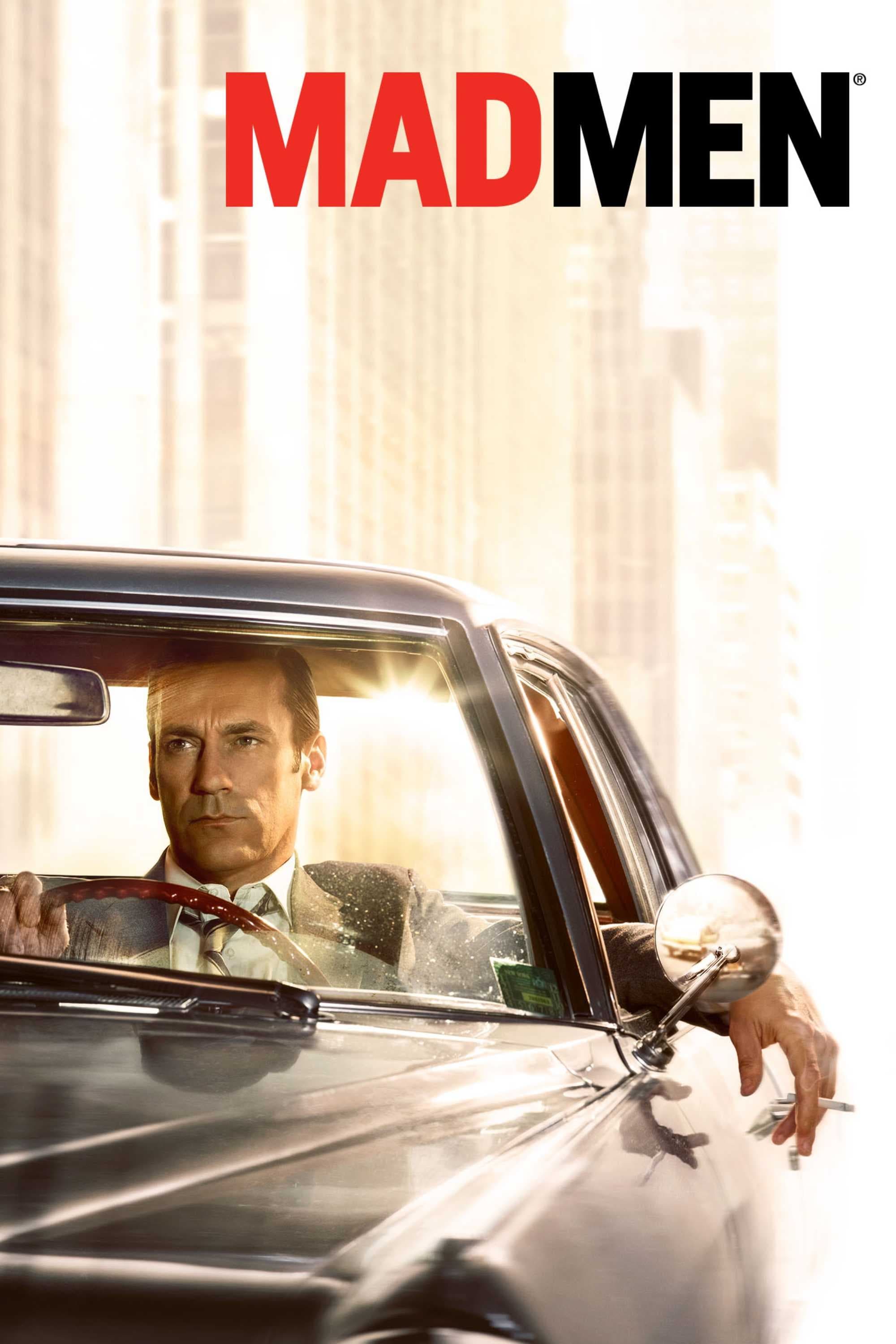
This theory connects the enigmatic advertising executive Don Draper with the real-life mystery of D.B. Cooper, an unidentified man who hijacked a plane in 1971 and parachuted out with a ransom. Fans have suggested that after the series finale, Don Draper, who has a history of changing his identity, eventually becomes this mysterious figure.
The timeline fits, as the finale is set in 1970. Don is a veteran, has a history of disappearing, and is comfortable creating new personas. The theory posits that he grows tired of the advertising world one last time, fakes his death in a spectacular way, and escapes to start yet another new life, becoming a part of American folklore.
The Walking Dead (2010-2022) – The Show Is a Prequel to Fallout
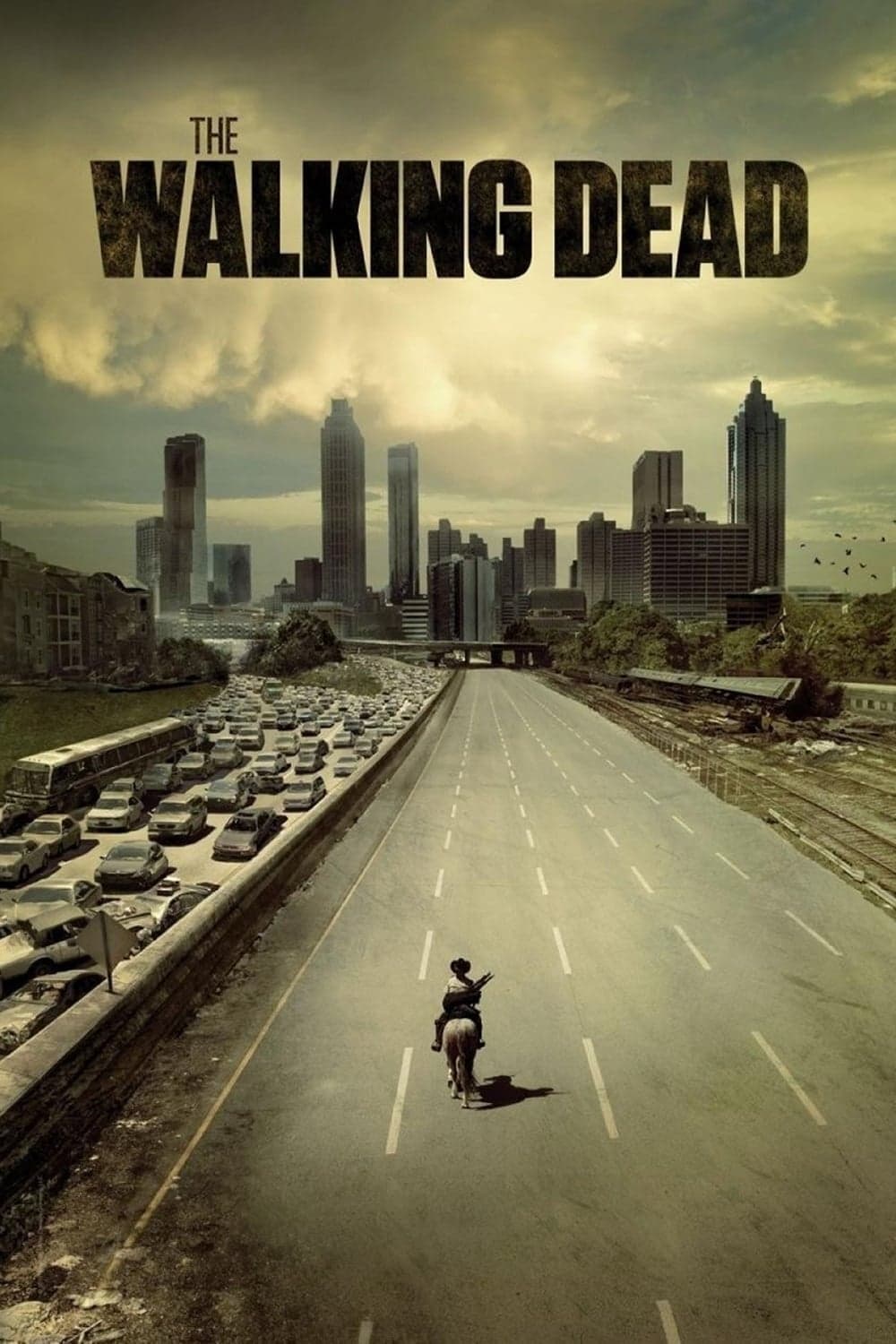
A fascinating theory links the zombie apocalypse of The Walking Dead to the post-nuclear world of the Fallout video game series. It suggests that the walker virus was an early experiment in bio-weaponry, possibly a version of the Forced Evolutionary Virus (FEV) from the games. The widespread chaos it caused was a prelude to the Great War that created the Fallout wasteland.
This would mean that the survivors in The Walking Dead are living in the final years before the bombs dropped. The zombies are just one of many horrors that will eventually lead to the world seen in the games. It connects two popular post-apocalyptic franchises in a way that makes sense within their established lores.
Seinfeld (1989-1998) – The Four Main Characters Are in Hell
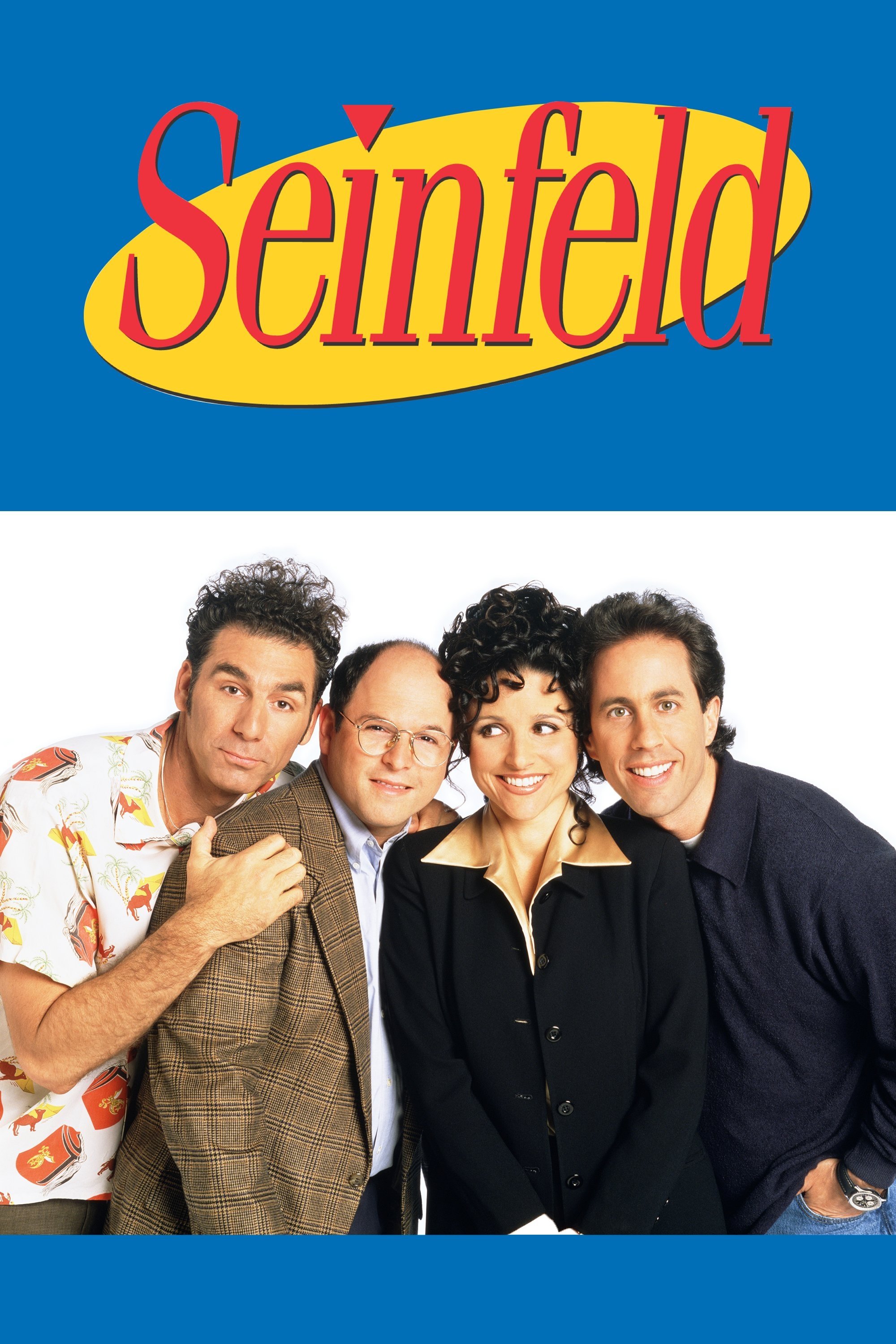
The finale of Seinfeld was famously divisive, showing the four main characters imprisoned for their selfishness. A darker interpretation of the entire series suggests that they were in a form of purgatory or hell all along. Jerry, Elaine, George, and Kramer are forced to endure an eternity of pointless conversations and mundane frustrations as punishment for their sins.
Their “apartment building” is their prison, and the various annoying people they encounter, like Newman, are demons sent to torment them. This theory explains why they never seem to grow as people or find lasting happiness. Their lives are a cyclical loop of minor irritations and personal failures, which is their eternal punishment.
The Flintstones (1960-1966) – The Great Gazoo Caused the Apocalypse
Building on the theory that The Flintstones is set in the future, this idea suggests that the Great Gazoo, the little green alien, was responsible for the nuclear war that destroyed modern society. He was exiled to Earth from his home planet as a punishment, and the crime he committed was destroying a civilization with a doomsday device.
His punishment was to be sent to the primitive world he created. This explains why he is stuck with Fred and Barney, two “dumb-dumbs,” as a constant reminder of the intelligence he wiped out. It turns a silly side character into the most tragic and villainous figure in the entire series.
Cheers (1982-1993) – Sam Malone Is a Ghost
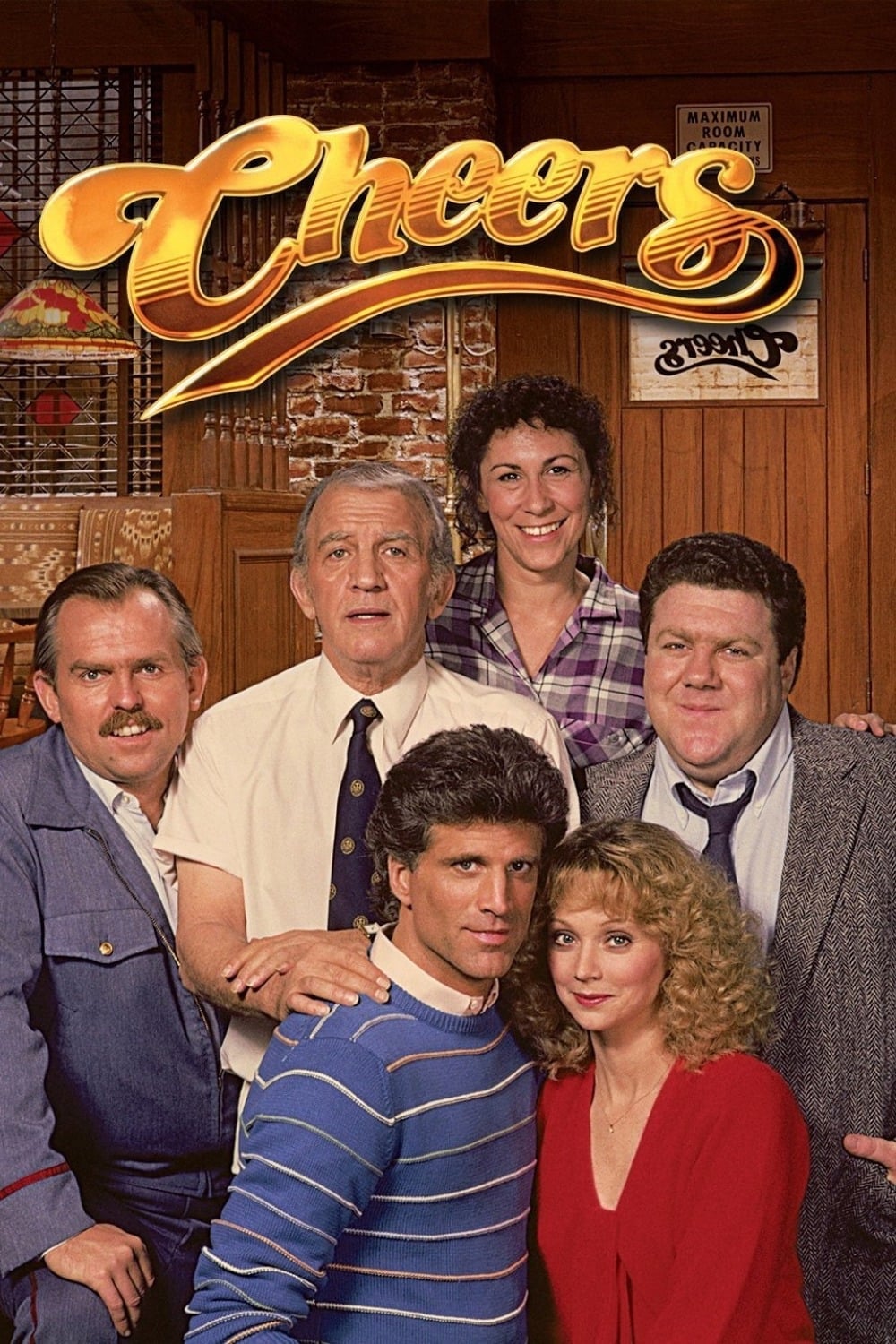
This theory re-imagines the friendly Boston bar Cheers as a much spookier place. It suggests that Sam Malone, the owner and former baseball star, actually died by suicide years before the show began, driven to despair by his alcoholism and failed career. The bar is his personal purgatory, and he is a ghost tied to the location.
All the regular patrons of the bar are also ghosts, stuck in a loop of telling the same jokes and stories every night. This is why the bar seems to exist in a timeless bubble, where everyone knows your name because they are all permanent residents of the afterlife.
Home Alone (1990) – Kevin McCallister Grew Up to Be Jigsaw from Saw
A dark and twisted theory connects the family-friendly Christmas movie Home Alone with the gruesome Saw horror franchise. It proposes that Kevin McCallister, the resourceful kid who loves setting elaborate traps, grew up to be John Kramer, the villain known as Jigsaw.
The theory points to Kevin’s fascination with creating painful and intricate contraptions to punish the “Wet Bandits.” It argues that this was an early sign of his development into Jigsaw, who creates similar “games” to test people’s will to live. The trauma of being abandoned by his family is said to be the psychological trigger for his transformation.
It’s a Wonderful Life (1946) – Bedford Falls Is a Miserable Place
The classic Christmas movie It’s a Wonderful Life shows George Bailey how terrible his town would be if he had never been born. The alternate reality, called Pottersville, is depicted as a sleazy and unhappy place. However, a cynical theory argues that Pottersville is actually a more vibrant and entertaining town than the sleepy Bedford Falls.
This theory suggests that George Bailey’s presence actually held the town back, keeping it in a state of quiet desperation. Pottersville has nightlife, music, and excitement, while Bedford Falls is presented as wholesome but ultimately boring. It reframes George not as a hero, but as a man who prevents his community from having any fun.
Grease (1978) – Sandy Drowned at the Beach
This popular fan theory puts a dark spin on the classic musical Grease. It suggests that Sandy did not survive her day at the beach with Danny at the beginning of the movie. The song “Summer Nights” describes Danny saving her from drowning, but the theory argues he failed. The rest of the movie is Sandy’s coma dream as she dies.
This explains the increasingly surreal and dreamlike nature of the film, culminating in the finale where the characters’ car flies into the sky. This final scene is not just a quirky musical number but represents Sandy finally ascending to heaven. It turns a happy love story into a tragic fantasy.
Ferris Bueller’s Day Off (1986) – Ferris Is a Figment of Cameron’s Imagination
This theory reinterprets the classic teen comedy by suggesting that Ferris Bueller is not a real person. Instead, he is a figment of the imagination of his anxious and chronically ill best friend, Cameron Frye. Ferris represents the bold, confident, and carefree person that Cameron wishes he could be.
The entire “day off” is a fantasy playing out in Cameron’s head as he lies sick in bed. Sloane, Ferris’s girlfriend, is a girl Cameron has a crush on but is too shy to talk to. The adventure is a mental journey for Cameron to finally stand up to his overbearing father, which is why the destruction of his dad’s precious car is the climax of the story.
The Big Lebowski (1998) – Donny Was Never Really There
In the cult classic film The Big Lebowski, the character Donny is constantly being told to “shut up” by Walter. A fan theory suggests this is because Donny isn’t real. He is the ghost of one of Walter’s friends who died in Vietnam, and only Walter can see and hear him.
This explains why The Dude rarely interacts with Donny and why Walter is the one who is so deeply affected by his death at the end of the movie. Donny’s ashes are in a coffee can, a cheap container for the remains of a forgotten soldier. The whole movie becomes a story about Walter’s trauma and his inability to let go of his past.
Star Wars (1977-Present) – Jar Jar Binks Was a Powerful Sith Lord
A long-running and surprisingly detailed theory argues that the clumsy and annoying character Jar Jar Binks was secretly a master of the dark side of the Force. His foolish behavior was a clever act to hide his true power and influence. He used his apparent incompetence to manipulate events from behind the scenes.
The theory points to his strange, balletic movements during fights as a form of martial arts and his “lucky” survival as evidence of Force powers. Most importantly, he was the one who proposed giving emergency powers to Chancellor Palpatine, the act that directly led to the creation of the evil Empire. This would make Jar Jar one of the most successful villains in the entire saga.
James Bond (1962-Present) – “James Bond” Is a Codename
The James Bond film series has featured multiple actors in the lead role over many decades. A popular theory explains this by suggesting that “James Bond” is not a specific person but a codename assigned to different agents of MI6. This is why the character can change his face and personality but M and Q often remain the same.
This would mean that each actor is playing a different man who has taken on the “007” identity. It explains the floating timeline of the series and the character’s ability to remain young and active for over 60 years. When one Bond retires or is killed, another agent is chosen to take his place and carry on the name.
The Dark Knight (2008) – The Joker Is a Misguided Hero
This theory re-examines the role of the Joker in The Dark Knight, proposing that he was not the agent of chaos he appeared to be, but a radical hero trying to save Gotham from corruption. In his own twisted way, he was trying to expose the deep-seated rot in the city’s institutions and force Batman to break his one rule.
The Joker targets the mob’s money, exposes corrupt police officers, and tries to show the citizens of Gotham that their sense of order is a fragile illusion. He creates scenarios to prove that everyone is corruptible, and his ultimate goal is to rid the city of organized crime and the vigilante who enables it, even if his methods are extreme.
Westworld (2016-2022) – The Park Is Not on Earth
While the show implies that the Westworld park is located on Earth, a compelling theory suggests it is actually on another planet. This would explain the extreme level of secrecy, the vast and isolated landscape, and why it is so difficult for information or people to get in and out of the park.
Building such a massive and technologically advanced facility would be easier on a world with different regulations and no prying eyes. It would also explain why the corporation, Delos, is so powerful; they are not just running a theme park but are pioneering off-world colonization. This makes their goals much bigger and more sinister than simple entertainment.
Firefly (2002) – The Earth Was Used Up and Abandoned
The beloved sci-fi series Firefly is set in a future where humanity has left “Earth-that-was” and colonized a new star system. The show never explains exactly what happened to our original home planet. A common theory is that it was not destroyed by a catastrophe but was simply used up by humanity’s greed and consumerism.
This adds a layer of social commentary to the show’s backstory. The powerful, centralized Alliance is repeating the same mistakes that led to Earth’s demise, while the outer-rim settlers, like the crew of Serenity, are trying to live a more sustainable and independent life. It makes their struggle not just about freedom but about avoiding humanity’s past failures.
Dexter (2006-2013) – The Entire Series Is Dexter’s Imagination
This theory provides an alternate explanation for the life of the serial killer Dexter Morgan. It suggests that Dexter never actually killed anyone. He is a deeply disturbed individual who fantasizes about being a vigilante killer to cope with his “dark passenger.” His job as a blood-spatter analyst gives him the details he needs to create his elaborate stories.
All of the murders he “commits” are crimes he is investigating. He imagines himself as the killer, creating a narrative where he is in control and delivering justice. This would explain how he gets away with so many crimes for so long and why his life seems to be a series of perfectly timed dramatic events.
The Good Place (2016-2020) – The Main Characters Are All Aspects of One Person
The Good Place is a show about four flawed humans navigating the afterlife. A theory suggests that Eleanor, Chidi, Tahani, and Jason are not separate people but are all different aspects of one person’s consciousness undergoing a form of therapy or judgment.
Eleanor represents selfishness, Chidi is indecisiveness, Tahani is vanity, and Jason is impulsiveness. Michael and Janet are the therapists or guides helping this single soul integrate its fractured parts to become a better, more complete person. The entire show is a metaphorical journey of self-improvement taking place in one person’s mind.
Black Mirror (2011-Present) – All Episodes Take Place in the Same Universe
Black Mirror is an anthology series, with each episode telling a standalone story about the dangers of technology. However, a popular and largely confirmed theory states that all of the episodes exist within a single, shared universe.
The evidence comes from numerous easter eggs and recurring references scattered throughout the series. A news ticker in one episode might mention a character or company from another. A song that was important in one story might be heard on the radio in a different one. This suggests a single timeline where all of these terrifying technological advancements eventually happen.
Rick and Morty (2013-Present) – Rick Knows He Is in a TV Show
Rick Sanchez from Rick and Morty is the smartest man in the universe, and this theory suggests his intelligence goes one step further: he is fully aware that he is a character in a television show. This explains his nihilistic attitude, his constant breaking of the fourth wall, and his ability to manipulate events in ways that seem to defy logic.
His catchphrase, “Wubba Lubba Dub Dub,” which is later revealed to mean “I am in great pain,” could be a cry for help from a character who knows his existence is a form of entertainment for others. His alcoholism and self-destructive behavior are his ways of coping with the meaningless of his fictional reality.
The Handmaid’s Tale (2017-Present) – The Entire Story Is a Historical Reconstruction
The TV series The Handmaid’s Tale is based on Margaret Atwood’s novel, which ends with an epilogue. This epilogue reveals that the story of Offred was found as a series of audio tapes long after the fall of Gilead. A historian is giving a lecture on these tapes, trying to piece together the events of her life.
This framing device suggests that the story we see is not a direct account but a historical interpretation. Some events may be dramatized or put in a different order by the historians. It also means that the ultimate fate of many characters, including Offred, is unknown, adding a layer of academic mystery to the terrifying tale.
It’s Always Sunny in Philadelphia (2005-Present) – The Gang Represents the Freudian Trio
This theory applies Freudian psychology to the dysfunctional group of friends in It’s Always Sunny in Philadelphia. It suggests that Mac, Dennis, and Charlie represent the three parts of the human psyche: the ego, the id, and the superego.
Dennis, with his vanity and schemes, is the id, driven by primal desires. Mac, who is constantly seeking validation and trying to maintain his sense of self-importance, is the ego. Charlie, who often tries to do the right thing (in his own strange way) and acts as the group’s moral compass, is the superego. Dee and Frank are outside forces that constantly disrupt this psychological balance.
The Big Bang Theory (2007-2019) – The Show Is a Prequel to a Dystopian Future
This theory takes a darker look at the nerdy sitcom The Big Bang Theory. It suggests that the show’s focus on highly intelligent but socially inept physicists is not just for comedy. It is a prequel to a future where these brilliant minds, like Sheldon Cooper, create technology that eventually leads to a dystopian society.
Their work on things like artificial intelligence and advanced weaponry, while seeming harmless in the context of the show, will have devastating consequences. The characters are so focused on their scientific pursuits that they are oblivious to the ethical implications, paving the way for a future like those seen in Black Mirror or The Terminator.
How I Met Your Mother (2005-2014) – Barney Stinson Was Telling the Truth About the Bro Code
Throughout How I Met Your Mother, Barney Stinson lives his life by the “Bro Code,” a set of rules for male friendship that he often seems to make up on the spot. A theory suggests that the Bro Code is not a joke but a real, historical document that Barney discovered.
The theory posits that the book was written by George Washington and Benjamin Franklin, as Barney claims in a gag. Barney is not just a womanizer but a historical scholar who has dedicated his life to preserving and living by this founding document of “Bros.” This reframes his entire character from a comedic sidekick to a dedicated historical preservationist.
The Office (US) (2005-2013) – Creed Bratton Was a Genuinely Dangerous Criminal
Creed Bratton is a mysterious and bizarre character in The Office, often making strange and unsettling comments that hint at a dark past. This theory suggests that his odd behavior is not just for laughs; he is actually a dangerous criminal hiding in plain sight at Dunder Mifflin.
He talks about having been in a cult, faking his own death, and having a fake ID. He shows up to work one day covered in blood. The theory is that he is using his job at a boring paper company as the perfect cover for his life of crime. His coworkers are too self-absorbed to notice that they are working alongside a genuine menace.
Parks and Recreation (2009-2015) – The Show Is a Mockumentary Made by Ben Wyatt
Ben Wyatt is introduced in Parks and Recreation as a state auditor, but he is also shown to have creative hobbies, like claymation and writing Star Trek fan fiction. This theory suggests that after the series ended, Ben decided to produce a documentary about his wife Leslie’s career and their time in Pawnee.
This would make him the creator of the show that the audience is watching. It explains the mockumentary format and the focus on Leslie’s journey. It also gives Ben a heartwarming reason to be behind the camera: to create a loving tribute to his wife and the town where they fell in love.
Community (2009-2015) – Abed Is God
Abed Nadir is a character in Community who is obsessed with pop culture and often seems to be aware of the show’s structure. This theory takes his meta-awareness a step further, suggesting that Abed is not just a student but the god of the Community universe, subconsciously controlling everything that happens.
His desire for the group’s life to be like a TV show is what makes it so. He directs the “episodes” of their lives, which is why they have so many genre-parody adventures, like paintball wars and claymation specials. The entire series is a manifestation of Abed’s need to frame the world in a way he can understand.
Arrested Development (2003-2019) – The Show Is a Reality TV Show Produced by Ron Howard
The narrator of Arrested Development is the famous director Ron Howard, who plays himself. A theory suggests that his role is not just as a narrator but as the producer of a reality TV show about the Bluth family. This explains the documentary style, the camera crews, and the characters’ self-aware behavior.
The Bluths have agreed to be filmed in the hopes of gaining public sympathy or fame. Ron Howard is a character within the show’s universe, trying to craft a compelling story out of the family’s endless mistakes and schemes. This adds another layer of meta-commentary to an already self-referential series.
Gilmore Girls (2000-2007) – Rory Wrote a Book About Her Life
In the Gilmore Girls revival, an adult Rory is struggling with her writing career and decides to write a book about her life and her relationship with her mother. The theory suggests that the entire original series is the book that she wrote.
This explains why the dialogue is so witty and fast-paced; it has been polished and perfected by Rory the author. The show is her idealized version of the past, which is why Stars Hollow seems so charming and why she and her mother are always the smartest people in the room. The audience is not watching events as they happened but as Rory remembered and wrote them.
Sherlock (2010-2017) – John Watson Is the Real Mastermind
This theory turns the classic detective duo on its head. It suggests that John Watson is not just Sherlock’s loyal friend and biographer but is secretly the criminal mastermind Moriarty. He created the Moriarty persona to give Sherlock a worthy opponent and to be closer to the center of the action.
As a former army doctor, John has the skills and the discipline to be a brilliant criminal. He uses his blog to control the narrative and build up the legend of both Sherlock and Moriarty. His seemingly average personality is the perfect cover for the greatest criminal mind in London.
House M.D. (2004-2012) – Dr. House Is a Modern-Day Sherlock Holmes
This is less of a fan theory and more of a confirmed parallel, but many viewers came to it on their own. The character of Dr. Gregory House is a modern interpretation of Sherlock Holmes. His name, “House,” is a play on “Holmes” (homes). His best friend is Dr. James Wilson, whose initials match John Watson.
Like Holmes, House is a brilliant diagnostician who uses deductive reasoning to solve medical mysteries. He is addicted to Vicodin, mirroring Holmes’s cocaine use. He lives at apartment 221B, the same address as the famous detective. The show cleverly transplants the classic detective story into the world of medicine.
True Detective (2014-Present) – Rust Cohle Infiltrated the Yellow King Cult
The first season of True Detective ends with the two main detectives stopping some members of a sinister cult, but it’s implied that the conspiracy is much larger. A theory suggests that after the events of the season, Rust Cohle did not just retire but went deep undercover to destroy the rest of the cult from within.
Knowing that the cult was too powerful to be taken down by conventional means, Rust faked a quiet life and used his unique philosophical outlook to infiltrate the group. His final lines in the show about the light winning are not just about his personal redemption but about his belief that he can succeed in his secret, ongoing mission.
The Sopranos (1999-2007) – Tony Died in the Final Scene
The final scene of The Sopranos is one of the most debated endings in television history. As Tony and his family eat in a diner, the screen abruptly cuts to black. A widely accepted theory is that this was the moment Tony was assassinated.
Throughout the final scene, the camera focuses on various suspicious-looking people in the diner, building tension. The man in the “Members Only” jacket is believed to be the killer who comes out of the bathroom, a callback to a famous scene in The Godfather. The sudden blackness represents Tony’s point of view as his life is instantly extinguished.
The Wire (2002-2008) – The Entire Series Is a Greek Tragedy
This theory interprets the sprawling crime drama The Wire through the lens of classical Greek tragedy. Each season focuses on a different institution in the city of Baltimore, but the overarching theme is the futility of individual effort against a flawed and unchangeable system.
The characters are like the heroes of Greek plays, full of ambition and flaws, but ultimately doomed by forces beyond their control. The police, the criminals, the politicians, and the citizens are all trapped in a cycle of decay. The “gods” in this story are the institutions themselves—the bureaucratic systems that are indifferent to the human suffering they cause.

