


The Greatest Acting Performances of All Time


Acting is an art form that can move us, challenge our perspectives, and stay with us long after the credits roll. A great performance is more than just reciting lines; it’s about embodying a character so completely that the actor disappears, leaving only the story’s truth. These transformations can be subtle, relying on a flicker of the eyes, or they can be grand and theatrical, filling the screen with powerful emotion. What they all share is the ability to make us believe in the world of the film and the people who inhabit it.
This list celebrates fifty of the most incredible acting achievements in cinema history. These are the performances that have set a standard for excellence and continue to influence actors today. From silent film stars who conveyed everything with a look, to modern actors who undergo dramatic physical changes, these selections represent a wide range of styles and genres. Each one is a masterclass in the craft of acting, leaving a permanent mark on audiences and the art of filmmaking itself.
Marlon Brando in The Godfather (1972)
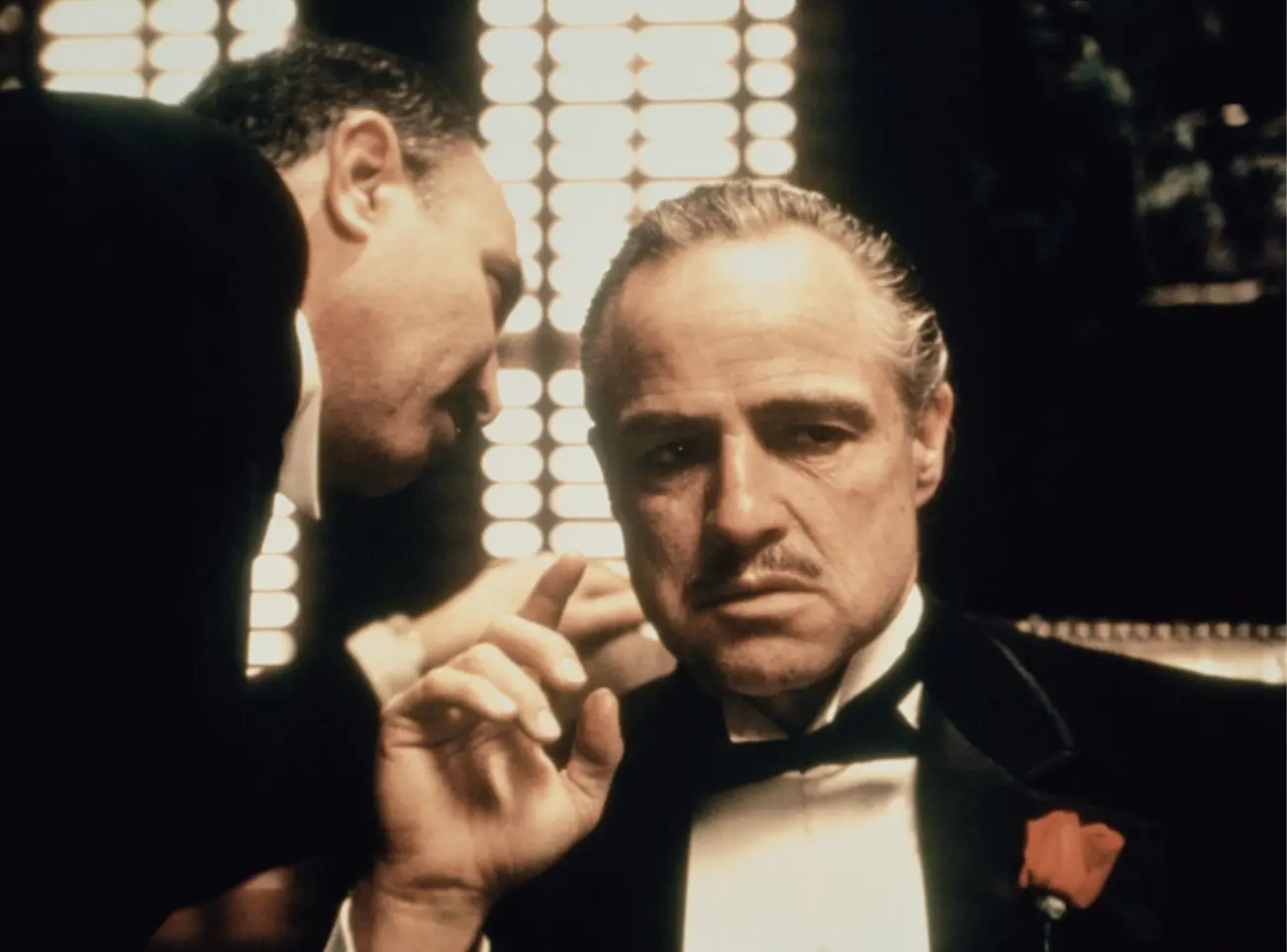
Marlon Brando’s portrayal of Vito Corleone, the aging patriarch of a powerful crime family, is one of the most iconic in film history. Brando completely transformed himself for the role, adopting a raspy voice and the physical demeanor of an older man. His performance is quiet and understated, yet it carries immense power and authority. He conveys the character’s wisdom, ruthlessness, and deep love for his family with incredible subtlety.
Brando famously used cotton balls in his cheeks during his audition to create the character’s distinctive jowly appearance. For the actual filming, he had a dentist create a custom mouthpiece. His work in the film was so groundbreaking that it changed how many people viewed screen acting. He won the Academy Award for Best Actor for this role, though he famously refused to accept it in protest of Hollywood’s treatment of Native Americans.
Daniel Day-Lewis in My Left Foot (1989)
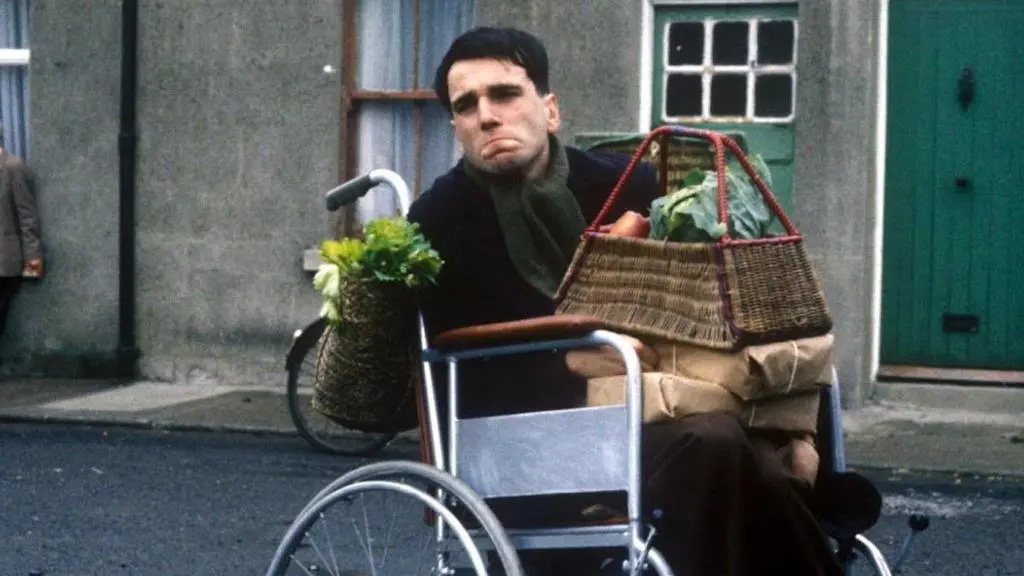
Daniel Day-Lewis is known for his intense dedication to his roles, and his performance as Christy Brown is a prime example. Brown was an Irish artist and writer with cerebral palsy who could only control his left foot. Day-Lewis spent months researching the role, living in a wheelchair and learning to paint and write with his toes. This commitment to method acting allowed him to deliver a performance that is both physically convincing and emotionally profound.
On set, Day-Lewis remained in character throughout the production, and crew members had to assist him with feeding and transportation. This immersive approach resulted in a portrayal that is deeply respectful and humanizing. He captured Christy Brown’s frustration, intelligence, and fierce determination with honesty and grace. For his extraordinary work, Day-Lewis won his first of three Academy Awards for Best Actor.
Robert De Niro in Raging Bull (1980)
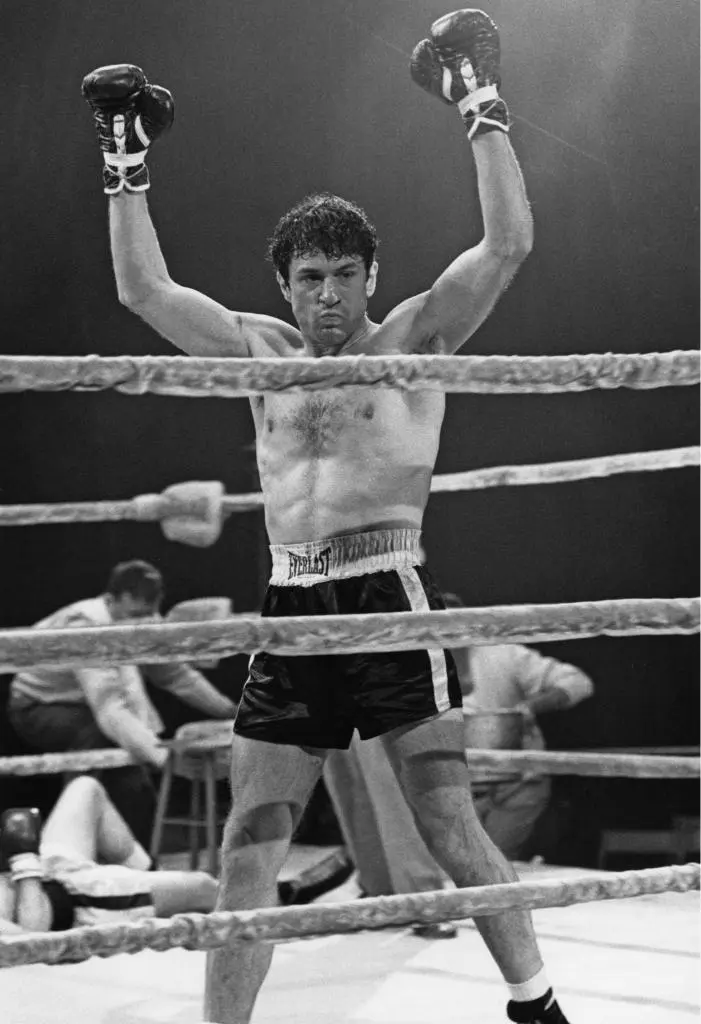
Robert De Niro’s performance as boxer Jake LaMotta is a stunning display of physical and emotional transformation. To play the boxer in his prime, De Niro trained extensively and built an athletic physique. Then, for the later scenes depicting an overweight and washed-up LaMotta, he gained sixty pounds. This dramatic weight gain was a landmark in method acting and showed his deep commitment to authenticity.
Beyond the physical change, De Niro’s portrayal of LaMotta’s self-destructive rage and jealousy is raw and unsettling. He captures the character’s inner turmoil and inability to connect with those around him. It’s a difficult and often unsympathetic role, but De Niro’s performance is so compelling that it’s impossible to look away. The role earned him his second Academy Award, and his first for Best Actor.
Meryl Streep in Sophie’s Choice (1982)
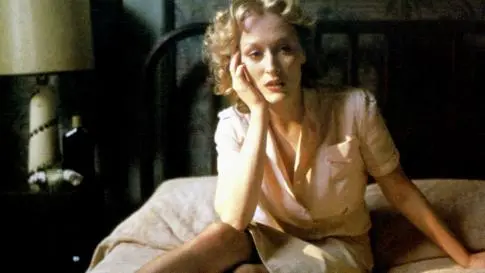
Meryl Streep’s performance as Sophie Zawistowski, a Polish immigrant and Holocaust survivor, is widely regarded as one of the greatest in cinema. To prepare for the role, Streep learned to speak Polish and German, delivering her lines in both languages with a flawless accent. Her linguistic skill was essential to the character’s authenticity, but it was her emotional depth that made the performance unforgettable.
Streep powerfully conveys the profound trauma and guilt that Sophie carries with her. The film’s most famous scene, where she must make an impossible decision, is a devastating display of heartbreak and despair. Her ability to portray such a wide range of emotions with nuance and honesty earned her the Academy Award for Best Actress. The performance remains a benchmark for dramatic acting.
Jack Nicholson in One Flew Over the Cuckoo’s Nest (1975)
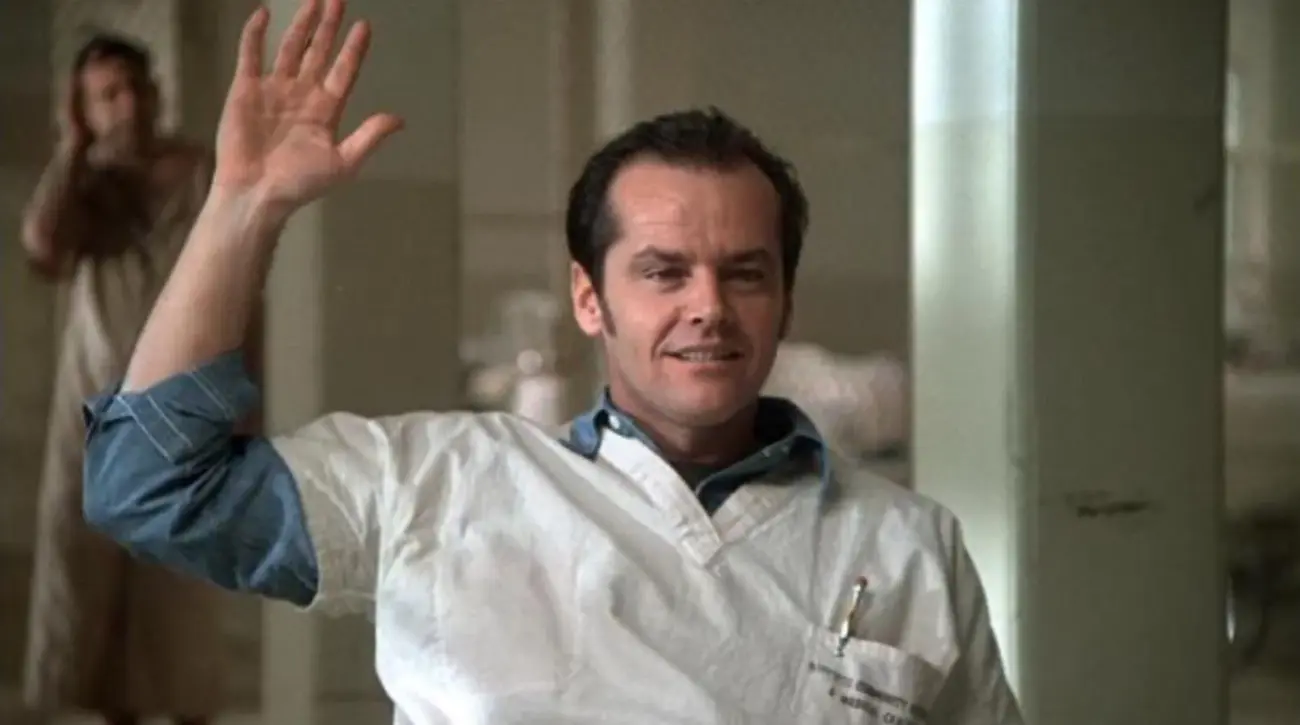
Jack Nicholson’s role as the rebellious Randle McMurphy is the embodiment of anti-authoritarian charm. McMurphy is a charismatic troublemaker who fakes insanity to avoid a prison sentence, only to find himself in a mental institution run by the tyrannical Nurse Ratched. Nicholson’s performance is full of energy and wit, perfectly capturing the character’s defiant spirit. He becomes a symbol of freedom and individuality in a place designed to crush it.
Nicholson’s natural charisma is on full display, but he also reveals the vulnerability and desperation behind McMurphy’s bravado. His interactions with the other patients are both comedic and deeply moving, as he encourages them to rediscover their own sense of self. The performance earned him his first Academy Award for Best Actor and solidified his status as one of Hollywood’s biggest stars.
Anthony Hopkins in The Silence of the Lambs (1991)
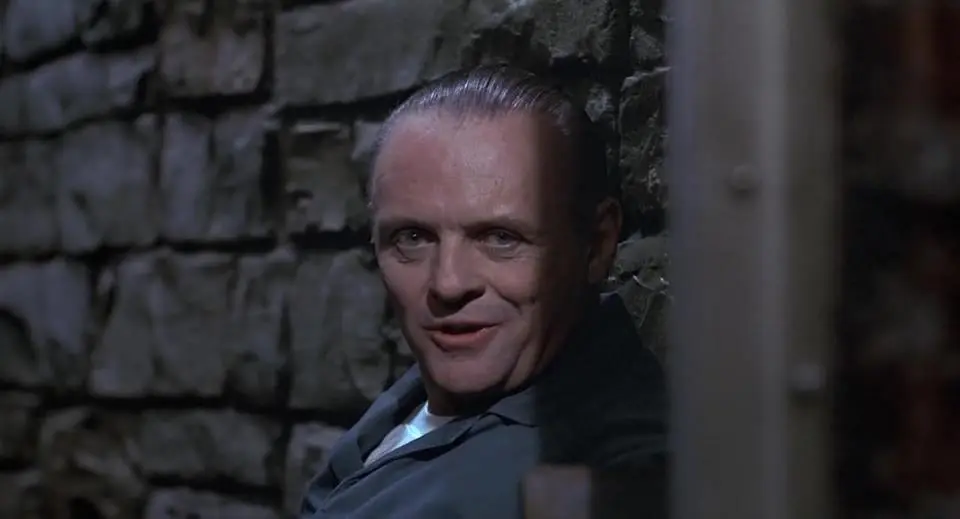
Anthony Hopkins created one of cinema’s most memorable villains with his portrayal of Dr. Hannibal Lecter. Despite having less than twenty-five minutes of screen time, his presence dominates the film. Hopkins’ Lecter is a brilliant psychiatrist and a cannibalistic serial killer, a combination of intellect and pure evil that is truly terrifying. His performance is controlled and precise, making the character’s menace even more unsettling.
Hopkins made specific choices that added to the character’s creepiness, such as his unblinking stare and the strange, sibilant quality in his voice. He understood that true horror comes from stillness and psychological manipulation, not just overt violence. His chilling performance earned him the Academy Award for Best Actor and made Hannibal Lecter a permanent fixture in popular culture.
Vivien Leigh in Gone with the Wind (1939)
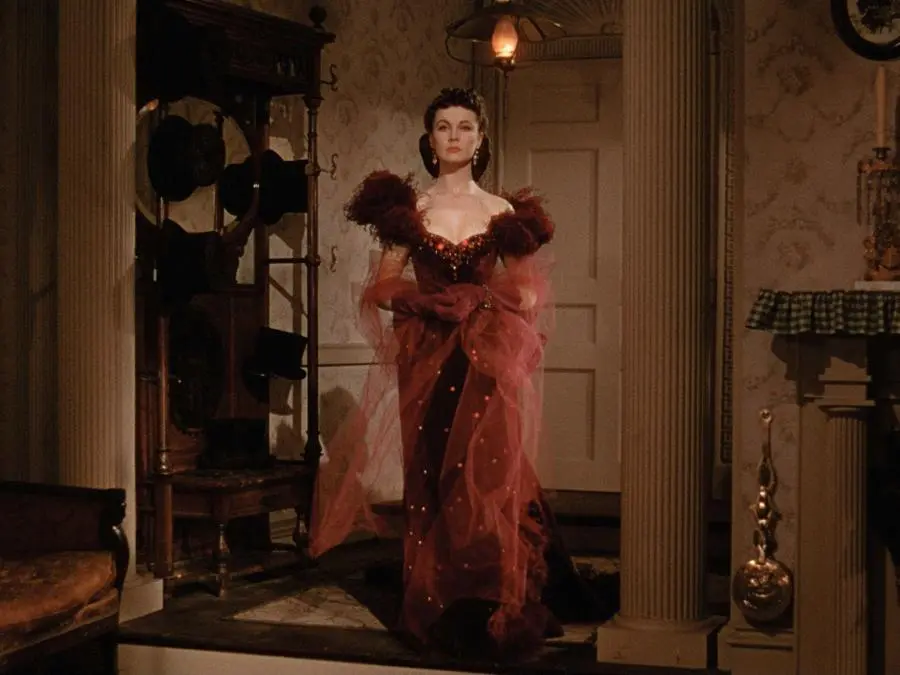
Vivien Leigh’s portrayal of Scarlett O’Hara is one of the most enduring performances from Hollywood’s Golden Age. Scarlett is a complex and often unlikable character, a manipulative Southern belle who is also a resilient survivor. Leigh fearlessly embraced all of Scarlett’s flaws, from her vanity and selfishness to her incredible strength and determination. Her performance is the anchor of the epic film, making a difficult character unforgettable.
Leigh, a relatively unknown British actress at the time, beat out many famous Hollywood stars for the coveted role. She perfectly captured Scarlett’s transformation from a spoiled plantation owner’s daughter to a hardened businesswoman struggling to survive the Civil War and its aftermath. The role won her the Academy Award for Best Actress and made her an international star.
Heath Ledger in The Dark Knight (2008)
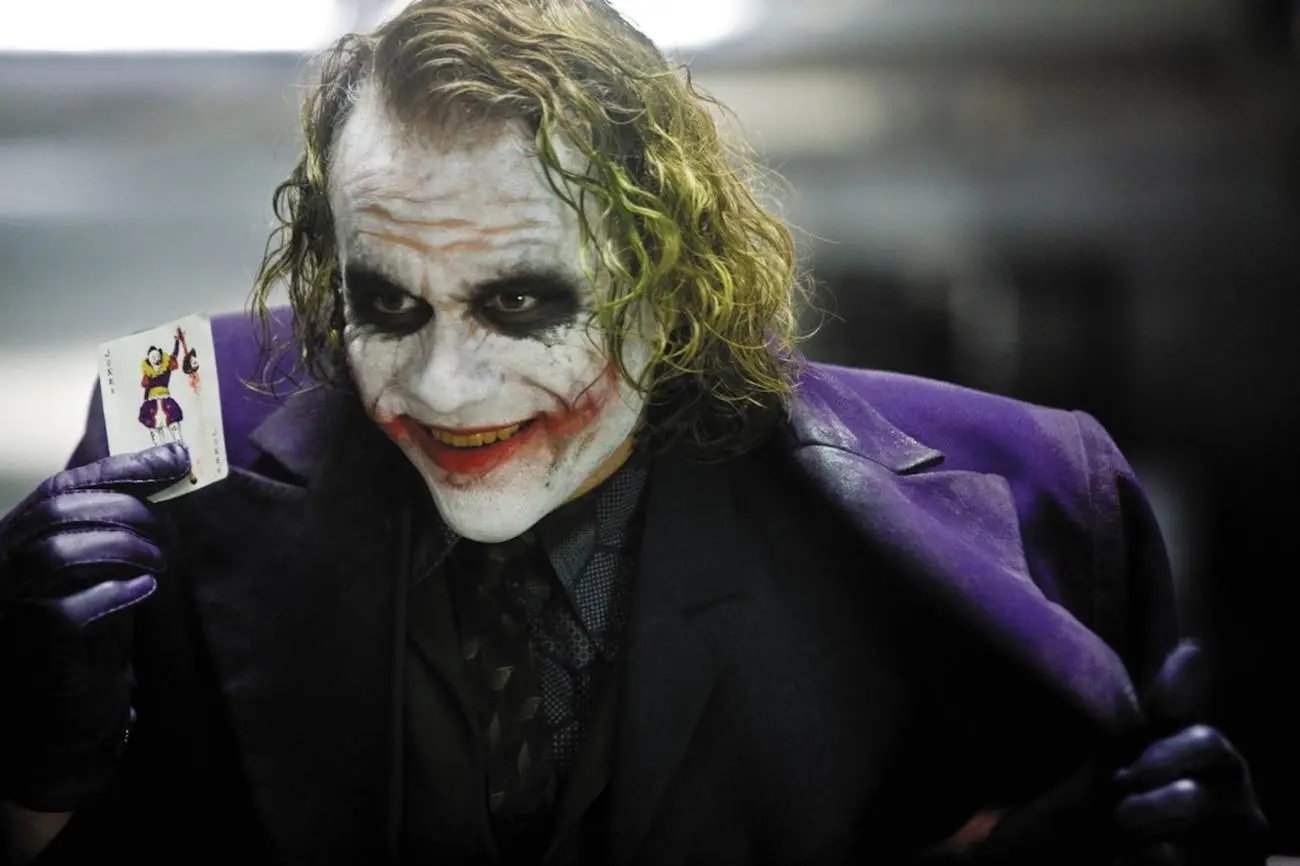
Heath Ledger’s interpretation of the Joker in this superhero sequel was a revolutionary take on a classic comic book villain. He portrayed the character as a terrifying agent of chaos with a mysterious past and a disturbing, anarchic philosophy. Ledger’s Joker was a far cry from previous portrayals, grounding the character in a gritty and realistic world. His performance was both physically and psychologically intense, creating a truly unsettling screen presence.
To prepare for the role, Ledger isolated himself for a month, developing the Joker’s voice, posture, and twisted sense of humor. His commitment resulted in a performance that is both unpredictable and mesmerizing. Tragically, Ledger passed away before the film was released, and he was posthumously awarded the Academy Award for Best Supporting Actor for his work. His portrayal is often cited as one of the greatest villain performances of all time.
Bette Davis in All About Eve (1950)
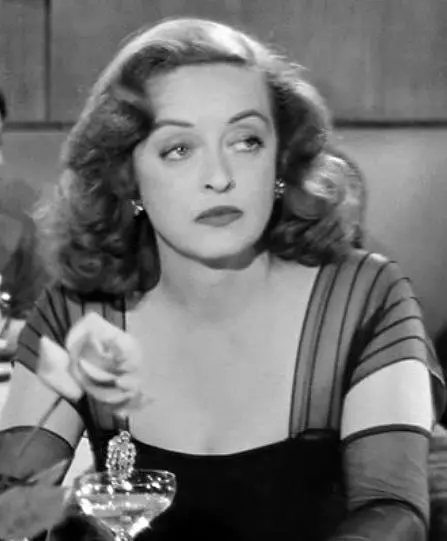
Bette Davis delivers a powerhouse performance as Margo Channing, an aging Broadway star whose career is threatened by a manipulative young fan named Eve Harrington. Davis’s Margo is sharp-tongued, insecure, and deeply theatrical. It was a role that mirrored some of her own anxieties about growing older in Hollywood, and she channeled that reality into a raw and unforgettable performance. Her delivery of the famous line, “Fasten your seatbelts, it’s going to be a bumpy night,” is legendary.
Davis commanded the screen with her powerful presence and biting wit. She perfectly captured the vulnerability and fear that lay beneath Margo’s tough exterior. The performance is a masterclass in complexity, showing a woman who is both a victim of ambition and a formidable force in her own right. It is considered one of the definitive performances of her career and earned her an Academy Award nomination for Best Actress.
Denzel Washington in Training Day (2001)
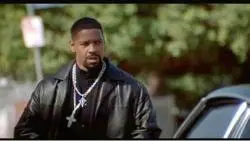
Denzel Washington shocked audiences with his portrayal of corrupt LAPD detective Alonzo Harris. Known for playing heroic figures, Washington completely transformed to become a charismatic but terrifying villain. His Alonzo is a manipulative and violent man who has crossed the line between lawman and criminal. Washington’s performance is explosive and unpredictable, making the character both magnetic and repulsive.
Throughout the film, Washington commands every scene with a powerful and intimidating energy. He famously ad-libbed the iconic line, “King Kong ain’t got shit on me!” His willingness to embrace such a dark and complex character showcased his incredible range as an actor. The role earned him the Academy Award for Best Actor, making him only the second African American to win in that category.
Charlize Theron in Monster (2003)

Charlize Theron underwent a stunning transformation to portray Aileen Wuornos, a real-life serial killer who was executed in 2002. Theron gained 30 pounds, wore prosthetic teeth, and used makeup to completely alter her appearance. The physical change was so convincing that many people did not recognize her on screen. This commitment allowed her to disappear into the role and deliver a raw and powerful performance.
Beyond the physical transformation, Theron captured the deep-seated trauma and desperation that fueled Wuornos’s actions. She portrayed her not as a one-dimensional monster, but as a damaged and vulnerable human being. It was a sympathetic yet unflinching look at a troubled life. Theron’s brave and immersive performance earned her the Academy Award for Best Actress.
Al Pacino in The Godfather Part II (1974)
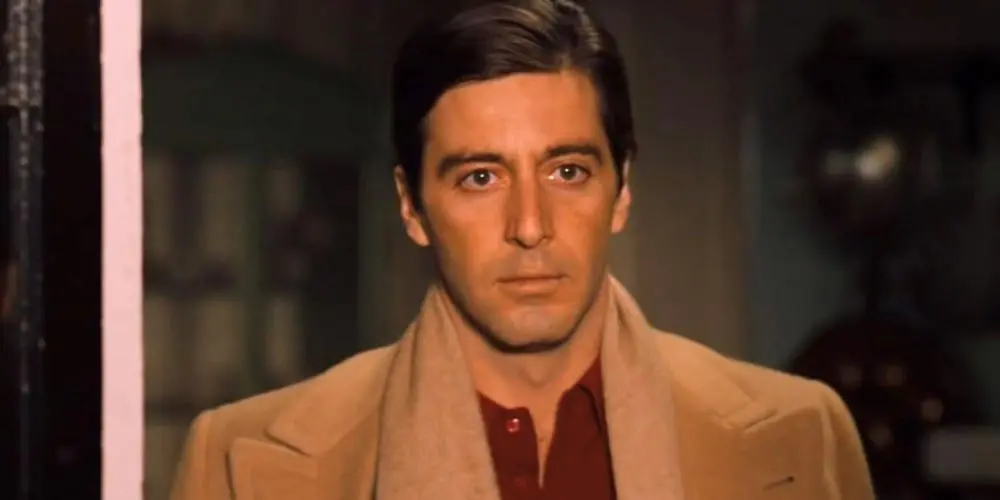
In this acclaimed sequel, Al Pacino continues the story of Michael Corleone as he fully embraces his role as the new Don of the Corleone family. Pacino’s performance is a masterful study of a man’s descent into darkness. He portrays Michael’s transformation from a reluctant outsider to a cold and ruthless leader. The change is conveyed through his eyes and his quiet, controlled demeanor, which makes his acts of violence even more chilling.
Pacino’s performance is a tragic one, as he shows how Michael’s pursuit of power costs him his family and his soul. The contrast between the powerful Don and the lonely man he has become is heartbreaking. It is a subtle and internalized performance that stands as one of the greatest in film history. For his work, Pacino was nominated for the Academy Award for Best Actor.
Katharine Hepburn in The Lion in Winter (1968)
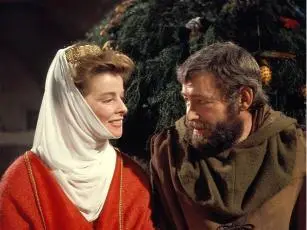
Katharine Hepburn won her third Academy Award for Best Actress for her role as Eleanor of Aquitaine. The film depicts the fierce power struggles within the royal family of King Henry II of England. Hepburn’s Eleanor is a brilliant and manipulative queen who has been imprisoned by her husband for ten years. She is temporarily released for Christmas, and she uses the opportunity to plot against him and secure power for her favored son.
Hepburn’s performance is full of intelligence, wit, and sharp-tongued humor. She portrays Eleanor as a woman who is both a political mastermind and a loving mother. Her verbal sparring with Peter O’Toole, who plays King Henry II, is a highlight of the film. Hepburn’s powerful and commanding presence makes it clear why Eleanor of Aquitaine was one of the most formidable women of the Middle Ages.
Dustin Hoffman in Rain Man (1988)
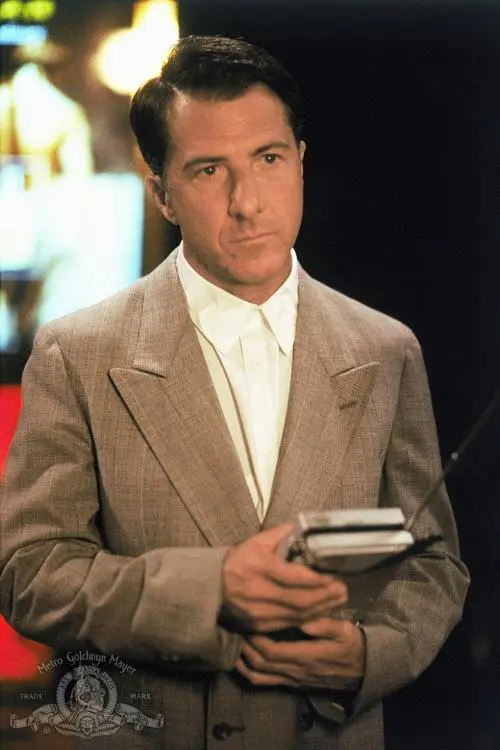
Dustin Hoffman delivered one of his most iconic performances as Raymond Babbitt, an autistic savant with incredible mathematical abilities. To prepare for the role, Hoffman spent a year researching autism, meeting with individuals on the spectrum and their families. His dedication to understanding the condition allowed him to create a character that felt authentic and respectful. He captured the specific mannerisms, speech patterns, and emotional detachment of Raymond with remarkable accuracy.
Hoffman’s performance is notable for its consistency and subtlety. He never breaks character, creating a fully realized human being who is more than just a collection of symptoms. The film follows Raymond and his selfish brother, played by Tom Cruise, on a cross-country road trip. Hoffman’s portrayal is the heart of the film, and it earned him his second Academy Award for Best Actor.
Peter O’Toole in Lawrence of Arabia (1962)
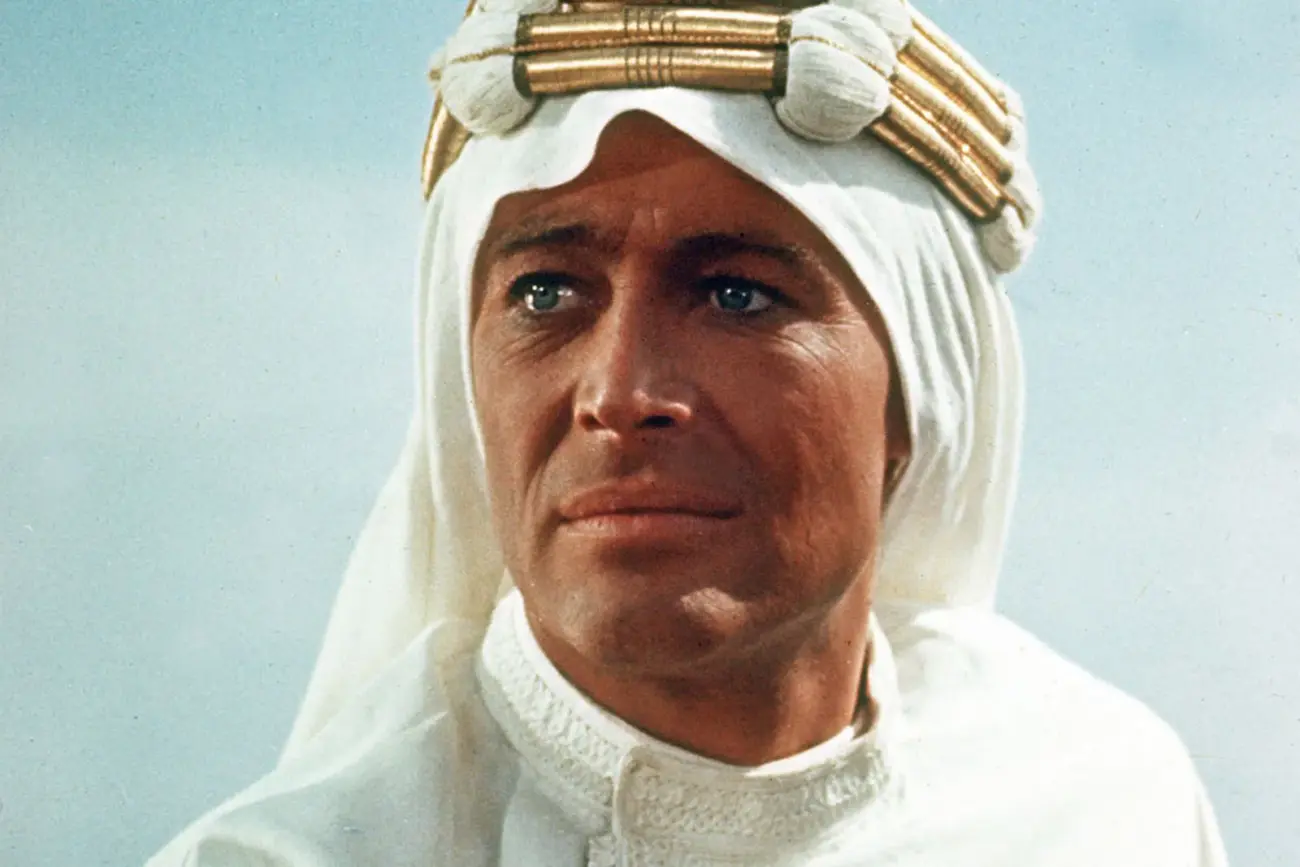
Peter O’Toole became an international star with his captivating performance as T.E. Lawrence, the real-life British officer who united Arab tribes against the Turks during World War I. O’Toole’s portrayal is complex and enigmatic, capturing Lawrence’s charisma, intelligence, and internal conflicts. He shows the character’s transformation from an idealistic adventurer to a man haunted by the violence he has witnessed and committed.
With his piercing blue eyes and commanding presence, O’Toole embodied the epic scale of the film itself. He spent months in the desert learning to ride a camel and immersing himself in the culture. His performance is both grand and intimate, conveying the sweeping scope of the story as well as the personal struggles of its hero. It is considered one of the greatest screen debuts in history and earned him his first of eight Academy Award nominations.
Jodie Foster in The Silence of the Lambs (1991)
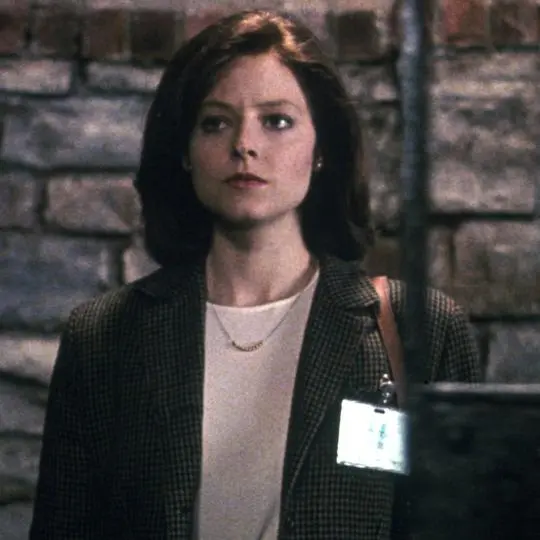
Jodie Foster’s portrayal of FBI trainee Clarice Starling provides the emotional core of this classic thriller. As she hunts the serial killer Buffalo Bill, she must also engage in a dangerous psychological battle with the imprisoned Hannibal Lecter. Foster perfectly captures Clarice’s intelligence, vulnerability, and unwavering determination. She is a young woman navigating a male-dominated world, and her strength makes her a compelling and relatable hero.
Foster’s scenes with Anthony Hopkins’ Lecter are a masterclass in acting. The two characters engage in a tense and intimate exchange of secrets, and Foster holds her own against his terrifying presence. She shows Clarice’s fear but also her courage, as she refuses to be intimidated. Foster’s nuanced and powerful performance earned her the Academy Award for Best Actress.
Tom Hanks in Philadelphia (1993)
Tom Hanks won his first Academy Award for Best Actor for his role as Andrew Beckett, a lawyer who is fired from his firm after his bosses discover he has AIDS. At the time, AIDS was a highly stigmatized and misunderstood disease, and Hanks’s performance was groundbreaking. He lost a significant amount of weight to portray the physical effects of the illness, but his performance was most notable for its emotional honesty.
Hanks portrayed Andrew not as a victim, but as a man fighting for his dignity and justice. He brought a sense of warmth and humanity to the character, challenging the fear and prejudice that surrounded the AIDS epidemic. The role was a turning point in Hanks’s career, establishing him as a serious dramatic actor. His moving and compassionate performance helped to change public perception of the disease.
Cate Blanchett in Blue Jasmine (2013)

Cate Blanchett delivers a tour-de-force performance as Jasmine French, a wealthy Manhattan socialite who has a dramatic fall from grace. After her husband’s financial crimes are exposed, she loses everything and is forced to move in with her working-class sister in San Francisco. Blanchett masterfully portrays Jasmine’s unraveling, capturing her snobbery, anxiety, and profound denial. The performance is both comedic and tragic, as Jasmine clings to the remnants of her former life.
Blanchett completely embodies the character, from her elegant posture to her nervous, rambling monologues. She makes Jasmine’s sense of entitlement and her deep insecurity feel completely real. It is a complex and unflattering role, but Blanchett’s performance is so compelling that it is impossible not to feel a measure of sympathy for her. She won the Academy Award for Best Actress for her stunning work.
Sidney Poitier in In the Heat of the Night (1967)
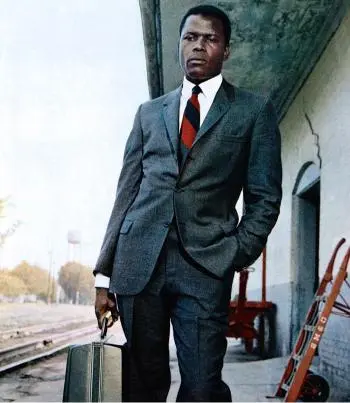
Sidney Poitier’s performance as Detective Virgil Tibbs is a landmark in American cinema. In the film, Tibbs is a Black police officer from Philadelphia who becomes involved in a murder investigation in a racist Mississippi town. Poitier portrays Tibbs with a powerful sense of dignity, intelligence, and quiet rage. His character refuses to be intimidated by the prejudice he encounters, challenging the authority of the town’s white sheriff.
The film is famous for a scene in which a white plantation owner slaps Tibbs, and Tibbs immediately slaps him back. At the time, this was a revolutionary moment on screen, and it became a powerful symbol of the Civil Rights movement. Poitier’s calm and confident performance was a crucial part of the film’s social impact. He created an iconic character who represented a new image of Black masculinity in Hollywood.
Ellen Burstyn in Requiem for a Dream (2000)
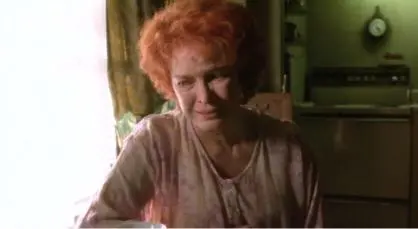
Ellen Burstyn gives a fearless and devastating performance as Sara Goldfarb, a lonely widow who becomes addicted to diet pills. Her dream is to appear on a television game show, and she believes that losing weight will make her worthy of the spotlight. Burstyn’s portrayal of Sara’s descent into addiction is heartbreaking and terrifying. She shows how a simple desire for recognition can spiral into a complete loss of self.
Burstyn underwent a significant physical and emotional transformation for the role. Her most powerful scenes depict Sara’s hallucinations and her eventual mental breakdown. It is a raw and unflinching performance that exposes the dark side of the American dream. Burstyn was nominated for the Academy Award for Best Actress for her brave and unforgettable work.
Forest Whitaker in The Last King of Scotland (2006)
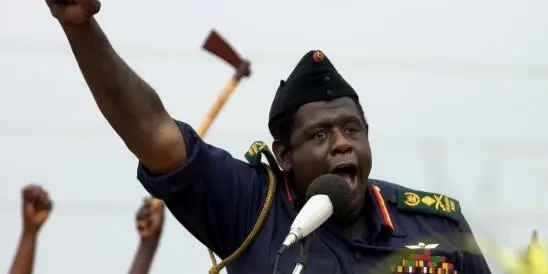
Forest Whitaker won the Academy Award for Best Actor for his terrifying portrayal of Ugandan dictator Idi Amin. The film is told from the perspective of a young Scottish doctor who becomes Amin’s personal physician. Whitaker’s performance captures the dictator’s charm and charisma, which made him so appealing to his people at first. But he also reveals the paranoia and brutal violence that lay beneath the surface.
Whitaker’s transformation into Amin was remarkable. He gained weight, learned to speak with a Ugandan accent, and spent time in Uganda researching the role. His performance is unpredictable and full of nuance, showing how Amin could be both a loving father figure and a ruthless killer. Whitaker’s ability to embody these contradictions is what makes his portrayal so chilling and unforgettable.
Hilary Swank in Boys Don’t Cry (1999)
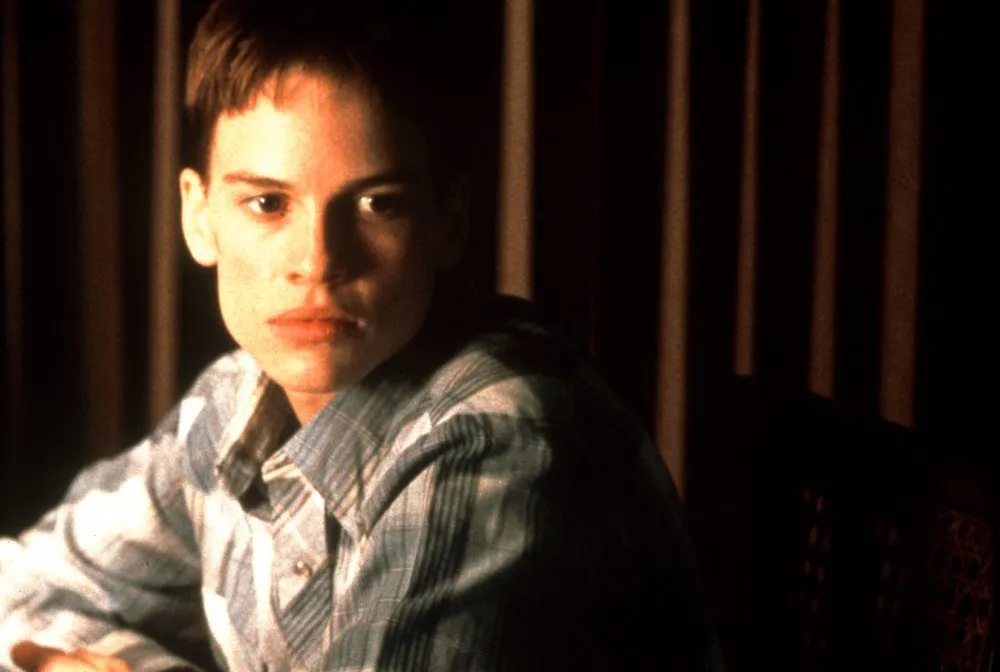
Hilary Swank delivered a breakthrough performance as Brandon Teena, a real-life transgender man who was murdered in rural Nebraska. To prepare for the role, Swank lived as a man for a month, cutting her hair short and binding her chest. Her physical transformation was so complete that her own neighbors did not recognize her. This immersive approach allowed her to connect deeply with the character and his experiences.
Swank’s portrayal of Brandon is full of joy, hope, and vulnerability. She captures his desire for love and acceptance in a world that is often hostile and violent. The performance is both a celebration of his life and a heartbreaking depiction of the prejudice he faced. Swank’s powerful and sensitive work earned her the Academy Award for Best Actress.
Marlon Brando in On the Waterfront (1954)
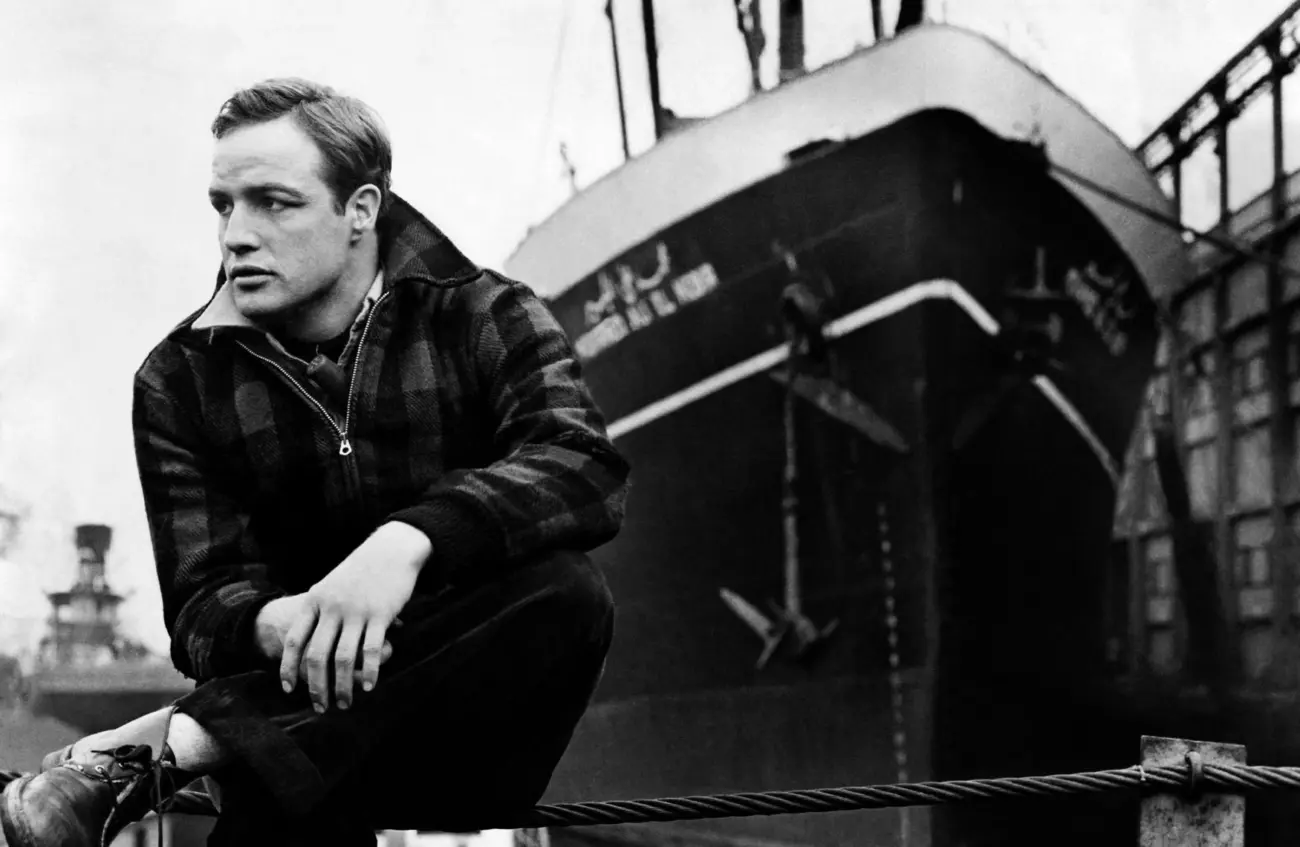
Marlon Brando’s performance as Terry Malloy, a former prize-fighter who struggles with his conscience, revolutionized screen acting. Terry is a dockworker who is forced to confront the corrupt union bosses he once worked for. Brando’s portrayal was raw and naturalistic, a departure from the more theatrical acting styles of the time. He brought a new level of emotional realism to the screen.
The film’s most famous scene takes place in the back of a taxi, where Terry tells his brother, “I coulda been a contender.” Brando’s quiet and understated delivery of the line is heartbreaking, conveying a lifetime of regret and disappointment. His performance was a landmark in method acting and earned him his first Academy Award for Best Actor. It remains one of the most influential performances in film history.
Faye Dunaway in Network (1976)
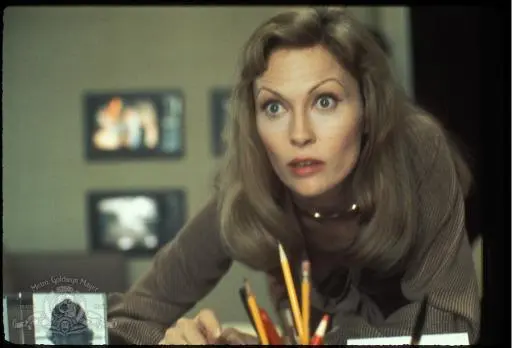
Faye Dunaway won an Academy Award for Best Actress for her role as Diana Christensen, a ruthless and ambitious television executive. Diana is a woman who is completely dedicated to her career, and she will do whatever it takes to get higher ratings. She represents the cold and inhuman nature of corporate media, a world where everything is treated as a product to be sold.
Dunaway’s performance is sharp, energetic, and unapologetic. She portrays Diana as a woman who is both brilliant and soulless, a product of the very system she helps to create. It is a brave and unflattering role, and Dunaway embraces the character’s ambition and moral emptiness. Her performance is a powerful critique of the television industry and remains incredibly relevant today.
Geoffrey Rush in Shine (1996)
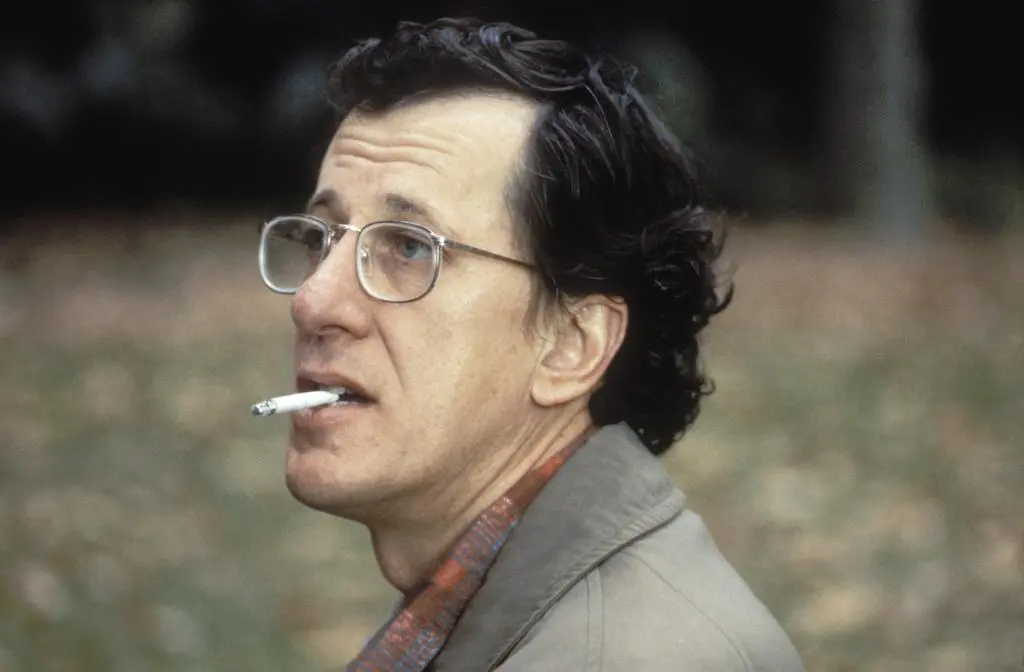
Geoffrey Rush gave an electrifying performance as David Helfgott, a real-life Australian pianist who suffered a mental breakdown. The film follows Helfgott’s life, from his childhood under a domineering father to his years in a mental institution and his eventual return to the concert stage. Rush portrays the adult Helfgott with an incredible amount of energy and eccentricity.
To prepare for the role, Rush studied Helfgott’s piano playing and his unique mannerisms. He perfectly captured the pianist’s rapid speech, his childlike enthusiasm, and his deep love of music. It is a performance of great technical skill, but it is also full of warmth and humanity. Rush’s joyful and moving portrayal earned him the Academy Award for Best Actor.
Marion Cotillard in La Vie en Rose (2007)
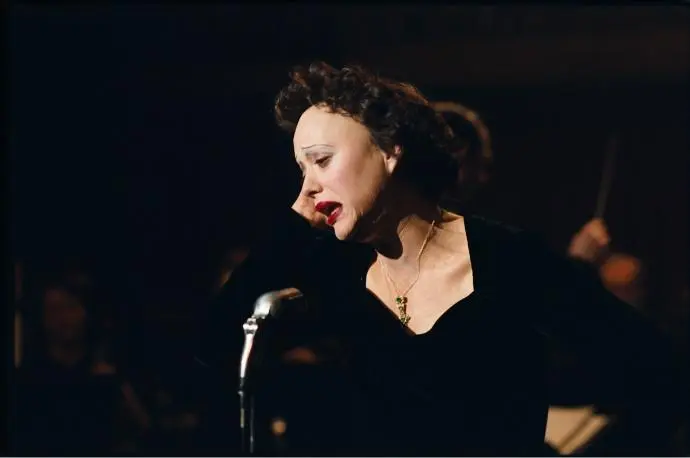
Marion Cotillard delivered a stunning transformation to portray the legendary French singer Édith Piaf. The film follows Piaf’s life from her difficult childhood to her international stardom and her early death at the age of 47. Cotillard completely disappeared into the role, capturing Piaf’s distinctive voice, posture, and physicality at every stage of her life. She lip-synced to Piaf’s original recordings, but her performance perfectly matched the emotion of the music.
Cotillard’s portrayal is a tour-de-force of acting. She shows Piaf’s fierce determination, her raw vulnerability, and her struggles with addiction and illness. It is a performance that is both larger-than-life and deeply intimate. Cotillard became the first person to win an Academy Award for a French-language role, and her powerful work introduced a new generation to the music and story of Édith Piaf.
Philip Seymour Hoffman in Capote (2005)
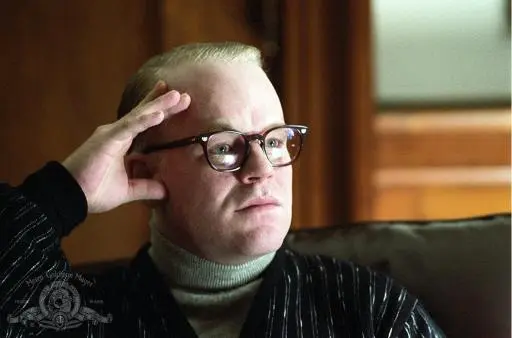
Philip Seymour Hoffman won the Academy Award for Best Actor for his meticulous portrayal of writer Truman Capote. The film focuses on the period when Capote was researching and writing his groundbreaking non-fiction novel, “In Cold Blood.” Hoffman completely transformed his voice and mannerisms to capture Capote’s unique and flamboyant personality. It was a remarkable feat of imitation, but the performance went much deeper than that.
Hoffman also revealed the complex and often manipulative nature of Capote’s relationship with the two killers at the center of his book. He showed the writer’s ambition and his moral compromises, as he grew to care for the men whose execution he needed to complete his story. It is a subtle and intelligent performance that captures the genius and the darkness of a literary icon.
Holly Hunter in The Piano (1993)
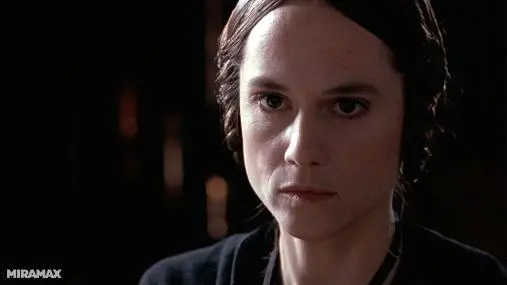
Holly Hunter won the Academy Award for Best Actress for her silent performance as Ada McGrath, a mute Scottish woman who is sent to New Zealand for an arranged marriage. Ada communicates through her piano playing and through sign language, which is interpreted by her young daughter. Hunter’s performance is a testament to the power of non-verbal acting. She conveys a universe of emotion through her eyes, her expressions, and the way she plays the piano.
Hunter learned to play the piano for the role and performed all of the music on screen herself. Her playing becomes the voice of the character, expressing her passion, her frustration, and her deep longing for connection. It is a fierce and passionate performance that is full of strength and vulnerability. Hunter’s ability to create such a rich and complex character without speaking a word is a stunning achievement.
Ben Kingsley in Gandhi (1982)
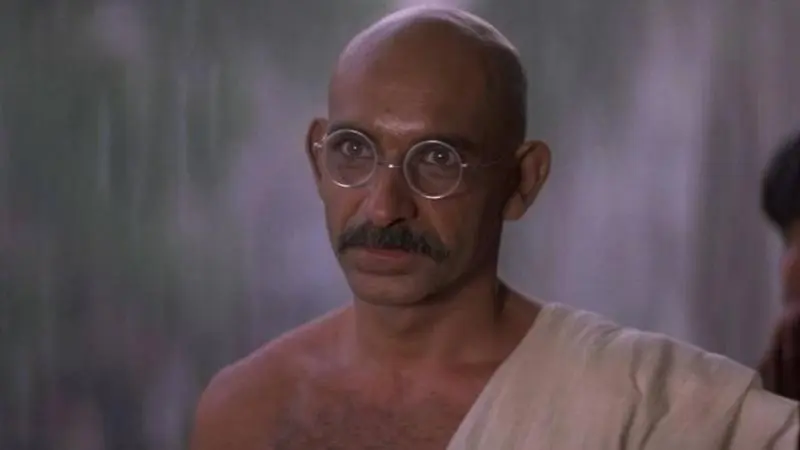
Ben Kingsley gave a once-in-a-lifetime performance as Mahatma Gandhi, the leader of India’s non-violent independence movement. Kingsley, who is of Indian descent, underwent a remarkable physical transformation for the role, losing weight and shaving his head. He embodied Gandhi over a period of nearly 50 years, from his time as a young lawyer in South Africa to his final days as a global icon.
Kingsley’s portrayal is defined by its quiet dignity and unwavering strength. He captured Gandhi’s gentle spirit, his sharp intellect, and his unshakeable commitment to peace. The performance is the heart of the epic film, and it feels completely authentic and lived-in. For his monumental work, Kingsley won the Academy Award for Best Actor. It remains one of the most acclaimed biographical performances in cinema history.
Natalie Portman in Black Swan (2010)
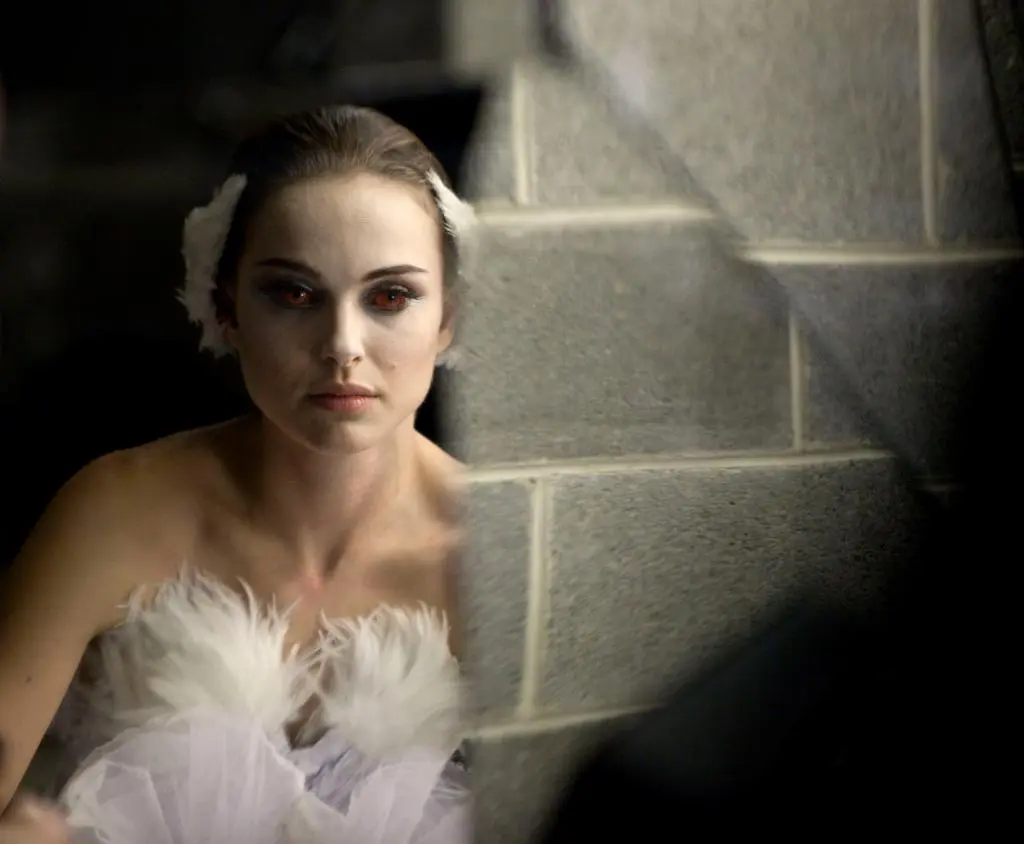
Natalie Portman delivered a physically and psychologically demanding performance as Nina Sayers, a talented but fragile ballerina. Nina becomes obsessed with dancing the lead role in “Swan Lake,” which requires her to embody both the innocent White Swan and the sensual Black Swan. As she pushes herself to her physical and emotional limits, her grip on reality begins to slip.
Portman, who had studied ballet as a child, trained for a year to prepare for the role. She lost 20 pounds and endured a rigorous dance schedule to achieve the physique and skill of a professional ballerina. Her performance is a chilling and mesmerizing depiction of artistic ambition and mental breakdown. She won the Academy Award for Best Actress for her haunting and transformative work.

