


The Most Controversial Movies of All Time

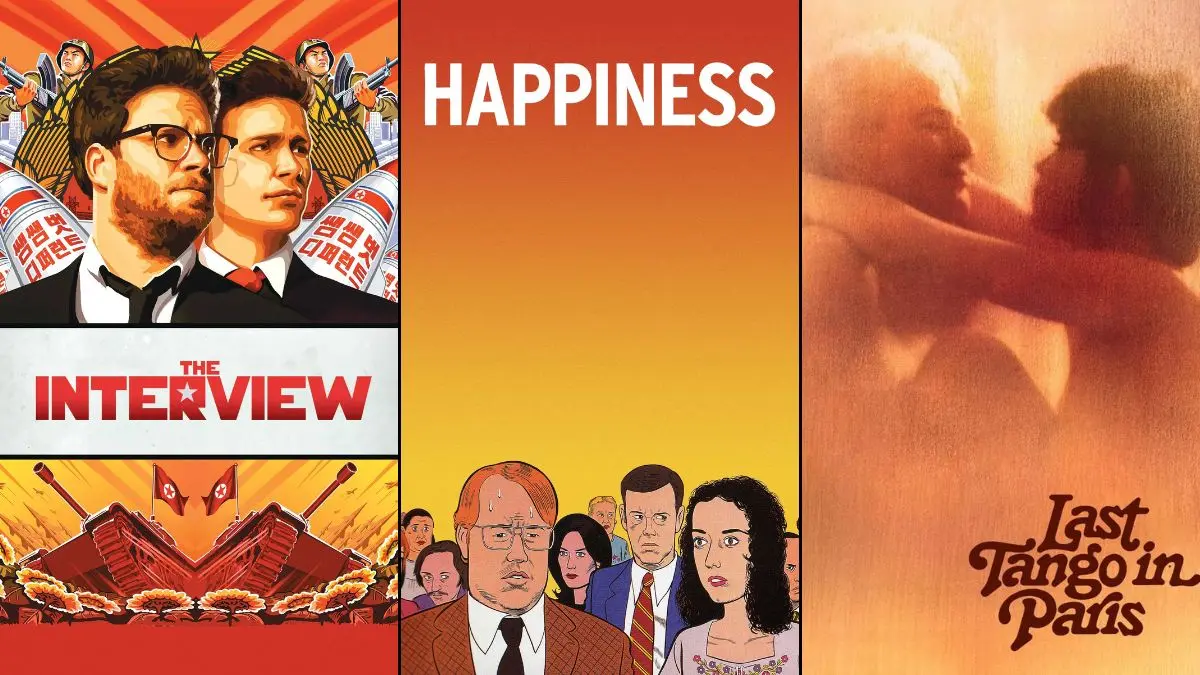


Movies can spark debates, outrage, or even bans due to their bold content. From graphic violence to taboo themes, some films push boundaries so far they leave audiences shocked or divided. These movies often tackle sensitive topics like religion, politics, or sexuality, making them lightning rods for criticism or praise. Controversy can make a film unforgettable, but it can also lead to protests, censorship, or legal battles.
This list dives into 50 films that stirred up major controversy for various reasons. Each one challenged norms, sparked public outcry, or faced bans for its daring approach. From silent classics to modern shockers, these movies left a mark on cinema history. Let’s explore what made them so divisive.
The Birth of a Nation (1915)
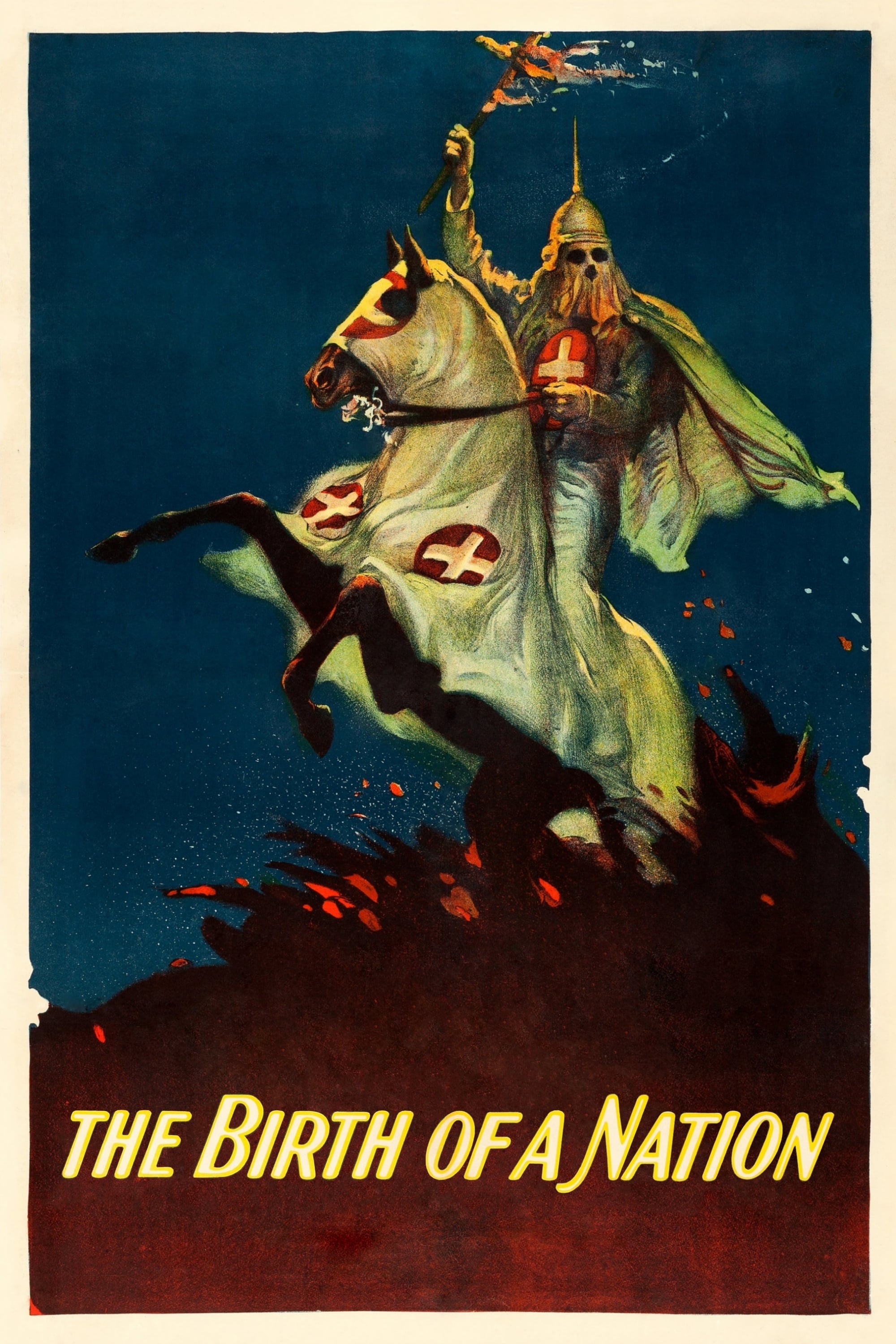
This silent film by D.W. Griffith is a cinematic milestone but also deeply racist. It portrays the Ku Klux Klan as heroes and African Americans as villains, using blackface actors. The film’s glorification of white supremacy led to protests and riots upon release. It was even screened at the White House, adding to its notoriety.
Despite its technical achievements, the movie’s hateful narrative caused widespread outrage. The NAACP led campaigns against it, and many cities banned screenings. Its influence on filmmaking is undeniable, but its legacy remains tainted by racism. The controversy still lingers when it’s discussed today.
Triumph of the Will (1934)
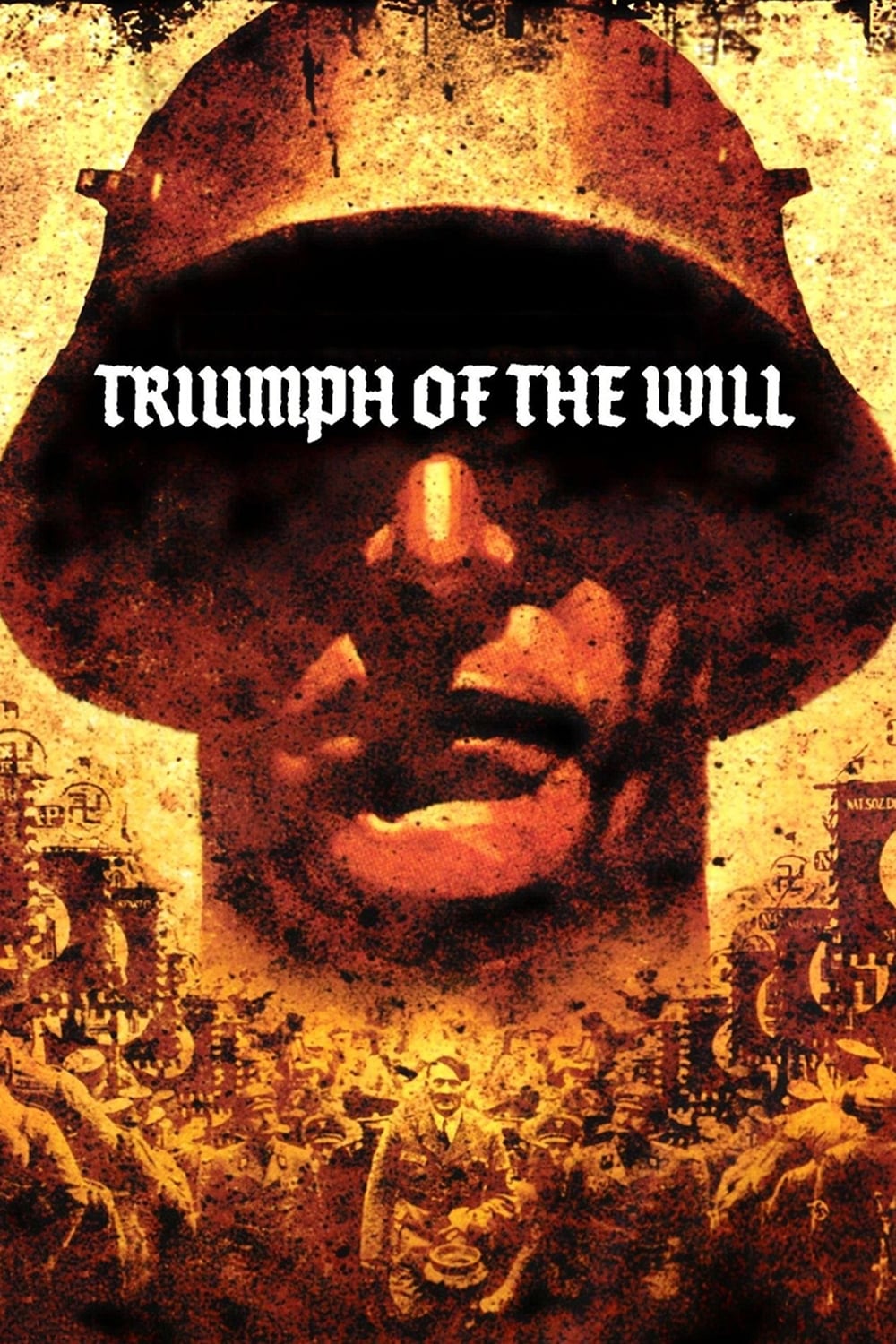
Leni Riefenstahl’s propaganda film for the Nazi Party is a technical masterpiece but morally reprehensible. It glorifies Adolf Hitler and the 1934 Nuremberg Rally, using powerful imagery to promote Nazi ideology. The film’s association with one of history’s darkest regimes made it instantly controversial.
Its stunning cinematography influenced future filmmakers, but its purpose was to spread hate. Many countries banned it after World War II due to its propaganda. Riefenstahl’s career never recovered, and the film remains a chilling reminder of cinema’s power to manipulate.
Freaks (1932)
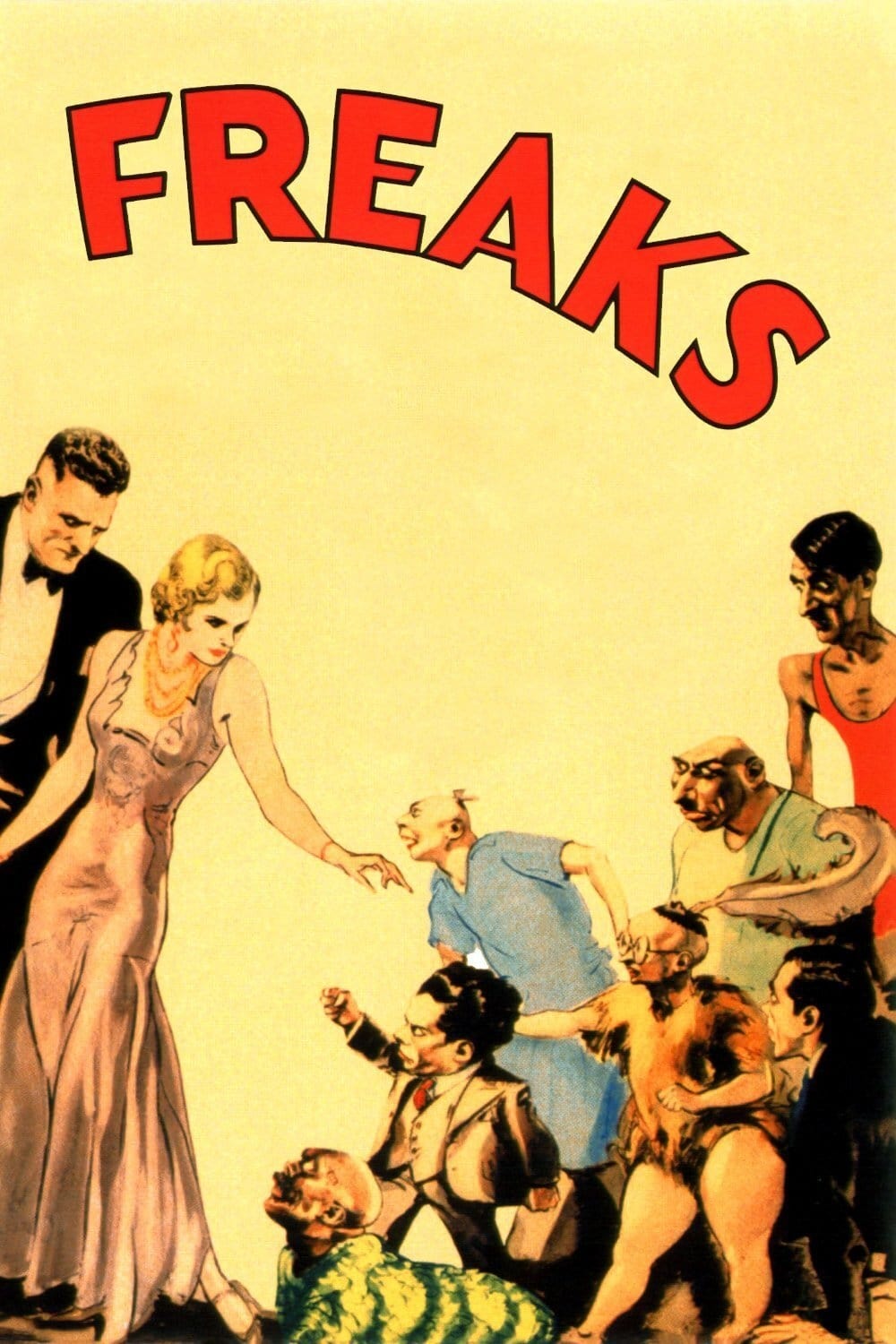
Directed by Tod Browning, this horror film features real carnival performers with physical deformities. It tells the story of a trapeze artist who manipulates a dwarf for his inheritance, leading to a shocking revenge plot. The film’s portrayal of disabled people as both sympathetic and terrifying sparked outrage.
Audiences were unsettled by the film’s climax and its use of real “freaks.” It was banned in several countries and heavily edited in others. Over time, it gained a cult following for its bold approach, but its initial reception was hostile.
Song of the South (1946)
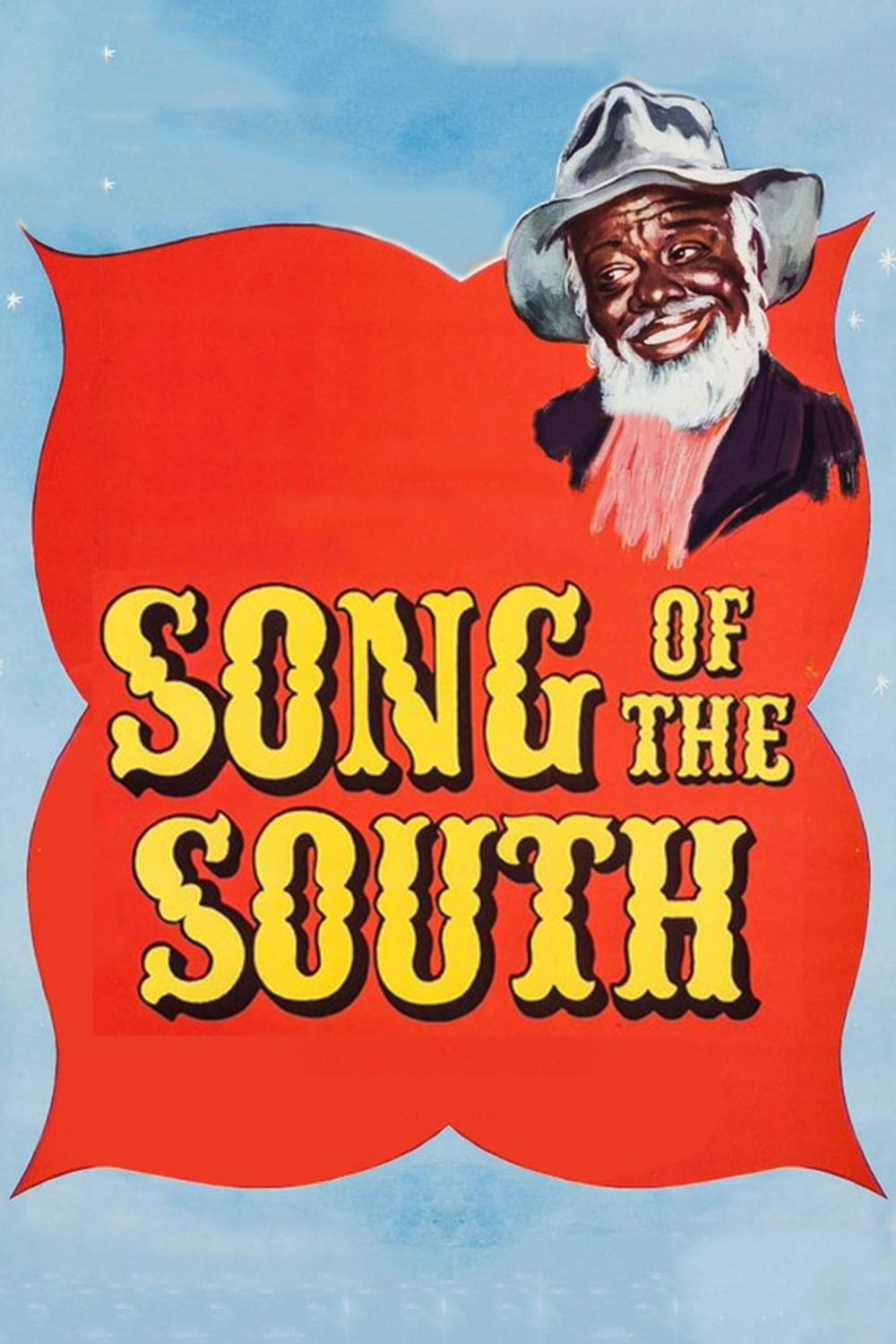
Disney’s musical film mixes live-action and animation to tell stories of Uncle Remus on a Southern plantation. Its romanticized depiction of slavery and racial stereotypes caused immediate backlash. The film portrays black characters as happy servants, ignoring the horrors of slavery.
Protests from civil rights groups led to limited releases, and Disney has since locked it away. It’s never been released on home video in the U.S. due to its offensive content. The song ‘Zip-A-Dee-Doo-Dah’ remains famous, but the film itself is a stain on Disney’s legacy.
The Last Temptation of Christ (1988)
Martin Scorsese’s film explores a humanized Jesus Christ facing temptation and doubt. A scene imagining Jesus marrying Mary Magdalene outraged Christian groups, who called it blasphemous. Protests erupted worldwide, and a Paris theater was firebombed during a screening.
The film’s artistic take on Jesus’ spiritual struggles didn’t calm critics. It was banned in several countries, and Scorsese received death threats. Despite critical praise, its departure from biblical narratives keeps it divisive among religious audiences.
A Clockwork Orange (1971)
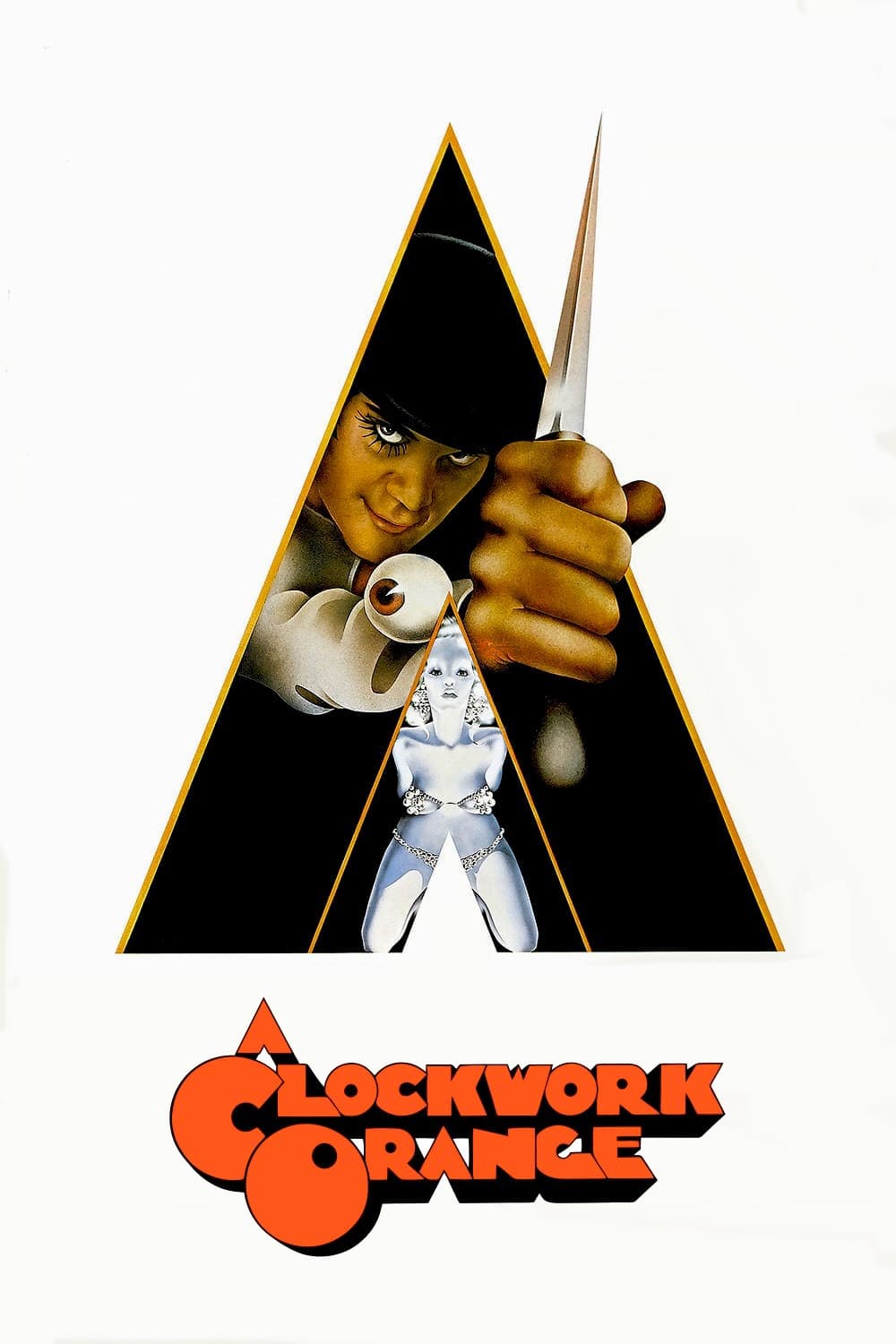
Stanley Kubrick’s dystopian thriller follows Alex, a violent delinquent who undergoes experimental therapy. Its graphic depictions of rape, murder, and psychological torture shocked audiences. The film’s exploration of free will and morality didn’t soften its brutal imagery.
Kubrick himself pulled the film from UK theaters after copycat crimes were reported. It was banned in several countries and rated X in the U.S. initially. Its bold style and themes made it a classic, but its violence still unsettles viewers.
Cannibal Holocaust (1980)
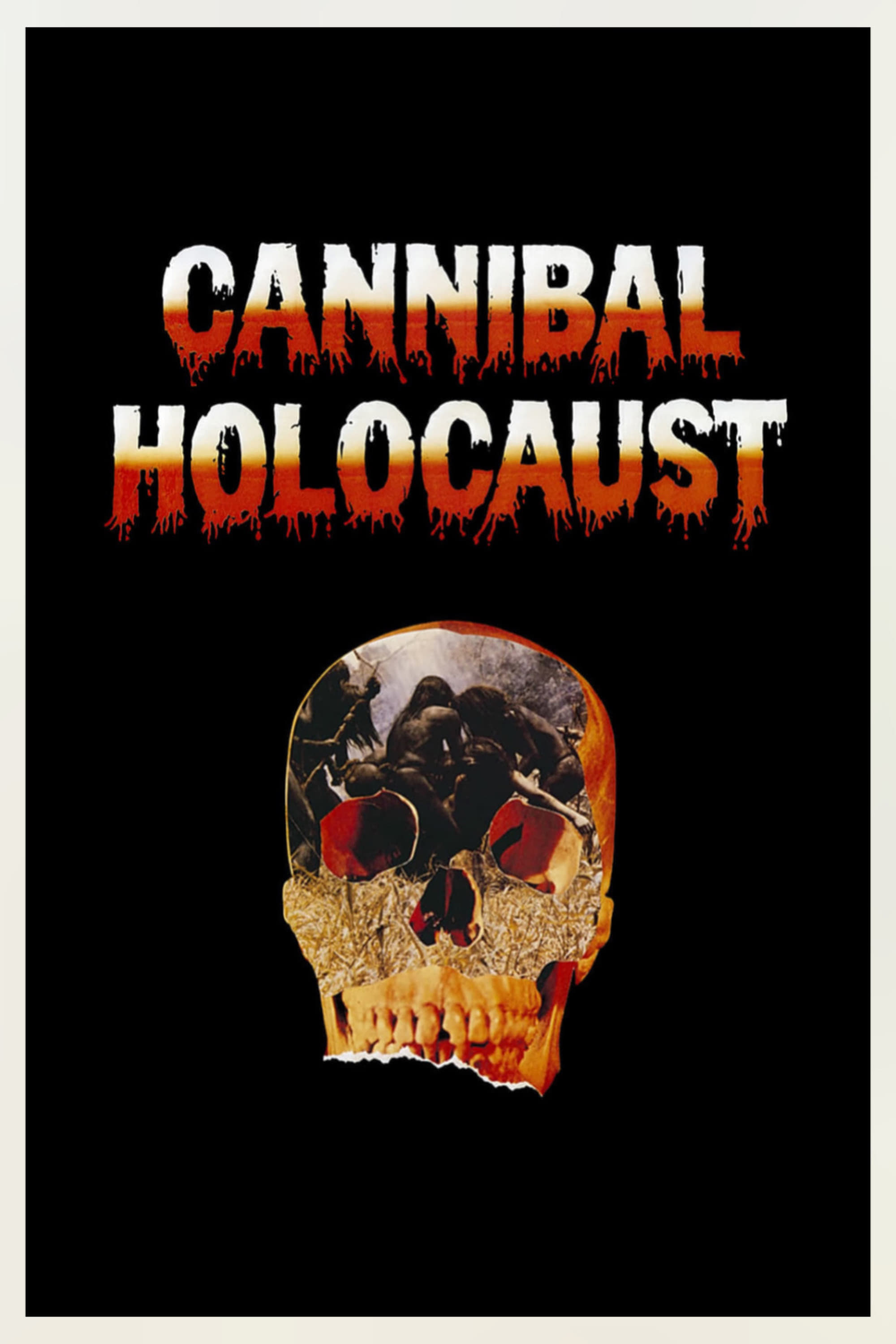
This found-footage horror film follows a team uncovering gruesome footage in the Amazon. Its extreme gore, sexual violence, and real animal cruelty led to bans in over 50 countries. Director Ruggero Deodato was arrested in Italy, accused of making a snuff film.
He had to prove the actors were alive to avoid charges. The film’s realistic violence and racist portrayal of indigenous people fueled its infamy. It remains a cult classic for horror fans but is too disturbing for mainstream audiences.
The Exorcist (1973)

William Friedkin’s horror classic about a possessed girl caused a global uproar. Its shocking scenes of a child committing violent acts and blasphemous behavior horrified religious groups. Some claimed it had subliminal Satanic messages, and audiences fainted during screenings.
The film was banned in parts of the UK and faced protests elsewhere. Its intense special effects and raw horror made it a cultural phenomenon. Despite its success, it remains one of the most debated horror films ever made.
Deep Throat (1972)
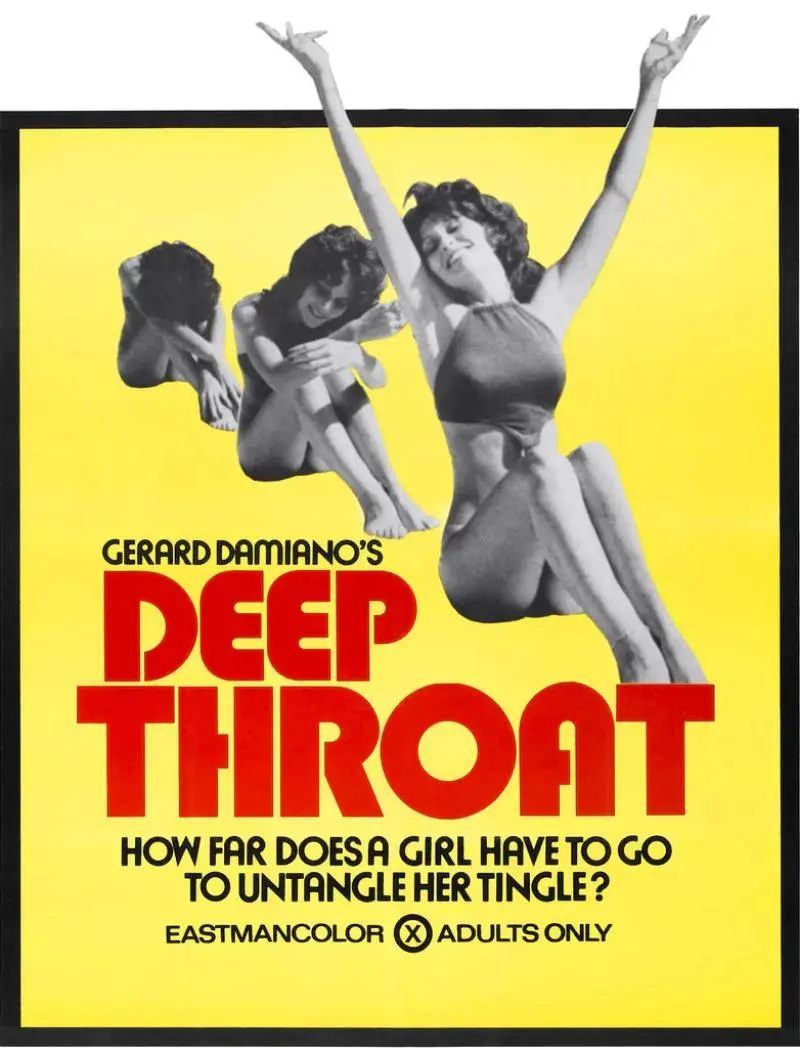
This adult film about a woman with a unique physical trait became a mainstream sensation. Its explicit content and ties to organized crime led to obscenity charges across the U.S. Theaters showing it were prosecuted, and star Linda Lovelace later claimed she was coerced.
The film’s crossover into pop culture made it a landmark in adult entertainment. It sparked debates about pornography’s place in society. Its legacy is complicated by Lovelace’s allegations and its legal battles.
Salò, or the 120 Days of Sodom (1975)

Pier Paolo Pasolini’s film depicts fascist libertines torturing teenagers in graphic detail. Its scenes of sadism, sexual violence, and depravity led to bans in multiple countries. The film’s political allegory about power and corruption didn’t justify its shocking content for many.
Critics were divided, with some calling it art and others pure exploitation. Its reputation as one of cinema’s most disturbing films persists. It remains difficult to watch and is rarely screened publicly.
A Serbian Film (2010)
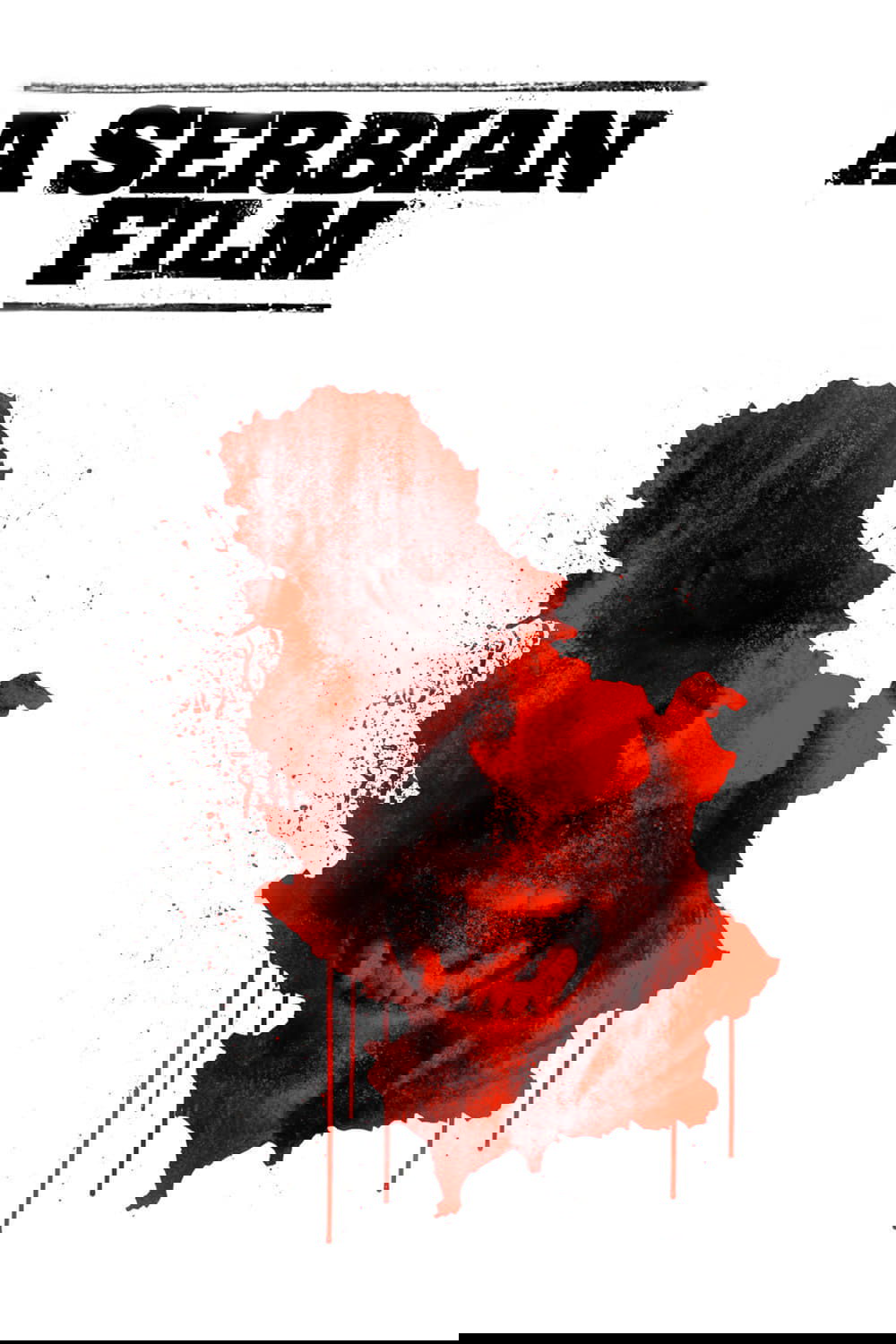
This modern exploitation film follows a porn star lured into a depraved project. Its graphic violence, pedophilia, and necrophilia themes led to bans in over 20 countries. The film’s attempt at political commentary about Serbia was overshadowed by its vile content.
Critics and audiences found it excessively shocking, with little artistic merit. It’s often cited as one of the most disturbing films ever made. Its infamy keeps it alive in horror circles, but it repels most viewers.
The Passion of the Christ (2004)
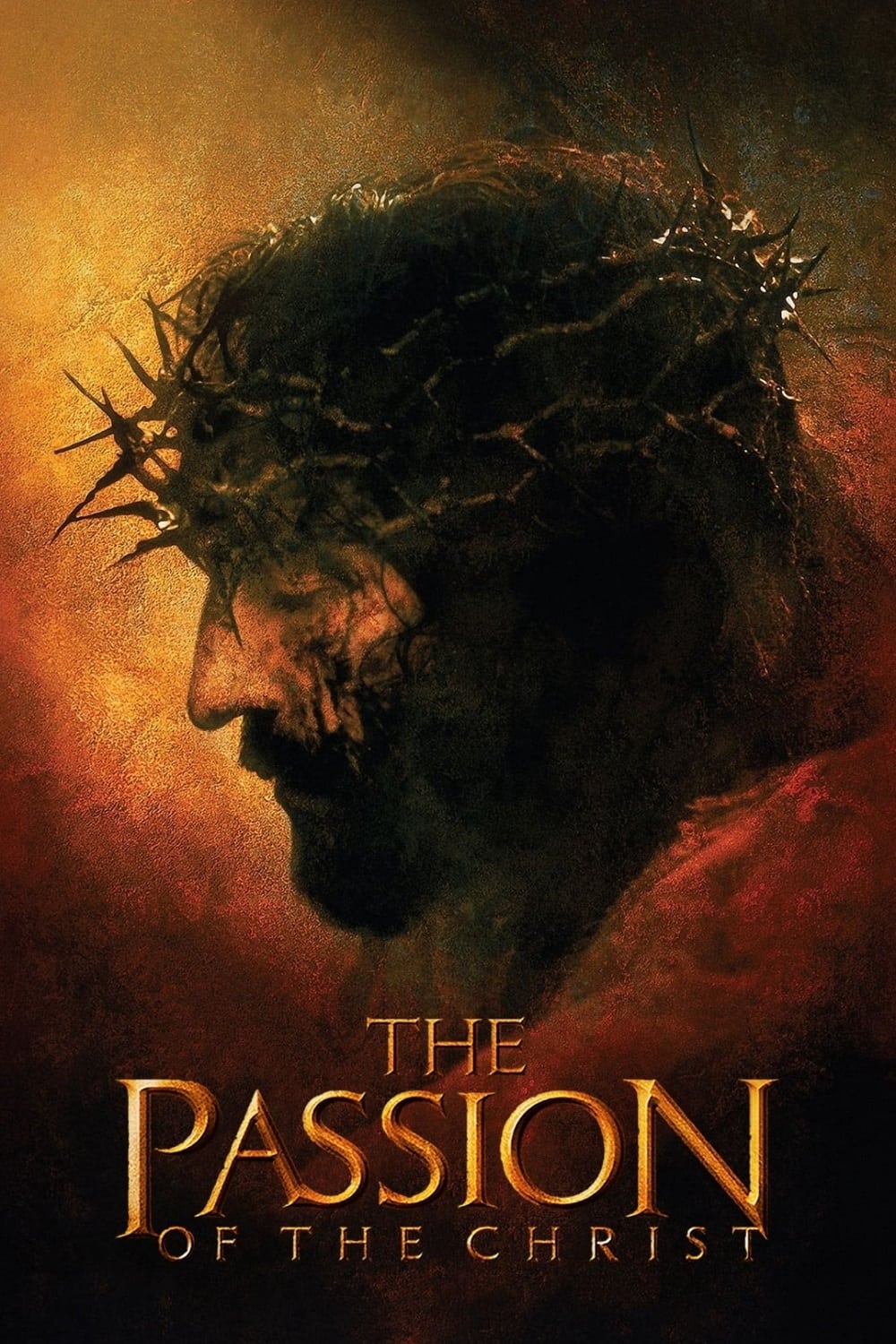
Mel Gibson’s graphic depiction of Jesus’ crucifixion sparked accusations of anti-Semitism and excessive violence. Its brutal scenes of torture were criticized as gratuitous by some, while others praised its raw portrayal of sacrifice. Religious groups had mixed reactions, with some embracing it and others condemning it.
The film’s historical accuracy was questioned, adding to the debate. It became a box-office hit but divided audiences over its intensity. Its unflinching approach still provokes strong reactions.
Natural Born Killers (1994)
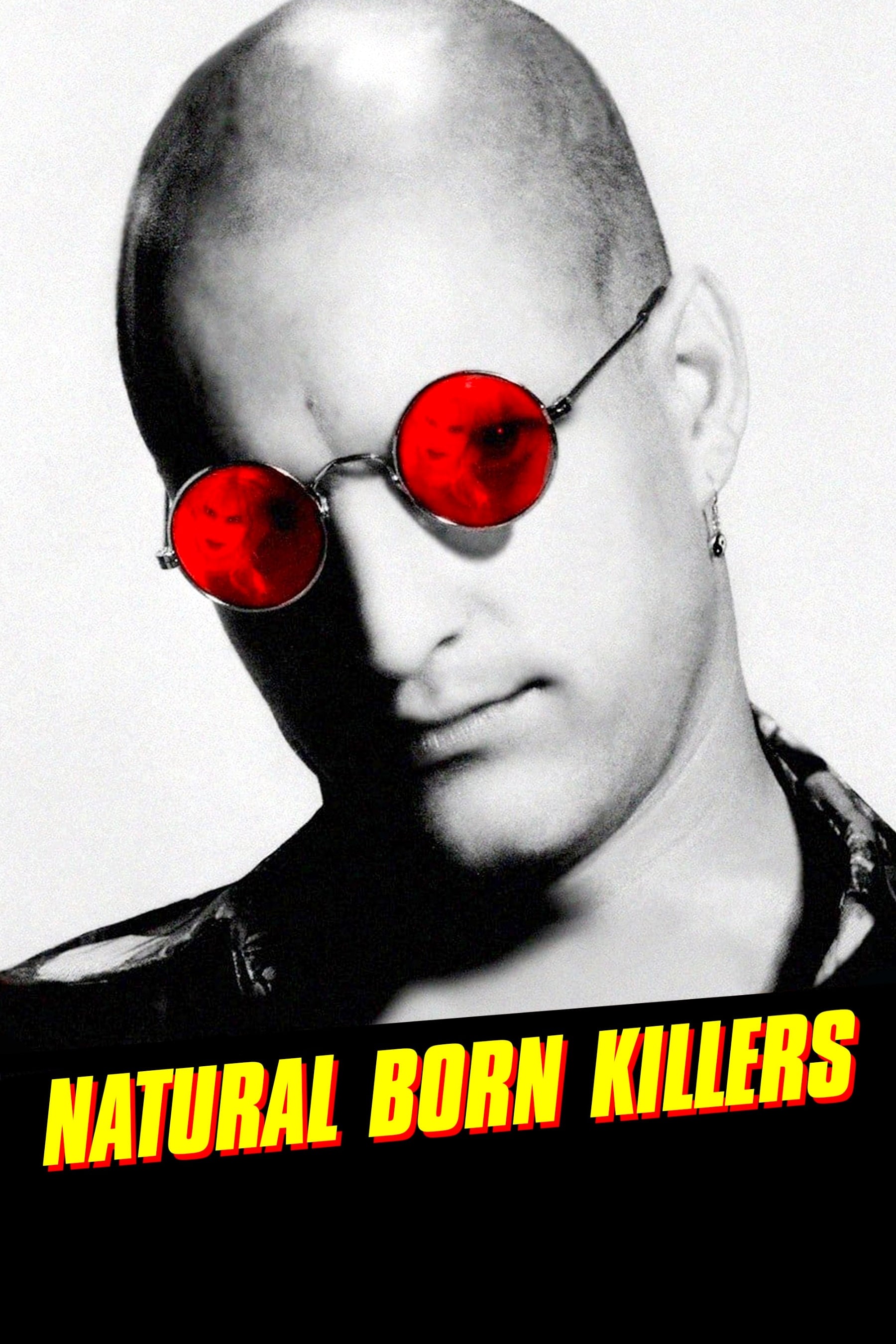
Oliver Stone’s crime film about two lovers on a killing spree glorified violence for some critics. Its frenetic style and media satire were blamed for inspiring real-life crimes, including the Columbine shooting. The film was banned in Ireland and faced heavy scrutiny elsewhere.
Stone cut scenes to avoid an NC-17 rating, but the controversy persisted. Its bold visuals and social commentary earned praise, but its violent content remains divisive. It’s a cult favorite despite its dark legacy.
Bonnie and Clyde (1967)
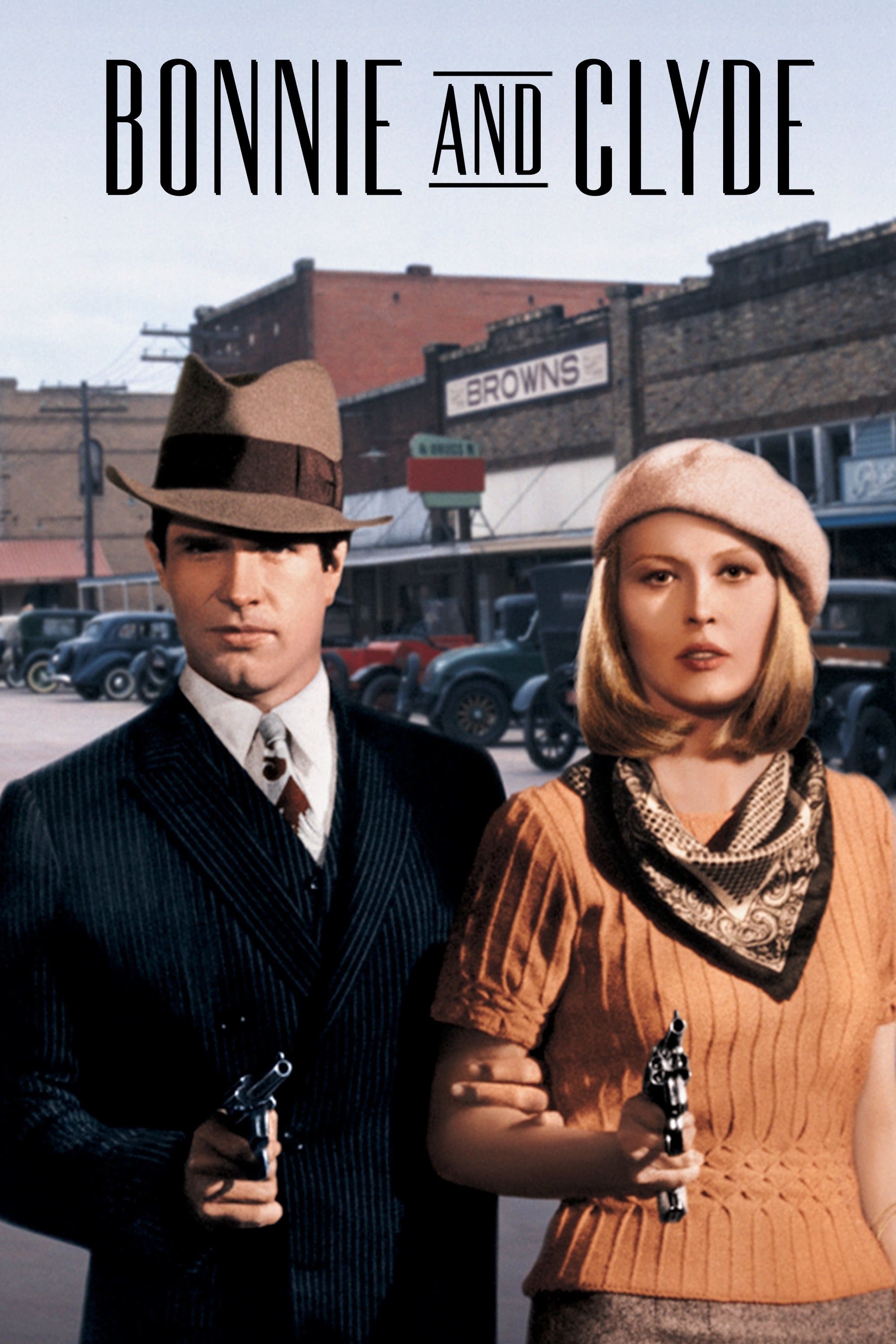
This crime drama about the infamous outlaws shocked audiences with its graphic violence. The final scene, showing the couple’s bullet-riddled deaths, was groundbreaking but controversial. Critics argued it glorified crime and desensitized viewers to violence.
The film’s mix of romance and brutality redefined Hollywood storytelling. It faced backlash but became a cultural touchstone. Its influence on modern cinema is huge, but its violence was polarizing at the time.
Last Tango in Paris (1972)
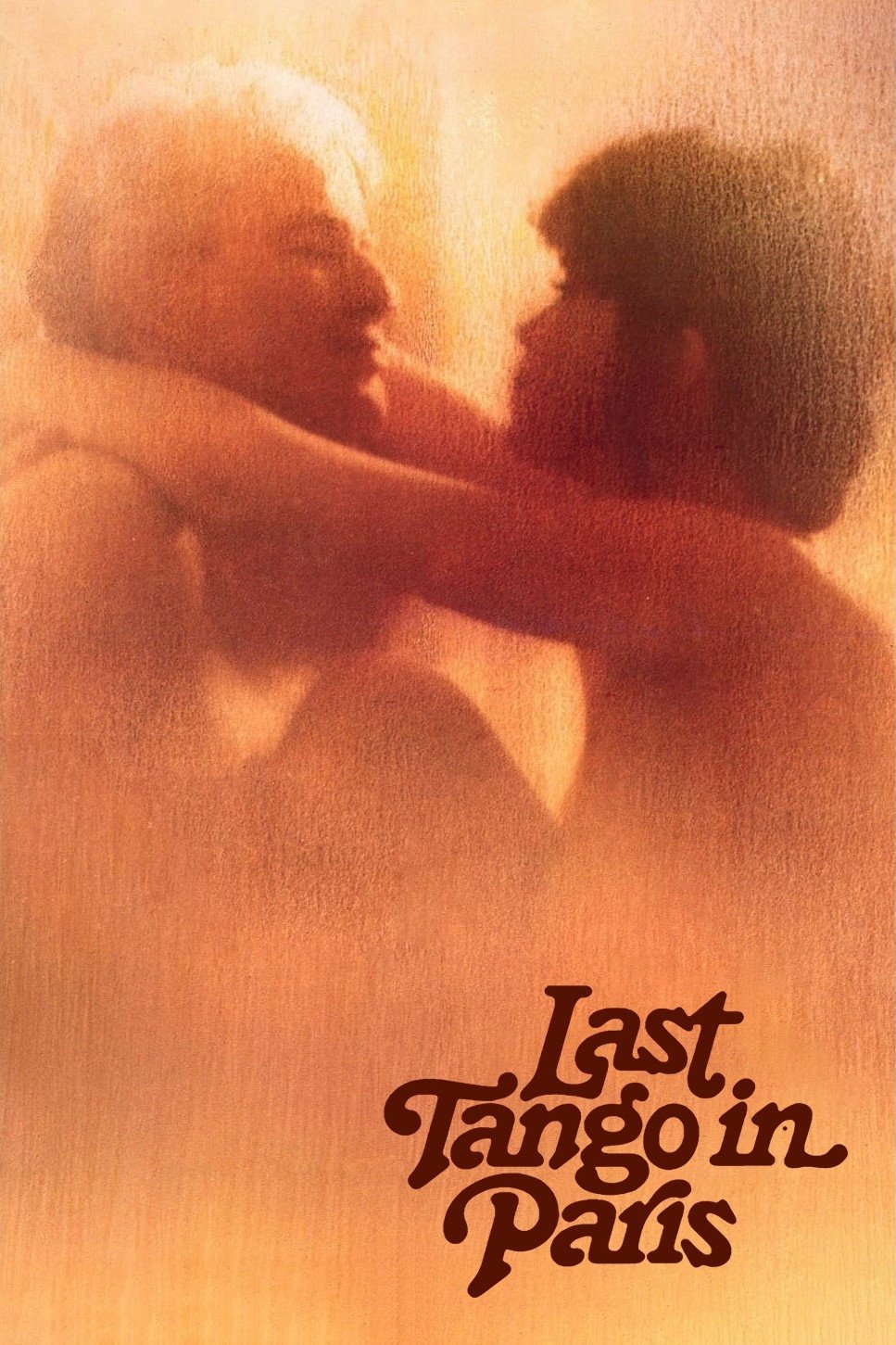
Bernardo Bertolucci’s erotic drama about a grieving man’s affair pushed sexual boundaries. Its explicit scenes, especially one involving non-consensual acts, outraged audiences. Star Maria Schneider later said she felt manipulated during filming, adding to the film’s infamy.
It was banned in several countries and faced obscenity charges in Italy. The film’s raw emotion and artistry earned praise, but its ethics remain debated. It’s a landmark in art cinema but a troubling one.
I Spit on Your Grave (1978)
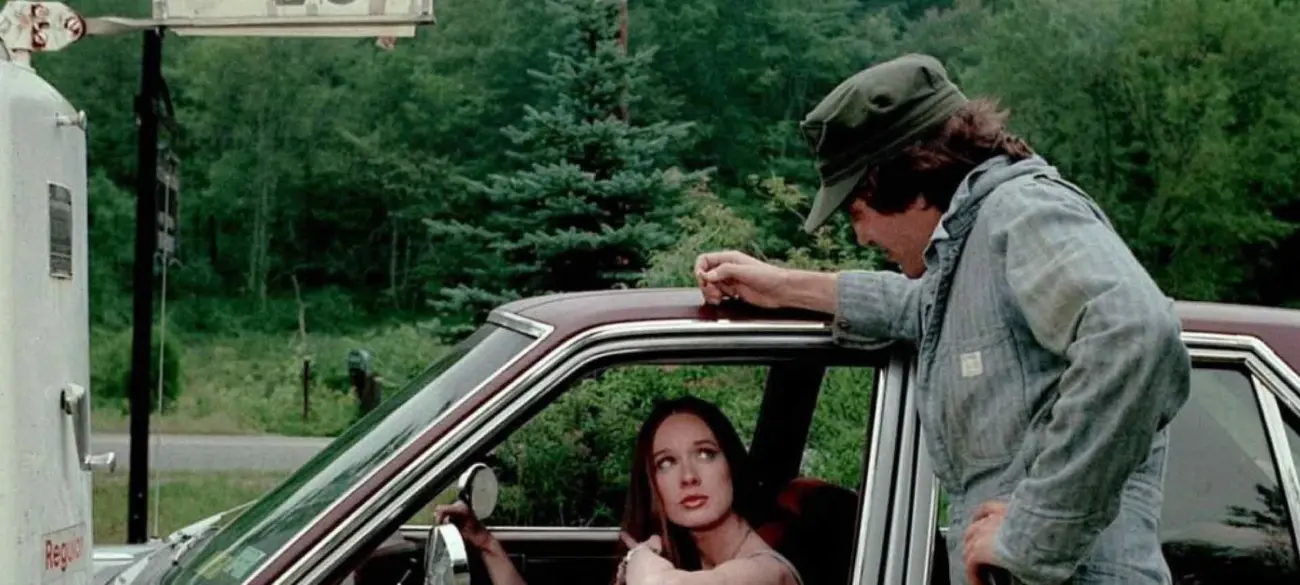
This horror film about a woman’s revenge after a brutal assault was called exploitative. Its graphic rape scenes and violent retribution led to bans in multiple countries. Critics argued it glorified violence against women, while others saw it as empowering.
The film’s low budget and raw style added to its shock value. It became a cult hit but remains polarizing. Its sequels and remake kept the controversy alive.
Faces of Death (1978)
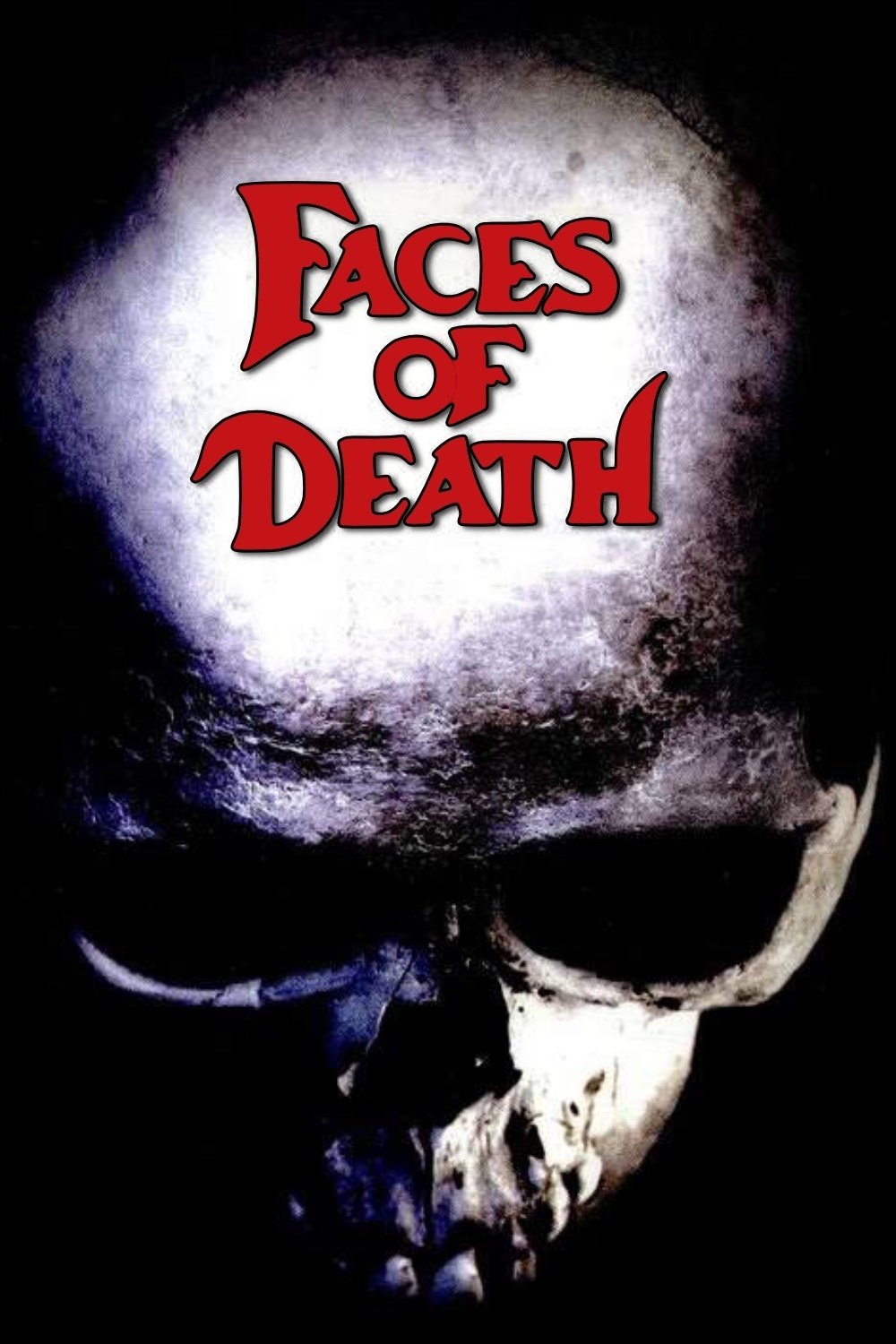
This shockumentary claims to show real deaths and violence, though much is staged. Its graphic footage of executions, accidents, and animal cruelty horrified audiences. Banned in 46 countries, it gained a cult following through VHS trading.
The film’s mix of real and fake violence sparked debates about ethics in documentary filmmaking. It’s less shocking today but was a sensation in its time. Its sequels continued the controversial formula.
Pink Flamingos (1972)
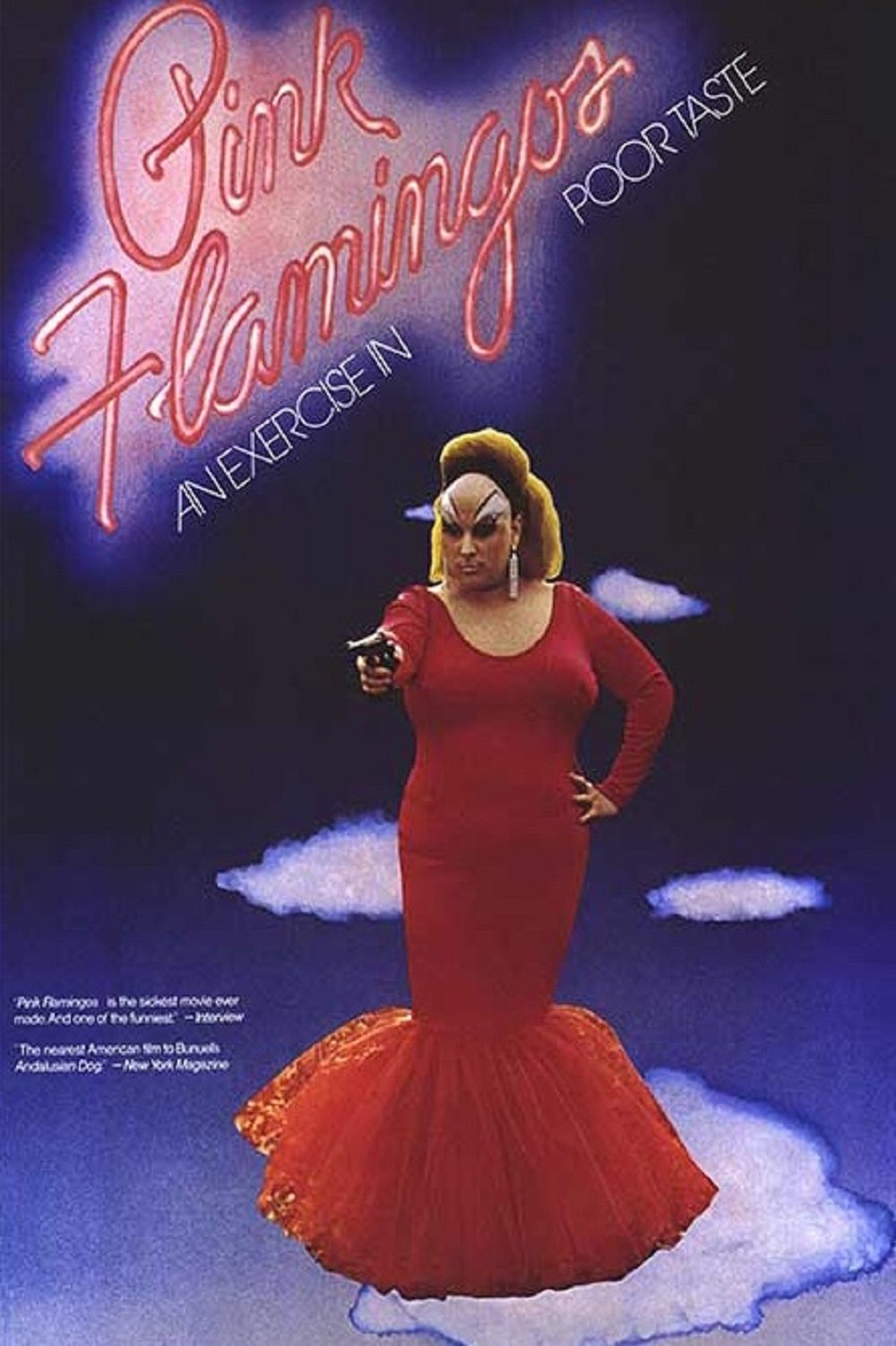
John Waters’ cult film follows Divine in a quest to be the “filthiest person alive.” Its scenes of inc*st, animal cruelty, and a notorious act of coprophagia shocked audiences. The film’s outrageous humor and taboo-breaking made it a counterculture icon.
It was banned in several places but embraced by underground fans. Its raw, unapologetic style influenced later filmmakers. It remains a bold, divisive piece of cinema history.
Caligula (1979)
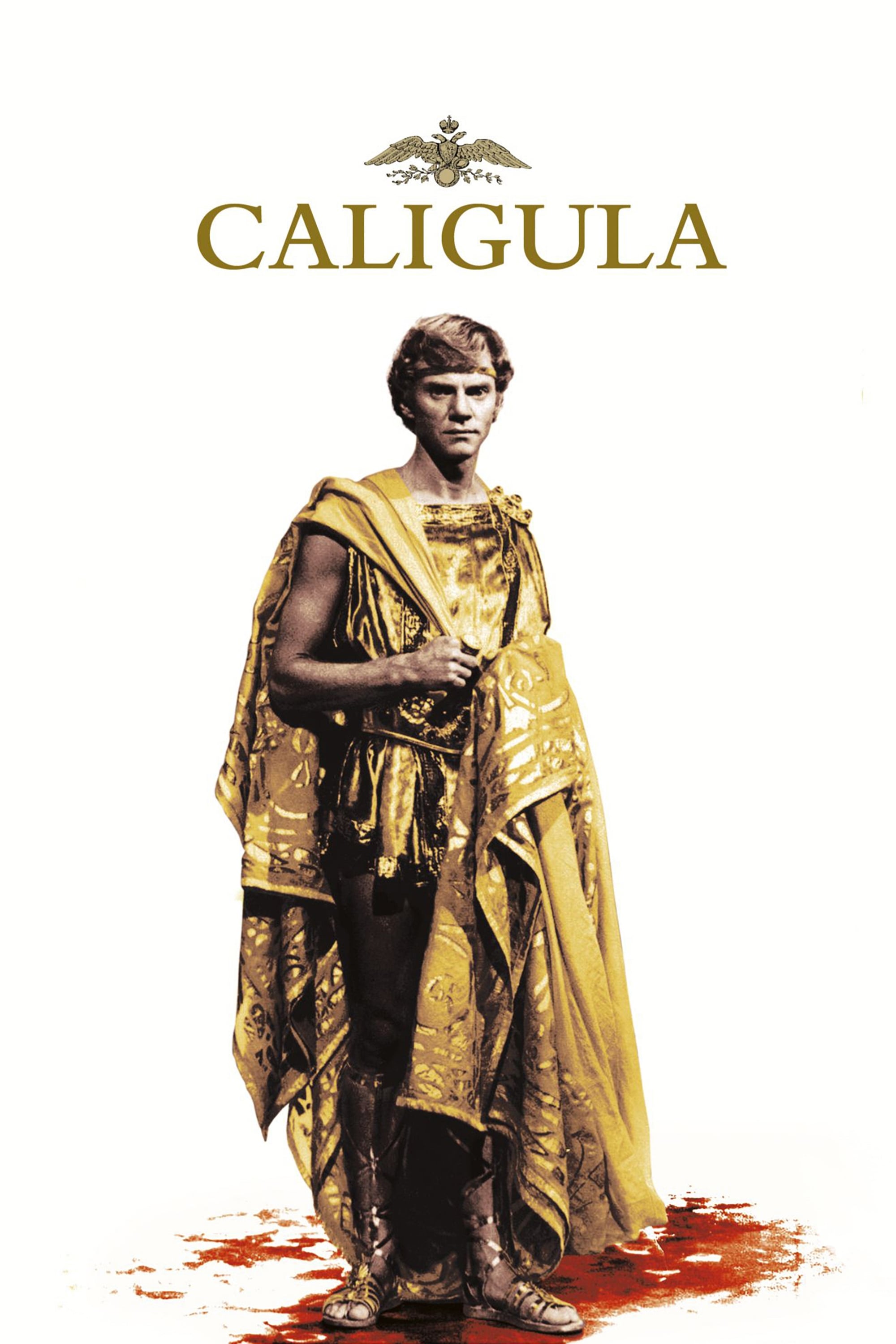
This historical drama about the Roman emperor mixes explicit sex and violence. Produced by Penthouse, it featured unsimulated scenes and graphic gore. The film’s excess led to bans and heavy edits in many countries.
Stars like Malcolm McDowell distanced themselves from the final cut. Its attempt at historical commentary was overshadowed by its debauchery. It’s still infamous for its over-the-top content.
The Human Centipede (2009)
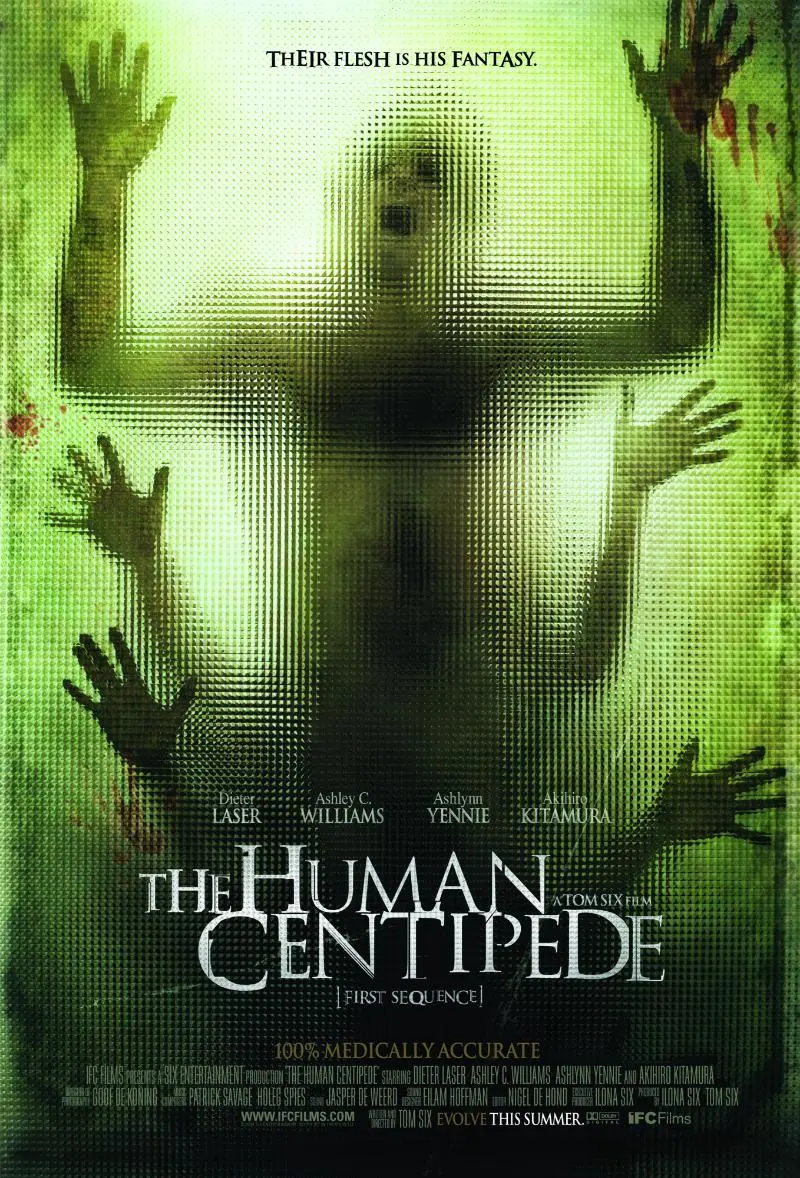
Tom Six’s horror film about a mad scientist’s grotesque experiment disgusted audiences. Its premise of sewing people together mouth-to-anus was deemed obscene. The film was banned in several countries and sparked debates about torture porn.
Its sequels pushed the shock value further, amplifying the controversy. While some see it as satire, most find it repulsive. It’s a modern example of extreme horror’s divisive nature.
Kids (1995)
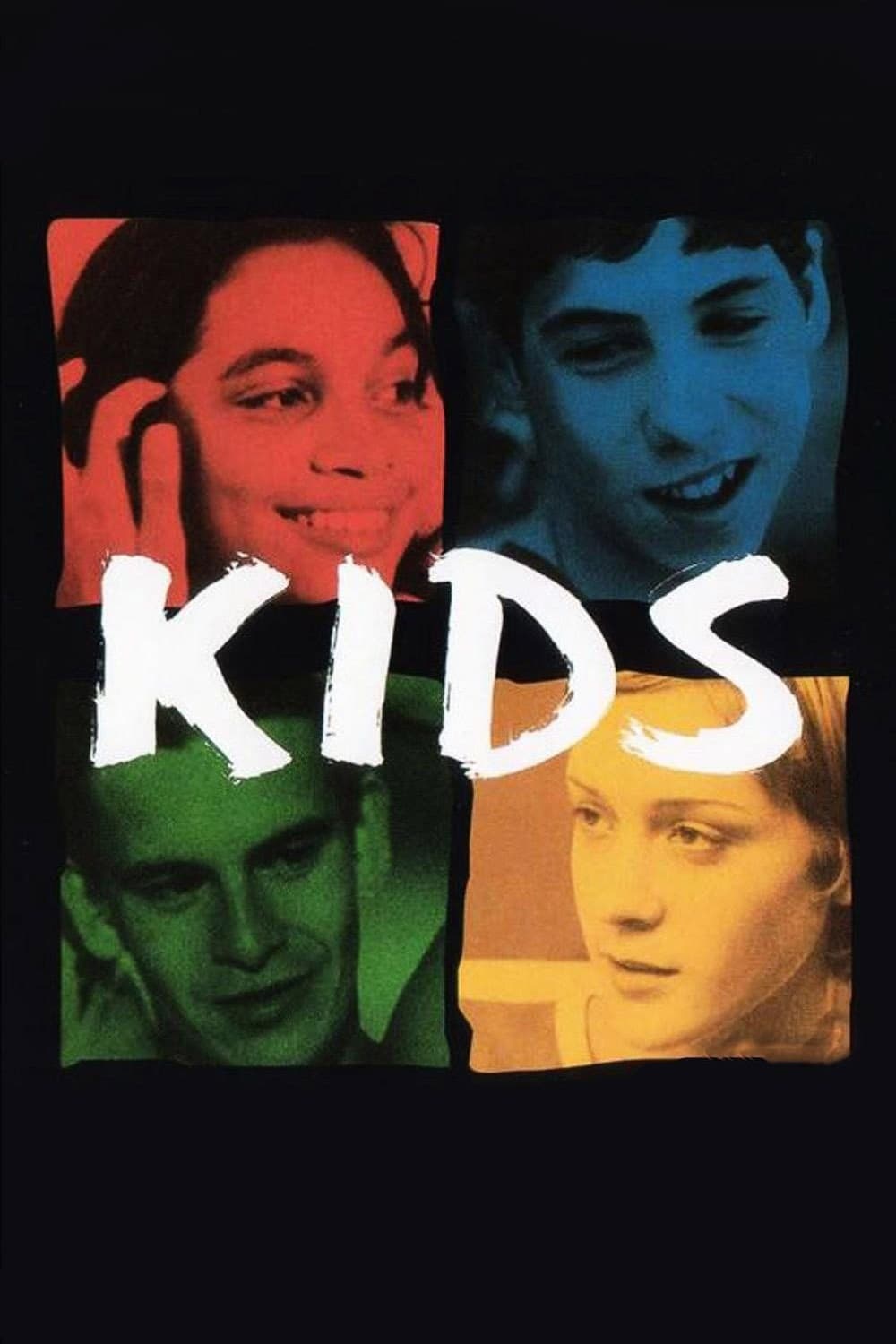
Larry Clark’s raw drama about reckless teens in New York City shocked with its explicit content. Scenes of underage sex, drug use, and violence led to an NC-17 rating and public outcry. Some called it a wake-up call; others saw it as exploitative.
The film’s documentary-like style added to its unsettling impact. It launched careers but remains controversial for its subject matter. It’s a gritty snapshot of youth gone wild.
Lolita (1962)
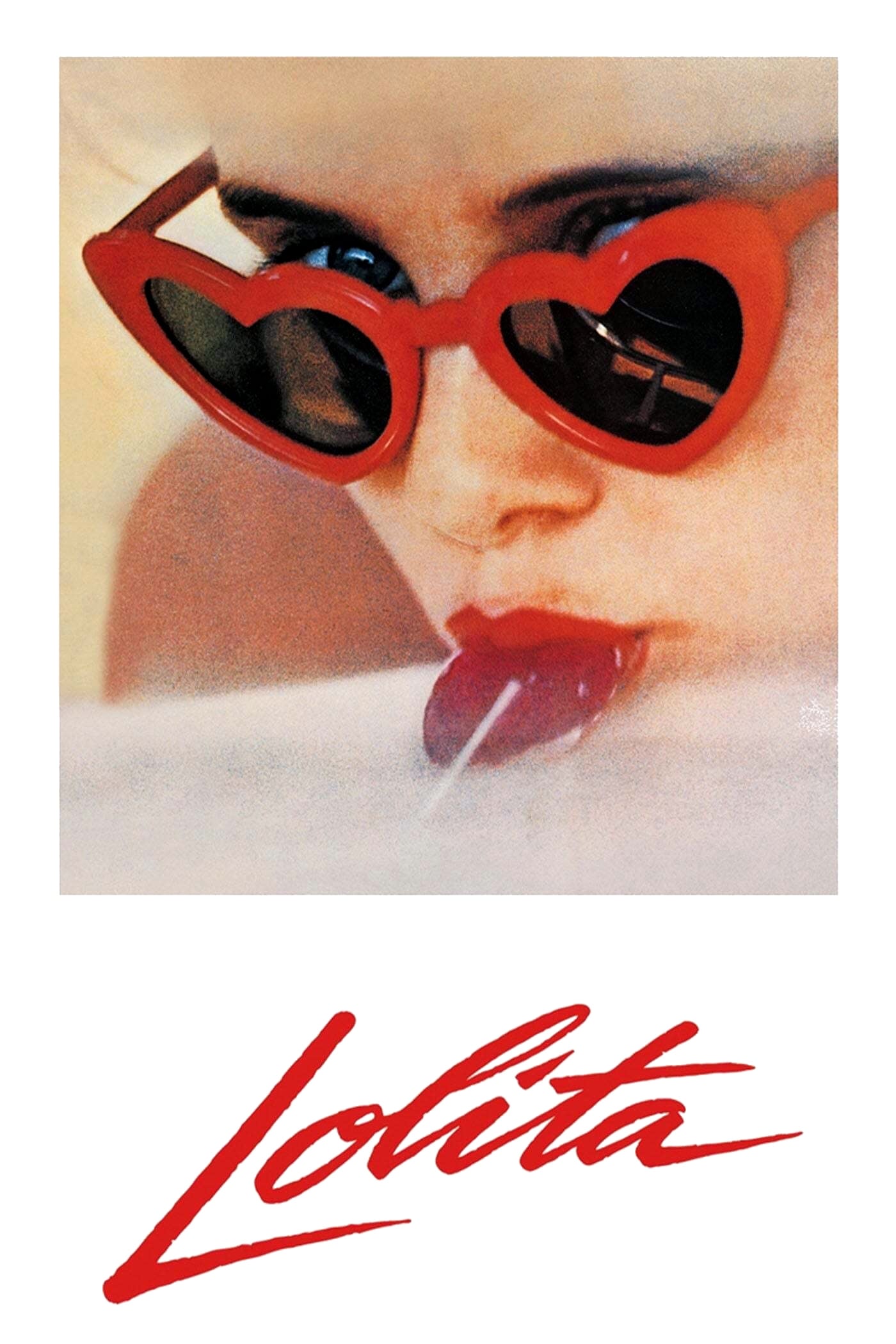
Stanley Kubrick’s adaptation of Vladimir Nabokov’s novel about a man obsessed with a young girl was daring for its time. Its subtle handling of pedophilia still caused backlash. Censors demanded changes, and some countries banned it outright.
The film’s dark humor and artistry earned praise, but its theme unsettled audiences. It remains a bold exploration of taboo desire. Its controversy persists in discussions about adaptation.
The Texas Chain Saw Massacre (1974)
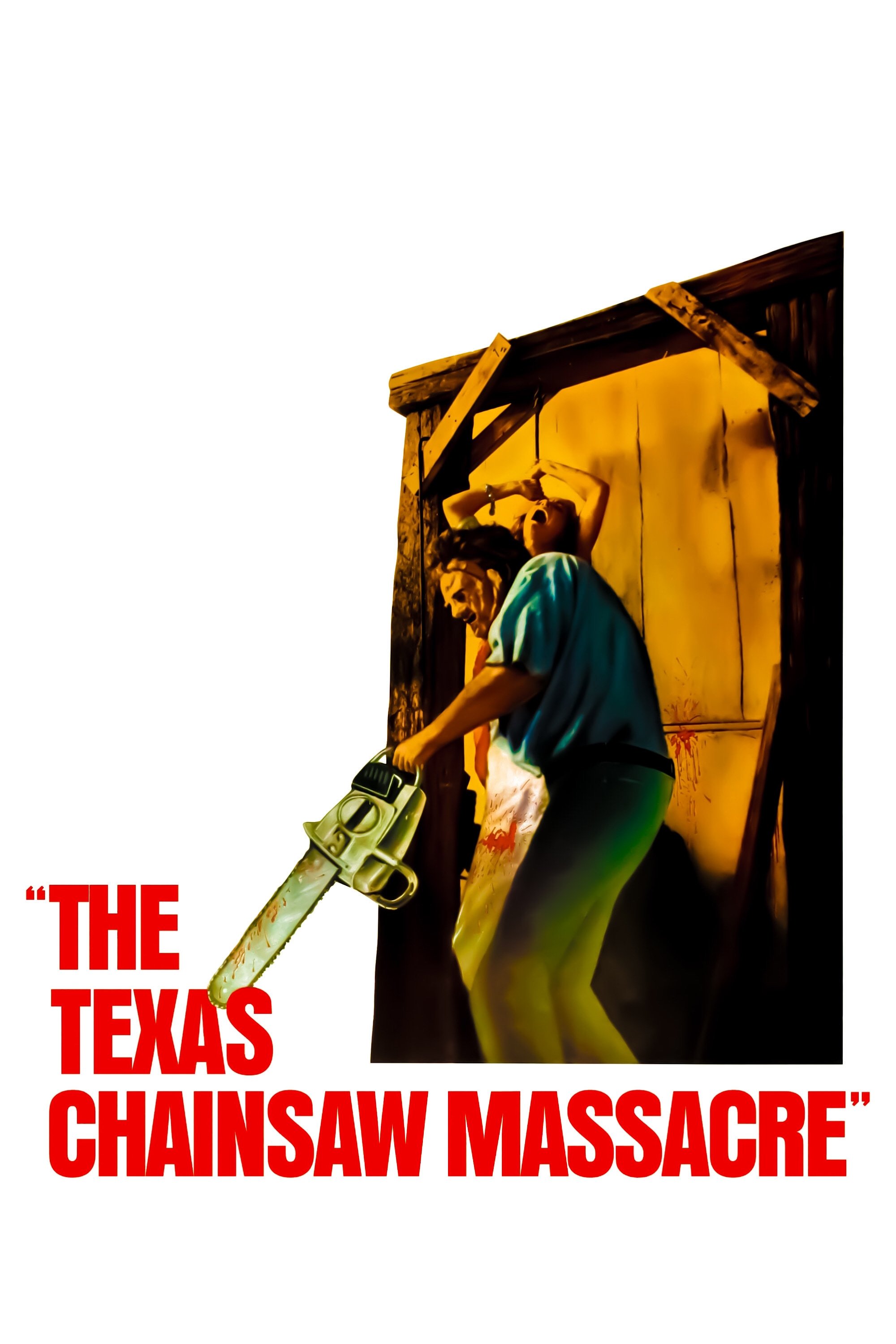
Tobe Hooper’s horror classic about a cannibal family terrified audiences with its raw violence. Despite little gore, its intense atmosphere led to bans in several countries. Critics called it depraved, while fans praised its realism.
The film’s low-budget grit made it feel disturbingly real. It influenced countless horror films but faced heavy censorship. Its legacy as a genre-defining work endures.
Irreversible (2002)
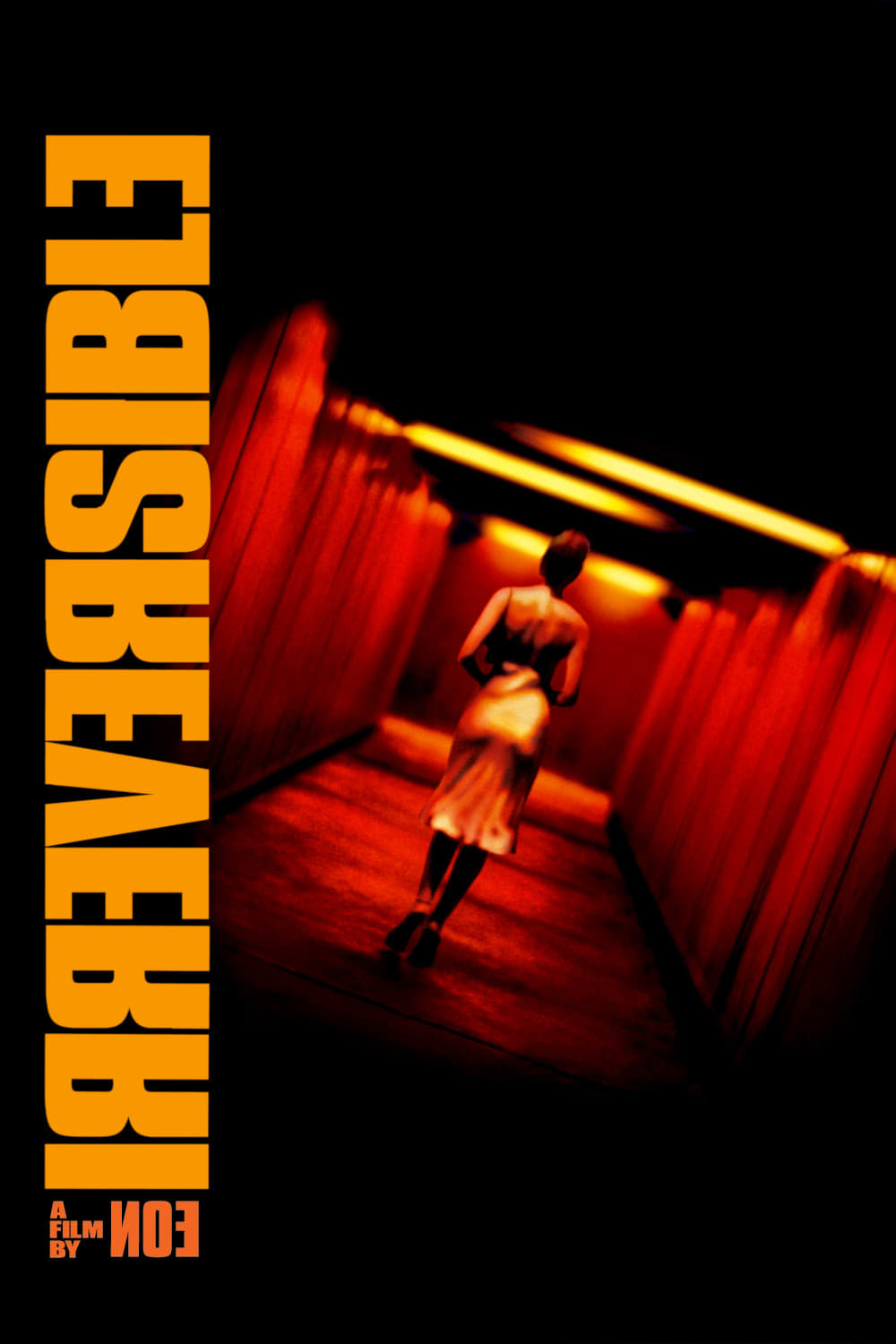
Gaspar Noé’s film, told in reverse, features a brutal rape scene and graphic violence. The nine-minute assault sequence shocked audiences, leading to walkouts and bans. Its exploration of revenge and trauma didn’t calm critics.
The film’s bold style and sound design are praised, but its intensity divides viewers. It’s a provocative work that pushes cinematic boundaries. Its raw emotion still sparks debate.
The Devils (1971)
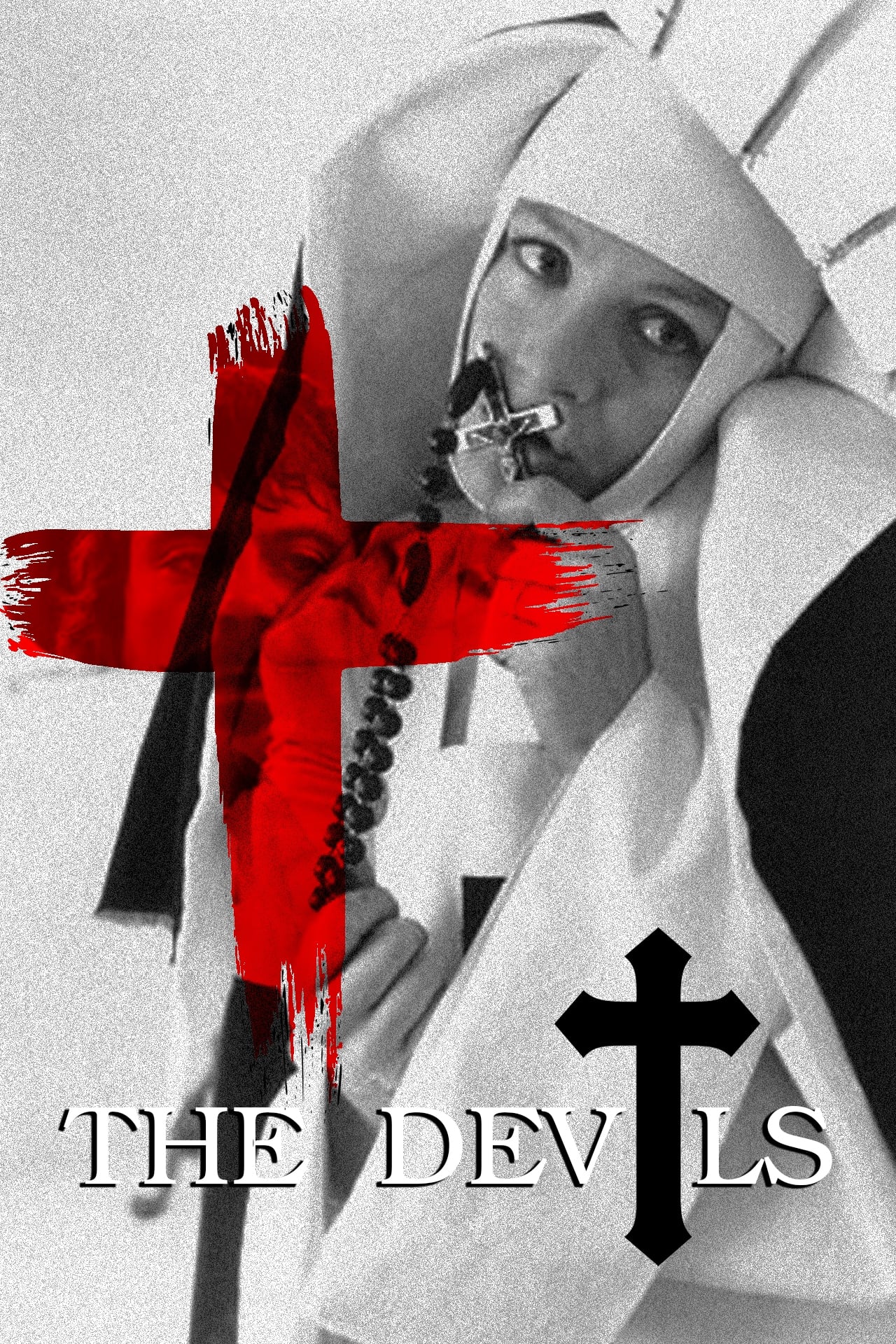
Ken Russell’s film about a priest accused of witchcraft includes graphic sex and violence. Its blasphemous depiction of nuns and religious corruption outraged censors. The film was heavily cut or banned in many countries.
Its bold visuals and historical commentary earned a cult following. Religious groups condemned it as sacrilegious. It remains a polarizing piece of provocative cinema.
Antichrist (2009)
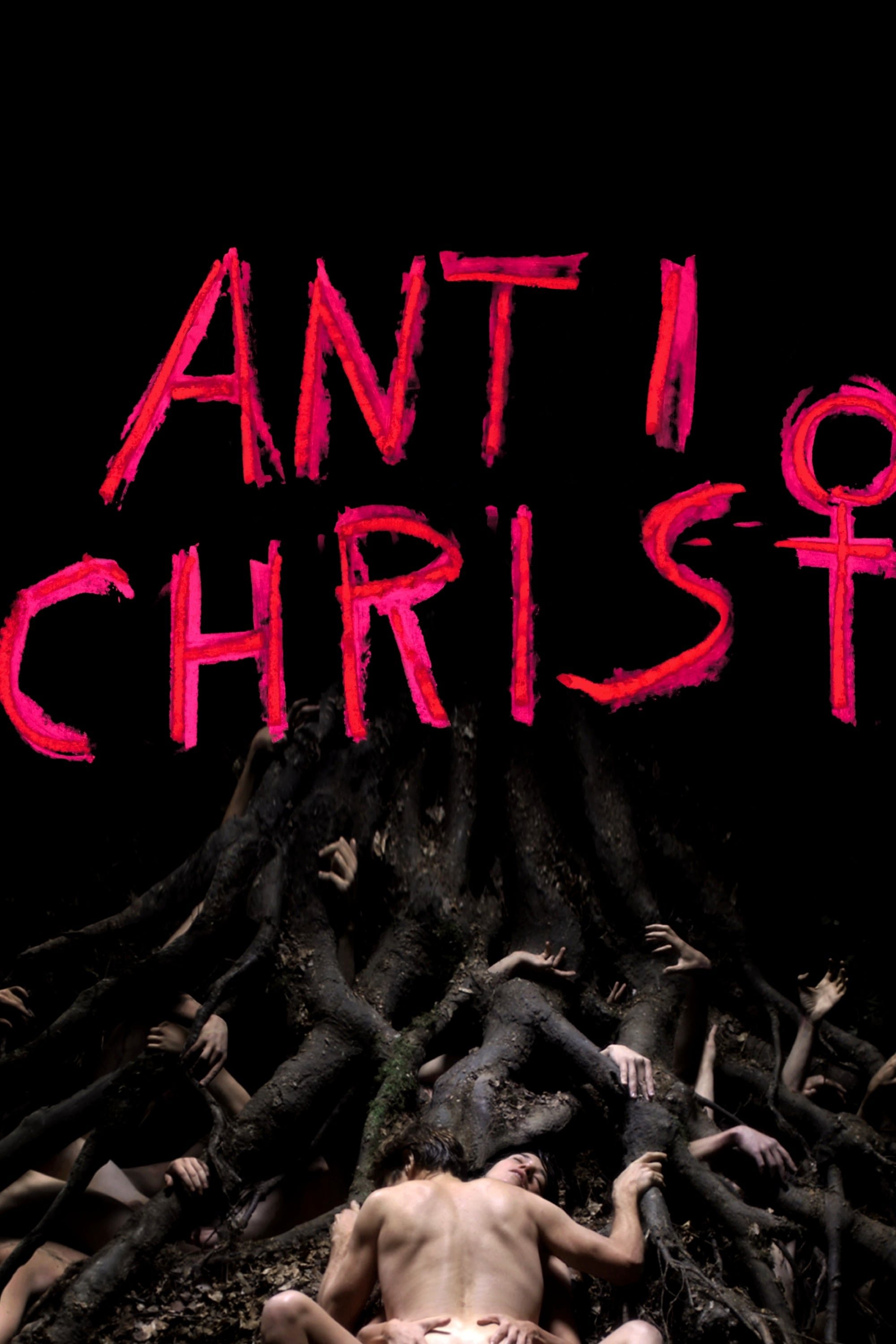
Lars von Trier’s psychological horror film explores grief through extreme violence and sexuality. Scenes of genital mutilation and torture led to bans and walkouts. Some saw it as profound; others called it gratuitous.
The film’s artistic ambition didn’t sway its detractors. It divided critics at Cannes and remains a lightning rod for debate. Von Trier’s provocative style ensures its infamy.
Crash (1996)
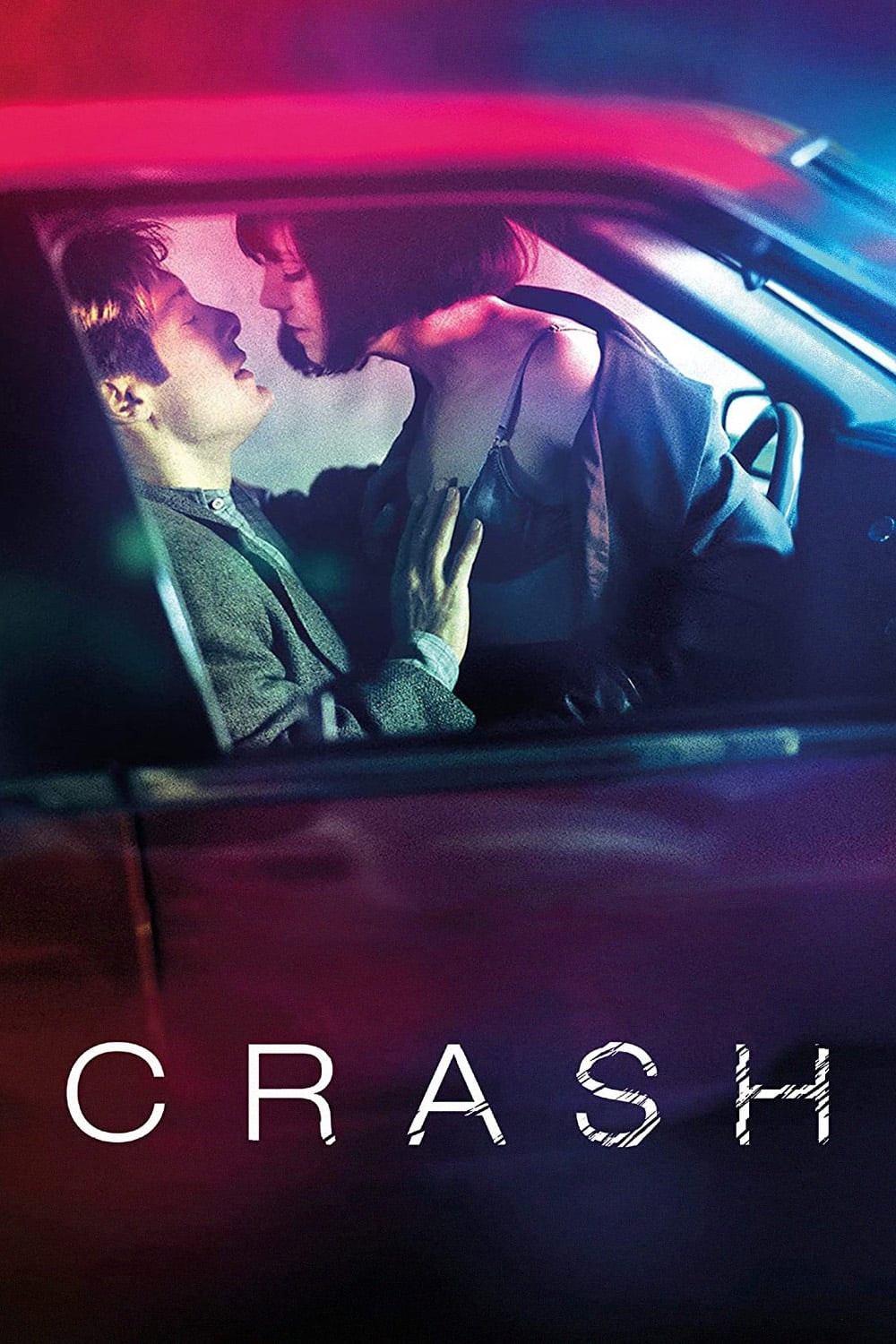
David Cronenberg’s film about people aroused by car crashes shocked with its sexual content. Its mix of eroticism and violence led to bans and protests. Critics were split, with some praising its boldness and others calling it perverse.
The film’s exploration of fetishism and technology is unsettling but thought-provoking. It won a Special Jury Prize at Cannes despite controversy. It remains a cult classic.
Blue Is the Warmest Color (2013)
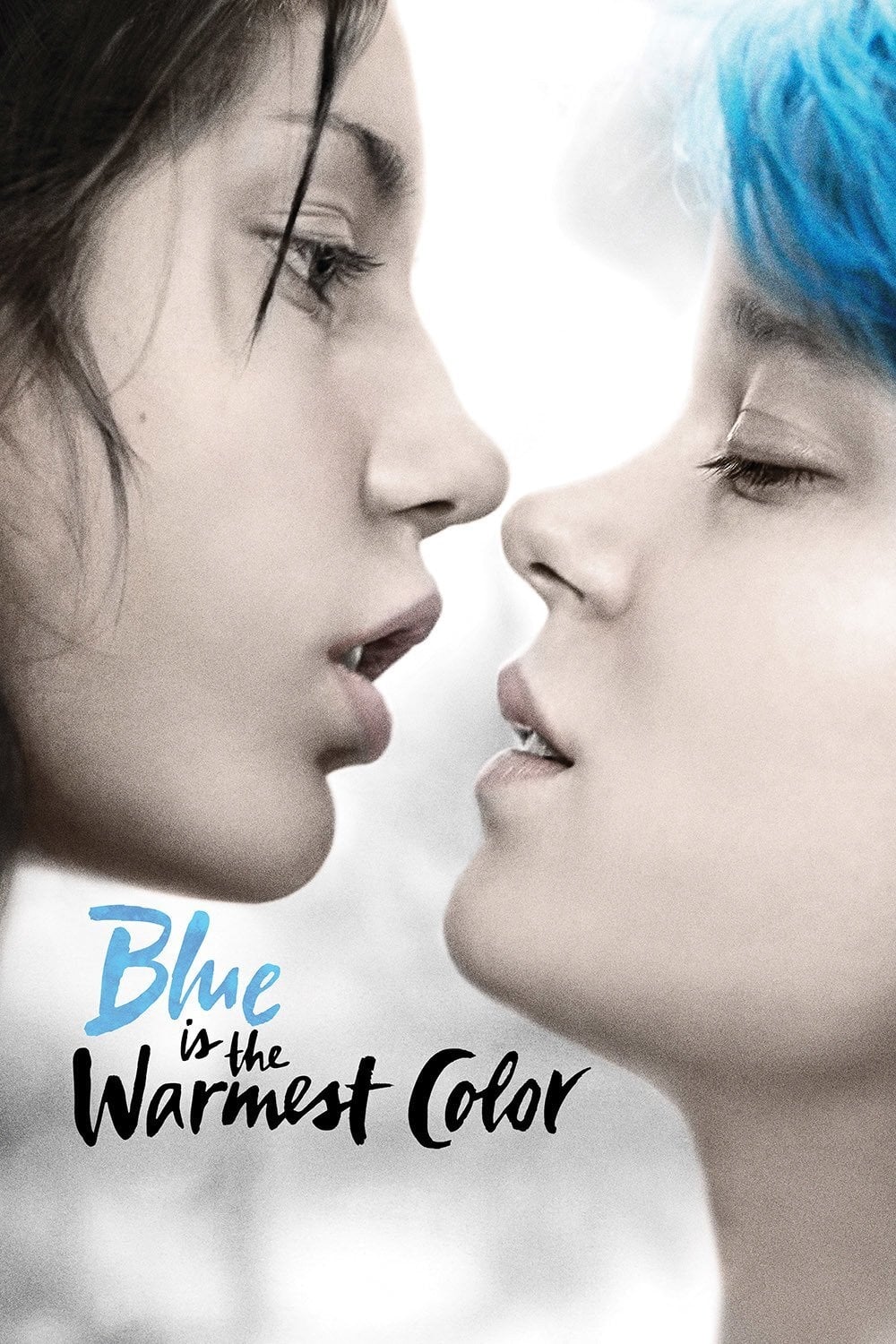
This French drama about a lesbian romance includes lengthy, explicit sex scenes. Its raw depiction of intimacy sparked debates about the male gaze and consent on set. Some praised its emotional depth; others found it exploitative.
The film won the Palme d’Or at Cannes but faced backlash from its stars. Its graphic nature led to restricted releases. It’s a landmark in queer cinema but divisive.
Dogma (1999)
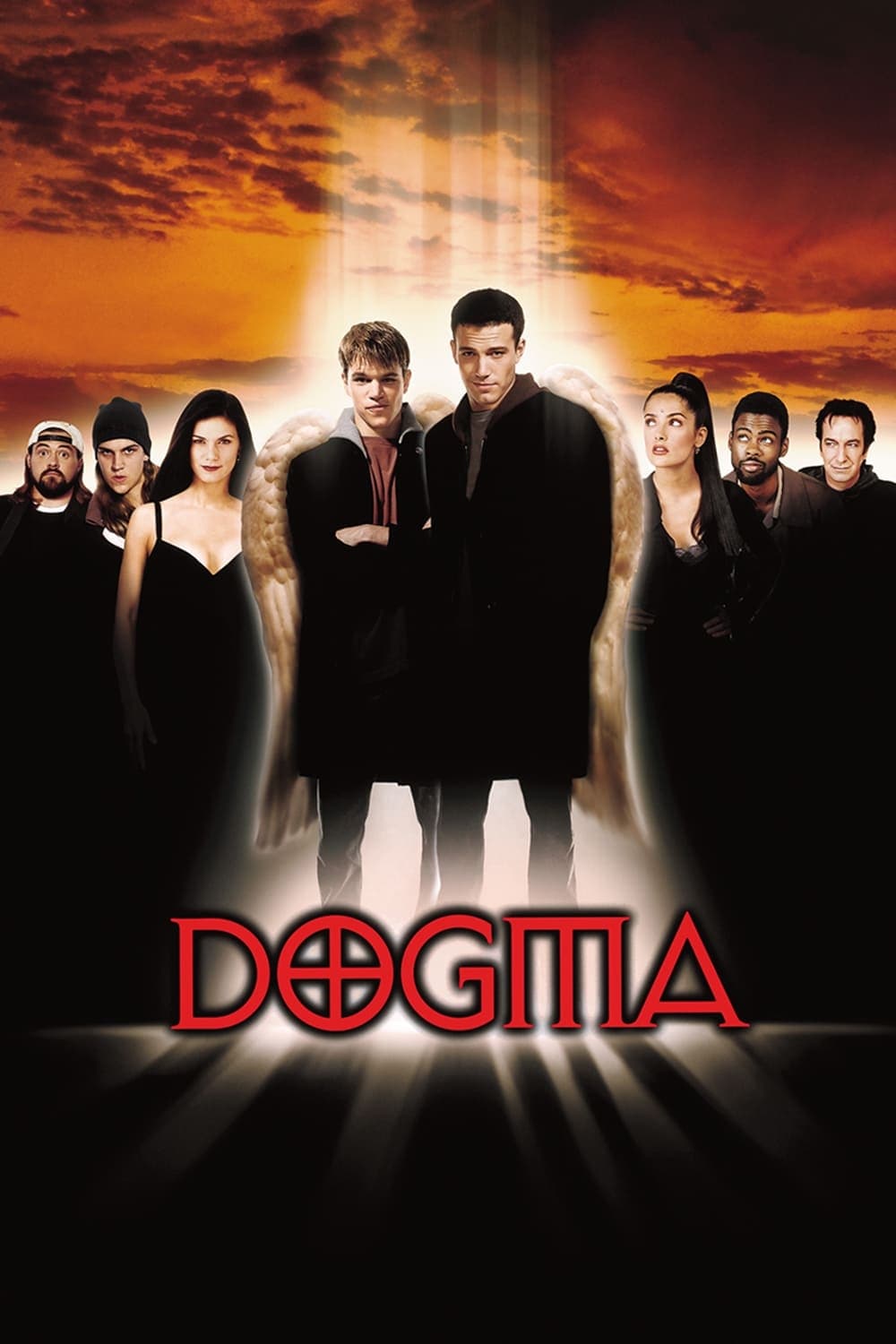
Kevin Smith’s comedy about angels and religion sparked protests from Catholic groups. Its irreverent take on faith, with crude humor and theological satire, was called blasphemous. Some theaters refused to screen it due to threats.
The film’s sharp writing and cast, including Ben Affleck, won fans. Its playful critique of organized religion still ruffles feathers. It’s a cult favorite with a controversial edge.
The Interview (2014)
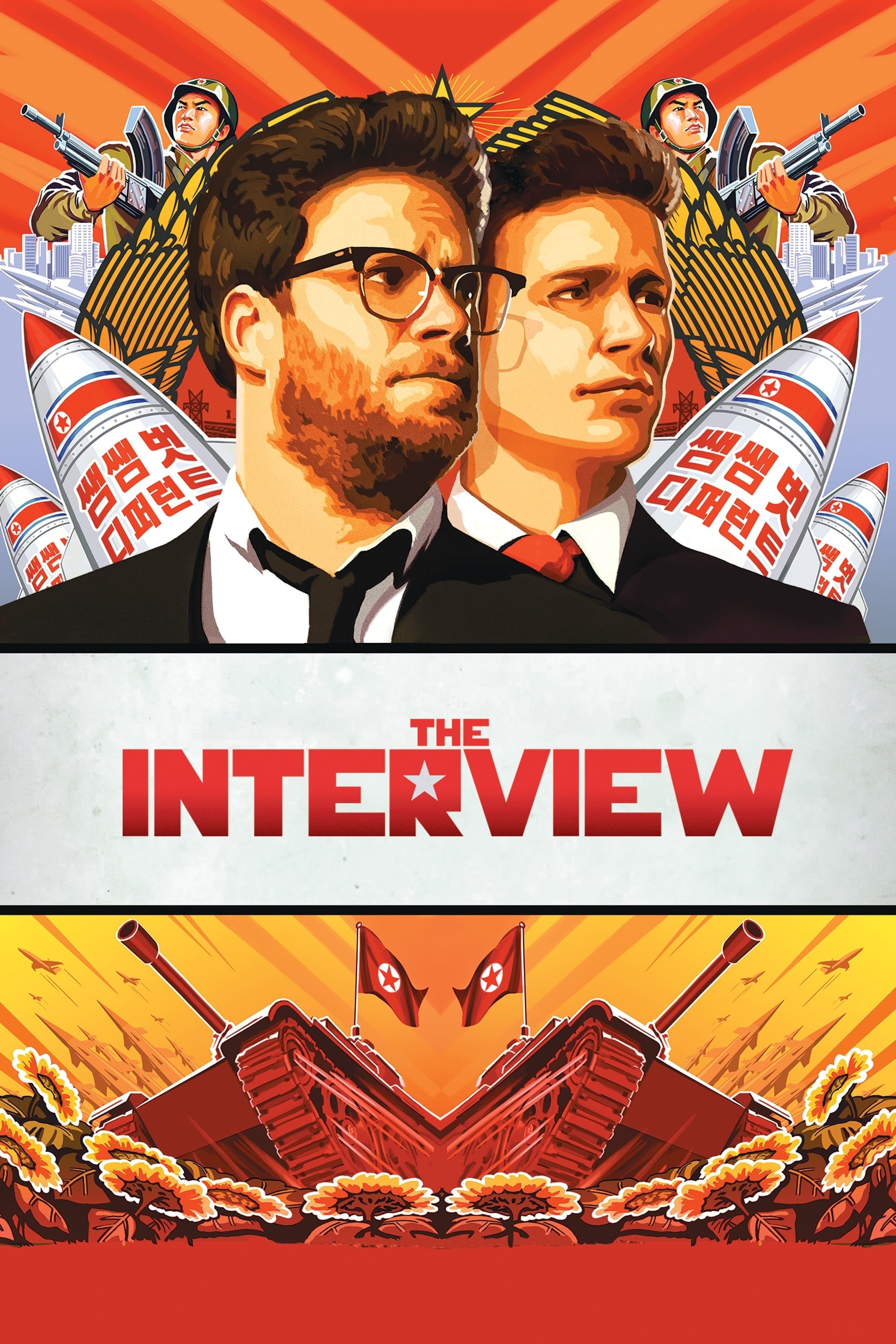
This comedy about assassinating a North Korean leader led to real-world consequences. North Korea’s government threatened the U.S., and hackers leaked Sony’s emails. The film’s release was limited due to security concerns.
Its crude humor and political satire divided audiences. Some saw it as a bold statement; others found it reckless. The geopolitical fallout made it uniquely controversial.
United 93 (2006)

Paul Greengrass’ real-time drama about 9/11’s hijacked flight was called too soon by critics. Its raw depiction of the tragedy stirred emotional debates. Some praised its tribute to heroism; others found it exploitative.
The film’s documentary style added to its intensity. It received critical acclaim but faced audience backlash. Its sensitive subject matter keeps it divisive.
Fahrenheit 9/11 (2004)
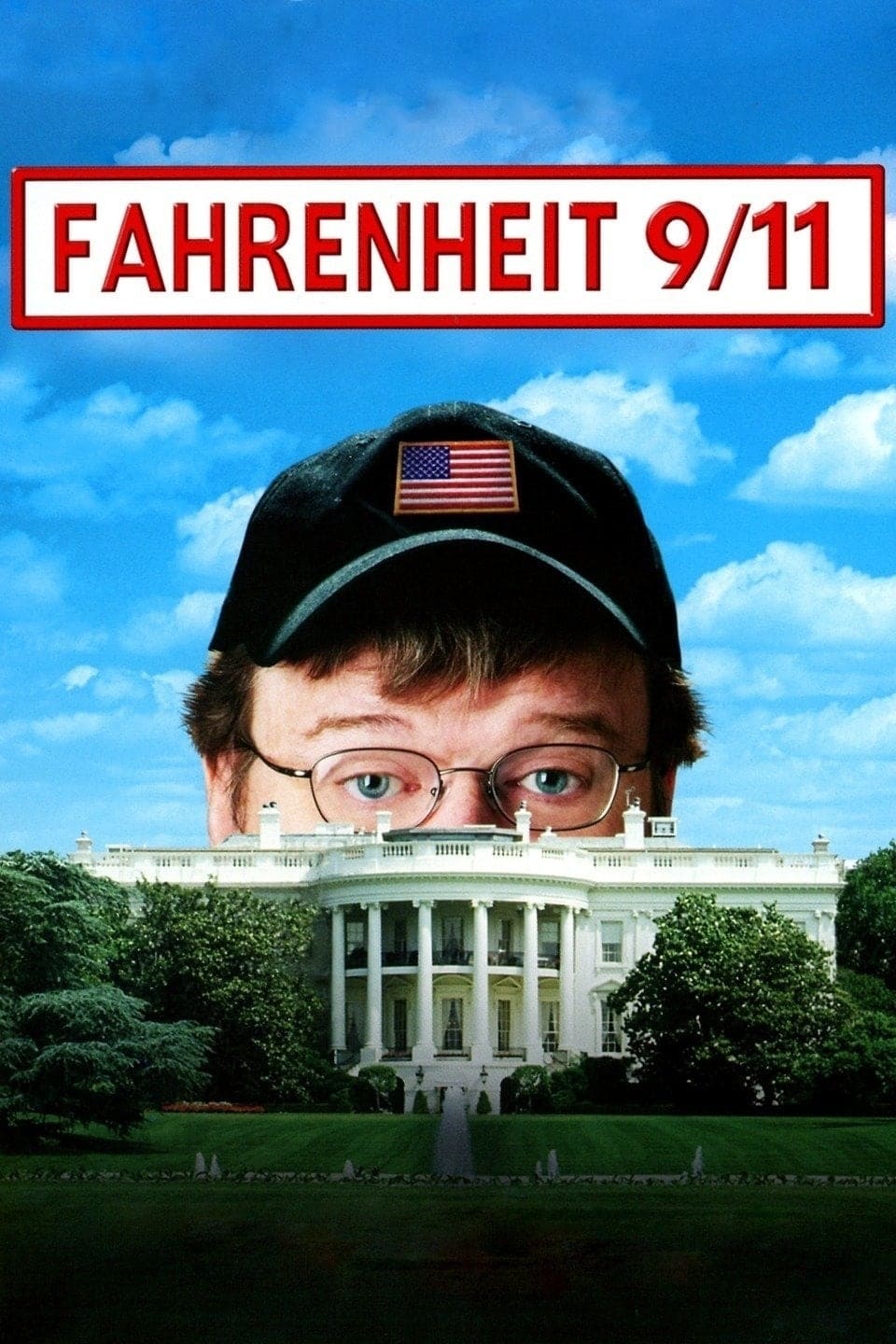
Michael Moore’s documentary critiques the Bush administration post-9/11. Its accusations of corruption and war profiteering sparked political outrage. Conservative groups called it propaganda, while supporters saw it as truth-telling.
The film won the Palme d’Or and broke box-office records for documentaries. Its polarizing stance on U.S. policy fueled debates. It remains a lightning rod for political discourse.
The Da Vinci Code (2006)

This thriller about a religious conspiracy upset Christian groups with its historical claims. Its suggestion that Jesus had a child with Mary Magdalene was called heretical. Protests and boycotts targeted its release.
The film’s blockbuster success didn’t silence critics. Its blend of fiction and history sparked global debates. It remains controversial among religious audiences.
Audition (1999)

Takashi Miike’s Japanese horror film starts slow but ends in brutal torture. Its graphic scenes of mutilation shocked audiences and led to walkouts. Some saw it as feminist commentary; others found it sadistic.
The film’s slow-burn style and shocking climax made it a cult hit. It was banned in some places for its violence. Its legacy in horror remains strong.
The Night Porter (1974)
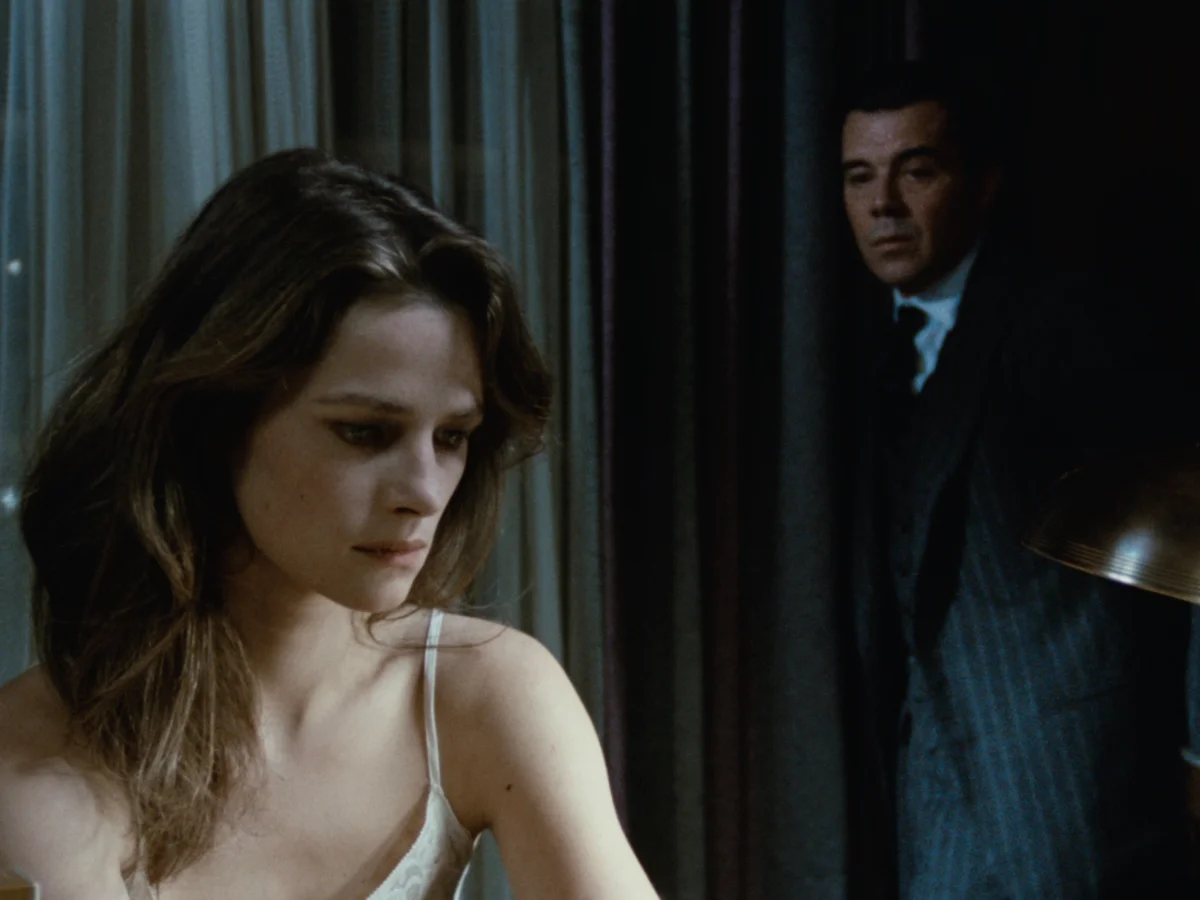
This drama about a Holocaust survivor’s sadomasochistic relationship with her former captor was divisive. Its exploration of trauma and power dynamics was called perverse. The film faced bans and heavy criticism.
Some praised its psychological depth, but others found it exploitative. Its taboo romance shocked audiences. It remains a controversial study of human darkness.
Happiness (1998)
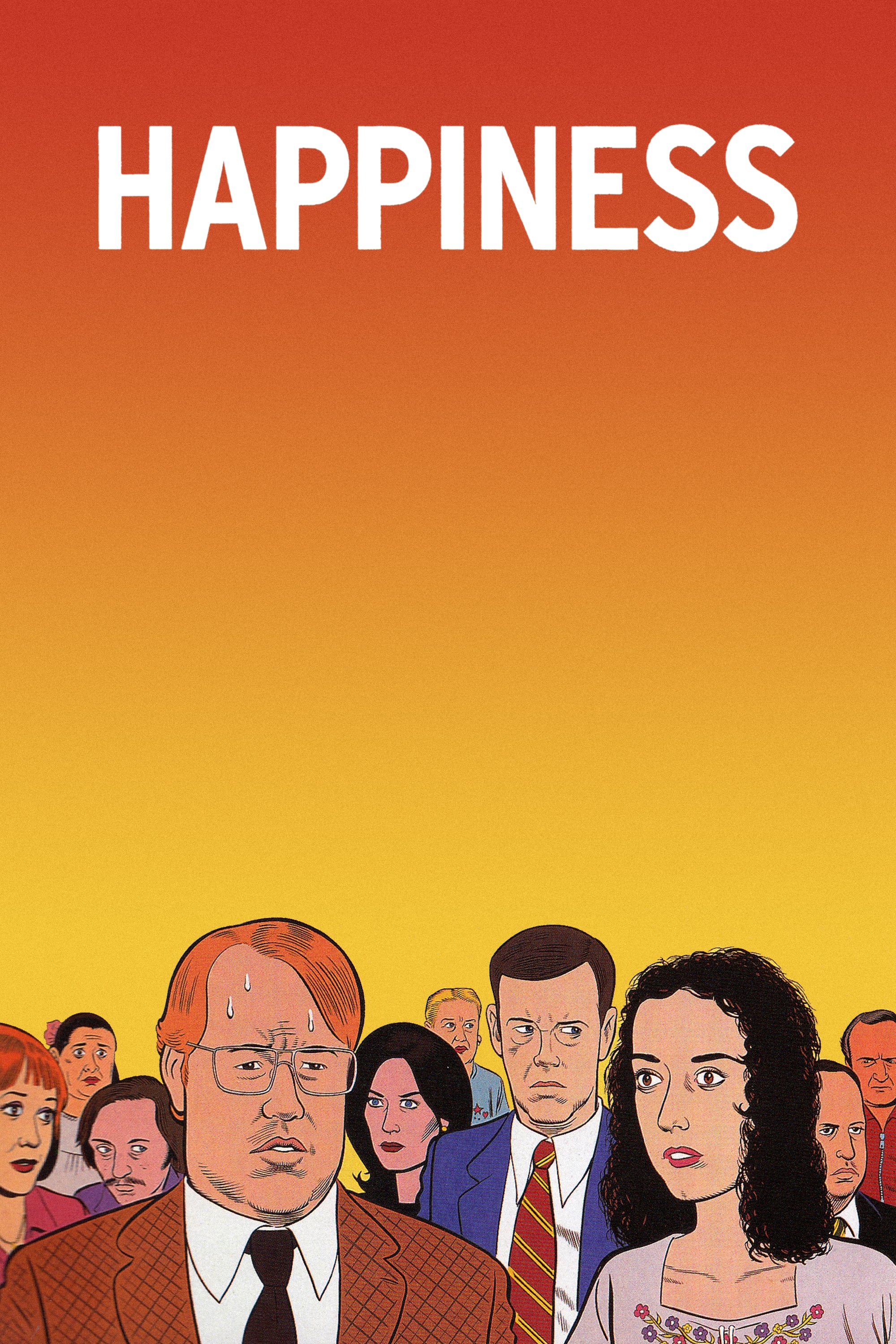
Todd Solondz’s dark comedy about dysfunctional lives includes pedophilia and explicit themes. Its unflinching look at taboo subjects led to distribution issues. Universal Pictures dropped it after backlash.
The film’s bold humor and disturbing characters split critics. Some saw it as insightful; others found it repulsive. It’s a cult classic that still provokes unease.
Monty Python’s Life of Brian (1979)
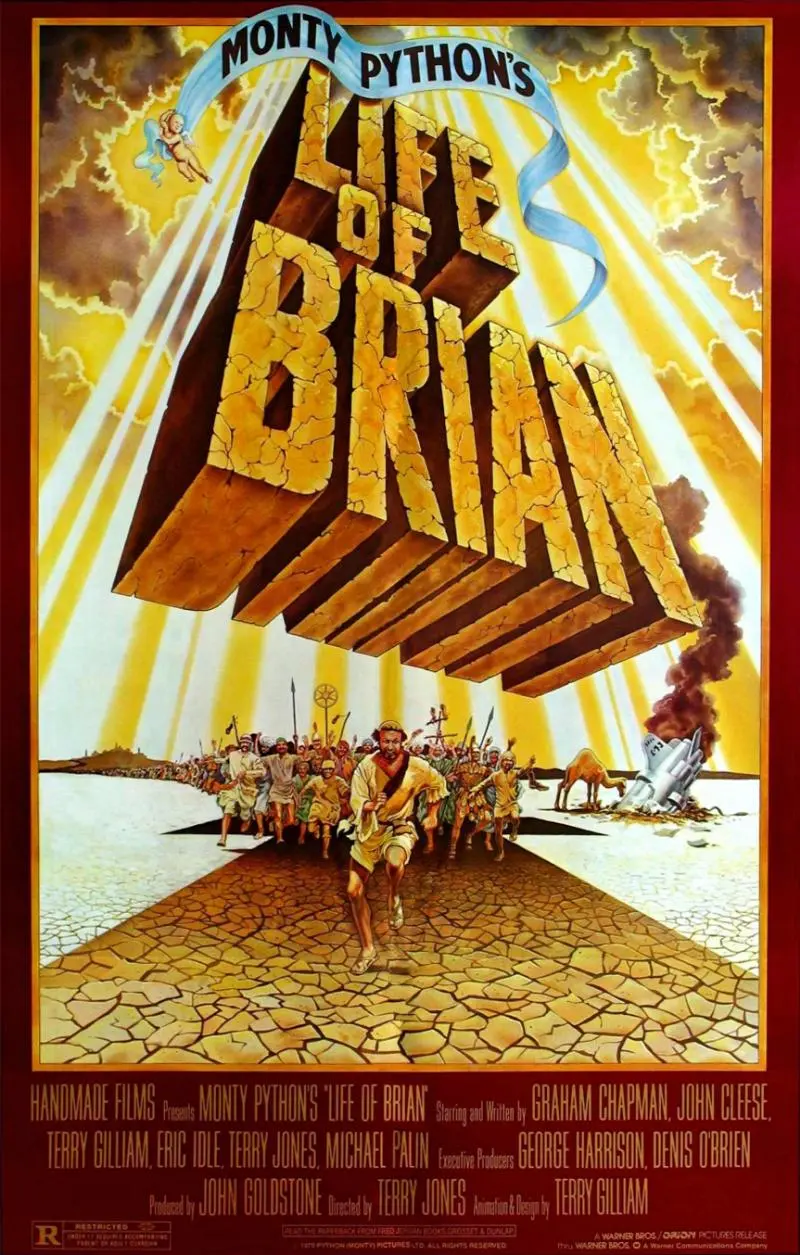
This comedy about a man mistaken for the Messiah outraged religious groups. Its satire of Christianity was called blasphemous, leading to bans in several countries. Protests targeted theaters showing it.
The film’s sharp wit and absurdity made it a comedy classic. Its critique of religious dogma still sparks debate. It’s beloved but remains divisive.
Reservoir Dogs (1992)
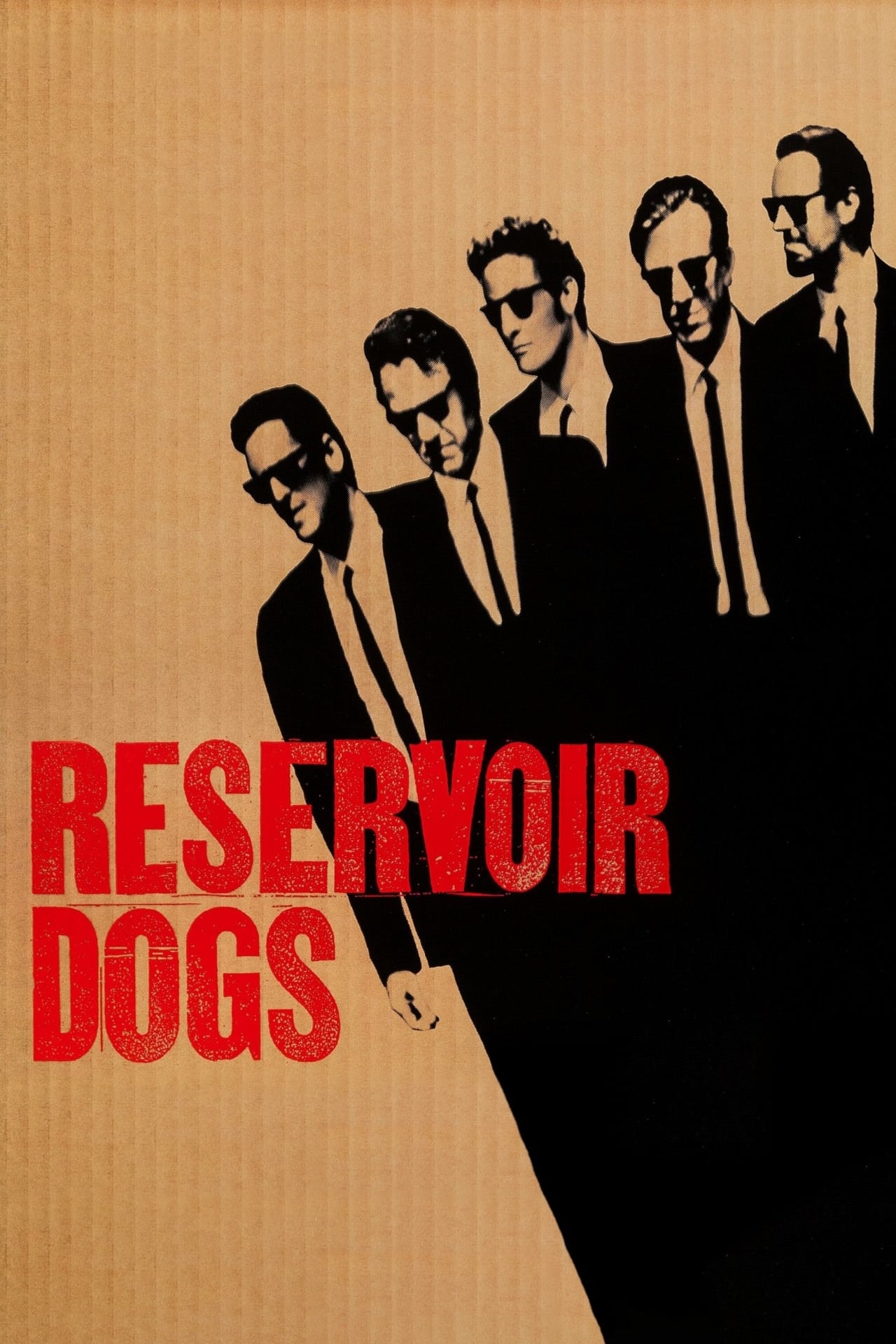
Quentin Tarantino’s debut about a botched heist shocked with its graphic violence. The torture scene with a cop and a razor was particularly controversial. Some critics argued it glorified cruelty.
The film’s stylish dialogue and nonlinear story won praise. It faced censorship in some countries but became a cult hit. Its violence still divides audiences.
The Warriors (1979)
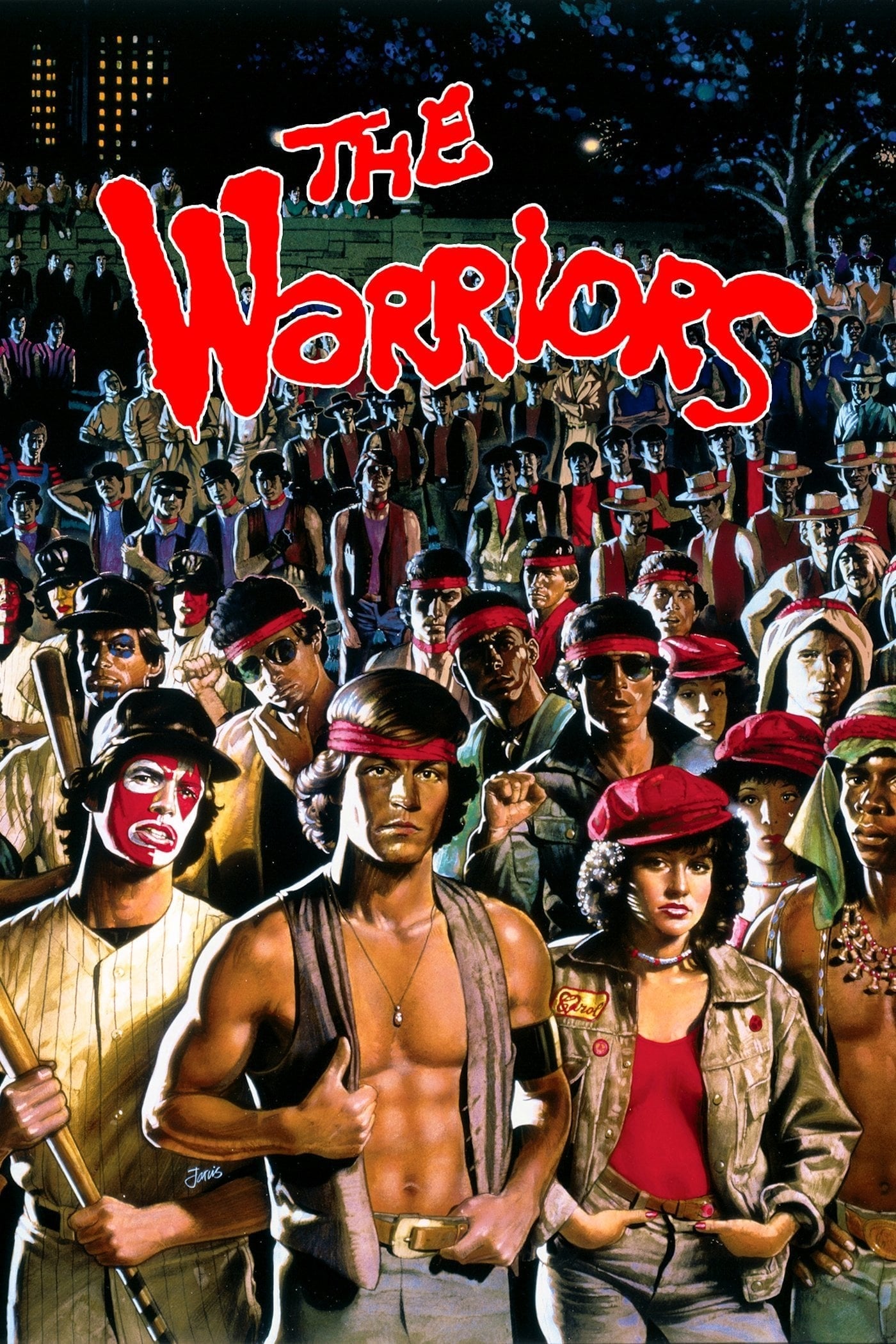
This action film about a gang’s escape through New York led to real gang violence. Its gritty depiction of urban life was blamed for inciting fights at screenings. Some theaters stopped showing it.
The film’s stylized action and cult status grew over time. Its influence on pop culture is huge, but its initial chaos caused alarm. It’s now a beloved classic.
JFK (1991)
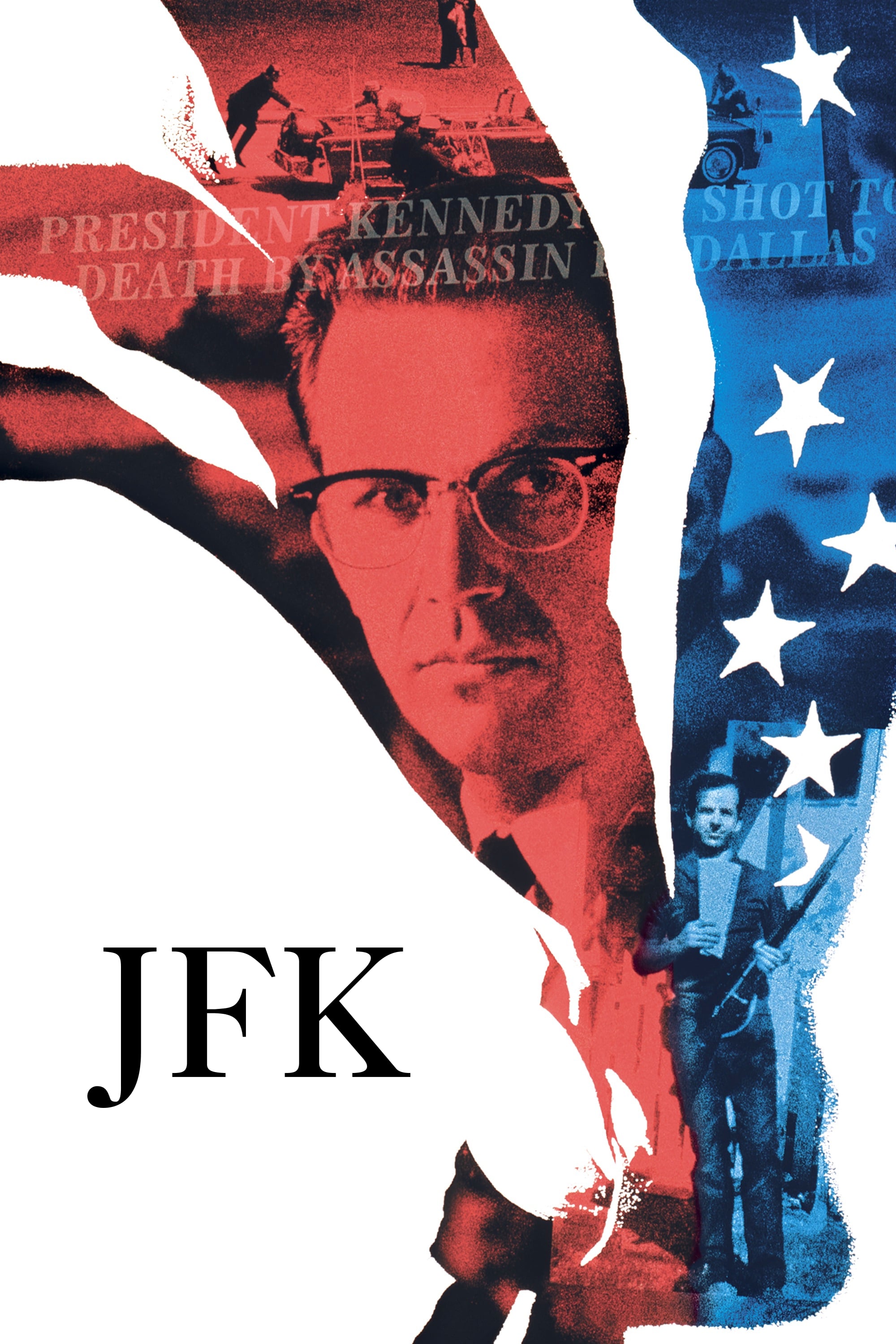
Oliver Stone’s drama about the Kennedy assassination sparked debate over its historical accuracy. Its conspiracy theories angered critics who called it misleading. The film mixed fact and fiction, fueling controversy.
Its gripping storytelling and all-star cast earned acclaim. It prompted discussions about government transparency. The debate over its claims continues today.
Pink Narcissus (1971)
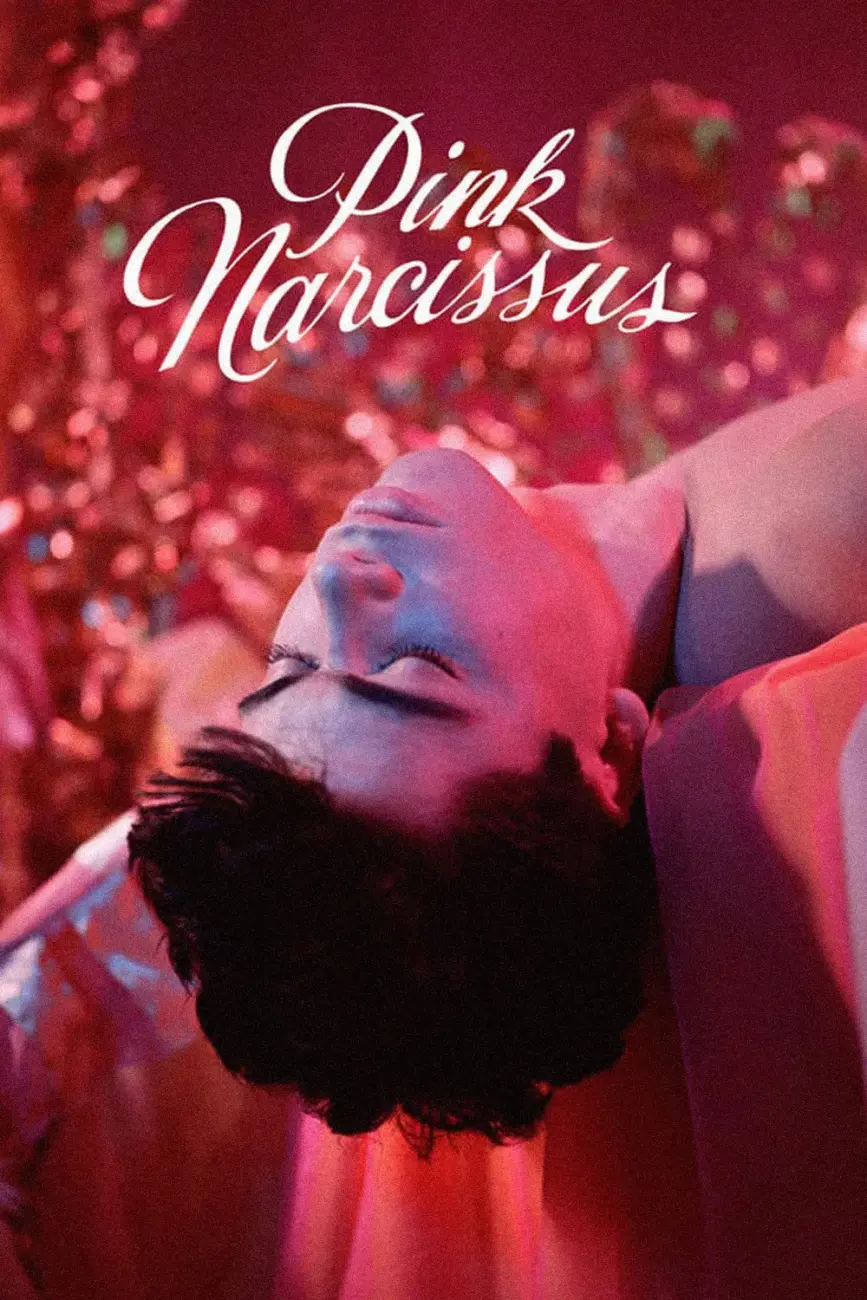
This experimental gay film with explicit imagery shocked audiences in its time. Its surreal style and sexual content led to limited distribution. Some saw it as art; others found it obscene.
The film’s bold visuals influenced queer cinema. It gained a cult following despite early backlash. Its provocative nature still resonates with niche audiences.
I Am Curious (Yellow) (1967)
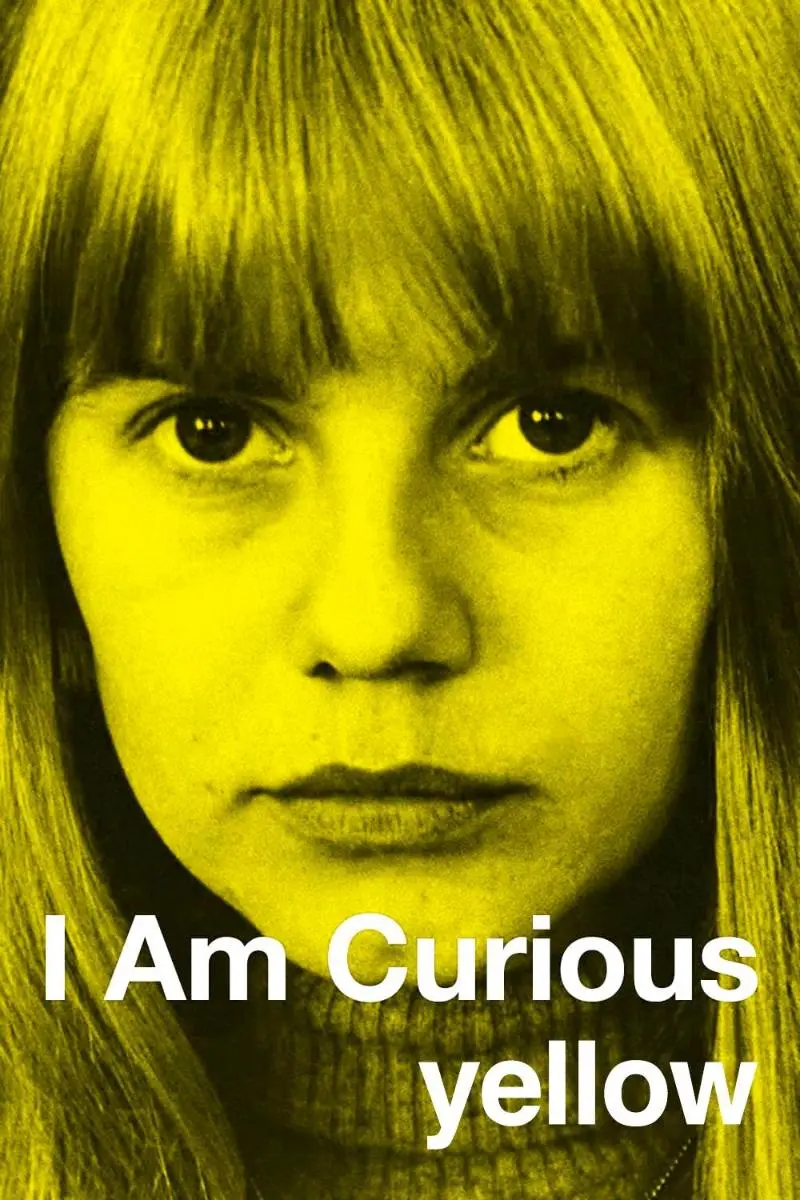
This Swedish film blends sex and politics in a quasi-documentary style. Its explicit scenes and leftist themes led to U.S. obscenity trials. The film was banned in some states but became a cultural phenomenon.
Its bold approach to taboo topics sparked debate about censorship. It’s a landmark in arthouse cinema. Its controversy paved the way for freer expression.
Men Behind the Sun (1988)
This film about Japanese war crimes in WWII includes graphic violence and experiments. Its depiction of real historical atrocities shocked audiences. Some countries banned it for its brutality.
The film aims to expose war’s horrors but was criticized for sensationalism. Its raw imagery remains disturbing. It’s a niche but polarizing historical drama.
Viridiana (1961)
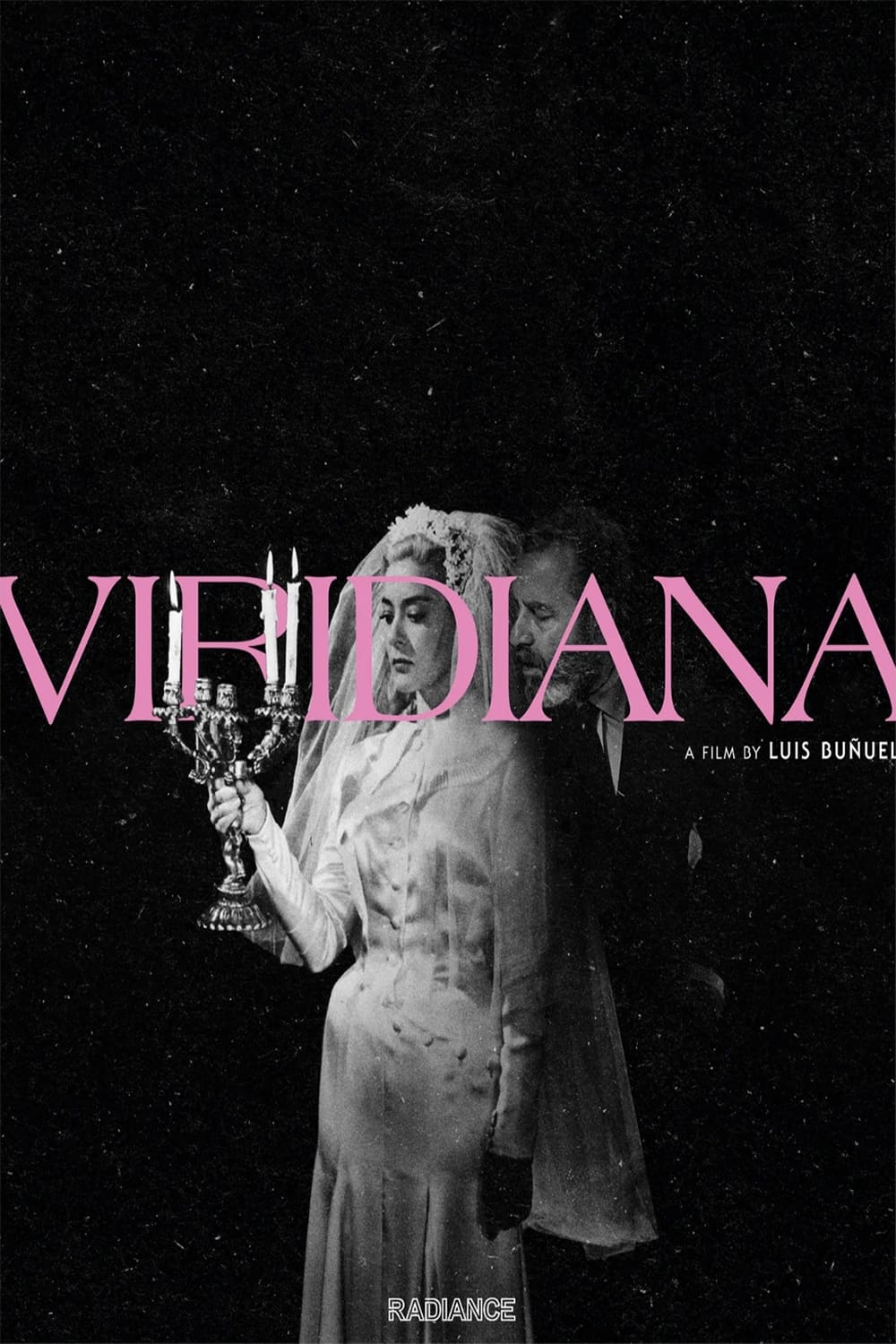
Luis Buñuel’s film about a nun facing moral corruption was deemed blasphemous. Its scene of vagrants reenacting The Last Supper outraged the Vatican. Spain banned it under Franco’s regime.
The film’s surreal critique of religion and society won praise at Cannes. Its provocative imagery still challenges viewers. It’s a classic of subversive cinema.
Murmur of the Heart (1971)
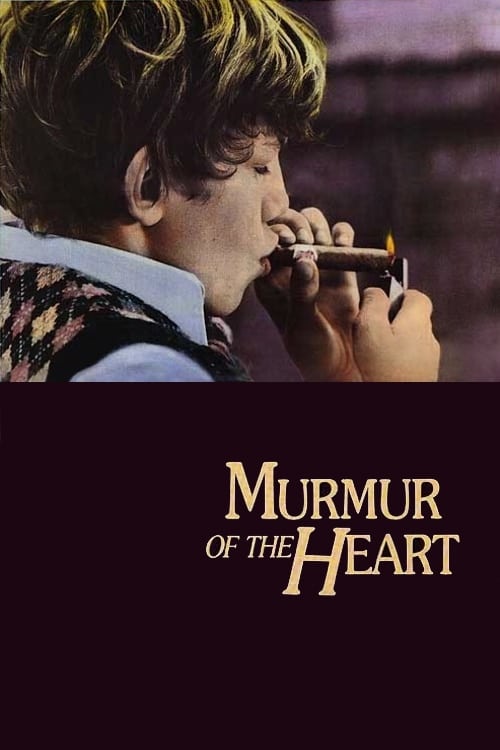
Louis Malle’s film about a boy’s coming-of-age includes an implied incestuous relationship. Its taboo subject matter shocked audiences and led to limited releases. Critics praised its sensitivity, but many found it disturbing.
The film’s nuanced take on family dynamics is bold but polarizing. It remains a daring work in French cinema. Its controversy stems from its unsettling themes.
The Hunt (2020)
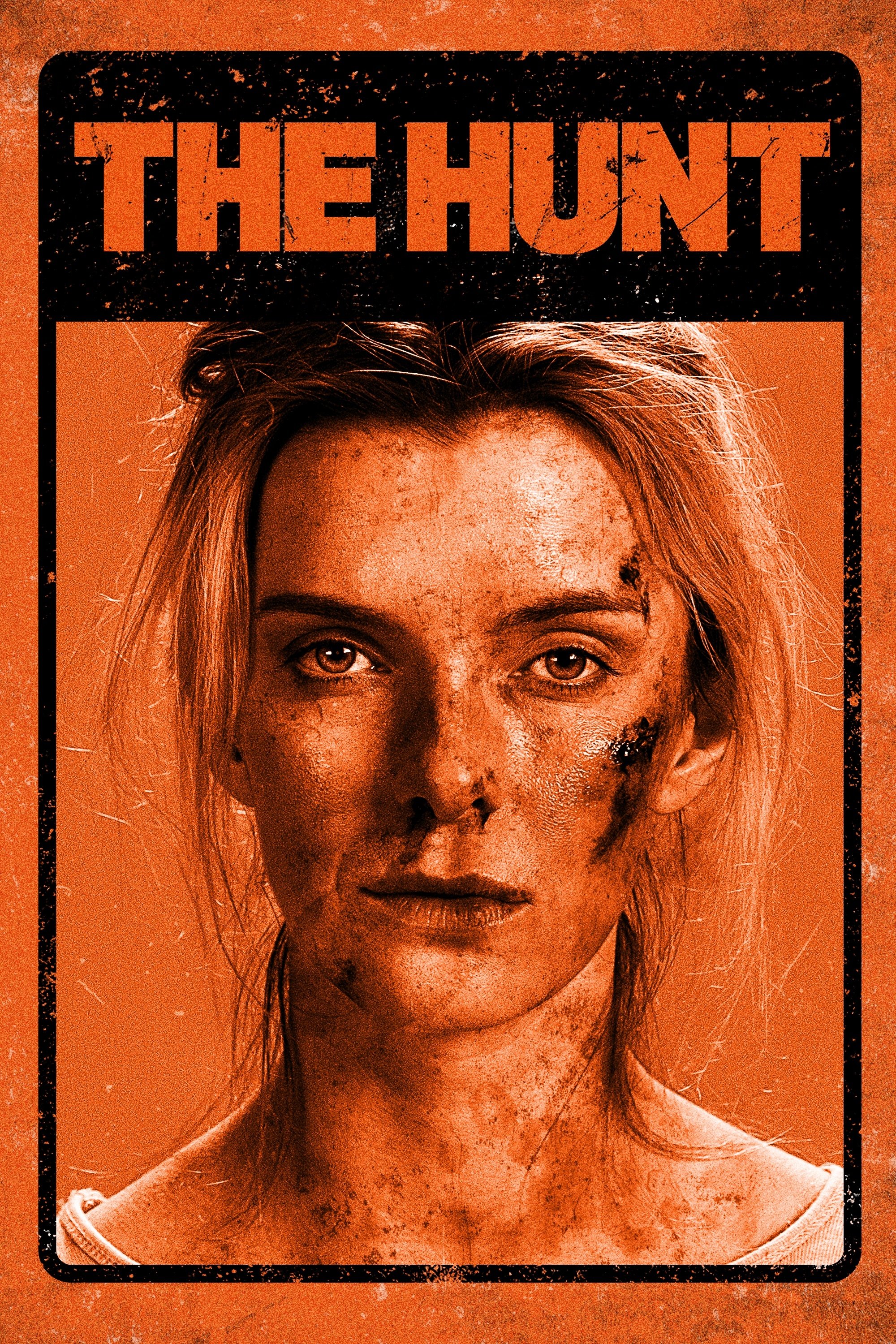
This satirical thriller about elites hunting humans faced backlash before release. Its violent premise drew criticism from political figures, including Donald Trump. The studio delayed its release amid safety concerns.
The film’s sharp satire on class and politics divided audiences. Some saw it as clever; others found it reckless. Its real-world impact made it uniquely controversial.
Zero Dark Thirty (2012)

Kathryn Bigelow’s film about the hunt for Osama bin Laden sparked debate over torture. Its graphic depiction of waterboarding was accused of endorsing the practice. Critics argued it misrepresented CIA methods.
The film’s intense realism and strong performances earned acclaim. Its political implications fueled national debates. It remains a controversial take on a real event.
mother! (2017)
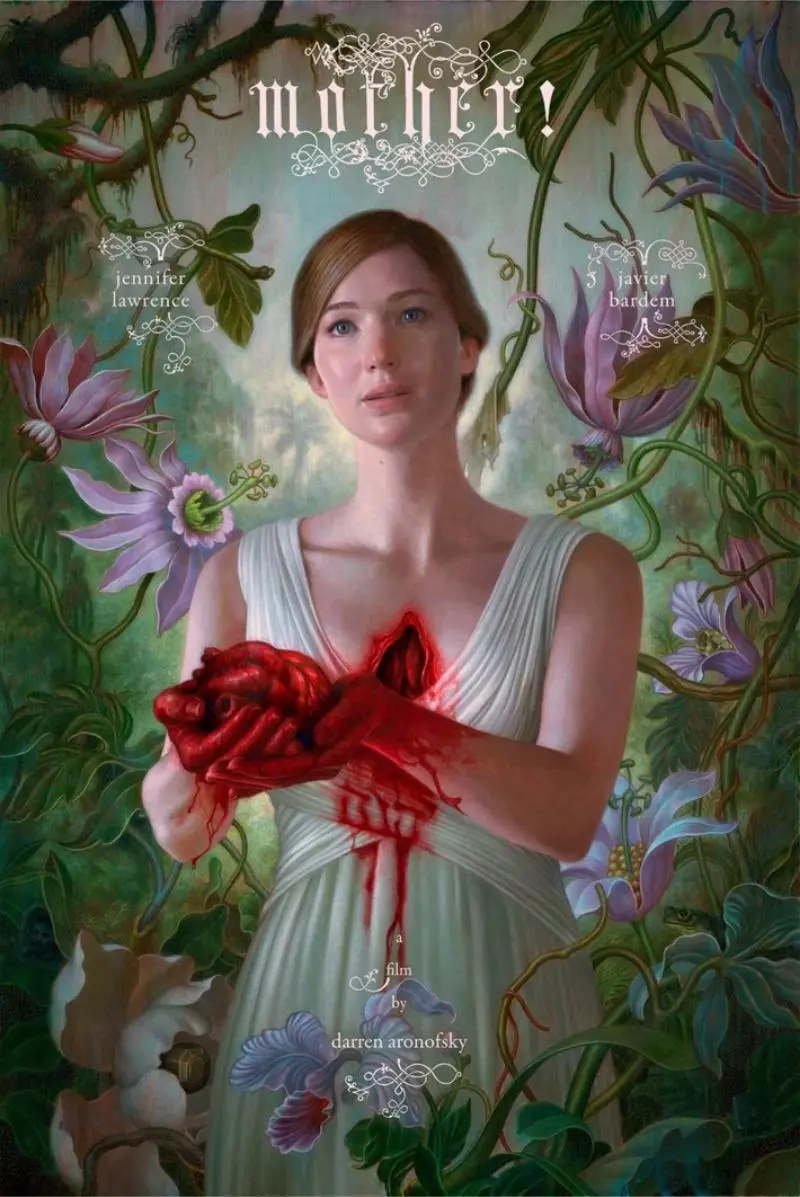
Darren Aronofsky’s allegorical film about creation and destruction shocked with its violence. Its chaotic final act, depicting human history in a house, divided audiences. Religious and environmental themes added to the controversy.
Some hailed it as a bold masterpiece; others found it pretentious. Its graphic imagery led to walkouts. It’s a polarizing film that demands discussion.
Joker (2019)
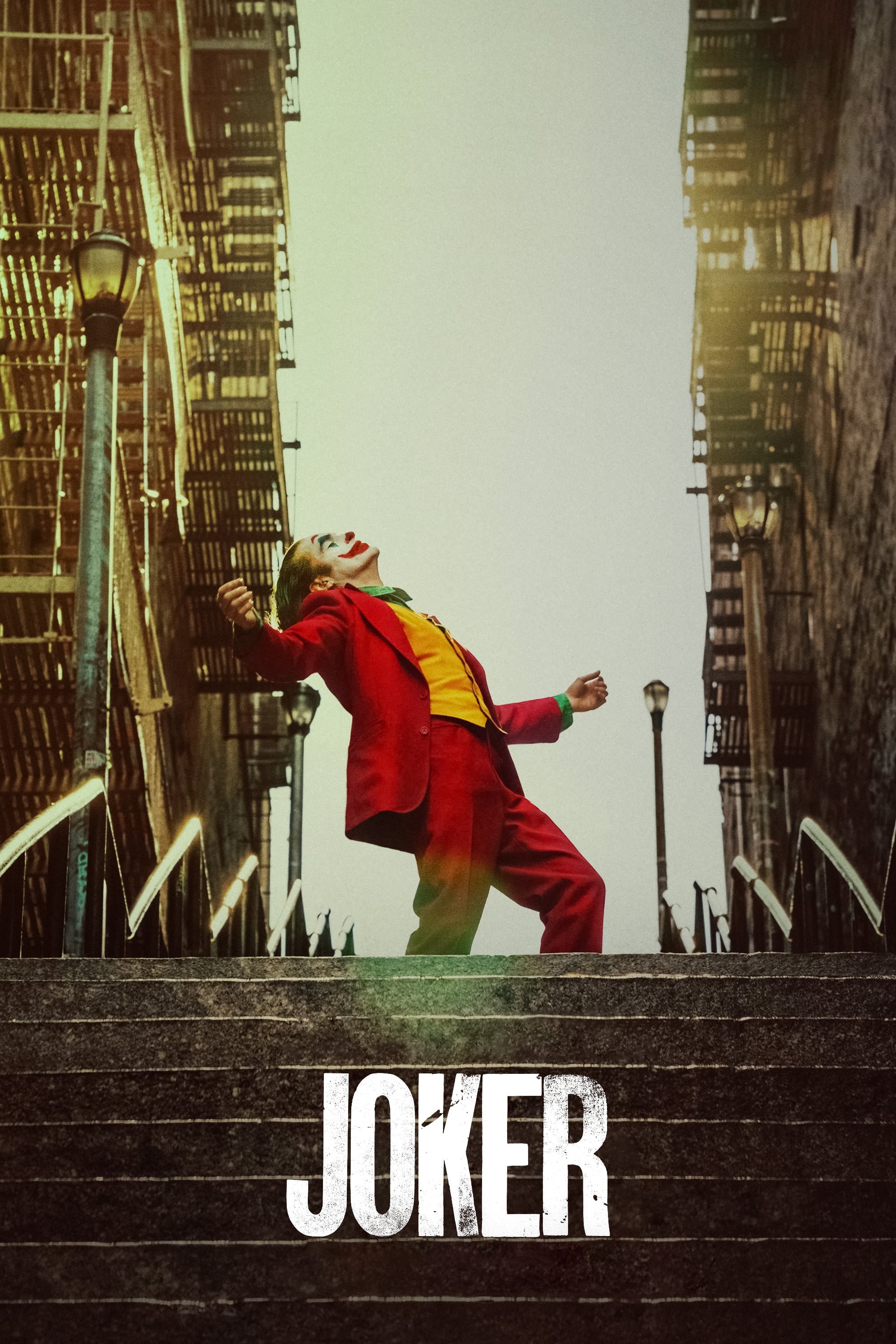
Todd Phillips’ dark take on the Batman villain raised fears of inciting violence. Its portrayal of a mentally ill loner sparked concerns about “incel” culture. The FBI issued warnings before its release.
The film’s gritty realism and Joaquin Phoenix’s performance won praise. Its social commentary divided critics and audiences. It remains a cultural flashpoint.
Which of these controversial films have you seen, and what did they make you feel? Share your thoughts in the comments!

