


The Most Controversial TV Shows of All Time


Television often pushes boundaries, sparking debates and challenging norms. Some shows become infamous for their bold choices, tackling sensitive topics or stirring public outrage, making them unforgettable in pop culture history.
From reality TV stunts to scripted dramas that shock, these series have left a mark by dividing audiences and critics alike. Here’s a list of the most controversial TV shows, ranked from notable to downright explosive, based on their impact and the uproar they caused.
The Swan (2004-2005)

This reality show took makeovers to an extreme, offering women extensive plastic surgery to compete in a beauty pageant. Critics slammed it for promoting unhealthy body image ideals and tying self-worth to looks.
The show’s format, where contestants were judged after transformations, sparked debates about exploitation and superficial standards. Many viewers found it cruel, as it pitted vulnerable women against each other for a title.
Cops (1989-2020)

‘Cops’ followed police officers on duty, showcasing arrests and dramatic encounters. Its raw depiction of law enforcement drew criticism for glorifying police and stereotyping communities.
The show faced backlash for selective editing that often portrayed minorities negatively. By 2020, amid growing anti-police sentiment, it was canceled, though it later continued on a smaller platform.
Snowflake Mountain (2022)

This Netflix reality series placed young adults in a wilderness survival camp to toughen them up. Critics called it shallow, accusing it of mocking participants and catering to stereotypes about spoiled youth.
Viewers found the premise mean-spirited, as it humiliated participants for entertainment. The lack of depth in addressing personal growth fueled debates about the ethics of reality TV.
Buckwild (2013)
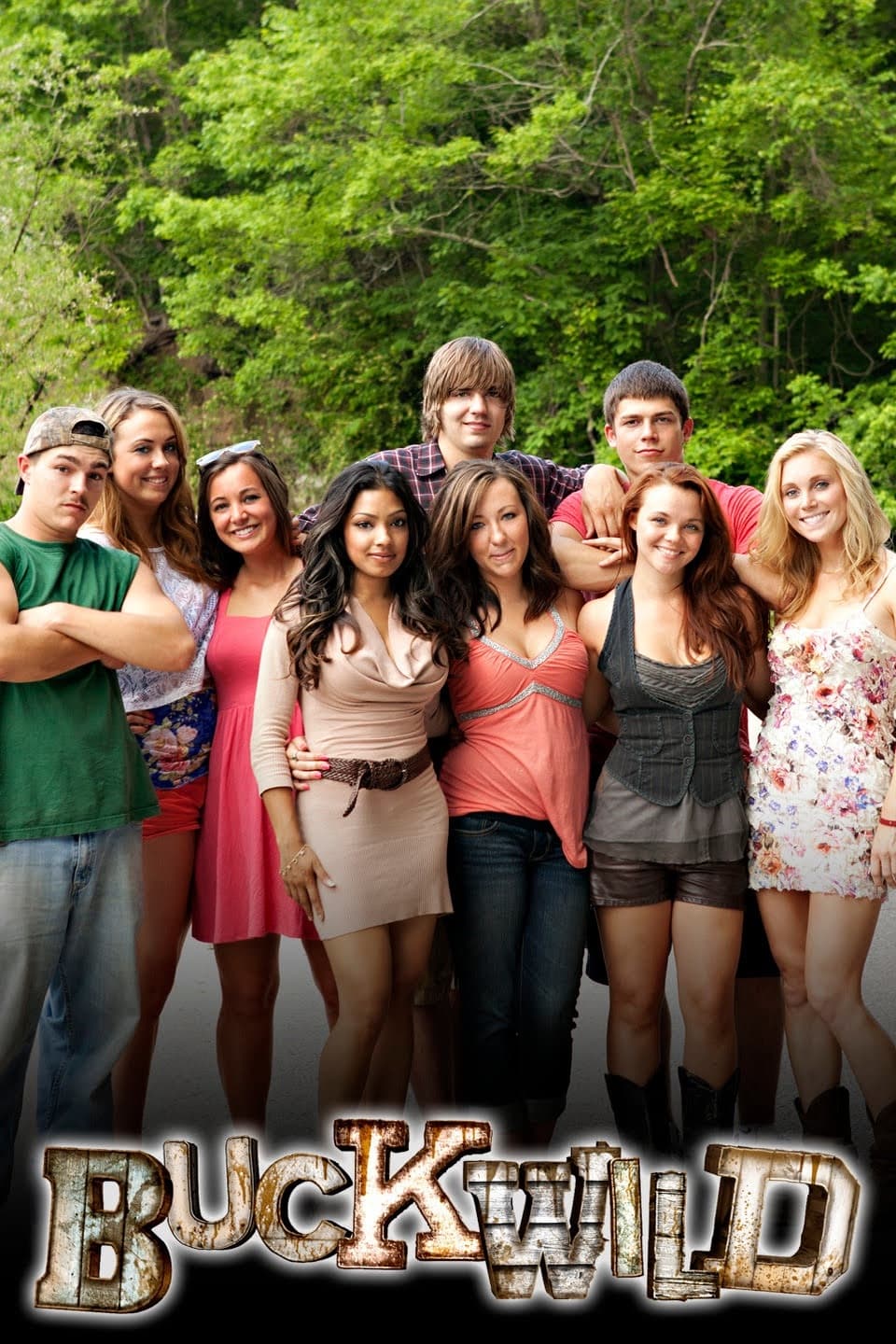
This MTV reality show followed young adults in rural West Virginia, focusing on reckless behavior. It faced backlash for stereotyping rural communities and glorifying dangerous stunts.
After a cast member’s death, the show was canceled, with critics arguing it exploited its stars and encouraged harmful antics. The controversy highlighted concerns about reality TV’s impact on impressionable audiences.
Dear White People (2017-2021)
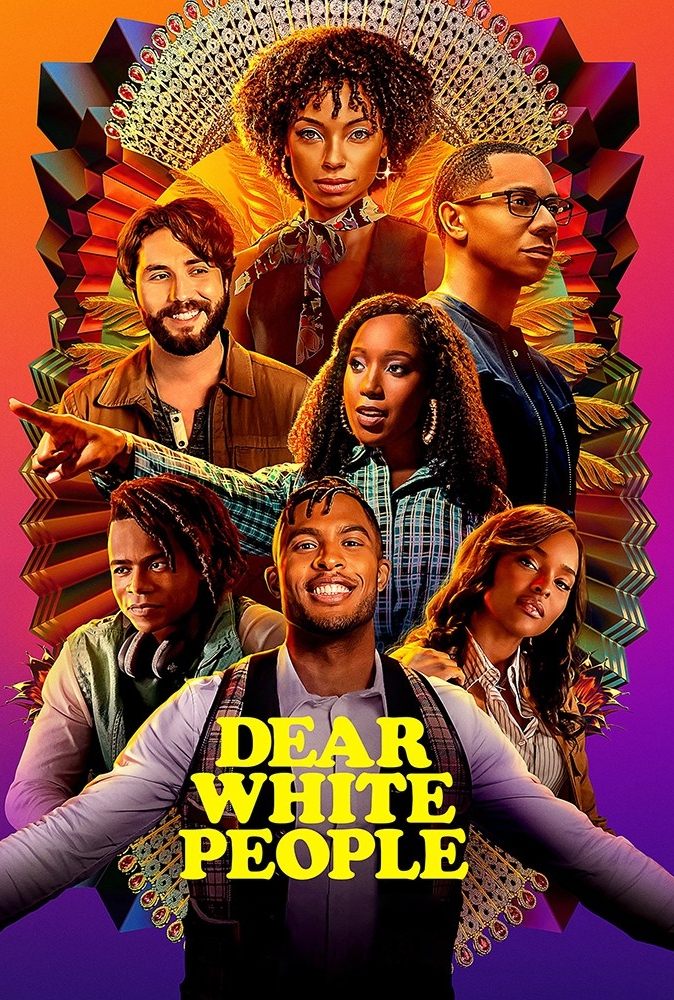
This satirical series tackled race and identity on a fictional college campus. Its provocative title and sharp commentary on racism sparked polarized reactions, with some praising its boldness and others calling it divisive.
Critics argued it stereotyped both white and Black characters, while supporters saw it as a necessary critique of systemic issues. The show’s unapologetic approach kept it in the headlines.
The Chamber (2002)

This short-lived game show put contestants in extreme physical conditions to win prizes. It was criticized for promoting dangerous challenges and exploiting participants’ pain for entertainment.
Viewers and regulators questioned its ethics, leading to its quick cancellation after just a few episodes. The controversy centered on whether such formats crossed a line into cruelty.
Dog Eat Dog (2002-2003)

This game show featured contestants in humiliating and risky challenges for cash prizes. Critics slammed it for exploiting desperation and encouraging reckless behavior.
The show’s provocative stunts, like eating unusual foods or enduring physical trials, drew ire for prioritizing shock over substance. It was a lightning rod for debates about reality TV ethics.
Heil Honey I’m Home! (1990)

This British sitcom tried to satirize Hitler and Eva Braun living in a suburban setting next to a Jewish couple. It was canceled after one episode for trivializing the Holocaust and offending viewers.
The show’s attempt at humor was widely seen as crass and insensitive, sparking outrage among audiences and historians. Its infamy remains a cautionary tale for edgy comedy.
The Taking of Prince Harry (2010)
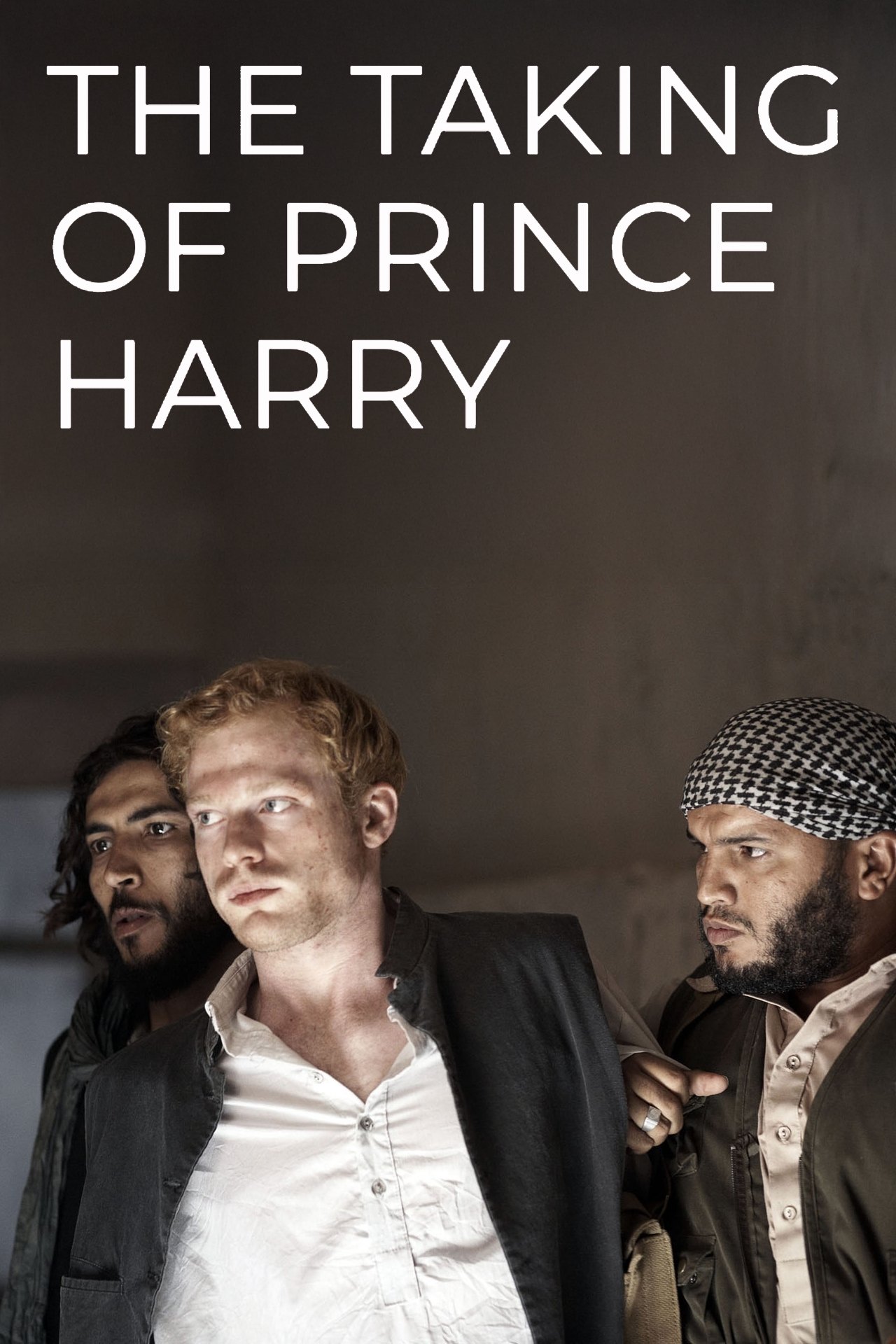
This Channel 4 mockumentary imagined the Taliban kidnapping Prince Harry. Critics called it tasteless, arguing it exploited real-world fears and disrespected the royal family.
The public outcry was swift, with many deeming it in poor taste given ongoing global conflicts. Its provocative premise made it a one-off controversy that stirred heated debate.
The Execution of Gary Glitter (2009)
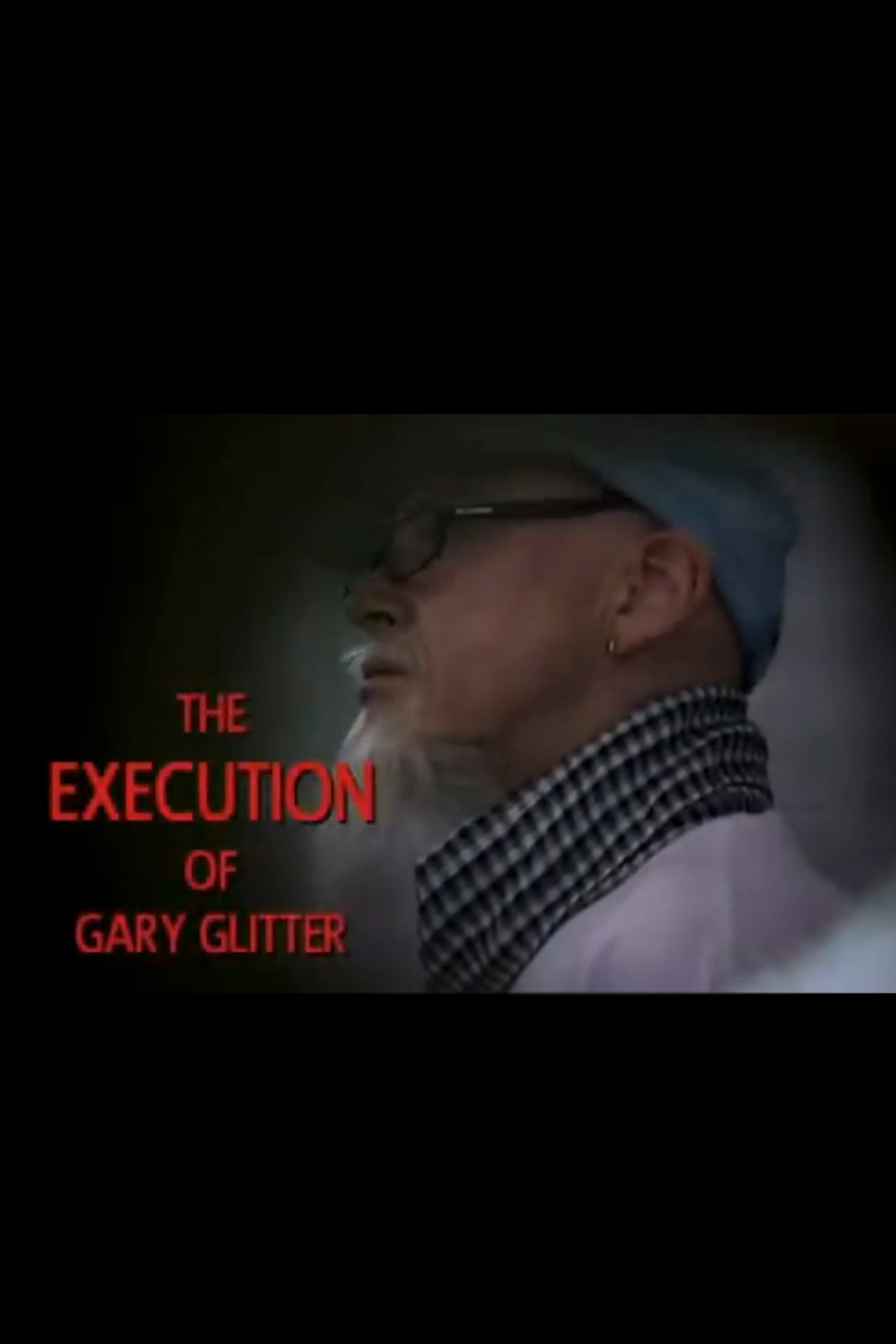
This fictional drama depicted the execution of a convicted criminal, based on the real-life figure Gary Glitter. It was criticized for sensationalizing a sensitive topic and trivializing justice.
Viewers found the concept unsettling, as it blurred lines between fiction and reality. The backlash focused on whether such a show crossed ethical boundaries for shock value.
Oranges Are Not the Only Fruit (1990)
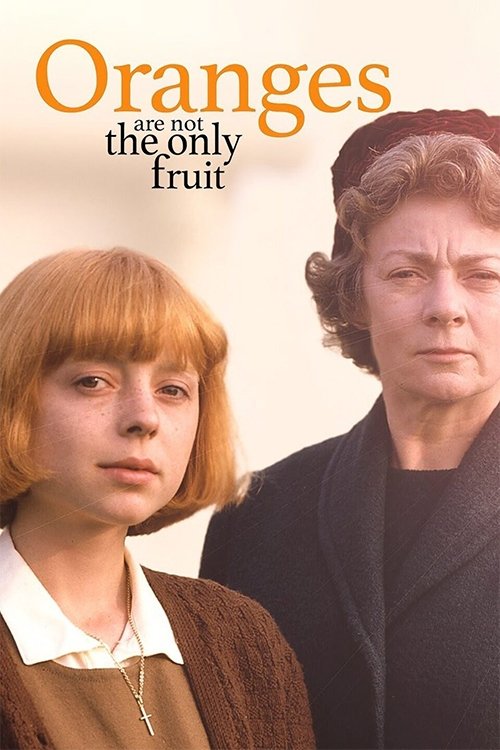
This British miniseries followed a young girl rebelling against her strict religious upbringing. Its depiction of lesbian identity in a conservative setting sparked outrage in the early 1990s.
Religious groups criticized it for challenging traditional values, while supporters praised its bold storytelling. The controversy highlighted shifting attitudes toward sexuality on TV.
All Night Fuji (1983-1991)

This Japanese late-night show shifted from music to salacious content, exploring s*x clubs and underground culture. Its explicit themes shocked audiences and drew criticism for promoting indecency.
The show’s focus on provocative topics made it a target for regulators and conservative viewers. It pushed boundaries in a way that sparked debates about TV’s role in culture.
The Day After (1983)

This American TV movie depicted a nuclear war’s aftermath, shocking viewers with its graphic portrayal of destruction. President Reagan himself was moved, crediting it with shifting his views on nuclear policy.
Critics argued it was too alarming, while others praised its bold warning about global risks. Its impact made it a landmark in politically charged television.
The War Game (1965)
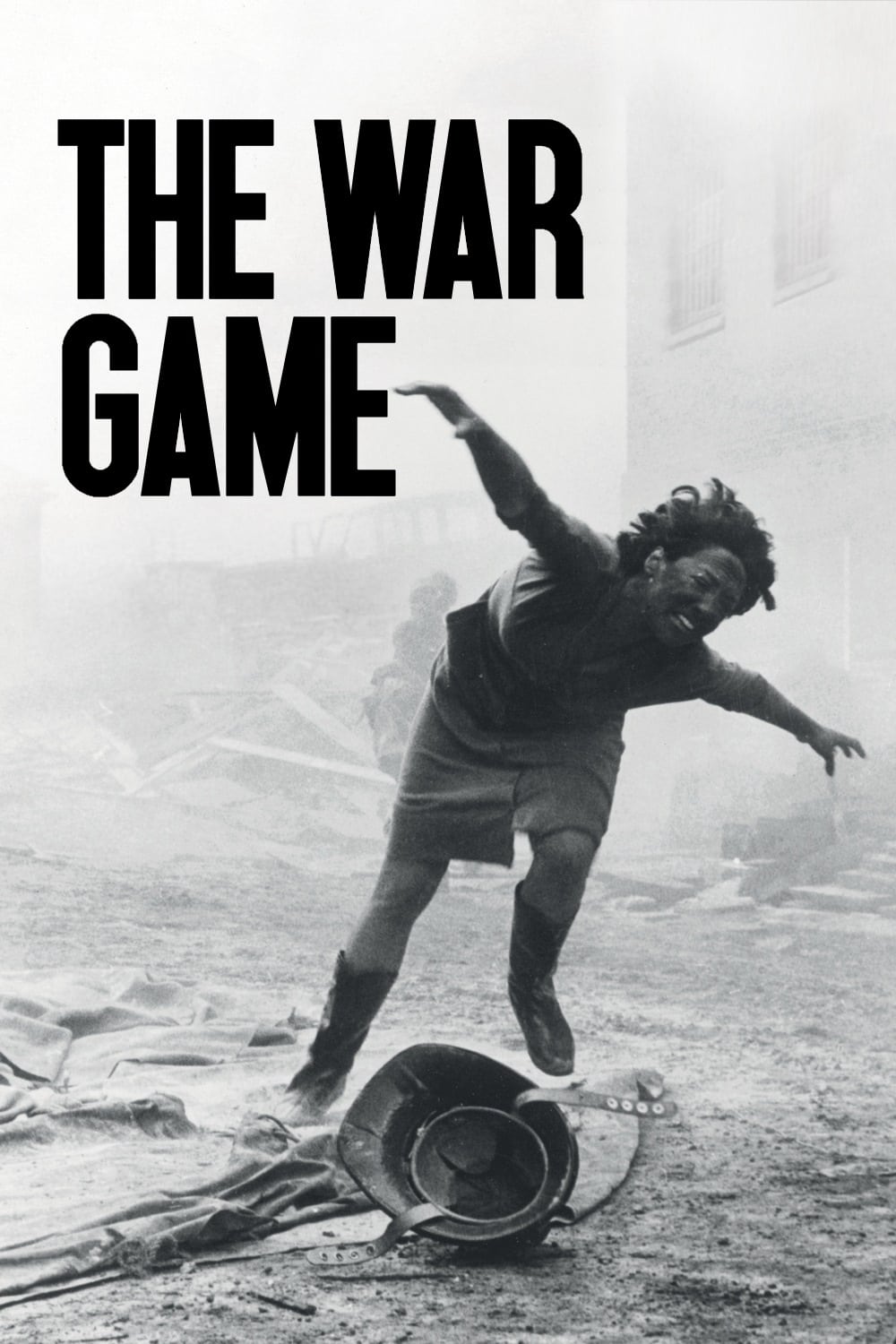
This British faux-documentary about a nuclear attack was banned for 20 years after being deemed too horrifying. Its realistic style sparked debates about whether such content was too intense for public viewing.
When it finally aired in 1985, it was praised for its groundbreaking approach but still divided audiences. The controversy underscored TV’s power to provoke fear and reflection.
Death of a President (2006)
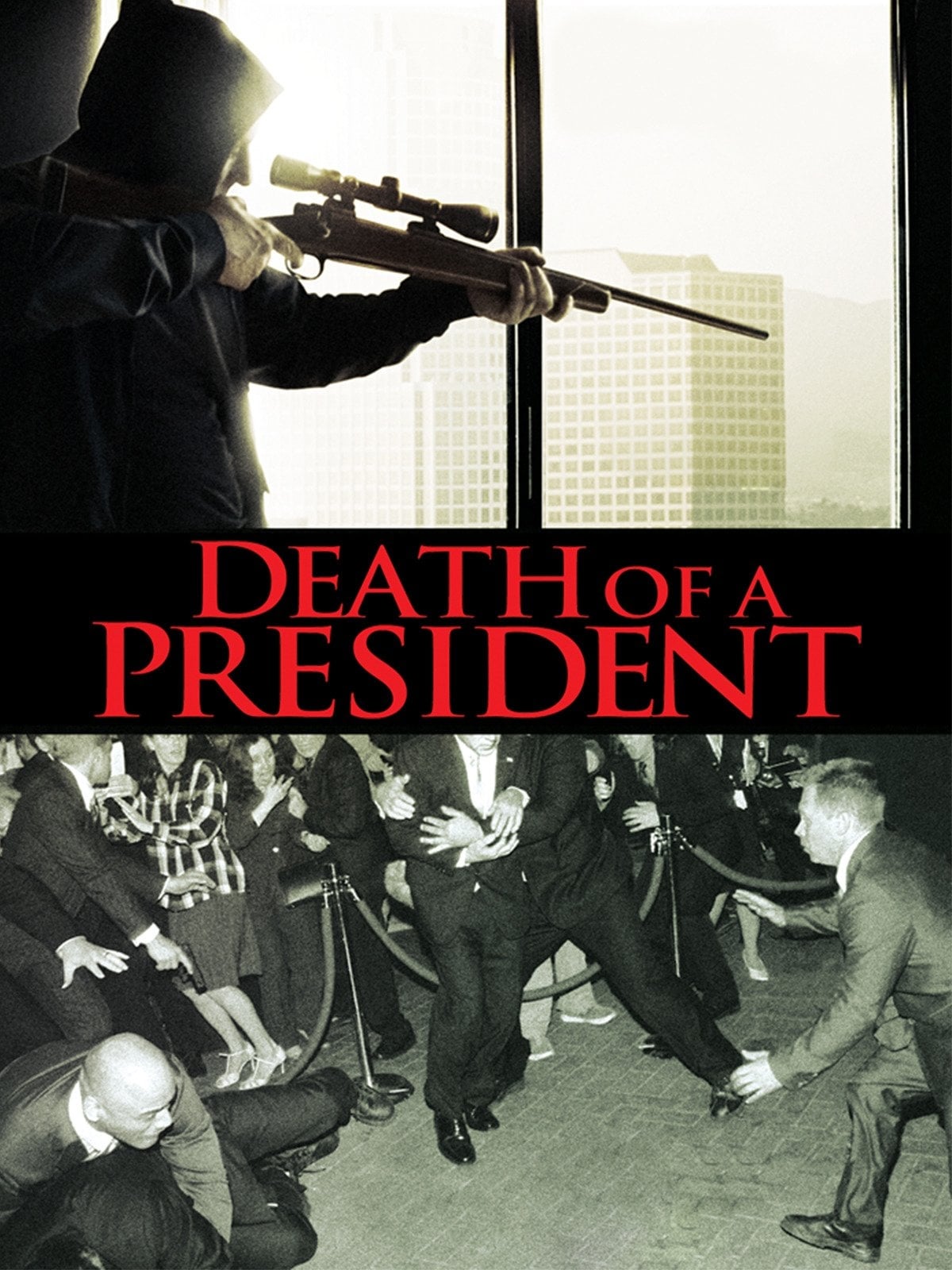
This mockumentary imagined the assassination of George W. Bush, sparking outrage for its provocative premise. Critics called it tasteless and inflammatory, especially during a tense political climate.
The backlash in the U.S. was intense, with some networks refusing to air it. Its bold approach fueled debates about the limits of political satire on television.
Murphy Brown (1998-2018)
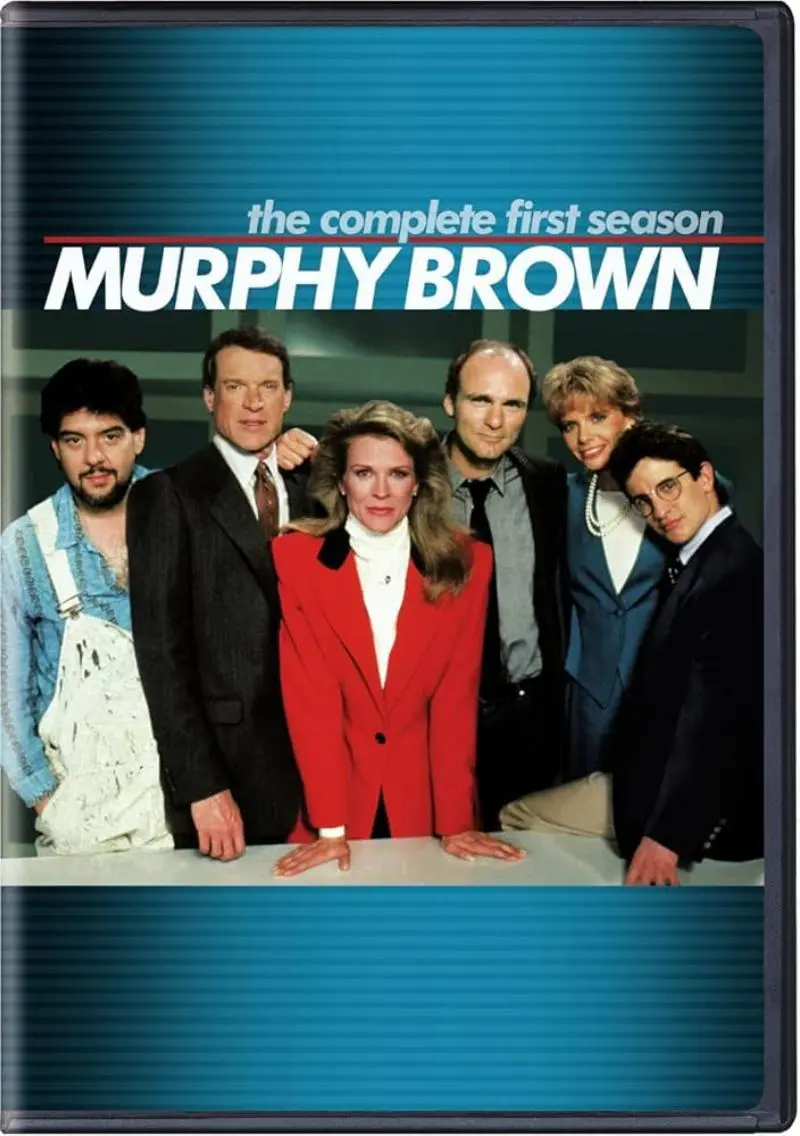
This sitcom drew fire when its lead character chose to become a single mother. Then-Vice President Dan Quayle publicly criticized it for undermining family values, sparking a national debate.
The show’s progressive stance on women’s independence was praised by some but condemned by others. It became a flashpoint for cultural divides in the 1990s.
Star Trek (1966-1969)
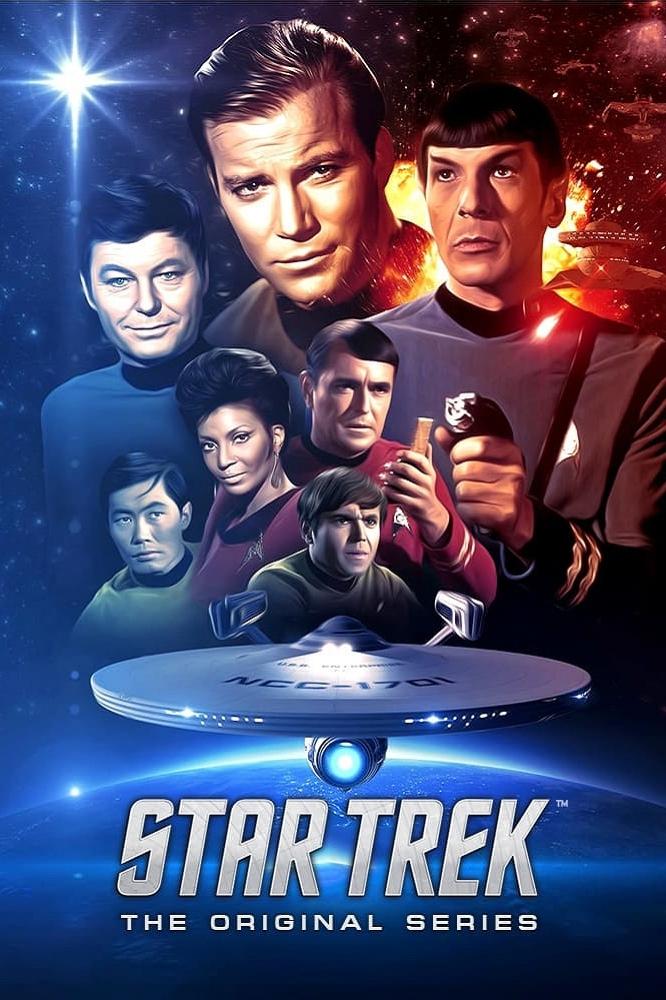
The original ‘Star Trek’ broke ground with its interracial kiss between Kirk and Uhura, a bold move in the 1960s. Conservative viewers and some stations objected, fearing racial backlash.
Despite the controversy, the show’s progressive themes won praise for pushing inclusivity. Its legacy as a trailblazer remains strong, even decades later.
The X-Files (1993-2018)
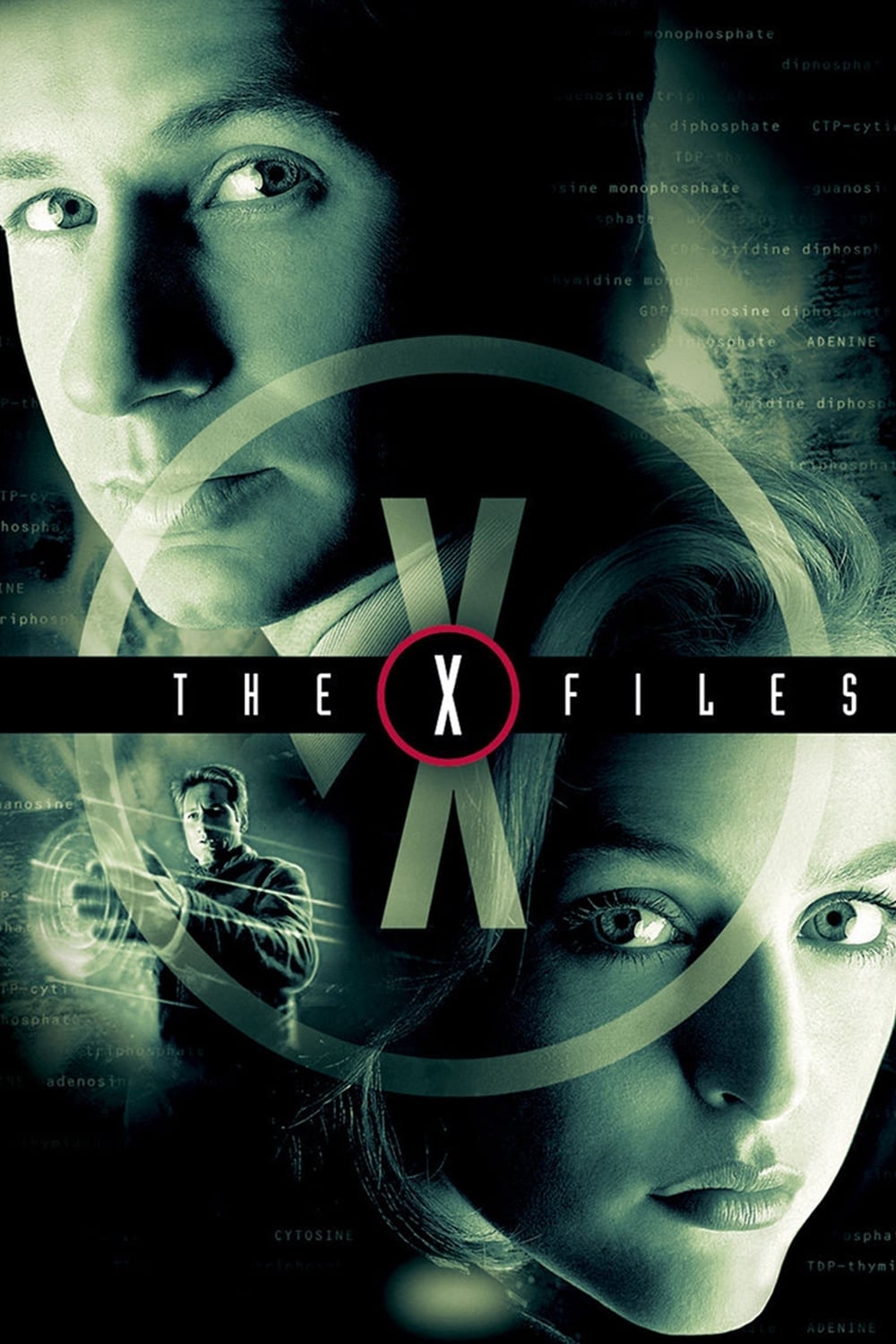
An episode called ‘Home’ featured incestuous relationships, shocking viewers and leading Fox to pull it from syndication. Critics found it too disturbing for mainstream TV.
While the show was beloved for its sci-fi thrills, this episode pushed boundaries too far for many. It remains a notorious example of controversial storytelling.
Ellen (1994-1998)
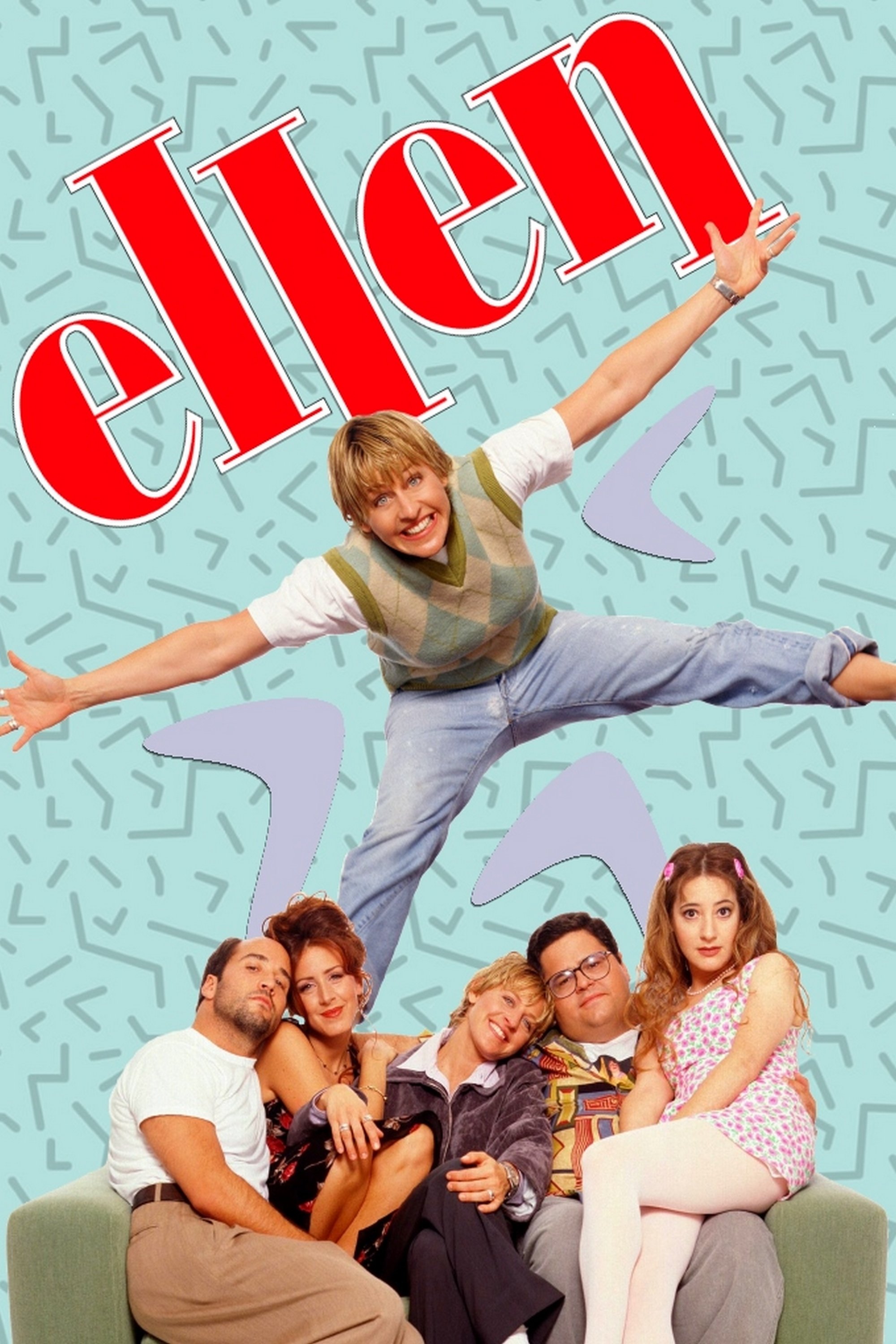
Ellen DeGeneres’ sitcom made history when her character came out as gay, mirroring her own public announcement. The episode faced backlash, losing sponsors and derailing careers.
Religious groups and conservative viewers protested, but it was a landmark for representation. The controversy highlighted TV’s role in shaping cultural attitudes.
The Young Ones (1982-1984)
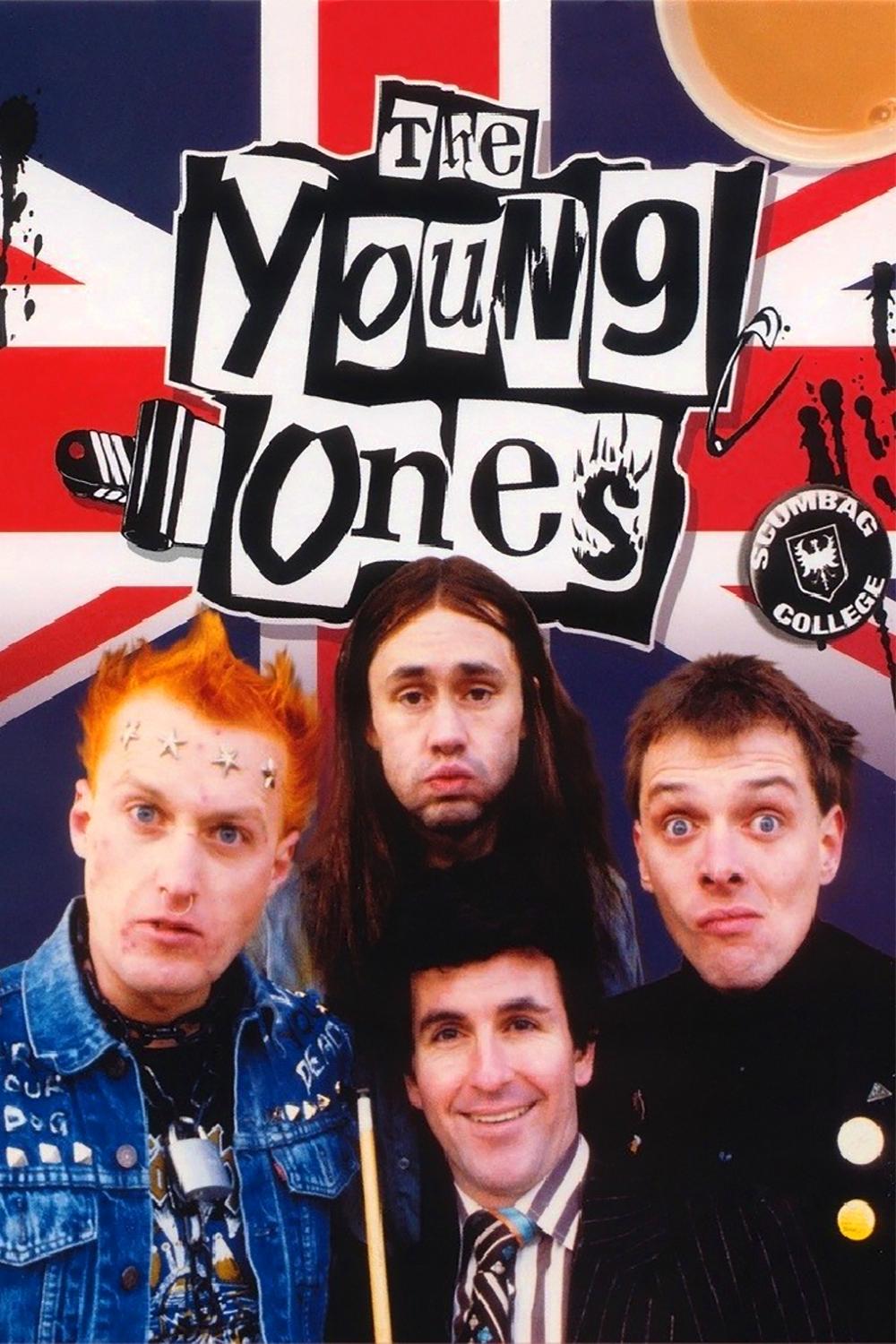
This British comedy embraced punk-rock chaos, featuring controversial bands like Motörhead. Its irreverent humor and rebellious tone shocked older generations and critics.
The show’s anarchic style was seen as a middle finger to traditional sitcoms. It divided audiences but became a cult classic for its bold approach.
24 (2001-2014)
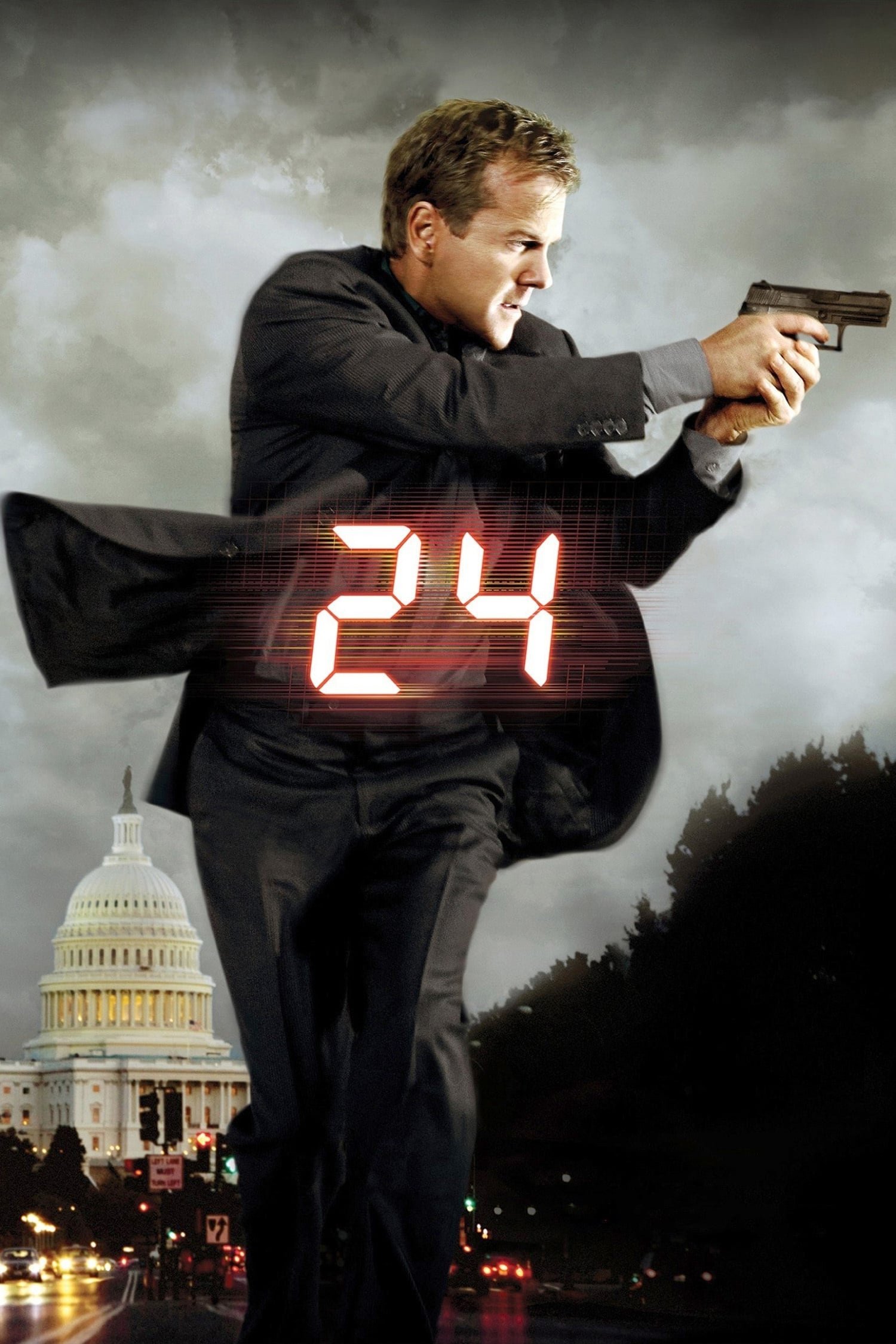
This action series followed Jack Bauer’s extreme tactics, including torture, to stop threats. Critics argued it glorified torture and stereotyped Muslims, prompting complaints from politicians and military officials.
The show toned down some scenes after backlash but remained divisive. Its intense storytelling sparked debates about ethics in TV narratives.
Maude (1972-1978)
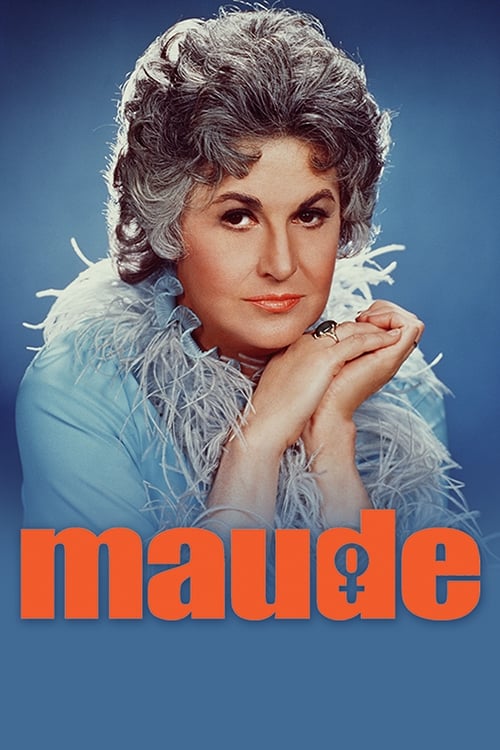
This sitcom tackled abortion in a 1970s episode, a bold move when the topic was highly taboo. Thousands of viewers and the Catholic Church campaigned to cancel it.
Despite the backlash, the episode was praised for addressing women’s rights head-on. It remains a landmark for tackling controversial issues in sitcoms.
Saved by the Bell (1989-1993)
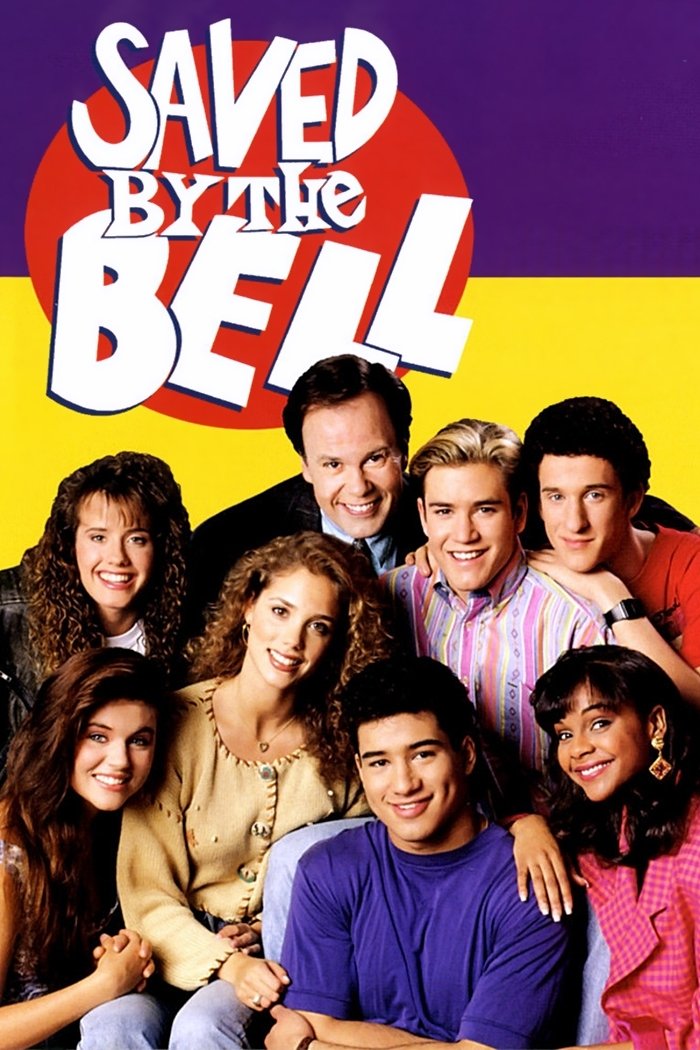
This teen show balanced lighthearted plots with serious topics, but some episodes didn’t age well. Its handling of issues like drug use sparked debates about appropriateness for young audiences.
Critics later pointed out its dated stereotypes and simplistic resolutions. The controversy reflects how cultural standards shift over time.
Seinfeld (1989-1998)
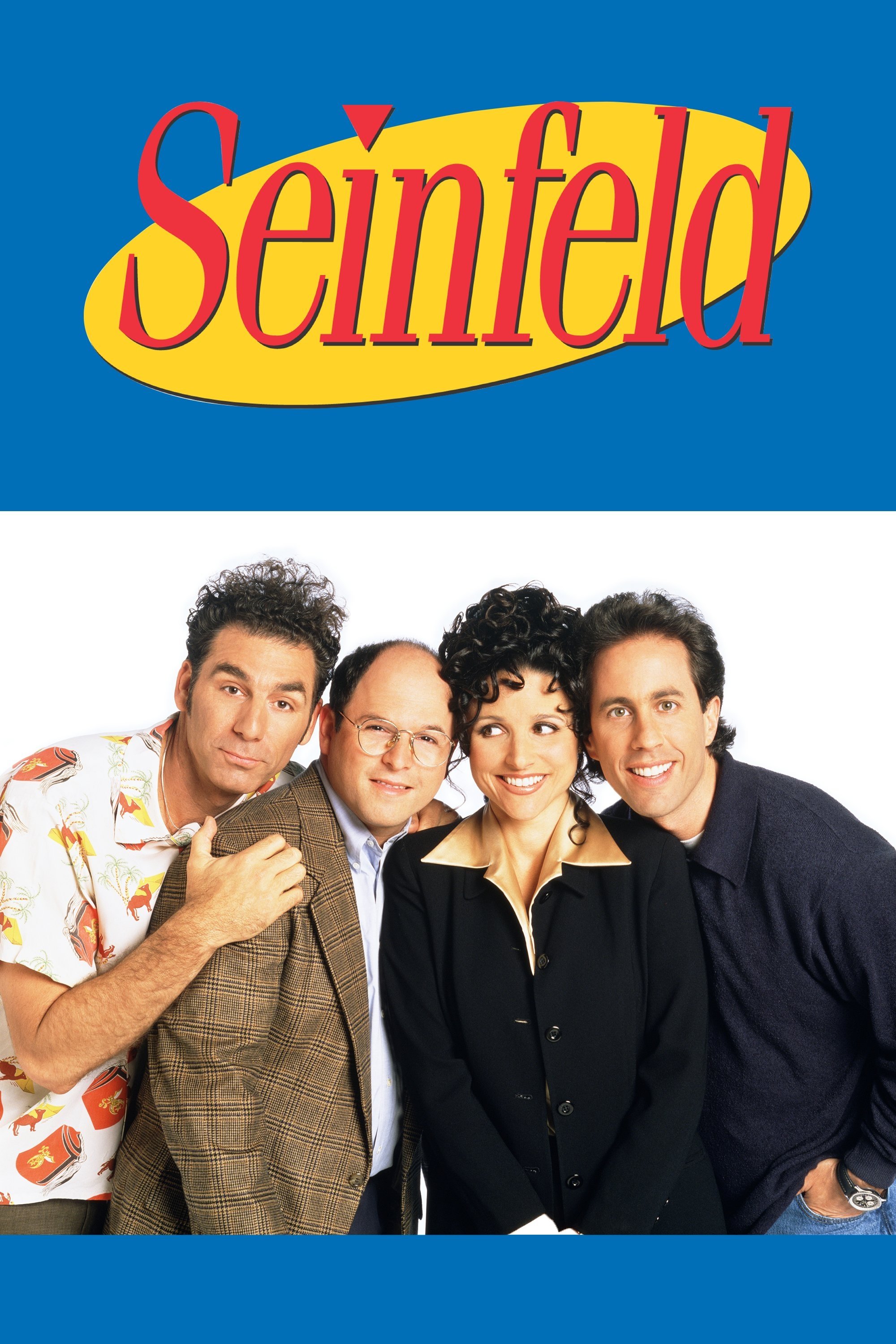
The ‘show about nothing’ stirred controversy with episodes like ‘The Contest,’ tackling taboo topics like masturbation with humor. Some viewers found it crude, while others praised its boldness.
Its finale, featuring a parade of past characters, also divided fans for its unconventional approach. The show’s edgy humor made it a lightning rod for debate.
The Simpsons (1989-present)
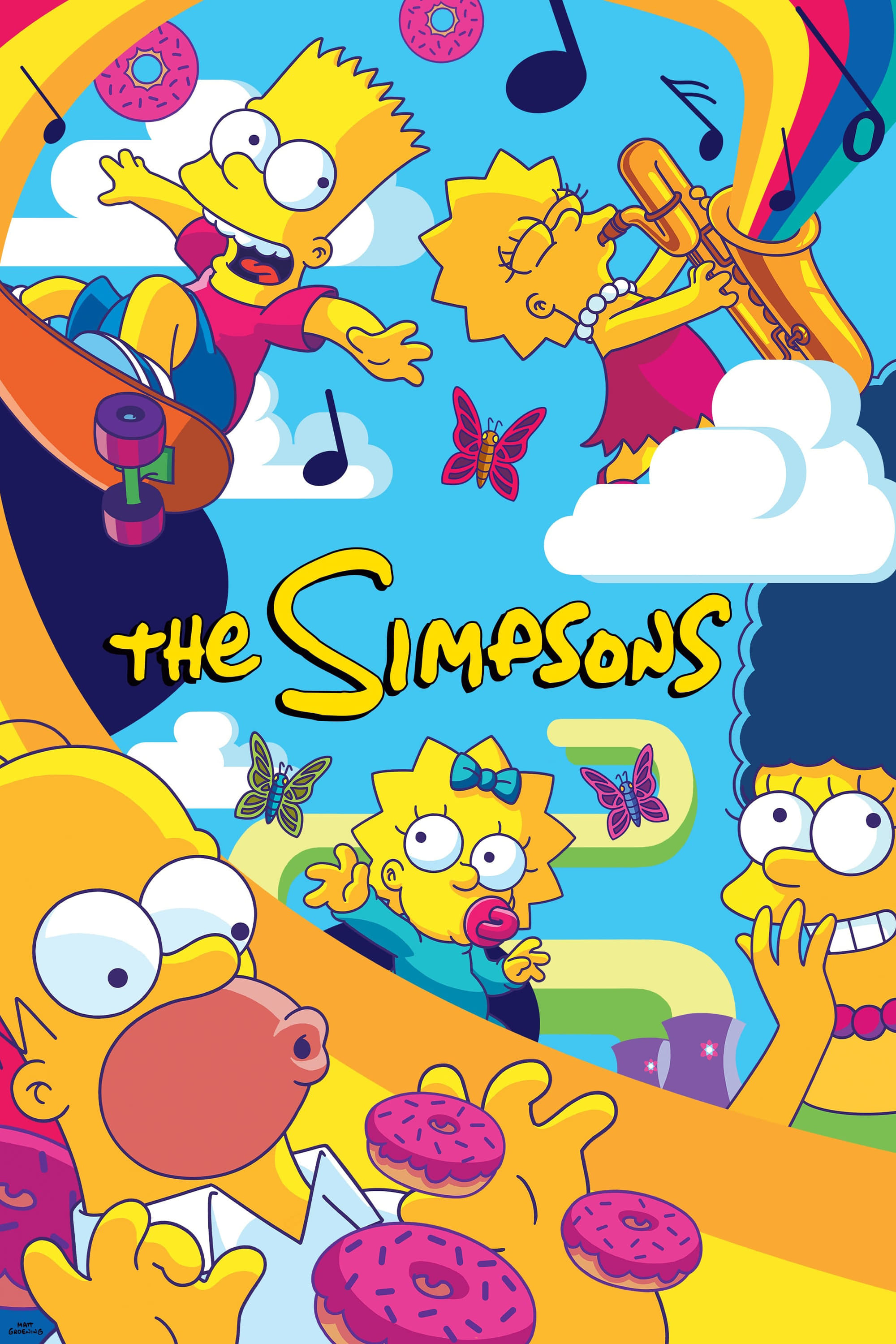
While less controversial than some peers, ‘The Simpsons’ faced backlash for episodes like one depicting a skewed view of Brazil. The country’s then-president criticized it for stereotyping.
The show’s satire has occasionally sparked global complaints, but its cultural impact endures. It walks a fine line between humor and offense.
Will & Grace (1998-2020)
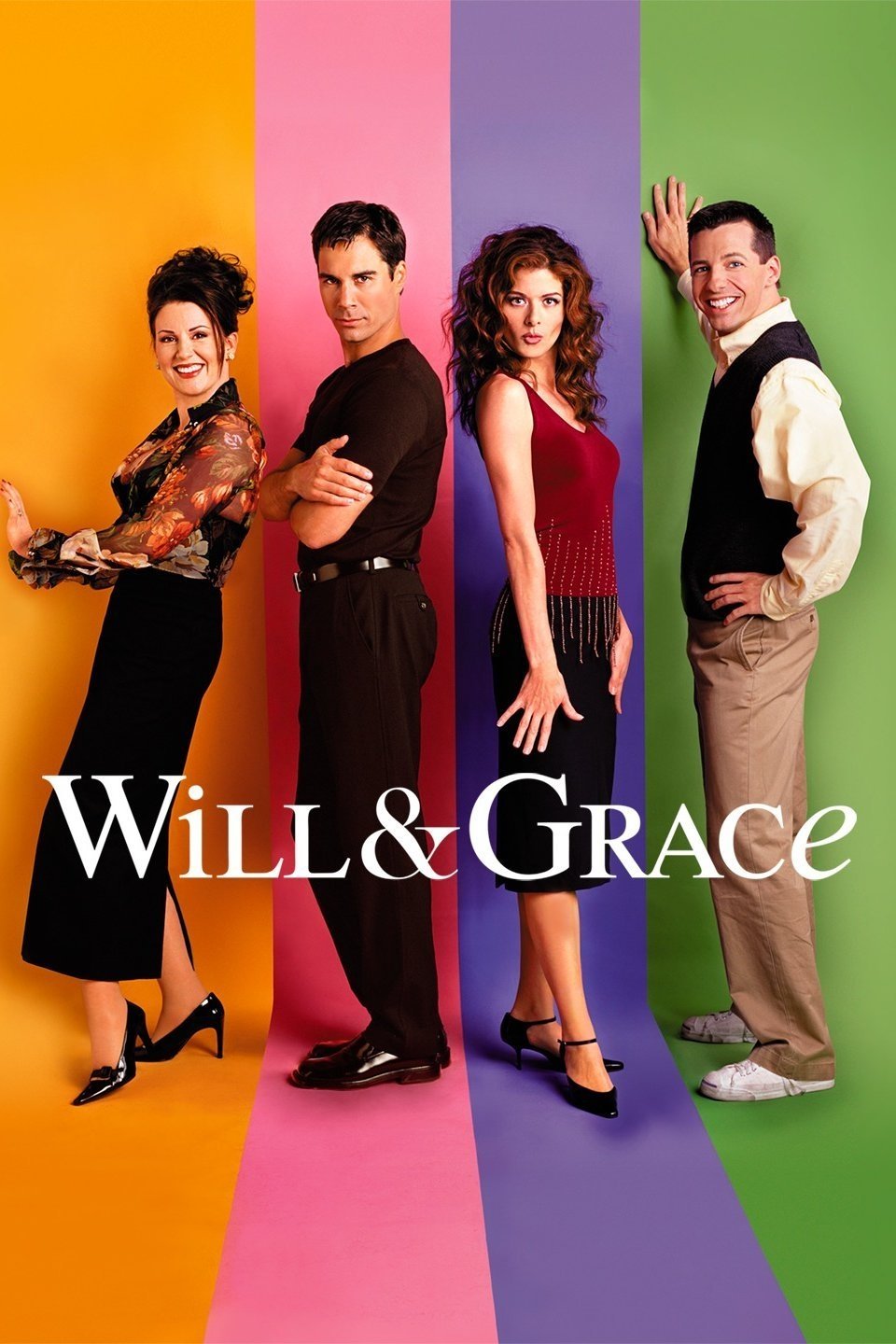
This sitcom broke ground with its depiction of gay characters, including a primetime kiss. Conservative groups protested, arguing it promoted immorality, while others hailed its inclusivity.
The show’s bold representation helped normalize diverse identities on TV. Its controversies paved the way for more inclusive storytelling.
The Golden Girls (1985-1992)

An episode addressing AIDS challenged stereotypes, showing it could affect anyone, not just ‘immoral’ people. Conservative viewers objected, but it was praised for its progressive message.
The show’s willingness to tackle serious issues in a sitcom format made it a cultural touchstone. It sparked debates about health and morality.
Soap (1977-1981)
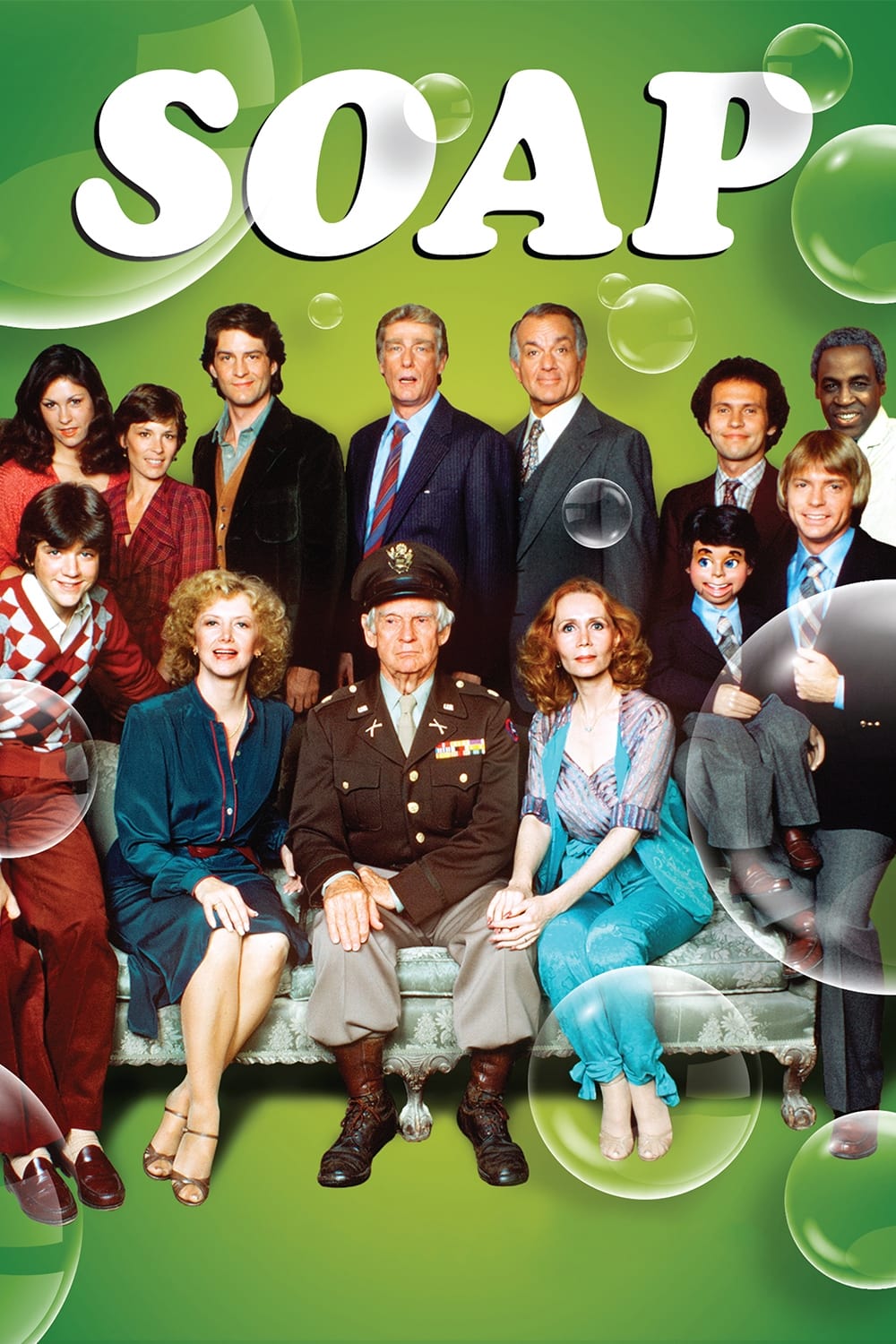
This comedy featured one of TV’s first openly gay characters, causing a stir in the late 1970s. Religious groups and conservative viewers called for boycotts, labeling it immoral.
Despite the backlash, it was a hit for blending satire with bold social commentary. Its controversies helped push TV toward greater inclusivity.
Bridalplasty (2010-2011)
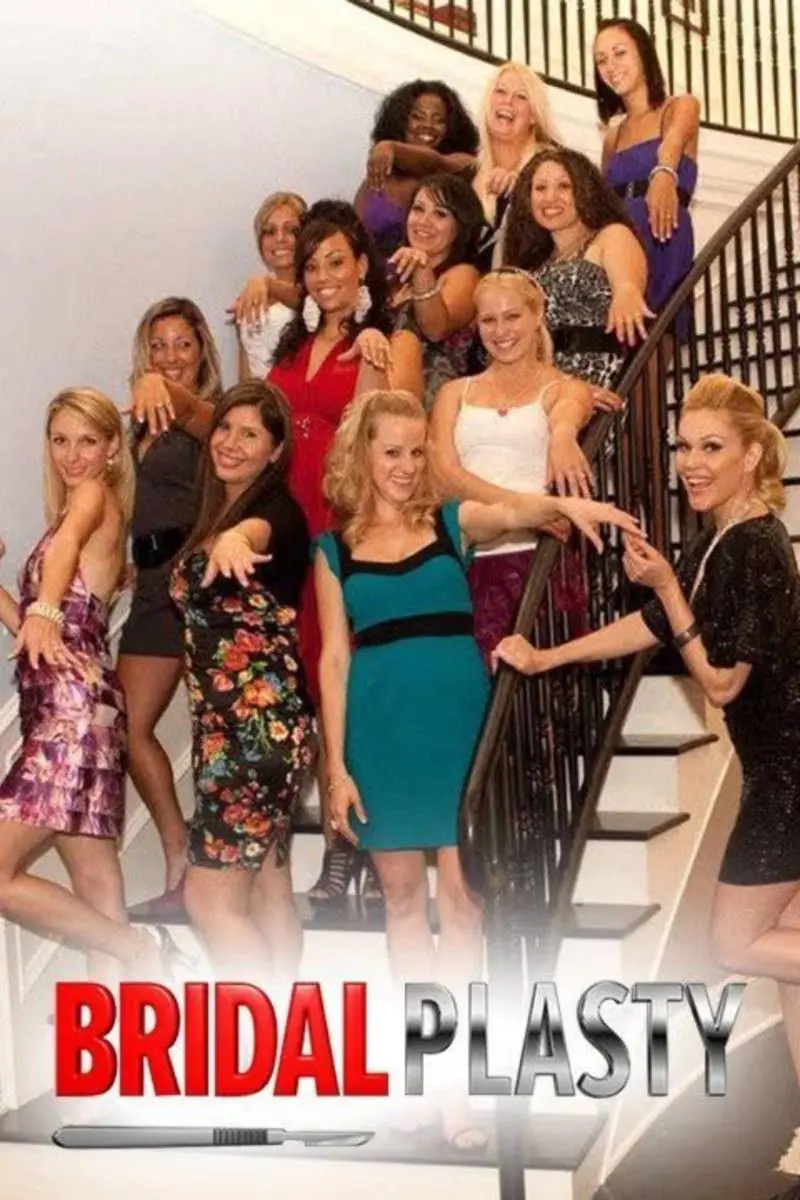
This reality show offered brides plastic surgery to ‘perfect’ themselves before their weddings. Critics slammed it for promoting vanity and exploiting insecurities.
The premise shocked viewers, with many calling it unethical and shallow. It became a symbol of reality TV’s most controversial excesses.
Dexter (2006-2013)
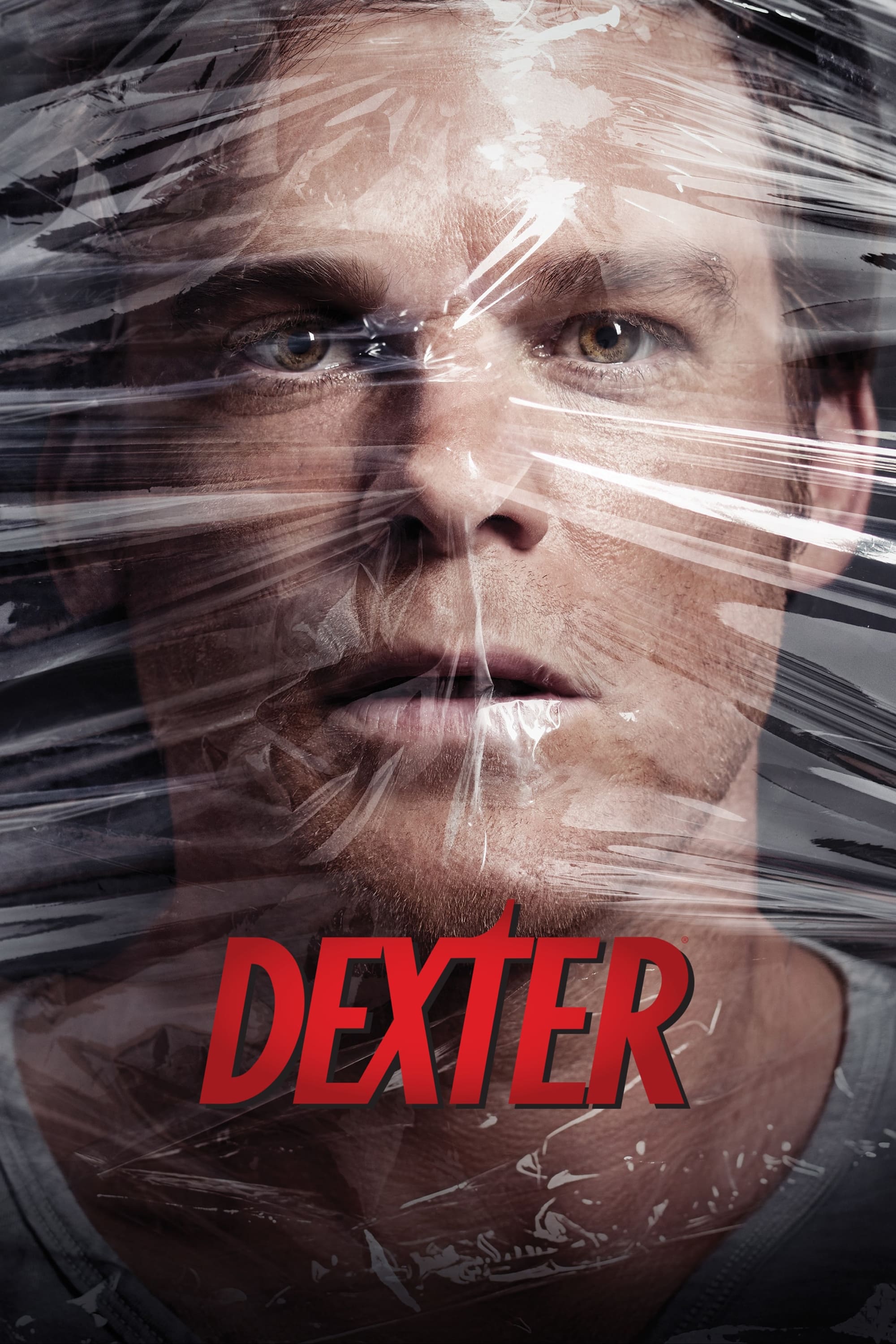
This drama followed a serial killer who targeted other killers, raising ethical questions. Viewers debated whether Dexter was a hero or a villain, sparking moral debates.
Its graphic violence and ambiguous morality divided audiences. The controversial finale, seen as unsatisfying, further fueled discussions.
The Sopranos (1999-2007)
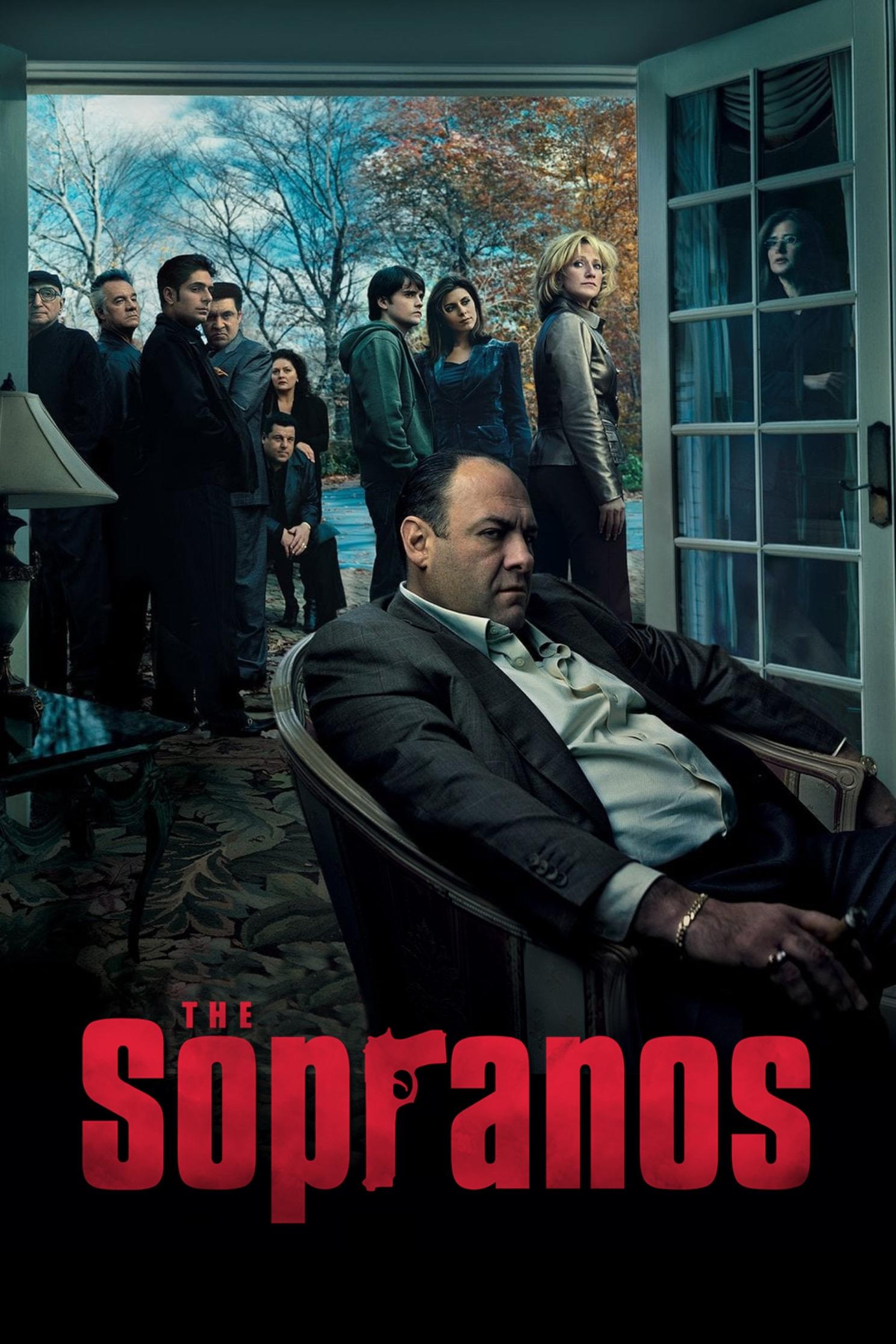
This mob drama was criticized for glorifying violence and Italian-American stereotypes. Its raw depiction of crime and moral ambiguity divided viewers and critics.
Despite the backlash, it revolutionized TV storytelling with its complex characters. Its legacy remains strong, even amid ongoing debates.
30 Rock (2006-2013)
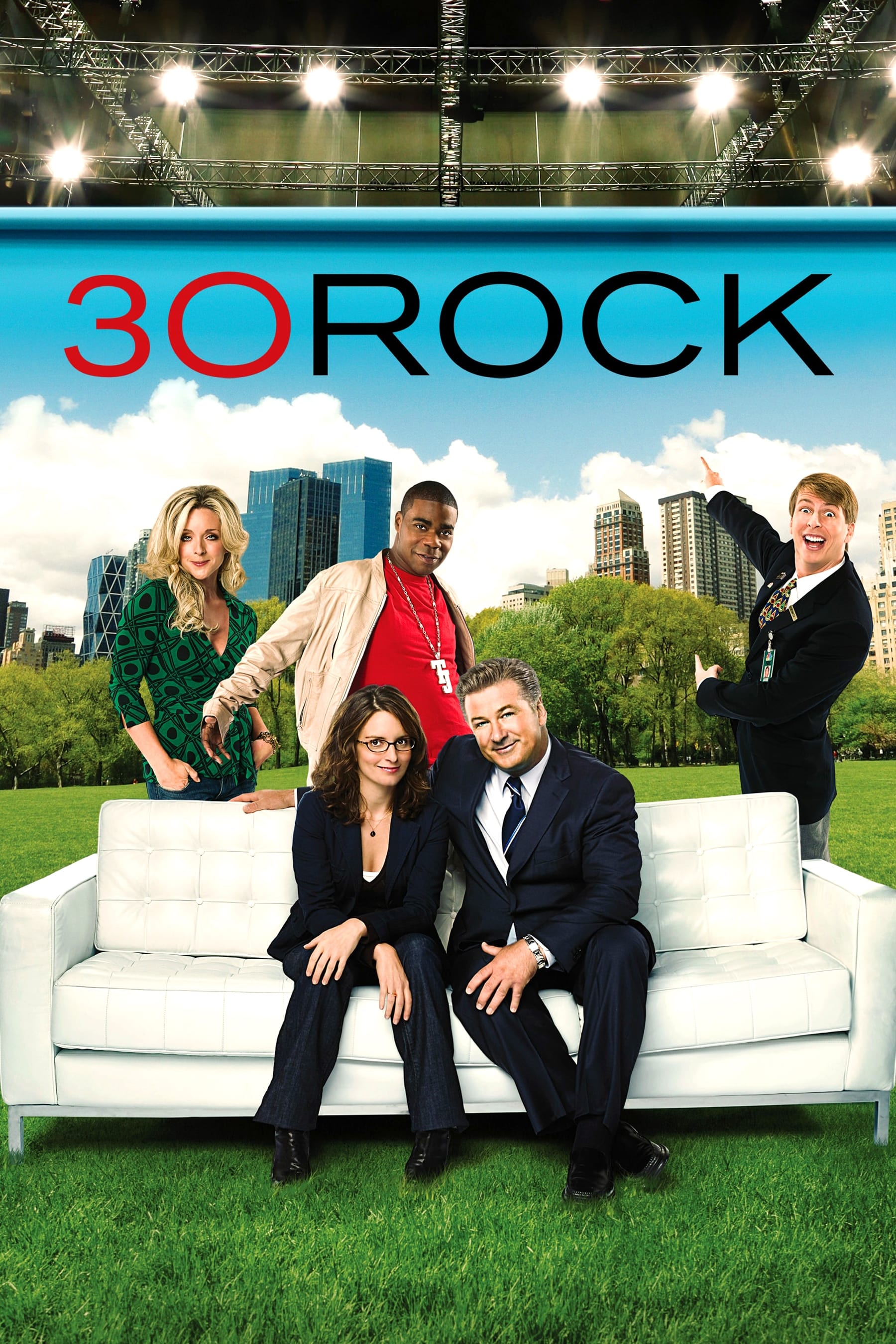
Tina Fey’s comedy, based on her ‘SNL’ experience, faced criticism for edgy sketches, including racially charged humor. Some episodes didn’t age well, prompting apologies from Fey.
The show’s sharp satire divided audiences, with some praising its wit and others finding it offensive. It remains a polarizing classic.
Skins (2007-2013)
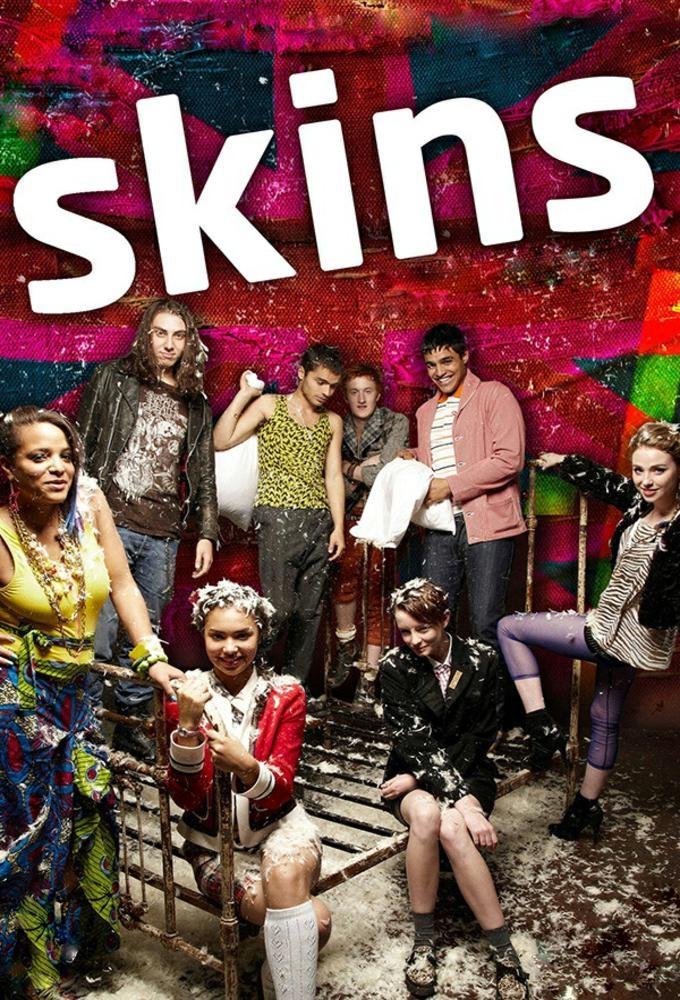
This British teen drama tackled sex, drugs, and mental health with raw honesty. Critics called it irresponsible for glamorizing risky behavior, while fans praised its realism.
Its graphic content sparked debates about its impact on young viewers. The show’s bold approach influenced later teen dramas like ‘Euphoria.’
Twin Peaks (1990-2017)
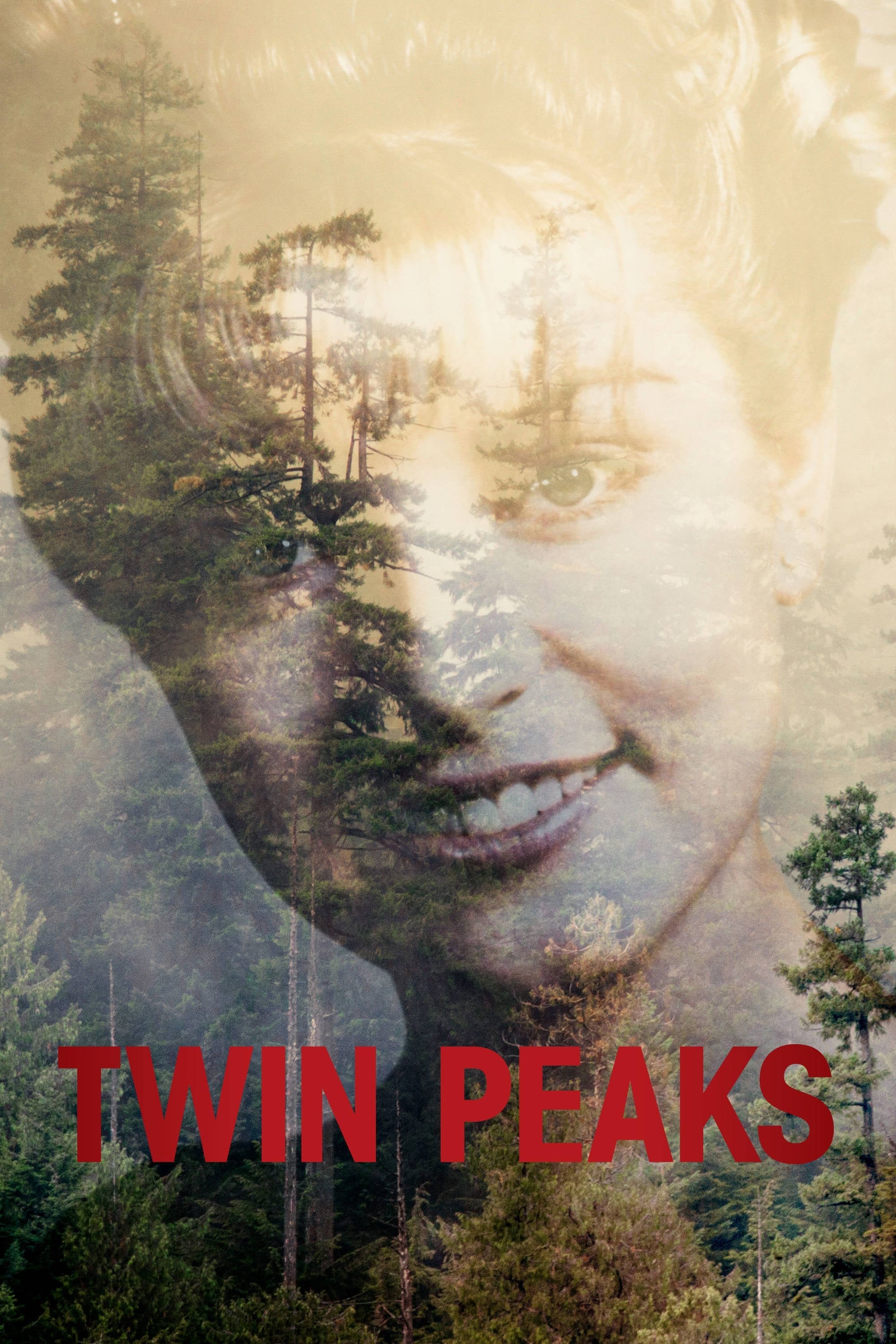
David Lynch’s surreal drama about a murder mystery pushed boundaries with its dark, unsettling tone. Its graphic content and unconventional storytelling shocked some viewers.
While critics praised its innovation, others found it too disturbing for mainstream TV. Its cult status grew despite the controversy.
Chappelle’s Show (2003-2006)
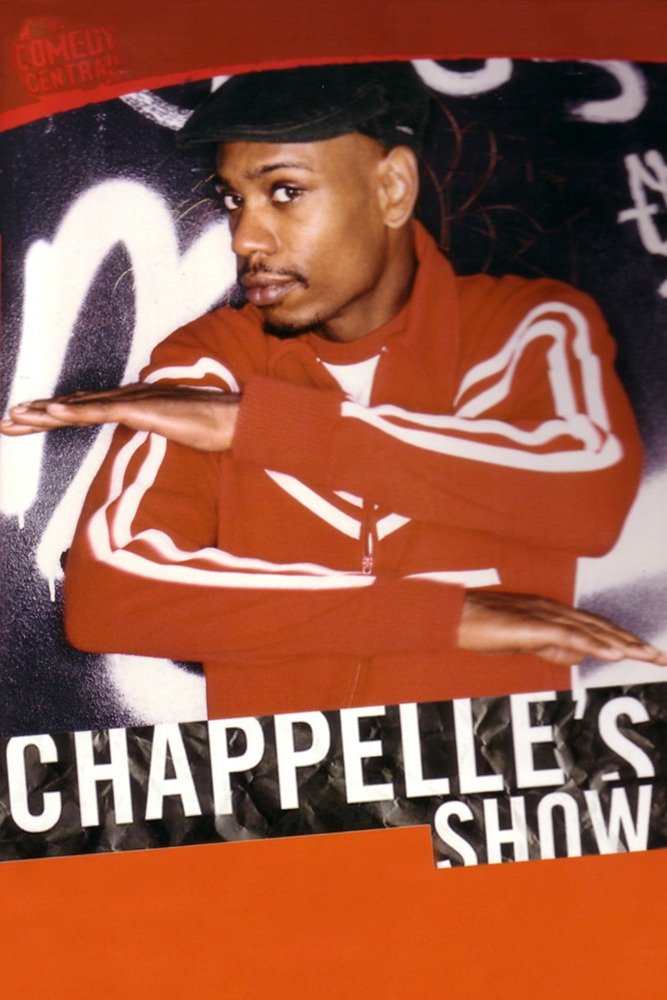
Dave Chappelle’s sketch comedy tackled race and culture with sharp satire. Some sketches, like those involving racial stereotypes, drew criticism for crossing lines.
Chappelle himself walked away, citing discomfort with how his humor was received. The show remains a divisive landmark in comedy.
Oz (1997-2003)
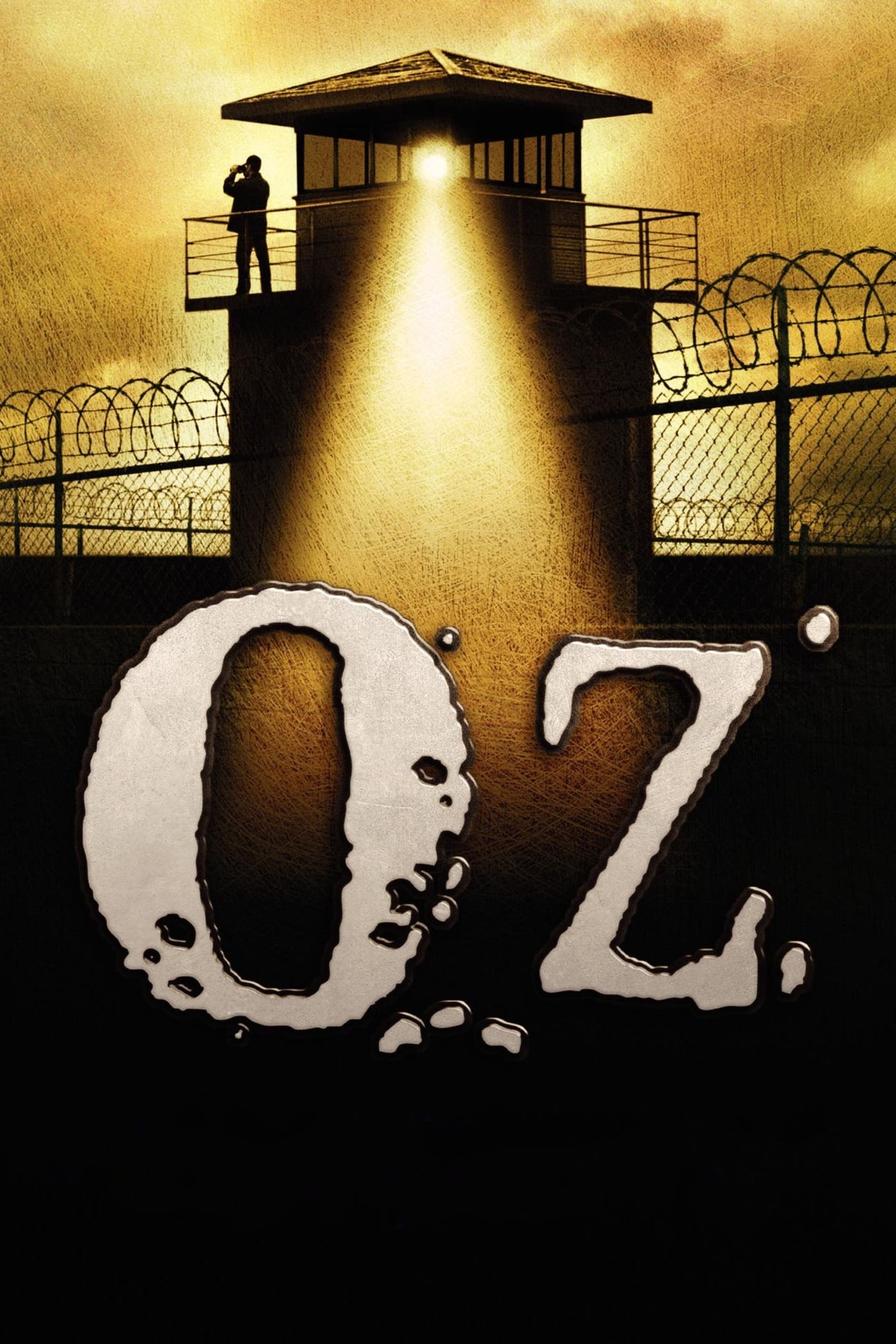
This prison drama was graphic, depicting violence, sex, and moral decay. Its raw portrayal of prison life shocked viewers and critics, who debated its intensity.
While praised for its bold storytelling, it was criticized for excessive brutality. It set a new standard for gritty TV dramas.
Fear Factor (2001-2012)
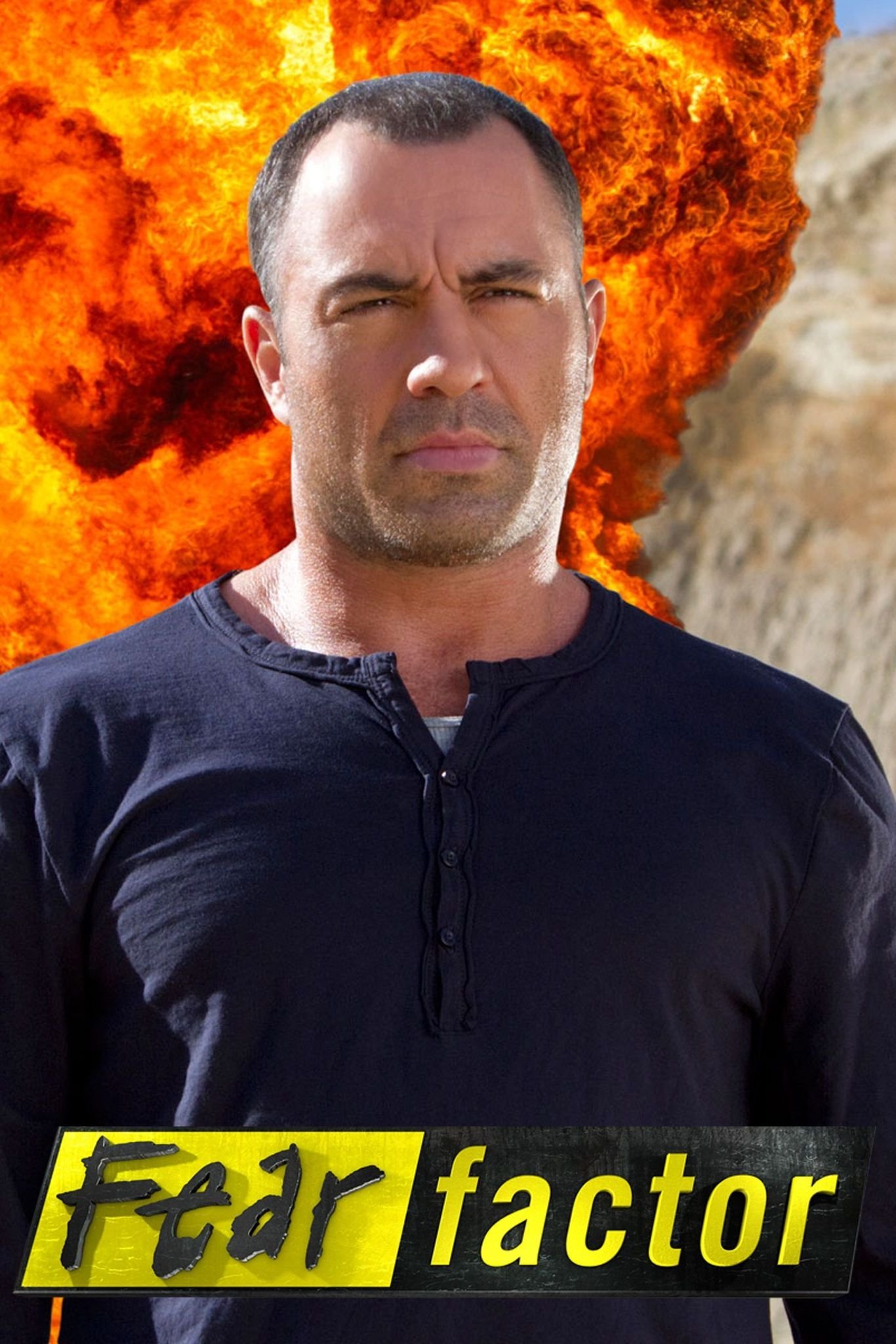
This reality show pushed contestants to face extreme challenges, like eating gross items. Critics called it exploitative, arguing it prioritized shock over substance.
The show’s provocative stunts sparked debates about the ethics of reality TV. Its long run proved controversy could drive ratings.
Star Trek: Discovery (2017-present)
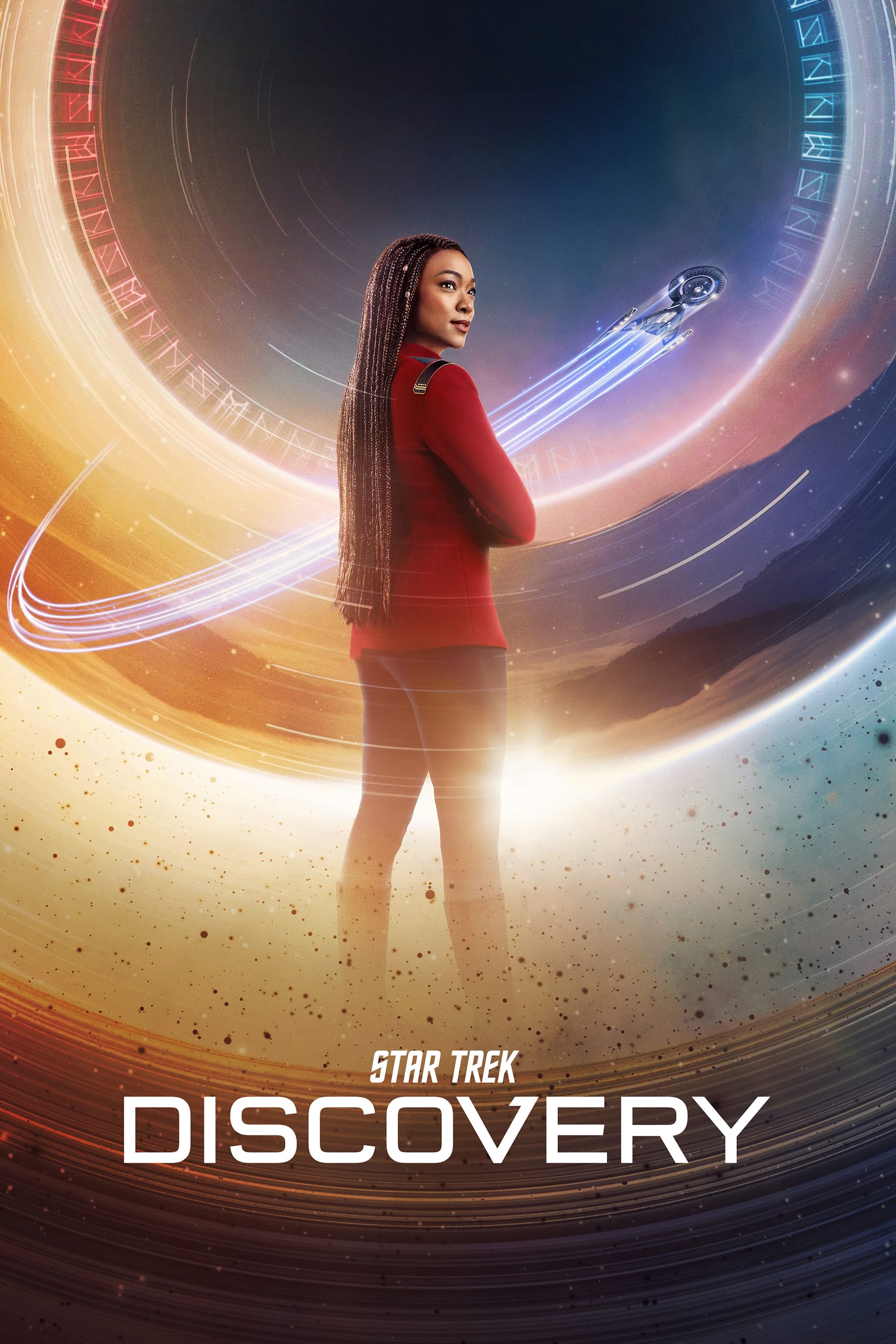
This modern ‘Star Trek’ series reimagined classic characters, like the Klingons, sparking fan backlash. Some felt it strayed too far from the franchise’s roots.
While it kicked off a new wave of ‘Star Trek’ shows, its bold changes divided loyal fans. The controversy fueled ongoing debates about legacy.
The Walking Dead (2010-2022)
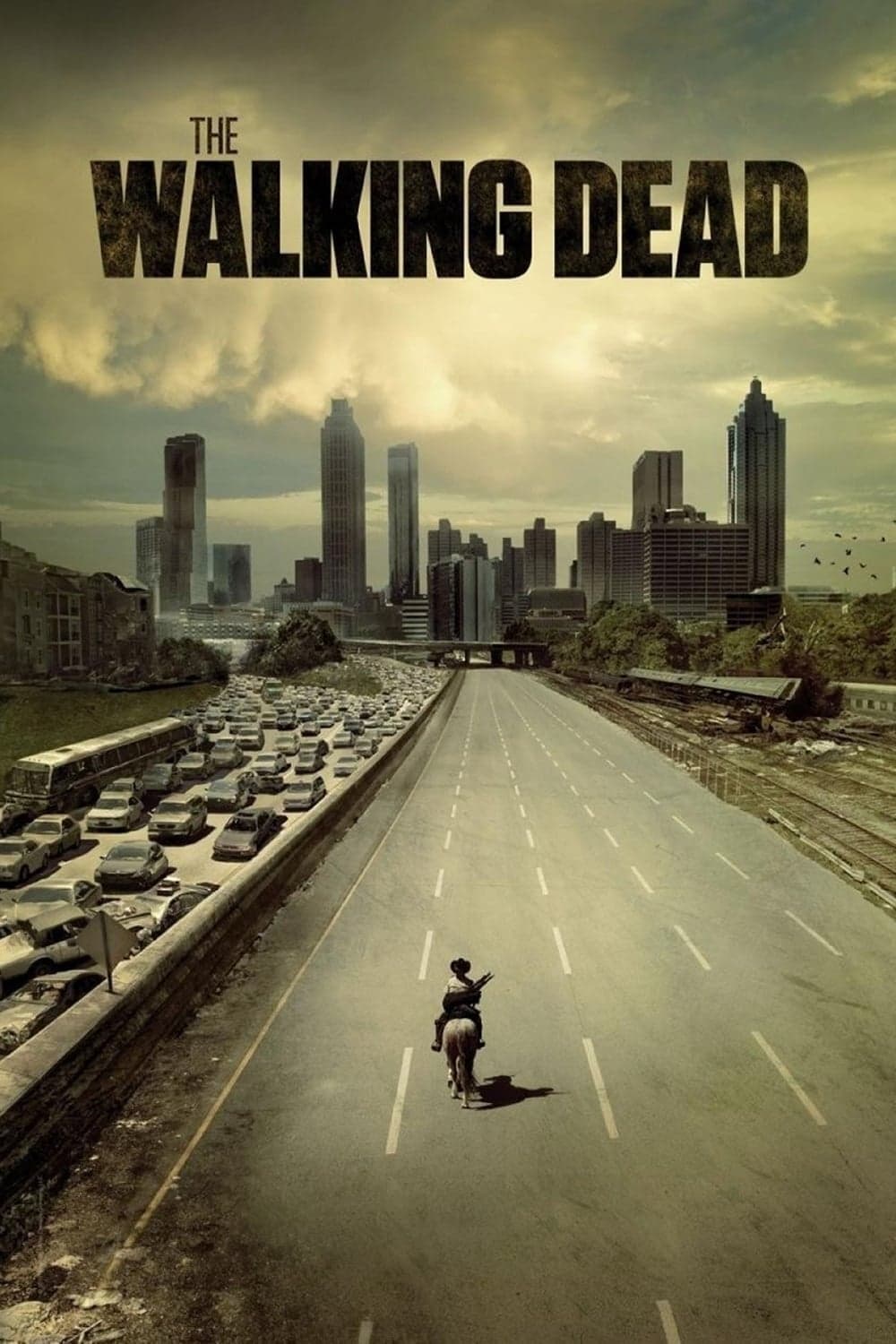
This zombie drama was a hit but lost fans with graphic deaths, like Glenn’s brutal killing. Critics argued it relied on shock value over storytelling.
Behind-the-scenes issues, like creator Frank Darabont’s exit, added fuel to the fire. The show’s controversies overshadowed its early success.
Summer Heights High (2007)
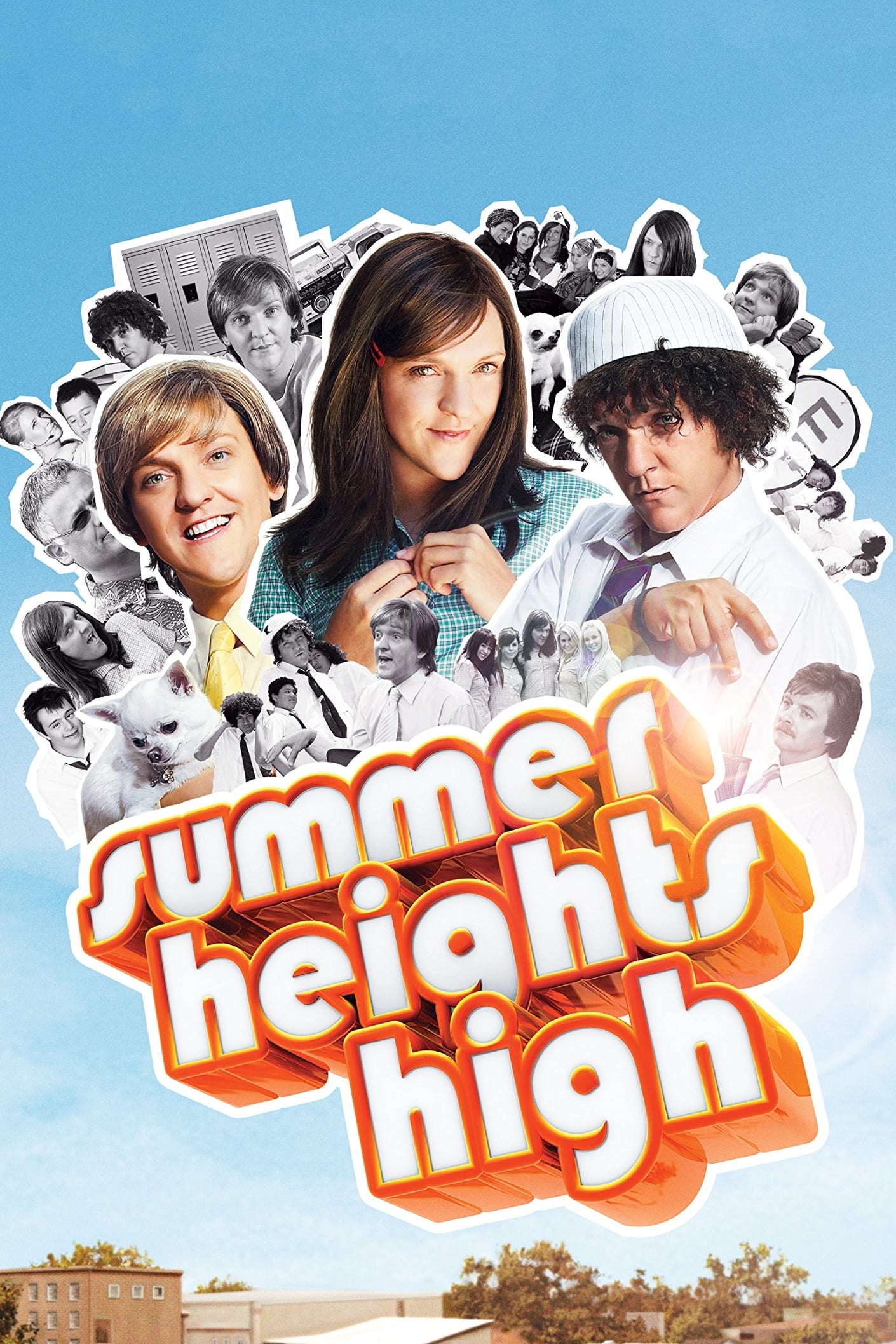
This Australian mockumentary, with Chris Lilley playing multiple roles, was a cultural hit but sparked debate over its use of racial and social stereotypes. Some found its satire sharp, while others called it offensive.
The show’s provocative humor made it a lightning rod for criticism, especially outside Australia. Its legacy remains divisive among viewers.
NYPD Blue (1993-2005)
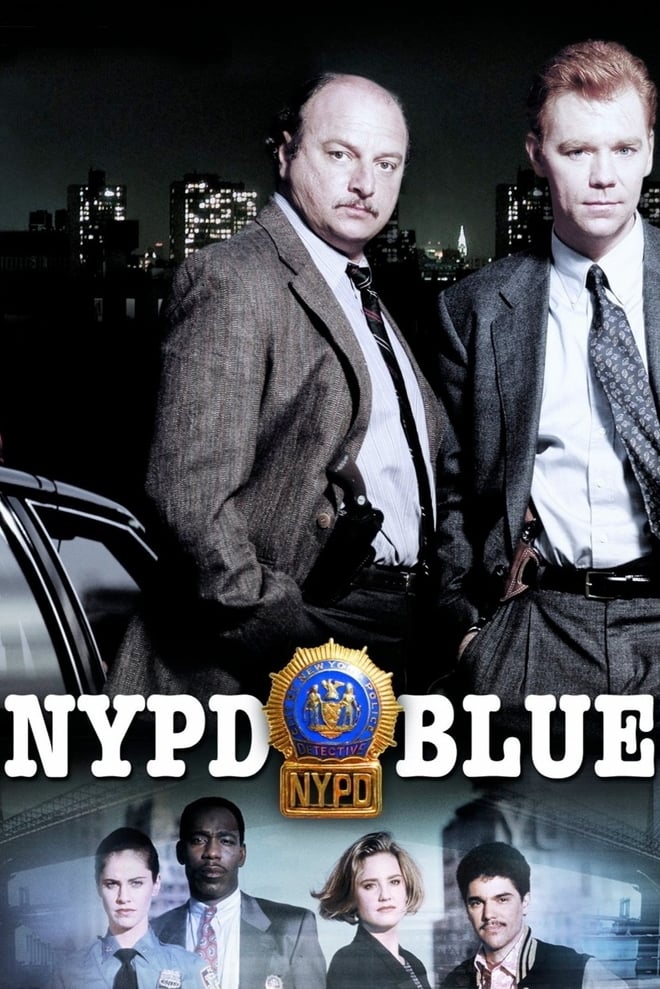
This cop drama pushed boundaries with nudity and gritty themes, earning a $1.2 million fine for a shower scene. It was praised for normalizing mature content but criticized for going too far.
Its bold approach influenced future dramas, but conservative groups objected. The controversy helped redefine TV boundaries.
13 Reasons Why (2017-2020)
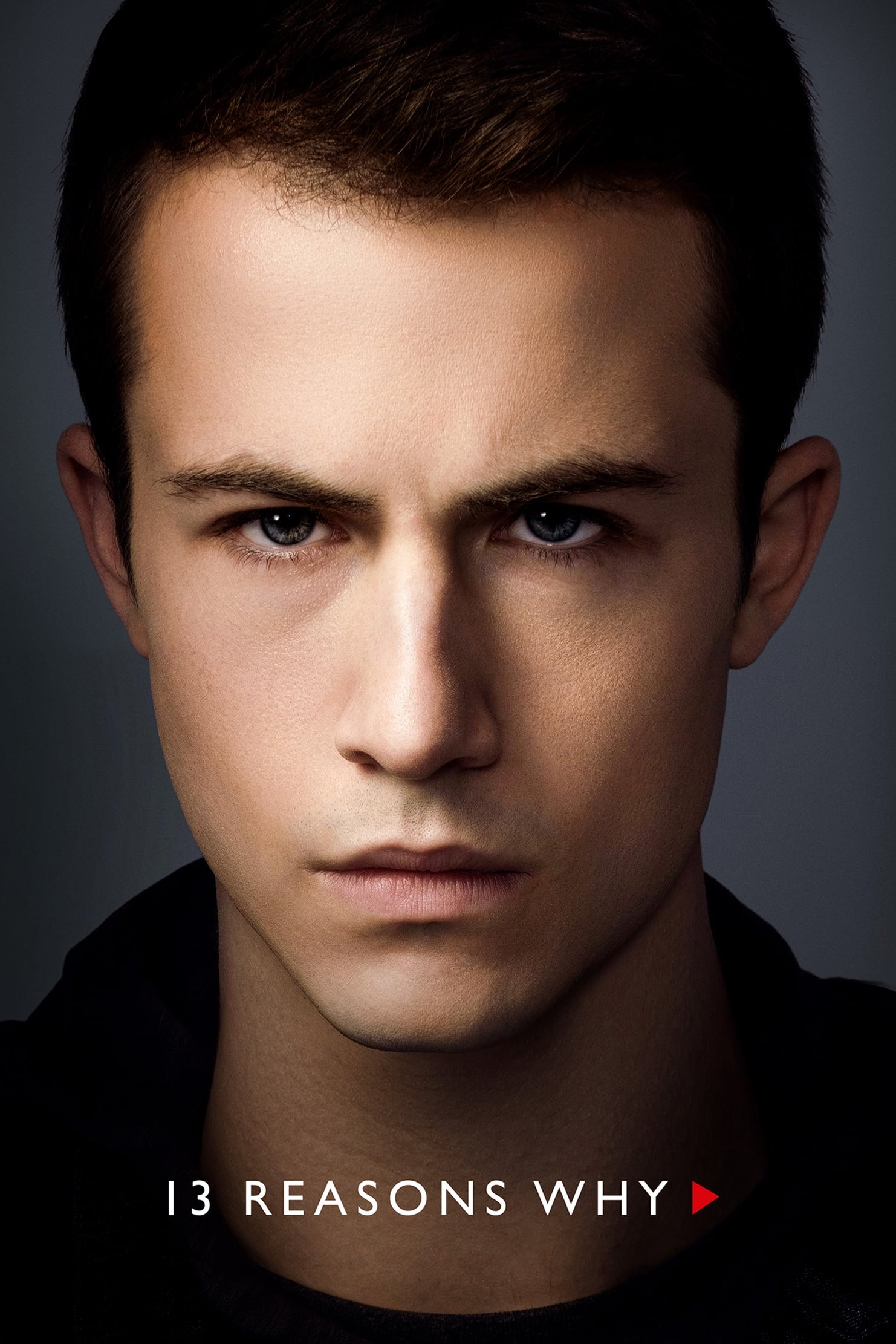
This teen drama tackled suicide, rape, and bullying, but its graphic depictions drew heavy criticism. Many argued it sensationalized mental health issues and lacked sensitivity.
Despite aiming to spark dialogue, its execution divided viewers and experts. The controversy led to content warnings and edited scenes.
The Ren & Stimpy Show (1991-1995)
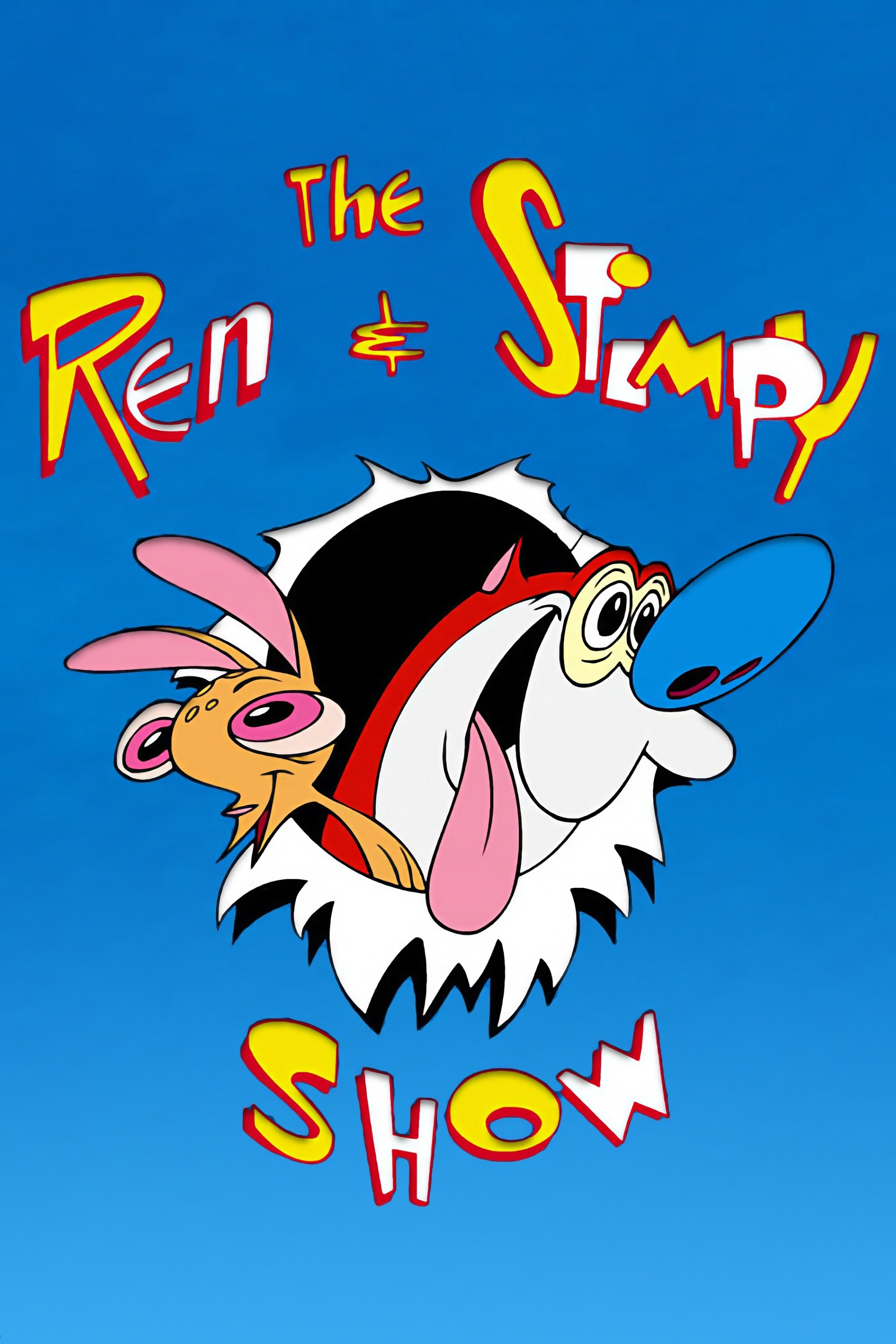
This animated series shocked parents with its dark humor, sexual innuendos, and violence. Aired on Nickelodeon, it was criticized for being inappropriate for kids.
Some episodes were banned, and behind-the-scenes issues added to its infamy. Its subversive style made it a cult classic despite the backlash.
The Idol (2023)
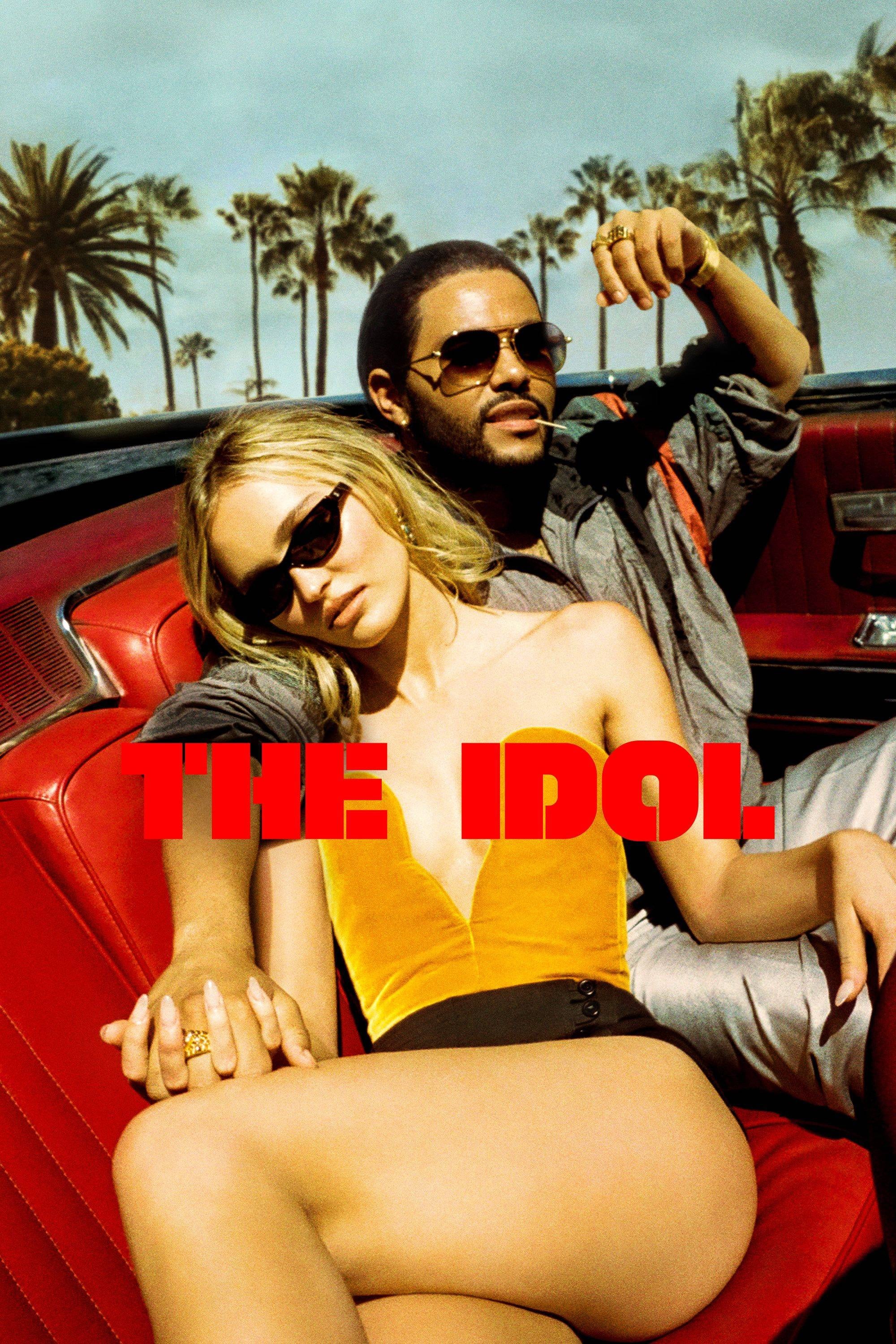
This HBO drama about a troubled pop star faced backlash for explicit content and alleged ‘rape fantasy’ scenes. Critics and viewers found it gratuitous and poorly executed.
Its provocative approach aimed to shock but alienated many, fading quickly from public memory. The controversy overshadowed its brief run.
Euphoria (2019-present)

This teen drama’s raw depiction of drugs, sex, and trauma divided audiences. While praised for its bold visuals, critics argued it glamorized risky behavior.
Parents and regulators raised concerns about its impact on young viewers. Its unapologetic style keeps it in the spotlight.
Beavis and Butt-Head (1993-2011)
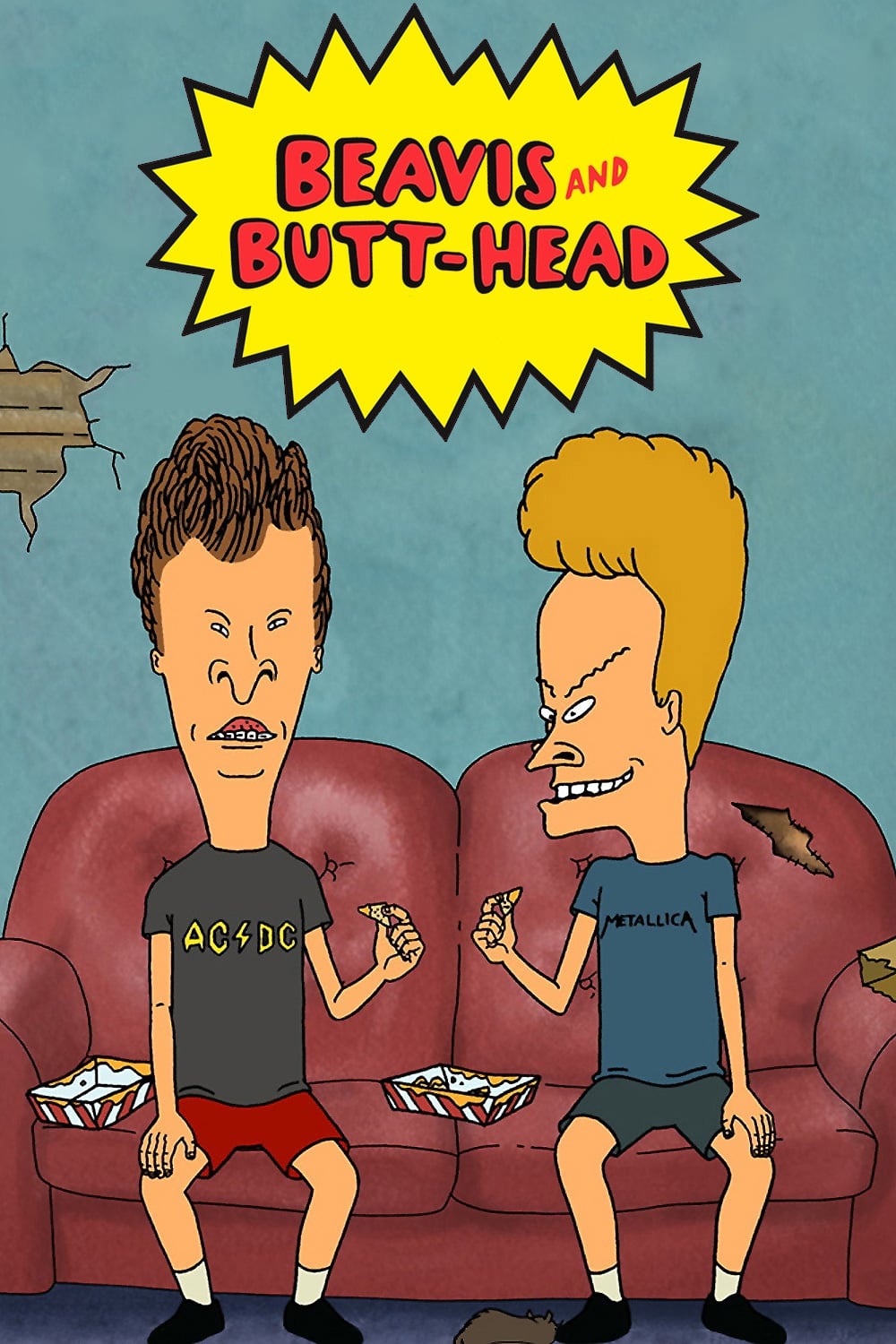
This animated series was blamed for inspiring dangerous behavior, including a fatal fire linked to its characters. MTV added disclaimers and moved it to a later slot amid backlash.
Critics called it crude and harmful, while fans saw it as sharp satire. The controversy cemented its place in pop culture.
Jackass (2000-2002)
This stunt show faced criticism for encouraging reckless behavior, despite disclaimers. Senator Joe Lieberman called it a danger to youth, citing injuries and deaths.
Its crude humor and dangerous antics divided viewers, but it spawned a lasting franchise. The controversy only boosted its notoriety.
Family Guy (1999-present)
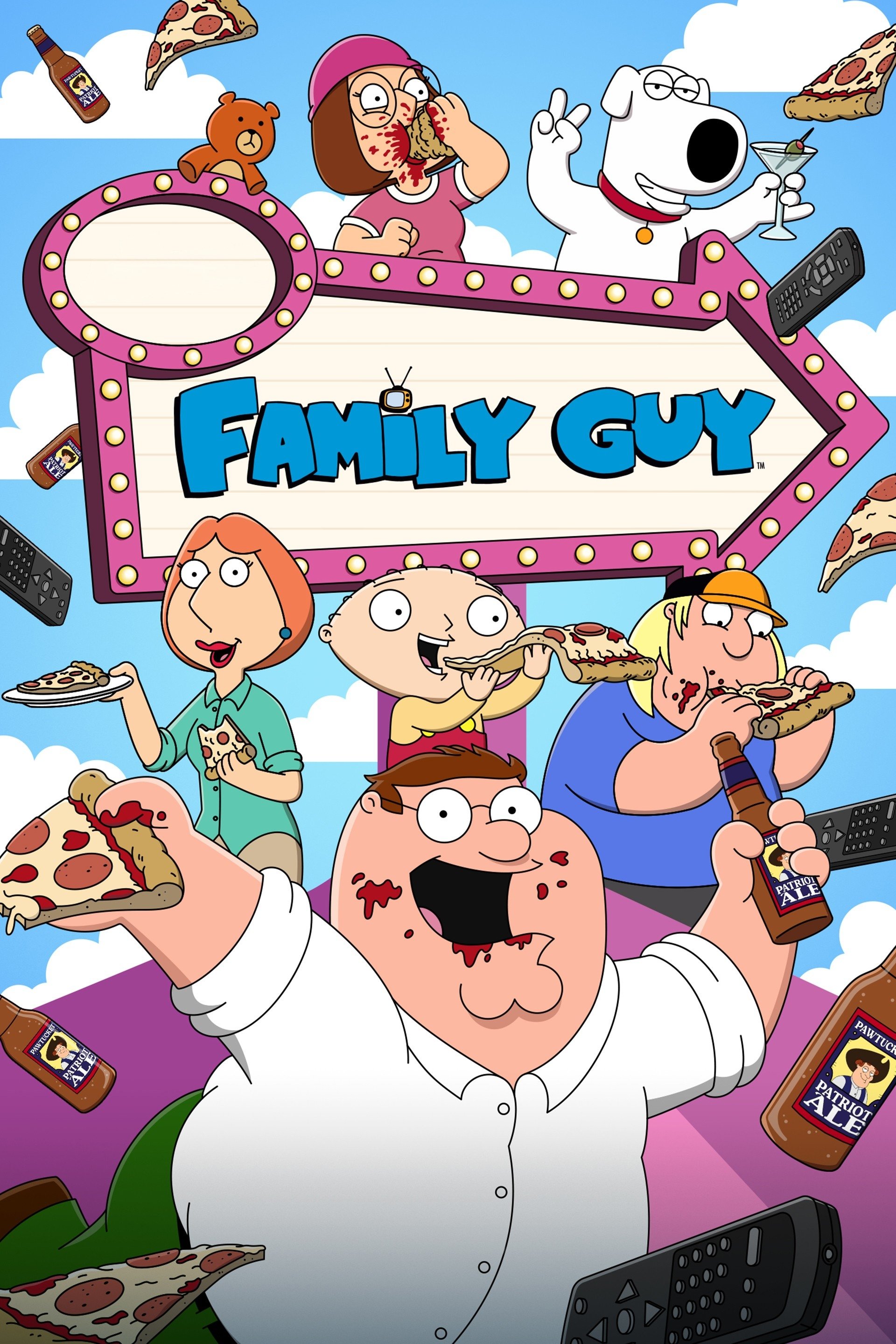
This animated sitcom’s edgy humor, tackling race, religion, and politics, has drawn complaints for being offensive. Some episodes, like those mocking celebrities, sparked public outcry.
While fans love its irreverence, critics argue it crosses lines. Its long run shows controversy doesn’t always hurt popularity.
The Jerry Springer Show (1991-2018)

This talk show thrived on sensational topics like infidelity and brawls, drawing criticism for exploiting personal struggles. Its chaotic format was called unethical by many.
Despite the backlash, its high ratings kept it on air for decades. It remains a symbol of controversial daytime TV.
South Park (1997-present)
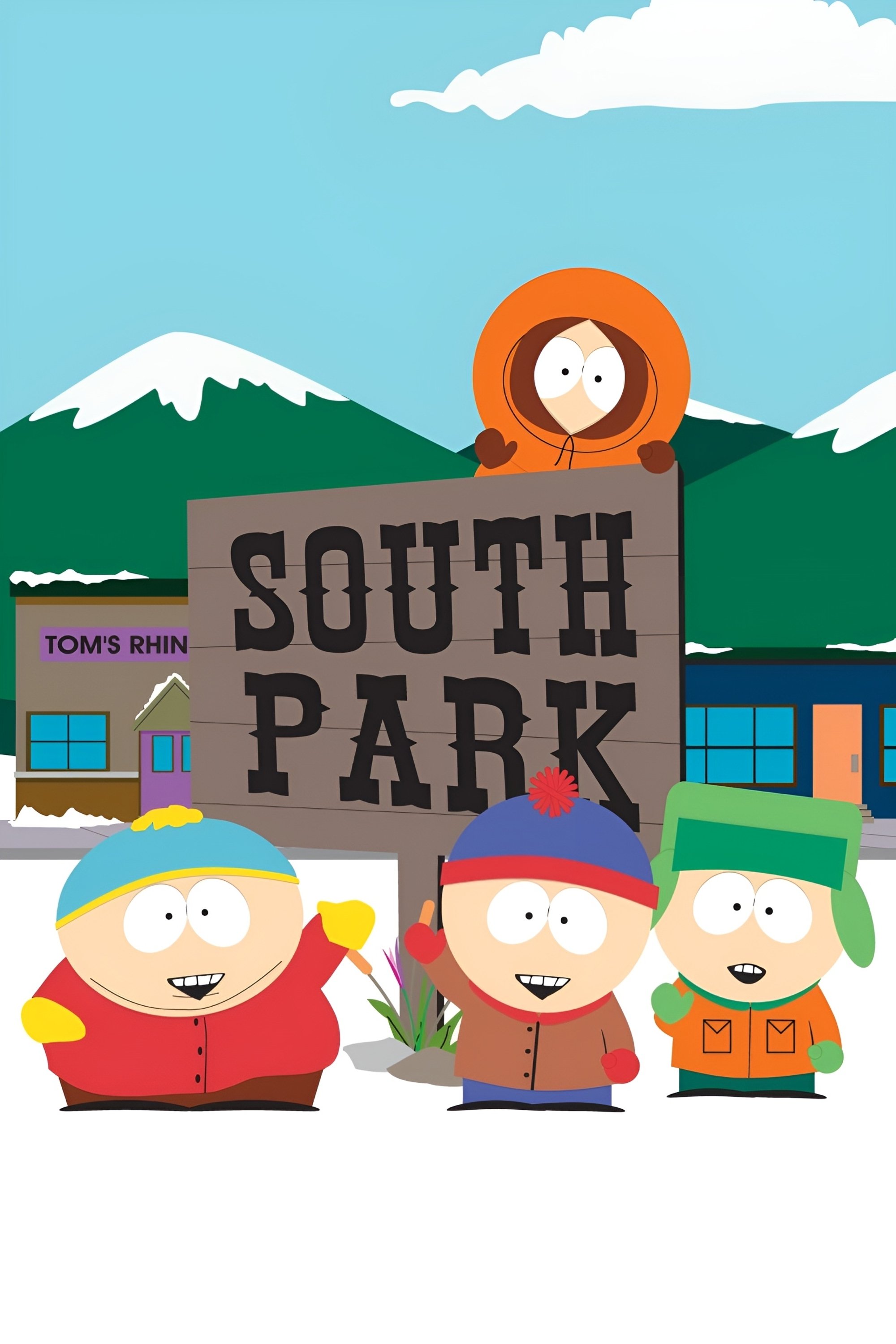
This animated series mocks everyone and everything, from religion to celebrities, earning death threats and bans. Episodes like one depicting Muhammad sparked global outrage.
Its unapologetic satire divides fans and critics, with some calling it genius and others offensive. It remains TV’s most provocative show.
All in the Family (1971-1979)
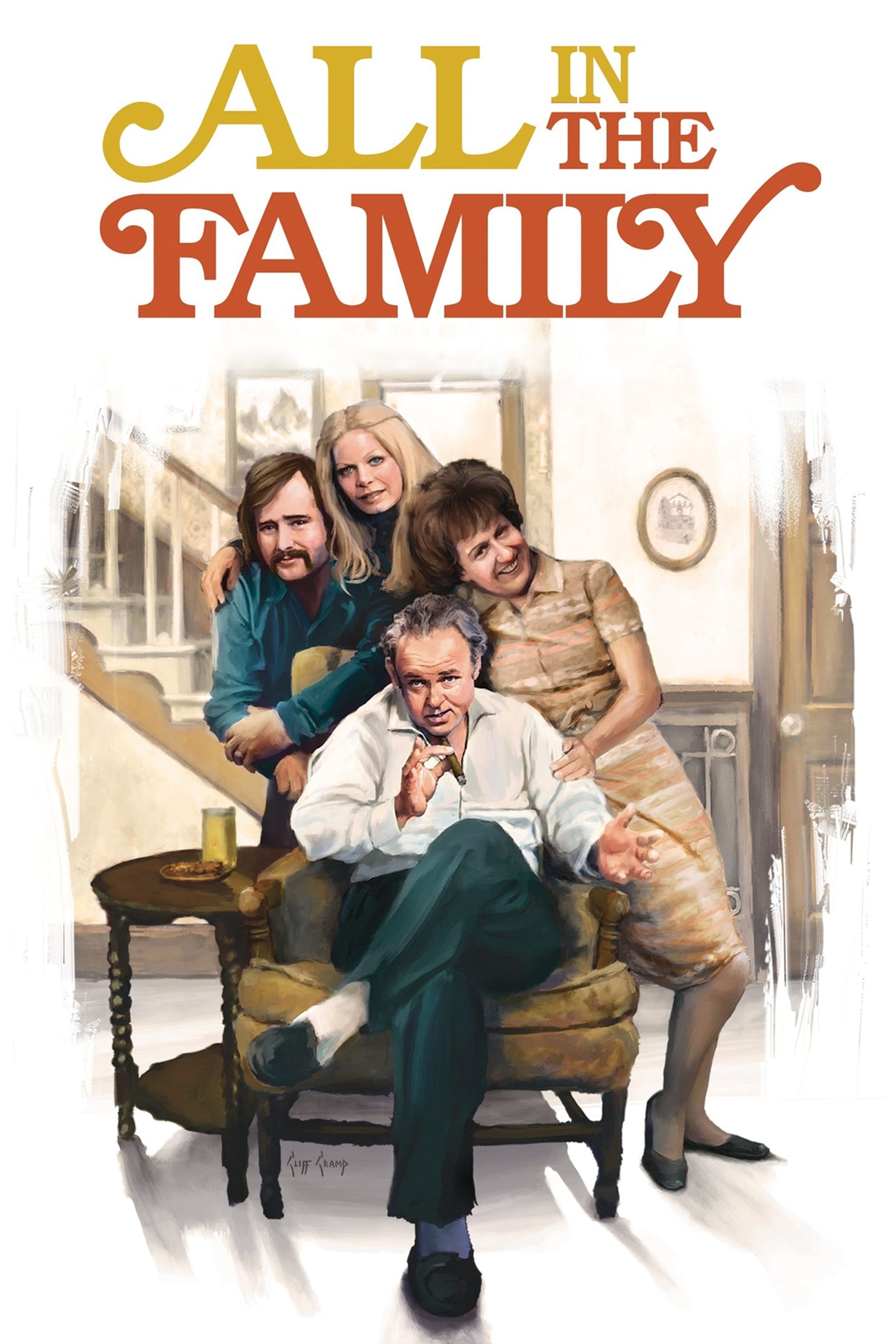
This sitcom tackled racism, war, and women’s rights through Archie Bunker’s bigotry. Its bold approach, including an episode about attempted rape, shocked 1970s audiences.
Praised for confronting social issues, it also faced backlash for normalizing offensive language. Its impact on TV storytelling is undeniable.
What’s the most controversial TV show you’ve watched, and why did it spark such a reaction? Share your thoughts in the comments!

