


The Most Disliked Movie Characters in Film History


Some characters in movies are loved. They inspire us and make us cheer. Other characters are designed to be hated. They are the villains, the bullies, and the people who make bad choices. These are the characters who make us angry, frustrated, or uncomfortable. They play a crucial role in the story, often making the hero’s journey more difficult and their victory more satisfying.
This list looks at some of the most disliked characters in film history. The reasons for the dislike are varied. Some are evil masterminds who want to destroy the world. Others are annoying sidekicks who get in the way. And some are just regular people who are cruel, selfish, or weak. What they all have in common is that they left a strong, negative impression on audiences long after the credits rolled.
Dolores Umbridge – Harry Potter and the Order of the Phoenix, 2007

Dolores Umbridge is a high-ranking official from the Ministry of Magic. She is sent to Hogwarts to control the school and its students. Dressed in pink and with a sweet, high-pitched voice, she appears harmless at first. However, her pleasant exterior hides a cruel and sadistic nature. She enjoys punishing students and uses a magic quill that forces them to write lines with their own blood.
Unlike the main villain, Lord Voldemort, Umbridge represents a more realistic type of evil. She is not a dark wizard seeking ultimate power, but a petty bureaucrat who uses rules and regulations to inflict pain and maintain control. Her belief that she is doing what is right makes her actions even more chilling. Her methods and personality have made her one of the most hated characters in the entire Harry Potter series.
Nurse Ratched – One Flew Over the Cuckoo’s Nest, 1975

Nurse Ratched is the head nurse at a mental institution. She rules her ward with an iron fist, using subtle manipulation and psychological abuse to control the patients. She maintains a calm and professional demeanor, which makes her cruelty even more disturbing. She does not shout or use physical violence, but instead uses the patients’ fears and weaknesses against them to enforce her will.
Her main conflict is with the rebellious patient, Randle McMurphy. He challenges her authority and encourages the other patients to stand up for themselves. Ratched sees him as a threat to her control and goes to great lengths to break his spirit. Her cold, calculating approach to power and her complete lack of empathy make her a terrifying and widely disliked villain.
Percy Wetmore – The Green Mile, 1999

Percy Wetmore is a cruel and cowardly prison guard on death row. He has his job only because of his family connections, and he abuses his power over the inmates. He is insecure and takes pleasure in the suffering of others. His most notable act of cruelty is his deliberate sabotage of an execution, causing an inmate to suffer a horrific death.
Throughout the film, Percy consistently shows his lack of compassion and professionalism. He stomps on a pet mouse and constantly harasses the kind-hearted inmate John Coffey. Percy represents the worst kind of authority figure, one who is given power he does not deserve and uses it to torment those who are weaker than him.
Jar Jar Binks – Star Wars: Episode I – The Phantom Menace, 1999
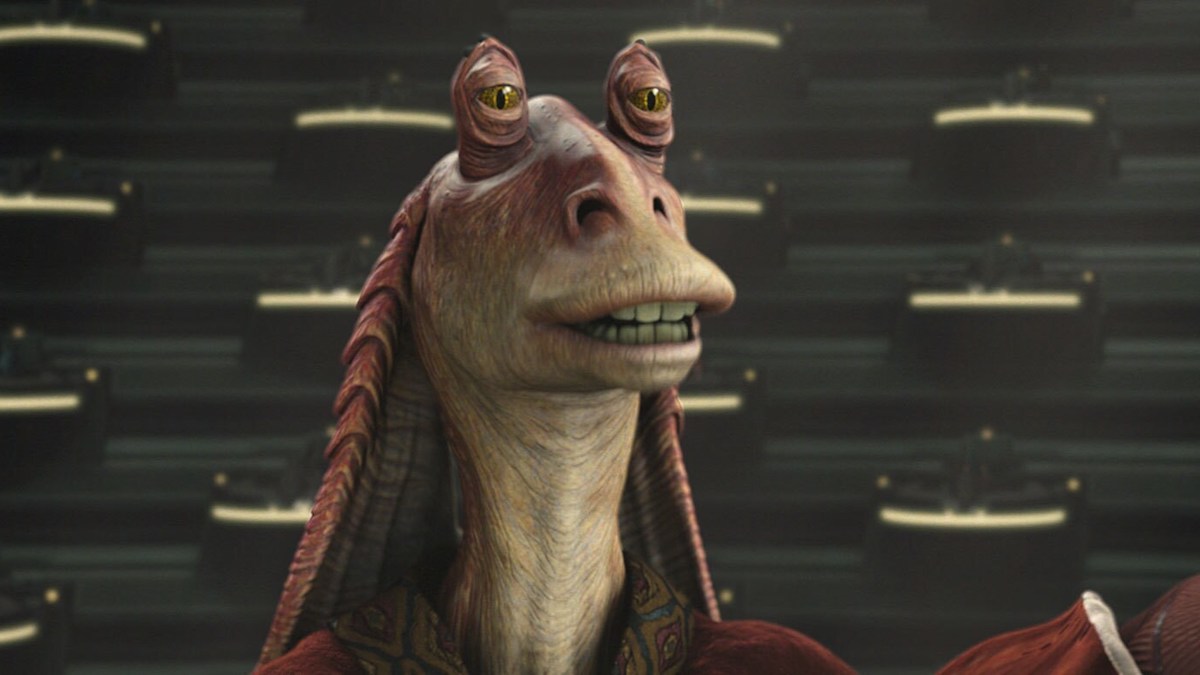
Jar Jar Binks is a Gungan from the planet Naboo who joins the heroes on their journey. He is intended to be a source of comic relief, but many viewers found him to be incredibly annoying. His clumsy nature, exaggerated accent, and constant bumbling often detract from the serious tone of the story.
The negative reaction to Jar Jar was so strong that his role was significantly reduced in the following two films. He is often cited as one of the worst characters in the Star Wars saga. Critics and audiences felt he was a poorly conceived character who was aimed at very young children and did not fit into the established universe of the original trilogy.
Cal Hockley – Titanic, 1997

Cal Hockley is the wealthy and arrogant fiancé of the film’s heroine, Rose. He sees Rose not as a partner but as a possession. When Rose falls in love with the poor artist Jack, Cal becomes increasingly jealous and violent. He is condescending, controlling, and looks down on anyone he considers to be beneath him in social class.
Cal’s villainy is rooted in his entitlement and class prejudice. He frames Jack for theft, slaps Rose across the face, and later tries to shoot them as the ship is sinking. He is a selfish and honorless man who is only concerned with himself, even during a catastrophic disaster. His complete disregard for others makes him a thoroughly unlikable character.
Frank Booth – Blue Velvet, 1986

Frank Booth is a terrifying and unhinged gangster. He is a violent and sadistic kidnapper who holds a nightclub singer and her son hostage. Frank is prone to sudden and extreme mood swings, often inhaling from a gas mask before his violent outbursts. He is one of the most disturbing and unpredictable villains in film history.
His psychological torment of his victims and his brutal behavior make him a truly frightening presence. Frank represents a dark and dangerous side of human nature. His actions are shocking and repellent, and his character is designed to make the audience feel deeply uncomfortable and fearful.
Gollum – The Lord of the Rings series, 2001-2003

Gollum was once a hobbit-like creature named Sméagol, but he was corrupted by the power of the One Ring. He is a wretched and pitiable character, torn between his original personality and the greedy, evil influence of the Ring. He serves as a guide for Frodo and Sam but is constantly plotting to retake the Ring for himself.
His dual personality and constant scheming make him an untrustworthy and frustrating character. While he is sometimes sympathetic, his treachery and obsession ultimately define him. He is a tragic figure, but his actions, particularly his betrayal of Frodo, make him a source of great dislike and distrust for audiences.
Annie Wilkes – Misery, 1990

Annie Wilkes is a former nurse who rescues her favorite author, Paul Sheldon, from a car crash. She seems kind and caring at first, but she is revealed to be a deeply disturbed and obsessive fan. When she discovers that Paul has killed off her favorite character in his latest novel, she holds him captive and forces him to write a new book that brings the character back to life.
Annie’s cheerful demeanor hides a violent and controlling personality. She inflicts horrific pain on Paul to keep him from escaping, most famously by breaking his ankles with a sledgehammer. She is a terrifying example of obsessive fandom taken to its most extreme and violent conclusion.
Emperor Palpatine – Star Wars series, 1980-2019
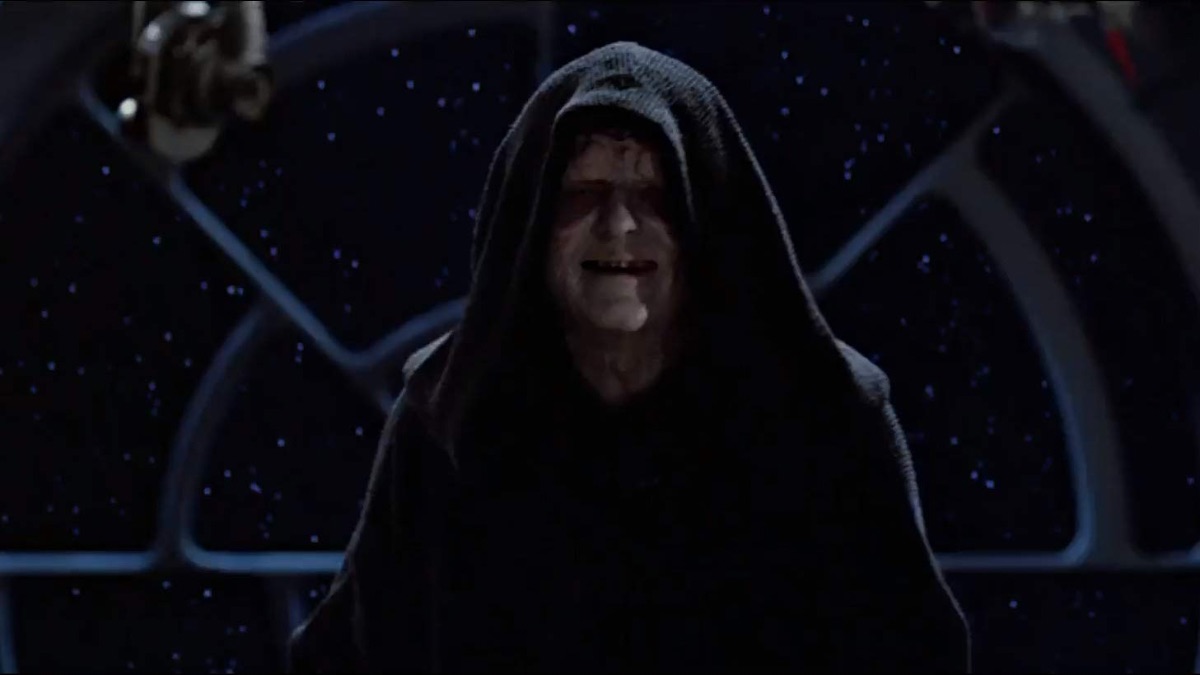
Emperor Palpatine, also known as Darth Sidious, is the ultimate villain of the Star Wars saga. He is a brilliant and manipulative politician who rises to become the tyrannical ruler of the galaxy. He orchestrates the Clone Wars, destroys the Jedi Order, and corrupts Anakin Skywalker, turning him into Darth Vader.
Palpatine is the embodiment of pure evil and a master of deception. He hides his dark intentions behind a mask of respectability. His lust for power is absolute, and he is willing to sacrifice countless lives to achieve his goals. He is a cold, calculating, and completely ruthless character who is responsible for immense suffering across the galaxy.
Joan Crawford – Mommie Dearest, 1981

Based on the memoir by her adoptive daughter, Christina Crawford, this portrayal of the classic Hollywood actress Joan Crawford is monstrous. The film depicts her as a vain, alcoholic, and abusive mother. She subjects her children to terrifying fits of rage and cruel punishments for minor infractions.
The most famous scene shows her waking her children in the middle of the night to scream at them for using wire hangers in the closet. The character is a portrait of a deeply troubled and abusive parent. The film’s depiction of her cruelty and instability made this version of Joan Crawford a symbol of horrific parenting.
Daniel Plainview – There Will Be Blood, 2007

Daniel Plainview is a driven and ruthless oil prospector at the turn of the 20th century. His ambition is all-consuming, and he sees other people only as tools or obstacles. He is charming when he needs to be, but underneath he is a misanthropic and greedy man who is incapable of trust or love.
Throughout the film, he cheats his partners, abandons his adopted son, and murders his rival. His famous line, “I drink your milkshake,” is a declaration of his victory and his contempt for everyone else. He achieves immense wealth but ends up a lonely and bitter man, consumed by his own hatred.
The Child Catcher – Chitty Chitty Bang Bang, 1968

The Child Catcher is a villain from the land of Vulgaria, where children are outlawed. His job is to snatch and imprison any children he finds. With his long nose, creepy smile, and horse-drawn cage, he is a figure of pure nightmare fuel for young viewers. He uses candy and ice cream to lure children into his traps.
Despite having limited screen time, the Child Catcher has terrified generations of children. He is a bogeyman brought to life, a character with no redeeming qualities whose sole purpose is to harm the innocent. His frightening appearance and sinister methods have made him one of the most memorable and feared villains in children’s cinema.
Carter Burke – Aliens, 1986

Carter Burke is a representative of the Weyland-Yutani Corporation who accompanies Ripley and the Colonial Marines to the planet LV-426. He presents himself as an ally, but it is slowly revealed that he has ulterior motives. His real mission is to bring back an alien specimen for the company’s weapons division, and he is willing to sacrifice the lives of the crew to do it.
Burke’s villainy is particularly disliked because he is not a monster or a soldier, but a corporate suit. He knowingly sends people to their deaths for profit. His betrayal and his line, “It was a bad call, Ripley, a bad call,” after he sent a family to be infected, show his complete lack of a moral compass.
Captain Vidal – Pan’s Labyrinth, 2006

Captain Vidal is a brutal officer in Franco’s army in 1944 Spain. He is a cold, cruel, and sadistic man who is obsessed with order and control. He is the stepfather of the main character, Ofelia, and represents the harsh and violent reality that she tries to escape from through her fantasy world.
Vidal tortures and kills without hesitation, showing no mercy to his enemies or even to those who are supposed to be under his care. He is a terrifying figure of fascist authority. His chillingly realistic portrayal of cruelty and his utter lack of humanity make him a deeply hated character.
Hans Landa – Inglourious Basterds, 2009

Colonel Hans Landa is a cunning and charming SS officer known as “The Jew Hunter.” He is intelligent, multilingual, and polite, which makes his underlying evil all the more unsettling. He enjoys the psychological games he plays with his victims and takes great pride in his work. He is a charismatic monster.
Landa is not a mindless brute but a highly intelligent and opportunistic villain. He is motivated by self-preservation and personal gain, ultimately betraying the Nazi regime to save himself. His combination of intelligence, charm, and absolute ruthlessness makes him a uniquely memorable and detestable character.
Agent Smith – The Matrix series, 1999-2003

Agent Smith is a sentient computer program in the Matrix designed to police the simulated reality. Initially, he is a generic, emotionless enforcer, but he develops a deep and personal hatred for humanity. He sees humans as a virus and seeks to destroy them. After being seemingly deleted by Neo, he returns as a powerful virus himself, able to copy himself onto any other program or person in the Matrix.
Smith’s nihilism and growing power make him a formidable foe. He is no longer just following his programming; he is driven by a genuine and growing rage. His cold, clinical speech and his ability to be anywhere and everywhere make him a relentless and terrifying antagonist.
Veruca Salt – Willy Wonka & the Chocolate Factory, 1971

Veruca Salt is one of the four spoiled children who win a golden ticket to tour Willy Wonka’s chocolate factory. She is a greedy and demanding brat whose wealthy father gives her everything she wants. Throughout the tour, her constant refrain is “I want it now!” She shows no gratitude or respect and throws tantrums when she doesn’t get her way.
Her selfish and entitled behavior serves as a clear lesson in the film about the dangers of being spoiled. Her downfall comes when she demands a golden goose and is sent down a garbage chute, which judges her as a “bad egg.” Her unpleasant personality makes her one of the most memorably unlikable children in movie history.
Commodus – Gladiator, 2000

Commodus is the cowardly and corrupt son of Emperor Marcus Aurelius. After murdering his own father to seize the throne, he becomes a cruel and unstable ruler. He is deeply insecure and jealous of the hero, Maximus, who was loved by his father and the people of Rome. His reign is marked by vanity and neglect of his duties.
Commodus is a petulant and power-hungry villain who lacks any of the honor or integrity of his rival. He craves the love of the people but is unwilling to earn it, instead trying to win them over with cheap spectacles. His final act of cheating in a duel with Maximus solidifies his status as a dishonorable and despised character.
Harry Powell – The Night of the Hunter, 1955

Harry Powell is a religious fanatic and serial killer who preys on vulnerable widows. He has the words “LOVE” and “HATE” tattooed on his knuckles, symbolizing the internal struggle he claims to embody. He marries a widow to find the money her executed husband stole, and he terrorizes her young children to make them reveal its location.
Powell is a chilling figure who uses the guise of a preacher to carry out his evil deeds. He is charming to adults but terrifying to the children, who see through his facade. His relentless and menacing pursuit of the children makes him one of classic cinema’s most frightening and hated villains.
Warden Norton – The Shawshank Redemption, 1994

Warden Samuel Norton runs Shawshank Prison with an iron fist, presenting a public image of a pious and law-abiding man. In reality, he is corrupt and cruel. He uses Andy Dufresne’s financial skills to run a massive money-laundering scheme. He exploits prison labor for his own profit and is willing to murder to protect his secrets.
Norton’s hypocrisy is what makes him so despised. He hides his crimes behind a Bible and a respectable facade. When Andy gets close to proving his innocence, Norton has the only witness killed and sends Andy to solitary confinement. His eventual exposure and downfall are among the most satisfying moments in the film.
Principal Ed Rooney – Ferris Bueller’s Day Off, 1986

Principal Ed Rooney is the obsessed and incompetent dean of students who is determined to catch Ferris Bueller skipping school. He sees Ferris’s popularity and ability to outsmart him as a personal insult. His mission to expose Ferris leads him on a series of humiliating misadventures, including breaking into the Bueller family home.
While not truly evil, Rooney is a widely disliked authority figure. He is a petty and vindictive man who abuses his power in a desperate attempt to discipline a clever student. His constant failures and over-the-top obsession make him a perfect comedic antagonist that audiences love to see fail.
Mrs. Carmody – The Mist, 2007

Mrs. Carmody is a religious fanatic who is trapped in a supermarket with other survivors during a mysterious monster attack. She believes the event is God’s punishment and quickly gathers a following of terrified people. She preaches that human sacrifice is necessary to appease God and save them from the creatures outside.
She represents the dangers of fear and religious extremism. As the situation becomes more desperate, her influence grows, and she turns the survivors against one another. Her hateful rhetoric and demands for violence make her a more immediate and realistic threat than the monsters lurking in the mist.
P.T. Flea – A Bug’s Life, 1998

P.T. Flea is the greedy and exploitative ringmaster of a circus troupe. He initially seems like a potential ally for the hero, Flik, but he is only concerned with making money. He underpays and mistreats his performers and shows little loyalty to them. He is loud, obnoxious, and driven by pure self-interest.
His character is designed to be unlikable, serving as a contrast to the cooperative and community-minded ants. When he realizes the ants’ plight could be a profitable show, he tries to take advantage of their situation. His selfishness and lack of any redeeming qualities make him a minor but memorable disliked character.
John Blutarsky – Animal House, 1978

Bluto is the most chaotic and destructive member of the Delta Tau Chi fraternity. He is a man of few words but many destructive actions. He is a slob, a glutton, and has a complete disregard for rules and property. His most famous moments involve starting a massive food fight and inspiring his fraternity to wreak havoc on their college.
While a comedic character, Bluto embodies a kind of irresponsibility that many find off-putting. He is a force of pure id, with no self-control or consideration for others. For some viewers, his antics are hilarious, but for others, he is simply a gross and unappealing character who promotes destructive behavior.
Uncle Frank – Home Alone, 1990

Uncle Frank is the rude, cheap, and freeloading uncle of the main character, Kevin McCallister. In a family full of somewhat dysfunctional members, he stands out as being particularly unpleasant. He openly calls Kevin a “little jerk” and makes his children feel superior to their cousins. He consistently avoids paying for things, letting his brother foot the bill for the entire family’s trip.
Frank has very few lines in the movie, but almost all of them are mean-spirited or selfish. He shows no concern when they realize Kevin has been left behind, only worrying about his own travel plans. His complete lack of redeeming qualities has made him a famously disliked character in a beloved family film.
Biff Tannen – Back to the Future series, 1985-1990

Biff Tannen is the main antagonist of the Back to the Future trilogy. He is a classic bully: arrogant, aggressive, and not very bright. In every time period, he makes life miserable for the McFly family. He harasses George McFly in high school, tries to force himself on Lorraine, and constantly torments Marty.
Biff represents the kind of person who uses their physical strength to intimidate and control others. His character is shown in different forms across the timeline—from a teenage bully to a corrupt casino mogul—but he is always cruel, selfish, and abusive. His comeuppance at the end of each film is always a rewarding moment for the audience.
Willie Scott – Indiana Jones and the Temple of Doom, 1984

Willie Scott is a nightclub singer who becomes Indiana Jones’s companion on his adventure in India. Unlike the capable and independent Marion Ravenwood from the first film, Willie is portrayed as a damsel in distress. She is constantly screaming, complaining, and seems completely out of place in the dangerous situations they face.
Many viewers found her character to be a step backward for female leads in action films. She is often seen as shrill and annoying rather than a helpful or engaging character. Her constant need for rescue and her high-maintenance personality made her one of the least popular companions in the Indiana Jones series.
Lotso – Toy Story 3, 2010

Lots-o’-Huggin’ Bear, or Lotso, is the leader of the toys at Sunnyside Daycare. He initially appears to be a friendly and welcoming grandfather figure, but he is revealed to be a bitter and tyrannical ruler. He runs the daycare like a prison, assigning new toys to the destructive younger children while he and his inner circle enjoy the peaceful older kids’ room.
Lotso’s backstory, where he was accidentally abandoned by his owner, gives him a reason for his bitterness, but it does not excuse his actions. He becomes a cruel dictator who is willing to leave Woody and his friends to die in an incinerator. His betrayal of his friendly facade makes him one of the most hated villains in the Pixar universe.
The Dursleys – Harry Potter series, 2001-2011

The Dursleys are Harry Potter’s only living relatives. For the first eleven years of his life, they treat him with cruelty and neglect. His uncle Vernon, aunt Petunia, and cousin Dudley force him to live in a cupboard under the stairs. They are motivated by their fear and hatred of magic and everything associated with it.
Even after Harry goes to Hogwarts, their home remains a place of misery for him during summer holidays. They represent the mundane, small-minded evil of prejudice and abuse. Their treatment of Harry is so consistently awful that audiences feel immense satisfaction whenever the Dursleys get their comeuppance.
Sergeant Hartman – Full Metal Jacket, 1987

Gunnery Sergeant Hartman is the brutal drill instructor who trains a platoon of new Marine recruits for the Vietnam War. He is relentlessly abusive, both verbally and psychologically. He uses dehumanizing insults and extreme pressure to break the recruits down and rebuild them as killers. His methods are designed to strip them of their individuality.
While his goal is to prepare the soldiers for the horrors of war, his methods are terrifying. He focuses particular cruelty on the overweight and slow-witted Private Pyle, which ultimately leads to a tragic and violent conclusion. Hartman is a memorable and terrifying figure of absolute and abusive authority.
Miranda Priestly – The Devil Wears Prada, 2006

Miranda Priestly is the powerful and demanding editor-in-chief of a high-fashion magazine. She is a notoriously difficult boss who terrorizes her assistants with impossible demands and a cold, dismissive attitude. She is a perfectionist who expects everyone around her to anticipate her needs without being told.
While she is not a traditional villain, her character is disliked for her tyrannical management style and the way she treats her employees. She represents the worst kind of boss, one who is emotionally abusive and impossible to please. Though she shows moments of humanity, her overall demeanor is one of icy and intimidating authority.
Judge Claude Frollo – The Hunchback of Notre Dame, 1996

Judge Claude Frollo is the Minister of Justice in Paris and the reluctant caretaker of Quasimodo. He is a deeply religious man who believes he is righteous, yet he is filled with sin, prejudice, and lust. He despises the gypsy population of Paris and seeks to eradicate them. He is particularly obsessed with the gypsy Esmeralda, lusting after her while also hating her for tempting him.
Frollo is considered one of Disney’s darkest and most complex villains. His evil comes from a place of self-righteousness and hypocrisy, which makes him more psychologically terrifying than many other animated antagonists. His song “Hellfire,” where he rages against his own sinful thoughts, is a chilling portrayal of a man tormented by his own dark nature.
Count Olaf – A Series of Unfortunate Events, 2004

Count Olaf is a villainous actor and a distant relative of the Baudelaire orphans. After their parents die, he becomes their legal guardian with the sole intention of stealing their family fortune. He is cruel, vain, and a master of disguise, constantly reappearing in the children’s lives to torment them with his elaborate and deadly schemes.
Olaf is a theatrical and comedic villain, but his actions are genuinely threatening. He is abusive towards the children and is willing to do anything, including murder, to get his hands on their inheritance. His combination of buffoonery and genuine menace makes him a uniquely persistent and hated antagonist.
Jenny Curran – Forrest Gump, 1994

Jenny Curran is the lifelong friend and love interest of Forrest Gump. Throughout their lives, Jenny’s path is one of self-destruction and turmoil, a stark contrast to Forrest’s simple and successful journey. She repeatedly leaves Forrest, pursues abusive relationships, and gets involved in the darker sides of the counter-culture movement.
While a tragic and complex character, many viewers dislike Jenny for the way she treats Forrest. She often seems to take advantage of his unwavering love and loyalty, only returning to him when her own life has fallen apart. Critics of the character see her as selfish and unable to appreciate the unconditional love Forrest offers her.
Tad Hamilton – Win a Date with Tad Hamilton!, 2004

Tad Hamilton is a handsome but shallow Hollywood movie star. He is a “bad boy” with a reputation for drinking and partying. To clean up his image, his agents arrange a contest where a small-town girl wins a date with him. He is initially just going through the motions, but he starts to develop feelings for the girl, Rosalee.
The character is disliked for his initial arrogance and the stereotypical “Hollywood” persona he represents. He is the slick and superficial rival to Rosalee’s kind and genuine best friend, Pete. Tad represents the allure of fame and fortune, but he is ultimately shown to be less sincere and worthy than the hometown hero.
Rachel Phelps – Major League, 1989

Rachel Phelps is the new owner of the Cleveland Indians baseball team. She is a former showgirl who inherited the team from her late husband. Her secret plan is to make the team so bad that their attendance will drop, allowing her to break the stadium lease and move the team to Miami. To achieve this, she assembles a team of has-beens and unknown players.
She is the classic “evil owner” trope in sports movies. She is cold, calculating, and actively works against her own team’s success. Her delight at their failures and her determination to see them lose make her the perfect villain for the underdog story. The team’s motivation to win is fueled almost entirely by their desire to spite her.
Shooter McGavin – Happy Gilmore, 1996

Shooter McGavin is the arrogant and professional rival to the hot-headed hockey-player-turned-golfer, Happy Gilmore. Shooter is the top golfer on the tour and feels threatened by Happy’s unorthodox style and popularity. He is smug, condescending, and will do anything to win, including cheating.
He represents the stuffy establishment that Happy is disrupting. He mocks Happy’s background, tries to get him kicked off the tour, and even buys Happy’s grandmother’s house out from under him. His smug finger-gun gesture and his catchphrase, “I eat pieces of s*** like you for breakfast,” have made him a classic and highly dislikeable movie bully.
Draco Malfoy – Harry Potter series, 2001-2011

Draco Malfoy is Harry Potter’s primary rival at Hogwarts. He is a smug, prejudiced, and cowardly bully who comes from a wealthy, pure-blood wizarding family. He looks down on anyone who is not from a similar background, especially Hermione Granger, whom he taunts for being “Mudblood.” He constantly tries to get Harry and his friends into trouble.
Draco serves as a direct foil to Harry. While Harry is brave and values friendship, Draco is often shown to be a coward who follows the orders of his father or Lord Voldemort out of fear. Though he shows flickers of conflict and remorse in later films, his years of bullying and prejudice earned him the dislike of many viewers.
Gaston – Beauty and the Beast, 1991

Gaston is the handsome and popular hero of his village, but he is also incredibly arrogant, chauvinistic, and unintelligent. He is determined to marry Belle, not because he loves her, but because she is the most beautiful girl in town and he feels he deserves the best. When Belle rejects him for the Beast, his vanity turns into violent rage.
Gaston represents a type of toxic masculinity. He cannot handle rejection and his bruised ego drives him to whip the town into a mob to kill the Beast. He is a villain who starts as a celebrated figure, showing how quickly a popular hero can become a monster when they don’t get what they want.
John Kreese – The Karate Kid, 1984

John Kreese is the ruthless sensei of the Cobra Kai dojo. He teaches his students a brutal and unethical form of karate, summarized by their motto: “Strike first. Strike hard. No mercy.” He is a former special forces soldier who believes that winning is the only thing that matters, and he encourages his students to be bullies.
Kreese is a terrible mentor who instills toxic values in his young students. His most infamous moment comes at the end of the final tournament when he orders his student, Johnny Lawrence, to “sweep the leg” of his injured opponent, Daniel LaRusso. This win-at-all-costs philosophy and his abusive teaching methods make him a despised villain.
President Snow – The Hunger Games series, 2012-2015

President Coriolanus Snow is the tyrannical ruler of Panem. He maintains his power through fear, violence, and the annual Hunger Games, a televised event where children are forced to fight to the death. He is calm, intelligent, and utterly ruthless. He sees the Games not just as a tool of oppression, but as a necessary evil to control humanity.
Snow takes a personal interest in Katniss Everdeen after she defies his authority in the arena. He threatens her family and uses psychological warfare to try and break her spirit. He is a chilling villain who believes completely in his own oppressive philosophy, making him a powerful and hated antagonist.
The T-1000 – Terminator 2: Judgment Day, 1991

The T-1000 is an advanced Terminator sent from the future to kill John Connor. It is made of liquid metal, which allows it to shapeshift into other people and form its limbs into stabbing weapons. It is a relentless and seemingly unstoppable killing machine. Unlike the original Terminator, it is faster, stronger, and more intelligent.
What makes the T-1000 so terrifying is its complete lack of emotion and its single-minded pursuit of its target. It can blend in anywhere and kill without a second thought. Its ability to mimic others creates intense paranoia, and its fluid, near-indestructible form makes it feel like an insurmountable threat.
Alex DeLarge – A Clockwork Orange, 1971

Alex DeLarge is the leader of a small gang of thugs in a futuristic Britain. He spends his nights engaging in “ultra-violence,” which includes assault, robbery, and rape. He is charismatic and intelligent, with a love for classical music, which makes his violent behavior even more disturbing. He shows no remorse for his actions.
The film forces the audience to follow a protagonist who is a truly reprehensible person. When he is captured and subjected to a psychological treatment that makes him incapable of violence, the film asks difficult questions about free will and punishment. Despite this, his initial glee in committing horrific acts makes him one of cinema’s most disliked anti-heroes.
Gordon Gekko – Wall Street, 1987

Gordon Gekko is a wealthy and ruthless corporate raider. He became famous for his motto, “Greed, for a lack of a better word, is good.” He is a charismatic and manipulative figure who takes a young, ambitious stockbroker under his wing. He teaches him that ethics and loyalty are meaningless in the pursuit of wealth.
Gekko became a symbol of the excess and moral decay of the 1980s. He is a villain who operates within the law (mostly) but is completely amoral. He is charming and powerful, which makes his corrupt philosophy all the more seductive and dangerous. He is disliked for what he represents: the worship of money above all else.
The Plastics – Mean Girls, 2004

The Plastics are the ruling clique at North Shore High School, led by the queen bee, Regina George. Along with her followers Gretchen Wieners and Karen Smith, Regina maintains her popularity through intimidation, manipulation, and a strict set of social rules. They control the school’s social life through fear and gossip.
Regina George, in particular, is a master of psychological cruelty. She uses a “Burn Book” to spread vicious rumors and turns friends against each other to maintain her power. While the film is a comedy, The Plastics represent a very real and disliked type of high school bully who thrives on making others feel inferior.
Pennywise – It, 2017

Pennywise the Dancing Clown is a shape-shifting, ancient cosmic evil that preys on the children of Derry, Maine, every 27 years. It most often takes the form of a clown to lure children, but it can also manifest as their deepest fears. It is a creature of pure malice that feeds on the fear of its victims.
Pennywise is a terrifying figure because it embodies the concept of fear itself. Its friendly clown facade hides a monstrous and predatory nature. Its unsettling smile, creepy voice, and ability to become anyone’s worst nightmare have made it one of the most iconic and feared monsters in modern horror.

