


The Most Influential Actors of the 1960s

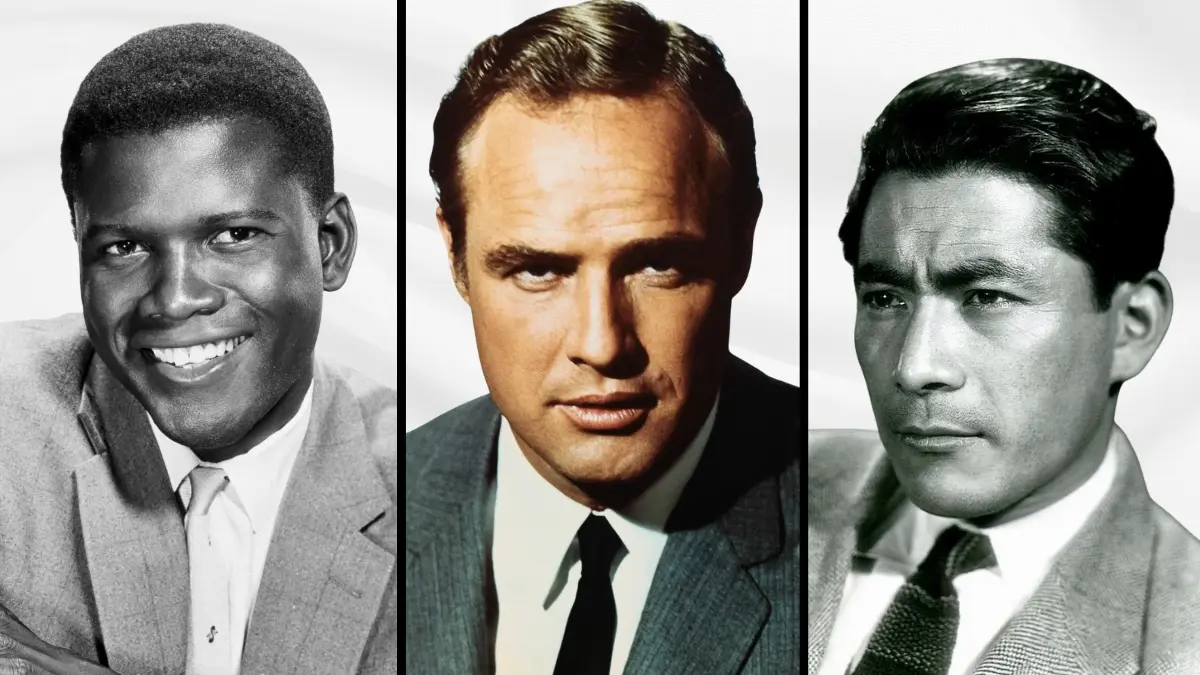


The 1960s reshaped global cinema, and a wave of leading men defined the era through star-making roles, daring choices, and cross-border appeal. Hollywood expanded its reach, European new waves rewrote the playbook, and Japanese and Middle Eastern talents found worldwide audiences. The actors below anchored landmark films, drove new genres to prominence, and collaborated with directors whose work still guides filmmakers today. Their careers in this decade left a footprint that’s easy to trace in how stories are cast, shot, and sold.
Marlon Brando
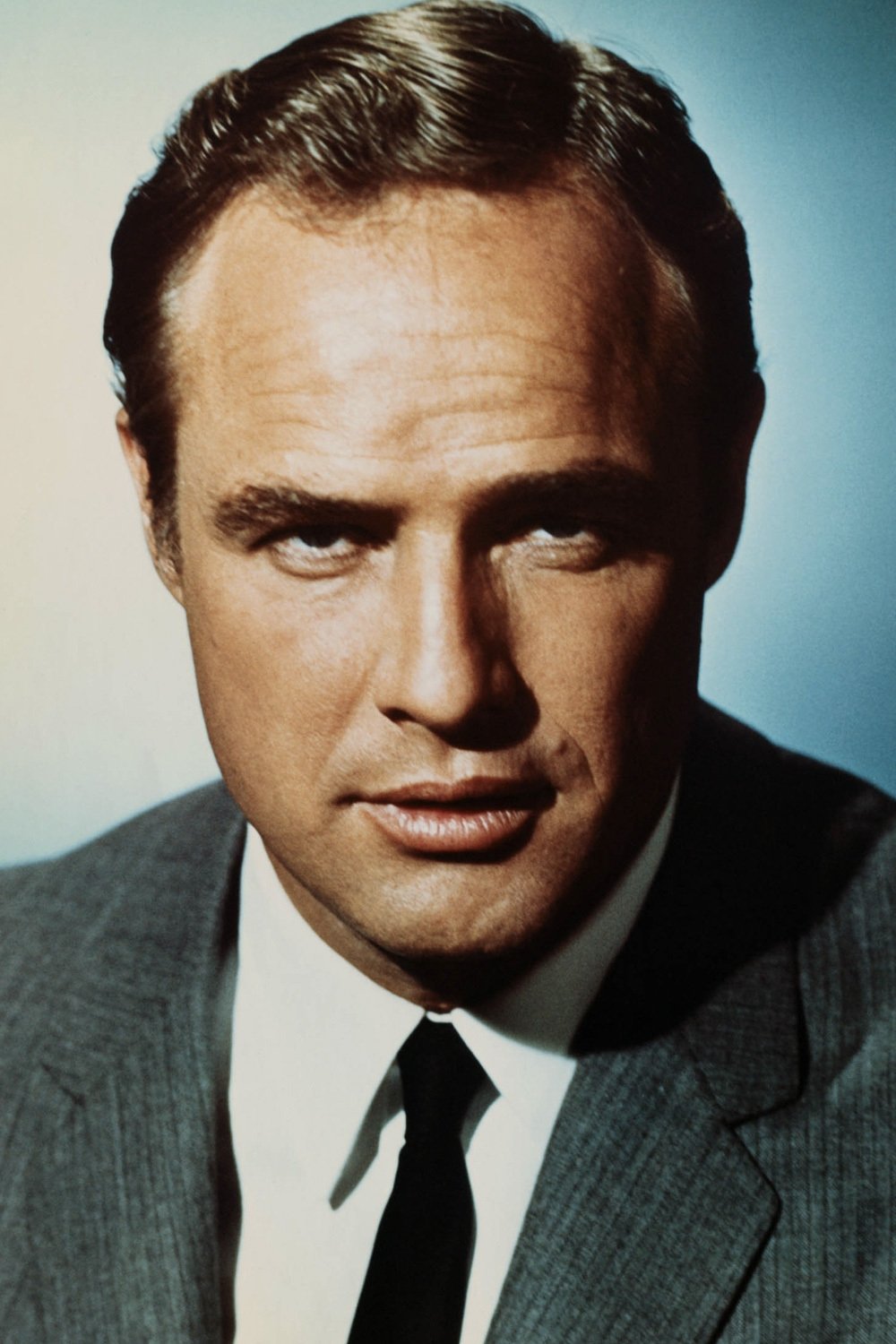
Marlon Brando entered the 1960s as an already transformative performer and continued to headline large-scale productions. He carried epics like ‘Mutiny on the Bounty’ and took on studio vehicles that capitalized on his box-office draw. His choices in this period influenced how stars negotiated power with studios, including profit participation and creative control. The techniques he popularized, rooted in method acting, remained a touchstone for younger actors throughout the decade.
Sidney Poitier
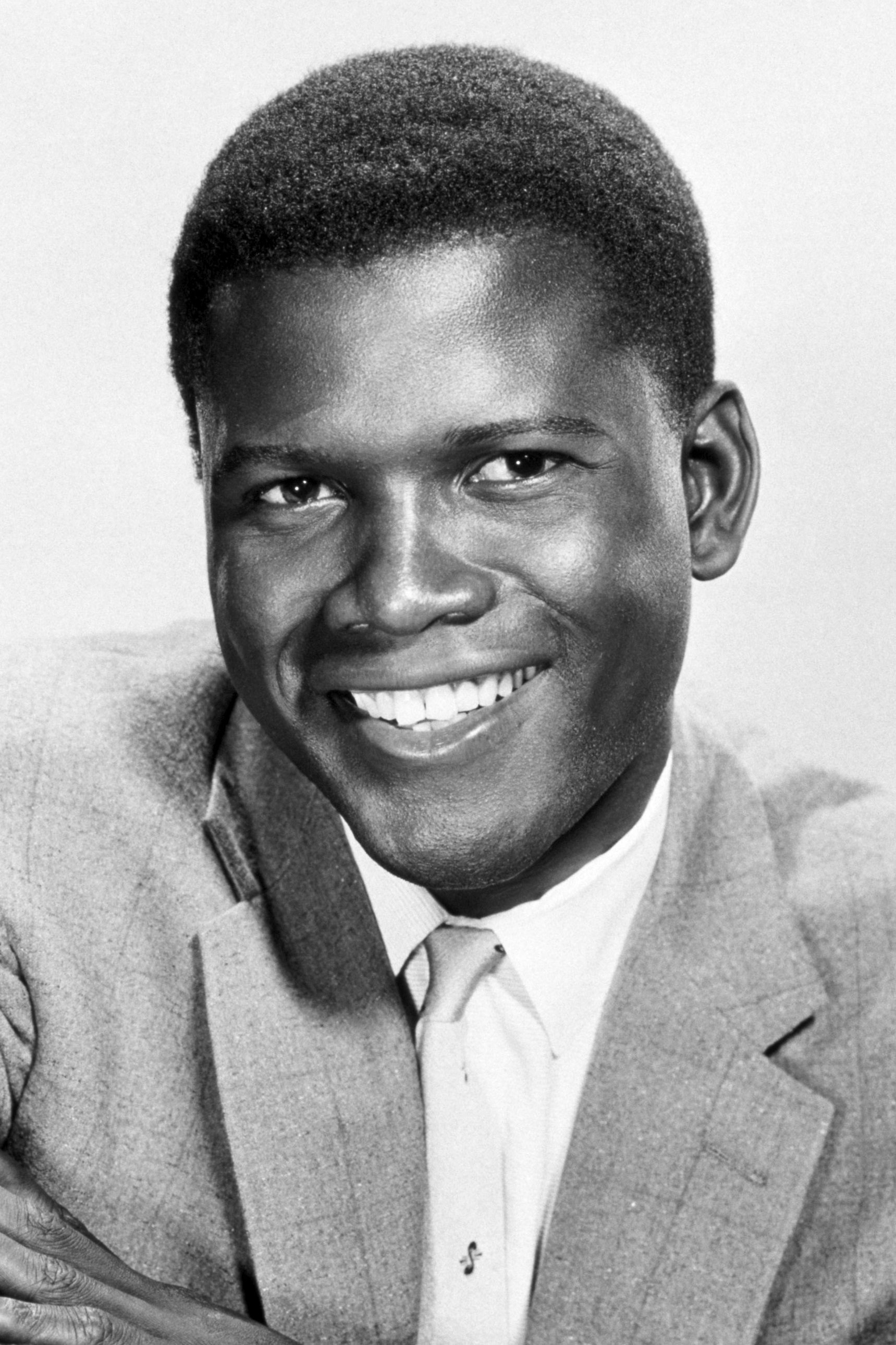
Sidney Poitier became a pioneering mainstream star, top-lining major studio releases that addressed race and social change. He headlined hits such as ‘In the Heat of the Night’, ‘Guess Who’s Coming to Dinner’, and ‘Lilies of the Field’. His presence helped expand the kinds of roles offered to Black actors and broadened audience expectations. Poitier’s success also encouraged studios to back socially engaged dramas with leading roles for actors of color.
Paul Newman
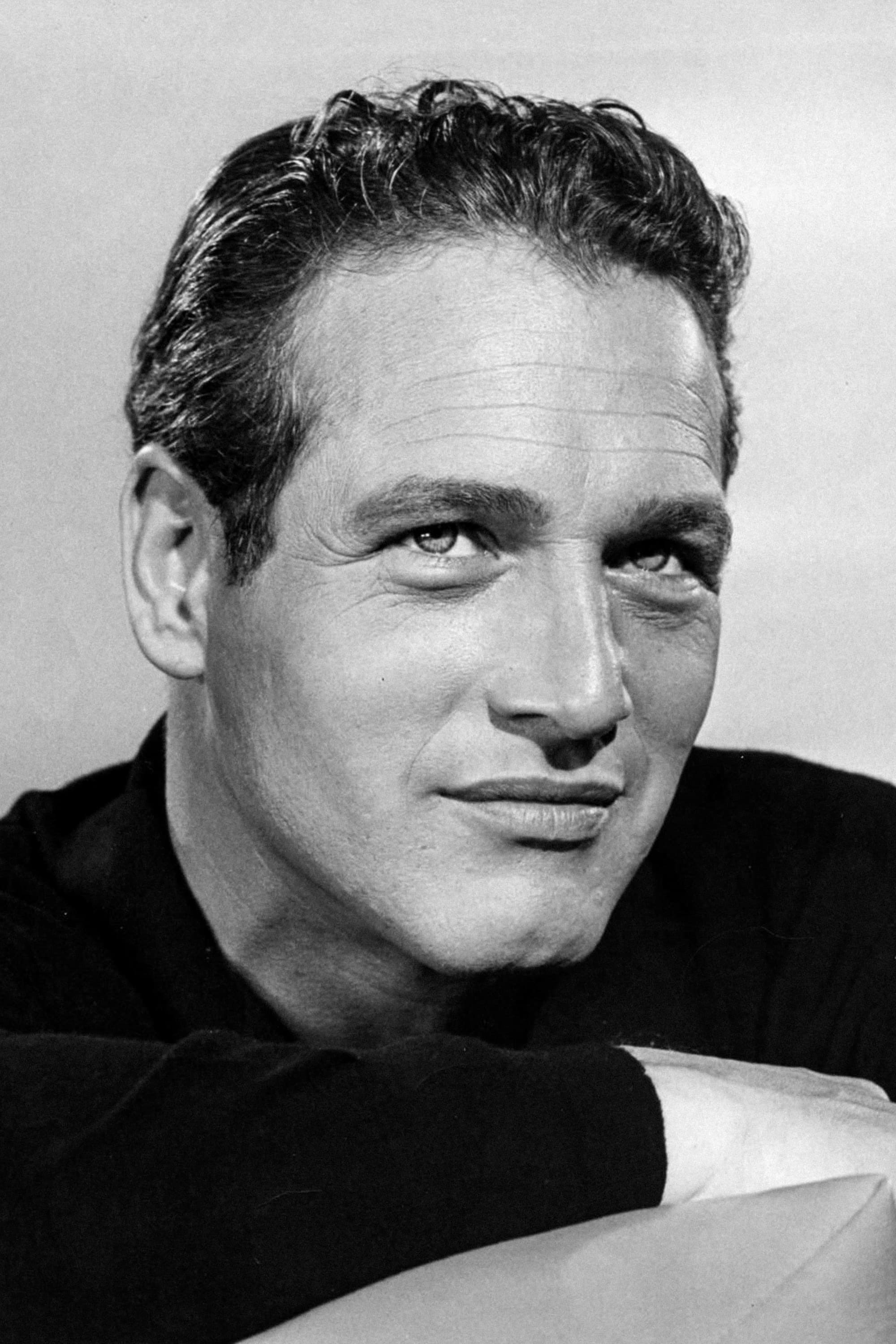
Paul Newman’s 1960s output solidified him as both a marquee draw and a versatile dramatic lead. He anchored character-driven stories like ‘Hud’, ‘Cool Hand Luke’, and ‘The Hustler’. Newman’s business savvy—cofounding a production shingle and pursuing creative partnerships—modeled star autonomy in project selection. His collaborations with top cinematographers and editors helped define a crisp, modern American visual style.
Steve McQueen
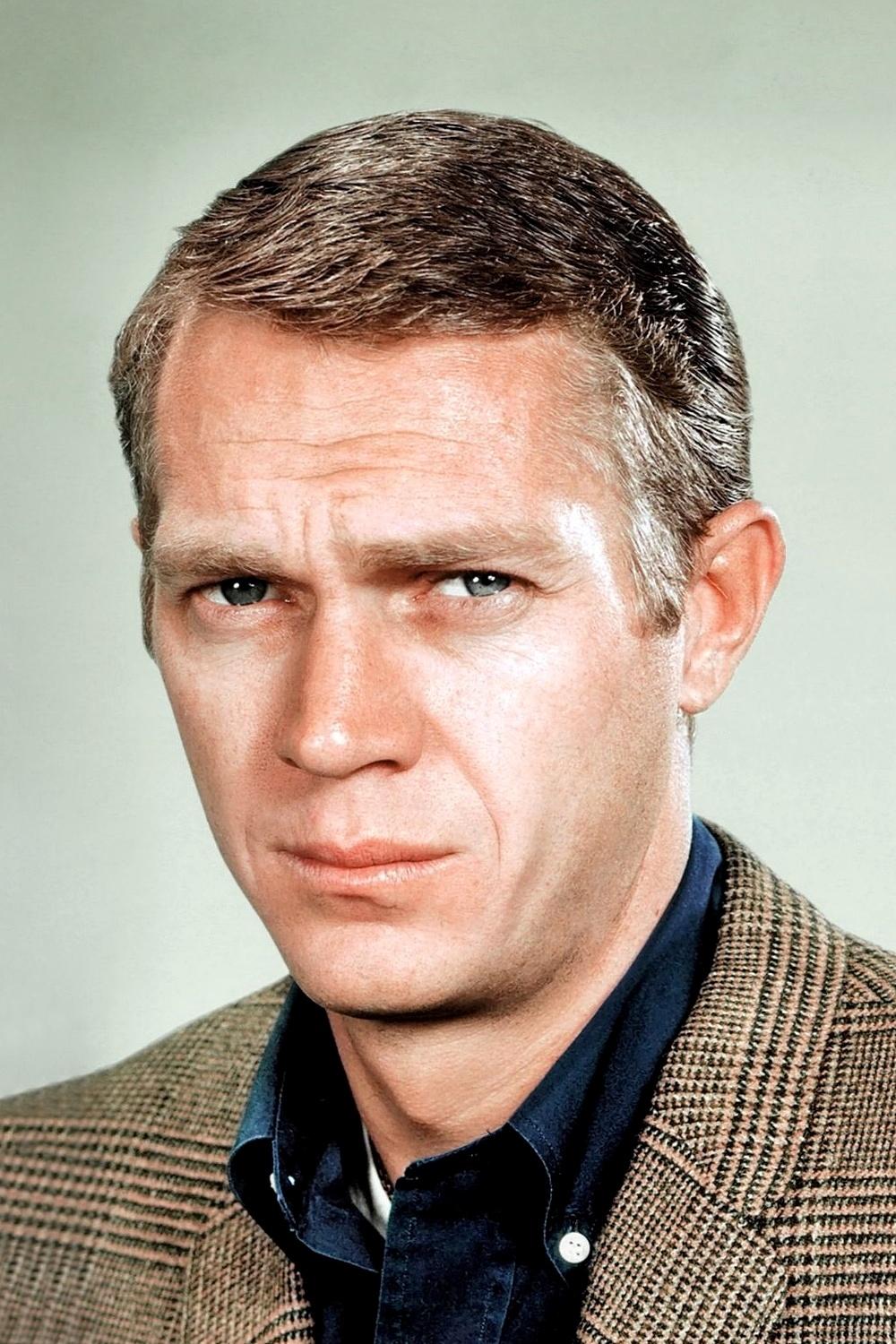
Steve McQueen became the era’s quintessential cool, bridging prestige dramas and action-forward spectacles. He starred in ‘The Great Escape’, ‘Bullitt’, and ‘The Thomas Crown Affair’, blending understatement with physicality. His insistence on authentic stunts and location work influenced the action and thriller grammar that followed. McQueen’s calculated minimalism shaped the antihero template adopted by many later leads.
Peter O’Toole
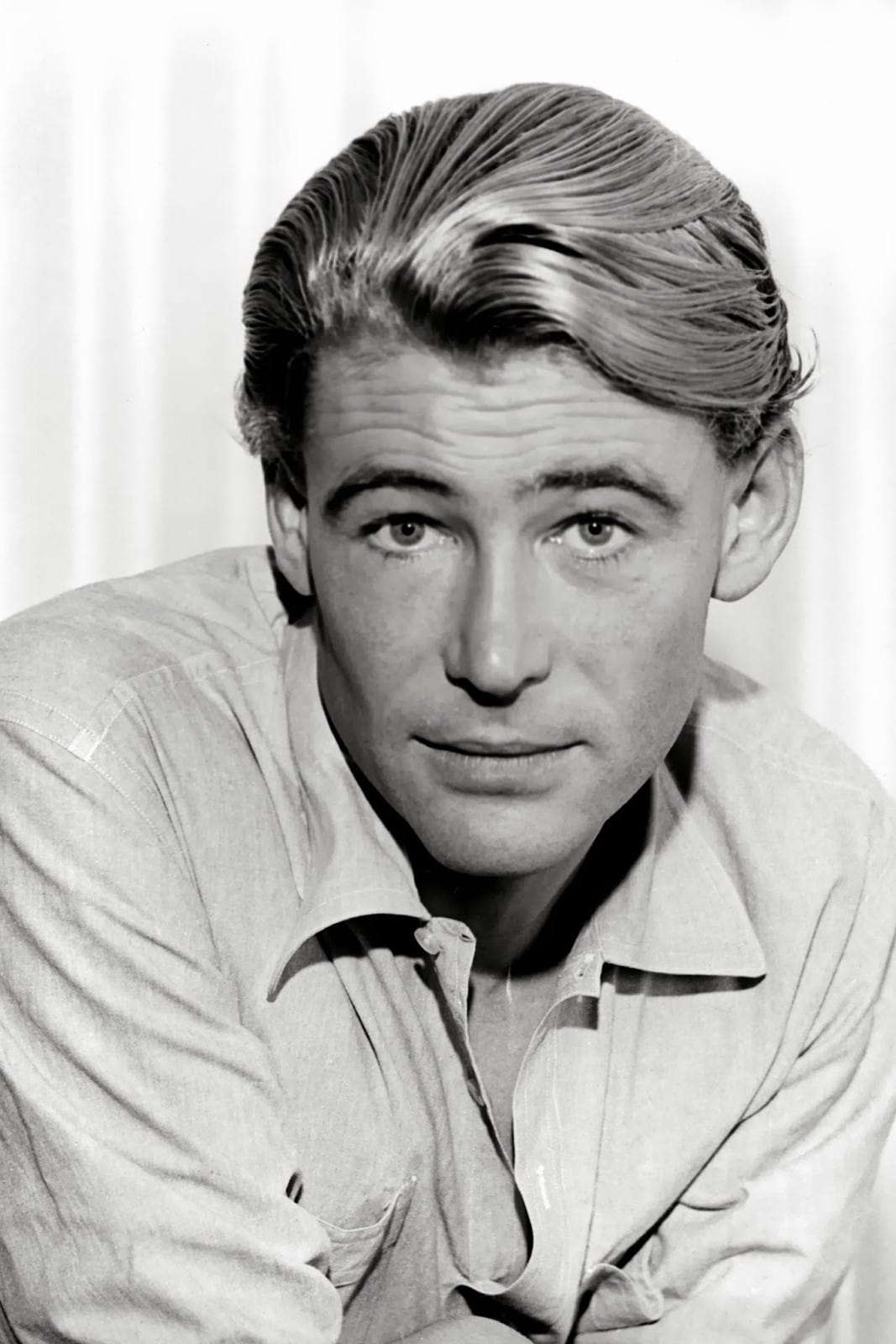
Peter O’Toole’s breakout led to a run of major roles that showcased classical training in widescreen epics and literate dramas. He led ‘Lawrence of Arabia’ and impressed in projects like ‘Becket’ and ‘The Lion in Winter’. O’Toole’s collaborations with directors and playwrights highlighted how stage-honed technique could carry cinematic spectacle. His performances helped sustain audience appetite for historical and biographical narratives told at epic scale.
Sean Connery
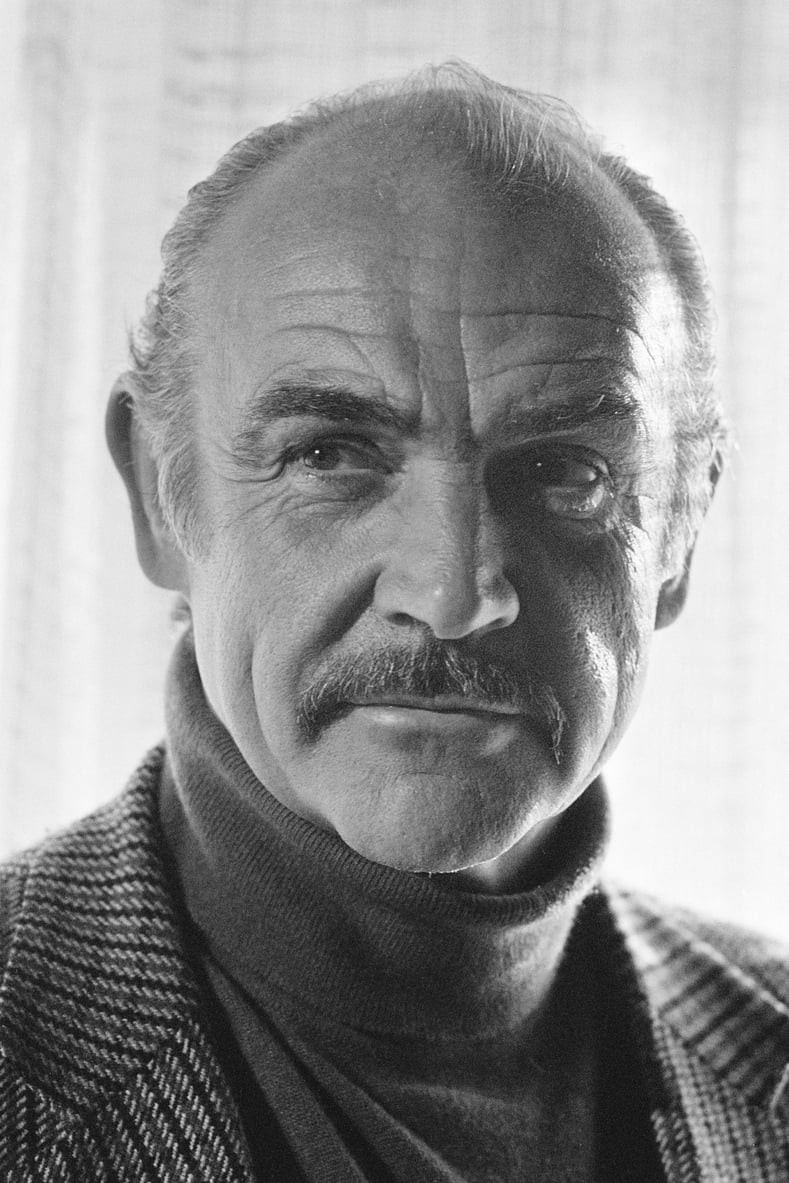
Sean Connery’s portrayal of James Bond turned a British spy series into a global franchise phenomenon. Films including ‘Dr. No’, ‘From Russia with Love’, and ‘Goldfinger’ set durable benchmarks for gadgets, theme songs, and location-hopping storytelling. Connery’s blend of charm and danger reset expectations for action leads across markets. The character’s worldwide merchandising and tie-ins also showed studios the value of brand-driven franchises.
Dustin Hoffman
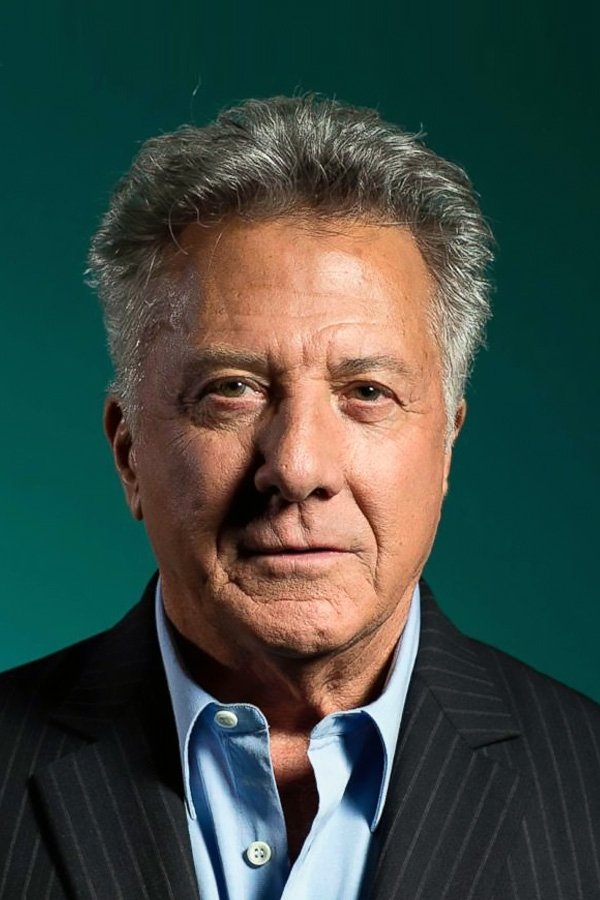
Dustin Hoffman emerged late in the decade and quickly reshaped leading-man conventions. He headlined ‘The Graduate’ and followed with roles like ‘Midnight Cowboy’, emphasizing vulnerability and naturalism. Casting directors and studios grew more open to unconventional looks and character types in central roles. Hoffman’s success further normalized location shooting and contemporary urban settings in American dramas.
Michael Caine
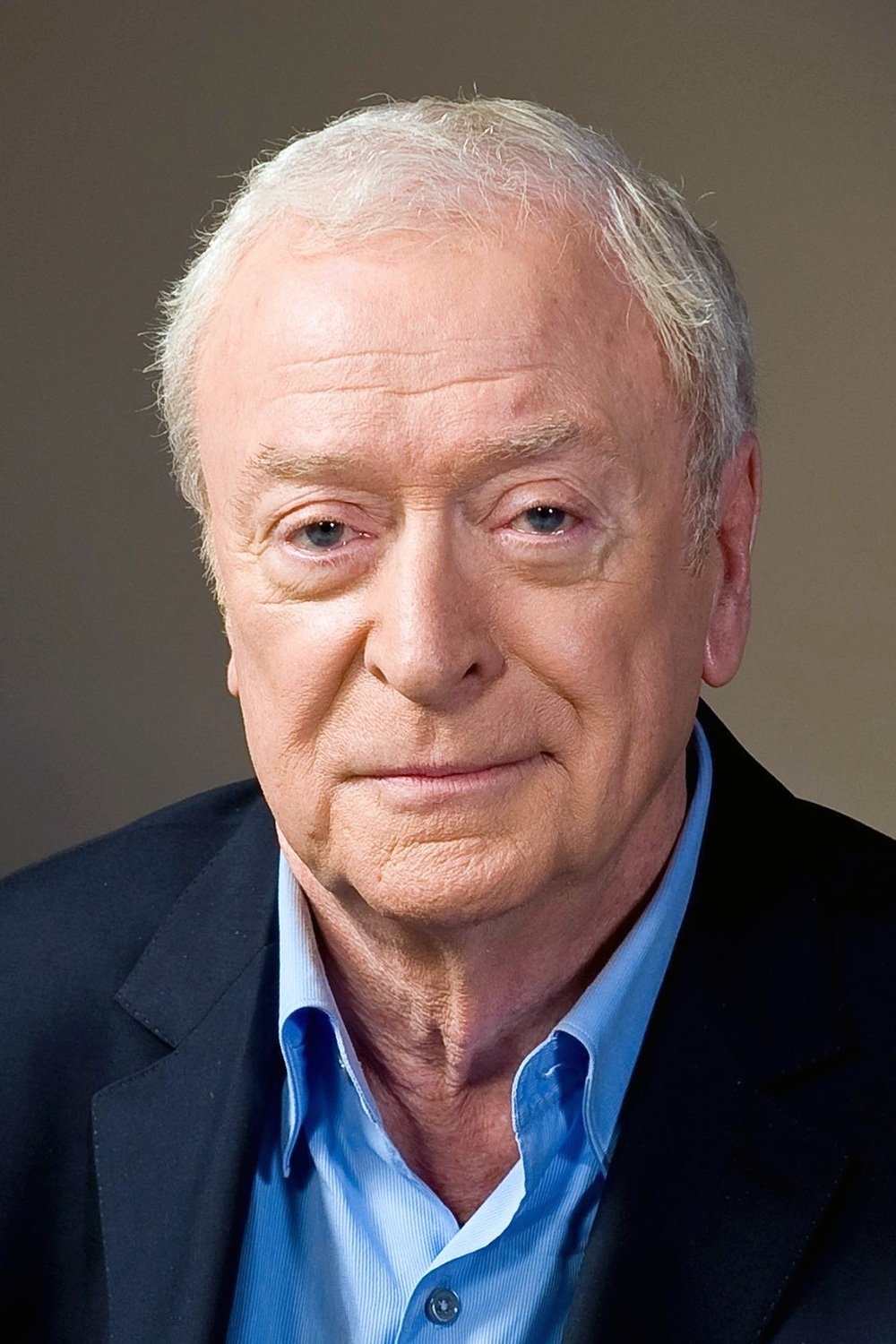
Michael Caine moved fluidly between gritty thrillers and social comedies, becoming a face of modern British cinema. He led films like ‘The Ipcress File’, ‘Alfie’, and ‘Zulu’. Caine’s ease with both working-class characters and suave professionals broadened the range for UK leading men. His international projects helped connect British productions to global audiences and financing.
Clint Eastwood
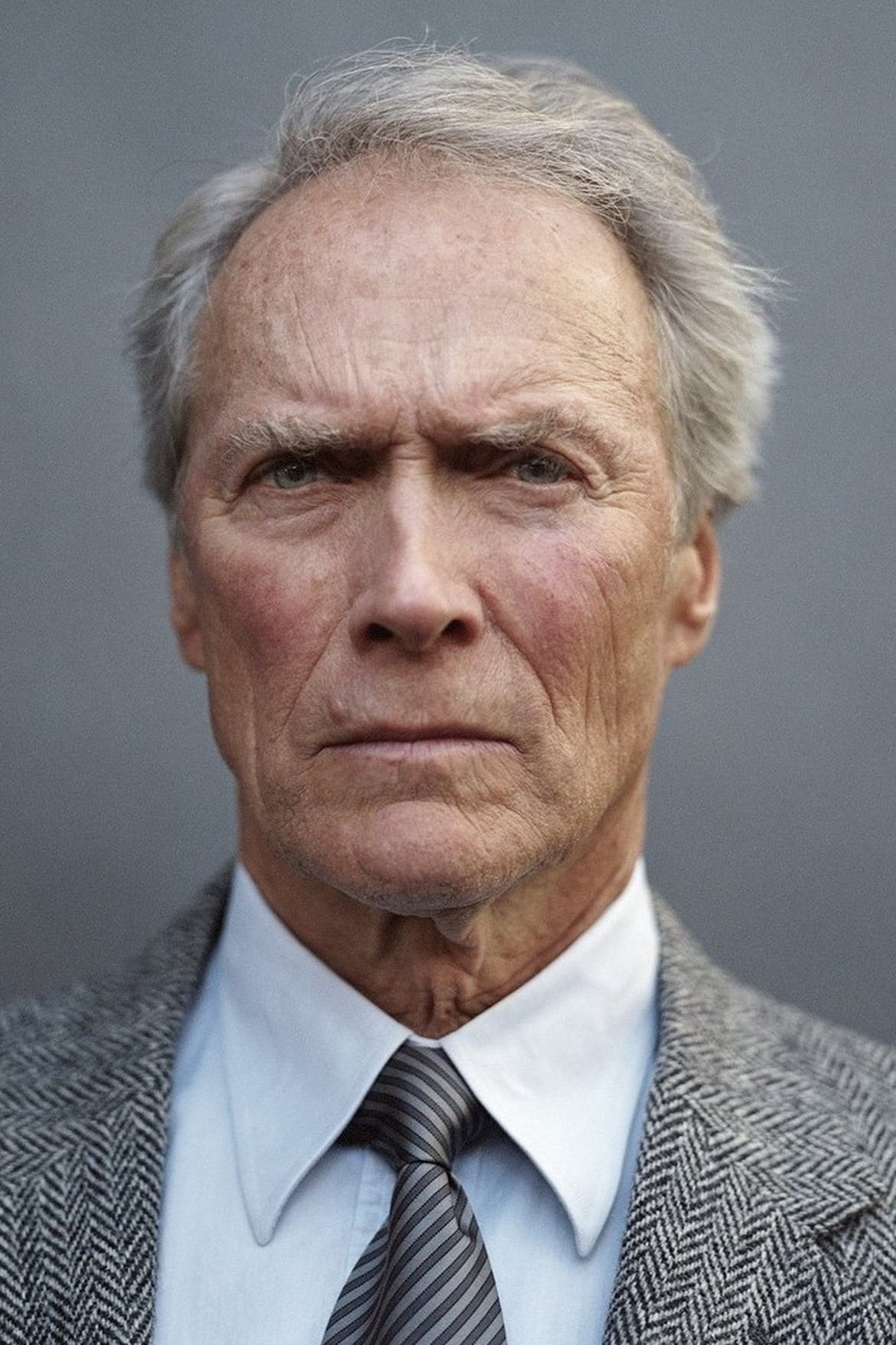
Clint Eastwood’s work with Italian filmmakers introduced the modern, morally ambiguous Western hero to worldwide viewers. He starred in ‘A Fistful of Dollars’, ‘For a Few Dollars More’, and ‘The Good, the Bad and the Ugly’. The success of these films carried stylistic influences—music cues, extreme close-ups, and long silences—into mainstream Westerns and action cinema. Eastwood’s crossover from television to international features offered a roadmap for other actors.
Gregory Peck
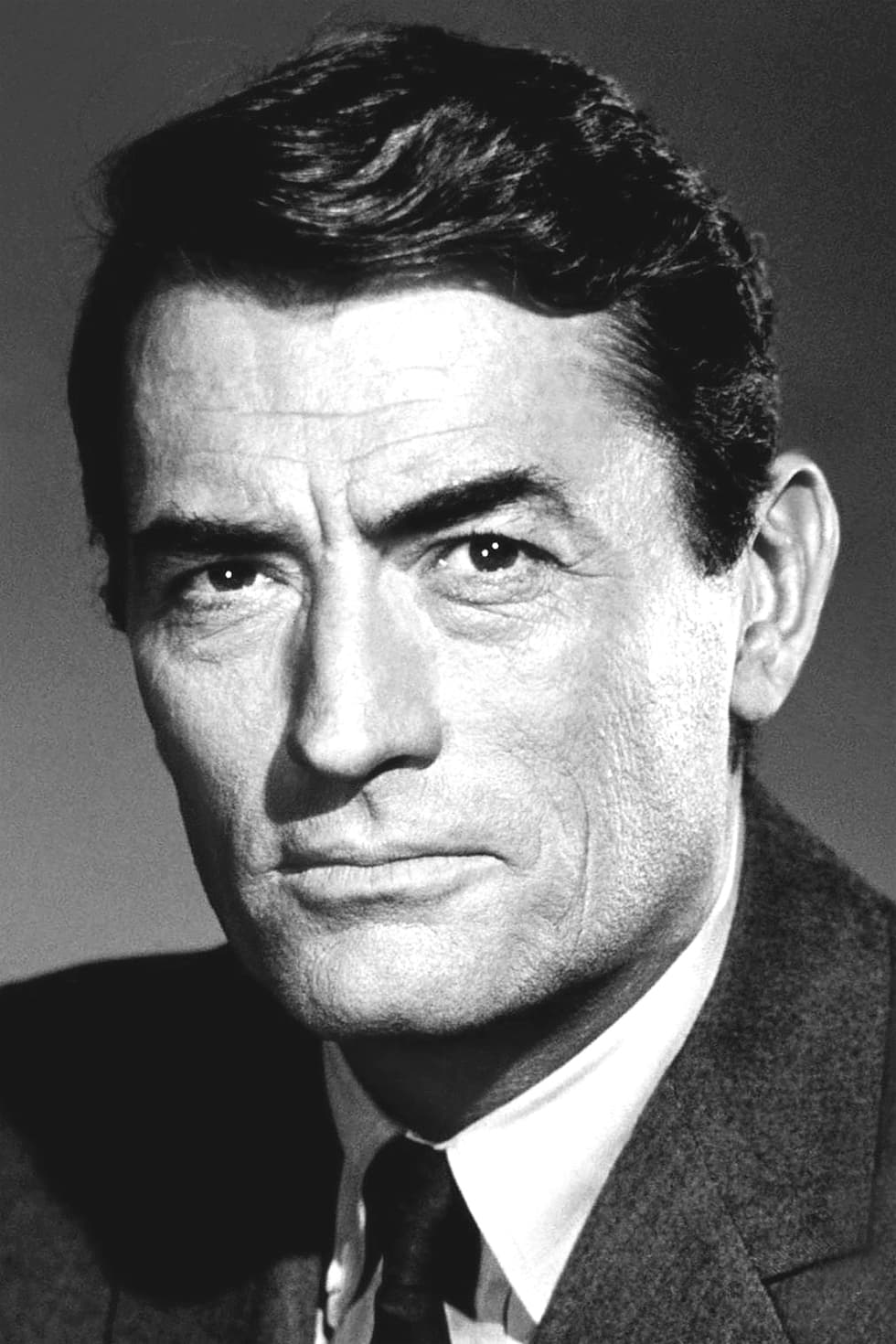
Gregory Peck anchored socially resonant dramas and historical epics with gravitas and calm authority. He memorably portrayed Atticus Finch in ‘To Kill a Mockingbird’ and appeared in large-scale works like ‘The Guns of Navarone’. His roles reinforced the viability of serious literary adaptations as commercial cinema. Peck’s public image, paired with careful project selection, sustained prestige fare during a rapidly changing decade.
Richard Burton
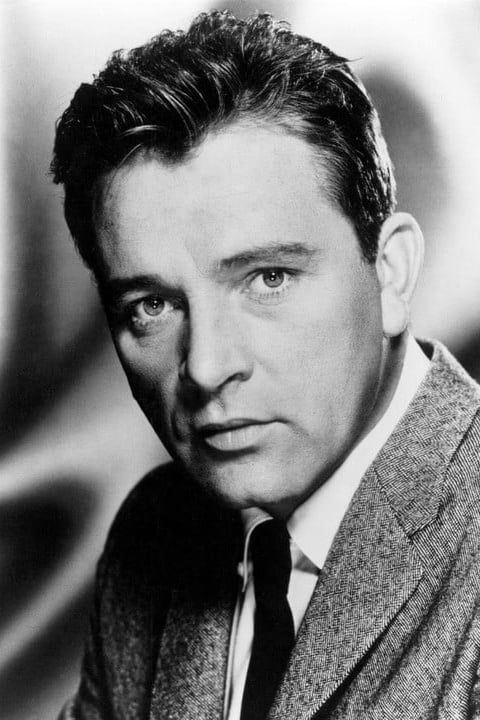
Richard Burton brought Shakespearean intensity to big-budget productions and intimate dramas alike. He starred in films such as ‘Who’s Afraid of Virginia Woolf?’ and ‘Becket’. Burton’s collaborations with major directors and his on-screen partnerships drew global attention to adult, dialogue-driven storytelling. His presence helped maintain the market for theatrical adaptations and historical subjects.
Peter Sellers
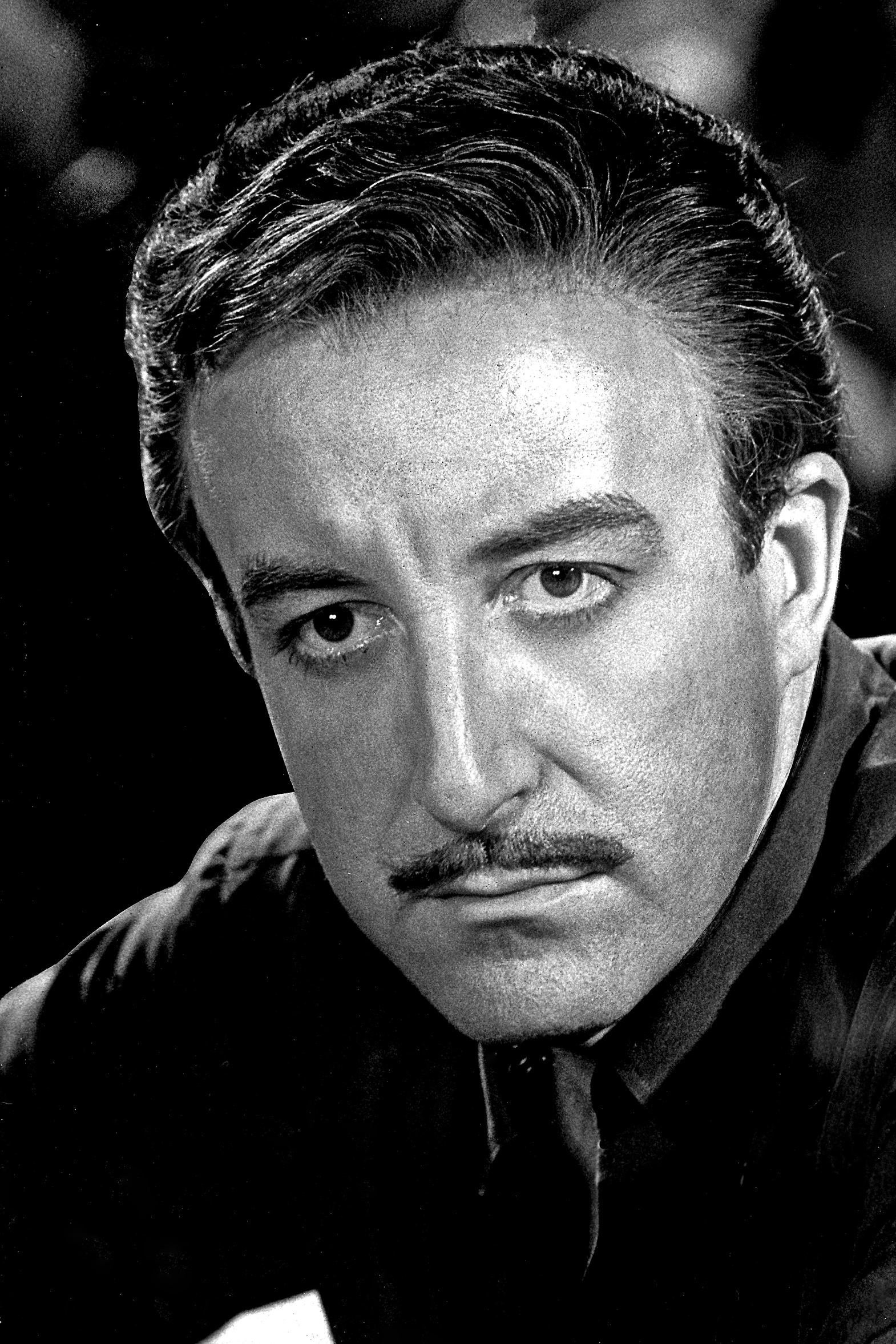
Peter Sellers demonstrated chameleonic range in both broad comedy and satirical masterpieces. He delivered signature performances in ‘Dr. Strangelove’ and powered franchise comedy with ‘The Pink Panther’. Sellers’ character work displayed how precise vocal and physical choices could define cinematic personas. His success fueled demand for high-concept comedies that paired sharp writing with distinctive performances.
Jack Lemmon
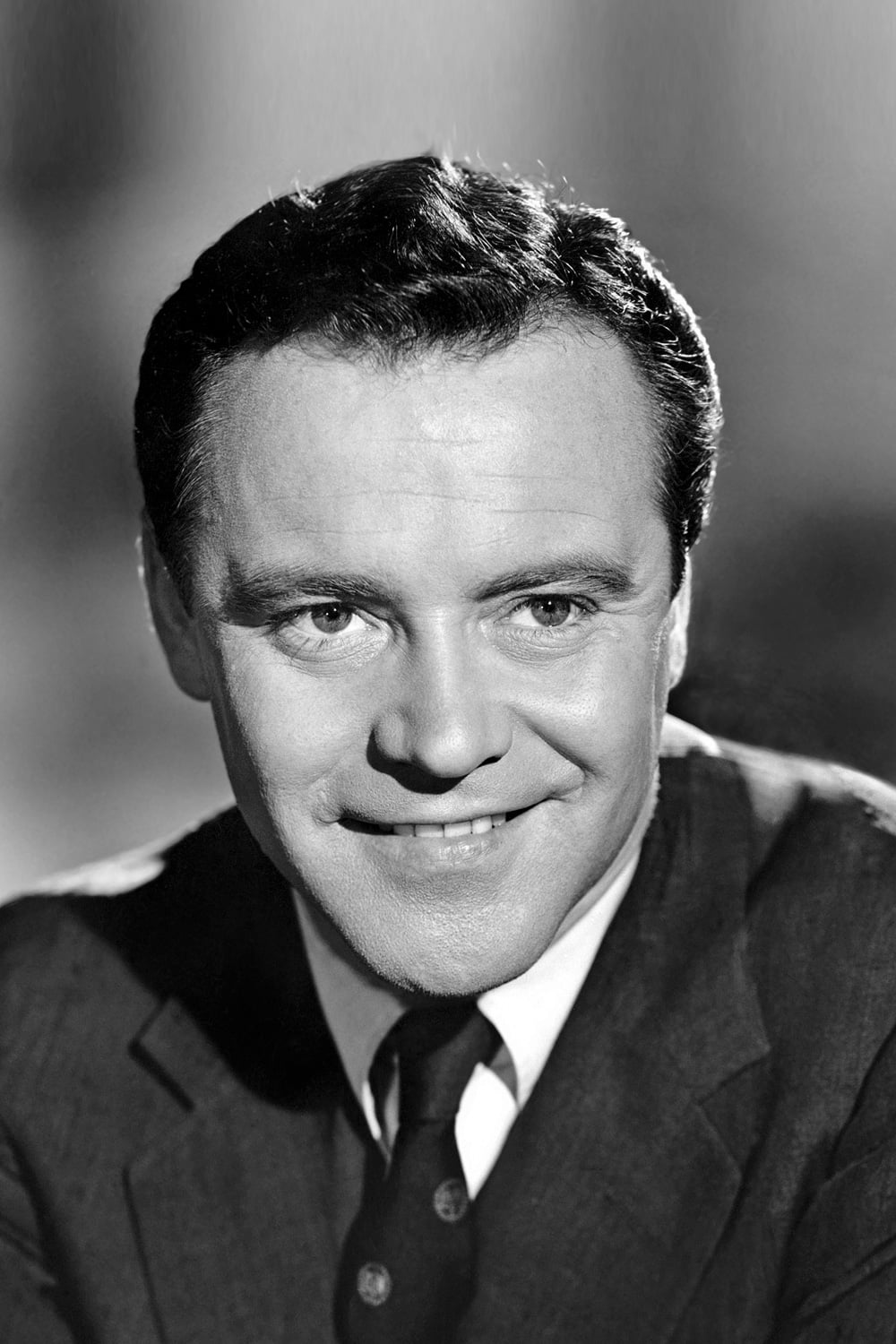
Jack Lemmon balanced comedy and drama with technical finesse and relatable humanity. He headlined films like ‘The Apartment’, ‘Days of Wine and Roses’, and ‘Irma la Douce’. Lemmon’s repeated collaborations with writer-directors showcased the value of actor-driven development. His ability to carry both light and serious material kept mid-budget adult stories commercially viable.
Warren Beatty
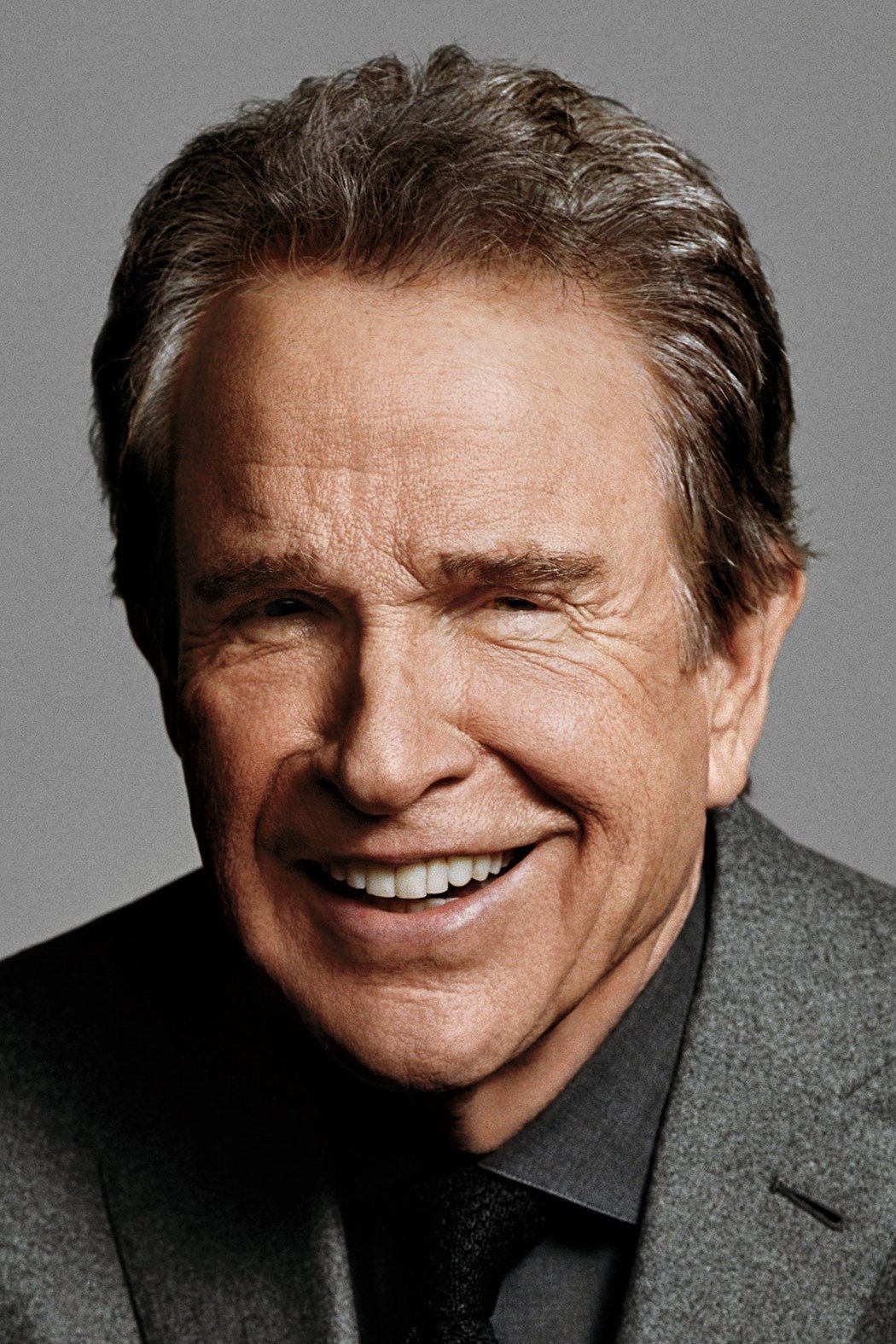
Warren Beatty became a leading man who also shaped projects from behind the scenes. He starred in ‘Bonnie and Clyde’, a landmark that influenced editorial rhythm, screen violence, and youth-oriented marketing. Beatty’s involvement in development and casting illustrated a new level of star-producer influence. His choices helped advance the New Hollywood transition toward director- and actor-led films.
Lee Marvin
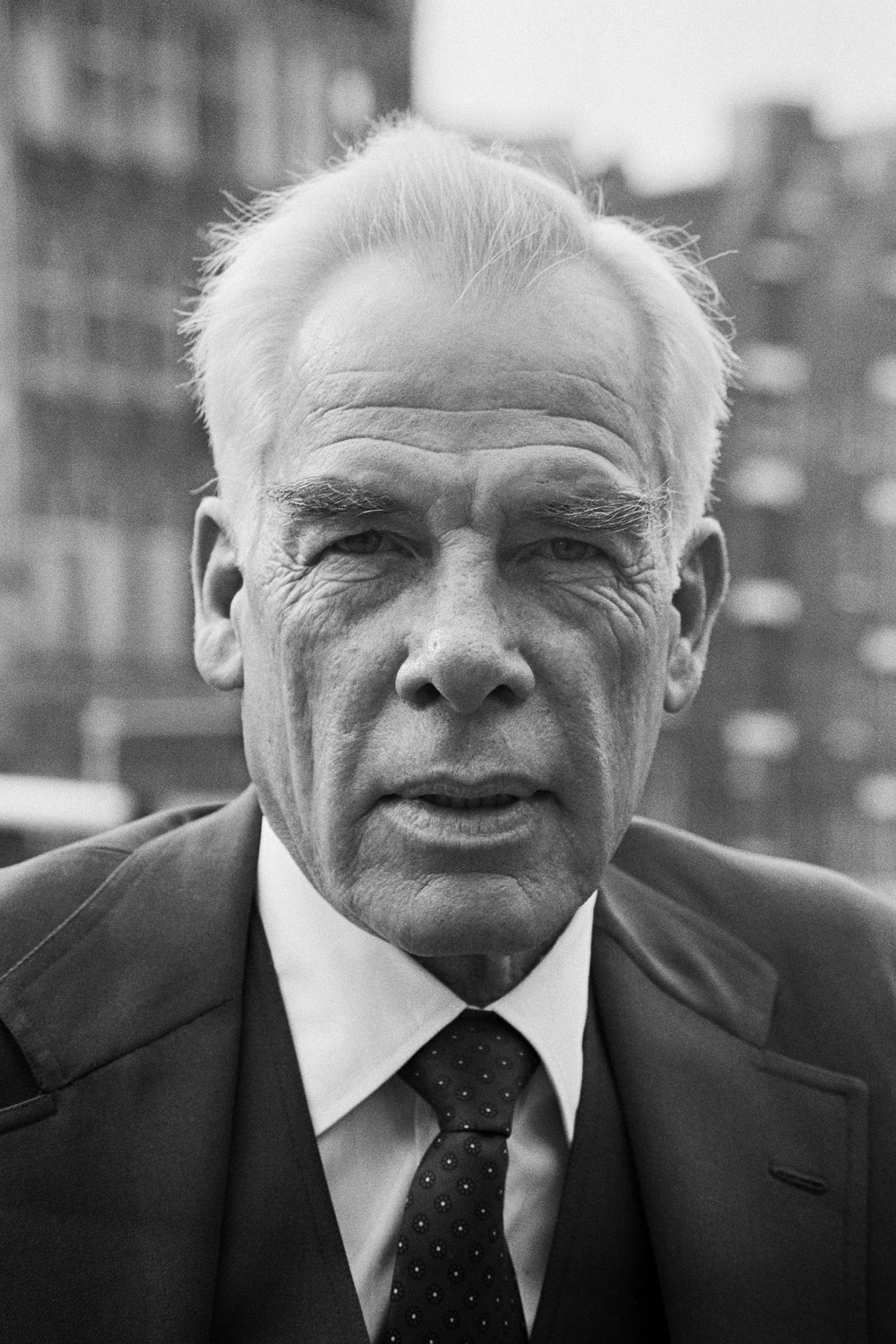
Lee Marvin brought tough, unsentimental charisma to war films and crime dramas. He led ‘The Dirty Dozen’ and made an impression in genre-shifting titles like ‘Point Blank’. Marvin’s performances modernized the portrayal of violence and psychological complexity in action roles. His success supported the rise of ensemble action pictures with morally shaded leads.
Omar Sharif
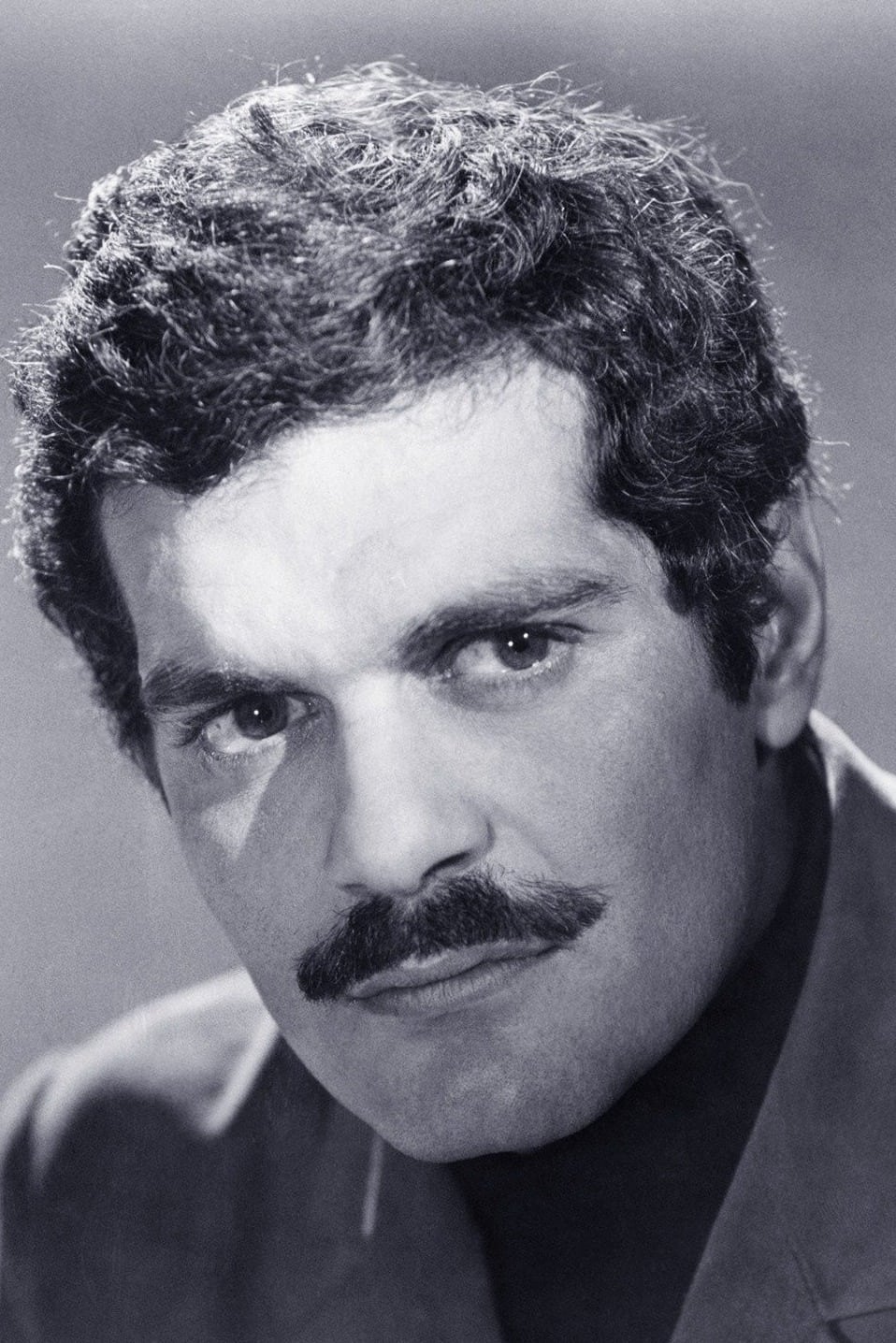
Omar Sharif achieved rare international stardom across languages and regions. He played key roles in ‘Lawrence of Arabia’ and headlined ‘Doctor Zhivago’. Sharif’s multilingual work and worldwide popularity demonstrated the global market for sweeping epics anchored by non-Western stars. His career also encouraged cross-continental casting and co-production partnerships.
Toshirō Mifune
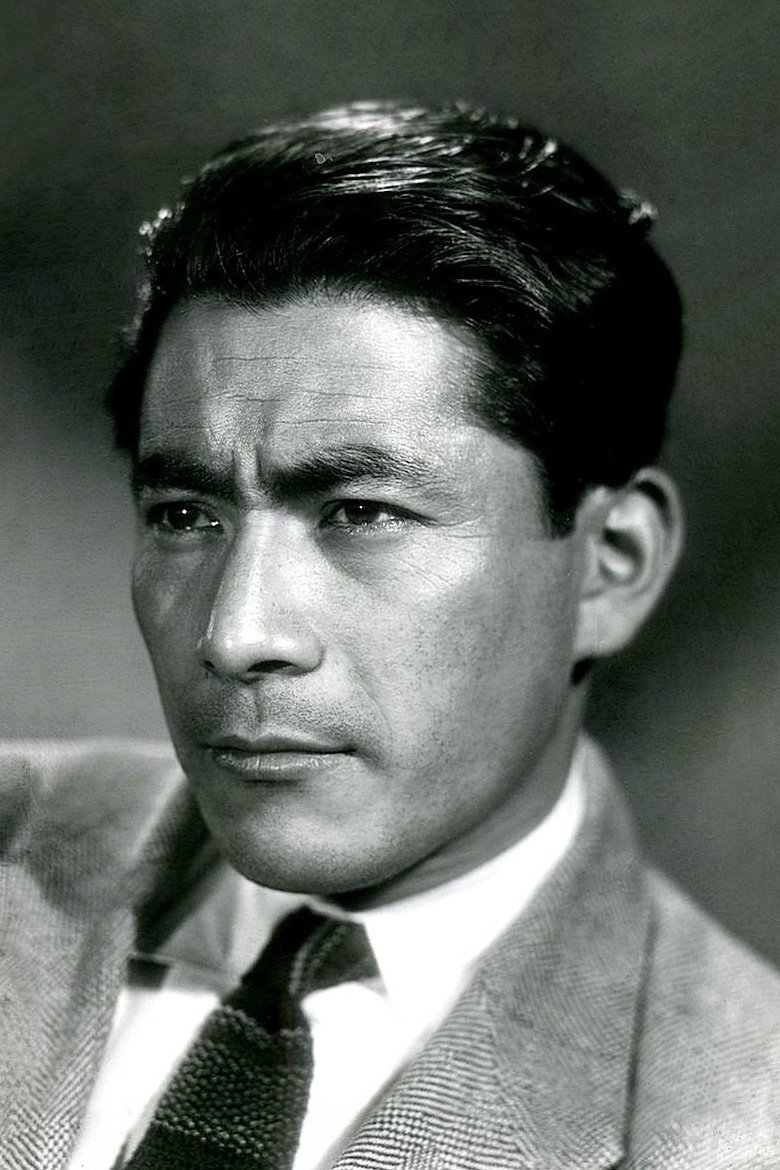
Toshirō Mifune’s dynamic screen presence powered Japanese cinema’s international reach. He collaborated with Akira Kurosawa on works such as ‘Yojimbo’, ‘Sanjuro’, and ‘Red Beard’. Mifune’s precise physicality and expressive minimalism influenced action and samurai archetypes abroad. His festival acclaim and global distribution deals brought wider attention to Japanese storytellers.
Alain Delon
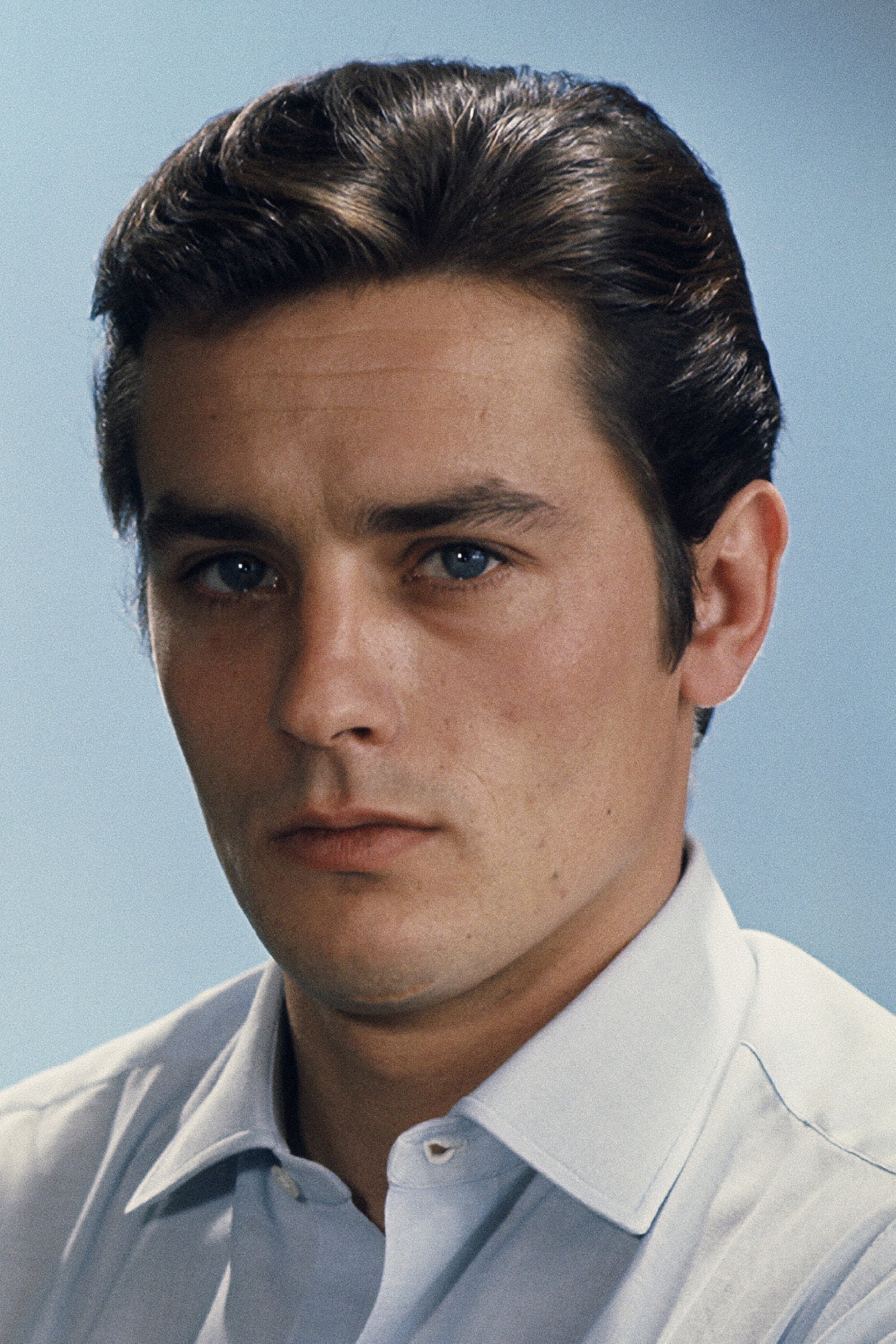
Alain Delon epitomized the cool, enigmatic European lead in crime and psychological dramas. He starred in films like ‘Le Samouraï’, ‘Purple Noon’, and ‘Rocco and His Brothers’. Delon’s collaborations with auteurs helped popularize restrained performance styles and meticulous visual design. His international appeal strengthened export markets for French and Italian cinema.
Jean-Paul Belmondo
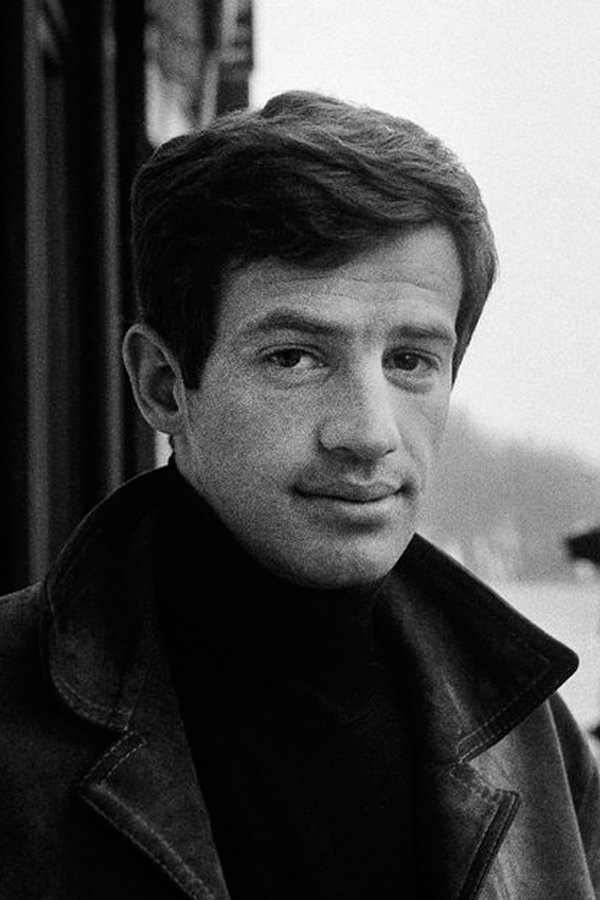
Jean-Paul Belmondo became a face of the French New Wave, blending athleticism with breezy charisma. He headlined ‘Breathless’, ‘Pierrot le Fou’, and ‘That Man from Rio’. Belmondo’s improvisational energy and location-heavy shoots influenced modern action-adventure pacing. His mainstream hits proved that stylistic experimentation could connect with broad audiences.
Marcello Mastroianni
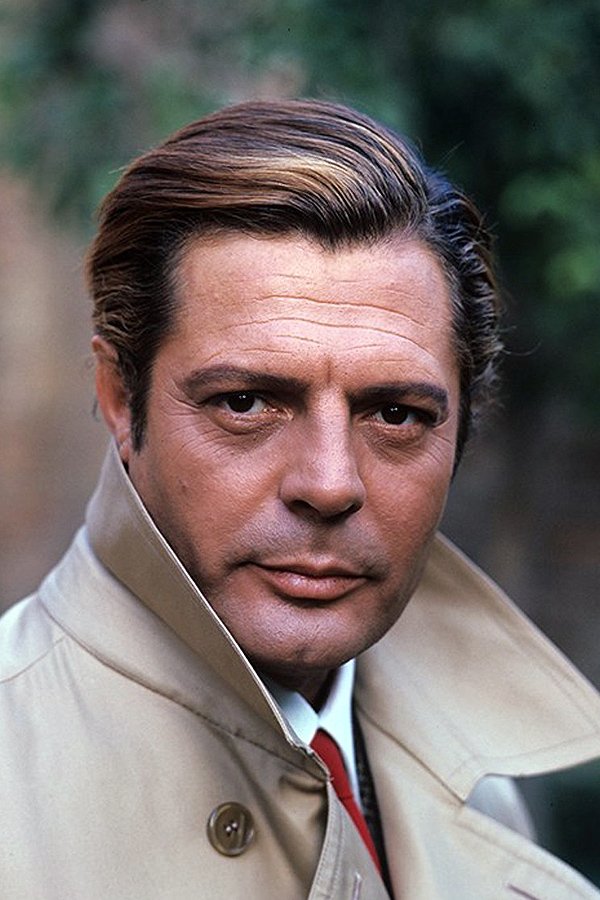
Marcello Mastroianni embodied the introspective, cosmopolitan protagonist of Italian art cinema. He led ‘La Dolce Vita’, ‘8½’, and ‘Divorce Italian Style’. Mastroianni’s work with leading directors expanded global appetite for personal, director-driven narratives. His sophisticated screen image helped internationalize the appeal of Italian productions.
Max von Sydow
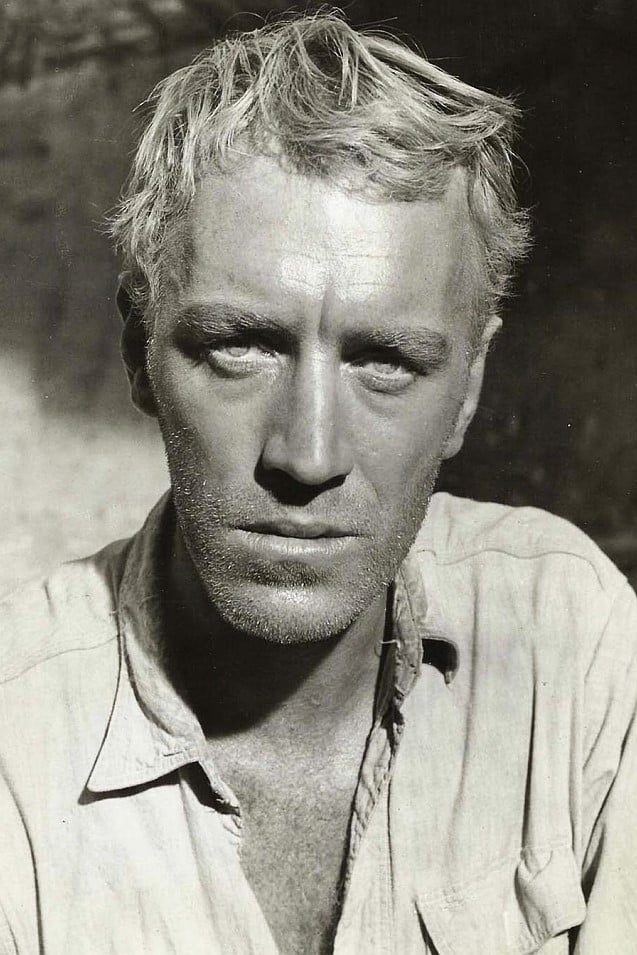
Max von Sydow carried spiritual and psychological weight across European and Hollywood projects. He was central to Ingmar Bergman collaborations like ‘The Virgin Spring’ and ‘Hour of the Wolf’, and portrayed Jesus in ‘The Greatest Story Ever Told’. Von Sydow’s ability to anchor challenging material encouraged distributors to back serious, adult dramas. His cross-over casting showed how festival prestige could translate to mainstream opportunities.
Burt Lancaster
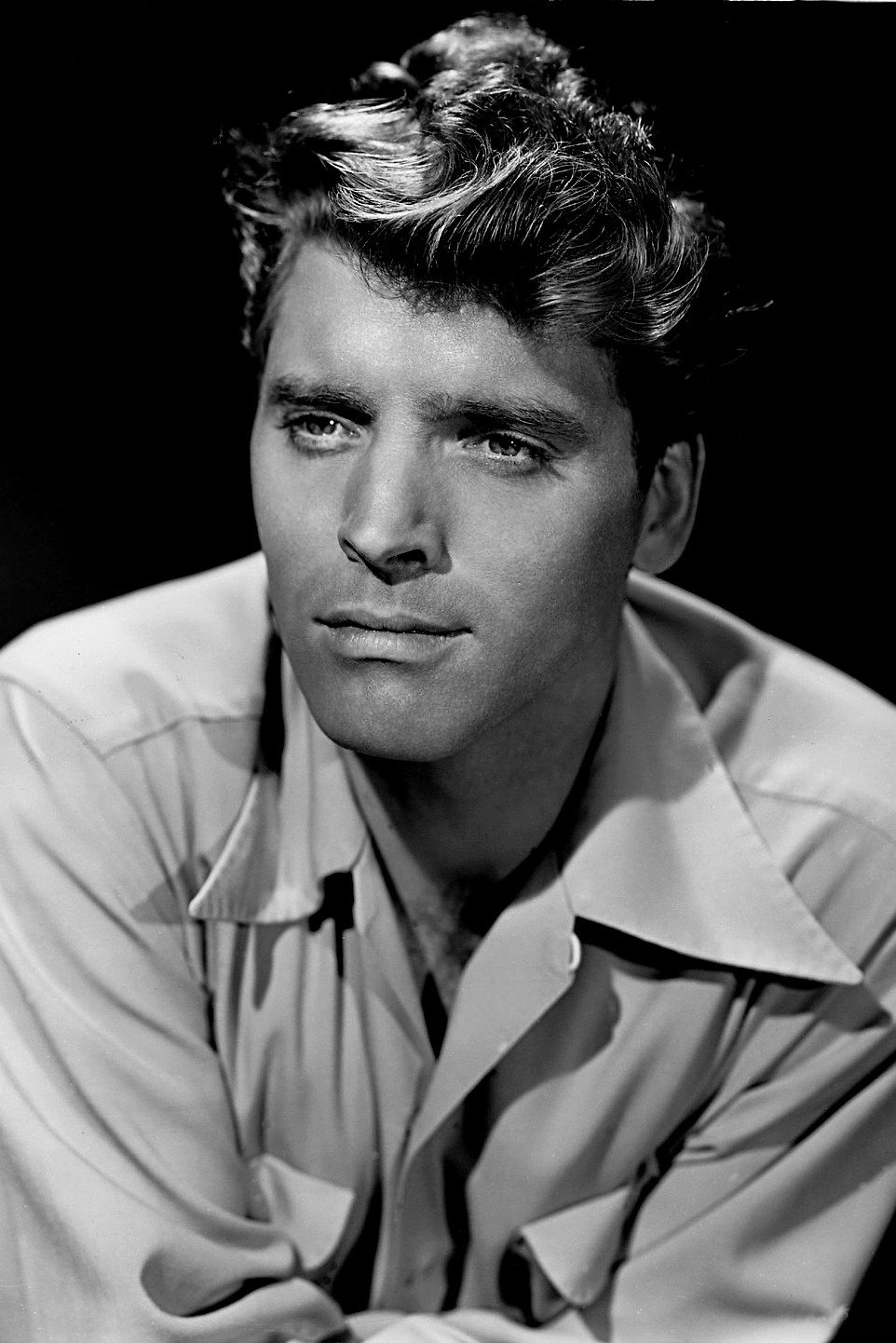
Burt Lancaster combined athletic presence with an eye for bold material. He starred in ‘Elmer Gantry’ and ‘Birdman of Alcatraz’, and supported large-canvas adventures. Lancaster’s production involvement demonstrated how stars could package ambitious projects. His career sustained the marketplace for tough, character-centric American dramas.
Kirk Douglas
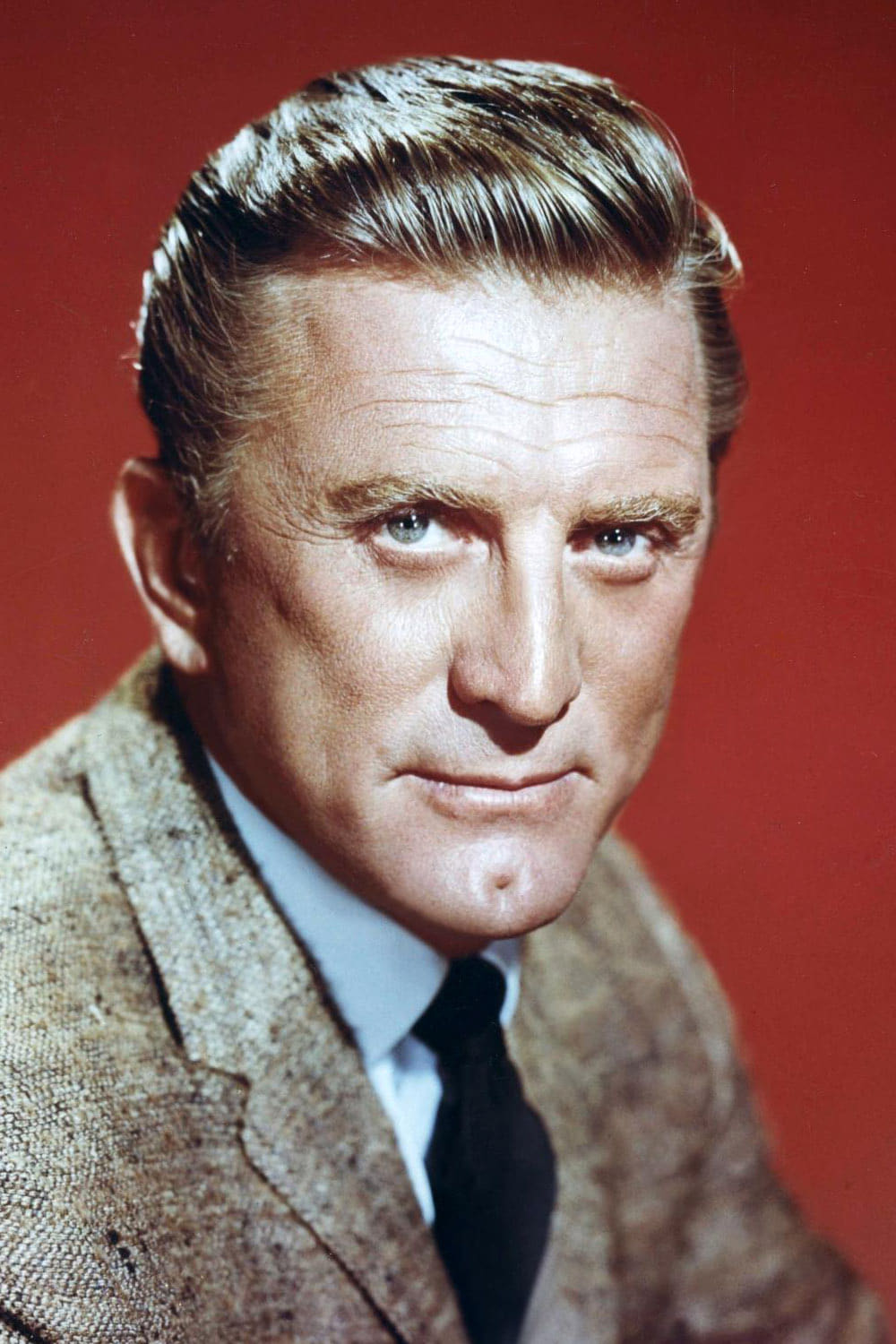
Kirk Douglas used his star power to mount large productions and champion filmmaker autonomy. He led ‘Spartacus’ and backed projects that pushed historical and political themes into the mainstream. Douglas’s public crediting of blacklisted screenwriter Dalton Trumbo on ‘Spartacus’ had industry-wide implications. His advocacy for creative control influenced how major films were assembled and credited.
Robert Redford
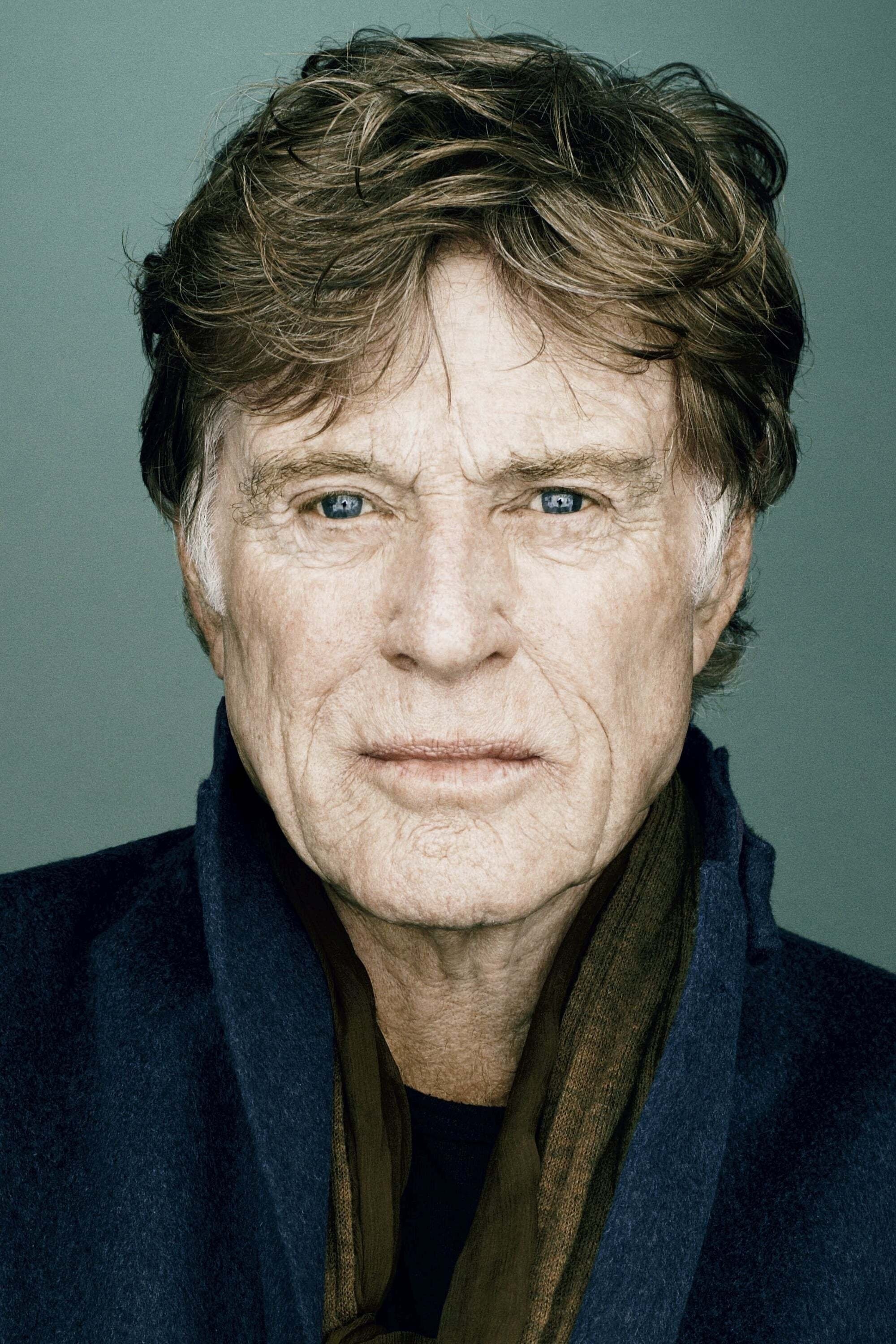
Robert Redford closed the decade with breakout success that set up a long run of leading roles. He co-starred in ‘Butch Cassidy and the Sundance Kid’ and took on varied material soon after. Redford’s approach to star partnerships and location-driven filmmaking aligned with the coming New Hollywood era. His early choices positioned him as a bankable lead for both adventures and character pieces.
Anthony Quinn
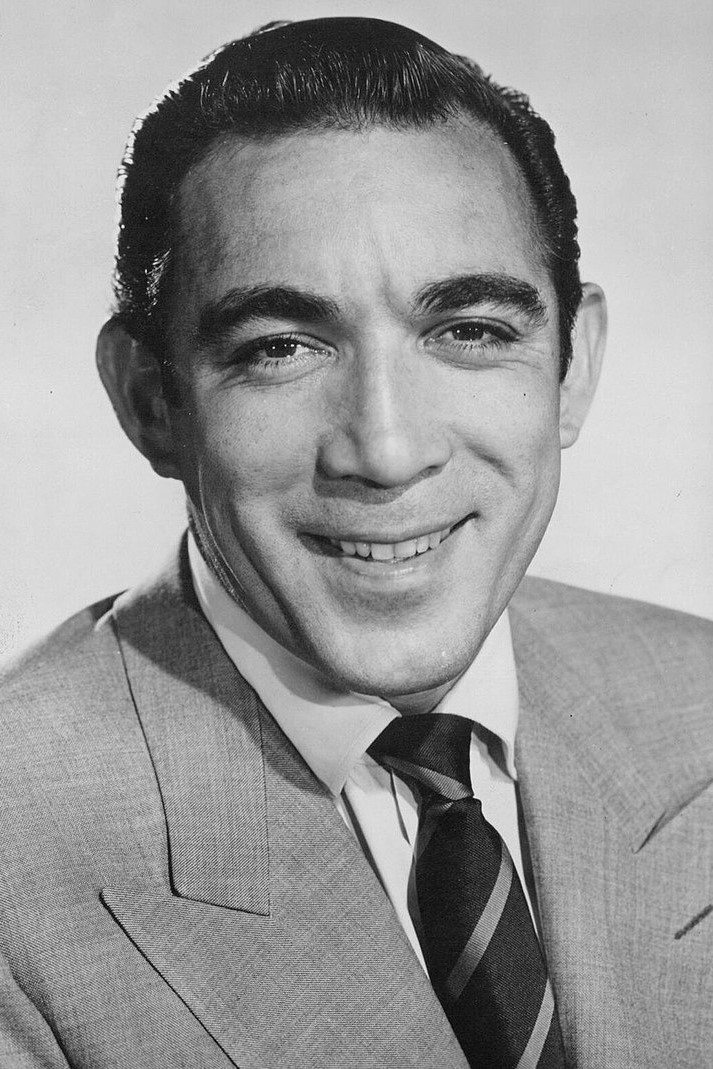
Anthony Quinn brought earthy intensity to international productions and culturally expansive stories. He headlined ‘Zorba the Greek’ and appeared in epics and biographical dramas across several markets. Quinn’s casting demonstrated audiences’ appetite for cross-cultural protagonists. His work helped major studios invest in globally set narratives with complex leads.
Laurence Olivier
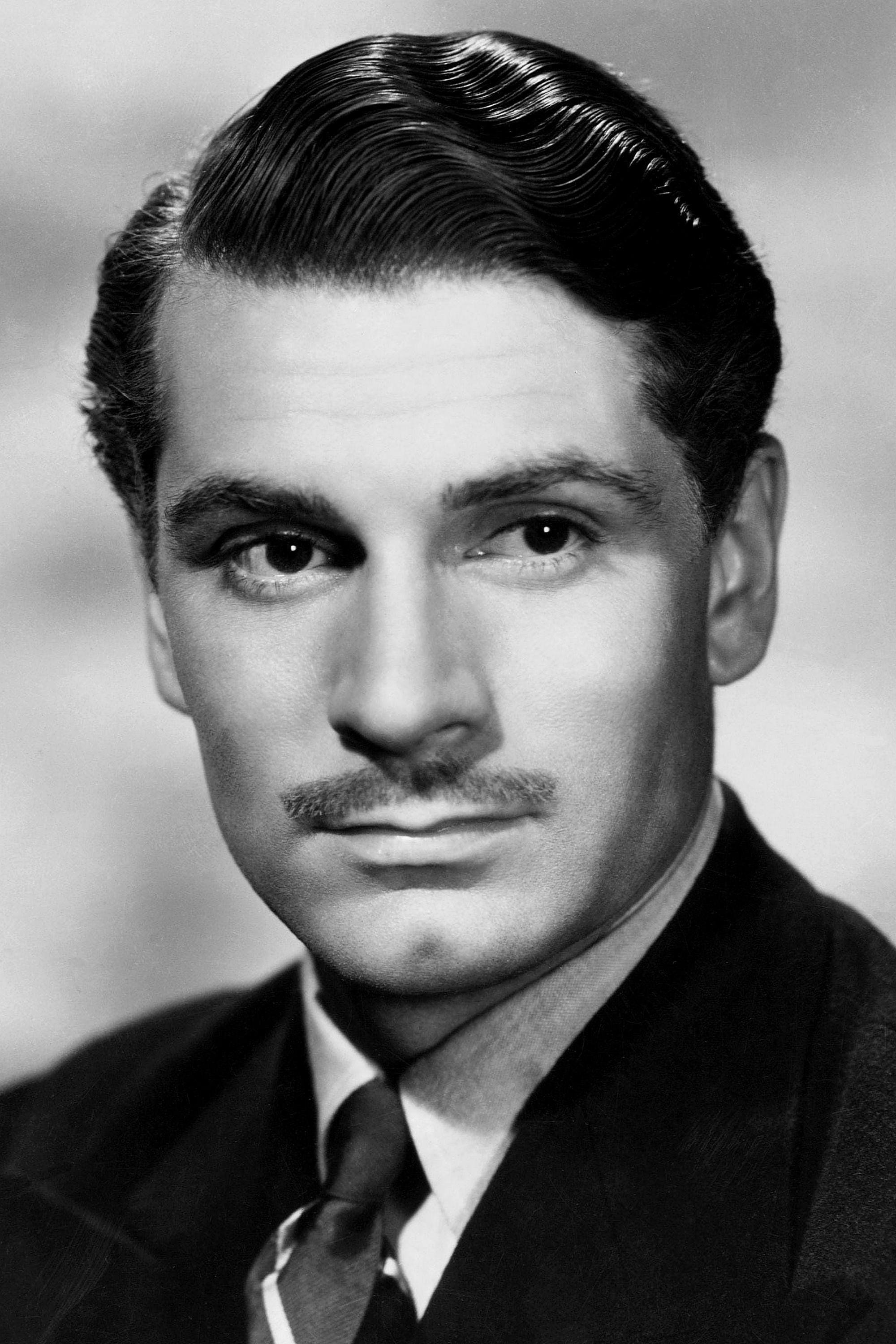
Laurence Olivier remained a towering presence in the decade, shifting between stage-rooted dramas and large-scale films. He led or anchored projects such as ‘The Entertainer’, ‘Spartacus’, and ‘Khartoum’. His precision with classical dialogue showed how theatrical technique could translate to modern widescreen storytelling. As a producer and director at various points, he also modeled how actors could shape material from development through performance.
Rock Hudson
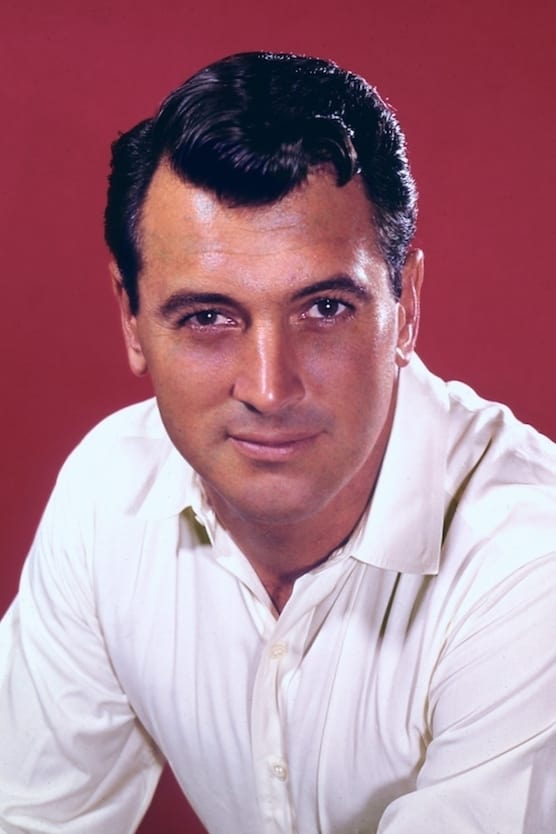
Rock Hudson sustained leading-man status while branching into darker, risk-taking roles. He drew big audiences with romantic comedies like ‘Lover Come Back’ and ‘Send Me No Flowers’. His turn in the psychological thriller ‘Seconds’ signaled a willingness to subvert star image for challenging material. The combination of commercial hits and stylistic experiments kept him central to discussions about evolving American masculinity on screen.
Yul Brynner
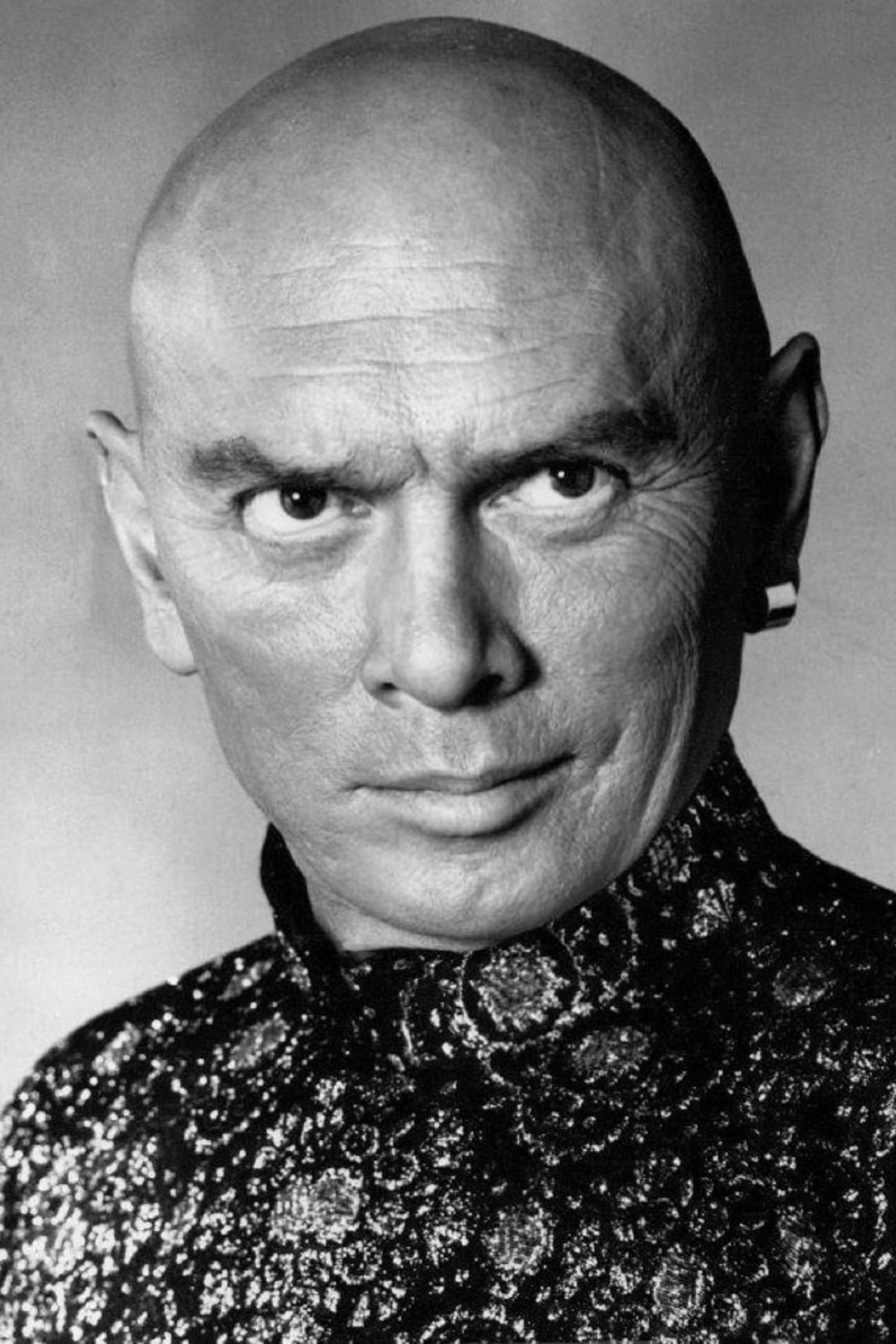
Yul Brynner brought magnetic intensity to action and historical epics throughout the decade. He headlined ensemble adventures like ‘The Magnificent Seven’ and appeared in globe-trotting dramas including ‘Taras Bulba’. Brynner’s authoritative presence made him a go-to figure for regal or martial roles. His international profile helped sell co-productions that depended on recognizable stars to reach multiple markets.
Charles Bronson
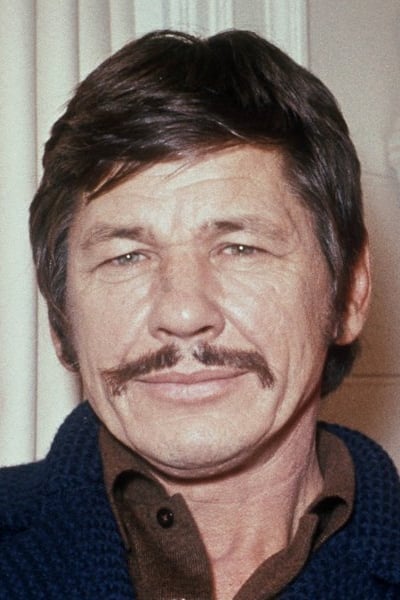
Charles Bronson advanced from key supporting roles to international stardom by decade’s end. He made a mark in ‘The Great Escape’ and ‘The Dirty Dozen’, then reached worldwide audiences with ‘Once Upon a Time in the West’. Bronson’s taciturn style influenced the emerging template for stoic action leads. His success in Europe demonstrated how American actors could build careers beyond Hollywood’s traditional routes.
James Coburn
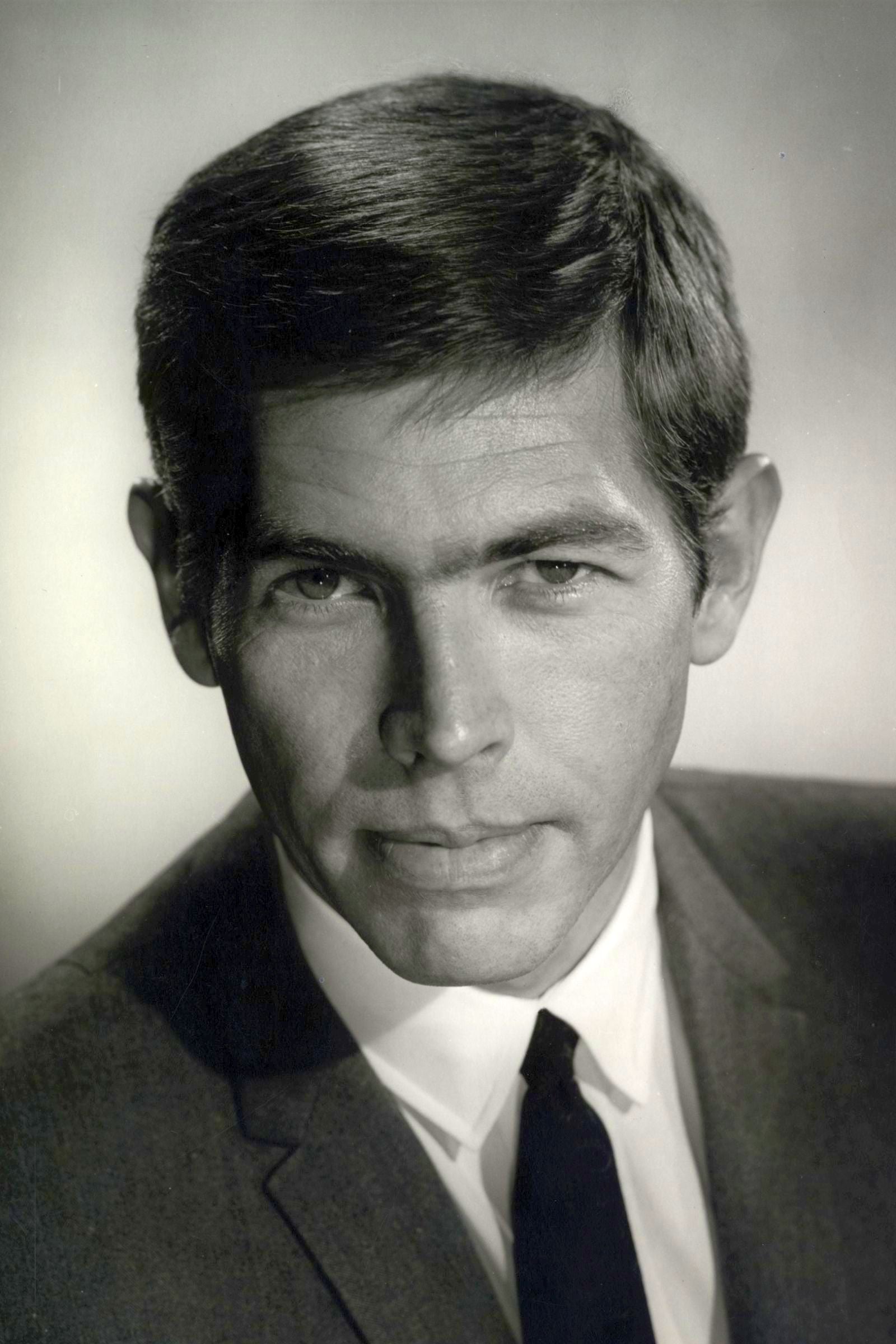
James Coburn blended offhand wit with physical confidence across spy spoofs, Westerns, and thrillers. He co-starred in ‘The Magnificent Seven’ and became a solo draw with titles like ‘Our Man Flint’. Coburn’s relaxed cool aligned with the decade’s shift toward antiheroes and genre playfulness. His collaborations across studios showed the value of versatile, mid-budget star vehicles.
Terence Stamp
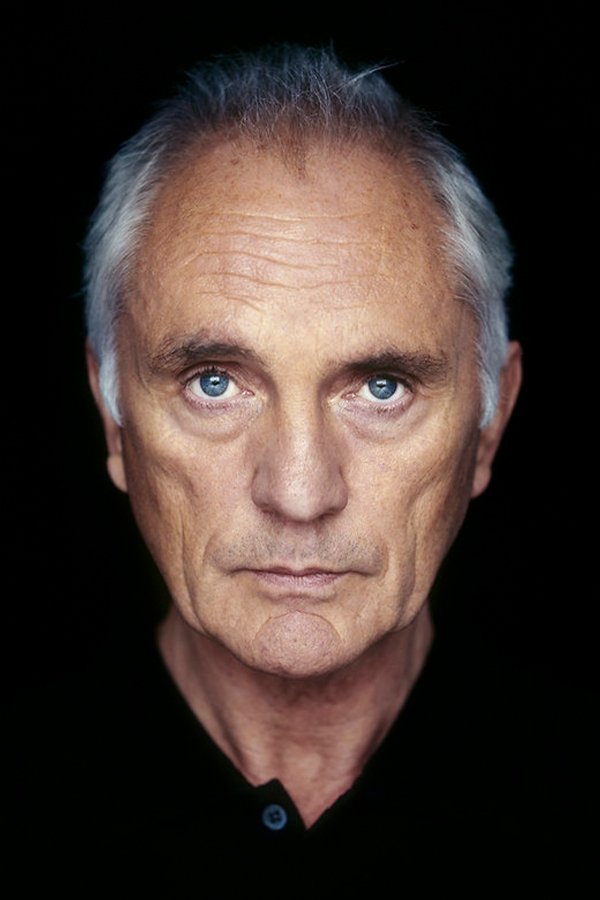
Terence Stamp emerged as a striking screen presence in psychologically charged dramas and literary adaptations. He broke through with ‘Billy Budd’, then deepened his profile with ‘The Collector’ and ‘Far from the Madding Crowd’. Stamp’s precision and ambiguity suited stories focused on desire, isolation, and moral tension. His international work connected British acting traditions to a wider art-house audience.
Dennis Hopper

Dennis Hopper became a catalytic figure in the transition to New Hollywood by the decade’s close. He acted in films such as ‘Rebel Without a Cause’ earlier, then gained renewed attention with ‘Cool Hand Luke’ and ‘True Grit’. His co-creation and starring role in ‘Easy Rider’ demonstrated new pathways for independent production and youth marketing. Hopper’s career showed how countercultural themes could cross into mainstream exhibition.
Gene Hackman
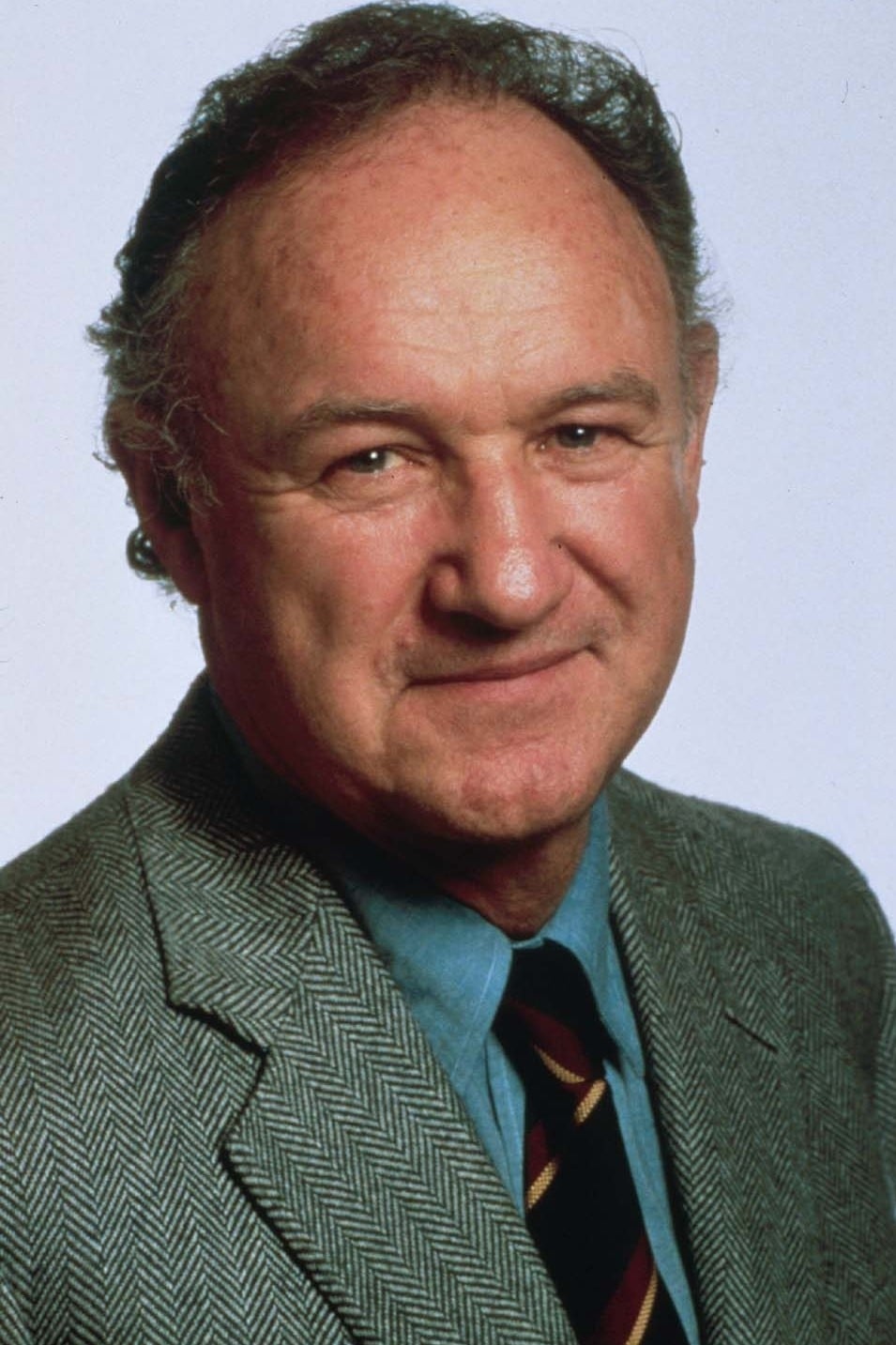
Gene Hackman’s late-1960s performances established him as a formidable character lead. He earned wide notice with ‘Bonnie and Clyde’ and continued with roles in projects like ‘Downhill Racer’. Hackman’s grounded realism and unshowy intensity matched the era’s appetite for contemporary, location-based stories. His rise illustrated the growing demand for actors who could anchor complex, morally shaded narratives.
Robert Duvall
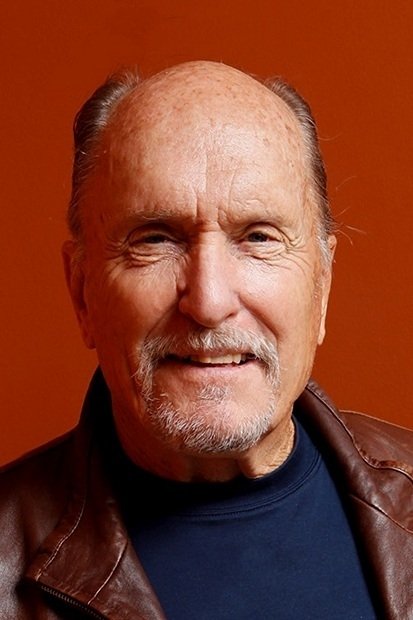
Robert Duvall built a reputation for meticulous, lived-in performances across supporting and lead roles. He appeared memorably in ‘To Kill a Mockingbird’ and maintained momentum with ‘True Grit’ and ‘The Rain People’. Duvall’s approach emphasized behavioral detail over theatrical flourish, aligning with a more naturalistic screen style. Casting directors increasingly turned to him for roles requiring quiet authority and depth.
Christopher Lee
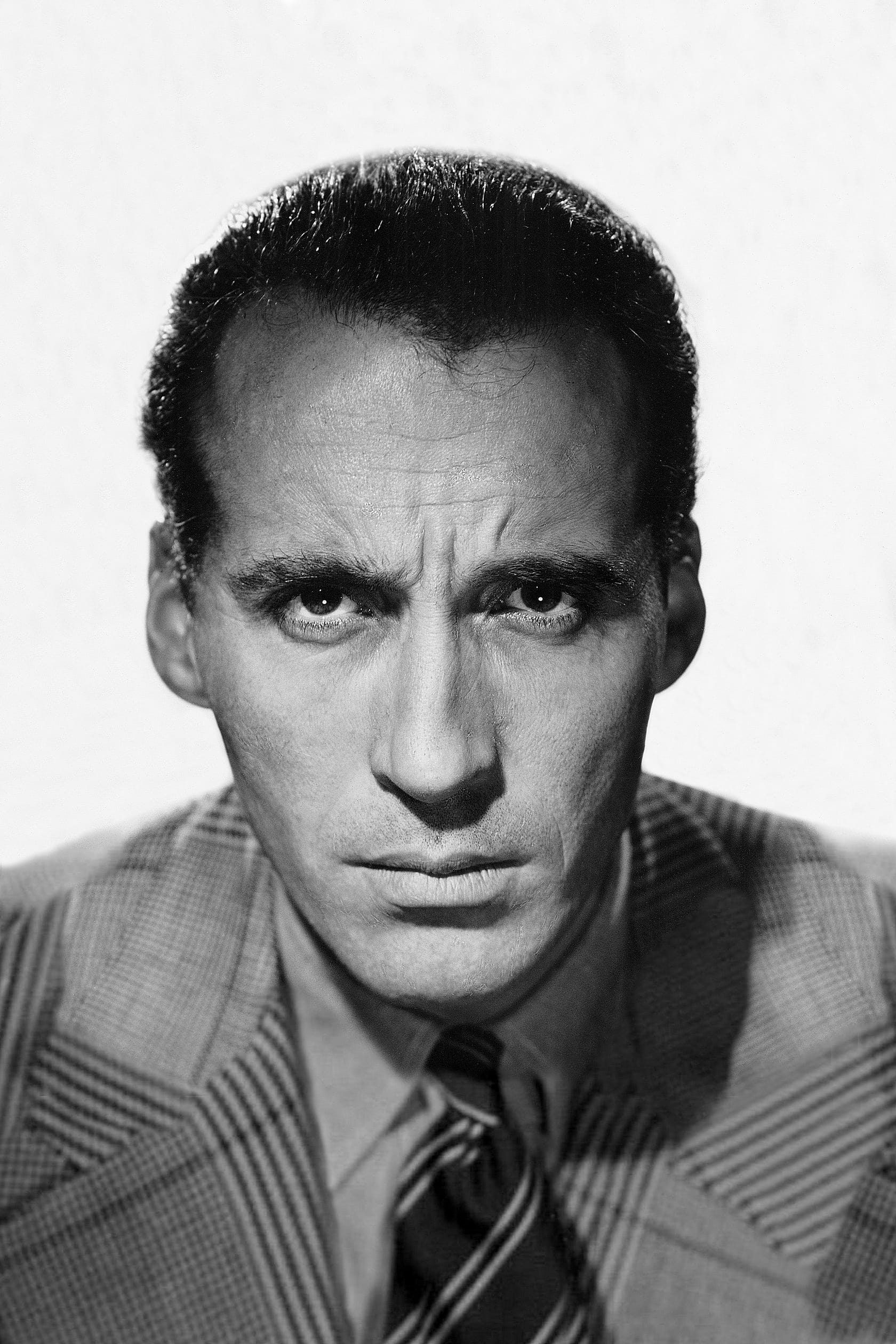
Christopher Lee became synonymous with elegant menace in horror and adventure cinema. He headlined cycles including ‘Dracula’ entries and delivered notable turns in ‘The Devil Rides Out’. Lee’s imposing presence and distinctive voice helped define genre branding for international audiences. His prolific output showed how consistent star personas could sustain studio slates across many territories.
Peter Cushing
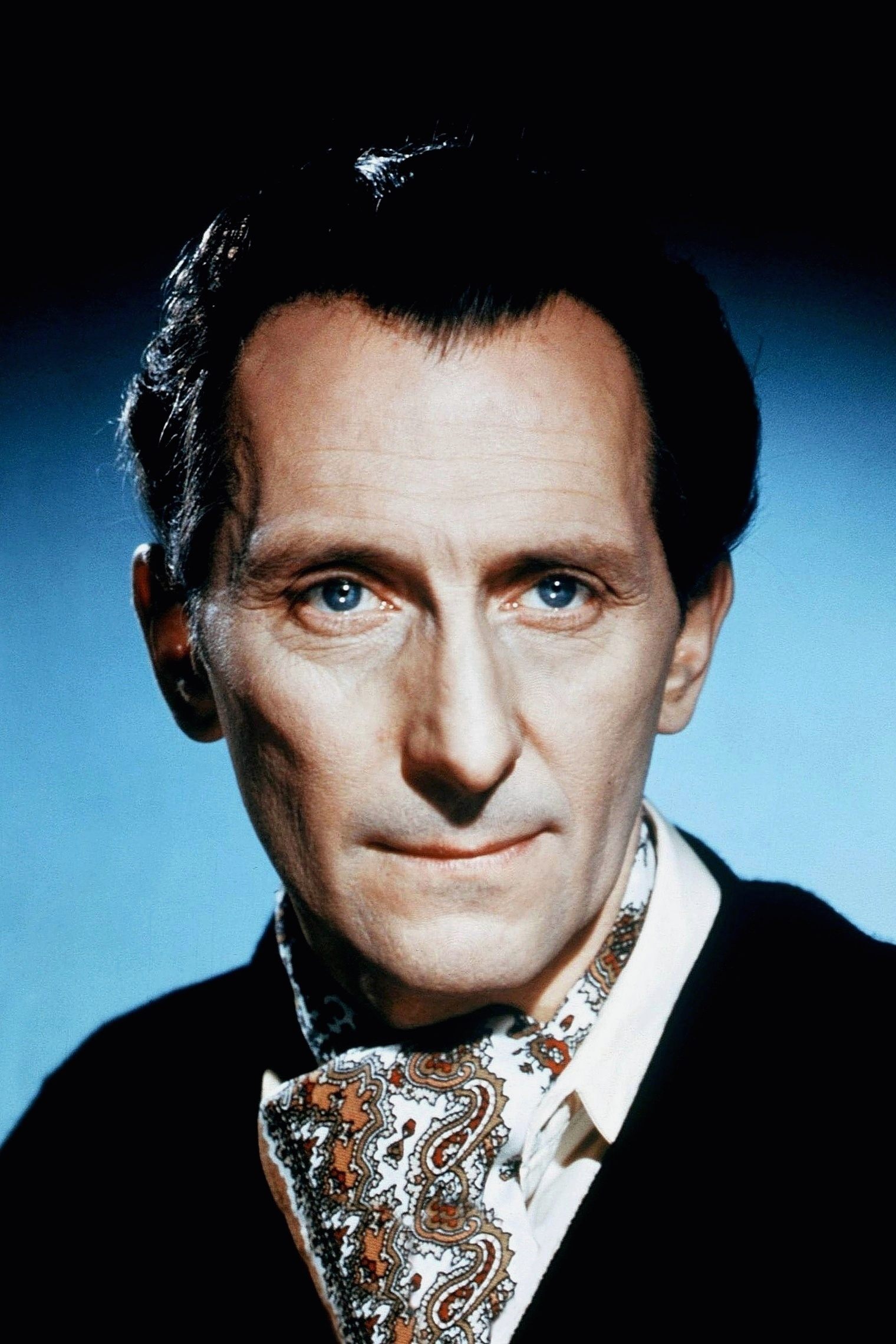
Peter Cushing anchored numerous Gothic and science-fiction films with crisp intelligence and emotional clarity. He led or co-led titles such as ‘The Curse of Frankenstein’ follow-ups, ‘Dr. Who and the Daleks’, and ‘The Skull’. Cushing’s disciplined craft elevated quick-turn productions, proving that strong performances could carry modest budgets. His partnership with genre studios helped build loyal fanbases that stretched beyond the decade.
Richard Harris
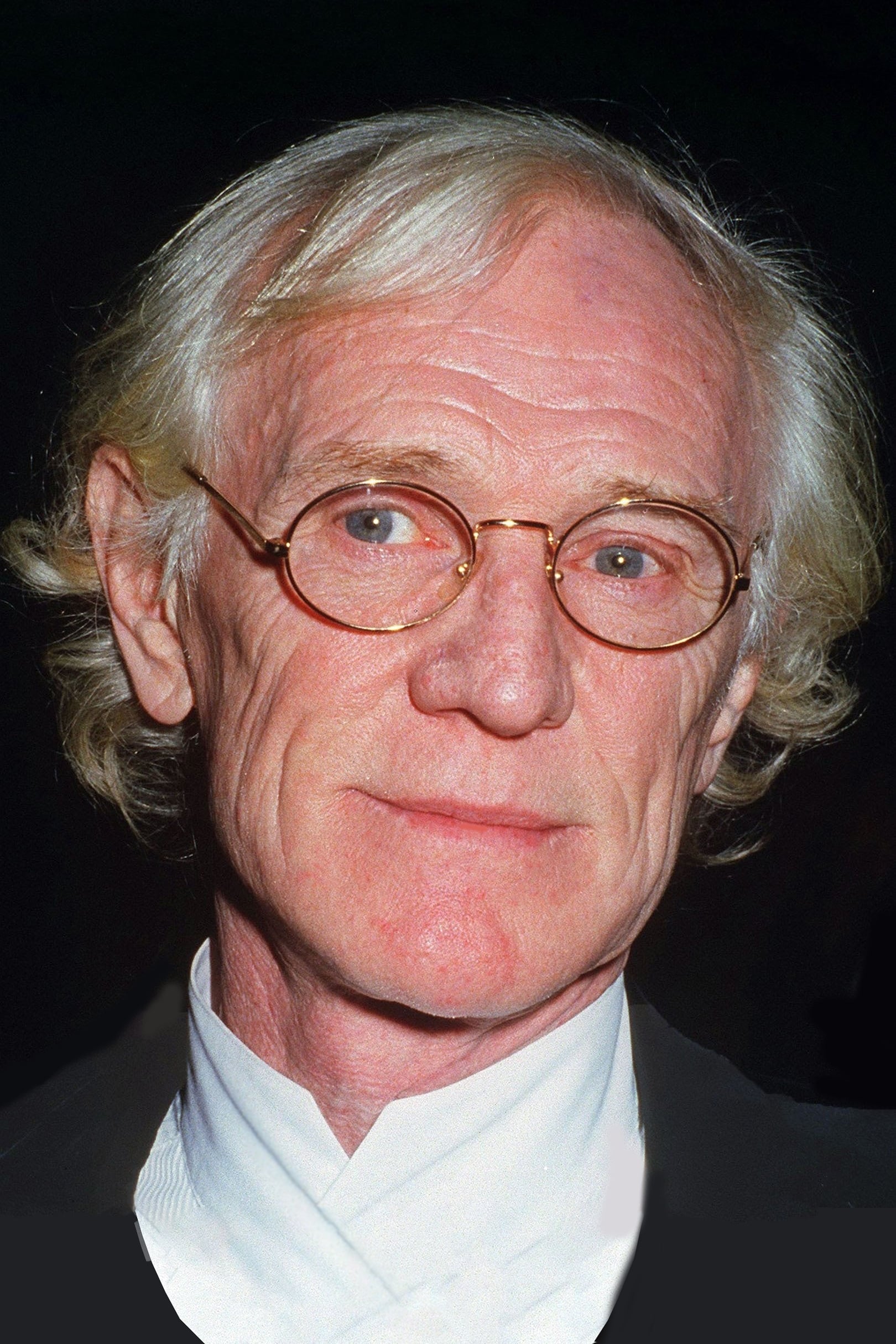
Richard Harris balanced hard-edged realism and musical spectacle during the era. He broke through with ‘This Sporting Life’ and later took on the lead in ‘Camelot’. Harris’s willingness to tackle physically and emotionally demanding parts broadened the range expected of leading men. His cross-medium visibility reinforced the link between stage prestige and cinematic draw.
Franco Nero
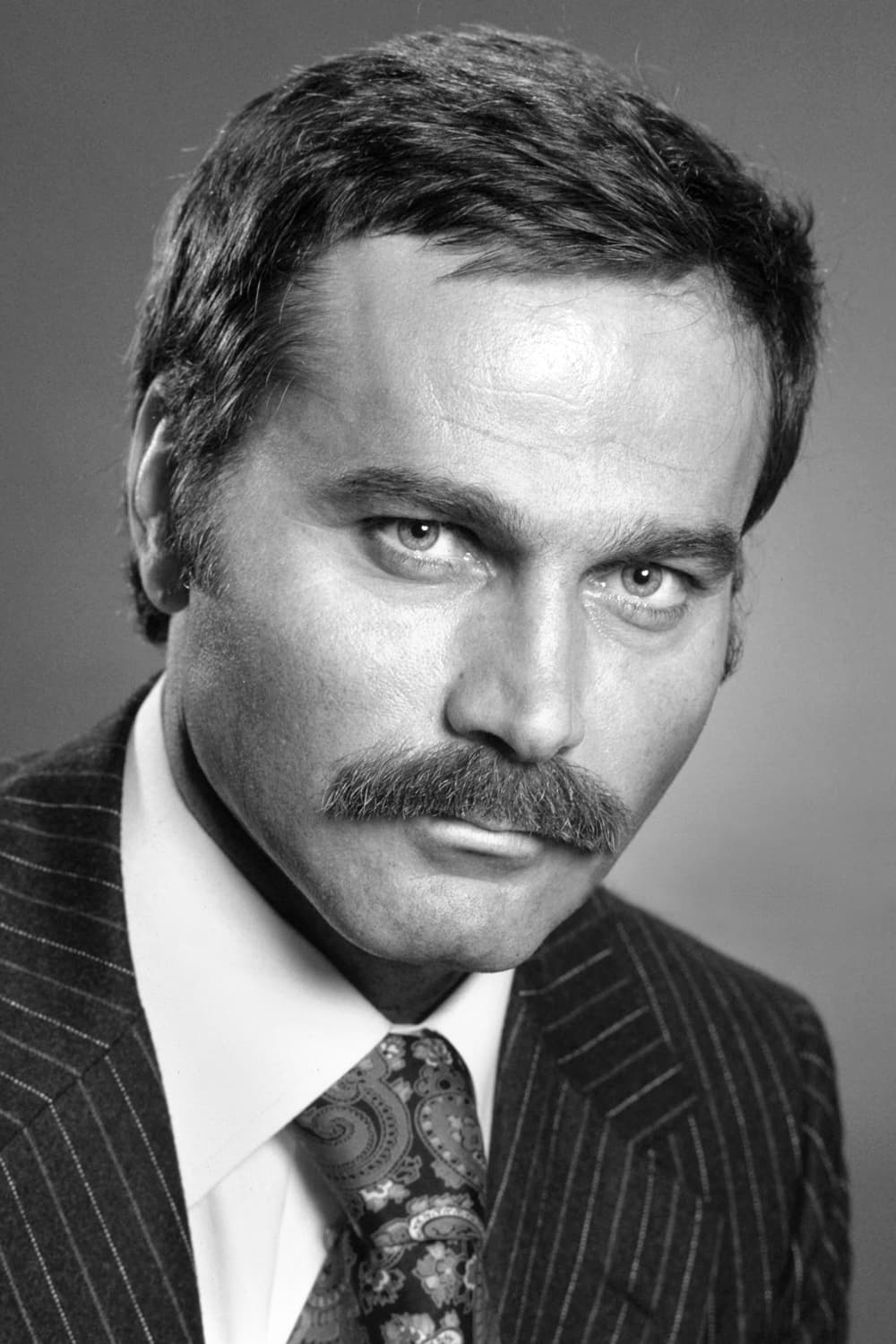
Franco Nero became an international name through stylish Westerns and adventure films. He exploded onto the scene with ‘Django’ and followed with projects like ‘The Mercenary’ and ‘Camelot’. Nero’s cool poise and athletic presence fit the decade’s appetite for morally complex protagonists. His export success helped Italian genre cinema reach global markets with recognizable leads.
Gian Maria Volonté
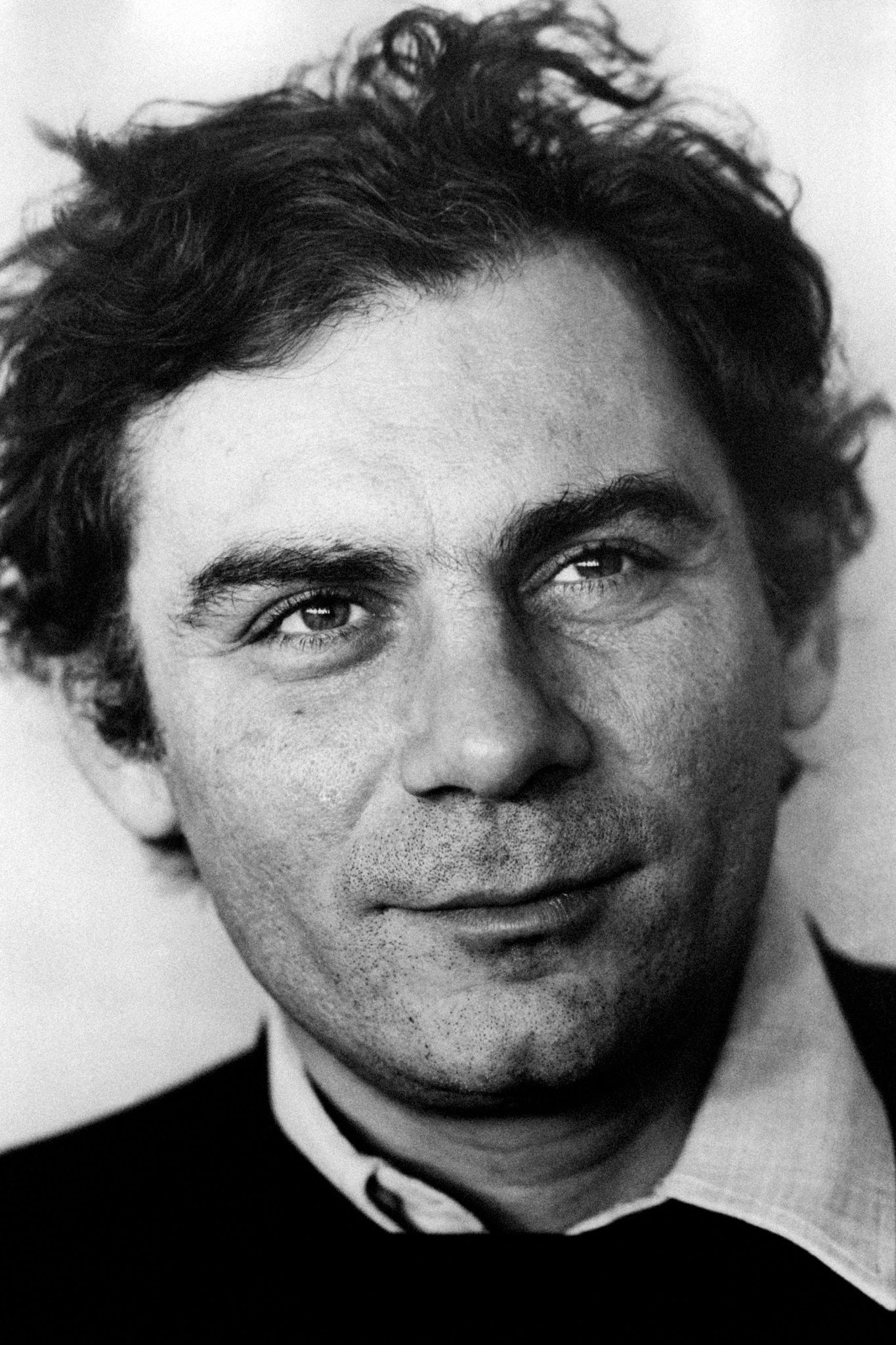
Gian Maria Volonté brought sharp intelligence and political edge to both genre and art cinema. He reached worldwide viewers through ‘A Fistful of Dollars’ and ‘For a Few Dollars More’. Volonté also headlined socially engaged works that anticipated the next decade’s political thrillers. His range demonstrated how European actors could move between commercial hits and thematically ambitious dramas.
Rajesh Khanna
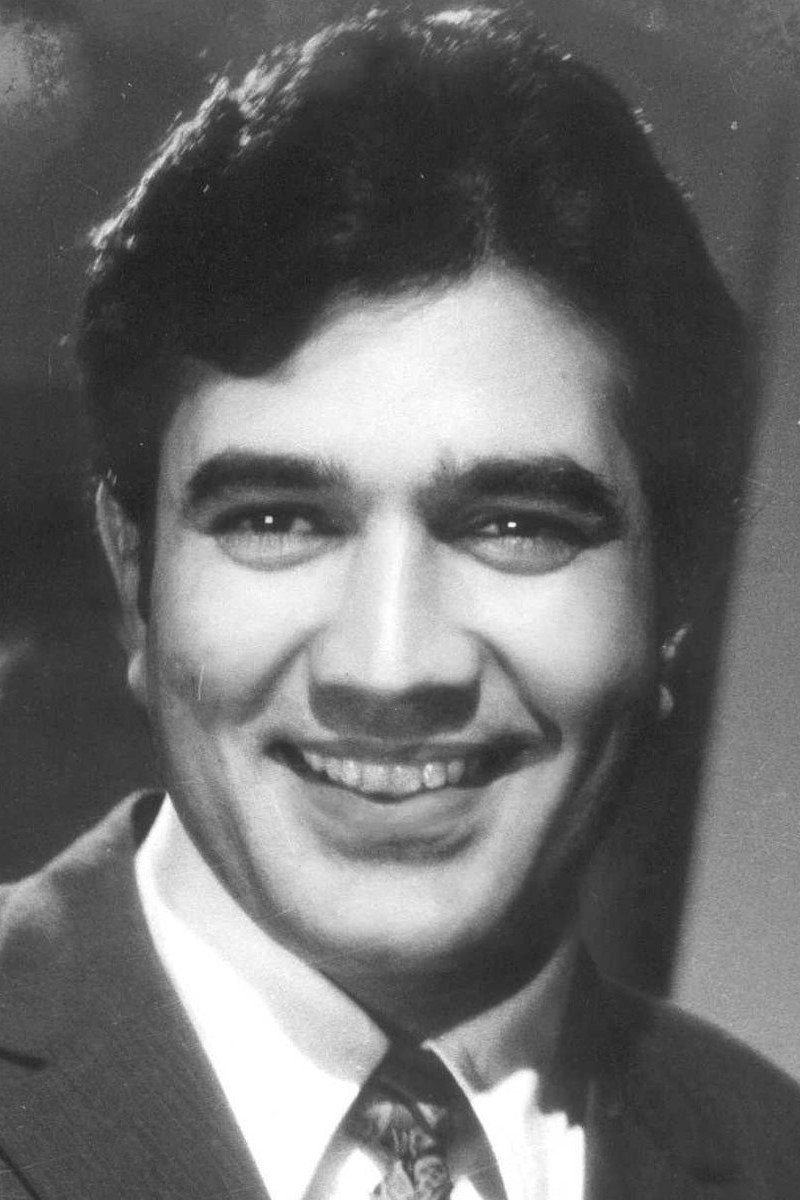
Rajesh Khanna rose rapidly at the decade’s end to become a defining star of Hindi cinema. He led box-office successes such as ‘Aradhana’, ‘Do Raaste’, and ‘Ittefaq’. Khanna’s on-screen persona—romantic, earnest, and emotionally direct—resonated with mass audiences across India. His breakthrough signaled a shift in the industry toward star-driven releases with extensive music and marketing tie-ins.
Got another tweak in mind—or someone you want added? Drop your picks in the comments!

