


The Most Influential Actors of the 1990s

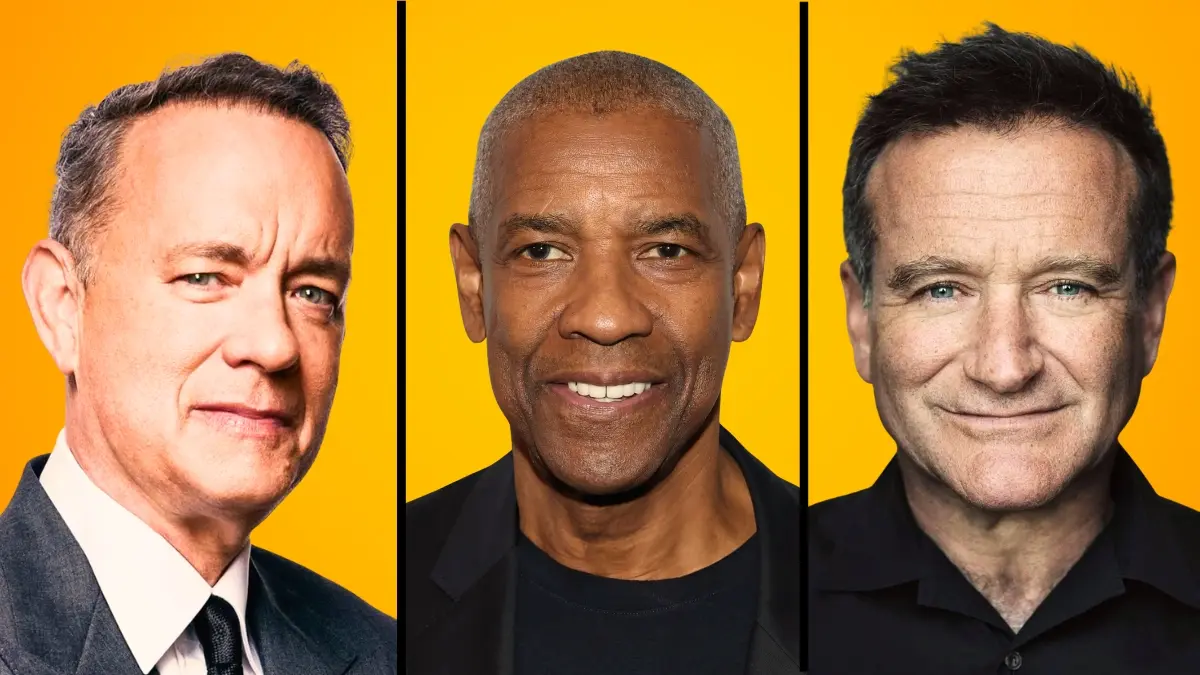


The 1990s reshaped global film culture, and a wave of leading men helped drive that change across drama, action, comedy, and international cinema. Studios built entire release slates around their drawing power, while awards bodies recognized performances that still anchor film history syllabi and retrospectives. Many also crossed into producing, voice work, and television, expanding how bankable stars could shape projects from script to screen. Below are male actors whose bodies of work, box-office footprints, and industry sway defined the decade’s movies.
Tom Hanks
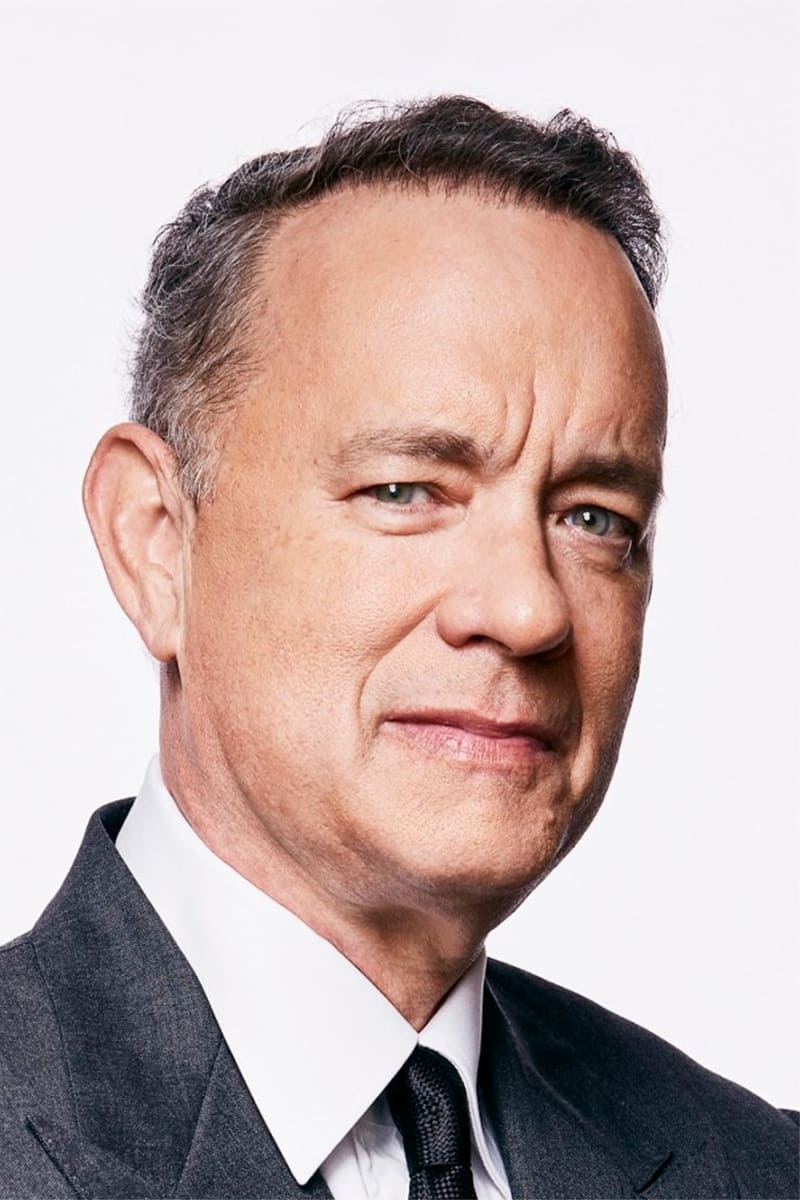
Tom Hanks became one of the decade’s most bankable and decorated stars, earning back-to-back Best Actor Oscars for ‘Philadelphia’ and ‘Forrest Gump’. He balanced awards fare with major hits like ‘Apollo 13’ and ‘Saving Private Ryan’. Hanks also helped usher in a new era of animation stardom by voicing Woody in ‘Toy Story’. His consistent critical and commercial success gave him unusual leverage to move into producing and directing.
Denzel Washington

Denzel Washington anchored prestige dramas and mainstream thrillers with equal reliability. His turn in ‘Malcolm X’ remains a benchmark portrayal of a historical figure, while films like ‘Crimson Tide’ and ‘The Pelican Brief’ proved his wide audience appeal. He won Best Supporting Actor for ‘Glory’ before the decade and continued to collect top-tier nominations throughout the 90s. Washington’s choices broadened opportunities for ambitious, character-driven studio films.
Tom Cruise
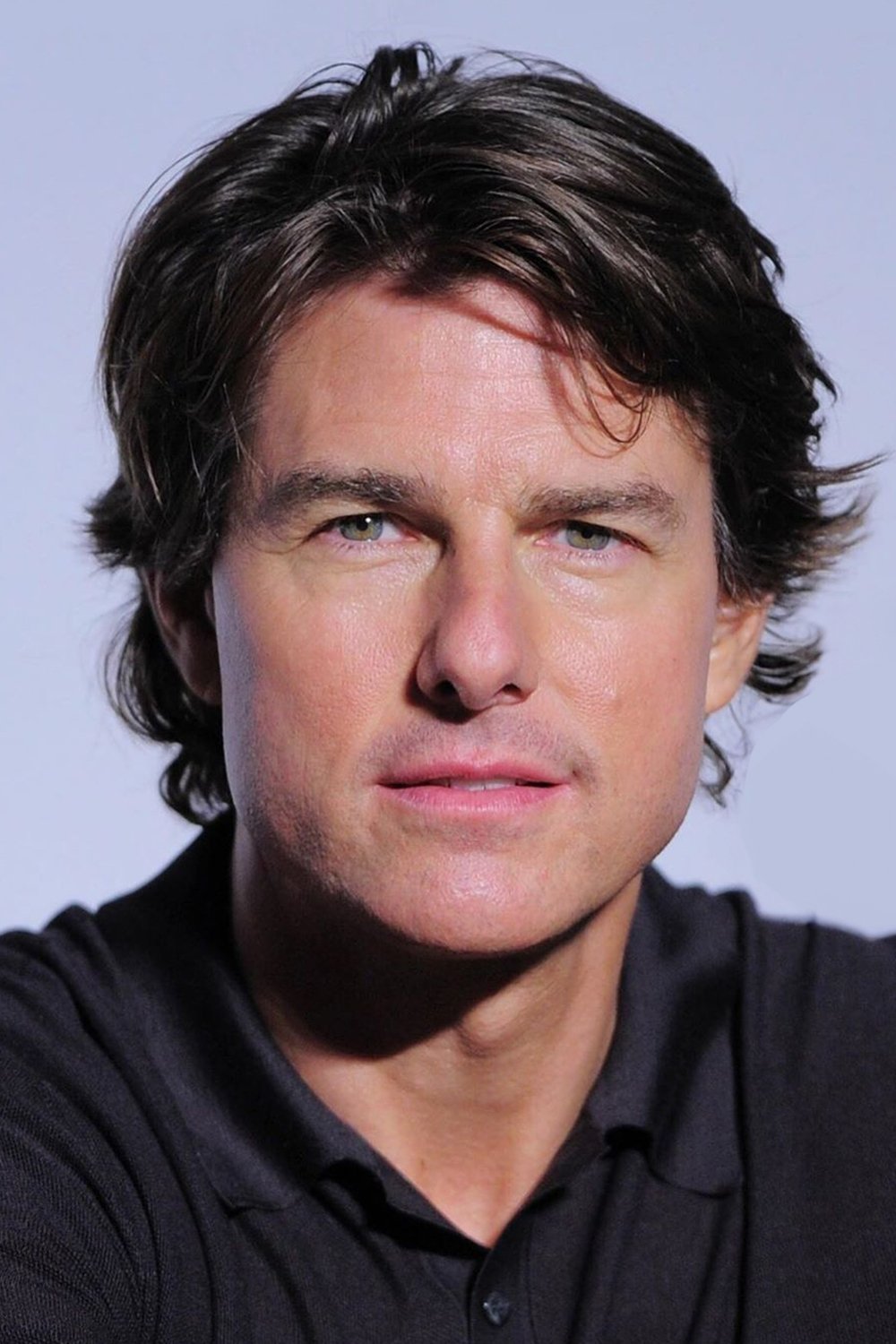
Tom Cruise dominated global box offices with franchise launching and auteur collaborations. He headlined ‘A Few Good Men’, led the relaunch of ‘Mission: Impossible’, and worked with directors like Cameron Crowe on ‘Jerry Maguire’ and Stanley Kubrick on ‘Eyes Wide Shut’. Cruise’s international draw made him pivotal to studios’ worldwide strategies. He also began producing, shaping the kinds of large-scale projects he starred in.
Leonardo DiCaprio
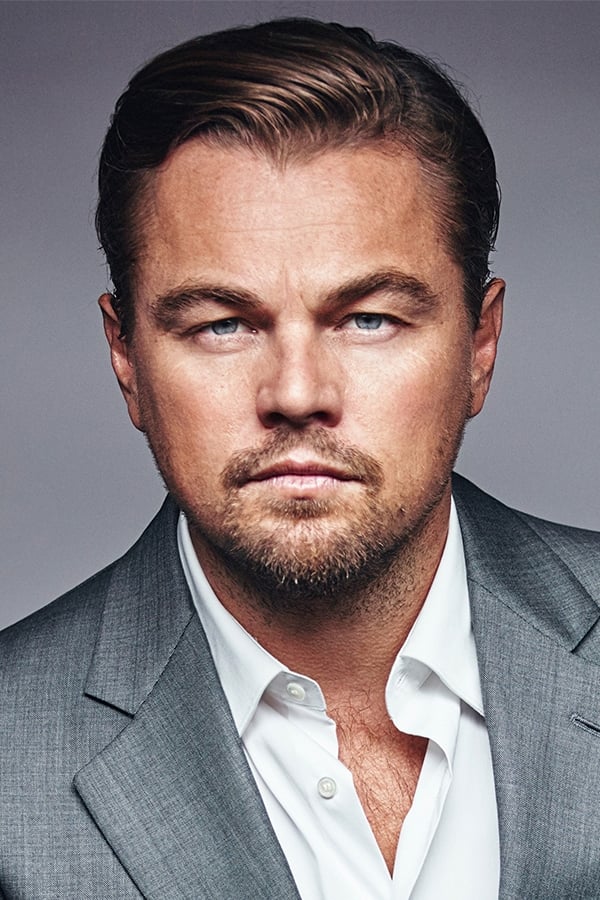
Leonardo DiCaprio parlayed early critical acclaim into worldwide stardom with ‘Titanic’. Before that, performances in ‘What’s Eating Gilbert Grape’ and ‘The Basketball Diaries’ marked him as a serious dramatic talent. He reached younger audiences with ‘Romeo + Juliet’, expanding his global fan base. DiCaprio’s rapid ascent shifted how studios thought about casting younger leads in adult-oriented dramas.
Brad Pitt
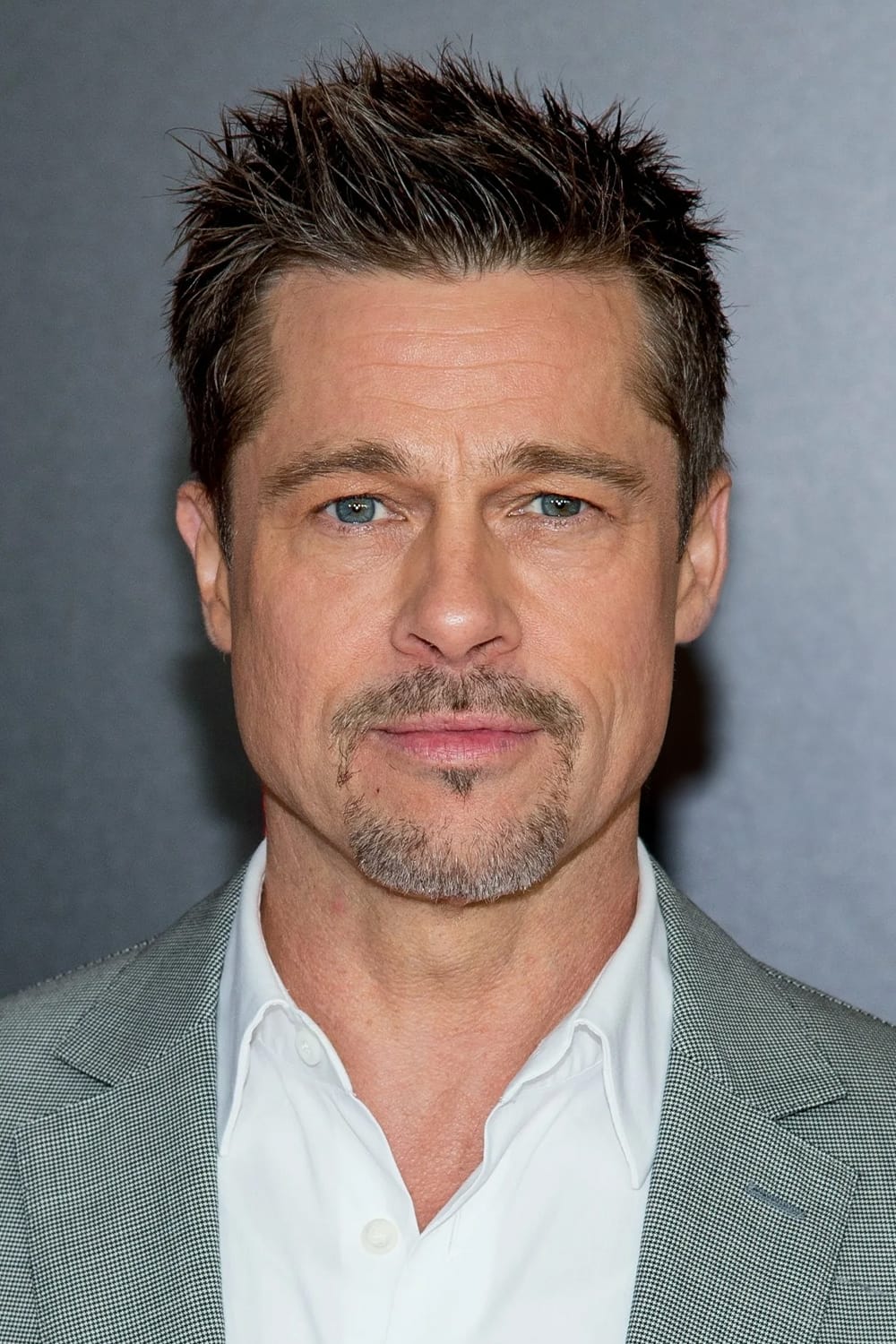
Brad Pitt moved seamlessly between character work and blockbuster leads. He drew critical attention with ’12 Monkeys’ and ‘Se7en’, while ‘Legends of the Fall’ and ‘Interview with the Vampire’ made him a top-line star. ‘Fight Club’ highlighted his willingness to take risks in challenging material. Pitt’s choices helped keep mid-budget, director-driven films in the studio system.
Morgan Freeman
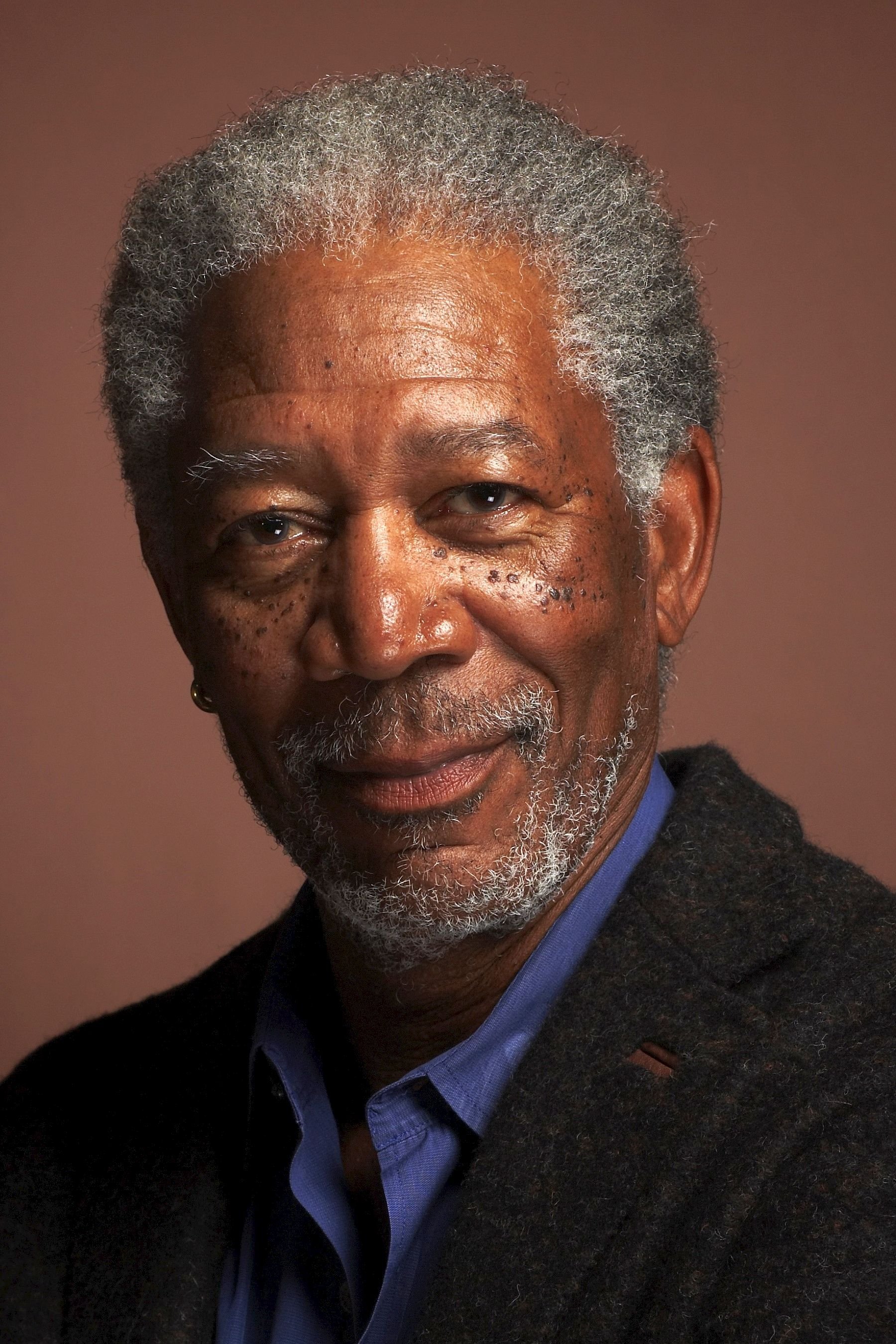
Morgan Freeman anchored acclaimed dramas and top-grossing thrillers. He earned wide recognition for ‘The Shawshank Redemption’ and teamed again with Brad Pitt in ‘Se7en’. He also brought gravitas to ‘Unforgiven’ and led disaster and medical thrillers like ‘Deep Impact’ and ‘Outbreak’. Freeman’s steady presence made him a go-to for roles requiring moral weight and narrative authority.
Robert De Niro
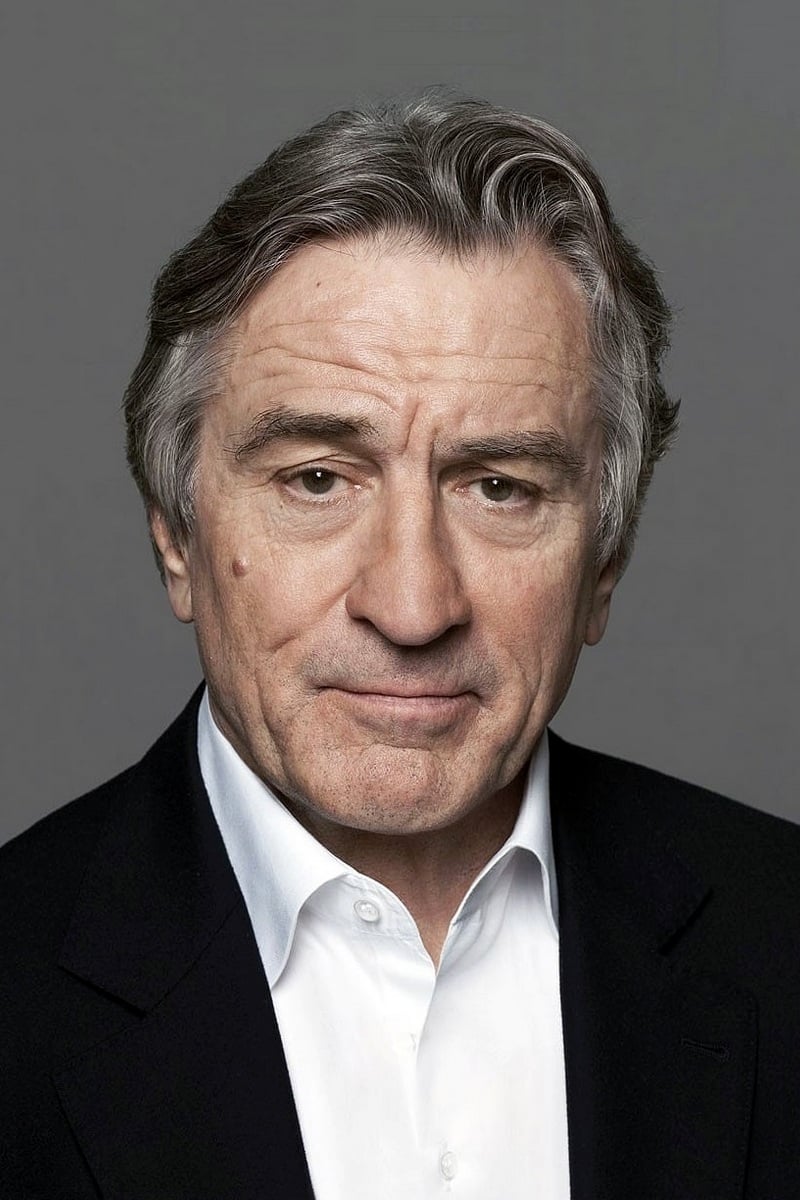
Robert De Niro continued his collaboration with major directors, delivering era-defining work. He starred in ‘Goodfellas’, ‘Cape Fear’, ‘Casino’, and shared the screen with Al Pacino in ‘Heat’. De Niro also explored comedy with ‘Analyze This’ near the decade’s end. His range reaffirmed the crossover potential between prestige cinema and mainstream appeal.
Al Pacino
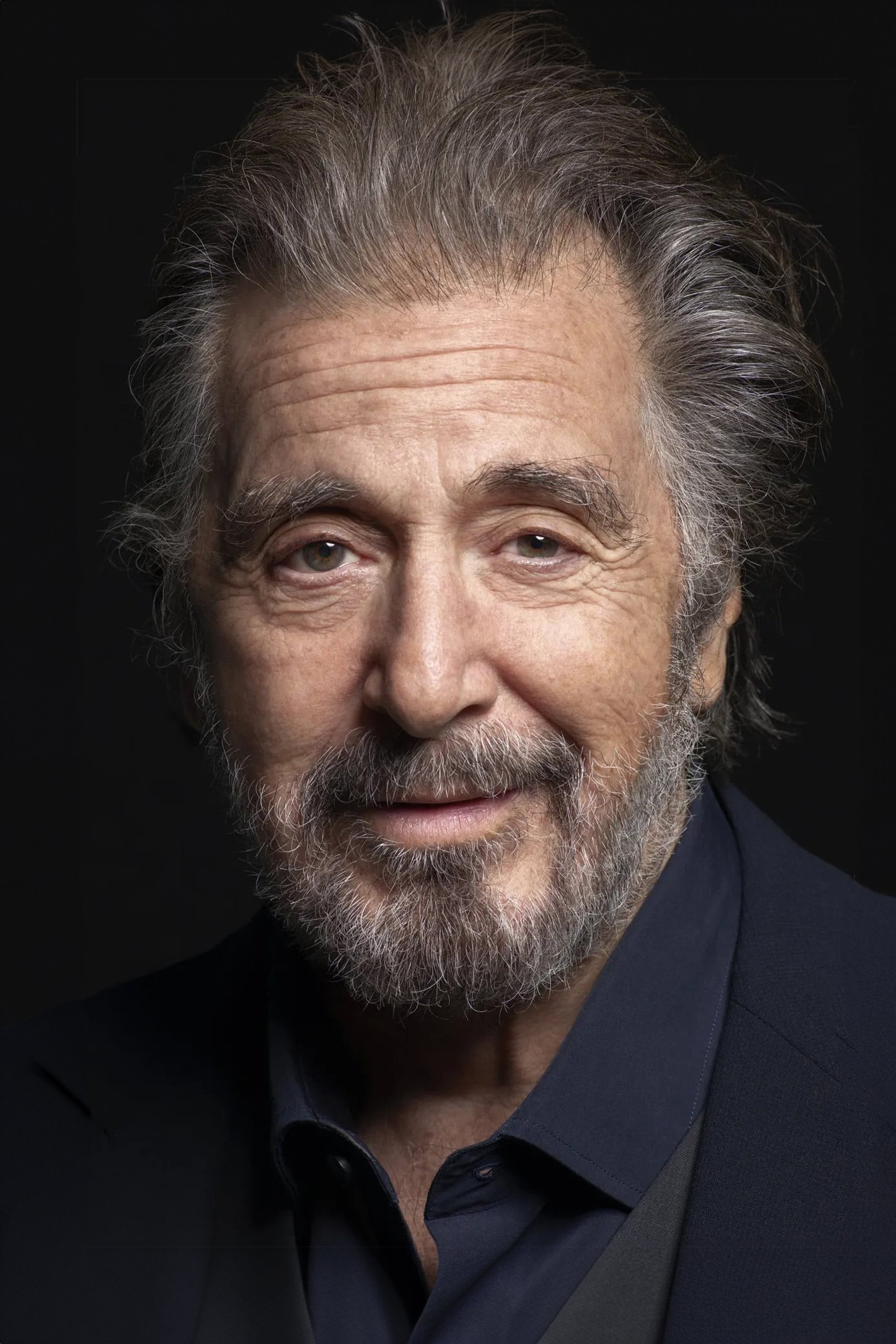
Al Pacino earned Best Actor for ‘Scent of a Woman’ and kept a strong presence in crime and drama. He co-led ‘Heat’, played undercover intrigue in ‘Donnie Brasco’, and delivered a standout turn in ‘Carlito’s Way’. He also starred in media-themed drama ‘The Insider’. Pacino’s roles underscored the decade’s revival of adult-focused studio storytelling.
Will Smith
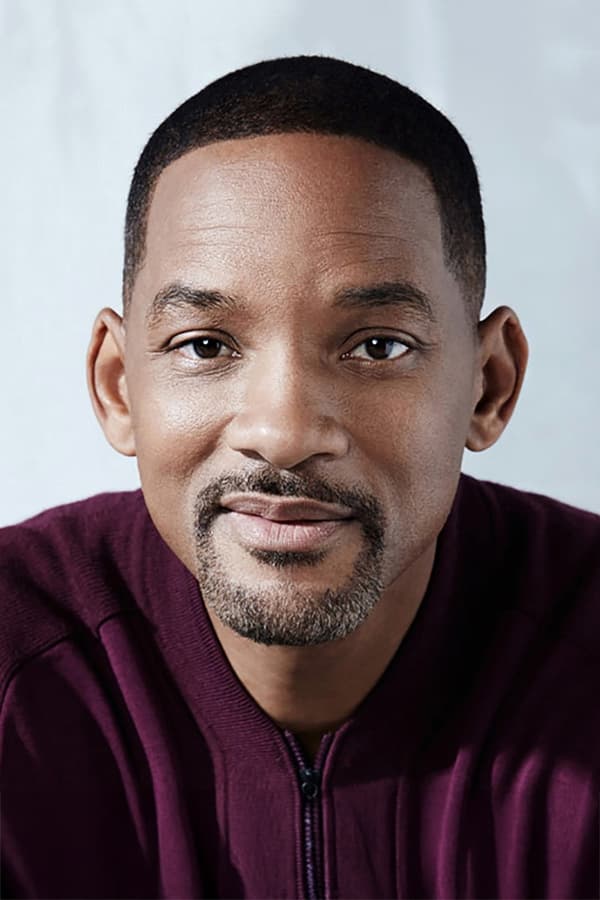
Will Smith transitioned from television to film with uncommon speed and scale. ‘The Fresh Prince of Bel-Air’ built his visibility, then ‘Bad Boys’, ‘Independence Day’, and ‘Men in Black’ cemented his global box-office status. He also took on techno-thriller territory with ‘Enemy of the State’. Smith’s crossover from music and TV expanded Hollywood’s pathway for multihyphenate stars.
Jim Carrey
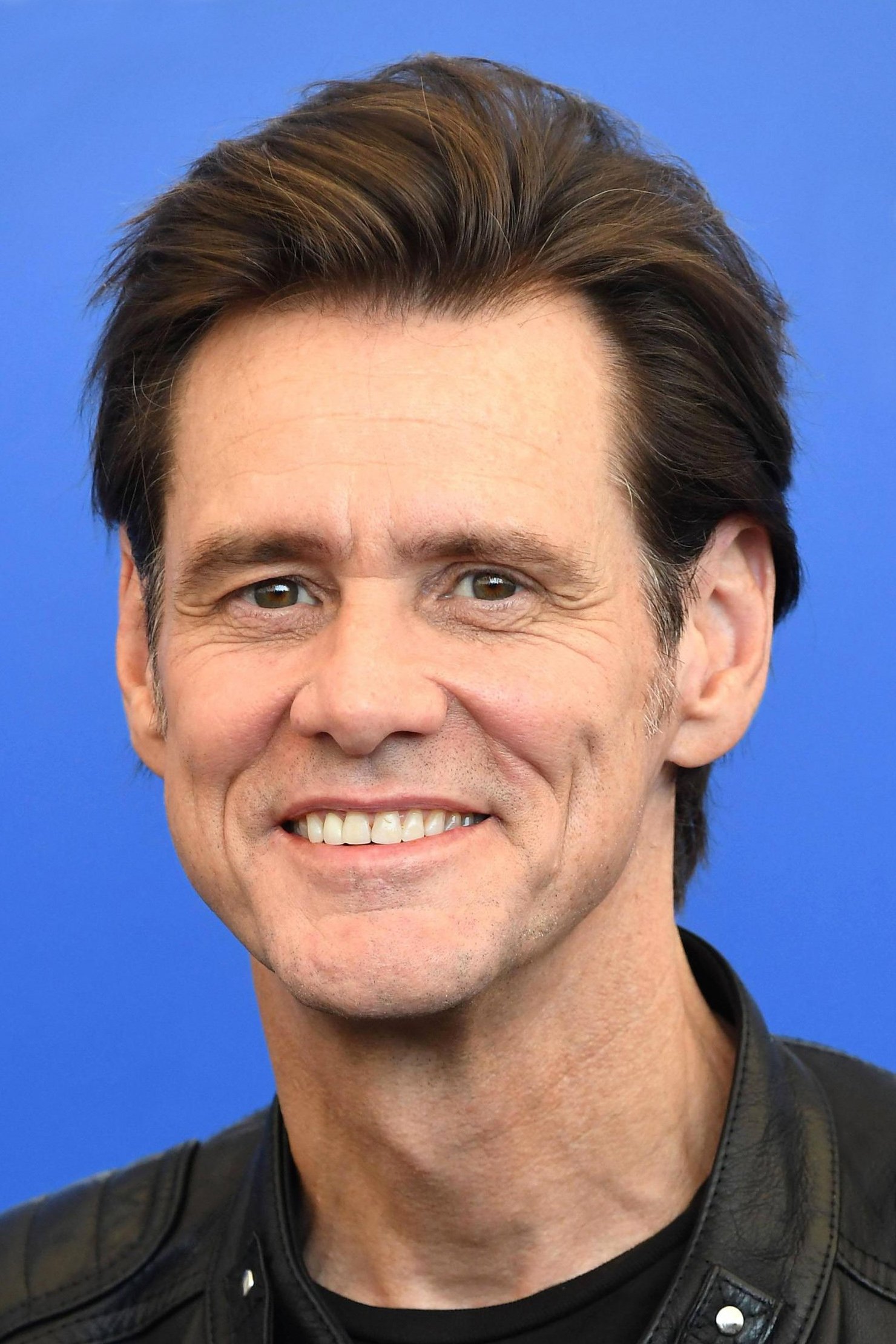
Jim Carrey led a new era of high-concept comedy while stretching into drama. He headlined crowd-pleasers like ‘Ace Ventura: Pet Detective’, ‘The Mask’, and ‘Dumb and Dumber’. His performances in ‘The Truman Show’ and ‘Man on the Moon’ showcased dramatic and meta-comedic range. Carrey’s drawing power helped studios bet big on star-led comedies.
Samuel L. Jackson
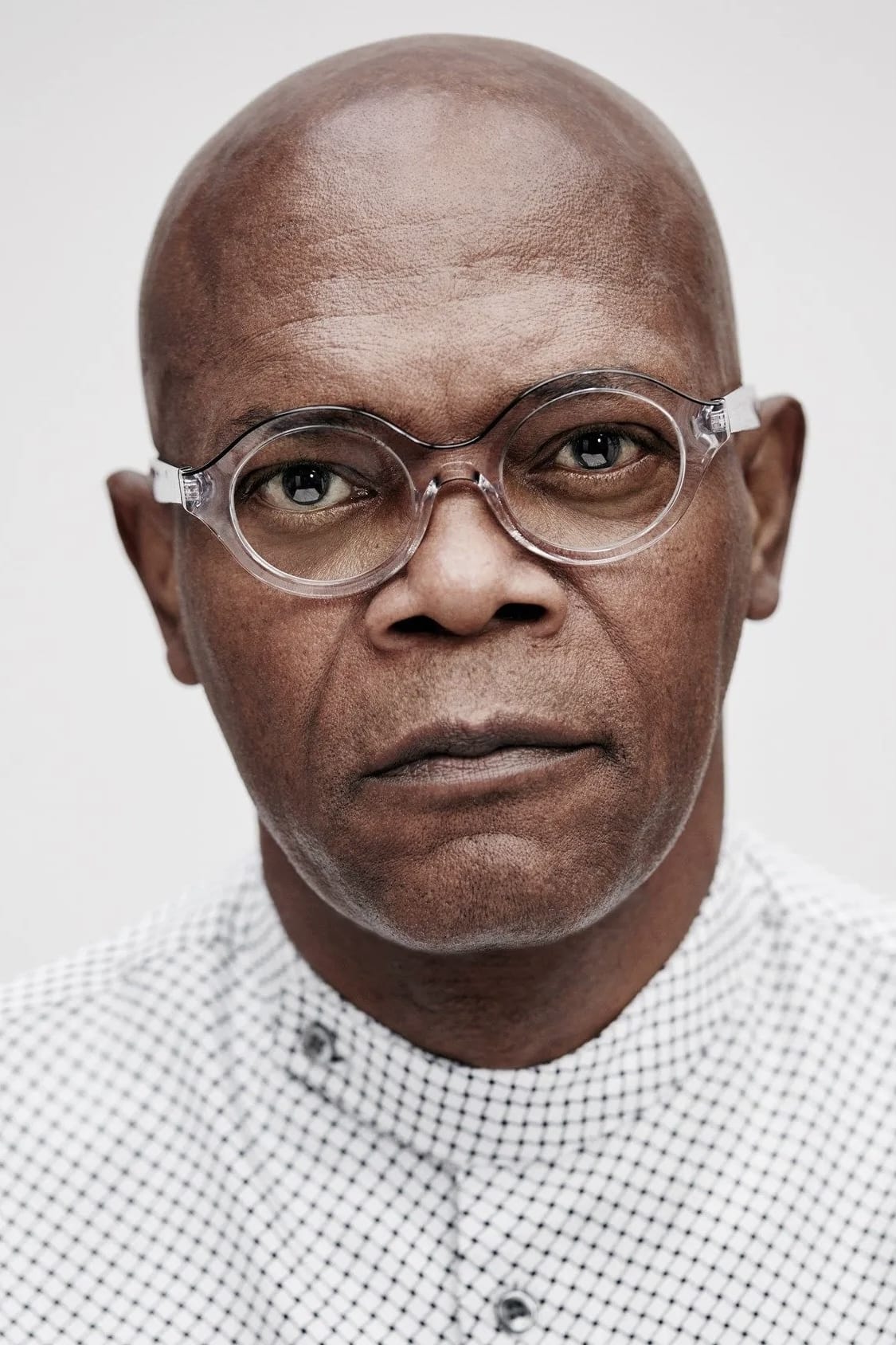
Samuel L. Jackson emerged as one of the decade’s most prolific and widely recognized actors. He earned major attention with ‘Pulp Fiction’ and worked across tentpoles and thrillers like ‘Jurassic Park’, ‘Die Hard with a Vengeance’, and ‘A Time to Kill’. He collaborated with Quentin Tarantino again on ‘Jackie Brown’. Jackson’s presence became a hallmark of ensemble casts with global reach.
Johnny Depp
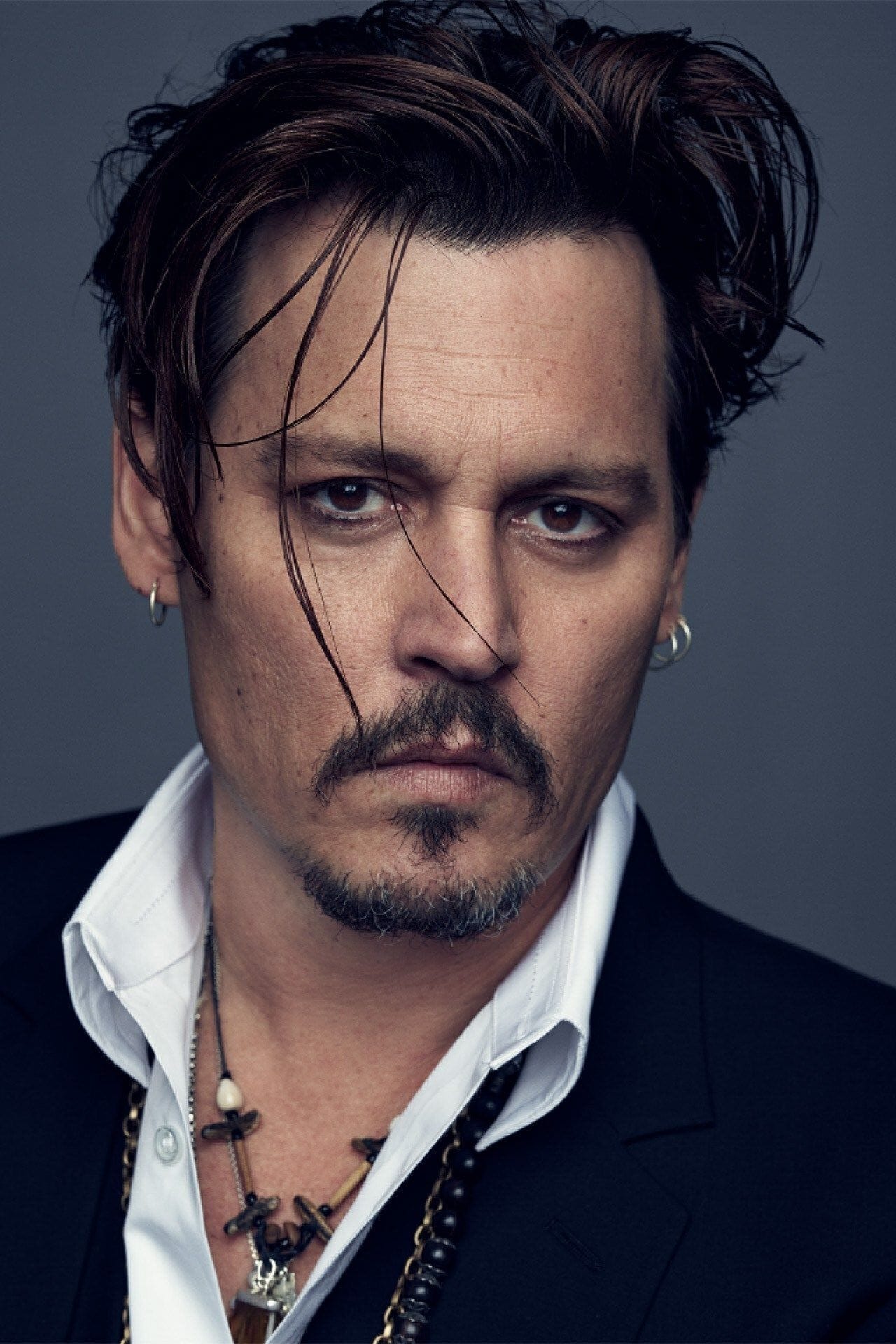
Johnny Depp prioritized auteur-driven projects while maintaining mainstream visibility. He collaborated with Tim Burton on ‘Edward Scissorhands’ and ‘Ed Wood’, then joined Al Pacino in ‘Donnie Brasco’. He took on cult-favorite material with ‘Fear and Loathing in Las Vegas’ and closed the decade with ‘Sleepy Hollow’. Depp’s choices strengthened the market for eccentric, character-first studio films.
Nicolas Cage
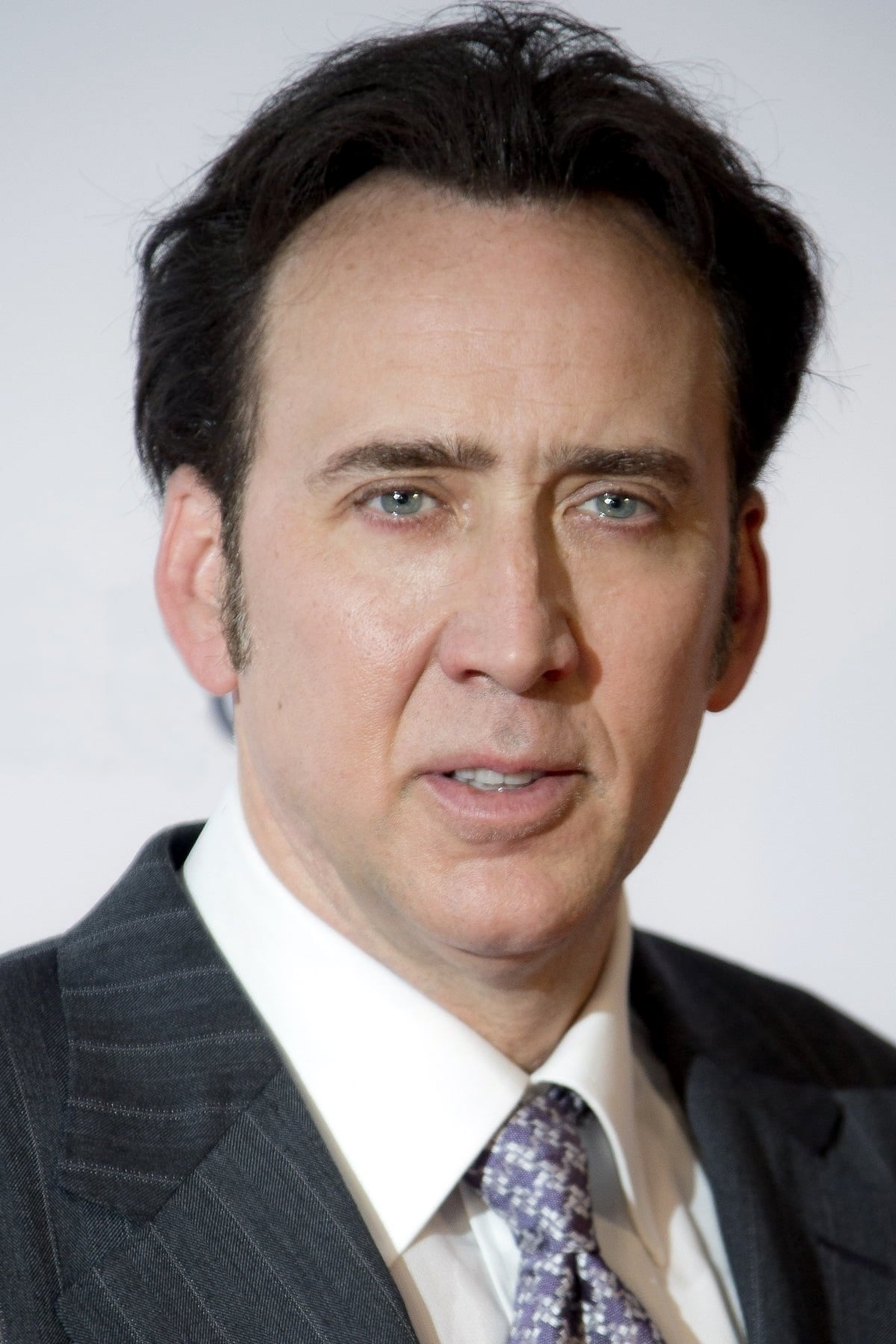
Nicolas Cage balanced prestige and blockbuster action in unusual proportion. He won Best Actor for ‘Leaving Las Vegas’, then headlined action hits like ‘The Rock’, ‘Con Air’, and ‘Face/Off’. He also drew audiences to romantic drama with ‘City of Angels’. Cage’s versatility showed that awards-caliber performers could also drive large-scale action films.
Robin Williams
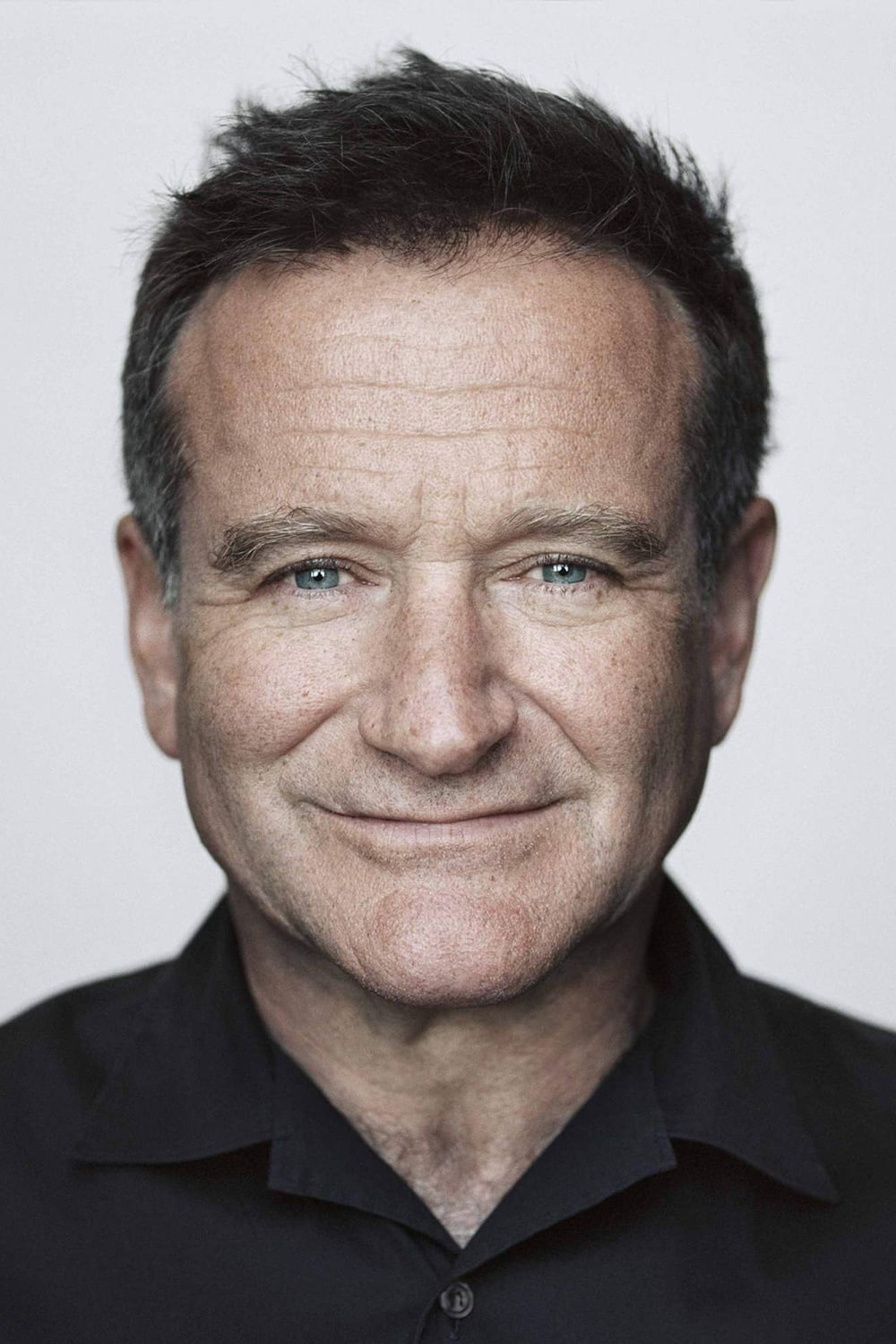
Robin Williams delivered acclaimed drama, family hits, and groundbreaking voice work. He won Best Supporting Actor for ‘Good Will Hunting’, starred in ‘Mrs. Doubtfire’, and brought memorable energy to ‘Jumanji’. His performance as the Genie in ‘Aladdin’ reshaped expectations for celebrity voice acting. Williams also led ensemble comedy ‘The Birdcage’, reinforcing his consistent box-office draw.
Bruce Willis

Bruce Willis remained a cornerstone of action cinema while branching into genre fare. He returned to the ‘Die Hard’ series, joined ensemble crime in ‘Pulp Fiction’, and led sci-fi outings like ’12 Monkeys’ and ‘The Fifth Element’. He also topped the box office with disaster film ‘Armageddon’. Willis’s output kept high-concept action and science fiction central to studio schedules.
Keanu Reeves
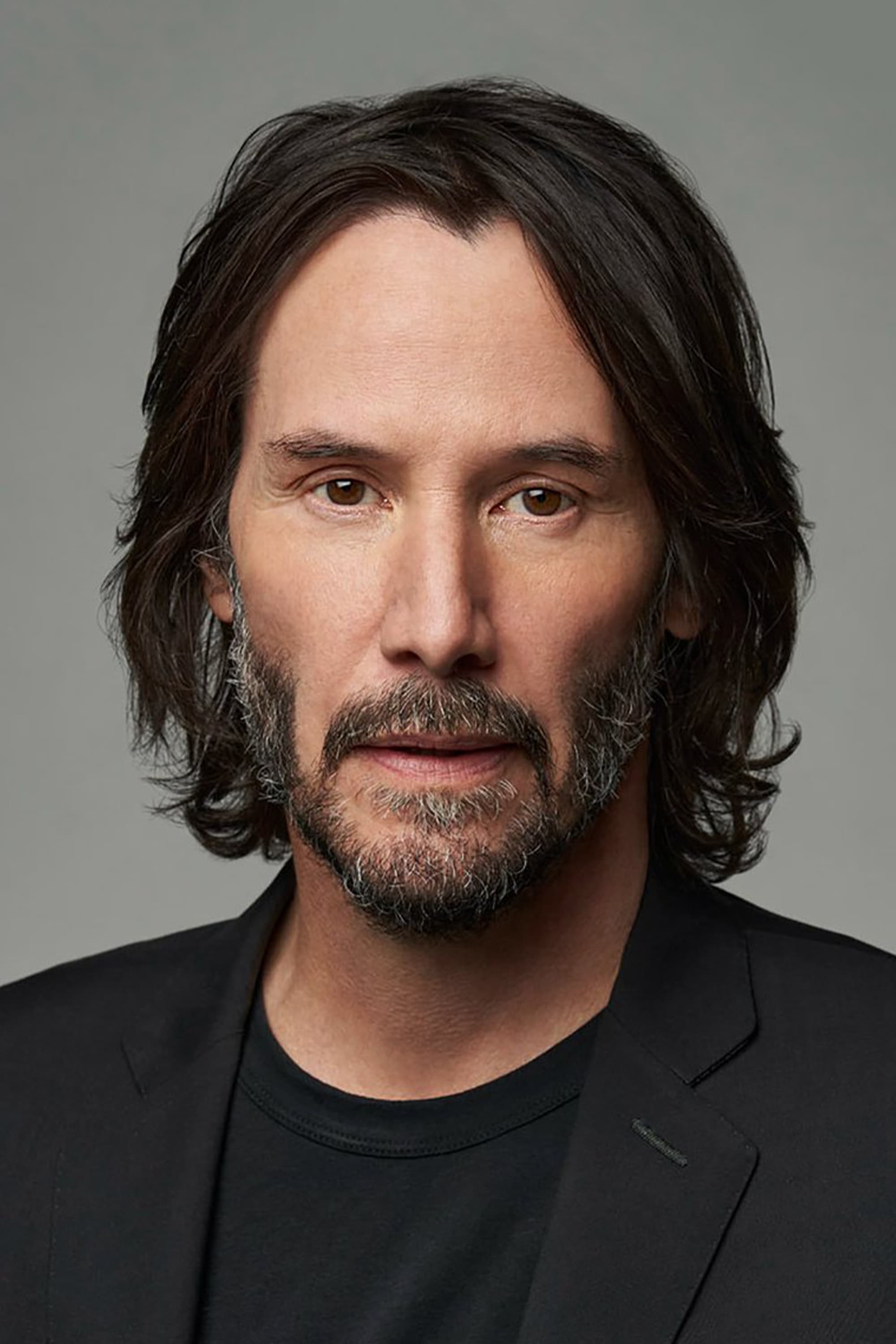
Keanu Reeves combined action stardom with cyberpunk reinvention. He led ‘Speed’, establishing himself as an action lead, then closed the decade by headlining ‘The Matrix’. He balanced that with earlier turns in ‘Point Break’ and legal thriller ‘Devil’s Advocate’. Reeves’s work helped push action choreography and effects-driven storytelling forward.
Kevin Spacey
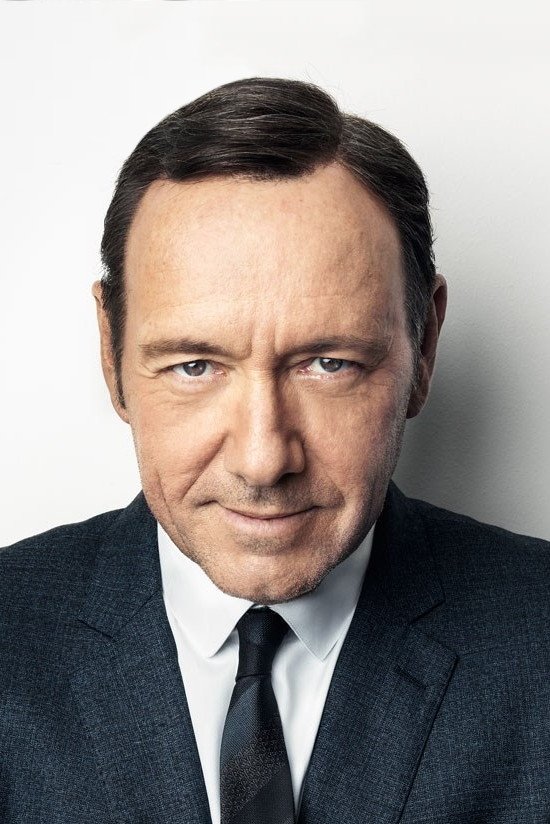
Kevin Spacey became a fixture of acclaimed ensembles and awards seasons. He won Best Supporting Actor for ‘The Usual Suspects’ and appeared in ‘Se7en’. He then earned Best Actor for ‘American Beauty’ and co-starred in ‘L.A. Confidential’. Spacey’s filmography from the period is frequently cited in discussions of modern noir and prestige drama.
Russell Crowe
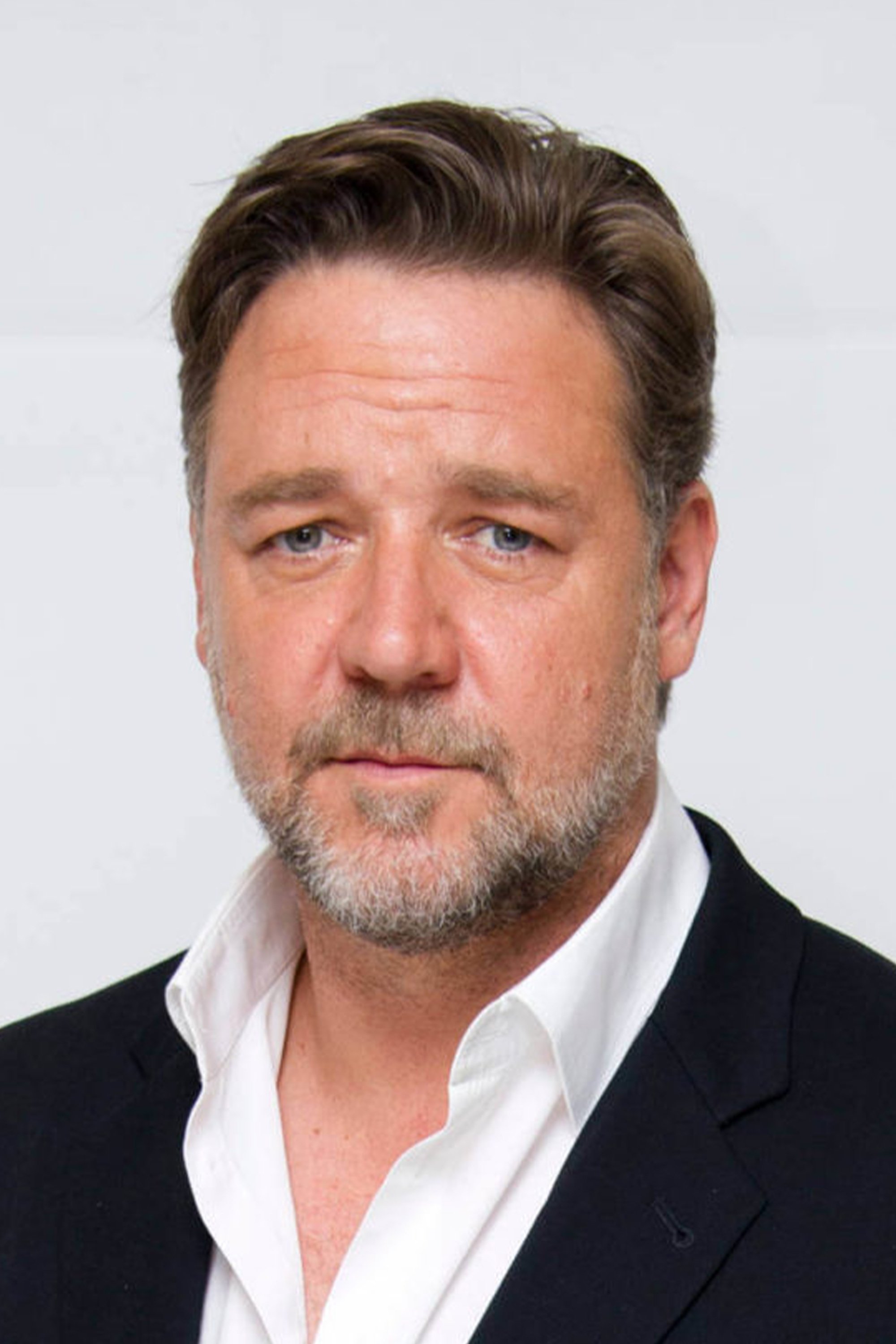
Russell Crowe broke through internationally with a run of acclaimed performances. ‘L.A. Confidential’ introduced him to many global audiences, and ‘The Insider’ brought further awards recognition. He also earned early notice with ‘Romper Stomper’. Crowe’s arrival signaled a new generation of intense, physically grounded leading men.
Edward Norton
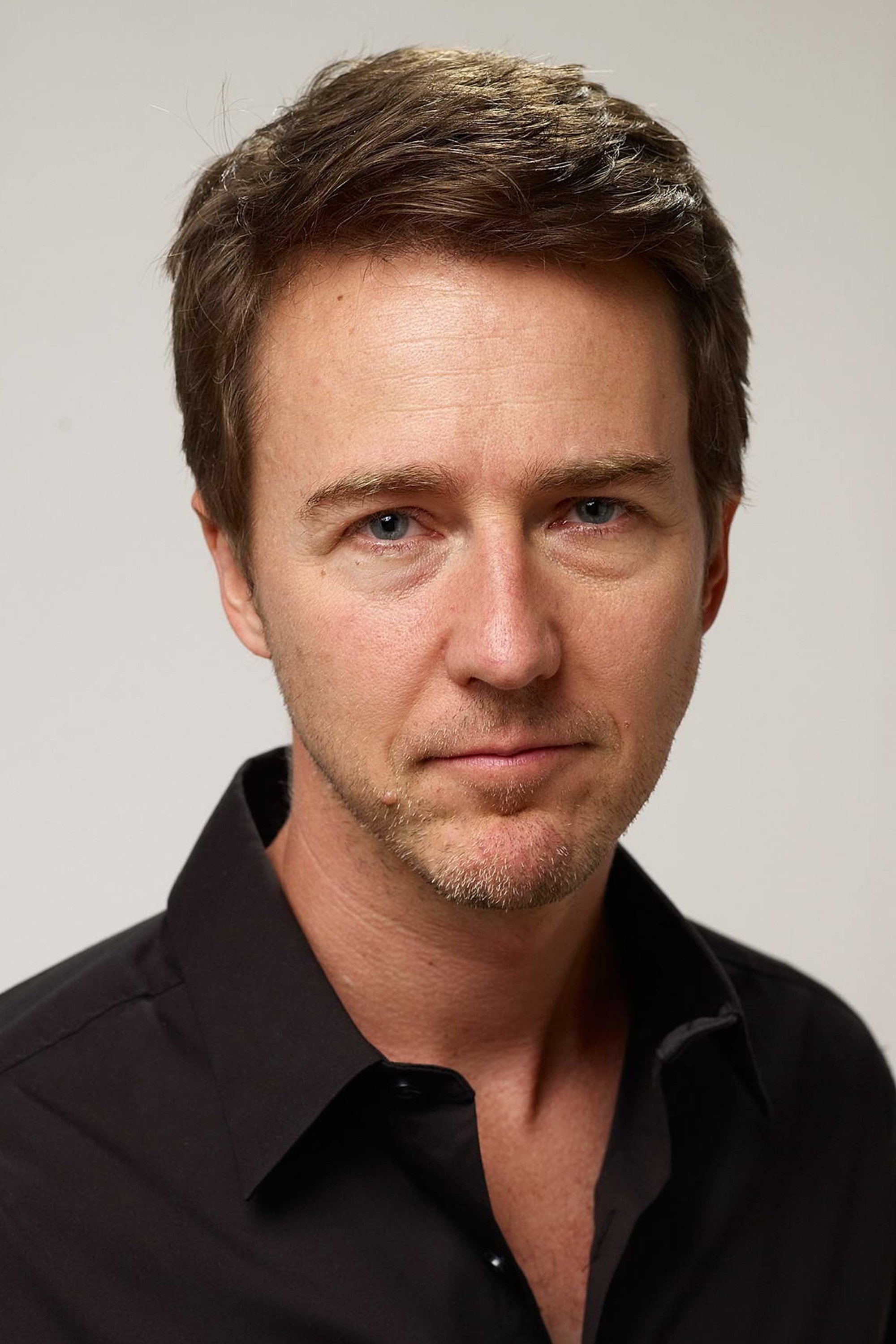
Edward Norton established himself quickly with challenging roles. He debuted with ‘Primal Fear’, then led ‘American History X’ and co-starred in ‘Fight Club’. He also appeared in ‘The People vs. Larry Flynt’. Norton’s choices emphasized psychologically complex characters in director-driven projects.
Matt Damon
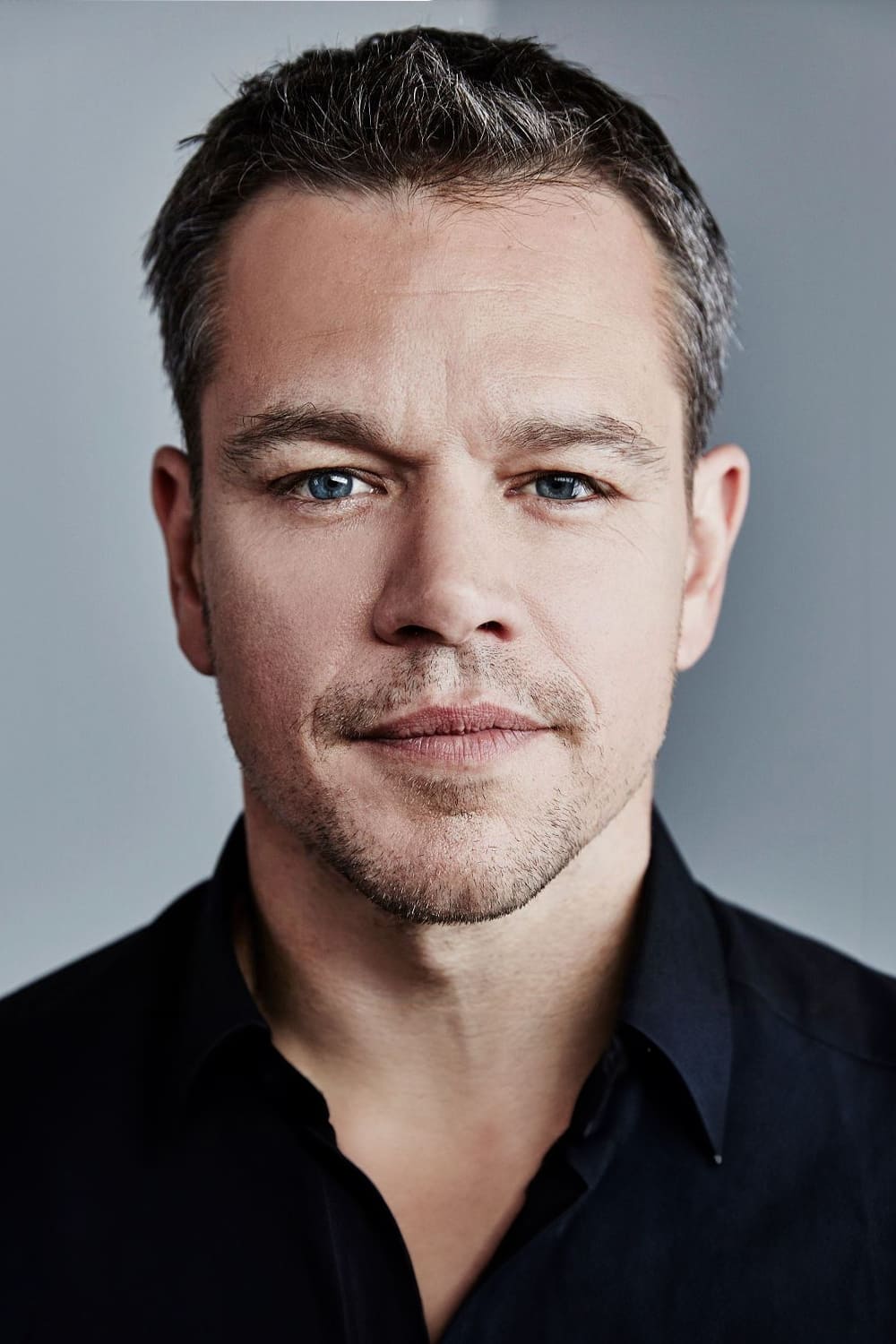
Matt Damon moved from promising screenwriter-actor to leading man in short order. ‘Good Will Hunting’ brought him widespread recognition and awards success. He followed with ‘Saving Private Ryan’ and the psychological thriller ‘The Talented Mr. Ripley’. Damon’s ascent helped sustain the decade’s appetite for intelligent, performance-led dramas.
Ben Affleck
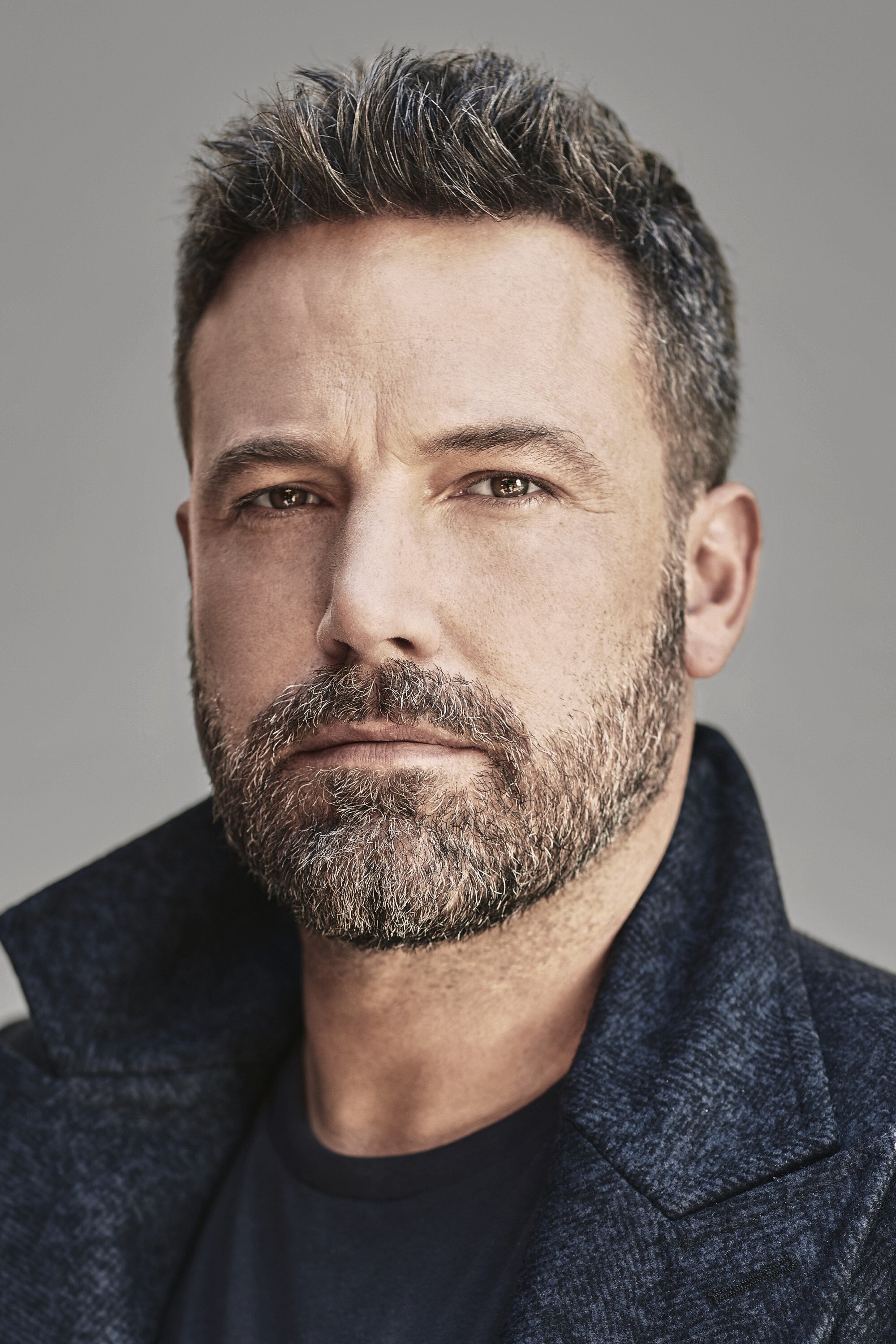
Ben Affleck advanced as both actor and writer during the decade. He co-wrote ‘Good Will Hunting’, while acting in ‘Chasing Amy’ and ‘Dogma’ for Kevin Smith. He also starred in major hits like ‘Armageddon’ and appeared in ‘Shakespeare in Love’. Affleck’s dual-track career illustrated how creative control could grow alongside stardom.
Pierce Brosnan
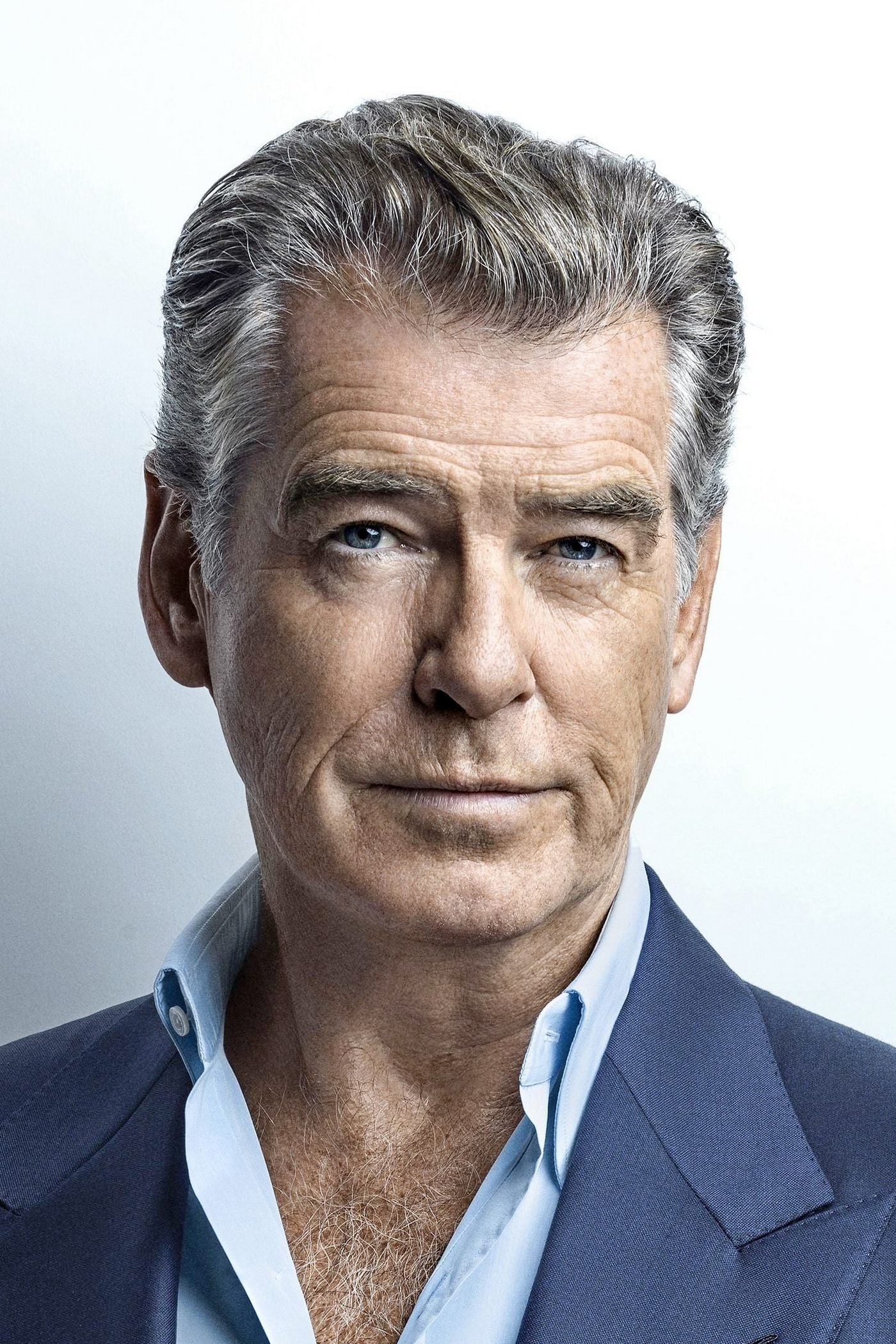
Pierce Brosnan revitalized a storied spy franchise and broadened his range in genre films. He introduced a new era of 007 with ‘GoldenEye’, then continued with ‘Tomorrow Never Dies’ and ‘The World Is Not Enough’. Outside the tuxedo, he led disaster thriller ‘Dante’s Peak’ and joined ensemble sci-fi comedy ‘Mars Attacks!’. Brosnan’s tenure helped reestablish global spy action as a reliable draw.
Arnold Schwarzenegger
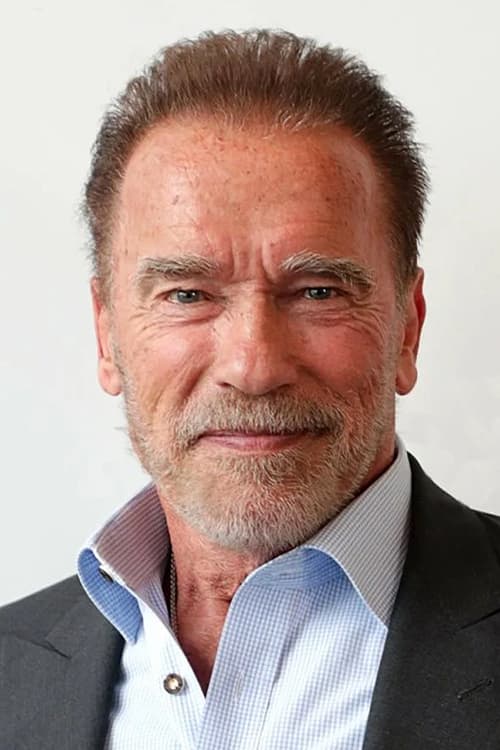
Arnold Schwarzenegger sustained action megastar status while experimenting with tone. He led ‘Terminator 2: Judgment Day’, followed with ‘True Lies’, and headlined ‘Eraser’ and ‘Last Action Hero’. He also ventured into franchise and comic-book territory with ‘Batman & Robin’. Schwarzenegger’s films remained central to worldwide action distribution strategies.
Jackie Chan
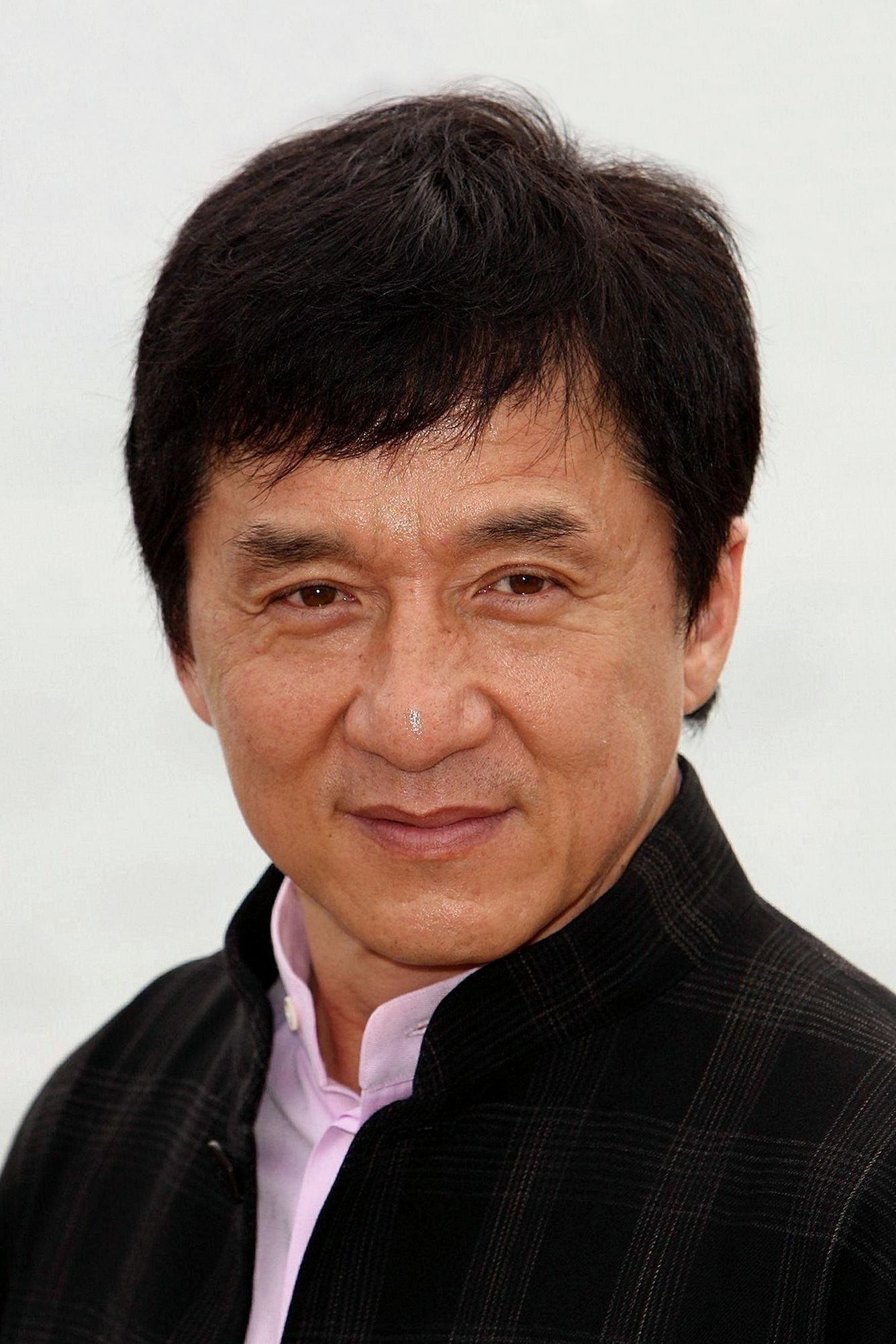
Jackie Chan expanded from Asian markets to mainstream Hollywood prominence. ‘Rumble in the Bronx’ accelerated his North American breakthrough, followed by ‘Rush Hour’ for mass audiences. His blend of martial arts, stunt work, and physical comedy set him apart from contemporaries. The decade’s releases introduced many viewers to his Hong Kong filmography, including entries from ‘Police Story’ and ‘Drunken Master’ cycles.
Chow Yun-fat
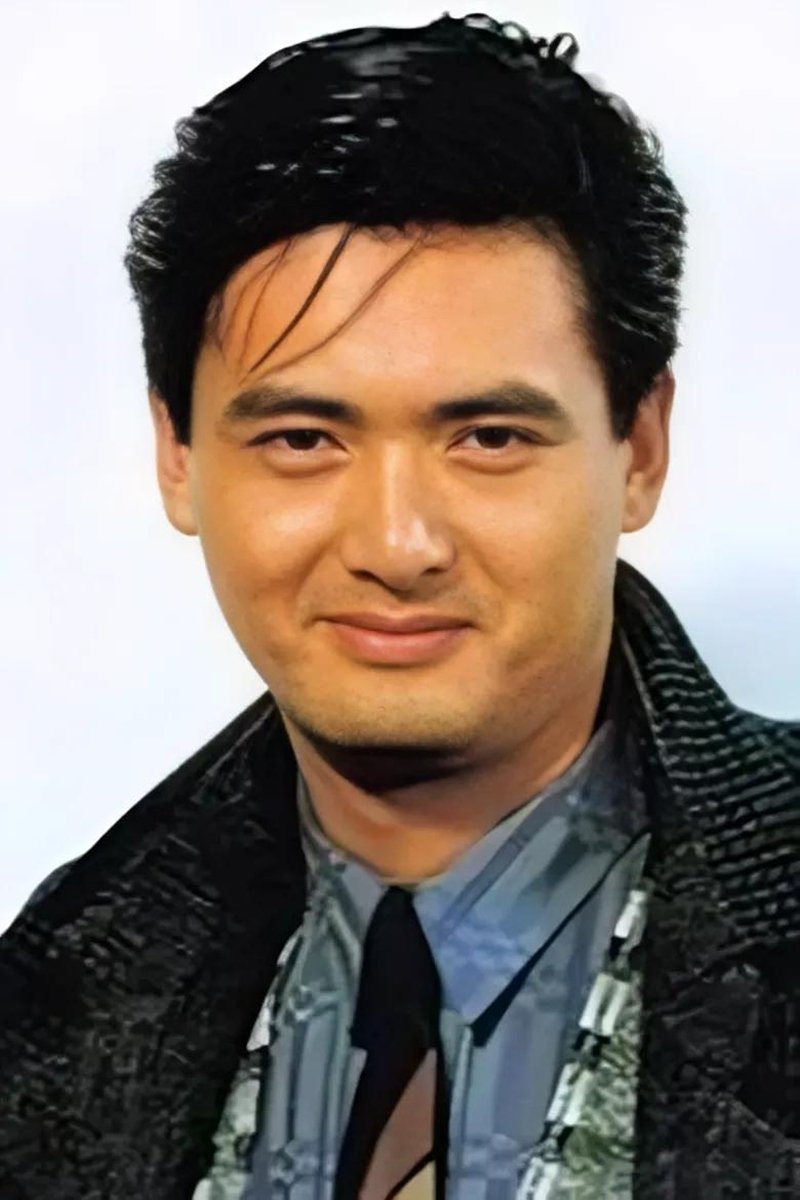
Chow Yun-fat brought Hong Kong heroic-bloodshed cinema to international attention. He partnered with John Woo on ‘Hard Boiled’ and then crossed to Hollywood with ‘The Replacement Killers’. He also headlined historical epic ‘Anna and the King’. His screen presence and collaborations helped influence action aesthetics far beyond regional markets.
Harrison Ford
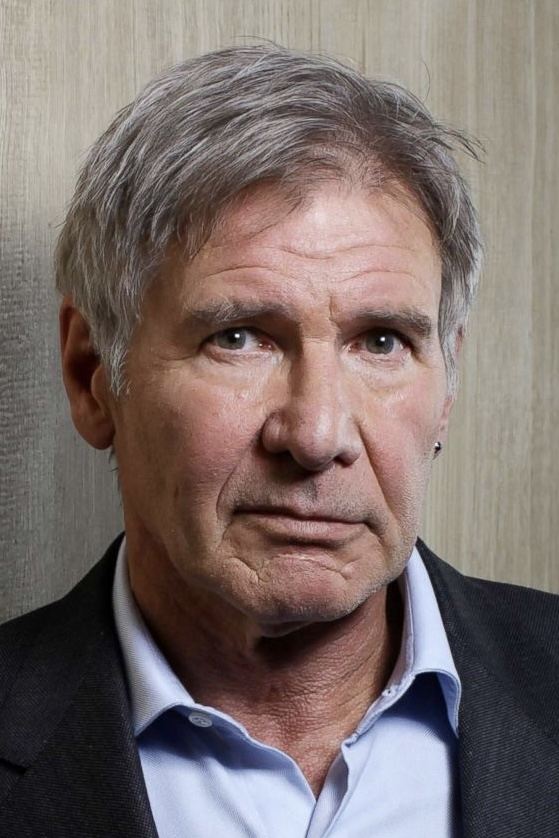
Harrison Ford sustained blockbuster momentum across action and drama while transitioning into mentor and ensemble roles. He fronted major thrillers like ‘The Fugitive’ and ‘Patriot Games’, then returned for ‘Clear and Present Danger’. Ford also led romantic dramas such as ‘Sabrina’ and worked in political thrillers like ‘Air Force One’. His dependable global draw kept character-driven action firmly in the studio mainstream.
Mel Gibson
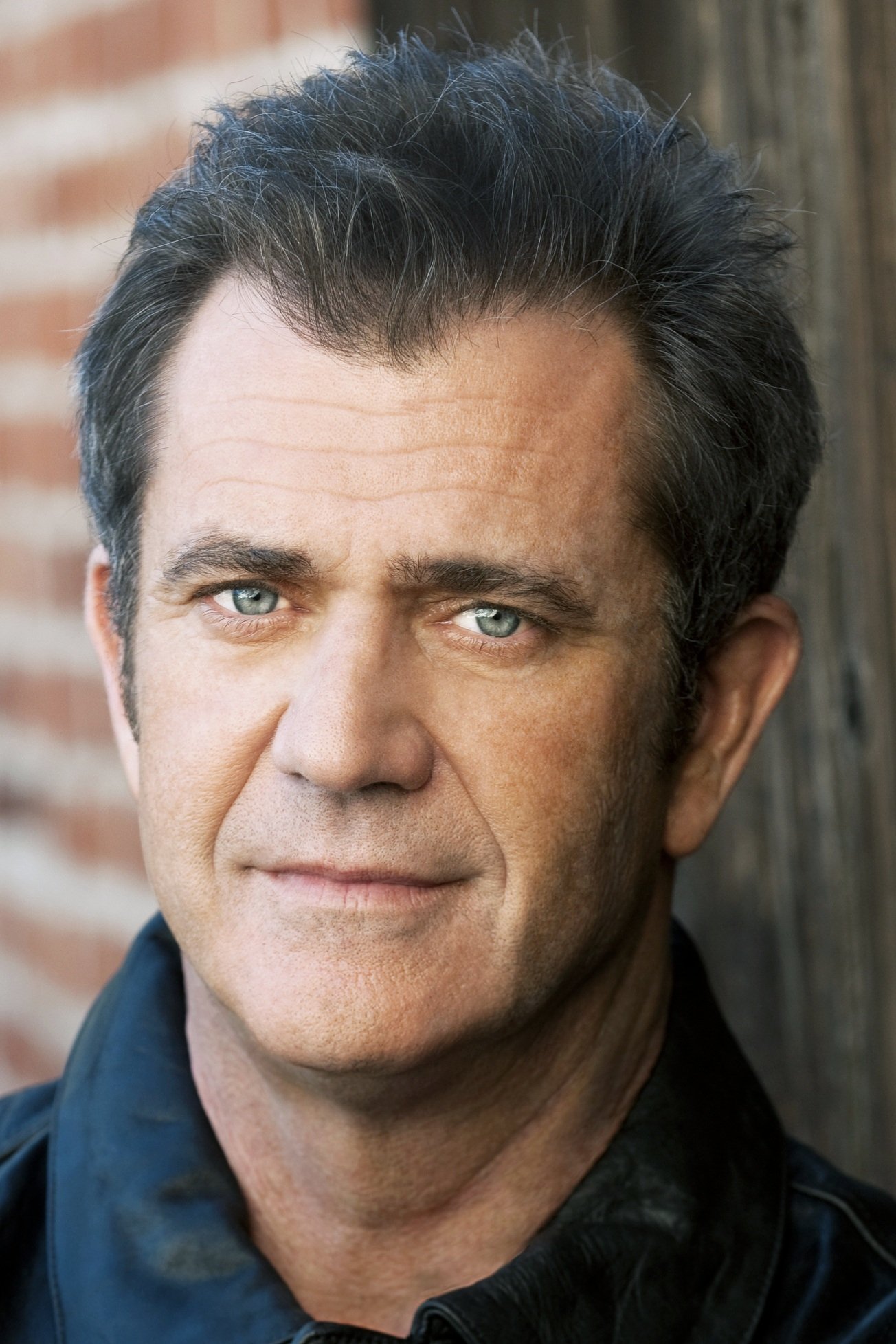
Mel Gibson paired megastar turns with behind-the-camera ambition during the decade. He headlined action vehicles like ‘Lethal Weapon 3’ and ‘Ransom’, then directed and starred in ‘Braveheart’, which earned major awards recognition. Gibson also balanced historical epics with contemporary thrillers, maintaining a strong international box-office profile. His work helped reaffirm large-scale historical dramas as event releases.
Gary Oldman
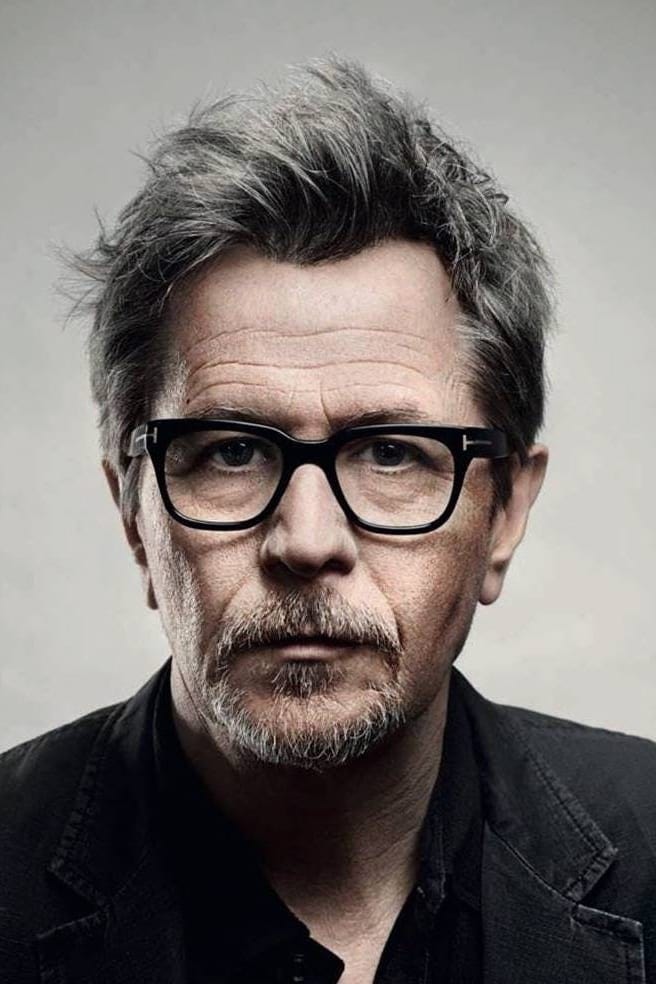
Gary Oldman became a go-to performer for complex antagonists and intense character studies. He delivered memorable roles in ‘Bram Stoker’s Dracula’, ‘Léon: The Professional’, and ‘The Fifth Element’. Oldman also appeared in ensemble crime and political dramas like ‘True Romance’ and ‘JFK’. His versatility made him a frequent choice for directors seeking distinctive, high-impact performances.
Daniel Day-Lewis
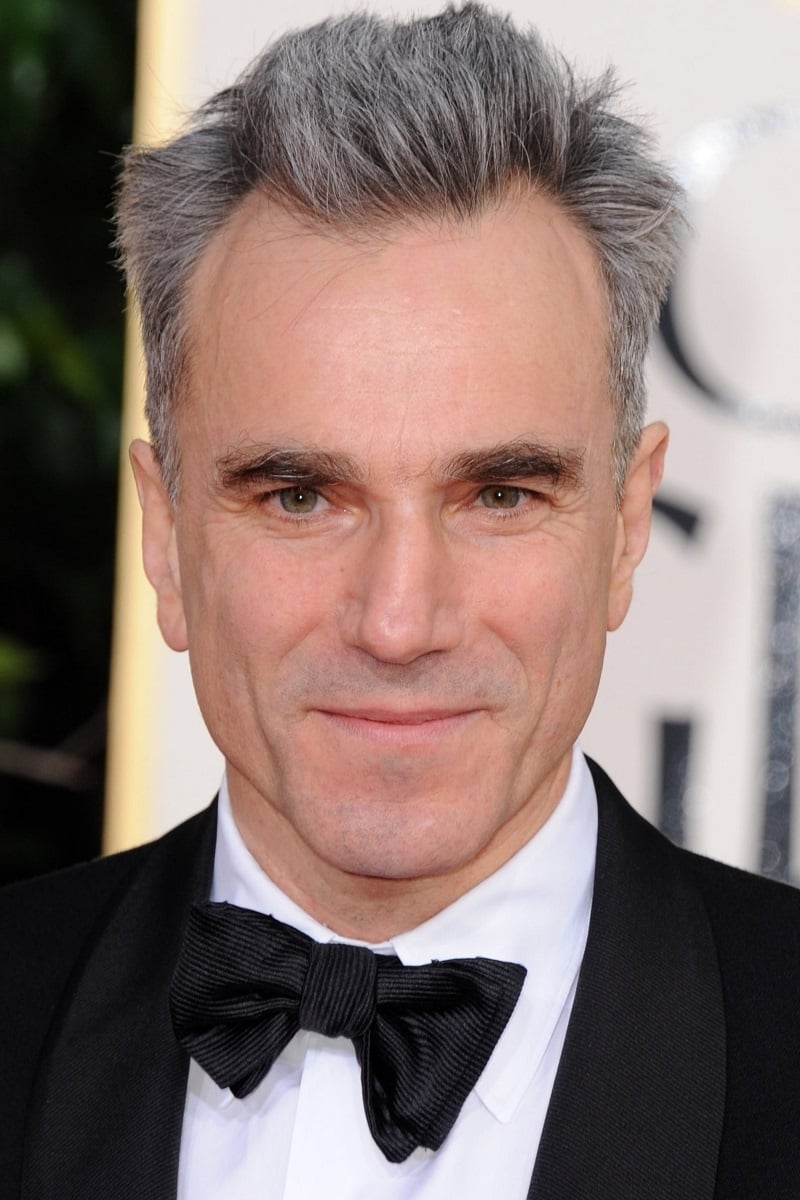
Daniel Day-Lewis solidified a reputation for meticulous preparation and transformative roles. He led frontier adventure with ‘The Last of the Mohicans’ and explored period drama in ‘The Age of Innocence’. Day-Lewis also took on charged historical material with ‘In the Name of the Father’. His selective approach kept each release positioned as a significant artistic event.
John Travolta
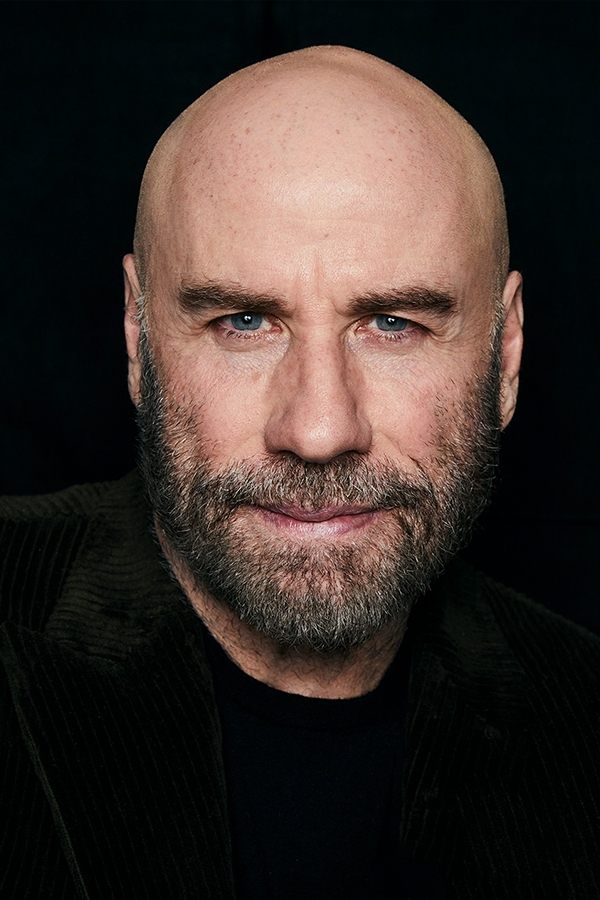
John Travolta staged one of the decade’s most notable career resurgences. ‘Pulp Fiction’ reintroduced him to global audiences and opened a new run of leading roles. He followed with stylized action and thrillers including ‘Face/Off’, ‘Broken Arrow’, and ‘Get Shorty’. Travolta’s comeback underscored the power of standout ensemble work to reshape star trajectories.
Kevin Costner
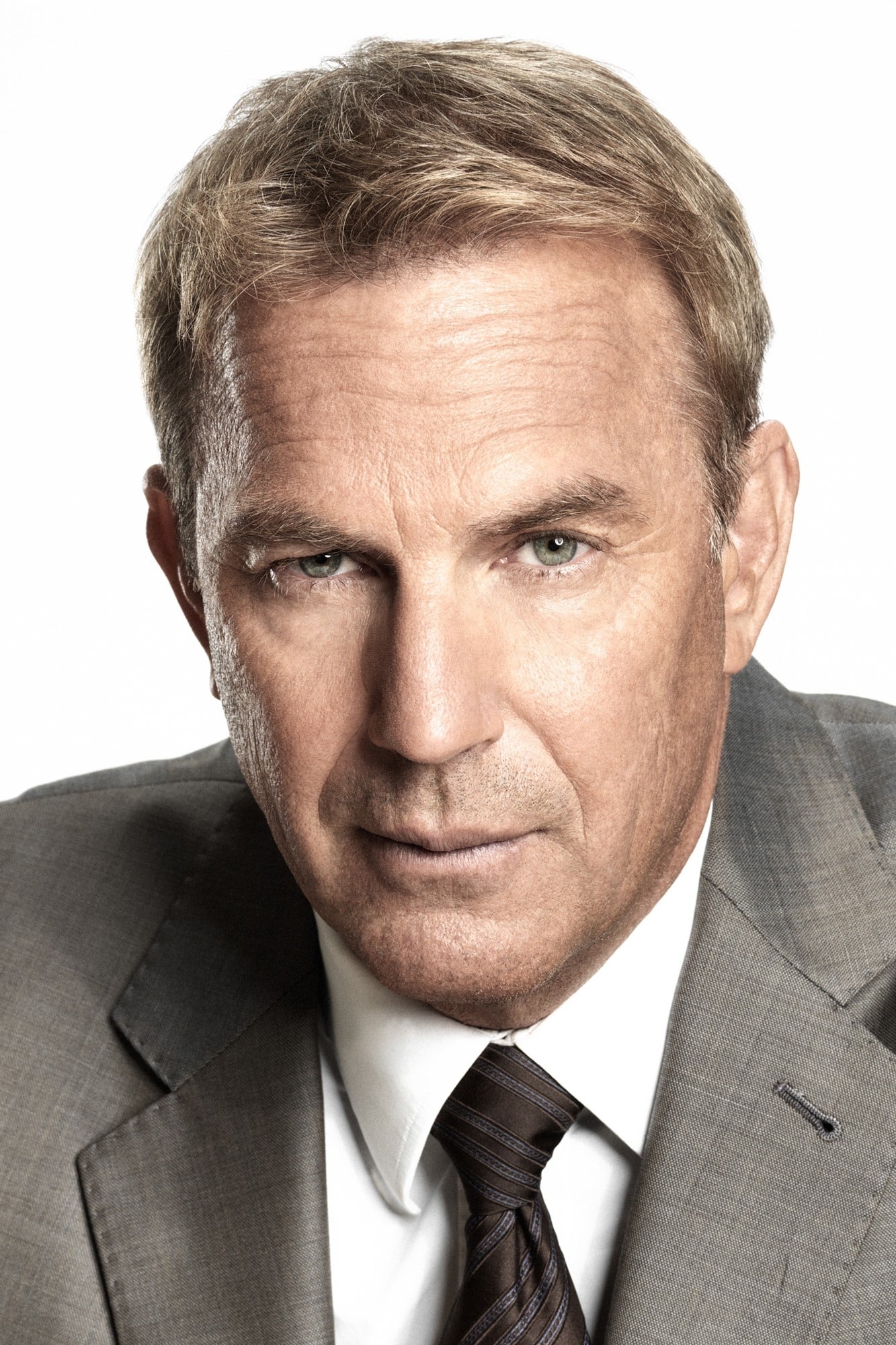
Kevin Costner carried both prestige dramas and commercial hits through the early and mid-1990s. He anchored ‘Dances with Wolves’ as actor-director, then tackled political intrigue in ‘JFK’ and romantic blockbuster territory with ‘The Bodyguard’. Costner continued with large-scale projects like ‘Robin Hood: Prince of Thieves’ and post-apocalyptic epics. His films demonstrated sustained audience appetite for epic storytelling led by recognizable stars.
Sean Connery
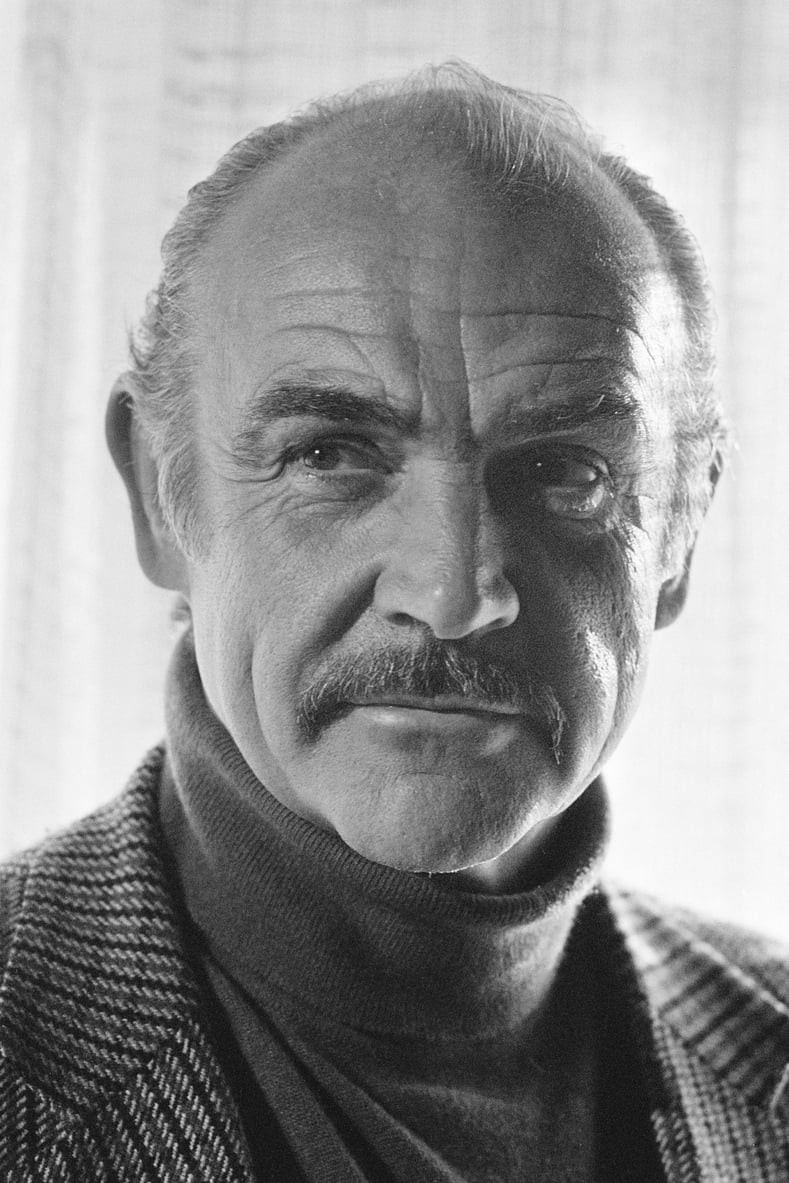
Sean Connery transitioned gracefully from earlier franchise fame into authoritative leads and mentor figures. He headlined espionage and action thrillers such as ‘The Hunt for Red October’ and ‘The Rock’. Connery also explored caper and romance with ‘Entrapment’ and supported character-driven pieces like ‘Rising Sun’. His presence lent gravitas to a range of high-profile studio releases.
Wesley Snipes
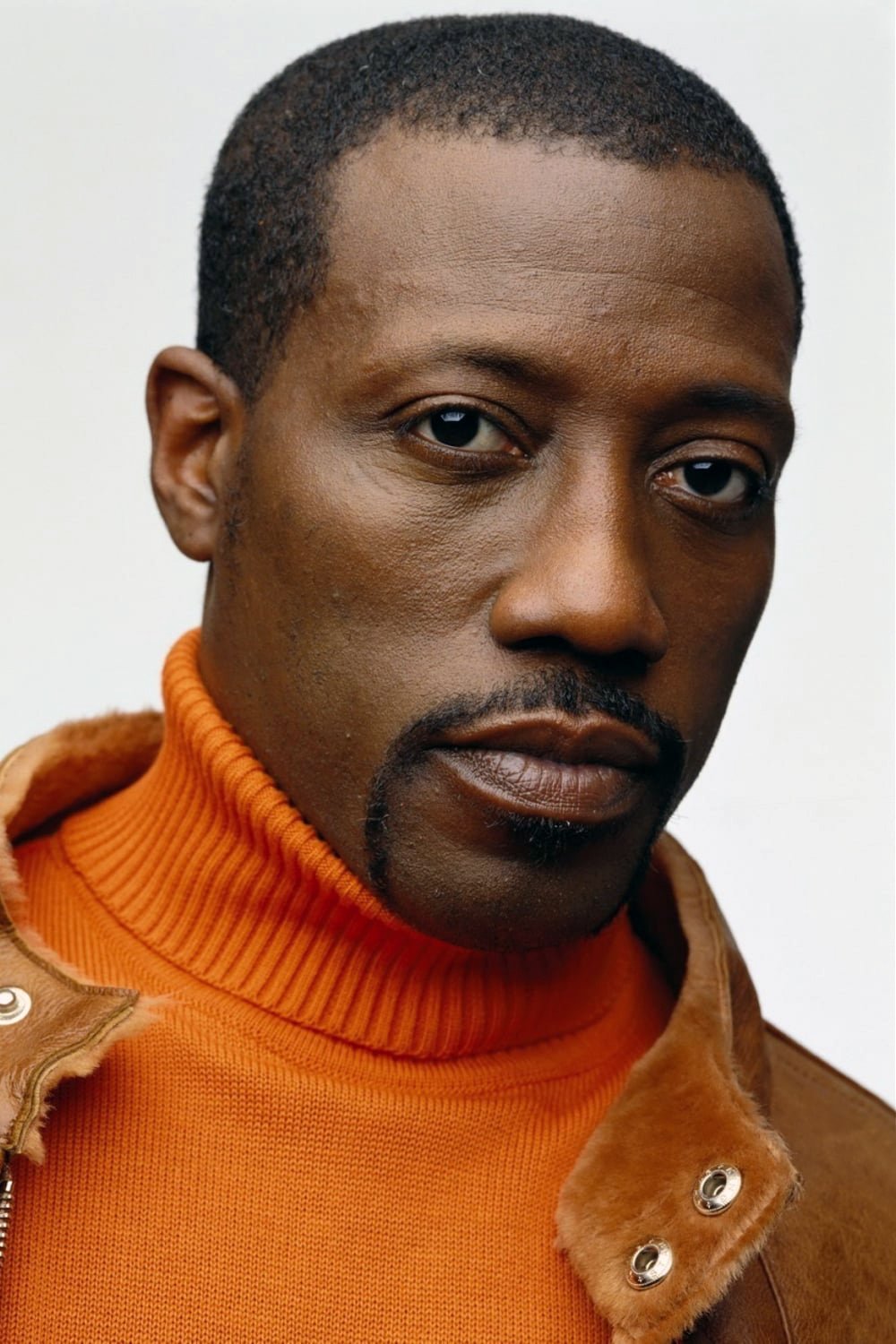
Wesley Snipes mixed action leadership with crime drama and early comic-book cinema. He broke out in urban crime stories like ‘New Jack City’ and sustained momentum with ‘Passenger 57’ and ‘Demolition Man’. Snipes then helped launch modern superhero films with ‘Blade’. His athletic screen persona and fight choreography kept action films energetic and contemporary.
Jean-Claude Van Damme
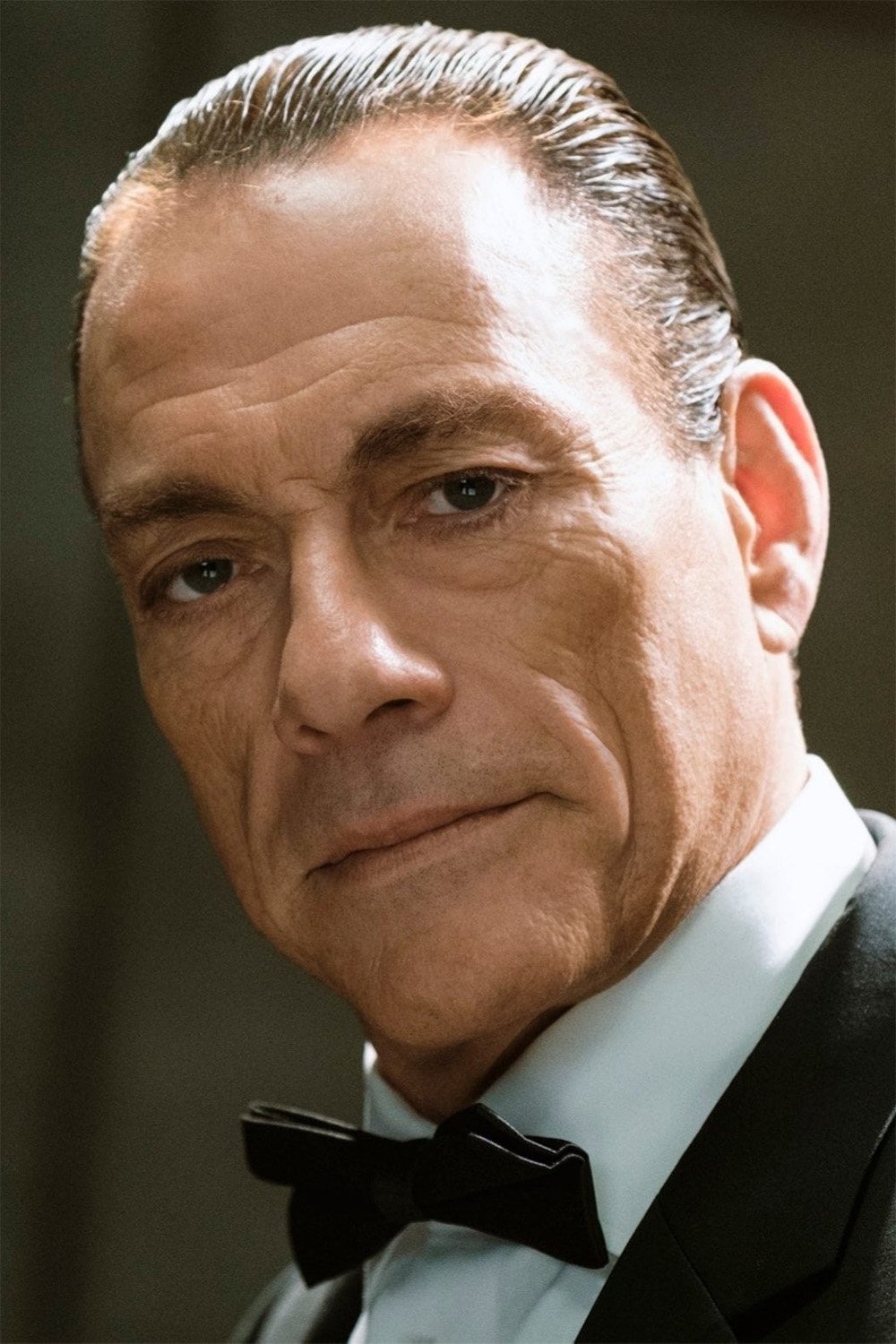
Jean-Claude Van Damme became a reliable international action lead with a steady output of mid- to big-budget vehicles. He toplined ‘Universal Soldier’, ‘Timecop’, and ‘Hard Target’, working with notable directors and stunt teams. Van Damme’s films emphasized martial-arts choreography and high-concept premises that traveled well globally. His cross-market appeal helped shape the decade’s action distribution strategies.
Steven Seagal
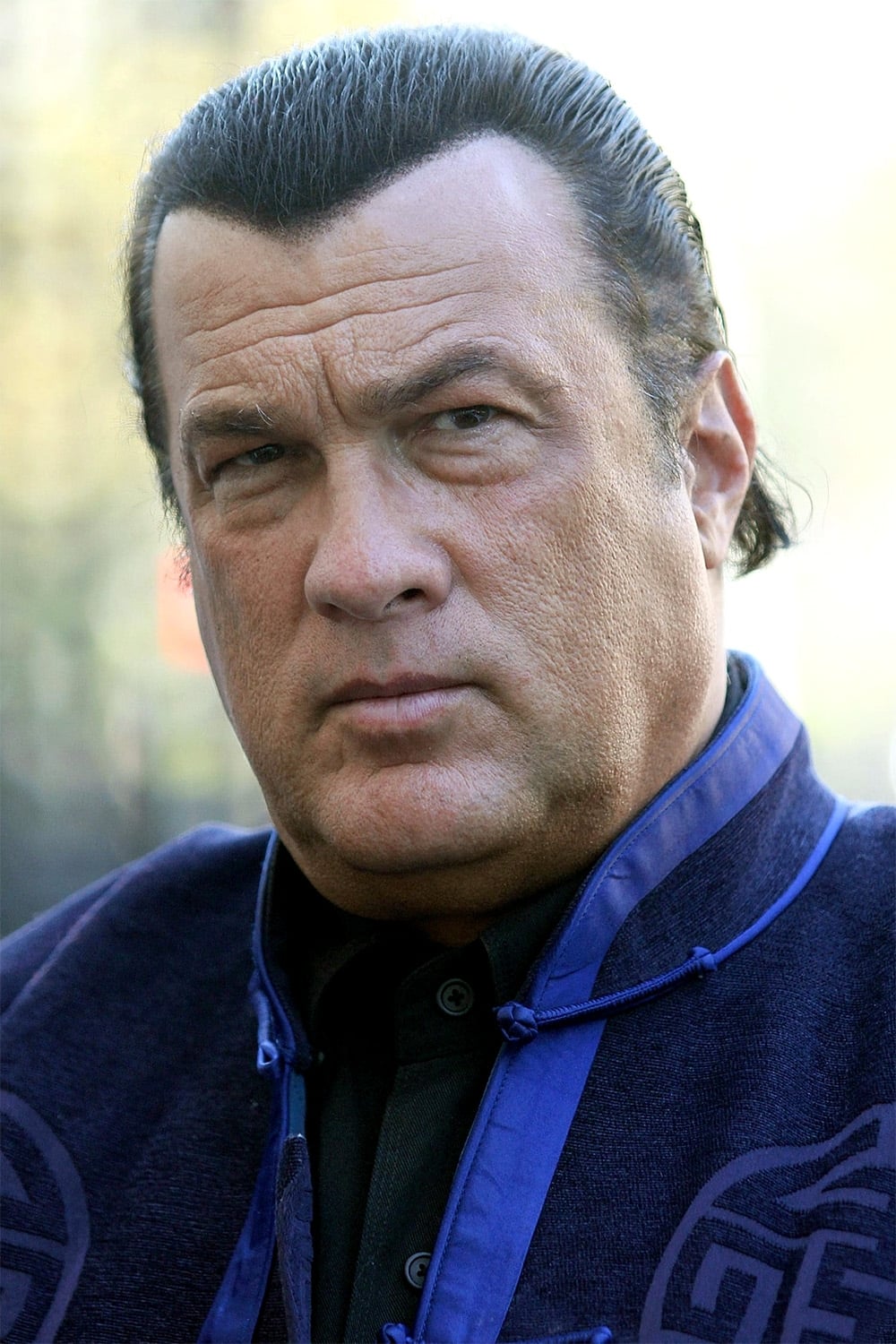
Steven Seagal maintained a strong presence in straightforward, high-stakes action. He led ‘Under Siege’ and followed with titles like ‘On Deadly Ground’ and ‘Under Siege 2’. Seagal also appeared in ensemble disaster-thrillers such as ‘Executive Decision’. His films delivered a consistent blend of close-quarters combat and military-adjacent plots that resonated with genre audiences.
Antonio Banderas
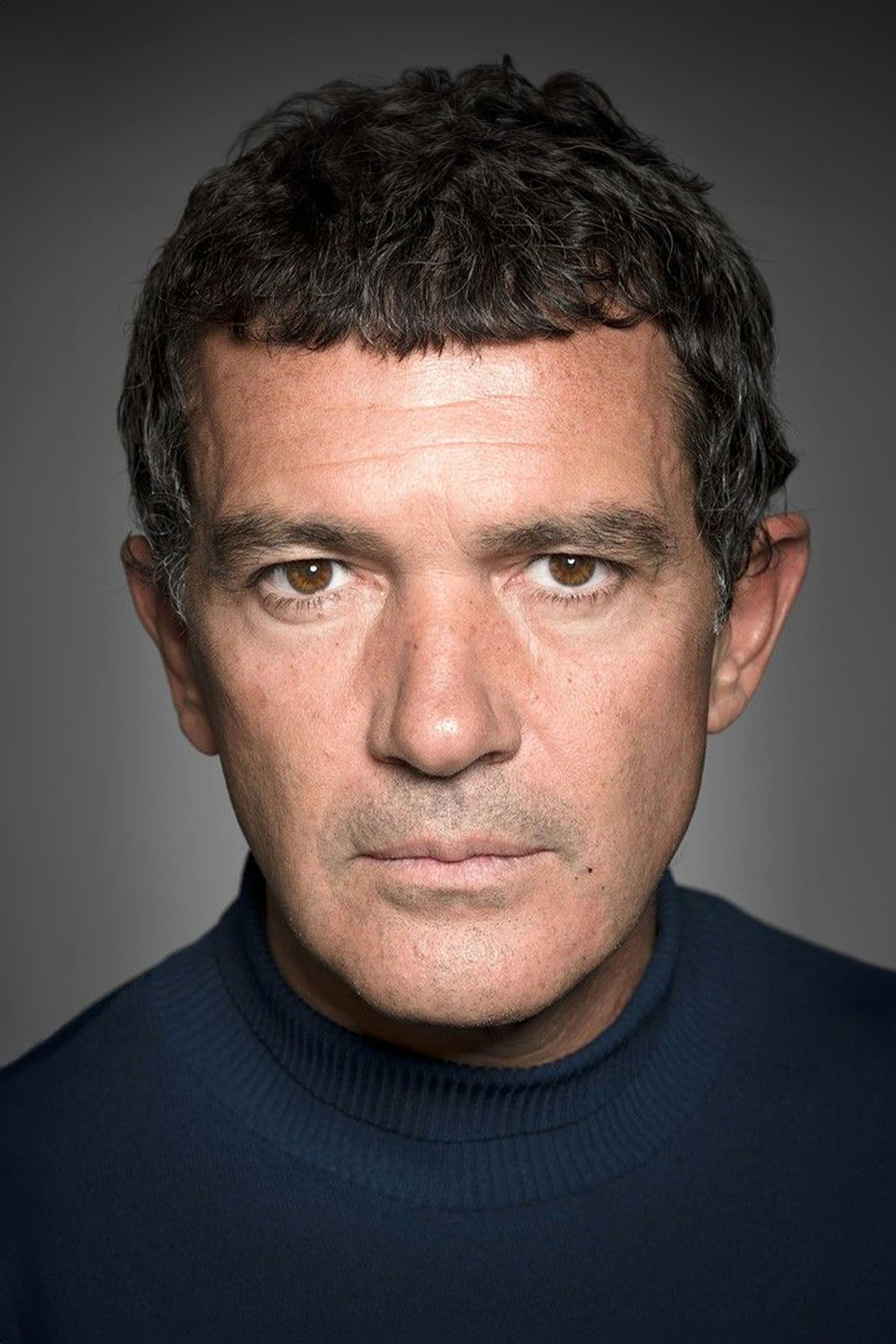
Antonio Banderas expanded from Spanish-language cinema to international stardom. He collaborated with Robert Rodriguez on ‘Desperado’ and later took up swashbuckling adventure in ‘The Mask of Zorro’. Banderas also joined high-profile ensembles in ‘Interview with the Vampire’ and character-driven dramas like ‘Philadelphia’. His bilingual reach and genre flexibility broadened casting possibilities across markets.
Adam Sandler
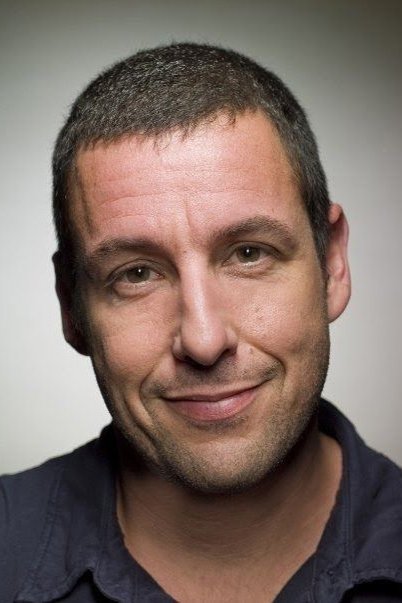
Adam Sandler led a new wave of studio comedies built around distinctive comic personas. He headlined hits such as ‘Billy Madison’, ‘Happy Gilmore’, ‘The Waterboy’, and ‘Big Daddy’. Sandler’s films connected with younger audiences while delivering strong ancillary and home-video performance. His success encouraged studios to back star-driven comedies with simple hooks and repeatable appeal.
Ewan McGregor
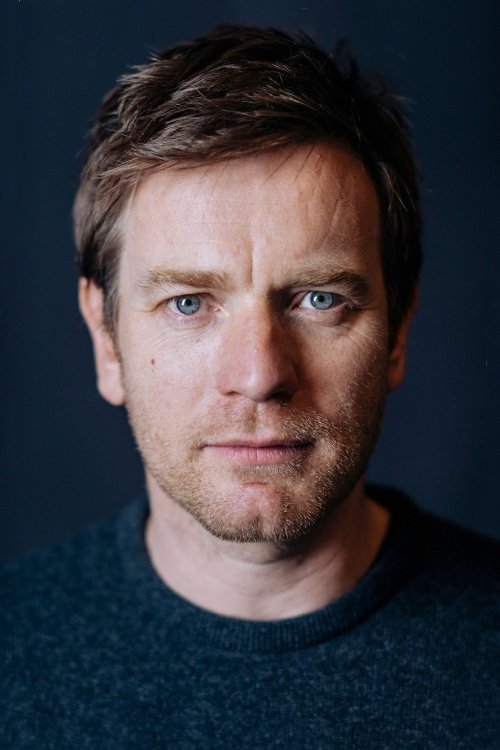
Ewan McGregor emerged from U.K. independent cinema into global recognition. He collaborated with Danny Boyle on ‘Shallow Grave’ and ‘Trainspotting’, which became cultural touchstones. McGregor then bridged to tentpole territory as Obi-Wan Kenobi in ‘Star Wars: Episode I – The Phantom Menace’. His trajectory showed how indie credibility could translate into franchise-scale casting.
Ethan Hawke
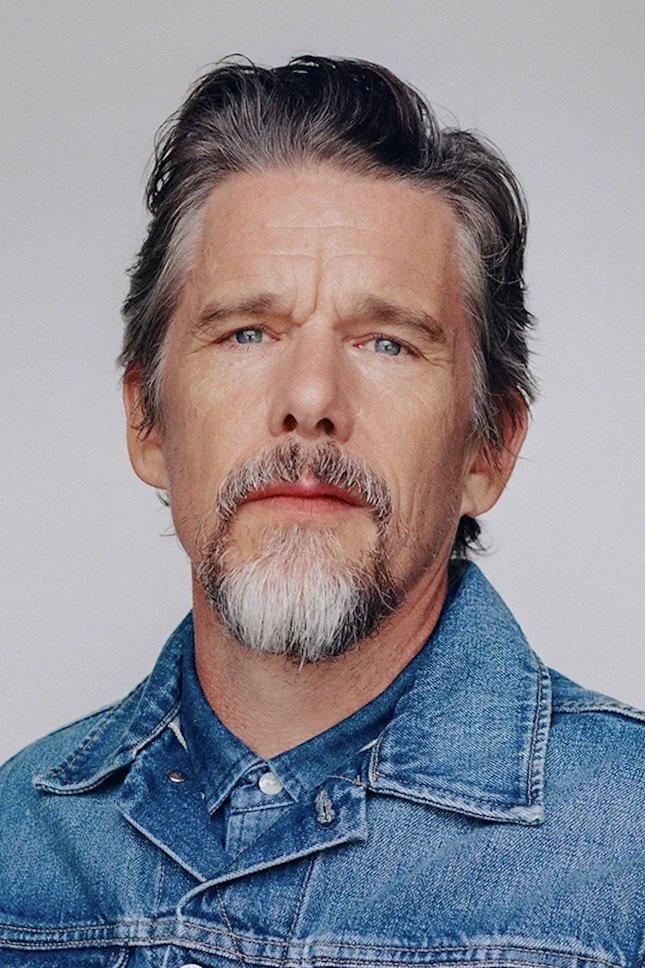
Ethan Hawke built a diverse 1990s résumé across romance, sci-fi, and ensemble drama. He co-led ‘Before Sunrise’, connected with a generation in ‘Reality Bites’, and fronted speculative fiction with ‘Gattaca’. Hawke also appeared in literary adaptations such as ‘Great Expectations’. His choices reinforced the decade’s space for thoughtful, youth-oriented adult dramas.
Liam Neeson
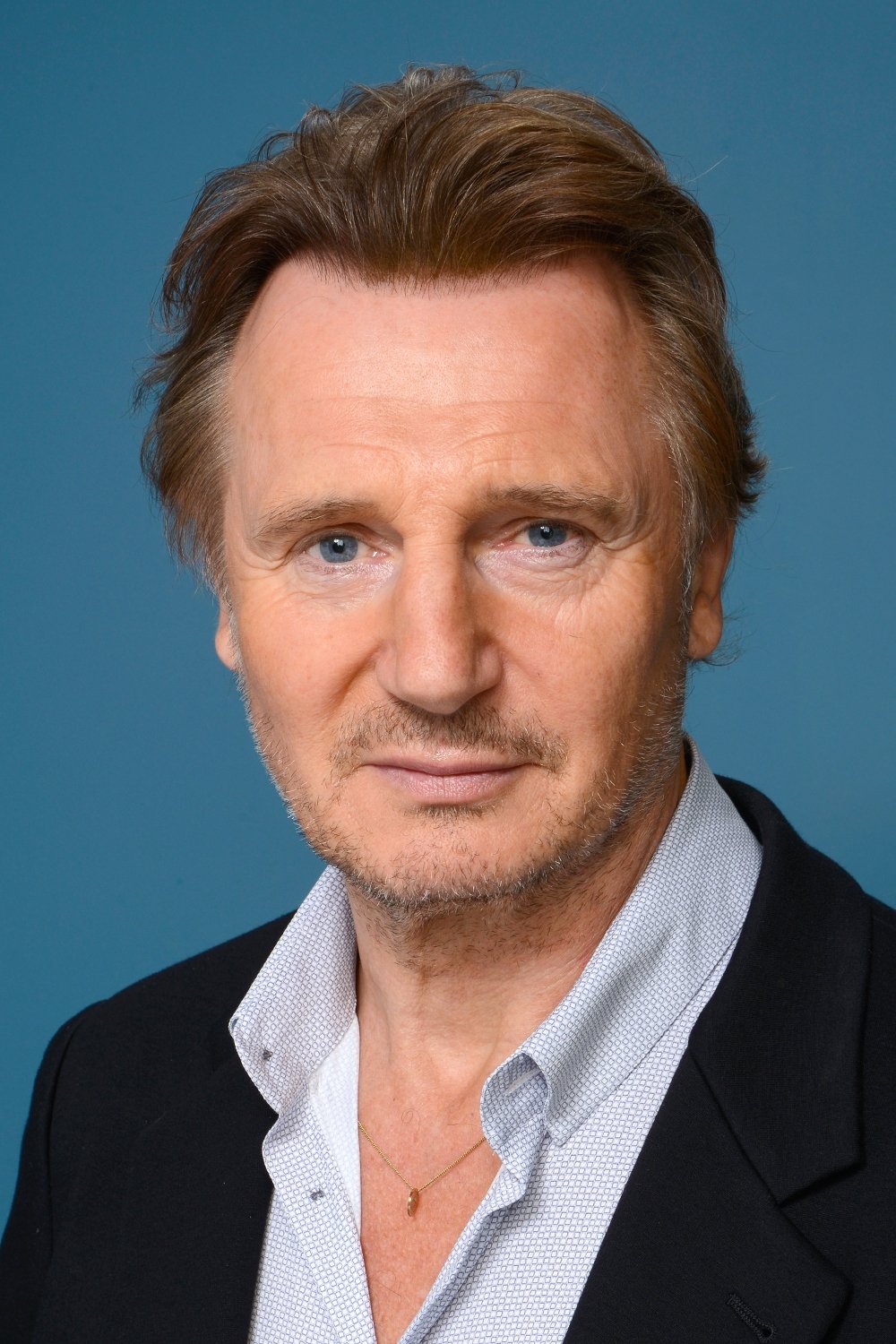
Liam Neeson became synonymous with commanding, morally centered leads. He headlined ‘Schindler’s List’ to widespread acclaim, then portrayed revolutionary leadership in ‘Michael Collins’. Neeson also stepped into franchise territory with ‘Star Wars: Episode I – The Phantom Menace’ and led high-concept thrillers like ‘Darkman’. His work provided a bridge between prestige drama and large-scale genre filmmaking.
Share which 1990s actor shaped your moviegoing the most in the comments!

