


The Most Influential Actors of the 2000s

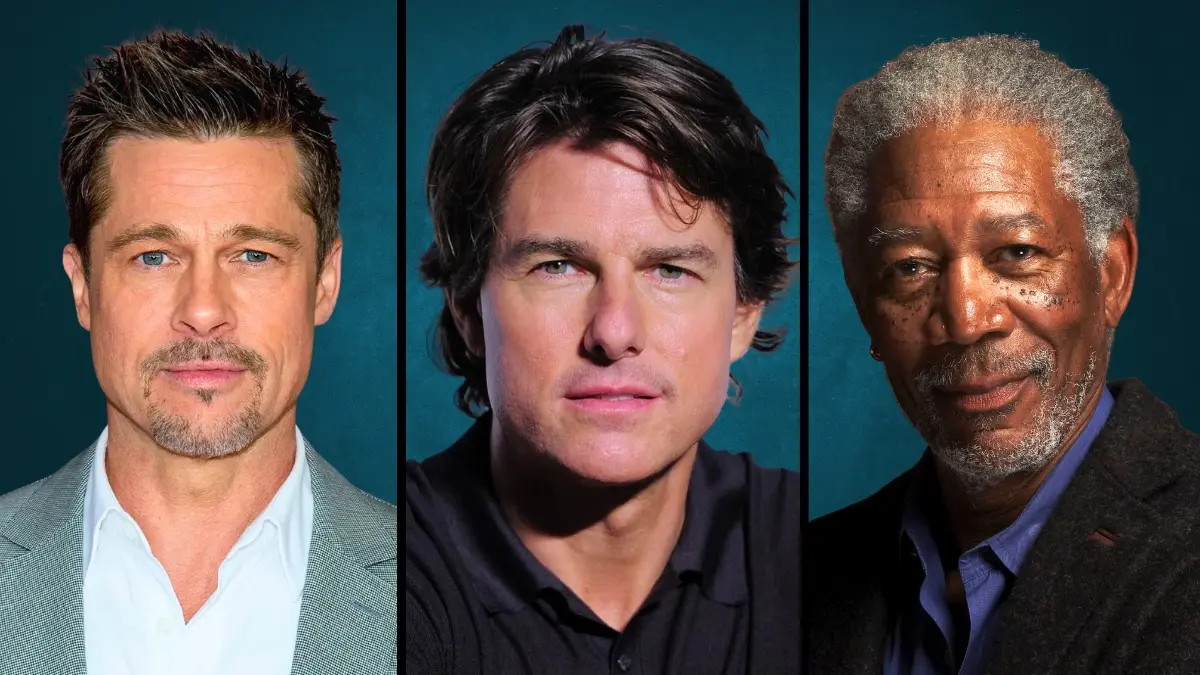


The 2000s reshaped global cinema, with franchises exploding, prestige dramas thriving, and international markets transforming what counted as a hit. The actors below anchored blockbuster series, carried awards-season dramas, and expanded what leading men could do across genres and regions. Their projects set box-office benchmarks, introduced enduring characters, and influenced casting trends and studio strategy. Here’s a look at the men whose work defined that decade on screens worldwide.
Tom Cruise
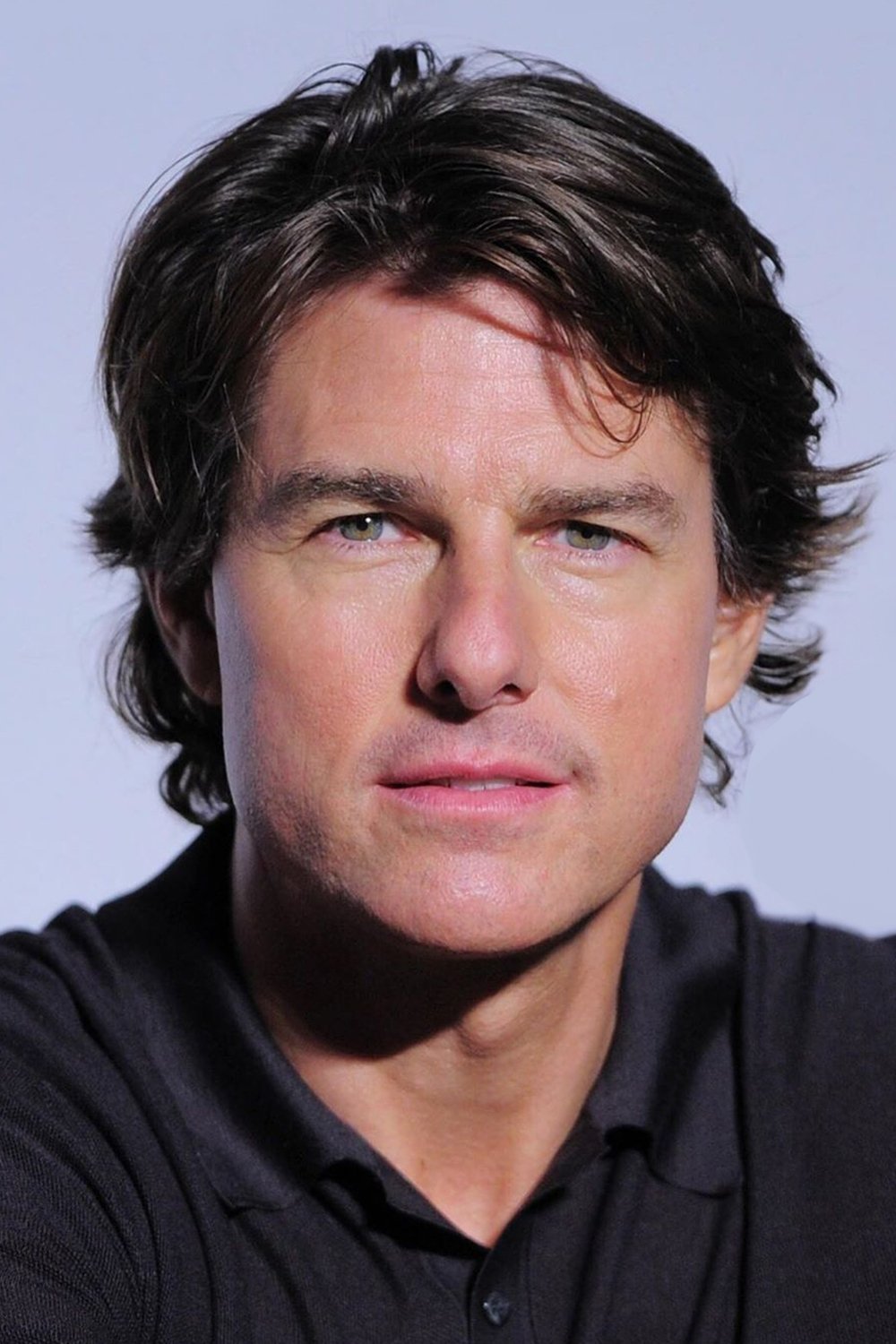
Tom Cruise sustained marquee power with the continuing ‘Mission: Impossible’ series while headlining large-scale sci-fi and action dramas that drew international audiences. He collaborated with top directors across thriller and drama, maintaining consistent global grosses. His producer role on major tentpoles helped shape modern franchise planning. Cruise’s blend of practical stunt work and careful brand management kept action spectacle central to mainstream filmmaking.
Leonardo DiCaprio
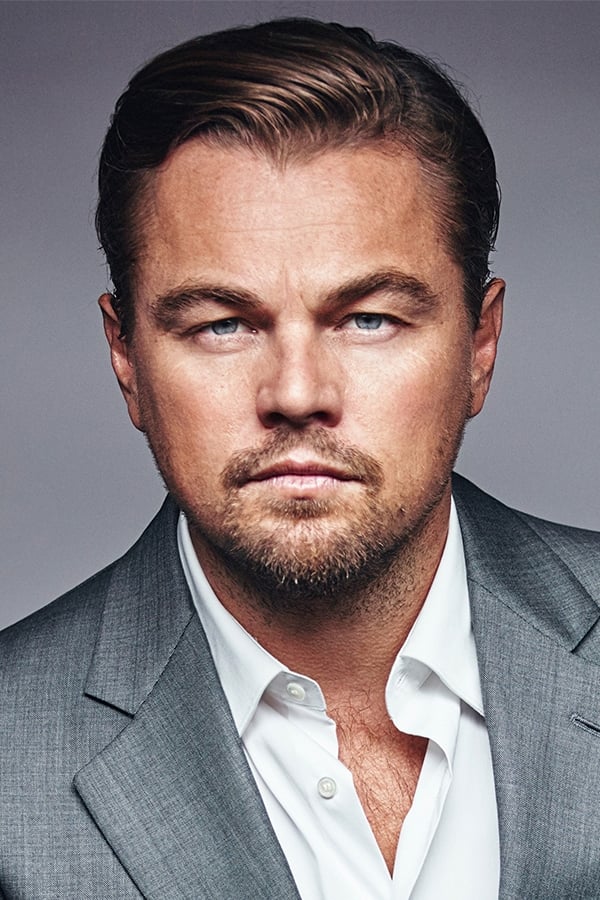
Leonardo DiCaprio pivoted from teen idol to adult lead through collaborations with top auteurs, driving high-profile thrillers and biographical dramas. His films frequently paired commercial success with awards recognition, strengthening the case for ambitious event cinema beyond superheroes. DiCaprio’s choices helped popularize complex, twisty thrillers for mass audiences. He also influenced the rise of environmentally focused celebrity advocacy tied to film releases.
Denzel Washington

Denzel Washington balanced muscular thrillers with character-driven dramas, delivering performances that drew both critical acclaim and strong attendance. He also expanded into directing, signaling a path for actors to shape stories behind the camera. Washington’s name above the title repeatedly translated to reliable mid-to-high-budget returns. His career reinforced the viability of adult-skewing, star-led dramas in multiplexes.
Brad Pitt
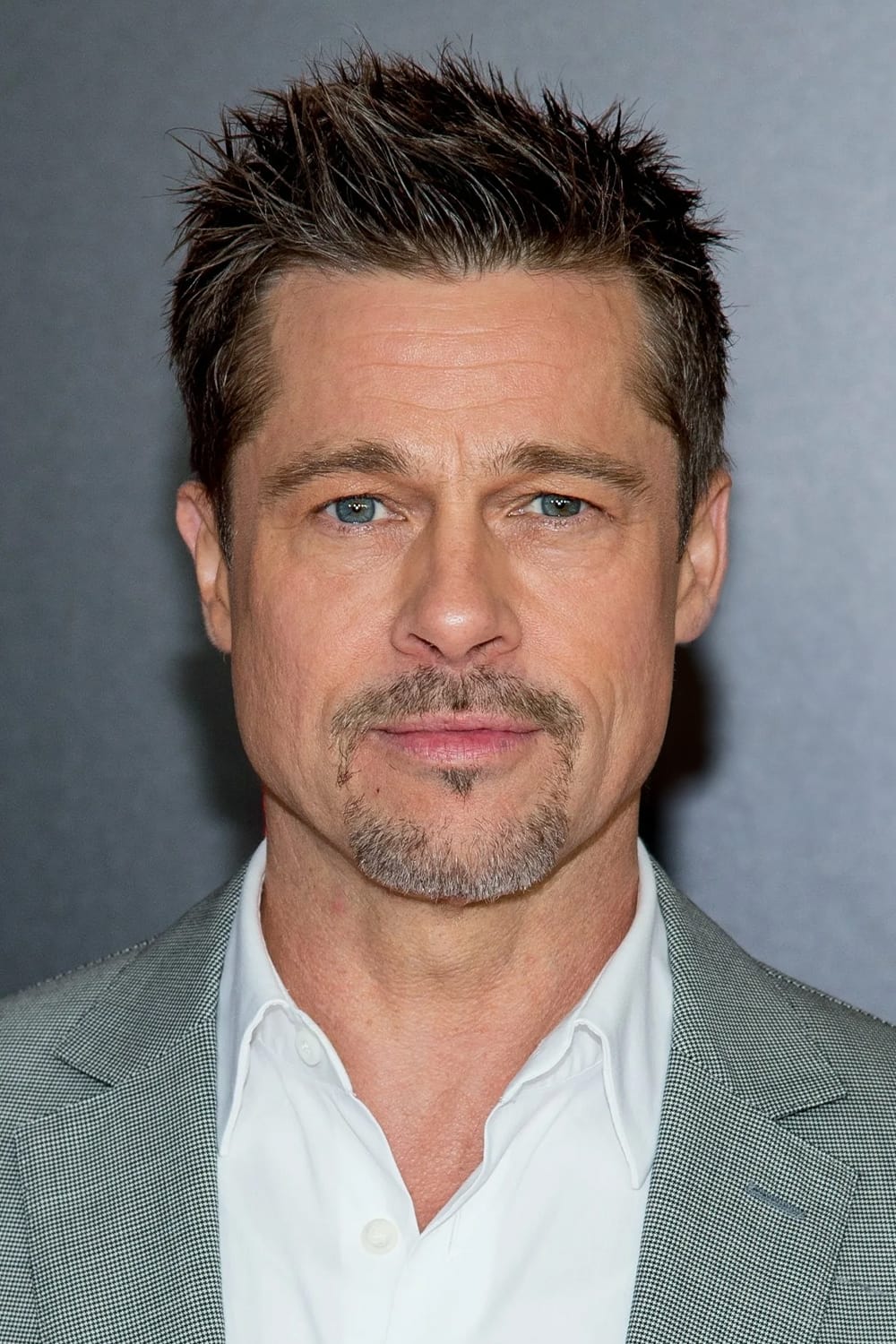
Brad Pitt’s decade mixed prestige ensembles with big-canvas adventures, maintaining steady global visibility. He launched a successful production banner that championed distinctive projects, strengthening the pipeline for quality mid-budget films. Pitt’s collaborations with acclaimed directors kept auteur-driven cinema firmly in the mainstream. His presence in stylish heist and historical epics helped sustain the era’s taste for glossy, globe-trotting entertainment.
Johnny Depp
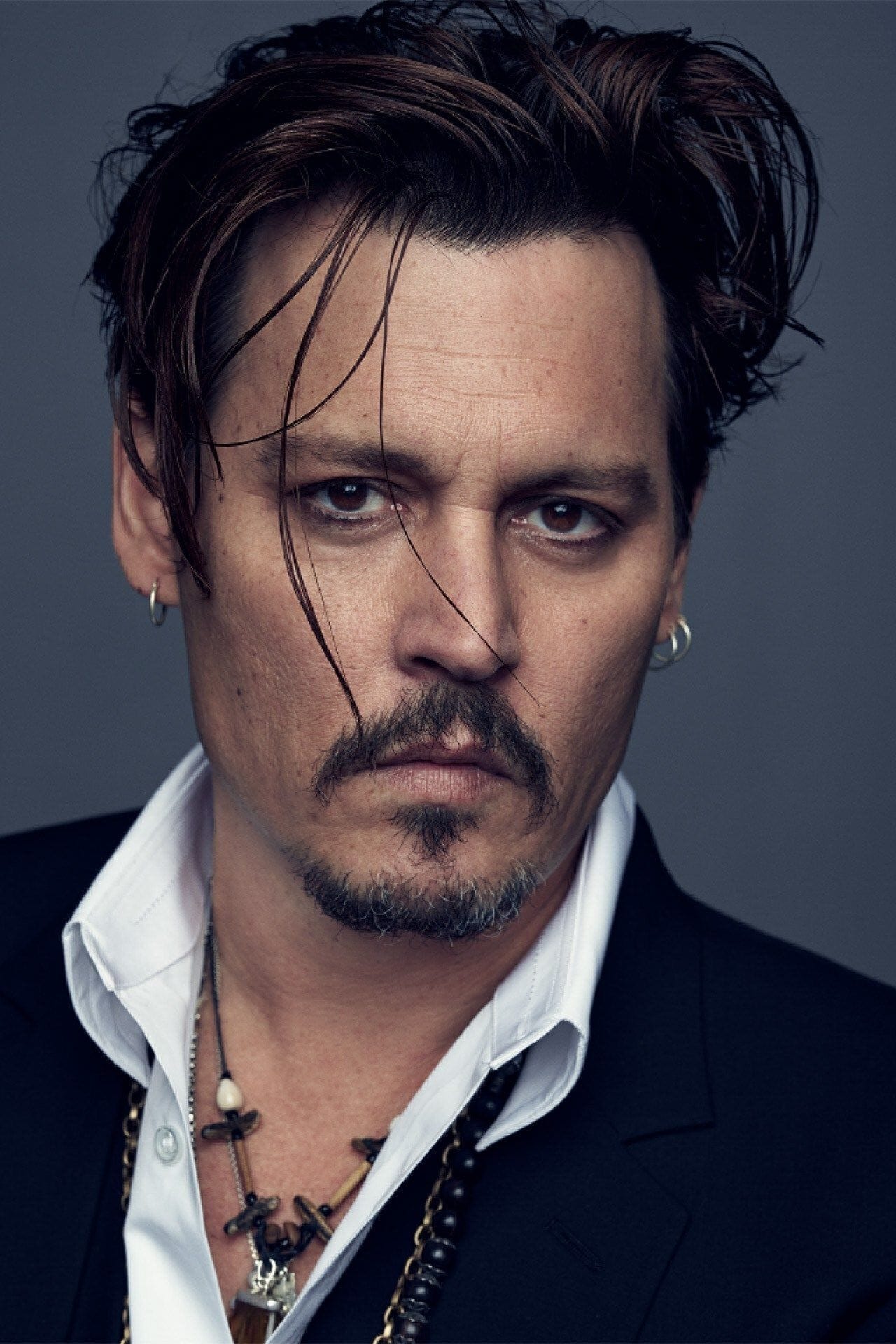
Johnny Depp turned an eccentric pirate into a modern franchise cornerstone with ‘Pirates of the Caribbean’, redefining the reach of character acting in blockbusters. Parallel roles in fantasy and thriller projects expanded his international footprint. The pirate series drove theme-park tie-ins, merchandising, and sequel strategies across studios. Depp’s approach showed how unconventional character choices could anchor four-quadrant hits.
Will Smith
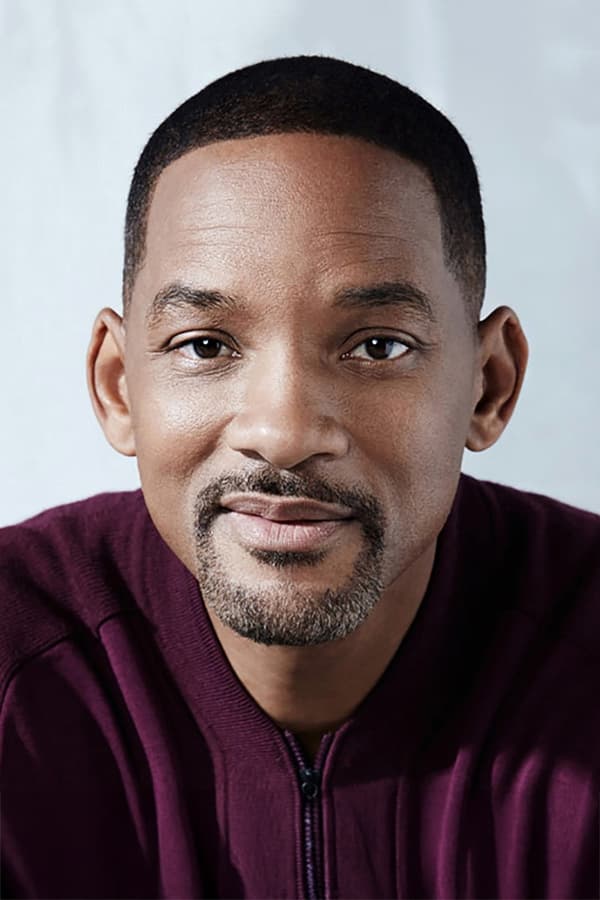
Will Smith delivered consistent global box-office results across sci-fi, action, and high-concept dramas. He cultivated a reputation for holiday and summer event releases that helped shape studio calendars. Smith’s soundtrack and media presence amplified film marketing reach. His transition from television to film remained a template for cross-platform stardom in the modern era.
Matt Damon
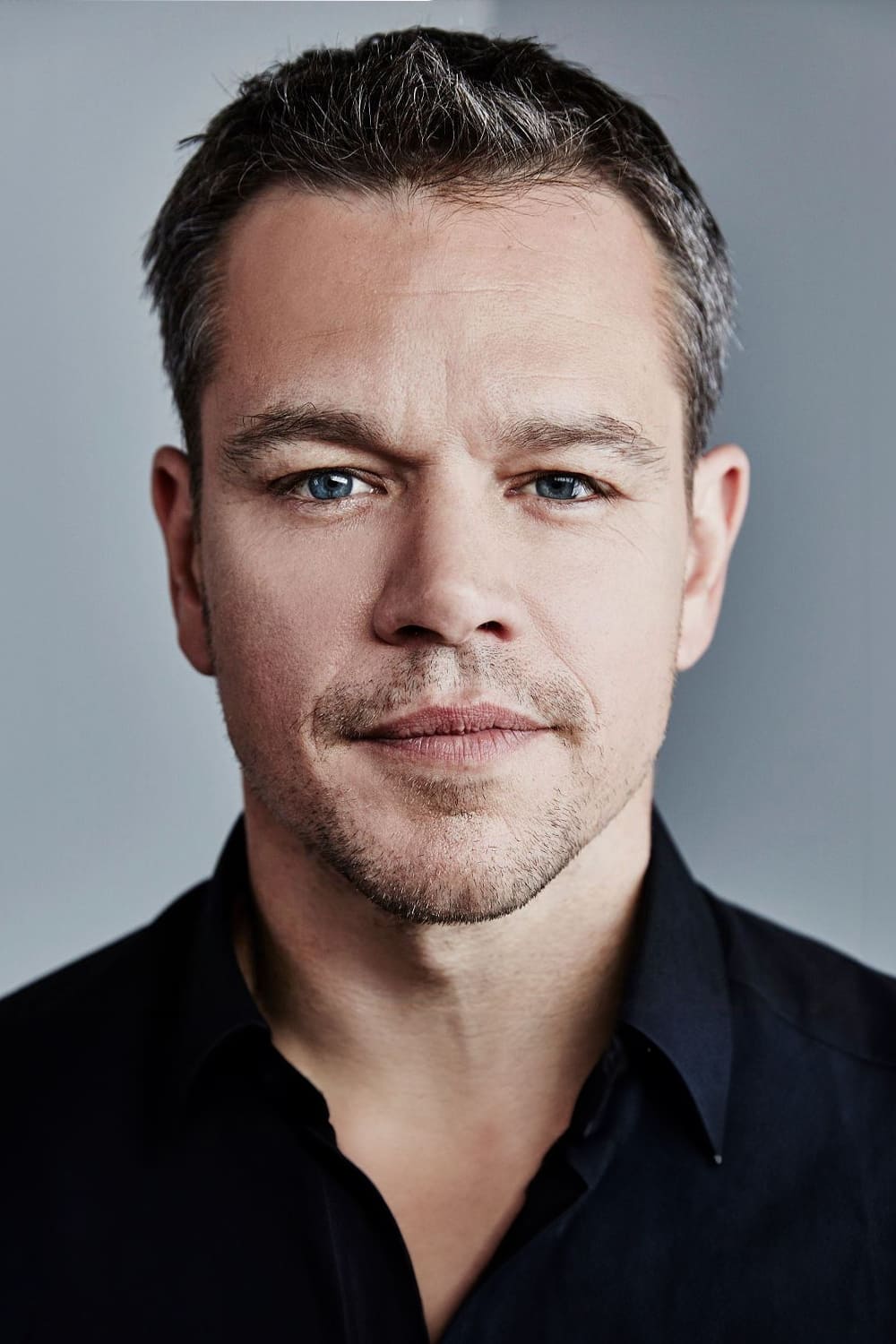
Matt Damon fronted the ‘Bourne’ series, bringing a lean, grounded approach that influenced action choreography and spy storytelling. He alternated tentpoles with ensemble dramas and comedies, reinforcing a versatile star model. Damon’s screenwriting roots added credibility to his project choices. His success supported tighter, location-driven action filmmaking that many later franchises adopted.
Christian Bale
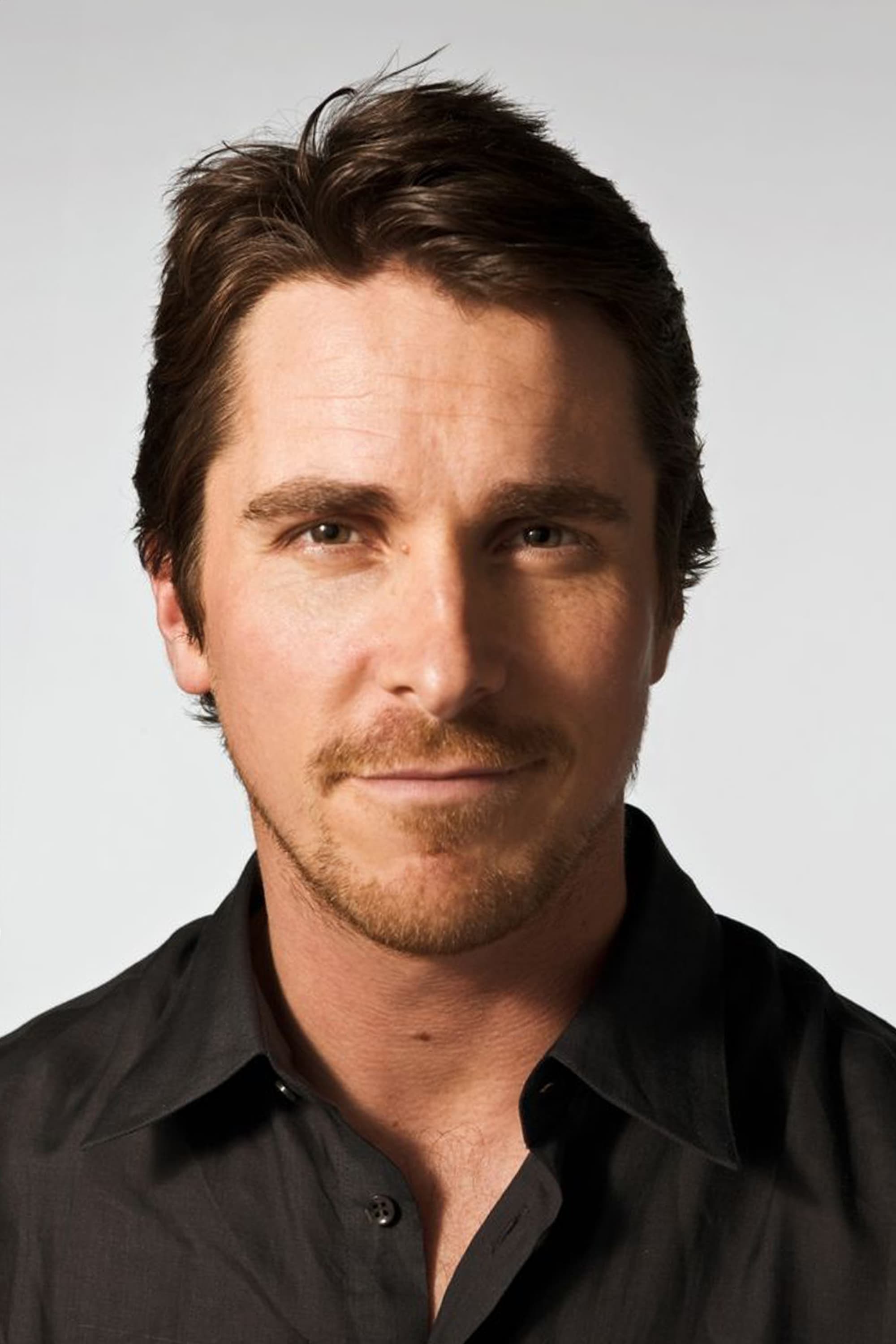
Christian Bale’s turn as ‘Batman’ reoriented superhero cinema toward grounded realism while retaining blockbuster scale. He continued to undertake body-transformative roles across thrillers and historical dramas. Bale’s collaborations with acclaimed directors linked franchise filmmaking with awards prestige. His approach helped normalize serious dramatic training within comic-book adaptations.
Russell Crowe
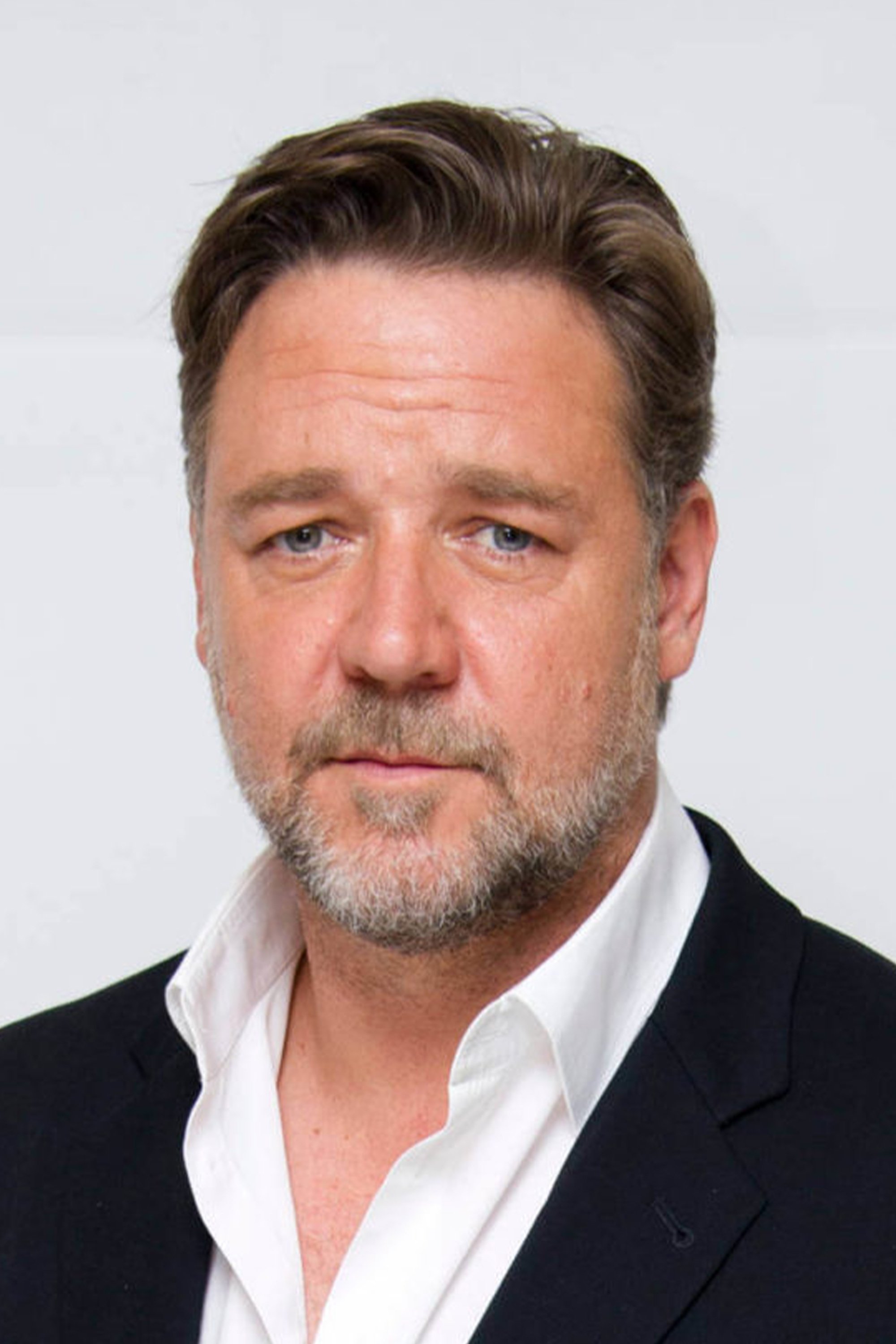
Russell Crowe combined historical epics, thrillers, and character studies to dominate the early part of the decade. His films often paired robust domestic performance with strong overseas results. Crowe’s screen intensity made him a frequent anchor for adult-oriented spectacles. His work with celebrated directors reinforced the era’s appetite for prestige blockbusters.
Hugh Jackman
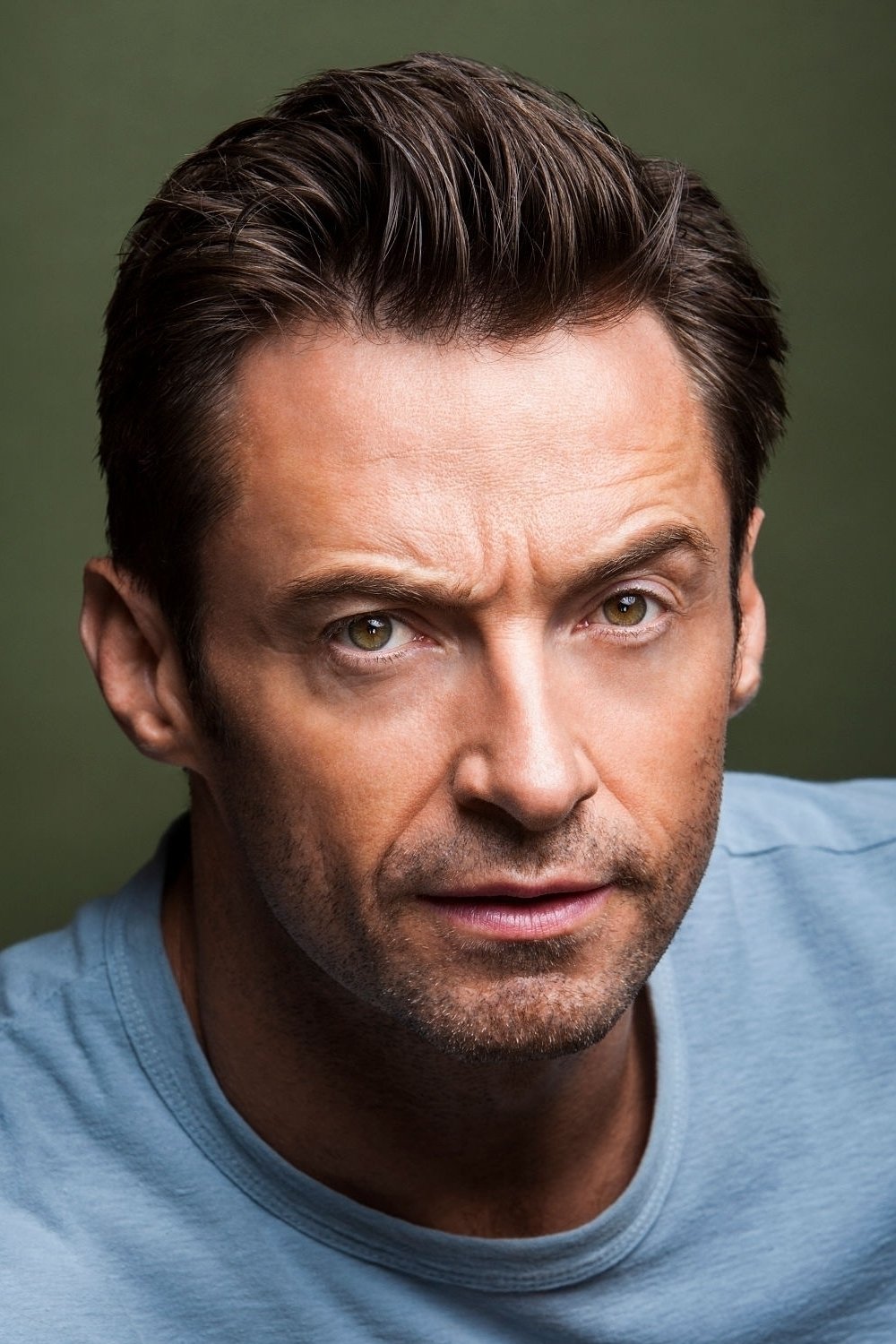
Hugh Jackman’s portrayal of ‘Wolverine’ became a defining modern superhero benchmark and a cornerstone for comic-book ensembles. He leveraged stage training into musical and dramatic roles on film, widening mainstream acceptance of cross-genre versatility. Jackman’s presence helped sustain a long-running superhero series through multiple entries. His career also bridged film and live-performance branding in global marketing.
Robert Downey Jr.
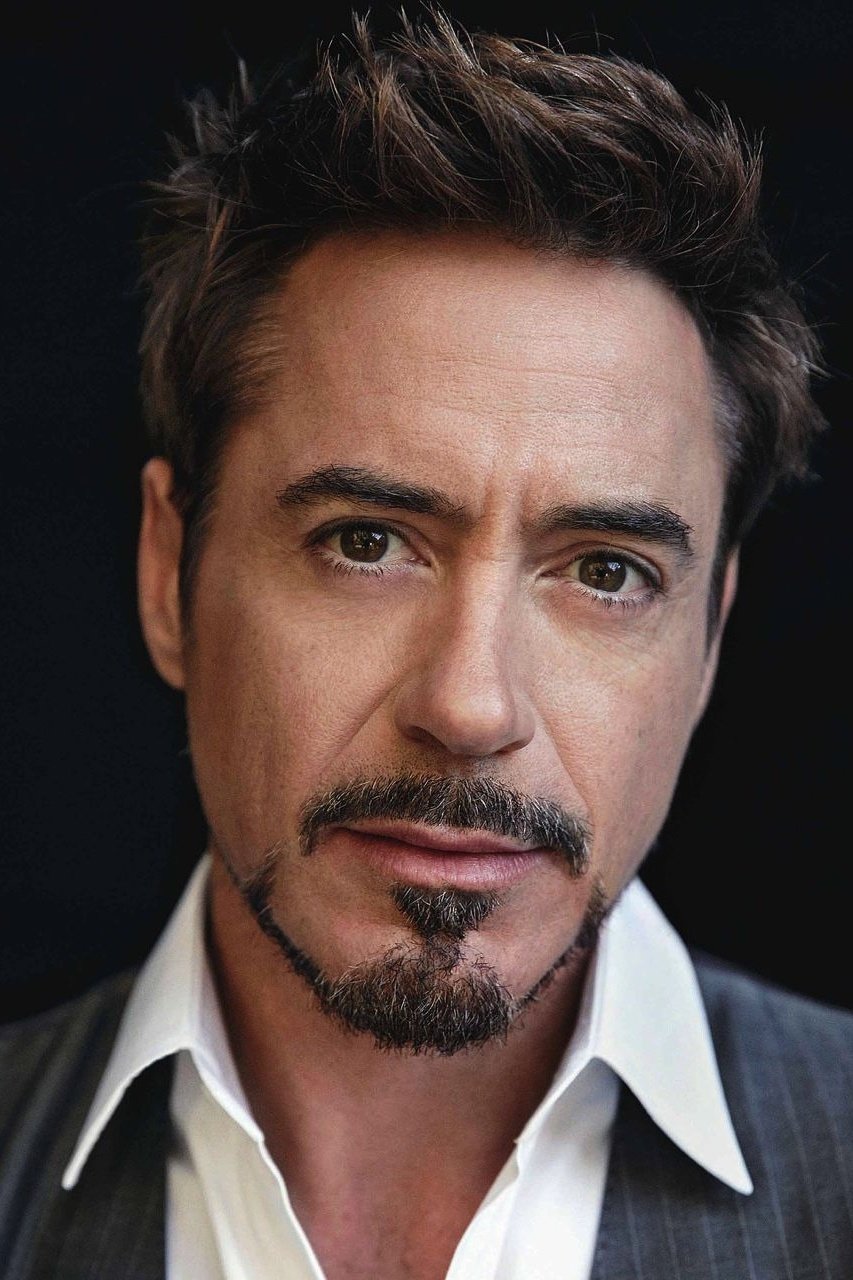
Robert Downey Jr. launched a new wave of interconnected franchise storytelling with ‘Iron Man’, realigning studio strategy around shared universes. He simultaneously headlined ‘Sherlock Holmes’, confirming his draw beyond a single brand. Downey’s resurgence illustrated how precise casting can unlock billion-dollar architectures. His screen persona set a tone that influenced blockbuster dialogue and character dynamics.
George Clooney
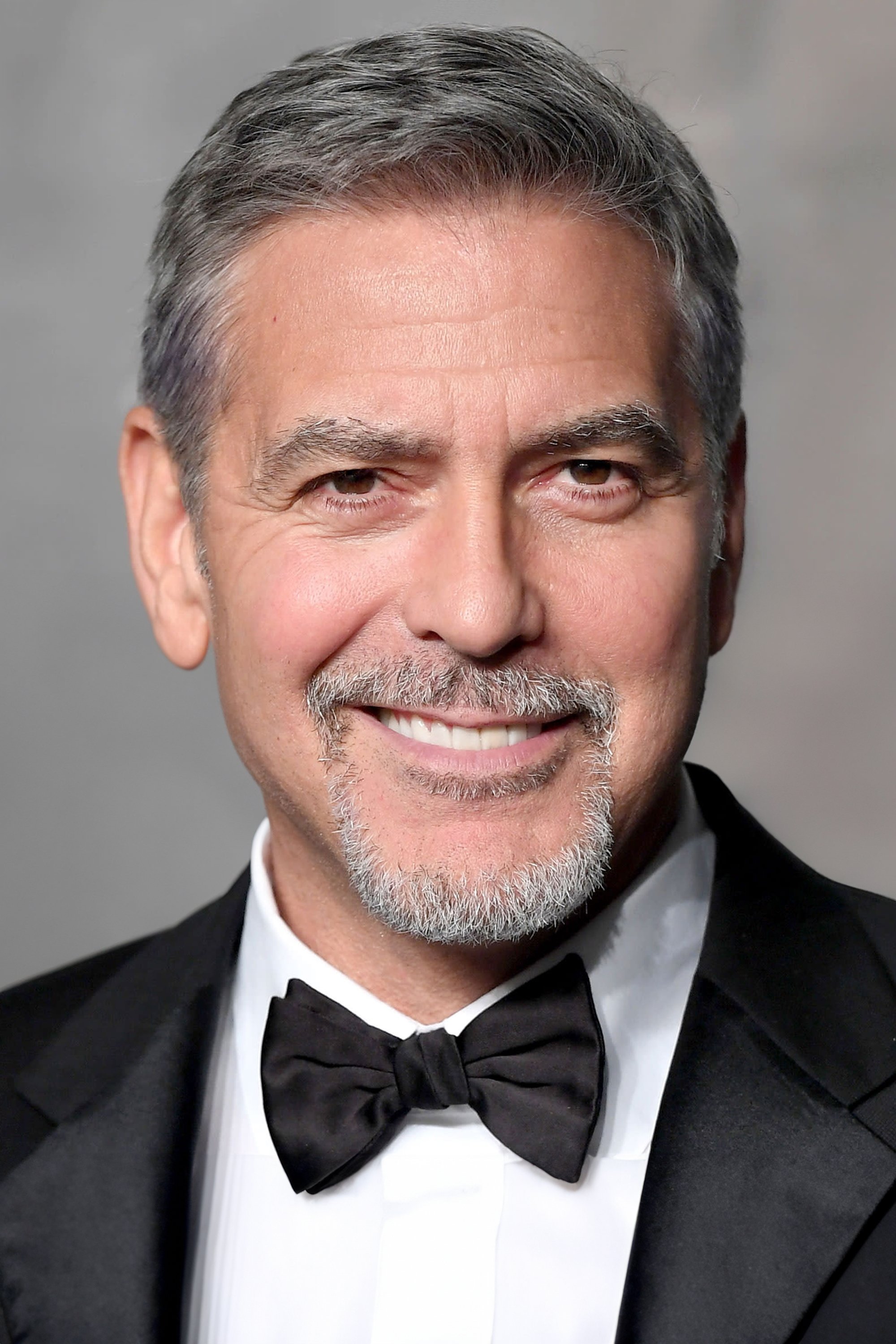
George Clooney balanced glossy ensemble hits like ‘Ocean’s Eleven’ with politically minded dramas he acted in and directed. His production choices brought mid-budget adult films to wide audiences. Clooney’s public advocacy intersected with film campaigns, demonstrating modern cause-based publicity. He proved that multiplex-friendly entertainment and issue-driven cinema could coexist in one star’s portfolio.
Tom Hanks
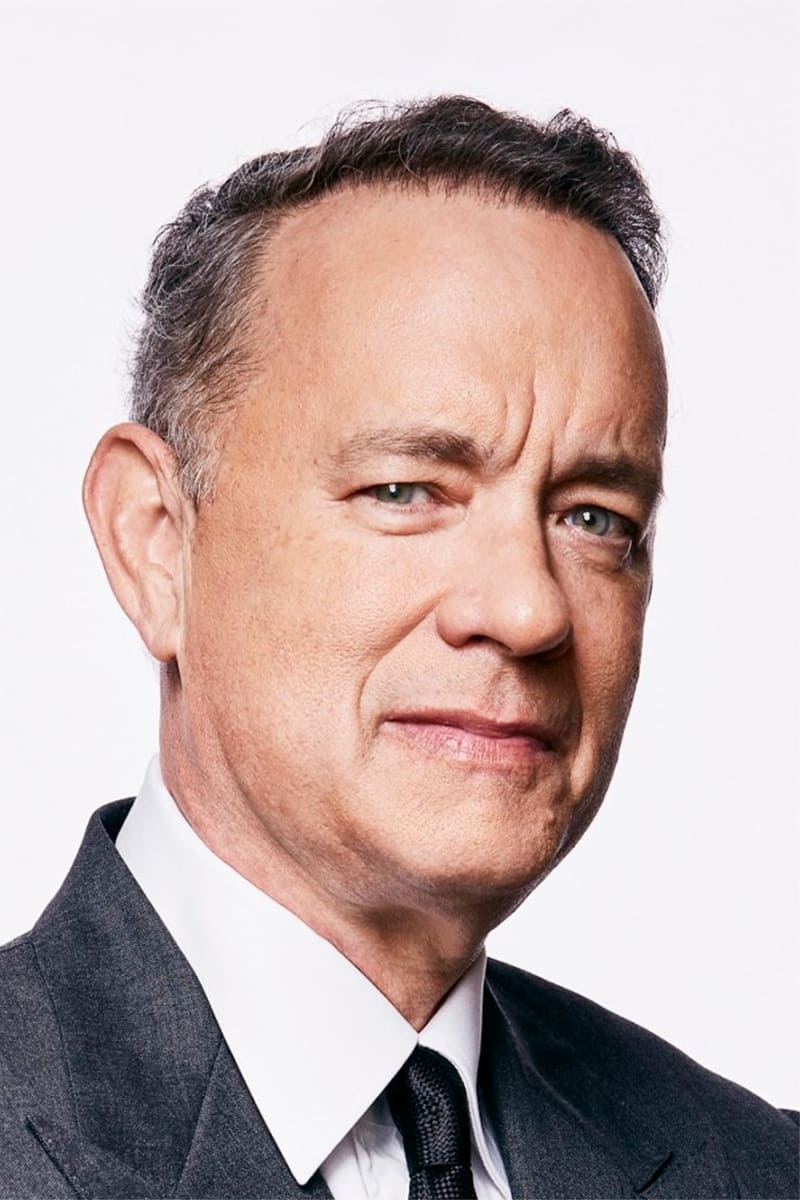
Tom Hanks maintained cultural centrality with major dramas and literary adaptations that traveled well internationally. He anchored high-profile collaborations with renowned directors, reinforcing audience trust in adult-aimed releases. Hanks’ steady box office helped sustain mid-to-high-budget dramas in wide release. His reliability supported studios’ willingness to greenlight non-franchise prestige projects.
Joaquin Phoenix
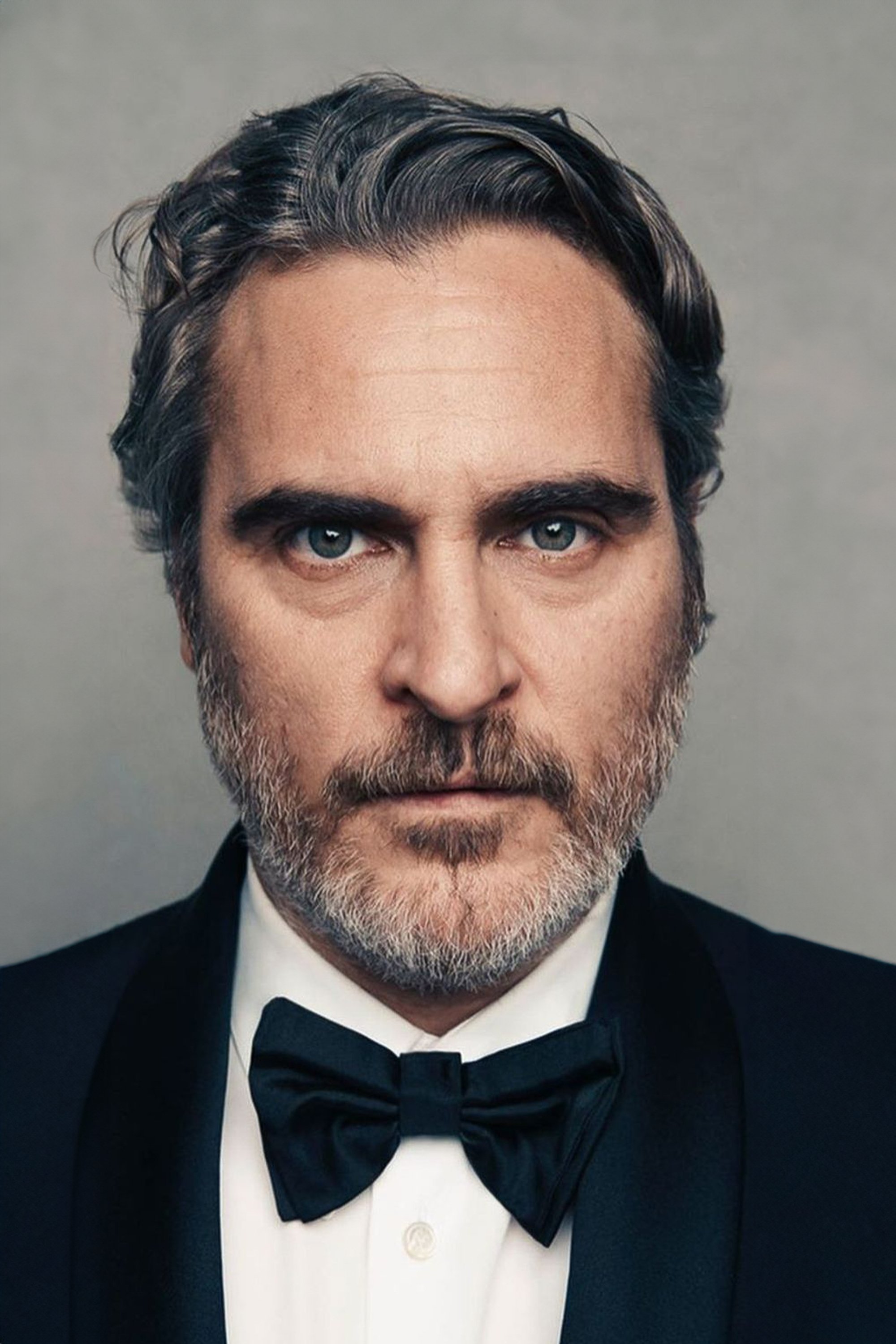
Joaquin Phoenix built a reputation for intense, immersive work across crime dramas, biographical films, and experimental narratives. His roles often required substantial musical, physical, or psychological preparation. Phoenix’s projects regularly entered awards conversations while finding committed audiences. His choices signaled market space for challenging, character-first cinema during a franchise-heavy era.
Heath Ledger
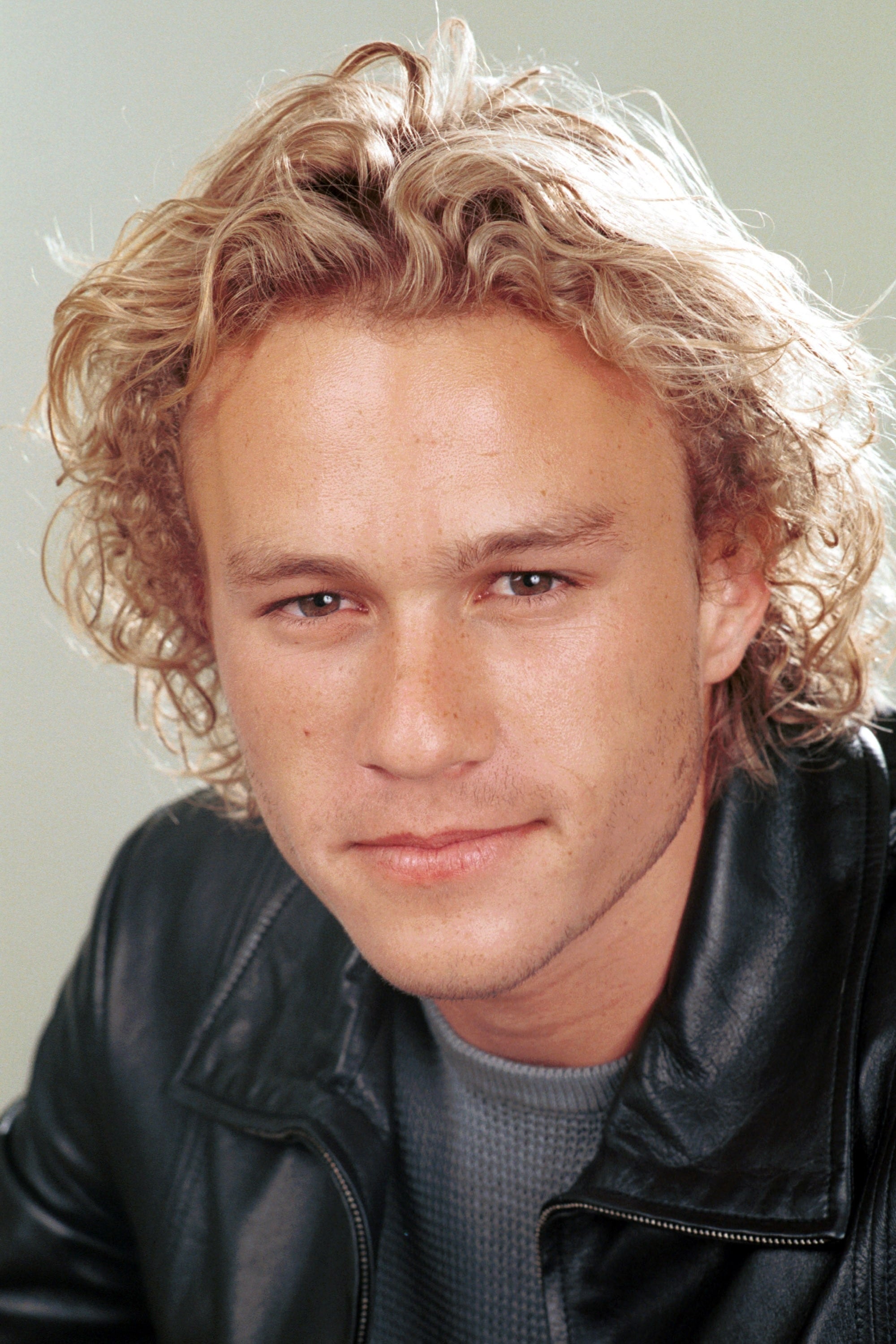
Heath Ledger demonstrated striking range from intimate romances to large-scale comic-book storytelling with ‘The Dark Knight’. His character work influenced casting expectations for antagonists in major franchises. Ledger’s performances drew significant critical recognition and popular attention. His impact accelerated interest in complex, layered portrayals within genre films.
Keanu Reeves
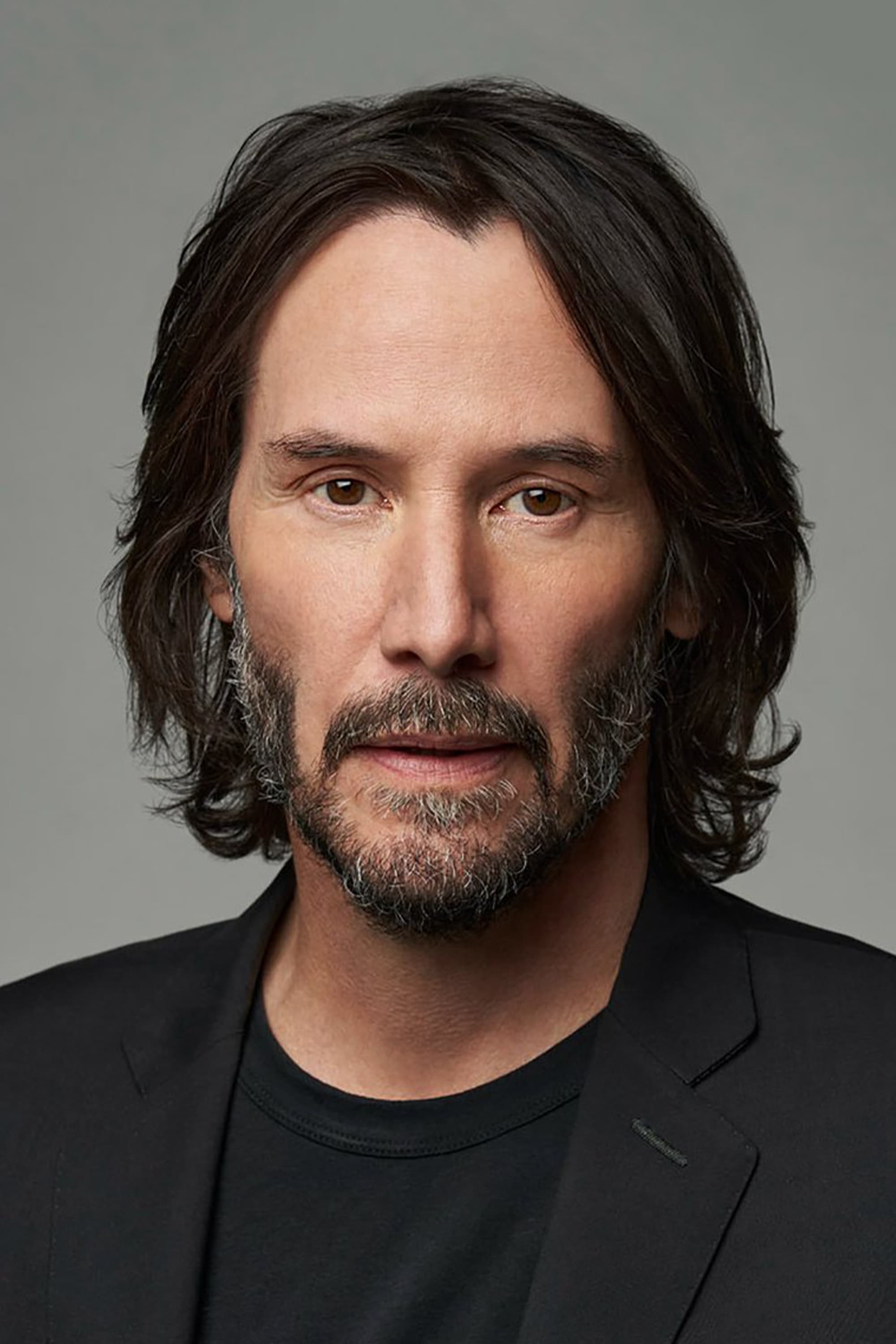
Keanu Reeves extended his action legacy through cyberpunk spectacle with ‘The Matrix’ series and stylized genre pieces. He became closely associated with innovative visual effects and world-building. Reeves’ calm, minimalist screen presence complemented high-concept narratives that attracted global audiences. His projects encouraged studios to invest in original sci-fi mythology.
Tobey Maguire
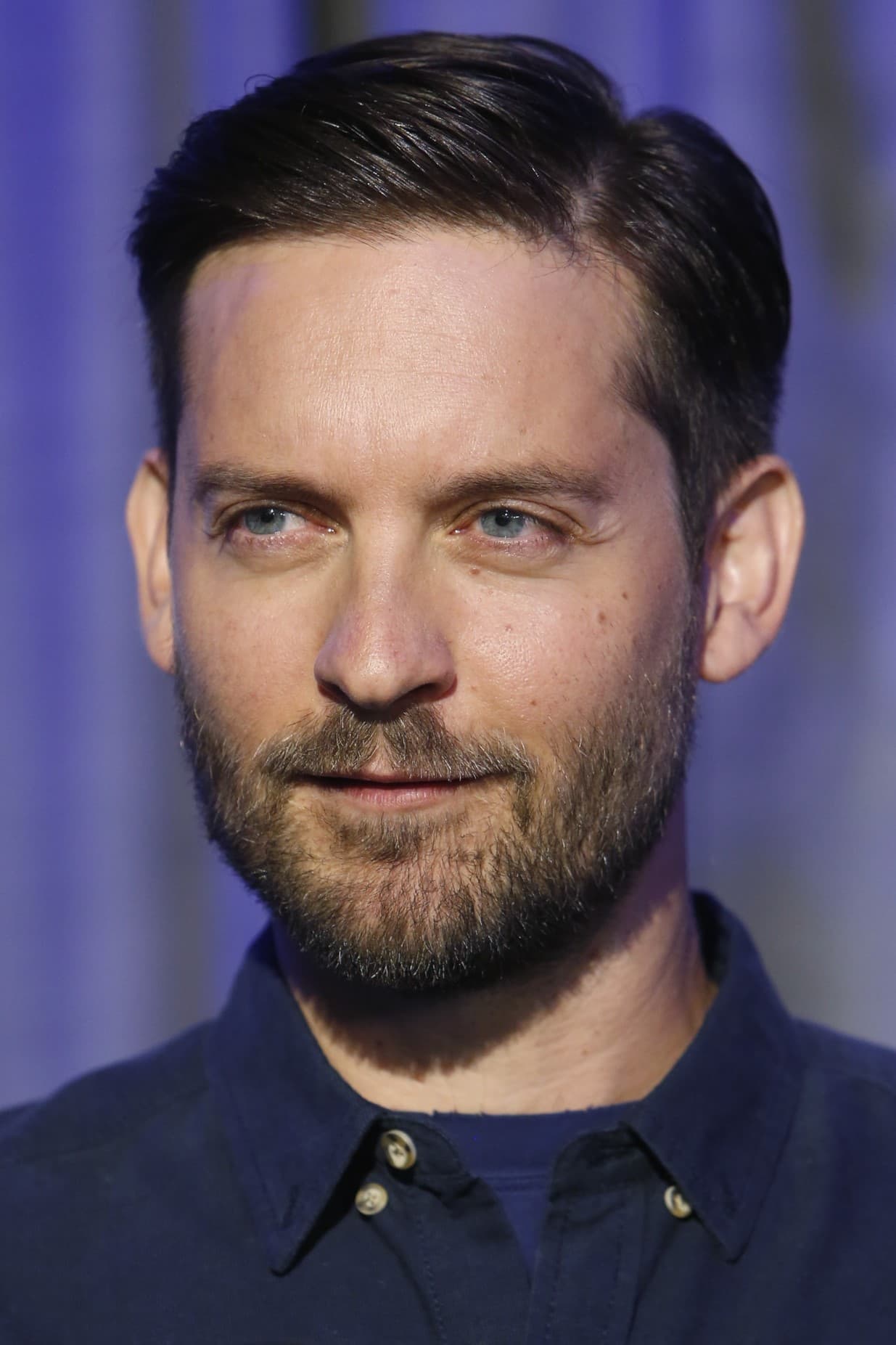
Tobey Maguire’s run as ‘Spider-Man’ helped set modern templates for superhero origin stories and franchise trilogies. The films achieved broad family appeal while advancing visual effects for comic adaptations. Maguire’s portrayal linked teen drama with large-scale action, expanding demographic reach. The success supported rapid growth in comic-book greenlights across studios.
Orlando Bloom
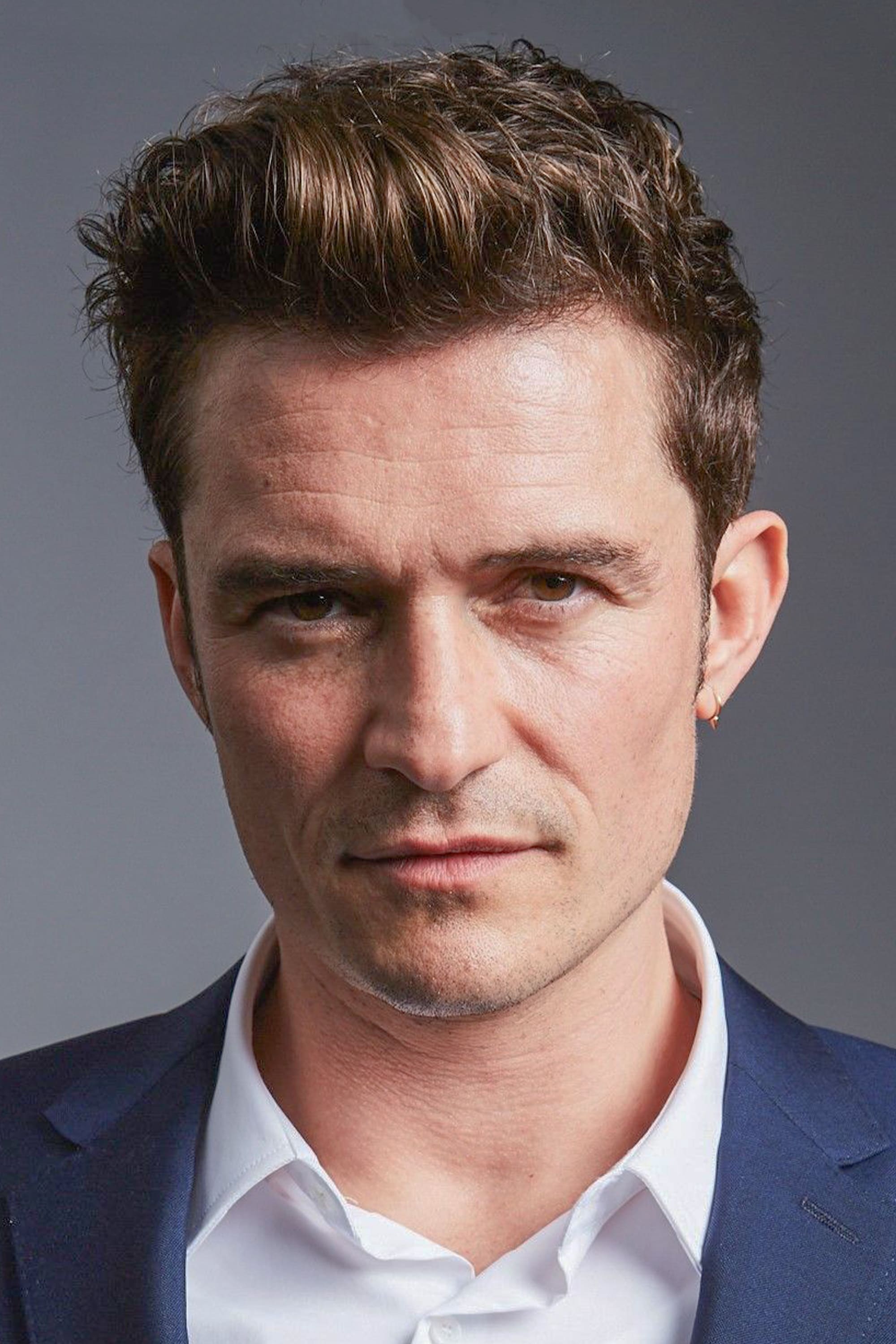
Orlando Bloom quickly became a global face through dual franchise work in ‘The Lord of the Rings’ and ‘Pirates of the Caribbean’. His roles connected fantasy and swashbuckling adventure to massive cross-market turnout. Bloom’s casting showed the power of multi-franchise visibility in a single decade. His projects fueled merchandise, gaming, and theme-park synergies.
Samuel L. Jackson
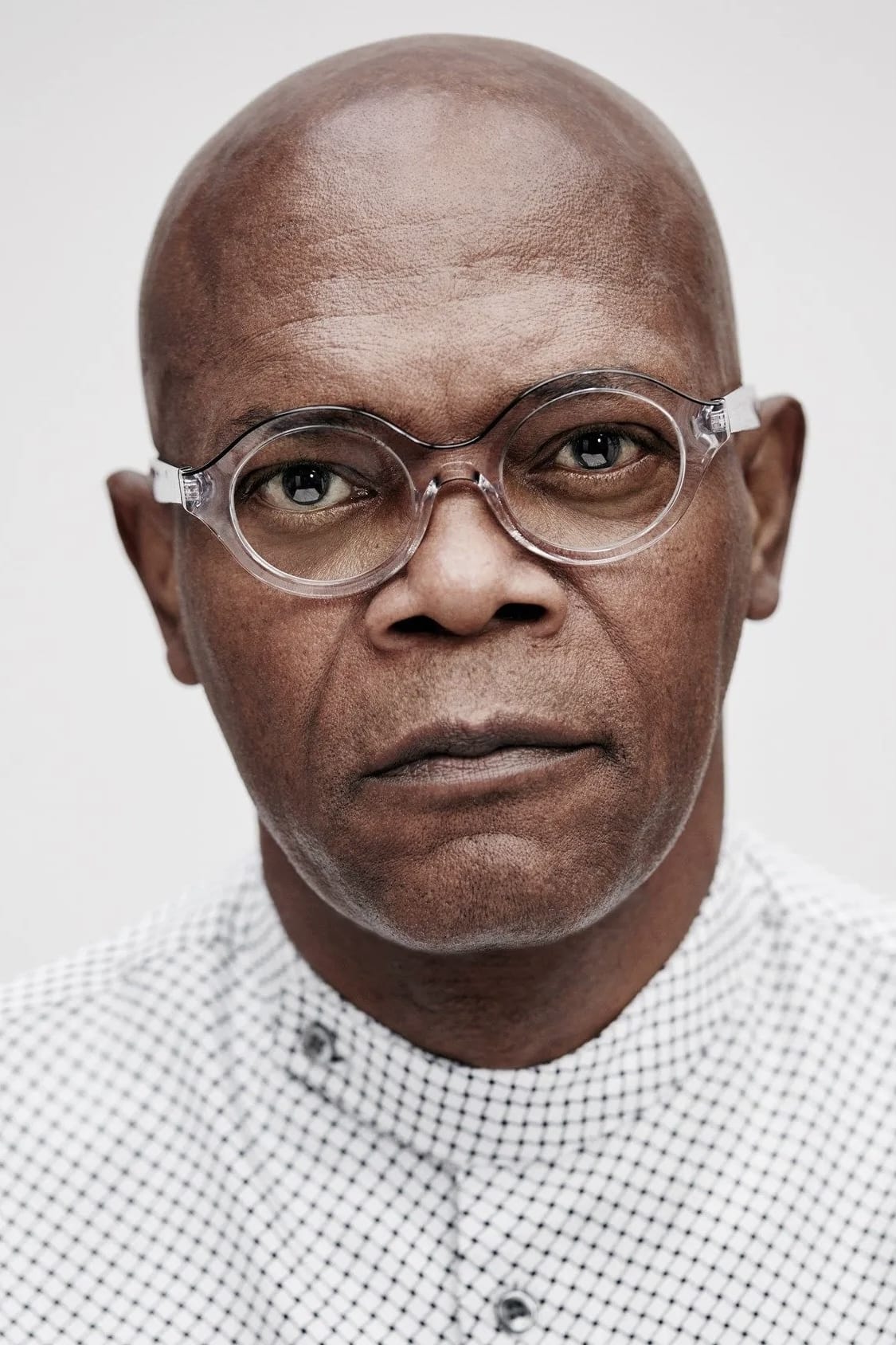
Samuel L. Jackson dominated genre variety, from ‘Star Wars’ to early building blocks of the Marvel saga. His prolific output kept him highly visible across action, thriller, and animation. Jackson’s connective cameo and supporting appearances helped stitch together larger cinematic worlds. He exemplified the value of recognizable, authoritative supporting roles in franchise planning.
Morgan Freeman
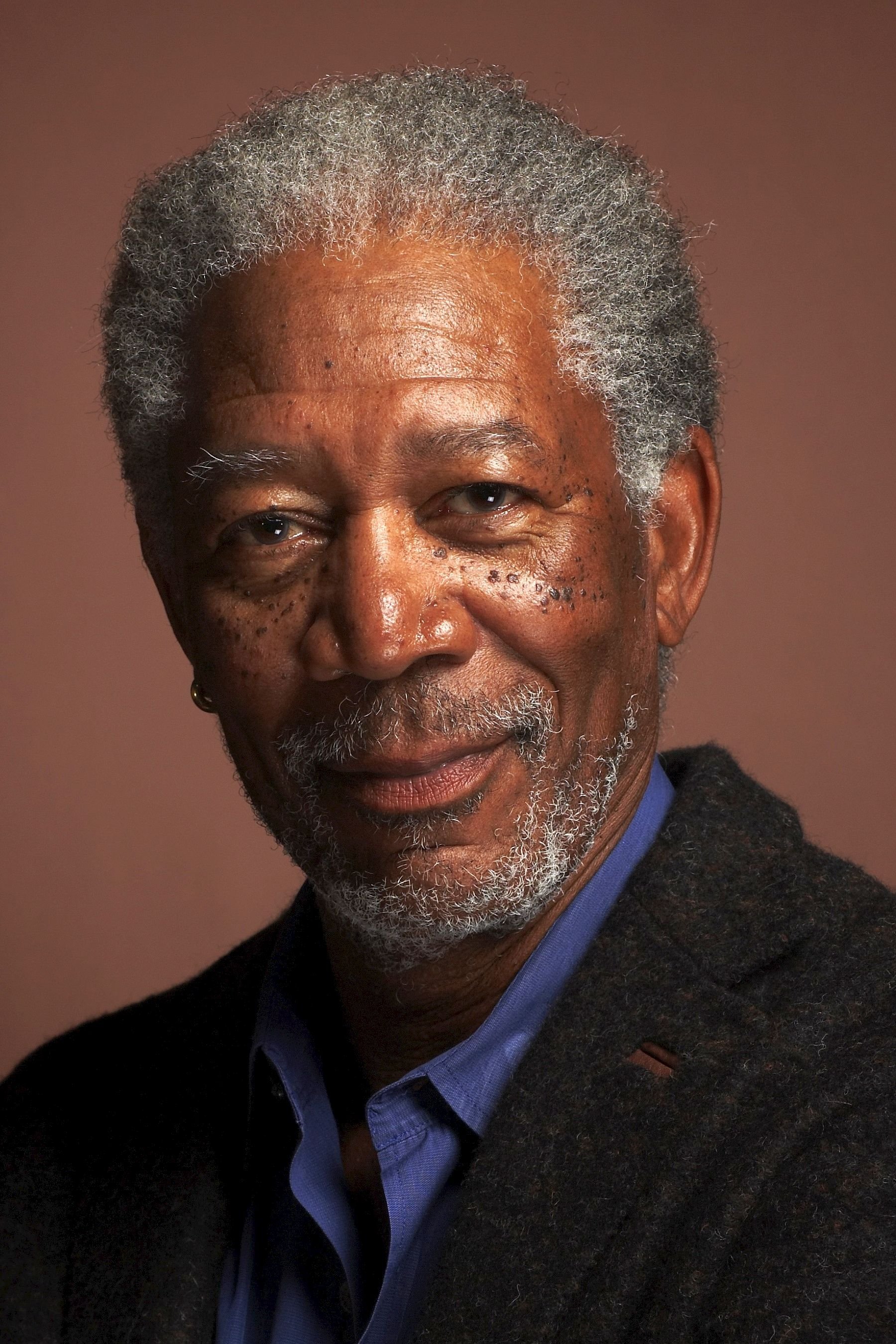
Morgan Freeman’s authoritative presence anchored dramas, thrillers, and ensemble pieces, often serving as a narrative center of gravity. He brought gravitas to elevated genre films alongside prestige projects. Freeman’s consistent draw supported a steady slate of adult-oriented releases. His narration and mentorship roles became widely emulated casting choices.
Ben Stiller
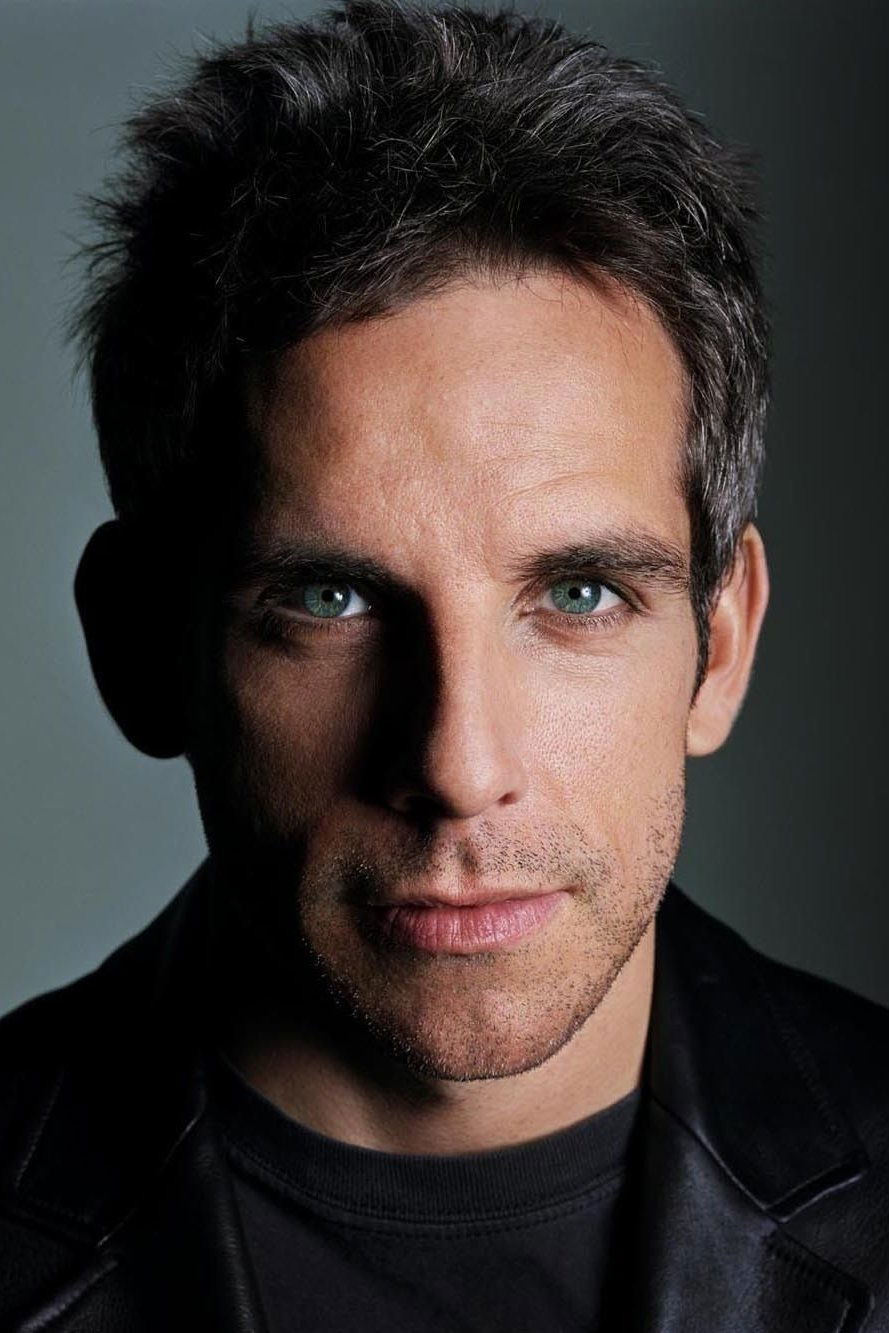
Ben Stiller led comedy hits that translated globally, from workplace farce to action-comedy and family adventures like ‘Night at the Museum’. He also directed successful features, shaping the decade’s comedic tone. Stiller’s films proved reliable in holiday corridors and ancillary markets. His work expanded the international footprint of American comedy.
Adam Sandler

Adam Sandler delivered repeat box-office success with broad-appeal comedies while occasionally pivoting to acclaimed dramatic turns. His production shingle enabled a steady pipeline of star-driven projects. Sandler’s brand loyalty translated to strong home entertainment and television windows. He demonstrated how consistent comedic personas could sustain decade-long theatrical runs.
Jackie Chan
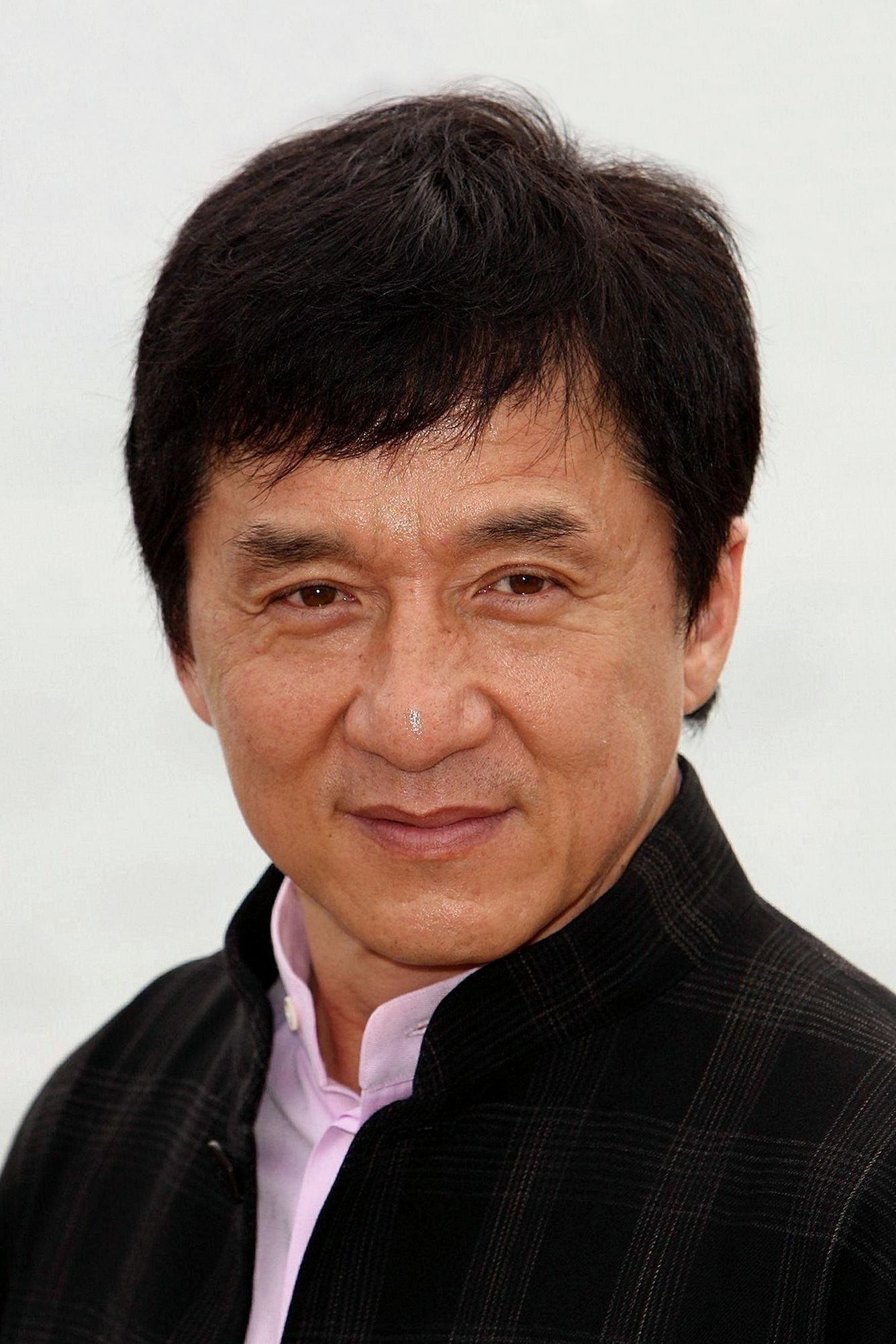
Jackie Chan brought Hong Kong action choreography and physical comedy to mainstream Western audiences at scale. His Hollywood releases paired stunts with buddy-cop and family-friendly formulas that traveled well. Chan’s approach showcased practical action in an increasingly effects-driven era. He also boosted international co-production models and cross-market promotion.
Shah Rukh Khan

Shah Rukh Khan dominated Hindi-language box office while expanding South Asian cinema’s global reach. His films performed strongly across diaspora markets and increasingly in non-traditional territories. Khan’s star power advanced international distribution deals for Bollywood titles. His prolific output helped normalize worldwide day-and-date releases for Indian productions.
Mark Wahlberg
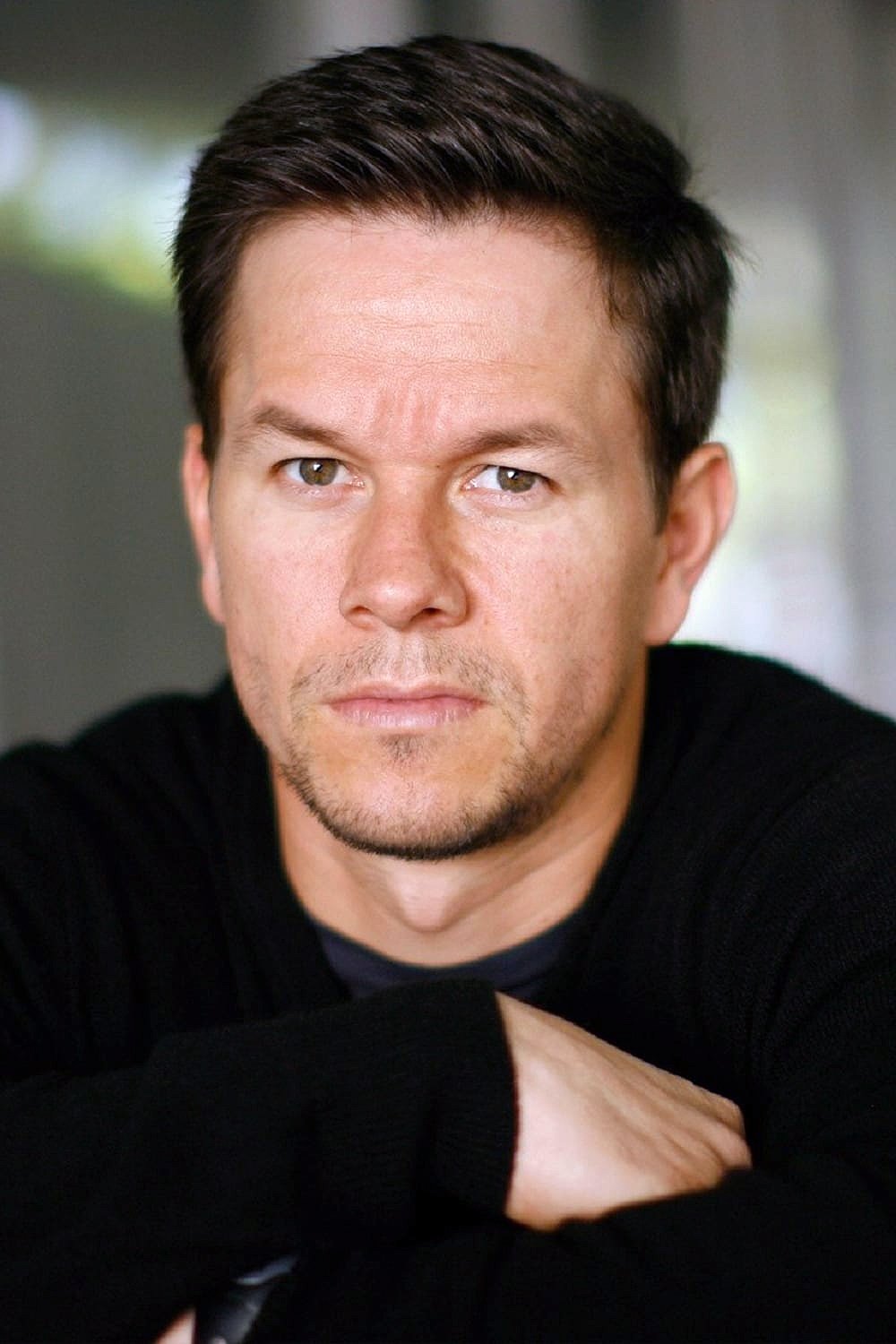
Mark Wahlberg transitioned from ensemble support to reliable lead across action, thriller, and comedy. He paired studio tentpoles with acclaimed director collaborations, broadening his range. Wahlberg also produced notable projects for film and television, shaping content pipelines. His career illustrated the decade’s blend of star power with entrepreneurial control.
Daniel Craig
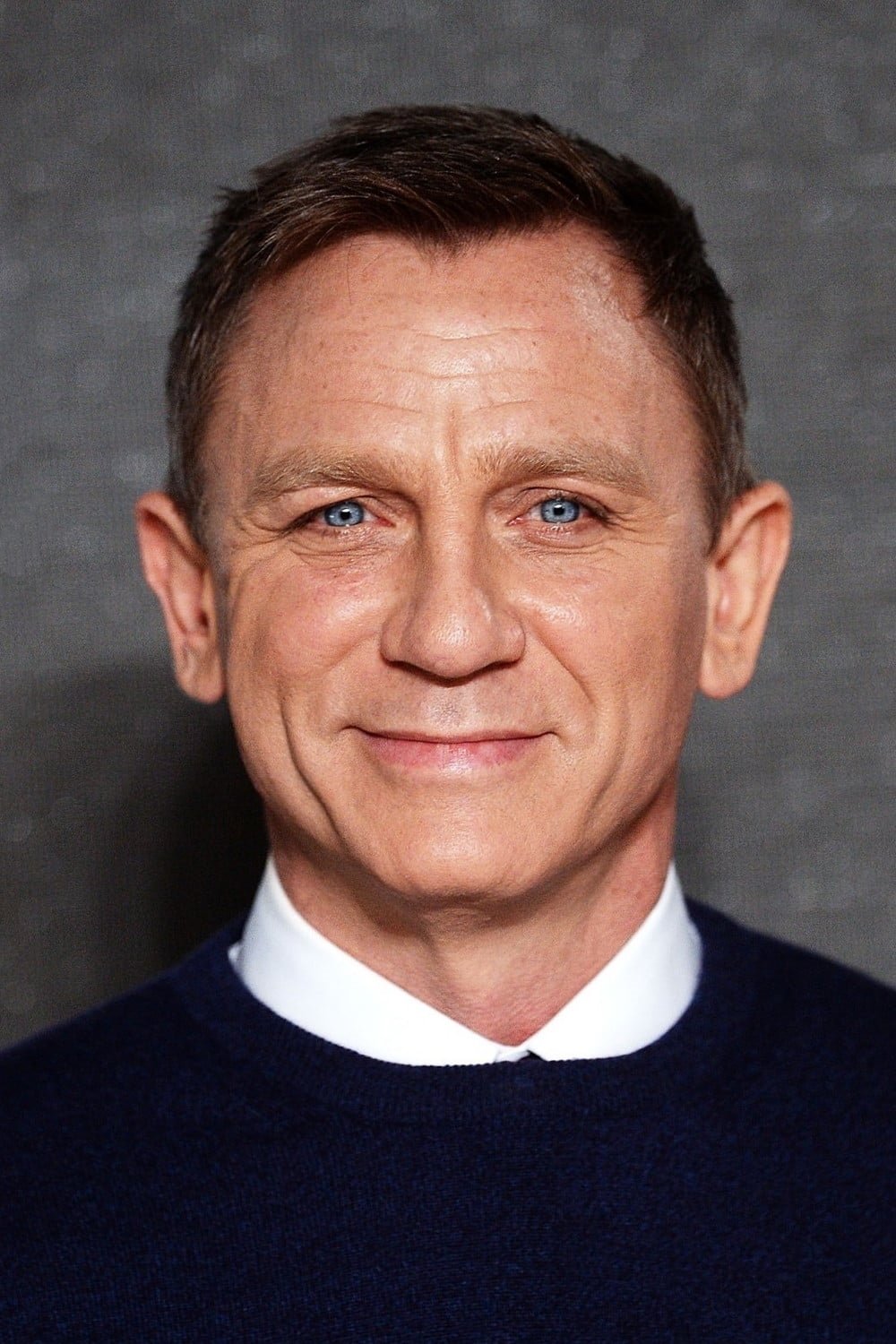
Daniel Craig revitalized a long-running spy franchise with a leaner, more physical interpretation that emphasized grounded action and character psychology. His debut in the role set franchise records and reset expectations for tone, fight choreography, and serialized storytelling. The films expanded global box office, merchandise, and luxury-brand tie-ins. Craig’s tenure also influenced casting approaches toward tougher, less polished leads in espionage thrillers.
Viggo Mortensen
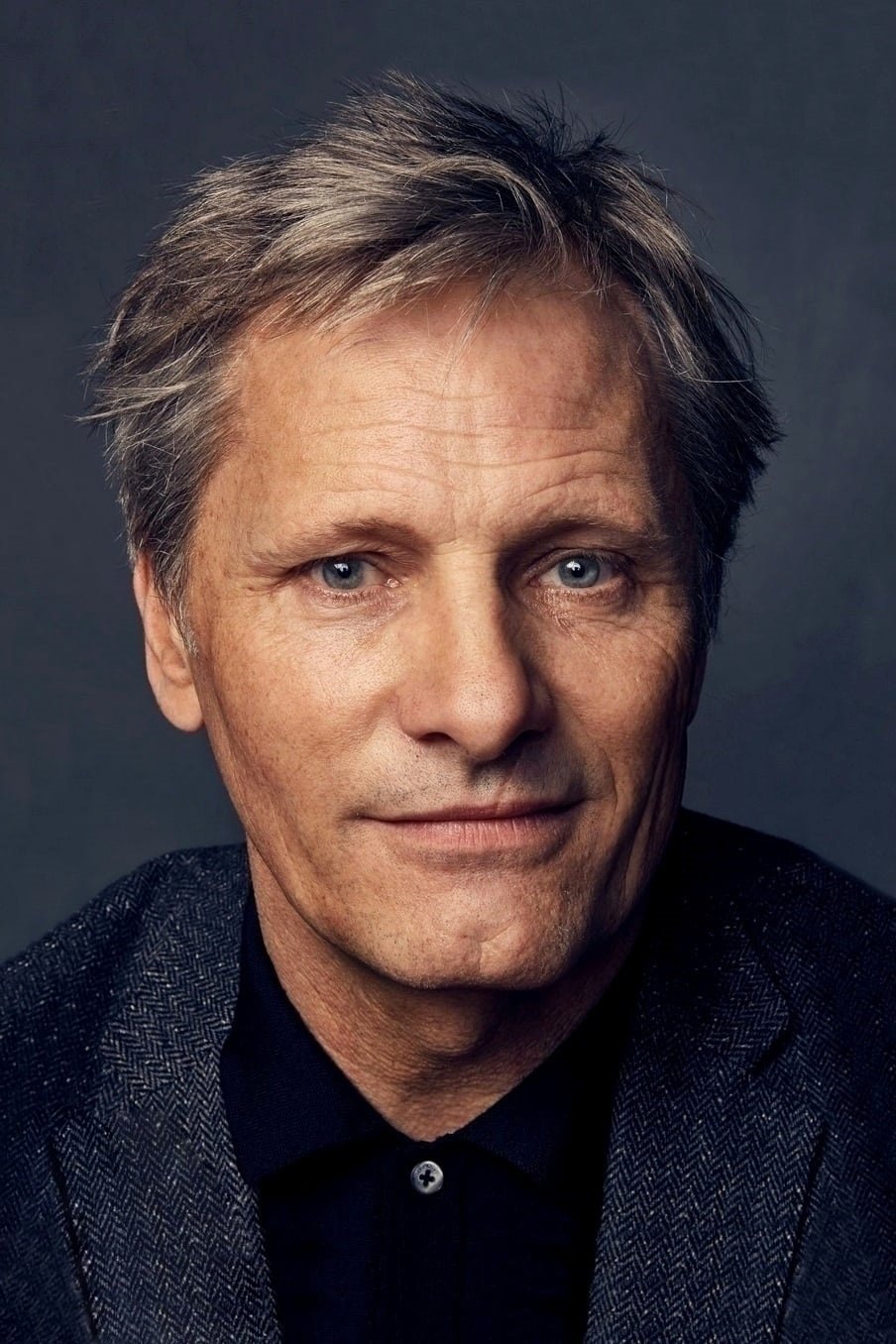
Viggo Mortensen’s work in high fantasy cemented his international visibility and helped power one of the decade’s most awarded trilogies. He followed that with contemporary crime dramas that earned major festival and guild recognition. Mortensen collaborated repeatedly with auteur directors, reinforcing his reputation for linguistic and physical preparation. His roles supported cross-genre credibility from epics to intimate character pieces.
Philip Seymour Hoffman
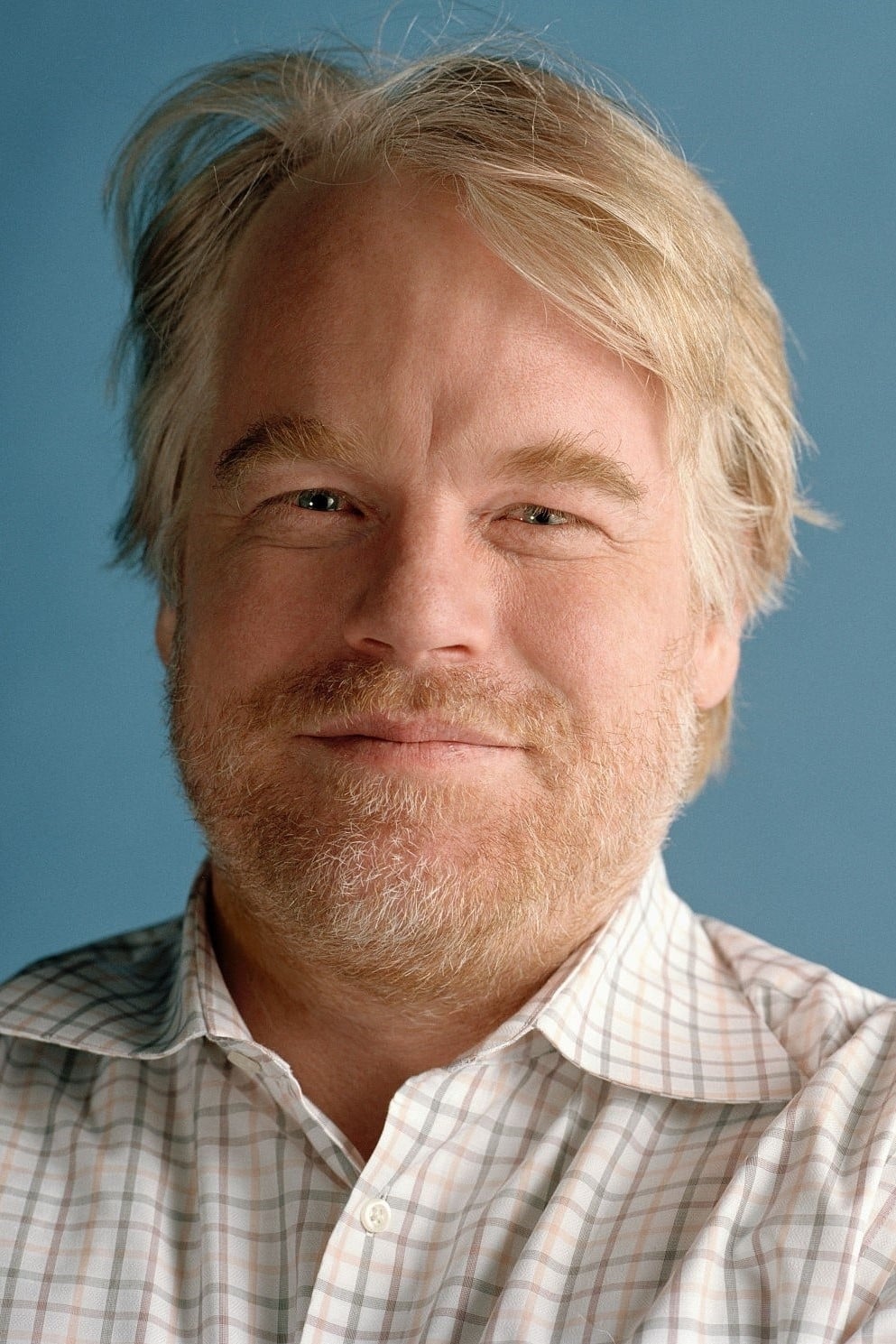
Philip Seymour Hoffman moved fluidly between indies and studio releases, delivering acclaimed performances in literary adaptations, political dramas, and thrillers. He anchored a celebrated biographical film while sustaining standout supporting turns that elevated ensembles. Hoffman’s stage background contributed to meticulous character work that drew industry honors. His presence helped prestige fare reach wider audiences during awards seasons.
Jamie Foxx
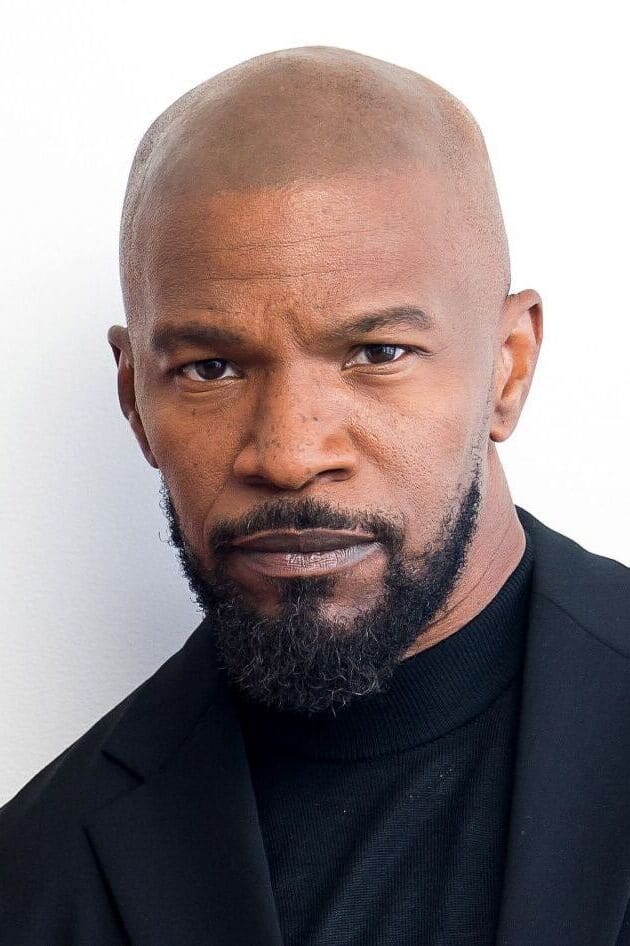
Jamie Foxx achieved a rare awards sweep for a musical biopic while maintaining a strong slate of action, crime, and comedy projects. He transitioned from television and stand-up to high-profile film leads without losing mass-market appeal. Foxx’s music career often dovetailed with film promotion, expanding reach across media. He became a reliable headliner for adult-skewing dramas and spectacle-driven releases alike.
Edward Norton
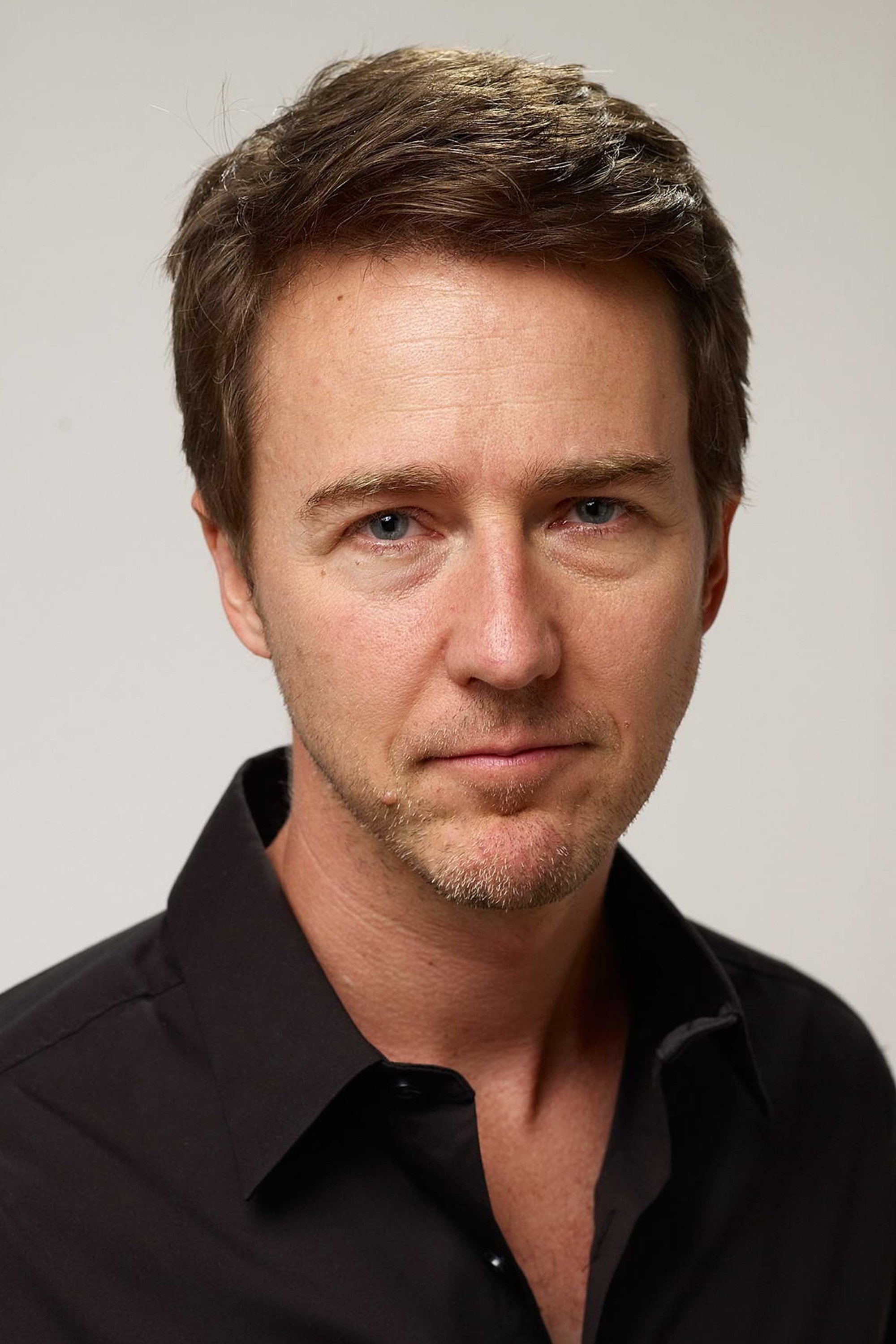
Edward Norton paired cerebral thrillers with comic-book fare, demonstrating range across prestige projects and franchise entries. He engaged in script development and production on several films, reflecting a hands-on approach to storytelling. Norton’s performances frequently earned nominations from major academies and critics’ groups. His choices reinforced the viability of thoughtful, character-led narratives in mainstream distribution.
Ewan McGregor
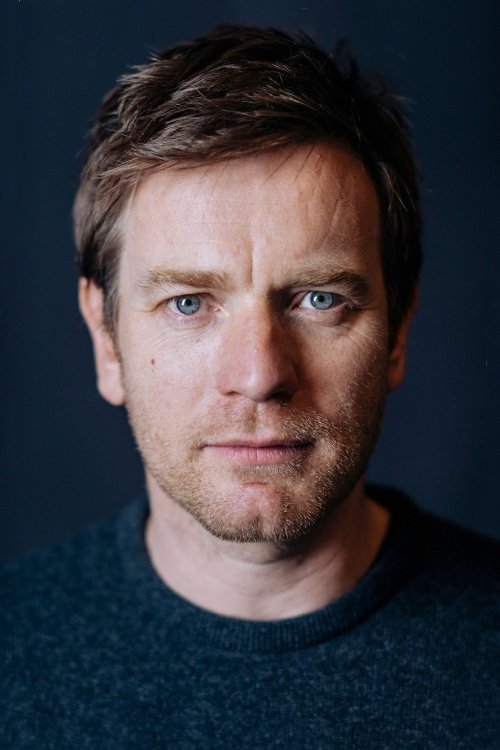
Ewan McGregor balanced space-opera blockbusters with musicals, romantic dramas, and offbeat indies. He maintained strong international box office through franchise participation while cultivating festival credibility. McGregor’s willingness to shift between leads and ensembles kept him visible across markets. His collaborations with visionary directors supported ambitious production design and musical integration in mainstream releases.
Nicolas Cage
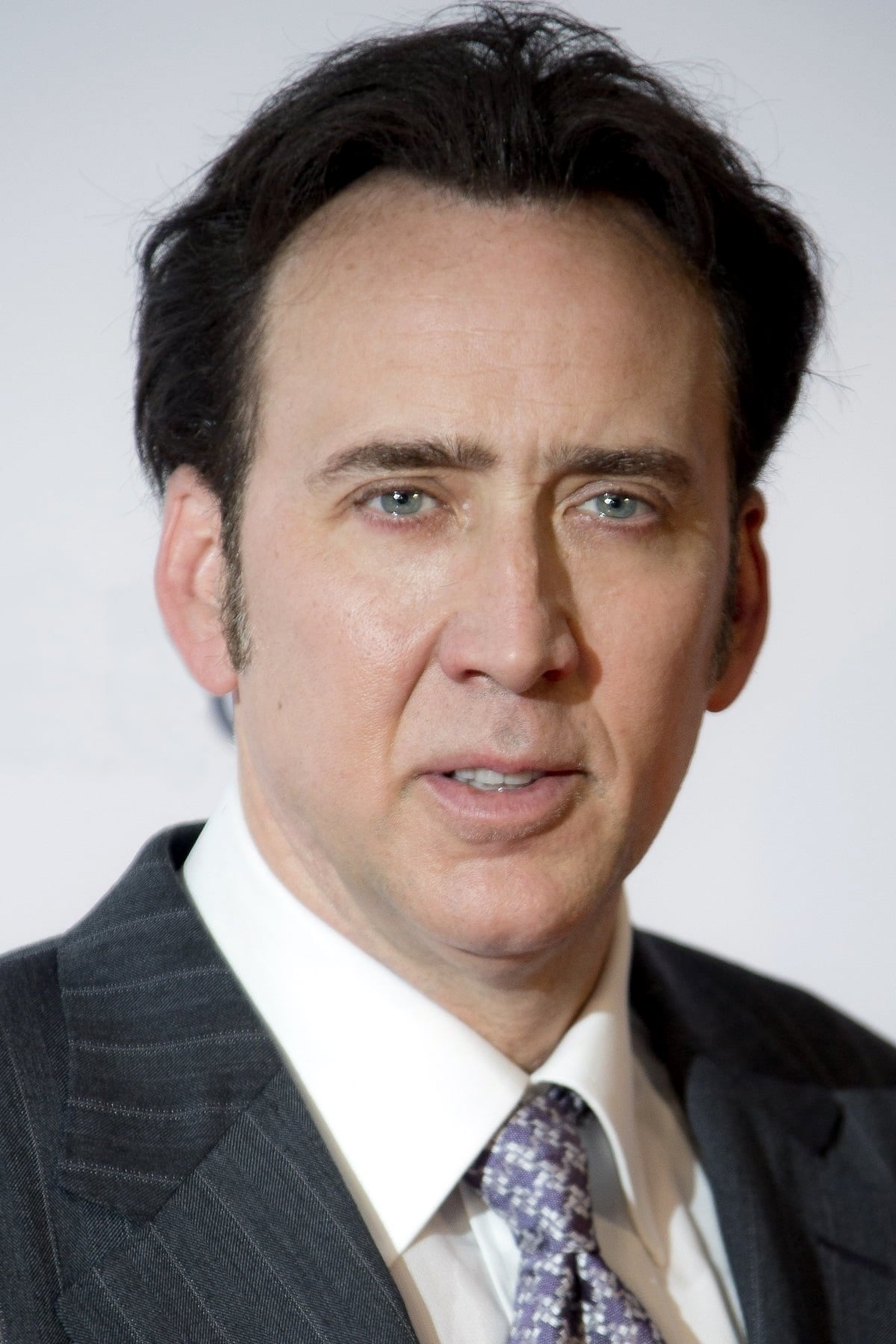
Nicolas Cage sustained output across action, adventure, and supernatural thrillers, often opening at number one domestically. He moved between original concepts and graphic-novel adaptations, maintaining global traction. Cage’s eclectic choices kept him active in both studio and independent spheres. His films performed strongly in home entertainment and international television windows, extending profitability.
Jake Gyllenhaal
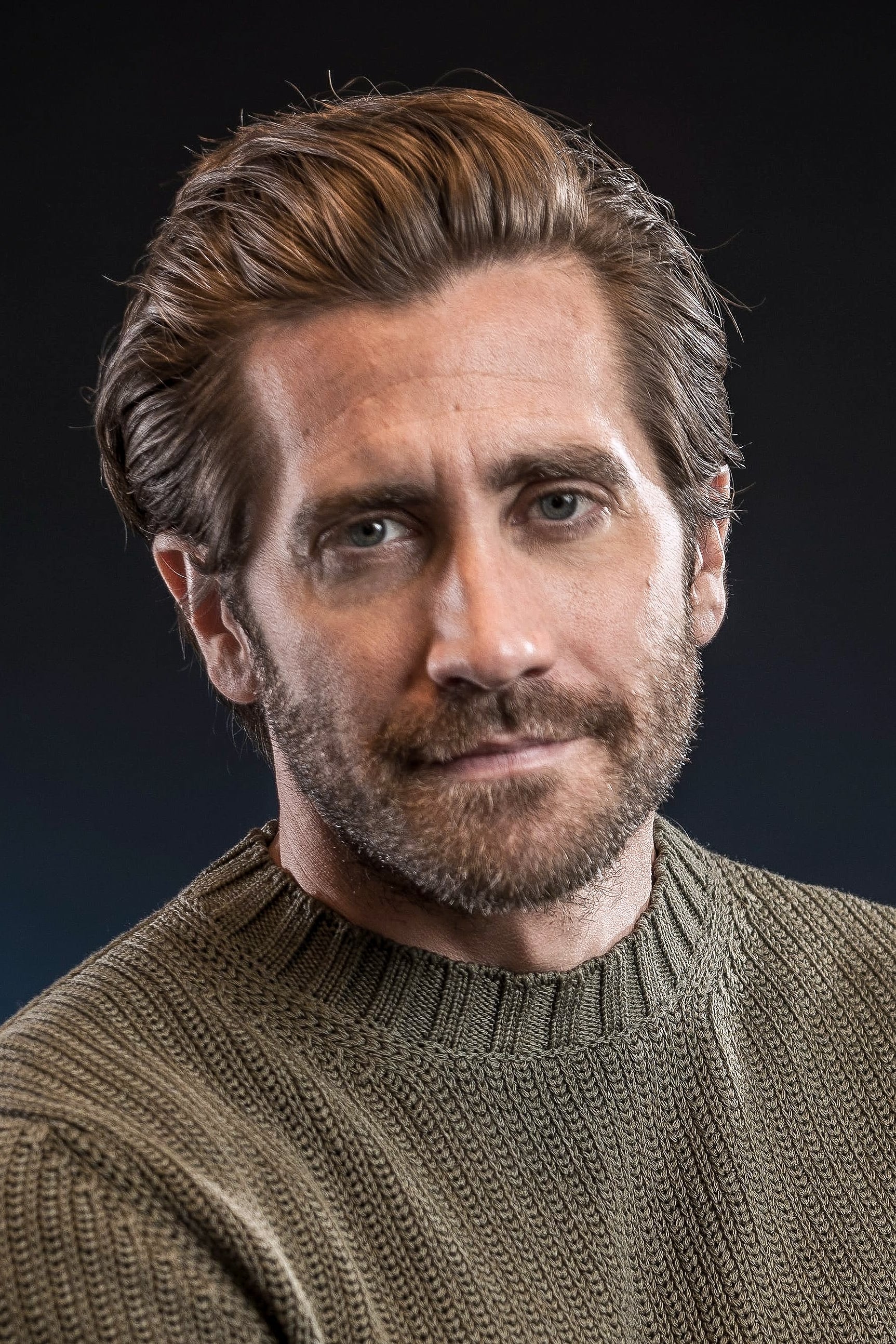
Jake Gyllenhaal emerged from teen and indie roles into headline parts across war dramas, thrillers, and literary adaptations. He consistently worked with high-profile directors known for distinctive visual styles. Gyllenhaal’s projects balanced critical recognition with steady box-office performance. His filmography helped bridge genre entertainment and awards-season programming.
Sacha Baron Cohen
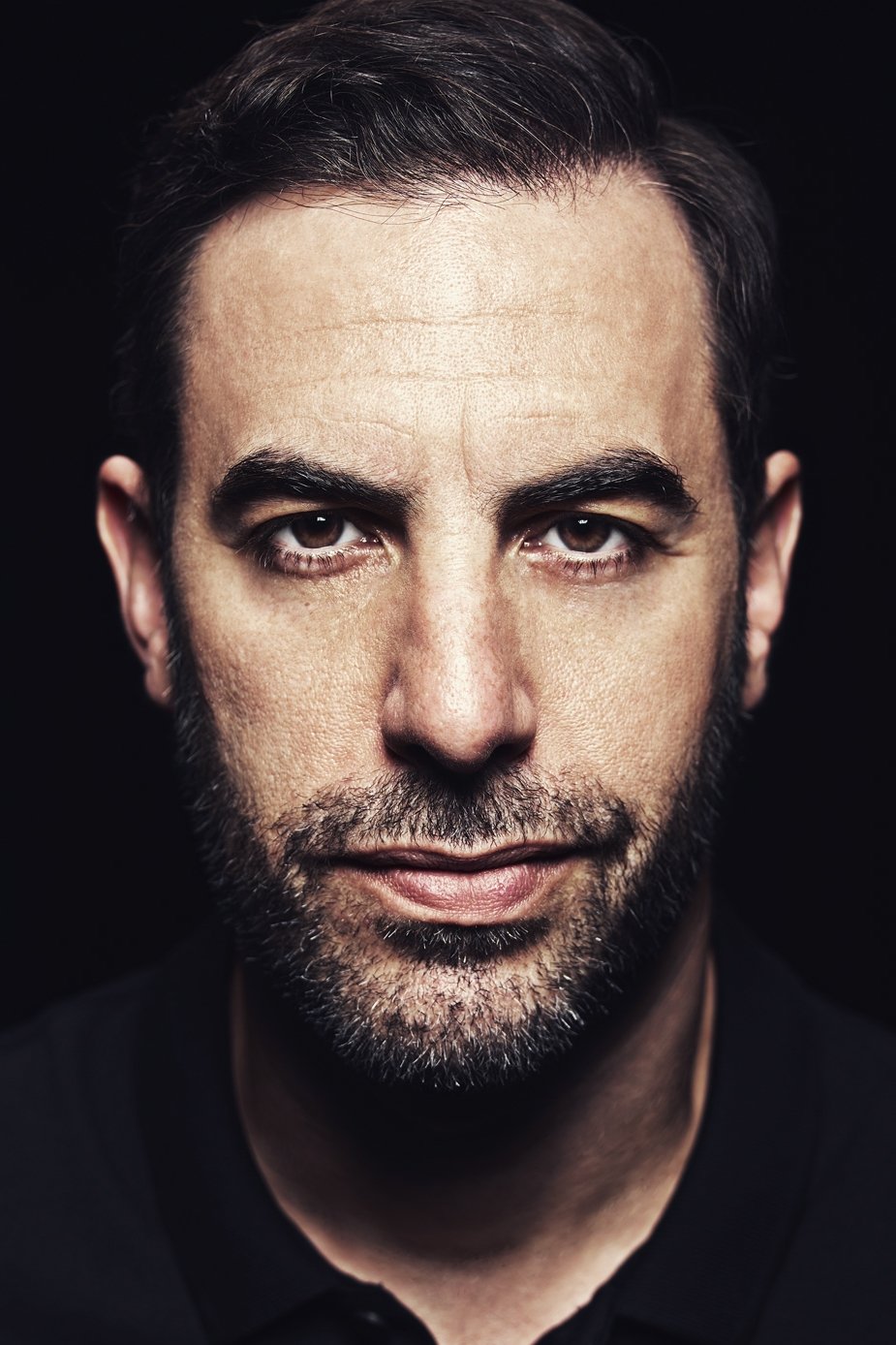
Sacha Baron Cohen transformed prank-driven television characters into theatrical events that blended documentary techniques with scripted comedy. His films generated significant cultural conversation and strong international grosses. Baron Cohen’s commitment to improvisation and long-form character work influenced modern satire. He also moved into dramatic roles, showing crossover potential beyond comedy.
Andy Serkis
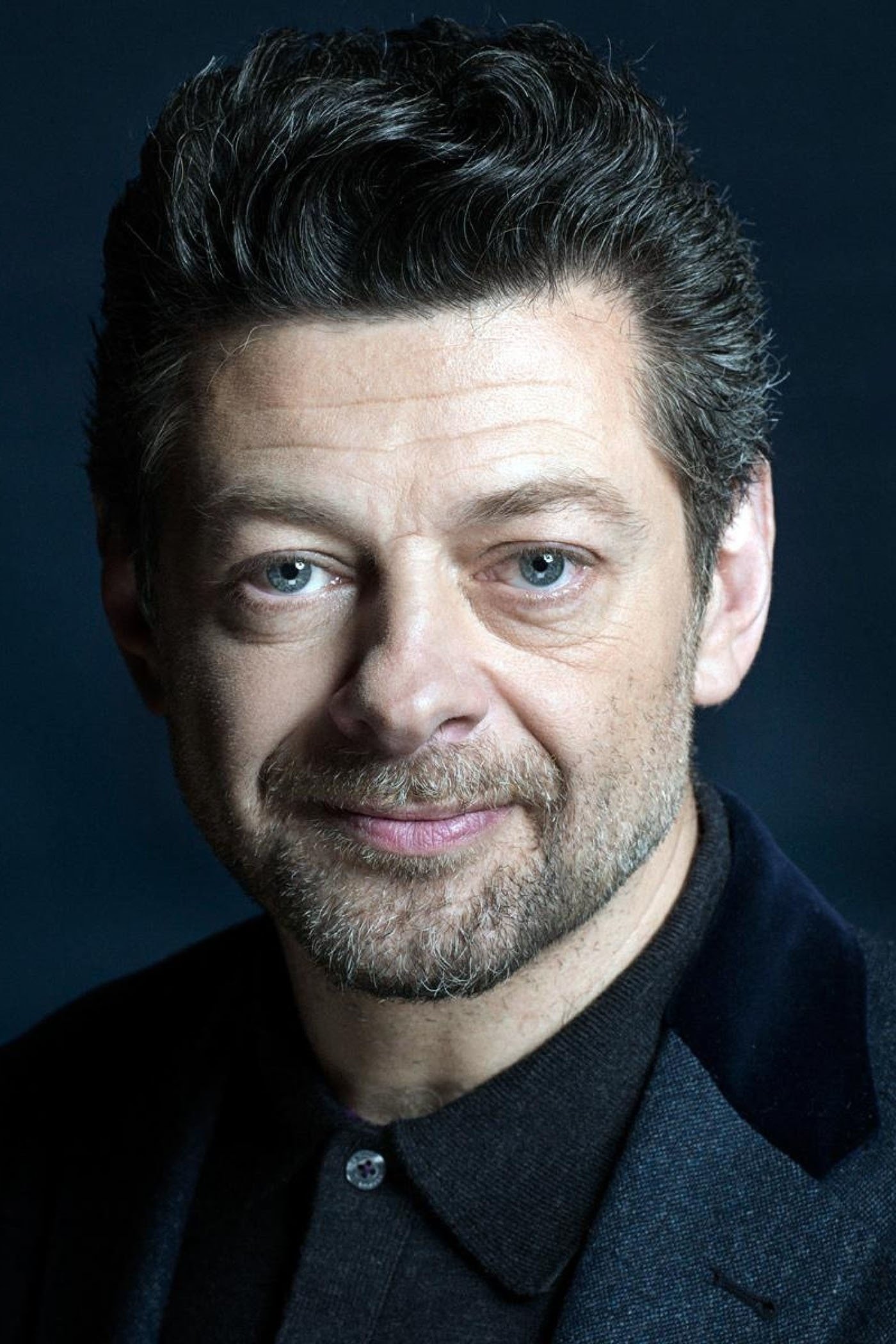
Andy Serkis pioneered performance-capture acting at blockbuster scale, collaborating with effects houses to merge physical performance and digital character creation. His roles in fantasy and science-fiction franchises demonstrated how actors could drive fully digital leads. Serkis worked closely with directors and VFX supervisors to refine on-set capture workflows. His contributions accelerated industry adoption of performance capture for central characters.
Don Cheadle
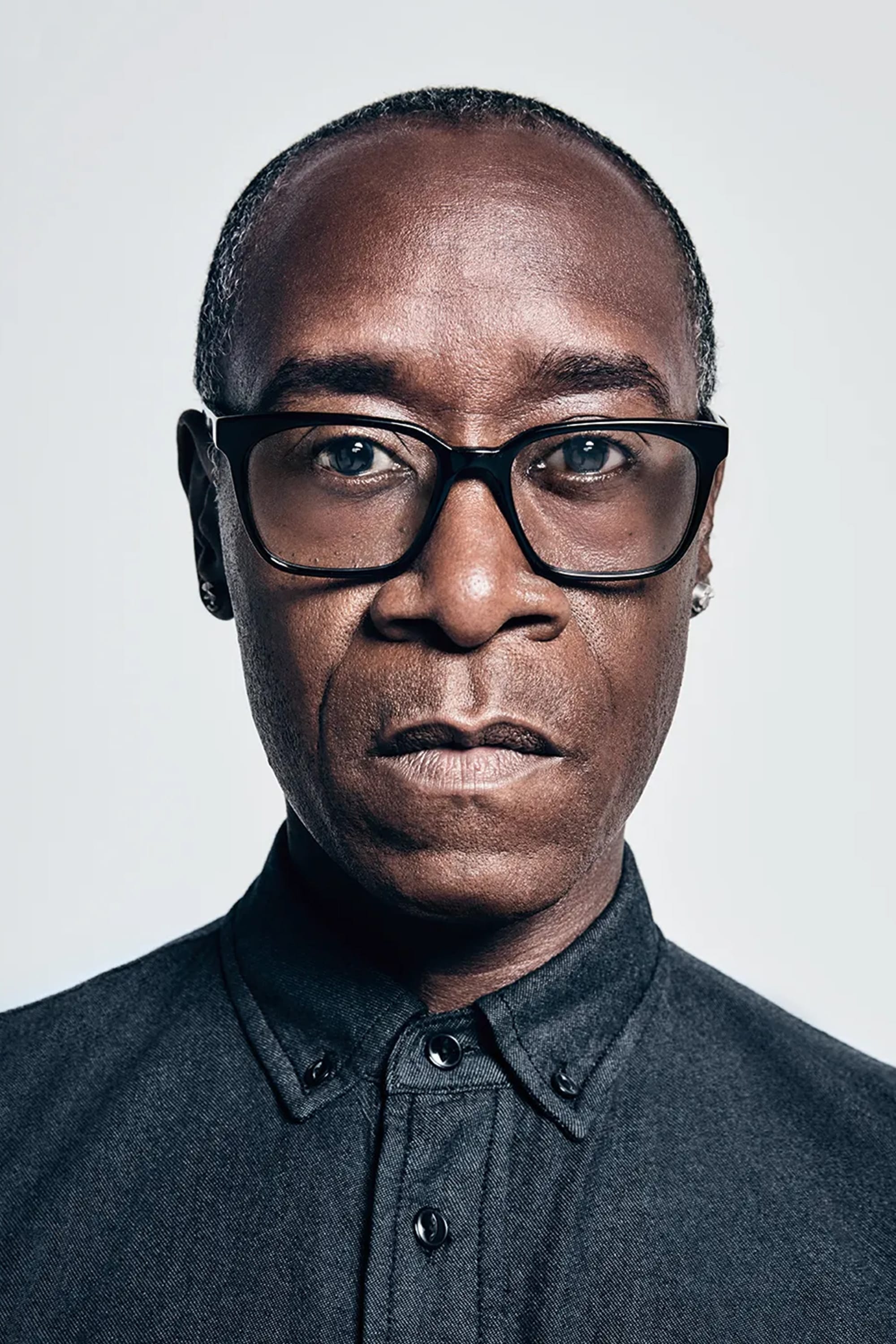
Don Cheadle combined award-nominated dramas with high-visibility roles in ensemble franchises. He also served as a producer on acclaimed projects that addressed contemporary issues. Cheadle’s versatility made him a go-to presence for prestige television limited series alongside films. His casting in major superhero ensembles reinforced the importance of dependable character actors in shared universes.
Aamir Khan
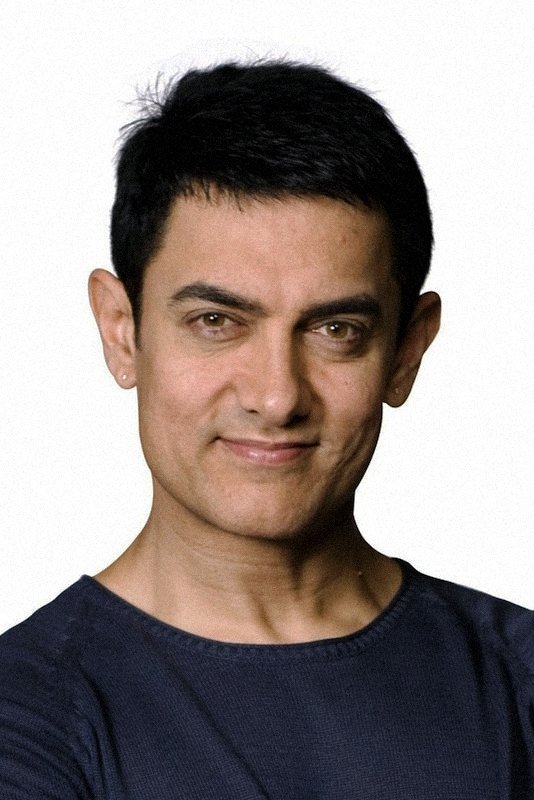
Aamir Khan delivered a string of Hindi-language hits that set new benchmarks for domestic and overseas markets. He emphasized content-driven scripts, often championing social themes that resonated widely. Khan’s films leveraged holiday corridors and meticulous marketing, boosting day-and-date performance in diaspora territories. His approach influenced release strategies and quality control within the Mumbai film industry.
Tony Leung Chiu-wai
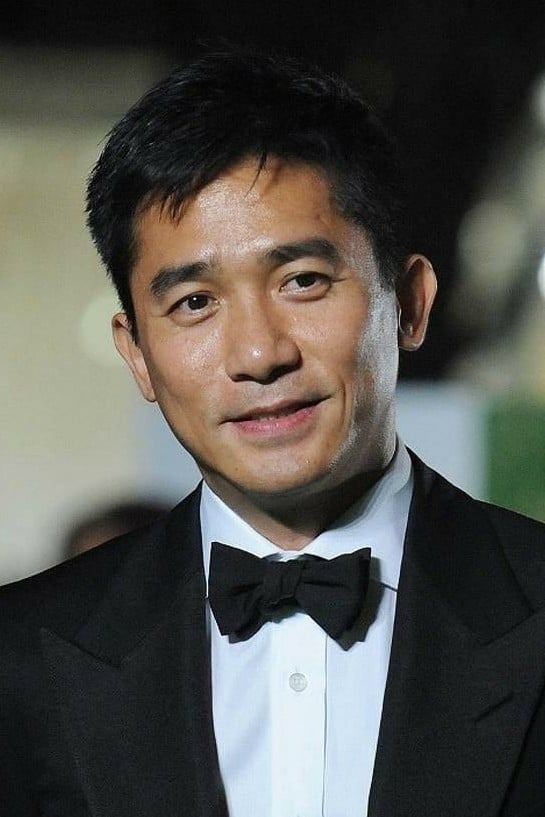
Tony Leung Chiu-wai anchored modern classics of Hong Kong and mainland co-productions, spanning romance, crime, and historical epics. His collaborations with renowned auteurs elevated Asian cinema’s profile in Western festivals and arthouses. Leung’s crossover roles in large-scale action features expanded his international audience. His understated style became a reference point for filmmakers seeking nuanced leads.
Jet Li
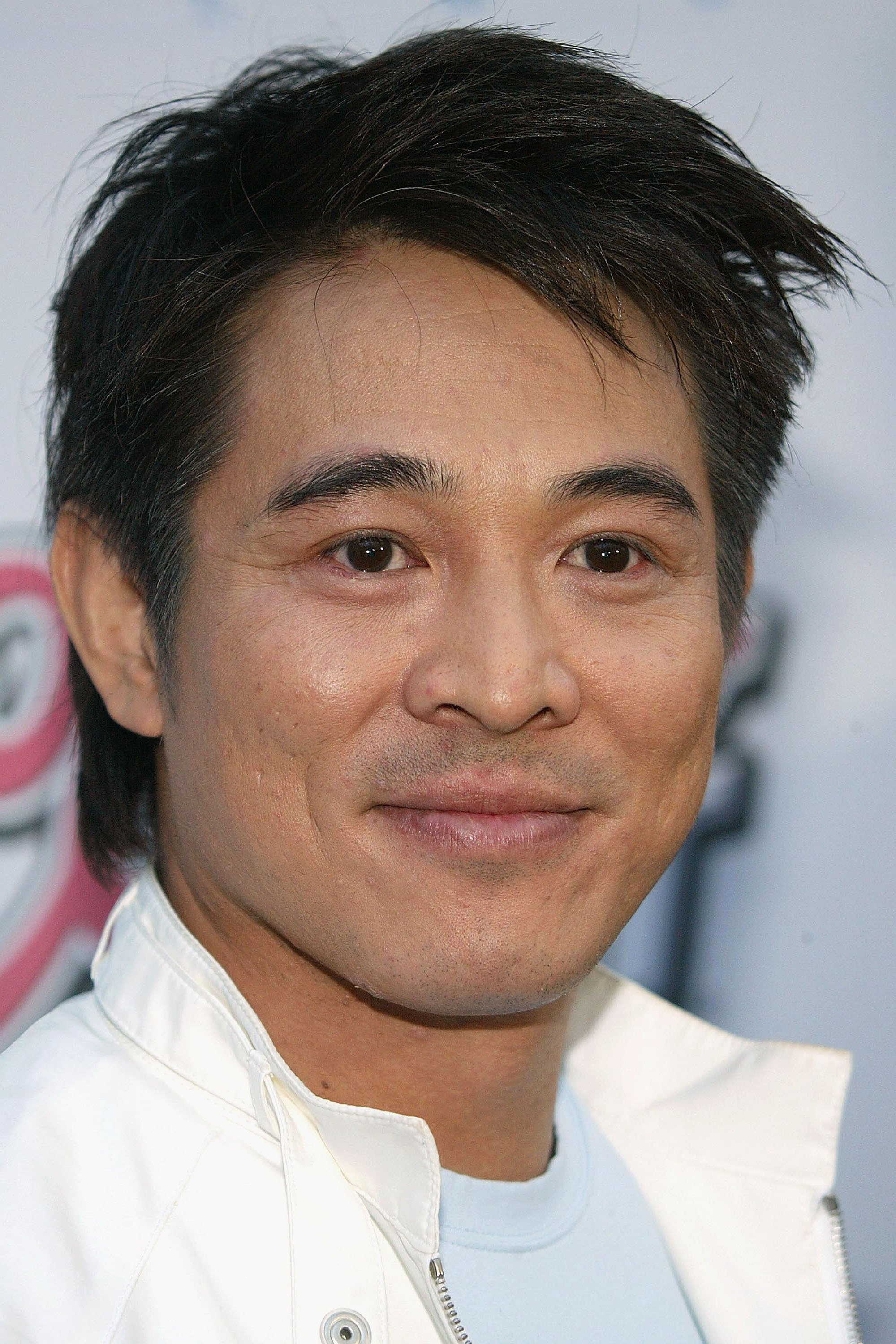
Jet Li brought wushu-based choreography to Western studio releases while sustaining popularity in pan-Asian markets. He alternated English-language action films with Chinese historical epics, keeping a strong global footprint. Li’s brand emphasized practical stunt work and disciplined fight design. His presence in ensembles and lead vehicles supported transnational co-production models.
Liam Neeson
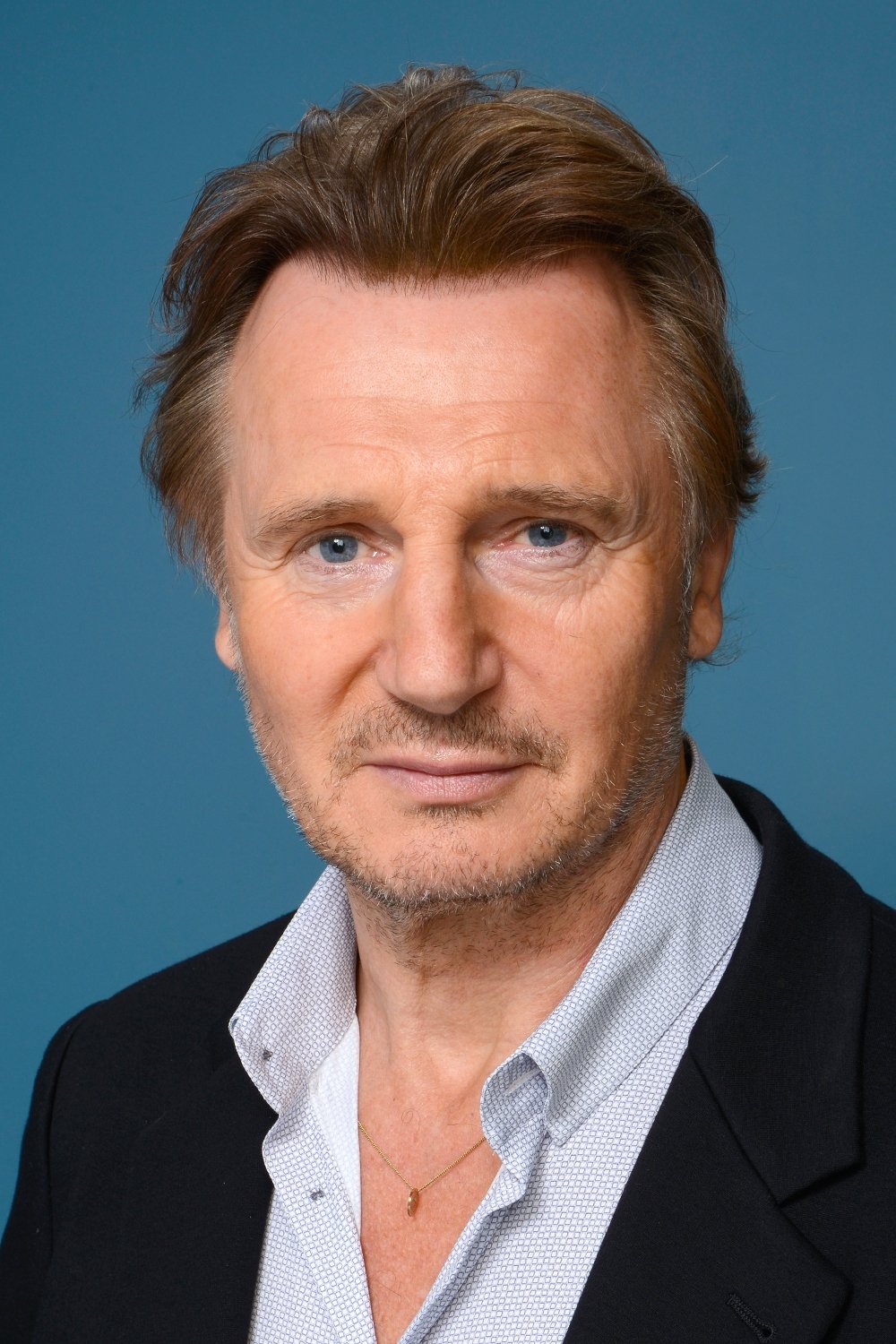
Liam Neeson transitioned from prestige dramas and historical biopics into a late-decade surge of action thrillers. A breakout thriller repositioned him as a durable lead for streamlined, mid-budget hits. Neeson maintained credibility across family adventure, ensemble pieces, and serious drama. His reliability encouraged studios to back star-led, internationally friendly action vehicles.
Share your picks and any names you’d add from the 2000s in the comments!

