


The Most Influential Actors of the 2010s

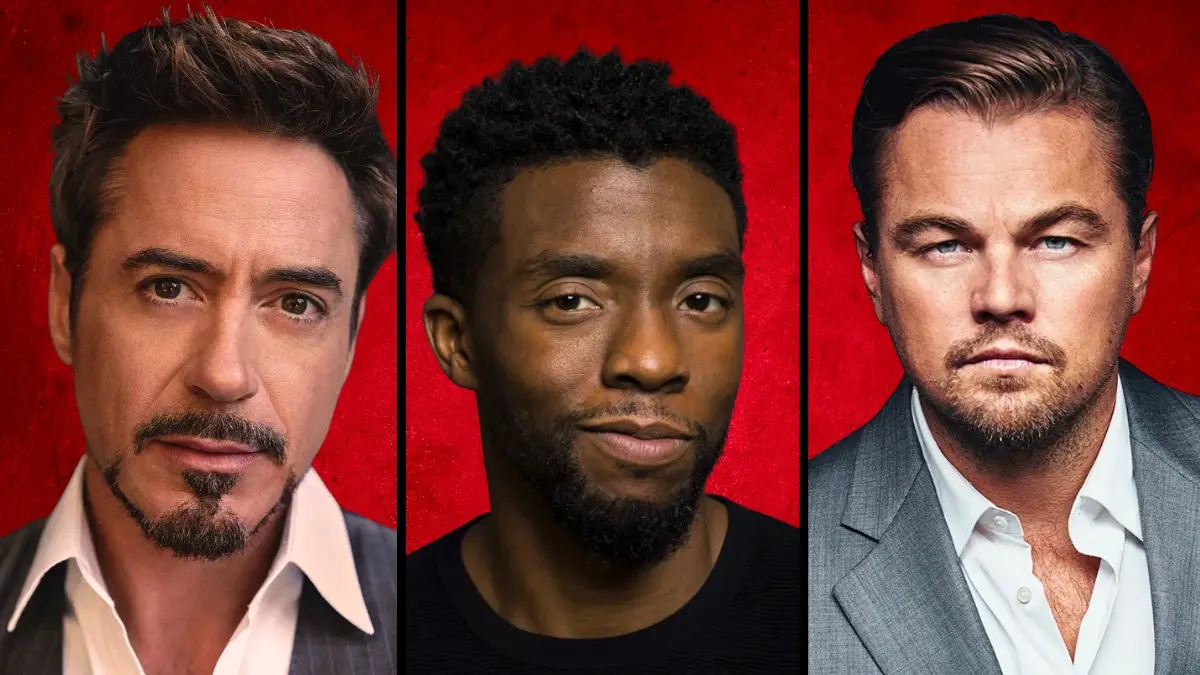


The 2010s reshaped mainstream and prestige cinema, with global franchises exploding and new voices pushing awards conversations in fresh directions. Across the decade, certain actors anchored era-defining sagas, carried original dramas to wide audiences, and expanded representation on-screen. Many also produced, directed, or championed projects that changed what studios greenlit and how audiences discovered stories worldwide. Here are 25 male actors whose work left a clear mark on the decade’s film culture and industry—plus 15 more who round out the picture.
Robert Downey Jr.
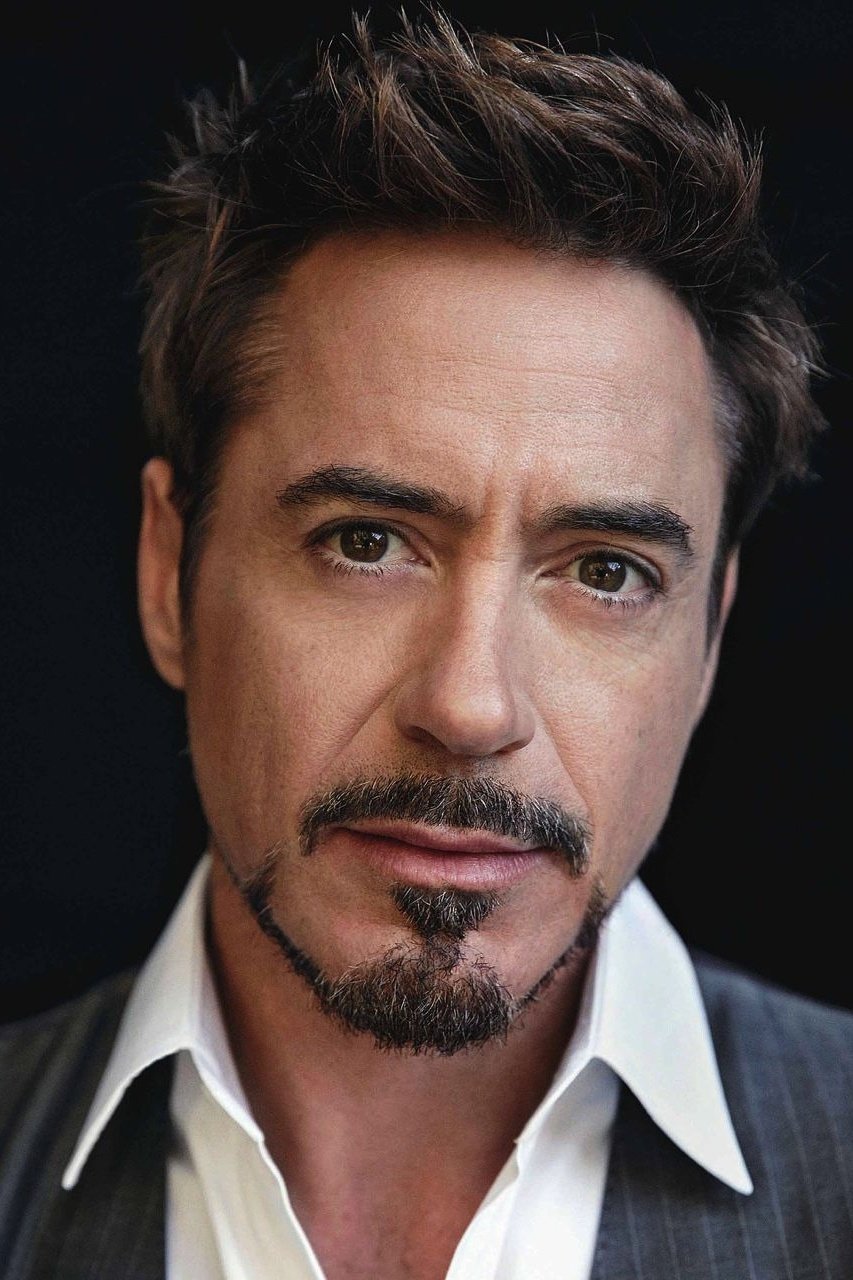
Robert Downey Jr. led the Marvel Cinematic Universe as Tony Stark across multiple ‘Iron Man’ and ‘Avengers’ installments that set box-office benchmarks and standardized interconnected storytelling. His performance established a template for long-form character arcs across a shared universe. He balanced tentpoles with distinctive projects like ‘The Judge’ and ‘Sherlock Holmes: A Game of Shadows’. His star power influenced global release strategies and cross-media marketing throughout the decade.
Leonardo DiCaprio
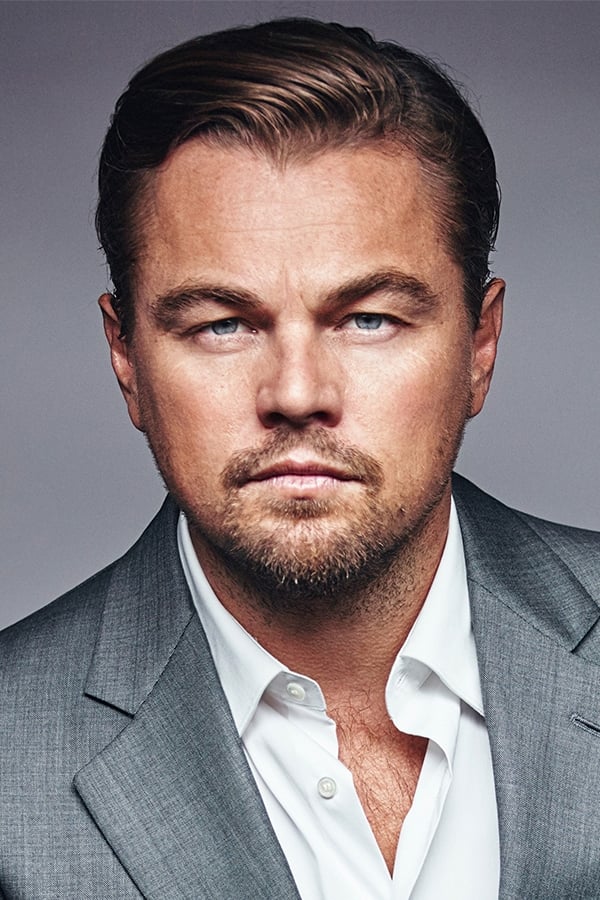
Leonardo DiCaprio collaborated repeatedly with major auteurs, headlining films such as ‘Inception’, ‘The Wolf of Wall Street’, and ‘Once Upon a Time in Hollywood’. He earned multiple nominations and an Academy Award during the decade, reinforcing the viability of adult-skewing dramas at scale. DiCaprio often combined high-concept storytelling with strong box-office pull. He also backed prestige productions through Appian Way, amplifying environmentally focused projects and industry partnerships.
Denzel Washington

Denzel Washington balanced acclaimed stage work with screen roles in ‘Flight’, ‘Fences’, and ‘The Equalizer’. He earned major awards recognition and directed ‘Fences’, bringing an important American play to a wide audience. His action turns maintained commercial momentum while his dramatic work sustained critical prominence. Washington’s leadership expanded opportunities for classic theater adaptations led by Black creatives in mainstream cinema.
Brad Pitt
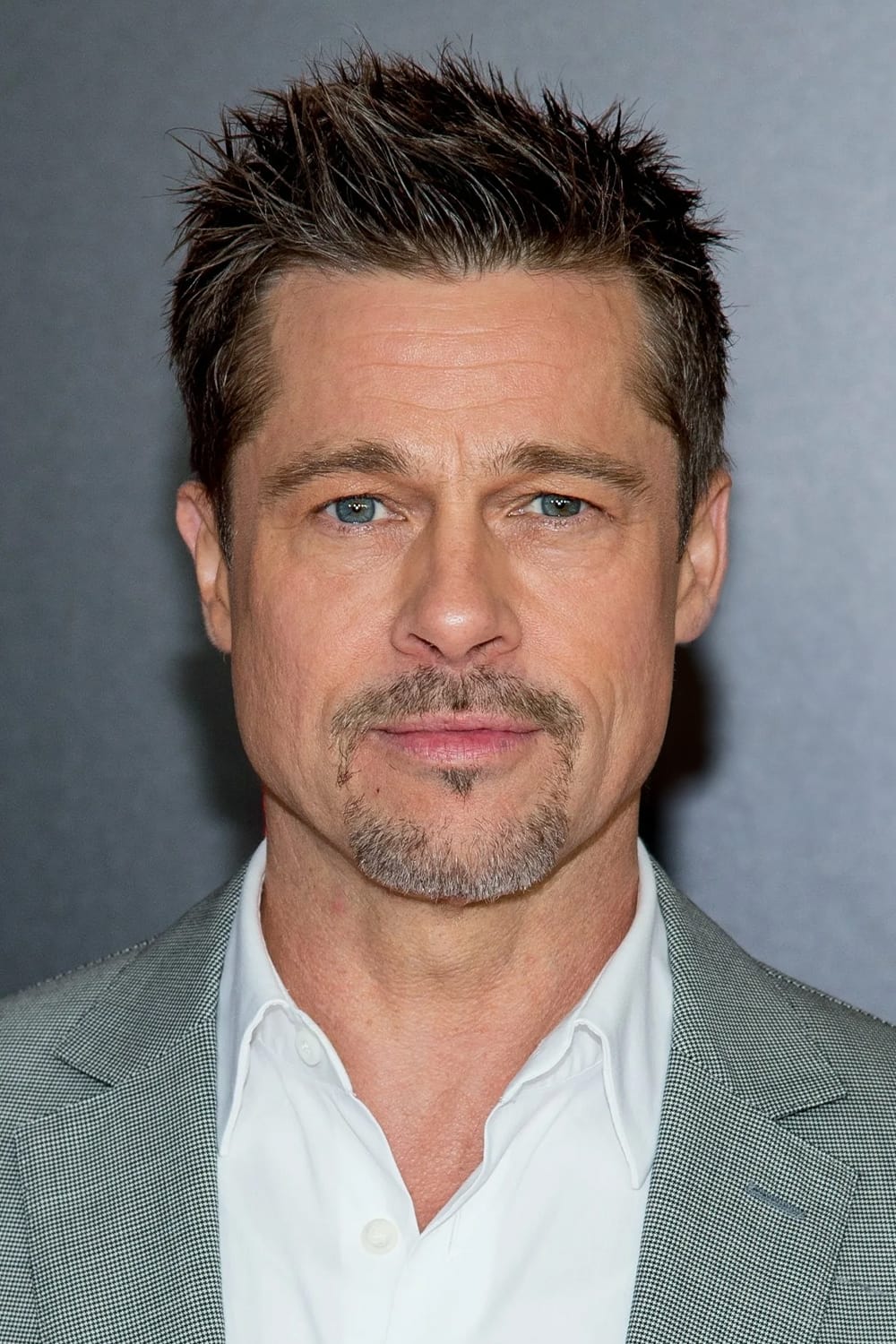
Brad Pitt paired producing and acting to notable effect, starring in ‘Moneyball’, ‘Once Upon a Time in Hollywood’, and ‘Ad Astra’. Through Plan B, he produced award-winning films including ’12 Years a Slave’ and ‘Moonlight’, which influenced studio decisions about ambitious storytelling. His performances drew sustained recognition while his production slate elevated emerging directors. Pitt’s dual-track approach shaped how star-producers steered prestige projects to wide release.
Christian Bale
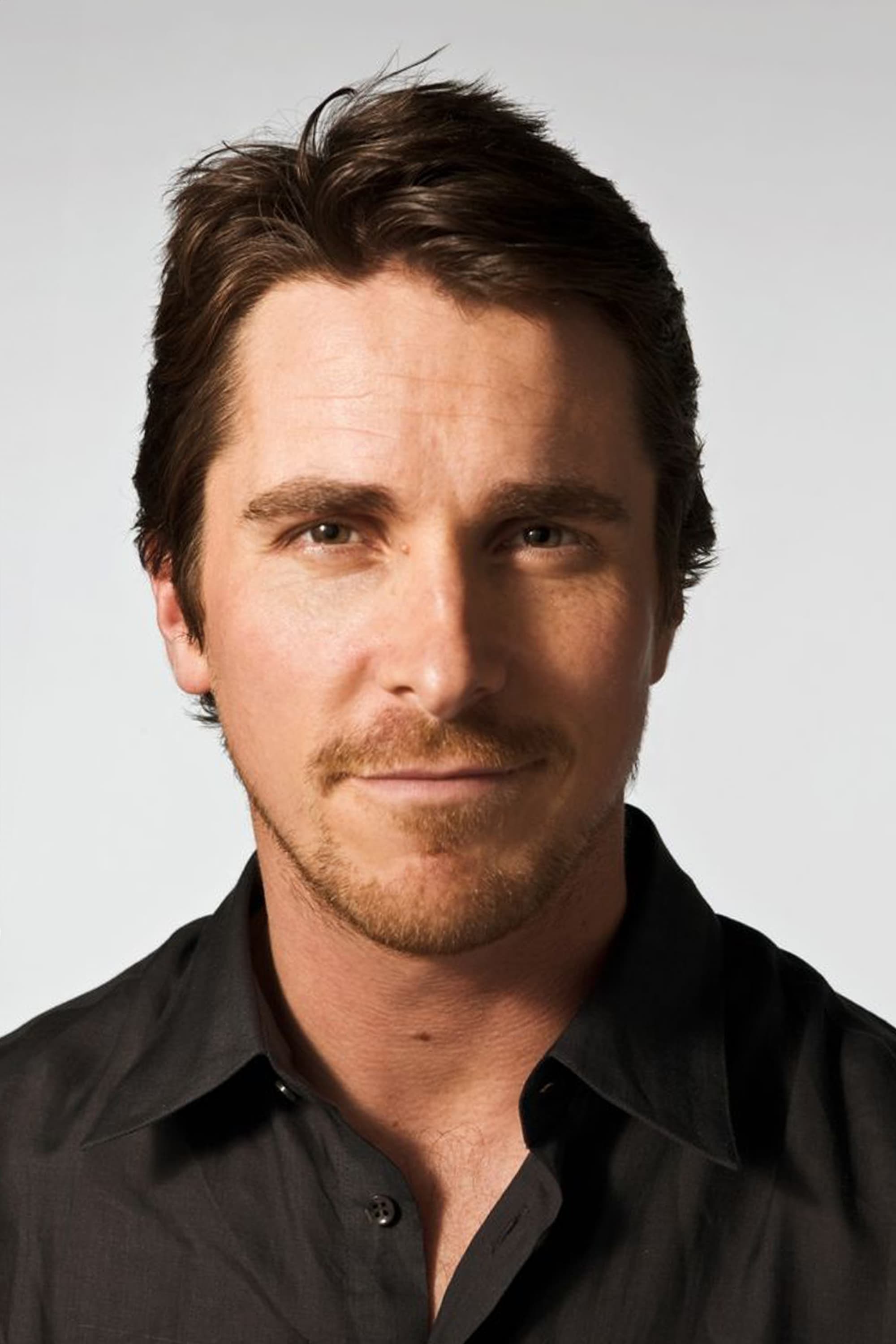
Christian Bale delivered transformative performances across genres, from ‘The Fighter’ and ‘American Hustle’ to ‘The Big Short’ and ‘Vice’. He garnered multiple nominations and wins, demonstrating commitment to physically and psychologically demanding roles. Bale’s work in issue-driven films brought complex subjects to mainstream audiences. His consistency helped sustain interest in character-centered, mid-budget dramas.
Tom Hardy
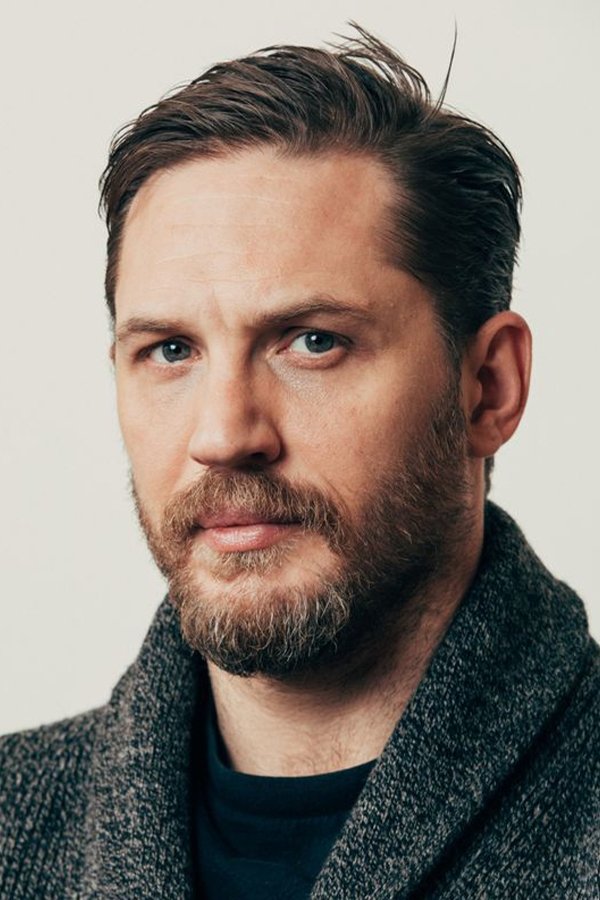
Tom Hardy anchored high-impact titles such as ‘Inception’, ‘Mad Max: Fury Road’, and ‘Dunkirk’, while also entering superhero territory with ‘Venom’. He took on challenging dual roles in ‘Legend’ and shifted between franchise and auteur projects with ease. Hardy’s presence boosted the global appeal of action and war epics as well as comic-book fare. He collaborated frequently with top directors, reinforcing the crossover between prestige filmmaking and mass-market spectacle.
Joaquin Phoenix
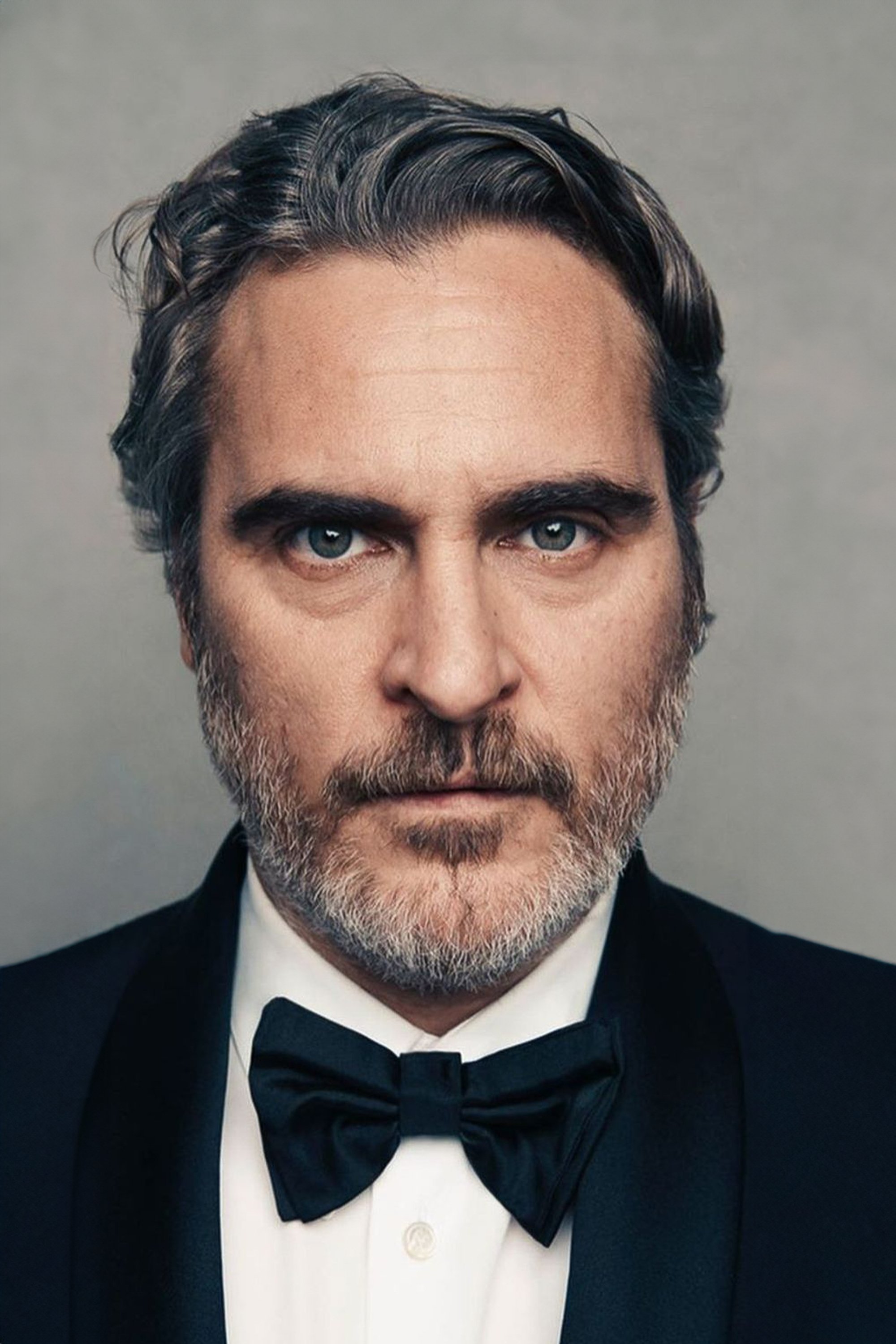
Joaquin Phoenix delivered lauded turns in ‘Her’, ‘The Master’, and ‘Joker’. He earned major awards recognition, culminating in an Academy Award for a title that became a cultural flashpoint. Phoenix often chose character studies that pushed thematic boundaries in wide-release contexts. His work demonstrated that psychologically intense narratives could thrive with broad audiences.
Adam Driver
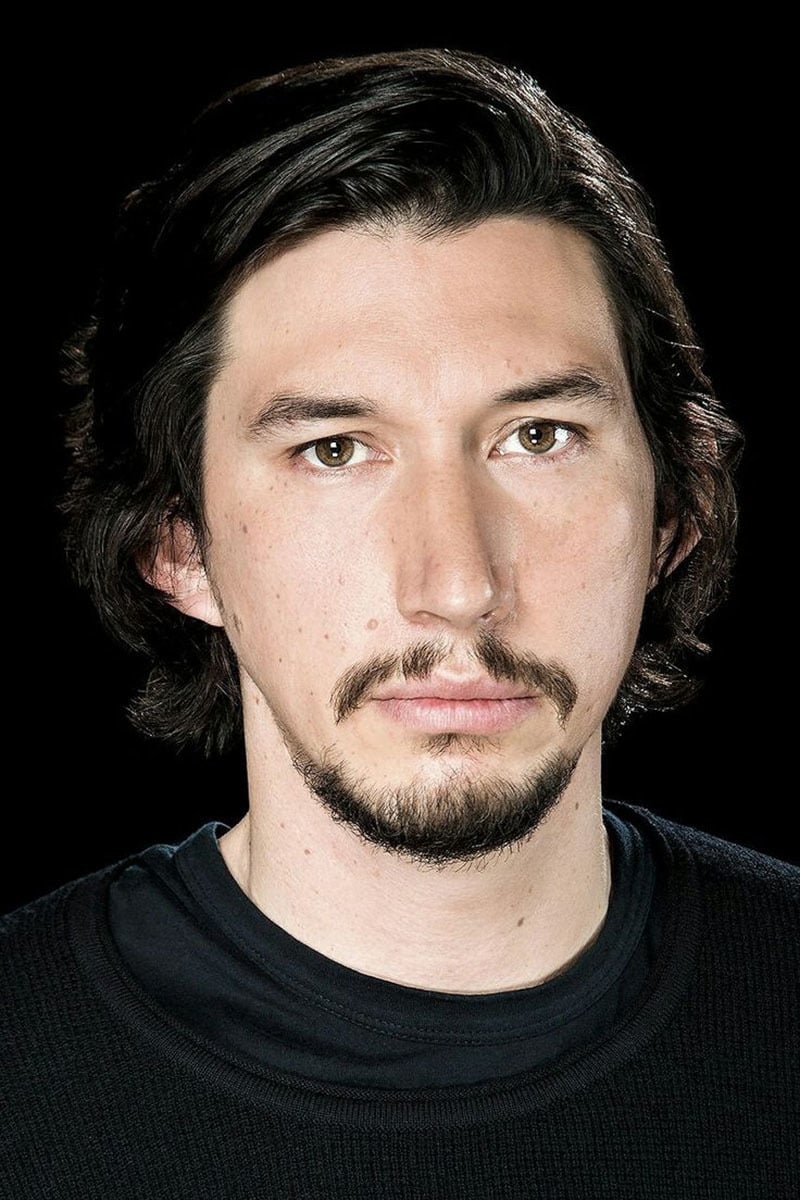
Adam Driver emerged as a defining face of the decade through ‘Star Wars’ entries, ‘Marriage Story’, and ‘BlacKkKlansman’. He moved fluidly between independent dramas and global franchises, earning multiple nominations. Driver’s stage background informed precise, grounded performances across formats. His rapid ascent showed how franchise visibility could feed diverse, director-driven choices.
Mahershala Ali
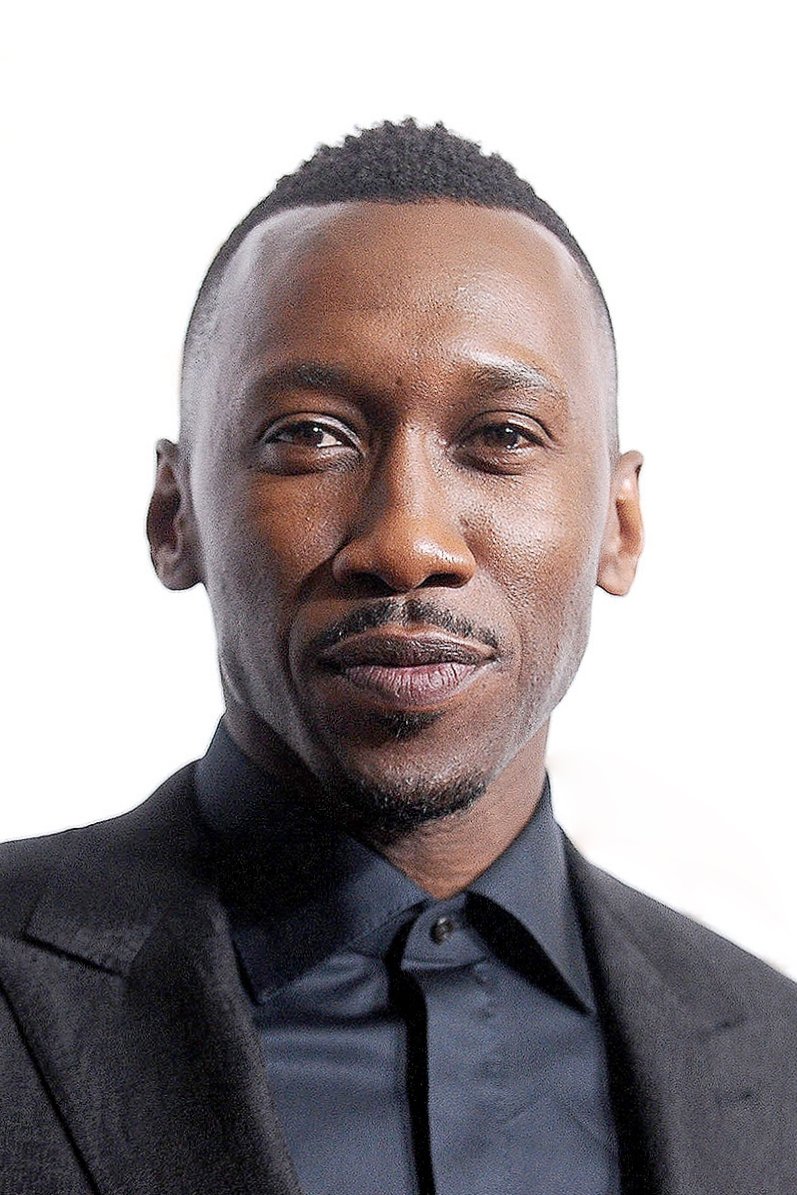
Mahershala Ali earned two Academy Awards for supporting roles in ‘Moonlight’ and ‘Green Book’. He also appeared in projects like ‘Hidden Figures’ and led ‘True Detective’, crossing film and prestige television. Ali’s trajectory highlighted expanded opportunities for complex, character-forward storytelling with Black leads. His success encouraged greater attention to inclusive casting in awards-season fare.
Benedict Cumberbatch
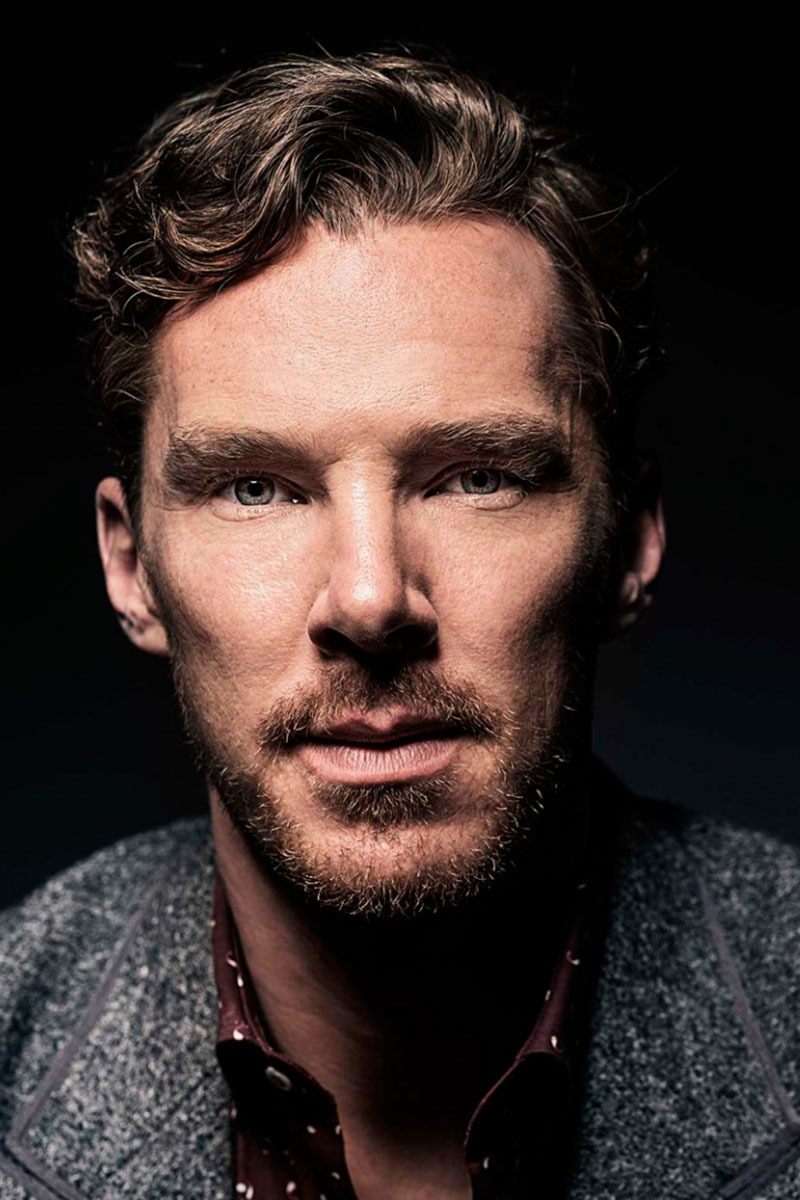
Benedict Cumberbatch gained global recognition with ‘Sherlock’ and carried that audience to film roles such as ‘The Imitation Game’ and Marvel entries featuring ‘Doctor Strange’. He regularly partnered with prestige television and streaming platforms while maintaining theatrical releases. Cumberbatch’s projects spanned biopics, superhero films, and period dramas. This cross-medium versatility helped normalize fluid movement between TV, streaming, and cinema for A-list talent.
Eddie Redmayne
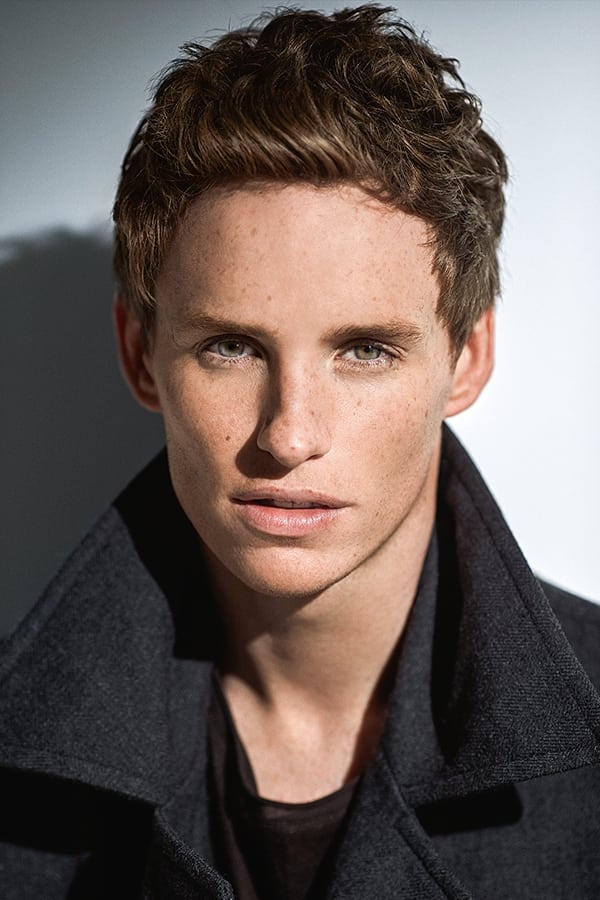
Eddie Redmayne won an Academy Award for ‘The Theory of Everything’ and received further recognition for roles like ‘The Danish Girl’. He also joined major franchises with the ‘Fantastic Beasts’ series, broadening his audience globally. Redmayne’s choices bridged biographical drama and fantasy world-building. His visibility supported sustained interest in physically and emotionally demanding lead roles.
Ryan Gosling
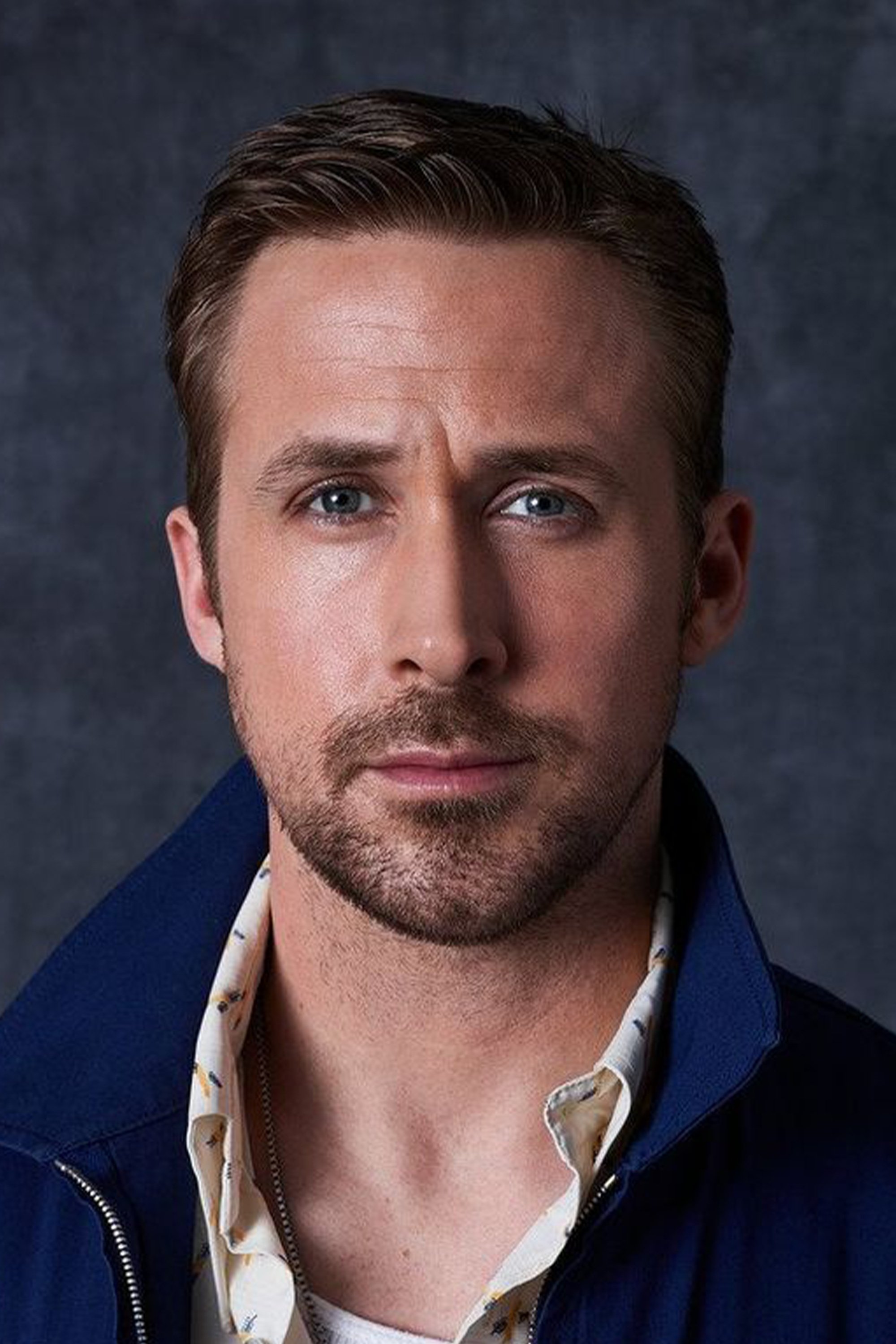
Ryan Gosling anchored auteur-driven projects such as ‘Drive’, ‘La La Land’, and ‘First Man’. He worked repeatedly with directors known for distinctive visual and musical styles, helping those films reach mainstream conversation. Gosling balanced music-inflected storytelling with grounded drama. His slate showed that carefully curated, mid-to-large budget originals could compete alongside franchises.
Michael Fassbender
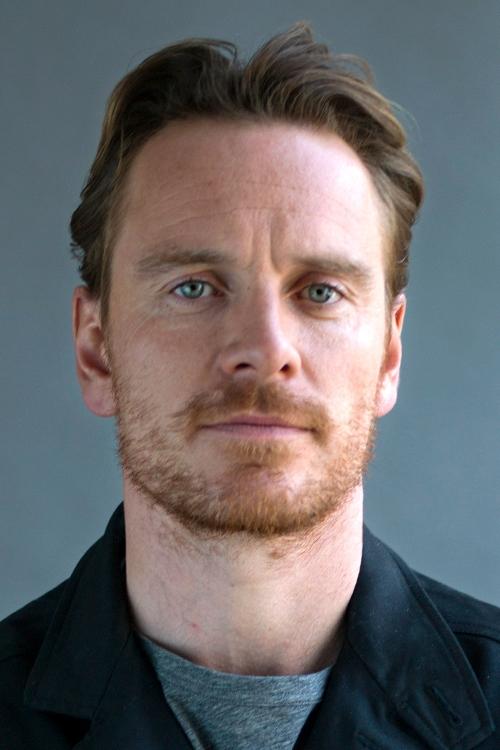
Michael Fassbender delivered notable performances in ’12 Years a Slave’, ‘Steve Jobs’, and entries in the ‘X-Men’ series. He moved between arthouse prestige and blockbuster franchises, earning multiple nominations. Fassbender often tackled real-life figures and morally complex characters. His work reinforced the appeal of adult dramas anchored by technically precise performances.
Timothée Chalamet

Timothée Chalamet made a rapid impact with ‘Call Me by Your Name’, ‘Lady Bird’, and ‘Beautiful Boy’. He became a prominent lead for character-centered dramas while also joining larger-scale projects like ‘The King’ and ‘Little Women’. Chalamet’s rise illustrated how younger actors could bridge indie credibility and mainstream reach. His choices helped bring coming-of-age and literary adaptations to broad audiences.
Chadwick Boseman
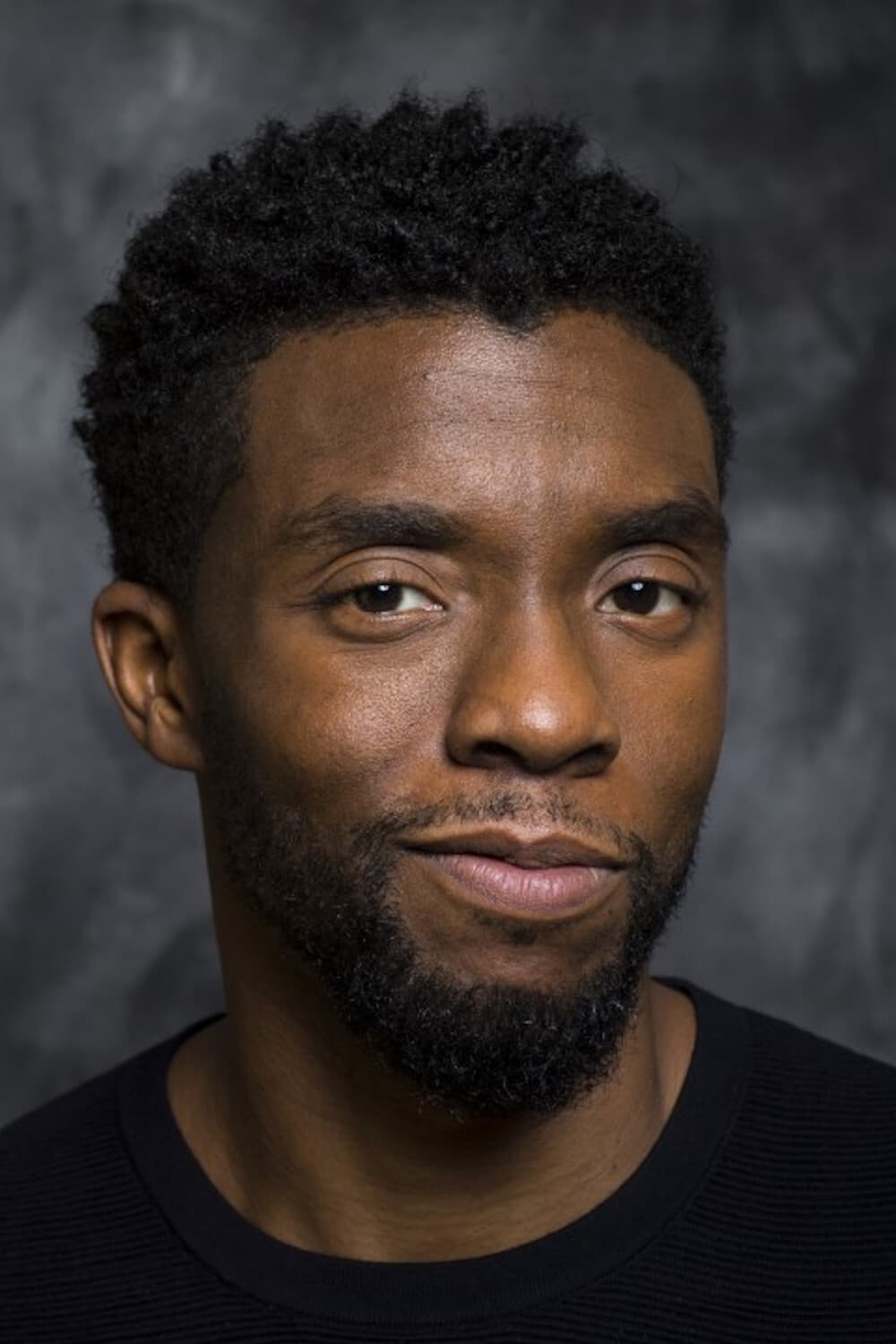
Chadwick Boseman portrayed major historical and cultural figures in ’42’, ‘Get on Up’, and ‘Marshall’. His leading role in ‘Black Panther’ became a landmark for representation and global box office. Boseman also contributed to ensemble storytelling in multiple ‘Avengers’ installments. His work catalyzed broader conversations about inclusive casting in tentpole filmmaking.
Chris Hemsworth
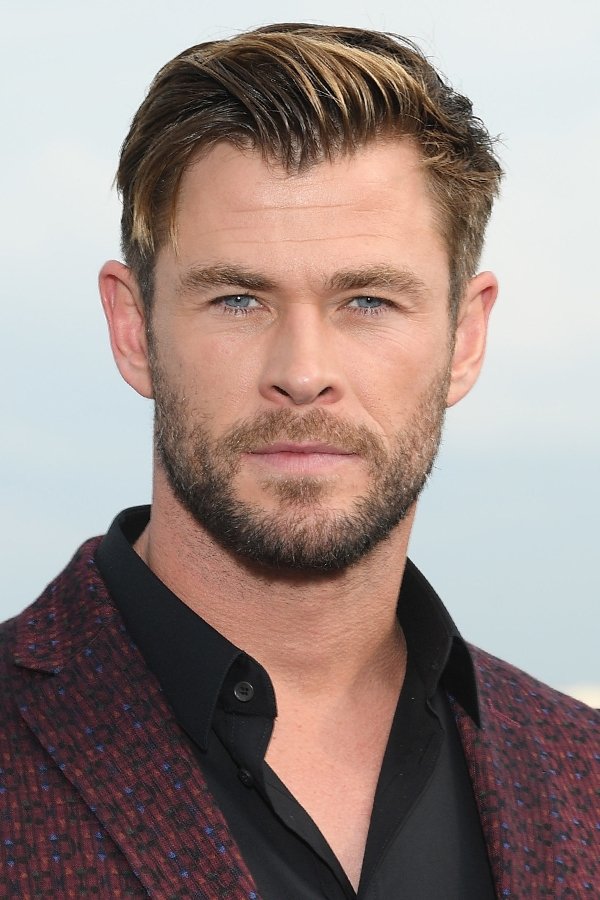
Chris Hemsworth defined a decade of blockbuster entertainment through ‘Thor’ entries and ensemble ‘Avengers’ films. He extended his action profile with titles like ‘Rush’, ’12 Strong’, and ‘Men in Black: International’. Hemsworth’s global appeal supported worldwide rollouts and event-level marketing. His career exemplified how franchise leads could diversify into biographical drama and high-concept action.
Chris Evans
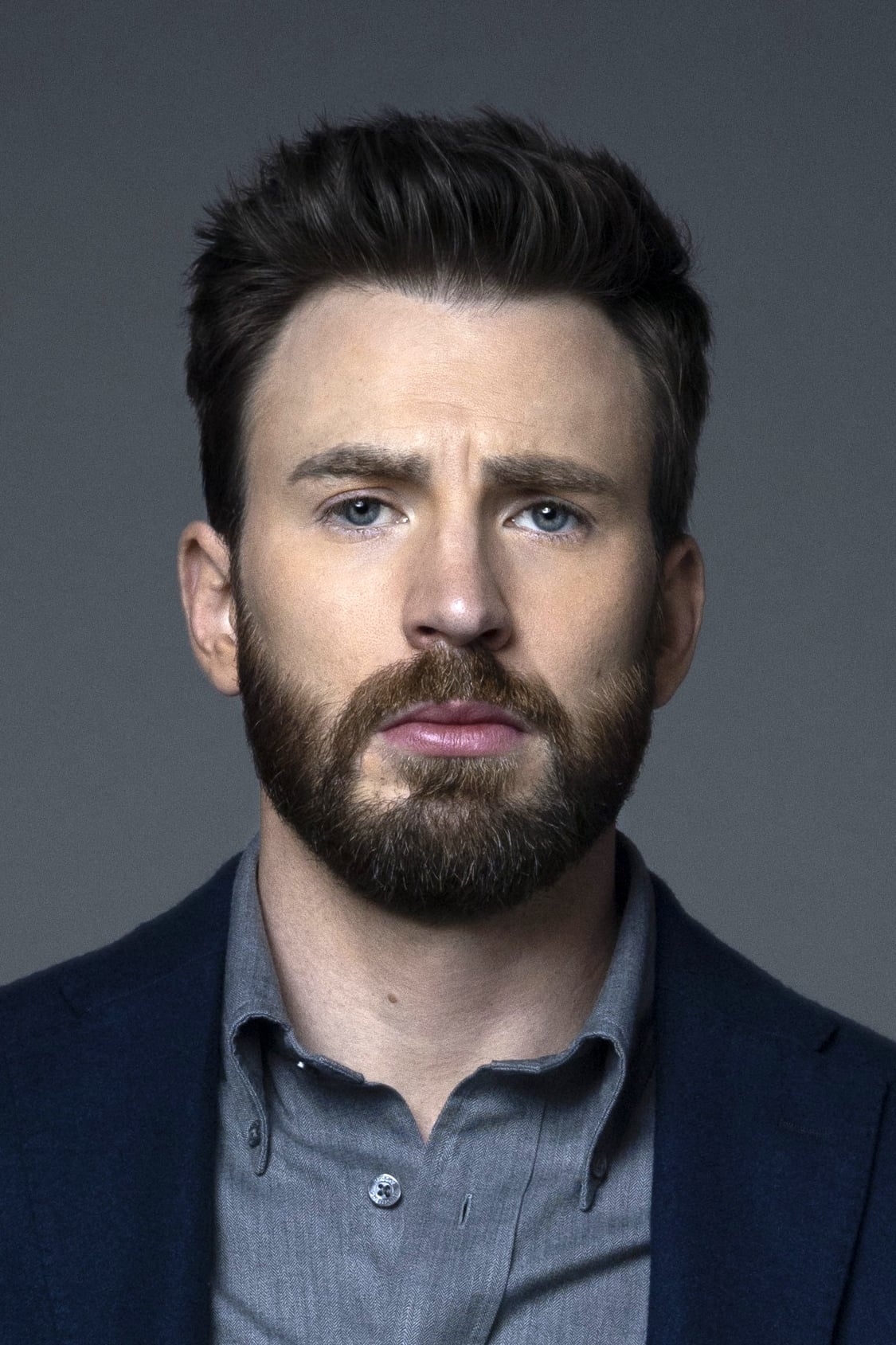
Chris Evans became synonymous with ‘Captain America’ across multiple Marvel films while headlining ensemble entries. He expanded into ensemble mystery with ‘Knives Out’ and explored directing with ‘Before We Go’. Evans’ stewardship of a central franchise role helped anchor long-form narrative continuity. He leveraged that profile to support varied projects across genres and budgets.
Mark Ruffalo
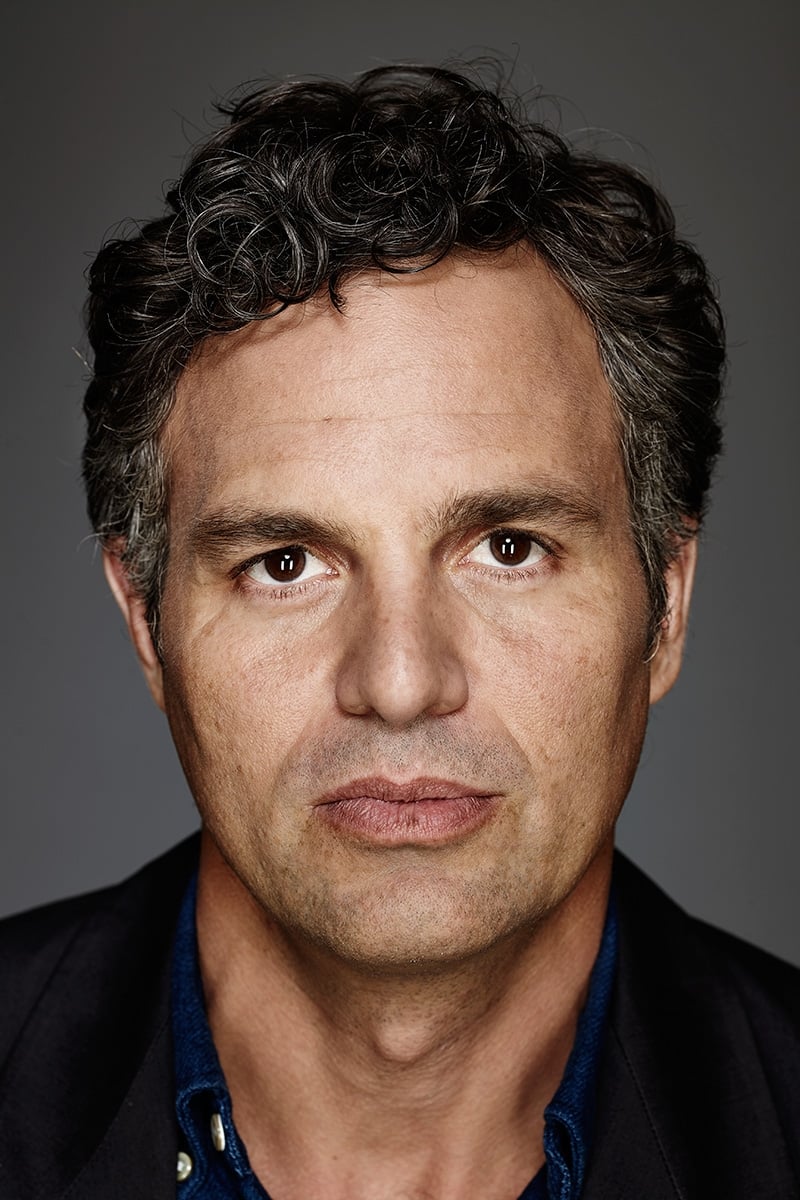
Mark Ruffalo balanced his role as Bruce Banner in ‘Avengers’ films with acclaimed dramas like ‘Spotlight’ and ‘Foxcatcher’. He also led limited-series television projects that drew significant awards attention. Ruffalo’s environmental and social advocacy intersected with his producing choices. His career demonstrated how performers could sustain blockbuster presence while advancing investigative and issue-driven stories.
Idris Elba
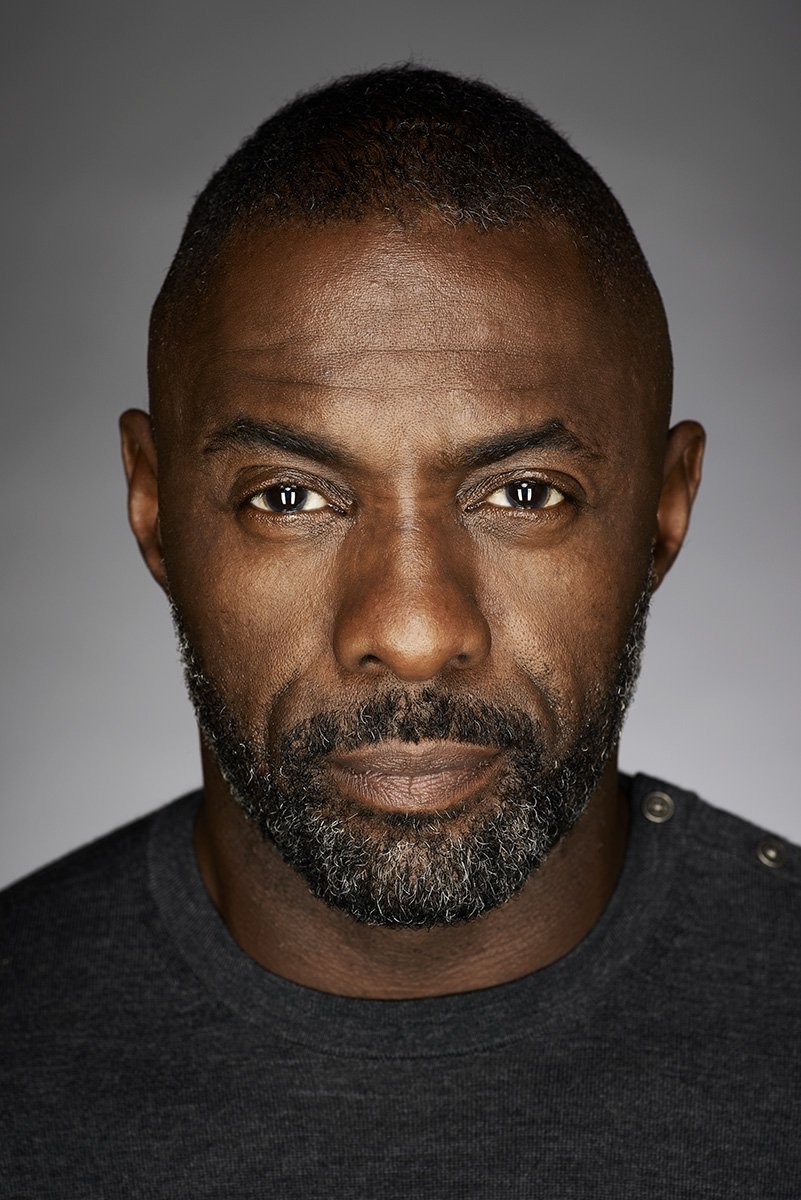
Idris Elba fronted ‘Luther’ on television and joined large-scale films such as ‘Pacific Rim’, ‘Beasts of No Nation’, and ‘Fast & Furious Presents: Hobbs & Shaw’. He also contributed voice work to major animated features. Elba’s cross-Atlantic appeal supported both UK prestige television and global franchise entries. He broadened his creative footprint with producing, music, and directing initiatives.
Daniel Kaluuya
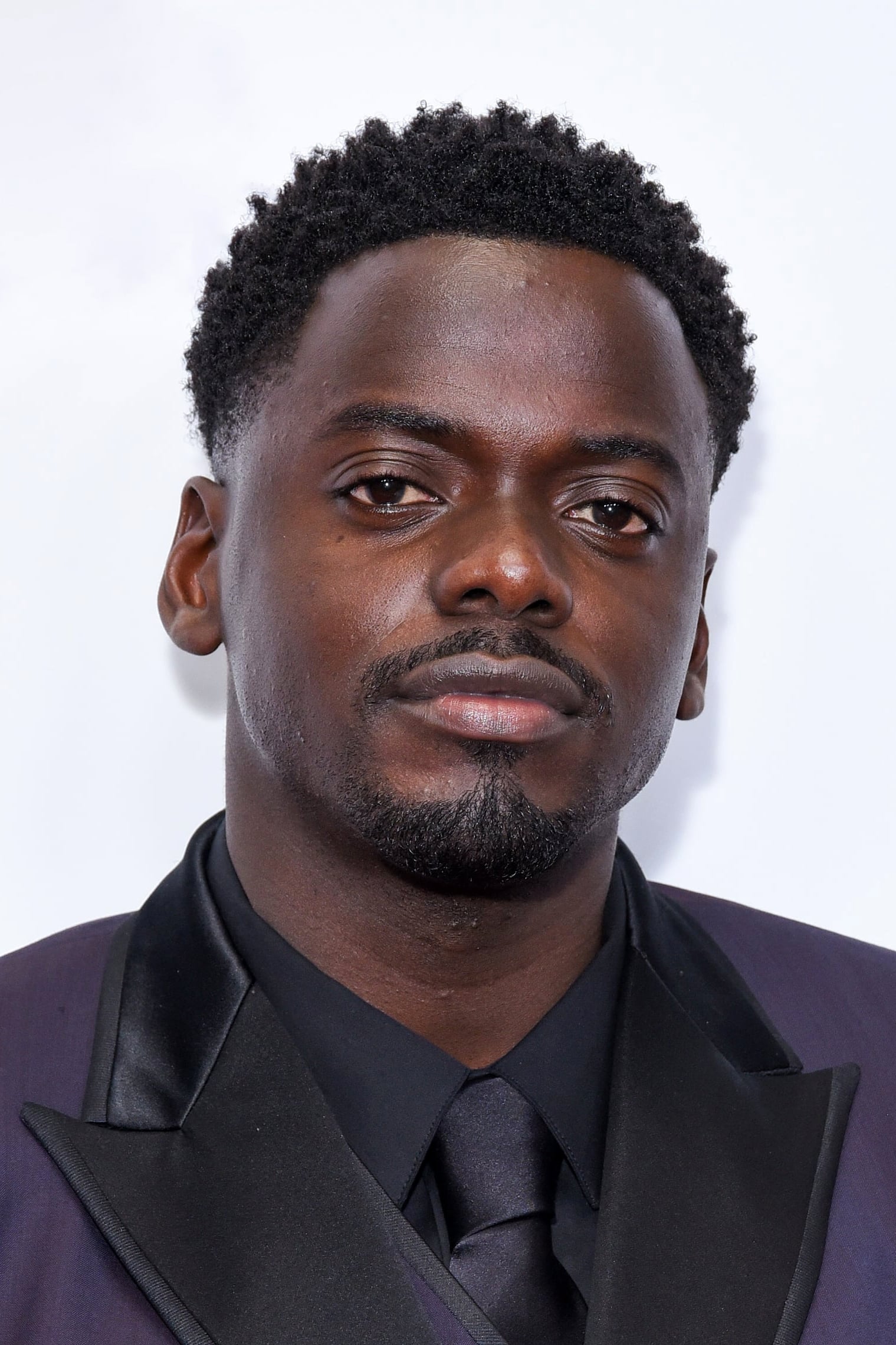
Daniel Kaluuya broke through with ‘Get Out’ and earned further recognition with ‘Widows’ and ‘Queen & Slim’. He later won an Academy Award for his performance in ‘Judas and the Black Messiah’. Kaluuya’s roles frequently engaged with urgent social themes while reaching mainstream audiences. His trajectory underscored the commercial and critical viability of socially engaged thrillers and dramas.
Oscar Isaac
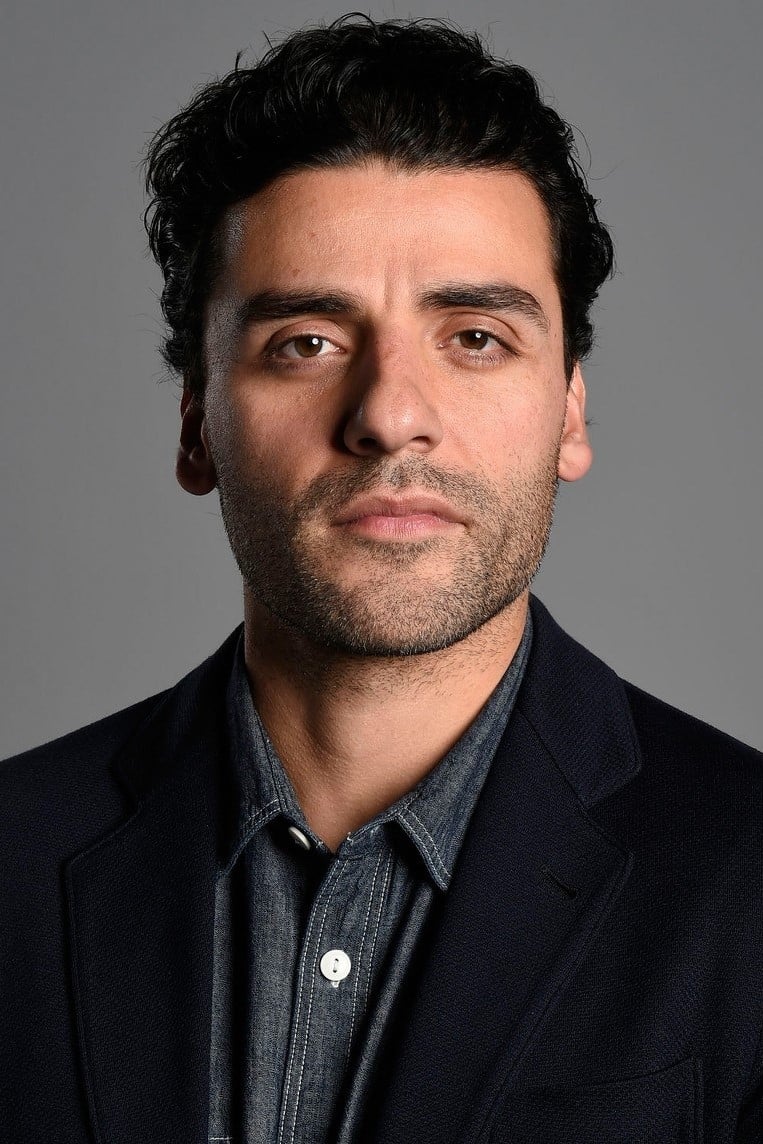
Oscar Isaac led acclaimed films like ‘Inside Llewyn Davis’ and took key roles in ‘Ex Machina’ and the ‘Star Wars’ sequel trilogy. He demonstrated range across intimate indies and galactic-scale franchises. Isaac also anchored prestige limited series, reinforcing fluid movement between screens. His multilingual background and diverse roles contributed to broader representation in leading-man casting.
Jake Gyllenhaal
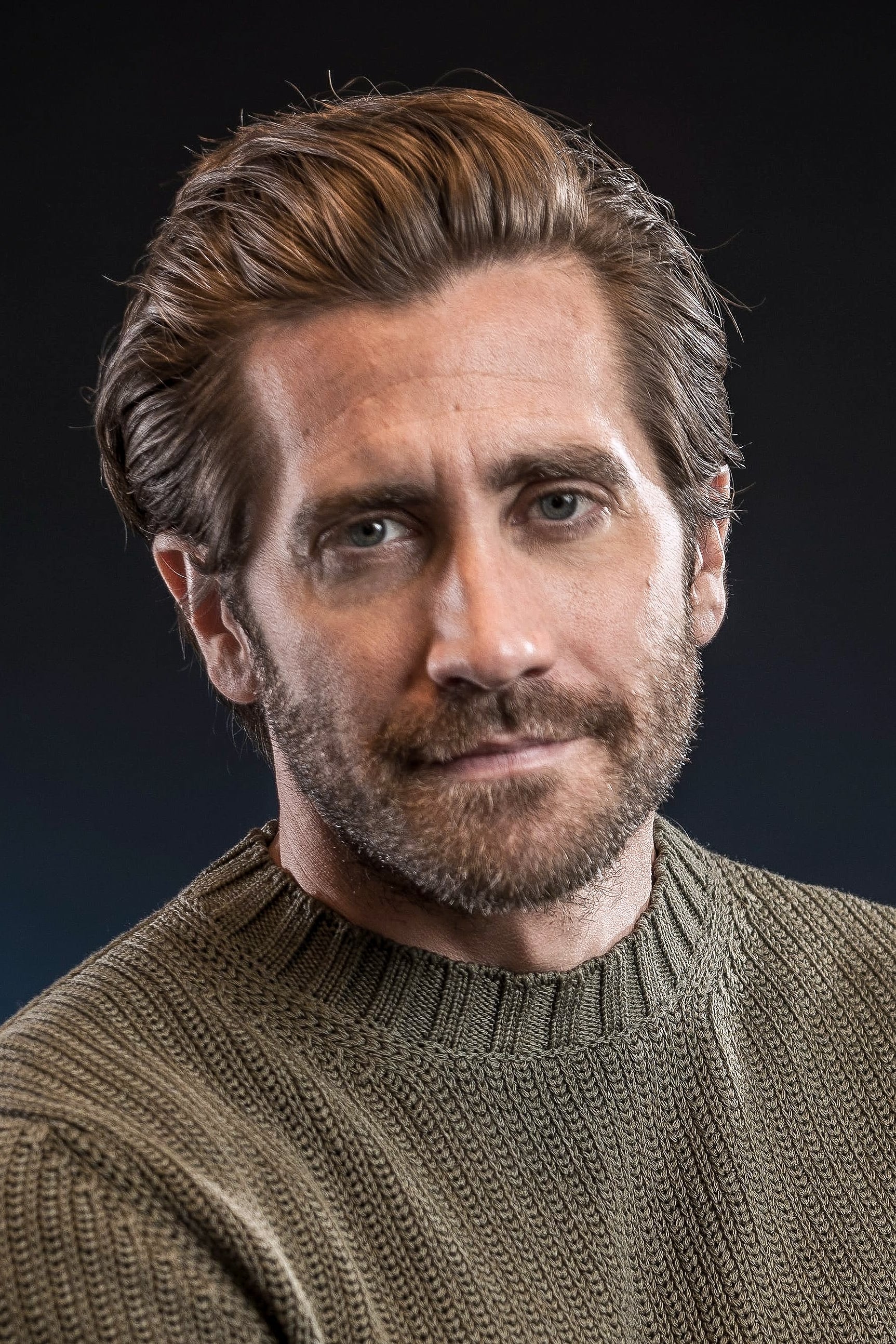
Jake Gyllenhaal delivered standout turns in ‘Nightcrawler’, ‘Prisoners’, and ‘Nocturnal Animals’, while also entering superhero territory with ‘Spider-Man: Far From Home’. He mixed provocative thrillers with stage work and producing. Gyllenhaal’s choices highlighted the audience appetite for dark character studies within commercial frameworks. He consistently collaborated with directors known for distinct visual identities.
Hugh Jackman
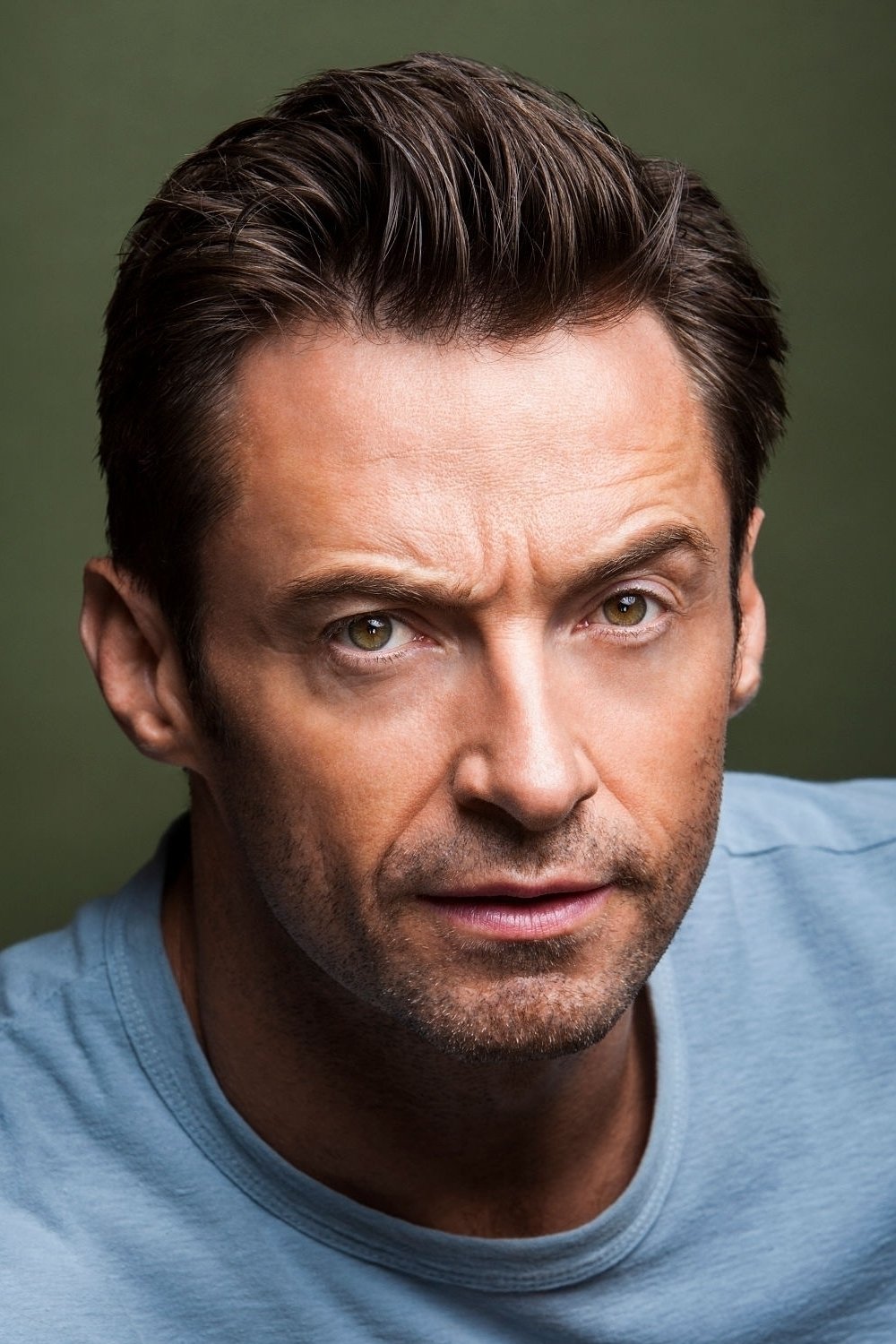
Hugh Jackman closed a long-running superhero arc with ‘Logan’ and headlined the musical ‘The Greatest Showman’. He continued to shift between franchise, musical, and dramatic roles. Jackman’s projects leveraged live-performance skills, including world tours that supported film visibility. His career illustrated cross-pollination between cinema, theater, and music.
Daniel Day-Lewis
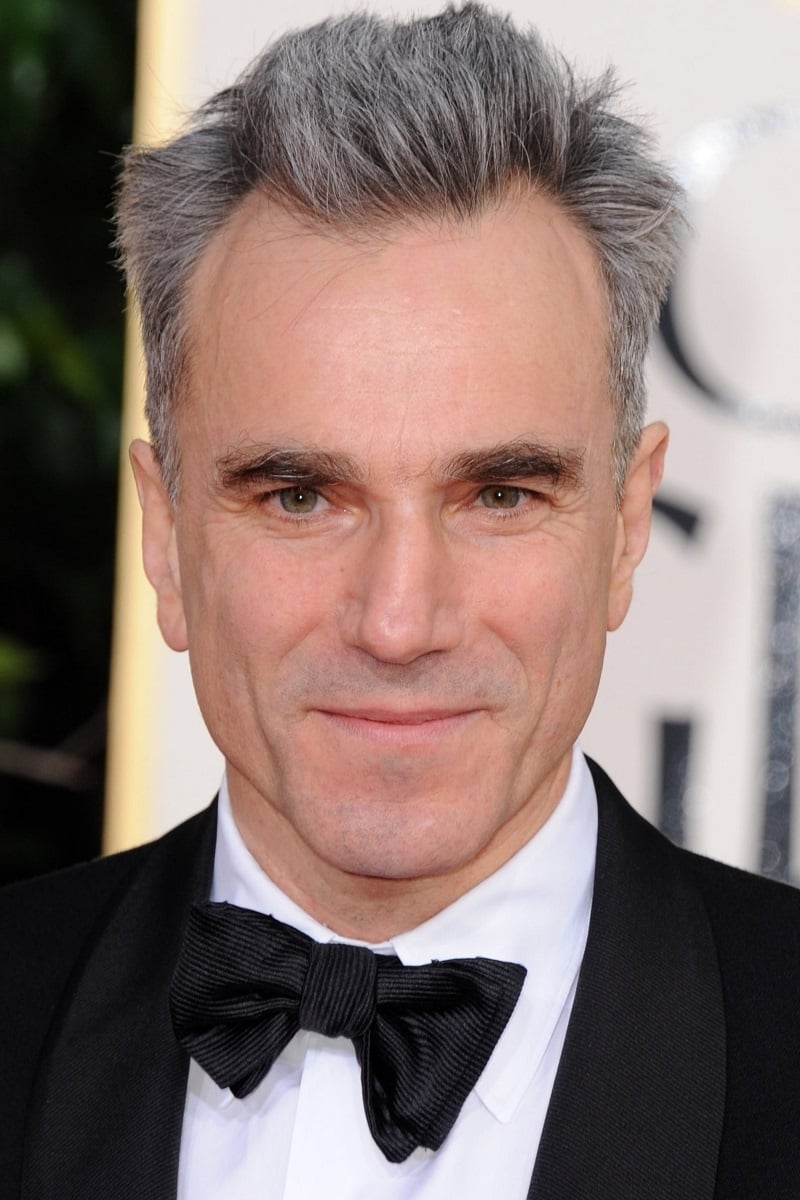
Daniel Day-Lewis delivered a widely honored performance in ‘Lincoln’ and later starred in ‘Phantom Thread’ before stepping away from acting. His selective filmography maintained significant cultural attention whenever he appeared. Day-Lewis’s work shaped expectations for the rigor of biographical and period portrayals. Even with few releases, his roles influenced awards seasons and acting discourse.
Dev Patel

Dev Patel advanced from early success to acclaimed lead roles in ‘Lion’, ‘Hotel Mumbai’, and ‘The Personal History of David Copperfield’. He took on projects that bridged independent film and global narratives. Patel’s performances helped foreground South Asian representation in prestige cinema. He expanded into action and directing, signaling a broadening creative scope.
Matthew McConaughey
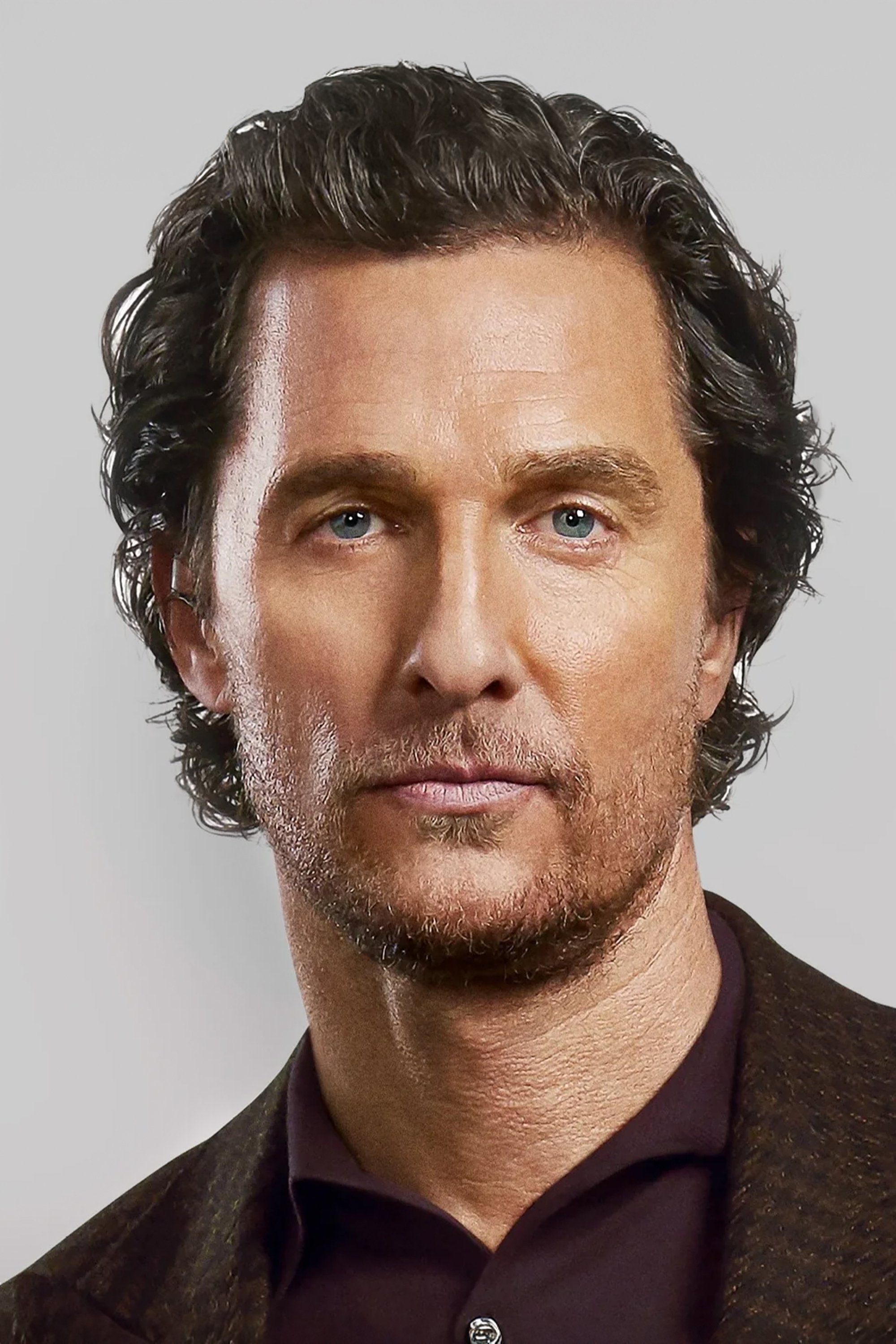
Matthew McConaughey shifted from romantic comedies to prestige dramas, delivering acclaimed performances in ‘Dallas Buyers Club’, ‘Mud’, and ‘Interstellar’. He headlined the anthology series ‘True Detective’, which accelerated the migration of film stars to cinematic television. His roles paired auteur directors with wide-release ambitions. The widely noted career pivot influenced how studios approached reinventions for established leading men.
Tom Hanks
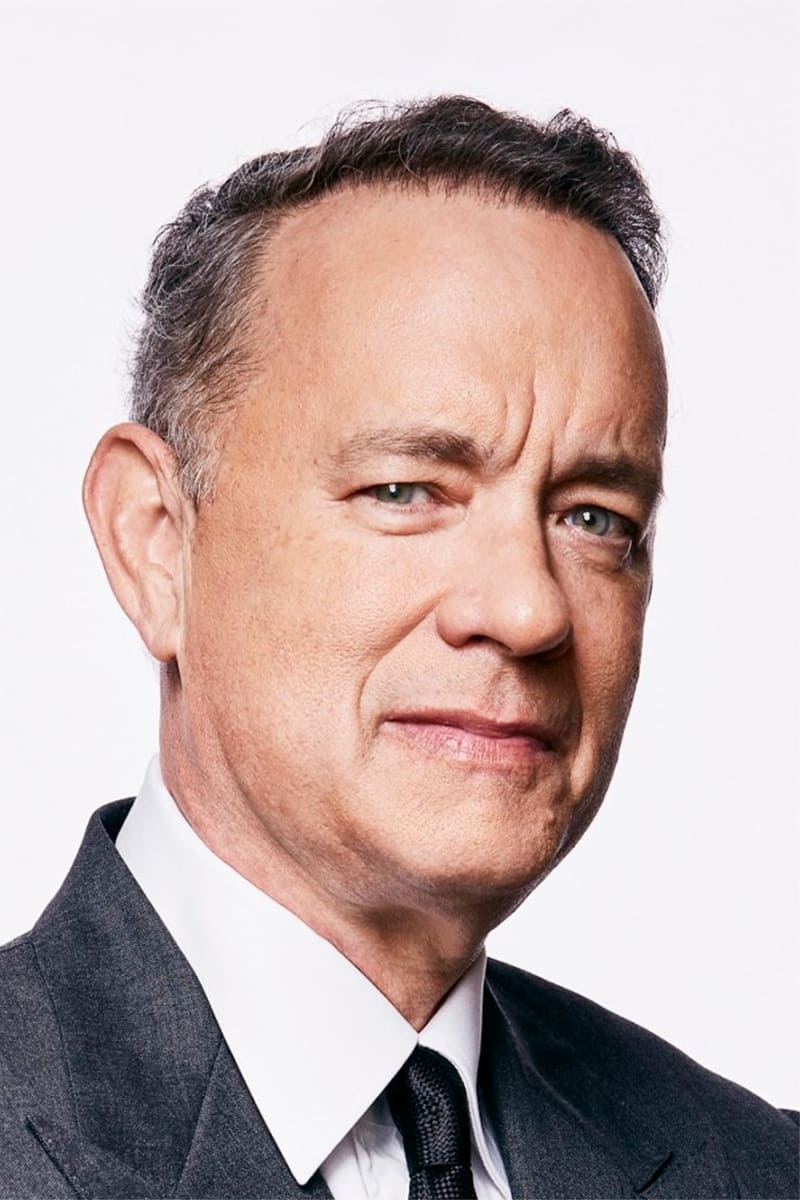
Tom Hanks anchored fact-based dramas such as ‘Captain Phillips’, ‘Bridge of Spies’, and ‘Sully’. He portrayed Fred Rogers in ‘A Beautiful Day in the Neighborhood’, adding a high-profile biographical turn to his decade. Hanks continued voice work in ‘Toy Story’ entries, maintaining multigenerational appeal. His consistent box-office presence supported adult-leaning, awards-season releases.
Samuel L. Jackson
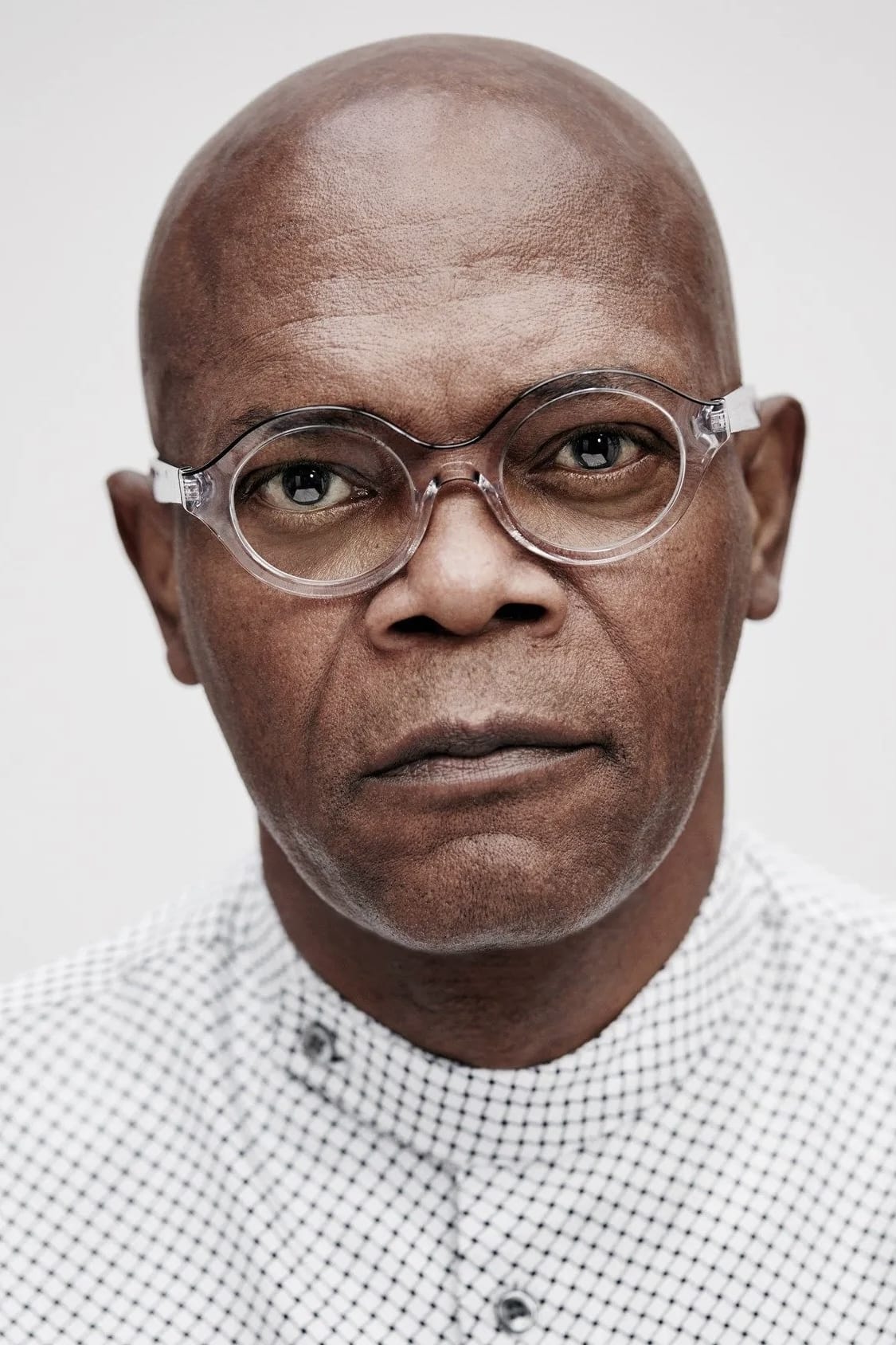
Samuel L. Jackson served as connective tissue across the Marvel franchise as Nick Fury, appearing in numerous ensemble titles. He balanced franchise work with thrillers and dramas like ‘Django Unchained’ and ‘The Hateful Eight’. Jackson’s global recognition supported international rollouts and crossovers. His prolific output kept him among the most widely seen actors of the decade.
Keanu Reeves
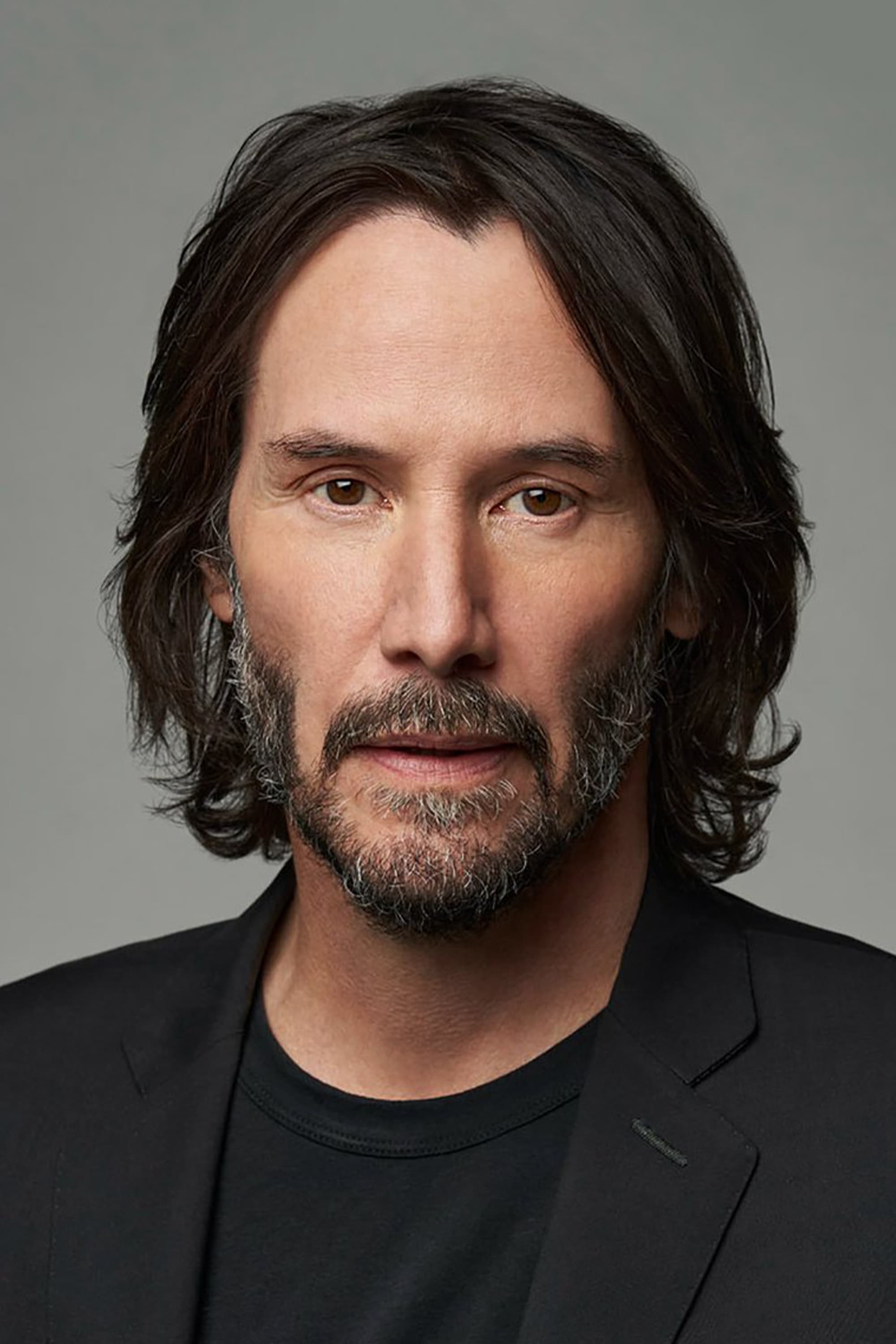
Keanu Reeves revitalized action cinema with ‘John Wick’, whose choreography and world-building reshaped stunt-driven filmmaking. He maintained a diverse slate with projects like ‘The Neon Demon’ and ‘To the Bone’, alongside voice work. Reeves engaged directly with fan culture and gaming collaborations that amplified his cultural footprint. The ‘John Wick’ series spurred multiple imitators and expanded a modern action canon.
Andy Serkis
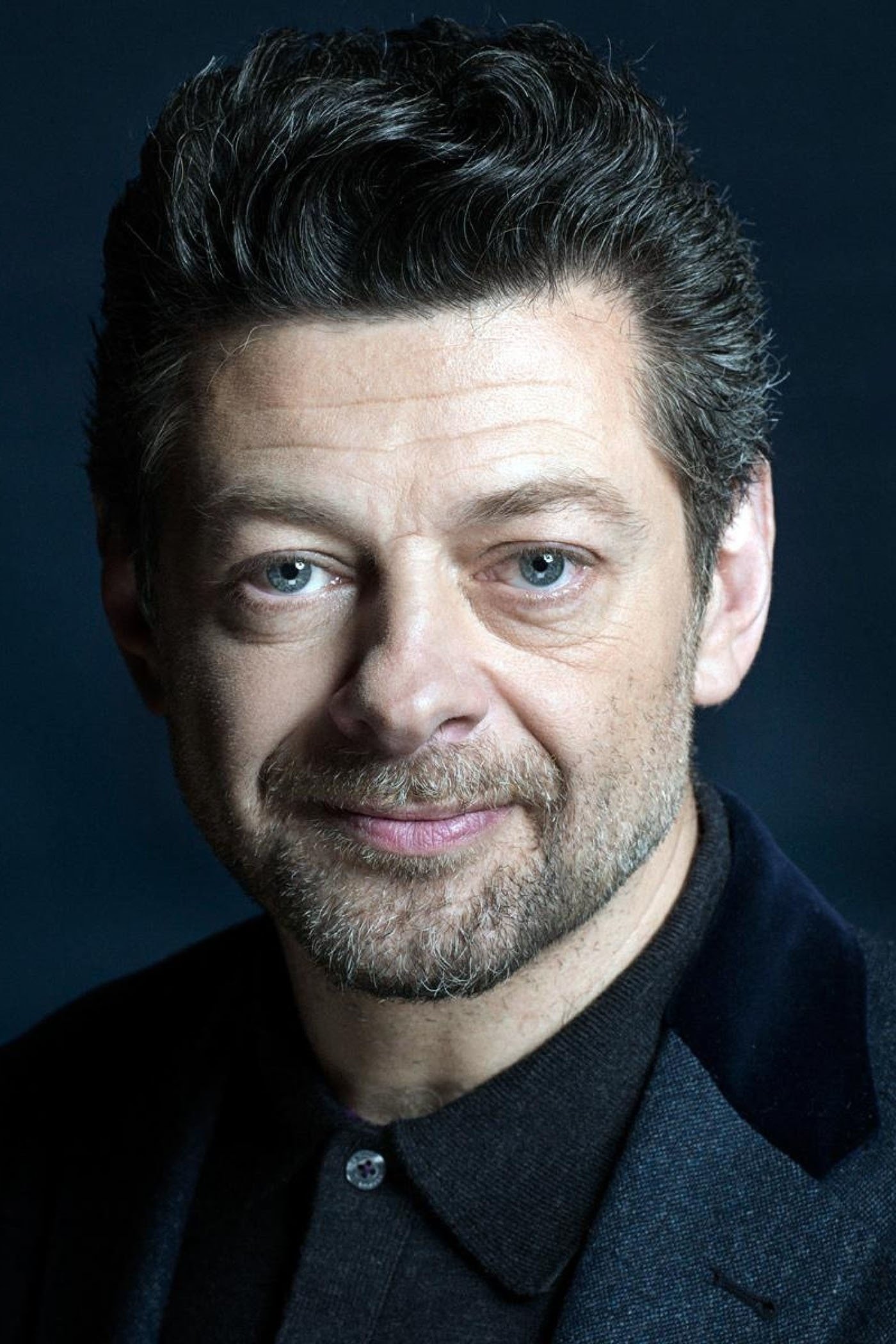
Andy Serkis advanced performance-capture acting through roles in ‘The Hobbit’ films and the ‘Planet of the Apes’ trilogy. He portrayed Supreme Leader Snoke in ‘Star Wars’ installments and contributed to genre-defining visual effects work. Serkis founded The Imaginarium Studios, supporting cutting-edge motion capture and virtual production. His career helped legitimize digital performances as awards-caliber acting.
Colin Firth
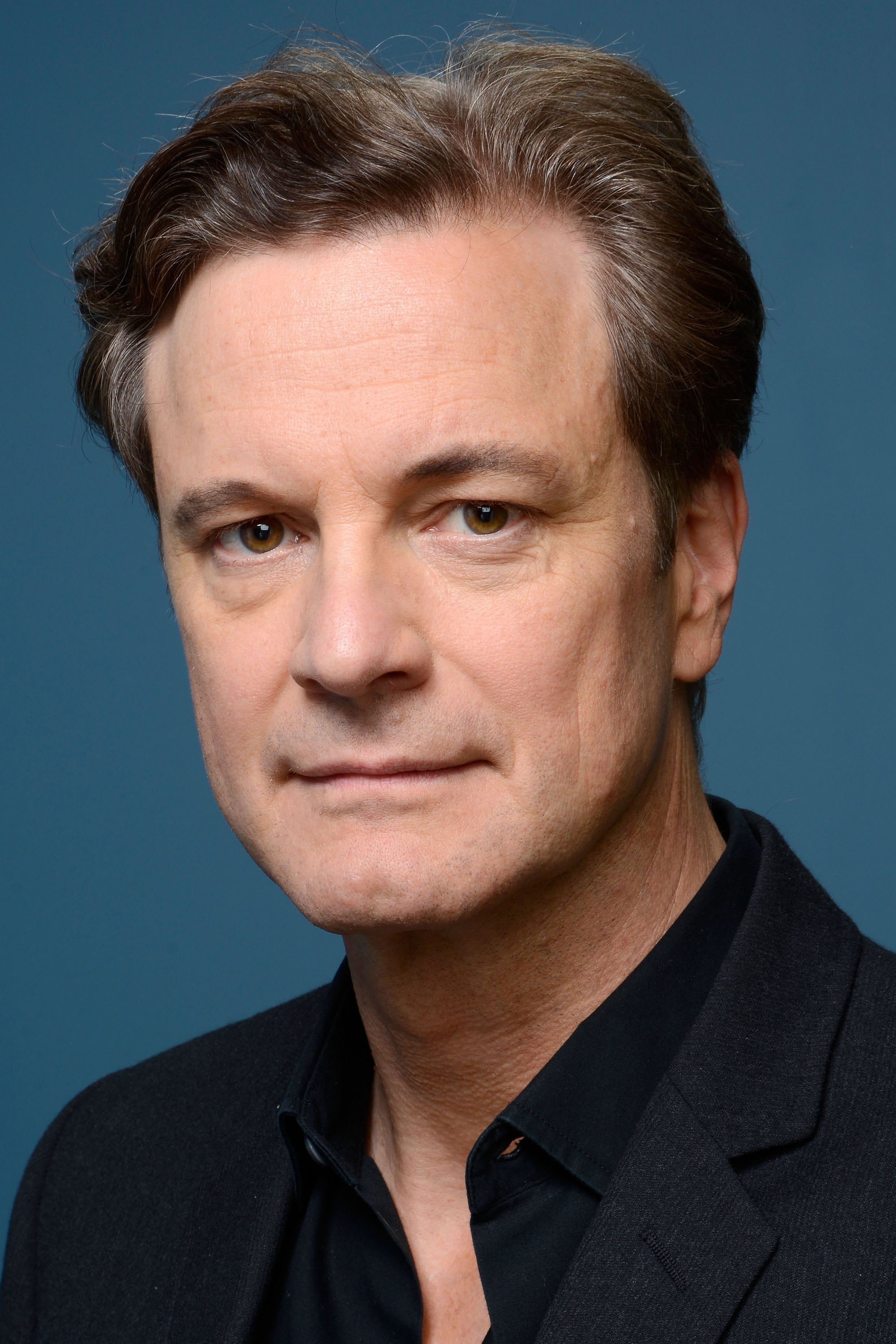
Colin Firth followed his awards breakthrough with varied roles in ‘Kingsman: The Secret Service’, ‘Tinker Tailor Soldier Spy’, and related franchise entries. He appeared in musical and period pieces, sustaining a broad international audience. Firth collaborated with both commercial and arthouse directors, showing cross-market versatility. His presence helped propel mid-budget genre experiments to mainstream attention.
Rami Malek
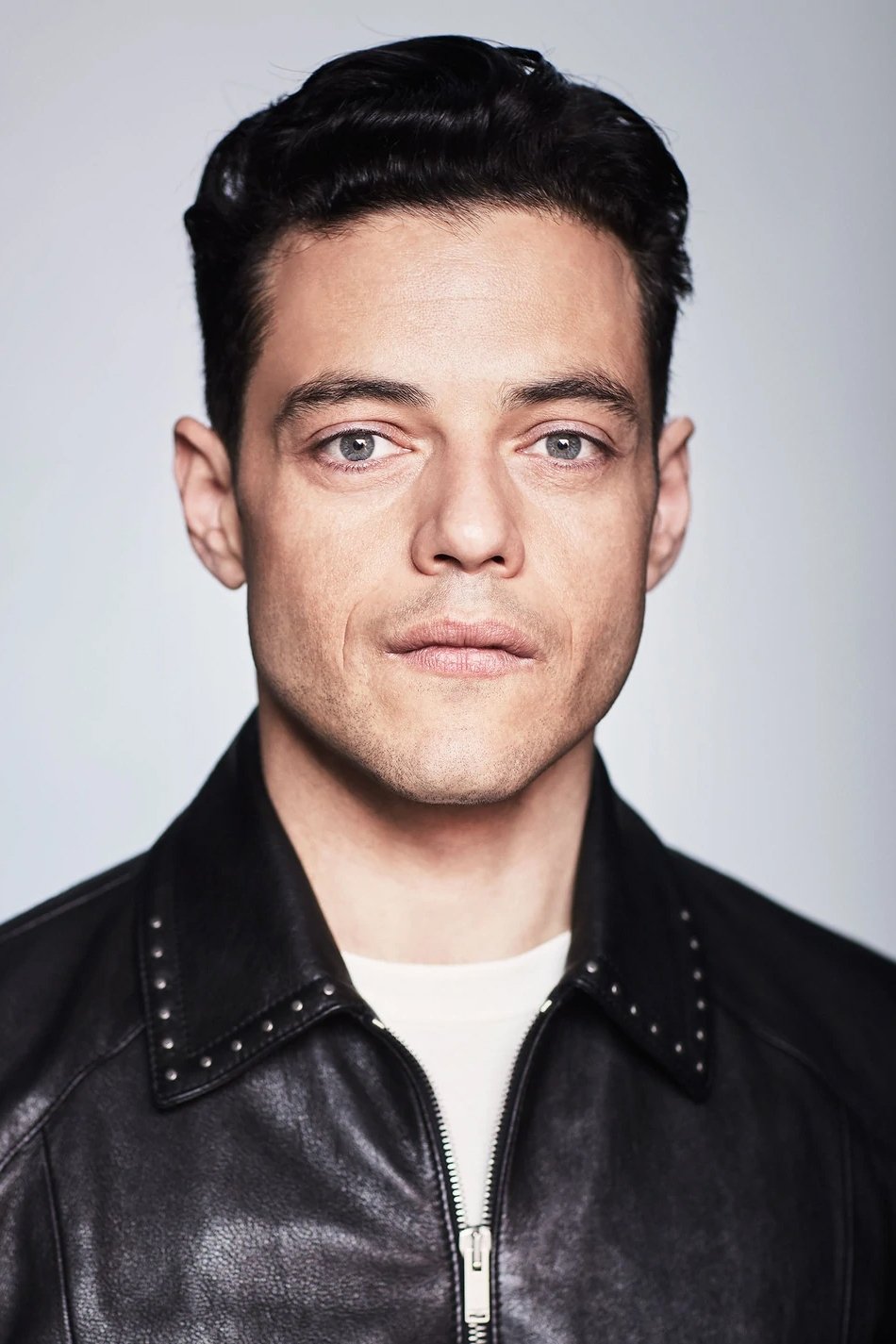
Rami Malek earned global recognition portraying Freddie Mercury in ‘Bohemian Rhapsody’. He also led the techno-thriller series ‘Mr. Robot’, which drew strong critical attention and a dedicated audience. Malek leveraged that visibility into major franchise casting, including a key ‘James Bond’ antagonist. His path demonstrated the bridge between prestige television and tentpole cinema.
Chris Pratt
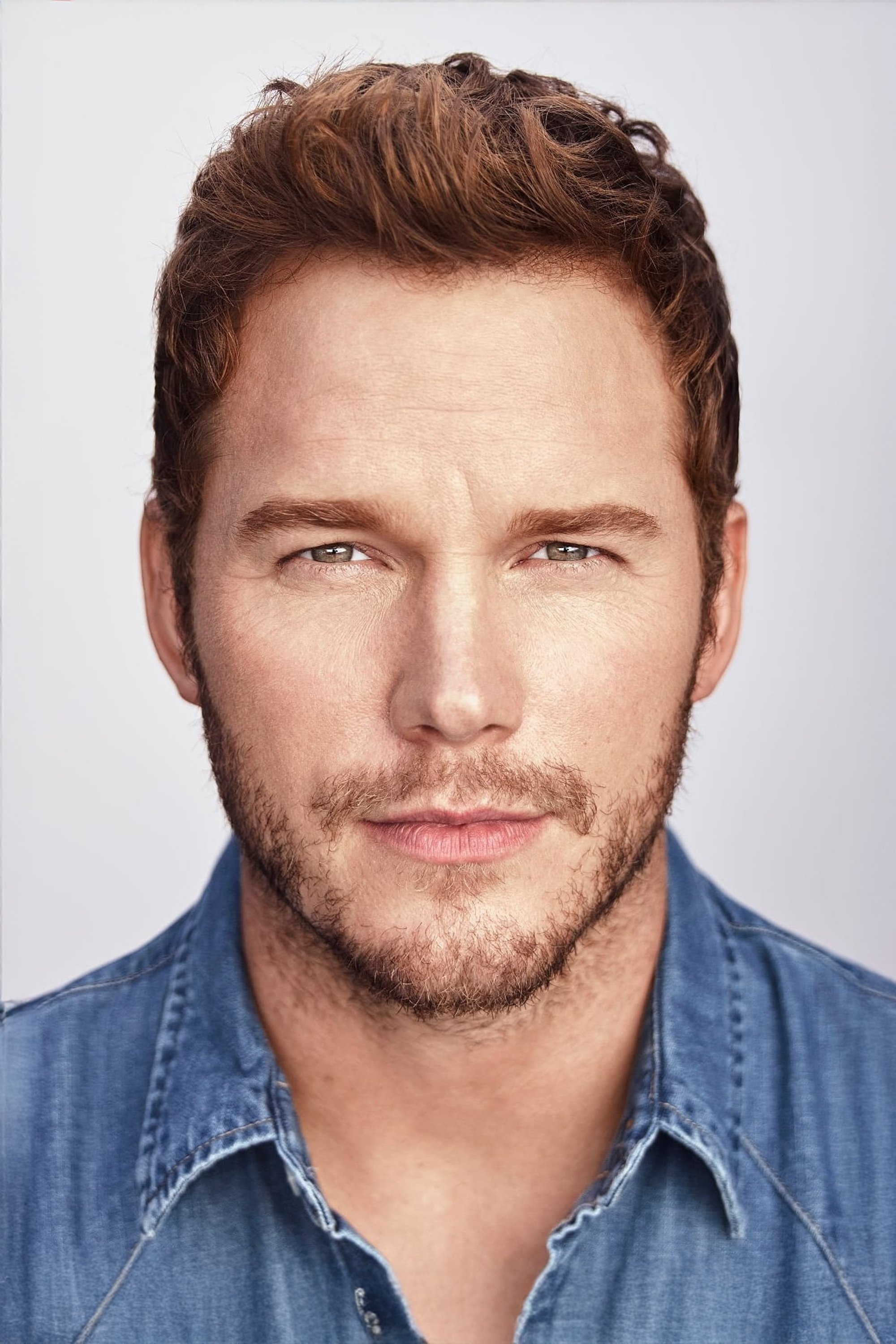
Chris Pratt transitioned from ensemble television in ‘Parks and Recreation’ to leading roles in ‘Guardians of the Galaxy’ and ‘Jurassic World’. He became a key face of two billion-dollar franchises in the same decade. Pratt’s personable screen image supported extensive marketing campaigns and four-quadrant appeal. His rise exemplified how comedic backgrounds could feed into action-star status.
Jeremy Renner
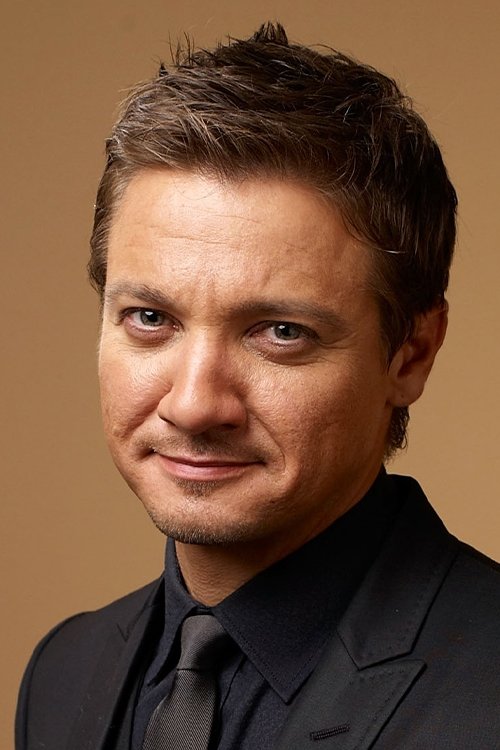
Jeremy Renner balanced franchise commitments in ‘The Avengers’ series and ‘Mission: Impossible’ with acclaimed dramas like ‘Arrival’ and ‘Wind River’. He earned awards recognition earlier in the decade and maintained credibility across genres. Renner also pursued music projects and production work that complemented his acting slate. His steady presence supported ensemble storytelling within major franchises.
Michael B. Jordan
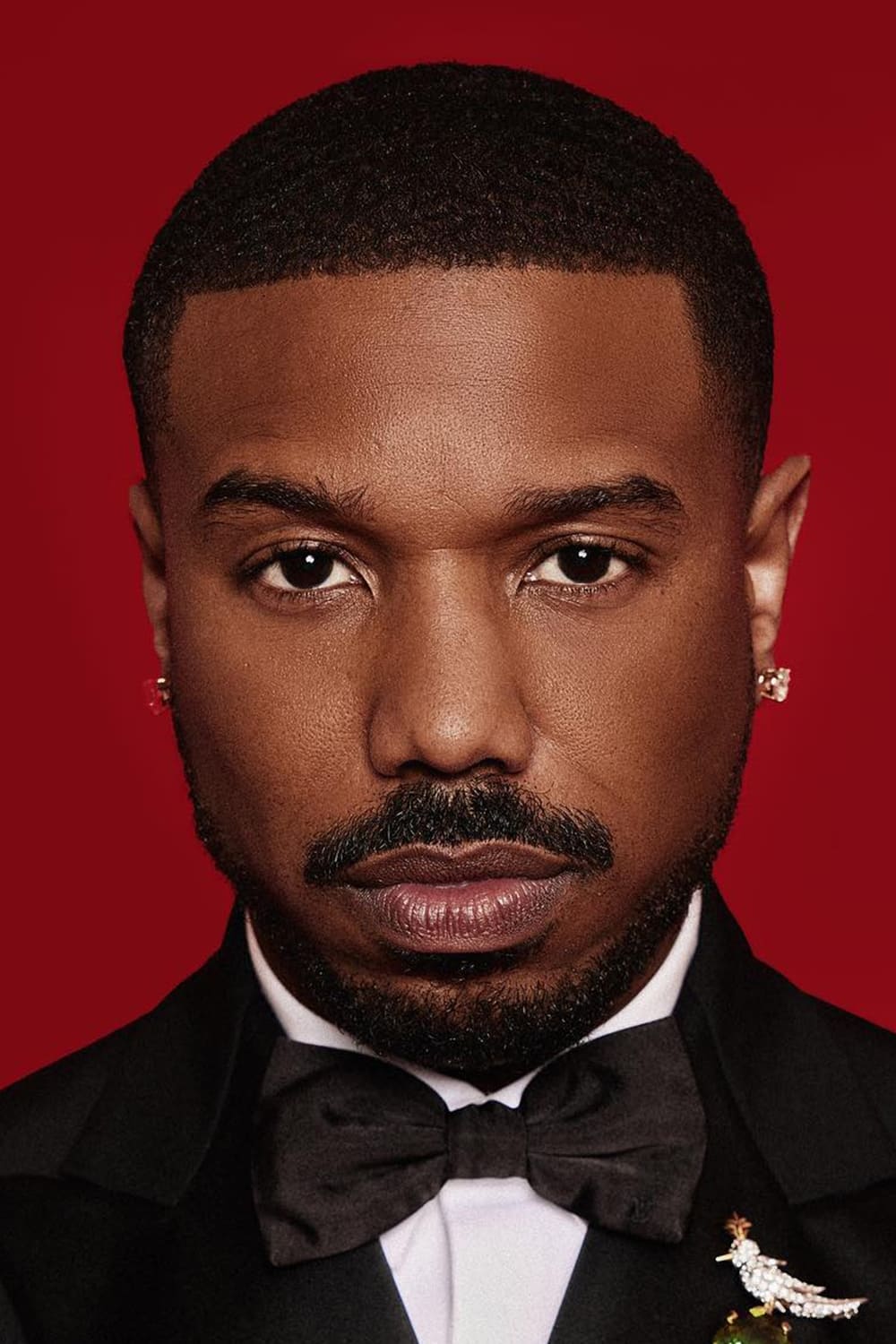
Michael B. Jordan headlined ‘Fruitvale Station’, ‘Creed’, and ‘Black Panther’, building a career across socially resonant dramas and blockbuster hits. He expanded into producing, backing projects with emerging filmmakers. Jordan’s roles intersected with conversations about representation and legacy franchises. His collaborations with Ryan Coogler shaped a modern model for director–actor partnerships.
Ben Affleck
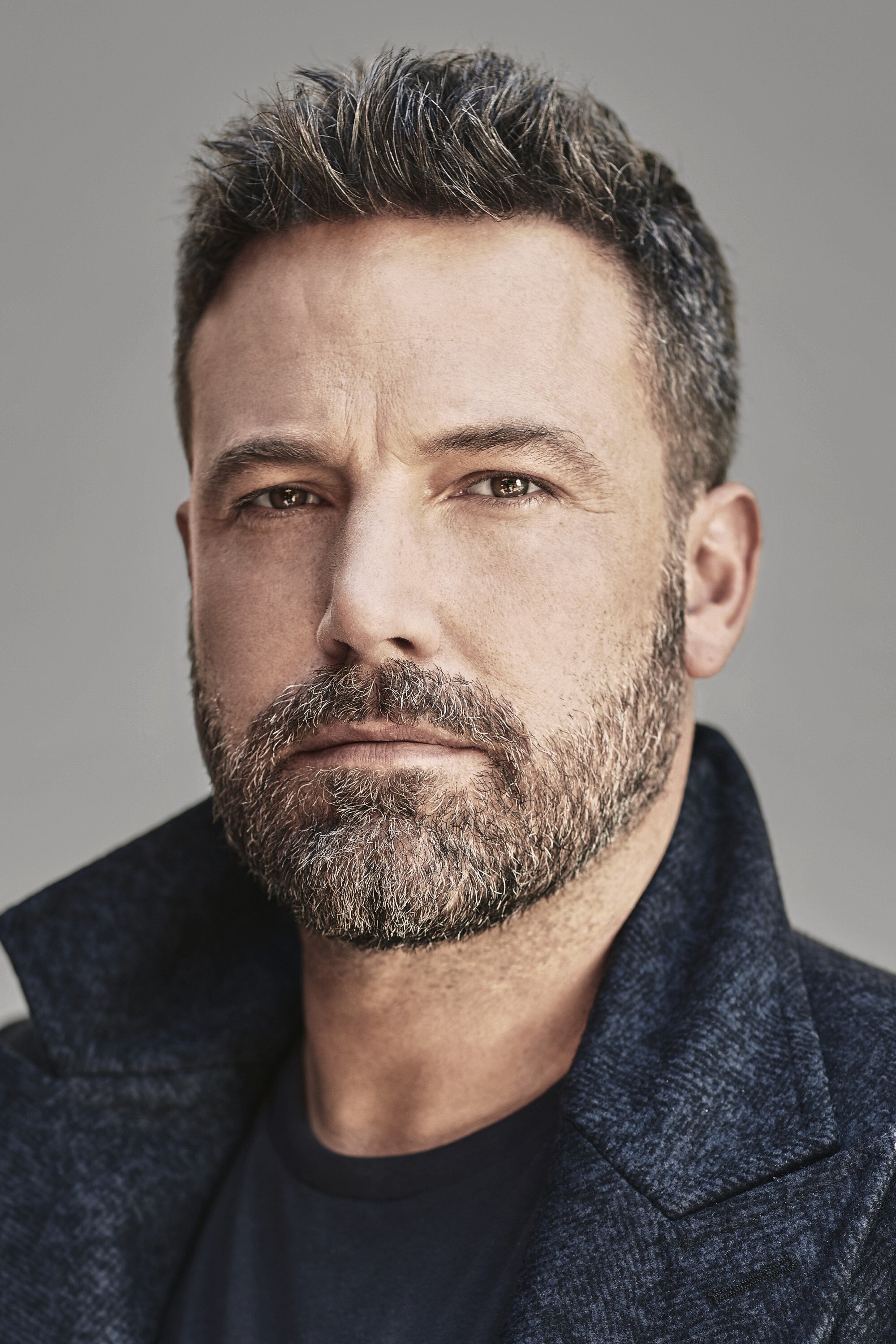
Ben Affleck combined leading roles with directing and producing, contributing to films like ‘Argo’, ‘Gone Girl’, and appearances as Batman across DC projects. His directorial and producing work garnered major awards and industry influence. Affleck’s star power supported prestige thrillers with robust marketing. He remained prominent in discussions about adult-oriented studio filmmaking.
Josh Brolin
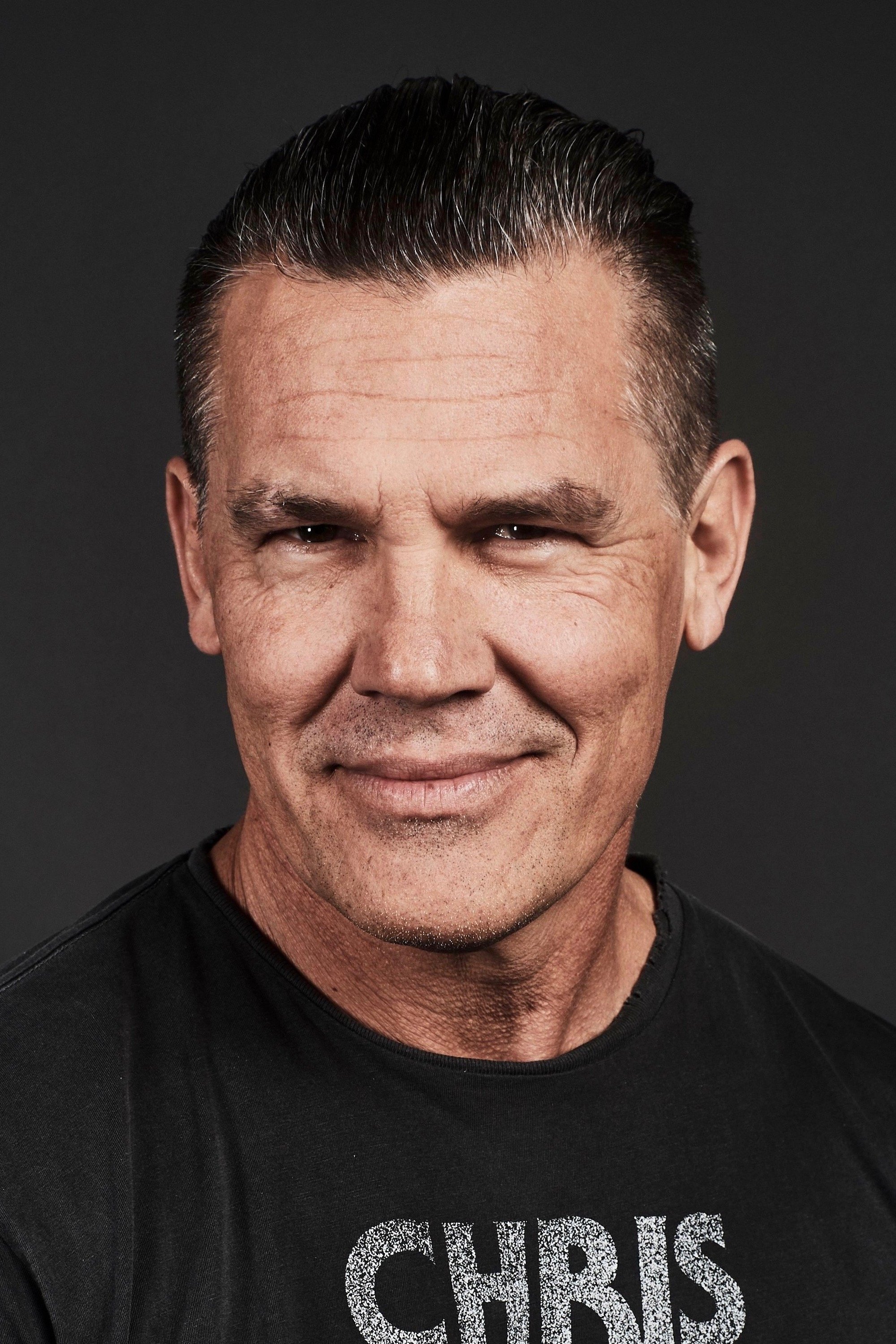
Josh Brolin took pivotal roles across prestige and franchise titles, including ‘Sicario’, ‘Hail, Caesar!’, and Marvel’s ‘Avengers’ saga as Thanos. He appeared in ‘Deadpool 2’, expanding his comic-book footprint. Brolin’s performances anchored complex antagonists that drove cultural discussion. His casting choices showed how veteran actors could redefine late-career visibility.
John Boyega

John Boyega broke out as a lead in the ‘Star Wars’ sequel trilogy, bringing new energy to a legacy franchise. He supported diverse projects like ‘Detroit’ and ‘Pacific Rim Uprising’, mixing historical drama with large-scale spectacle. Boyega used his platform to advocate for industry change and inclusion. His visibility helped broaden global fan engagement with new-generation franchise leads.
Taron Egerton
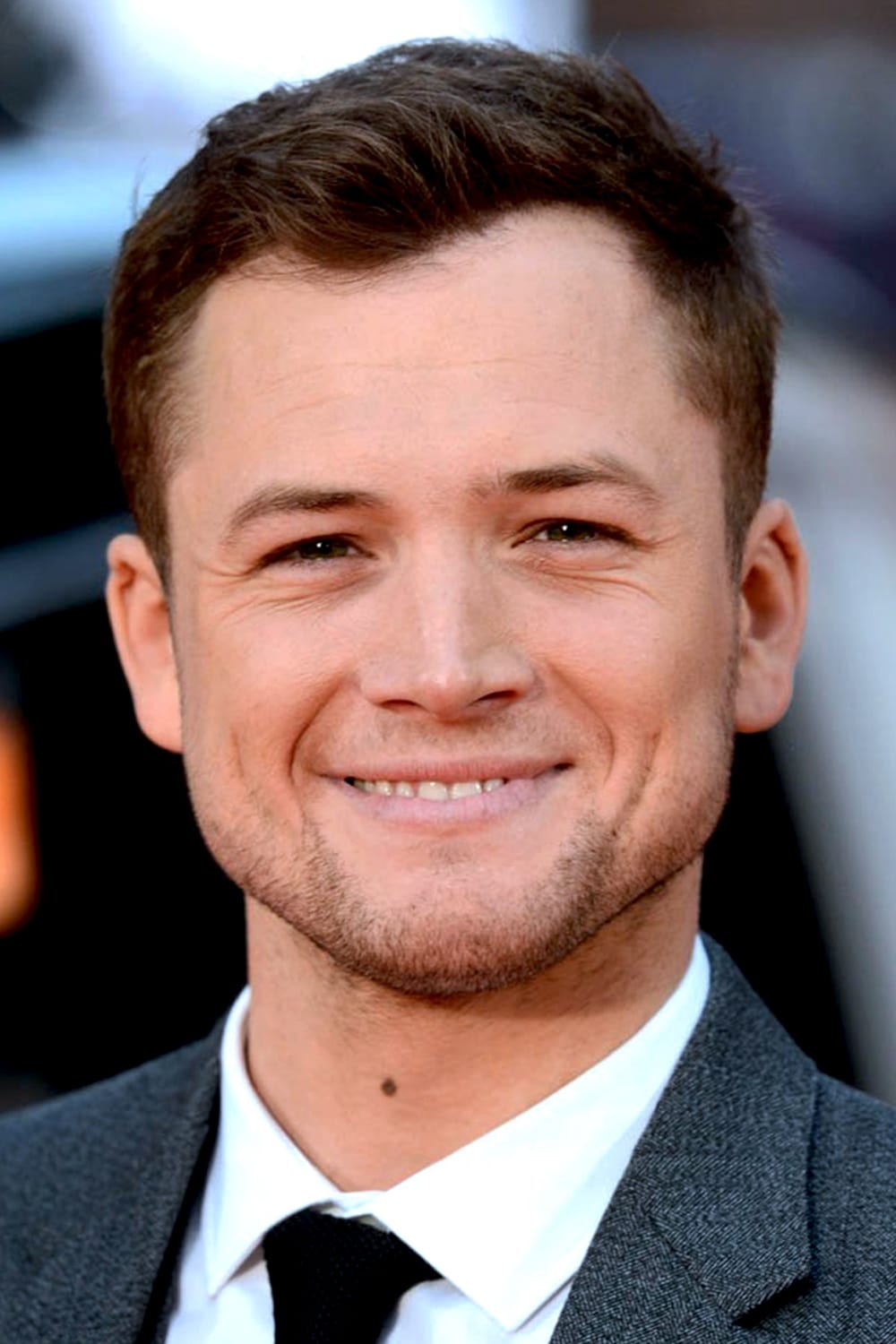
Taron Egerton fronted the ‘Kingsman’ films and portrayed Elton John in ‘Rocketman’. He balanced action-comedy with a music biopic that required extensive vocal performance. Egerton’s roles demonstrated range across stylized action and character-driven storytelling. The variety of his projects helped him establish international name recognition quickly.
Daniel Craig
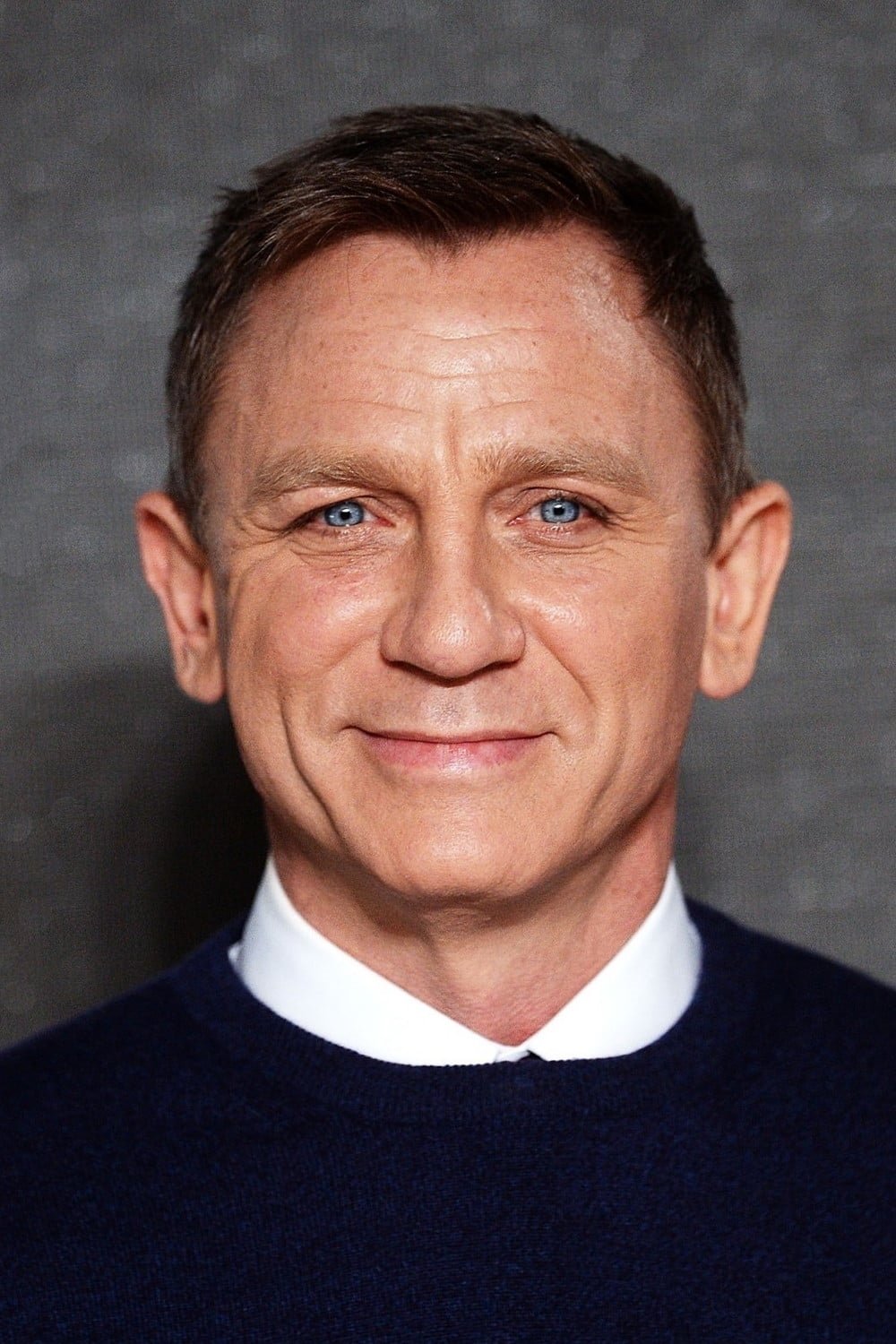
Daniel Craig concluded an era-defining run as James Bond while also headlining the ensemble mystery ‘Knives Out’. He leveraged franchise stature to champion original, director-led projects. Craig’s Bond tenure influenced marketing scale, release strategies, and stunt expectations for action cinema. His pivot to ensemble whodunits reinforced star-driven originals in a franchise-heavy marketplace.
Share which 2010s performances and careers you’d add or swap in the comments!

