


The Most Influential Actresses of the 1960s

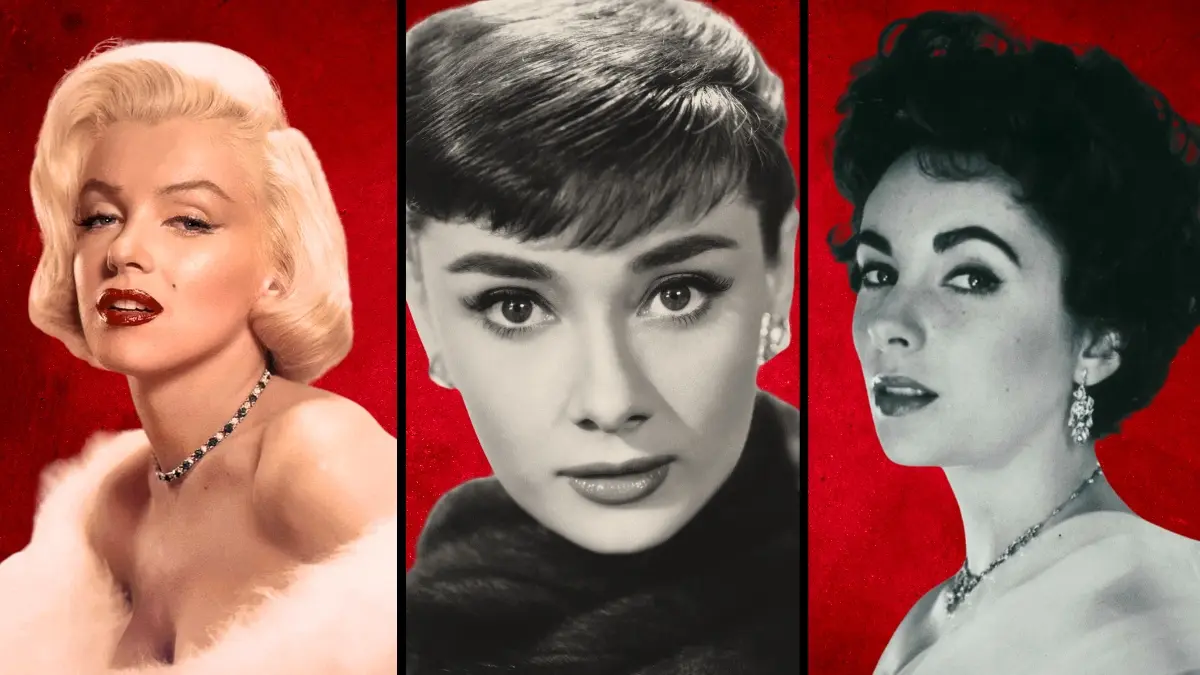


The 1960s reshaped cinema across Hollywood and international film movements, bringing new stars to global attention and expanding the kinds of stories audiences saw on screen. Actresses led that shift, fronting studio spectacles, New Waves, and boundary-pushing dramas that traveled across borders. Many set box-office records, headlined award-winning productions, and became creative partners to major directors. Their work influenced style, acting methods, and the international reach of film industries from the United States to Europe and India.
Elizabeth Taylor
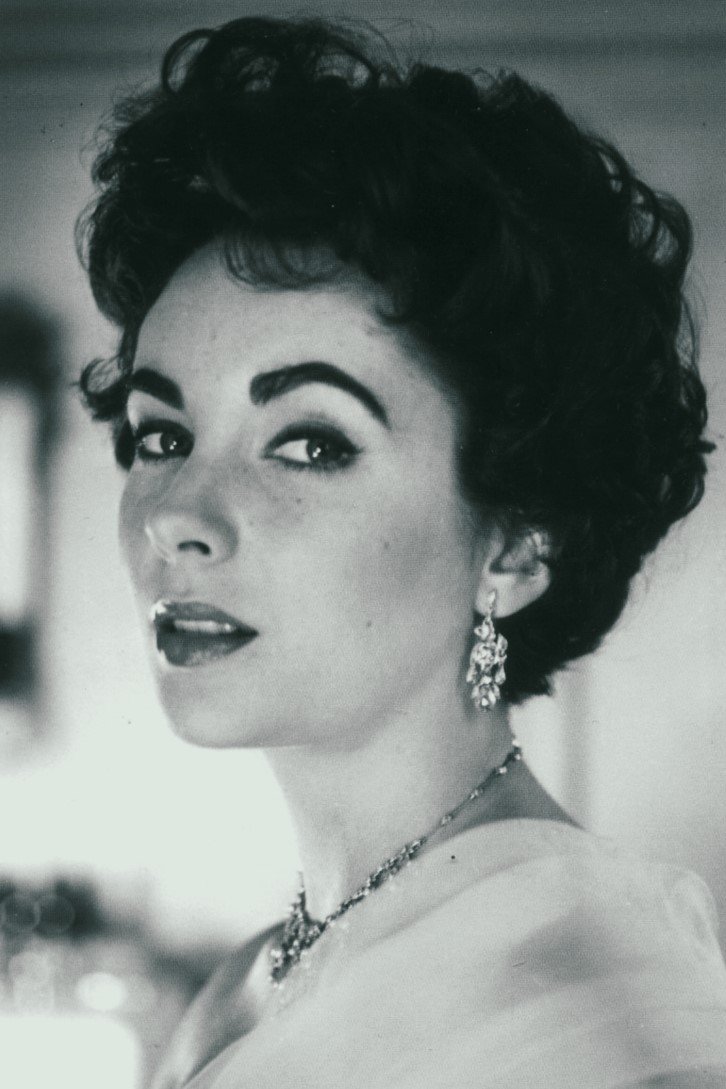
Elizabeth Taylor anchored prestige dramas and global blockbusters while negotiating unprecedented star salaries and profit participation deals. She won two Academy Awards in the decade’s span and drew worldwide audiences with titles like ‘Cleopatra’, ‘Butterfield 8’, and ‘Who’s Afraid of Virginia Woolf?’. Her collaborations with Richard Burton generated sustained media attention and multiple co-starring vehicles. Taylor’s negotiating power with studios helped redefine compensation norms for top-line talent.
Audrey Hepburn
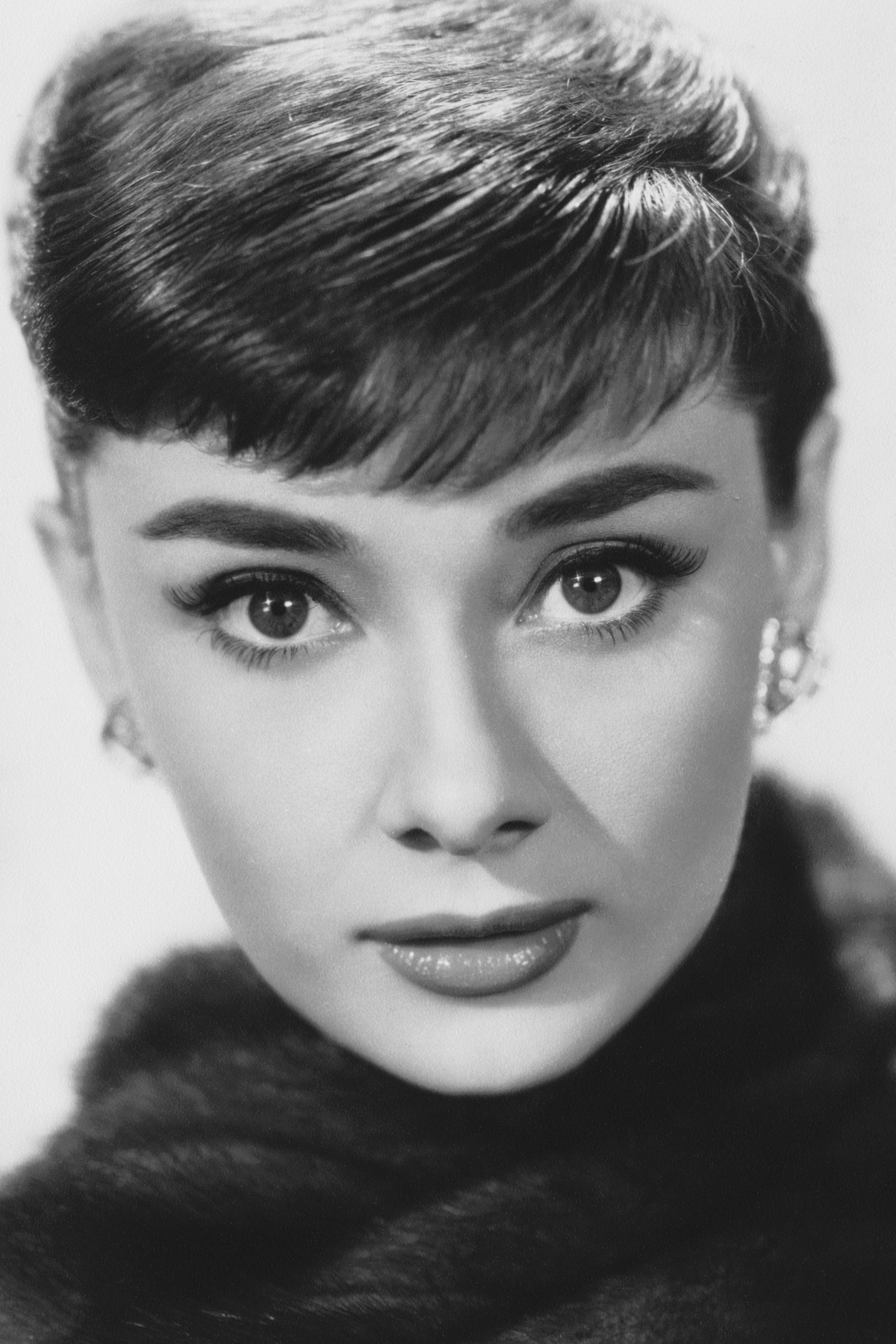
Audrey Hepburn balanced romantic comedies, thrillers, and musicals that performed strongly in both North America and Europe. Films such as ‘Breakfast at Tiffany’s’, ‘Charade’, and ‘My Fair Lady’ expanded her reach across genres. She worked with directors including Billy Wilder, Stanley Donen, and Blake Edwards, reinforcing her international appeal. Hepburn’s image circulated widely through fashion, advertising, and global press, strengthening film marketing strategies built around star iconography.
Sophia Loren
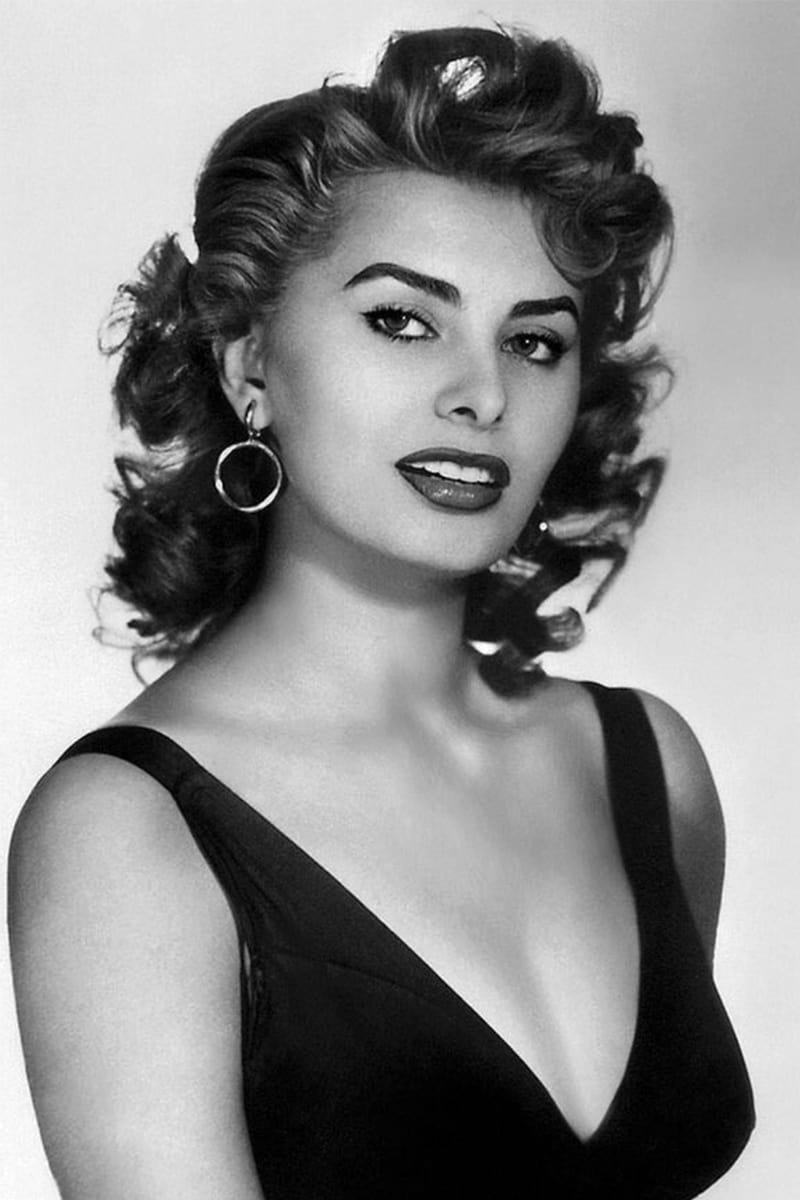
Sophia Loren emerged as a bridge between Italian cinema and Hollywood distribution pipelines. She earned major festival and Academy recognition for dramatic roles while also leading comedies and epics like ‘Two Women’, ‘Marriage Italian Style’, and ‘Arabesque’. Loren frequently collaborated with Vittorio De Sica and co-starred with Marcello Mastroianni, forming one of the era’s most bankable screen pairings. Her multilingual performances expanded European films’ circulation in English-speaking markets.
Julie Andrews
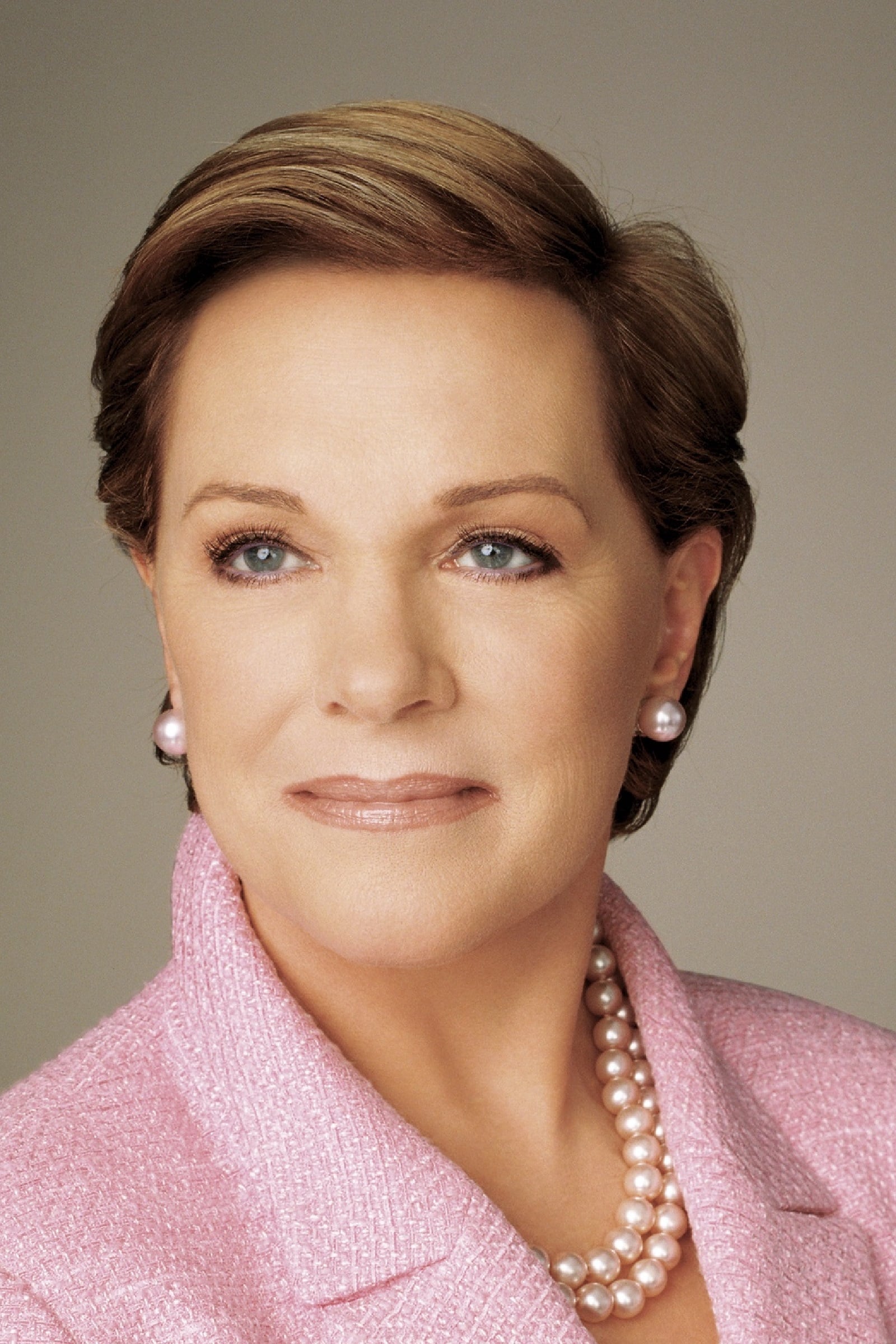
Julie Andrews became a worldwide box-office force through musical leads that set attendance records. Performances in ‘Mary Poppins’ and ‘The Sound of Music’ helped studios rely on roadshow releases and soundtrack sales. She carried her stage training into film, sustaining long runs and repeat-viewing patterns for family audiences. Andrews’ success reinforced the viability of large-scale musicals during the early part of the decade.
Jane Fonda
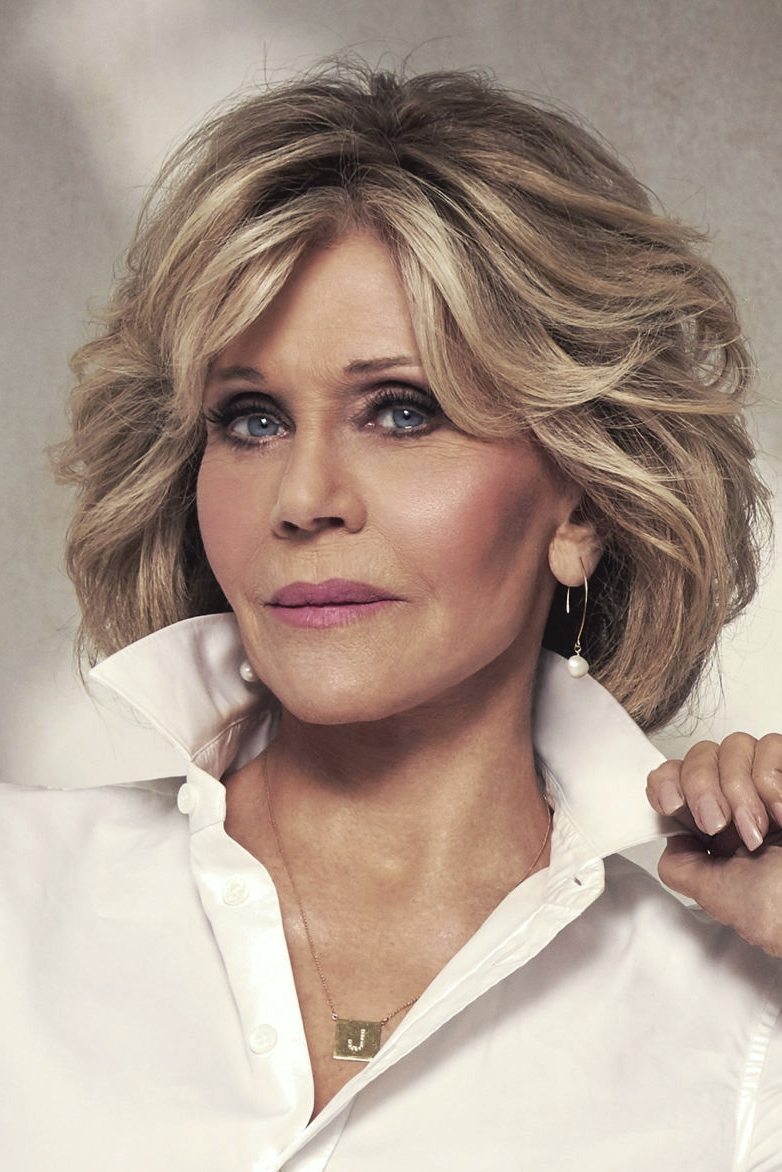
Jane Fonda’s 1960s work spanned Broadway transfers, European productions, and American studio films. She alternated between comedies and dramas such as ‘Barefoot in the Park’, ‘Cat Ballou’, and ‘They Shoot Horses, Don’t They?’. Fonda’s training with the Actors Studio informed a psychological approach suited to New Hollywood’s emerging style. Her international projects positioned her as a transatlantic draw before her later awards peak.
Brigitte Bardot
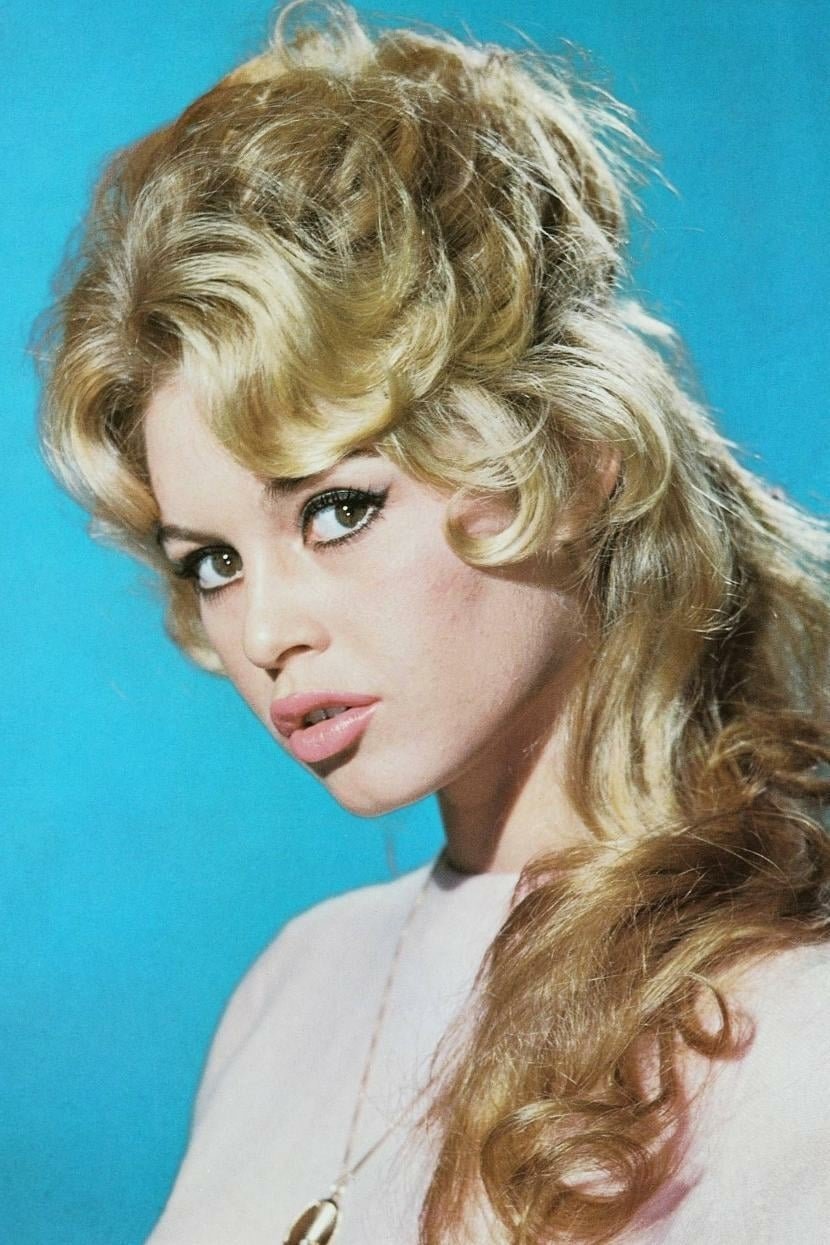
Brigitte Bardot personified French popular cinema’s export power in the decade. Titles including ‘And God Created Woman’, ‘Contempt’, and ‘Viva Maria!’ circulated widely and influenced fashion and music tie-ins. She worked with Jean-Luc Godard and Louis Malle, connecting mainstream audiences to auteur-driven projects. Bardot’s box-office presence supported France’s status as a leading exporter of European films.
Monica Vitti
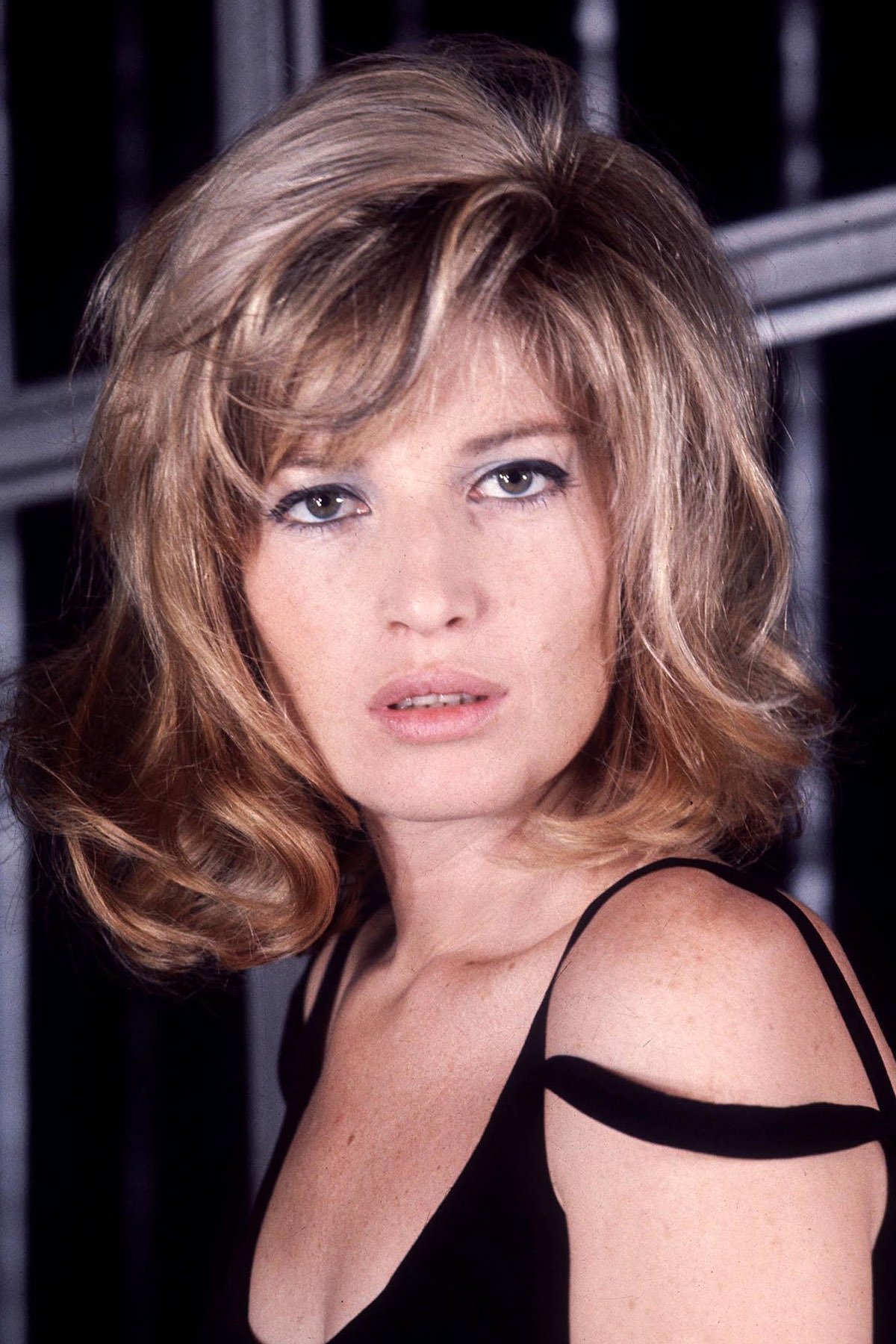
Monica Vitti became the face of Italy’s modernist cinema through her collaborations with Michelangelo Antonioni. Performances in ‘L’Avventura’, ‘La Notte’, and ‘L’Eclisse’ defined a new screen language centered on mood, architecture, and alienation. She later shifted into successful Italian comedies, demonstrating range that broadened her domestic and festival appeal. Vitti’s work helped make art-house distribution a durable component of international markets.
Catherine Deneuve

Catherine Deneuve rose to prominence through musicals, thrillers, and art-house dramas that traveled internationally. Breakthroughs with ‘The Umbrellas of Cherbourg’ and ‘Repulsion’ were followed by studio and auteur projects across France, the UK, and Spain. She worked with Roman Polanski, Jacques Demy, and Luis Buñuel, aligning mainstream visibility with festival prestige. Deneuve’s screen presence supported co-production models that connected European financing and distribution.
Jeanne Moreau
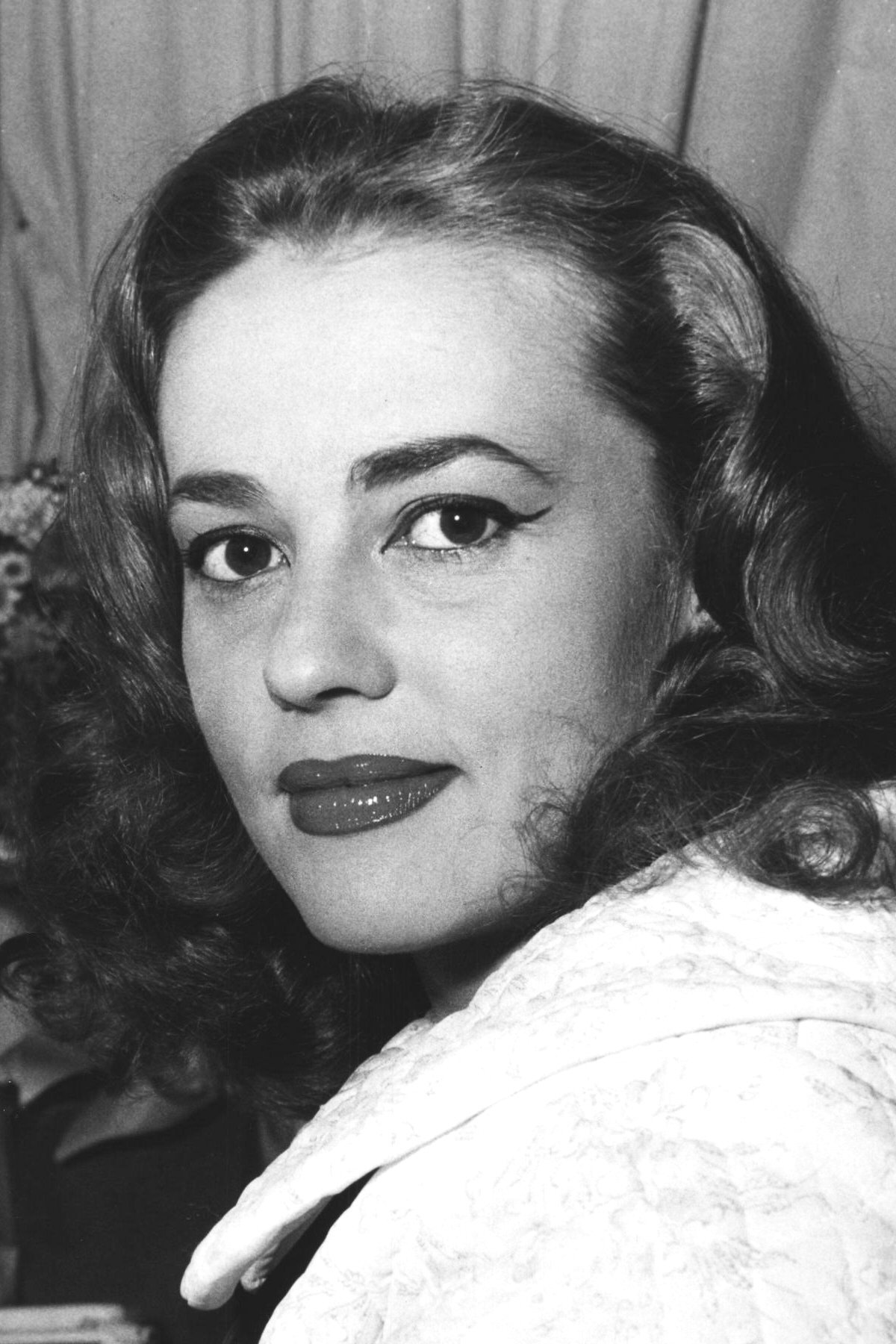
Jeanne Moreau’s career embodied the French New Wave’s global reach. Key titles like ‘Jules and Jim’, ‘Elevator to the Gallows’, and ‘La Notte’ extended her influence across French and Italian cinema. She collaborated with François Truffaut, Louis Malle, and Orson Welles, moving fluidly between experimental and commercial modes. Moreau’s prominence aided the international acceptance of subtitled releases in English-speaking markets.
Claudia Cardinale
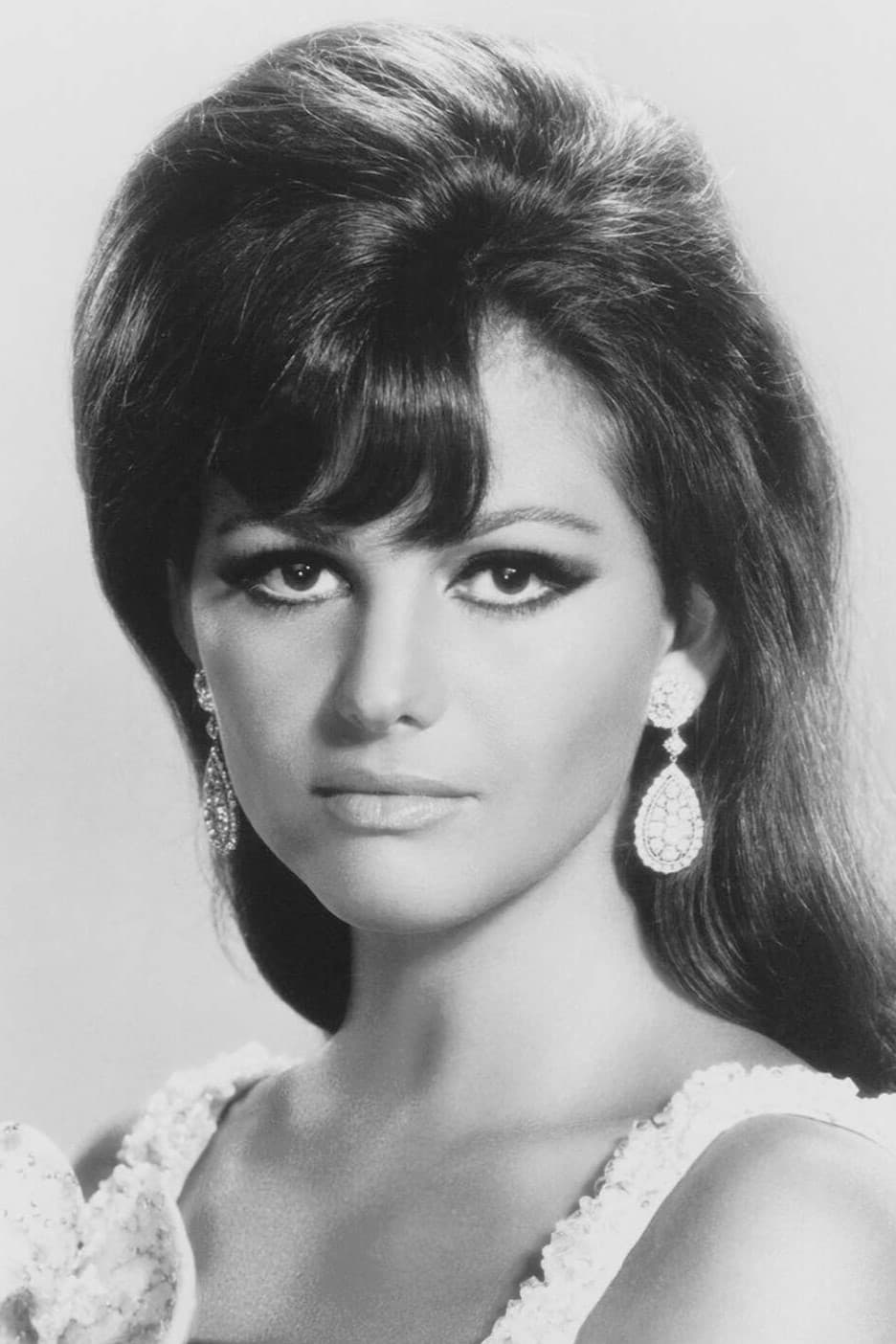
Claudia Cardinale became an international star through Italian epics and art-house landmarks. Appearances in ‘The Leopard’, ‘8½’, and ‘Girl with a Suitcase’ placed her at the center of major festival titles. She also worked in European westerns and French productions, strengthening her cross-market profile. Cardinale’s multilingual roles supported broader European distribution strategies during the decade.
Vanessa Redgrave
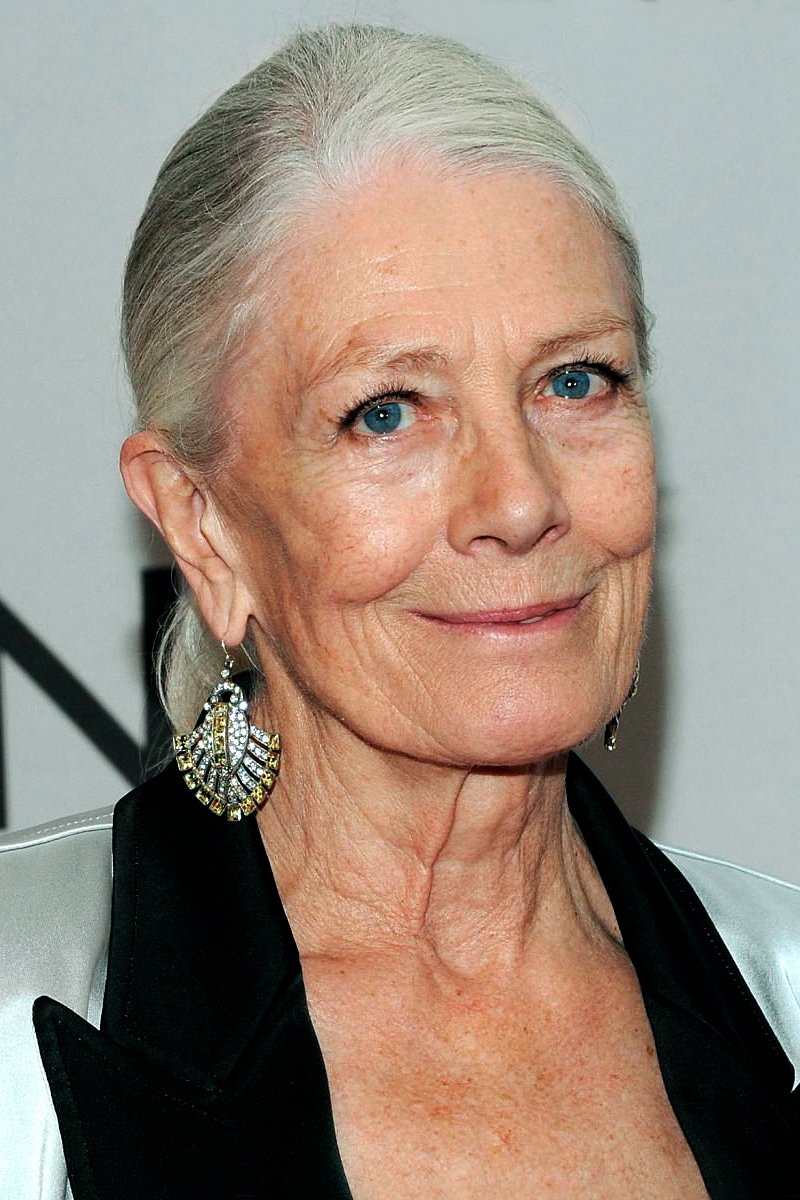
Vanessa Redgrave established herself with theatre-rooted technique translated to film and television. Screen roles in ‘Morgan: A Suitable Case for Treatment’, ‘Blow-Up’, and ‘Isadora’ connected her to both British modernism and international festivals. She frequently alternated between independent productions and studio releases, maintaining visibility across media. Redgrave’s sustained stage presence reinforced the decade’s cross-pollination between theatre and film.
Maggie Smith
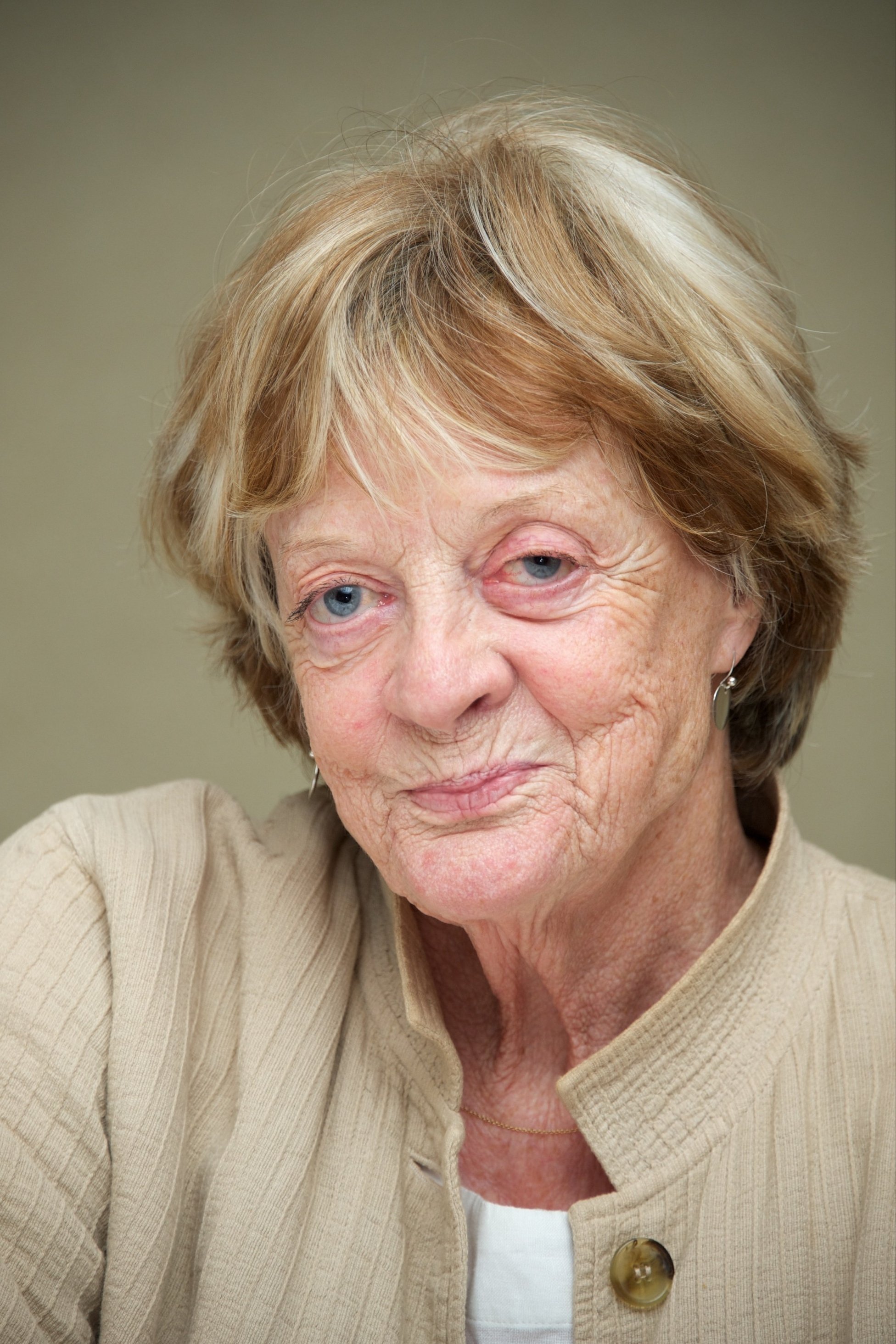
Maggie Smith combined classical training with sharp comic and dramatic range. Performances in ‘The Prime of Miss Jean Brodie’, ‘Othello’, and ‘Hot Millions’ brought critical notice and awards. She worked for both British and American producers, helping British cinema maintain a strong international profile. Smith’s screen work complemented a prominent stage career, modeling dual-platform success.
Julie Christie
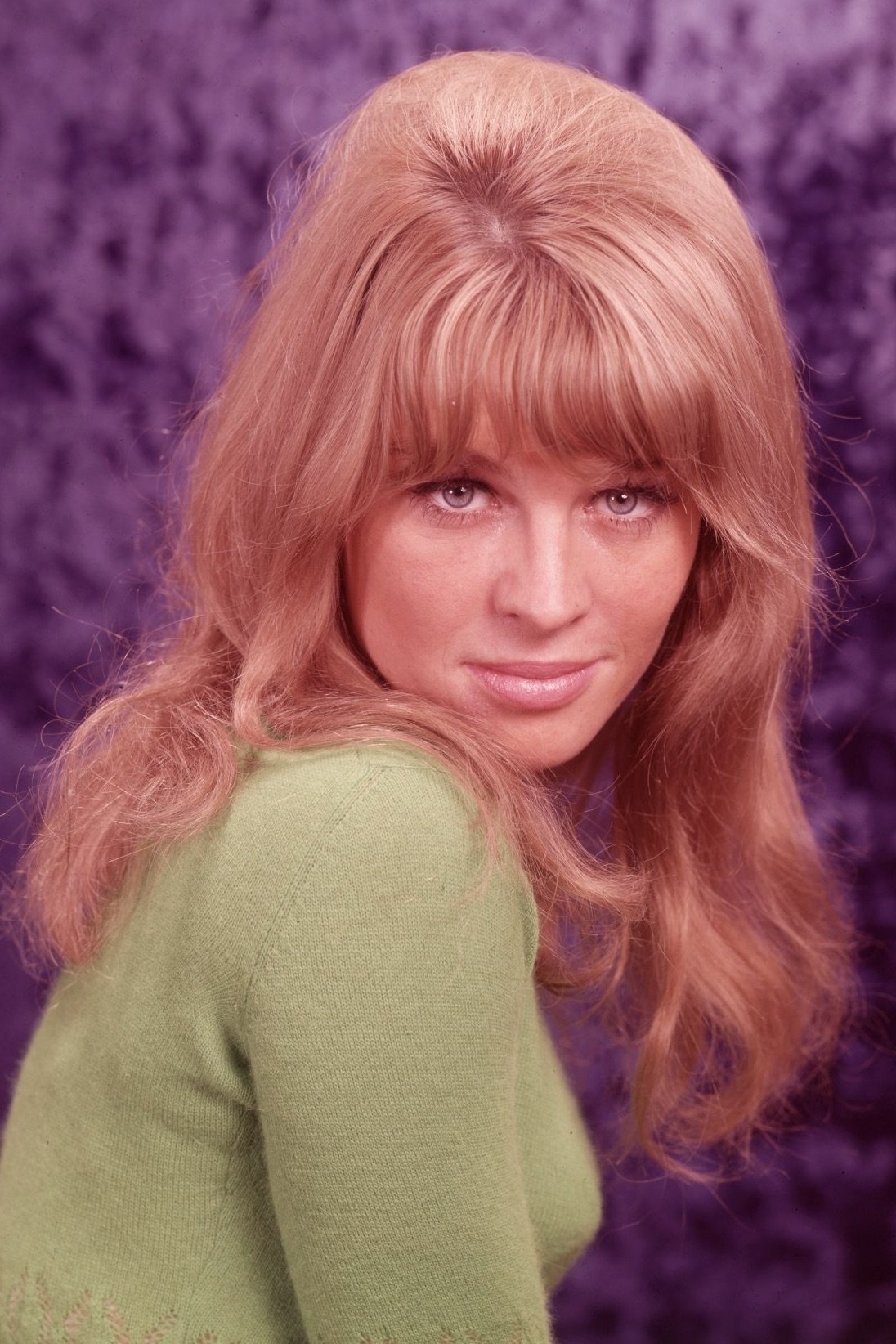
Julie Christie became emblematic of the British New Wave’s shift toward contemporary subjects. Lead roles in ‘Darling’, ‘Doctor Zhivago’, and ‘Fahrenheit 451’ delivered major box-office and award recognition. She collaborated with John Schlesinger and David Lean, balancing intimate dramas with large-scale productions. Christie’s casting helped align fashion, photography, and film publicity in transatlantic markets.
Faye Dunaway
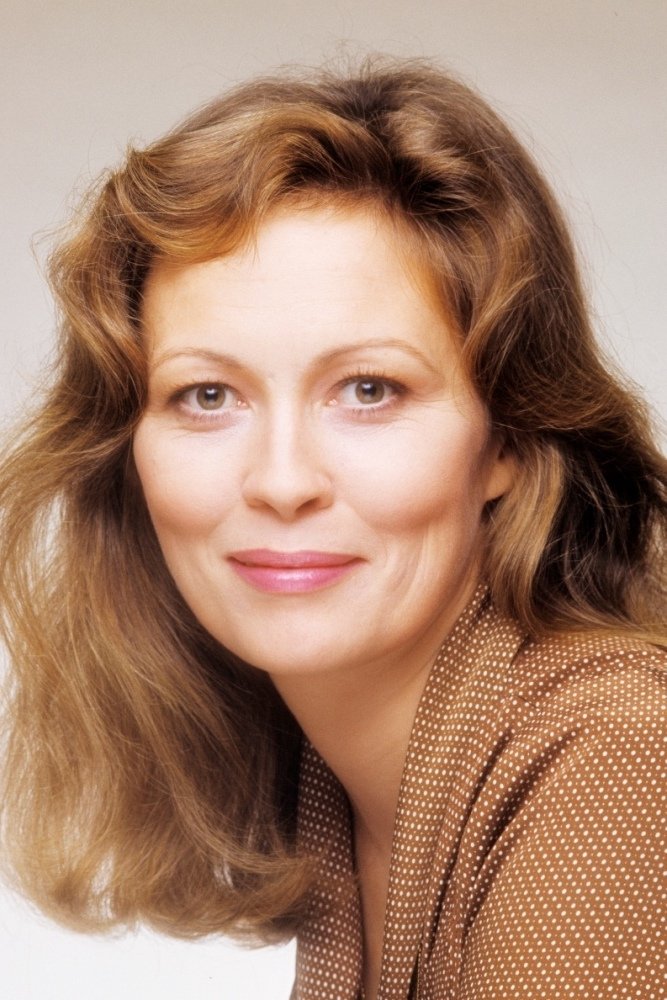
Faye Dunaway’s late-decade emergence reshaped American screen heroines for New Hollywood. Appearances in ‘Bonnie and Clyde’, ‘The Thomas Crown Affair’, and ‘The Arrangement’ paired star appeal with stylistic experimentation. She worked with Arthur Penn and Norman Jewison, reinforcing director-led branding in studio marketing. Dunaway’s roles influenced costume and editing trends associated with the industry’s transition period.
Barbra Streisand
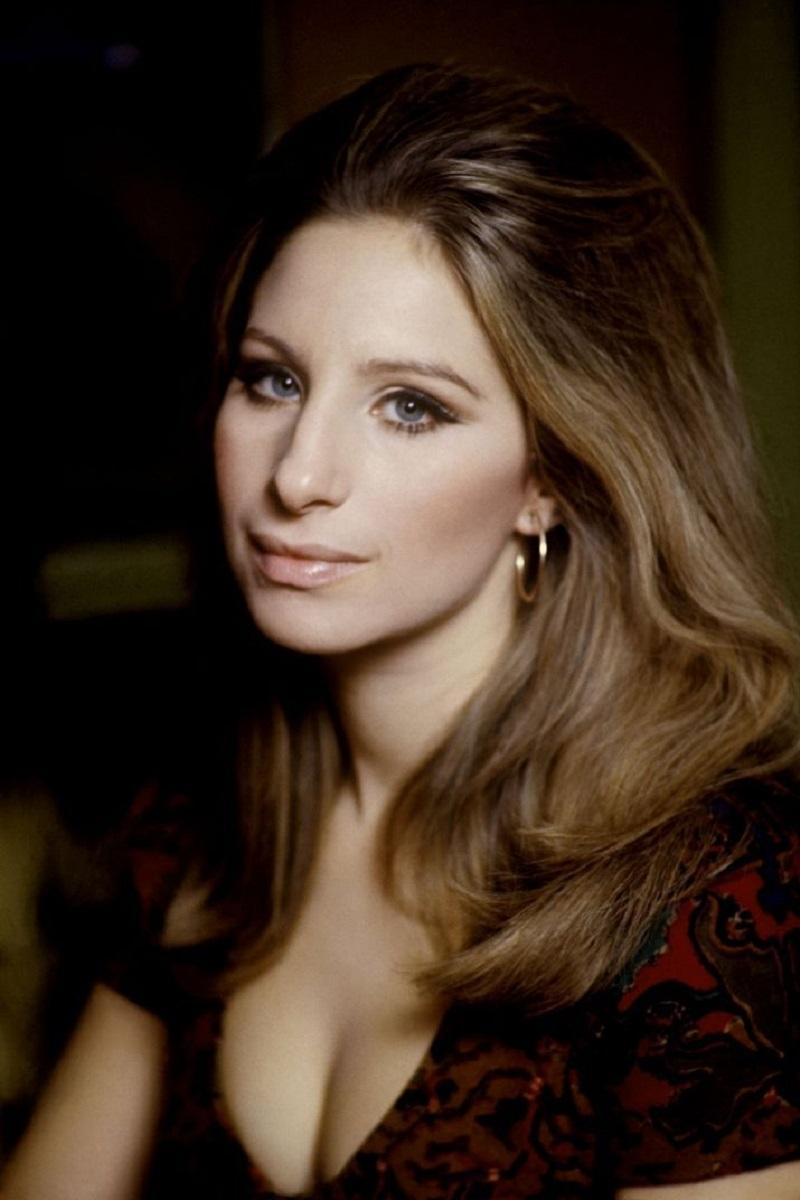
Barbra Streisand translated a dominant recording and Broadway profile into immediate film success. Her debut in ‘Funny Girl’ secured top awards and strong global grosses, followed by projects like ‘Hello, Dolly!’. Soundtrack sales and television specials amplified her cross-media reach. Streisand’s arrival strengthened studios’ confidence in music-driven vehicles fronted by powerhouse vocalists.
Diana Rigg
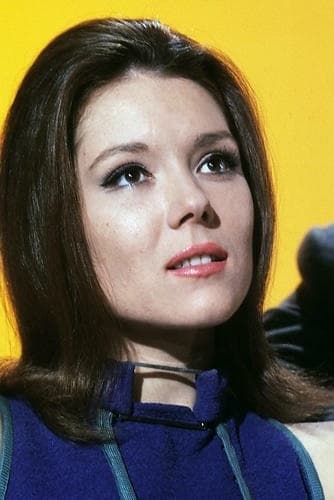
Diana Rigg achieved international recognition primarily through television while maintaining a significant stage career. Her portrayal of Emma Peel in ‘The Avengers’ expanded the global market for stylish action series. She later parlayed that visibility into film roles including ‘On Her Majesty’s Secret Service’. Rigg’s work demonstrated the decade’s growing interplay between TV popularity and film casting.
Natalie Wood
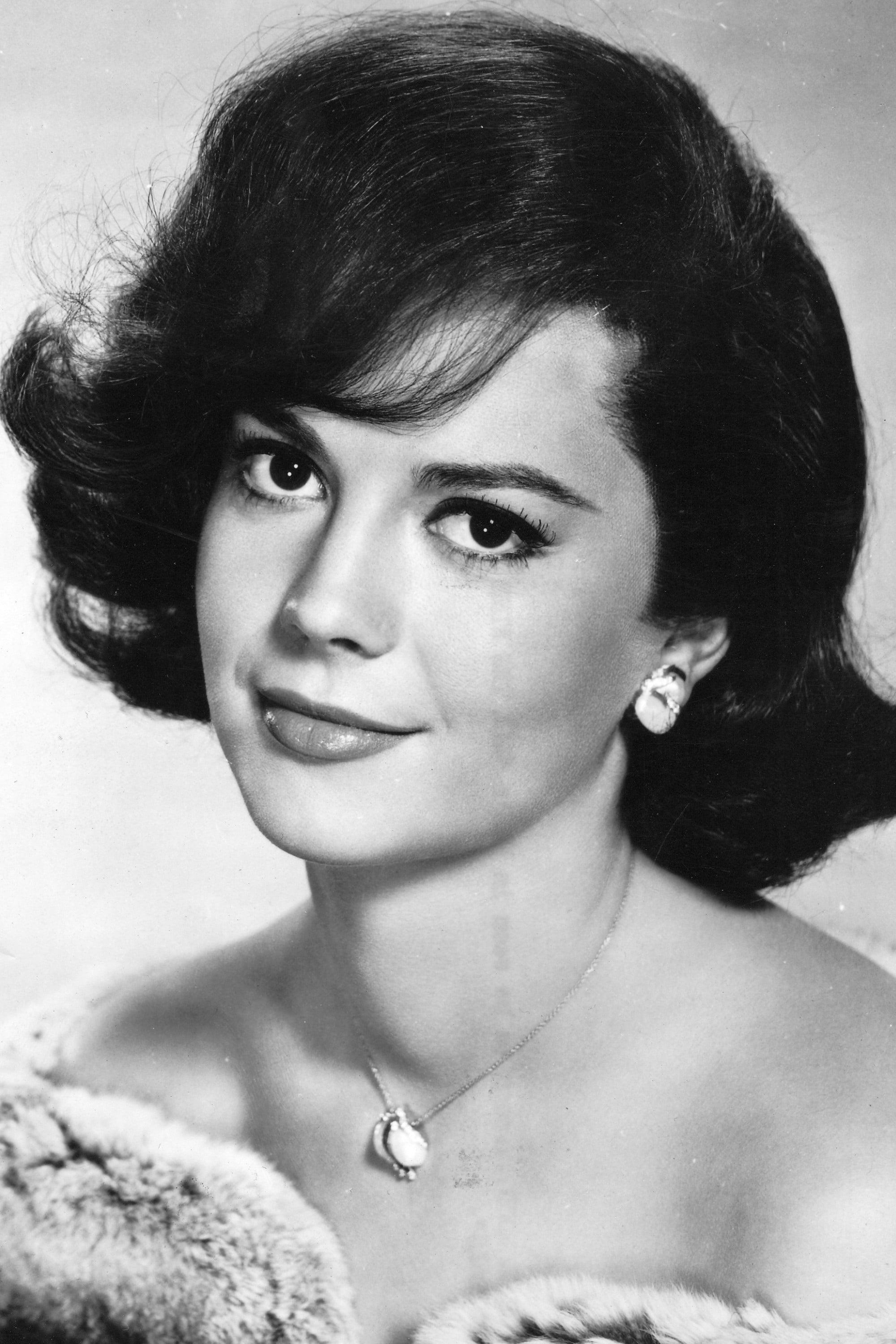
Natalie Wood transitioned from child star to adult lead across musicals and dramas. She headlined major releases such as ‘West Side Story’, ‘Splendor in the Grass’, and ‘Gypsy’, sustaining high visibility with varied material. Wood worked with prominent directors including Elia Kazan and Robert Mulligan. Her consistent box-office presence made her a dependable studio lead during the period.
Shirley MacLaine
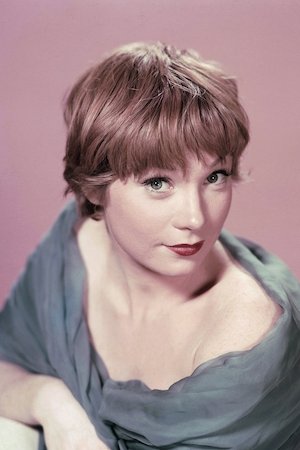
Shirley MacLaine’s 1960s output mixed romantic comedies, musicals, and international productions. Notable films include ‘The Apartment’, ‘Irma la Douce’, and ‘Sweet Charity’. She collaborated repeatedly with Billy Wilder and maintained a strong nightclub and television profile. MacLaine’s versatility supported the era’s appetite for star-driven genre shifts.
Anna Karina
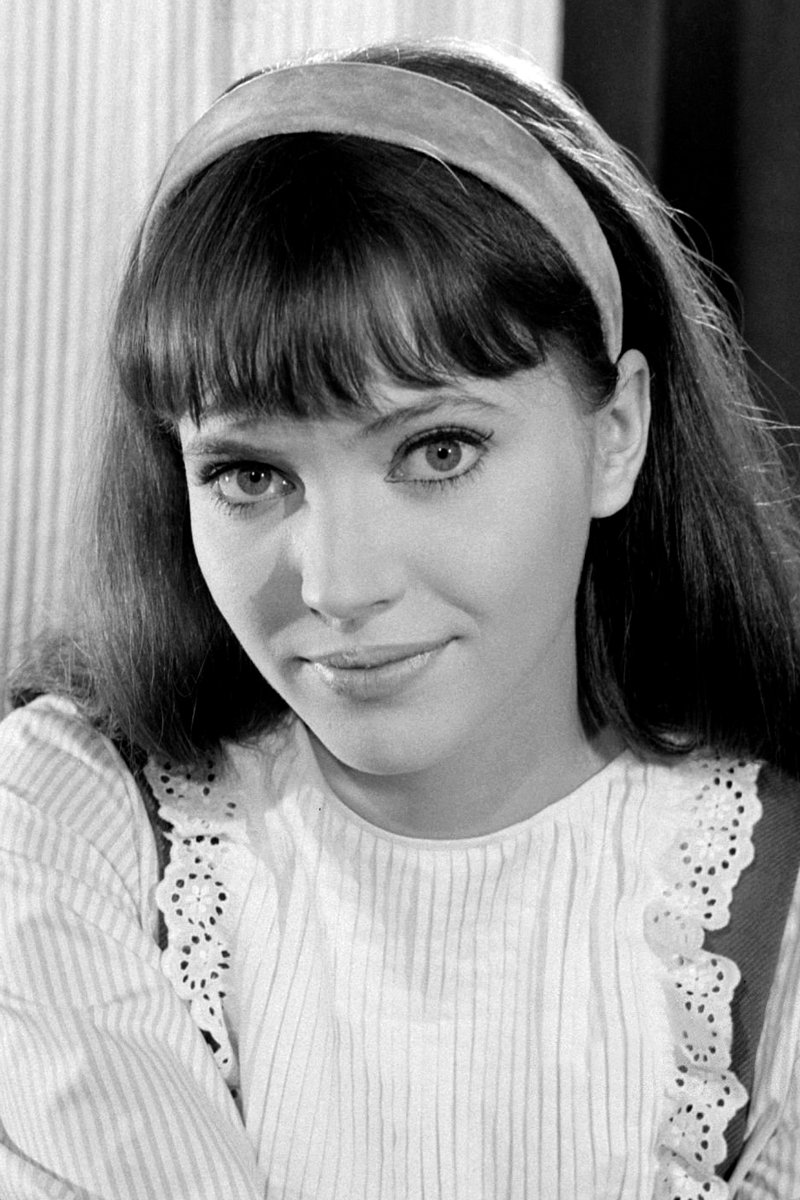
Anna Karina became a central figure in the French New Wave through her work with Jean-Luc Godard. Performances in ‘A Woman Is a Woman’, ‘Band of Outsiders’, and ‘Pierrot le Fou’ defined a modern acting style suited to jump-cut editing and location shooting. She also collaborated with other directors, broadening her filmography within Europe. Karina’s image circulated widely in magazines and posters, aiding international art-house marketing.
Bibi Andersson
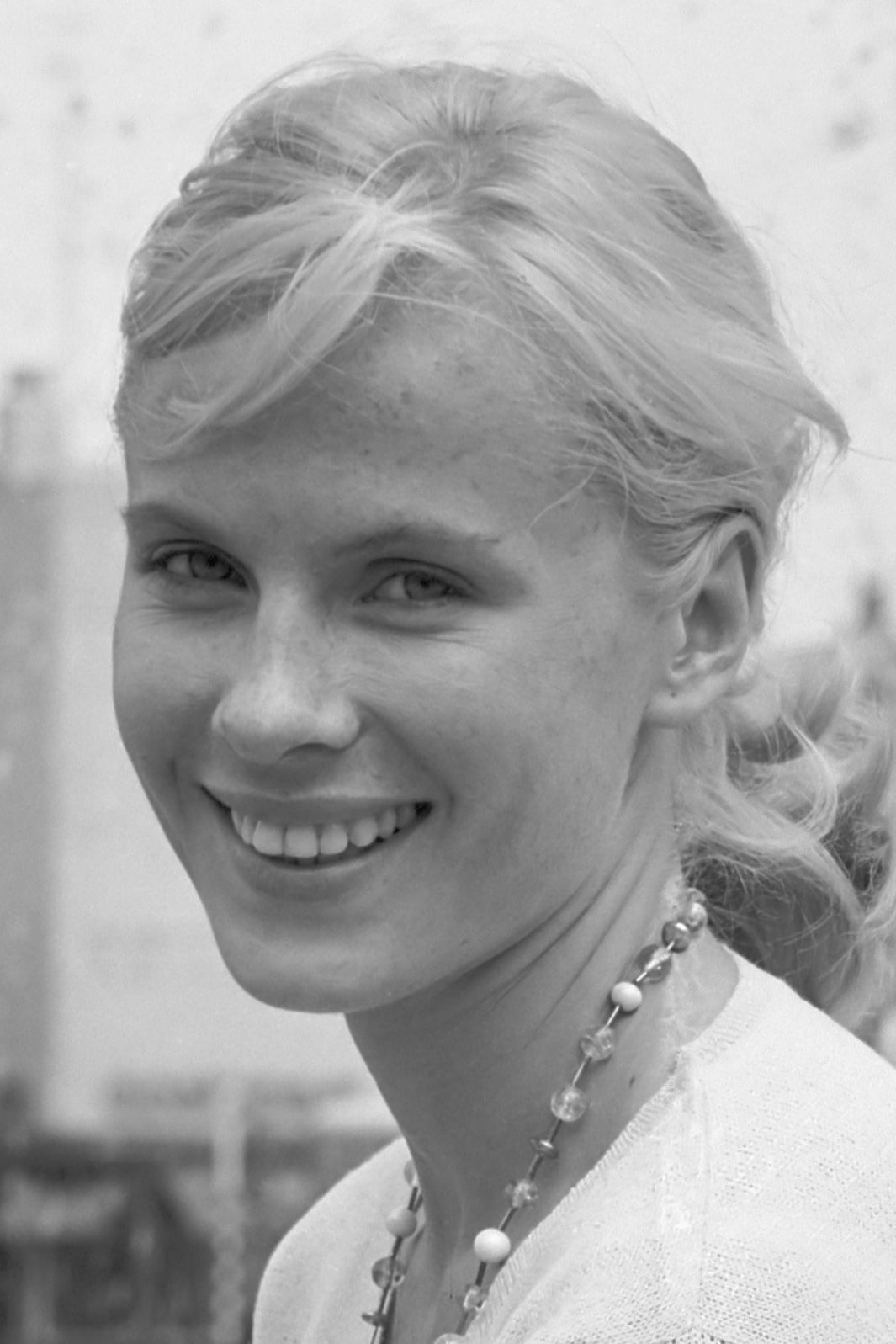
Bibi Andersson’s collaborations with Ingmar Bergman were critical to the global profile of Swedish cinema. Roles in ‘Persona’, ‘The Seventh Seal’, and ‘Wild Strawberries’ showcased psychological nuance that drew festival acclaim. She worked in both Swedish and international productions, strengthening Scandinavian film’s export presence. Andersson’s performances helped make intimate, dialogue-driven dramas viable in global distribution.
Romy Schneider

Romy Schneider successfully transitioned from German-language hits to French and international productions. Appearances in ‘The Swimming Pool’, ‘Boccaccio ’70’, and ‘The Trial’ demonstrated range across genres. She collaborated with directors such as Luchino Visconti and Orson Welles, increasing her pan-European stature. Schneider’s career helped knit together German, French, and Italian co-production ecosystems.
Gina Lollobrigida
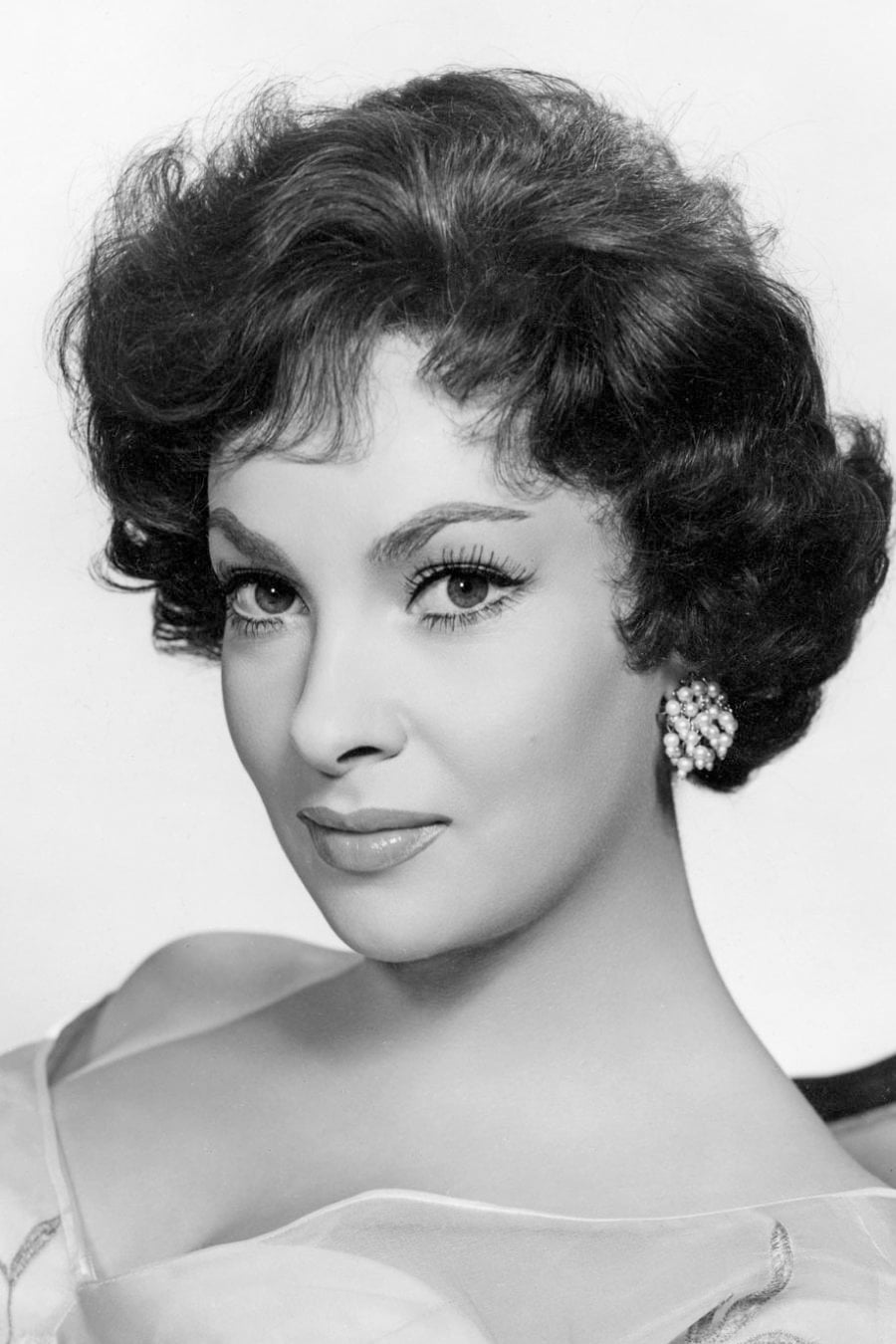
Gina Lollobrigida remained a marquee European star as Italian cinema expanded its global footprint. She headlined adventures, comedies, and dramas including ‘Come September’, ‘Buona Sera, Mrs. Campbell’, and ‘Woman of Straw’. Lollobrigida’s multilingual work kept her in demand across European and American projects. Her profile supported the continued appeal of Italian stars in international markets.
Waheeda Rehman
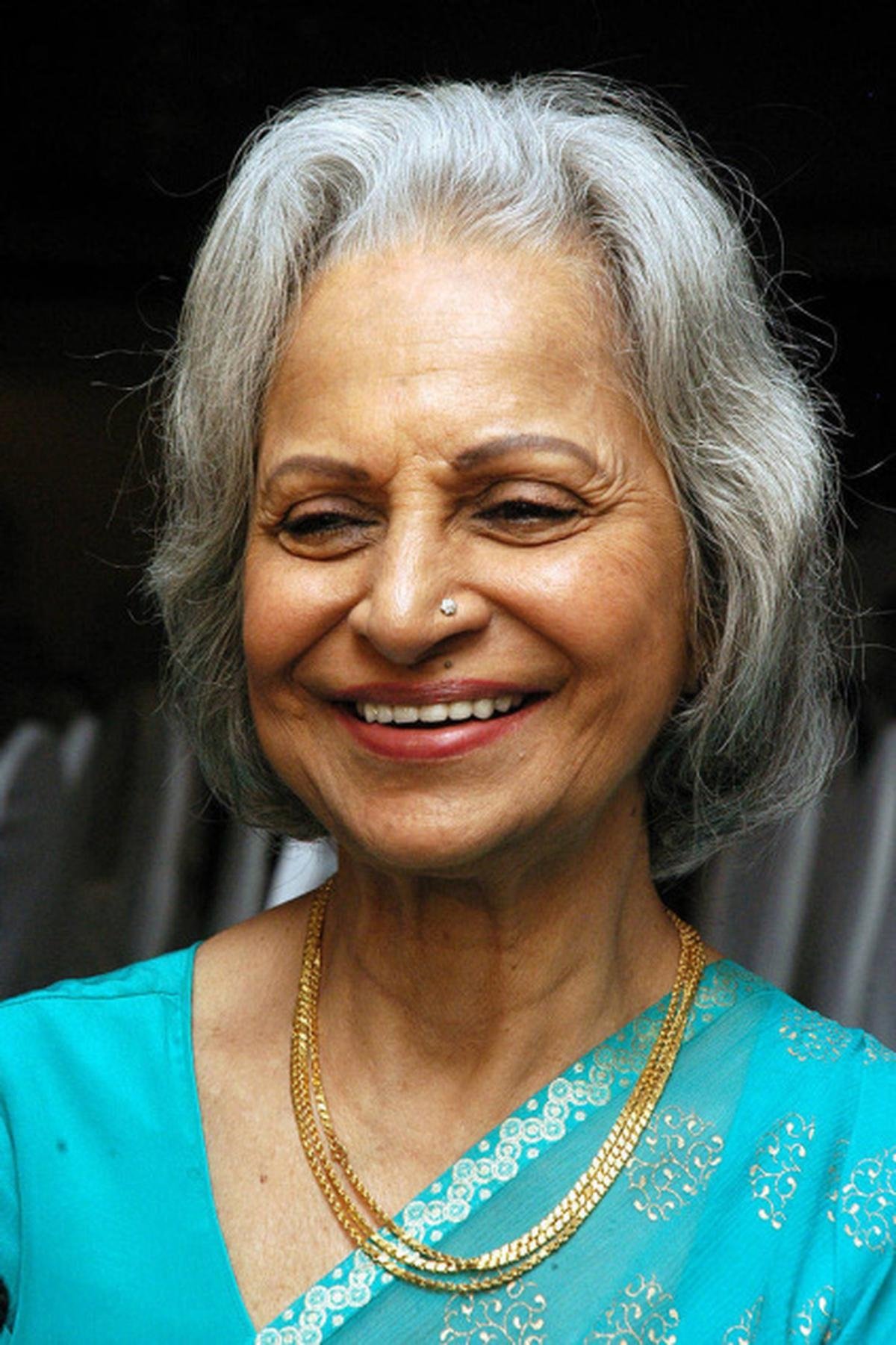
Waheeda Rehman became one of Hindi cinema’s most respected leading actors through collaborations with top directors and composers. Landmark performances in ‘Guide’, ‘Pyaasa’, and ‘Kaagaz Ke Phool’ combined narrative ambition with enduring songs. She navigated both artistic and mainstream films, strengthening the crossover between critical acclaim and mass appeal. Rehman’s success contributed to the global recognition of Indian cinema’s storytelling and music integration.
Sharmila Tagore
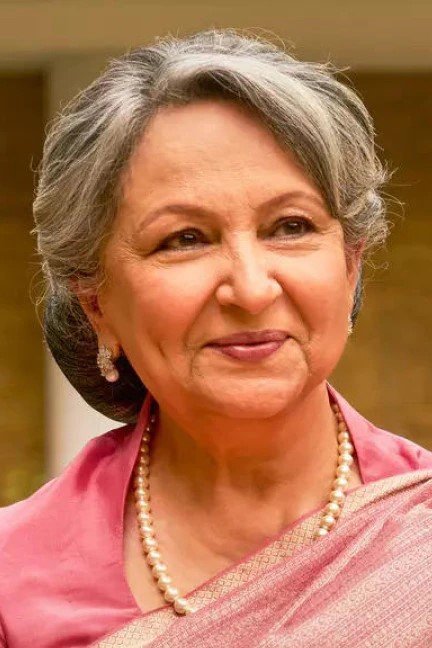
Sharmila Tagore’s career linked Bengali art cinema and mainstream Hindi productions. She debuted with Satyajit Ray and later led popular hits like ‘Aradhana’ and ‘Amar Prem’. Tagore worked across languages and industries, expanding her audience throughout the subcontinent. Her trajectory illustrated how regional art-house prestige could feed into national stardom.
Ursula Andress
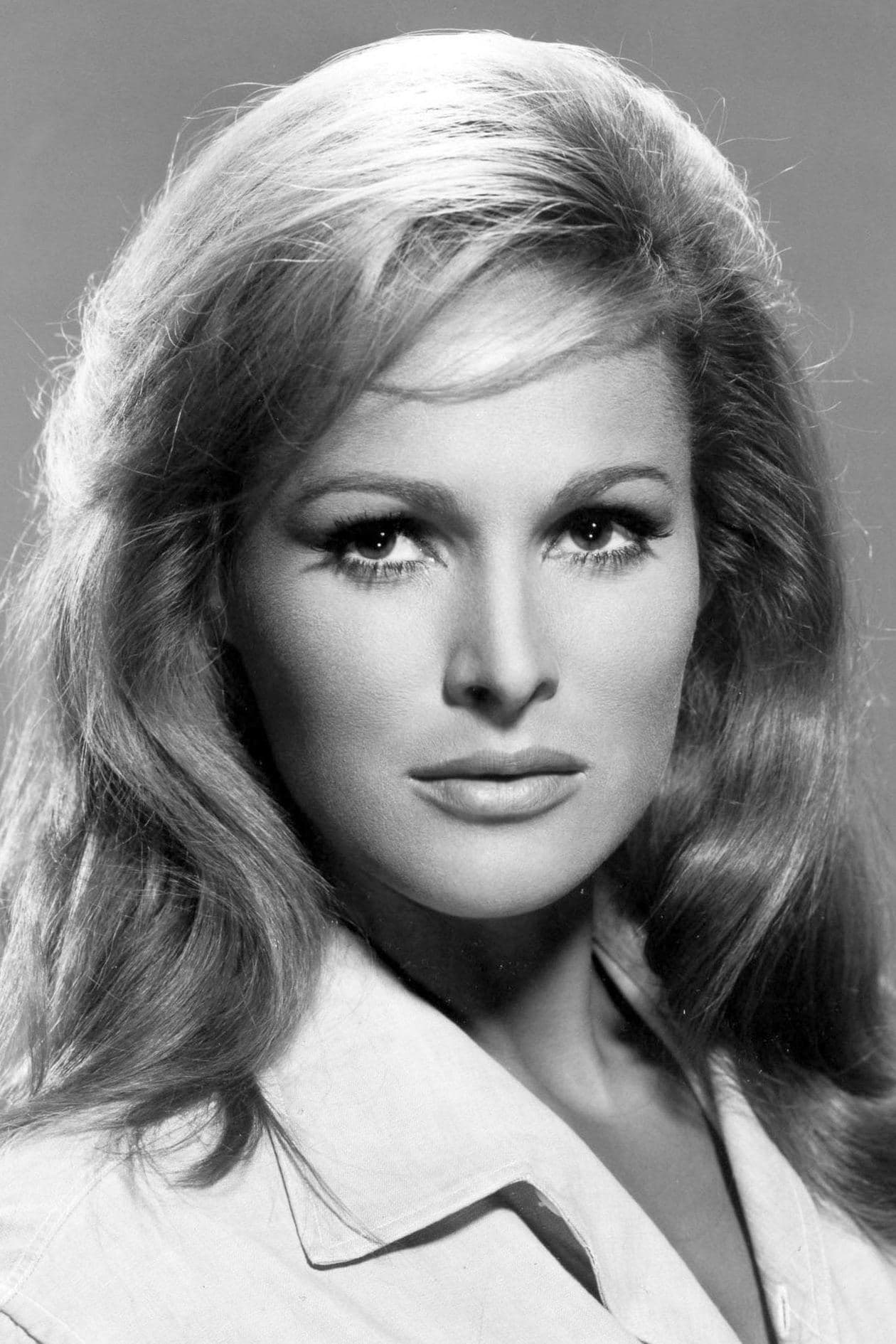
Ursula Andress achieved worldwide visibility with a franchise-defining turn that set the template for future spy-film heroines. Appearances in ‘Dr. No’, ‘Fun in Acapulco’, and ‘She’ positioned her in adventure and action-oriented projects. She worked in both European and American productions, maintaining a strong international presence. Andress’s image became a key element of film promotion and tie-in merchandising.
Ingrid Bergman
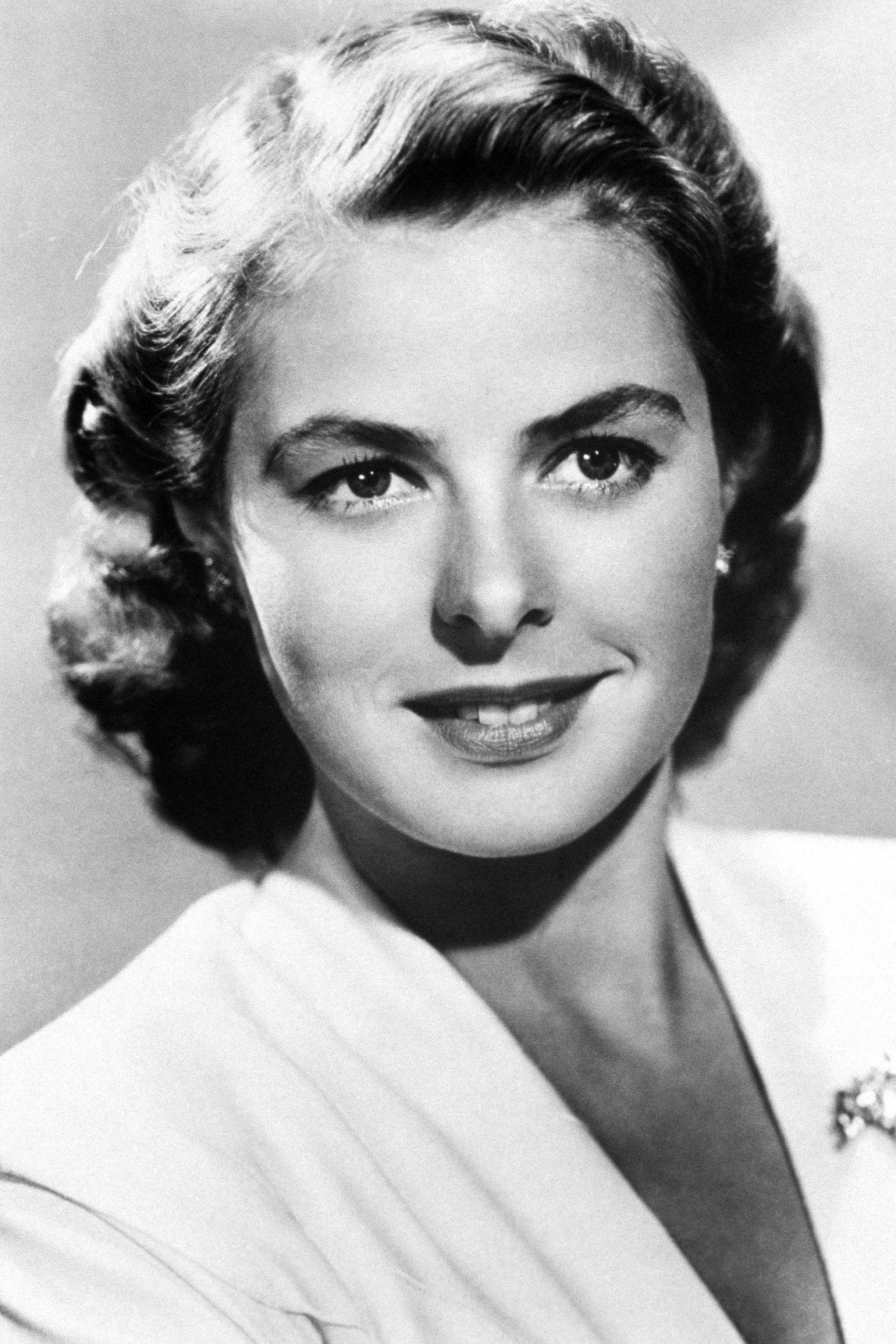
Ingrid Bergman sustained international stature into the decade with English- and European-language productions. She headlined studio and independent projects including ‘The Visit’ and ‘Cactus Flower’. Bergman continued collaborations with prominent directors and maintained a major stage presence alongside film work. Her cross-market appeal supported global distribution for prestige dramas.
Anne Bancroft
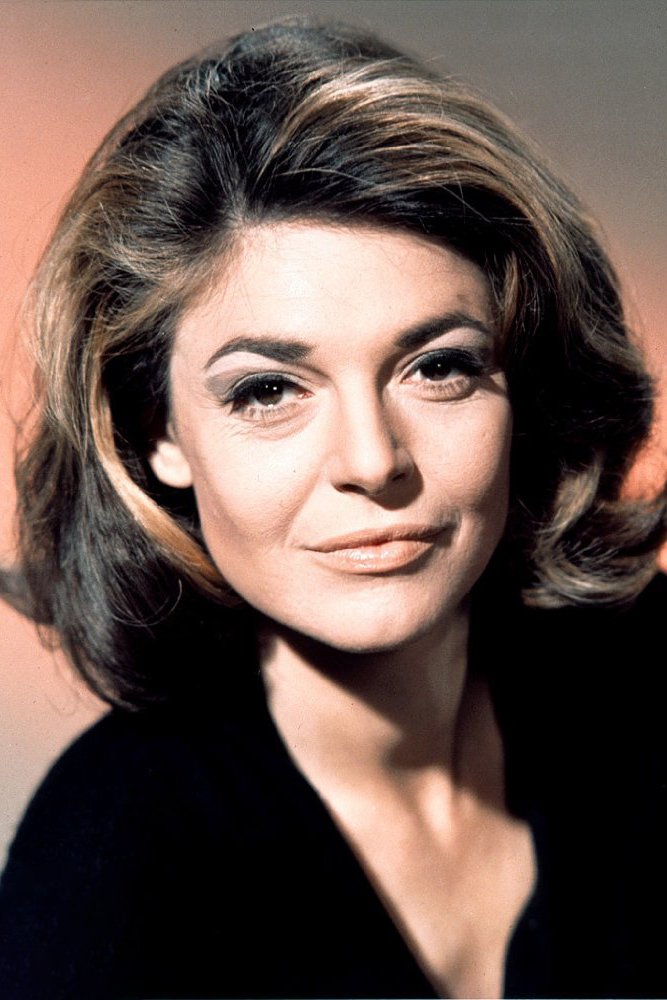
Anne Bancroft balanced demanding dramatic roles with mainstream visibility across stage, film, and television. She earned top industry awards and nominations for performances in ‘The Miracle Worker’ and ‘The Graduate’. Bancroft worked with directors such as Arthur Penn and Mike Nichols, strengthening actor-led marketing for serious drama. Her character-driven roles demonstrated commercial viability for mature storytelling.
Marilyn Monroe
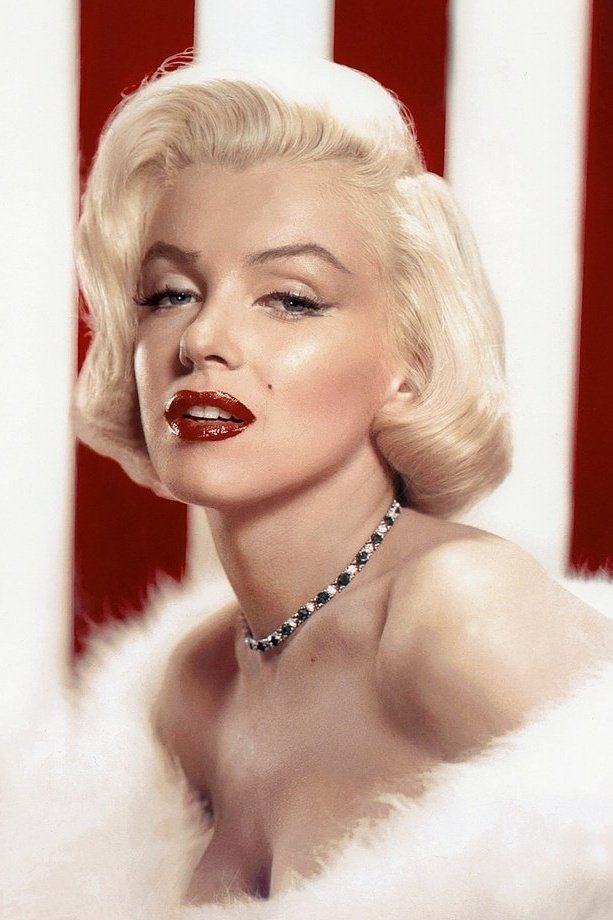
Marilyn Monroe’s final screen projects and extensive publicity carried significant cultural influence into the early 1960s. She led high-profile productions including ‘The Misfits’ and initiated work on ‘Something’s Got to Give’. Monroe’s collaborations with directors like John Huston, combined with magazine features and global press coverage, sustained market interest. Her image continued to drive catalog reissues and television airings across the decade.
Deborah Kerr
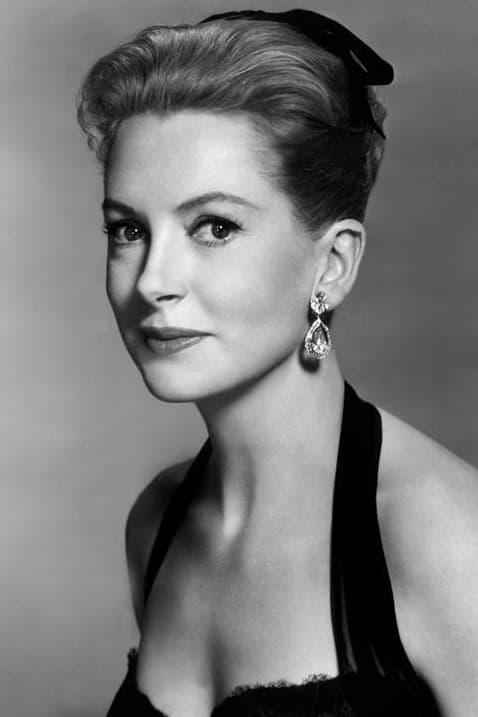
Deborah Kerr remained in demand for literary adaptations and adventure films. Notable titles include ‘The Night of the Iguana’, ‘The Innocents’, and ‘Majority of One’. She worked with directors such as John Huston and Jack Clayton while continuing acclaimed stage appearances. Kerr’s projects emphasized refined characterization that supported international prestige releases.
Raquel Welch

Raquel Welch became a global name through science-fiction and adventure hits. Films such as ‘Fantastic Voyage’ and ‘One Million Years B.C.’ were widely marketed with memorable poster campaigns and magazine features. She appeared in European co-productions as well as American studio films, expanding her reach. Welch’s star presence helped action and fantasy titles draw broader audiences.
Tippi Hedren
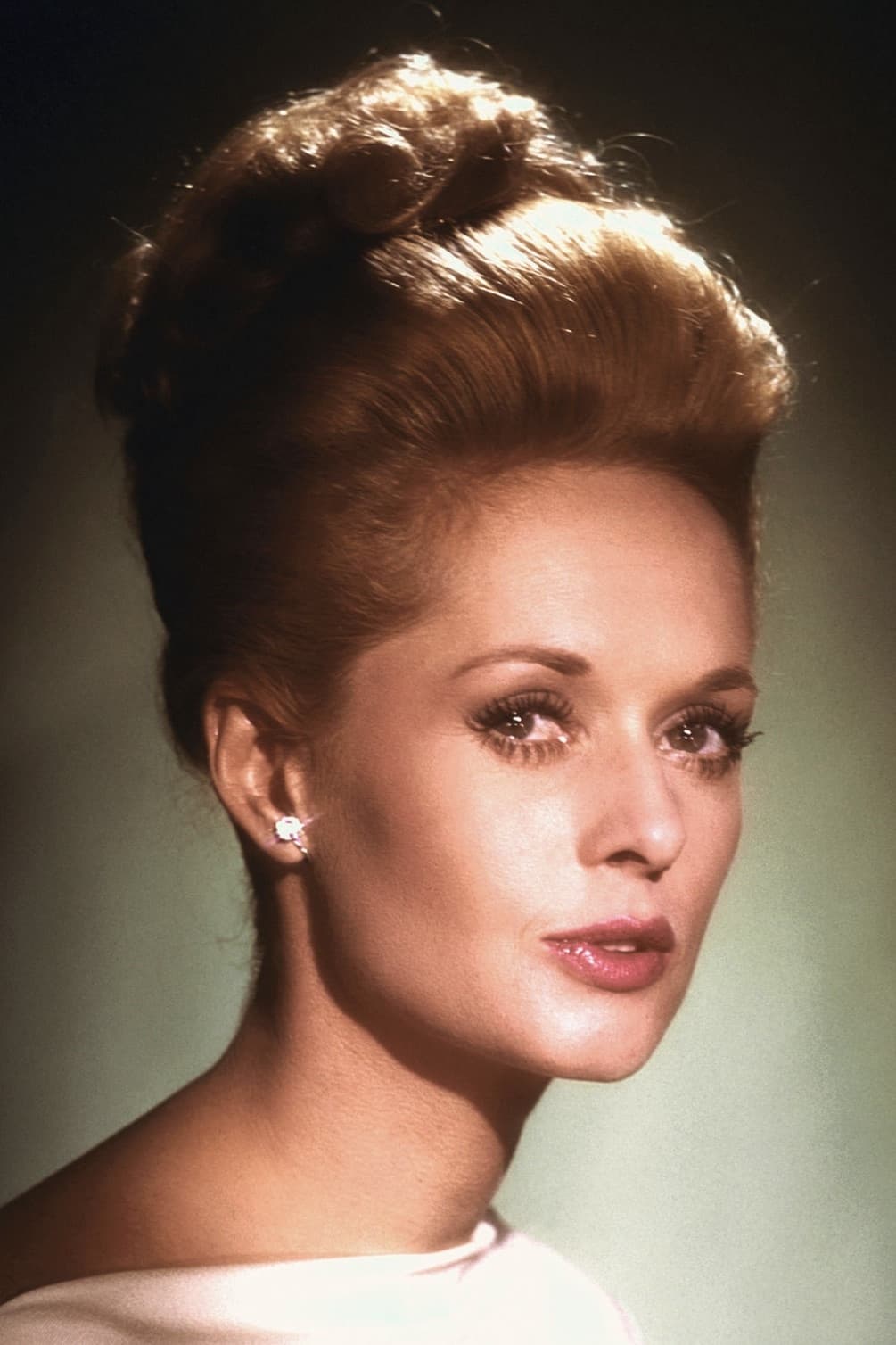
Tippi Hedren made a swift impact through collaborations with Alfred Hitchcock. Lead roles in ‘The Birds’ and ‘Marnie’ showcased thriller techniques tied to location shooting and special-effects work. She engaged in extensive promotional tours that increased international awareness for suspense films. Hedren later diversified into television and independent features, maintaining visibility beyond initial breakthroughs.
Anouk Aimée
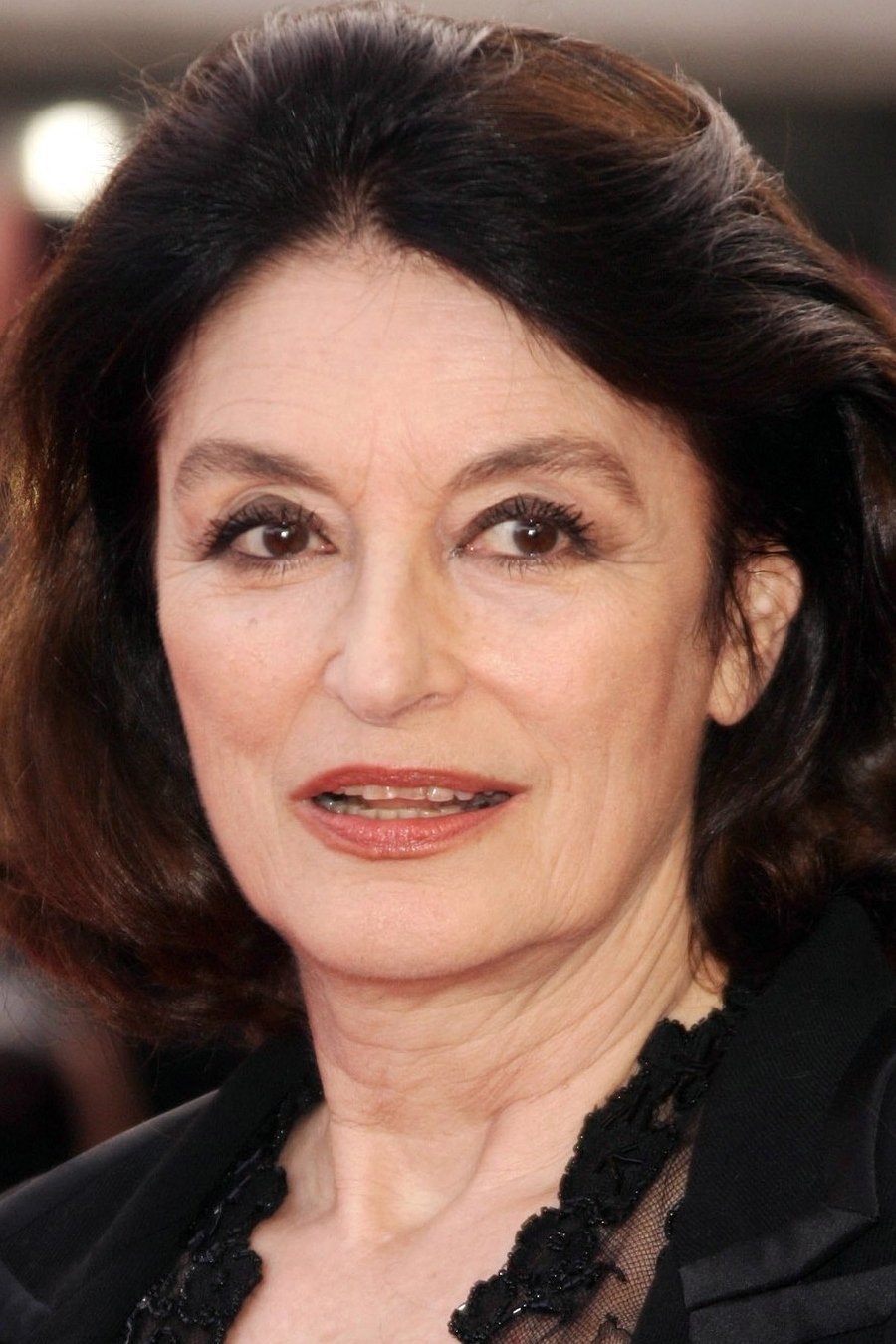
Anouk Aimée’s work linked Italian, French, and international co-productions. Appearances in ‘La Dolce Vita’, ‘Lola’, and ‘A Man and a Woman’ connected her to major festival circuits and global distribution. She collaborated with directors including Federico Fellini and Jacques Demy, reinforcing auteur branding. Aimée’s roles exemplified modern European storytelling adopted by overseas markets.
Liv Ullmann

Liv Ullmann emerged through psychologically intense collaborations with Ingmar Bergman. Performances in ‘Persona’ and other late-decade projects emphasized close-up-driven cinematography and extended dialogue scenes. Ullmann’s filmography traveled widely across festivals and art-house circuits. Her partnership with Bergman strengthened international interest in Scandinavian cinema.
Madhubala
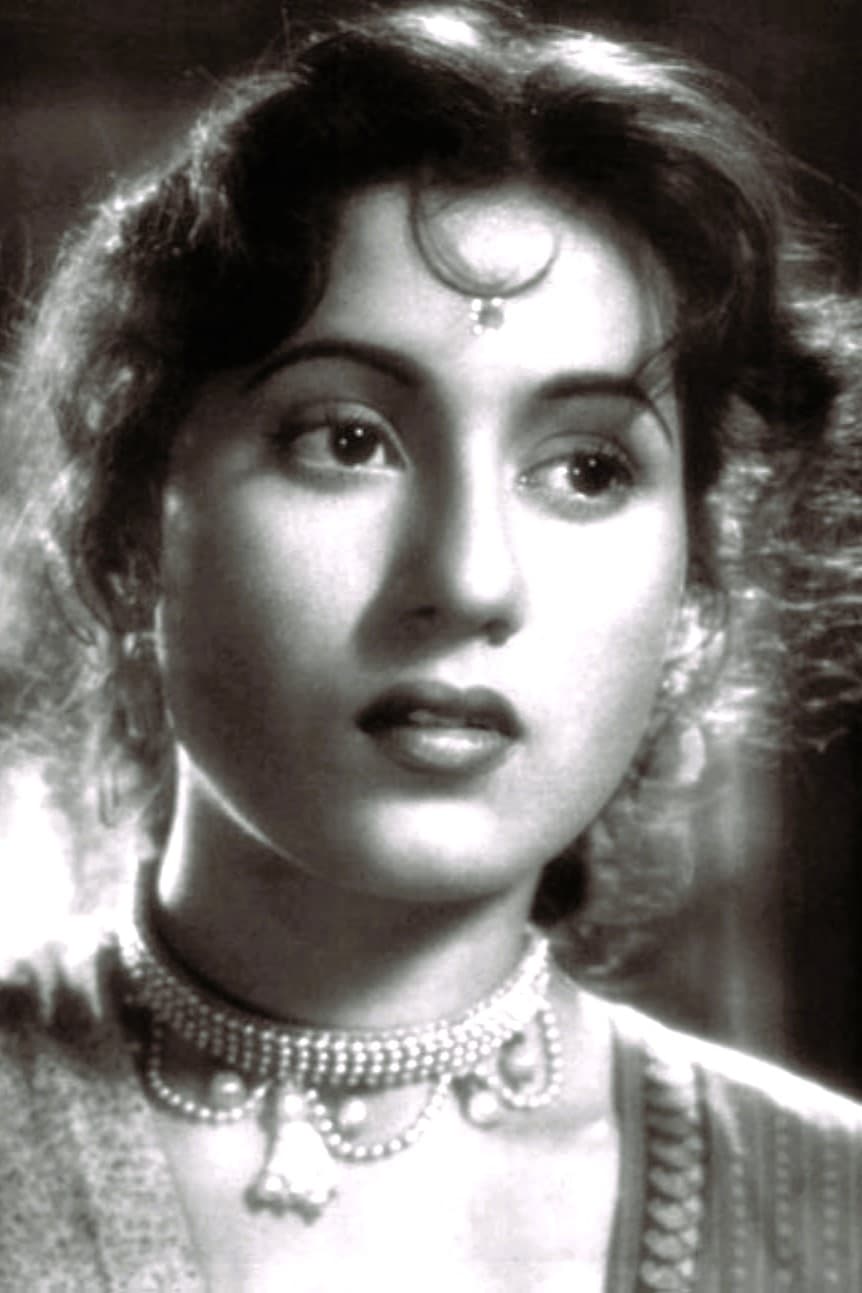
Madhubala’s star power continued into the decade with lavish productions and romantic dramas. Landmark works such as ‘Mughal-e-Azam’ and ‘Chalti Ka Naam Gaadi’ remained fixtures on re-release and television. She collaborated with leading male stars and composers, ensuring strong music-led marketing. Madhubala’s screen persona contributed to Hindi cinema’s export footprint to diaspora audiences.
Meena Kumari

Meena Kumari anchored socially conscious and poetic dramas that defined an era of Hindi cinema. Key films include ‘Sahib Bibi Aur Ghulam’, ‘Aarti’, and ‘Pakeezah’. She worked with major studios and directors who favored lyrical storytelling and classical music integration. Kumari’s characterizations influenced subsequent portrayals of complex female leads.
Rita Tushingham
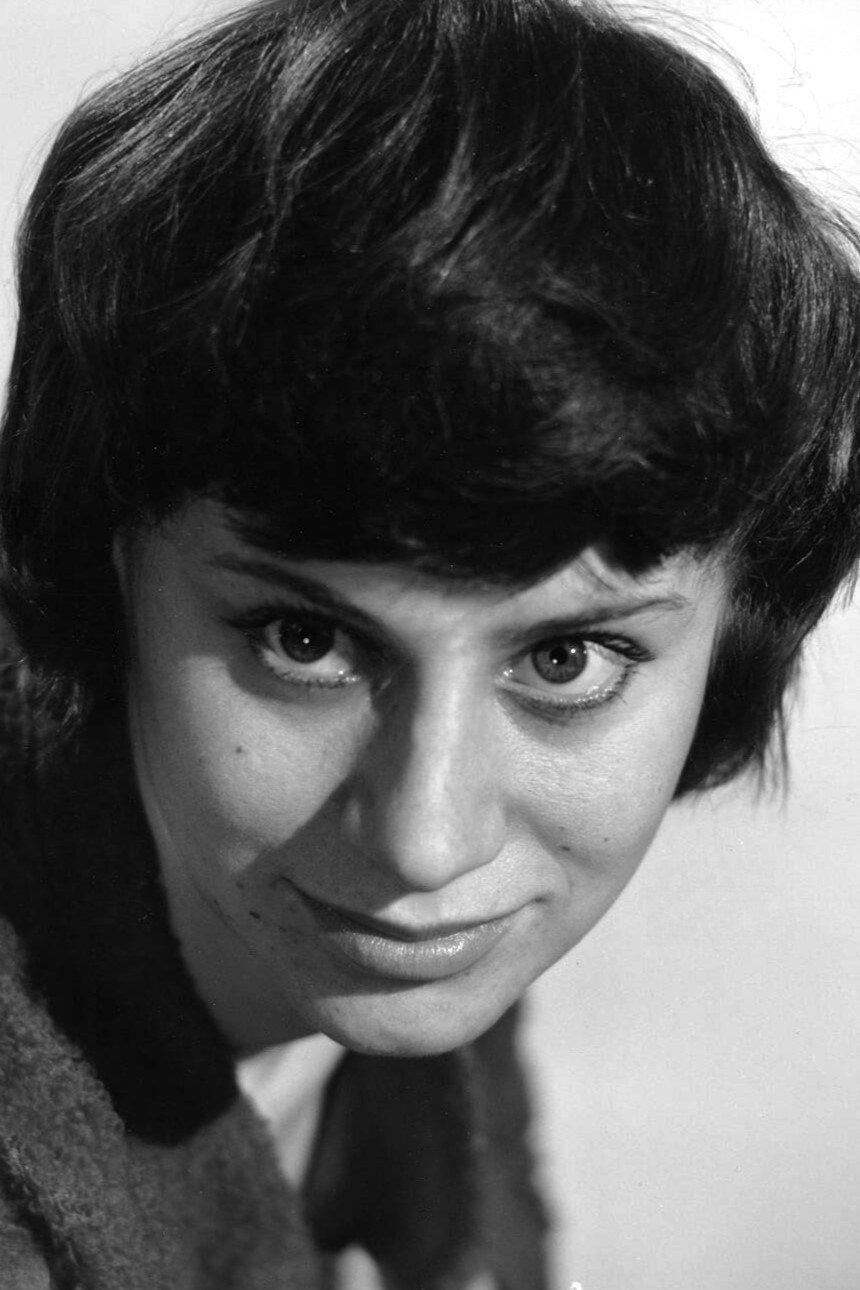
Rita Tushingham became a face of the British New Wave with contemporary, youth-centered stories. Roles in ‘A Taste of Honey’, ‘The Knack…and How to Get It’, and ‘Doctor Zhivago’ spanned intimate drama and epic production. She collaborated with directors like Tony Richardson and Richard Lester, supporting location-based, low-budget filmmaking. Tushingham’s performances helped internationalize Britain’s social-realist cinema.
Delphine Seyrig
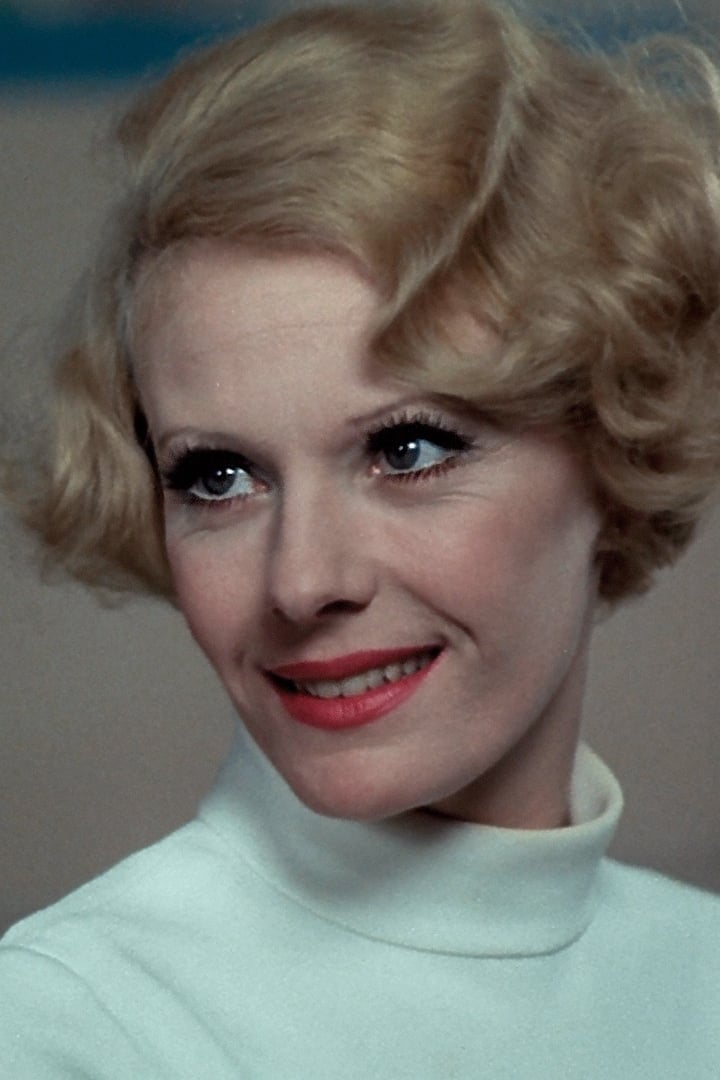
Delphine Seyrig’s early work centered on formally innovative European cinema. Appearances in ‘Last Year at Marienbad’ and ‘Stolen Kisses’ connected her to directors such as Alain Resnais and François Truffaut. She later moved between theatre, television, and film while engaging with feminist artistic networks. Seyrig’s roles advanced the international profile of experimental narrative techniques.
Lee Remick
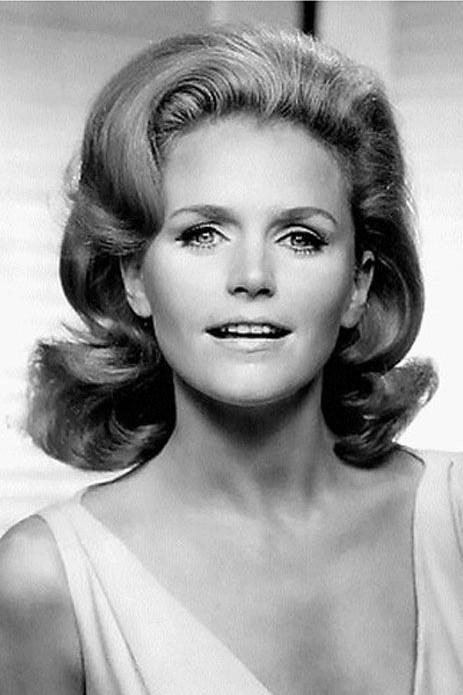
Lee Remick combined mainstream studio fare with intense character studies. Notable films include ‘Days of Wine and Roses’, ‘Wild River’, and ‘Experiment in Terror’. She worked with directors like Elia Kazan, Blake Edwards, and Don Siegel, reflecting range across genres. Remick’s performances were frequently cited in awards discussions and industry trade coverage.
Doris Day
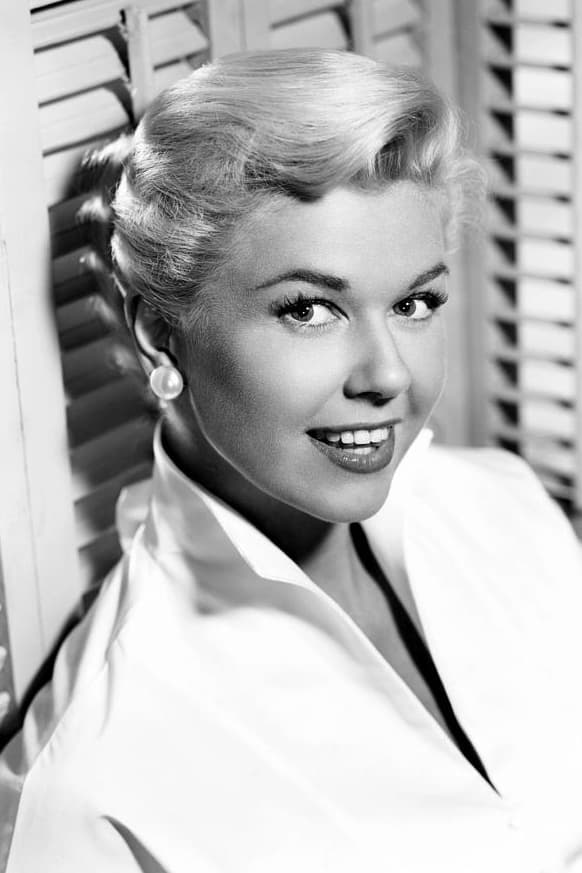
Doris Day sustained major box-office appeal with comedies and musicals supported by extensive radio and television promotion. Titles such as ‘That Touch of Mink’, ‘Lover Come Back’, and ‘The Thrill of It All’ showcased a strong pairing of film and music marketing. She collaborated with Rock Hudson and James Garner, fueling repeat audience turnout. Day’s family-friendly brand contributed to studios’ roadshow and holiday-release strategies.
Ann-Margret
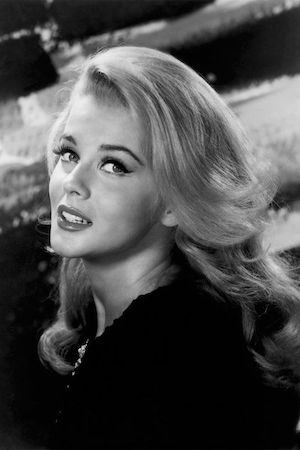
Ann-Margret rose quickly with music-infused comedies and star collaborations. Films like ‘Bye Bye Birdie’, ‘Viva Las Vegas’, and ‘The Cincinnati Kid’ built a crossover profile in records, television, and live performance. She worked with directors including George Sidney and Norman Jewison, maintaining a steady release cadence. Ann-Margret’s combination of singing and acting reinforced the era’s multimedia approach to stardom.
Share your favorites from the decade and tell us who you’d add to the list in the comments!

