


The Most Influential Actresses of the 1980s



The 1980s reshaped screen stardom, with actresses driving box offices, anchoring prestige dramas, and redefining genres from high-concept comedies to gritty thrillers. Their performances traveled worldwide through VHS, cable, and multiplexes, expanding their reach and impact. Many led franchise set-pieces, headlined awards campaigns, and opened doors for more varied roles for women. Here are 40 actresses whose work and career moves strongly influenced the decade’s film culture and industry practices.
Meryl Streep
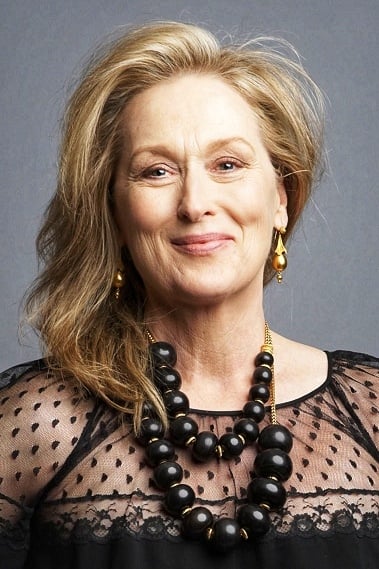
Meryl Streep balanced historical dramas and contemporary character studies while collecting major awards and nominations throughout the decade. She collaborated with directors known for meticulous research and production detail. Her projects such as ‘Sophie’s Choice’, ‘Silkwood’, and ‘Out of Africa’ drew global audiences and extensive critical study. Streep’s dialect and transformation work became standard references in acting curricula.
Sigourney Weaver
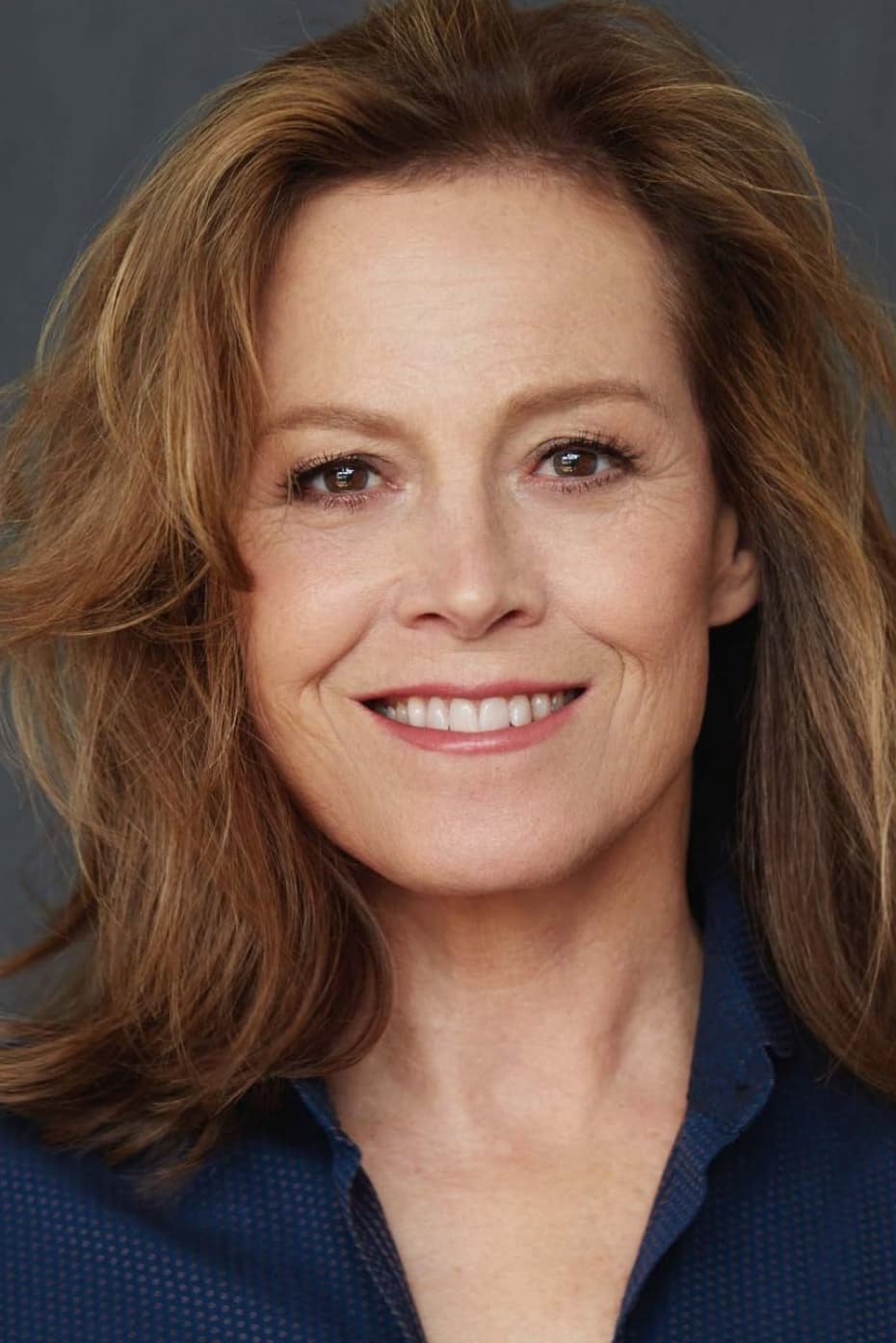
Sigourney Weaver led a landmark science-fiction franchise with ‘Alien’ and delivered a widely studied action performance in ‘Aliens’. She paired genre work with acclaimed dramas like ‘Gorillas in the Mist’ and workplace comedy in ‘Working Girl’. Weaver’s roles demonstrated that female leads could carry effects-driven spectacles and prestige projects in parallel. Her filmography from the period remains central to discussions of women in action cinema.
Sally Field
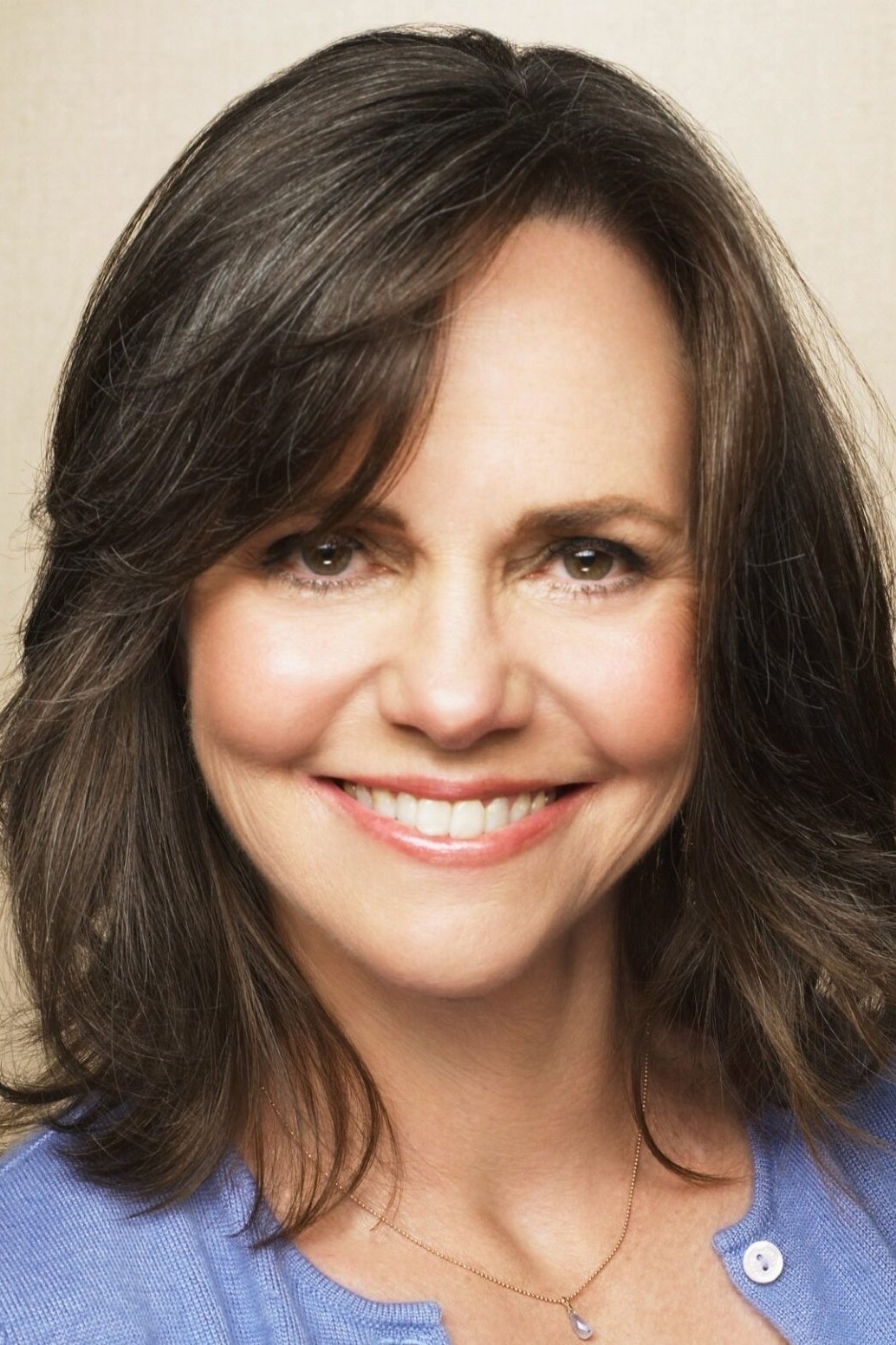
Sally Field transitioned from television into major film leads, winning multiple top honors during the decade. She anchored socially conscious dramas including ‘Norma Rae’ and ‘Places in the Heart’. Field also headlined commercially successful ensemble pieces like ‘Steel Magnolias’. Her projects showed consistent audience interest in character-driven stories centered on working women.
Glenn Close
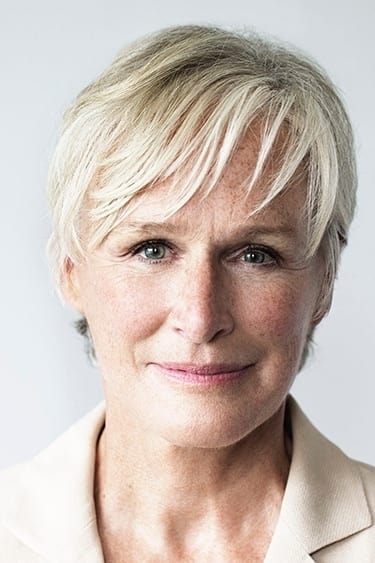
Glenn Close earned repeated awards recognition for roles in ensemble drama ‘The Big Chill’, thriller ‘Fatal Attraction’, and period piece ‘Dangerous Liaisons’. She frequently portrayed complex characters in adult-oriented studio releases. Close worked across stage and screen, maintaining high visibility with critics and audiences. Her performances are often cited in analyses of late-80s prestige filmmaking.
Kathleen Turner
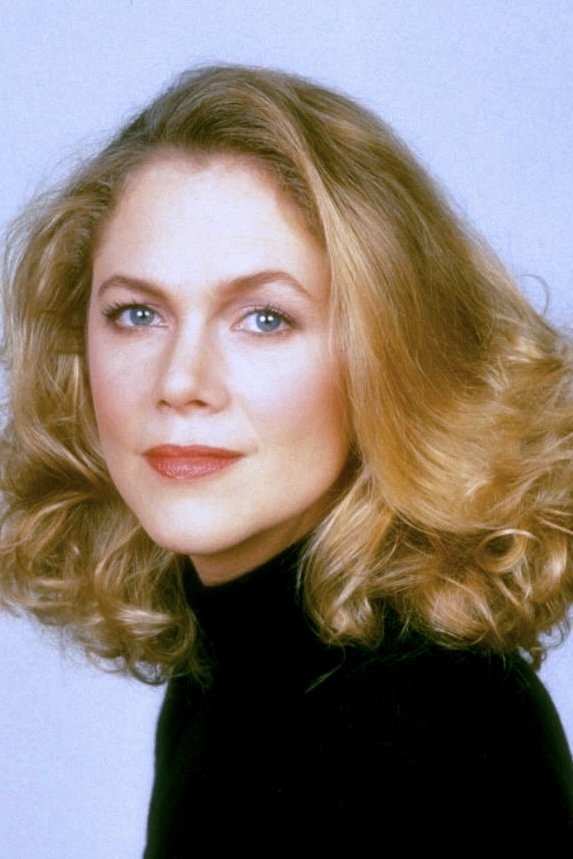
Kathleen Turner broke out in modern noir with ‘Body Heat’ and then proved range with ‘Romancing the Stone’, ‘Prizzi’s Honor’, and ‘Peggy Sue Got Married’. She worked with cinematographers and directors who emphasized stylized dialogue and visual flair. Turner headlined films that mixed romance, crime, and comedy while sustaining box-office momentum. Her distinctive voice and presence became a hallmark of 80s studio branding.
Jessica Lange
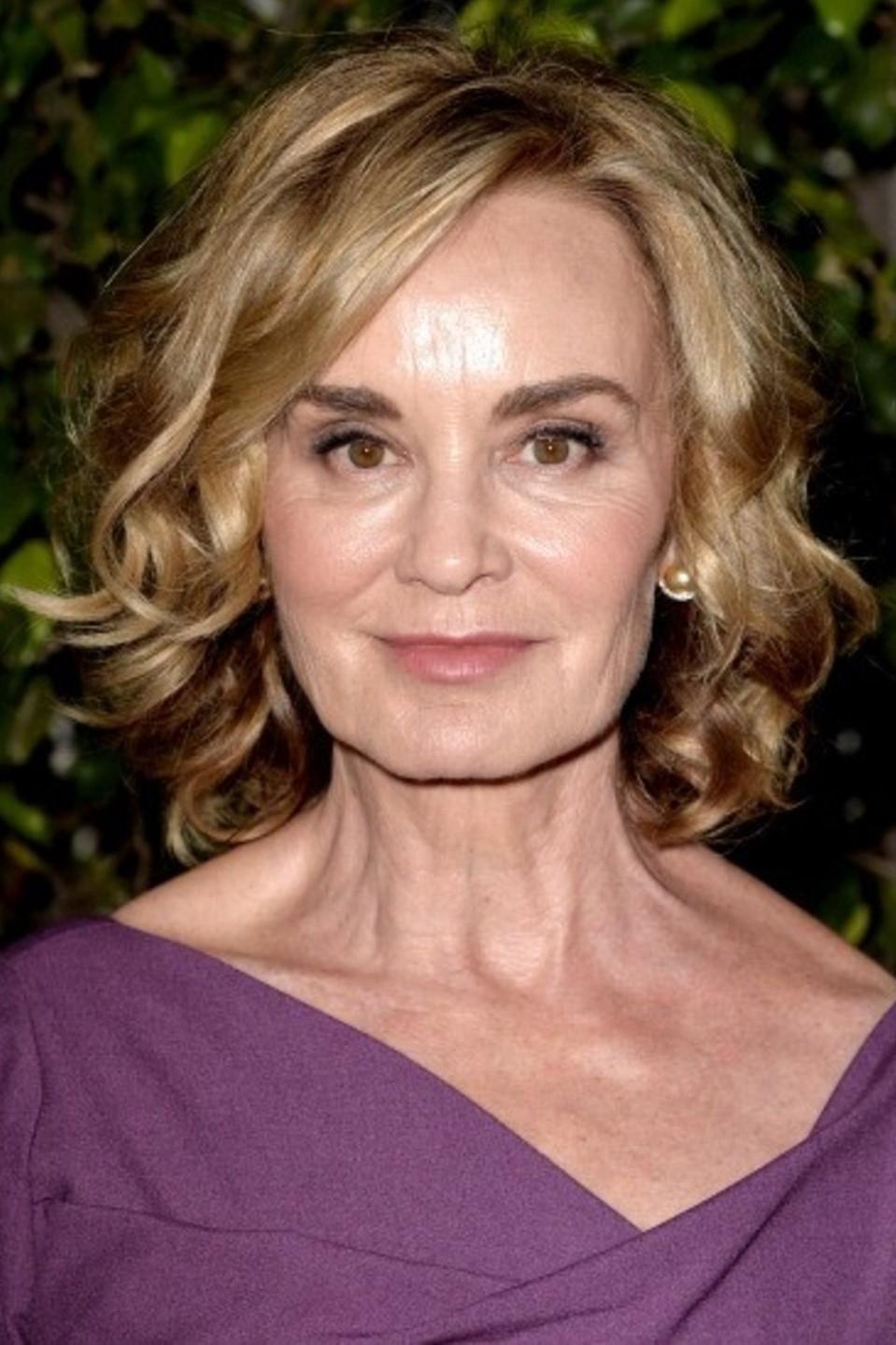
Jessica Lange combined daring role choices with sustained critical acclaim. She won major awards for ‘Tootsie’ and earned additional recognition for the biographical drama ‘Frances’. Lange collaborated regularly with directors focused on psychologically rich, performance-forward storytelling. Her titles from the decade are staples in film-acting case studies.
Whoopi Goldberg
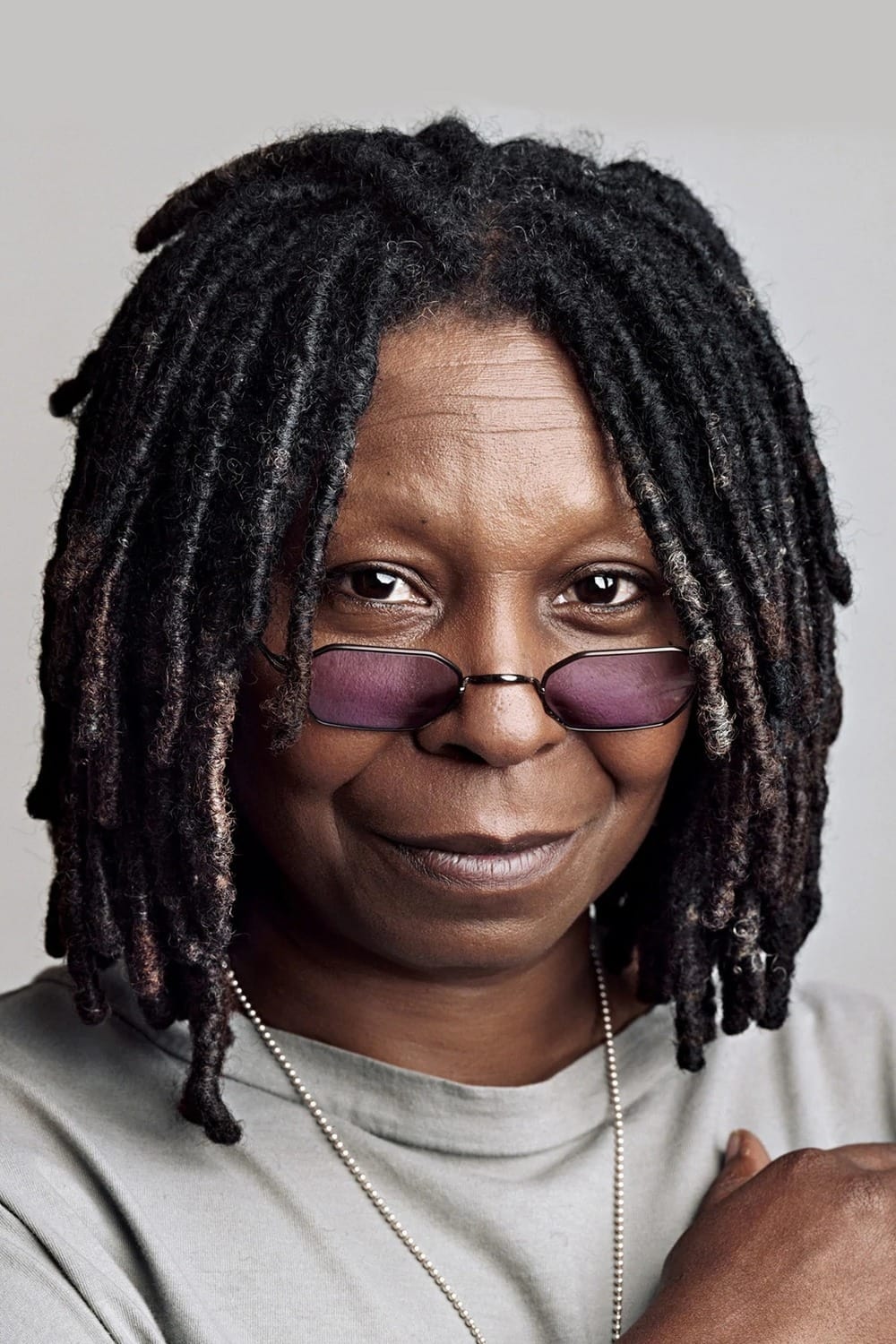
Whoopi Goldberg’s film debut in ‘The Color Purple’ earned immediate awards attention and established her as a dramatic lead. She moved fluidly between stand-up, television appearances, and feature comedies and dramas. Goldberg’s cross-platform visibility kept her projects in the cultural conversation. Her success broadened casting possibilities for Black women in leading roles.
Goldie Hawn
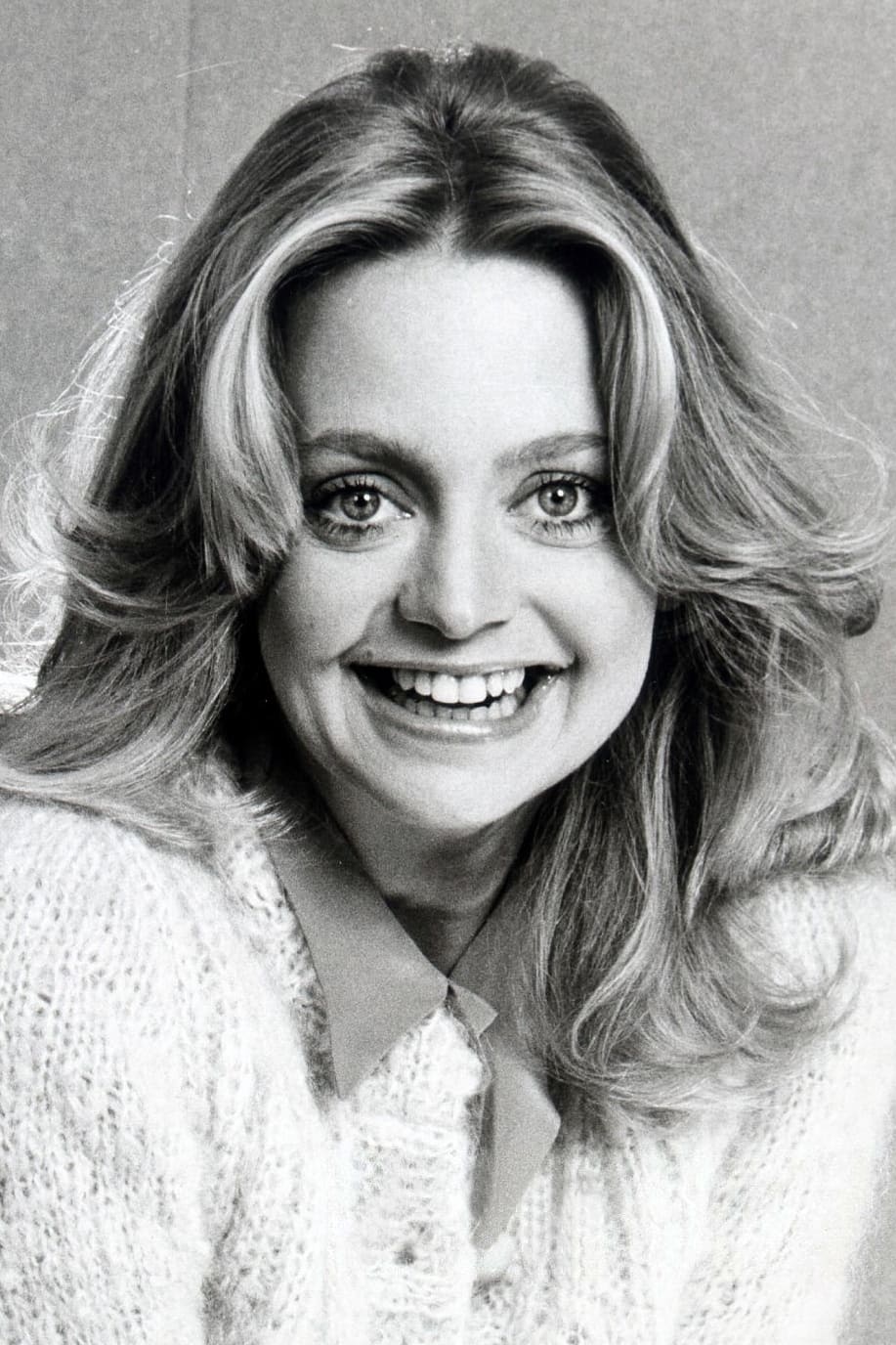
Goldie Hawn headlined studio comedies and character vehicles, including ‘Private Benjamin’, which later expanded into television. She maintained audience draw with titles such as ‘Protocol’ and ‘Best Friends’. Hawn frequently took on producing responsibilities that shaped her projects’ direction. Her films performed strongly on cable and home video, extending their reach beyond theatrical runs.
Cher
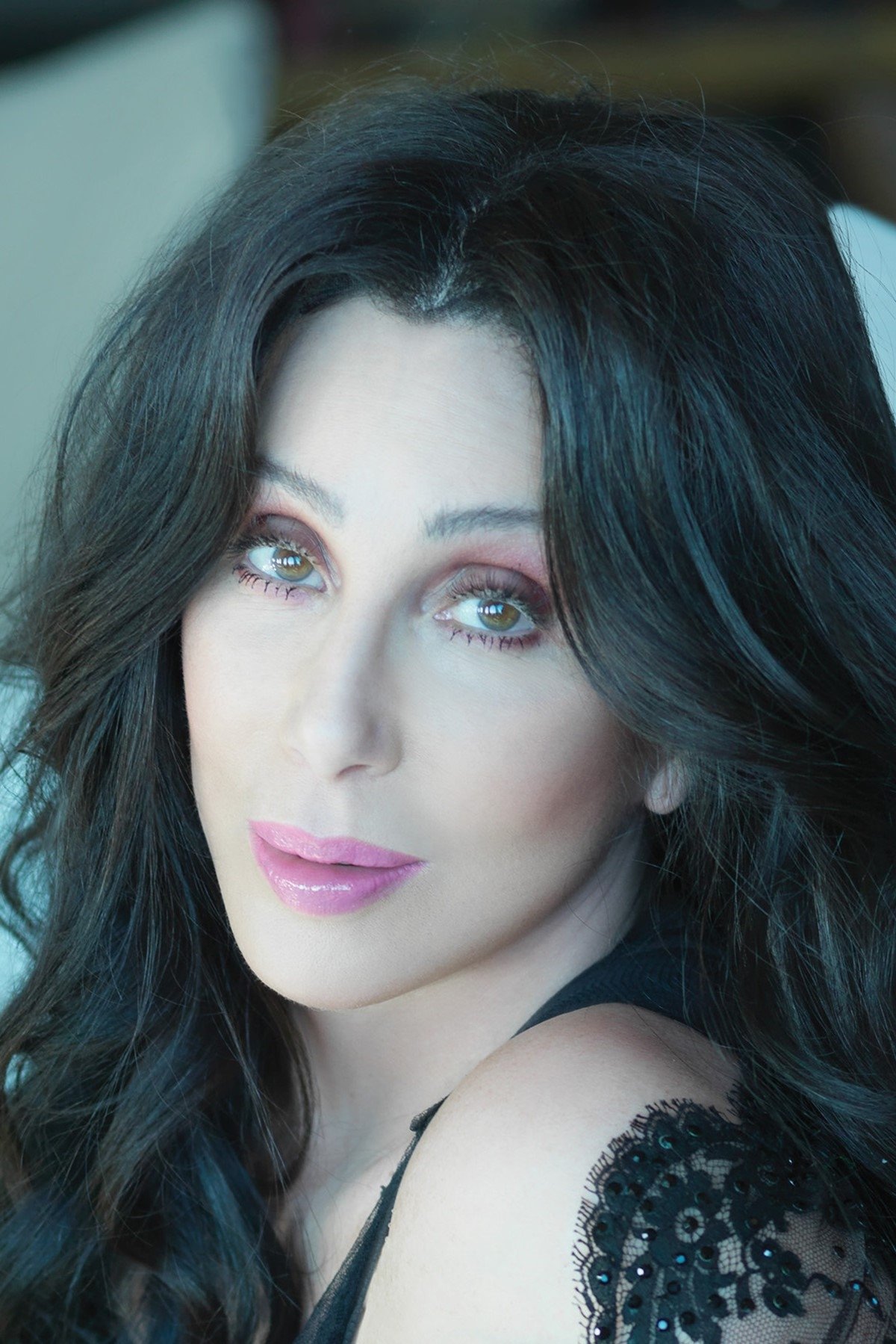
Cher shifted from music stardom to award-winning film work with ‘Moonstruck’ and acclaimed turns in ‘Mask’ and ‘Silkwood’. She coupled film releases with high-visibility fashion and music promotions. Soundtracks and media appearances reinforced each project’s public profile. Her crossover career demonstrated the commercial value of multi-industry branding.
Diane Keaton
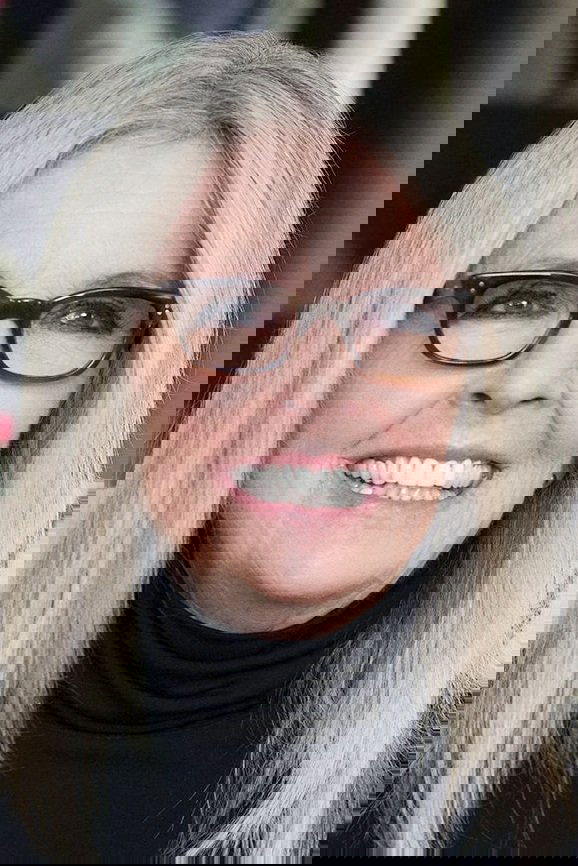
Diane Keaton sustained collaborations with major filmmakers while expanding into workplace and family comedies. She drew critical attention for ‘Reds’ and connected with broad audiences through ‘Baby Boom’. Keaton’s projects emphasized quick, literate dialogue and New York–centric settings. Her work helped maintain a market for adult contemporary comedies alongside high-concept hits.
Jodie Foster
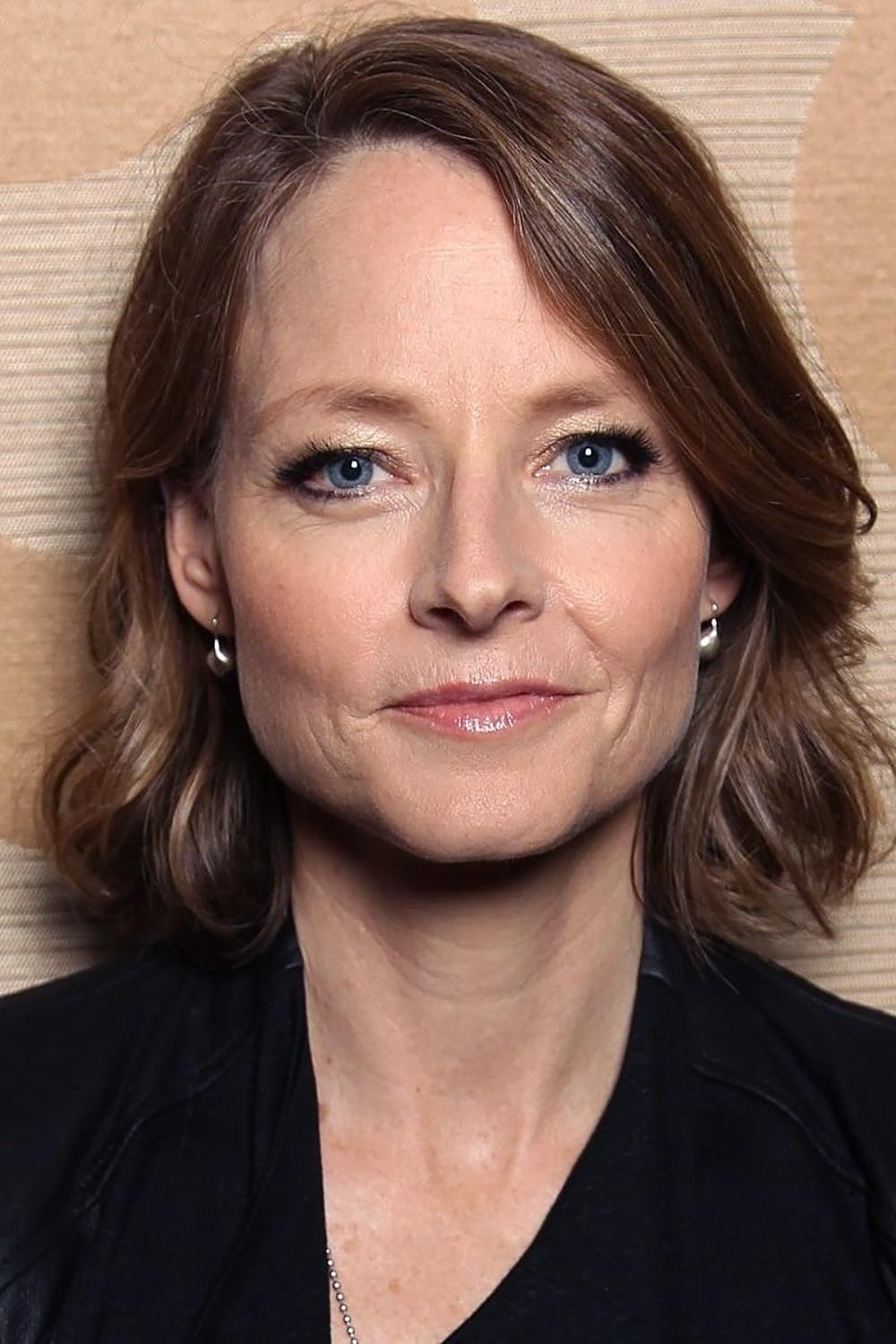
Jodie Foster completed the transition from youth roles to dramatic leads with ‘The Accused’. Before that, she accrued credibility in character parts across thrillers and comedies. Foster’s projects frequently addressed legal and social themes that sparked public discussion. Her career path became a model for child-to-adult stardom managed through selective scripts.
Anjelica Huston
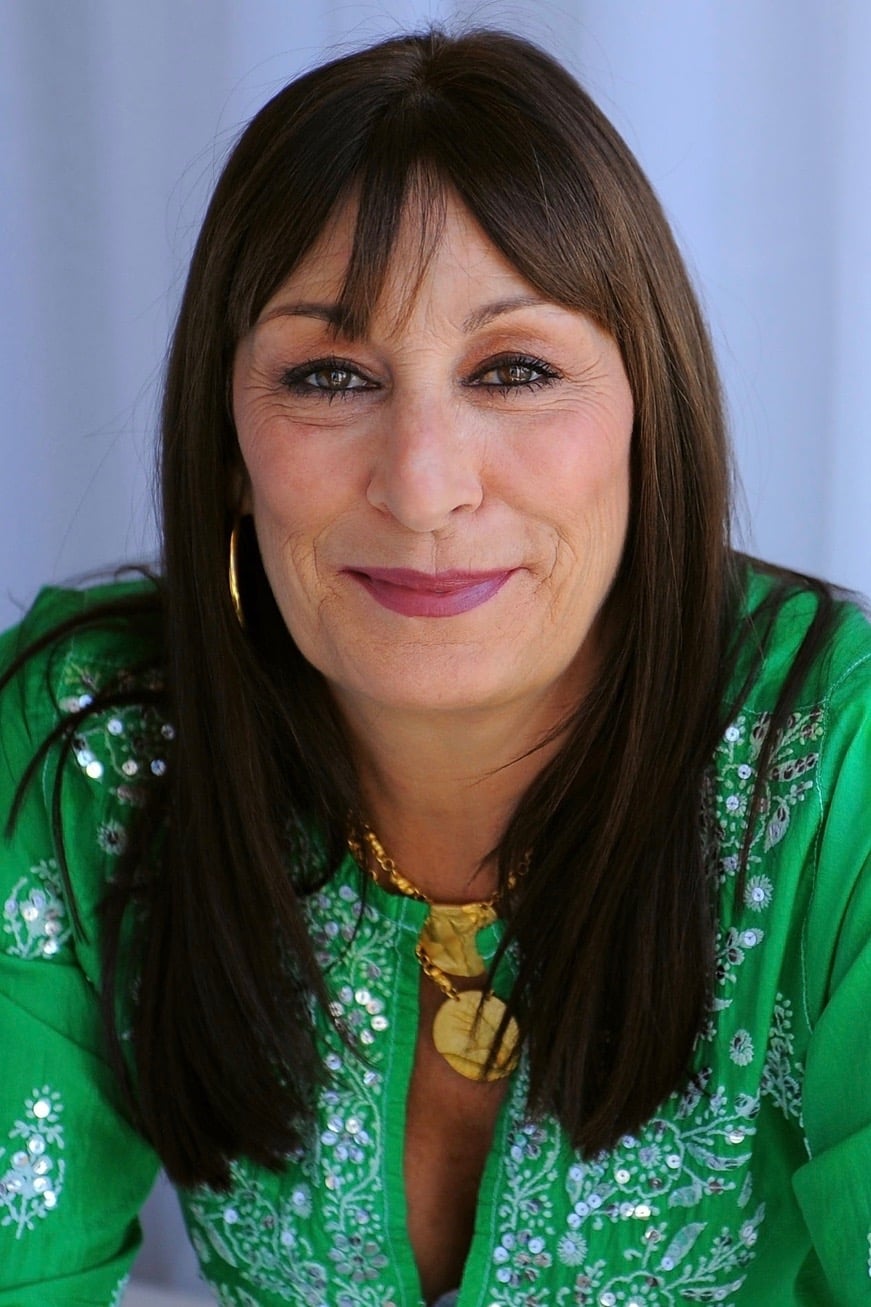
Anjelica Huston earned major awards for ‘Prizzi’s Honor’ and continued to excel in stylized dramas and dark comedies. She worked closely with directors who favored precise visual composition and tone. Huston’s performances balanced theatricality with emotional restraint. Her 80s titles remain central to courses on auteur cinema.
Geena Davis
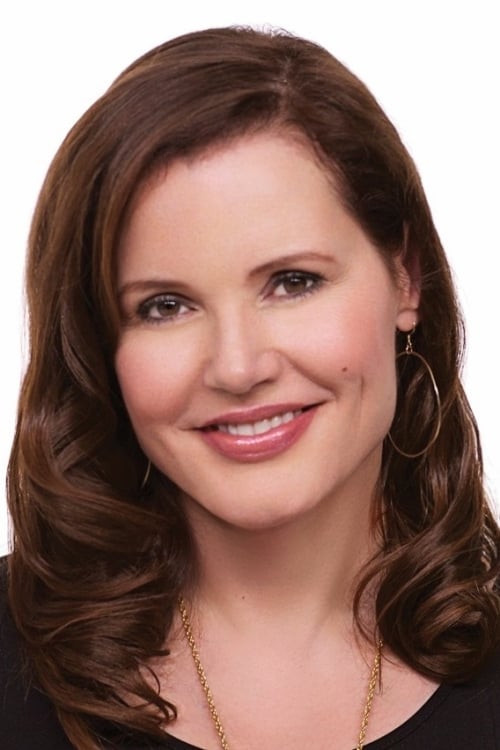
Geena Davis broke through as a scene-stealing supporting actor and soon moved into leads. She won a major supporting award for ‘The Accidental Tourist’ and displayed comic range in ‘Beetlejuice’. Davis selected roles across comedy, drama, and fantasy, building versatility. Her late-decade momentum led directly to prominent 90s projects.
Michelle Pfeiffer

Michelle Pfeiffer gained notice with ‘Scarface’ and later drew acclaim for ‘Dangerous Liaisons’ and ‘The Fabulous Baker Boys’. She often played characters navigating crime, music, and high society settings. Pfeiffer balanced ensemble work with lead roles in prestige pictures. Her performances from the era appear frequently in retrospectives on late-80s drama.
Debra Winger
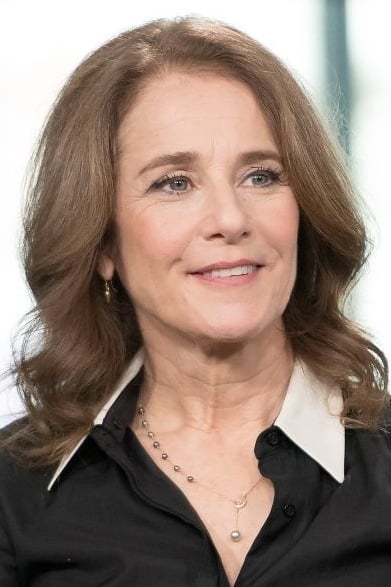
Debra Winger earned major nominations for ‘Urban Cowboy’, ‘An Officer and a Gentleman’, and ‘Terms of Endearment’. She specialized in grounded romances and dramas that appealed to adult audiences. Winger collaborated with directors focused on intimate, character-led storytelling. Her 80s filmography is closely associated with the decade’s most enduring relationship dramas.
Sissy Spacek

Sissy Spacek won top honors for ‘Coal Miner’s Daughter’ and remained a consistent presence in literary adaptations and family dramas. She returned to ensemble work with ‘Crimes of the Heart’. Spacek’s roles were marked by detailed regional characterization and musical elements when the material called for it. Her projects retained long tail visibility through awards and repertory screenings.
Shirley MacLaine
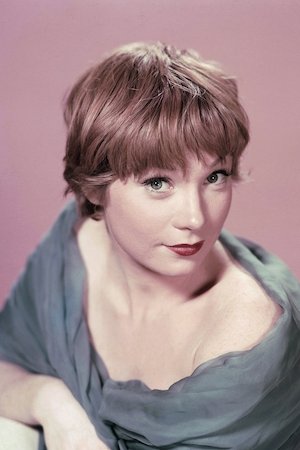
Shirley MacLaine reached a career peak with ‘Terms of Endearment’ while continuing to appear in varied genres. She frequently took on roles exploring family dynamics and personal reinvention. MacLaine’s public profile included best-selling books and televised specials that kept audiences engaged. Her 80s output is regularly cited in studies of mature female leads.
Jamie Lee Curtis
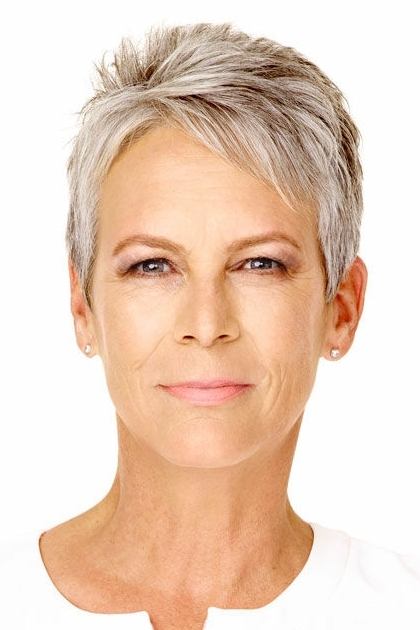
Jamie Lee Curtis expanded beyond horror into comedy and capers, notably ‘Trading Places’ and ‘A Fish Called Wanda’. She demonstrated sharp timing in ensemble settings and solo leads. Curtis maintained a steady cadence of releases that performed well theatrically and on home video. Her choices exemplified successful genre crossovers for actresses.
Molly Ringwald
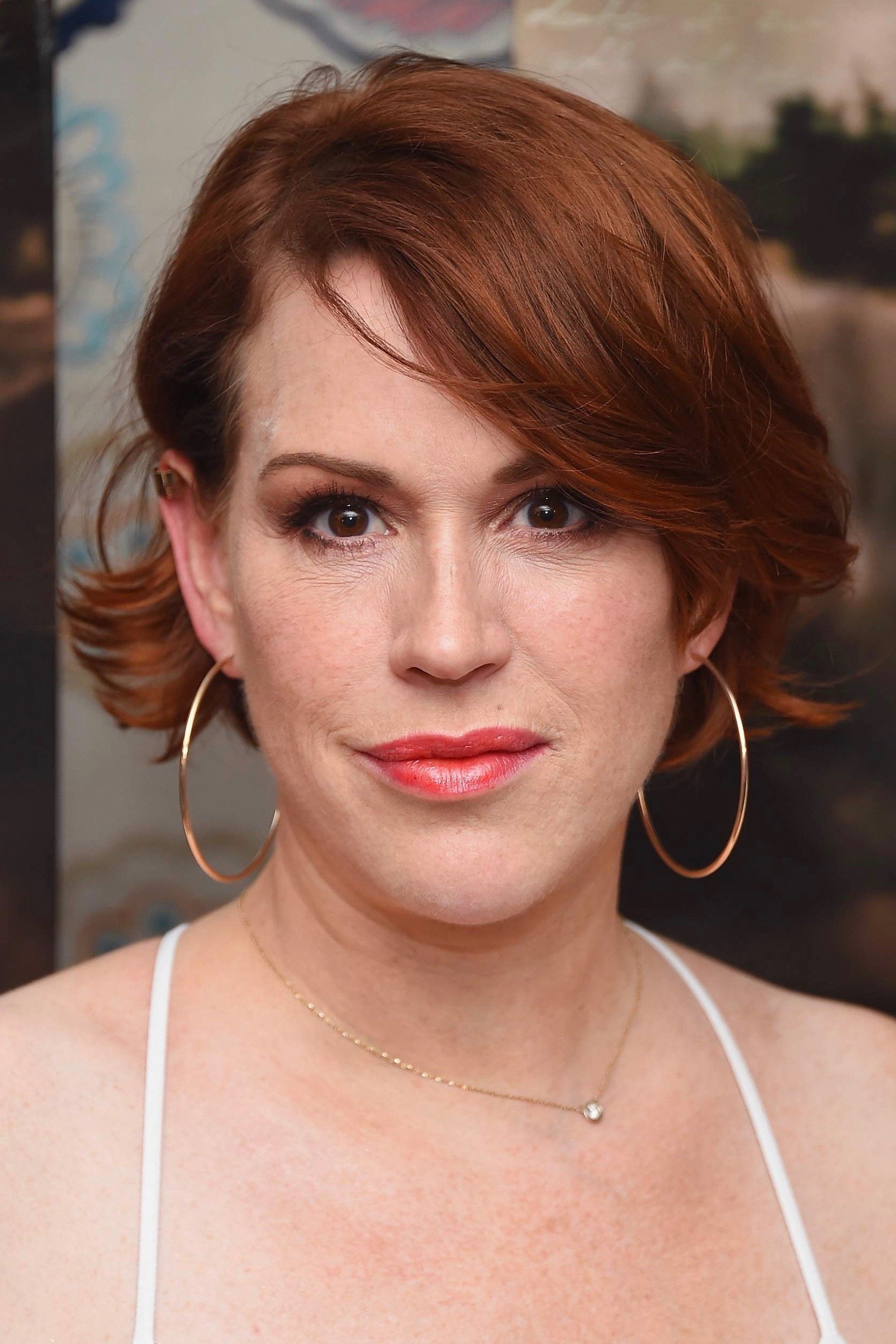
Molly Ringwald became a defining face of teen cinema with ‘Sixteen Candles’, ‘The Breakfast Club’, and ‘Pretty in Pink’. She worked closely with filmmakers who shaped youth culture depictions and soundtrack strategies. Ringwald’s roles influenced fashion tie-ins and magazine coverage targeting young audiences. Her films turned into long-running cable staples, sustaining their cultural footprint.
Demi Moore
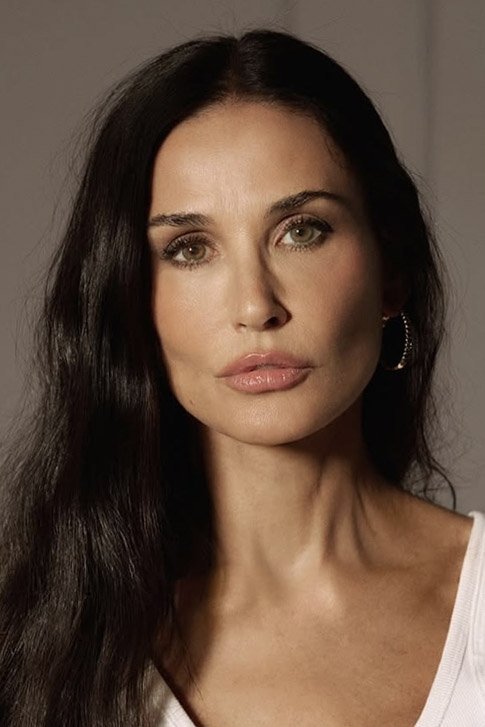
Demi Moore gained visibility through ensemble hits like ‘St. Elmo’s Fire’ and relationship drama in ‘About Last Night’. She used that momentum to secure higher-profile leads by the decade’s end. Media coverage of her off-screen brand amplified interest in her projects. The foundation laid in the 80s translated into major box-office successes in the 90s.
Meg Ryan

Meg Ryan stood out in supporting roles before headlining the landmark romantic comedy ‘When Harry Met Sally…’. She built a screen persona around quick, conversational humor and emotional openness. Ryan balanced studio assignments with character-focused dramas. Her late-80s success shaped rom-com development strategies in the next decade.
Julia Roberts
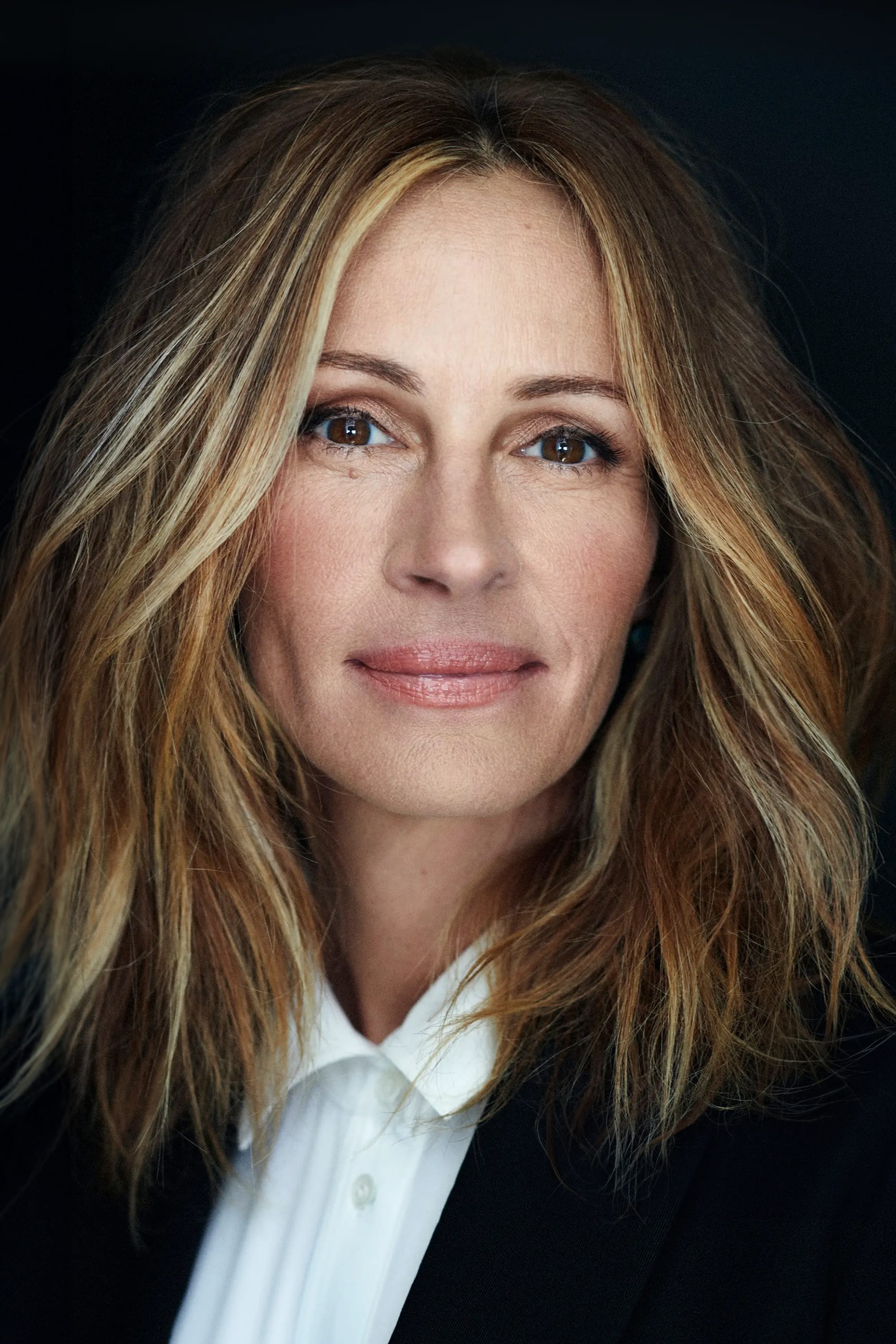
Julia Roberts broke through with ‘Mystic Pizza’ and earned recognition for ‘Steel Magnolias’. Publicity and talk-show circuits boosted her profile ahead of bigger releases. Roberts quickly moved from ensembles to top-line billing. Her emergence at the decade’s close signaled a shift toward star-driven romances and dramas.
Susan Sarandon
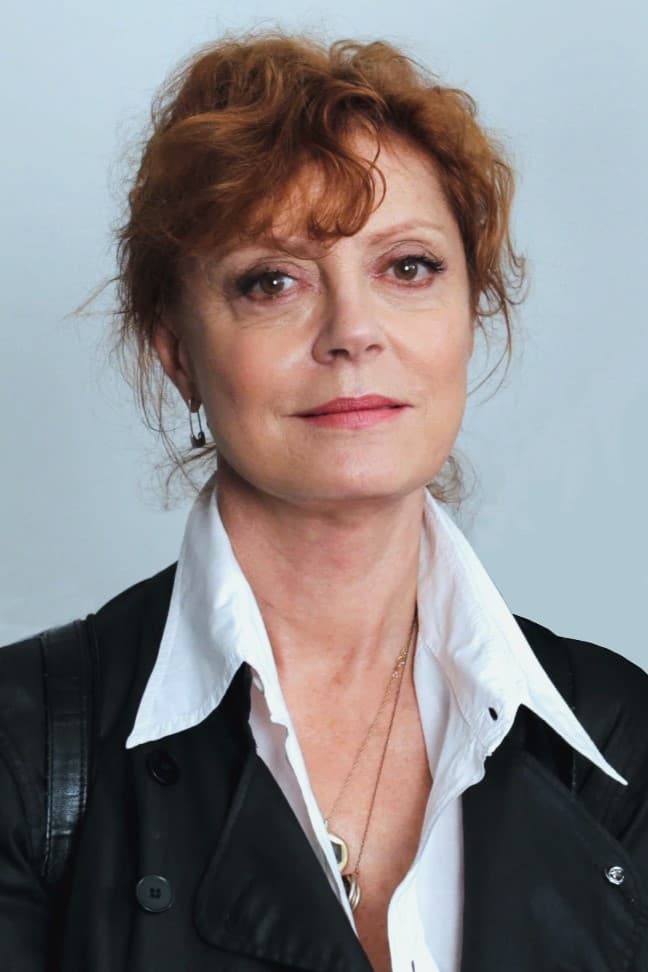
Susan Sarandon paired art-house credibility with mainstream sports and music-adjacent stories. She drew awards attention for ‘Atlantic City’ and reached broad audiences with ‘Bull Durham’. Sarandon’s roles often centered on working adults balancing relationships and ambition. Her work connected festival acclaim to commercial performance.
Daryl Hannah
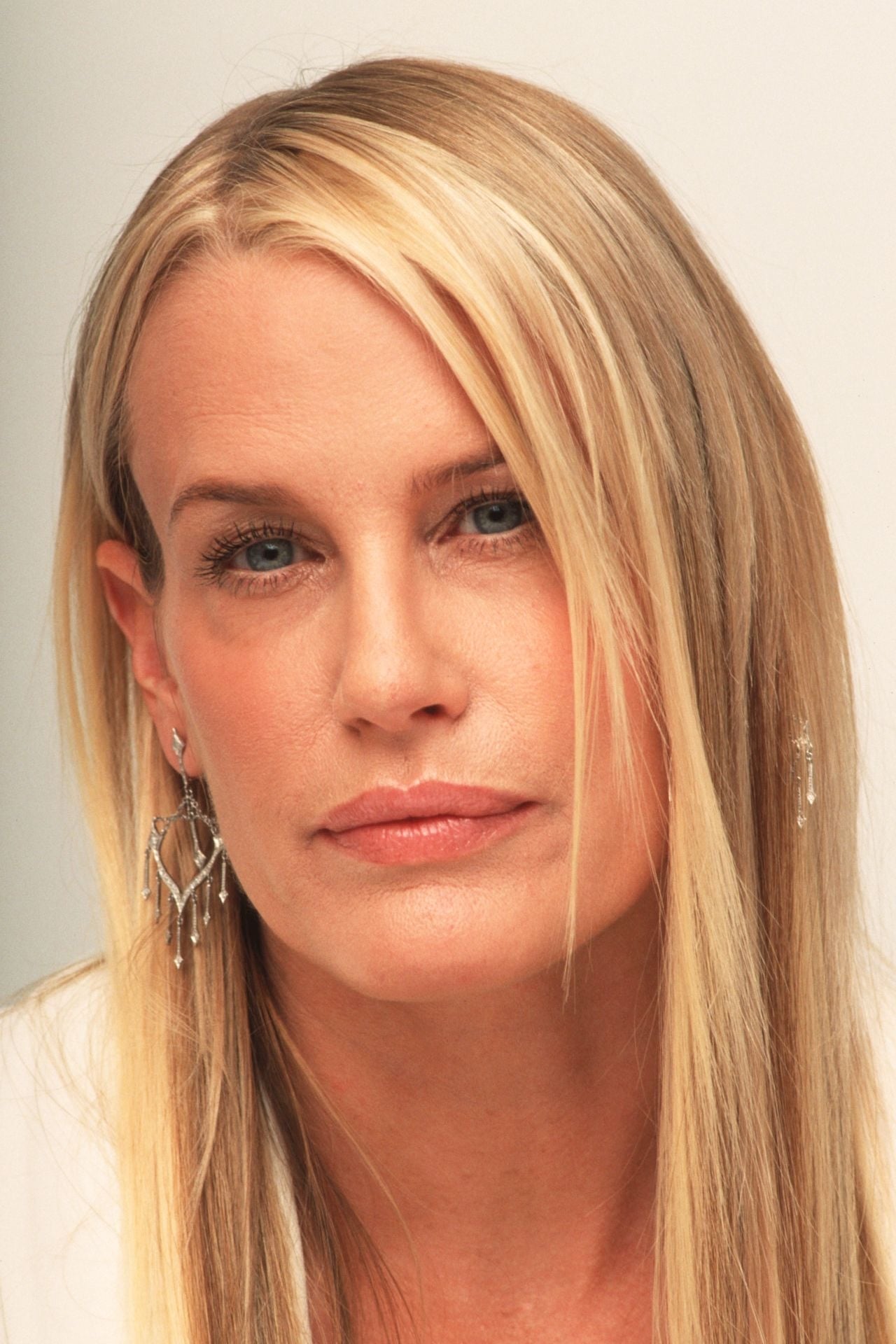
Daryl Hannah made a lasting impression in science fiction with ‘Blade Runner’ and headlined fantasy romance in ‘Splash’. She added comedic and dramatic range with ‘Roxanne’ and ‘Wall Street’. Hannah frequently took physically expressive roles that emphasized movement and visual design. Her performances remain reference points in genre studies.
Jane Fonda
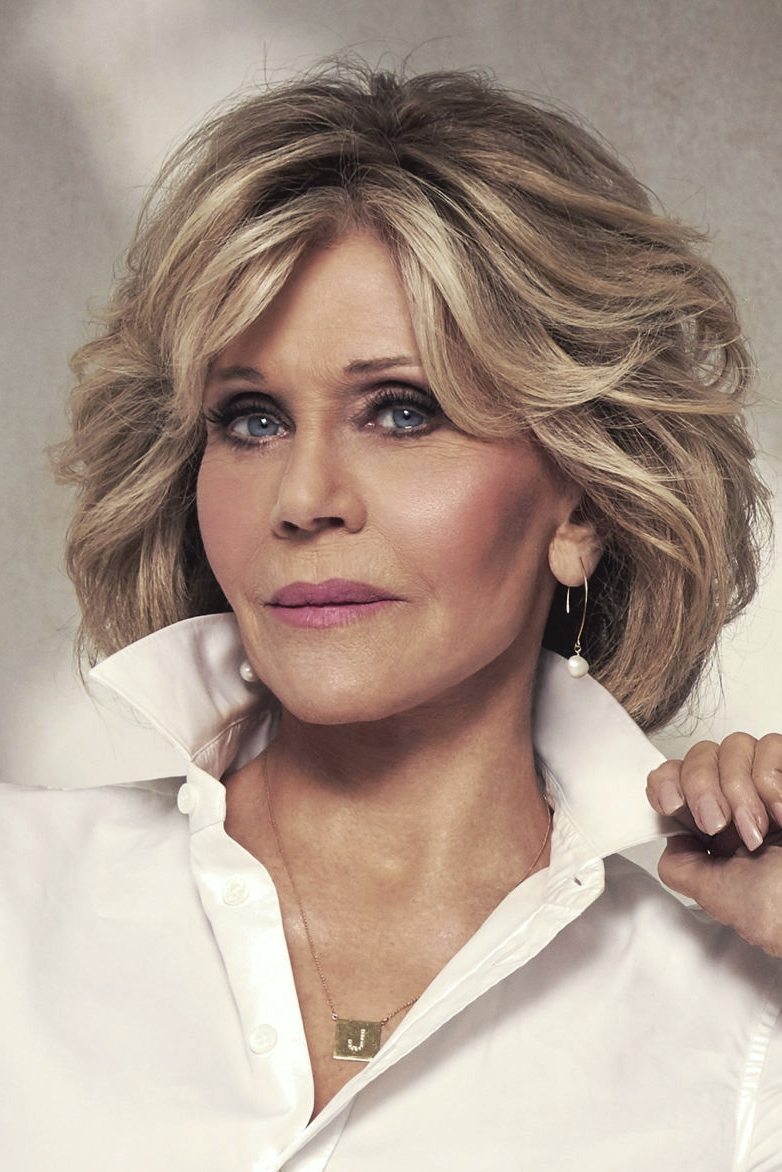
Jane Fonda combined screen roles with a fitness media enterprise that reached households worldwide. She starred in workplace comedy ‘9 to 5’ and family drama ‘On Golden Pond’. Fonda’s producing involvement influenced the development of scripts with strong women’s perspectives. Her cross-platform presence altered marketing strategies for film tie-ins.
Linda Hamilton
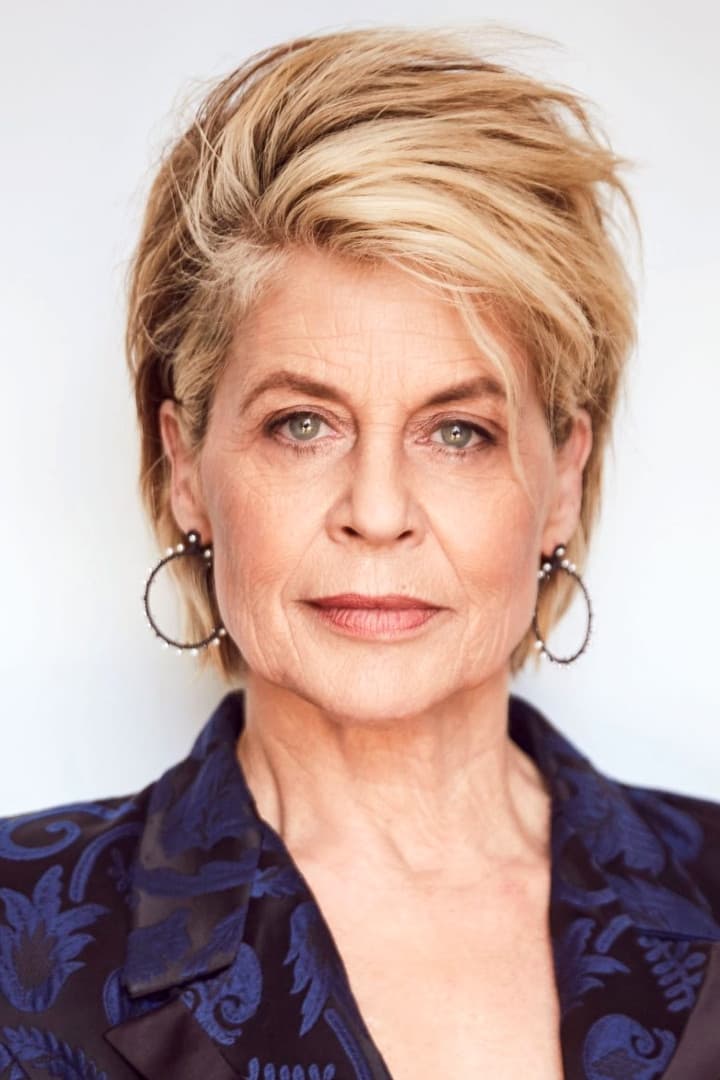
Linda Hamilton brought action credibility to mainstream cinema with Sarah Connor in ‘The Terminator’. She trained extensively for the role’s physical demands and worked closely with stunt teams to sell the transformation on screen. Hamilton complemented franchise work with television and thriller projects that kept her visible across formats. Her portrayal became a template for evolving female protagonists in effects-driven stories.
Kim Basinger
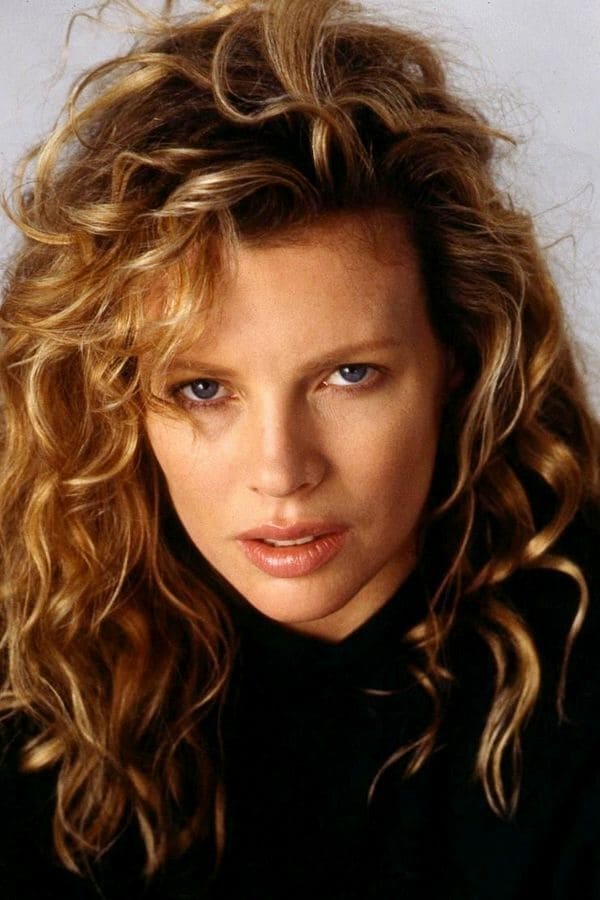
Kim Basinger transitioned from modeling and television to features across noir, comedy, and action. She drew global attention with ‘Never Say Never Again’, later gained notoriety with ‘Nine 1/2 Weeks’, and reached massive audiences with ‘Batman’. Basinger collaborated with stylists and cinematographers to craft a high-gloss screen image. Her decade positioned her for later prestige roles while demonstrating strong commercial pull.
Holly Hunter
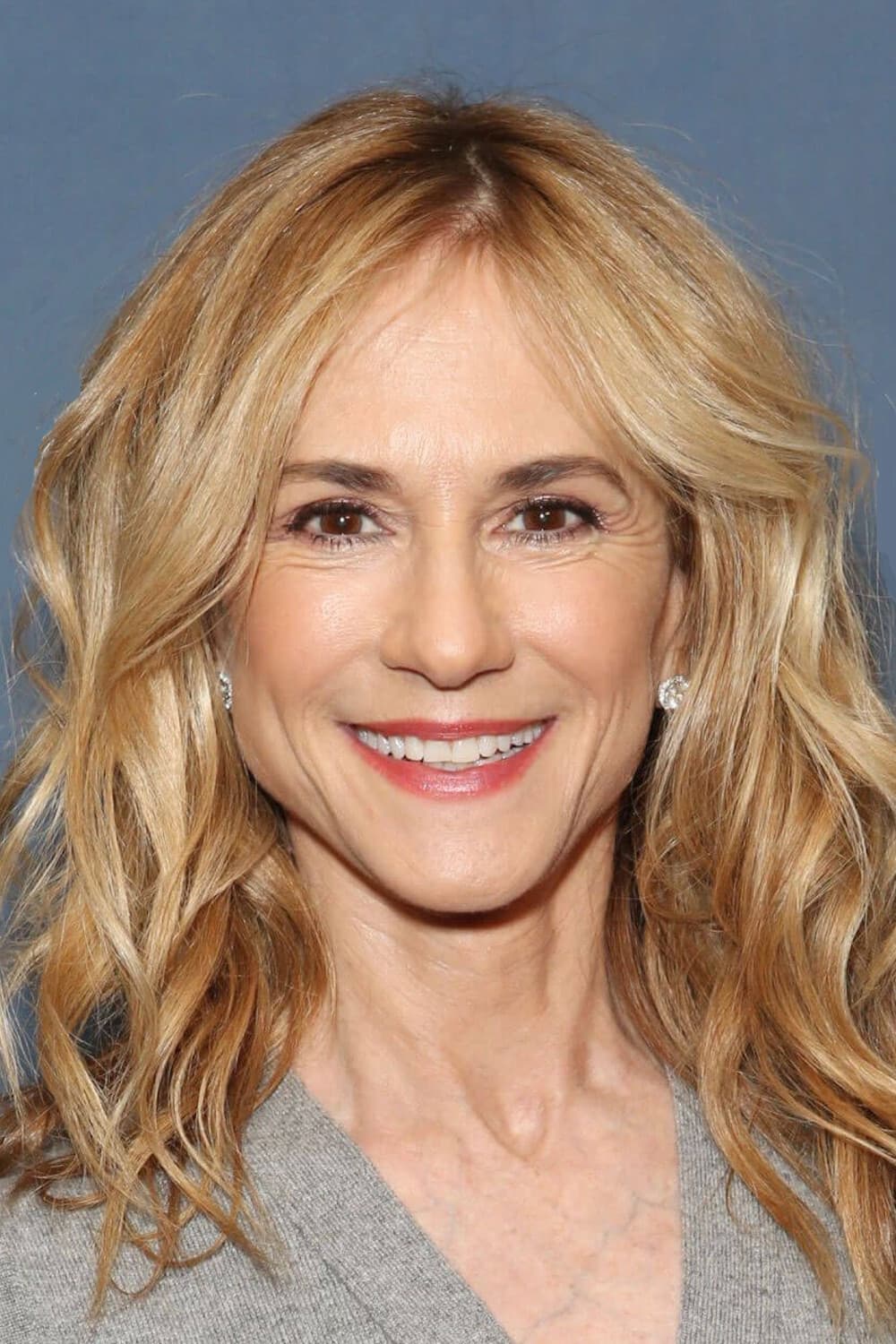
Holly Hunter’s breakout arrived through newsroom satire and character-driven drama in ‘Broadcast News’ and off-beat comedy in ‘Raising Arizona’. She established a reputation for rapid-fire delivery and precise comic-dramatic shifts. Hunter’s stage background informed tightly constructed screen performances. The late-80s momentum led to high-profile leads in the early 90s.
Melanie Griffith
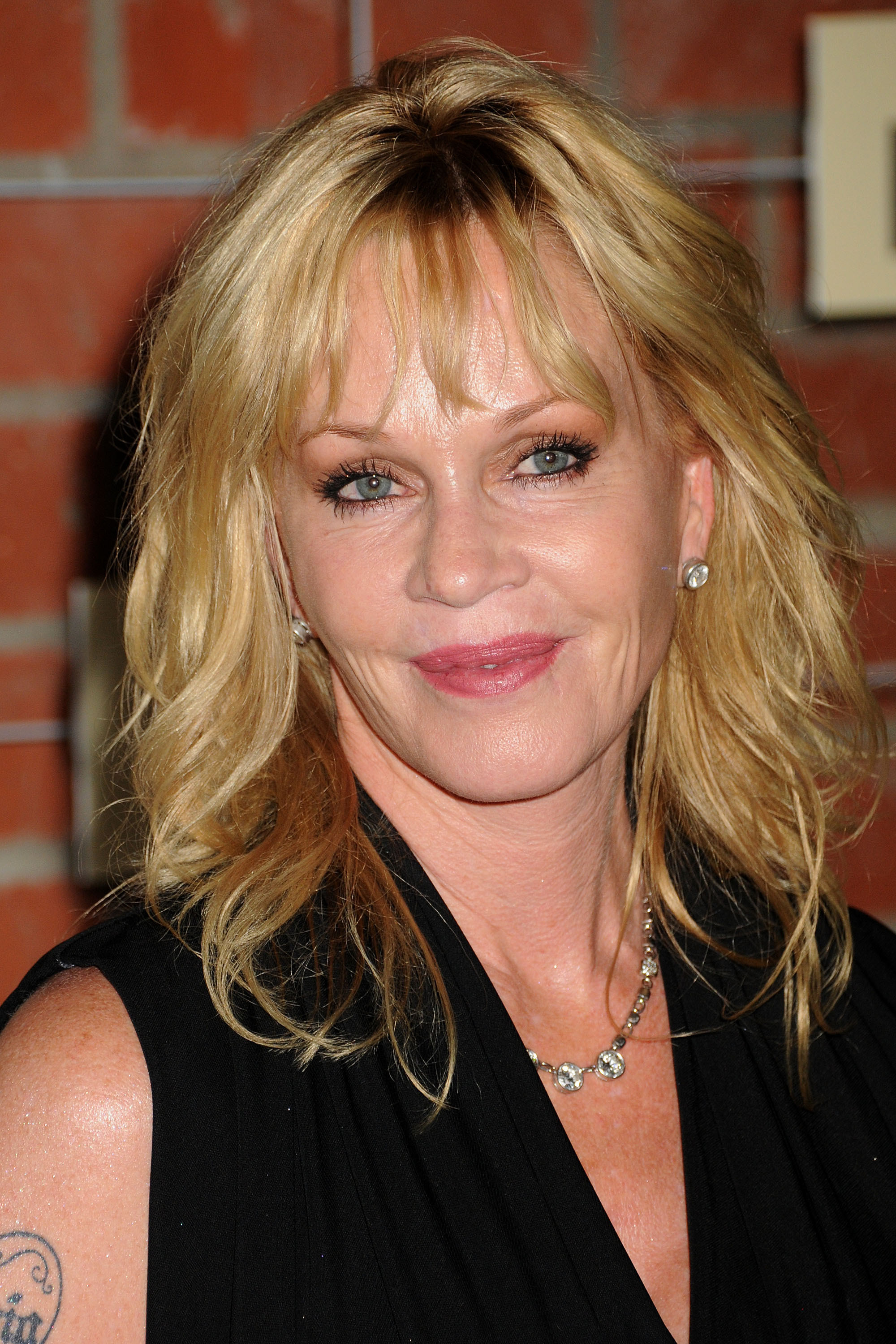
Melanie Griffith stood out in neo-noir with ‘Body Double’ and reached a new peak with office-climb comedy-drama ‘Working Girl’. She added off-kilter energy in ‘Something Wild’. Griffith worked with producers who specialized in adult-oriented stories that traveled well on cable and VHS. Her roles tapped into themes of ambition, identity, and corporate culture.
Isabella Rossellini
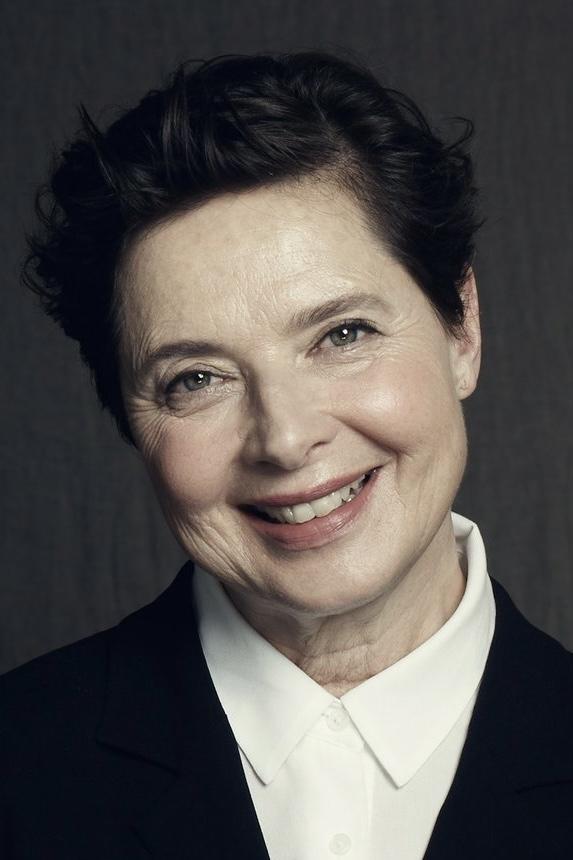
Isabella Rossellini became central to art-house and crossover hits, starting with ‘Blue Velvet’. She appeared in international co-productions such as ‘White Nights’ and later in romantic drama ‘Cousins’. Rossellini’s multilingual background and fashion career increased her global visibility. Her collaborations emphasized striking visual design and psychological intensity.
Isabelle Adjani
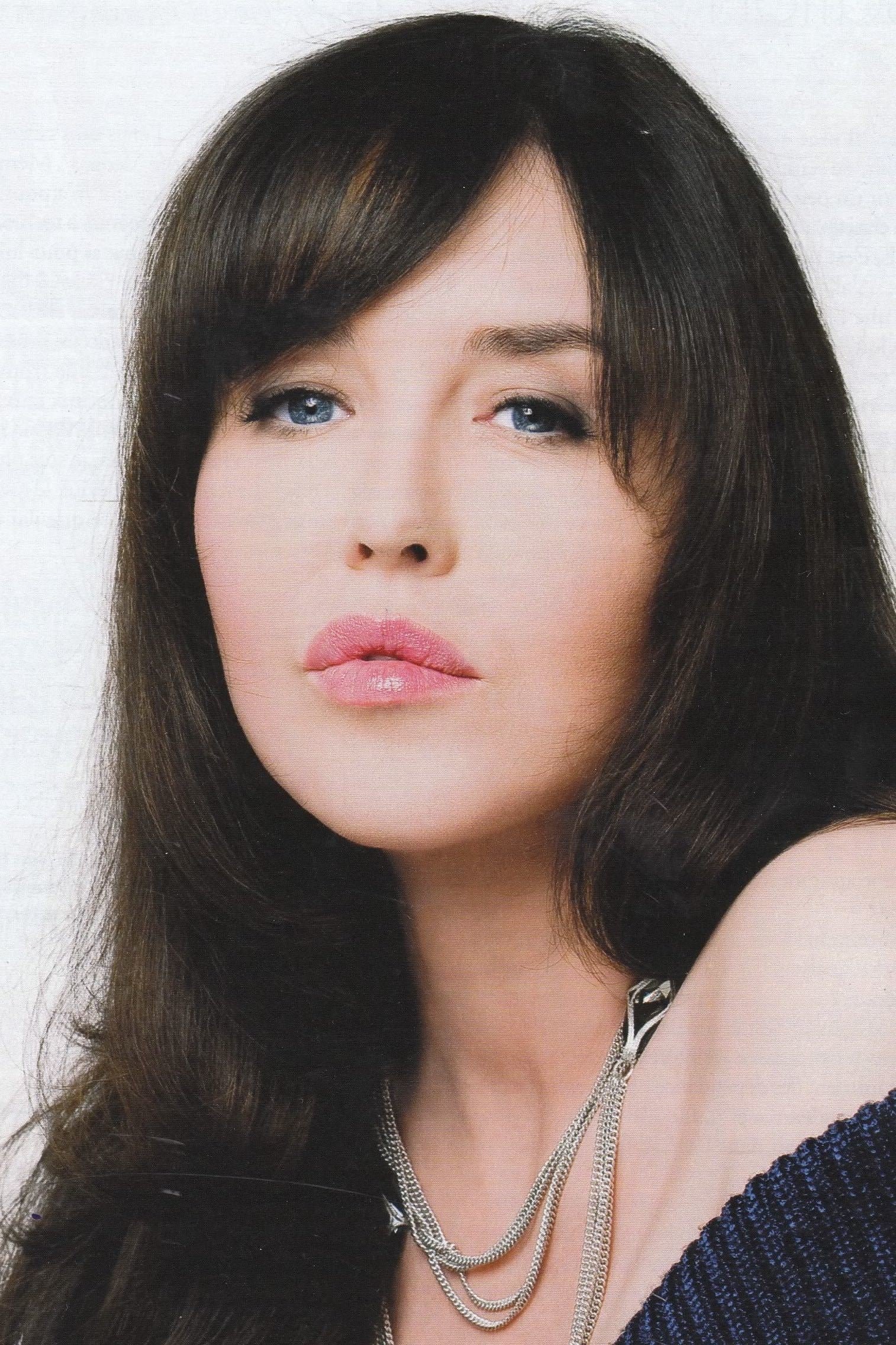
Isabelle Adjani delivered demanding performances in psychological and historical dramas, notably ‘Possession’ and ‘Camille Claudel’. She received high honors at European festivals and national film academies. Adjani’s success helped subtitled films secure wider theatrical runs. Her cross-border work expanded conversations about non-English-language stardom in the 80s.
Helen Mirren
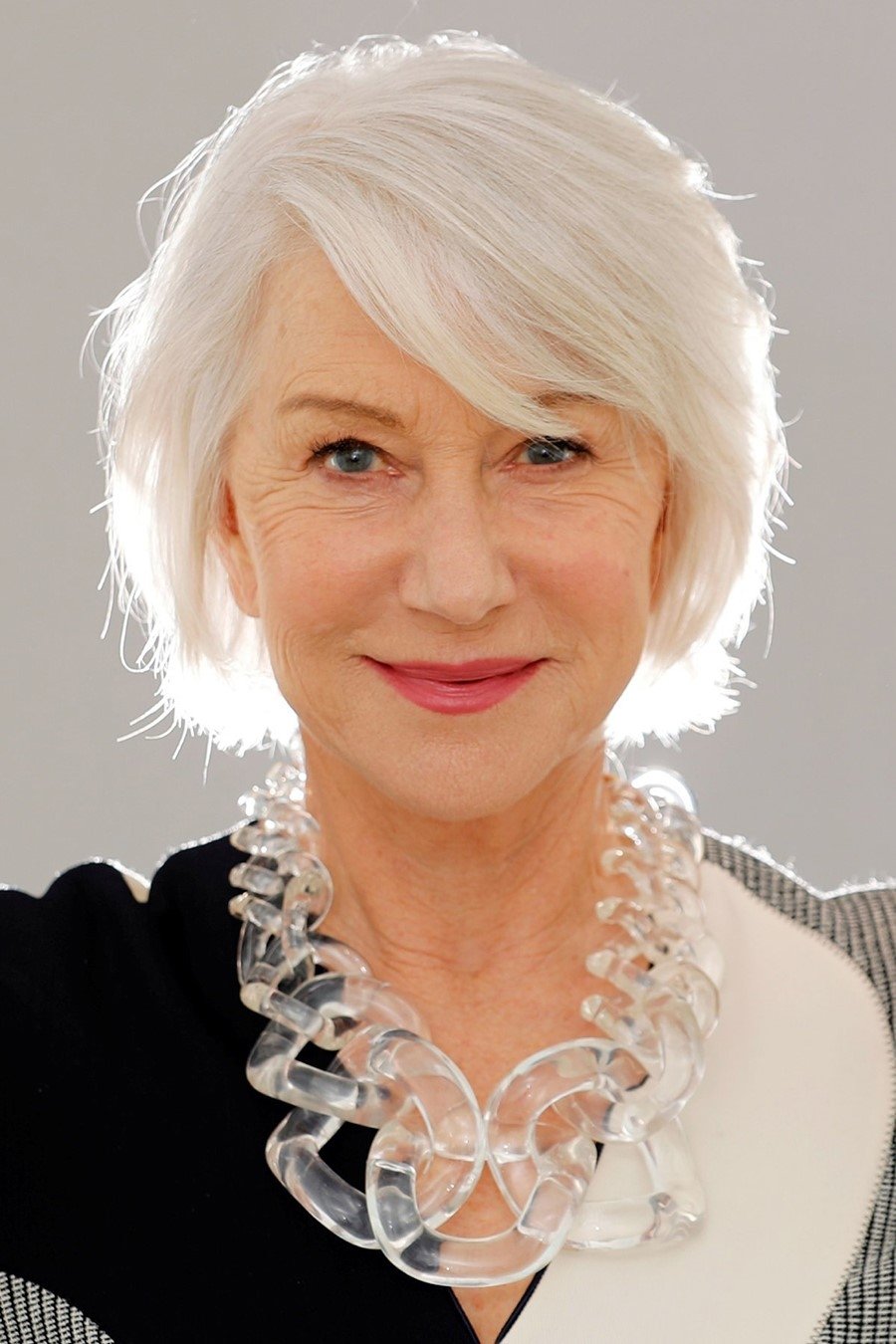
Helen Mirren balanced stage commitments with film projects ranging from intimate dramas to stylized crime stories. She drew critical attention for ‘Cal’ and later for the visually bold ‘The Cook, the Thief, His Wife & Her Lover’. Mirren’s work circulated strongly on the festival circuit and in UK-US distribution pipelines. Her 80s output reinforced the international profile of British performers in prestige cinema.
Emma Thompson
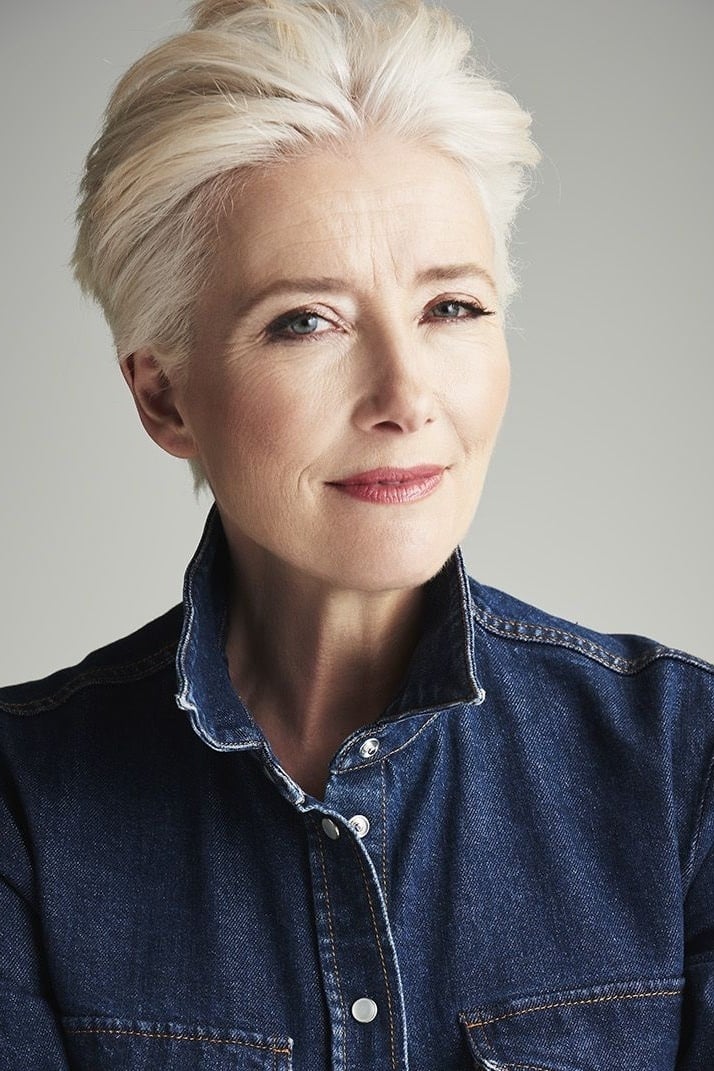
Emma Thompson rose on British television and sketch comedy before moving into features at the decade’s close. She gained early notice with the TV drama ‘Tutti Frutti’ and then appeared in the romantic comedy ‘The Tall Guy’. Thompson’s background as a writer-performer informed literate, dialogue-driven roles. The groundwork in the late 80s set up major acting and screenwriting achievements in the 90s.
Bette Midler
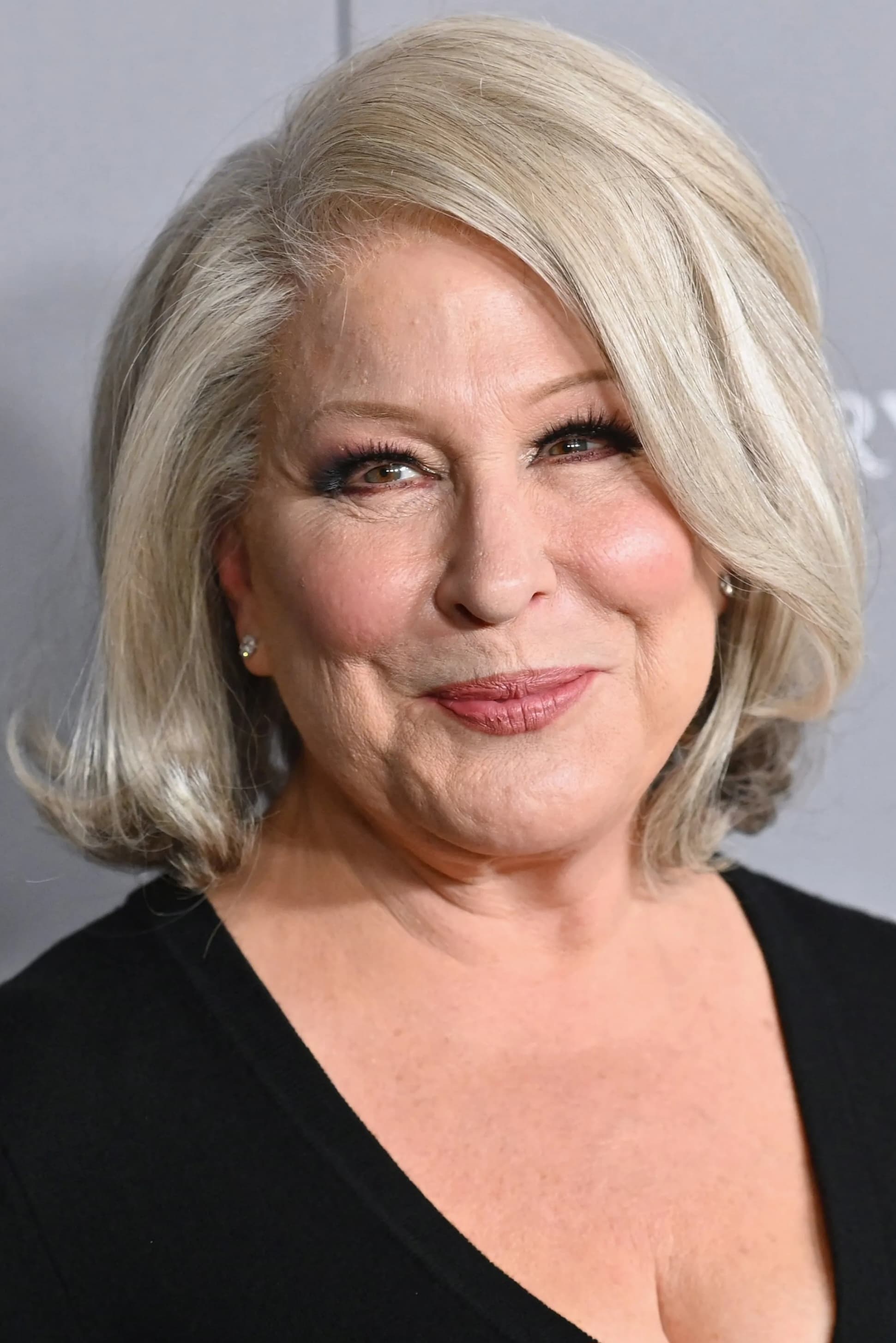
Bette Midler converted concert fame into consistent film leads, including ‘Down and Out in Beverly Hills’ and ‘Beaches’. She recorded soundtrack hits that elevated each release’s visibility. Midler’s tours and television specials kept her brand active between shoots. Her production partnerships developed music-centric stories for mainstream audiences.
Mia Farrow

Mia Farrow anchored New York–set comedies and dramas such as ‘Broadway Danny Rose’, ‘The Purple Rose of Cairo’, and ‘Hannah and Her Sisters’. She worked repeatedly with a single writer-director to create a recognizable screen persona. These films premiered at major festivals and performed steadily in art-house theaters. The run helped define urban, dialogue-forward filmmaking of the era.
Phoebe Cates
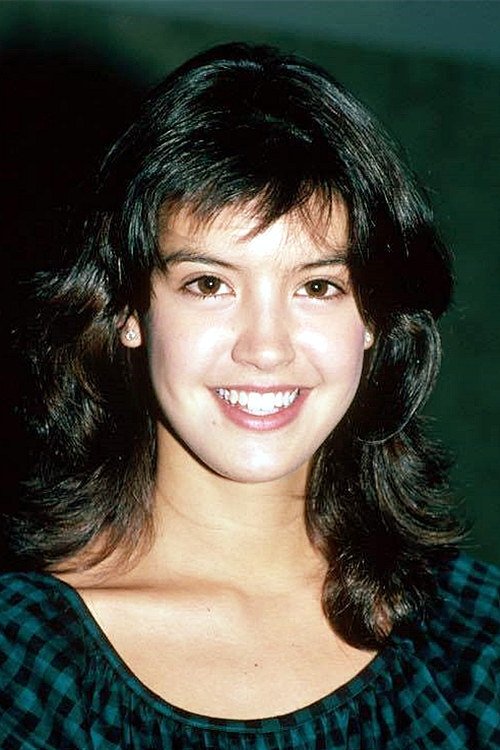
Phoebe Cates became emblematic of teen and young-adult cinema with ‘Fast Times at Ridgemont High’ and family fantasy in ‘Gremlins’. She alternated between comedies and adventures that played strongly on cable and home video. Cates’ roles often connected to prominent soundtracks and merchandising. Her appearances contributed to studio strategies linking films, music labels, and retail.
Jennifer Beals
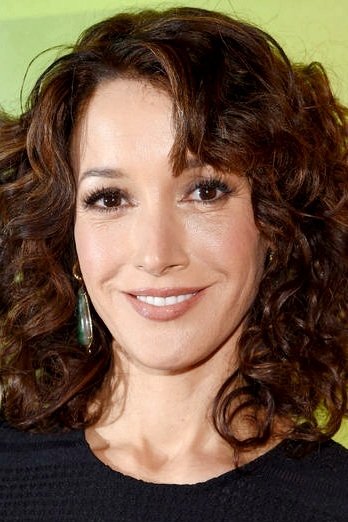
Jennifer Beals vaulted to worldwide attention with ‘Flashdance’, a stylized dance drama that drove fashion and music trends. The film’s editing approach aligned with the rise of music-video culture. Beals leveraged the exposure into selective film and television projects while pursuing academic studies. The success influenced later dance-driven and aspirational narratives.
Brooke Shields
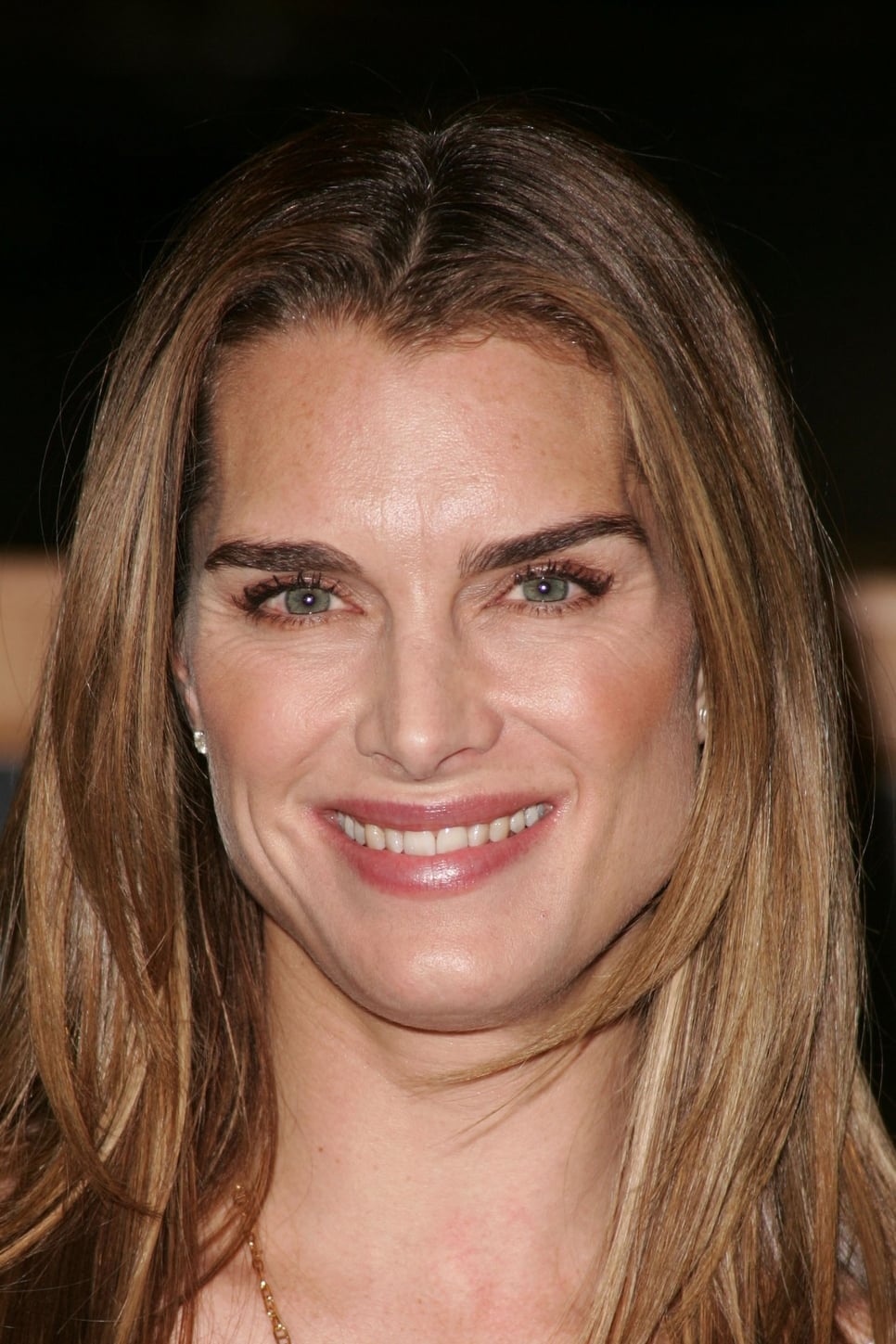
Brooke Shields transitioned from modeling to headline roles with ‘The Blue Lagoon’ and ‘Endless Love’. She maintained high visibility through major brand campaigns and talk-show appearances. Shields navigated intense media scrutiny while working across film and television. Her career sparked industry discussions about youth stardom and marketing practices.
Andie MacDowell
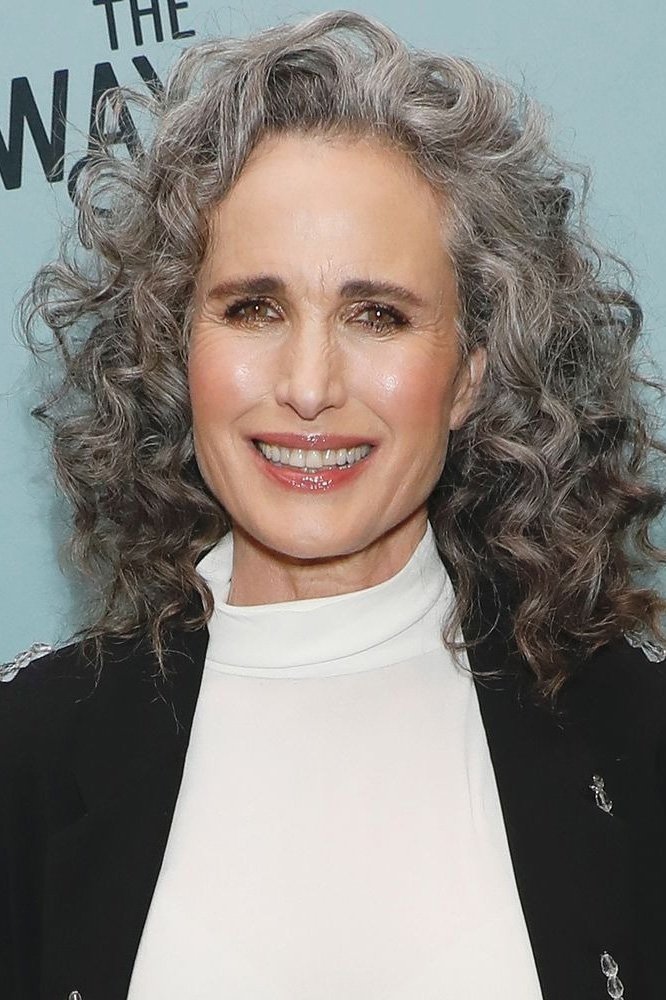
Andie MacDowell entered features with high-profile roles and refined her screen presence with coaching and ADR improvements after early critiques. She gained major momentum with ‘sex, lies, and videotape’, a touchstone of American independent cinema. MacDowell’s fashion and photography collaborations supported a polished public image. This platform led to a run of romantic comedies and dramas in the early 90s.
Ally Sheedy
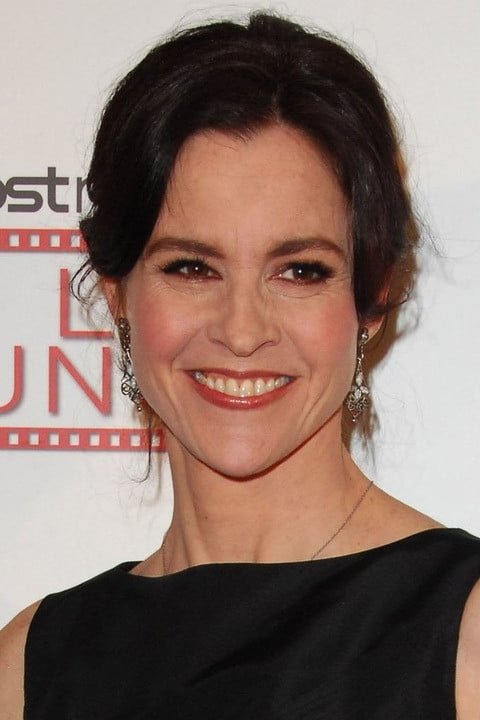
Ally Sheedy stood at the center of youth-ensemble hits and tech-curious adventures with ‘The Breakfast Club’ and ‘WarGames’. She also took on character pieces like ‘St. Elmo’s Fire’. Sheedy’s films performed strongly in the secondary markets of cable and VHS. Her roles helped codify teen and early-twenties storytelling that studios revisited throughout the decade.
Share your picks and any overlooked favorites from the decade in the comments!

