


The Most Influential Actresses of the 2000s

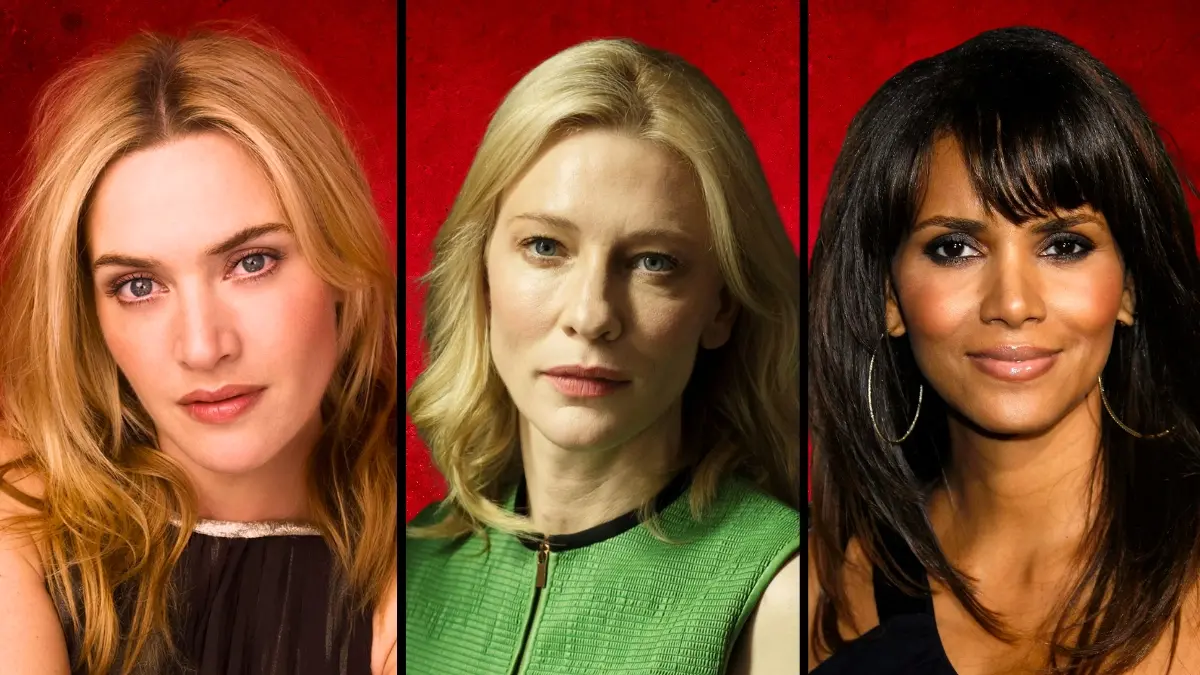


The 2000s reshaped global cinema and television, and a core group of actresses drove that change through award-winning performances, franchise leadership, cross-border stardom, and behind-the-camera moves that expanded opportunities for others. From studio tentpoles to independent films, these performers anchored box-office hits, carried prestige dramas to major prizes, and diversified what kinds of stories got financed. Many also launched production companies, took on advocacy, or bridged industries across languages and regions, which directly affected hiring, budgets, and distribution. Below are 40 actresses whose work and decisions had measurable impact on the industry throughout that decade.
Meryl Streep
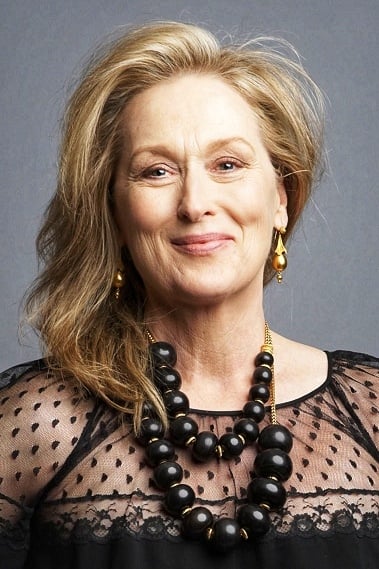
Meryl Streep led multiple critical and commercial successes in the decade, including ‘The Devil Wears Prada’ and ‘Mamma Mia!’. She earned numerous major award nominations and wins, reinforcing the viability of female-driven studio projects. Streep also expanded into broad comedy and musical formats, demonstrating range that translated into strong international returns. Her collaborations with prominent directors helped greenlight mid-budget dramas during a time of shifting studio priorities.
Cate Blanchett
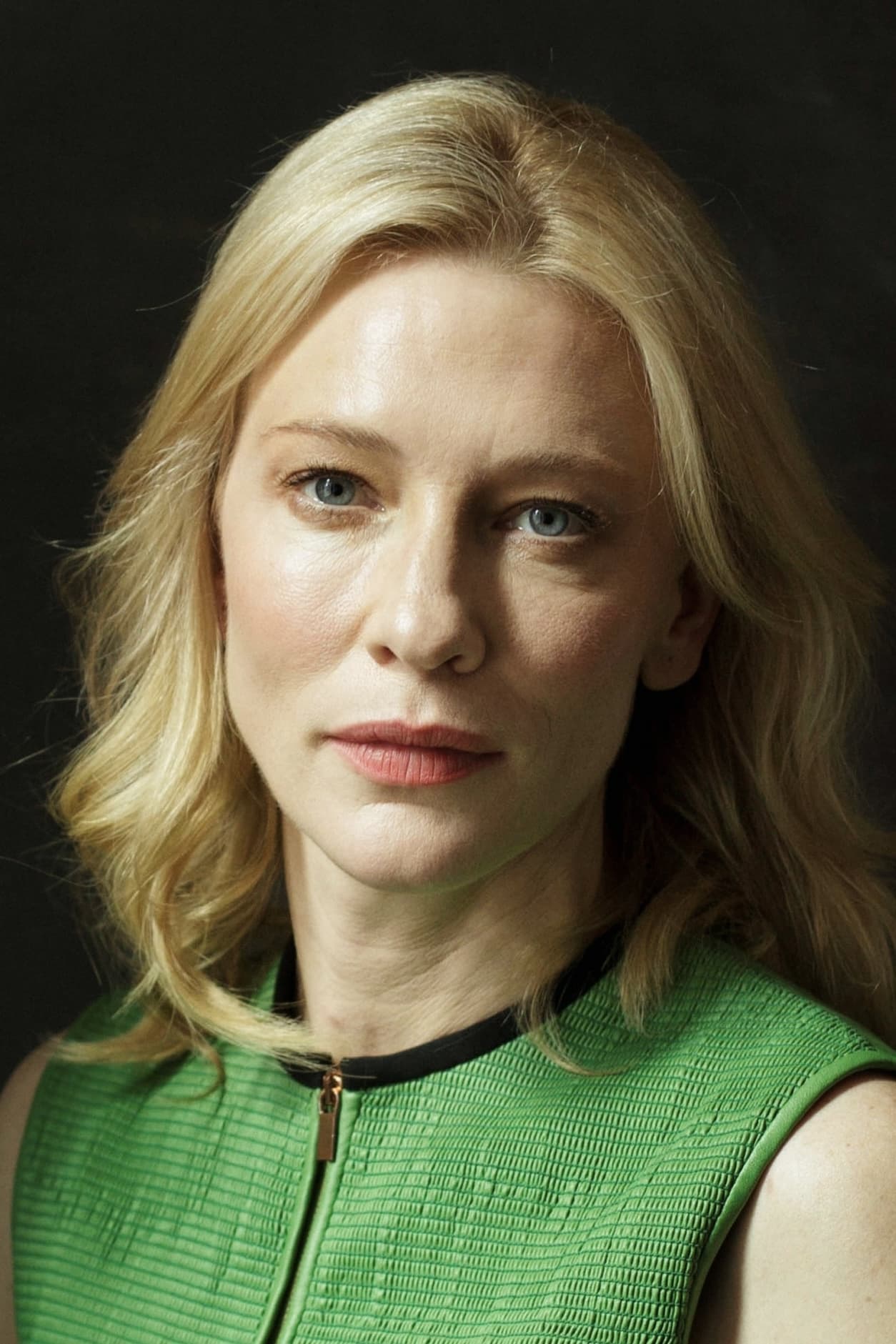
Cate Blanchett balanced franchise roles like ‘The Lord of the Rings’ with biographical dramas such as ‘The Aviator’. She received top industry awards across lead and supporting categories, which elevated ensemble dramas on studio slates. Blanchett worked across Australia, the UK, and the US, strengthening transnational distribution for prestige titles. Her stage leadership at the Sydney Theatre Company further developed pipelines between theatre talent and screen productions.
Nicole Kidman

Nicole Kidman headlined ‘Moulin Rouge!’ and ‘The Others’, combining musical spectacle with genre work that traveled globally. She secured major awards and consistent festival presence, increasing pre-sales for auteur-driven projects. Kidman’s choices supported directors from multiple countries, broadening international co-production models. She later established producing partnerships that moved literary adaptations into active development.
Kate Winslet

Kate Winslet anchored ‘Eternal Sunshine of the Spotless Mind’ and ‘The Reader’, pairing inventive indies with awards-season dramas. She accumulated top accolades across film and limited-series television, demonstrating crossover strength for premium platforms. Winslet’s participation in challenging narratives helped sustain financing for adult-oriented mid-budget films. Her collaborations with European and American filmmakers aided festival and art-house distribution.
Halle Berry
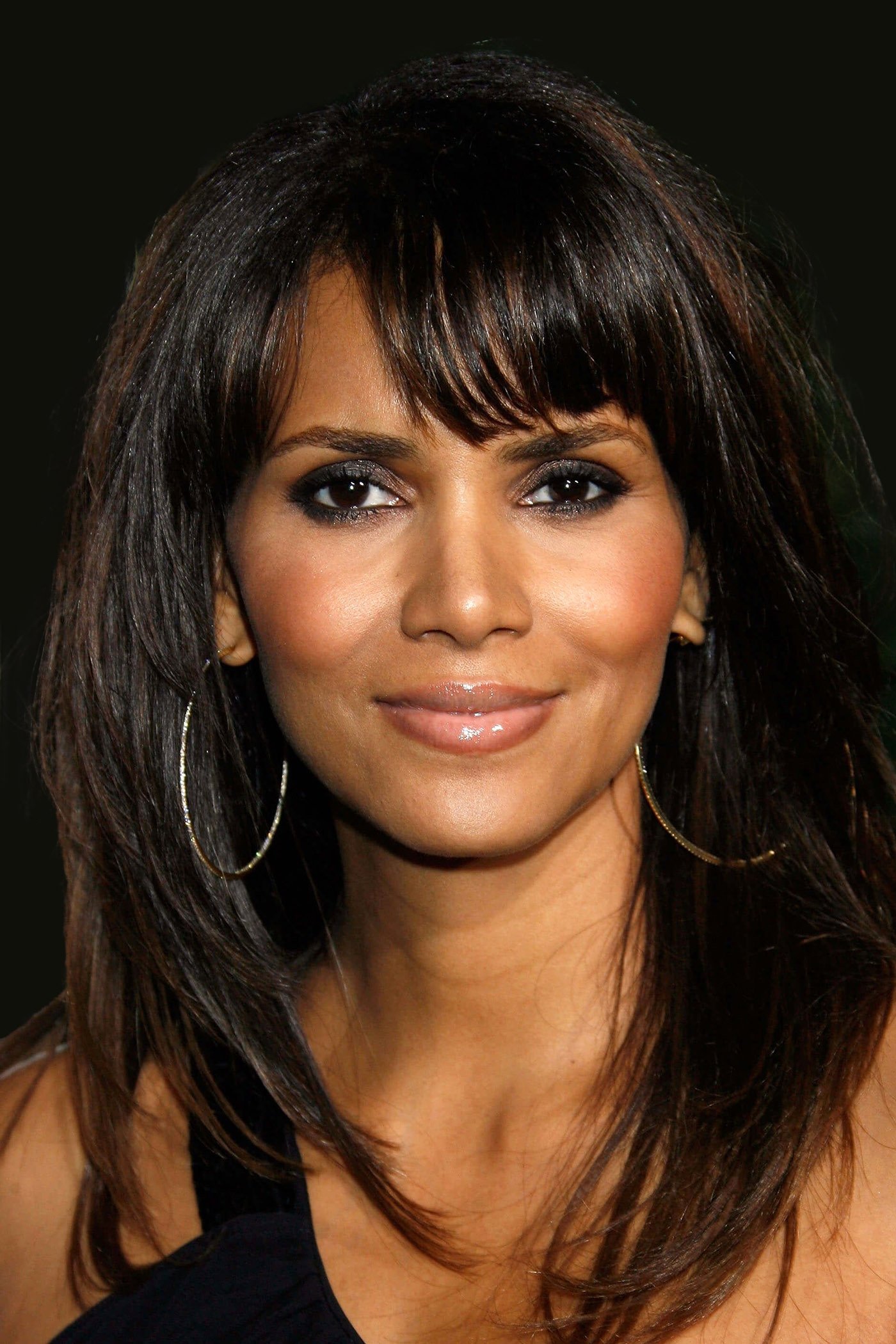
Halle Berry’s performance in ‘Monster’s Ball’ led to a historic best-actress recognition at major awards. She combined dramatic roles with franchise entries like ‘X-Men’, showing bankability across genres. Berry’s visibility advanced discussions about representation in casting and marketing. She also moved into producing, creating vehicles that centered complex leads for women of color.
Charlize Theron

Charlize Theron earned top awards for ‘Monster’ while maintaining mainstream appeal with films like ‘Hancock’. Her physical-transformation approach drew wide media coverage that translated into strong ancillary sales. Theron’s producing efforts began developing female-led thrillers and action titles. She leveraged global brand partnerships to expand international awareness of her projects.
Angelina Jolie

Angelina Jolie balanced action vehicles such as ‘Mr. & Mrs. Smith’ with dramas like ‘A Mighty Heart’. She became a major international box-office draw and a frequent face of global marketing campaigns. Jolie’s humanitarian work with international organizations expanded the audience reach of her releases. She also took on directing and producing initiatives that supported stories set outside the US.
Natalie Portman
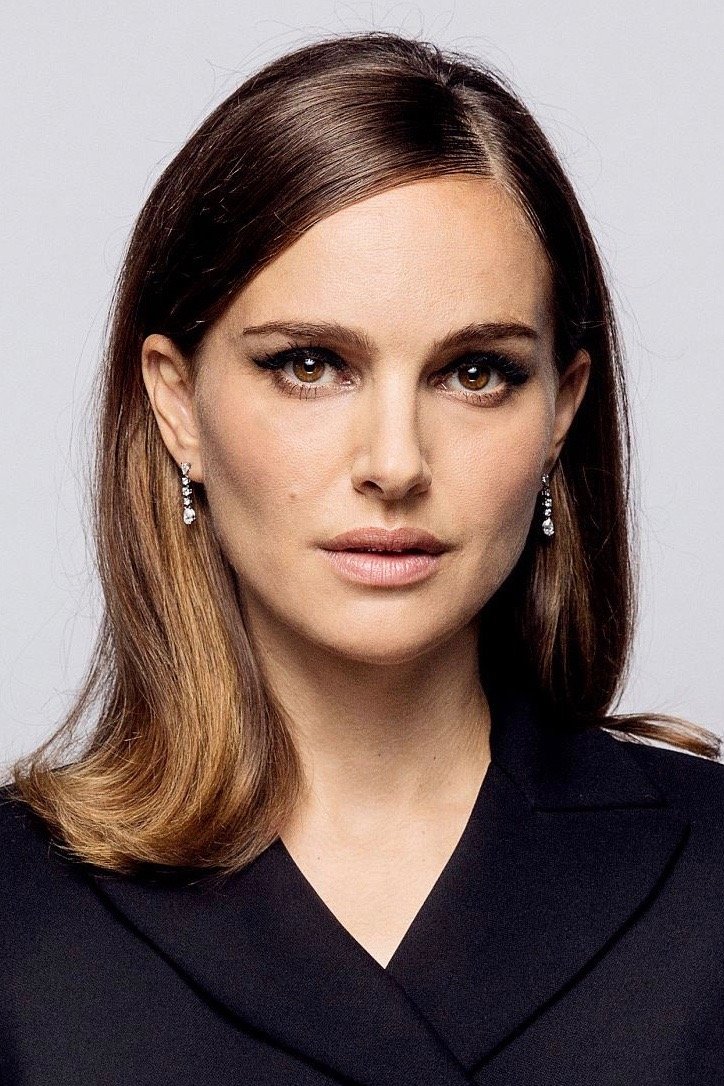
Natalie Portman moved between franchise entries like ‘Star Wars’ and independent dramas including ‘Closer’. She collected significant awards and festival honors while completing formal academic studies, drawing attention to artist-scholar pathways. Portman co-founded a production entity that championed female-driven narratives. Her multilingual background facilitated cross-market promotion in Europe and Israel.
Scarlett Johansson

Scarlett Johansson built momentum with ‘Lost in Translation’ and ensemble work that led into later franchise leadership. She expanded into voice roles and stage performances, keeping a broad public profile across mediums. Johansson’s early association with auteur directors supported financing for mid-budget dramas. Her move toward action and sci-fi widened audience demographics for projects led by women.
Keira Knightley

Keira Knightley paired ‘Pirates of the Caribbean’ with period dramas like ‘Pride & Prejudice’. She became a marquee name for literary adaptations, aiding global sales and awards campaigns. Knightley’s work with UK and US producers supported transatlantic co-financing models. Her fashion and cultural partnerships increased visibility for prestige releases in key markets.
Reese Witherspoon

Reese Witherspoon starred in ‘Walk the Line’ and ‘Legally Blonde’, demonstrating range from biographical drama to comedy. She won top awards while proving sustained commercial appeal. Witherspoon later founded a production company that prioritized female authors and protagonists, influencing development pipelines. Her projects frequently spurred soundtrack and publishing tie-ins that boosted ancillary revenue.
Sandra Bullock
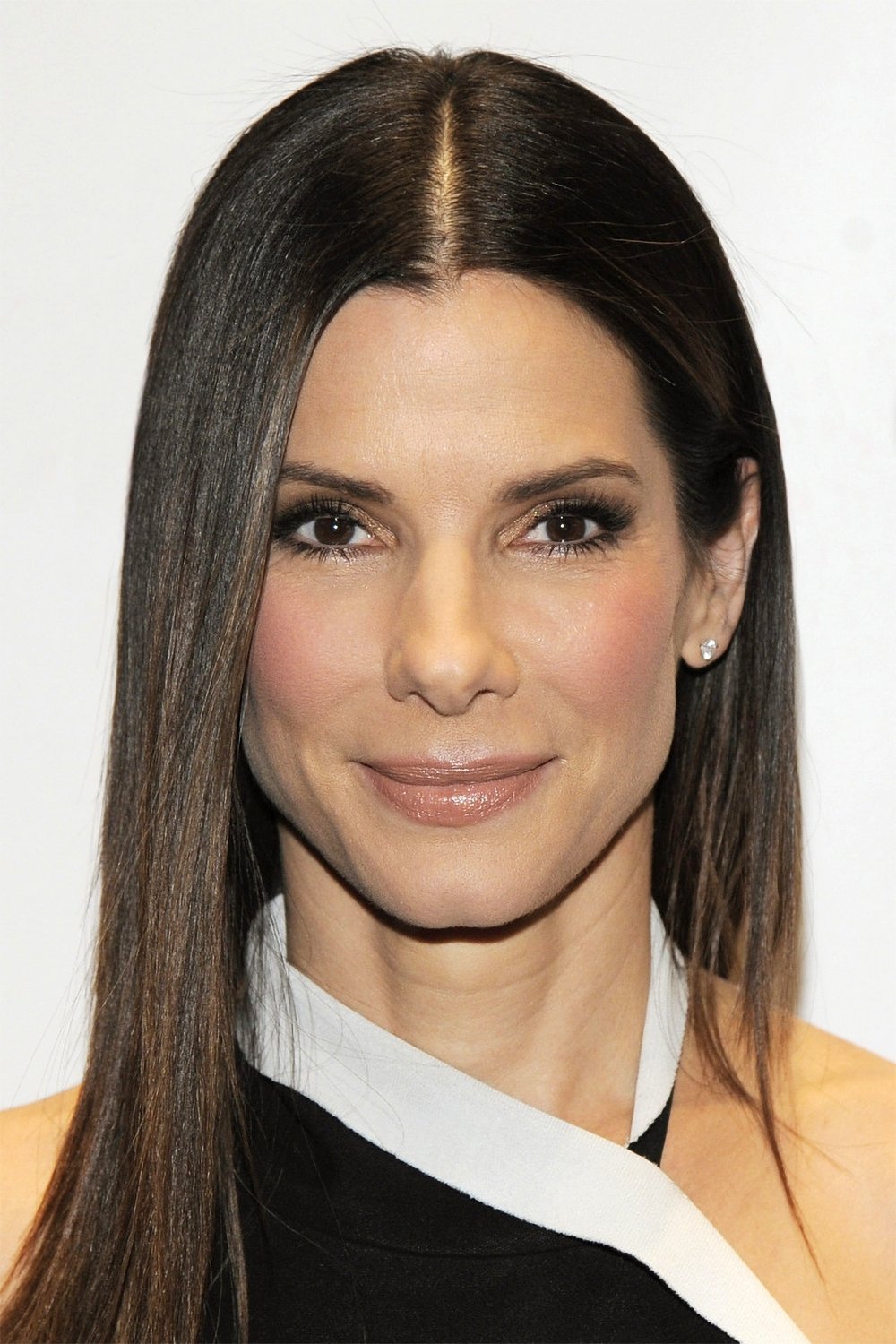
Sandra Bullock maintained consistent box-office performance across comedies and dramas, culminating in major awards for ‘The Blind Side’. She also produced projects through her company, contributing to development and casting decisions. Bullock’s broad audience recognition supported wide releases with strong legs. Her work bridged multiplex fare and awards considerations, keeping female-led films prominent.
Julia Roberts
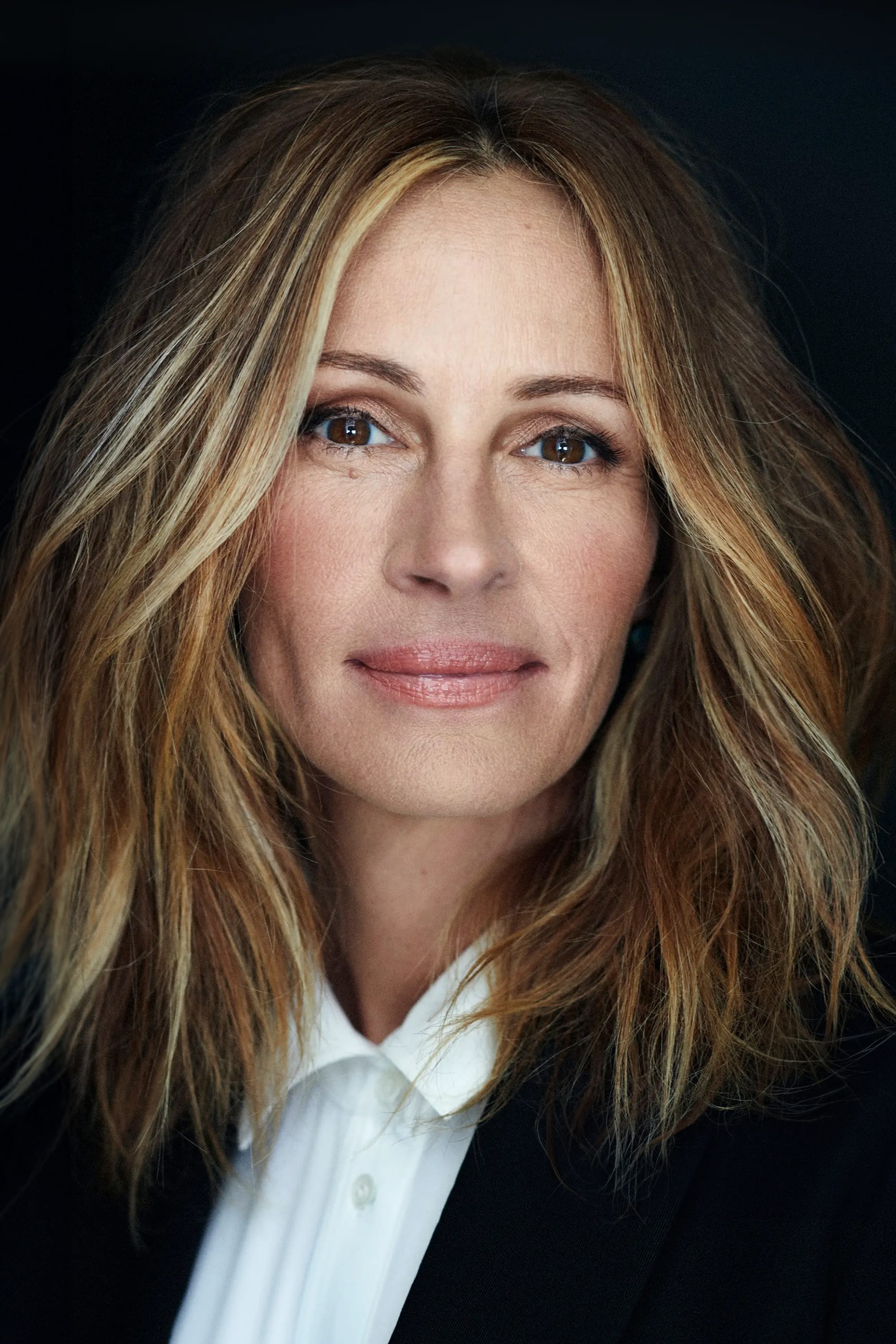
Julia Roberts sustained star power into the decade with ensembles like ‘Ocean’s Eleven’ and dramas such as ‘Erin Brockovich’. She secured leading awards and continued to command high opening-weekend interest. Roberts’ global recognition aided international rollouts for studio titles. She also participated in philanthropic and documentary efforts that connected audiences to social issues.
Renée Zellweger

Renée Zellweger delivered hit comedies with ‘Bridget Jones’s Diary’ and won top honors for ‘Chicago’. Her successes revived interest in musicals and romantic comedies for adult audiences. Zellweger’s work supported London-based productions and US-UK collaborations. She demonstrated reliable overseas appeal, particularly in European markets.
Anne Hathaway

Anne Hathaway transitioned from ‘The Princess Diaries’ to critically noted roles like ‘Rachel Getting Married’. She showed strong performance in both comedy and drama, leading to major nominations and wins. Hathaway’s participation in fashion-centric ‘The Devil Wears Prada’ influenced brand integrations and product marketing. She later used her platform to advocate for workplace equity within entertainment.
Rachel Weisz

Rachel Weisz earned major awards for ‘The Constant Gardener’ while sustaining a presence in genre films. She worked frequently with international directors, strengthening the global art-house circuit. Weisz’s roles often drew attention to political and ethical themes, aiding outreach and educational screenings. Her stage and screen balance kept her in awards conversations throughout the decade.
Naomi Watts

Naomi Watts broke out with ‘Mulholland Drive’ and headlined ‘The Ring’, blending auteur acclaim with mainstream success. She collaborated with directors across continents, supporting international festival ecosystems. Watts’ performances attracted strong critical notices that helped platform releases expand nationwide. She also served as a brand ambassador, extending promotional reach across territories.
Penélope Cruz

Penélope Cruz worked in both Spanish-language cinema and Hollywood, including ‘Volver’ and ‘Vicky Cristina Barcelona’. She won top US and European awards, encouraging bilingual and subtitled releases in wider markets. Cruz’s collaborations with Spanish auteurs increased pre-sales for Iberian productions. Her modeling and media presence raised visibility for co-productions targeting Latin and European audiences.
Amy Adams

Amy Adams gained attention with ‘Junebug’ and continued with acclaimed roles in ‘Doubt’. She balanced family films and prestige dramas, building a versatile profile for studios. Adams’ consistent nominations enhanced marketing for adult-skewing titles. Her career path illustrated how supporting roles can catalyze lead opportunities within a decade.
Hilary Swank
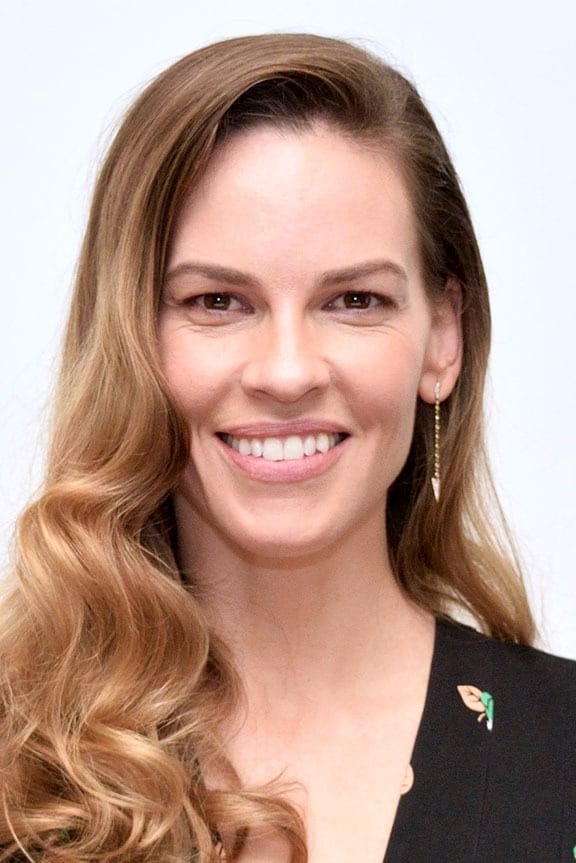
Hilary Swank secured two major best-actress wins in a relatively short span, including ‘Million Dollar Baby’. She demonstrated strong performance in physically demanding roles that drew wide press coverage. Swank also produced select projects, guiding development toward character-driven stories. Her award history contributed to greenlighting serious dramas with female leads.
Michelle Williams

Michelle Williams progressed from television to films like ‘Brokeback Mountain’ and ‘Wendy and Lucy’. She became a frequent presence at major festivals with steady nominations. Williams’ choices supported independent distributors and emergent directors. Her small-scale projects often achieved long theatrical tails through critical momentum.
Zhang Ziyi

Zhang Ziyi reached global audiences with ‘Crouching Tiger, Hidden Dragon’ and ‘House of Flying Daggers’. She collaborated with leading Chinese and international directors, advancing the profile of wuxia and period epics abroad. Zhang’s festival visibility boosted co-financing between Asian and Western companies. Her roles supported increased demand for Mandarin-language films in multiplexes worldwide.
Gong Li
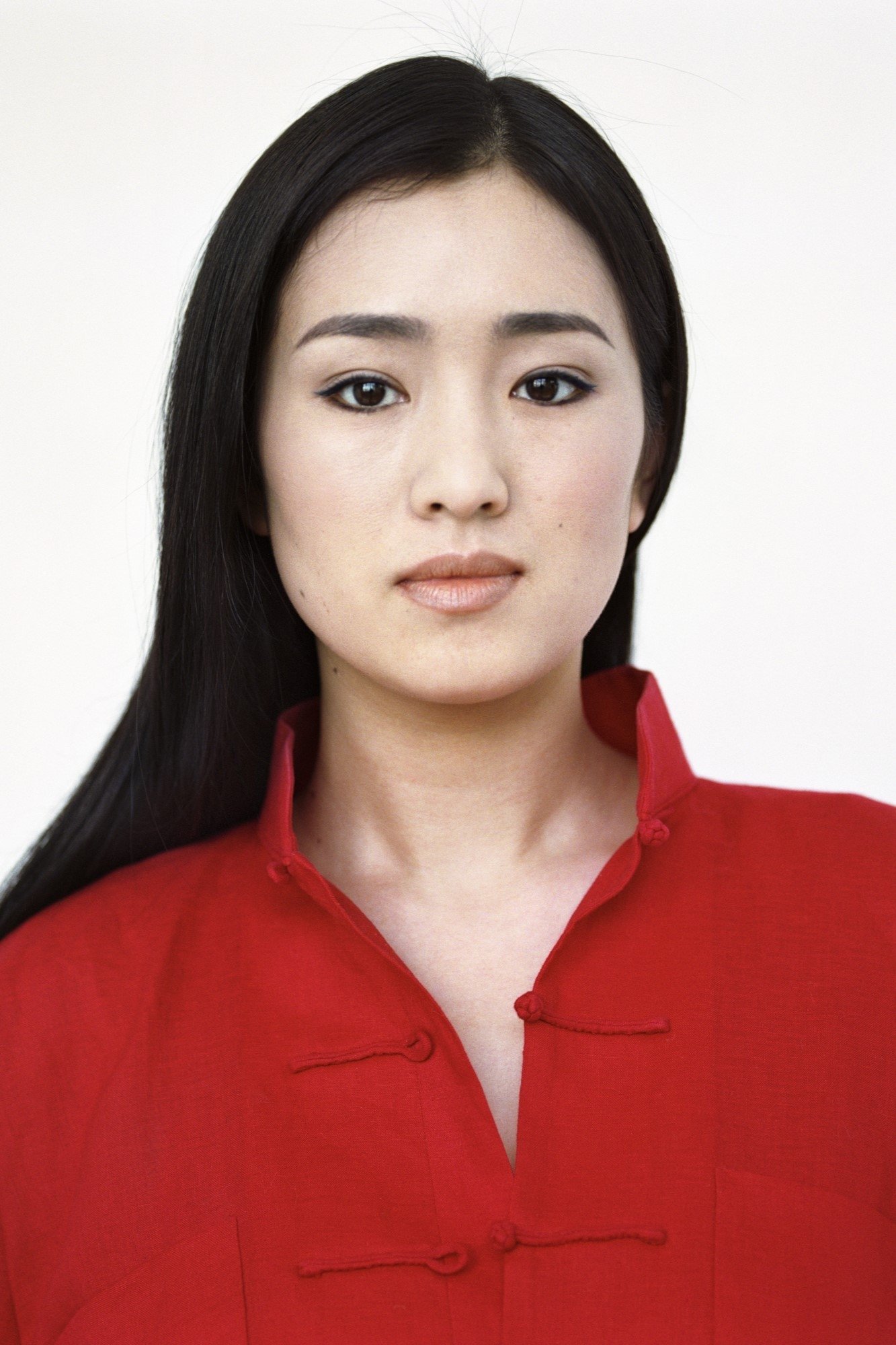
Gong Li continued her international impact with films like ‘Memoirs of a Geisha’ and collaborations with mainland Chinese auteurs. She brought prestige value that aided global marketing of Chinese-language cinema. Gong’s work fostered partnerships among studios in Asia, Europe, and North America. Her presence in juries and festivals influenced programming and distribution choices.
Aishwarya Rai Bachchan

Aishwarya Rai Bachchan bridged Indian cinema and global markets with ‘Devdas’ and English-language appearances. She served on international festival juries and became a high-profile brand ambassador. Rai Bachchan’s visibility helped expand Bollywood distribution in Europe and North America. Her participation in cross-cultural productions supported broader soundtrack and fashion tie-ins.
Tilda Swinton
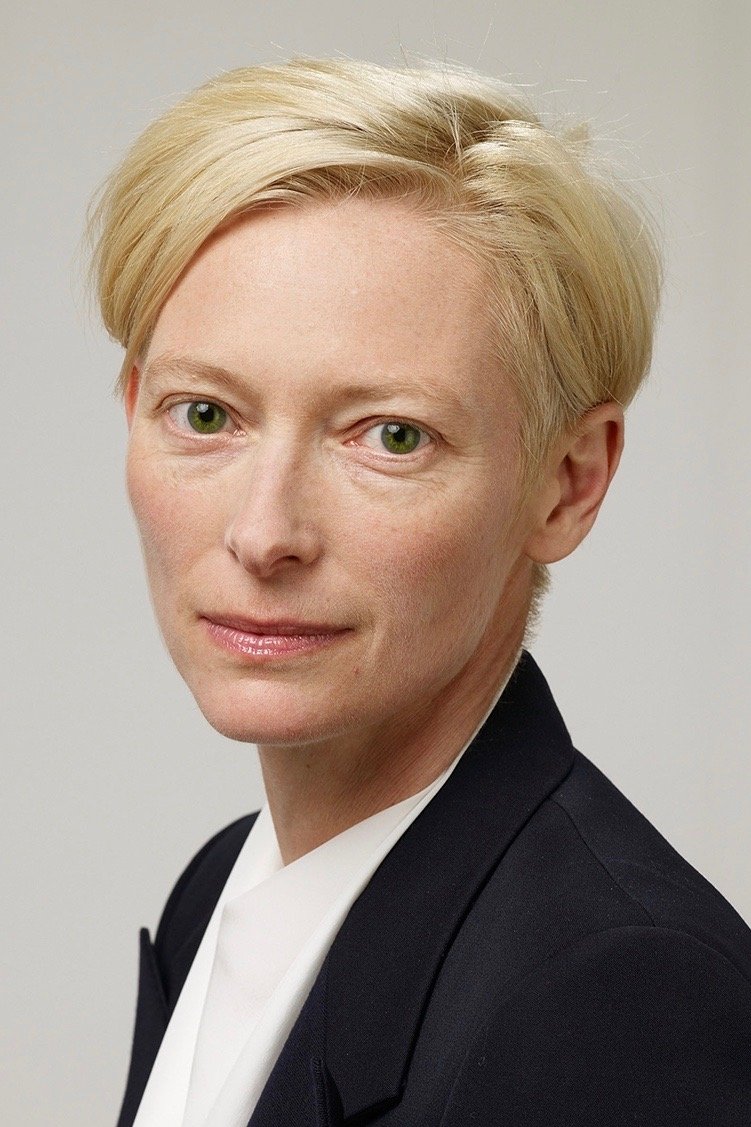
Tilda Swinton alternated between experimental projects and mainstream releases like ‘Michael Clayton’. She won major awards and collaborated with art-house directors who later moved into larger budgets. Swinton’s curatorial and installation work connected cinema with contemporary art institutions. Her genre-spanning roles supported casting flexibility in studio and independent films alike.
Julianne Moore
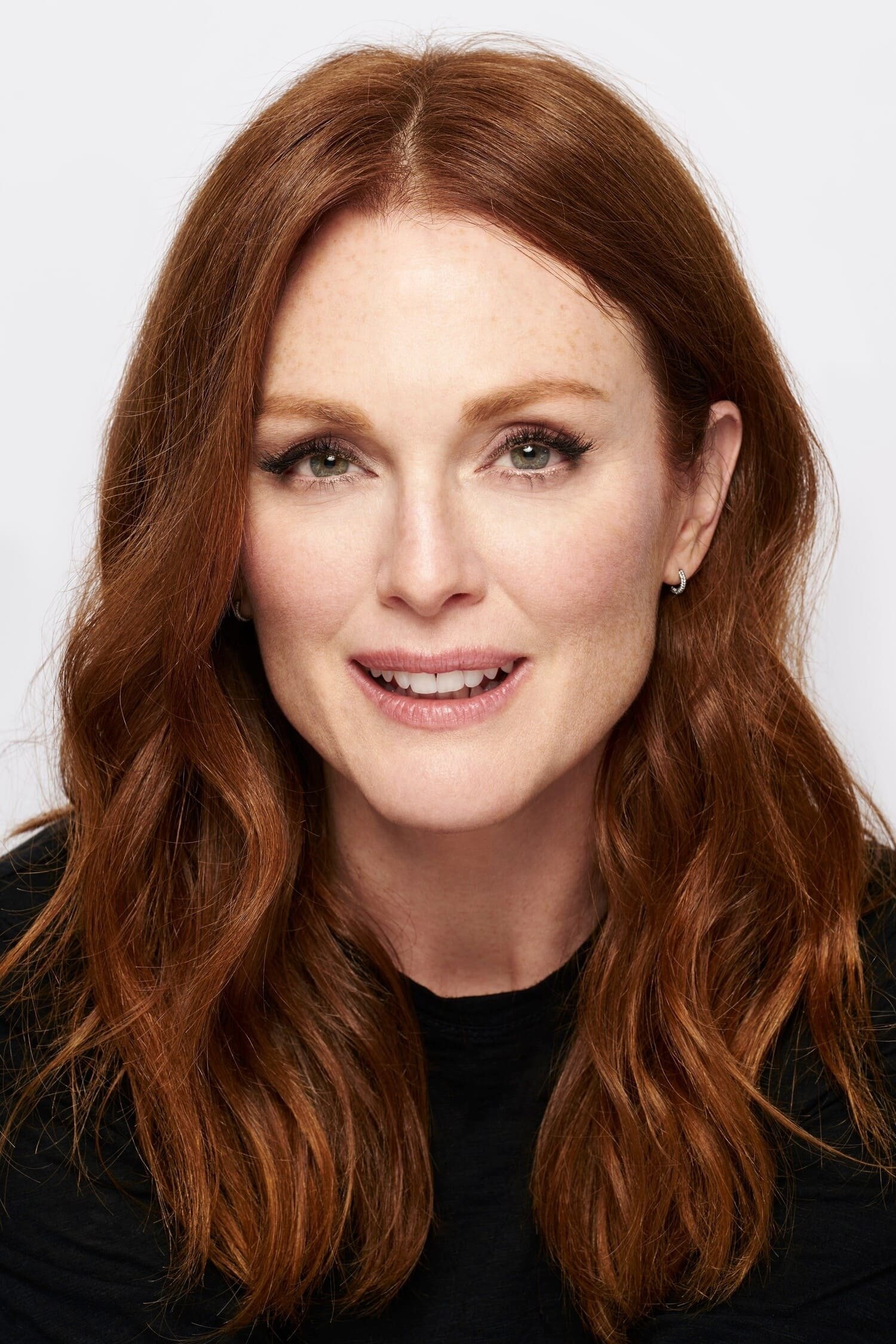
Julianne Moore anchored prestige dramas such as ‘Far from Heaven’ and ‘The Hours’, keeping adult-skewing films viable in wide release. She frequently collaborated with directors known for stylistic risk, which helped secure financing for mid-budget productions. Moore’s steady awards presence gave specialty distributors reliable marketing hooks. She also supported international co-productions that broadened US–Europe distribution corridors.
Helen Mirren
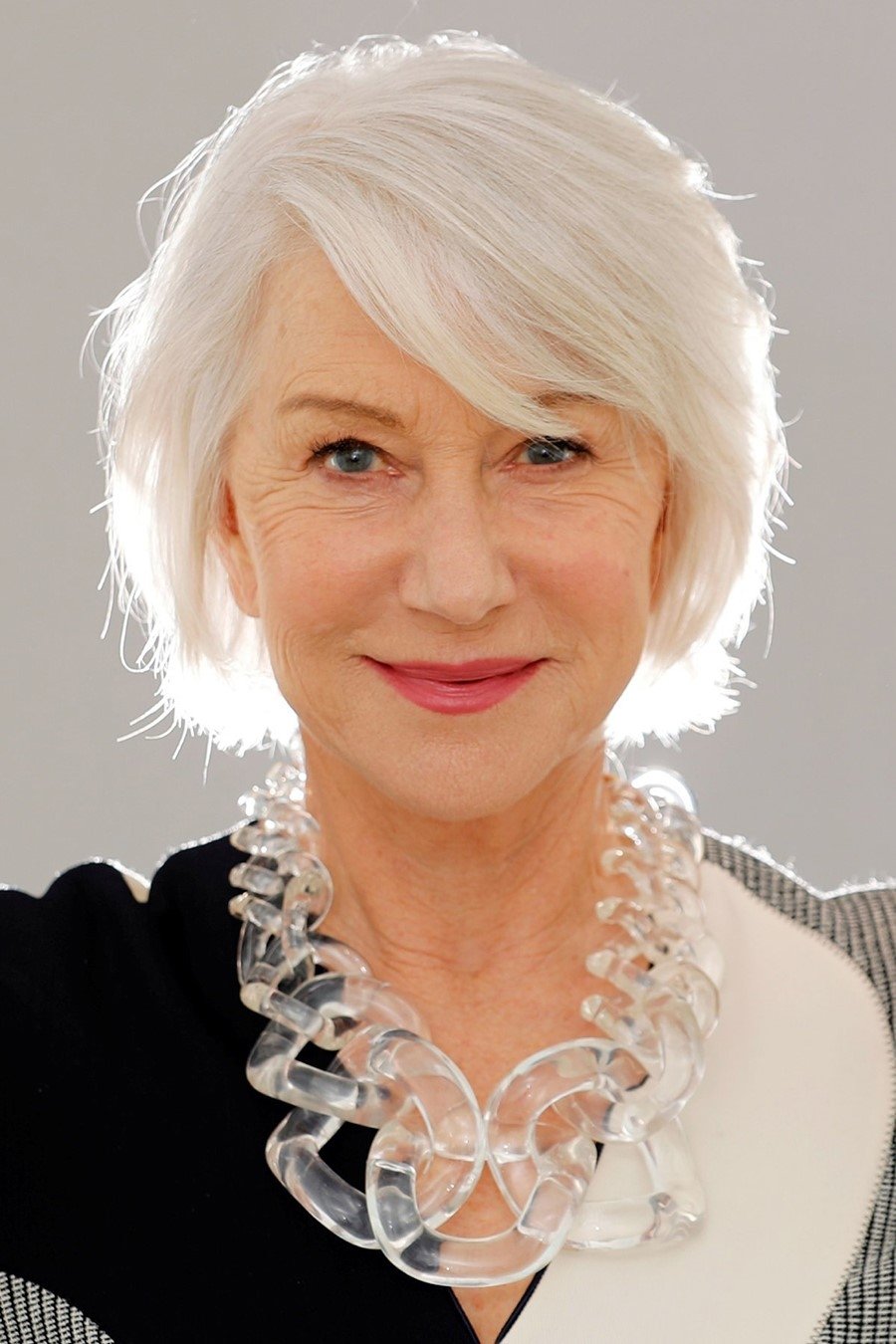
Helen Mirren’s acclaimed turn in ‘The Queen’ consolidated interest in biographical dramas led by women. She moved fluidly between television, limited series, and film, illustrating cross-platform draw for mature audiences. Mirren’s stage pedigree reinforced global festival programming and awards campaigns. Her participation in ensemble projects supported international sales packages targeting both multiplex and art-house markets.
Marion Cotillard

Marion Cotillard’s breakthrough with ‘La Vie en Rose’ accelerated the crossover of French talent into English-language prestige films. Her bilingual profile strengthened marketing across Europe and North America. Cotillard’s collaborations with auteur directors supported sophisticated genre pieces and elevated thrillers. She became a fixture at major festivals, improving pre-sales for projects with European financing.
Emily Blunt

Emily Blunt gained early attention with ‘The Devil Wears Prada’, then diversified into period drama and thriller roles. She demonstrated strong supporting-to-lead momentum that studios leveraged in global campaigns. Blunt’s adaptability across genres helped international distributors position female-led titles to broader audiences. Her subsequent choices encouraged investment in smart, mid-budget scripts.
Cameron Diaz

Cameron Diaz remained a reliable comedy and action draw with films like ‘Charlie’s Angels’ and ‘Shrek’. Her voice and live-action work supported franchise building and merchandising pipelines. Diaz’s star power backed wide-release comedies centered on women, sustaining marketing confidence in the category. She also took producer roles, shaping development on commercially focused projects.
Drew Barrymore

Drew Barrymore balanced romantic comedies with cult-favorite genre entries such as ‘Donnie Darko’. Through her company, she produced hits like ‘Charlie’s Angels’ that showcased bankable female ensembles. Barrymore’s behind-the-camera leadership opened opportunities for women in directing and writing. Her cross-media popularity aided global promotion and soundtrack tie-ins.
Kirsten Dunst

Kirsten Dunst paired blockbuster visibility in ‘Spider-Man’ with acclaimed work in indies like ‘The Virgin Suicides’. She maintained a strong festival presence, which helped platform releases build word-of-mouth. Dunst’s career choices supported directors transitioning from indie to studio scale. Her range across period drama, comedy, and superhero films broadened international appeal for female-led narratives.
Jennifer Aniston
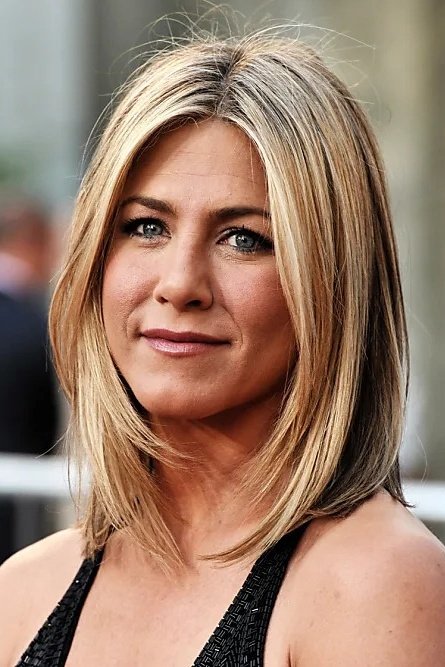
Jennifer Aniston carried multiple studio comedies while expanding into independent dramas such as ‘The Good Girl’. Her television fame provided a built-in global audience that boosted film openings. Aniston’s consistent box-office performance kept female-fronted comedies central to studio slates. She also formed production partnerships that developed character-driven projects.
Tina Fey
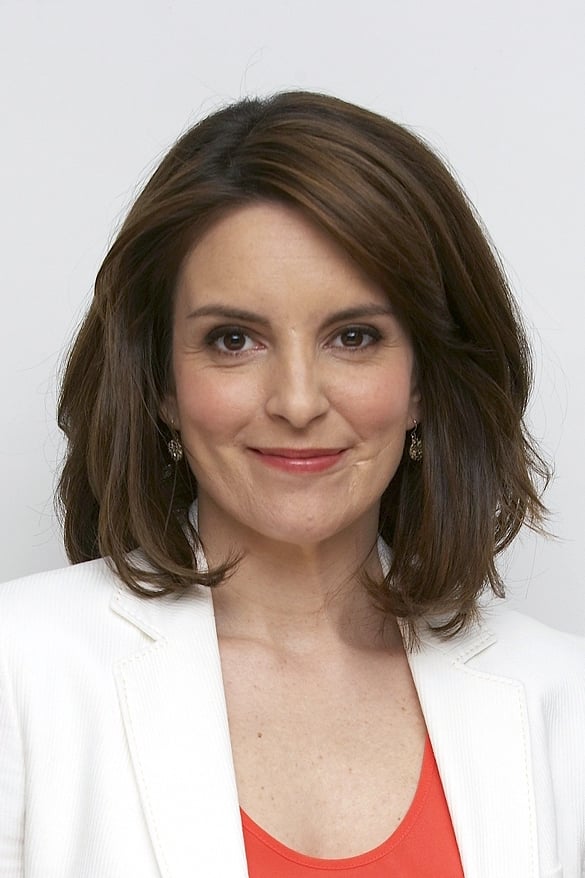
Tina Fey reshaped TV comedy with ’30 Rock’ while co-writing and starring in ‘Mean Girls’. Her dual roles as performer and writer demonstrated how creator-led vehicles could thrive in network and film ecosystems. Fey’s success encouraged studios and streamers to back female-driven comedy with sharp, premise-focused scripts. She mentored new talent, strengthening the pipeline for women in writers’ rooms.
Sarah Jessica Parker
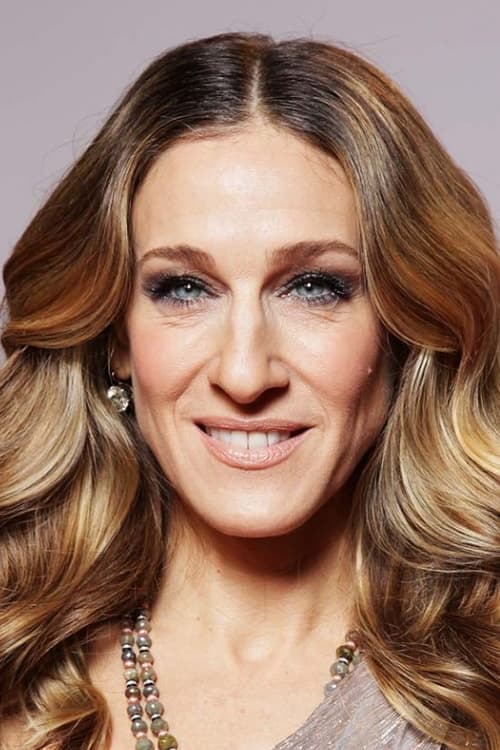
Sarah Jessica Parker’s leadership on ‘Sex and the City’ showed the commercial pull of urban, fashion-forward storytelling centered on women. The property’s move from TV to film proved the viability of cross-format expansion for premium brands. Parker’s producing role influenced casting and narrative development for lifestyle-driven projects. Her global recognition supported lucrative international releases and ancillary partnerships.
Lucy Liu

Lucy Liu built an action-comedy profile with ‘Charlie’s Angels’ and expanded into television and stage. She championed Asian and Asian American representation while headlining mainstream studio titles. Liu’s visibility improved marketing for ensemble films with diverse casts. She later directed television episodes, broadening behind-the-camera pathways for underrepresented creators.
Queen Latifah
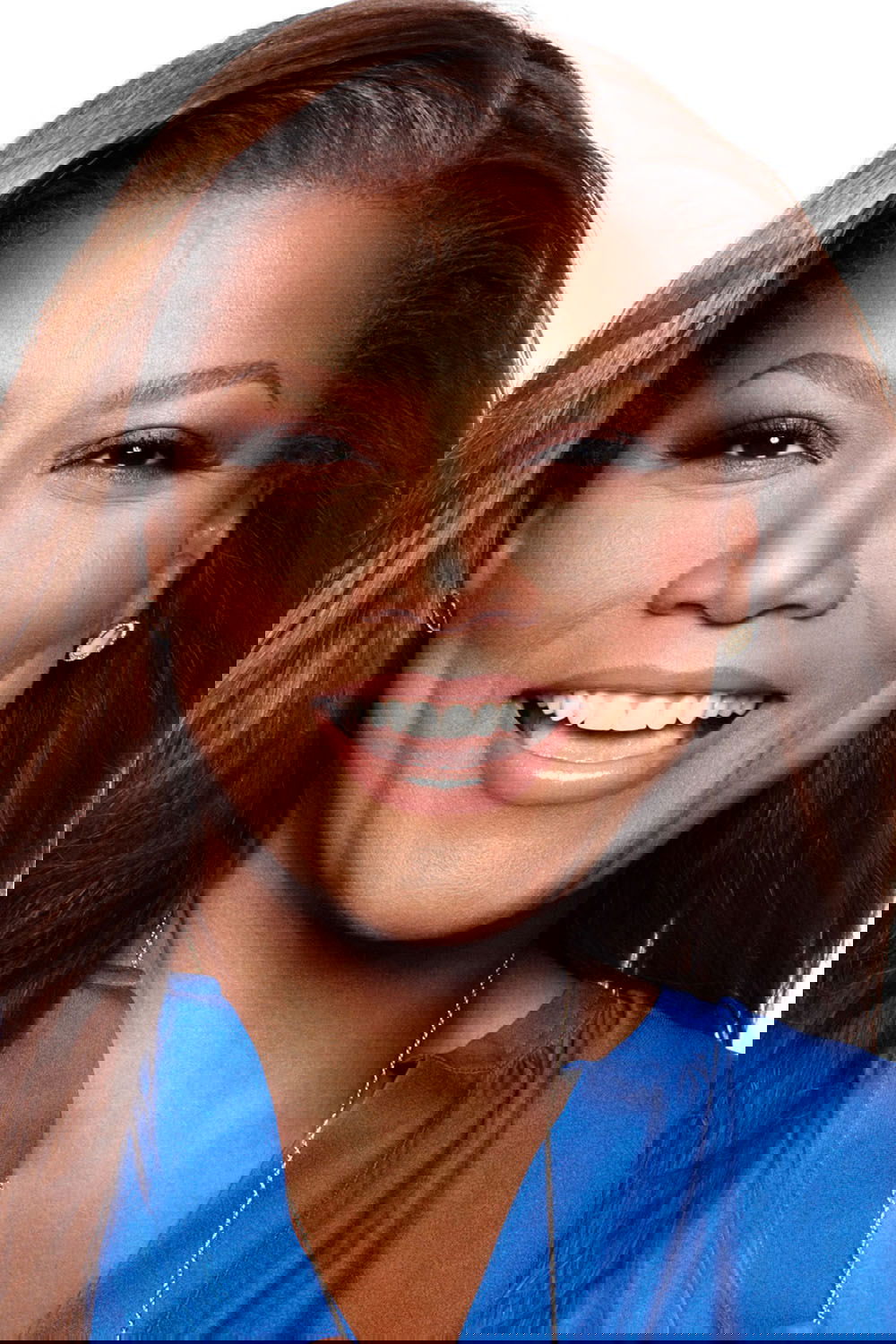
Queen Latifah bridged music and film with ‘Chicago’ and sustained leading roles in comedies and dramas. She founded a production company that developed projects featuring diverse casts and stories. Latifah’s crossover brand supported national tours, soundtrack sales, and television ventures tied to film releases. Her presence helped distributors target multi-generational audiences.
Taraji P. Henson

Taraji P. Henson garnered major recognition with ‘Hustle & Flow’ and high-profile ensemble work like ‘The Curious Case of Benjamin Button’. She consistently balanced studio projects and indies, keeping character-driven stories in circulation. Henson’s performances strengthened awards marketing for films with complex themes. She also advocated for equitable hiring, influencing casting and negotiations.
Maggie Gyllenhaal

Maggie Gyllenhaal earned notice with ‘Secretary’ and continued with critically regarded dramas that favored strong writing. She became a dependable presence at festivals, aiding acquisitions for specialty distributors. Gyllenhaal’s choices often centered on challenging material, which kept mid-budget literary adaptations visible. She later expanded into producing and writing, supporting filmmaker-driven development.
Uma Thurman

Uma Thurman’s action-led work in ‘Kill Bill’ reinvigorated interest in stylized genre filmmaking with a female lead. She maintained cross-market appeal through both indie collaborations and studio releases. Thurman’s roles influenced stunt, choreography, and action-costume design trends across productions. Her return to television highlighted the growing interchange between premium TV and theatrical talent.
Share your own picks for the 2000s in the comments and tell us who you think shaped the decade most.

