


The Most Influential Drama Movies of All Time

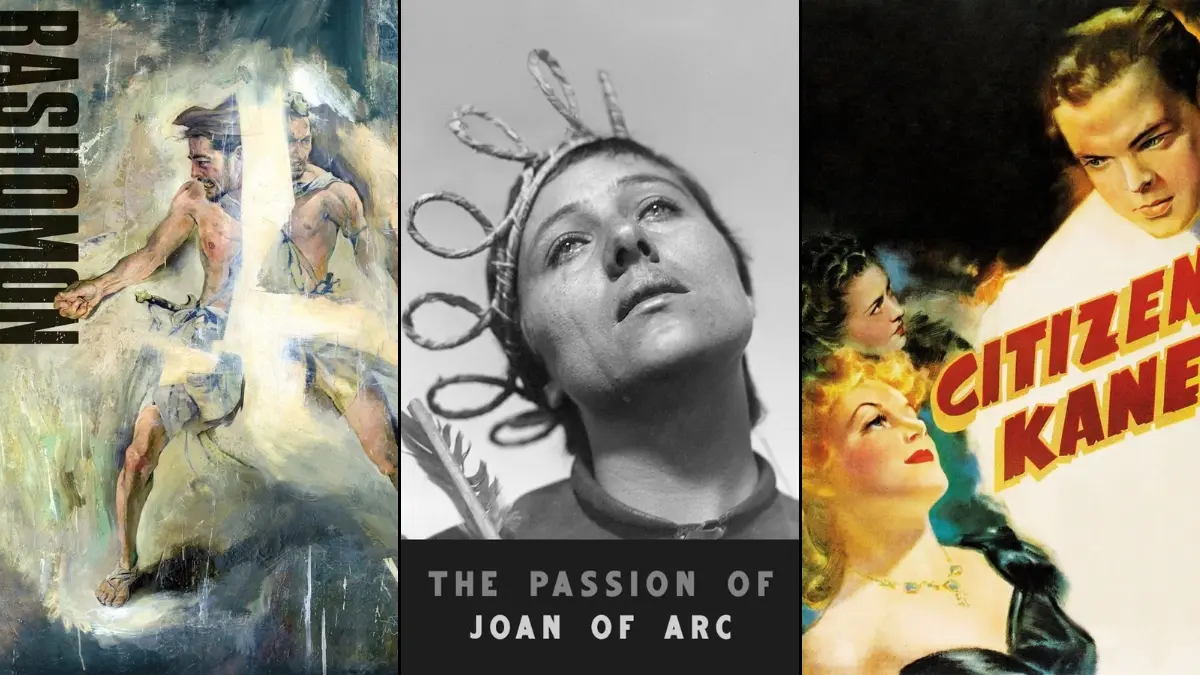


Drama films have shaped how stories are told on screen, pushing narrative, performance, and craft in ways audiences still feel today. The titles below didn’t just win trophies—they set templates for structure, character depth, cinematography, and sound that filmmakers across the world study and borrow from. From spare courtroom showdowns to sweeping epics and piercing social portraits, these films changed techniques, launched careers, and expanded what drama can do. Here are forty landmarks whose influence keeps echoing.
‘Citizen Kane’ (1941)
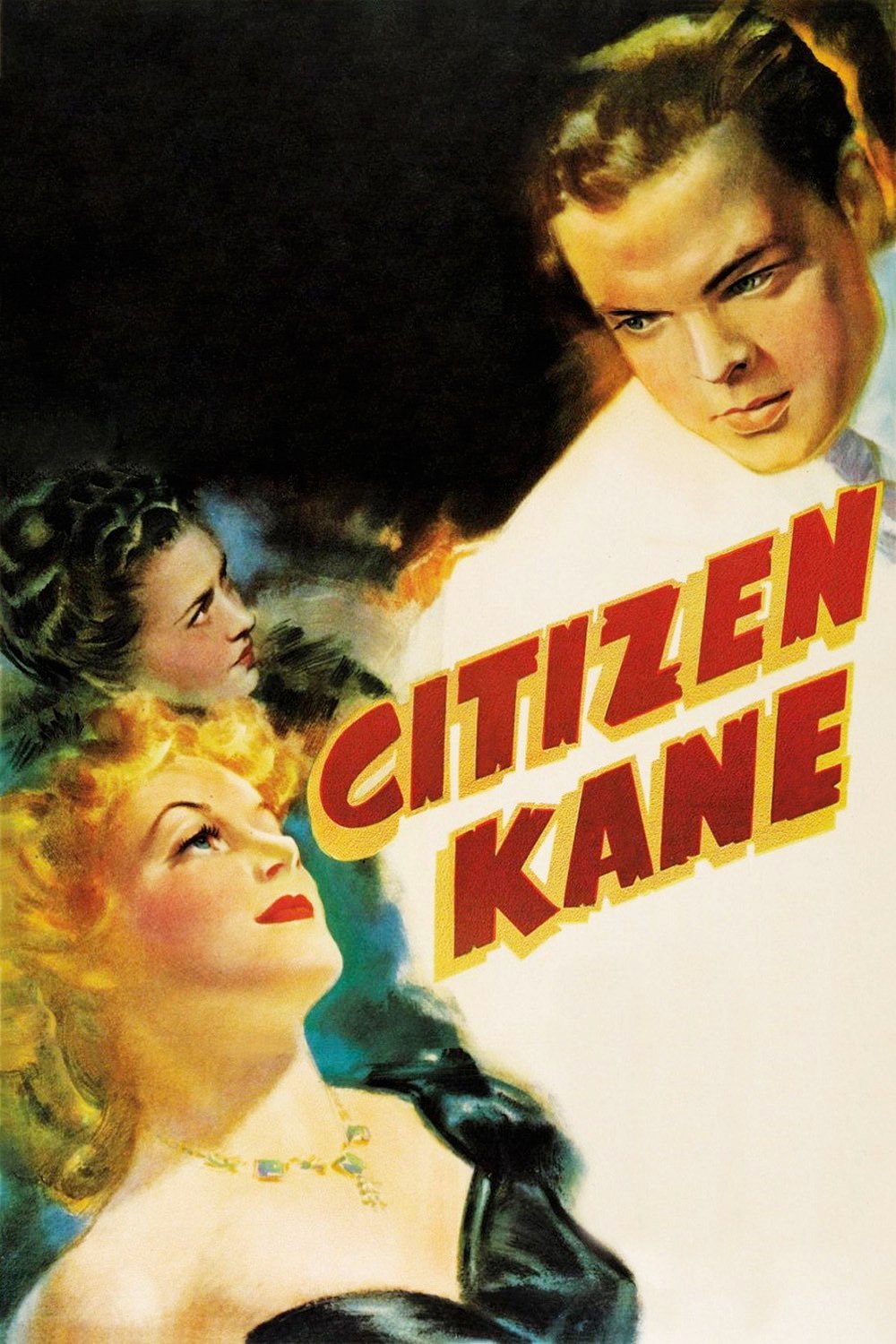
Orson Welles directed, co-wrote, and starred in ‘Citizen Kane’, pioneering deep-focus photography, non-linear structure, and daring sound design. Cinematographer Gregg Toland’s low-angle compositions and long takes became hallmarks in film schools. The screenplay’s investigative framework, jumping across narrators and timelines, reshaped storytelling in narrative cinema. Its use of practical sets and matte work showed how scale could be achieved without leaving the studio.
‘The Godfather’ (1972)
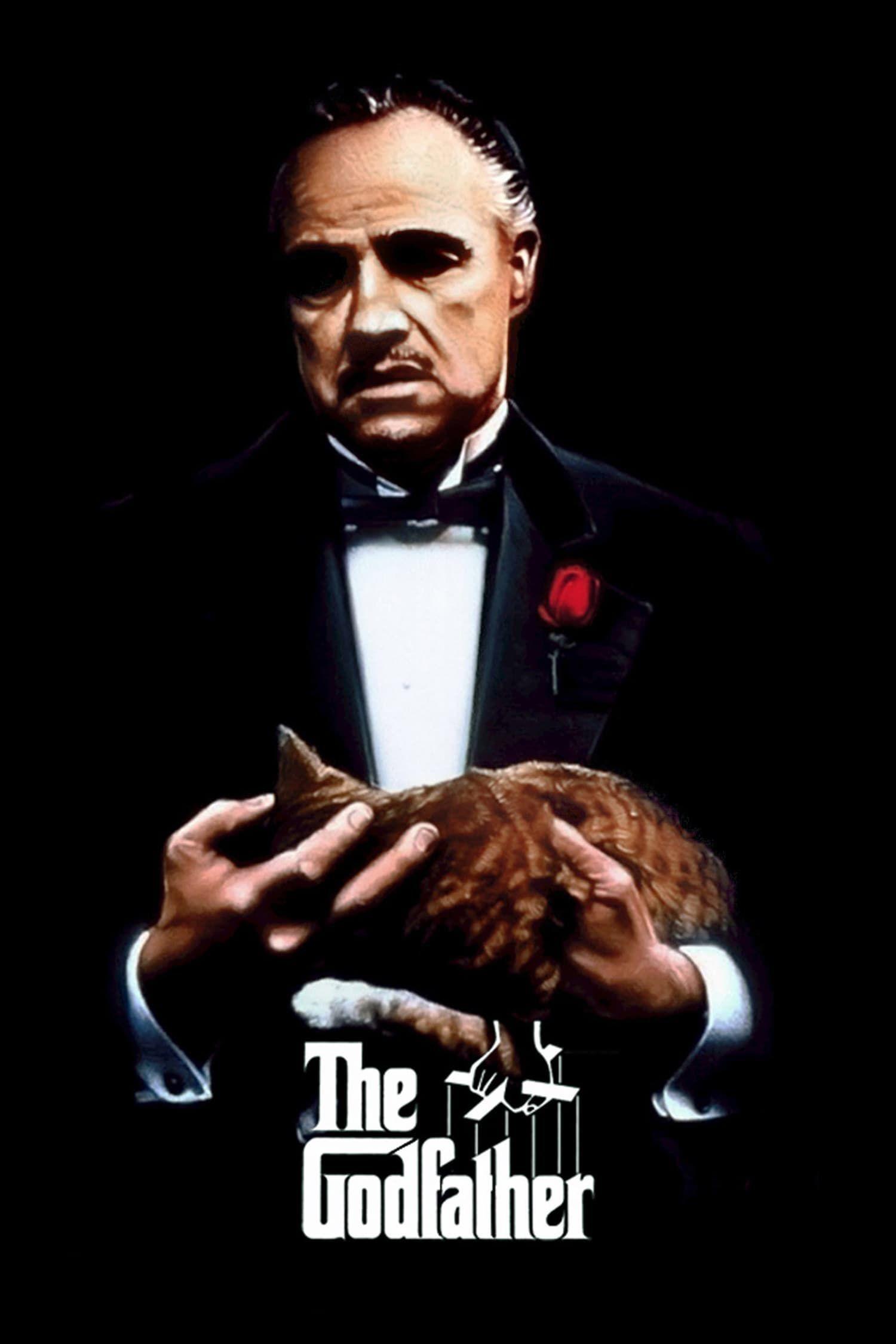
Directed by Francis Ford Coppola and adapted from Mario Puzo’s novel, ‘The Godfather’ redefined the crime family saga as a character-driven drama. It established a visual language of warm interiors, chiaroscuro lighting, and deliberate pacing that countless films emulate. The ensemble cast’s naturalistic performances set a benchmark for screen acting. Its cultural footprint includes widely referenced dialogue, family-power themes, and a template for complex anti-heroes.
‘The Godfather Part II’ (1974)
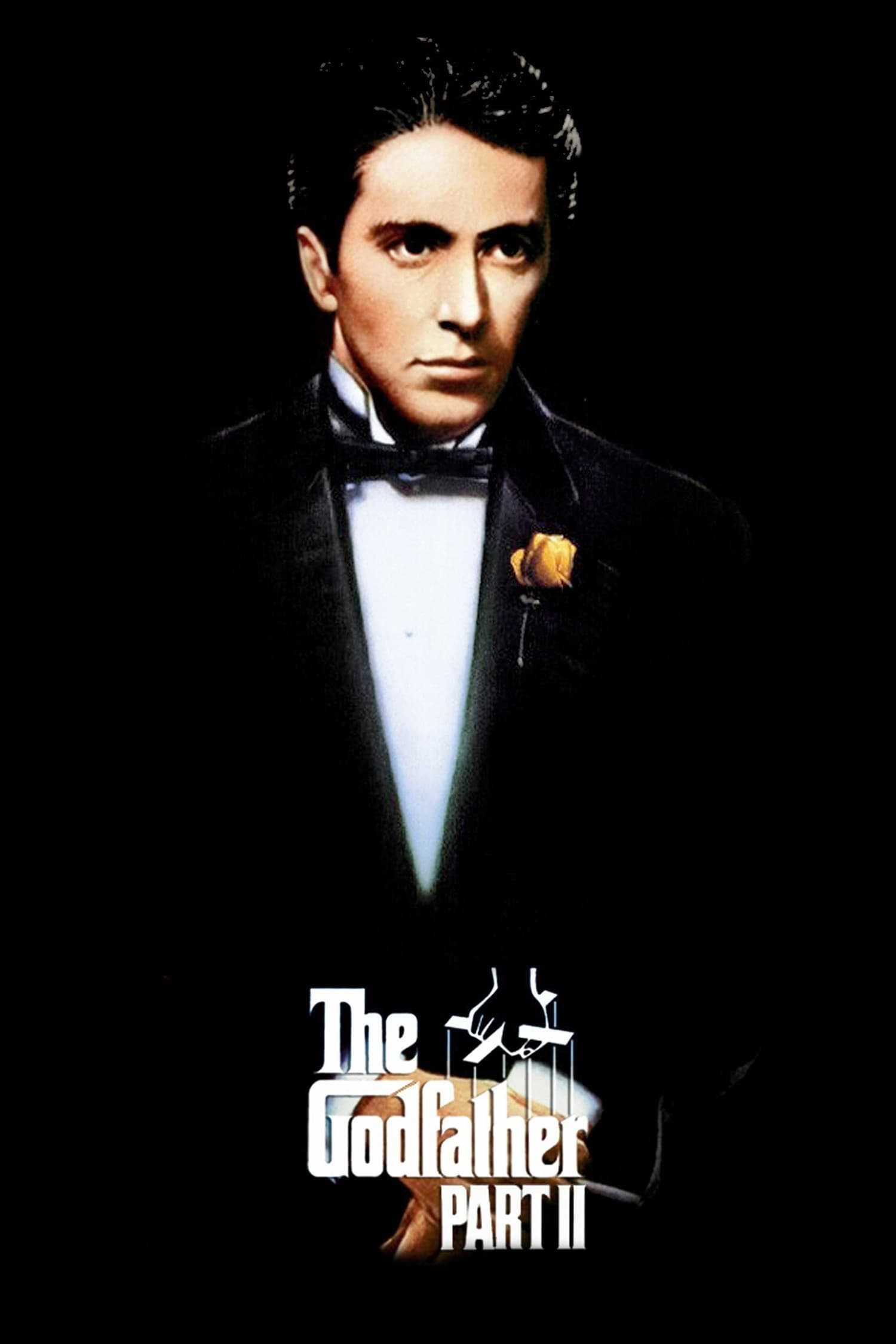
‘The Godfather Part II’ advanced parallel storytelling by intercutting a character’s rise with another’s consolidation of power. Coppola and editor Barry Malkin’s structure demonstrated how dual timelines can deepen theme and character. Production design and location work broadened the scope of the family saga to multiple countries. It also cemented the idea that sequels can expand, not just repeat, an original film’s ambition.
’12 Angry Men’ (1957)
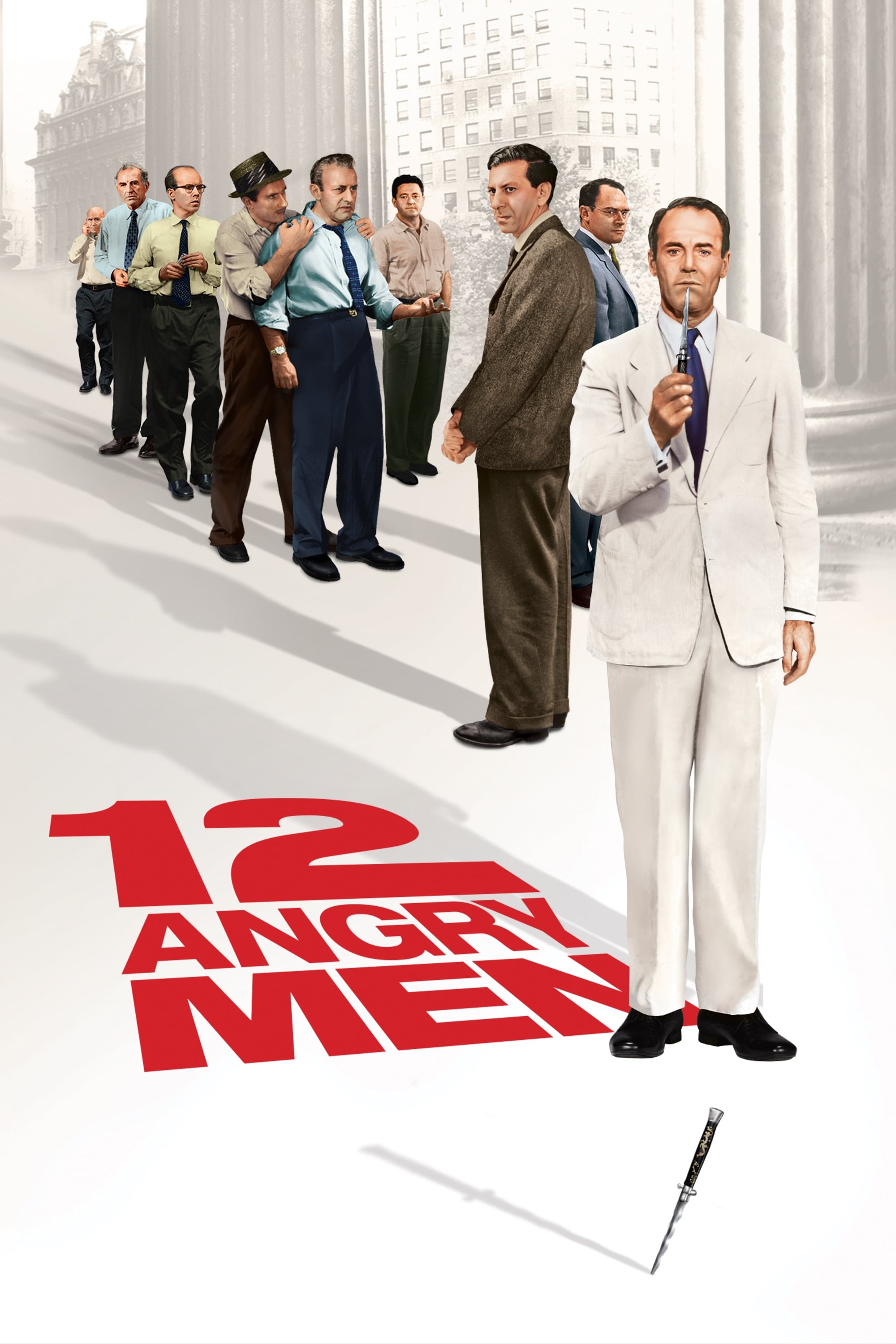
Sidney Lumet’s ’12 Angry Men’ turned a single-room setting into a blueprint for intense, dialogue-driven drama. Strategic lens choices and blocking escalate tension as perspectives shift among jurors. The film popularized process-focused narratives that examine systems and civic duty. Its script is widely taught for clarity in argument, character dynamics, and real-time decision making.
‘Casablanca’ (1942)
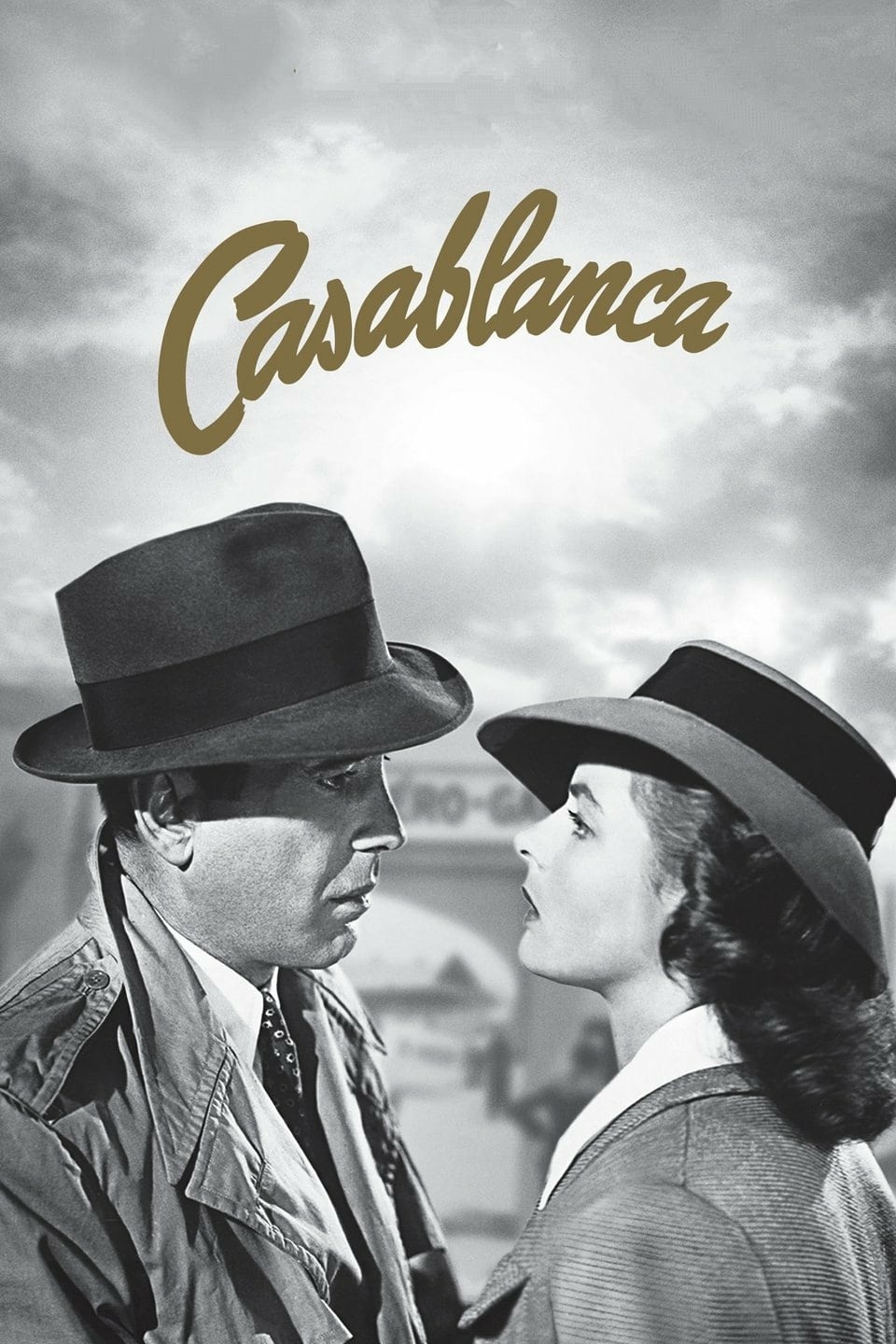
‘Casablanca’ combines romance, war intrigue, and political stakes into a compact studio-era drama. Its screenplay, shaped by multiple writers, is renowned for economy, subtext, and quotable lines. The film exemplifies how star personas and supporting players can mesh into an enduring ensemble. Music cues and leitmotifs showcase how songs can carry narrative and emotional weight.
‘Bicycle Thieves’ (1948)
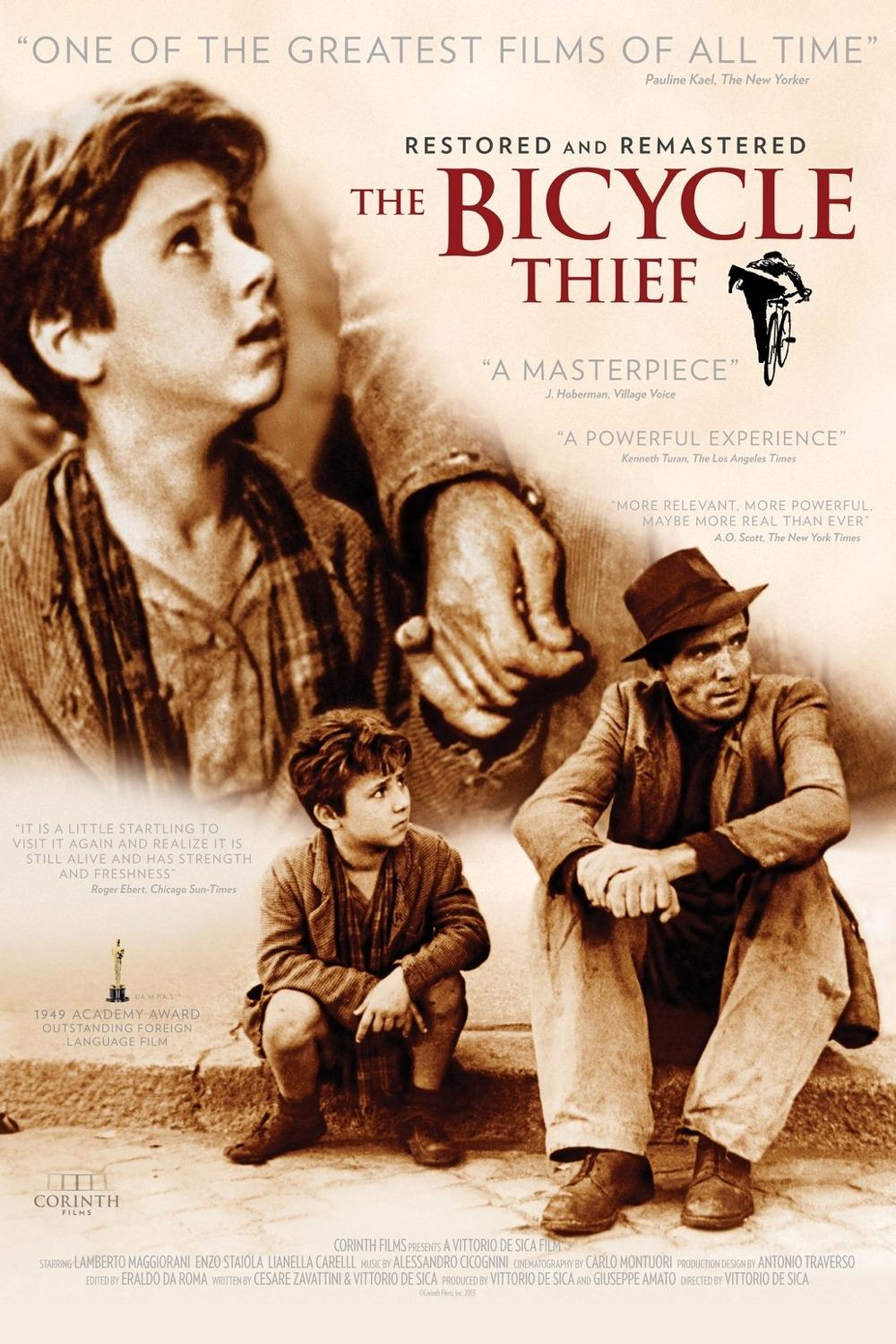
Vittorio De Sica’s ‘Bicycle Thieves’ is a cornerstone of Italian neorealism, using nonprofessional actors and real locations to heighten authenticity. Its simple quest narrative influenced social dramas worldwide. Handheld camerawork and natural light choices informed later documentary-style features. The film’s focus on poverty and dignity made realism a global cinematic movement.
‘Tokyo Story’ (1953)
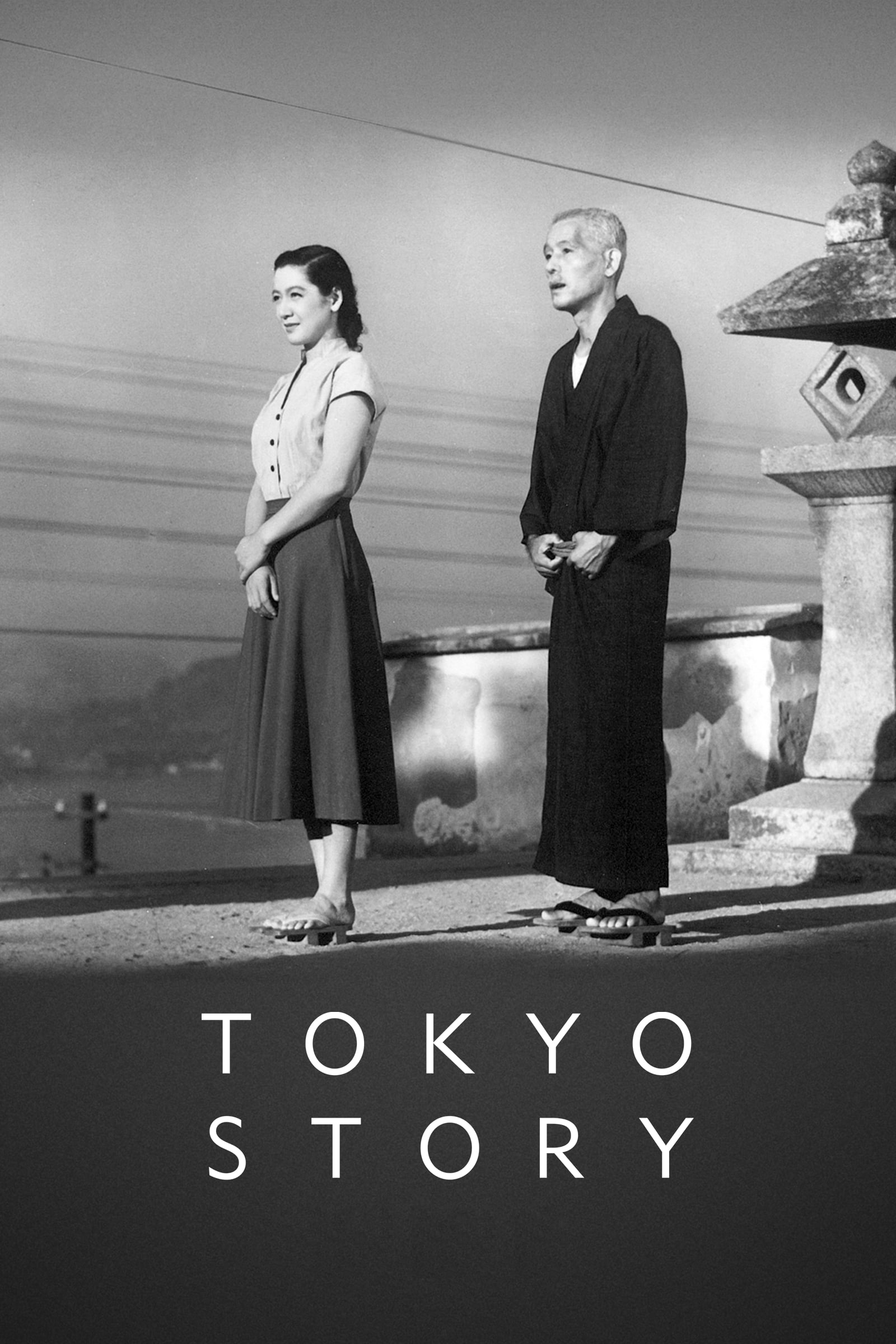
Yasujirō Ozu’s ‘Tokyo Story’ is known for low “tatami” camera placement, pillow shots, and restrained performances. Its minimalist style models how quiet domestic stories can carry profound emotional power. The film’s ellipses and off-screen events shaped approaches to subtle, observational storytelling. Editors and directors study its pacing for lessons in rhythm and silence.
‘Rashomon’ (1950)
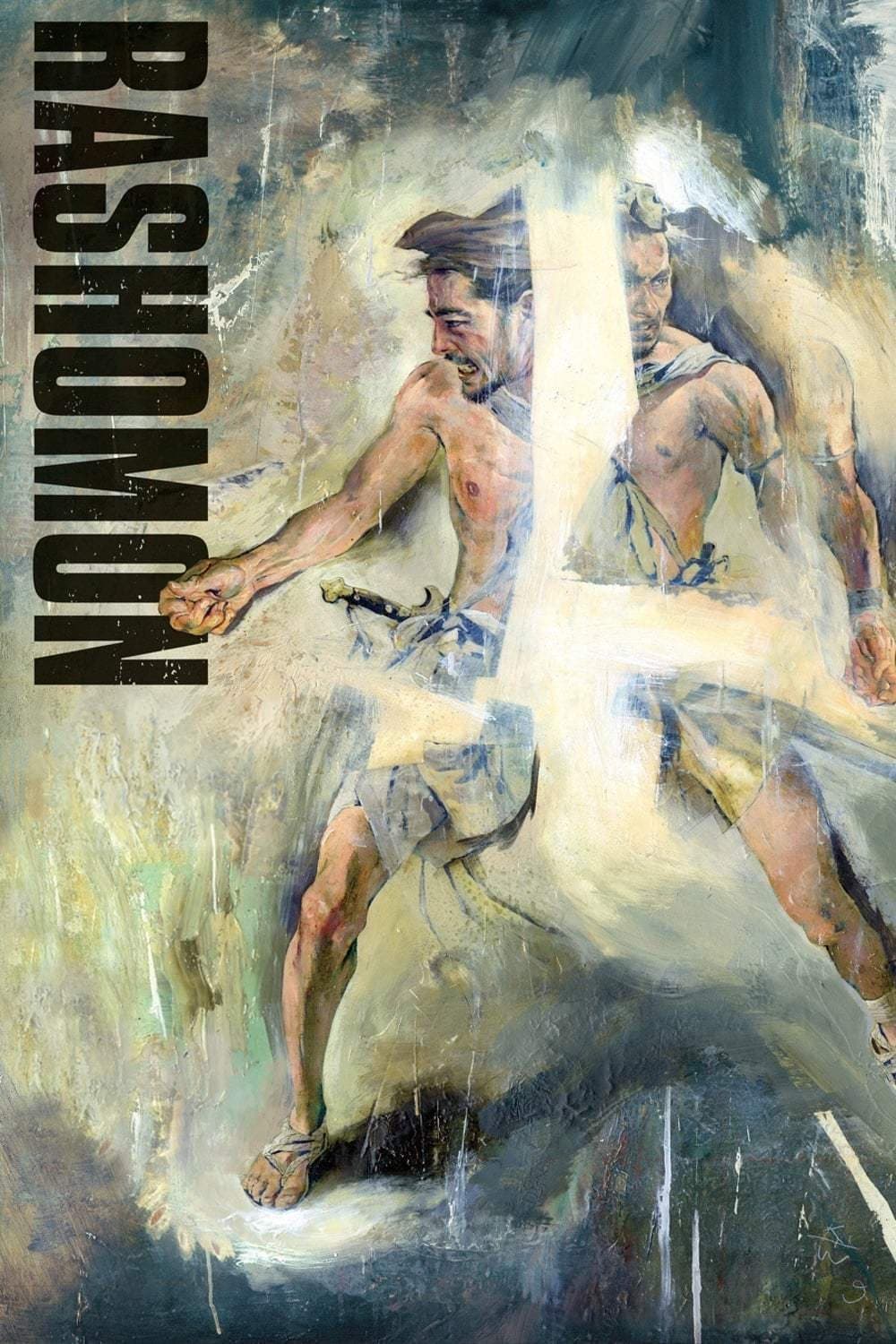
Akira Kurosawa’s ‘Rashomon’ popularized the multi-perspective narrative, presenting conflicting testimonies of a single event. Its structure gave rise to the term “Rashomon effect” across arts and social sciences. Dynamic weather effects, forest locations, and bold lensing showcased expressive use of natural elements. The film expanded global interest in Japanese cinema and narrative ambiguity.
‘Lawrence of Arabia’ (1962)
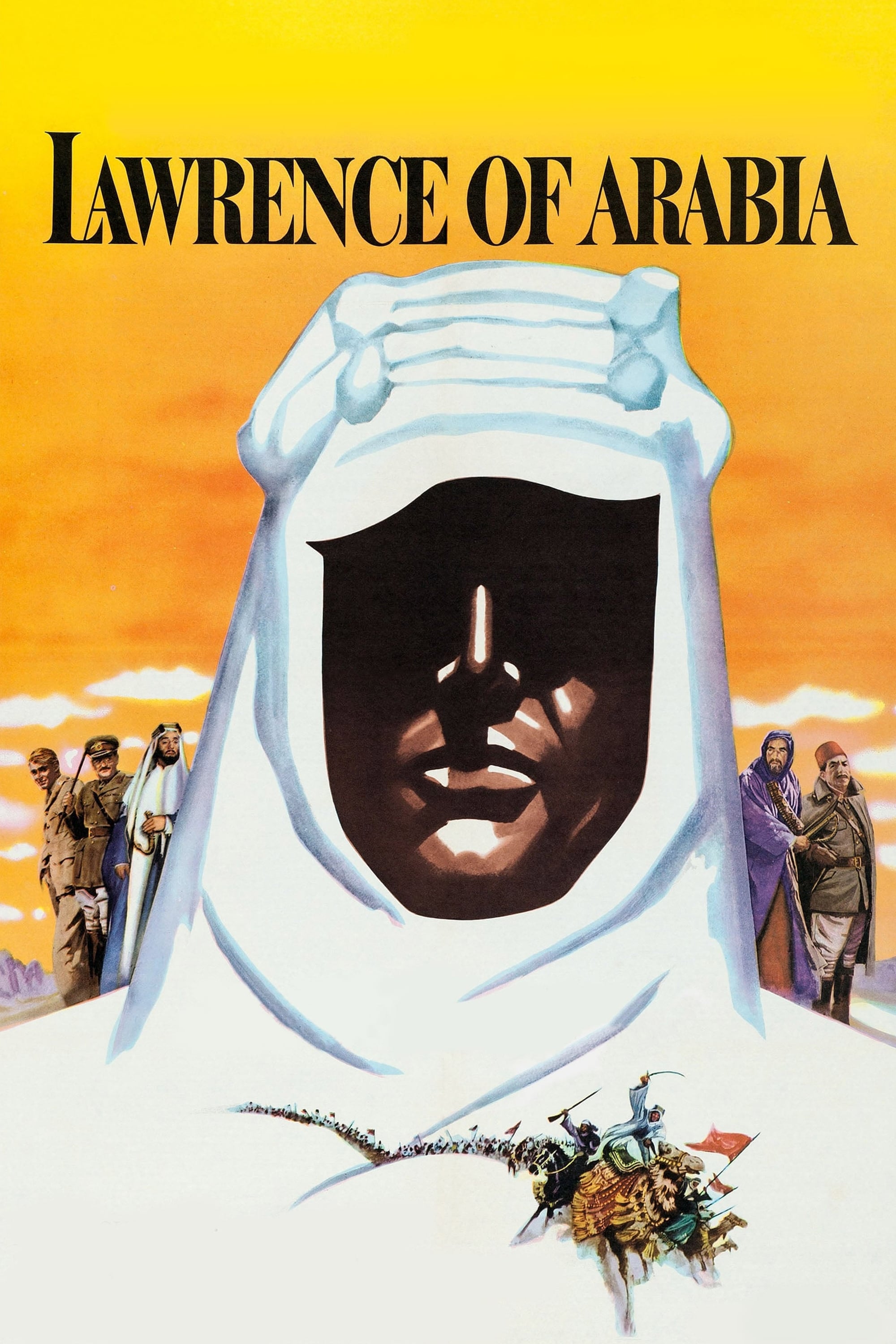
Directed by David Lean, ‘Lawrence of Arabia’ elevated the epic drama with widescreen desert vistas and precise character study. Freddie Young’s cinematography and large-format capture are standards for visual spectacle. Maurice Jarre’s score illustrates how musical themes can define character arcs. The production’s location work demonstrated logistical possibilities for large-scale shoots.
‘The Passion of Joan of Arc’ (1928)
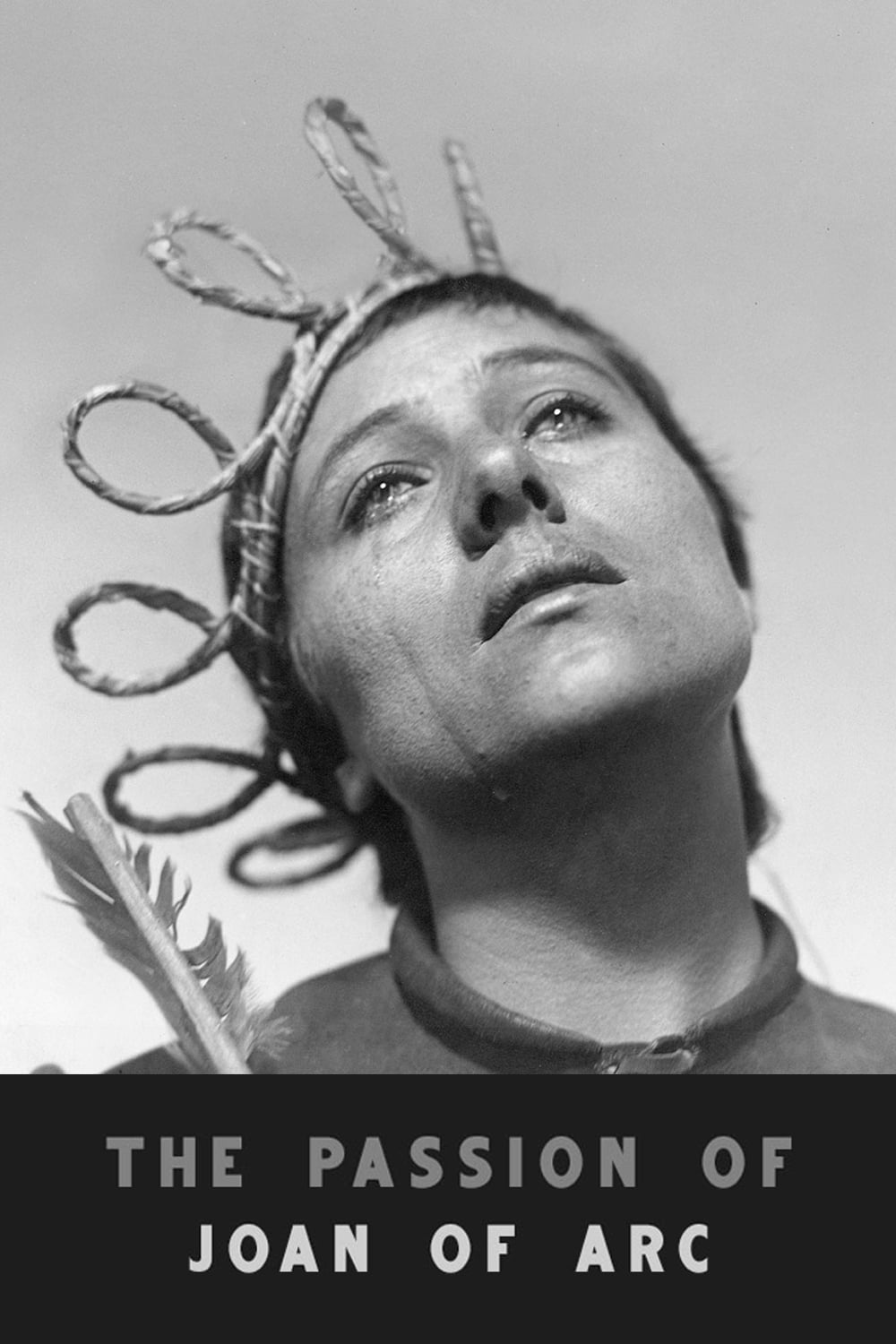
Carl Theodor Dreyer’s ‘The Passion of Joan of Arc’ is celebrated for extreme close-ups, sparse sets, and intense performances. The film’s visual focus on faces influenced modern acting for the camera. Innovative editing patterns generate psychological tension without elaborate staging. Restorations and new scores have kept it central to discussions of silent-era storytelling.
‘Seven Samurai’ (1954)
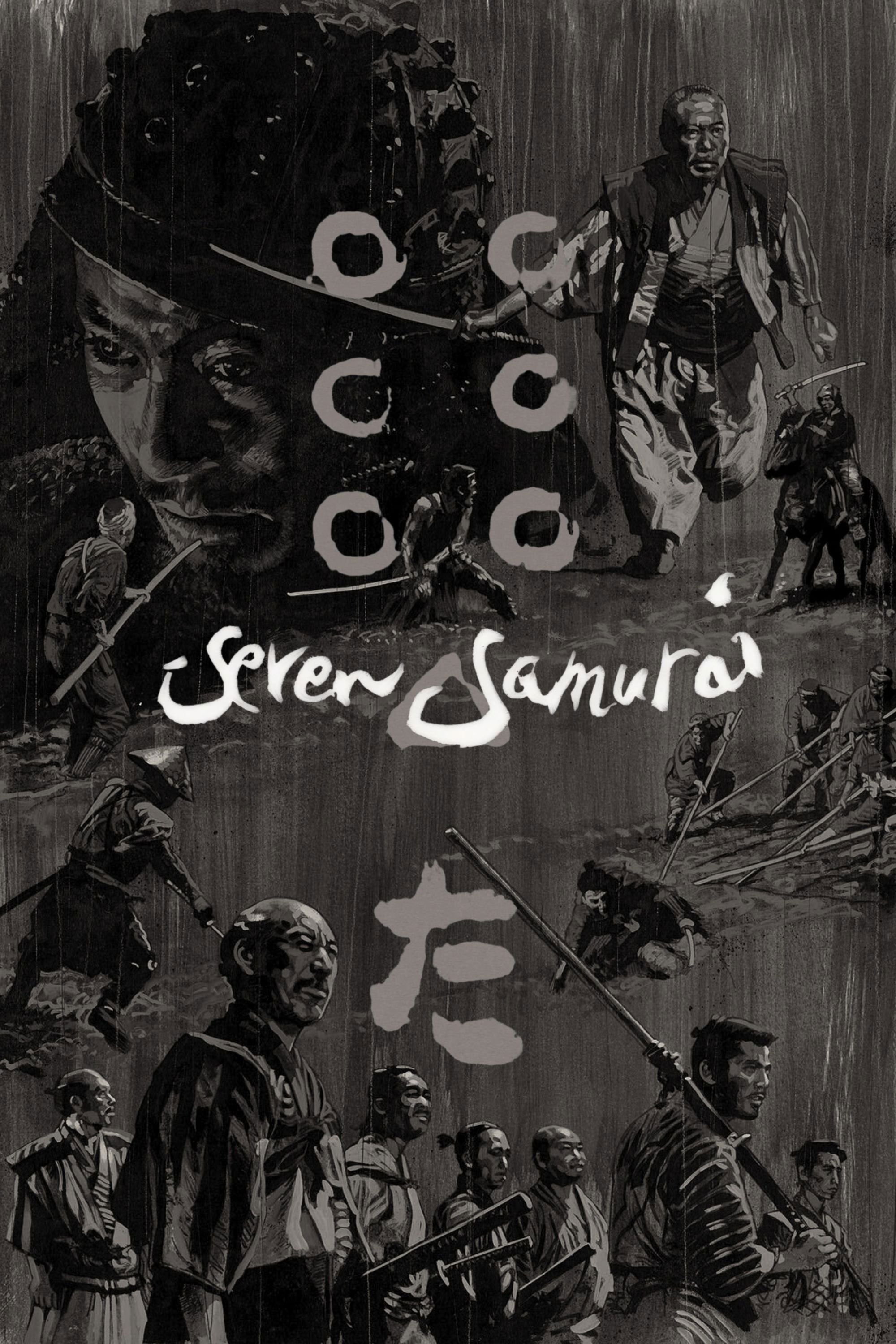
‘Seven Samurai’ fused ensemble drama with action, building deep backstories for each central figure. Kurosawa’s use of telephoto lenses, weather, and multi-camera battle coverage set techniques adopted by later filmmakers. The recruitment-mission structure became a durable narrative template. Its editing rhythms and wipe transitions entered the stylistic toolkit of global cinema.
‘On the Waterfront’ (1954)
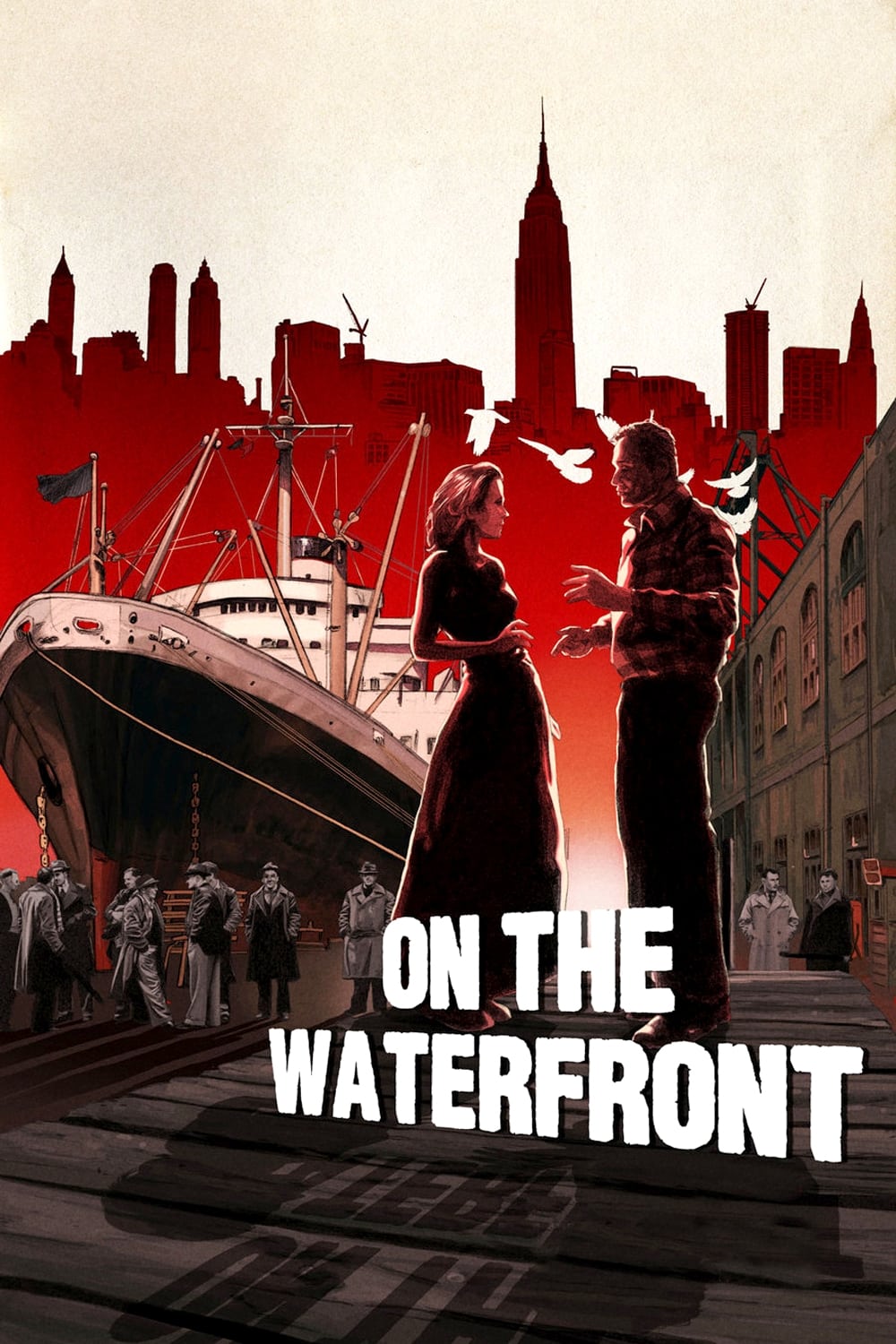
Elia Kazan’s ‘On the Waterfront’ showcased method acting on a major scale, with performances that influenced generations. The film’s depiction of labor, corruption, and conscience shaped social-issue dramas. Waterfront locations and naturalistic sound enriched a sense of place. Its script is studied for moral conflict and the anatomy of personal courage.
‘All About Eve’ (1950)
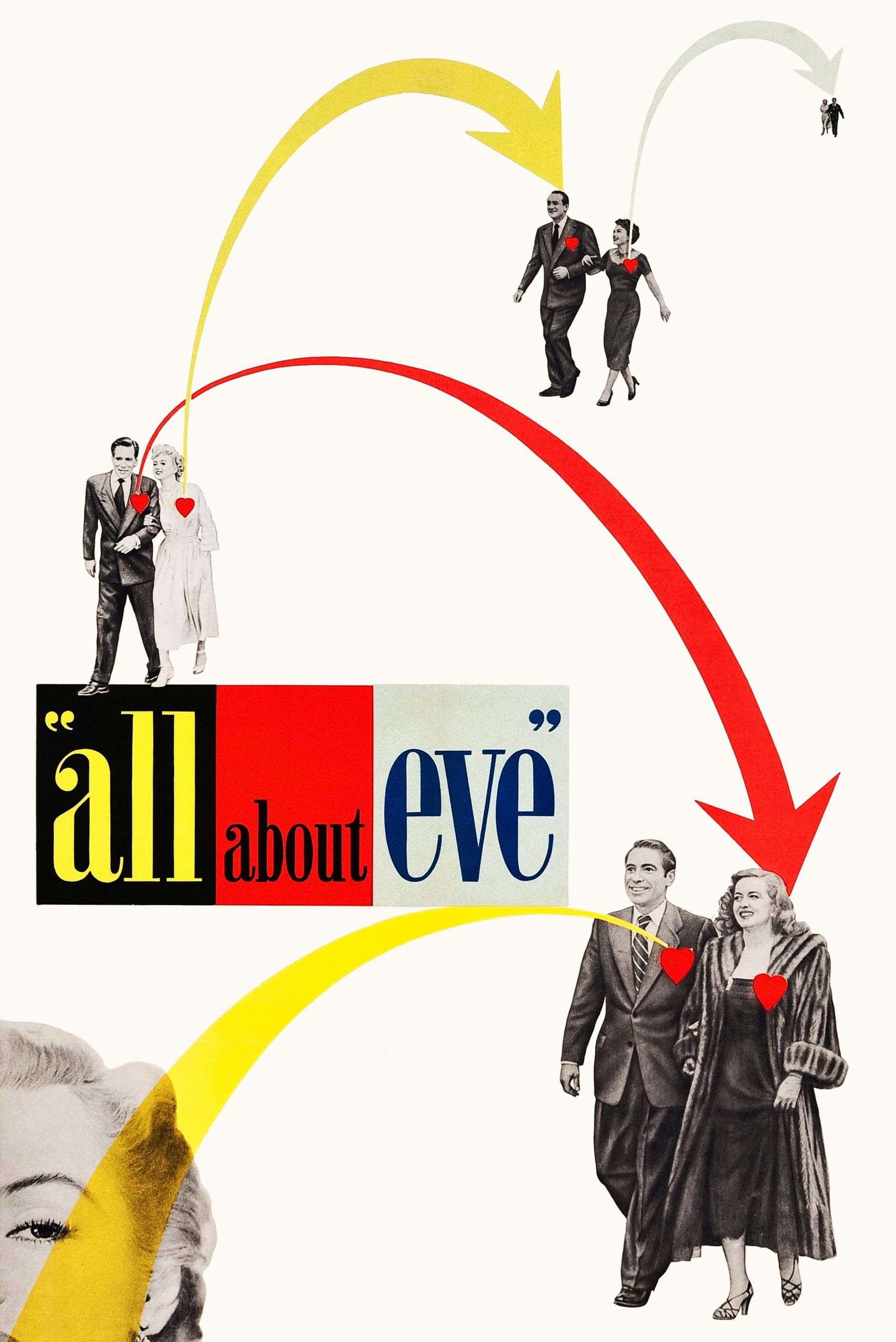
‘All About Eve’ offers a razor-sharp look at ambition and mentorship within the theater world. Joseph L. Mankiewicz’s dialogue is a model for wit, subtext, and character revelation. The film helped codify backstage drama as a fertile setting for power plays. Its structure and voiceover techniques are frequently referenced in screenwriting courses.
‘Chinatown’ (1974)
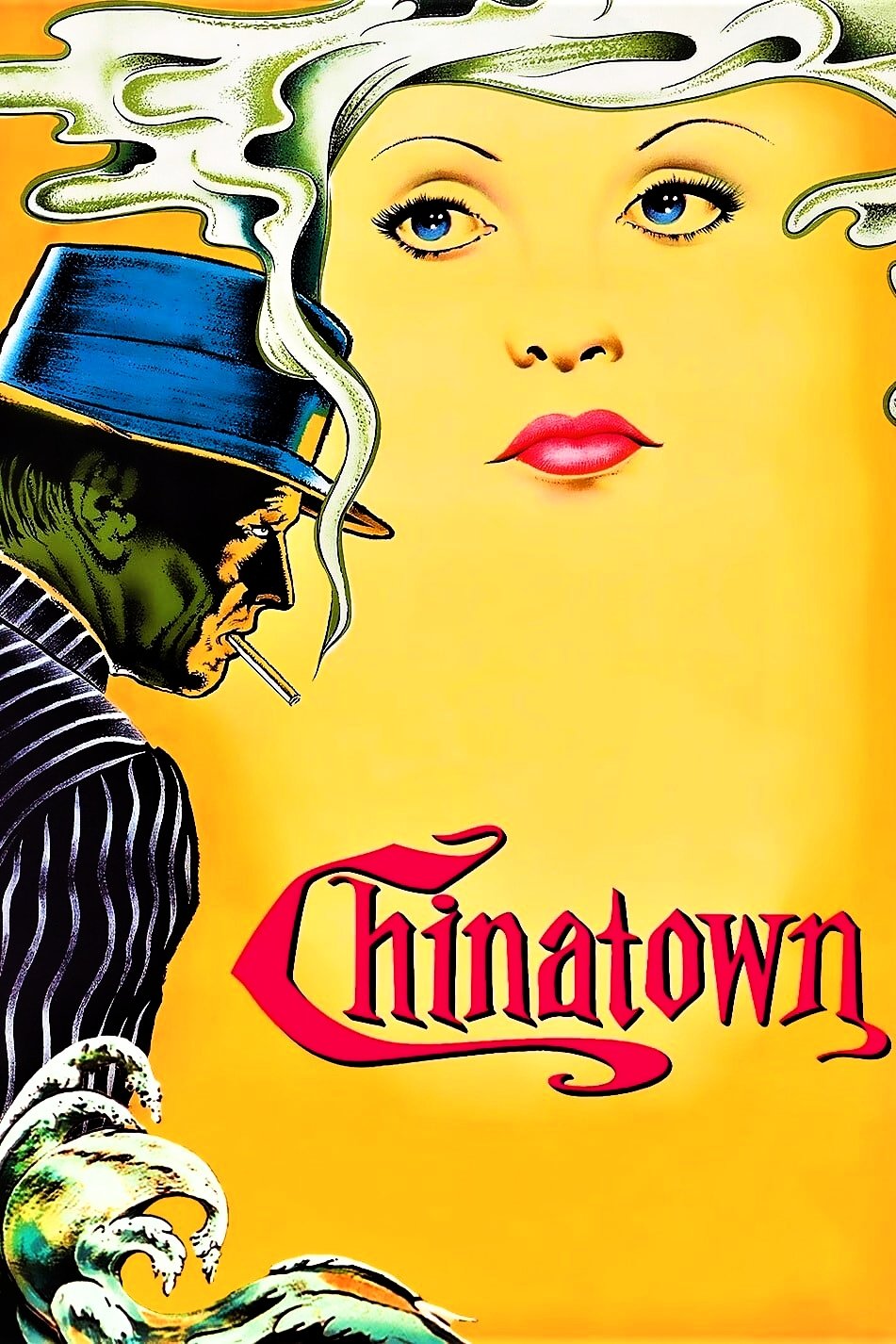
Roman Polanski’s ‘Chinatown’ blends noir elements with a deeply rooted drama of land, power, and identity. Robert Towne’s screenplay is cited for layered plotting and controlled reveals. The film’s production design and period detail show how setting can serve theme. Its ending reshaped expectations for resolution in mainstream dramas.
‘Taxi Driver’ (1976)
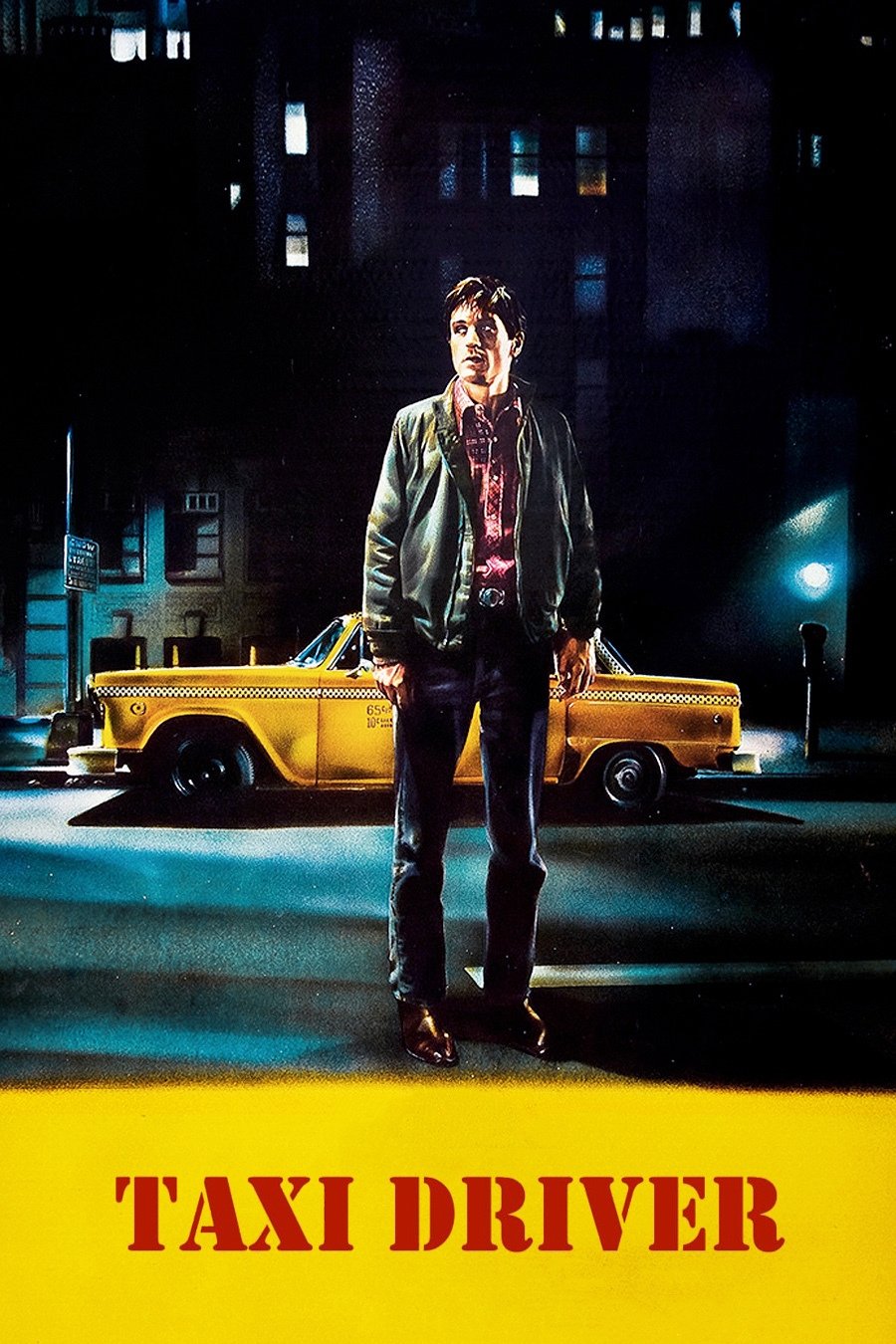
Martin Scorsese’s ‘Taxi Driver’ presents an urban character study through subjective visuals and sound. Bernard Herrmann’s final score combines jazz and menace to track a fraying psyche. The film’s voiceover, city location work, and night photography influenced countless neo-noirs. Its portrayal of isolation made internal perspective central to modern drama.
‘Apocalypse Now’ (1979)
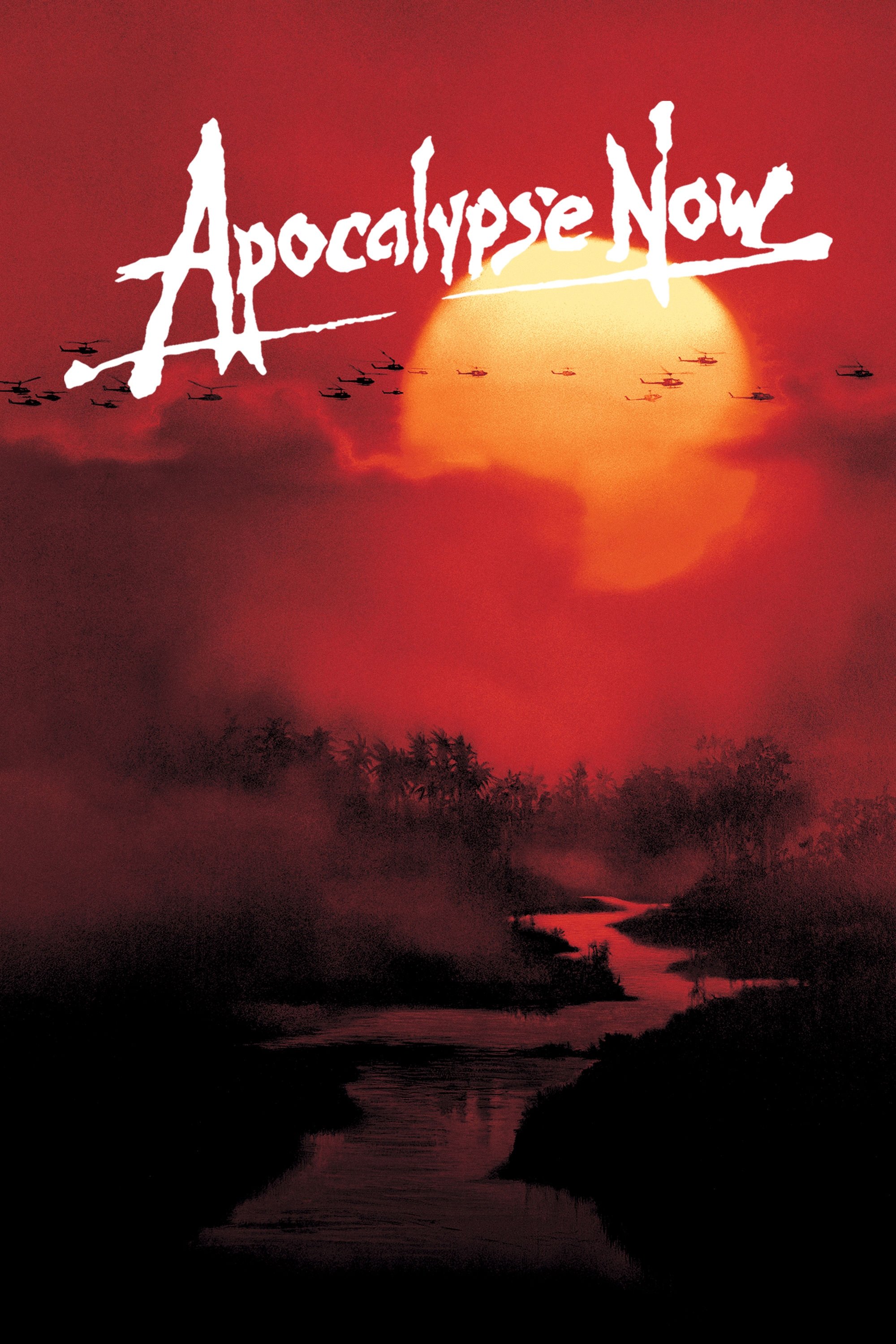
‘Apocalypse Now’ translates a literary journey into a hallucinatory war drama. The production’s on-location challenges yielded innovations in sound mixing, aerial photography, and practical effects. The film’s use of music—from rock tracks to original score—redefined tonal shifts in serious narratives. Its editing approach illustrates how associative montage can convey psychological descent.
‘Raging Bull’ (1980)
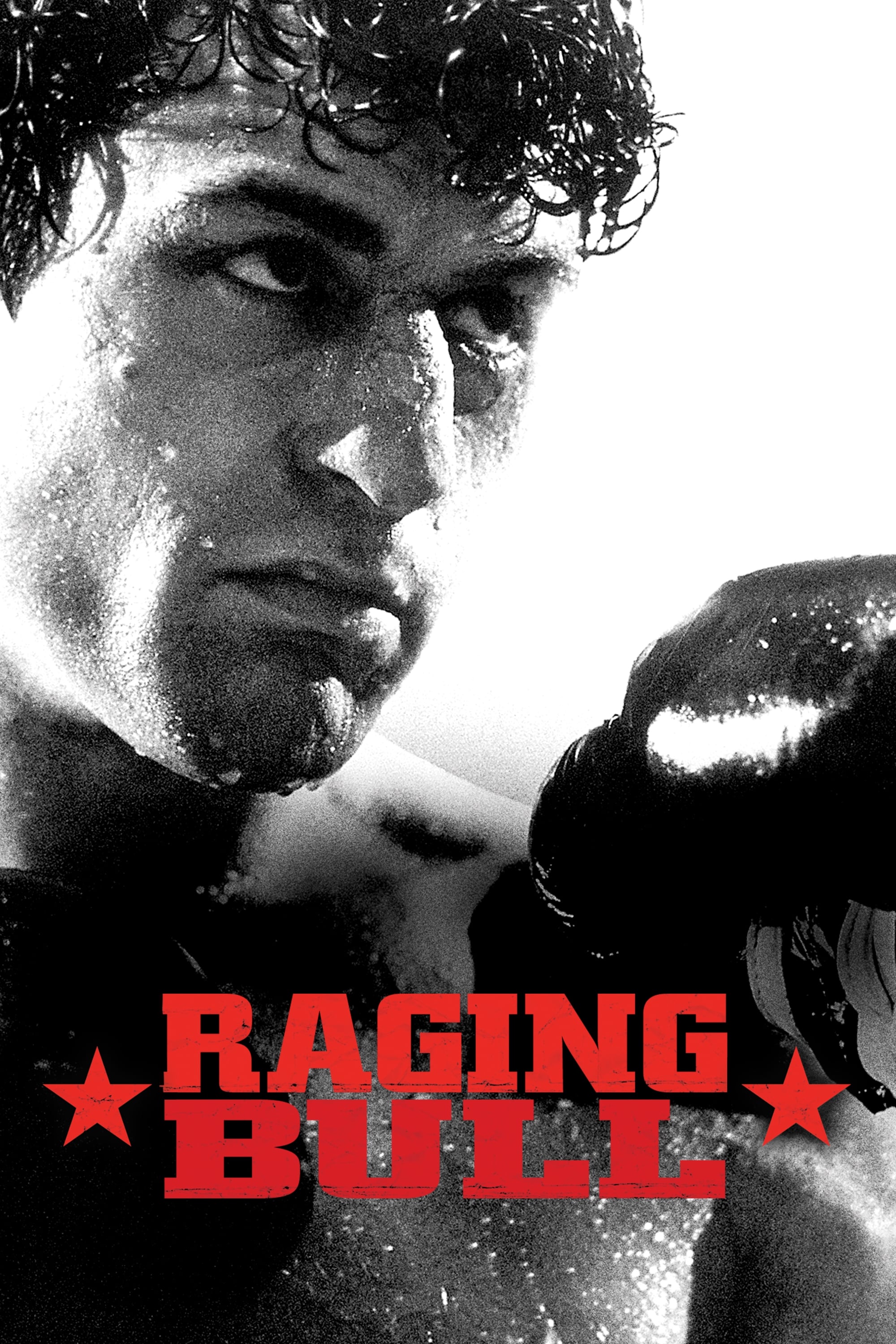
Scorsese’s ‘Raging Bull’ is known for high-contrast black-and-white photography and stylized ring scenes. The film’s sound design, mixing crowd noise with subjective effects, became a reference point. Meticulous physical transformation and precise choreography set new standards for biographical drama. Its script demonstrates how cycles of self-destruction can be rendered with clarity and structure.
‘Do the Right Thing’ (1989)
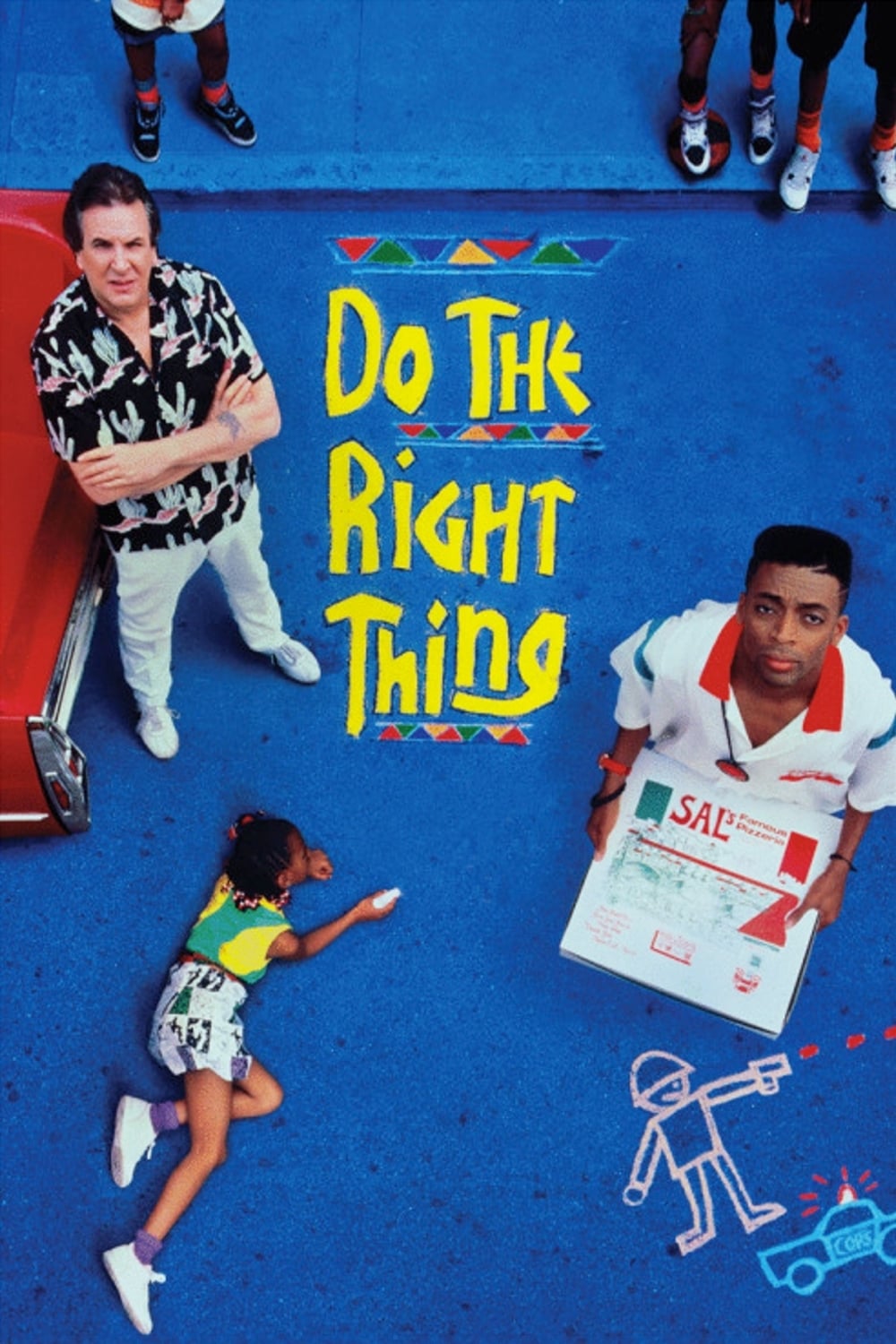
Spike Lee’s ‘Do the Right Thing’ uses one neighborhood and one blistering day to explore community and conflict. Bold color design, canted frames, and direct-to-camera moments shaped visual language in social dramas. The film’s hip-hop soundtrack integration showed how contemporary music can drive narrative. It remains a touchstone for ensemble staging and location-based storytelling.
‘The Shawshank Redemption’ (1994)
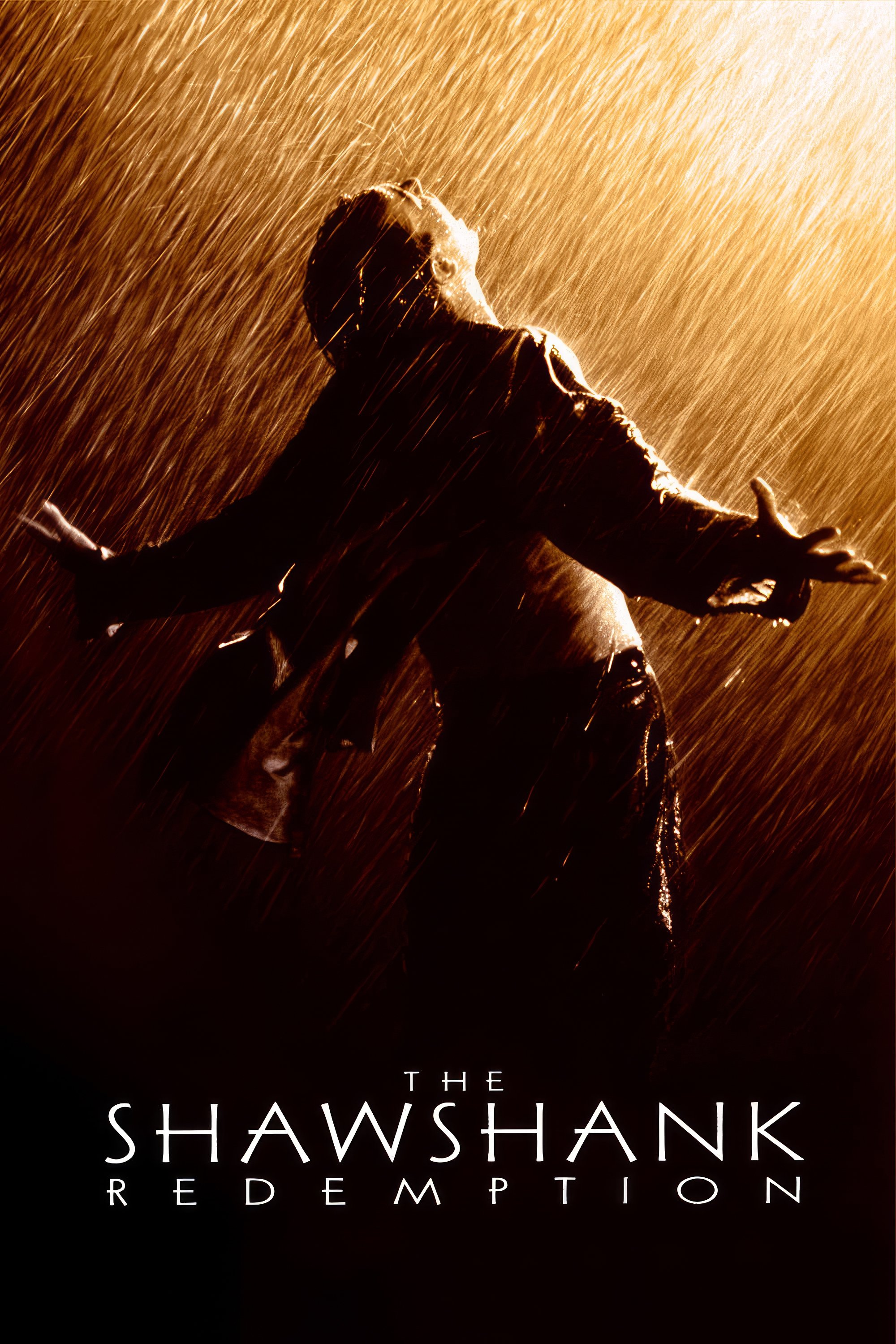
‘The Shawshank Redemption’ pairs a literary adaptation with meticulous narrative payoff. Thomas Newman’s score and Roger Deakins’s cinematography support a careful build of tone and atmosphere. The film demonstrates how voiceover can deepen character without overwhelming scenes. Its release-to-rediscovery path highlights the power of home and cable platforms in building legacy.
‘Schindler’s List’ (1993)
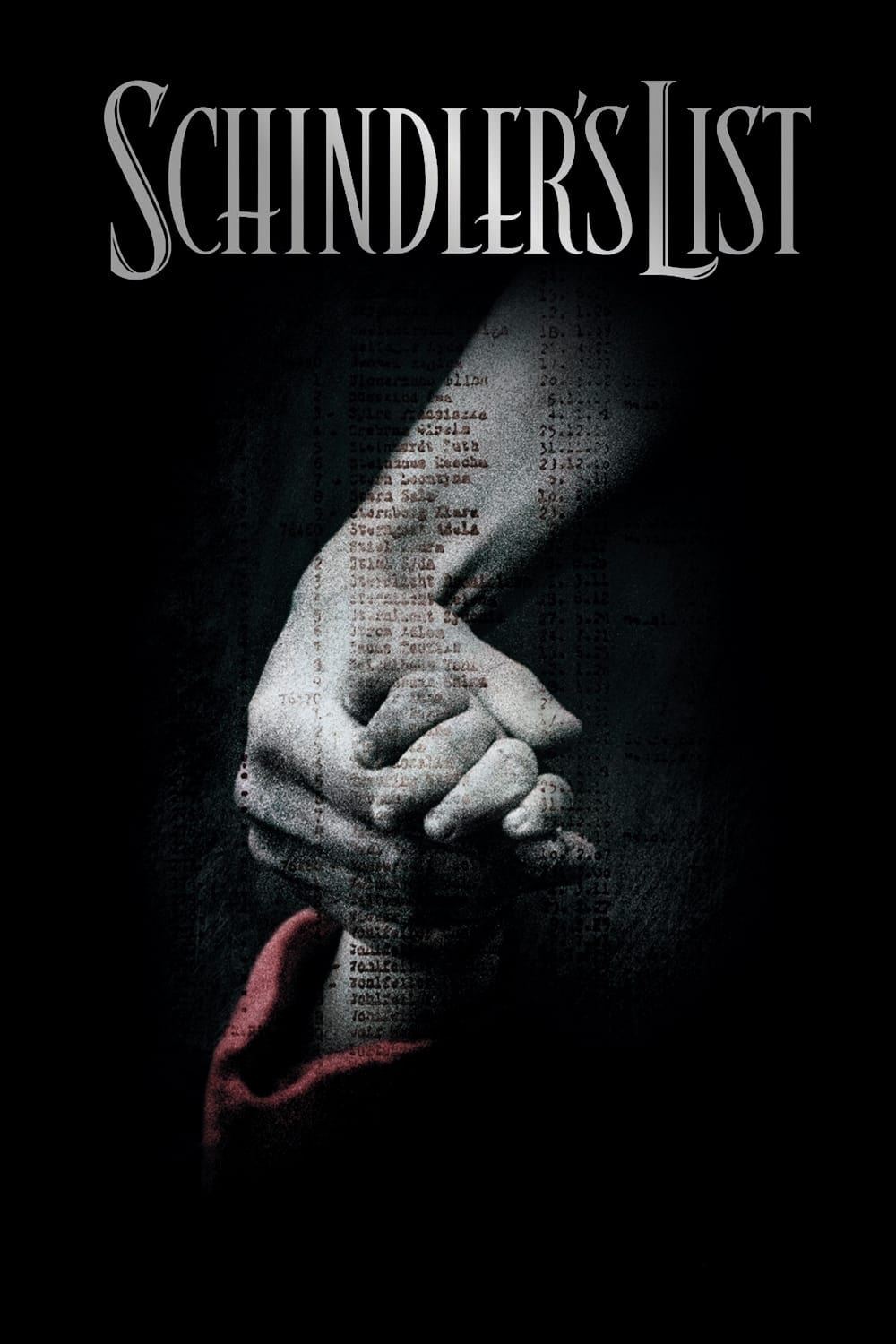
Steven Spielberg’s ‘Schindler’s List’ employs black-and-white imagery, handheld camerawork, and archival-inspired techniques to approach historical trauma. The film’s casting and multilingual performances emphasize authenticity. Careful production design reconstructs environments with documentary precision. Its awards recognition reinforced the role of large-scale studio filmmaking in serious historical drama.
‘Pulp Fiction’ (1994)
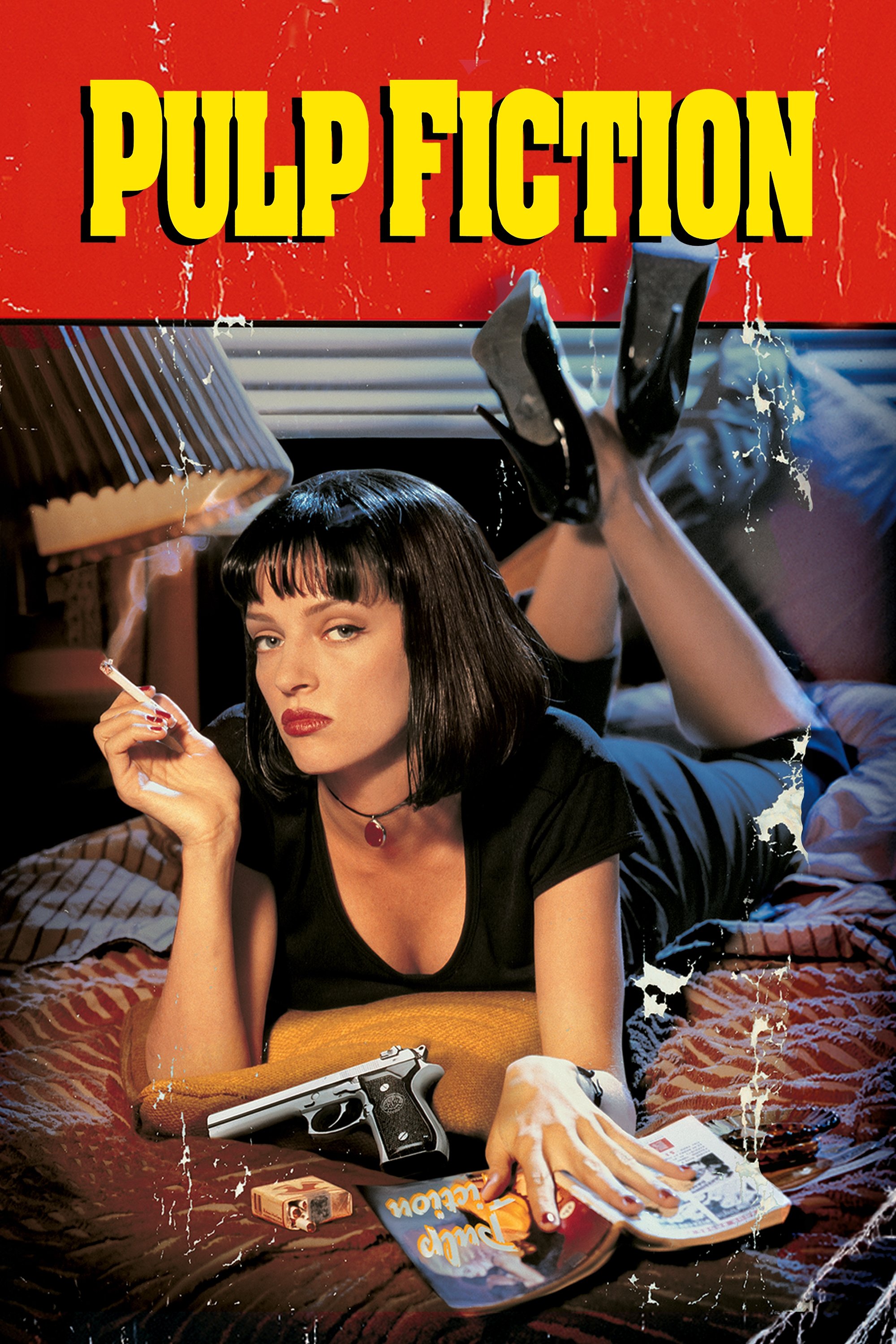
Quentin Tarantino’s ‘Pulp Fiction’ popularized out-of-order storytelling, chaptered structure, and dialogue-centric scenes. The film revived careers and broadened independent cinema’s reach into mainstream culture. Needle-drop soundtrack choices became models for mood and irony. Its intersecting plots influenced crime dramas and beyond.
‘The Lives of Others’ (2006)
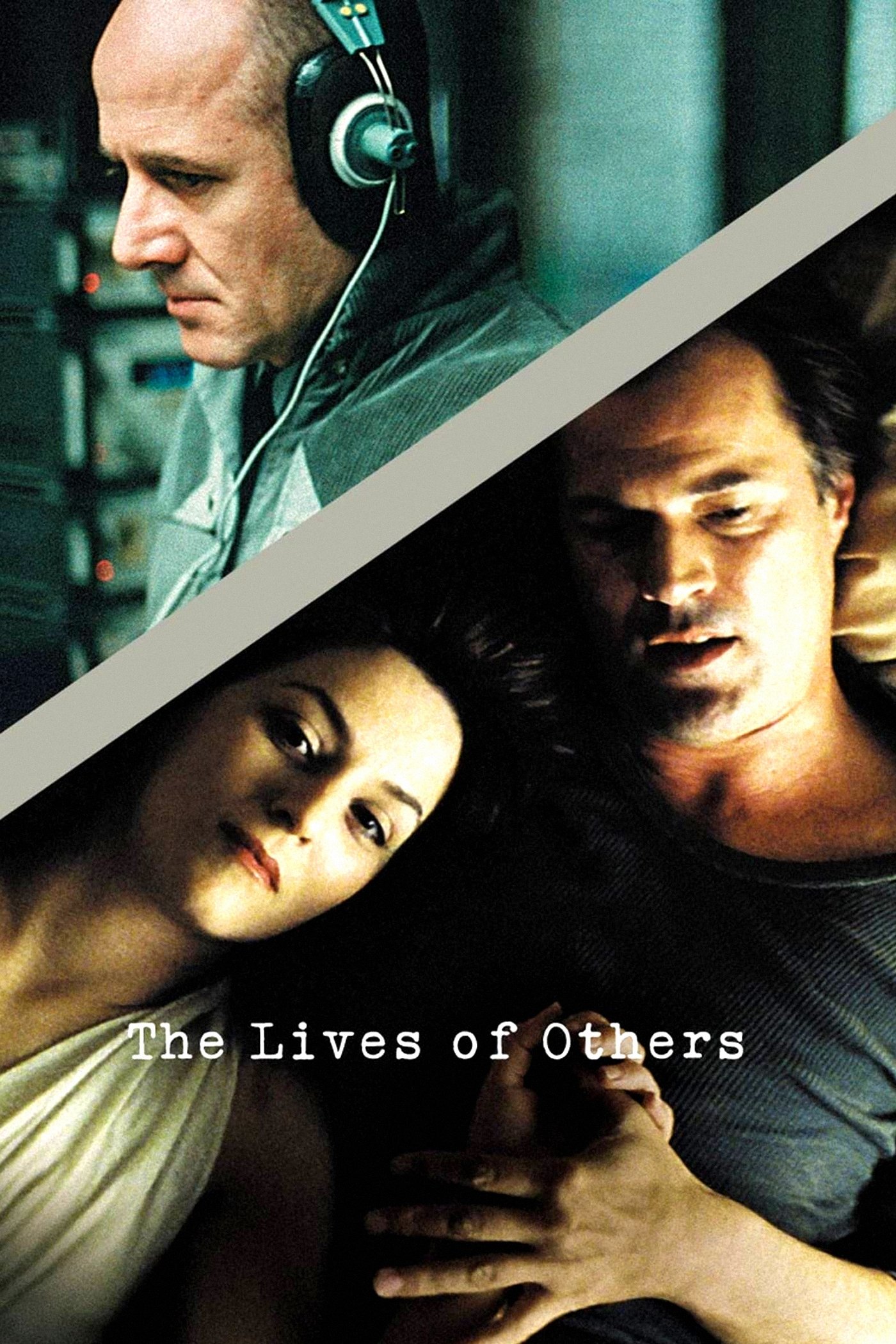
‘The Lives of Others’ examines surveillance and conscience within an authoritarian state. Precise sound cues—typewriter keys, tape reels, apartment ambience—build tension with restraint. The film’s production design maps class and power through interiors. Its international awards attention boosted global interest in contemporary German cinema.
‘City of God’ (2002)
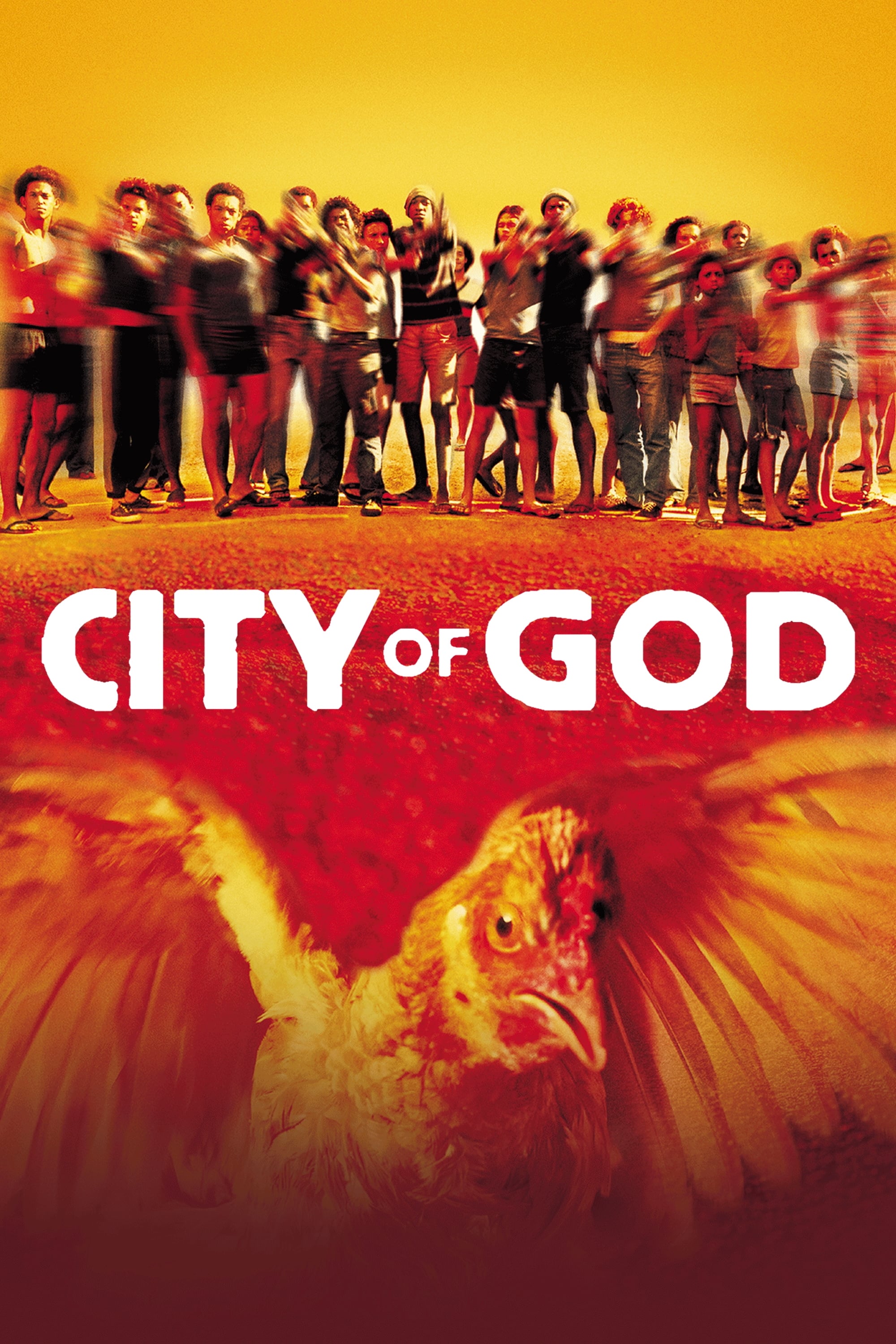
‘City of God’ blends kinetic camera work with a decades-spanning story of community, crime, and survival. Nonprofessional actors and location shooting create immediacy. Fast cutting, freeze frames, and chapter headings deliver complex exposition clearly. The film’s international success drew attention to Brazilian filmmaking and urban youth narratives.
‘A Separation’ (2011)
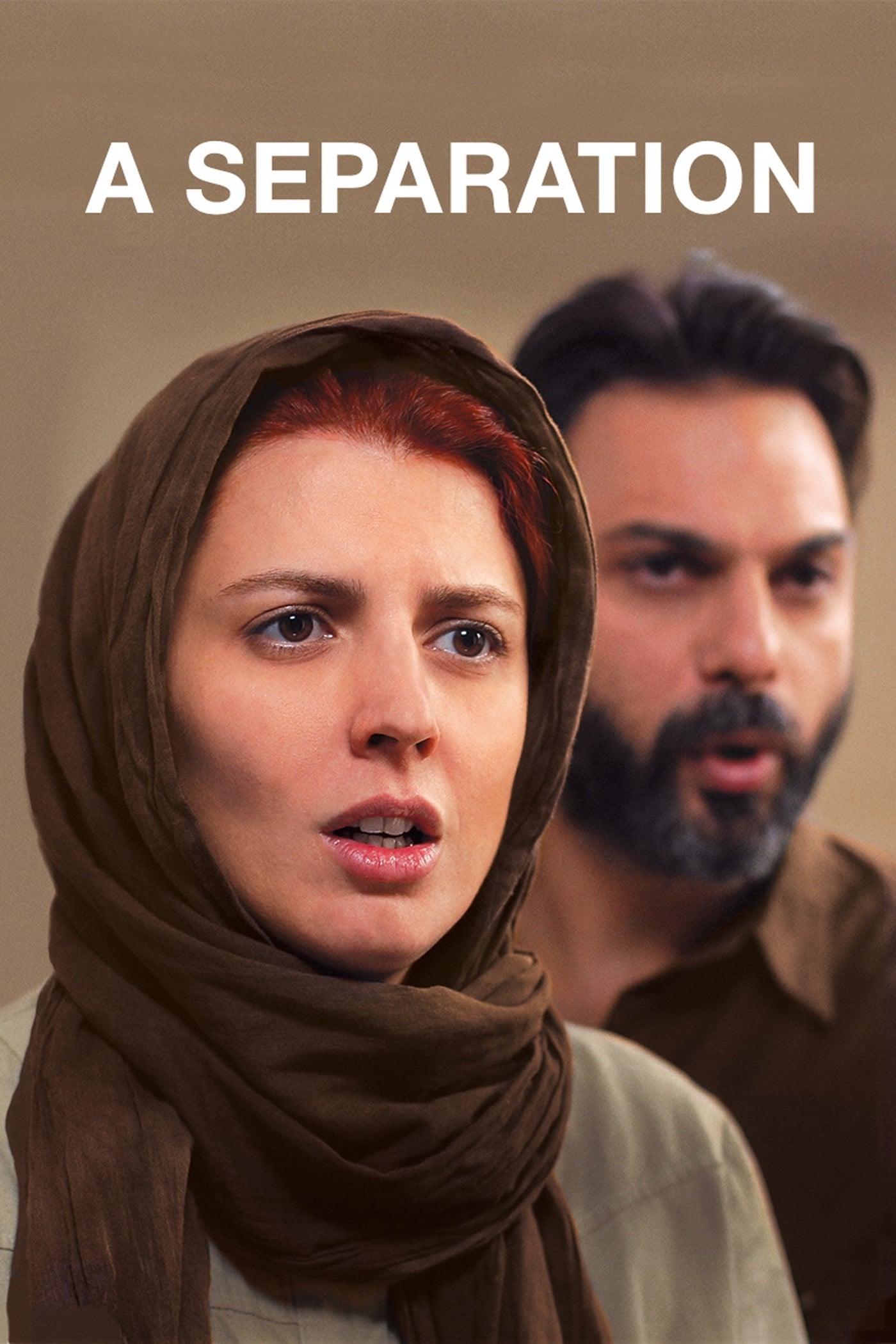
Asghar Farhadi’s ‘A Separation’ uses a domestic dispute to examine ethics, class, and legal process. The screenplay’s precise cause-and-effect construction is widely analyzed in writing courses. Naturalistic performances and handheld framing keep the focus on behavior and consequence. Its festival and awards run expanded global audiences for Iranian cinema.
‘Parasite’ (2019)
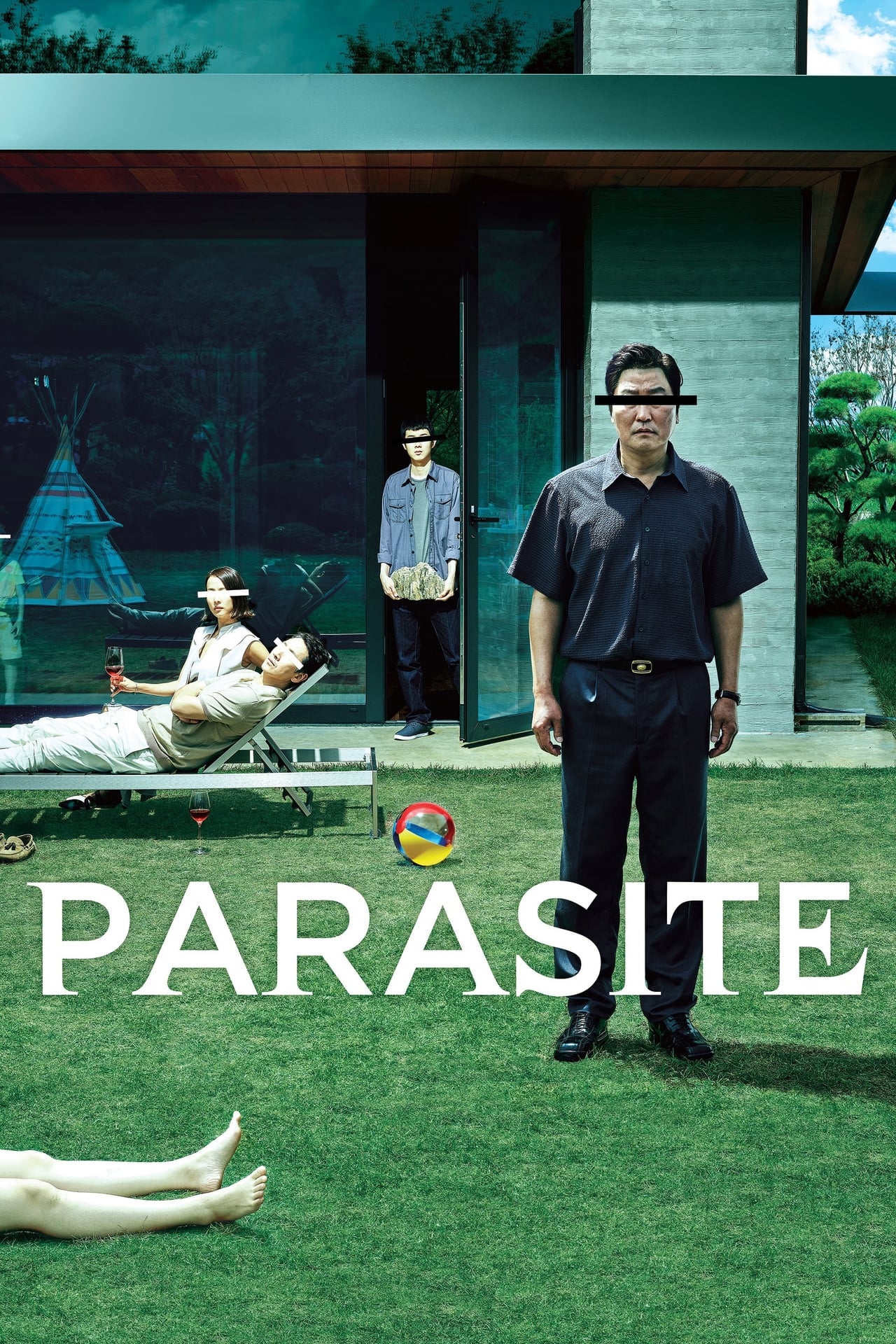
Bong Joon Ho’s ‘Parasite’ weaves social satire with tightly engineered suspense in a story about two families. Production design created a house that functions as a character and a map of status. The film’s tonal shifts—humor to dread—are often cited in directing and editing discussions. Its international box-office and awards breakthrough broadened the reach of Korean cinema worldwide.
‘Gone with the Wind’ (1939)
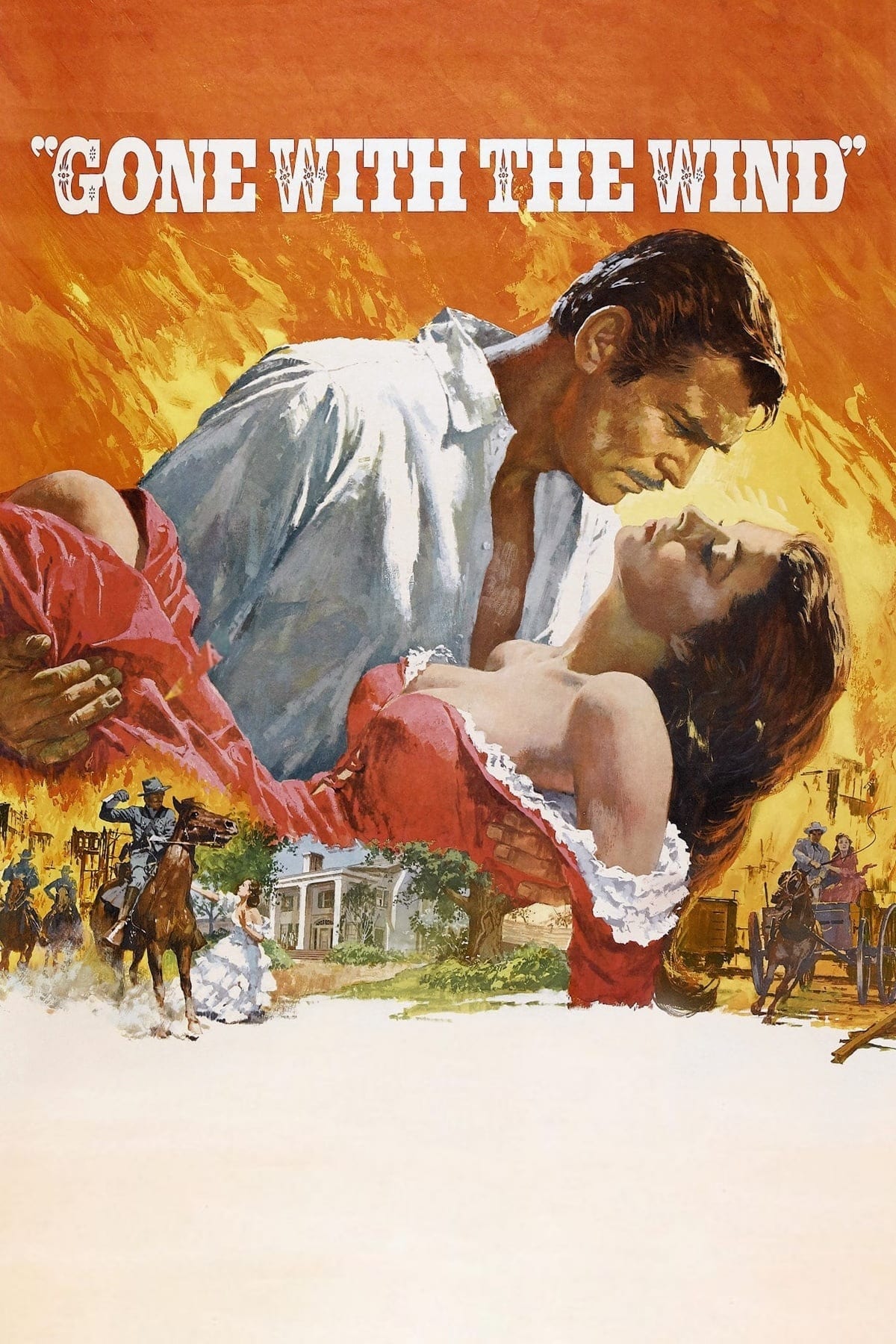
Produced by David O. Selznick and directed by Victor Fleming, ‘Gone with the Wind’ set benchmarks for large-scale production design and Technicolor cinematography. The film’s coordination of massive sets, crowd scenes, and visual effects became a reference for epic period dramas. Its marketing and release strategy demonstrated how event cinema could shape cultural conversation. The score and leitmotifs showed how musical themes can tether sprawling narratives.
‘Pather Panchali’ (1955)
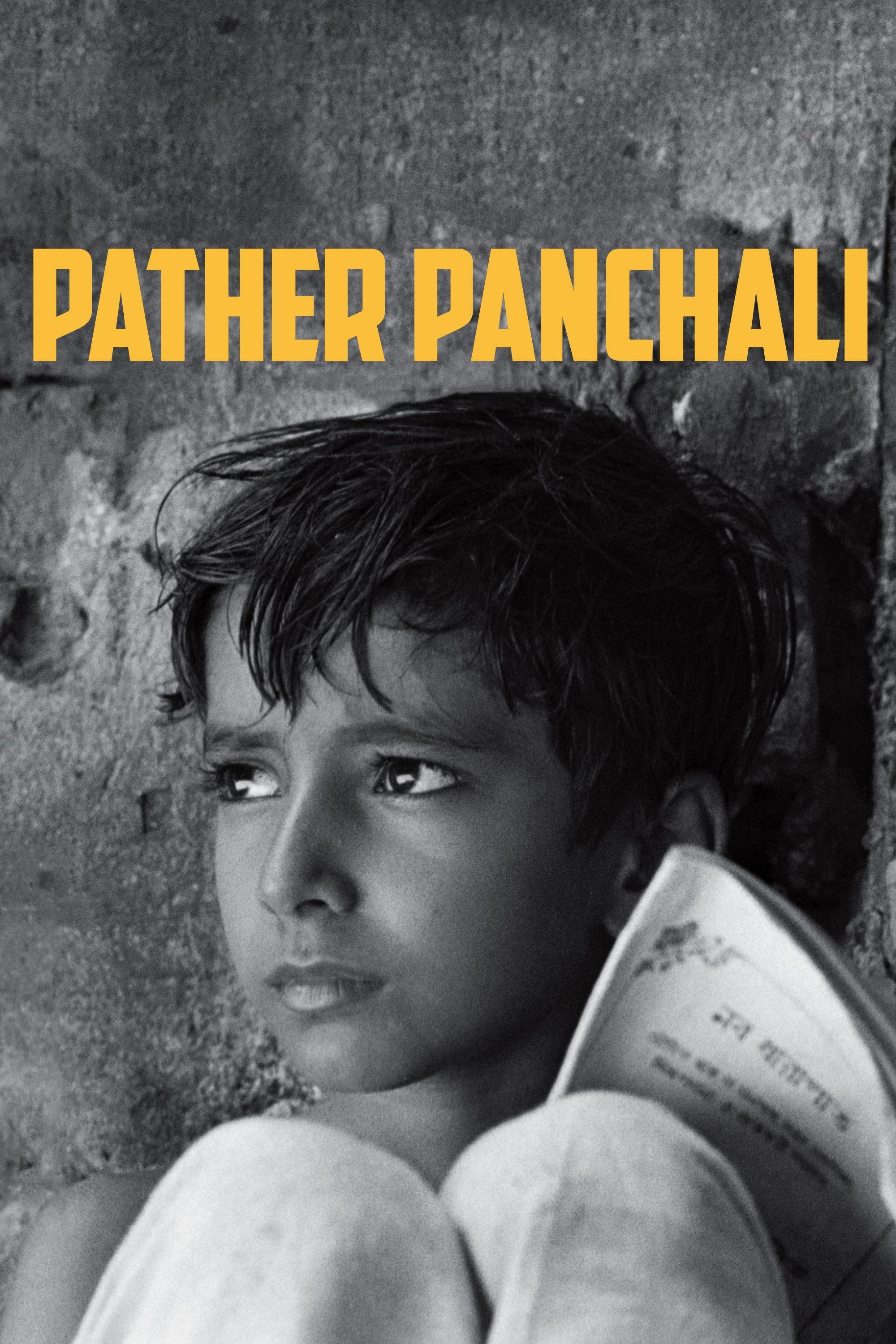
Satyajit Ray’s debut ‘Pather Panchali’ helped introduce the Bengali parallel cinema movement to global audiences. Shot on location with a modest budget, it emphasized natural light, nonprofessional actors, and lived-in environments. Its humanist focus and observational pacing influenced filmmakers exploring everyday life and social realism. Festival acclaim opened doors for wider distribution of South Asian art cinema.
‘The Battle of Algiers’ (1966)
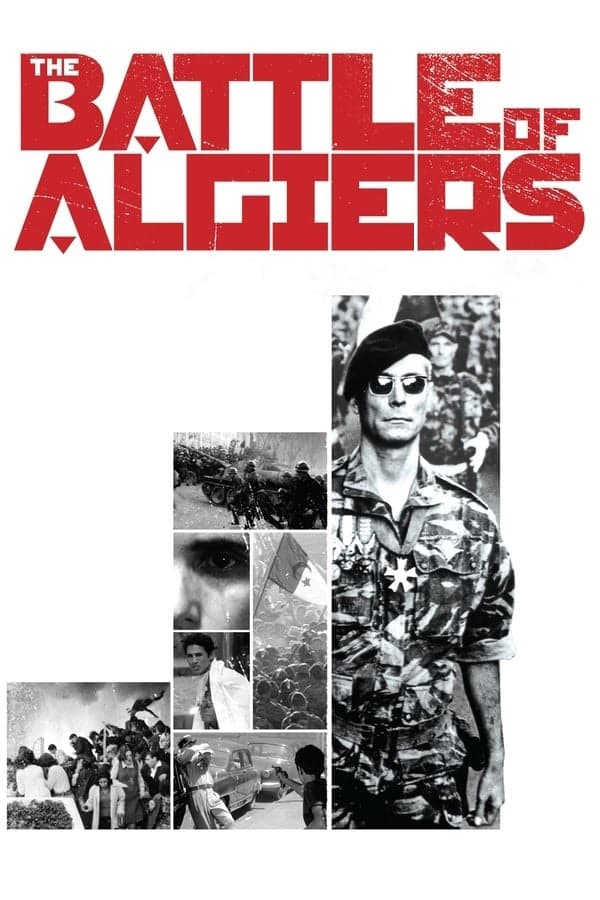
Gillo Pontecorvo’s ‘The Battle of Algiers’ used documentary-style camerawork and nonprofessional performers to depict urban insurgency. Handheld photography, location shooting, and newsreel textures created immediacy later adopted by political thrillers and war dramas. Its balanced presentation of opposing sides made it a teaching tool in academic and military settings. Ennio Morricone’s rhythmic score underscored tension without overwhelming the realism.
‘Aguirre, the Wrath of God’ (1972)
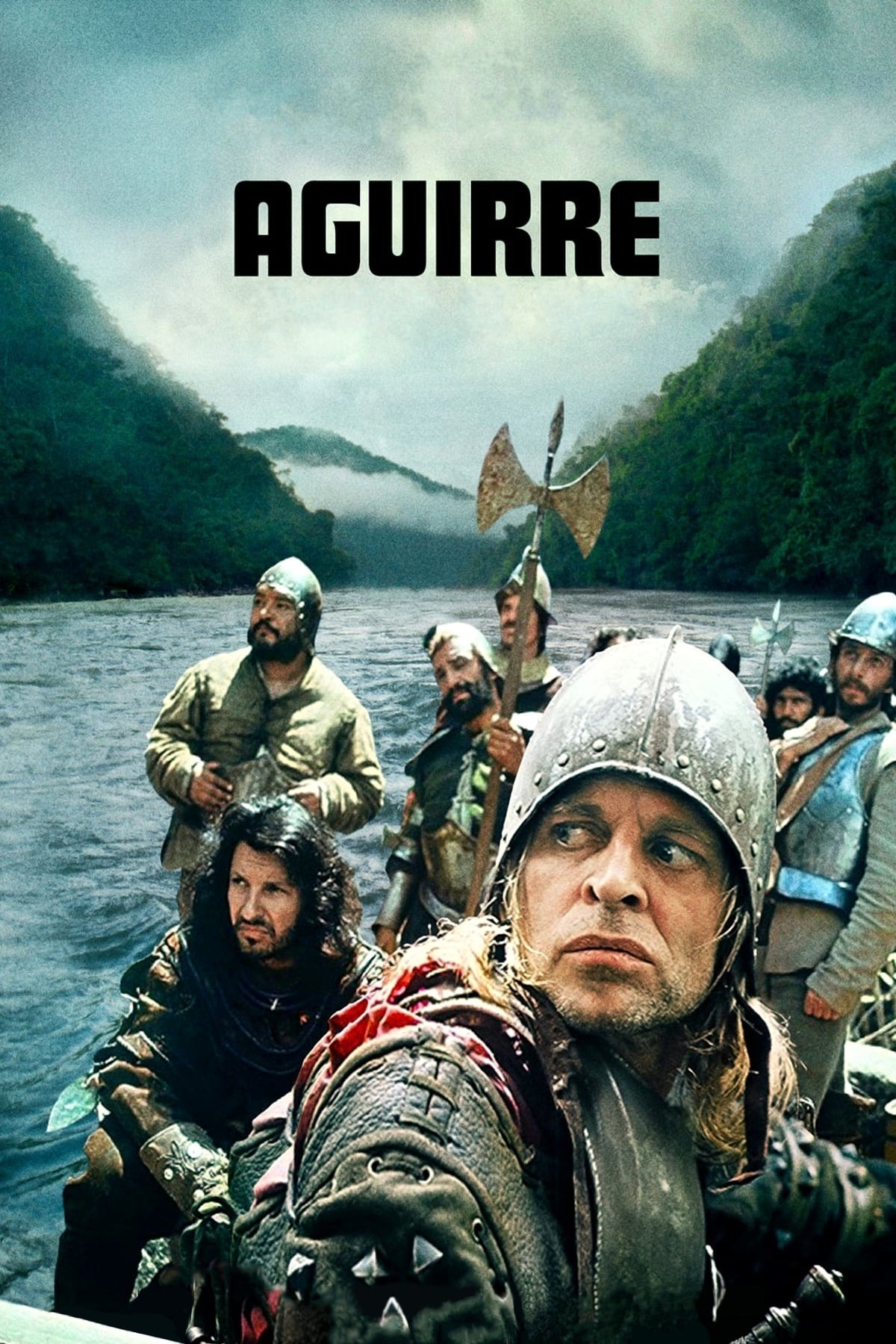
Werner Herzog’s ‘Aguirre, the Wrath of God’ blended historical exploration with psychological portraiture in extreme natural settings. Long takes on rivers and mountains emphasized scale and isolation in character-driven drama. Minimalist dialogue and location sound reinforced atmosphere and obsession. The film’s guerrilla production methods influenced independent filmmakers tackling ambitious stories outside studios.
‘One Flew Over the Cuckoo’s Nest’ (1975)

Miloš Forman’s ‘One Flew Over the Cuckoo’s Nest’ brought ensemble authenticity to a psychiatric-ward setting through extensive rehearsal and location shooting. Its narrative examined institutional power with precise character arcs and confined-space staging. Cinematography and blocking foregrounded shifting alliances among patients and staff. The film’s awards sweep showcased the commercial reach of serious character drama.
‘The Deer Hunter’ (1978)
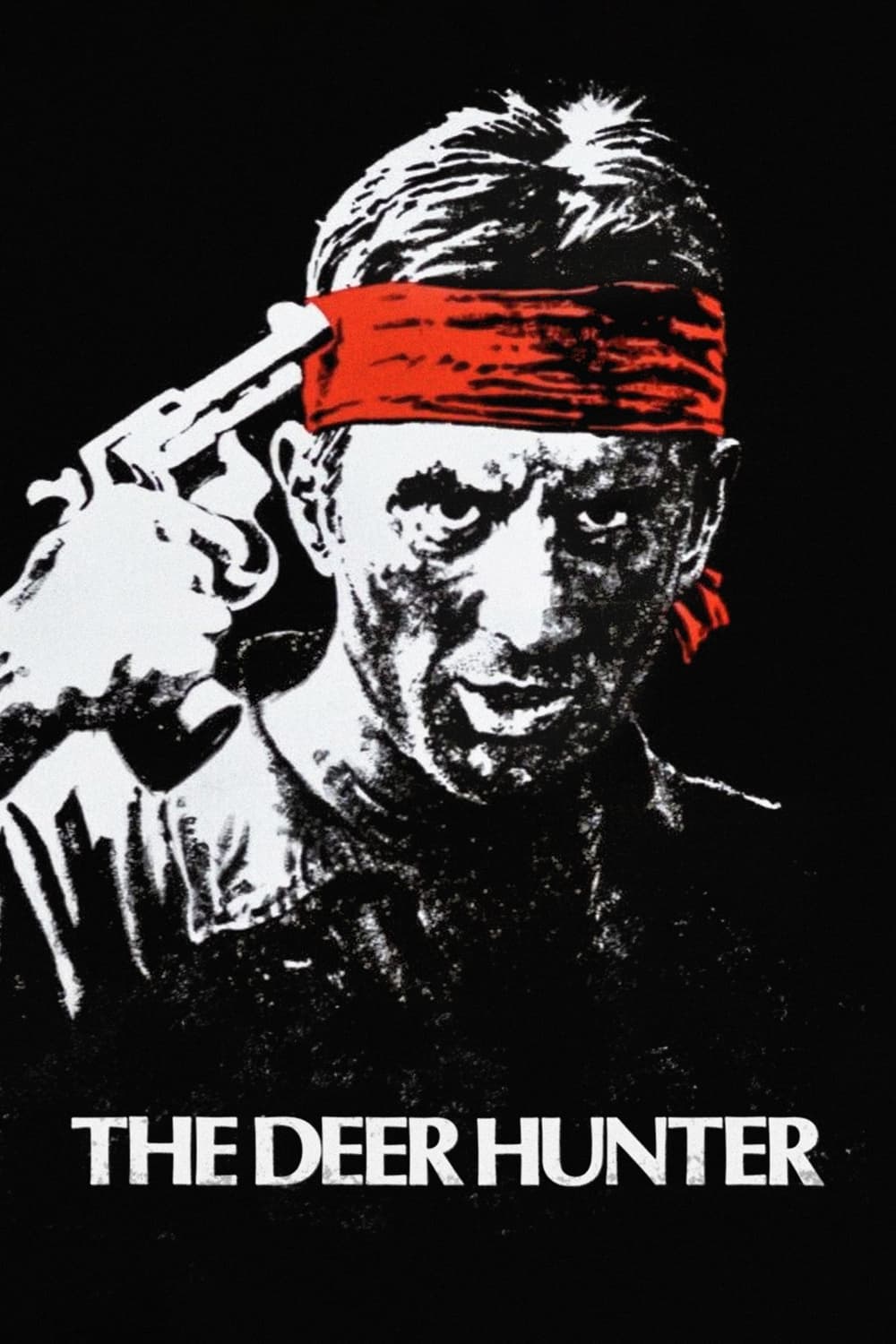
Michael Cimino’s ‘The Deer Hunter’ interwove small-town life with war’s aftershocks, using extended set pieces to track friendship and trauma. Its structure—quiet domesticity contrasted with sudden violence—became a model for large-canvas dramas. Sound design and practical effects built harrowing immersion during captivity sequences. The film’s scale and ambition influenced subsequent depictions of wartime and its repercussions.
‘Das Boot’ (1981)
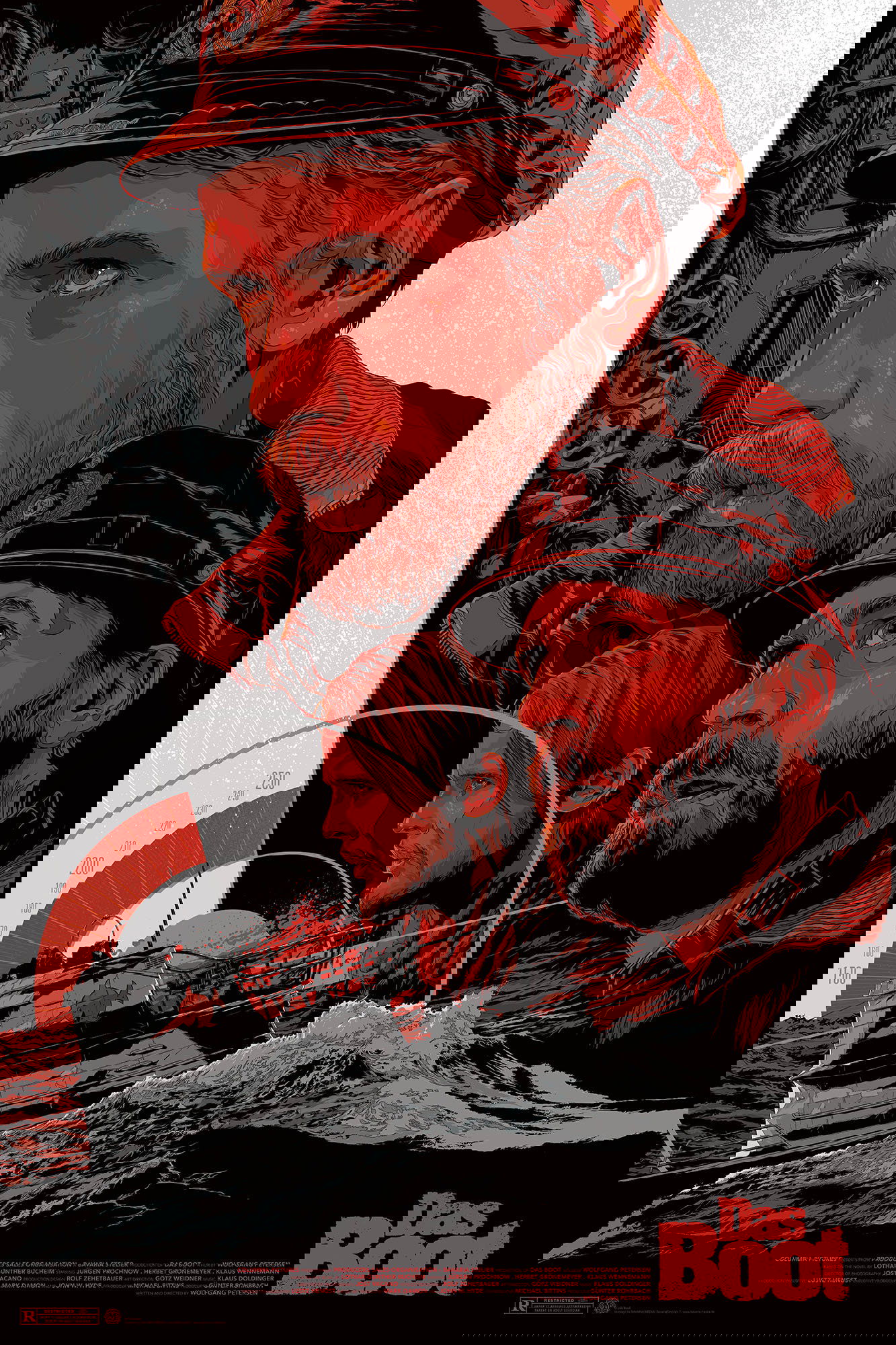
Wolfgang Petersen’s ‘Das Boot’ is renowned for claustrophobic set construction that recreated a submarine interior with technical precision. Moving camera rigs and tight lenses mapped cramped corridors to sustain tension over an extended runtime. Meticulous sound—metal creaks, sonar pings, and pressure groans—was central to storytelling. Different edits for cinema and television demonstrated flexible narrative formats for international audiences.
‘Fanny and Alexander’ (1982)
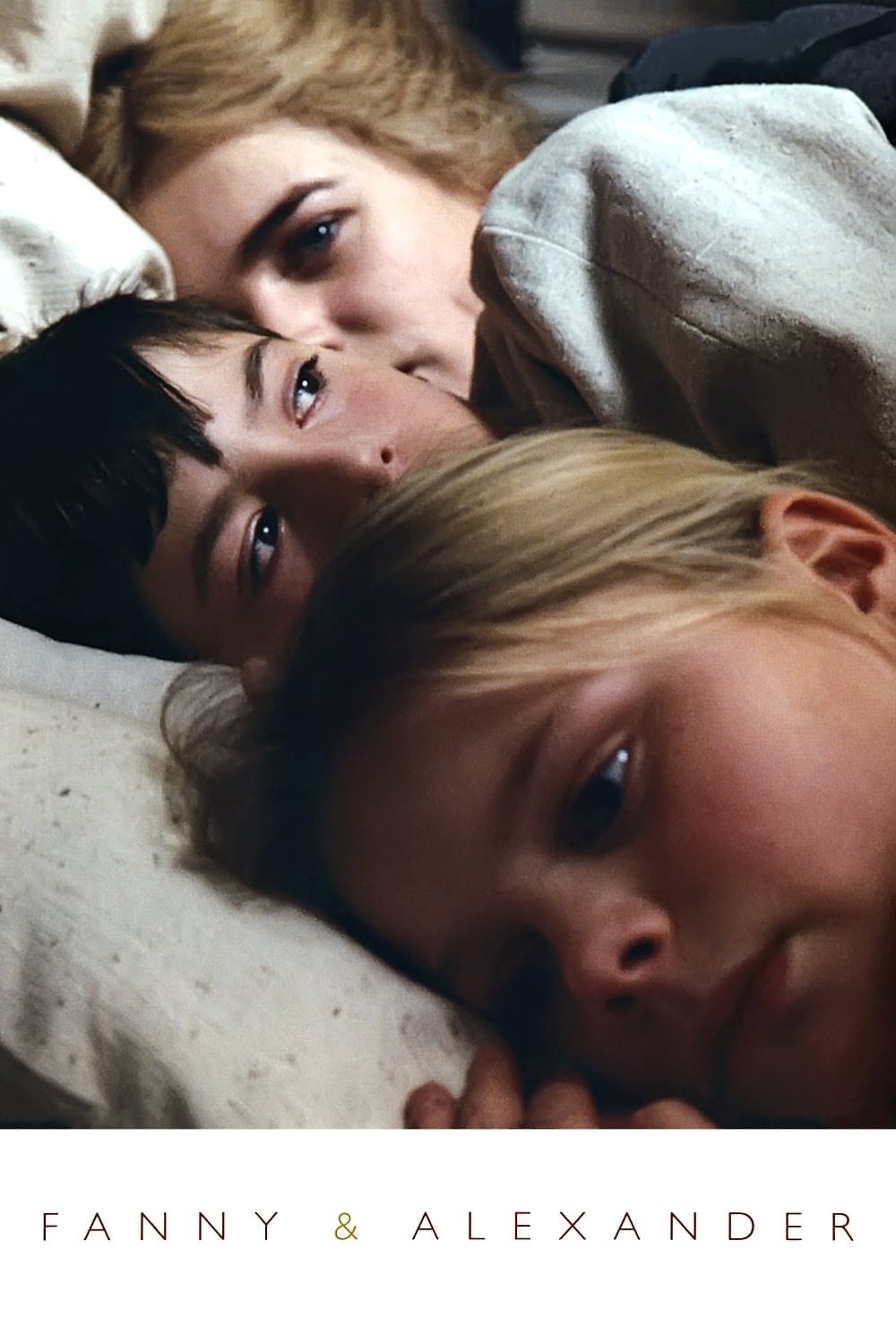
Ingmar Bergman’s ‘Fanny and Alexander’ fused intimate family drama with theatrical and spiritual motifs. Detailed production design layered domestic spaces with symbolic textures and color palettes. Its dual releases for cinema and television previewed prestige limited-series storytelling approaches. The project’s scale solidified international support structures for auteur-driven productions.
‘Come and See’ (1985)
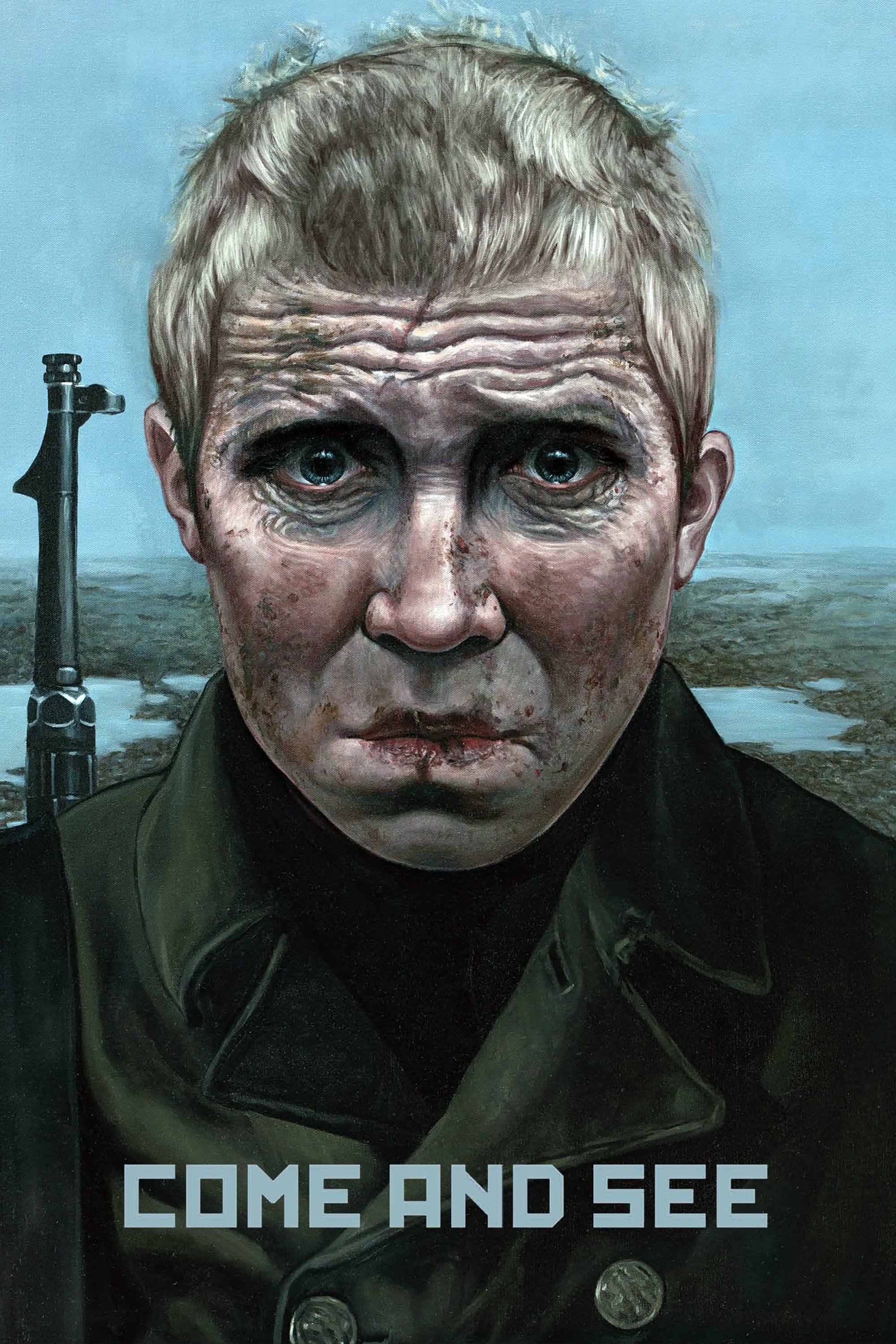
Elem Klimov’s ‘Come and See’ used subjective camerawork and sound to convey trauma from a young villager’s perspective. Naturalistic performances and immersive design created a visceral account of occupation and atrocity. Long takes and shifting focal points placed the viewer inside events rather than outside observing them. The film’s unflinching approach has been studied for ethical representation of violence in drama.
‘The Piano’ (1993)
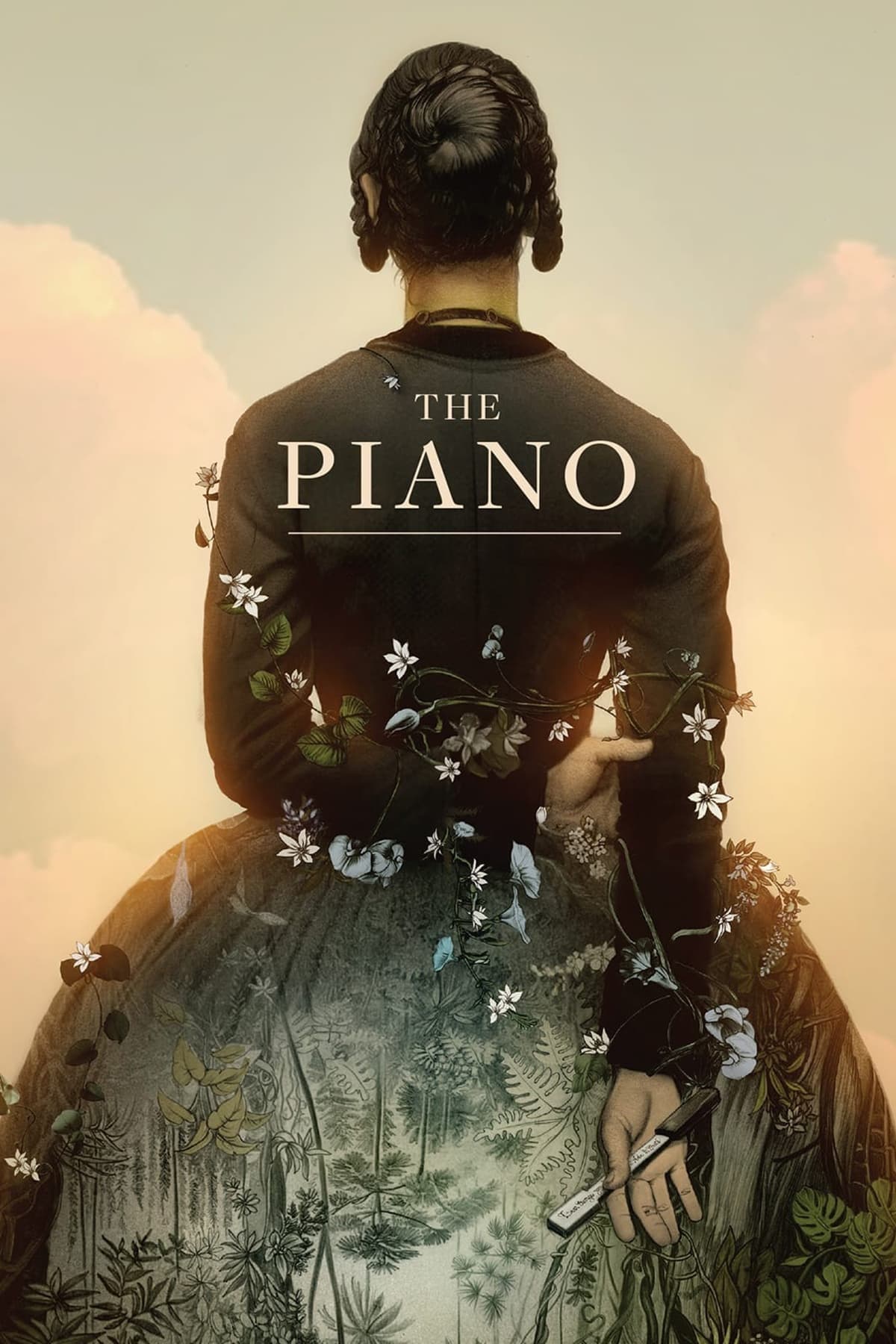
Jane Campion’s ‘The Piano’ combined landscape, music, and interior psychology into a distinctive colonial drama. The production integrated a character’s instrument as a narrative device and emotional barometer. Costume and set design communicated status, desire, and power without expository dialogue. The film’s international recognition expanded opportunities for women directors in prestige cinema.
‘Magnolia’ (1999)
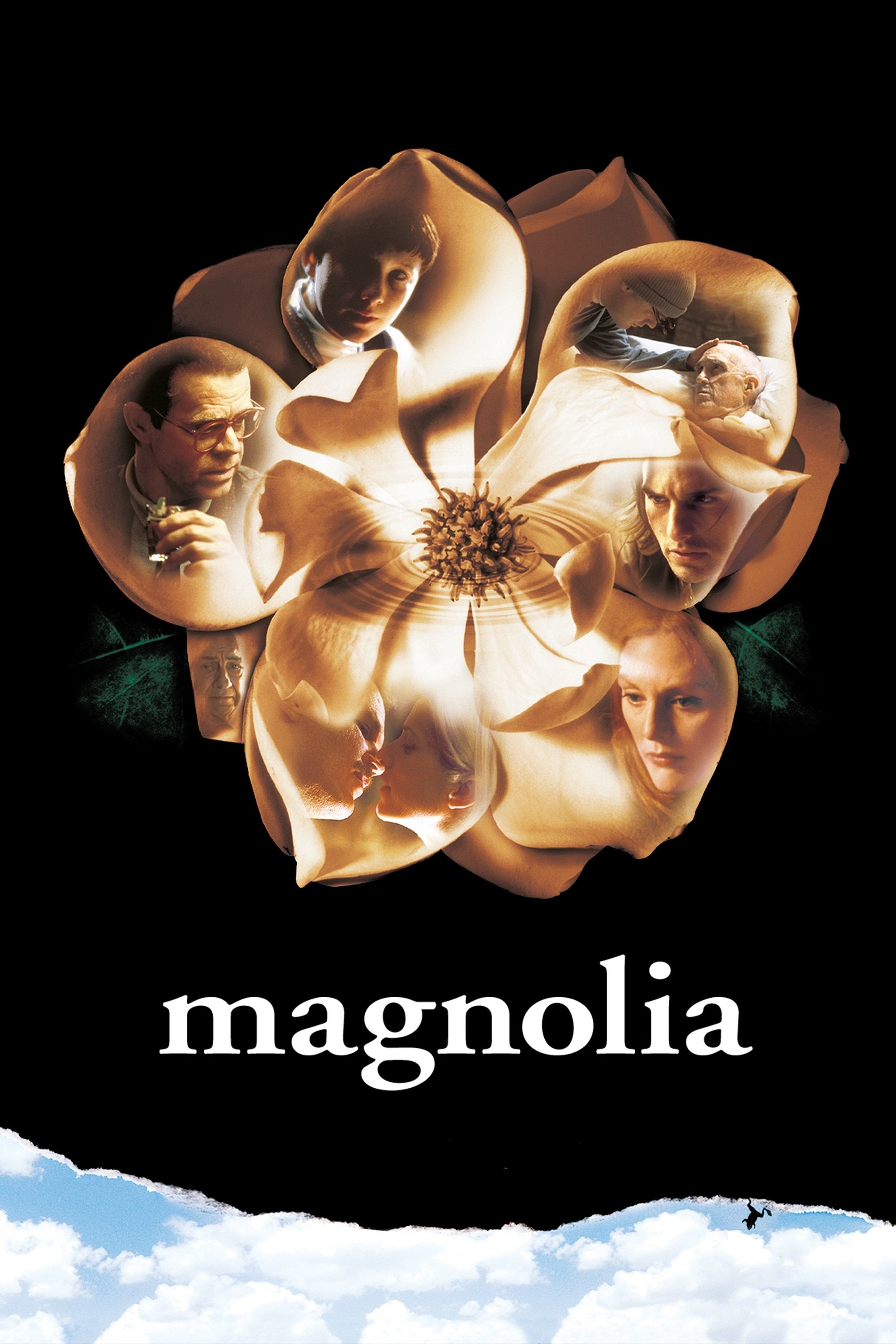
Paul Thomas Anderson’s ‘Magnolia’ interlaced multiple storylines across a single city with precise cross-cutting and thematic motifs. Its ensemble structure showcased how recurring symbols and music can knit disparate arcs together. Original songs were woven into character beats, underscoring mood and momentum. The film’s bold climactic conceit illustrated risk-taking within mainstream dramatic form.
‘Amores Perros’ (2000)

Alejandro González Iñárritu’s ‘Amores Perros’ popularized a triptych narrative linking characters through a single incident. Kinetic handheld camera work and textured urban locations brought immediacy to intersecting lives. Editorial structure used chaptering and time jumps to clarify complex plotting. The film’s success signaled a surge of globally visible Mexican cinema in the new century.
‘There Will Be Blood’ (2007)
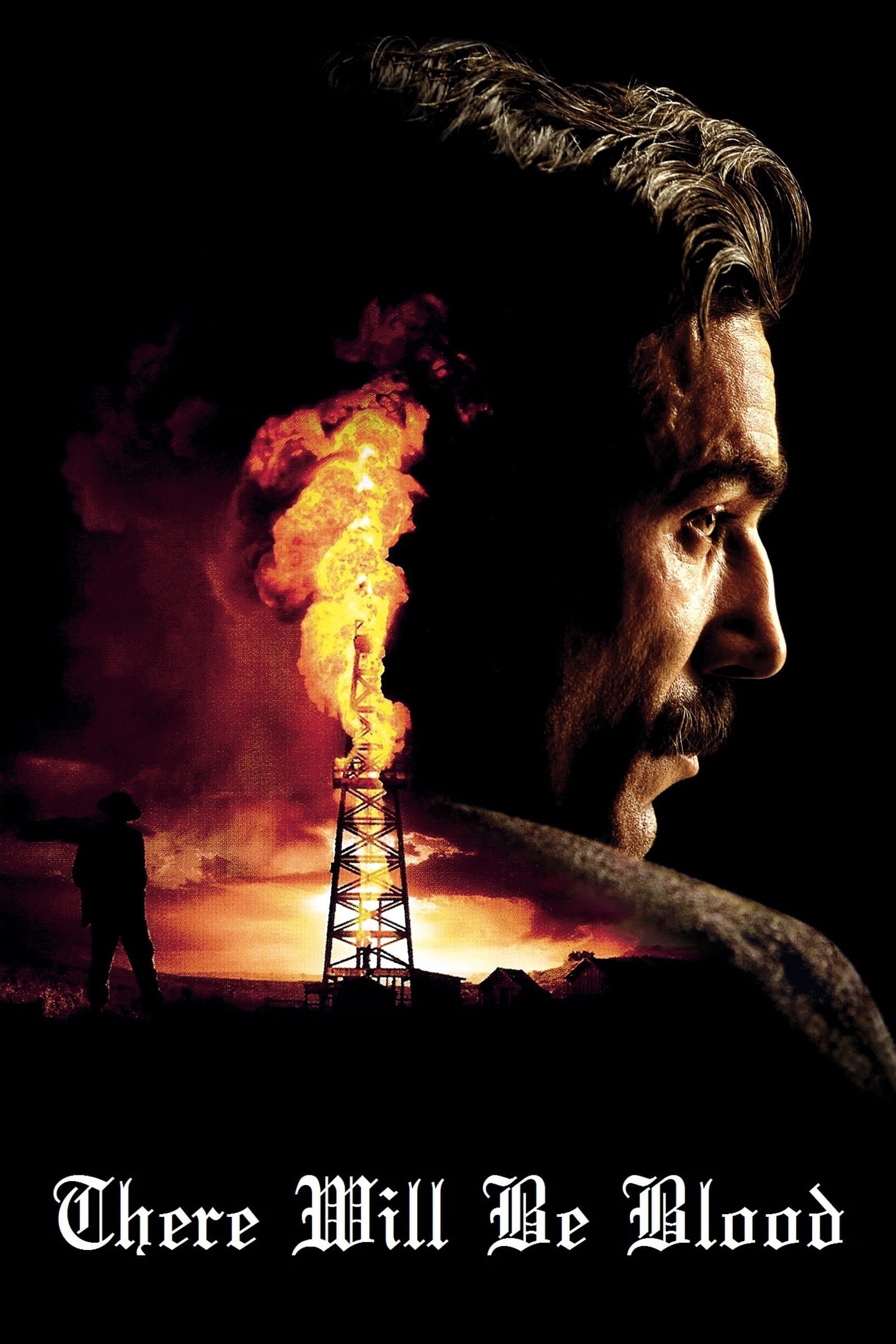
‘There Will Be Blood’, directed by Paul Thomas Anderson, paired spare dialogue with expansive visual storytelling about ambition and resource extraction. Jonny Greenwood’s score blended orchestral dissonance and rhythm to heighten unease. Location photography and period design built a stark, tactile world that anchors character transformation. The film’s studied pacing demonstrated confidence in sustained tension without constant dialogue.
‘Moonlight’ (2016)
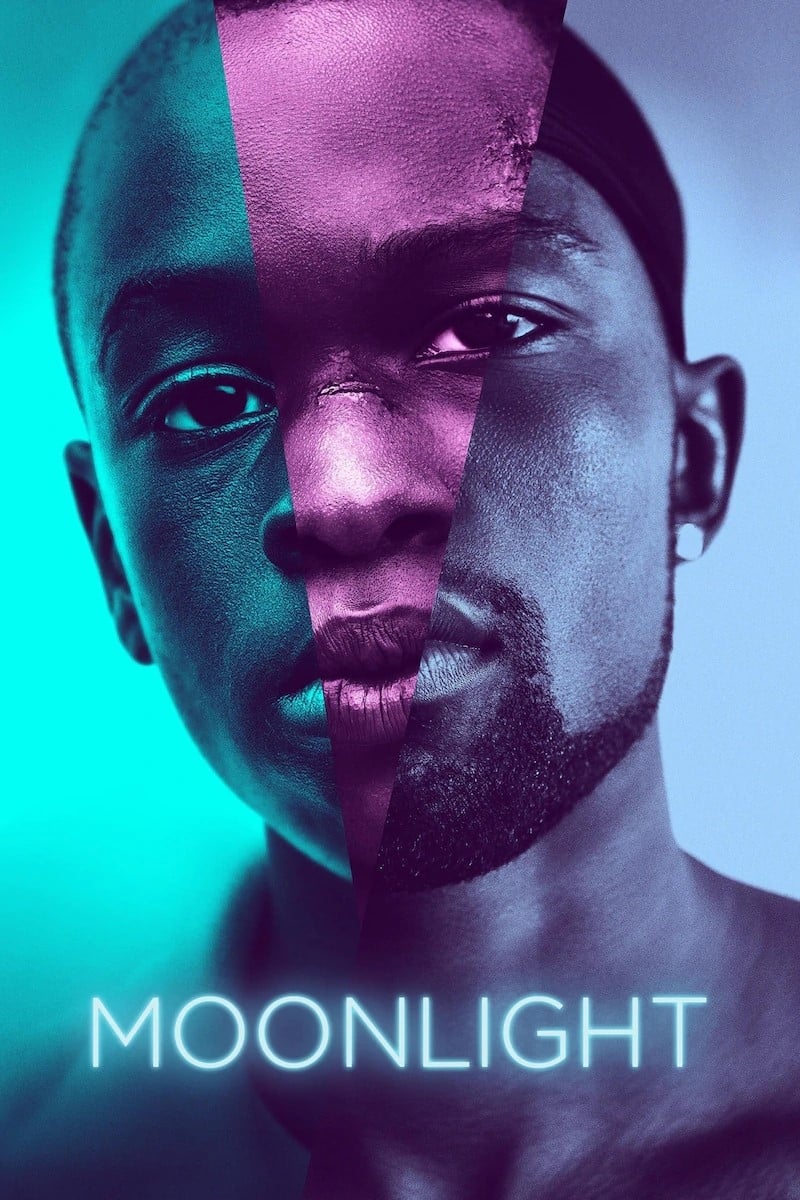
Barry Jenkins’s ‘Moonlight’ used a triptych structure to follow one character across formative stages of life. Color grading, camera placement, and music cues mapped identity, tenderness, and conflict with lyrical precision. The production emphasized collaborative work with actors to achieve intimate, nuanced performances. Awards and classroom adoption broadened conversations about representation and form in contemporary drama.
‘Roma’ (2018)
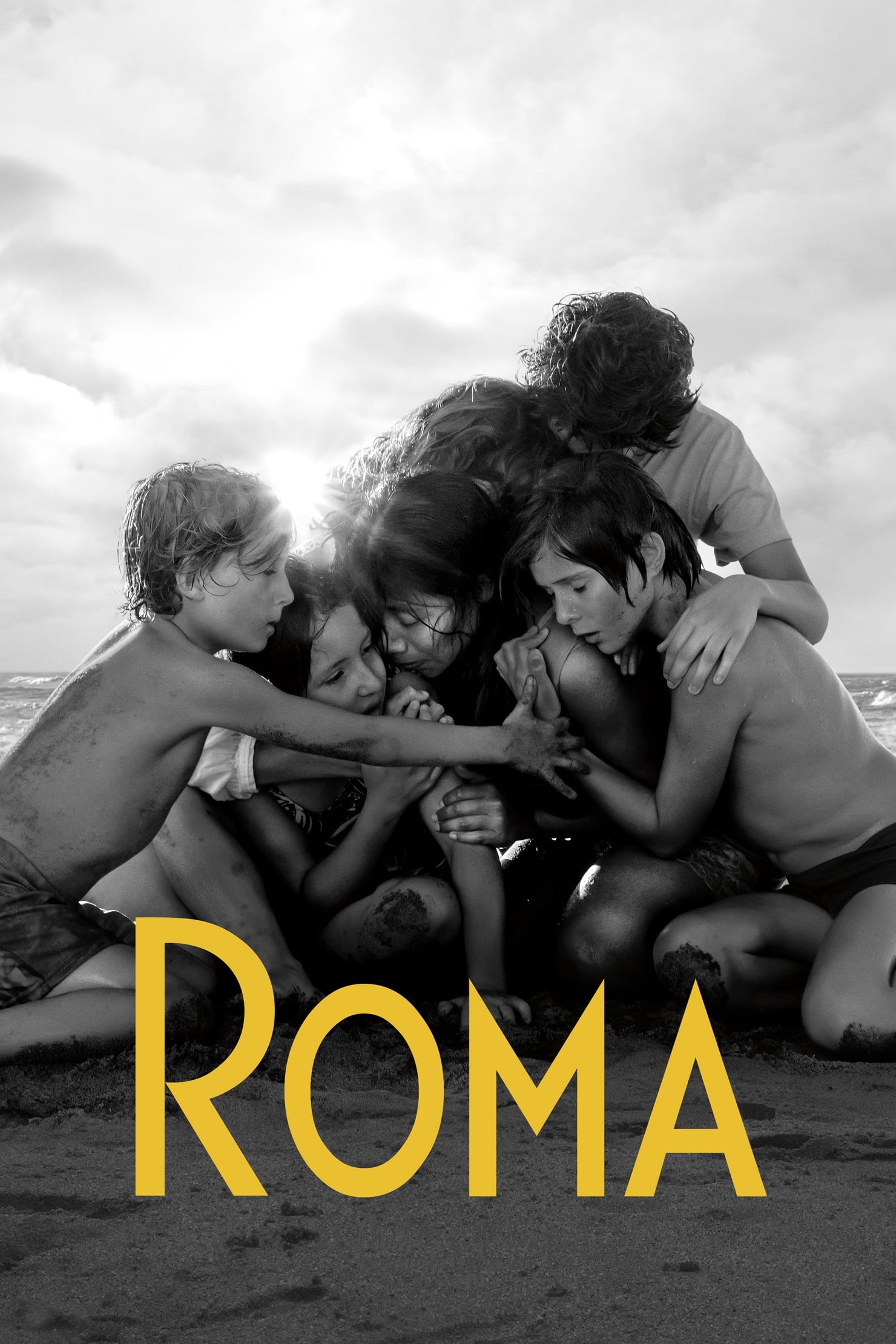
Alfonso Cuarón’s ‘Roma’ employed high-resolution black-and-white imagery and long, fluid takes to capture domestic life and social upheaval. Meticulous soundscapes layered street noise, interiors, and environmental detail to create immersive realism. The film’s distribution strategy showcased how streaming platforms can deliver auteur cinema to global audiences. Its recreation of memory through controlled wides and deep staging is studied for visual storytelling.
Share which dramas you think shaped the genre most in the comments!

