


The Most Influential Foreign Actors of All Time

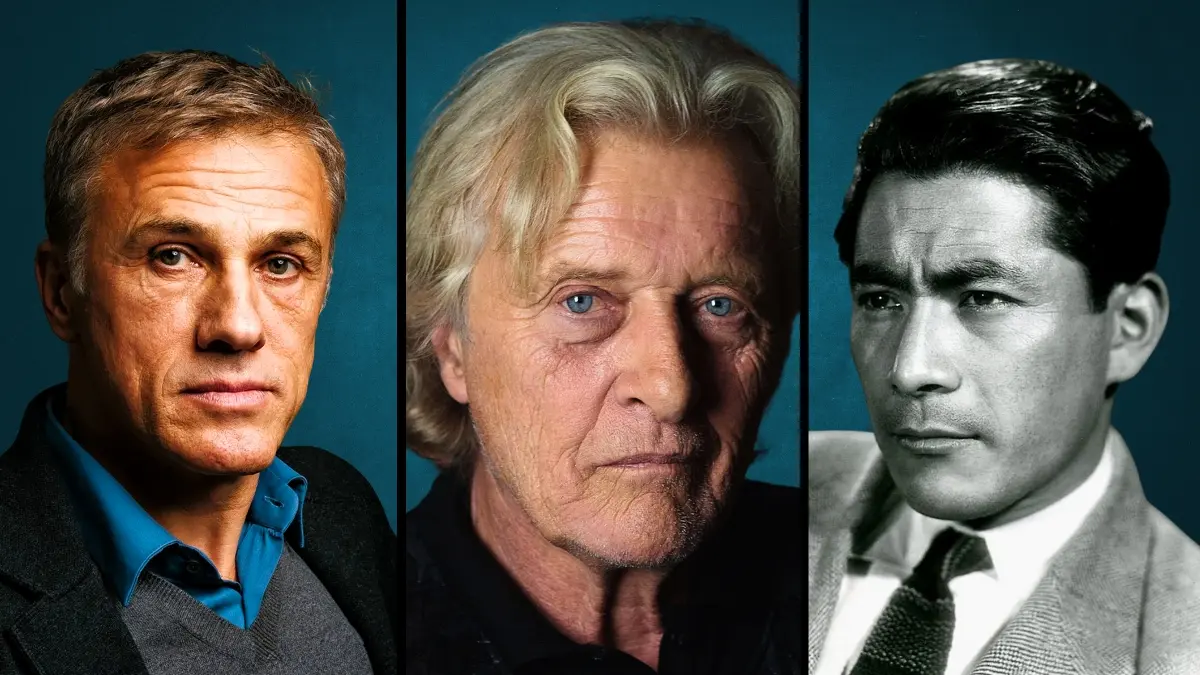


Foreign actors have shaped film history just as much as the stars of any one country, bringing new styles of performance, fresh cultural perspectives, and unforgettable characters to screens around the world. From early silent cinema to global blockbusters and art-house classics, these performers helped change how stories are told and how audiences connect across languages and borders. This list looks at 40 male actors from outside Hollywood’s home turf whose work has travelled widely, influenced filmmakers and performers, and helped define different eras of cinema. Their careers span decades, industries, and genres, but they all show how powerful a truly international screen presence can be.
Charlie Chaplin
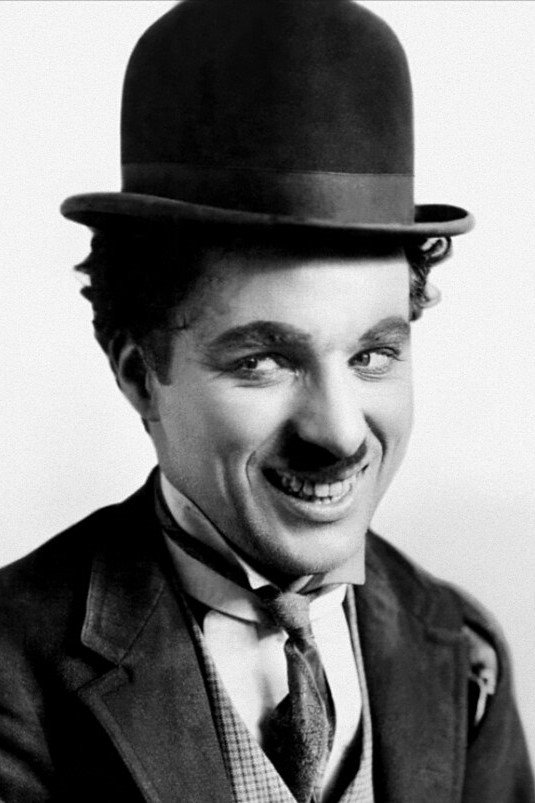
Charlie Chaplin was a British actor and filmmaker whose screen persona, the Tramp, became one of the most recognizable figures in the history of cinema. Starting in silent films, he combined physical comedy with clear emotional storytelling in works like ‘The Kid’, ‘City Lights’, and ‘Modern Times’. He played a major role in developing feature-length film comedy by expanding short slapstick routines into narratives with social themes and character arcs. Through his work with United Artists and his control over writing, directing, producing, and acting, he helped establish the model of the multi-hyphenate filmmaker-performer in the international industry.
Toshirō Mifune
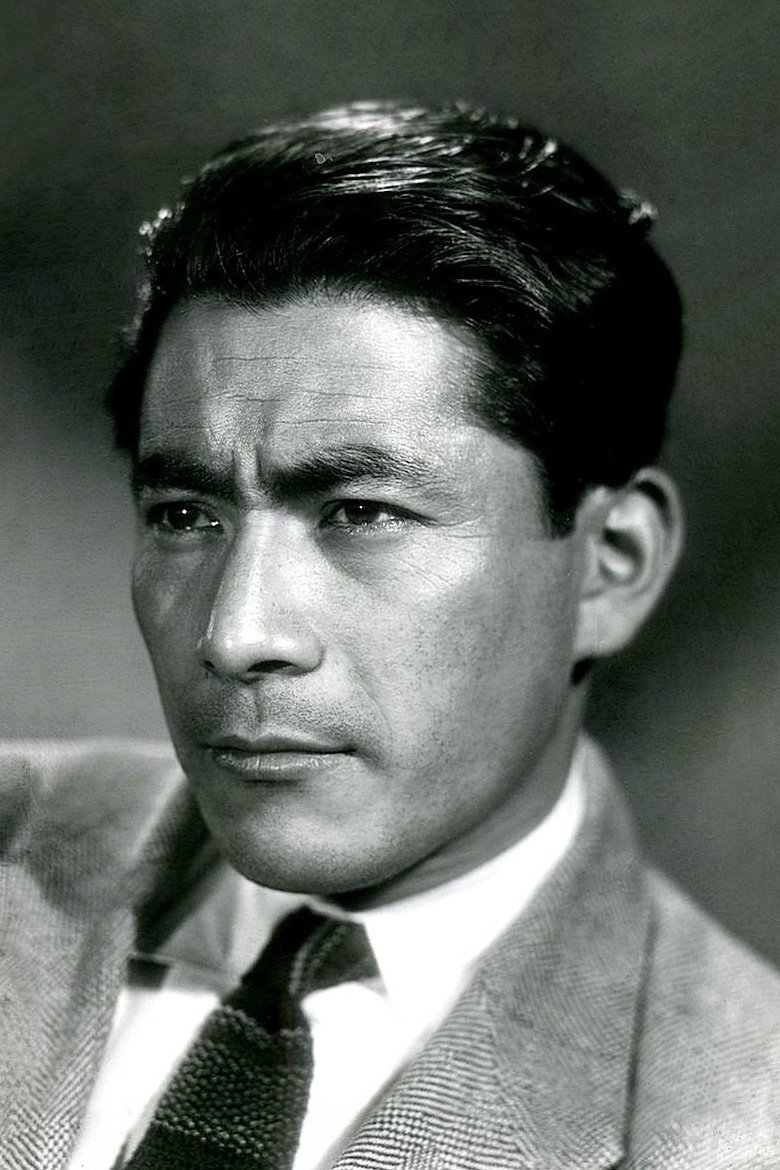
Toshiro Mifune was a Japanese actor best known for his collaborations with director Akira Kurosawa in films such as ‘Seven Samurai’, ‘Rashomon’, and ‘Yojimbo’. His intense, physical acting style helped define the cinematic samurai for audiences far beyond Japan. Mifune’s performances reached international viewers through festivals and overseas releases at a time when Japanese cinema was gaining global attention. His work influenced later depictions of warriors and anti-heroes in both Asian and Western films.
Max von Sydow
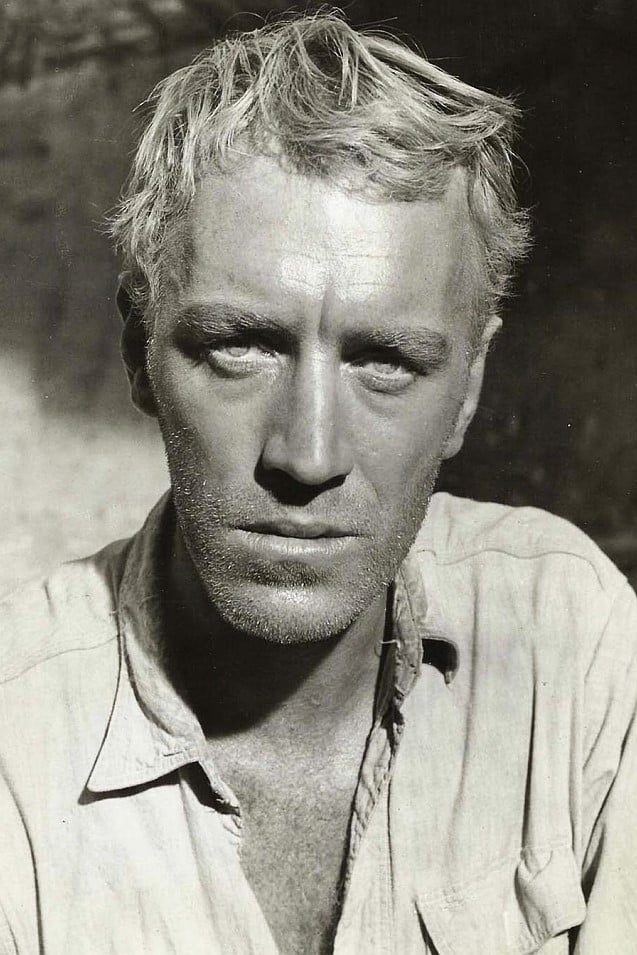
Max von Sydow was a Swedish actor who worked extensively with director Ingmar Bergman in films such as ‘The Seventh Seal’ and ‘Wild Strawberries’. His portrayals often focused on spiritual and psychological conflict, which suited the themes of Scandinavian art cinema. Von Sydow later appeared in international productions like ‘The Exorcist’ and ‘Minority Report’, bringing his stage-trained presence to mainstream audiences. Over several decades, he moved between European and American projects, showing how an actor could sustain a truly international career.
Omar Sharif
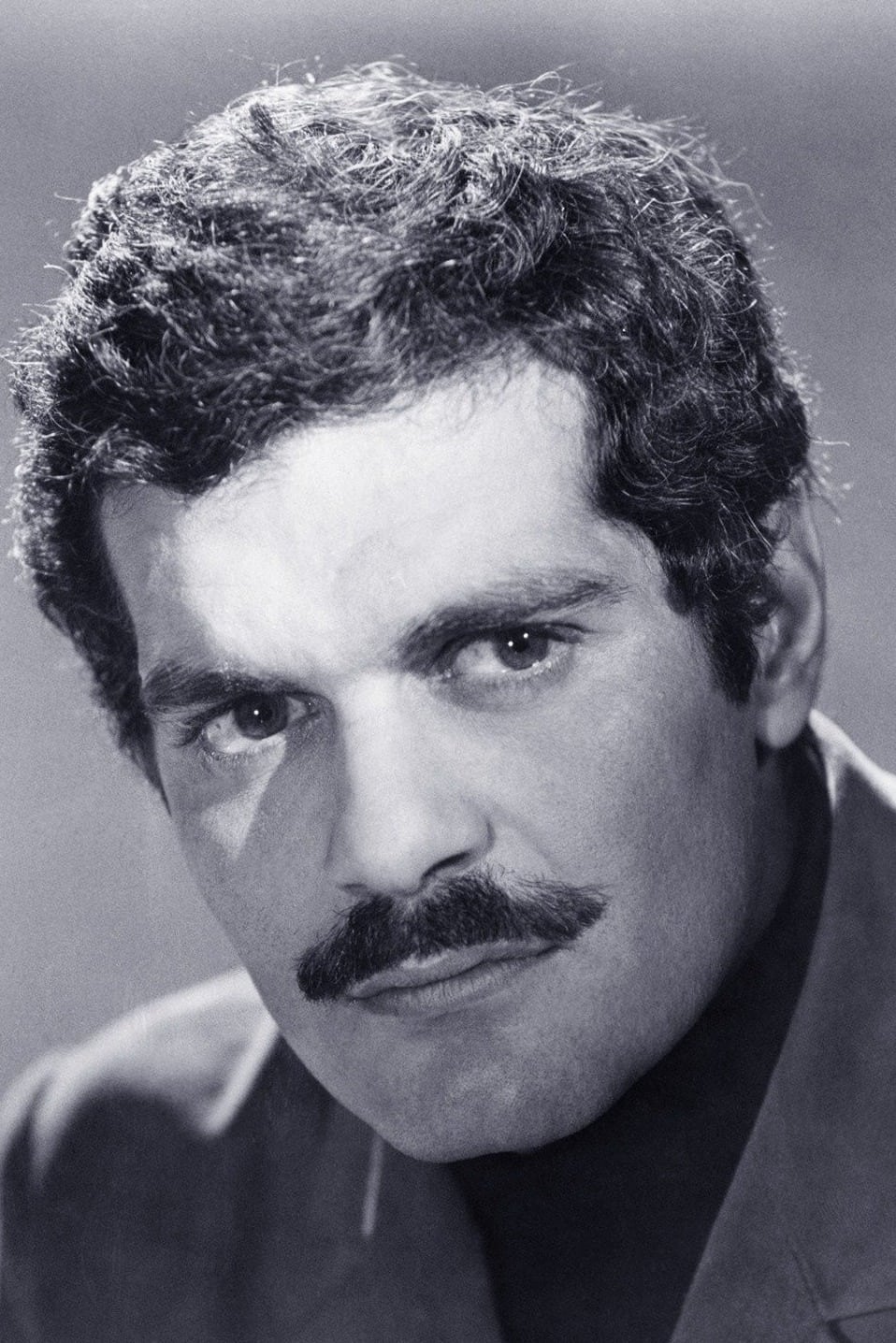
Omar Sharif was an Egyptian actor who achieved worldwide fame with major roles in ‘Lawrence of Arabia’ and ‘Doctor Zhivago’. He began his career in Egyptian cinema before moving into English-language films produced in Britain and the United States. Sharif spoke several languages, which allowed him to work across Europe and North America in historical epics, dramas, and comedies. His visibility in these high-profile productions helped broaden international awareness of Arab actors in global cinema.
Alain Delon
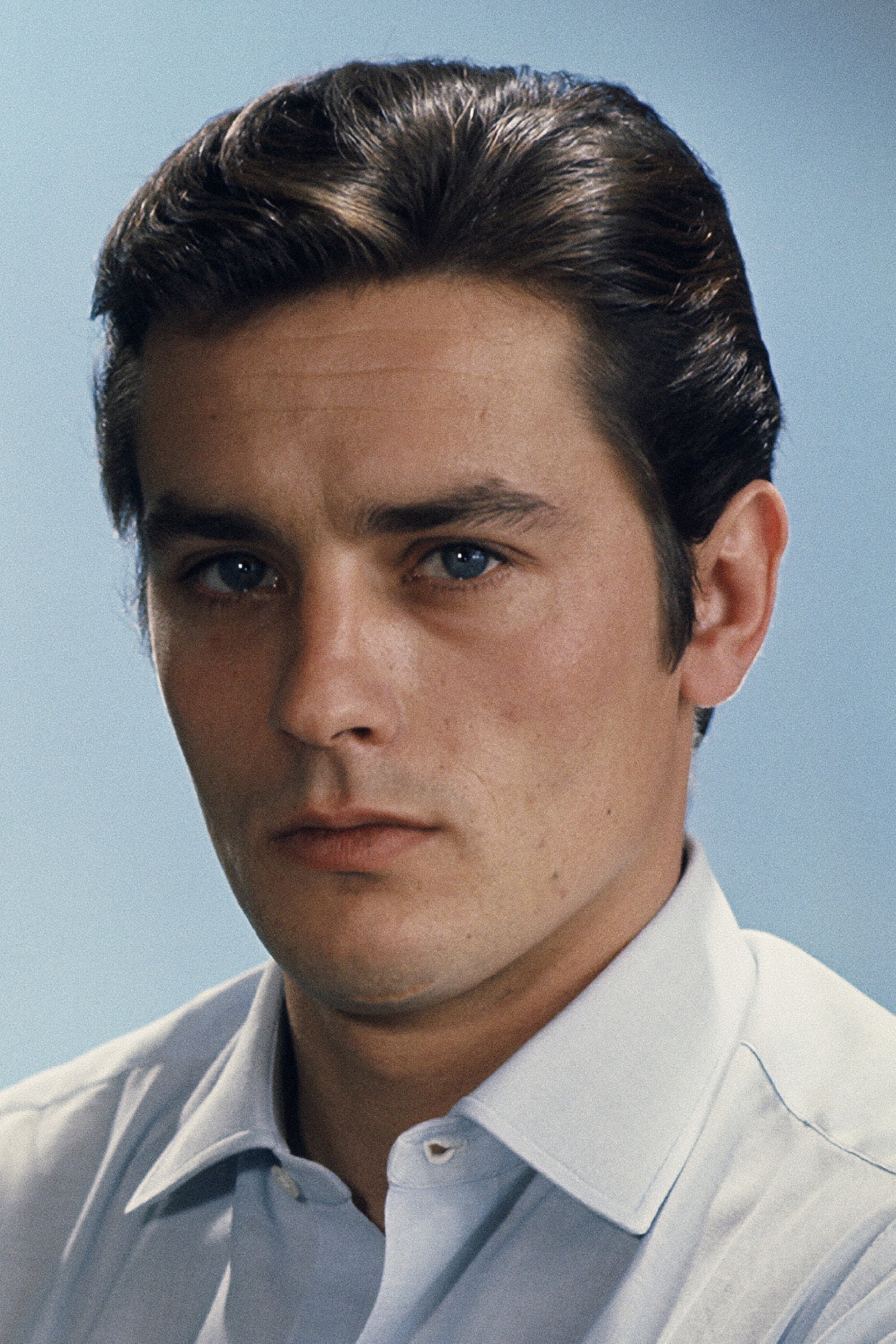
Alain Delon is a French actor whose career in European cinema includes important roles in films like ‘Le Samouraï’, ‘Purple Noon’, and ‘La Piscine’. He often played cool, self-contained characters who left a strong visual and stylistic impression. Delon worked with leading directors in France and Italy, becoming a central figure in postwar European genre and art-house films. His image travelled widely, especially in Europe and Asia, influencing the way anti-heroes and stylish criminals were portrayed on screen.
Marcello Mastroianni
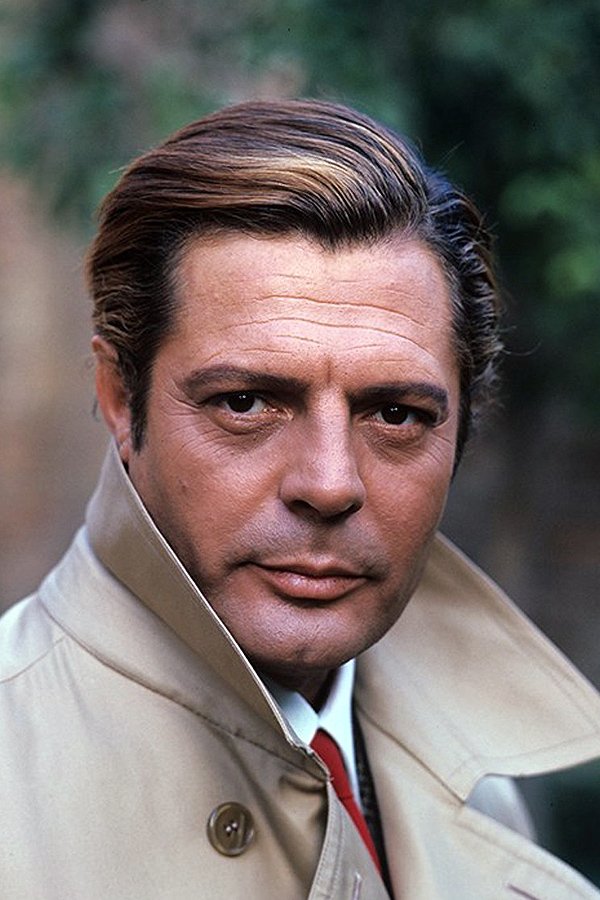
Marcello Mastroianni was an Italian actor closely associated with director Federico Fellini through films such as ‘La Dolce Vita’ and ‘8½’. He frequently portrayed modern men dealing with social change, personal doubt, or romantic complication in postwar Europe. Mastroianni’s films circulated strongly on the international festival circuit, giving Italian cinema a consistent presence abroad. He also worked with major directors in France and elsewhere, helping to connect different European film cultures.
Jean-Paul Belmondo
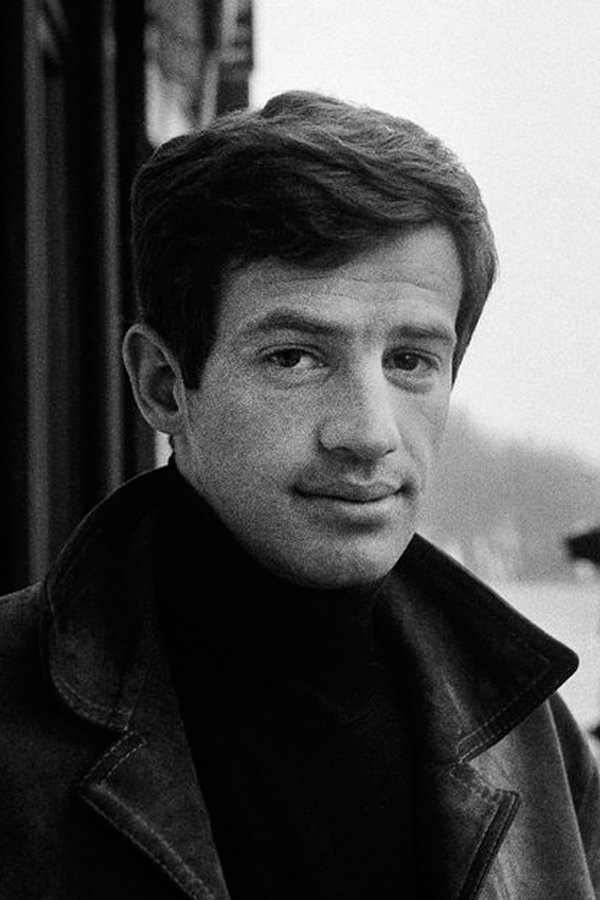
Jean-Paul Belmondo was a French actor who became a key figure of the French New Wave with films like ‘Breathless’ and ‘Pierrot le Fou’. His relaxed, natural style contrasted with more classical acting and suited the improvisational, location-based methods of New Wave directors. In later years, Belmondo moved between art-house projects and popular action and adventure films, remaining a major box-office draw in French-speaking markets. His career shows how an actor can bridge experimental cinema and mainstream entertainment within one national industry.
Gérard Depardieu
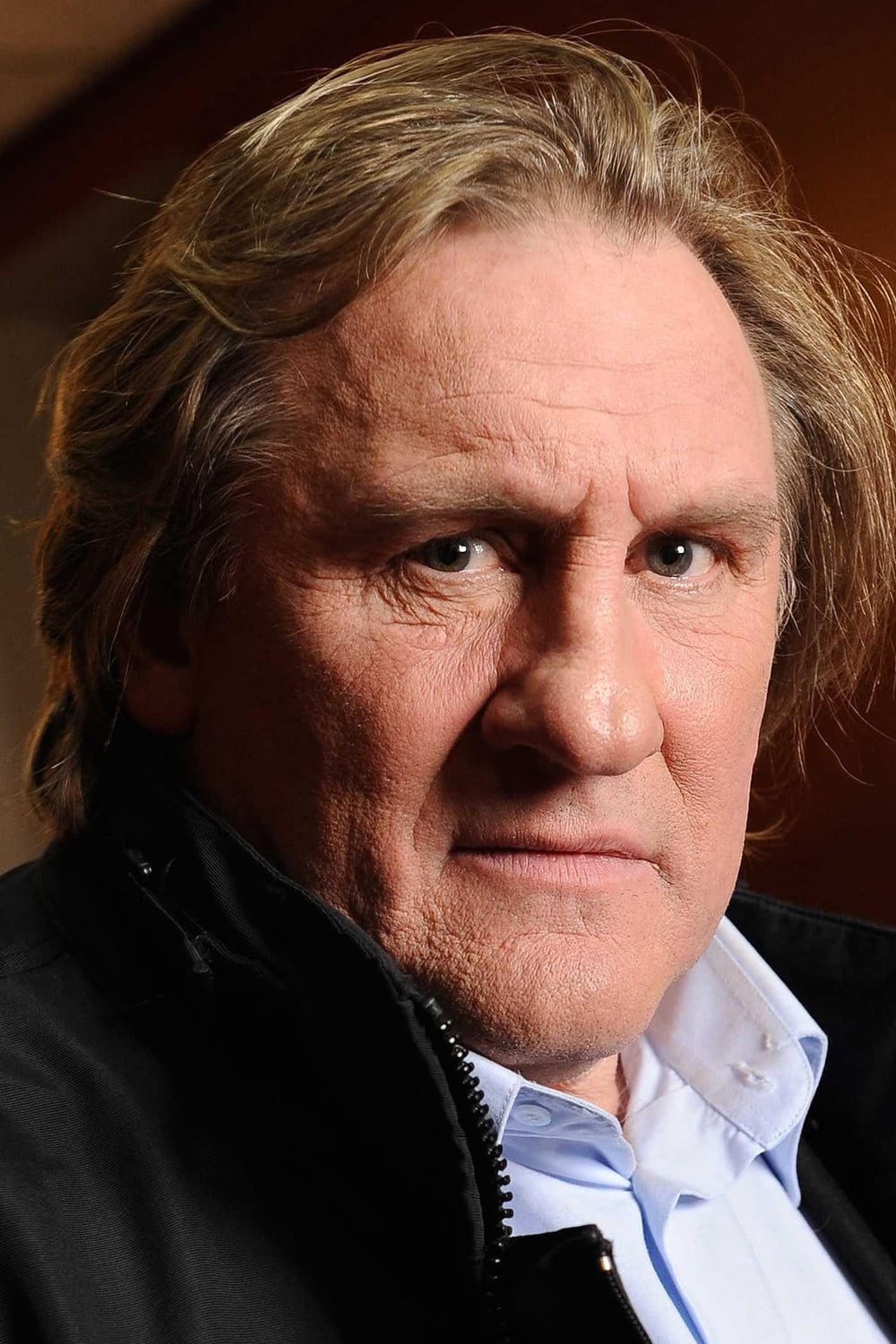
Gérard Depardieu is a French actor whose work covers a wide range of roles in films such as ‘Cyrano de Bergerac’, ‘The Last Metro’, and ‘Green Card’. Emerging in the 1970s, he became one of the most prominent faces of French cinema at home and abroad. Depardieu has portrayed historical figures, literary characters, and contemporary personalities, demonstrating considerable versatility across genres. His participation in both European and English-language productions has kept French performers visible in international film.
Anthony Hopkins
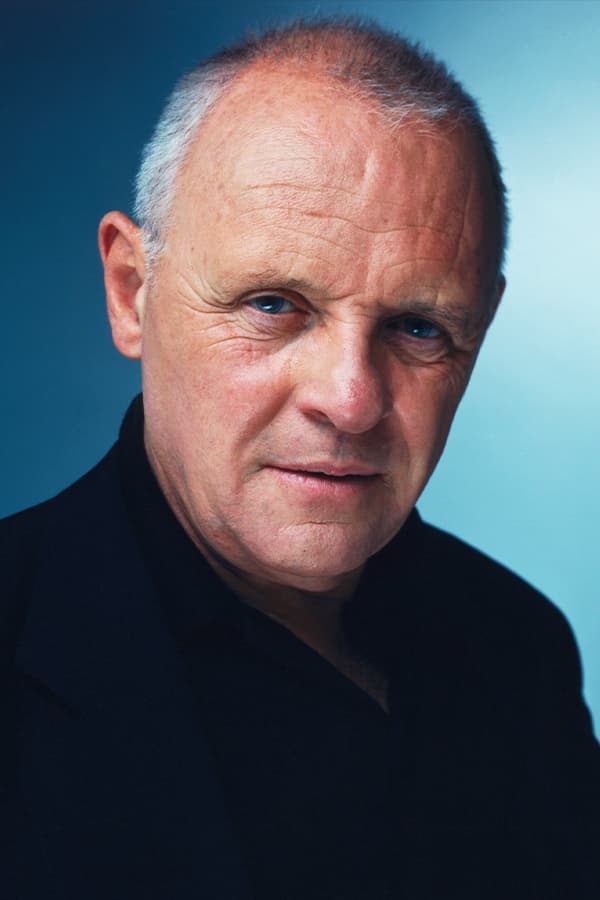
Anthony Hopkins is a Welsh actor known for roles in films like ‘The Silence of the Lambs’, ‘The Remains of the Day’, and ‘The Father’. Trained in theatre, he brought careful attention to voice, rhythm, and detail into his screen performances. Hopkins has portrayed historical leaders, fictional villains, and introspective everyday figures, often in adaptations of major literary works. His long career in British and American productions illustrates the close ties between those industries and their shared acting traditions.
Daniel Day-Lewis
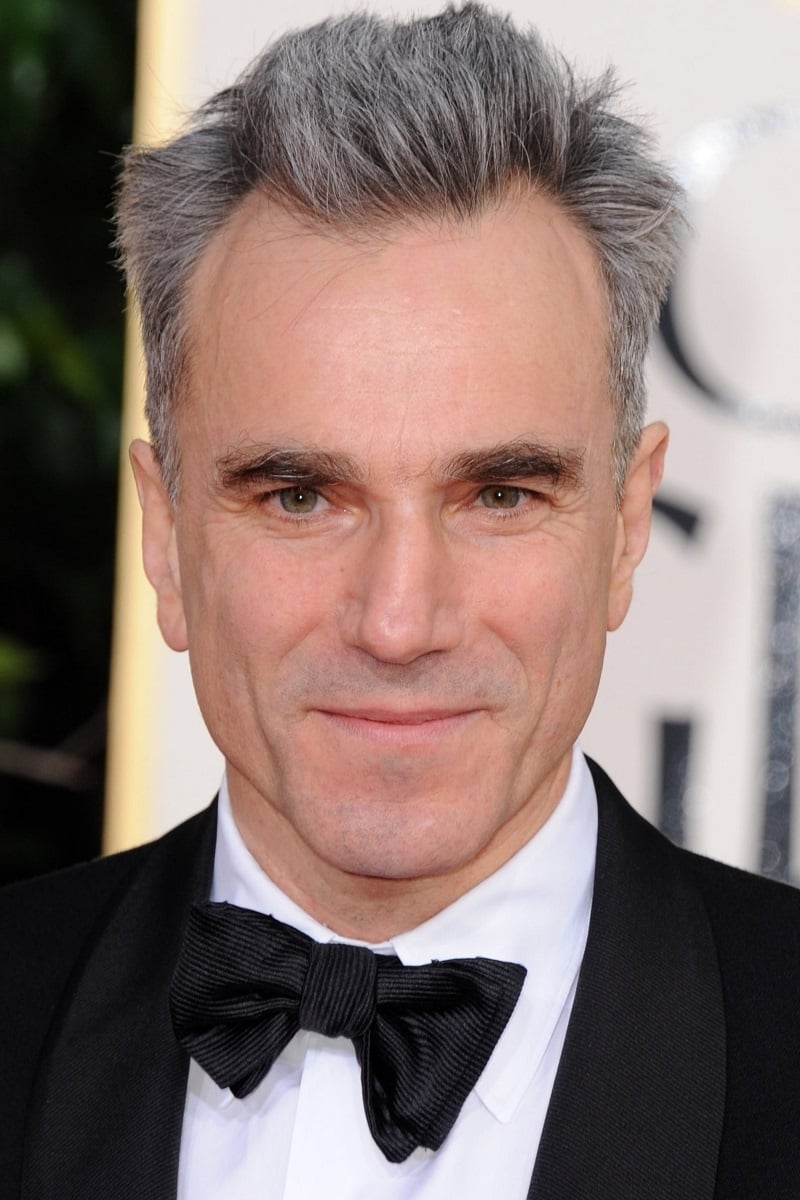
Daniel Day-Lewis is a British-Irish actor noted for his immersive preparation for roles in films such as ‘My Left Foot’, ‘There Will Be Blood’, and ‘Lincoln’. He often spent long periods researching and developing each character, including historical figures and fictional creations. Day-Lewis tended to choose projects with strong scripts and demanding roles rather than maintaining a high output of films. His limited but highly visible body of work has been widely studied in discussions of acting technique and performance methods.
Javier Bardem
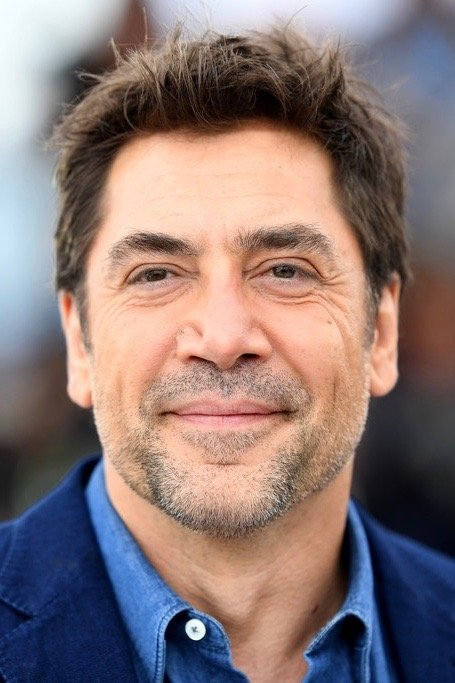
Javier Bardem is a Spanish actor whose international profile rose through films like ‘Jamón Jamón’, ‘Before Night Falls’, and ‘No Country for Old Men’. Coming from a family involved in Spanish cinema, he first built his reputation in national productions. Bardem later moved into English-language roles, appearing in dramas, thrillers, and large-scale franchises. His success drew more attention to contemporary Spanish filmmaking and showed how performers from Spain could move fluidly between European and American projects.
Roberto Benigni
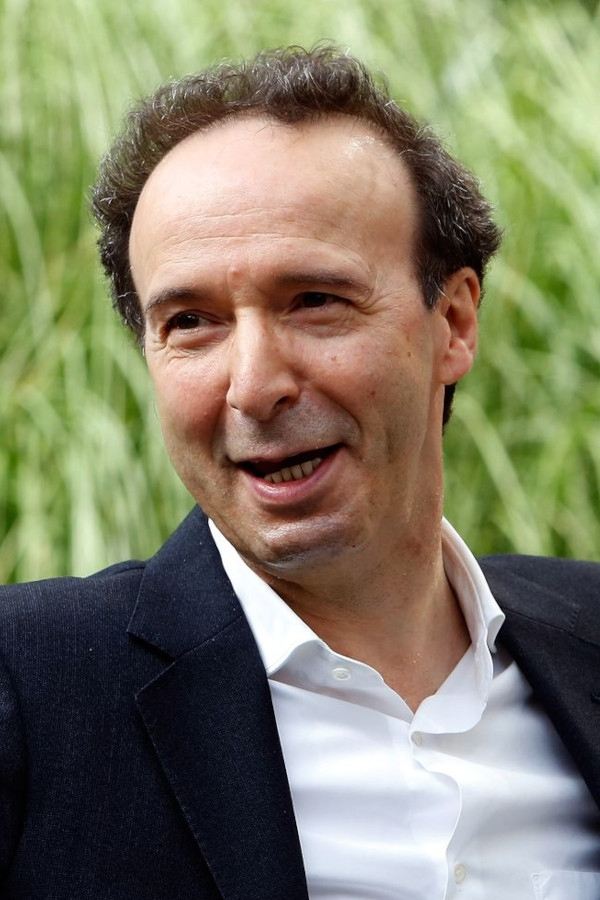
Roberto Benigni is an Italian actor and filmmaker best known internationally for ‘Life Is Beautiful’. He first gained recognition in Italian television and film comedies before directing and starring in his own features. ‘Life Is Beautiful’ combined humor and tragedy in a way that attracted international audiences and festival recognition. Benigni’s dual role as actor and director helped expand the reach of Italian cinema during the 1990s, especially in markets outside Europe.
Jackie Chan
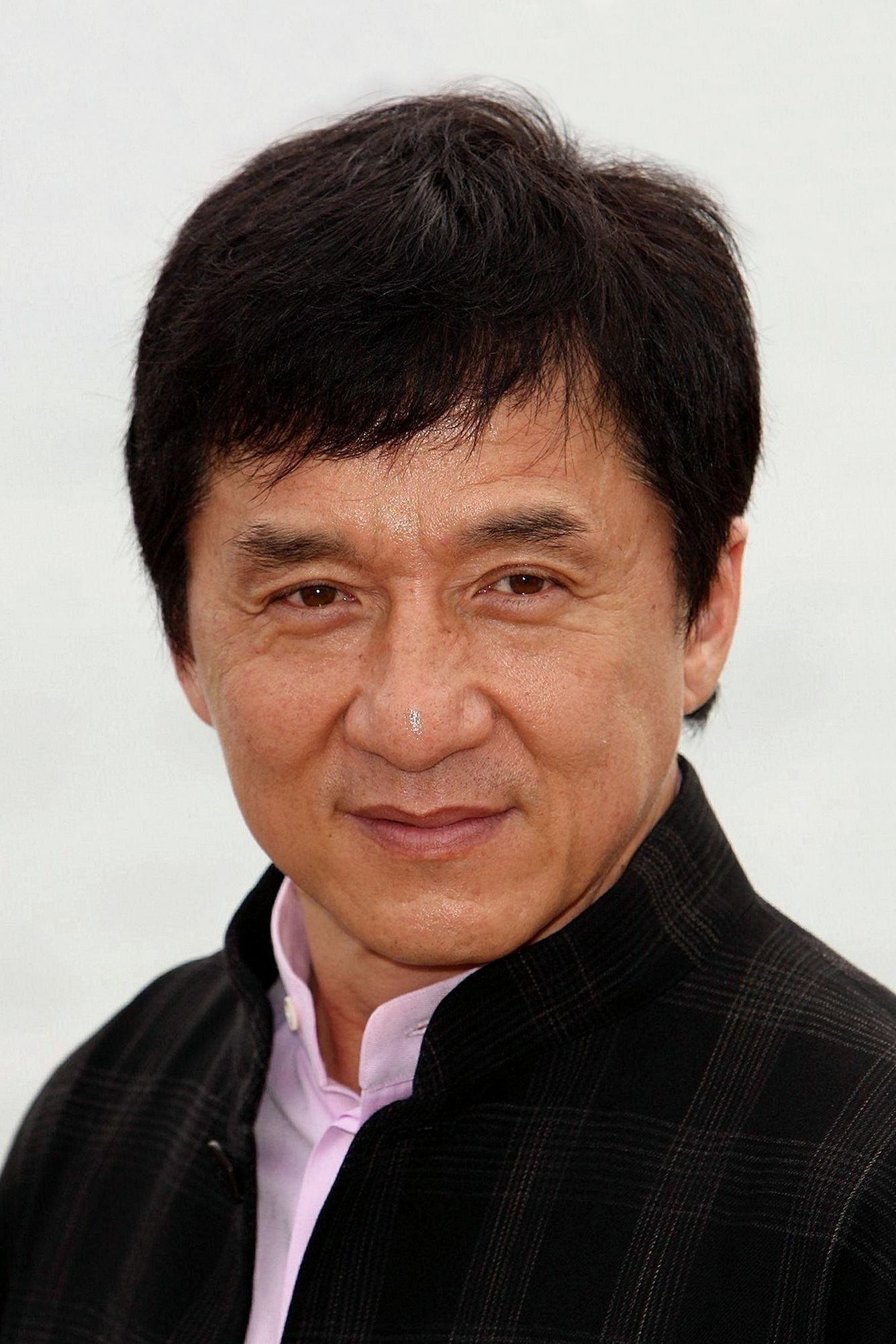
Jackie Chan is a Hong Kong actor and stunt performer known for action-comedy films such as ‘Drunken Master’, ‘Police Story’, and ‘Rush Hour’. He developed a distinct style that mixes martial arts choreography with elaborate physical comedy and stunt work. Chan’s films were initially popular in East and Southeast Asia before gaining strong followings in Europe and North America through dubbed and subtitled releases. His approach to action influenced stunt teams, directors, and performers across many national film industries.
Chow Yun-fat
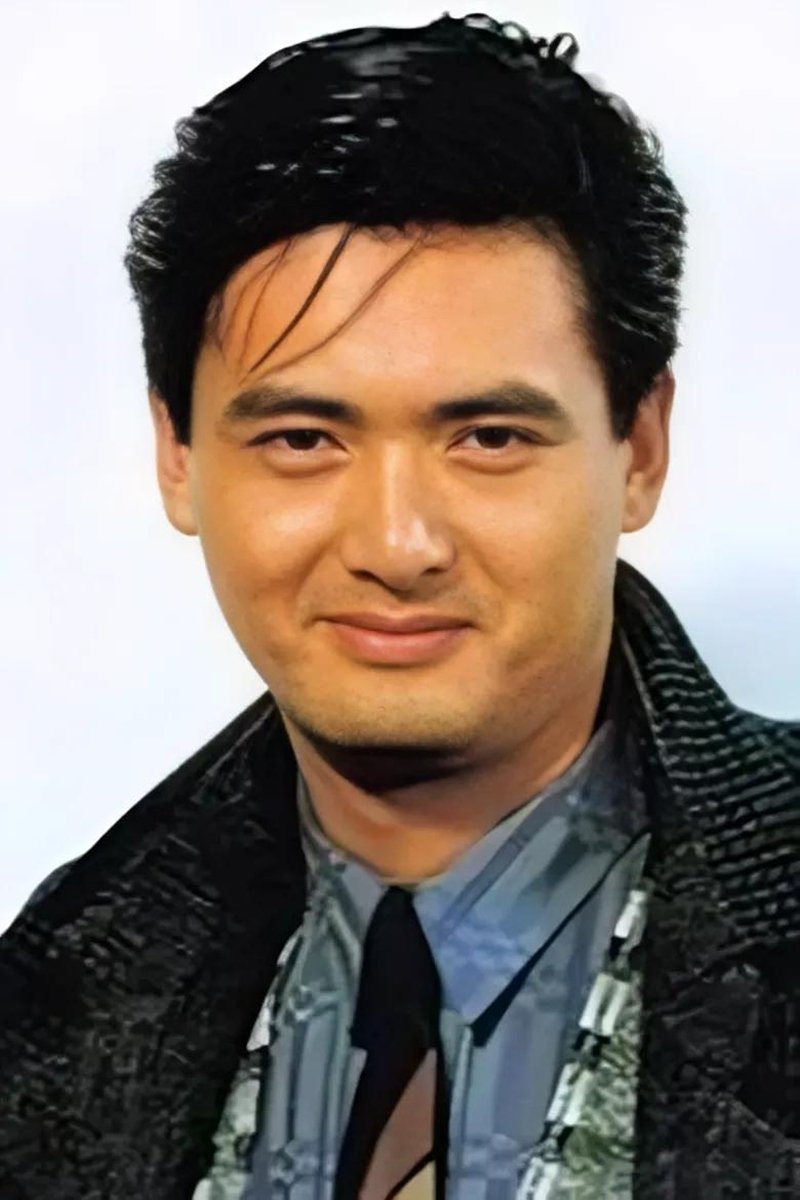
Chow Yun-fat is a Hong Kong actor strongly associated with director John Woo through films like ‘A Better Tomorrow’, ‘The Killer’, and ‘Hard Boiled’. He often played charismatic criminals or conflicted heroes in highly stylized action dramas. Chow later appeared in international hits such as ‘Crouching Tiger, Hidden Dragon’ and in various Hollywood productions. His career shows how a star from Hong Kong’s local industry can successfully move into global projects while remaining connected to regional filmmaking.
Tony Leung Chiu-wai
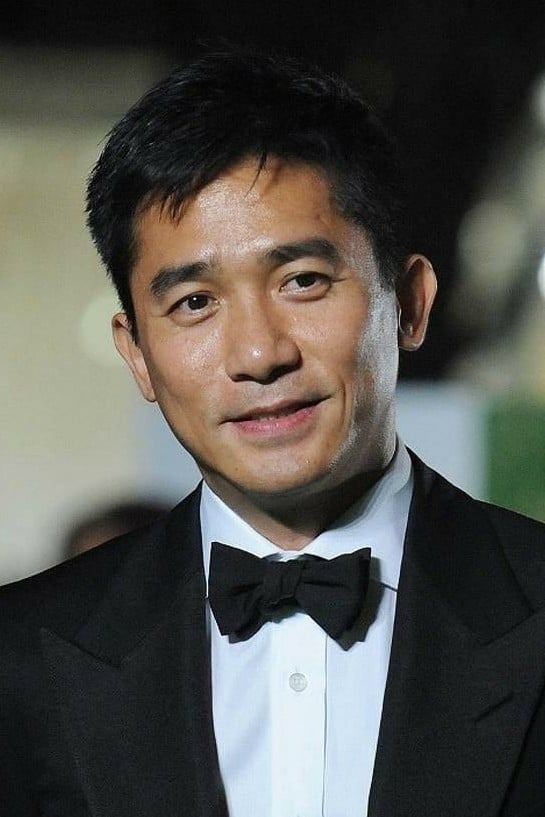
Tony Leung Chiu-wai is a Hong Kong actor whose major works include ‘In the Mood for Love’, ‘Chungking Express’, and ‘Infernal Affairs’. He has frequently collaborated with director Wong Kar-wai, contributing to a style of cinema that emphasizes mood, memory, and romantic uncertainty. Leung is known for subtle, interior performances that rely on gesture and expression rather than overt dialogue. In addition to his Asian film work, he has appeared in larger international releases, linking Hong Kong cinema with global audiences.
Ken Watanabe
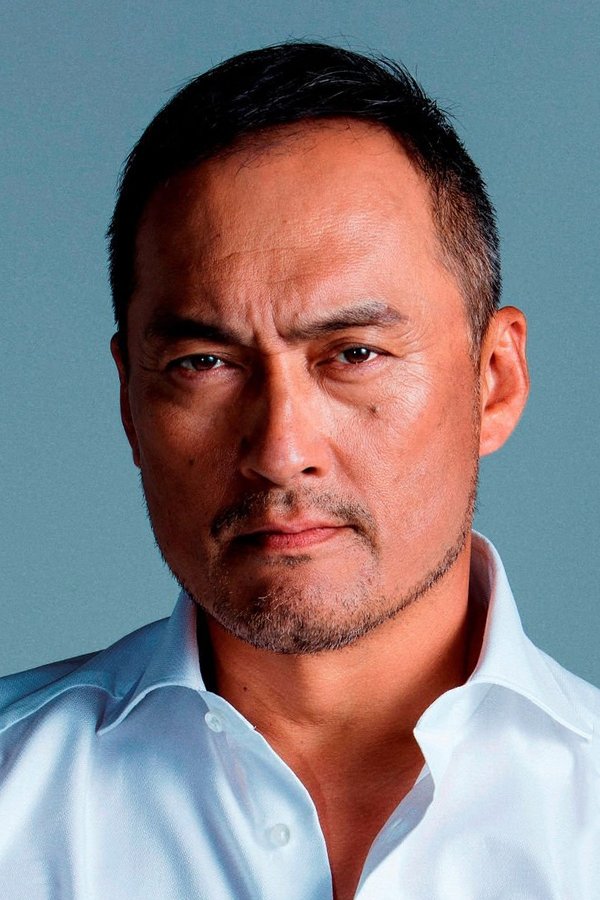
Ken Watanabe is a Japanese actor who gained international attention through roles in ‘The Last Samurai’, ‘Memoirs of a Geisha’, and ‘Inception’. Before that, he built a strong career in Japanese film and television, especially in historical dramas. Watanabe often portrays generals, leaders, or mentors, roles that connect modern viewers with aspects of Japanese history and culture. His casting in Hollywood and European productions expanded the presence of Japanese performers in big-budget cinema.
Shah Rukh Khan
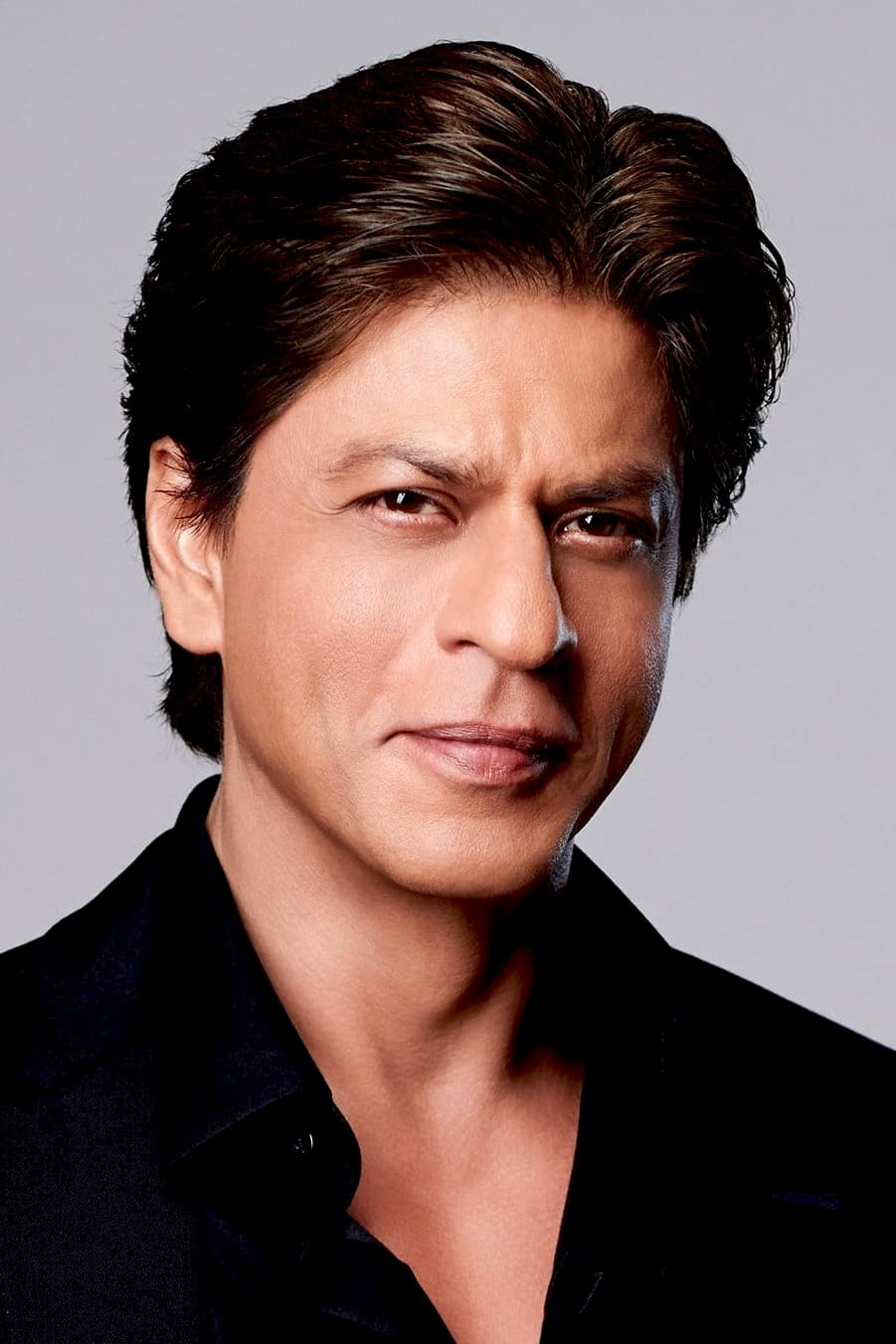
Shah Rukh Khan is an Indian actor closely associated with modern Hindi-language cinema, with major roles in films like ‘Dilwale Dulhania Le Jayenge’, ‘Kuch Kuch Hota Hai’, and ‘My Name Is Khan’. Starting in television, he transitioned to film and became one of the most recognizable figures in Bollywood. His movies are widely distributed across South Asia, the Middle East, Africa, and the Indian diaspora, often performing strongly outside India. Khan’s combination of romance, drama, and musical performance has played a central role in the global spread of Hindi popular cinema.
Amitabh Bachchan

Amitabh Bachchan is an Indian actor whose career took off in the 1970s with roles in films like ‘Sholay’, ‘Deewaar’, and ‘Zanjeer’. He became associated with the “angry young man” persona during a period of significant social and political change in India. Bachchan later diversified into character roles, television hosting, and voice work while continuing to appear in major films. His long career and enduring popularity across generations have made him a central figure in the history of Indian cinema.
Irrfan Khan
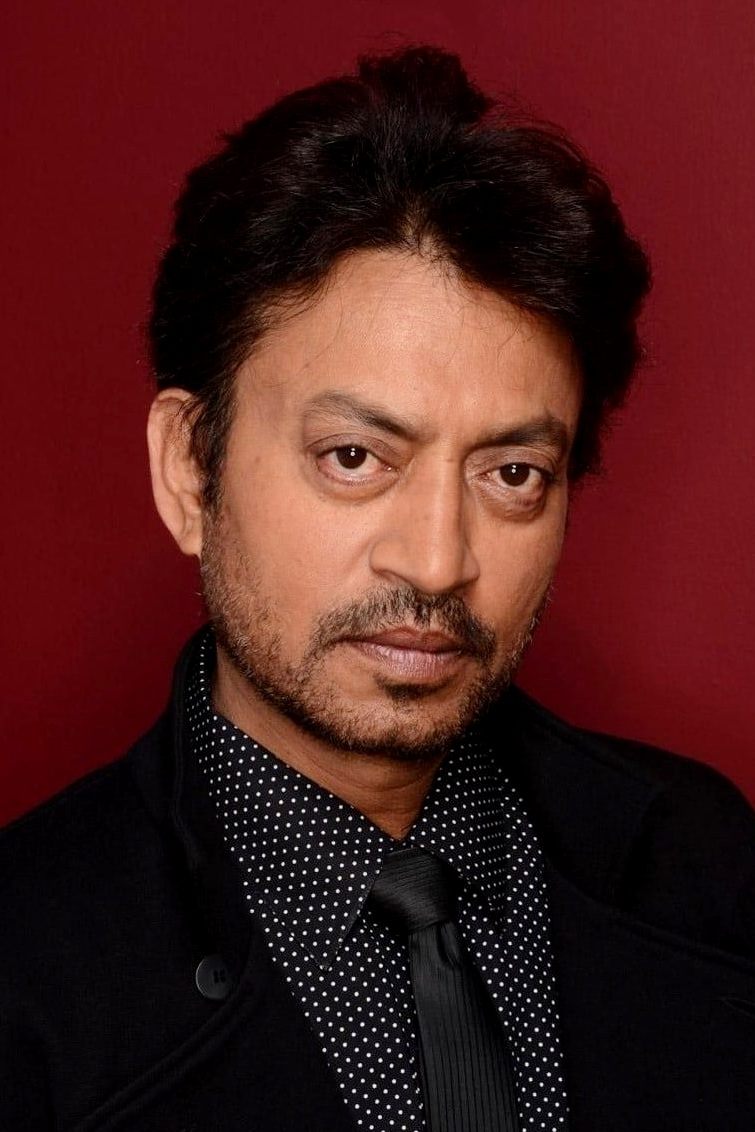
Irrfan Khan was an Indian actor who worked across Indian cinema, British television, and Hollywood films. His notable projects include ‘The Lunchbox’, ‘Paan Singh Tomar’, ‘Slumdog Millionaire’, and ‘Life of Pi’. Khan was known for understated, naturalistic performances that fit into many different storytelling styles. By moving between independent films and large studio productions, he demonstrated how a non-Western actor could build a truly transnational body of work.
Song Kang-ho

Song Kang-ho is a South Korean actor who appears in many of the country’s most internationally recognized films, including ‘Memories of Murder’, ‘The Host’, and ‘Parasite’. He frequently collaborates with directors such as Bong Joon-ho and Park Chan-wook. Song’s performances often combine everyday realism with elements of dark humor and social critique, matching the tone of contemporary Korean cinema. His presence in award-winning films has brought sustained attention to South Korea’s film industry worldwide.
Gael García Bernal
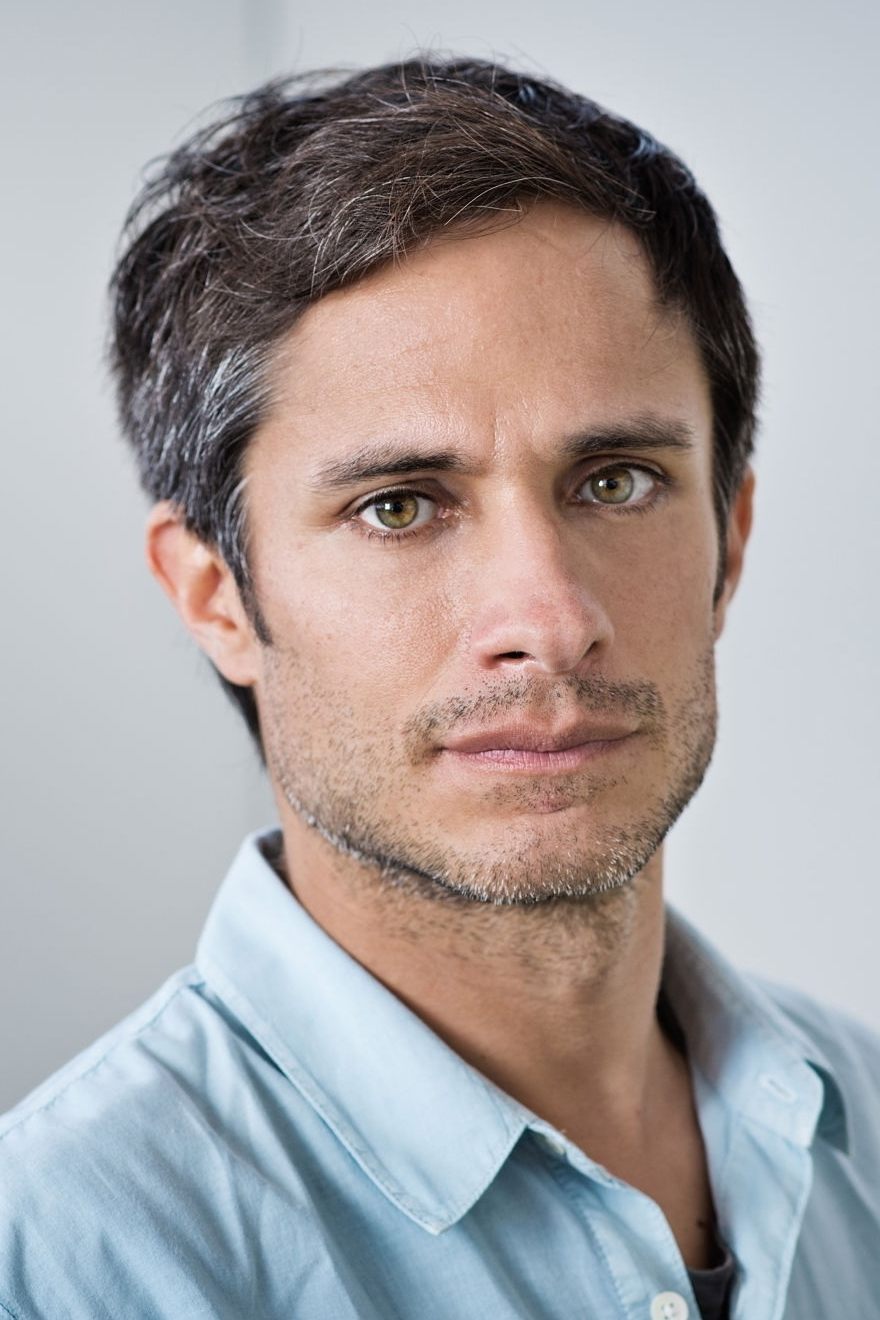
Gael García Bernal is a Mexican actor who came to international attention through films like ‘Amores Perros’, ‘Y Tu Mamá También’, and ‘The Motorcycle Diaries’. He has worked in Spanish, English, and other languages, dividing his time between Latin American, European, and North American productions. Bernal is also active as a producer and director, supporting independent projects through companies he co-founded. His career has helped raise the profile of Mexican and Latin American cinema in global markets.
Jean Reno
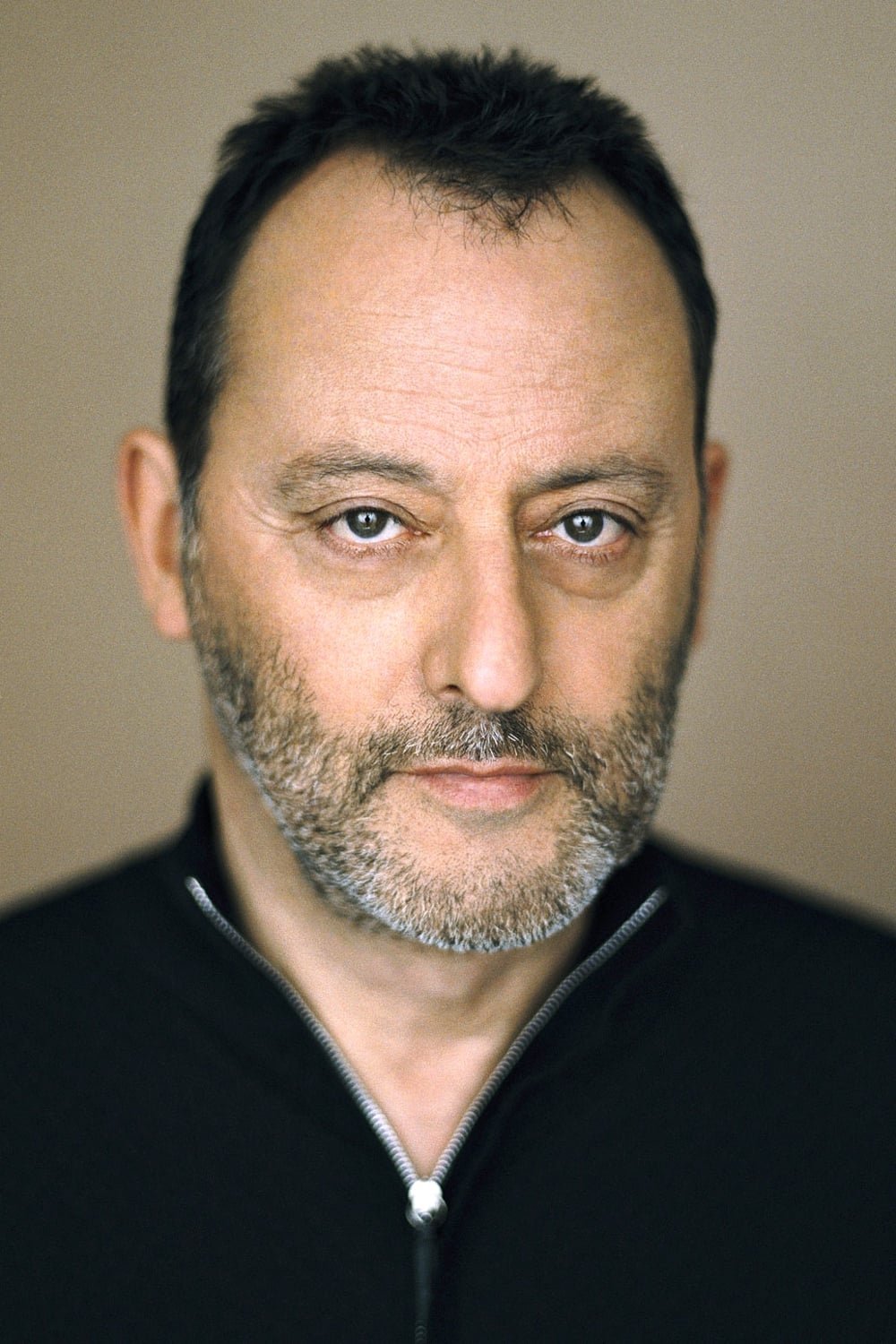
Jean Reno is a French actor whose international roles include films such as ‘Léon: The Professional’, ‘La Femme Nikita’, and ‘The Big Blue’. He often plays quiet, skilled professionals, detectives, or soldiers in thrillers and action dramas. Reno has worked in French, English, and other European languages, giving him a broad presence across different territories. His participation in both European films and Hollywood productions has made him a familiar face to audiences around the world.
Mads Mikkelsen
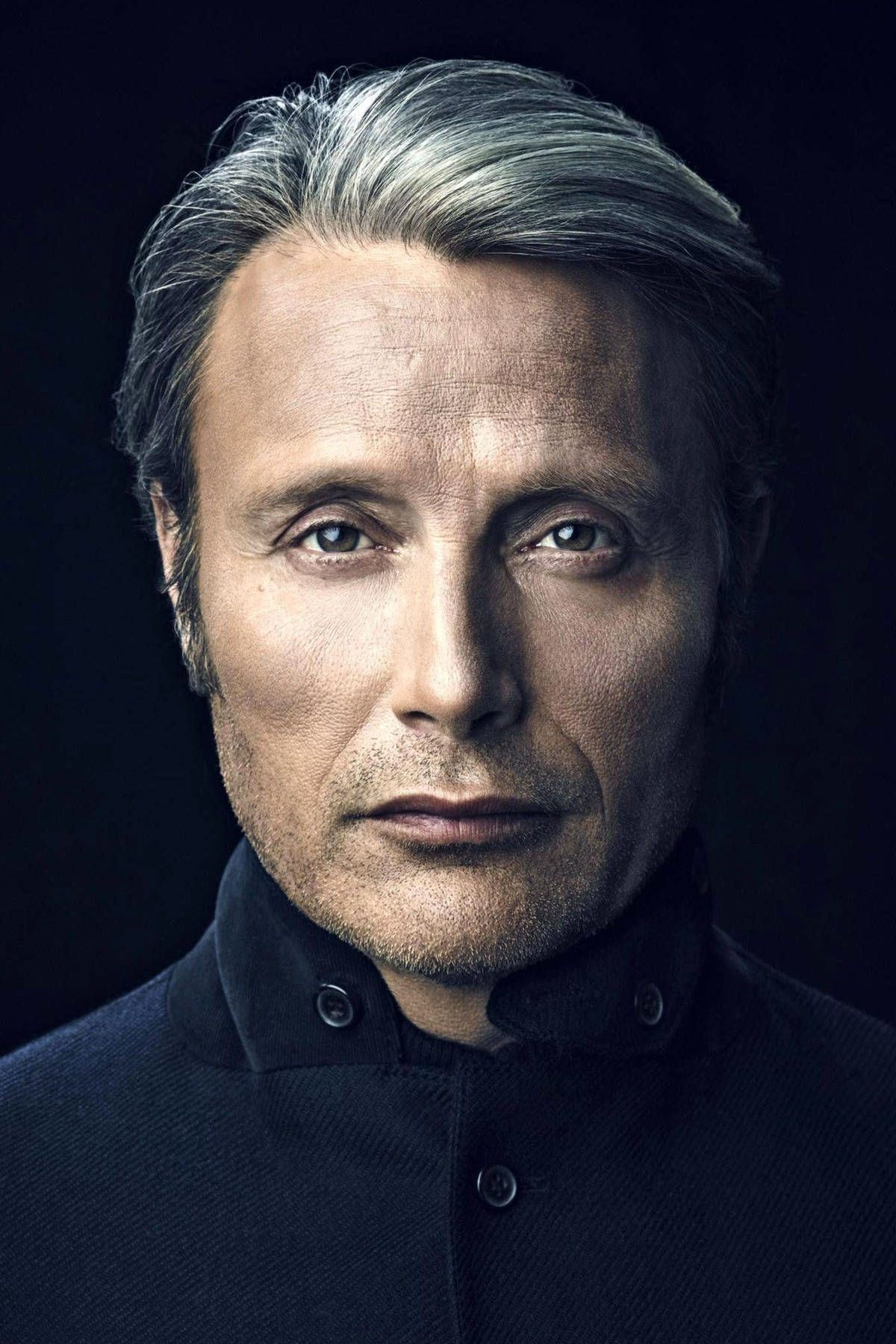
Mads Mikkelsen is a Danish actor whose work spans Scandinavian films like ‘The Hunt’ and ‘Another Round’, as well as international projects such as ‘Casino Royale’ and ‘Doctor Strange’. He began his career in Danish cinema and television, including the crime series ‘Rejseholdet’. Mikkelsen often portrays complex antagonists or morally ambiguous leads, which has made him in demand for both genre films and character-driven dramas. His success has highlighted the strength of Danish acting talent in contemporary global cinema.
Chiwetel Ejiofor
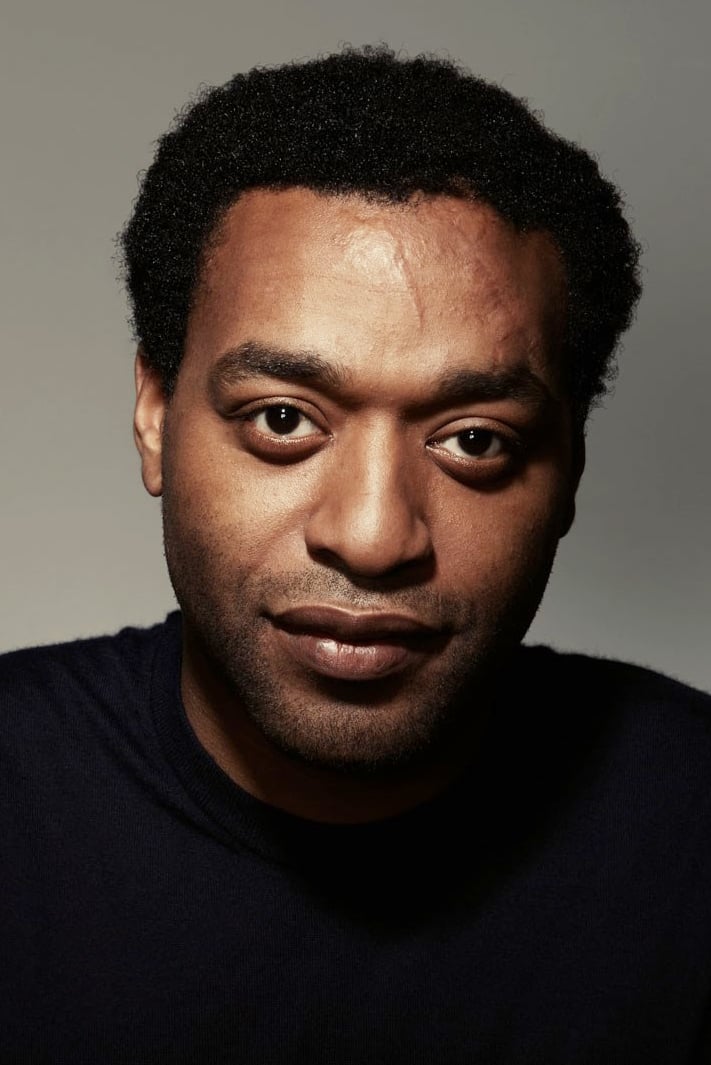
Chiwetel Ejiofor is a British actor of Nigerian descent known for roles in films like ‘Dirty Pretty Things’, ’12 Years a Slave’, and ‘Children of Men’. Trained at the London Academy of Music and Dramatic Art, he has maintained a parallel career in theatre and film. Ejiofor has taken on characters in stories dealing with migration, history, and social change, as well as appearing in large-scale fantasy and science-fiction projects. His work illustrates the contributions of the African diaspora to British and international screen culture.
Christoph Waltz
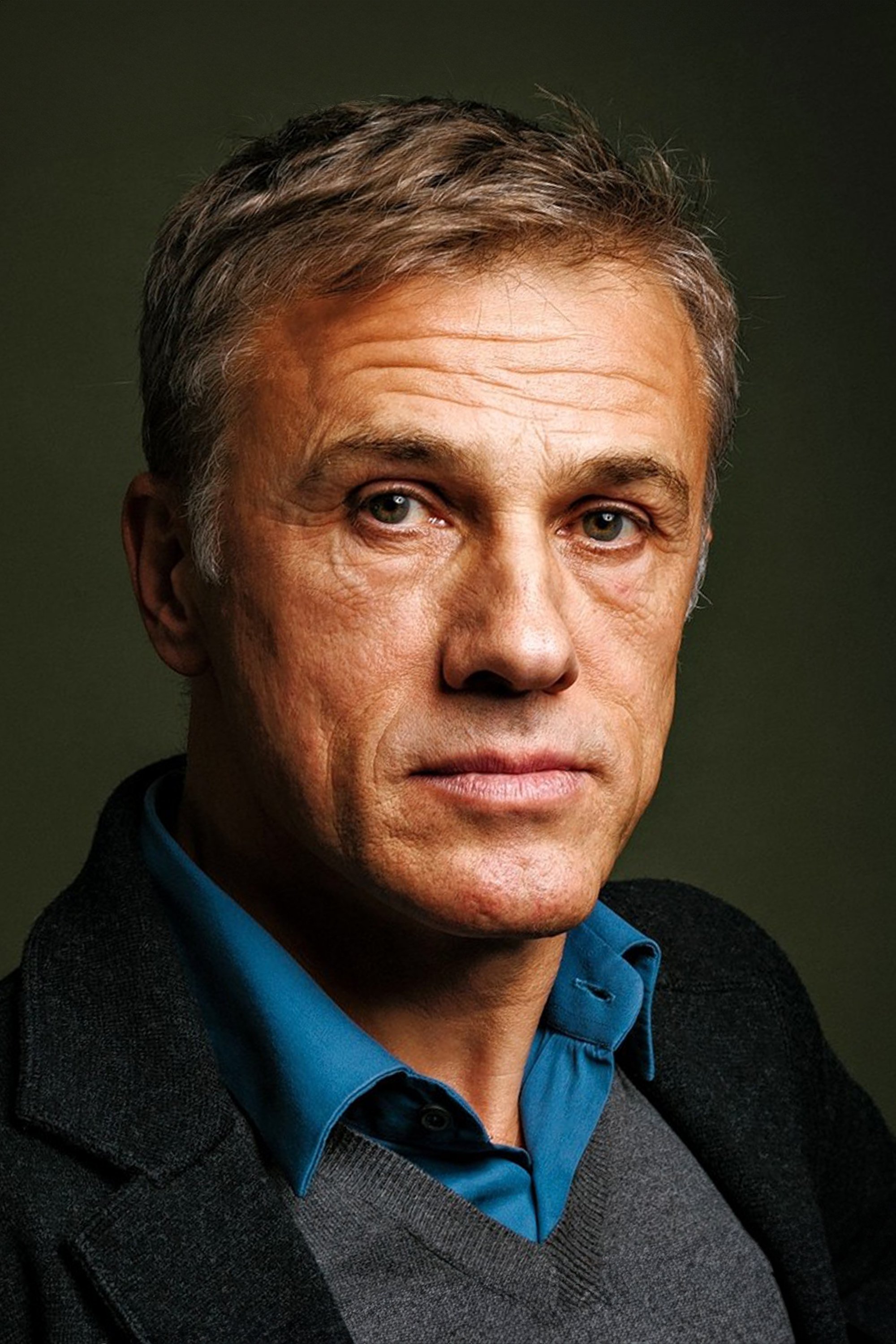
Christoph Waltz is an Austrian-German actor who gained major international recognition with ‘Inglourious Basterds’ and ‘Django Unchained’. Before these films, he spent many years working primarily in European television and cinema. His ability to perform in German, English, and French allowed him to take on multilingual roles in historical and contemporary settings. Waltz’s later appearances in a variety of Hollywood productions demonstrated how long-established European actors can reach new audiences through global franchises.
Sean Connery
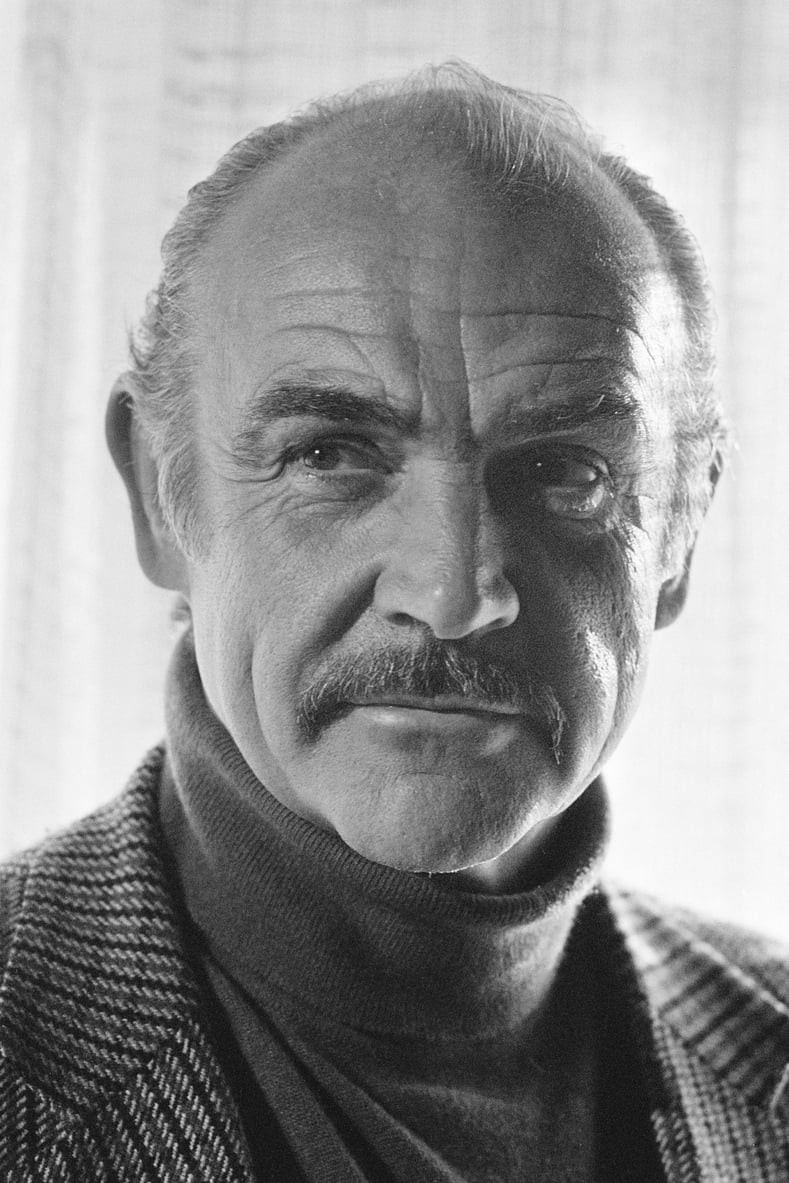
Sean Connery was a Scottish actor best known for originating the cinematic version of James Bond in films such as ‘Dr. No’, ‘From Russia with Love’, and ‘Goldfinger’. His portrayal helped establish the format of the modern spy film, combining action, technology, and travel. Outside the Bond series, Connery appeared in high-profile works like ‘The Untouchables’ and ‘Indiana Jones and the Last Crusade’. His career linked British cinema with major American productions during the second half of the 20th century.
Peter O’Toole
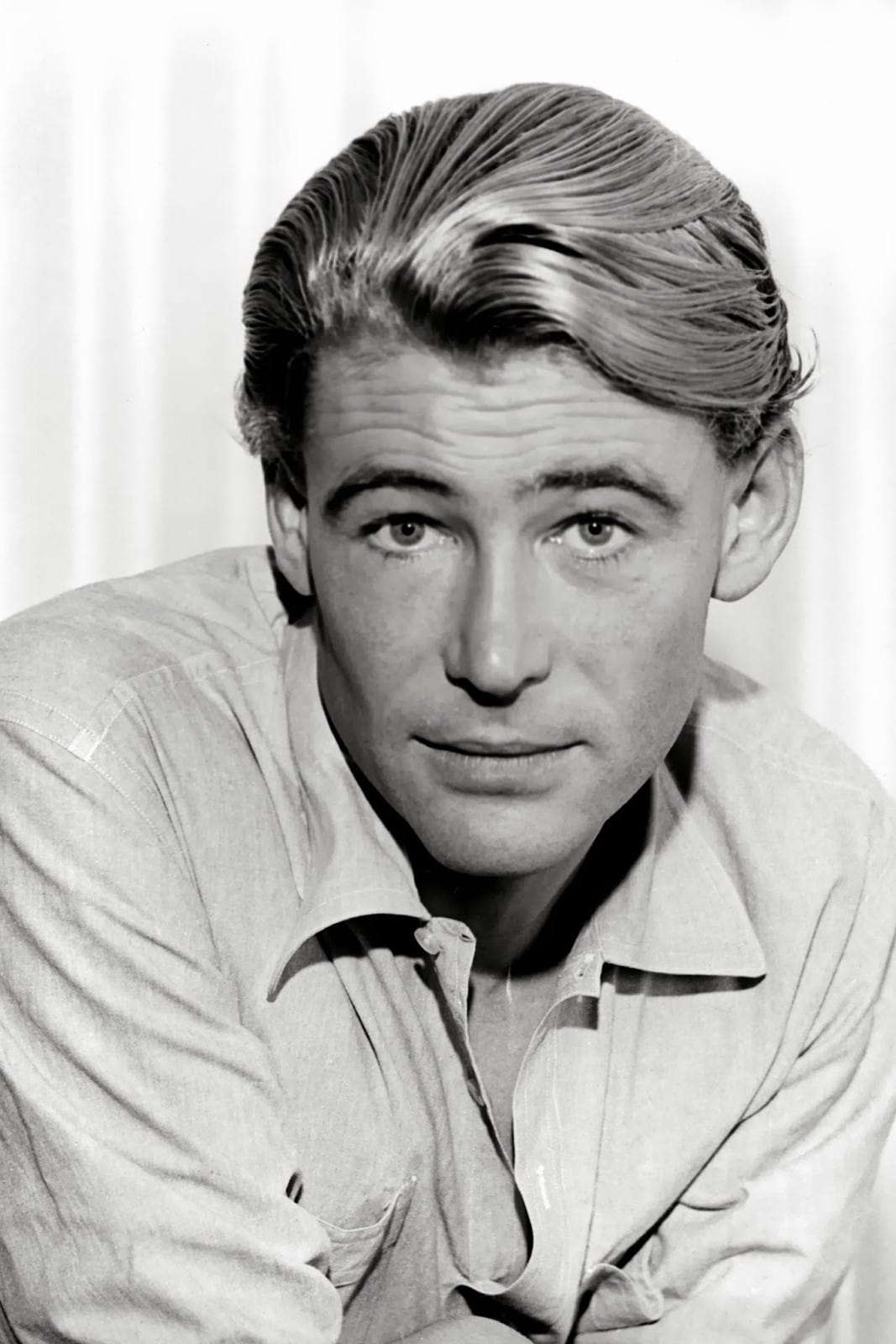
Peter O’Toole was an Irish-born British actor whose breakthrough came with the title role in ‘Lawrence of Arabia’. He went on to star in films such as ‘Becket’ and ‘The Lion in Winter’, often portraying historical or literary figures. O’Toole’s background in theatre informed his screen performances, which were marked by precise speech and strong presence. Across his career, he worked in British, American, and European productions, helping maintain the visibility of British-trained actors in international cinema.
Peter Sellers
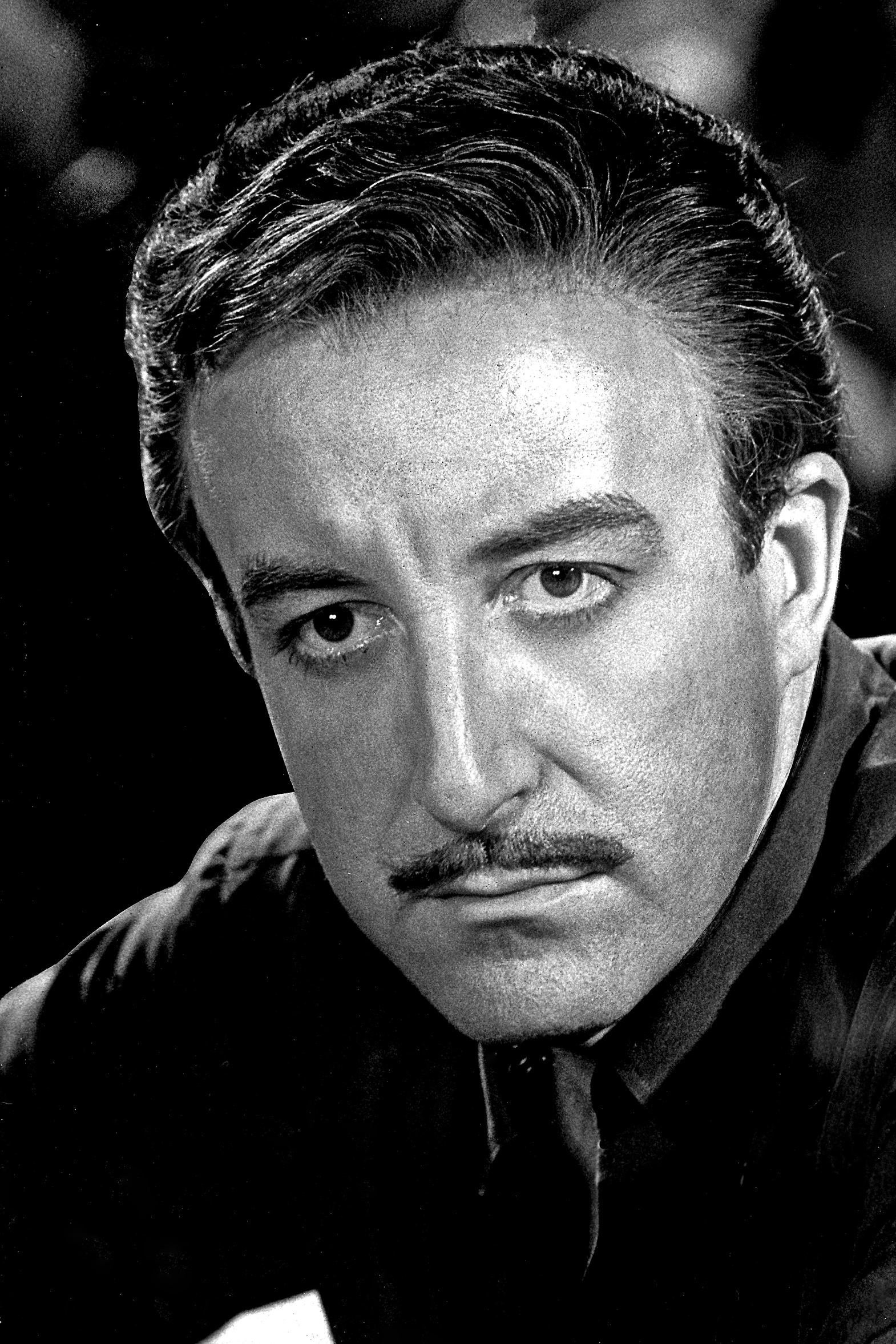
Peter Sellers was an English actor and comedian known for his versatility in films like ‘Dr. Strangelove’, ‘The Pink Panther’, and ‘Being There’. He frequently played multiple characters in the same film, shifting voices, accents, and physical mannerisms. Sellers began in radio and television before becoming a major film comedian in Britain and the United States. His work expanded the possibilities for character transformation in screen comedy and influenced later performers in sketch and film formats.
Ben Kingsley
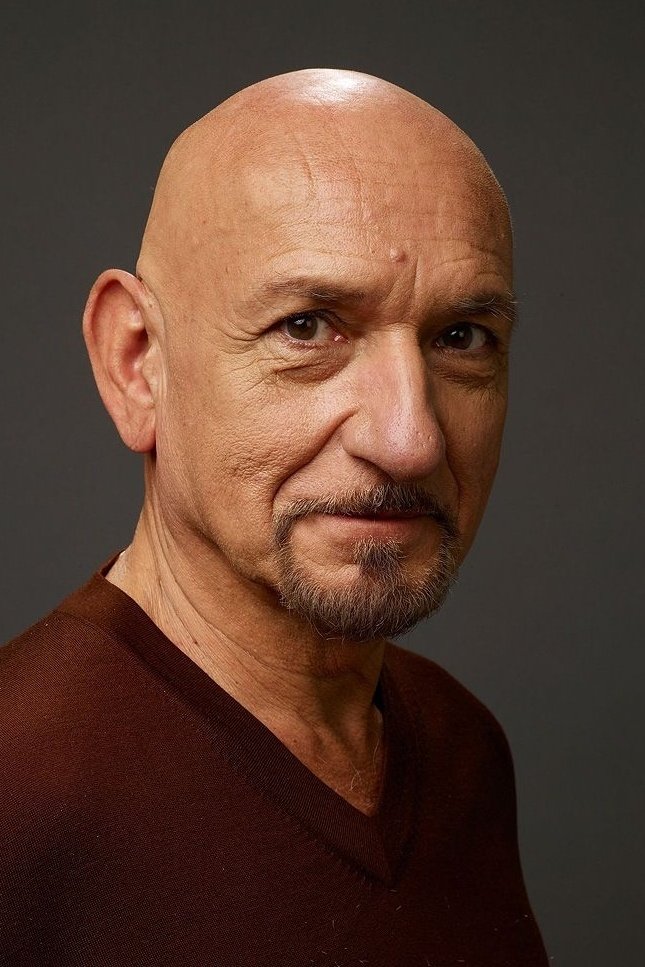
Ben Kingsley is a British actor whose breakthrough role was in ‘Gandhi’. He has since appeared in a wide range of films, including ‘Schindler’s List’, ‘Sexy Beast’, and ‘House of Sand and Fog’. Kingsley has portrayed historical leaders, criminals, and troubled family members, moving between independent dramas and large-scale productions. His career shows how actors of South Asian heritage in Britain have contributed to both national and international cinema.
Gary Oldman
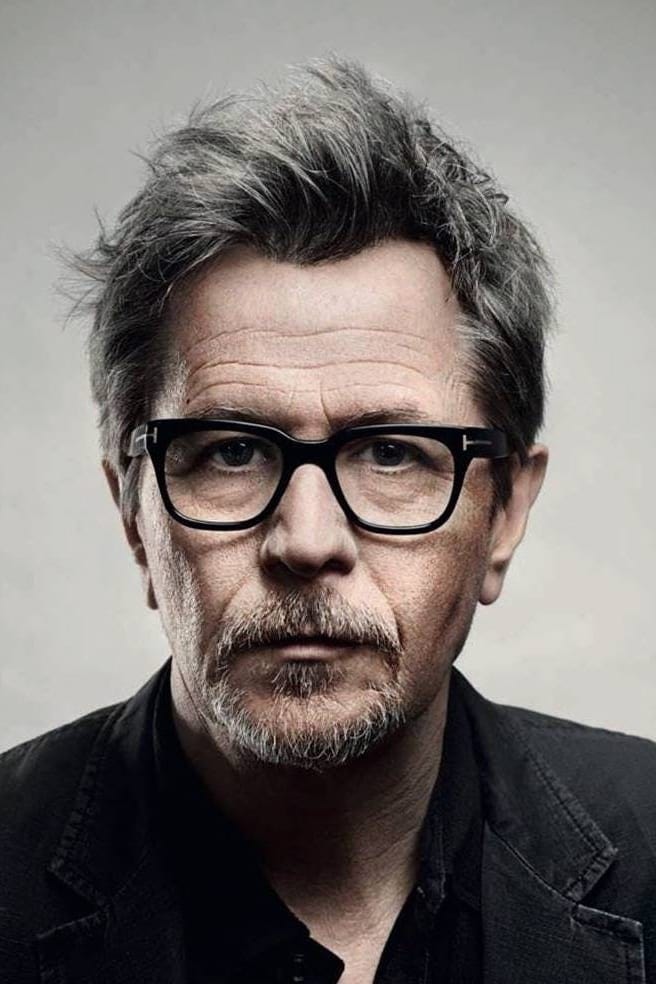
Gary Oldman is a British actor recognized for transformative performances in films such as ‘Sid and Nancy’, ‘Bram Stoker’s Dracula’, and ‘Tinker Tailor Soldier Spy’. He has played musicians, political figures, police officers, and villains, often altering his voice and physical appearance for each role. Oldman started in British theatre and independent film before becoming a key presence in major franchises like ‘The Dark Knight’ trilogy and the ‘Harry Potter’ series. His ability to move between character roles and blockbuster casts made him one of the most widely seen British actors of his generation.
Rutger Hauer
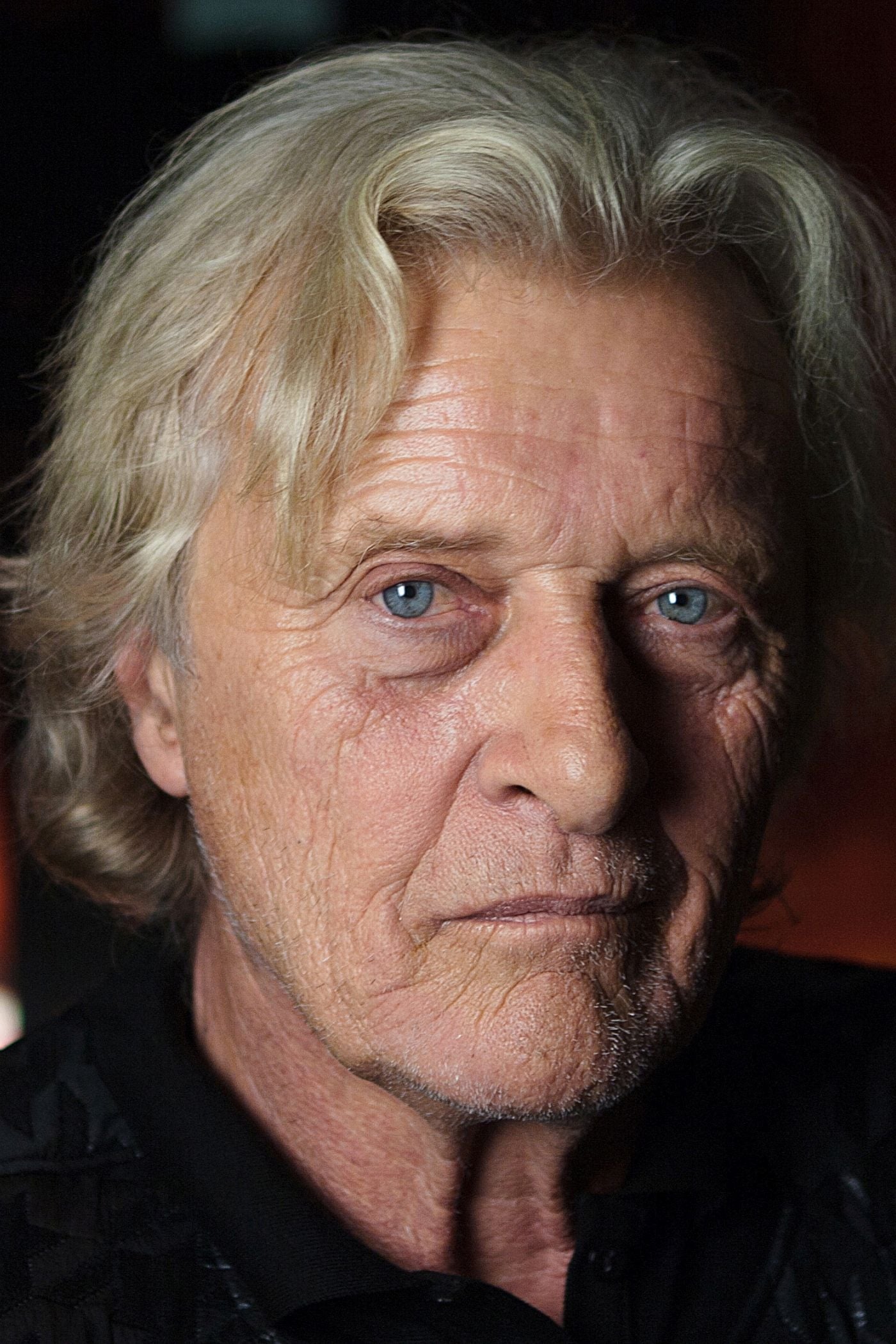
Rutger Hauer was a Dutch actor who became internationally known through films like ‘Blade Runner’, ‘The Hitcher’, and ‘Ladyhawke’. He started in Dutch television and cinema, including collaborations with director Paul Verhoeven, before transitioning to English-language projects. Hauer often played enigmatic or morally ambiguous characters in science-fiction, fantasy, and thrillers. His work helped connect the Dutch film scene with Hollywood during the 1980s and 1990s.
Ricardo Darín
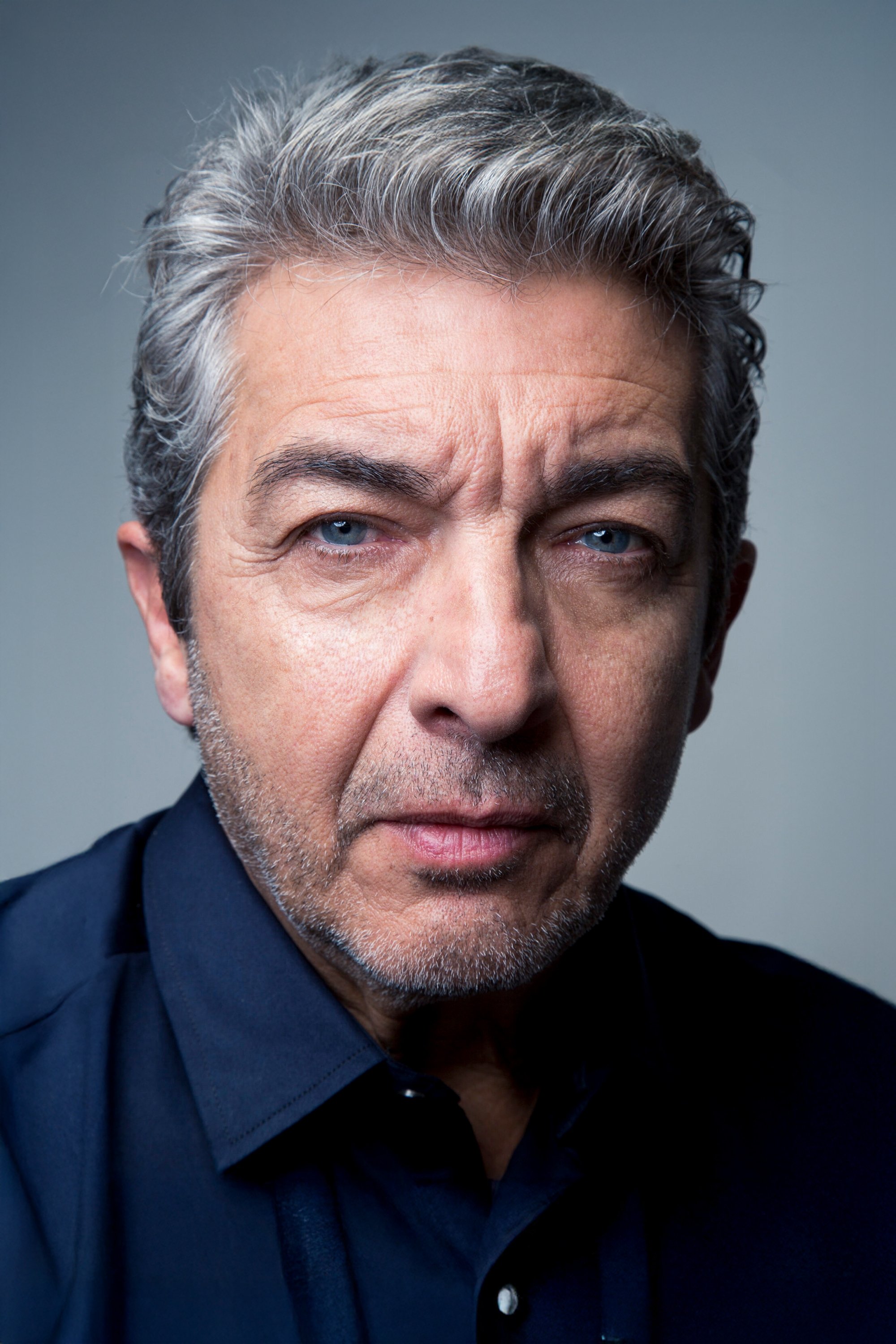
Ricardo Darín is an Argentine actor central to the modern success of Argentine cinema, with key roles in films such as ‘Nine Queens’, ‘The Secret in Their Eyes’, and ‘Wild Tales’. He frequently portrays ordinary people caught up in legal, social, or moral conflicts that mirror contemporary Latin American realities. Darín’s films have travelled widely through festivals and commercial distribution, bringing Argentine stories to international audiences. His consistent presence in critically acclaimed projects has made him a reference point for Spanish-language cinema.
Andy Lau
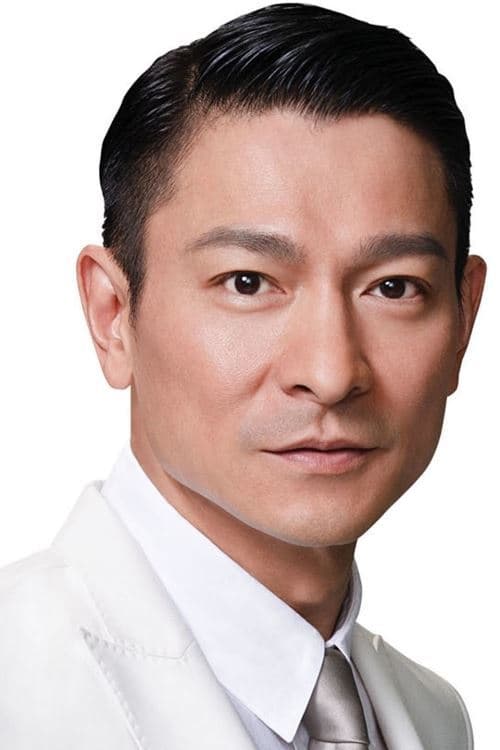
Andy Lau is a Hong Kong actor and singer whose film career includes major roles in ‘Infernal Affairs’, ‘Running Out of Time’, and ‘House of Flying Daggers’. Emerging from television and music, he became one of Hong Kong’s most bankable stars across several decades. Lau has worked in crime thrillers, romances, and historical epics, often combining acting with a parallel recording career. His sustained popularity illustrates how Hong Kong cinema builds long-term multi-media performers.
Donnie Yen
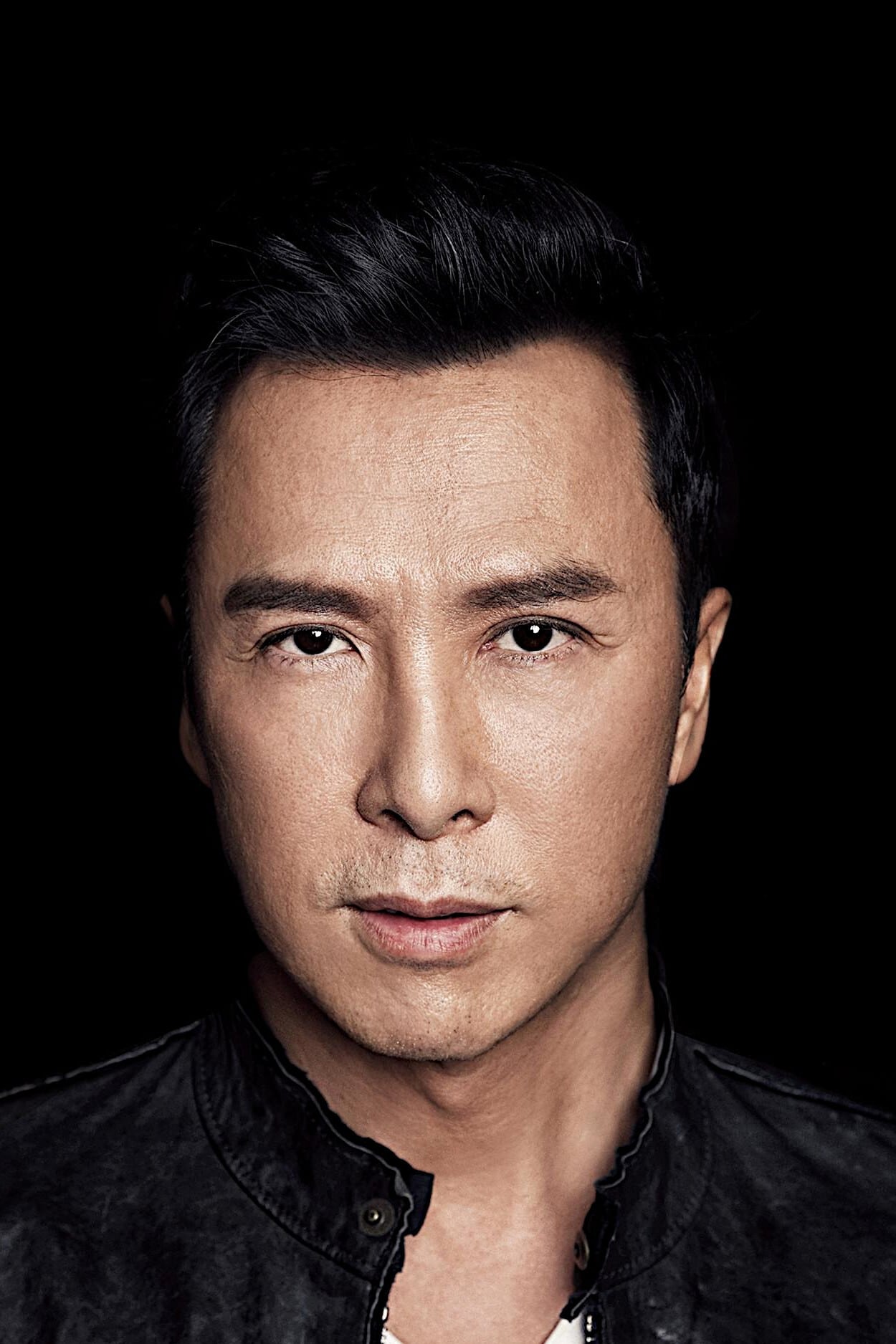
Donnie Yen is a Hong Kong actor, martial artist, and action choreographer known for films like ‘Ip Man’, ‘Hero’, and ‘Flash Point’. He began in Hong Kong action cinema, where he developed screen fights that integrated traditional martial arts with modern editing and camera techniques. Yen has also contributed behind the scenes as a fight choreographer, shaping the look of numerous productions. His later roles in international projects introduced his style to wider audiences and reinforced the global appeal of Asian martial arts cinema.
Jet Li
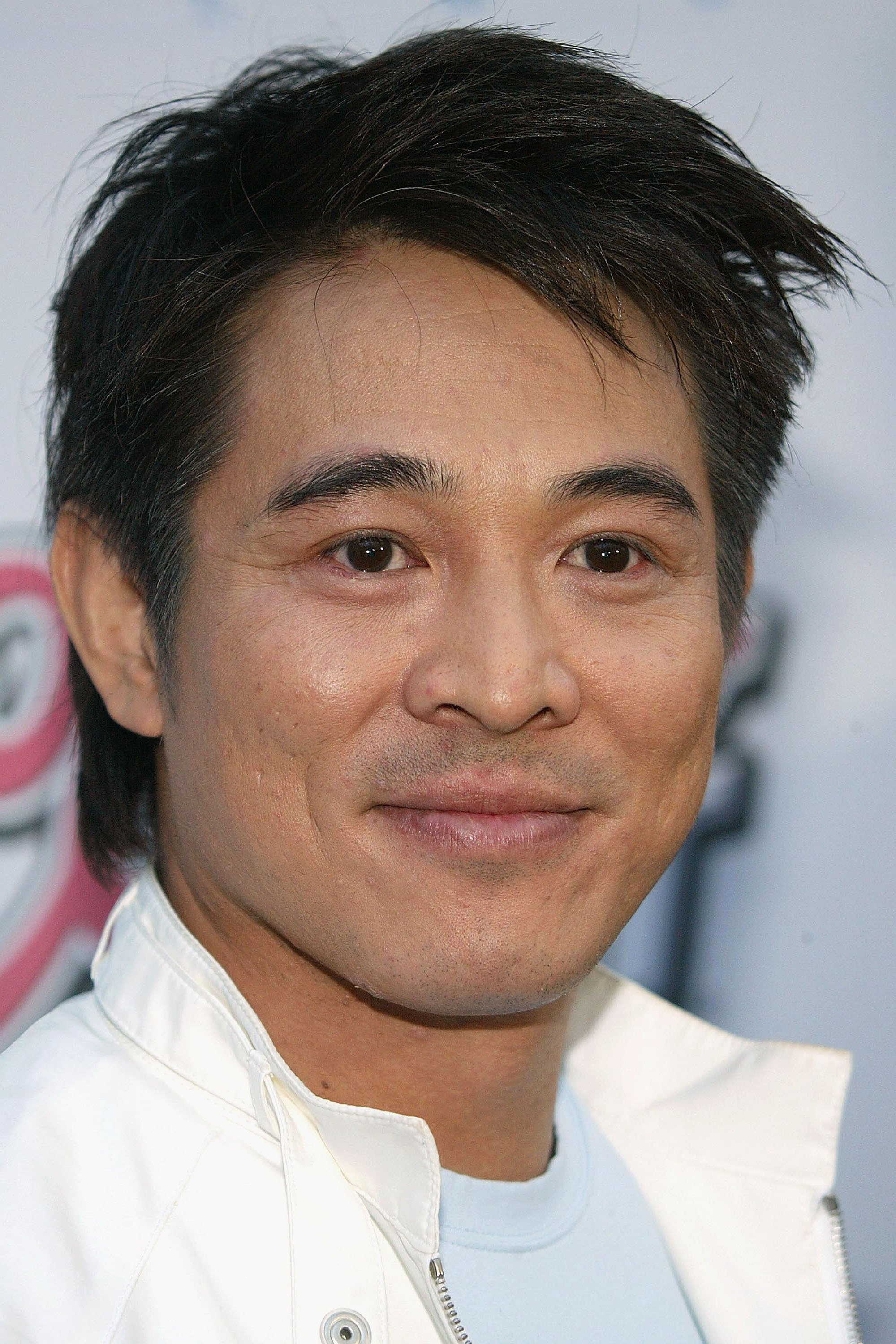
Jet Li is a Chinese actor and martial artist who first gained fame in films such as ‘Shaolin Temple’, ‘Once Upon a Time in China’, and ‘Fist of Legend’. His background as a national wushu champion gave his screen performances exceptional speed and precision. Li moved into international co-productions and Hollywood films including ‘Lethal Weapon 4’, ‘Romeo Must Die’, and ‘Hero’. His career helped bring Chinese martial arts cinema into mainstream global distribution.
Takeshi Kitano
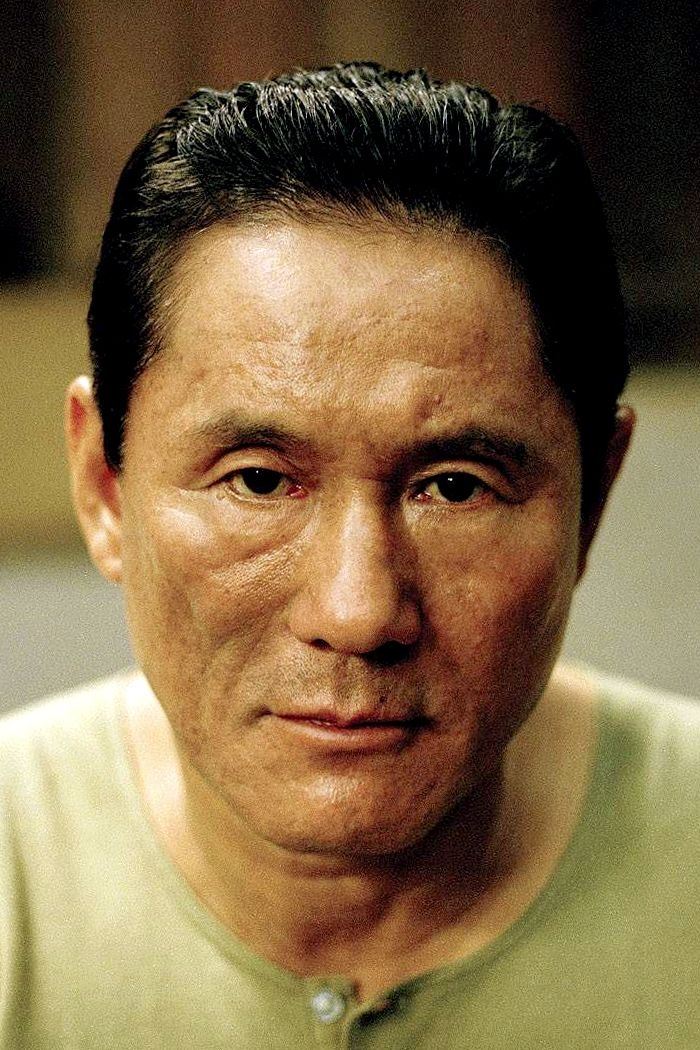
Takeshi Kitano is a Japanese actor, director, and comedian whose notable acting roles include films like ‘Sonatine’, ‘Hana-bi’, and ‘Zatoichi’. He started as a stand-up and television comedian before moving into more serious crime dramas and auteur projects. On screen, Kitano often plays quiet, reserved characters whose actions contrast with their calm demeanor. His films have been widely shown at international festivals, making him one of the most recognizable Japanese filmmaker-actors abroad.
Bruno Ganz
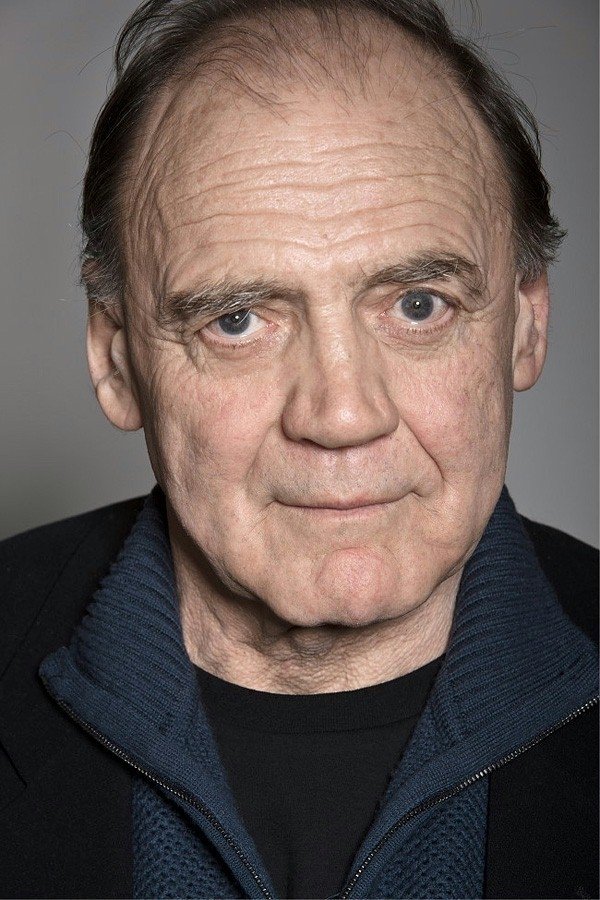
Bruno Ganz was a Swiss actor who worked extensively in German-language and international cinema. Some of his most recognized films include ‘The American Friend’, ‘Wings of Desire’, and ‘Downfall’. Ganz moved between stage and screen, often taking on roles that dealt with philosophical, political, or historical themes. His portrayal of complex figures in European films made him a key figure in postwar German-language cinema.
Jean-Louis Trintignant
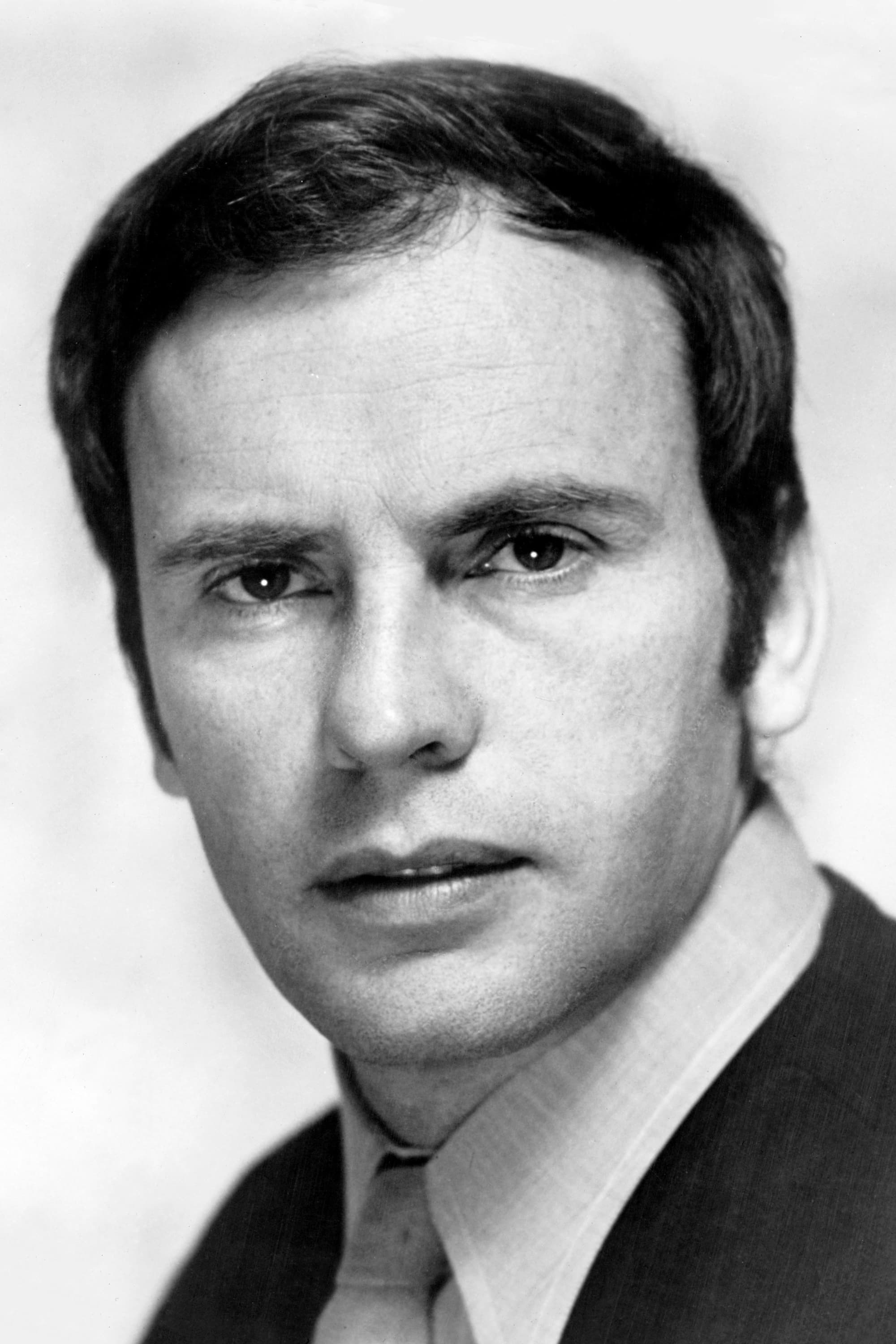
Jean-Louis Trintignant was a French actor whose long career encompassed films such as ‘A Man and a Woman’, ‘The Conformist’, and ‘Amour’. He frequently appeared in European art-house productions, working with major directors in France and Italy. Trintignant often portrayed characters dealing with moral ambiguity, political pressure, or intimate emotional conflict. His body of work helped define the introspective, character-driven style of much postwar European cinema.
Louis de Funès
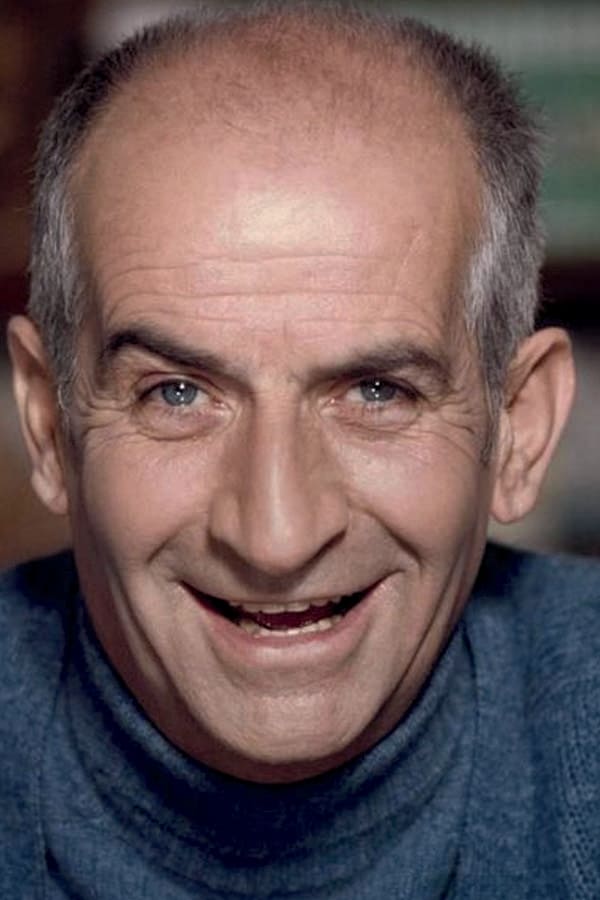
Louis de Funès was a French actor and comedian famous for his energetic style in films like ‘La Grande Vadrouille’, ‘The Mad Adventures of Rabbi Jacob’, and the ‘Gendarme’ series. He became one of France’s most popular comic performers during the 1960s and 1970s. De Funès’s highly expressive face and rapid delivery made his comedy accessible even to audiences watching dubbed or subtitled versions. His films were widely exported, giving French slapstick and farce a strong international presence.
Omar Sy
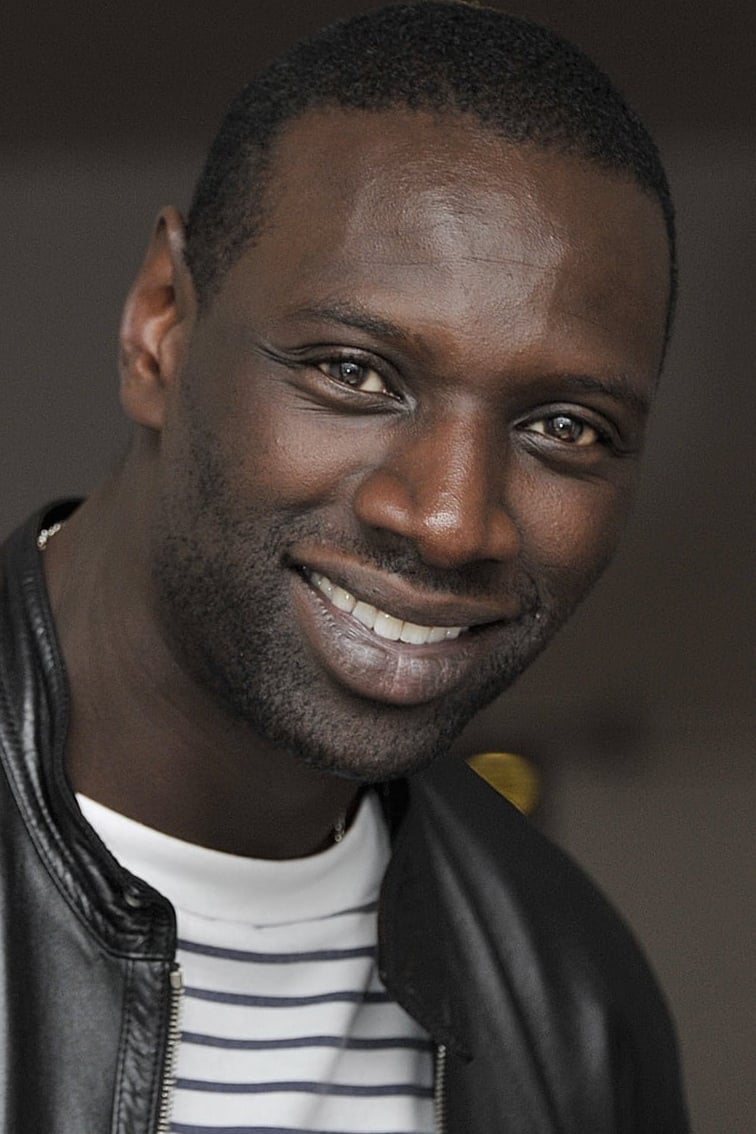
Omar Sy is a French actor who gained international attention with ‘The Intouchables’. He later appeared in global franchises and productions such as ‘Jurassic World’, ‘X-Men: Days of Future Past’, and the series ‘Lupin’. Sy’s career bridges French popular cinema, streaming series, and English-language blockbusters, reflecting newer patterns of cross-border casting. His visibility has also contributed to ongoing conversations about representation and diversity in European film and television.
Share your thoughts on which other foreign male actors have shaped cinema for you in the comments below.

