


The Most Influential Hollywood Actors of All Time

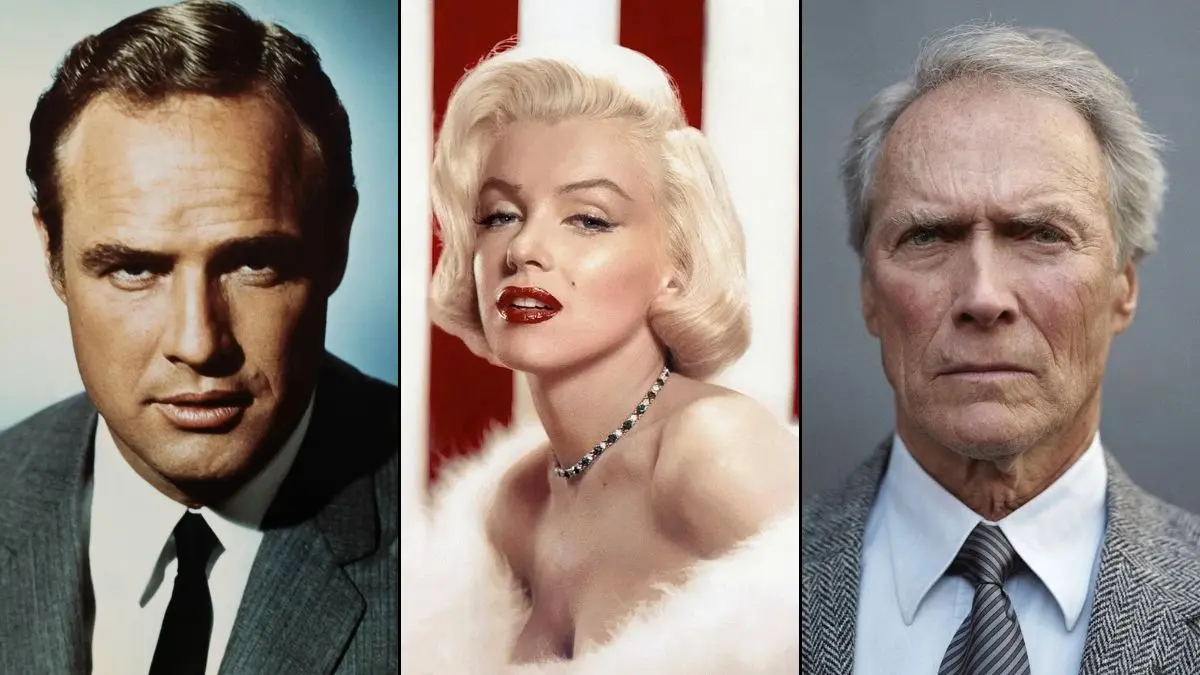


Hollywood has been shaped by performers who changed the craft, expanded global audiences, and opened doors for the next generation. From silent era icons to contemporary box office leaders, these actors introduced new styles of performance, set award records, and helped build the business side of movies as we know it today. Their work also pushed cultural boundaries through representation, union leadership, and worldwide outreach. Here are forty figures whose careers left a lasting imprint on film history.
Charlie Chaplin
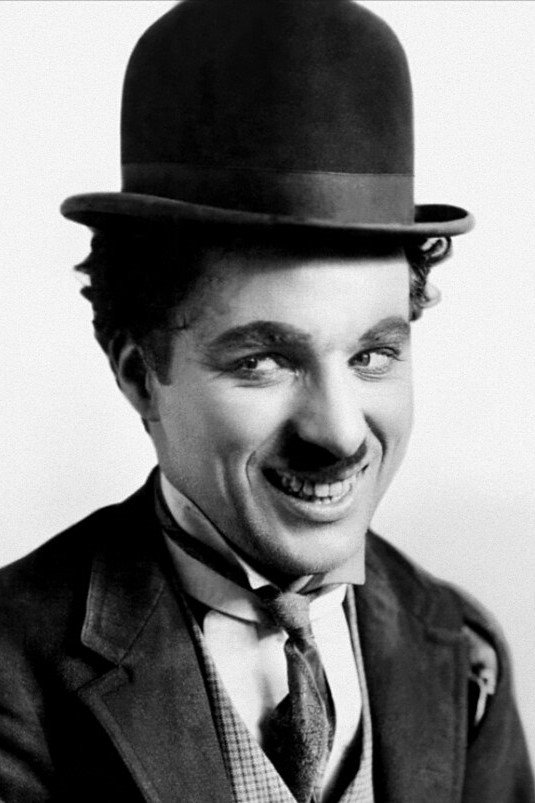
Charlie Chaplin helped define screen acting with physical storytelling that translated across languages. He wrote, directed, produced, and scored many of his own films, building a model of creative control rare for his time. His character the Tramp headlined landmark features like ‘The Kid’, ‘City Lights’, and ‘Modern Times’. Chaplin co founded United Artists to secure distribution independence for artists.
Mary Pickford

Mary Pickford was the first true movie superstar and a pioneer of artist owned power in Hollywood. She co founded United Artists with D W Griffith, Charlie Chaplin, and Douglas Fairbanks to control distribution. Pickford won an early Academy Award and helped professionalize film acting through her production decisions. Her savvy marketing and fan engagement established the template for modern celebrity.
Douglas Fairbanks
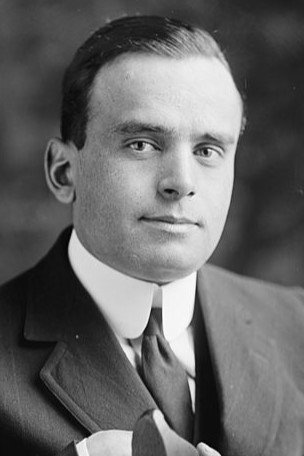
Douglas Fairbanks popularized the swashbuckler with athletic performances in ‘The Mark of Zorro’ and ‘Robin Hood’. He co founded United Artists to give filmmakers leverage over studios. Fairbanks served as the first president of the Academy of Motion Picture Arts and Sciences. His large scale productions set new standards for stunts and sets.
Buster Keaton
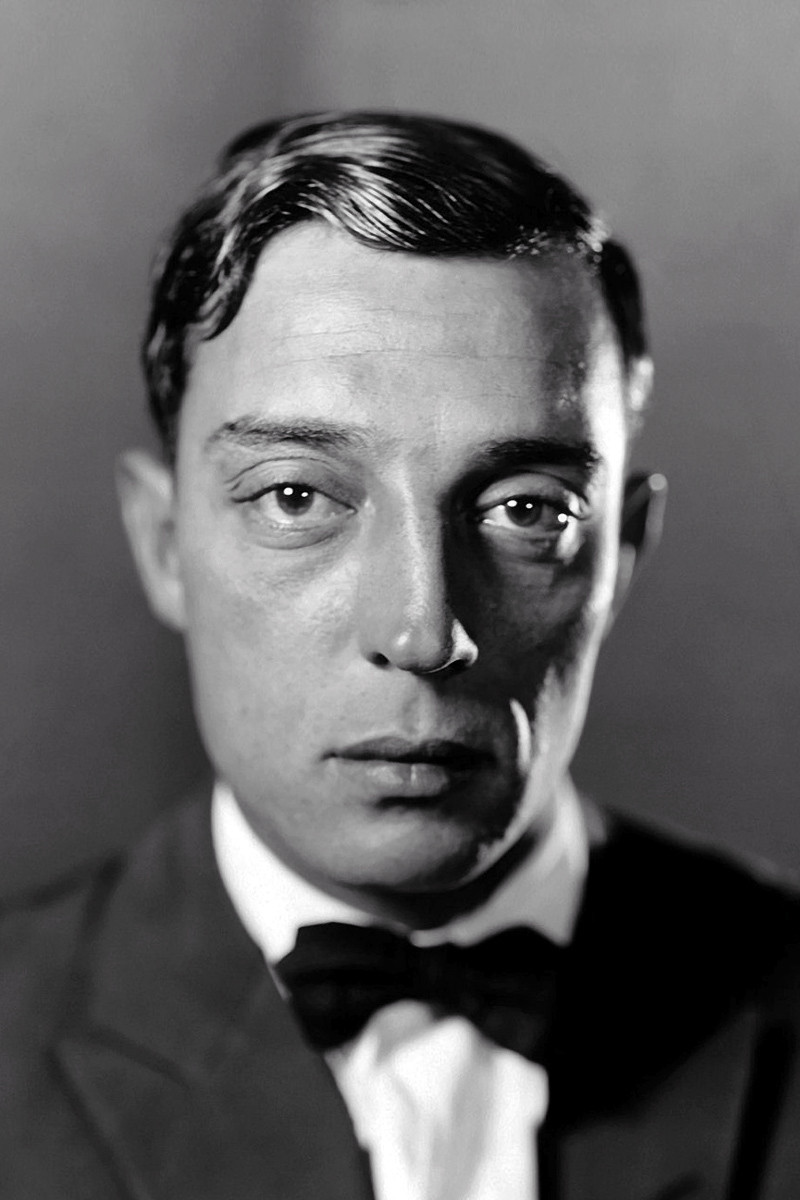
Buster Keaton advanced visual comedy with precise physical choreography and innovative camera gags. He starred in and directed classics like ‘The General’ and ‘Sherlock Jr.’. Keaton pioneered complex practical stunts that remain studied in film schools. His deadpan style influenced generations of comedians and action filmmakers.
Greta Garbo
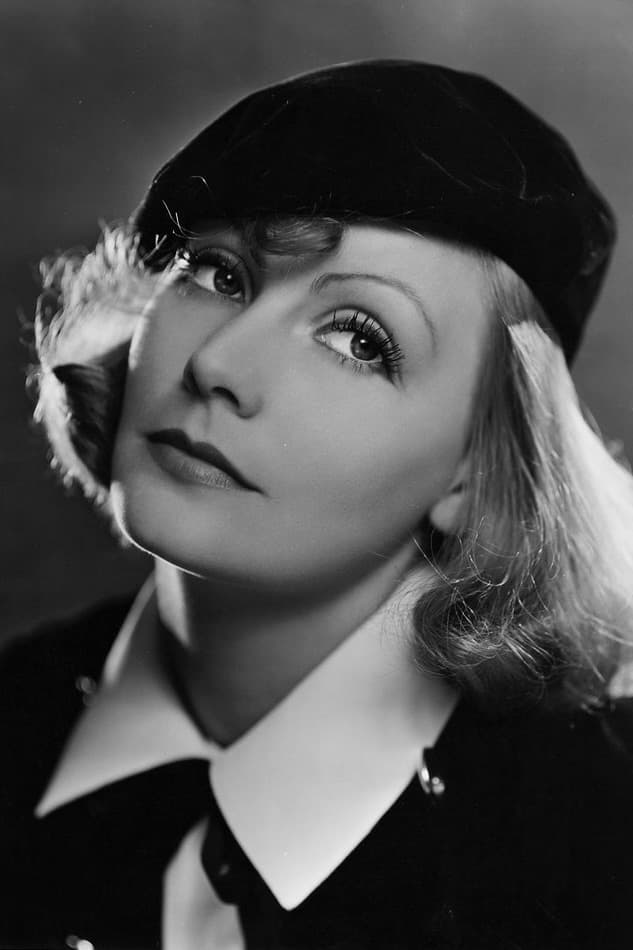
Greta Garbo became a global icon through controlled, nuanced performances in both silent and sound films. She headlined hits like ‘Anna Christie’ and ‘Camille’ and mastered the transition to talkies. Garbo used selective publicity to build mystique that studios emulated for decades. Her international appeal expanded Hollywood’s reach in European markets.
Marlene Dietrich
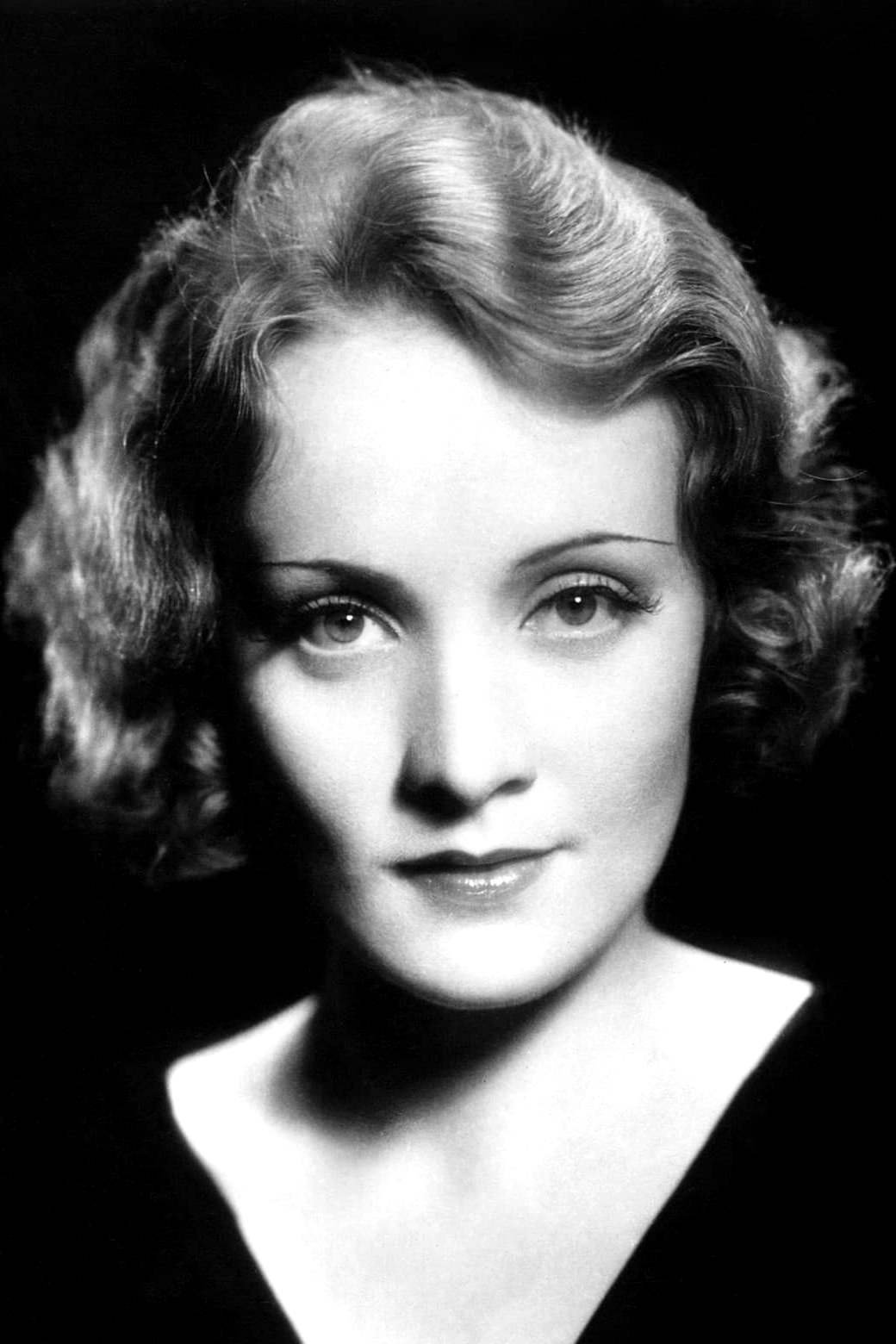
Marlene Dietrich collaborated with director Josef von Sternberg on stylized dramas like ‘The Blue Angel’ and ‘Shanghai Express’. She challenged gender norms through fashion and screen persona. During World War II she entertained Allied troops and recorded anti Nazi broadcasts. Dietrich’s career bridged European and American cinema and broadened Hollywood’s global identity.
Katharine Hepburn
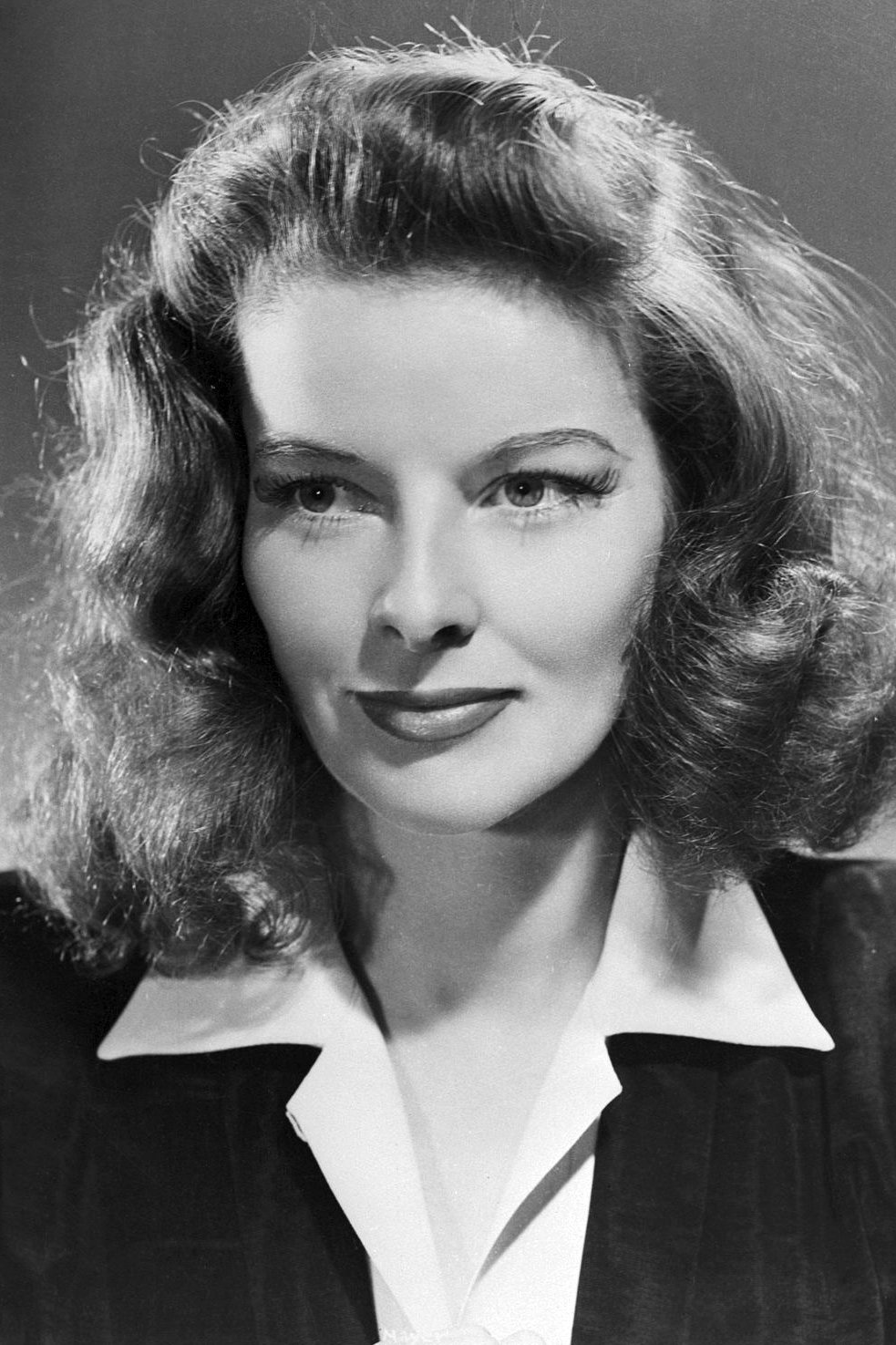
Katharine Hepburn earned a record number of competitive acting Oscars. She sustained a long career through stage and film work with major roles in ‘The Philadelphia Story’ and ‘Guess Who’s Coming to Dinner’. Hepburn’s independent public image redefined female stardom. She demonstrated how performers could maintain creative longevity across eras.
Clark Gable
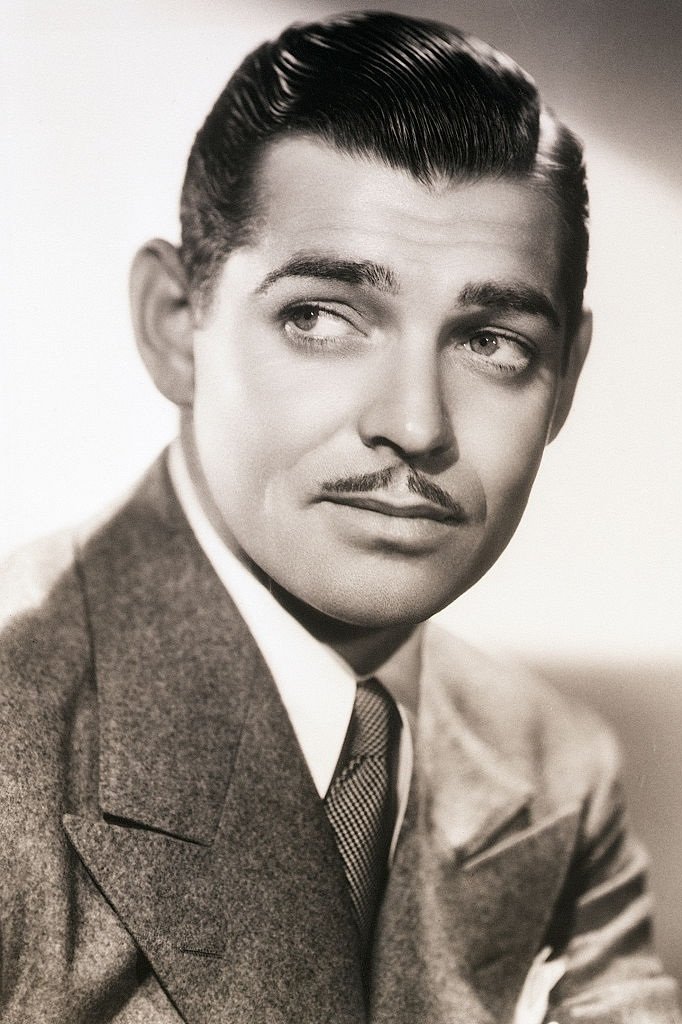
Clark Gable became known as the King of Hollywood and anchored large scale productions. He led films such as ‘It Happened One Night’ and ‘Gone with the Wind’ that set box office records. Gable’s star power helped stabilize the studio system’s marketing model. His wartime service and documentary work connected Hollywood to national efforts.
James Stewart
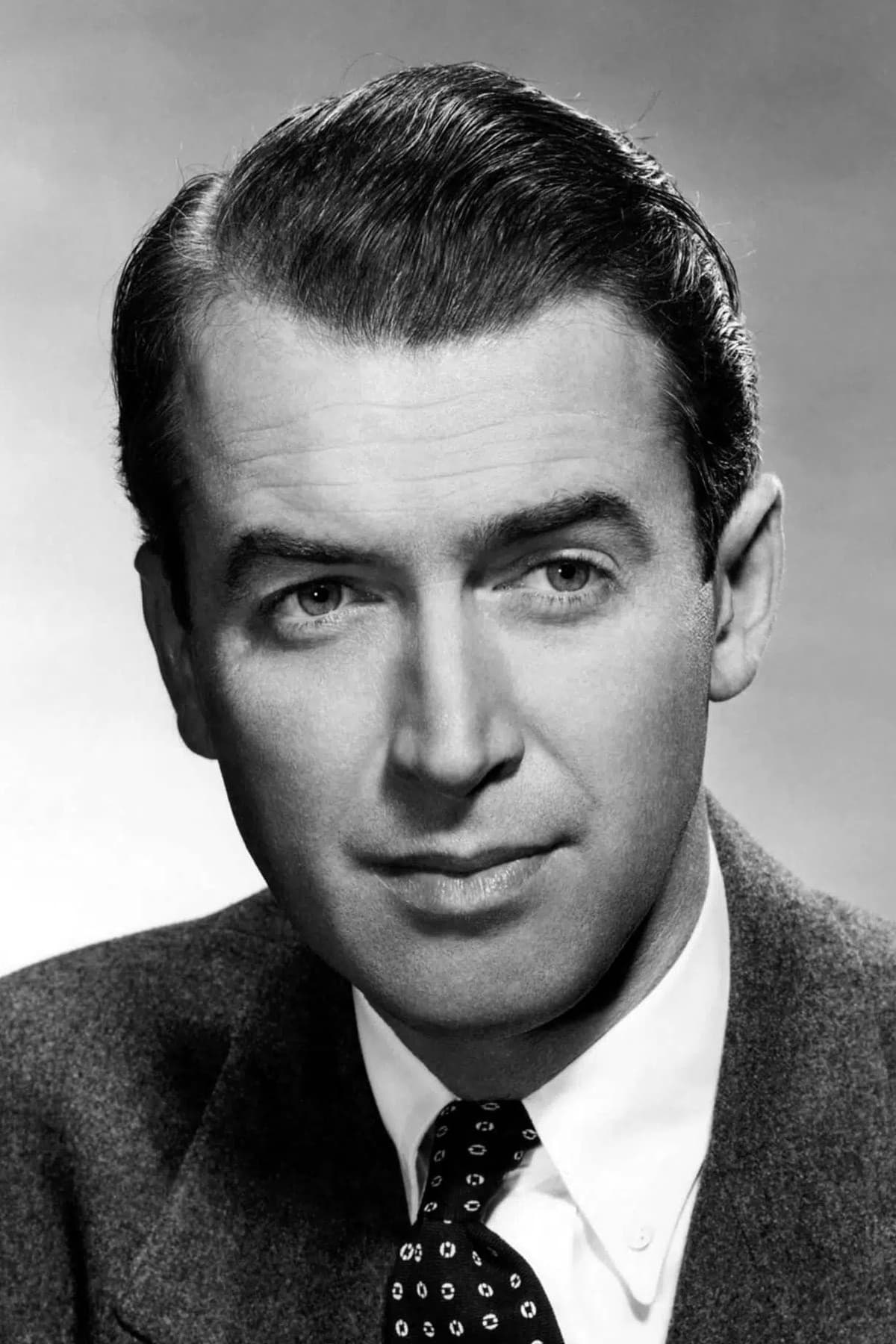
James Stewart brought naturalistic sincerity to roles in ‘Mr. Smith Goes to Washington’ and ‘Vertigo’. He served as a bomber pilot in World War II and returned to build a major postwar career. Stewart’s collaborations with Alfred Hitchcock advanced psychological storytelling in mainstream cinema. His long run across genres made him a model of adaptable stardom.
Humphrey Bogart
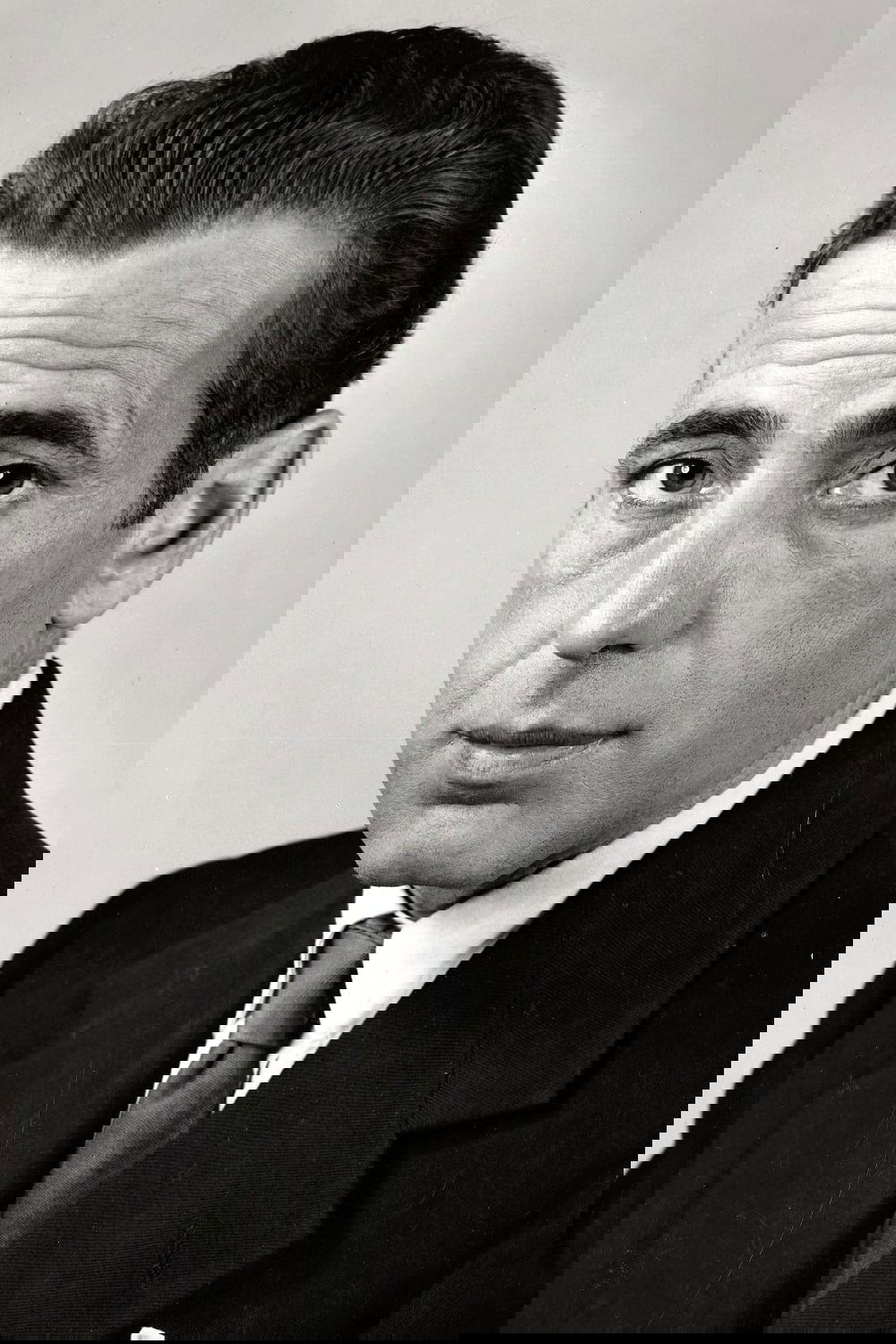
Humphrey Bogart’s persona shaped the film noir hero through ‘The Maltese Falcon’ and ‘The Big Sleep’. He won an Academy Award for ‘The African Queen’ and produced his own projects. Bogart co led a group of stars who challenged restrictive studio contracts. His performances cemented the appeal of morally complicated protagonists.
Ingrid Bergman
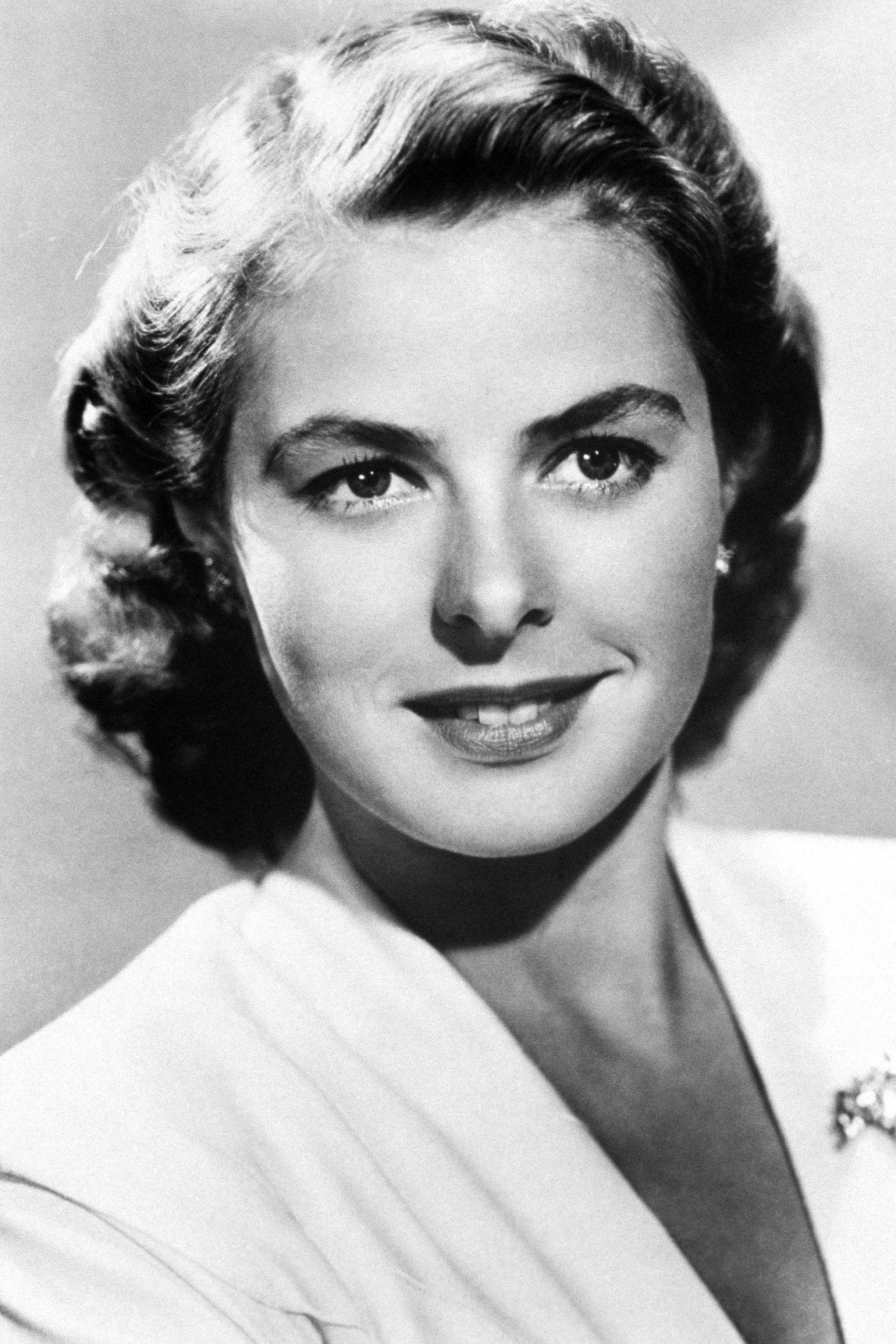
Ingrid Bergman became an international leading actor with ‘Casablanca’ and ‘Gaslight’. She worked across multiple languages and countries, expanding the scope of Hollywood’s global collaborations. Bergman won multiple Academy Awards and returned to American films after European projects. Her transatlantic career showed how stars could move between industries without losing audience trust.
Orson Welles
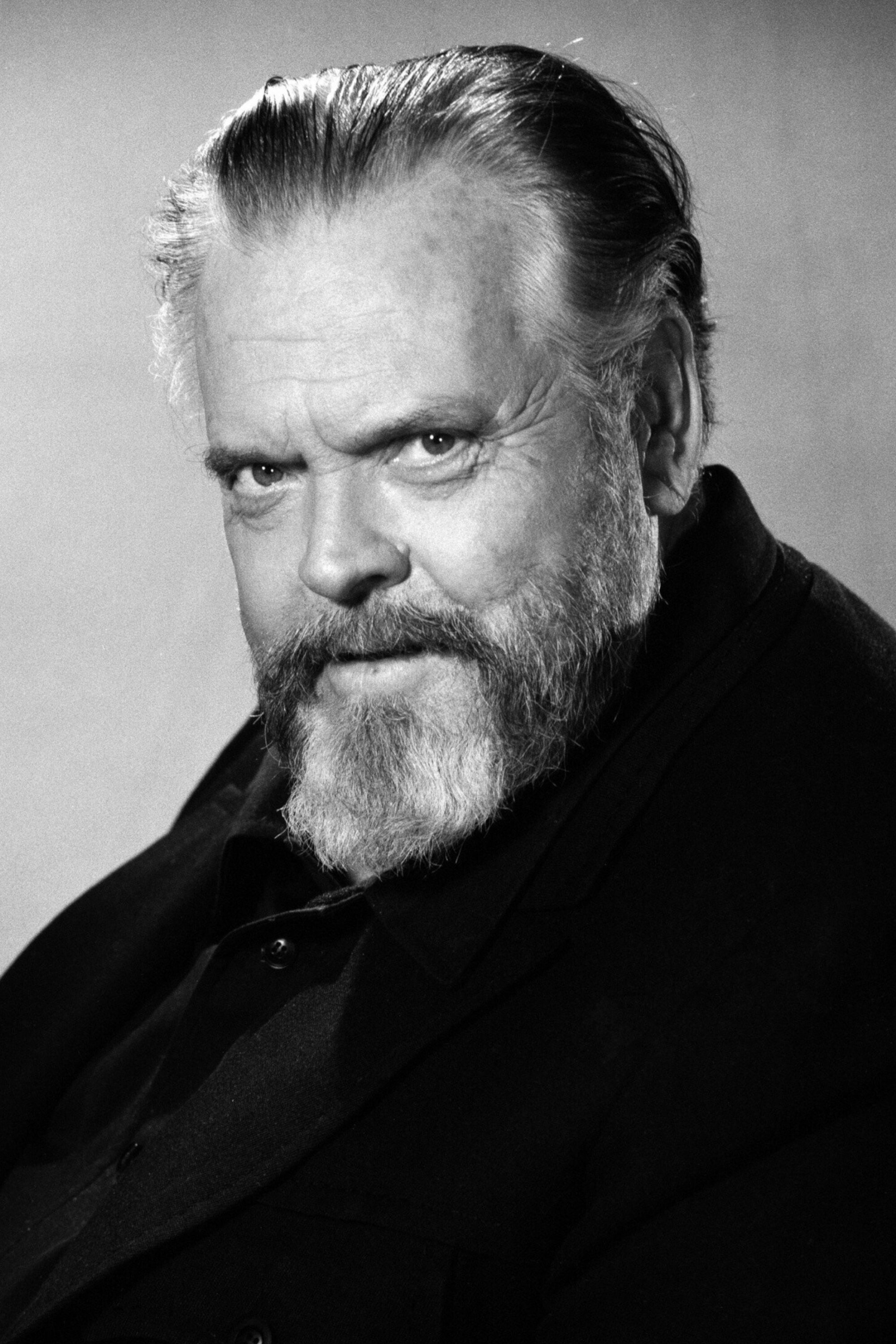
Orson Welles transformed film form while also delivering memorable performances in ‘Citizen Kane’ and ‘The Third Man’. He used radio fame to secure creative freedom and experimented with deep focus and narrative structure. Welles balanced acting and directing to influence both crafts. His independent productions demonstrated alternative financing and distribution approaches.
John Wayne
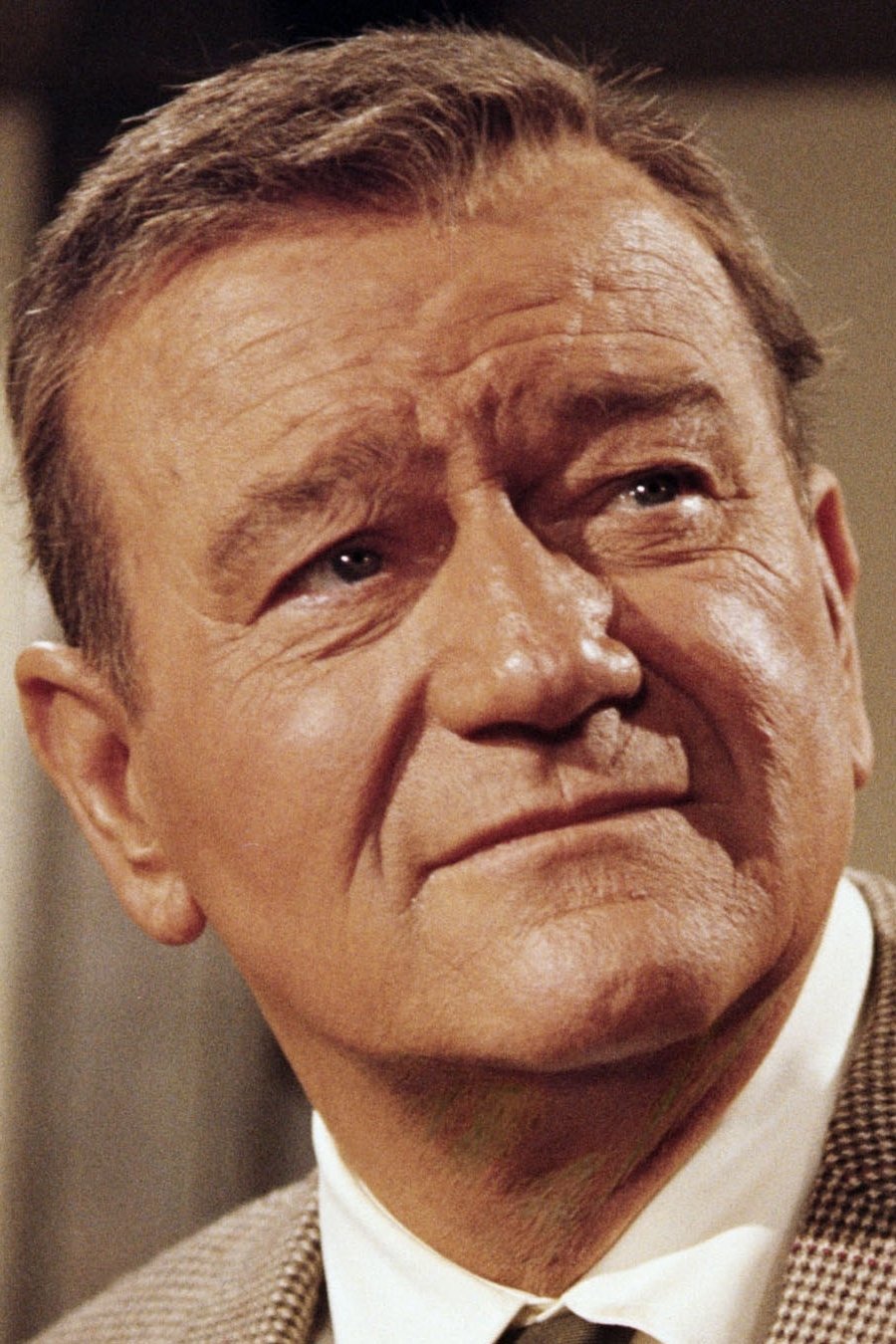
John Wayne defined the American western for decades with roles in ‘Stagecoach’ and ‘The Searchers’. He became a consistent box office draw and a central figure at major studios. Wayne produced and directed films and helped sustain large location shoots in the American West. His image shaped how Hollywood marketed frontier stories worldwide.
Sidney Poitier
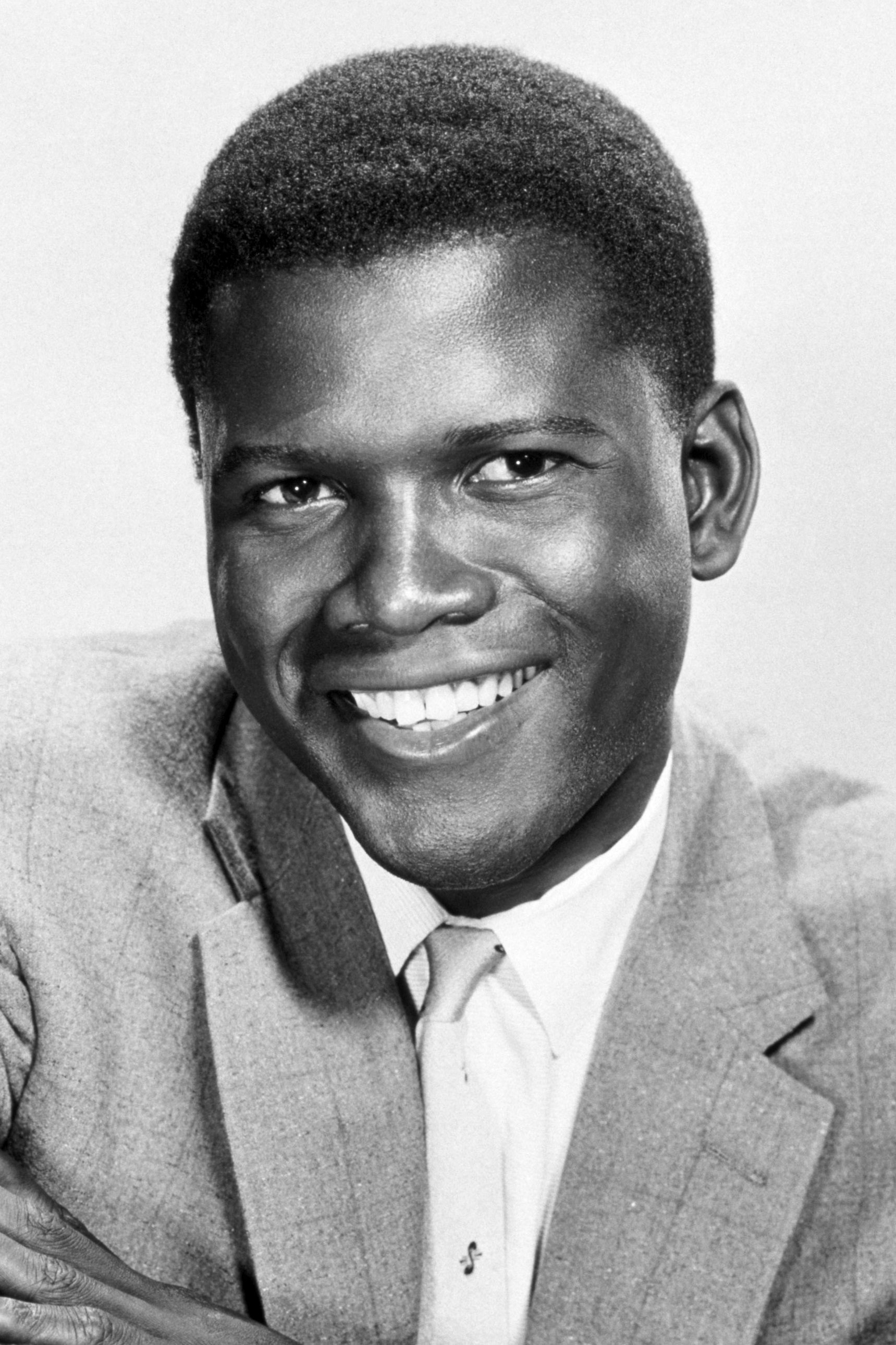
Sidney Poitier broke barriers as the first Black performer to win the Best Actor Oscar. He headlined socially engaged hits such as ‘Lilies of the Field’, ‘In the Heat of the Night’, and ‘Guess Who’s Coming to Dinner’. Poitier’s success expanded opportunities for Black actors in leading roles. He later directed commercially successful films, broadening representation behind the camera.
Marilyn Monroe
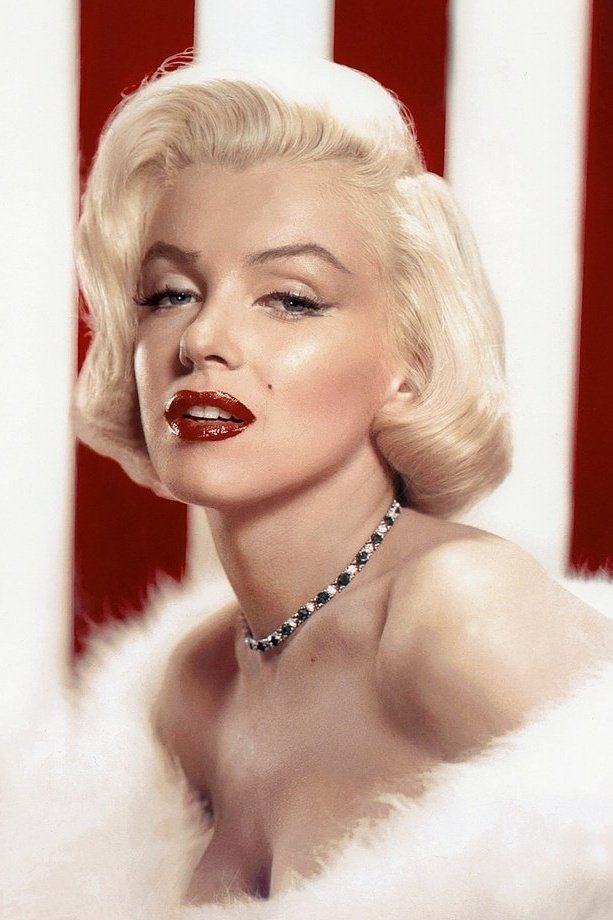
Marilyn Monroe combined comedic timing with musical performance in films like ‘Gentlemen Prefer Blondes’ and ‘Some Like It Hot’. She created her own production company to seek more serious roles. Monroe’s image management and training with the Actors Studio showed a commitment to craft. Her enduring recognition changed the economics of merchandising and global star branding.
Elizabeth Taylor
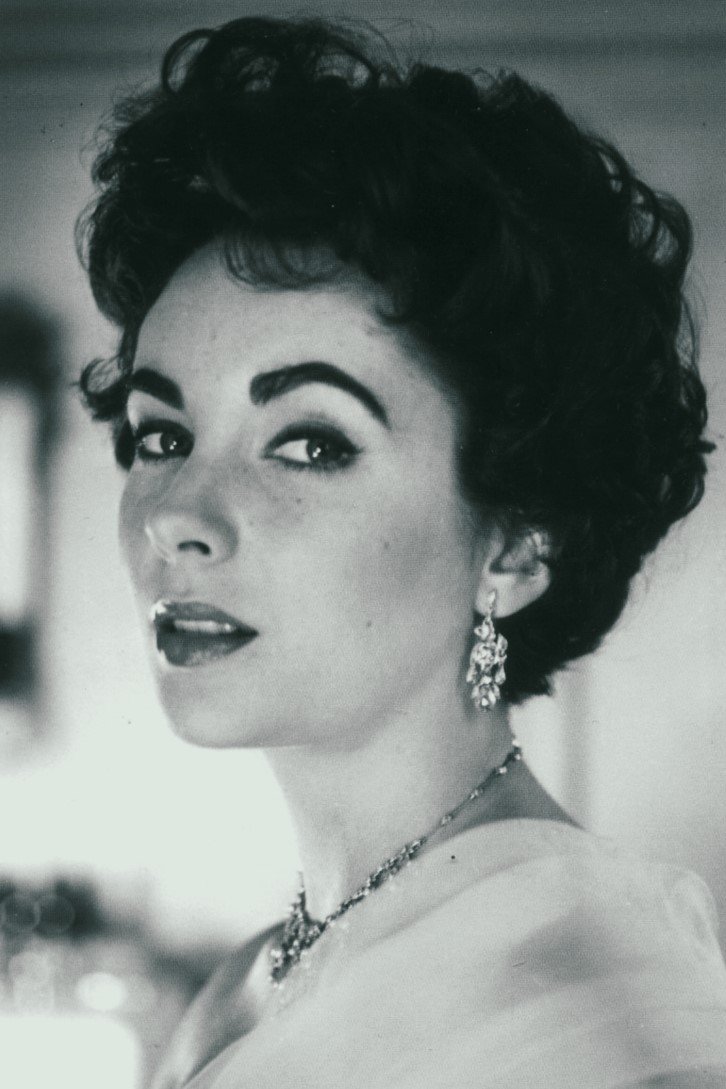
Elizabeth Taylor transitioned from child performer to adult star with dramatic roles in ‘Cat on a Hot Tin Roof’ and ‘Who’s Afraid of Virginia Woolf’. She won multiple Academy Awards and negotiated record breaking salaries. Taylor’s advocacy for HIV and AIDS fundraising mobilized Hollywood philanthropy. Her business deals influenced later profit participation agreements.
Audrey Hepburn

Audrey Hepburn brought a modern elegance to films like ‘Roman Holiday’ and ‘Breakfast at Tiffany’s’. She won an Oscar early in her career and later focused on humanitarian work with UNICEF. Hepburn’s fashion collaborations shaped costume design and cross promotion. Her international background helped broaden Hollywood’s appeal to global audiences.
Marlon Brando
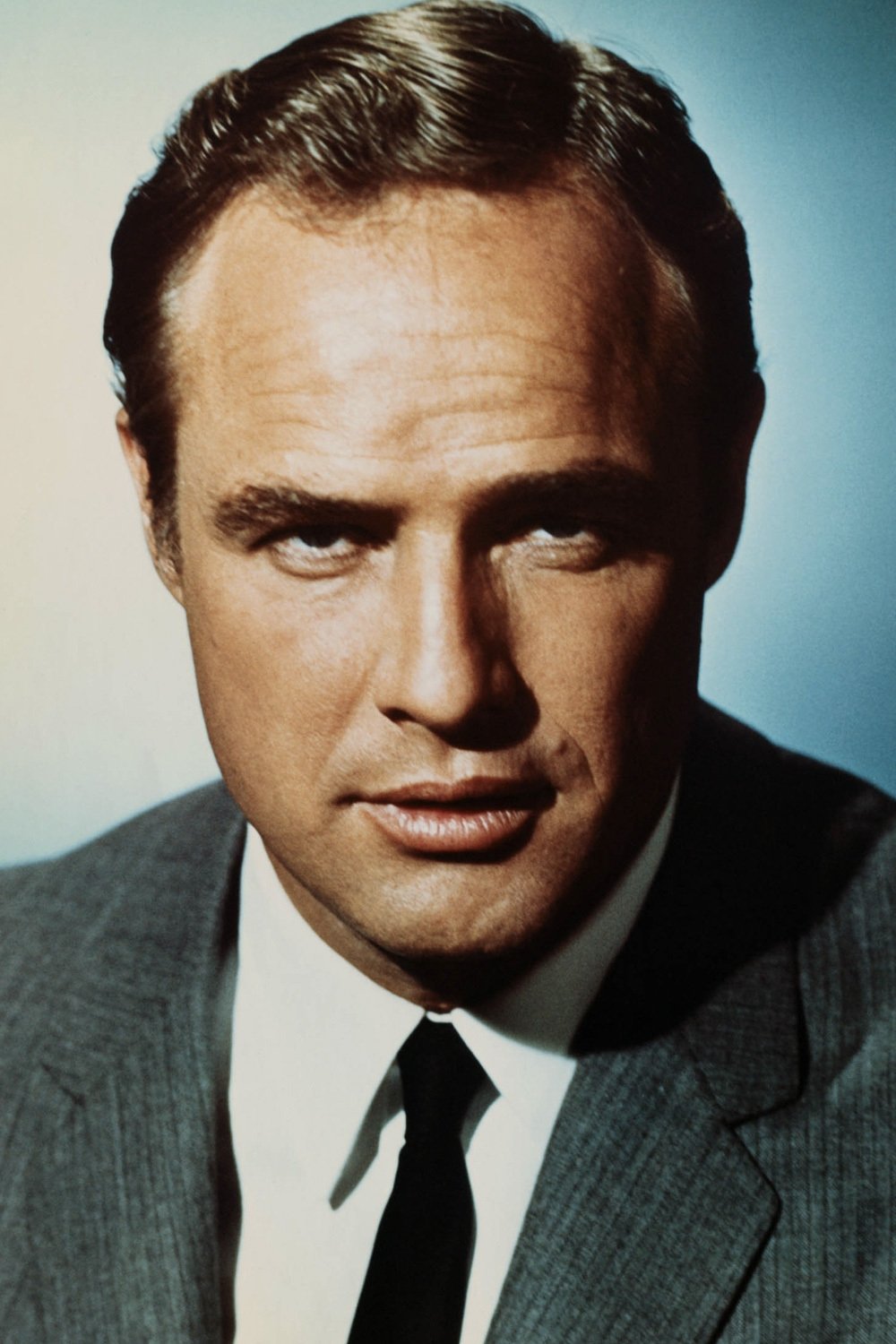
Marlon Brando popularized method acting in mainstream cinema through roles in ‘A Streetcar Named Desire’ and ‘On the Waterfront’. He later anchored ‘The Godfather’ and influenced character preparation practices. Brando used his platform to highlight social issues during major award moments. His approach reshaped performance training across film schools.
James Dean
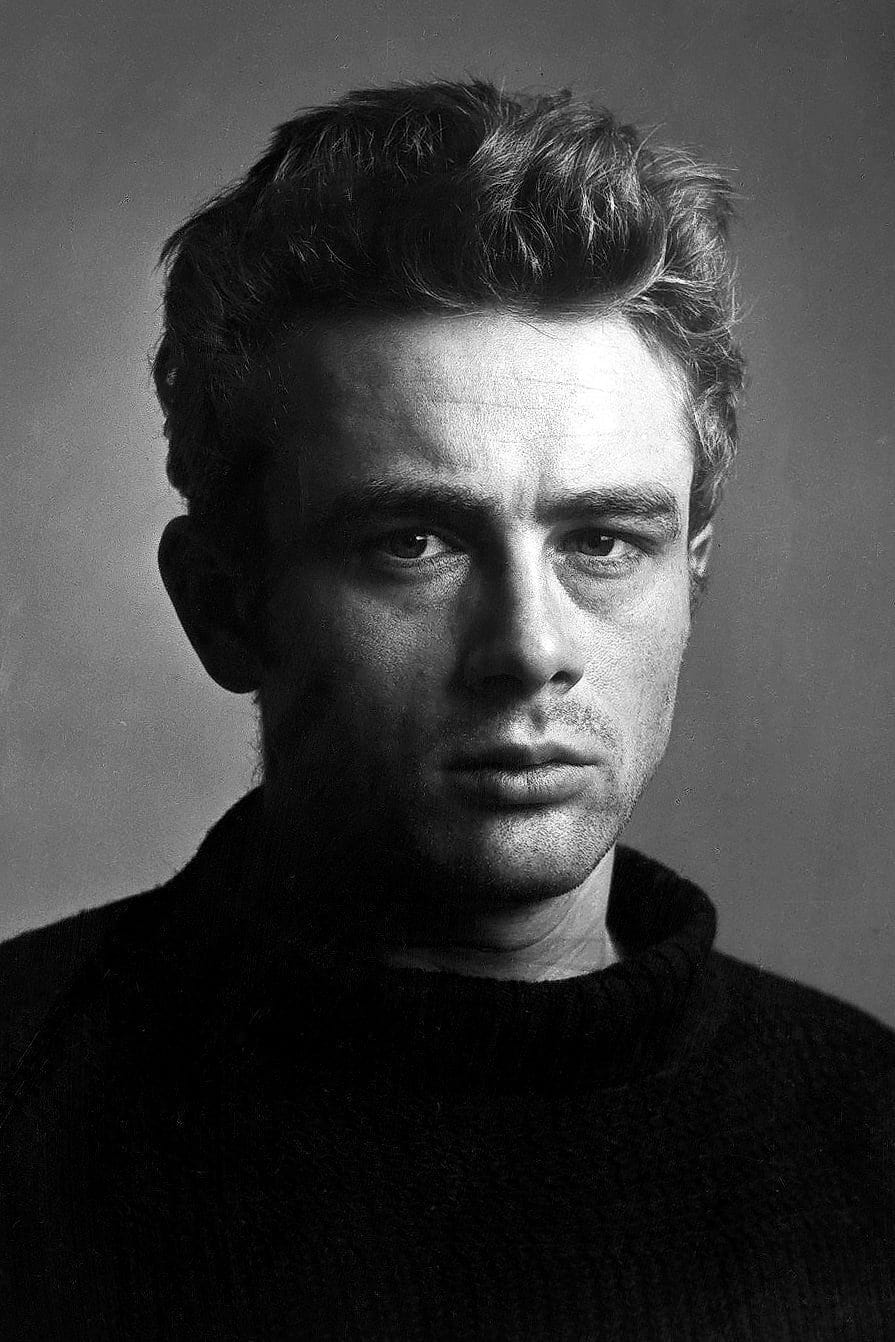
James Dean became a postwar youth icon through ‘East of Eden’, ‘Rebel Without a Cause’, and ‘Giant’. His brief career had an outsized impact on how studios marketed to younger audiences. Dean’s method inspired shifts toward psychological realism in screen acting. His image influenced fashion and music culture tied to Hollywood.
Robert De Niro
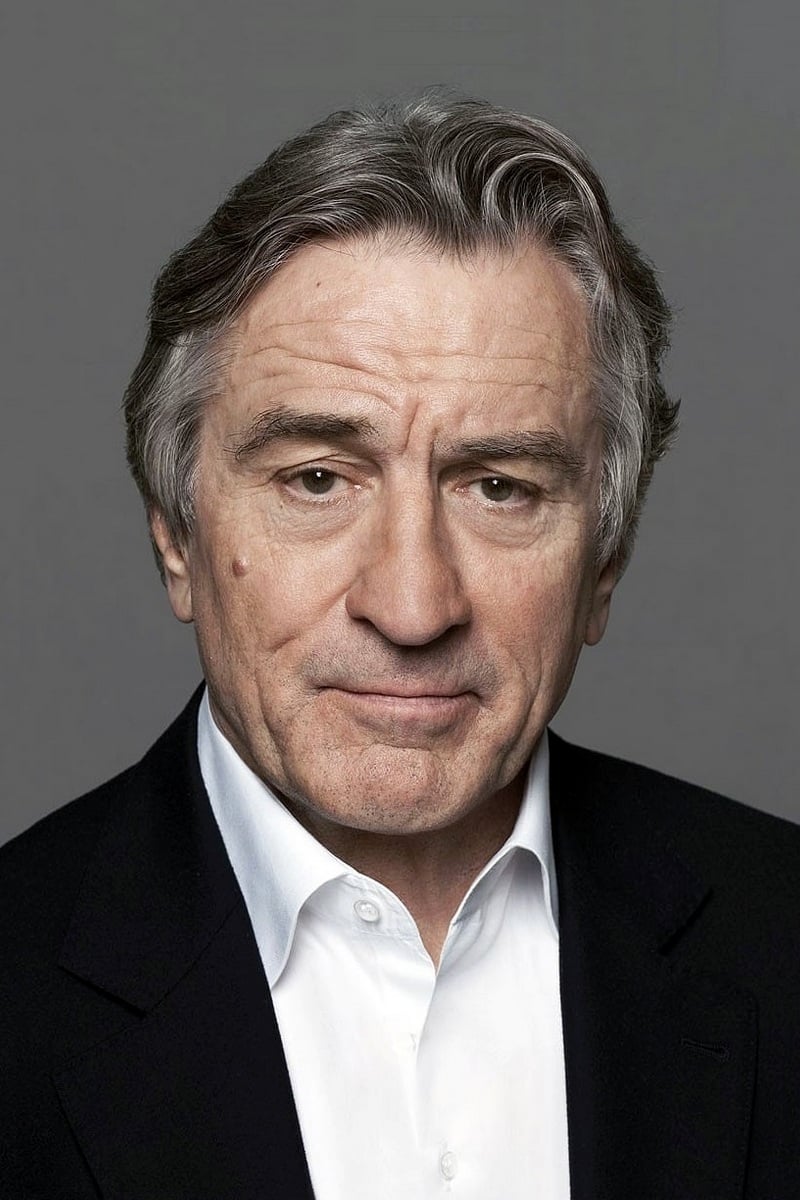
Robert De Niro’s collaborations with Martin Scorsese set benchmarks for character transformation in ‘Taxi Driver’ and ‘Raging Bull’. He won multiple Academy Awards and became known for research intensive preparation. De Niro co founded the Tribeca Film Festival to support industry recovery and independent film. He expanded into production and global media ventures.
Al Pacino
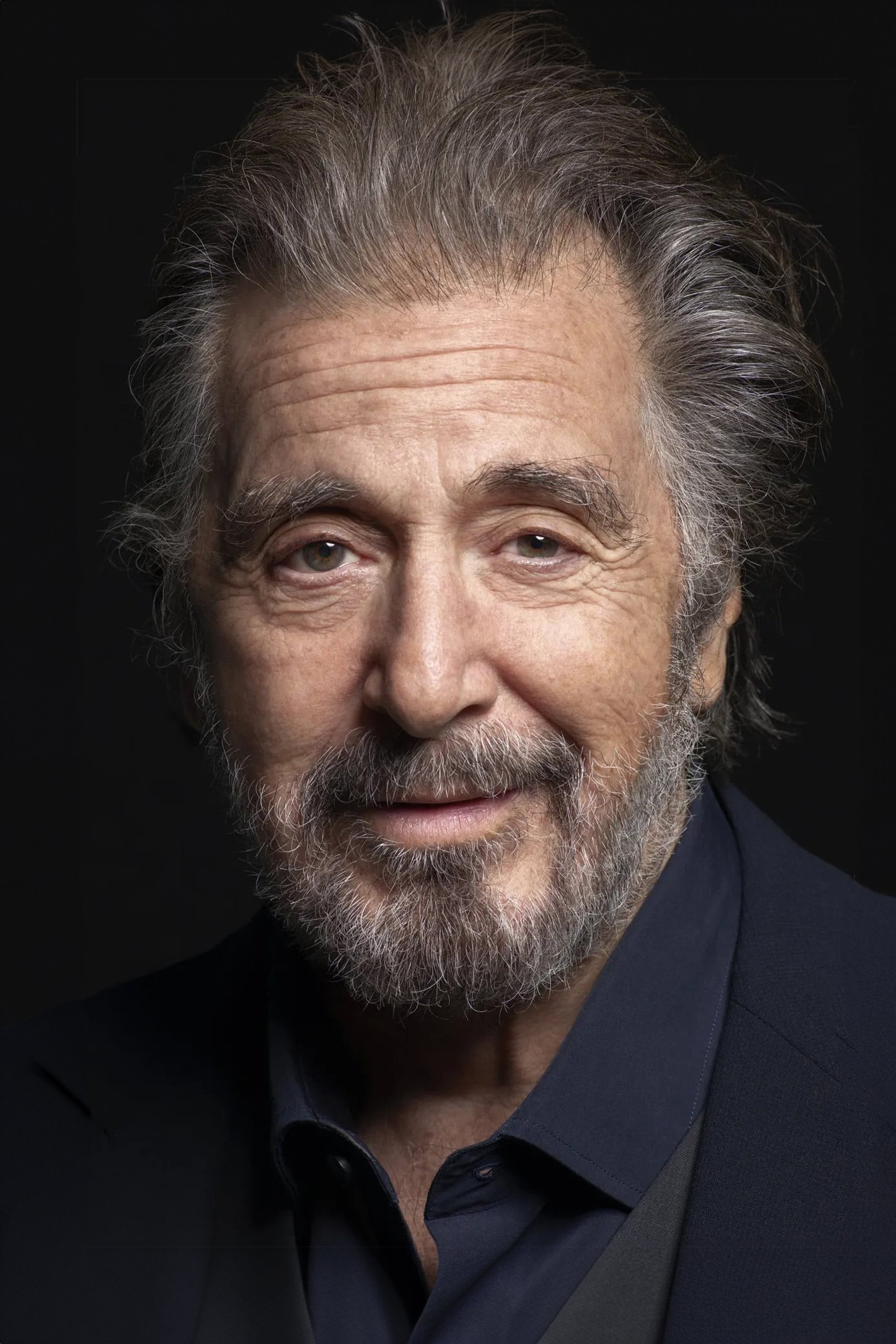
Al Pacino delivered landmark performances in ‘The Godfather’ series and ‘Scarface’. He worked across stage and screen and earned the Triple Crown of Acting. Pacino influenced the portrayal of anti heroes in crime and drama. His long career shows how prestige roles can coexist with popular franchises.
Meryl Streep
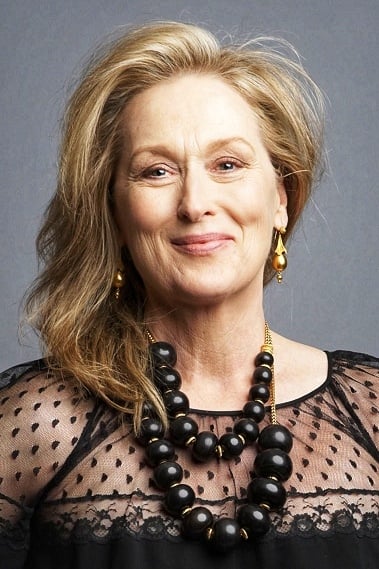
Meryl Streep holds records for Oscar nominations and leads acclaimed films like ‘Sophie’s Choice’ and ‘The Devil Wears Prada’. She is known for dialect work and genre range that set training standards. Streep helped normalize complex leading roles for women over multiple decades. Her consistency supports the economics of prestige dramas.
Jack Nicholson
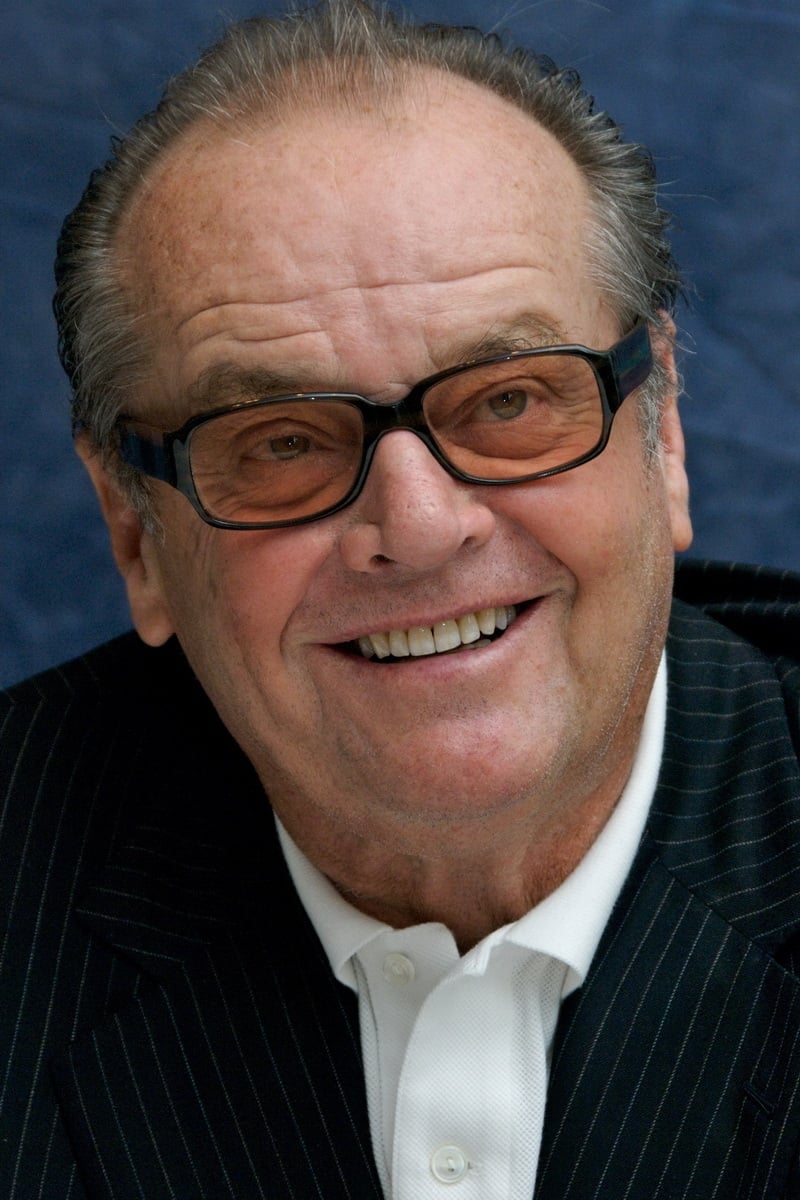
Jack Nicholson shaped modern screen rebellion with roles in ‘Easy Rider’, ‘Chinatown’, and ‘One Flew Over the Cuckoo’s Nest’. He won multiple Academy Awards and carried both dramas and comedies. Nicholson maintained strong collaborations with directors that resulted in long term box office value. His career mapped the rise of auteur driven Hollywood.
Dustin Hoffman
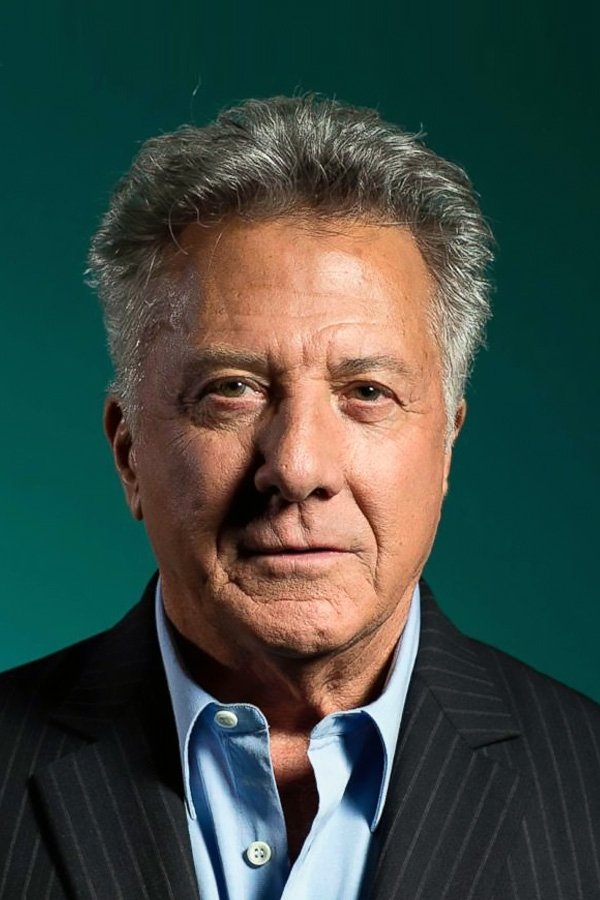
Dustin Hoffman reset expectations for leading men with ‘The Graduate’ and ‘Midnight Cowboy’. He emphasized character over traditional star image and won multiple Oscars. Hoffman’s work across comedy and drama showed the viability of unconventional protagonists. He helped drive interest in actor centered storytelling during the New Hollywood era.
Clint Eastwood
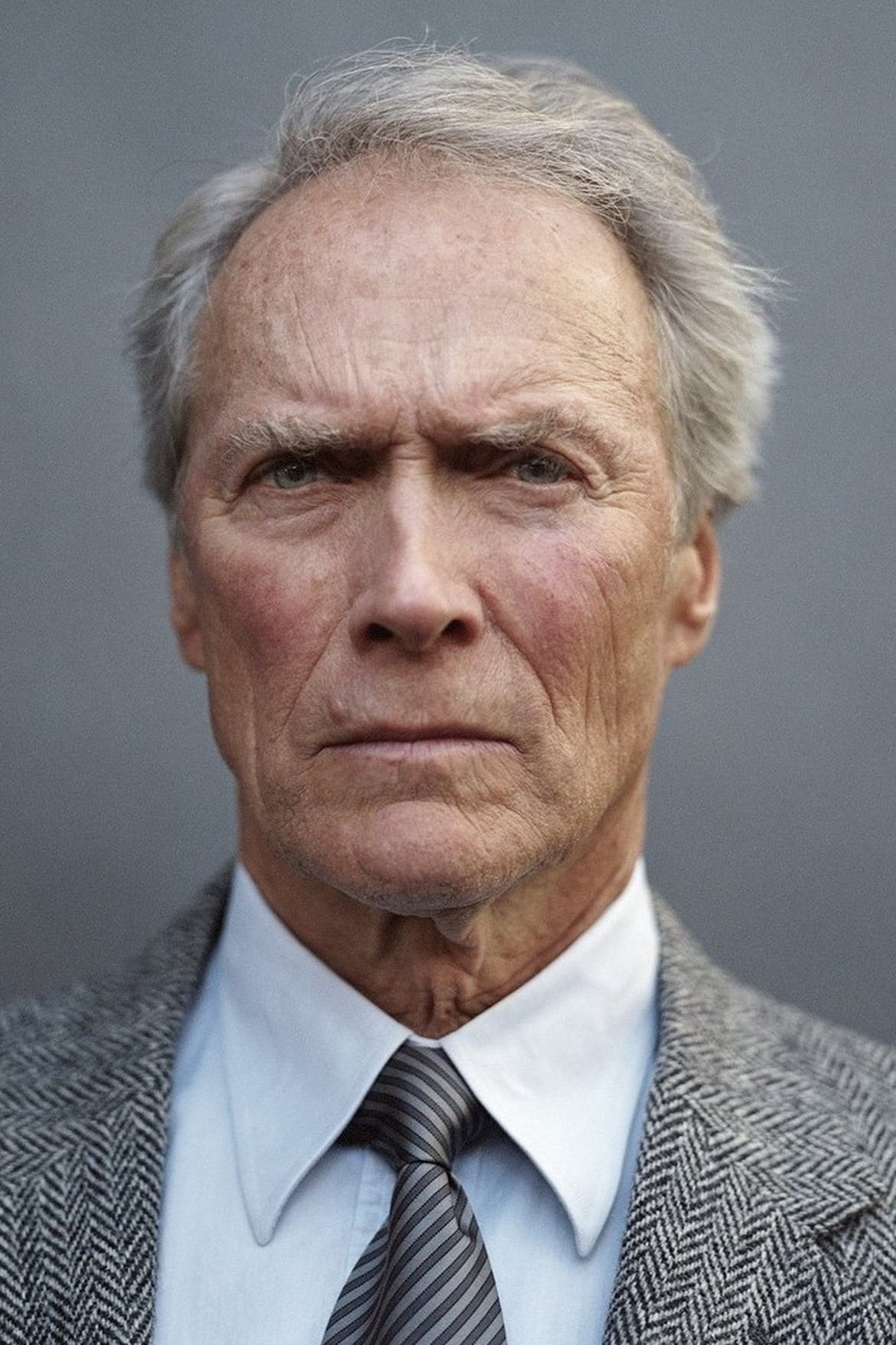
Clint Eastwood became a global star with ‘A Fistful of Dollars’ and ‘Dirty Harry’ and later a prolific director. He won Academy Awards for directing and producing while continuing to act. Eastwood built a steady production model that kept costs controlled and schedules efficient. His career illustrates the actor director producer pathway to creative autonomy.
Denzel Washington

Denzel Washington balanced prestige roles with broad hits such as ‘Glory’, ‘Malcolm X’, and ‘Training Day’. He won multiple Academy Awards and directed features that advanced new talent. Washington’s leadership in theater and film mentorship expanded opportunities for Black artists. His dependable box office track record supports ambitious dramas in the studio system.
Tom Hanks
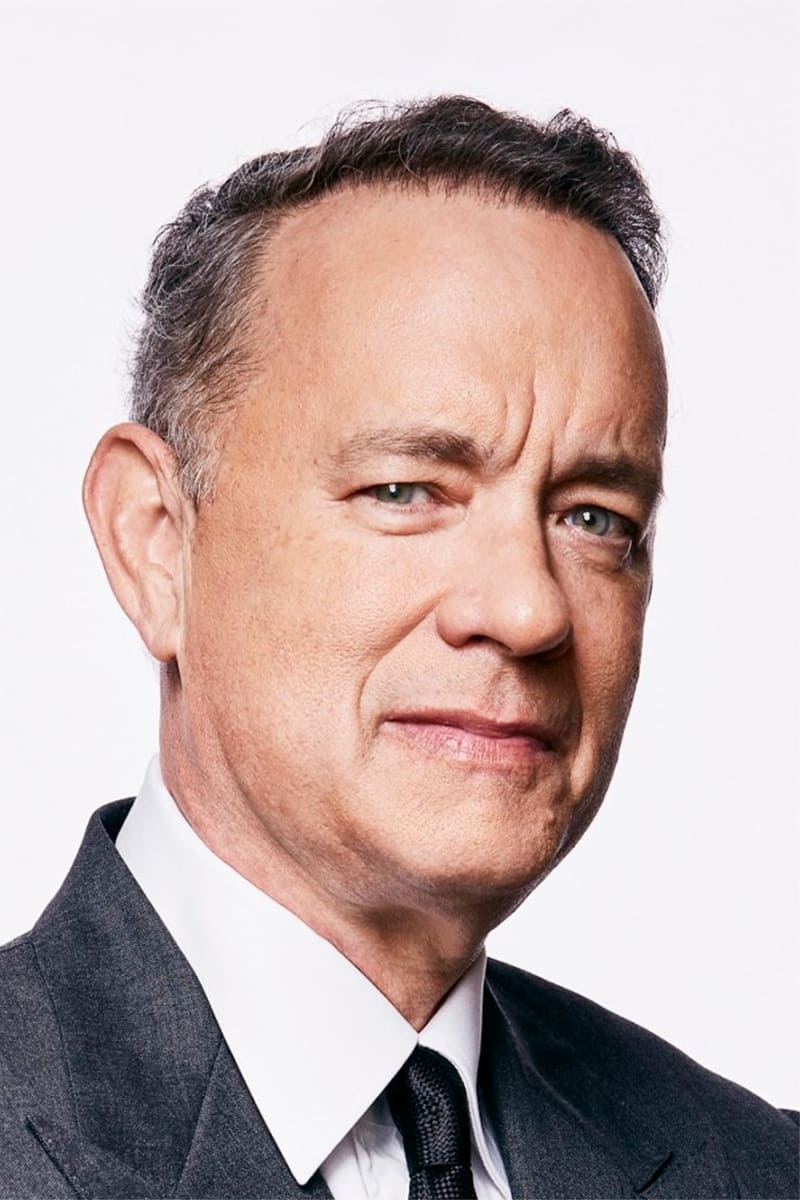
Tom Hanks paired critical acclaim with mainstream success in ‘Philadelphia’, ‘Forrest Gump’, and ‘Saving Private Ryan’. He produced miniseries that set standards for historical storytelling on television. Hanks has been a consistent ambassador for the industry through festivals and archives. His career demonstrates the value of trust between audiences and long term leading actors.
Tom Cruise

Tom Cruise sustained one of the longest box office runs in history and led the ‘Mission Impossible’ series as star and producer. He is known for extensive practical stunts that drive theatrical attendance. Cruise’s production strategies helped standardize global day and date releases. His focus on premium formats strengthened the cinema first model.
Julia Roberts

Julia Roberts became the most bankable romantic comedy lead of the nineties with ‘Pretty Woman’ and later won an Oscar for ‘Erin Brockovich’. She negotiated headline making salaries that advanced pay equity for top female stars. Roberts shifted between studio hits and prestige projects while maintaining international appeal. Her career showed how star branding could sustain multiple genres.
Leonardo DiCaprio
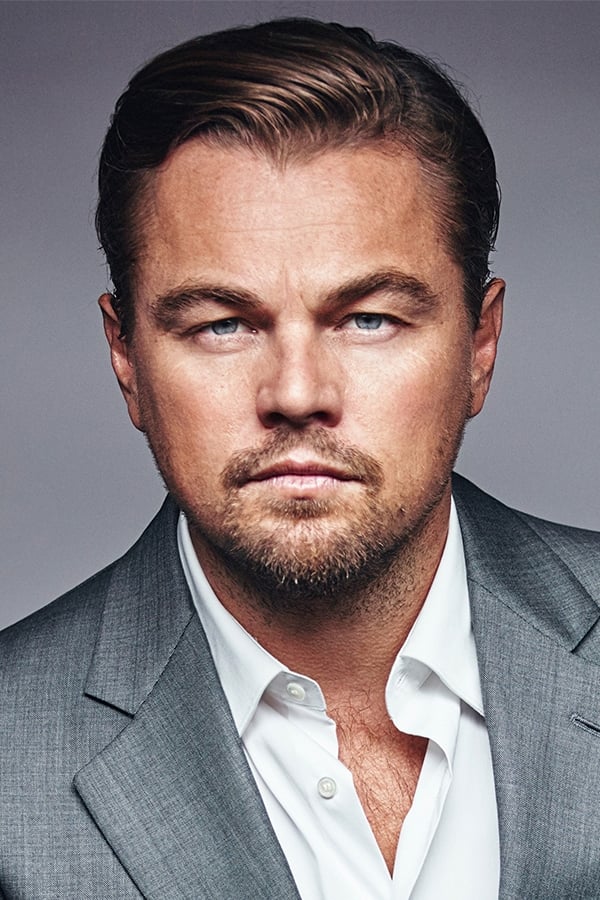
Leonardo DiCaprio evolved from teen roles to auteur collaborations in ‘The Wolf of Wall Street’ and ‘The Revenant’. He works regularly with directors like Martin Scorsese and supports archival preservation and environmental causes. DiCaprio’s films perform strongly worldwide, influencing greenlight decisions for ambitious dramas. His production company backs emerging voices and documentaries.
Cate Blanchett

Cate Blanchett earned multiple Oscars and moves fluidly between franchise fare and art house projects. She led films like ‘Elizabeth’ and ‘Tár’ and took major stage roles in parallel. Blanchett co founded a production company that develops international stories. Her range supports global co productions and festival programming.
Brad Pitt
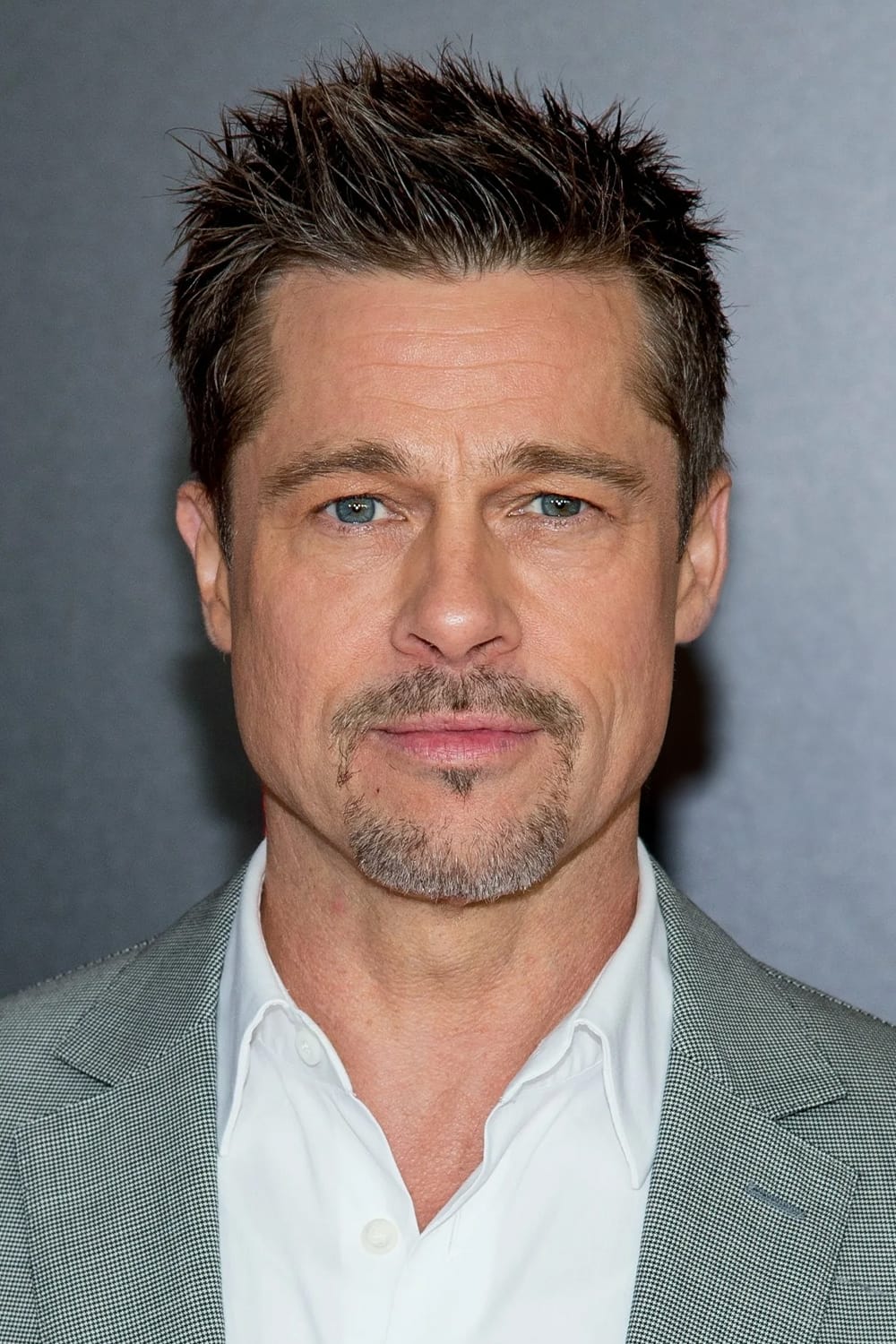
Brad Pitt balanced leading roles with a successful producing career at Plan B. The company produced award winning films such as ‘The Departed’ and ’12 Years a Slave’. Pitt’s choices supported directors with bold visions and helped bring challenging projects to major studios. His star status improves financing for mid budget dramas.
Angelina Jolie

Angelina Jolie combined action stardom with directing and humanitarian work. She headlined hits like ‘Mr. & Mrs. Smith’ and later directed international dramas. Jolie’s advocacy influenced refugee awareness and cultural diplomacy linked to film events. Her cross border collaborations expanded Hollywood’s partnerships with global crews and locations.
Samuel L. Jackson
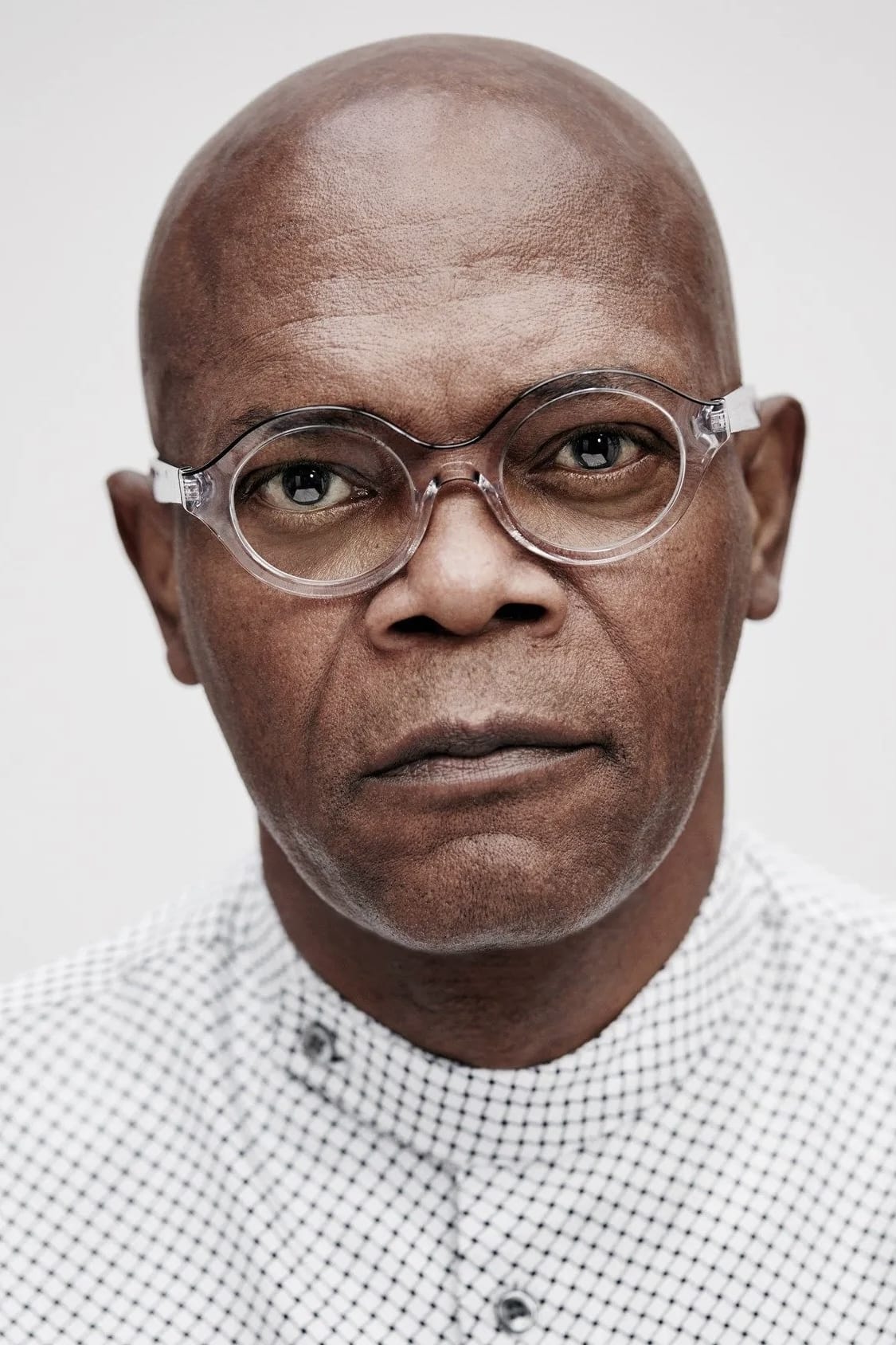
Samuel L. Jackson holds a leading position among the highest grossing actors worldwide. He anchored roles in ‘Pulp Fiction’ and major franchises including entries in the Marvel universe. Jackson’s presence helped build interconnected storytelling across multiple films. His longevity across genres provides a model for sustaining audience interest.
Morgan Freeman
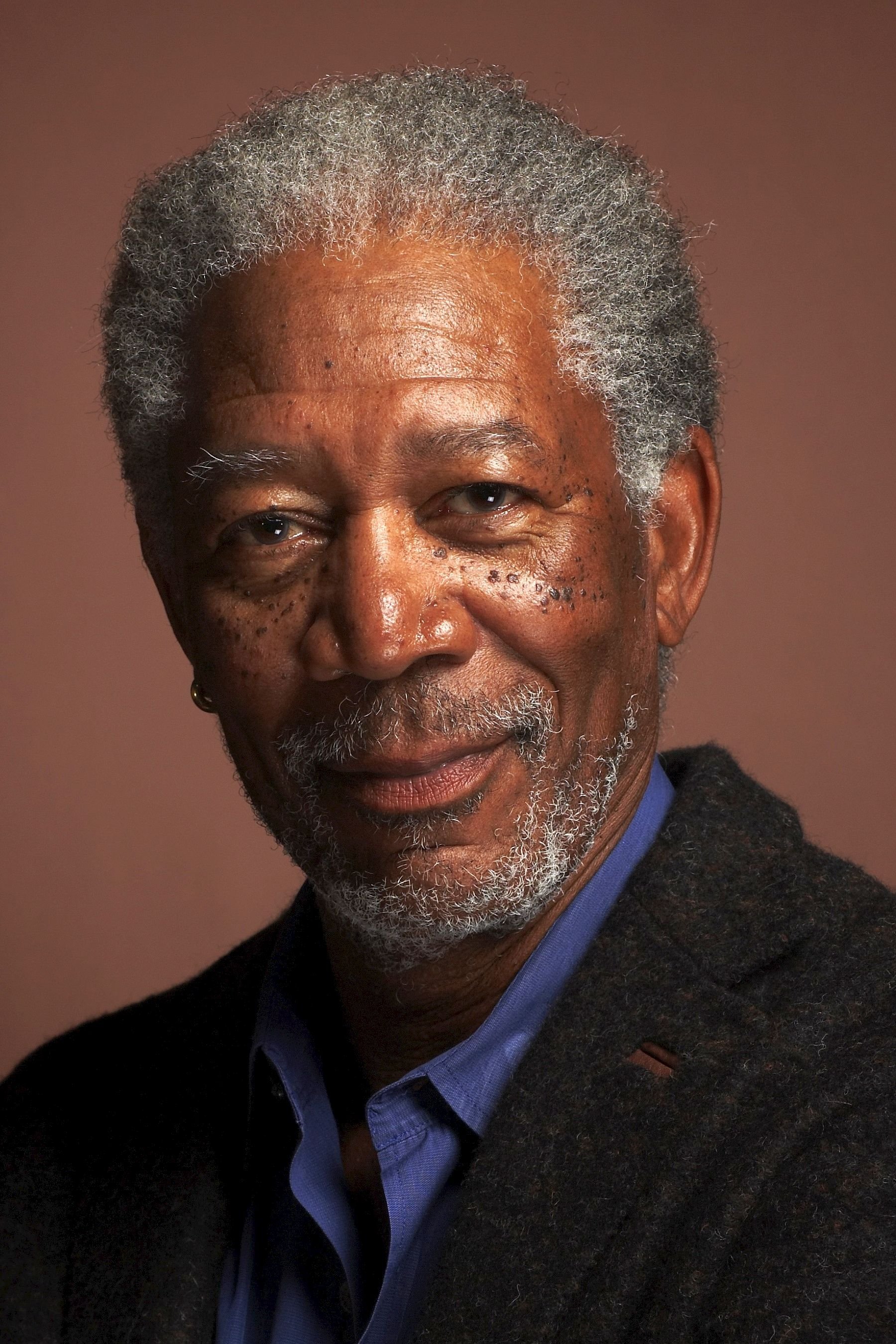
Morgan Freeman moved from stage and television to leading and supporting roles in films like ‘Driving Miss Daisy’ and ‘The Shawshank Redemption’. He won an Academy Award and later built a production company. Freeman’s narration work became a signature asset for documentaries and features. His consistent performance quality strengthened prestige and mainstream projects.
Harrison Ford
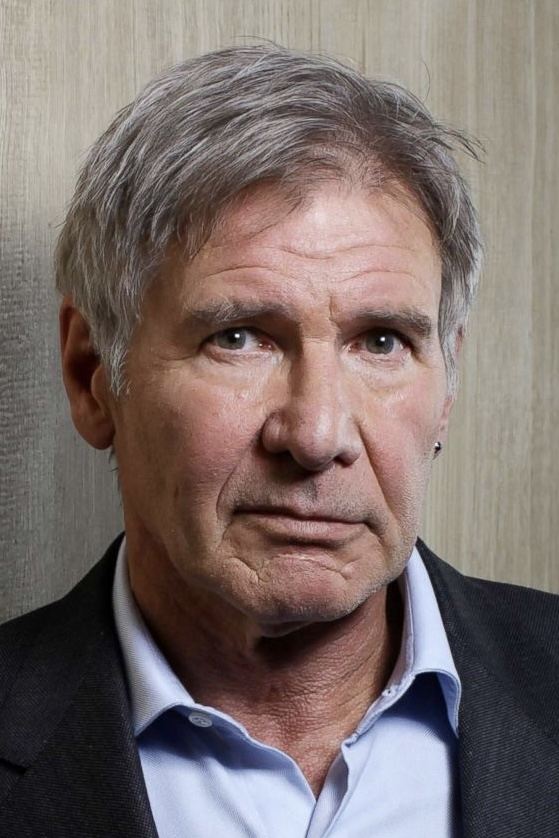
Harrison Ford headlined two of the most influential franchises with ‘Star Wars’ entries and ‘Indiana Jones’. He demonstrated how a single performer can anchor long running adventure brands. Ford also worked in grounded dramas like ‘Witness’ and ‘The Fugitive’. His career shows the commercial power of franchise and standalone balance.
Keanu Reeves
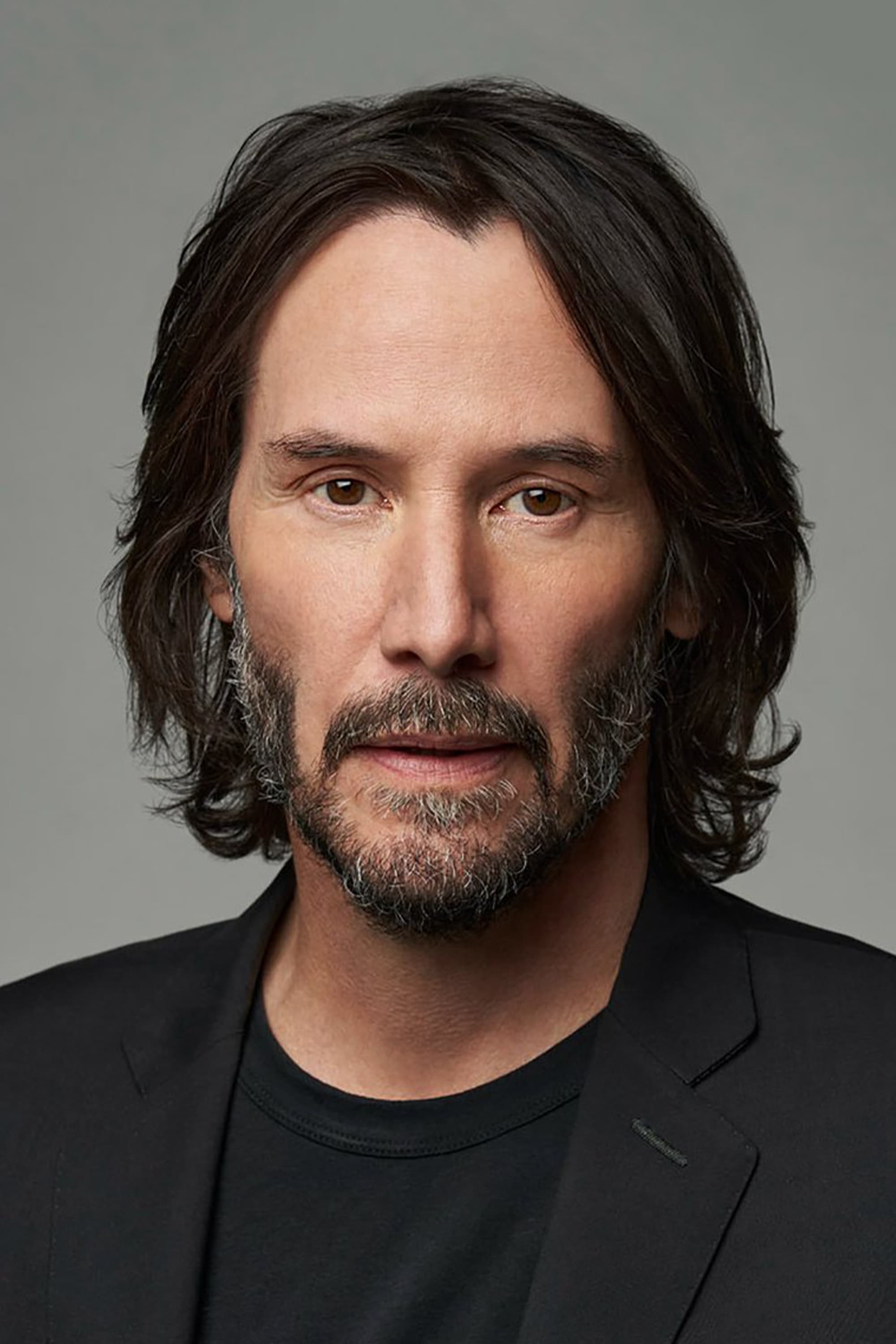
Keanu Reeves led technologically transformative series with ‘The Matrix’ and later revitalized action with ‘John Wick’. He invested in stunt collaboration and training that elevated industry standards. Reeves supports game and animation projects that expand transmedia storytelling. His reputation for teamwork has made him a frequent partner for effects heavy productions.
Will Smith
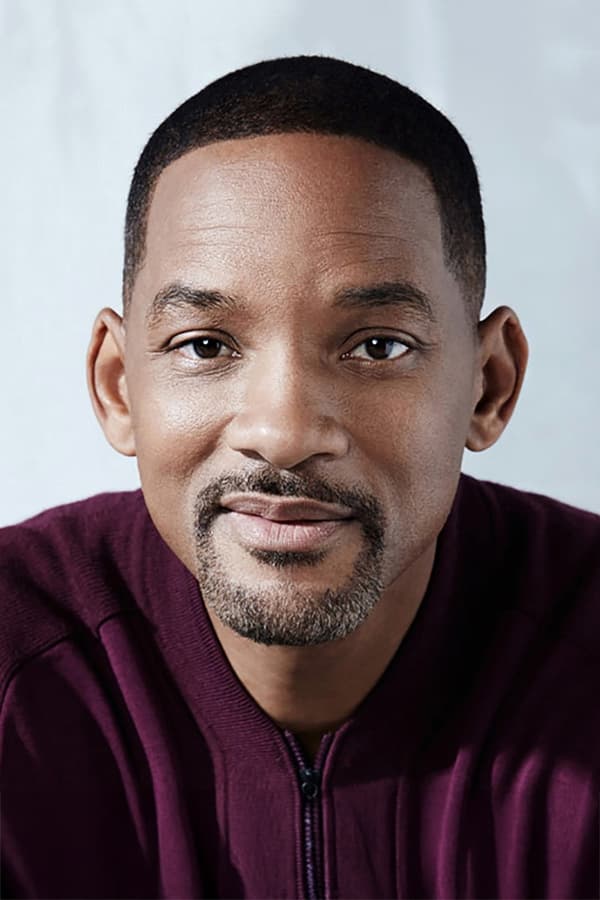
Will Smith transitioned from music and television to global film success with ‘Independence Day’ and ‘Men in Black’. He became a consistent summer hitmaker and later won an Academy Award. Smith’s marketing savvy helped shape worldwide publicity tours and fan engagement. His career bridged family friendly hits and dramatic roles with international reach.
Robert Downey Jr.

Robert Downey Jr. led the modern era of interconnected franchises beginning with ‘Iron Man’. His comeback demonstrated how insurance and risk management can enable studio trust in high stakes casting. Downey’s success helped finance a decade of large scale comic book adaptations. He has also supported smaller projects through producing.
Viola Davis
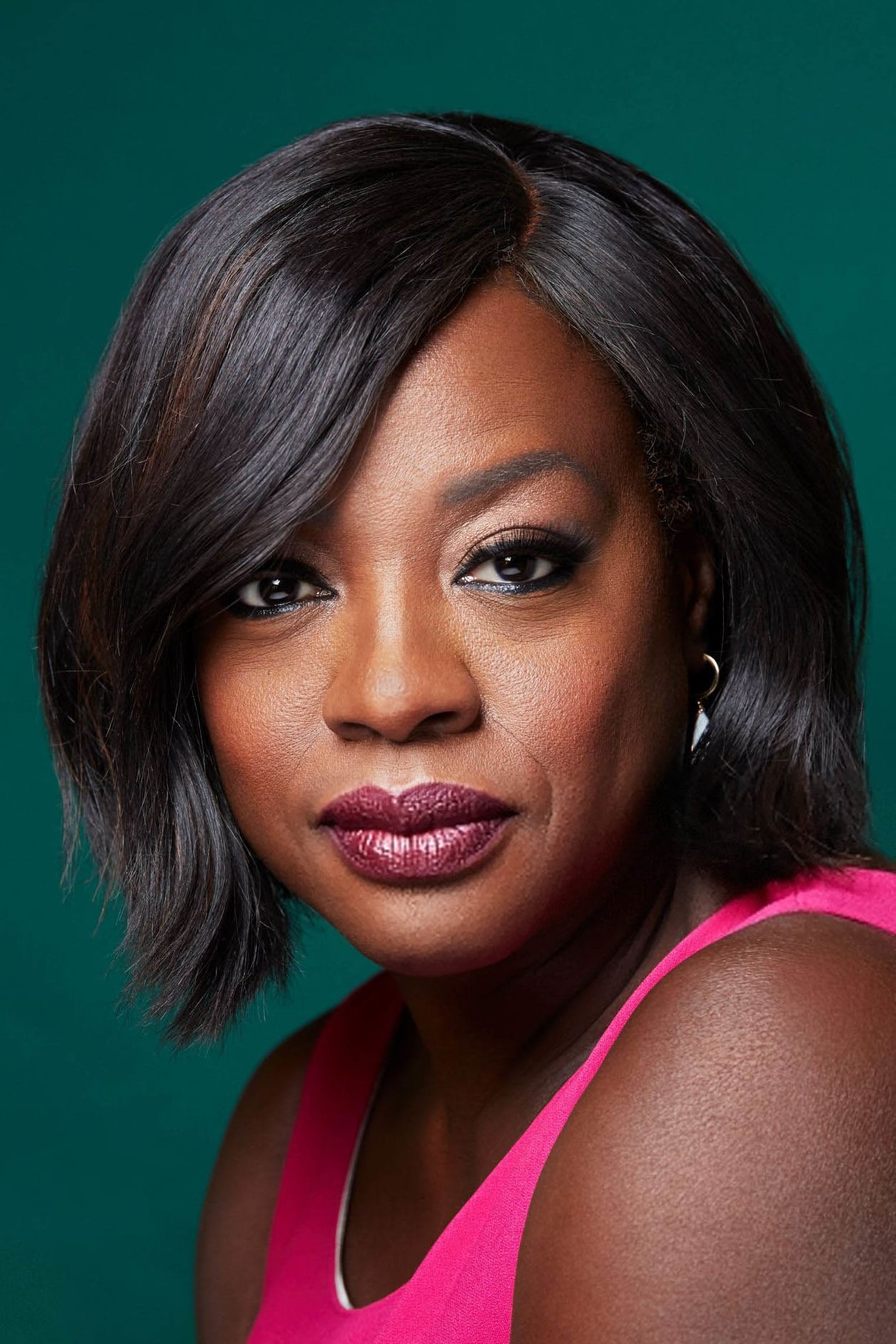
Viola Davis achieved the Triple Crown of Acting with competitive awards in film, television, and theater. She delivered acclaimed performances in ‘Doubt’ and ‘Fences’ and built production initiatives for underrepresented voices. Davis advocates for inclusive casting and crew hiring across the industry. Her work strengthens pathways for diverse storytelling in mainstream cinema.
Share your own picks for most influential Hollywood actors in the comments.

