


The Most Influential Kids Actors of All Time




From silent-era prodigies to streaming-era standouts, male child actors have helped reshape what audiences expect from young performers and even influenced labor protections, franchise-building, and genre trends. This list spans pioneers who changed industry rules, box-office drivers who carried global hits, and multi-hyphenates who turned early fame into long careers behind and in front of the camera.
Jackie Coogan
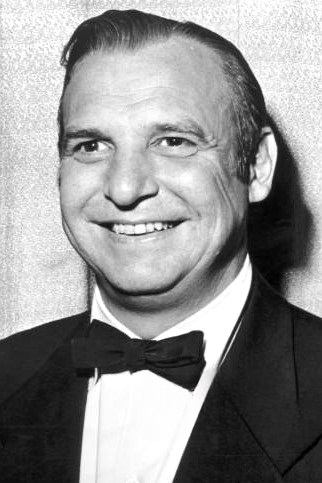
Coogan became one of Hollywood’s first child superstars after his breakout in Charlie Chaplin’s ‘The Kid’. His earnings and legal dispute led to the landmark “Coogan Law,” which ensures a portion of minors’ pay is set aside in trust. He toured internationally, turning child stardom into a modern publicity model. Later, he sustained a long career in film and television, showing the industry a path from child fame to adult roles.
Mickey Rooney

Rooney’s Andy Hardy films established the teen-led studio franchise template. He performed across comedy, drama, and musicals, demonstrating that a child star could anchor varied genres. His partnership with major studios showed how consistent branding could carry a recurring character over many releases. Rooney’s stage and screen longevity provided a blueprint for maturing beyond juvenile parts.
Roddy McDowall
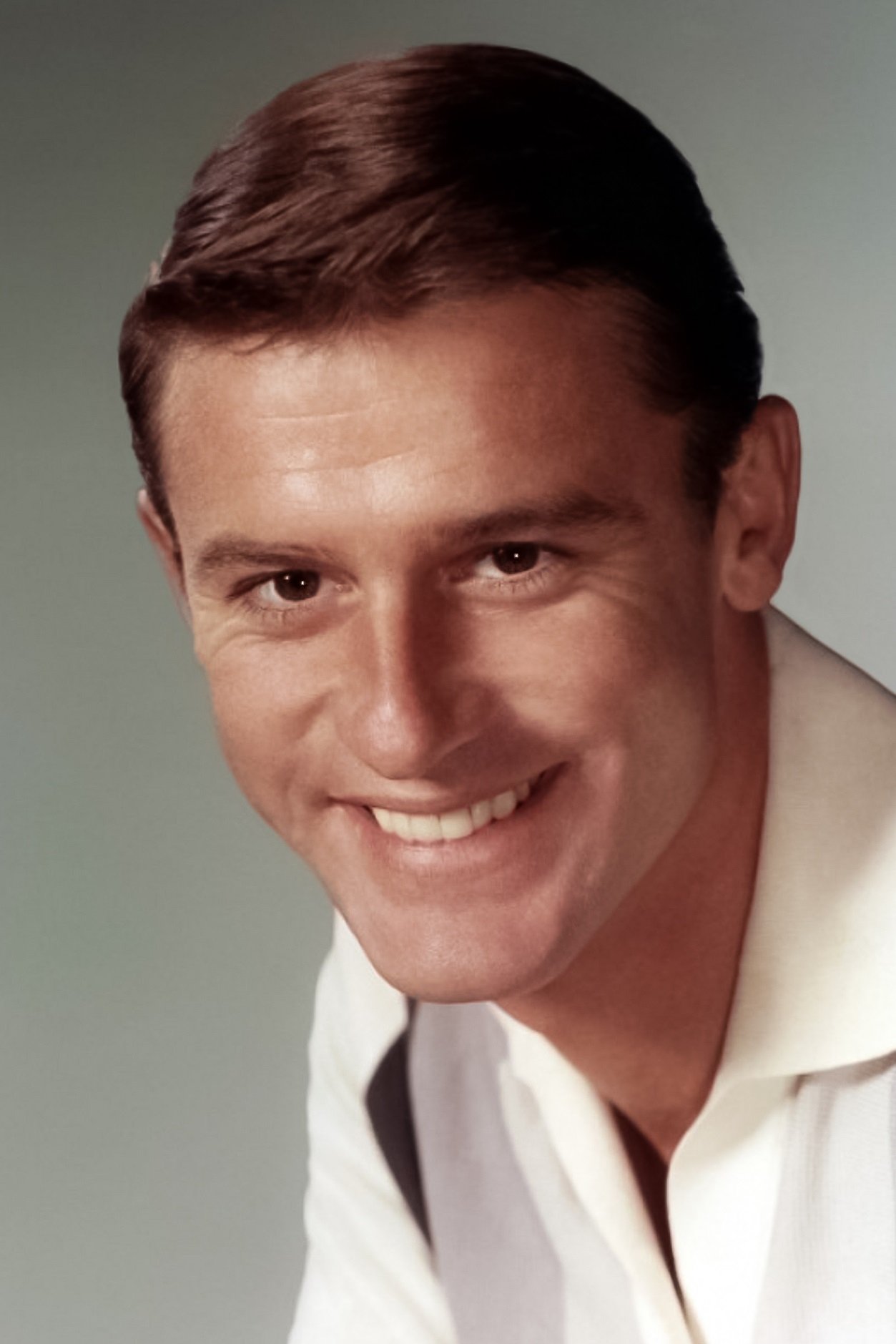
McDowall transitioned from British child actor to Hollywood mainstay with roles in literary adaptations and prestige pictures. He became a respected character actor as an adult, proving child fame need not limit future casting. His extensive television, film, and stage work illustrated the value of versatility developed early. McDowall also advocated for film preservation, influencing how the industry values its history.
Bobby Driscoll
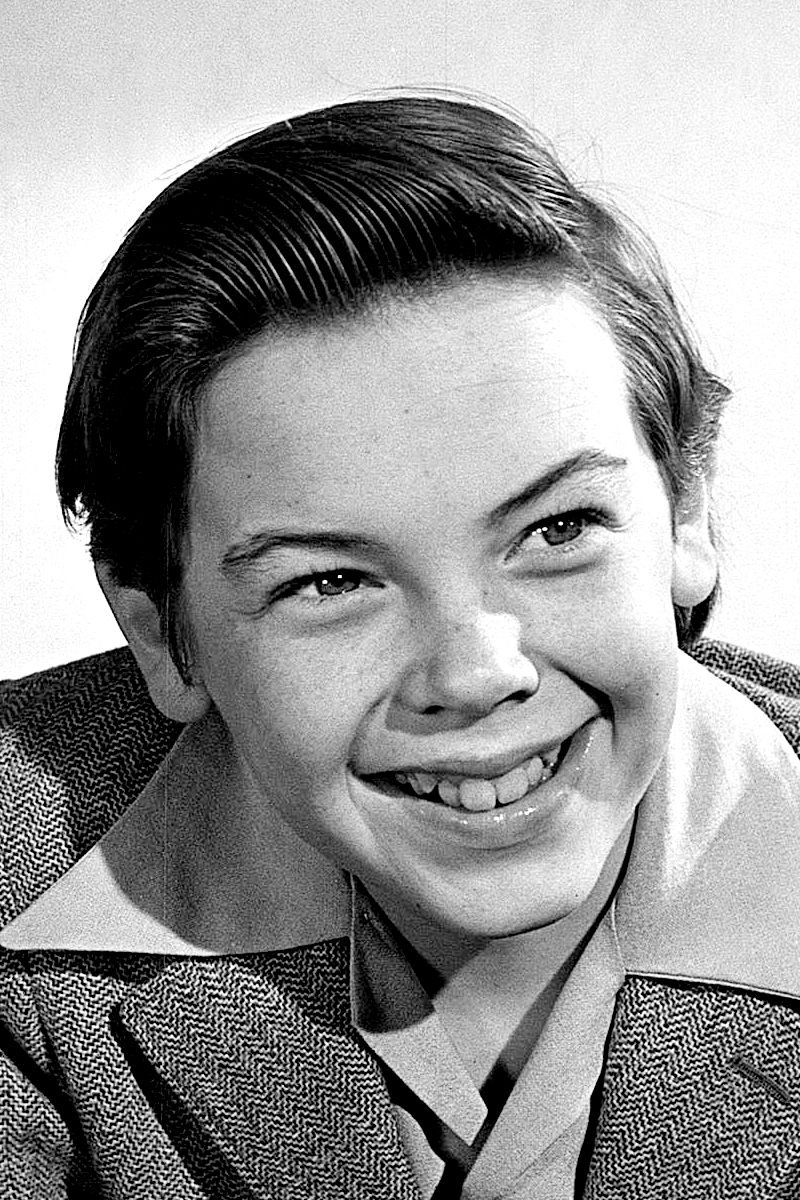
As a Disney contract player, Driscoll headlined live-action adventures and voiced animated classics like ‘Peter Pan’. His work helped define the studio’s midcentury brand of youthful heroism. He was one of the earliest child actors to earn a Juvenile Academy Award, highlighting institutional recognition of young performers. Driscoll’s career showed the power and pressure of studio-controlled childhood stardom.
Ron Howard
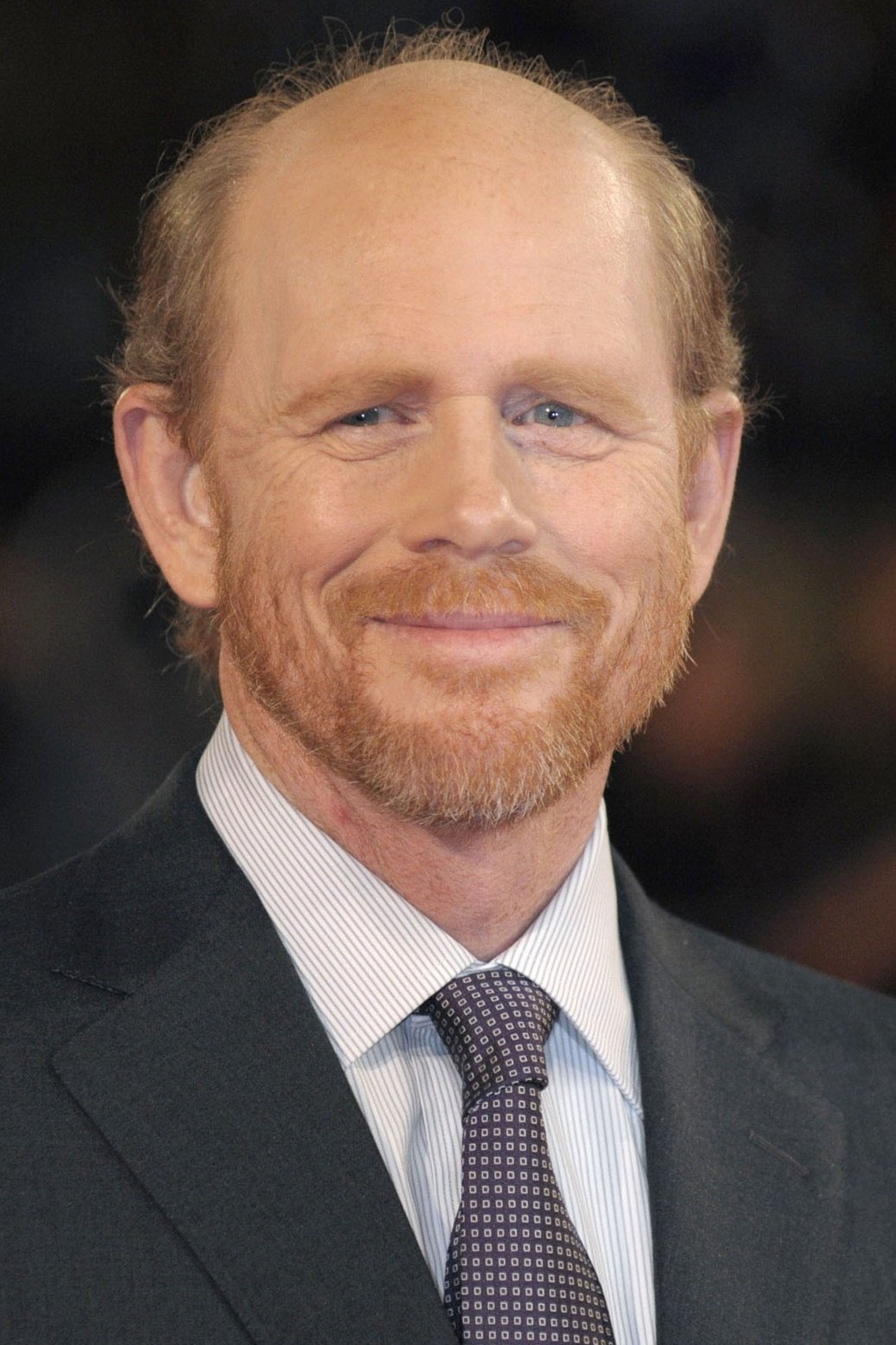
Howard’s early television success on ‘The Andy Griffith Show’ and ‘Happy Days’ made him a household name before adulthood. He later evolved into an Academy Award–winning director, demonstrating how child-actor experience can translate into high-level filmmaking. His shift behind the camera helped normalize multi-track careers for former child stars. Howard’s production company model emphasized creative control and long-term sustainability.
Kurt Russell
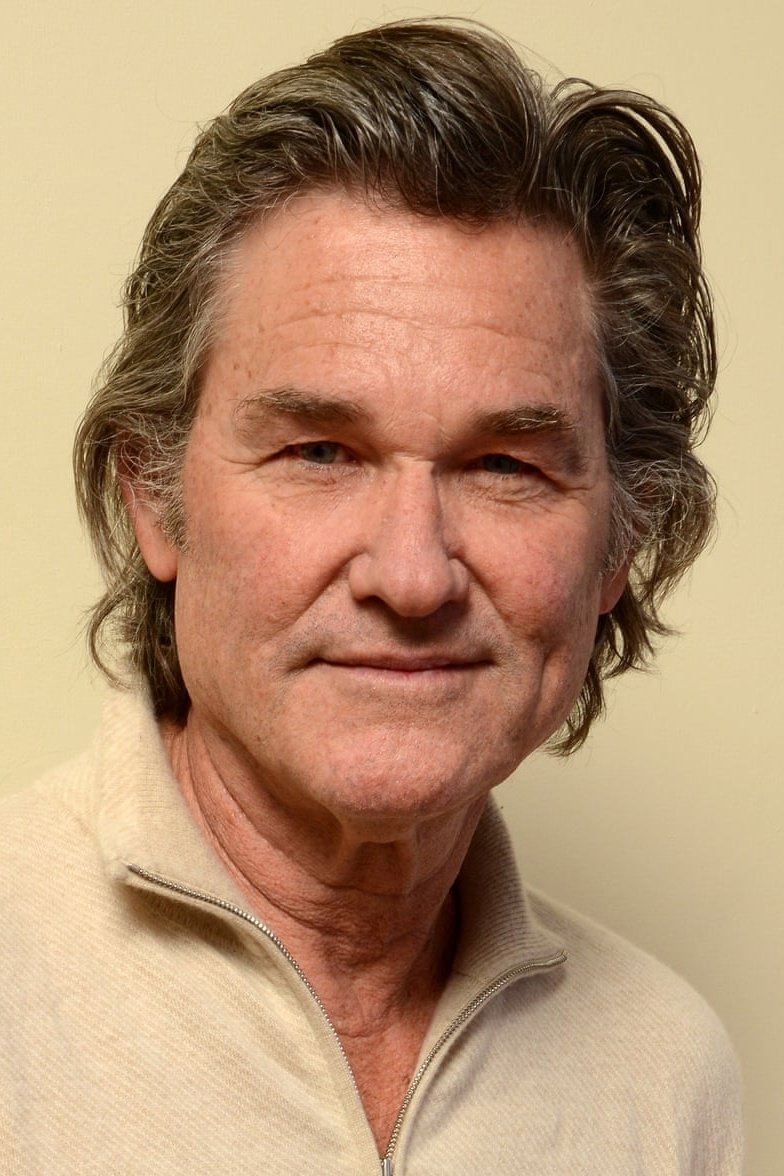
Russell began as a prolific Disney lead, becoming synonymous with the studio’s live-action era. He parlayed that foundation into acclaimed adult roles across action, sci-fi, and drama. His career trajectory demonstrated that family-friendly branding can pivot to mature genres without typecasting. Russell’s longevity underscores the value of early discipline and on-set professionalism learned as a kid.
Henry Thomas
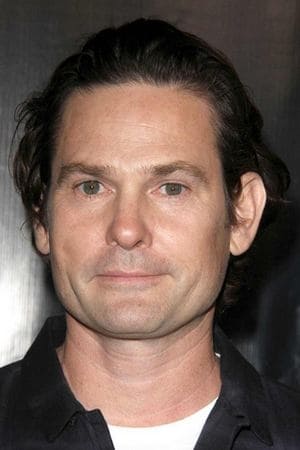
Thomas’ performance in ‘E.T. the Extra-Terrestrial’ set a benchmark for emotionally driven child leads in blockbuster cinema. The film’s success elevated the narrative importance of a child’s perspective in large-scale storytelling. He continued working steadily, bridging indie projects and television, which highlighted adaptability after a defining role. Casting practices for family and sci-fi films still reflect the authenticity his performance exemplified.
Corey Feldman
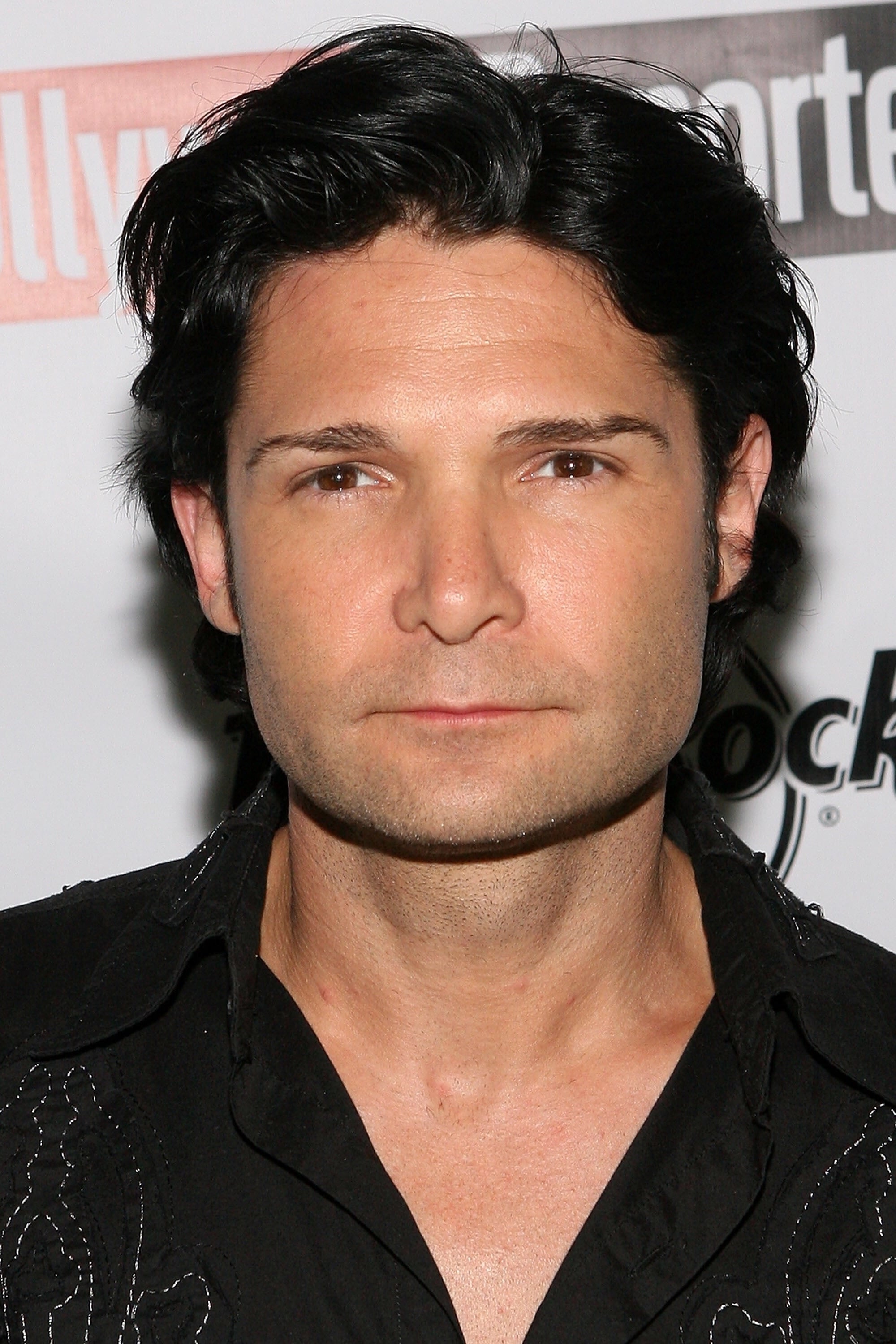
Feldman became a fixture of 1980s ensemble hits like ‘Stand by Me’, ‘The Goonies’, and ‘The Lost Boys’. His recurring presence in youth-centered adventures helped solidify the era’s group-dynamic storytelling formula. He also navigated the teen-idol media ecosystem, showing how cross-promotional exposure boosts a young actor’s reach. Feldman’s collaborations influenced casting trends for buddy and ensemble narratives.
River Phoenix

Phoenix earned acclaim for layered performances beginning with ‘Stand by Me’, quickly moving into complex dramatic roles. His approach emphasized naturalism and emotional nuance uncommon for his age. He received major award recognition as a teenager, pushing studios to take young dramatic leads more seriously. Phoenix’s work continues to inform casting and coaching for youth-driven prestige films.
Macaulay Culkin

Culkin’s lead turn in ‘Home Alone’ demonstrated the global box-office potential of a child-led holiday comedy. He became a merchandising and sequel driver, illustrating the commercial halo a young star can generate. His fame spurred negotiations around compensation and control for minors at peak popularity. Culkin’s later selective projects showed alternative paths to managing early mega-stardom.
Elijah Wood

Wood built a steady résumé of family films and dramas as a child, developing a reputation for reliability. That foundation enabled a seamless move into large-scale franchises with ‘The Lord of the Rings’. He diversified into voice acting and producing, modeling a modern, multi-platform career. Wood’s early professionalism reinforced casting confidence in child actors for ambitious productions.
Leonardo DiCaprio

DiCaprio’s early work on television and in indie dramas earned critical notice while he was still a teen. He transitioned rapidly into prestige cinema, securing award nominations that raised expectations for youth performances. His choices showed how challenging material can expand opportunities beyond teen roles. DiCaprio’s trajectory encouraged studios to scout young talent for serious, director-driven projects.
Neil Patrick Harris
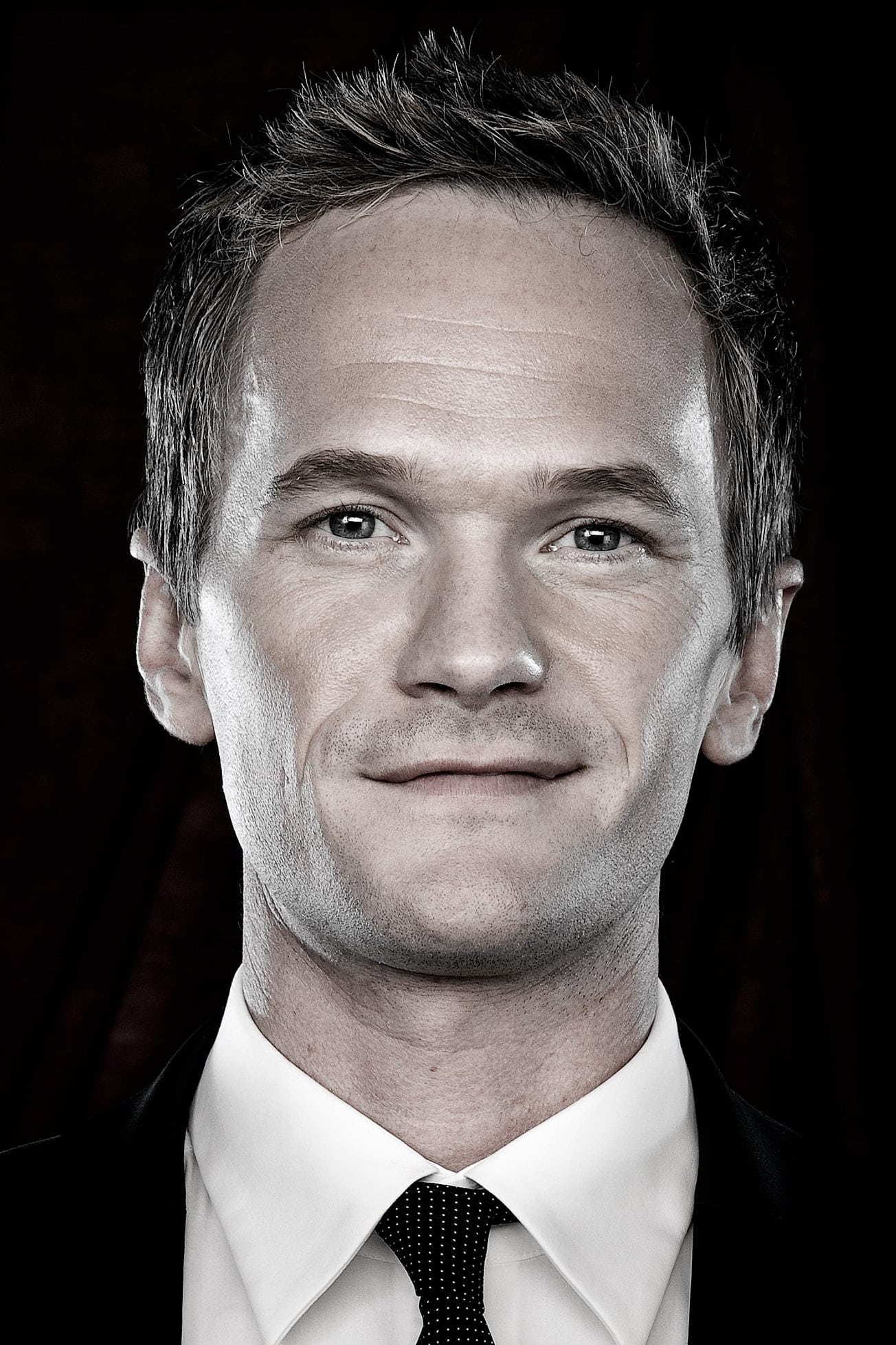
Harris headlined ‘Doogie Howser, M.D.’ as a teenage lead on network television, proving viewers would follow a youth protagonist in a prime-time procedural. He later reinvented himself across theater, sitcoms, and hosting, illustrating career elasticity after child fame. His path highlighted the value of stage work and live performance for longevity. Harris’s cross-medium success influenced how young actors are developed for varied formats.
Haley Joel Osment

Osment’s breakout in ‘The Sixth Sense’ underscored how a child performance can anchor high-concept suspense. He received major award nominations, prompting more script development around young protagonists in serious genres. Osment continued in voice acting and supporting roles, demonstrating sustainable diversification. His early success influenced coaching and casting approaches for emotionally demanding parts.
Freddie Highmore
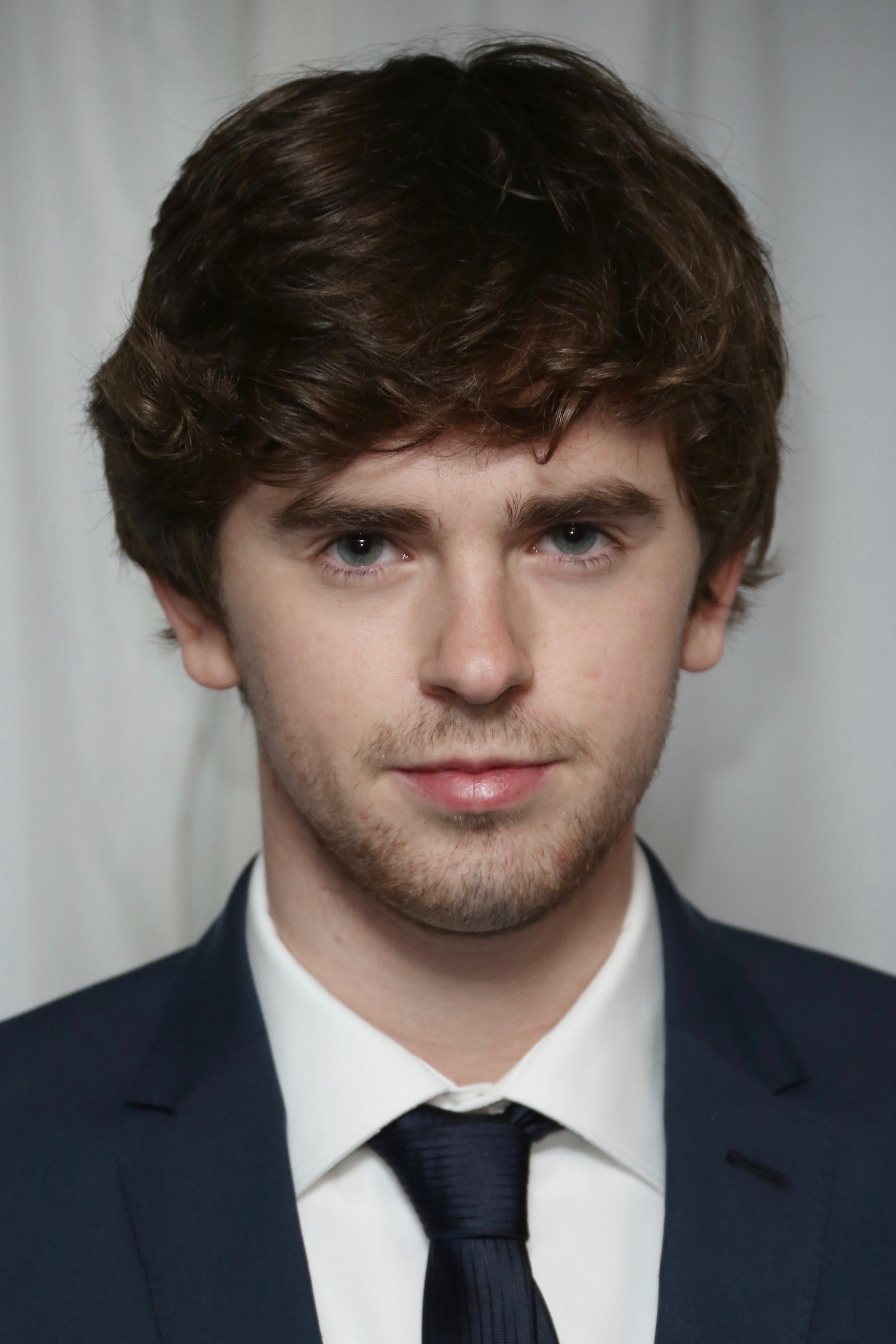
Highmore moved from acclaimed child roles in films like ‘Finding Neverland’ and ‘Charlie and the Chocolate Factory’ to leading television drama with ‘The Good Doctor’. He also serves as a producer and writer, exemplifying expanded creative roles for former child actors. His bilingual work broadened international casting opportunities. Highmore’s career shows how early prestige credits can transition into long-running series leadership.
Ke Huy Quan

Quan’s early roles in ‘Indiana Jones and the Temple of Doom’ and ‘The Goonies’ made him a recognizable adventure-film presence. After time away, he returned to award-winning success as an adult, reflecting industry shifts toward inclusive casting. His comeback spotlighted the importance of behind-the-scenes skills developed during his hiatus. Quan’s path has encouraged studios to revisit and support talent with early beginnings.
Frankie Muniz

Muniz led ‘Malcolm in the Middle’, proving that a child-centered single-camera sitcom could balance comedy with complex family dynamics. He leveraged that visibility into film leads while still a teen. Muniz later pursued endeavors outside acting, showing alternative career routes after early fame. His series’ production style influenced later family comedies that foreground a young narrator.
Asa Butterfield

Butterfield established himself with roles in ‘The Boy in the Striped Pajamas’ and ‘Hugo’, collaborating with major directors early on. He then anchored streaming-era hits like ‘Sex Education’, bridging film and television markets. His career illustrates international casting mobility for young British leads. Butterfield’s choices reflect how prestige projects can coexist with youth-focused series work.
Jacob Tremblay

Tremblay gained widespread recognition with ‘Room’, earning accolades that spotlighted the power of child-led drama. He expanded into voice roles and genre films, maintaining visibility across audiences. Tremblay’s media presence helped normalize serious awards consideration for very young performers. His trajectory has influenced casting directors to entrust complex material to child leads.
Finn Wolfhard

Wolfhard’s ensemble work on ‘Stranger Things’ revived interest in youth-led supernatural adventures. He crossed into film franchises and music, illustrating multi-vertical visibility for modern young actors. His projects show how streaming exposure accelerates global recognition for child performers. Wolfhard’s path reflects current industry practices where series success quickly translates to feature casting.
Daniel Radcliffe

Radcliffe became globally recognized by headlining the ‘Harry Potter’ film series from a young age. The franchise demonstrated how a single youthful lead can sustain a decade-long production schedule and worldwide marketing strategy. He later diversified into stage, television, and independent film, expanding the post-franchise playbook for former child stars. Radcliffe’s choices encouraged risk-taking beyond blockbuster identification.
Rupert Grint

Grint’s work as a core member of the ‘Harry Potter’ trio showed the value of balanced ensemble casting for long-running youth-led franchises. He transitioned into television and stage roles, as well as voice work, illustrating portfolio building after a defining series. His projects highlighted regional production opportunities in the UK beyond franchise filmmaking. Grint’s career underscored how franchise alumni can reintroduce themselves through smaller, character-driven parts.
Christian Bale
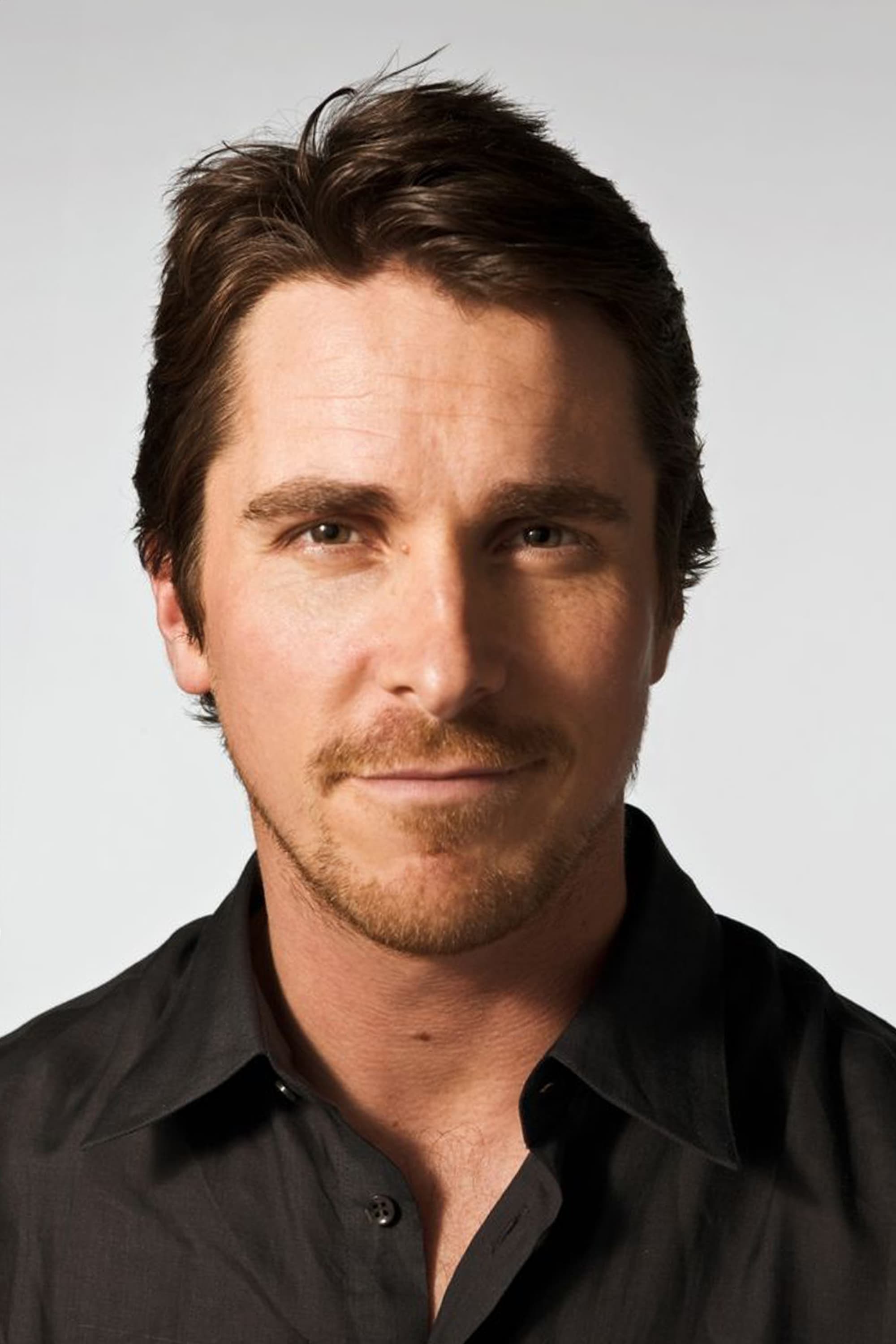
Bale’s breakout as a child in ‘Empire of the Sun’ put a spotlight on demanding dramatic performances from young leads. He maintained a steady trajectory into adult roles across prestige films and large-scale franchises. His transformation-focused approach influenced expectations for intensity and preparation among young actors. Bale’s early credibility helped studios trust children with complex material.
Tom Holland

Holland trained on stage in ‘Billy Elliot the Musical’ before moving into film and global franchise work with ‘Spider-Man’. His dance and stage background showcased how physical training benefits young screen performers in action-heavy roles. He bridged studio blockbusters with smaller dramas, modeling versatility early in a career. Holland’s ascent emphasized the talent pipeline from theater to international cinema.
Shia LaBeouf

LaBeouf began on television with ‘Even Stevens’, demonstrating how a youth-led comedy can create rapid crossover into film. He leveraged that platform into action and franchise roles while still young, expanding the range expected from former child TV leads. His behind-the-camera interests highlighted development pathways starting early. LaBeouf’s trajectory showed how children’s television can serve as a sustainable launchpad.
Joseph Gordon-Levitt
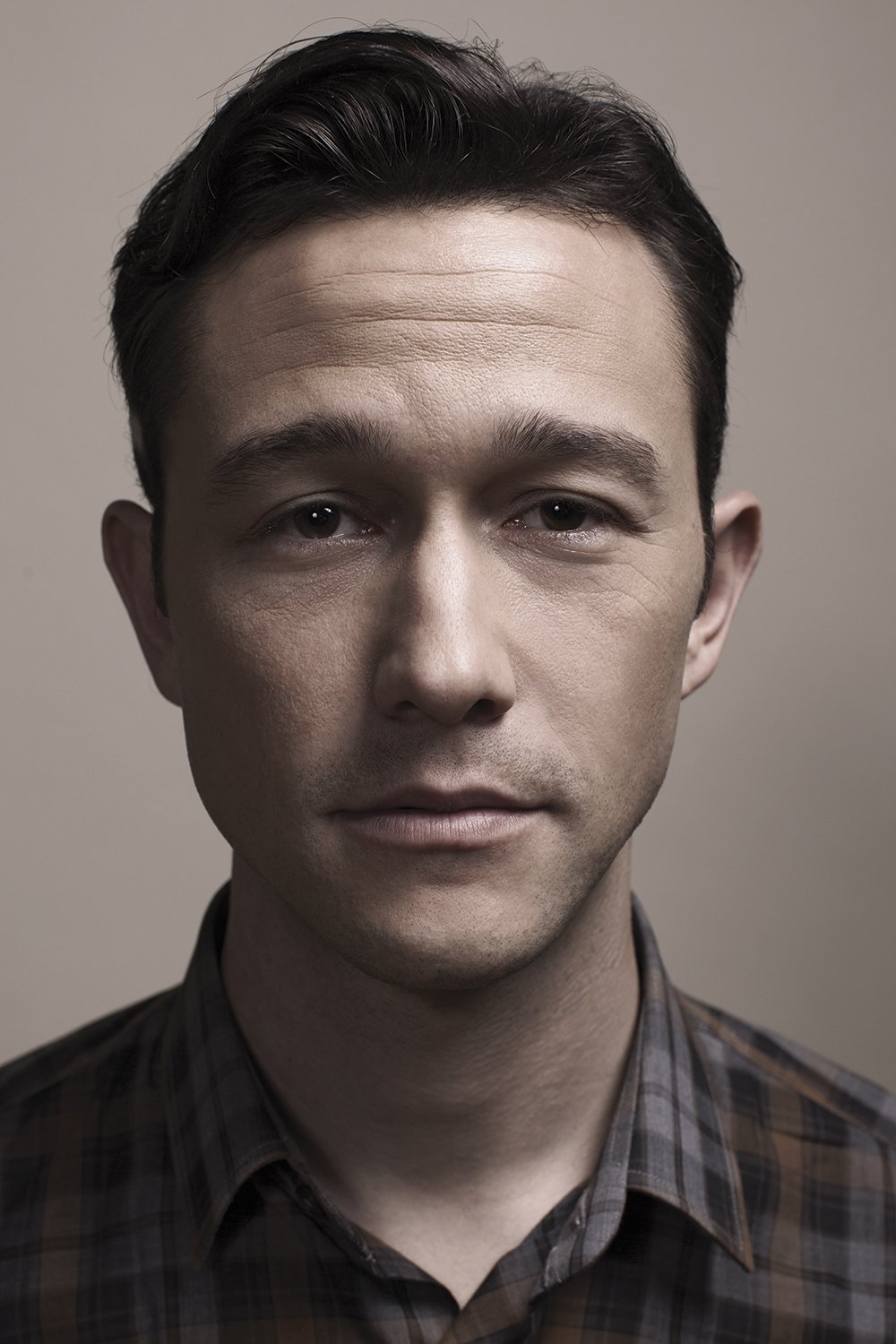
Gordon-Levitt’s early work on ‘3rd Rock from the Sun’ and family films established reliability and comic timing. He transitioned into adult indie and studio projects while building a production presence with collaborative platforms. This mix modeled how former child actors can nurture creative communities around their work. His path reinforced long-term planning that begins during youth careers.
Edward Furlong

Furlong’s debut in ‘Terminator 2: Judgment Day’ demonstrated how a newcomer can anchor a massive effects-driven film alongside veteran leads. His early success opened discussions about crafting substantial arcs for young characters in action narratives. Furlong’s subsequent roles showed the challenges and opportunities of rapid fame. His impact is evident in how big-budget scripts now integrate meaningful youth perspectives.
Wil Wheaton

Wheaton’s performance in ‘Stand by Me’ helped define the coming-of-age ensemble for modern audiences. He later became a recognizable voice in genre communities through hosting, writing, and voice acting. This cross-media presence illustrated alternate avenues for child actors to remain influential. Wheaton’s career encouraged engagement with fan culture as a professional asset.
Jonathan Taylor Thomas

Thomas became a dominant sitcom presence on ‘Home Improvement’, shaping 1990s family-television casting and marketing. He expanded into voice work with major animated features, underscoring the crossover value of child TV stars. Thomas balanced education with acting, signaling a template for managing career pauses. His teen-era popularity informed network strategies for youth-focused promotion.
Fred Savage
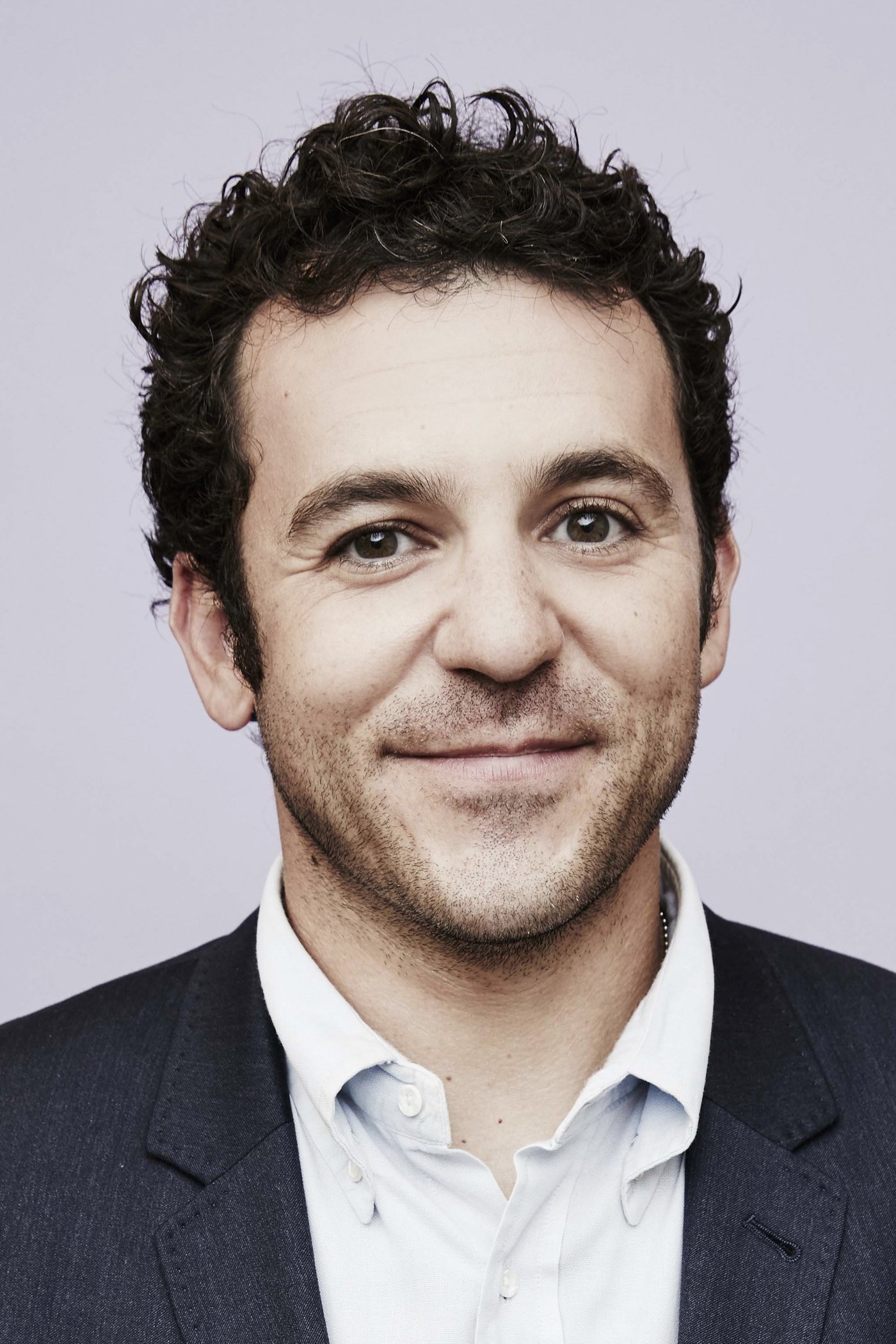
Savage led ‘The Wonder Years’, using narration and period detail to center a child’s viewpoint in a critically acclaimed series. He later directed and produced television, showing a clear path from child acting to creative leadership. This shift encouraged networks to consider former young performers for behind-the-camera roles. Savage’s work influenced family-drama formats that rely on reflective storytelling.
Dylan Sprouse

Dylan Sprouse co-led ‘The Suite Life of Zack & Cody’, proving that twin-led children’s sitcoms could anchor multi-series franchises. He balanced acting with higher education and later indie projects, modeling strategic career recalibration. His work highlighted how Disney Channel alumni can transition into varied markets. The show’s spin-offs demonstrated brand extension driven by young leads.
Cole Sprouse

Cole Sprouse mirrored early success with ‘The Suite Life’ and later reintroduced himself in teen and young-adult dramas like ‘Riverdale’. He also pursued photography professionally, emphasizing creative diversification. This portfolio approach illustrated how former child stars can maintain relevance across mediums. His trajectory reinforced the potential of rebranding after children’s television.
Kieran Culkin
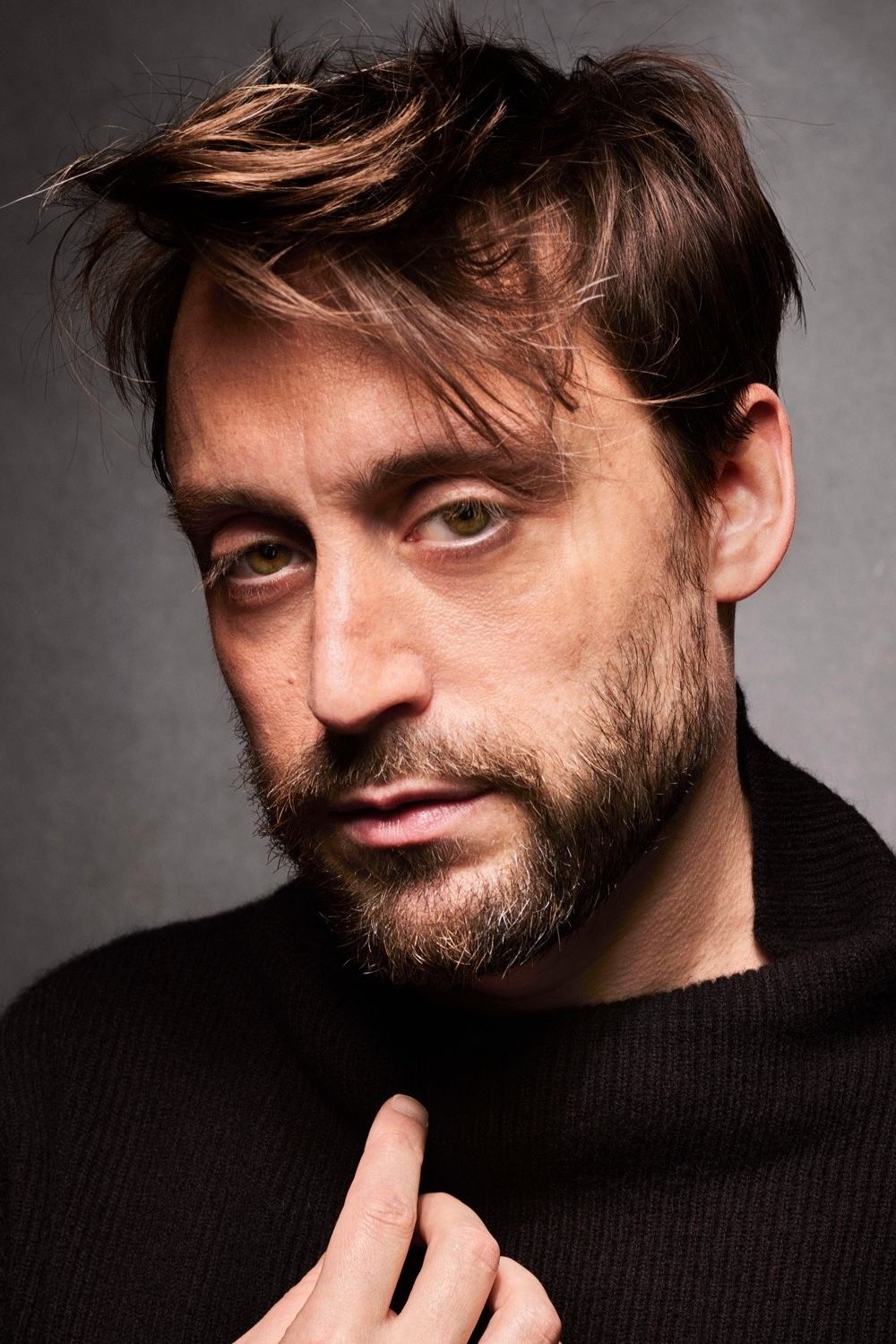
Culkin began with supporting roles in projects like ‘Home Alone’ before developing a distinct profile in indie films and acclaimed television. He demonstrated how a former child performer can carve out a niche separate from a famous sibling. His later ensemble work showcased the value of timing and character specificity learned early. Culkin’s path emphasized persistence and selective role choice.
Rick Schroder

Schroder moved from the film ‘The Champ’ to leading the sitcom ‘Silver Spoons’, bridging dramatic credibility with family-TV appeal. His early accolades showed that young performers could earn serious recognition in adult-leaning roles. Schroder’s shift between film and television informed strategies for youth actors navigating both mediums. He later produced and directed, expanding the skill set associated with former child stars.
Justin Henry

Henry earned major awards attention for ‘Kramer vs. Kramer’ at a very young age, signaling that child performances could be central to adult dramas. His recognition encouraged writers to craft nuanced roles for children in serious narratives. Henry’s case remains a reference point for early-age award categories and campaigning. It also highlighted the importance of on-set protections for very young actors.
Jackie Earle Haley
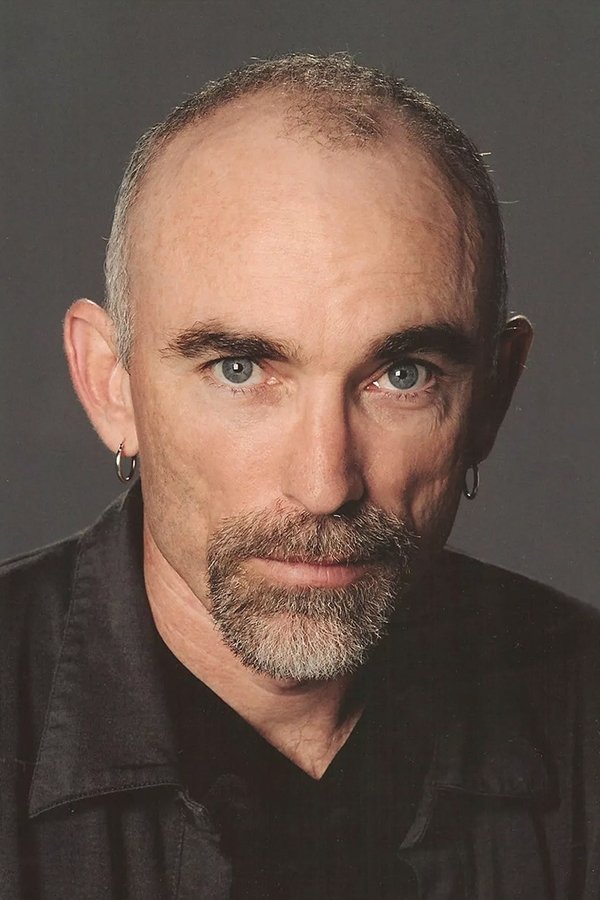
Haley’s early visibility in ‘The Bad News Bears’ series made him a go-to presence for youth sports comedies. He later returned to acclaim as an adult, proving long-term reinvention is possible after child fame. His comeback underscored the value of craft development during career lulls. Haley’s arc encouraged casting directors to reconsider actors with early beginnings.
Thomas Brodie-Sangster

Brodie-Sangster gained notice in ‘Love Actually’ and family fare before moving into franchise and prestige television. His distinctive voice led to notable animation and game work, demonstrating diversification from an early age. He navigated transatlantic projects smoothly, signaling the globalization of young talent pipelines. His career shows how child performers can balance whimsical roles with mature, strategic choices.
Noah Jupe

Jupe’s performances in titles like ‘A Quiet Place’ and ‘Honey Boy’ placed him at the center of modern, auteur-driven projects. He often worked opposite major stars, proving young actors can carry complex emotional beats in high-stakes narratives. Jupe’s filmography shows a preference for character-led storytelling that trusts youth perspectives. This pattern encourages more scripts that hinge on a child’s performance.
Iain Armitage

Armitage leads ‘Young Sheldon’, anchoring a long-running network sitcom built around a child’s intellectual persona. He has also contributed voice work and stage appearances, broadening his skill set early. The show’s success demonstrates how prequel concepts can sustain multi-season arcs around a young lead. Armitage’s schedule exemplifies modern child-actor production logistics for network television.
Chandler Riggs

Riggs played a central role on ‘The Walking Dead’, keeping a child character integral to a dark, adult-leaning genre series. His presence illustrated how long-form storytelling can track a youth character’s growth in real time. Riggs later diversified with film, television, and music, modeling post-series transitions. His arc influenced later genre shows to maintain substantial roles for young performers.
Share your picks in the comments and tell us which kid actors you think shaped the industry the most!

