The Most Influential Movies of All Time


Cinema changes how stories are told, how technology is used, and how audiences around the world connect with ideas, genres, and images. The films below didn’t just succeed on screens; they set templates for editing, sound, visual effects, distribution, and representation that other filmmakers picked up and ran with.
From early breakthroughs in montage and sound to modern landmarks in digital production and global storytelling, these movies shaped genres, inspired movements, and redefined what mainstream and independent films could do. Each entry highlights practical innovations and ripple effects that continue to guide how films are made and experienced today.
‘The Birth of a Nation’ (1915)
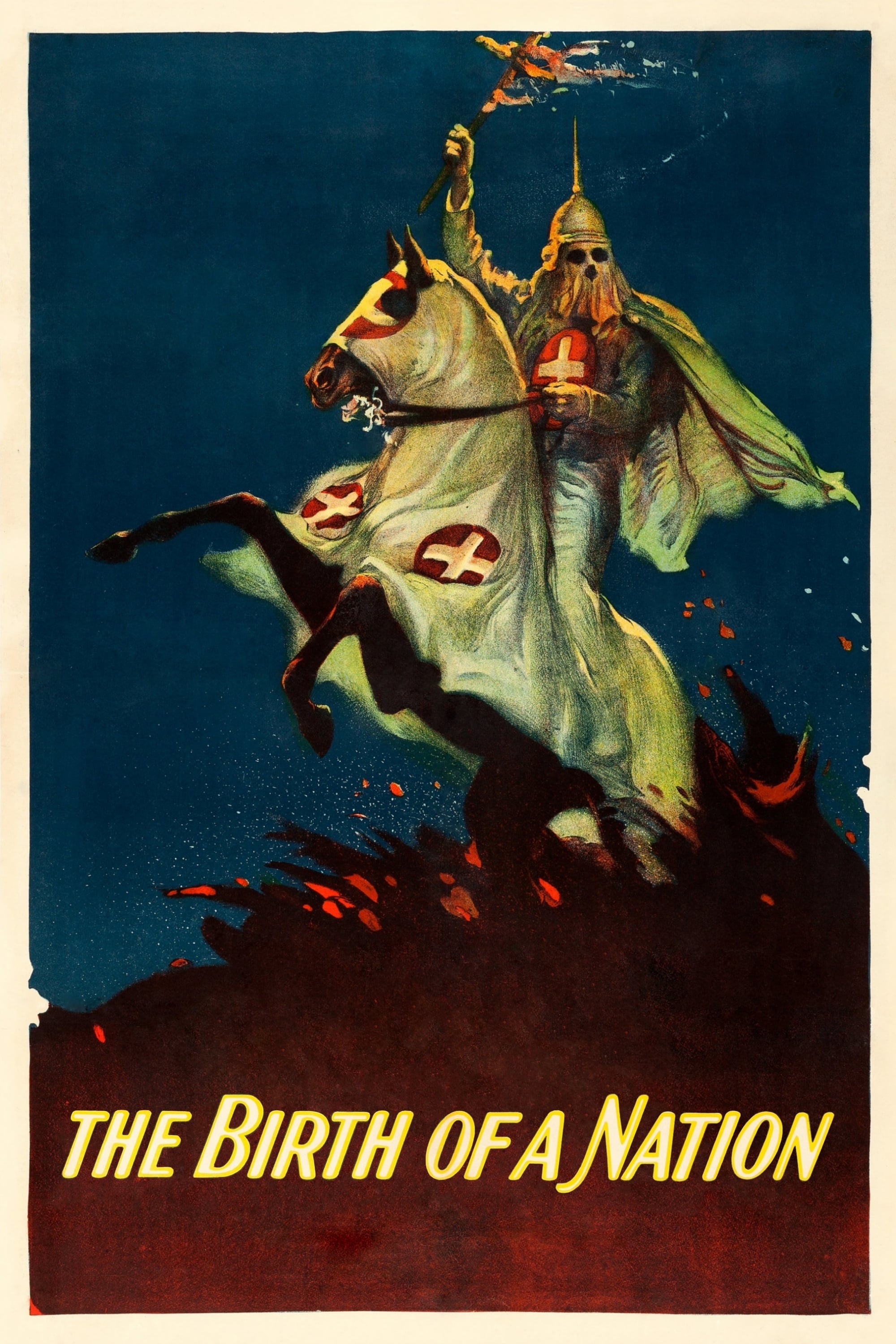
D. W. Griffith’s epic refined continuity editing, parallel cutting, and large-scale staging, consolidating techniques that helped define feature-length narrative cinema. Its sweeping scope demonstrated the commercial potential of long-form storytelling and set a bar for production ambition.
Its release also triggered organized protests and censorship efforts, becoming an early case study in how films interact with politics and public discourse. Industry responses to its impact influenced distribution practices, content guidelines, and community activism around cinema.
‘The Cabinet of Dr. Caligari’ (1920)
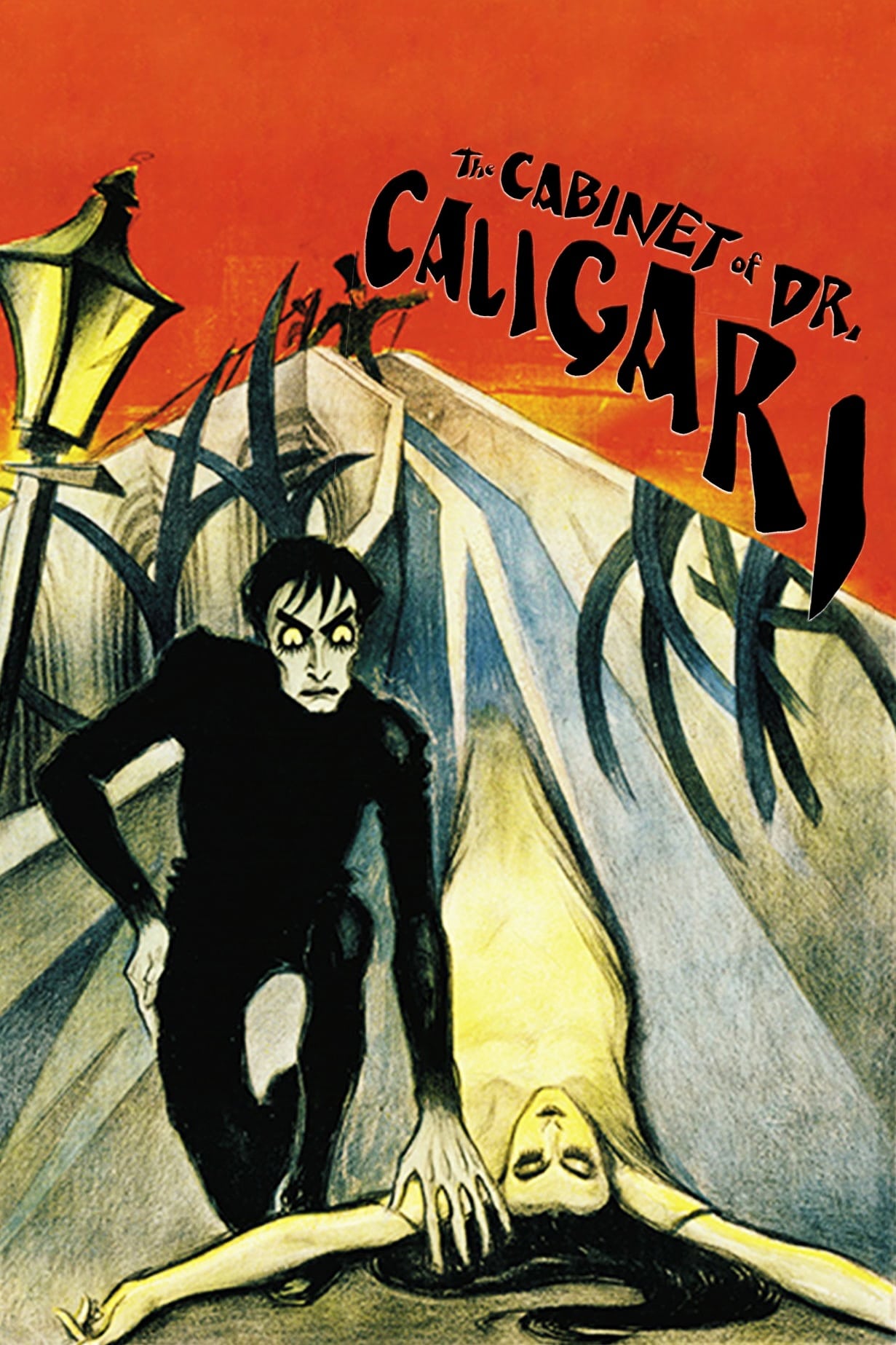
This German Expressionist landmark used painted, distorted sets and stylized acting to externalize psychological states, influencing production design and cinematography across horror and noir. Its framing device helped popularize unreliable narration as a viable cinematic structure.
The film’s bold art-direction choices showed how set design could carry thematic weight, shaping how filmmakers visualize inner worlds. Its visual vocabulary can be traced in later works from horror to arthouse thrillers, where mood and meaning are built into every angle and shadow.
‘Nosferatu’ (1922)
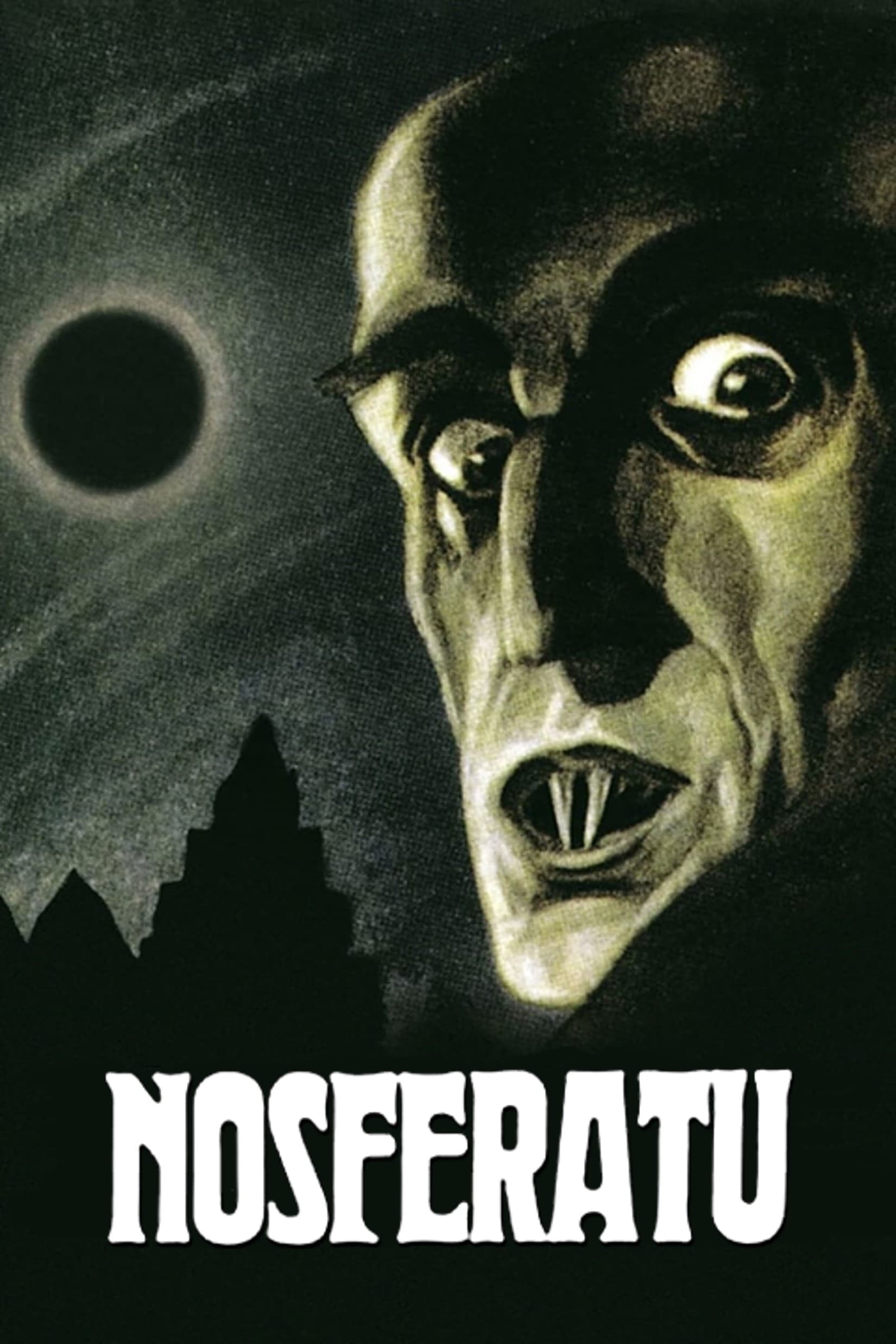
F. W. Murnau’s unauthorized riff on ‘Dracula’ introduced enduring vampire iconography—elongated shadows, pestilential imagery, and predatory nocturnal movement. On-location shooting and natural light contributed to a sense of realism that many supernatural films later emulated.
Legal action from the Stoker estate led to an order to destroy prints, yet circulating copies kept the film alive and cemented its mythic status. The preservation story itself shaped conversations about copyright, adaptation, and film archiving.
‘Battleship Potemkin’ (1925)
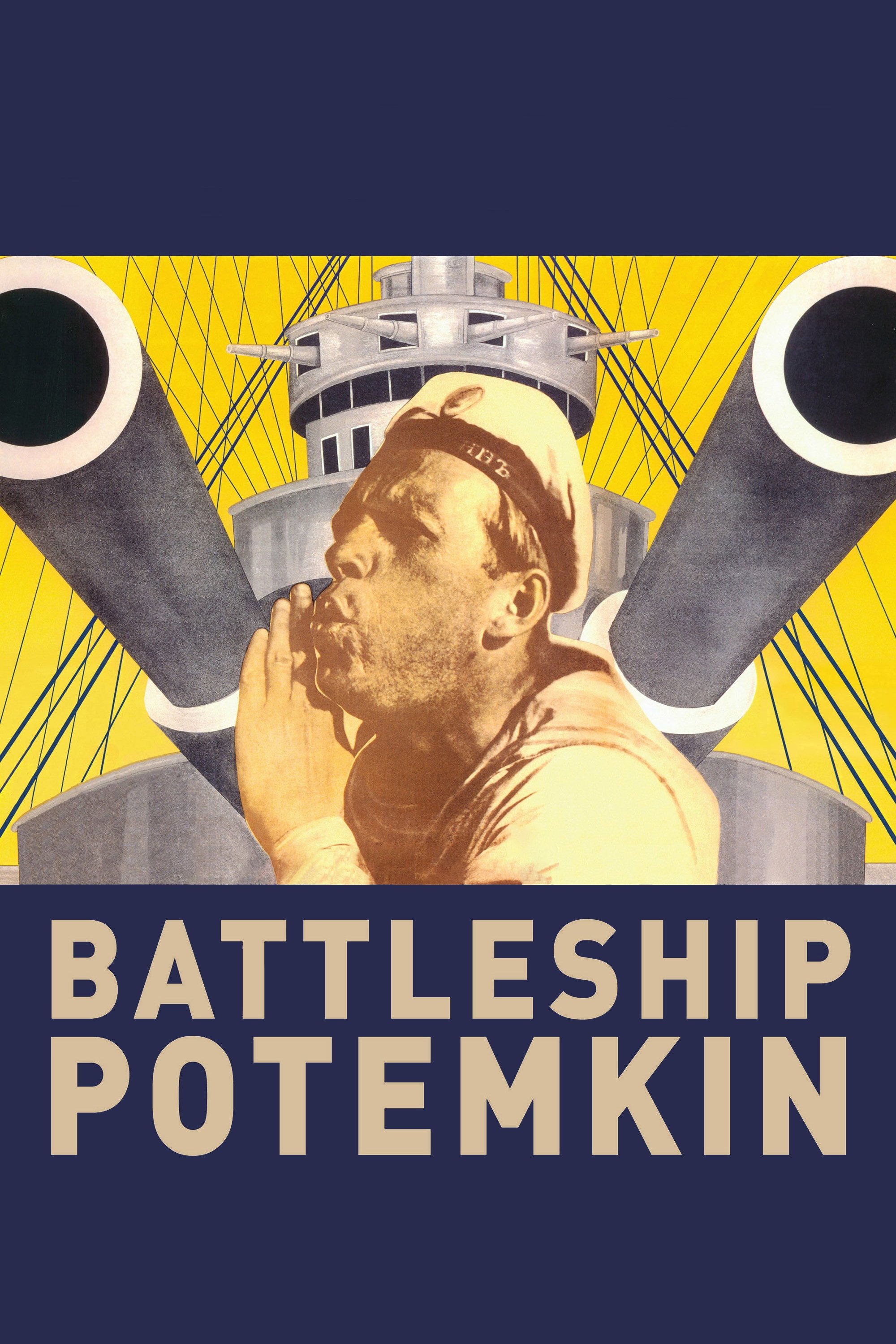
Sergei Eisenstein’s theory of montage—cutting to create meaning and emotion—gets a definitive showcase in the Odessa Steps sequence. The film became a global classroom example for how editing rhythms can drive intensity and political messaging.
Cinematheques and schools adopted it as a core text, spreading its influence far beyond propaganda cinema. The approach to collision editing echoes in action sequences, protest depictions, and emotionally charged set-pieces across genres.
‘The Jazz Singer’ (1927)
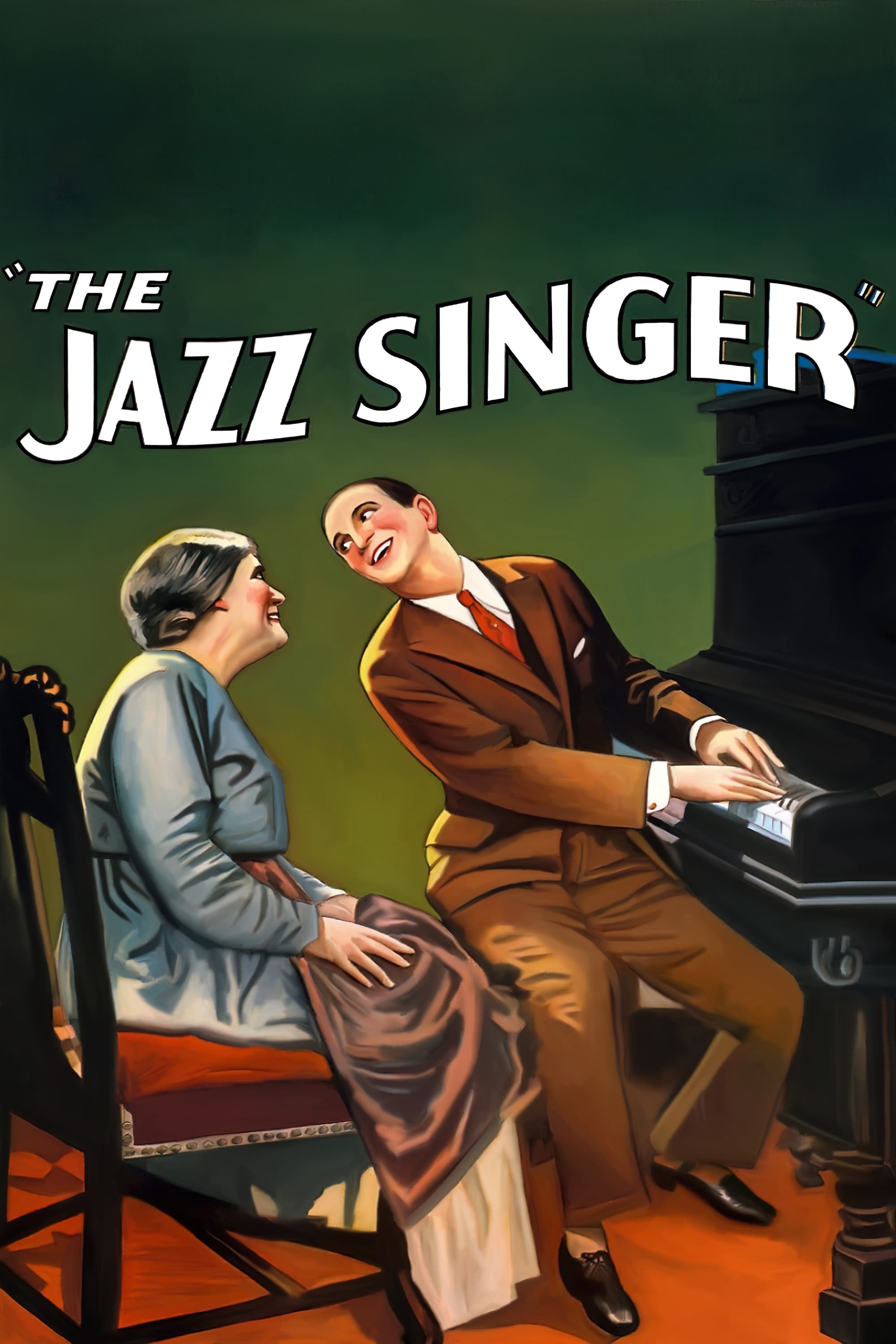
By integrating synchronized dialogue and songs through the Vitaphone system, this feature accelerated the industry’s shift from silent to sound films. Studios rapidly retooled production pipelines, reconfiguring acting styles, set design, and exhibition standards.
Its commercial success validated investment in sound technology and standardized practices for recording and mixing. The technical leap reshaped audience expectations, laying groundwork for the modern musical and dialogue-driven drama.
‘Metropolis’ (1927)
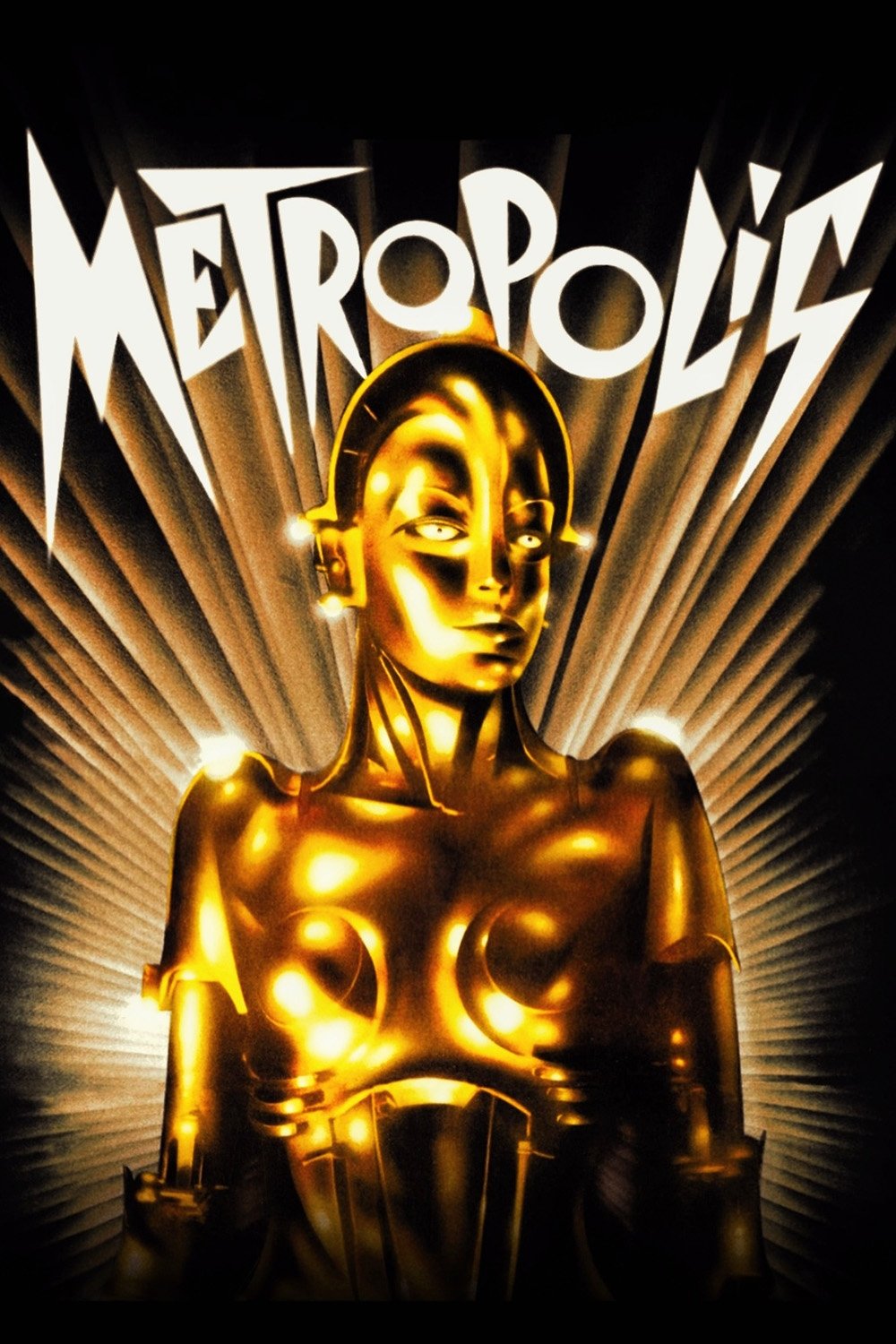
Fritz Lang’s sci-fi epic blended monumental sets, miniatures, and pioneering visual effects to imagine a stratified future city. The film crystallized the look of dystopia—towering skylines, machine worship, and class division—that designers still draw from.
Restoration efforts over decades, including the incorporation of rediscovered footage, demonstrated how archival work can recover narrative clarity. Its production design continues to inform everything from cyberpunk worlds to large-scale urban fantasies.
‘The Passion of Joan of Arc’ (1928)
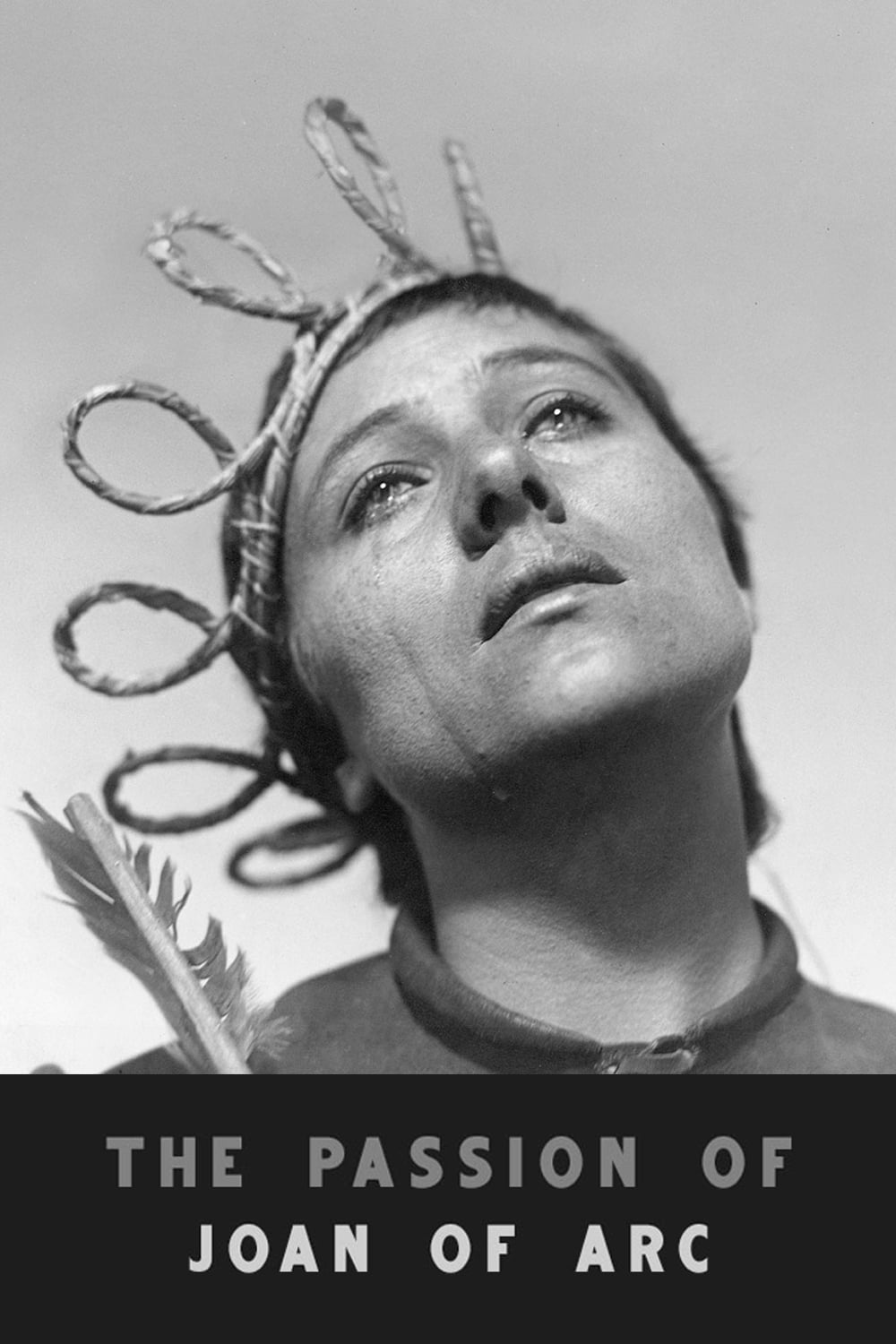
Carl Theodor Dreyer’s focus on close-ups, spare sets, and expressive faces demonstrated how performance and framing could carry narrative power. The film’s visual austerity influenced minimalist approaches to camera placement and cutting.
A long-lost print’s rediscovery restored Dreyer’s intended structure, showing how editorial choices radically alter tone and pacing. Acting, makeup, and lensing here became templates for intimate, character-centered dramas.
‘Snow White and the Seven Dwarfs’ (1937)
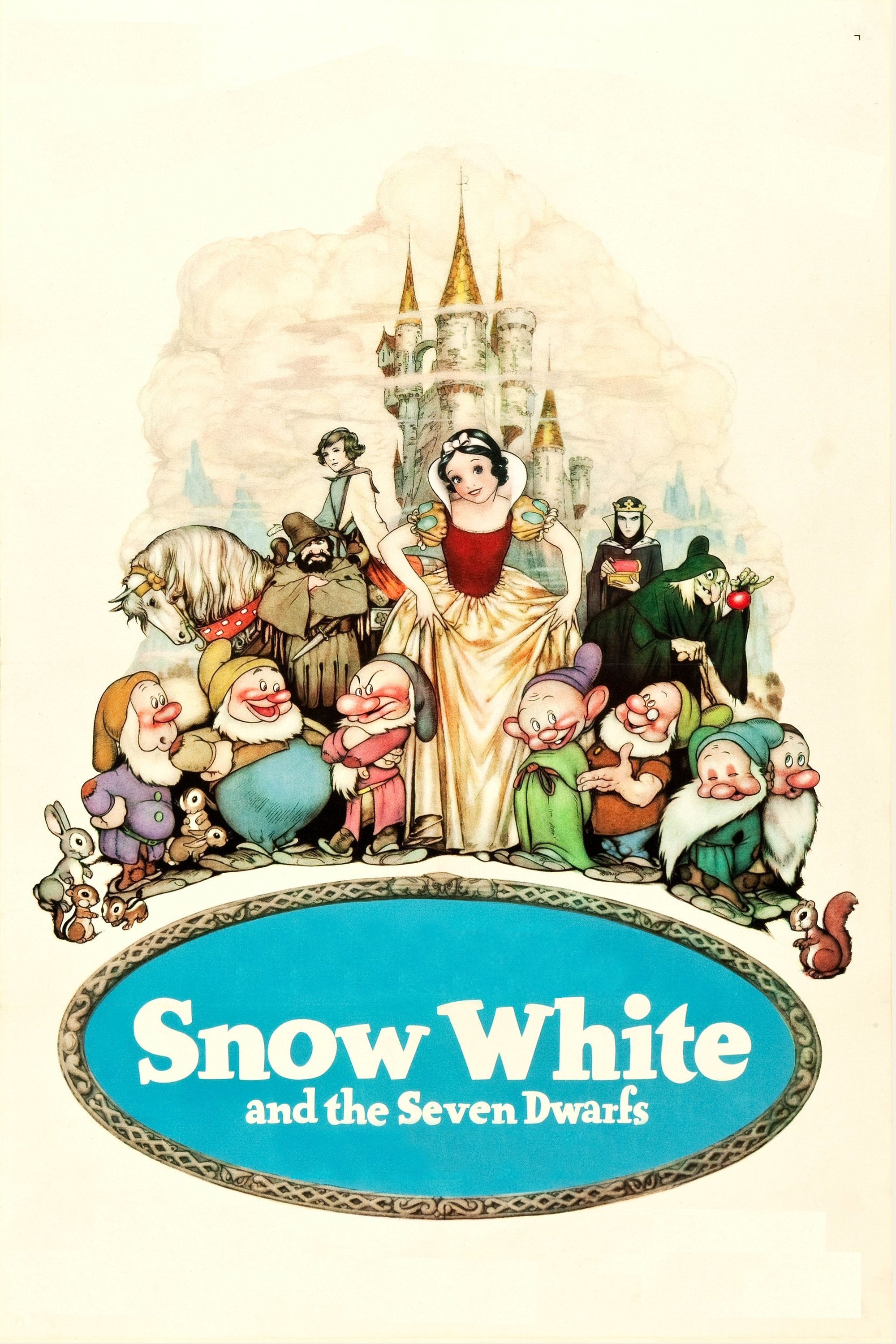
The first feature-length cel-animated film in English proved that animation could sustain an emotionally engaging, feature-scale narrative. Multiplane camera techniques brought dimensionality to hand-drawn environments.
Its box-office success established a durable pipeline for animated features and merchandising tied to songs and characters. Studios worldwide adopted similar story structures, musical integration, and character archetypes.
‘The Wizard of Oz’ (1939)
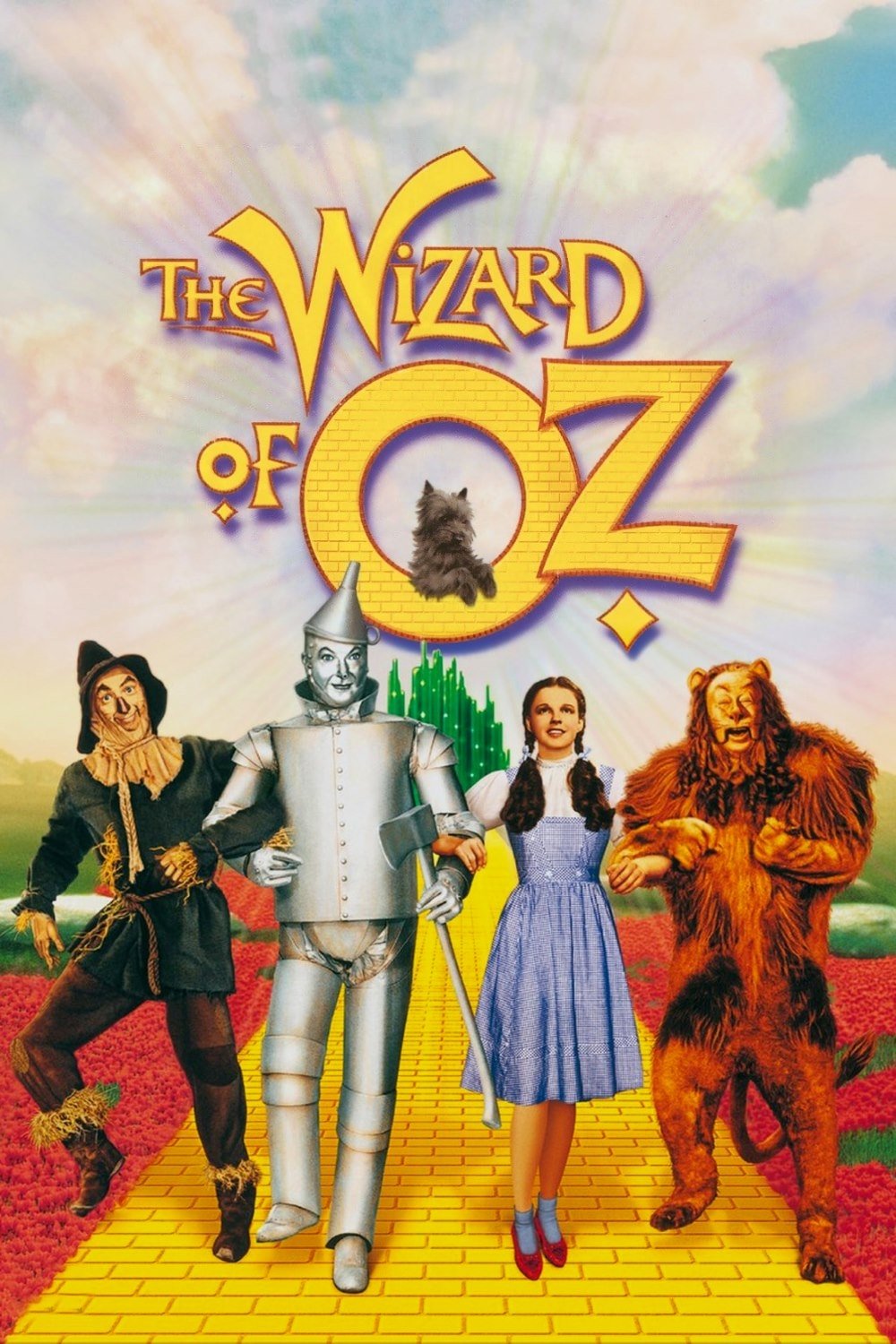
This fantasy musical showcased Technicolor at scale, using color as a narrative device to divide worlds and moods. Memorable songs and a cohesive production design turned the film into a template for family-oriented spectacle.
Repeated television broadcasts transformed it into a shared cultural text, illustrating how home exhibition can extend a film’s life. Its tornado effects, matte paintings, and costume work remained reference points for decades.
‘Gone with the Wind’ (1939)
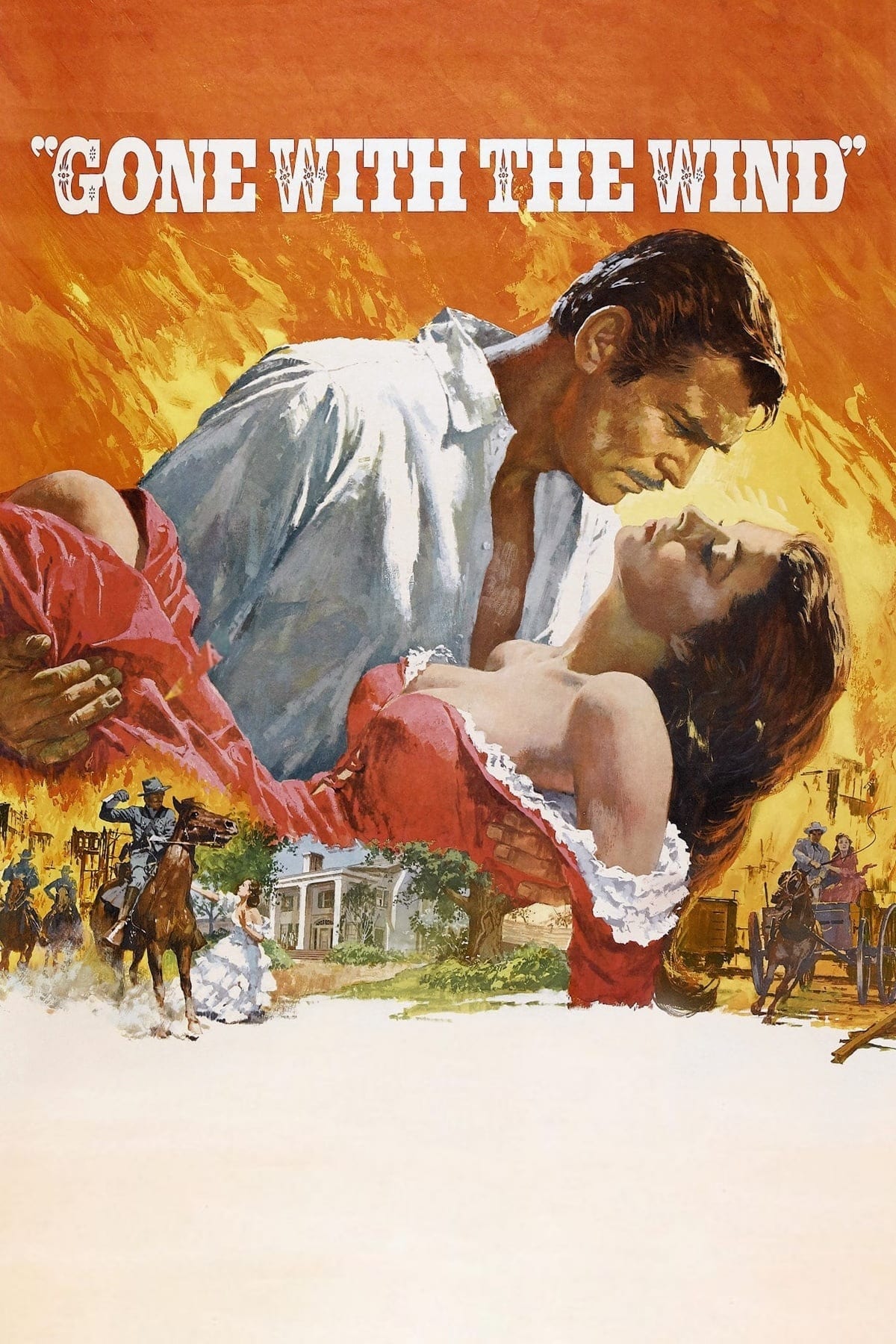
An exemplar of the studio roadshow model, this epic used reserved-seat engagements and prestige marketing to build event status. Large-format cinematography and lavish sets cemented the appeal of historical melodrama.
Its commercial footprint reshaped expectations for long-running theatrical engagements and re-releases. The film also catalyzed industry conversations on representation, awards recognition, and public response to controversial content.
‘Citizen Kane’ (1941)
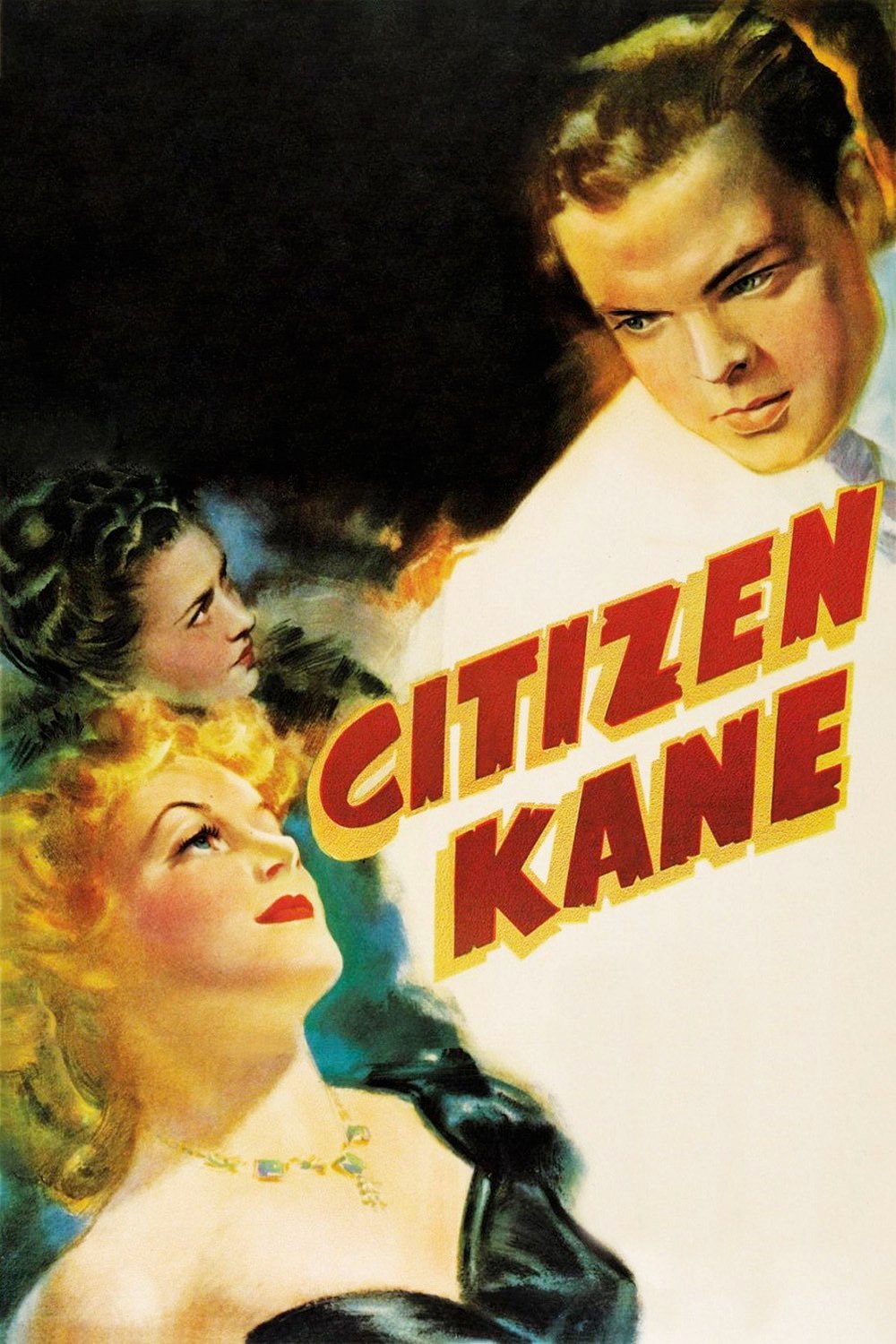
Orson Welles and Gregg Toland integrated deep-focus photography, low angles, and layered soundscapes into a complex, non-linear narrative. The interplay of newsreel, testimony, and memory expanded how backstory could be revealed.
Its structural innovations became standard study material for screenwriters and editors. Production techniques—from ceilings on sets to audacious lighting—fed directly into the grammar of modern dramas and thrillers.
‘Casablanca’ (1942)
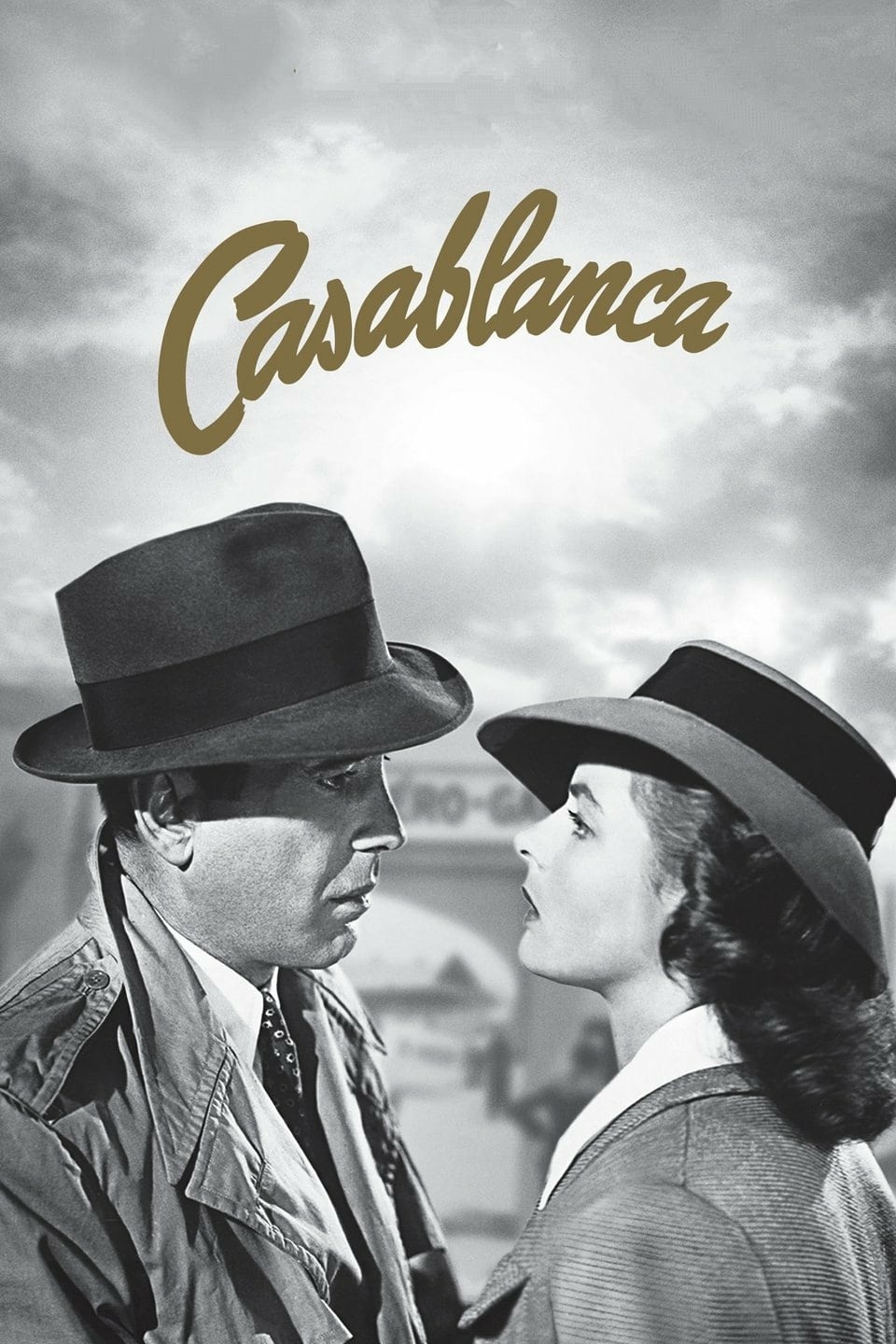
Studio-era craftsmanship converged in a tightly scripted wartime romance that balanced espionage, politics, and personal stakes. The ensemble cast, many of them refugees, gave the story an authenticity that resonated globally.
The film’s dialogue economy and scene construction became blueprints for screenwriting classes. Its music cues and symbolic props showed how recurring motifs can unify tone and theme.
‘Bicycle Thieves’ (1948)
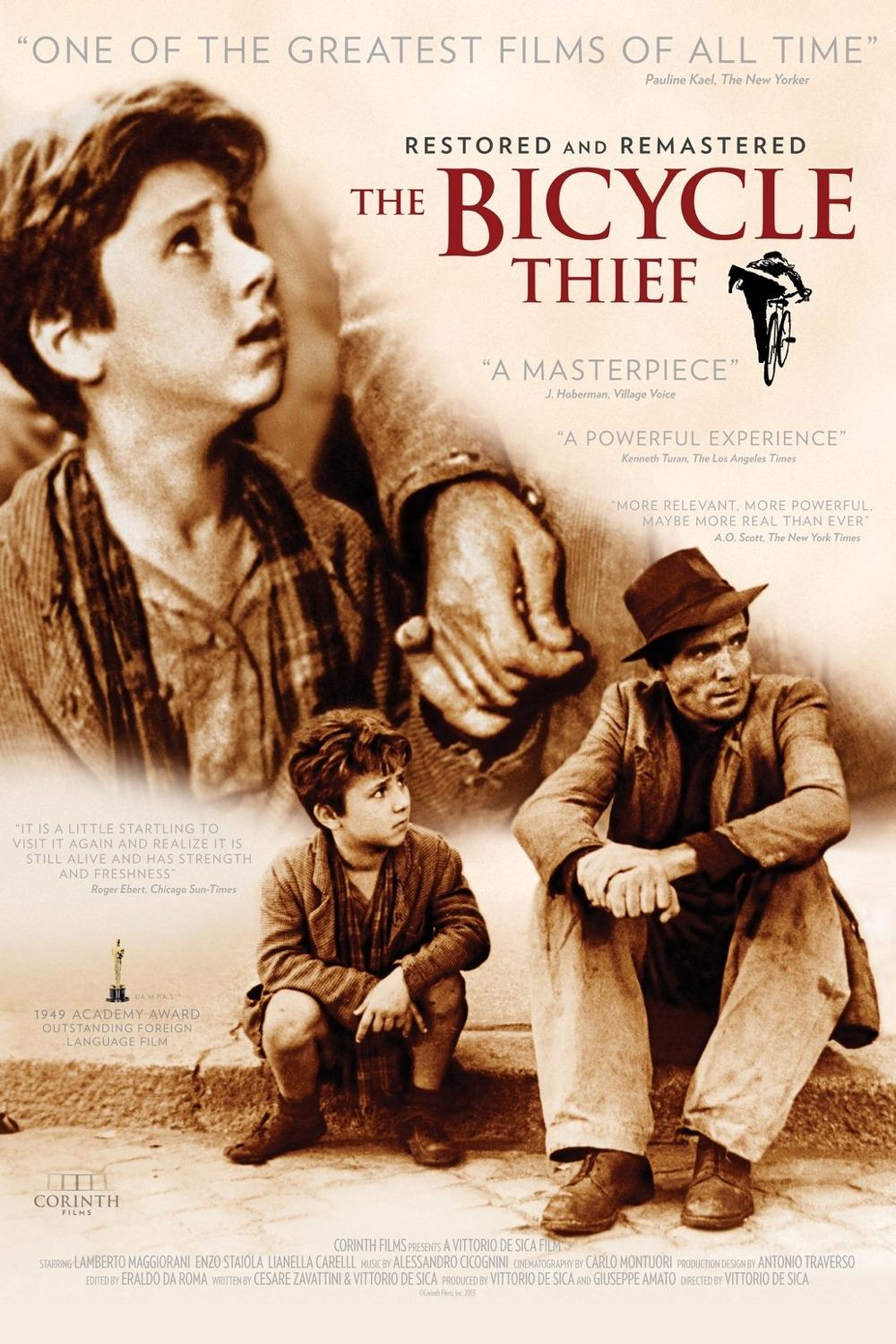
Italian neorealism’s signature work used nonprofessional actors, real streets, and everyday struggles to build authenticity. The film’s simplicity opened doors for socially conscious storytelling worldwide.
Its approach influenced movements from kitchen-sink dramas to contemporary docu-fiction hybrids. Distributors and festivals embraced low-budget realism as a marketable and award-worthy path.
‘Rashomon’ (1950)
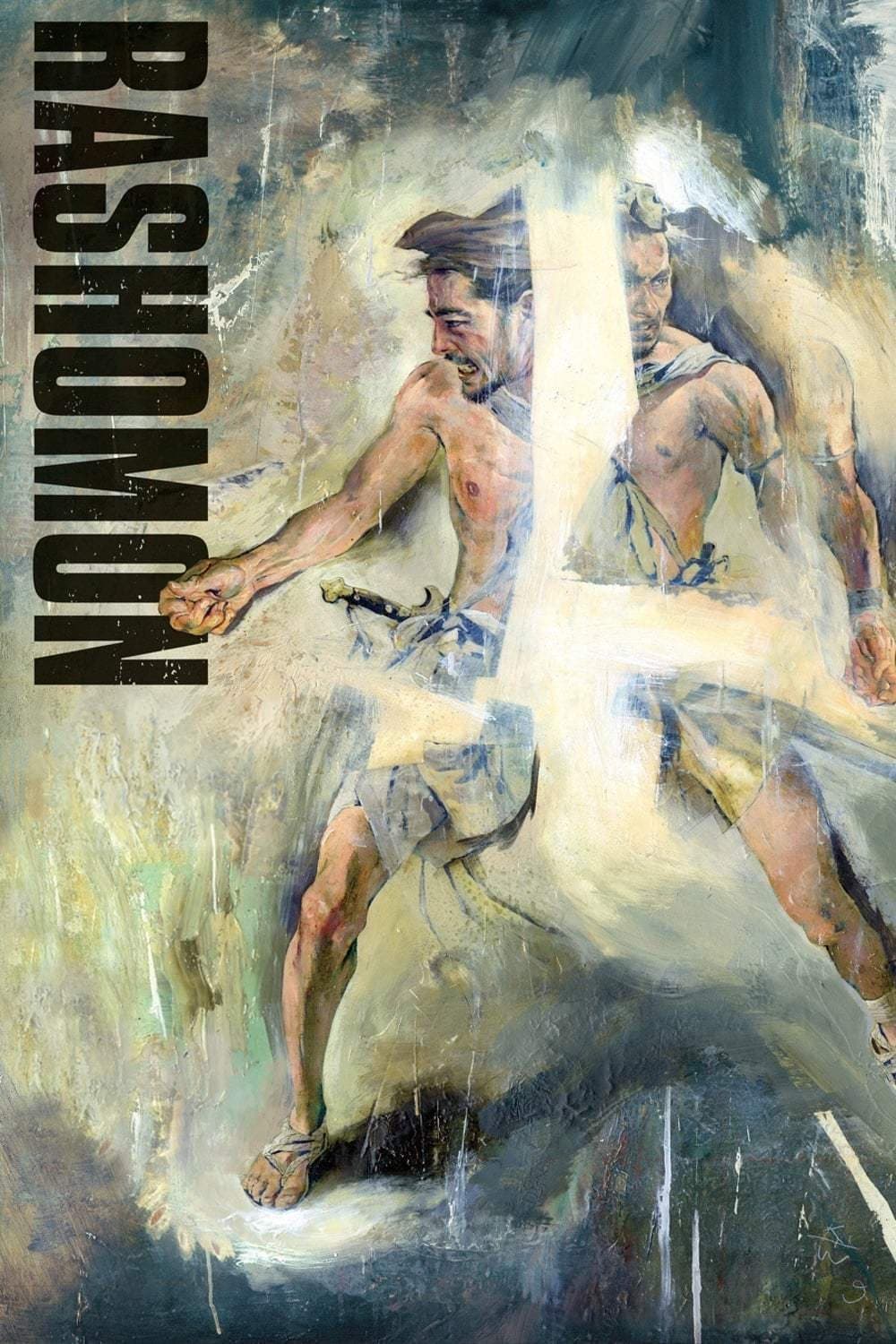
Akira Kurosawa’s multiple-perspective structure popularized subjective truth as a narrative engine, coining the widely used “Rashomon effect.” Cinematography through dappled light and forest canopies expanded texture in outdoor shooting.
The film introduced many viewers to Japanese cinema and spurred international distribution of East Asian films. Storytellers in crime, courtroom, and mystery genres adopted its puzzle-box testimony format.
‘Sunset Boulevard’ (1950)
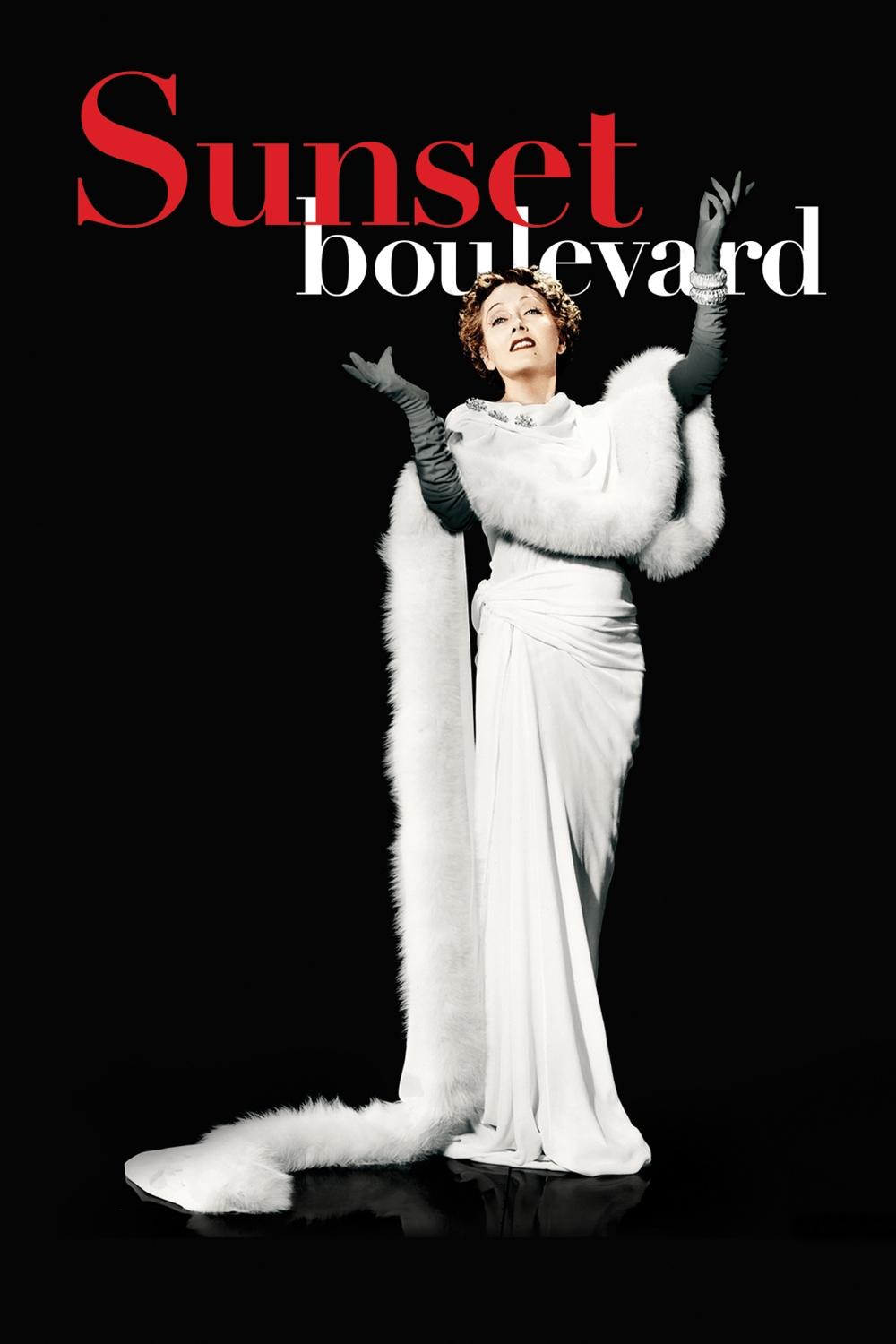
Billy Wilder’s Hollywood noir satirized fame, obsolescence, and the studio system from the inside out. The choice of a dead narrator, along with cameos by silent-era figures, fused melodrama and meta-commentary.
Its critique influenced later industry self-portraits and media satires. The score, production design, and dialogue cadence set enduring standards for darkly comic drama.
‘Singin’ in the Rain’ (1952)
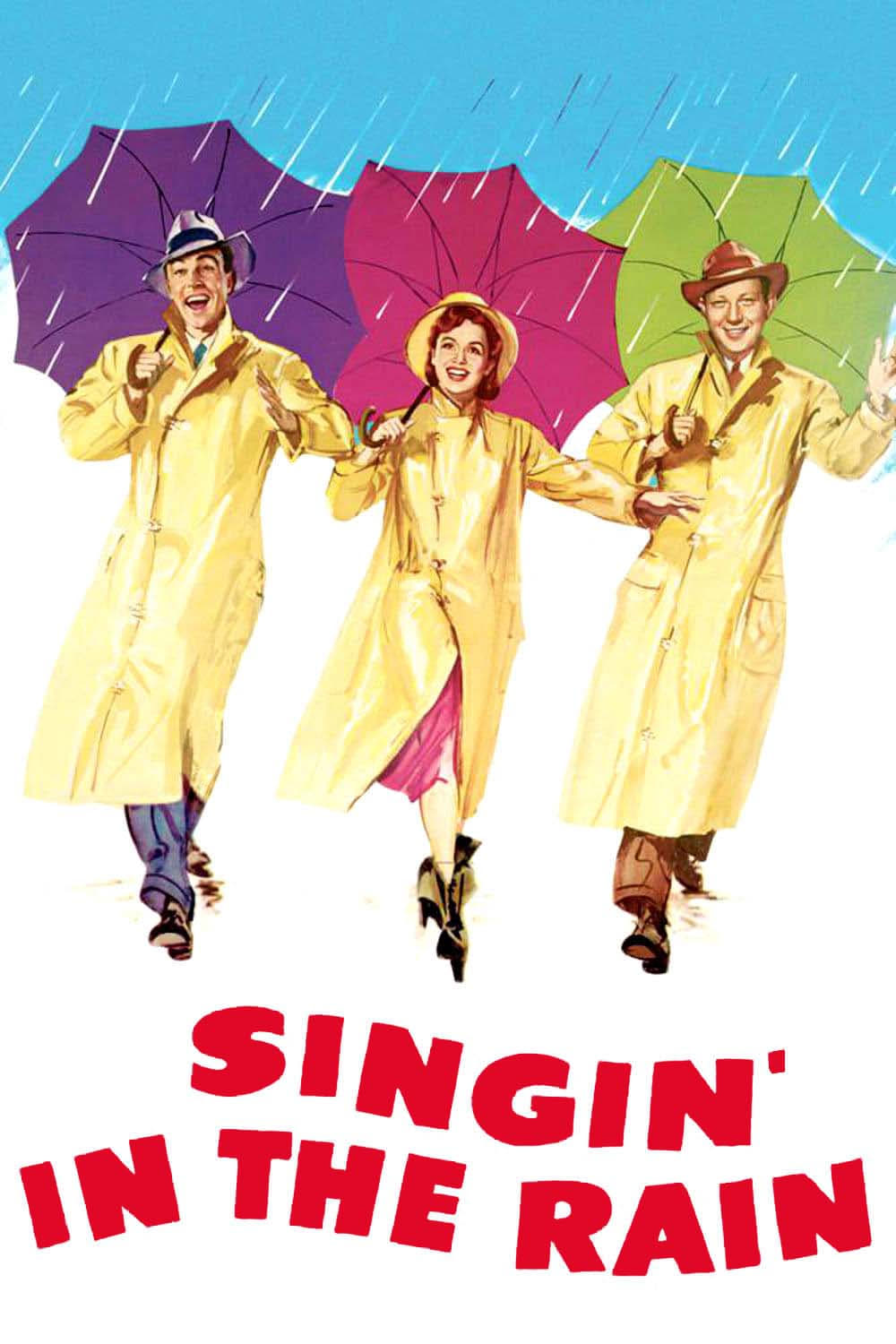
A backstage musical about the transition to sound, it mined real industry history for comedy and choreography. Set-pieces demonstrated integrated storytelling where movement pushes character and plot.
The film’s depiction of dubbing, publicity, and studio image-making became a playful primer on Hollywood mechanics. Musical numbers set benchmarks for staging, editing precision, and athletic performance on camera.
‘Tokyo Story’ (1953)
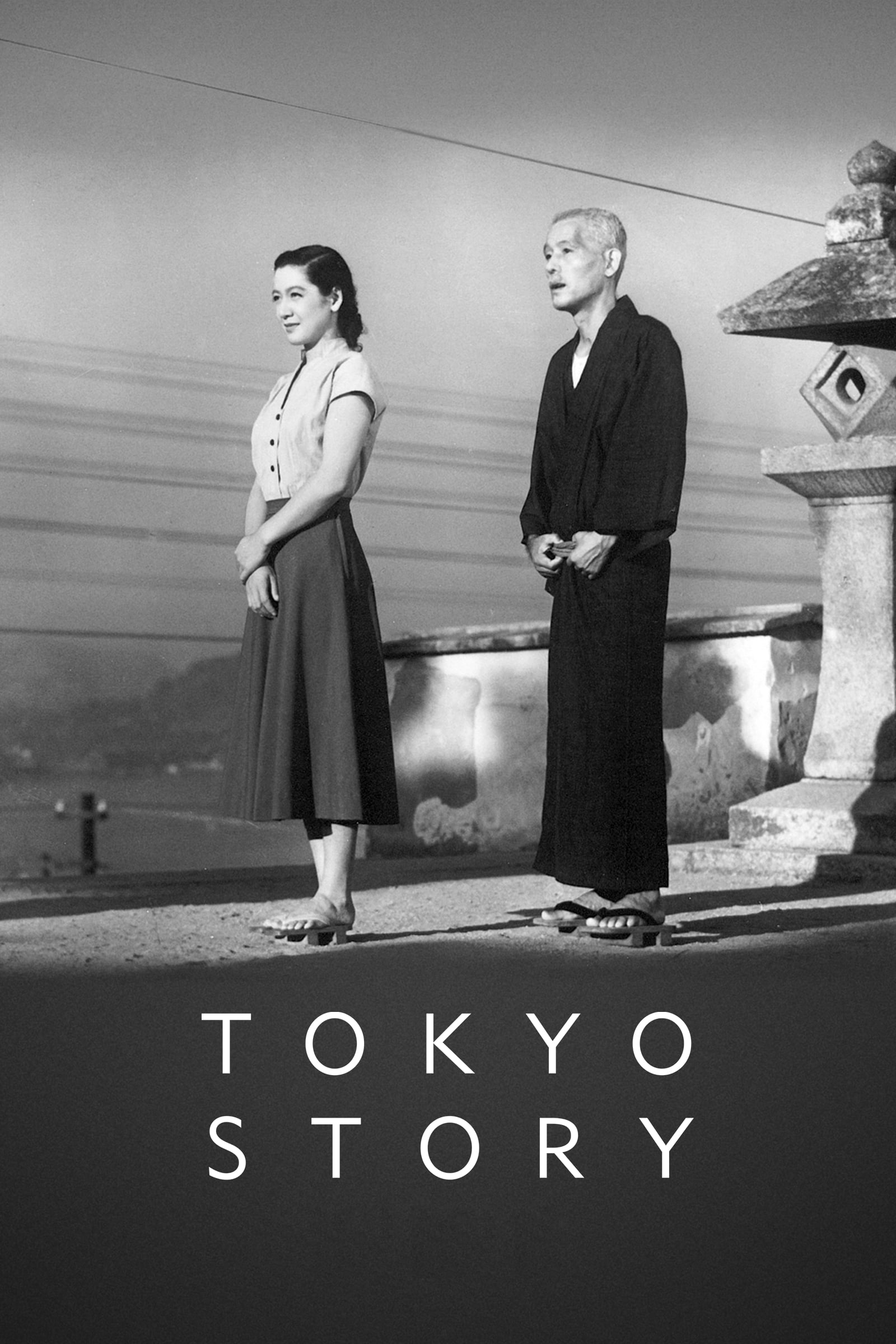
Yasujiro Ozu’s restrained style—low camera height, “pillow shots,” and ellipses—foregrounded family dynamics and everyday rituals. The calm mise-en-scène exemplified how quiet observation can carry dramatic weight.
Its influence radiates through global art cinema that prizes stillness and carefully composed frames. Editors and directors cite its patient pacing as a counterbalance to fast-cut convention.
‘Seven Samurai’ (1954)
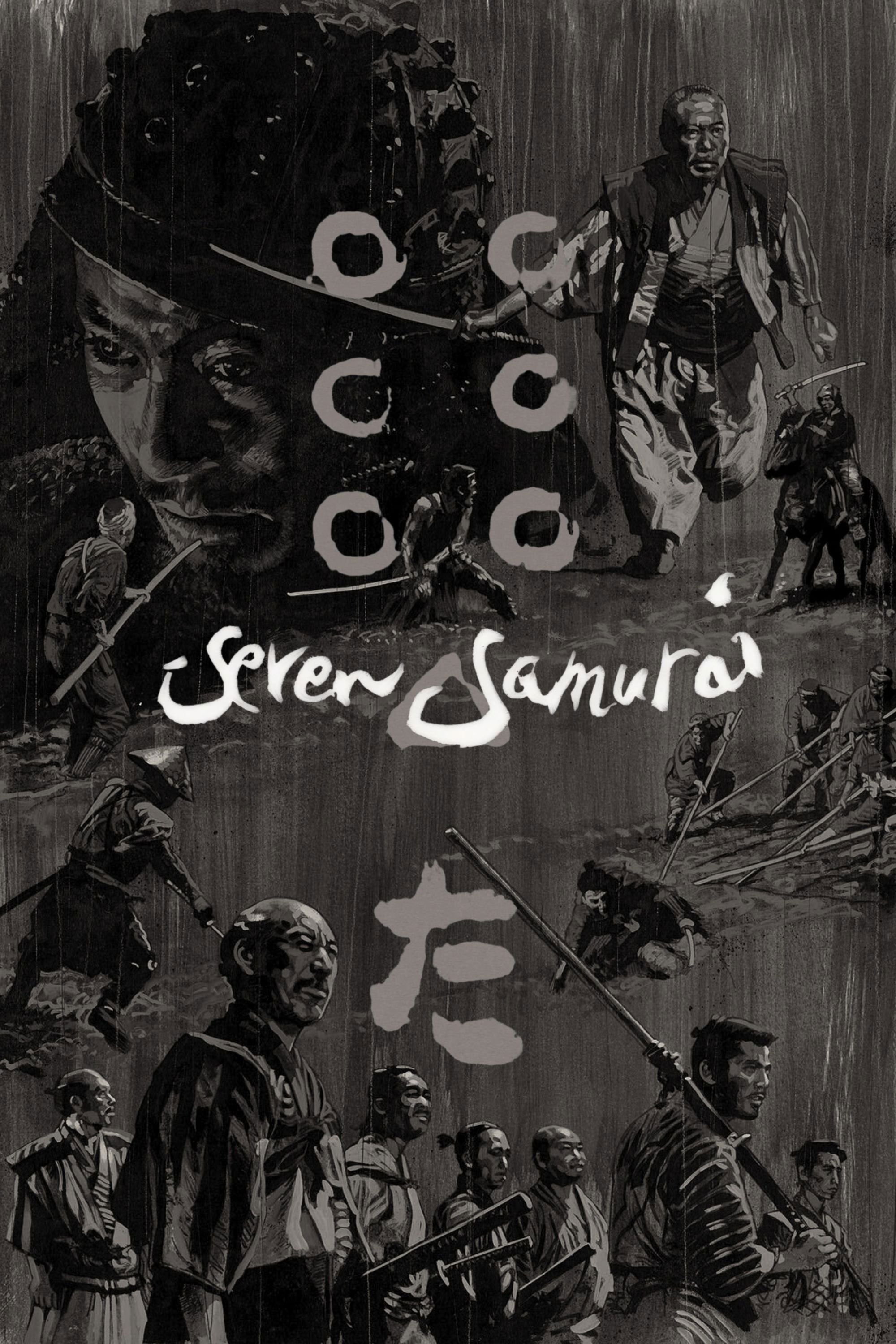
Kurosawa’s ensemble adventure codified the “assemble the team” structure and the rhythm of planning, training, and payoff. Staging for weather, movement, and geography set a new bar for dynamic action clarity.
Remakes and genre transplants, including ‘The Magnificent Seven’, spread its blueprint across cultures. Story beats and character archetypes remain templates for action and heist films.
‘The Searchers’ (1956)
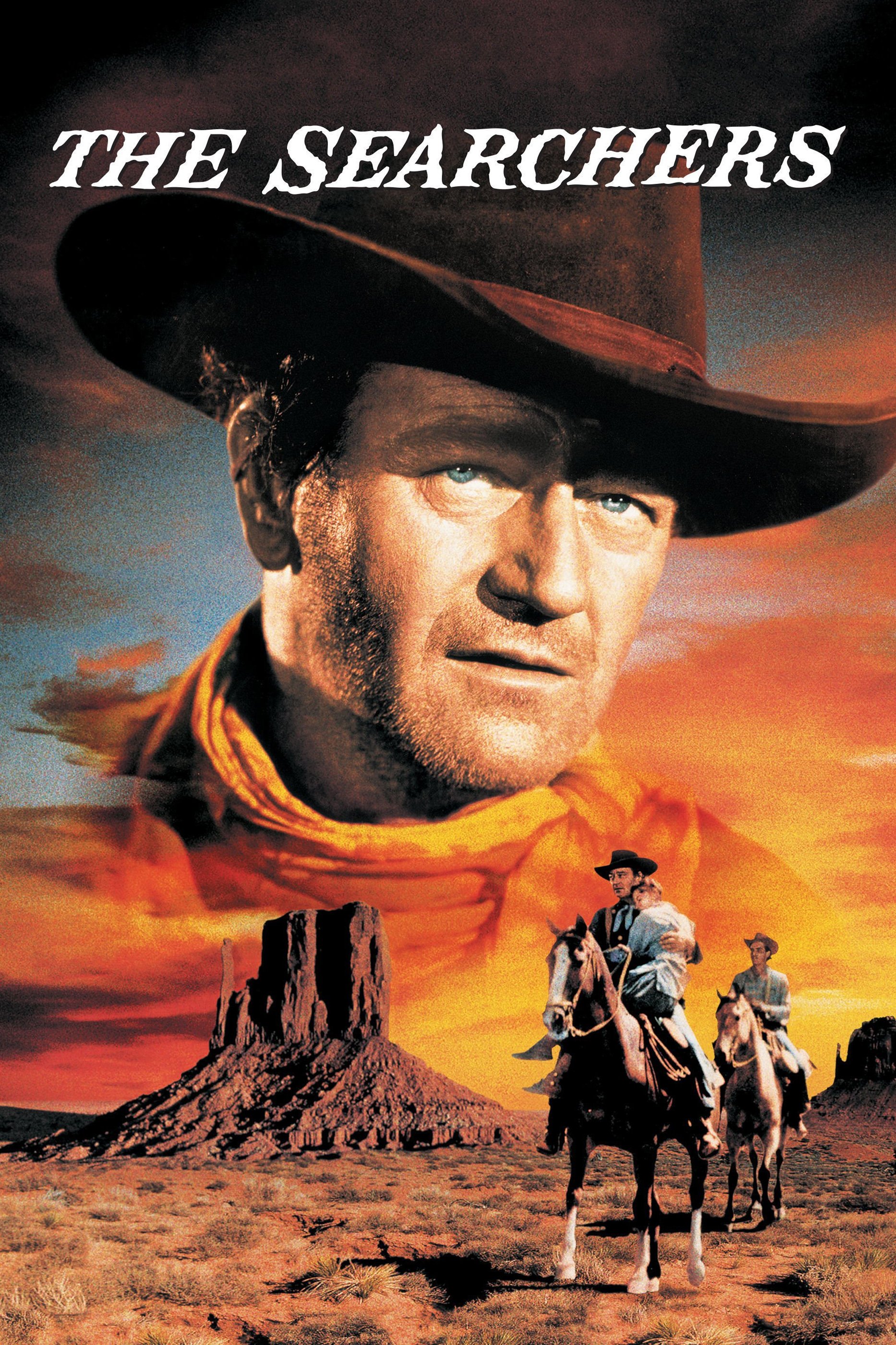
John Ford’s western deepened the genre with a psychologically complex antihero and sweeping location photography. The use of doorways and horizons as framing devices entered the filmmaker’s visual toolkit.
Its influence appears in character-driven epics and modern antihero narratives. Directors across decades drew on its color palette, compositions, and moral ambiguity.
‘Vertigo’ (1958)
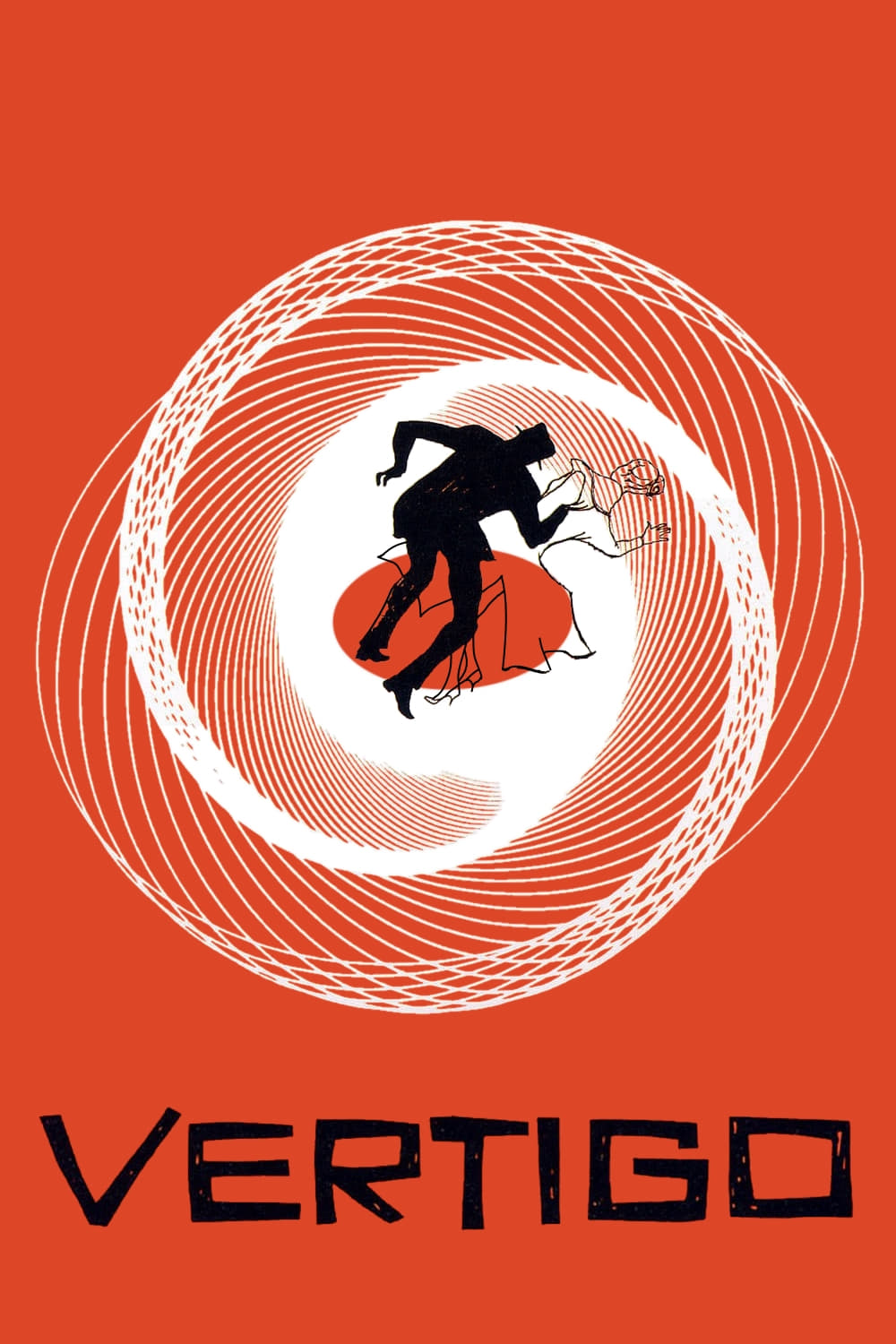
Alfred Hitchcock’s exploration of obsession leveraged the now-famous dolly-zoom to visualize vertiginous fear. Bernard Herrmann’s swirling score and San Francisco locations showed how music and setting can entwine.
Rediscovery and reevaluation boosted its standing, illuminating how editorial pacing and color design convey psychological descent. Many thrillers borrow its pattern of fixation and doubling.
‘The 400 Blows’ (1959)
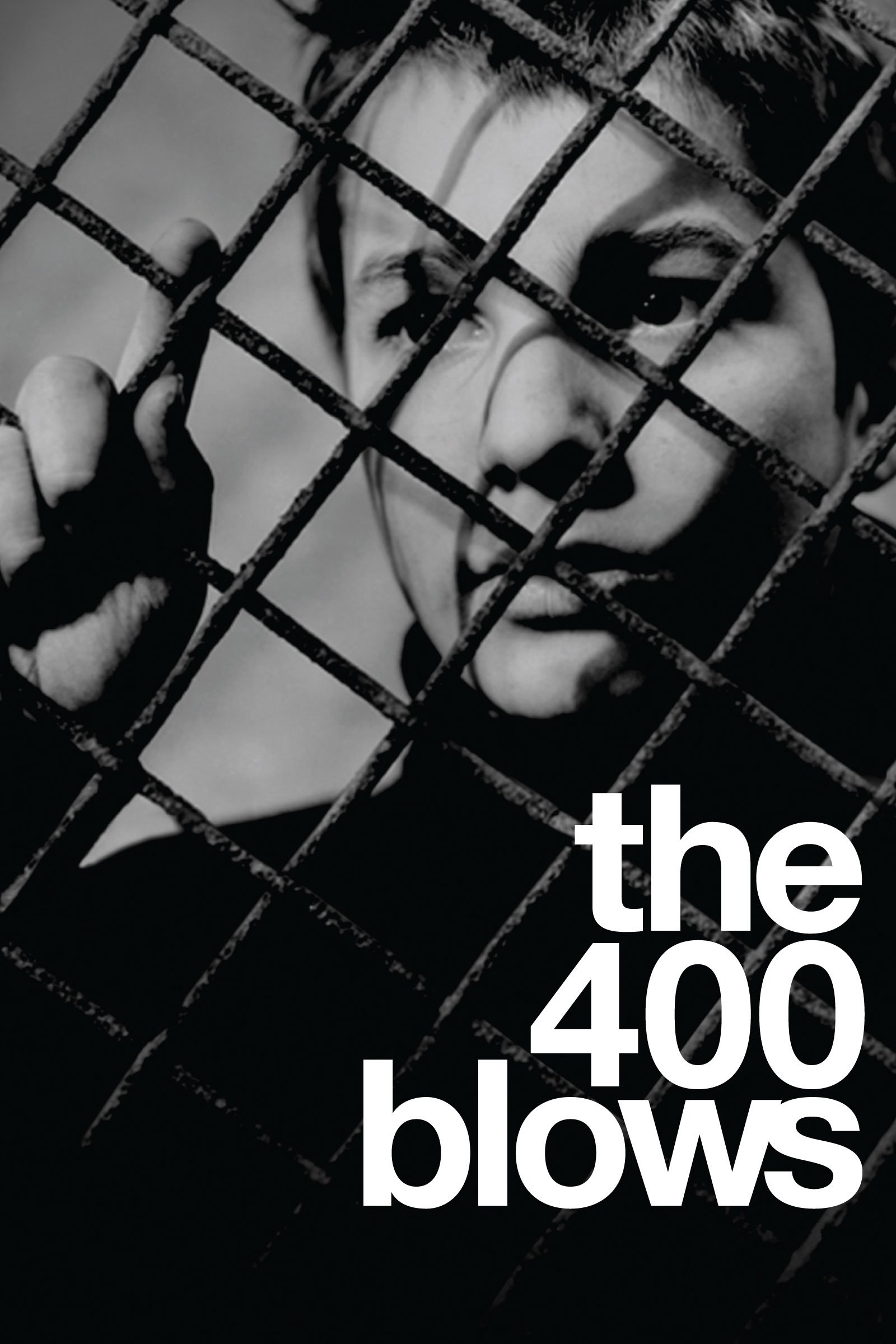
François Truffaut’s semi-autobiographical drama helped launch the French New Wave’s emphasis on personal authorship and location shooting. The final freeze-frame became one of cinema’s most studied endings.
Its use of lightweight cameras and natural light encouraged flexible, budget-friendly production methods. Coming-of-age films worldwide adopted its candid, street-level perspective.
‘Psycho’ (1960)
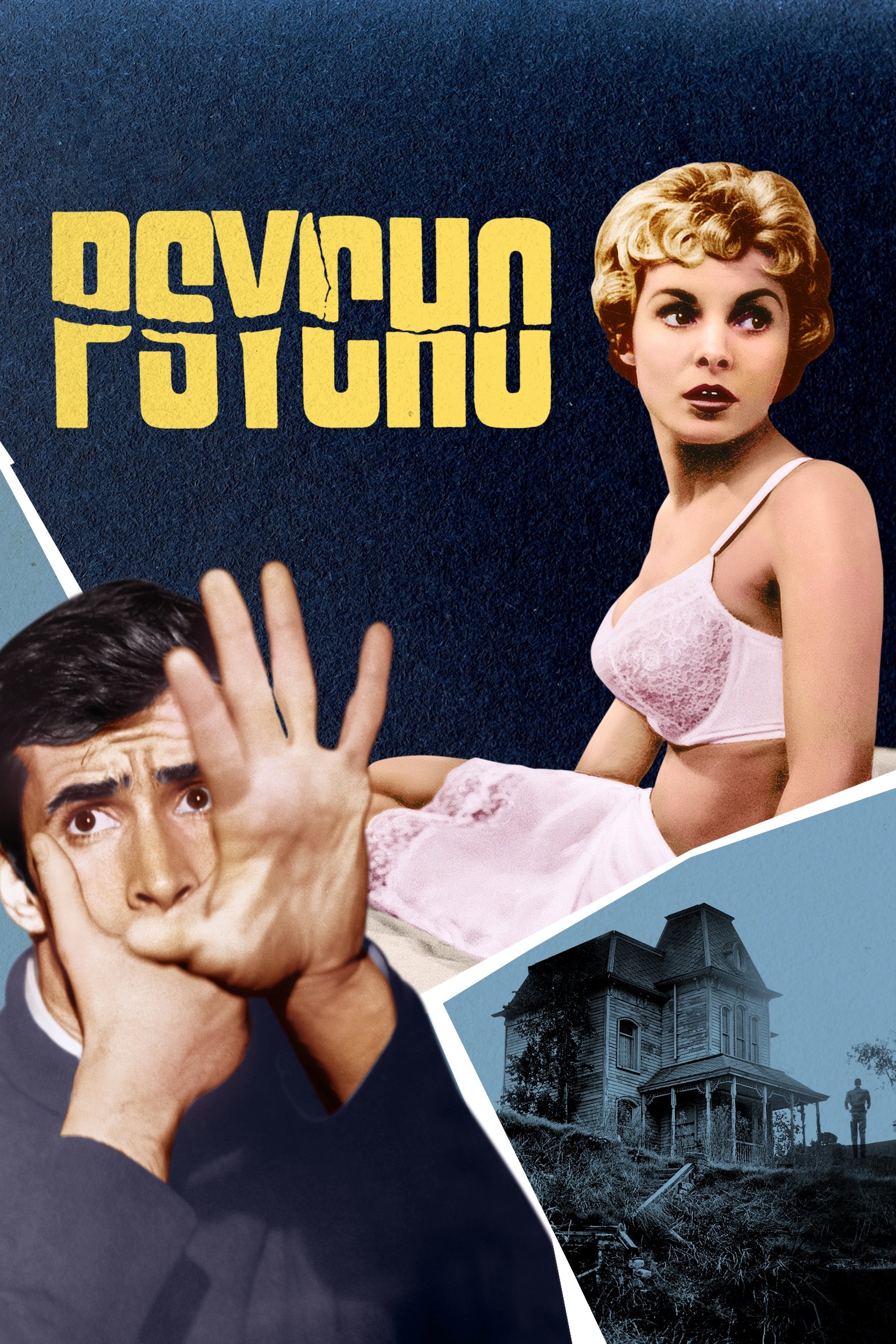
Hitchcock’s marketing insisted on punctual attendance and secrecy, pioneering spoiler-aware distribution. Rapid-fire montage in the shower sequence showcased rhythm as shock.
Subverting star casting expectations, it proved audience investment could hinge on bold structural turns. Horror and thriller filmmakers took cues on sound design, misdirection, and character bait-and-switch.
‘Breathless’ (1960)

Jean-Luc Godard’s jump cuts, handheld freedom, and casual realism broke classical continuity rules. The film validated a nimble, improvisational approach that favored energy over polish.
It also recontextualized cinephile references within a modern urban story, turning quotation into style. Independent filmmakers adopted its low-budget tactics and street-located spontaneity.
‘Lawrence of Arabia’ (1962)
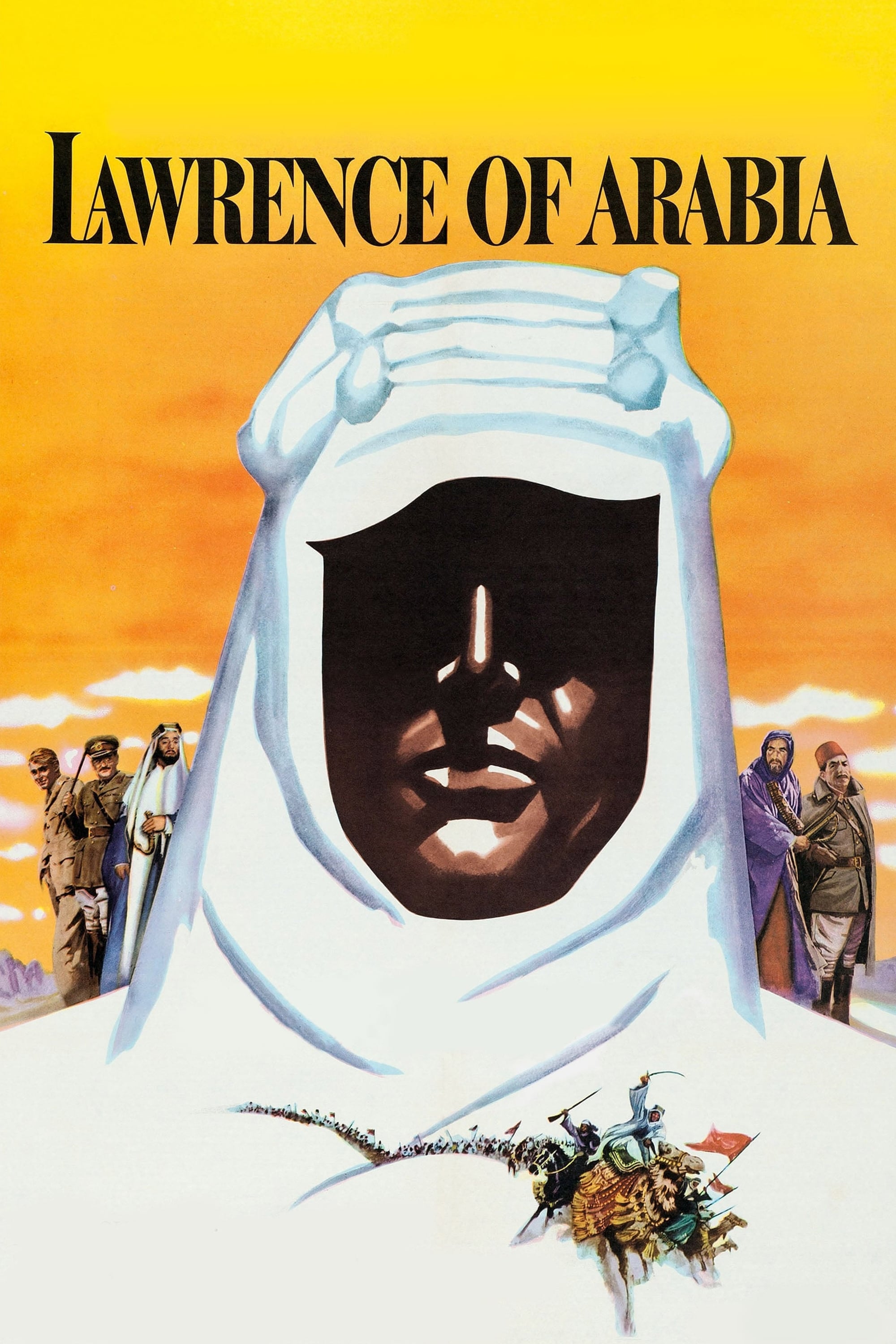
David Lean’s desert epic showcased large-format cinematography and meticulous location logistics. The image scale demonstrated how landscape can function as character and theme.
Roadshow presentation, intermission structure, and overture underscored event-style exhibition. Restoration efforts later reinforced the cultural value of film preservation at premium quality.
‘Dr. Strangelove or: How I Learned to Stop Worrying and Love the Bomb’ (1964)
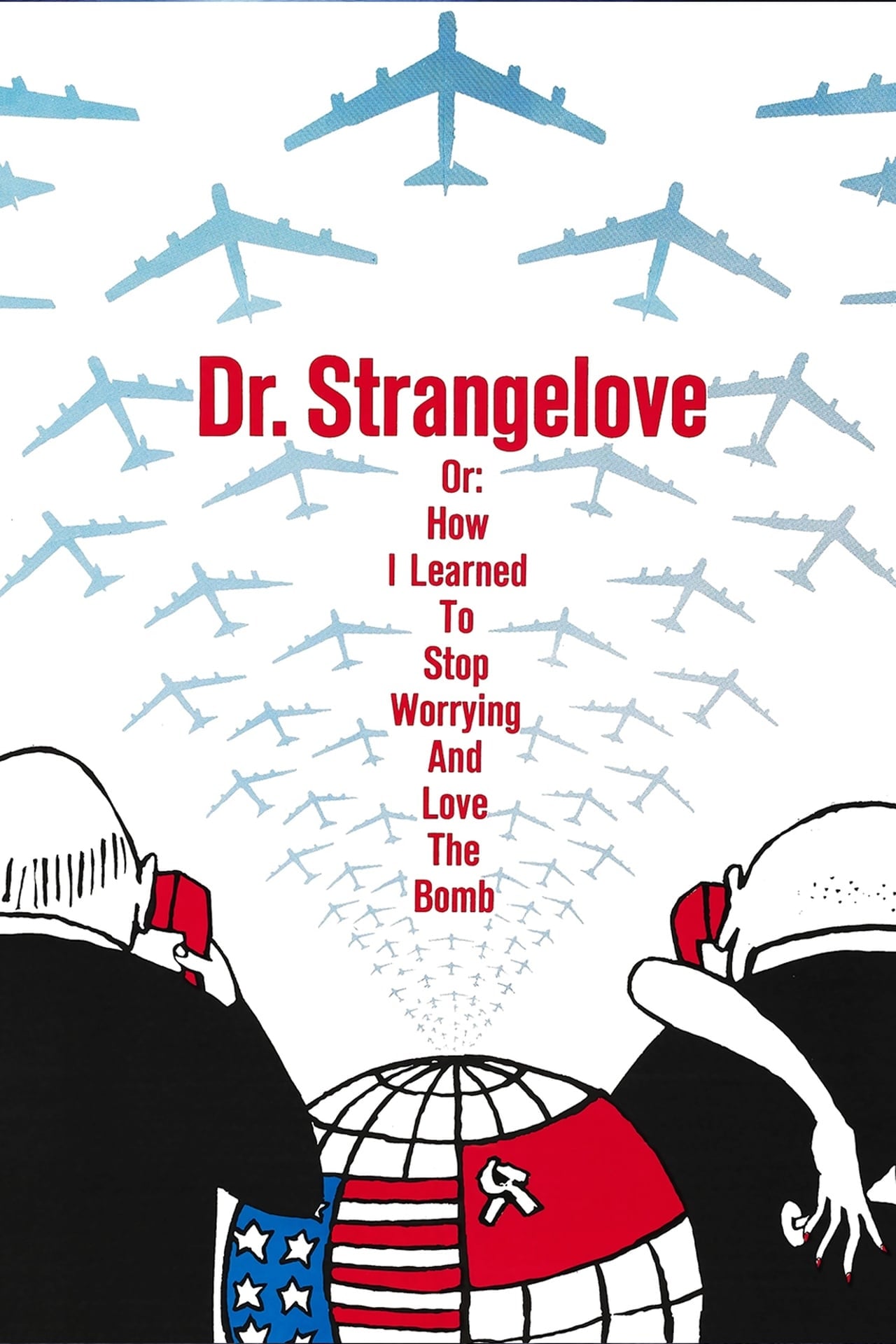
Stanley Kubrick’s nuclear satire fused military procedural detail with black comedy, proving complex geopolitics could be accessible through humor. Ken Adam’s War Room set became an icon of production design.
The film’s tonal balance inspired political comedies and thrillers that treat high stakes with razor wit. Ensemble casting and role-doubling showcased performance as an engine for satire.
‘The Good, the Bad and the Ugly’ (1966)
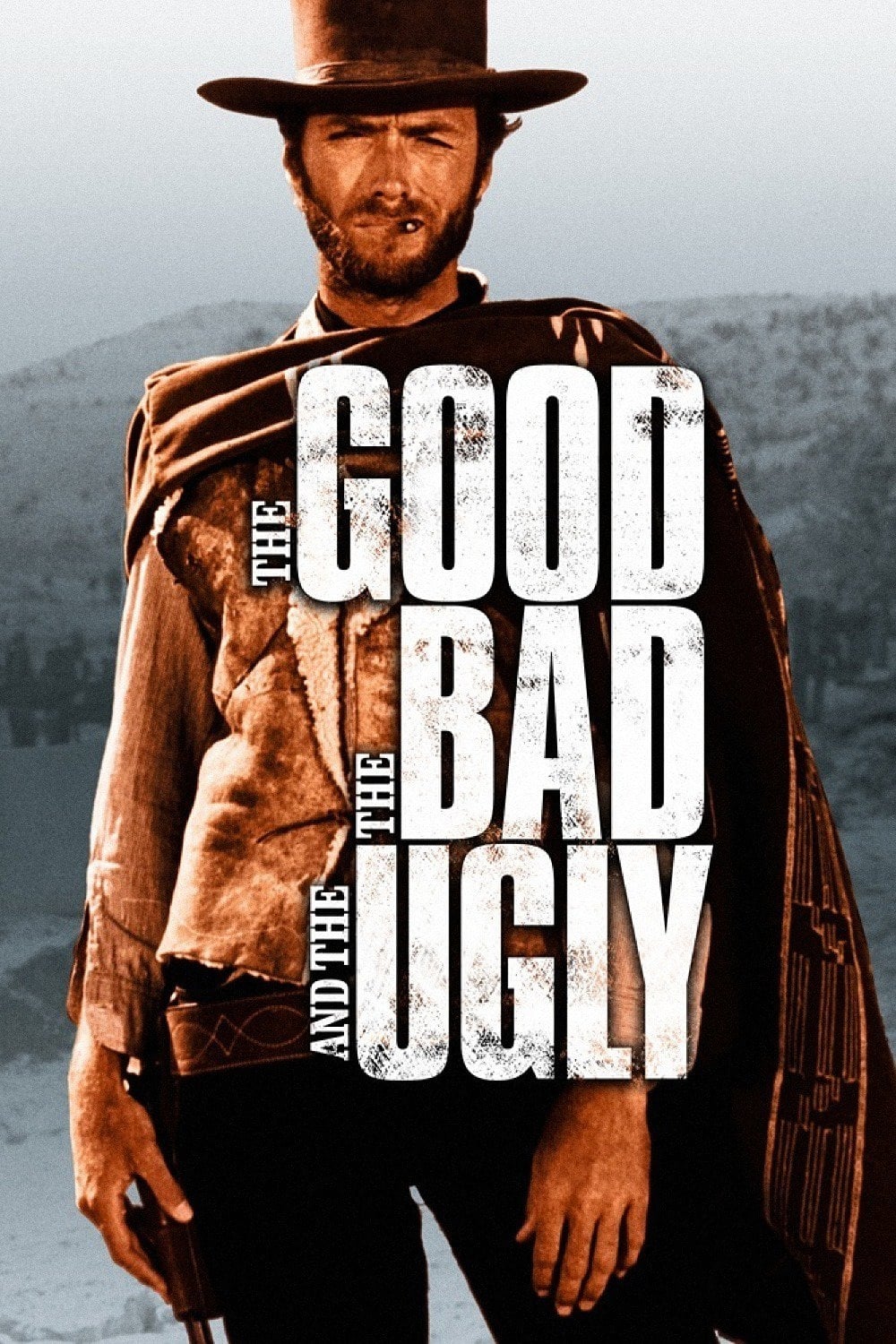
Sergio Leone’s operatic western used extreme close-ups, widescreen vistas, and rhythmic editing to build tension. Ennio Morricone’s score demonstrated how distinctive themes can brand a genre.
Its revisionist sensibility reframed heroes and morality, influencing later westerns and action films. The film also exemplified international co-production workflows that broadened markets.
‘2001: A Space Odyssey’ (1968)
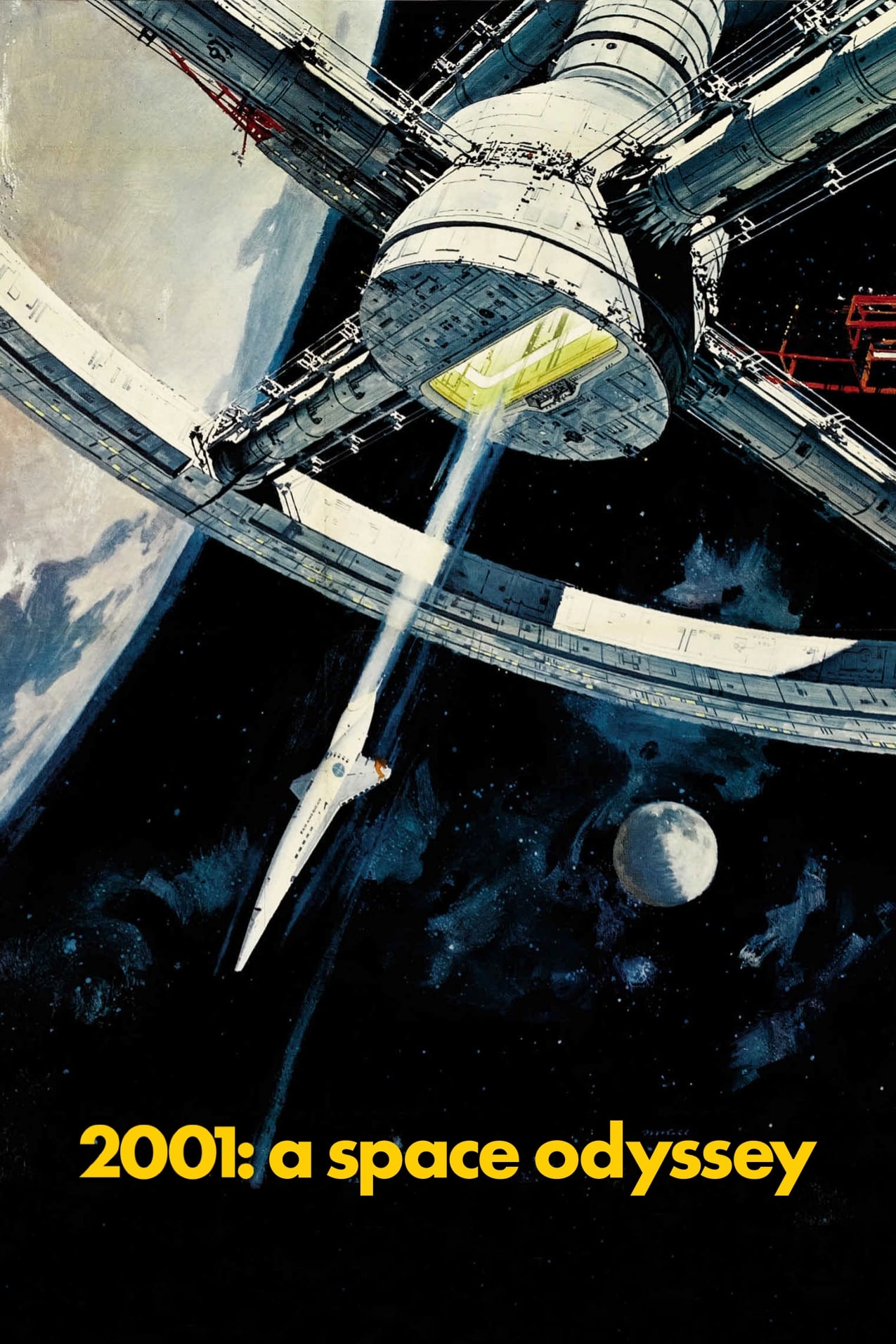
Kubrick’s fusion of practical effects, front projection, and carefully designed miniatures delivered unprecedented realism in space. The film’s symphonic structure emphasized image and music over dialogue.
Scientific advisers and meticulous design encouraged hard-sci-fi aspirations across the field. Its open-ended storytelling invited audiences to engage with speculative ideas at epic scale.
‘Night of the Living Dead’ (1968)
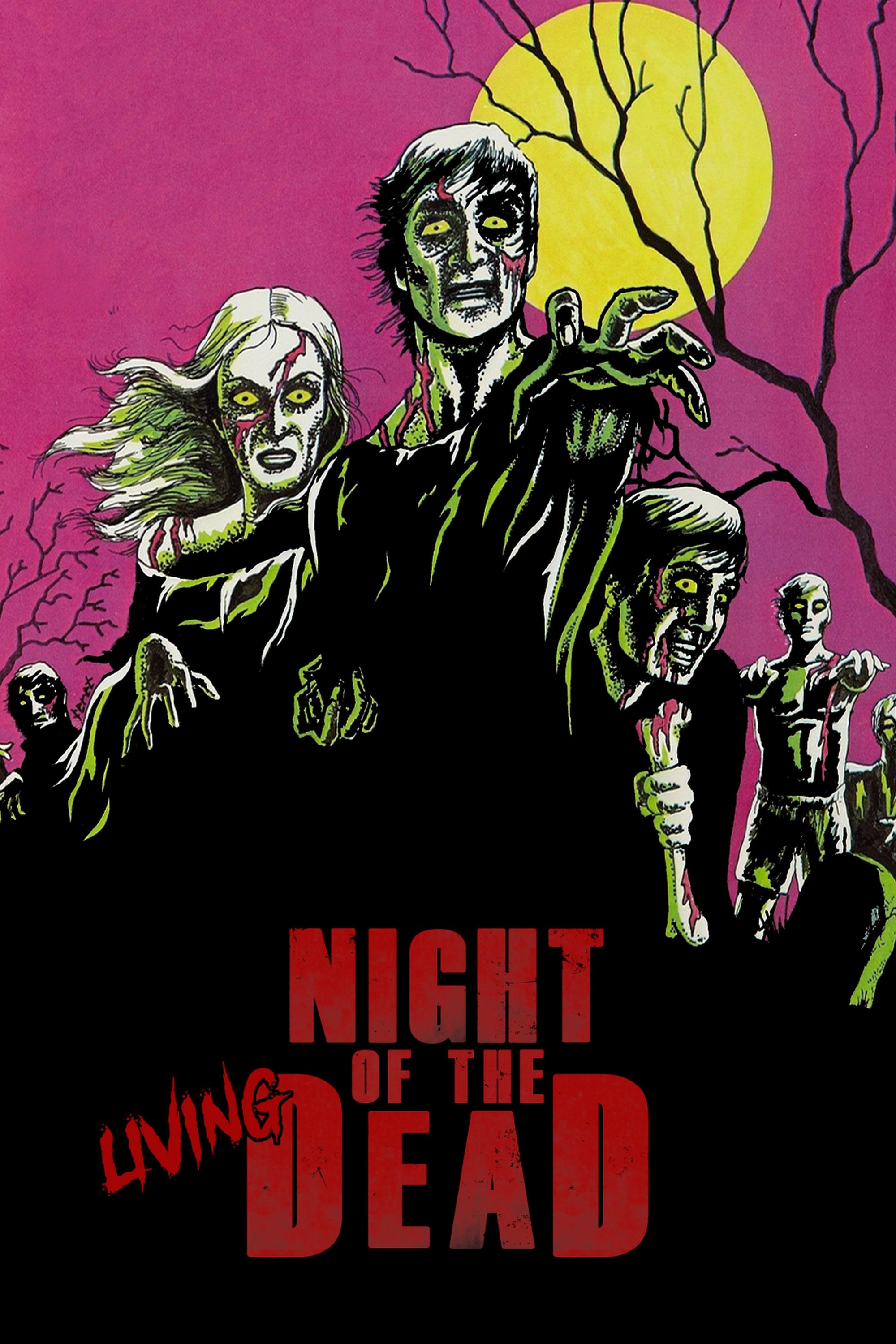
George A. Romero codified the modern zombie—infectious, cannibalistic, and socially symbolic. Minimal resources and public-domain complications turned it into a case study in indie distribution.
Its casting and ending catalyzed discussions about representation and subtext in genre films. Subsequent horror cycles, from splatter to satire, feed directly on its template.
‘The Godfather’ (1972)
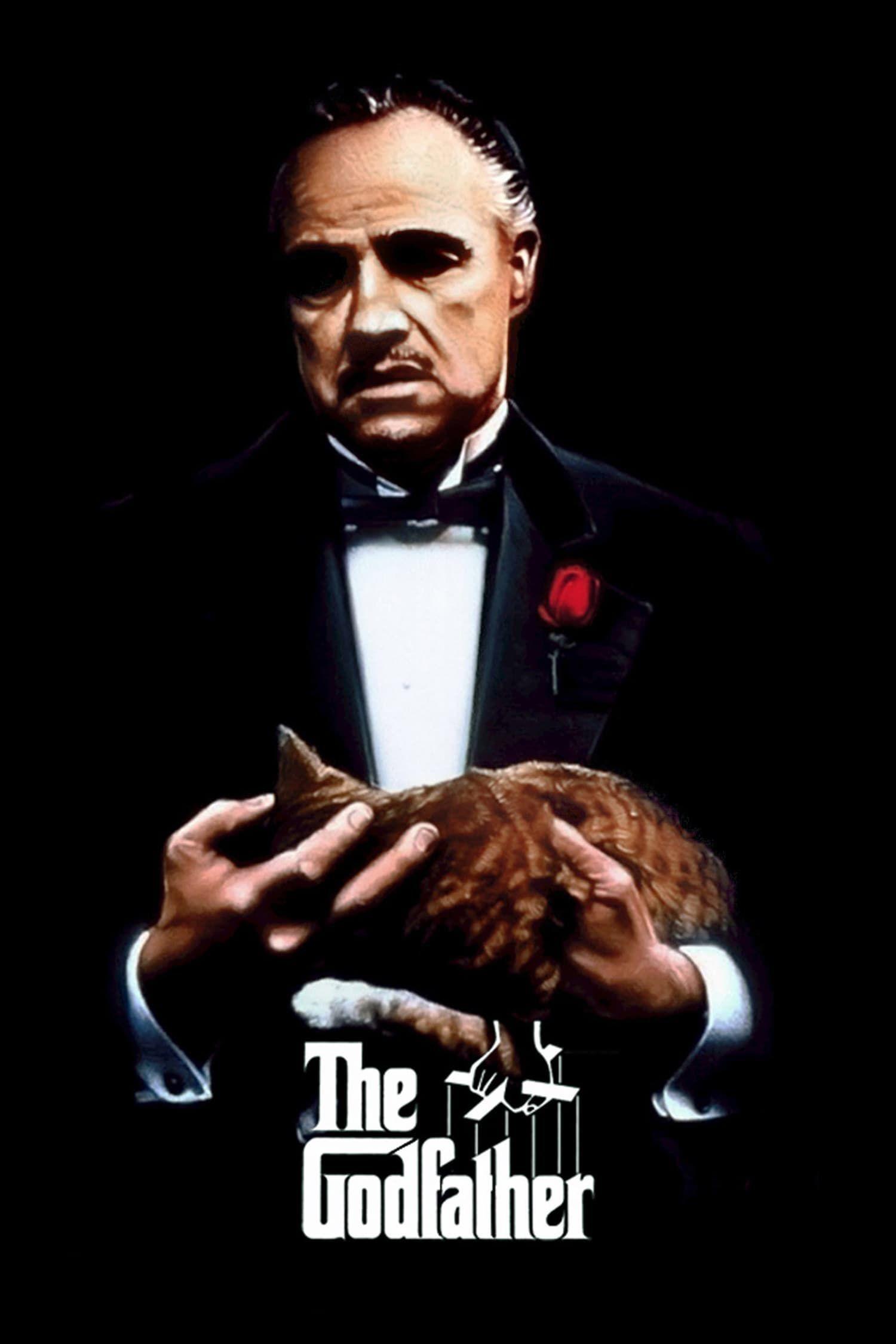
Francis Ford Coppola reoriented the gangster film toward family, ritual, and corporate metaphors. Low-key lighting and warm palettes defined a visual language associated with organized-crime dramas.
The film reshaped studio thinking about adult-oriented epics as mainstream attractions. Dialogue, iconography, and character arcs influenced countless crime series and films.
‘The Exorcist’ (1973)

A prestige horror crossover, it proved that supernatural terror could command top-tier resources and awards attention. Practical effects, location work, and sound strategies raised the bar for realism.
The film’s theatrical run included strong word-of-mouth and repeat viewings, modeling horror as a durable tentpole. Many possession and exorcism narratives follow its procedural beats.
‘Jaws’ (1975)
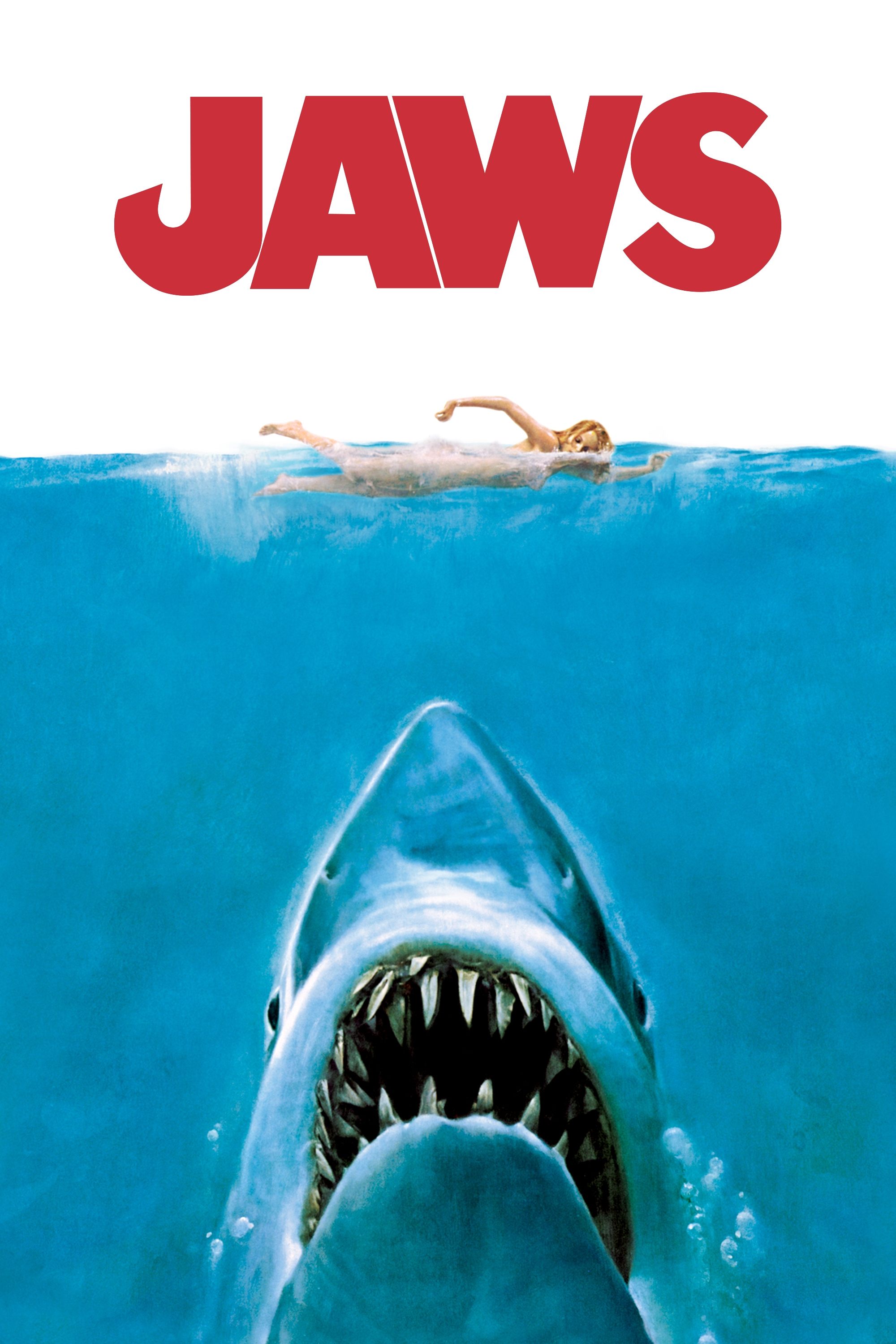
Universal’s nationwide release strategy, backed by heavy television advertising, helped define the summer blockbuster. The mechanical shark’s limitations pushed inventive point-of-view shooting that intensified suspense.
John Williams’s two-note motif became a lesson in minimalist scoring. The film’s success reorganized seasonal scheduling and event marketing across the industry.
‘Star Wars’ (1977)
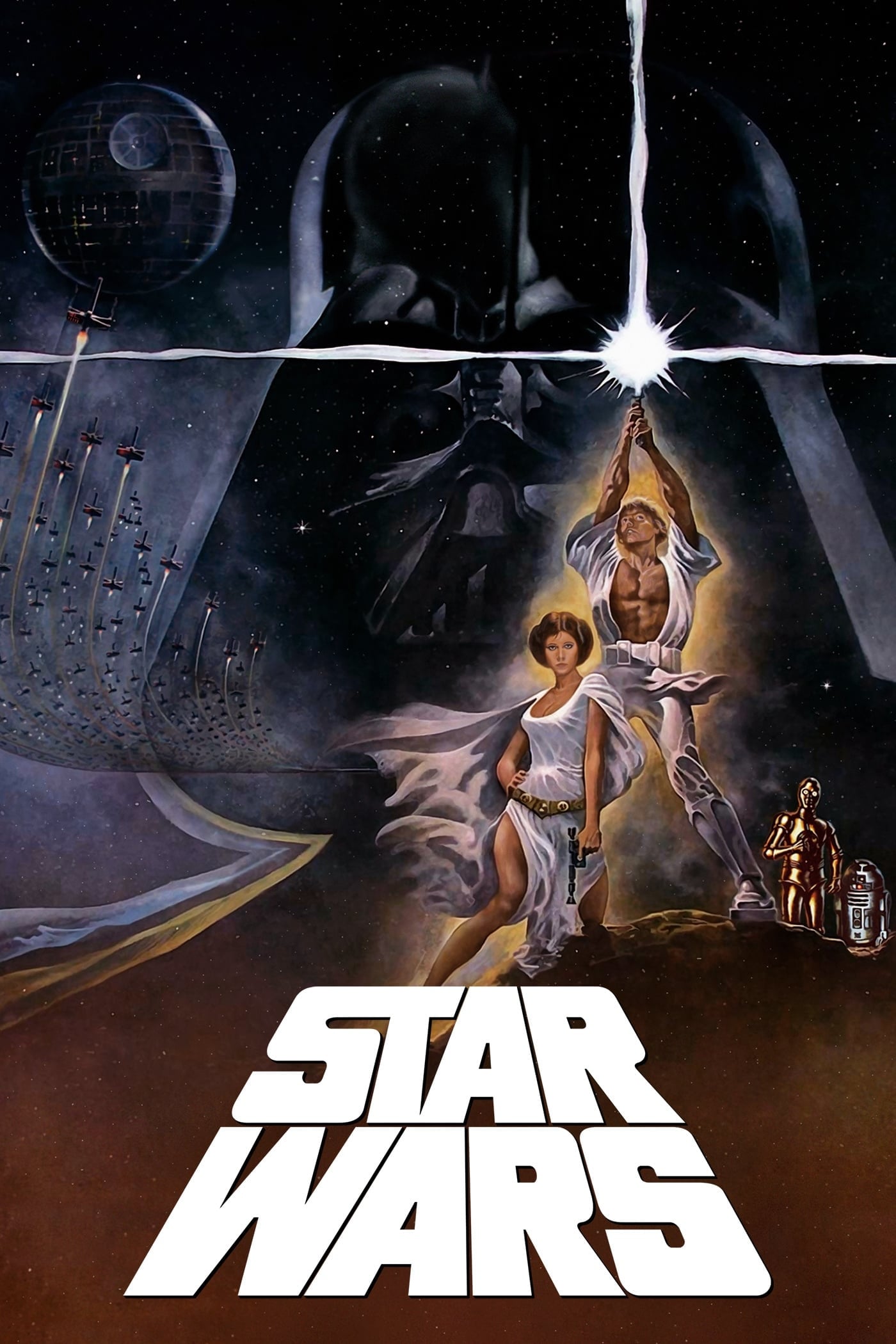
A breakthrough in model work, motion control, and sound design catalyzed the formation of new effects houses and workflows. Dolby stereo exhibition and innovative editing made space opera feel immediate.
Merchandising and transmedia expansion showed how a film can seed an extended universe. Its hero’s-journey structure and world-building remain foundational for franchise storytelling.
‘Alien’ (1979)
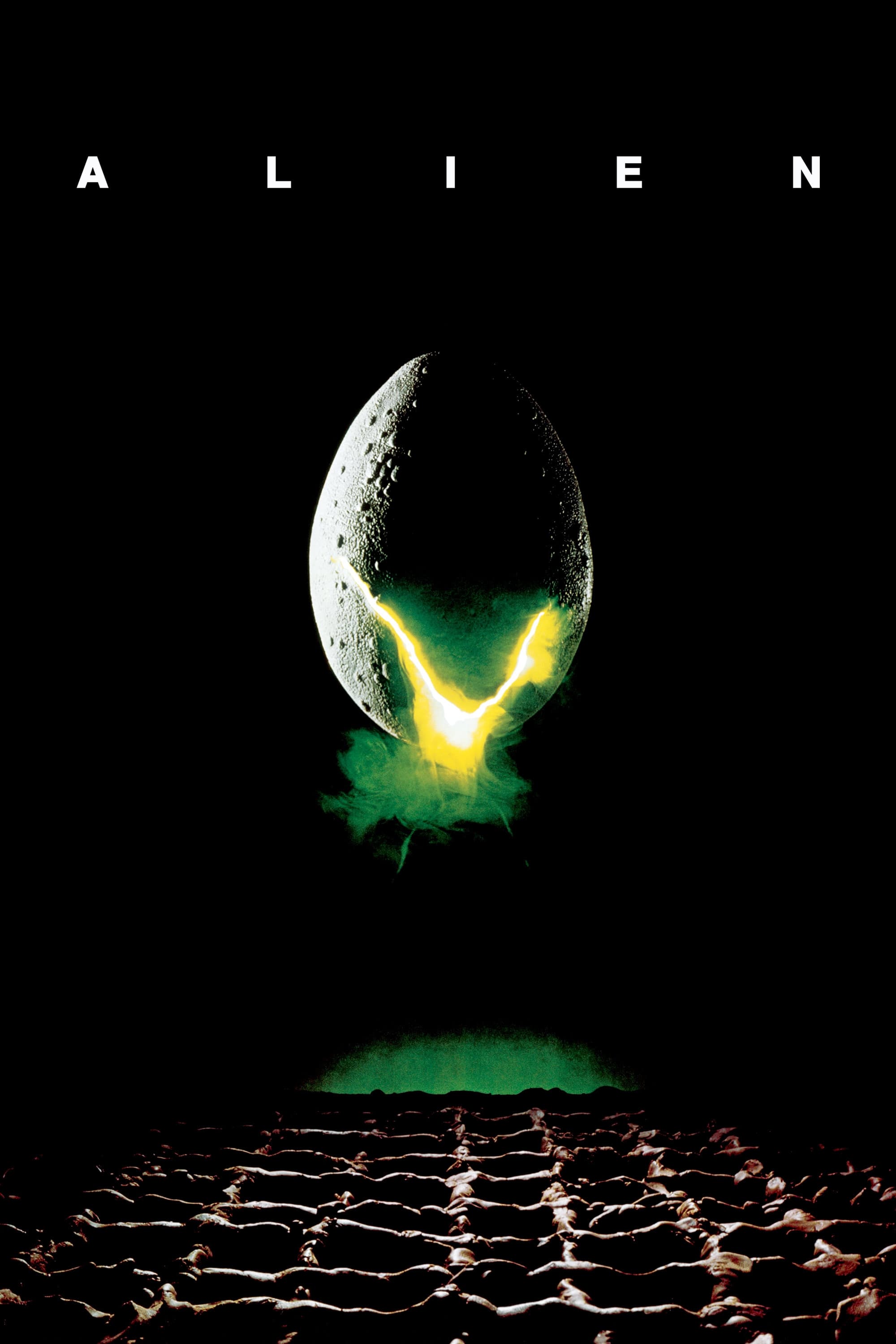
Ridley Scott blended meticulous production design with horror pacing, using confined spaces to amplify dread. H. R. Giger’s creature design set the standard for biomechanical aesthetics.
The film pioneered a durable template for sci-fi horror, with strong emphasis on industrial textures and environmental storytelling. Its heroine’s arc influenced casting and characterization in genre cinema.
‘Raging Bull’ (1980)
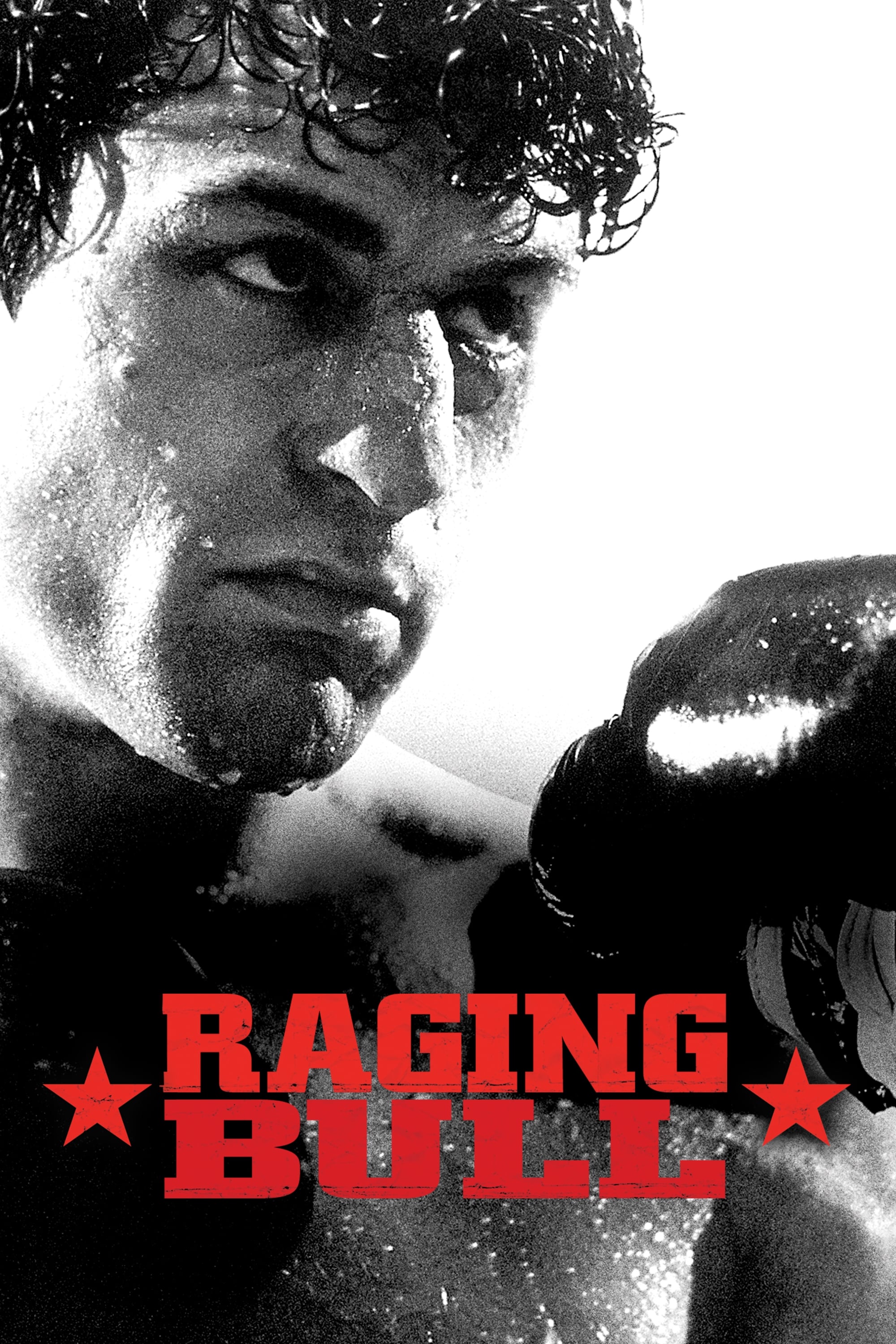
Martin Scorsese’s use of black-and-white, expressive slow motion, and aggressive sound design reimagined the sports biopic. Thelma Schoonmaker’s editing shaped a visceral ring language that many imitators studied.
Body transformation and method techniques drew attention to craft and process. The film’s approach to unreliable memory informed later character studies and non-linear portraits.
‘Blade Runner’ (1982)
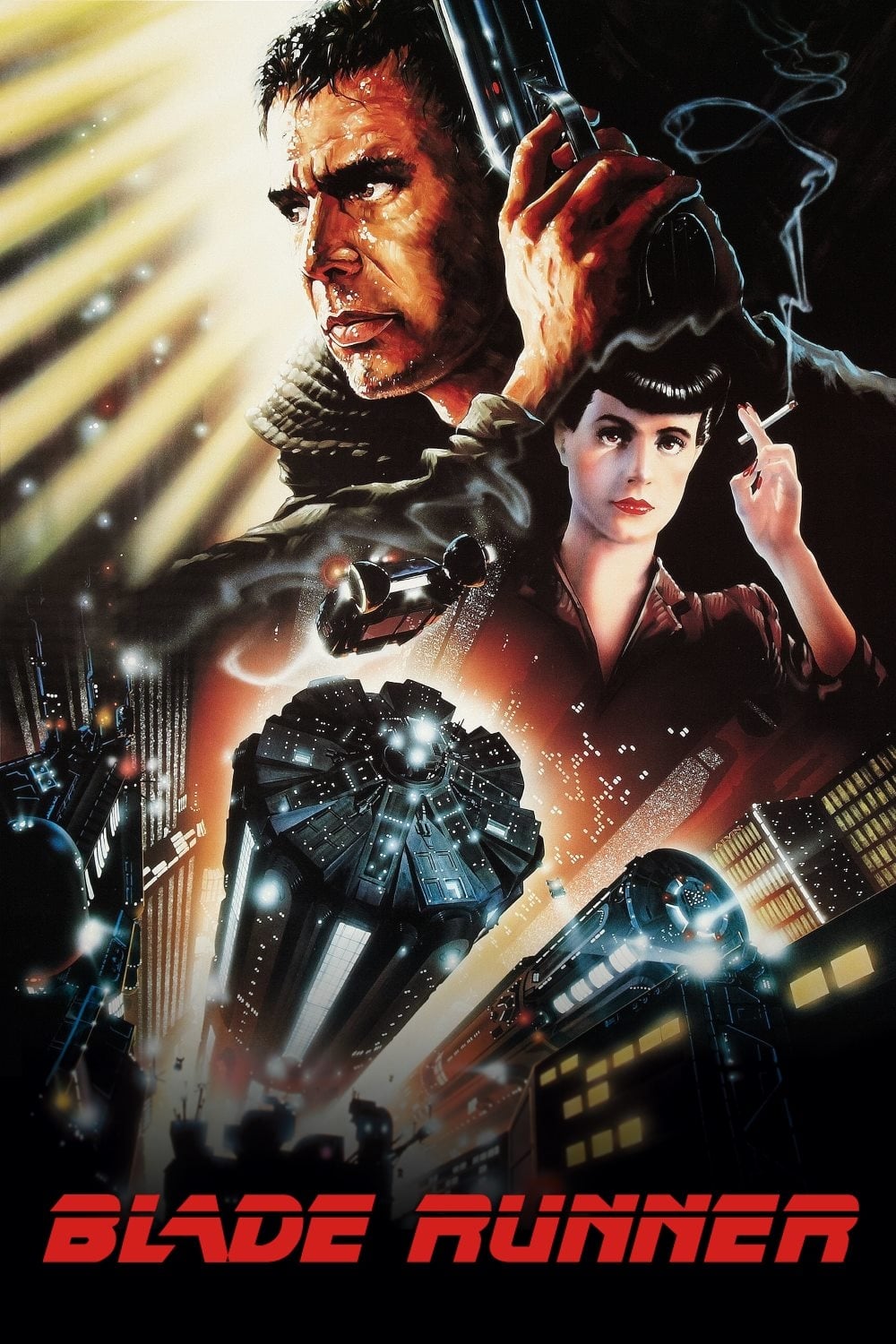
Cyberpunk noir was crystallized through layered sets, rain-soaked lighting, and Vangelis’s synth score. The film’s multiple cuts highlighted how editorial decisions shape theme and tone.
Designers across media borrow its signage, density, and verticality to evoke future cities. Debates about humanity and artificial life became central to subsequent sci-fi narratives.
‘Do the Right Thing’ (1989)
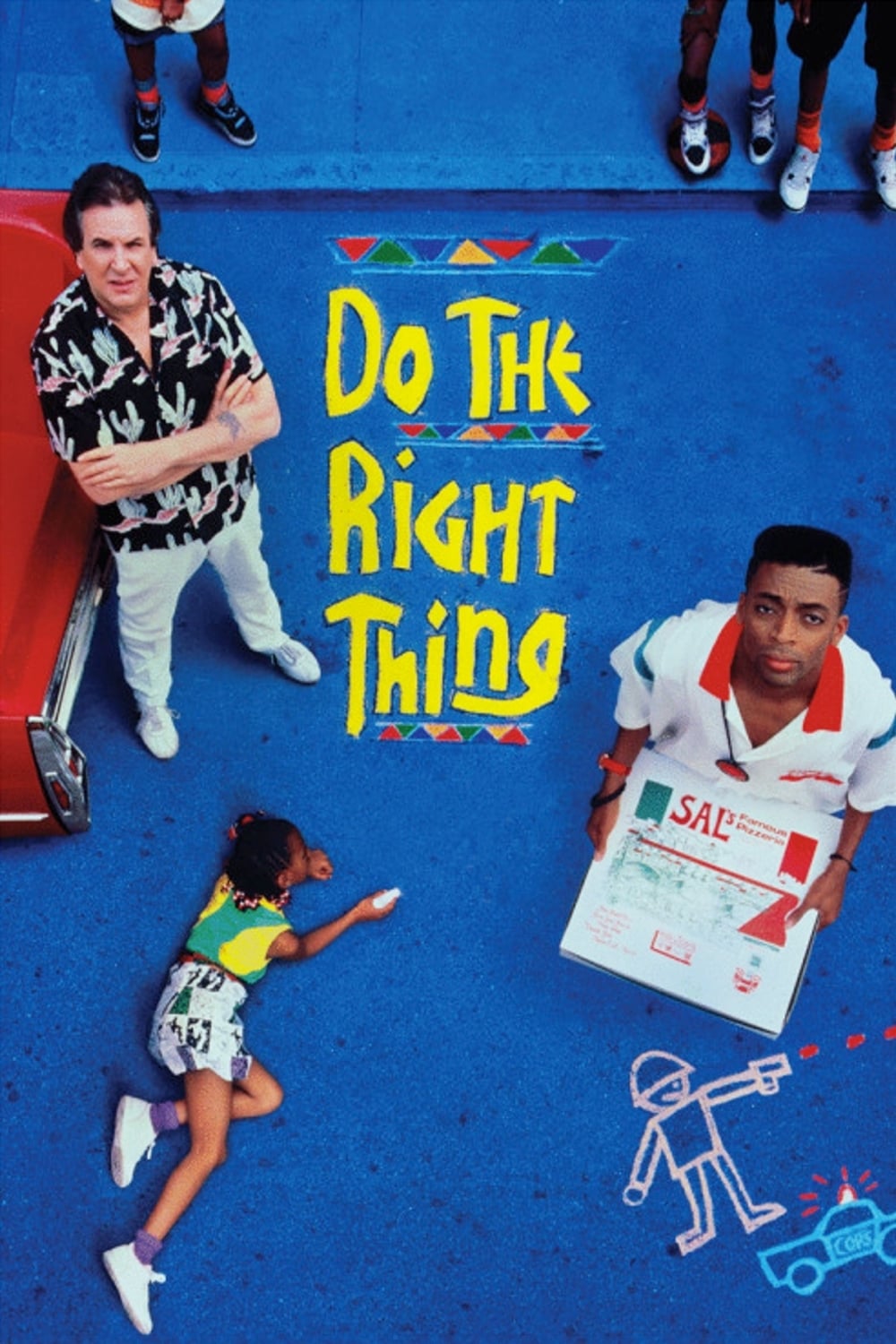
Spike Lee’s one-day structure, saturated color palette, and dynamic blocking created a living neighborhood on screen. The film facilitated broader industry conversations about race, policing, and community representation.
Independent production and studio distribution combined to reach wide audiences without diluting point of view. Its approach influenced ensemble dramas and socially engaged comedies alike.
‘Goodfellas’ (1990)
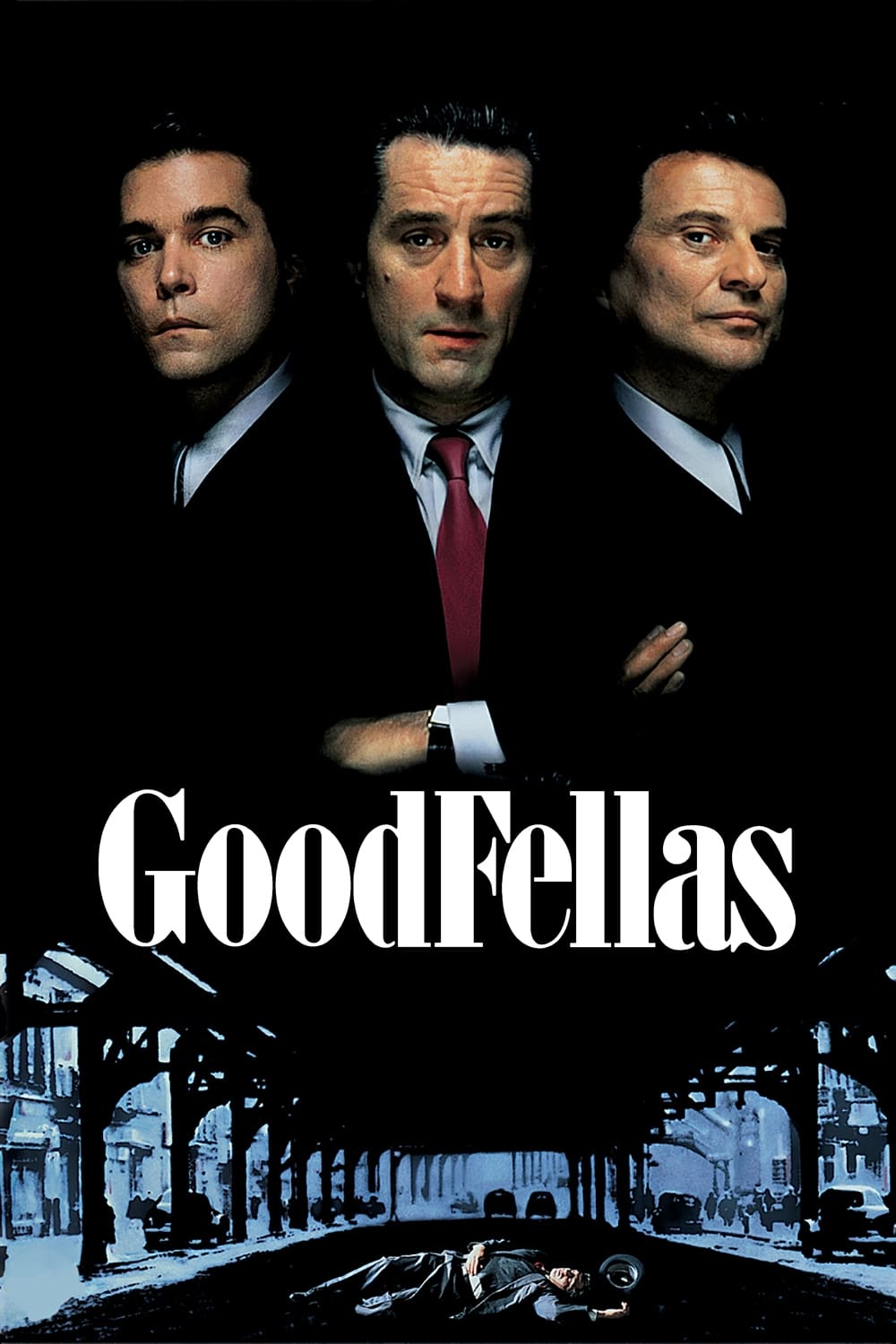
Scorsese’s propulsive camera moves, pop-needle drops, and voiceover turned criminal history into kinetic storytelling. The Copacabana tracking shot became a textbook example of oners in narrative cinema.
Editors and showrunners adopted its rhythm for crime sagas and prestige television. The mix of domestic detail and business procedure reframed the gangster’s daily life.
‘Jurassic Park’ (1993)

Hybridizing cutting-edge CGI with full-scale animatronics, the film proved digital creatures could be convincing at blockbuster scale. Advances in digital sound complemented the spectacle.
Its success accelerated the industry-wide transition to digital effects pipelines. Merchandising and cross-platform tie-ins modeled franchise potential for science-driven adventure.
‘Pulp Fiction’ (1994)
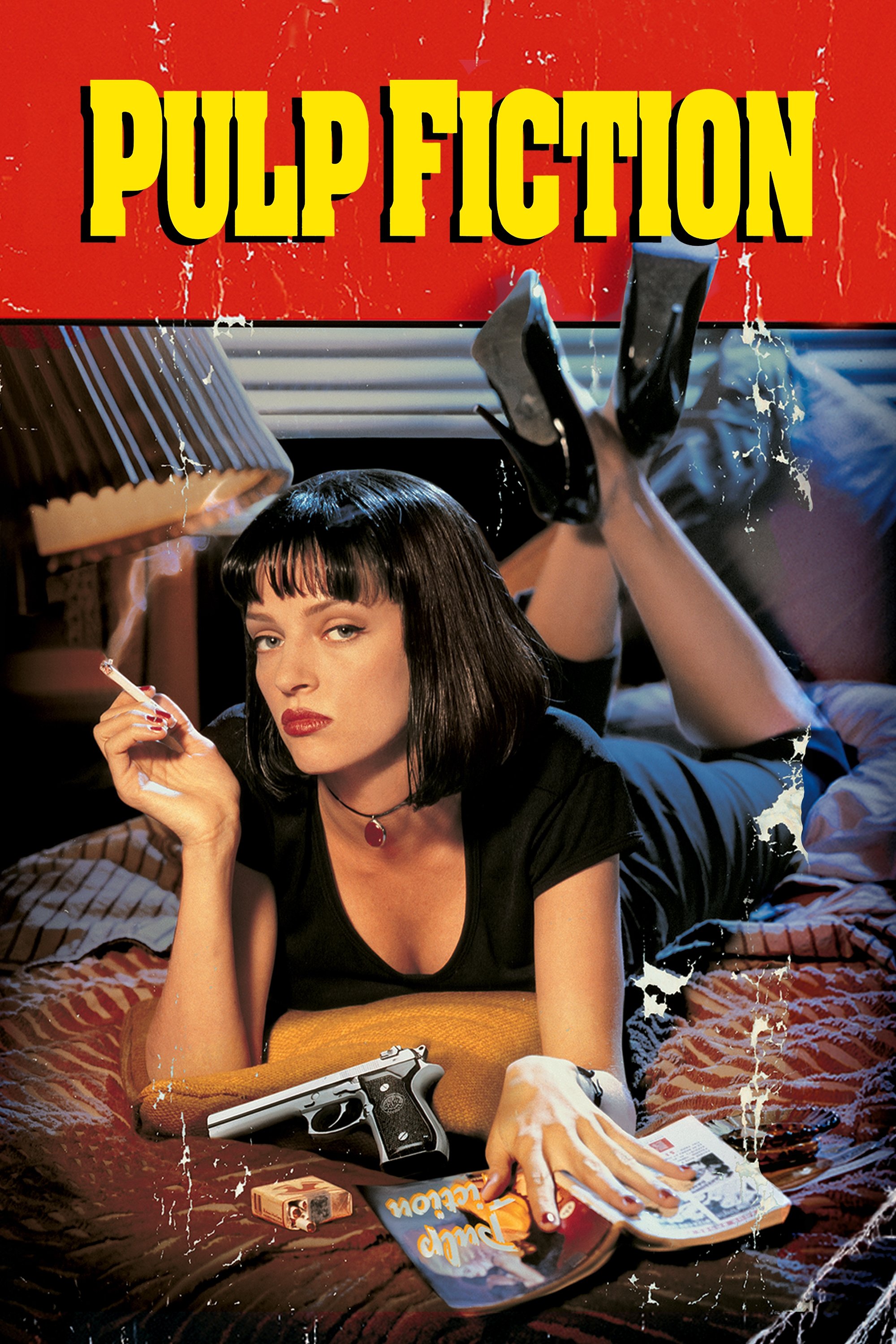
Nonlinear structure and interlocking stories normalized time-shuffling in mainstream features. Sharp dialogue and curated needle drops reset expectations for tone in crime cinema.
Independent financing and festival momentum showed a viable path from art-house buzz to wide release. The film’s casting choices revived careers and broadened perceptions of star personas.
‘Toy Story’ (1995)
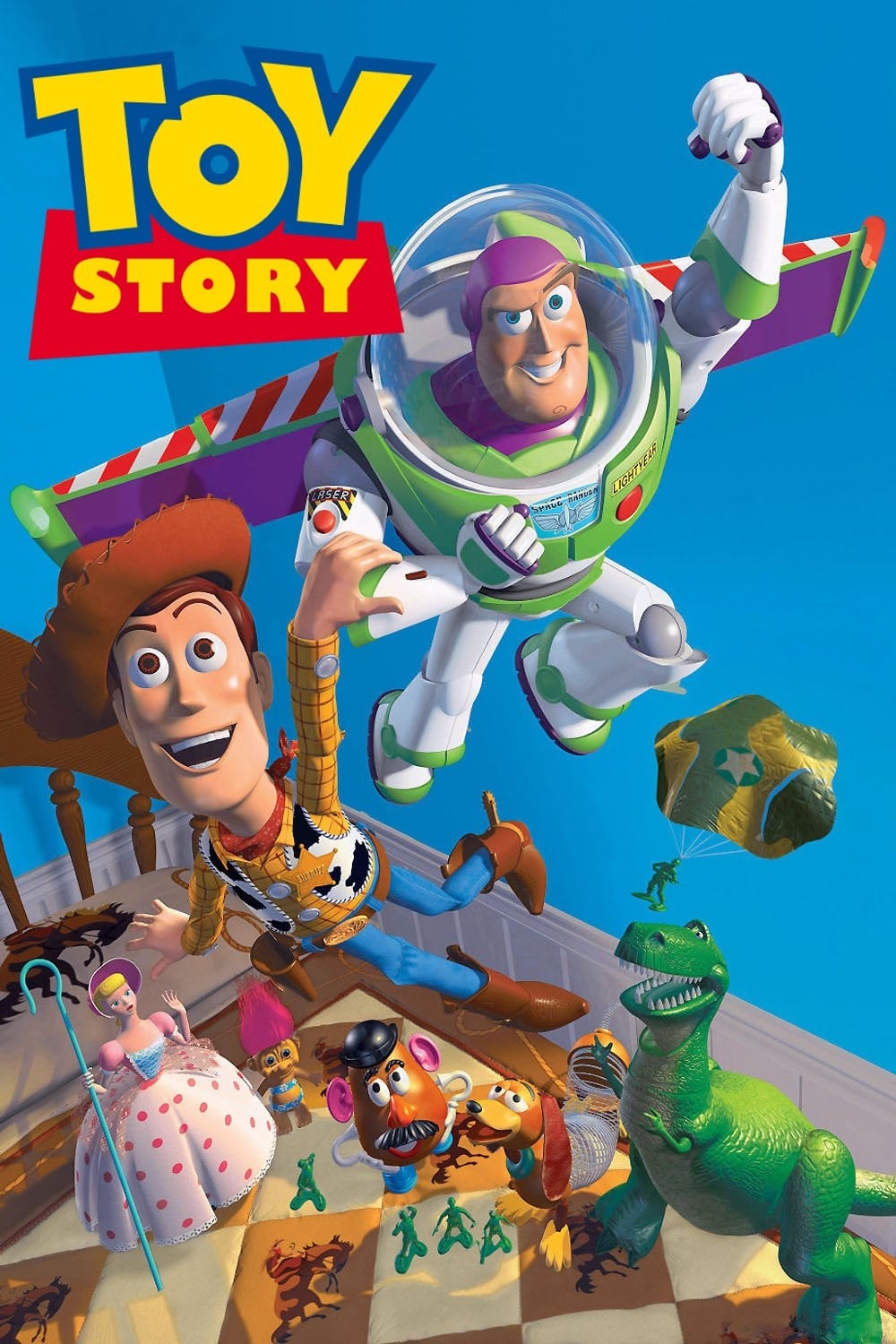
The first fully computer-animated feature established a durable production pipeline for CG storytelling. Character-driven writing and iterative story development became hallmarks of an animation studio model.
Rendering advances, from materials to lighting, demonstrated how technology and storytelling evolve together. The film’s success normalized CG as a primary medium for family features.
‘The Matrix’ (1999)
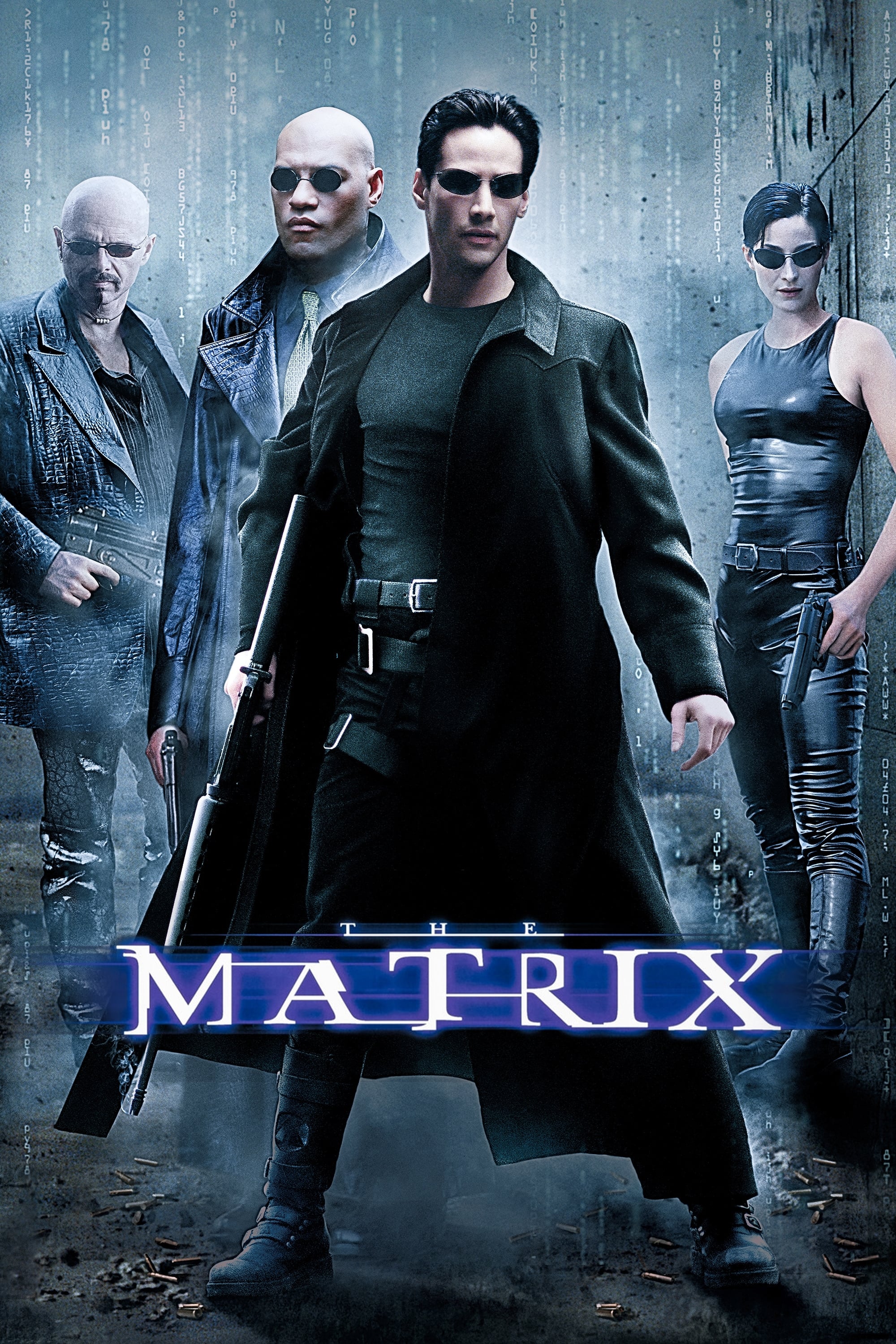
Bullet-time photography, wire-assisted choreography, and stylized compositing redefined action grammar. The film’s costume design and hacker aesthetic spread widely through pop culture.
Its blend of philosophy and genre expanded expectations for blockbuster ambition. Action directors around the world adopted its training regimens and staging techniques.
‘Crouching Tiger, Hidden Dragon’ (2000)
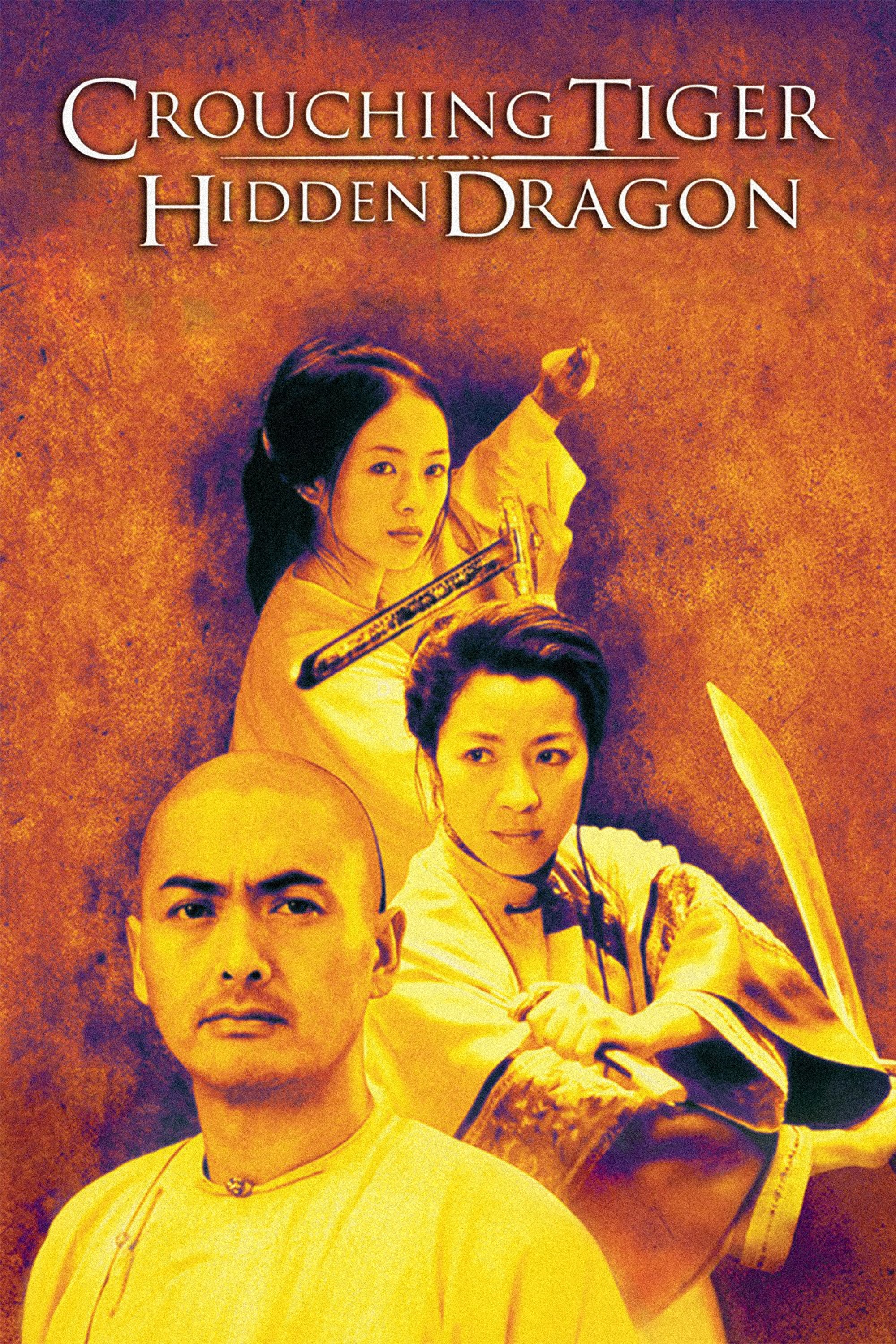
Ang Lee’s wuxia epic brought balletic wire-fu and poetic romance to a global mainstream audience. It demonstrated that subtitled, culturally specific stories could thrive as event cinema.
The film expanded market confidence in cross-border financing and distribution for East Asian epics. Its choreography and music influenced later martial-arts fantasies and historical dramas.
‘Spirited Away’ (2001)
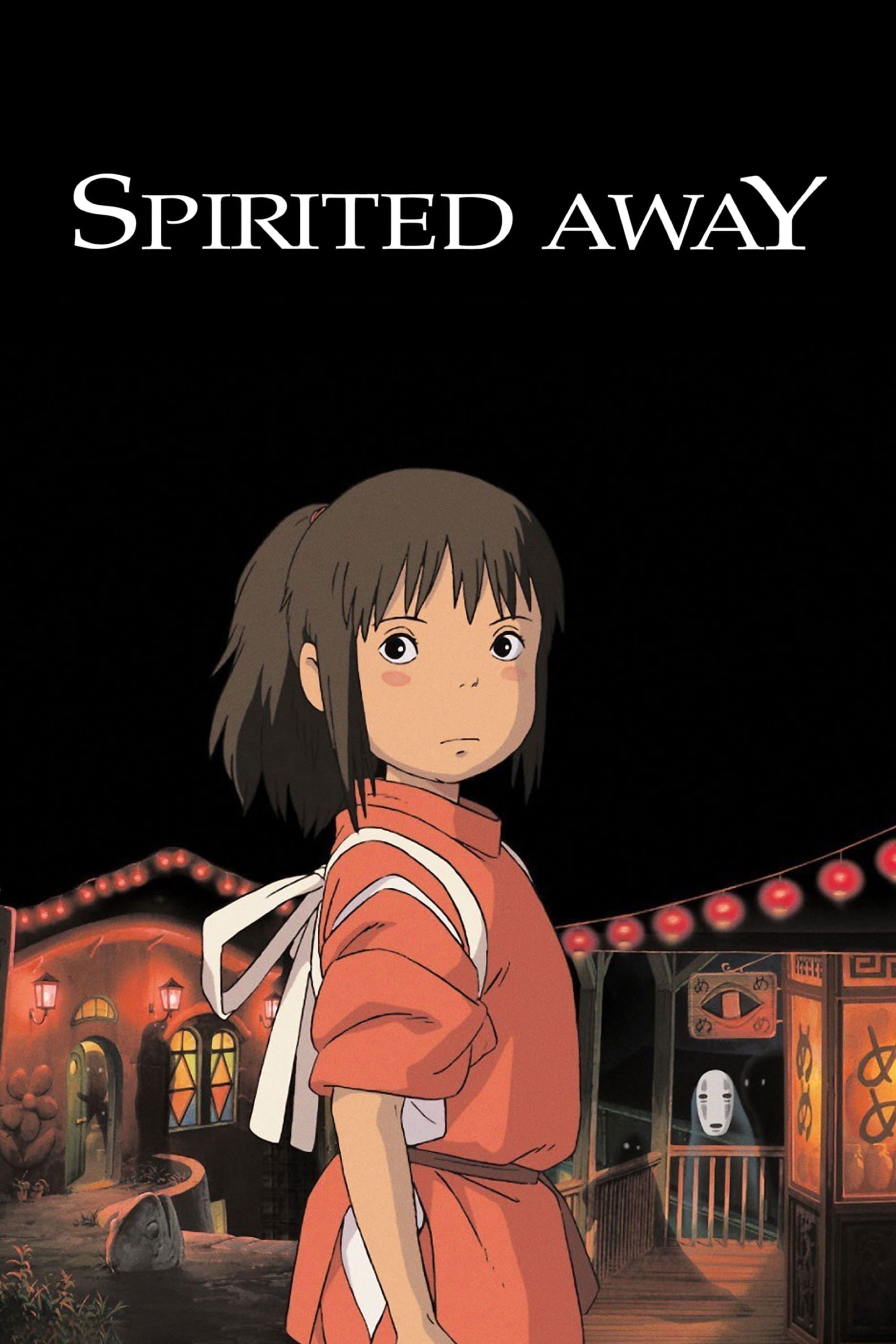
Hayao Miyazaki’s hand-drawn world-building affirmed the global reach of Japanese animation. The film showcased how richly layered settings and folklore can engage audiences across cultures.
Its international acclaim strengthened distribution networks for anime features outside domestic markets. Environmental themes and character arcs became touchstones for later family animations.
‘The Lord of the Rings: The Fellowship of the Ring’ (2001)
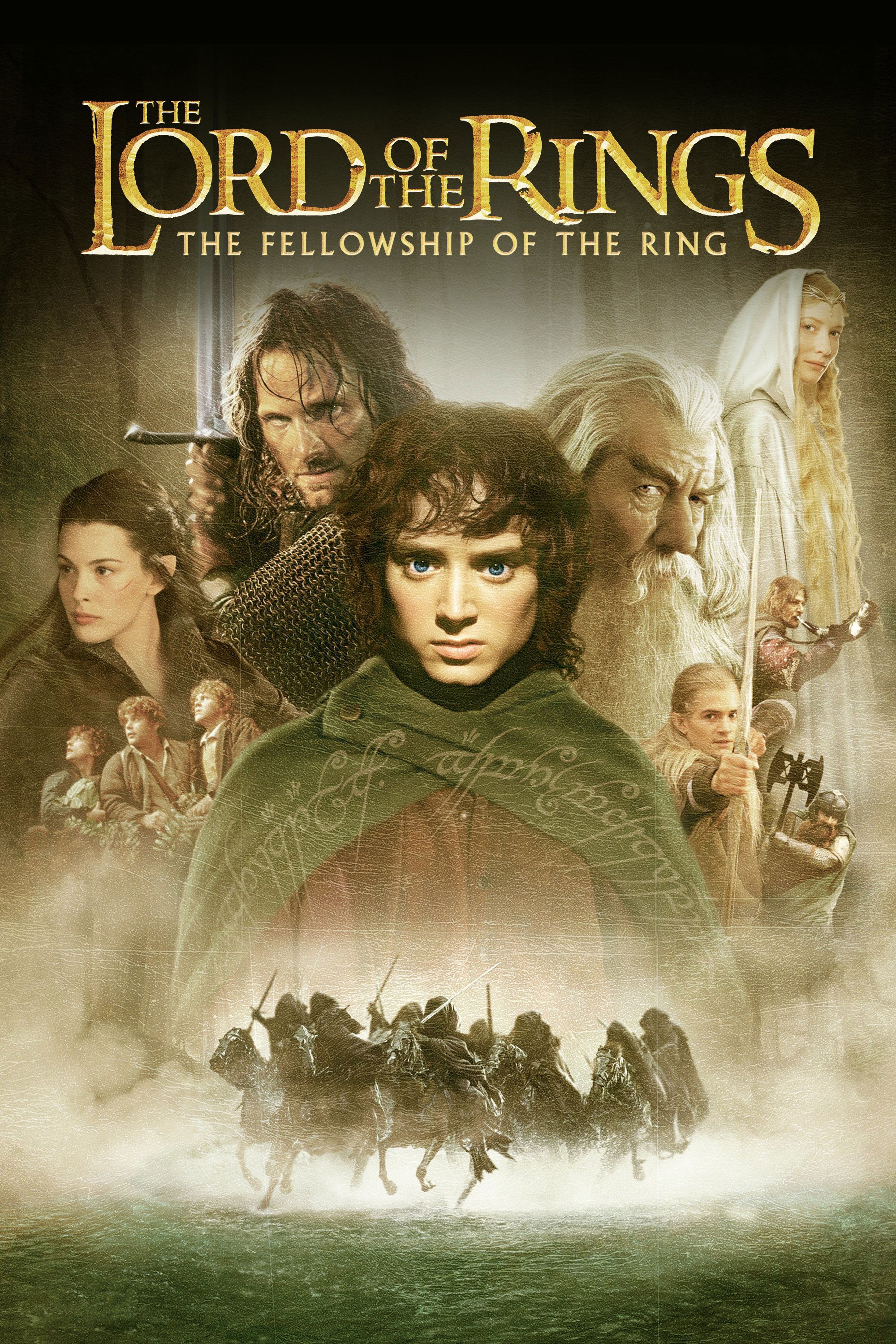
Peter Jackson’s launch of a multi-part saga proved that long-form, back-to-back production could achieve consistency at scale. Wētā’s tools, including crowd-simulation software, transformed epic battle staging.
New Zealand location work demonstrated the economic and tourism benefits of hosting major franchises. Extended editions and home-media strategies deepened fan engagement with production craft.
‘The Dark Knight’ (2008)
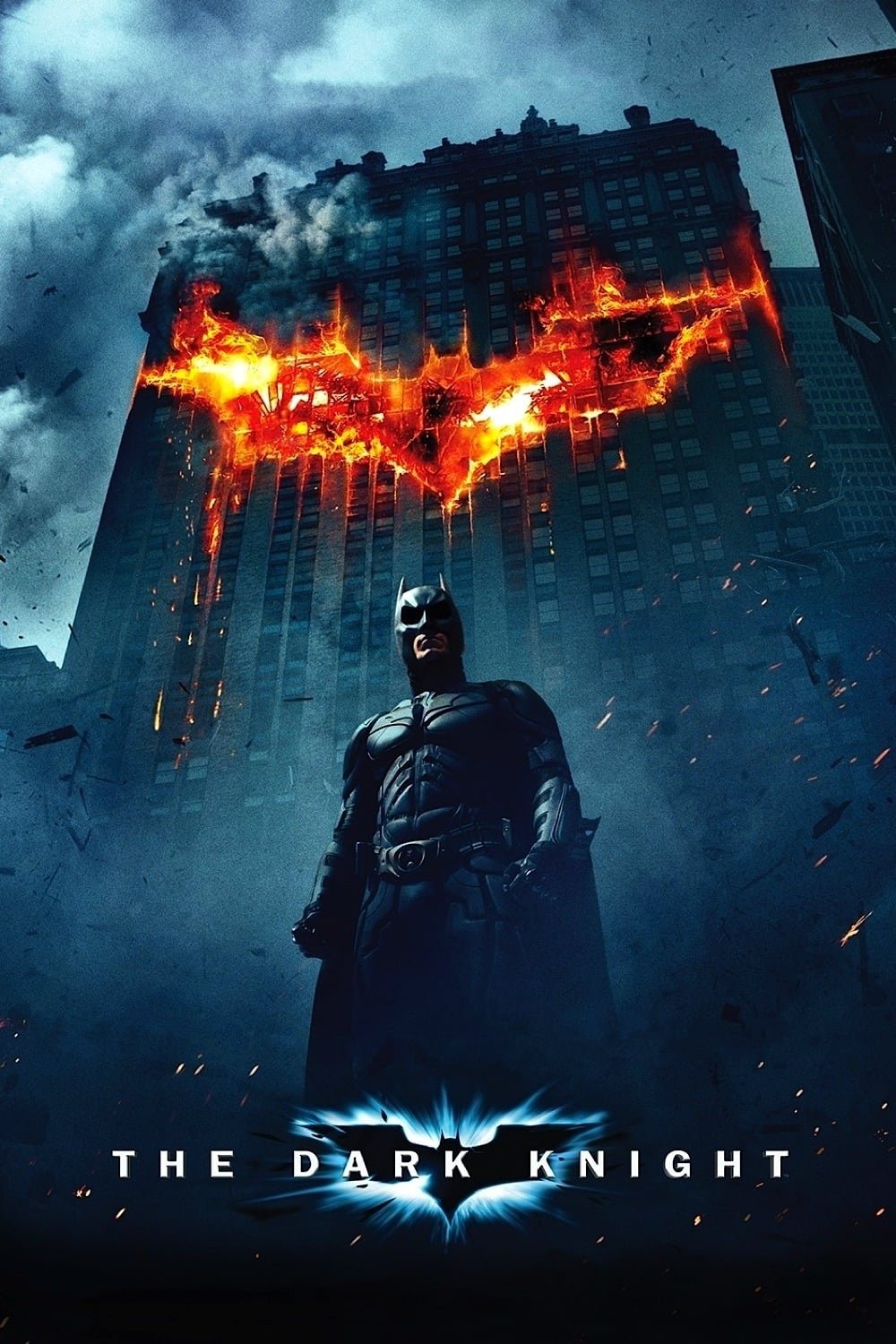
Nolan’s use of IMAX cameras for narrative sequences pushed premium-format exhibition beyond specialty releases. A grounded tone reshaped expectations for comic-book adaptations.
Industry response to its awards trajectory helped prompt expanded Best Picture nomination slots. Its viral marketing campaigns became case studies in audience engagement.
‘Avatar’ (2009)

Performance capture, a virtual camera system, and stereoscopic pipelines revived and advanced theatrical 3D. Integrated world-building turned Pandora into a model for immersive environmental design.
The film’s global earnings reshaped studio investment in high-end visual effects and exhibition tech. It also spurred research into high-frame-rate and next-generation capture techniques.
‘Mad Max: Fury Road’ (2015)
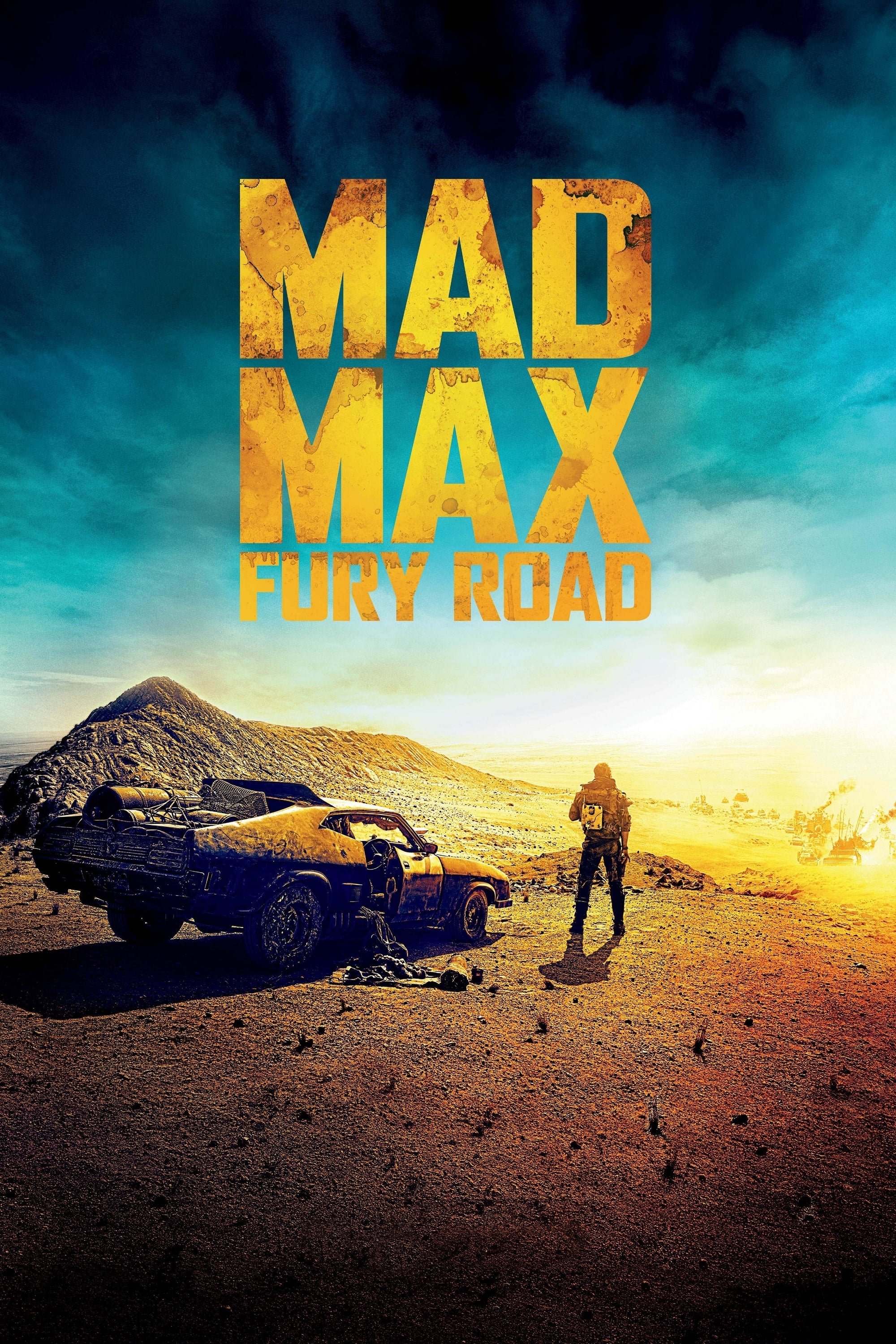
George Miller’s stunt-driven action favored clarity through geography, center-framing, and practical rigs. The film used color grading and prop language to keep visual storytelling legible at high speed.
Its production approach validated previsualization and storyboard-led design for action epics. Editors and coordinators cite its pacing as a benchmark for kinetic coherence.
‘Get Out’ (2017)
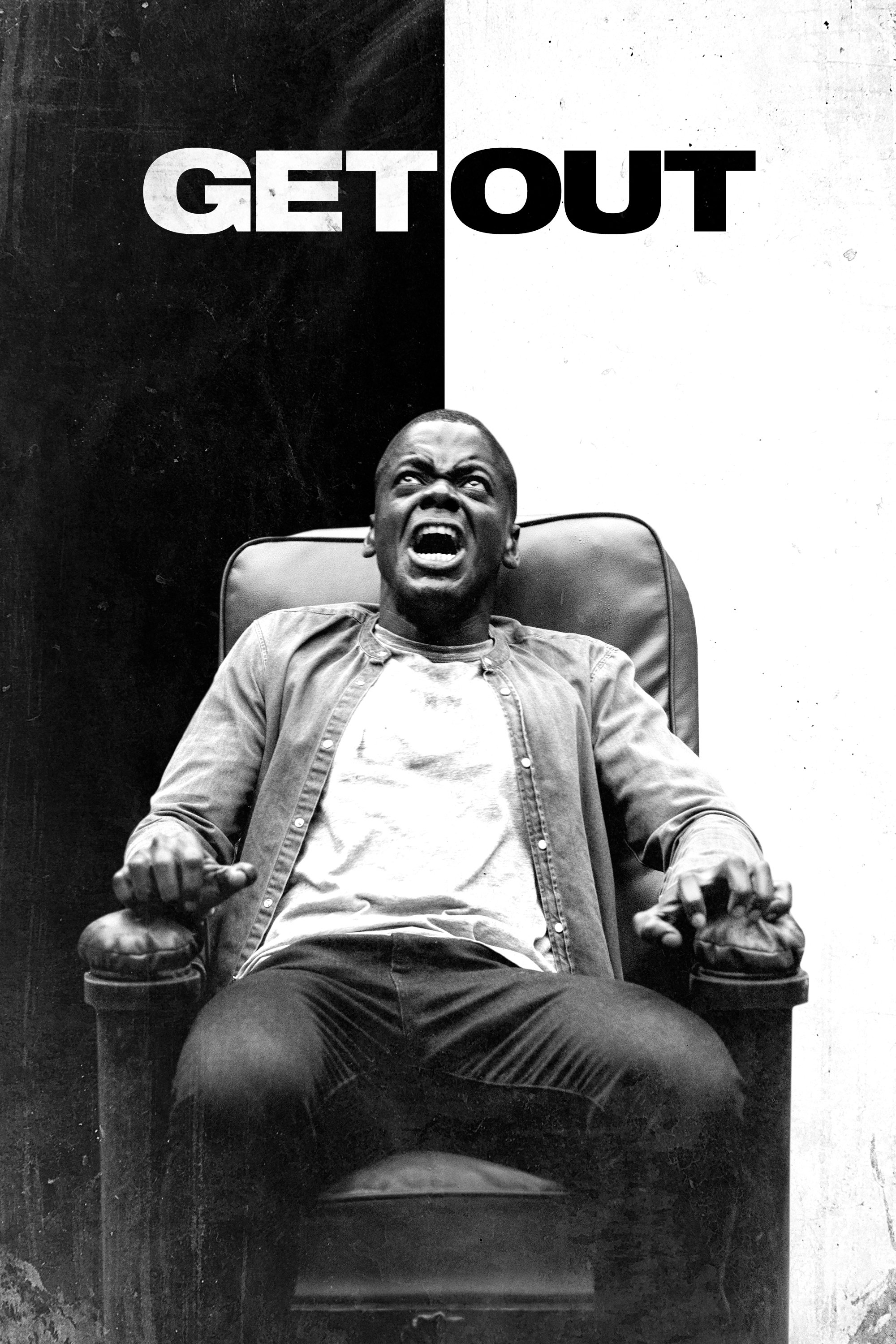
Jordan Peele fused social critique with genre mechanics, proving that horror can serve as a precise instrument for cultural analysis. A modest budget and focused concept exemplified the strength of tight development.
The film’s reception expanded opportunities for underrepresented voices within mainstream genre filmmaking. Its vocabulary and imagery quickly entered public conversation, influencing later thrillers.
‘Black Panther’ (2018)
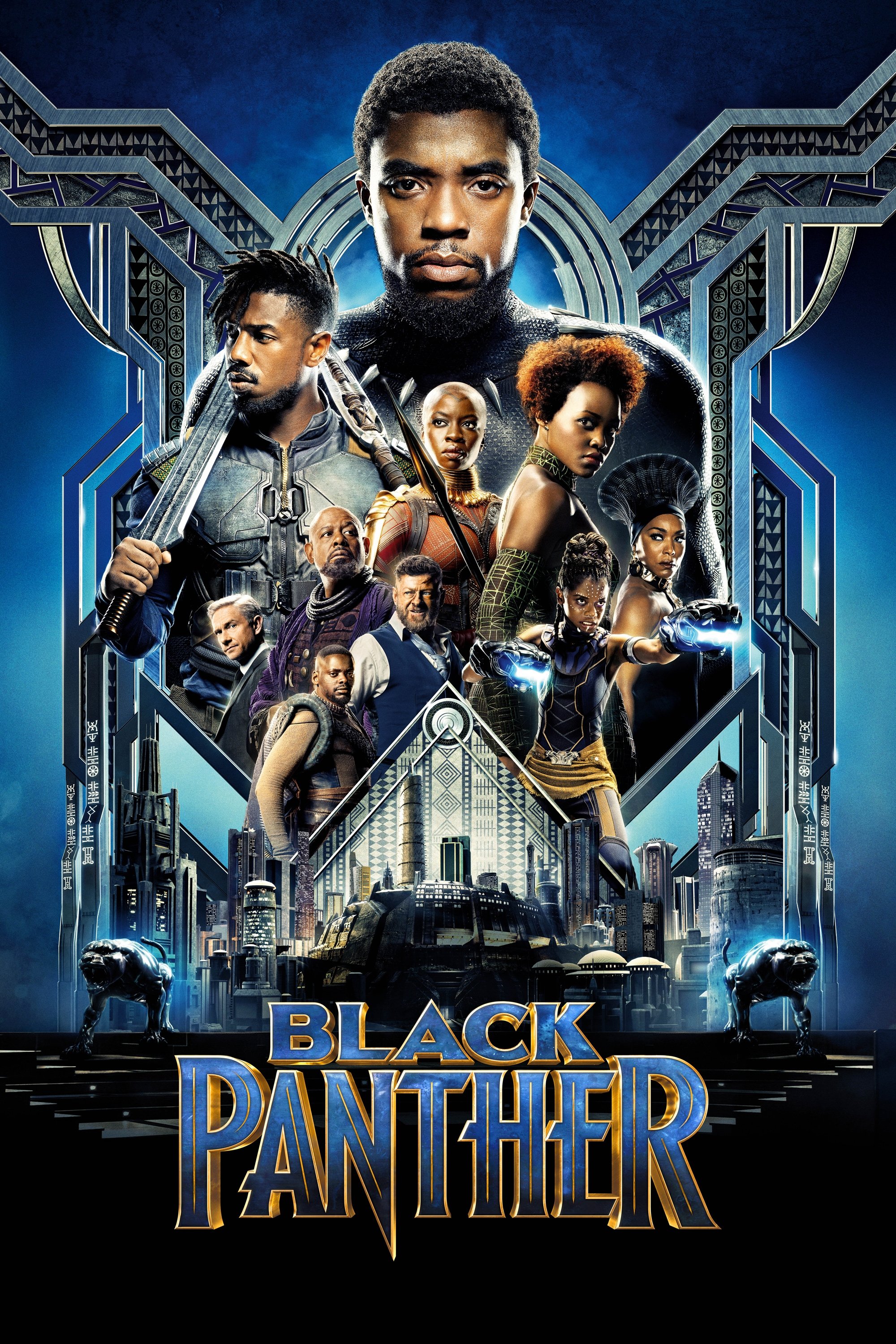
Ryan Coogler’s Afro-futurist vision aligned world-building with cultural specificity, from production design to language. A stellar ensemble and detailed costuming showed how representation and scale reinforce each other.
Its global success shifted studio calculations about leadership, settings, and casts in tentpoles. The film energized interest in comics-based stories centered on African identities and diasporic themes.
‘Parasite’ (2019)
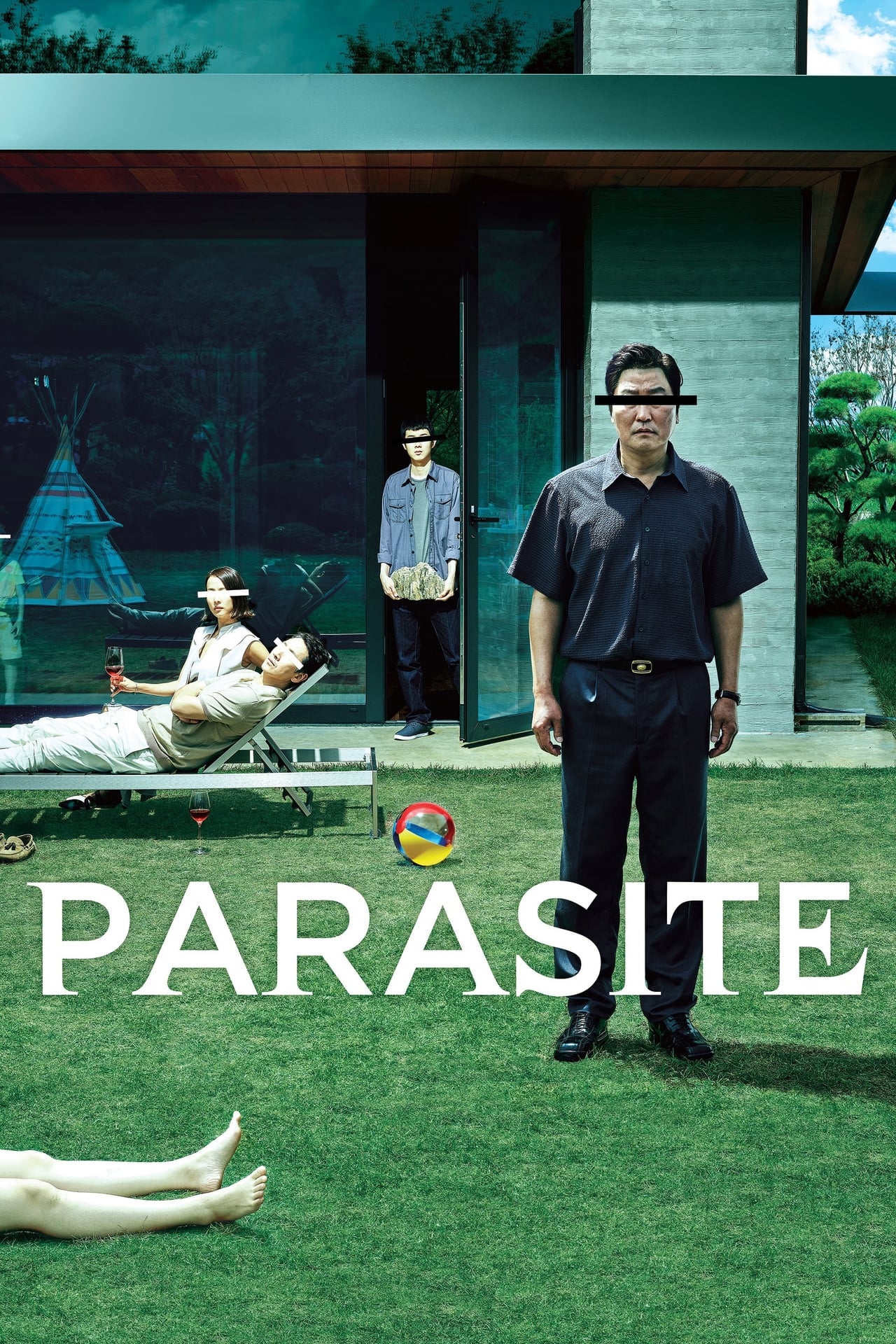
Bong Joon-ho’s class thriller demonstrated that language barriers are no barrier to worldwide engagement. Its genre-crossing structure became a showcase for tonal control and narrative precision.
Historic awards recognition altered industry assumptions about non-English features in top categories. The film’s international box office boosted confidence in cross-border distribution for auteur-driven work.
Share your picks and the reasons they matter to you in the comments.