


The Most Influential Romance Movies of All Time

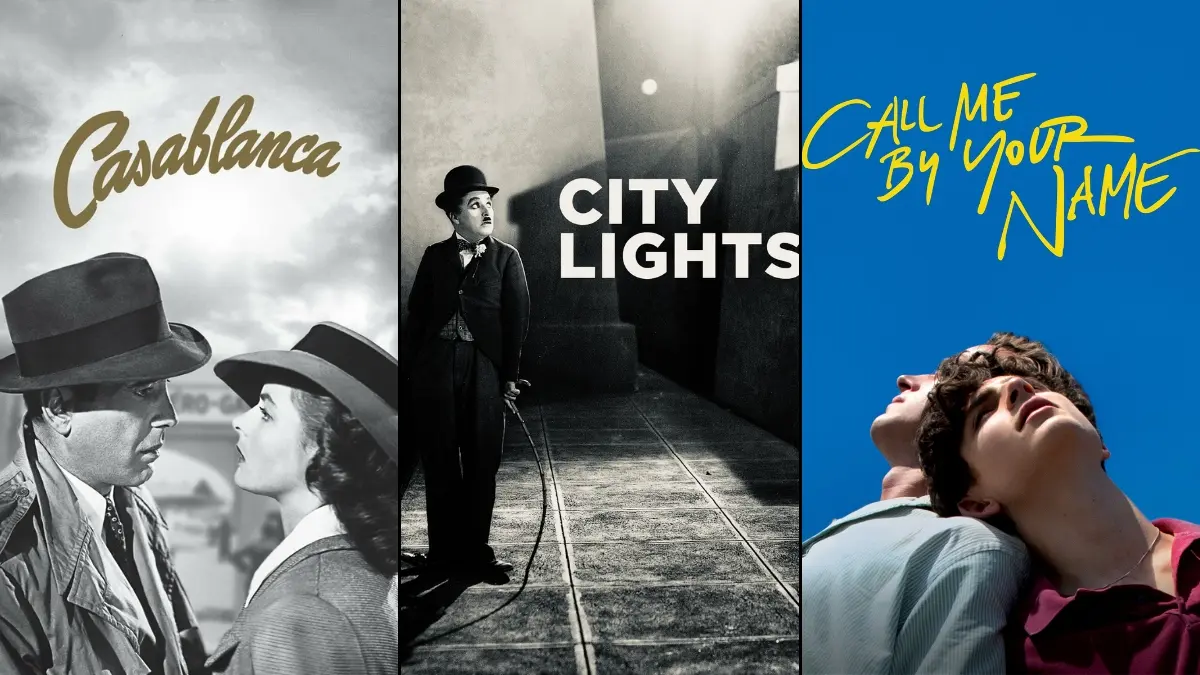


From silent-era gems to modern global hits, romance on film has shaped how stories of love are told—through comedy, tragedy, musicals, and intimate character dramas. This list gathers landmark titles that advanced filmmaking craft, set new box-office or awards milestones, launched enduring stars, and introduced storytelling patterns that later films echoed. You’ll see innovations in cinematography, editing, music, and dialogue-driven structure, along with screen partnerships and scripts that became templates for generations. Each entry highlights concrete contributions—production details, festival or Academy recognition, and stylistic choices—that helped these films leave a lasting mark.
‘City Lights’ (1931)
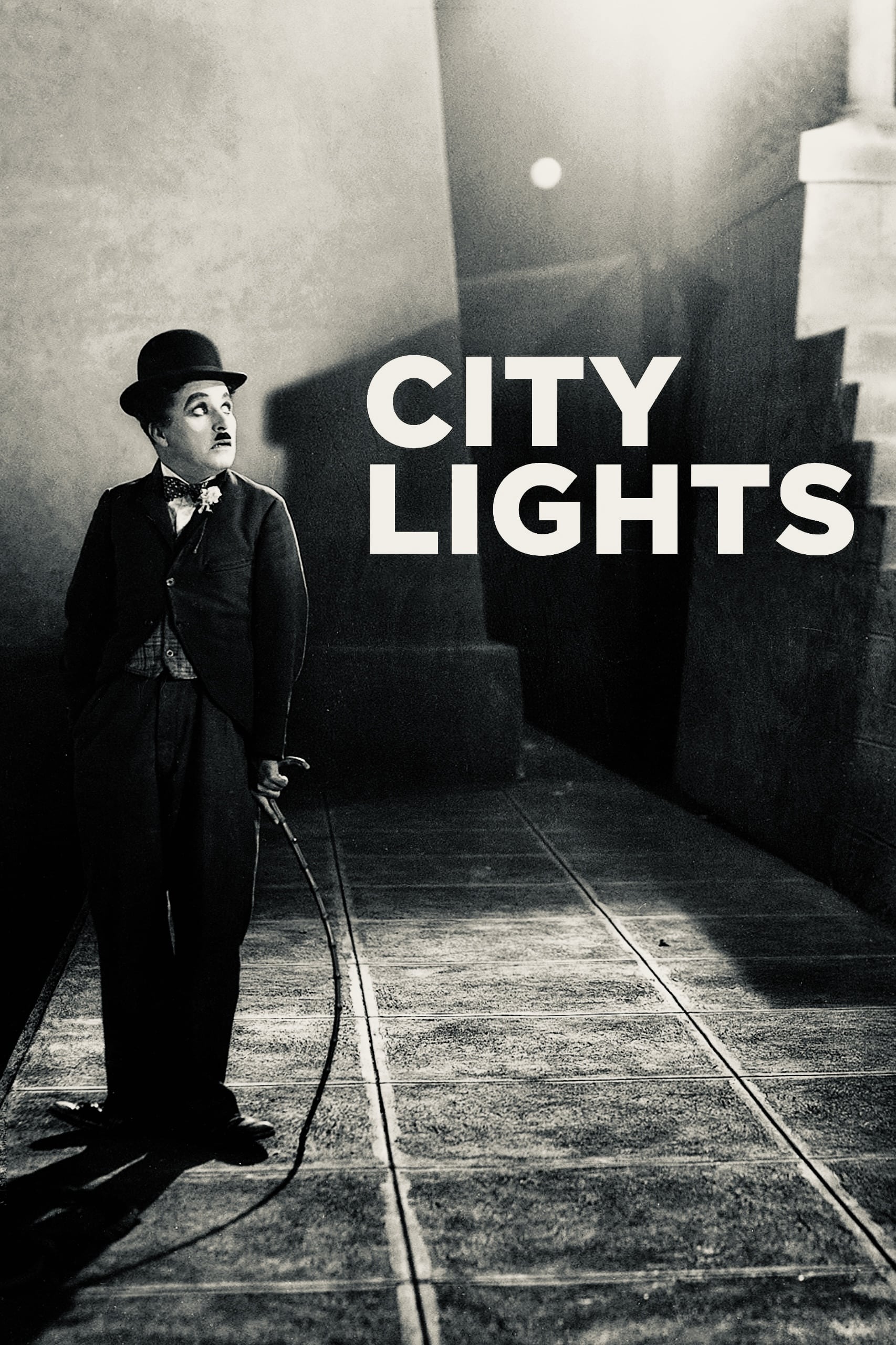
Charlie Chaplin wrote, directed, produced, and starred, blending pantomime with synchronized music during the transition to sound cinema. The film follows the Tramp’s bond with a blind flower seller and a wealthy benefactor, using set-piece choreography to tell the story without spoken dialogue. Its final scene is frequently cited in film studies for economy of staging and emotional payoff created through performance and editing. The meticulous production process included extensive retakes to refine timing and physical gags.
‘It Happened One Night’ (1934)
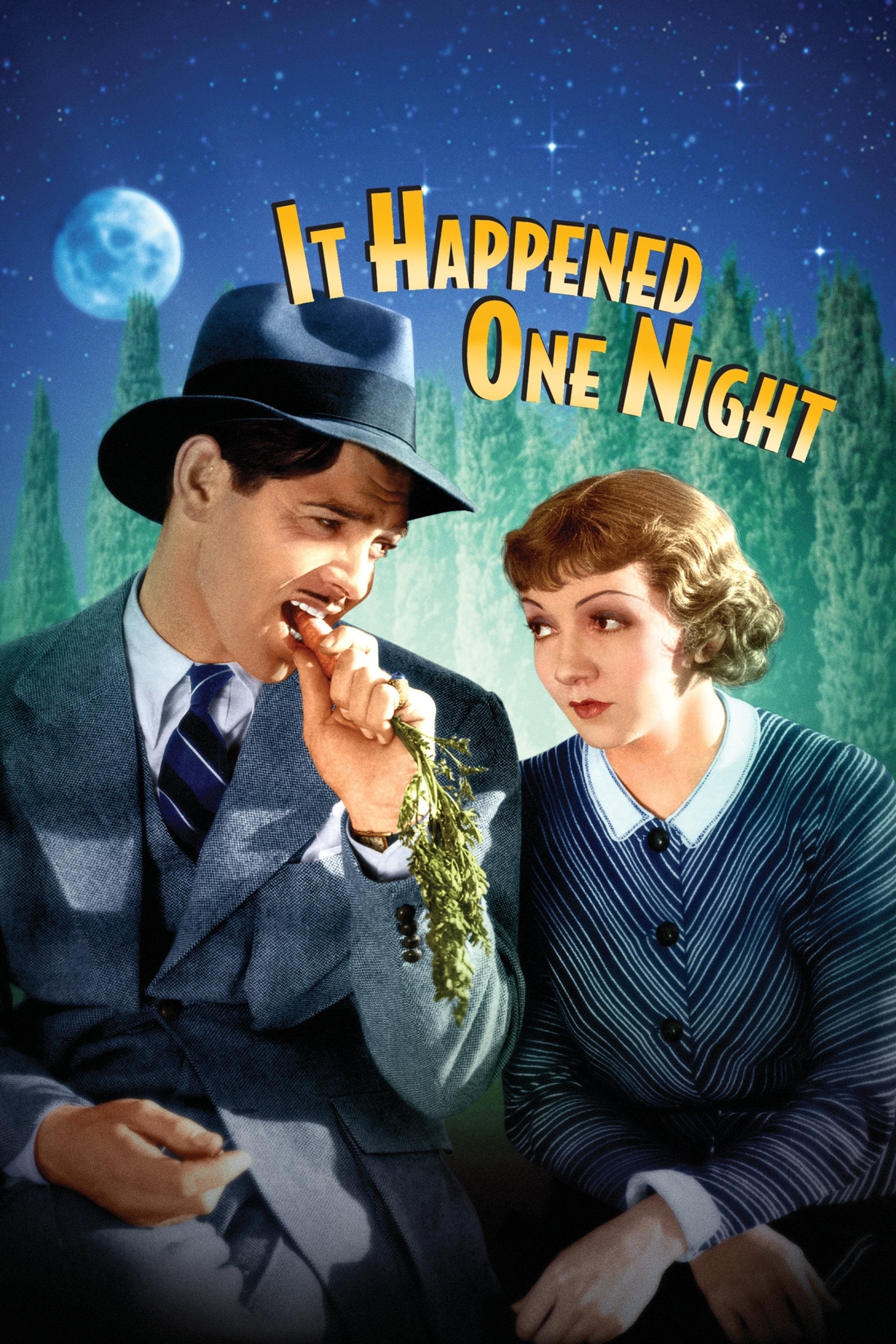
Directed by Frank Capra and starring Clark Gable and Claudette Colbert, this screwball road comedy helped codify the opposites-attract blueprint. It became one of the rare titles to sweep the five major Academy Awards—Best Picture, Director, Actor, Actress, and Screenplay. Iconic sequences, including the hitchhiking and “Walls of Jericho,” influenced later romantic comedies’ interplay of innuendo and censorship-era wit. Its commercial success demonstrated audience appetite for fast-talking romance narratives.
‘Gone with the Wind’ (1939)
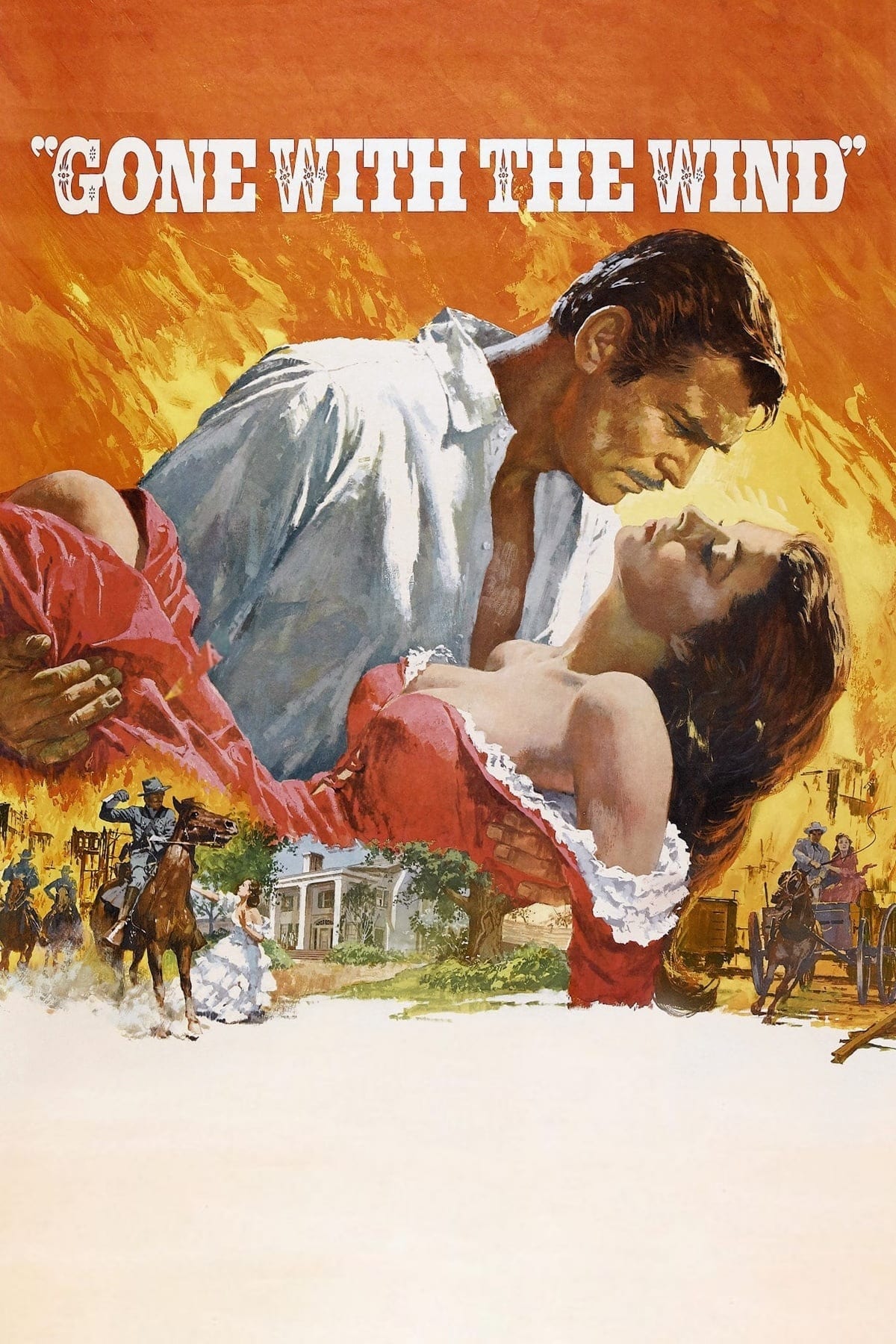
Produced by David O. Selznick and directed primarily by Victor Fleming, this historical epic paired sweeping Technicolor visuals with a central love-hate relationship. It set box-office benchmarks on initial release and reissues, aided by event-style roadshow distribution. The production utilized large-scale sets, matte paintings, and crowd scenes that showcased studio resources at their peak. Its costuming and score became enduring signatures frequently referenced in film design and music studies.
‘Casablanca’ (1942)
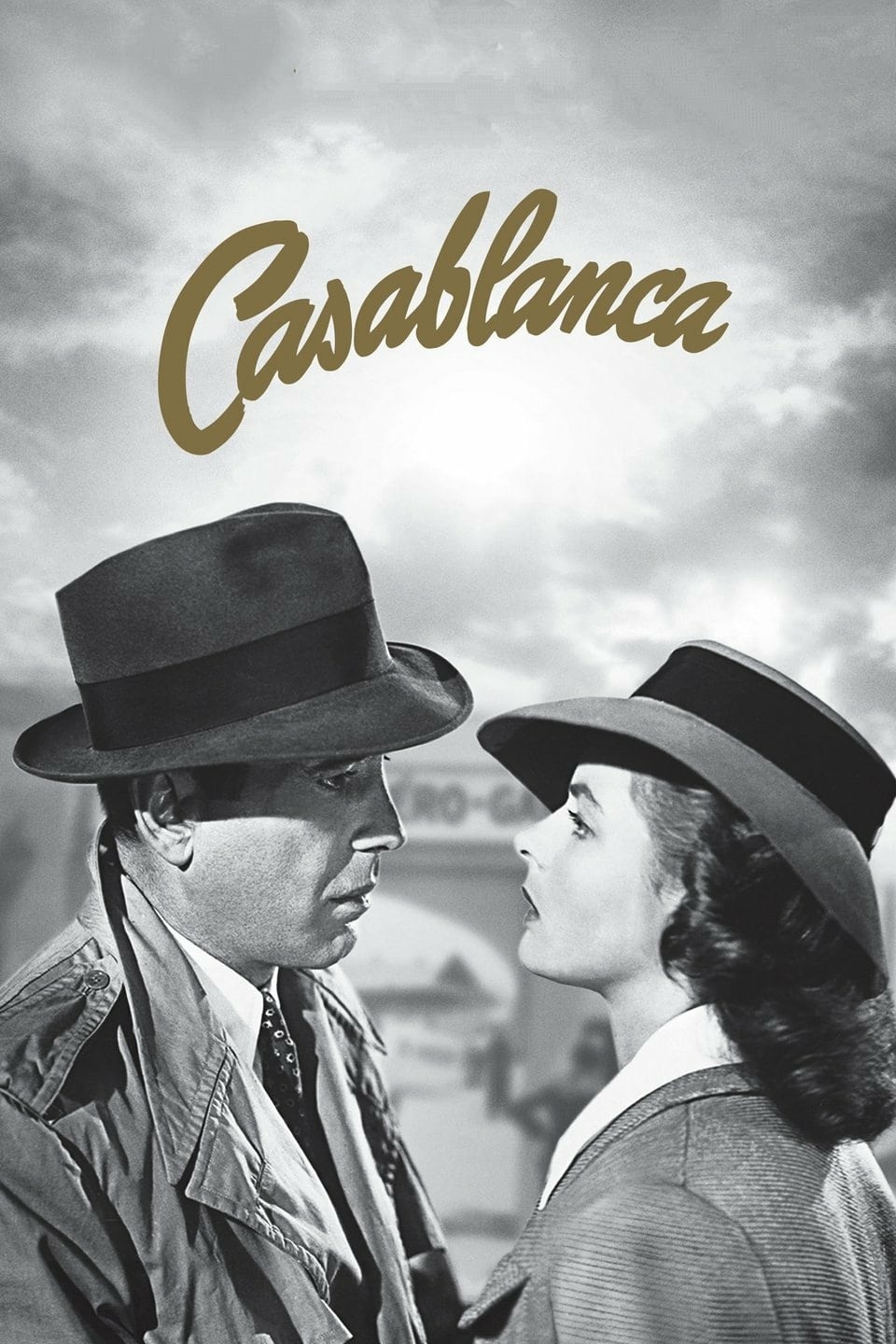
Directed by Michael Curtiz and produced at Warner Bros., this wartime romance featured Humphrey Bogart and Ingrid Bergman with a screenplay shaped by multiple writers. The film integrated topical themes of exile and resistance into a nightclub setting, creating a contained backdrop for shifting alliances. Memorable dialogue and leitmotifs anchored character dynamics, supported by studio-orchestra scoring and atmospheric lighting. It earned major Academy recognition and sustained long-term repertory popularity.
‘Brief Encounter’ (1945)
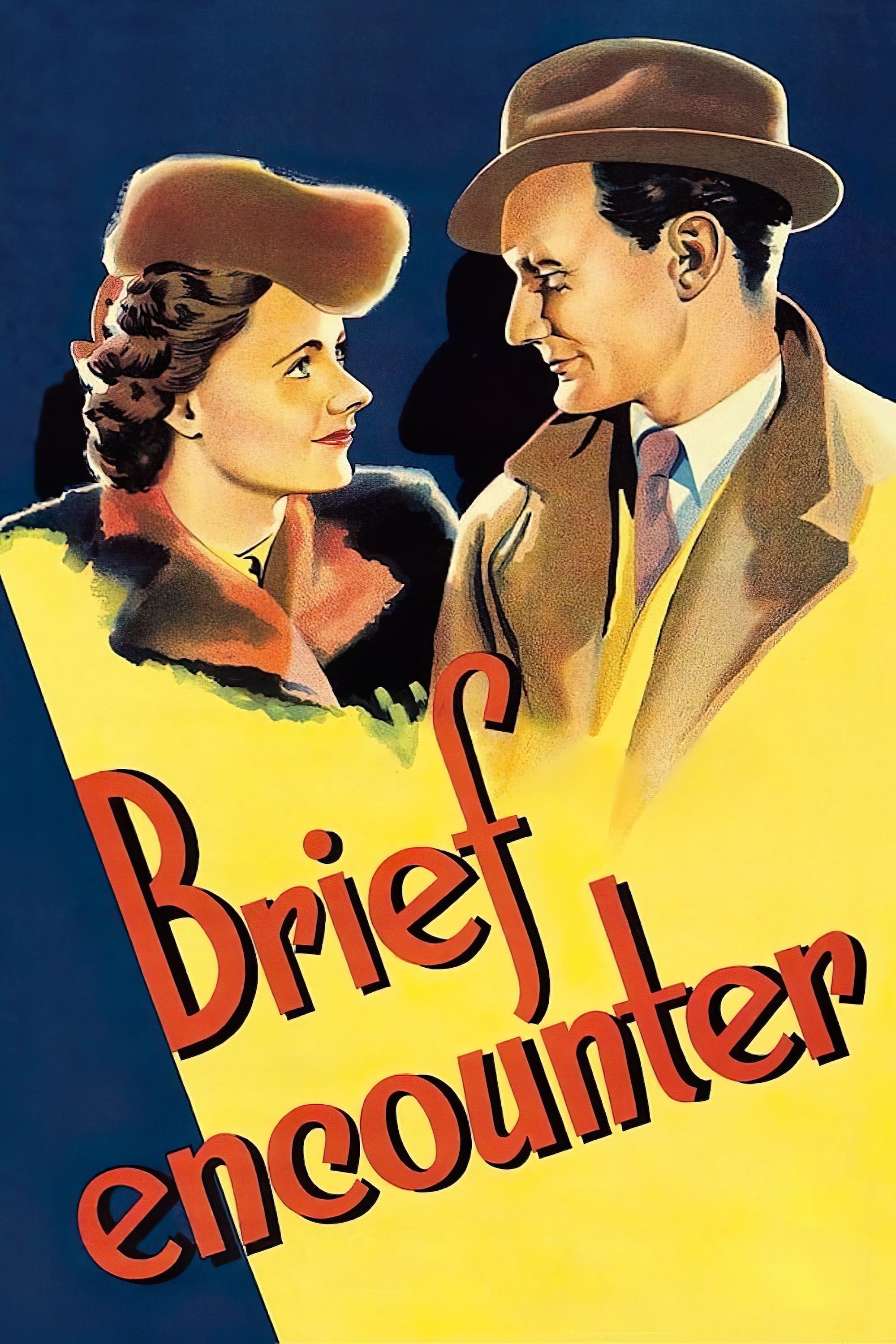
David Lean adapted Noël Coward’s play into a tightly focused portrait of a suburban affair, using voiceover and flashback structure. Cinematography emphasized confined spaces—railway platforms, cafés, and modest interiors—to underscore social constraints. The recurring use of Rachmaninoff’s Second Piano Concerto provided a unifying musical identity. Its understated performances and precise editing influenced later intimate chamber romances.
‘Roman Holiday’ (1953)
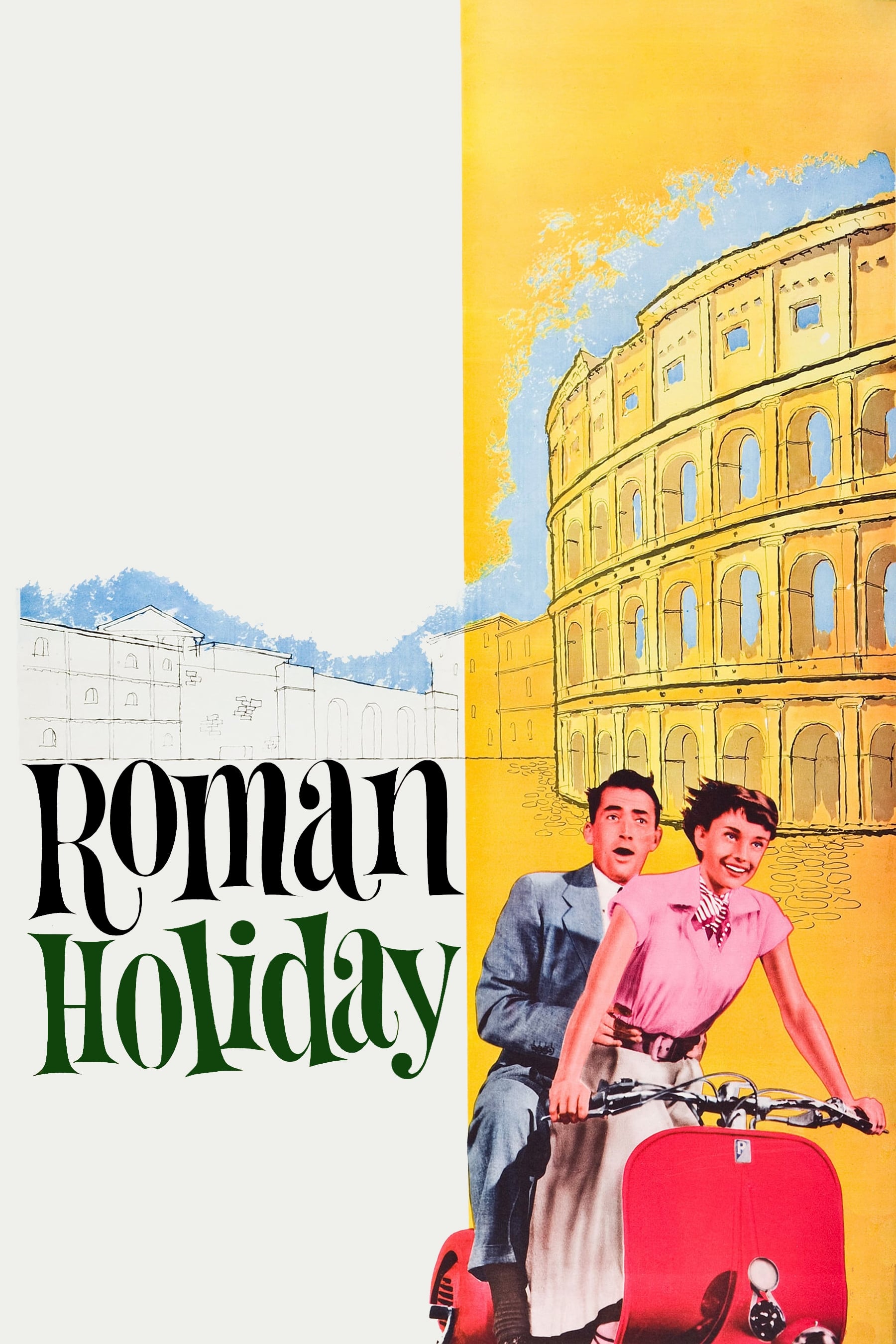
William Wyler directed Audrey Hepburn and Gregory Peck on location in Rome, showcasing scooters, landmarks, and newsreel-style street scenes. Hepburn’s performance earned major awards and established her as a global star. The script balanced fairy-tale elements with a bittersweet press-room finale shot in grand interiors. Location shooting and fashion styling helped popularize destination romance aesthetics.
‘An Affair to Remember’ (1957)
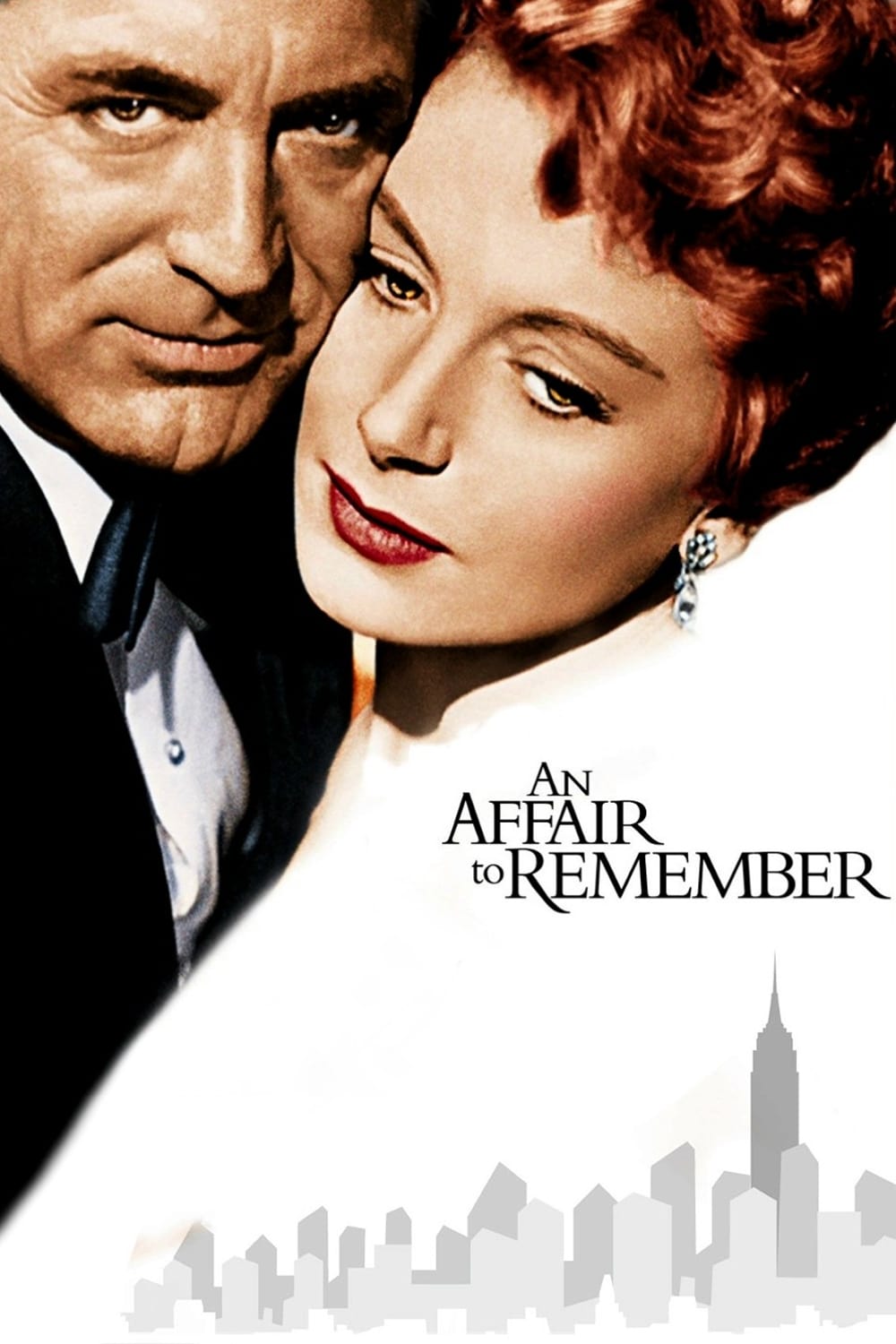
Leo McCarey remade his earlier story with Cary Grant and Deborah Kerr, centering on a pact to reunite at a skyscraper landmark. The film’s production design contrasted ocean-liner elegance with urban modernity. Its melodies and theme song became radio standards tied to the film’s identity. Later works referenced its reunion motif, underscoring the staying power of its premise.
‘The Apartment’ (1960)
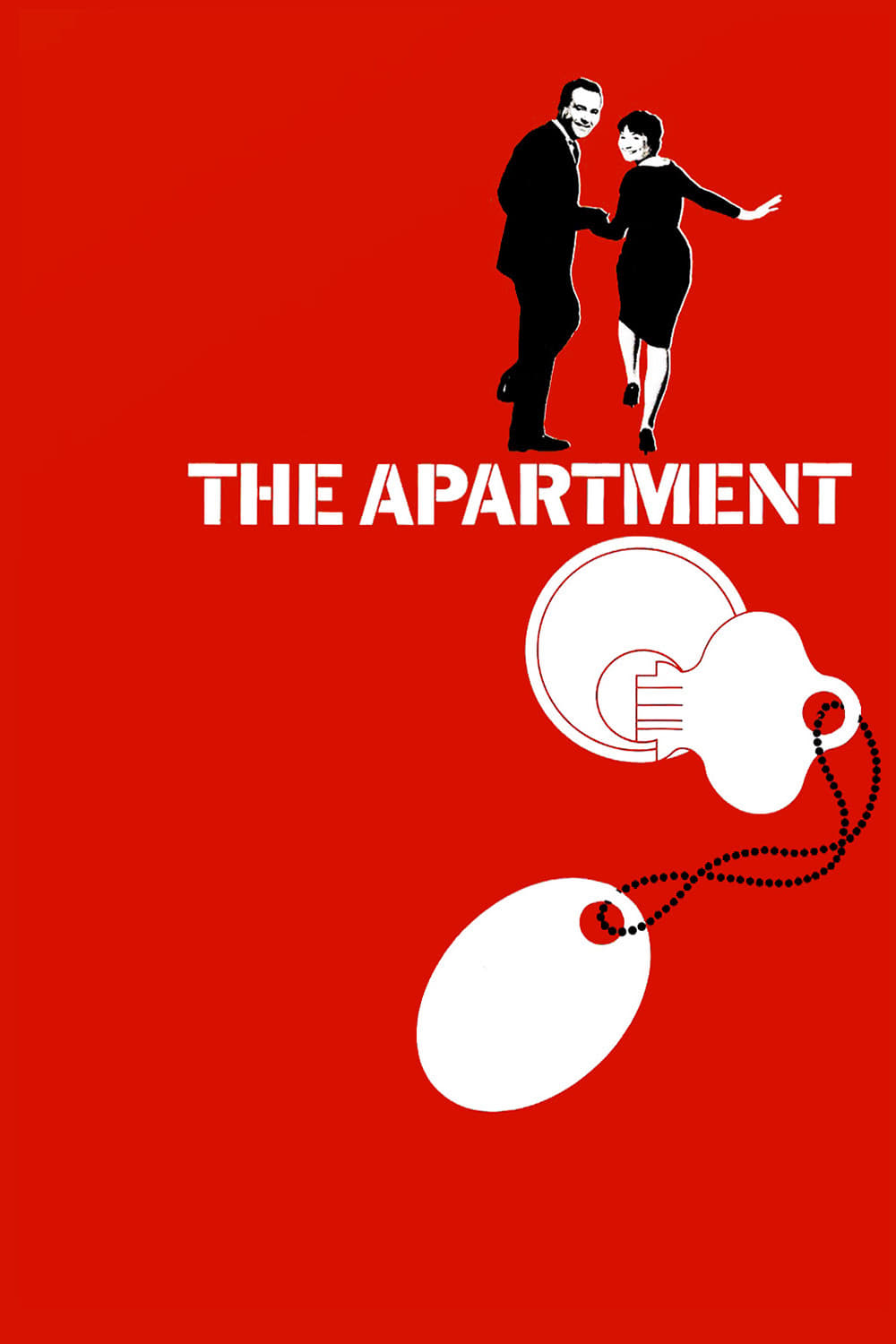
Billy Wilder and I. A. L. Diamond crafted a workplace romance that intertwined corporate satire with personal ethics. The film’s wide-angle compositions and crisp black-and-white photography framed characters within impersonal office grids. Shirley MacLaine and Jack Lemmon’s performances grounded the story’s tonal shifts between wit and melancholy. It earned multiple Academy Awards, including Best Picture, solidifying its stature in studio-era transitions.
‘West Side Story’ (1961)
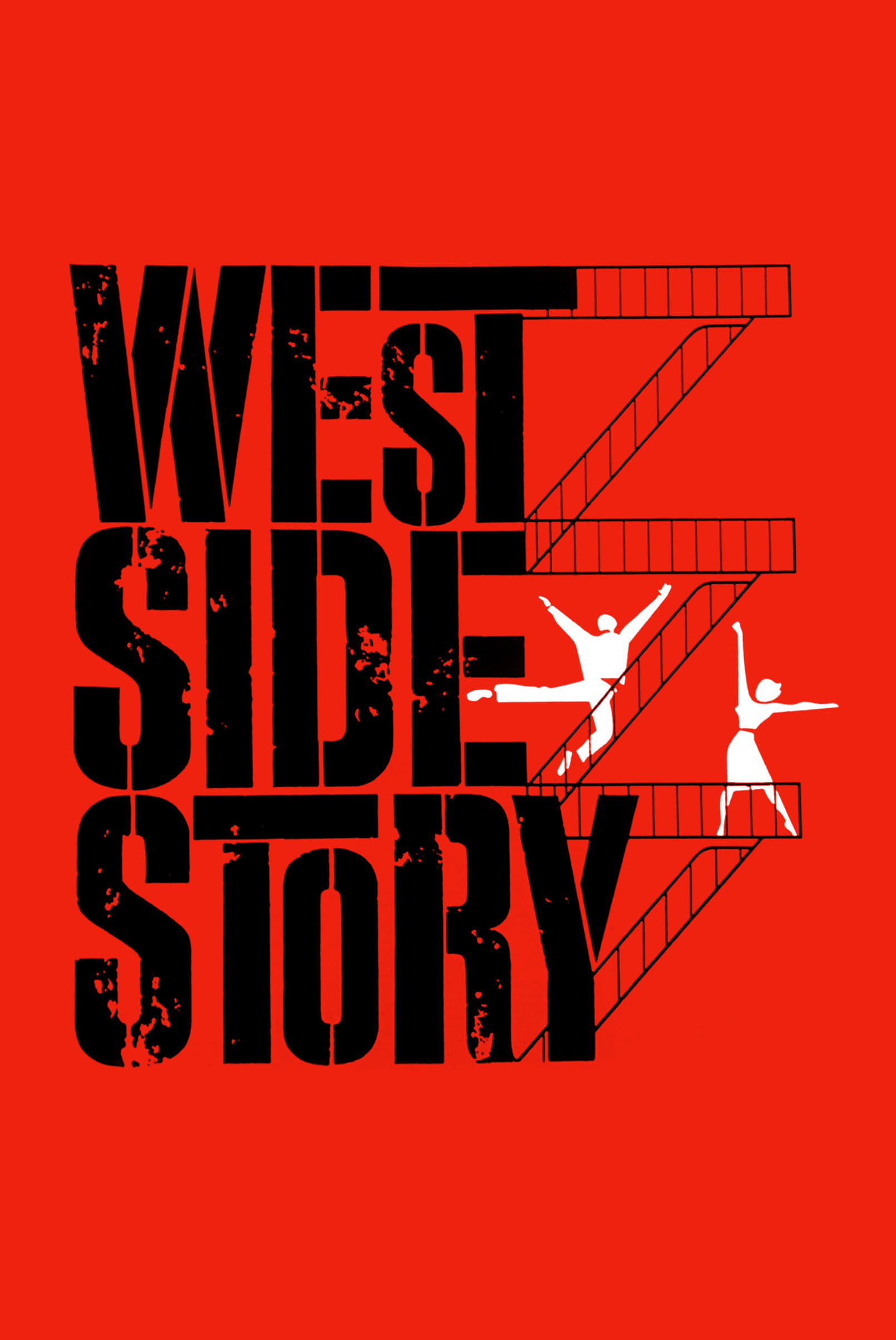
Jerome Robbins and Robert Wise translated a Broadway musical into dynamic cinema using extensive location work and stylized choreography. The film integrated dance with narrative conflict, using color coding in costumes and production design to distinguish rival groups. Orchestration and vocal arrangements were expanded for the screen, producing a definitive soundtrack recording. Its awards run and international distribution broadened the musical’s reach.
‘The Umbrellas of Cherbourg’ (1964)
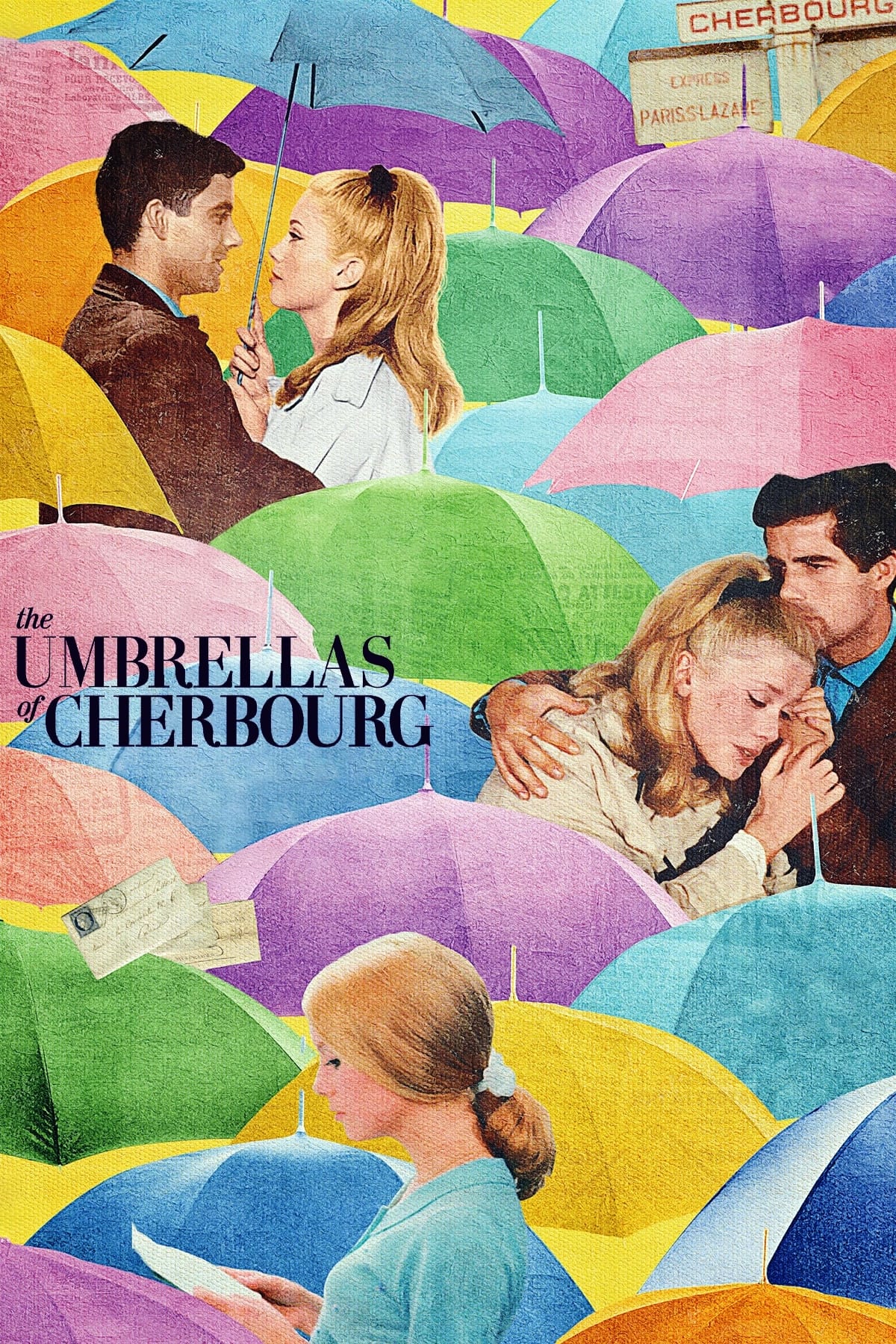
Jacques Demy and composer Michel Legrand created a fully sung narrative with continuous recitative rather than spoken dialogue. Saturated color palettes and meticulously designed storefronts gave the film a storybook visual identity. The score introduced recurring themes that charted the lovers’ changing circumstances. Its formal approach influenced later musical experiments and soundtrack-driven storytelling.
‘The Princess Bride’ (1987)
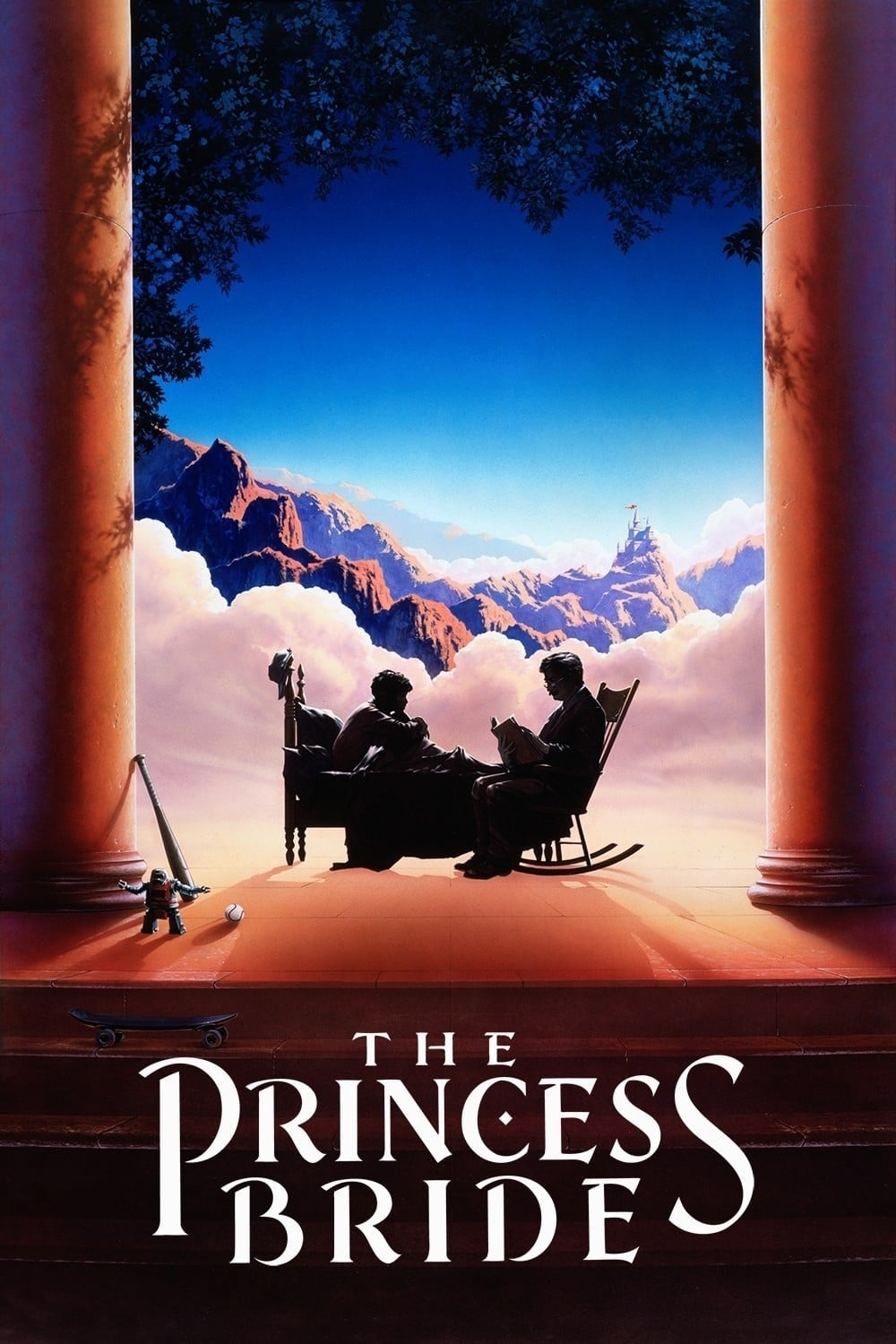
Rob Reiner adapted William Goldman’s novel into a genre-crossing romance that blended adventure, comedy, and fairy-tale framing. Practical swordplay choreography and quotable dialogue gave the film lasting pop-culture presence. Cary Elwes and Robin Wright anchored a story that toggles between a bedtime narrative and swashbuckling set-pieces. Its structure, moving between meta-commentary and sincere romance, became a template for hybrid tonality.
‘Dirty Dancing’ (1987)
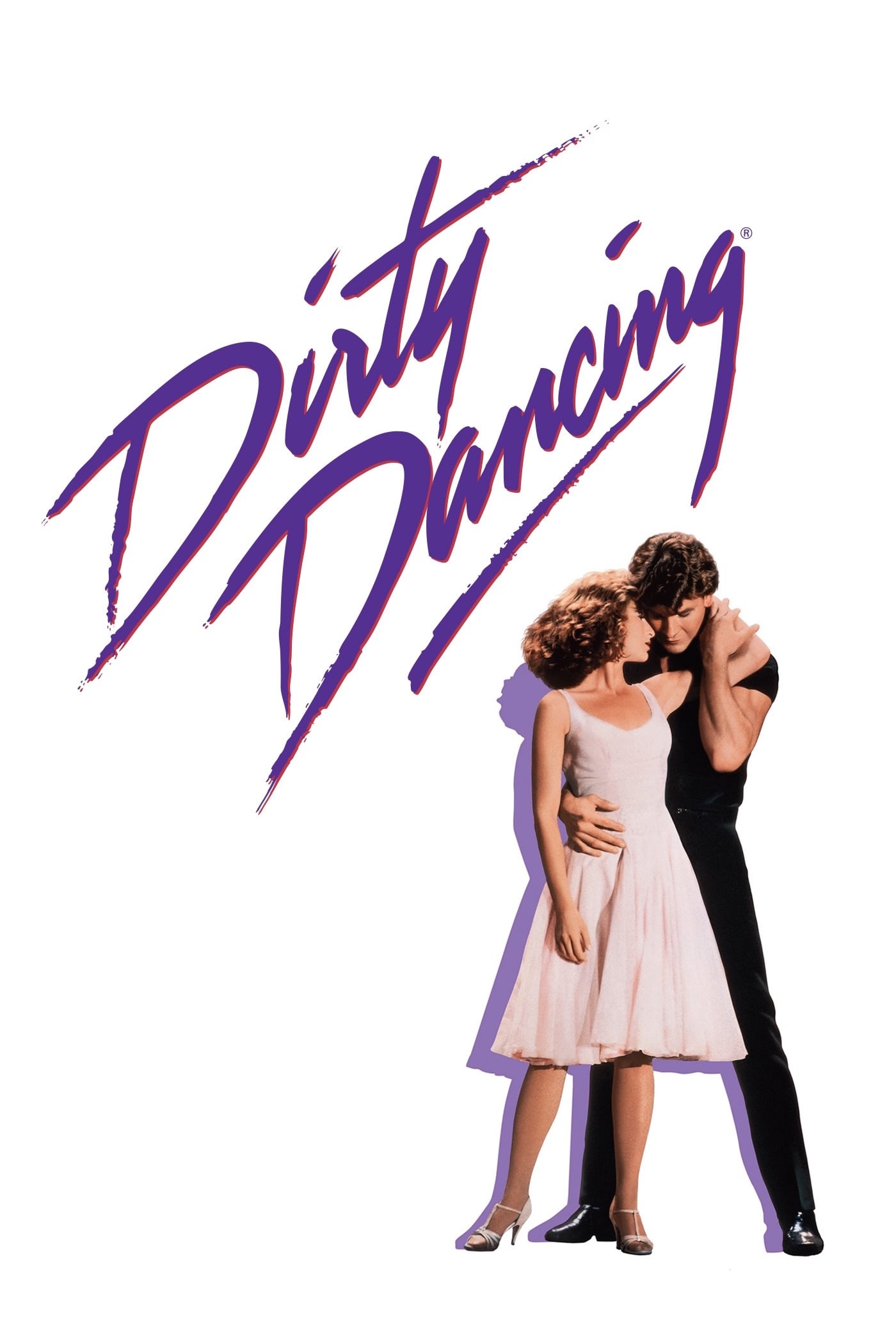
Emile Ardolino’s film paired coming-of-age romance with period dance styles and a hit soundtrack. Choreographer Kenny Ortega staged routines that advanced character arcs alongside social-class themes. Filming at resort locations provided a contained world that supported rehearsal-to-performance progression. The soundtrack album and breakout single amplified the film’s reach across radio and television.
‘Pretty Woman’ (1990)
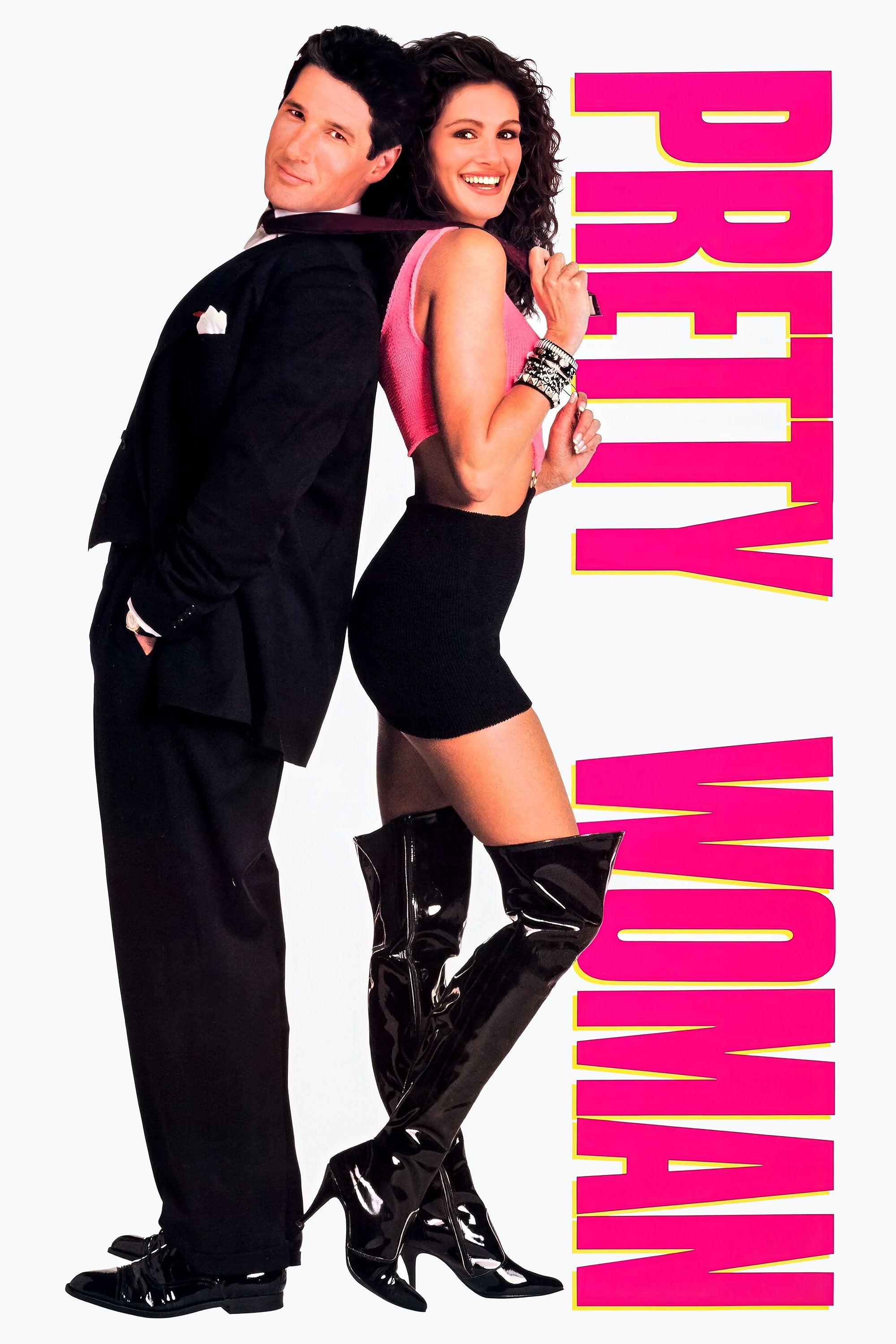
Directed by Garry Marshall, this modern Cinderella story showcased Julia Roberts and Richard Gere’s on-screen chemistry. The film’s Beverly Hills settings, fashion montages, and retail sequences became cultural touchpoints. A pop-leaning soundtrack and glossy cinematography aligned with contemporary studio trends. Its commercial performance revitalized star-driven romantic comedies in wide release.
‘Before Sunrise’ (1995)
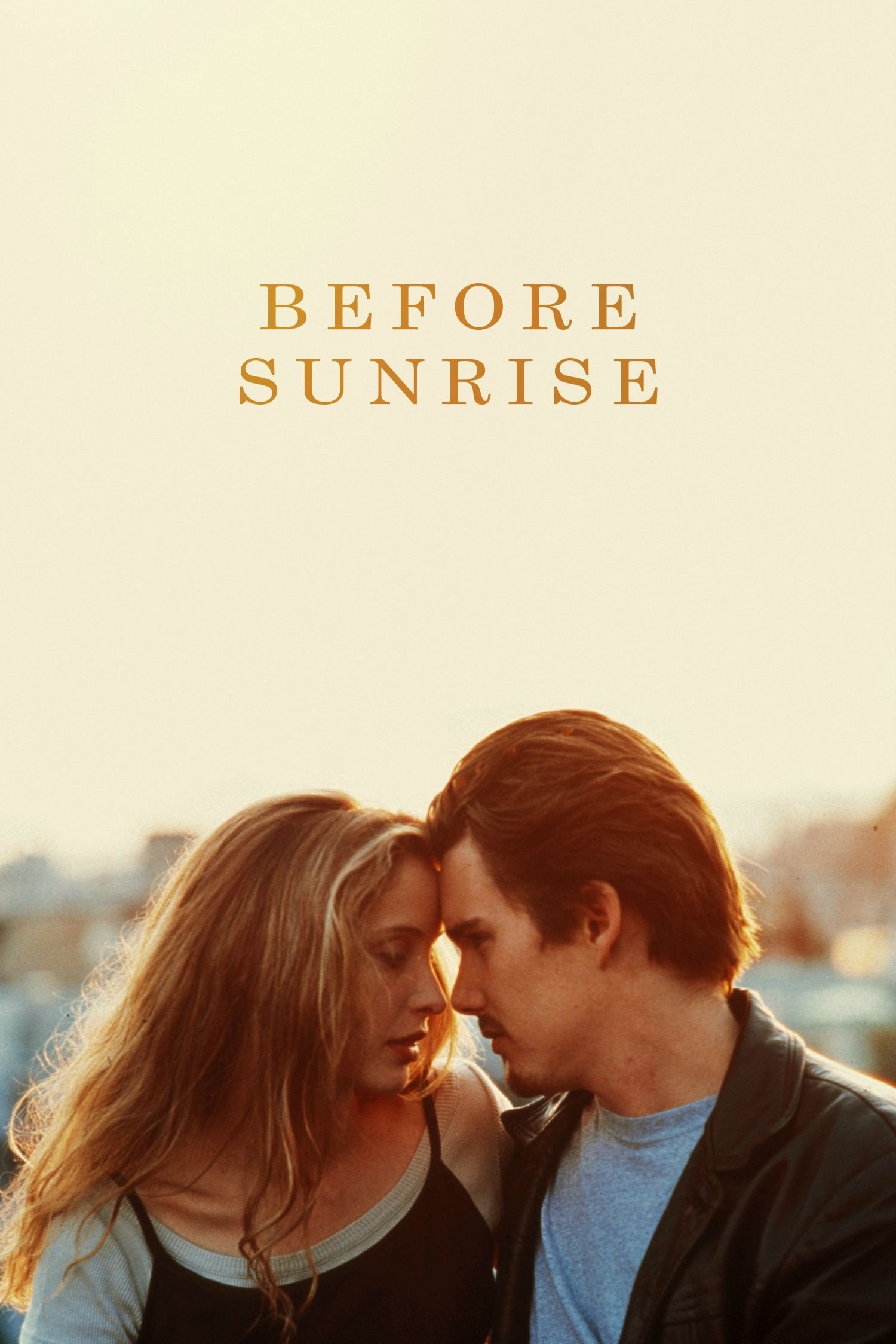
Richard Linklater introduced a dialogue-centered structure that unfolds over one night as two strangers wander a European city. Long takes and naturalistic blocking emphasize conversational rhythm over plot mechanics. The screenplay invites audience engagement through candid exchanges about family, art, and chance. Its open ending led to later chapters that track the same couple at new life stages.
‘Titanic’ (1997)
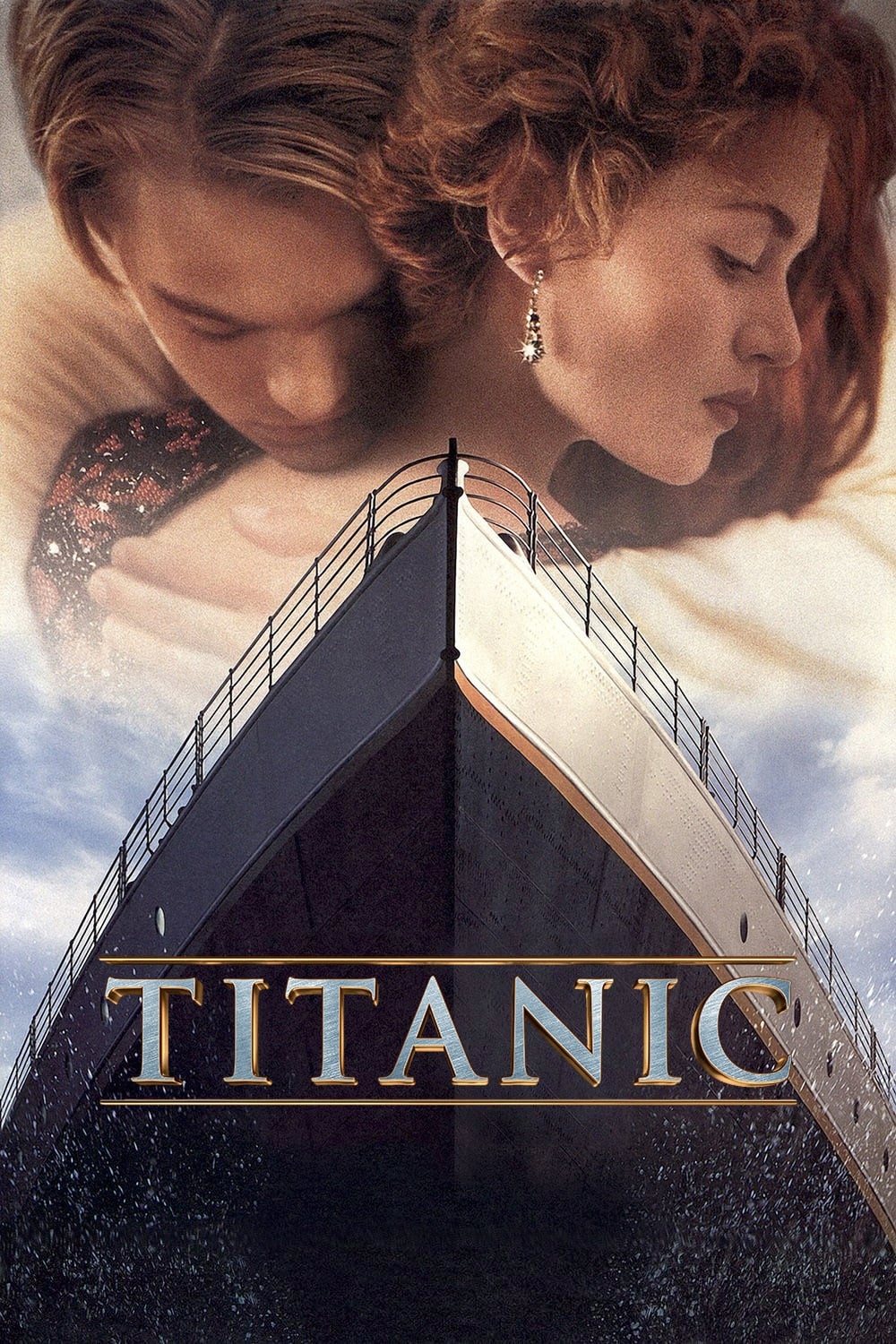
James Cameron combined a historical disaster narrative with a cross-class romance anchored by large-scale visual effects. The production built massive sets, employed digital compositing, and coordinated complex water sequences. Costume and production design recreated maritime details with research-driven precision. The film achieved record-setting box office and extensive awards recognition, supported by a bestselling soundtrack.
‘In the Mood for Love’ (2000)
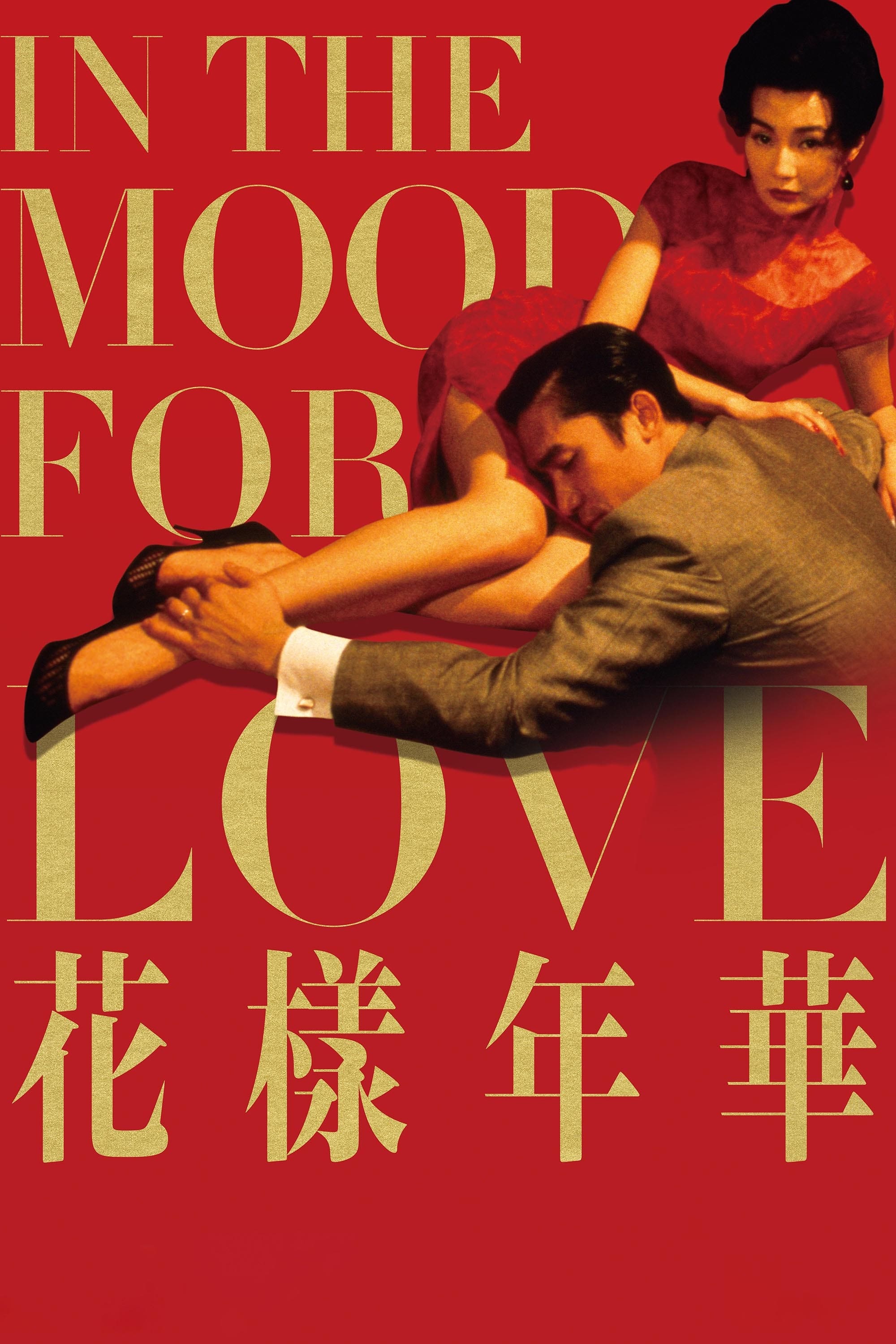
Wong Kar-wai’s film uses elliptical editing and repeated musical cues to portray restrained longing. Christopher Doyle and Mark Lee Ping-bing’s cinematography frames characters through doorways and tight corridors, emphasizing patterns and texture. Cheongsam costuming and slow-motion inserts establish a distinctive visual rhythm. The film’s festival reception elevated its director to wider international attention.
‘Amélie’ (2001)
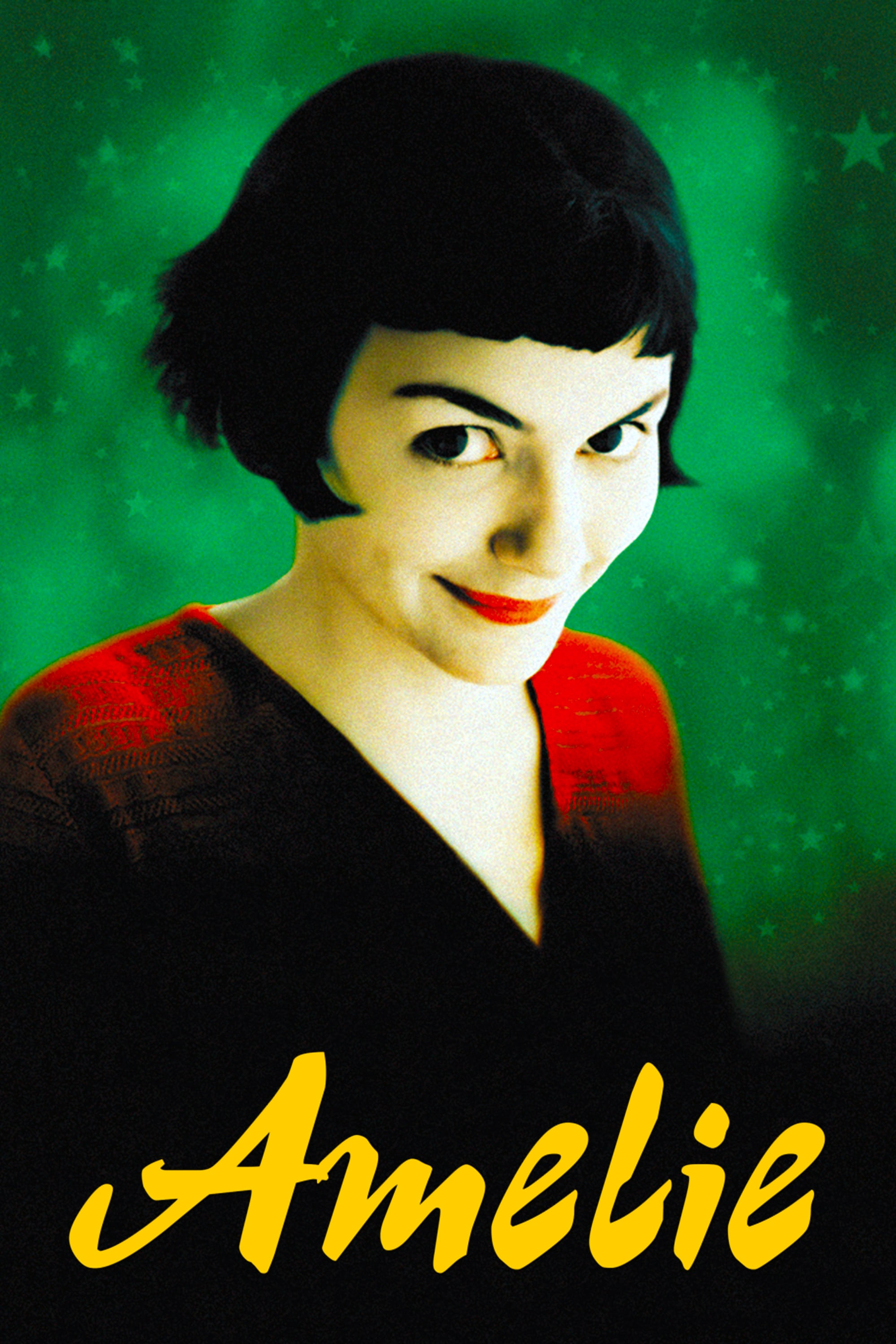
Jean-Pierre Jeunet blended whimsical production design with a tightly controlled color scheme and playful visual effects. The narrative follows a shy waitress who orchestrates connections for those around her, using voiceover and inventive transitions. Yann Tiersen’s accordion-inflected score became closely linked to the film’s identity. Paris neighborhoods were stylized through selective set dressing and post-production grading.
‘Moulin Rouge!’ (2001)
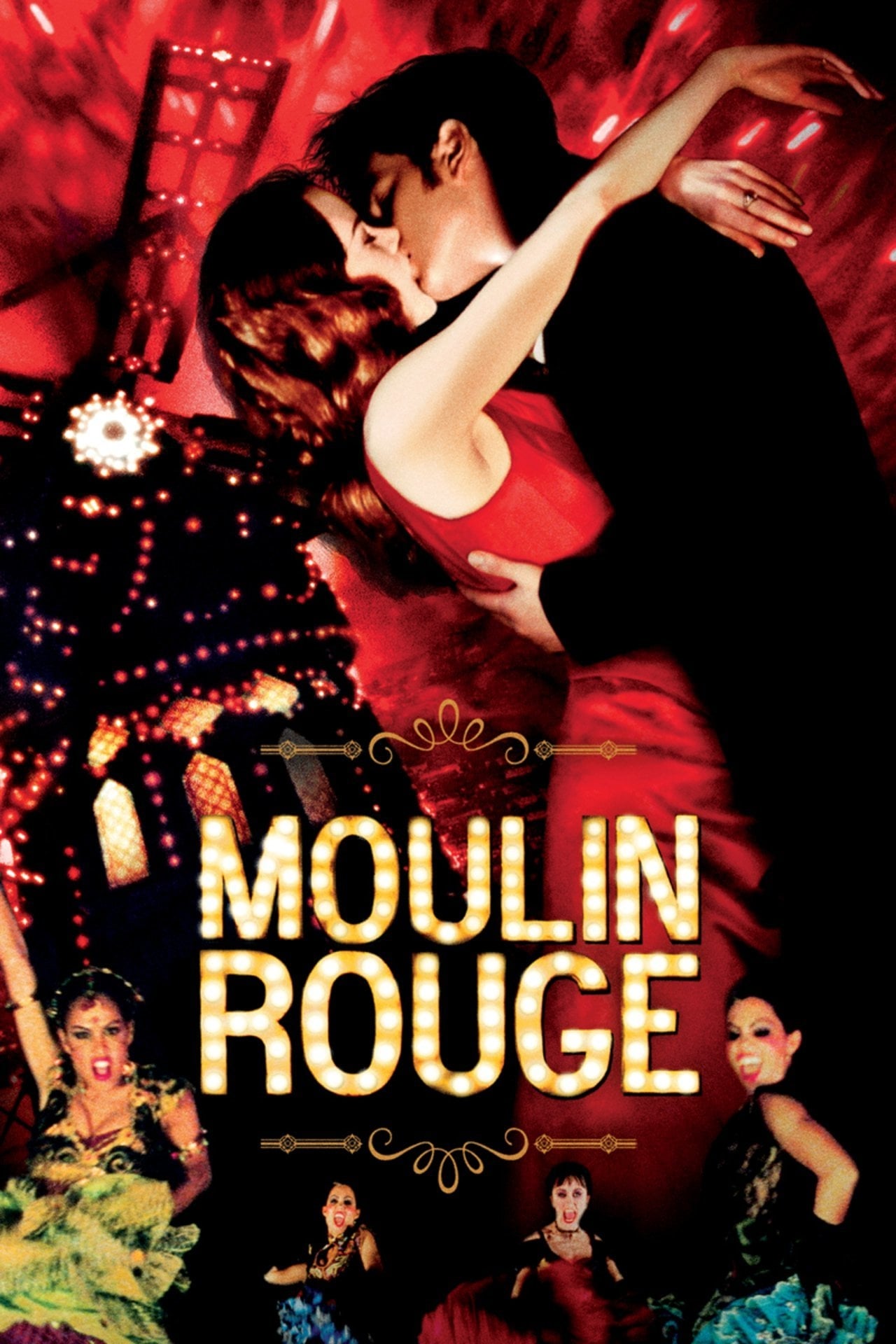
Baz Luhrmann fused period melodrama with contemporary pop music, layering rapid editing and theatrical staging. The film employed elaborate sets, digital extensions, and a collage-style soundtrack of familiar songs. Costumes and makeup contributed to an operatic aesthetic that bridged stage and screen sensibilities. Its opening-night and cabaret sequences showcased maximalist design philosophies.
‘Eternal Sunshine of the Spotless Mind’ (2004)
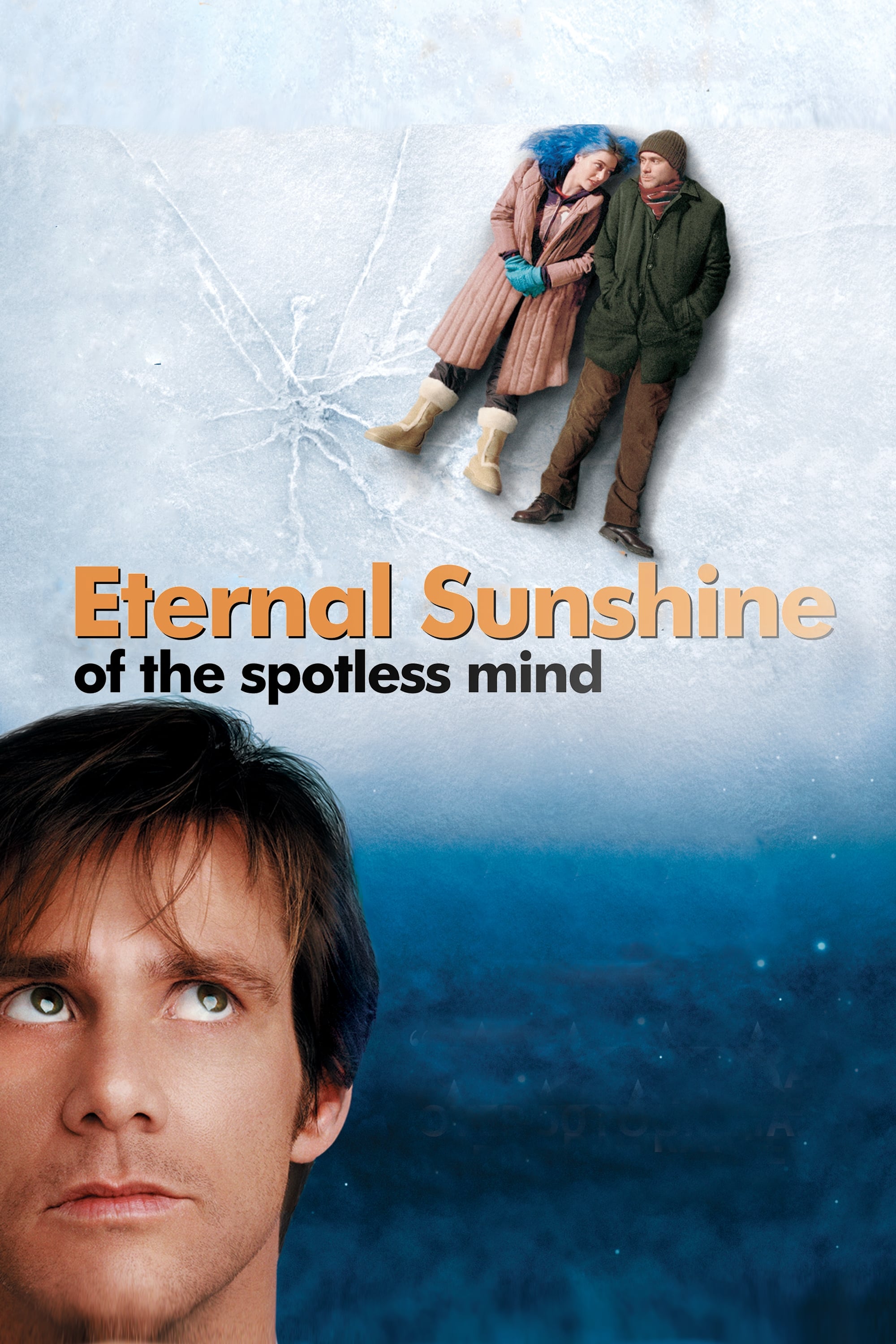
Director Michel Gondry and writer Charlie Kaufman combined romance with science-fiction memory erasure to explore identity and attachment. Practical effects, in-camera tricks, and long takes created seamless transitions within collapsing memories. The nonlinear structure was supported by handheld cinematography and location sound. The film received major awards for original screenplay and editing achievements.
‘Brokeback Mountain’ (2005)
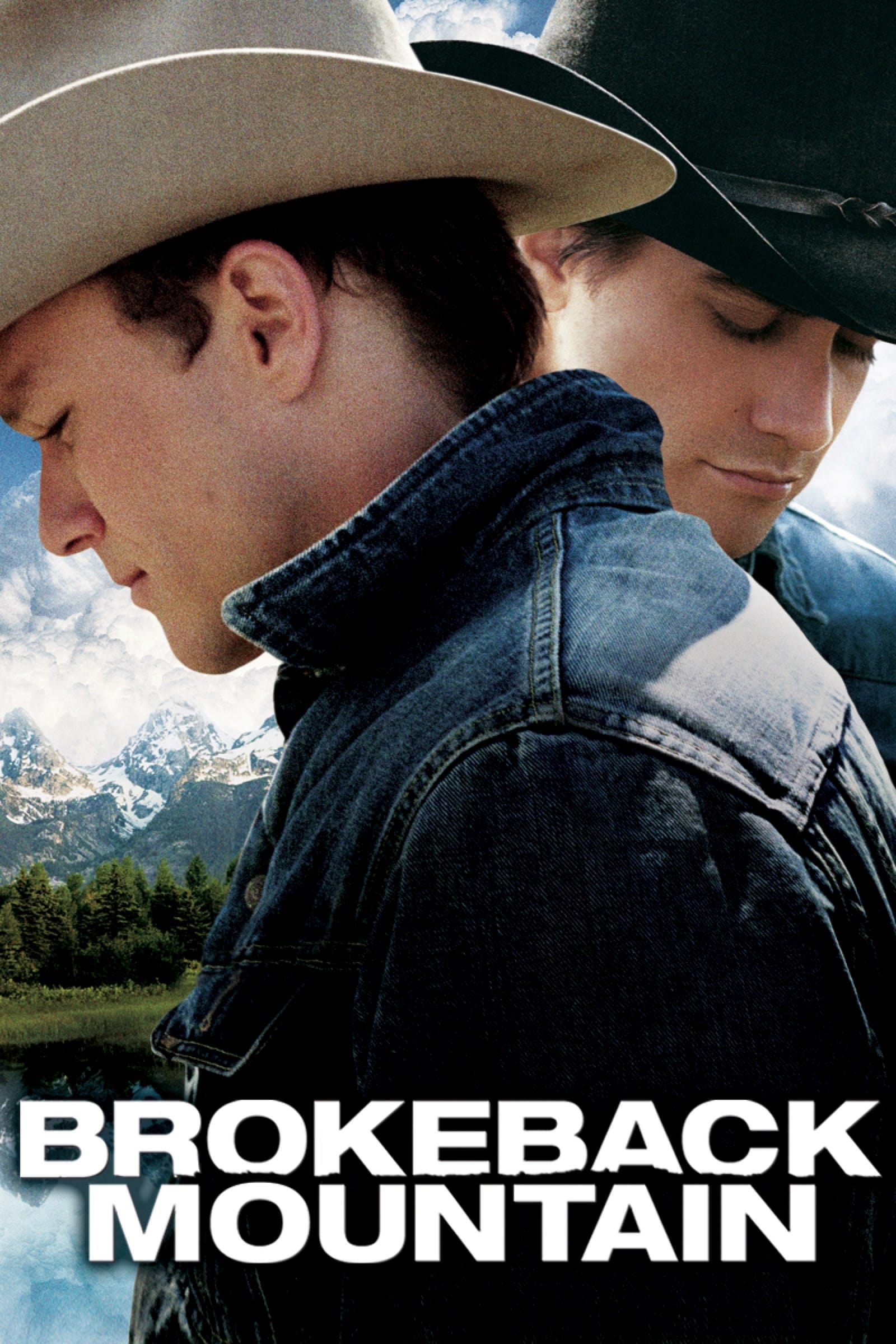
Ang Lee adapted Annie Proulx’s short story into a decades-spanning relationship drama set against rugged landscapes. Performances by Heath Ledger and Jake Gyllenhaal anchored a restrained visual approach emphasizing silence and routine. The score by Gustavo Santaolalla used sparse instrumentation to underscore intimacy. The film earned significant festival and Academy recognition, expanding mainstream visibility for queer romances.
‘Pride & Prejudice’ (2005)
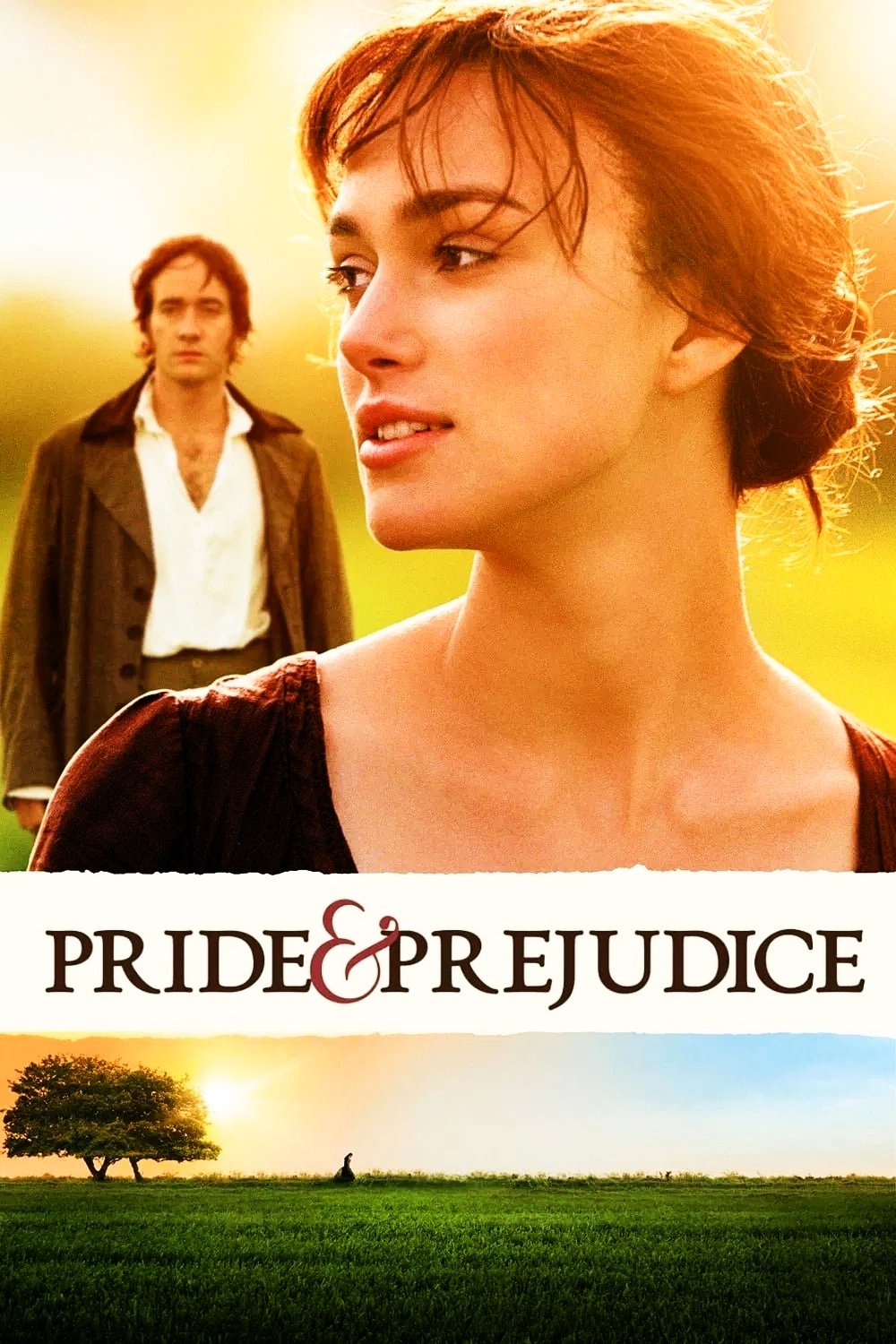
Joe Wright’s adaptation emphasized fluid long takes, pastoral locations, and social-dance sequences to reveal character. Production design contrasted manor houses with working farms to map class differences. Dario Marianelli’s piano-driven score integrated with diegetic dance music. Casting and costuming highlighted family dynamics within crowded interiors and formal gatherings.
‘Her’ (2013)
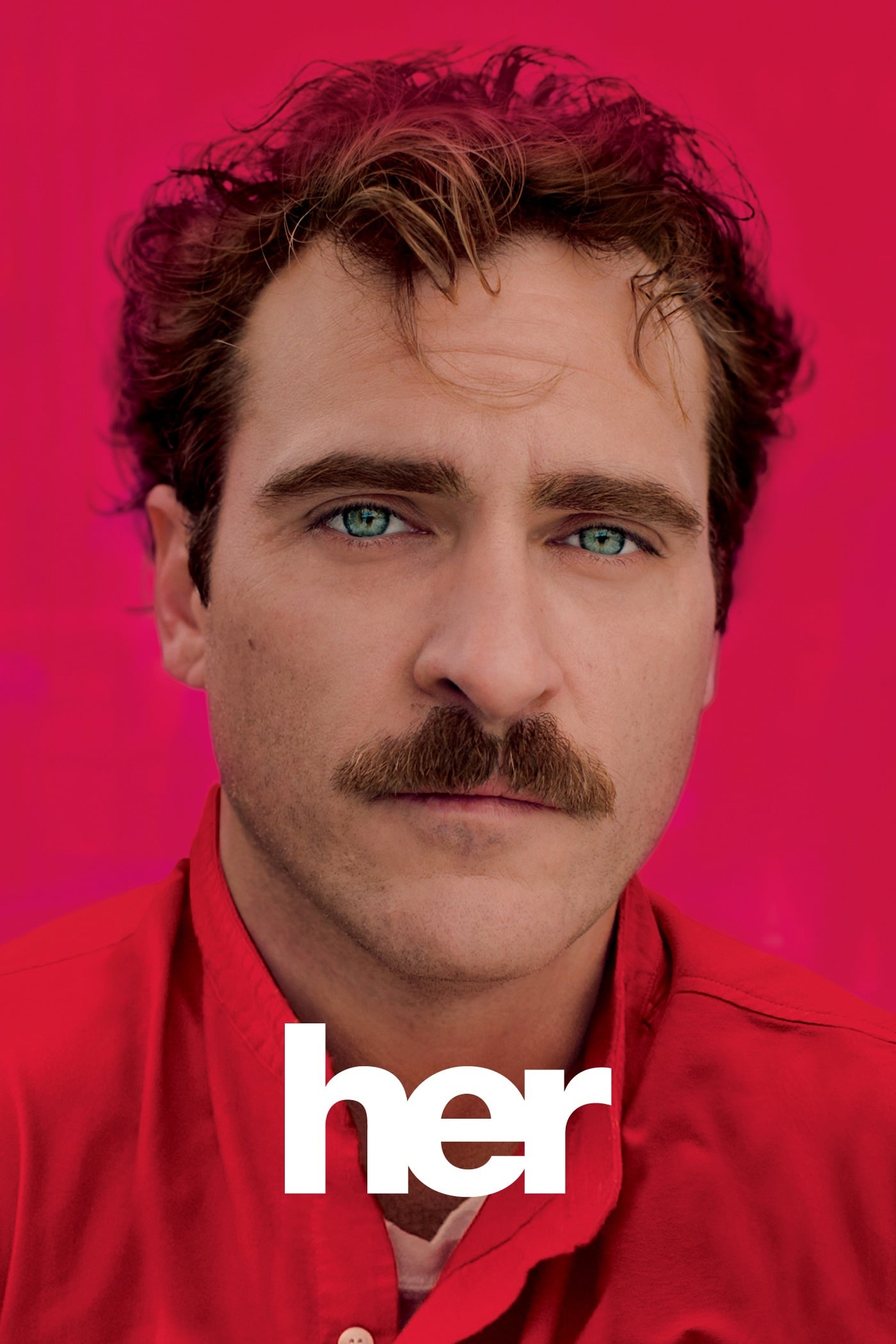
Spike Jonze crafted a near-future romance between a man and an operating system, focusing on voice performance and minimalistic design. The film’s palette and architecture leaned toward soft tones and curved forms, reflecting an intimate tech aesthetic. Original music and careful sound design conveyed presence for an unseen character. The screenplay received major awards recognition for its original concept and execution.
‘La La Land’ (2016)
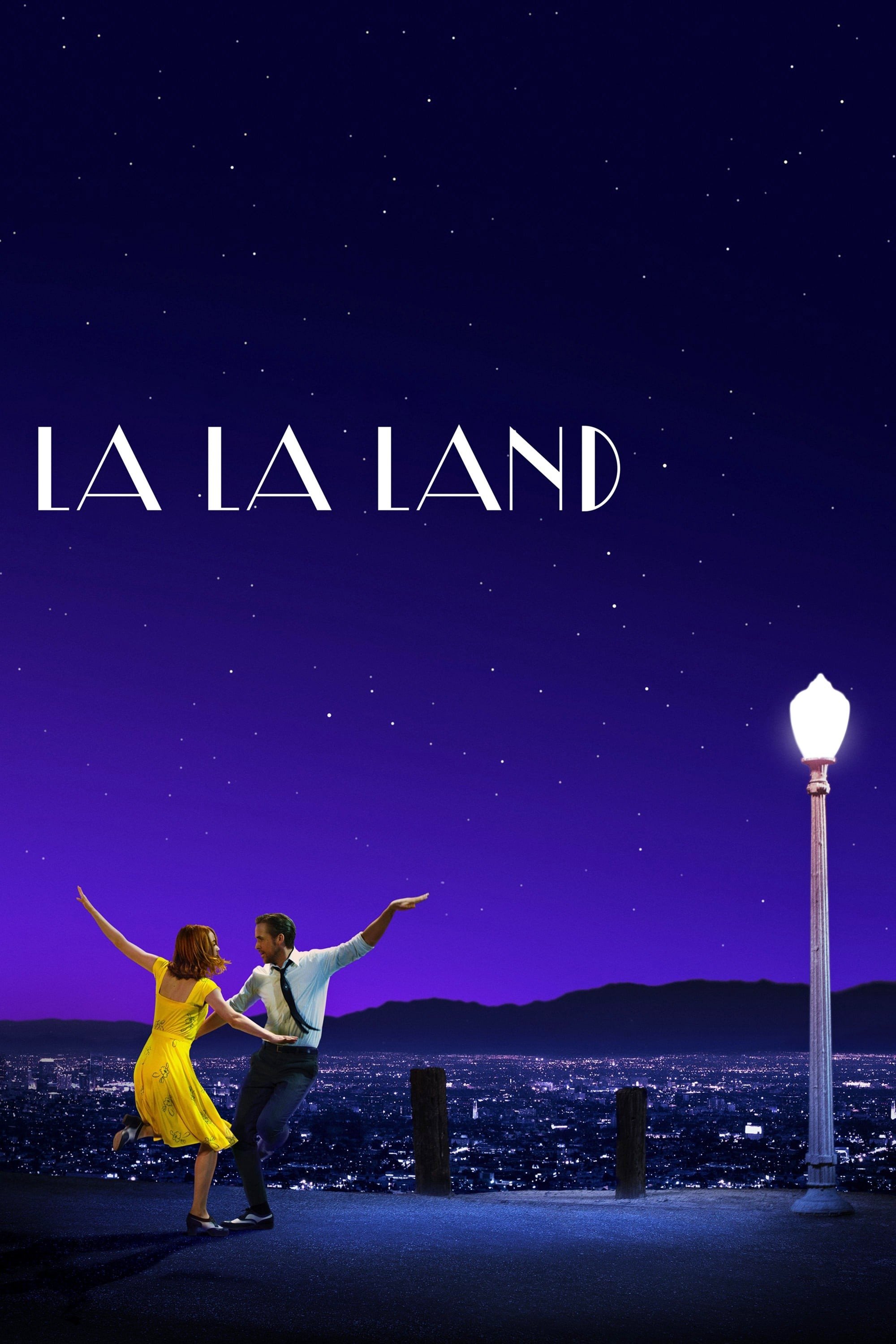
Damien Chazelle revived the screen musical with single-take set-pieces, wide-frame choreography, and jazz-inflected scoring. Production numbers were staged across freeways, observatories, and soundstages, blending location work with studio craft. Cinematography and color design nodded to classic musicals while using modern lighting technology. The film collected multiple Academy Awards across directing, music, and technical categories.
‘Call Me by Your Name’ (2017)
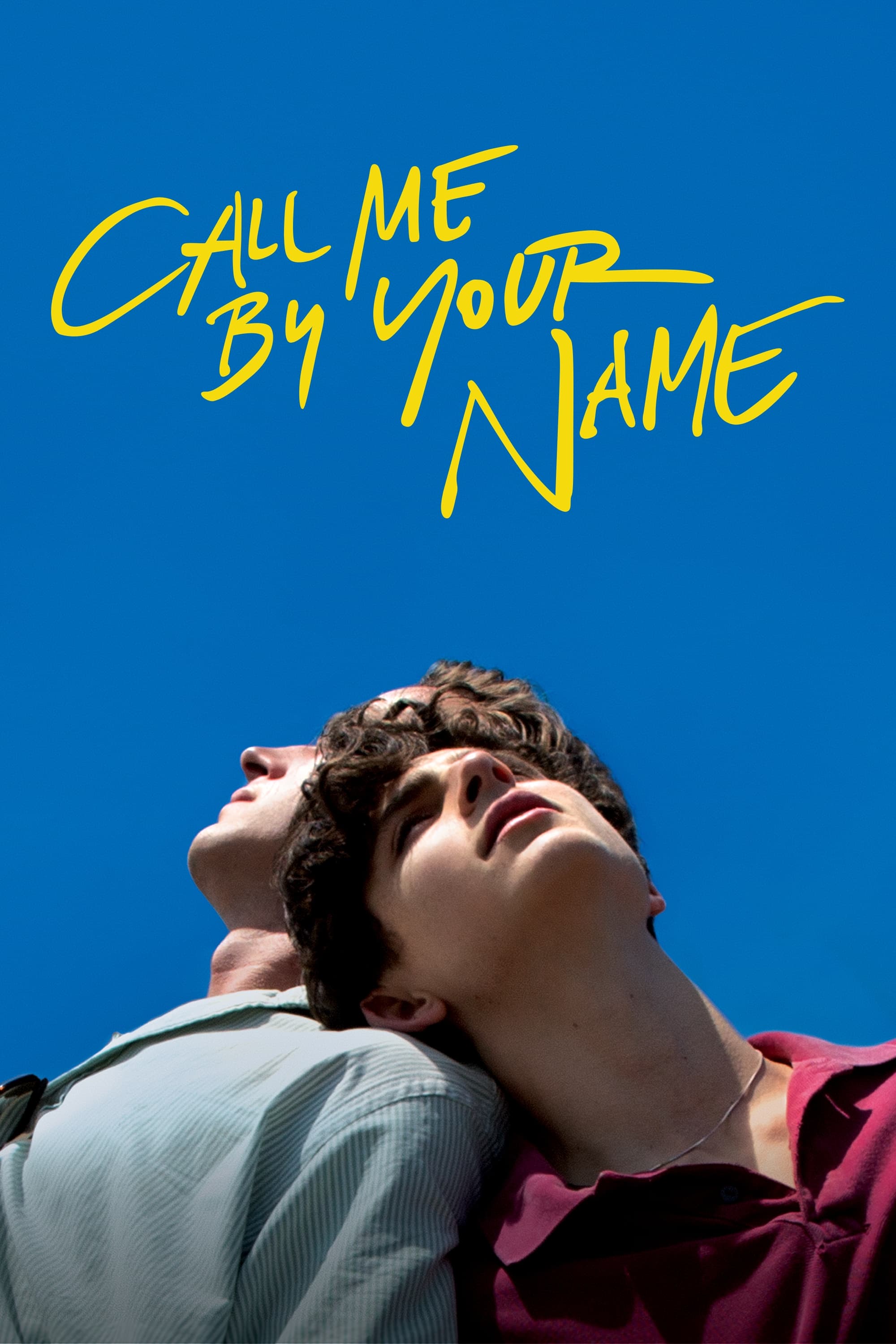
Luca Guadagnino’s film adapted André Aciman’s novel into a sun-drenched character study of first love. Location shooting in Northern Italy emphasized architecture, landscape, and seasonal detail. A mix of classical pieces and original songs shaped the film’s musical identity. Festival premieres and subsequent accolades broadened international distribution and audience reach.
‘Portrait of a Lady on Fire’ (2019)
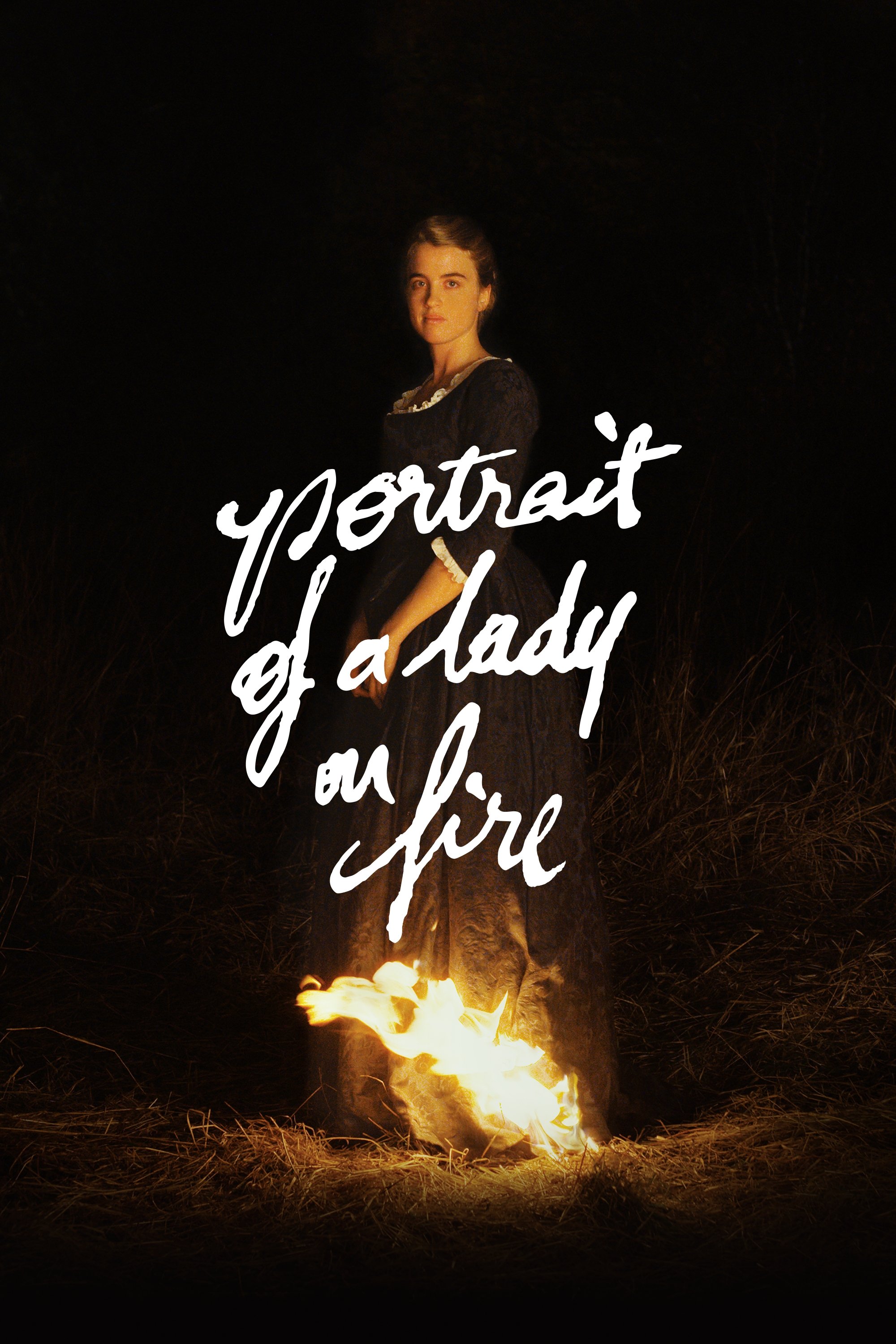
Céline Sciamma directed a painter-subject romance framed by detailed period craft and deliberate pacing. Natural lighting and restrained camera movement foregrounded faces, fabrics, and gesture. The film’s soundscape largely eschewed non-diegetic music, emphasizing breath and environment. It won major festival awards for screenplay and queer cinema, reinforcing its global profile.
‘The Philadelphia Story’ (1940)

Directed by George Cukor and adapted from Philip Barry’s play, this screwball classic stars Katharine Hepburn, Cary Grant, and James Stewart in a socialite–reporter–ex-husband triangle. The production revived Hepburn’s box-office standing through a property she helped shepherd to the screen. Rapid-fire dialogue and ensemble blocking became a model for high-society romantic comedies. Its success encouraged further stage-to-screen transfers with sophisticated relationship dynamics.
‘Notorious’ (1946)
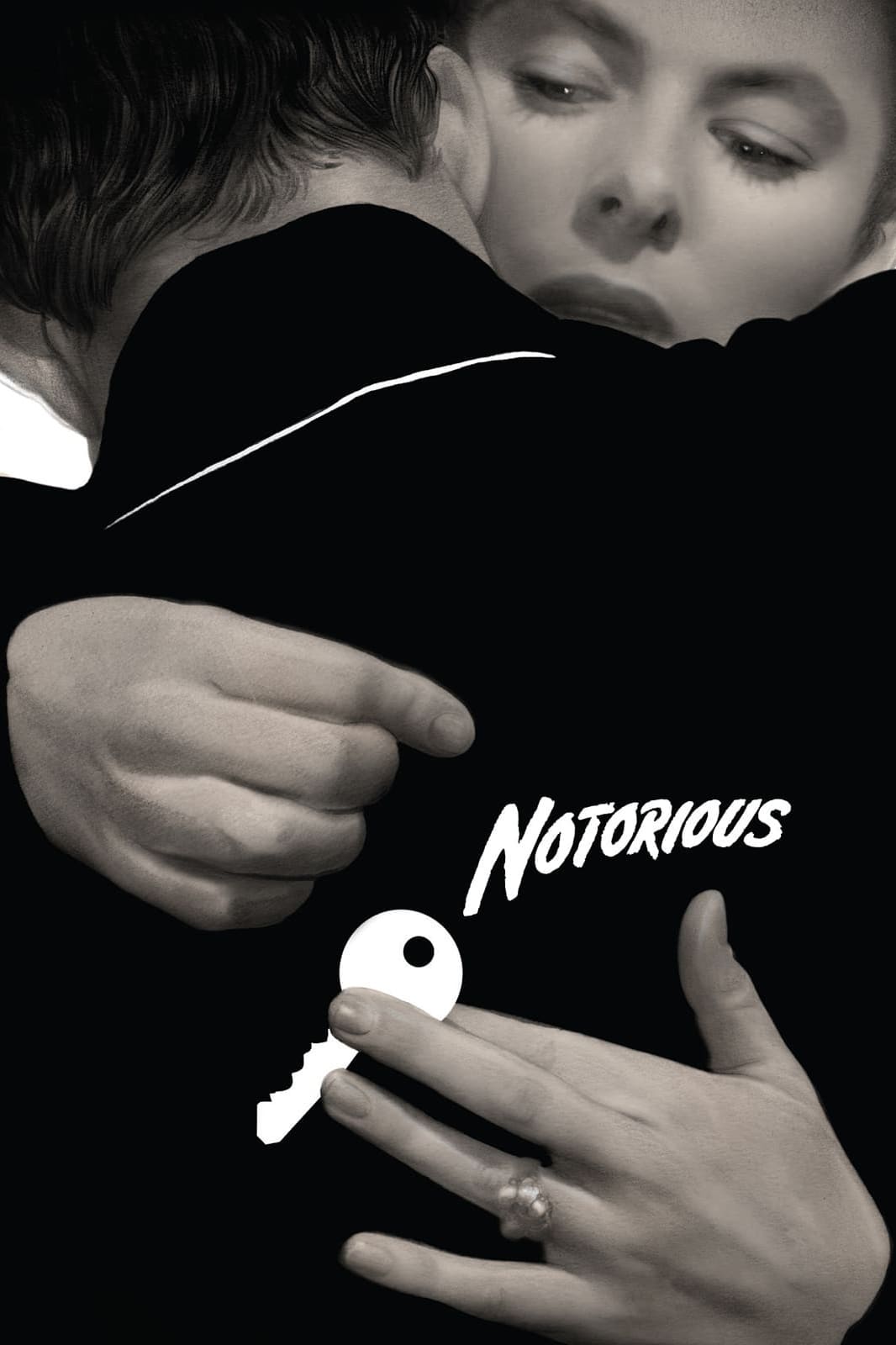
Alfred Hitchcock fused espionage mechanics with a central romance between characters played by Ingrid Bergman and Cary Grant. The film’s extended kissing sequence navigated censorship limits through intercut takes, influencing how intimacy was staged on screen. A uranium-filled MacGuffin, deep-focus interiors, and crane shots reinforced tension within domestic spaces. Its blend of thriller plotting and romantic stakes became a template for later genre hybrids.
‘The African Queen’ (1951)
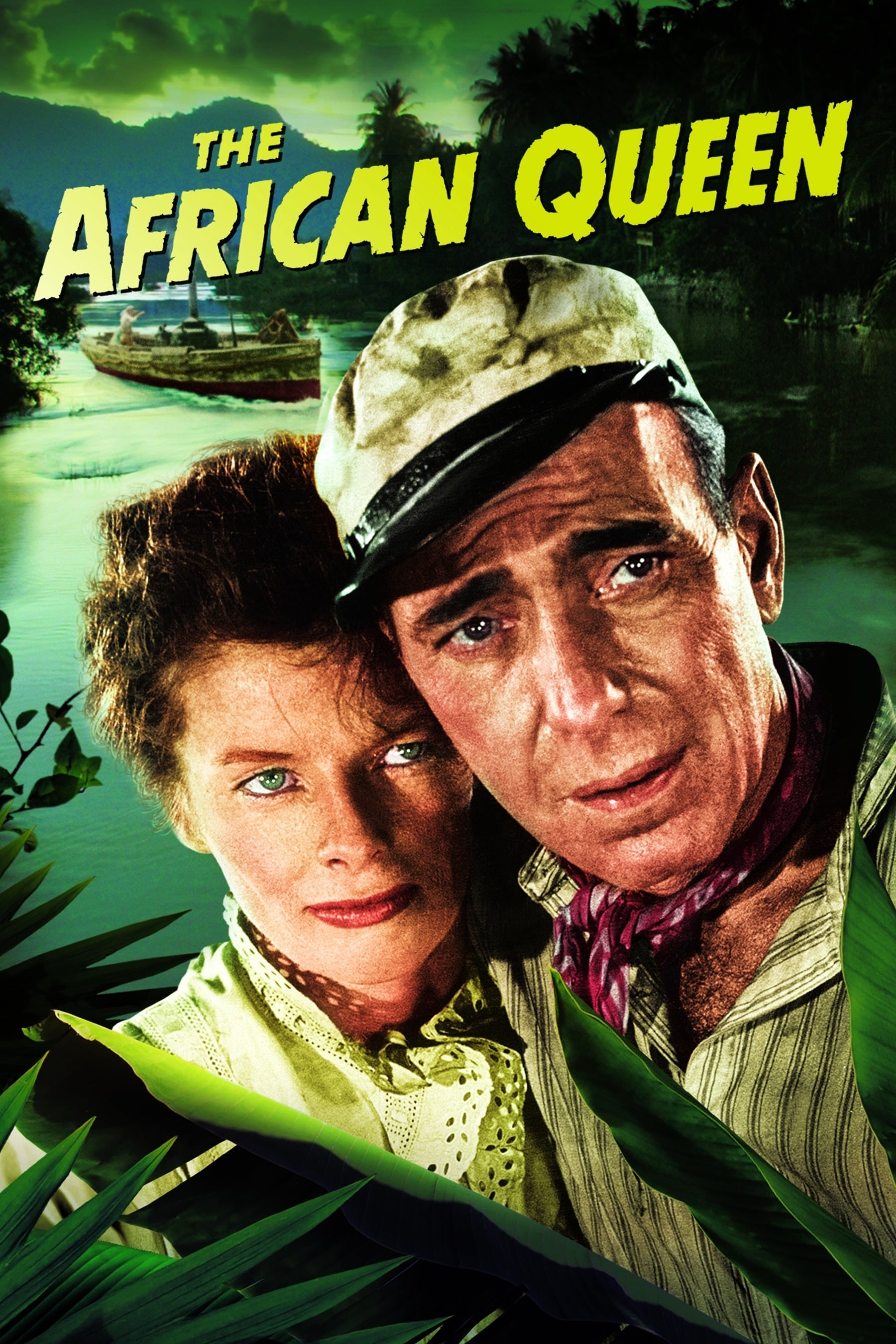
John Huston filmed on location in Africa with Humphrey Bogart and Katharine Hepburn, using river settings and practical challenges as narrative texture. The production’s use of real landscapes expanded the scope for adventure romances beyond studio backlots. Chemistry grows through mechanical problem-solving—repairs, navigation, and improvisation—integrated into the story’s structure. The film’s acclaim cemented travelogue realism as a draw for romantic adventure.
‘Love Story’ (1970)
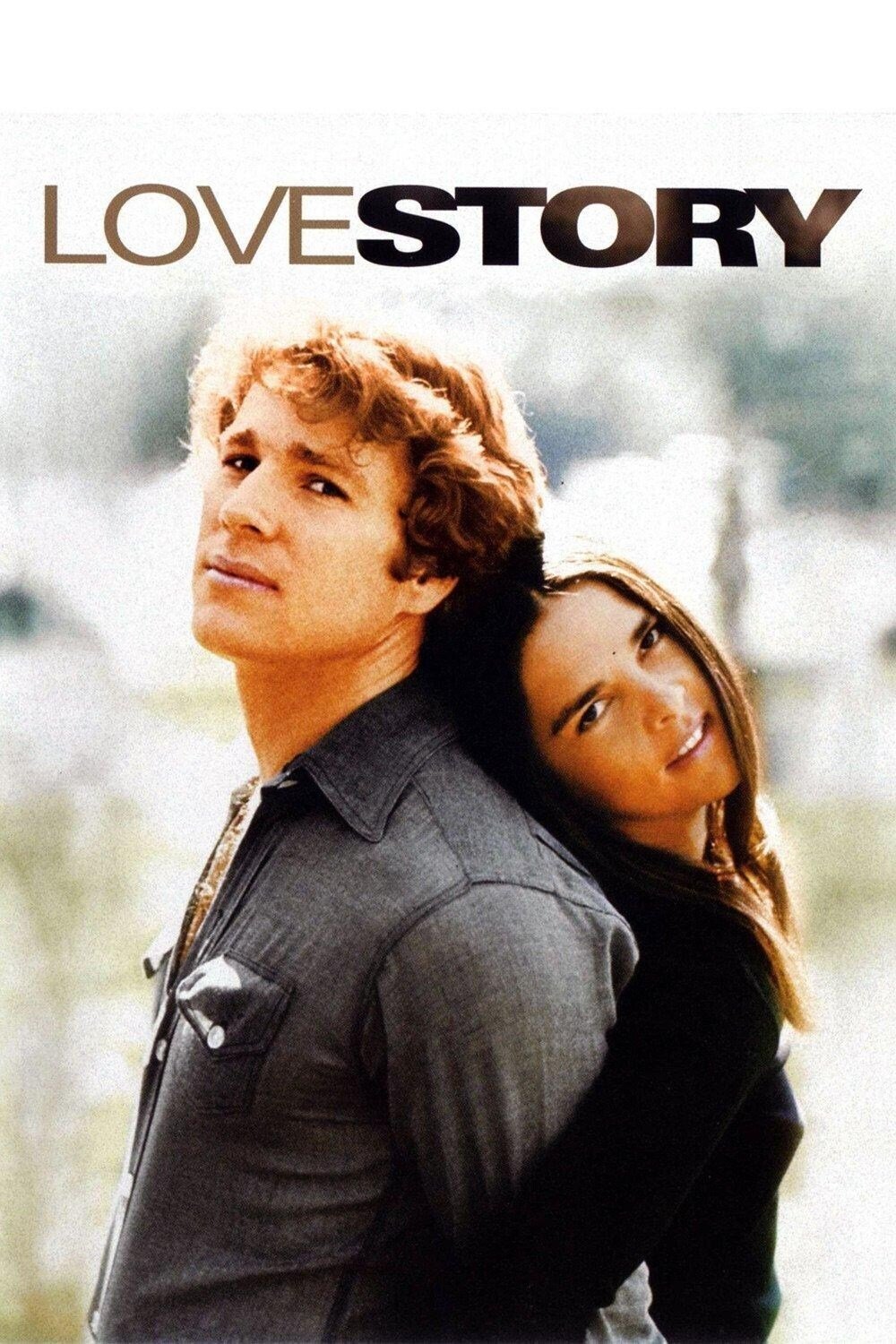
Adapted by Erich Segal from his best-selling novel, this campus-to-marriage drama paired Ali MacGraw and Ryan O’Neal. Its theme music became a charting single closely associated with the film’s identity. The streamlined narrative emphasized class difference and medical crisis within a contemporary urban setting. Its box-office impact spurred a wave of tearjerker romances and soundtrack-driven marketing.
‘The Way We Were’ (1973)
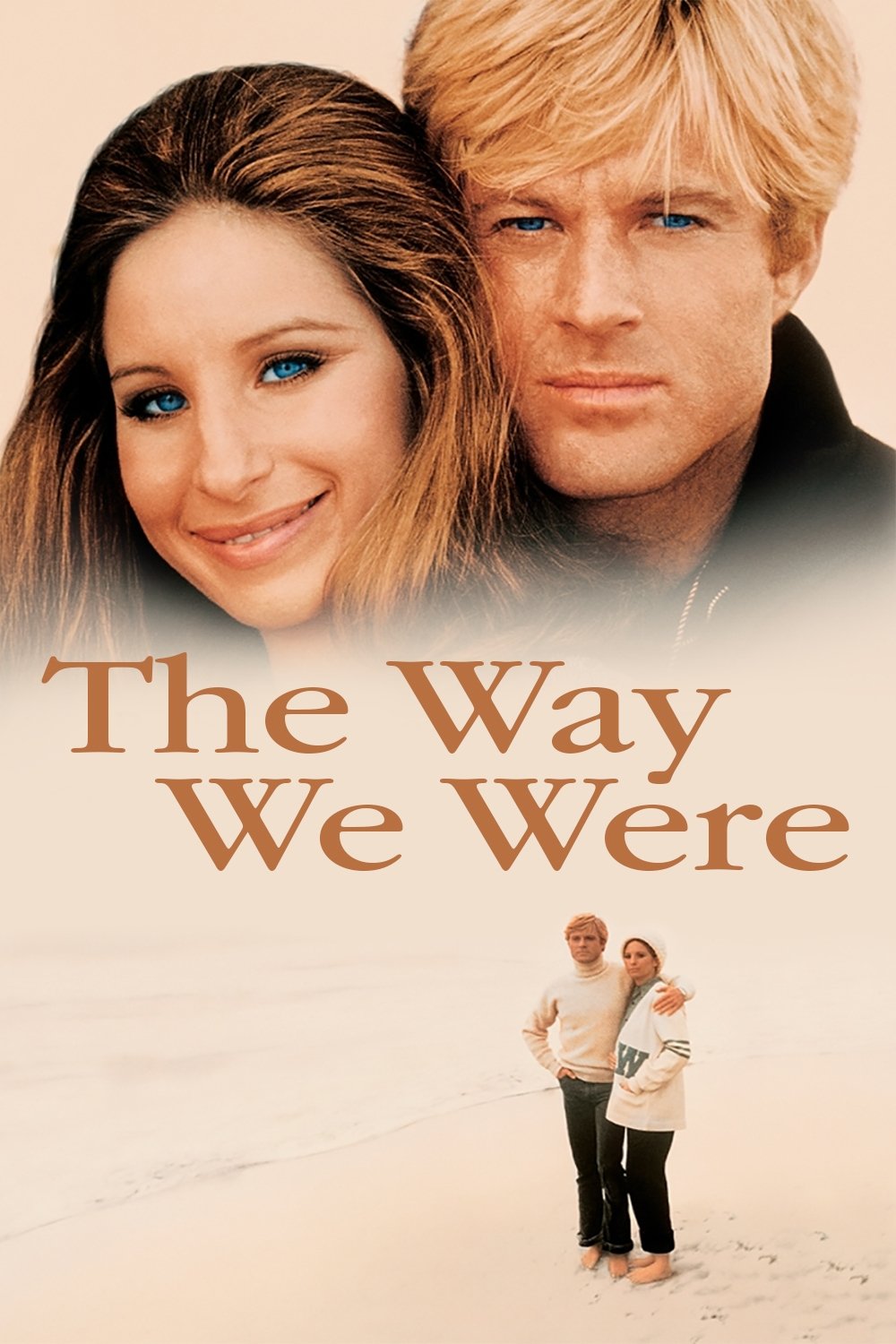
Sydney Pollack’s film follows politically mismatched lovers played by Barbra Streisand and Robert Redford across shifting historical backdrops. Iconic title music, period costuming, and campus-to-Hollywood settings underline the push–pull of ideals and nostalgia. The production balanced studio gloss with topical references to blacklist-era pressures. Its cultural footprint includes widely referenced dialogue and a frequently revived theme song.
‘Annie Hall’ (1977)
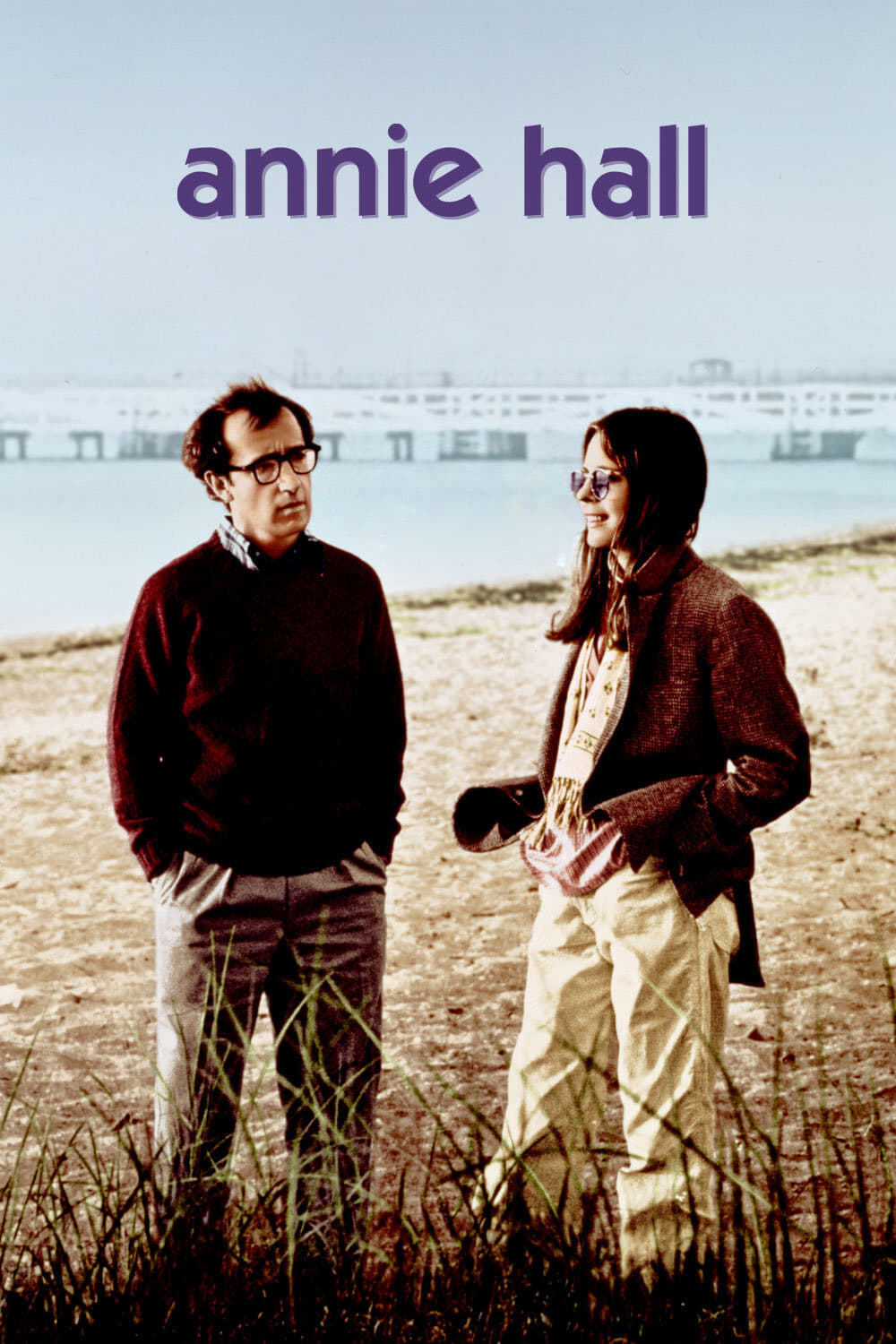
This New York–set romance employed fourth-wall breaks, split screens, and animated inserts to dissect a relationship’s phases. Location shooting across city landmarks grounded the vignettes in recognizable spaces. The script’s collage-like structure influenced subsequent conversational romances with meta elements. Wardrobe choices, including understated streetwear, helped seed a widely imitated urban style.
‘Say Anything…’ (1989)

Cameron Crowe’s debut centers on high-school graduates navigating post-ceremony uncertainty, anchored by John Cusack and Ione Skye. The film’s boom box scene became an enduring pop-culture image tied to character vulnerability. Dialogue balances aspiration, family pressure, and early-adult logistics like visas and scholarships. Its focus on supportive partnership set a reference point for later teen-to-young-adult romances.
‘Ghost’ (1990)
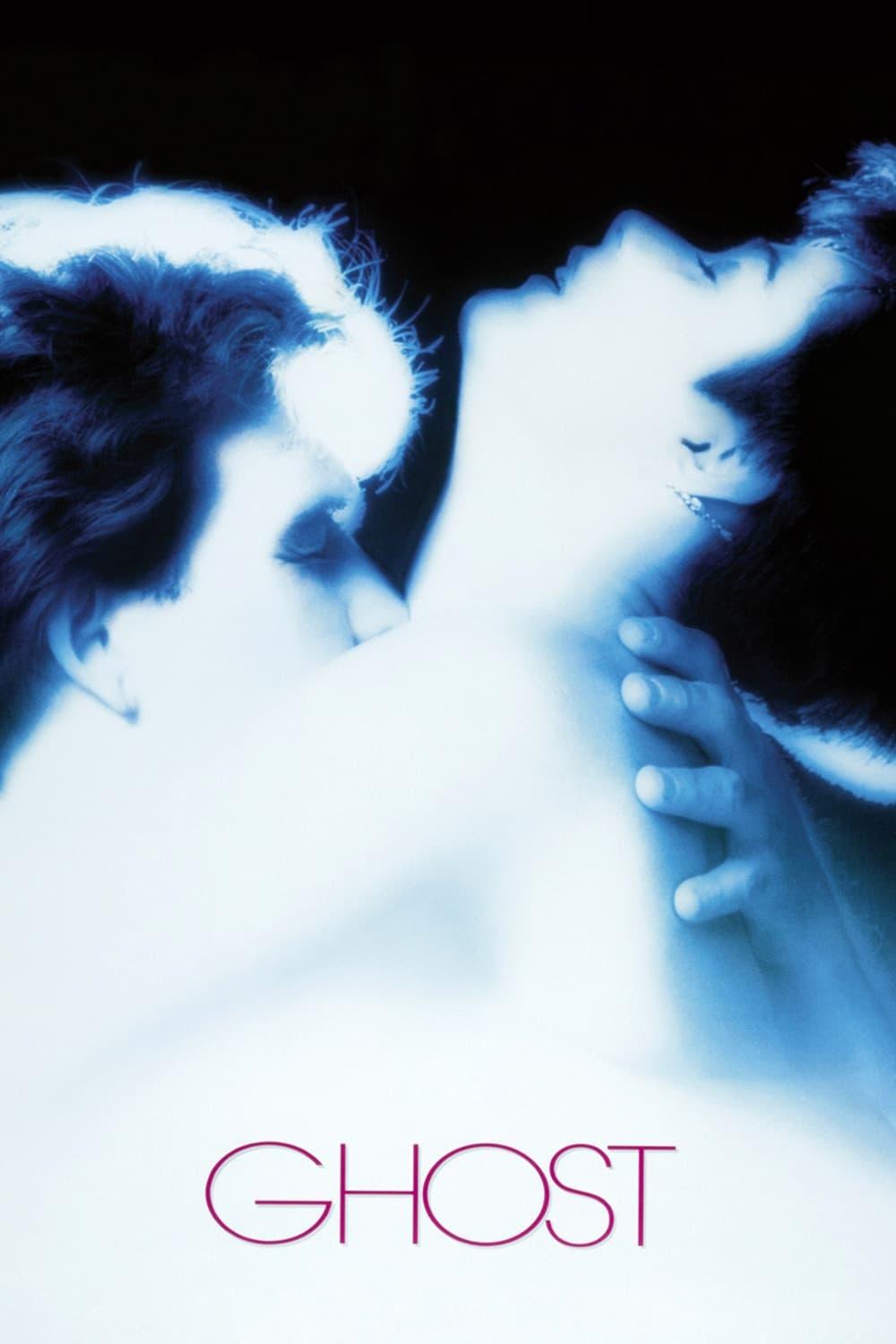
This supernatural romance intertwines grief, crime investigation, and afterlife rules, starring Patrick Swayze, Demi Moore, and Whoopi Goldberg. Visual effects and practical pottery-wheel staging turned domestic intimacy into a memorable set piece. The screenplay structures clues and spiritual visits to advance both mystery and emotional closure. Its crossover success broadened audience appetite for genre-mixing love stories.
‘The English Patient’ (1996)
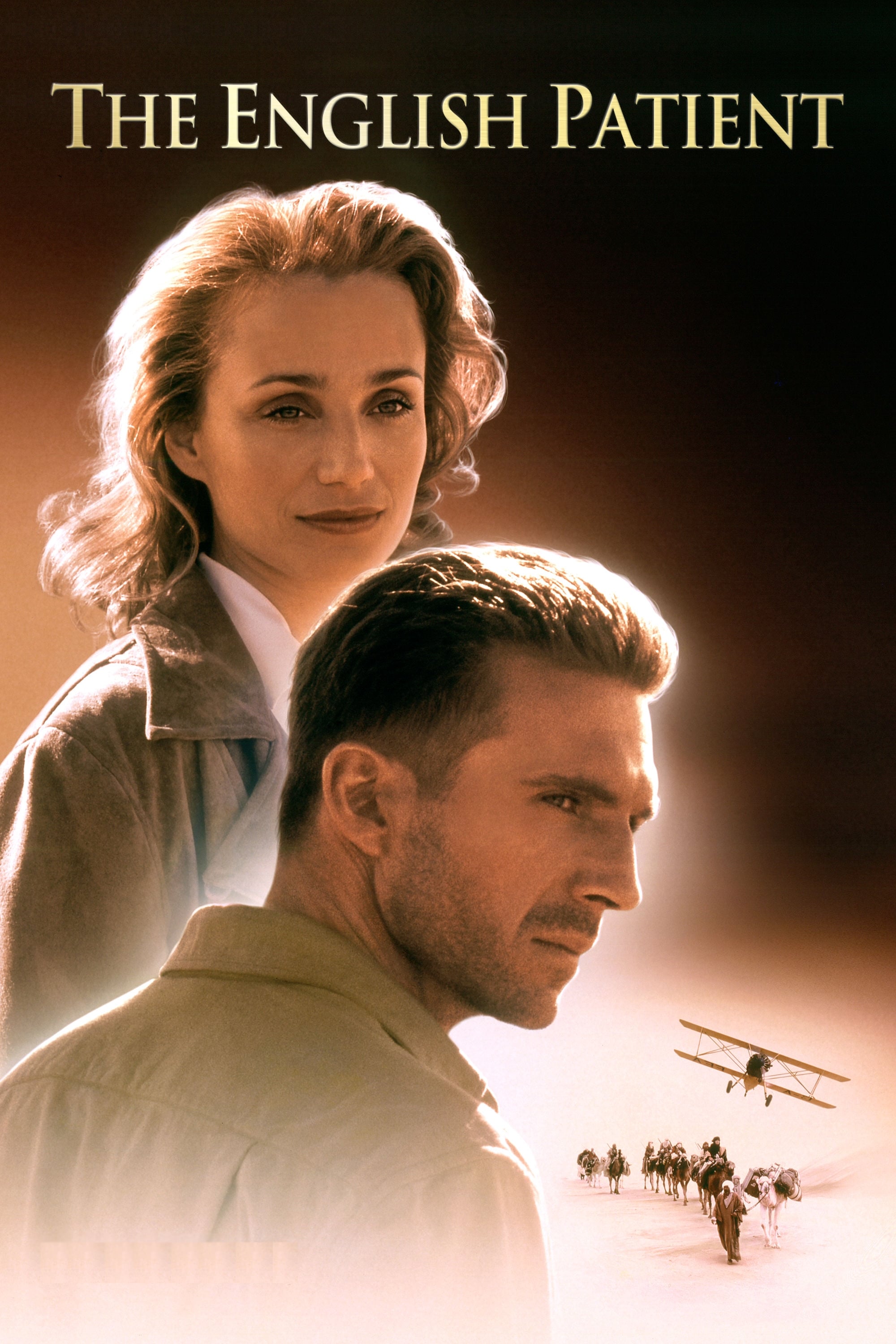
Anthony Minghella adapted Michael Ondaatje’s novel into a dual-timeline romance set against wartime desert exploration and hospital recovery. Aerial and desert cinematography, archival mapping motifs, and cartography props link memory with geography. Production design recreated desert outposts and monastic interiors to contrast expansiveness and confinement. The film received extensive awards recognition across picture, direction, and craft categories.
‘Jerry Maguire’ (1996)
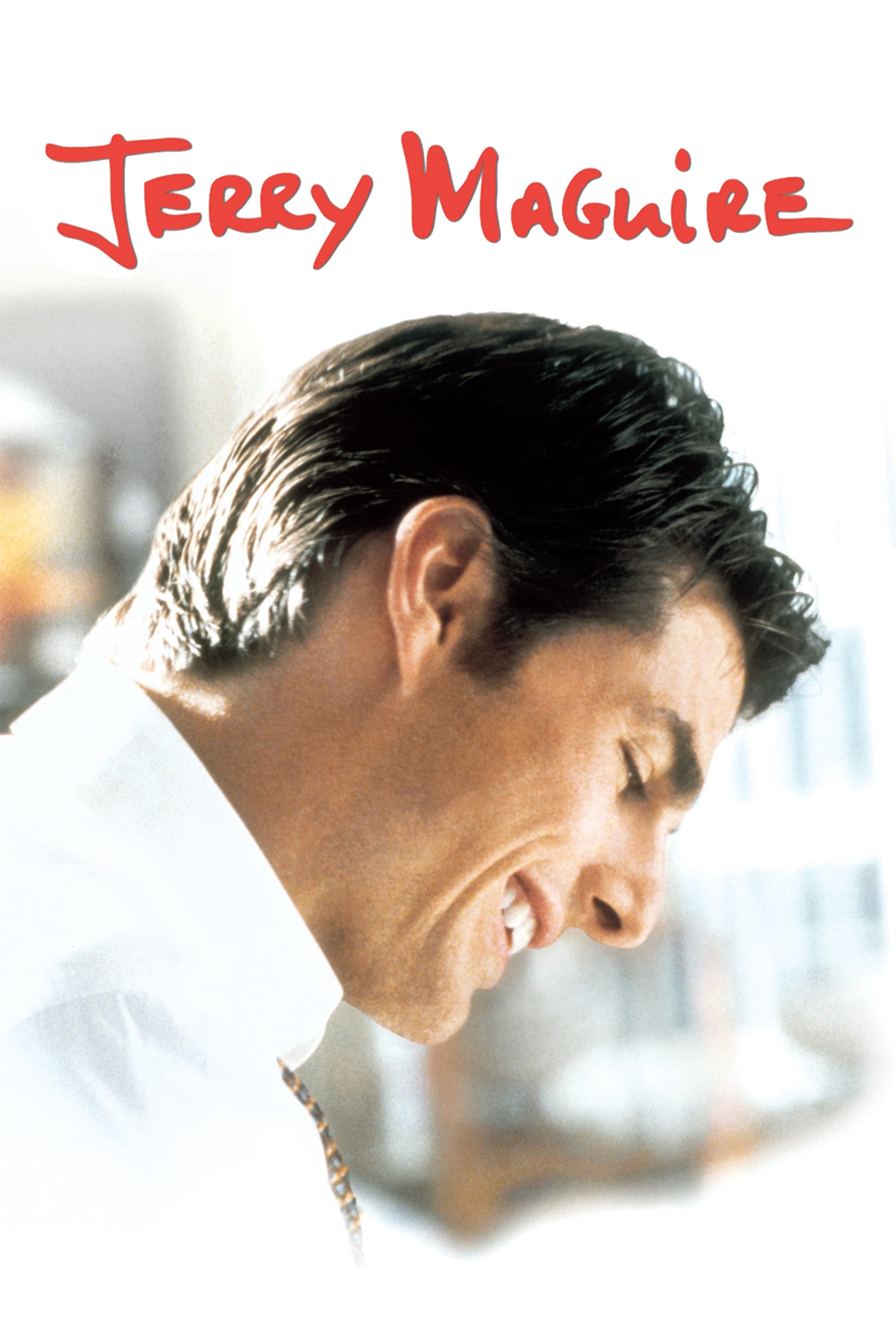
Set in sports management, this romance pairs professional reinvention with an evolving partnership between leads played by Tom Cruise and Renée Zellweger. The narrative integrates contract negotiations, agency politics, and client–agent dynamics as relationship catalysts. Quotable lines and a child co-lead amplified the film’s cultural reach across media. Its soundtrack and cross-sport cameos reinforced a contemporary, industry-specific backdrop for love and loyalty.
‘Notting Hill’ (1999)
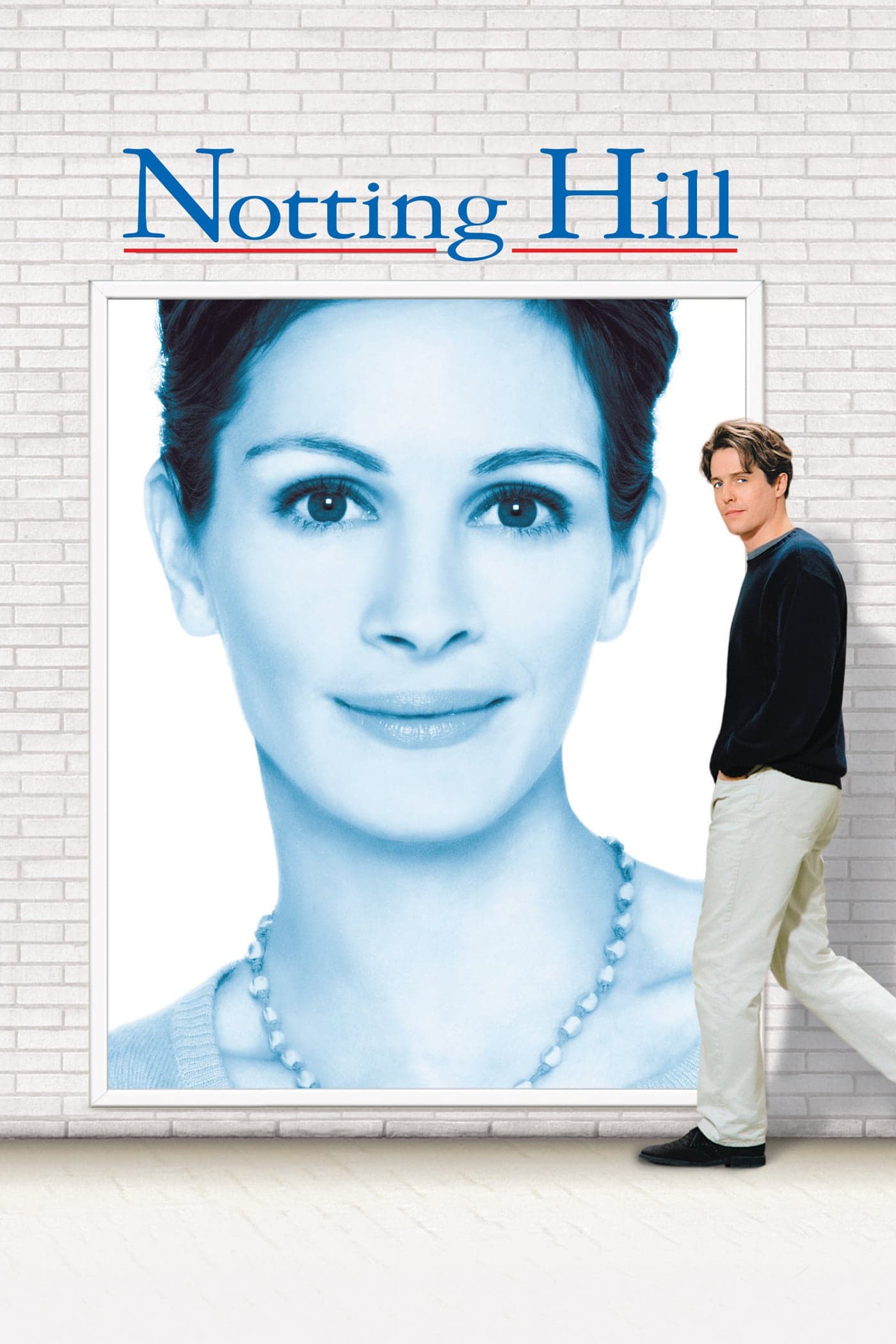
Richard Curtis’s script places a small-bookshop owner opposite a global movie star, using London neighborhoods and press junkets as key settings. Set pieces like mistaken identities and chaotic press rooms drive the romantic obstacles. Ensemble support characters form a recurring house–dinner axis that structures emotional beats. The film’s dialogue cadence and gentle humor shaped late-’90s British-American rom-com exports.
‘Once’ (2007)
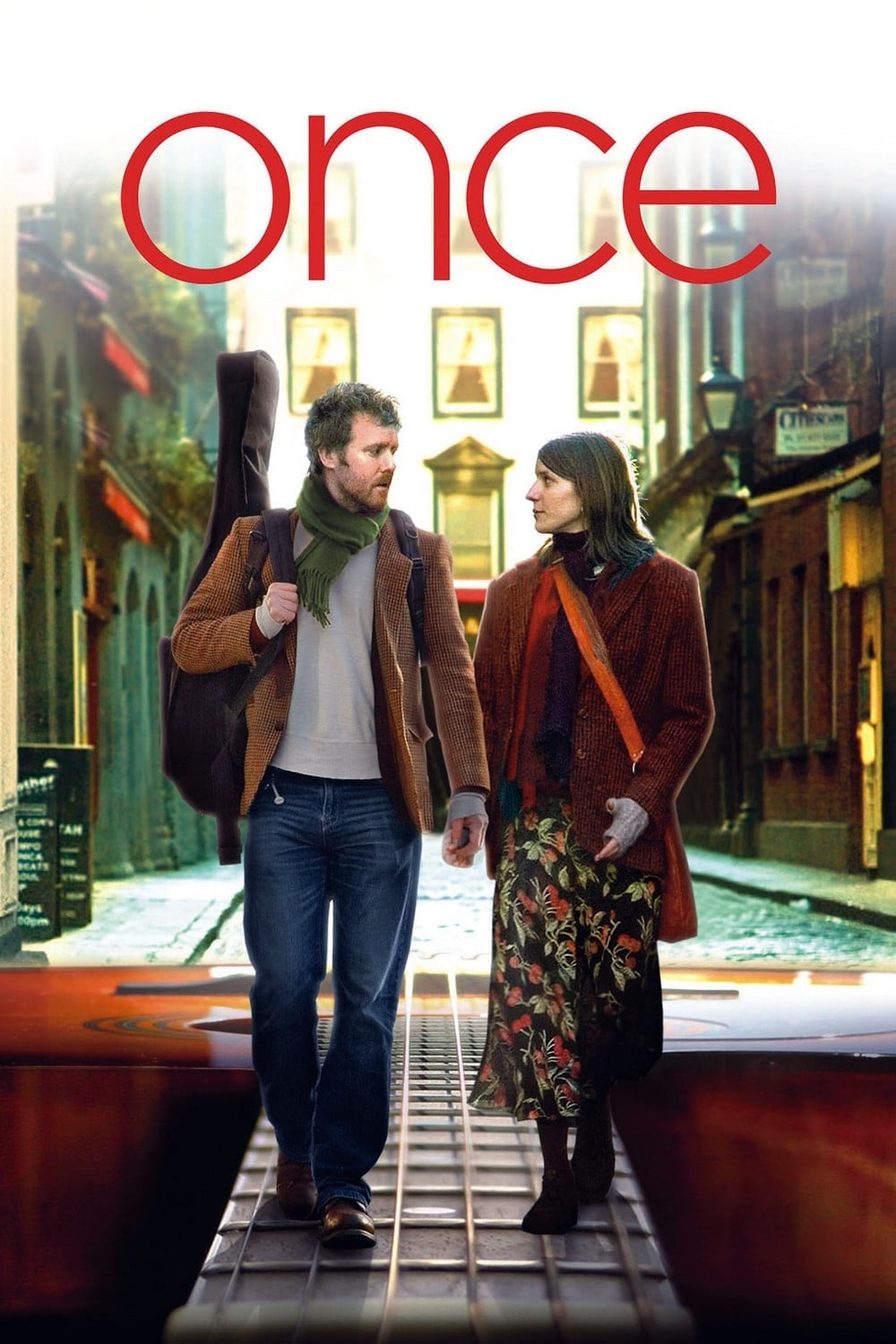
Shot with a modest budget in Dublin, this musician–songwriter romance uses diegetic performances to move the plot. Street-busking, shop rehearsals, and improvised studio sessions build a naturalistic progression from meeting to collaboration. The soundtrack album extended the story’s reach, with songs performed by the leads. Its success demonstrated the viability of microbudget, music-centered romances for international audiences.
‘Blue Valentine’ (2010)
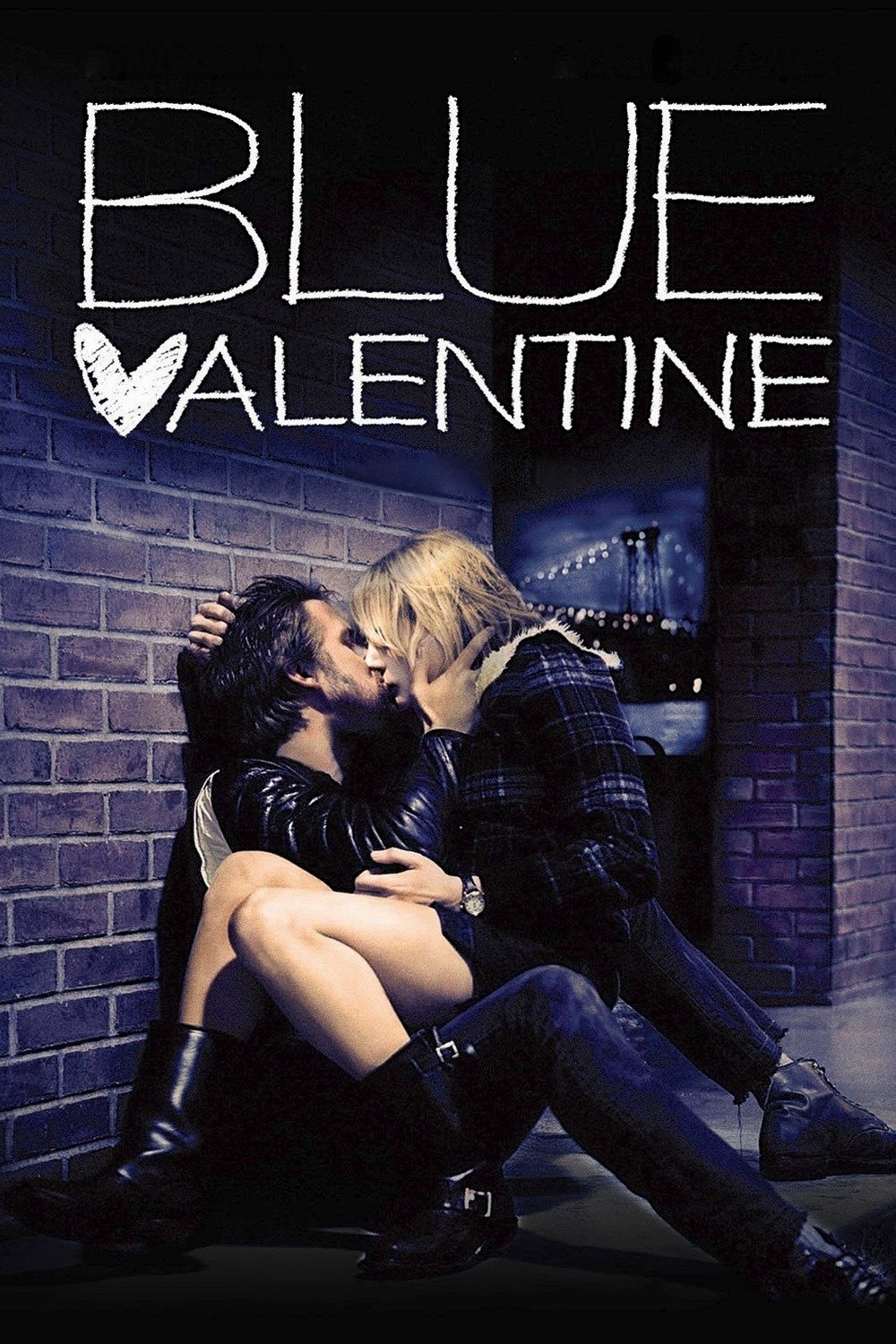
Derek Cianfrance structured this relationship drama with intercut timelines, contrasting courtship with later domestic strain. Handheld camerawork and location sound favor immediacy over stylization, while production designed lived-in spaces. The film’s approach to improvisation and intimacy coordination shaped a raw, documentary-adjacent feel. Its reception highlighted appetite for unvarnished portraits of long-term partnerships.
‘A Star Is Born’ (2018)
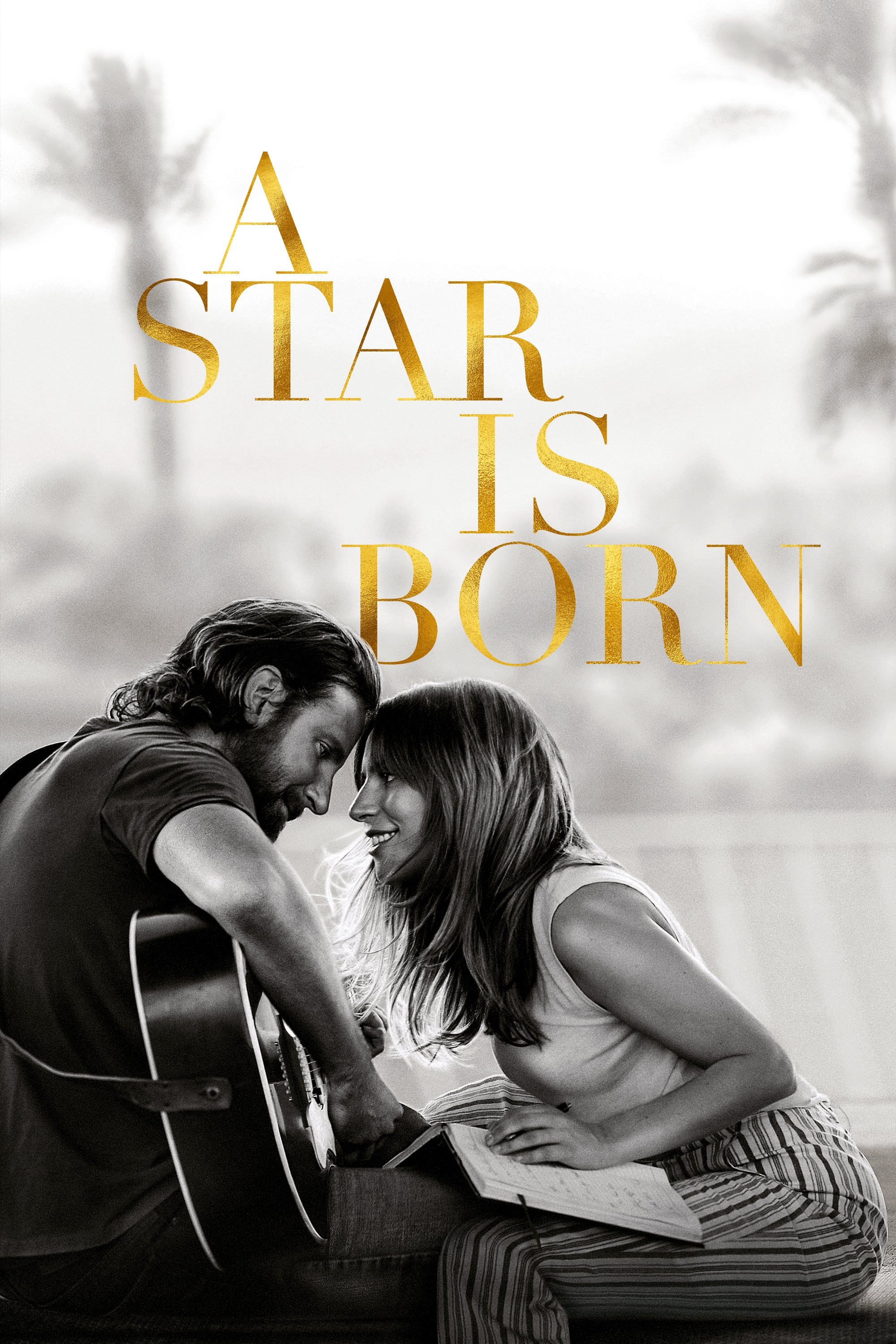
Bradley Cooper’s retelling foregrounds mentorship, addiction, and career trade-offs within the music industry. Live-performance capture, in-ear monitoring, and concert-stage shooting lend authenticity to onstage sequences. Original songs integrate directly with character arcs, culminating in a widely covered finale number. The film achieved strong awards and chart presence, reinforcing the musical-romance crossover model.
‘The Shape of Water’ (2017)
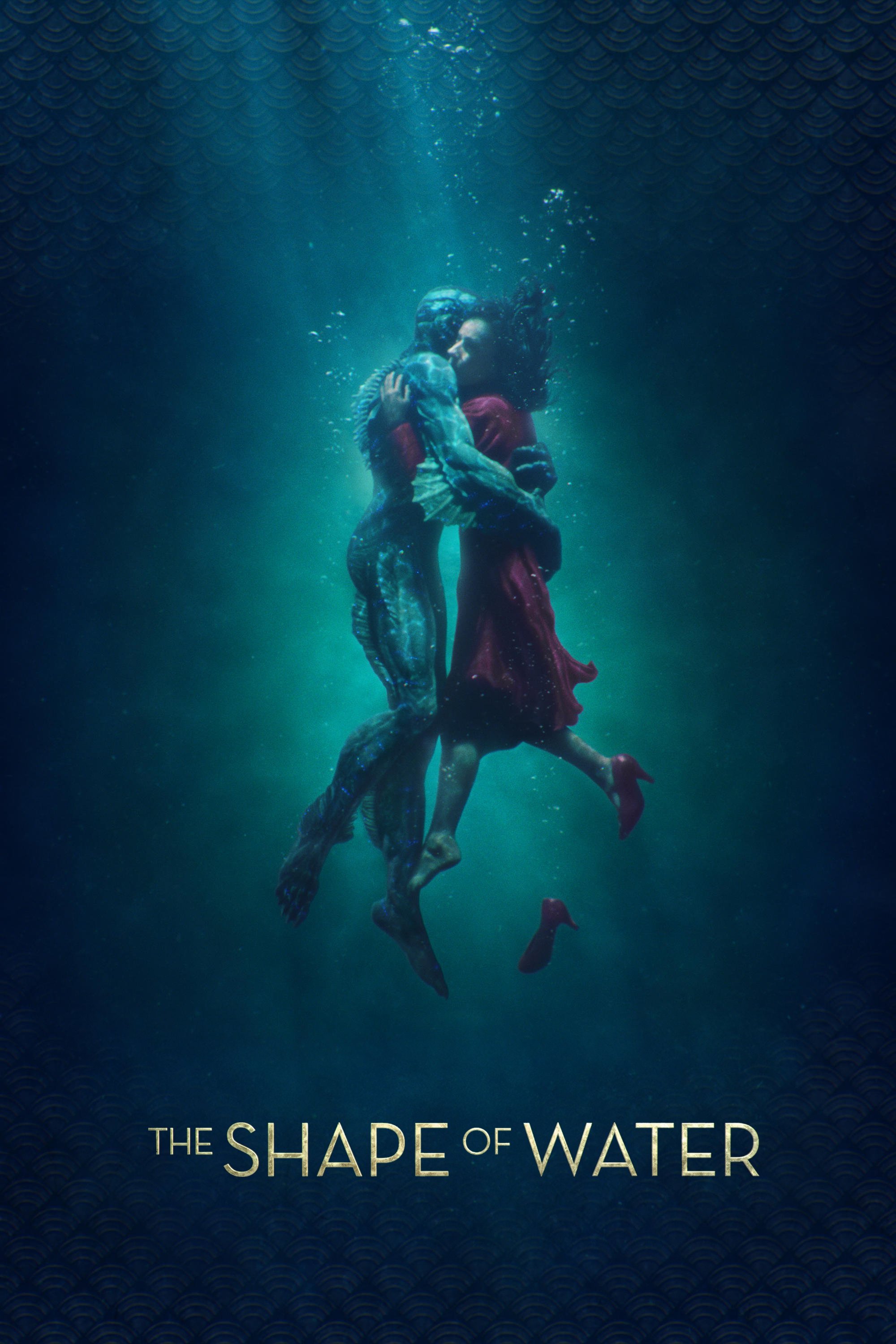
Guillermo del Toro’s romance blends Cold War lab intrigue with a wordless central love story between a custodian and an amphibious being. Production design mixes teal-industrial palettes with period advertising and cinema marquees to situate the narrative. Practical creature effects, underwater staging, and dance-inflected fantasy sequences expand the genre’s visual vocabulary. The film earned top-tier festival and Academy honors, cementing the viability of fantasy-forward romantic storytelling.
Share your favorites from this list—and any influential titles we missed—in the comments!

