


The Most Influential Teen Actresses of All Time

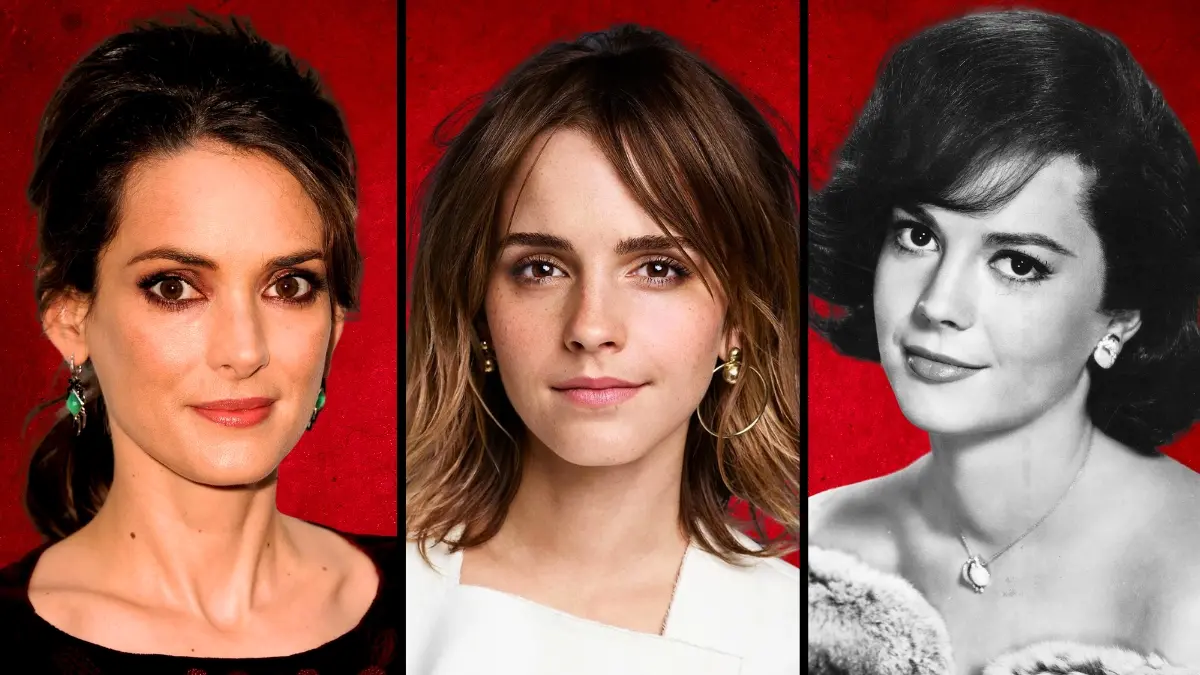


From studio-era prodigies to streaming-era phenoms, teen actresses have shaped pop culture, set box-office records, and anchored franchises long before turning 20. Many carried award-winning films, fronted globally syndicated TV shows, or led billion-dollar series that defined their generation. Here are those whose teen-year work moved the industry, expanded opportunities, and built fanbases that still show up today.
Elizabeth Taylor
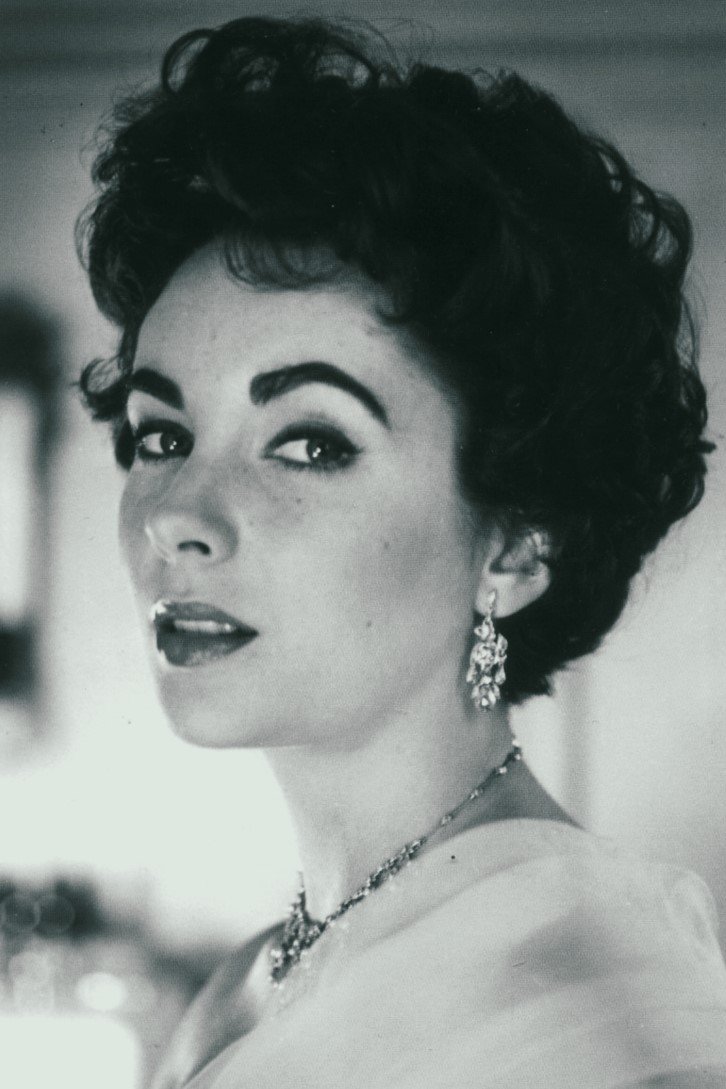
Taylor became a household name as a young rider in ‘National Velvet’, which turned into one of MGM’s top earners of the mid-1940s and launched her into leading roles while still a teenager. She transitioned from child star to teen leading lady in productions that kept her in front of international audiences. Studio contracts and fan-mag coverage made her an early template for teen celebrity management. Her teen-era visibility laid the groundwork for a career that later included multiple Academy Awards.
Judy Garland
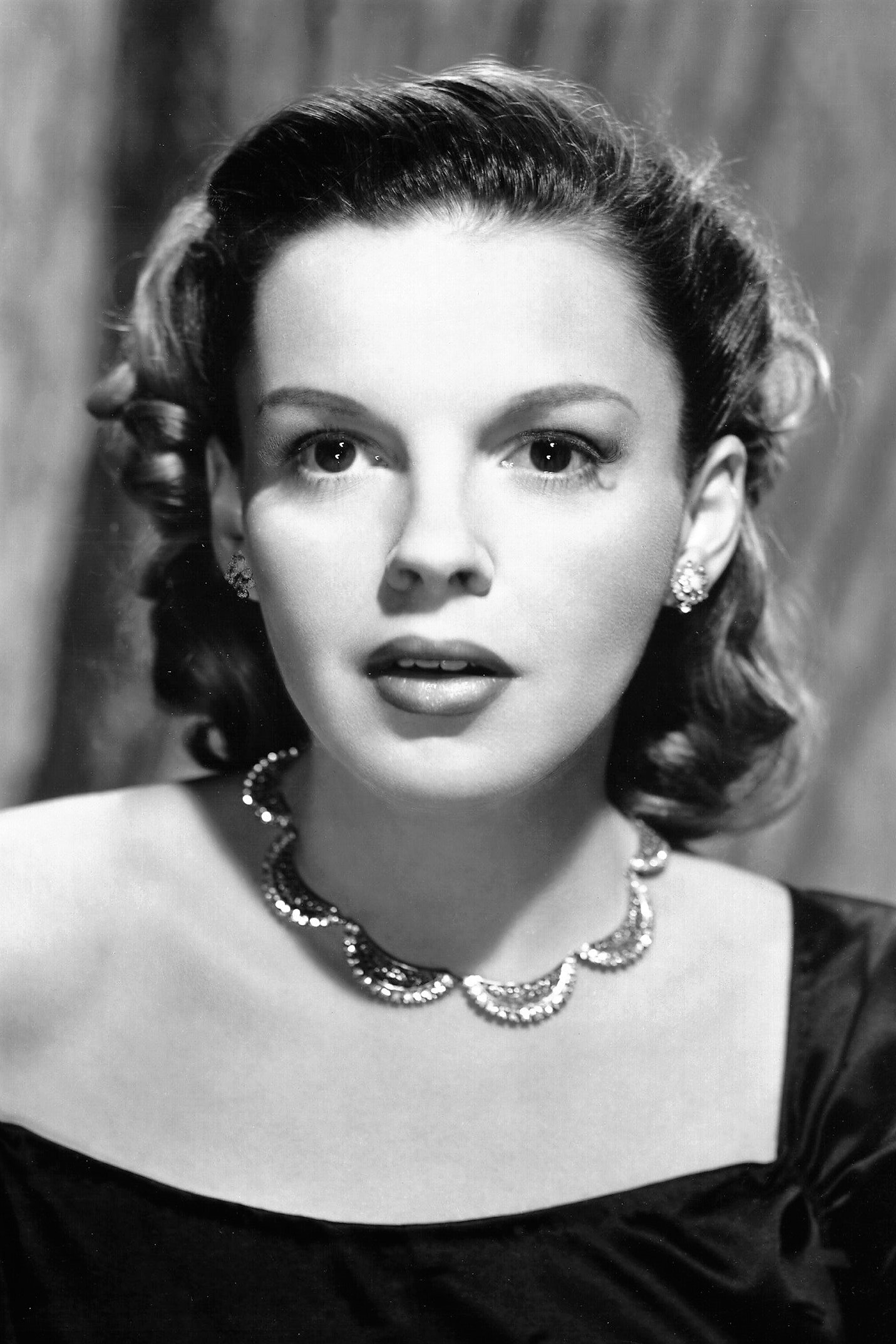
Garland’s performance in ‘The Wizard of Oz’ as a teenager established signature songs, imagery, and distribution milestones that studios recycled for decades. She sustained a heavy radio, stage, and film schedule while under contract, tying music sales to movie promotion in a way that became standard. Touring and soundtrack releases helped define cross-media stardom for teen performers. Her work set precedents for merchandising and reissue strategies that kept teen-led films profitable.
Natalie Wood
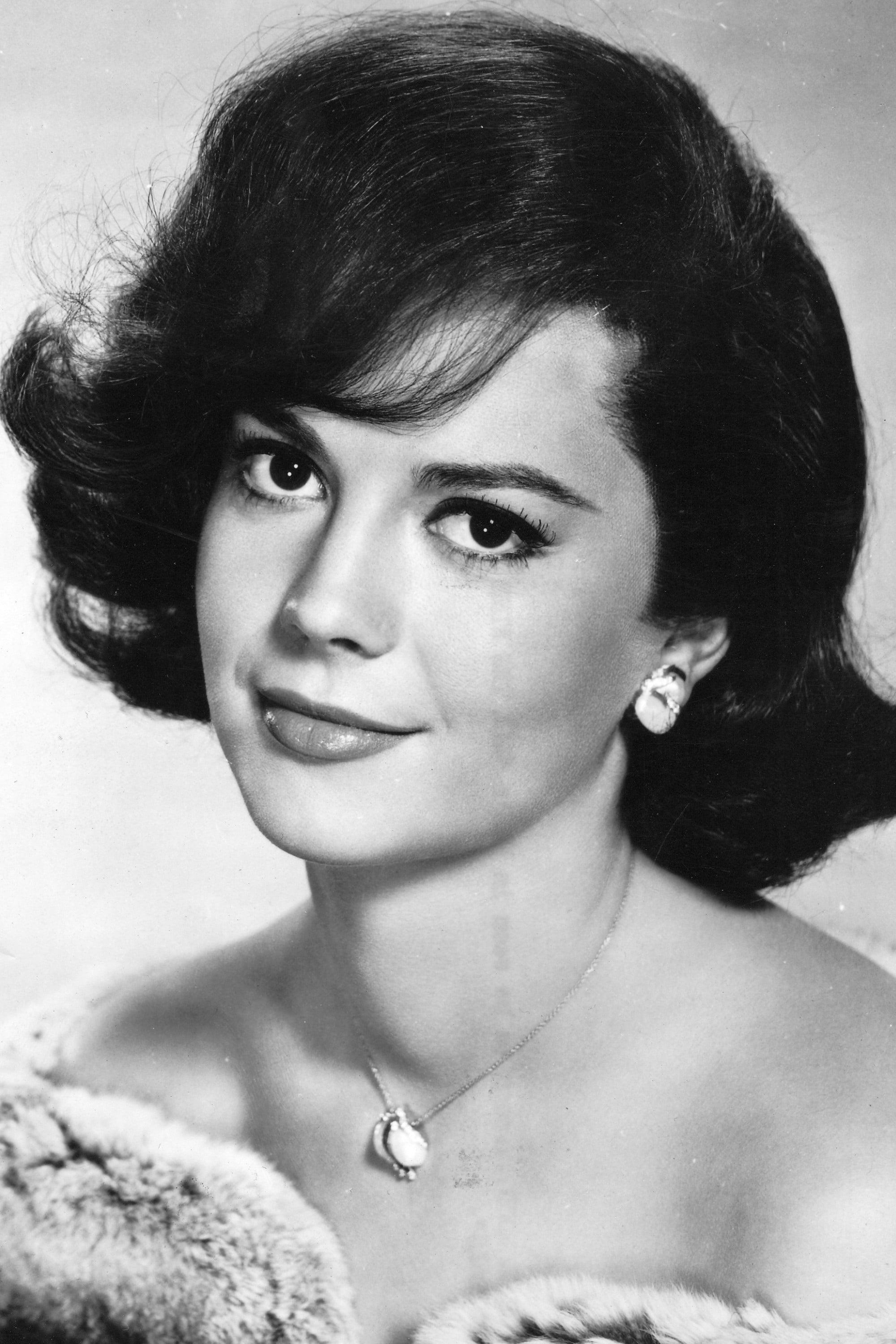
Wood’s teen roles in ‘Rebel Without a Cause’ and ‘Splendor in the Grass’ placed her in landmark films studied for their portrayal of youth culture. She earned major award nominations while still young, demonstrating that teen-centered stories could garner prestige recognition. Her casting alongside leading men of the era normalized teen actresses in serious dramatic pairings. The box-office performance of her films encouraged studios to greenlight more youth-focused dramas.
Olivia Hussey
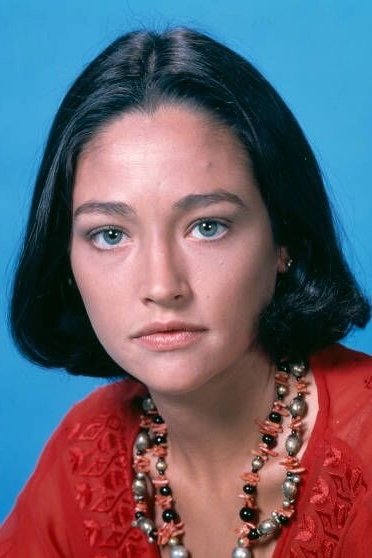
Hussey’s portrayal of Juliet in ‘Romeo and Juliet’ became the definitive classroom-screening version for generations, ensuring enduring visibility for a teen-led classic. The film’s international success revived literary adaptations as commercial prospects for young casts. Its soundtrack and location shooting helped educators adopt cinema as teaching material, amplifying her reach beyond theaters. Hussey’s teen performance also spurred debates about age-appropriate casting that influenced later productions.
Brooke Shields
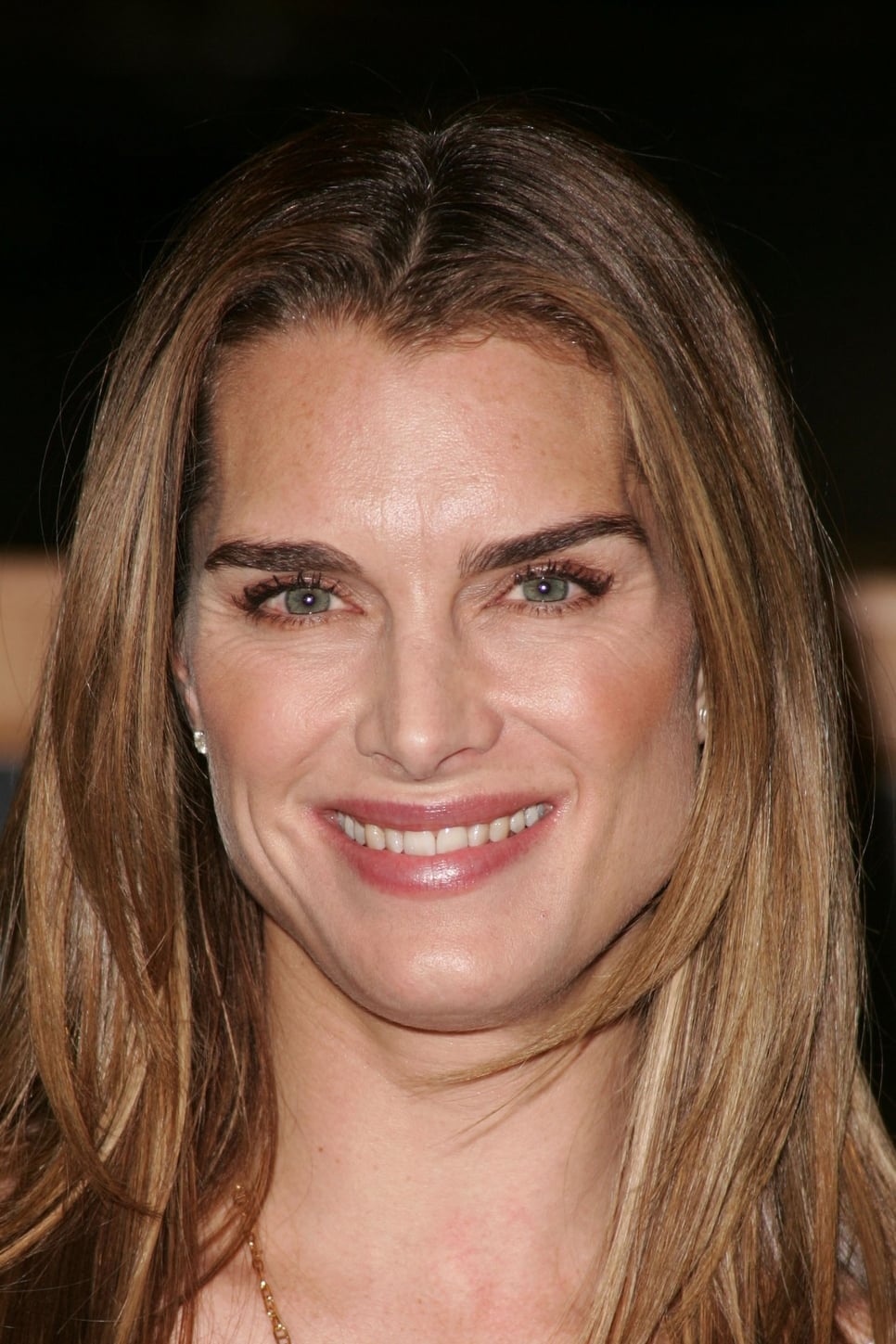
Shields drew unprecedented media coverage as a teen with roles like ‘Pretty Baby’ and ‘The Blue Lagoon’, which sparked industry-wide conversations about content standards. Her fashion and cosmetics campaigns ran concurrently with film work, making her one of the earliest teen actresses to dominate advertising. Magazine covers and talk-show appearances showed how publicity could extend a teen star’s influence beyond screens. The attention around her projects led to changes in ratings discussions and on-set protections for young performers.
Jodie Foster
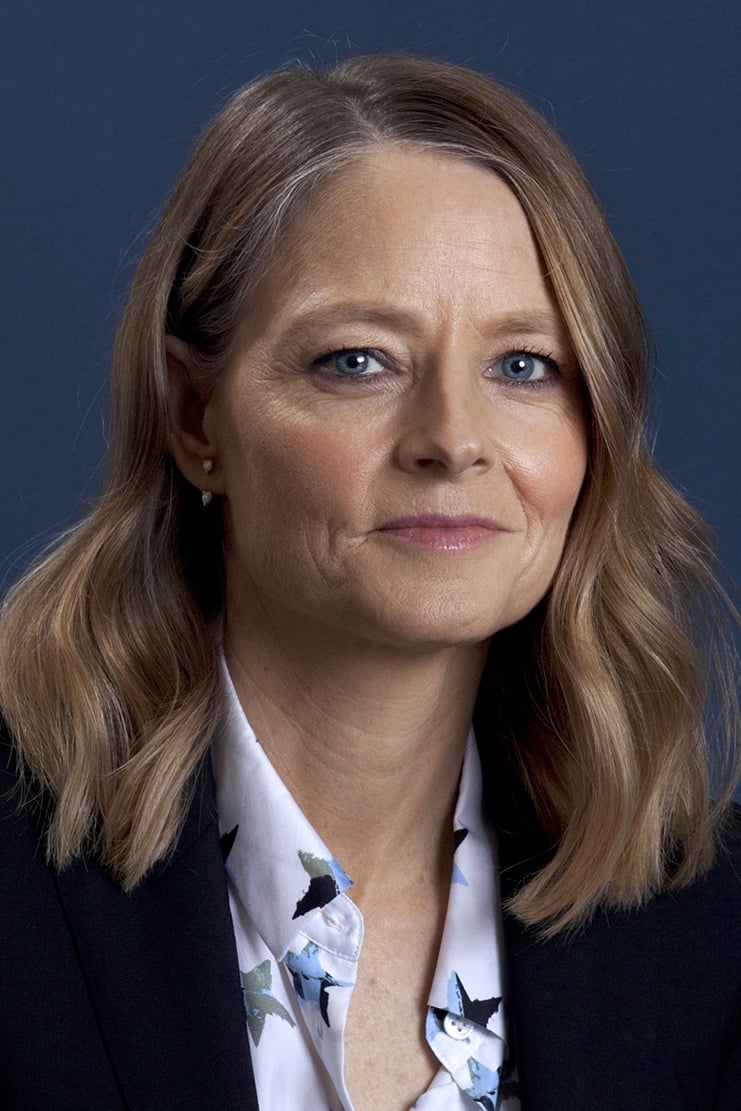
Foster’s teen performances in films such as ‘Taxi Driver’ and ‘Bugsy Malone’ earned major awards recognition and established her as a serious dramatic talent early. She successfully balanced English- and French-language work, illustrating international crossover potential for teen actresses. Her trajectory from teen star to director offered a visible path into filmmaking leadership. Early acclaim validated casting teens in complex narratives rather than limiting them to lightweight roles.
Winona Ryder

Ryder’s teen roles in ‘Beetlejuice’ and ‘Heathers’ became fixtures that influenced marketing for offbeat teen films. She helped popularize teen-centered dark comedies that moved from cult appeal into mainstream release strategies. Soundtrack tie-ins and home-video circulation kept her teen-era films visible for years. Ryder’s early work broadened the range of teen characters beyond traditional archetypes.
Kirsten Dunst

Dunst earned global recognition as a young teen in ‘Interview with the Vampire’, receiving nominations that marked her as an awards contender early on. She moved through genres—from historical drama in ‘Little Women’ to superhero blockbusters—in ways that showed teen actresses could anchor diverse projects. Her involvement in large franchises boosted international press tours and merchandising cycles tied to young leads. The consistency of her teen-era output made her a reliable box-office presence.
Natalie Portman
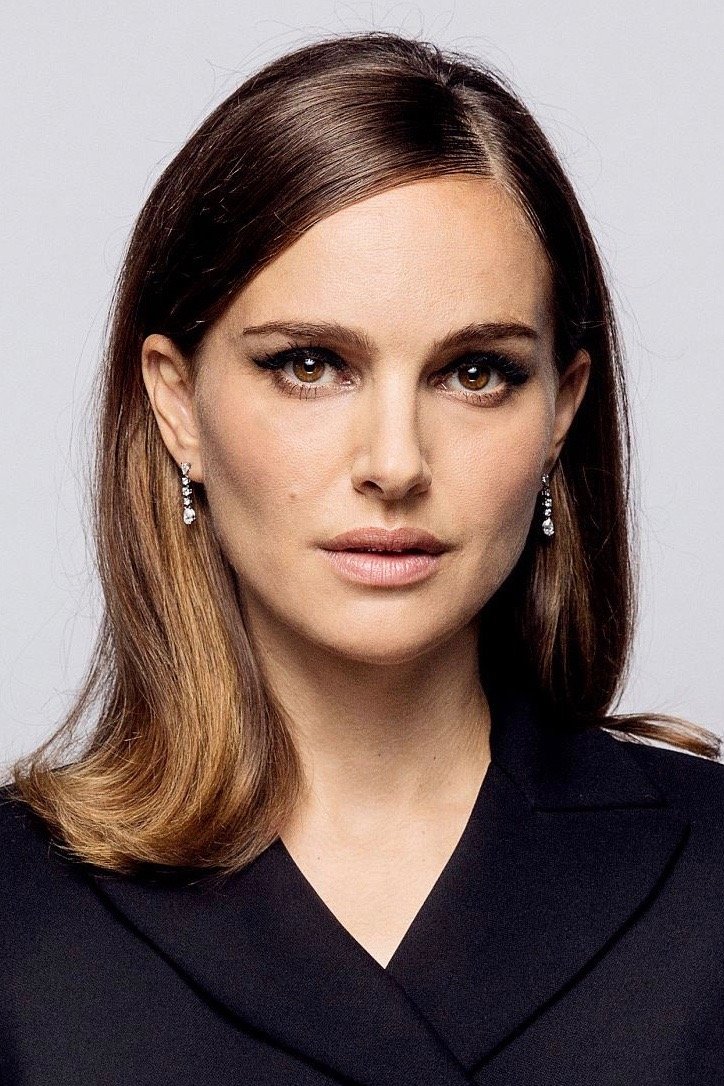
Portman’s breakout in ‘Léon: The Professional’ as a young teen led to prominent roles that balanced indie credibility and mainstream appeal. She sustained academic commitments alongside acting, giving studios a high-profile example of education-friendly production scheduling. Her early work opened doors to later leading roles in franchises and awards-season films. Portman’s teen career helped normalize complex, character-driven stories centered on young women.
Lindsay Lohan
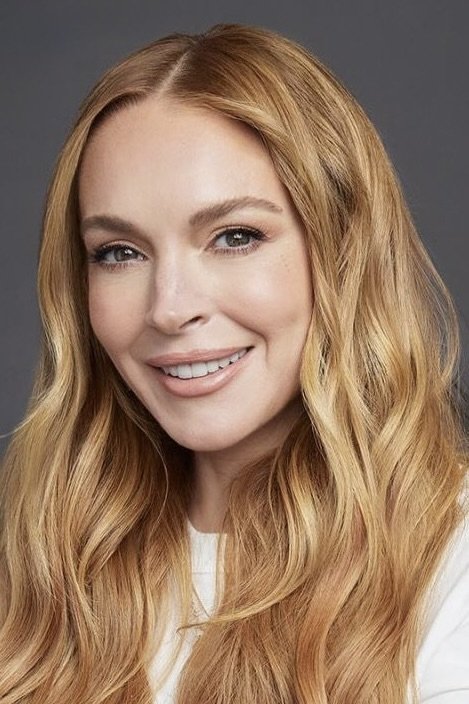
Lohan’s teen-era hits like ‘The Parent Trap’, ‘Freaky Friday’, and ‘Mean Girls’ turned into cable mainstays and streaming staples, extending their cultural footprint. The success of these films demonstrated strong commercial returns for teen-led comedies. Soundtracks and quotable scripts boosted repeat viewings and social references. Her projects anchored Disney’s and other studios’ strategies for teen-targeted theatrical releases in the 2000s.
Hilary Duff

Duff’s teen stardom on ‘Lizzie McGuire’ produced high ratings, a successful feature film, and a profitable merchandising line. She translated TV visibility into music, tours, and apparel, showing a multi-platform model for teen actresses. Syndication and home-video sales kept her series in circulation long after its original run. Duff’s business moves offered a blueprint for later Disney Channel leads.
Emma Watson

Watson’s portrayal of Hermione in the ‘Harry Potter’ films made her part of one of the highest-grossing franchises in history while still a teen. She managed a long-term contract that aligned schooling with production schedules, influencing how studios accommodate young casts. Global premieres, translations, and tie-in publishing gave her unmatched international exposure early on. Her teen-era prominence created a platform for subsequent university study and diversified roles.
Miley Cyrus

Cyrus headlined ‘Hannah Montana’, which combined TV ratings, album sales, and sold-out tours into a single teen-led brand. The franchise’s concert film and merchandise lines showed how a teen actress could drive a cross-industry ecosystem. Her simultaneous character and performer identities created a template for dual-release music and TV strategies. The show’s success accelerated Disney’s integrated media model for youth audiences.
Dakota Fanning

Fanning’s teen years continued a trajectory that began with standout child performances, adding major studio films and acclaimed indies. She frequently acted opposite established stars, demonstrating that young leads could carry scenes with top-billed adults. Festival premieres and awards-season campaigns kept her in critical conversations through adolescence. Her steady output supported a perception of reliability that studios value in young talent.
Saoirse Ronan

Ronan earned significant awards recognition as a young teen in ‘Atonement’, quickly moving into lead roles in international co-productions. She balanced period pieces and contemporary stories, building a global audience. Regular film-festival appearances kept her projects in high-visibility circuits. Her early nominations validated casting teen actresses in prestige dramas with complex themes.
Chloë Grace Moretz

Moretz’s teen roles in ‘Kick-Ass’ and ‘Let Me In’ showcased action and horror leads anchored by a young actress. She moved between studio releases and genre indies, keeping a steady presence with different demographics. Convention circuits and online fan communities amplified her reach. Her teen-era choices encouraged more teen-centered roles in traditionally adult-leaning genres.
Hailee Steinfeld

Steinfeld’s breakthrough in ‘True Grit’ earned major nominations as a young teen, propelling her into leads across music-driven and action projects. She expanded into recording, illustrating the dual-track career option for teen actresses. Franchise work and animated features broadened her international exposure. Her early acclaim made her a recurring name in awards discussions while still under 20.
Zendaya

Zendaya transitioned from Disney Channel success to acclaimed roles that arrived before and just after her teens, maintaining a strong youth audience. She leveraged social platforms to coordinate promotion with studio campaigns. Fashion partnerships and hosting gigs expanded her brand beyond screen credits. Early producer credits signaled a move toward creative control that others have since followed.
Millie Bobby Brown

Brown’s teen years on ‘Stranger Things’ turned the series into a global streaming phenomenon with strong renewal metrics. She secured producer roles on film projects while still a teenager, reflecting expanding opportunities for young talent behind the camera. Convention appearances and brand collaborations broadened her audience. Her presence helped demonstrate the scale possible for teen-led streaming shows.
Keke Palmer
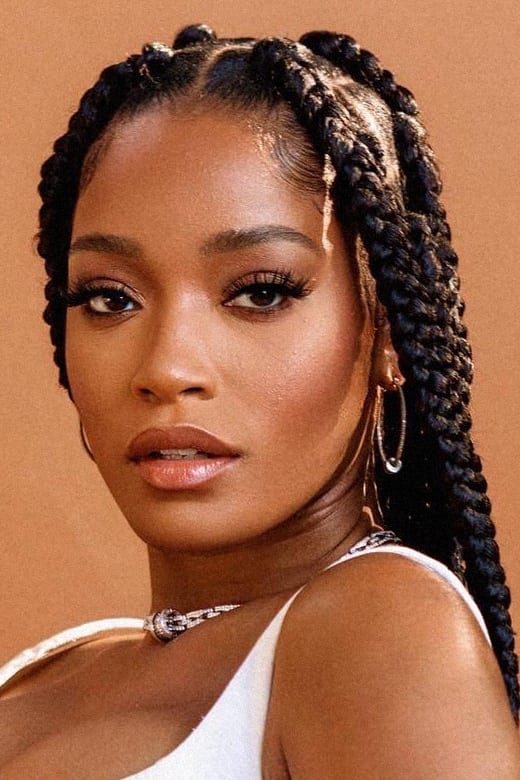
Palmer headlined ‘Akeelah and the Bee’ as a young teen and later fronted teen-focused TV programming that sustained strong ratings. She diversified into hosting, music, and stage work, maintaining visibility across platforms. Early leadership roles in family films and series demonstrated bankability with school-centered narratives. Her steady output provided a model for career longevity starting in the teen years.
Reese Witherspoon

Witherspoon debuted as a teen lead in ‘The Man in the Moon’, establishing her as a dramatic presence before she turned 20. She followed with youth-focused projects that kept her on festival and cable lineups throughout the early 1990s. Early press coverage highlighted her transition from regional casting calls to national features. Those teen credits created a foundation for later marquee billing and production initiatives.
Jennifer Connelly
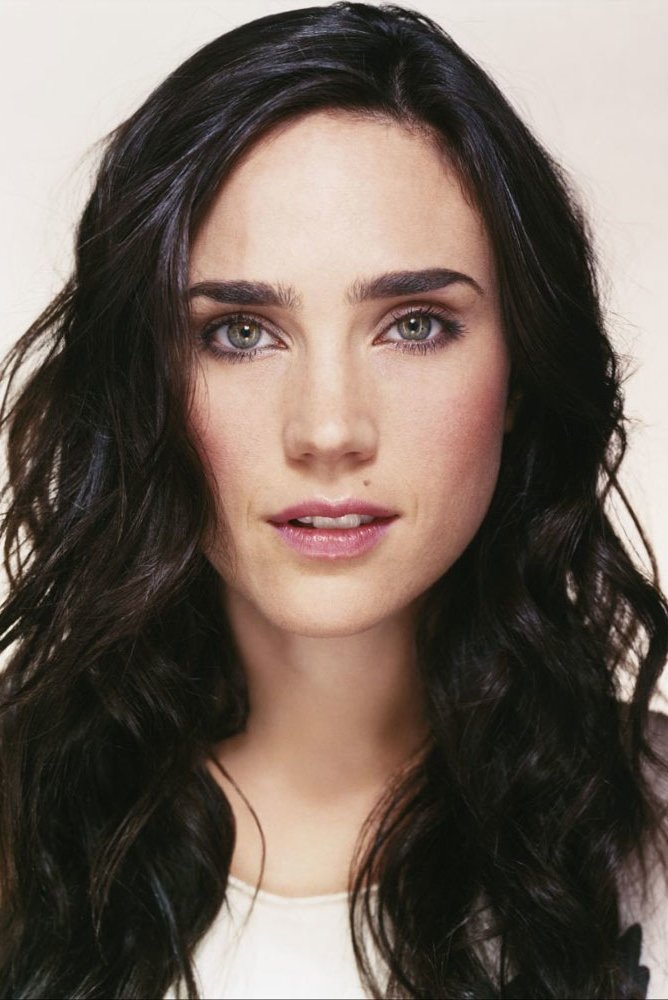
Connelly’s teen-era work included ‘Labyrinth’, which combined music stars with a young lead and found long-term success in home video and repertory screenings. She appeared in a mix of studio and international projects that broadened her reach. Music video appearances and fashion work expanded her visibility beyond film. Those platforms helped maintain her profile through the transition to adult roles.
Alicia Silverstone
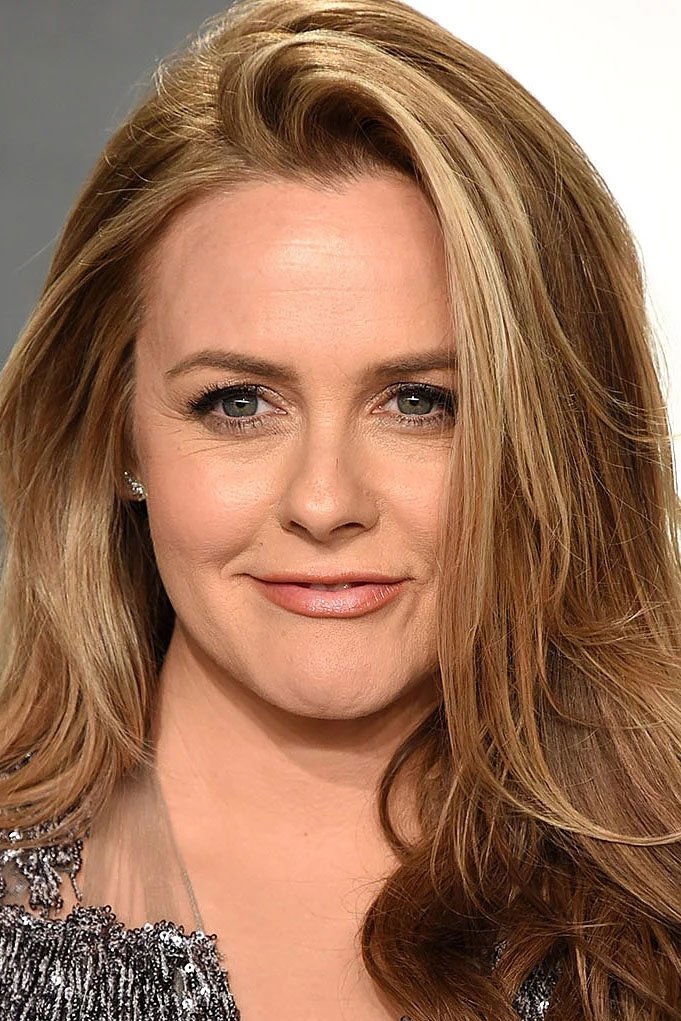
Silverstone’s teen breakout in ‘Clueless’ launched a multimedia wave that included a bestselling soundtrack, fashion tie-ins, and a TV adaptation. She had already built name recognition through high-rotation music videos that preceded the film’s release. The movie’s performance proved the viability of teen-led modernizations of classic stories. Licensing and syndication kept the property active through the late 1990s.
Claire Danes

Danes headlined ‘My So-Called Life’ as a mid-teen, earning major awards recognition for a single-season series that achieved long-term syndication and classroom use. She moved into films like ‘Romeo + Juliet’ during her teen years, balancing TV and cinema exposure. Press coverage emphasized the show’s realistic depiction of adolescence, boosting her credibility. Those credentials accelerated her move into prestige drama later.
Christina Ricci

Ricci’s teen roles in ‘The Addams Family’, ‘Casper’, and later indie dramas positioned her at the intersection of family hits and festival fare. She navigated studio publicity cycles while still in school, which kept her in regular media rotation. Her choices supported the idea that teen actresses could shift between PG properties and arthouse projects. The breadth of her credits sustained steady international distribution.
Drew Barrymore

Barrymore transitioned from child fame into teen-era roles such as ‘Poison Ivy’ and ‘Guncrazy’, which reintroduced her to audiences through cable and video markets. She capitalized on talk-show appearances and magazine profiles to reframe her career trajectory while still in her teens. Those projects demonstrated that teen actresses could reposition their image through genre work. The pivot enabled her later moves into producing and headlining comedies.
Amanda Bynes
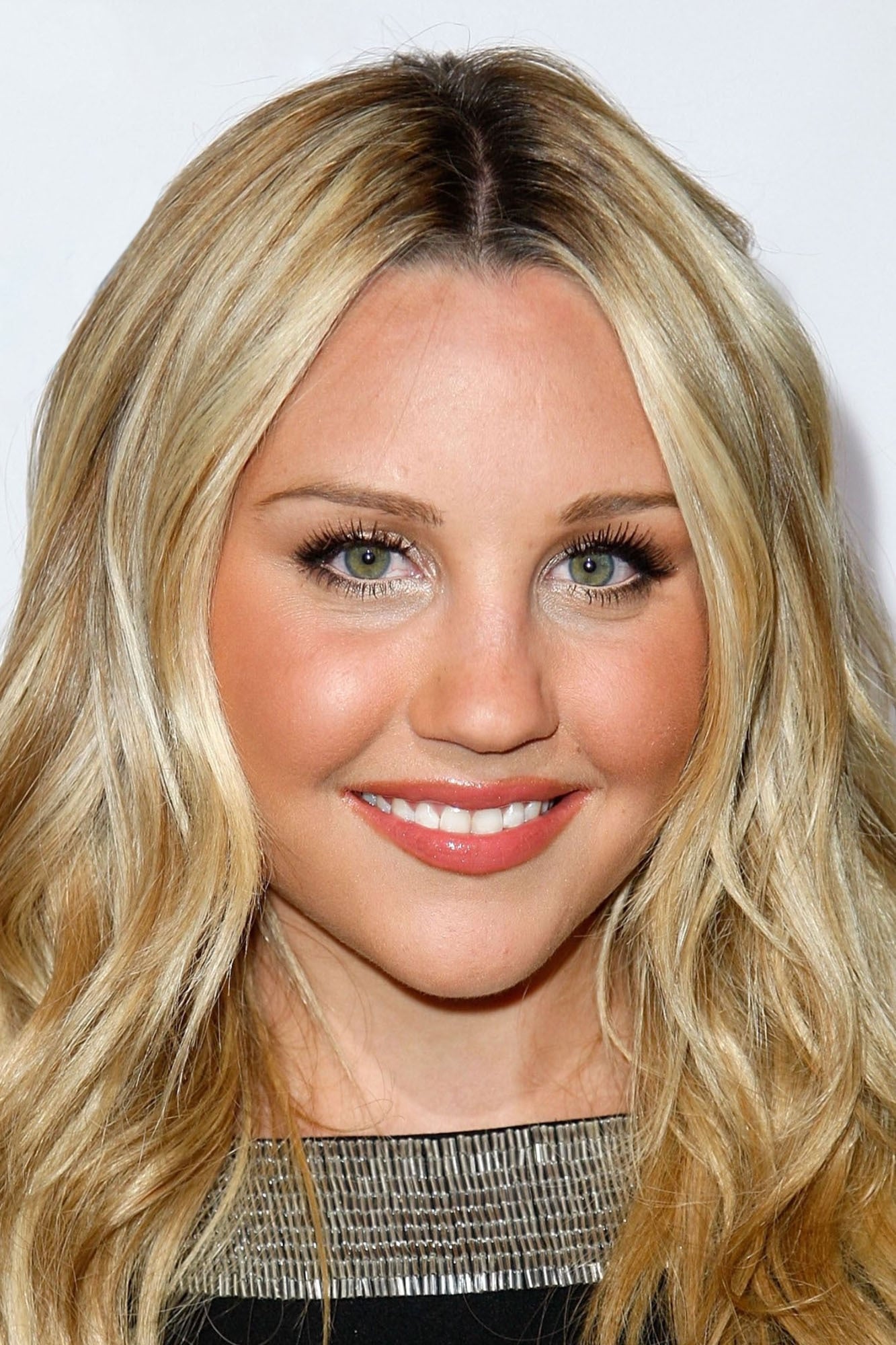
Bynes became a teen mainstay through ‘All That’ and ‘The Amanda Show’, delivering sketch-based comedy that fed directly into feature leads. She crossed into films like ‘What a Girl Wants’ while maintaining a youth TV audience. Her projects benefited from strong Nickelodeon branding and repeat cable airings. The TV-to-film pipeline she rode became a common path for teen performers.
Raven-Symoné
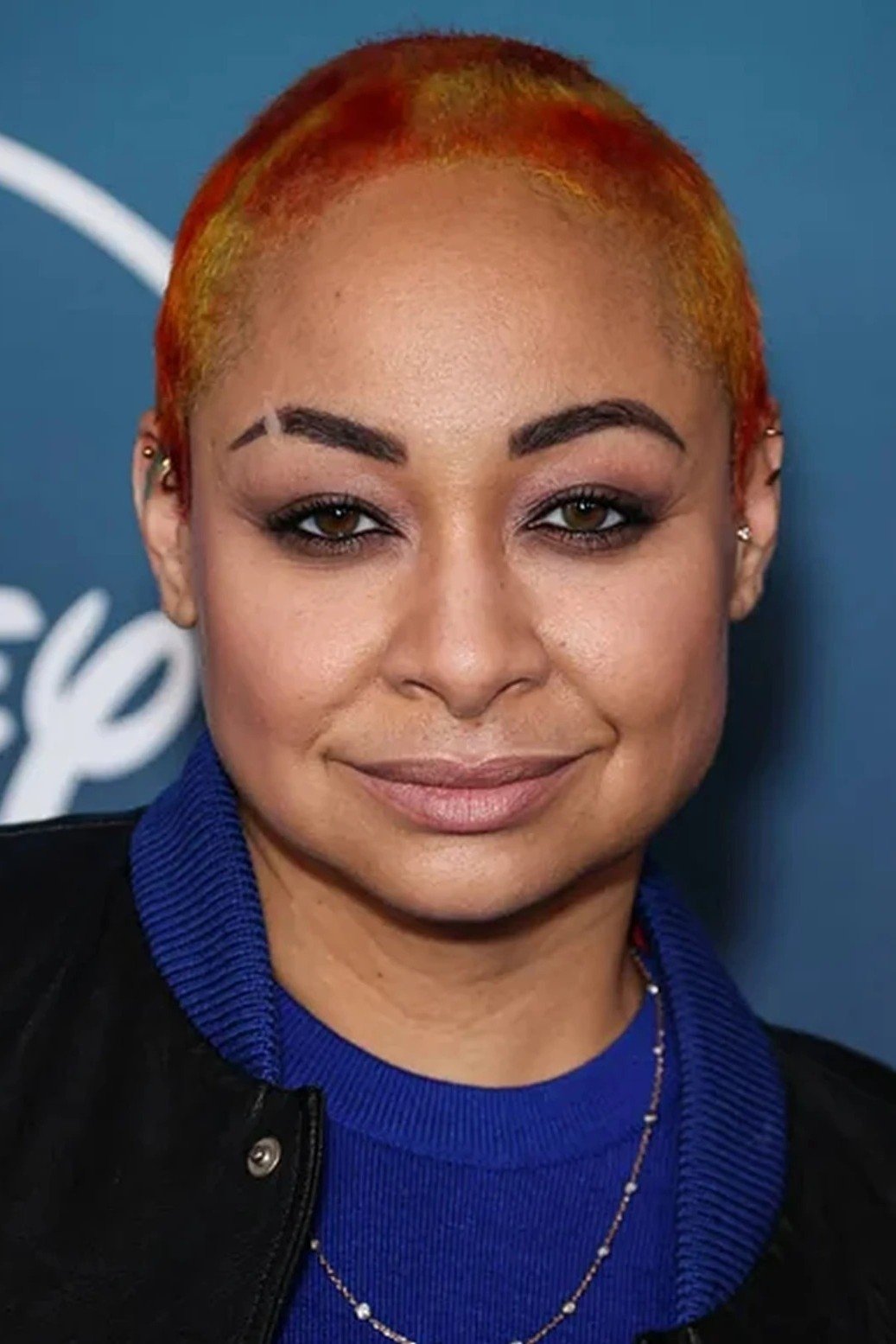
Raven-Symoné fronted ‘That’s So Raven’ during her teens, generating high ratings, soundtrack releases, and successful spinoff activity. The series’ rerun performance kept her visible across multiple regions. She expanded into voice acting and hosting, reinforcing long-term brand recognition. Her teen leadership role demonstrated the durability of actor-driven sitcom formats for youth audiences.
Selena Gomez
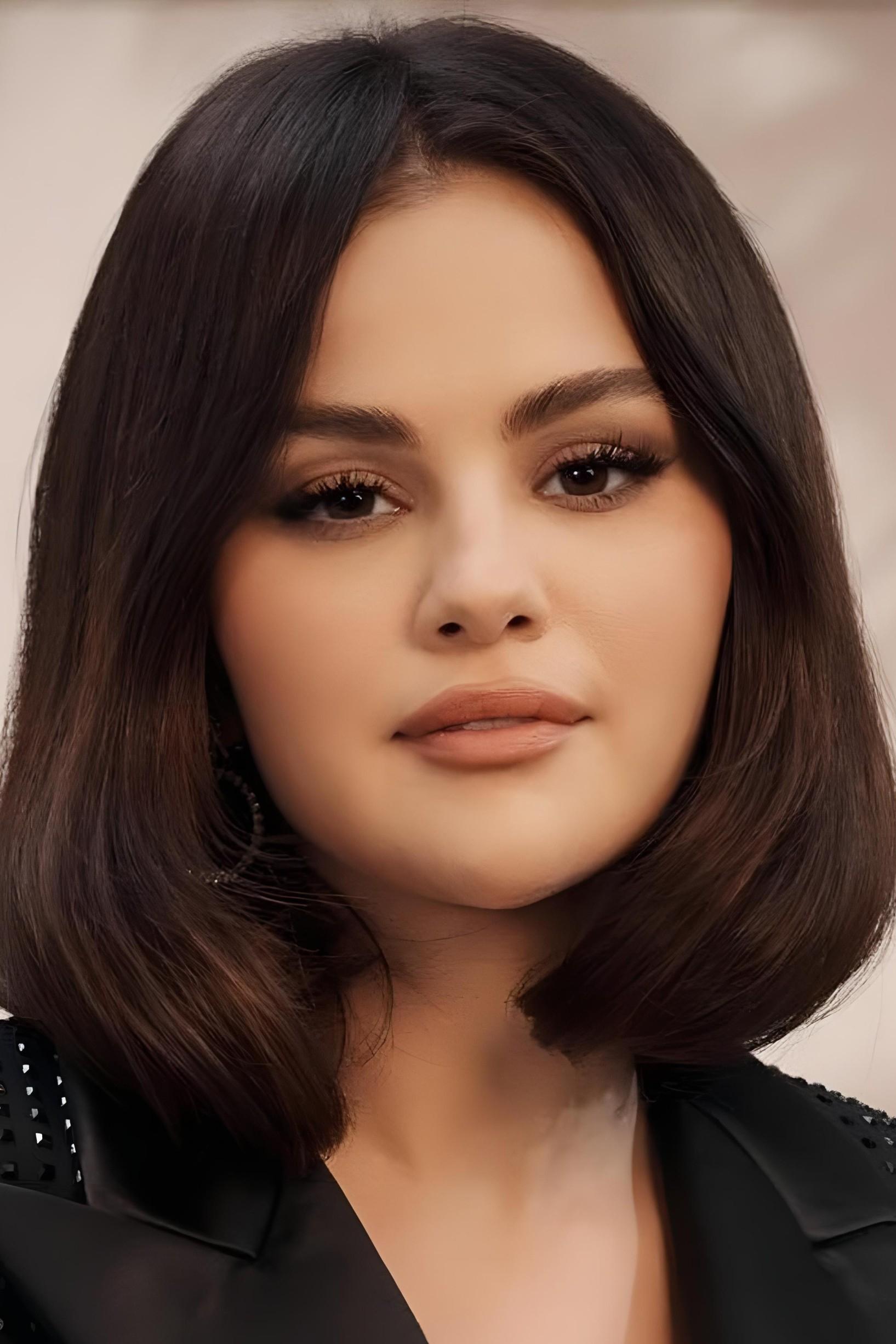
Gomez led ‘Wizards of Waverly Place’ through multiple seasons, culminating in a TV movie that delivered strong viewership. She used that base to launch recording projects and tours while still a teen. Appearances in family films maintained her cross-platform profile. The combined TV and music presence showed how Disney stars could scale internationally.
Demi Lovato

Lovato’s teen career included ‘Camp Rock’, ‘Sonny with a Chance’, and soundtrack releases tied to each project. Concert tours and televised specials amplified her visibility. Hosting and judging later built on that early recognition, but the teen years established the template. The coordinated TV–music strategy became a repeatable model for subsequent stars.
Vanessa Hudgens

Hudgens broke out with ‘High School Musical’, where TV premieres, soundtracks, and live tours turned a DCOM into a global brand. She leveraged that visibility into theatrical roles while still in her teens. International press tours and merchandising solidified her reach with younger audiences. The franchise’s scale confirmed the commercial power of teen-led musicals.
Elle Fanning

Fanning moved from child roles into teen leads in films like ‘Super 8’ and ‘Maleficent’, pairing with major directors and franchises early. Festival appearances kept her in critical conversations alongside mainstream releases. She worked across period pieces and contemporary stories, expanding her range. Those choices supported steady international distribution through her teen years.
Abigail Breslin
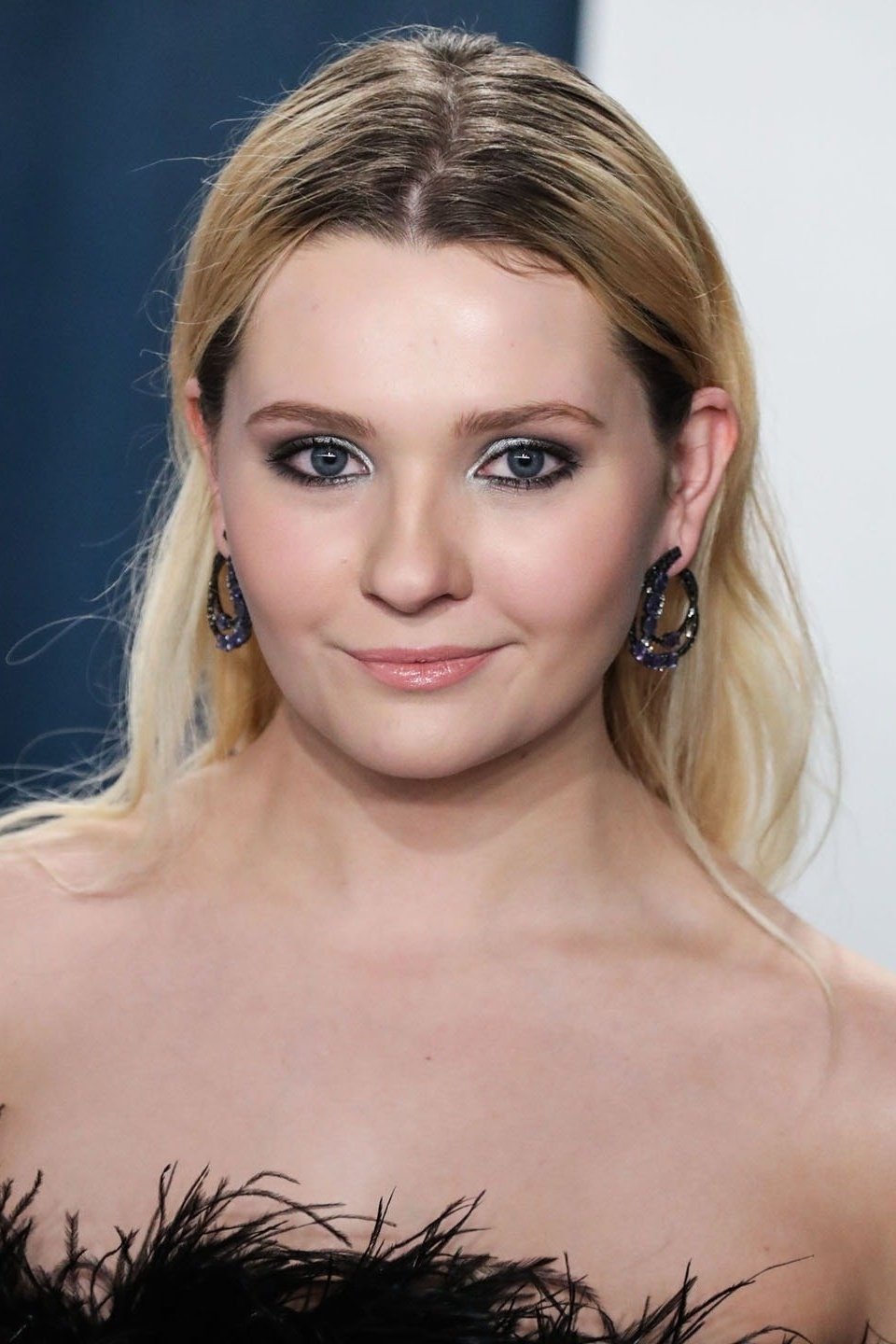
Breslin followed early acclaim with teen roles in projects such as ‘Zombieland’ and ‘August: Osage County’–era festival circuits. She often appeared opposite established ensembles, which kept her in high-profile campaigns. Voice work and TV arcs maintained regular exposure between films. Her teen credits preserved the momentum of her breakout.
Anna Paquin

Paquin transitioned from an early Oscar win to teen roles that included franchise work in ‘X-Men’, boosting her global profile. She balanced ensemble blockbusters with indie dramas to keep critical attention. Press emphasized her bilingual background and international upbringing, aiding overseas appeal. The teen-era mix positioned her for leading TV roles shortly after.
Keira Knightley

Knightley’s teen breakthrough in ‘Bend It Like Beckham’ preceded rapid movement into large-scale period and adventure films. The sports comedy’s international success opened doors in multiple markets. Fashion features and festival slots broadened her reach while still under 20. The momentum carried directly into franchise headlining.
Emma Stone

Stone’s first film appearance in ‘Superbad’ arrived when she was still a teen, immediately connecting her to a high-grossing comedy wave. She followed with youth-skewing features that kept her on teen-centric marketing channels. Early ensemble visibility led to quick elevation into lead roles. Those credits formed the launchpad for subsequent award-winning work.
Shailene Woodley
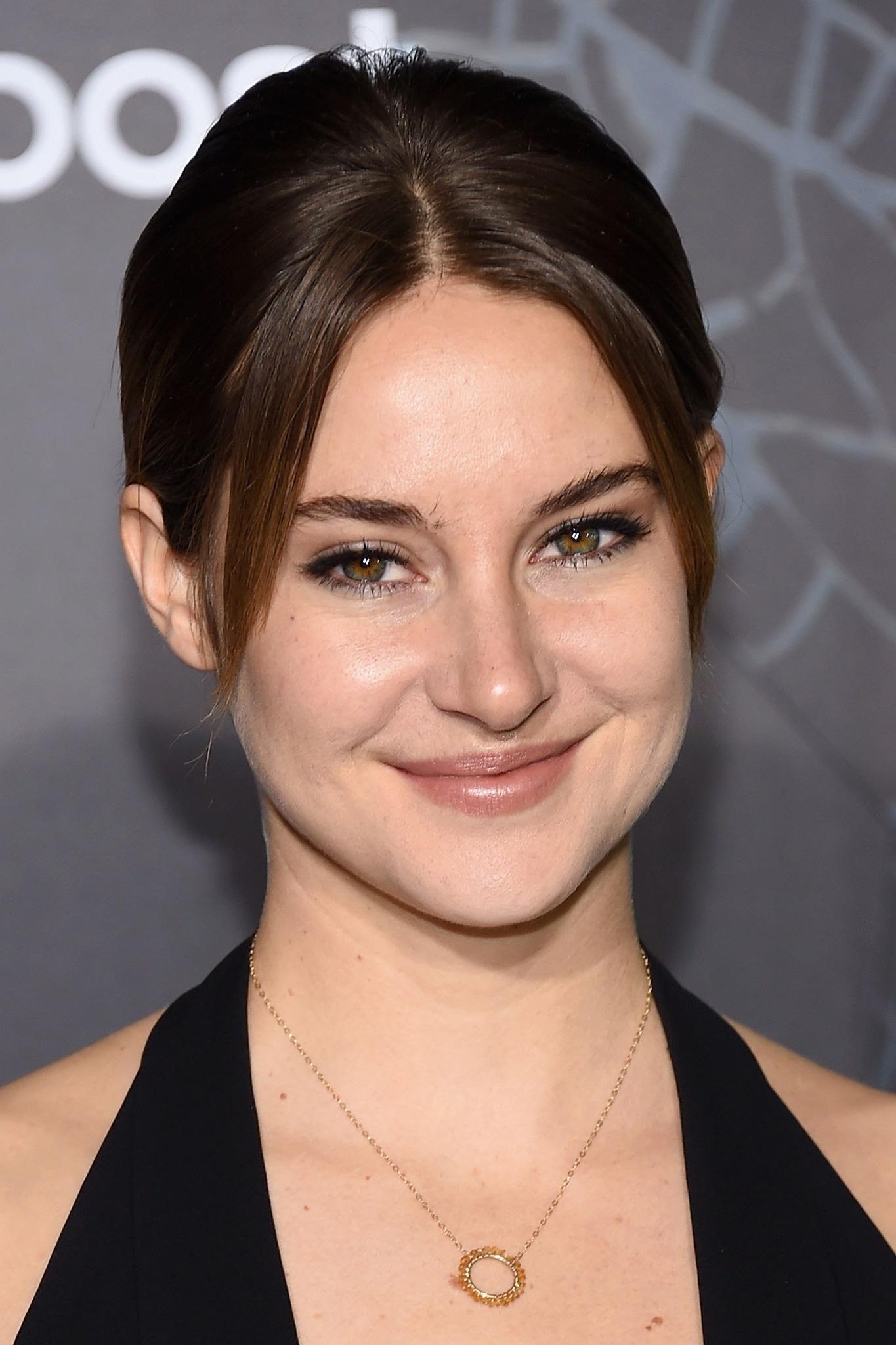
Woodley headlined ‘The Secret Life of the American Teenager’ in her late teens, delivering multi-season ratings that secured her visibility. She parlayed TV success into festival-recognized film roles before turning 20. Press attention highlighted her transition from network series to prestige cinema. The groundwork enabled swift movement into franchise leads soon after.
Anya Taylor-Joy

Taylor-Joy’s breakout in ‘The Witch’ arrived when she was 19, immediately putting her on festival maps and critical shortlists. She continued with genre titles that leveraged international co-production networks. Fashion editorials and global distribution pushed her recognition beyond art-house circles. Those teen-age credits set up rapid casting in high-profile projects.
Jennifer Lawrence
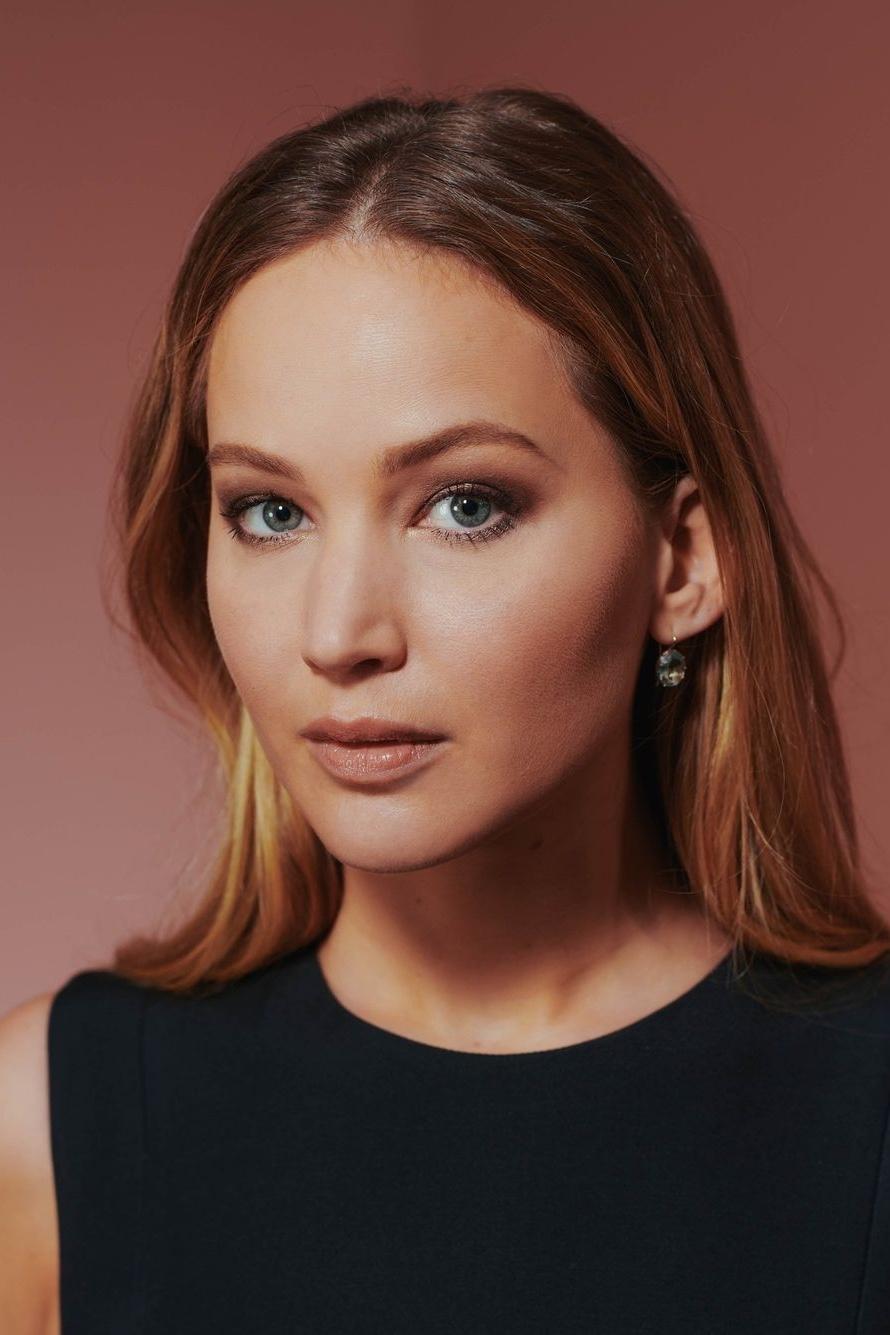
Lawrence earned major awards attention for ‘Winter’s Bone’ at 19, establishing her as a serious lead before entering franchise territory. The film’s festival run and nominations amplified her visibility worldwide. She balanced prestige projects with commercial roles, creating a broad audience base. That teen-era recognition eased her transition into tentpoles soon after.
Share your picks and the teen performances that impacted you most in the comments!

