


The Most Nostalgic TV Shows of All Time, Ranked

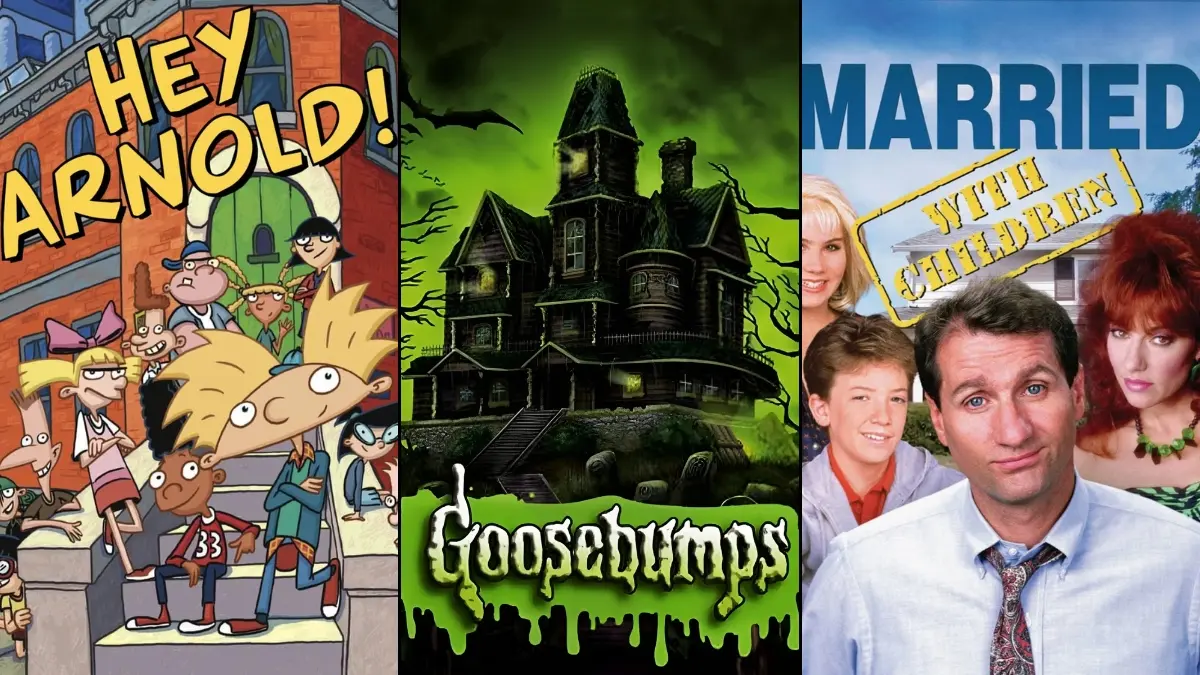


Television serves as a powerful time capsule that transports viewers back to specific moments in their childhood or adolescence. These series shaped the pop culture landscape and defined the humor and fashion of their respective eras. The list below compiles the most enduring shows that continue to resonate with audiences through reruns and streaming platforms. From animated Saturday morning classics to primetime sitcoms, these programs represent the ultimate comfort food for television fans.
‘Clarissa Explains It All’ (1991–1994)
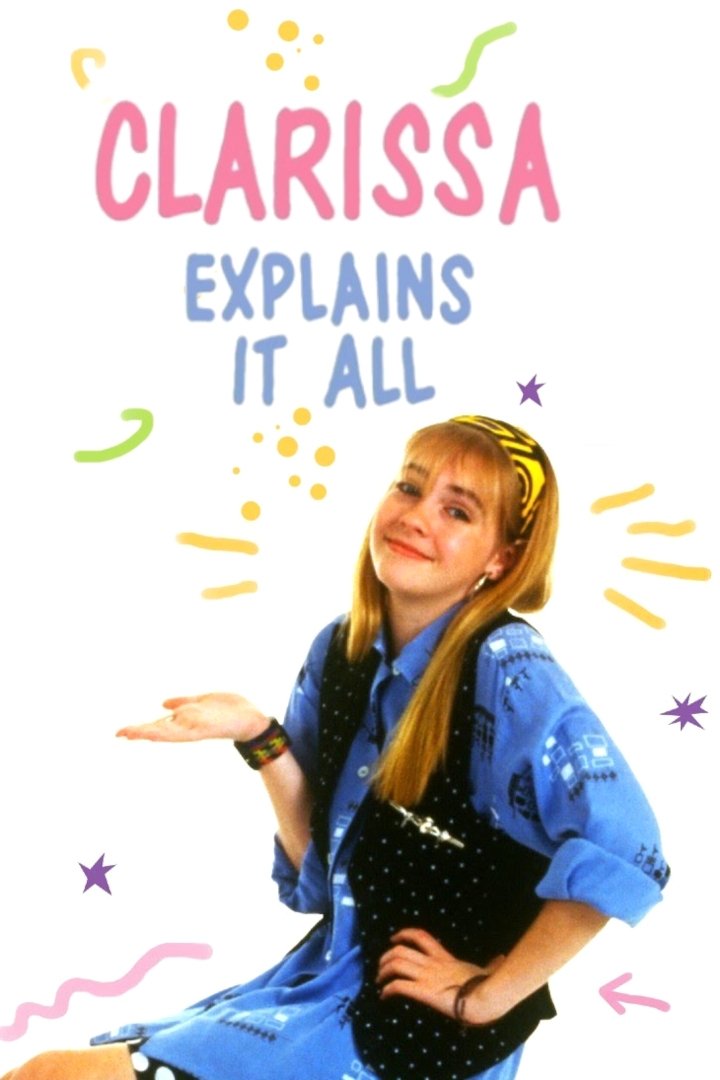
Melissa Joan Hart stars as a teenager who addresses the audience directly to describe the things that are happening in her life. Clarissa deals with typical adolescent issues such as first crushes and getting a driver’s license while navigating her quirky family dynamic. Her fashion sense and unique bedroom setup became iconic staples of early nineties television for young adults. The show was the first Nickelodeon series to feature a female lead and paved the way for future teen sitcoms.
‘Are You Afraid of the Dark?’ (1992–2000)
A group of teenagers known as the Midnight Society gathers in the woods each week to tell terrifying ghost stories around a campfire. Each episode functions as an anthology tale that explores paranormal phenomena or urban legends designed to frighten young viewers. The opening credits alone evoke a sense of dread with images of empty playgrounds and creaking swings. This Canadian series remains a touchstone for horror fans who grew up seeking thrills on weekend nights.
‘Goosebumps’ (1995–1998)

This anthology series brings the popular children’s books by R.L. Stine to life with spooky tales of monsters and supernatural events. Episodes often feature twist endings that leave the protagonist in a precarious or strange situation. The show captures the blend of horror and humor that made the original book series a global publishing phenomenon. Iconic episodes like the one featuring a haunted mask continue to be favorites among those who grew up in the nineties.
‘Doug’ (1991–1994)
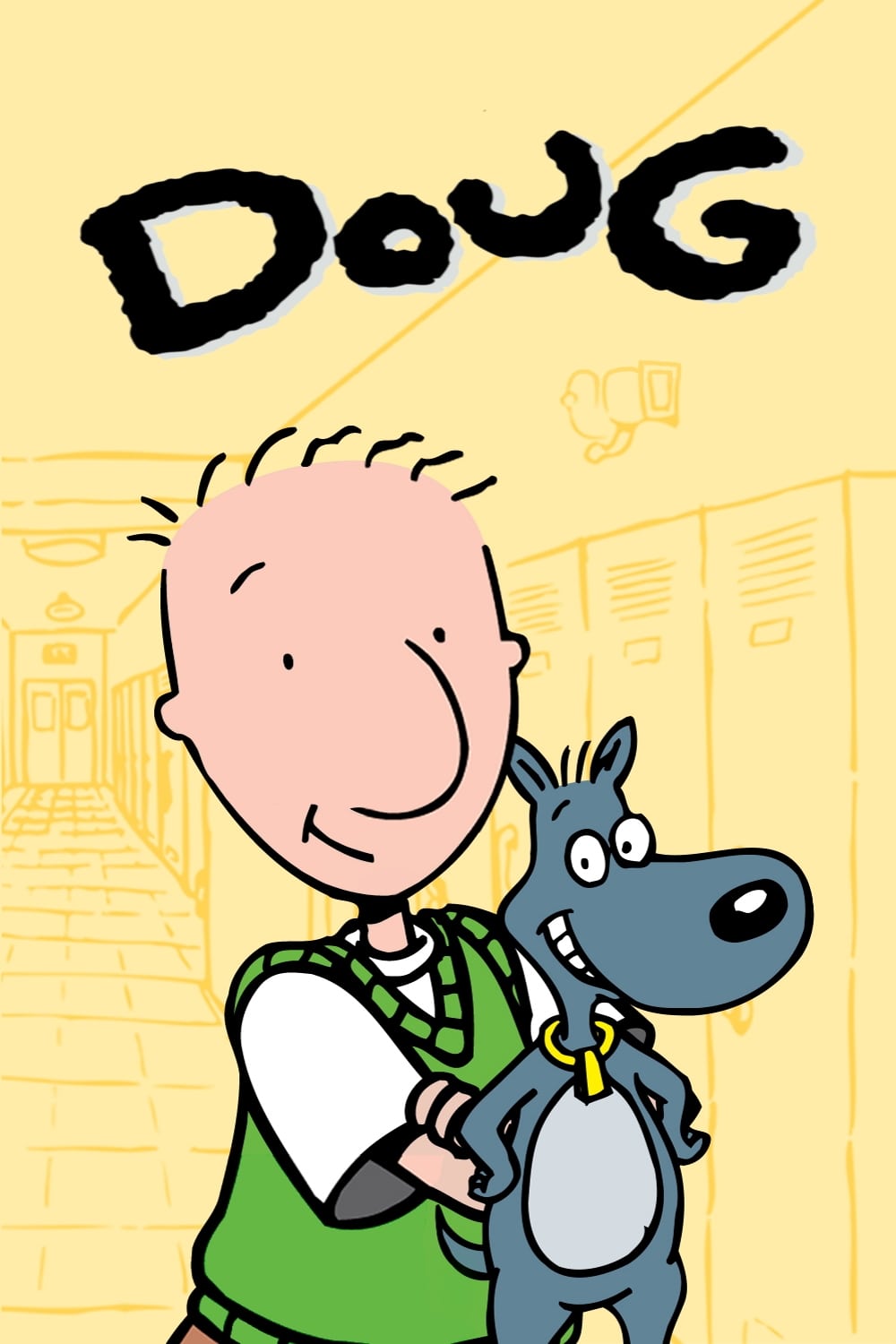
Doug Funnie navigates the awkwardness of middle school with the help of his best friend Skeeter and his loyal dog Porkchop. The animated series explores themes of bullying and romance through the exaggerated imagination of its titular character. Doug records his thoughts in a journal that provides the narration for each heartfelt episode. The distinct animation style and colorful characters of Bluffington created a warm and relatable world for children.
‘Hey Arnold!’ (1996–2004)
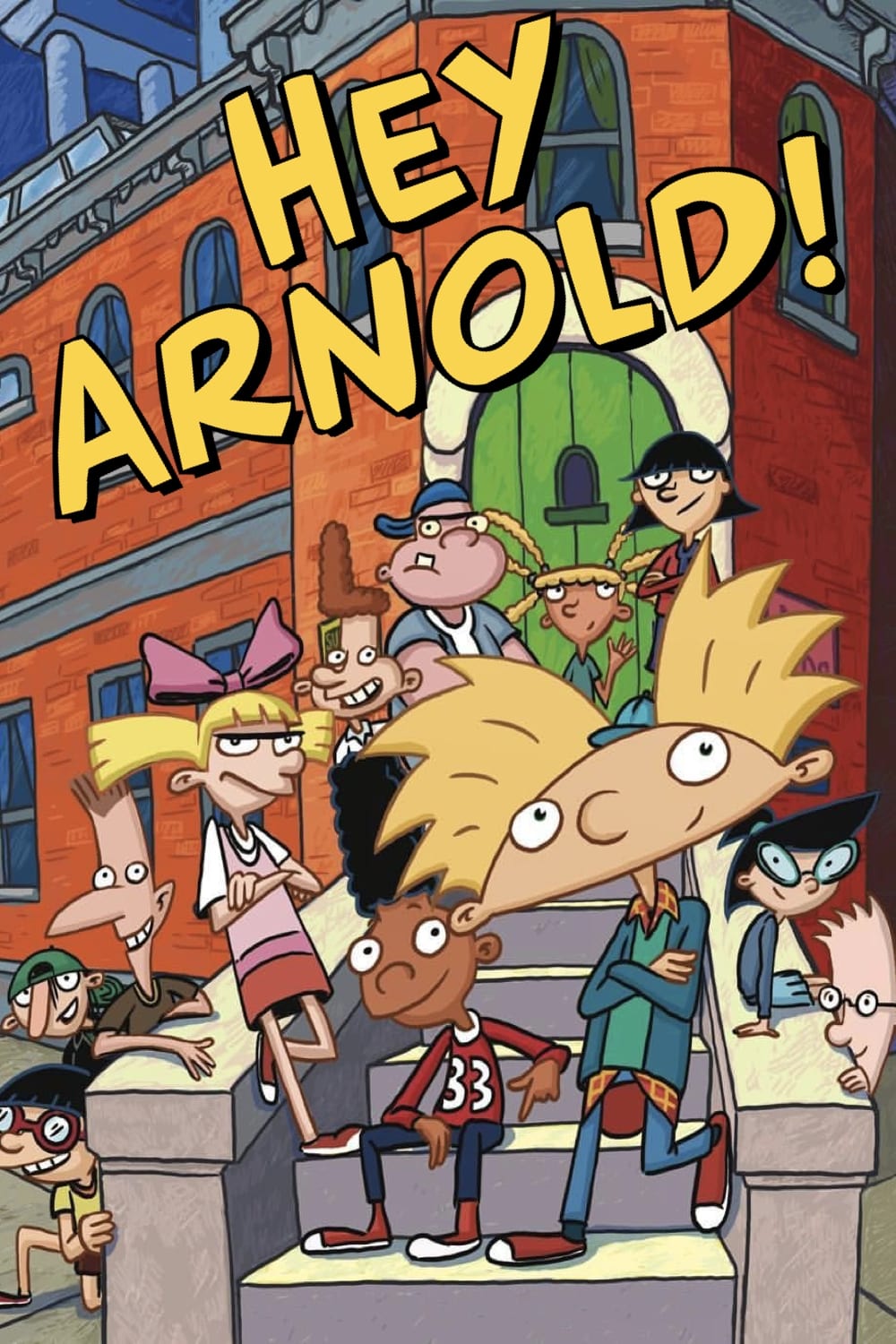
A fourth-grader with a football-shaped head lives with his grandparents in an inner-city boarding house filled with eccentric tenants. The series is praised for its jazzy soundtrack and its surprising emotional depth regarding urban life and family struggles. Arnold constantly tries to help others solve their problems while dealing with the secret crush of his bully Helga Pataki. The show captures the essence of city childhood with a level of maturity rarely seen in cartoons.
‘Rugrats’ (1991–2004)
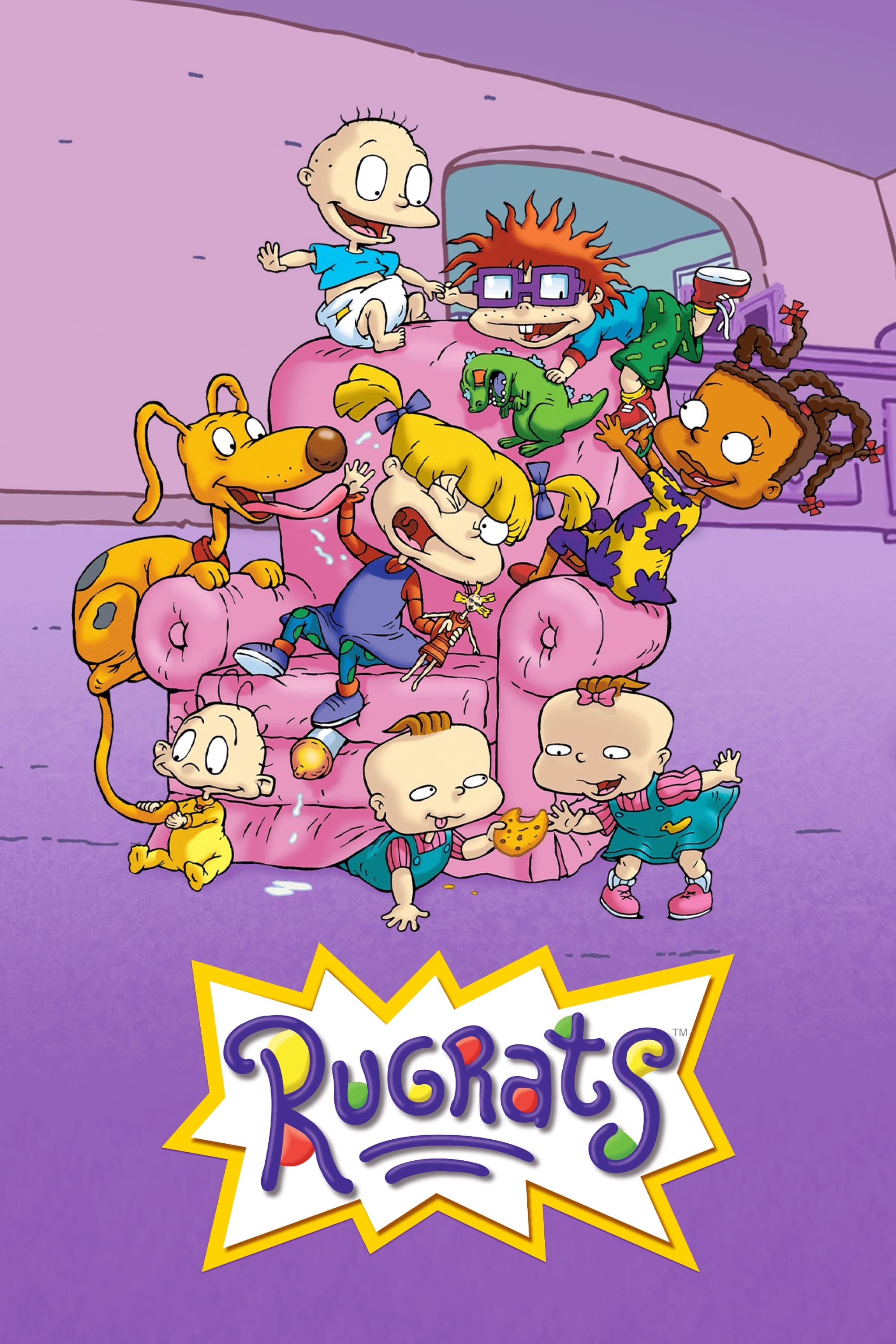
Toddlers Tommy, Chuckie, Phil, and Lil use their imaginations to turn ordinary daily events into grand adventures. The unique perspective of the show presents the world from the ground level where adults are often just legs and muffled voices. Their spoiled cousin Angelica frequently serves as the antagonist who manipulates the babies for her own amusement. This series became one of the defining cartoons of the decade and spawned multiple feature films.
‘The Magic School Bus’ (1994–1997)
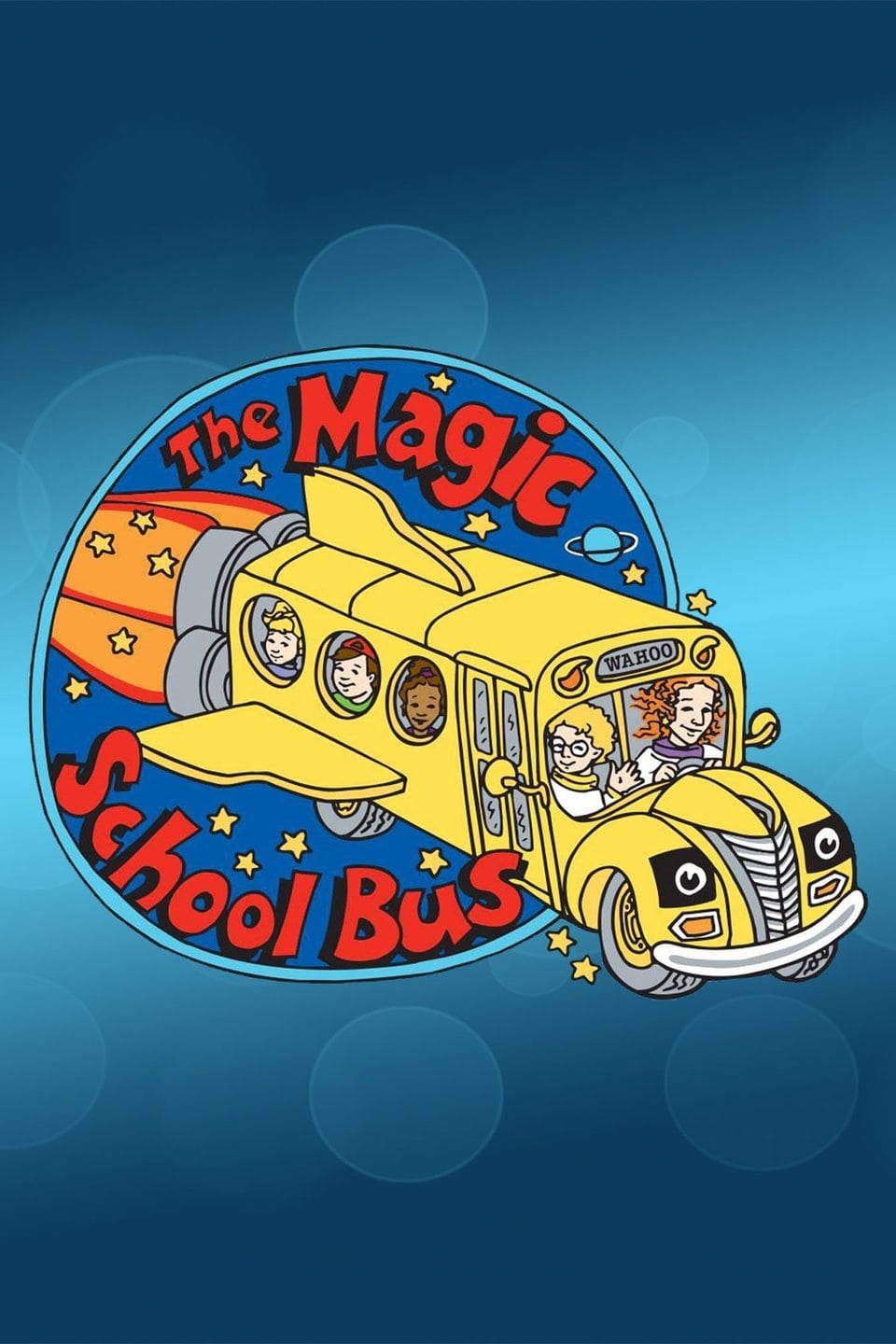
Ms. Frizzle takes her class on impossible field trips inside the human body or into outer space to teach them about science. The eccentric teacher encourages her students to take chances and get messy as they explore the natural world. Each episode breaks down complex scientific concepts into entertaining narratives that are easy for children to understand. The educational value of the show made it a staple in classrooms and homes alike.
‘Bill Nye the Science Guy’ (1993–1998)
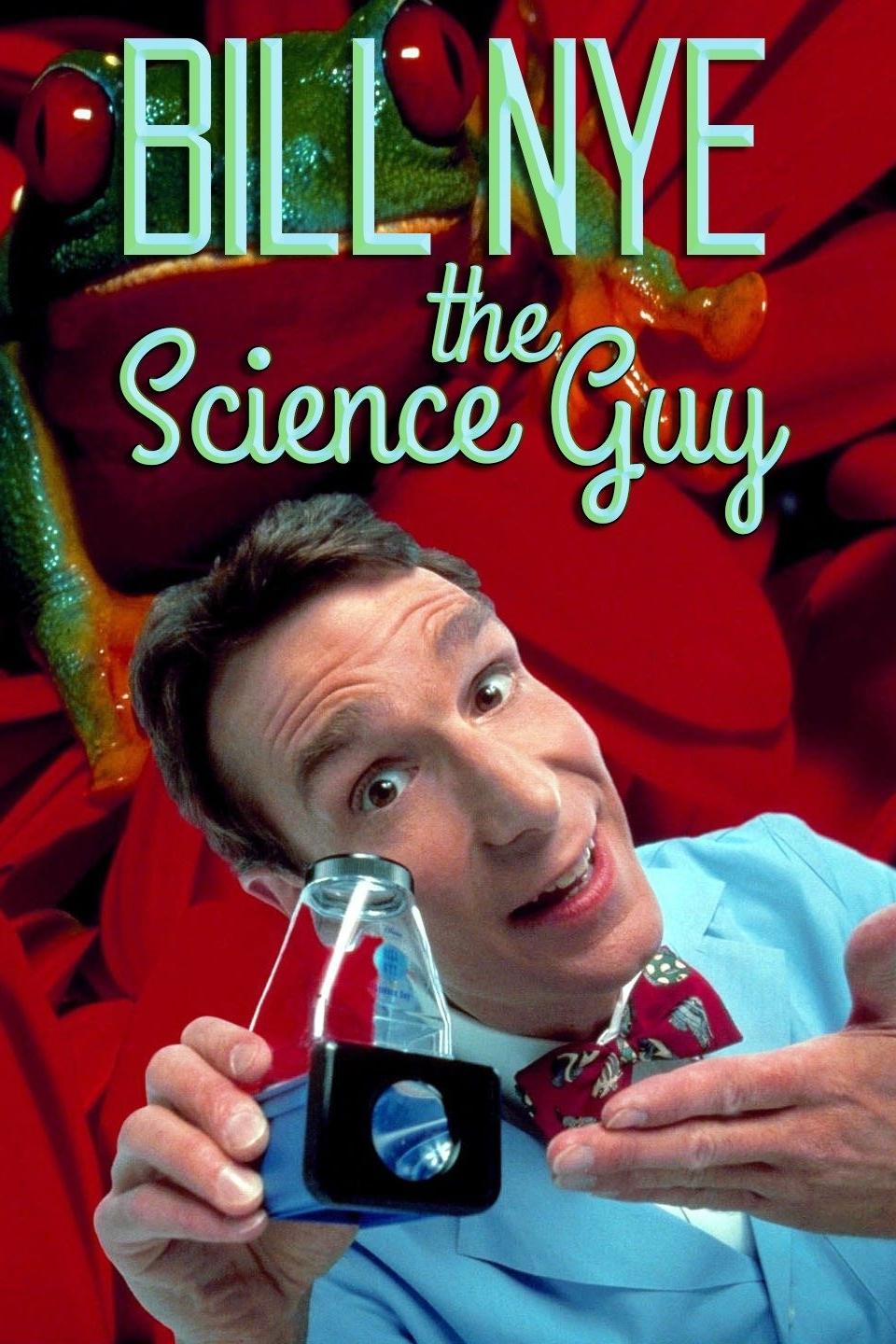
Bill Nye combines fast-paced humor and visual effects to teach science to a young audience in an engaging format. The host wears his signature bow tie and lab coat while conducting experiments that demonstrate fundamental scientific principles. Music video parodies and comedy sketches break up the educational segments to keep the energy high. The show successfully made science cool for an entire generation of students.
‘Mighty Morphin Power Rangers’ (1993–1995)

Five teenagers with attitude are recruited to defend the earth from the evil sorceress Rita Repulsa using martial arts and giant mechanical robots. The show combines footage from a Japanese superhero series with new scenes featuring American actors. Colorful costumes and giant monster battles became instant playground sensations and sparked a massive merchandise craze. The franchise continues to reinvent itself but the original team remains the most nostalgic iteration.
‘Batman: The Animated Series’ (1992–1995)

This noir-inspired adaptation of the Caped Crusader is widely considered one of the best superhero cartoons ever made. The series features a dark art deco aesthetic and mature storytelling that respects the intelligence of its audience. Mark Hamill provides an iconic vocal performance as the Joker that defines the character for many fans. It successfully introduced original characters like Harley Quinn who eventually transitioned into comic book canon.
‘Saved by the Bell’ (1989–1993)
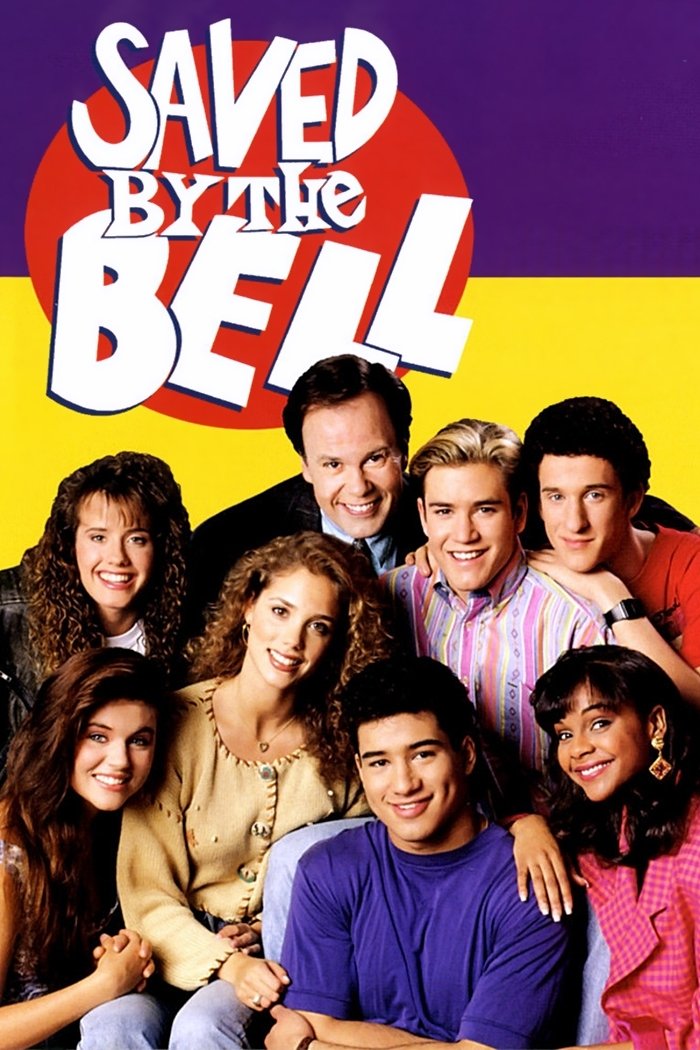
Zack Morris and his friends navigate high school life at Bayside High while dealing with romance and principal Mr. Belding. The show covers lighthearted topics as well as serious issues like drug use and environmental rights. Zack frequently breaks the fourth wall to explain his schemes or feelings directly to the camera. The bright neon aesthetic and catchy theme song encapsulate the early nineties teen experience.
‘Family Matters’ (1989–1998)
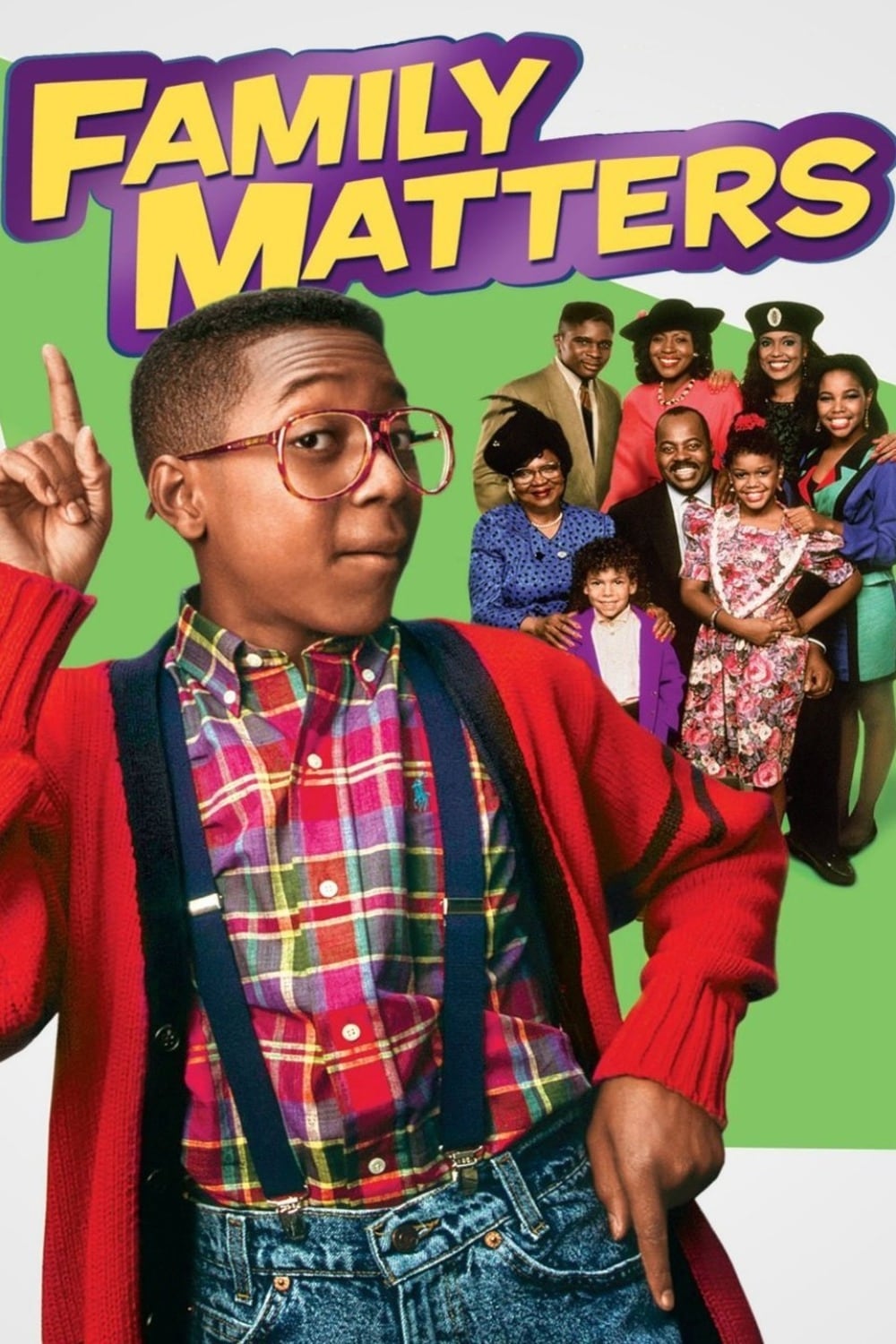
What began as a standard family sitcom eventually focused heavily on the quintessential nerd neighbor Steve Urkel. The Winslow family deals with the constant accidents and inventions that Urkel brings into their home. Catchphrases and physical comedy dominate the later seasons as the character became a pop culture phenomenon. The show highlights the importance of family support even when dealing with an annoying neighbor.
‘Step by Step’ (1991–1998)
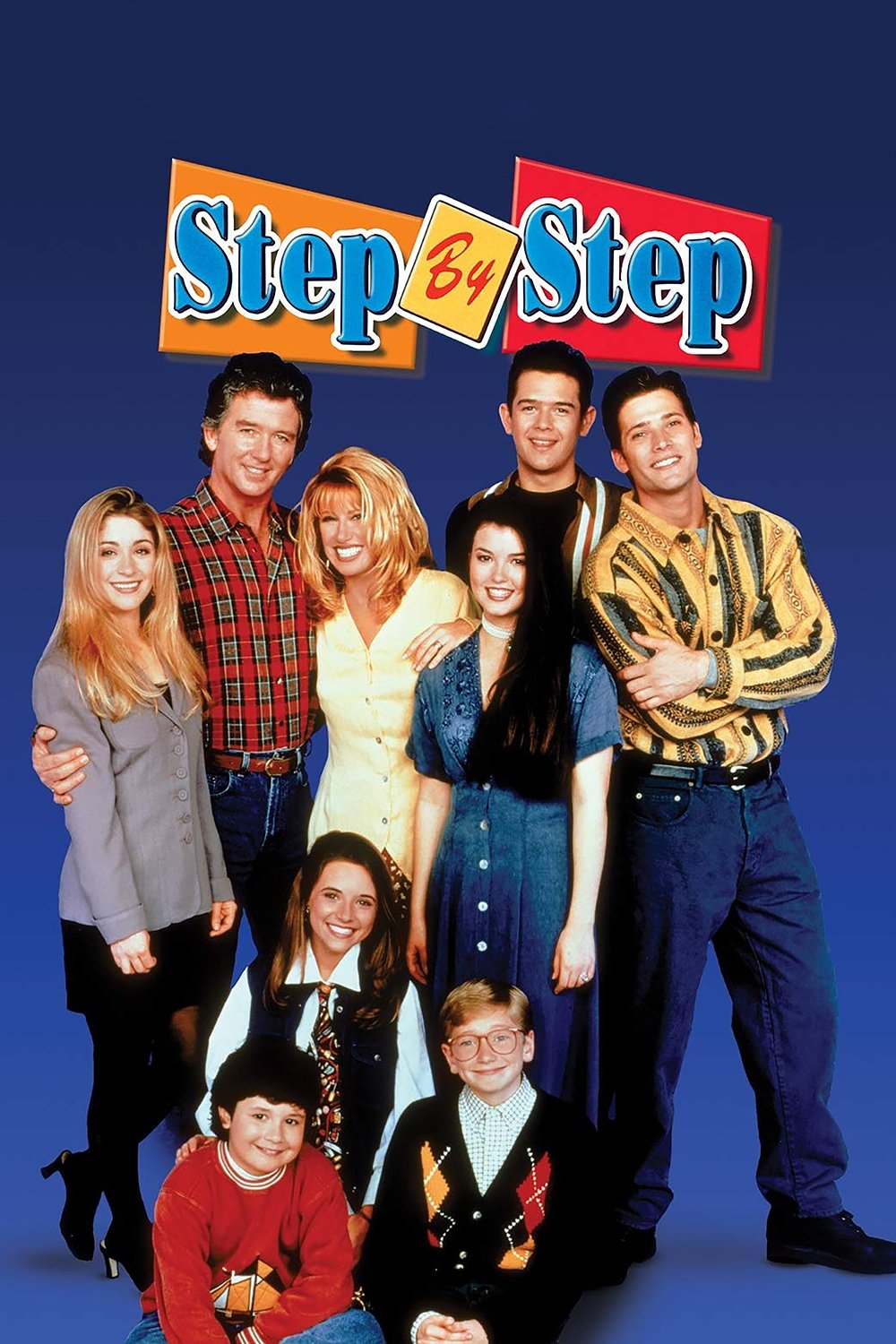
Two single parents with three children each fall in love and spontaneously get married during a vacation. The series chronicles the blending of two very different families under one roof in a modern take on the Brady Bunch concept. Frank Lambert and Carol Foster must navigate their contrasting parenting styles while their children learn to coexist. The large ensemble cast allowed for a variety of storylines involving sibling rivalry and dating.
‘Boy Meets World’ (1993–2000)
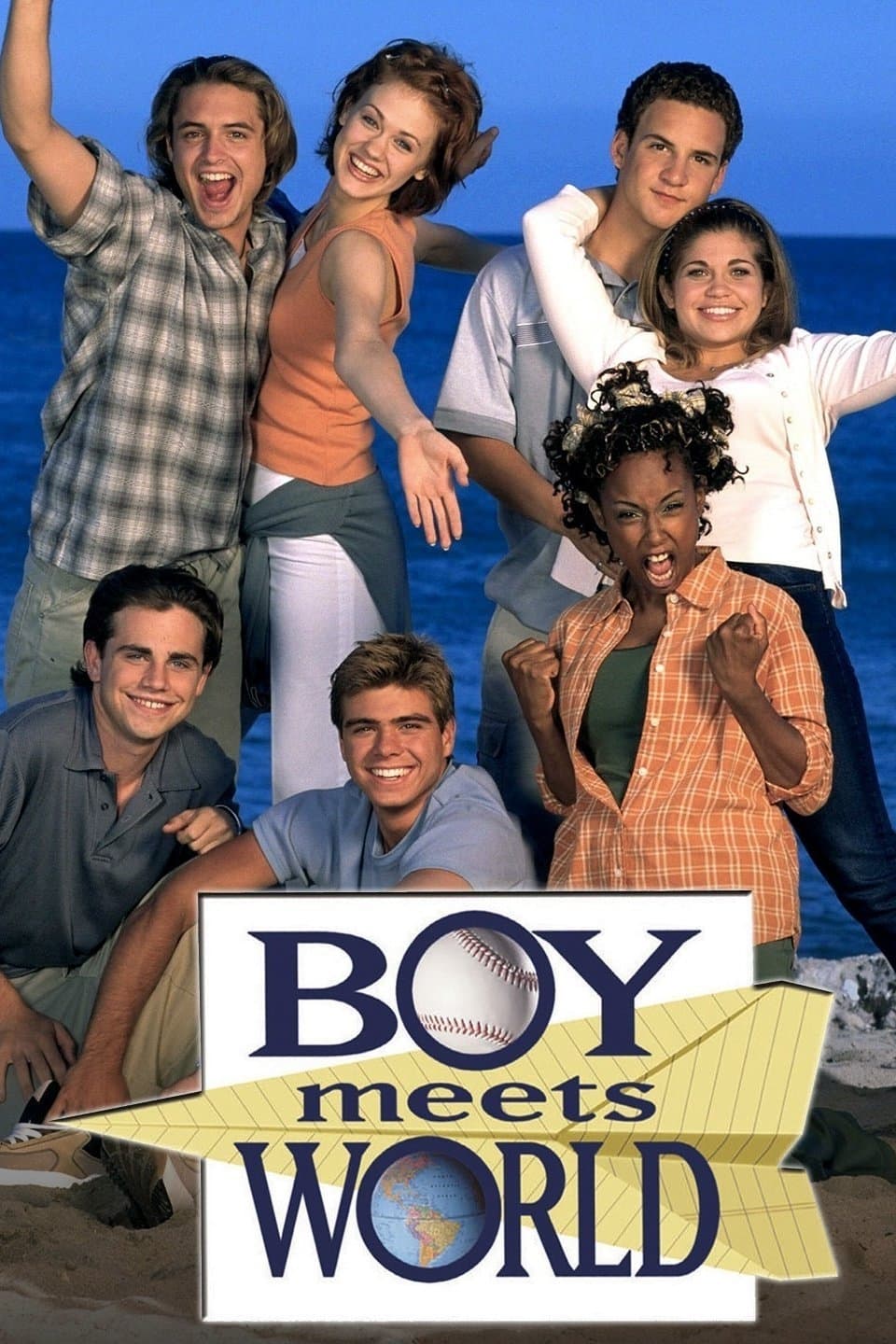
Cory Matthews grows from a middle school student into a married man while learning life lessons from his teacher Mr. Feeny. The relationship between Cory and Topanga serves as the central romance that evolves significantly throughout the series. Shawn Hunter provides a compelling counterpart to Cory as he deals with a troubled home life and socioeconomic struggles. The show is beloved for balancing slapstick humor with genuine emotional moments.
‘Blossom’ (1990–1995)
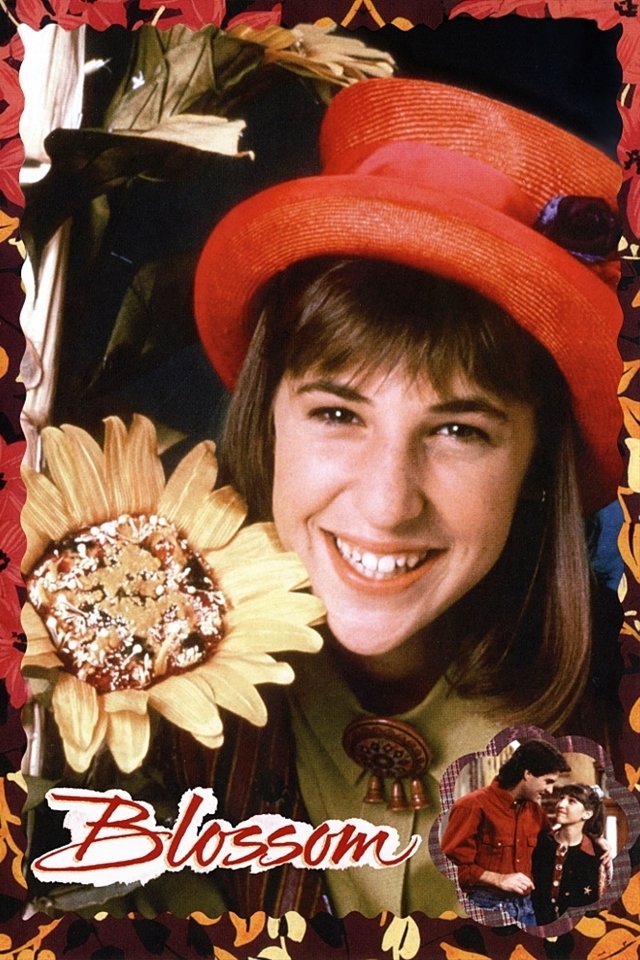
Mayim Bialik stars as a brilliant teenager living with her father and two brothers after her mother leaves the family. The title character is known for her distinct fashion sense which includes floppy hats and oversized floral prints. Episodes often tackle sensitive subjects such as addiction and divorce through the lens of a young girl coming of age. The series offers a realistic look at a non-traditional family structure during the early nineties.
‘Doogie Howser, M.D.’ (1989–1993)
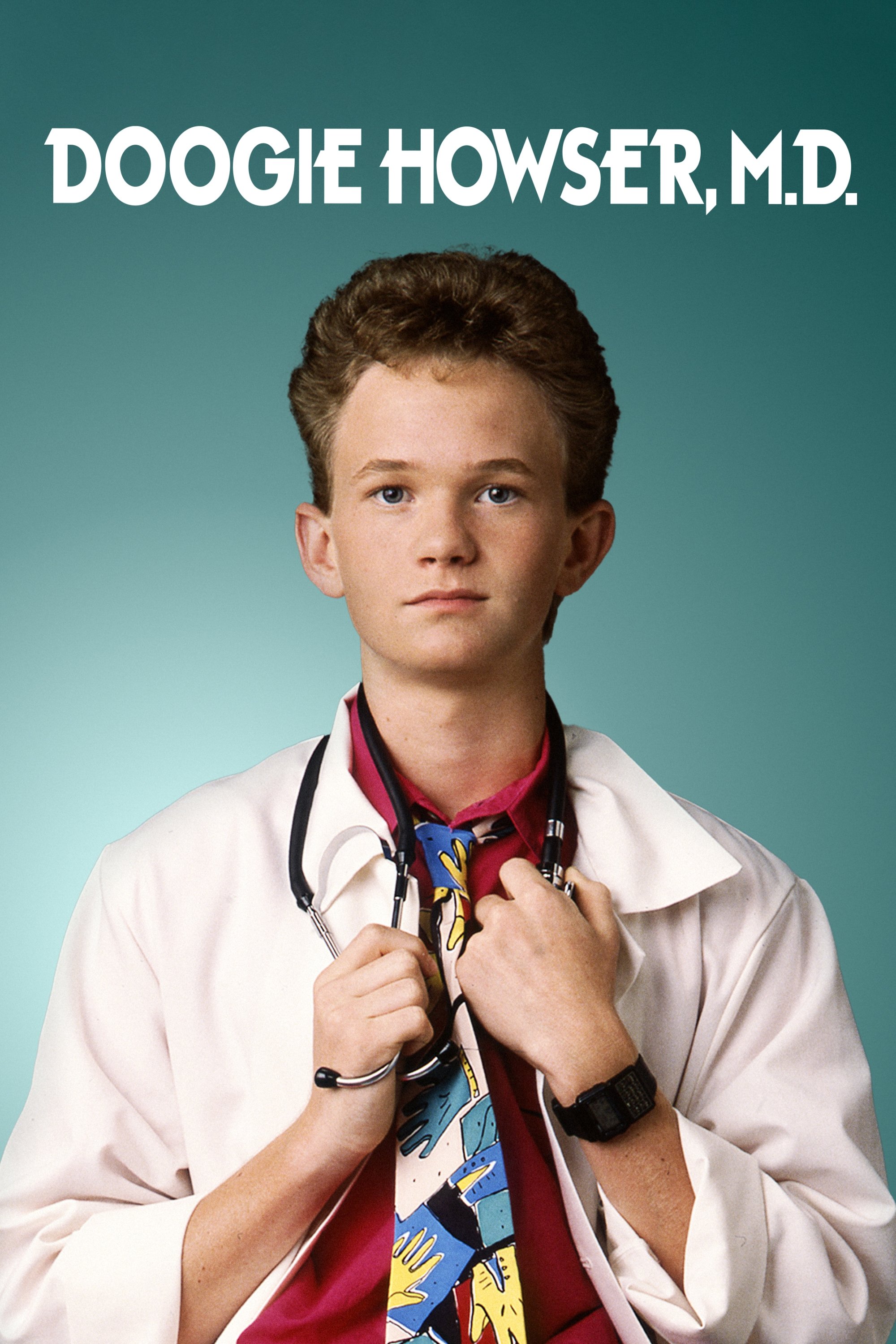
Neil Patrick Harris plays a teenage genius who balances the demands of being a licensed physician with the struggles of adolescence. Doogie writes a computer journal entry at the end of each episode to summarize the moral lesson he learned. The show explores the difficulty of growing up too fast and the isolation that comes with exceptional intelligence. It remains a unique mix of medical drama and coming-of-age comedy.
‘The Wonder Years’ (1988–1993)
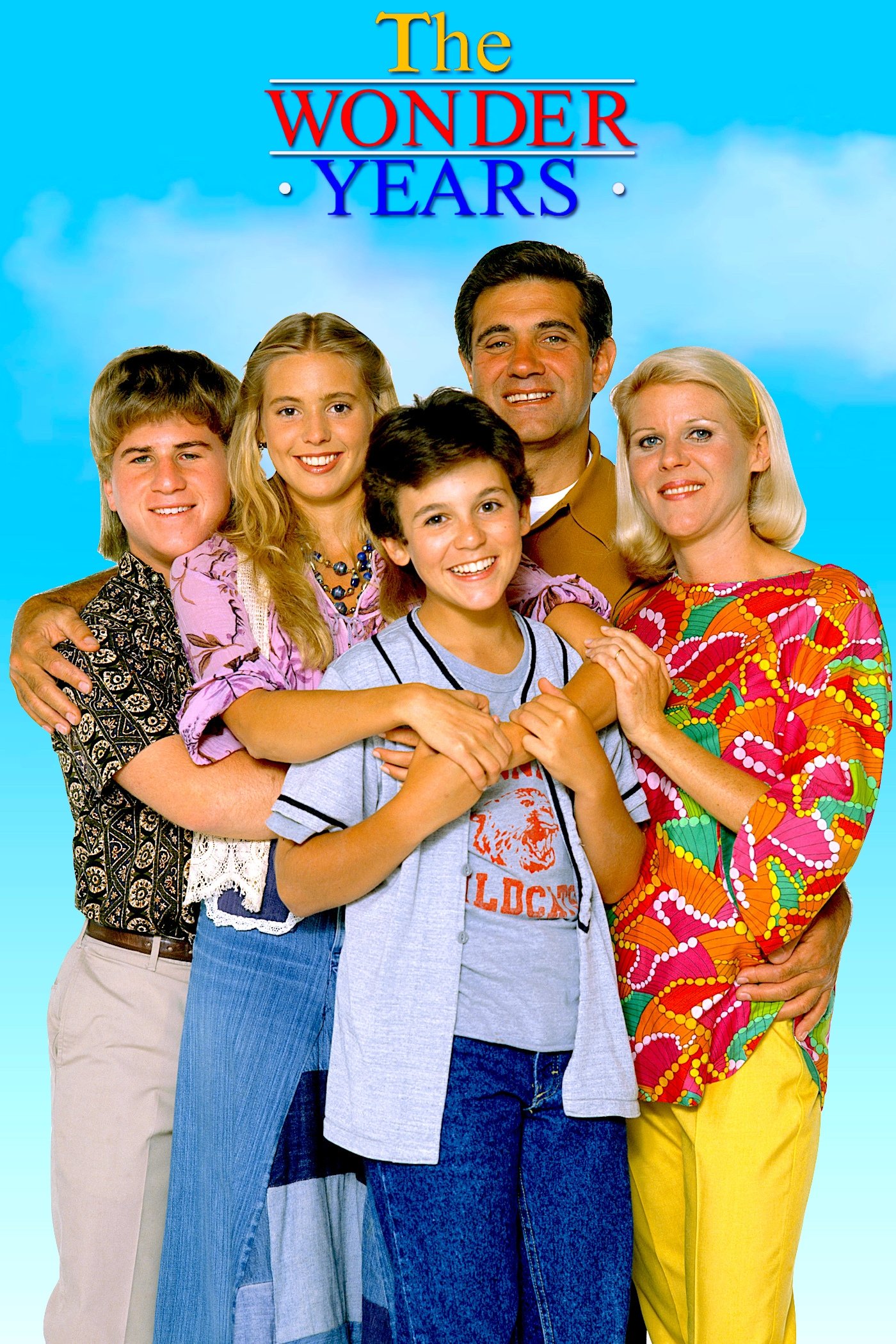
Kevin Arnold recalls his childhood growing up in the late sixties and early seventies through insightful adult narration. The series uses the social and political turbulence of the era as a backdrop for suburban family life. Kevin navigates his complicated relationship with girl-next-door Winnie Cooper and his gruff father Jack. The show is celebrated for its cinematic single-camera format and its ability to capture the bittersweet nature of memory.
‘My So-Called Life’ (1994–1995)
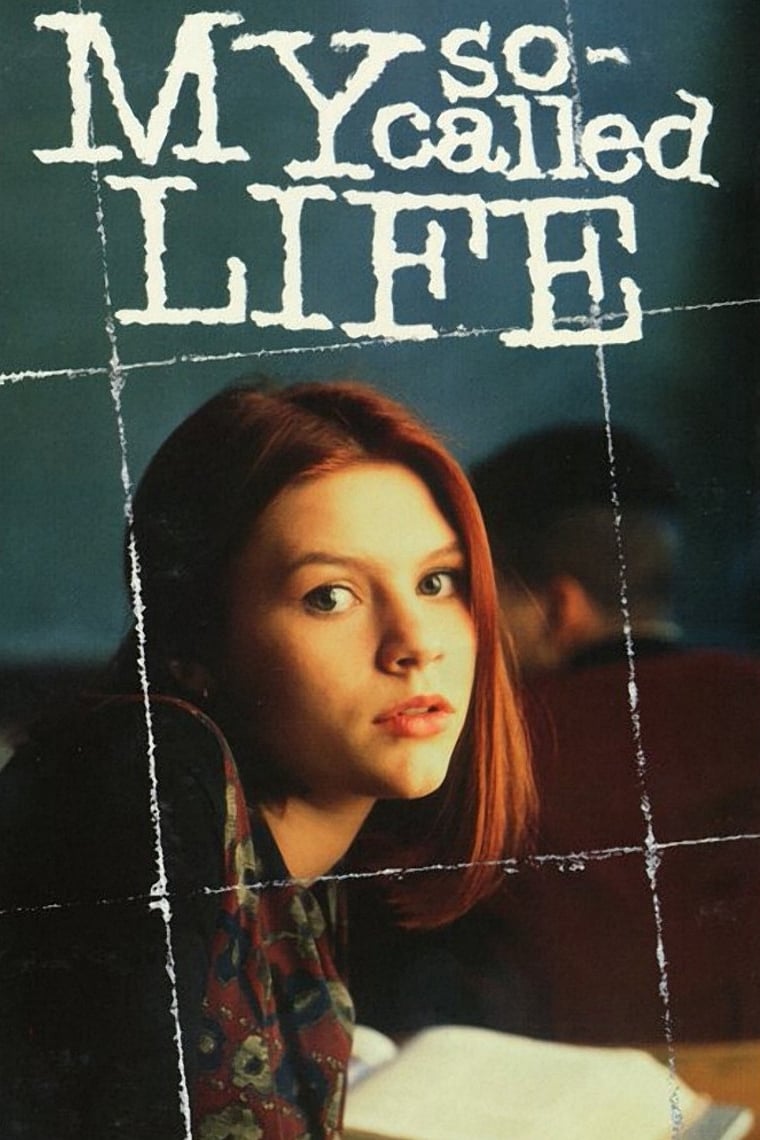
Angela Chase explores her identity and drifts away from her old friends to hang out with a rebellious crowd. The show is praised for its honest and sometimes painful depiction of the teenage experience without polished resolutions. Claire Danes delivers a breakout performance as she narrates her inner thoughts about school and her crush Jordan Catalano. Despite running for only one season the series developed a passionate cult following.
‘Freaks and Geeks’ (1999–2000)
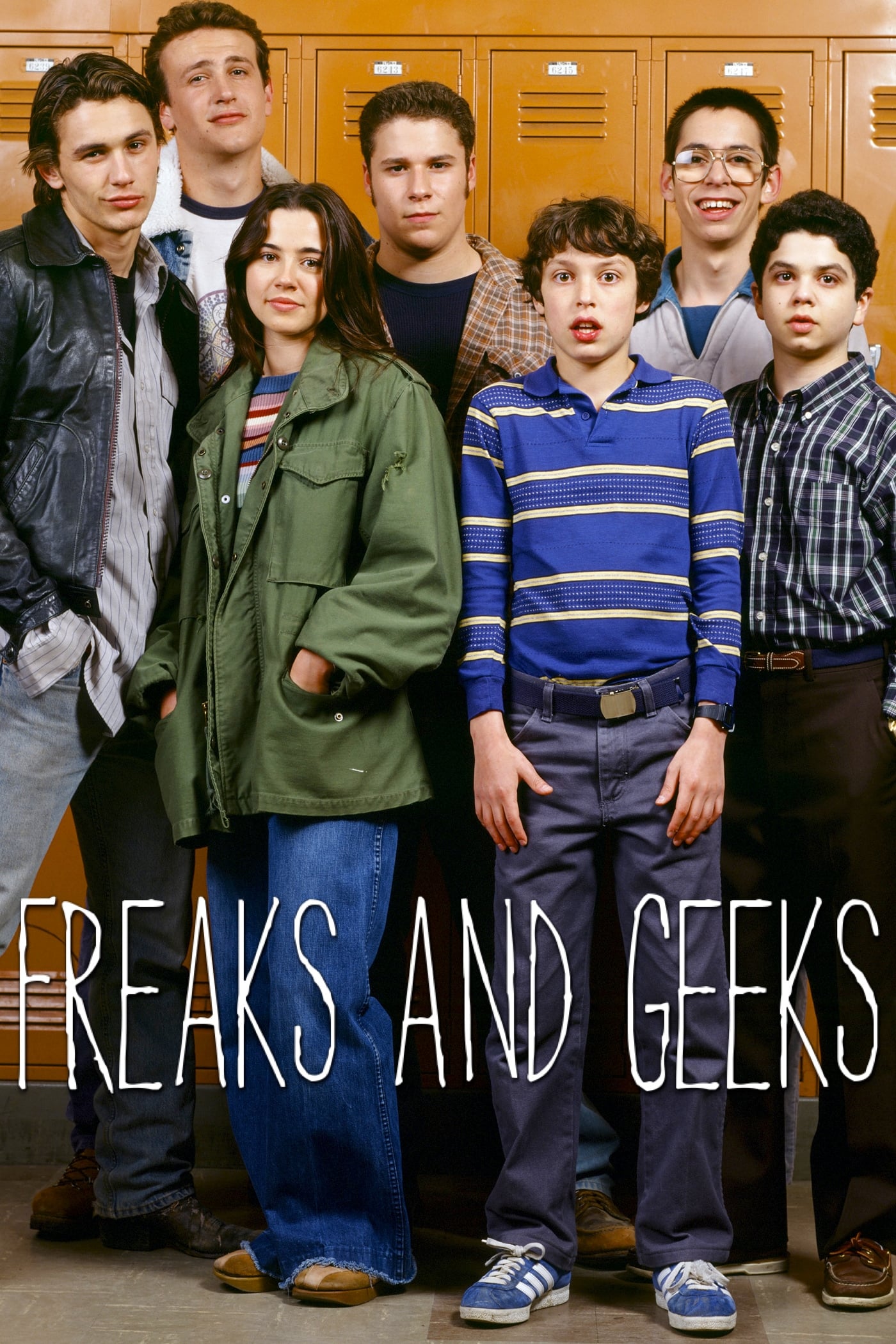
High school siblings Lindsay and Sam Weir navigate their respective social groups of burnouts and nerds in 1980. The show offers a painfully realistic look at high school hierarchy and the awkwardness of adolescence. The cast features many actors who would go on to become major comedy stars in Hollywood. Its cancellation after a single season remains a sore point for fans who connected with its authentic storytelling.
‘Dawson’s Creek’ (1998–2003)
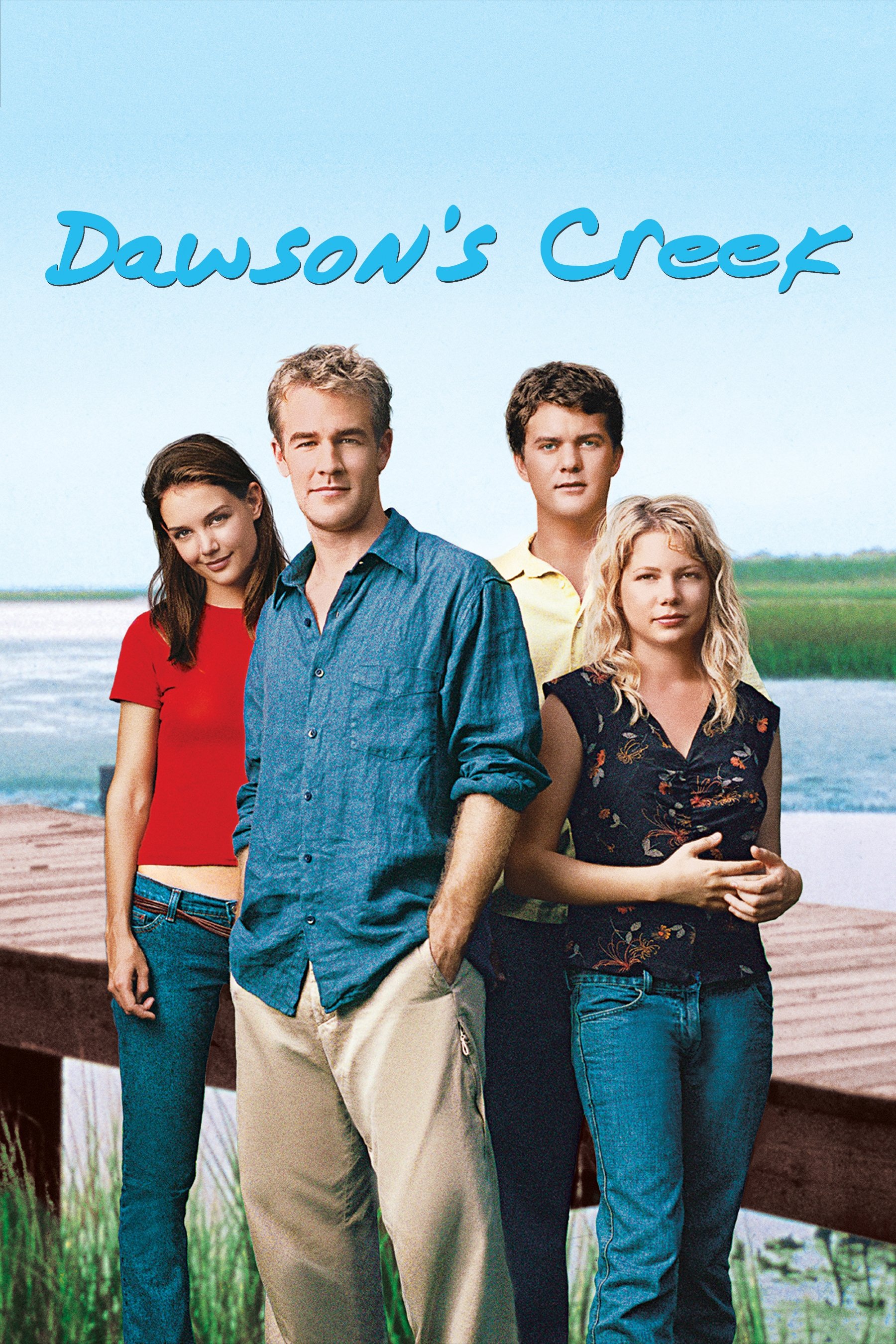
Four teenagers in the coastal town of Capeside struggle with growing pains and complex romantic entanglements. The characters are known for their hyper-articulate dialogue and precocious vocabulary that set the show apart from other teen dramas. The love triangle between Dawson and Joey and Pacey became one of the most debated plotlines in television history. It helped define the WB network and influenced a wave of emotional teen dramas.
‘Beverly Hills, 90210’ (1990–2000)
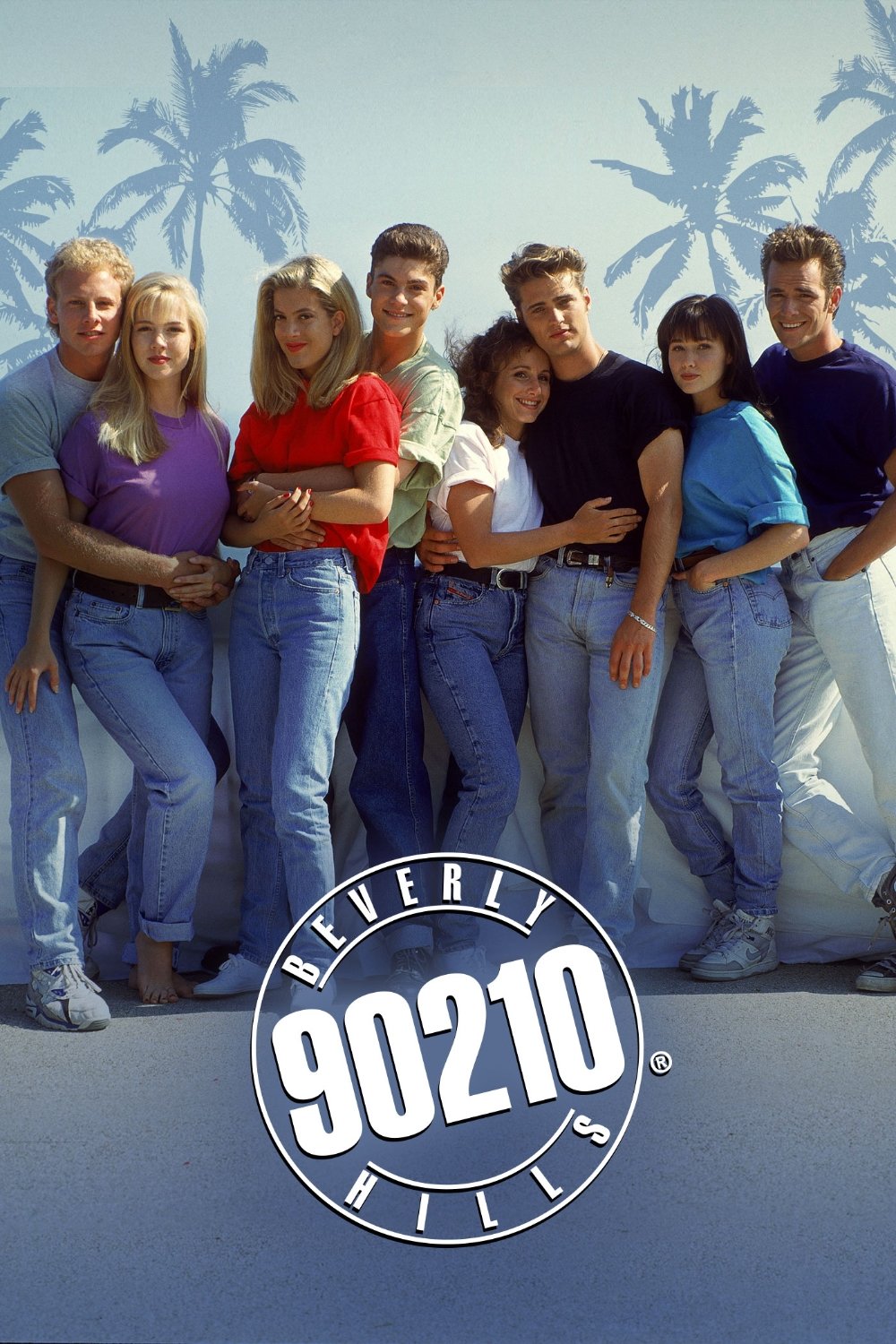
The Walsh twins move from Minnesota to the upscale zip code of Beverly Hills and experience a massive culture shock. The series tackles serious issues ranging from date rape to suicide while showcasing the glamorous lifestyle of wealthy teenagers. It became a global sensation and turned its cast members into major teen idols. The Peach Pit diner serves as the central hangout spot where the group gathers to discuss their drama.
‘The O.C.’ (2003–2007)
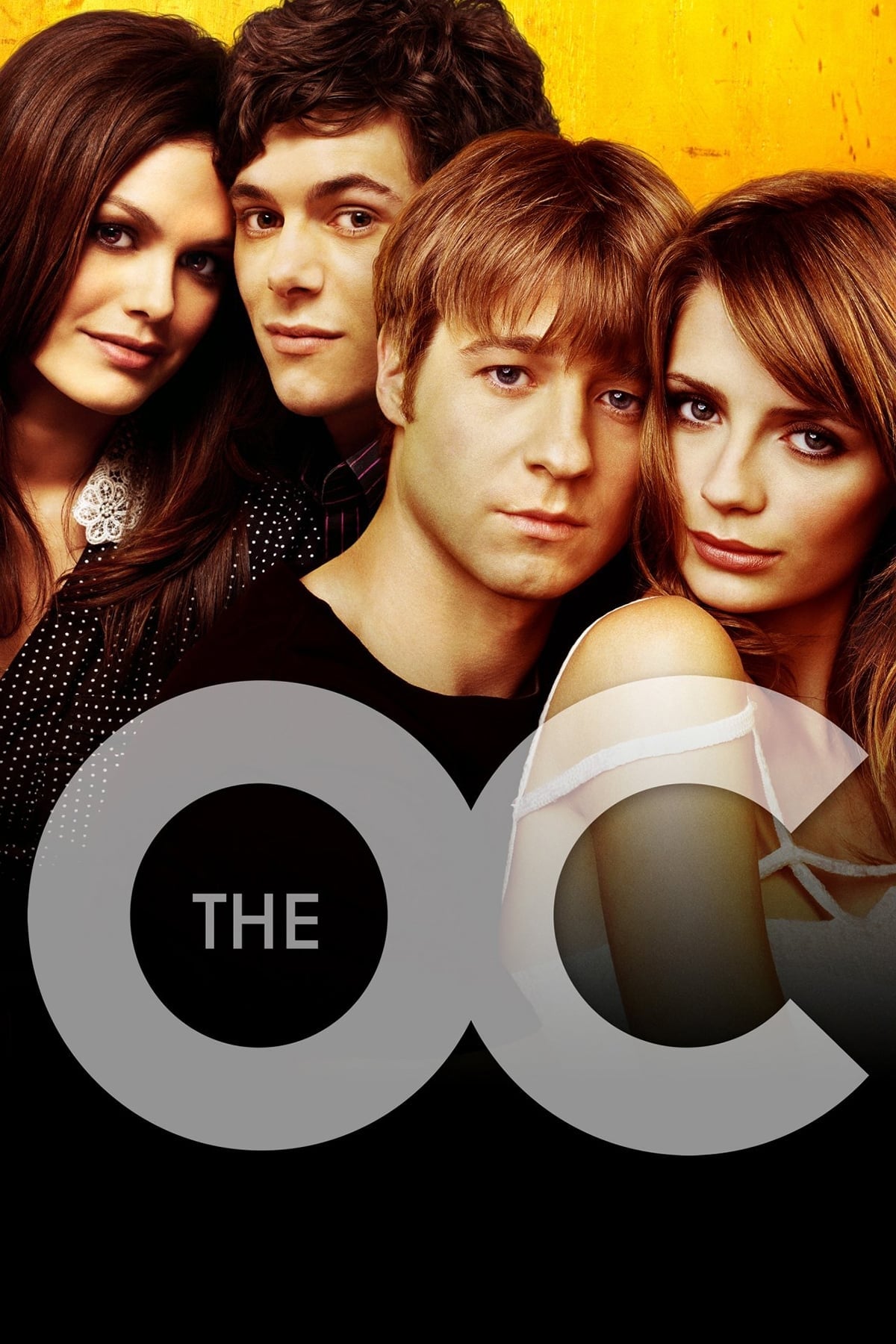
A troubled youth from Chino is taken in by a wealthy public defender and his family in Newport Beach. Ryan Atwood must adjust to his new life while protecting his foster brother Seth from bullies. The show mixes melodrama with self-aware humor and features a distinctive indie rock soundtrack. The friendship between Ryan and Seth serves as the emotional anchor amidst the chaotic relationships of the wealthy elite.
‘Gilmore Girls’ (2000–2007)
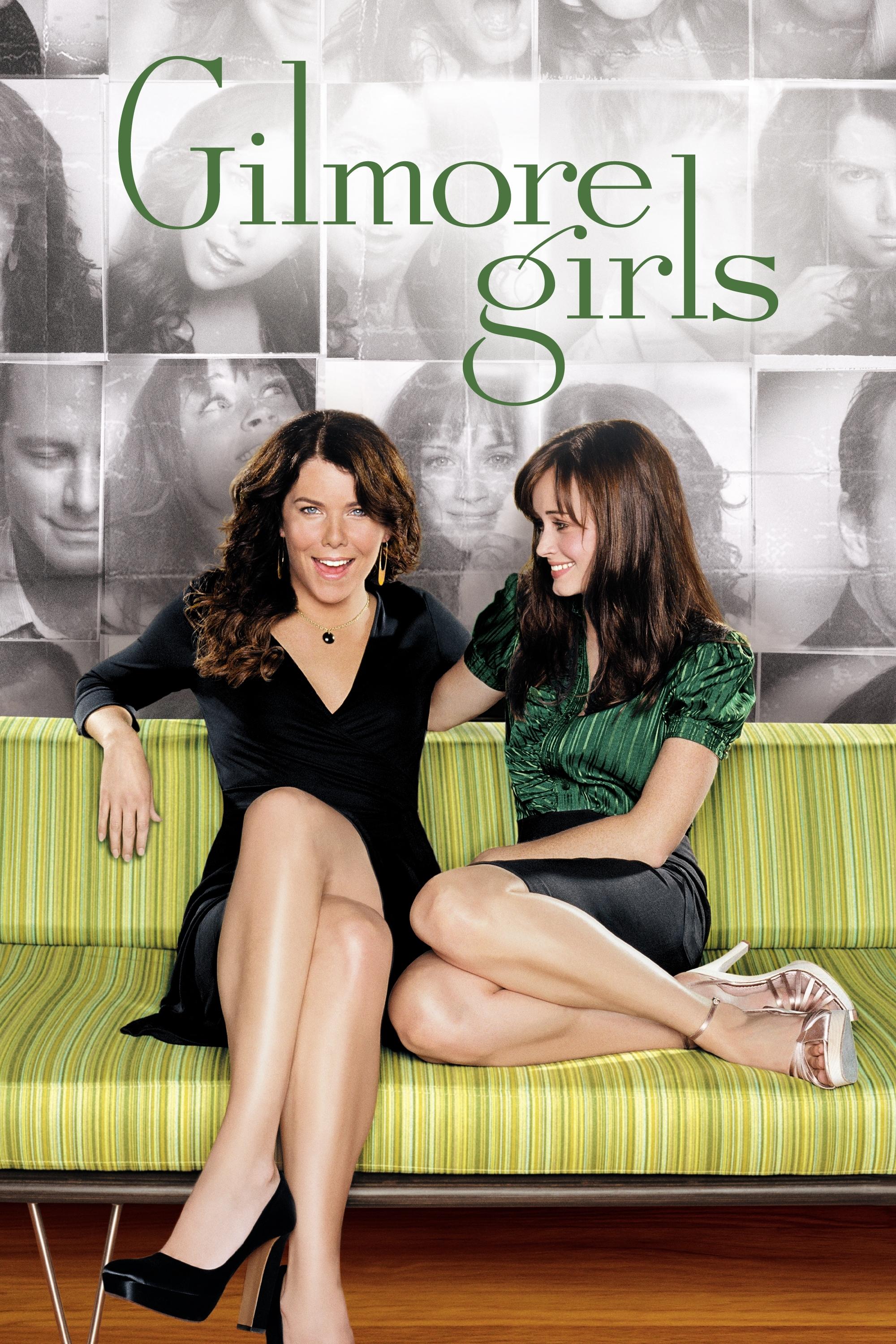
Lorelai Gilmore and her daughter Rory share a close bond and an addiction to coffee in the quaint town of Stars Hollow. The series is famous for its fast-paced dialogue and obscure pop culture references delivered at breakneck speed. Lorelai navigates her strained relationship with her wealthy parents while Rory pursues her academic dreams at Yale. The eccentric townspeople add charm and humor to this comforting drama.
‘One Tree Hill’ (2003–2012)
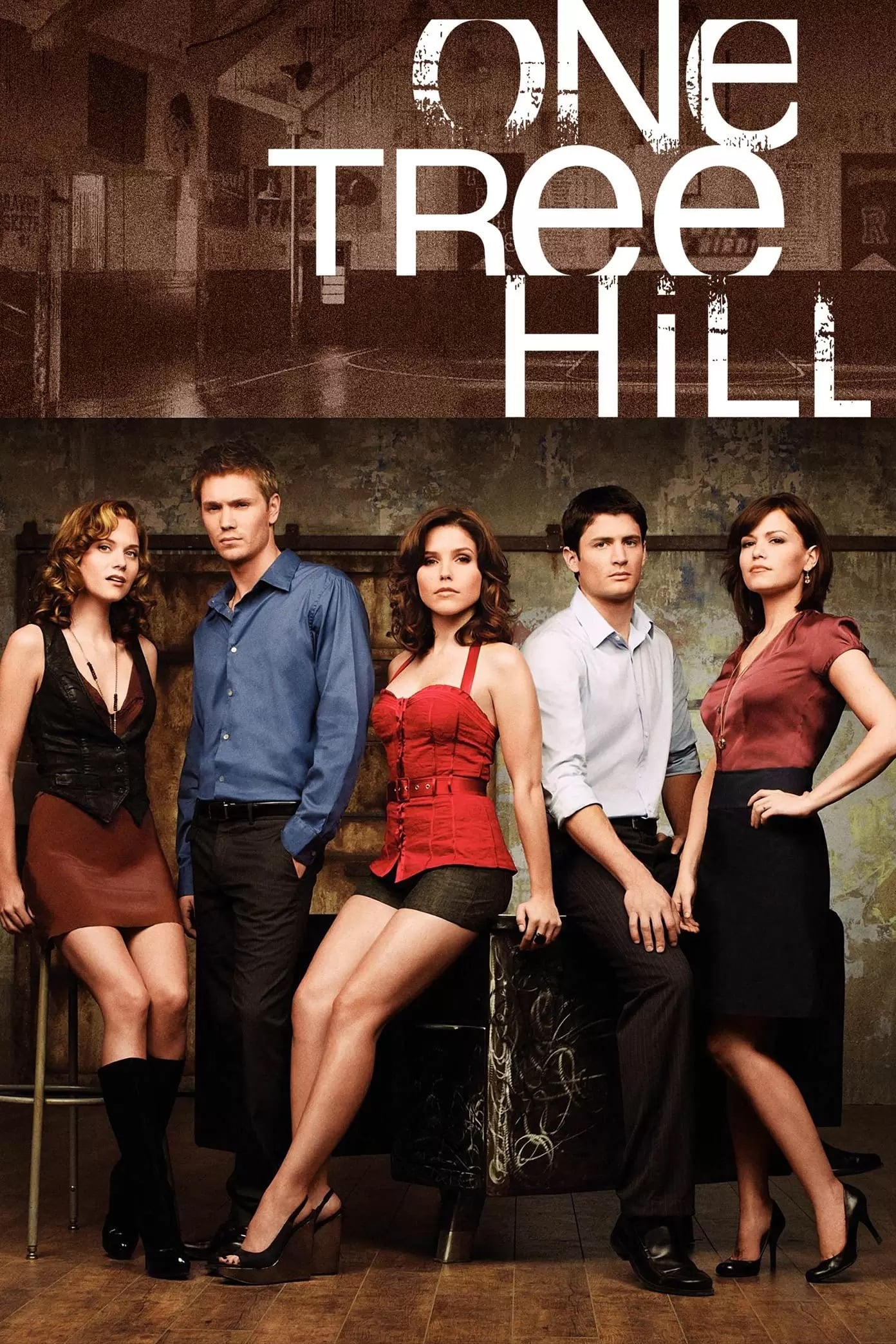
Two estranged half-brothers compete on their high school basketball team and vie for the affection of the same girls. Lucas and Nathan Scott eventually bond and repair their relationship despite the interference of their villainous father Dan. The show features a strong emphasis on music and literature with episode titles often named after songs. It evolved from a sports drama into a soap opera that followed the characters well into adulthood.
‘Buffy the Vampire Slayer’ (1997–2003)
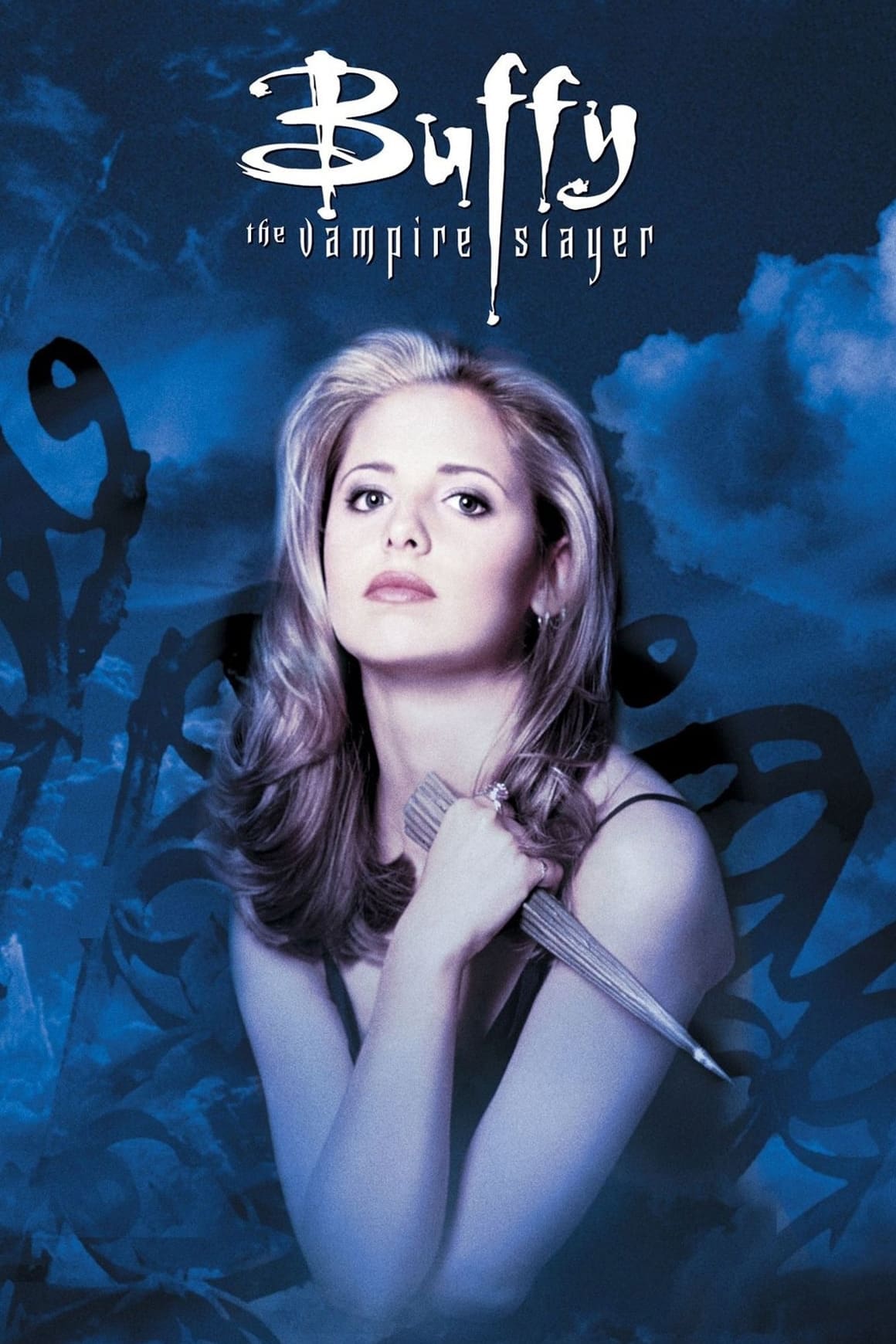
Buffy Summers tries to live a normal high school life while fulfilling her destiny as the chosen one who fights forces of darkness. She is aided by her group of friends known as the Scooby Gang who provide research and emotional support. The show uses supernatural metaphors to explore real-life issues associated with growing up and becoming an adult. Its clever writing and strong female protagonist redefined the genre of fantasy television.
‘Charmed’ (1998–2006)
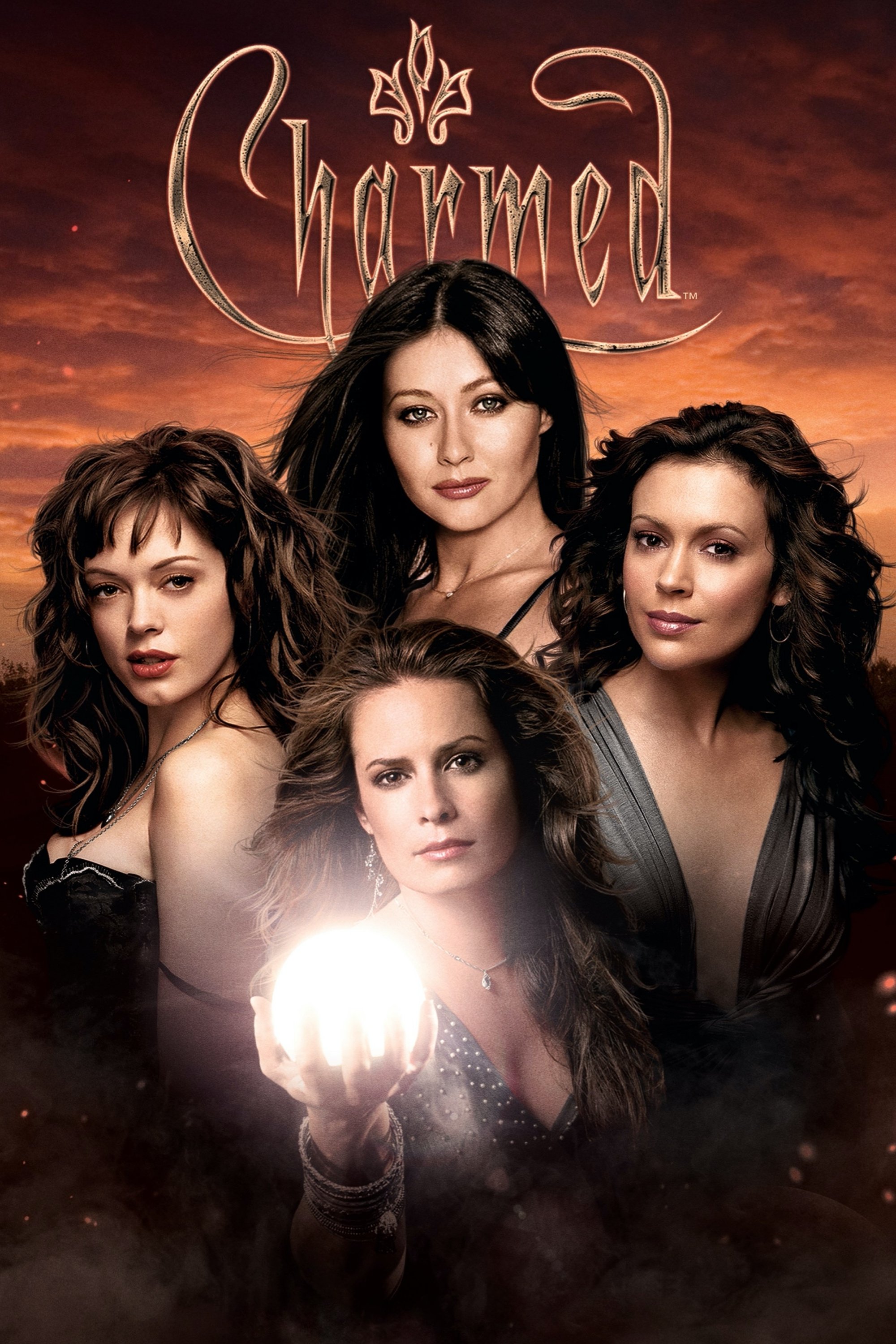
Three sisters discover they are powerful witches who must use the Power of Three to vanquish demons and warlocks. The Halliwell sisters struggle to keep their magical identities secret while maintaining their careers and romantic lives in San Francisco. The bond of sisterhood is the strongest magic of all as they face personal tragedies and supernatural threats. The show remains one of the longest-running series featuring an all-female lead cast.
‘Sabrina the Teenage Witch’ (1996–2003)
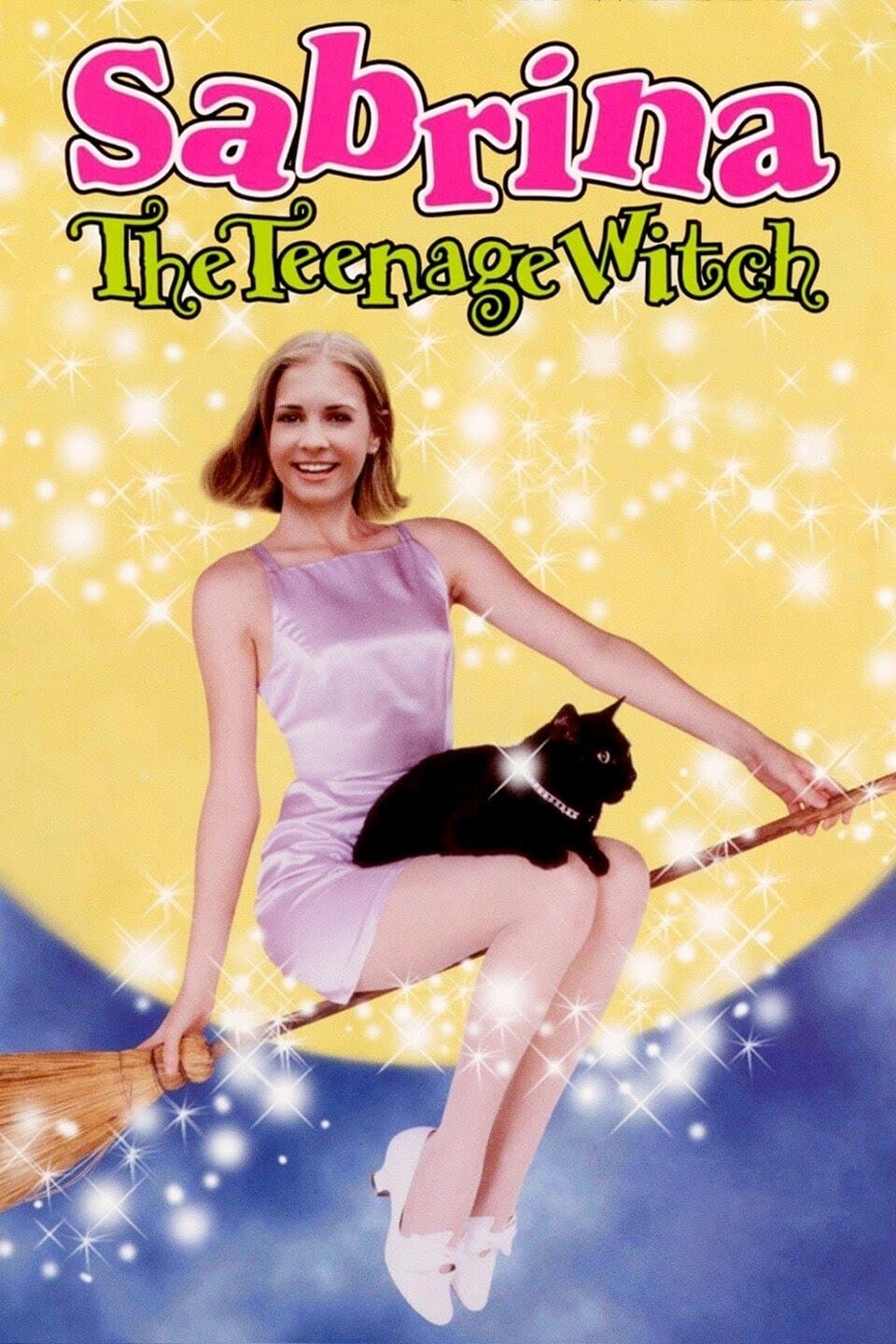
On her sixteenth birthday a teenager discovers she has magical powers and lives with her two witch aunts. Melissa Joan Hart stars as Sabrina who tries to use magic to solve her problems but often makes them worse. Her talking black cat Salem provides sarcastic commentary and schemes to take over the world. The sitcom combines magical special effects with standard high school situations for lighthearted entertainment.
‘The X-Files’ (1993–2002)

FBI agents Fox Mulder and Dana Scully investigate unsolved cases involving paranormal phenomena and government conspiracies. Mulder is the believer who seeks the truth about aliens while Scully is the skeptic who relies on science. The chemistry between the two leads anchors the show as they encounter monsters of the week and complex mythology. The series tapped into pre-millennium paranoia and became a massive cultural touchstone.
‘Twin Peaks’ (1990–1991)
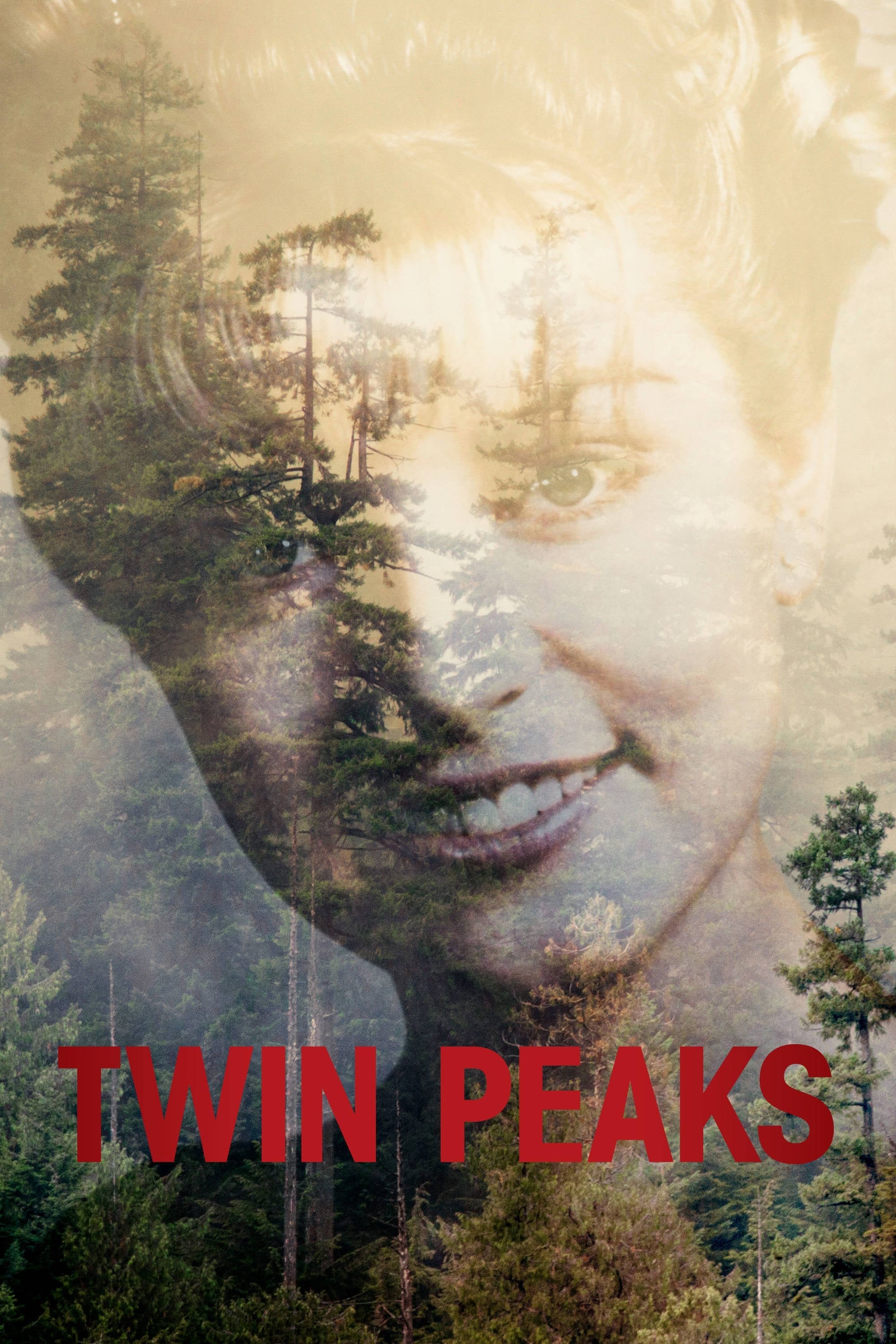
FBI Agent Dale Cooper travels to a small Washington town to investigate the murder of high school student Laura Palmer. The investigation reveals the dark secrets hidden beneath the eccentric surface of the community. Director David Lynch brings a surreal and dreamlike quality to the mystery that was unlike anything else on television. The show creates an unsettling atmosphere that blends soap opera tropes with supernatural horror.
‘Ally McBeal’ (1997–2002)

A young lawyer joins a prestigious Boston firm where she works alongside her ex-boyfriend and his new wife. The show is known for its fantasy sequences that visualize the inner thoughts and neuroses of the title character. A dancing baby animation from the series became one of the earliest viral internet memes. It blends legal drama with romantic comedy and surreal humor to explore the life of a single professional woman.
‘Sex and the City’ (1998–2004)
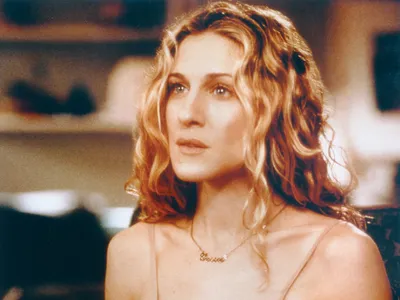
Columnist Carrie Bradshaw documents the dating lives of herself and her three best friends in New York City. The series explores female friendship and sexuality with a level of candor that was groundbreaking for its time. Fashion plays a major role in the show as the characters sport designer outfits that influenced real-world trends. The distinct personalities of the four women allow every viewer to identify with one of them.
‘Will & Grace’ (1998–2006)
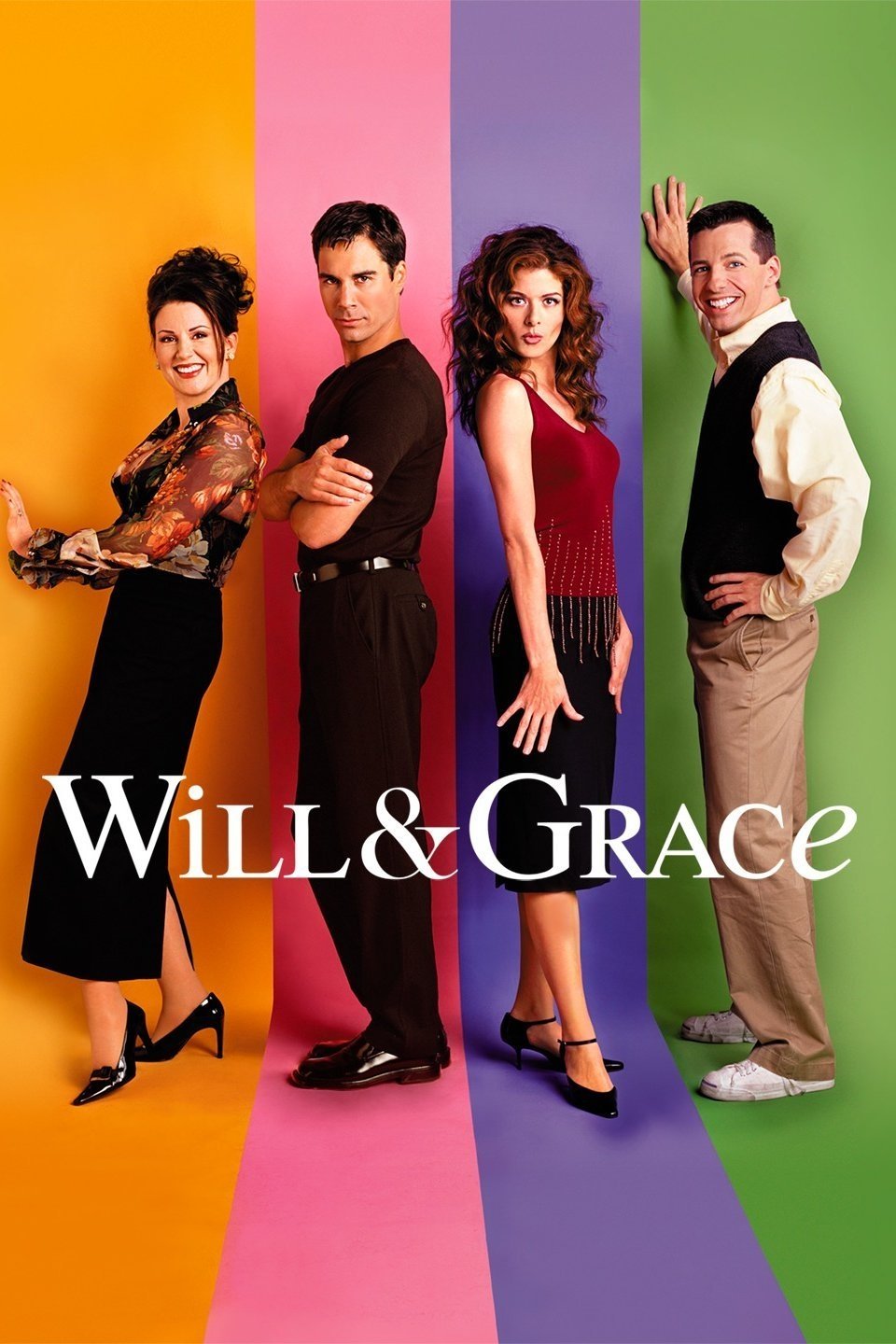
A straight interior designer and her gay lawyer best friend navigate life and love in New York City. They are joined by their wealthy alcoholic assistant Karen and their flamboyant actor friend Jack. The sitcom was pioneering for featuring gay principal characters in a successful primetime series. The sharp wit and physical comedy of the ensemble cast made it a critical and commercial success.
‘3rd Rock from the Sun’ (1996–2001)
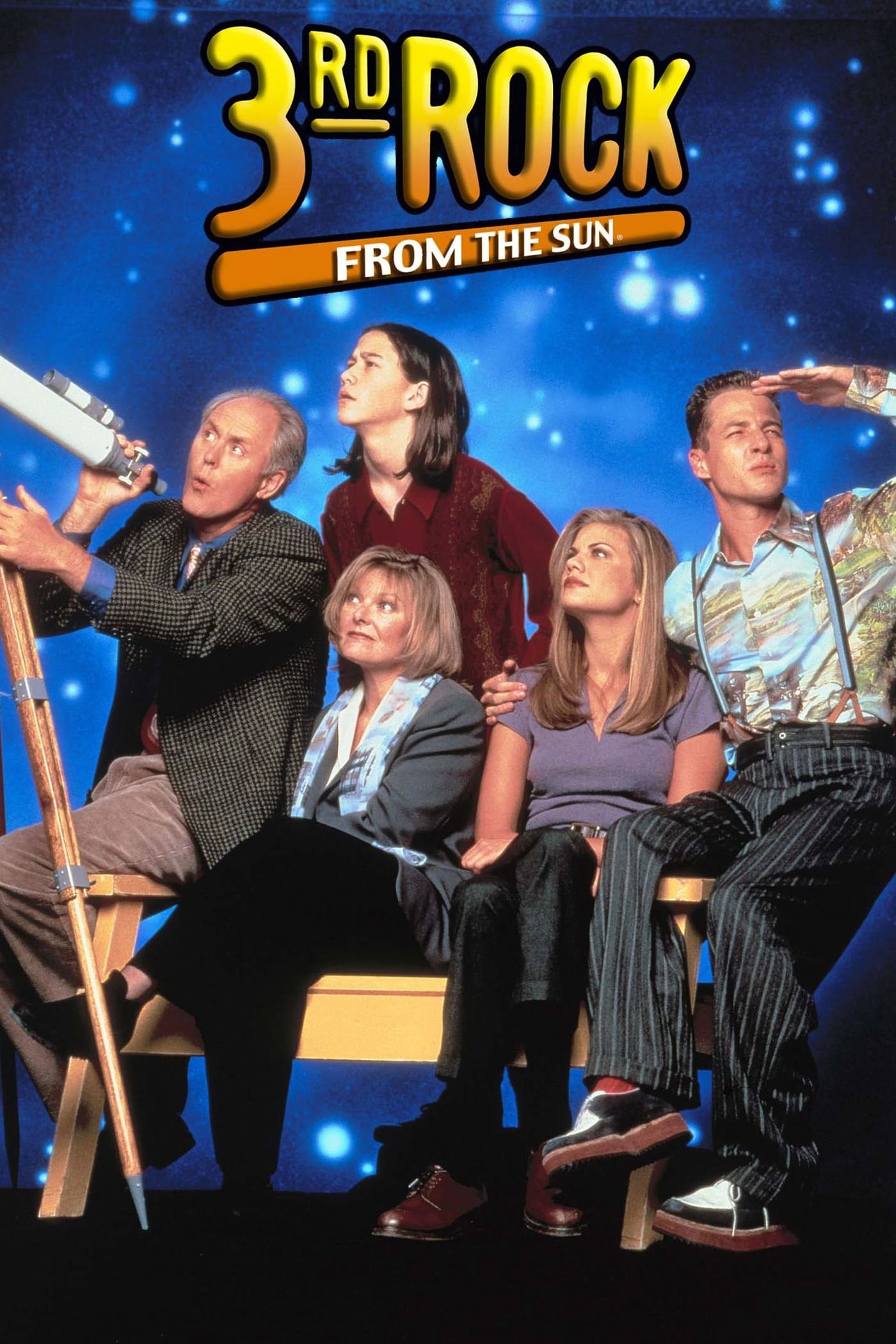
A group of aliens poses as a human family to study the behavior of Earth’s inhabitants. The High Commander takes the form of the father Dick Solomon while the others pose as his sister and son. They struggle to understand human emotions and social customs which leads to constant misunderstandings. The show uses the outsider perspective to satirize the absurdities of the human condition.
‘Malcolm in the Middle’ (2000–2006)
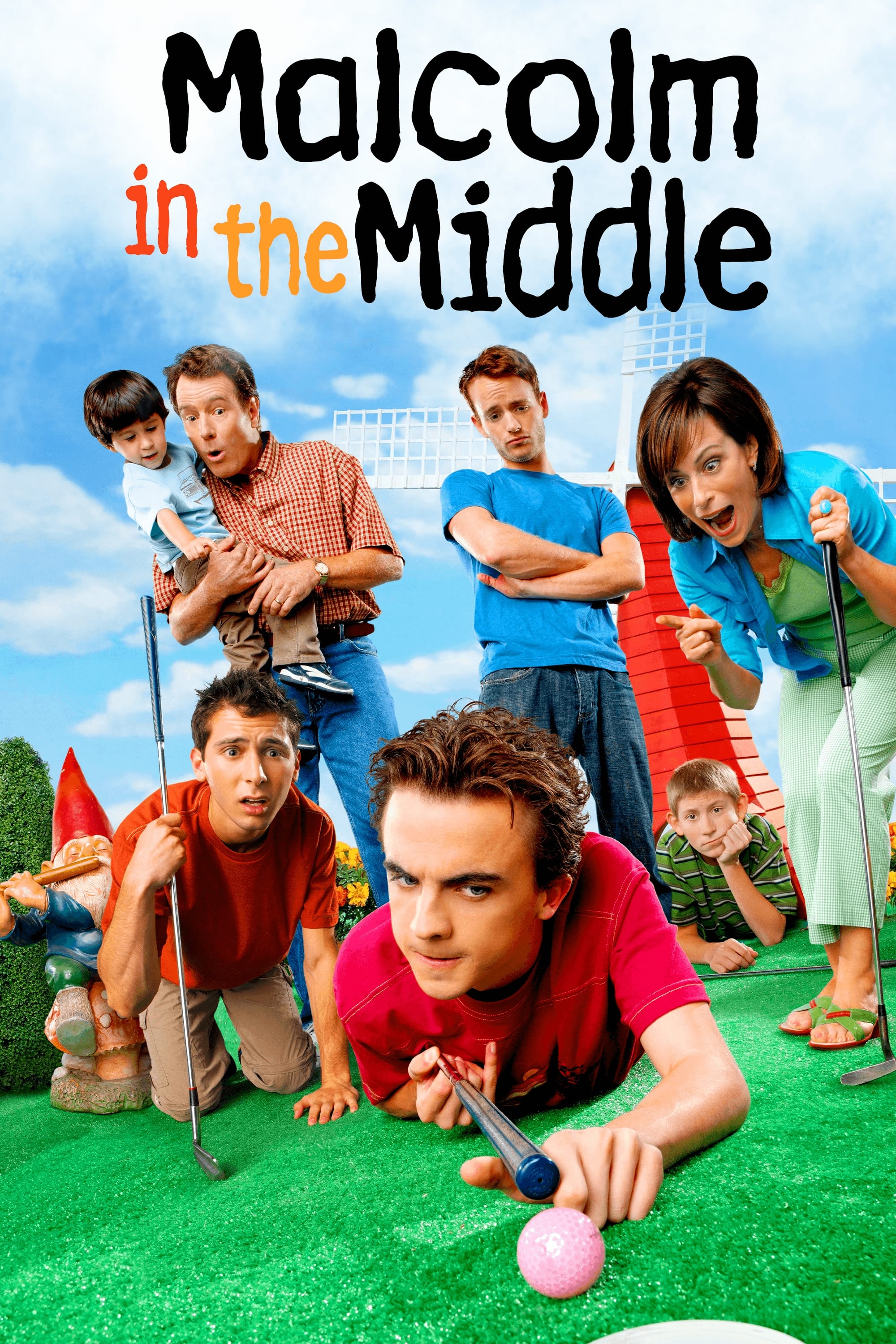
A gifted student tries to survive life in a chaotic and dysfunctional working-class family. Malcolm frequently breaks the fourth wall to complain about his controlling mother Lois and his immature father Hal. The show avoids a laugh track and uses a single-camera setup to create a distinct visual style. It realistically portrays the financial struggles and messy reality of raising unruly boys.
‘That ’70s Show’ (1998–2006)

A group of teenagers in Wisconsin spends their time hanging out in a basement during the late nineteen-seventies. The show captures the fashion and music of the decade while exploring the boredom of suburban youth. Eric Forman serves as the everyman leader who tries to balance his friends’ antics with his strict father’s rules. The circular camera technique used during their group conversations became a signature visual gag.
‘Scrubs’ (2001–2010)

Intern J.D. daydreams his way through his medical training at Sacred Heart Hospital. The series seamlessly blends slapstick comedy with poignant moments about life and death in a hospital setting. J.D. seeks the approval of his reluctant mentor Dr. Cox while maintaining a close friendship with fellow doctor Turk. The show is praised for its accuracy regarding the emotional toll of the medical profession.
‘Home Improvement’ (1991–1999)
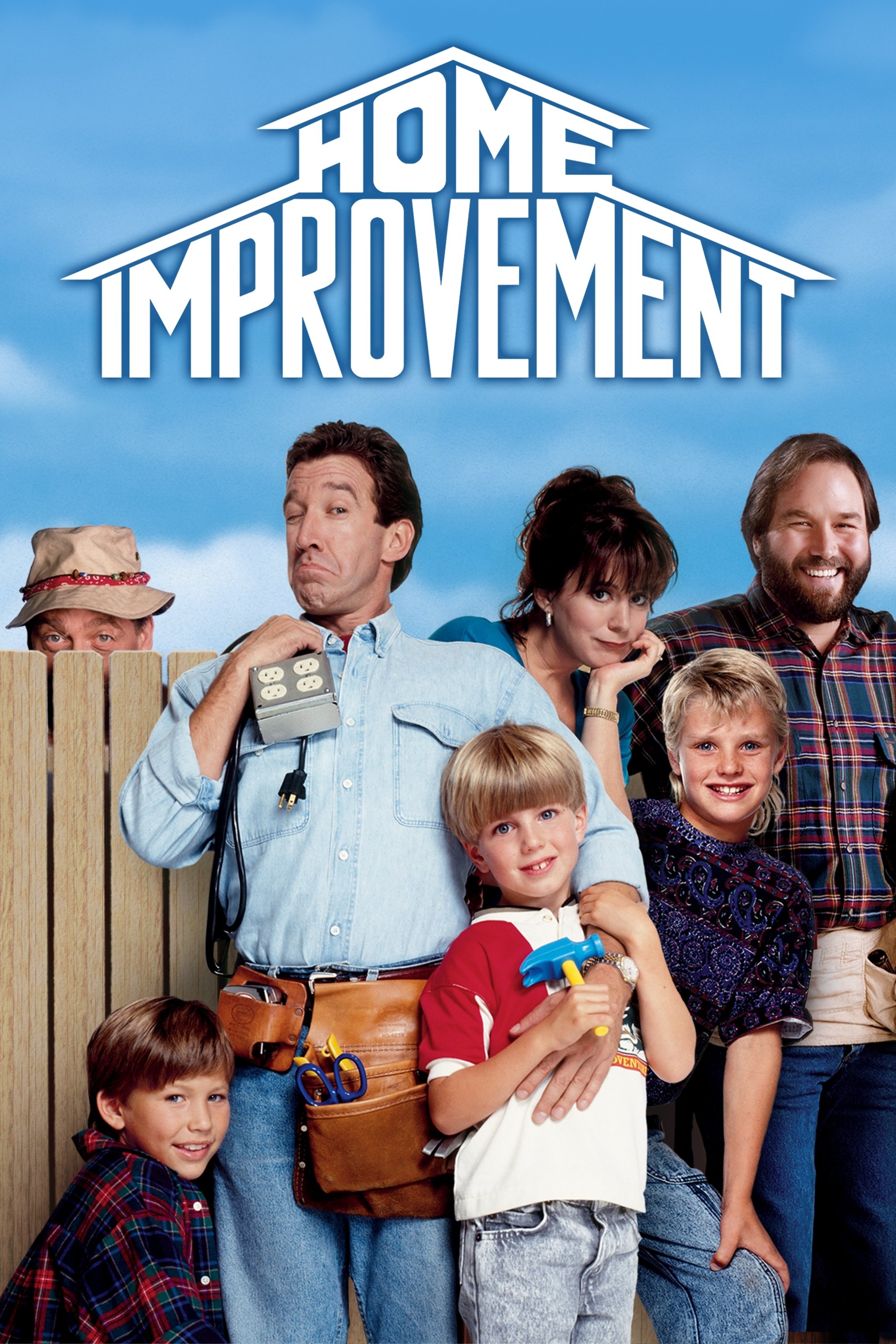
Tim Taylor hosts a cable tool show but is often accident-prone and inept when it comes to fixing things at home. He relies on advice from his neighbor Wilson whose face is continually obscured by the fence. The series explores family dynamics and modern masculinity through Tim’s relationship with his wife Jill and three sons. Tim’s signature grunts and obsession with more power became iconic traits of the character.
‘Roseanne’ (1988–1997)
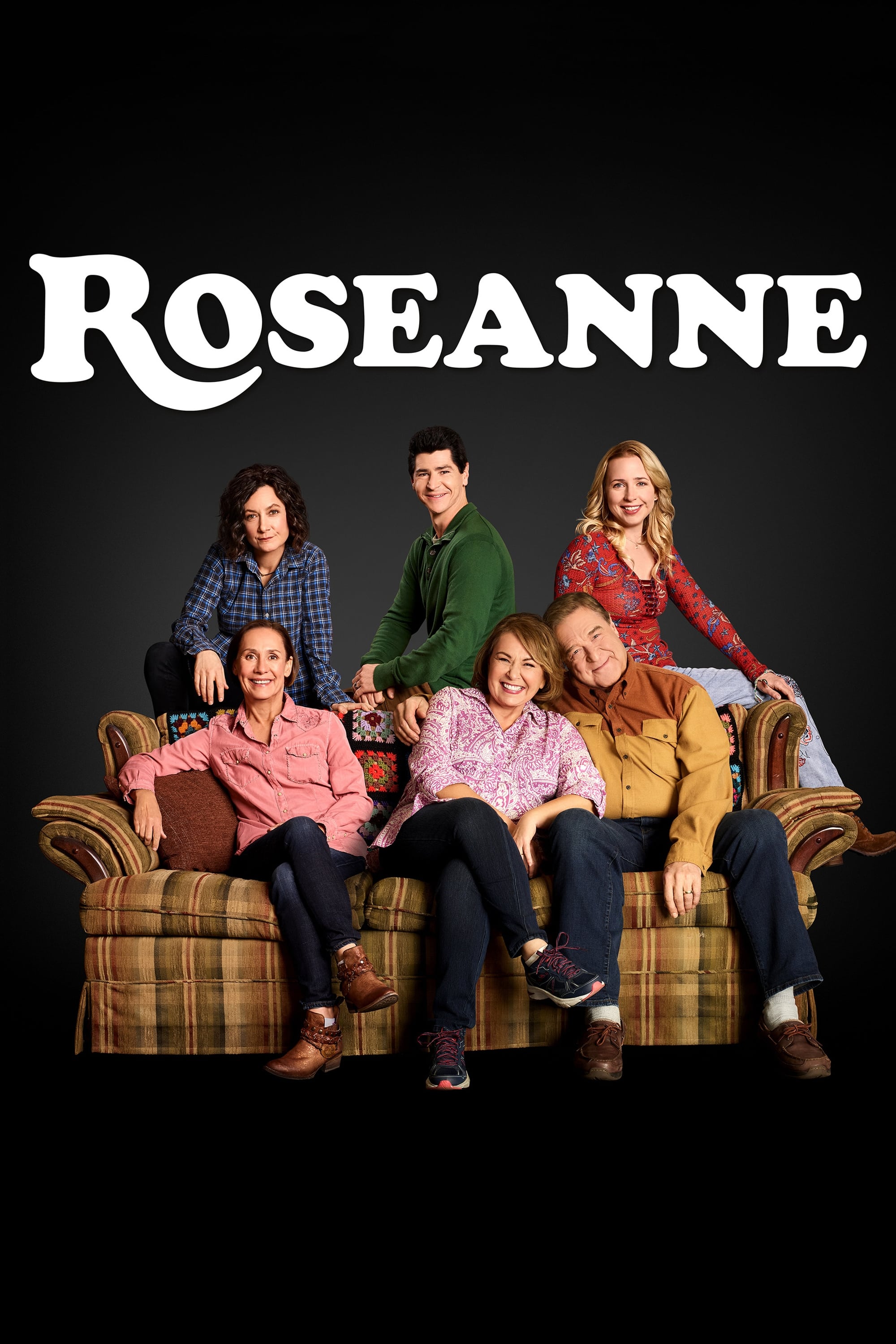
The Conner family struggles to make ends meet in the working-class town of Lanford. The show offers a realistic and often abrasive look at blue-collar life that contrasted with the polished sitcoms of the time. Roseanne Barr’s commanding presence and sarcastic humor drive the stories about marriage and parenting. It tackles economic hardship and social issues with a blend of comedy and dramatic weight.
‘Married… with Children’ (1987–1997)

Al Bundy is a miserable shoe salesman who longs for his glory days as a high school football star. He lives with his lazy wife Peggy and their two dysfunctional children in a subversion of the happy family sitcom trope. The show is known for its crude humor and the audience’s raucous cheering and hooting. It was instrumental in establishing the Fox network as an edgy alternative to the traditional big three.
‘The Nanny’ (1993–1999)
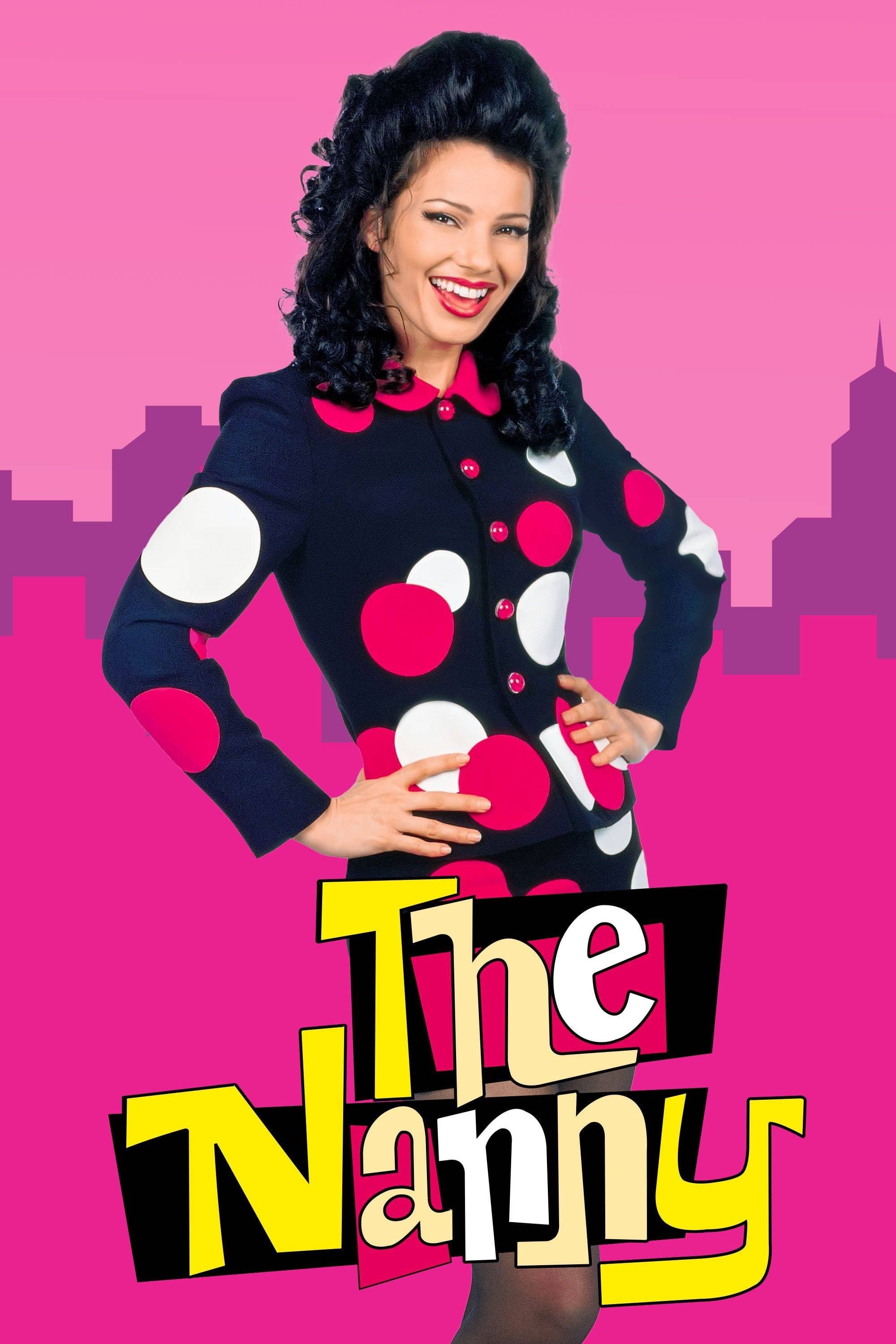
Fran Fine is a fashion-forward woman from Queens who accidentally becomes the nanny for a wealthy British theatrical producer. Her loud voice and working-class background clash hilariously with the uptight atmosphere of the Sheffield household. The will-they-won’t-they tension between Fran and Mr. Sheffield provides the romantic backbone of the series. Fran’s colorful outfits and the chemistry with the butler Niles are highlights of the show.
‘Full House’ (1987–1995)
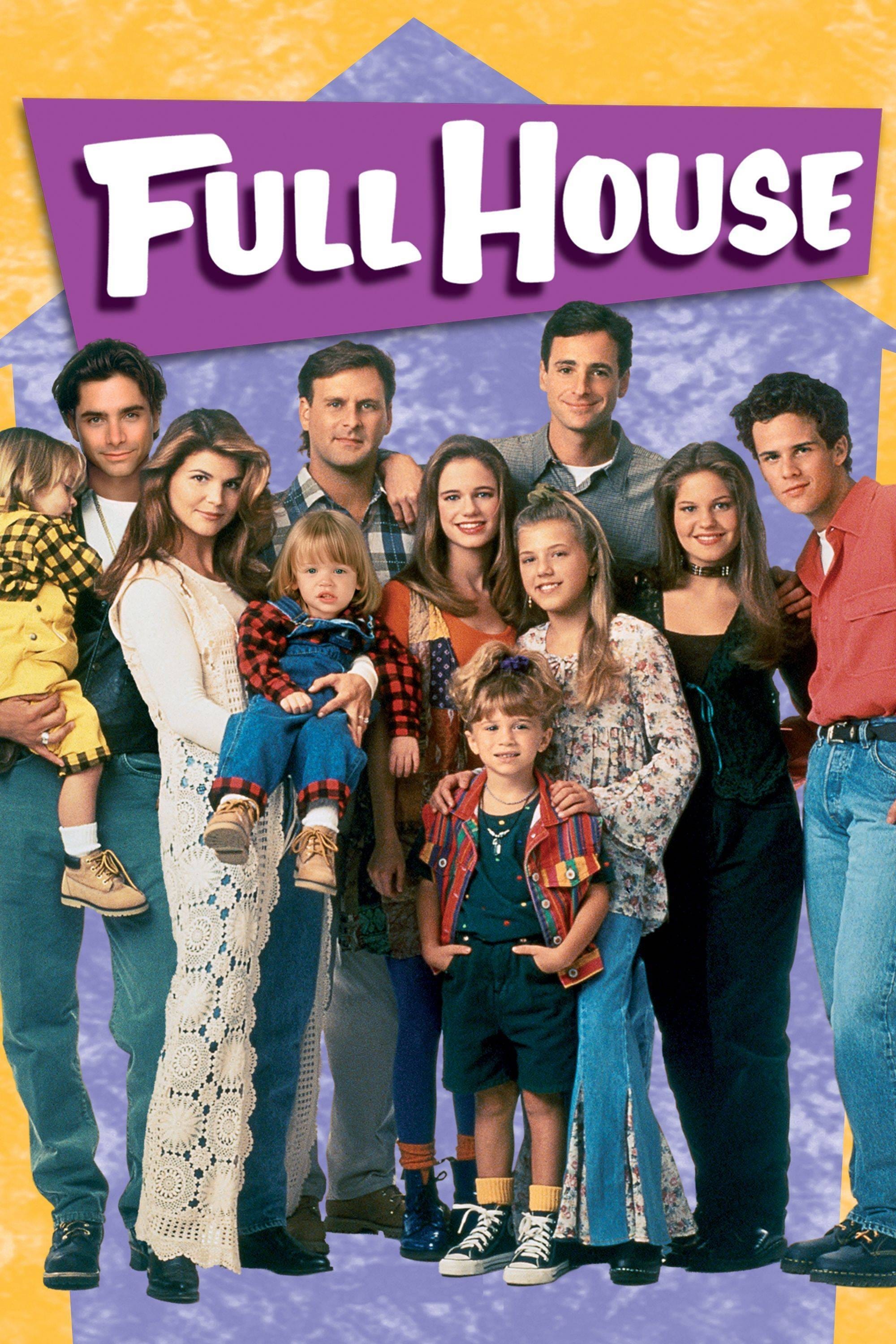
A widowed father recruits his brother-in-law and best friend to help raise his three daughters in San Francisco. The Tanners learn valuable life lessons in every episode accompanied by sentimental music swelling in the background. Catchphrases from the characters became ingrained in the vocabulary of children who watched the show. It remains one of the most recognizable examples of wholesome family entertainment.
‘The Fresh Prince of Bel-Air’ (1990–1996)
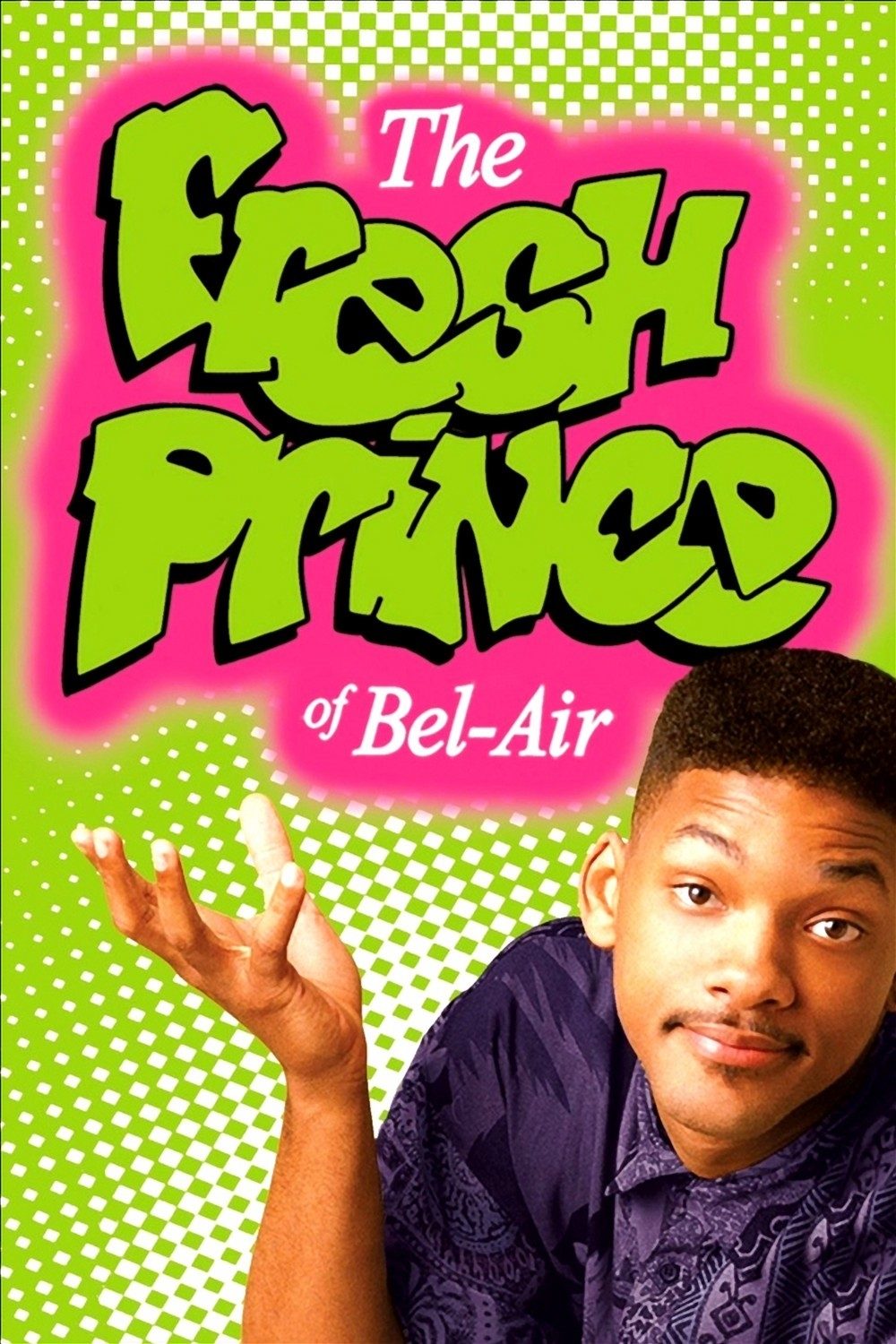
Will Smith plays a fictionalized version of himself who is sent to live with his wealthy aunt and uncle in Bel-Air. The show explores class differences and racial issues through the conflict between Will’s street-smart attitude and his cousins’ privileged upbringing. Emotional moments such as Will’s father leaving him showcase the dramatic range of the lead actor. The Carlton Dance and the opening theme song are enduring pieces of nineties pop culture.
‘The Golden Girls’ (1985–1992)
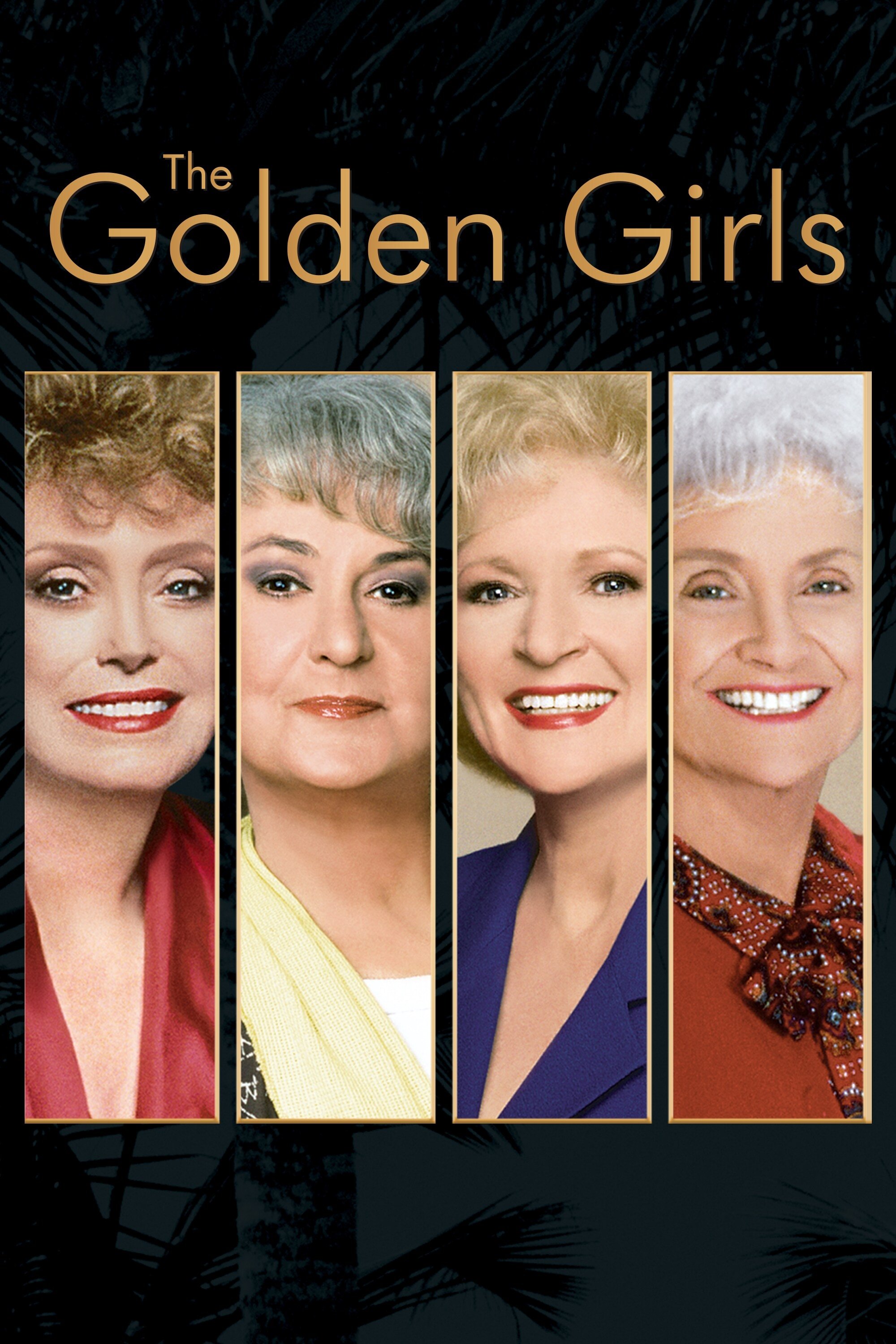
Four older women share a house in Miami and navigate their golden years together with cheesecake and conversation. Dorothy, Rose, Blanche, and Sophia each bring a distinct personality to the group dynamic that creates endless comedic situations. The show addresses topics like aging and illness with wit and dignity rarely afforded to older characters. It enjoys enduring popularity across generations due to its sharp writing and timeless humor.
‘Seinfeld’ (1989–1998)
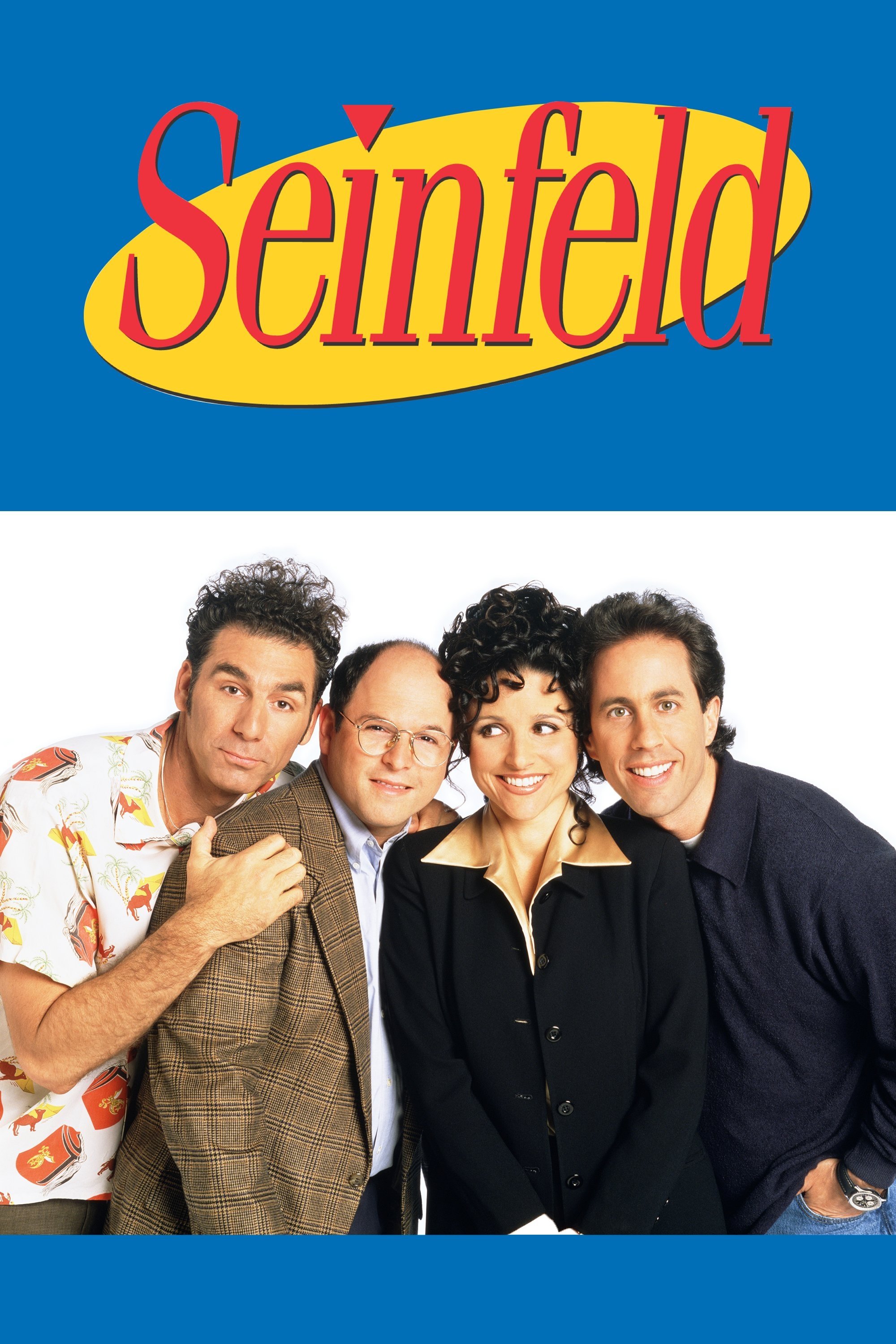
Jerry Seinfeld and his neurotic friends deal with the minutiae of daily life in New York City in a show about nothing. The characters are famously self-centered and often find themselves in absurd situations of their own making. Catchphrases and concepts from the series have become a permanent part of the English lexicon. The show broke the mold of the traditional sitcom by refusing to have its characters learn lessons or grow morally.
‘Friends’ (1994–2004)
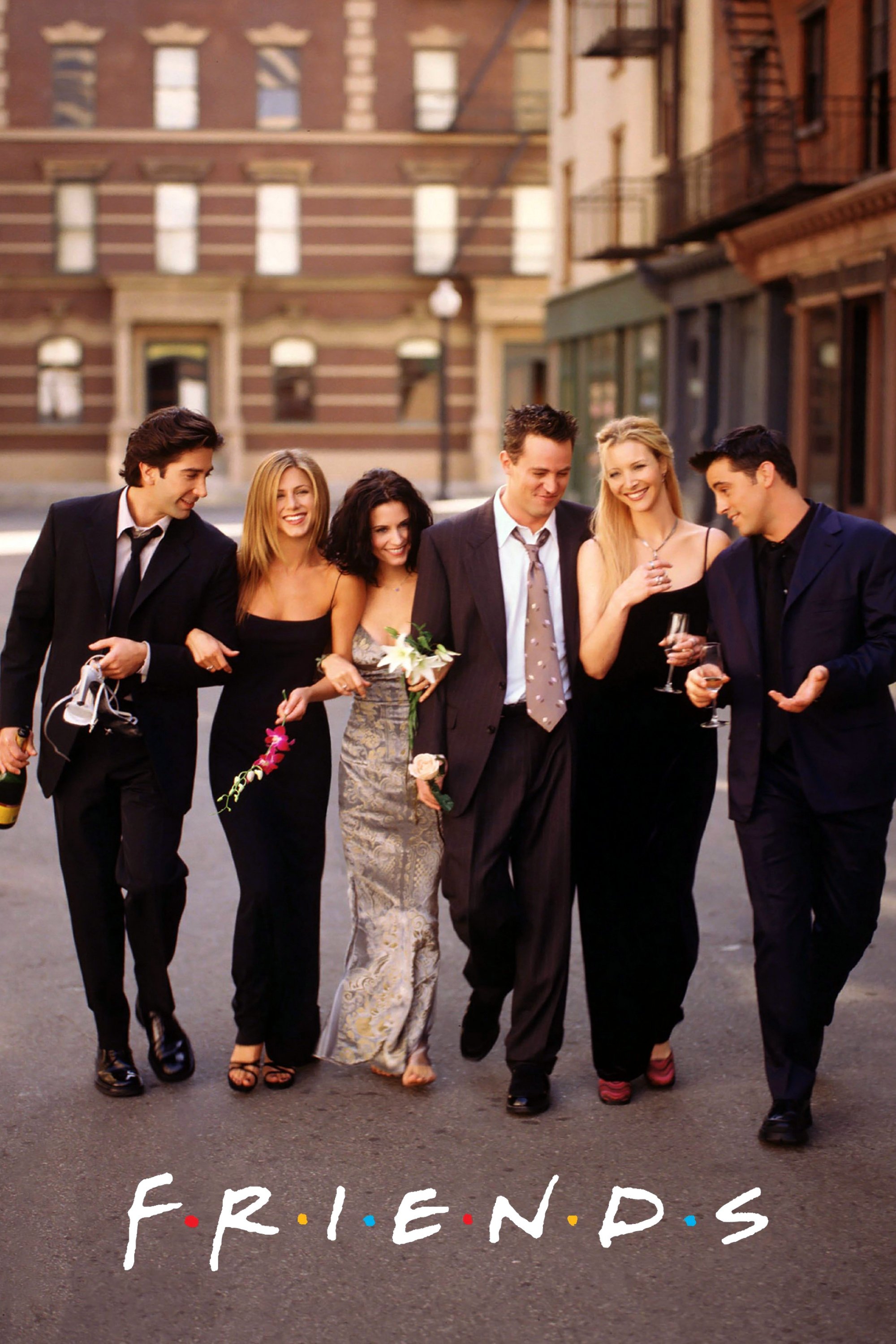
Six friends living in Manhattan rely on each other as they navigate their twenties and thirties. The ensemble cast features distinct personalities that balance each other perfectly within the group dynamic. The central romance between Ross and Rachel provided a decade-long narrative arc that kept viewers hooked. Its influence on fashion and coffee shop culture cemented its status as one of the most popular series in television history.
Share your favorite memories from these classic shows in the comments.

