


The Most Unique Hollywood Actors of All Time


Hollywood has always had room for performers who don’t fit a mold—actors whose voices, choices, and career paths set them apart in unmistakable ways. The names below have carved distinct lanes through unusual role selection, transformative craft, boundary-pushing physical work, or inventive character creation. From pioneers of performance-capture to chameleons who disappear into accents and eras, each has a track record that’s easy to spot and hard to imitate. Here’s a look at what makes these men stand out in concrete, career-specific terms.
Daniel Day-Lewis
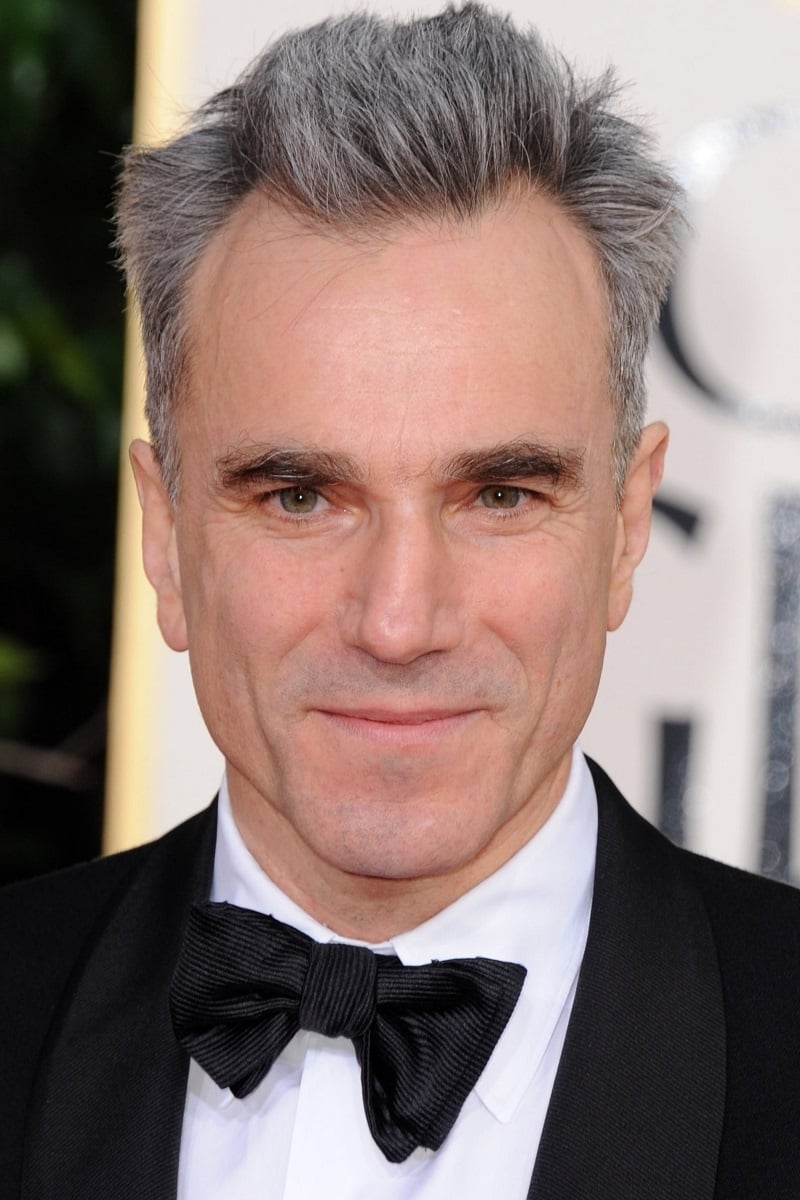
Daniel Day-Lewis is renowned for immersive preparation and long gaps between projects, culminating in three Best Actor Oscars. He trained as a cobbler between films and famously learned period crafts for roles like ‘The Last of the Mohicans’ and ‘Gangs of New York’. His portrayal in ‘There Will Be Blood’ is frequently cited for its researched vocal timbre and historical cadence. He retired after ‘Phantom Thread’, making a career defined by selectivity and transformation.
Nicolas Cage
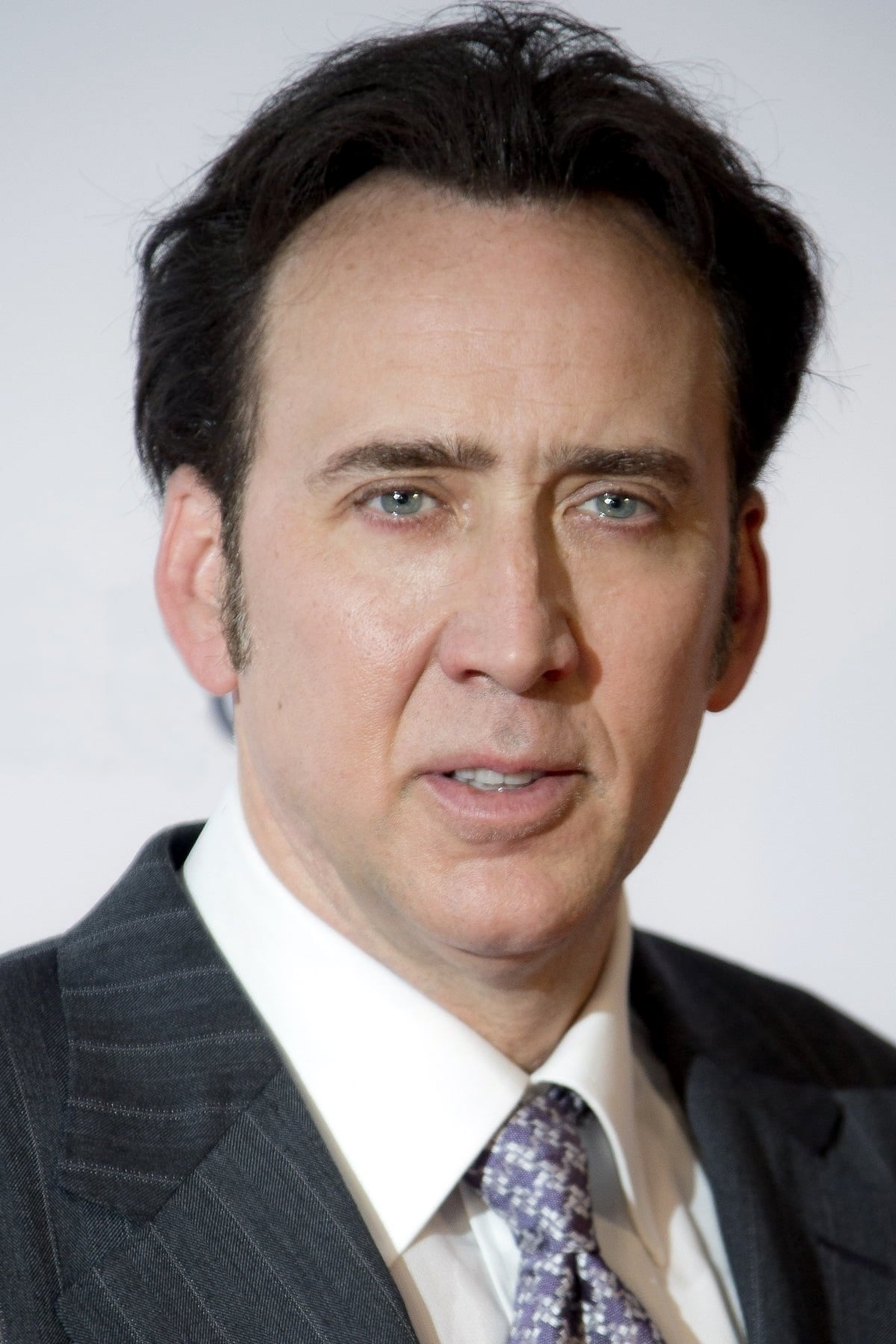
Nicolas Cage has pursued what he once called “nouveau shamanic” acting, resulting in a body of work that swings from studio hits to experimental indies. He won an Academy Award for ‘Leaving Las Vegas’ and later led distinctive genre entries like ‘Mandy’ and ‘Pig’. Cage is known for stylized line readings and physical choices that foreground character psychology. His output spans hundreds of credits, demonstrating unusual range across action, comedy, and surreal drama.
Johnny Depp
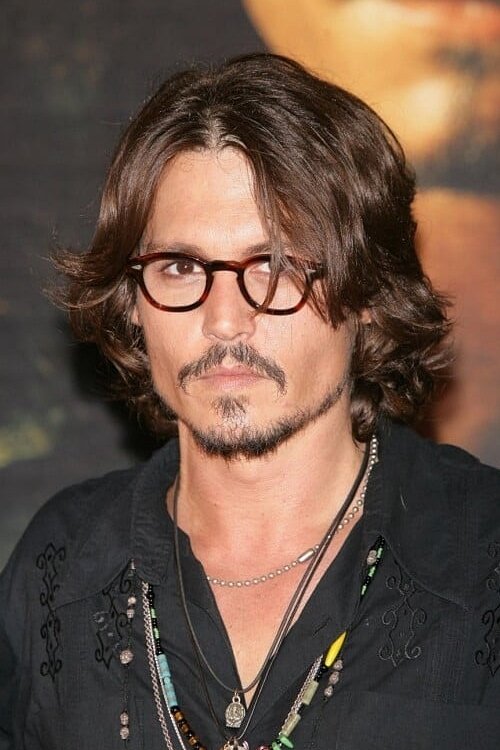
Johnny Depp built a career around eccentric, stylized characters developed through close collaborations with directors. He created instantly recognizable personas in ‘Edward Scissorhands’, ‘Pirates of the Caribbean: The Curse of the Black Pearl’, and ‘Ed Wood’. Depp often incorporates prosthetics, dialect work, and physical mannerisms to differentiate roles. His filmography shows a consistent preference for offbeat protagonists over traditional leading-man parts.
Jeff Goldblum
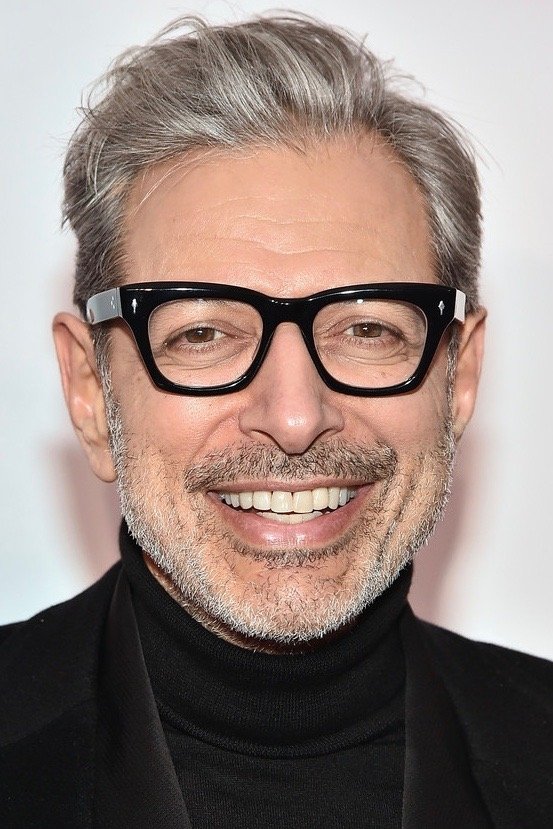
Jeff Goldblum’s cadence, improvisational rhythms, and jazz background give his performances a singular musicality. He brought cerebral charm to blockbusters like ‘Jurassic Park’ and ‘Independence Day’. Goldblum often plays brilliant specialists whose curiosity drives the plot, from scientists to quirky mentors. Outside film, he records and performs jazz, which informs his timing and on-screen persona.
Willem Dafoe
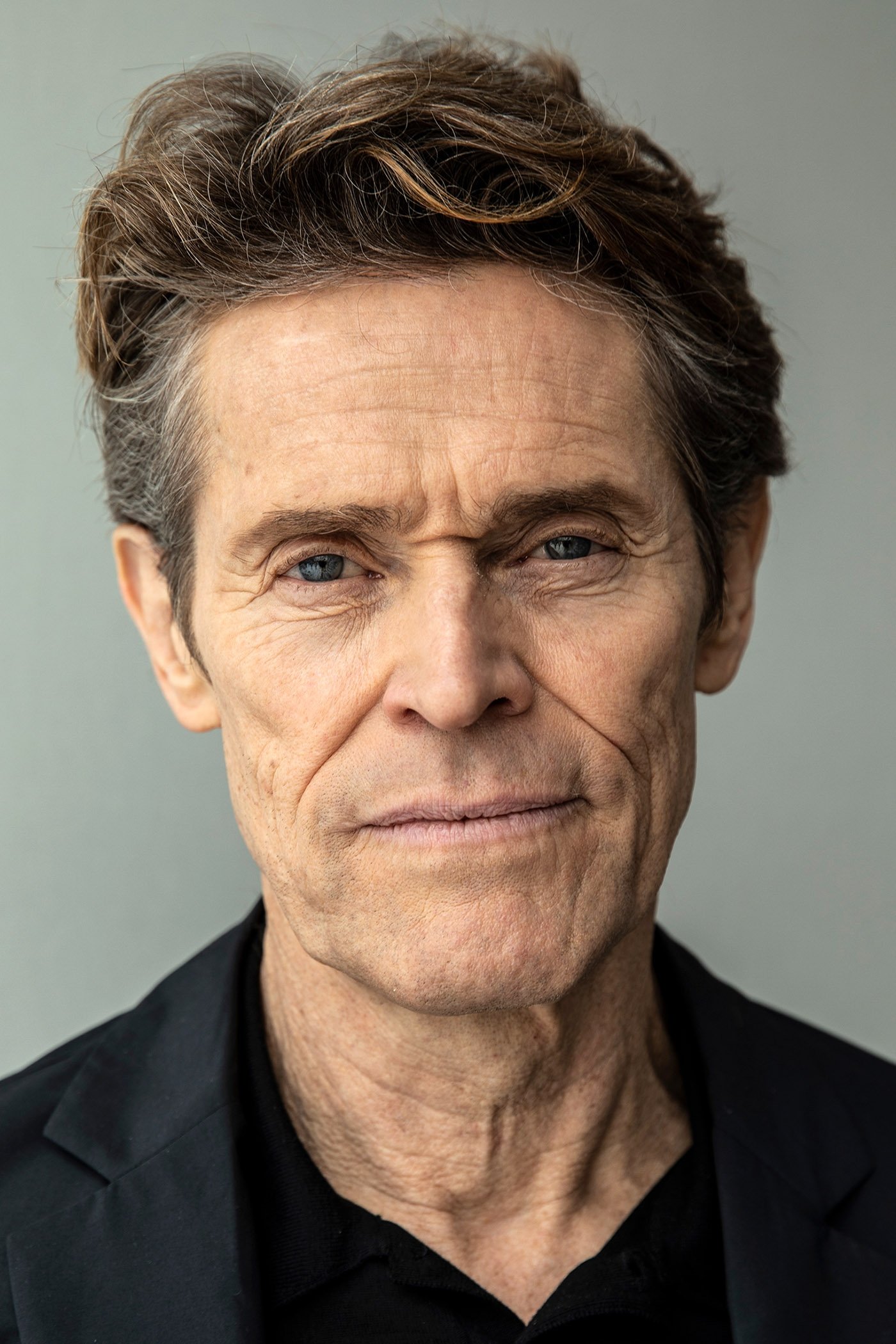
Willem Dafoe’s career spans experimental theater and major franchises, combining physical commitment with avant-garde choices. He trained with The Wooster Group, bringing stage discipline to films like ‘The Florida Project’, ‘The Lighthouse’, and ‘Spider-Man’. Dafoe frequently collaborates with international auteurs, resulting in multilingual and cross-genre work. His roles often involve complex physical or psychological transformations grounded in rehearsed technique.
Christopher Walken
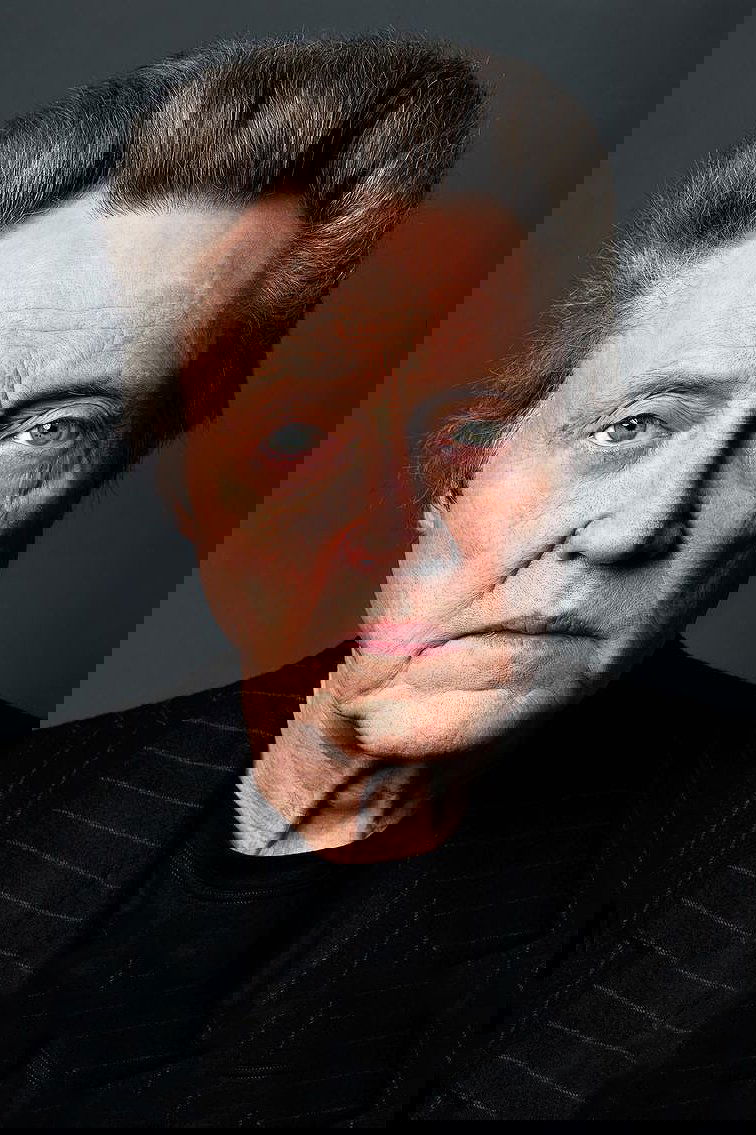
Christopher Walken’s distinctive speech patterns stem from a habit of removing punctuation during script study, producing unexpected rhythms. He began as a dancer, which contributes to his controlled physicality in films like ‘The Deer Hunter’, ‘Catch Me If You Can’, and ‘Hairspray’. Walken’s varied television and stage work keeps him active across mediums. His approach results in line deliveries that remain unmistakably his, regardless of genre.
Gary Oldman
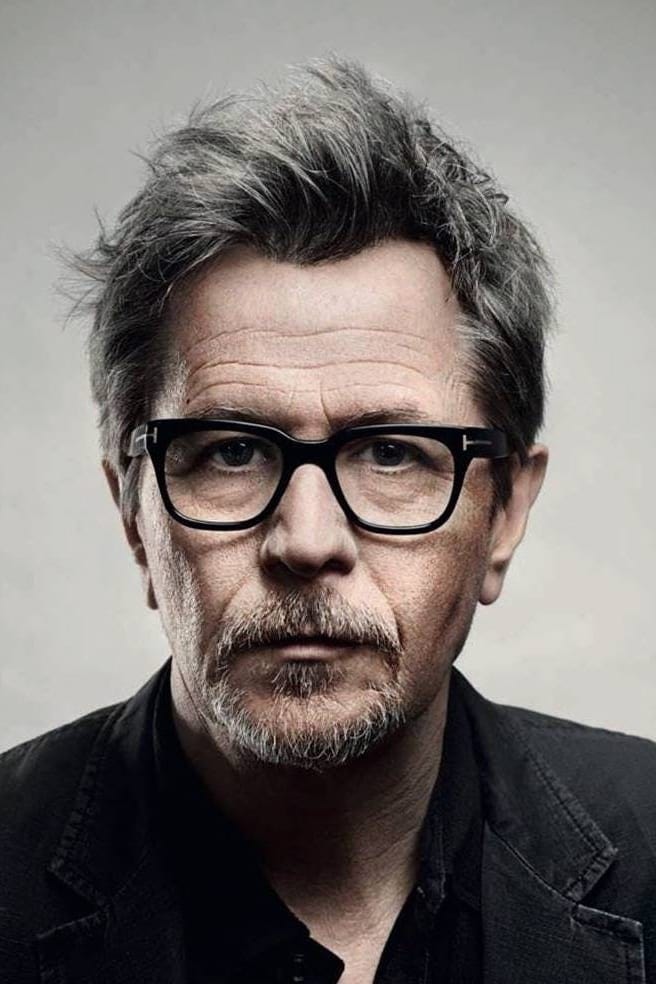
Gary Oldman is widely cited for accent mastery and total physical transformation. He played real figures from Lee Harvey Oswald to Winston Churchill—earning an Oscar for the latter—alongside fictional icons like Commissioner Gordon in ‘The Dark Knight’. Oldman’s method includes detailed dialect and posture studies to alter silhouette and sound. His filmography covers indie biopics, literary adaptations, and large-scale franchises.
Jim Carrey
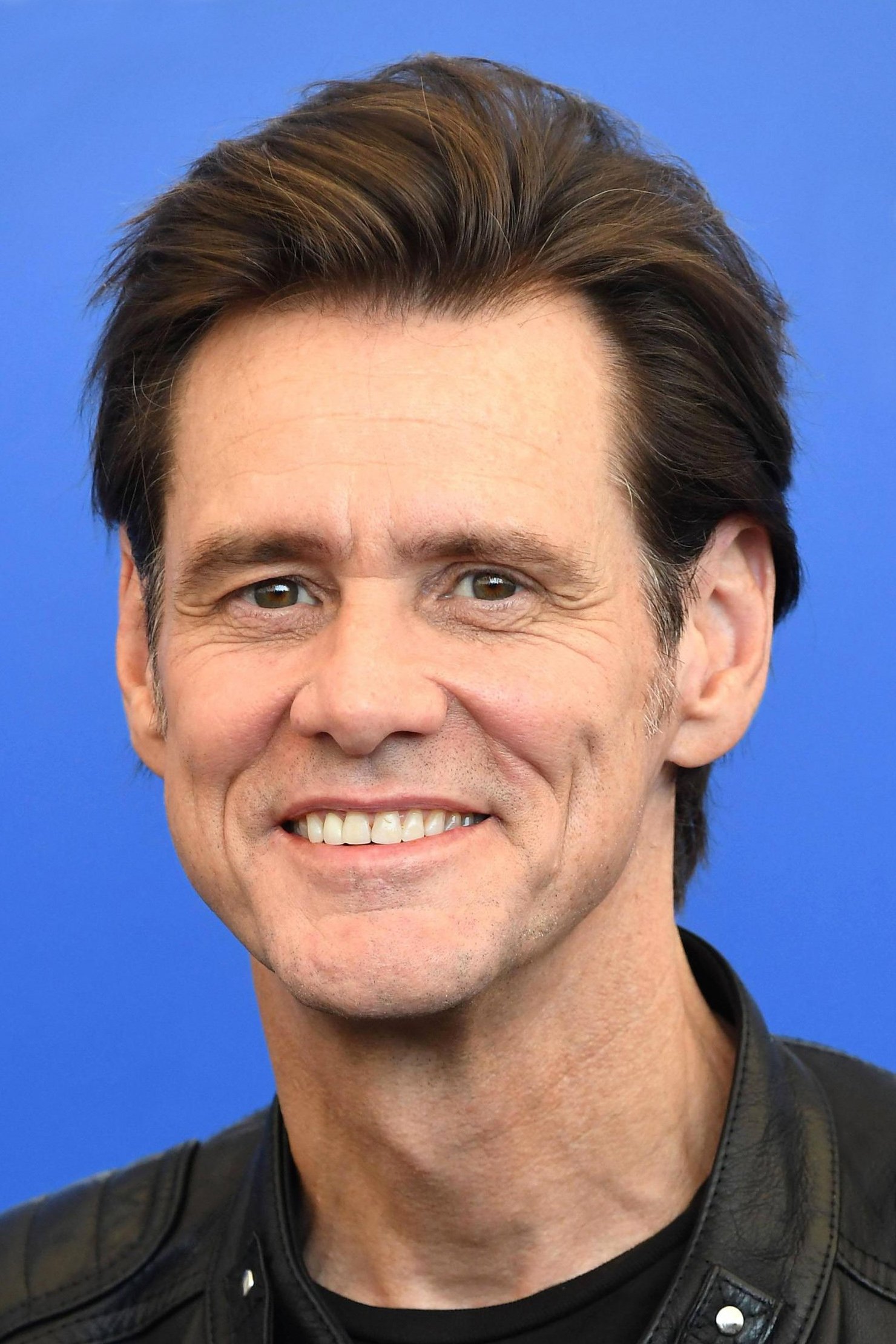
Jim Carrey brought high-elasticity physical comedy to mainstream film, then shifted into acclaimed dramatic roles. Early hits like ‘Ace Ventura: Pet Detective’ and ‘The Mask’ showcased extreme facial control and body mechanics. He later earned praise for ‘The Truman Show’ and ‘Eternal Sunshine of the Spotless Mind’, demonstrating range beyond comedy. Carrey’s background in stand-up and impressions underpins precise timing and vocal modulation.
Sacha Baron Cohen
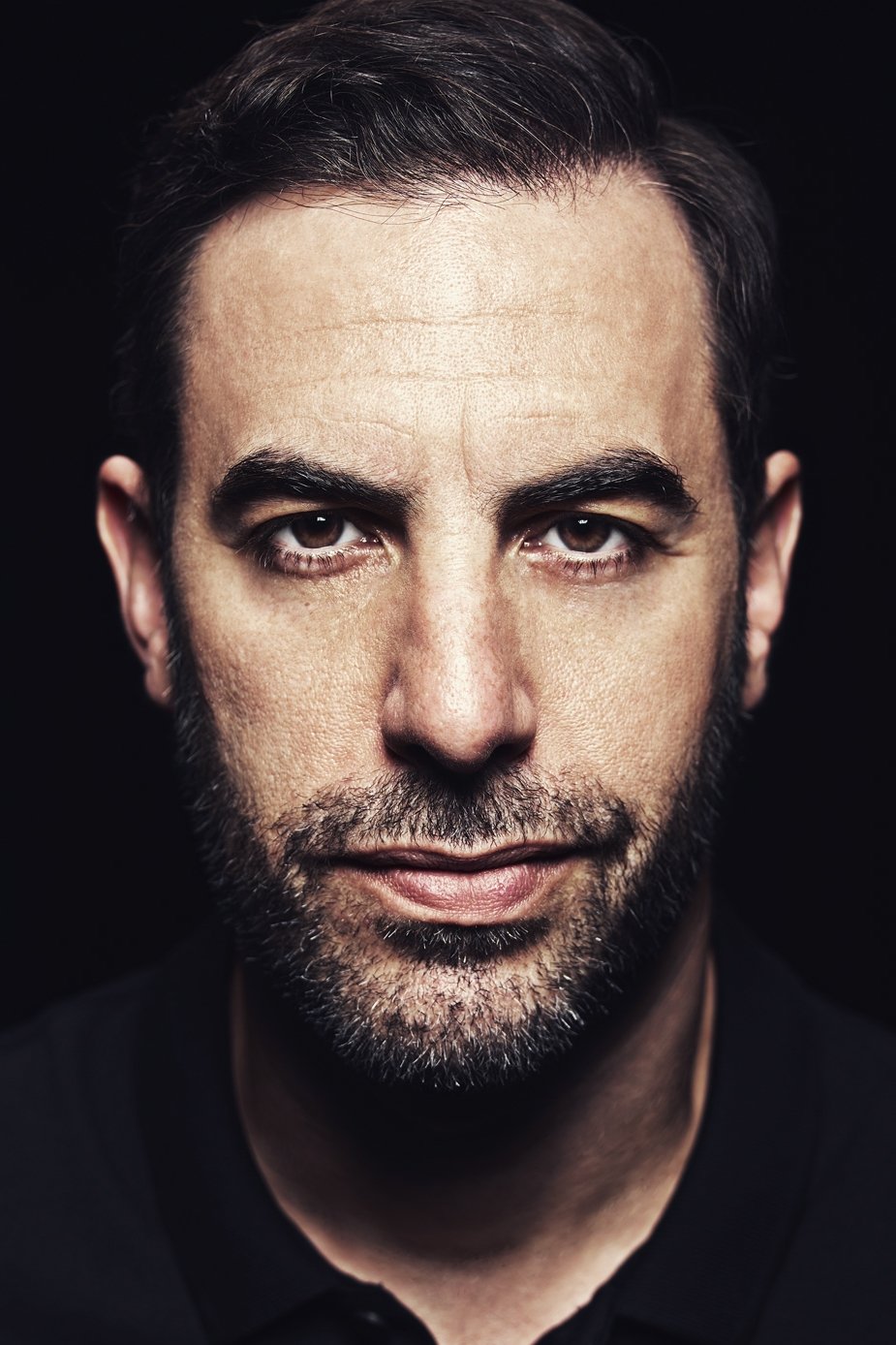
Sacha Baron Cohen specializes in character-driven satire built on long-form improvisation. He created alter egos like Borat and Ali G, blending scripted arcs with unscripted interactions to expose social dynamics in ‘Borat’ and ‘Borat Subsequent Moviefilm’. His work often involves undercover production methods and risk-managed scenarios. Baron Cohen also takes on straight dramatic roles, as in ‘The Trial of the Chicago 7’, without abandoning rigorous research.
Andy Serkis
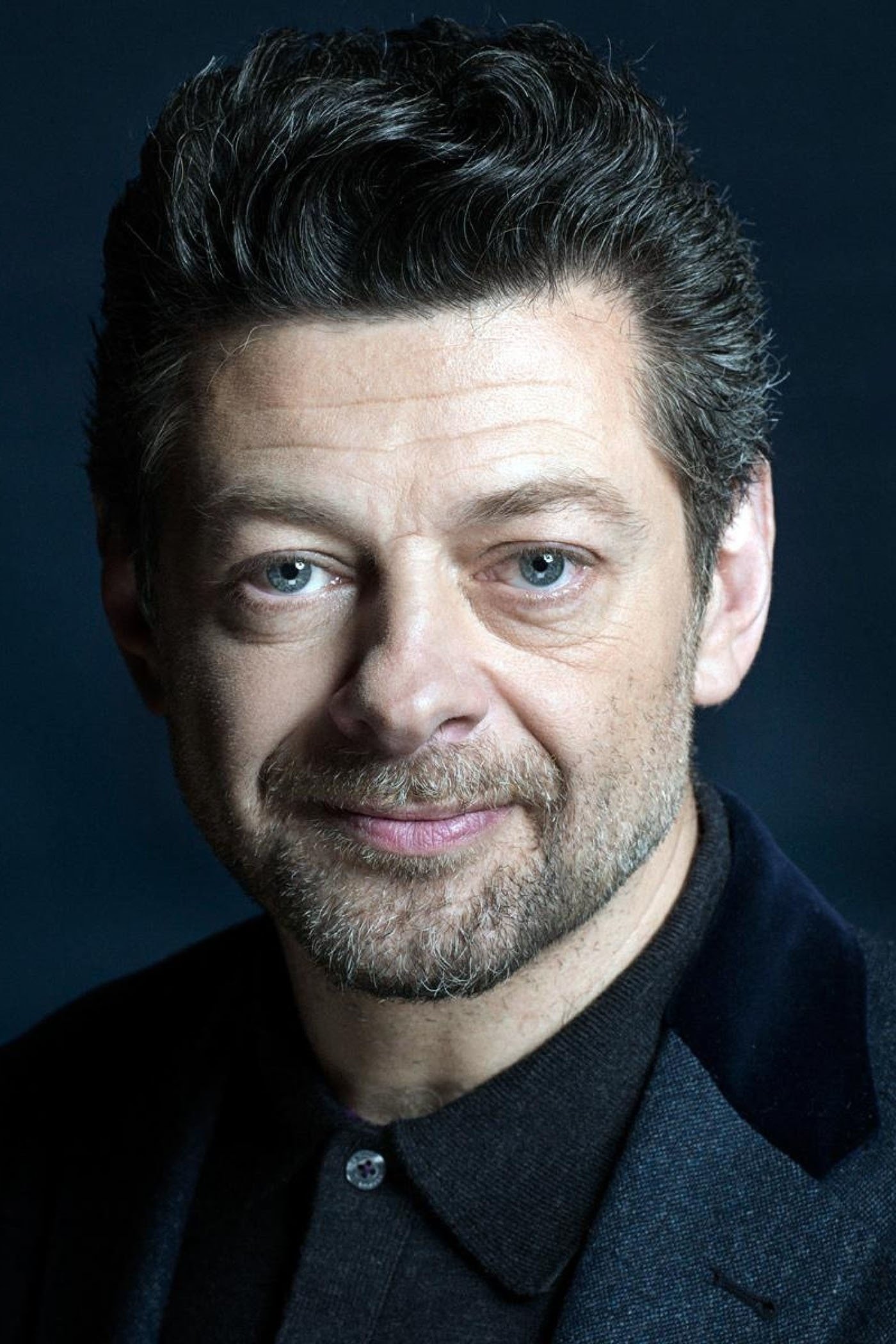
Andy Serkis pioneered mainstream performance-capture acting through roles like Gollum in ‘The Lord of the Rings’ and Caesar in ‘Rise of the Planet of the Apes’. His work integrates full-body and facial capture with detailed vocal technique to create digital characters grounded in human performance. Serkis co-founded a studio focused on performance-capture services and has directed features as well. His contributions helped standardize workflows between actors and VFX teams.
Jackie Chan
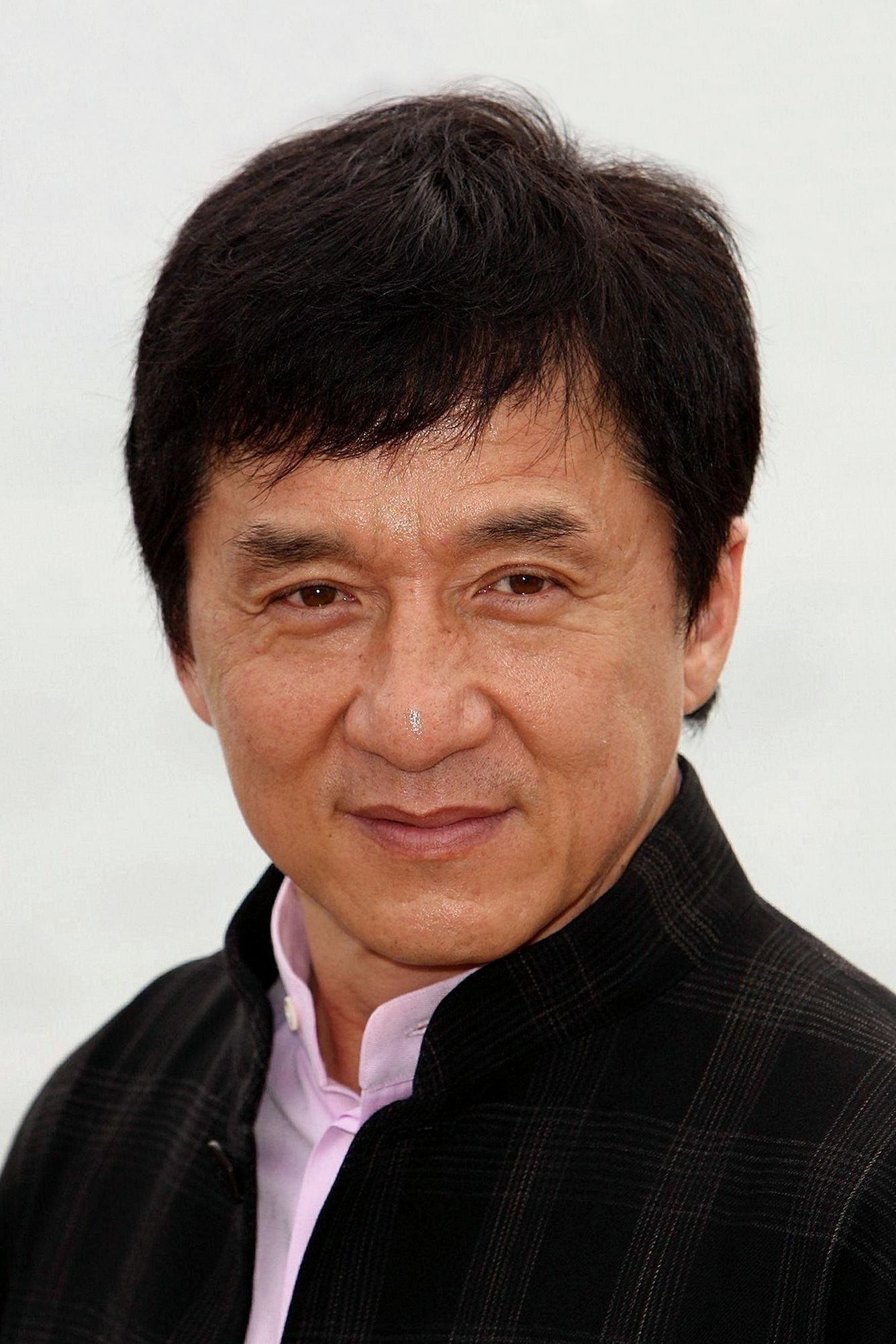
Jackie Chan combines martial arts choreography with silent-era stunt logic to create action-comedy set pieces. He performs many of his own stunts, often designing scenes around real architecture and props in films like ‘Police Story’ and ‘Rumble in the Bronx’. Chan’s sequences rely on wide shots and precise timing to showcase spatial clarity. His influence extends to second-unit design, training methods, and safety protocols for complex gags.
Keanu Reeves
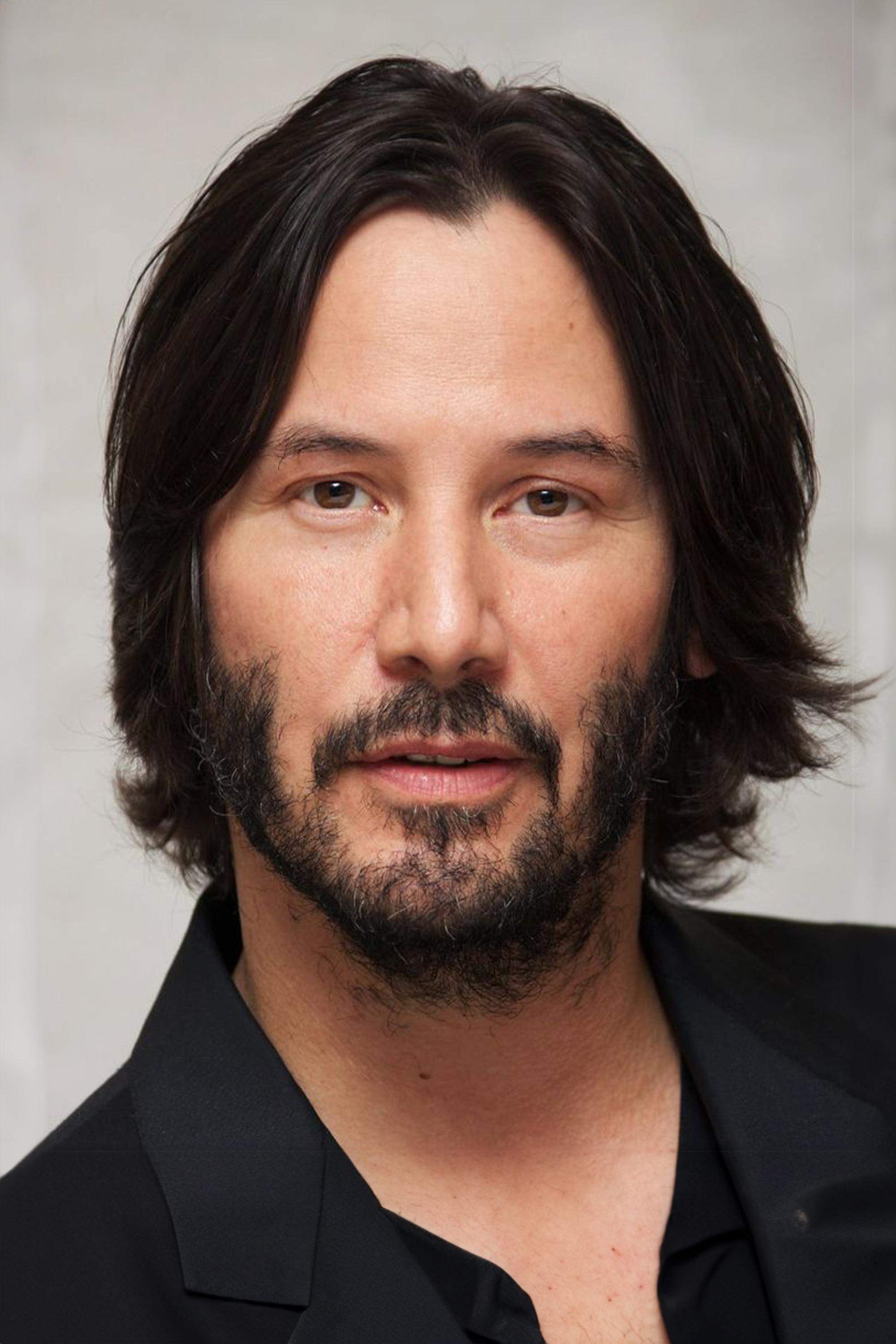
Keanu Reeves is known for extensive practical training and collaboration with stunt teams, particularly for ‘John Wick’. He trained in tactical firearms handling and judo/jui-jitsu blends to maintain on-camera continuity through long takes. Reeves also anchors sci-fi landmarks like ‘The Matrix’, working closely with choreographers on wire-assisted movement. Off-camera, he contributes to action design through rehearsals that prioritize readability and flow.
Tom Cruise
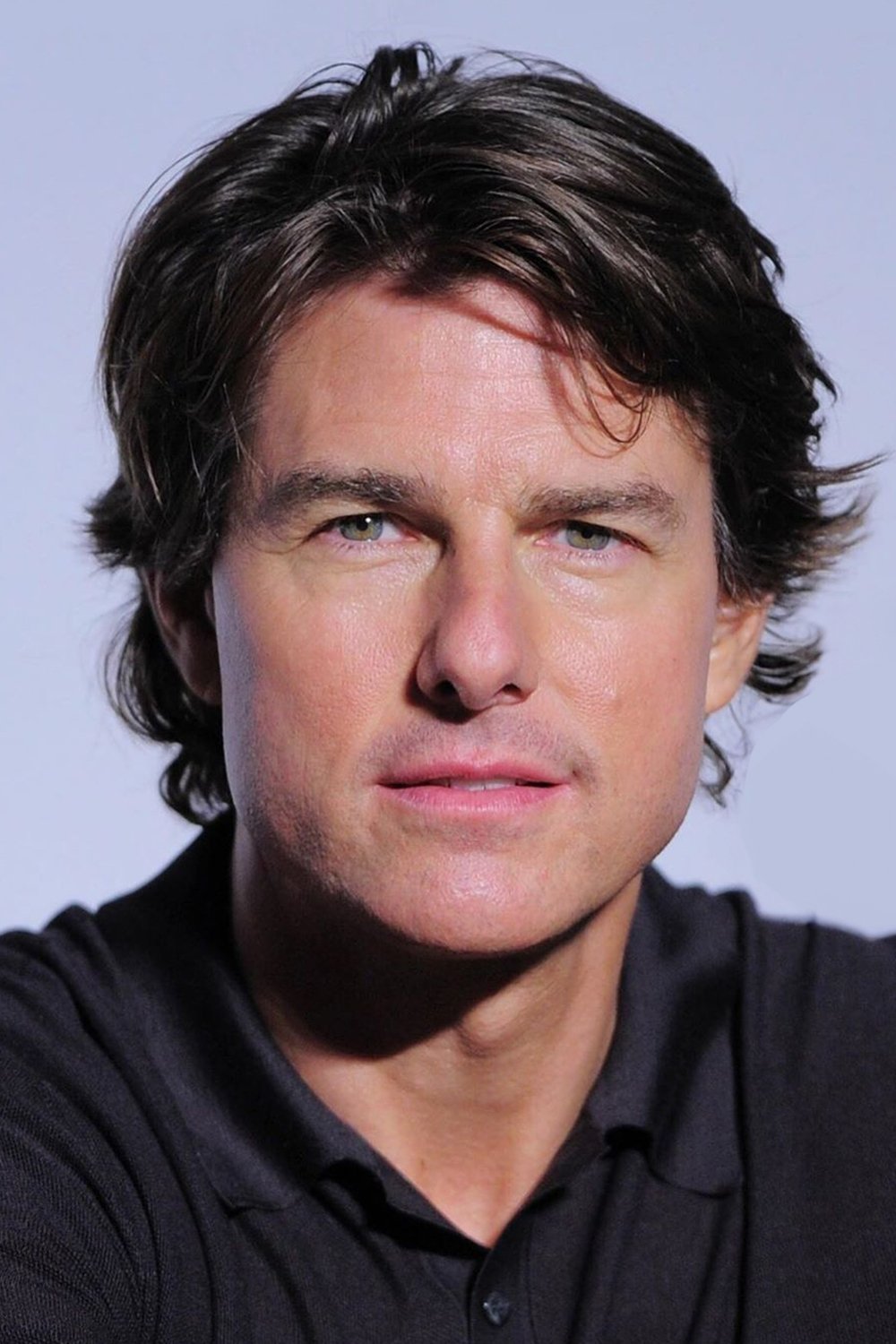
Tom Cruise advances practical stunt work at studio scale, repeatedly training to complete high-risk sequences. He executed a HALO jump, performed high-speed motorcycle chases, and did real cockpit flying across ‘Mission: Impossible’ entries and ‘Top Gun: Maverick’. Cruise coordinates with stunt coordinators and aviation experts to build set pieces around actual capability. His approach has influenced marketing and production planning for action franchises.
Bill Murray
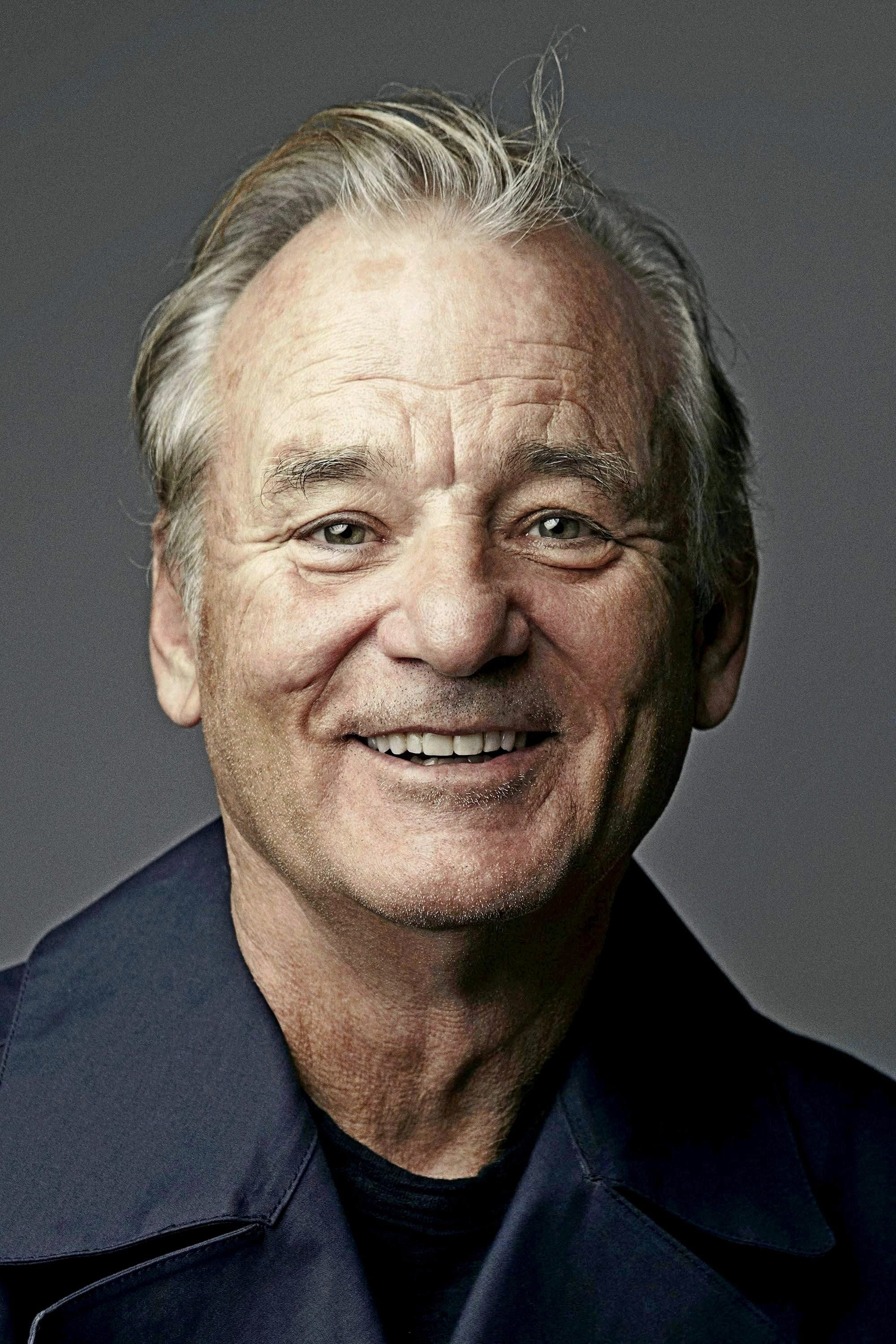
Bill Murray’s screen presence blends deadpan delivery with improvisation, leading to a distinct comedic texture. He developed early fame through ‘Ghostbusters’ and sustained it with character-driven dramedies like ‘Lost in Translation’. Murray’s collaboration with directors known for precise framing, including Wes Anderson, highlights underplayed performance within stylized visuals. He often engages in last-minute casting decisions that leverage spontaneity.
John Malkovich
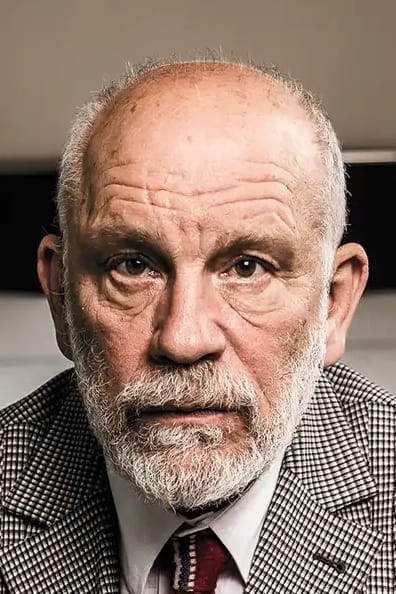
John Malkovich’s theater foundation and controlled diction lend a meticulous quality to his roles. He alternates between villainy, satire, and period drama, with credits like ‘Dangerous Liaisons’, ‘Being John Malkovich’, and ‘In the Line of Fire’. Malkovich frequently collaborates on European productions, expanding language and style variety. His performances emphasize measured tempo and psychological detail over external transformation.
Ron Perlman
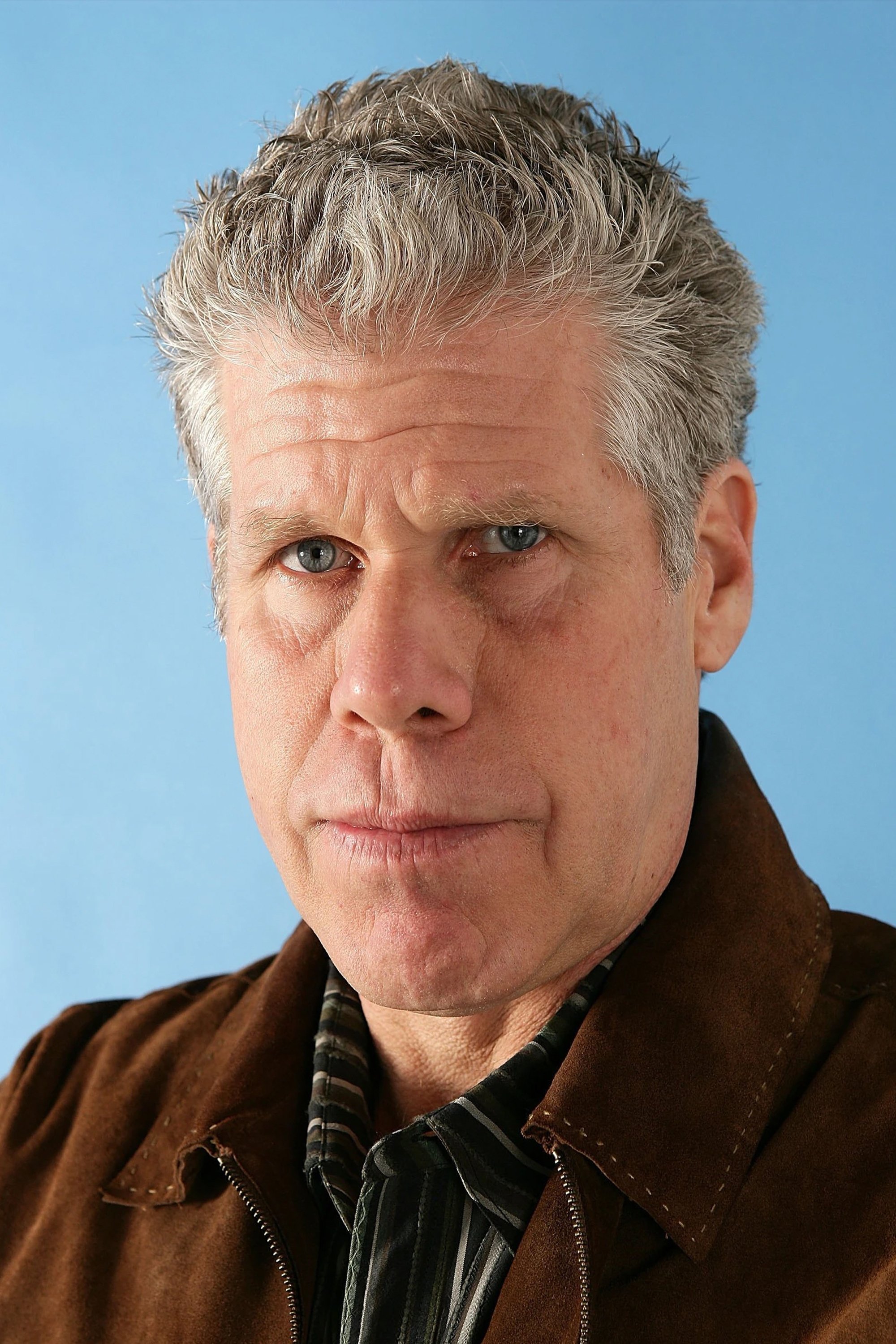
Ron Perlman’s deep voice and strong facial structure make him a frequent choice for prosthetic-heavy roles. He headlined ‘Hellboy’, worked extensively in ‘Beauty and the Beast’, and appears in genre projects that require long makeup calls. Perlman’s background includes significant voice work in animation and games, maintaining consistent vocal character across mediums. His career demonstrates versatility within physically demanding character builds.
Sam Rockwell
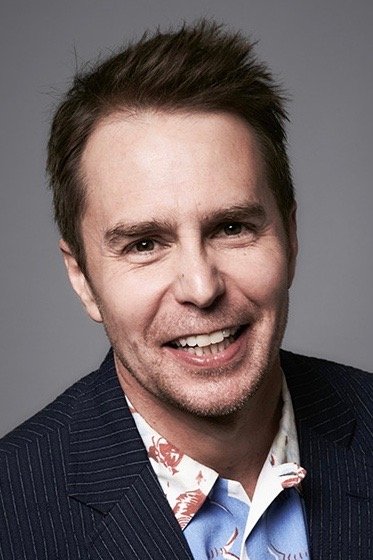
Sam Rockwell is known for kinetic movement and rhythmic line delivery that adapts easily to comedy or drama. He earned an Academy Award for a supporting role in ‘Three Billboards Outside Ebbing, Missouri’ and later portrayed real figures in projects like ‘Vice’. Rockwell often integrates dance-influenced blocking and quick tempo changes into scenes. His choices emphasize behavioral specificity rather than heavy prosthetics.
Rami Malek
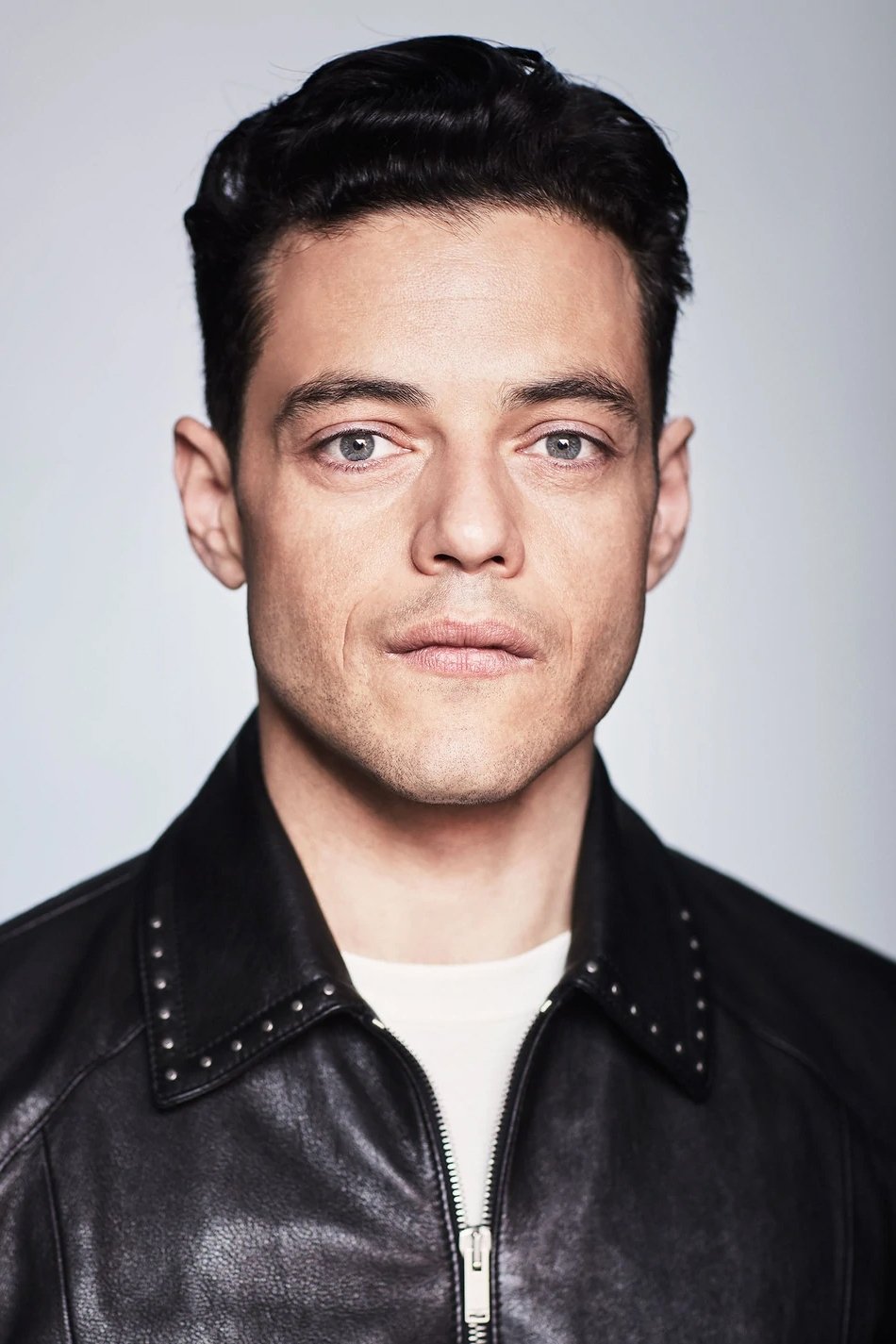
Rami Malek’s precision with vocal mimicry and posture helped him portray Freddie Mercury in ‘Bohemian Rhapsody’, earning major awards. He leverages a distinct gaze and clipped speech patterns in series work like ‘Mr. Robot’. Malek has transitioned into franchise filmmaking with ‘No Time to Die’ while maintaining character-centric preparation. His roles frequently involve meticulous study of tech, music, or cultural context.
Javier Bardem
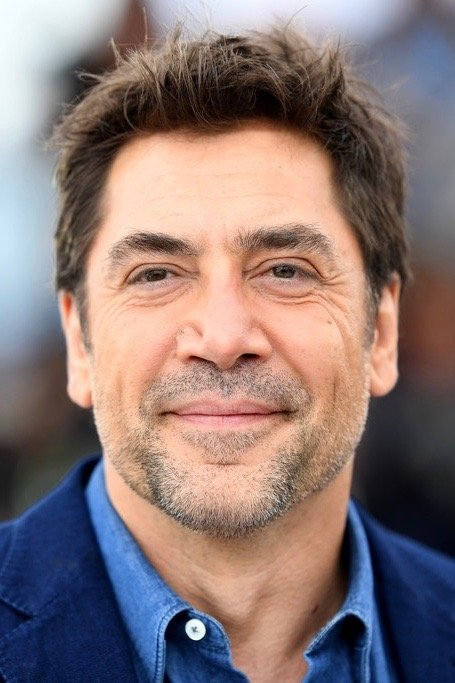
Javier Bardem blends European art-house sensibilities with Hollywood scale. He won an Academy Award for ‘No Country for Old Men’ and later led films ranging from ‘Biutiful’ to ‘Skyfall’. Bardem often collaborates with directors known for moral ambiguity and complex tone. His multilingual work allows him to move between Spanish-language cinema and English-language productions without losing specificity.
Gael García Bernal
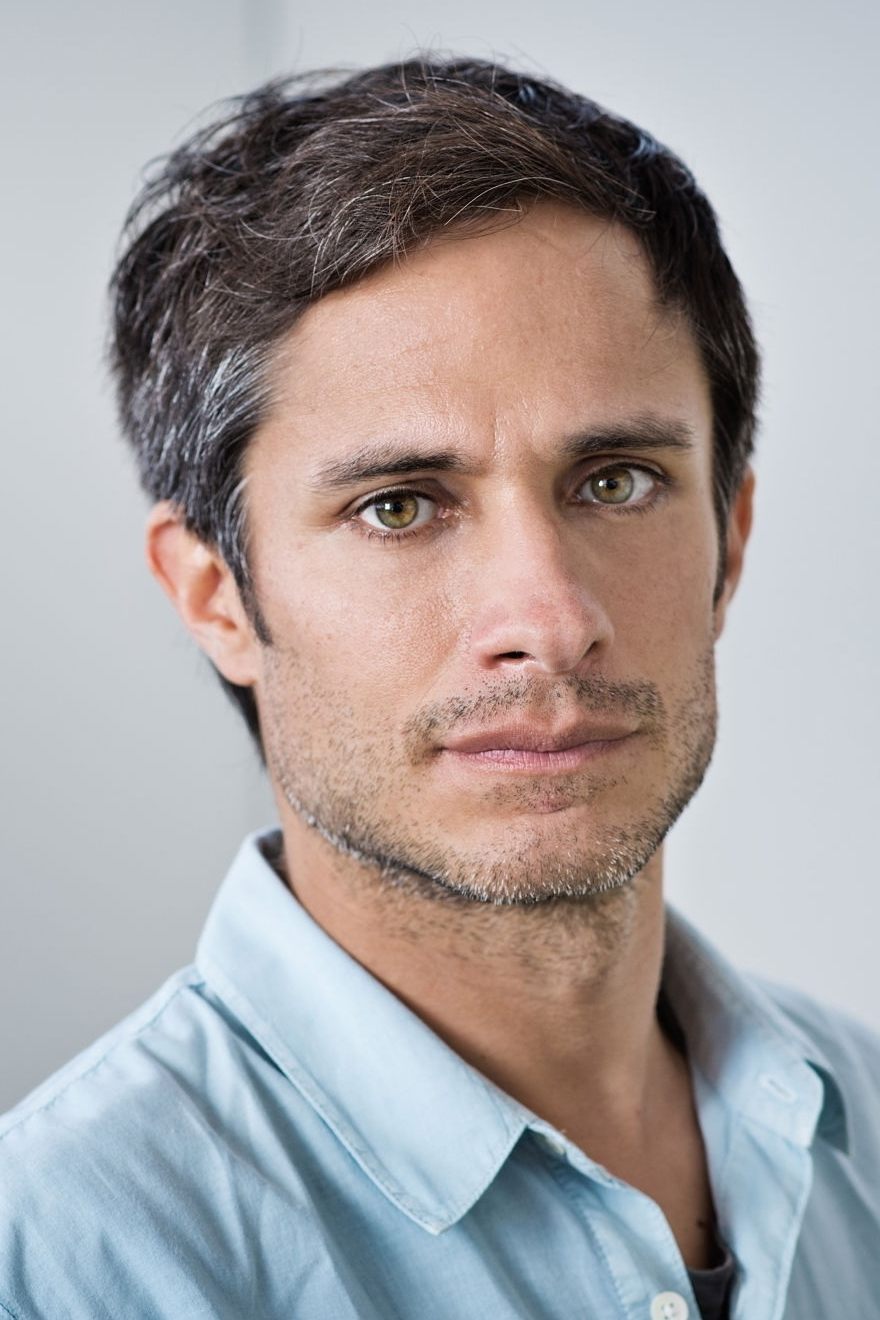
Gael García Bernal broke out internationally with ‘Amores Perros’ and ‘Y Tu Mamá También’, then expanded into U.S. and global projects. He takes on biographical, musical, and genre-bending roles, including ‘The Motorcycle Diaries’ and ‘Mozart in the Jungle’. Bernal also directs and produces, maintaining ties to Latin American cinema. His cross-border career keeps language, culture, and format fluid from film to streaming series.
Robin Williams
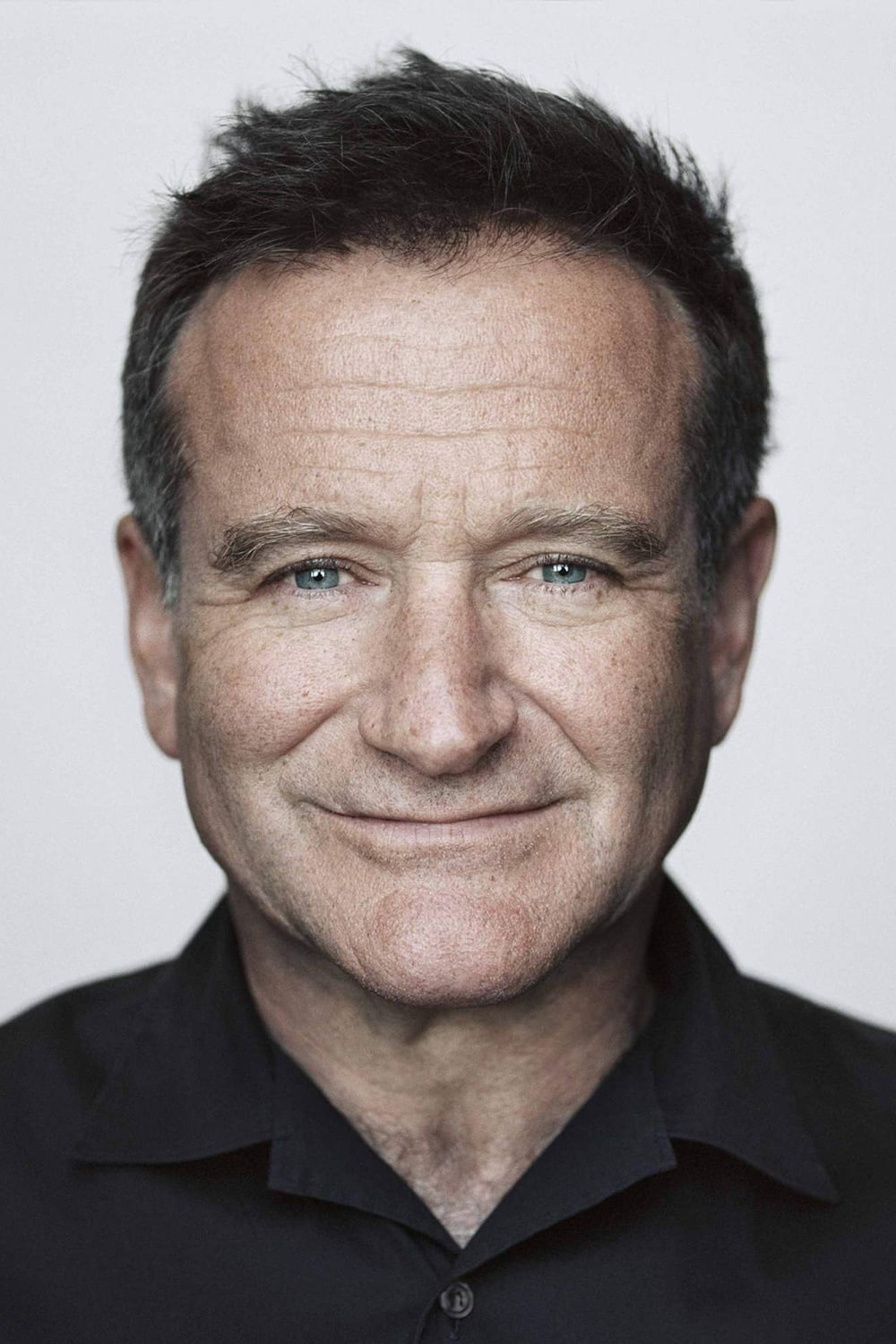
Robin Williams fused stand-up velocity with character work across films like ‘Good Morning, Vietnam’, ‘Dead Poets Society’, and ‘Good Will Hunting’. He brought rapid-fire improvisation to set, often generating alternate takes that expanded scene possibilities. Williams’ voice acting in ‘Aladdin’ set a template for celebrity-led animated roles with flexible vocal ranges. His filmography balances family projects with darker dramas that showcased controlled intensity.
Heath Ledger
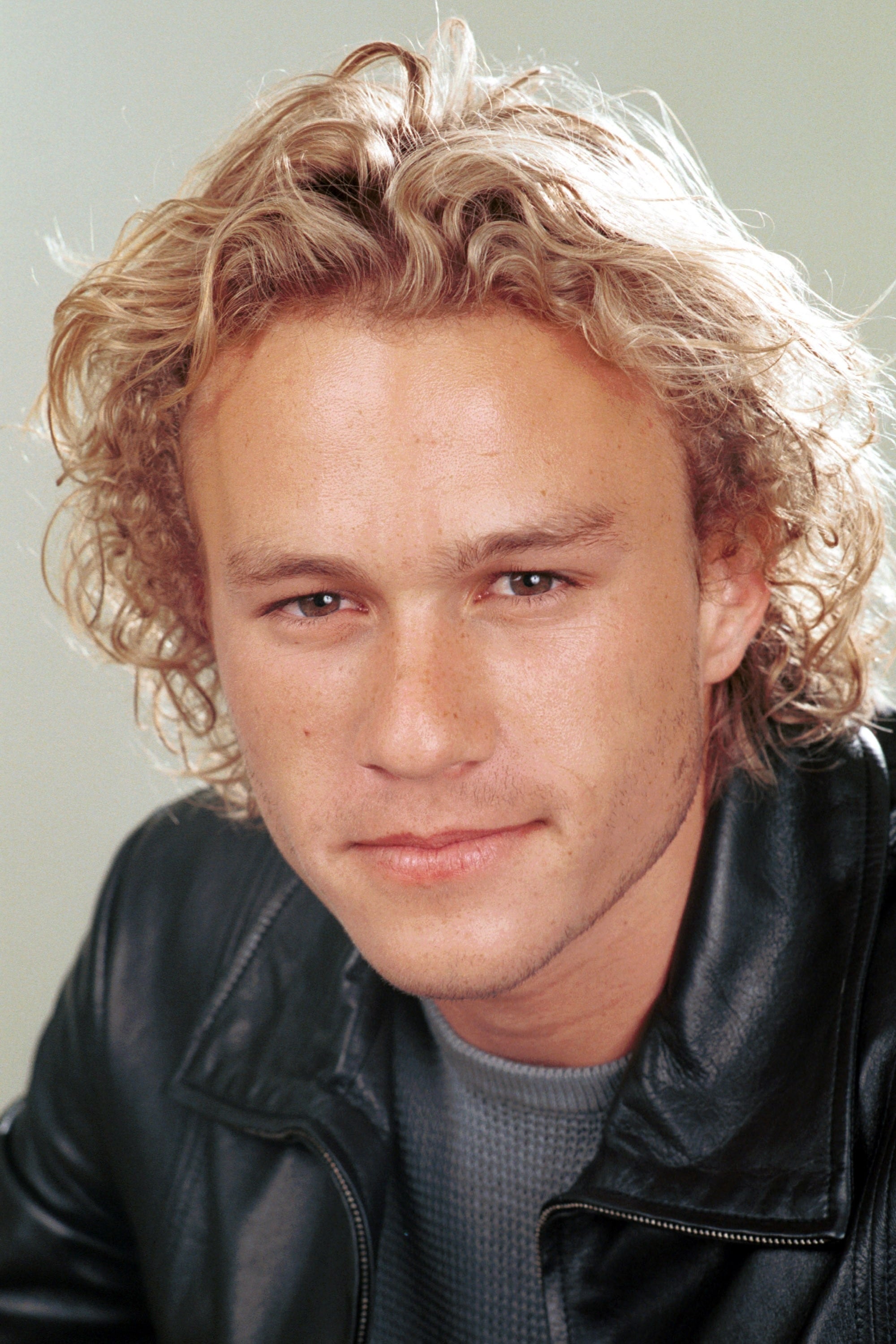
Heath Ledger combined physical transformation with detailed psychological study, most notably as the Joker in ‘The Dark Knight’. He shifted from teen dramas to auteur collaborations like ‘Brokeback Mountain’, demonstrating deliberate role evolution. Ledger prepared through journals, vocal experimentation, and movement training tailored to each part. His career, though brief, influenced approaches to comic-book antagonists and grounded character realism.
Benicio Del Toro
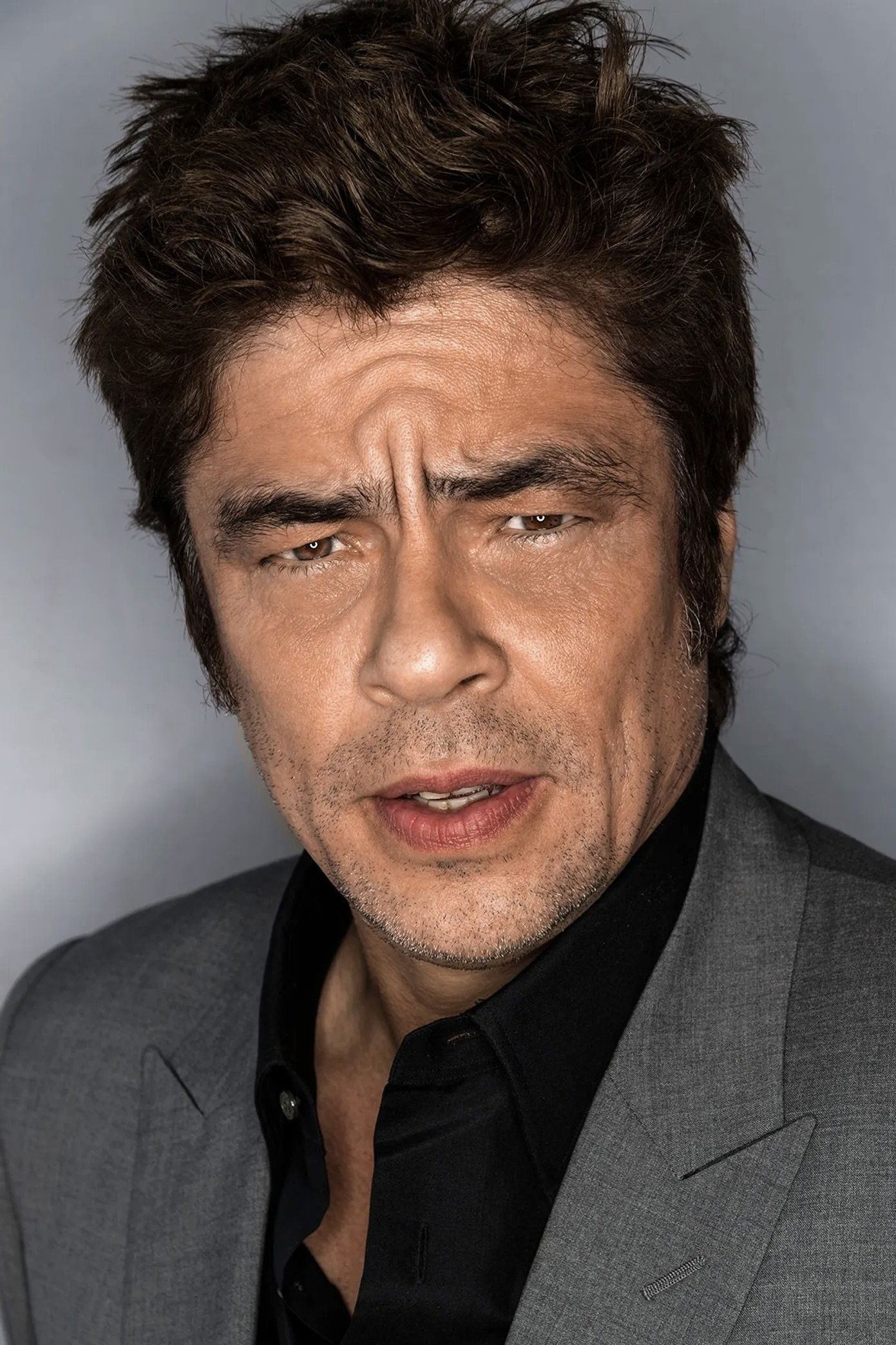
Benicio Del Toro is known for laconic intensity and carefully calibrated silence in films such as ‘Traffic’, ‘Sicario’, and ’21 Grams’. He often builds characters through subtle posture changes and measured pauses rather than overt dialogue. Del Toro’s work spans mainstream franchises and independent dramas without sacrificing specificity. His collaborations with directors across the Americas emphasize morally complex figures.
Christoph Waltz
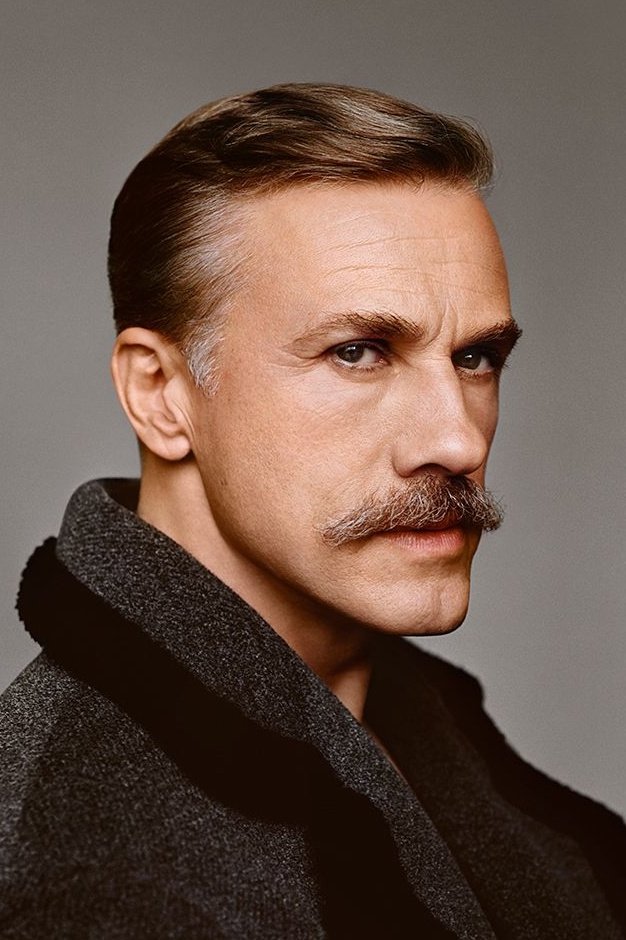
Christoph Waltz broke through internationally with multilingual roles that hinge on precise diction and calm menace. ‘Inglourious Basterds’ and ‘Django Unchained’ showcased his ability to pivot between charm and threat within a single scene. Waltz draws on European stage traditions and fluent language skills to navigate multinational productions. His characters frequently use rhetorical control as a defining trait.
Michael Shannon
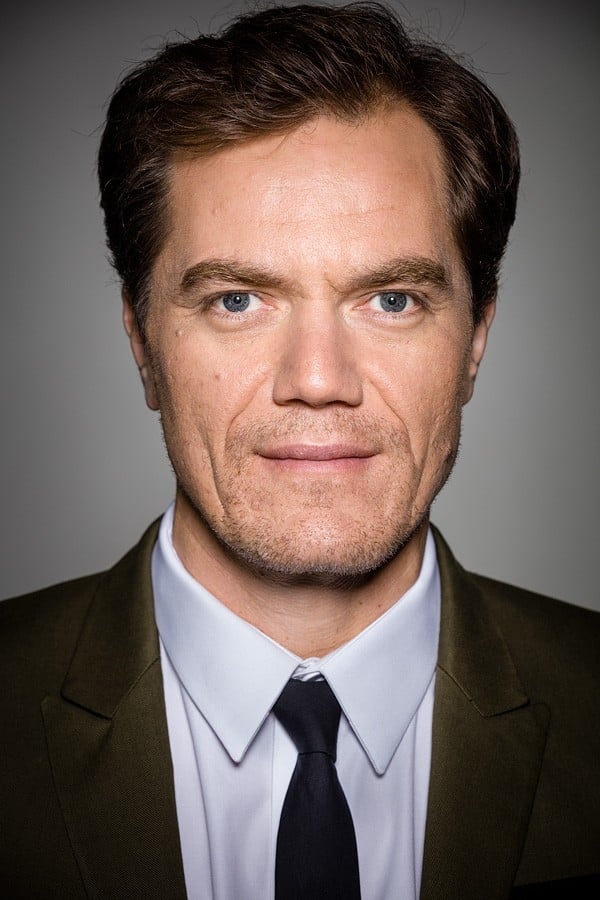
Michael Shannon’s performances emphasize simmering tension and controlled outbursts in films like ‘Take Shelter’, ‘Nocturnal Animals’, and ‘Revolutionary Road’. He moves between indie character studies and comic-book adaptations such as ‘Man of Steel’. Shannon’s stage background informs an exacting sense of tempo and breath. His roles often center on men under pressure, rendered through precise physical choices.
Adam Driver
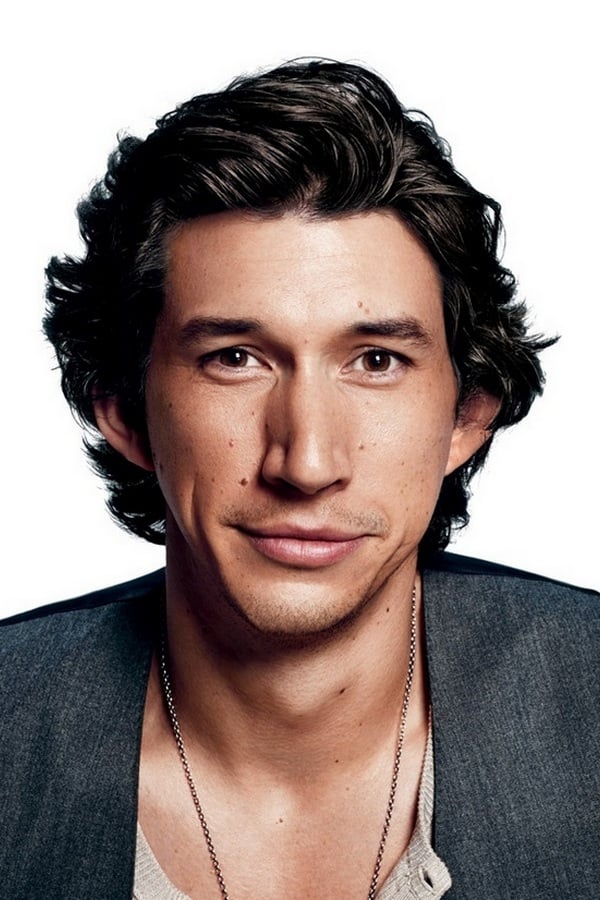
Adam Driver brings theater-honed vocal power and unusual physicality to roles in ‘Marriage Story’, ‘Paterson’, and ‘Star Wars: The Force Awakens’. He frequently collaborates with directors who favor long takes and dialogue-heavy scenes. Driver’s Marine Corps experience contributes to disciplined rehearsal and endurance for intensive shoots. His filmography mixes intimate dramas with large-scale franchises while maintaining character detail.
Benedict Cumberbatch
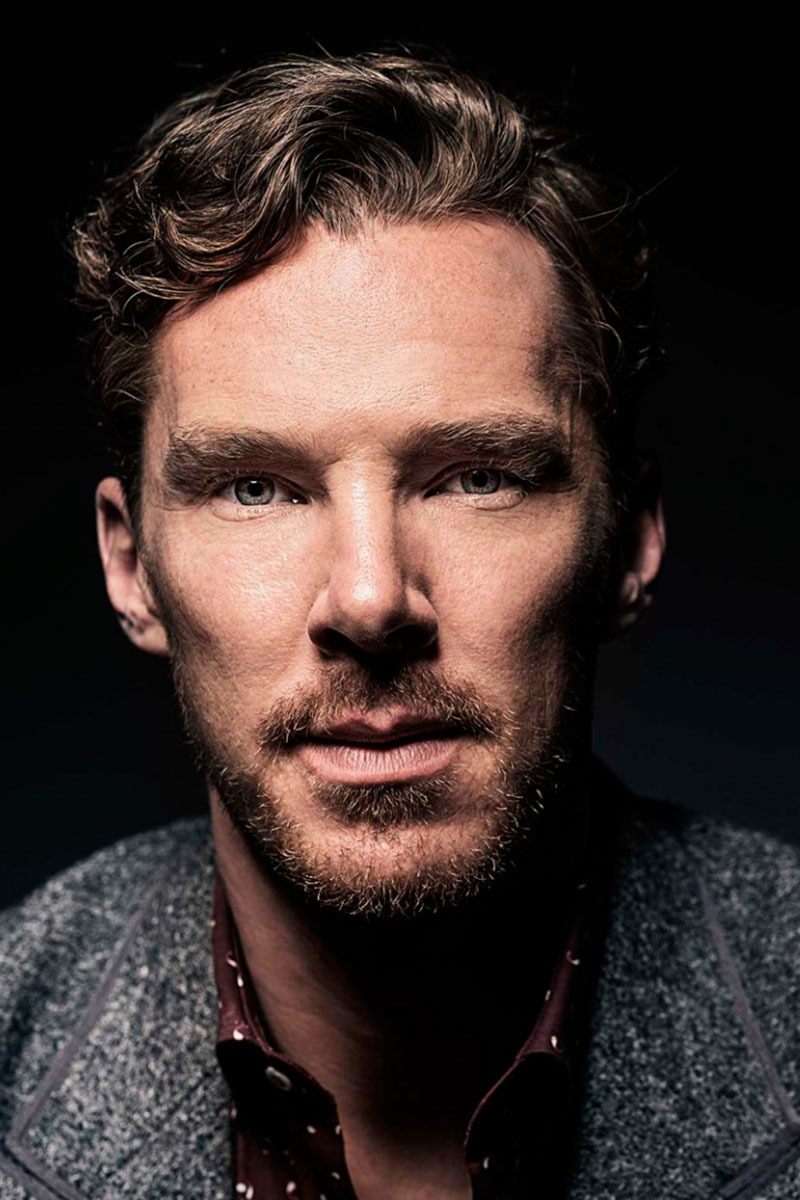
Benedict Cumberbatch’s work is marked by rapid, articulate delivery and rigorous research for biographical roles. He portrayed Alan Turing in ‘The Imitation Game’ and brings heightened language control to ‘Sherlock’. Cumberbatch alternates between stage, film, and television, maintaining classical technique alongside blockbuster commitments like ‘Doctor Strange’. His preparation typically includes dialect coaching and specialized study.
Joaquin Phoenix
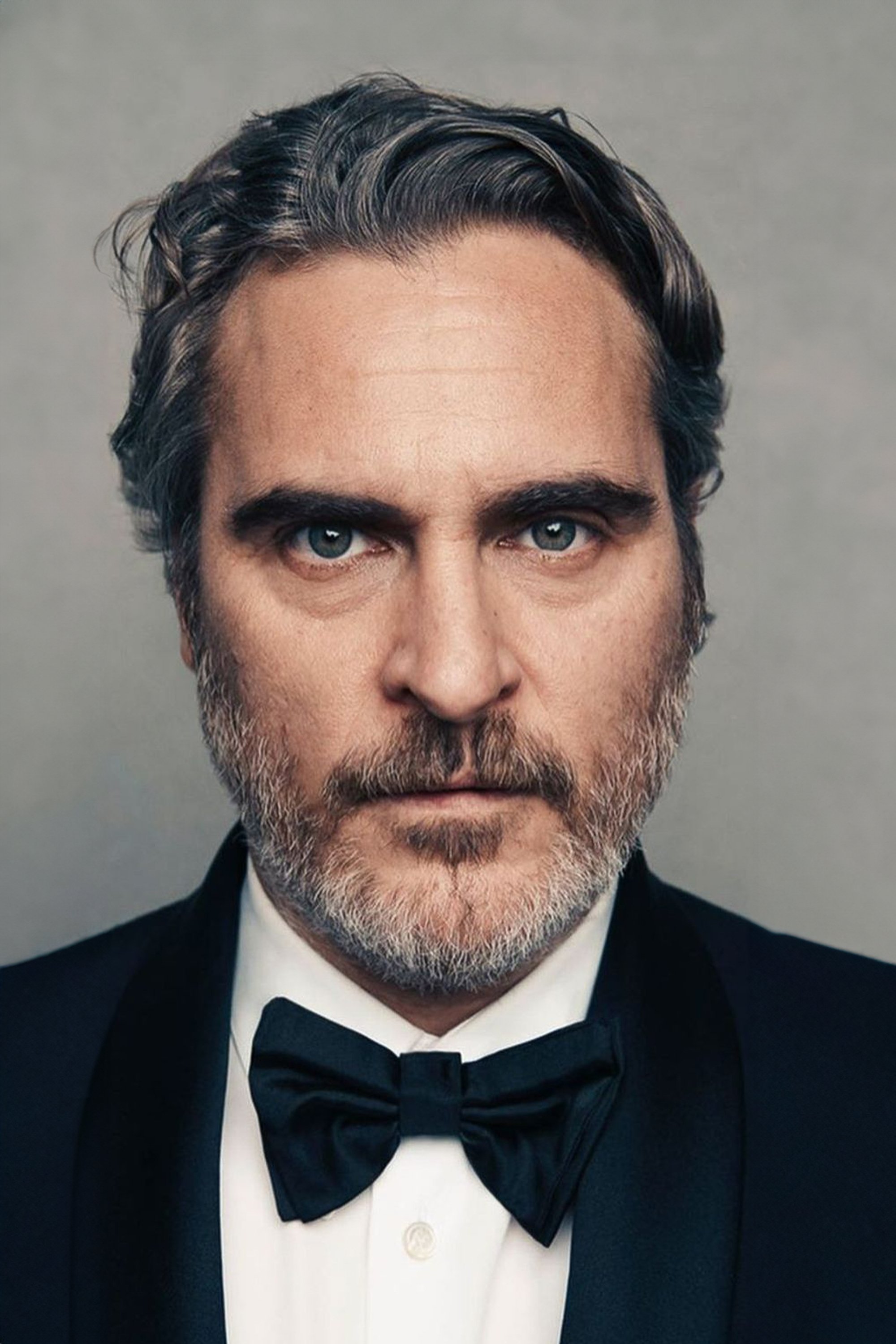
Joaquin Phoenix builds characters through altered posture, vocal shifts, and sustained improvisation within scripted frameworks. He led ‘Joker’ and delivered contrasting performances in ‘Her’ and ‘The Master’. Phoenix often immerses himself in niche subcultures or historical contexts to refine behavior. His choices favor unpredictable beats that still track with character logic.
Viggo Mortensen
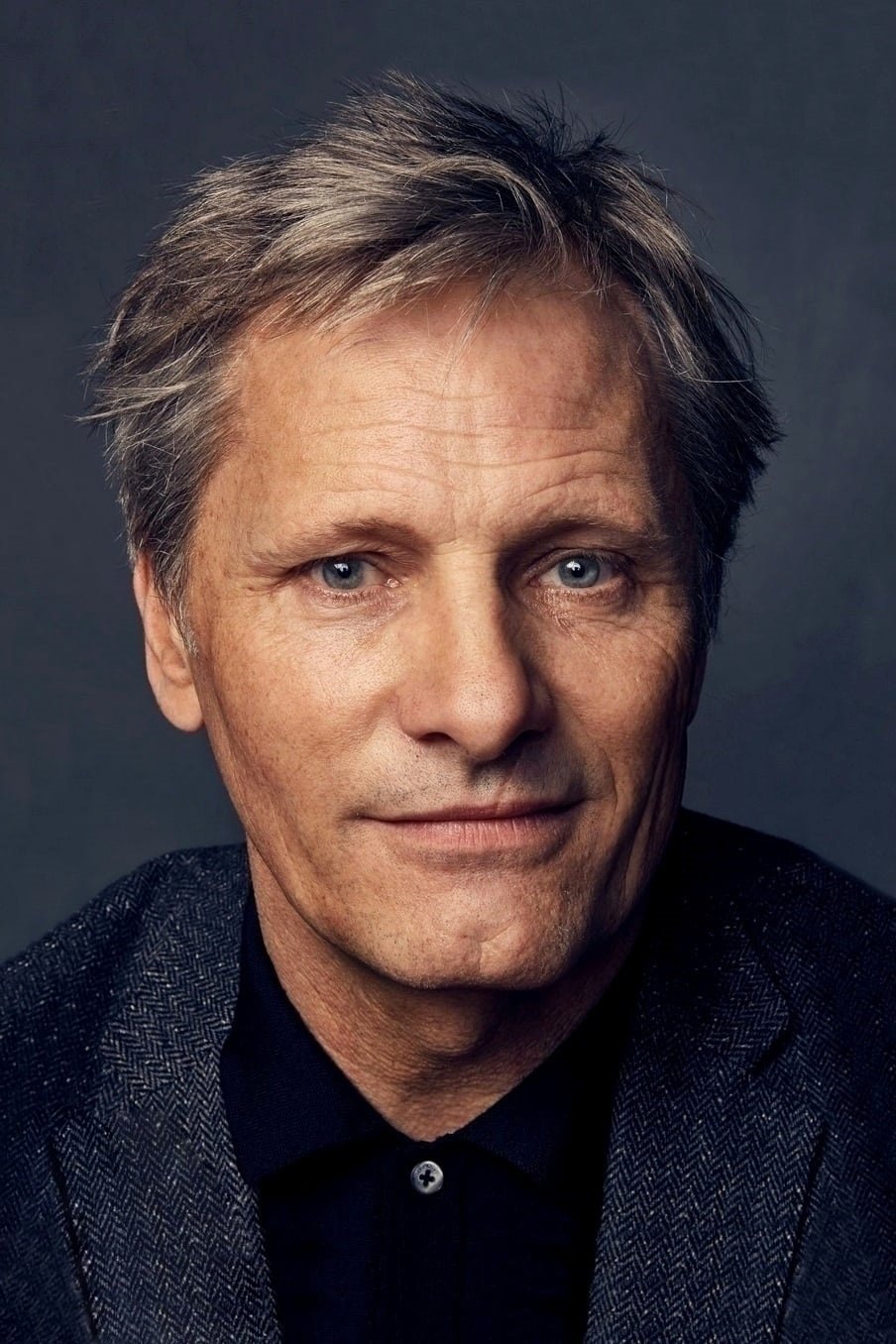
Viggo Mortensen integrates multilingual skills, visual art, and music into his approach, informing roles in ‘Eastern Promises’, ‘A History of Violence’, and ‘The Lord of the Rings’. He is known for extensive research into cultural and historical detail surrounding characters. Mortensen frequently collaborates with directors on costume, props, and dialect to ensure cohesion. His projects span genre films and intimate dramas with equal attention to authenticity.
Christian Bale
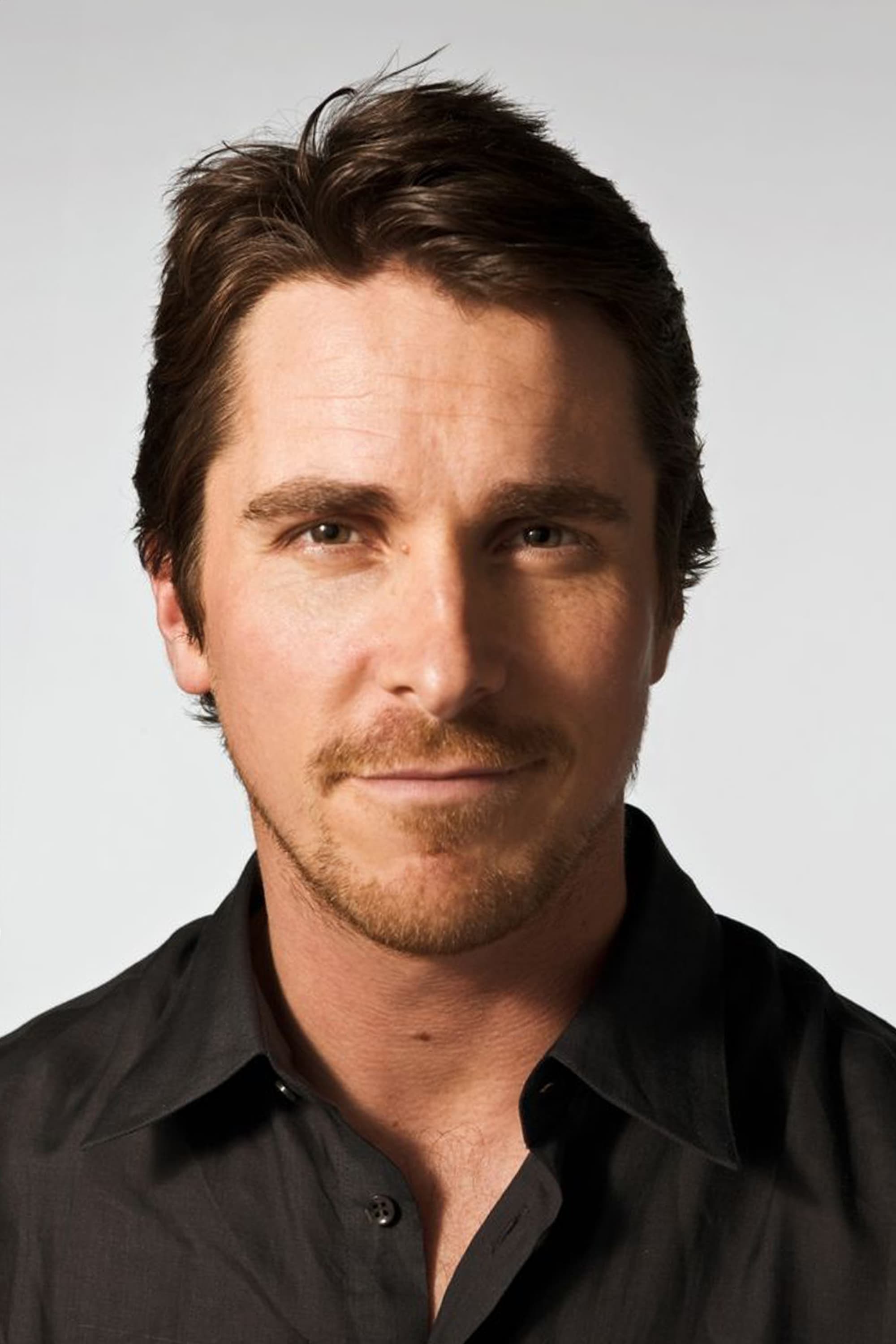
Christian Bale is noted for dramatic body transformations aligned with character psychology. His credits include ‘The Machinist’, ‘American Hustle’, and ‘Ford v Ferrari’, alongside franchise work in ‘The Dark Knight’. Bale’s preparation often involves specific movement patterns and vocal recalibration per role. He prioritizes continuity in physical details across a film’s shooting schedule.
Idris Elba
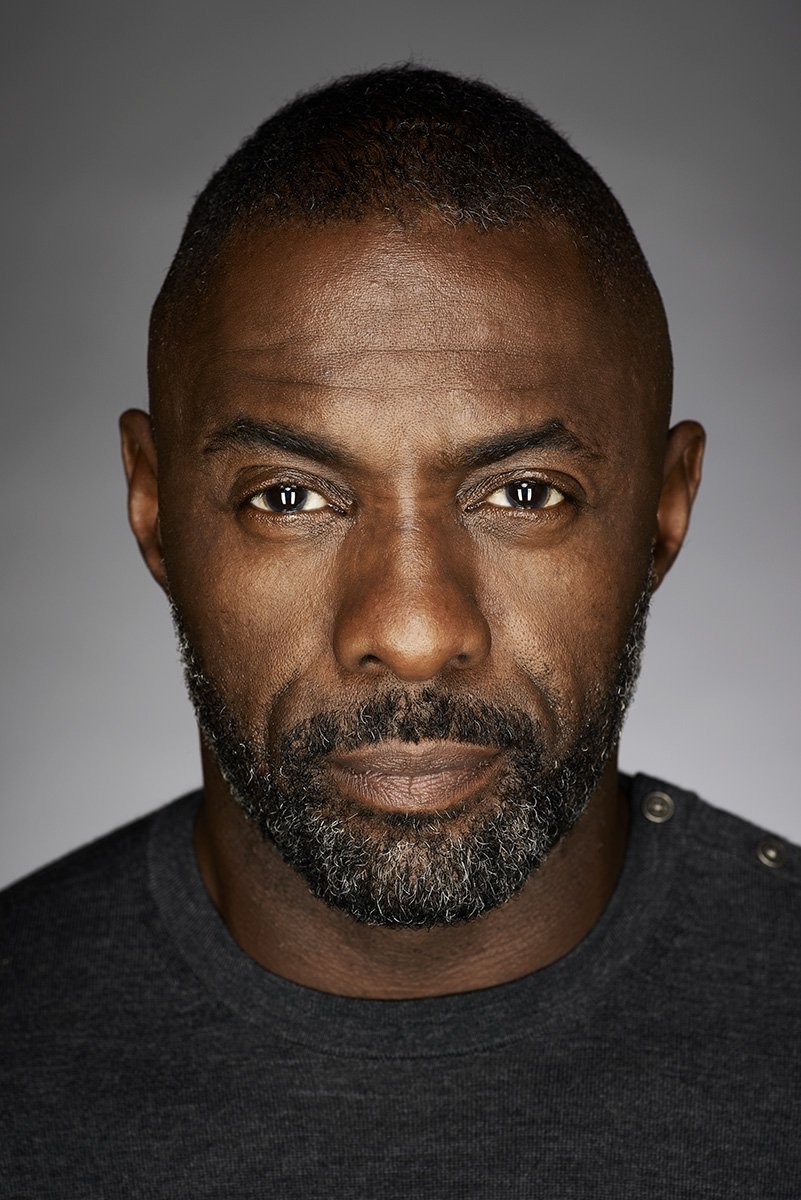
Idris Elba moves fluidly between television and film, balancing roles like ‘Luther’ with ‘Beasts of No Nation’ and ‘Pacific Rim’. He brings a distinctive baritone and measured authority to both heroes and antagonists. Elba’s experience as a DJ and producer informs rhythmic timing in dialogue and action scenes. His cross-Atlantic career keeps UK and U.S. projects in regular rotation.
Mahershala Ali
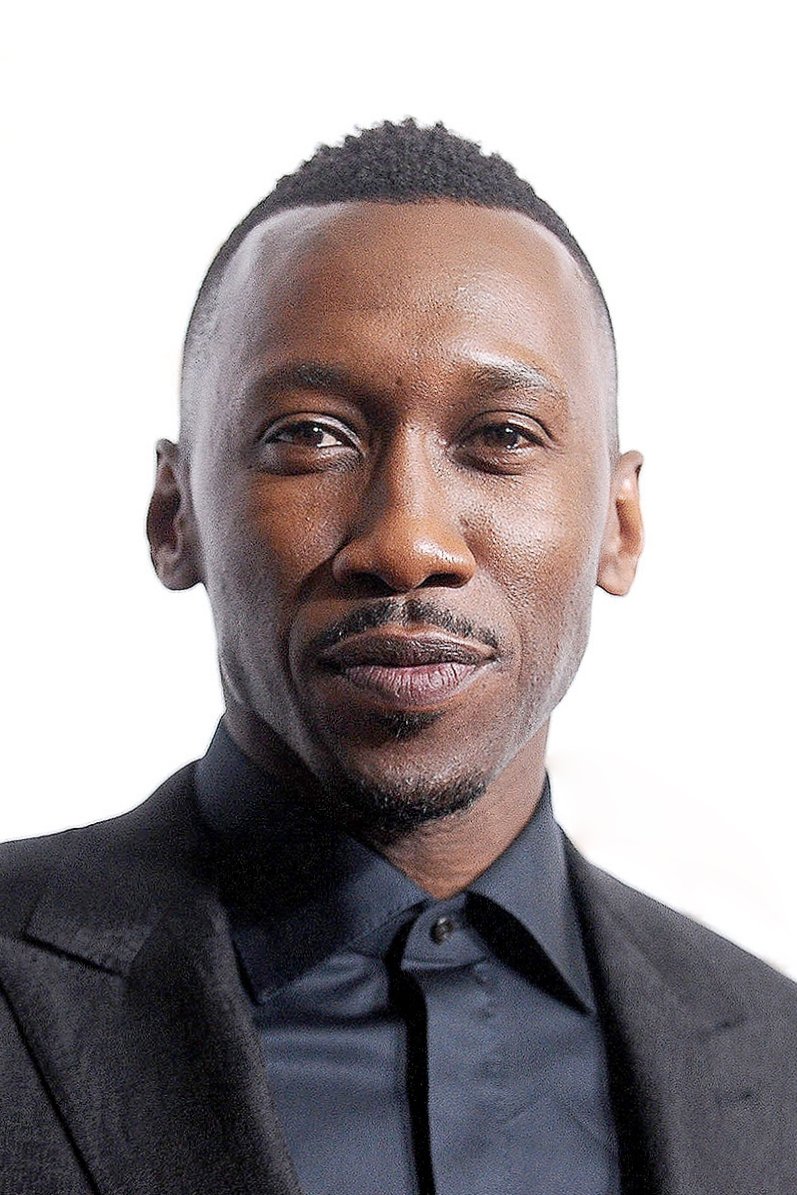
Mahershala Ali combines meticulous speech control with understated physicality in roles like ‘Moonlight’, ‘Green Book’, and ‘True Detective’. He often builds characters through internalized beats rather than overt gestures. Ali’s preparation includes research into regional dialects and lived context. His career features a steady move from supporting roles to leading work anchored by precision.
Tony Leung Chiu-wai
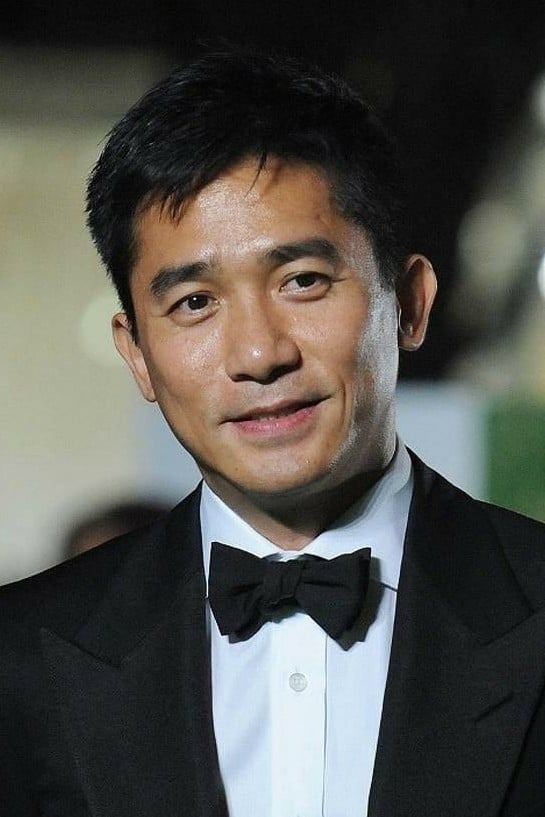
Tony Leung Chiu-wai is celebrated for micro-expressions and minimalism in films such as ‘In the Mood for Love’ and ‘Shang-Chi and the Legend of the Ten Rings’. He communicates interiority through subtle eye movements and breath rather than dialogue. Leung’s transition into Hollywood projects retained his restrained style without sacrificing clarity. His method often relies on musical rhythm to structure scenes.
Mads Mikkelsen
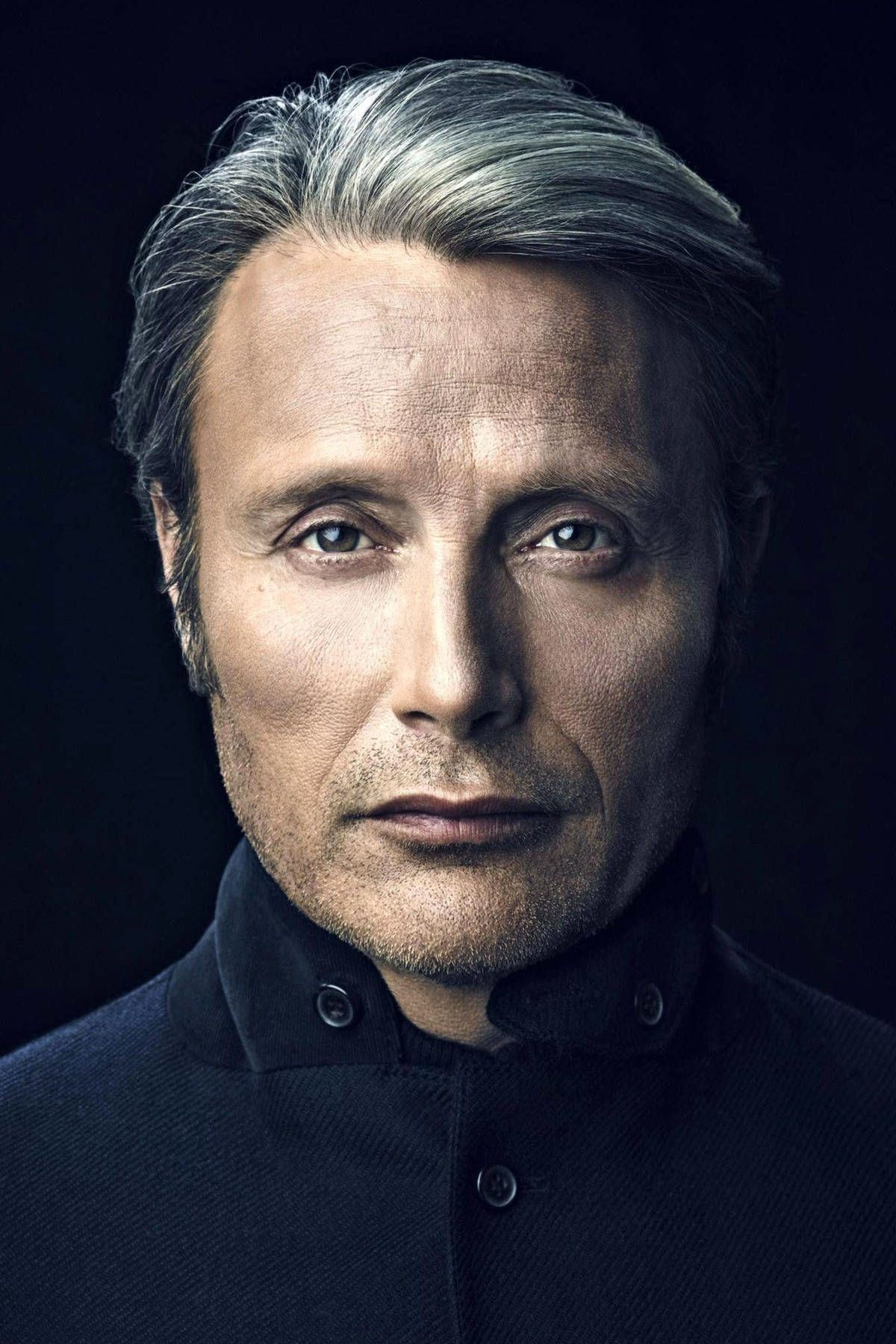
Mads Mikkelsen blends dancer’s control with reserved intensity across ‘Another Round’, ‘Hannibal’, and ‘Casino Royale’. He frequently portrays antagonists with human-scale motivations rather than caricatured evil. Mikkelsen’s multilingual work allows seamless movement between European cinema and Hollywood. His characters often hinge on precise physical economy and calibrated eye contact.
Peter Sellers
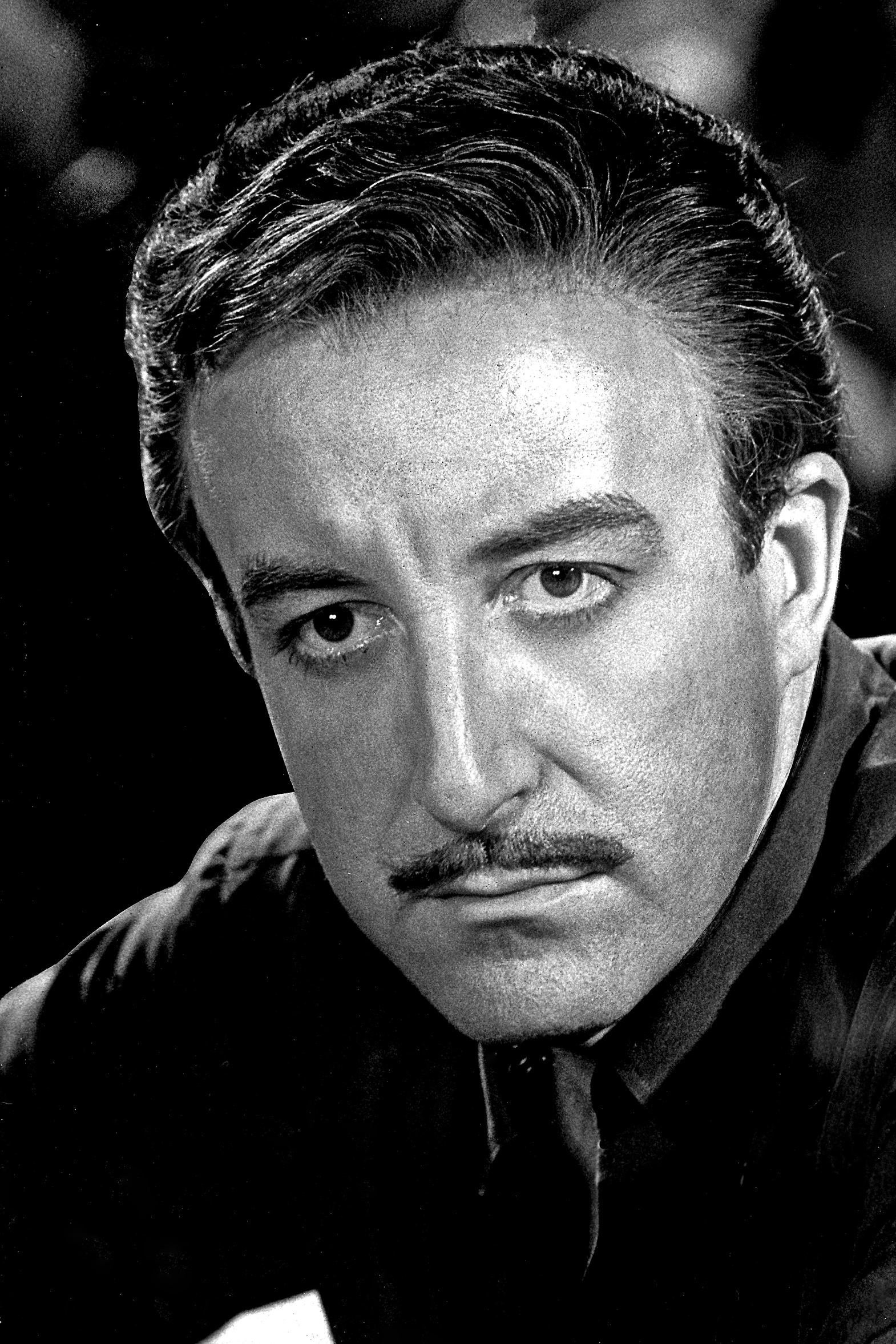
Peter Sellers was a master of multi-role performances and accents, most famously in ‘Dr. Strangelove’ and the ‘Pink Panther’ series. He developed characters through meticulous vocal invention and costume-driven behavior. Sellers’ radio and sketch-comedy roots informed rapid shifts between personas. His film work demonstrated how one actor could anchor a narrative through varied identities.
Charlie Chaplin
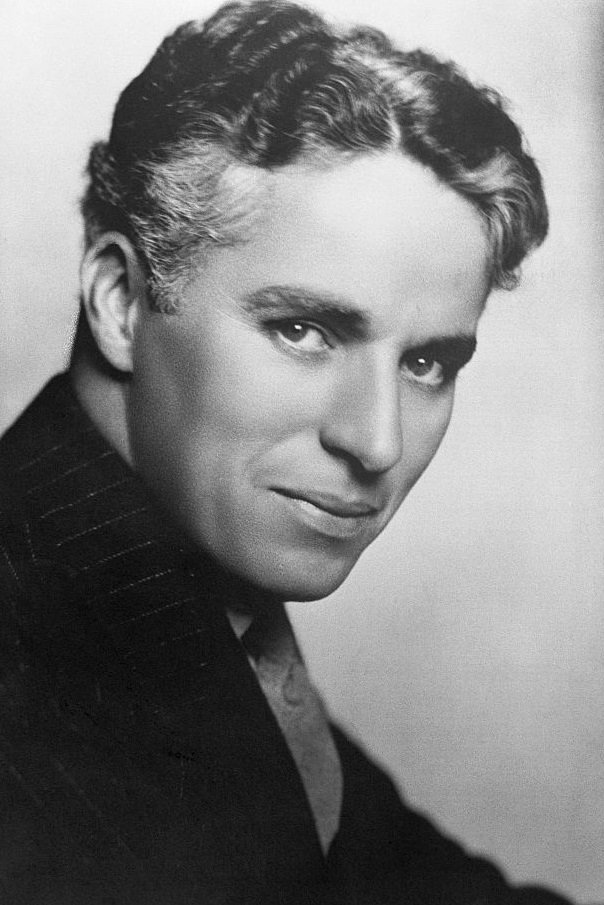
Charlie Chaplin combined acting, directing, and composing to create the Tramp persona in films like ‘City Lights’ and ‘Modern Times’. He relied on pantomime and precise physical choreography to convey emotion without dialogue. Chaplin’s control over production allowed him to refine performance at every stage. His approach established enduring techniques for physical comedy and cinematic storytelling.
Buster Keaton
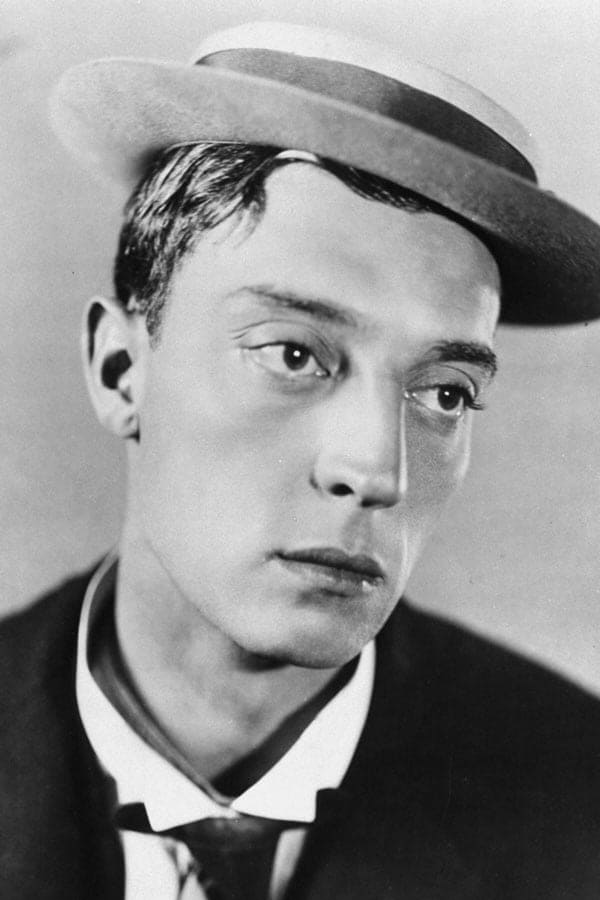
Buster Keaton’s deadpan expression and complex stunt engineering defined films such as ‘The General’ and ‘Sherlock Jr.’. He designed large-scale gags that required exact timing and mechanical planning. Keaton’s emphasis on full-body performance influenced modern action-comedy staging. His work demonstrates how camera placement and actor movement interact for clarity.
Laurence Olivier
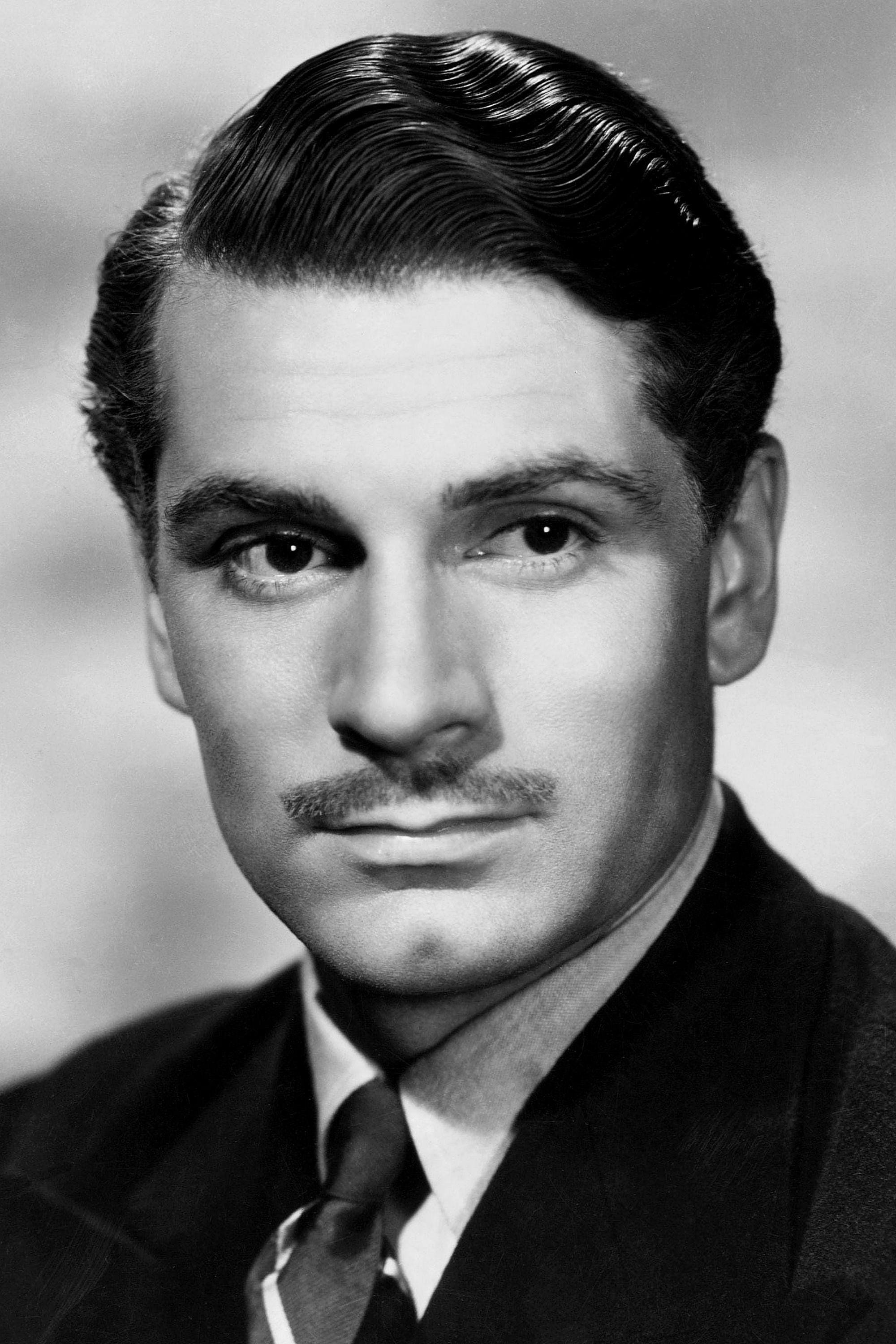
Laurence Olivier translated classical stage techniques to screen in works like ‘Hamlet’, ‘Rebecca’, and ‘Richard III’. He emphasized vocal projection, verse handling, and codified gesture adapted for the camera. Olivier also directed and produced, shaping performance through editorial choices. His career bridged theatrical tradition and evolving film grammar.
Bruce Lee
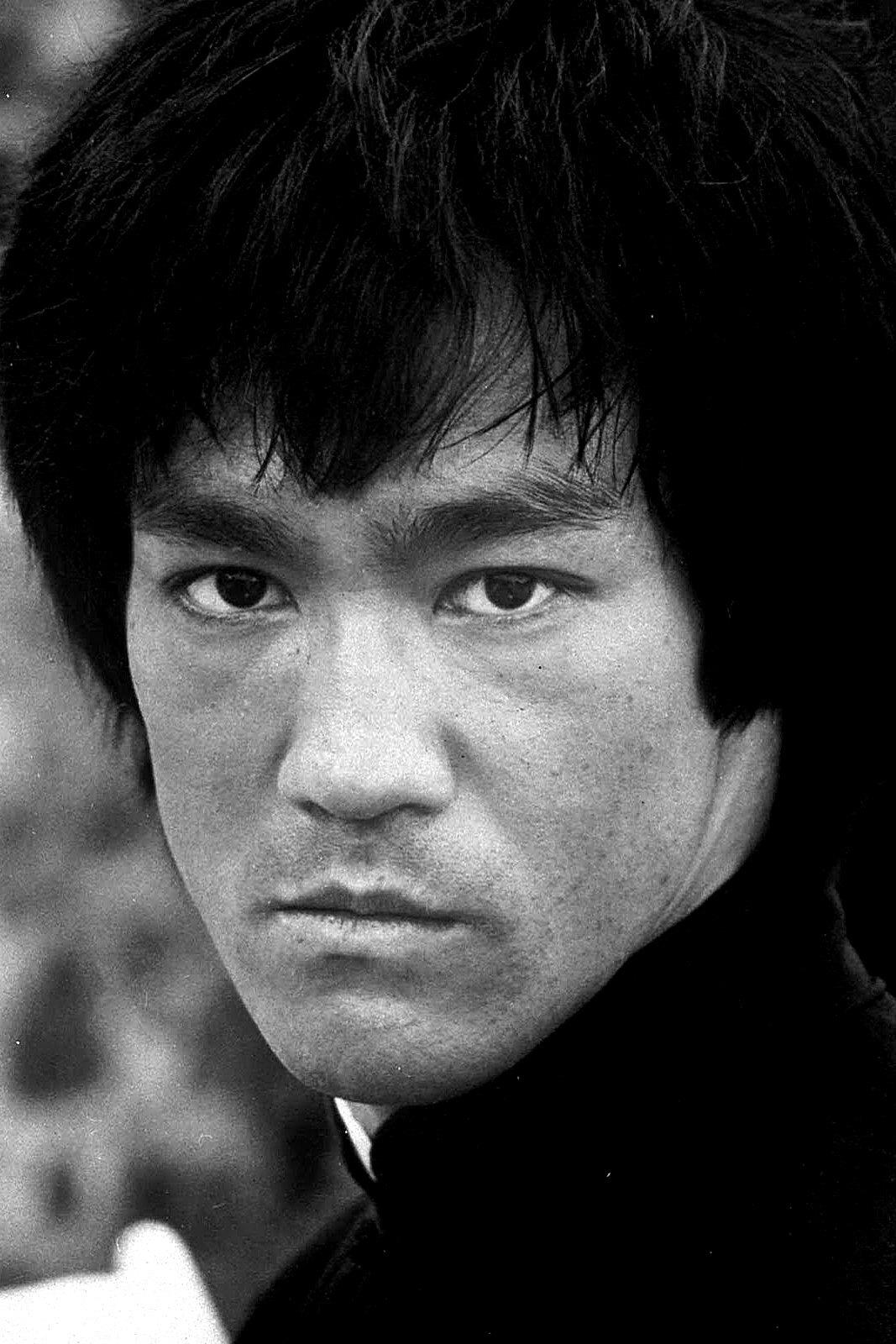
Bruce Lee revolutionized on-screen martial arts with economy of movement and philosophical framing in ‘Enter the Dragon’ and ‘The Way of the Dragon’. He choreographed fights around speed, impact, and clarity for the lens. Lee’s Jeet Kune Do principles informed stunt design and actor training in later action cinema. His approach integrated physical skill with narrative purpose.
Jet Li
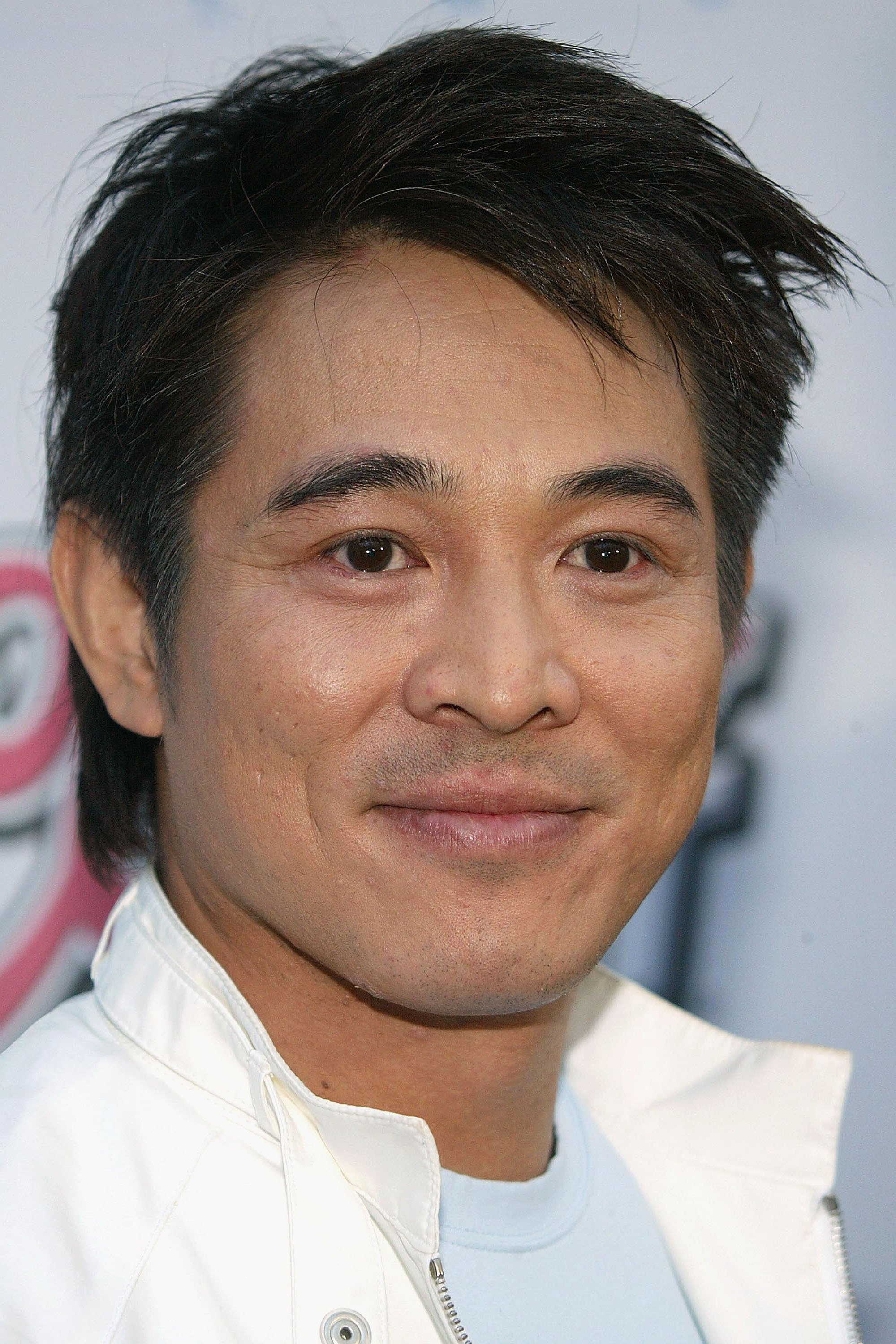
Jet Li brought wushu precision to international audiences with projects like ‘Romeo Must Die’, ‘Hero’, and ‘Lethal Weapon 4’. He emphasizes real-world technique adapted for cinematic readability. Li’s collaborations with choreographers and wire teams maintain momentum without sacrificing form. His roles often bridge cultural settings while preserving martial discipline.
Danny Trejo
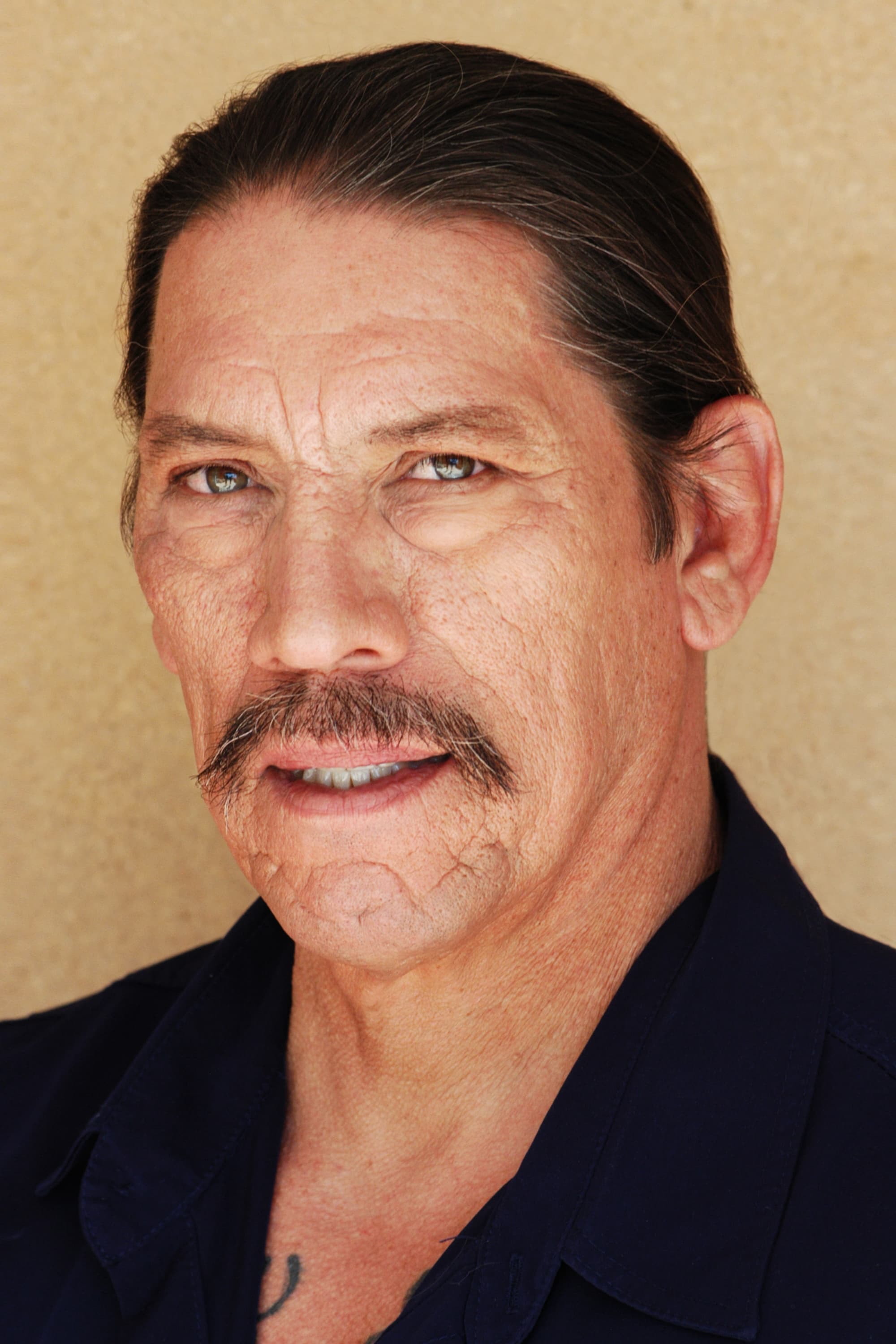
Danny Trejo leveraged a distinctive look and life experience into memorable character roles across ‘Machete’, ‘Heat’, and ‘Con Air’. He often portrays tough figures with clear moral codes or loyalties. Trejo’s extensive guest appearances in television and film create a recognizable throughline. His off-screen community work and entrepreneurship run parallel to steady on-screen output.
John C. Reilly
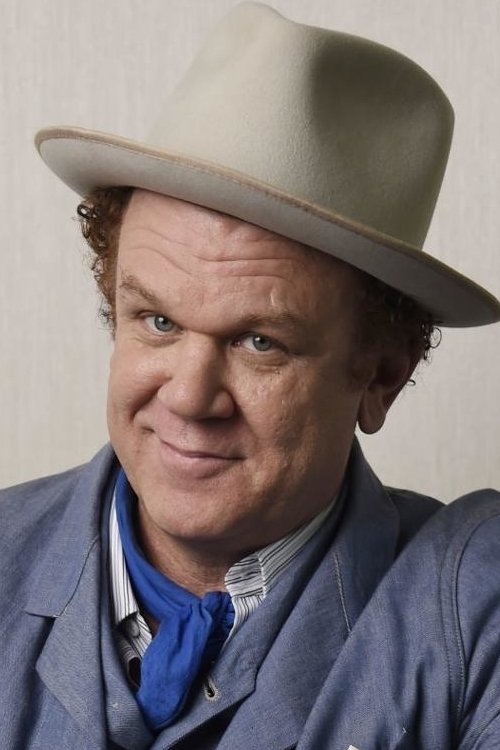
John C. Reilly moves between broad comedy and calibrated drama in ‘Step Brothers’, ‘Chicago’, and ‘Magnolia’. He adapts vocal tone and physical looseness to match directors’ styles, from improvisational sets to tightly scripted ensembles. Reilly’s musical abilities support roles requiring live performance or period authenticity. His career demonstrates range without losing a grounded presence.
Philip Seymour Hoffman
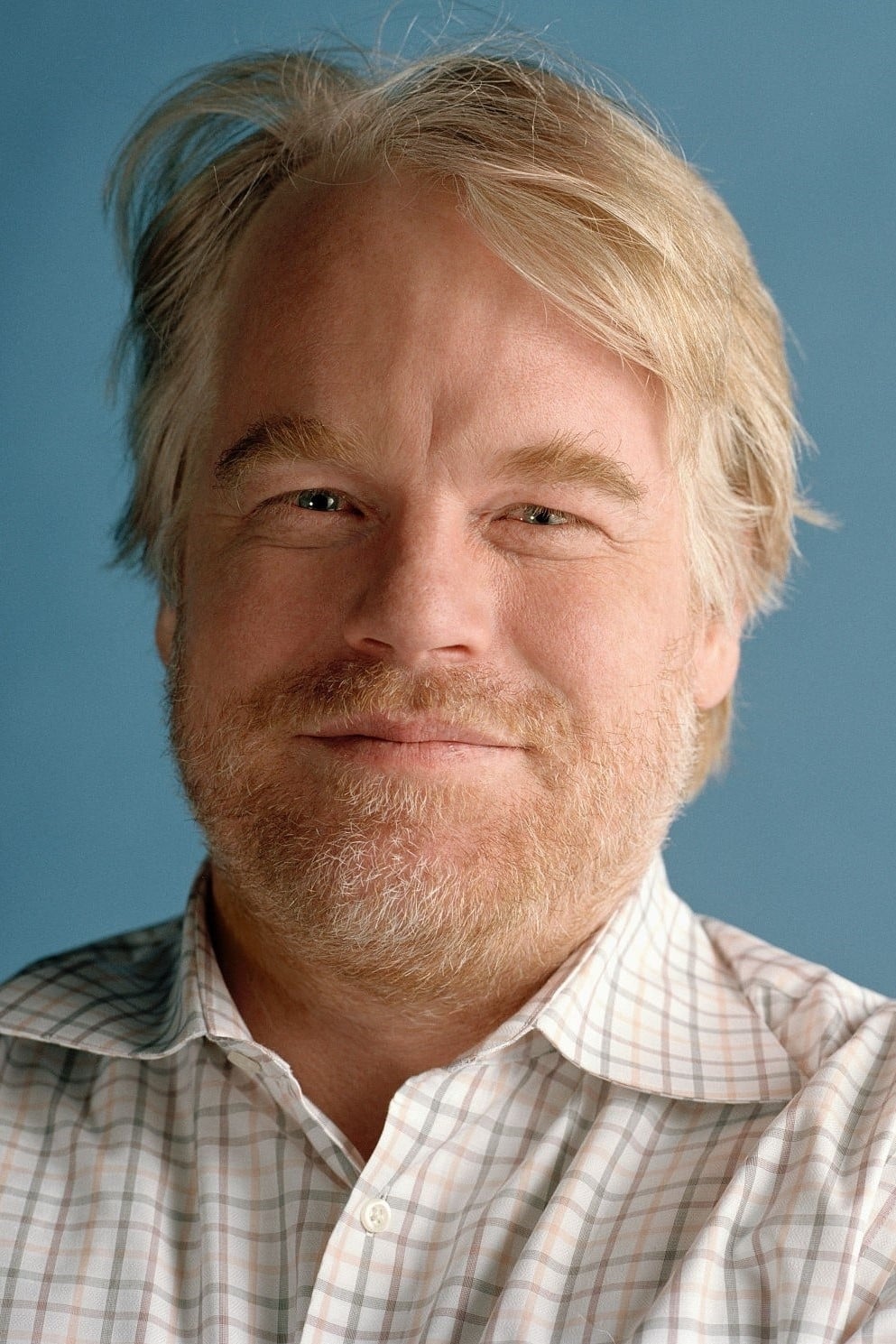
Philip Seymour Hoffman delivered detailed, interior performances in ‘Capote’, ‘The Master’, and ‘Almost Famous’. He built characters through specific posture, breath, and vocal placement tied to psychology. Hoffman’s stage direction and production experience informed scene architecture and partner responsiveness. His body of work remains a reference for character-driven filmmaking.
Forest Whitaker
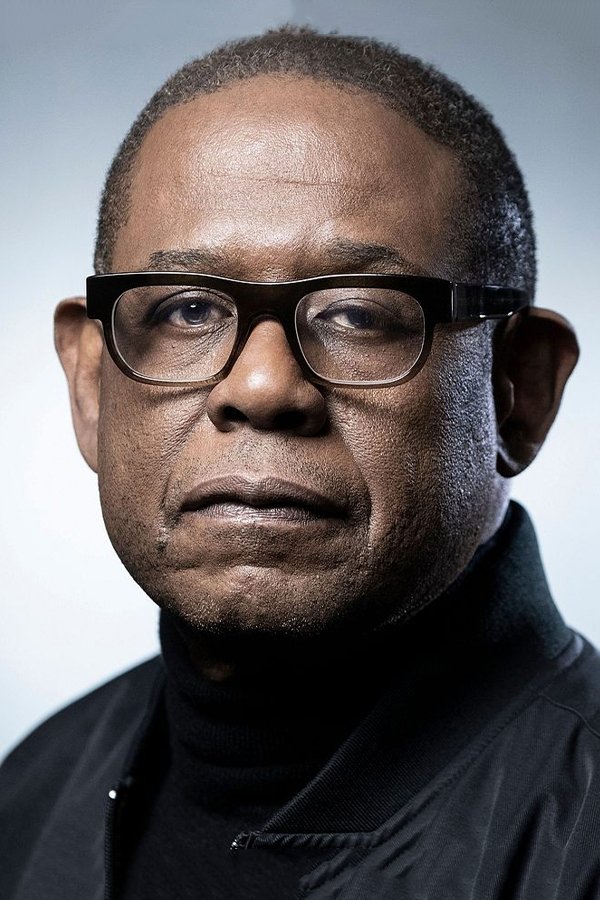
Forest Whitaker blends gentle cadence with sudden intensity in films like ‘The Last King of Scotland’, ‘Bird’, and ‘Rogue One: A Star Wars Story’. He researches dialects and physical tics to anchor portrayals of real and fictional figures. Whitaker’s directing and producing expand his impact beyond acting roles. His performances often center on moral complexity expressed through quiet observation.
Christopher Lee
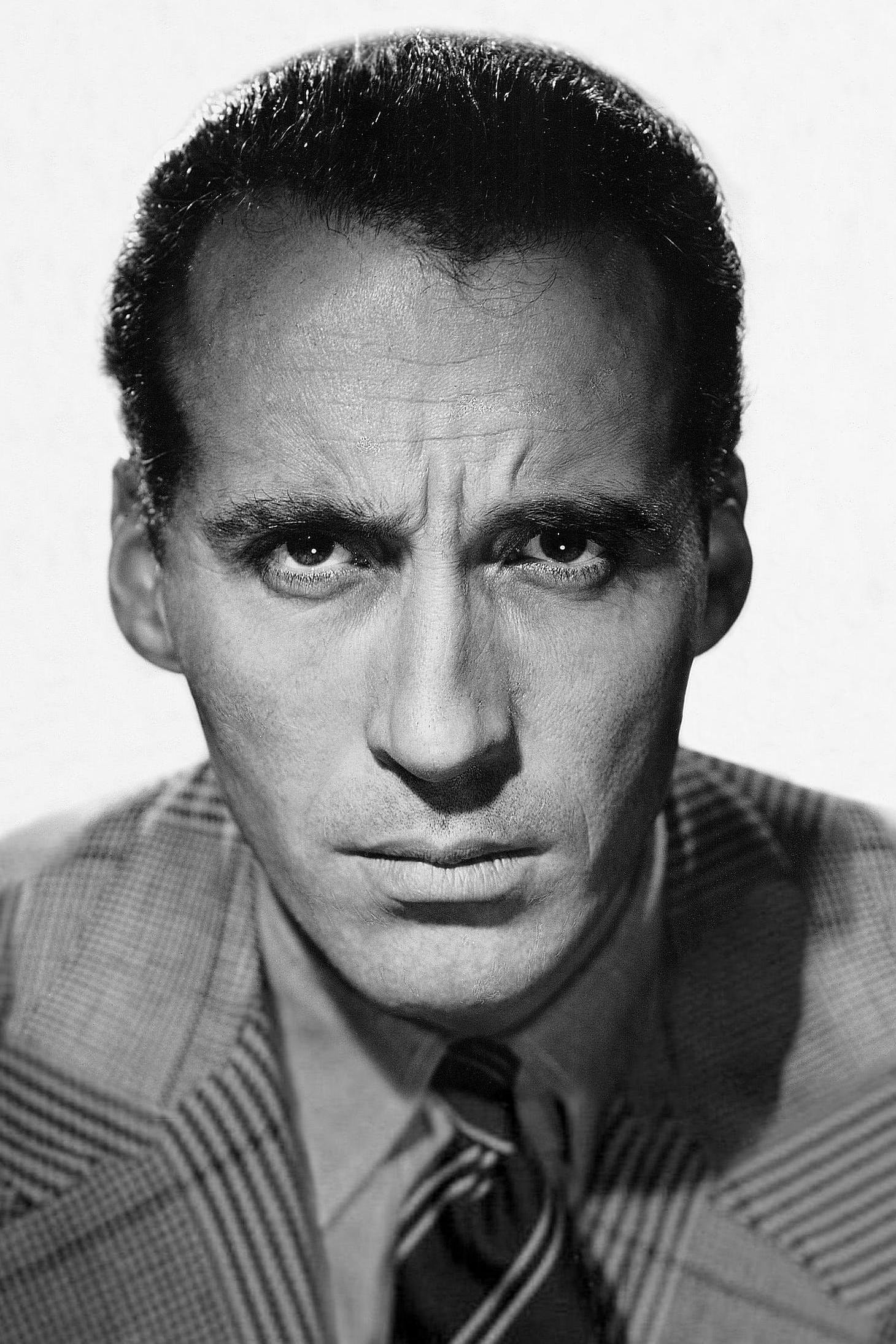
Christopher Lee’s resonant voice and imposing height made him a staple of genre cinema, from ‘Dracula’ cycles to ‘The Lord of the Rings’ and ‘Star Wars’. He spoke multiple languages and recorded metal music projects, underscoring theatrical range. Lee’s longevity linked mid-century Gothic traditions to modern fantasy franchises. He approached villainy with detailed backstory and dignified bearing.
Peter Lorre
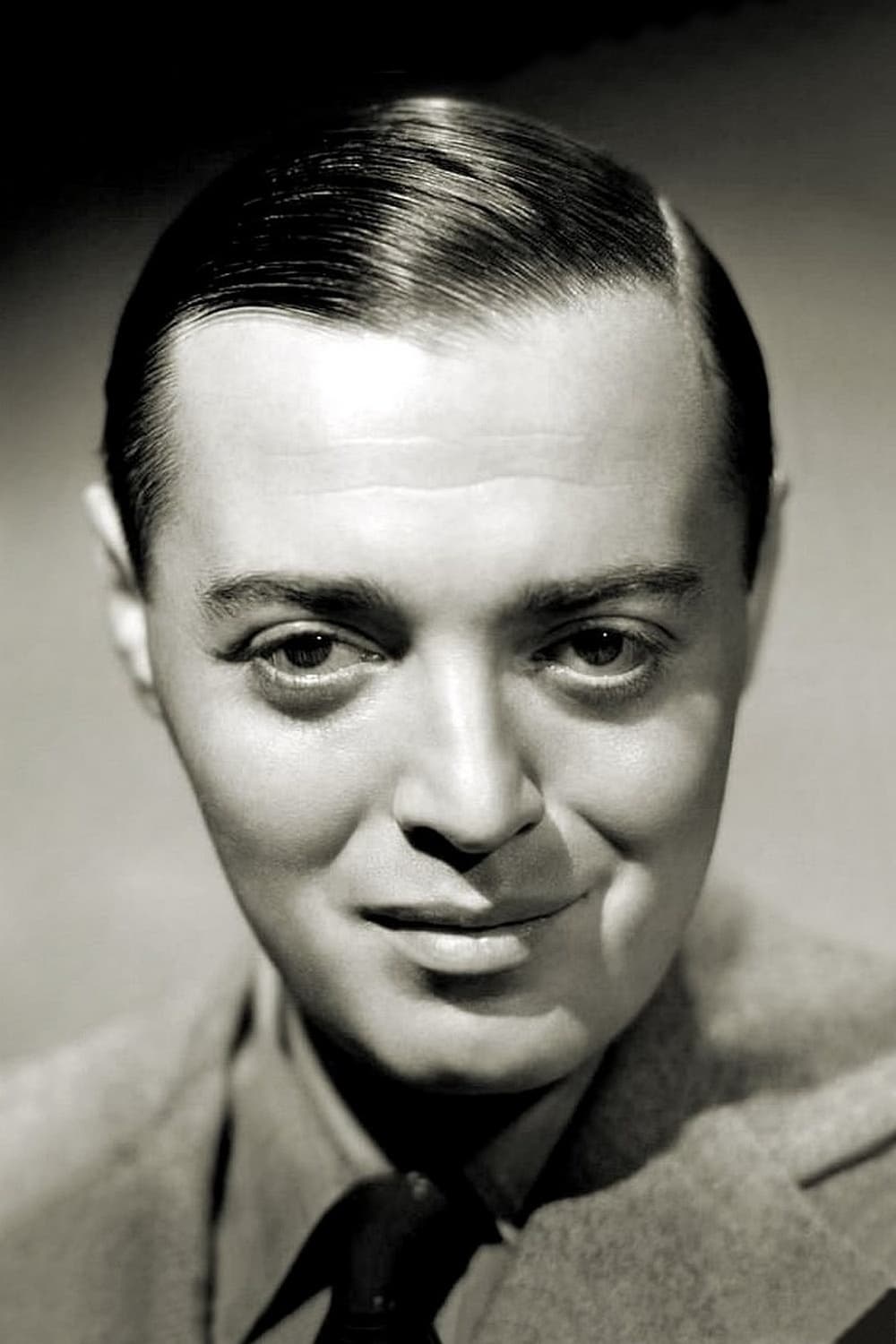
Peter Lorre’s distinctive voice and expressive eyes shaped iconic roles in ‘M’, ‘Casablanca’, and ‘The Maltese Falcon’. He brought European expressionist sensibilities to Hollywood noir. Lorre’s characters often balanced vulnerability with menace in tight close-ups. His style influenced portrayals of outsiders and morally ambiguous figures for decades.
Vincent Price
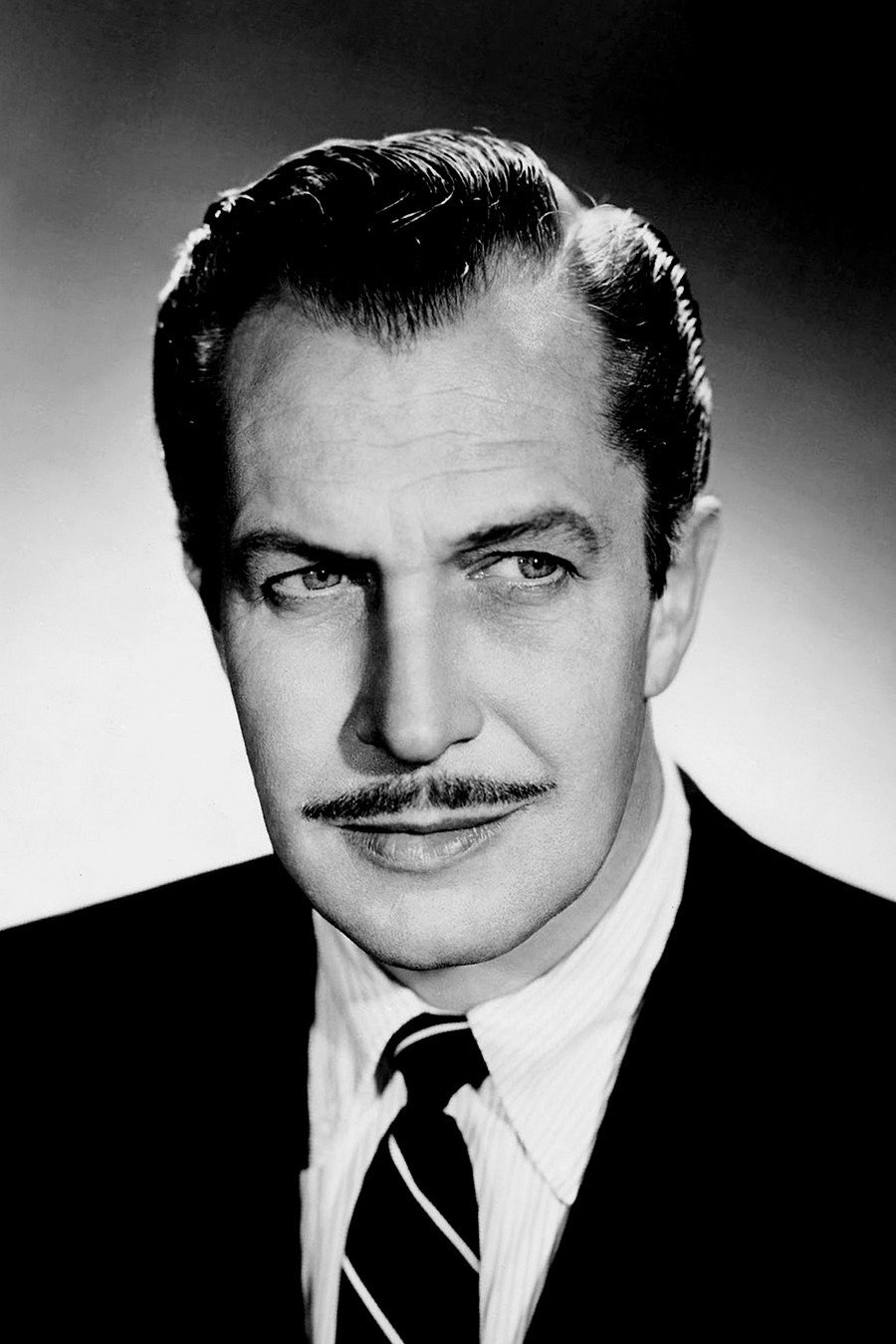
Vincent Price fused urbane charm with macabre roles in ‘House of Wax’, ‘The Fly’, and ‘The Masque of the Red Death’. He trained in art history, which informed period authenticity and prop usage. Price’s stage and radio work contributed to precise diction and atmospheric narration. His presence helped define the tone of American Gothic horror on screen.
Share your picks and the performances you think belong on this list in the comments!

